
HEALTH AND MEDICAL SPECIAL
FEATURING
ENQUIRER CONSULTING GROUP
CURIUM PHARMA
PLASMAGEN
PHARMABLOCK
ZETA
MERCK
GSK
HELBLING
5FLOW
PAUL SMALDONE, INNOVATIVE MEDICAL
TIM RATH, INNOVATIVE RADIOLOGY

HEALTH AND MEDICAL SPECIAL

Welcome to the Health and Medical Special 2026 Edition of Business Enquirer Magazine
Healthcare has always been defined by innovation. Yet in 2026, innovation alone is no longer enough. Scientific breakthroughs remain essential, but increasingly the organisations shaping the future of pharmaceuticals are those capable of transforming discovery into delivery. The challenge is no longer simply developing the next generation of therapies. It is building the infrastructure, systems and expertise required to bring them to patients faster, more efficiently and at greater scale than ever before.
This special edition explores the businesses, technologies and leaders helping to redefine what modern pharmaceutical innovation looks like.
We focus on Curium and Chief Executive Officer Renaud Dehareng, whose vision for nuclear medicine reflects one of the most significant shifts currently taking place within oncology. As radiopharmaceuticals move from specialist treatment to mainstream cancer care, Curium has positioned itself at the centre of a rapidly evolving field. The company’s story is one of conviction, reinvestment and long-term thinking, demonstrating how scientific ambition must be supported by operational excellence if it is to create meaningful patient impact.
That balance between innovation and execution runs throughout this edition. At PlasmaGen, we examine how leadership, infrastructure and strategic investment are helping to strengthen access to plasma-derived therapies across India and beyond. What emerges is a powerful example of how healthcare resilience is built not only through scientific capability, but through the creation of sustainable ecosystems capable of delivering treatments reliably and affordably.
The growing role of digitalisation is another defining theme. Features on ZETA and Helbling explore how digital twins, connected data environments and intelligent manufacturing systems are transforming pharmaceutical development and production. In an industry where speed, compliance and quality must coexist, these technologies are becoming far more than operational tools. They are becoming strategic assets that reshape how organisations design, build and scale innovation.
Artificial intelligence also continues to move from promise to practical application. Our conversation with Merck examines how advanced retrosynthesis platforms are helping researchers accelerate drug discovery, while our news coverage explores the wider adoption of AI across laboratories, manufacturing facilities and regulatory environments. The common thread is clear. AI is no longer an emerging technology within pharmaceuticals. It is becoming part of the industry's operational foundation.
Alongside these transformations, we also explore the people shaping the sector. From leadership perspectives at PharmaBlock to the collaborative ecosystems supporting global pharmaceutical growth, this edition highlights the importance of culture, talent and shared purpose in driving long-term success.
Across every feature, a consistent pattern emerges. The future of pharmaceuticals will not be determined by scientific breakthroughs alone. It will be defined by the ability to connect research with manufacturing, technology with regulation, and innovation with patient outcomes. The organisations leading this transition understand that progress depends not simply on what can be discovered, but on what can be delivered.
If you have a business story you wish to share, please contact our Head of Production via production@busenq. com
AI DRIVEN DRUG DEVELOPMENT IS RESHAPING THE PHARMACEUTICAL INDUSTRY IN 2026
Artificial intelligence is rapidly becoming one of the pharmaceutical industry’s most transformative technologies, with major drugmakers now integrating AI across research, manufacturing, regulatory processes and supply chain operations. In 2026, the conversation has moved far beyond experimentation, as companies increasingly use AI to accelerate drug development timelines, reduce costs and improve operational efficiency across global healthcare systems.
One of the clearest examples of this shift has come from Novo Nordisk, which recently revealed how AI is helping significantly reduce the time between clinical trials and regulatory submissions. According to company executives, AI tools are now being used to draft regulatory documents, analyse safety data and support commercial planning for new medicines.
The wider pharmaceutical sector is now following a similar direction. Companies across the industry are investing heavily in AI powered drug discovery platforms, predictive analytics, laboratory automation and digital manufacturing systems designed to speed up development while improving accuracy and scalability. Analysts increasingly believe AI could fundamentally reshape how medicines are researched, tested and brought to market over the next decade.
Importantly, AI is no longer being viewed solely as a research tool. Pharmaceutical businesses are increasingly applying automation and machine learning across manufacturing operations, supply chain optimisation and workforce training as pressure grows to improve efficiency while responding to rising global healthcare demand.
This shift reflects wider changes happening across global pharmaceuticals in 2026. Rising development costs, increasing regulatory complexity and growing demand for personalised treatments are pushing companies toward more data driven operating models. Industry reports suggest AI integration could dramatically shorten drug discovery cycles while helping improve clinical trial efficiency and manufacturing precision.
The growing role of AI is also accelerating collaboration between pharmaceutical firms and technology companies. Partnerships involving major AI developers and pharmaceutical manufacturers are becoming increasingly common as businesses race to build next generation digital research ecosystems. As pharmaceutical innovation continues evolving,
AI is rapidly moving from a future possibility into a central pillar of modern drug development itself.

FROM MEDIA GROUP TO CONSULTING GROUP
THE EVOLUTION OF ENQUIRER CONSULTING GROUP (ECG)
How a PR and brand-visibility business rebuilt itself around measurable growth, an AI sales engine, and a sharper focus on the medical and health sector.
The story begins with Enquirer Media Group (EMG), a global media business built around public relations and brand visibility. For more than a decade, its work centred on a single proposition: helping organisations be seen. That work has reached deep into the medical and health sector. The group’s back catalogue includes a 2021 healthcare feature with GSK, an interview with the company’s then President of Global Supply Chain, Roger Connor, and more recent profiles of pharmaceutical and biotechnology businesses such as PlasmaGen BioSciences and PharmaBlock.
Over time, a pattern emerged in those conversations. Visibility, clients found, was only part of what they needed. Recognition raised a company’s profile, but it did not always translate into the outcomes executives were measured on: new enquiries, qualified conversations, and revenue. The brief was shifting from awareness to growth.
That shift prompted the group to build something new. Enquirer AI, the company’s two-word AI product, was developed as a response to a practical problem rather than as a technology showcase. It applies artificial intelligence to sales and outreach, running across time zones at a lower cost than a conventional outbound team. The intended result is a steadier, more predictable pipeline

of leads and a reduction in the cost of generating them. In the medical and health sector, that proposition met a particular need. Many organisations in the field have been slower than other industries to adopt digital approaches to sales and outreach, which left room for a partner that could combine sector knowledge with the operational discipline the work requires.
The next step is a change of identity to match the change of work. Enquirer Media Group is becoming Enquirer Consulting Group (ECG). The rebrand reflects a wider role: not only raising visibility and supporting sales, but acting as a strategic growth partner to clients in the medical and health sector. The foundation is the same combination of media reach, the Enquirer AI sales engine, and a record of working with organisations across pharmaceuticals, biotechnology and healthcare.
The ambition is specific rather than sweeping. ECG positions itself as a growth partner for a sector where reputation is hardwon and decisions are deliberate. The aim is to help medical and health organisations turn recognition into measurable commercial results, and to do so as a longterm partner rather than a one-off supplier.
More information is available at www..enquirerconsulting.com
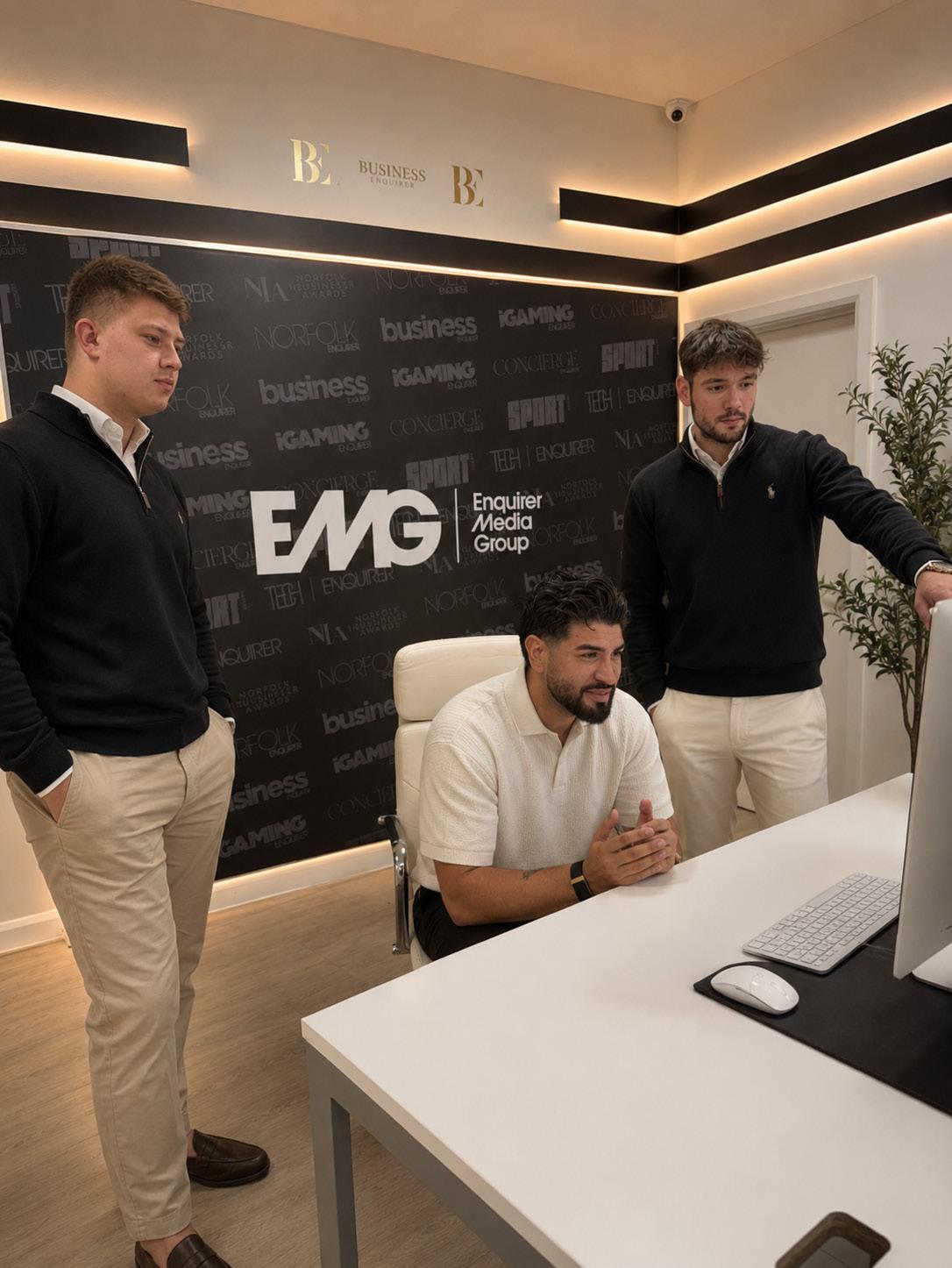
Co-Founders Dan Reeves, Jamie Waite, Ben Beattie.


AUTOMATION AND ROBOTICS ARE TRANSFORMING THE FUTURE OF PHARMACEUTICAL LABORATORIES
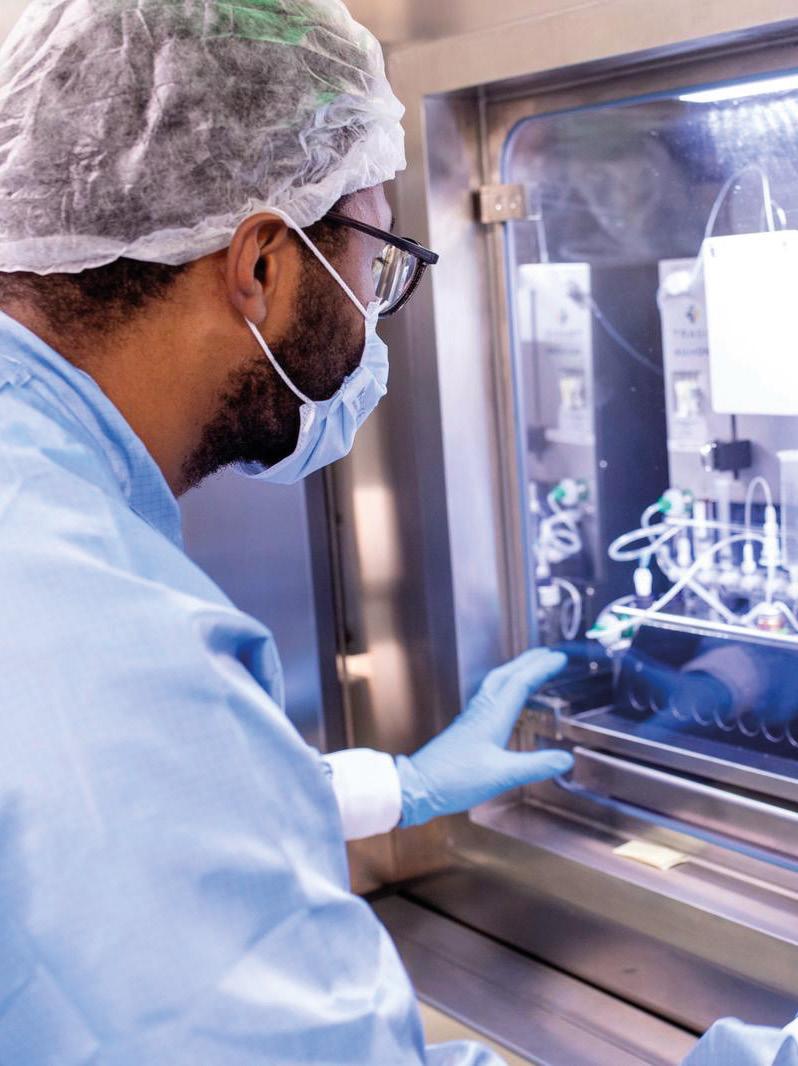
Pharmaceutical laboratories are rapidly evolving into highly automated, data driven environments as robotics and AI powered systems begin reshaping how medicines are discovered, tested and developed.
Traditionally, pharmaceutical research relied heavily on manual experimentation, lengthy testing cycles and highly labour intensive workflows. In 2026, however, the industry is increasingly embracing laboratory automation technologies capable of accelerating research while improving precision, reproducibility and scalability.
One of the most important developments within this space is the rise of AI assisted laboratory systems designed to automate sections of the Design Make Test Analyse cycle used in pharmaceutical development. Researchers and technology companies are now developing multi agent AI systems capable of assisting scientists with experiment planning, molecular analysis and workflow coordination.
The implications for pharmaceutical innovation could be significant.
Drug discovery has historically been one of the most time consuming and expensive processes within healthcare, with development timelines often stretching across more than a decade. AI driven laboratory systems are increasingly being positioned as a way to reduce those timelines dramatically while improving the probability of identifying viable therapies earlier in the process.
Automation is also helping laboratories manage growing scientific complexity. Modern pharmaceutical research now involves vast datasets spanning genomics, molecular modelling, clinical research and patient data. AI systems are increasingly capable of identifying patterns and relationships within this information far faster than traditional manual analysis alone.
At the same time, robotics are becoming more integrated into laboratory operations themselves. Automated testing platforms, robotic sample handling and digital monitoring systems are helping improve efficiency while reducing the potential for human error in highly sensitive research environments.
HEALTH AND MEDICAL

The shift is creating broader changes across the pharmaceutical workforce too. Companies increasingly require employees with expertise spanning biology, chemistry, software engineering and data science as laboratories become more digitally integrated. Industry leaders now view digital capability and AI literacy as essential components of future pharmaceutical innovation.
Importantly, automation is not replacing scientists entirely. Instead, many experts believe the future laboratory model will
centre around collaboration between researchers and intelligent systems, allowing scientists to focus more heavily on strategic problem solving and breakthrough innovation rather than repetitive manual tasks.
As pharmaceutical research continues becoming faster, more complex and increasingly data intensive, automated laboratories may soon become one of the defining foundations of the modern pharmaceutical industry itself.

Renaud Dehareng, Chief Executive Officer.
FROM VISION TO GLOBAL LEADER HOW RENAUD DEHARENG BUILT A NUCLEAR MEDICINE GIANT
CPROJECT DIRECTED BY: RUPERT KAY

ancer treatment is entering a new phase, and nuclear medicine is moving from the margins to the mainstream of that shift. While much of the pharmaceutical industry continues to debate precision, cost and access, radiopharmaceuticals are steadily redefining how cancer is diagnosed and treated. At the centre of that transformation stands Curium, a USheadquartered global leader in nuclear medicine that has, in little more than a decade, built one of the most formidable platforms in radiopharmaceutical diagnostics and therapeutics worldwide.
Leading that transformation is Renaud Dehareng, Chief Executive Officer and shareholder, whose relationship with Curium is not simply executive but entrepreneurial. He has been CEO since the company’s creation in its current form, but more significantly, he helped shape its strategy and fund its growth. When he speaks about Curium, it is not as a temporary steward but as a long-term architect.
Curium did not begin with an expansive manifesto about revolutionising cancer care. It emerged from the carve-out of a division from a Belgian listed company, backed by US private equity. In those early years, the objective was straightforward: stabilise operations, restore profitability and build a standalone entity capable of sustaining itself. Vision, in its grandest sense, came later.
“Between 2012 and 2015, it was about making it profitable without really a longterm vision.”
That discipline laid the groundwork for what followed. By 2015, a clearer opportunity had emerged. Nuclear medicine diagnostics in oncology were fragmented, geographically dispersed and ripe for consolidation. Curium raised approximately one billion dollars and embarked on an ambitious acquisition strategy, bringing 14 companies into the fold over a five-year period. The aim was not incremental growth but category leadership.
The scale of that consolidation was significant. Integrating scientific teams, harmonising regulatory systems and aligning commercial operations across multiple jurisdictions required both financial commitment and organisational resilience. Yet the result was a strengthened global infrastructure and a dominant position in diagnostic nuclear medicine.
It was during this consolidation phase that Curium’s ambition began to evolve. Nuclear medicine was not merely a diagnostic tool; it was increasingly revealing its therapeutic potential. By 2018 and 2019, Dehareng and his team recognised that radiopharmaceuticals could move beyond imaging and into targeted cancer treatment.
“From 2018 onward, every decision and investment that we have made was guided by this vision of developing nuclear medicine to become one of, if not the main technology used for treating cancer.”

CURIUM
CURIUM HEALTH AND MEDICAL SPECIAL
That statement marked a pivotal shift. Curium was no longer solely a consolidator of diagnostics; it was positioning itself as an innovation engine in therapeutics.
The boldness of that ambition was reflected in a defining capital allocation decision. In 2019, the company committed 100 per cent of its cash flow as reinvestment into its therapeutics R&D pipeline capabilities . Over time, this investment commitment ran into the hundreds of millions. It was a concentrated bet on itself, underpinned by alignment with its board and shareholders.
For Dehareng, such reinvestment is not extraordinary. It is essential. He believes the strongest growth companies reinvest fully into their future rather than distributing dividends. Today, one hundred per cent of Curium’s annual investment is directed towards innovation and expansion, from clinical development to manufacturing infrastructure and commercial capability.
The field Curium operates in has become intensely competitive. Hundreds of preclinical and clinical programmes in nuclear medicine are underway globally. Most will fail. Success depends not only on scientific promise but on operational and regulatory feasibility. Curium’s strategy is built on rigorous evaluation. Every potential project is examined across scientific viability, production scalability, regulatory pathway and commercial infrastructure.
“We know that between now and 2035 there will probably be 15 to 20 drugs that will be successful in nuclear medicine. The way you stay ahead is by developing a third or half of those.”
This combination of ambition and discipline defines Curium’s competitive positioning. The company does not merely pursue innovation; it pursues selective innovation, supported by infrastructure that few can replicate.
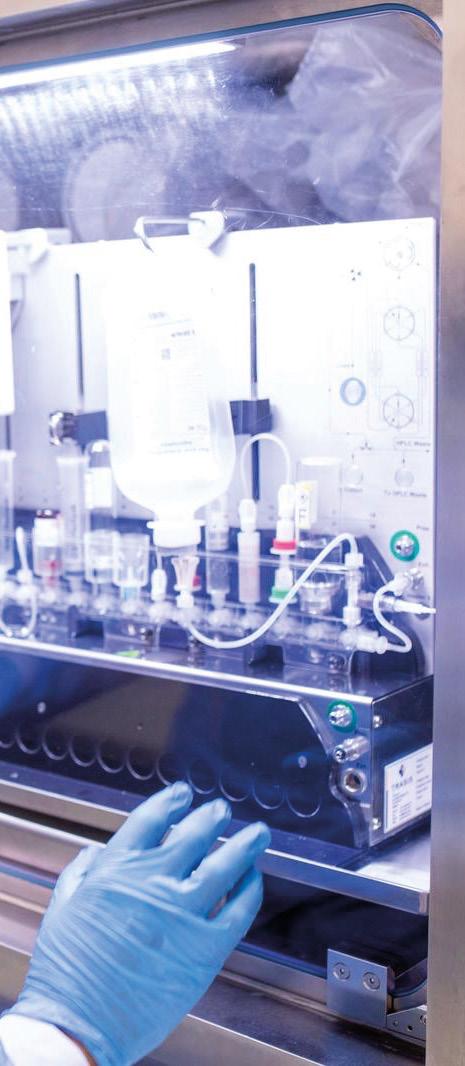
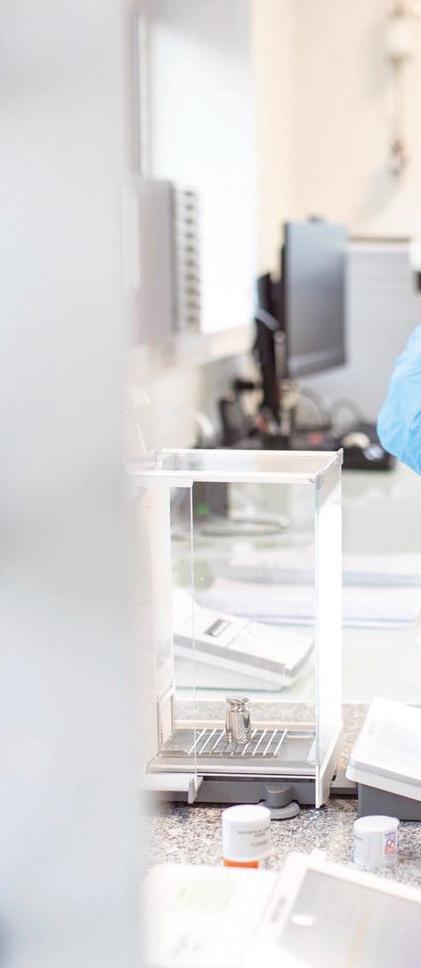
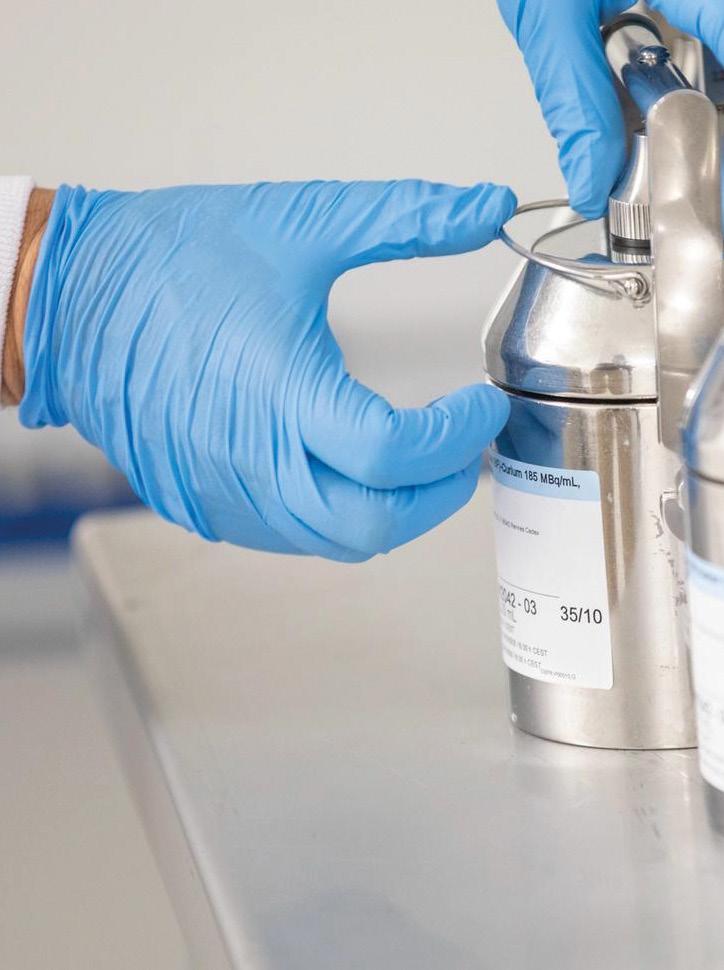
Operationally, nuclear medicine presents complexities rarely encountered in traditional pharmaceuticals. Production often begins in nuclear reactors, where materials are irradiated to produce medical isotopes. These isotopes are processed in specialised facilities and combined with targeting molecules in radiolabelling sites. Finished doses are then distributed globally.
The challenge is physics. Radioactive isotopes decay rapidly. Once production begins, time becomes the critical variable. Logistics, compliance and coordination must operate flawlessly.
“It’s kind of like shipping ice cubes across the globe – there is limited time before the ice melts. Radioisotopes can lose their activity very, very rapidly.”
Curium currently delivers doses for approximately 35,000 patients per day. That scale reflects a global supply chain built with precision, redundancy and deep technical expertise. It also highlights a core competitive advantage: the ability to produce and reliably deliver highly sensitive products worldwide, every single day.
When asked how he defines success, Dehareng does not refer to revenue targets or market share. Instead, he returns to impact on patients. Nuclear medicine’s appeal lies in its targeted mechanism of action, delivering radiation directly to tumour cells while limiting damage to surrounding healthy tissue.
“We will call success when we’ve reached a point where 80 per cent of cancers have a nuclear medicine solution and a hundred million patients’ lives are improved.”
CURIUM HEALTH AND MEDICAL SPECIAL
It is an audacious benchmark, one that may take a decade or more to approach. Yet it encapsulates the company’s long-term ambition and the belief that radiopharmaceuticals can become central to oncology.
The name Curium itself reflects this scientific conviction. It references the element named after Marie and Pierre Curie, pioneers in radioactivity research. The symbolism is deliberate. It signals respect for the scientific foundations of the field and an aspiration to extend that legacy into modern oncology.
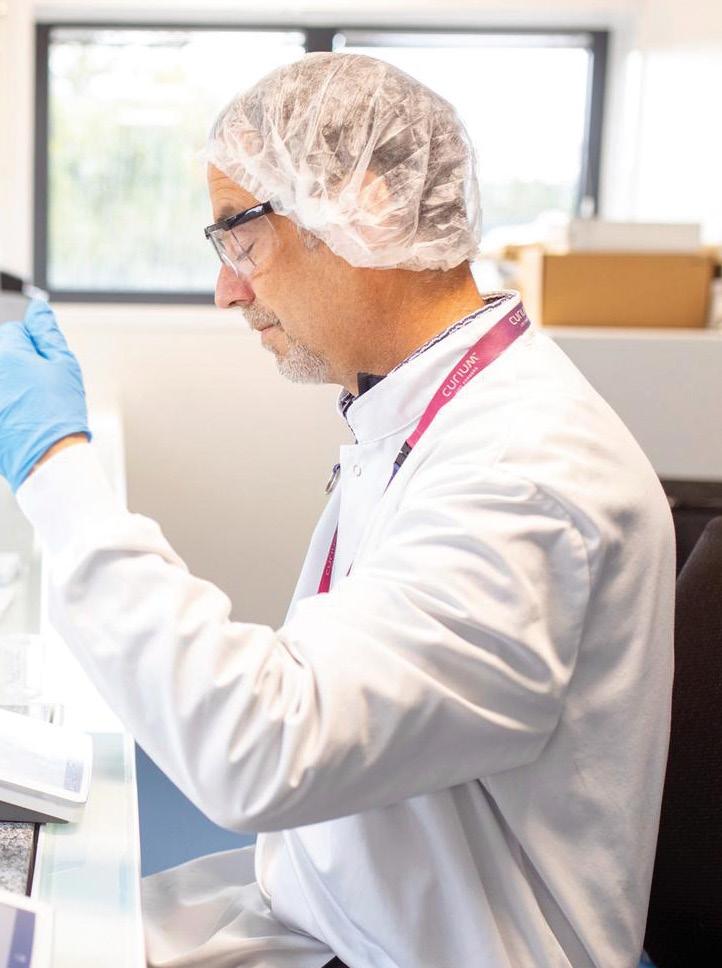
Theranostics, the integration of diagnosing disease and targeted therapy using related molecular pathways, represents one of the most promising developments in cancer care. Curium’s role within this space is twofold. First, it operates as an innovation engine, employing approximately 5,000 people globally in 70 countries, including hundreds of highly specialised scientists across chemistry, translational research, regulatory affairs and clinical development. Second, it positions itself as a consolidator, providing the commercial and supply chain backbone that smaller biotech firms often lack.
While Curium operates across Europe and Asia, its headquarters and strategic base are firmly rooted in the United States. FDA approval typically serves as the first milestone for new products. From there, global teams extend processes and expertise into Europe, Japan and China, adapting to local regulatory frameworks while maintaining consistent quality and safety standards.
Adaptation and compliance sit at the core of its regulatory posture, complemented by active engagement with policymakers and regulators to help shape frameworks that expand patient access to targeted diagnostics and therapies.

Beyond strategy and infrastructure, culture underpins execution. Curium’s internal framework is built around commitment, collaboration and integrity. Commitment ensures that once strategic decisions are made, they are pursued relentlessly. Collaboration bridges disciplines in an environment where chemists, quality specialists and logistics teams must operate seamlessly. Integrity safeguards patient trust in a field where safety is non-negotiable.
Purpose binds those values together. Thousands of employees across continents are aligned behind a shared mission of transforming cancer treatment through nuclear medicine. For Dehareng, aligning people around that vision is perhaps the achievement he is most proud of. Financial growth matters, but cultural cohesion sustains momentum.
From a carved-out division focused on profitability to a US-headquartered global platform delivering tens of thousands of doses to patients daily, Curium’s trajectory reflects strategic clarity and disciplined execution. Its ambition to enable nuclear medicine solutions for 80% of cancers is bold, but not abstract. It is supported by capital, infrastructure and a workforce aligned around long-term scientific impact.
If the next decade unfolds as Dehareng intends, nuclear medicine will move from specialist niche to central pillar of oncology. And Curium, built through consolidation, conviction and reinvestment, intends not merely to participate in that future, but to define it.
www.curiumpharma.com
THE HUMAN ELEMENT MEDICAL TECHNOLOGY CANNOT REPLACE
Technology is moving quickly through healthcare. Artificial in- telligence is being folded into administrative workflows, prospect- ing and analytics, and providers are under pressure to do more with less. Yet for the people who sell medical devices into clinics and hospitals, the work still rests on something older than any platform: credibility, educa- tion and the willingness of a clinician to take a meeting.
Few have watched that change from closer range than Paul Smaldone, Sales Director for the orthopaedic and durable medical equipment (D- ME) business channel at Innovative Medical. His career spans pharma- ceutical sales, diagnostics and
med- ical devices, and it has left him with a settled view of where AI helps and where it does not. Technology, in his telling, should give professionals more time for the human side of the job, not stand in for it.
Smaldone came to medical devices after earlier spells in pharmaceuticals and, briefly, in wine and spirits. What drew him back, he says, was “the ability to directly impact patients lives”, the chance to “sell a product or a solution that can change someone’s life”. That, he adds, matters in a trade defined by rejection: “It’s a difficult difficult life and there has to be something more than a monetary reward at the end of the day.”
PAUL SMALDONE INNOVATIVE MEDICAL

PAUL SMALDONE INNOVATIVE
That conviction crystallised early, around Inspire Medical’s implantable sleep apnoea device, a role that placed him across the whole patient journey. “We used to joke and say that the product we were saving mar- riages because we were allowing couples to sleep in the same room in the same bed together,” he recalls, “and that actually as much as we joked about it was the truth and I heard it right from spouses in the waiting room that they were so thankful for it.”
It also shaped a philosophy he has carried since. “Relationships are everything,” he says. “It’s why I enjoy sales is it’s a personto-person busi- ness, very interpersonal.” That governs what he is prepared to put in front of a clinician: “something that is of value to them and that it’s not just a metoo product, a commodity, but some- thing that’s interesting, innovative, and I believe that’s very important in maintaining credibility and trust at a high level.”
The principle has had a cost. Smal- done left pharmaceuticals after his employer declined to be transparent about the side effects of a particular medication.
“For eight or nine years I had been calling on these doctors and I just felt that I was going to very quickly lose their trust if I sort of walked the company line, and that for me was the last straw in that industry. So yeah, I walked away.”
The harder part of the job today is reaching clinicians at all. Physicians are busy and increasingly reluctant to be interrupted by emails, calls or un- solicited visits. That, Smaldone ar- gues, is where AI has changed his working week most, handling the re- search and prospecting that once swallowed his time and sharpening his business planning.
Among the tools he uses is Enquirer Consulting Group (ECG), which he came across through a piece of out- reach in his own LinkedIn inbox. “As a sales director I get targeted a lot in my inbox with lead generation pro- grams and a lot
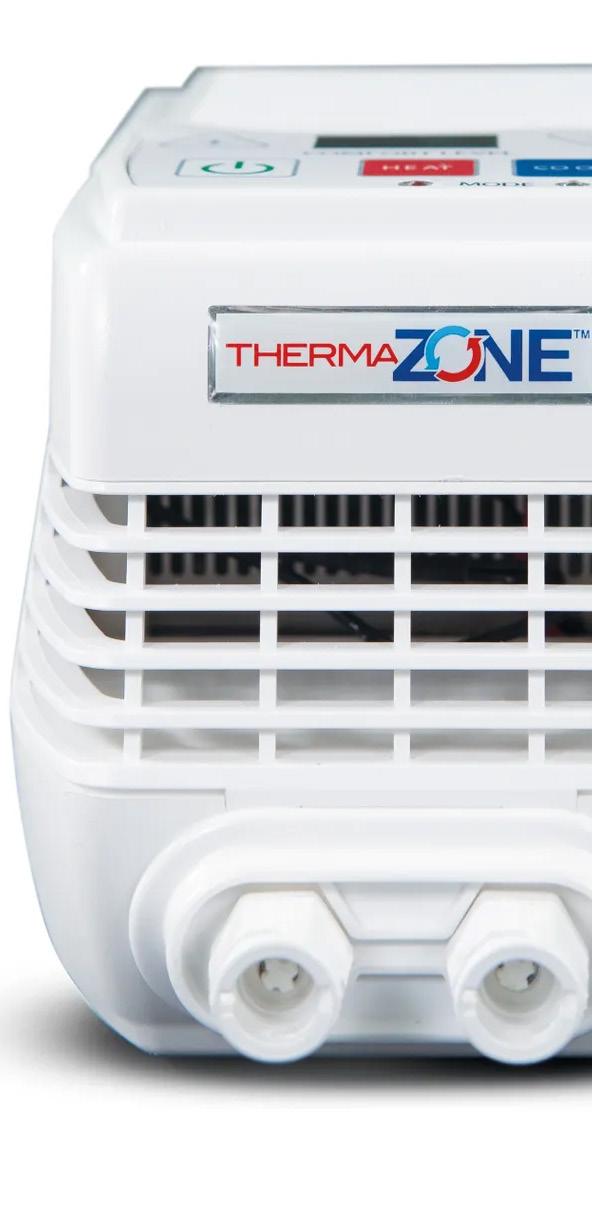
ThermaZone® Heating & Cooling Thermal Therapy Device.
PAUL SMALDONE INNOVATIVE

of them I skip through,” he says. “There was some- thing about the message that I got from ECG that made me stop and that’s the secret sauce that they have that I responded to.” He cannot put a figure on the hours saved: “I can’ t even quantify the number of hours that it’s saved me. And the ROI is ab- solutely fantastic.”
The point, in his account, is not that the technology sells anything; it is that it clears away the groundwork. “If I don’t have to spend the hours that it takes to scrape the internet and search through LinkedIn based on titles and then read through some- body’s profile, those are hours that are saved that open up my calendar for the people that are interested and want to book a meeting with me.” Time, as he puts it, “is really our only true asset”.
Getting in front of a clinician is one thing; persuading one is another. Medical devices carry a heavy burden of education on safety, efficacy and, increasingly, economics. “It’s doing a great job of opening doors, which is a big part of the process,” Smaldone says of the technology. “And once that door is open, that human element is necessary.” His, he is can- did, is not the only device delivering a given therapy; what tips the balance is whether a physician or department chair respects the person across the table and values the wider service around the product. On that basis he is unworried: “I’m pretty confident that my job’s not going anywhere and that AI is truly going to just aug- ment what I do.”
That emphasis on usability runs through Innovative Medical’s Ther- mazone, a thermal therapy device for pain management. It delivers con- tinuous heating or cooling for up to 500 hours from a few ounces of dis- tilled water, replacing the mess and constant refilling of the traditional post-surgical ice bucket. The clinical case, in his view, turns less on novelty than on compliance: a patient who can set a temperature and leave it overnight is more likely to keep using it. As he puts it, “the providers could- n’t care
less if it’s a bag of peas or my device. They just want their patients to recover from the surgery as best they can and they get that from our device.”
Smaldone’s instinct for backing the right idea early has been tested be- fore. During the pandemic, working through a medical distributorship, he spotted a gap in rapid COVID testing across the Cleveland area, where pharmacies and hospital systems were burdened with long waits. The operation grew to five locations and formed direct relationships with local employers, competing with far larger systems on speed and convenience.
Nearly a decade earlier, in his first medical sales role, he introduced pa- tientspecific spinal rods to leading Cleveland institutions. Rather than have a surgeon bend metal rods by hand, the rods were pre-formed from scans so that, in his words, “a doc gets it and drops it right in without having to manipulate the rod.” Outcomes improved, and the operational gain was significant: “If they’re doing five surgeries in a day and they’re saving 30 minutes of surgery, that’s one more surgery that they can do in a day.” Adoption took time, but the clinical and operational case, he says, won physicians round in the end.
Working at the leading edge brings real pressure, he says, because every new product asks a clinician to change a behaviour built on decades of training. “25 years of education and that’s really what they’re relying on. And then you come in and say, here’s something new that you weren’t trained on in those 25 years. That’s the hardest part about it is changing be- haviour.” Patients, too, are arriving better informed and increasingly alert to cost. “There’s just so much inform- ation that’s out there at the patient’s fingertips, literally on their phones, that they can be a better ambassador for their own health,” he says, recall- ing earlier work with a diagnostic company that offered MRI and CT scans “at about a third of the cost as what you would have gotten at a ma- jor hospital system”.

PAUL SMALDONE INNOVATIVE, MEDICAL
His advice to clinicians and practice owners is to direct attention and budget towards technology. “I would focus my attention and my budget in the AI space, the tech space,” he says, pointing to the many ways an institu- tion “can utilise and implement AI that can improve patient outcomes because that’s the most important thing in healthcare.” The remaining obstacle, he suggests, is one of un- derstanding. “Stay openminded to it because it’s not scary. It’s there to help and in the end your patient out- comes will improve.” Many people, he adds, “are nervous about patient information entering into this AI space”, when in fact “there are a lot of guard rails in place to keep that patient in- formation safe”.
The technology is changing the work, in other words, but it has not changed what the work is for. Devices still have to reach the patients who need them, and that still depends on people who are trusted to recom- mend them.
www.thermazone.com
FROM PLASMA TO PATIENTS THE LEADERSHIP BEHIND HOW PLASMAGEN
IS CLOSING INDIA’S THERAPEUTIC GAP
There are few areas of modern healthcare where the distance between scientific capability and patient access is as stark as it is in plasmaderived therapies. These are not optional treatments or marginal interventions. They are essential, often life-saving, relied upon in critical care, immune deficiencies, trauma response and rare diseases. Yet in India, for decades, access to such therapies has been shaped not

by need, but by availability, with a heavy dependence on imports defining both supply and affordability.
It is this imbalance that sits at the heart of PlasmaGen’s story. Under the leadership of Vinod Nahar, Vivek Vasudev Kamath, and Sethumadhavan, the company has moved with clarity and intent to address what is, in essence, a systemic gap. Their work is not framed as disruption for its own sake, but as the deliberate construction of an ecosystem capable of delivering consistency, quality and access at scale.

PROJECT DIRECTED BY: RUPERT KAY

Cemil Biosciences
Cemil Biosciences Private Limited is a Bangalorebased biotechnology company supporting India’s Life Sciences and Pharmaceutical industries with dependable, high-quality microbiology solutions. Established in 2019, the company strives to simplify and standardize microbiological testing while consistently supplying innovative and reliable products, enabling Microbiologists to concentrate more on their core areas.
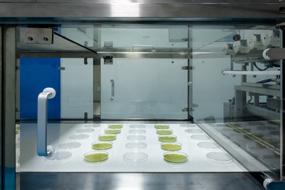
Cemil operates a fully automated, GMP-compliant manufacturing facility, ensuring complete product traceability and eliminating the risk of contamination throughout the production process. Its operations follow a structured, ISO 9001:2015 Certified quality management system, ensuring disciplined processes, documentation, and continual improvement across manufacturing and supply. Comprehensive batch traceability and controlled production practices further strengthen product reliability and consistency.
The organization is led by a multidisciplinary team with extensive expertise in microbiology, biotechnology,
www.cemilbio.com
quality assurance, regulatory compliance, and engineering. Their collective experience allows Cemil to deliver solutions that are both compliant and operationally efficient.
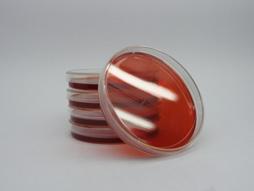
Cemil Biosciences offers a wide range of ready-touse microbiology products, including pre-poured culture media plates, liquid media, and agar in bottles formulated for convenient melting and pouring. Its core range includes widely used selective and non-selective culture media, and lab consumables such as sterile swabs, filter funnels, sampling bottles, sterile IPA and sterile Petri Plates, available in standard and lockable formats. Their experienced R&D team works closely with clients to create bespoke solutions to meet unique customer requirements.
With a strong focus on customization, cost efficiency, and dependable supply, Cemil Biosciences continues to support laboratories across India with practical, Madein-India solutions that simplify microbiological testing and improve operational outcomes.

PLASMAGEN HEALTH AND MEDICAL SPECIAL
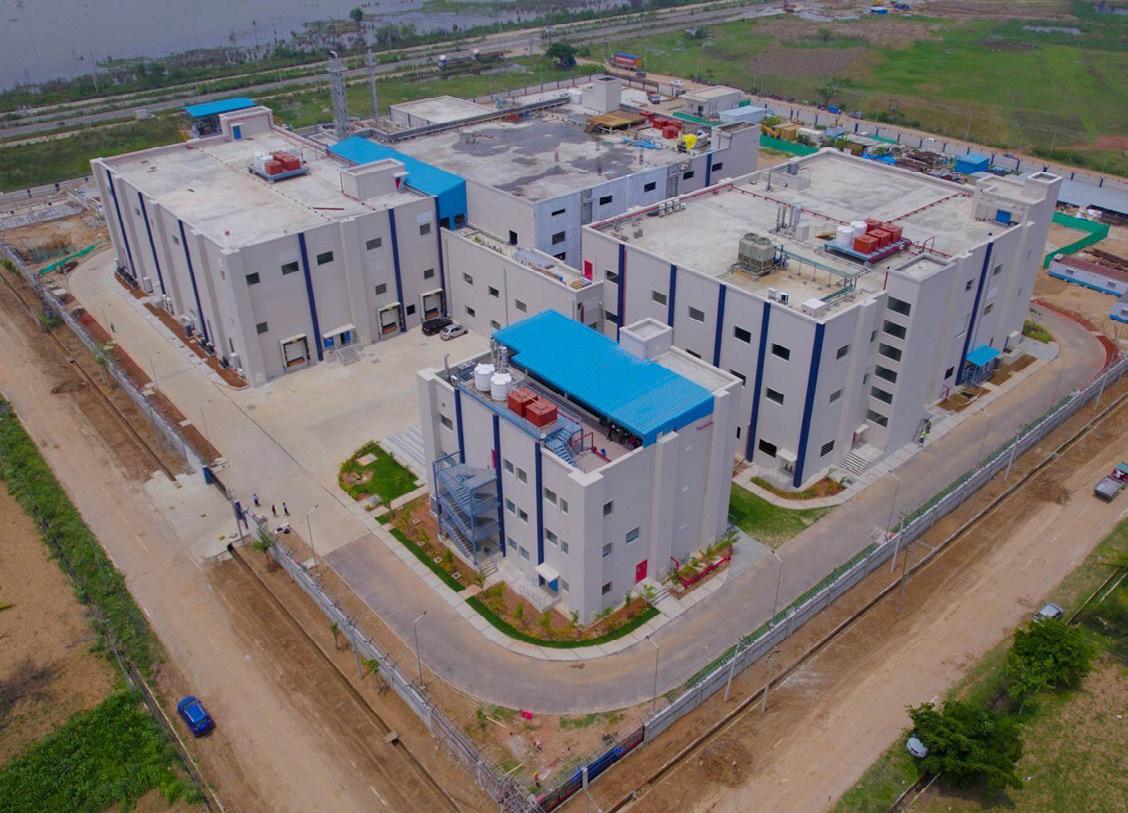
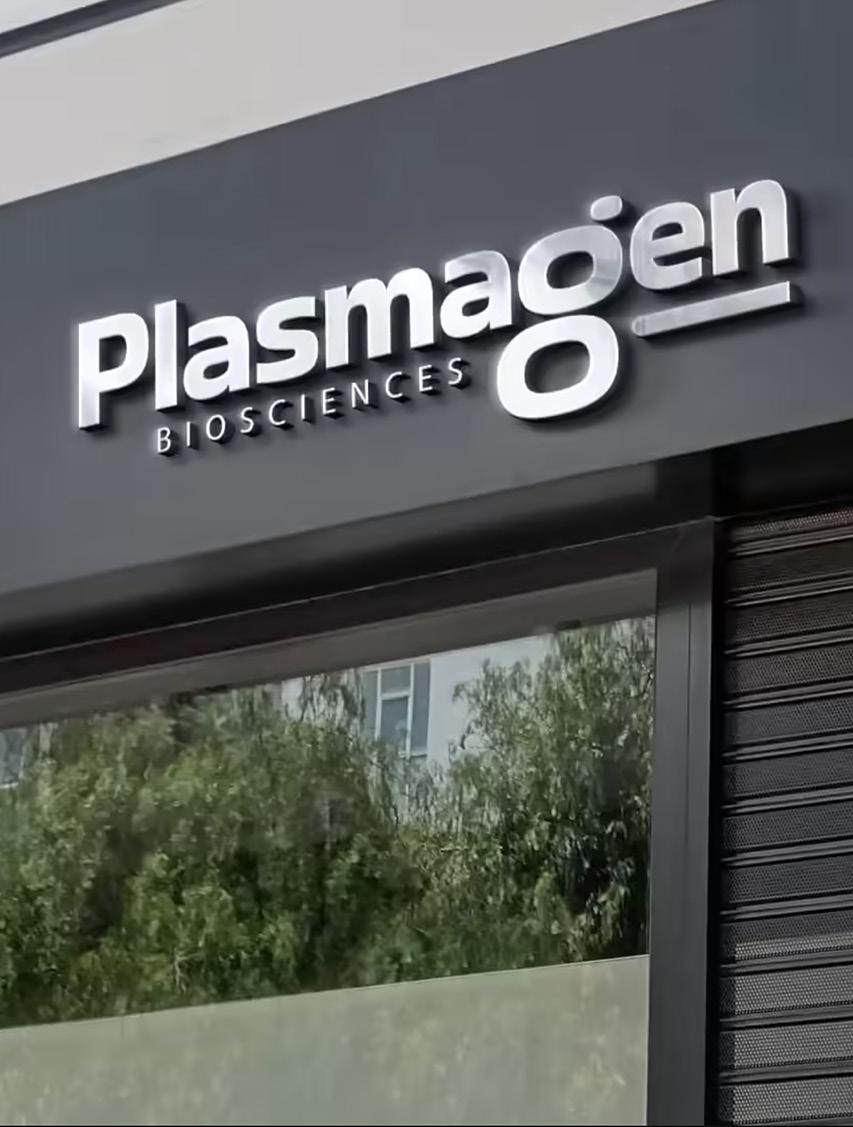
What emerges from conversations with the leadership team is a shared understanding that the challenge is not singular. It is layered, spanning science, infrastructure, regulation, logistics and trust. Plasma-derived therapies cannot be scaled through manufacturing alone. They require a fully integrated approach, one that begins with ethical plasma collection and extends through to advanced fractionation, rigorous quality control and reliable clinical delivery.
That thinking has shaped PlasmaGen from its earliest days. The original ambition to reduce India’s reliance on imported therapies has evolved into something far more comprehensive. Today, the organisation is focused on building a sustainable, end-to-end plasma ecosystem, one that aligns with global standards while remaining grounded in the realities of the Indian healthcare landscape.
The leadership dynamic behind that evolution is particularly instructive. Each brings a distinct perspective, whether rooted in scientific expertise, operational execution or commercial strategy. What is notable, however, is not the difference in backgrounds, but the cohesion in decision-making. In a sector defined by complexity and regulation, the ability to align across disciplines is not simply beneficial, it is essential. PlasmaGen’s progress reflects that alignment, with innovation, scale and patient impact consistently treated as interconnected priorities rather than competing interests.
Nowhere is this more evident than in the company’s approach to plasma fractionation. Widely regarded as one of the most demanding areas within biopharmaceutical manufacturing, fractionation requires precision at every stage. Plasma is not a uniform raw material. It is biologically variable,
PLASMAGEN HEALTH AND MEDICAL SPECIAL
sensitive and highly regulated. Converting it into safe, effective therapies demands advanced purification processes, robust viral inactivation systems and a level of process control that ensures reproducibility across batches.
PlasmaGen’s facilities have been developed with these demands in mind. Built to meet internationally recognised standards, they incorporate next-generation technologies and automated systems designed to optimise yield while maintaining uncompromising quality. Compliance with European and British pharmacopoeial benchmarks reflects a deliberate decision to operate at a global level, positioning the company not only as a domestic solution, but as a credible international player.
This focus on manufacturing excellence, however, is only one dimension of the broader strategy. If production represents the backbone of the business, then plasma












collection and supply chain management form its circulatory system. Historically, India’s plasma infrastructure has faced limitations, particularly in the availability of dedicated plasmapheresis centres. This has constrained the ability to build a consistent and scalable supply of plasma, reinforcing reliance on recovered sources and imported material.
Addressing this challenge requires more than capital investment. It requires behavioural change. Plasma donation is not widely understood, and building a culture of participation takes time.
PlasmaGen’s efforts in donor awareness and engagement reflect a long-term view, one that recognises trust as the foundation of any sustainable collection model. Education, transparency and ethical practices are central to that effort, ensuring that donors are not only informed, but confident in the impact of their contribution.


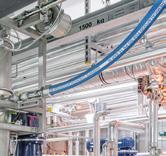
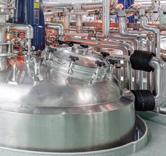





Modular design by the principle: Process first. Planning from the inside out.
Holistic plant engineering from the idea to production of:

Glatt Pharma+Biotech Process & Plant Engineering
Alongside collection, the logistical demands of plasma handling introduce another layer of complexity. Temperature control is critical at every stage, from collection through to processing and distribution. Cold-chain infrastructure must operate with precision across diverse geographies, often in environments where variability is the norm. PlasmaGen’s investment in this area underscores a broader operational philosophy: reliability is not an outcome, it is a system.
That system extends into the company’s distribution model, particularly within India’s fragmented healthcare landscape. Delivering therapies consistently across regions requires a combination of infrastructure, planning and clinical engagement. PlasmaGen has approached this challenge by pairing robust supply chain capabilities with structured medical education, ensuring that clinicians are equipped with both the knowledge and the confidence to utilise plasma-derived therapies effectively.
Trust, once again, is central. In a field where clinical outcomes are closely tied to product integrity, relationships between manufacturers, hospitals and physicians carry significant weight. PlasmaGen’s emphasis on transparency and long-term partnership reflects an understanding that trust is built incrementally, through consistent delivery and demonstrated quality.
Beyond the operational and clinical dimensions, the company’s work speaks to a broader shift in how healthcare systems approach resilience. Local manufacturing of plasma-derived therapies is not simply a commercial advantage. It is a strategic necessity. By reducing dependence on imports, India gains greater control over supply continuity, pricing stability and long-term planning. In a global environment where supply chains are increasingly scrutinised, this shift carries significant implications.
The economic impact is equally substantial. Building a domestic plasma ecosystem requires the development of
specialised capabilities across science, manufacturing and logistics. PlasmaGen’s growth has contributed to this capability building, creating skilled employment opportunities and strengthening India’s position within the global biopharmaceutical sector.
At the same time, the leadership team is clear in its positioning of commercial success. Growth, while important, is not pursued at the expense of accessibility. Quality, affordability and patient access are treated as fixed principles rather than variables to be adjusted. This approach reflects a disciplined governance model, supported by strong investor backing and a long-term perspective on value creation.
That balance becomes particularly relevant as PlasmaGen expands its global footprint. International markets present both opportunity and complexity, with diverse regulatory requirements shaping entry strategies. Rather than pursuing rapid expansion, the company has adopted a measured approach, focusing on regions where unmet clinical need is significant and where its capabilities can deliver meaningful impact.
Markets across South Asia and parts of Latin America have emerged as strategic priorities, reflecting similarities in healthcare challenges and access gaps. Expanding into these regions requires careful navigation of regulatory frameworks, including country-specific approvals and, in some cases, additional clinical data. Managing these complexities while maintaining consistent quality standards is a defining feature of the company’s international strategy.
Central to this expansion is the network of ecosystem partners that underpin PlasmaGen’s operations. From plasma collection organisations and logistics providers to manufacturing service partners and hospital networks, collaboration sits at the core of the business model. These partnerships are not transactional. They are structured around shared quality systems, governance frameworks and long-term




alignment, enabling the company to operate effectively at scale.
The importance of this ecosystem cannot be overstated. In a sector where each stage of the value chain is interdependent, the strength of partnerships directly influences the reliability of outcomes. PlasmaGen’s ability to manage this network reflects both operational discipline and strategic foresight, ensuring that growth is supported by a stable and scalable foundation.
Looking ahead, the leadership team’s vision is both ambitious and grounded. Over the next five years, PlasmaGen aims to establish itself as a globally credible plasma therapeutics company, one that serves domestic needs while expanding selectively into international markets. Success will be defined not by scale alone, but by the ability to deliver consistent quality, achieve global regulatory benchmarks and expand patient access in a meaningful way.
There is, within this vision, a clear sense of purpose. PlasmaGen is not positioning itself merely as a participant in the global biopharmaceutical industry, but as a contributor to a broader shift towards equitable access. In doing so, it reflects a wider recognition that healthcare innovation must ultimately be measured not by its sophistication, but by its reach.
For Vinod Nahar, Vivek Vasudev Kamath, and Sethumadhavan, that measure remains constant. The goal is not simply to build capacity, but to ensure that capacity translates into impact. To move, steadily and deliberately, from plasma to patients, closing the gap that has long defined this space.
And in that transition, PlasmaGen offers something more than a business success story. It offers a blueprint for how leadership, when aligned with purpose and executed with discipline, can reshape not only an industry, but the outcomes it delivers for those who depend on it most.
www.plasmagen.com
PHARMACEUTICAL INNOVATION EXPANDS INTO THE US WITH FEMALE CEO
When it comes to business sustainability, our initial thoughts often revolve around improving organization efficiency, improving financial performance, and implementing a carbon reduction strategy.
However, in the UN’s SDGs (Sustainable Development Goals), the intergovernmental organization has recognized the need for gender parity within business.
“Gender is woven throughout the SDGs as it sits at the intersection of economic, social and environmental issues”, states the UN. “It has its own Goal, SDG 5—with the ambition of achieving gender equality and empowering all women and girls— and is mentioned explicitly in 10 of the other Goals”.
But, in 2023, are we close to achieving gender parity in leadership? A recent report by Forbes implies we have a long way to go - five generations, in fact.

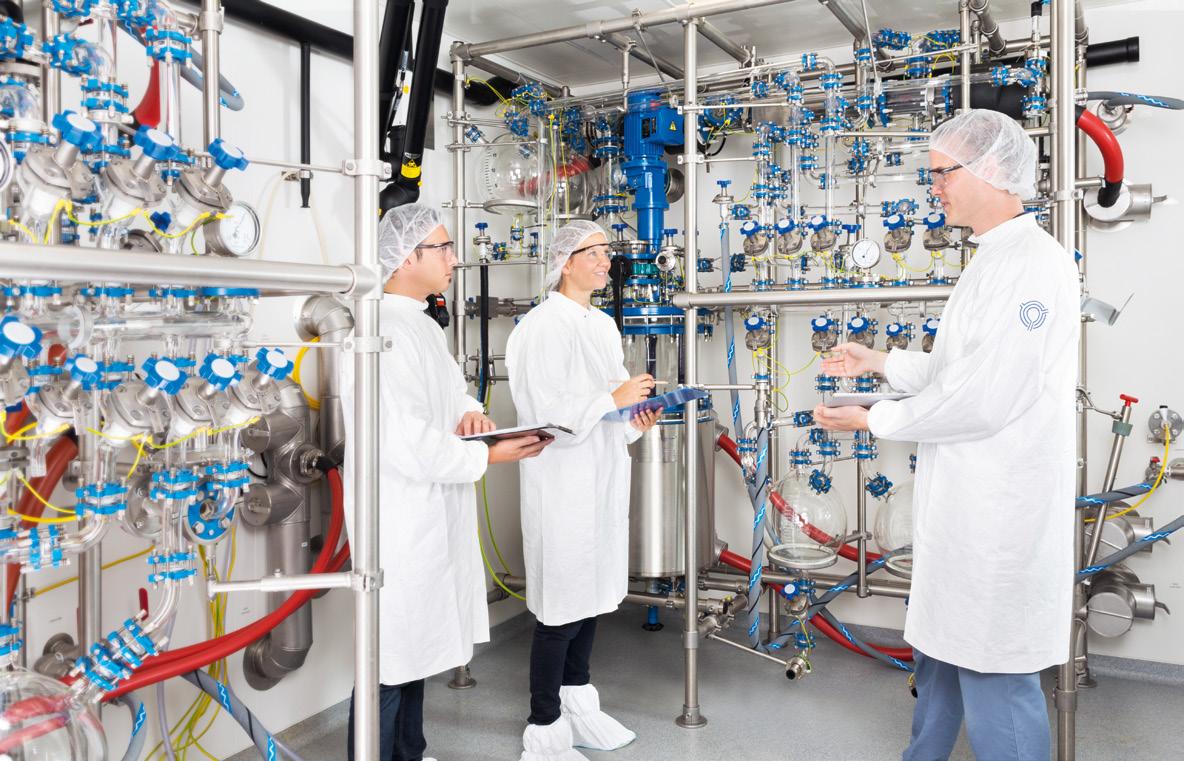
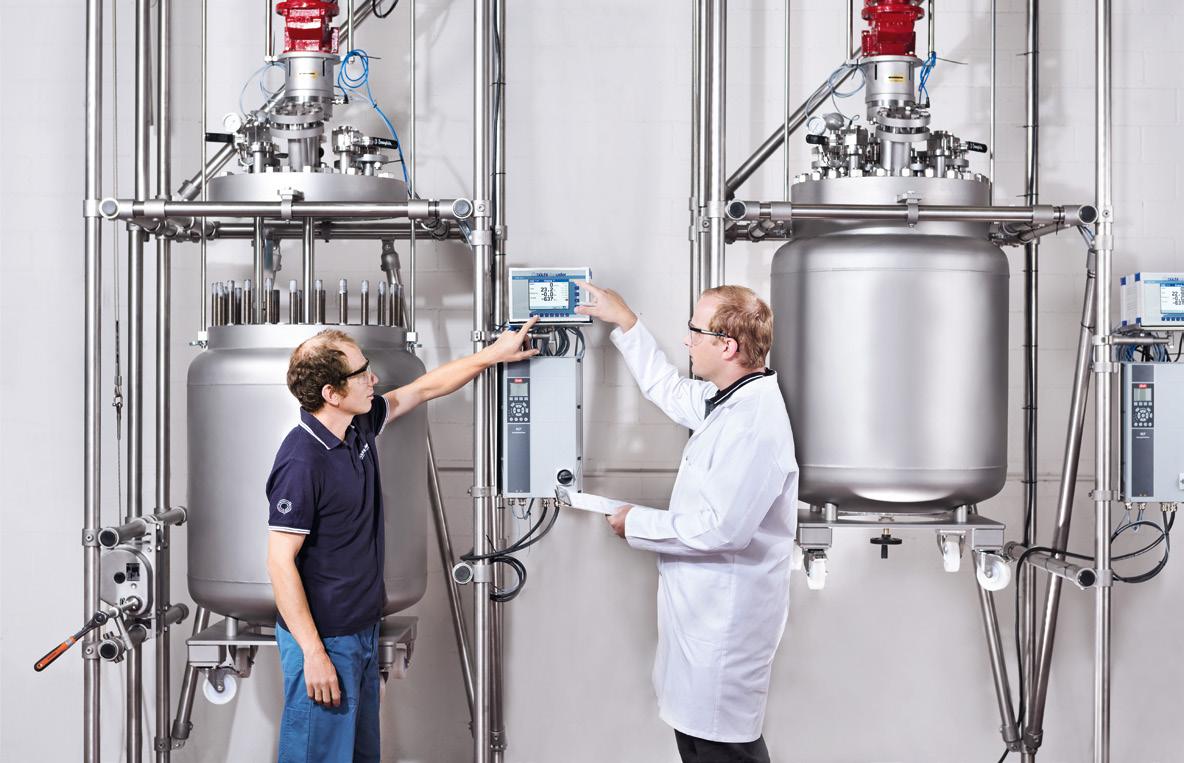
Reactor systems, pilot plants and process solutions for cGMP API synthesis
Cutting edge innovative solutions for your process requirements – Swiss Made
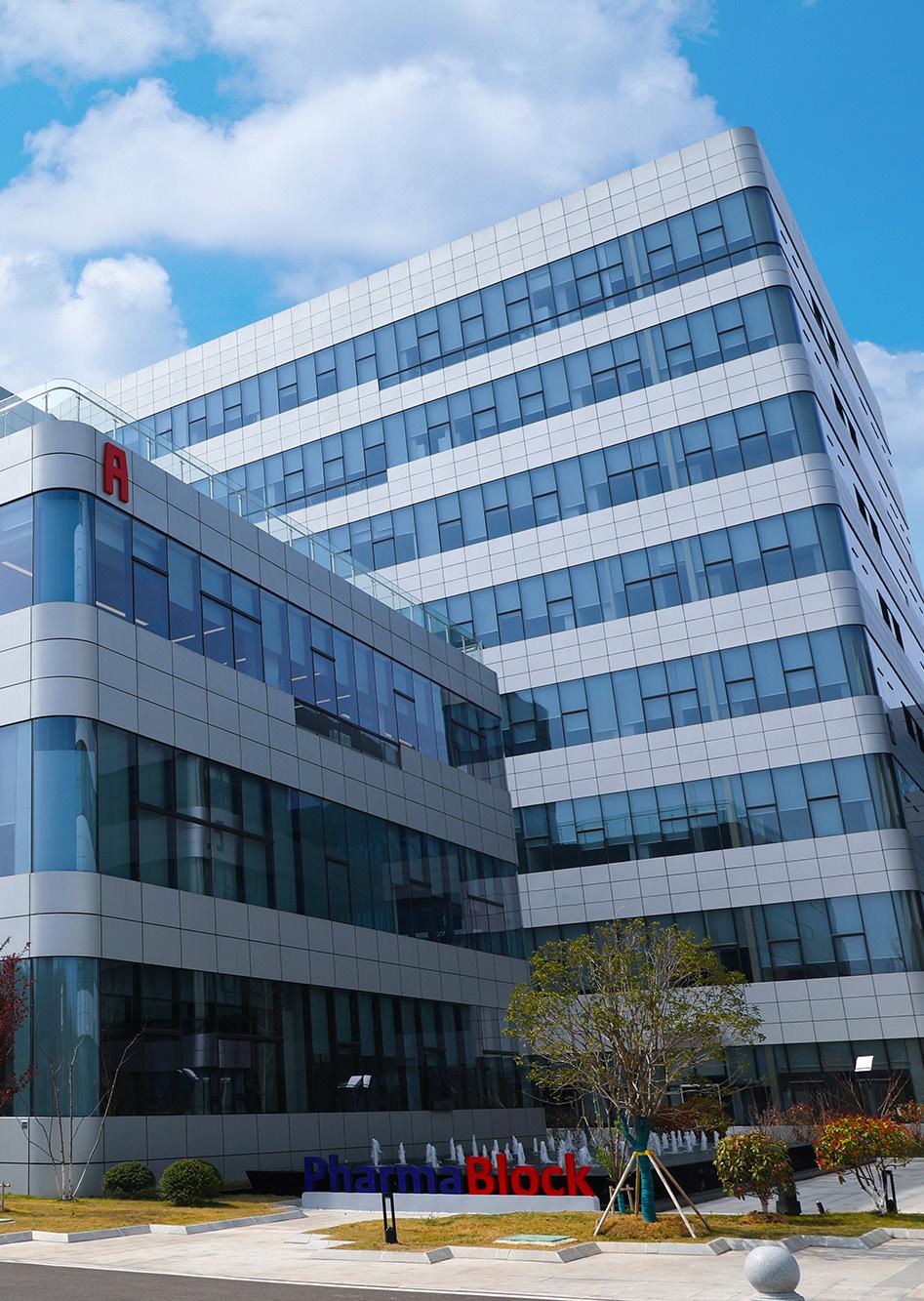
PHARMABLOCK
The Global Gender Gap report published by the World Economic Forum highlights that at the current rate of progress, the global economy won’t see gender parity for 131 years. It reports a further stark figure of 169 years to close the Economic Participation and Opportunity gender gap.
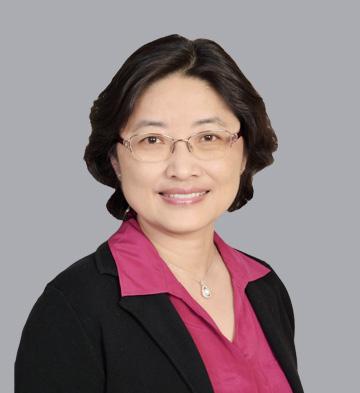
President of PharmaBlock (USA), Dr. Jing Li, spoke to Business Enquirer about her views on Women in Leadership.
“We need to encourage women to fearlessly embrace new opportunities, whether it’s the beginning of their career journey or taking on a c-suite role,” she said.
She herself is an example of what happens when you use fear as a motivator, rather than a deterrent.
Having spent eight and a half years as an Associate Principal Scientist at Merck, Jing was offered the opportunity to join PharmaBlock.
“Whilst it was a fantastic opportunity, I was happy at Merck so it felt like a big risk to move businesses. Speaking with my daughter, she said it sounded “exciting”. It was my responsibility to show my daughter that we mustn't let fear get in the way of opportunity,” shared Jing.
This teachable moment is something that Jing aims to instil in business as well as around the dinner table.
“The leadership traits that women naturally possess are undervalued by business world,” she said, “I believe the strengths we offer include softer skills which can help to create the
right environment for colleagues to be nurtured, motivated, and developed”.
Jing finds fulfilment in her role as President, USA, not only through PharmaBlock’s contribution to the pharmaceutical industry, but also by cultivating a work environment where colleagues can realise their full potential.
Speaking of PharmaBlock in the USA, Jing feels that she and her team have fostered an inclusive and collaborative culture where colleagues genuinely feel that they have ownership in both the business outputs and their roles.
“By ensuring that our vision is clearly communicated, colleagues understand their purpose and have a sense of meaning in what they do. The opportunities at PharmaBlock are unlimited,” she added.
PharmaBlock is now a fully integrated CRDMO (contracted research, development, and manufacturing organization) with clear vision: focus on innovative chemistry and low-carbon manufacturing, bring sustainable and efficient solutions to its clients, ultimately supporting partners in bringing medicines to those in need more quickly.
When the business was first established in China in 2008, it began by designing and synthesizing a large collection of rationally designed, high-quality, and structurally diversified chemicals, known as building blocks in the field of drug R & D.
These building blocks are increasingly adopted by global drug hunters to enrich structure diversity, improve compound performance, expand patent space, and eventually accelerate drug discovery projects.
Over the years, PharmaBlock has accumulated expertise and earned the trust of its customers, allowing it to expand its business scope beyond being a building block supplier. It now serves as a comprehensive service and solution partner, supporting global pharmaceutical
PHARMABLOCK HEALTH AND MEDICAL SPECIAL
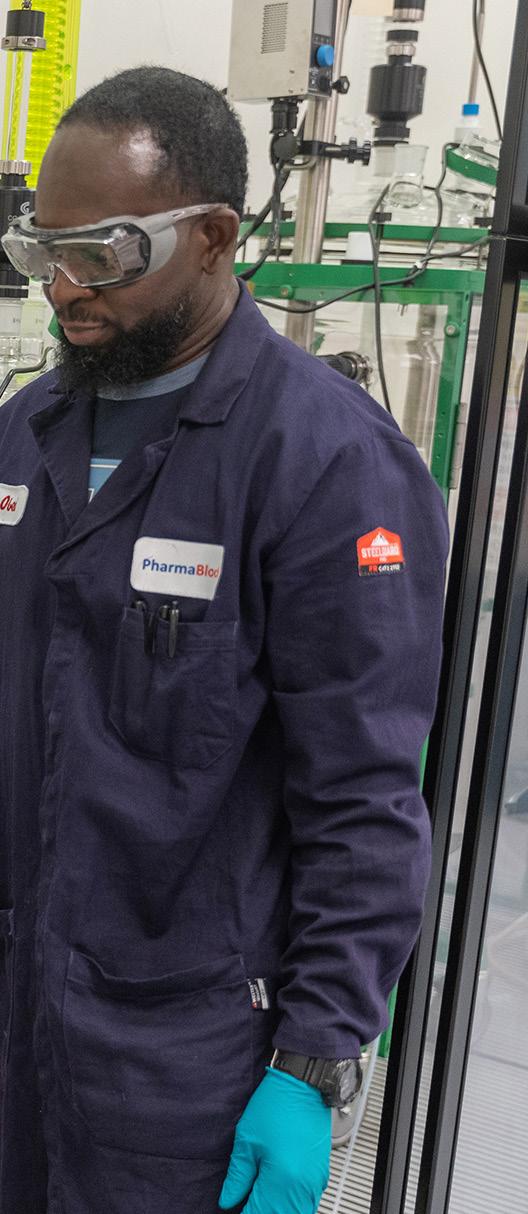
and biotech companies throughout the drug R&D and commercial processes.
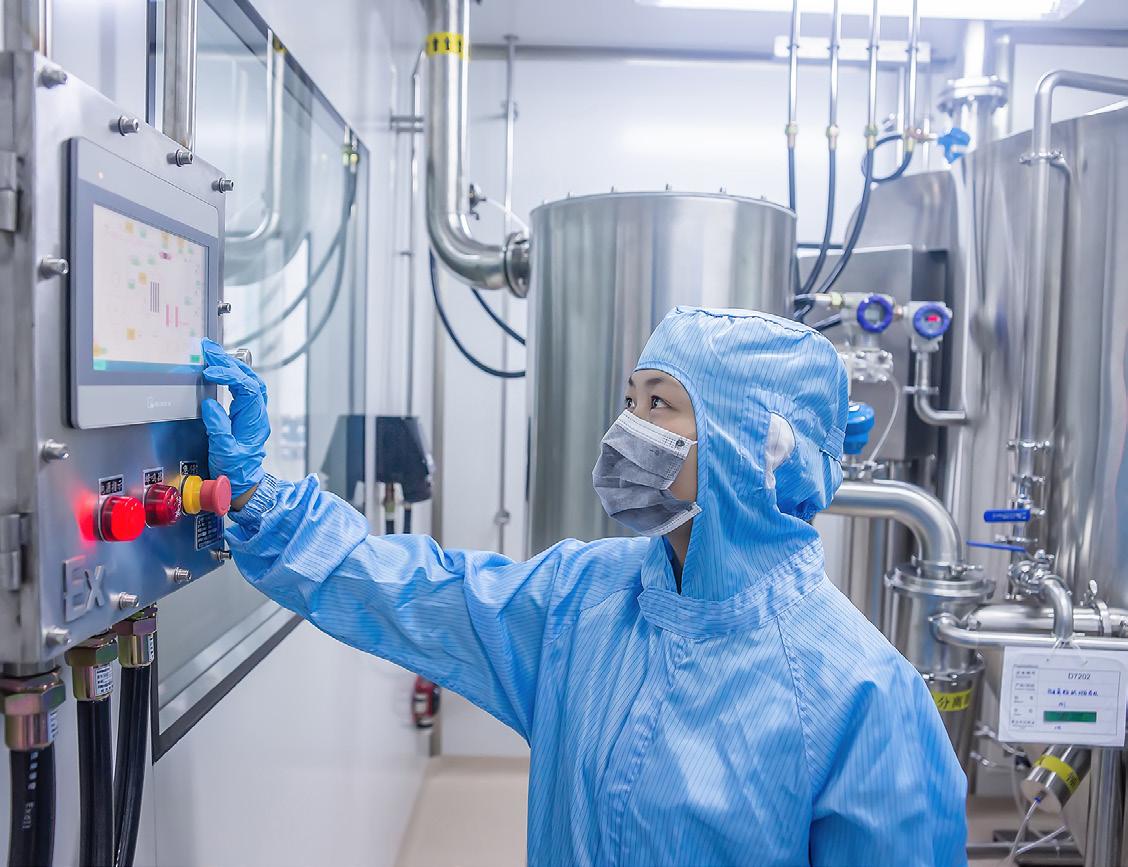
Enabled by sustainable strategies, PharmaBlock has gained a reputation as a quality partner for the development and manufacturing of pharmaceutical intermediates, drug substances, and drug products, all the while achieving cost efficiency and a greener footprint.
PharmaBlock team in China and US are focusing on four key areas of sustainability, with of course, one of those being People.
“Supporting diversity and inclusivity is key to sustainability,” said Jing. “It creates a collaborative and innovative work environment and has profound impact on team motivation, productivity and longterm business success.”
Supply chain resilience is an integral part of its sustainability strategy, as PharmaBlock considers not only its own supply chain, but also the role it plays in its client’s supply chain. “We have identified the supply chain values we consider to be crucial and have developed a robust way of working. We implement a supplier development program to enhance sustainability awareness and operations.” explained Jing.
Another element to its sustainability strategy is geographic diversity, ensuring accessibility to its clients - which over time has included almost all of the top 20 pharmaceutical companies as well as hundreds of small to medium biotech companies across the globe.
As part of its geographic expansion efforts, PharmaBlock launched a new R&D facility in Pennsylvania, USA in March 2023. This brings the business footprint to five facilities, three in China and two in the USA. “We intend to further expand our presence in the USA as we see significant demand for drug development and manufacturing in the country,” shared Jing.
In addition, PharmaBlock is dedicated
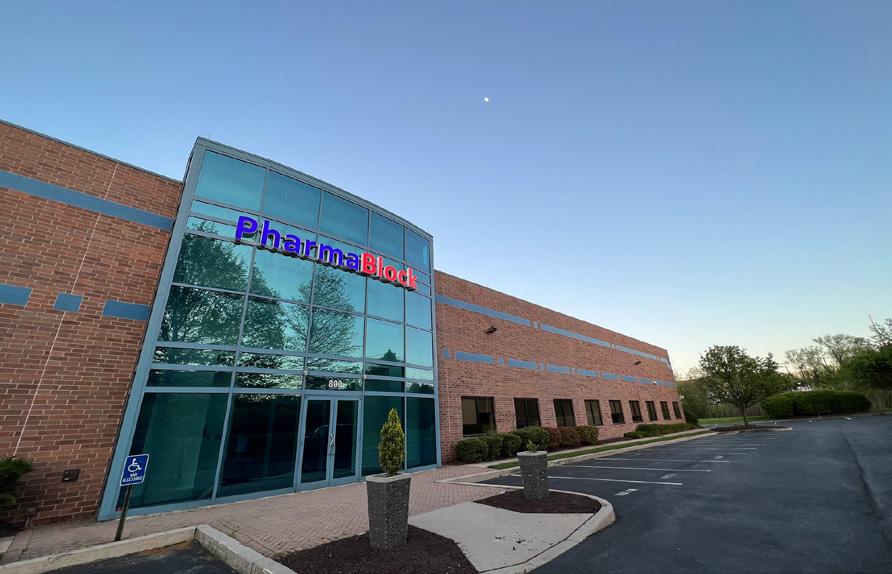
to fostering innovation. Its mission to “innovative chemistry for a better future” highlights that chemistry innovation can provide more effective, safer, easier to use, and more accessible products and services for the future; it is essential to do the right things at the very beginning, including addressing safety, environmental, and quality challenges, to enable greener and more efficient R&D and manufacturing processes.
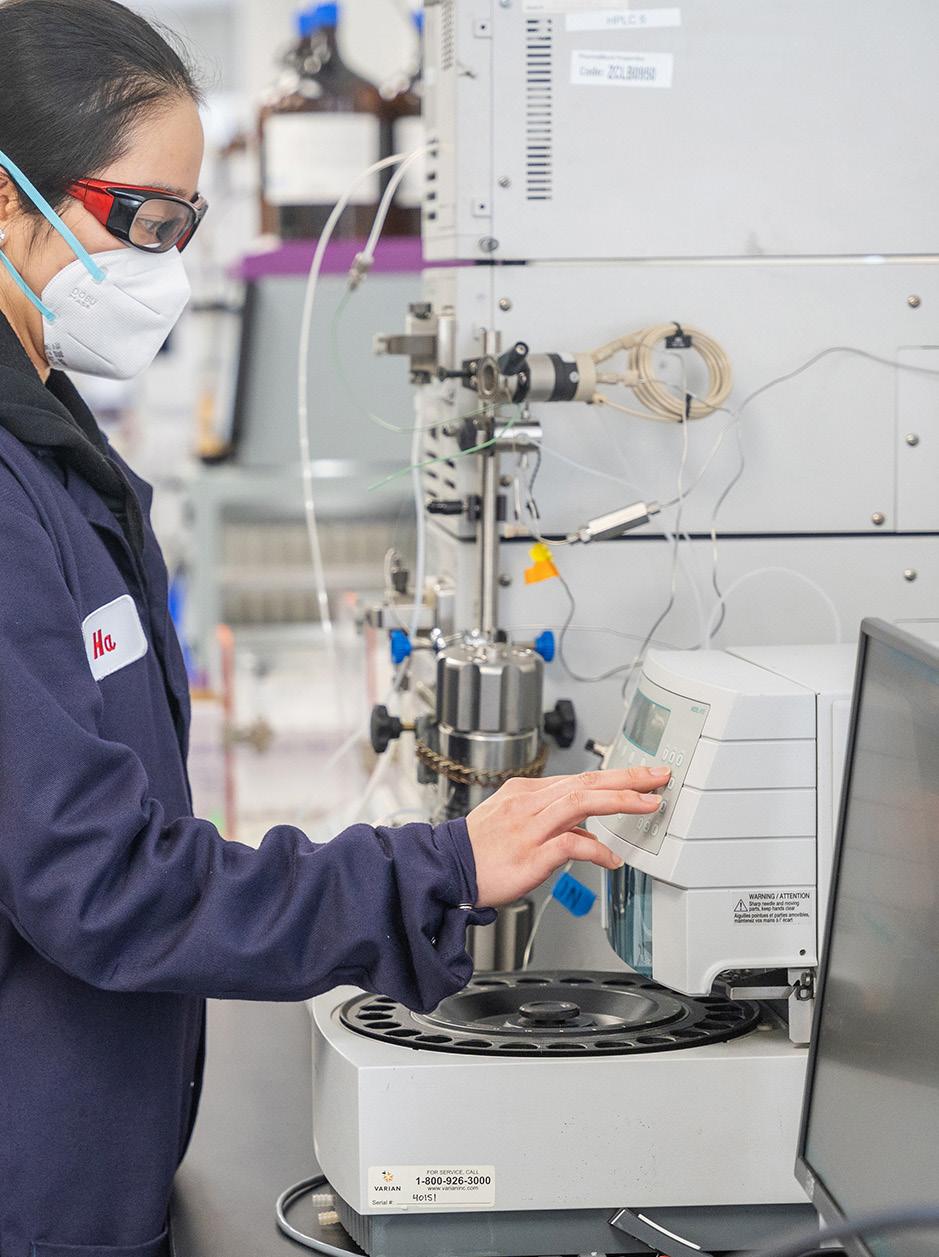
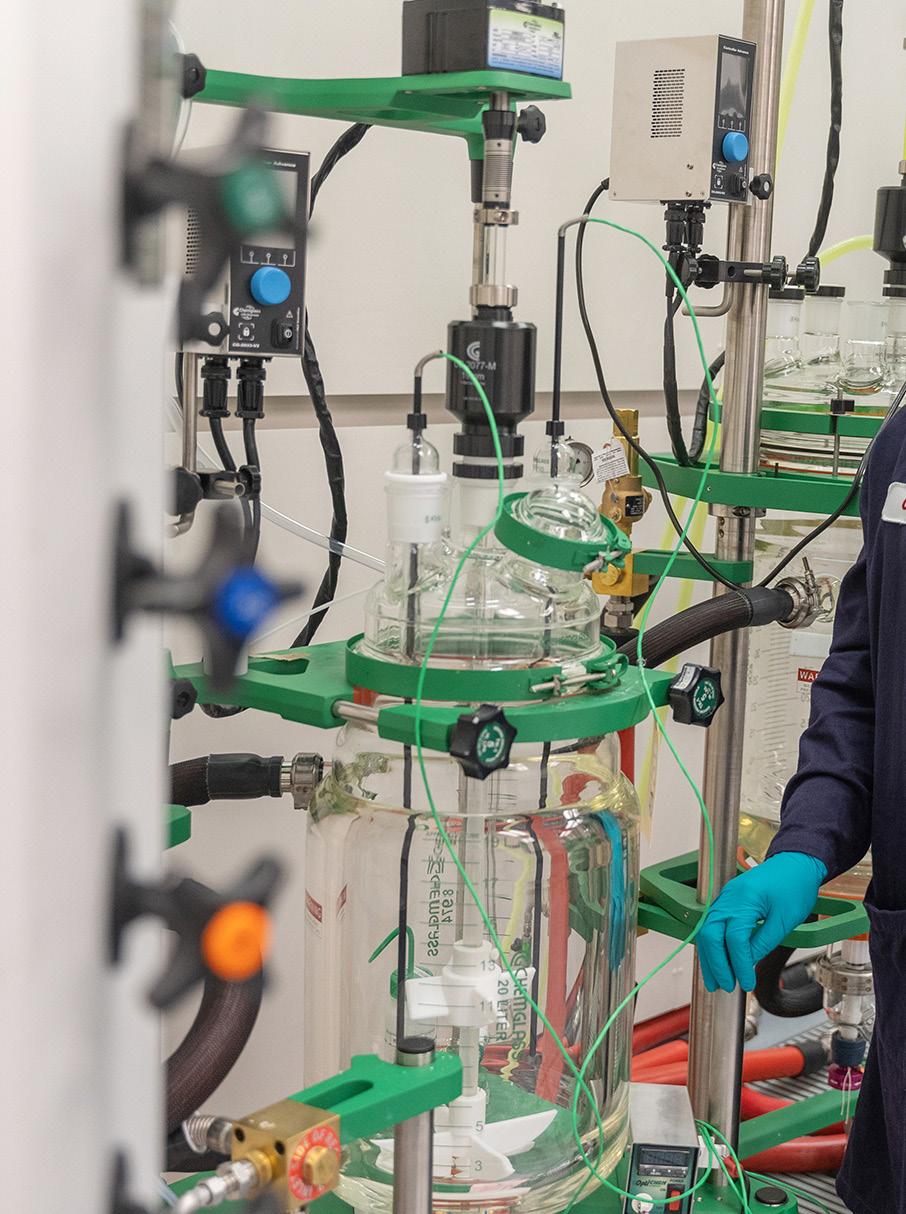
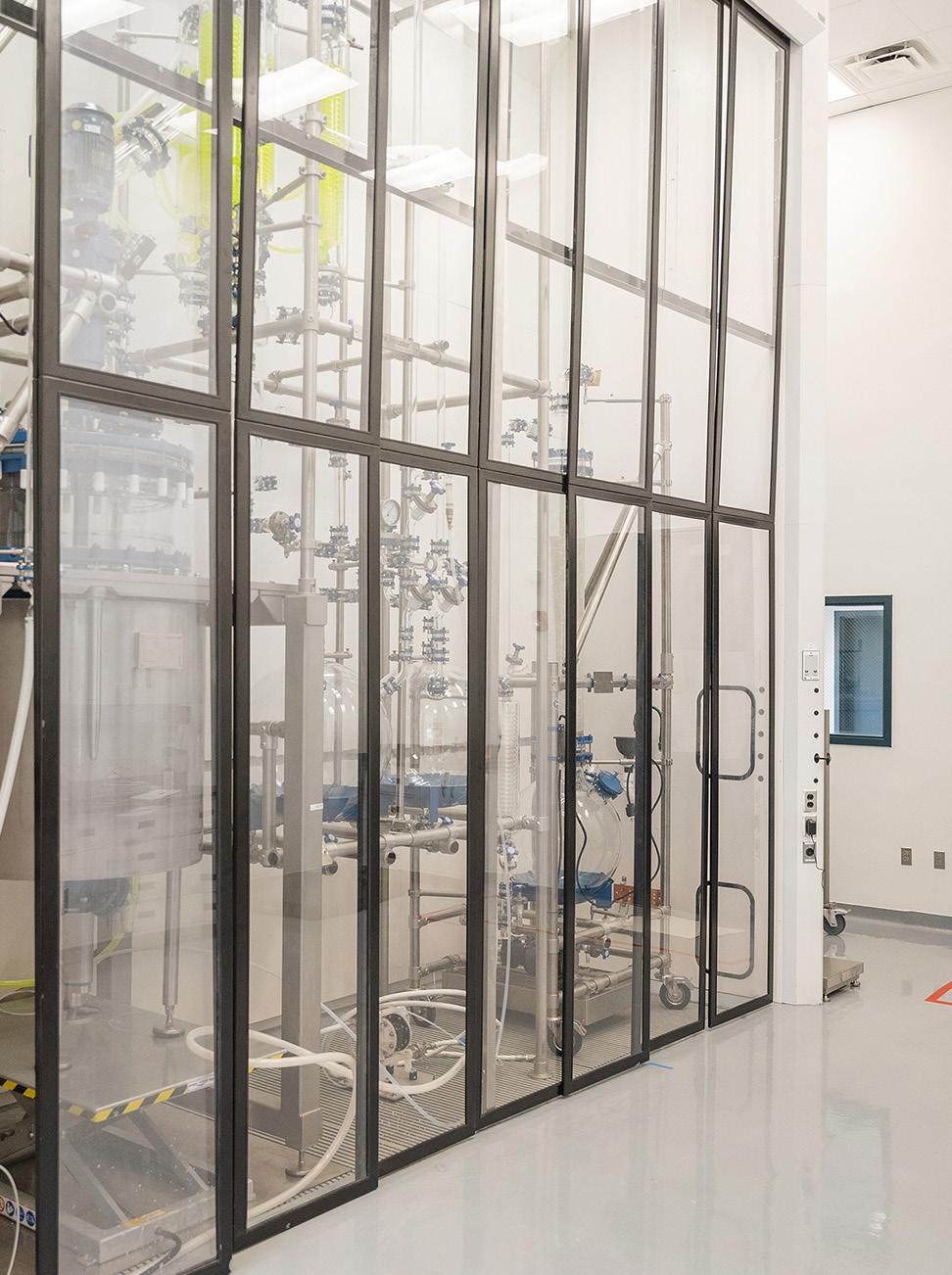
With this mission at its core, PharmaBlock are pioneers in introducing continuous flow technology and biocatalysis into its manufacturing process. Whilst this concept has long been used in the petroleum industry, it is a new innovation for the pharma-chemical space. The new technologies are capable of overcoming the challenges that traditional chemistry processes typically struggle with.
“We are proud to have advanced innovative technologies like continuous flow manufacturing and biocatalysis for the pharmaceutical space. It brings many benefits to clients including scalability, safety, improved quality, reduced waste, cost saving and speed,” said Jing.
By designing and assembling manufacturing-scale equipment capable
of achieving yearly outputs of hundreds of metric tons, what used to take months to produce can now be accomplished in a matter of two to three weeks, with lower cost, reduced energy usage, and less waste. The company is even planning to expand its impact by commercializing some of its technologies and equipment, making their innovative technology accessible to the entire industry.
PharmaBlock’s commitment to innovation and sustainability has won several accolades recently, such as 2023 CMO Excellence in Green Chemistry Award by ACS and Top CDMOs by Pharma Tech Outlook. Additionally, PharmaBlock's sustainability practices and experiences have been documented in the recently released book "Sustainability Leaders" by DCAT (the Drug, Chemical & Associated Technologies Association), an association for companies involved in the Bio/ Pharmaceutical manufacturing value chain.
“When there is no solution available, we innovate,” shared Jing, “the innovation never stops as well as our never-ending pursuit for excellence.”.
www.pharmablock.com

BUILDING THE DIGITAL BACKBONE OF LIFE SCIENCES
In the life sciences industry, the digital revolution has arrived not with fanfare, but with quiet precision. It is transforming the way pharmaceutical and biotech companies design, construct and operate their facilities. At the centre of this transformation is ZETA, a globally operating end-to-end solution provider. that has evolved from pipe fitting to developing fully digital, data-driven production ecosystems for some of the world’s most complex manufacturing environments.
The company’s trajectory is remarkable. Fifteen years ago, ZETA was a modest business of around one hundred employees, primarily focused on piping and mechanical installation. Today, it is a global player with more than two thousand people and a reputation for advancing the digitalisation of pharmaceutical engineering. Its evolution has been shaped by a simple but powerful principle: everything in engineering, from concept to operation, should one day be seamlessly connected through data.
That belief has guided ZETA’s expansion into what it calls Digital Solutions,
a business line that integrates all disciplines of engineering into a single digital environment. It reflects a shift in the company’s mindset from building equipment to building intelligence.
The company’s journey into digitalisation began when one of its long-standing clients asked for more than physical delivery. They wanted ZETA to handle the full engineering scope of a facility, from design to automation. What started as an expansion of service quickly became a transformation in philosophy. ZETA’s leadership recognised that the future of engineering would rely on software as much as steel.
As digital systems advanced, the company began to merge its engineering, automation and design processes into one connected toolchain. Each discipline could now collaborate within the same environment, sharing information in real time and reducing the inefficiencies that had long existed between mechanical design, electrical planning and process automation. This approach became the foundation of ZETA’s integrated digital framework, an ecosystem where every

ZETA HEALTH AND MEDICAL SPECIAL
stage of a project contributes to a shared, living dataset.
Central to this framework is the digital twin: a virtual representation of a plant that mirrors both its physical structure and its operational logic. ZETA’s model combines two key elements. The first is the physical twin, which represents the layout, materials and equipment. The second is the procedural twin, which defines how the plant operates, from recipes to process parameters. Together, they form a complete digital replica of the facility.
This twin is not a static model, but an evolving intelligence that grows alongside the project. It allows ZETA and its clients to test, validate and optimise designs long before construction begins. Engineers can simulate entire processes, identify risks, and train operators using virtual or augmented reality environments. When the physical facility comes online, the operational data feeds back into the digital model, creating a continuous feedback loop for improvement.
The impact on project timelines and efficiency has been significant. In one recent case, ZETA delivered a biotech manufacturing site for a client facing a critical shortage of a life-saving product. With only three years of supply remaining, the company needed a new production facility designed, built and validated in record time. Using ZETA’s digital methods, the entire project was completed in twenty-four months.
Every element of that plant, from design to training, was developed within the digital environment. Data generated during engineering was reused for automation, commissioning and even workforce onboarding. Virtual reality simulations enabled 150 new employees to familiarise themselves with the facility before it was physically completed. The project demonstrated how digital tools can bridge the traditional gap between strategy and execution.
For the pharmaceutical and biotech
sectors, however, speed is only one side of the equation. Regulatory compliance remains an ever-present demand. ZETA’s systems are designed from the ground up to meet the stringent requirements of FDA and GMP environments, ensuring data integrity, traceability and validation. The company builds its solutions using proven industrial platforms such as Siemens COMOS and AVEVA E3D, which already incorporate features like audit trails, access controls and electronic signatures.
Yet Martin Mayer, Director Business Line Digital Solutions, and his team recognise that technology alone cannot deliver transformation. The real challenge lies in changing how people think and work. Within ZETA itself, the move toward digitalisation began with a major cultural shift. The company replaced isolated software tools with integrated workflows, introduced agile development methods, and encouraged engineers to think more like software designers. To complete the transformation, this toolchain was made available to the market as a service—independent of ZETA’s role as an
engineering partner in a project—marking a significant shift in its business model.
“Digital transformation starts with mindset,” Mayer has often said. Engineers needed to understand that their expertise remained vital, but that the tools for expressing it were changing. The company created a new internal division dedicated to software and IT, bringing together more than eighty specialists who now work on developing and refining its digital platforms. The result is a shared environment where process, mechanical and automation engineers can collaborate without barriers.
This integration has since extended to ZETA’s clients. Through secure cloudbased systems, project partners and suppliers can access a unified database, enabling true parallel engineering. Multiple disciplines can progress simultaneously while maintaining full visibility across design stages. This not only reduces delays but also enhances the overall quality of information, ensuring that data remains accurate and consistent throughout the project lifecycle.
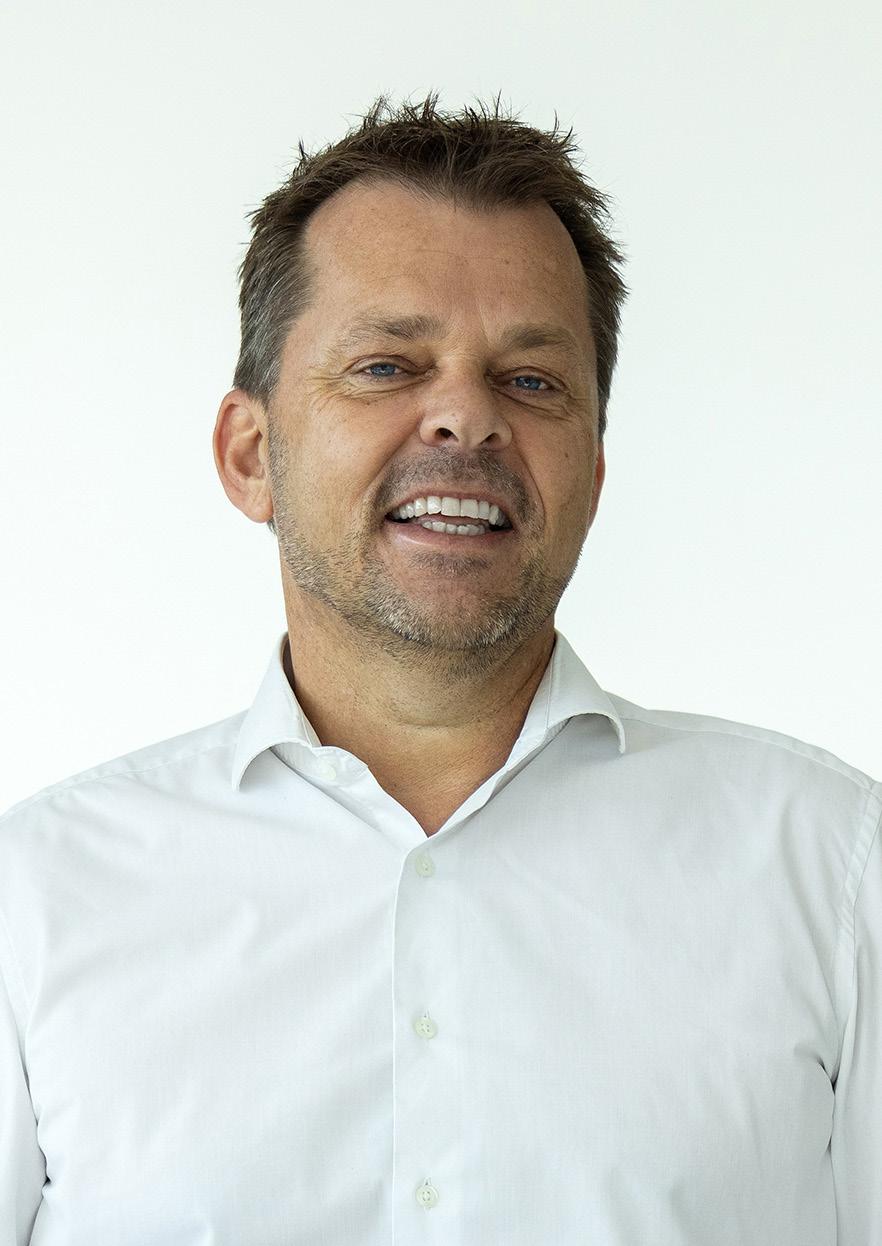
Martin Mayer Director Business Line
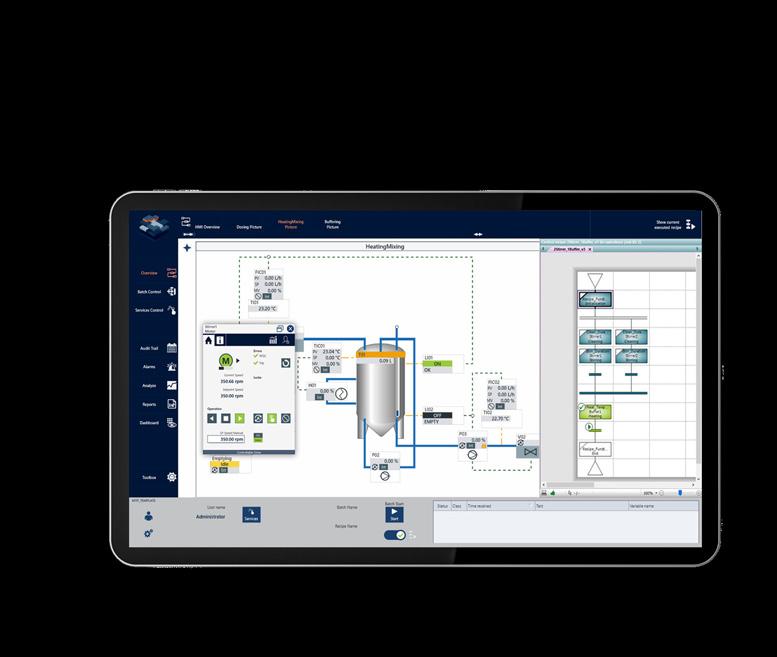
Modular production is reshaping life sciences manufacturing, and COPA-DATA’s zenon software platform stands at the forefront of this transformation. As drug development cycles shorten and regulatory demands increase, producers need scalable, repeatable processes that maintain quality across multiple sites. zenon’s flexible architecture enables modular production by standardizing control, visualization, and data handling into reusable building blocks via drag and drop.
By encapsulating recipes, equipment logic, and compliance checks into configurable modules, manufacturers can accelerate validation, reduce engineering effort, and deploy consistent production cells from bench to plant. For life sciences, where traceability and auditability are paramount, zenon integrates electronic batch records, alarm management, and secure historian functions to ensure data integrity while supporting rapid changeovers.
Beyond technical benefits, modularity improves organizational agility. Cross-functional teams can assemble validated modules without redesigning entire systems. COPA-DATA supports this shift with tools for versioning, role-based access, and standardized interfaces that simplify integration with 3rd party systems, such as PAS-X MES, classic MES, and building management systems.
Sustainability also gains from modular strategies: smaller, optimized units consume less energy and facilitate scalable capacity expansions without large capital expenditures. In a sector where responsiveness can dictate patient access, zenon’s approach helps manufacturers adapt to demand variability and regulatory updates more quickly.
The convergence of modular production and robust software platforms like COPA-DATA’s zenon creates a pragmatic path toward flexible, compliant, and efficient life sciences manufacturing. It’s not just about equipment – it’s about rethinking processes so innovation reaches patients faster and safer.
Modular production becomes reality
with the zenon Software Platform

ZETA HEALTH AND MEDICAL SPECIAL
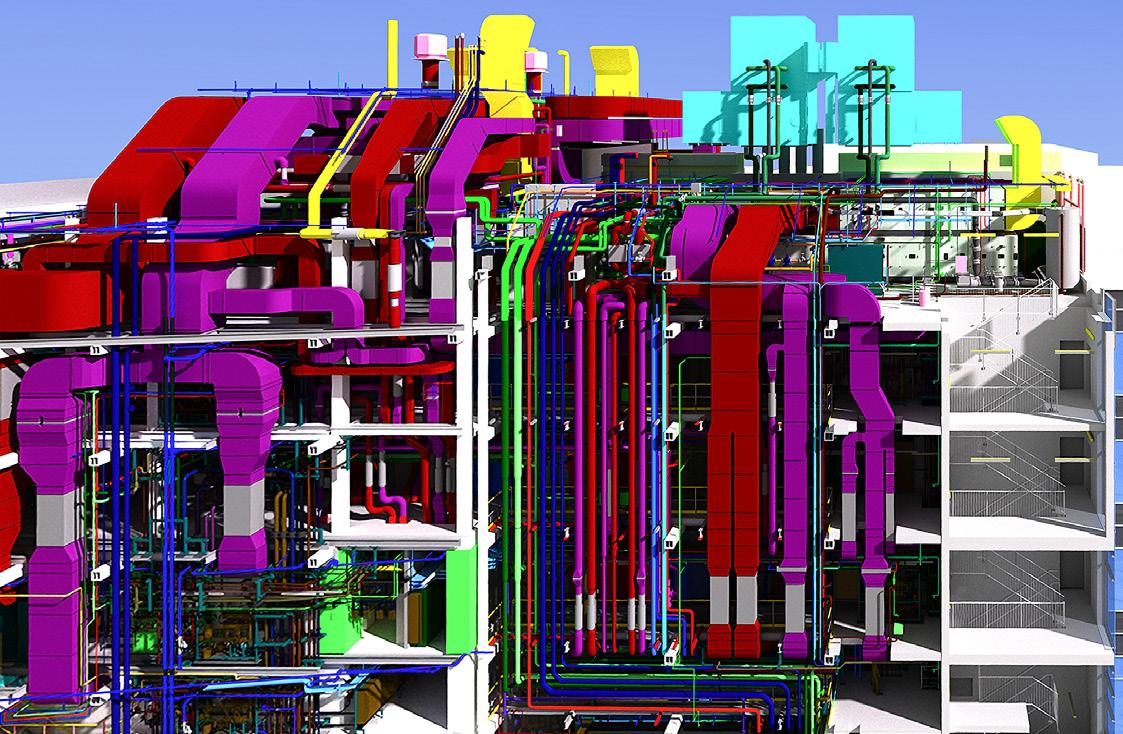
The advantages of this approach continue well beyond construction. All engineering data is harmonised and carried into the operational phase, forming the basis for predictive maintenance, performance analytics and continuous optimisation. The same digital twin that once served as a design tool becomes a living operational resource.
ZETA’s use of simulation and artificial intelligence further extends this capability. The company’s acquisition of the simulation specialist INOSIM has strengthened its ability to model complex production processes. These simulations allow teams to test different scenarios, from equipment configurations to energy efficiency strategies, supporting clients in balancing economic and environmental goals.
Artificial intelligence is also beginning to influence the way ZETA will design plants in the future. Instead of engineers manually drafting process diagrams and then extracting data from documents, AI
tools will soon enable the reverse: data will generate the documents automatically. This shift, currently being developed in partnership with Siemens, AVEVA and NVIDIA, represents a fundamental change in how engineering knowledge is captured and applied.
Mayer believes this transformation is essential if European industry is to remain globally competitive. The demand for efficiency, he argues, is growing faster than traditional methods can deliver. “We need to be at least fifty percent more efficient in the next five years,” he has remarked in other discussions. “Without embracing digital and AI, that will not be possible.”
The move toward modular and flexible manufacturing is another area where ZETA’s digital expertise is proving influential. By standardising design principles and creating reusable digital modules, the company is helping clients move away from one-off custom builds toward scalable, configurable systems.


This modular approach allows facilities to expand or adapt quickly, reducing costs and improving sustainability.
In practice, ZETA’s modular strategy is supported by automation standards such as MTP (Module Type Package), which enables different equipment units to communicate seamlessly within a common control system. The combination of standardisation, modularity and digitalisation has become the foundation of what Mayer calls “the smart building blocks of life sciences,” a system where digital design and physical flexibility meet.
Looking ahead, ZETA’s ambitions reach well beyond engineering. The company aims to position itself as a leading partner for digital transformation across the life sciences sector. In the short term, this means expanding from integrated engineering to integrated operations, with its digital platform evolving from a service into a product. The newly branded FrameWorks offering will serve as a scalable foundation for clients to manage their entire digital ecosystem.
In the longer term, ZETA’s focus lies in the emerging concept of Pharma 4.0, a fully connected, intelligent manufacturing landscape where AI, digital twins and modular production combine to create adaptable facilities capable of producing everything from niche therapies to largescale vaccines. Through partnerships with global technology leaders, ZETA is already developing AI-driven operational support tools that can assist human operators in real time.
Sustainability also plays a key role in this vision. By simulating energy use and material flow, ZETA’s digital systems allow clients to design processes that minimise waste and emissions. The company’s expertise in both engineering and software gives it a unique perspective on how digitalisation can accelerate decarbonisation across the sector.
Although ZETA’s digital reach is expanding globally, its strongest relationships remain in Europe, where its transformation story began. Many of its customers have witnessed its growth from traditional plant builder to digital pioneer. That trust, built over years of collaboration, is now helping the company lead a new era of partnership between physical and digital engineering.
The story of ZETA is, in many ways, a story about the future of the life sciences industry itself. It is a reminder that innovation does not always begin with disruption, but with evolution, the steady integration of technology, knowledge and purpose. As pharmaceutical manufacturing becomes more intelligent, sustainable and data-driven, ZETA stands as one of the organisations quietly shaping that transformation from within.
Digitalisation, in Mayer’s view, is not about replacing engineers, but empowering them. It is about using technology to extend human capability, connect disciplines and build smarter systems. The tools are changing, but the principle remains the same: excellence in engineering, guided by precision and imagination.
www.zeta.com
Q&A WITH MERCK
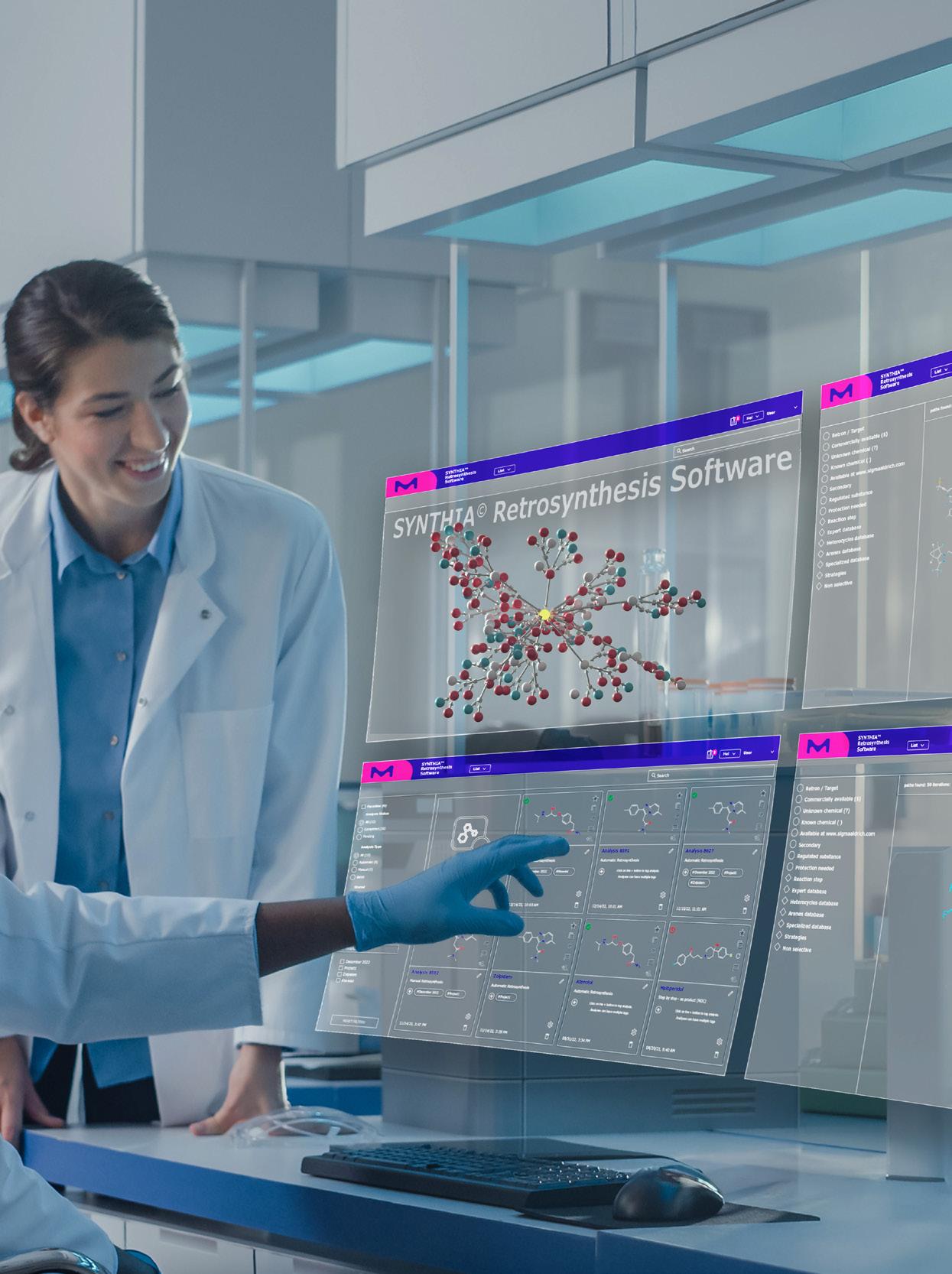
AQHow is SYNTHIA® reshaping the way chemists approach the earliest stages of drug discovery?
SYNTHIA® is fundamentally changing early drug discovery by empowering chemists to rapidly generate, visualize, and evaluate multiple synthetic routes for target molecules— even those never made before. By automating retrosynthetic analysis, we enable researchers to move from idea to actionable synthetic plans in minutes, not weeks. This accelerates hit-to-lead and lead optimization, reduces risk, and allows teams to focus their creativity on the most promising compounds.
QIn what ways do algorithms and machine learning give researchers an advantage over traditional retrosynthesis methods?
ASYNTHIA® combines expert-coded chemical rules with advanced algorithms and machine learning to scan vast chemical spaces and propose innovative, feasible pathways. Unlike traditional methods, which rely heavily on individual expertise and literature precedents, SYNTHIA® can uncover nonobvious disconnections, optimize for cost, step count, or green chemistry, and instantly access a catalog of over 12 million commercially available building blocks. This breadth and speed are simply not possible with manual planning.
QCould you share an example where SYNTHIA® directly influenced the success or speed of a synthesis project?
AAbsolutely. In a recent case, published in April this year, SYNTHIA®’s algorithms specified in planning shared synthetic pathway for multiple molecules, were connected to continuous flow chemistry. The study resulted in identifying and optimizing synthesis for multiple active pharmaceutical ingredients (APIs).
The results led to reduced resource use and improved operational conditions across multiple APIs. The integration of SYNTHIA® with continuous flow chemistry achieved a 95% isolated yield at optimized conditions, significantly enhancing productivity. The approach improved the overall environmental footprint, increasing the GreenMotion score by 25%, particularly in the 'Process' and 'Solvent' categories, indicating a more sustainable synthesis.
In summary, the combination of SYNTHIA® and flow chemistry allowed for greater flexibility and scalability in the production of multiple APIs, addressing challenges associated with traditional batch synthesis.

FROM VISION TO REALITY: HARNESSING DIGITAL SOLUTIONS FOR BREAKTHROUGH INNOVATIONS IN
CHEMICAL SYNTHESIS AND DRUG DISCOVERY



EWA
GAJEWSKA
HEAD OF PRODUCT MANAGEMENT, SYNTHIA® RETROSYNTHESIS SOFTWARE
Dr. Ewa Gajewska is the Head of Product Management at Merck KGaA, Darmstadt, Germany, where she leads the development of SYNTHIA® Retrosynthesis Software – a groundbreaking software for computer-assisted synthetic planning. She graduated in biotechnology and chemistry from the Gdansk University of Technology and was a recipient of the Outstanding Achievements Award from Poland’s Minister of Science and Higher Education. In 2020 she received her PhD from the Institute of Organic Chemistry at the Polish Academy of Sciences. Her passion for tackling complex scientific challenges within commercial settings and the unique blend of her interdisciplinary skills drive the realization of innovative features of SYNTHIA Retrosynthesis Software.
QHow does the software encourage creativity in pathway design while ensuring the results are practical in the lab?
ASYNTHIA® acts as a creative partner, suggesting diverse, sometimes unconventional routes that chemists might not consider. At the same time, it grounds its suggestions in proven expert-coded reaction rules and published precedents, and allows users to filter by practicality—such as excluding hazardous reagents or requiring commercially available starting materials. This balance inspires new ideas while ensuring routes are realistic and executable.
QWhat impact can digital retrosynthesis tools have on cost efficiency and timelines in pharmaceutical R&D?
ADigital tools like SYNTHIA® can dramatically reduce both costs and timelines. By automating route scouting, minimizing failed experiments, and optimizing for cost-effective reagents, we’ve seen up to 90% reductions in manual planning time and significant savings in material and labor costs. This means faster progression from concept to candidate, and ultimately, to the clinic.
AQHow does SYNTHIA® support collaboration across research teams and disciplines?
SYNTHIA® is designed for collaboration. Users can share analyses, comment on pathways, and tag results for group projects. Our cloud-based platform ensures secure, realtime access for teams across locations and disciplines, making it easy for medicinal, process, and computation chemists to work together seamlessly.
QWhat are the biggest challenges you see in encouraging wider adoption of digital tools in chemical synthesis?
AThe main challenges are cultural and educational. Many chemists are used to traditional methods and may be skeptical of software predictions. We address this by demonstrating real-world successes, offering hands-on training, and emphasizing that SYNTHIA® is a tool to augment—not replace—human expertise. As more chemists experience the productivity gains, adoption is accelerating.
QAs drug targets grow more complex, how does SYNTHIA® help researchers navigate increasingly difficult synthesis routes?
ASYNTHIA® excels with complexity. Its algorithms can handle large, multifunctional molecules and propose routes that integrate both published and unpublished steps, predicted based on SYNTHIA®’s huge expert-coded rules database. For natural products and other challenging targets, SYNTHIA® has identified unique disconnections and strategies that have inspired successful syntheses, even when literature precedent is lacking.
AQWhat future developments or integrations do you see enhancing retrosynthesis software further?
We’re excited about deeper integration with AI-driven molecule design platforms, automated synthesis hardware, and green chemistry scoring tools. Our recent partnership with AIDDISON™ is a great example— combining generative AI for molecule design with SYNTHIA®’s synthesis planning creates an end-to-end digital workflow from virtual idea to real-world compound. We’re also expanding our API capabilities for seamless integration into enterprise R&D environments.
QDo you see digital intelligence as a supportive tool for chemists or something that could fundamentally transform how synthesis is carried out?
ADigital intelligence is both a supportive tool and a transformative force. It augments chemists’ intuition, accelerates routine tasks, and opens new creative possibilities. Ultimately, it’s not about replacing chemists, but empowering them to achieve more—faster, greener, and with greater confidence. The labs of the future will be defined by the synergy between human ingenuity and digital intelligence.
www.sigmaaldrich.com


FROM LAB BENCH TO BATCH RECORD
HOW
HELBLING’S
DIGITAL TWIN MODEL IS REWRITING THE RULES OF R&D
HELBLING HEALTH AND MEDICAL SPECIAL

In the rapidly evolving world of pharmaceutical and life sciences, the boundaries between research, development, and manufacturing are being redrawn. At the centre of this shift is Helbling, whose Closed Loop Manufacturing (CLM) model is changing how laboratories transition from experimentation to full-scale production. The concept introduces a new level of continuity, connecting every stage of product and process design through a single digital framework.
For Sébastien Martin, Head of Digital Transformation at Helbling, this evolution is not about adding technology for its own sake, but about creating meaningful integration. “We aim to position ourselves as the interface between senior management, business, and technology,” he explains. “Our goal is to provide end-to-end digital solutions that allow organisations to think holistically about how products are designed, developed, and ultimately produced.”
Helbling’s CLM model builds on the idea of the digital twin: a precise, data-driven replica of the laboratory that mirrors every process, parameter, and output in real time. In doing so, it bridges the historic divide between research and manufacturing, two areas that have often operated in isolation. While the use of digital twins in product development is well established, applying the same concept to process design and industrialisation marks a fundamental shift.
Sébastien points out that while many industries have used digital tools for product design since the 1990s, few have extended this thinking to the process itself. “What has changed in recent years,” he says, “is that companies are starting to use digital tools to design the process itself. CLM defines how to digitally design processes and link them directly to the product. This creates a seamless transition from development to operations.”
The model’s strength lies in its ability to provide a consistent data thread from laboratory research to full-scale production. It eliminates the traditional disconnect between departments and replaces fragmented documentation with a single, dynamic environment where every action is captured, verified, and shared. For the pharmaceutical sector, where delays and inefficiencies in tech transfer can be costly, this represents a step change in capability.
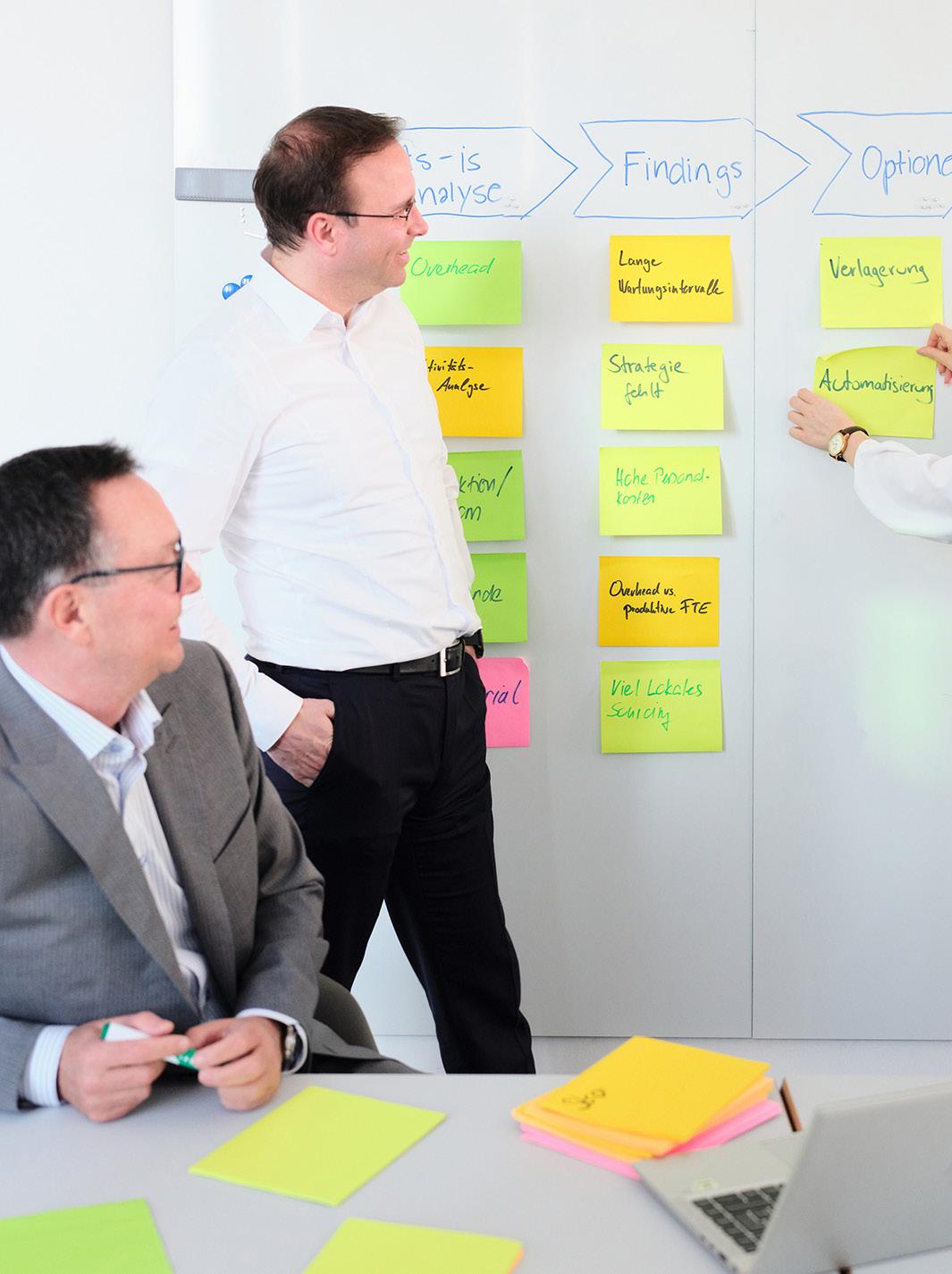
At the heart of CLM is the Bill of Process (BOP), described by Sébastien as the “missing link between formulation and manufacturing.” The BOP captures each stage of production, detailing machines, configurations, inspection plans, quality checks, and operational sequences in a structured, object-based format. “The Bill of Process starts by structuring the manufacturing process,” Sébastien explains. “It attaches all the additional supporting elements needed to execute those steps, from machine setups to quality processes. Built in an object-based way, it becomes the backbone of the digital twin of the process.”
Rather than existing as static documentation, the BOP serves as a living foundation for simulation, validation, and automation. It enables scientists and engineers to build digital workflows long before physical production begins. In early stages, the model remains production-site agnostic, allowing flexibility in design. As the process matures, it can be tailored to specific production lines, creating a prevalidated bridge between development and operations. The result is a digital ecosystem where every step can be tested, modified, and approved with full traceability.
This approach also tackles one of the industry’s most persistent challenges: the handover between process development and manufacturing. In many organisations, the transition between these two stages is prone to miscommunication and rework. Helbling’s model removes this friction by embedding manufacturing parameters,


HELBLING HEALTH AND MEDICAL SPECIAL
testing protocols, and machine recipes into the process design itself. “By preloading what operations need very early in the process, the handover becomes almost obsolete,” Sébastien says. “The process designer can already design the manufacturing process in a way operations need it. All the recipes, machine parameters, and test methods are predefined and digitally available.”
For companies adopting CLM, the benefits are clear. Time-to-market can be cut to a fraction of traditional timelines, with documentation and regulatory preparation automated along the way. Helbling has seen real-world cases where development cycles were reduced to around 30 percent of their original length, alongside significant cost savings in validation and review.
Compliance, one of the most demanding aspects of pharmaceutical manufacturing, is also transformed by this approach. With digital twins in place, laboratories gain full visibility of their operations and can maintain real-time oversight of every batch. Key regulatory documents such as the Master Production Record (MPR) and Master Batch Record (MBR) are digitised, allowing direct comparison between the planned and executed states. “The Bill of Process is almost a digital copy of the master production record,” Sébastien explains. “When both the MPR and MBR exist digitally, compliance checks can be automated, providing continuous traceability and ensuring production is always in line with defined parameters.”
Automated documentation not only reduces the administrative burden but also improves accuracy and reliability. Errors that might once have been discovered post-production can now be detected instantly. For auditors and regulatory bodies, the availability of real-time data and electronic records represents a new level of transparency and confidence.
The rise of artificial intelligence and connected technologies is expected to amplify these benefits further. “AI tools and machine learning require a digital

foundation,” says Sébastien. “Companies already on the path toward digital twins of their products and processes will see a massive boost. They can automate more, improve accuracy, and even generate regulatory documentation automatically based on configuration.”
Sébastien envisions a near future in which AI systems monitor and optimise processes continuously, fine-tuning production parameters as data flows in and supports validation activities. This would enable a level of operational precision that manual systems could never achieve. However, he also recognises that regulation must evolve alongside innovation. “The question is how fast regulation and notified bodies can evolve to keep pace with these advancements,” he says.
For Helbling, technology is only half of the equation. The other half is people.
“The technological part is often not the hardest,” Sébastien observes. “What is truly challenging is the change in how people work. Process Development and Production/Process Engineering are moving much closer together, and in some companies, they are even merging.”
The company has developed its own change-management methods to guide clients through this transformation, even employing psychologists to assess readiness and support cultural adaptation. “Sometimes it means more effort for one department,” Martin adds, “but it results in massive time savings for another. We show teams how early investment in process definition reduces time for scale-up and tech transfer later on.”
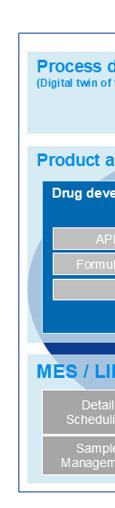

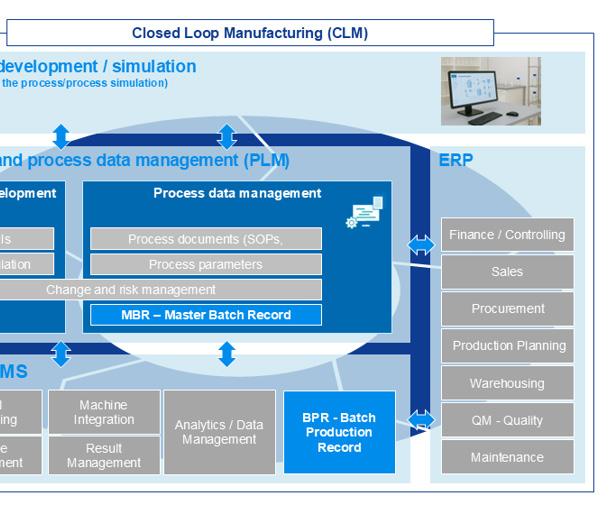
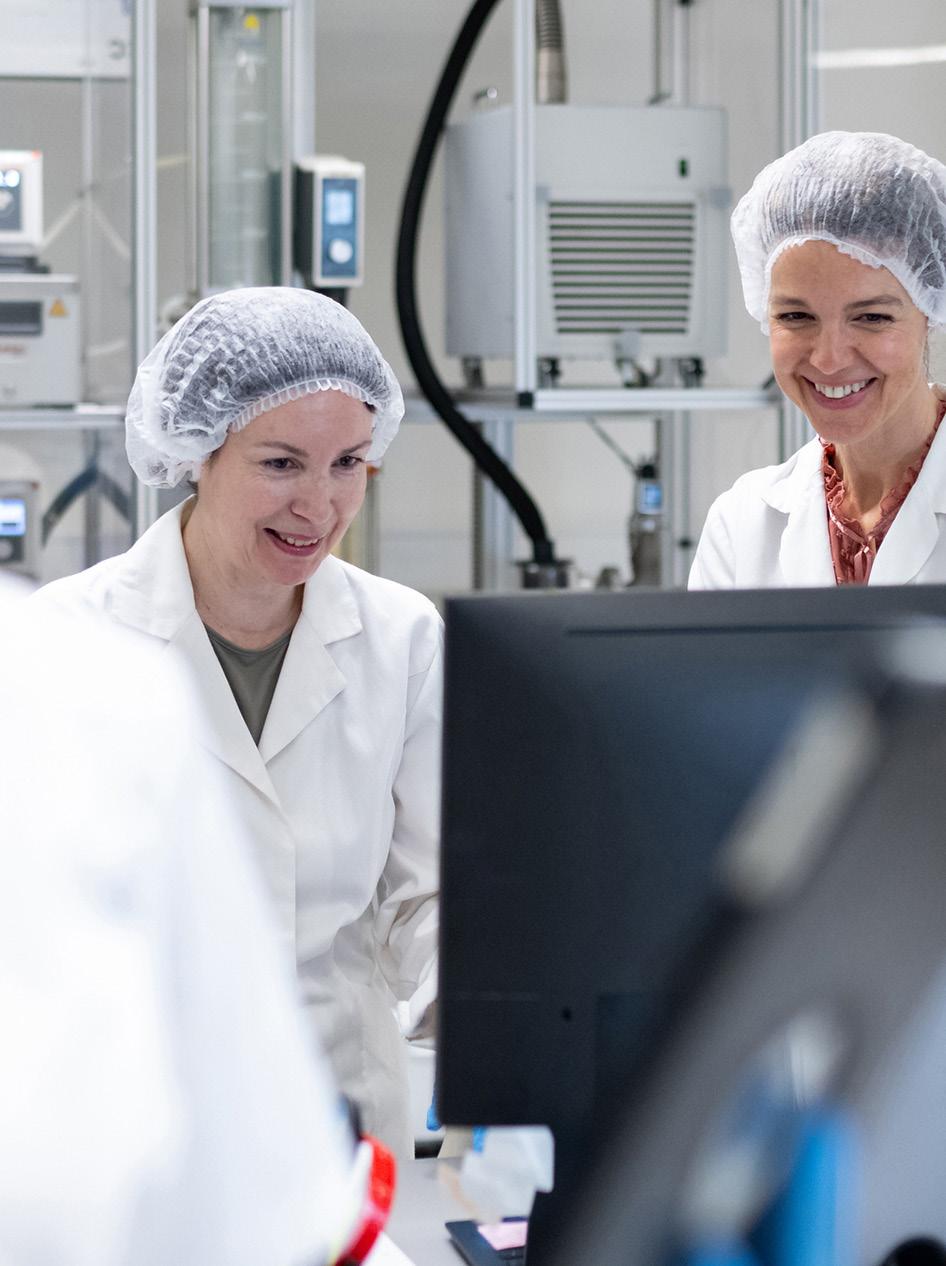
HELBLING HEALTH AND MEDICAL SPECIAL

This cultural alignment is key to sustaining digital transformation. When departments share a common language and understand their interdependencies, collaboration improves naturally. In Helbling’s experience, these integrated teams not only work faster but also produce higher-quality results, with innovation cycles shortened and documentation standardised across functions.
Looking to the future, Helbling sees CLM as a foundational technology for emerging areas such as personalised medicine and small production batch in general. Production must adapt to unique or constantly changing requirements, something that manual systems struggle to achieve. “When you produce patientspecific treatments, every batch is unique,” Sébastien explains. “The only way to manage that efficiently is to have digital systems that can automatically generate regulatory documentation, adapt processes in real time, and transfer data directly to production lines.”
Helbling’s vision extends beyond technical innovation. The company views its role as that of an integrator, uniting strategy, operations, and technology into one cohesive system.
“We see ourselves as the connector between management, business, and technology,” says Sébastien.
“Our mission is to provide an end-to-end perspective - from product development through quality, regulatory and operations - that integrates all dimensions of the enterprise.”
This integration, he believes, is the future of laboratory and manufacturing environments. The CLM model creates an ecosystem where experimentation, validation, and execution coexist seamlessly. Every analysis step, equipment use, and recipe is captured digitally, forming a foundation for virtual prototyping, automated documentation, and full traceability.
From lab bench to batch record, Helbling’s Closed Loop Manufacturing model demonstrates what digital transformation looks like when applied with precision and purpose. It is not simply about digitising existing processes, but about redesigning them to work smarter, faster, and with built-in compliance. In Sébastien’s words, “The future of laboratory and production environments lies in digital modularisation. By structuring product and process development digitally, companies can seamlessly integrate automation, data integrity, and regulatory documentation.”
As industries continue their move toward fully digital, compliant-by-design systems, Helbling’s approach is setting a new benchmark. The company is showing how data can connect every stage of the product lifecycle, turning what was once a complex chain of handovers into a continuous, intelligent process. It is a vision that makes the laboratory not just a place of experimentation, but a central hub of innovation and production, where every insight is captured, validated, and ready for the next breakthrough. www.helbling.ch
BUILDING TRUST AT THE SPEED OF CHANGE: HOW
5FLOW KEEPS PACKAGING COMPLIANT AND CONNECTED



In today’s fast-moving consumer world, brands are under increasing pressure to bring products to market more quickly while maintaining the highest standards of quality and compliance. Behind many of these global launches is 5FLOW, the digital backbone powering the Propelis Group. Its technology enables creative, operational and supply chain teams to work together seamlessly, reducing inefficiencies and accelerating every stage of the packaging and content process.
At its core, 5FLOW connects the multiple moving parts of modern product development into a single digital ecosystem. The platform provides complete visibility across creative, regulatory and production workflows, transforming fragmented communication into cohesive collaboration. For the teams that use it, the result is less time spent chasing approvals and more time spent delivering meaningful work.
For 5FLOW, the pursuit of speed has never been about cutting corners but about removing friction. Every aspect of the platform is designed to simplify what has historically been a complex, manual process. “Speed to market ultimately comes down to one thing, removing friction,” says Martin Sliwa, 5FLOW’s Head of Commercial Services
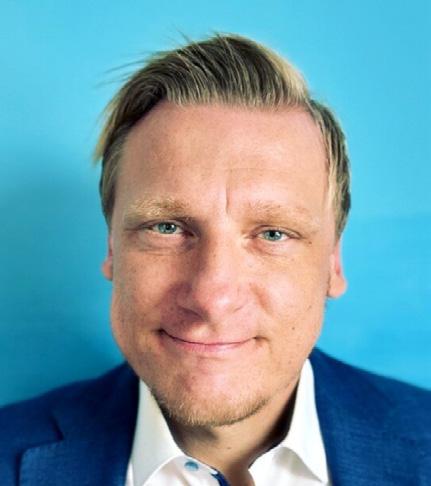


Martin Sliwa, VP Sales EMEA

and a long-standing advocate for process simplification in global packaging operations. With more than a decade of experience in digital transformation and workflow optimisation, Martin brings both technical expertise and a deep understanding of client realities to his role. “Our platform automates repetitive steps, streamlines approvals and gives every stakeholder real-time visibility.” By enabling teams to work in parallel instead of in sequence, 5FLOW helps global brands reduce their time to market by weeks, freeing up resources for creativity and innovation.
Compliance is equally central to the company’s philosophy. Within highly regulated industries such as pharmaceuticals, food and cosmetics, speed is meaningless without control. 5FLOW has built compliance into the very fabric of its technology, ensuring that data security, version traceability and auditability are part of every project from the outset. As Alex Monich, who leads commercialisation for the Americas, explains, “Compliance is not an option for us. It’s built into everything we do. We operate within secure cloud environments, use role-based access controls and maintain detailed audit trails for every action.”
This integrated approach allows clients to move quickly without compromising on rigour. Rather than treating compliance as a final checkpoint, 5FLOW treats it as a continuous process woven throughout the workflow. That alignment of speed and security has helped position the company as a trusted partner to some of the world’s most recognisable brands. Artificial intelligence also plays an increasingly vital role in 5FLOW’s evolution.
Long before AI became an industry buzzword, the company was already applying it to simplify packaging and artwork processes. The platform’s machine learning models automatically extract text from artwork, run compliance checks and tag assets for easier retrieval. These tools help teams identify potential bottlenecks before they occur and reduce the need for manual oversight. One leading retailer reduced artwork lead times by 34% after implementing 5FLOW’s WAVE platform, achieving approval rates that now average 50% faster than before.
“AI turns data into foresight,” Martin says. “It allows our clients to anticipate challenges, optimise approvals and make better decisions with more confidence.” 5FLOW’s approach to AI is deliberately pragmatic, designed to complement human decisionmaking rather than replace it. By building what the team calls “assistive intelligence” into everyday workflows, the technology enhances efficiency while keeping human judgment firmly in control.

Alex Monich, VP Sales North America

Want a fully custom solution? Challenge us
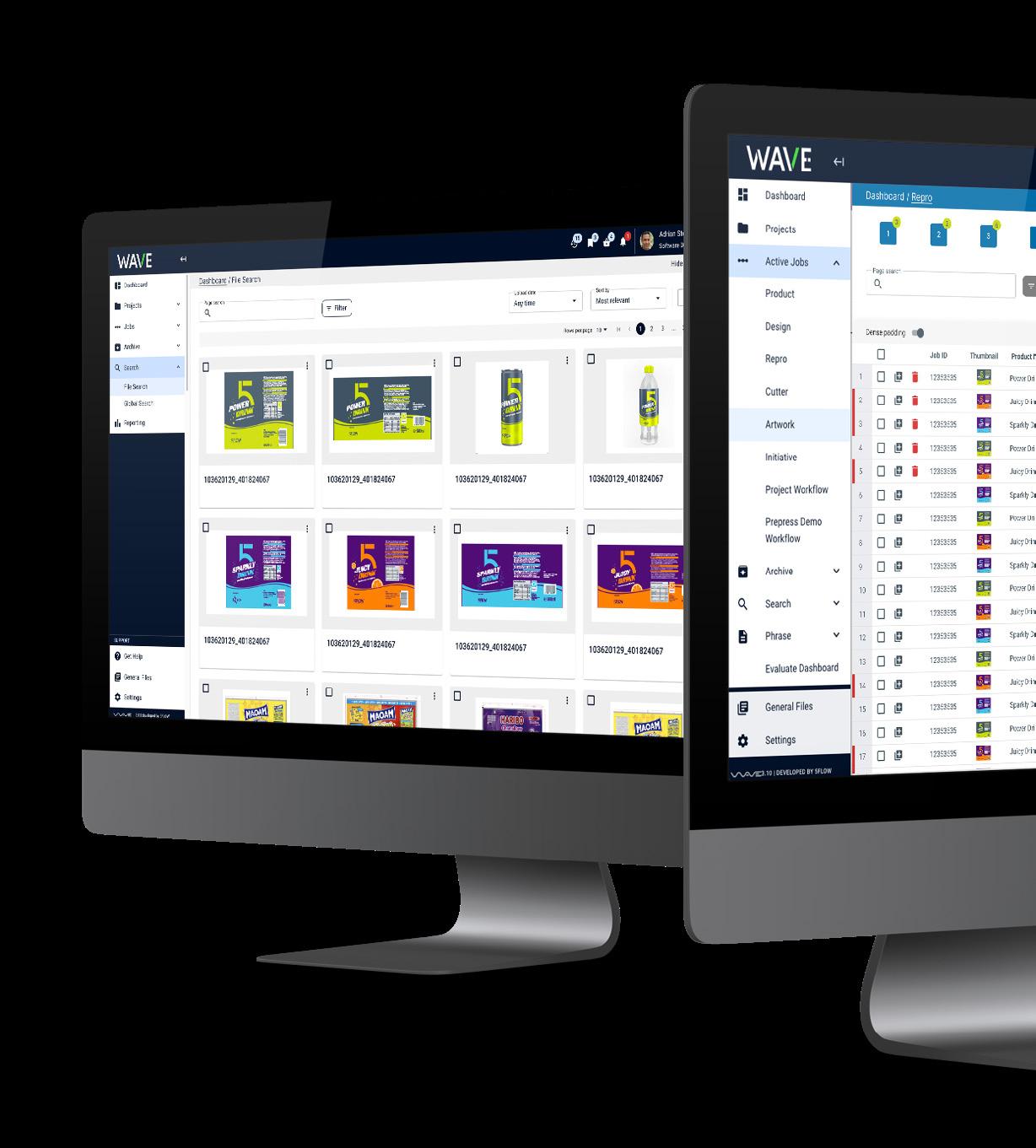

5FLOW HEALTH AND MEDICAL SPECIAL
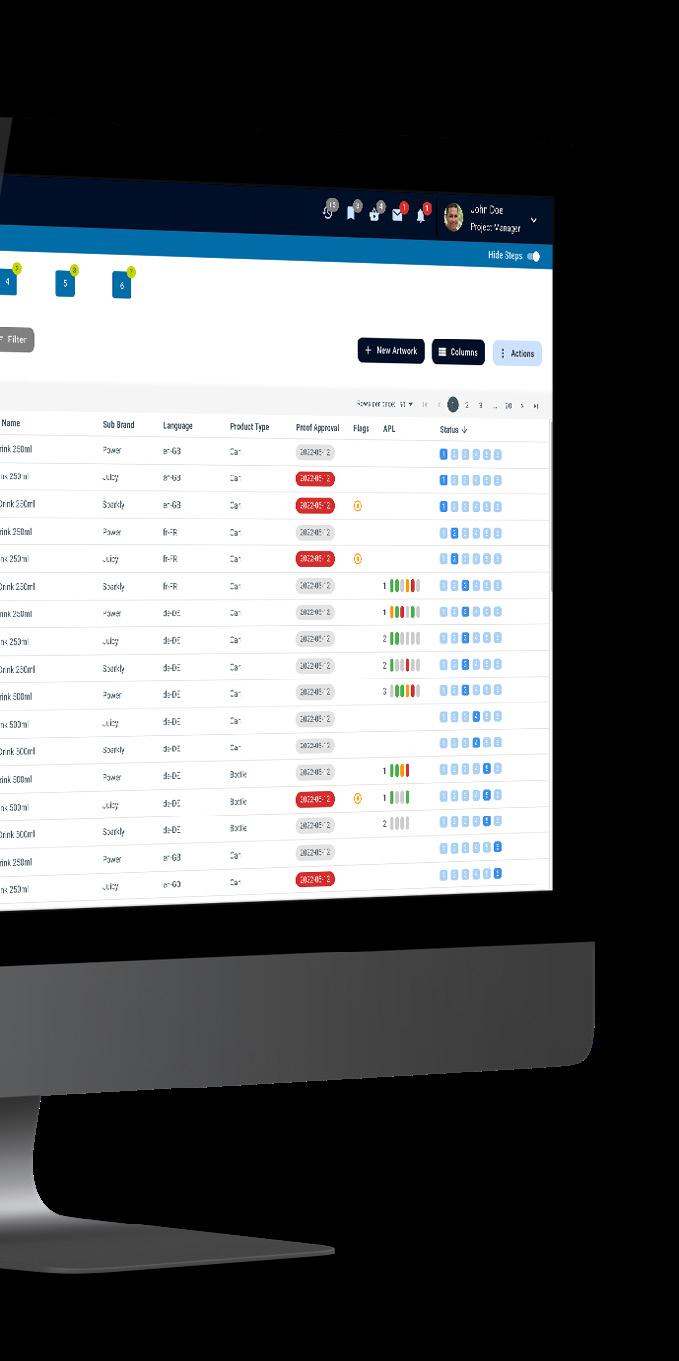
One of the company’s defining strengths is its ability to adapt its technology to suit each client’s level of digital maturity. Some businesses are ready to adopt 5FLOW’s standardised software-as-a-service platform, while others require bespoke integrations that connect with existing supply chain systems. “We always begin by understanding where an organisation is on its digital maturity curve,” says Alex Monich. “For some, a flexible SaaS model offers the best way forward. For others, a tailored platform ensures we deliver the right level of integration.” This flexibility has been key to 5FLOW’s success in diverse markets, allowing clients to modernise at a pace that suits their operations.
Creativity, compliance and consistency are often seen as opposing forces, yet 5FLOW has shown that they can coexist harmoniously. The platform quietly manages the complex regulatory aspects of packaging, giving branding teams the confidence to push their creative boundaries. Every version, claim and design change is tracked and verified in real time, ensuring both compliance and brand integrity. By balancing freedom with structure, the company enables marketing teams to focus on storytelling without losing control of quality.
Behind this operational precision is a culture of discipline. 5FLOW’s ISO 9001 and ISO 27001 certifications reflect not only its technical compliance but also its internal mindset. The company’s processes are designed for speed through structure, ensuring reliability without rigidity. This culture of organised innovation allows it to deliver consistent results even in the most demanding environments.
5FLOW operates as Propelis’ technology company, and it is entering a new era focused on what is known as “intelligent orchestration. This concept focuses on linking data, people and processes across the content supply chain to achieve complete transparency and control. The company’s Wave workflow management tool embodies this vision, connecting multiple systems within a single operational framework. It is a step towards a future where supply chains are not just faster, but inherently smarter.


“Innovation for us isn’t just about doing things quickly,” says Martin. “It’s about doing them intelligently. The next generation of workflow technology will make connections between teams, data and systems more seamless than ever before.” That pursuit of intelligent orchestration is what defines 5FLOW’s direction for the coming years, as it continues to evolve its platform around predictive insights and interconnected systems.
Beyond technology, the company’s leaders see partnership as the foundation of success. Many of 5FLOW’s client relationships have grown into long-term collaborations built on shared ambition. Alex Monich describes this as one of the most rewarding aspects of the job, explaining that the real transformation happens not just in processes, but in people’s confidence to embrace new ways of working. “The most exciting part for us is seeing how our clients evolve,” he says. “Once they see the impact - faster approvals, fewer errors, better alignment - they become advocates for change.”
As 5FLOW continues to expand within the Propelis Group, its influence on the global packaging and content management landscape is becoming increasingly apparent. The company’s technology has redefined what efficiency looks like in a world that demands constant innovation. By merging automation, compliance and creativity into a single, intelligent system, it has created a model for the modern enterprise, one where teams collaborate fluidly, decisions are made confidently and products reach consumers faster than ever before.
The story of 5FLOW is ultimately one of precision and partnership. It demonstrates that true progress lies not in automation alone, but in the thoughtful alignment of technology with human expertise. In doing so, the company has not only changed how brands work but set a new standard for how the creative supply chain of the future should flow.
To learn how 5FLOW is shaping the future of intelligent packaging management, visit www.5flowtech.com

KEEPING THE SCANNERS RUNNING INSIDE
INNOVATIVE RADIOLOGY’S CASE FOR THE IMAGING AFTERMARKET
In American healthcare, the economics of imaging rarely favour the buyer. Original equipment manufacturers build the machines, and in large part they control the parts that keep them running, at a cost that lands on hospitals and clinics already managing tight budgets. As replacement projects are deferred and existing fleets are pushed further past their planned service life, that imbalance has become harder to ignore. For Innovative Radiology, it is also the gap the company was built to fill.
The business supplies parts, service and equipment for imaging systems across the United States, from X-ray, CT and MRI through to mammography, ultrasound and bone densitometry. Much of its inventory is recovered from machines that have come out of service. “We provide the parts and service for those systems,” explains Tim Rath, the company’s Chief
Operating Officer. “And we do that through harvesting from machines or systems that have been taken out of the environment. We harvest the parts that frequently break and we refurbish those, or well, we test, mostly test and recondition, and then resell them back to those hospital systems.” The saving over manufacturer list prices is the point. “A company like ours can acquire refurbished parts and sell them back to these hospitals and clinics, medical facilities, and can save them a tremendous amount of money.”
The pressure Innovative Radiology sells into is real and specific. A clinical engineer with a system down is rarely working in calm conditions. “If you’re in the shoes of an imaging engineer in a hospital system who’s got a system down, there’s doctors that are screaming at them to get it back up and running,” Rath says.
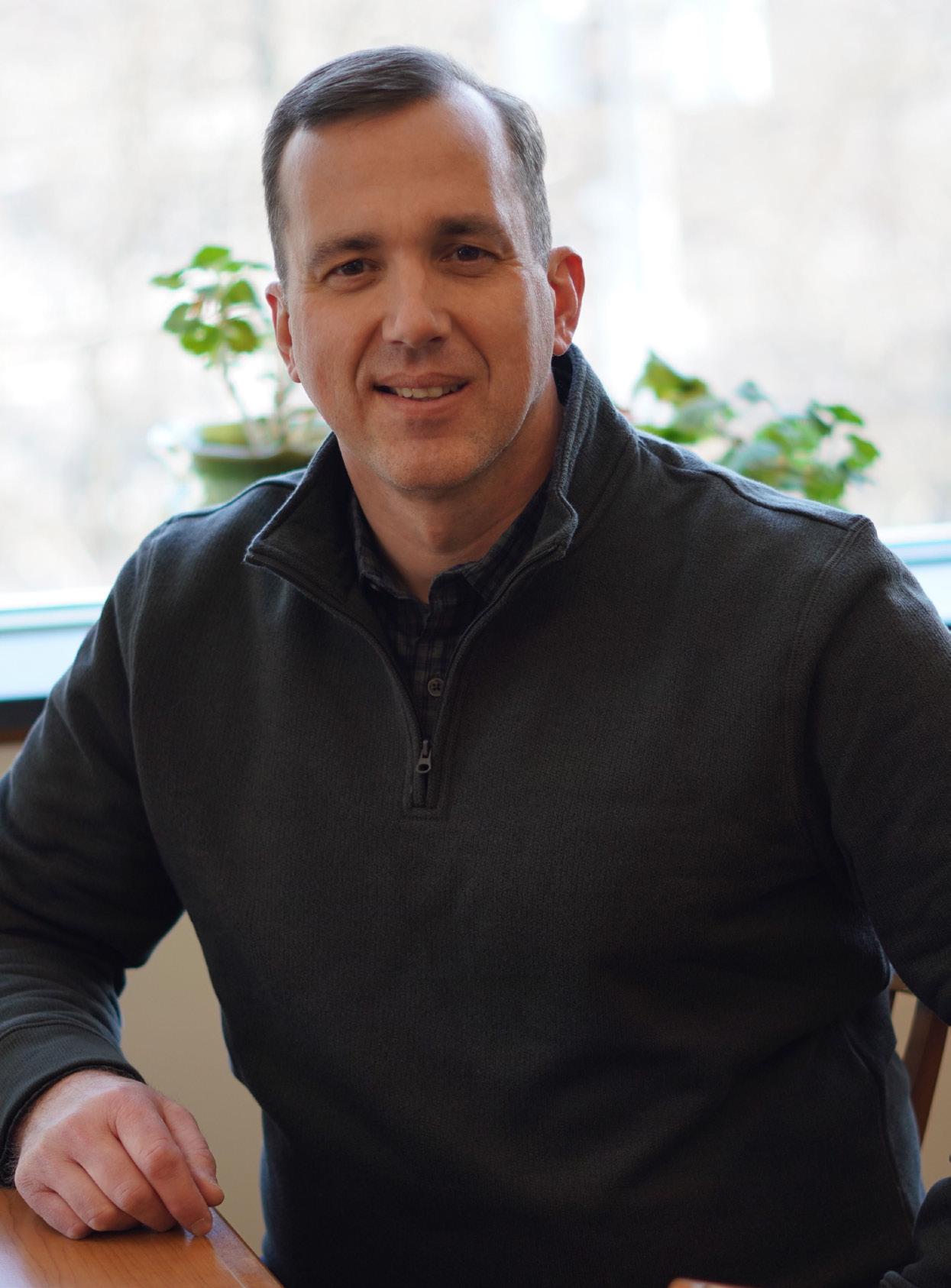
TIM RATH, INNOVATIVE RADIOLOGY
“They’ve got patients backing up.” By the time that engineer is on the phone, he adds, “they’re frequently a very stressed individual.” In that environment, a part that arrives and does not work is not a minor inconvenience but another day or two of downtime.
Logistics underpin the offer. The company holds, or can quickly source, an unusually broad range of stock. “There’s almost no part that we can’ t get next day to the customer, next day air, if they’re looking for it,” Rath says. When a hospital has the component but not the time to fit it, the firm sends its own people. “We have our own field service engineers, so we can put them on a plane and get them going somewhere to help them out.”
Price is where the case for the secondary market is most easily made, though not uniformly so. Against a manufacturer’ s new part, Rath says, the comparison tends to flatter the aftermarket; against another reconditioner it is closer, and the argument shifts to quality. “When you look at what an OEM will charge for some of their new parts, it’s pretty easy for us to be competitive if it’s like for like,” he says. “It gets a little bit more tricky when we’re competing against somebody that is in our own space, and that’s where we have to sell the quality part of what we do, the innovative part of Innovative Radiology.”
That culture extends to how the company prices and deals. Rath describes an approach built on leaving room for everyone in the chain rather than squeezing the last dollar out of a stressed buyer. “We want everybody to make money,” he says. “Everybody can make money, save money, have a square deal.”
As COO, Rath’s remit runs across warehousing, inventory, shipping and receiving, sales, marketing and financial reporting. That vantage point has made the shift in how customers are reached hard to miss. Cold calling, he says, has become markedly less effective as engineers grow harder to reach and callscreening filters out unknown numbers.
“More and more we’re going away from the phone. It’s very hard to get anyone to pick up the phone,” he says. “Cell phone technology even has gotten good where it will filter out a number that it doesn’t recognise.” What survives the change is older than any channel. “What does remain is relationship. Relationship is still huge. And so we’ve had to really kind of find new ways to reach out. LinkedIn is definitely one of those.”
To work those channels at scale, the company turned to Enquirer Consulting Group (ECG) to identify and prioritise the right contacts. “That is definitely where ECG has come in and helped us identify the right people, identify people that are actively working, and that we can quickly boil it down to who we should talk to,” Rath says. “We’ve really leaned into that technology quite a bit, and we’ve seen a lot of good returns from it.” The contrast with the old method is sharp. “We were doing a lot of calling and email outreach prior to signing on, and it just didn’t seem very effective. It was only working really during working hours. ECG has really been able to help us get down to just a core group of people that we should be calling out to.”
The change has also altered when contact happens. “A lot of the interaction takes place after hours, which is kind of nice,” Rath says. “A lot of times we’ll get the responses from LinkedIn messages in the evening, which is really nice. Or on the weekends.” The early outreach is automated but, he is careful to note, written to read as conversation. “AI is kind of doing that heavy lifting for us, but in a very conversational tone, so that it doesn’t sound like it’s robotic or AI generated. But then as soon as we get that response back, that’s when our sales staff, or even myself, will take over and start to interact with that customer.” The handover can be smooth enough to cause confusion. “There’s a lot of times I start interacting with somebody, I’ll take over the conversation, and they’ll refer back to something the AI had said in one of the earlier outreaches, and I have to go

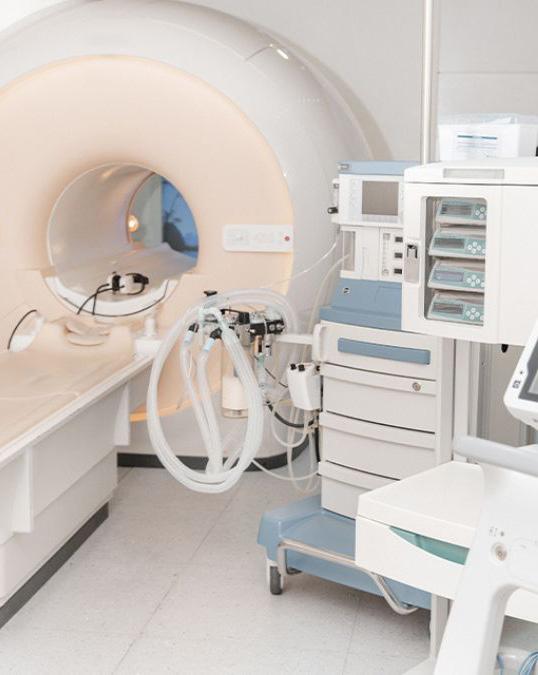

back and read exactly what the AI said sometimes, just to make sure I know what it said.”
The same outreach generates useful signal: patterns in who replies, and who never does, tell the team which titles are worth pursuing. “We know, based on how people have responded, if they’re the right person we should be reaching out to,” Rath says. “If someone with this title maybe just doesn’t ever respond to us, maybe this isn’t somebody we should actually be going after. And so we can pivot and go some other direction.” He is content to put recent growth partly down to the approach. “Last year was a record year for the company, and this year is another record year. We’re doing great. We have onboarded quite a few new customers this year, and some of that is through the LinkedIn outreach we’ve been doing through ECG. And Dan didn’t even pay me to say that.”
The wider policy question hanging over the sector is right to repair. As imaging systems become more softwaredependent, manufacturers are better placed to restrict access to the parts and tools independent providers need, and Rath sees the US debate as live and consequential. “That’s a big issue in the United States right now, the right to
repair,” he says. “It’s big in the medical side, where the government is trying to decide how far they have to go into making sure that companies like ours are able to offer the same type of parts at a lower cost than the OEM.” The lever, in his view, is the software. “As almost anything today has software behind it, that’s really where the OEMs have been able to control the parts and repair. We need more openness when it comes to this software.”
For now, the company’s plans are incremental rather than dramatic. Women’s health and mammography have been central to recent growth, Rath says, and CT is the area he expects to push into next. His advice to healthcare leaders weighing secondary-market suppliers is consistent with the case he makes for his own firm: qualify the vendor. Make sure whoever you buy from can stand behind the parts, and that they have done their due diligence “to give you a good tested part, and not accepting just substandard parts from somebody that’s just a junkyard.” It is an unglamorous proposition, but a durable one. Where manufacturer economics squeeze hospitals and downtime carries a clinical cost, a tested part delivered the next morning is worth more than any pitch.
www.innovative-radiology.com