CURIUM HOW RENAUD DEHARENG
BUILT A NUCLEAR MEDICINE GIANT
WOOD MAKING AI FEEL LIKE ENGINEERING
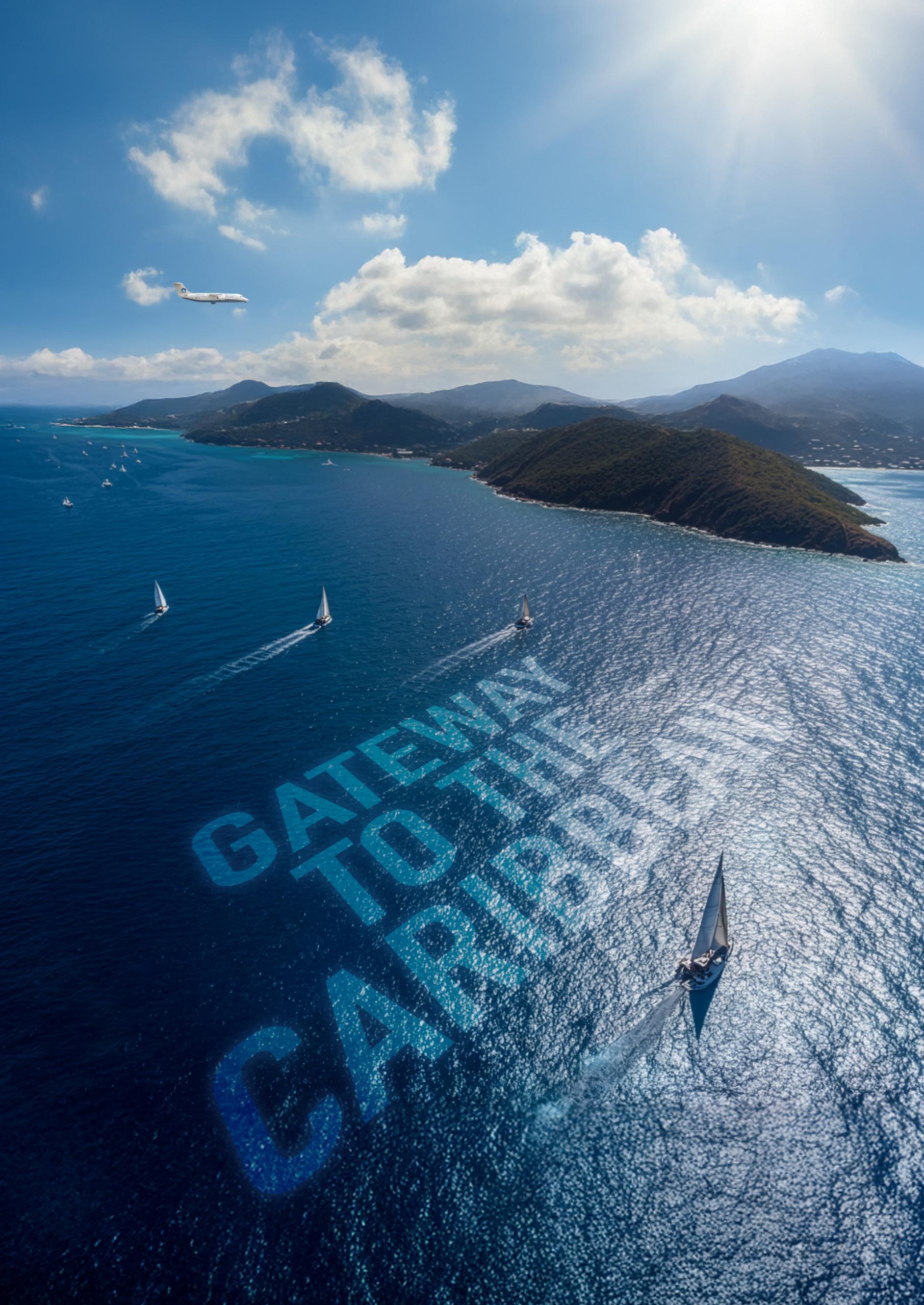
BRITISH VIRGIN ISLANDS
AIRPORT AUTHORITY
SHAPING THE FUTURE OF AVIATION
CURIUM HOW RENAUD DEHARENG
BUILT A NUCLEAR MEDICINE GIANT
WOOD MAKING AI FEEL LIKE ENGINEERING
AIRPORT AUTHORITY
SHAPING THE FUTURE OF AVIATION
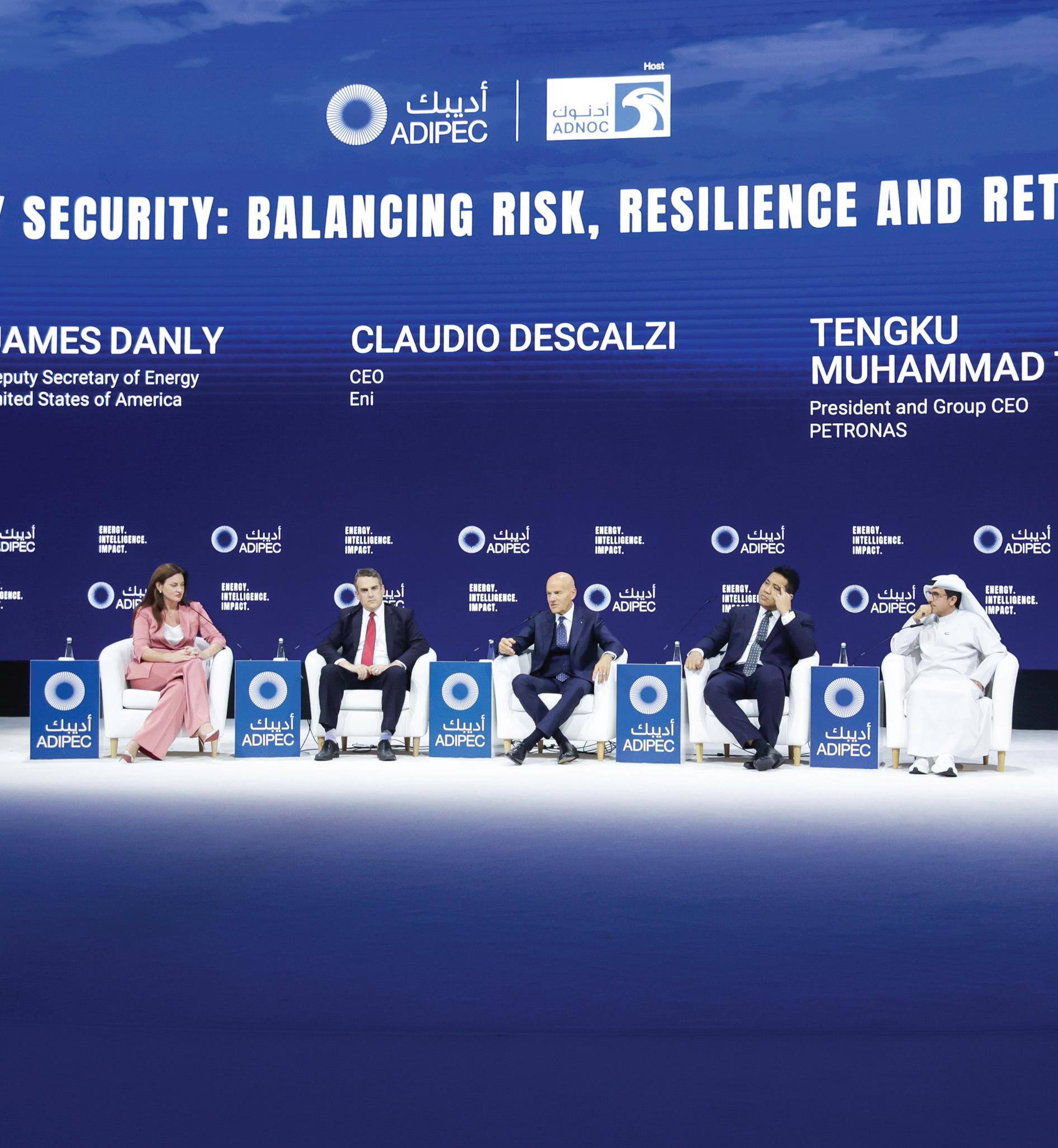
ADIPEC will convene leaders from across energy, technology, finance and policy to explore practical pathways for building shock-resistant, future-ready energy systems – systems capable of meeting rising demand, enabling digital and industrial growth, and supporting global development while advancing emissions management.
JOIN THE GLOBAL ENERGY COMMUNITY
ADIPEC in numbers:
239,000+ Exhibition attendees
16,500+ Conference delegates
2,250+ Exhibiting companies
1,800+ Conference speakers

Bosch Software and Digital Solutions (SDS)
Is established as the global powerhouse of technology. Expert in software, sensors, and services, we are the tech partners of organizations from leading startups to legacy industry giants for delivering new-age digitalization.
We help enterprises reimagine the present and the future of businesses with #SmarterDigital.
What does #SmarterDigital truly mean?
Everyone’s in a race to do more with digital. But such initiatives seldom yield the results that were envisioned. Not limiting to strategy or execution, we take a step back and look at the gaps in the bigger picture.

We rethink conventions, traditions, norms, and digital ‘as usual’.
The result is Smarter Digital. With it, we embed a sustainability mindset, create intelligent business models, and a data-led culture across the value chain.
Bosch Software and Digital Solutions
The promise of #SmarterDigital
We help enterprises achieve sustained business success with our flexible, detail-oriented, and resilient approach to digitalization.

Jamie Waite CEO, EMG | Enquirer Media Group jamie.waite@busenq.com
Roisin Brennand
Chief Operations Officer roisin.brennand@busenq.com
MEDIA
Gary Smith
Senior Project Director gary.smith@busenq.com
Rupert Kay Commercial Director UK rupert.director@busenq.com
Adel Mhiri
Project Director adel.m@busenq.com
Paris Cressy
Branding & Marketing Executive paris.cressy@busenq.com
Bernie Brennand
Senior Project Director bernie.brennand@busenq.com
Thomas Corcoran
Project Director thomas.cocoran@busenq.com
Thomas Hardy
Project Director thomas.hardy@busenq.com
Marcus Laing
Project Director marcus.laing@busenq.com
Paul Roberts
Project Director paul.roberts@busenq.com
Nasa Raheem
Project Director nasa.raheem@busenq.com
Claire Dunn Global Credit Controller claire.dunn@busenq.com
Bethany Waite Credit Controller bethany.waite@busenq.com
Tanya Rudd Head of Finance tanya.rudd@busenq.com
Natoya Rimmer Global Head of Accounts natoya.rimmer@busenq.com
Dan Reeves Head of Data dan.reeves@busenq.com
Kumar Nil-Khan Senior Data Strategy kumar.nilkhan@busenq.com
Simon Ferrening Production Manager Commercial Performance Analysis
Anita Terrell Social Media Manager anita.terrell@busenq.com
Lee Dixon Social Media Manager lee.dixon@busenq.com
HR
Susan Tumelty HR Partnered Company info@hrdept.co.uk

Laura Green Editor in Chief laura.green@busenq.com
Catherine Lafferty Business Editor catherine.lafferty@busenq.com
PRODUCTION
Remo Savino Production Assistant remo.savino@busenq.com
Jamie Bolton Head of Design jamie.bolton@busenq.com
Didie Nturo Head of Video & Content Creation didie.nturo@busenq.com
Matt Hardwick Online Website Manager matt.hardwick@busenq.com
DESIGN WEBSITE PHOTOGRAPHY
Didie Nturo Lead Photographer didie.nturo@busenq.com
LEGAL
Chloe Bird Birketts LLP Norwich


Welcome to the April Edition of Business Enquirer Magazine – Issue 147
As spring brings a renewed sense of momentum, industries across the globe are moving with greater clarity and intent. This edition reflects a landscape shaped not just by growth, but by meaningful transformation, where innovation is judged by impact and leadership is defined by long-term thinking.
We open with our front cover feature, Gateway to the Caribbean, an in-depth look at the British Virgin Islands Airports Authority (BVIAA) and the critical role aviation plays in sustaining one of the world’s most sought-after destinations. In the British Virgin Islands, aviation is more than infrastructure. It is the lifeline of an economy built on tourism, global mobility and regional connectivity. At the centre is Managing Director Kurt Menal, whose leadership spans operations, strategy and the long-term future of aviation across the territory’s three-airport network. His perspective reflects the reality of a global system where disruption in one region can quickly impact another, reinforcing the importance of resilience and long-term planning.
That same focus on substance over narrative carries through the rest of the edition. Our Top 10 Blockchain Innovators highlights those moving decentralised technology beyond theory and into practical application, reshaping industries through transparency, security and efficiency rather than speculation. A similar shift can be seen in our feature on Wood, Beyond the Pilot: How Wood Is Making AI Feel Like Engineering. Here, the conversation around artificial intelligence moves away from experimentation and towards measurable operational value. Under the guidance of Scott Ogilvie, AI is embedded within engineering delivery, improving safety, performance and cost efficiency in environments where outcomes matter most.
In parallel, From Vision to Global Leader: How Renaud Dehareng Built a Nuclear Medicine Giant explores transformation within healthcare. Curium’s rise in the radiopharmaceutical sector reflects a disciplined approach to growth, combining strategic acquisition with a clear understanding of where nuclear medicine sits in the future of cancer treatment.
Across each of these features, a consistent theme emerges. Progress is no longer defined by ambition alone, but by execution, resilience and the ability to translate vision into tangible results.
Enjoy the read.
If you have a business story you wish to share in 2026, please contact our Head of Production via production@busenq.com




The editor and publishers do not guarantee the accuracy of statements made by contributers or advertisers, or accept responsibilty for any statement they express in this publication. The opinion of the contributors may not necessarily be the opinion of the editor or publishers. All content including the presentation therof in this magazine is the property of BE Media and protected by internation al copyright laws. You may not copy, reproduce, distribute, transmit, modify, create derivitave works, or in any other way exploit any part of copyrighted material without prior written permission from BE Media ©BE Media
016
ONES TO WATCH IN 2026
INCLUSIVE LEADERSHIP IN FINTECH TO WATCH IN 2026
010
INTERNATIONAL HOTEL GROUP BUSINESS PARTNER UPDATES
ONES TO WATCH IN 2026
AI IN WEALTH MANAGEMENT TO WATCH IN 2026 020
ONES TO WATCH IN 2026
CRYPTO MARKET OUTLOOK IN 2026 024
IHG HOTELS & RESORTS TO BRING LUXURY HOSPITALITY TO THE HEART OF DELHI
ATWELL ADVANCES ITS FOOTPRINT IN GREATER CHINA
IYC
IYC AT THE PALM BEACH INTERNATIONAL BOAT SHOW 2026
ONES TO WATCH IN 2026
ENERGY AND OIL MARKETS OUTLOOK IN 2026 028
032 THIS MONTH’S
KAMOA COPPER 052
KAMOA COPPER AND THE SHAPE OF GLOBAL SUPPLY
064
BLOCKCHAIN INNOVATORS TO WATCH IN 2026
BEYOND THE PILOT, HOW WOOD IS MAKING AI FEEL LIKE ENGINEERING WOOD HOW RENAUD DEHARENG
BUILT A NUCLEAR MEDICINE GIANT

BRITISH VIRGIN ISLANDS
AIRPORT AUTHORITY

086
Travel
The Grand Tour Reimagined.
Dining
Power Tables: Where the World Dines in Discretion, Access and Influence.
Nocturne
After Dark: The Global Night Shift of Creativity, Power and Quiet Luxury

IHG® Hotels & Resorts, one of the world’s leading hotel companies, has announced the signing of a management agreement with Eros Group (Nehru Place Hotels Pvt Ltd) to open InterContinental Eros New Delhi Nehru Place. Slated to open under the InterContinental brand post renovation, which is expected to be completed in 2029, the new addition is in line with IHG’s strategy to expand its luxury and lifestyle portfolio across key locations in India.
InterContinental Hotels & Resorts is the world’s first and largest international luxury hotel brand, synonymous with bold exploration, cultural discovery, and the worldliness that travel brings. With over 237 open hotels globally and more than 102 properties in the pipeline, the brand has spent decades pioneering new destinations—from historic landmarks to immersive resorts—each serving as an indelible beacon of hospitality that connects guests to culture at every turn. In India, InterContinental continues to build remarkable momentum, expanding across key metros while also answering rising demand for leisure resort experiences with recent signings in coveted resort destinations including

Once again joining the IHG portfolio, the 216-key hotel will introduce world-class hospitality to a prime location in the capital’s most vibrant business district
Kasauli and Kodaikanal. Deeply familiar to both domestic and international travelers, the brand is poised for its next chapter of growth, and this latest signing in the heart of the national capital marks a defining moment in InterContinental’s story in India.
Commenting on the announcement, Sudeep Jain, Managing Director, South West Asia, IHG Hotels & Resorts said, “We are delighted to once again partner with Eros Group (Nehru Place Hotels Private Limited) to bring our global luxury brand, InterContinental to the national capital. South Delhi’s blend of corporate offices, embassies, and landmark attractions makes it an ideal location for a hotel of this caliber. Further strengthening our existing association with Eros Group, we look forward to creating a destination

that supports both business and leisure demand while offering a luxury hospitality experience to our discerning guests.”
He further added, “Delhi is one of the most stable hospitality markets in the country and is characterized by a robust occupancy and ADR. With InterContinental Eros New Delhi Nehru Place, we will be positioned to strengthen our presence in one of India’s most vital economic hubs and deliver world-class hospitality.”
Guests of InterContinental Eros New Delhi Nehru Place will experience the brand’s hallmarks of worldly elegance, personalized service, and cultural connection where contemporary luxury, immersive local touches, and intuitive hospitality come together. With its strategic location and thoughtfully curated facilities, the hotel will strengthen
IHG’s Luxury & Lifestyle presence in India and offer guests a distinctive stay experience that combines the InterContinental brand’s legacy of international hospitality with the rich culture and energy of the capital city.
Mr Satish Sood, Managing Director, Eros Group (Nehru Place Hotels Pvt Ltd) added, “We are proud to further strengthen our existing relationship and again partnering with IHG Hotels & Resorts to bring the InterContinental brand back to this iconic site. We are confident the hotel will be a great success - InterContinental Hotels & Resorts is a true industry leader in luxury hospitality that resonates with discerning travelers all over the world. Additionally, we are certain leveraging IHG’s enterprise systems and loyalty program will maximize returns and strengthen our competitive advantage. This partnership aligns with our long-term vision of
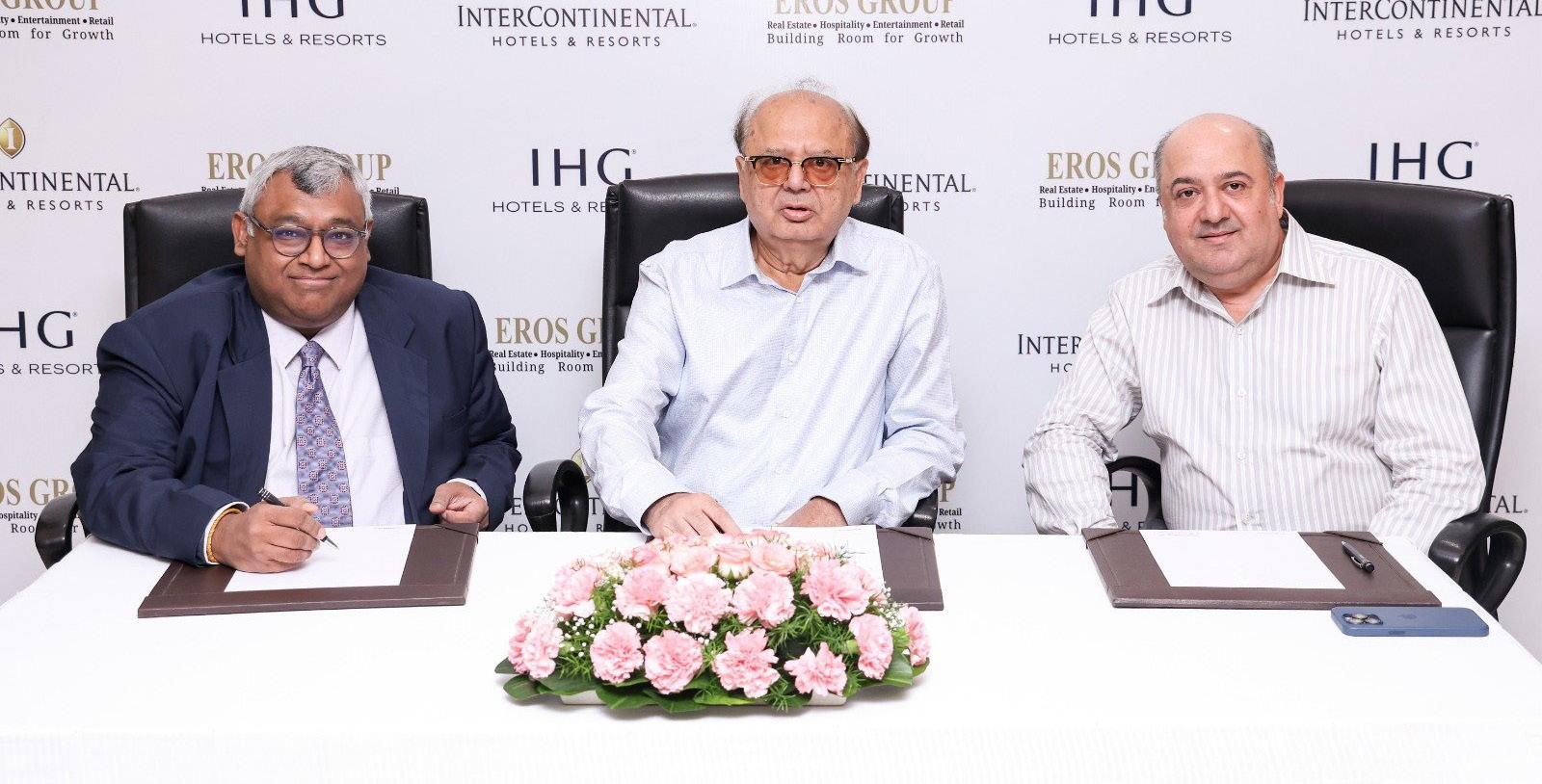
developing landmark hospitality assets in India’s most dynamic cities, and we look forward to welcoming our guests as we open doors as “InterContinental Eros” hotel.
Eros Group has been renowned for unwavering values and uncompromising business ethics. The company over the years has the vision to pursuit excellence that has created highest level of customer satisfaction. The company has crafted relishing and memorable experiences in the field of Hospitality, Real Estate and Residential townships, Entertainment Hubs, Commercial Towers and Shopping Destinations. With a clear vision to remain a leading and sustainable brand the organization is looking forward to partner with the leading international hospitality brand.
Located at Nehru Place, a bustling commercial hub of the city, the hotel will feature 216 beautifully designed guest rooms and suites, distinctively curated dining options including restaurants, bar and lobby lounge, expansive meeting facilities spread across multiple versatile spaces featuring a royal ballroom intimate meeting rooms and beautifully landscaped outdoor lawn perfect for both grand celebrations and corporate
events . Guests will also be welcomed to premier recreational facilities focused on rejuvenation and relaxation with a top –tier spa, luxury health club and a stunning swimming pool set in lush landscapes.
Originally launched in 1996, and then managed under InterContinental Hotels & Resorts flag for over a decade, the property later operated independently as Eros Hotel New Delhi before re-joining the IHG system with this latest signing.
The hotel’s prime location places guests’ minutes from Nehru Place Metro Station, within easy reach of Indira Gandhi International Airport (30 - 35 mins) and close to iconic cultural sites such as the Lotus Temple and Kalkaji Mandir, making it an ideal destination for both business and leisure travellers.
IHG® currently has 51 hotels operating across six brands in India, including Six Senses, InterContinental Hotels and Resorts®, Crowne Plaza®, voco™ Hotels, Holiday Inn Resort® and Holiday Inn Express®. With a robust pipeline of 89 hotels in development, the company is strategically advancing its ambition to more than triple its estate in the market, targeting over 400 open and indevelopment hotels within the next five years.
As travel consumption continues to evolve toward higher quality, personalization, and local immersion, Atwell, IHG Hotels & Resorts’ (IHG’s) lifestyle brand, is accelerating its expansion across Greater China. Following the debut of its first property in the region, Atwell Suites Shanghai Wuning, the brand has celebrated the opening of its second hotel, Atwell Hefei City Center. From Shanghai to Hefei, Atwell brings its “new territorial home” concept to life, blending lifestyle aesthetics with local inspiration to create stays that offer both a sense of belonging and moments of discovery, designed for life-loving experience maximizer.
Rita Jiang, Chief Commercial & Marketing Officer, IHG Greater China, said: “Today, consumer demand is shifting from basic functionality to experience-driven value, with quality and personalization becoming central to the evolution of travel. As a key brand for IHG in the lifestyle segment, Atwell is built around lifestyle aesthetics and brought to life through its ‘new territorial home’ philosophy. This approach creates a distinctive brand model that resonates emotionally with guests while remaining highly adaptable across different markets. The steady expansion of Atwell across Greater China not only demonstrates its ability to thrive in diverse urban environments but also aligns closely with the growing focus on specialized travel segments. Looking ahead, we will continue to seize market opportunities and expand Atwell into more core cities and high-potential locations, delivering richer and more inspiring stay experiences for our guests.”
Guided by its “new territorial home” concept, Atwell creates thoughtfully designed spaces that balance comfort, style, and flexibility. Through warm and

inviting environments, high-quality details, and modern design, the brand delivers a stay experience that feels both relaxed and refined. Local cultural elements are seamlessly integrated into both guest rooms and public spaces, while smart technologies, fitness facilities, and laundry areas enhance convenience and support connection. Meanwhile, the lifestyle boutique store “Dialecte” showcases a curated selection of artist collaborations and sustainable products, reflecting a distinctive lifestyle approach. The B.N.B Bistro, with its semi-open, street-facing design, offers a vibrant social dining experience that connects guests with the rhythm of the local neighborhood.
As the latest addition to the Atwell portfolio in Greater China, Atwell Hefei City Center is located in a prime commercial district at the intersection of Hefei’s historic old town and the Binhu New District. Surrounded by cultural landmarks such as the Bao Xiaosu Ancestral Hall, the hotel blends rich heritage with modern urban energy, offering a vivid expression of the brand’s local approach. The hotel features 168 thoughtfully designed guestrooms, combining the comfort of home with refined design, smart in-room features, and local cultural touches. A variety of social spaces further enrich the guest experience, creating a warm and inviting environment for both relaxation and interaction.
Set against the vibrant waterfront of Palm Beach International Boat Show 2026, this year’s edition once again confirmed its status as one of the most dynamic events on the global yachting calendar. Held in Palm Beach, the show brought together industry leaders, yacht owners, and clients for several days of business, discovery, and celebration under the Florida sun.
At the heart of the show, the IYC Dock (Dock E) served as a central hub of activity, welcoming a steady flow of clients, both longstanding and new, throughout the week. With a strong lineup of yachts, a full calendar of curated events, and an elevated hospitality experience, the IYC experience embodied the company’s continued commitment to excellence across every touchpoint.
The IYC Stand & Yacht Lineup: Dock E showcase
This year’s display featured an exceptional selection of yachts, each representing the diversity and quality of IYC’s global fleet:
OCEANOS: 162’ (49 m) Mondomarine
MYSTIQUE: 153’ (47 m) Feadship
AD ASTRA: 123’ (37 m) Moonen Yachts, yacht for charter with IYC, but also serving as the showcase for the purchase option of new build Moonen Martinique YN208
TITO EL PATRON : 122’ (37 m) Custom Line
RENAISSANCE: 116’ (35 m) Hargrave
KEMOSABE: 112’ (34 m) Westport
NANA I: 111’ (34 m) Mangusta
DYLAN ANNE: 108’ (33 m) Benetti
IRIDESCENCE: 101’ (30 m) Ocean Alexander
AURORA: 99’ (30 m) Ferretti

NEXT CHAPTER: 97’ (30 m) Hargrave
ALEXANDRA: 83’ (25 m)
INTO THE SUNSET: 87’ (26m) Sunseeker
From sleek performance yachts to expansive superyachts, the lineup offered a compelling snapshot of the brokerage, charter, and management opportunities available within the IYC portfolio.
Hosted on Tuesday, March 24, at The Ben, the annual IYC Excellence Awards brought teams together to recognize outstanding achievements across the company. The winners were:
Charter Retail: Carrie Freeman – Florida
• Sales: Richard Gray – UK
Strongest Fleet Growth Award: Yacht Management Greece
Referral Award: Richard Gray – UK
• Employee of the Year: Vicky Kostara – Greece
Achievement Award: Irini Sarantis –Greece
Throughout the show, the IYC stand remained a lively meeting point, with daily sundowners hosted in partnership with GWS offering a relaxed yet refined setting for clients and industry peers to connect.
A standout moment of the week was the PACTA event hosted on board AD ASTRA on March 25, bringing together guests for an energetic evening of music, exceptional food, and a vibrant onboard atmosphere.

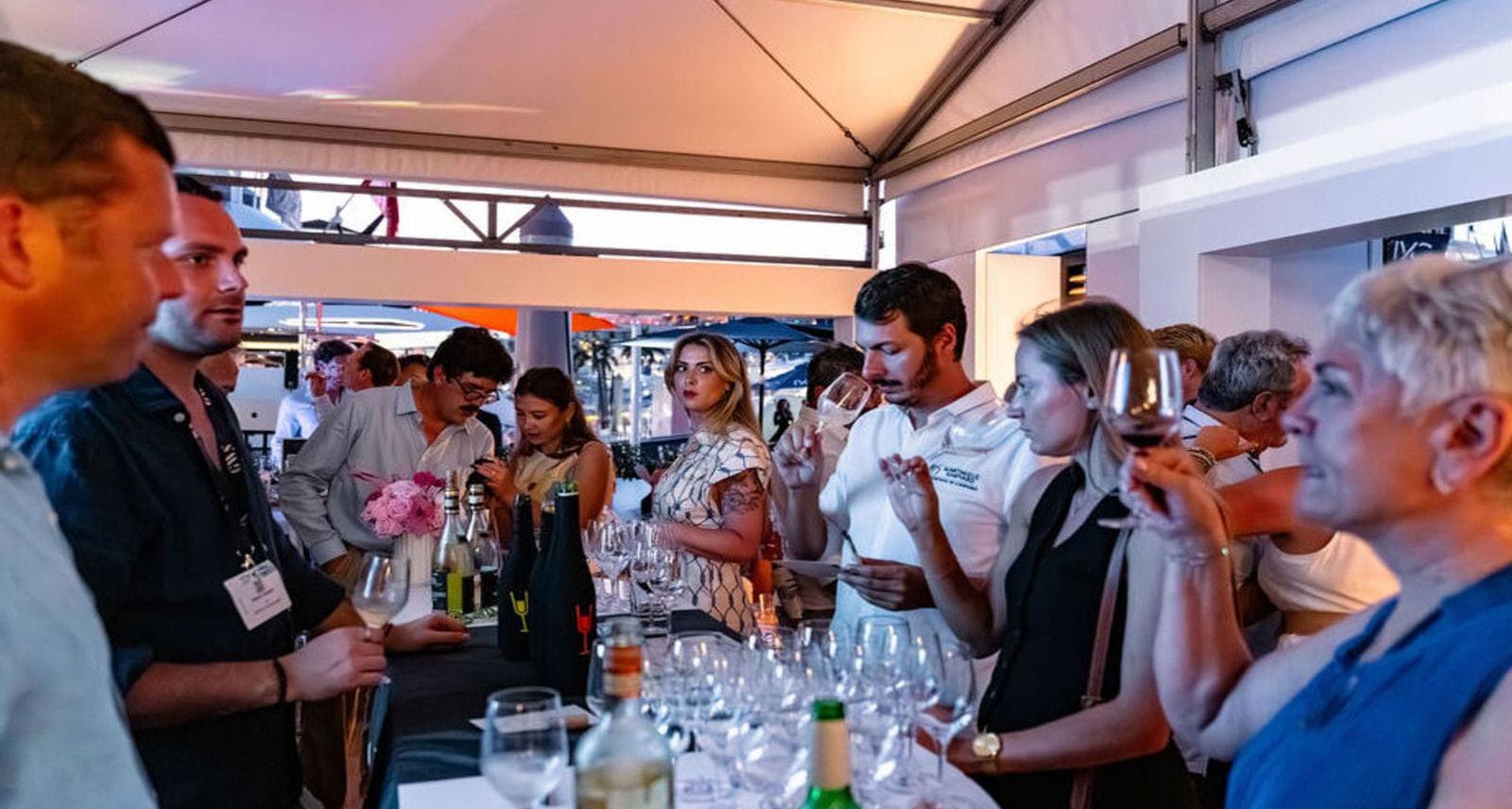
On Thursday, March 26, the social calendar peaked with a series of simultaneous highlights:
A private evening aboard OCEANOS, co-hosted with Jet Aviation, Aston Martin, and GWS
• A lively celebration on TITO EL PATRON in partnership with the Bahamas Tourism Board, infused with local energy and music
The same day —and again on Saturday— select guests were invited to exclusive blind wine tastings hosted with GWS, where participants tested their palates for a chance to win special prizes.
Friday, March 27, placed a spotlight on community and industry culture:
• The YachtFemme breakfast welcomed guests to the IYC stand, celebrating women across the yachting sector
The Captains’ Soirée created a moment to recognize and bring together captains—the core of the yachting experience—in a relaxed and social setting
The AD ASTRA Brokers Cocktail offered an opportunity to highlight IYC’s partnership with Moonen Yachts to industry professionals
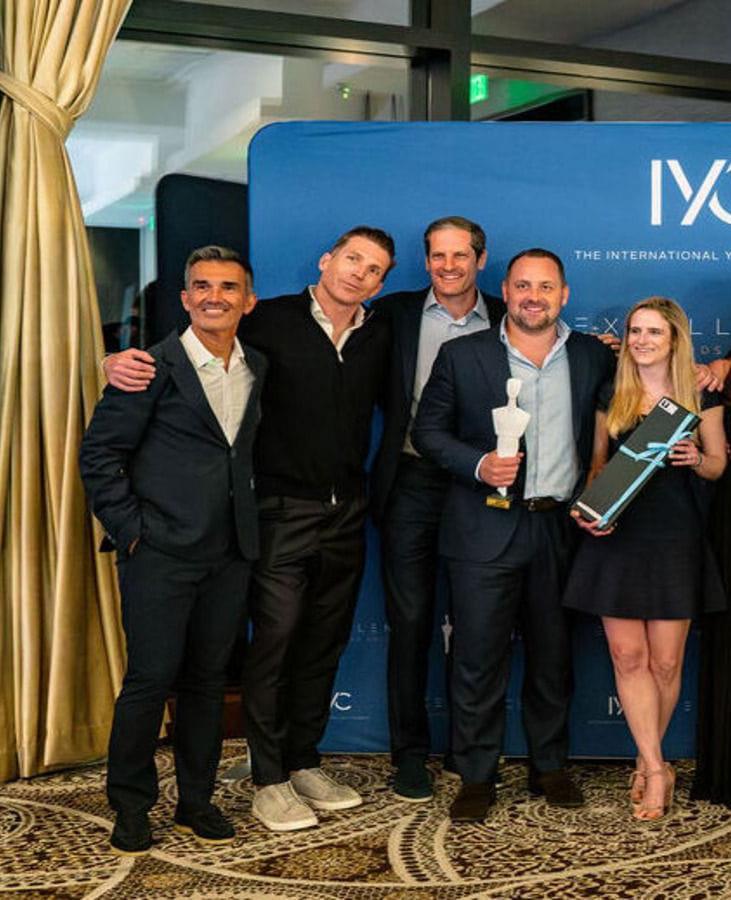
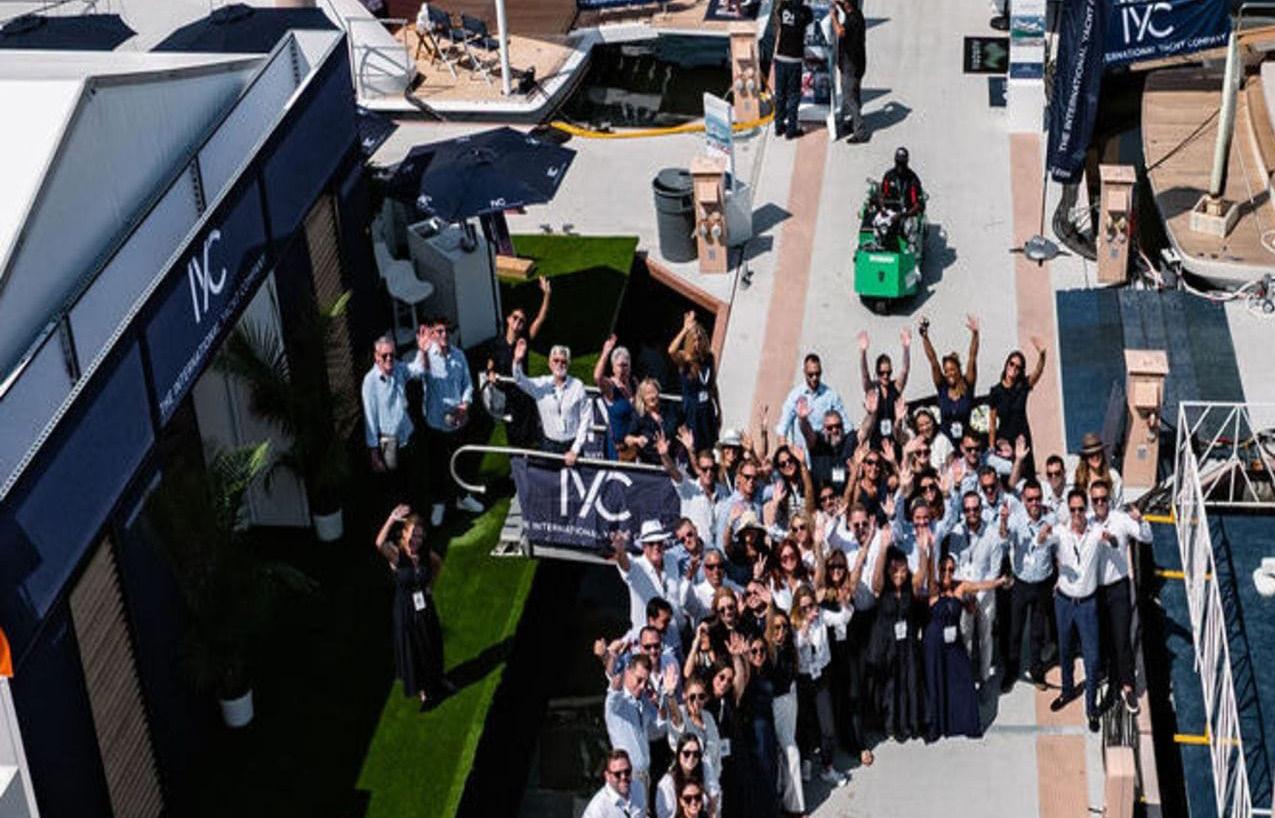

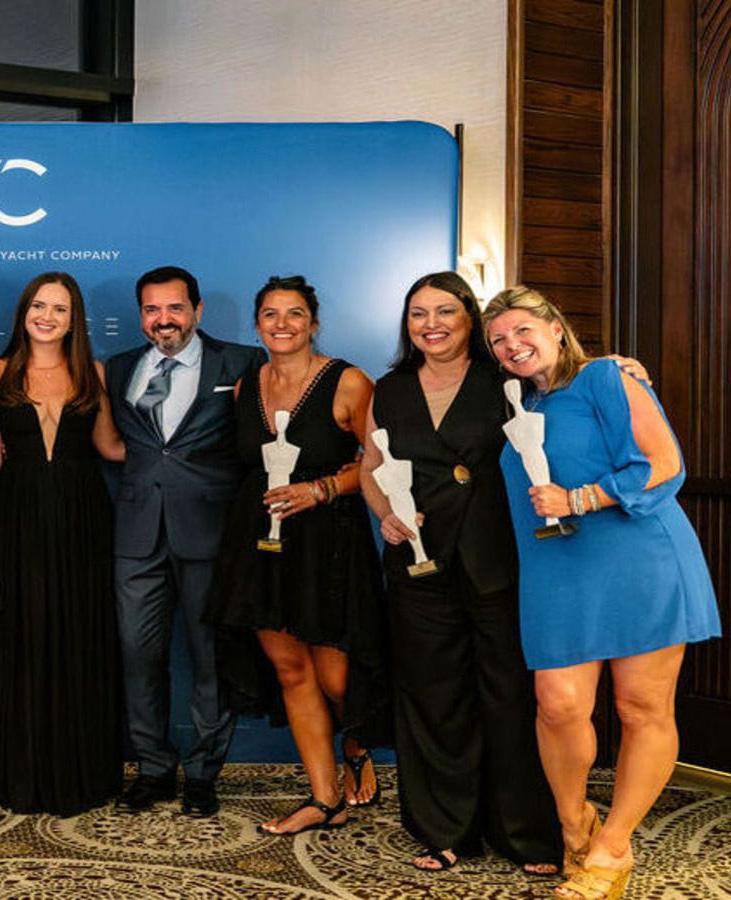

Each year, IYC continues to strengthen and refine its network of partners, enhancing both the client experience and the overall presence at the show.
A special acknowledgment goes to Aston Martin, who offered three DBX models to be used as our private chauffeured cars.
Additional partners played a key role in shaping the atmosphere and experience throughout the week:
GWS, for curated wine selections
• MTN
Kimberly Pucci, for bespoke leather gifts
• Land & Sea, for the elegant furniture design
Jet Aviation, for their continued trust and collaboration
LIND
• Boeing Business Jets Lalo Tequila
• MSOS
GF Entertainment, for providing exceptional talent and entertainment
From a standout yacht lineup to a thoughtfully curated program of events, IYC’s presence at the Palm Beach International Boat Show 2026 reinforced its position as a leader in the global yachting industry.
As the show continues to grow, so too does IYC’s commitment to delivering meaningful experiences for clients, partners, and the wider yachting community.
www.iyc.com

Fintech has always been associated with speed, disruption and bold ambition. From digital banks to embedded finance platforms, the sector has reshaped how individuals and businesses manage money. Yet as the industry moves further into maturity, a quieter but equally powerful force is shaping its trajectory. Inclusive leadership is becoming one of the defining characteristics of fintech firms best positioned to thrive in twenty twenty six.
In an environment marked by regulatory scrutiny, economic pressure and heightened competition, inclusion is no longer a peripheral initiative. It is a commercial necessity. Firms that build diverse leadership teams, equitable cultures and products designed for broad customer bases are not simply signalling virtue. They are strengthening resilience, unlocking innovation and reinforcing long term growth.
Over the past decade, much of the conversation around diversity in financial services focused on representation. Organisations published workforce statistics and set hiring targets, often in response to investor or regulatory pressure. While representation remains important, inclusive leadership demands something deeper. It requires leaders to take responsibility for how decisions are made, whose voices are heard and how opportunity is distributed.
In fintech, where structures are often flatter and product cycles rapid, leadership behaviour has an immediate impact. The tone set at executive level filters quickly through teams. Leaders who actively seek diverse perspectives and encourage constructive challenge create environments where innovation can
flourish. By contrast, homogeneous leadership risks reinforcing blind spots, particularly in an industry serving an increasingly varied customer base.
As twenty twenty six approaches, some of the most compelling fintech stories are emerging from firms that have embedded inclusion into their operating models. Recruitment strategies are widening beyond traditional financial and technical pathways. Organisations are investing in mentoring and sponsorship to ensure high potential individuals from underrepresented backgrounds are supported into senior roles. Performance frameworks are being reviewed to reward collaboration and long term value creation rather than individual visibility alone.
This shift is not solely internal. Investors and regulators are paying closer attention to governance and culture. Inclusive leadership is increasingly linked to sound risk management. A leadership team that reflects diverse experiences is more likely to anticipate emerging risks and understand the nuanced needs of customers. For fintech firms navigating complex regulatory landscapes, this breadth of insight can be invaluable.
Inclusion is also shaping product development. Fintech was built on a promise of democratising finance, yet gaps in access persist. Digital exclusion, language barriers and inflexible credit assessments continue to leave many consumers underserved. Leaders who prioritise inclusive design are addressing these gaps at source.
Rather than building for a narrow demographic and adding accessibility features later, forward thinking firms are placing diverse user needs at the heart


of development. This can mean clearer language, more intuitive interfaces, multilingual support or credit models that account for alternative data. It also means engaging directly with communities to understand lived experience rather than relying solely on internal assumptions.
Such approaches are commercially astute. Underserved segments represent significant growth opportunities. In a market where customer acquisition costs are rising and brand loyalty can be fragile, serving overlooked communities with fairness and transparency can foster deeper trust and long term engagement.
Technology itself presents both opportunities and responsibilities. Artificial intelligence and machine learning underpin many fintech services, from fraud detection to credit scoring. Inclusive leadership requires vigilance in how these systems are built and deployed. Algorithms trained on biased data sets can inadvertently entrench inequality. Leaders must therefore ensure robust governance, transparent validation processes and ongoing monitoring. At the same time, technology can enhance inclusion within organisations. Remote and hybrid working models, now embedded across much of the sector, have broadened access to fintech careers beyond traditional financial hubs. This flexibility can benefit individuals with caring responsibilities or those previously excluded by geography. Inclusive leaders are intentional in maintaining visibility and opportunity for remote employees, ensuring that informal networks do not become barriers to progression.
Culture remains central. High growth fintech environments can be energising but also demanding. Psychological safety is critical if teams are to innovate effectively. Leaders who model openness and accountability create space for honest dialogue. Encouraging dissenting views is not merely an ethical stance but a strategic safeguard in an industry

where misjudged risk can have serious consequences.
The global nature of fintech adds further complexity. Many firms operate across multiple jurisdictions, each with distinct regulatory frameworks and cultural expectations. Inclusive leadership in this context requires cultural intelligence and adaptability. Balancing global standards with local nuance strengthens both compliance and commercial performance.
Measuring progress on inclusion remains a challenge. Representation statistics offer only a partial view. Increasingly, firms are looking at

broader indicators such as engagement, belonging and retention across different groups. Transparency is essential. Linking inclusion outcomes to executive accountability reinforces the message that this agenda is integral to business performance.
Talent competition continues to intensify. Skilled professionals are drawn to organisations that align with their values and offer credible pathways for growth. Inclusive leadership therefore contributes directly to employer brand. Firms that communicate openly about pay, progression and decision making processes are more likely to attract and retain high calibre individuals.
Wealth management is undergoing a period of profound transformation. Once defined by personal relationships, discretionary portfolios and steady incremental change, the sector is now being reshaped by artificial intelligence and a broader wave of digital innovation. In twenty twenty six, the firms to watch will not simply be those investing in new tools, but those embedding intelligent systems into the heart of their strategy while preserving the trust that underpins the industry.
Artificial intelligence is no longer a speculative concept within wealth management. It is becoming integral to how advice is delivered, how portfolios are constructed and how risk is managed. Yet the real story is not about automation replacing advisers. It is about augmentation. The most forward thinking organisations are using AI to enhance human expertise rather than diminish it.
Portfolio construction is one of the areas experiencing the most visible change.

Machine learning models can process vast quantities of market data, alternative signals and macroeconomic indicators in real time. This enables more dynamic asset allocation and faster identification of emerging trends. In volatile markets, such responsiveness can be a significant advantage.
However, innovation in twenty twenty six extends beyond performance optimisation. AI is also being deployed to refine risk profiling and suitability assessments. By analysing behavioural patterns and transaction histories, systems can develop a more nuanced understanding of client preferences and risk tolerance. This supports advisers in tailoring strategies with greater precision and consistency.
Client experience is another focal point. Investors increasingly expect the same seamless digital interactions they receive from other sectors. Intelligent chat interfaces, predictive analytics and personalised reporting are reshaping expectations. AI driven platforms can

anticipate client queries, provide timely insights and flag potential concerns before they escalate.
For wealth managers, this shift presents both opportunity and challenge. Technology must enhance rather than erode the sense of personal connection. The relationship between adviser and client remains central, particularly for high net worth and ultra high net worth individuals. Firms that succeed will be those that integrate AI discreetly, allowing advisers to spend more time on strategic conversations and less on administrative tasks.
Operational efficiency is also being transformed. Back office functions such as compliance monitoring, document processing and transaction reconciliation are increasingly supported by intelligent automation. This reduces manual error and frees up resources for higher value activity. In a regulatory environment that continues to tighten, AI can assist in identifying anomalies and ensuring adherence to evolving standards.
Regulation, of course, remains a critical consideration. As AI becomes more embedded in decision making processes, questions of transparency and accountability grow more urgent. Wealth managers must be able to explain how algorithms arrive at recommendations, particularly when client capital is at stake. Black box models are unlikely to satisfy regulators or clients.
In response, many firms are investing in explainable AI frameworks. These approaches aim to provide clear rationales for automated decisions and to ensure that human oversight remains in place. Governance structures are evolving to include dedicated oversight committees and robust validation procedures. Responsible innovation is becoming a differentiator.
Data is the lifeblood of AI in wealth management. The quality, integrity and security of that data are therefore paramount. Firms are strengthening data governance frameworks and investing in secure cloud infrastructure to support advanced analytics. At the same time, they must navigate complex privacy requirements and client expectations around confidentiality.
The competitive landscape is also shifting. Traditional wealth managers are no longer competing solely with established peers. Fintech platforms and digital first entrants are offering streamlined, lower cost solutions that appeal to younger and digitally savvy investors. In response, established firms are accelerating partnerships, acquisitions and in house development to remain relevant.
Hybrid advice models are gaining traction. These combine digital onboarding and automated portfolio management with access to human advisers when required. Artificial intelligence plays a central role in these models, ensuring efficiency at scale while preserving optionality for clients who value personal guidance.
Sustainability and impact investing add another dimension. Investors are



demanding more sophisticated analysis of environmental, social and governance factors. AI can process vast quantities of unstructured data, from corporate disclosures to news sentiment, to assess sustainability performance. This enhances the rigour of responsible investment strategies and supports transparent reporting.
Talent strategy is evolving alongside technology. Wealth management firms require new skill sets, from data scientists to AI ethicists. Integrating these capabilities into traditionally relationship driven cultures demands thoughtful leadership. Cross functional collaboration between technologists and advisers is essential if innovation is to translate into client value.
Cost pressures further intensify the need for intelligent systems. Margin compression, fee transparency and heightened client expectations are reshaping the economics of wealth management. AI driven efficiencies can help protect profitability while enabling reinvestment in client facing capabilities.
Cyber security remains a critical concern. As digital infrastructure expands, so too does the threat landscape. AI is being deployed defensively to detect suspicious activity and strengthen resilience. At the same time, firms must ensure that their own use of AI does not introduce new vulnerabilities.
Looking ahead to twenty twenty six, one of the most significant shifts may be cultural rather than technical. Wealth management has historically been cautious, valuing stability and long term relationships. Embracing AI requires a mindset that balances prudence with experimentation. Leadership teams must foster environments where innovation is encouraged but carefully governed.
Client education will also play a role. Many investors are curious about how artificial intelligence influences their portfolios. Transparent communication about the role of technology can build confidence and differentiate forward thinking firms from those perceived as opaque.
Ultimately, innovation and AI in wealth management are not about replacing tradition but about refining it. The enduring principles of trust, fiduciary duty and personalised advice remain central. Technology, when deployed thoughtfully, can strengthen these foundations rather than undermine them.
For observers in twenty twenty six, the wealth managers to watch will be those that strike this balance. They will leverage artificial intelligence to enhance insight, improve efficiency and elevate client experience, while maintaining rigorous governance and a human touch. In a sector built on confidence and discretion, that equilibrium may prove to be the most valuable innovation of all.
The crypto market enters twenty twenty six at a pivotal moment. After years defined by extreme volatility, regulatory crackdowns and periodic waves of exuberance, the sector is showing signs of structural evolution. Digital assets are no longer viewed solely as speculative instruments. They are increasingly embedded in broader financial conversations around payments, asset tokenisation and decentralised infrastructure.
For investors and institutions alike, the question is no longer whether crypto will endure, but how it will mature.
The past cycle forced a reset. Market corrections exposed fragile business models and excessive leverage, prompting a more cautious and disciplined approach. In response, regulatory frameworks across major jurisdictions have become clearer and more assertive. While compliance requirements have increased, this greater oversight is contributing to a more stable foundation for growth.

Institutional participation continues to shape the market’s trajectory. Asset managers, hedge funds and even traditional banks have expanded their exposure to digital assets, whether through direct holdings, exchange traded products or blockchain based infrastructure. Their presence brings both capital and scrutiny. Risk management practices are becoming more sophisticated, and due diligence standards more rigorous.
Bitcoin and Ethereum remain central pillars of the ecosystem, but the narrative is broadening. Layer two solutions, decentralised finance platforms and tokenised real world assets are attracting renewed interest. Tokenisation in particular is emerging as a bridge between traditional finance and blockchain technology. From real estate to private credit, the concept of representing tangible assets on distributed ledgers is gaining traction among institutional players seeking efficiency and transparency.
Regulation will remain a defining factor in twenty twenty six. In the United Kingdom and the European Union, clearer licensing regimes are encouraging responsible innovation while seeking to protect consumers. In the United States, policy debates continue, yet there is growing recognition that outright resistance to digital assets is unlikely to succeed. Markets tend to reward jurisdictions that strike a balance between oversight and openness.
Stablecoins are likely to remain under the spotlight. As digital representations of fiat currency, they sit at the intersection of crypto innovation and monetary policy. Regulatory clarity around reserves, governance and transparency will influence their adoption in payments and cross border transactions. If managed effectively, stablecoins could become a practical use case that moves crypto further into everyday commerce.
Market volatility, however, has not disappeared. Crypto remains sensitive to macroeconomic shifts, liquidity conditions and geopolitical events. Interest rate expectations and global risk appetite continue to influence flows into and out of digital assets. Investors are therefore approaching the space with greater selectivity, distinguishing between long term infrastructure plays and short term speculative tokens.

The role of artificial intelligence is also becoming more prominent within crypto markets. AI driven trading strategies, sentiment analysis and blockchain analytics are enhancing decision making for both retail and institutional participants. At the same time, the convergence of AI and decentralised networks raises new questions around governance and data integrity.
Security remains a critical concern. High profile breaches and fraud cases in previous years underscored vulnerabilities within exchanges and decentralised platforms. In response, firms are investing heavily in custody solutions, smart contract audits and enhanced cyber defences. Trust, once shaken, is gradually being rebuilt through improved transparency and accountability.
Environmental considerations continue to shape perceptions of crypto, particularly around energy intensive mining operations. Advances in renewable energy usage and more efficient consensus mechanisms are helping to address criticism.
Sustainability narratives are increasingly intertwined with long term viability.
Retail participation has evolved as well. While speculative enthusiasm still surfaces during price surges, many individual investors are now more informed and cautious. Educational resources and clearer risk disclosures are contributing to a more mature retail base. Platforms that prioritise user protection and transparency are likely to gain loyalty in a crowded market.
Looking ahead, the crypto market in twenty twenty six appears less defined by hype and more by integration. Collaboration between blockchain firms and traditional financial institutions is accelerating. Payment providers are exploring digital asset rails, and asset managers are incorporating tokenised products into diversified portfolios. The boundary between conventional finance and crypto is becoming more porous.
Yet uncertainty remains inherent. Regulatory divergence between jurisdictions, technological vulnerabilities and shifting macroeconomic conditions

will continue to generate turbulence. For participants, resilience and adaptability will be essential.
For Business Enquirer readers assessing the landscape, the most significant theme is maturation. The exuberant rhetoric of early cycles has given way to a more measured tone. Digital assets are increasingly judged by utility, governance and economic contribution rather than novelty alone.
In twenty twenty six, the crypto market stands at a crossroads between experimentation and establishment. Those organisations that prioritise compliance, security and genuine use cases are likely to shape the next chapter. For investors willing to navigate complexity with discipline, the opportunities remain compelling, but they are best approached with strategic clarity rather than speculative impulse.
The coming year may not deliver the dramatic swings of earlier eras, but it promises something potentially more consequential. A gradual embedding of crypto within the wider financial system. If that trajectory continues, twenty twenty six could be remembered not for exuberant peaks, but for steady consolidation and long term credibility.


The global energy landscape enters twenty twenty six at a moment of recalibration. After several years marked by geopolitical tension, supply disruptions and sharp price volatility, oil and broader energy markets are adjusting to a new equilibrium. The conversation is no longer defined solely by short term price swings, but by structural questions around security, transition and long term investment.
Oil remains central to the global economy. Despite sustained momentum behind renewable energy, hydrocarbons continue to underpin transport, manufacturing and petrochemicals. Demand resilience in emerging markets, particularly across parts of Asia, is supporting consumption even as efficiency gains and electrification moderate growth in developed economies.
Supply dynamics, however, remain finely balanced. OPEC and its allies continue to play a decisive role in managing output

levels, seeking to prevent oversupply while defending price stability. Production discipline has become a strategic tool, with coordinated adjustments used to influence market sentiment. At the same time, non OPEC producers, including the United States, are responding to price signals with measured expansion, though capital allocation is more cautious than in previous cycles.
Investment patterns reflect a more restrained industry mindset. Shareholders are demanding capital discipline, prioritising dividends and balance sheet strength over aggressive expansion. This has tempered the pace of new upstream projects. While such prudence has strengthened company fundamentals, it also raises longer term questions about supply adequacy should demand surprise to the upside.
Geopolitics continues to cast a long shadow. Conflicts, sanctions and shifting trade alliances influence flows of crude
Natural gas markets remain closely intertwined with oil, particularly in regions where pricing mechanisms are linked. Liquefied natural gas infrastructure has expanded, supporting greater flexibility in global trade. This has reduced, though not eliminated, vulnerability to regional disruptions. Gas is increasingly viewed as a transitional fuel, balancing reliability with lower carbon intensity relative to coal.
energy to meet global demand presents logistical and financial challenges. Intermittency issues, permitting delays and supply chain constraints persist.

Carbon markets and climate policy will influence sentiment in twenty twenty six. Stricter emissions regulations and evolving disclosure requirements are shaping corporate planning. Companies that can demonstrate tangible progress on emissions reduction may benefit from improved access to capital and enhanced reputation. and refined products. Energy security has re emerged as a central policy priority for many governments. Diversification of supply sources, expansion of strategic reserves and reinforcement of domestic production capacity are recurring themes across Europe, North America and parts of Asia.
Oil and gas companies are responding in varied ways. Some are diversifying into low carbon technologies, from hydrogen to carbon capture and storage. Others remain focused on core hydrocarbon operations while improving operational efficiency and emissions intensity. Investors are scrutinising strategies carefully, seeking credible pathways that align with both financial performance and environmental responsibility.
The energy transition continues to gather momentum, yet progress is uneven. Investment in renewables, storage and grid infrastructure is rising, supported by policy incentives and corporate commitments. However, scaling clean
The blockchain sector continues to evolve at pace. What began as an experimental technology associated largely with digital currencies has matured into a complex ecosystem influencing payments, capital markets, identity, tokenisation and decentralised infrastructure. As the industry moves further into a phase defined by integration rather than hype, attention is turning
to the individuals shaping its long term direction.
The following ten innovators are not only influential voices but active leaders in their current roles. Each is helping to define how blockchain technology develops, scales and integrates with mainstream finance and enterprise in twenty twenty six.

Co Founder of Ethereum Vitalik Buterin remains one of the most influential figures in blockchain development. As co founder of Ethereum, he continues to shape research and architectural decisions within the ecosystem. His focus on scalability, decentralisation and long term sustainability has guided Ethereum’s evolution into a foundational platform for decentralised applications. In twenty twenty six, his influence is likely to remain central as Ethereum navigates scaling solutions, governance debates and growing institutional adoption.

Founder of Polkadot and Founder of Parity Technologies
Gavin Wood has long been a driving force in blockchain architecture. As founder of Polkadot and Parity Technologies, he champions interoperability and multi chain ecosystems. His work seeks to create networks that can communicate seamlessly rather than operate in isolation. In an environment where cross chain compatibility and shared security are increasingly important, Wood’s vision continues to shape how developers and enterprises approach blockchain infrastructure.
Co Founder and Chief Executive of Coinbase
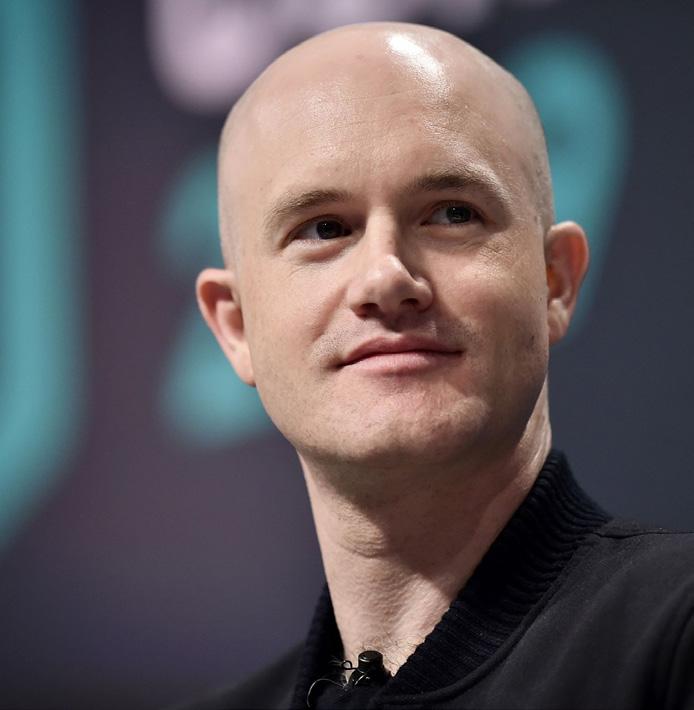
Brian Armstrong leads one of the most prominent crypto exchanges globally. As co founder and chief executive of Coinbase, he influences how millions of users and institutions access digital assets. His company’s approach to compliance, custody and product expansion has significant implications for trust and liquidity across the market. In a more regulated environment, Armstrong’s leadership will remain pivotal in shaping mainstream participation in digital assets.

Founder and Chief Executive of ConsenSys
Joseph Lubin plays a critical role in connecting enterprise use cases with public blockchain infrastructure. As founder and chief executive of ConsenSys, he oversees a suite of tools and services that enable developers and institutions to build on Ethereum. His emphasis on infrastructure, wallets and enterprise solutions positions him at the intersection of innovation and commercial adoption. In twenty twenty six, ConsenSys’s strategic direction will offer insight into how traditional institutions deepen engagement with decentralised systems.
Co Founder of Solana and Leader at Solana Labs
Anatoly Yakovenko is associated with high performance blockchain architecture through his role at Solana Labs. Solana’s emphasis on throughput and efficiency positions it as a network designed for scale. Yakovenko’s continued focus on performance optimisation and ecosystem growth will be closely watched as developers assess which networks can support mass adoption without compromising reliability.


Chief Executive of Ripple Brad Garlinghouse leads Ripple, a company focused on cross border payments and digital asset settlement infrastructure. Under his leadership, Ripple has worked to expand partnerships with financial institutions while navigating regulatory scrutiny. As global payments systems evolve and demand for faster, more efficient settlement increases, Garlinghouse’s strategic decisions will influence how blockchain integrates with traditional financial rails

Founder of Cardano and Chief Executive of Input Output Global
Charles Hoskinson has positioned Cardano as a research driven blockchain project, with an emphasis on formal verification and academic rigour. As founder of Cardano and chief executive of Input Output Global, he advocates for methodical development and governance frameworks. In twenty twenty six, Cardano’s ability to translate research based development into ecosystem growth and enterprise partnerships will be a key measure of its impact.

Founder and Chief Executive of Uniswap Labs
Hayden Adams is widely recognised for pioneering automated market making through Uniswap. As founder and chief executive of Uniswap Labs, he remains central to the evolution of decentralised trading infrastructure. With decentralised finance continuing to adapt to regulatory and market pressures, Adams’s approach to governance, scalability and cross chain expansion will influence how decentralised exchanges mature.
Founder and Chief Executive of Avara
Stani Kulechov is the founder of Aave and chief executive of Avara, the parent company overseeing Aave and related projects. His work in decentralised lending has helped shape the foundations of decentralised finance. As lending protocols face increasing scrutiny around risk management and sustainability, Kulechov’s leadership will be critical in demonstrating how decentralised finance can evolve responsibly.

Co Founder of Polygon and Foundation Leader
Sandeep Nailwal is a co founder of Polygon and plays a leading role in guiding the Polygon ecosystem. Polygon has become central to Ethereum scaling strategies, offering solutions designed to enhance performance and reduce transaction costs. Nailwal’s stewardship of ecosystem development and strategic direction positions him as a significant figure in determining how scaling frameworks support mainstream blockchain adoption.





AUTHORITY
PROJECT DIRECTED BY:
GARY SMITH
In the British Virgin Islands, aviation is not merely a mode of transportation. It is the connective tissue of an economy built on tourism, global mobility and regional collaboration. Every arrival represents a visitor stepping into one of the Caribbean’s most sought-after destinations, and every departure reflects a territory deeply connected to the wider world.
At the centre of this system sits the BVI Airports Authority (BVIAA), responsible for managing a network of three airports that together support the territory’s economic vitality and international accessibility. Leading that effort is Kurt Menal, Managing Director of the Authority, whose responsibility stretches across operational oversight, strategic development and the longterm future of aviation infrastructure in the islands.
For Menal, the job is defined by an understanding that aviation operates within a truly global system. Decisions made thousands of miles away can ripple across small island economies within hours, shaping everything from passenger movement to operational continuity.
“Aviation is a global industry,” he explains. “The decisions that are made in one territory can impact flights,
operations and passengers in another. You have to see yourself as part of that wider system.”
That global perspective has become increasingly important in recent years. Geopolitical shifts, operational disruptions and regional airspace challenges have reinforced the importance of resilience in airport management. A recent airspace shutdown near Puerto Rico, for example, led to aircraft being grounded across the region, including in the British Virgin Islands.
Situations like these highlight the complexity of modern aviation and the need for airports to prepare not only for growth, but for disruption.
“Events outside of the BVI can have a direct operational impact on us,” Menal says. “That means contingency planning and business continuity must remain a major part of how we operate moving forward.”
When travellers are delayed or stranded, the airport becomes more than an infrastructure hub. It becomes the environment in which passengers experience the destination for the first time. Ensuring that the environment remains efficient, welcoming and operationally sound is therefore critical.
The BVIAA has increasingly focused on improving the on-the-ground passenger experience while simultaneously strengthening operational systems that allow the airport to respond quickly to unexpected events. Technology plays a central role in that evolution.
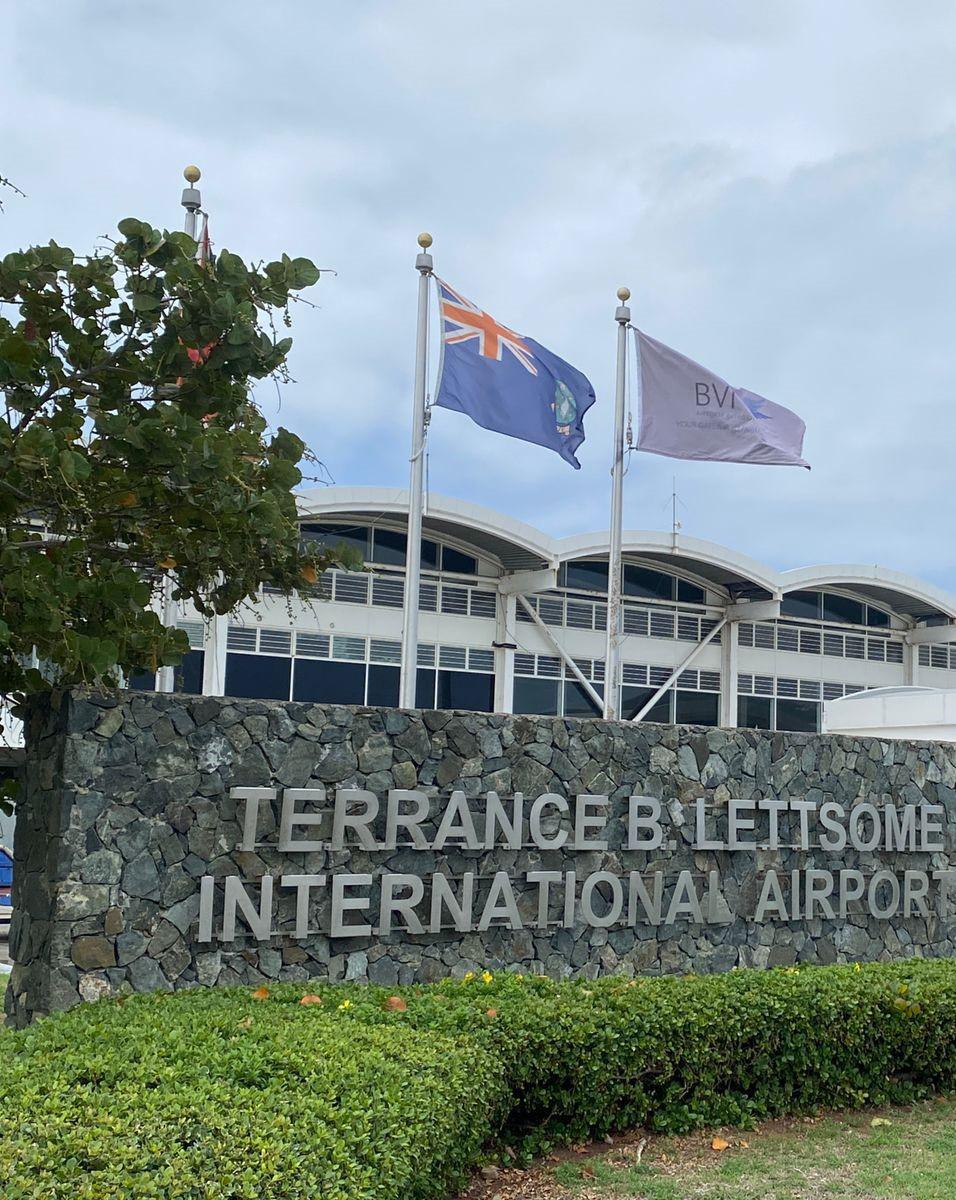
Under Menal’s leadership, the Authority has accelerated its adoption of digital infrastructure designed to improve efficiency while maintaining strong security standards. A recent partnership with global aviation technology provider SITA introduced Common Use Terminal Equipment at Terrance B. Lettsome International Airport, the territory’s primary gateway located on Beef Island.

The system allows airlines to operate flexibly across shared counters rather than being tied to a single fixed position, enabling the airport to respond dynamically to fluctuating passenger volumes.
“What this technology allows us to do is manage our airline partners more efficiently while also improving the passenger experience,” Menal says. “Airlines are no longer fixed to one counter. They can move depending on their traffic volumes, which gives us greater operational flexibility.”
The shift represents a significant step forward for the airport’s operational model. At the same time, digital immigration systems have been introduced to allow travellers to complete arrival information online before landing, reducing processing times at customs and immigration.
Behind these technological improvements lies a broader strategy: creating a seamless passenger journey while maintaining operational resilience across the airport network.
The BVIAA operates three distinct airports

@ b v i p o r t s
@ b v i p o r t s a u t h o r i t y
w w w b v i p o r t s o r g
b v i p o r t s @ b v i p o r t s . o r g






The British Virgin Islands Ports Authority (BVIPA) plays a vital role in shaping the economic and social rhythm of the Territory. As the steward of the BVI’s maritime gateways, the Authority manages the flow of people, goods, and commercial activity that sustain the islands’ growth and global connectivity. In a region where maritime infrastructure is the backbone of national development, BVIPA has emerged as a strategic leader, modernising operations, strengthening resilience, and positioning the Virgin Islands for long-term competitiveness.
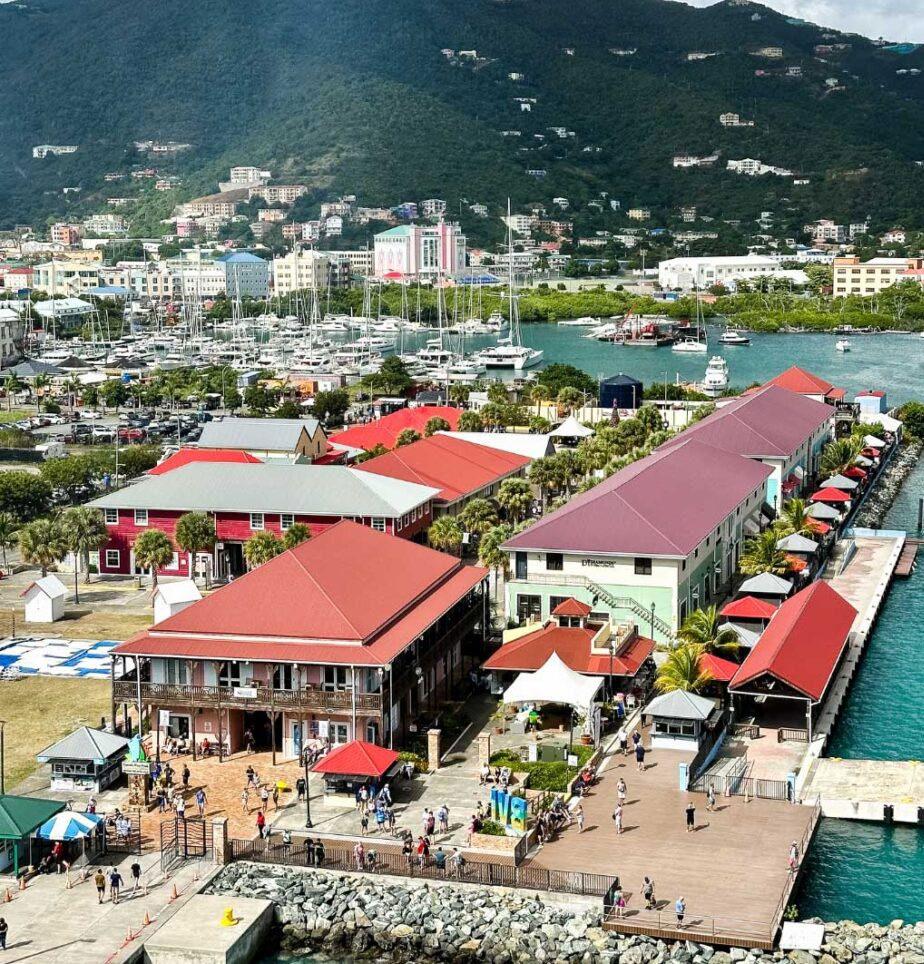
Across Tortola, Virgin Gorda, Anegada, and Jost Van Dyke, BVIPA oversees a network of cruise piers, cargo terminals, and ferry facilities that support both international and inter-island movement. These ports are more than physical assets; they are the lifeline through which the Territory’s economy circulates. Every arrival of every vessel, whether a cruise ship carrying thousands of visitors or a cargo carrier delivering essential goods, represents a moment where operational excellence directly influences national outcomes. BVIPA’s mandate is to ensure that each of these moments is managed with precision, safety, and a future-focused approach.
Cruise tourism remains one of BVI’s most dynamic economic engines, and BVIPA plays a pivotal role in shaping the visitor experience from the moment passengers’ step ashore. Through strong partnerships with global cruise lines, government agencies, and local businesses, the Authority has elevated the Territory’s reputation as a premier Caribbean destination. Investments in infrastructure, passenger processing, and safety systems have strengthened BVI’s ability to welcome increasing volumes of cruise visitors while maintaining the warmth and authenticity that define the islands. For local entrepreneurs, tour operators, and retailers, each cruise call represents an opportunity, and BVIPA’s commitment to operational excellence ensures that these opportunities continue to grow.
of these operations. Through modernisation initiatives, technology integration, and strengthened partnerships with logistics providers, BVIPA continues to strengthen the Territory’s supply chain stability and economic security.
This commitment to excellence was recognised regionally in 2025 when BVIPA received the Caribbean Shipping Association’s Ludlow Stewart Container Port of the Year Award. The accolade highlights outstanding performance in efficiency, safety, and service delivery across the Caribbean maritime sector. For the Authority, the award is both an achievement and a benchmark, affirming its progress while reinforcing its commitment to continuous improvement.
Safety, regulatory compliance, and environmental stewardship remain foundational pillars of BVIPA’s operations. The Authority adheres to international maritime conventions and invests in training, technology, and infrastructure upgrades to maintain secure, resilient, and future-ready ports. Collaboration with customs, shipping agents, ferry operators, and regional partners ensures seamless coordination across the maritime ecosystem.
Beyond its operational responsibilities, BVIPA embraces its role as a community partner. Through stakeholder engagement, educational initiatives, and support for national development priorities, the Authority contributes to a broader vision of sustainable growth for the Virgin Islands. Its work touches every sector, from tourism and trade to transportation and community development, making BVIPA a key driver of the Territory’s longterm prosperity.
Equally vital is the Authority’s leadership in cargo and supply chain management. At Port Purcell and other cargo facilities, BVIPA oversees the importation of food, fuel, construction materials, and commercial goods that support daily life and national development. The Territory’s resilience, particularly in the face of global supply chain disruptions, depends on the efficiency and reliability
Looking ahead, the Authority is focused on modernisation, digital transformation, and customer-centric service delivery. Strategic planning, investment in infrastructure, and a commitment to innovation will guide BVIPA as it strengthens the Territory’s position as a leading maritime gateway in the Caribbean. With a clear vision and a dedicated team, the British Virgin Islands Ports Authority continues to advance connectivity, commerce, and opportunity, ensuring that the ports of the Virgin Islands remain engines of progress for generations to come.
www.bviports.org
across the territory, each serving a different role within the islands’ aviation ecosystem. Balancing those roles requires a nuanced approach to planning and development.
Terrance B. Lettsome International Airport serves as the primary entry point into the British Virgin Islands. Located just east of Tortola, it handles the majority of passenger traffic and functions as the main driver of international connectivity.
Virgin Gorda Airport caters primarily to high-end tourism, serving luxury resorts and private villa destinations that have become synonymous with the island’s reputation for exclusivity. With its shorter runway and smaller terminal infrastructure, the airport focuses on turboprop aircraft operating regional routes from hubs such as Puerto Rico and St Thomas.
Further north, Auguste George Airport in Anegada provides a vital lifeline for residents and visitors alike. Serving a smaller community, it facilitates charter flights and essential connections to the main islands, ensuring the territory’s more remote destinations remain accessible.
Each airport therefore plays a different strategic role within the broader aviation network.
“We are one territory with three distinct airports,” Menal explains. “Each island has its own tourism profile, its own infrastructure, and its own needs. Our strategy has to reflect that.”
Close collaboration with the BVI Tourist Board ensures airport strategy remains aligned with the territory’s broader tourism ambitions. Marketing strategies are often tailored to the unique characteristics of each island, ensuring that routes and aircraft types match the expectations of the visitors arriving there.
Virgin Gorda’s luxury resorts, for example, attract high-net-worth travellers who expect seamless regional access via smaller aircraft. Meanwhile, the main


Few companies embody resilience and evolution quite like Groundworks BVI. Originally founded in the 1980s as a palm tree installation business, the company was reimagined in 2006 as a landscaping enterprise with just three employees and a single truck. Its early milestone project at the A.O. Shirley Recreation Grounds set the tone for what would become decades of transformative work across the Virgin Islands.
Today, Groundworks is recognised as a household name synonymous with quality, consistency and growth. From residential gardens to large-scale landscaping and soil retention installations, the company has built its reputation on craftsmanship, reliability and attention to detail. Every project reflects a deep understanding of the territory’s environment and a
commitment to enhancing both private and public spaces.
Innovation and adaptability continue to define the company’s journey. During the challenges of 2020, Groundworks expanded its in-house plant nursery, propagating a diverse range of tropical plants and strengthening its connection to the local community. The introduction of the Garden Café in 2023 further transformed the space into a lifestyle destination, blending horticulture, hospitality and Virgin Islands culture into one vibrant setting.
Groundworks BVI is more than a landscaping company. It represents pride in growth, investment in community and an enduring dedication to cultivating beauty across the Virgin Islands.















Home to 300+
Birds Across 25 Species


Tucked within one of the most vibrant corners of the park lies VI Parrot Paradise, a 2,500 square foot aviary that has quickly become one of the Virgin Islands’ most charming attractions. Home to more than 300 birds across 25 species, the sanctuary offers visitors an immersive and colourful escape into the world of exotic birdlife.
Originally created to diversify the park’s offerings, Parrot Paradise has evolved into a standout destination in its own right. Families, school groups and bird enthusiasts are drawn to the experience, where close encounters replace distant observation. Guests are encouraged to interact with the birds, many of which are comfortable perching for photos and happily engaging with visitors.


Among the aviary’s residents are vibrant macaws, playful parrots and, fittingly, real lovebirds, giving the attraction its affectionate reputation. The environment is carefully designed to be peaceful, spacious and welcoming, ensuring both birds and guests feel at ease.
More than simply an exhibit, VI Parrot Paradise offers connection. It is a place where children experience wonder, adults rediscover curiosity and every visitor leaves with a camera roll full of colour. As a growing highlight within the Virgin Islands’ leisure landscape, Parrot Paradise continues to prove that sometimes the most memorable experiences come with feathers and a friendly squawk.

airport on Beef Island supports the bulk of the territory’s commercial traffic and acts as the primary gateway for international arrivals.
The results of this coordinated strategy are already visible.
In 2025, BVIAA recorded a fourteen percent increase in passenger traffic compared to the previous year, pushing annual throughput beyond 300,000 passengers for the first time in sixteen years. For a small island territory, the milestone represents a significant achievement.
Forecasts for the coming years suggest continued growth, with passenger numbers expected to exceed 400,000 in the near future.
“Passenger growth is a clear reflection of the strength of the destination,” Menal says. “People don’t come to the airport. They come to the British Virgin Islands. Our role is to ensure the gateway supports that demand.”
To support that growth, the Government of the Virgin Islands has begun exploring the next phase of airport development. An Outline Business Case, developed in collaboration between the Ministry of Communications and Works and the BVI Airports Authority, sets out proposals aimed at expanding Terrance B. Lettsome International Airport’s capacity.
Among the most significant considerations is the potential extension of the runway, a development that could allow the airport to accommodate larger aircraft and expand its route network. Planners are also examining ways to reconfigure terminal space to better accommodate rising passenger numbers.
These projects are not simply about infrastructure expansion. They are about safeguarding the economic future of the territory.
Tourism remains the dominant driver of the British Virgin Islands’ economy, and
In the professional services sector, reputation is built through experience, performance and trust.
At George Henry Partners LP, we provide comprehensive legal and professional services, emphasising excellence, integrity without compromise, client focus and trust, with the aim of building and sustaining long‐term client relationships.
We support individuals, families, and businesses navigating the BVI’s legal and regulatory landscape.
What distinguishes GHP is our commitment to proactive client‐centred service. We strive to understand our clients and their objectives, assessing risk and anticipating challenges before they arise, while identifying opportunities that align with their priorities.
Our team combines deep BVI expertise and broad international experience. We deliver the responsiveness and personal attention of a boutique practice, together with the technical expertise one would expect from leading advisers. As such, many of our client relationships span years and generations within the same family, reflecting our commitment to service built on trust, discretion, and consistent excellence. By investing time in understanding our clients and their needs, we can provide thoughtful, effective counsel to facilitate the achievement of their goals
Clients value advisers who understand their circumstances sufficiently well to provide context‐specific insight and advice GHP serves as that trusted partner
Your Trusted Partner in the British Virgin Islands
Whether you’re considering investing in the Virgin Islands, preparing your business for succession or acquisition, managing property, or addressing compliance needs, our team is here to make it easy for you.


Paint Factory has been delivering the highest level of service to our valued customers for over 32 years. Our goal has always been to provide paint and sundries to meet the most robust and the strictest of budgets. We have had the pleasure of representing brands such as PPG Paints, International Paints, UGL, Sherwin Williams, Sansin, Lanco, etc. through the years.
Although the industry is constantly changing and evolving, we have been steadfast in our dedication to bring the best offerings to our customers. We take into consideration the specific needs of the Caribbean region and our close proximity to the ocean. In this regard, we try to stock and recommend products that historically wear well and have a lower resistance to cracking and or fading when compared to other brands.
As paint and color experts we endeavour to assist our customers with selecting color schemes for their projects that further enhance the architectural story being written. We often make recommendations on color using the elements that have already been selected, for example, roof type and color, floor and wall tiles, cabinets, and solid surfaces. Additionally, we take into consideration the use of the space, the architectural style of the structure as well as the customers’ color preferences within reason.
To this end, our team of customer service specialists curate individualized experiences for our valued customers. We will continue to go above and beyond to keep our customers satisfied as we chart the course ahead. Cheers to 30+ more years.

air connectivity is central to its continued growth. A significant portion of BVIAA’s passenger traffic is regional, reflecting the interconnected nature of Caribbean travel.
Regional carriers such as InterCaribbean Airways and WINAIR provide essential links to hubs including St Martin, Barbados and Trinidad. These connections allow travellers from Europe and North America to reach the British Virgin Islands via Caribbean gateways.
“The regional carriers are absolutely critical for us,” Menal notes. “They connect the BVI to the Caribbean hubs that link us to Europe and North America. Without those relationships, international connectivity becomes far more difficult.”
While infrastructure and airline partnerships are essential, Menal believes that people remain the foundation of a successful airport system.
The BVIAA employs more than two hundred staff members across its facilities, covering operations, engineering, customer service and air traffic control. Ensuring those employees possess the skills required to operate within a global aviation environment is a key priority.
Through partnerships with Airports Council International, many BVIAA staff members have completed internationally recognised training programmes that strengthen their operational expertise. Managers are also pursuing professional accreditation designed to align airport leadership with global standards.
At the same time, the Authority is investing in the next generation of aviation professionals within the territory itself.
A partnership with H. Lavity Stoutt Community College has created internship opportunities for students
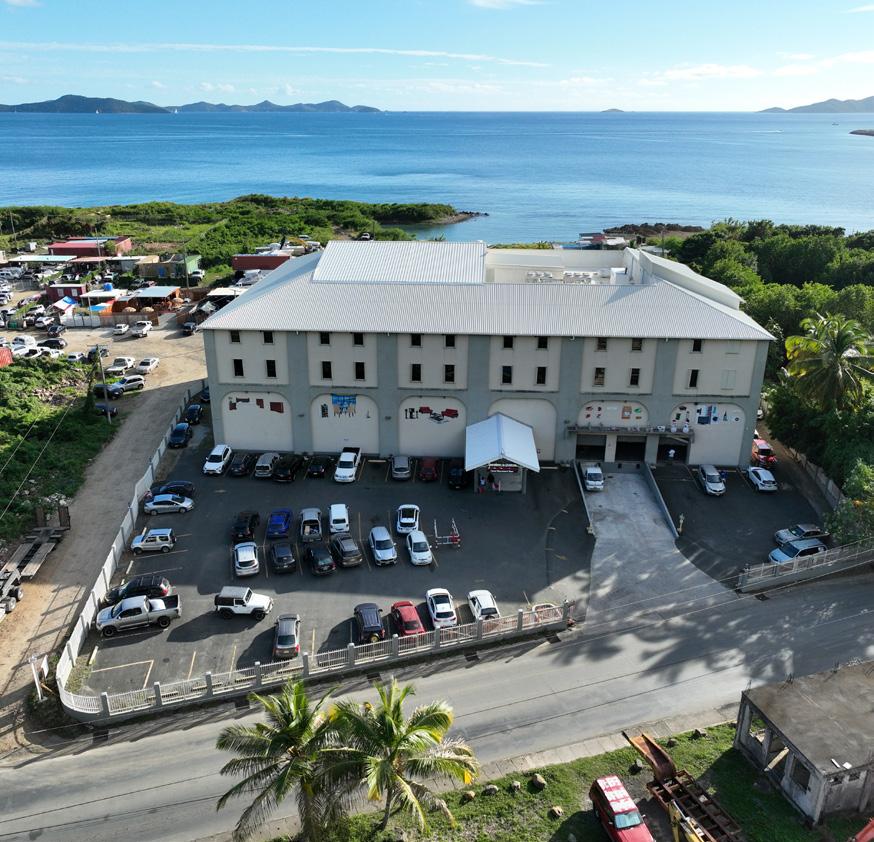
Founded in the 1980s, Island Department Store began as a modest 200-square-foot single-story structure selling a limited selection of household supplies to people on the island's east end.
Fast forward to 2024, and the company has expanded to over 110,000 square feet, with half of that space dedicated to customers and spanning two floors, making it one of the largest retail companies in the B.V.I.
Island Department Store sells small household items such as cutlery, glassware, plasticware, garden supplies, bathroom and bedroom items, toys and games, cleaning supplies, mats and rugs. Office supplies include desks, chairs, file cabinets, pens, and shredders, as well as larger equipment like washers, dryers, display coolers, fridges, and freezers.
The furniture department is among the top three major furniture shops to date in the B.V.I. selling bedroom sets, living room sets, dining room sets, patio goods, and accessories.
The purpose of Island Department Store has always been to provide the people of the British Virgin Islands with a wide selection of items in a convenient, comfortable, clean, and peaceful atmosphere.


At I.D.S we carry just about everything to make your house a home, from household items to small and large appliances. We also have a large selection furniture located on our second floor including patio items, bedroom, living room etc






Skip the lines. Skip the layovers. Arrive exactly when and where you want.
An On-Demand air charter operator with bases in Tortola BVI and San Juan Puerto Rico, has been operating in the BVI since 1992.
We provide premier private air charter services throughout the Caribbean—connecting you seamlessly to the region’s most exclusive islands, business hubs, and hidden escapes.
Whether you’re traveling for business, leisure, or a last-minute getaway, our fleet and experienced crew delivers, day or night. •




pursuing careers in technical disciplines such as telecommunications and mechanical engineering. The initiative provides practical experience within the airport environment while creating pathways into long-term employment.
For Menal, developing local talent is essential to building a sustainable aviation workforce.
“Our aim is to build that capacity locally,” he says. “We want to see more of our aviation professionals, including air traffic controllers, coming from the British Virgin Islands.”
Environmental responsibility is also becoming an increasingly important part of the Authority’s planning. Like many island territories, the BVI faces the challenge of balancing tourism growth with environmental protection.
BVIAA has already taken several steps to reduce its environmental impact. A new sewage treatment facility now recycles treated water for irrigation, reducing pressure on local water systems. Solarpowered waste compaction systems have also been introduced to lower the carbon footprint associated with waste management.
Such initiatives form part of a broader commitment to integrating sustainability into future infrastructure development.
Looking ahead, the Authority’s priorities remain focused on expanding connectivity, improving passenger experience and strengthening the airport network’s contribution to the wider economy.
One of the most important indicators of success will be the growth of overnight visitors to the British Virgin Islands. While day visitors contribute to tourism activity, overnight guests generate significantly greater economic value through hotel stays, dining and local spending.
Airlift will play a decisive role in achieving that objective.
By strengthening regional partnerships, expanding capacity and improving the passenger journey, BVIAA aims to support the government’s wider tourism strategy while ensuring the islands remain competitive within the Caribbean travel market.
For Menal, the future of aviation in the British Virgin Islands lies in embracing the territory’s role within the global aviation system while continuing to invest in infrastructure, technology and people.
Under his leadership, the BVI Airports Authority is positioning itself not simply as an operator of airport facilities, but as the strategic gateway to one of the Caribbean’s most remarkable destinations.






KAMOA COPPER PROJECT DIRECTED BY: GARY SMITH
There is a shift underway in the global copper market. It is not being driven by speculation or discovery, but by execution at scale and the ability to deliver certainty in an increasingly constrained supply environment.
In the Democratic Republic of Congo, Kamoa Copper has moved beyond its identity as a high-grade asset and into a far more strategic role. The Kamoa Kakula Mining Complex now stands as one of the most important integrated copper operations in the world, positioned at the centre of a market defined by electrification, infrastructure expansion and long-term demand.
Copper is no longer a cyclical commodity. It is a structural requirement. Power networks, electric vehicles, renewable energy systems and data infrastructure all depend on reliable copper supply. The question facing governments and industry is not whether demand will increase, but whether supply systems are robust enough to meet it.


Non- shrink formulation


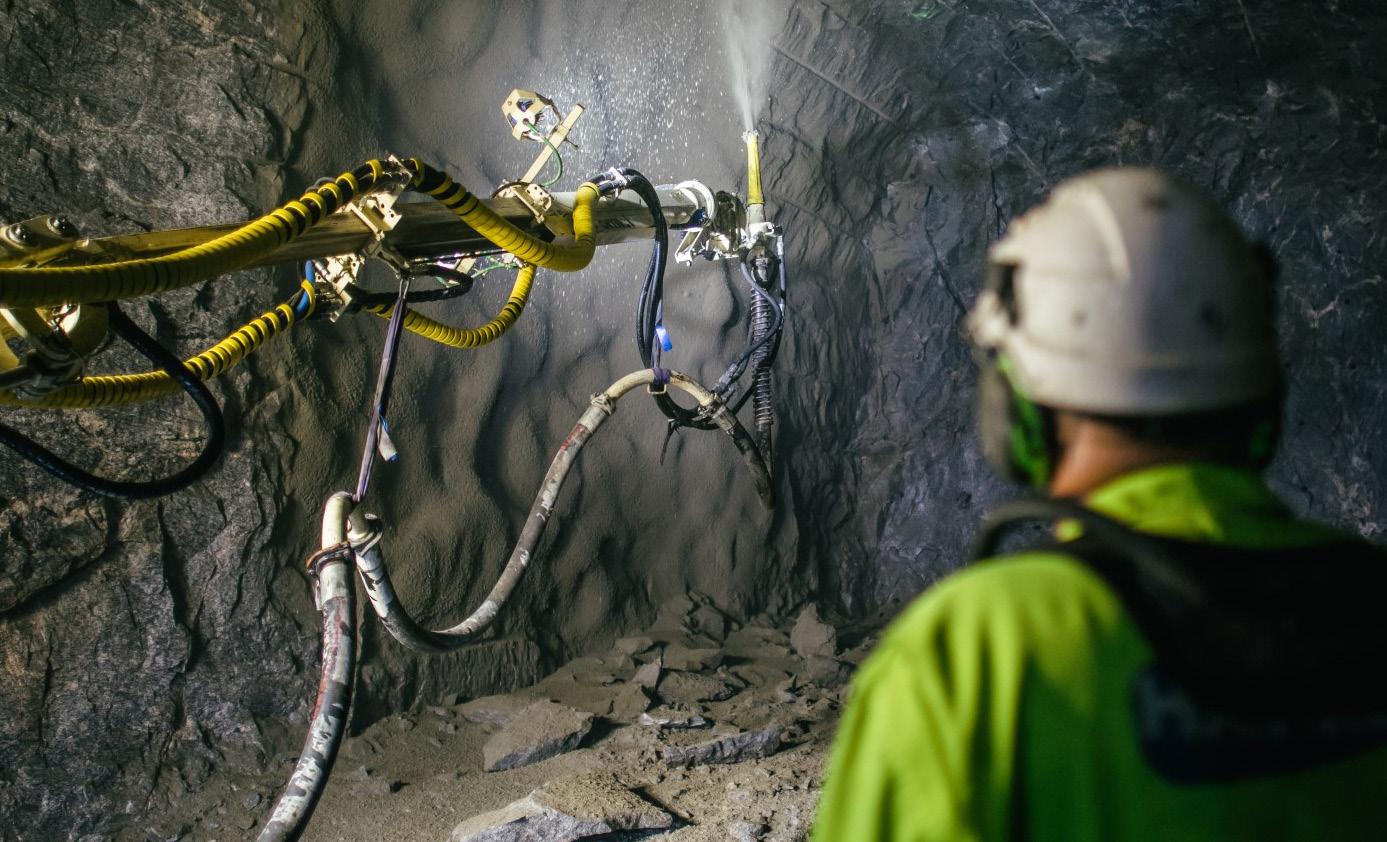
Modern underground mining demands ground support systems that deliver immediate performance, long-term durability, and operational efficiency. As mines deepen and geological conditions become more complex, traditional support methods are increasingly challenged to meet both safety and productivity requirements.
Altespray is an advanced fibrereinforced sprayed liner system engineered to address these challenges. By combining high early strength, strong adhesion, and flexible structural performance, it provides a modern solution for stabilizing underground excavations.
Unlike conventional shotcrete systems, Altespray functions as a continuous structural membrane that interacts directly with the surrounding rock mass. Once applied, it forms a fibre-reinforced liner that stabilizes excavations through three key mechanisms:
• Rock surface bonding
• Fracture bridging
• Flexural load distribution
Together, these mechanisms create a support system that not only reinforces rock surfaces but actively contributes to overall ground stability.
Upon application, Altespray forms a strong chemical and mechanical bond with the rock substrate. This high adhesion strength ensures that the liner remains securely attached, even under demanding underground conditions.
This intimate bond allows the liner to act as a stabilizing skin, restraining loose or fractured rock and preventing early deterioration of excavation surfaces.
Underground rock masses frequently contain joints, fractures, and bedding planes that can compromise stability.
The polypropylene fibre reinforcement within Altespray enables the liner to bridge these discontinuities effectively. Instead of allowing cracks to propagate, the fibres distribute tensile stresses across the liner surface.
This behaviour stabilizes fractured zones and prevents small rock fragments from detaching, reducing the likelihood of progressive failure.
Altespray also provides high flexural strength, allowing it to accommodate movement within the rock mass.
When minor displacement occurs, the liner absorbs and redistributes stresses over a larger area. This reduces localized stress concentrations and helps maintain the integrity of the excavation.
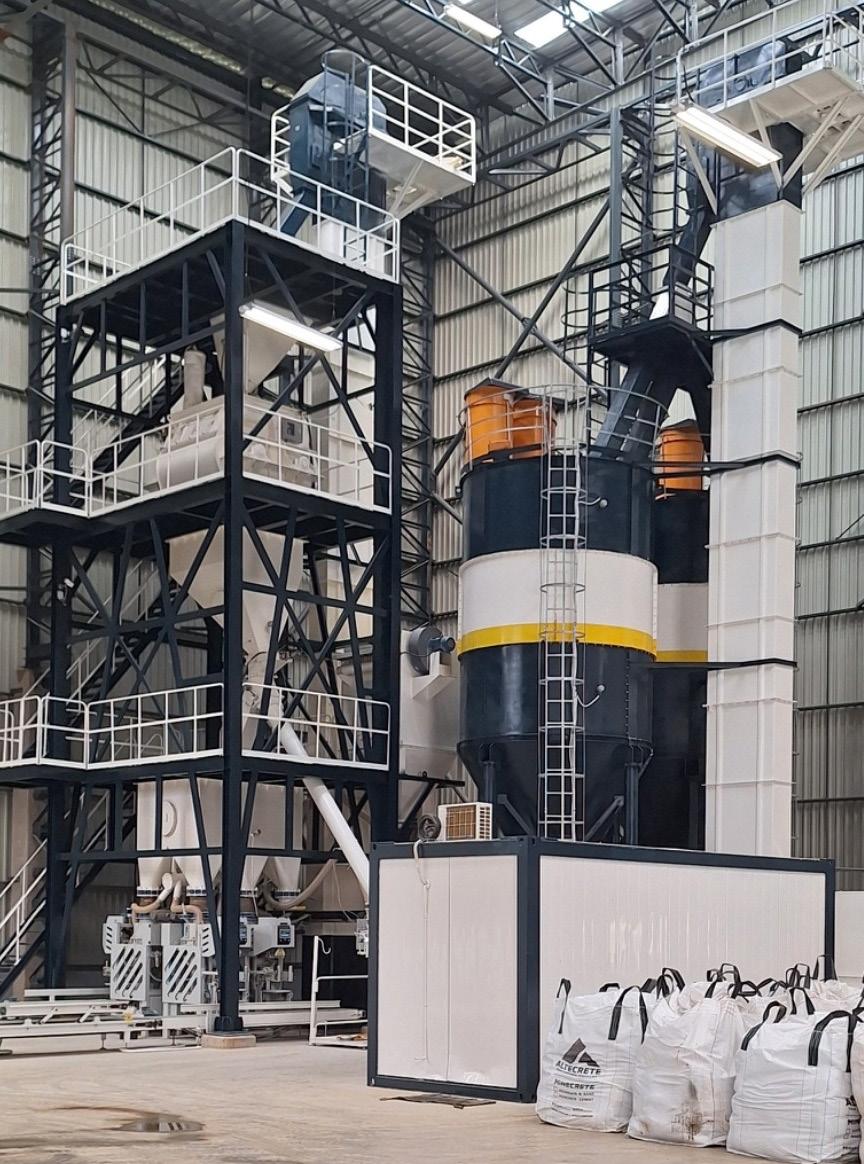

One of the most significant benefits of Altespray is its ability to develop very high early strength.
In underground mining, re-entry into development headings often occurs shortly after support installation. Materials that require extended curing times leave a critical window where ground conditions remain unstable.
Altespray is engineered to gain structural capacity rapidly after application, allowing the liner to begin stabilizing the rock mass almost immediately.
This rapid strength development plays a direct role in improving underground safety.
Fall-of-Ground (FOG) incidents remain one of the leading causes of injuries and fatalities in underground mining.
These events occur when unstable rock detaches from excavation

surfaces and falls into active work areas.
Altespray helps mitigate this risk through a combination of:
• Rapid early strength development
• Strong adhesion and shear bond capacity
• Fibre-reinforced crack control
By stabilizing rock earlier, the system reduces the time during which unsupported or weakly supported ground exists.
The liner also confines fractured rock against the excavation surface, while fibre reinforcement limits crack propagation and block detachment.
Together, these properties significantly reduce the likelihood of FOG incidents.
Altespray is designed to perform reliably in demanding mining environments.
Its hydrophobic properties provide resistance to water ingress, while
its zero-shrinkage curing behaviour ensures continuous contact with the rock surface.
These characteristics are particularly important in wet or highly fractured ground, where conventional support systems may lose effectiveness over time.
Mining operations vary widely in logistics and application requirements.
Altespray can be tailored with an adjustable open time ranging from approximately five to forty-eight hours. This allows operations to match material performance to site conditions.
• Longer open times support extended transport distances and complex logistics
• Shorter open times enable faster strength development in rapid advance environments
This flexibility ensures consistent performance across different mining scenarios.

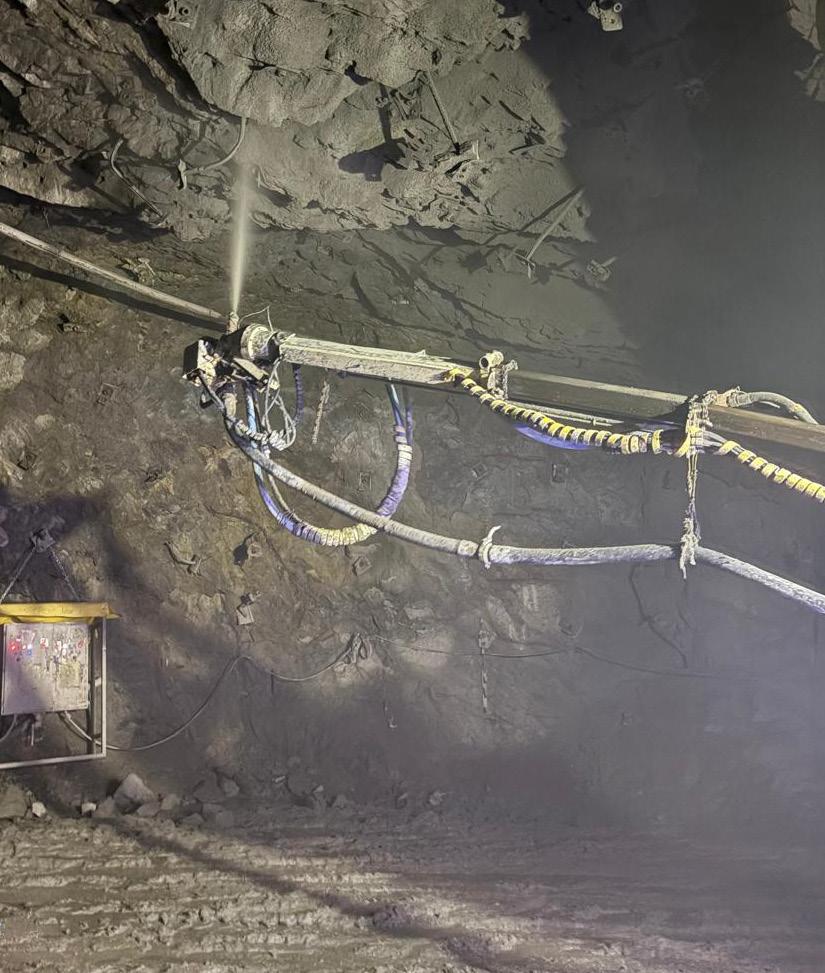
Efficiency during installation is a major factor in overall mining productivity.
Altespray delivers significant advantages through its extremely low rebound, typically around two percent. This is substantially lower than traditional shotcrete systems, where rebound losses can reach up to thirty percent.
Lower rebound results in:
• Reduced material waste
• Minimal clean-up requirements
• Improved working conditions underground
Because more of the applied material remains in place, operations benefit from better material utilization and reduced costs.
Altespray is engineered for compatibility with standard underground spraying equipment, allowing for straightforward integration into existing mining operations.
To support a wide range of logistical requirements, the system is available in multiple supply formats:
• Bulk tanker delivery for large-scale operations
• One- to two-ton bulk bags for mechanized handling
• 20–50 kg valve bags for smaller or remote applications
It can also be supplied as a fully pre-blended dry mix or as a cementadditive blend, enabling the use of locally sourced aggregates.
Altespray provides a combination of technical performance and
operational benefits that align with modern mining priorities:
• Enhanced underground safety
• Reduced fall-of-ground risk
• Improved material efficiency
• Greater operational flexibility
• Long-term durability in challenging conditions
These advantages make it a compelling alternative to conventional ground support systems.
As underground mining continues to evolve, the demand for safer, more efficient, and more reliable ground support solutions will only increase.
Altespray represents a significant step forward in sprayed liner technology. By combining rapid strength development, strong adhesion, flexible structural behaviour, and low-waste application, it delivers a comprehensive solution for modern mining environments.
Jama Engineering SARLU is committed to shaping the future of engineering across Africa through innovation, technology, and skills development. Our company delivers forward-thinking solutions that help businesses improve performance, strengthen reliability, and prepare for the next generation of industry professionals.
Designed to support engineering projects from concept to completion, Jama Engineering offers a holistic approach that combines advanced simulation technology, engineering design, smart monitoring systems, and predictive data analytics. These capabilities enable organisations to optimise operations, reduce risks, and make informed, data-driven decisions.
Our company serves a wide range of sectors, including mining, engineering, manufacturing, academia, and the built environment. Its expertise spans computer-aided engineering, dynamic system simulations, fluid flow analysis,

manufacturing process evaluation, asset integrity management, condition, structural and mining health monitoring, industrial IoT solutions, and environmental monitoring.
In addition to technical consulting, design expertise, and project management, Jama Engineering supplies specialised mining and engineering equipment, such as screening solutions for mining and aggregate, while advancing renewable and sustainable energy solutions.
A strong focus on training and collaboration with academic institutions ensures that students and young professionals gain exposure to industry-leading technologies before entering the workforce.
By combining advanced engineering solutions with skills development, Jama Engineering SARLU empowers organisations to improve profitability, maintain reliable assets, and remain competitive in an evolving industrial landscape.









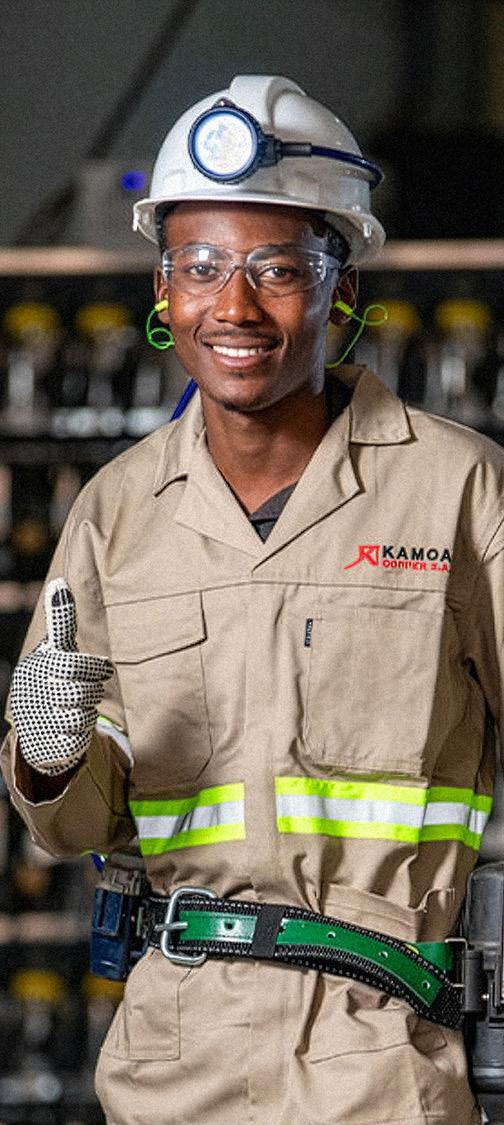
Against this backdrop, Kamoa Copper is emerging as a defining asset. What distinguishes the operation is not only the quality of its orebody, but the way in which it has been developed. This is no longer a mine supported by infrastructure. It is an integrated industrial system designed to produce, process and refine copper within a single operational framework.
The commissioning of Africa’s largest and one of its most environmentally advanced direct-to-blister copper smelters marks a decisive moment in that evolution. By producing blister copper on site, Kamoa Copper has removed a critical dependency from its value chain. The traditional model of exporting concentrate for third-party processing has long exposed producers to logistical constraints, geopolitical risk and margin dilution. Kamoa Kakula has addressed this directly.
The smelter anchors the operation as a self-contained production system. It strengthens supply chain control, reduces transport intensity and retains significantly more value within the Democratic Republic of Congo. It also signals a broader shift in how large-scale mining projects are being conceived across Africa. Integration is no longer an ambition. It is becoming the standard for long-term competitiveness.
This progression has been matched by a disciplined approach to growth. Production expansion at Kamoa Kakula is being delivered with a level of precision that reflects both geological strength and operational maturity. High grades continue to underpin strong margins, while infrastructure investment in power, logistics and processing capacity provides resilience against external disruption.
Few assets globally combine this level of grade, scale and infrastructure readiness. Fewer still are able to expand without compromising performance. In a market where supply risk is increasingly shaped by factors outside the mine itself, that distinction is significant.

Leadership has played a central role in shaping this trajectory. The appointment of Annebel Oosthuizen as Managing Director comes at a defining point in the operation’s development. Recognised among Mining Elites 2026 as an Outstanding Leader, her tenure reflects a broader evolution in how mining organisations are led.
The emphasis is clear. Operational accountability, workforce engagement and long-term capability building are treated as core components of performance. In an environment as complex as the DRC, execution depends as much on organisational strength as it does on engineering.
Kamoa Copper’s continued investment in Congolese talent reflects this understanding. Training programmes, leadership pathways and skills development initiatives are not positioned as peripheral. They are fundamental to sustaining an operation of this scale. A project designed to operate over decades requires a workforce capable of growing with it.
Environmental performance is another defining dimension. The smelter has been developed with modern emissions controls and efficiency measures that align with international expectations. This is not simply a regulatory consideration. It is a strategic one.
Copper sits at the centre of the global energy transition, yet its production has often carried a significant environmental footprint. Operations that can demonstrate credible, lower-impact processing will increasingly differentiate themselves in the eyes of investors, partners and end users. Kamoa Copper is positioning itself accordingly.
The broader market context reinforces the importance of this approach. Global copper supply is tightening. New discoveries are limited, permitting timelines are extending and capital requirements are rising. At the same time, demand continues to accelerate, driven by electrification and digital infrastructure. This imbalance places greater weight on existing tier one assets. Operations capable of delivering consistent, long-term supply will define the next phase of the market. Kamoa Kakula sits firmly within this category.
Its combination of grade, scale and integrated infrastructure positions it as a stabilising force in an increasingly volatile landscape. For manufacturers, utilities and governments, access to reliable copper supply is becoming a strategic priority. Assets that can provide that certainty will carry disproportionate influence.
The significance of Kamoa Copper extends beyond production. It reflects a
Genesis Engineering & Construction, a leading engineering firm registered in the Democratic Republic of the Congo (DRC), is built on the expertise of highly qualified professionals from across Africa. Formerly operating under FMI Projects, our team played a pivotal role in major projects such as the Second Acid Plant and the Electrowinning (EW) facility at Tenke Fungurume Mining (TFM). With a commitment to flexibility, efficiency, and safety, we ensure timely, costeffective project delivery without compromising quality.
At Genesis, we strive for global recognition in the Construction and Engineering industry by maintaining the highest standards of quality and precision. Our mission is to work in close collaboration with clients, ensuring seamless communication and adherence to budgets and timelines. We uphold strong values, appreciating every opportunity to showcase our capabilities and establish our reputation as a trusted industry leader.


Our competitive edge lies in our vast experience and proactive approach to problem-solving. We understand the importance of efficiency in resource management and are adept at handling unforeseen challenges with swift site amendments. Safety and economic viability remain at the core of our operations, ensuring a sustainable and results-driven approach.
Our Core Services:
• Boilermaking & Fabrication
• Warehouse Erection & Sheeting
• Maintenance & Shutdown Services
• Geo-Membrane & HDPE Piping
Genesis Engineering & Construction – Building the Future with Expertise, Precision, and Integrity. Contact us today to discuss your project needs!
www.genesisengineeringrdc.com
At Genesis, quality is our culture and our focus. Without excellence in our
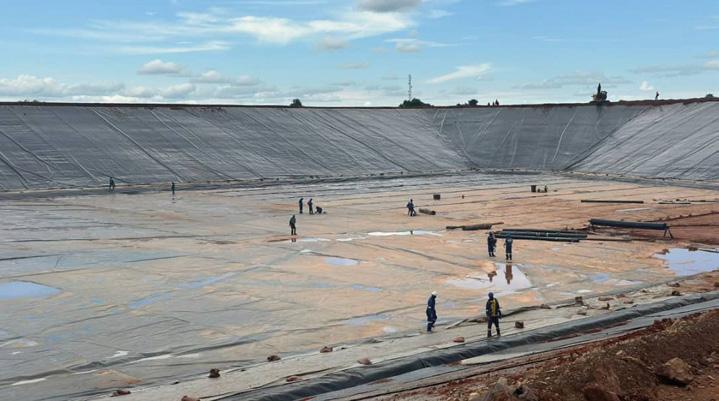
To
MISSION STATEMENT
We
and construction
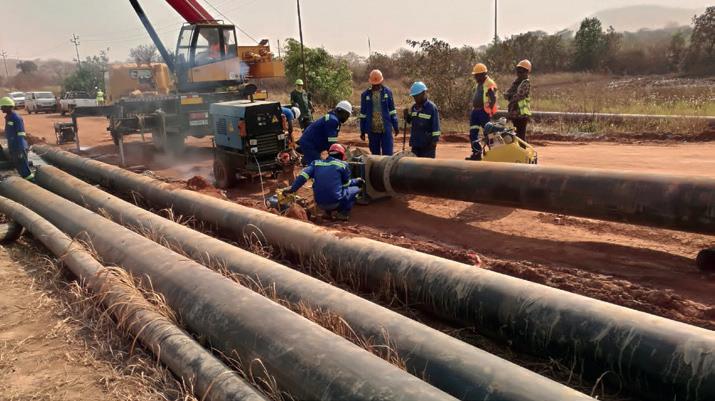
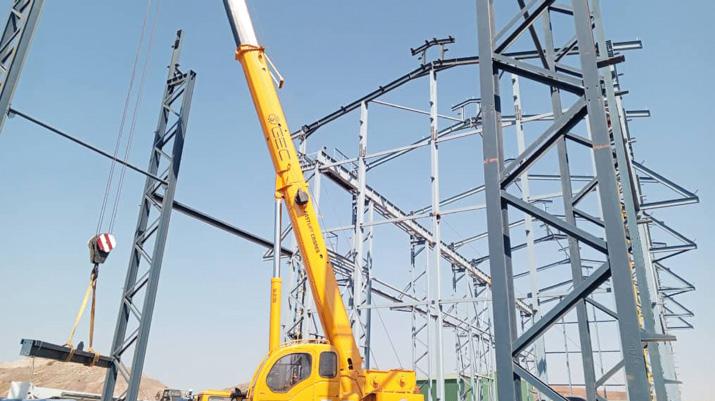
Mwito Solutions SARL is a fully Congolese company established in the Democratic Republic of Congo (DRC). Our team combines decades of experience and training to benefit your business. We focus on various sectors, including Engineering, Mining, Civil and Construction, Technology, Health and Safety, and Asset Integrity Management, both in the DRC and beyond.
As an emerging enterprise in the mining and construction markets, we commit to delivering projects that meet our clients’ requirements. We are also dedicated to fostering skills and socioeconomic development within the communities where we operate, while maintaining strong cooperation with our valued clients, stakeholders, communities, and partners.
Our areas of expertise encompass the supply of mining and engineering equipment, civil and construction services—including underground infrastructure—steel fabrication and erection, structural and civil engineering, construction and land survey studies, as well as heating, ventilation, air conditioning, and refrigeration (HVACR). We also offer refractory solutions and services, dust and fire suppression solutions, height access solutions, and slurry solutions designed to improve recovery rates for metallurgical processes. Additionally, we provide industrial automation and control services, including crusher instrumentation installations and repairs, borehole pump remote control and monitoring, oil and chemical pollution control solutions, and technical and soft skills development.



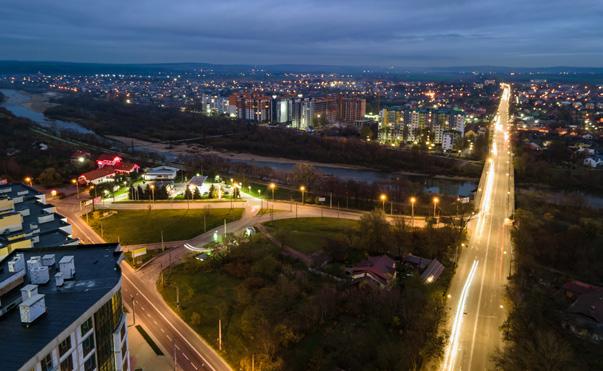

We pride ourselves on dedicating our experience to your business, unlocking long-term prosperity. Our turnkey Engineering and Technology solutions use strategy to drive prosperity, with a highly trained, qualified, and experienced team of experts to assist your business in achieving its next level of success.
We pride ourselves on dedicating our experience to your business, unlocking long-term prosperity. Our turnkey Engineering and Technology solutions use strategy to drive prosperity, with a highly trained, qualified, and experienced team of experts to assist your business in achieving its next level of success.

different model for resource development. Integration over fragmentation. Longterm infrastructure over short-term optimisation. Local value creation alongside global supply.
The impact of this model is already visible. Domestic processing capacity supports employment, skills development and industrial capability within the Democratic Republic of Congo. While mining alone does not define economic transformation, projects of this scale can act as anchors for broader development when aligned with national priorities.
What comes next is defined by execution. Scaling output further, optimising smelting performance and maintaining safety and environmental standards will test both systems and leadership. These are complex challenges, but they are
consistent with the ambition that has defined the project to date.
Kamoa Kakula has progressed from discovery to development, from development to production and now to full industrial integration with a level of consistency that is rare at this scale. The underlying systems suggest an operation built not only for growth, but for endurance.
The copper market is entering a decade defined by constraint, competition and strategic importance. In that environment, the value of certainty increases.
Kamoa Copper is not simply producing copper. It is shaping how copper supply will be delivered.
www.kamoacopper.com



PROJECT DIRECTED BY: ADEL MHIRI
There is a particular kind of silence that sits over boardrooms when the conversation turns to AI. It is not scepticism, exactly, and it is not excitement either. It is the pause that happens when everyone knows they are supposed to be moving, but few are entirely sure which direction is real, and which direction is theatre. In heavy industry, that pause carries a different weight. The stakes are not confined to customer experience or quarterly productivity, they are measured in asset integrity, human safety, emissions intensity, and licence to operate.
Scott Ogilvie, Wood’s Global Senior Director for AI Strategy, speaks to that moment with the calm of someone who has spent years inside the practical reality that sits behind the buzzwords. “It’s less about selling AI. It’s more about being differentiated because we utilise AI to improve our delivery.” That distinction matters, because it flips the centre of gravity from technology adoption to operational consequence. If AI is treated as a product line, it will be sold, deployed, and then judged on whether it is used. If it is treated as a capability inside engineering delivery, it is judged on whether the asset runs better, safer, cleaner, and at lower cost.

Wood’s position in the market makes the conversation unusually concrete. The company is not observing industrial operations from a distance, it is living in them. It designs, builds, and supports assets, and in many contexts it is embedded where decisions are made under pressure, where data is messy, and where the gap between a pilot and a scaled solution is not a project management problem but a cultural and operational one.
The era of the glossy transformation roadmap has not entirely vanished, but it is no longer enough. Ogilvie describes
a noticeable shift in what clients expect from consulting partners: less polished strategy, more accountability for outcomes. When energy and industrial organisations are navigating overlapping transitions, decarbonisation, cost volatility, performance pressure, tighter regulation, the appetite for slideware diminishes quickly. The question becomes brutally simple: what value is released, and who stands behind it?
That is where Wood’s framing begins, not with AI use cases in the abstract, but with the operational levers that already dictate value in high emitting sectors:

safety, reliability, uptime, maintenance demand, spares strategy, inspection cost, production losses, and the risk that comes with running critical assets under constraint. In a world that is increasingly OPEX focused, a digital initiative has to earn its place beside work that keeps the lights on. The return must be measurable, and ideally it should arrive in a language operations teams already trust.
The temptation, especially amid the current wave of AI enthusiasm, is to start with capability and then hunt for a problem it can decorate. Wood’s approach, at least in Ogilvie’s telling,
reverses that impulse. The company’s work begins with the daily mechanics of how an operation functions, the processes, the choke points, the decisions that repeat every shift, and the moments where uncertainty forces conservative, expensive choices. Only then does the technology conversation become useful, because it can be anchored to what must change in the field, not what might look impressive on a conference stage.
If there is a single theme that runs through Ogilvie’s perspective, it is that value does not scale on enthusiasm. It scales on foundations. And in industrial

environments, the foundation is not a cloud subscription, it is data that can be trusted.
“Data problems are a bit like therapy and the client has to actually acknowledge to have a problem first before we can then have that conversation.” It is a line delivered with humour, but the underlying truth is not light. Many digital programmes stall long before advanced analytics or AI can deliver anything meaningful, because the organisation discovers that its data environment is fragmented, outdated, inconsistent, or simply not aligned with the reality of the asset. Brownfield complexity compounds the issue: as designed does not always match as built, documents often act as the system of record, and the distance between engineering data, operational technology signals, and enterprise systems can be vast.
What is striking is how often the industry’s instinct is to respond with scale rather than precision. Large, expensive data remediation initiatives promise completeness, and then fail to deliver speed, relevance, or sustained usage. The more pragmatic path, and the one Wood increasingly advocates, starts with identifying the minimum viable dataset needed to improve a specific operational decision, then improving and expanding from there. In other words, prioritisation
That emphasis on sequencing matters because it also shapes how Wood thinks about the point at which digital becomes “real” inside an organisation. It is not real when it is installed. It is real when it changes behaviour, when a maintenance team trusts an insight enough to act on it, when a planning meeting leans on analytics rather than intuition, when the operation sleeps better because uncertainty has been reduced.
“Change management should never be underestimated.” In heavy industry, that is not a generic warning, it is a survival principle. Pilots are often treated as technical proofs, designed to demonstrate that an algorithm can work, rather than to prove that a solution can survive a week inside live operations. A pilot can be technically impressive and still fail at the first encounter with reality: inconsistent data, unclear ownership, cyber concerns, or frontline resistance driven by fear, fatigue, or a belief that the tool does not reflect how work is actually done.
Wood has seen these patterns enough to be explicit about what scaling requires: alignment on success criteria, stakeholder commitment beyond the enthusiastic early adopters, and a controlled approach


that targets high value areas first rather than attempting a big bang rollout. The difference between a pilot that convinces and a system that endures often comes down to whether the solution was designed with the end users who will live with it, and whether the organisation is prepared to treat digital as a change in operations, not a change in IT.
That distinction becomes even sharper in safety critical contexts, where innovation is welcome only if it reduces uncertainty. Ogilvie’s view is blunt and, in its way, reassuring. “If innovation keeps Operations awake at night, it isn’t innovation, it’s a liability.” The line lands because it reflects a truth operators recognise instantly. In complex assets, the cost of surprise is high. New capability must be bounded, observable, and grounded in engineering discipline. It must be introduced at the right speed, fast where learning is cheap, slower where consequences are real, with






guardrails, fail safes, and human oversight that is designed into the system rather than bolted on after a near miss.
This is where Wood’s product and capability portfolio is positioned less as a suite of shiny tools, and more as operational infrastructure. Ogilvie points to digital capabilities delivering the strongest commercial returns for clients today, and the thread connecting them is their proximity to asset protection and reliability. The Asset Health Suite, including solutions such as NEXUS, MaintAI and ECE, is framed around practical gains that can be defended: reduced maintenance demand, optimised inspection regimes, lower spares holdings, fewer offshore trips, improved availability.
In an industry that is often suspicious of exaggerated digital claims, numbers matter. When maintenance demand reductions of around 30% are achieved,
Aize, in partnership with Wood, delivers a structured and value-driven approach to digital transformation for complex, asset-intensive operations. By combining Aize digital twin technology with Wood’s deep engineering and data expertise, we enable transition from fragmented systems to a unified, future-ready digital ecosystem.

Aize is focused on improving how engineering and operational data is accessed, understood, and used across the asset lifecycle through digital twin technology. With over 5000 users across 70+ assets worldwide, Aize brings together 3D models, documents, and data into a single, collaborative workspace, enabling users to visualise assets, access information instantly, and plan work remotely.
By removing data silos and simplifying workflows, Aize helps teams reduce time spent searching for information and improves efficiency across operations.
From scattered to simplified with Aize. www.aize.io


or an operator takes significant value out of spares strategy, the conversation changes. It is no longer about whether AI is interesting, it is about why the operation would ever return to the old way of doing things.
Similarly, Wood’s real time optimisation and process simulation capabilities, including Virtuoso, sit where incremental improvements can equate to millions in avoided loss. The point is not that these technologies exist, plenty do, but that they are embedded into day to day decision making rather than layered on as optional extras. This is not digital as a dashboard, it is digital as a capability woven into how an asset is operated.
And then there is decarbonisation, now less a distant aspiration and more a near term demand. In many organisations, decarbonisation has moved from being a separate sustainability agenda to becoming a board level driver that affects capital access, valuation, and credibility. The consequence is that measurement, reporting, and auditability have to evolve quickly. Manual spreadsheet approaches do not survive long in a world of tightening regulation and rising scrutiny.
The most credible decarbonisation strategies, Wood argues, are those built on integrated data, real time insight, and standardised calculations that can withstand audit. Digital enables scenario modelling, techno economic assessments, and the creation of executable roadmaps rather than aspirational ones. It also links decarbonisation back to performance: operate more efficiently and emissions fall, reduce downtime and the asset delivers more with less wasted energy. Sustainability becomes an outcome of better run operations, not a parallel reporting exercise.
What is perhaps most interesting is how Wood positions the role of partnerships in making this work. Industrial clients rarely operate in a clean technology environment. They have existing investments, multiple vendors,
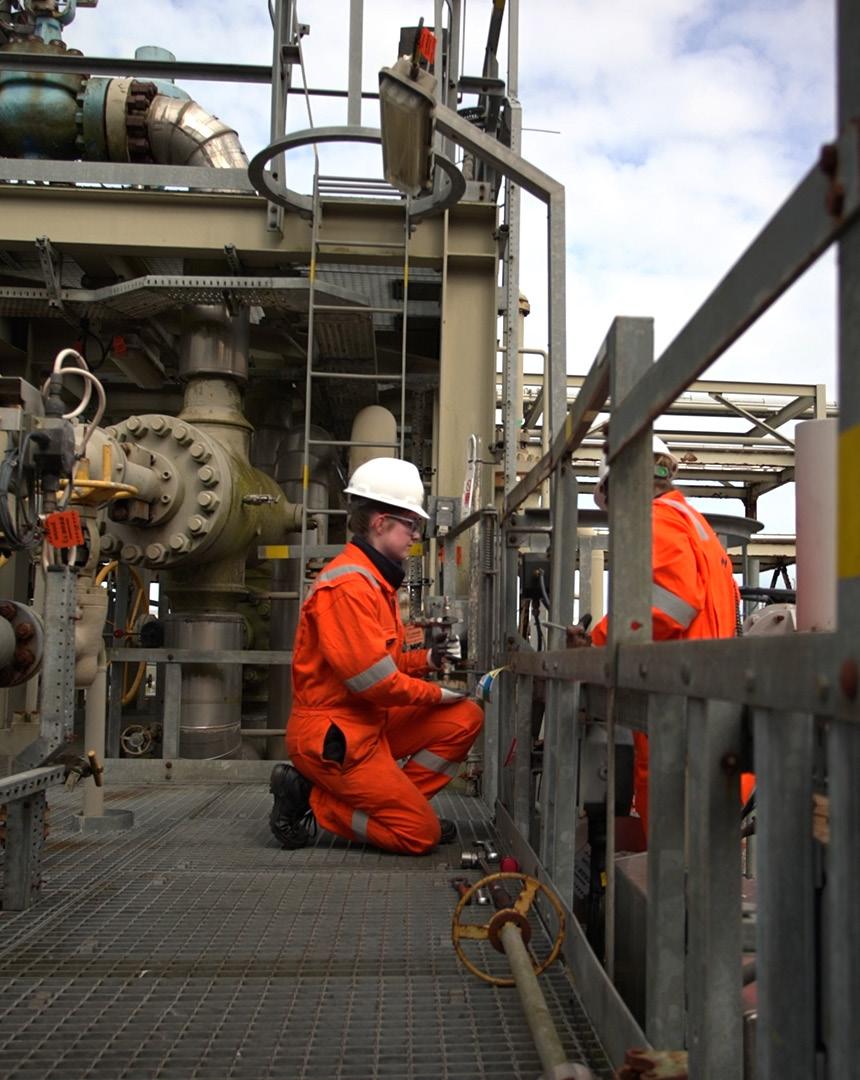

entrenched systems, and often a history of buying platforms that never delivered the promised return. Partnerships, in this context, are not a marketing line, they are the only realistic way to assemble integrated solutions.
Wood’s role in that ecosystem is not to insist on a single vendor path, but to act as the integrator and translator, aligning technology capability with operational reality and use cases that matter. When a client has already spent millions on a platform and is not seeing value, the gap is often not the software itself, but the absence of domain led integration, data readiness, and workflow embedding. Fix those elements, and a stalled investment can become a productive capability.
Ogilvie’s examples bring the theory down to ground level. One programme on North Sea assets began, not with technology, but with a growing maintenance backlog that was undermining integrity and availability. Wood worked alongside the client to map how work flowed through the system, identify why prioritisation was failing, then introduced analytics, risk based planning workflows, and collaborated with Aize using their digital twin for visualisation that made decisions easier to execute. The shift was from reactive firefighting to proactive planning, backed by data and visual context that operations could trust. The point was not simply efficiency, it was a change in how decisions were made.
In mining, an edge based solution like NoiseAI illustrates another reality of modern industrial operations: environmental constraints can become operational constraints. When noise levels trigger shutdowns, the ability to distinguish operational noise from peripheral sound in real time can allow production to continue safely within limits. It is a reminder that digital capability is not only about profit, it can also be about compliance, community impact, and protecting the continuity of operations without increasing risk.
Through all of this, Ogilvie returns to one measure of success that cuts through the noise. “We treat digital as a transformation program, not an IT install project.” This is a deceptively simple sentence, but it captures the difference between digital as procurement and digital as operational change. It implies governance, ownership, new ways of working, and accountability for outcomes, not simply delivery against a technical scope.
It also implies something else: patience with the right kind of progress. Many industrial organisations have been burned by big promises and slow returns. The next five years, in Ogilvie’s view, will favour those who abandon the grand, generic transformation narrative and move toward targeted, outcome driven adoption. Digital will succeed where it is inseparable from performance metrics leadership already tracks, and where frontline teams can see the benefit in the shape of reduced manual burden, fewer surprises, clearer prioritisation, and safer working conditions.
And that is where Wood’s philosophy becomes most pragmatic. “Adoption happens when digital stops being a tool and becomes the way decisions are made.” In other words, the future is not more pilots. It has fewer pilots, designed to scale from day one, anchored in real operational problems, built on data foundations that are improved iteratively, and introduced with the human realities of change at the centre.
AI will continue to evolve at speed. Platforms will become more capable. The market will continue to talk itself into new cycles of hype. But the organisations that win in energy and industry will not be those with the loudest innovation story, they will be the ones that can point to quieter, harder evidence: assets that run better, teams that work smarter, emissions that fall as performance rises, and technology that feels less like an initiative and more like engineering.
www.woodgroup.com


CPROJECT DIRECTED BY: RUPERT KAY
ancer treatment is entering a new phase, and nuclear medicine is moving from the margins to the mainstream of that shift. While much of the pharmaceutical industry continues to debate precision, cost and access, radiopharmaceuticals are steadily redefining how cancer is diagnosed and treated. At the centre of that transformation stands Curium, a USheadquartered global leader in nuclear medicine that has, in little more than a decade, built one of the most formidable platforms in radiopharmaceutical diagnostics and therapeutics worldwide.
Leading that transformation is Renaud Dehareng, Chief Executive Officer and shareholder, whose relationship with Curium is not simply executive but entrepreneurial. He has been CEO since the company’s creation in its current form, but more significantly, he helped shape its strategy and fund its growth. When he speaks about Curium, it is not as a temporary steward but as a long-term architect.
Curium did not begin with an expansive manifesto about revolutionising cancer care. It emerged from the carve-out of a division from a Belgian listed company, backed by US private equity. In those early years, the objective was straightforward: stabilise operations, restore profitability and build a standalone entity capable of sustaining itself. Vision, in its grandest sense, came later.
“Between 2012 and 2015, it was about making it profitable without really a longterm vision.”
That discipline laid the groundwork for what followed. By 2015, a clearer opportunity had emerged. Nuclear medicine diagnostics in oncology were fragmented, geographically dispersed and ripe for consolidation. Curium raised approximately one billion dollars and embarked on an ambitious acquisition strategy, bringing 14 companies into the fold over a five-year period. The aim was not incremental growth but category leadership.
The scale of that consolidation was significant. Integrating scientific teams, harmonising regulatory systems and aligning commercial operations across multiple jurisdictions required both financial commitment and organisational resilience. Yet the result was a strengthened global infrastructure and a dominant position in diagnostic nuclear medicine.
It was during this consolidation phase that Curium’s ambition began to evolve. Nuclear medicine was not merely a diagnostic tool; it was increasingly revealing its therapeutic potential. By 2018 and 2019, Dehareng and his team recognised that radiopharmaceuticals could move beyond imaging and into targeted cancer treatment.
“From 2018 onward, every decision and investment that we have made was guided by this vision of developing nuclear medicine to become one of, if not the main technology used for treating cancer.”




That statement marked a pivotal shift. Curium was no longer solely a consolidator of diagnostics; it was positioning itself as an innovation engine in therapeutics.
The boldness of that ambition was reflected in a defining capital allocation decision. In 2019, the company committed 100 per cent of its cash flow as reinvestment into its therapeutics R&D pipeline capabilities . Over time, this investment commitment ran into the hundreds of millions. It was a concentrated bet on itself, underpinned by alignment with its board and shareholders.
For Dehareng, such reinvestment is not extraordinary. It is essential. He believes the strongest growth companies reinvest fully into their future rather than distributing dividends. Today, one hundred per cent of Curium’s annual investment is directed towards innovation and expansion, from clinical development to manufacturing infrastructure and commercial capability.
The field Curium operates in has become intensely competitive. Hundreds of preclinical and clinical programmes in nuclear medicine are underway globally. Most will fail. Success depends not only on scientific promise but on operational and regulatory feasibility. Curium’s strategy is built on rigorous evaluation. Every potential project is examined across scientific viability, production scalability, regulatory pathway and commercial infrastructure.
“We know that between now and 2035 there will probably be 15 to 20 drugs that will be successful in nuclear medicine. The way you stay ahead is by developing a third or half of those.”
This combination of ambition and discipline defines Curium’s competitive positioning. The company does not merely pursue innovation; it pursues selective innovation, supported by infrastructure that few can replicate.
Operationally, nuclear medicine presents complexities rarely encountered in traditional pharmaceuticals. Production often begins in nuclear reactors, where materials are irradiated to produce medical isotopes. These isotopes are processed in specialised facilities and combined with targeting molecules in radiolabelling sites. Finished doses are then distributed globally.
The challenge is physics. Radioactive isotopes decay rapidly. Once production begins, time becomes the critical variable. Logistics, compliance and coordination must operate flawlessly.
“It’s kind of like shipping ice cubes across the globe – there is limited time before the ice melts. Radioisotopes can lose their activity very, very rapidly.”
Curium currently delivers doses for approximately 35,000 patients per day. That scale reflects a global supply chain built with precision, redundancy and deep technical expertise. It also highlights a core competitive advantage: the ability to produce and reliably deliver highly sensitive products worldwide, every single day.
When asked how he defines success, Dehareng does not refer to revenue targets or market share. Instead, he returns to impact on patients. Nuclear medicine’s appeal lies in its targeted mechanism of action, delivering radiation directly to tumour cells while limiting damage to surrounding healthy tissue.
“We will call success when we’ve reached a point where 80 per cent of cancers have a nuclear medicine solution and a hundred million patients’ lives are improved.”




It is an audacious benchmark, one that may take a decade or more to approach. Yet it encapsulates the company’s long-term ambition and the belief that radiopharmaceuticals can become central to oncology.
The name Curium itself reflects this scientific conviction. It references the element named after Marie and Pierre Curie, pioneers in radioactivity research. The symbolism is deliberate. It signals respect for the scientific foundations of the field and an aspiration to extend that legacy into modern oncology.
Theranostics, the integration of diagnosing disease and targeted therapy using related molecular pathways, represents one of the most promising developments in cancer care. Curium’s role within this space is twofold. First, it operates as an innovation engine, employing approximately 5,000 people globally in 70 countries, including hundreds of highly specialised scientists across chemistry, translational research, regulatory affairs and clinical development. Second, it positions itself as a consolidator, providing the commercial and supply chain backbone that smaller biotech firms often lack.
While Curium operates across Europe and Asia, its headquarters and strategic base are firmly rooted in the United States. FDA approval typically serves as the first milestone for new products. From there, global teams extend processes and expertise into Europe, Japan and China, adapting to local regulatory frameworks while maintaining consistent quality and safety standards.
Adaptation and compliance sit at the core of its regulatory posture, complemented by active engagement with policymakers and regulators to help shape frameworks that expand patient access to targeted diagnostics and therapies.

Beyond strategy and infrastructure, culture underpins execution. Curium’s internal framework is built around commitment, collaboration and integrity. Commitment ensures that once strategic decisions are made, they are pursued relentlessly. Collaboration bridges disciplines in an environment where chemists, quality specialists and logistics teams must operate seamlessly. Integrity safeguards patient trust in a field where safety is non-negotiable.
Purpose binds those values together. Thousands of employees across continents are aligned behind a shared mission of transforming cancer treatment through nuclear medicine. For Dehareng, aligning people around that vision is perhaps the achievement he is most proud of. Financial growth matters, but cultural cohesion sustains momentum.
From a carved-out division focused on profitability to a US-headquartered global platform delivering tens of thousands of doses to patients daily, Curium’s trajectory reflects strategic clarity and disciplined execution. Its ambition to enable nuclear medicine solutions for 80% of cancers is bold, but not abstract. It is supported by capital, infrastructure and a workforce aligned around long-term scientific impact.
If the next decade unfolds as Dehareng intends, nuclear medicine will move from specialist niche to central pillar of oncology. And Curium, built through consolidation, conviction and reinvestment, intends not merely to participate in that future, but to define it.
www.curiumpharma.com


The Grand Tour Reimagined.
Power Tables: Where the World Dines in Discretion, Access and Influence.
After Dark: The Global Night Shift of Creativity, Power and Quiet Luxury

Dining Power Tables

AThe Grand Tour reimagined arrives as a considered evolution of modern travel storytelling, taking the familiar thrill of grand motoring journeys and reframing them through a lens of heritage, cinematic craft and elevated lifestyle. It is less about speed for its own sake and more about the poetry of the road, the quiet authority of place, and the enduring appeal of journeys that feel both curated and instinctive. In a world saturated with fleeting content, this reimagined approach restores patience to travel and places atmosphere at the centre of the experience.


At its heart, this new chapter draws on the legacy of The Grand Tour, yet it steps beyond its origins to embrace a broader cultural sensibility. The cars remain exquisite machines of design and engineering, but they are now framed as companions in a wider narrative about landscape, architecture and craft. The journey becomes a dialogue between human ambition and natural beauty, where winding coastal roads, historic estates and remote villages are not merely backdrops but active participants in the story.
There is a renewed emphasis on heritage, not as nostalgia, but as living continuity. The routes feel chosen with care, often tracing paths through regions where history is etched into stone walls, harbour towns and ancient woodland. Each stop becomes an opportunity to engage with artisans, chefs, custodians of historic houses and local storytellers who carry forward traditions with quiet pride. The effect is immersive rather than observational, inviting the viewer or traveller to feel part of something ongoing rather than something archived.
Sound design plays an equally important role. The mechanical hum of engines is no longer simply performance but rhythm, woven into natural soundscapes of wind, water and distant wildlife. Silence is used deliberately, creating contrast that heightens awareness of place. This attention to sensory detail transforms travel into something almost meditative, where each moment is experienced rather than consumed.
Luxury in this context is not defined by excess but by access, intimacy and intention. It is the privilege of time spent unhurried, of routes chosen for beauty rather than efficiency, of doors opened to places not usually seen. A coastal manor becomes not just accommodation but narrative pause. A mountain pass becomes not just a route but a revelation. The journey is designed to feel personal even when shared, as though it has been tailored to the sensibilities of the individual traveller.

Cinematic travel is central to this reinvention. The visual language is expansive, with long lens compositions that linger on horizon lines, shifting light and the textures of movement across terrain. Roads are framed like passages through time, sometimes glistening after rain, sometimes dissolving into golden dust at dusk. Interiors matter as much as exteriors, whether it is the refined cabin of a grand tourer or the candlelit calm of a country house suite. Everything is presented with restraint, allowing space for mood to breathe.
What distinguishes this approach is its refusal to rush meaning. Modern travel media often prioritises spectacle, yet here the emphasis is on connection. The viewer is encouraged to notice the small details, the craftsmanship of a hand built interior, the patina of aged brass fittings, the way morning light falls across a stone courtyard. These are the elements that create emotional resonance, turning travel into memory rather than impression.
There is also a subtle exploration of identity through movement. The grand tour has always been about discovery, but in its reimagined form it becomes equally about reflection. As the journey unfolds across different regions and cultures, it
invites consideration of what luxury truly means in a contemporary context. It is no longer simply about possession or status, but about experience, perspective and the ability to move through the world with awareness.
Food and hospitality are integral to this philosophy. Meals are presented not as interruptions to travel but as extensions of place. Seasonal ingredients, regional recipes and carefully composed settings all contribute to a sense of belonging. Whether dining in a restored coastal inn or a private estate kitchen, there is an emphasis on authenticity and generosity rather than formality for its own sake. Hospitality becomes storytelling, each dish a reflection of land and tradition.
Design too plays a defining role. The vehicles, interiors and destinations are unified by a shared aesthetic language that values proportion, material honesty and quiet sophistication. Leather, wood, stone and glass are not used as decoration but as expression. Nothing feels excessive, yet everything feels considered. This restraint is what gives the entire experience its sense of modern luxury, where confidence is shown through simplicity rather than embellishment.
Perhaps most importantly, this reimagined grand tour restores the idea of

travel as a transformative act. It suggests that movement through landscape can still shape perception, that slowing down can be as powerful as acceleration, and that the most meaningful journeys are those that leave space for reflection. It is an invitation to rediscover the world not as a checklist of destinations, but as a continuous unfolding narrative.
In its most refined form, the experience becomes almost philosophical. The road is not simply a route but a thread connecting memory, place and imagination. The car is not merely transport but a vessel of perspective. The landscape is not scenery but presence. Together they form a composition that feels both timeless and contemporary, grounded in tradition yet open to reinterpretation.
The Grand Tour reimagined ultimately succeeds because it understands that luxury today is emotional rather than material. It is found in atmosphere, in pacing, in the quality of attention brought to each moment. It is in the feeling of arriving somewhere that seems to have been waiting for you, and in the quiet satisfaction of a journey that unfolds with intention rather than urgency. In this way, it reshapes not only how we travel, but how we see.

In the rarefied world of global luxury, dining is no longer simply about cuisine or even service. It is about access, atmosphere and the quiet choreography of discretion. Power tables are the new currency of high society, where influence is exchanged as subtly as a glance across a linen draped room and where the guest list matters as much as the menu. These are not just nice restaurants. They are
destinations where decisions are softened by candlelight, where alliances are shaped over tasting menus, and where the true luxury is being seen without being observed.
Across major capitals, from London to New York, Paris to Dubai, a select group of dining rooms has become synonymous with this elevated culture. They are often understated from the outside, sometimes even anonymous, but within their walls exists a carefully curated ecosystem of privacy and prestige. Entry is rarely about availability alone. It is about relationships, reputation and timing, where even a confirmed reservation does not guarantee presence unless the room itself decides to receive you.
At the centre of this world is Annabel’s, a private members’ club that has long defined the intersection of dining, nightlife and exclusivity. Here, the experience is less about individual dishes and more about the feeling of being within a controlled world of refinement. Every room is designed as theatre, every table a stage for conversation that is both intimate and influential. It is a place where discretion is not an amenity but an expectation.
Similarly, in Paris, Le Cinq represents the polished formality of haute cuisine at its most composed. While it carries the weight of three Michelin stars, its true power lies in the clientele it attracts and the way it holds space for them. Diplomats, executives and cultural figures move through its dining room with a shared understanding that what is spoken here often stays here. The cuisine is exceptional, but the atmosphere of control and calm is what defines the experience.
In New York, The Grill captures the theatricality of power dining in its purest form. It is a room designed for presence, where scale, light and service all contribute to a sense of occasion. Deals are not announced but inferred.


Conversations are measured, and the rhythm of the dining room mirrors the pace of the city itself, precise yet constantly in motion.
What unites these spaces is not simply excellence in food or design, but their understanding of human behaviour at the highest levels of society. Power tables are built on subtlety. Seating is strategic. Sightlines matter. Service anticipates without intruding. The best rooms understand that privacy is not achieved through absence but through careful orchestration of presence. Even the most visible individuals can feel invisible when the environment is correctly tuned.
There is also an unspoken etiquette that governs this world. Time is elastic but never casual. Arrivals are staggered, departures discreet. Photography is often discouraged or unnecessary, as the true value of the moment lies in its impermanence. The most coveted tables are not always the most central or scenic, but those that offer control over one’s environment. To dine well in this context is to understand that luxury is as much about what is omitted as what is provided.
Design plays a critical role in sustaining this illusion of ease. Interiors are often layered with rich but subdued materials, creating depth without distraction. Lighting is carefully modulated to soften edges and encourage conversation. Acoustics are engineered so that words remain within their intended circle. Nothing is accidental. Every detail exists to support the central premise that this is a space where important people can speak freely.
Yet the idea of the power table is evolving. It is no longer confined to traditional restaurants or private clubs. Increasingly, it exists within hotel suites, members only residences and even temporary culinary residencies where secrecy and exclusivity are part of the appeal. The definition of access is shifting from permanence to
experience, from ownership to invitation. What remains constant is the desire for environments where influence can be exercised without interruption.
Ultimately, the allure of power tables lies in their duality. They are both visible and invisible, public and private, structured and fluid. They offer a rare combination of control and surrender, where guests relinquish the outside world in exchange for a carefully constructed reality. In these rooms, dining becomes more than nourishment. It becomes diplomacy, theatre and ritual.
In a culture increasingly driven by exposure, the most powerful luxury may be the ability to remain unseen while still being at the centre of everything. Power tables understand this instinctively. They do not shout for attention. They do not need to. They simply exist, quietly shaping conversations that ripple far beyond the dining room, long after the last glass has been cleared.





There is a particular hour in the world when the pace changes but never truly stops. Cities soften rather than sleep, and behind illuminated windows, a different kind of productivity begins. This is the after dark economy of thought, movement and decision. It is where ideas are refined in silence, where deals are finalised without theatre, and where creativity often finds its most honest rhythm. Across time zones and continents, a global night shift unfolds quietly, carried by those who prefer the world when it is less observed.
In this nocturnal landscape, luxury takes on a different texture. It is no longer defined by spectacle or occasion, but by atmosphere and solitude. A suite high above a sleeping city becomes a private observatory. A café that has drifted into its late hours becomes a refuge for writers, founders and travellers who are not quite finished with the day. There is a sense that everything unnecessary has been stripped away, leaving only focus, intention and a certain emotional clarity that daylight rarely allows.
Within this world of late movement and early thought, The Savoy stands as a quiet witness to the rhythm of the night. Long after the evening rush has passed, its corridors settle into a composed stillness, where footsteps feel softer and time feels elongated. In rooms overlooking the Thames, work continues in its own unhurried way. Laptops glow beside half finished glasses of water, notebooks open beside silk curtains shifting slightly with the night air. It is not the absence of activity, but a different register of it.
Across the city, and across the world, similar scenes unfold in hotels where privacy and service are calibrated for discretion. The luxury suite becomes
more than accommodation. It becomes a temporary headquarters for reflection, strategy and creation. There is a unique freedom in working when the rest of the world is asleep. Emails carry a different weight. Decisions feel less reactive. Even silence seems productive.
This is also the hour when creativity often deepens. Writers return to unfinished pages with a sense of uninterrupted focus. Designers revisit sketches without the noise of collaboration. Entrepreneurs map ideas that feel too fragile for the daylight world. The night does not demand certainty. It allows ambiguity to exist a little longer, which is often where the most interesting work begins.
Cafés that remain open into the early hours form another layer of this global rhythm. In cities like Paris and Tokyo, late night spaces become informal studios for those who work best in gentle public solitude. The lighting is softer, the conversations quieter, and the boundaries between private thought and shared space begin to blur. A single table can hold an entire world of intention, from academic research to creative planning, from personal reflection to professional reinvention.
There is also a distinct emotional quality to the night shift that cannot be replicated during the day. It is quieter, but not lonely. It is slower, but not inactive. It carries a sense of ownership over time that feels almost indulgent. When the world is less demanding, attention becomes more deliberate. Small details matter more. The sound of a distant lift, the glow of streetlights across a ceiling, the final cup of coffee that stretches into early morning thinking.
Luxury within this context is subtle. It is not about excess, but about control over environment. It is the ability to choose stillness, to extend work without interruption, to exist in a space where nothing is required except presence. A well designed hotel room becomes a cocoon


for thought. A quiet lounge becomes a stage for ideas that do not yet need an audience. Even the city itself feels different, as though it is exhaling rather than performing.
The night shift is also where power often consolidates itself in quieter ways. While headlines are written in daylight, many decisions are refined after hours. International calls bridge time zones. Financial markets move in distant increments. Creative industries prepare what will be revealed later. There is a sense of continuity that ignores the boundaries of conventional working hours, replacing them with a global flow that never fully stops.
Yet despite its intensity, the after dark world is rarely chaotic. It has its own discipline, its own etiquette of calm productivity. Those who inhabit it understand that the night rewards restraint. There is no need for performance. Progress is measured not by volume, but by clarity. The most successful nights are often those that feel almost uneventful, yet leave behind something quietly finished or newly begun.
As dawn approaches, this world slowly dissolves rather than ends. Lights soften, screens dim, and the energy that sustained the night begins to fold back into the city’s waking rhythm. What remains are traces of thought, work completed in fragments, ideas captured in margins, conversations that will continue later in a different light. The night does not erase itself. It simply hands over its progress to the day.
In this way, after dark is not an escape from life but another version of it. One that is more introspective, more deliberate, and often more honest. It is where the world continues to build itself quietly, while most people are asleep, trusting that somewhere, in a hotel room, a café, or a softly lit corner of a city, something meaningful is still unfolding.




At Nagarro, we harness AI and cutting-edge digital engineering to drive transformation, resilience, and growth.
With a forward-thinking and client-first mindset, we help businesses become digital-first, ensuring they stay ahead in an ever-evolving world.
With 18,000+ experts across 38 countries, we are trusted by 1,000+ global clients to deliver innovation at scale. Our deep expertise in AI, cloud, and modern engineering accelerates success—today and for the future.
Let’s build your future together.

Fluidic Enterprise nagarro.com