THE BUSINESS OF BELONGING

HOW THE JOCKEY CLUB IS REDEFINING

HOW THE JOCKEY CLUB IS REDEFINING
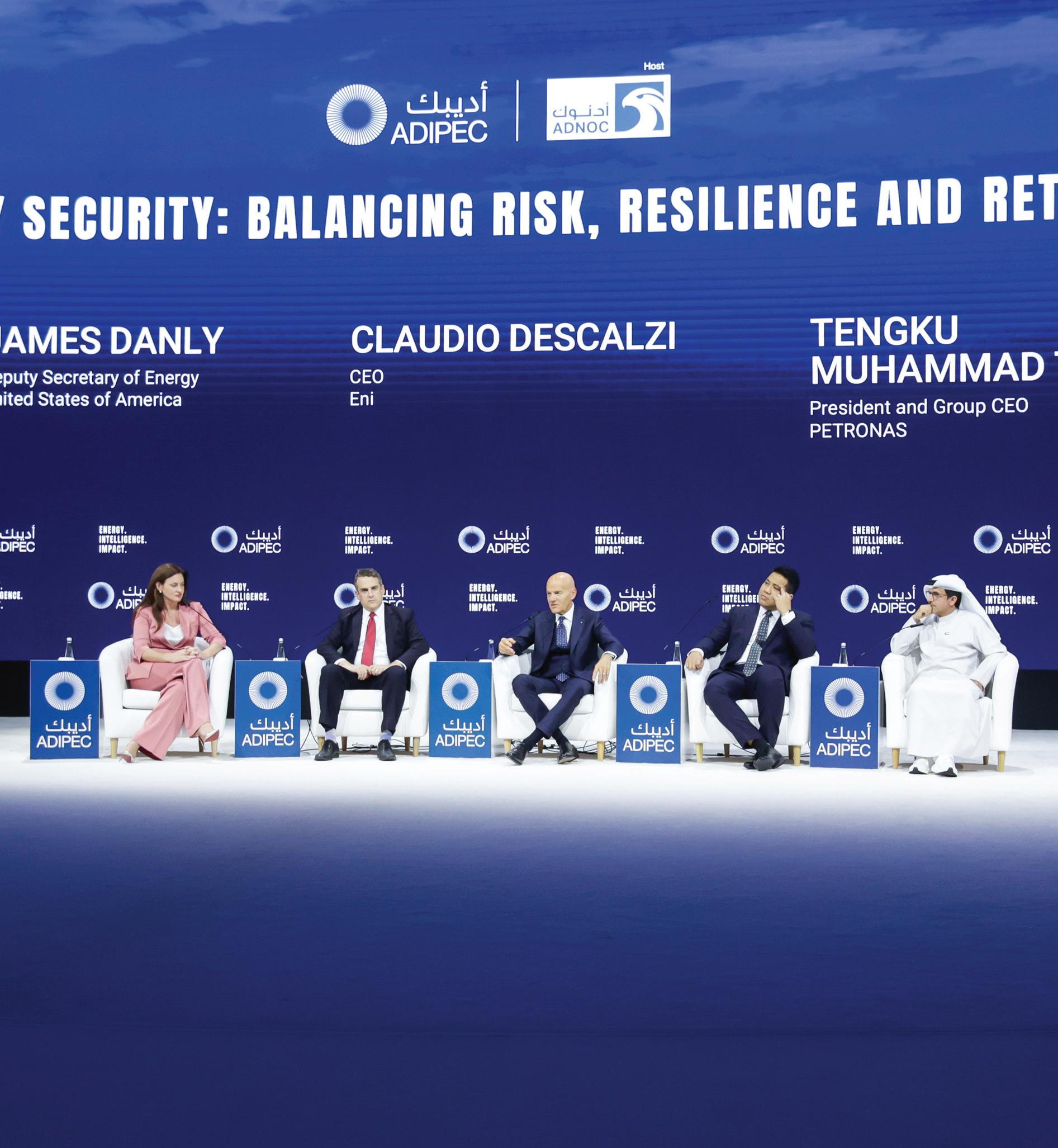
ADIPEC will convene leaders from across energy, technology, finance and policy to explore practical pathways for building shock-resistant, future-ready energy systems – systems capable of meeting rising demand, enabling digital and industrial growth, and supporting global development while advancing emissions management.
JOIN THE GLOBAL ENERGY COMMUNITY
ADIPEC in numbers:
239,000+ Exhibition attendees
16,500+ Conference delegates
2,250+ Exhibiting companies
1,800+ Conference speakers
Bosch Software and Digital Solutions (SDS)
Is established as the global powerhouse of technology.
Expert in software, sensors, and services, we are the tech partners of organizations from leading startups to legacy industry giants for delivering new-age digitalization.
We help enterprises reimagine the present and the future of businesses with #SmarterDigital.

What does #SmarterDigital truly mean?
Everyone’s in a race to do more with digital. But such initiatives seldom yield the results that were envisioned. Not limiting to strategy or execution, we take a step back and look at the gaps in the bigger picture.

We rethink conventions, traditions, norms, and digital ‘as usual’.
The result is Smarter Digital. With it, we embed a sustainability mindset, create intelligent business models, and a data-led culture across the value chain.
Bosch Software and Digital Solutions
NA | UK | EU | ME | SE | JP
The promise of #SmarterDigital
We help enterprises achieve sustained business success with our flexible, detail-oriented, and resilient approach to digitalization.

Jamie Waite CEO, EMG | Enquirer Media Group jamie.waite@busenq.com
Roisin Brennand
Chief Operations Officer roisin.brennand@busenq.com
MEDIA
Gary Smith
Senior Project Director gary.smith@busenq.com
Rupert Kay Commercial Director UK rupert.director@busenq.com
Adel Mhiri
Project Director adel.m@busenq.com
Paris Cressy
Branding & Marketing Executive paris.cressy@busenq.com
Verity Kay
Project Director verity.kay@busenq.com
Bernie Brennand
Senior Project Director bernie.brennand@busenq.com
Thomas Corcoran
Project Director thomas.cocoran@busenq.com
Jennifer Davies
Senior Project Director jennifer.davies@busenq.com
Thomas Hardy
Project Director thomas.hardy@busenq.com
Claire Dunn Global Credit Controller claire.dunn@busenq.com
Bethany Waite Credit Controller bethany.waite@busenq.com
Tanya Rudd Head of Finance tanya.rudd@busenq.com
Sophie Greenwood Finance Manager sophie.greenwood@busenq.com
Dan Reeves Head of Data dan.reeves@busenq.com
Kumar Nil-Khan Senior Data Strategy kumar.nilkhan@busenq.com
Simon Ferrening Production Manager Commercial Performance Analysis
Anita Terrell Social Media Manager anita.terrell@busenq.com
Lee Dixon Social Media Manager lee.dixon@busenq.com
HR
Susan Tumelty HR Partnered Company info@hrdept.co.uk

Laura Green Editor in Chief laura.green@busenq.com
Catherine Lafferty Business Editor catherine.lafferty@busenq.com
PRODUCTION
Remo Savino Production Assistant remo.savino@busenq.com
Jamie Bolton Head of Design jamie.bolton@busenq.com
Didie Nturo Head of Video & Content Creation didie.nturo@busenq.com
Matt Hardwick Online Website Manager matt.hardwick@busenq.com
DESIGN WEBSITE PHOTOGRAPHY
Didie Nturo Lead Photographer didie.nturo@busenq.com
LEGAL
Chloe Bird Birketts LLP Norwich


Welcome to the January 2025 Edition of Business Enquirer – Issue 146!
As we step further into 2026, this edition reflects a defining moment for global enterprise. Across sectors, leadership is being tested not by volatility alone, but by expectation. Markets demand resilience. Audiences demand authenticity. Investors demand accountability. The organisations featured in this issue demonstrate that sustainable growth is no longer driven by noise or novelty, but by clarity of structure, disciplined strategy and purposeful reinvention.
Our front cover feature, The Business of Belonging: How The Jockey Club Is Redefining Modern Partnership Strategy, explores how one of Britain’s most iconic sporting institutions has transformed its commercial model for a fragmented, datadriven era. Operating 15 racecourses and staging more than 340 racedays annually, including the Cheltenham Festival and the Randox Grand National, The Jockey Club has evolved from a venue-led sales approach into a unified national partnership platform under the leadership of Head of Partnership Sales Jack Royle. By combining premium asset protection with measurable activation, first-party data intelligence and a philosophy that ensures partners enhance rather than interrupt the fan experience, the organisation is delivering record growth while reinvesting profits back into British racing. It is a case study in how heritage and modern performance marketing can coexist without compromise.
This month also introduces our Top 10 ESG Champions to Watch in 2026, spotlighting the leaders and organisations setting the pace in environmental stewardship, governance transparency and social impact. From decarbonisation strategies and circular economy innovation to inclusive leadership and advanced reporting frameworks, these champions are shaping the benchmarks others will follow.
In our Business Lifestyle section, we feature UNDERMYNAME: Redefining the Art of Hosting in Milan, where Alice Carli channels decades of global luxury brand strategy into a private concierge and cultural curatorship concept rooted in discretion, authenticity and emotional intelligence. Moving beyond transactional hospitality, UNDERMYNAME offers cultivated access to Milan through curated residences and an intimate network of specialists across beauty, wellness, art and design, reflecting a broader shift toward personalised, health-led and experience-driven travel.
Beyond these highlights, Issue 146 is packed with in-depth executive interviews, sector analysis and strategic insight spanning infrastructure, live events, sustainability, innovation and global enterprise. Each feature reflects the same underlying theme: long-term value is built deliberately, not accidentally.
We invite you to explore the full edition and discover the many more stories shaping the future of business.
Enjoy the read.
If you have a business story you wish to share in 2026, please contact our Head of Production via production@busenq.com




The editor and publishers do not guarantee the accuracy of statements made by contributers or advertisers, or accept responsibilty for any statement they express in this publication. The opinion of the contributors may not necessarily be the opinion of the editor or publishers. All content including the presentation therof in this magazine is the property of BE Media and protected by internation al copyright laws. You may not copy, reproduce, distribute, transmit, modify, create derivitave works, or in any other way exploit any part of copyrighted material without prior written permission from BE Media ©BE Media




At Nagarro, we harness AI and cutting-edge digital engineering to drive transformation, resilience, and growth.
With a forward-thinking and client-first mindset, we help businesses become digital-first, ensuring they stay ahead in an ever-evolving world.
With 18,000+ experts across 38 countries, we are trusted by 1,000+ global clients to deliver innovation at scale. Our deep expertise in AI, cloud, and modern engineering accelerates success—today and for the future.
Let’s build your future together.

Fluidic Enterprise nagarro.com
BUILDING AN ESG DRIVEN CULTUREIN 2026 ONES TO WATCH IN 2026 014
ONES TO WATCH IN 2026 018
SUSTAINABLE PACKAGING AND MATERIALS TO WATCH IN 2026
GLOBAL CARBON MARKET FORECASTS TO WATCH IN 2026 ONES TO WATCH IN 2026 022
AG TECH AND SUSTAINABLE AGRICULTURE TO WATCH IN 2026 ONES TO WATCH IN 2026 026
040 THIS MONTH’S ESG CHAMPIONS TO WATCH IN 2026
010
INTERNATIONAL HOTEL GROUP
IHG STRENGTHENS THAILAND PORTFOLIO WITH HOTEL INDIGO PHUKET NAI YANG BEACH
IYC
IYC ANNOUNCES THE LAUNCH OF NEW BUILD OF NEW BUILD CDM NAUTA AIR 108 M/Y TARTARUGA
WITH EMERGING TRAVEL GROUP Q&A 030 WITH ARD VERBOON, SCHNEIDER ELECTRIC Q&A 034
044 THE CLIMATE LEVER HIDING IN PLAIN SIGHT YVETTE MANOLAS
062
MNG AIRLINES
THE INVISIBLE ENGINE KEEPING GLOBAL CARGO MOVING
COPPER, CONTINUITY AND THE LONG VIEW CODELCO 084
GRAND ISLE SHIPYARD 072
INSIDE GIS’S TRANSFORMATION OF ENERGY PROCUREMENT
BANKING BEYOND BOUNDARIES THE NEW ERA OF DIAMOND TRUST BANK KENYA DIAMOND TRUST BANK 096

106 UNDERMYNAME: Redefining the Art of Hosting in Milan

Opening in 2030, 170-key Luxury & Lifestyle hotel marks second collaboration with AssetWise and its subsidiary Rhom Bho Property
IHGannounces the signing of Hotel Indigo Phuket Nai Yang Beach in partnership with AssetWise Public Company Limited and its subsidiary Rhom Bho Property Public Company Limited –one of Thailand’s leading residential and real estate companies.
Opening in 2030, the 170-key hotel will further strengthen Hotel Indigo’s fast-growing global portfolio, which now comprises more than 190 open hotels and over 130 properties in its development pipeline. Around the world, the brand continues to resonate with owners and travellers alike, offering distinctive, locally inspired stays that capture the spirit of neighbourhoods everywhere. The signing reinforces IHG’s commitment to expanding its Luxury & Lifestyle footprint

across South East Asia and Korea, which has almost 100 open and pipeline hotels.
The signing of Hotel Indigo Phuket Nai Yang Beach extends IHG’s partnership with AssetWise to two upcoming projects in Phuket – joining voco Phuket Bangtao, both currently in the design and construction stage.
Shi’ai Liang, Senior Director, Development, South East Asia & Korea, IHG, said:
“Today’s agreement further strengthens our relationship with AssetWise, while growing IHG’s portfolio in Phuket which now comprises seven open hotels and five pipeline properties across InterContinental, Vignette Collection, Hotel Indigo, Holiday Inn and Holiday Inn Express brands – with voco hotels set to debut soon.
“Last year, Phuket enjoyed its strongest high season in five years, surpassing pre-Covid levels. We’re confident this momentum will continue throughout 2026 and beyond, supported by the increase in direct international flights

and the island’s reputation for nature and wellness, rich cultural heritage and exceptional cuisine.”
Paneeta Malaivongs, Deputy Chief Executive Officer, AssetWise commented: “For more than two decades, we have committed to creating and developing quality residences that fulfil our residents’ needs both now and in the future. We are therefore delighted to extend our partnership with IHG to two hotel projects in Phuket across two brands – Hotel Indigo and voco hotels– through which we’ll offer a stay to suit every traveller.
“We have seen the success of the IHG brand portfolio in Thailand and believe that Hotel Indigo will suit the beautiful lifestyle destination of Nai Yang beach thanks to its ability to immerse guests in a neighbourhood-inspired stay that
blends comfort, creativity and authenticity, and shaped by the character, culture and energy of its surroundings. Together with IHG – our exclusive partner for hotel development – we look forward to opening our doors to guests in our properties.”
Hotel Indigo Phuket Nai Yang Beach will be a 5-minute drive from Phuket International Airport and 45 minutes from Phuket Old Town. Within walking distance of the well-known Nai Yang Beach and Sirinat National Park, its facilities will include a restaurant and bar, a spa and gymnasium.
The hotel will join 37 other properties in IHG’s development pipeline in Thailand, which is set to extend the company’s presence in the country to more than 80 hotels within the next three to five years.
IYC is proud to announce the launch of the Cantiere delle Marche Nauta Air 108 Μ/Υ TARTARUGA, a new evolution within the acclaimed Nauta air series and a project that perfectly reflects the shared vision, expertise, and collaborative spirit between IYC, Cantiere delle Marche, and Nauta Design.
Measuring 108’ with a beam of 7.55 metres, this Nauta Air 108 represents a refined evolution of the series, with subtle yet impactful enhancements to both design and functionality. Her exterior lines have been modernized for a more cohesive and contemporary profile, with fashion plates now visually integrated into the dark, continuous windows of the main deck saloon. Forward on the main deck, a 20’ (6m) tender and crane are seamlessly incorporated, reinforcing the yacht’s expedition DNA while preserving clean lines and visual harmony.
Michel Chryssicopoulos comments “It has been a true pleasure working alongside Vasco Buonpensiere and the exceptional teams at Cantiere delle Marche and Nauta throughout this project. This ‘pocket explorer’ brings to life a yacht that balances contemporary aesthetics, comfort and volume onboard, along with long-range explorer capabilities.”
Inside, the yacht offers bright, airy interiors enhanced by generous hull volume, creating an exceptional sense of space for owners and guests alike. Accommodation is arranged with a full-beam Owner’s suite

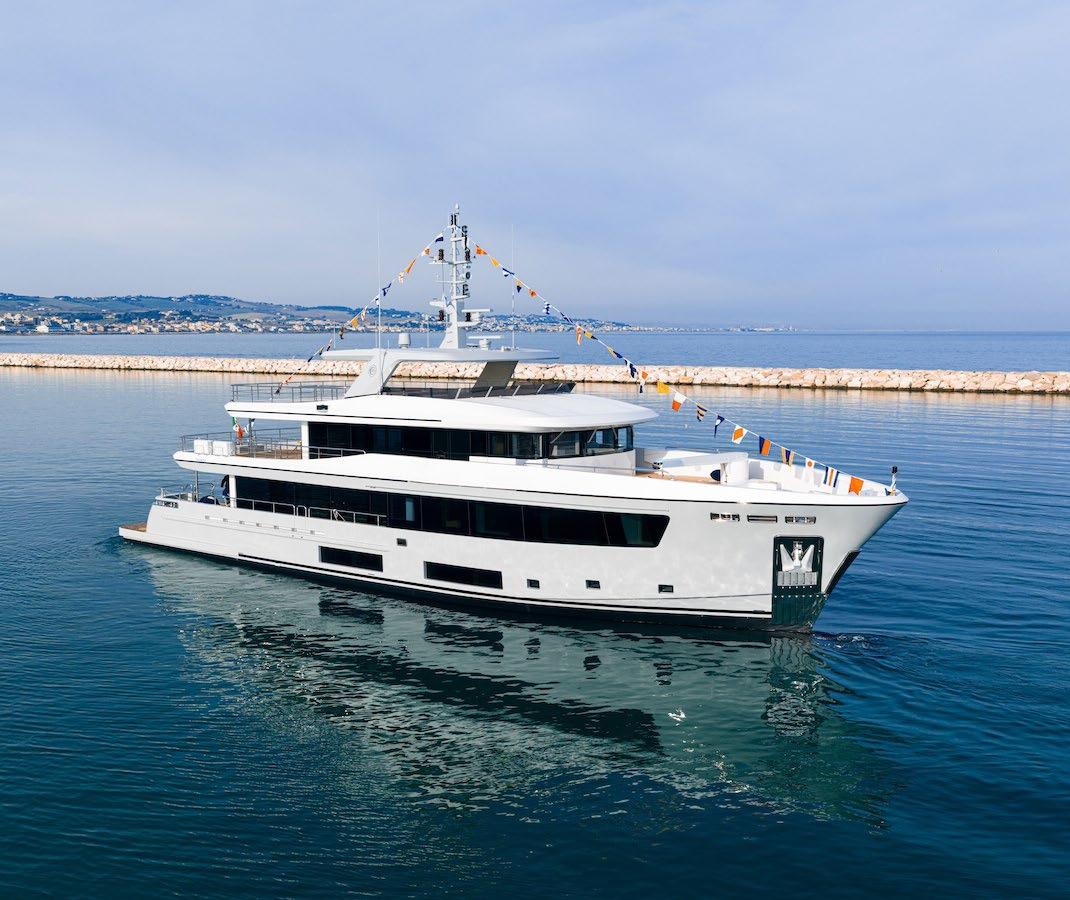
on the main deck, complemented by four spacious guest cabins on the lower deck. Social life naturally gravitates towards the aft cockpit, with its uninterrupted sea views, and the expansive sun deck, designed for relaxed outdoor living. Crew accommodation for five is located on the lower deck, with the Captain’s cabin positioned adjacent to the wheelhouse on the upper deck for optimal operational efficiency.
TARTARUGA is powered by twin Caterpillar C18 Acert engines, each delivering 533 kW, and fitted with a Selective Catalytic Reduction (SCR) system in full compliance with IMO emission standards. Her naval architecture exemplifies the Nauta Air philosophy, combining form and function
through an intelligently engineered hull featuring a bulbous bow and flat aft sections. The result is outstanding fuel efficiency, long-range capability, and excellent seakeeping across a wide range of conditions.
The launch of the Nauta Air 108 TARTARUGA marks another successful collaboration and a proud milestone for all involved.
Contact the IYC team for more information about IYC’s full range of services, including Sales & Purchase, Chartering, Yacht Management, New Construction, Charter Management, Crew Placement, Yacht Agency Services and Insurance & Claims Management.

Environmental, social and governance considerations are no longer peripheral concerns reserved for annual reports or regulatory disclosures. As organisations move deeper into twenty twenty six, ESG has become a defining lens through which culture, leadership and long term value are assessed. For businesses seeking relevance, resilience and credibility, the challenge is no longer whether to engage with ESG, but how to embed it meaningfully into everyday decision making.
This shift marks a critical turning point. The organisations to watch are not those making the boldest claims, but those quietly reshaping how work is done, how people are treated and how responsibility is shared across the enterprise. ESG driven culture is emerging as a strategic asset, influencing talent attraction, investor confidence and customer trust alike.


For many organisations, ESG began as a compliance exercise. Environmental targets were set, diversity statements were published and governance frameworks refined. While these steps were necessary, they often sat at the edges of the organisation, detached from operational reality. In twenty twenty six, leading organisations are distinguished by their ability to move ESG from policy into practice.
Culture is the mechanism through which this transition occurs. When ESG values are reflected in daily decisions, performance expectations and leadership behaviour, they move beyond aspiration and into action. This requires intentional alignment between stated commitments and the incentives, processes and behaviours that shape how work actually gets done.
Organisations making progress understand that culture cannot be mandated. It is built through consistent signals, visible leadership and everyday choices. An ESG driven culture takes hold when employees understand not only what the organisation stands for, but why it matters and how their own role contributes to that purpose.
Leadership remains the most significant factor in embedding ESG into organisational life. Employees and stakeholders are increasingly skilled at distinguishing between symbolic gestures and genuine commitment. Leaders who speak convincingly about sustainability or inclusion but act inconsistently risk eroding trust.
The organisations to watch are led by individuals who integrate ESG considerations into strategy, investment decisions and risk management. They view environmental responsibility, social impact and governance integrity not as constraints, but as sources of long term value. These leaders are prepared to make difficult trade offs, to listen to uncomfortable feedback and to prioritise long term resilience over short term gain.
Crucially, ESG leadership does not stop at the executive level. Middle managers play a pivotal role in translating values into action. When they are equipped with the authority, confidence and capability to make ESG aligned decisions, culture becomes lived rather than stated.

An ESG driven culture is experienced most directly by employees. It shapes how people are recruited, developed and supported, as well as how they feel about the organisation they work for. In twenty twenty six, expectations around purpose, wellbeing and fairness continue to influence career decisions, particularly among younger talent.
Forward thinking organisations are embedding ESG principles throughout the employee experience. Recruitment practices are being redesigned to reduce bias and widen access. Learning and development programmes increasingly include sustainability literacy and ethical decision making. Performance frameworks are evolving to recognise collaboration, integrity and long term thinking alongside commercial outcomes.
Environmental responsibility has also become a cultural norm rather than a specialist function. Employees are encouraged to consider environmental impact as part of routine decision making, from resource use to supplier selection. Small, consistently reinforced behaviours are proving just as important as large scale initiatives.
Beyond the organisation itself, social responsibility extends to customers, communities and wider society. The most credible organisations approach social impact with humility and partnership, engaging stakeholders to understand needs and co create responses rather than imposing solutions. This outward looking mindset strengthens trust and reinforces internal culture.
While environmental and social issues often command the most attention, governance remains the foundation of ESG credibility. Strong governance provides the structure and accountability required to sustain cultural change over time.
The organisations to watch are strengthening governance through clarity of roles, ethical decision making and effective oversight. Boards are becoming more diverse in background and perspective, enabling more robust debate and better informed decisions. Risk frameworks are evolving to capture non financial risks, including reputational and cultural factors.
Measurement plays a critical role, but leading organisations recognise that not everything that matters can be easily quantified. Data is complemented by qualitative insight, including employee feedback and stakeholder engagement. Measurement is used as a learning tool rather than a punitive one, helping organisations adapt and improve rather than simply report progress.
Technology increasingly supports this effort, enabling transparency and insight across complex operations. However, technology is viewed as an enabler rather than a solution. Without clear values and leadership, even the most sophisticated systems will fail to deliver meaningful ESG outcomes

Sustainable packaging has moved decisively from the margins of business strategy to its core. In 2026, decisions about materials, formats and recovery are no longer confined to sustainability teams or compliance departments. They sit at the intersection of brand trust, operational resilience and long term value creation. As regulation tightens and consumer awareness deepens, packaging has become one of the most visible indicators of how seriously an organisation takes its environmental and social responsibilities.
What is changing most significantly is not simply the materials being used, but the mindset behind them. Early approaches to sustainable packaging often focused on quick wins, material reduction or recycling claims that looked good on paper but delivered limited real world impact. Today, leading organisations are taking a more systemic view, recognising that packaging exists within a complex ecosystem of sourcing, design, logistics, use and recovery.

In 2026, the companies to watch are those that understand sustainable packaging as a strategic capability rather than a technical fix. They are investing in material innovation, redesigning products and supply chains, and engaging customers in new ways. Crucially, they are doing so with a level of realism and transparency that reflects growing scrutiny from regulators, investors and the public alike.
Packaging has traditionally been designed to protect products, support distribution and reinforce brand identity. Sustainability now adds another layer of expectation, requiring packaging to perform its role while minimising environmental impact across its entire lifecycle. This shift is prompting organisations to rethink fundamental assumptions about what packaging is for and how much of it is truly necessary.
In 2026, reduction remains important, but it is no longer sufficient on its own. Simply using less material

without considering durability, reuse or recovery can create unintended consequences, including increased food waste or reduced product lifespan. The organisations leading the way are instead focused on intelligent design, where packaging is optimised for performance, recovery and circularity.
This approach often requires challenging long held conventions. Refill models, reusable formats and packaging designed for multiple life cycles are gaining ground, particularly in sectors where brand loyalty and repeat purchase are strong. While these models demand investment and customer education, they offer the potential for deeper engagement and long term cost stability.
Material choice remains one of the most critical and complex aspects of sustainable packaging. In 2026, the conversation has matured beyond simple binaries such as plastic versus paper. Businesses are increasingly aware that no material is inherently sustainable in all contexts and that trade offs are unavoidable.
Fibre based materials continue to attract attention, particularly where they

are responsibly sourced and designed for effective recycling. Advances in barrier technologies are allowing fibre packaging to perform in applications that were previously dominated by plastic, without compromising product protection or shelf life.
At the same time, innovation in alternative materials is accelerating. Bio based and regenerated materials are being explored not as niche solutions, but as scalable options that can integrate into existing manufacturing systems. However, the organisations to watch are approaching these innovations with caution as well as curiosity. Claims based solely on renewable content or compostability are being scrutinised against full lifecycle impact, including land use, water consumption and end of life outcomes.
Compatibility with existing infrastructure is a defining consideration. Materials that cannot be effectively collected, sorted or recycled risk undermining progress by creating confusion and contamination. Leading businesses are working closely with waste management partners and local authorities to ensure that material innovation aligns with real world recovery systems.

Packaging is one of the most immediate and tangible ways consumers interact with a brand. In 2026, it has become a key channel through which organisations communicate their values and priorities. Sustainable packaging choices are no longer invisible operational decisions. They are part of the brand narrative, scrutinised by increasingly informed customers.
This has raised the bar for credibility. Generic sustainability claims and unclear labelling are losing effectiveness, replaced by a demand for clarity and honesty. Brands that acknowledge complexity and communicate transparently about what their packaging can and cannot do are building greater trust than those that present sustainability as a solved problem.
Design plays a central role in this relationship. Sustainable packaging that feels thoughtful, functional and aesthetically considered reinforces the idea that environmental responsibility and quality go hand in hand. In contrast, poorly executed changes that feel inconvenient or inferior risk undermining both sustainability goals and brand equity.
Sustainable packaging cannot be achieved without addressing the supply chains that support it. In 2026, organisations are under increasing pressure to understand not only what
materials they use, but where they come from and how they are produced. This is driving a shift towards greater transparency and longer term supplier relationships.
The companies to watch are investing time and resources in building partnerships based on shared sustainability objectives. Rather than switching suppliers to chase short term gains, they are collaborating to improve sourcing practices, reduce environmental impact and support innovation. This approach recognises that meaningful change often requires stability and trust across the value chain.
Responsibility is also extending beyond direct suppliers. Businesses are increasingly aware of the indirect impacts associated with packaging materials, including biodiversity loss and social conditions in upstream operations. Addressing these issues requires a broader view of accountability and a willingness to engage beyond traditional boundaries.
Regulation continues to shape the landscape for sustainable packaging, but in 2026 it is increasingly seen as a signal of direction rather than simply a compliance hurdle. Extended producer responsibility schemes, material restrictions and labelling requirements are encouraging businesses to take a lifecycle view of packaging and to plan for long term change.
The organisations best positioned for success are those that anticipate regulatory trends rather than react to

them. By aligning internal strategies with the broader policy environment, they reduce risk and avoid costly last minute adjustments. This forward looking approach also creates space for innovation, allowing businesses to invest with greater confidence.
Rather than aiming for minimum compliance, the ones to watch are using regulation as a baseline from which to differentiate. They recognise that regulatory alignment and commercial advantage are increasingly interconnected.
One of the most significant shifts in sustainable packaging in 2026 is the growing recognition that progress depends on collaboration. No single organisation can address the challenges of material innovation, infrastructure development and consumer behaviour change alone.
Pre competitive partnerships, industry initiatives and cross sector collaborations are becoming more common, enabling shared learning and coordinated action. These efforts are particularly valuable in addressing systemic challenges, such as recycling infrastructure or standardisation of materials and labelling.
Internally, collaboration is equally important. Sustainable packaging strategies are most effective when sustainability teams, designers, commercial leaders and supply chain experts work together from the outset. This integrated approach helps to balance ambition with practicality and
ensures that sustainability is embedded rather than bolted on.
Measurement remains an essential but challenging aspect of sustainable packaging. In 2026, businesses are moving beyond simplistic metrics towards a more nuanced understanding of impact. Lifecycle assessment, scenario analysis and stakeholder feedback are increasingly used to inform decisions rather than justify them after the fact.
There is also growing acceptance that uncertainty is part of the process. The organisations to watch are those that are open about the limitations of current data and committed to improving it over time. This honesty strengthens credibility and supports a culture of continuous improvement.
As sustainable packaging continues to evolve, the distinction between leaders and followers is becoming clearer. The businesses to watch in 2026 are not chasing trends or headlines. They are taking a measured, systems based approach that recognises packaging as both a responsibility and an opportunity.
By investing in thoughtful design, credible materials and collaborative supply chains, these organisations are positioning themselves for long term resilience. Sustainable packaging is no longer a peripheral concern or a marketing add on. It is a strategic lens through which business value, environmental responsibility and brand trust increasingly converge.
The global carbon market is entering a period of profound transition. Once viewed primarily as a regulatory mechanism or niche financial instrument, carbon trading is now firmly embedded within the broader conversation about economic resilience, climate risk and long term value creation. In 2026, the carbon market sits at the intersection of policy ambition, corporate strategy and investor expectation, making it one of the most closely watched arenas in global sustainability.
What distinguishes the current moment is not simply scale, but complexity. Carbon markets are expanding across jurisdictions, methodologies are evolving and participants are becoming more diverse. Governments are refining compliance frameworks while businesses increasingly engage with voluntary markets as part of wider decarbonisation strategies. Against this backdrop, forecasts for the carbon market are less about predicting a single trajectory and more about understanding the forces shaping its future.
Organisations and investors paying close attention in 2026 recognise that carbon markets are no longer peripheral. They are becoming a core component of climate strategy, financial planning and geopolitical positioning.


Policy continues to be the most powerful driver of carbon market development. Around the world, governments are strengthening emissions trading schemes, expanding sector coverage and tightening caps to align with net zero commitments. In 2026, this policy momentum is creating both opportunity and uncertainty, particularly as political priorities shift and economic pressures persist.
Compliance markets are becoming more sophisticated, with increased attention on market stability, price signalling and integrity. Policymakers are seeking to strike a balance between incentivising decarbonisation and managing cost impacts for industry and consumers. This balancing act is shaping forecasts, with expectations of continued growth tempered by the recognition that political intervention remains a constant feature.
At the same time, international coordination remains uneven. Differences in ambition, design and enforcement across regions are contributing to fragmentation, but also to experimentation. For market participants, understanding the nuances of regional policy frameworks is becoming as important as tracking global trends.
The voluntary carbon market has experienced rapid growth followed by intense scrutiny. In 2026, it stands at a critical juncture. Corporate demand for voluntary credits remains strong, driven by net zero commitments and stakeholder pressure. However, questions around quality, additionality and credibility have prompted a period of reassessment.
increasingly focus on consolidation rather than unchecked expansion. There is growing consensus that future growth will depend on improved standards, greater transparency and clearer guidance on how credits should be used within credible climate strategies. Buyers are becoming
more discerning, favouring projects with strong governance, measurable impact and alignment with broader sustainability outcomes.
This shift is likely to reshape the market landscape. Lower quality credits are expected to lose relevance, while high integrity projects command greater attention and value. For developers and investors, this raises the bar but also creates an opportunity to differentiate through rigour and trust.
Carbon pricing remains one of the most debated aspects of the market. In 2026, forecasts reflect a recognition that price signals must be strong enough to drive behavioural change, yet stable enough to support long term investment. Volatility continues to be a concern, particularly in markets where political intervention or economic shocks have disrupted price formation.
Market confidence is closely linked to perceptions of fairness and predictability. Where participants trust that rules will be applied consistently and that long term objectives will be maintained, engagement deepens. Where uncertainty dominates, participation can stall. This dynamic is influencing forecasts, with analysts paying close attention to governance mechanisms designed to manage volatility and maintain credibility.
Importantly, carbon prices are increasingly viewed in relation to broader financial and operational decisions. For businesses, internal carbon pricing is becoming a common tool, linking external market signals with internal investment and planning processes.
Corporate engagement with carbon markets is evolving. In earlier phases, participation was often driven by compliance or reputational considerations. In 2026, carbon markets are more closely integrated into corporate decarbonisation strategies, capital allocation and risk management.
Forecasts suggest that demand will increasingly come from organisations seeking to complement direct emissions reductions rather than substitute for them. This reflects growing pressure from investors and civil society for credible transition plans. Carbon credits are expected to play a supporting role, particularly for residual emissions, while the primary focus remains on operational change.
This shift is influencing the types of projects attracting interest. Nature based solutions continue to feature prominently, but there is growing attention on engineered removals and technologies capable of delivering durable carbon outcomes. The balance between these approaches remains a subject of debate, with implications for market structure and pricing.
Trust is the foundation upon which carbon markets depend. In 2026, integrity is no longer a secondary consideration but a central theme shaping forecasts and participation. Advances in monitoring, reporting and verification are playing a critical role in restoring confidence, particularly in the voluntary market.
Digital tools, satellite monitoring and data analytics are improving transparency and reducing the risk of double counting or overstated impact. However, technology alone is not sufficient. Strong governance, independent oversight and clear accountability remain essential.
The organisations to watch are those investing in systems and partnerships that prioritise credibility over speed. While this approach may slow short term growth, it is widely seen as essential for long term market viability.
Emerging economies play a pivotal role in the future of global carbon markets. Many of the most cost effective mitigation opportunities are located in these regions, and their participation is critical to achieving global climate goals. In 2026, forecasts



increasingly reflect the importance of equitable market development that supports sustainable growth.
Capacity building, access to finance and fair benefit sharing are central to this conversation. Carbon markets offer the potential to channel investment into low carbon development, but only if designed and implemented with local context in mind. Failure to address these considerations risks reinforcing existing inequalities and undermining legitimacy.
As emerging economies develop their own market mechanisms and participate more actively in international markets, their influence on global supply and demand dynamics is expected to grow.
Carbon is increasingly viewed through the lens of financial markets. In 2026, institutional investors are paying closer attention to carbon pricing, market liquidity and the role of carbon assets within diversified portfolios. This financialisation brings both opportunity and risk.
On one hand, greater participation can enhance liquidity and price discovery. On the other, speculative activity raises concerns about volatility and alignment with climate objectives. Forecasts reflect this tension, highlighting the need for clear rules and safeguards that ensure financial engagement supports rather than undermines decarbonisation.
For financial institutions, carbon markets are also becoming relevant in the context of climate risk assessment and transition finance. Understanding how carbon pricing interacts with asset values and sector exposure is increasingly seen as a core competency.
The global carbon market in 2026 is characterised by ambition tempered by realism. Growth is expected, but not without challenges. Integrity, policy coherence and stakeholder trust will determine whether markets fulfil their potential as tools for climate action.
The forecasts that matter most are those that recognise carbon markets as evolving systems rather than static mechanisms. Success will depend on continuous improvement, collaboration across sectors and a willingness to confront complexity rather than simplify it away.
For business leaders, investors and policymakers, the message is clear. Carbon markets are no longer optional or abstract. They are shaping the economic landscape in tangible ways, influencing how value is created, measured and protected in a carbon constrained world.
The organisations that engage thoughtfully, invest in understanding and prioritise credibility will be best positioned to navigate what comes next. In 2026, watching the carbon market is no longer enough. The imperative is to understand it.
Agriculture is undergoing one of the most significant periods of transformation in its modern history. In 2026, the convergence of technology, sustainability and food security is reshaping how food is grown, distributed and valued. Once characterised by incremental change, the sector is now being redefined by innovation driven as much by environmental necessity as by economic opportunity.
Ag tech and sustainable agriculture have moved beyond experimental pilots and niche investment themes. They are becoming central to discussions about resilience, productivity and long term value creation. Climate volatility, resource scarcity and shifting consumer expectations are forcing the industry to evolve, while advances in data, biology and automation are providing new tools with which to do so.
The industries to watch this year are not those promising quick fixes, but those taking a systems based approach to farming. They recognise that sustainability,
profitability and productivity must advance together if agriculture is to meet the demands of a growing global population while restoring trust in the food system.
Technology is increasingly embedded in the everyday realities of farming. In 2026, ag tech is less about novelty and more about practicality. Farmers are adopting tools that deliver tangible benefits, from improved yields to reduced input costs and greater resilience to environmental stress.
Data driven agriculture is at the heart of this shift. Advances in sensors, satellite imagery and farm management platforms are enabling more precise decision making. Farmers can monitor soil health, crop performance and weather patterns in near real time, allowing them to respond proactively rather than reactively. This precision supports sustainability by reducing waste and optimising the use of water, fertilisers and crop protection products.


Automation is also playing a growing role, particularly in addressing labour challenges. Autonomous machinery and robotics are being deployed to perform repetitive and physically demanding tasks with greater consistency and efficiency. While adoption varies by region and crop type, the direction of travel is clear. Automation is becoming a core component of modern, sustainable farming systems.
Sustainability is no longer an abstract ambition for the agricultural sector. In 2026, it is a commercial reality shaped by regulation, market access and financial performance. Farmers and agribusinesses are under increasing pressure to demonstrate responsible land use, reduced emissions and positive social impact.
This pressure is driving a shift towards regenerative practices that prioritise soil health, biodiversity and long term productivity. Techniques such as cover cropping, reduced tillage and diversified rotations are gaining wider acceptance, supported by growing evidence of their benefits. Technology is accelerating this transition by providing the data needed to measure outcomes and demonstrate progress.
Importantly, sustainability is being reframed as an opportunity rather than a constraint. Access to premium markets, resilience against climate shocks and improved input efficiency are making sustainable practices increasingly attractive from a business perspective. The industries to watch are those aligning environmental outcomes with economic incentives, creating models that can scale.
One of the most dynamic areas of ag tech in 2026 lies in biological innovation. Advances in plant science, soil biology and microbial solutions are offering
alternatives to traditional chemical inputs. These innovations aim to enhance natural processes rather than replace them, supporting productivity while reducing environmental impact.
Biological crop protection and nutrition products are gaining traction as farmers seek solutions that are effective, targeted and compatible with sustainable systems. While adoption requires education and confidence, the growing body of field data is strengthening credibility.
Seed technology is also evolving, with a focus on resilience rather than uniformity. Varieties designed to tolerate drought, heat or disease are becoming increasingly important as climate variability intensifies. These developments highlight a broader shift towards adaptability as a core design principle in agriculture.
The proliferation of digital platforms is changing how agricultural decisions are made. In 2026, farm management systems are becoming more integrated, bringing together data from multiple sources to provide actionable insight. This integration reduces complexity and supports more strategic planning.
Decision support tools are increasingly designed with the farmer in mind, prioritising usability and relevance over technical sophistication alone. The most successful platforms translate complex data into clear guidance, enabling farmers to make informed choices without requiring specialist expertise.
These platforms also play a role in connecting farmers with supply chains, financiers and insurers. By providing verifiable data on practices and outcomes, they support access to finance, participation in sustainability programmes and compliance with emerging reporting requirements.
Investment patterns in ag tech and sustainable agriculture are evolving in response to both opportunity and risk. In 2026, investors are increasingly selective, focusing on solutions that demonstrate scalability, resilience and alignment with real world farming needs.
There is growing recognition that agriculture operates on longer timelines than many technology sectors. Patient capital and long term partnerships are therefore becoming more important. Investors are looking for business models that account for biological cycles, regional variation and the realities of adoption at farm level.
Financial institutions are also engaging more directly with sustainability outcomes. Data enabled verification of practices is supporting new approaches to lending and insurance, where favourable terms are linked to responsible land management and climate resilience.
Progress in ag tech and sustainable agriculture depends on collaboration across the food system. Farmers, technology providers, processors, retailers and policymakers all play a role in shaping outcomes. In 2026, there is increasing recognition that isolated solutions are insufficient.
Partnerships are emerging to address shared challenges, from supply chain transparency to emissions reduction. These collaborations help align incentives and reduce the burden on individual actors. They also support knowledge sharing, accelerating the spread of best practice.
Public and private sector cooperation remains critical, particularly in areas such as research, infrastructure and skills development. The industries to watch are those engaging constructively with policy frameworks and contributing to a shared vision for sustainable food production.
The transformation of agriculture is also a human story. In 2026, attracting and retaining talent is a growing priority for the sector. Ag tech is helping to reposition agriculture as a field of innovation, offering careers that combine technology, environmental stewardship and entrepreneurship.
Skills development is essential to ensure that new technologies deliver their intended benefits. Training and advisory services are evolving to support farmers in adopting and adapting innovations. This focus on capability building is as important as the technology itself.
A more diverse and digitally fluent workforce is beginning to emerge, bringing fresh perspectives to long standing challenges. This cultural shift is helping to drive openness to change and experimentation within the industry.
As ag tech and sustainable agriculture continue to evolve, certain characteristics distinguish the industries and organisations to watch in 2026. They take a long term view, recognising that meaningful change in agriculture requires patience and persistence. They prioritise collaboration over competition and credibility over hype.
Most importantly, they understand that sustainability and productivity are not opposing goals. By working with natural systems rather than against them, and by applying technology thoughtfully, they are demonstrating that agriculture can be both profitable and regenerative.
In a world facing mounting environmental and social pressures, the transformation of agriculture is no longer optional. The developments unfolding in 2026 suggest a sector beginning to rise to that challenge, guided by innovation, responsibility and a renewed sense of purpose.
In a travel market defined by fast-shifting traveller behaviour and increasingly complex distribution channels, hoteliers are under more pressure than ever to understand where demand is coming from and how to capture it. Few people have a clearer view of this landscape than Simone Large, Head of Direct Supply at Emerging Travel Group.
With more than two decades of senior experience across destination management, business development, and global partnerships, Simone leads ETG’s worldwide hotel and lodging strategy. In this Q&A, she shares the latest booking trends across business and leisure travel, explores how hotels can use these insights to strengthen distribution, and discusses the evolving opportunities within international hotel networks as traveller expectations and global markets continue to change.
QHow did the travel landscape shape the way travellers booked in 2025? What booking trends are you seeing right now across both business and leisure travellers, and how do these trends differ from the last few years?
AAccording to the UNWTO World Tourism Barometer, in 2025, the global travel industry achieved a record 1.52 billion international tourist arrivals, marking a 4% increase from 2024.
At the same time, one of the key booking trends shown in the recent WTM report is that tourists today are seeking more unique
experiences and prefer to travel to new, less crowded destinations, especially in the Asia Pacific. According to the study, 56% of travellers are more interested in exploring new places compared with two years ago, with Gen Z and Millennials most interested in such trips.
The Emerging Travel Group data confirms this trend. In 2025, bookings to Japan increased by 94% compared to the previous year, driven in particular by our B2B agents’ network: travellers often seek help from travel advisors when planning trips to longhaul or offbeat destinations.
Global studies also show that travelers today often rely on travel agents when booking their trips. According to the American Express Global Travel Trends Report, 58% of Millennials and Gen Z respondents worldwide want to work with travel agents while organising their journeys.
ETG’s data also confirms these findings: in 2025, we saw a 21% year-over-year increase in total bookings made by travel agents on our B2B platform for travel agents RateHawk.
As for business travel, we see that the industry continues to grow and is finally recovering after the pandemic. According to the Global Business Travel Association study, corporate travel spending globally is expected to rise by approximately 5% in 2026, with European organisations driving much of this growth. Our statistics also further supports these findings: in 2025, we saw a 24% increase in corporate travel bookings.

AQWhat are the key things hoteliers should be paying attention to when shaping their distribution strategy?
Today, hotel distribution has shifted from a tactical sales function to a strategic business driver. As a result, hoteliers now need to take a more proactive and integrated approach in their commercial and operational planning.
Rather than simply adding more distribution channels, the emphasis should be on working with the right ones. To define them, it is worth answering some important questions: Where is the demand actually coming from? Can a partner really drive my sales? Is the contribution from this partner incremental? How will changes in distribution affect our business processes and the work of our team?
Addressing these and other questions will help make informed decisions and build a profitable and scalable distribution model.
I believe in 2026, hoteliers will rely on fewer but stronger distribution partnerships that will match their criteria for providing substantial reach, connectivity, data quality, and commercial discipline.
QBased on the booking trends you mentioned above, what are the most effective ways for hoteliers to maximise visibility and revenue across multiple channels without adding unnecessary operational pressure? How is ETG supporting hoteliers in accessing new traveller segments and new market opportunities?
AOne of the most effective ways for hoteliers to maximize visibility and revenue across multiple channels is to actively diversify their distribution strategy and engage with new high-value B2B audiences. This is something Emerging Travel Group can secure, as the share of B2B bookings made through our platforms is constantly growing.
ETG’s brand RateHawk is a B2B travel booking solution that enables travel professionals worldwide to book hotels,
flights, train tickets, transfers, car rentals, and more, all within a single, user-friendly system. Over 120,000 professionals are connected to the platform – these are travel agencies, tour operators, and travel management companies working with corporate clients. The platform has strong penetration in Europe, the Middle East, Latin America, and APAC, which gives hotels broad international exposure.
Working with ETG, hoteliers benefit from the B2B demand which drives high-value bookings, longer stays, reliable occupancy, and greater stability throughout the year, even during low seasons or periods of reduced demand.
QHow can hoteliers stay competitive and make smarter, data-driven decisions about their reach and pricing?
AHotels that stay competitive are those that combine datadriven decision-making with simple, automated processes in their day-to-day operations and focus on the channels that deliver genuinely incremental demand, what the true net value of that demand is, and how much operational effort it requires to manage.
Smarter pricing decisions come from consistency and clear logic rather than constant tactical adjustments. Hotels that define structured rate strategies, aligned prices and clear rules around availability are better able to scale across multiple markets without eroding margins, or trust. Automation plays a key role. From a distribution perspective, this is where partners make a difference.
At ETG, we support hoteliers by providing flexible connectivity options, whether through our Extranet, over 80 channel managers, direct API, or hotel distribution marketplaces, all designed to give hotels real-time control over
prices, availability, and promotions across global markets.
We also place strong emphasis on payment reliability and operational simplicity. Our payment solutions and commercial framework are built to reduce friction and risk for hotels, enabling them to scale distribution confidently while maintaining financial clarity and control.
QTechnology is playing a much bigger role in how hotels manage distribution. What innovations or tools do you believe will have the biggest impact on how hotels connect with travellers over the next few years?
ADespite significant technological progress of recent years, the travel industry remains highly fragmented, often creating friction and avoidable service issues. At the same time, travel is a very emotional and expensive purchase for most households, and a risk of any discrepancy incident may ruin the excitement of trip planning and anticipation.
One major shift is the rise of hyperpersonalised discovery and AI will play a growing role in how travellers discover and choose accommodation. As search becomes more conversational and intentdriven, hotels will increasingly be surfaced based on how well their content, pricing, and policies can be interpreted by AI systems. This makes structured data, consistency, and clean connectivity far more important than ever.
From an operational perspective, AI is also becoming a powerful tool for prevention rather than reaction, helping identify discrepancies or risks across pricing, content, and service delivery before they impact the guest experience.
At ETG, our technology investments are focused on exactly these areas: simplifying distribution through automation, supporting personalised discovery through AI-driven content processing, and integrating tools across the full customer journey, from search to check-out. This includes flexible connectivity, integrated
guest–hotel communication, and automated pre-check services designed to ensure that bookings are delivered as expected.
QLooking ahead, what is your vision for how direct supply and global hotel partnerships will evolve, and where do you see the biggest opportunities for Emerging Travel Group in supporting that growth?
AI believe global hotel partnerships will also become more outcomefocused. Instead of negotiating static terms, both sides will work more dynamically, adjusting pricing, inventory, and commercial models based on real market signals. Data, automation, and clean connectivity will be central to making that possible at scale.
At Emerging Travel Group, we’re sure that direct supply will continue to evolve from a traditional contracting function and transactional relationship into a strategic long-term partnership model.
We will focus on developing deeper relationships with partners, meaning building more trust, setting shared objectives, and creating greater transparency, while still maintaining the necessary volume of onboarding to keep the business sustainable.
One of the key goals for us will be, of course, relying heavily on continued investments in automation, data, and connectivity. This focus will allow us to simplify complex processes, support our partners’ growth, and strengthen our position in a rapidly changing market.
By continuing to invest in direct connectivity, strong payment infrastructure and transparent commercial frameworks, ETG can help hotels to grow internationally without adding complexity. As discovery becomes more intent-driven and distribution is likely to become even more fragmented, partners like ETG are well positioned to help hotels scale intelligently, profitably and sustainably.
Procurement has evolved far beyond its traditional role of cost control and compliance. At Schneider Electric, it has become a strategic driver of collaboration, innovation and sustainable growth. Leading this transformation is Ard Verboon, Chief Procurement Officer, who is helping to align procurement with the company’s wider ambitions around digitalisation, resilience and sustainability. In this conversation, Ard explains how procurement can serve as a unifying force within global organisations, creating stronger partnerships both internally and across the supplier ecosystem.
QYou have led procurement and supply chain operations across several regions and industries. How has your perspective on the role of procurement changed, and how do you see it contributing to Schneider Electric’s long-term strategic goals?
AThe best way to answer a question like this is to start at the beginning by explaining how I found my way into procurement. I’m an Electrical Engineer by training and began my career designing hardware. Early on, I realized how much I enjoyed working side-by-side with suppliers at their CAD stations, making sure our designs were both manufacturable and cost-effective without sacrificing functionality. As you can imagine, it didn’t take long for the procurement team to notice and worry I might weaken their negotiating position. Fast forward five years and I naturally made the career shift into procurement.
My view on supplier collaboration hasn’t changed since those early days. What I’ve seen across industries is that as companies move from analogue to digital, supplier collaboration becomes non-negotiable. We saw the same evolution at Schneider Electric as we shifted from primarily mechanical products, through electromechanical, and to now increasingly into electronics, software and services. Moving

from electromechanical to electronic products is, in many ways, the same transformation from analogue to digital.
Looking back at my career, I’ve always worked in industries where procurement was recognized as a source of competitive differentiation, and this is no different at Schneider Electric. We call it sustainable competitive differentiation, where the “sustainable” terminology here refers to both ‘long-lasting’ and the alignment to our sustainability ambitions.
As an Energy Technology company, Schneider Electric believes in amplifying our impact by leveraging the strengths of our partners alongside our own. And it’s here that procurement plays the role of both the relationship owner and relationship orchestrator, connecting our partners with our internal teams to create shared success.
QProcurement is often viewed as a support function, yet at Schneider Electric it is positioned as a core enabler of strategy. What steps have you taken to embed procurement into the company’s decision-making process and overall business direction?
AThis is a good and fair question— and I want to take the opportunity to challenge the outdated idea that procurement is a support function.
My perception on ‘views’ is that it doesn’t matter what you say you are—it matters more how you show up. There’s the saying we all know: if it looks like a duck, swims like a duck, and quacks like a duck, then it probably is a duck. The same applies in our world: if procurement behaves like a support function, it will be treated like one. That’s why at Schneider Electric, our procurement teams choose to act, speak and position ourselves like we’re creators of competitive advantage. I often tell my teams not to wait for a seat at the table, but to bring the table.
This mindset is fully aligned with how we operate at Schneider Electric. We work with a clear conviction: our supply
chain is our growth engine and therefore supply chain strategy is business strategy. Procurement sits at the heart of that engine—leveraging our supplier base to drive quality, on-time performance, agility and product differentiation to delight our customers. And when procurement engages our suppliers early on, the entire organization benefits through aligned technology roadmaps and faster, smarter innovation cycles.
Ultimately, the only way to change perception is by solving real business problems – let the results speak for itself as no-one objects to higher profitability. It’s the procurement professionals who can speak both “engineering” and “finance,” combined with bringing solutions that improve time-to-market, fuel innovation and strengthen margins, will always stand out and never be seen as a support role. They will be recognized as strategic, indispensable drivers of the business.
QCollaboration is central to your approach. How do you encourage closer relationships between procurement, business units and suppliers to generate shared value and support innovation?
ACollaboration sits at the core of how technology companies like Schneider Electric operate. When it comes to our suppliers, we’ve made a conscious shift from transactional interactions to long-term, strategic partnerships. Our success is tied to theirs, and when challenges arise, we want to be working side-by-side, not across the table from each other.
We have a number of options that we deploy to increase closer relationships, from technology days in our R&D sites, technology alignment meetings all the way to CTO level, executive forums, very structured Supplier Relationship Management (SRM) processes to regional and global supplier days. But always centered around a business topic, where we invite suppliers to contribute to finding solutions.
QWith ongoing challenges such as supply chain disruption, inflation and global uncertainty, how do you balance risk management with the need to stay agile and forward-looking?
AAs leaders, it’s important not to choose between resiliency and agility—we need both. Our job is to balance what can seem like conflicting priorities across top-line, bottom-line and cash, and find the optimal path forward. Disruption is no longer the exception; it’s the reality of global supply chains. The world isn’t becoming less volatile—natural disasters, conflicts and protectionism will continue—so resiliency is nonnegotiable. That’s why Schneider Electric shifted from an efficiency mindset to a resiliency mindset, moving from “justin-time” to “just-in-case.” This means building redundancy into our operations through programs like Power of 2, where we ensure at least two sources for every critical part and duplicate entire supply chains across different regions.
But resiliency alone isn’t enough. Agility is equally essential. This is where digitalization becomes a strategic enabler. Our global Control Towers give us realtime, end-to-end visibility across the supply chain, enabling predictive analytics and automated decision-making. This level of agility lets us respond to disruptions almost instantly. In 2025, 93% of customer requests were automatically supported through these towers, contributing to record-high customer satisfaction. We also map risks far upstream—tracking suppliers’ suppliers and monitoring disruptive events. Real-time alerts allow teams to act immediately, while our central supply chain hub strengthens crisis response and simplifies procurement.
Ultimately, our approach is proactive: assess risks early, build redundancy, stay digitally connected and move fast. That’s how we don’t just manage uncertainty— we turn it into competitive advantage
QTechnology is reshaping procurement across all industries. How is Schneider Electric using
data, automation and digital tools to enhance transparency, improve supplier performance and accelerate collaboration?
AThis topic is both exciting and scary. At Schneider Electric, we see the disruption coming, and we’ve made a deliberate choice to be out in front of it.
We know that data and digitalization are essential to unlocking the next level of value in procurement. That’s why we’re investing heavily in cleansing, normalizing and enriching our data to build a strong, future-ready digital foundation. Every company carries its own legacy (e.g. ERP systems, BOM databases, external tools and homegrown solutions) and getting the datalake plumbing right is the critical first step.
In parallel, we’re building a personalized digital cockpit that proactively surfaces risks and opportunities for each of our procurement professionals. That cockpit adds context, and delivers clear, actionable recommendations. We summarize this ambition in two words: actionable intelligence—meaning using technology to accelerate bottom-line impact.
The positive side effect is meaningful, as our teams can spend more time on high-value work and less on manual number-crunching (which we delegate to technology and AI engines). Whether agentic or not, where automation truly adds value, it will free our procurement professionals to focus on more strategic and human parts of the job: engaging suppliers and partnering with the business.
QSustainability is a core value at Schneider Electric. How does procurement help turn those sustainability commitments into measurable action across the supply base?
AYes, sustainability is a core value at Schneider Electric—it’s part of our DNA. We’ve built it into our culture
and our procurement mission, so every buyer treats sustainability with the same weight as cost and performance. This mindset shift means even newcomers understand the expectation from day one.
What truly moves the needle is our deep, on-the-ground engagement with suppliers. We meet them where they are, build their capabilities, provide technical training, and work side-by-side to remove barriers. Our dedicated Sustainable Procurement team blends sustainability expertise with procurement know-how to turn ambition into execution.
And we hold ourselves accountable. Sustainability metrics sit alongside traditional procurement KPIs in our scorecards, reviewed monthly and reported at executive level every two months. They’re also published publicly in our quarterly and annual reports. On top of that, annual audits ensure our programs deliver real impact.
This combination of culture, governance, and supplier partnership is what turns sustainability from a value into measurable action across our entire supply base.
QLooking ahead, what do you see as the biggest opportunities for procurement to influence business transformation, and how are you preparing your teams to lead that change?
AWell, as explained procurement’s influence has expanded well beyond cost management. The name of the game has shifted to creating sustainable competitive advantage through the supply base. As the CPO, it’s my responsibility to prepare the teams for that future, and at Schneider Electric, this means equipping them with the vision first. Then make sure they have the right value system, paired with the skills and tools, that enable the delivery of that vision. The role of the CPO is creating the conditions for success and paving the way forward. So, there’s really three major opportunities to do this:
First, using ‘intelligent procurement’, meaning leveraging data, automation, and AI to move from transactional execution to delivering predictive insights that shape decisions across the business.
Second, and this one is a no-brainer as disruptions become the norm—building supply networks that are more resilient, sustainable, and innovation-focused, yet agile, so we’re not just managing cost, but enabling growth, while reducing risk. It’s a constant balancing act—refusing to prioritize one KPI at the expense of others and instead optimizing the whole basket of deliverables.
And third, we achieve nothing without our people, and we constantly invest in and develop our teams. We’re upskilling teams not just in the technical know-how but also sharpening their commercial and financial skills so they become strong business partners who ensure procurement is in a position to offer solutions to business challenges.





Environmental, social and governance leadership has become a defining force in global business. In 2026, ESG is no longer confined to reporting cycles or specialist teams. It shapes investment decisions, operational strategy and public trust. As scrutiny intensifies and expectations rise, individual leadership has emerged as one of the most important drivers of credible and lasting progress.
The following ten individuals stand out for the influence they exert across corporate strategy, finance, data, advisory and social impact. They are not selected for profile alone, but for their ability to translate ESG ambition into real world action. Collectively, they reflect how sustainability leadership now operates across sectors and geographies, shaping the standards by which responsible business is judged.

As chief sustainability officer of the Ingka Group, which operates the majority of IKEA stores worldwide, Karen Pflug has been instrumental in embedding environmental and social responsibility into a global consumer business. Her work spans product design, supply chain transformation and customer engagement, demonstrating how ESG can be integrated into core commercial strategy at scale without compromising growth or accessibility.

Kate Brandt leads sustainability strategy at Google, overseeing environmental initiatives across operations, infrastructure and supply chains. Her leadership places sustainability at the heart of how a major technology company manages energy use, resource efficiency and long term environmental impact. In a sector under increasing scrutiny, her role illustrates how ESG leadership can drive both innovation and accountability.

Jean Pascal Tricoire remains one of the most influential figures in corporate sustainability. As former chief executive and current chairman of Schneider Electric, he helped position the company as a global benchmark for energy efficiency, digital innovation and responsible governance. His continued influence underscores the role of experienced industrial leadership in shaping ESG integration over the long term.
Rashmi Ghai leads sustainability and ESG strategy within Citi’s commercial banking operations. Working closely with corporate clients, she supports the integration of ESG considerations into financing decisions, risk assessment and growth planning. Her work highlights how sustainability is becoming embedded within mainstream banking rather than treated as a parallel agenda.

Chuka Umunna plays a senior role in sustainable finance within JPMorgan, advising on capital markets activity aligned with climate transition and social impact objectives. His work reflects the growing influence of ESG within global finance, where investment decisions increasingly shape the pace and direction of sustainability outcomes.


Geeta Aiyer is a long standing leader in responsible investment and the founder of Boston Common Asset Management. Her approach integrates environmental, social and governance considerations into investment strategy and stewardship, demonstrating how capital can be deployed to support long term value while addressing systemic risk and ethical responsibility.

As chief executive officer of RepRisk, Philipp Aeby has helped shape how ESG risk is measured and understood globally. Under his leadership, the organisation has become a key source of data on environmental, social and governance controversies, influencing investors and companies seeking greater transparency and accountability in decision making.

Noel Anderson has led ESG and sustainability efforts at the American Red Cross, demonstrating how environmental responsibility, governance and social impact can be embedded within a large humanitarian organisation. His leadership shows that ESG principles extend well beyond the corporate sphere into institutions built on public trust and mission driven outcomes.
Velislava Ivanova holds a senior leadership role within EY’s climate change and sustainability practice. Advising organisations across sectors, she supports the integration of ESG into strategy, risk management and transformation programmes. Her work reflects the growing influence of professional services firms in shaping credible sustainability pathways.

Rishi Jain leads impact strategy at Liverpool Football Club, embedding sustainability, community engagement and responsible governance into one of the world’s most visible sporting organisations. His work illustrates how ESG leadership is increasingly shaping cultural institutions, where influence reaches far beyond traditional business metrics.


For more than a decade, the global climate conversation has been dominated by carbon dioxide. It has shaped policy frameworks, corporate disclosures and investment strategies, becoming the default shorthand for decarbonisation. Yet while attention has been fixed on long-term carbon pathways, one of the most powerful levers for near-term climate impact has remained consistently underutilised. Methane is responsible for a disproportionate amount

of warming, representing both the fastest opportunity for progress and one of the clearest examples of where ambition continues to outpace action.
Few voices articulate this contradiction with greater authority than Yvette Manolas. With almost 25 years spent at the executive level within the oil and gas sector, she understands the operational realities that shape corporate decisionmaking. Today, as a global climate expert



and strategic advisor working with international organisations, governments, advocacy groups and energy companies, she operates at the intersection where climate science, commercial pressure and political ambition collide.
“I worked in oil and gas for almost 25 years as an executive leading a very large asset that made around three billion dollars a year in revenue,” she says. “I’ve brought all of those skills together for my current work.”
That background matters. The energy transition is often framed as a battle between industry and climate advocates, but Manolas’s career undermines that narrative. She has managed assets with hundreds of direct reports, overseen operating budgets in the hundreds of millions and balanced the constant tension between safety, reliability, cost and production. Her perspective on decarbonisation is shaped by execution, not idealism.
“What we’re seeing is a clear gap between ambition and action... A large number of companies have made pledges, which is absolutely fantastic, but progress is not keeping up with those pledges.”
Yvette Manolas
What ultimately drove her into external consultancy was not a lack of activity across the climate landscape, but a lack of cohesion. Governments were setting ambitious targets. Corporates were signing pledges. Advocacy groups were escalating pressure. Scientists were producing increasingly granular data. Yet progress on emissions, particularly methane, was failing to match the scale of intent.
“There’s no shortage of initiatives,” Manolas explains. “But what I noticed was there was a different language being spoken between corporates, science organisations and advocacy groups.”
That disconnect has consequences. Climate action does not fail because of insufficient frameworks or voluntary commitments. It fails when strategies are not operationalised, when budgets are not allocated and when responsibility becomes diffuse inside complex organisations. In many companies, methane reduction exists as a concept rather than a system.
Recent global data reinforces the urgency of that gap. Despite years of pledges and reporting improvements, methane emissions continue to rise. The planet has already exceeded the 1.5-degree warming threshold, with projections now stretching uncomfortably towards two degrees and beyond. For Manolas, this is not an abstract policy failure, but a practical one.
“What we’re seeing is a clear gap between ambition and action,” she says. “A large number of companies have made pledges, which is absolutely fantastic, but progress is not keeping up with those pledges.”
When she engages with organisations at the outset of their climate journey, certain patterns repeat with striking consistency. There is often no clearly articulated methane reduction implementation strategy. Budgets are either absent or assumed to be absorbed into existing operational spend. Organisational wide decision-making criteria are unclear,
leaving individuals unsure how to prioritise emissions reductions alongside safety, production uptime and cost control. In such environments, even motivated teams struggle to act.
Methane’s role in this dynamic is particularly revealing. While carbon dioxide is treated as the primary metric of climate performance, methane’s nearterm impact is frequently misunderstood or undervalued. Yet scientifically, its significance is undeniable.
“Methane has 84 times the global warming impact of carbon dioxide over a 20-year period,” Manolas says. “That gives us the biggest opportunity to reduce emissions in the near term.”
That multiplier fundamentally alters the economics of climate action. Reducing a single tonne of methane has the same near-term effect as eliminating more than 80 tonnes of carbon dioxide. Yet many companies still assess methane using 100-year global warming potential factors (which assumes only 28 times the global warming impact). Given that the next 25 years are the most critical to limit global temperature rise, using the lower 100-year global warming potential dramatically dilutes methane’s perceived impact and weakens the business case for investment. The result is a systematic under-prioritisation of one of the most effective climate interventions available in the near term.
Compounding this issue is a persistent belief that methane emissions are inherently difficult to address. The argument is familiar: methane leaks are hard to detect, sources are complex and mitigation is costly. In practice, Manolas argues, this perception is largely outdated.
“There’s a belief that methane emissions are hard to mitigate because they’re hard to measure,” she says. “But while they can be difficult to detect, once you know where they are, they are typically very easy to mitigate.”
Advances in detection technology, from
ground-based sensors to aerial surveys and satellite data, have made methane visibility dramatically clearer. Once material sources are identified, mitigation often involves straightforward operational fixes: repairing leaks, replacing faulty or old equipment, improving maintenance practices or eliminating routine flaring. Many of these interventions are low cost, quick to implement and immediately beneficial to operational performance.
In fact, methane reduction frequently aligns with goals companies already care deeply about. Reduced leaks improve safety. Improved equipment reliability enhances uptime. Captured methane becomes a saleable product rather than lost revenue. Yet despite these advantages, methane mitigation is still too often framed internally as a compliance obligation rather than an operational opportunity.
Targets alone do little to change that framing. One of the most damaging assumptions Manolas encounters is that announcing a target will automatically catalyse action throughout an organisation.
“If I set a target, - action will follow- sounds like an obvious statement, but it’s often not true,” she observes. “Without budget, resources and clear decision-making processes, people assume someone else is dealing with it.”
This diffusion of responsibility is particularly acute in large, complex organisations. Senior leaders may publicly endorse climate commitments while middle management struggles to reconcile them with competing priorities. Without explicit governance, performance tracking and accountability mechanisms, methane reduction remains peripheral rather than embedded.
Leadership, therefore, becomes the decisive variable. Technology can identify problems, but leadership determines whether they are addressed. Manolas is unequivocal on the cultural dimension of climate performance.

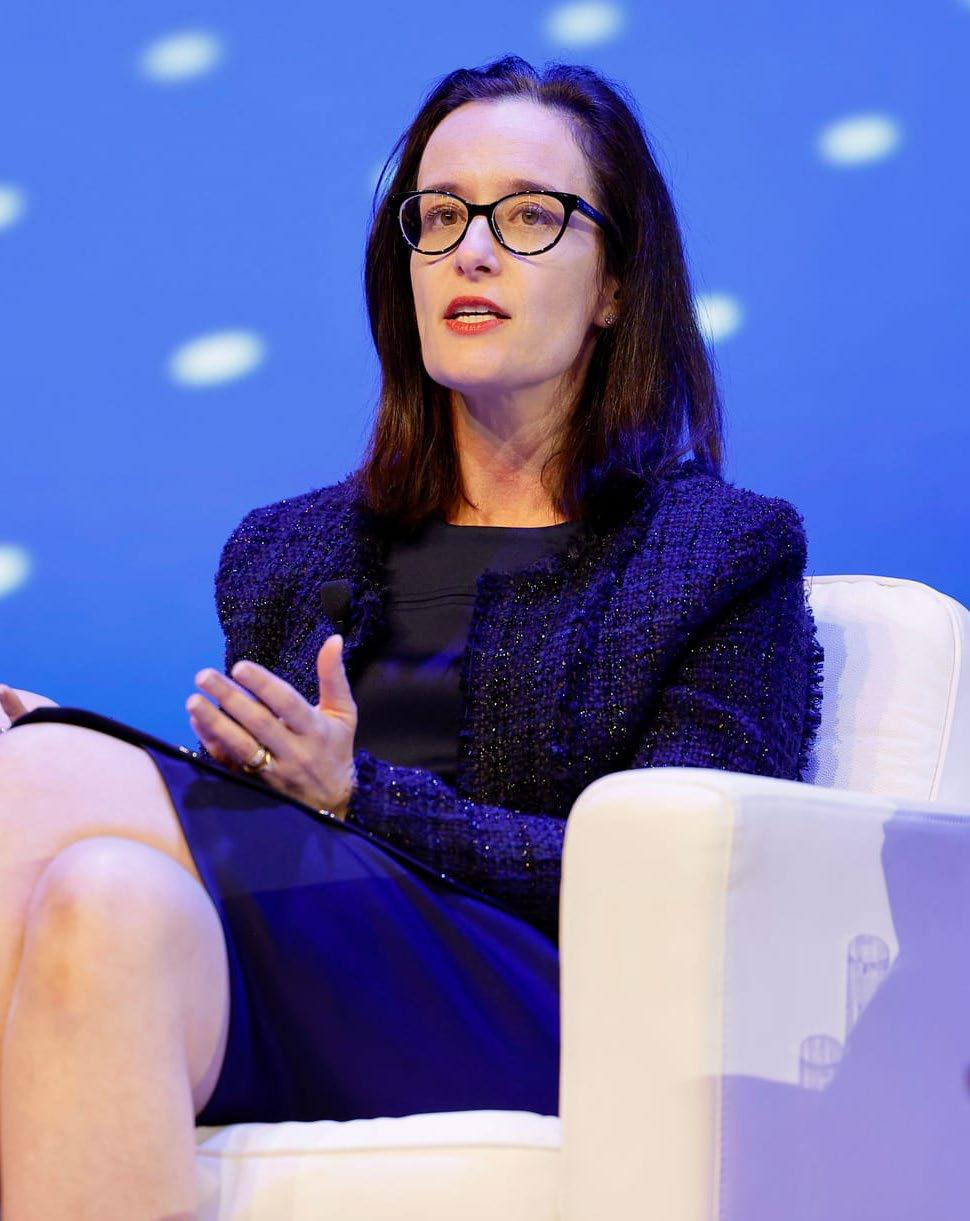


“Leadership is absolutely critical,” she says. “Without senior leaders genuinely believing in the aim and sharing compelling stories about why emissions reductions matter, people assume it’s a tick-box exercise.”
That belief must be reinforced structurally. Financial incentives play a pivotal role in signalling priorities. When emissions reduction targets sit alongside profitbased incentives, organisations understand that climate performance is integral to success rather than an optional add-on. When they do not, emissions goals are inevitably deprioritised.
Collaboration also emerges as a powerful accelerant. Industry initiatives such as OGMP 2.0 and independent methane certification schemes offer more than reputational credibility. They provide practical frameworks for peer learning, shared measurement campaigns, access to specialist expertise, and meeting regulatory requirements. In regions where multiple operators coexist, collaboration can reduce costs, streamline logistics and improve outcomes for all participants.
Beyond immediate operational gains, Manolas encourages companies to think strategically about methane in the context of long-term value creation. As global energy demand continues to rise, driven by population growth, electrification and the expansion of data centres and AI infrastructure, hydrocarbons will remain part of the energy mix for decades to come. The differentiator will not be whether companies produce gas, but how they produce it.
“The most advanced global companies are looking at long-term value creation,” she says. “By producing low-emissions gas that is independently verified and certified, they can differentiate their product, build a strong reputation and become a preferred supplier for the future.”
Markets are already moving in this direction. Governments and buyers in regions such as Europe and Asia are increasingly seeking verifiable, lowemissions energy supplies. Performance transparency are becoming competitive assets, enabling companies to monetise emissions reductions and protect margins in a more constrained future market.
Looking ahead, Manolas expects climate consultancy to evolve alongside shifting political landscapes and economic cycles, but she sees certain forces as irreversible. Transparency will increase. Public data will expand. Scrutiny will intensify. Organisations that act early, invest intelligently and collaborate broadly will be better positioned to navigate that environment.
Methane, in this context, functions as a litmus test. It exposes whether companies are serious about decarbonisation or merely fluent in its language. The tools, process and frameworks exist. The economics are compelling. The climate benefits are immediate. What remains in question is whether enough organisations are willing to align ambition with execution.
The energy transition will not be defined solely by distant net-zero targets. It will be judged by the decisions companies make today, particularly when the fastest wins are also the most obvious. Methane reduction is no longer a technical challenge. It is a leadership one.
www.linkedin.com/in/yvettemanolas

THE JOCKEY CLUB PROJECT DIRECTED BY:
JAMIE WAITE

There are sporting organisations that sell inventory, and then there are those that build platforms. The difference is not semantic. It is strategic. One is transactional. The other is structural. In an era where attention is fragmented, audiences are selective, and brands demand measurable return, only the latter model sustains long-term growth.
The Jockey Club sits firmly in the second category.
At first glance, it is easy to see the heritage. Established by Royal Charter and embedded in British sporting culture, The Jockey Club operates 15 racecourses across the UK and stages more than 340
racedays annually. It is custodian of some of the most recognisable events in British sport, including the Cheltenham Festival, the Randox Grand National at Aintree, the Debenhams July Festival at Newmarket and the Betfred Derby Festival at Epsom Downs. These are not simply fixtures in a calendar. They are cultural markers.
But heritage alone does not drive year-onyear commercial growth. Structure does. Discipline does. Modernisation does. And none of that happens in isolation from wider market pressures.
As Jack Royle, Head of Partnership Sales, reflects on the past three years, the commercial transformation is clear.

“We’ve delivered year-on-year record growth, but that hasn’t been frictionless. We’ve had to balance short-term revenue pressures with protecting our premium assets for the long term. It has required clearer guardrails, stronger pricing discipline and, at times, difficult prioritisation decisions within the portfolio.”
That performance is not accidental. It is the result of a deliberate shift away from fragmented, venue-led selling towards a unified national partnership platform, one that protects long-term asset value while expanding measurable commercial impact for brands.
Royle’s remit has evolved significantly since he joined the organisation. Initially focused on Cheltenham Racecourse, his role now spans the full portfolio of 15 venues, overseeing partnership sales at a national level. That shift mirrors The Jockey Club’s partnerships evolution. Consolidating its assets into a coherent group strategy has enabled The Jockey Club to position itself as one of the most powerful live sports platforms in the UK.
Scale, however, introduces complexity. Running racedays across most of the calendar year requires constant alignment between local relationships and national strategy. Individual racecourses must retain their community identity, while premium festivals must remain protected. The balance is delicate.
Commercial success carries particular weight at The Jockey Club because the organisation operates under Royal Charter.
Royle explains:
“The Jockey Club is governed by Royal Charter and reinvests its profits back into British racing. In practical terms, that means commercial growth supports prize money, equine welfare, facilities investment and the long-term development of the sport. It brings added depth to partnership conversations, because brands are contributing to the wider racing ecosystem.”



Nowhere is that ecosystem more visible than at the Cheltenham Festival. Widely regarded as the pinnacle of jump racing, Cheltenham blends elite competition with a uniquely British cultural atmosphere. Across four days, it draws over 200,000 attendees and commands the national broadcast attention of millions. But its commercial power lies in something more nuanced than numbers.
Cheltenham is not a two-hour event. It is a full-day experience, often an occasion over multiple days. Guests plan outfits months in advance. Hospitality is booked early. Travel is coordinated. There is anticipation, ritual and emotional investment long before the first race begins. That behavioural build-up creates an unusually rich commercial environment. Brands are not entering a fleeting moment. They are entering a journey.
This is precisely where The Jockey Club’s partnership model has matured. Royle is clear:
“Visibility remains fundamental, but it is no longer sufficient. Modern partners want measurable return, deeper integration and genuine audience access. Our events sit at the intersection of elite sport and

lifestyle culture, and we’ve layered performance capability around that to deliver measurable commercial impact for our partners.”
The distinction is critical. Traditional sponsorship models focused heavily on brand exposure, signage and hospitality rights. Today’s environment demands data intelligence, CRM integration and content-driven engagement that extends before and after the event. The Jockey Club has invested heavily in first-party data, segmentation capabilities and digital activation tools that allow partners to target and retarget audiences with precision. Pre-event communications, on-course activations and post-event content are now structured as a continuous commercial narrative rather than isolated touchpoints.
Importantly, this evolution has not come at the expense of fan experience. In fact, the opposite is true. The organisation recognises that live sport’s most powerful differentiator is emotion and memory. Over-commercialisation risks eroding both. Royle is unequivocal in the philosophy guiding activations: “The principle is simple: commercial partners must enhance the fan experience, not interrupt it.”
That enhancement can take many forms. On-course experiential zones that create dwell time between races. Surprise performance moments that elevate the atmosphere. Retail activations that feel premium rather than intrusive. Broadcast integrations that add theatre rather than clutter.
The Jockey Club’s wider portfolio strengthens that approach. While Cheltenham may command attention,
it is supported by a calendar of flagship events that do the same and each offer distinct brand alignment opportunities. The Randox Grand National delivers global engagement. The Derby Festival blends sporting heritage with the start of summer social culture. The Debenhams July Festival at Newmarket offers fashion-led positioning. Each event carries its own audience profile and commercial narrative, enabling partners to align strategically rather than generically.
Beyond racing, the organisation’s live music series further expands its entertainment footprint. The Jockey Club has become one of the UK’s leading outdoor music platforms, introducing new demographics to racecourse venues and broadening the commercial conversation. This diversification allows them to operate not just as a racing authority but as a live entertainment ecosystem.
Modernisation, however, requires careful stewardship of tradition. Racing’s heritage is one of its greatest assets yet relying on heritage alone risks stagnation. Royle articulates this tension with clarity: “heritage is a great strength, but it’s not a strategy.” The theatre of a race day remains central, but digital infrastructure, app-based engagement, data-driven communication and new audience initiatives are layered around that tradition to ensure continued relevance.
Sustainability has become another pillar shaping partnership strategy. Brands increasingly evaluate platforms based not only on reach but on responsibility. The Jockey Club’s Going Green programme, which has delivered significant reductions in energy

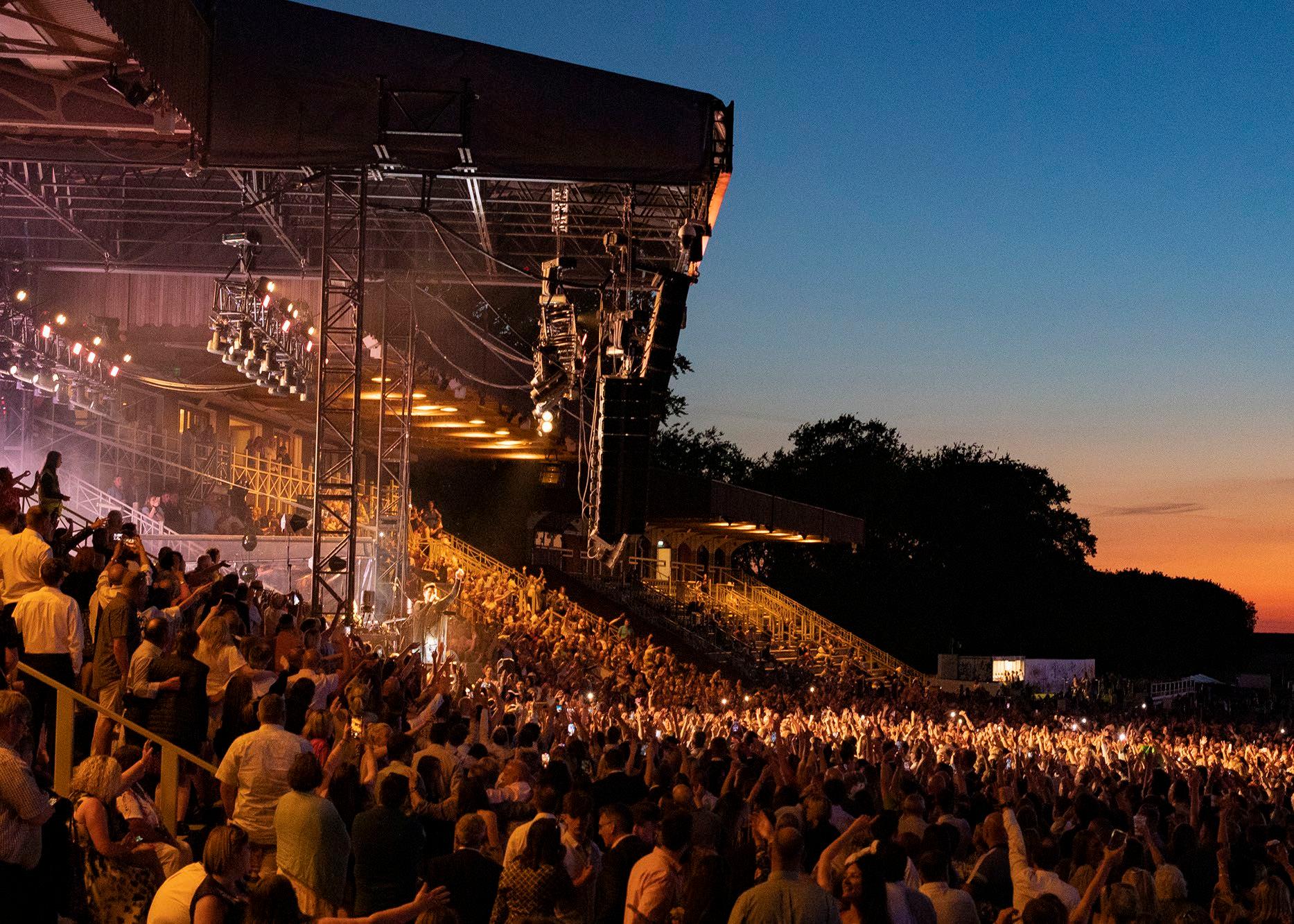


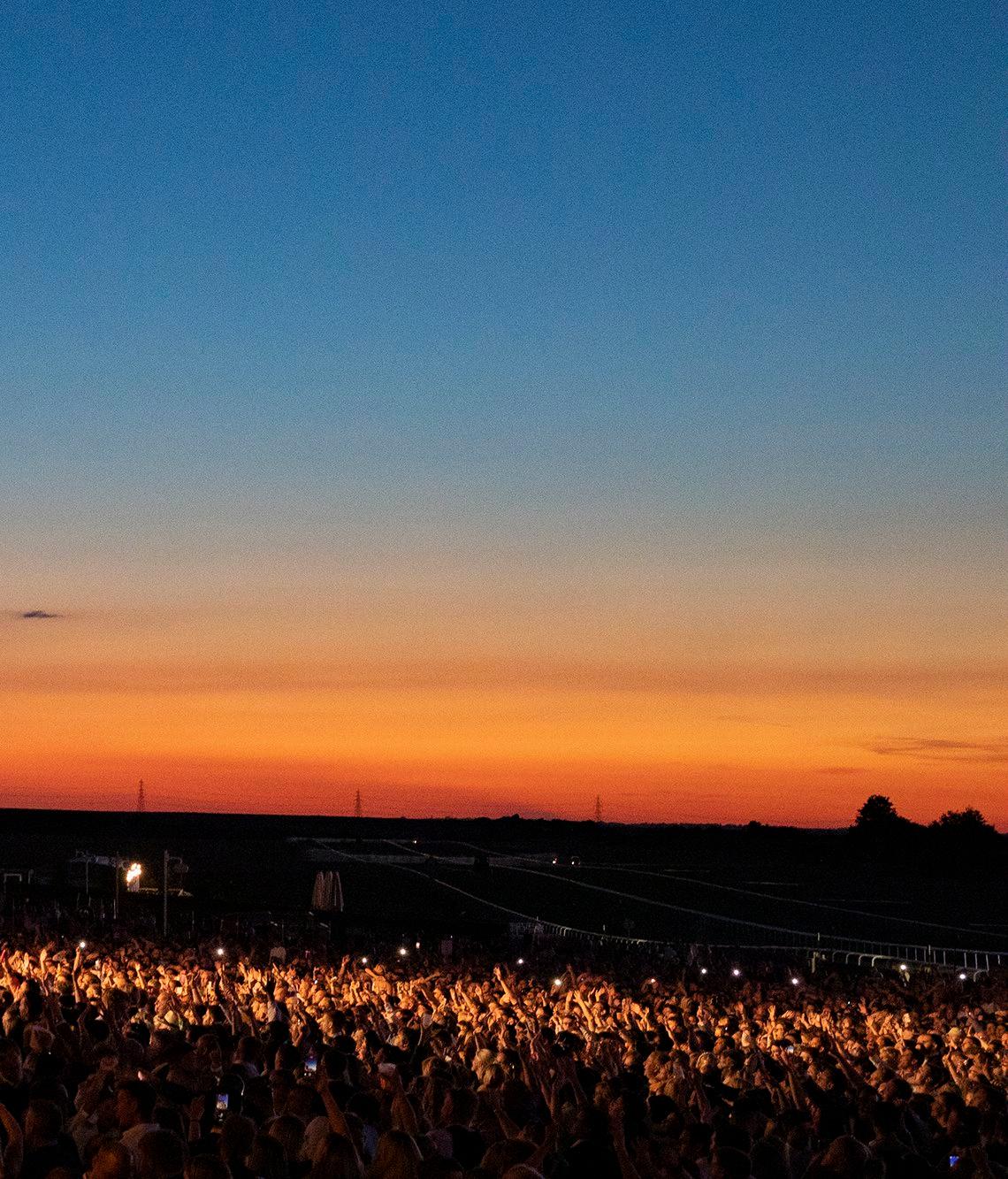

consumption and eliminated waste to landfill across its racecourses, reflects a broader commitment to environmental stewardship. These initiatives resonate commercially because they align with the expectations of modern partners and audiences alike.
Equally important is social sustainability. Partnerships that widen access to racing and introduce new audiences to the sport contribute to long-term growth. Community-focused initiatives, youth engagement programmes and inclusive event strategies are not peripheral activities. They form part of the broader narrative that racing remains relevant, welcoming and future-facing.
Internally, delivering this scale of activity demands high-performance leadership. Commercial teams operate continuously across the calendar, balancing shortterm targets with long-term protection of premium inventory. Royle’s approach centres on clarity and accountability. Clear sales strategies. Clear pricing guardrails. Clear expectations of what success looks like. Empowered individuals owning negotiations within defined parameters. In a competitive marketplace, that structure protects both value and morale.
Looking ahead, growth opportunities are increasingly digital. Expanding and activating first-party audiences will be central to maintaining commercial momentum. Multi-year strategic partnerships that integrate across multiple racecourses and event tiers are expected to deepen, providing stability and increased value for both sides.
Continued innovation in packaging and performance measurement will further differentiate The Jockey Club from traditional sponsorship models.
The organisation’s trajectory suggests a deliberate refusal to commoditise its premium moments. Instead, it is constructing a layered, data-informed partnership platform that respects the emotional core of racing while embracing the analytical demands of modern marketing.


In a broader sports economy where many rights holders are still recalibrating to digital-first realities, The Jockey Club has quietly positioned itself at the intersection of heritage and performance marketing. Its flagship festivals remain aspirational cultural moments. Its commercial structure has become increasingly sophisticated. Its reinvestment model strengthens its legitimacy. Its sustainability commitments reinforce credibility.
Most importantly, it understands that belonging drives value. Fans belong to moments. Brands want to belong to culture. And culture cannot be
manufactured overnight. It must be curated, protected and intelligently commercialised, particularly in a market where attention is fragmented and expectations continue to rise.
The big races will always be decided on the track. But sustaining its commercial strength off it demands constant recalibration, balancing tradition with innovation, growth with protection and short-term opportunity with long-term value.
That is not simply growth. It is stewardship with intent.
www.thejockeyclub.co.uk


PROJECT DIRECTED BY: THOMAS HARDY
In air cargo, reliability is rarely decided by what happens at cruising altitude.
It is shaped on the ground, in the margins of operations that most people never see, where seconds matter and small failures can escalate into networkwide disruption. For MNG Airlines, this reality has informed a business model built around integration, control and operational discipline rather than scale for its own sake.
At the centre of this approach is Serkan Eren, Ground Operations Director at MNG Airlines. With more than 25 years in aviation and around 30 years in logistics, Eren oversees ground operations across the airline’s global network, covering cargo, customs, catering, ground handling, ramp
operations and service agreements stretching from the US to Asia.
Alongside this, MNG operates its own warehousing and self-handling facilities at Istanbul Airport, placing a significant portion of the value chain under direct control.
Eren’s philosophy is straightforward. “We manage them as one integrated operational ecosystem,” he says. That mindset underpins how MNG structures its organisation, invests in systems and measures performance. Rather than dividing responsibilities into isolated departments, the airline treats aircraft operations, ground handling, warehousing and data management as interconnected components of a single system.

Some legacies are written in history books. Others are written in the skies.
The story begins with General Aly El Talawy, whose distinguished 30-year career in the Egyptian Air Force from 1956 to 1978 shaped more than his own path, it defined the values that would guide an entire family enterprise. In military aviation, precision is non-negotiable, discipline is instinctive, and responsibility is absolute. These were not simply professional standards; they became personal principles. When his service concluded, the mindset of excellence and accountability did not retire with him. It evolved into entrepreneurial ambition.
Several ventures followed, each contributing experience, resilience, and perspective. But it was under the direct leadership of his son, Hussam Aly El Talawy, that the vision crystallized into what would become Tiger Aviation Services. With tireless dedication over more than a decade, Hussam transformed a bold idea into one of Egypt’s leading ground handling companies. Growth was not pursued recklessly; it was built methodically, airport by airport, contract by contract, reputation by reputation.
Today, the company operates across Egyptian airports, delivering comprehensive ramp and passenger services across commercial, cargo, VIP, and private aviation sectors. Expansion into Dubai marked a pivotal evolution, introducing a 24/7 global chartering capability designed to serve a refined international clientele who demand discretion, precision, and seamless execution.
Yet no great enterprise is built by leadership alone.
Both General Aly El Talawy and Hussam Aly El Talawy understood a fundamental truth: people are the true engine behind
any aviation operation. From ramp agents working under pressure on the tarmac to operations teams coordinating movements around the clock, the employees have been the backbone of every milestone achieved. Their loyalty, discipline, and belief in the vision transformed strategy into reality. The growth from a modest team into a large operational workforce reflects not just expansion but shared commitment. The family often emphasizes that without the dedication and hard work of their employees, none of this would have been possible. It is a culture rooted in mutual respect, opportunity, and long-term belonging.
Alongside operational leadership stands Amany El Talawy, whose enduring role as Chief Financial Officer has ensured stability and strategic financial discipline. In industries where margins and risk management define survival, her resilience and stewardship have safeguarded sustainable growth, providing the structure behind expansion.
As the group evolved, so did its ambitions. A private jet catering company was launched to elevate inflight dining into a refined culinary experience, reflecting a belief that aviation is not simply transportation, it is a lifestyle. TAS Travel further completed the ecosystem, bridging crew accommodation services with luxury tourism and golf destination management in Egypt.
Today, the third generation steps forward, each leading strategic sectors that modernize and expand the enterprise. They are not merely inheriting a business; they are advancing a vision shaped by service, strengthened by resilience, and sustained by people.
Because true legacy is never built alone, it is built together, across generations, united by purpose and carried forward with pride.
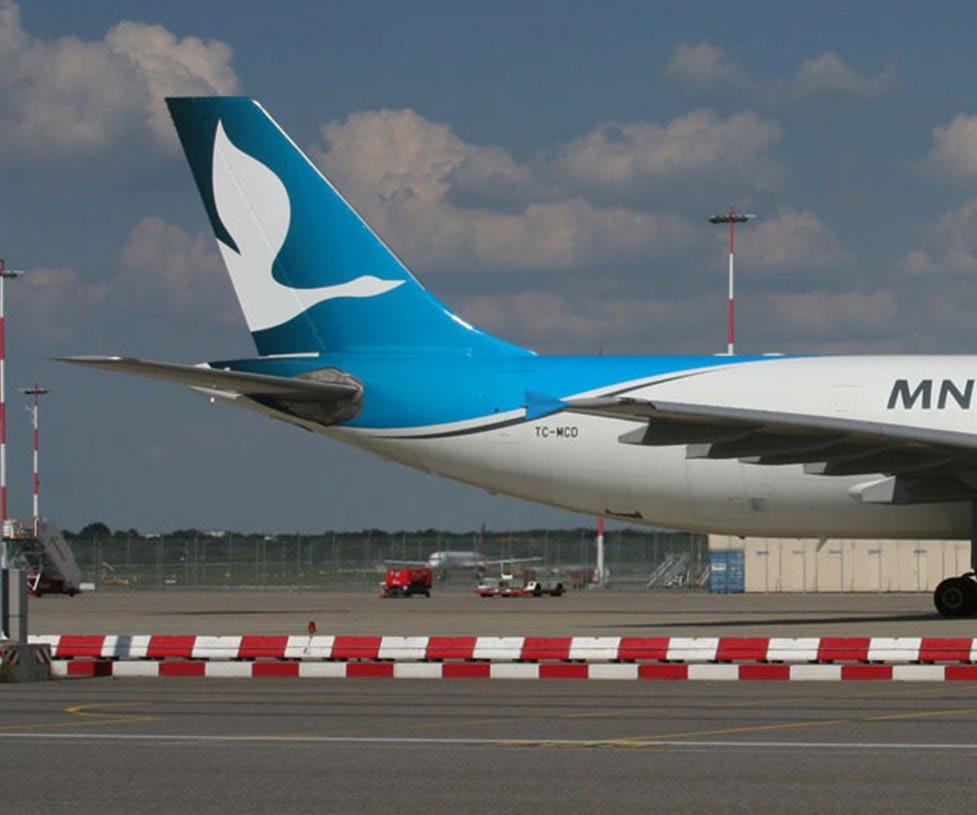
In cargo aviation, fragmentation is costly. Each handover introduces risk, delay and ambiguity. At scale, those inefficiencies compound quickly. MNG’s answer has been to simplify decision-making by standardising how performance is defined and how accountability is enforced across its stations worldwide. Shared KPIs, common operating procedures and a unified performance language ensure that teams in very different cultural and regulatory environments are still working towards the same outcomes.
This consistency does not mean ignoring local realities. Operational cultures differ widely across regions, and Eren is pragmatic about that. The key, he explains,
is ensuring that local execution flexibility sits within a centrally aligned framework. Clear escalation protocols and data-driven oversight allow issues to be surfaced early and addressed before they spread. Resilience, in this model, is not reactive. It is embedded by design.
MNG’s vertically integrated structure is central to this resilience. The airline operates not only as a carrier but also as a ground handling provider and warehouse operator, including services delivered to other major airlines and integrators. At its Istanbul hub, the company runs a large, purpose-built facility and performs extensive self-handling. This breadth of capability means MNG wears multiple

operational “hats” within the same ecosystem, a complexity that many traditional aviation systems are not designed to support.
This integrated operating philosophy extends beyond MNG’s owned facilities and into carefully selected international partnerships. In Cairo, for example, MNG Airlines works closely with Tiger Aviation Services (TAS) as a contracted partner for cargo handling and dispatch operations. Supporting scheduled freighter services, including the Istanbul–Cairo route launched in 2017, TAS facilitates full cargo flight handling in coordination with stakeholders such as EgyptAir for ground equipment and CACC for
warehouse services. The long-standing renewal of this contract reflects a shared commitment to operational discipline, reliability and structured coordination. By embedding trusted partners like TAS within its wider performance framework, MNG ensures that even where operations are not directly self-handled, they are governed by the same principles of accountability, responsiveness and integrated e xecution.
For MNG, disruption is not an exception but an assumption. Weather events, equipment issues, slot constraints and regulatory complexities are part of daily operations. What determines success is










how quickly the organisation responds and how effectively it contains the impact. Minor delays, if unmanaged, can trigger a domino effect across crew duty limits, aircraft utilisation and downstream connections. Preventing that escalation requires clarity, speed and authority at every operational layer.
Off-the-shelf software typically treats airlines, handlers and warehouses as separate entities. For an organisation that combines all three, that separation becomes a constraint. MNG’s response was to develop its own in-house operational platforms, giving it full ownership of its data and decision logic. Rather than adopting technology for its own sake, the focus has been on turning operational data into a real-time decision asset.
Digitalisation, in this context, is about trust and immediacy. Data is captured where the activity actually happens, validated through standardised inputs and automated controls, and made available instantly to those responsible for keeping the operation moving. Data quality, protection and system stability are treated as operational imperatives, not back-office concerns. Role-based access, disciplined change management and built-in redundancy are designed to protect both performance and decision speed, particularly during peak or disrupted periods.
This digital backbone reinforces MNG’s integrated model. By bringing airline operations, ground handling and warehousing under one organisational umbrella, and aligning external partners within the same framework, the company reduces handover friction and eliminates many of the contractual fault lines that slow decision-making elsewhere in the industry. When something goes wrong, responsibility is clear and action is immediate.
Operational reliability and cost discipline are inseparable in this framework. Aircraft that do not depart on time erode customer confidence and profitability simultaneously. Shared resources, from equipment to manpower

to space, allow MNG to optimise across functions rather than duplicating assets. Greater transparency makes inefficiencies visible early, before they scale into systemic problems. When performance, quality and cost are managed together, misalignment has nowhere to hide.
This integrated thinking extends to MNG’s logistics offering. While e-commerce growth has reshaped cargo demand, the airline remains firmly focused on B2B logistics rather than consumer parcel delivery. Airport-to-door, in MNG’s case, typically means delivery to a customer or freight forwarder warehouse. This distinction allows the business to tailor its operating model to different customer segments instead of forcing all traffic into a single service profile.
Stable production flows prioritise schedule discipline, cut-off management and cost efficiency. Commerce-driven volumes demand greater speed, flexibility and tighter coordination between air capacity and trucking. MNG operates both models within the same ecosystem, aligning closely with freight forwarders, integrators and logistics partners through standardised handovers and shared performance metrics. As Eren puts it, “We try to sell everything under one umbrella mentality.”


Route structure is another lever for flexibility. Alongside point-to-point flying, MNG makes strategic use of triangle operations, enabling a single aircraft rotation to serve multiple demand points. This approach improves load factors, balances uneven volumes across regions and increases overall network efficiency without adding unnecessary capacity. For integrators, charter customers and sector-specific flows such as automotive, these routes provide reliability while accommodating shifting demand patterns.
Fleet strategy underpins the entire operation. Eren is clear that sustainable growth in cargo aviation requires continuous investment. New-generation freighters such as the Airbus A350 bring higher payloads, extended range and improved fuel efficiency, supporting dense commerce flows while aligning with ESG expectations. The A330 fleet complements this capability, offering flexibility for medium- and long-haul operations with reliable turnaround performance. The objective is balance rather than scale, ensuring capacity can flex with demand without overexposure.
Sustainability considerations also influence ground operations, though pragmatism remains essential. Electrification of certain ground support equipment is progressing, but heavy cargo handling presents technical and economic challenges that cannot be ignored. Reliability remains non-negotiable. In cargo aviation, experimental failure carries too high a cost, and transitions must be proven before they are scaled.
Ground support equipment itself is a recurring theme in Eren’s thinking. Often overlooked, assets such as stairs, pushbacks and loaders can determine whether an aircraft departs on time. Failures here have immediate consequences, increasing ground time, pressuring crew duty limits and triggering cascading delays. For MNG, equipment reliability is not simply a maintenance issue but a frontline operational risk management priority. “In cargo operations
aircraft do not depart late because of a strategy but they depart late because something small on the ground failed,” Eren notes.
Beyond MNG’s own operation, Eren remains actively engaged with the wider industry through freight forwarding associations, international bodies and academia. As he puts it, “If rules are being written, you need to be sitting at the table.” Being involved early allows operators to influence regulations rather than react to them after the fact.
This engagement exposes MNG to the full spectrum of the logistics ecosystem, from shippers and forwarders to regulators and infrastructure providers. It challenges assumptions and encourages integrated solutions over fragmented fixes. It also informs how future talent is developed, ensuring that education reflects operational reality rather than theory alone.
For Eren, future-proofing air cargo is about alignment. Decisions made today must reflect where the industry is realistically heading, not where it has been. That requires operational discipline, data-driven leadership and a willingness to engage beyond organisational boundaries. “We manage them as one integrated operational ecosystem,” he reiterates, a principle that shapes everything from ground handling to digital strategy.
MNG Airlines’ approach offers a clear lesson for the wider sector. Reliability is not achieved through isolated initiatives or headline investments alone. It is built through deliberate design, consistent execution and an uncompromising focus on the details that keep cargo moving. In an industry defined by complexity, the organisations that succeed will be those that simplify where it matters most.
Because in air cargo, the most important work rarely happens in the air. It happens on the ground, long before the wheels leave the runway.
www.mngairlines.com

GRAND ISLE SHIPYARD
PROJECT DIRECTED BY: ADEL
MHIRI
In an industry defined by volatility, complexity and high operational stakes, procurement has become one of the most critical engines of resilience. At Grand Isle Shipyard, the procurement and supply chain function has evolved into a strategic pillar that underpins the company’s performance across construction, engineering, and fabrication operations . Today, the team is not only solving logistical problems but shaping how GIS competes, innovates and delivers value across the Gulf of America region and beyond.
The work they undertake is vital but often invisible. Materials appear on

time, schedules stay on track, and safety remains uncompromised. These outcomes do not happen by chance. They are the product of a highly coordinated procurement organisation that blends data-led thinking, local relationships, cross-functional expertise, and a culture that places people and safety at the centre of every decision.
Vice President of Procurement and Supply Chain, Jason Johnson, offers an articulate view into how this function has matured. While he plays a leadership role, he is clear that the strength of GIS procurement is the collective capability of the team. He describes procurement
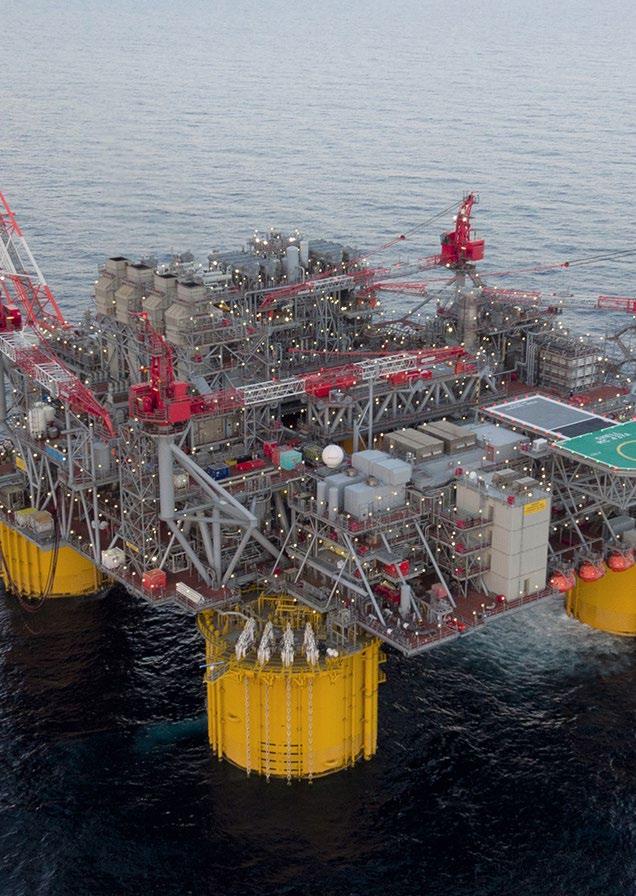
not as a transactional unit but as a strategic partner embedded in every corner of the business. “We try to be a thought partner with the business,” he notes, explaining that the team’s focus is to anticipate needs, remove friction, and enable operational excellence in an environment that is often unpredictable.
That environment has never been more challenging. Steel remains one of GIS’s largest categories of spend, and the volatility of steel pricing has had a significant effect on project planning across the energy industry. Tariffs, supply shortages, and variable lead times require constant vigilance. The team must balance price, availability, and project requirements with speed and accuracy. This is not simply a purchasing task. It is a strategic discipline that requires foresight and agility.
The procurement group works to expand the supplier base while ensuring that every partner reflects the company’s values. Safety is central to that evaluation. For GIS, a supplier is not just a vendor but a steward of the same standards that keep workers safe offshore, in fabrication yards, or on renewable energy project sites. As Johnson explains, “It is super important for us that suppliers’ safety records reflect who we are as a company.” The team consistently audits safety performance, near misses, and regulatory compliance. If a subcontractor has significant safety incidents, the procurement team assesses whether they are the right partner, regardless of how attractive the commercial terms may appear.
Cost efficiency, reliability and safety must coexist, even if achieving all three is seldom straightforward. The team does not view procurement through the narrow lens of unit cost. It views it through the broader lens of project success, lifecycle optimisation and long-term relationships. Johnson describes procurement’s core balancing act through three central variables: price, speed and quality. Every project requires a different equilibrium, and it is the procurement group’s responsibility to work with internal stakeholders to determine which factors matter most for each scenario.

This approach has shaped GIS’s stocking strategies and sourcing frameworks. By maintaining a diverse inventory approach and creating contract structures that protect against tariff-driven cost escalations, the team shields the business from sudden shocks. Contract language is designed to manage risk and provide clarity for customers, suppliers and the business itself. Procurement’s work here is not back-office; it is frontline. It directly influences competitiveness and client trust.
Advanced use of data has played a central role in this evolution. Johnson brings a background in analytics, the entire procurement organisation is now increasingly built around data-led decision-making. Forecasting, spend visibility, lead-time tracking and supplier performance metrics have become core operational tools. Johnson uses the analogy of a boxing match to describe the power of analytics, explaining that data provides “the tale of the tape” that


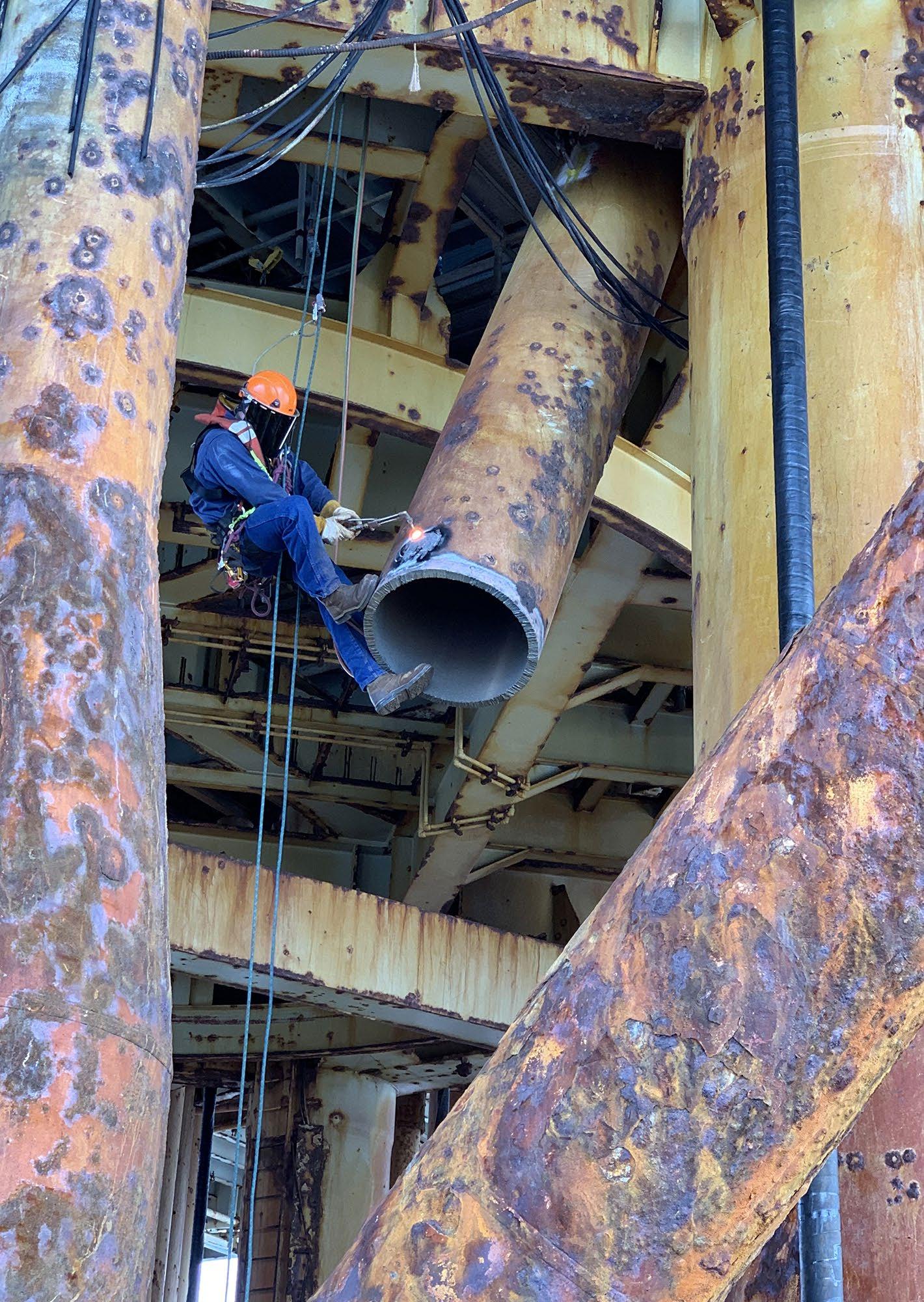
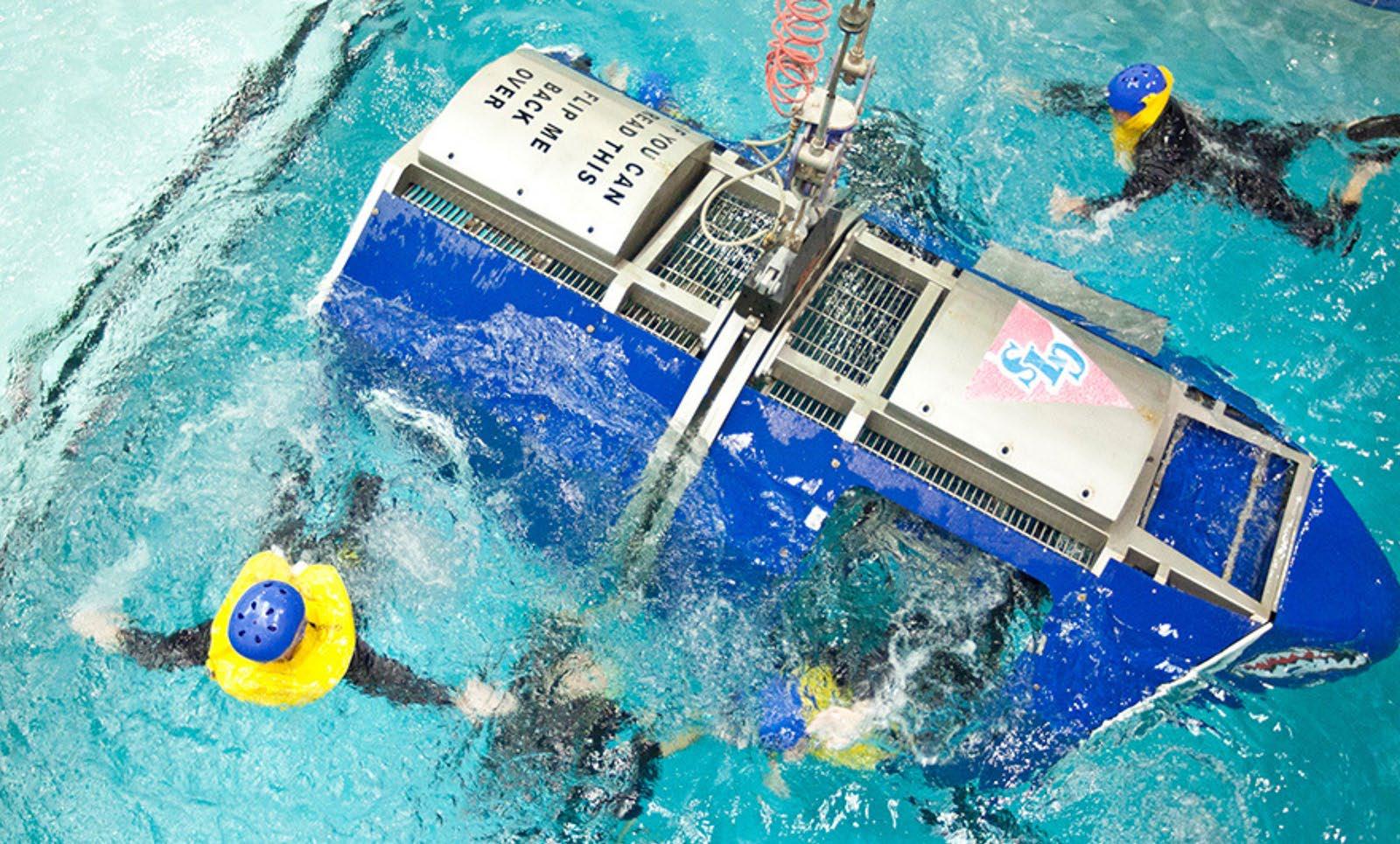
reveals the facts, the risks and the strategic choices that must be made. The team uses this information to guide decisions with confidence, but only when the data is accurate. Clean, reliable inputs remain the foundation of strong analysis, and the group has prioritised improvements in data quality across its systems and processes.
Those efforts have led to several major technological initiatives. The procurement team launched a new approved vendor list system that increases transparency, improves functional access and standardises supplier onboarding. They are also in the midst of a major ERP implementation that will reshape how procurement, supply chain and wider business operations are executed. Integrating supply chain modules into a large enterprise system is no simple task, yet the team has taken on the challenge with focus and discipline, understanding the long-term benefits for accuracy, visibility and efficiency.
The value of this capability was demonstrated clearly during a recent
disruption in the steel market. When domestic supply collapsed under the pressure of tariff-driven demand, lead times on steel piles for a major solar project doubled within days. The procurement team recognised immediately that they needed to act before schedule delays impacted liquidated damages and client commitments. Initial negotiations with a distributor progressed slowly, hindered by competing priorities and complex commercial requests. As lead times continued to deteriorate, the procurement team’s relationship-building efforts paid off. Through transparent conversations, they were placed directly in contact with the manufacturer, bypassing layers of cost and inefficiency.
What followed was an intense negotiation process that took place over several weeks. The procurement team collaborated closely with the renewables division, the contracts group and the category management team. They analysed requirements, revised terms, challenged assumptions and ultimately secured a contract that provided improved pricing,
When a pipeline leaks, every second costs money, increases risk, and threatens operations. Petroquip exists to respond immediately—delivering proven PLIDCO emergency repair solutions that stop leaks, protect assets, and restore production without delay. We are the largest stocking distributor in the world of PLIDCO (The Pipeline Development Company) Products and can respond at a moments notice to any emergency.
Our team understands the urgency behind every call. When a pipeline is compromised, production losses escalate, safety risks increase, and operational pressures mount. Petroquip responds with speed, clarity, and experience—mobilizing proven repair solutions designed to stop leaks, restore integrity, and get systems back online quickly and safely.
Emergency readiness is not something Petroquip turns on and off. It’s embedded in our culture. Our inventory, logistics, and personnel are structured around rapid deployment. We maintain immediate access to critical repair products and the technical expertise required to ensure they
reduced lead times and full alignment with project specifications. The move saved approximately 600,000 dollars and protected the project schedule from further disruption. Johnson describes the outcome as a direct result of the team’s ability to apply analytical thinking, relationship management and crossfunctional coordination. The achievement underscored the quiet strength of the procurement function: decisive action, supported by expertise and collaboration. The team responsible for this work is substantial. Partnering with technology solutions for administrative repeatable tasks, their large team of professionals contribute to remaining strategic procurement and supply chain operations across GIS, with specialists in category
are applied correctly. Customers know that when they call Petroquip, they are reaching a team that understands the stakes and is prepared to act.
That same emergency-driven mindset extends beyond crisis situations. Every customer, every request, and every project is treated with the same urgency and attention as an active emergency. Whether supporting planned maintenance, preparing contingency inventory, or responding to an unexpected failure, Petroquip delivers with the same level of commitment and responsiveness.
Our customers operate critical infrastructure that fuels economies and communities. They cannot afford downtime, and they cannot afford uncertainty. Petroquip exists to provide certainty— certainty that when the unexpected happens, the right people and the right solutions are already in motion.
Because at Petroquip, emergency response isn’t an exception. It’s our origin. It’s our standard. And it’s our promise—24 hours a day, 7 days a week.
management, contracts, renewables supply, operations support and strategic procurement analysis. Johnson’s direct reports each lead sub-teams and manage complex portfolios. It is a structure that has grown significantly over time. Their expansion has mirrored the company’s growth, particularly in renewables and construction services.
This growth has also allowed GIS to introduce a new service offering to the market. The procurement function now provides supply chain optimisation consultations to customers, drawing on the team’s accumulated expertise. They assess material management, inventory accuracy, data integrity, MRP performance and cycle-counting processes, helping



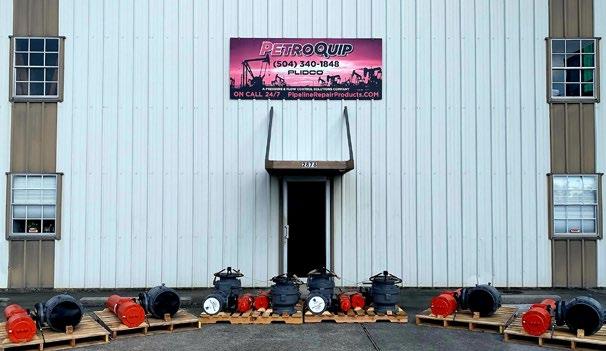
Petroquip is the most responsive provider of pipeline repair, maintenance, and new construction products to the Upstream, Midstream and Downstream markets.
Since 1997, Petroquip has partnered with trusted manufacturers to deliver quality pipeline products at the right time, for the right price. Our strategically located, fully-stocked distribution centers allow us to ship products to the job site within hours of receiving an order.
We are known for exceptional customer service, a quality that has earned the loyalty of our customer base across the US and the Gulf of America.

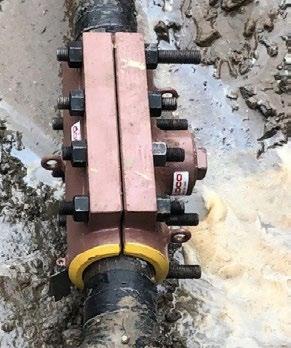
Petroquip is the largest stocking distributor of PLIDCO® fittings and pipeline repair products. We also represent great manufacturers such as Advance Products & Systems (APS), Cameron, Fisher, Bettis, Argus, and more. We stock and distribute products with proven quality and aim to exceed our customers’ expectations in delivery, accuracy, and service.

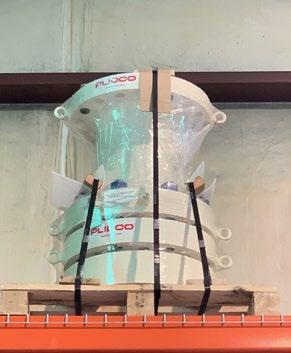

365 Pipe and Supply provides the critical backbone that keeps the energy sector moving. Built around reliability, speed and scale, the company delivers high-performance pipeline and infrastructure supplies exactly when they are needed most—because in energy operations, downtime is not an option.
With a comprehensive and strategically stocked inventory, 365 Pipe and Supply supports the transportation, storage and processing of energy resources across the region. From essential pipeline components to infrastructure-critical materials, every product is selected to meet the demands of high-pressure, high-stakes environments where performance and durability matter.
What truly sets 365 Pipe and Supply apart is its commitment to availability. Operating on a 24/7, 365-day schedule, the company ensures operators have access to the materials they need, whenever challenges arise. This around-the-clock
model allows customers to respond quickly to operational demands, maintenance requirements and unexpected disruptions without compromising safety or efficiency.
Beyond products, 365 Pipe and Supply delivers confidence. Its experienced team understands the realities of day to day operations and works closely with customers to ensure timely delivery, consistent quality and dependable support. The result is a supply partner that operators can trust to keep projects on schedule and infrastructure performing as intended.
At 365 Pipe and Supply, the mission goes beyond supplying parts. It is about providing peace of mind—knowing that the systems powering critical energy networks are built to last, supported by a partner that never stops working.
For more information visit www.365pipeandsupply.com

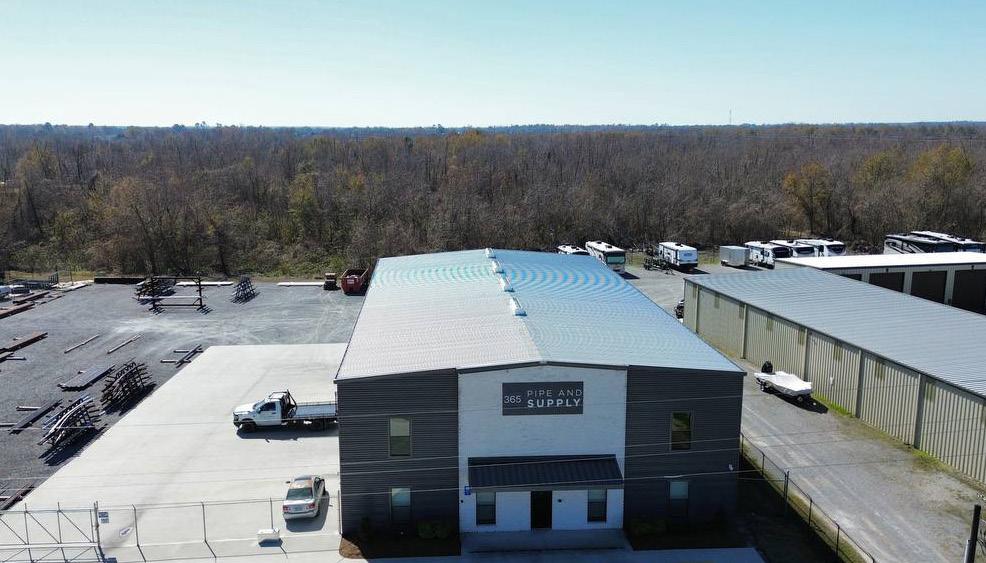








clients reach best-in-class standards. This service is built on the same analytical approach that has strengthened GIS internally, reflecting the maturity of the procurement team’s capabilities.
Despite these advancements, Johnson stresses that the team remains focused on continuous improvement. Data visibility, accuracy and functionality still form major priorities. The ERP implementation is ongoing and transformative. New supplier partnerships are being established as GIS enters new markets and regions. The team’s mission for the year carries the theme of procurement transformation, with the goal of embedding value and visibility across every stage of the process. It is ambitious work, but the
team approaches it with a spirit of progression rather than perfection.
The future of procurement at GIS will increasingly involve artificial intelligence and automation. Johnson describes AI as both intimidating and exciting, reflecting a broader industry sentiment. The GIS philosophy, however, is rooted firmly in people-first values. “We want to understand how we can partner with AI tools to be better at our jobs,” he says, “but we are not going to use it as a justification to let people go.” The team is focused on retraining, upskilling and enabling employees to use AI as an amplifier of human capability rather than a replacement. This approach builds confidence and aligns with GIS’s


long-standing emphasis on integrity, performance and safety.
Local partnerships remain a defining characteristic of GIS’s procurement function. While the company operates across the Gulf region, many projects are anchored in specific communities. For procurement, this means identifying local suppliers who can deliver goods and services efficiently while supporting economic development in the region. Johnson explains that working with local vendors not only improves lead times and cost structures but strengthens community ties. He notes that a small operation in an overlooked part of the country may, through relationships and extended networks, be connected to critical distributors. “You never know where those relationships will lead,” he reflects. This mindset has helped GIS build a resilient network that supports both operational success and community investment.
Looking across the organisation, the procurement and supply chain team at GIS has become a foundational element of the company’s ability to deliver projects safely, efficiently and competitively. Their influence touches every department, project site and customer relationship. They anticipate risks, navigate disruption, protect margins and uphold the company’s values. Their integration of data, technology and human expertise positions GIS to compete effectively in a market where uncertainty has become the norm.
The picture that emerges is not simply one of a strong leader guiding a capable team, but of a collective discipline that defines the organisation’s strength. Through thoughtful planning, relentless relationship-building and a commitment to integrity and performance, the procurement team at GIS is helping the company chart its course through an evolving energy landscape. Their work does not seek the spotlight. It seeks results. And in every measure that matters, it continues to deliver.
www.gisy.com
In an industry defined by cycles, geology and national significance, few companies carry the weight, scale and legacy of Codelco. As the world’s largest copper producer, the Chilean state owned miner operates at a scale that shapes global supply, influences downstream industries and underpins one of Latin America’s most important economies. Yet scale alone does not explain Codelco’s enduring relevance. What defines the company today is how it balances history with transformation, operational continuity with technological change, and copper leadership with a rapidly expanding role in the energy transition.
Founded in 1976 following the nationalisation of Chile’s major copper assets, Codelco has evolved into a complex industrial organisation with seven mining divisions and a fully integrated smelter and refinery. From its headquarters at Huerfanos 1270 in Santiago, the company oversees operations that include some of the most iconic copper assets in the world, from Chuquicamata to El Teniente. These are not simply mines but long life industrial ecosystems, many of which have
been in continuous operation for decades and are now undergoing profound structural transformation to extend their productive futures.
Codelco’s role in the global copper market is inseparable from Chile’s economic identity. Copper revenues have long been a cornerstone of national development, funding public services and infrastructure while positioning Chile as a strategic supplier to the world. Today, as copper demand accelerates due to electrification, renewable energy, electric vehicles and digital infrastructure, that strategic role has only intensified. The challenge for Codelco is not whether demand will exist, but how to meet it responsibly, efficiently and competitively while managing ageing assets and rising technical complexity.
At the centre of this balancing act is leadership that understands both the political weight and the operational reality of the business. Since his appointment as Chairman in March 2022, Máximo Pacheco has been vocal about the need for long term thinking in resource development. Speaking at international forums

CODELCO PROJECT DIRECTED BY: GARY SMITH


including Resourcing Tomorrow, Pacheco has consistently framed mining as a generational endeavour, one that requires stability, social legitimacy and continuous reinvestment. His message is not one of short term optimisation, but of continuity and renewal, recognising that Codelco’s future depends on decisions made today about technology, partnerships and environmental stewardship.
Those decisions are playing out most visibly in Codelco’s approach to asset renewal. Many of its flagship operations are transitioning from open pit to underground mining, a shift that requires vast capital investment, advanced engineering and precision execution. At Chuquicamata, one of the largest open pit copper mines ever developed, the move underground represents a complete reimagining of how ore is accessed and processed. This transition is not only about extending mine life, but about embedding safer, more efficient and more automated mining methods that align
with modern expectations of productivity and worker wellbeing.
Technology is increasingly central to this transformation. In 2024, Codelco signed an agreement with Hexagon to develop and implement advanced technological solutions across its operations. The partnership focuses on digitalisation, data integration and operational intelligence, reflecting a broader industry shift towards smart mining. For Codelco, this is less about experimentation and more about industrial scale deployment, integrating digital tools into existing operations that span vast geographies and decades of legacy infrastructure.
The emphasis on technology extends beyond software and analytics to heavy equipment and on site innovation. Codelco’s long standing relationships with global engineering and equipment partners form a critical part of its operational resilience. Companies such as Howden, Züblin, Epiroc and XCMG have

At Chuquicamata, one of the largest open pit copper mines ever developed, the move underground represents a complete reimagining of how ore is accessed and processed
supported the company across ventilation, tunnelling, drilling and material handling, contributing expertise that complements Codelco’s in house capabilities.
The presence of XCMG equipment at Chuquicamata is emblematic of this
collaborative approach. The deployment of large scale cranes and machinery at one of the world’s most technically demanding mining environments highlights how Codelco integrates global manufacturing capability into local operational needs. These partnerships are not transactional. Many have evolved over decades, built on shared safety standards, technical trust and a mutual understanding of what it takes to operate at extreme scale and altitude.
While copper remains the core of Codelco’s identity, the company’s strategic horizon has expanded decisively into lithium. In 2024, Chile took a historic step with the formation of NovaAndino Litio, a joint venture between Codelco and SQM for lithium development in the Salar de Atacama. The agreement marked a significant milestone in Chile’s national lithium strategy, positioning Codelco as a central actor not only in copper, but in the materials critical to battery technology and energy storage.
Increase efficiency in remote operations with high bucket fill factors


Founded in Sweden in 1862 by Göran Fredrik Göransson, Sandvik is a global high-tech engineering group that provides solutions to enhance productivity, profitability, and sustainability for the manufacturing, mining, and infrastructure industries. We are at the forefront of digitalization, continuously optimizing our customers’ processes. It´s worldleading portfolio includes equipment, tools, services, and digital solutions for machining, mining, rock excavation, and mineral processing.
Sandvik Mining and Rock Solutions is a leading provider of equipment, tools, spare parts, services, and technical solutions for the mining and infrastructure industries. Its applications include rock drilling, cutting, loading and hauling, tunneling, quarrying, automation, and electrification.
Sandvik has operated in South America for several decades, establishing itself as a key partner for the mining industry. The company has expanded its regional presence through service centers, local capabilities, and long-term strategic alliances with major mining companies. In Chile, Peru, and Argentina, Sandvik has introduced advanced technologies in drilling, automation, electrification, and digital solutions, contributing to the modernization of mining operations while prioritizing safety and sustainability.
In Chile, Sandvik maintains a strong presence in the mining sector, a cornerstone of the country’s economy. One of its most significant collaborations is with Codelco, the world’s largest copper
producer. This long-standing strategic partnership has focused on implementing automation, electrification, and digitalization solutions in key operations such as Chuquicamata and El Teniente.
By 2026, Sandvik and Codelco will continue to strengthen their collaboration in autonomous and battery-electric mining. The LH518iB electric loader, deployed at El Teniente, represents a key milestone in advancing low-emission underground operations. This 18-ton battery-electric loader is designed for high productivity, zero greenhouse gas emissions during operation, and rapid battery change capability, supporting Codelco’s decarbonization goals.
In parallel, Sandvik’s AutoMine® platform has expanded to support increasingly autonomous underground fleets, enhancing safety by removing operators from high-risk areas while improving cycle times and operational consistency. Advanced data integration and analytics tools further optimize fleet performance and maintenance planning.
Through these initiatives, Sandvik reinforces its commitment to safety, efficiency, and sustainability. The partnership with Codelco reflects a shared vision of modern mining— where automation, electrification, and digital solutions drive productivity while reducing environmental impact. Sandvik remains dedicated to supporting its customers in the transition toward more sustainable and technologically advanced mining operations.
The NovaAndino Litio venture reflects a pragmatic approach to resource development. Rather than building lithium expertise from scratch, Codelco has partnered with an established producer, combining operational knowledge with state stewardship. For Codelco, lithium is not a departure from its mission but a natural extension of it. Both copper and lithium are essential to the energy transition, and Chile’s geological endowment places the country at the heart of that transformation.
What distinguishes Codelco’s entry into lithium is its emphasis on governance, sustainability and long term value creation. The Salar de Atacama is a sensitive environmental and cultural landscape, and lithium extraction carries complex water management and social considerations. Codelco’s involvement brings a level of public accountability and institutional oversight that aligns with national priorities. It also reinforces the company’s role as a steward of strategic resources rather than simply an extractor of commodities.
This dual focus on copper and lithium underscores a broader theme in Codelco’s evolution. The company is no longer defined solely by volume and output, but by how it positions itself within global supply chains that are increasingly scrutinised for environmental and social impact. Investors, governments and downstream customers are demanding transparency, traceability and responsible sourcing. For a state owned enterprise of Codelco’s size, meeting these expectations is both a challenge and an opportunity to set benchmarks for the industry.
Internally, this has translated into renewed attention on sustainability, workforce development and safety. Modernising operations while maintaining production requires a highly skilled workforce capable of operating advanced equipment and digital systems. Codelco’s transition projects are as much about people as they are about technology, involving retraining, new roles and a cultural shift towards data driven decision making. In this context,



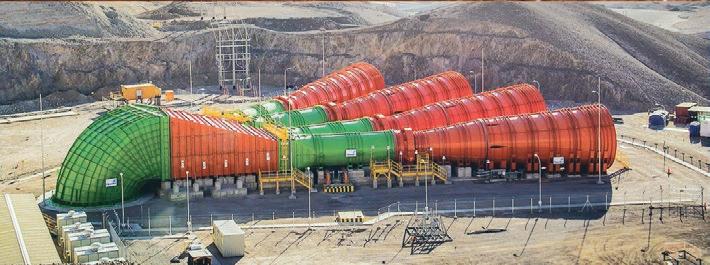
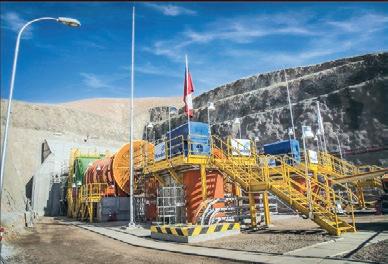
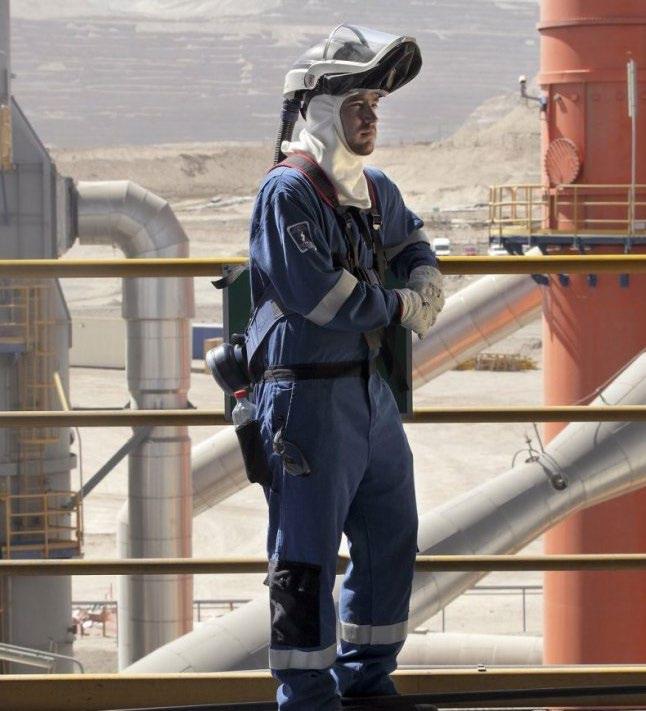
long standing contractor relationships provide continuity, enabling knowledge transfer and operational stability during periods of change.
The scale of Codelco’s investment programme is substantial, reflecting the reality that extending the life of world class assets is capital intensive. Yet the alternative, declining production from ageing mines, would carry far greater economic and strategic costs. Codelco’s leadership has been clear that sustained investment is essential to maintaining Chile’s position in global copper markets, particularly as new projects elsewhere face permitting challenges and rising development costs.
On the international stage, Codelco’s actions are closely watched. As the largest copper producer, its output decisions influence market dynamics, while its approach to lithium sets precedents for state participation in critical minerals. The company’s partnerships with technology providers and equipment manufacturers also signal where industrial innovation is heading, especially in underground mining, automation and digital integration.
Despite its size and history, Codelco is not insulated from the pressures facing the mining sector. Cost inflation, energy prices, water scarcity and community expectations all shape operational realities.
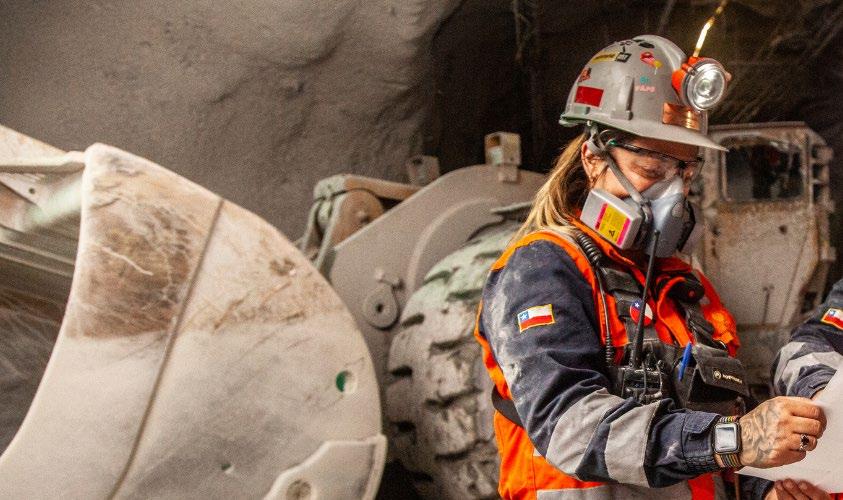
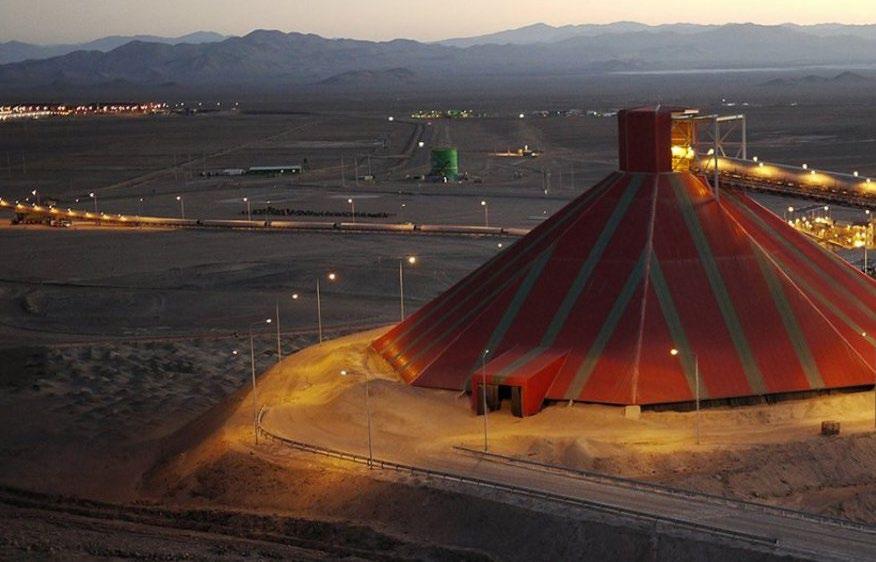
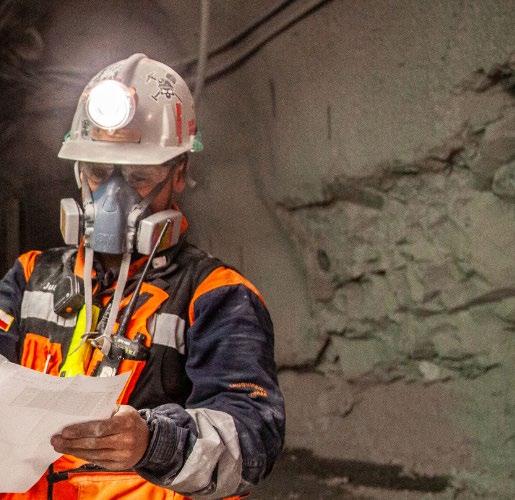
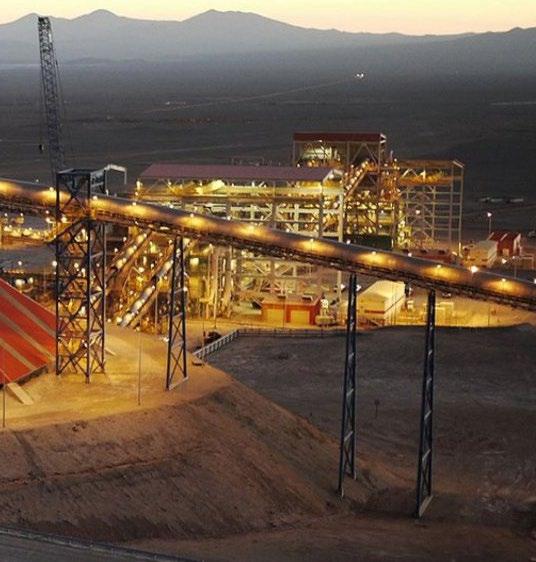
What differentiates Codelco is its ability to absorb these pressures within a long term framework that prioritises continuity over short term optimisation. This perspective is particularly evident in how the company approaches stakeholder engagement, recognising that social licence is earned through consistency, transparency and tangible local benefits.
Looking ahead, Codelco’s trajectory will be defined by execution. Transitioning major mines, integrating new technologies, scaling lithium operations and maintaining copper leadership simultaneously is a complex undertaking. Success will depend on disciplined project management, robust partnerships and leadership that can align political, economic and operational objectives. The foundations for this are already visible in the company’s strategic choices and collaborative approach.
In many ways, Codelco represents a distinctive model of modern mining. It is state owned yet globally competitive, rooted in legacy assets yet oriented towards future materials, and deeply national in its mandate yet international in its partnerships. As the energy transition accelerates and demand for critical minerals intensifies, this combination of scale, stewardship and adaptability positions Codelco as more than a producer. It positions it as a long term industrial anchor in a rapidly changing world.
For Business Enquirer readers, Codelco’s story offers insight into how large scale resource companies can evolve without losing their core identity. It illustrates the importance of patient capital, strategic partnerships and leadership that understands mining as a multigenerational endeavour. In copper, lithium and beyond, Codelco is not chasing trends. It is shaping the material foundations of the next industrial era, grounded in continuity, collaboration and a clear sense of national purpose.
www.codelco.com

Diamond Trust Bank Kenya enters 2026 not as an institution chasing transformation headlines, but as one consolidating delivery. In a financial services landscape increasingly defined by digital acceleration, climate accountability, regulatory scrutiny and regional trade integration, the bank’s current direction reflects maturity. Its strategy is no longer centred on isolated initiatives, but on cohesion: strengthening digital architecture, deepening sustainable



finance, harmonising regional operations and reinforcing leadership depth across its East African footprint.
The macroeconomic environment across the region has become more complex. Inflationary pressures, currency volatility and global capital market shifts continue to influence lending appetite and liquidity dynamics. At the same time, customer expectations have evolved sharply. Individuals demand intuitive, secure, always-on banking. Businesses require cross-border efficiency, faster working capital cycles and more sophisticated risk support. Regulators expect robust compliance frameworks aligned with international best practice. Within this context, DTB’s 2026 direction demonstrates a clear understanding that resilience, agility and disciplined governance are no longer competitive advantages but baseline requirements.
Digital capability remains the backbone of the bank’s operational evolution. However, the narrative has shifted from expansion to optimisation. Over the past several years, DTB invested significantly
in modernising core systems, enhancing cybersecurity and expanding digital payment infrastructure. In 2026, the focus is on intelligence and integration. Data analytics are increasingly embedded into credit modelling, customer segmentation and fraud prevention frameworks. Realtime monitoring capabilities allow for proactive risk mitigation rather than reactive correction. This evolution supports both operational efficiency and customer trust, particularly as transaction volumes continue to migrate toward digital channels.
Mobile banking adoption across Kenya and the wider region has accelerated, and DTB has responded by refining user experience rather than simply adding features. The bank’s platforms are designed to provide seamless transitions between digital interfaces and physical branches, ensuring accessibility without compromising service depth. The strategy recognises that while digital channels dominate transactional activity, advisory relationships and complex financial structuring still benefit from human engagement. Rather than replacing

branch networks, DTB is redefining their role within a hybrid service model.
Corporate and trade finance capabilities have also been strengthened in response to regional economic integration. East Africa’s intra-regional trade flows continue to expand, supported by infrastructure development and policy harmonisation initiatives. DTB’s presence across Kenya, Uganda, Tanzania and Burundi positions it strategically to facilitate this growth. In 2026, the bank is intensifying efforts to align credit policies, operational processes and compliance frameworks across markets, reducing friction for clients operating in multiple jurisdictions. Cross-border cash management solutions, structured trade facilities and harmonised documentation processes are central to this strategy.
This regional coherence is supported by a strengthened risk management architecture. DTB has enhanced its capital buffers, refined stress testing models and deepened its internal audit frameworks to navigate an environment characterised by global uncertainty. Liquidity management remains conservative, reflecting a commitment to long-term stability over short-term expansion. The bank’s risk culture emphasises discipline and accountability, ensuring growth does not outpace governance.
Sustainability has moved from policy commitment to structural integration. Having aligned with international responsible banking principles in previous years, DTB in 2026 is embedding environmental and social risk considerations directly into credit assessment processes. Climate exposure

mapping, sectoral risk analysis and impact measurement are now part of lending conversations, particularly in infrastructure, agriculture and manufacturing portfolios. The green lending book continues to expand, supporting renewable energy projects, energy-efficient developments and sustainable agricultural practices across the region.
Importantly, sustainability at DTB is framed as risk mitigation as much as social responsibility. Climate transition risk, resource scarcity and regulatory changes present tangible financial exposures. By integrating environmental risk evaluation into underwriting decisions, the bank strengthens portfolio resilience while encouraging clients to adopt more sustainable operating models. Enhanced reporting transparency further supports
stakeholder confidence, aligning performance metrics with both financial and impact objectives.
Small and medium-sized enterprises remain central to DTB’s growth thesis. SMEs account for a significant proportion of employment and GDP contribution across East Africa, yet access to structured finance and advisory support remains inconsistent. DTB’s 2026 strategy builds on tailored product suites with a more comprehensive ecosystem approach. Trade finance, leasing, asset-backed lending and working capital facilities are complemented by capacity-building initiatives focused on governance, digital adoption and environmental compliance. The objective is to transform SMEs from credit recipients into scalable enterprises capable of integrating into regional value chains.


Leadership has played a defining role in shaping this strategic coherence. Under the stewardship of Group Chief Executive Officer and Managing Director Nasim Devji, the bank has pursued a balanced trajectory anchored in disciplined growth and cultural consistency. Devji’s tenure has emphasised stability, inclusivity and long-term vision, reinforcing the bank’s reputation for prudent management within a dynamic market. Her leadership philosophy blends commercial acumen with community sensitivity, recognising that financial institutions in emerging markets carry a broader socio-economic mandate.
The executive team supporting this vision reflects a blend of regional experience and technical expertise. Senior leaders across risk, operations, technology and corporate banking have been instrumental in embedding performance accountability while fostering cross-market collaboration. DTB’s governance structure emphasises board oversight, transparency and regulatory alignment, ensuring strategic initiatives are supported by robust internal controls. The board’s composition, combining local market insight with international financial experience, strengthens decision-making depth at a time when regulatory complexity continues to rise.
Culturally, DTB has prioritised internal talent development and succession planning. In 2026, the bank continues to invest in leadership pipelines, digital capability training and inclusive workplace policies. This focus on human capital is particularly relevant as banking becomes increasingly technology-driven. By equipping teams with analytical skills and digital fluency, the institution ensures that transformation is not confined to systems but embedded within its workforce.
Financial performance remains disciplined and diversified. Non-funded income streams, including digital transaction fees and trade-related services, have grown in relative contribution, reducing reliance on traditional interest-based revenue. This diversification strengthens earnings
stability in a fluctuating rate environment. Operational efficiency initiatives, supported by technology integration, are driving cost optimisation without compromising service standards. The bank’s medium-term ambition to expand revenue scale is underpinned by careful balance sheet management and selective capital allocation.
Community engagement continues to be aligned with economic participation rather than symbolic visibility. Environmental restoration initiatives, financial literacy programmes and youth empowerment projects are increasingly evaluated through measurable outcomes. The bank’s approach recognises that sustainable development requires systemic integration, not isolated philanthropic events. By aligning social initiatives with economic inclusion strategies, DTB reinforces its dual identity as a commercial enterprise and a community anchor.
Cybersecurity and digital resilience have also received heightened attention. As financial crime grows more sophisticated, DTB has expanded investment in threat detection systems, encryption standards and staff training protocols. Customer education campaigns aim to strengthen awareness around fraud prevention, reflecting a holistic security model that combines technology with behavioural safeguards. In a digital-first environment, trust remains the ultimate currency.
Looking ahead, DTB’s strategic roadmap reflects deliberate pacing. Rather than pursuing aggressive geographic expansion, the bank is consolidating strength within existing markets. Product innovation continues, but within a risk-calibrated framework. Sustainability targets remain ambitious yet grounded in measurable delivery. Leadership continuity ensures stability, while governance robustness safeguards stakeholder confidence.
The East African banking sector is entering a period where differentiation will be defined less by product breadth and more by institutional coherence. Customers expect seamless digital experiences, regulators demand transparency, and investors prioritise resilience. DTB’s 2026 trajectory suggests an institution that understands this recalibration. Its strategy integrates digital intelligence, regional harmonisation, sustainable finance and disciplined leadership into a unified operating model.
Ultimately, Diamond Trust Bank Kenya’s evolution reflects a broader narrative about modern banking in emerging markets. Growth must be inclusive, innovation must be secure, and ambition must be balanced by accountability. In 2026, DTB stands as a regional institution consolidating its strengths, guided by experienced leadership and anchored in long-term economic partnership. Its trajectory signals not disruption for its own sake, but structured progression designed to support stability, opportunity and sustainable prosperity across East Africa for years to come.
www.dtbk.dtbafrica.com
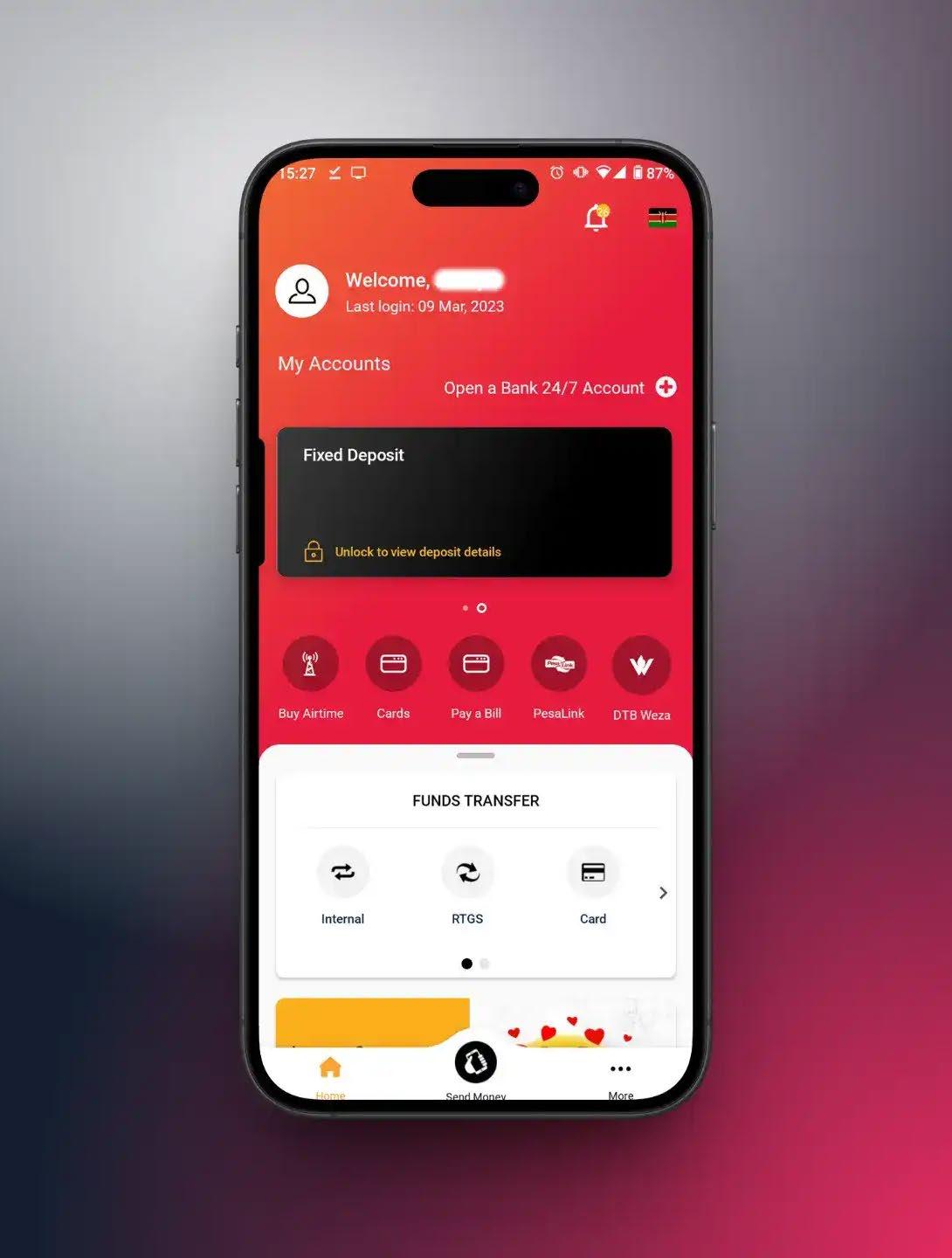
Redefining the Art of Hosting in Milan
Climate Resilient Luxury Estates:
The New Standard of Elite Living
Billionaire Wellness Blueprint:
Longevity and Bio-Optimisation Retreats
Ultra Private Social Clubs 2.0: Where Discretion Is the New Luxury

There are entrepreneurs who build businesses, and there are those who build worlds. Alice Carli belongs firmly in the latter category. After more than 25 years shaping global luxury narratives across fashion, lifestyle and brand strategy, she has distilled a career of international experience into something at once deeply personal and unmistakably Milanese: UNDERMYNAME, a private concierge and cultural curatorship concept that reframes what it means to host in one of Europe’s most design-conscious cities.
To understand UNDERMYNAME is to understand the architecture of Carli’s career. She has spent decades helping brands articulate who they are and why



they matter. At institutions such as Furla, Fratelli Rossetti and Tod’s Group, she honed a strategic discipline rooted in clarity of DNA. Her role was never simply to market a product. It was to decode its essence, understand the psychology of its audience, and translate both into experiences that felt differentiated, relevant and emotionally intelligent.
That fluency with identity is perhaps her defining trait. Colleagues have described her as driven, focused and innovative, occasionally even disruptive in her approach to storytelling and strategy. Yet Carli herself is more measured. She speaks of being a change maker who evolved into a facilitator, someone capable of orchestrating talent and aligning vision. Over the past three years, working as Brand Director in the airline and brand partnership space, she deepened her understanding of mobility, global consumers and the increasingly fluid relationship between travel and lifestyle. It was a vantage point that revealed something else: a gap.
Despite the proliferation of luxury accommodation and concierge services, much of the market remains transactional. Rooms are beautiful, services are available, but something essential is often missing. The intimacy of hosting. The cultural generosity. The sense of being invited into a city rather than merely accommodated within it.
Internationality has always been central to Carli’s growth. Blending cultures, observing behavioural nuances and recognising how expectations shift from Tokyo to New York to Milan has shaped her perspective. She sees cultural fusion not as dilution but as expansion. “Blending cultures is the best way of creating a wider perspective,” she says. It is a philosophy that now underpins UNDERMYNAME, which draws on global best practice while remaining rooted in local specificity.
The concept began quietly, built largely during evenings and weekends, sustained by a network of collaborators cultivated over decades. At its physical core are two historical dwellings in the beating heart of Milan, furnished exclusively with pieces from Carli’s personal collection. These are not anonymous luxury apartments. They are curated environments, layered with memory, design and narrative. Guests do not simply stay. They inhabit a space that reflects the host’s sensibility, a place where aesthetics and authenticity coexist without performance.


From this foundation unfolds a concierge philosophy that Carli describes as “sharing is caring”. It is a phrase that might sound sentimental in lesser hands, but here it functions as operating principle. After years travelling the world, she felt compelled to give something back to her own city, to translate experience into cultural divulgation. UNDERMYNAME is less about spectacle and more about access. Guests are introduced to a private network of more than 20 highly specialised professionals spanning beauty, wellness, art, design, fashion and sport. Access is often last-minute, discreet and rarely available through conventional channels.
Innovation, in Carli’s lexicon, is not defined by novelty alone. It is defined by delivery. In a city like Milan, layered with history, innovation must respect heritage while quietly elevating it. The experiences offered through UNDERMYNAME reflect this balance. A business traveller may combine a high-tech apartment suitable for remote work with regenerative aesthetic treatments, a Renata França method massage, or a private Pilates session following the Anna Covatech method. Yet the context is as important as the content. Sessions unfold in spaces that feel hidden, protected and personal, reinforcing a sense of intimacy that cannot be replicated through scale.

Carli is acutely aware of shifting travel behaviours. The rise of bleisure travel, where business and leisure merge, has transformed expectations. Executives no longer wish to separate productivity from wellbeing. They seek environments where health, beauty and performance coexist. She refers to a new mindset: health as wealth. Within this framework, a concierge is no longer a convenience. It becomes a curator of balance, a facilitator of both ambition and restoration.
Creativity remains the animating force behind her work. She describes it as a stream of consciousness, irregular and instinctive, connected to childhood imagination rather than corporate structure. Yet she is disciplined in its translation. Experiences are conceived as haute couture rather than ready-towear. They are tailored to identity, often designed to enhance a client’s personal narrative rather than simply entertain.
Luxury, in her view, has returned to its core values. Quality. Longevity. Trust.
Relationship. In business contexts, this may mean reimagining loyalty programmes or strengthening distinctive features that differentiate a brand from its competitors. In personal hosting, it manifests as deep listening, bespoke itineraries and meaningful connection. She is clear that affluent travellers are moving beyond surface-level indulgence. They seek cultural immersion, authenticity and emotional resonance.


All Photos: Filippo Tagliabue www.instagram.com /ftfoto
designer : MPT Design
Recognition from global titles including Forbes and Vogue has affirmed her trajectory, yet she resists complacency. External acknowledgement functions as a mirror, encouraging reflection and refinement. It has influenced her profile by sharpening focus rather than inflating ego. For Carli, visibility is responsibility. It raises standards rather than lowering them.
Perhaps the most distinctive feature of UNDERMYNAME is what Carli refers to as a kind of secret code. Guests do not simply contact a spa or a stylist. They invoke the concierge itself, unlocking a network of professionals who respond with urgency and discretion. It is an ecosystem built on trust, where reputation substitutes for advertising and word of mouth travels quietly among discerning travellers. Privacy is not marketed loudly. It is assumed.
The Master of Beauty concept exemplifies this layered approach. Beauty, for Carli, is internal before it is external. It is constructed over time, through mindfulness, breathwork, Pilates, colour analysis, image consultancy and styling. There is no singular authority. Instead, there are masters, each specialising in a discipline, collaborating to create a holistic journey. Clients often arrive with a pre-existing commitment to wellbeing and Italian aesthetic excellence. UNDERMYNAME supports and elevates that path rather than replacing it.
Milan itself plays a central role in shaping the offering. A global capital of design, finance and fashion, it is frequently perceived through the lens of industry and event cycles. Carli’s concierge reframes it through intimacy. She introduces guests to antique markets dating back centuries, to chefs and jewellers, to
hidden ateliers and private art collections. The city becomes less a backdrop and more a living narrative. The experience is immersive without being performative, curated without feeling staged.
Her international network strengthens this proposition. While the team is Italian, its mindset is global, shaped by multifaceted backgrounds and diverse cultural exposure. This blend ensures that each encounter resonates with international guests while preserving local authenticity. The balance is delicate, yet it is precisely here that Carli’s decades of cross-cultural strategy prove invaluable.
Looking at the broader lifestyle management sector, she anticipates continued expansion in luxury hospitality, though with important shifts. Accommodation alone will no longer suffice. Services will eclipse space as the primary driver of differentiation. Sustainable and regenerative practices will gain prominence. AI-powered hospitality will streamline logistics and personalise offerings, yet privacy and discretion will become even more prized. Experiential depth, human interaction and recognition will define value.
She believes that emotional linkage during a stay determines memorability. What is special, hidden or rare will resonate long after departure. The concierge, therefore, must remain fluid, constantly evolving and resisting repetition. UNDERMYNAME operates as an ongoing laboratory of ideas, rarely repeating identical programmes and always seeking to anticipate emerging desires before they become mainstream.
At its heart, the project is both professional and personal. Built with the support of friends and collaborators, sustained by evenings and weekends, it represents a synthesis of Carli’s career and convictions. It reflects her belief that success is collective and that hosting is an act of generosity. The apartments are not merely properties. They are extensions of her identity, curated with intention and memory.
In an era where luxury is frequently commodified, UNDERMYNAME offers something subtler: cultivated access. It is Milan seen through the eyes of someone who has navigated global boardrooms yet remains anchored in cultural authenticity. It is innovation delivered quietly, creativity channelled deliberately and hospitality conceived as dialogue rather than transaction.
For Alice Carli, the art of hosting is not static. It evolves with each guest, each conversation and each shift in cultural mood. If her first 25 years were defined by helping brands articulate who they are, this chapter is defined by inviting travellers to discover who they might become within a city that rewards curiosity, discretion and connection.
The future, she insists, is open. The sector will continue to evolve. Expectations will heighten. Technology will accelerate. Yet certain principles will remain constant: quality, privacy, authenticity and human connection. In Milan, a city that has always balanced tradition with reinvention, UNDERMYNAME stands as a testament to those enduring values, translated through the perspective of a strategist who understands that true luxury is never loud. It is felt.
www.undermyname.it www.instagram.com/under.my.name








Luxury has always evolved with the times. Once defined by grandeur, ornamentation and sheer scale, it later became synonymous with privacy, exclusivity and location. In 2026, however, a new defining feature has emerged at the top end of the property market. Resilience.
Across coastlines, countryside retreats and mountain enclaves, high net worth buyers are investing in climate resilient luxury estates that combine architectural beauty with advanced engineering. These homes are not built simply to impress. They are designed to endure, adapt and protect. In an era of rising environmental uncertainty, prestige increasingly lies in security, sustainability and long term independence.



Climate resilience in luxury property goes far beyond installing solar panels or upgrading insulation. Today’s elite estates are conceived from the ground up with environmental intelligence in mind. Architects are working alongside climate consultants, engineers and sustainability specialists to future proof homes against extreme weather, shifting regulations and resource scarcity.
On exposed coastal plots, homes are elevated with reinforced foundations designed to withstand storm surges and erosion. In wildfire prone regions, estates are constructed using fire resistant materials such as treated timber, concrete composites and specialist glazing. In flood risk areas, advanced drainage systems and water diversion landscaping are integrated seamlessly into the design.
None of this compromises aesthetic appeal. These properties remain visually striking, with sweeping glass facades, sculptural staircases and expansive terraces. The difference is that beneath the elegance lies serious engineering that is often invisible but essential.
One of the most noticeable shifts in ultra prime property is the move towards energy autonomy. Where once a private cinema or wine vault signalled affluence, today it is a self sustaining microgrid that truly impresses. Many climate resilient estates now operate largely off grid. Solar arrays are discreetly embedded into roofing systems or integrated into landscape features. Ground source heat pumps provide consistent low carbon heating. Battery storage systems ensure that excess energy is retained and deployed intelligently when needed.

Some properties incorporate hydrogen fuel cells or advanced geothermal systems. Owners are not simply reducing their environmental footprint. They are insulating themselves from rising energy costs and potential grid instability. In a world where power outages can disrupt daily life, uninterrupted supply is both a practical asset and a symbol of control.
Water resilience has become another priority. Luxury estates are increasingly equipped with rainwater harvesting systems, underground storage tanks and advanced filtration technology. These systems supply irrigation, grey water recycling and in some cases potable water. In drought sensitive regions, landscaping is curated with native planting that thrives in local conditions. Intelligent irrigation systems monitor soil moisture and weather forecasts, adjusting automatically to conserve resources. Reflecting pools and ornamental water features are designed to recycle rather than waste.
Technology plays a central role in the rise of climate resilient estates. Integrated environmental monitoring systems track temperature, humidity, air quality and energy performance in real time. Artificial intelligence analyses patterns and anticipates potential issues before they escalate. Predictive maintenance software can detect subtle shifts in


structural integrity or identify when materials are under stress. Smart glazing adjusts tint automatically to regulate internal temperatures and reduce cooling demand. Automated storm shutters deploy when severe weather is forecast.
Owners can oversee these systems remotely through secure digital dashboards. Whether in residence or travelling internationally, they retain visibility and control. This combination of discretion and oversight appeals
particularly to global homeowners with multiple properties.
Beyond practical considerations, climate resilient estates tap into a deeper desire for security. As extreme weather events become more frequent, affluent buyers are reassessing what makes a property truly valuable. Privacy and exclusivity remain important, but resilience offers peace of mind. Knowing that a home is structurally reinforced, energy independent and capable of operating

autonomously during disruption provides stability that traditional luxury alone cannot match.
This shift is influencing buying decisions across key markets. Coastal villas in southern Europe, countryside estates in the British Isles and alpine retreats are being evaluated not only for views and design but for their capacity to withstand environmental change. Insurance premiums, regulatory requirements and long term operating costs now form part of the luxury conversation.
Climate resilient estates are often conceived as legacy properties. Rather



than short term investments, they are designed to endure for decades. Materials are selected for longevity, from stone facades to sustainably sourced hardwoods treated for durability. Some estates incorporate reinforced lower levels designed to serve as secure refuges during extreme events. Others feature underground storage spaces engineered to remain stable regardless of external temperature fluctuations.
The visual language of resilience has matured considerably. Early sustainable homes were sometimes criticised for appearing overly technical. Today’s estates demonstrate that environmental performance and refined design
can coexist effortlessly. Architectural firms blend organic materials with contemporary forms. Expansive glazing frames panoramic landscapes while high performance glass maintains thermal efficiency. Green roofs soften modern silhouettes and provide natural insulation. Interiors favour natural stone, reclaimed timber and tactile fabrics that reflect a connection to place.
From a financial perspective, climate resilient estates are proving attractive. As regulations tighten and insurers reassess climate risk, properties with built in resilience may command premium valuations. Lower operating costs and reduced exposure to disruption enhance long term appeal. Developers at the top of the market are responding accordingly. New build projects in prestigious locations now incorporate resilience features as standard rather than optional upgrades.
This does not signal a retreat from indulgence. Infinity pools remain, but they are heated sustainably. Wine cellars endure, but they are temperature stabilised through efficient systems. Private gyms and spas operate seamlessly even if the wider grid falters. Luxury has not diminished. It has become more intelligent.
Climate resilient estates represent a profound evolution in how wealth is expressed through property. They demonstrate that sophistication lies not only in appearance but in performance. Beauty is matched by durability. Comfort is paired with foresight.
As environmental challenges continue to shape global priorities, the homes that capture attention are those that promise not just splendour, but strength. In the upper tiers of the property market, resilience is no longer a niche concern. It is the new benchmark of elite living.


Luxury travel has entered a new era. Where once the ultimate indulgence meant champagne on arrival and a suite overlooking the sea, the world’s wealthiest individuals are now pursuing something far more valuable than status alone. They are investing in time. In 2026, longevity and biooptimisation have become the defining pillars of elite wellness, reshaping the global retreat landscape and creating a new blueprint for modern luxury.
Across the Swiss Alps, Mediterranean coastlines, Californian deserts and discreet countryside estates, a new category of destination has emerged. These are not traditional spas nor conventional health clinics. They are precision engineered environments designed to extend lifespan, enhance cognitive performance and optimise every measurable aspect of human biology. For billionaires and high net worth individuals, wellness is no longer reactive. It is strategic.
At the centre of this movement is data. Guests begin their stay not with a massage menu but with comprehensive diagnostics. Advanced blood panels, genetic mapping, hormone profiling and microbiome analysis provide a detailed picture of internal health. Artificial intelligence systems interpret the results, generating personalised protocols that may include tailored nutrition plans, targeted supplementation and advanced therapies.
The atmosphere remains serene and refined, yet beneath the calm aesthetic lies cutting edge science. Cryotherapy chambers promise cellular regeneration. Hyperbaric oxygen suites are designed to accelerate recovery and reduce inflammation. Red light therapy rooms glow softly, stimulating collagen production and mitochondrial function. Every element is carefully curated to support measurable improvement.
Nutrition has evolved from indulgent tasting menus to precision fuel. Chefs collaborate with medical teams to design dishes aligned with each guest’s biomarkers and metabolic profile. Ingredients are often organic, locally sourced and prepared to preserve maximum nutritional integrity. Meals are balanced not only for flavour but for optimal blood sugar stability and anti inflammatory benefit. Dining becomes both pleasure and performance enhancement.
Sleep optimisation is treated with equal seriousness. Retreat suites are fitted with circadian lighting systems that adjust throughout the day, supporting natural hormone rhythms. Mattresses are selected for ergonomic precision, while air filtration ensures optimal oxygen quality. Some programmes include sleep tracking devices and neurological monitoring to analyse patterns and recommend improvements.
Physical performance is another cornerstone. Personal trainers trained in functional medicine and biomechanics guide guests through bespoke exercise regimes. Rather than punishing workouts, the focus is on efficient, science led movement that builds strength without undue strain. Pilates reformers sit alongside advanced resistance machines, while outdoor sessions may incorporate hiking, swimming or controlled cold exposure in natural waters.
Mental clarity and cognitive longevity are equally prioritised. Meditation sessions are enhanced with neurofeedback technology that monitors brainwave activity in real time. Breathwork, mindfulness coaching and stress reduction techniques are integrated with measurable outcomes. In an era where decision making speed and creativity are prized assets, maintaining peak mental performance is viewed as essential.
The rise of these retreats reflects a broader cultural shift. For the ultra wealthy, visible consumption has given way to invisible optimisation. Longevity has become the ultimate status symbol. Extending healthspan rather than merely lifespan is now the goal. It is not simply about living longer, but about maintaining vitality, energy and cognitive sharpness deep into later decades.
Privacy remains paramount. Many longevity retreats operate on a members only basis or are situated in remote, discreet locations. Confidentiality agreements are standard, ensuring high profile guests can pursue intensive health programmes away from public scrutiny. Personalised schedules allow individuals to move seamlessly between consultations, treatments and relaxation without disruption.
Financially, the investment can be significant. Comprehensive multi week programmes may cost tens or even hundreds of thousands of pounds. Yet for those who view time as their most precious commodity, the rationale is clear. Prevention is considered more powerful than cure. Early detection of potential health risks allows for intervention before serious issues arise.
Beyond individual transformation, these retreats are influencing global hospitality standards. Luxury hotels are increasingly incorporating elements of bio-optimisation into their offerings. Advanced fitness assessments, plant forward menus and recovery suites are becoming part of mainstream high end travel. What was once reserved for a select few is gradually filtering down, though the most sophisticated programmes remain exclusive.
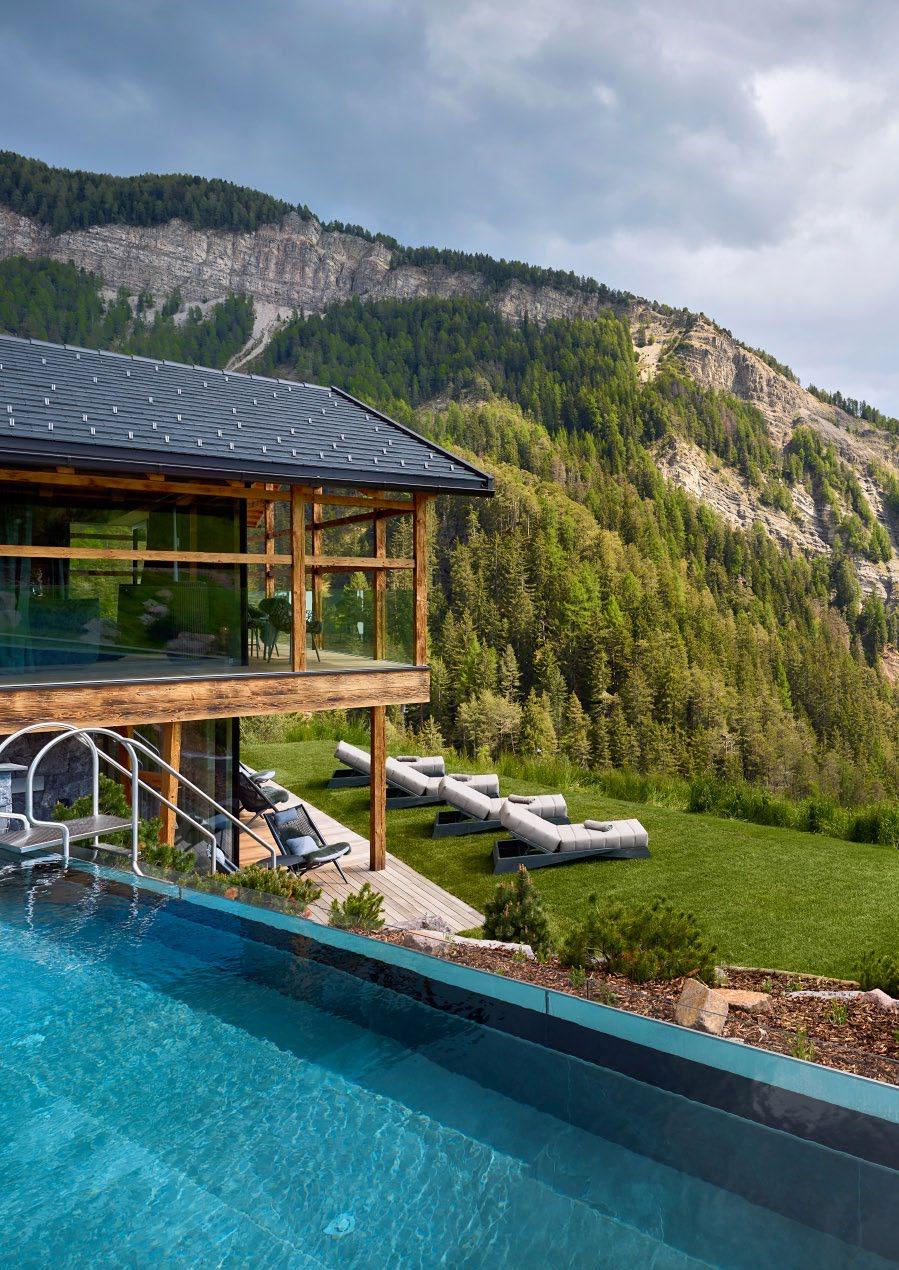

There is also a philosophical dimension to the billionaire wellness blueprint. Many participants describe a desire not only to optimise their own health but to remain active contributors to business, philanthropy and family life for as long as possible. Longevity becomes intertwined with legacy. Maintaining physical and mental capacity enables continued leadership and influence.
Critics sometimes question whether the pursuit of extended life edges into obsession. Yet advocates argue that investing in health is a rational response to modern pressures. With scientific understanding advancing rapidly, ignoring available tools would seem short sighted. The emphasis is not on vanity but on resilience and functionality.
As 2026 unfolds, the trajectory appears clear. Longevity and bio-optimisation are no longer niche interests confined to Silicon Valley entrepreneurs. They are shaping the future of luxury itself. The world’s most affluent individuals are redefining indulgence, choosing oxygen therapy over excess and biometric tracking over fleeting extravagance.
In this new landscape, the ultimate luxury is not what can be displayed but what can be sustained. Energy, clarity, strength and time are the assets that matter most. The billionaire wellness blueprint reflects a deeper understanding that health underpins every other ambition.
For those at the pinnacle of wealth, the pursuit of longevity is not simply a trend. It is a strategic commitment to living well for longer, guided by science, discretion and a relentless focus on optimisation. Luxury has always promised transformation. Now, it promises something even greater. The possibility of extending the years in which life can be lived at its fullest potential.


2.0: Where Discretion Is the New Luxury

In an age defined by visibility, the ultimate luxury has become invisibility. While social media continues to amplify lifestyles for public consumption, a different movement is quietly reshaping elite society. Ultra private social clubs are entering a new era in 2026, designed not for display but for discretion. Access is tightly controlled, membership is carefully curated and privacy is treated as the highest currency of all.
Traditional members’ clubs have long held a place in British culture, offering refined surroundings for conversation, dining and networking. What is emerging now, however, is something far more selective and technologically advanced. Ultra Private Social Clubs 2.0 blend heritage
with innovation, physical spaces with digital ecosystems and exclusivity with intelligence.
These new generation clubs are not simply venues. They are ecosystems. Membership often begins with a rigorous vetting process that extends well beyond financial qualification. Background checks, referrals and alignment of values are considered essential. The aim is not only to gather wealth but to curate influence, creativity and shared ambition within a controlled environment.
Locations are frequently discreet. Behind unmarked doors in Mayfair townhouses, atop penthouses overlooking global financial districts or nestled within countryside estates, these clubs prioritise architectural subtlety over obvious branding. Interiors are meticulously designed, favouring rich textures,

subdued lighting and acoustic privacy. The atmosphere is intimate, encouraging conversation rather than spectacle.
Technology plays a significant role in shaping this new model. Artificial intelligence systems assist with member matching, facilitating introductions between individuals whose interests, investments or philanthropic goals align. Private digital platforms extend the club beyond its physical walls, allowing secure communication and event coordination across continents. Members may access curated investment briefings, art previews or invitation only discussions through encrypted applications.
The concept of community is central. Unlike traditional networking events that prioritise volume, Ultra Private Social Clubs 2.0 focus on depth. Dinners are deliberately small. Roundtables are structured around specific themes such as sustainable investment, emerging technologies or cultural patronage. The intention is to foster meaningful exchange rather than transactional contact.
Art and culture remain integral to the appeal. Many clubs host private viewings with leading galleries, intimate performances by acclaimed musicians or literary salons featuring celebrated authors. These events are rarely publicised. Attendance lists are confidential and photography is often restricted. The absence of external documentation enhances the sense of rarity.
Dining experiences within these spaces reflect similar values. Rather than ostentatious displays, menus are crafted with precision and restraint. Michelin level chefs may oversee kitchens, yet the emphasis is on seasonal produce and understated excellence. Wine cellars are curated with care, often featuring rare vintages reserved exclusively for members.
Security infrastructure is discreet but robust. Biometric access controls,
encrypted communications and stringent guest policies ensure that confidentiality is preserved. For high profile members who operate in industries where information is sensitive, this layer of protection is invaluable. It allows candid discussion and strategic thinking without fear of exposure.
A notable evolution in 2026 is the global interconnectedness of these clubs. Membership may grant reciprocal access to sister locations in cities such as London, New York, Dubai and Singapore. Travelling members can step into familiar surroundings while maintaining the same standards of privacy and service. The club becomes a global sanctuary, offering continuity in an increasingly fast moving world.
The rise of Ultra Private Social Clubs 2.0 also reflects a broader fatigue with performative luxury. Many affluent individuals are seeking spaces where they can disengage from constant visibility. In these clubs, phones may be discouraged, social media posting prohibited and external press strictly excluded. The experience is deliberately analogue in feel, even if supported by advanced digital systems behind the scenes.
Membership demographics are evolving. Alongside established financiers and industrialists, there is a growing presence of technology founders, impact investors and cultural innovators. The common thread is not age or background but a desire for considered dialogue and long term collaboration. These environments are less about spectacle and more about substance.
Financial commitment remains significant. Annual fees can reach substantial sums, with additional contributions required for special events or private facilities. Yet for members, the value lies not in status signalling but in access to a trusted network. The return on investment may manifest as partnerships,


co investments or philanthropic alliances forged in confidence.
Design aesthetics reflect this refined sensibility. Interiors favour deep greens, warm woods and tactile fabrics. Lighting is soft and intentional, creating corners for quiet conversation. Libraries are stocked with carefully selected volumes, while art collections are curated to provoke thought rather than simply impress. The overall effect is one of cultivated calm.
There is also a philanthropic dimension emerging within many of these clubs. Members collaborate on charitable initiatives, pooling resources and expertise to address global challenges. The privacy of the setting enables strategic planning without the pressure of public scrutiny. In this way, Ultra Private Social Clubs 2.0 become incubators not only for business ventures but for social impact.
As society becomes more connected digitally, the desire for controlled, meaningful physical interaction grows stronger. Ultra Private Social Clubs 2.0 answer that demand by offering environments where conversation can unfold without interruption and where ideas can develop in trust.
In 2026, exclusivity is no longer about velvet ropes or visible luxury. It is about curated access, intelligent design and protected dialogue. The most coveted spaces are those that remain largely unseen, known only to those within their walls.
Ultra Private Social Clubs 2.0 signal a shift in how influence is gathered and exercised. They are not simply places to be seen. They are places to think, to collaborate and to belong. In a world saturated with exposure, discretion has become the ultimate indulgence, and these clubs are its most refined expression.