
BETTER COMMUNITIES:
HOW NORSE GROUP IS REDEFINING PUBLIC SECTOR PARTNERSHIP

BUILDING BETTER COMMUNITIES: HOW NORSE GROUP IS REDEFINING PUBLIC SECTOR PARTNERSHIP
In an era when public services face mounting financial pressures and growing demand for accountability, the Norse Group stands as a compelling model of how local authority-owned enterprise can deliver both commercial rigour and genuine community benefit. At the helm of this Norfolk-based group is Justin Galliford, whose vision centres on a deceptively simple principle: transparency above all.
Norse Group is wholly owned by Norfolk County Council — yet it operates with a level of independence and commercial discipline that would not look out of place in the private sector. That unusual dynamic, Galliford explains, is precisely what makes the model work.
Ownership Without Exclusivity
“The county council owns the Norse Group, but the Norse Group operates for the council and other councils across the country,” Galliford explains. “That gives us the ability to work with Norfolk County Council as a customer and a shareholder.”
Justin Galliford, Chief Executive of Norse Group, speaks to Business Enquirer about transparency, valuedriven service delivery, and the future of council-owned enterprise in Norfolk and beyond.

NORSE GROUP
PROJECT DIRECTED BY: JAMIE WAITE ARTICLE WRITTEN BY: ZAAKIRA EBRAHIM
This dual relationship — shareholder and customer — creates a uniquely accountable dynamic. Norse cannot rely on guaranteed contracts simply because it is council-owned. Instead, it must prove its value every time work comes up for consideration.
“We don’t get exclusivity,” Galliford says plainly. “We have to demonstrate in the market where we have good value. If we can’t do that, then they’ll award the work somewhere else.”


Once a contract is won, Norse operates on what Galliford calls an “open book” basis — sharing all financial performance data and operational metrics with the council on a continuous basis. It is a model that stands in stark contrast to the often adversarial relationships that can characterise traditional outsourced public service contracts.
“It’s a very flexible arrangement and we can adapt it as they need us to,” he adds. “We can talk to them on a continual basis about how we can make the service better.”
From School Dinners to Gritting the Roads
The breadth of services Norse delivers across Norfolk is striking. Galliford walks through a range of contracts that touch the daily lives of residents across the county — from the food on children’s plates to the safety of roads in winter.
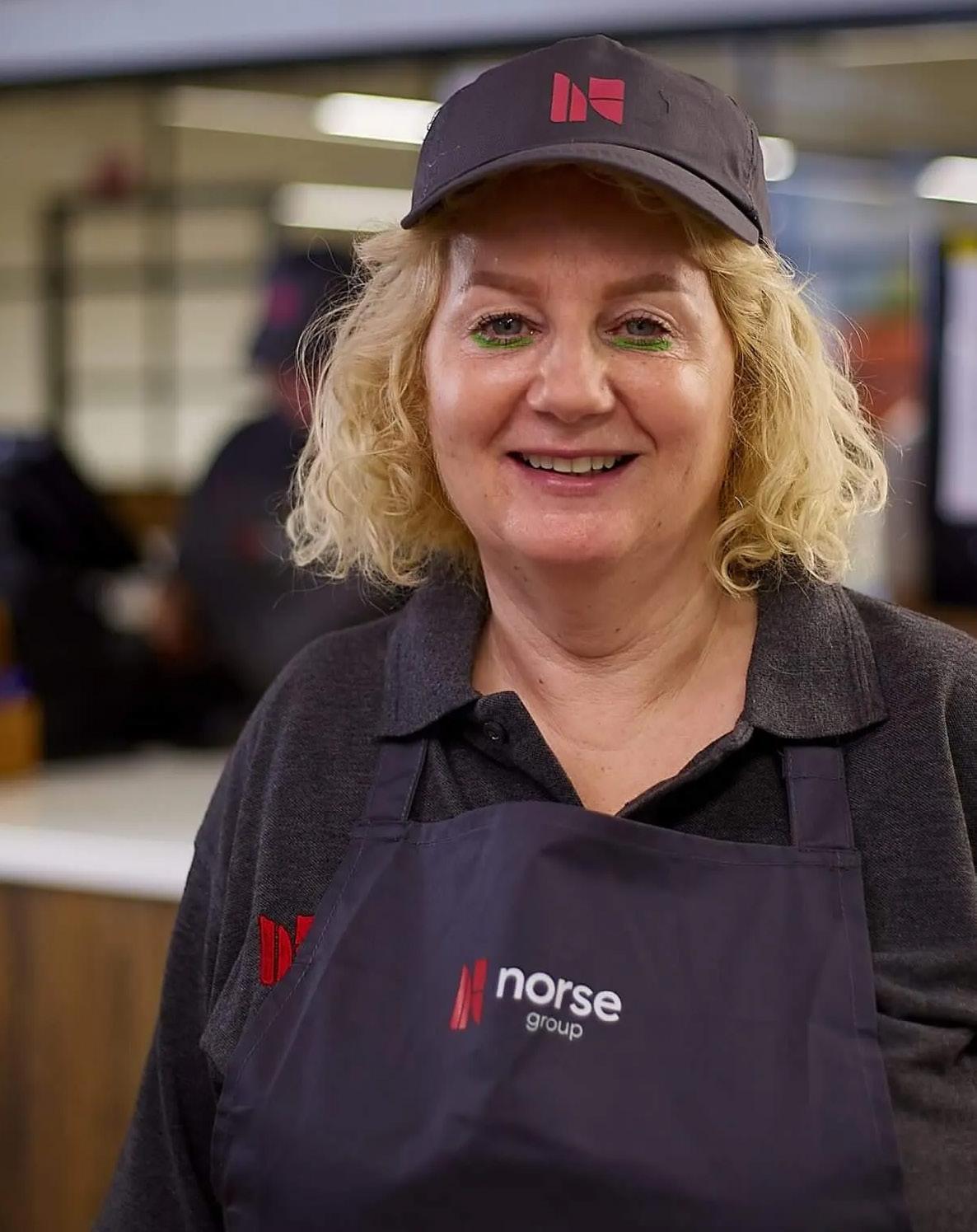
Schools catering is one of the group’s flagship contracts, delivered under a block arrangement across numerous Norfolk schools. The focus, Galliford says, is always on nutritional quality balanced against cost efficiency — again, using the open book model.
“We make sure that meals are nutritionally balanced at the best value we can deliver. That means we help the county ensure that schools are feeding children in the best way they can to help facilitate healthy minds and healthy lives from a young age.”
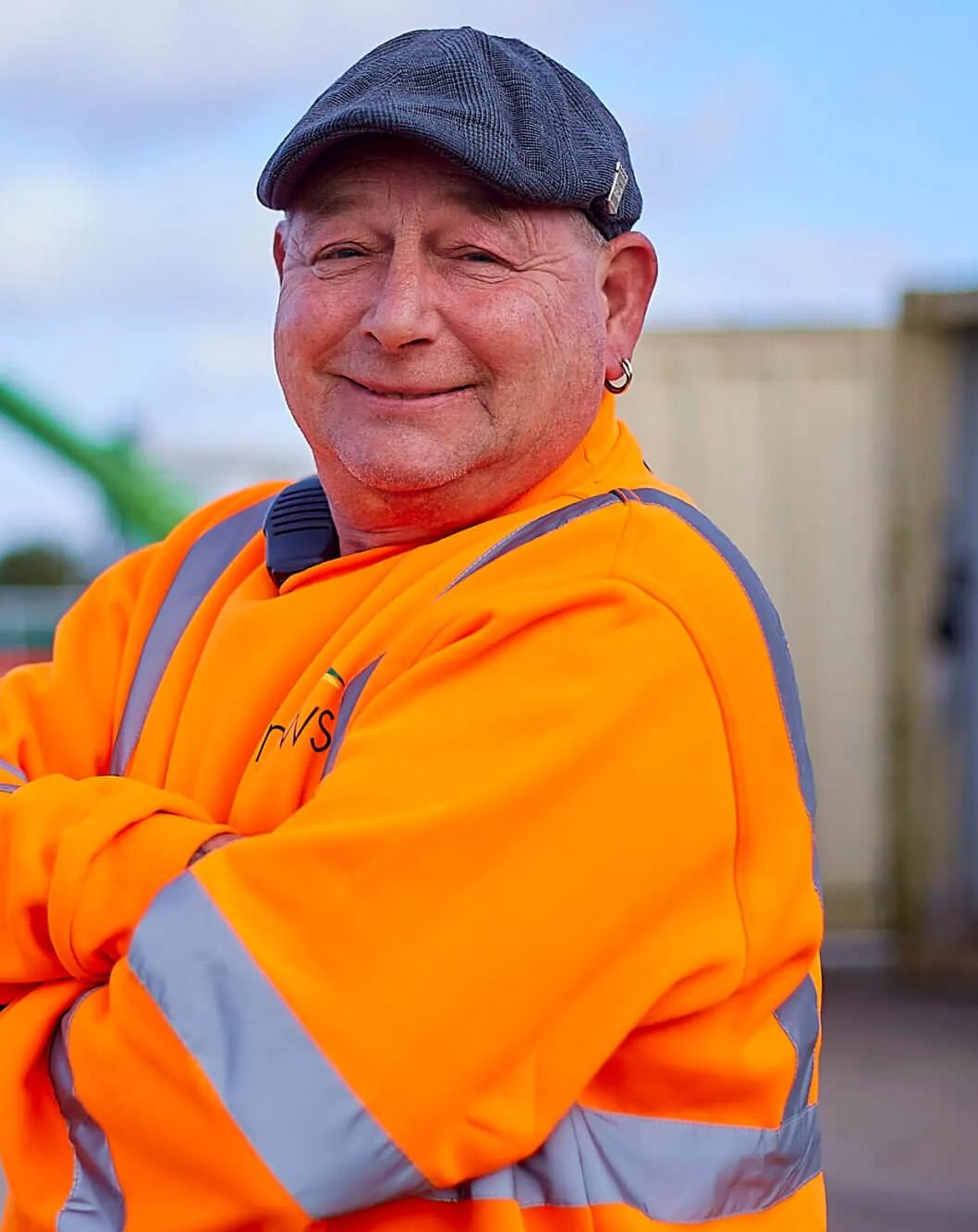
Highways maintenance is another major area of operation — and one that Galliford describes as particularly sensitive, given that roads affect every member of the community. Norse’s winter service contract, covering gritting and snow clearing, is cited as a prime example of how rapid, community-focused service delivery can make a tangible difference.
“When bad weather’s in, things can really grind to a halt,” he notes. “It’s vital in terms of making sure that communities stay
connected and that people can still move around freely.”
Beyond these, Norse also manages household waste recycling centres across the county, and provides design and construction project management services — including the delivery of specialist facilities for pupils with special educational needs.
A Pragmatic Approach to Green Operations
On the subject of sustainability — increasingly a central concern for councils navigating both public pressure and legislative requirements — Galliford takes a refreshingly pragmatic stance.
It stands to reason that if you have a smaller, tighter logistical chain, you’re moving things less. Therefore you get better value and you have a lower environmental impact through your supply chain.”
It all comes down to transparency and cooperative working,”
Norse does not pursue environmental initiatives for their own sake. Every green initiative must first pass a business case test — delivering demonstrable financial value as well as reduced environmental impact.
“Our approach is always to focus on value primarily, and of course think about how we can help from an environmental impact perspective,” he says. “There has to be a sound business case.”
In practice, this means sensible fleet replacement decisions — evaluating alternative fuels such as HVO (hydrotreated vegetable oil) when market conditions make them cost-competitive — and a sharper focus on supply chain logistics. Shorter, tighter supply chains, Galliford points out, reduce both costs and emissions simultaneously.
Flexibility in a Difficult Climate
Looking ahead, Galliford is measured but clear-eyed about the challenges facing local authorities — and the role Norse can play in helping them navigate an increasingly difficult economic environment.
“At the moment in the world we’re in, the economic climate is difficult. That can mean that services come under strain,” he acknowledges. “So we’re always open
minded about conversations about redesigning services, new or existing, to deliver them in a different way.”
That responsiveness — the ability to adapt quickly without protracted contractual renegotiation — is, for Galliford, the defining advantage of the Norse model. It is what separates a genuine partnership from a conventional procurement arrangement.
“It all comes down to transparency and cooperative working,” he says simply.
In a public sector landscape often defined by strained budgets, rigid contracts and fragmented accountability, Norse Group’s model offers something genuinely different: a local authority enterprise that earns its place on commercial merit, delivers services with transparency, and remains fleet of foot enough to respond when communities need it most.
It is, as Galliford would put it, simply a matter of focusing on value — and doing so together.