THE BUSINESS OF BELONGING HOW THE JOCKEY CLUB IS REDEFINING
MODERN PARTNERSHIP STRATEGY
THE BUSINESS OF BELONGING
HOW THE JOCKEY CLUB IS REDEFINING MODERN PARTNERSHIP STRATEGY

THE JOCKEY CLUB PROJECT DIRECTED BY:
JAMIE WAITE

There are sporting organisations that sell inventory, and then there are those that build platforms. The difference is not semantic. It is strategic. One is transactional. The other is structural. In an era where attention is fragmented, audiences are selective, and brands demand measurable return, only the latter model sustains long-term growth.
The Jockey Club sits firmly in the second category.
At first glance, it is easy to see the heritage. Established by Royal Charter and embedded in British sporting culture, The Jockey Club operates 15 racecourses across the UK and stages more than 340
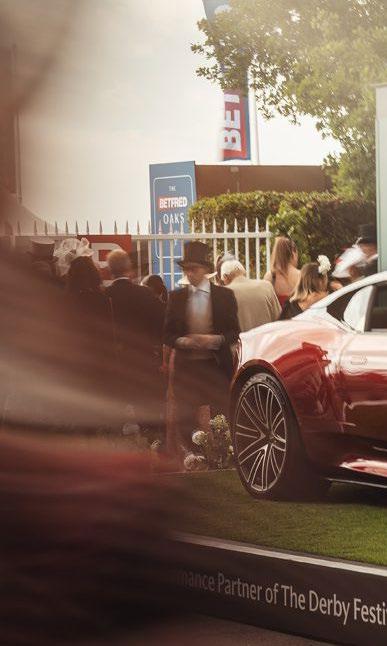
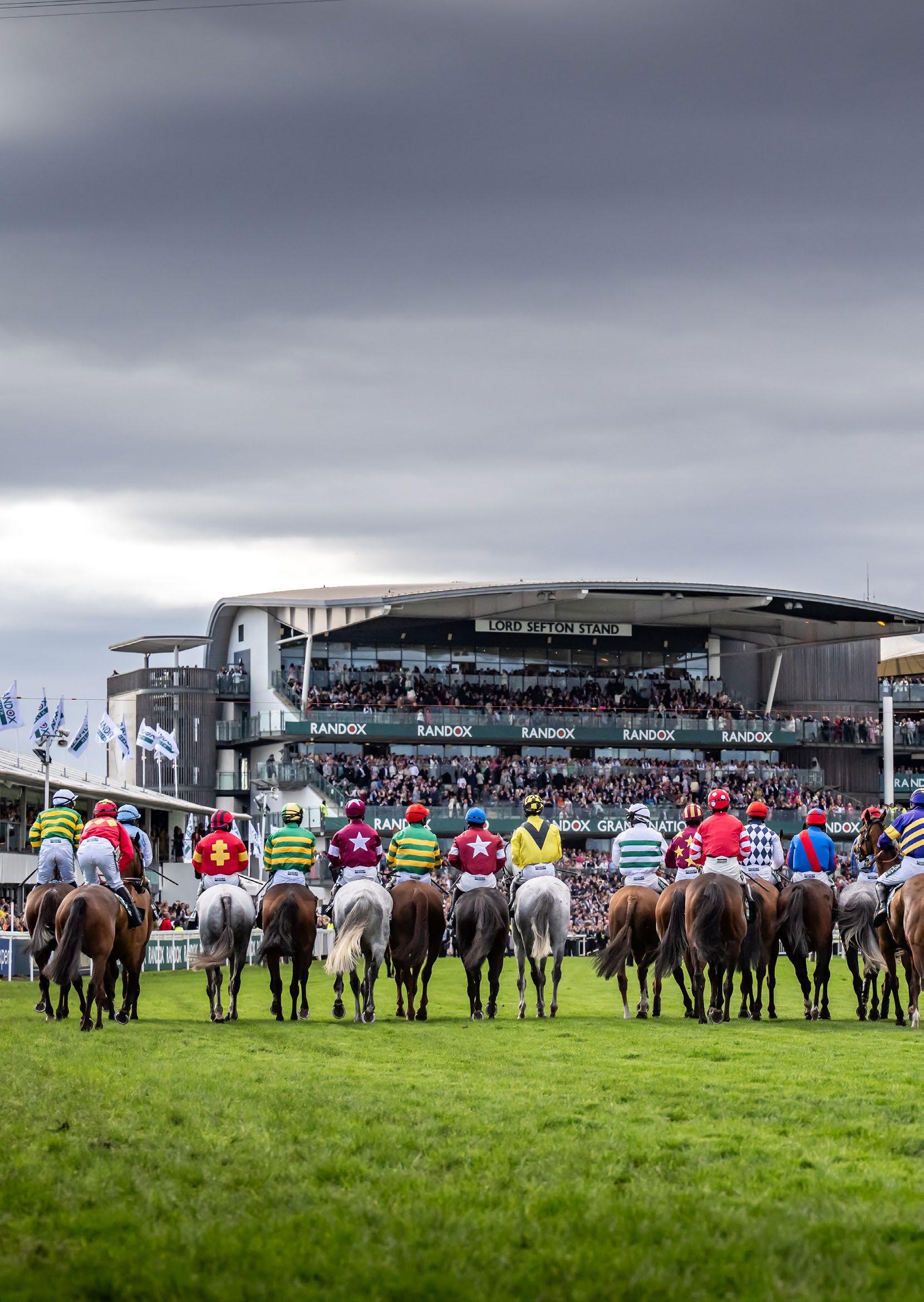
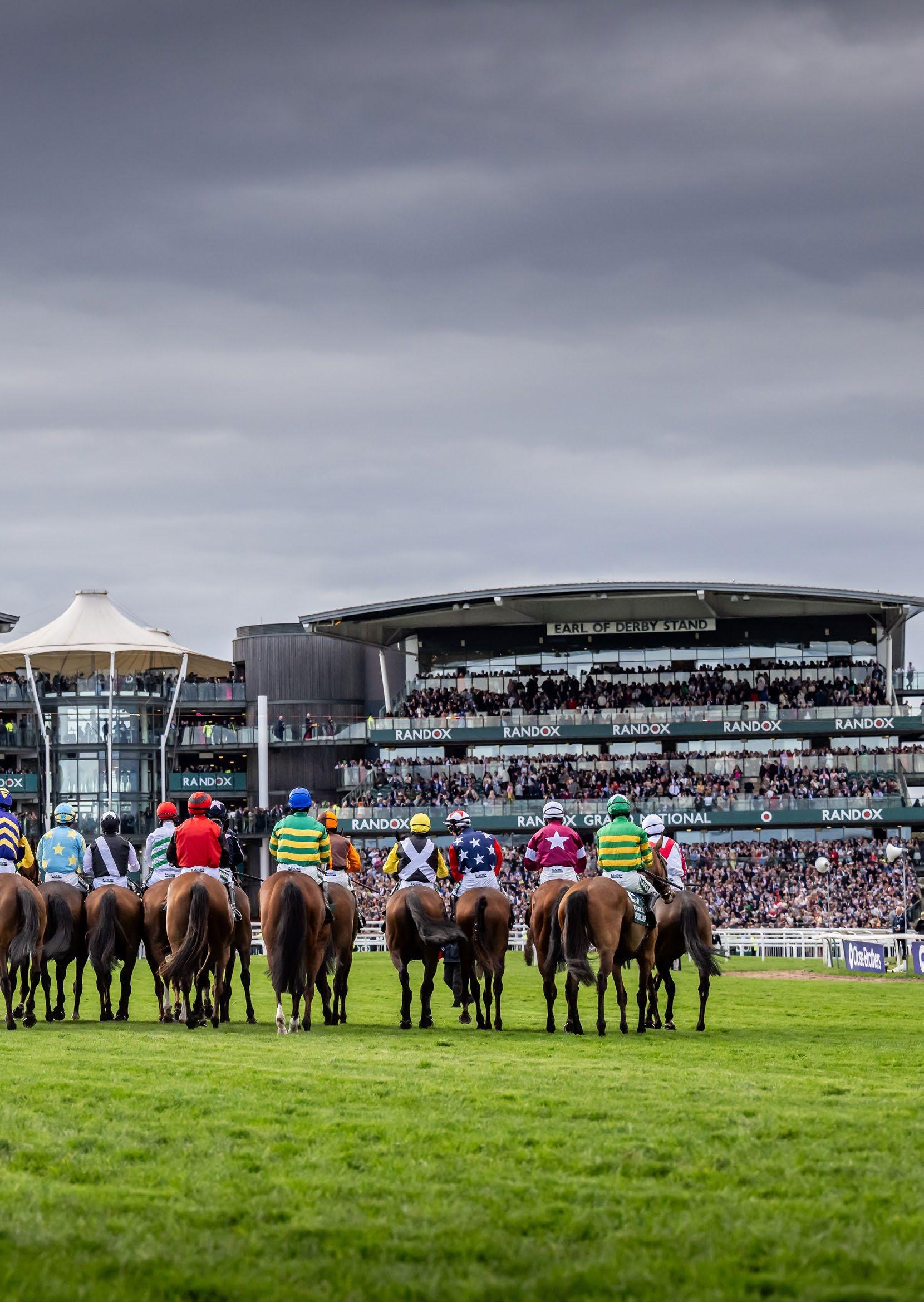
racedays annually. It is custodian of some of the most recognisable events in British sport, including the Cheltenham Festival, the Randox Grand National at Aintree, the Debenhams July Festival at Newmarket and the Betfred Derby Festival at Epsom Downs. These are not simply fixtures in a calendar. They are cultural markers.
But heritage alone does not drive year-onyear commercial growth. Structure does. Discipline does. Modernisation does. And none of that happens in isolation from wider market pressures.
As Jack Royle, Head of Partnership Sales, reflects on the past three years, the commercial transformation is clear.

“We’ve delivered year-on-year record growth, but that hasn’t been frictionless. We’ve had to balance short-term revenue pressures with protecting our premium assets for the long term. It has required clearer guardrails, stronger pricing discipline and, at times, difficult prioritisation decisions within the portfolio.”
That performance is not accidental. It is the result of a deliberate shift away from fragmented, venue-led selling towards a unified national partnership platform, one that protects long-term asset value while expanding measurable commercial impact for brands.
Royle’s remit has evolved significantly since he joined the organisation. Initially focused on Cheltenham Racecourse, his role now spans the full portfolio of 15 venues, overseeing partnership sales at a national level. That shift mirrors The Jockey Club’s partnerships evolution. Consolidating its assets into a coherent group strategy has enabled The Jockey Club to position itself as one of the most powerful live sports platforms in the UK.
Scale, however, introduces complexity. Running racedays across most of the calendar year requires constant alignment between local relationships and national strategy. Individual racecourses must retain their community identity, while premium festivals must remain protected. The balance is delicate.
Commercial success carries particular weight at The Jockey Club because the organisation operates under Royal Charter.
Royle explains:
“The Jockey Club is governed by Royal Charter and reinvests its profits back into British racing. In practical terms, that means commercial growth supports prize money, equine welfare, facilities investment and the long-term development of the sport. It brings added depth to partnership conversations, because brands are contributing to the wider racing ecosystem.”
THE JOCKEY CLUB


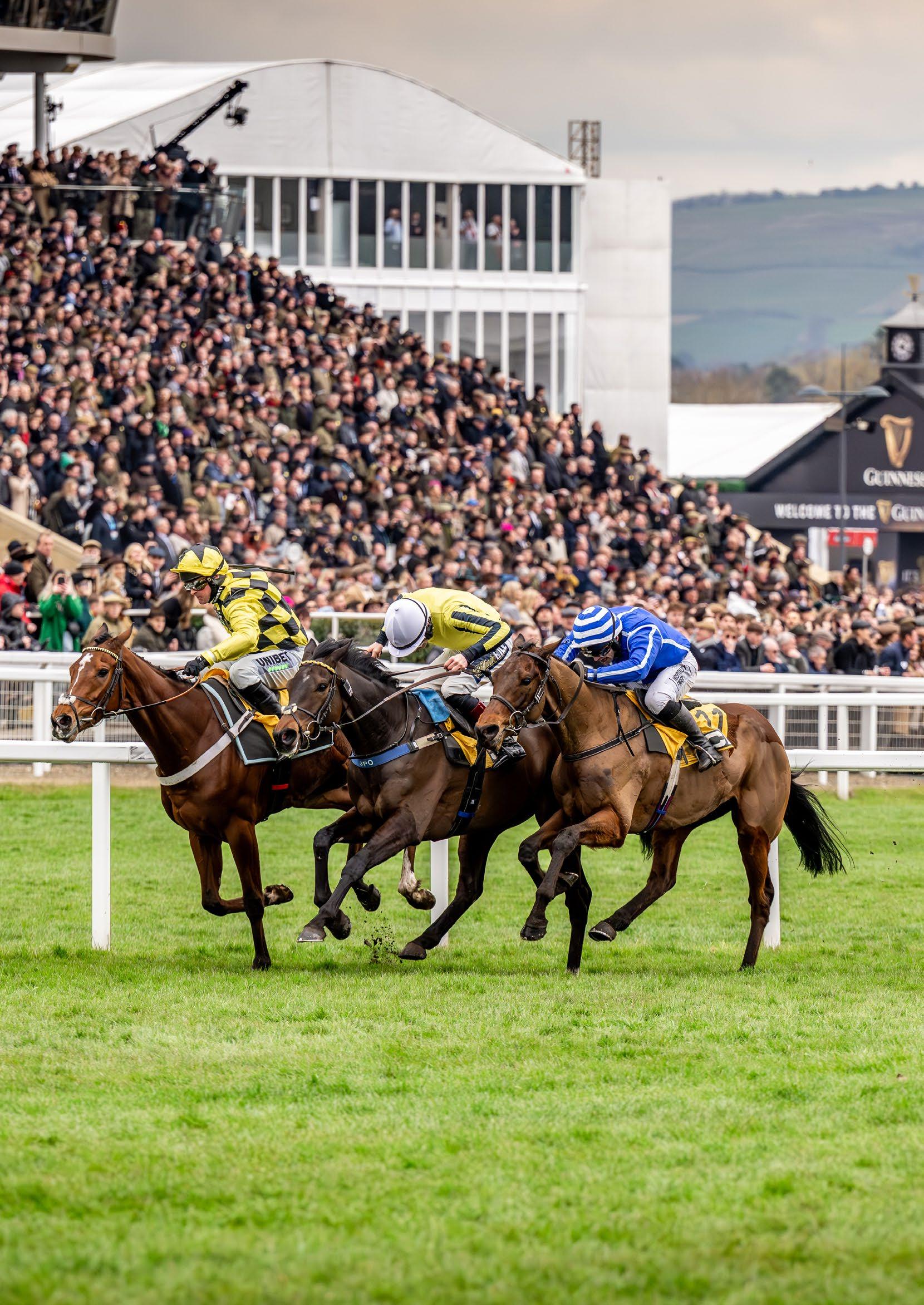
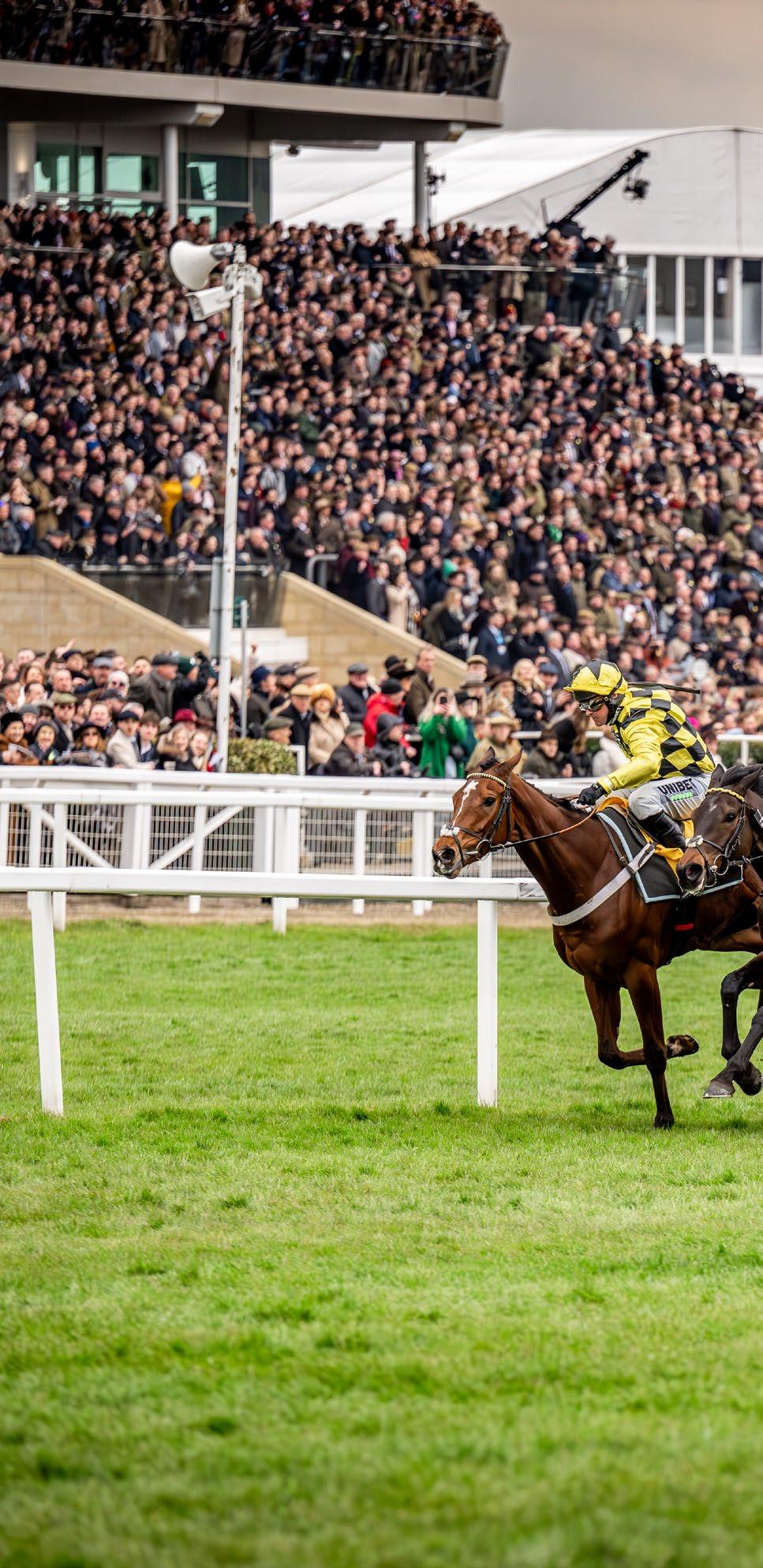
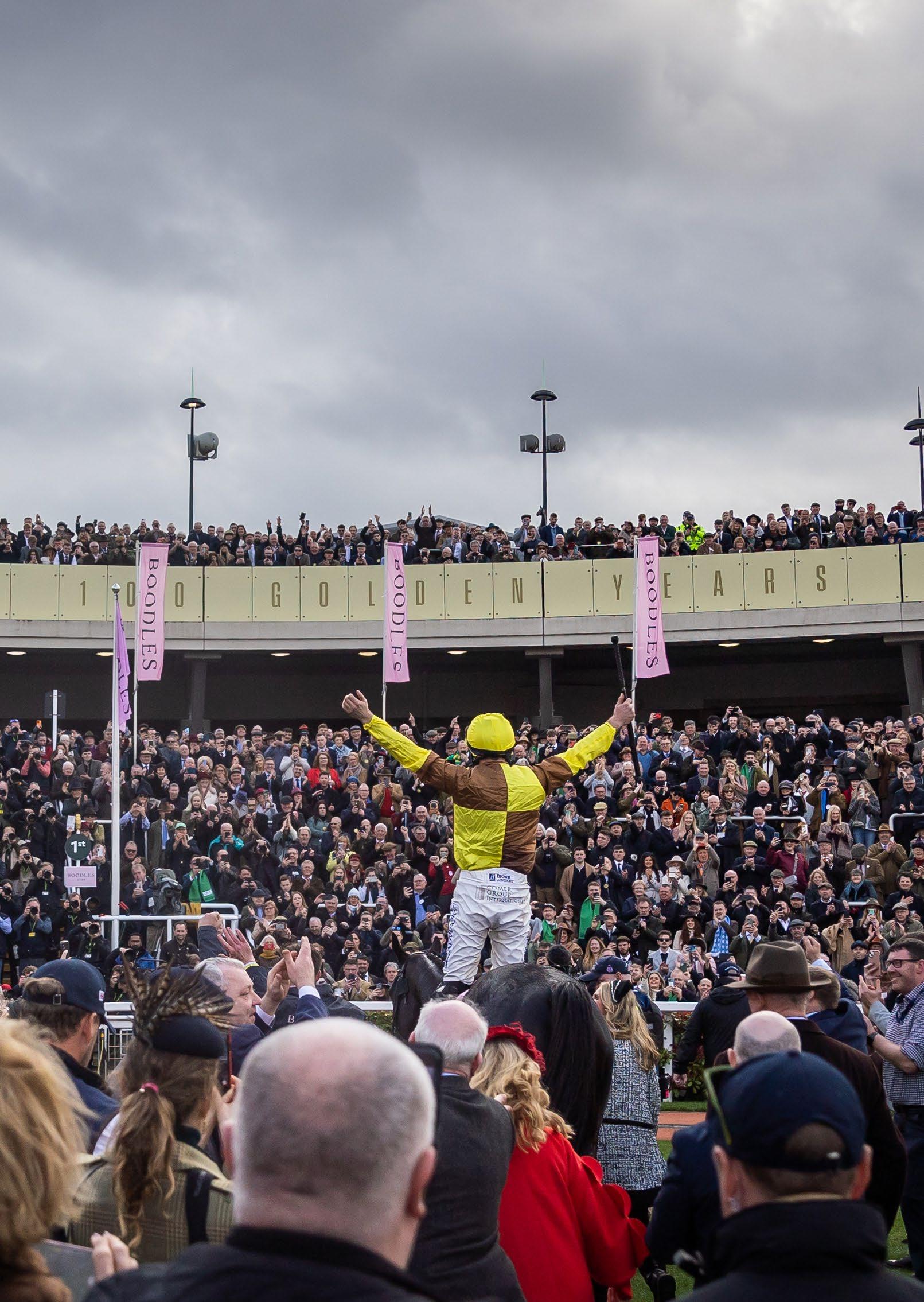
Nowhere is that ecosystem more visible than at the Cheltenham Festival. Widely regarded as the pinnacle of jump racing, Cheltenham blends elite competition with a uniquely British cultural atmosphere. Across four days, it draws over 200,000 attendees and commands the national broadcast attention of millions. But its commercial power lies in something more nuanced than numbers.
Cheltenham is not a two-hour event. It is a full-day experience, often an occasion over multiple days. Guests plan outfits months in advance. Hospitality is booked early. Travel is coordinated. There is anticipation, ritual and emotional investment long before the first race begins. That behavioural build-up creates an unusually rich commercial environment. Brands are not entering a fleeting moment. They are entering a journey.
This is precisely where The Jockey Club’s partnership model has matured. Royle is clear:
“Visibility remains fundamental, but it is no longer sufficient. Modern partners want measurable return, deeper integration and genuine audience access. Our events sit at the intersection of elite sport and
Jack Royle, Head of Partnership Sales

lifestyle culture, and we’ve layered performance capability around that to deliver measurable commercial impact for our partners.”
The distinction is critical. Traditional sponsorship models focused heavily on brand exposure, signage and hospitality rights. Today’s environment demands data intelligence, CRM integration and content-driven engagement that extends before and after the event. The Jockey Club has invested heavily in first-party data, segmentation capabilities and digital activation tools that allow partners to target and retarget audiences with precision. Pre-event communications, on-course activations and post-event content are now structured as a continuous commercial narrative rather than isolated touchpoints.
Importantly, this evolution has not come at the expense of fan experience. In fact, the opposite is true. The organisation recognises that live sport’s most powerful differentiator is emotion and memory. Over-commercialisation risks eroding both. Royle is unequivocal in the philosophy guiding activations: “The principle is simple: commercial partners must enhance the fan experience, not interrupt it.”
That enhancement can take many forms. On-course experiential zones that create dwell time between races. Surprise performance moments that elevate the atmosphere. Retail activations that feel premium rather than intrusive. Broadcast integrations that add theatre rather than clutter.
The Jockey Club’s wider portfolio strengthens that approach. While Cheltenham may command attention,
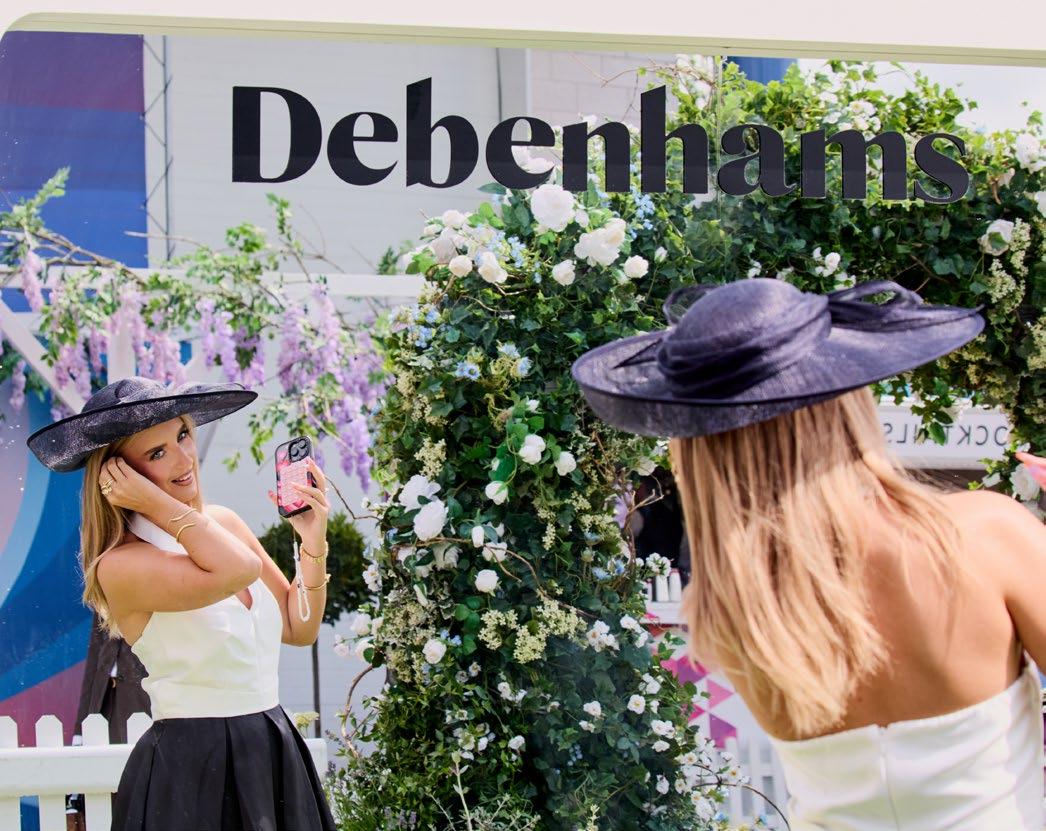
it is supported by a calendar of flagship events that do the same and each offer distinct brand alignment opportunities. The Randox Grand National delivers global engagement. The Derby Festival blends sporting heritage with the start of summer social culture. The Debenhams July Festival at Newmarket offers fashion-led positioning. Each event carries its own audience profile and commercial narrative, enabling partners to align strategically rather than generically.
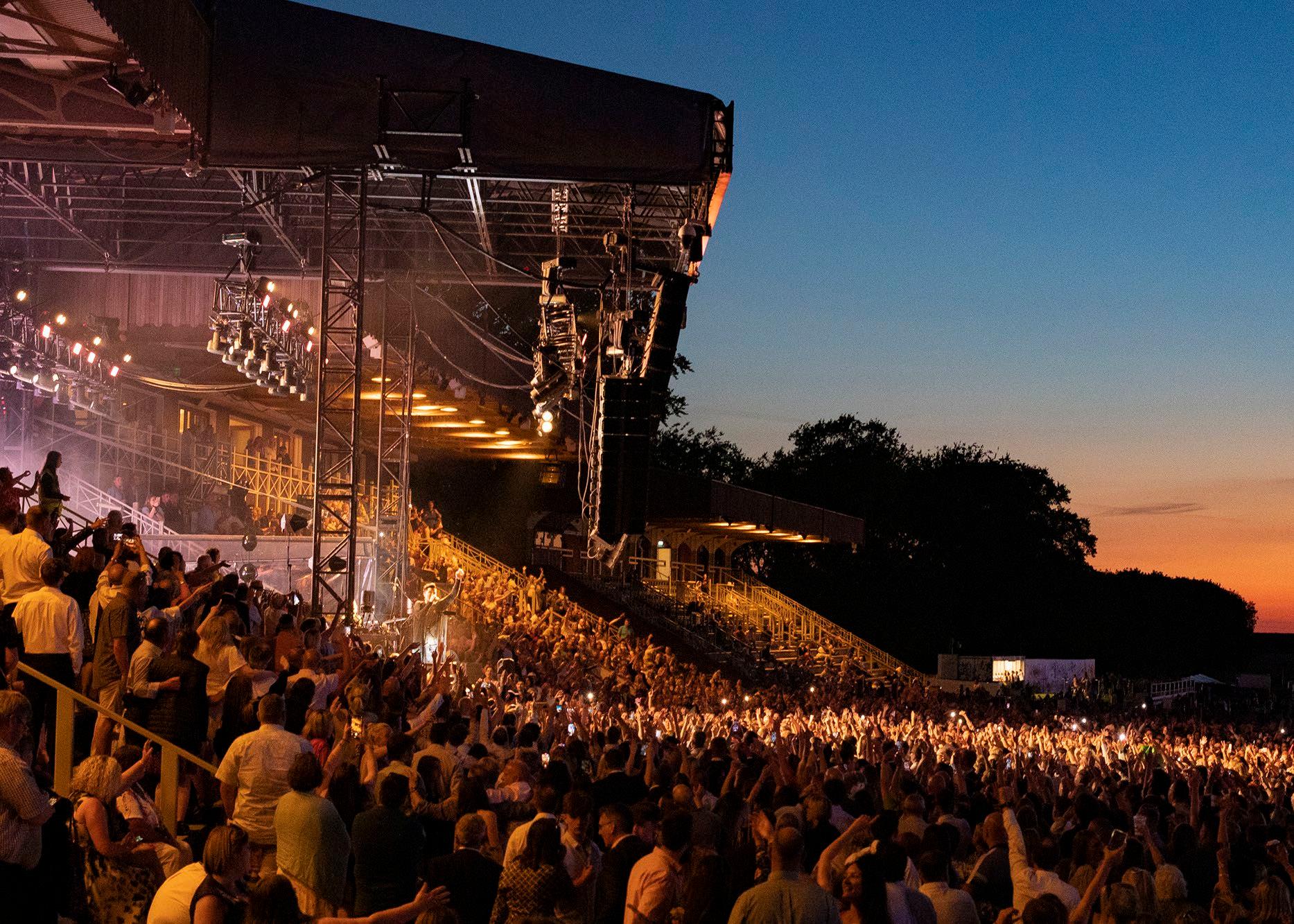
Beyond racing, the organisation’s live music series further expands its entertainment footprint. The Jockey Club has become one of the UK’s leading outdoor music platforms, introducing new demographics to racecourse venues and broadening the commercial conversation. This diversification allows them to operate not just as a racing authority but as a live entertainment ecosystem.
Modernisation, however, requires careful stewardship of tradition. Racing’s heritage is one of its greatest assets yet relying on heritage alone risks stagnation. Royle articulates this tension with clarity: “heritage is a great strength, but it’s not a strategy.” The theatre of a race day remains central, but digital infrastructure, app-based engagement, data-driven communication and new audience initiatives are layered around that tradition to ensure continued relevance.
Sustainability has become another pillar shaping partnership strategy. Brands increasingly evaluate platforms based not only on reach but on responsibility. The Jockey Club’s Going Green programme, which has delivered significant reductions in energy
THE JOCKEY CLUB


consumption and eliminated waste to landfill across its racecourses, reflects a broader commitment to environmental stewardship. These initiatives resonate commercially because they align with the expectations of modern partners and audiences alike.
Equally important is social sustainability. Partnerships that widen access to racing and introduce new audiences to the sport contribute to long-term growth. Community-focused initiatives, youth engagement programmes and inclusive event strategies are not peripheral activities. They form part of the broader narrative that racing remains relevant, welcoming and future-facing.
Internally, delivering this scale of activity demands high-performance leadership. Commercial teams operate continuously across the calendar, balancing shortterm targets with long-term protection of premium inventory. Royle’s approach centres on clarity and accountability. Clear sales strategies. Clear pricing guardrails. Clear expectations of what success looks like. Empowered individuals owning negotiations within defined parameters. In a competitive marketplace, that structure protects both value and morale.
Looking ahead, growth opportunities are increasingly digital. Expanding and activating first-party audiences will be central to maintaining commercial momentum. Multi-year strategic partnerships that integrate across multiple racecourses and event tiers are expected to deepen, providing stability and increased value for both sides.
Continued innovation in packaging and performance measurement will further differentiate The Jockey Club from traditional sponsorship models.
The organisation’s trajectory suggests a deliberate refusal to commoditise its premium moments. Instead, it is constructing a layered, data-informed partnership platform that respects the emotional core of racing while embracing the analytical demands of modern marketing.
THE JOCKEY CLUB
In a broader sports economy where many rights holders are still recalibrating to digital-first realities, The Jockey Club has quietly positioned itself at the intersection of heritage and performance marketing. Its flagship festivals remain aspirational cultural moments. Its commercial structure has become increasingly sophisticated. Its reinvestment model strengthens its legitimacy. Its sustainability commitments reinforce credibility.
Most importantly, it understands that belonging drives value. Fans belong to moments. Brands want to belong to culture. And culture cannot be
manufactured overnight. It must be curated, protected and intelligently commercialised, particularly in a market where attention is fragmented and expectations continue to rise.
The big races will always be decided on the track. But sustaining its commercial strength off it demands constant recalibration, balancing tradition with innovation, growth with protection and short-term opportunity with long-term value.
That is not simply growth. It is stewardship with intent.
www.thejockeyclub.co.uk