




To the Utahns we serve,
Utahns have always been a people who build for the future -from our deepest roots to our newest branches. Whether through the grit of the pioneers or the bold vision of our modern innovators, we work for generations we will never meet. That same spirit drives this plan.
The opportunity before Utah right now is extraordinary. Next-generation energy, advanced manufacturing, artificial intelligence, and the convergence of sectors and technologies are reshaping the global economy in ways that give our state an edge. We are built for this moment. Our universities, our pro-business policies that have made us the top state for economic outlook for nearly 20 years, and our spectacular mountains and outdoor landscapes give us the ability to lead in ways most states cannot match.
We have built a remarkable foundation, leading the nation in economic growth, job creation, and fiscal responsibility. That did not happen by accident. It happened because Utah is a place where businesses can move quickly and grow, and because innovative, driven companies created an economy we can be proud of.
Our goal is clear: Utah will be the nation's top economy, leading in startups per capita, workforce quality, energy leadership, innovation output, and more. We see our role the way a skilled sherpa guide sees theirs: making sure the businesses and entrepreneurs doing the hard work have everything they need to reach the top. It is our speed and coordination that set us apart -when government, higher education, and business move united, we outpace anyone.
We also believe economic development, done right, is about more than GDP and job numbers. Housing affordability, air quality, natural and cultural amenities, and transportation are not separate from our economic strategy. This plan measures quality of life with the same seriousness we bring to capital formation and employment data, because the states that sustain their position over time are the ones that get both right.
The decisions we make now determine the economy we inherit later. We are committed to investing aggressively and with discipline so that a decade from now, Utah's position is stronger and its opportunities broader than anything we can see today.
This plan is our promise. Our unified economic vision as a state is to be the place of unmatched opportunity and livability.
This is Utah Elevated.
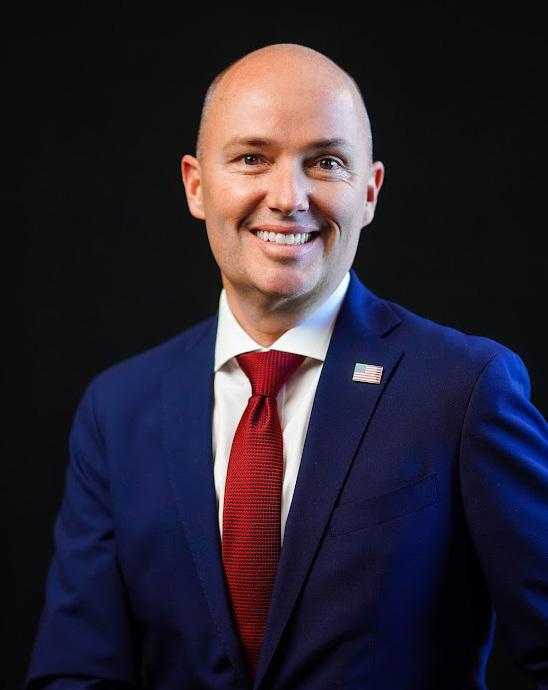
SPENCER J. COX GOVERNOR
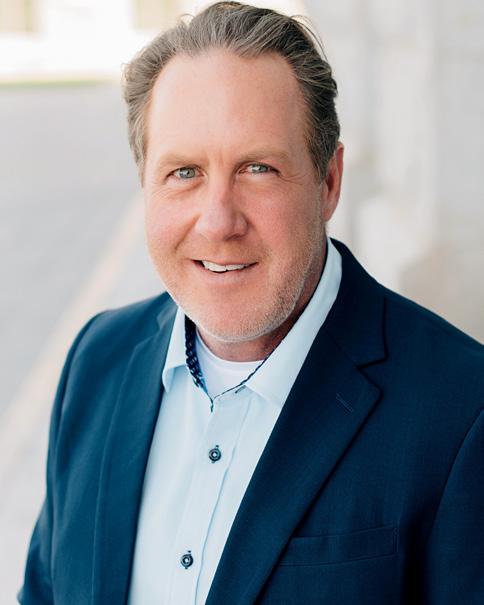

JEFFERSON MOSS COMMISSIONER



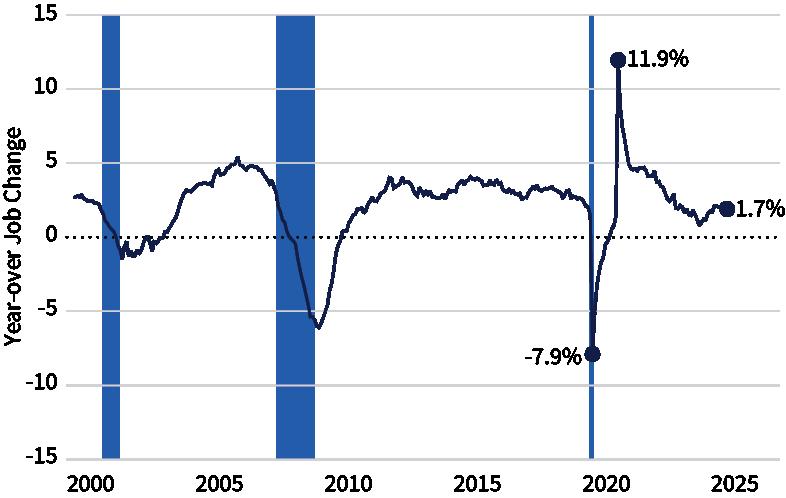
Since 1990, our population has more than doubled. We have led the nation in real GDP growth, social capital, and upward mobility, achieving the lowest poverty rate in the country.
This kind of change presents opportunities and challenges. Elevation is what we do about it.
We now aim to lead the nation in economic performance and quality of life. Our unified economic vision as a state is to be the placeof unmatchedopportunityand livability.Thisis Utah Elevated.
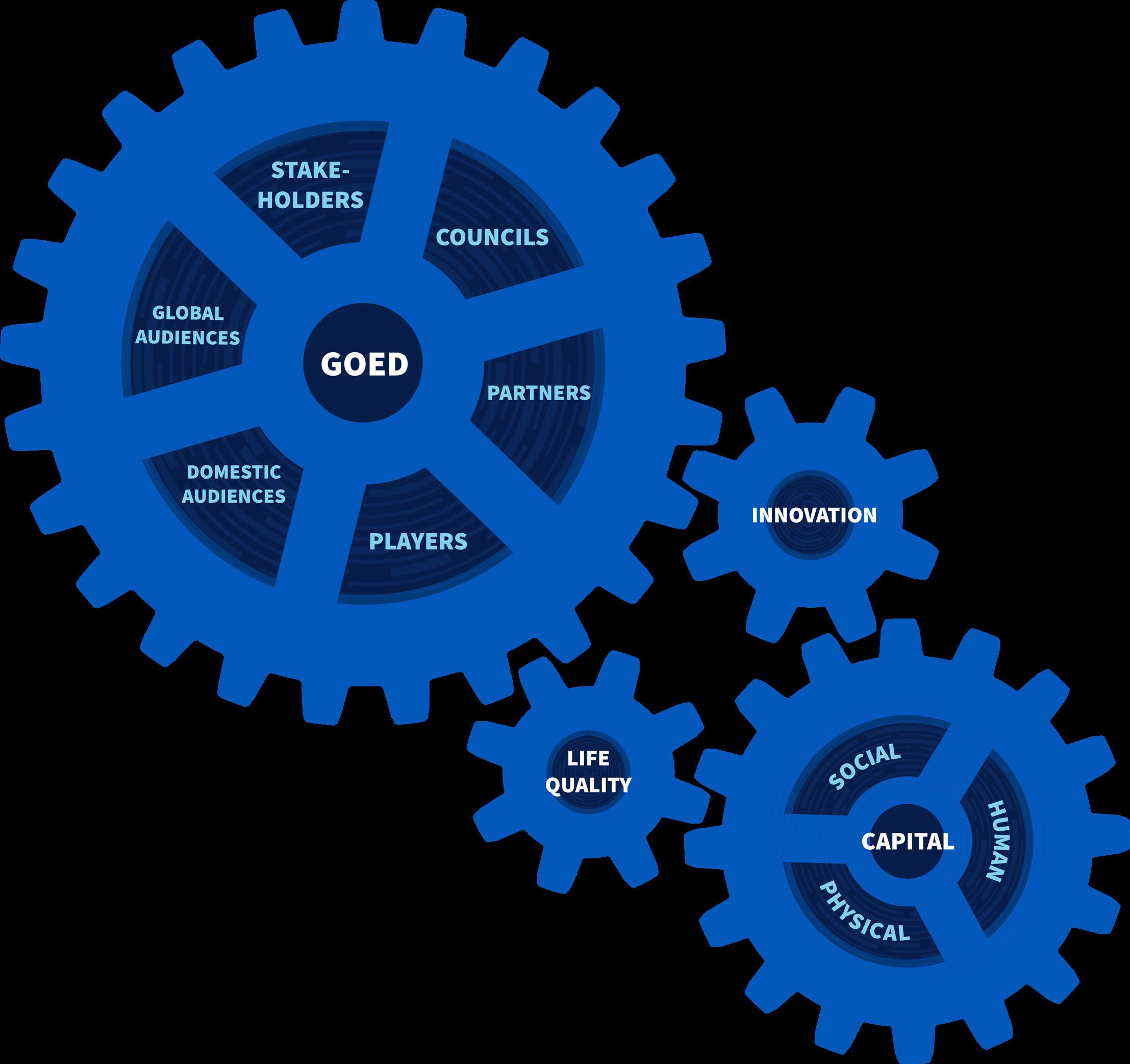
GOEDserves as the lead economic driver for the State of Utah -the sherpa guiding Utah's economic ascent that is driven forward by private industry.
The office works alongside a statewide economic development ecosystem that includes numerous stakeholders, partners, and players -all performing critical and distinct functions, each excellent in their own lane. GOED leads collaborative efforts with these groups and works with them to navigate the terrain, anticipate hazards,and ultimately lead and close deals. While economic opportunities may begin with any
of our partners, GOEDserves as the common thread, ensuring every incentive-aligned project is woven into the state's broader strategic vision. Our role is to set direction, convene the right people and resources, grow the pipeline of opportunities, and ensure accountability.
GOED does not compete with or do the work of its partners, just as a sherpa guide does not climb for the team. It amplifies their work, aligns their efforts, and aligns the strategy that converts promising opportunities into secured projects and a growing economy.



Utah aims to lead the nation in economic performance and quality
of life. GOED advances this vision through three pillars -innovation, capital, and life quality -by aligning our strategies and actions with focus areas grounded in guiding principles and statewide collaboration.
VISION: Be the place of unmatched opportunity and livability.
MISSION:We advance Utah's long-term economic success so people and businesses can thrive -through innovation, capital, and quality of life.
GUIDING PRINCIPLES - Sixprinciples guide our actions:
FREEENTERPRISE- Support markets as the best way to organize economic activity.
LIMITEDAND EFFECTIVEGOVERNMENTShape a limited and effective government that supports a successful market economy.
FUTUREMINDSET- Make decisions with a generational focus.
COLLABORATION - Collaborate, convene, and coordinate for the betterment of Utah.
DATAINFORMED- Relyon data and evidence to guide and inform decisions.
PRUDENTINVESTMENT- Support wise investment in Utah's social, human, and physical capital.
FOCUS AREAS - Sevenfocusareas command our attention:
1. CAPITAL
a. Socialcapital- Ensurecollaboration and connectivity betweenstatewide, regional,and industry specificeconomic developmentstrategies.
b. Humancapital- Support Utah'syoung, healthy,and well-educatedworkforce.
c. Physicalcapital- Prioritize transportation,water,energy,and housing infrastructure.
2. PROJECTSOFSTATEWIDESIGNIFICANCE
Coordinateand advancegenerational opportunities, including The Point, Fairpark, and the Inland Port.
3. OUTBOUNDRECRUITMENT - Focusedon targeted industriesidentified through datadriven analysisand alignment with statewide competitive advantages.Prioritizeproactive recruitment of companiesand industriesfor expansionor relocation.
4. RURALDEVELOPMENT - Promoterural Utah'sstrengths,such as energy,minerals, workforce,and life quality.
5. ELEVATINGECONOMIES
a. Innovationeconomy- Leadthe nation for startups.Support the collaboration of Utah'suniversities,industry leaders, entrepreneurs,and policymakersto turn big ideasinto real-worldsolutions.
b. Experienceeconomy- Build on Utah's strong tourism economy.Expandpriorities to leverageand engagethe state'smany amenities,including outdoor recreation, sports, and events.
c. Creativeeconomy- CultivateUtah's creativesectors-such as film, music,art, and gaming-to strengtheneconomic resilienceand cross-sectorinnovation. Modelthe high-yieldinvestmentsmade in film.
d. Convergence - Convenestakeholders acrossinnovation,experience,and creative economiesto expandUtah'secosystems.
6. ENERGYDECADE-Support work to meet the energyneedsrequiredto securefuture opportunities.
7. OLYMPICOPPORTUNITY - Capitalizeon the momentum of Utah 2034to catalyze community successand solvefor challenges.
TARGETED INDUSTRIES - Weprioritize five industries:
Threemetrics measureour performance:

Utah residents face distinct challenges at the local, national, and global levels.
Our leaders recognize the power of markets to optimize prosperity for all Utahns. State leaders developed three market-based economic development plans between 2019 and 2024. All of them shared common elements, but the next decade presents new challenges and opportunities.
This plan draws on insights from researchers, partners, industry leaders and others to meet these challenges more deliberately and in a data-driven, community-minded manner.
1. ECONOMIC MOMENTUM
Leadership in GDP growth, income & low poverty, mobility, income equality, population, social capital, education.
2. DEMOGRAPHIC CHANGE
Population doubled over the past 25 years. Increased diversity (all types), declining fertility.
3. PRESSING CHALLENGES
Housing, homelessness, traffic, reading proficiency, graduation rates, water and the Great Salt Lake, energy, and behavioral health.
4. ECONOMIC UNCERTAINTY
Nationwide, migration and trade policy create inflationary pressure; the labor market shows signs of distress.
5. GENERATIONAL PROJECTS
Inland Port, The Point, Fairpark/Power District, MIDA, Utah 2034, Downtown Sports and Entertainment, Energy investments, and more. Primary Source:GordnerPolicyInstitute

To overcome these challenges and capitalize on positive momentum, any organization will naturally gravitate towards its differentiators. In Utah we benefit from five major economic differentiators:



Well-trained and highly educated workforce
Young and fast-growing population
Business Climate
Attractive business and regulatory environment
World-class social cohesion and collaboration
Once-in-a-generation projects
Utah's differentiators informed our pillars of innovation, capital, and life quality.
INNOVATION: Forwarding the ecosystem, policy, partnerships, and culture that empower businesses and individuals to create new ideas, technologies, and solutions that drive the economy.
CAPITAL: Building and connecting the social networks, human talent, physical infrastructure, and financial resources needed to support thriving businesses and communities.
LIFE QUALITY: Cultivating strong, healthy, and connected communities with amenities and opportunities that attract talent, retain residents, and share economic benefits broadly.
*IncludesSocial,Human, & PhysicalCapital
These pillars also inform the guiding principles and focus areas found within the Opportunity Framework. Each is a fundamental component of Utah's economic success that must be maintained and cultivated. Utah generates opportunity at the intersection of these pillars.



Utah's economic development ecosystem is a network of organizations and institutions. GOED sits at the center as a convener, connector, and catalyst - a connective piece that ensures the ecosystem works together. At the same time, GOEDrelies on the unique expertise and capabilities of all components of this ecosystem in a mutually beneficial arrangement.
This is how we show up as A State United.
When audiences (in-state and out-of-state) encounter the system, they are drawn in and guided by GOEDon how best to participate, in collaboration with others. This happens case-by-case in a continuous loop.
The full network of organizations, institutions, and communities that collectively shape Utah's economic outcomes. No single entity owns or controls the ecosystem - it is governed through coordination.
ECOSYSTEM: The full network of organizations, institutions, and communitiesthat collectivelyshape Utah'seconomic outcomes.No single entity owns or controls the ecosystem- it is governedthrough coordination.
CONNECTOR/ CONVENER/ CATALYST: GOED providesunified leadershipand coordination that aligns our diversepartnerstoward an accountable, cohesivevision.
Utah's superpower is speed. When organizations like GOED, EDCUtah, UIPA, and others are all moving off the same playbook, as a state united, we can take a company from the first meeting to an announced deal faster than any other state. That speed is what this governance architecture is designed to reinforce - and what every section of Utah Elevated is built to accelerate.
STAKEHOLDERS: Individualsand organizations with a stakein outcomes but who may not hold formal authority or resources,such as residents, small businesses,and community groups. Stakeholdersare served,consulted,and foundational to our work.
PARTNERS: Organizationswith whom GOEDhasan active,ongoing coordination relationship,typically defined by an MOU.Thesesharegoals,alignment, and accountabilitywith GOED.
PLAYERS: Organizationswith resourcesand authority who activelyshapeeconomic outcomes - companies,universities,associations,other state agencies,and site selectors.Playershaveskin in the game.
AUDIENCES: Both domestic and external- these often start as an audiencein a marketingsense. Theyencounterthe ecosystem,learn about it, and eventuallyare drawn into and aligned with the right combination of stakeholders,partners,and playersto createopportunity.
Other parts of the ecosystem are aligned through governance tiers and a consistent operating cadence. The councils make real commitments and own shared outcomes.
Sets statewide investment direction. Approves cross-cutting decisions. Resolvesconflicts between sectors and regions. Statutorily outlined 63N-la501.
Under the direction of the Economic Development Council, coordinates to establish unified communications, marketing, response, and other outbound efforts across organizations.
GOED-convened. Provides the Governor and GOED with direct lines to private-sector leadership with targeted industries. Identifies key areas where the State can support and innovate, positioning the State for leadership in the industry.
Connects statewide strategy to communities. Coordinates rural economic development and recruitment efforts, Blueprint implementation, rural grants, and UIPA rural project area alignment. Every region and community has a voice.
Leveragesexperience, connections, and insight to steer incentives and grants. Provides strategic direction on state economic development priorities.
These categorize our focus and align with Utah's differentiators and strongest opportunitieswhere we can achieve the greatest leverage and results.
on
Hill Airforce Base,Falcon Hill, 47G space,air, and military applications.
FINANCIALSERVICES
ILCs,Stena FinTechCenter, Leaderin financial institutions and next-generation
FinTech. Blockchain Coalition & Registry TECH
Directfocus on Al, Quantum, and Blockchain
83,000 Silicon Slopes,Nucleus,Texas technologies. Instruments
LIFE SCIENCES& HEALTHCARE $11.76B 46,000 U of U Health, Huntsman, BioUtah, Biomedical,biotech, and other life sciences. BioHive
ENERGY& CRITICALMINERALS
Energygenerationand critical mineralsdiscoveryand
EnergyCouncil, Operation
Gigawatt, San RafaelResearchLab extraction.Investmentin and expansionof 'all of the above' forms of energy.
Every incentive-based economic development project in Utah generally moves through a fivephase lifecycle. Partner and player organizations contribute at appropriate and needed points in the pipeline. Acting as the sherpa guide, GOEDis there for every phase-leading and coordinating.
PHASE3 Coordination
EDCUtah,WTCUtah, Associations
Partnerssurfaceleads through their respective networks and lanes.
GOED+ Partner
GOEDengagesto assess strategicfit, project scale,and incentive appropriateness.
GOEDleads coordination
GOEDconvenespartners and players,packages incentives,and aligns physical/site partners (UIPA,MIDA,The Point, Fairpark).
GOEDleads
GOEDcoordinates and executesincentive agreements,and project commitments.
GOED+ All Partners
GOEDmonitors performance,manages compliance, coordinates ongoing support, and expansion.
The lifecycle empowers partner organizationsto do what they do best-generating leads, providing sector intelligence, and offering site and incentive infrastructure -while GOEDprovides a connective tissue that aligns government, closes deals, and holdsthe overall systemaccountablefor results.

As the convening authority for Utah's economic ecosystem, GOED maintains relationships and a mandate to align stakeholders, partners, and players across government, associations, and industries into a single coordinated response.
This convening function is what converts promising leads into closed deals -and what separates Utah from states with fragmented, siloed economic development. While partners and players across the spectrum are part of this convening process, governmental agencies and entities are crucial to it and to Utah's ability to move fast.
Liaisons with USHE, DWS and others to align programs and connections related to workforce. This includes apprenticeship pipelines, programs like Talent Ready Utah, and providing statewide labor market data.
Coordinates with DEQ, UDAF, DNR, UDOT,the Department of Commerce, federal regulatory agencies, and other regulatory bodies to streamline approvals, reduce barriers, and create predictable timelines for businesses.
Engages cities, counties, and planning commissions early to ensure local incentives, zoning, infrastructure, and community fit are aligned with the project and move in parallel with state-level efforts.
Connects companies to university research partnerships, talent pipelines, applied learning programs, and the Nucleus lnstitute's commercialization and tri-sector innovation ecosystem -the convergence of government, education, and industry.
Coordinates with UDOT,utilities, and broadband providers to identify and resolve infrastructure requirements that are critical to business location decisions.
Packagesand manages EDTIF,REDTIF,EAG,USBCI,and other state incentive tools across agency lines -ensuring compliance, reporting, and return-oninvestment accountability throughout the project lifecycle.
For incentive-related economic development, we ensure every company, community, or founder has a single point of contact to coordinate all state resources. We act as an expert sherpa, guiding the process with senior-level engagement within 48 hours for strong project prospects.
The following organizations each perform a distinct function within Utah's economic development ecosystem. Their respective roles are defined by lane -the specific type of business attraction, support, or infrastructure they provide.
In every case, GOED is on point in its role as a sherpa guide, receiving handoffs, leading formal engagement, coordinating government, and closing deals.
This list focuses on key partners and players, but there are many more that are frequently engaged in the process.

TYPE:Infrastructure & incentive authority
ROLE:Partner-logistics & trade zone incentives
LANE:Freight, logistics & distribution

UIPA works to establish Utah as a global logistics hub by optimizing the movement of goods across the state. Its strategic plan focuses on three primary goals: strengthening rail infrastructure, improving access to coastal ports, and developing Salt Lake City International Airport into a premier air cargo gateway. By managing 11 statewide project areas and Foreign Trade Zone 30, UIPA uses tax increment financing to drive growth in manufacturing and distribution. This strategy ensures that both urban and rural Utah benefit from diversified transportation and modern logistics technology.
Provides incentives and infrastructure support for logistics, distribution, and trade-related businesses within the port authority boundary.
• Administers the Inland Port zone's unique tax increment and fee structure for qualifying companies. Develops and markets Utah's inland port as a logistics hub for domestic and international freight.
• Works with GOEDto align port incentives with broader state economic development packages. Supports site development and infrastructure for freight, cold storage, manufacturing, and distribution. Contributes logistics-sector data and capacity to GOEDled project coordination.
GOED leads out on cross-agency coordination, incentive packaging, and deal negotiation for companies evaluating the Inland Port zone. Port Authority executes site-specific authority and its own unique incentive structures.
TYPE: Infrastructure & incentive authority
ROLE: Partner – innovation district site
LANE: Innovation economy site development

Established in 2018, POMSLA manages the 600-acre redevelopment of the former state prison site, known as The Point. This innovation community centers on the Phase 1 Innovation District and Convergence Hall, a facility designed to connect higher education, government, and industry across fields such as AI, quantum computing, and digital media. By integrating transit, housing, and workspace, the project is projected to create over 46,000 jobs and $7 billion in annual GDP, serving as a hub for commercialization and technological advancement across Utah.
• Develops and manages the Point of the Mountain as Utah’s premier innovation and mixed-use district.
• Creates development frameworks and infrastructure for technology and innovation companies.
• Coordinates land entitlement, zoning, and master planning for the development footprint.
• Attracts anchor institutions, corporate campuses, and innovation-economy employers to the district.
• Coordinates with The Nucleus Institute and universities on talent, research commercialization, and ecosystem alignment.
• Works with GOED on economic development projects appropriate for the Point.
GOED leads multi-agency coordination and state-level economic development for companies locating to The Point, ensuring site decisions align with statewide strategy.
TYPE:Unique venue
ROLE:Partner-business events & support hub
LANE:Convening, events & business facilitation

The Utah State Fair Corporation is a nonprofit that manages the 65-acre State Fairpark. Since achieving financial selfsustainability in 2021, it has transitioned from hosting an annual fair to serving as a year-round venue for trade shows, concerts, and industry events. Its strategic location adjacent to the Larry H. Miller Company's Power District development and potential MLB site makes it an ideal venue for statewide convenings. By showcasing Utah's agricultural roots alongside modern innovation, the Fairpark acts as a setting where businesses and visitors experience the state's economy firsthand.
Provides venues and infrastructure for industry events, trade shows, and business summits.
Supports businesses seeking to showcase, network, and identify Utah market opportunities.
Assists in identifying businesses with an interest in Utah expansion through event engagement.
Facilitates connections between visiting companies and Utah's business ecosystem.
Coordinates with GOEDon economic development events and targeted business engagement.
Businesses expressing interest in Utah operations referred directly to GOEDfor formal economic development coordination and follow-through.
TYPE:Infrastructure & incentive authority
ROLE:Partner-defense & aerospace site development
LANE:Defense, aerospace & mission-adjacent industry
Created in 2007, MIDA is a state authority that supports Utah's military installations and local communities by converting available land into productive economic assets. Using the federal Enhanced Use Lease program, MIDA facilitates publicprivate partnerships to fund new military infrastructure, including the Falcon Hill Aerospace Research Park at Hill Air Force Base. Recent legislative updates allow MIDA to reinvest revenue across its project areas, ensuring long-term infrastructure growth for Utah's defense sector.
Manages development authority for areas adjacent to • Utah military installations.
Provides infrastructure and site development incentives • for defense, aerospace, and dual-use industries.
Coordinates land use, development approvals, and • investment attraction within MIDA boundaries.
Supports businesses co-locating near Hill AFB, Dugway Proving Ground, Tooele Army Depot, etc.
Works with GOEDto identify and recruit defenseadjacent companies into MlDA-eligible areas.
Administers Ml DA-specific tax structures and development agreements in coordination with GOED.
Administers ongoing MIDA area projects as a quasigovernmental entity.
GOEDcoordinates the economic development effort-including incentives, workforce alignment, and state-level approvals -for projects within a MlDA-zone location.
TYPE:Voluntary & quasi-governmental association
ROLE:Player-service provider & regional coordinator
LANE:County administration, regional infrastructure &justice systems
Established in 1924 by elected county officials. UACrepresents all 29 counties, which serve as the essential administrative arm of the state. Because counties manage the court systems.jails, public health, and property assessments, UAC's2026 strategy emphasizes Regional Resilience. UACensures that counties remain fiscally solvent and capable of providing critical emergency services. Their strategy focuses on a unified voice for county commissioners to address regional issues such as public lands policy, behavioral health, and the equitable distribution of resources between the Wasatch Front and rural Utah.
Provides a platform for counties to gather and advance priorities at the federal and state levels.
Provides forums for member county officers to engage in the exchange of ideas, experiences, and knowledge.
Facilitates access to technical assistance, training, and education.
Champions programs and other funding streams critical to county budgets.
Represents county-level interests to the Utah Legislature, the Executive Branch, and federal agencies.
Facilitates statewide collaboration on public services associated with counties.
UAC works with GOEDto drive economic prosperity throughout the state via the Rural County Grant Program, Department ofTourism, and other economic development programs.
TYPE:Independent state agency & fiduciary trust
ROLE:Player-asset manager,steward & revenue generator
LANE:Natural resources,real estate development & education funding
TheSchooland InstitutionalTrustLandsAdministration(SITLA)is a Utahstateagencyestablishedin 1994to manageapproximately 3.4 million acresof trust land on behalfof 10 state beneficiaries,primarily K-12public schools.About six percentof Utah'stotal land basefalls within SITLA'sportfolio. Unlike most state agencies,SITLAoperatesunder a fiduciary obligation -everydecision must generaterevenuefor its beneficiaries,which is deposited into permanentendowmentsand distributed annually.That mandate producesa developmentorientation and deal-makingflexibility uncommon in state government,and givesSITLAa natural basis for partnershipwith economicdevelopmentefforts acrossthe state.
Landassetmanagementacrosscommercial,residential, industrial,and energysectors.
Leasingand royalty administrationfor oil, gas,coal, and mineral extraction-its most profitable revenuestream.
Realestatedevelopment,land sales,and easement grantingto maximizeportfolio returns.
Landexchangeswith the federal governmentto consolidateand upgradethe trust portfolio.
Administrationof the Land ExchangeDistributionAccount (LEDA),distributing royaltiesto Utah counties.
SITLA'slarge contiguous parcelsand development flexibility support GOED'ssite selection and recruitment work, particularly for large industrial users.GOED'sincentives can stack with SITLA'sground leasestructures to build a more competitive total packagefor targeted projects.
TYPE:Non-partisan inter-local government cooperative
ROLE:Player-educator & municipal representative
LANE:Municipal policy, local governance& land-use regulation
SIGNIFICANCE AND STRATEGY
ULCTserves as the collective voice for Utah's local governments. ULCTis led by a 21-member Board of Directors,comprised of leaders from communities across the state, who focus on balancing growth with the preservation of local community character. ULCTensuresthat cities havethe autonomy to manage land use,zoning and infrastructure, and partners with the State of Utah and the private sector to promote the prosperity and quality of life for Utahns.
Advocatesfor municipal interests before the Utah Legislature,focusing on local revenue protection and land-use authority.
Facilitatestechnical assistanceand provides professional training for mayors, city councils, and municipal staff-including education on regulation and municipal administrative functions.
Coordinates the LegislativePolicy Committee (LPC), which every city and town is entitled to participate in, to build statewide consensusamong both urban and rural cities.
Analyzesand tracks legislation affecting public safety, transportation, and local tax structures.
Partnerswith GOEDand other stakeholders to address issueslike water availability, infrastructure sufficiency, housing affordability, and more to support Utah's growing population.
ULCTengageswith GOEDon stateand local policy, planning,and infrastructure-particularlywhen GOEDis working with businessesand industryto expandor relocatewithin the state.
TYPE:State-level workforce development entity
ROLE:Player -workforce development
LANE:Intermediary, program management & talent pipeline engineering

Talent Ready Utah is the linchpin of Utah's economic competitiveness. Its core strategy is industry-led, education-driven alignment. The program's significance lies in its ability to synchronize the efforts of 650+ companies with over 560 statefunded educational programs. By providing a single point of entry for industry, Talent Ready Utah ensures the state education investments are directly responsive to the needs of Utah's critical industries. This prevents a "skills gap" by turning industry demand into public curriculum.
Talent Ready Utah serves as the primary bridge among industry, higher education, and state agencies to identify and address workforce gaps.
Developing comprehensive career pathways starting in K-12 and extending through higher education. Managing critically funded programs like Utah Works,
Return to Work, Talent Ready Connections, and Custom Fit to subsidize the cost of training for Utah businesses. Designing work-based learning models and workforce solutions.
Using statewide job projections to ensure training programs target high-wage, high-demand occupations.
GOEDworks with Talent Ready Utah at the interchange of economic development and workforce fulfillment. Talent Ready Utah takes recruitment data and activates the state's assets to build the necessary pipeline so companies can find the talent they need to operate.
TYPE:Lead generation, project management
ROLE:Partner-non-government lead generation
LANE:Business attraction
SIGNIFICANCEAND STRATEGY
Since 1987, EDCUtah has served as the state's lead nonprofit partner for corporate recruitment and expansion. Backed by a network of hundreds of industry experts, the organization provides the research and project management necessary for businesses to move to or grow within the state. By working in tandem with GOED,and providing flexibility and capability that a government entity cannot, EDCUtah streamlines the recruitment process from start to finish, ensuring companies and site selectors have one clear, coordinated point of contact when evaluating Utah.
Identifies and recruits prospective businesses considering Utah relocation or expansion.
Conducts outreach to site selectors, corporate real estate teams, and companies worldwide.
Qualifies leads and assessesfit -then relays to GOED to lead formal economic development engagement with the state.
Provides market research, site selection support, and Utah data and insight to prospective companies.
Maintains ongoing relationships with companies in the pipeline on behalf of Utah.
Develops and markets Utah value propositions to targeted industries and decision-makers, leveraging unified messaging and Elevate Utah.
Strong leads are relayed to GOED for incentive negotiation, multi-agency coordination, and deal closing. GOED leads the project from qualification forward.
TYPE:Trade & international organization
ROLE:Partner-export & international business support
LANE:Global trade & foreign direct investment
World Trade Center Utah (WTCUtah) is GOED'sdesignated partner for international trade. For over 20 years, the organization has operated in tandem with GOED to help local companies expand exports and attract foreign investment. WTC Utah supports Governor-led trade missions, provides market-entry strategies and services to Utah-based businesses, and administers federal export grants. This partnership keeps Utah competitive on the world stage, supporting $22 billion in annual exports.
• Supports Utah businesses in developing export strategies and entering international markets.
• Identifies foreign companies and investors interested in • establishing Utah operations.
• Supports GOEDon Governor-led trade missions, foreign • delegation visits, and global relationship networks.
• Provides trade financing guidance, export documentation support, and market intelligence.
Connects Utah businesses with foreign trade partners, distributors, and strategic allies.
Flags inbound foreign direct investment (FDI) opportunities and hands them off to GOED.
• Develops and markets Utah value propositions globally, leveraging unified messaging and Elevate Utah.
Inbound FDI prospects and international company relocations are passed to GOED, which leads formal economic development engagement, incentive packaging, and government coordination.
TYPE:Industry boosting
ROLE:Partners/Players -sector advocates & intelligence network
LANE:Industry intelligence & sector ecosystem building
Each association serves as the convening voice for one of Utah's targeted industries, with sector-specific missions that align with GOED'sstrategy. Together, they advance innovation and policy advocacy across aerospace, defense, and cybersecurity; life sciences, biotech, medical devices, diagnostics, and digital health; mining and advanced manufacturing; and technology broadly -including Al, blockchain, quantum, and fintech. Associations often co-lead respective sector advisory groups, surface company-level intelligence, support recruitment with industry credibility, and align annual advocacy with the state's economic development strategy.
Represent and advocate for their respective sectors, especially those aligned with targeted industries.
Surface company-level intelligence on expansion plans, • workforce needs, and sector challenges to GOED.
Assist in retaining existing Utah businesses by flagging opportunities and threats.
Coordinate industry-specific workforce development, policy advocacy, and networking initiatives.
Support GOED-led recruitment by providing sector credibility, peer connections, and industry proof points.
Align annual advocacy and programmatic priorities with GOED's statewide economic development strategy.
Associations bring intelligence, relationships, and sector credibility. GOED leads the formal economic development response, cross-sector coordination, and any state-level action or commitment.



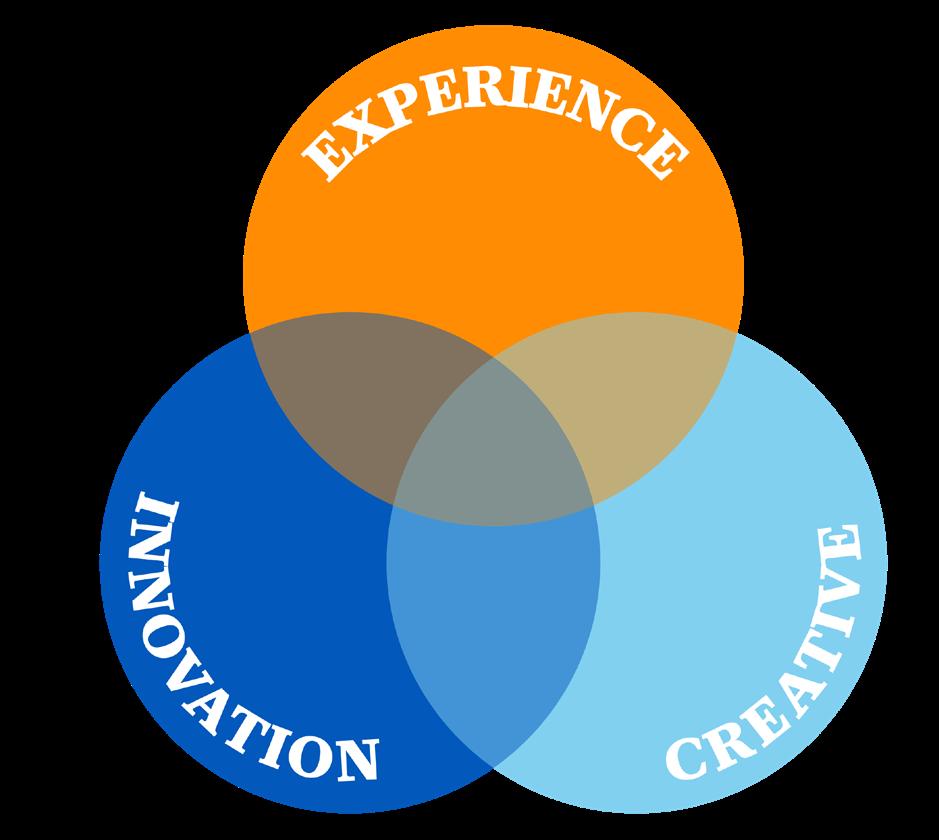
GOED leverages Utah's three economies of experience, creative, and innovation to provide our state with a unique, competitive advantage.
These three economies provide a way to understand clusters of economic activity and, more importantly, help Utah make meaningful investments in our people and our communities.
Investing in people is foundational to Utah's future. Highly skilled workers are not choosing Utah for a job or promotion; they are choosing Utah for its authenticity, diverse landscapes, and unmatched quality of life.
Ultimately, these three economies enable a unified system of value creation that elevates some of Utah's most potent differentiators.



WHATIT IS: Utah's Experience Economy is an amenity-driven ecosystem leverages the state's world-renowned landscapes, national and state parks, ski resorts, museums, theaters, and arenas; and designedexperiences offering year-round recreation, festivals, major league & youth sport events, and more.
BUILTON: Utah's strong visitor economy investments.
PRODUCES:Global recognition and a world-class lifestyle.
WHATIT IS: Utah's Creative Economy is a collaborative ecosystem where culture and industry intersect, including film, gaming, music, culinary arts, fashion, and the visual and performing arts.
BUILTON: Utah's strong film industry and foundational cultural & community engagement.
PRODUCES:Global exposure for local talent, ensuring that Utah's creative identity is a primary driver of our marketplace.
WHATIT IS: Utah's Innovation Economy is a high-growth ecosystem of pioneers,researchers,and entrepreneursacrosssectors- from aerospace & defense, to manufacturing, to energy & natural resources.
BUILTON:Targeted industry engagement, the Startup State Initiative, and The Nucleus Institute.
PRODUCES:Utah's #1 ranking as the place for innovative thinking, business creation, and investments.
While strong independently, when these economies are broughttogether, their intersection allows for knowledge cross-pollination, with ideas, talent, and energy from one economy flowing into another.
This is called convergence,and ultimately, this unified approach will help Utah achieve a State United that elevates Utah's overall economy.
1. Convene a task force: GOEDwill lead coordination efforts to develop an action plan establishing these economies as core pillars of the state's economic development ecosystem and ensuring coordination between state agencies that touch these economies.
• Convene state agencies: Continue coordination with existing state agency partners, and work to build engagement with others.
• Convene each economy: Engage stakeholders and partners in each economy. Support the ongoing statewide development and investment.
• Create convergence points: Bring the ecosystem together, allowing collisions and interactions to thrive, and then support and leverage them to advance the economy.
2. Build data infrastructure for all economies: Develop an Elevated Economies Dashboard that tracks metrics across the experience, creative, and innovation economies alongside traditional indicators. Commission a study to quantify how to measure each economy's contribution to the state, implementing annual year-over-year comparisons. This follows the already existing processes that have been developed within tourism and film.
3. Leverage convergences to solve critical state needs: Identify opportunities at the convergence of economies for GOEDto prioritize catalyzing.
4. Invest in Convergence infrastructure: Support Convergence Hall at The Point as the state's flagship tri-sector innovation campus, with explicit creative and experience economy-adjacent programming.
5. Integrate Elevated Economies messaging: Ensure that GOED'seconomic development outbound efforts (site-selector materials, trade-mission presentations, and international investor outreach) reflect all three economies and their convergence. Establish these economies as strong elements of the Why Utah narrative.
6. Establish Utah as a model: Create an annual Elevated Economies update. Engage national media, policy organizations, and economic development associations to amplify Utah's approach as a model for ecosystem investment.


Utah is leading in the Experience Economy space as a result of investments in tourism, outdoor recreation, major sporting events, and other festivals and experiences. However, there still remain opportunities for intentional growth.
Utah currently does not have a division dedicated to the experience economy. The majority of Utah's experience economy investments have been placed in Tourism (UOT), Outdoor Recreation (DOR), Sport (Utah Sports Commission), and core dependence of private sector investments. GOED will act as a convener, treating experiences as a core economic offering, we will build upon the foundation of visitor spending to further power talent attraction, enhance the Utah brand, and elevate our residents' quality of life.
GOEDcan act as a convener across experience economy players. Ensuring that experiences are a core economic offering that powers talent attraction, the Utah brand, and our residents' quality of life -expanding beyond visitor spending.
• Utah Office of Tourism (UOT)
• Utah State Parks (Museums & Heritage Areas)
• Division of Outdoor Recreation (DOR)
• Division of Alcoholic Beverage Services (DABS)
• Public Land Policy Coordinating Office (PLPCO)
• Utah Department of Agriculture and Food (UDAF)
• Department of Cultural & Community Engagement (CCE)
• Utah Department of Transportation (UDOT)
• Utah Sports Commission (USC)
• Industry associations
• Hospitality and lodging
• Restaurant industry
• Sports and entertainment
• Business and conventions
• Ski industry
• Transportation providers (ground, air, rail)
• University management programs
• Guides and Outfitters
• Business community
• Arts and cultural community
• Local governments and destination marketing organizations
• Utah 2034
Utah's tourism industry is a major economic engine that attracts domestic and international visitors to destinations around the state. UOT's brands of Utah Life Elevated, Mighty Five, and Greatest Snow on Earth secured Utah's position as a global destination.
International tourism targeting: Utah's international visitor economy continued to recover and grow in 2024, with international visitors contributing $1 billion to the state's economy. This export accounted for 7.5% of the total statewide visitor spending of $13.3 billion.
Convention and business travel: Utah offers a diverse range of statewide convention centers and venue spaces, supported by hotel infrastructure capable of hosting conferences, trade, and other events.
Agritourism, Film Tourism, and Astrotourism: Niche opportunities have supported the creation of newer, dynamic visitor experiences throughout the state. A way that UOT has led with product and experience development.
Tourism Data Infrastructure: UOT has built a robust data warehouse and database that showcases the industry's trends and economic impacts. Tracking frequently to understand the industry's health and the value of the state's investment.
Utah's outdoor recreation sector is one of the state's most distinctive competitive advantages. State and National Parks and millions of acres of public land generate year-round economic activity. Outdoor recreation is a talent recruitment tool, a driver of tourism, and a quality-of-life differentiator that consistently appears in economic competitiveness rankings.
Economic impact: Utah's outdoor recreation economy generates billions annually in consumer spending and creates tens of thousands of jobs.
World class assets: 15 ski resorts, 5 national parks, 46 state parks, trail networks, climbing areas, and water recreation collectively serve a global year-round visitor market.
Infrastructure investment: Utah has prioritized investments in outdoor recreation, with millions allocated to planning and infrastructure available through DORand UDOT programs.
Strategic recruitment: GOEDcoordinates with DORto improve recreational opportunities and recruit outdoor recreation businesses.
Utah's sports and live events ecosystem is expanding rapidly. The Utah Jazz, Real Salt Lake, Utah Mammoth, Salt Lake Bees, and Utah Royals anchor a professional sports culture that drives economic activity, media exposure, and civic pride. Utah's concert and festival infrastructure continues to grow, with major venues, summer festivals, and destination events.
Utah 2034: Utah will return to the global center of attention for 17 days of Olympic competition, followed by 10 days of Paralympics, featuring an estimated 15 billion viewer-hours of coverage.
Professional and collegiate sports: These organizations generate direct economic impact and serve as marketing platforms for the Utah brand.
Facility investments: Capital investments in sports facilities and event venues allowing for larger capacity and diverse hosting opportunities.
Youth and other sporting events: Increasing number of events from high school mountain biking and volleyball tournaments to fitness competitions. Counties and cities are investing in facilities and infrastructure to host these events.
Pro tours: Utah is the state of sport with multiple professional events from PGAand LPGAto World Cups, Championships, and more.

Utah's creative economy has untapped potential to drive economic growth, enhance livability, and position the state as a global leader in innovation and culture. Creative Industries in Utah generate over $10 billion in economic impact throughout the state and employ more than 50,000 Utahns.
Utah has multiple agencies engaged in elements of the Creative Economy. The Utah Department of Cultural & Community Engagement (CCE)focuses on arts, museums, grants, cultural planning, and sector capacity. GOED and the Utah Film Commission (UFC) handle incentives and business-oriented pieces. UOT has led in weaving the cultural and heritage story into their visitor messaging. UOT and UFC have developed strong synergy through efforts focused on niche audiences such as Film Tourism. The result is that Utah's Creative Economy is effectively split across multiple divisions.
GOED,in collaboration with CCE,is positioned to serve as the convener and connector across existing arts, film, tourism, and innovation structures -treating the Creative Economy as a growth opportunity while honoring its deep roots in community and culture.
• Utah Film Commission (UFC)
• Utah Office of Tourism (UOT)
• Utah Department of Cultural & Community Engagement (CCE)
• Utah State Parks (specifically Museums & Heritage Areas portfolio
• Industry organizations
• Museums
• Industry associations
• University programs
• Business community
• Arts and cultural organizations
• Local governments and organizations
• Utah 2034
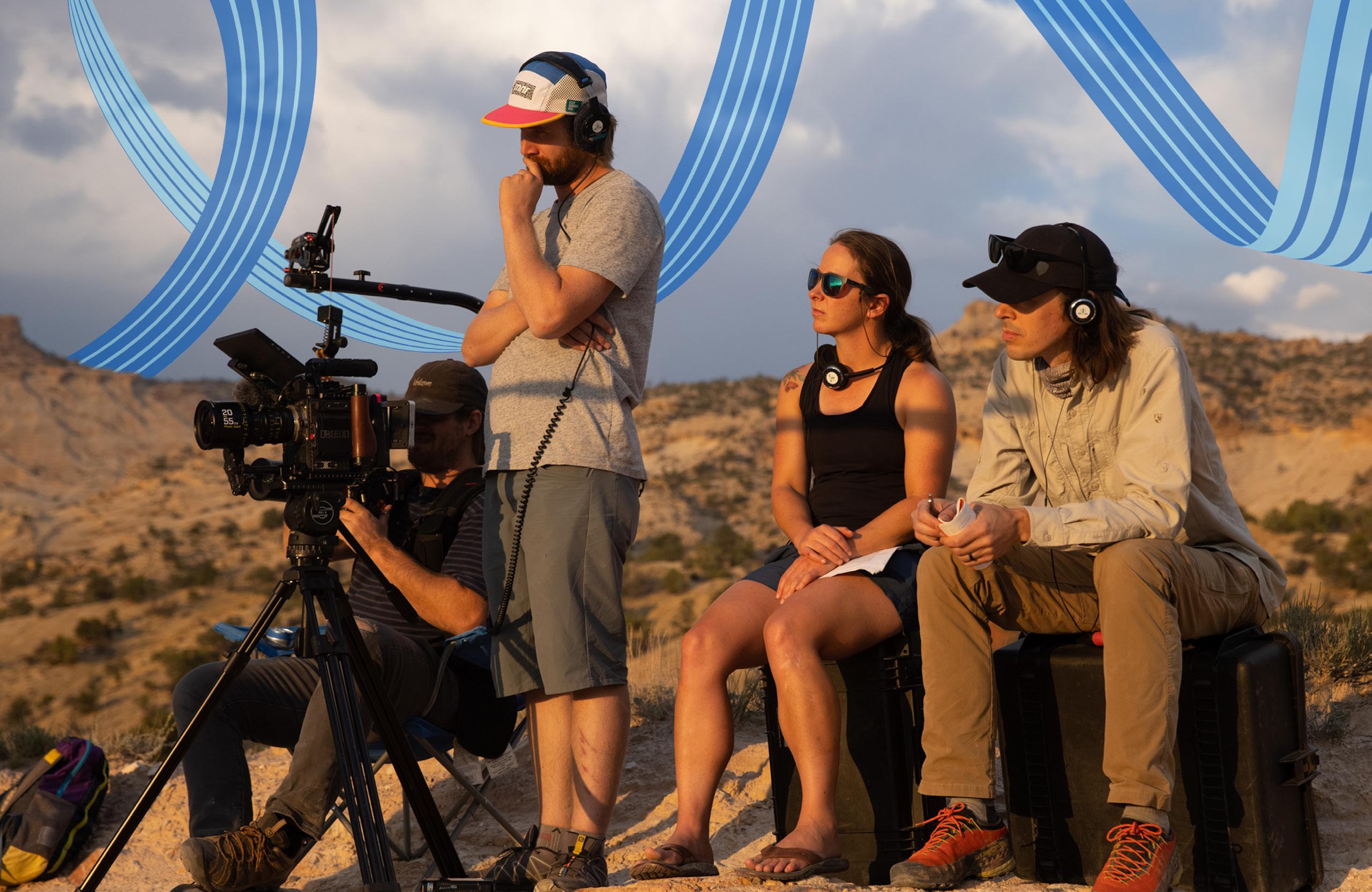
UFC is GOED's most active Creative Economy asset. Utah's extraordinary landscapes have made it a natural backdrop for major film and television productions since the 1920s. The Commission's role has expanded well beyond location scouting to encompass full-cycle production support, workforce development, and cluster-building.
Film incentive program: Utah's film incentive program provides competitive credits that attract major studio and streaming productions.
Partnership with local organizations: Support independent film, documentary and artist development.
Local festival ecosystems: From large to emerging local festivals the ecosystem builds Utah's creative media identity.
Workforce development partnerships: Partnerships with Utah colleges and universities create a pipeline of local film and production talent.
Location library and permitting: Streamlining and reducing friction for out-of-state productions.
Additional sectors of the Creative Economy to consider: visual and performing arts, music, and gaming.
Music and performing arts: Building upon the existing programming of CCEby providing additional support to music festivals, live venues, orchestras, dance, theatre, and emerging creative talent.
Digital creativity: Promote gaming, animation, immersive media, and creator-focused industries.
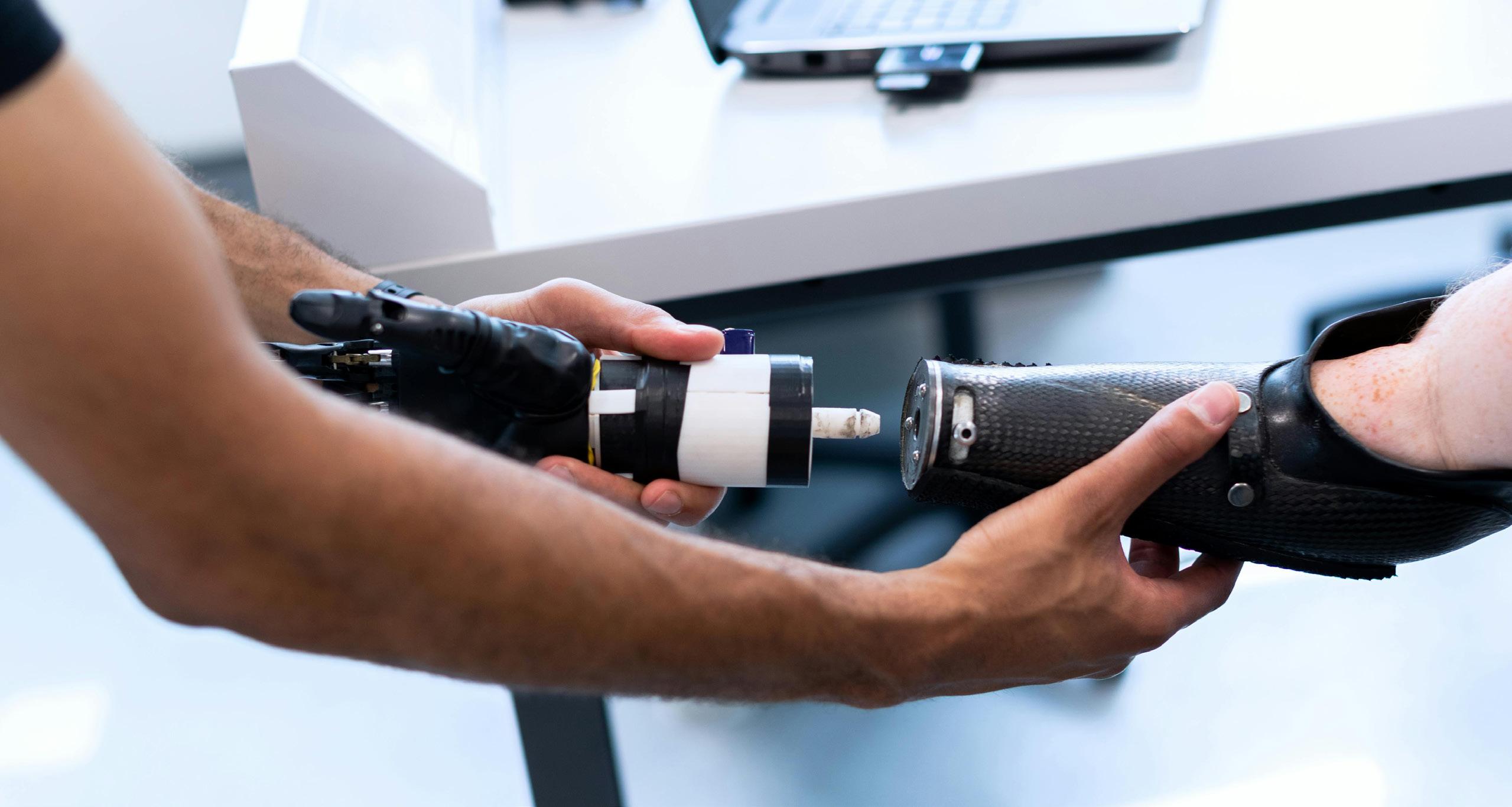
The Innovation Economy focuses on entrepreneurship, advanced technologies, commercialization, research partnerships, and startup ecosystem growth.
Utah's innovation assets have operated as strong but disconnected nodes. Startup State and The Nucleus Institute close that gap, formalizing Utah's entrepreneurial space with a deliberate statewide engine for founder recruitment, research commercialization, and deep tech development.
By aligning its ecosystem, expanding belief and mentorship, activating its universities, and welcoming global capital and talent, Utah can become the most founder-friendly state in America -measured not by hype, but by how many companies get started. Utah will continue to lead as the Startup State.
GOED owns the Startup State Initiative and acts as the sherpa guide for economic development investments th roughoutthe state. GOEDwill coll a borated i rectly with The Nucleus Institute, which operates under the direction of the Utah System of Higher Education supporting all higher education schools across the state.
• Department of Commerce
• Division of Natural Resources (DNR)
• Utah System of Higher Education (USHE)
• Startup State Initiative
• Nucleus Institute
• Industry associations
• Universities
• Small businesses
• Local governments and organizations
Utah has one of the highest per-capita startup formation rates in the country, a culture of calculated risk-taking, and a workforce that skews young and educated. This makes it a natural landing pad for entrepreneurs.

GOED's Startup State Initiative formalizes Utah's commitment to founders at every stage. Key components include:
Coordinated soft-landing programs for out-of-state • founders relocating to Utah, including workspace, A statewide founder fellowship pipeline connecting university talent to early-stage ventures. legal resources, and investor introductions.
Partnership with Utah's incubator and accelerator networks, regional innovation hubs, education, events and other community resources.
Established by the legislature in 2025, the Nucleus Institute
• Targeted recruitment of serial entrepreneurs and venture-backed founders to Utah's five priority industries.
• Governor's Office visibility and advocacy to reduce regulatory friction for early-stage companies.
lC
us government, higher education, and industry around economic development outcomes.
A is Utah's only tri-sector body formally charged with aligning

Under the direction of the Utah System of Higher Education, it serves as the central coordinator of the higher education system's economic development ecosystem -ensuring that Utah's public colleges and universities actively contribute to commercialization, talent development, and industry partnerships.
The Nucleus Institute's core functions include:
• Nucleus Fund -The Nucleus Fund (~$40M) invests in commercializing university-grown IP across all campuses, from lab to market.
• Grow-Supporting regional economic development and rural innovation nodes across the state, including a grants pipeline for Small Business Innovation Research (SBIR)and Small Business Technology Transfer (STTR).
• UtahExchange -A digital hub connecting global capital to Utah-based opportunities in collaboration with GOEDand WTC Utah.
• Prolab-Industry-embedded research labs connecting companies to university talent.
• Talent Hub-Partners with Talent Ready Utah coordinating internship, fellowship, and workforce pipeline programs with industry partners.
• Nucleus Global-International partnership development and foreign direct investment attraction tied to research collaboration.
• Utah Quantum Institute -Building Utah's position in quantum computing and quantum sensing.
• MarketEdge -Accelerating university research toward commercialization readiness.
• Nucleus Catalysts-Connecting industry and subject matter experts with startup and university ecosystems.
The Nucleus Institute coordinates and amplifies the work of incubators, accelerators, and individual university technology transfer offices. By serving as connective tissue among institutions, the Nucleus Institute ensures that Utah's innovation ecosystem operates as a system rather than a collection of disconnected programs.

An overview of where Utah Elevated is headed.
1. Timeline
2. Strategic Priorities and Actions
3. GOED's Core Programs
4. Projects of Statewide Significance
5. Resources for Guiding Opportunity and Measuring Success
a. The Incentive Decision Framework
b. Measurement Tools
i. GOED Framework Performance Scorecard (The Scorecard)
ii. The Quality of Life Index (UQLI)
BUILD: Framework, team, and 'bottom up' strategic build out (Fall and Winter 2025/26).
VALIDATION: Present strategic overview to BUILD Council (April 28, 2026).
ALIGNMENT: Finalize plan and assets. Brief staff, Board and other organizations (April/May 2026).
LAUNCH: Governor-led event and rollout (May 21, 2026).
MOMENTUM: Statewide town halls, thought-leadership, and outbound activity (Summer2026 & beyond).
These are the actions we will be taking to move our focus areas forward.
Ensuring that our team is aligned internally and allows effective implementation of Utah Elevated and a unified front to the broader ecosystem.
• GOEDis on track to publish a new Incentive Decision Framework in Q2 2026. This will focus on five principles and full transparency in incentive decision-making.
• Expanding collaboration through the Center for Rural Development across all 29 counties. Ensuring alignment across all GOEDteam members and offices, including the Utah Office of Tourism and Film Commission.
• Following the 2026 legislative session, we will launch permitting within GOED;establish a dedicated role for Workforce Development in GOED in partnership with Talent Ready Utah; develop and launch Utah Exchange, in partnership with Nucleus Institute -a global investment opportunities portal that matches Utah-based businesses to global capital -and create a Utah Startup journey map.
Ensuring alignment with our stakeholders, partners, and players in the economic development ecosystem, with the overarching goal to establish an operating rhythm, every partner and player should be united around a shared vision of Utah Elevated and moving in the same direction.
• Awareness of plan -By the end of 2026, every partner and player in the ecosystem knows what this plan is, what it measures, and what success looks like.
• The most crucial initial work is convening the Economic Development Council, as defined by statute, under the Governor's leadership.
• Establishing Governor's Advisory Councils for GOED-targeted industries.
• Develop a process for strong, coordinated collaboration across communication and marketing, under the direction of GOEDand in coordination with the Economic Development Council.
• Momentum will be measured by impactexamples include delivering eight economic development blueprints to communities in the first year (in-depth plans created by the Rural Outreach team to assist counties and municipalities statewide). We will also publish the first Utah Elevated Scorecard and Economic Stress Tests.
• Sector momentum -Th rough our Governors Advisory councils and tools like the Regulatory Sandbox, we are actively implementing programs and legislation that contribute to the growth and innovation of each of the targeted industry sectors. This includes goals like Utah's blockchain registry being live as model legislation.
GOED will shift from being primarily an inbound reactive organization to an intentional, outbound recruitment model.
• Build and maintain a targeted prospect list by industry, size, and geography-domestic and international.
• Establish a recurring presence in key markets coled with players and partners. Through executive dinners, trade missions, targeted trade shows, and innovation events reach decision-makers in priority markets.
• Develop strong relationships with site selectors who influence the majority of corporate location decisions.
• Create a soft-landing program that reduces friction for companies exploring Utah, including site visits, introductions, incentive guidance.
• Deploy a tailored "Why Utah" pitch backed by data, anecdotes, and compelling messaging.
The state of our people and places are critical to the success as a state. This will be measured using the Utah Quality of Life Index (UQLI), a composite of annually measured strategic metrics tailored for the Utah Elevated Strategic Plan. It quantifies the lived experience of Utah residents across five interdependent pillars and produces a single 0-100 score that allows GOED and state leadership to track progress, benchmark against competitors, and inform direct policy action.
Utah 2034, the upcoming Winter Olympic and Paralympic games, allows for a natural runway and catalyst of critical priorities. Utah will once again return to the global stage, expanding the awareness of our state.
• Using the Games platform to accelerate international business attraction, targeting foreign direct investment from trade mission markets, global family offices, and others.
• Leveraging Utah 2034 as a deadline to support the narrative for generational infrastructure investments -such as transit and community connectivity.
• Achieve the #1 GDP per capita ranking in the United States; a generational and aspirational 10-year target.
• Achieve significant milestones including: a median household income of $135,000, annual VC investment at $8B, realization of the Utah Founder's Bet, and a top-5 Kauffman Index (economic diversity) ranking.

• Partnering with WTCas we continue to expand and grow globally.
• Continue to build on the great successes in targeted countries of growth.
• Maintain focus on our targeted industries.
• Engage in global best practices of innovation in collaboration with The Nucleus Institute in partnering with other innovation districts around the world.
• Leveraging diplomacy for economic development.
These are catalytic projects that are in execution. GOED is engaged and supportive of these efforts as they are foundational for a world-class economy.
• The Point of the Mountain - Innovation & economic hub, regional connectivity, and financial return for the taxpayers. Phase 1 is underway, with additional headquarters announcements pending and infrastructure breaking ground. This includes Convergence Hall anchoring the innovation district.
• UIPA - Strategic priorities include logistic efficiency and infrastructure, boosting regional economies, sustainability and environment, regional growth and equity, global connectivity, and community partnerships.
• Fairpark - Strategic priorities include year-round activation, infrastructure improvements, Jordan River integration, Power District integration, and urban connectivity.
GOED administers programs across seven functional categories. These will be enhanced by higher outcome standards, tighter cross-team coordination, and greater alignment with statewide strategy.
EDTIF,REDTIF,REDI, EAG, USBCI -Evaluate using our Incentive Decision Framework and focusing on return on investment to the state. These include economic and human impacts, with clear transparency and clawback enforcement.
Startup State entrepreneur ecosystem map (a guide of resources for entrepreneurs); APEXAccelerator (7 offices, all 29 counties); UTIF microgrants and SBIR/STTRloan matching coordinated with and through The Nucleus Institute and Nucleus Fund supports higher education commercialization. UtahExchange is a global investment portal for direct investment opportunities.
Continue to leverage America's first general regulatory sandbox at GOED and first Al learning lab at the Department of Commerce. Pending programs including a noncustodial blockchain registry and quantum initiatives.
Dedicated position for Workforce Engagement at GOED. Life Science Workforce Initiative; Deep Tech Initiative; Global Talent Center. Coordination with Custom Fit and TRAC apprenticeship program. All efforts governed by Talent Ready Utah, with Governor's Advisory Council demand signals influencing curriculum and credential priorities.
Rural Blueprint Program (8 communities per year, 2-year implementations); Rural County and Rural Communities Opportunity Grant grants; Center for Rural Development embedded field team in all 29 counties.
The Utah Office ofTourism (UOT)elevates life in Utah by advancing the visitor economy through marketing, development and stewardship. Marketing is supported by the Tourism Marketing Performance Fund (TMPF).The TMPF supports investments in the Utah Sports Commission, global and domestic tourism marketing, and cooperative marketing grants. Development empowers community-centered destination development to strengthen the visitor experience and improve residents' quality of life. Stewardship ensures that Utah's natural beauty, vibrant culture, and unique traditions endure for generations.
Attract and support productions in Utah through promotion, incentives, and project support (Motion Picture Incentive Program, Rural Film Incentive, Community Film Incentive Program); Connect the local film industry to opportunities that further Utah's creative economy and identify pathways that enable a sustainable workforce pipeline; Strengthen Utah's film industry through strategic partnerships, statewide promotion, and industry advocacy.
These are multi-year, multi-partner endeavors with genuinely transformational outcomes. Each one requires GOED's high-level engagement to coordinate ecosystems, remove barriers, deploy catalyst capital, and hold partners to shared outcomes.
PROJECT
Utah 2034
Global recruitment
Statewide engagement
Between2024and 2035,projected to boost Utah'seconomy by $6.6
1 Decade-longeconomic campaign launched. with all 29 counties. Youth billion in total output and $3.9 sports education program. billion in state GDP,and $2.Sbillion platform. in personalincome for residents.
The Point Infrastructure breaking Initial build complete; 10+ Build out at or near 600 acres where ground;firsttwo HQ HQs; affordable housing completion; 20+ HQs; 2 HQs,housing, and announcements. units delivered. Nucleus spinouts community benefit commercializing. converge.
UIPAStatewide Spine 15 project areas filling; FTZ-30operational; Cold +150% cargo volume; 3 EveryUtah community dual-incentive protocol Chain Campus;+ 75% 15,000+jobs supported. is connectedglobally. live. cargo.
The Utah Founder's First Utah Startup journey $5B VC annually; Founders $8B VC annually; YOY Bet map published; portal+ Fellowship scaled; rural increased new businesses; 4 Outsidecapital routing live. startups increasing top-5 Kauffman Score. acceleratesand frequency. supports local companies.

Every incentive is evaluated under five guiding principles:
Not outputs. Would it have happened without an incentive?
Doesthis help our economy and our people? Full and complete. Performanceis expectedand upheld.
GOED will build three tools to support measuring the state's success, ensuring we are making informed, data-driven, and community-aligned decisions.
GOEDframeworkperformance scorecard
Is Utah winning, and is GOED doing its job?
A scorecard on recruitment, retention, capital attraction, workforce coordination, and rural development.
2. UQLI
Utah Quality of Life Index
Is life better?
Composite score tied to GOED operations and incentive decisions.
3. STRESSTESTING
National Peer Stress Test
Are we prepared?
Annualresiliencereporton sevenstatewideadverse scenariospluscommunity-level concentrationanalysis.*
'Thesestresstestswill be developedand are not fully laid out in this plan.
The following scorecard tracks GOED'soperational performance. These metrics measure what the office does and influences: recruitment, retention, capital attraction, workforce coordination, and rural development.
As this exactcombinationof measuresis new,it may be adjustedand refinedoffer thispion is published.
The UQLI is a composite, annually measured strategic metric developed for the Utah Elevated Strategic Plan. It quantifies the lived experience of Utah residents across five interdependent pillars and produces a single 0-100 score that allows GOEDand state leadership to track progress, and inform policy action. GOED's role is to be an advocate for what matters, but not be the owner of all the pillars.
GOED has created an initial framework for the index that we will expand to include baselines and com parables.
AFFORDABILITY
HEALTHAND WELLBEING
ENVIRONMENTAL
OUTDOOR RECREATION
ECONOMIC STABILITY
BASELINENOTES
Housing Cost Burden (percent of income spent on housing), Median Home to PriceRatio,RentalAffordability Index,ChildcareCostas Percentof Income, Transportation Cost Burden
Primary Care Access(providers per 1000 residents), Wait Times, Insurance CoverageRate,Mental Health Index, Life Expectancy
Air Quality (PM2.5),GreatSalt Lake,Drought Severity,WaterAvailability
Percentof population within 10 minutes of trail access,State ParkVisitation (capacity vs demand), National Visitation (capacity vs demand), Population Accessto Recreationand Trails
Unemployment Stability, Median Income Above US Average,Median Wage Growth (Real),Income Inequality (Gini Coefficient), Upward Mobility Index, Job DiversityIndustry ResilienceScore,Social Capital Index
All externally verifiable baselines in this scorecardore sourced from the FY2026Why Utah verified dataset and cross-checked against original federal and academic sources.
Total nonform employment of 1,935,599 reflects2025Lightcastdata. Utahreal GDPof $306.6billion is the 2025figure, representing 52.6percent five-yearGDPgrowth and is the highestin the notion.
Median household income of $98,336,
ranking fl'rst notionally when adjusted for price parity, is sourced from the Kem C. GordnerPolicyInstitute.
Utahgoods exportsof $22.4billion reflect the U.S.TradeRepresentative's2025figure.
The Hochman Economic Diversity Index baseline of 95.3 ranks Utah sixth notionally, indicating that Utah hos one of the most diversifieastate economiesin the country. Severalmetrics show "verify2026 baseline" or "establish 2026 baseline" rather than a
specific number. This is intentional. Where current data is internal to GOEDand hos not yet been externally validated - or where the underlying measurement methodology is being refined as port of Utah Elevated implementation - the baseline will be set in the first annual scorecard and reported transparently from that point forward. Publishing a placeholder number that is later reviseddamages credibility more than committing to set the baseline correctly the first time.
To our partners, friends, and teamThe economy and quality of life Utah enjoys today are the result of deliberate choices made decades ago by Utah's builders, leaders, innovators, and workers.
Likewise, the choices we make as a state over the next decade will shape the economy our families and communities inherit.
Holding on to the leading economic position we've earned requires focus. It requires coordination; a convening of ideas, priorities, and people; and catalytic action to turn individual effort into state-wide results.
The Governor's Office of Economic Development cannot reach this summit alone. But together, we'll make sure everyone • arrives.
This is Utah Elevated.