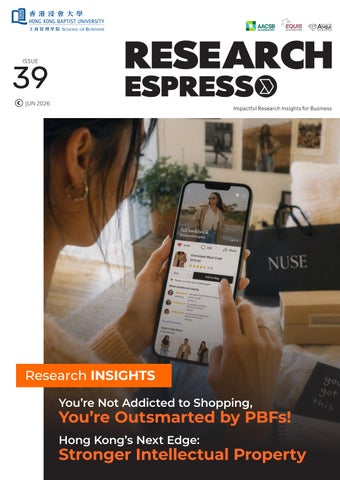
You’re Not Addicted to Shopping, You’re Outsmarted by PBFs!
Hong Kong’s Next Edge: Stronger Intellectual Property
HKBU School of Business Debuts “Research in Action” Series: Can Higher Salaries Curb Corruption Among Civil Servants? 12 NEWS
Zeng, J., Fang, Y., Li, H., Wang, Y., & Lim, K. H. (2024). Untangling the performance impact of e-marketplace sellers’ deployment of platform-based functions: A configurational perspective. Information Systems Research, 36(3), Article 0539. https://doi.org/10.1287/isre.2020.0539
RESEARCH INSIGHT
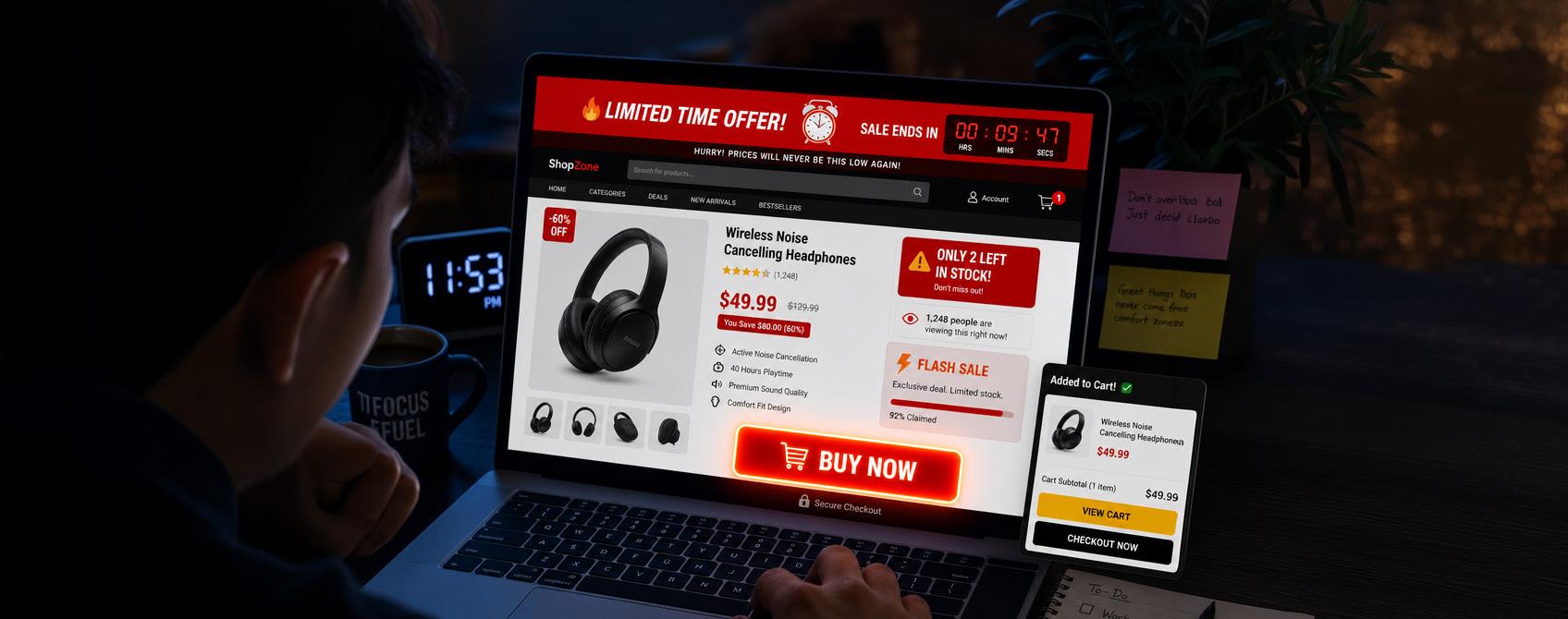
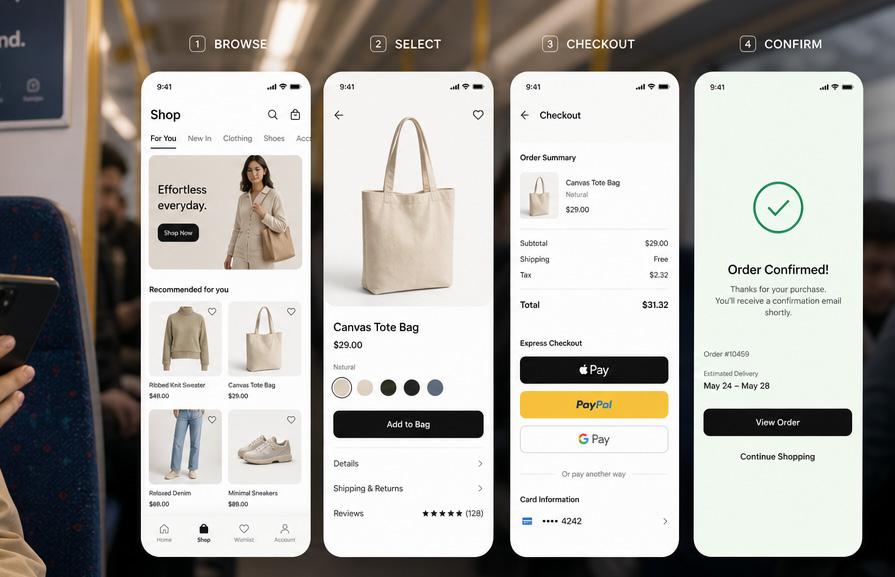
From Taobao to eBay, online marketplaces are working hard to separate us from our hardearned money. Bombarded with choices, short on time, and driven by the fear of missing out on a good deal, we’re constantly nudged to click buy now by platform-based functions (“PBFs”) such as time-limited discounts, moneyback guarantees, and one-click payments. These features clearly work on consumers, but do they work for sellers? A new studyexplores how online merchants can use PBFs more effectively to drive sales while making the rest of us a little poorer.
From New York to Beijing, shoppers are increasingly moving their spending online. In 2022, China’s e-commerce market generated 13.79 trillion yuan ($1.95 trillion) in gross merchandise volume. It’s no surprise, then, that sellers are racing to convert clicks into sales by layering their sites with PBFs designed to make buying both easier and harder to resist.
Using data from more than 3,300 apparel sellers tracked over 10 months on a major Chinese e-marketplace, the study examines how five types of PBFs—related to pricing, marketing, after-sales service, product presentation, and payment— affect sales. Since e-marketplaces are crowded, borderless, and risky, reputation also plays a crucial role, serving as a key signal of credibility and product quality. The study further considers product positioning strategies—whether sellers compete on price or differentiation—as an additional factor shaping how PBFs influence sales.
The study identifies four distinct playbooks for driving sales through PBFs, each shaped by seller reputation and product strategy. Two of them show
that when pricing, marketing, payment, and aftersales tools work in concert, the effect is powerful: buyers feel reassured, engaged, and ready to spend. For well-known sellers offering premium goods, though, subtlety pays off: too many discounts or marketing pushes can chip away at the credibility that their reputation and quality already secured. Another pattern centers on after-sales service, whose impact depends on how sellers position their products and manage variety. Strong service can reinforce trust for established sellers or compensate for weaker reputations at the low end. Variety also
matters as sellers offering broader product lines see gains from better product presentation and smoother payment features tailored to different shoppers. The weakest performers, by contrast, tend to lean too heavily on a single feature or ignore how their tools fit together which may be a sign they’ve missed the complementarities and synergies that drive success in complex online markets.
The study also offers practical takeaways. Merchants should take a holistic view of their competitive actions, recognizing how PBFs can
complement or cancel one another out. Rather than focusing on individual tools, sellers should tailor PBFs combinations to fit their price range, product variety, and reputation level. For new or lesser-known sellers, pairing strong after-sales and marketing PBFs can help, while platform operators should recommend PBF portfolios instead of isolated tactics to improve performance.
So next time you’re collecting yet another box you don’t remember ordering, don’t be too hard on yourself and just blame the PBFs!
Professor ZENG Jicheng Assistant Professor Department of Management, Marketing and Information Systems
Hou, F., Ng, J., Ranasinghe, T., & Zhang, J. J. (2025). The effect of intellectual property rights protection on stock price informativeness. Journal of Financial and Quantitative Analysis . Advance online publication. https://doi.org/10.1017/S0022109025102305
RESEARCH INSIGHT
With the World Intellectual Property Organization ranking the ShenzhenHong Kong-Guangzhou cluster as the world’s leading innovation cluster in its 2025 Global Innovation Index, it is no wonder that the Government of Hong Kong is doubling down on policies to strengthen intellectual property protection, deepen cross-border collaboration, and position the city as a global hub for innovation. Examining whether stronger intellectual property protection facilitates the incorporation of firm-specific information into stock prices, recent research helps validate the broader market benefits of such reforms.
As economic value has shifted from physical assets to ideas, intellectual property (IP) has moved from the margins of policy to its core. In sectors where intangible assets dominate, from technology to pharmaceuticals, the ability to protect innovation increasingly defines competitive advantage. Against this backdrop, the global tightening of IP rules under the TRIPS Agreement in 1995, agreed as part of the Uruguay Round, marked a decisive turning point.
T he research examines whether stronger intellectual property protection leads to more informative stock prices, using this global shift as a natural experiment across countries including
markets such as China and Hong Kong. The premise? Stronger IP regimes reduce firms’ proprietary disclosure costs and incentivize investors to discover and invest in innovative firms. If so, stock prices should reflect more company-level fundamentals rather than broad market or industry movements.
To test this, the authors examine the staggered implementation of TRIPS-related reforms across countries, using firm-level stock return data from a global sample of 6,161 firms across 29 economies, covering more than 84,000 firm-year observations
between 1990 and 2010. By comparing price behavior before and after these changes, and controlling for country and firm characteristics, they isolate the impact of stronger IP protection on how information is incorporated into prices.
Results are clear: tighter IP protection leads to a measurable increase in firm-specific information embedded in stock prices, reducing their tendency to move in lockstep with the broader market or industry. In fact, TRIPS adoption reduces stock price synchronicity— the degree to which stocks move together— by 5.1 percentage points, nearly a 19% decline relative to the sample average. In other words, stronger IP regimes not only support innovation, they also make markets more informative.
The findings hold across a wide range of tests and specifications, reinforcing their robustness. The effect is strongest where theory would predict, among more innovative firms, in countries where IP protection improves most, and in markets with stronger legal institutions. Additional evidence points to a clear mechanism. Following TRIPS adoption, firms disclose more, analyst coverage increases, and media attention rises, contributing to a richer flow of firm-specific information into prices.
Given these findings, the Government of Hong Kong is on the right path. By strengthening intellectual property protection, Hong Kong can reinforce its standing and help shape the future of global finance in an age of artificial intelligence.
Professor ZHANG Jian Assistant Professor Department of Accountancy, Economics and Finance
NEWS
HKBU School of Business Debuts “Research in Action” Series: Can Higher Salaries Curb Corruption Among Civil Servants?
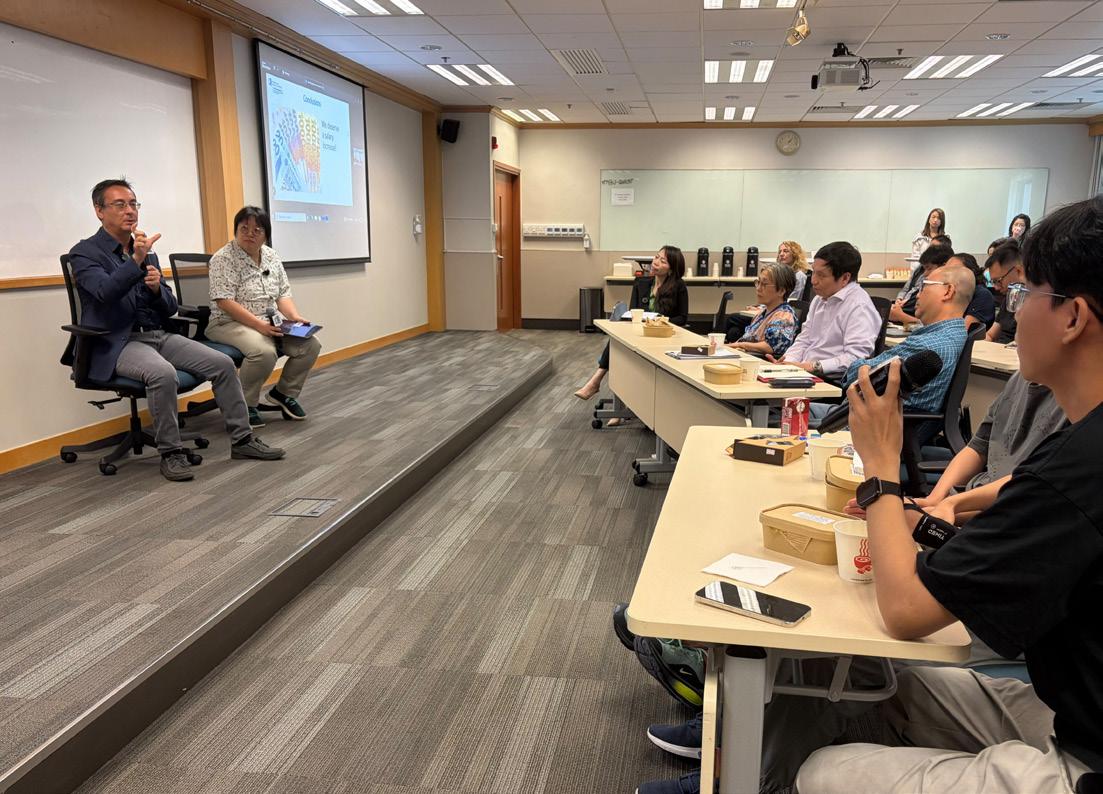
HKBU School of Business officially launched the seminar series of “Research in Action” on 2 June 2026. The event welcomed around 100 participants from diverse academic backgrounds from Hong Kong, Mainland China, and the Philippines. Held in both physical and livestream formats, the seminar sparked an engaging discussion on governance and public policy with a broad audience.
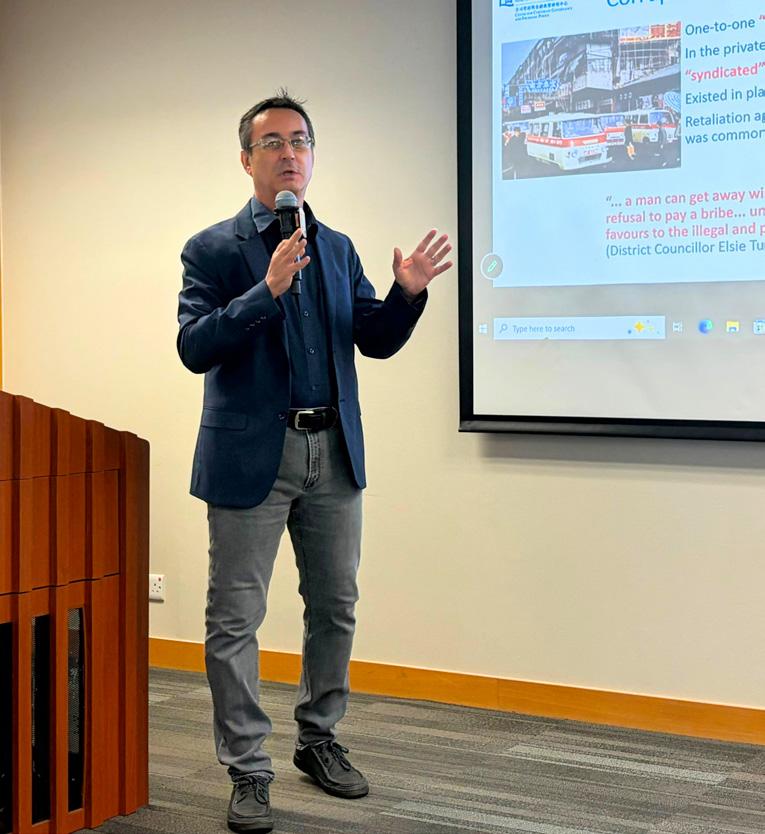
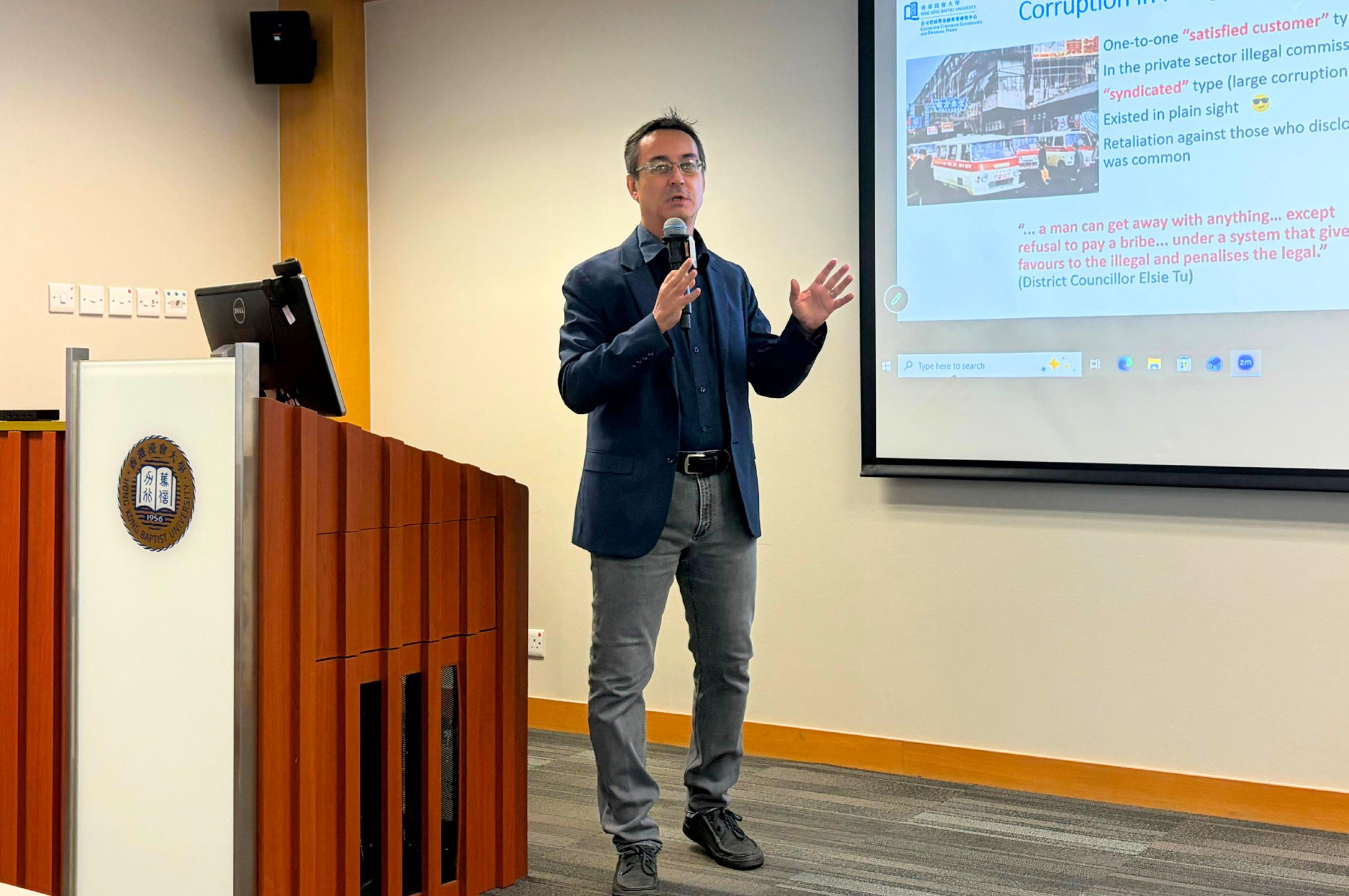
To begin, Professor Kimmy Chan welcomed Professor Zhang Han, Dean and Chair Professor of the School of Business, for his opening remarks. Professor Zhang highlighted the importance of connecting research with real-world impact and encouraged lifelong learning to discover knowledge. This was followed by a keynote presentation on “The Relationship between Civil Service Salaries and Corruption” by Professor Aris Stouraitis, Professor of the Department of Accountancy, Economics and Finance (AEF); Director of the Centre for Corporate Governance and Financial Policy;
The session concluded with an active Q&A, moderated by Professor Chen Ting, Associate Head (Research) of the Department of Accountancy, Economics and Finance (AEF). Participants contributed thought-provoking questions and new perspectives, while the livestreaming extended the discussion beyond campus.
Bridging research with societal needs, the School is manifesting its impact in knowledge transfer and realworld application. The School of Business community looks forward to presenting more research-driven discussions to international audiences in upcoming sessions.
Programme Director of MSc in Finance (FinTech & Financial Analytics) (MScFIN (FTFA)).
Addressing a long-standing and complex public policy question—whether higher salaries for civil servants can reduce corruption—the talk explored debates spanning more than a millennium. Professor Stouraitis presented empirical findings drawn from 45 years of data across 90 Hong Kong Government departments, offering two key evidence-based insights: first, higher civil service pay does reduce corruption; and second, this effect is reinforced when complemented by a strong public perception of anti-corruption enforcement.
Research EXCELLENCE
Professor ZHAO Xiaodong
Assistant Professor Department of Accountancy, Economics and Finance (AEF)
Takeover Threats and Mandatory
Disclosure Avoidance: Evidence from Contract Redactions
Management Science
https://doi.org/10.1287/mnsc.2024.05948
Professor YOON Soohyun
Assistant Professor Department of Management, Marketing and Information Systems (MMIS)
Supervisor Meddling: How Supervisor Helping Motives Can Invite Negative
Employee Behaviors—And the Moderating Role of Perspective-Taking
Personnel Psychology
https://doi.org/10.1111/peps.70007
Subscribe
The Research Espresso, a bimonthly e-publication covering everything you need to know about the latest research developments at the HKBU School of Business, focuses on four key areas: Research Insights (the main research topic of the month), Research Excellence (recognition of faculty members’ research achievements), News (research-related updates), and Seminars (sharing research skills and knowledge).
The idea is to provide business practitioners with the most recent research findings from the School‘s faculty members. We want to build links between research and practice and to ensure that the School's research has business and societal impact.
Enjoy reading, and your feedback and input are always welcome! hkbubusinessschool