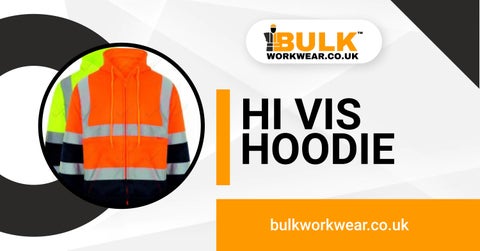

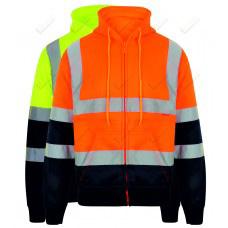

As construction workers face various weather conditions, it's crucial for them to stay dry and comfortable on the job. Waterproof workwear plays a significant role in ensuring their safety, productivity, and overall well-being. In this article, we will explore the importance of waterproof workwear, the common challenges faced by construction workers, different types of waterproof garments available, key features to look for, benefits of using waterproof workwear, how to choose the right workwear, proper care and maintenance tips, and top brands to consider. Let's dive in and discover how you can stay dry and productive with the right waterproof workwear.
Importance of Waterproof Workwear

Construction workers often face harsh weather conditions such as rain, snow, and sleet. Without adequate protection, they can be exposed to the elements, leading to discomfort, reduced productivity, and potential health issues. Waterproof workwear acts as a barrier, shielding workers from moisture and allowing them to focus on their tasks with peace of mind.

Common Challenges
Working in wet environments poses unique challenges for construction workers. Some common issues they face include:
1. Wet and Cold Clothing
Exposure to moisture can leave workers feeling damp and chilly throughout the day, affecting their comfort and concentration.
2. Reduced Mobility
Wearing heavy, waterlogged clothing can hinder movement and make tasks more difficult, compromising efficiency and safety.
3. Safety Hazards
Wet surfaces increase the risk of slips, trips, and falls, endangering the well-being of workers and their colleagues.
Types of Waterproof Workwear
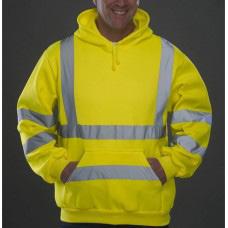
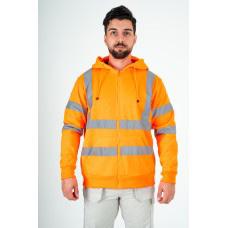
When it comes to waterproof workwear, there are several essential garments that provide reliable protection: Waterproof Jackets
Waterproof jackets are designed to keep the upper body dry and protected. They are typically made from breathable fabrics with sealed seams to prevent water penetration.