We are pleased that you are interested in Boston University’s DMD Advanced Standing Program for Internationally-Educated Dentists. The enclosed materials provide many details about GSDM. If you have questions that aren’t addressed here, let us know. Contact us at asdent@bu.edu.
Program Duration
The Boston University Henry M. Goldman School of Dental Medicine DMD Advanced Standing Program is, at minimum, a 24-month program. The start date is typically the end of July and the earliest completion date for the program is the corresponding date two calendar years later.
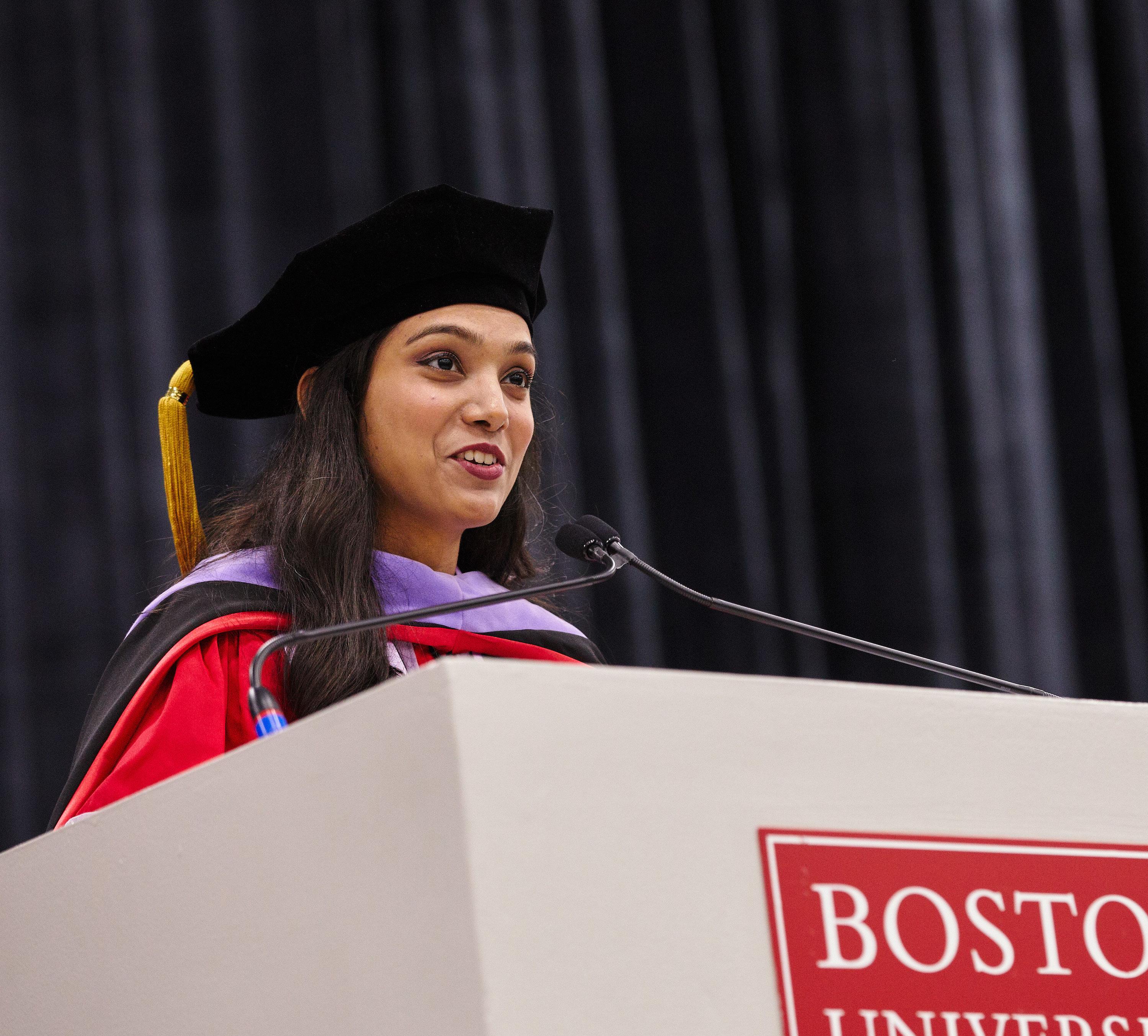
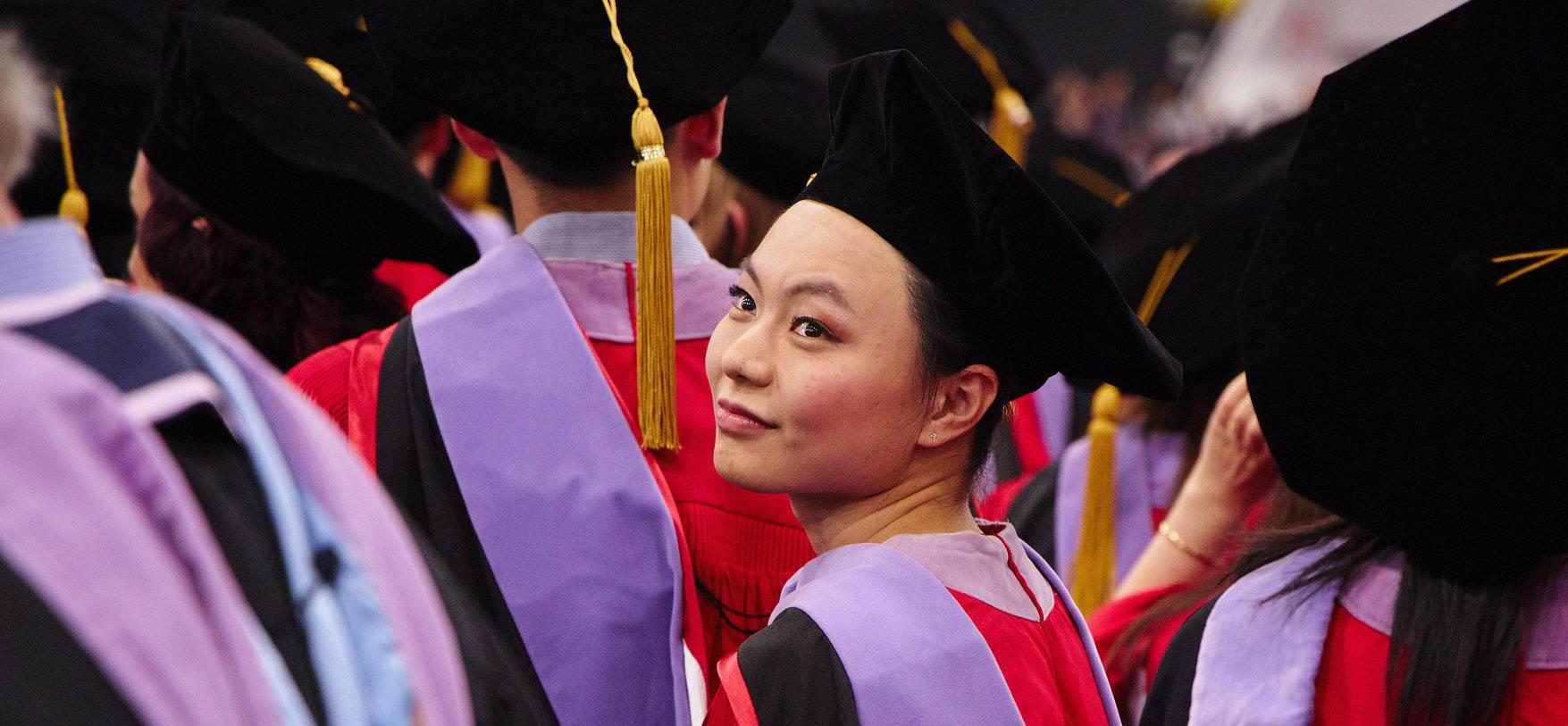
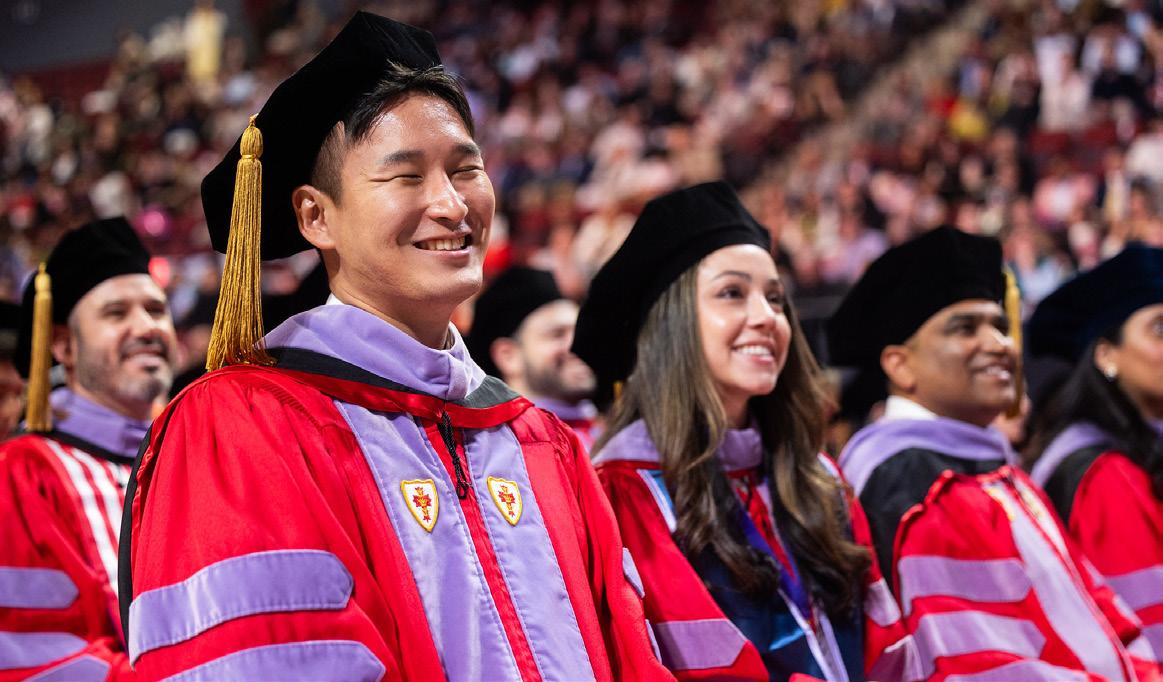
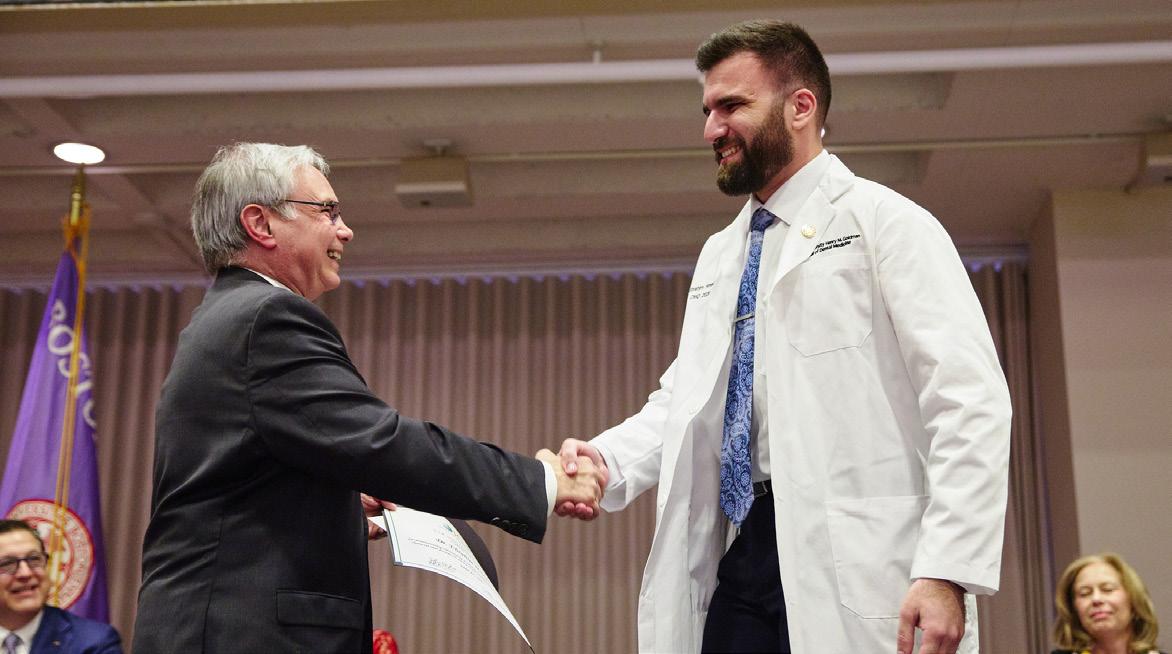
The Henry M. Goldman School of Dental Medicine commencement ceremony occurs once a year, in May. DMD Advanced Standing students participate in the ceremony during their second year in the program, but do not receive a May diploma because their program is still in progress. Diplomas are awarded to eligible students on Boston University’s next official graduation date, August 25th. DMD Advanced Standing students whose completion and sign-out occurs in late July or August are eligible for August 25th graduation.
The vast majority of North American postdoctoral dental programs start July 1st. The second year of the DMD
Advanced Standing program is still in progress at that time; students are not eligible to begin a postdoctoral program while enrolled in the DMD Advanced Standing program. DMD Advanced Standing Program students may apply to enter a postdoctoral program that starts in the year following their Boston University graduation.
DMD Advanced Standing graduates who wish to submit a state licensure application that requires a DMD diploma or official DMD graduation documentation can submit the application after August 25th, following the official degree conferral.
Curriculum by Year
YEAR 1
SDM EN 521 Endodontics
SDM EN 522 Preclinical Endodontics
SDM GD 511 Professionalism and Ethics 1
SDM GD 520 CAD/CAM Fundamentals and Practice
SDM GD 511 Professionalism and Ethics 1
SDM GD 540 Preclinical Implantology
SDM MD 531 Pharmacology
SDM OD 522 Oral Diagnosis/Radiology II
SDM OD 531 Oral Medicine
SDM OS 520 General Medicine and Dental Correlations
SDM OS 521 Pain Control I
SDM OS 532 Pain Control II
SDM PA 530 Oral Pathology
SDM PE 520 Periodontology I
SDM PE 521 Preclinical Periodontology
SDM PH 512 Professional Ethics Development
SDM PH 521 Behavioral Science
SDM PH 524 Preventive Dentistry
SDM PH 541 Gerontology & Geriatric Dentistry
SDM RS 519 Biomaterials
SDM RS 521 Preclinical Operative Dentistry
SDM RS 522 Removable Prosthodontics I
SDM RS 523 Preclinical Removable Prosthodontics I
SDM RS 524 Fixed Prosthodontics I
SDM RS 525 Preclinical Fixed Prosthodontics
SDM RS 527 Occlusion and TMD
SDM RS 529 Operative Dentistry
SDM RS 542 Treatment Planning Seminar
SDM RS 544 Treatment Planning and Patient Management I2
Oral Surgery, Orthodontics, Pediatric Dentistry, Periodontology, Fixed & Removable Prosthodontics, Treatment Planning/Patient Management, Integrated National Board Dental Examination (INBDE) period
Clinic
Direct patient care & Clinical Rotations
Behavioral Sciences
Critical Thinking, Health Care Law, Integrated Problems in Practice Management, Group Practice Learning & Leadership, Professionalism & Ethics, Intro to AI in Dentistry
Clinical Sciences
Orthodontics, Pediatric Dentistry, Periodontology, Treatment Planning/Patient Management, Facial Neuromodulators, Integrated National Board Dental Examination (INBDE) period
Clinic
Direct patient care & Clinical Rotations
Behavioral Sciences
Critical Thinking, Integrated Problems in Practice Management, Group Practice Learning, Professionalism and Ethics, Intro to AI in Dentistry
Continued
Completion:
Digital Technology
Digital Technology, Software and Equipment and Traditional Methods
A traditional dental procedure for a crown requires an impression with a tray, considerable time for lab work, and several appointments for the patient. State-of-the-art digital technology allows a dentist/ student to take a digital impression of the patient’s teeth, view and manipulate a 3D model in real time, design a crown using specialized software, mill the restoration on-site, and cement it in place, all within a single appointment when indicated.
At GSDM, students are taught both traditional methods of dentistry and advanced techniques that prepare them for the digital technologies used in dental practices today. GSDM students are also educated in the use of 3D printed digital dentures, using the fastest and most accurate 3D printing technology available in dentistry.
Digital Records
Patient data is securely stored in designated servers in a comprehensive digital record that makes a wide array of information readily available. The student dentist can access detailed information to plan comprehensive treatment prior to the appointment. Digital records may include intraoral digital images, intraoral exams, digital scans of hard and soft tissues, cone beam computerized tomography, cephalometric and panoramic x-rays, 3D facial scans, and photographs.
Simulation Learning Center
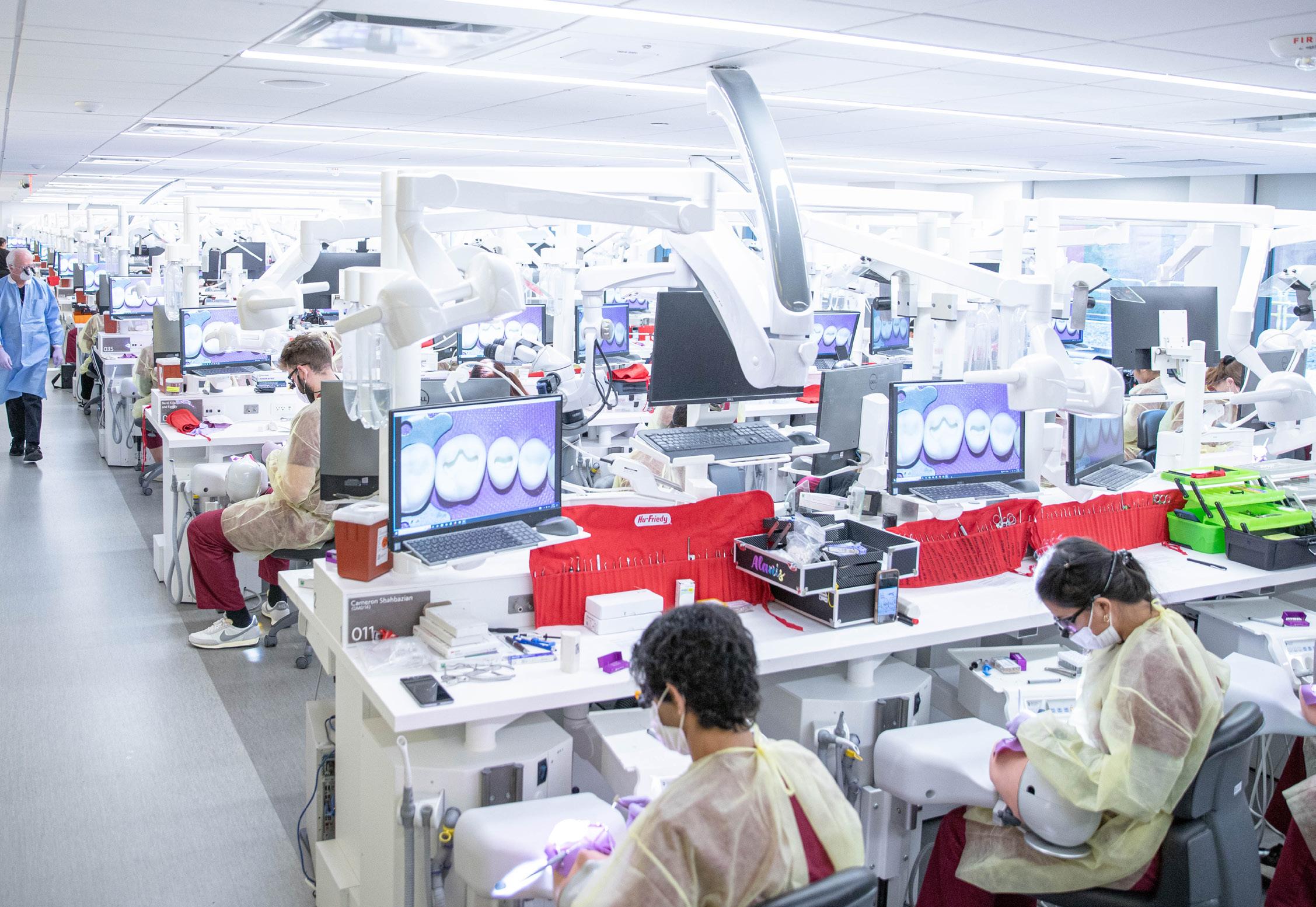
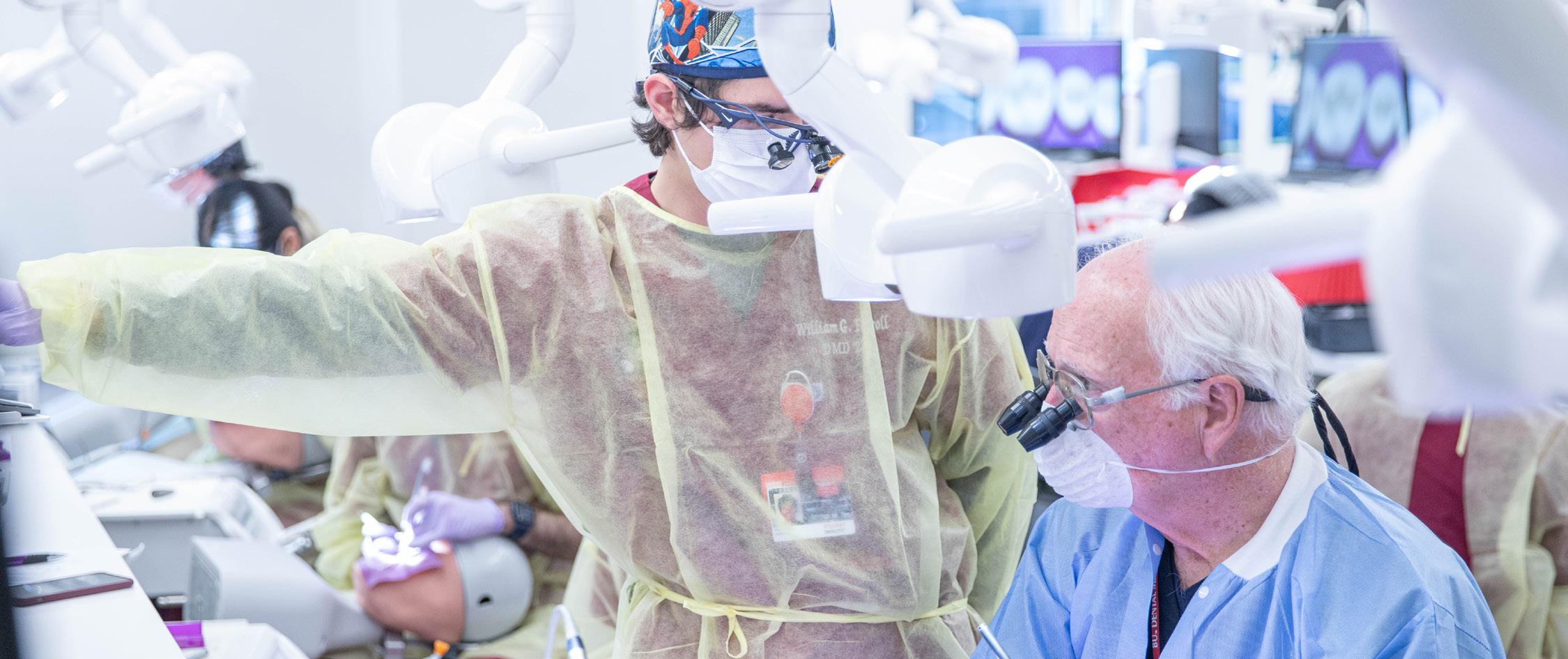
Students begin learning about digital dentistry techniques early in the curriculum, with hands-on training in the Simulation Learning Center (SLC). Both the Simulation Learning Center and patient treatment rooms are equipped with ultrasonic scalers for conventional hygiene and advanced surgeries, Omnicams, microscopes enabled with high-resolution cameras, and electric handpieces that allows for a seamless transitions into the clinical years. This technology allows students to complete simulated root canal treatments with the use of microscopy and capturing of high definition video and photos. The center allows students to learn and practice a wide range of restorations, as well as to place dental implants, using 3D planning and guided surgery.
Implantology Course
The preclinical digital implantology didactic and simulation course includes lectures and computer lab classes on Cone Beam Computed Tomography (CBCT) and Computer-Aided Design and ComputerAided Manufacturing (CAD/CAM) technology for implant placement surgery. As with all preclinical courses, this comprehensive digital implantology course precedes actual patient treatment. Students are able to capture digital impressions utilizing the integrated intraoral scanners and design the restoration on-screen. They then manipulate the CBCT for virtual placement of an implant with consideration of all the anatomical structures surrounding the planned implant. Finally, the students merge the two files to design and mill or 3D print a surgical guide, which they use in the SLC to place an implant in specially designed typodonts for this procedure.
In the Clinic
Through didactic and hands-on courses, students build solid foundational knowledge of tooth anatomy and occlusion, biomaterials, and all factors involved in diagnosing and treating a patient. Students learn about functional and esthetic aspects of restorations, preparation of the tooth structure, and administering local anesthetic. Then, after substantial preparation and practice, and with faculty supervision, student dentists can begin to deliver patient-centered, comprehensive care.
Group Practice Clinical Instruction
Clinical instruction at GSDM is structured as vertically integrated teams within group practices. In each of the eight group practices, two Group Practice Leaders instruct, evaluate, and advise the predoctoral students under their supervision.
Group Practice Leaders foster team cohesiveness within the school and beyond by promoting collaborative practices and a supportive environment. They enhance student communication and interpersonal skills through effective mentorship and modeling. GPLs engage students in critical thinking by encouraging innovative problem-solving approaches and facilitating challenging discussions.
Entering students are assigned to their group practice at matriculation; the connection between the student and his or her group practice leaders continues until graduation.
The Group Practice model assures continuity of care for our patients within a patient-centered clinical
education construct for faculty-guided, studentprovided, high-quality oral healthcare. Predoctoral patient visits number approximately 50,000 a year.
Group Practices have designated spaces, staff, and clinical faculty. Staff patient coordinators greet patients in the patient treatment center reception areas, schedule appointments, coordinate patient invoicing, and support the practice. Practice managers for each of the predoctoral clinic floors oversee administrative operations.
Additionally, students provide care for patients in the predoctoral Endodontic Clinic and during rotations in Pediatric Dentistry, Oral and Maxillofacial Surgery, Radiology, and Urgent Care Departments.
Research Opportunities
GSDM is committed to scientific scholarship in dental medicine. Student involvement in research plays a fundamental role in the mission of the school. With its ongoing contributions to new knowledge through biomedical research and education, GSDM is a leader in oral health care.
Benefits of participating in research as a GSDM student:
Student research at GSDM directly benefits individual students and the dental field at large.
Through participation in research, students:
• train in the design and execution of scientific studies and enhance their analytical thinking abilities
• bring breadth and depth to their dental education
• gain a better understanding of innovative dental techniques, materials, and tools
• become more informed dental clinicians
• contribute to the dental literature by publishing research results
• improve their eligibility for postgraduate specialty training programs and academic appointments
• hold memberships in the American Association for Dental, Oral and Craniofacial Research (AADOCR) and GSDM’s Student Research Group (SRG), a local chapter of the AADOCR National Student Research Group.
DMD Advanced Standing Student Research
GSDM offers elective research opportunities to DMD Advanced Standing students starting the second semester of the first year. Students should apply at least one month before their intended starting date, and plan to commit at least 4 hours at a time and 12 hours per week when applying for biomedical research. Students participating in research must maintain a 3.0 GPA or higher in didactic and clinical courses.
Research Environment: GSDM and Other Research Sites
Research facilities include modern biomedical core facilities and ample laboratory space, and include:
• Department of Molecular and Cell Biology, 4th floor, Evans Building
• Center for Exocrine Disorders, Department of Molecular & Cell Biology, 4th floor, Evans Building
• Center for Clinical Research - Virtual Center
• Department of Translational Dental Medicine, 4th floor, Evans Building
• Department of Periodontology, 2nd floor, 635 Albany Street
• Oral and Maxillofacial Surgery and Center for Oral Diseases, 4th floor, 635 Albany Street
• Departments of Endodontics, 2nd floor, 635 Albany Street
• Pediatric Dentistry and Pediatric Oral Healthcare Center, 7th floor, 635 Albany Street
• Department of Orthodontics & Dentofacial Orthopedics, 7th floor, 635 Albany Street
• Department of Health Policy and Health Services Research, 3rd floor, 560 Harrison Avenue
• Department of Restorative Sciences & Biomaterials, 72 East Concord Street and 635 Albany Street
• Other research facilities approved by the Pre-doctoral Research Committee (early application is required to execute an affiliation agreement prior to start of research)
GSDM Research 617-358-9694 gsdmr@bu.edu 560 Harrison Ave, 3rd Floor bu.edu/dental/research/predoctoral bu.edu/dental-research
Predoctoral Research
Diverse Research Teams
Faculty, predoctoral and postdoctoral dental students and residents, medical and engineering PhD students, post-doctoral fellows, senior research scientists
Broad Scope of Research
Basic, clinical, public health and translational sciences
Investigators
• Dedicate their work to scientific discovery and its translation to cures for human disease
• Publish in specialized dental and medical journals as well as broader scope journals with high impact factors
• Hold memberships on NIH, FDA and NSF scientific review panels, journal editorial boards and organizing committees, and as chairs of scientific meetings and conferences
• Collaborate with clinicians and scientists from around the world
Research Program Enhances Dental Education
• Science Day featuring outstanding speakers, networking, and digital poster & oral presentations
• Student & Resident Research Recognition & Awards
• Journal Club meetings
• Regulatory and ethical conduct of research training
• Communicating Science Workshops
• National attendance at AADOCR meetings, Hinman Symposium and Yankee Dental Congress
GSDM Student Research Group (SRG)
The SRG at GSDM is a local chapter of the National Student Research Group (NSRG) under the umbrella of the American Association for Dental Research (AADOCR). “Our purpose is to foster a research environment at Boston University Henry M. Goldman School of Dental Medicine where students can integrate and enhance their didactic learning and research experience.”
Diversity, Equity, Inclusion & Belonging
The Office of Diversity, Equity, Inclusion & Belonging was created in 2021 as a central location to foster and develop a welcoming School Community while working toward initiatives that will invest in our future and ourselves. The office operates under the leadership of the Assistant Dean for Diversity, Equity, Inclusion, and Belonging. Since its inception, the office has launched several initiatives, including:
• Town Halls for faculty, staff, students, and residents to create a safe space for discussion and community building;
• Periodic surveys of GSDM community to assess culture and climate and identify areas for focus
• Creation of Diversity, Equity, Inclusion & Belonging Committee, tasked with systematically evaluating the school’s current climate and implementing ongoing strategies to improve that climate;
• Establish a diversity initiative, the pre- Matriculation Enrichment Program (PEP), tailored for first-year Doctor of Dental Medicine (DMD) students.
• Increase Staff/ Faculty Programming (“Being Your Authentic Self Series” and “ A Day of Community”)
Global and Population Health
GSDM has a long and rich tradition of forming strategic partnerships with the aim of improving the overall health and well-being of our community, including people who are uninsured and underinsured. GSDM has received national recognition as a leader in both domestic and international community-based education and community outreach programs.
Global and Population Health (GPH) provides leadership, management and oversight of GSDM’s school-based, community outreach, and activities, in which our dental students may participate throughout their years of dental school. These include:
• School-based oral health programs in the Boston metropolitan area.
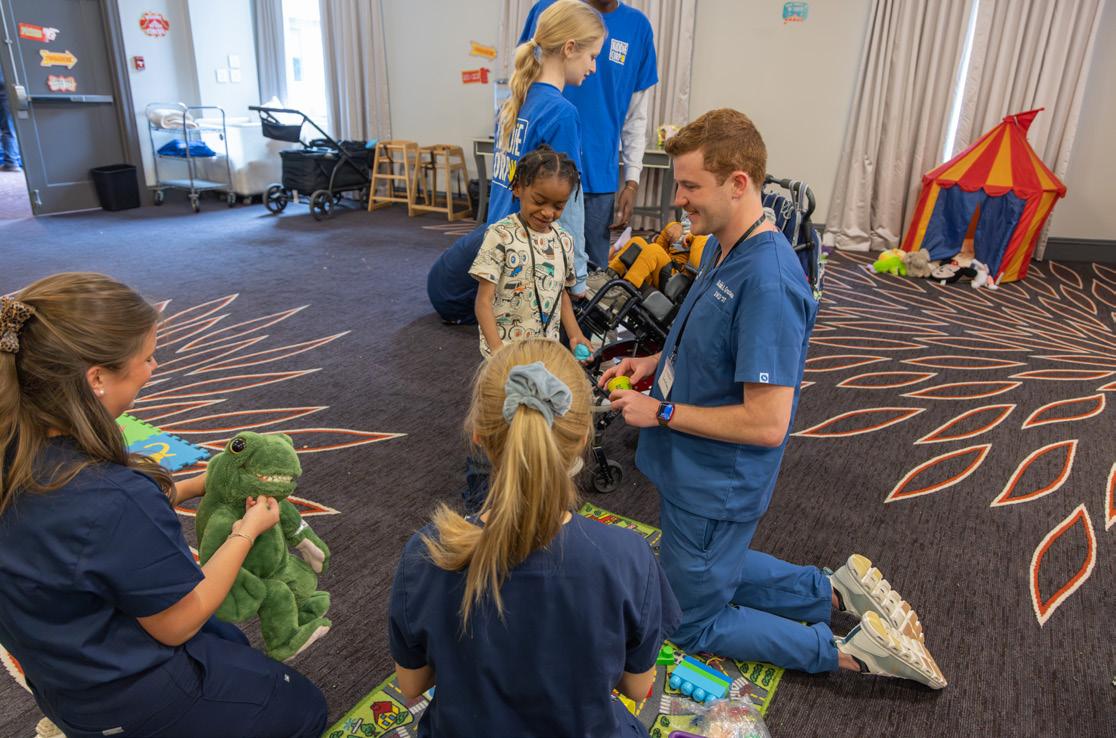
• Oral health promotion programs and events that reach thousands of children, adults, and elders, including people whose incomes are below the federal poverty threshold, families whose children meet the criteria for Early Head Start and Head Start programs, people with intellectual and physical disabilities, veterans and other adults experiencing homelessness, food insecurity and/or substance use disorder, people living with HIV, diabetes and other chronic conditions.
• Global Days of Service, an initiative offering service opportunities to Boston University friends worldwide.
School-based Oral Health Programs
GPH currently manages two city-wide school-based oral health programs and operates in over 20 schools in the cities and towns of Boston and Chelsea, Massachusetts. Through these school-based programs, thousands of children receive preventive services including oral screenings, fluoride varnish applications, dental sealants, silver diamine fluoride application, and oral health education. In their first year, dental students work as integral members of the school-based team providing all of the aforementioned services.
Chelsea School Dental Center
The Chelsea School Dental Center, managed by GPH and located in Chelsea’s middle school, has provided preventive and restorative services for thousands of children since its opening in 2003. Three bilingual dentists treat patients in this full-service clinic. Many
of the patients, ranging in age from preschoolers to high school seniors, have never before been to the dentist and would have no other source of dental care if it were not for the Chelsea School Dental Center.
Preschool Oral Health Programs
GSDM’s community efforts include providing oral examinations, fluoride varnish applications, SDF, and oral health education to more than 2,000 children in over 30 Boston area preschools, day care centers, Head Start and Early Head Start programs; holding Meet & Greet sessions for parents and guardians; and providing oral health education to preschool teachers, staff and administrators. Third-year DMD and second-year DMD Advanced Standing students are given opportunities to provide examinations and other preventive services to children in some of Global and Population Health’s preschool-based oral health programs. GSDM partners with the following organizations serving young children and their families:
• Action for Boston Community Development (ABCD) Head Start and Early Head Start
• Chelsea/Revere Family Network
• Community Action Programs Inter-City (CAPIC) Head Start
• Crispus Attucks Children’s Center
• Lawrence Community Day Care Early Head Start
• Nurtury (three locations in Boston and Cambridge)
• South Middlesex Opportunity Council (SMOC) Head Start Program
Community-based Oral Health Promotion Programs
In addition to GSDM’s work in elementary schools and preschools, we are involved in over 100 additional oral health promotion programs, school field trips, and other community-based outreach activities annually, some of which are listed below. These programs and activities provide care for populations that have difficulties accessing oral health services, including individuals experiencing housing insecurity, food insecurity, substance use disorder, and financial hardship. Our programs and activities also provide care for vulnerable populations such as elders, at-risk veterans, children and adults with disabilities, and individuals living with HIV/AIDS. We are able to reach people from diverse backgrounds and educational levels with oral health preventive services, thus promoting the oral health and overall health of thousands of people in the greater Boston area. Additionally, students and nondental health professionals are trained to provide oral health services for underserved, vulnerable populations.
Selection of GSDM Community-based Programs
Boston Public High Schools’ BOLD Field Trips to GSDM
The BOLD (Building Our Leaders in Dentistry) program is a predental mentorship program designed to introduce dentistry as a career option and hopefully in fl uence more under-represented minorities to enter the profession. BOLD is sponsored by the Hispanic Dental Association (HDA). The GSDM Hispanic Student Dental Association (HSDA) student organization hosted a pre-dental day event, during which students from the Whittier Tech High School Dental Assisting Program visited GSDM. The high school students toured the dental school, listened to a panel of six students, including several with non-traditional paths, who shared their journeys to dental school, and heard about four dental-focused mission trips to Central America.
Rosie’s Place Outreach—Women to Women
GSDM’s student chapter of the Association of Women Dentists began this community service initiative several years ago to improve the oral health of the women of Rosie’s Place. Students and faculty provide oral screenings, distribute hygiene supplies, and answer oral health-related questions at this monthly event. More than 100 oral screenings are provided each year for the women seeking services at Rosie’s Place.
Healthy Smile, Healthy You Events
GSDM’s Muslim Student Association, in collaboration with the Islamic Society of Greater Milford , organizes Healthy Smile, Healthy You events for local communities. Volunteers provide oral health promotion activities, including dental screenings and referrals.
Global Days of Service
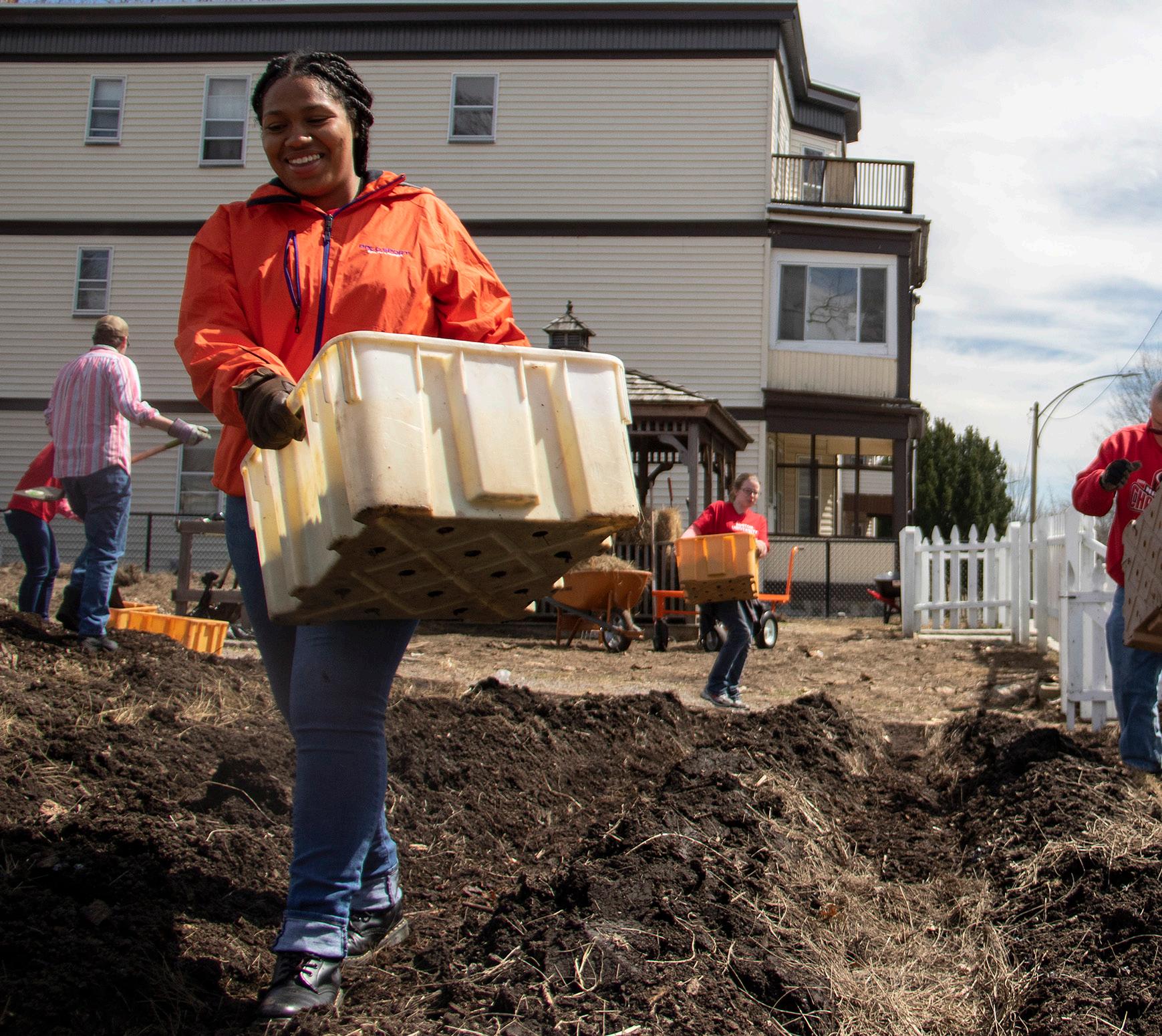
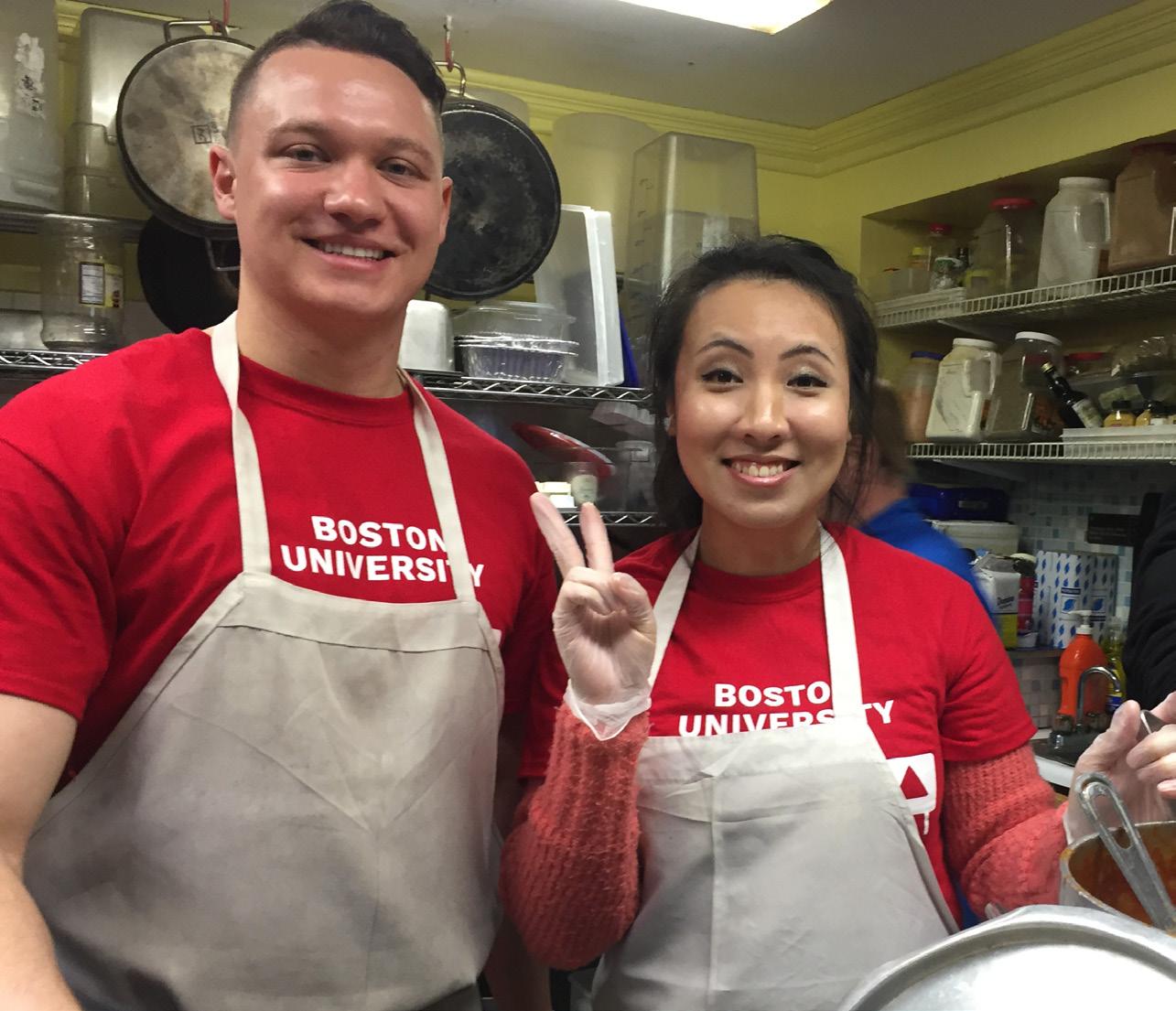
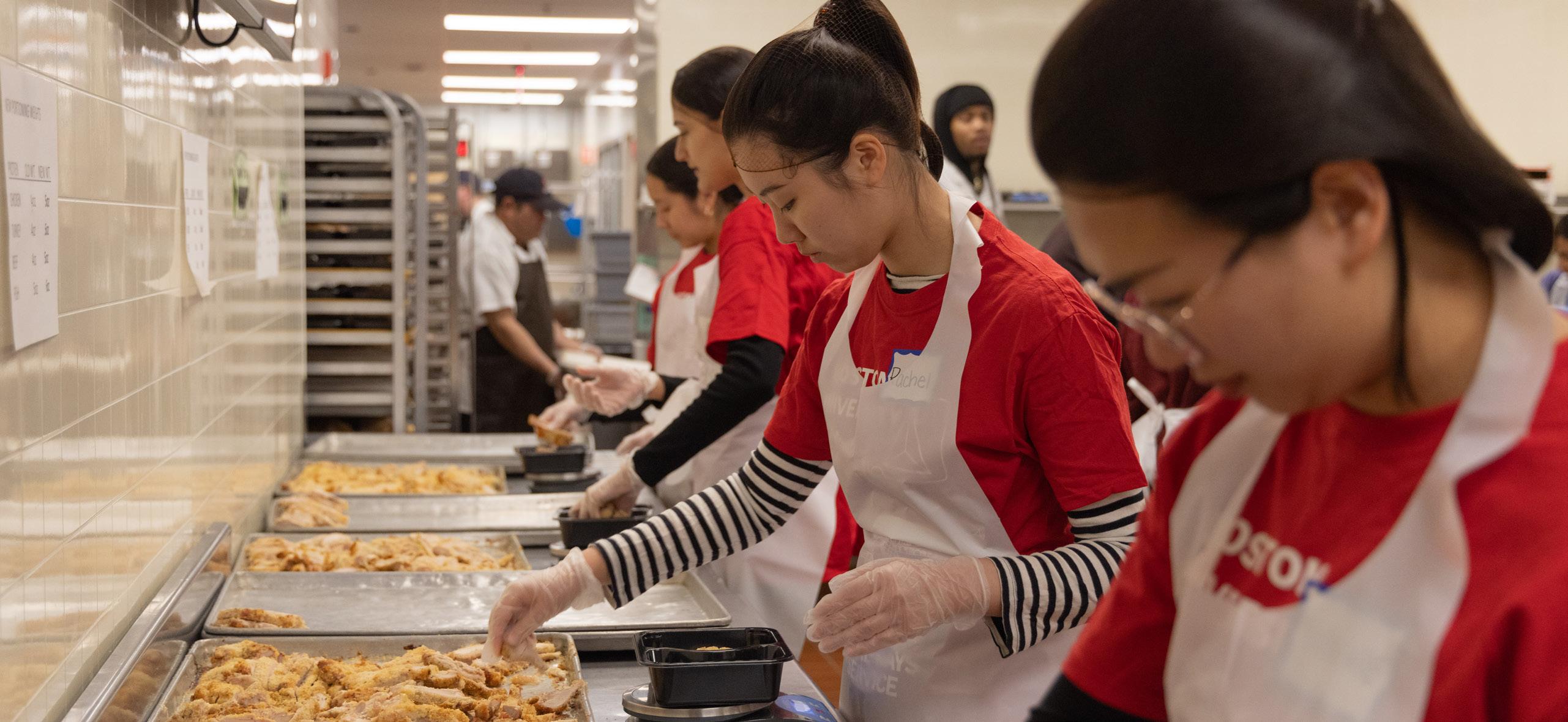
Each April, Boston University students, faculty, staff, alumni, and their families and friends participate in Global Days of Service, an initiative offering service opportunities to Boston University community members worldwide. GSDM organizes volunteer activities designed specifically for our GSDM family. Global Days of Service events are carried out in partnership with many organizations, such as: Pine Street Inn; Relay for Life; Rosie’s Place; Community Servings.
Selection of GSDM Collaborations
Bay Cove Human Services Oral Health Promotion
Oral health education, screenings and referrals at Bay Cove, a not-for-profit corporation that provides services to adults challenged by developmental disabilities and addictions. Members of BU’s chapter of the American Association of Public Health Dentistry attend this event to promote oral health.
Healing Our Community Collaborative (HOCC) Health Fair
HOCC gives ongoing HIV health education and prevention programming to women infected with, affected by, or at risk for HIV/AIDS. GSDM students provide oral health education to women by giving information about oral care and demonstrating proper brushing techniques. Members of BU’s chapter of the Hispanic Student Dental Association and the American Association of Public Health Dentistry attend this event to promote oral health.
Boston Public Schools Beethoven School Family Health Fair
School community event for families to learn about a variety of health topics. GSDM leads interactive oral health promotion activities, such as tooth brushing demonstrations, and oral hygiene supplies are distributed.
Brazilian Independence Day Outdoor Festival
At the Brazilian Independence Day Festival at Boston’s Herter Park, GSDM students and faculty promote oral health with dental screenings and oral health education. Members of BU’s student chapter of the Hispanic Student Dental Association attend this event to promote oral health.
Chelsea Back to School Celebration
At the annual back-to-school fair for Chelsea families, including representatives of community services, GSDM staff provide dental health education and information about the Chelsea School Dental Clinic.
Christmas in the City
Event for thousands of mothers and children currently residing in homeless shelters throughout the Greater Boston area, which includes a banquet, live entertainment, games, rides, a petting zoo, and kid friendly activities. GSDM supports this event with dental health activities and offers dental screenings for children. GSDM students make the holidays more joyful for children in need as they lead the effort at GSDM, collecting donated toys for distribution by Christmas in the City. In addition, GSDM volunteers staff several shifts of Jake’s Toy Mania where volunteers help to organize donated toys and help parents in need find the right items for their children during the Christmas holiday season.
Countdown to Kindergarten Boston
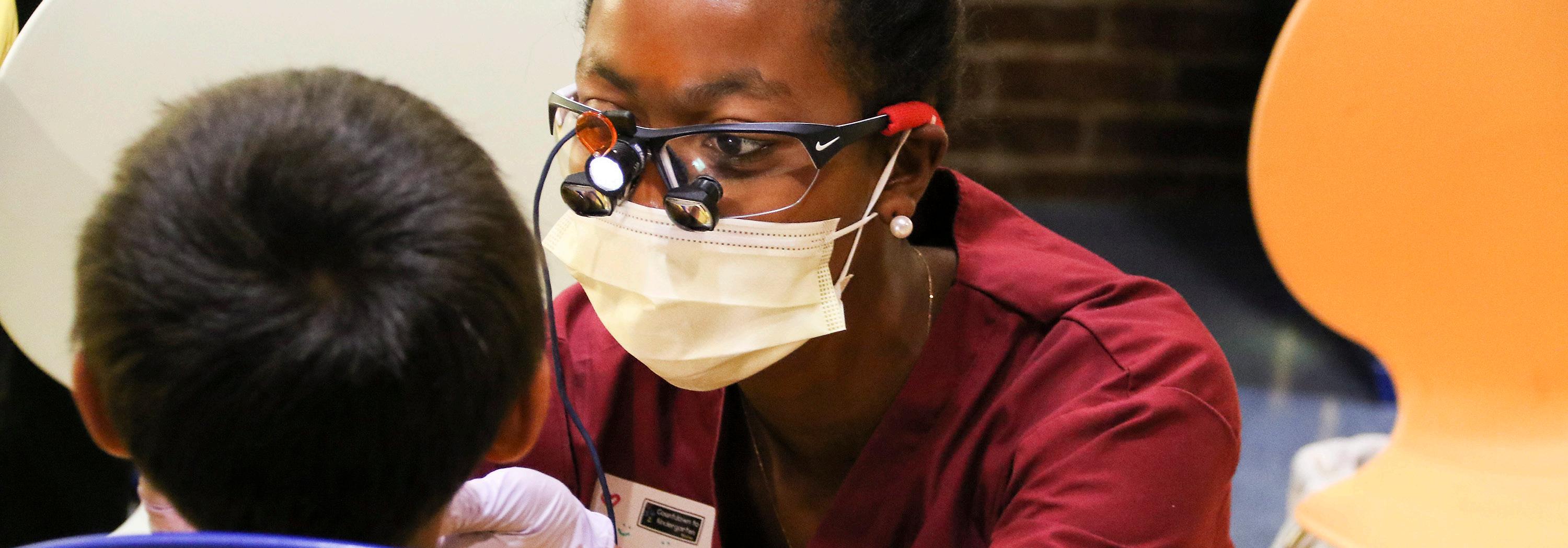
This annual celebration at the Boston Children’s Museum sponsored by Boston Public Schools helps prepare children for entry into kindergarten. GSDM hosts tooth brushing and dental arts and crafts stations, and distributes oral health information and oral hygiene materials.
Healthy Baby/Healthy Child (HB/HC) Summer Picnic
Boston Public Health Commission’s summer camp activities for families enrolled in the HB/HC Program. Oral health education, dental activities, and oral screenings are offered to those attending this summer camp event.
Greater Boston Stand Down
A multi-service intervention for veteran’s at risk for homelessness, food insecurity and/or substance use disorder offering critical benefits and services: food, clothing, medical and dental treatment, housing referrals and placement, and career and job counseling. GSDM provides dental screenings, toothbrushes, toothpaste, denture cleaning and labeling, and referrals. Members of BU’s chapter of the Uniformed Services Dental Student Association attend this event to promote oral health.
Wang YMCA Holiday Party
GSDM students disseminate oral health information, oral hygiene supplies and educational materials to party attendees. Members of BU’s chapter of the Asian Dental Student Organization attend this annual event to promote oral health and oral health careers.
Boston Unity Cup
The Boston Unity Cup is a city-wide adult soccer tournament that features 40 teams representing 34 unique nations and regions participating in both a men’s and women’s division. Additionally, the Unity Cup Street Festival features a Resource Fair with multicultural offerings of food, performances, and health and wellness organizations from across Boston. GSDM students, staff and faculty host a sports-related oral health table at this event every year.
Somali Oral Health Day
The Somali Development Center (SDC), has been the lifeline to vital educational and social services for Boston’s growing Somali refugee and immigrant community. The Somali Oral Health Day, staffed by GSDM faculty and students from the Student National Dental Association (SNDA), provided dental screenings to children and adults and promoted oral health with interactive table displays.
Special Olympics Special Smiles® Program
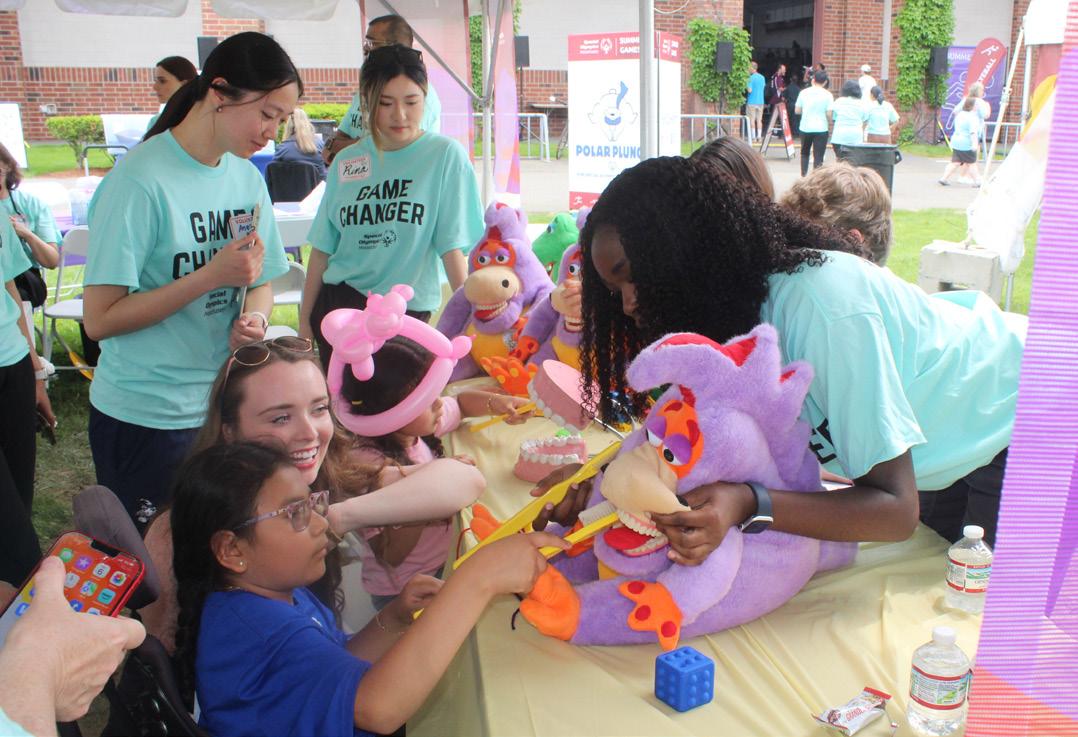
Students, faculty, and staff of GSDM participate in the Healthy Athletes® Special Smiles® initiative at the Special Olympics Massachusetts Summer Games. Athletes from across Massachusetts participate in athletic events such as Aquatics, Gymnastics, Power Lifting, Tennis, Track & Field, and Volleyball. This year, The Special Smiles® clinic was staffed by 60 GSDM volunteers who were joined by volunteers from the Massachusetts College of Pharmacy and Health Sciences, and Tufts University School of Dental Medicine. These dentists and dental students offered oral screenings, health education and prevention, and referrals to athletes who needed followup services, and athletes received dental screenings.
TET in Boston Festival
GSDM provides oral health information, oral hygiene materials, and dental arts and crafts at the Vietnamese New Year festivities. Members of BU’s chapter of the Asian Dental Student Organization attend this annual event to promote oral health and oral health careers.
Jimmy Fund Walk Food and Beverage Tent
Every year, the GSDM community volunteers at the annual Boston Marathon Jimmy Fund Walk. This year, the GSDM team volunteered at the finish line at Copley Square near Boylston and Dartmouth Streets. The group was made up of members of the American Association of Women Dentists (AAWD), as well as members of the Massachusetts Dental Society (MDS), Women in Dentistry, and Miles and Smiles. The group volunteered in the food and water tent, handing out nourishment to the walkers who completed the historic 26.2-mile route.
Equity Now & Beyond
Equity Now & Beyond is an immigrant health equity cohort that is coordinated by Center to Support Immigrant Organizing and led by grassroots immigrant groups: Brazilian Women’s Group (BWG), African Community Economic Development of New England (ACEDONE), Haitian Americans United (HAU) along with its sister Haitian partner Immigrant Family Services Institute (IFSI), and Agencia ALPHA. Faculty and students from GSDM’s chapter of the Student National Dental Association provided oral health promotion and dental screenings at two separate events in the Spring.
National Marrow Donor Program
The National Marrow Donor Program works to find cures and save lives for patients with blood cancers and disorders. With the help of blood stem cell donors from the world’s most diverse registry, they are expanding access to treatment so that every patient can receive their life-saving cell therapy. Volunteers from the South Asian Student Dental Association (SASDA) help to educate others about the need for marrow donors and encourage people to join the registry. Last year there were four matches from the group’s efforts.
Boston Housing Information
Basic Boston Housing Traits
• Boston is an old city, and much of our housing is old too. Many apartments do not have elevators, central air conditioning, or laundry in-building.
• Boston’s rental housing is in short supply and many apartments are too pricey to afford alone. Finding roommates is key.
• Boston is a college town, which means most apartments begin to turn over during the summer and continue up to the beginning of September.
Useful Resources
Housing Resources
bumc.bu.edu/ohr
72 East Concord Street, B401
617-358-6550
ohr@bu.edu
Off-Campus Services
offcampus.bu.edu
City of Boston
cityofboston.gov
Parking & Transportation Services, BMC and BUMC
bumc.bu.edu/parking/
Boston Neighborhoods
Popular Neighborhoods
The South End Home of BUMC, closest to campus. About 25% of BUMC student population lives here.
Fenway/Kenmore
Location of the Charles River Campus, easy to access from BU Shuttle. About 15% of BUMC students live there.
Allston /Brighton
Not very convenient, but cheap and easy to find housing. About 5-7% of students live here.
Back Bay
Fairly convenient, beautiful. Near 5% of students live here
Price Range per month
Very Expensive
Studio: $3600-$4000
1 Bed: $4000-$4600
2 Bed: $4600-$5600
3 Bed: $5500-$6600
Expensive
Studio: $3000-$3800
1 Bed: $3500-$4400
2 Bed: $4500-$5500
3 Bed: $5000-$6000
Moderate
Studio: $2400-$3000
1 Bed: $2800-$3500
2 Bed: $3300-$4500
3 Bed: $3900-$5000
Inexpensive (for Boston)
Studio: $1670-$2400
1 Bed: $1900-$2800
2 Bed: $2500-$3300
3 Bed: $2800-$3900
Commute
Time
Close
Commute under 30 minutes, no transferring.
Average Commute under 45 minutes, one transfer.
Long
Commute up to 60 minutes, Sometimes two transfers.
Search Timeline
5-6 months before move-in
Do your research. Decide on your housing budget and where in Boston you want to live. Choose at least two neighborhoods. Begin contacting potential roommates. Schedule a visit to Boston.
2-3 months before move-in
Visit Boston. Meet your potential roommate. Using the Housing Resources available to you, search for an apartment. View apartments. Put in an application for the apartment you want. Meet the landlord prior to signing a lease.
4 weeks before move-in
Reserve a truck for moving day. Apply for a parking permit from the city.
1 week before move-in
Review your lease.
Notify the post office about your address change. Double-check your move-in directions. Make sure you have a parking permit. Confirm truck reservations. Call to have utilities turned on during your moving day, and turned off at your old apartment.
Move -In Day Standards
Apartment clean & sanitary. Landlord contact info posted. Smoke alarms working. Apartment is safe. All rental units must meet standards on move-in day. Complete Apartment Conditions Statement and take pictures to document status of unit on move-in day.
Call 311 to report nonemergency issues
Getting Around Boston
The MBTA mbta.com is Boston’s public transit agency.
Trains: Orange Line (at Massachusetts Avenue), Red Line (at Broadway Station)
Buses: #1, #8, #10, #47, CT3 (Newton and Concord Streets, Mass. Ave.). Silver Line (on Washington Street)
Rideshares: Plentiful on Washington and Tremont Streets, especially in the evening. Uber and Lyft available throughout Boston.
The BU Shuttle: bu.edu/thebus a free shuttle that travels between the BUMC and Charles River campus.
Bicycle Cages/Racks on campus and a bike sharing system bumc.bu.edu/parking/cyclists , Blue Bikes bluebikes.com .
Finding Roommates
Most students in Boston will live with roommates to make housing more affordable. Before deciding to live with a roommate, students should make sure they have three “C’s”: credit, consideration, and communication. Roommates in Boston are “jointly and severally” liable for rent, meaning that if one roommate doesn’t pay, everyone else has to make up the rest.
Popular Roommate-Finding Resources
Off-Campus Services Roommate Finder offcampus.bu.edu BU login and password required to access roommate listings.
Housing Resources bumc.bu.edu/ ohr Located on the Medical Campus, Housing Resources assists students with their housing search from the beginning of the process to reading and signing a lease. Contact 617358-6550 or ohr@bu.edu.
BU Off-Campus Services offcampus. bu.edu, is the apartment and roommate database with listings
throughout the Greater Boston area.
BU Housing bu.edu/housing/ graduate-housing offers Universityowned apartments and dormitories for rent. Graduate students who want to live in housing that is managed by Boston University and located on the CRC should call 617-353-3511.
Facebook Incoming classes have Facebook pages for students to connect, find roommates, ask housing questions and learn from others about their housing search.
For You To Know Realtors: Agent/Broker
If you are short on time or have very specific criteria, using a realtor is a good option. They can drive you around, show you several apartments during one appointment, and may know a lot about the neighborhood where they work. Most Boston realtors charge an agency fee or commission, which can be up to one month’s rent. You should always try to negotiate the agency fee. Sell yourself as a graduate student attending BU, which might work to your advantage. offcampus.bu.edu/index/agent-broker Property Managers
Landlords hire managers to rent/maintain their buildings. No agency fee is charged.
Before You Sign the Lease
It is strongly suggested that you view the property before you move in. If you cannot see the property yourself, ask friends or family to see it for you. You can also ask to video chat with the agent/landlord. Most landlords will not rent to tenants they have not met. bumc.bu.edu/ohr/leases-rentingessentials/ tenants-rights-and-responsibilities
If you’re using loans for living expenses, try to stick to the housing budget outlined in the Cost of Attendance (COA). This helps ensure your aid covers the full academic year without unexpected shortfalls.
Student Financial Support
Applying for Financial Aid
Student Financial Support (SFS) helps students identify ways to effectively meet their financial needs. Applicants must reapply annually for financial aid. Please visit the SFS website for additional application instructions.
Federal Student Aid
Students entering in July 2027 are encouraged to apply by the February 1, 2027 priority deadline. Available only to U.S. Citizens, U.S. Permanent Residents and Eligible Noncitizens
Significant changes to federal financial aid programs occurred in the last year. Visit the SFS Federal Loan Updates web page for all updated information.
• Free Application for Federal Student Aid (FAFSA) fafsa.ed.gov School Code: 002130
What is the Cost of Attendance?
The cost of attendance (COA) is not the bill that you get; it is the total amount it will cost you to attend the Goldman School of Dental Medicine each year. It includes direct and indirect expenses and is based on the length of the period of enrollment. SFS reviews the COA annually. The information below is the estimated cost of attendance for students enrolled during the 2026-2027 academic year. Visit the SFS website for annual updates.
Additional Loans
Private Credit-Based Loans
We encourage you to compare information concerning credit-based student loans carefully to determine the best fit for your particular circumstance. Most lenders require a co-signer. Please visit the SFS website and Credible.com for further details on different lenders.
Dental Student Loan Repayment Programs and Resources
The American Dental Association (ADA) collects information on student loan repayment programs. Access a list of federal and state programs that offer loan repayment assistance, which are often in exchange for services in a healthcare shortage area: Dental Student Loan Repayment Programs and Resources
Financial Planning Issues for Dental Students
“Let’s face it–dental school is expensive! Take control of your money management now and stay on track for a bright financial future.” Be prepared with financial planning resources available from the ADA.
The ADA Foundation has a scholarship program for students pursuing careers in dentistry. The American Student Dental Association and the American Dental Education Association also have lists of scholarships for dental students.
We recommend you also research the following federally funded scholarships:
• National Health Service Corps (NHSC) Scholarship Program
• Armed Forces Health Professions Scholarships (HPSP)
• National Institute of Dental and Craniofacial Research (NIDCR) Short-Term Training Awards
In addition to scholarships, there are branches of the federal service that offer financial assistance and/or loan forgiveness to dental students in exchange for a work commitment. Find out more by viewing the websites for these organizations:
• Army Dental Corps
• Navy
• Air Force
• Department of Veterans Affairs
• U.S. Public Health Service
Financial Literacy
SFS offers financial literacy events throughout the year to develop students’ financial management skills for life. The program includes both inperson and online resources, with wide-ranging topics such as developing a budget, debt management, credit scores and home buying.
bumc.bu.edu/osfs/applying-for-aid/gsdm
Student Affairs
Student Affairs supports students throughout their GSDM experience by helping foster a culture of well-being, connection, professionalism, and personal growth.
Through programming, events, workshops and resource connection, Student Affairs helps students engage with the school and university community and make the most of their time at Boston University.
Who We Are
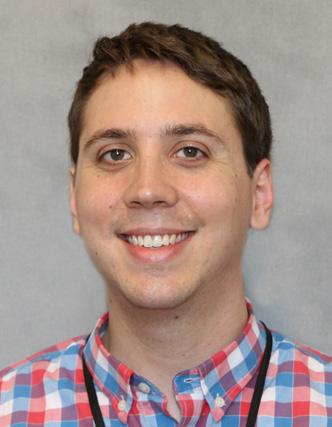
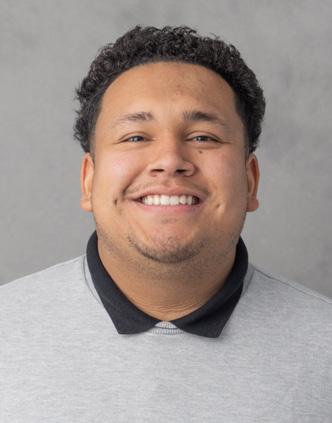
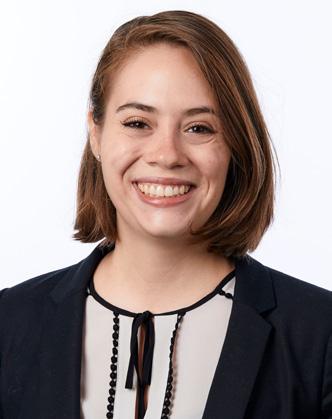
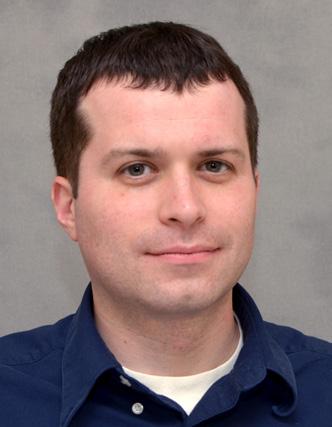
Erica Stocks Director, Student Affairs
Dr. A. Stephen Polins Director, Educational
Amy Toledano Student Affairs Coordinator
Dr. Joseph Calabrese Associate Dean of Students
Alisha Marble Program Manager
What We Do
Student Affairs supports students through:
• Matriculation and transition programming
• Student organizations, clubs and leadership opportunities
• Career resources and residency application support
• Educational resources, tutoring, and academic advising
• Health, wellbeing and support resources
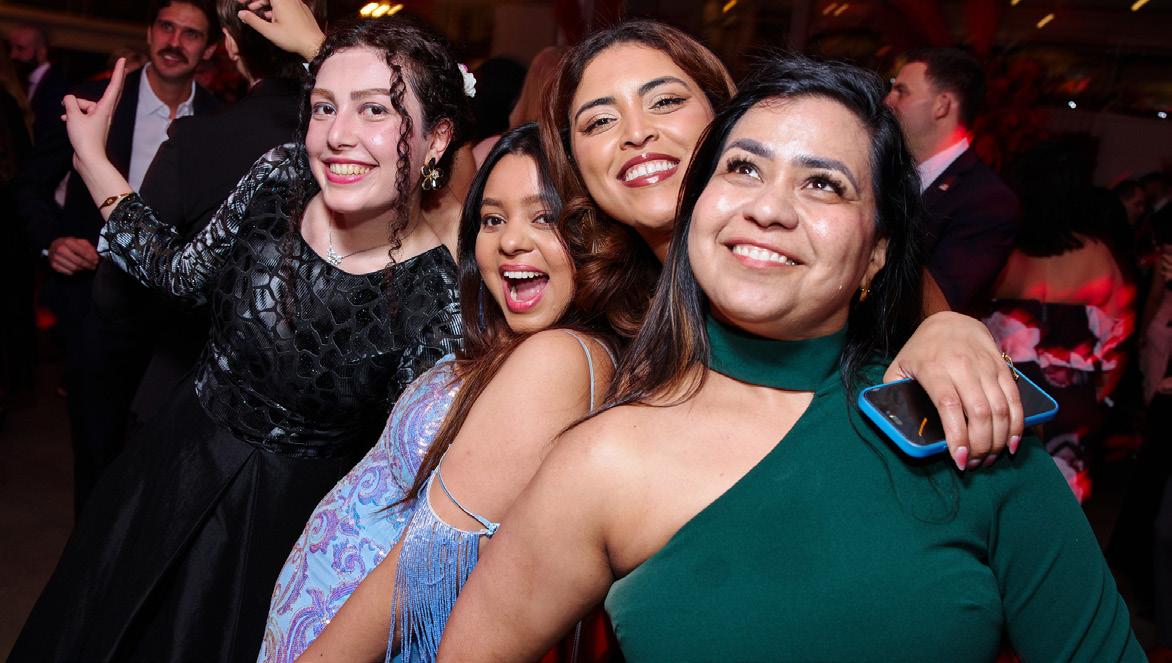
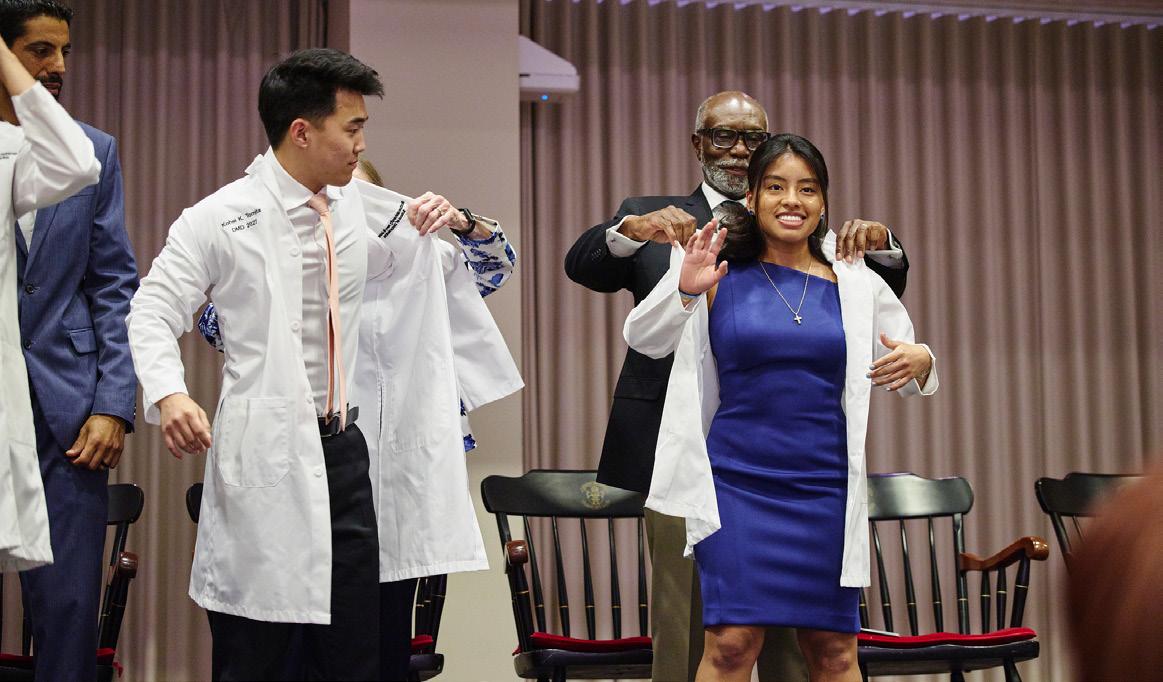
• Signature GSDM traditions, including the White Coat Ceremony, Professional Ceremony, and Recognition & Awards Dinner
• Additional programs and services that support student success and engagement
We know that dental school is both challenging and rewarding. Our goal is to help students feel connected, supported, and prepared to grow as future dental professionals.
The school and the University offer many resources to benefit students and help them to be successful: