

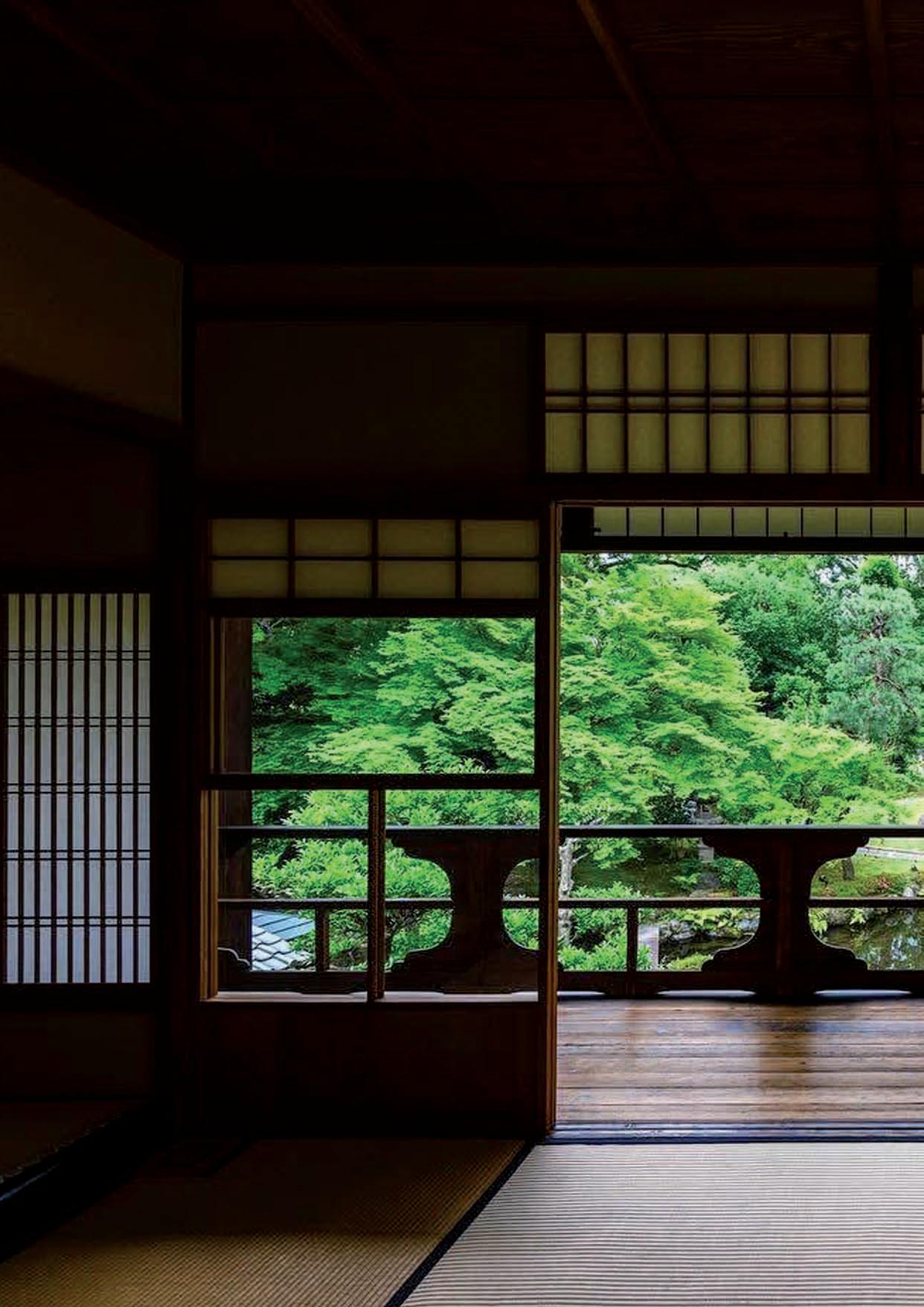
“Is there a difference between happiness and inner peace? Yes. Happiness depends on conditions being perceived as positive; inner peace does not.”
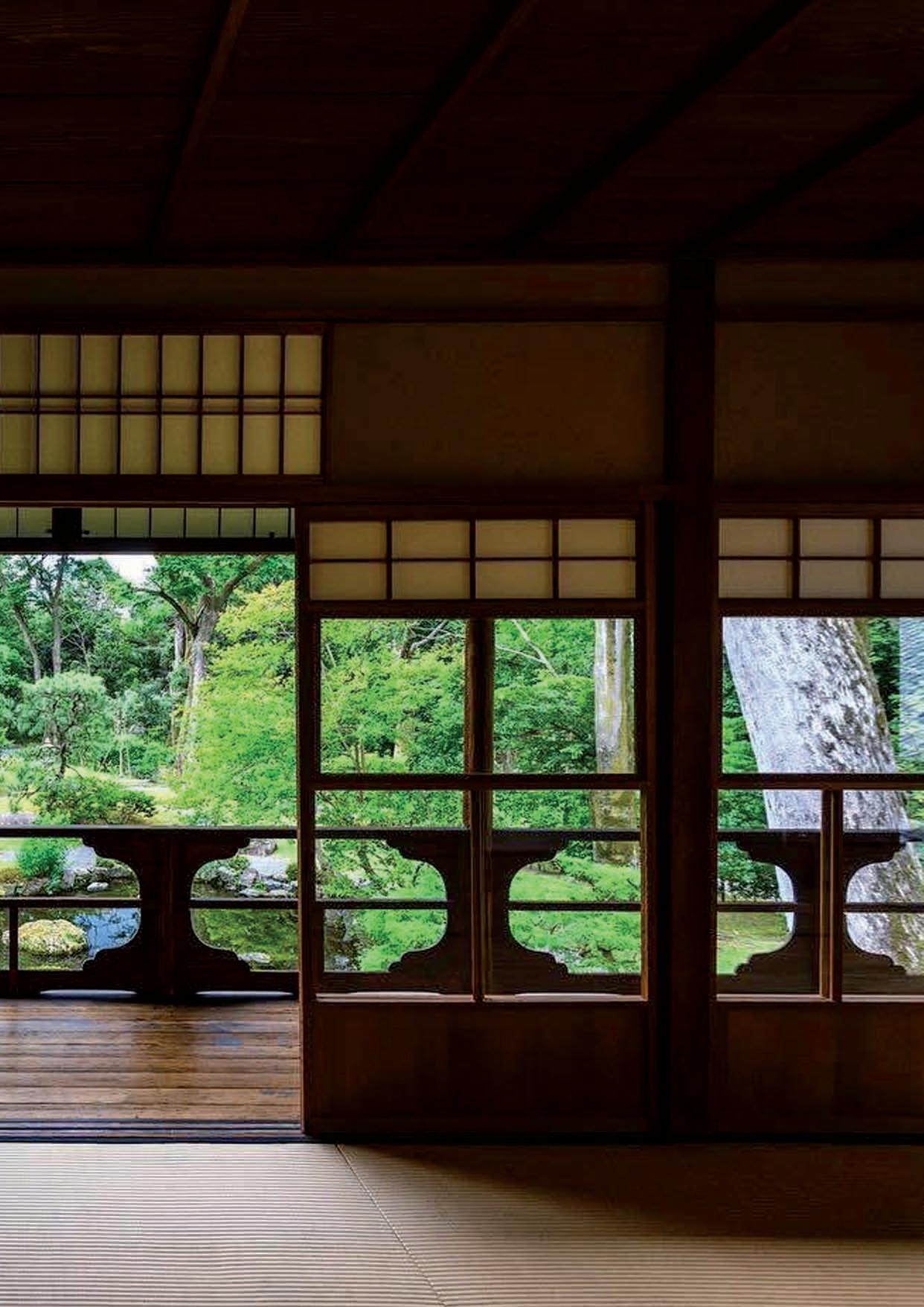
“Is there a difference between happiness and inner peace? Yes. Happiness depends on conditions being perceived as positive; inner peace does not.”
Many students ask me about the importance of the mind and its true power on a personal and spiritual journey. It’s all or nothing! These profound questions have no simple answers and must, before being addressed, be viewed within a broader context.
The mind is a discovery of the consciousness of being and a tool with a biological basis and foundation (and not just the brain!). If we observe the evolutionary process, we will understand the meaning of its emergence and the phases of polarization. The Earth, mother of all that exists upon it, co-creator with the heavens of all things, has gone through three major evolutionary phases.
Namely: Lithogenesis (creation of the solid structure and foundational support), biogenesis (the emergence of life), and noogenesis (the emergence of consciousness). This process indicates a trend first toward movement, transformation toward complexity, individuation (polarization, multiplicity of forms), and finally, the consciousness of being differentiated. Humans are, in a way, “the fruits” of the planet’s evolution and its seed.
Plant consciousness, which exists, is very limited to automatism; then animal consciousness acquires a higher level, but with strong pre-programmed foundations (instinct); and finally, humans appear in the evolutionary program carrying the previous stages, but as the foundation of a consciousness of being clearly differentiated. Noogenesis thus implies a substantial leap in the evolution of matter, as it acquires, for the first time, the capacity to be conscious of itself and of an apparent separation. It is through humans that the Universe contemplates itself for the first time.
The emergence of consciousness is thus the cause and the mother of the mind, its best tool for interpreting reality. It is a magnificent discovery, but it is inherently limited by its layered system of creation. Humans possess a primitive brain, upon which new layers are created, up to its final layer, the prefrontal cortex, which enables logical and analytical capacity. All of these layers are interconnected and process information in complex ways, so that we are both animals and humans, plants and humans, and we possess the minerals in our bodies—the very same ones that formed the Earth itself.
The human being is a complex compendium of the entire evolutionary sequence—the final product to date, the highest point in the food chain—and it is in our brain where our greatest distinction lies, and where the body’s greatest energy consumption occurs.
The mind is a functional compendium based on a determining biological structure, but it possesses a more subtle side; this is related to its invisible or spiritual aspect and speaks to its vibration at the quantum level. A car is a car, but even if it is the same model, it will behave differently when driven, simply because of the color it has been painted. Insurance companies know this well and do not treat a red car the same as a white one. We therefore have in the mind structural and functional determinants, inherited and acquired determinants, and those resulting from its own vibrational and changing state—frequency, positivity or negativity, excess or deficiency, expansion or contraction, and so on. Trying to bring about substantial changes in a person while ignoring all of this is like trying to attack a lion with farts.
The mind on its own, the uubo, or mental chakra, contrary to what many people think, generates low tension. It is too changeable and malleable—due to evolutionary necessity—to sustain continuous tension. That is why we say that “words are carried away by the wind” or that “the road to hell is paved with good intentions.” The mind articulates, analyzes, and decides also—and primarily—based on all those limitations, and finally based on the frequency and vibrational state in which the being finds itself.
“If the state of the energetic and tensional body is positive, the mind will tend to interpret information correctly and make the best decisions. Otherwise, it is normal to misinterpret things and make inappropriate decisions.”
“If the state of the energetic and tensional body is positive, the mind will tend to interpret information correctly and make the best decisions. Otherwise, it is normal to misinterpret things and make inappropriate decisions.”

Analyzing the history of the planet, we can conclude that the directions of evolution are: forward, upward, inward, and toward the whole. Moving forward, even the earliest beings, in their search for food, developed their perceptual mechanisms—eyes, etc.—in the front of their bodies. Upward: the history of evolution is the story of rising from the ground, first to be able to move (plants versus animals), and after swimming, they began to crawl on land (amphibians), then walk on four legs, and finally stand on two, stabilizing their heavenearth axis (spinal column, antenna). Inwardly, the being becomes aware of itself (there are levels here as well), aware of its differences and peculiarities, as well as its place in the world. Finally, toward the whole: Each individual being experiences its finitude and, therefore, its return to the origin, leaving its physical part on earth and liberating its spirit to a new rebirth as more or less conscious energy. Beyond that, once evolved, the human being, upon entering phase four, begins to turn their consciousness toward their essential origin, understanding that they are a drop in an ocean, identifying more and more each day with their immortal part, separating body from spirit, and beginning to see the phenomenon of life more and more each day, from the spiritual toward the material.
These paths are etched in fire upon our stage (nature) and in our DNA. The state and conditions in which they unfold are changing and cyclical elements, linked to matters of greater nature and importance in the life of each individual—spirit, purpose, evolution, and so on.
When one acts upon the essence, everything changes: “He who can handle the much can handle the little,” as the saying goes; hence the significant changes we observe after rites of passage, or during the spiritual retreats, “ashikoro,” that we conduct at the ebunto, for in these the changes occur at the quantum level, altering the vibration of the essential structure of the being. The subject’s mind will change accordingly, and not as a basic transformative factor, creating the opportunity to view things differently by altering the color and vibrational state of their being—that is, the pillars of their structural and functional identity at the same time.
The power of the mind, however great it may be, is confined and limited to its operational state, as well as to its acquired tools, and tends to have a greater impact within its natural sphere of action (thoughts).
If the state of the energetic and tensional body is positive, the mind will tend to interpret information correctly and make the most appropriate decisions. Otherwise, it is normal to misinterpret things and make inappropriate decisions. If we add to this the fact that we attract what we emanate, (like attracts like within the same plane), by acting upon the essential vibrational state of the spiritual and tensional body, we create all the conditions for life to unfold within its natural positive channels, framed, of course, within the context of that specific spirit’s personal circumstances and needs as it lives a material life of adjustments, goals to achieve, and destiny.
The mind is a tool that allows us to analyze our environment and make decisions; its power lies in that realm, for its function gives us the ability to choose and position ourselves in the face of the changing events of our lives, generating consequences, attracting and repelling things, situations, and experiences. Given its composition and purpose, it has limited capacity to influence and transform our lives. Although its abilities are essential, the mind cannot be definitively understood in isolation without considering its nature as a tool of something greater to which it belongs and responds: the spirit.
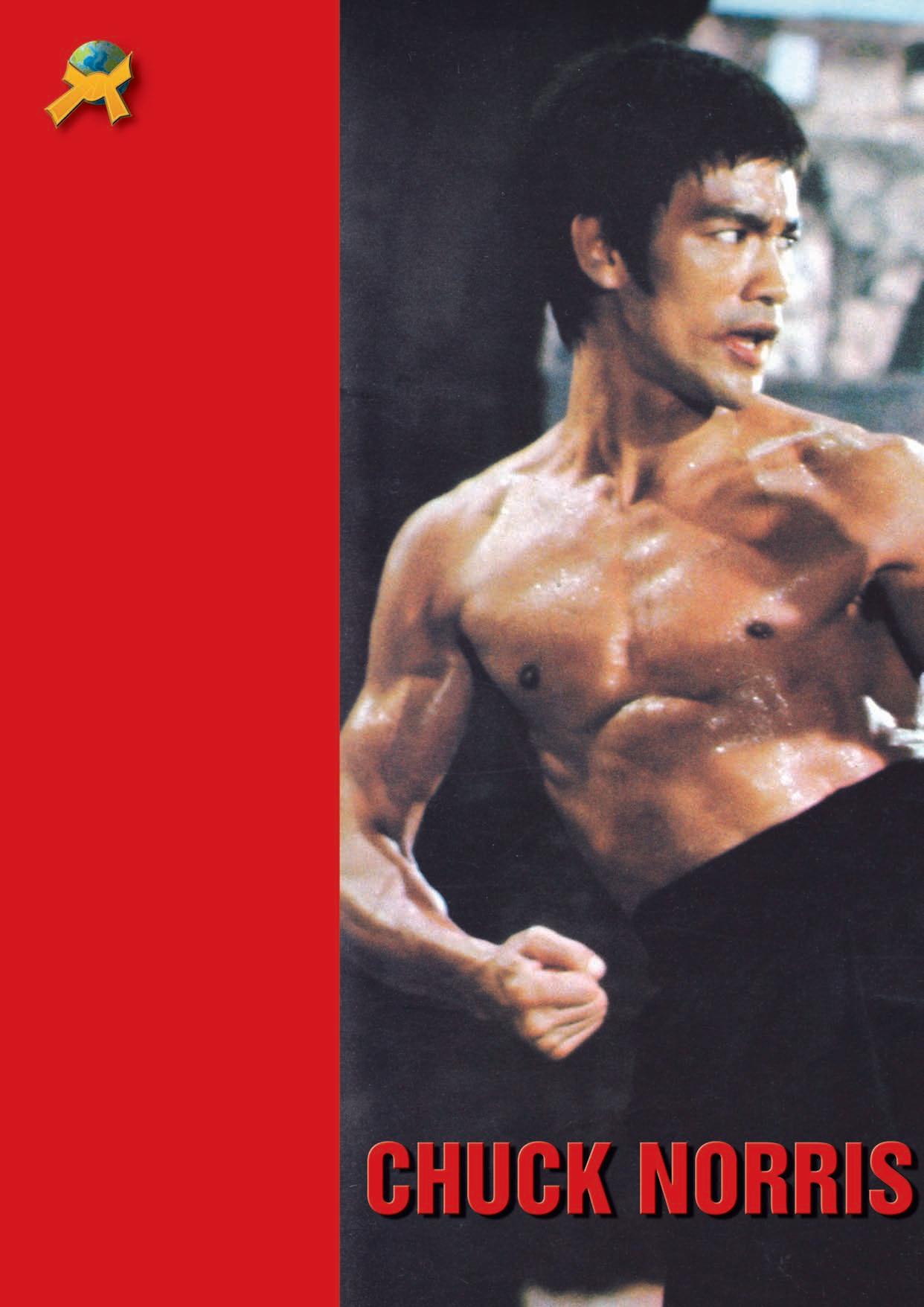
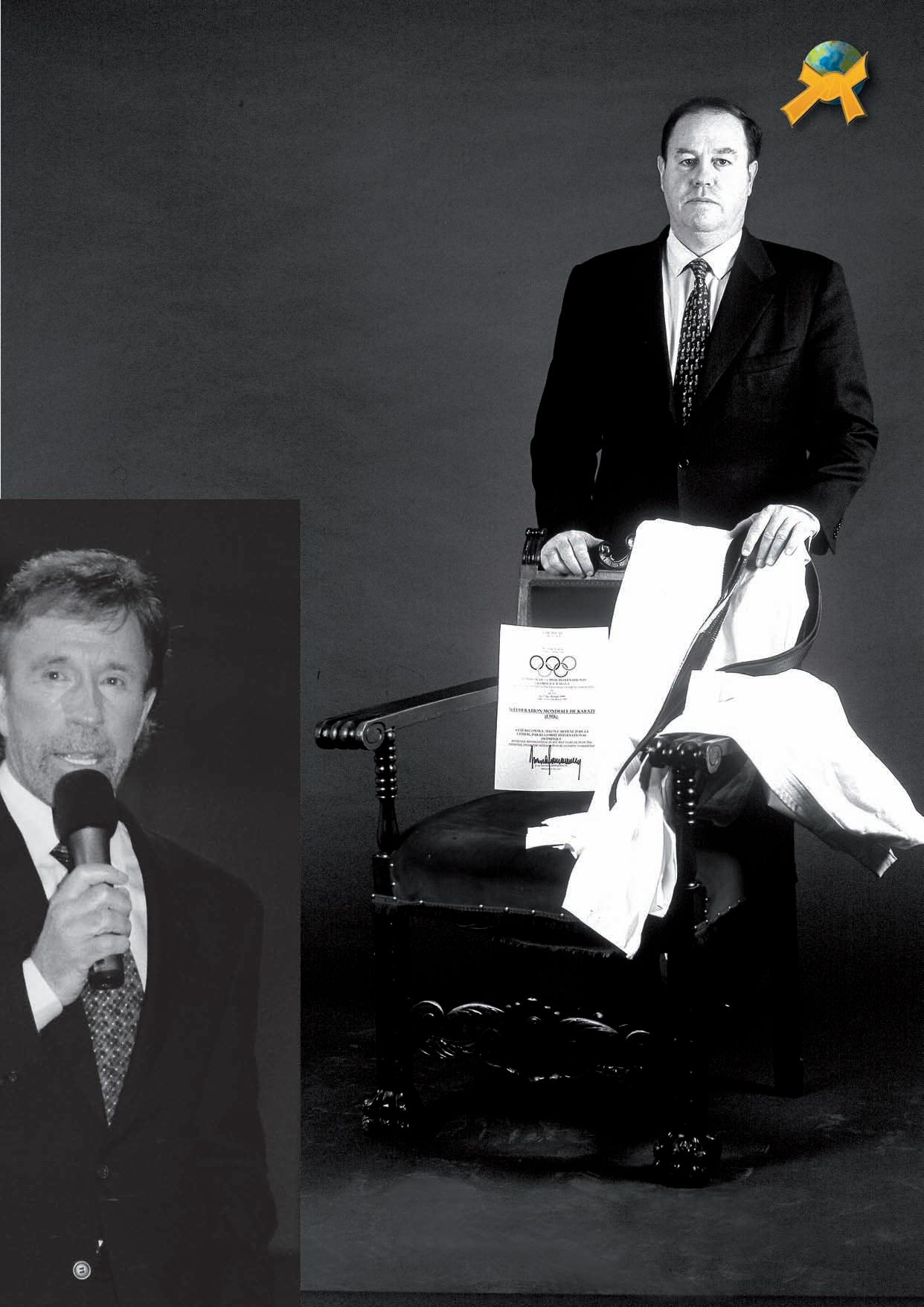
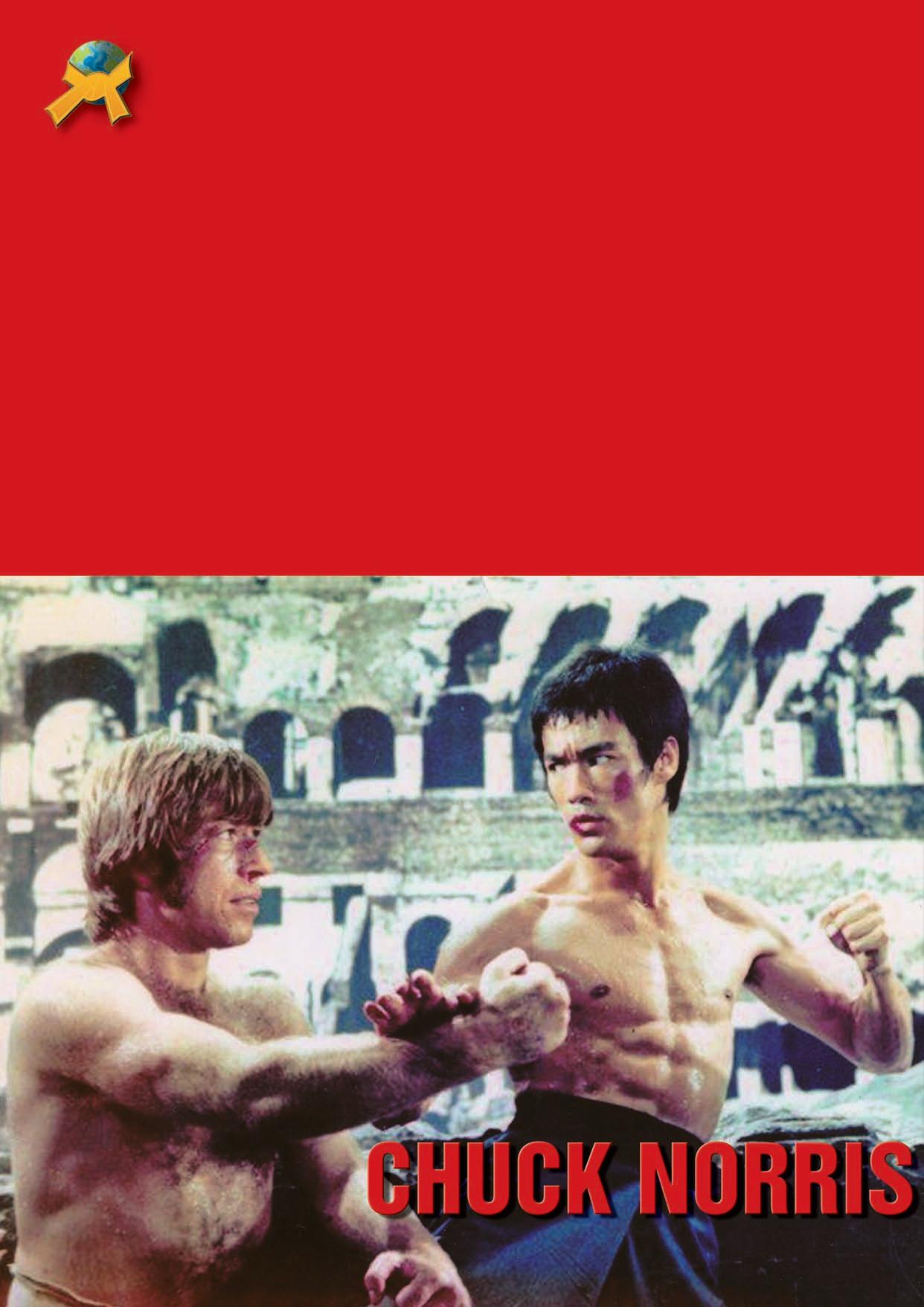
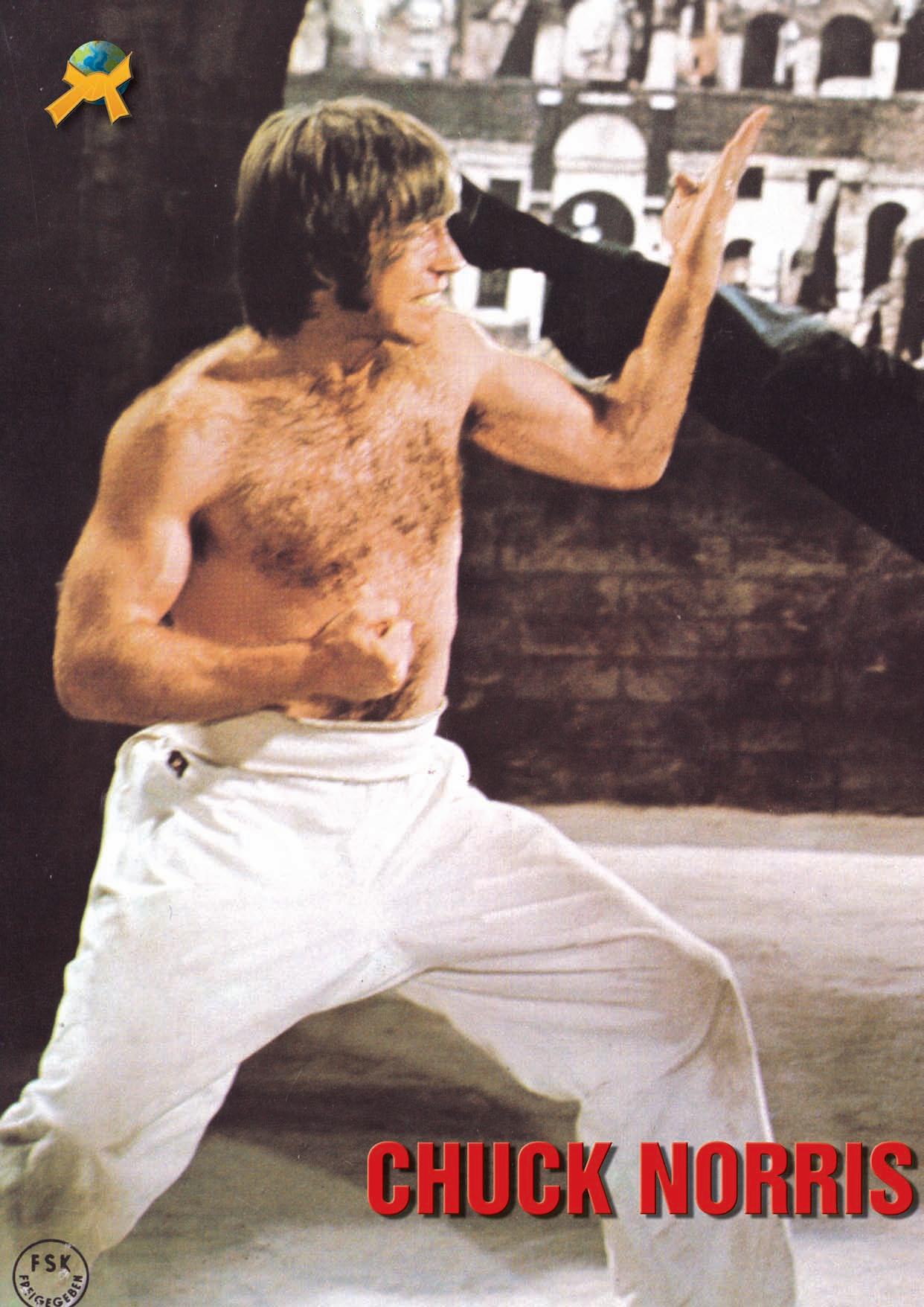
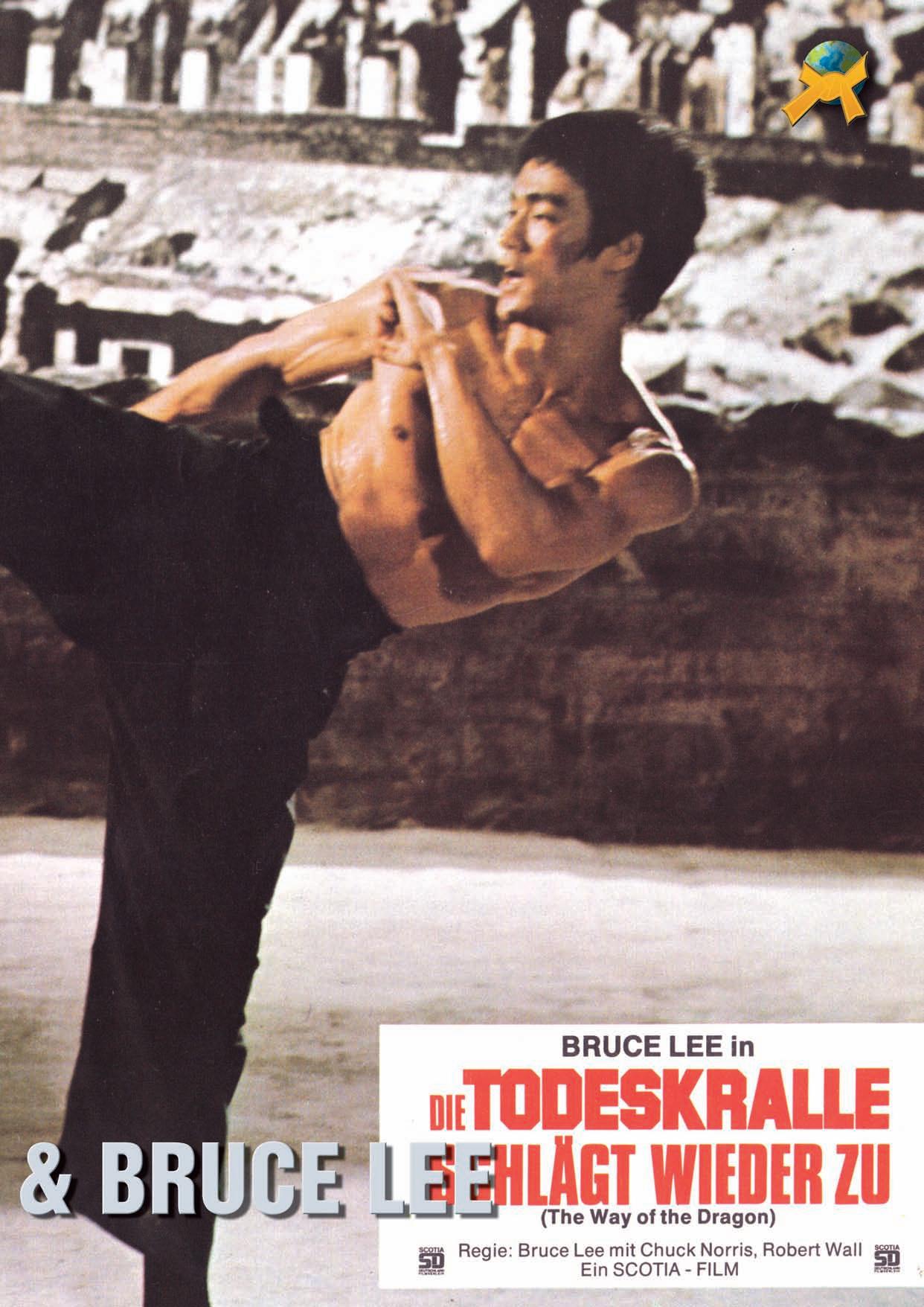
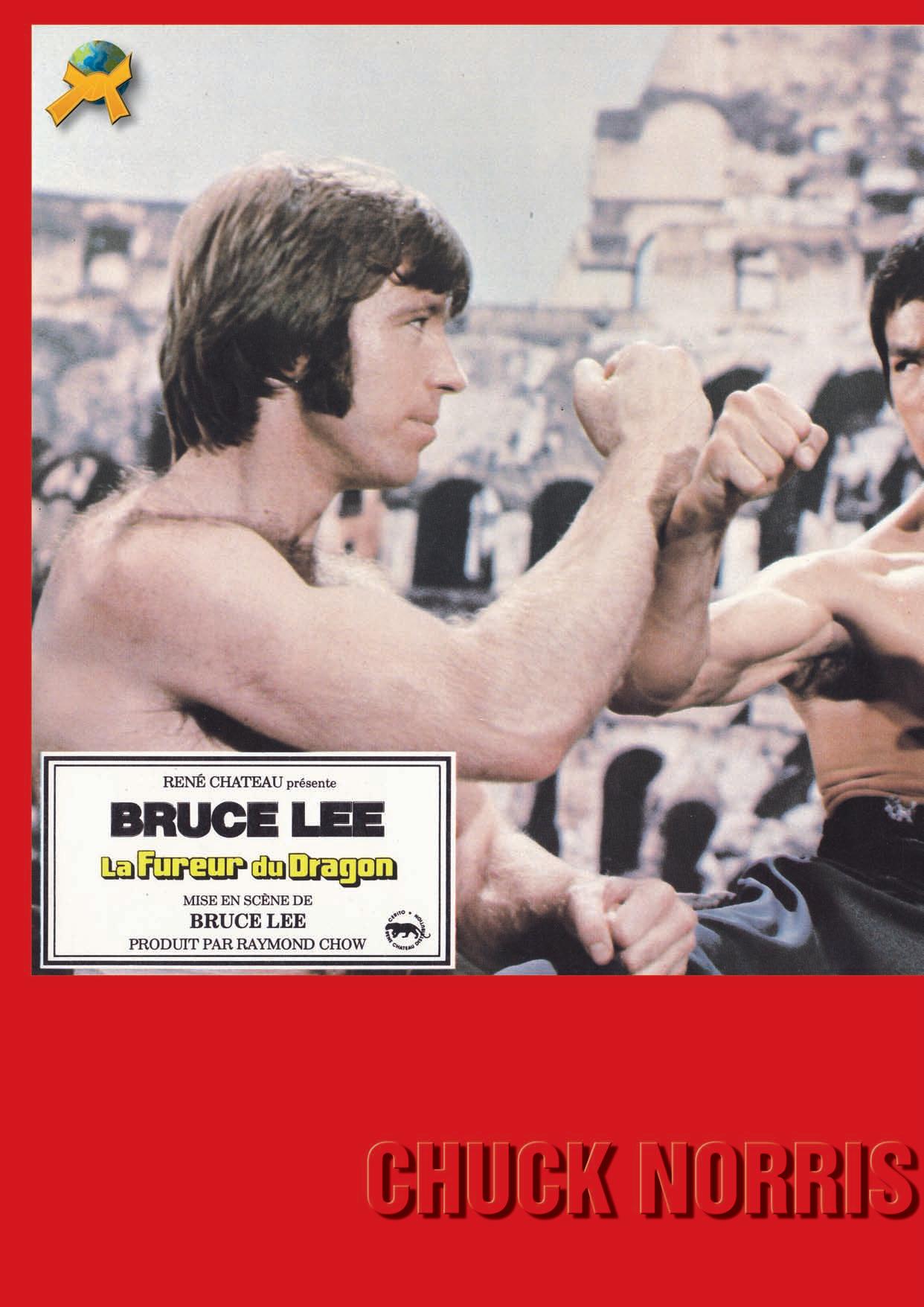
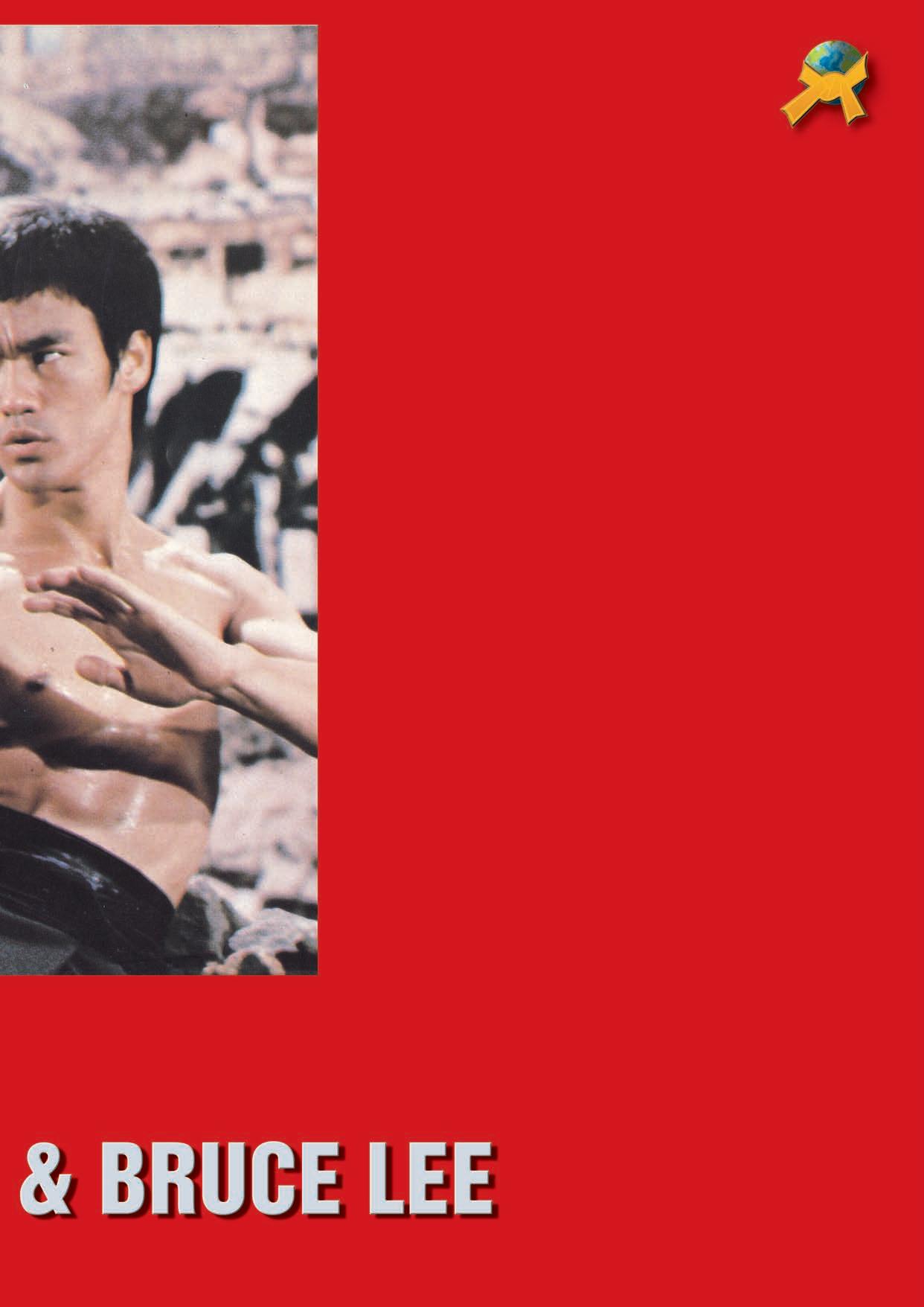
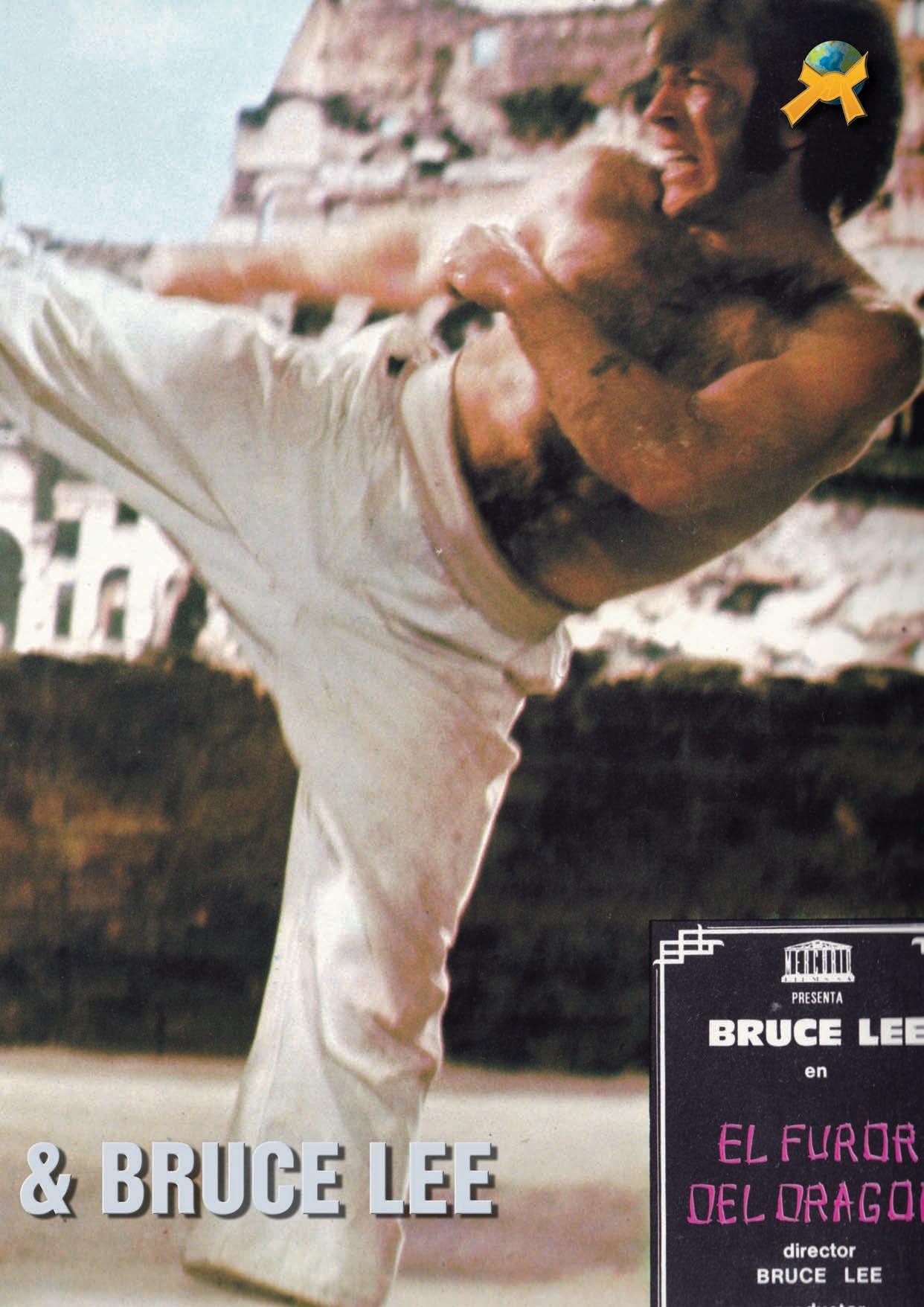
When Bruce Lee met John Benn, the mob boss from “Fist of Fury,” he told him: “John, I won’t make you rich with this movie, but I’ll make you famous…” Indeed, no one got rich from it; however, with the fame and recognition they gained alongside him, they have lived off the “dividends” for years—at least, the vast majority of those who were “lucky” enough to cross his path. Chuck Norris was likely no exception…. Unquestionably, “Enter the Dragon” is the quintessential classic of martial arts cinema; however, the best fight in this genre in the history of cinema is the one between Bruce Lee and Chuck Norris at the Roman Colosseum in “Fist of Fury.” It was not for nothing that it was hailed at the time as the fight of the century, and indeed, it was and remains so, for to this day, it has not been surpassed in any other film—even though it was filmed over 40 years ago…
After Bruce Lee’s death, the throne of “The King of Martial Arts” was left vacant; it seemed that no Asian had enough talent to fill it, so Hollywood sought an alternative. Logically, the only Westerner with the fame and martial arts skills to fill that role at the time was Chuck Norris. He was the first Western actor in so-called martial arts cinema to blaze a trail in Hollywood that other actors— such as Steven Seagal, JeanClaude Van Damme, Jeff Speakman, Wesley Snipes, and others—would follow years later.
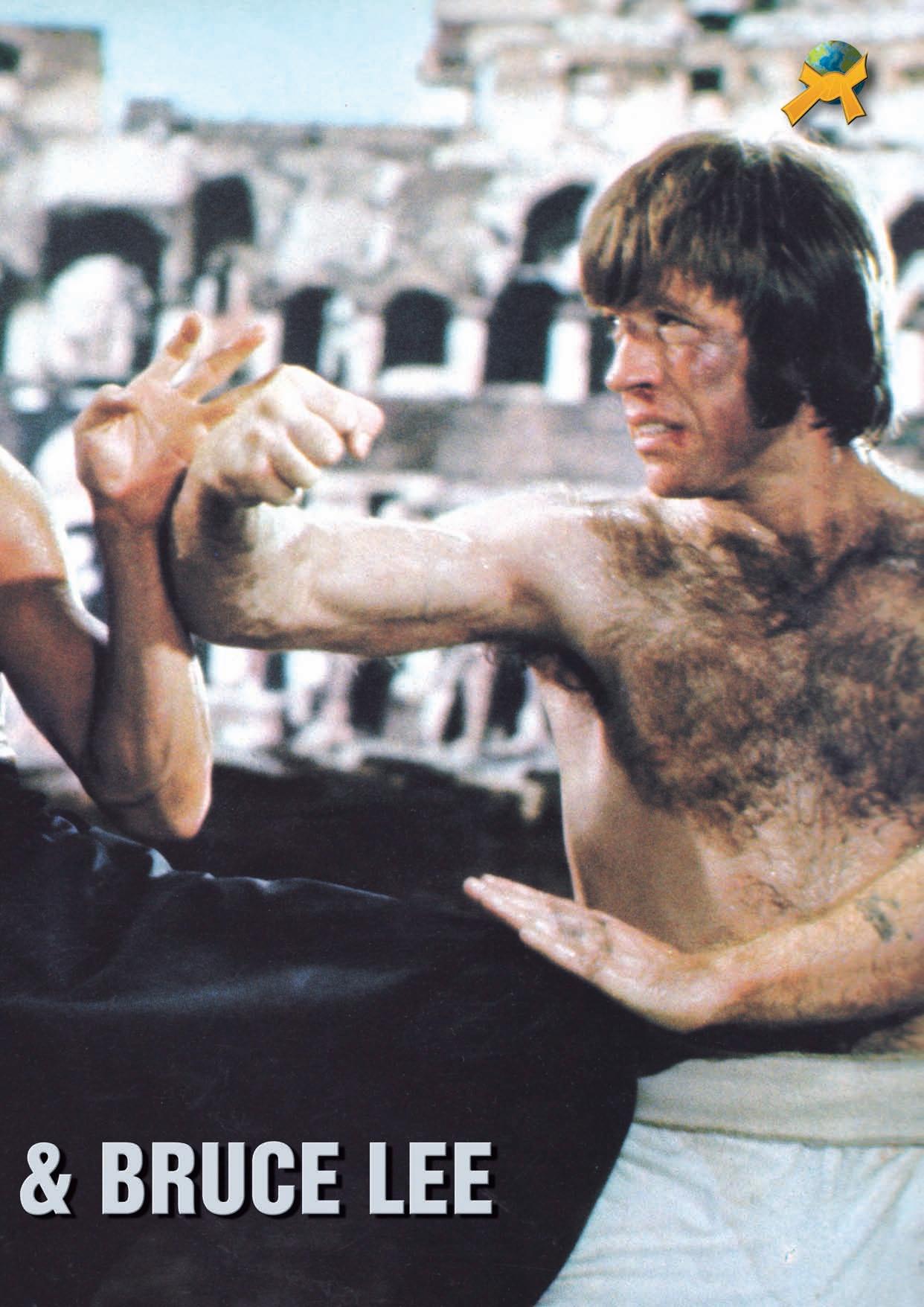
“Two greats have left us! May this article serve as a tribute to both of them, extraordinary individuals who shaped the history of modern martial arts”
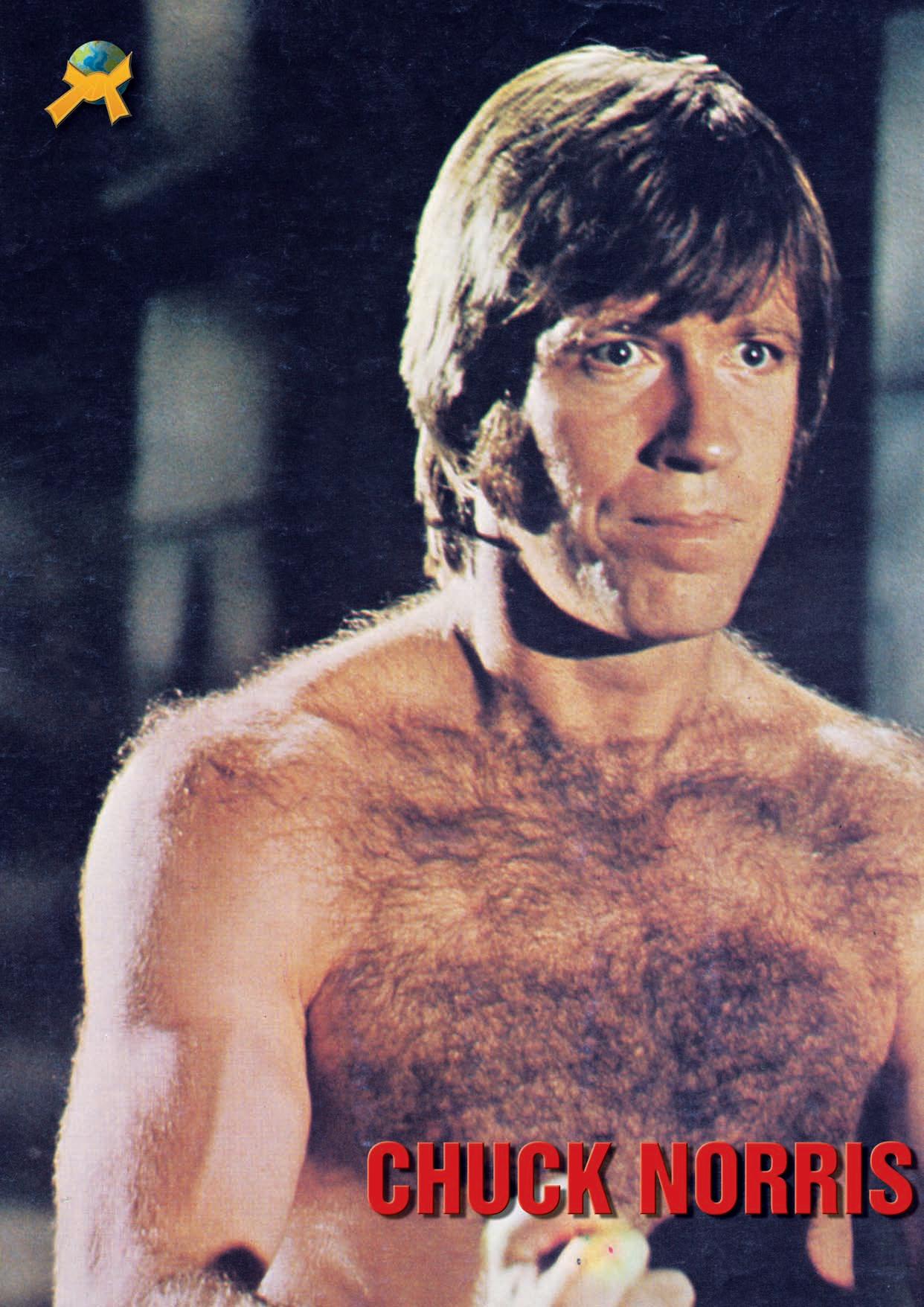
“Bruce Lee was certainly the pioneer of Full Contact; he was the first to use gloves and protective gear, at a time when only Karate was known in America”
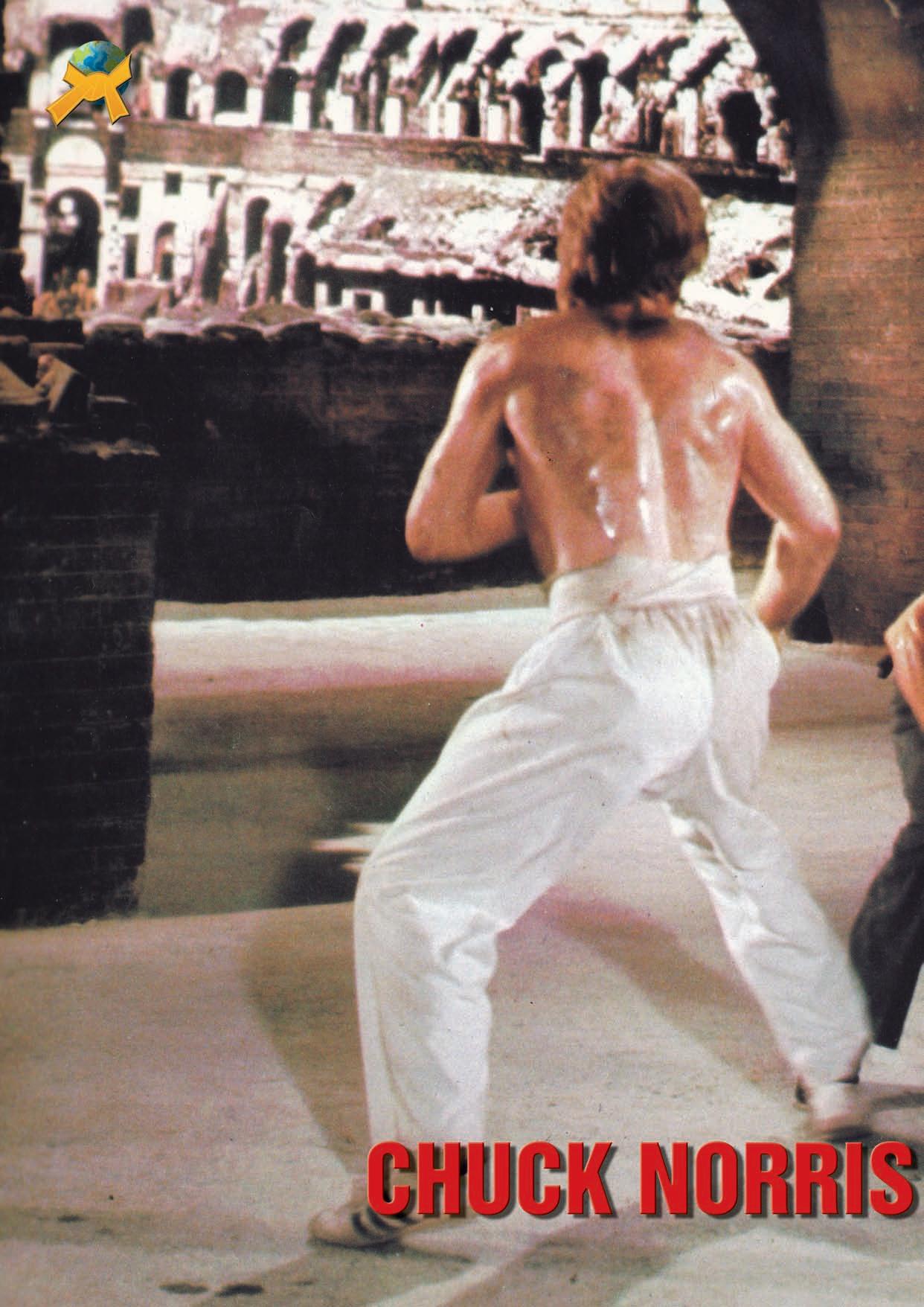
Chuck Norris, anticipating the decline of martial arts cinema, first triumphed in North America and then in the rest of the world with *Walker, Texas Ranger*, a television series consisting of three 90-minute pilot episodes and 200 45-minute episodes, featuring major stars and martial arts experts.
Undoubtedly, the person who gave Chuck Norris the opportunity to enter the world of cinema was Bruce Lee—an opportunity he did not waste. Thanks to his wise decisions and luck, he is arguably the most respected actor in martial arts cinema, at least in North America, where he is a true institution. But how did the friendship between Bruce Lee and Chuck Norris begin?
“I met Bruc e Lee in 1968 in New York It was at the All-American Grand Championship held at Mad ison Square Garden I was competing, and he wa s a celebrity When I won, the promoter introduced me to Bruce Lee Although I knew who he was and he had se en me in tournaments, we ha dn’t had the chance to meet in pe rson I ha d seen him in his big demonstrat ion at the Long Beac h International Championship in 1964 and was familiar with his work as an actor on the TV se ries The Green Hornet Bruce congratulated me, acknowledging how difficult it was to beat Joe Lewis in the c ha mpionship final. We chatte d amia bly and disc overed we were staying at the same hotel. I had been fight ing since 10:00 a m and it was now 11:00 p m ; I was very t ired , but I ha d wanted to meet him for a long time So we started talking and exchanging philosop hies and te chniq ues, a nd then we took a t axi t oge ther; we were really engrossed in the conversation We got to the elevator and st opped a t his floor he was on the 7th floor and I was on the 9th, and we kept talking So I st epped out of the elevator and stood in the hallway I t was almost mid night , and the next thing I knew, I’d take n off my jacket and we’d started training I swear, the next time I looked at my watch, it was 7:00 in the morning. Bruce wa s so energetic t hat it felt like only twenty minutes had p assed It was amazing t hat no one called hot el securit y to complain about t wo crazy guys doing weird moves in the hallway I c ouldn’t be lieve it I had a flight back to Los Angeles in two hours “Ne ve r mind,” Bruc e said, “when we ge t back, we’ll train together.” Short ly a fter, he invited me to train in his backyard in Culver City, California Bruce had all kinds of equipment in his backyard, including a wooden d ummy he ’d made himself, a straw-covered pole for practicing strikes, padwork, and boxing gloves We trained twice a we ek for three to four hours pe r session; we did this for two years Bruce t aught me some of his Kung Fu techniques, a nd I taught him some of the high kicks from Tae Kwon Do A significant anecdot e is that when Bruc e a nd I started training together, he didn’t kick high; his concepts were based on kicking below the hip, so I t aught him to add some height to his kicks I was t he one who taught him to kic k high He believed that kicking the head was the same as p unching the le gs, which is logical enough, and he based his Jeet Kune Do footwork on that; but I told him one must have the skill to kick anywhere, and so I taught him high kicks, spinning kicks, etc., and of course, he learned very quickly! He had a sp ecial gift for le arning and absorbing things. In less than six months, he c ould execute those kicks just as well as I could, a nd he ad ded t hem to his repe rt oire with tremendous effectiveness I believe the wid e variety of training equipme nt he had contributed greatly to that In that area, he was yea rs ahead of t he rest of us; besid es, Bruce was extremely skilled and knowled geable in mart ia l a rt s, and pound for pound, one of the strongest men I’ve e ver known ”
Chuck Norris has fond memories of those training years, occasionally making surprising statements about them… “Bruce Lee was certainly the pioneer of Full Contact; he wa s the first to use gloves and prot ective gear, when in America only Ka ra te was known, but ( Chuck Norris smiles and a dds) he never fought I t ra ined with him for two ye ars, and he never fought me I ’d say to him, ‘Bruce, let ’s have a little spa rring session,’ and he’d reply, ‘No, let ’s practice technique, te chniq ue ’ So I never had a cha nc e to test myse lf against him He’d a lwa ys d o te chniq ues swish! and that was it (Norris executes two quick fist techniques and returns to his stance) ”
More than one reader will wonder: Why didn’t they ever fight? What did they do during those training sessions? Back then, aside from the makiwara, few other pieces of equipment were used in martial arts. Bruce Lee was a pioneer and an innovator in adapting equipment from other sports; he even invented and designed some devices to optimize his training. Chuck Norris, like other martial arts experts, agreed that these tools yielded great results in a short period of time.
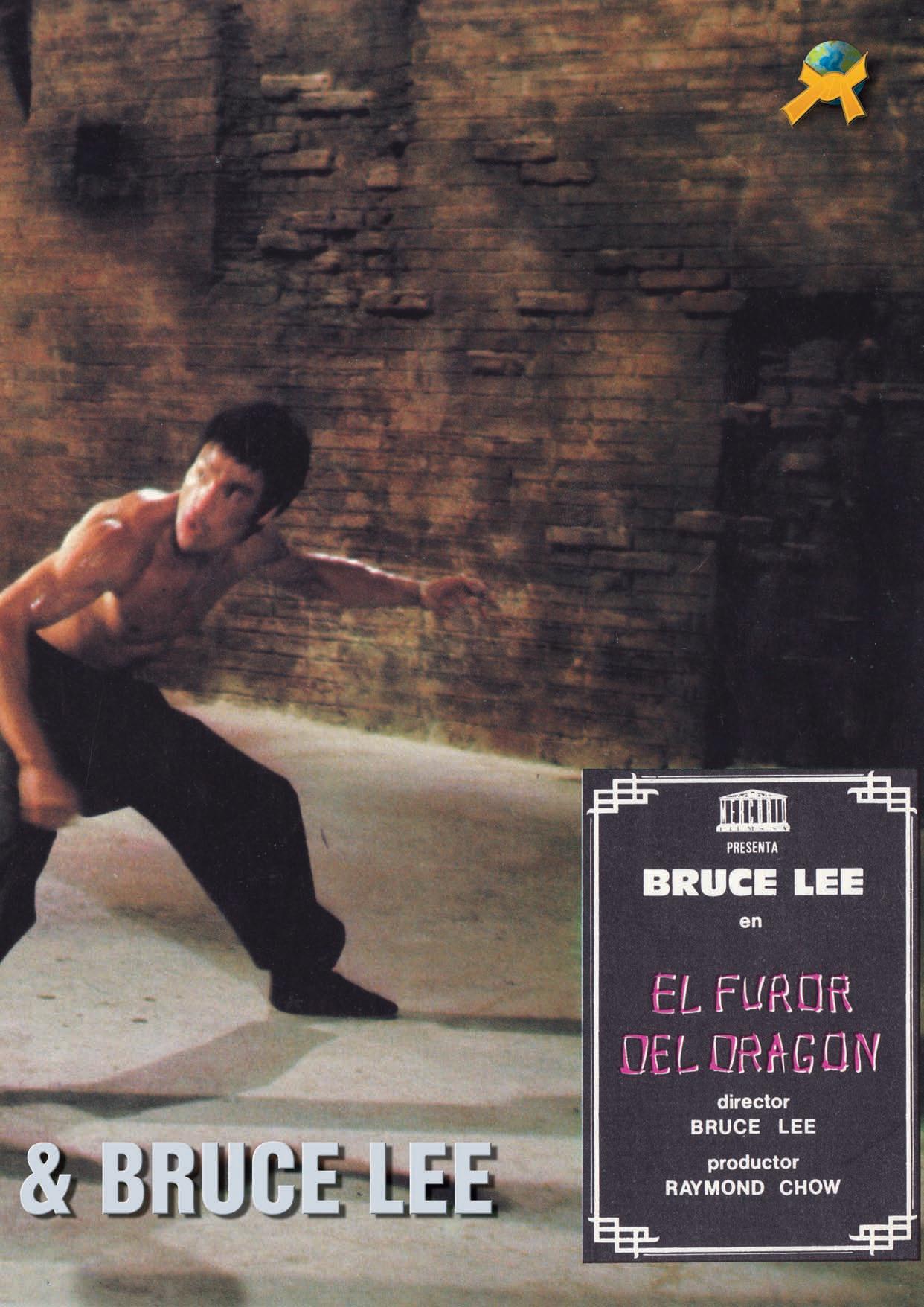
“I met Bruce Lee in 1968, in New York; it was at the All-American Grand Championship held at Madison Square Garden. I was competing, and he was a celebrity. When I won, the promoter introduced me to Bruce Lee. Although I knew who he was and he had seen me in tournaments, we hadn’t had the chance to meet personally.”
“Bruce Lee had great t raining equipment, and t hat ’s what we did just train: punching bag, kicks, and all that kind of stuff We never fought ea ch other I wa s a p rof es si ona l figh t er a nd he w a sn’ t , b u t he wa s good ve ry good Su re ly i n a re a l
Interestingly, and despite what some people think, the first time Bruce Lee called Chuck Norris to appear in a movie wasn’t for “Fist of Fury”; his film debut was thanks to Bruce Lee, but it was in the feature film “The House of Seven Pleasures,” starring Dean Martin, Elke Sommer, and Sharon Tate, in which the Dragon was the action choreographer and filming took place in July 1968. Chuck Norris’s early days in film weren’t very encouraging…. “S hortly before t he international cha mpionship, I received a call from Bruce Lee, and he t old me he’d sec ured a contract a s stunt coordina tor for the film *The Wrecking Crew*, starring D ean Martin and Elke Somme r ‘The re ’s a small role, and I t hink you’d do it very well,’ Bruce told me ‘You’ll be Elke ’s bodyguard, you’ll fight Dea n Martin, and you’ll have one line of dialogue ’ “ Are you int erest ed?” “Of course,” I replied Even though I kne w nothing about act ing, I thought it would be good t o give it a try He told me the date I had t o report to the film studio it was the day after the International Championship ”
Chuck Norris didn’t want anyone to touch his face so he wouldn’t show up to filming with a bruised face, so in the locker room before the final, he told Skipper Mullins, the number three karateka in the national rankings , “ Tomorrow I’ll have my first movie role. Hit my body, b ut don’t touc h my face .”, to which he replied: “All right, but you’ll owe me one ” Obviously, Skipper didn’t keep his word; after scoring a series of points, he landed a hard blow to Chuck Norris’s eye. Norris went on to win the tournament but took an unpleasant souvenir back to the shoot… “The next day I arrived on set with a bruise t hat took the makeup artist a n hour t o cover up I was fascinate d when I walked into the film studio to pre pare for my debut I had never be en on a set before and didn’t know what t o e xpect The studio wa s a massive warehouse, and the area where we were working was a gia nt cube with very high c eilings, huge, bright light s, and cables eve rywhere Dozens of pe ople were scurrying back and forth like ants, and I wond ered how anyone could shoot a movie with so much chaos The director quickly took c harge, and we got t o work Like many pe ople back then, I knew nothing about film sets; I thought movie directors just t urned on a c amera and the actors did their pa rt s, the same way t hey do in high school I was very wrong Eac h scene took two hours to shoot The lights had to be re adjuste d, the camera angles had to be checked, and the actors ha d to be selecte d and placed in their spots My film debut came down to one line In the movie, Dean Ma rt in
walked into a nightclub; I had to stand in front of him and say, “Ma y I, Mr Helm?” The sequence was supp osed to end with a fight between Dean a nd me In the weeks le ading up to the shoot , I rehearse d that line over and over while looking at myself in the bat hroom mirror, trying t o find the right t one to say it. When t he cameras start ed rolling, Dean Martin walke d in on cue As I wat che d him approach, I could fe el my t hroat and b ody go stiff The line came out like a sigh. “Ma y I, Mr. Helm?” Dean Ma rt in didn’t seem to notice my hoarse voice a nd ob ediently handed me the gun I thought: “My acting c areer is over! I couldn’t even sa y a line c orrectly!”
After so many hours training together, it was inevitable that a deep appreciation would develop between them, where respect and empathy were always present, so it’s no surprise that they shared their innermost thoughts and dreams:
“His greatest strength, and perhaps his worst mistake at the same time, was one and the same: Bruce Lee lived and breathed martial arts. He turned the most mundane and ordinary things in life into something related to martial arts training: I’m not sure if he knew what it meant to relax. We were good friends, close enough that he told me what his dream was. ‘Chuck, I want to be a movie star,’ he told me. ‘Everything I’m doing is toward that goal.’ Bruce was training several celebrities, including Kareem Abdul-Jabbar,
James Coburn, Lee Marvin, and Steve McQueen. His students often recommended him for small roles in movies, and Bruce had worked as a stunt double in several of them. But he wasn’t satisfied with being a stunt double for the stars. He wanted his name to appear in neon lights on movie theater marquees, and with the drive Bruce had, there was no doubt he would make it.”
Making it in Hollywood wasn’t easy, especially for an Asian; at that time, there were no Asian actors starring in American productions. Following his friends’ advice, Bruce Lee accepted a contract with Golden Harvest to star in two films that would be shot in Southeast Asia
“Bruce went to Hong Kong to continue his act ing caree r, and I didn’t hear from him for about two years One morning he ca lle d me from Hong Kong a nd said: ‘Chuck, I’ve made two movies in Hong Kong, and they’v e b e en hu ge b ox- office h it s . I ju st fin ish e
shoot in Rome, a t t he C olos
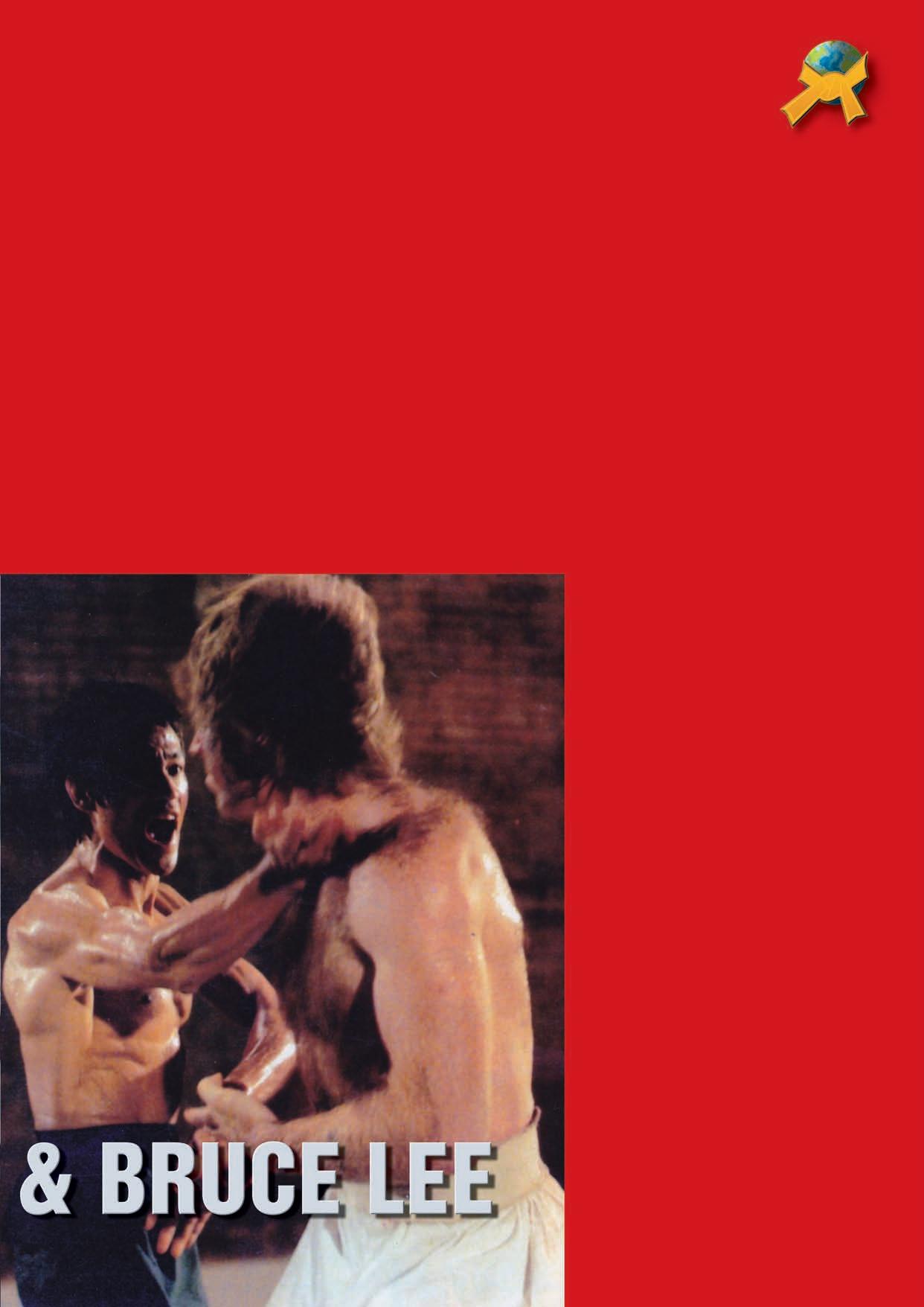
Three weeks later, Bruce Lee called Chuck Norris again to inform him that filming was about to begin and asked if he was ready to travel to Rome. Chuck Norris only then learned that his role was that of a hired fighter, a martial artist, hired to beat up Bruce Lee.
“I had ne ver traveled to Europe before, so I asked Bob Wall, my good friend and p ar t n e r i n t h e ka r a t e a c a d e mi e s, t o a c co mp a ny me W h e n w e a rr i ve d a t Le onardo da Vinci Airport in Rome, Bruce was wa iting for us with a film crew to record us as we got off the plane Bruce wanted to use the arrival scene as part of the movie Since Bob was with me, Bruce decided to have him in the sc ene as we ll It ha d been two years since I’d last see n Bruce, but he was as warm as ever. He wasn’t shy about ma le a ffection and gave us a big hug be fore leading us t o the ca r For the scene a t t he Colosseum, he wanted a formidable opp onent t o be seen I weighed 73 kilos compared to his 65 kilos; he wa nt ed me to gain 9 or 10 more kilos Fort una t el y, my me t ab oli sm wa s ve r y slow, and I c ould gain 3 or 4 kilos in less than a wee k of course, if I cut back on my workouts and neglec ted my diet I told him, “Great! I c an eat until I’m stuffed on the company’s ta b. Bob a nd I sp ent two weeks wandering around like typical touri st s, v is it i ng t emp l es l ike S t Pe t e r’ s Basilica and the Vat ican, monuments like the Tre vi Fountain, and the bea ut iful ga rdens at Villa Borghese I found a re st aurant where I could eat pasta and ice cream
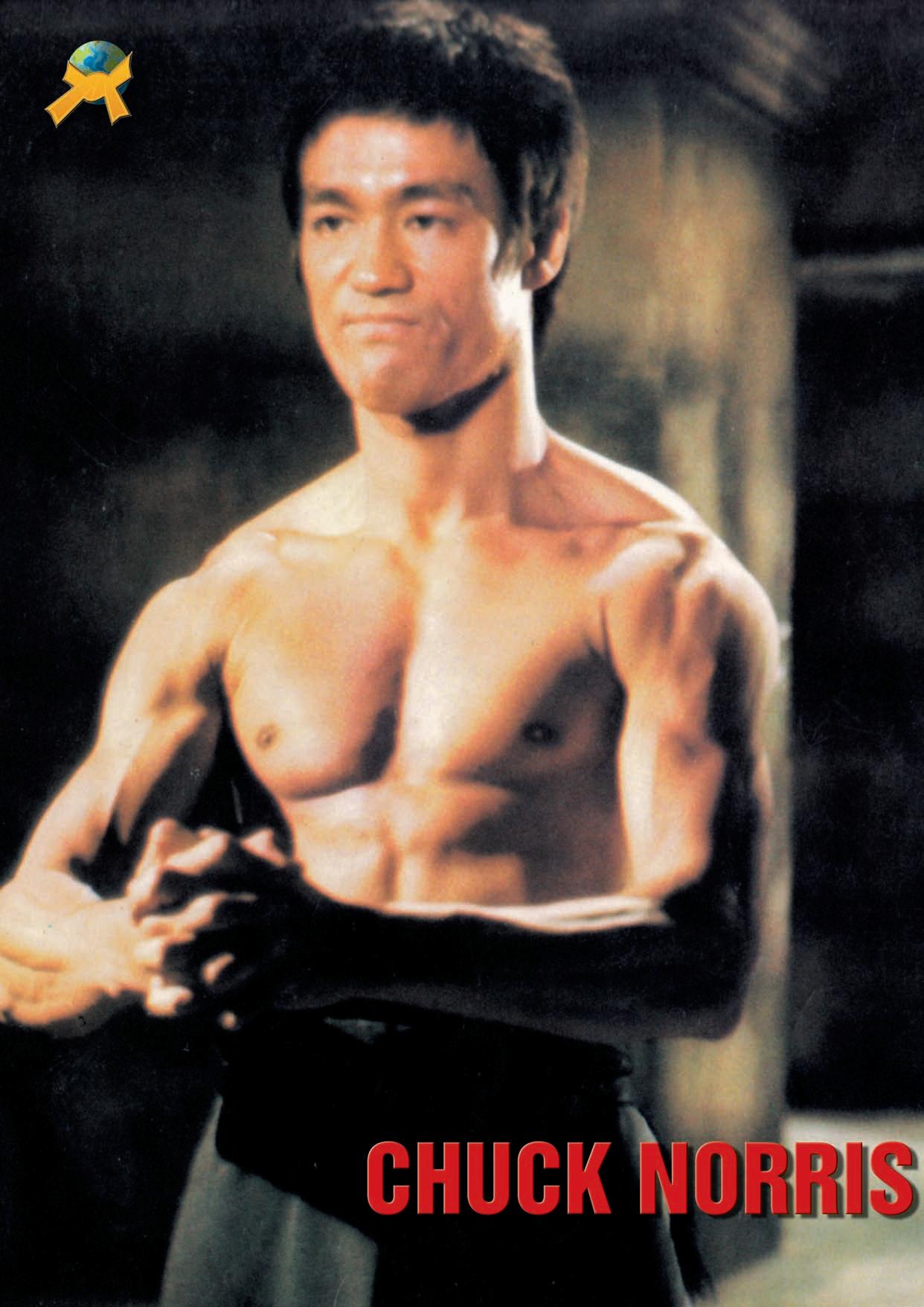
“I’ve always respected his approach to things, and I particularly admired his insistence on perfection and realism in martial arts.”
unt il I was st uffe d the b est I’ve ever tasted in my life Almost every night we had dinner a t Taberna Flavia in Trastevere I st arted gaining weight immediately, rea ching my goal wit hin the set timeframe ”
Filming for “Fist of Fury” began on May 10, 1972; it had an initial budget of $350,000. The crew started work at 6:00 a.m. and finished at 6:00 p.m. or 8:00 p.m. 00, depending on the day. During the first few days, Bruce Lee focused on shooting the exterior scenes required for the film, filming in some of Rome’s most iconic streets and squares, such as Via Vittorio Veneto, the gardens of the Tivoli Fountain, Piazza Navona, and others. Once that was finished, he met up with Chuck Norris to film the fight scene at the Colosseum. Since they didn’t have permission to film in the amphitheater, they packed a camera and the necessary filming equipment into duffel bags. After tipping the guards to play “dumb,” they got to work…
“Bruce and I went t o t he Colosseum to go ove r the de tails for t he big fight scene It was a strange fe eling, sta nding next to him in one of those t unnels le ading down to t he arena I reme mbered movies like *Spartacus*, where Kirk Dougla s fought in the arena, a nd felt a sense of respect when thinking about the real fights to t he death that we re regularly held in the Colosseum to entert ain t he Roman populace The Colosseum wa s bigger and more impressive than I had imagined. We sat on one of t he stone seat s in t he arena and discussed t he sc ene Bruce jott ed down not es
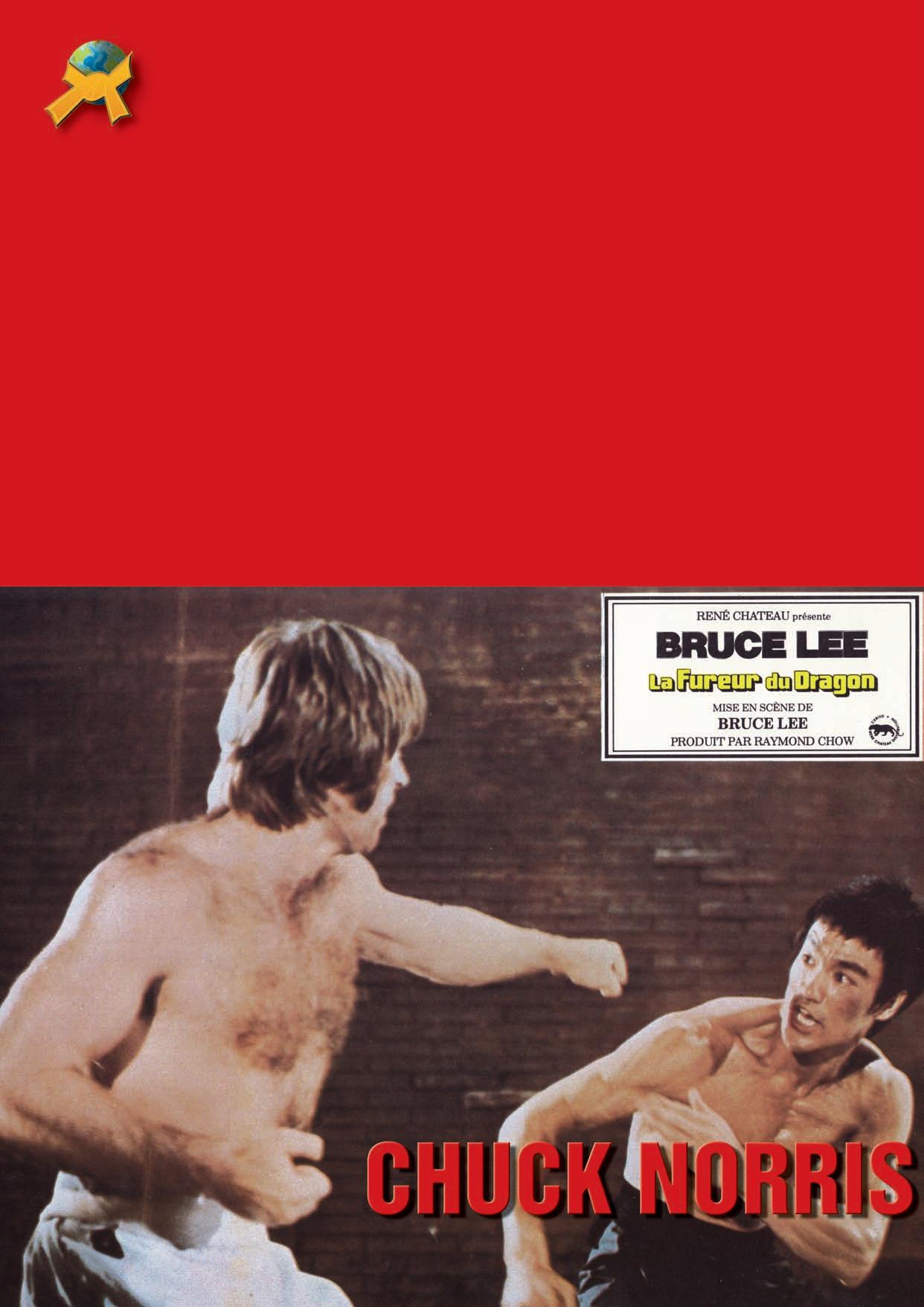
about the camera angles He planned the scene so that it would look as if we were t wo gladiators fighting e ach ot he r Since we were in charge of the c horeogra phy ourselves, he asked me, “What do you want t o d o?” I told him, “Well, I ’ll do this and this,” showing him some t echniques I thought would be int eresting. He said, “Okay,” and so he prepared his d efenses So we went out into the arena and did some free sp arring Since we knew each other so well we’d been training t oge ther for a long t ime the sc ene t urned out perfec tly In it, Bruce did nothing but attac k me; that was it Att ack, a ttack, attac k me He was t rying to we ar me down, a nd it was all in slow mot ion I remember him moving around with t hose be aut iful, fluid move ments, trying to wear me down, and whenever I tried t o at tack, he ’d duck and dodge the whole time Finally, when I missed all my st rikes and started t o feel tired, he stepped in, landing blows on all my vulnerable spot s and knocking me out By then I was completely exhausted. Then he slammed me against a wa ll, and we re ached the p oint where I let out a screa m a nd Bruce shoved me a gainst t he wall That wa s the mome nt he broke my wrist, e lb ow, and right knee ; I fe ll to the ground and tried to get up. That ’s how we got to the dramatic scene where I ’m trying to get up and keep fighting wit h great e ffort, and t he n Bruce looks at me as if to say, “Let’s stop; I’ve won ” They had set the ca mera to pan back and forth between his face and mine Wha t they were t rying to convey was that I was somehow smiling not a smile of thanks, but the kind that says, “I ’m a professional; it’s eit her
win or die,” and I’d rat her die than give up or lose that kind of smile At t hat moment, I let out a scream and lunged at Bruce, practically flying at him, and he held me back, grabbing me by the neck All I could do was land a series of blows t o his kidneys, and fina lly he snapped my neck. Then he gently laid me on the ground and wa lked a wa y as if feeling sorry for having kille d me Fortunately, Bruce didn’t force me to be that vicious; t ha t was a fight between two professionals. At the end of the fight , when he kills me, he covers me with my uniform jac ket and places my belt on top in a very c eremonial and respectful manner ”
The duel took three days to film; the fight was meant to be the climax of the movie. According to Linda Lee, the big fight with Chuck Norris required 20 pages of written direction and was as carefully planned as the execution of a professional ballet. Bruce Lee designed the choreography at home, often rehearsing moves with her. According to his widow: “Suddenly inspiration would strike him and he’d say to me, ‘Come on, let’s try this!’ All that work and Bruce Lee’s genius were captured on screen; here’s what Chuck Norris has to say about him….
“It was difficult and challenging, but I enjoyed doing it Although Bruce was a first-time d irec tor, he knew wha t he wanted and how the camera should film it Just as Bruce had predicted, our fight sc ene b ecame a classic Today, you can ask a ny martial arts student about their favorite fight in a movie, and a lmost eve ryone will tell you they
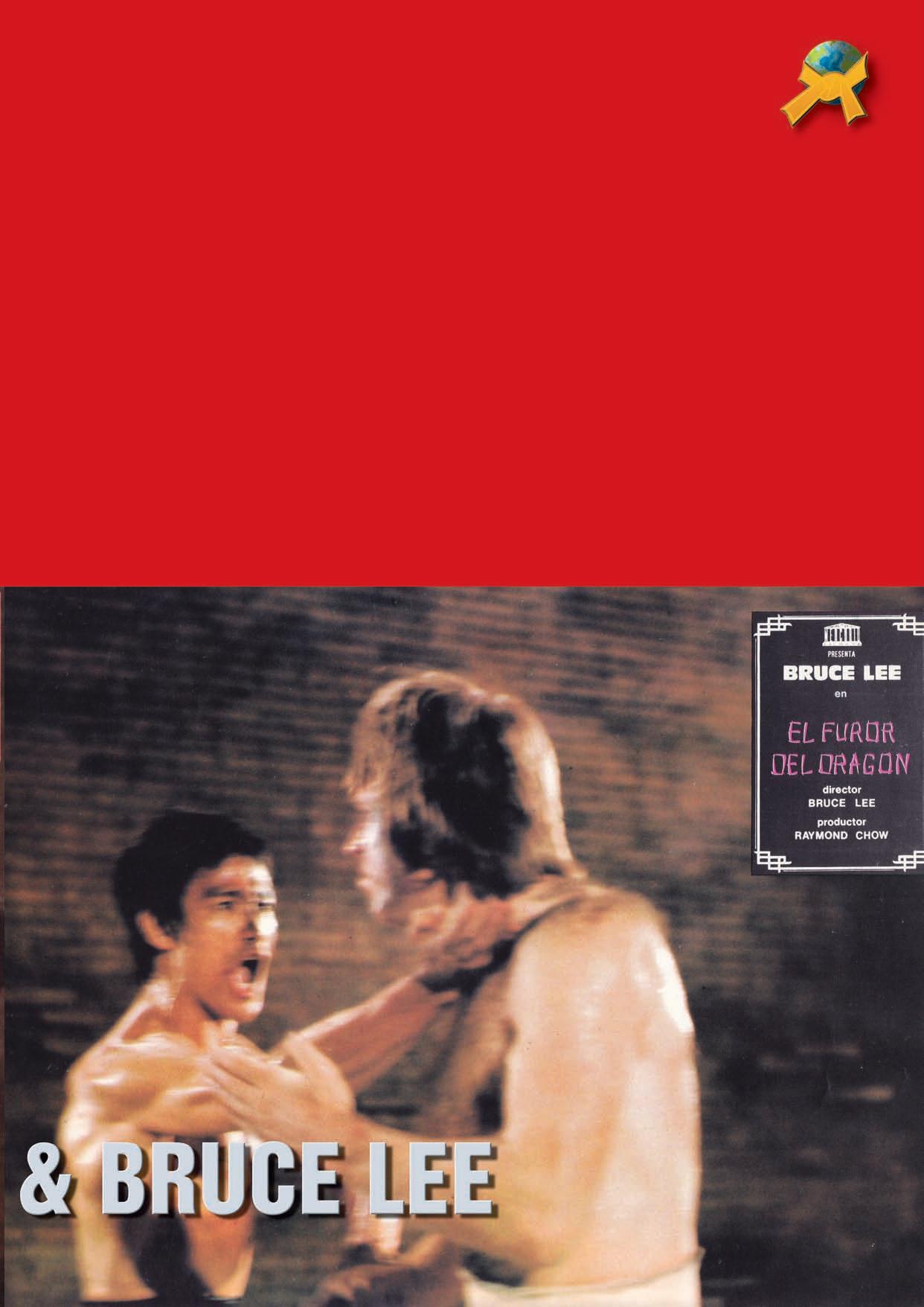
re membe r the fight scene between Bruc e Lee and me in *The Way of t he Dragon* I t’s incre dible how well it t urned out considering we only had one camera ”
But what makes it different? Why did a prestigious American publication include it among the 10 best action scenes in film history?
“There are a lot of great fights today. The fight between Bruce and me was more emotional; we looked at each other, we studied each other, and between takes we fought. That’s what made the fight in *Fury of the Dragon* so exciting. Bruce was very smart; he always wanted to capture a feeling on camera, because the techniques used are the same ones I use in my films, but that emotion Bruce created in the atmosphere, with the camera… it was something special. Usually, fights are just struggles—a few punches, moving around, and so on. But Bruce was really very clever; he knew how to use the camera to create emotion and tension in the fight, generating an unparalleled climax. In that regard, you have to admit he was a genius.”
There were logistical issues, time constraints, permits, and countless other difficulties to overcome in Rome, so the fight scene wasn’t finished…
“Bruce, Bob Wall, and I flew to Hong Kong to film t he rest of our scenes The da y we arrived t here, Bruce had arranged for us to be guests on the cit y’s most fa mous TV show Enjoy the evening, the Hong Kong version of the American show *The Tonight Show* with Johnny Carson ”
Invited by HK-TVB, Bruce, Norris, and Bob Wall attended
to perform a martial arts demonstration and give an interview, as Bruce Lee’s intention was to introduce Norris and Bob Wall to the Hong Kong public, it didn’t change. When they went on the air, the host Josiah Lau, who knew Bruce Lee, said to him:
“Bruc e, our audienc e is very intereste d in you; could you tell us what you’ve been up to recently? Bruce replied:“Raymond Chow and I have recently bee n in Rome to film the ext erior scenes of our ne w movie Anot her martial artist ha s come to Hong Kong wit h us; he is the A merican karate champion Mr Norris c ame directly from the United State s t o Rome to work with us. Besides him, there’s another American karate expert, Mr. Bob Wall. Both have appeared in our film *Fist of Fury*.”Lau asked: “I rea d in t he newspaper that Norris and Bob Wall are your students. I t’s also known
that when they st arted training with you, they we re a lrea dy famous they’ve been karate champions for many yea rs I think your JKD must be very powerful!”
Bruce shook his head and waved his hands, saying: “No, don’t play that game with me. I’ve never said they’re my students; we’re friends. When we have time, we get together and discuss martial arts.” After that, Bruce Lee explained what Jeet Kune Do was and shared various opinions on martial arts in general and Chinese Kung Fu in particular. The audience wanted to see the Dragon in action, but Bruce declined the invitation and said:“The Hong Kong audience alre ady knows me Today we’re going to introduce t hese t wo men martial artist s in *Fist of Fury* and in real life Norris and Bob Wa ll They are the stars today I should let them take the stage today.” The people in the studio applauded the suggestion. Norris and Bob stood up with smiles and asked, “What do you want to see?” Since those present didn’t know much about martial arts, they didn’t know how to respond, so Bruce said: “May I suggest an idea? Essentially, martial a rt ist s train in four things: precisi on , a gg re s si v en e s s, sp e e d , a n d strength. I think we can play a game to demonst ra te the precision of t heir kic ks Bob Wall would hold a cigarette in his mout h, and Norris would kick it out of his mout h ”
Everyone loved the idea. Bruce added:“As we all know, our legs a re ma de for wa lking. If we wa nt to use them to reach an object that’s high up, it ’s quit e difficult to control our le g This happens because when you lift one leg, the other has to support your body weight Kicking accurately isn’t easy, espec ia lly if you have to quickly hit a small object Bob has to hold the ciga ret te in his mouth, so if Norris isn’t precise, it’s c le ar that Bob could get hurt in t he mouth or nose ” Bob Wall was quickly handed a cigarette. Norris watched Bob for a few seconds, and whoosh—in a split second, he twisted his body, raised his right leg, and kicked the cigarette; the little cigarette flew through the air. The audience burst into applause, but they weren’t satisfied; they wanted more. Regarding that, Chuck Norris comments: “They asked me to do some martial arts de monstrations, and I started by kicking a cigare tte out of Bob’s mout h, broke some boards, and then Bob and I did a free-fighting demonst ration I hit Bob wit h a spinning kick from behind that struck him in the c hest and sent him flying across t he studio. Everyone was
impressed, but Bob got up as if nothing had happene d Whe n we finishe d t he exhibition, the show’s host wante d to see the chest protec tor Bob was wearing “What prot ector?” Bob said, as he opened the t op of his gi. The imprint of my foot was on his c he st “
When the exhibition ended, Lau asked them. “M a ny p e opl e s ay y ou’ re bot h Bruce’s students, but Bruce denies it; he says you’re friends What’s t he t rut h?
Chuck Norris, as always so respectful and prudent, replied: “Perhaps he thinks our karat e technique s aren’t good e nough and we aren’t q ualified to be his students; however, we a dmire his Kung Fu So even if he doesn’t treat us as his students, we consider him our master ”Those on-air statements caused trouble for the American giant; many martial artists craved fame, and some experts, like Lau Taichuen, achieved their goal after challenging Bruce Lee through the press. In Lau’s case, despite not fighting Bruce Lee, he used the publicity he gained to land a role in a movie, though his film career was short-lived—he only appeared in four feature films. Someone, following his example, tried to do the same with Chuck Norris: “ The next day, in a local newspaper, someone challenged me to a fight Bruce was amazed by t he article and re ad it to me ‘What do you think I should do?’ I aske d him ‘Don’t pa y a ny at tention to him,’ he t old me ‘People are always challenging me ’ All they want is publicity However, Bob was upset. ‘I’m not the le ad in the movie,’ he told Bruce. ‘What if I accept ?’ ‘Go ahead, if that’s what you want,’ Bruce said Bob appeared on the TV show the following night and told the audience: ‘A viewer has c hallenged my instructor, Chuck Norris Chuck is a bet ter fight er t han I a m That’s why I want t o fa ce you whoeve r you are, fight me first and prove you’re a worthy opp onent to fight him Our fight will be on this TV show so everyone in Hong Kong can see how I t ear you apart The challe nger, whoever he was, never showed up , and no one ever challenged me a gain in Hong Kong ”
They finished the movie, and Bob Wall and Chuck Norris returned to North America, resuming their work as martial arts instructors. Both forgot about the film, thinking it would only be shown in Asia. Bruce Lee would continue his acting career; after seeing and confirming the fame he had achieved in the East, both thought he would become fully immersed in his career and it would be a long time before
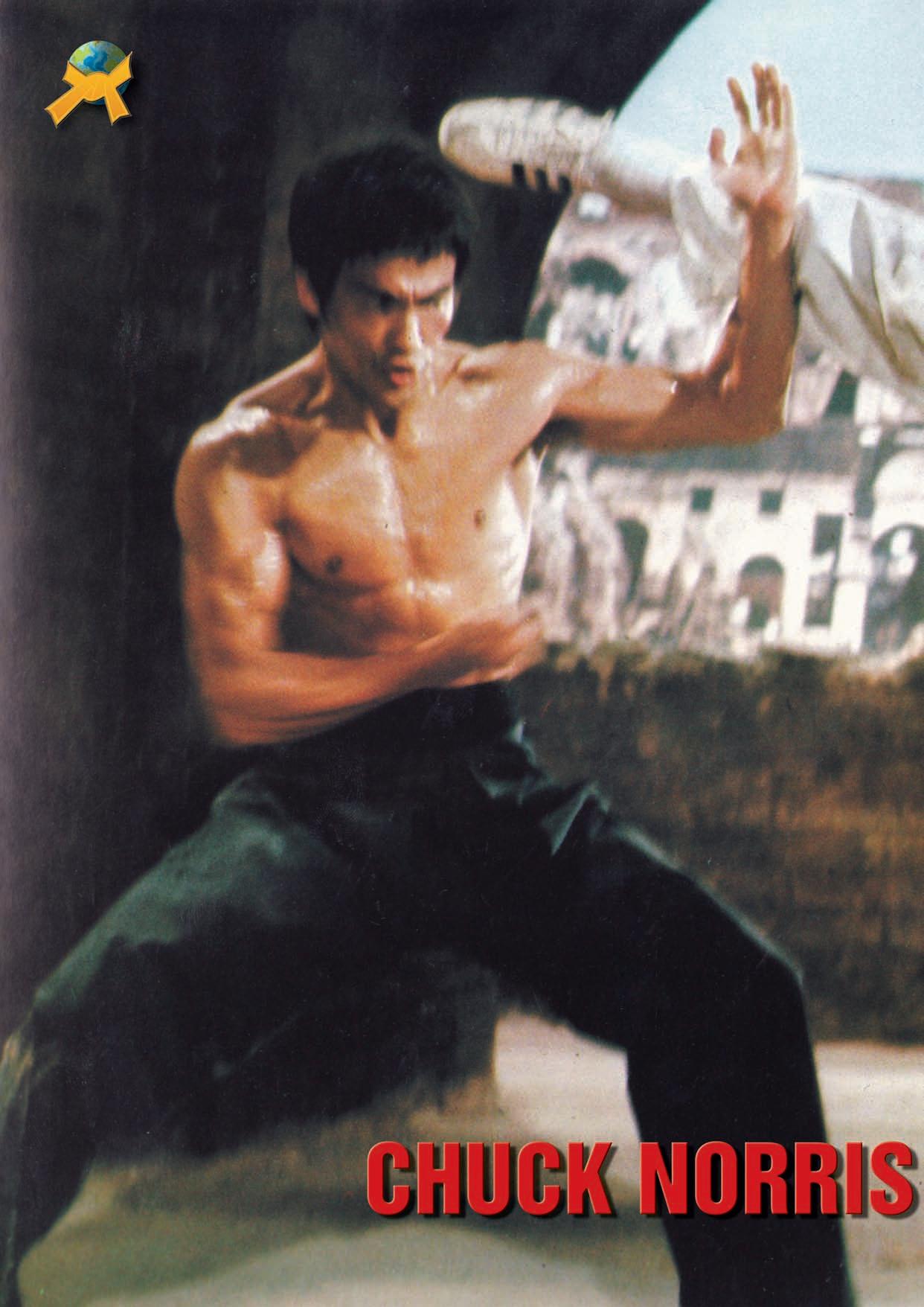
“Just as Bruce had predicted, our fight scene became a classic. Today, you can ask any martial arts student about their favorite fight scene in a movie, and almost everyone will tell you they remember the fight scene between Bruce Lee and me in *The Way of the Dragon*. It’s incredible how well it turned out, considering we only had one camera.”
they saw each other again, but they were wrong… “In midJuly 1973, Bruce Lee came to Los Angeles for a checkup He ca lled me t o have lunch; I let Bob Wall know, and we met a t a restaurant in China town I have to ad mit that Bruce looked great. Slim and strong. Bruce seemed very op timistic. He t old us that in Hong Kong the d octors ha dn’t found the cause of some faint ing spells he ’d had recently; that was t he real reason for his visit to t he cit y He’d come t o get some tests done at one of the best hospitals in Los Angeles He was very happy be cause t he doct ors ha dn’t found anyt hing wrong with him; they t old him he had t he body of an 18-year-old At t hirty-two, he looked in p erfect physical condition, but I was baffled “Well, if you’re doing so well, what do the doctors think caused your fainting sp
ll s?” Bruc
ork,
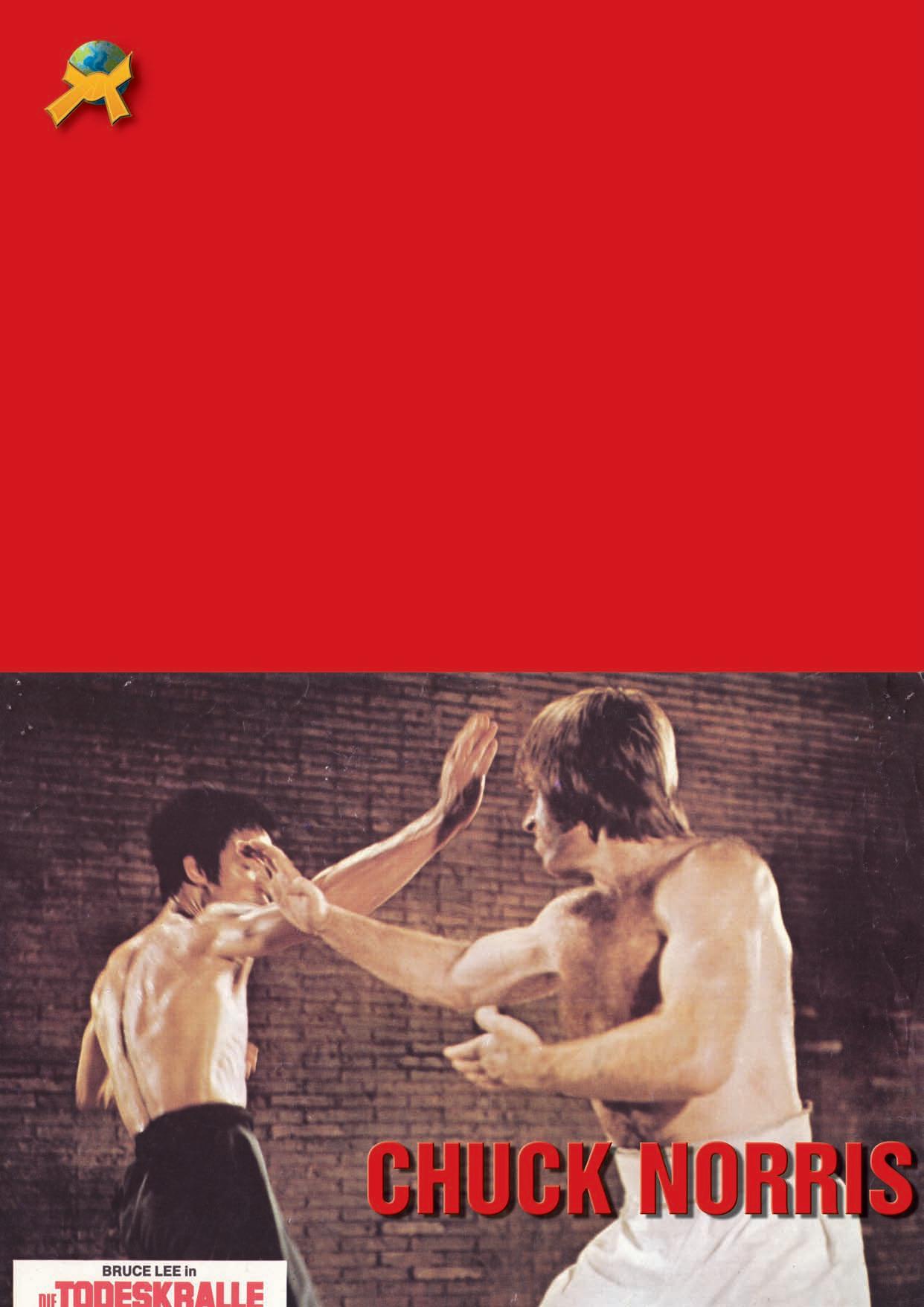
Shortly after that meal, “The Little Dragon” returned to Hong Kong; nothing foreshadowed the horrific events that were about to unfold… Bruce Lee passed away on July 20, 1973. Five days later, a funeral ceremony was held in Hong Kong at a central, luxurious—though small—venue at the Kowloon Funeral Home. According to media reports, the event drew some 25,000 people. Friends, family, coworkers, and countless strangers gathered to bid Bruce Lee a final farewell. The next day, “Enter the Dragon” premiered in Hong Kong; perhaps the producers wanted to take advantage of the fateful moment to screen his final work...
On July 31, Bruce Lee was buried in Seattle; the funeral was more quiet and intimate. About 180 people attended, including friends and relatives. The coffin was covered with white, yellow, and red flowers, arranged to form the yinyang symbol. The casket was carried by Steve McQueen, James Coburn, Dan Inosanto, Taky Kimura, Peter Chin, and Robert, Bruce Lee’s brother; among his closest friends and family was Chuck Norris...
“Four days after ha ving dinner with him, I heard the terrible news t hat he had died I didn’t want t o believe it; I had just seen him looking so radiant and lively, t he ve ry pict ure of good healt h, excitement, and happiness How could that be? Rumors a bout his mysterious d eath flew a cross the Pacific faster than the jet t hat brought his coffin Some rumors suggeste d that Bruce ha d died from marijuana use, spa rking questions a bout drug use Others suggested that his well-known e xperimenta tion wit h steroids ha d ca used his dea th. Still others claimed that Bruc e had been murdere d with a fat al b low by a hired assassin, a n expert in Easte rn assassination t echniques Some of the p roposed explanations for his death seeme d plausible, but most were ridiculous Perhaps the rumors were simp ly t he world’s wa y of ma king sense of rea lit y that none of us is guaranteed the next five seconds Life is a gift from God I n those days, the official cause of death presented by Hong Kong coroners was cerebral edema caused by a hypersensitive reaction to an ingre dient in a head ache p ill, much like the rare re action some people have when stung by a bee Ame rica n doctors said it was a cerebral aneurysm Bruce was b uried in Se attle, and be cause of his strong ties to the Chinese communit y, there had previously been another fune ral service in Hong Kong atte nde d by more than twenty thousand fans I at tended the Se attle fune ra l along wit h Bob Wa ll, Steve McQueen, a nd James Coburn; t he lat ter wa s one of
Bruce’s privat e students and gave a very moving eulogy about his teacher
Aft er t he funeral, Bob, James, Steve, and I flew back on the sa me plane; howeve r, the flight was ext remely quiet . Each of us se emed lost in our own thought s, ponde ring t he message for us in Bruce’s death There he wa s, at his b est , at the peak of his ca re er, and sudd enly, it was all over Of course, he had a chieved his goal of b ecoming a huge st ar, but so what? What good was t hat to his wonderful wife and the two children he le ft behind?
After he died, I thought a lot about that and came to the conclusion that life is not measured in years but in achievements. Bruce had two goals in life: one was to be recognized as a martial artist, which he certainly achieved, and two, to be recognized as an actor, which he also achieved. So Bruce achieved both of his life goals in the short span of 32 years. Many of us will live to be 80 and still fail to achieve the goals we set for ourselves.”
The pilot episode of the series *Kung Fu* aired in the U.S. on October 14, 1972, and was originally titled “The Warrior.” The series was based on the original concept of *The Little Dragon* and was a huge success; with it, martial arts began to gain popularity in the West. Ironically, on August 17, 1973, nearly a month after his death, “Enter the Dragon” premiered in New York; two days later, it was screened in other American cities. The legend was beginning to take shape… the public demanded more Bruce Lee movies. On August 7, 1974, almost a year after the premiere of “Enter the Dragon,” “Fist of Fury” was released…
“I had almost forgot ten ab out the movie until they started advertising it in t he aters When it opened in S outhern Ca lifornia, ma ny of my students rushed to se e it; the next
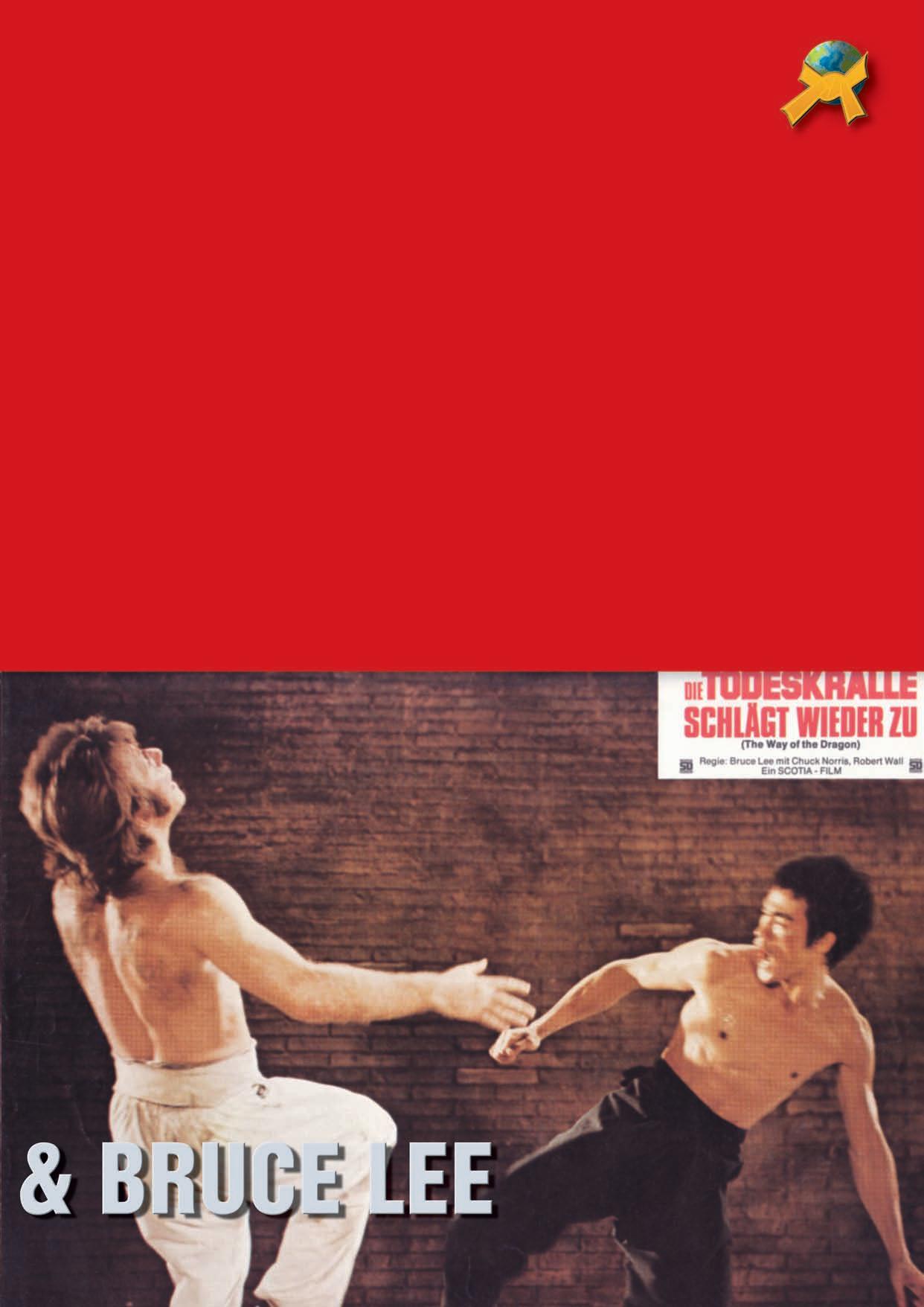
morning I went to one of my schools and everyone stared at me as if they couldn’t be lie ve Bruce hadn’t ac tually killed me I found it very funny; you could tell they’d bee n impressed b y what they’d see n the night before I t hink you could sa y that the fight scenes in “The Wa y of the D ra gon” were the pinnac le of re alism and perfec tion in any martial arts movie a fan has ever seen Certainly, Bruce Lee had discovered a winning formula for his films People pa cked the theate rs to see his movies. The budget for “The Way of the Dragon” had been $240,000, and in the end it had grossed over eighty million dollars worldwide “
The image of Chuck Norris fighting Bruce Lee appeared in numerous publications. In the West, countless martial arts films began to be released; once again, the American colossus was hired in 1974 by Golden Harvest to reprise his role as the villain in “The Tiger of San Francisco” (Slaughter in San Francisco & Karate Cop). In Southeast Asia, studios were looking for a successor to “The Little Dragon,” but none emerged; when the genre began to decline, they released films featuring Bruce Lee clones. Chuck Norris never considered becoming a Hollywood star; in fact, shortly after finishing “The Return of the Dragon,” he had worked on a very modest American production titled “The Student Teachers” (1973) and returned to his teaching and gym work. In 1977, he starred in his first feature film, titled “The Power of the Force” (Breaker, Breaker); a year later, “The Brave Wear Black” would be released. For the first time, in promotions and publications, he was billed as Bruce Lee’s successor. In the West, audiences were fed up with so many Chinese productions and needed a new hero; the rest is history… . At the beginning of his career, it was inevitable that he would be compared to Bruce Lee and asked about his fighting style…
“Je et Kune Do is a brilliant system, but we have to admit that it was made just for Bruce Lee To develop it, he incorporate d into a single fight ing syste m all the t echniques he had learned from other masters and exp erts, and he also drew a great deal of knowledge from his extensive library. But I repeat, Jeet Kune Do wa s suited only for him; it is not a system that anyone else could put int o prac tice, beca use to do so required his genius and ta le nt and no one else has that. For these reasons, I can assure you that Bruce Lee was JKD and JKD was Bruce Lee He did not leave behind a fighting syst em that his students could follow not even Dan Inosanto could do so bec ause it varie d so much and was so comp le x that I will never know if there is a syst em with rules and foundations that can be followed to achieve it s perfection ”
Every martial art has its own peculiarities and idiosyncrasies that set it apart from others. In the case of Jeet Kune Do, what is its unique feature? According to Chuck Norris…
“The esse nce of Jeet Kune Do is sp eed and explosiveness; there’s just one problem not everyone p ossesses these a ttributes Bruce was re ally fa st he was a fanatic; he wa s the most fanatical mart ial a rt s pract it ioner I’ve ever known He lived it , he breathed it; from morning to night, his mind wa s solely on martial arts What made him so great was that he didn’t get stuck in tradition. He was always looking for ways to improve himself He loved life, he enjoyed every moment of it; he was a very optimistic
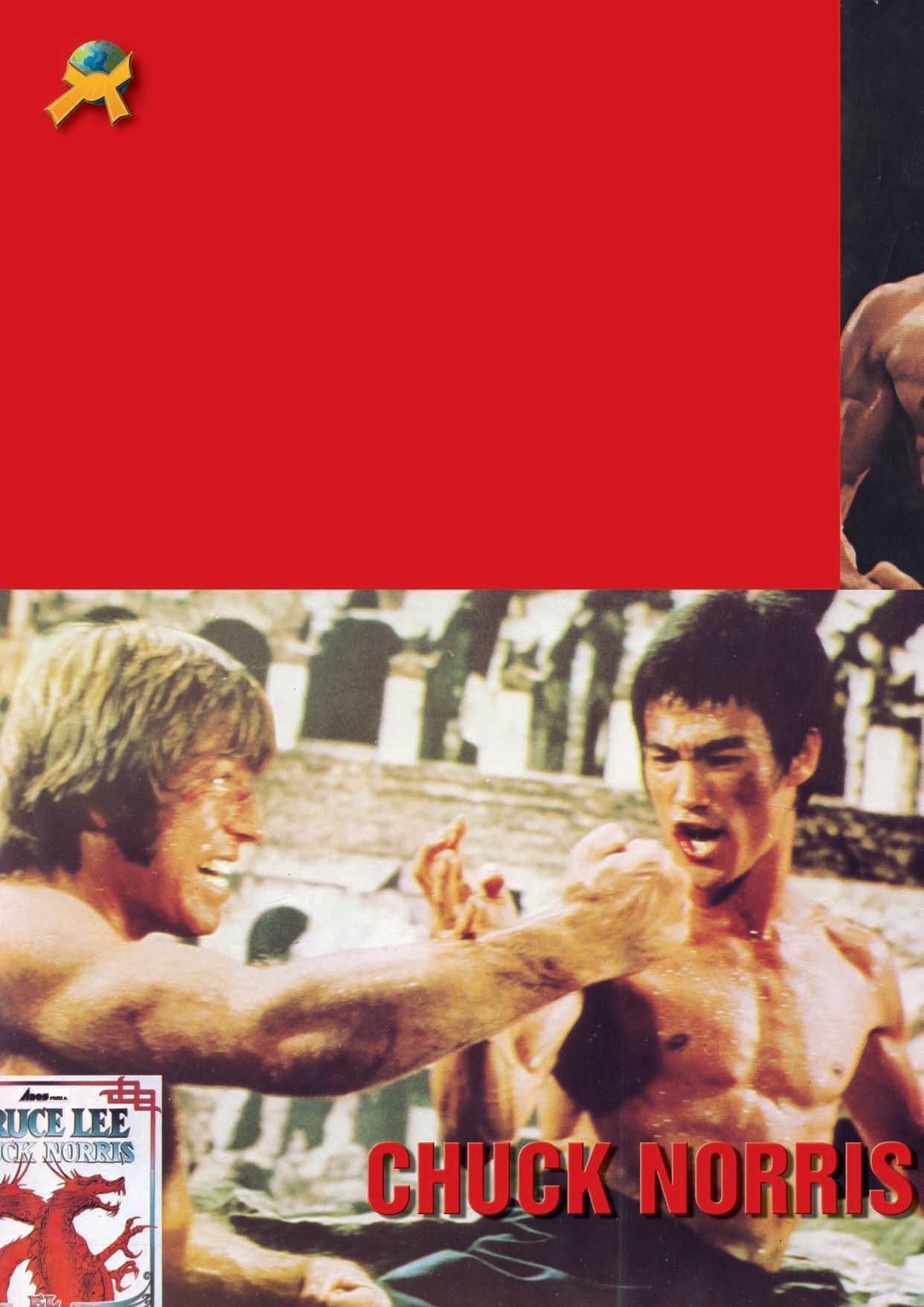
person, he never became p essimist ic a bout anything; he had a lot of energy a tremendous energy t ha t he passe d on t o you ”
The “Fight of the Century” has been etched in the memories of thousands of spectators. Obviously, Chuck Norris has been asked on more than one occasion about the martial arts skill level of his friend and training partner, especially early in his career when the same question was asked incessantly: “What would have happened in a real fight between the two of you?” His answer, broadly speaking, was always the same… “ “ All I know is t hat thanks to Bruce Lee, mart ia l arts became known throughout the world, and that he was a genius within them. Now he’s dea d, and whether he could have beate n me or a heavyweight doesn’t matt er ”
Certainly, if martial arts are known worldwide today, it is thanks to Bruce Lee; without him, they would never have achieved the reach they have, which is why he is their unquestionable icon—a position he has held for over 40 years. Everything else was and is trivial and leads nowhere. What is undeniable is that his films have yet to be surpassed and that no other actor, despite how far combat arts have evolved, has been able to dethrone him. And given the state of this film genre, there is no successor in the short term. So long live the “King”—no one has ever done as much for martial arts.
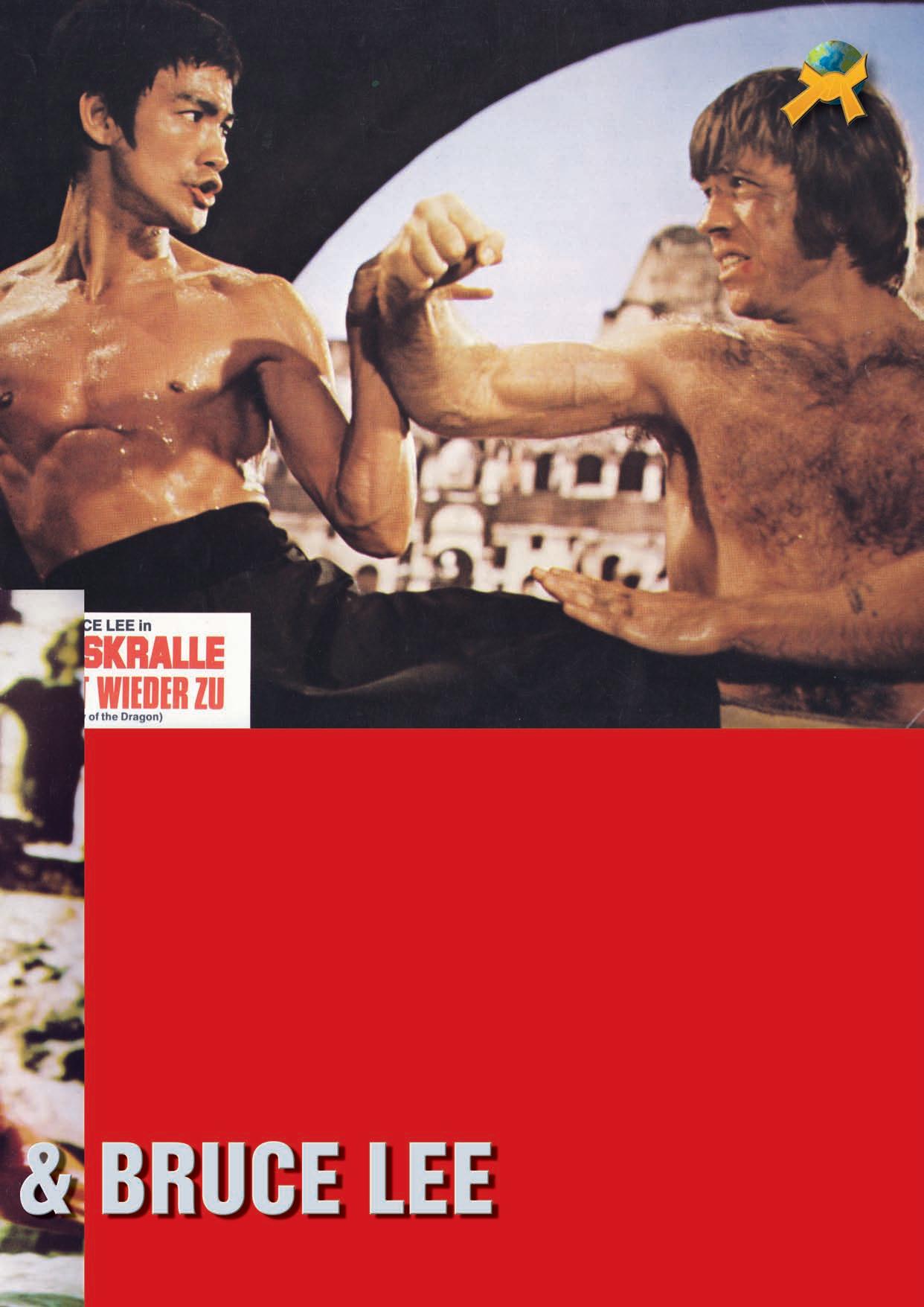
“All I know is that thanks to Bruce Lee, martial arts became known throughout the world, and that he was a genius within them. Now he’s dead, and whether he could have beaten me or a heavyweight doesn’t matter.”


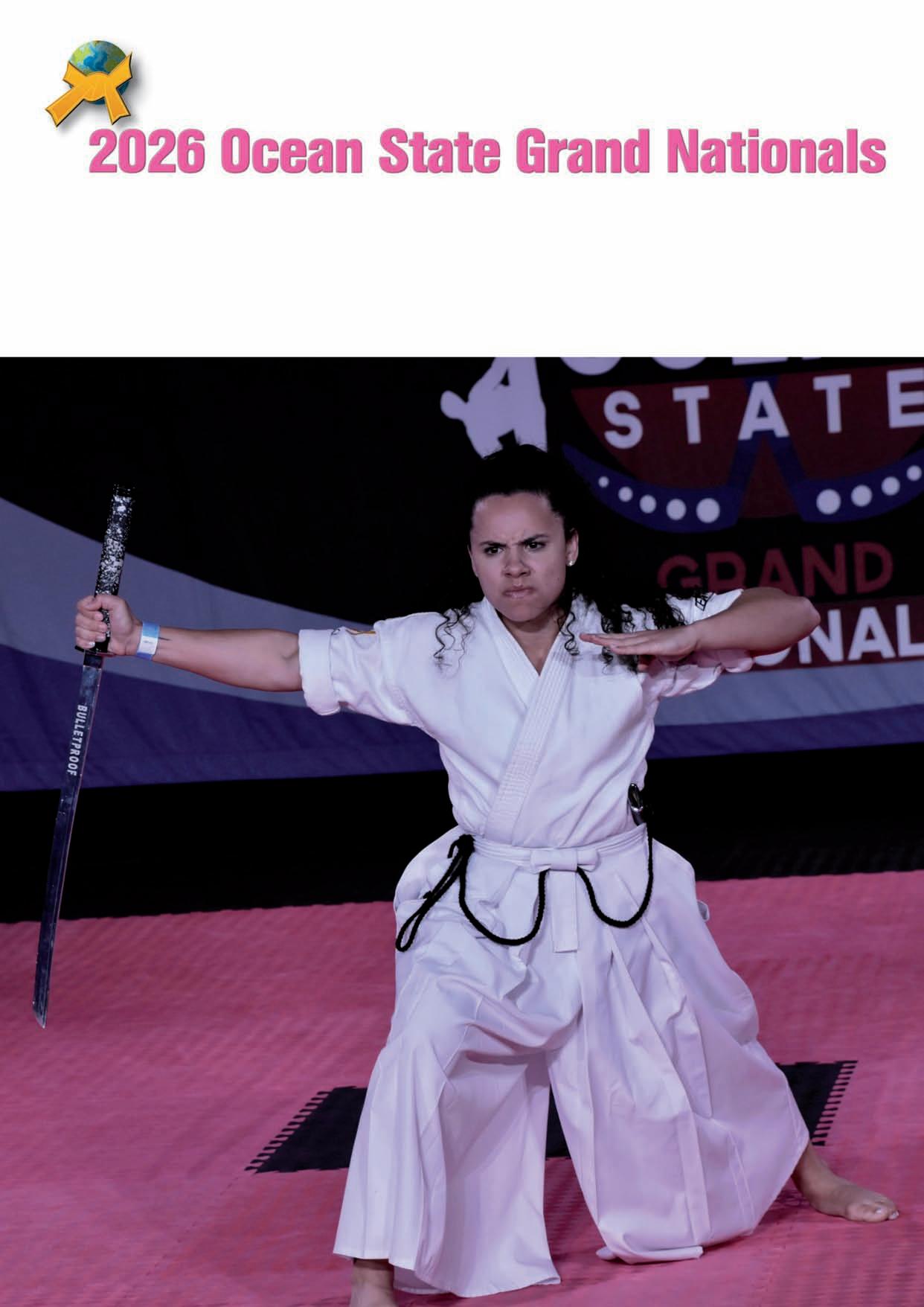
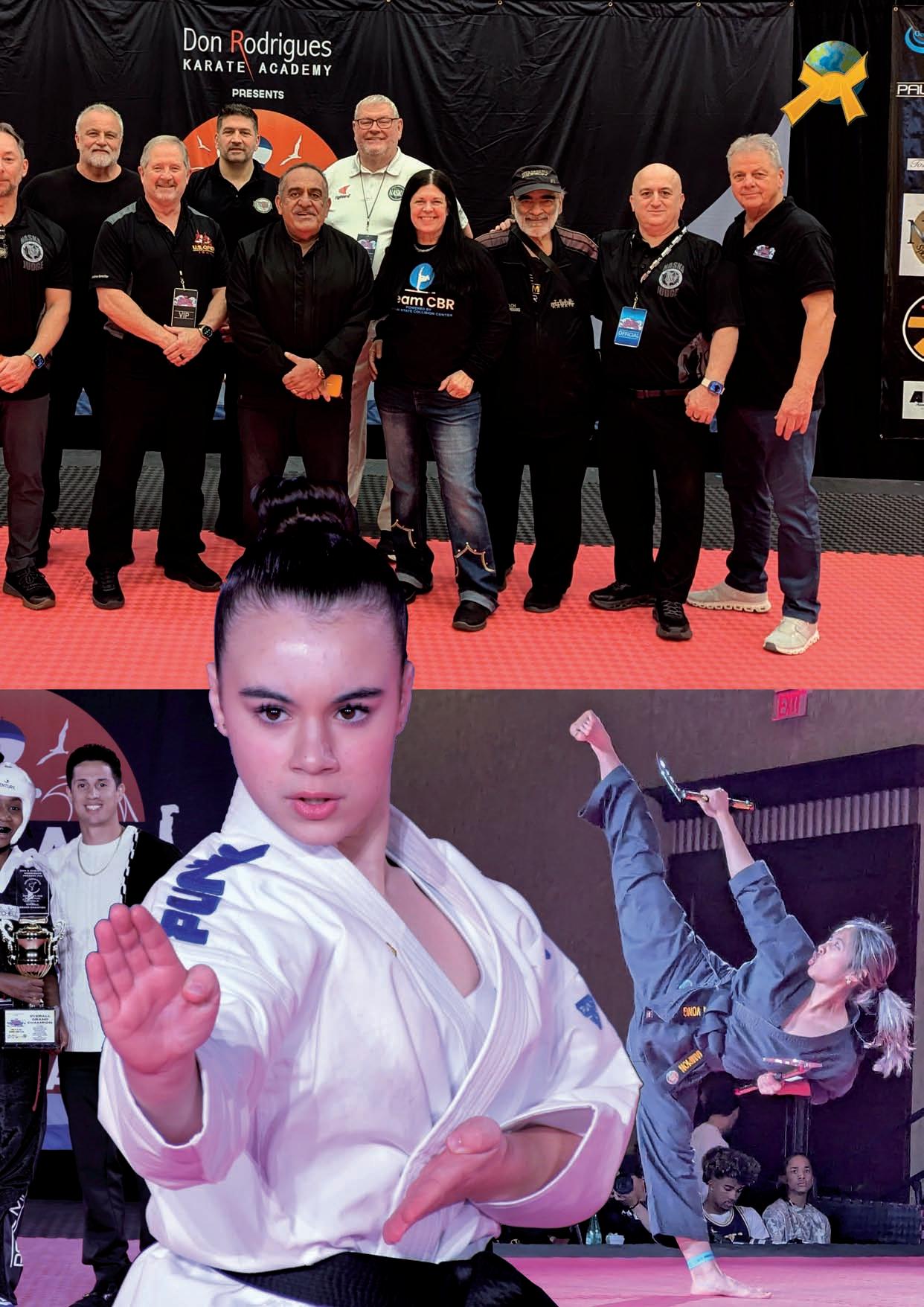
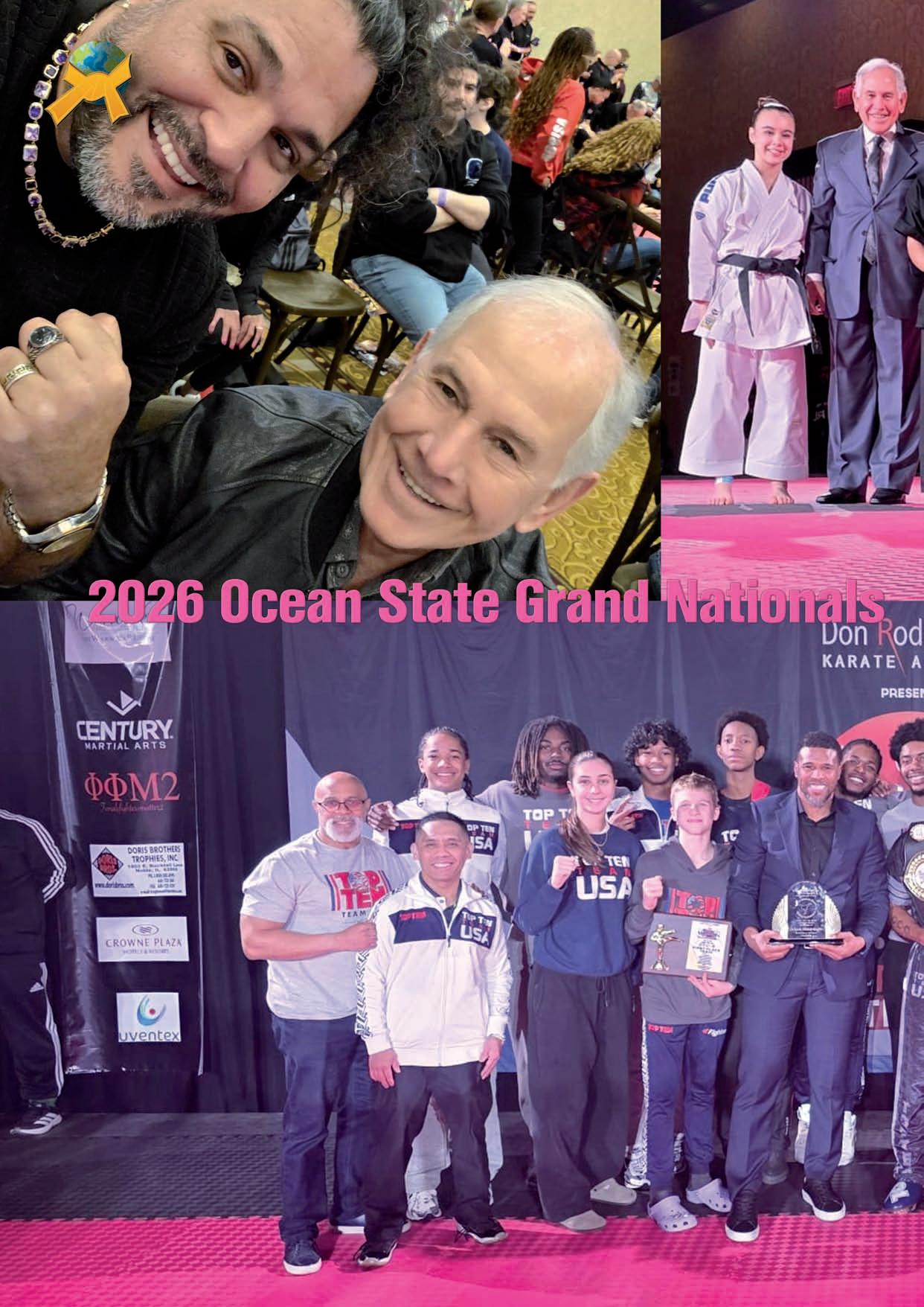
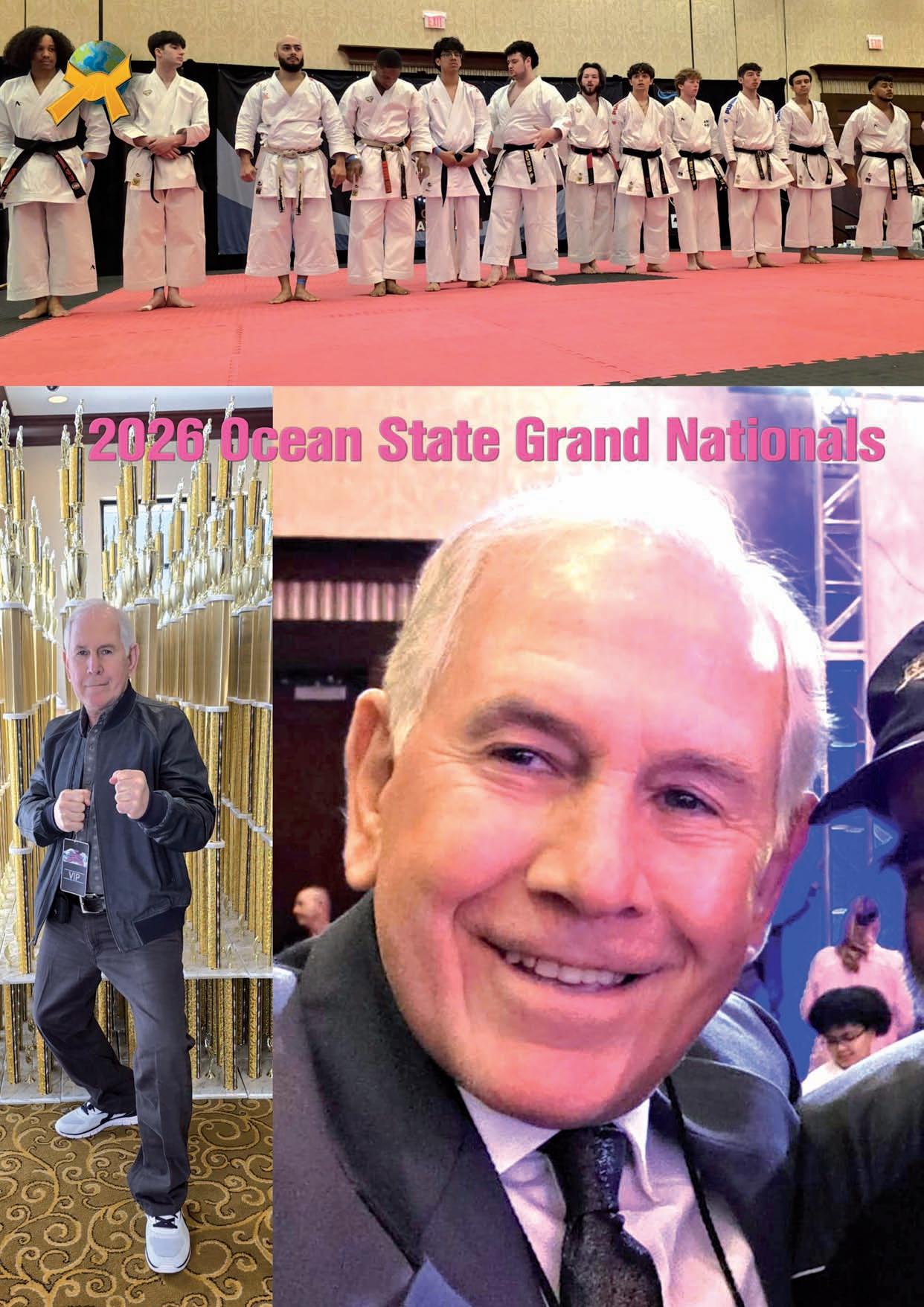
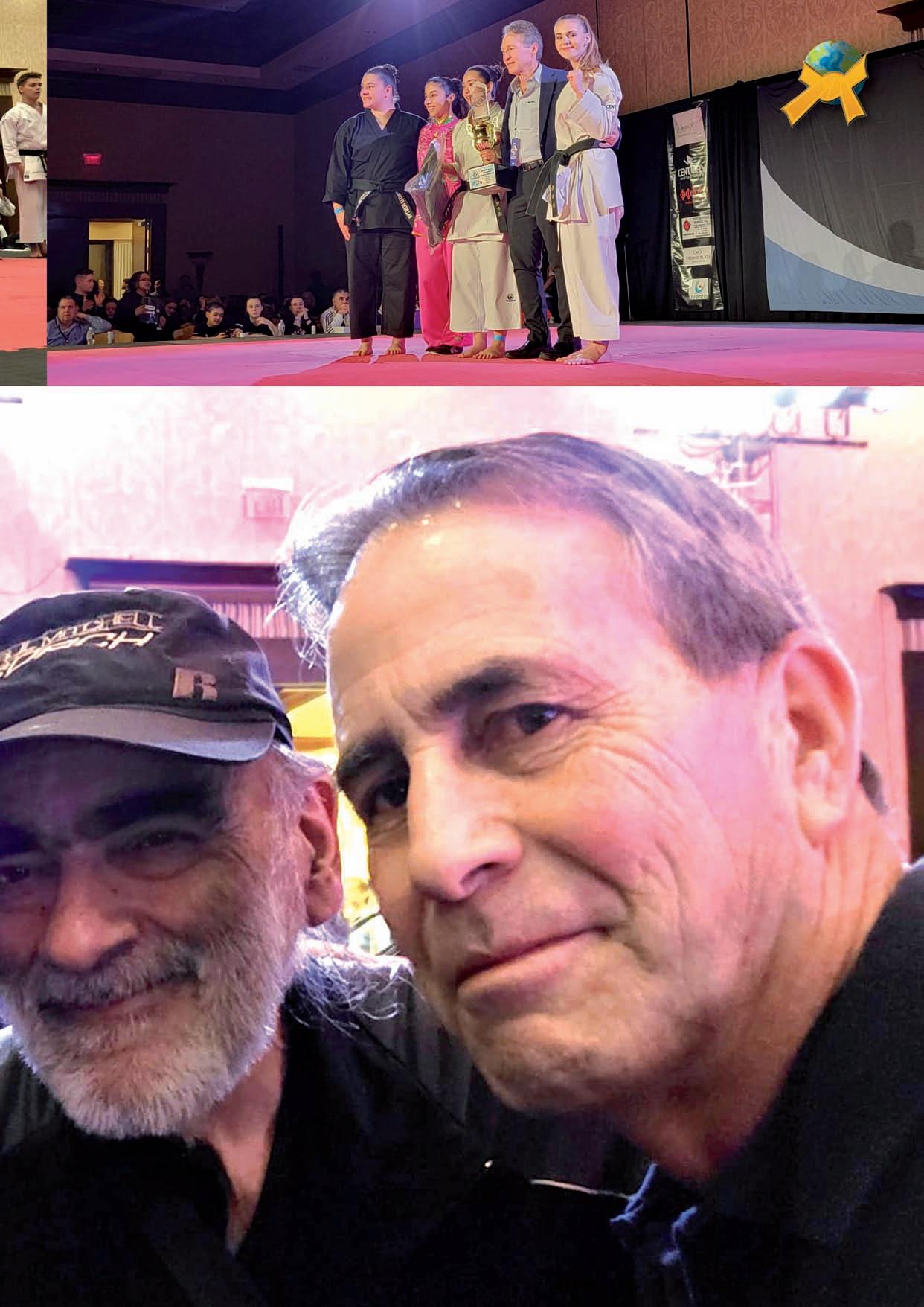
Don and Christine Rodrigues promoted the 44th Annual Ocean State Grand Nationals, which is a NASKA World Tour event, held at the Crowne Plaza Hotel in Warwick, RI on April 10-12th, 2026. The Ocean State Grand Nationals showcased some of the best Martial Arts talent at this premier event, where elite athletes competed for coveted world championship titles.

Held in an electrifying atmosphere, the night was filled with intense competition across various categories, including Forms, Weapons, and Point Sparring, as well as Team competition. This year’s event definitely had an international vibe, with competitors attending from all over the USA, Canada, Guatemala, Dominican Republic, Puerto Rico, Mexico, Hungary, Germany, Venezuela and Greece!
The Sat. nighttime show opened with an exciting demo from the Demo Team Champions, Competitive Edge. Then the top 2 supporting schools were awarded and 86” and a 75” color Smart TV! Winners were Next Level Martial Arts from the Bronx, NY and The Lab, from Rhinebeck, NY. The awards were sponsored by Ocean State Collision Center and were presented by the Zangari Family and the Mayor of Warwick, Mayor Frank Picozzi. The City of Warwick was once again a sponsor of the Ocean State, as well as Century Martial Arts, FFM2, the Tori Lynn Andreozzi Foundation, Paul Mitchell Haircare, Ocean State Collision and Asian World of Martial Arts.
This year’s special guest and Legend Award recipient was World Champion, Pedro “The Axe Man” Xavier! A long line of fans stood by the Ocean State Collision booth to get a free autographed T-shirt of Pedro during the day Saturday. Pedro’s instructor, Master Joe Pina, came up on stage to award Pedro the Legend Award along with promoters Don & Christine Rodrigues.
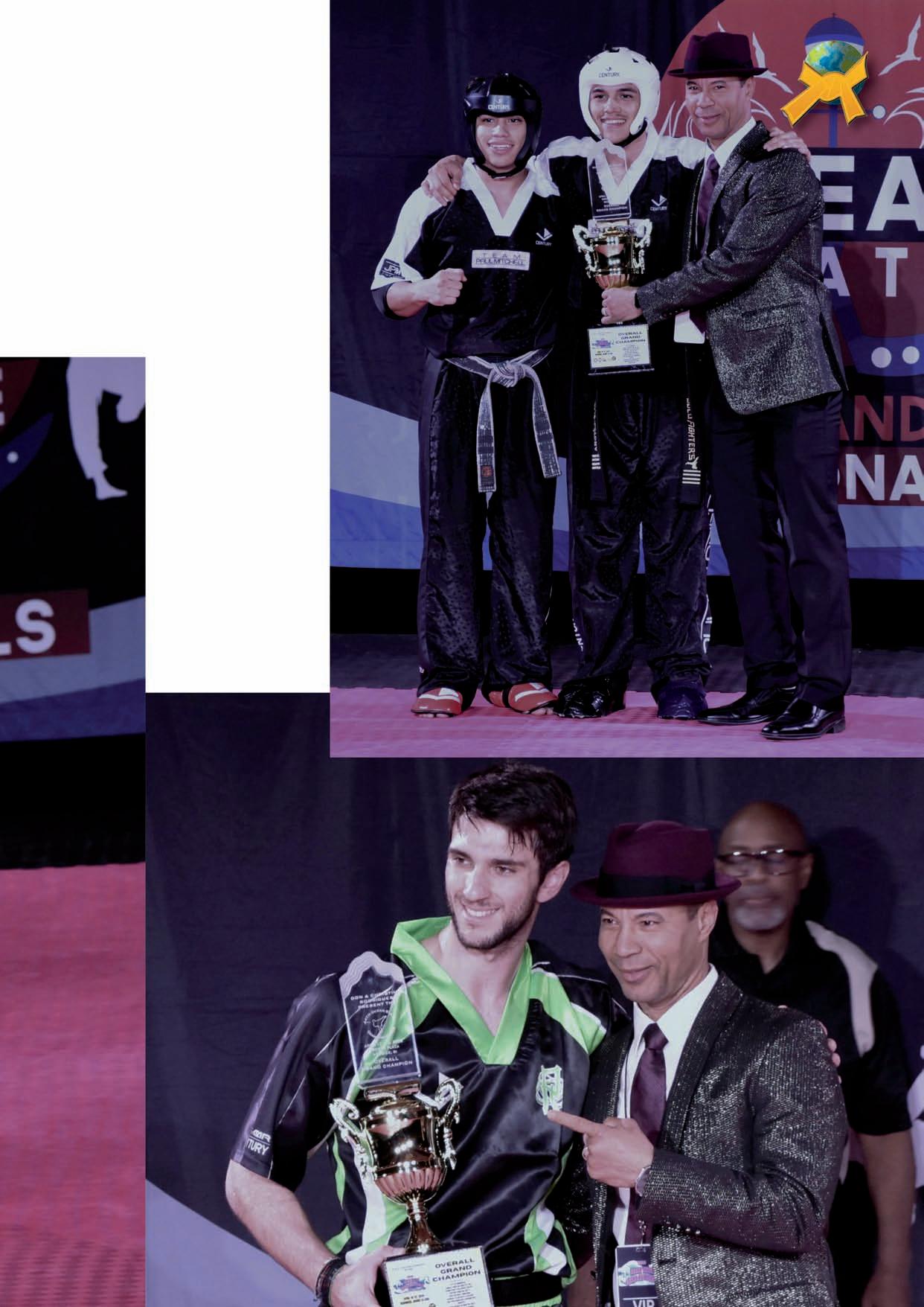
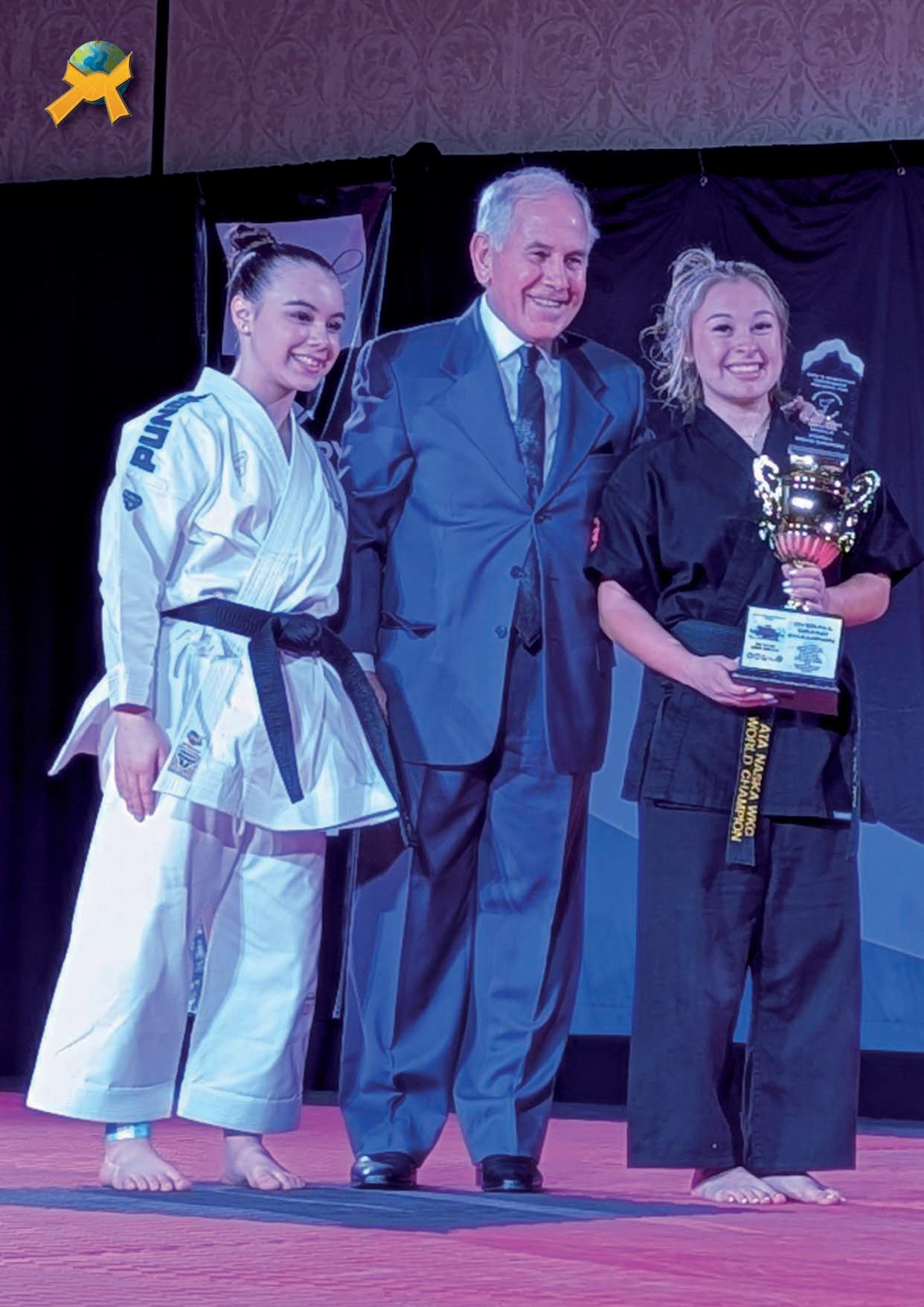

Some of the winners from the exciting nighttime show were: Julia Damascena won the 13/under Girls Forms Grand Championship while Kodi Molina won the 14-17 Girls Forms Overall Grand Championship. Caleb Baschnagel Captured the 13/under Boys Forms Grand Championship while Judah Sagawa secured both the 14-17 Boys Forms and Weapons Overall Grand Championship. Madalynn Wiersma Won the 13/under Girls Weapons Grand Championship and Leopold Aramovich won the Boys 13/under Weapons. Amanda Duarte won the 14-17 Girls Weapons Grand. Jake Presley claimed the Men's Traditional Weapons Overall Grand Championship. Avery Presley earned her first adult Overall Grand Championship in Women's CMX Weapons. Phillip Brumme won the 18/over Men's CMX Weapons Overall Grand Championship. Mitchell Street took home the 18/over Traditional Men's Forms Overall Grand Championship.

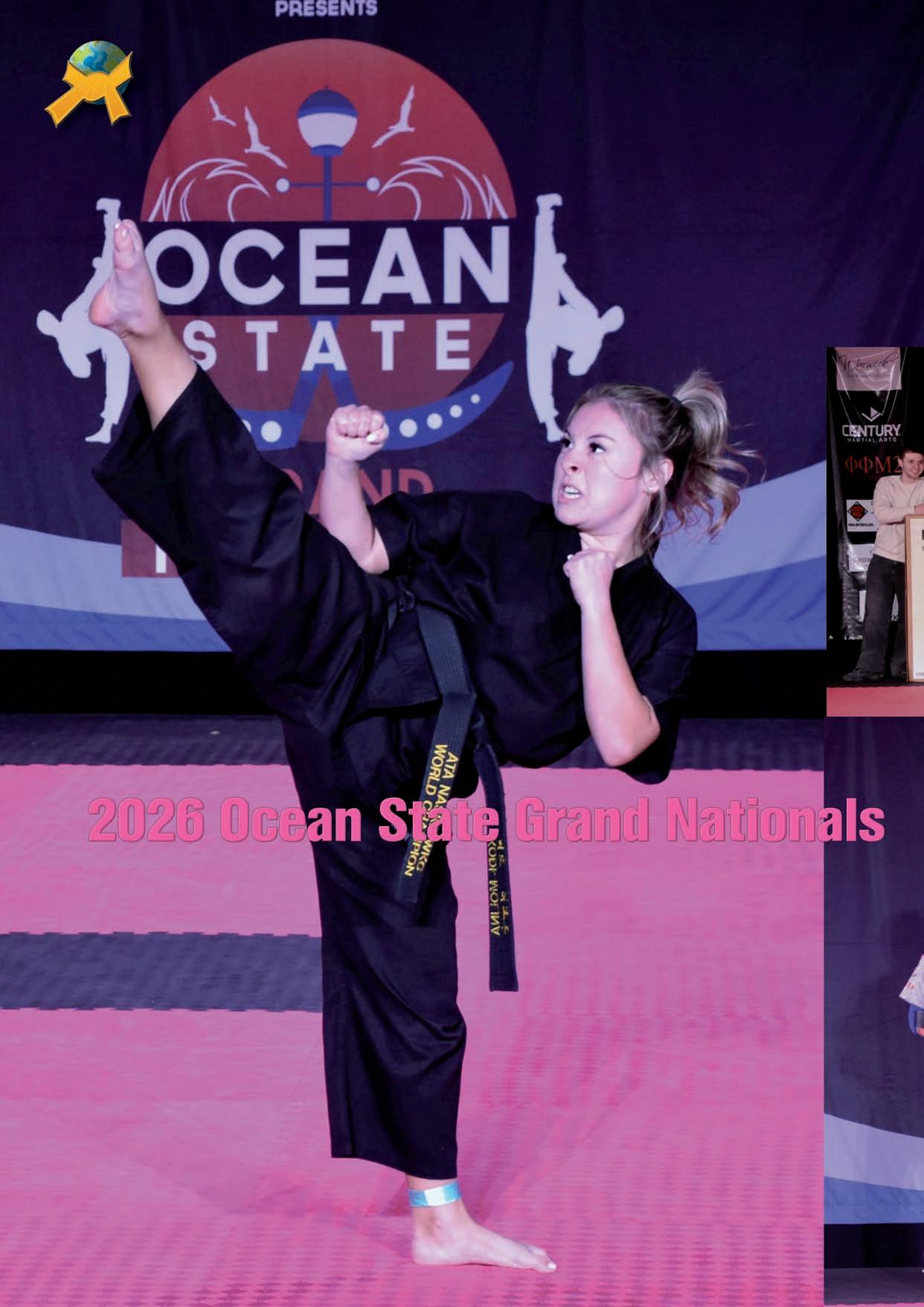
Esteban Tremblay won the Overall Grand Championship for Men's CMX Forms with a clean sweep! Haley Glass Mancillas claimed the Women's CMX Forms Overall Grand Championship with a clean sweep. The exciting Sync Forms was won by Team Revolution and the Sync Weapons was won by Team Paul Mitchell. Traditional Men’s Forms was won by Mitchell Street and the Women’s saw Maddy Kennaway return to win it again!
The 2026 Ocean State Hall of Fame recipients were Alexander Brooks-Major II, Renee Potter, Anjey Bannon, Ricardo Rodriguez, Elizabeth Dunton (Warwick Tourism), Peggy Oliver (General Manger of the Crowne Plaza Hotel), Jeff Doss and Dr. El-Java Abdul-Qadir. The Veteran’s Award was given to Mr. John D’Angelo III, who retired from the US AirForce in 2006 as a Staff Sargeant. He is currently a 3rd Degree Black Belt in Oki-Ryu Kenpo. Sparring and Super Fights: Victoria Homsani was named the 16-17 girls Sparring Grand Champion after an injury to her opponent, Sandrine Audy. The boys 16-17 Sparring champion was Luis “Picky” Rivera over Jahmir Caton. Katana Everett from Team Paul Mitchell, won the Overall Sparring Grand Championship, beating her teammate, Katarina Herman with a score of 5-2. The Men’s Lt. Wt. Grand Championship was won by Enrique Letona, beating his brother Jason, while the Men’s Hvy. Wt. Grand Championship was captured by Dimitrios Economo from Greece. Top 10 Team USA won the Men's Team Sparring Championship after a comeback against Team Paul Mitchell.
The Grand Finale of the finals were the Men & Women’s Open Weight Championships, which were sponsored by Female Fighter Matter Too & Ms. Maggie Messina. The winners of both the Men & Women’s divisions won $3,000, 2nd place won $1,000, the 2 third places won $500 each and the 5th thru 8th finalists won $250 each. Stefanie Megerie from Germany is awarded the Women’s title in a controversial finish against Katarina Herman from Canada. Bailey Murphy from the USA won the Open-Weight Men’s Super Fights Championship in the main event beating Enrique Letona from Guatemala.

The 2026 Ocean State Grand Nationals proved to be a thrilling event, showcasing the dedication and talent of martial artists across various disciplines. With impressive performances and memorable moments, the competition not only highlighted individual achievements but also underscored the spirit of the martial arts community. As athletes look forward to future competitions, the legacy of this year's Grand Nationals will inspire many. The 2027 Ocean State Grand Nationals will be held on April 2-4th, 2027!


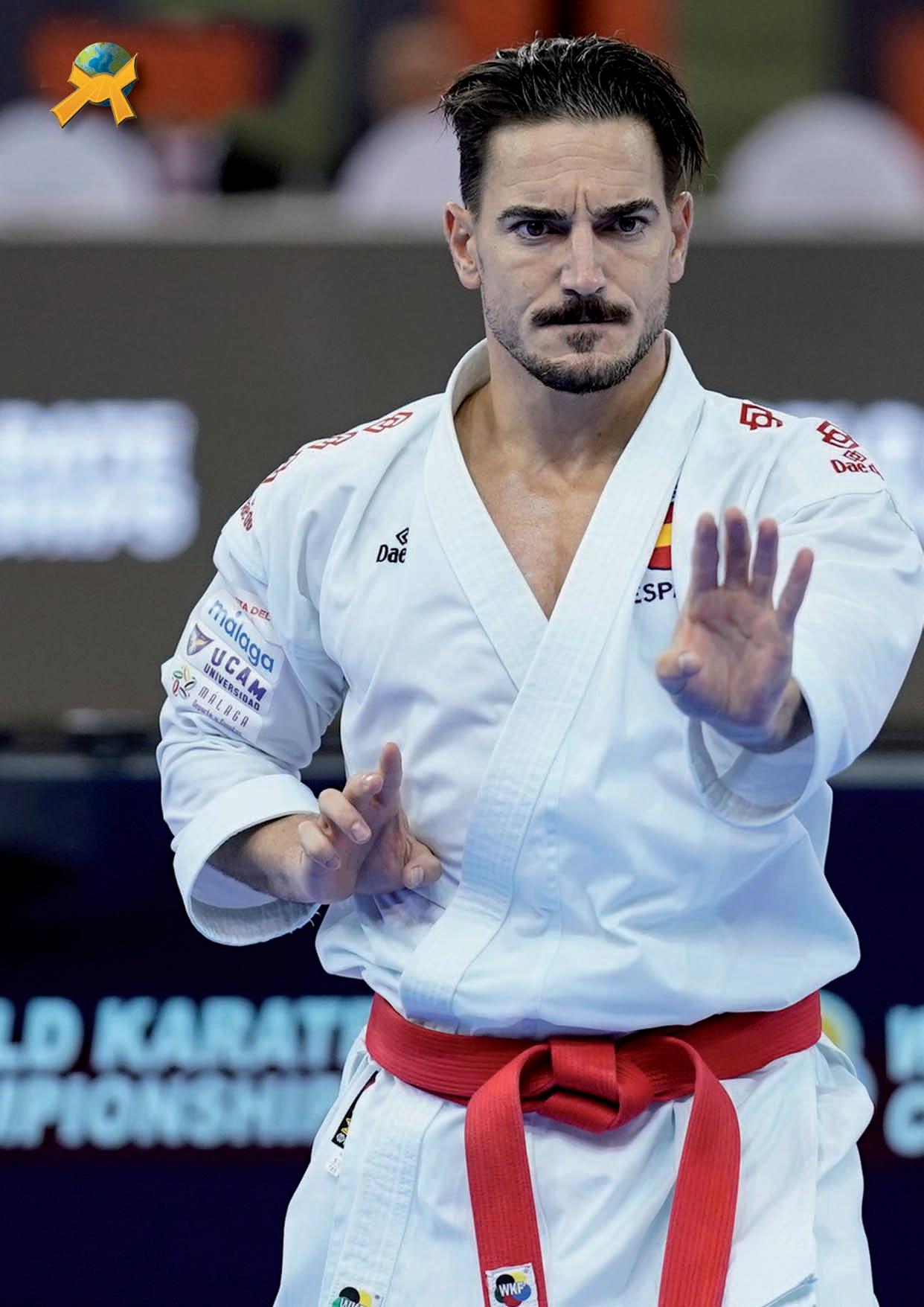
There is a Japanese word that is frequently used today by many people who practice martial arts (especially in karate). It is a word that is now known almost everywhere in the world. That word is OSS or OSU. However, if you ask various martial arts instructors what the exact meaning of that word is, as well as its origin— that is, where exactly it comes from—only a few instructors will be able to give a precise answer to that question. Many martial arts experts, as well as various teachers, historians, and even scientists from around the world, have been debating this word for quite some time and searching for a clear answer to that question.
The word OSS or OSU is used in various martial arts around the world: in almost all styles of karate, in American Kenpo, in Kajukenbo, in judo, in jiu-jitsu, in ninjutsu, in aikido, in sumo wrestling, in sambo, in Brazilian jiujitsu, in partial and full-contact karate, in kickboxing, in taekwondo, in Muay Thai, in Kung Fu Sanda, in kendo, in the art of kobudō, as well as in many others. The word is also known to many members of the police and military, and is familiar among wrestlers, boxers, fencers, as well as among people who practice MMA. We can say with certainty that the word OSS (or OSU) has taken root in many martial arts. Some instructors will tell you that the word OSS (or OSU) is a universal expression that does not have a single meaning, but several. Thus, depending on the situation, the word can mean: “Yes,” “I understand,” “Please,” “Thank you,” “I’ll do it,” “Here you go,” and it can also be used as a greeting, such as “Good morning” or “Goodbye.” But is that really the case?
To answer that question, we must examine several different theories about the origin of this word, as well as what its true meaning is in martial arts. Some martial arts experts will tell you that, essentially, there are only three different theories about the origin of this word and its meaning. I would disagree with that, because I believe there are actually several theories about the meaning of this word. However, let’s begin our exploration of this word step by step. The word OSS or OSU is pronounced and spelled slightly differently depending on the country. Most people spell the word as OSS or OSU; the difference lies mainly in the spelling, although both forms are correct and acceptable. The actual pronunciation of the word is closer to the sound “OHSS.”
Some martial arts instructors will tell you that the origin of the word OSS (or OSU), as well as its use, originally comes from Japan, but not from Okinawa, the birthplace of karate. Such a claim is only partially correct. To determine this more clearly, let’s begin by examining the various theories regarding the origin and meaning of this Japanese word. One of the best-known theories comes from the Japanese language expert Dr. Mizutani Osame, a professor at Nagoya University, who published a work titled “Japanese: The Language Spoken in Japanese Life.” In his work,
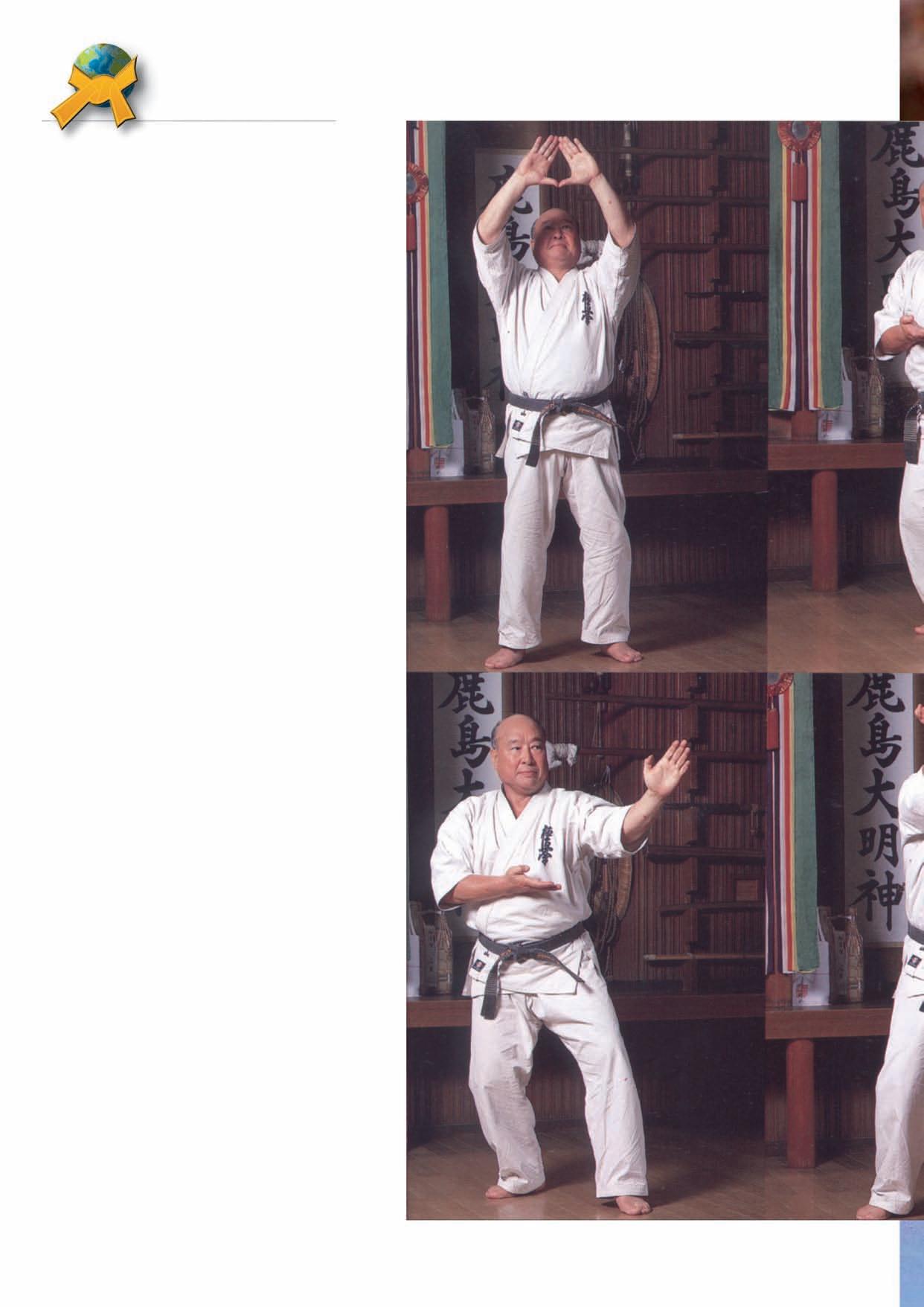
Professor Dr. M. Osame devoted special attention, among other topics, to the study of several wellknown greetings used in Japan.
Dr. M. Osame concluded in his research that the Japanese word OSS (or OSU) could be an abbreviation of the official and formal Japanese expression “Ohayo gozaimasu.” The Japanese rarely use this expression when they wish to politely say “Good morning” to someone. Dr. M. Osame also believes that the word OSS (OSU) may represent a more colloquial expression, used mainly by men when addressing one another, and that, in such cases, the word has a meaning similar to the English expression “HEY YA’.” However, we might also have reason to question this academic work published by Dr. Osame, since we do not know the exact number of participants who took part in the research, nor their ages. For that reason, the true credibility of the study—that is, the actual extent of this word’s use in different regions of Japan— remains uncertain. Furthermore, a legitimate question arises: what connection might this have to the use of the word in martial arts (karate, judo, sumo, jiu-jitsu, kendo, aikido)?
The second theory is based on certain historical research suggesting that the word OSS may have been coined by a samurai of the Saga clan, Yamamoto Tsunetomo (1659–1719), on the island of Kyushu. The samurai Tsunetomo is the author of the well-known book “Hagakure,” in which he explains aspects of the martial and spiritual life of Japanese samurai warriors. In his book, among other things, Tsunetomo mentions that the young warriors of the Saga clan in the 17th and 18th centuries greeted each other every morning on their way to school with the word OSS. However, this theory also has its shortcomings, since, although it points to the historical possibility that the word OSS was used by samurai, it actually tells us nothing about the meaning of the word itself.
There is also a third theory suggesting that the word OSS (or OSU) could be an abbreviation of the phrase “Onegaishimasu” (pronounced oh–na–guy–she–mus), which roughly translates to “Please take care of me” or “I place myself in your hands.” But what direct connection would this have to martial arts? It would only make sense in the situation where a young student arrives at a dojo, though even this theory should be viewed with some skepticism. Some instructors claim that the word OSS (OSU) is a polite way of saying “please” and that it is an informal form of the expression “onegaishimasu.” But is that really the case? We cannot say with certainty that the word OSS (or OSU), in the context of modern martial arts, actually has that meaning.
There is also a fourth theory, promoted more strongly in Kyokushinkai karate (though the same theory is also quite well-known among others), known as “Osu no Seishin.” According to this theory, the word OSU (or OSS) is considered an abbreviation of two words: the verb “osu,” which means to push or exert oneself with force, and the word “shinobu,” which means to endure. However, is there really a direct connection to the phrase “Osu no Seishin” when, in reality, the word “oshi” means to exert oneself with force, while “shinobu” means to endure? Therefore, we can say that it is, at the very least, somewhat strange to claim that the word OSU (or OSS) is an abbreviation. And if it
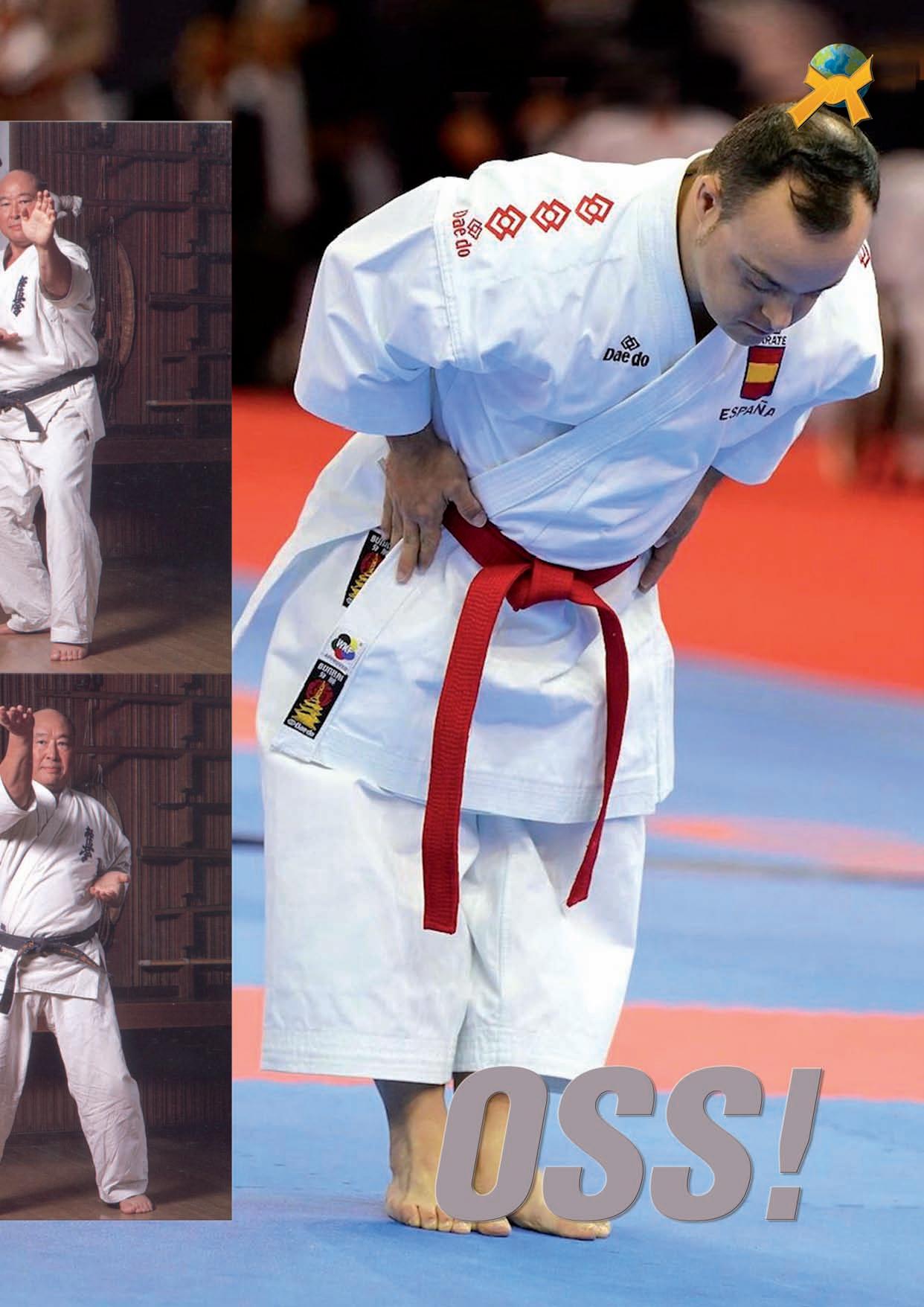
is, exactly which Japanese words would it be abbreviated from—that is, from which specific phrase: “Osu no Seishin” or “Oshi Shinobu”?
Furthermore, regarding some instructors who claim that the word OSU (or OSS) represents the warrior spirit and reflects the importance of patience, determination, and perseverance in the martial arts, we can only say that we are not entirely convinced by that interpretation. Some Kyokushinkai karate instructors even go so far as to claim that the word OSU (or OSS) first appeared within Kyokushinkai karate itself. Well, that is not the case. Masutatsu Oyama published his first books in Japan in 1958, and it was not until around 1966 that he did so in America and Europe. By then, the word OSS (or OSU) was already in use in Europe among martial arts practitioners. As you can see, this theory also has certain shortcomings and fails to answer the basic questions: Does the word really come from there, and what is its true meaning?
There is also a theory that claims some history books tell us the word dates back to the early 20th century, when it first appeared at the Imperial Japanese Navy Officers’ Academy. However, this theory is refuted by another that tells us that in his book—“The Book of Five Rings” or “Go Rin No Sho,” written by Miyamoto Musashi, a famous katana warrior—he wrote that samurai use OSS/OSU or other similar phrases to gather their inner strength, as well as to pay homage to their opponent on three occasions: before combat, in the middle of combat, and after combat (which often ended fatally). This theory is sometimes used in BJJ, and some instructors claim that the word OSS/OSU serves as a compliment, as well as selfencouragement, and even as admiration for the proper execution of a technique. However, this is not the correct explanation, nor is the use of the word.
Some instructors claim that the word OSS (or OSU) has appeared in certain movies and suggest that this is “proof” of something, but they do not explain exactly what it is supposed to prove. They also mention some chefs who use the word OSS (OSU), as well as certain television hosts and others, but they fail to explain what this has to do with martial arts. Certain aikido instructors claim that the word OSS (or OSU) is an abbreviation of the expression “Ohayo gozaimasu,” which translates to “good morning” (according to Dr. Osame’s research). However, this claim should be viewed with a high degree of skepticism, as it does not actually explain anything meaningful. Some world-renowned martial arts masters do not support the use of the word OSS (or OSU) at all, as they consider it inappropriate, artificial, and meaningless.
Among certain instructors, we can particularly highlight the words of the well-known master Fumio Demura (1938–2015), who said:
“OSS is not a good word. People often say OSS, OSS, OSS. Do they even understand the word? I don’t even fully understand it myself. In Japan, only gangsters use this word all the time.”
And yes, that’s true. Now we come to the Japanese gangsters. You might be wondering: what do Japanese gangsters have to do with the word OSS (or OSU), and if they have anything to do with it, how does that relate to martial arts? Well, yes, it does. The Yakuza is the best-known Japanese organized crime group, famous for its strict hierarchy, rituals, and full-body tattoos. The most prominent clans are the Yamaguchi-gumi, Sumiyoshi-kai, and Inagawa-kai. They engage in extortion, blackmail, gambling, and other illegal activities.
What interests us most is the fact that members of these clans often greet one another with the word OSS. For them, the word signifies humility and serves as an expression of mutual respect. In Japan, Yakuza mem-
bers had influence over many professions: merchants, restaurant owners, butchers, artisans, as well as the police, politicians, and numerous other professions, including martial arts instructors. They collaborated with some instructors, while others were even extorted or used as trainers for their members. One of the largest Yakuza clans was based in Naha, Okinawa. For this reason, instructors in Okinawa often avoid using the word OSS to prevent any association with gangsters or the Yakuza clan. Interestingly, some Okinawan martial arts styles use emblems that are identical or slightly modified versions of the symbols of the Yakuza clan, specifically the Kyokuryukai clan. These styles include Uechi-ryu, Shorin-ryu, Kyokushinkai-ryu, Ryu Kyu Kempo, Goshin-ryu Kempo, Ryu Koku Seindokan, as well as some jiujitsu styles.
The Yakuza uses the term OSS in reference to the samurai’s Bushido code, specifically its seven key virtues: Meiyo (honor), Yu (courage), Gi (integrity), Rei (respect), Jin (compassion), Makoto (honesty and humility), and Chugi (duty and loyalty). In other words, they associate the use of OSS with the Bushido code, which in turn has strong ties to Japanese martial arts. The yakuza is not the only mafia organization that greets with OSS; even some branches of the Chinese triads use a similar greeting, combining a bow with the word OSS, especially among members in Hong Kong, Singapore, Malaysia, Taiwan, and the United States. In short, the Japanese generally avoid using the word OSS because it directly evokes associations with the underworld. For this reason, they mostly refrain from using it in public, even within their dojos and martial arts training centers.
Although it is true that in some Japanese high schools and universities certain sports teams use the word, and that some athletes also use it, and that it appears in certain martial arts, in most cases the Japanese rarely use this word outside of martial arts centers—that is, outside the dojo—and are not in favor of its use. Despite this, the word OSS (or OSU) has become firmly established in martial arts around the world. Some use it frequently, others even excessively, while others use it more sparingly. But do you really know when this word should be used in martial arts? According to the unwritten rules, it should actually be used much less frequently than is commonly believed.
The word is always used the moment you enter a martial arts center or dojo, even as you take your first step inside. Even if no one is in the dojo when you arrive, you say “OSS” (or “OSU”) upon entering, as a bow and greeting—that is, as an act of respect toward the martial art you practice and toward the dojo itself. If an instructor and some students are already in the dojo, you greet them with a single “OSS” (or “OSU”). If the instructor was not in the dojo when you arrived and enters later, you greet them separately with “OSS” (or “OSU”). When leaving the dojo, it is generally not necessary to say this word. In competitions, the word is used only once, either when greeting your opponent and their coach, or when greeting the judges. If you are successful and go up on the podium to receive a medal or trophy, you say OSS (or OSU) as a sign of gratitude toward the tournament organizers. Once you leave the competition, you are no longer required to use the word.
If you are in a dojo and an instructor is speaking to you or explaining something, you are not required to respond with the word OSS (or OSU). Similarly, if you are in a competition and your instructor is guiding you,
explaining tactics, techniques, or other instructions, you are not required to respond with OSS (or OSU). In martial arts, the word is simply not used in these situations. Many people then ask: what does the word OSS (or OSU) really mean in the context of martial arts? The answer is, actually, quite simple. If you ask several instructors of different martial arts from around the world to explain, in simple terms, what the word OSS (or OSU) essentially means to them, about 95% of them will give the same answer: “My bow and my deep respect.” Some instructors even use the word OSS (or OSU) at the end of written correspondence as a closing greeting, expressing deep respect for the person to whom the letter is addressed.
And finally, here is one more theory regarding the use of the word OSS (or OSU) in modern martial arts, researched by Professor David “Sensei” Stainko of Croatia, which at first glance may seem completely strange or even absurd.
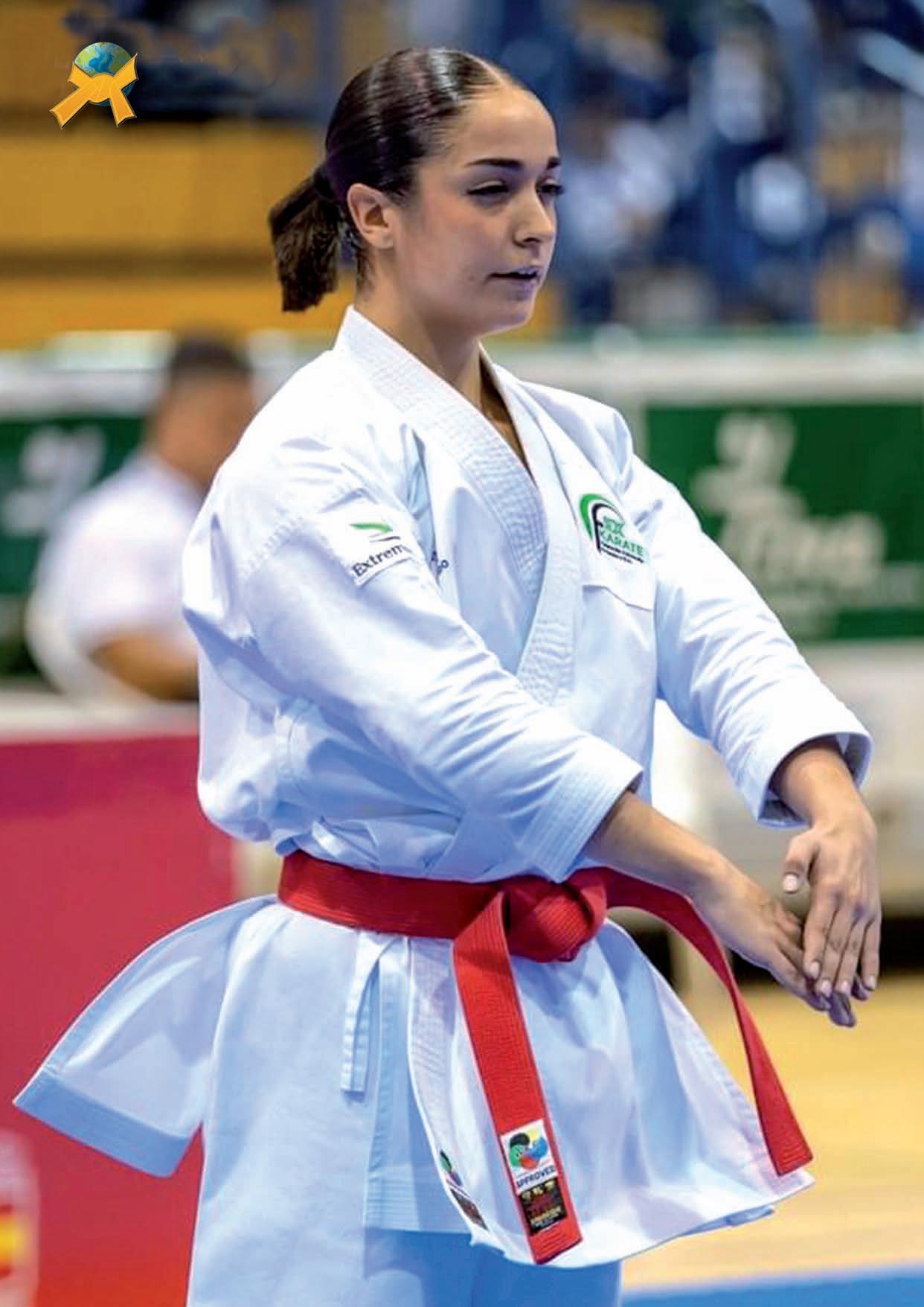
When karate, judo, jiu-jitsu, aikido, kendo, and other Japanese martial arts began to be practiced in Europe, the word OSS (or OSU) arrived a little later. European instructors understood that the word was accompanied by a bow toward the person it was addressed to, as a sign of respect. And, incredible as it may seem, that was all they knew about the word at the time. A bow, then the word OSS (or OSU), and it made sense to them. Why? Because they knew that in Japan, as part of its culture of etiquette, bowing is very common. However, Europeans (as Westerners) quickly associated this Japanese custom with one of their own earlier traditions, which made it easier for them to understand and accept. From there, they began to use it frequently in martial arts, integrating it naturally into their practice.
Thus, in Germany as early as the 17th century, merchants used a well-known greeting, “Mein Bogen,” and in Austria,
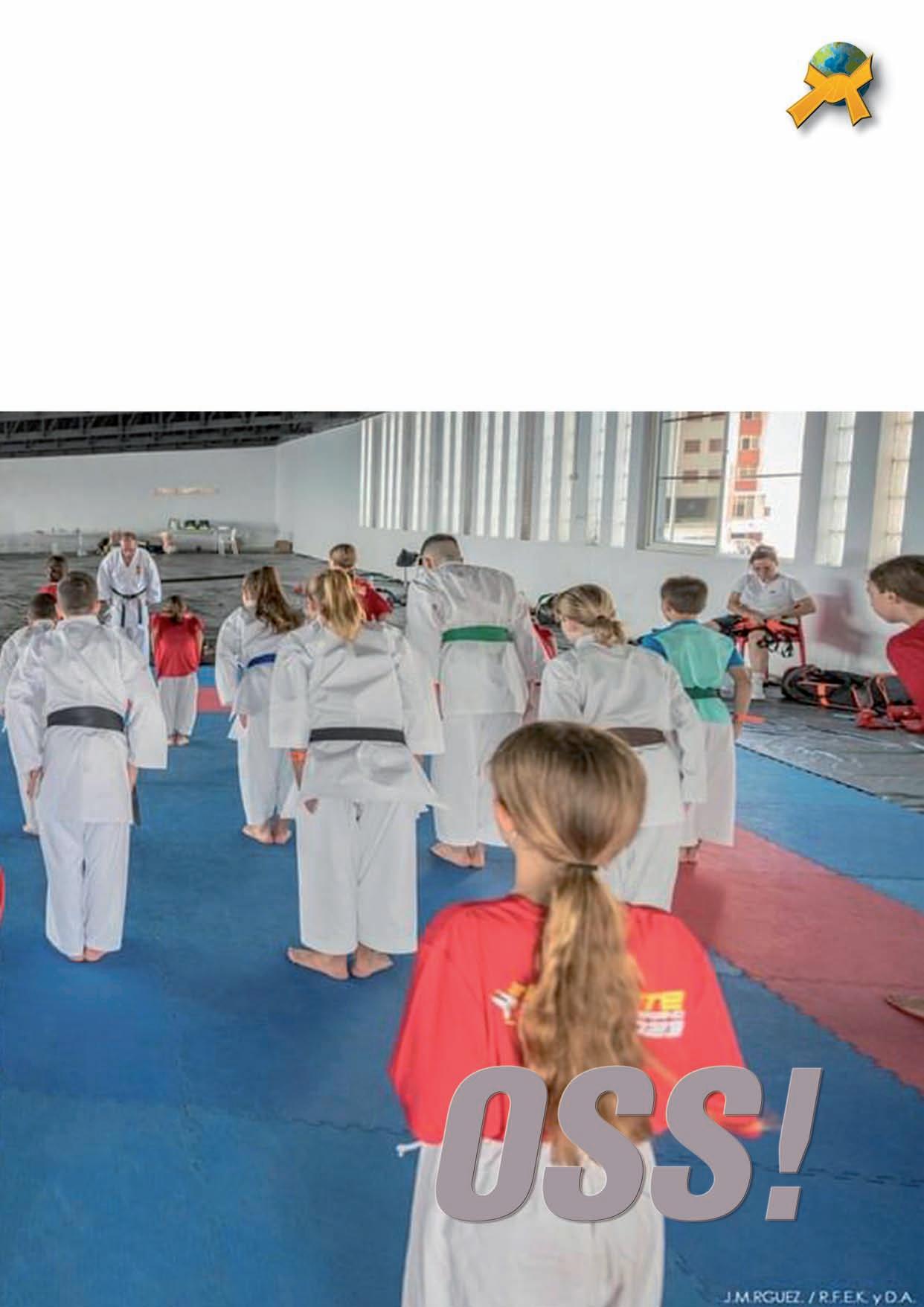
the same greeting was said as “Mein Bucken.” This greeting was performed by bowing the head or the upper body toward the person being greeted, and it became known as “my bow.” This greeting was not only known in Germany and Austria, but was also common in Switzerland, Hungary, Croatia, Slovenia, and parts of Italy, Belgium, the Netherlands, the Czech Republic, Poland, Serbia, and even Russia. In other words, the “my bow” greeting was a widely recognized custom throughout Europe. European martial artists simply combined this familiar custom of bowing with a new word, OSS (or OSU), when adopting Japanese martial arts. They applied something already familiar to them as a solution to something that was otherwise foreign and unknown to them. And, more importantly, they made no mistake. In this way, Europeans not only adopted this Japanese custom but, in a sense, helped spread it among martial arts enthusiasts worldwide.
Thus, the bow represents humility, and the words OSS (or OSU) express one’s deep respect for the person being addressed, and this is universally accepted in the martial arts. When someone addresses you with a bow and says OSS (or OSU), that simple word conveys their deep respect for you, and that is the greatest recognition you can receive from another person in the martial arts. This brief three-letter word, when spoken, represents much more than reciting titles, more than using words for ranks, and even more than giving gifts or making other gestures. In martial arts, everything begins with respect. My bow and the spoken word “OSS” or “OSU,” as a sign of my deep respect for you, say everything about me. I hope this explanation clarifies what many people in martial arts frequently say and do, even though many of them only partially understand—or do not understand at all—why they do it.

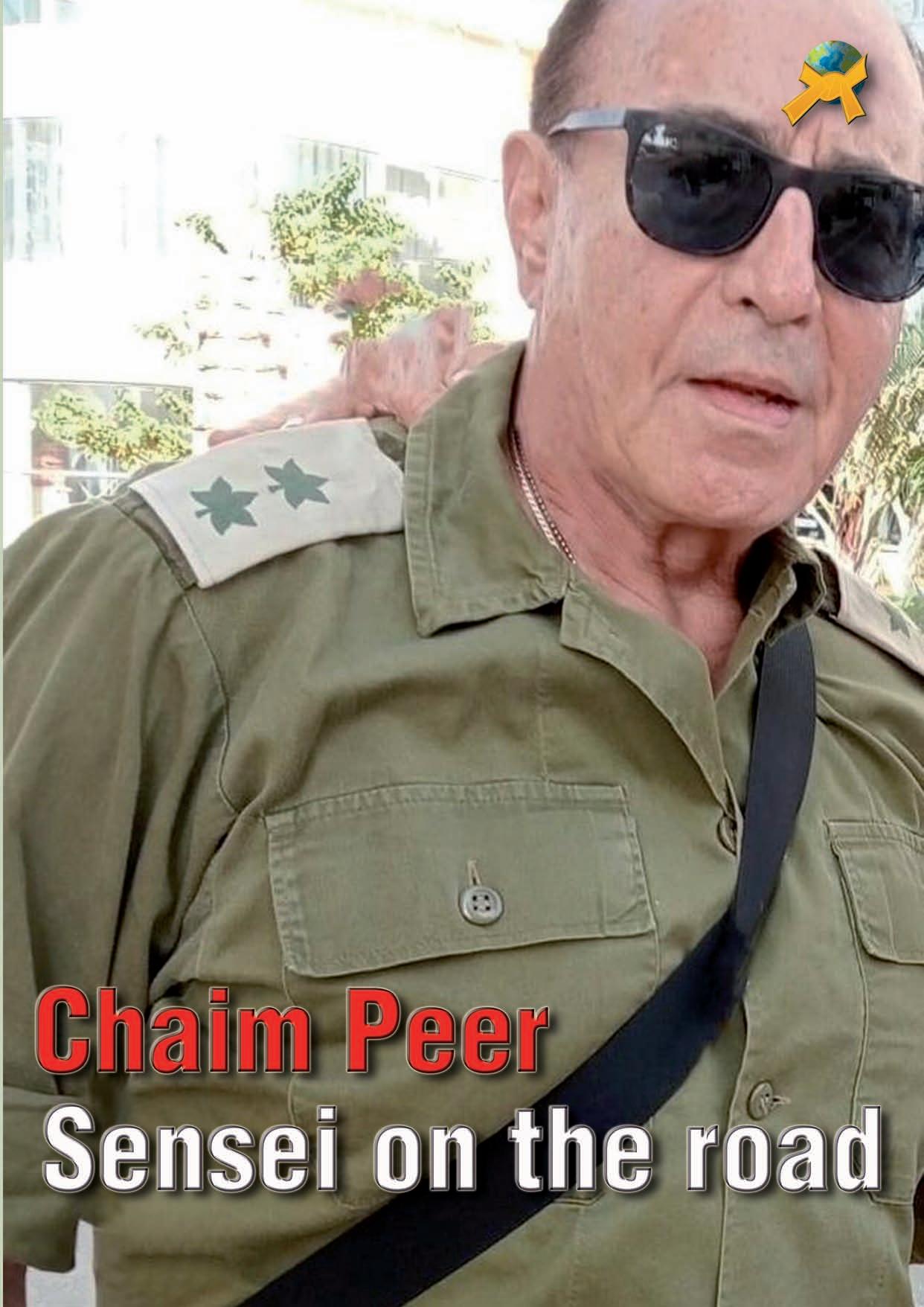
The Life, Legacy, and Unyielding Spirit of Lieutenant Colonel Chaim Peer 10th Dan | Krav Maga | Kapap | BJJ | IDF Lotar | Iron Man
There are men who are shaped by hardship, and there are men who shape themselves in spite of it. Chaim Peer belongs unmistakably to the second category. Over the course of a lifetime spanning wars, championships, classrooms, and combat zones, he has become one of the most respected and quietly influential figures in Israeli martial arts, military training, and human resilience. To those who know him — and I am fortunate to count myself among them — he is not merely a legend. He is a friend.
I first met Chaim through the Israeli National Rugby Team, where I served as the Athletic Trainer and he held the position of National Coach. From the very first training session together, it was clear that this was a man unlike any I had encountered in sport. His knowledge of the human body — its limits, its potential, its psychological dimensions — went far beyond what most coaches ever consider. But it was his character that set him apart: calm under pressure, exacting in his standards, generous with his wisdom, and possessed of a warmth that made every athlete around him want to be better.
For five years, we traveled the world together with the national team, competing in international matches across continents. Those journeys forged something deeper than a professional relationship. They forged a friendship — one built on shared sacrifice, late-night conversations in foreign hotel rooms, the particular brotherhood that comes from representing your country on the world stage. Chaim Peer was, in every sense, a teammate.
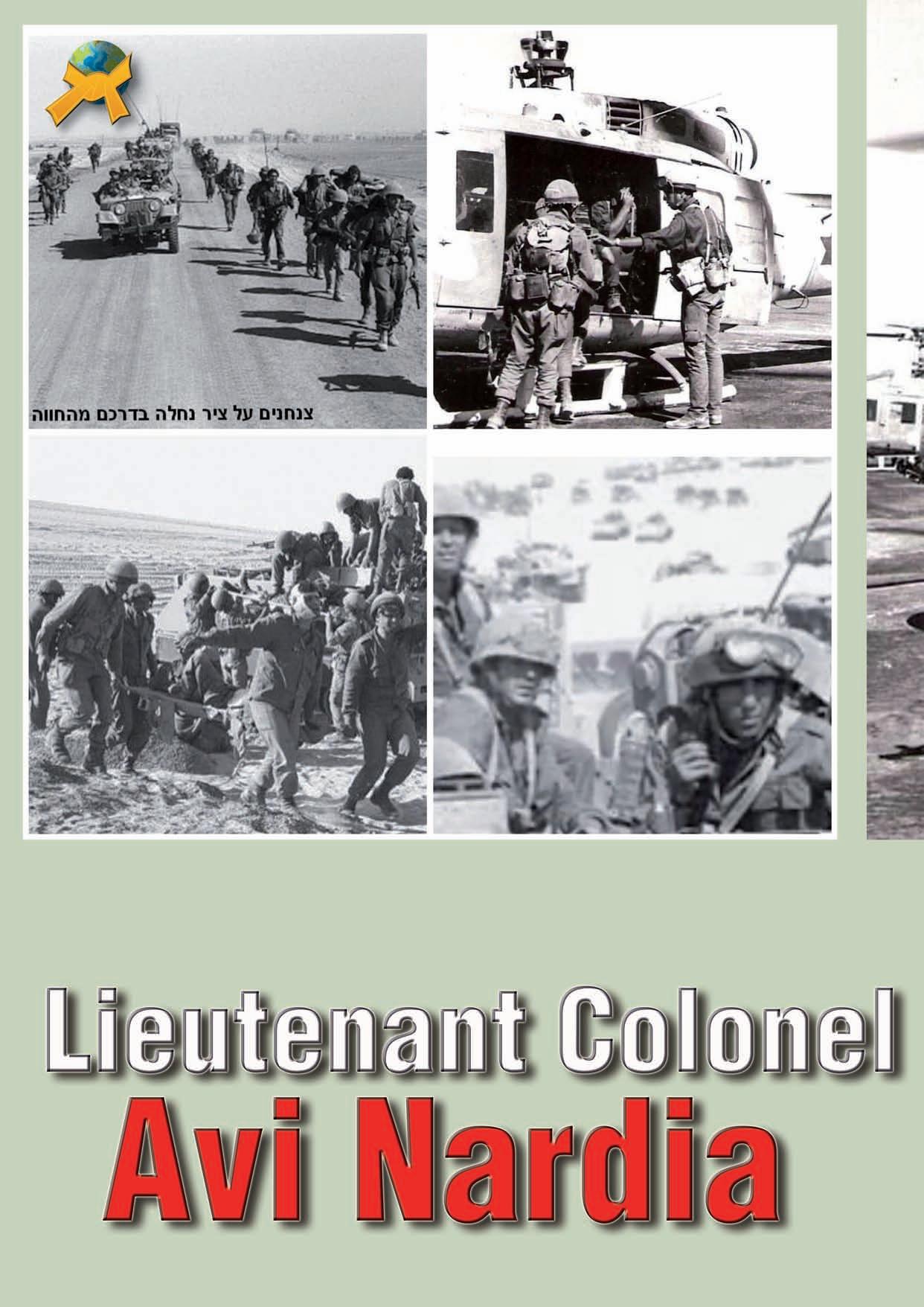
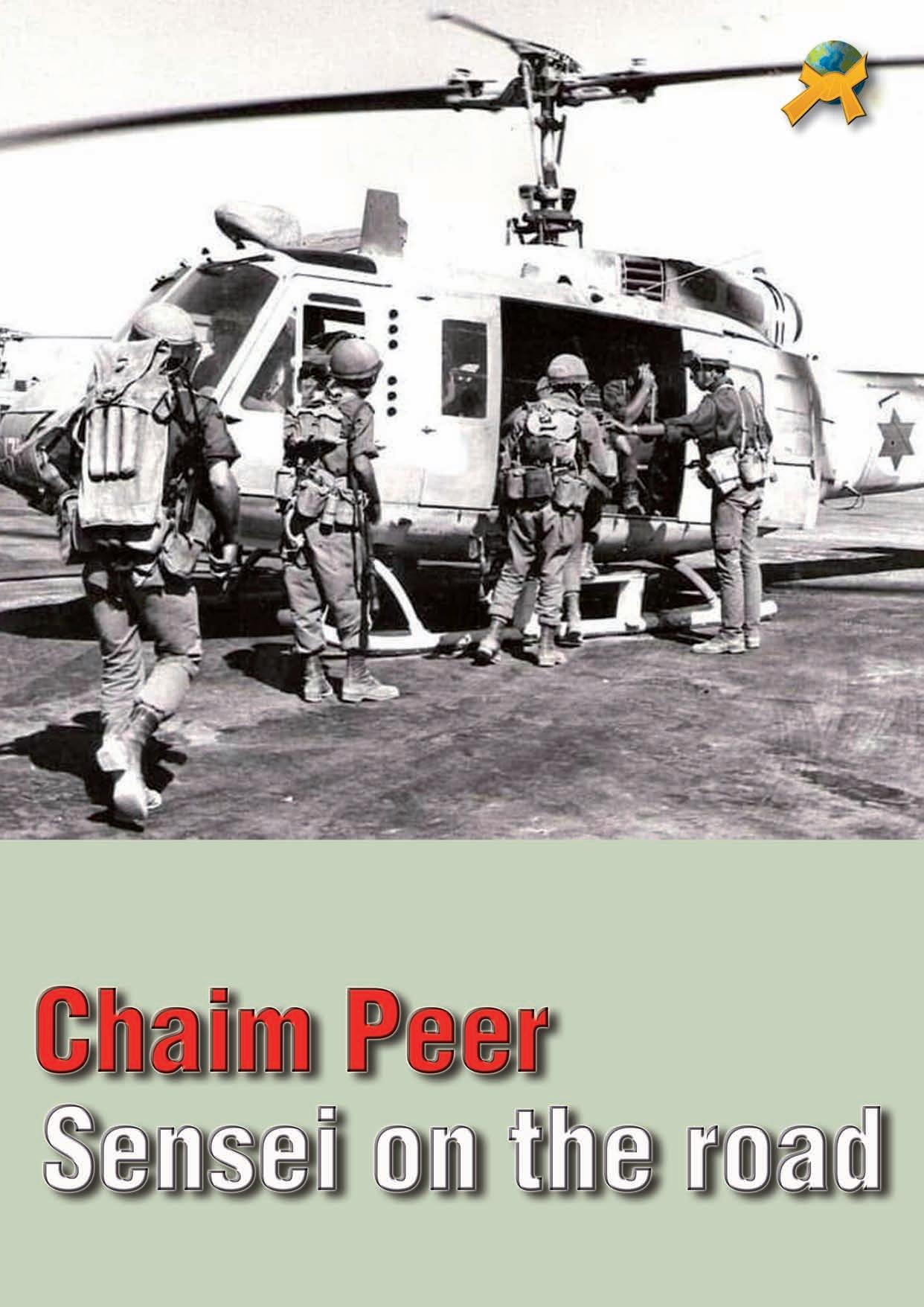
Chaim Peer's story does not begin in a dojo or on a rugby pitch. It begins, as so many stories of his generation do, on the front lines of Israel's most devastating conflict — the Yom Kippur War of October 1973. He was young when Egyptian and Syrian forces launched their surprise attack on the holiest day of the Jewish calendar, catching Israel off guard in a way that shook the nation to its core. The losses were catastrophic. The psychological toll was immeasurable. Yet it was precisely in that crucible that Chaim Peer was forged.
He emerged from the war not broken, but tempered — the way steel is tempered: harder, sharper, and more resilient than before. Those who know him say he never speaks much about those days, but the war's lessons are encoded in everything he does. The commitment to preparation. The refusal to accept mental defeat. The understanding that endurance is not just physical — it is a decision made in the deepest chambers of the will.
His military career would take him to the rank of Lieutenant Colonel in the Israel Defense Forces, where he became one of the leading figures in Krav Maga instruction and close-quarters combat doctrine. His role with the IDF's elite Lotar (counter-terrorism) unit brought him into contact with some of the finest operatives in the world, and his reputation for combining physical brutality with psychological intelligence made him a sought-after trainer across the Israeli defense establishment.
After our years on the road with the national rugby team, Chaim joined my dojo at Tel Aviv University — and it was here that a new chapter of our collaboration began. What he brought to the training floor was extraordinary: a synthesis of
traditional martial arts discipline, combat-tested Krav Maga, Kapap (an older system of Israeli close-quarters fighting), and an emerging interest in the ground-fighting principles that would soon transform combat sports worldwide.
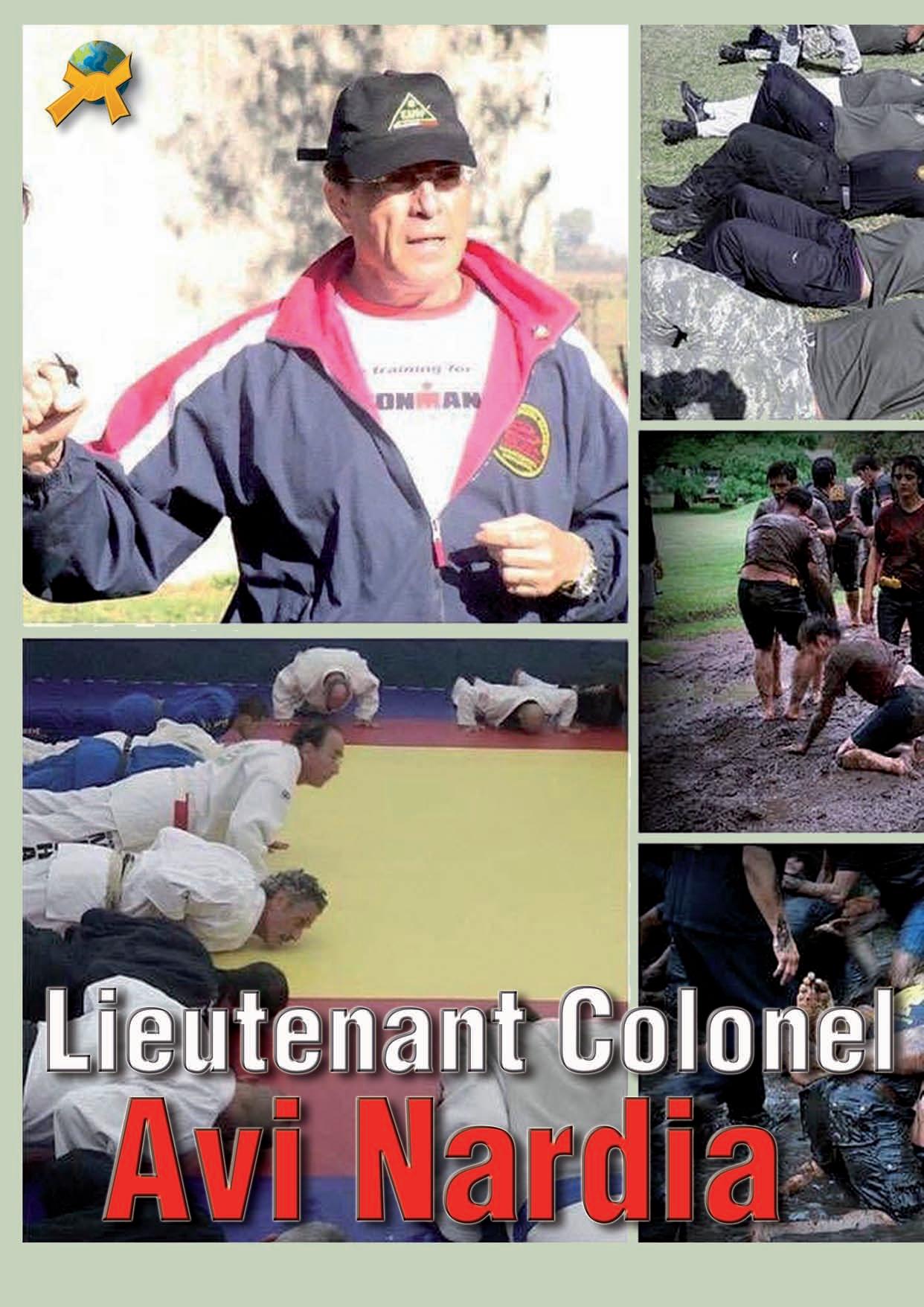
The dojo became something of a living laboratory. Students came from across Tel Aviv — athletes, soldiers, civilians —
and they found in Chaim an instructor who demanded everything but taught with patience and precision. His approach was never about ego or performance. It was always about function: What works? What survives contact with a real opponent? What holds up under stress? When the time came for me to leave — to join the YAMAM,
Israel's elite national counter-terrorism unit — I entrusted Chaim with the continuation of what we had built. He did not merely maintain it. He elevated it. The Tel Aviv University Jiu-Jitsu and BJJ club under his leadership became one of the premier martial arts institutions in the country, and its influence spread far beyond the university walls.
The true measure of a martial arts instructor is not found in his own belts or trophies. It is found in the quality of the students he produces. By that measure, Chaim Peer stands in the very highest tier.
Among the most prominent names to have trained under his guidance are Eran Bert, Ido, and Roye Pariente — fighters and instructors who have themselves become pillars of the Israeli MMA and BJJ community. The lineage he has seeded runs through gyms, academies, and military units across the country. Many of Israel's leading MMA instructors today trace their foundational training, directly or indirectly, back to Chaim Peer. In a country where martial arts culture has exploded over the past two decades, he was among the first to build the ground floor.
His rank of 10th Dan in Israeli Martial Arts is a recognition not merely of technical mastery, but of a lifetime's contribution to the art form and to the people who practice it. He helped shape the doctrine of Krav Maga as it exists today within the IDF, working alongside the institutions and units that define how Israeli soldiers prepare for close-quarters engagement. The word 'Lotar' — counter-terrorism in Hebrew — carries enormous weight in military circles, and Chaim Peer's fingerprints are on much of the training philosophy that has made Israel's counter-terrorism capabilities globally respected.
He is also a practitioner and teacher of Kapap — an acronym for Krav Panim el Panim, face-to-face combat — one of the oldest formalized combat systems developed within the Israeli military tradition. Where many instructors specialize, Chaim synthesizes. His multi-discipline approach, which he calls Multi Fight, reflects an understanding that real combat does not respect category boundaries.
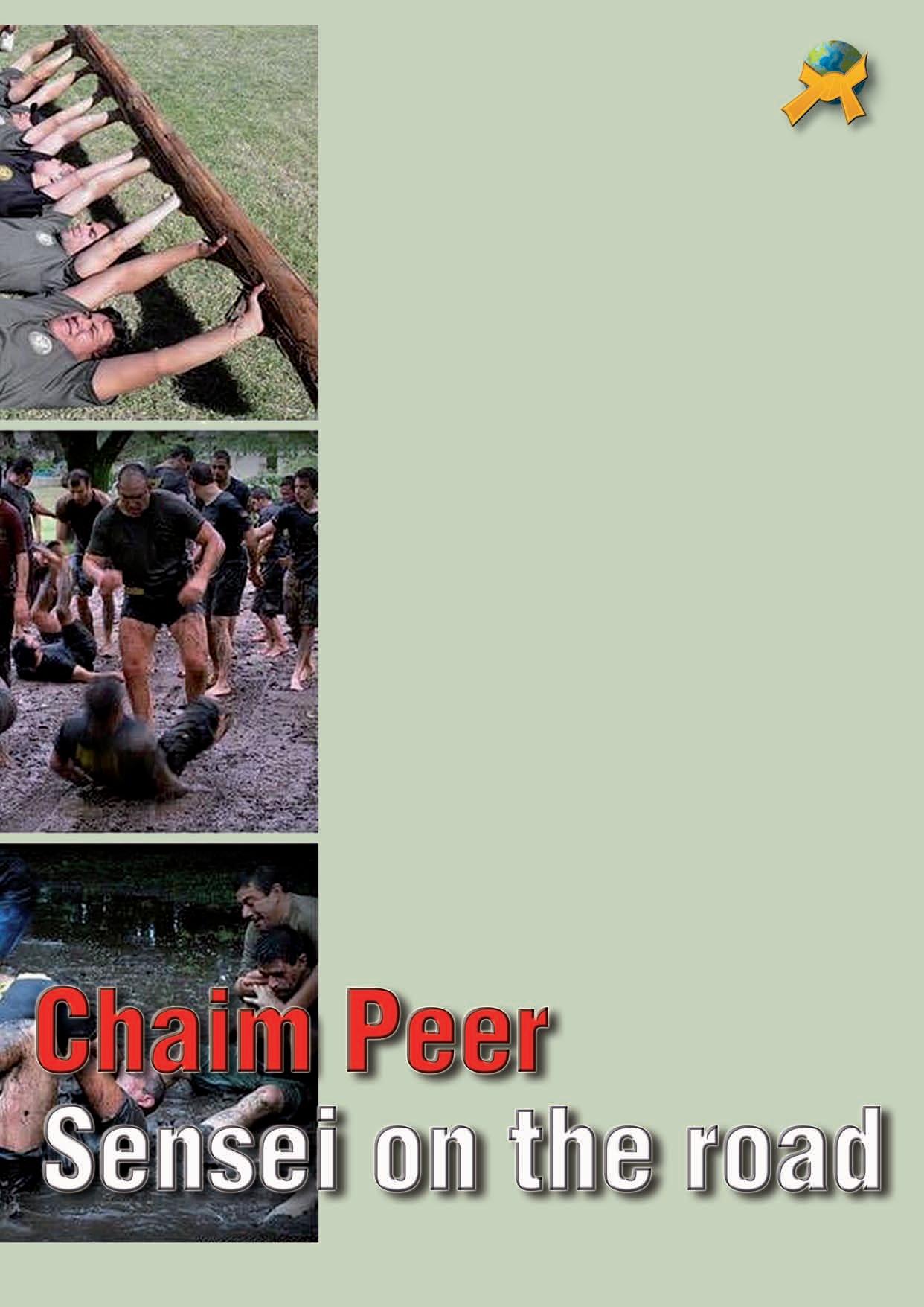
What makes Chaim Peer genuinely remarkable — and what separates him from countless martial arts instructors who speak of discipline but practice comfort — is that he has never stopped testing himself physically. At an age when most men of his accomplishments would be content to teach from a platform, Chaim continues to compete in marathons and Ironman triathlons. He plays water polo. He trains. He sweats. He suffers willingly.
This is not vanity. This is philosophy made physical. Chaim has long understood that the body and the mind are not separate instruments — they are one system, and that system must be maintained under load to remain trustworthy under pressure. His seminars on mental stamina and endurance, which he delivers to special forces units and elite athletic teams around the world, are grounded not in theory but in lived, ongoing experience. When he speaks about pushing through pain, about finding clarity on the other side of exhaustion, he speaks as a man who did exactly that yesterday and will do it again tomorrow.
This commitment to physical excellence in the face of aging is itself a form of instruction. His students — whether they are soldiers preparing for deployment or athletes chasing a personal record — see in their teacher proof that the body's limitations are largely negotiated, not fixed. It is a powerful lesson, delivered without a word.
I saw Chaim again during my most recent visit to Israel — a visit that took place in the shadow of the worst atrocity in the nation's history since its founding. On October 7, 2023, more than three thousand terrorists from Gaza crossed the border and carried out a massacre of staggering brutality: murdering, raping, burning people alive, kidnapping families. The communities of the Gaza Envelope — kibbutzim

and small towns that had existed in a kind of determined optimism on the edge of danger — were obliterated in a single morning. The nation was convulsed with grief and rage in equal measure.
Chaim, as I knew he would, had not retreated from the horror. He had moved toward it. In the weeks following the attack, he was among those who organized and led teams to assist the survivors — the civilians who had endured the unendurable, who had hidden in safe rooms while their
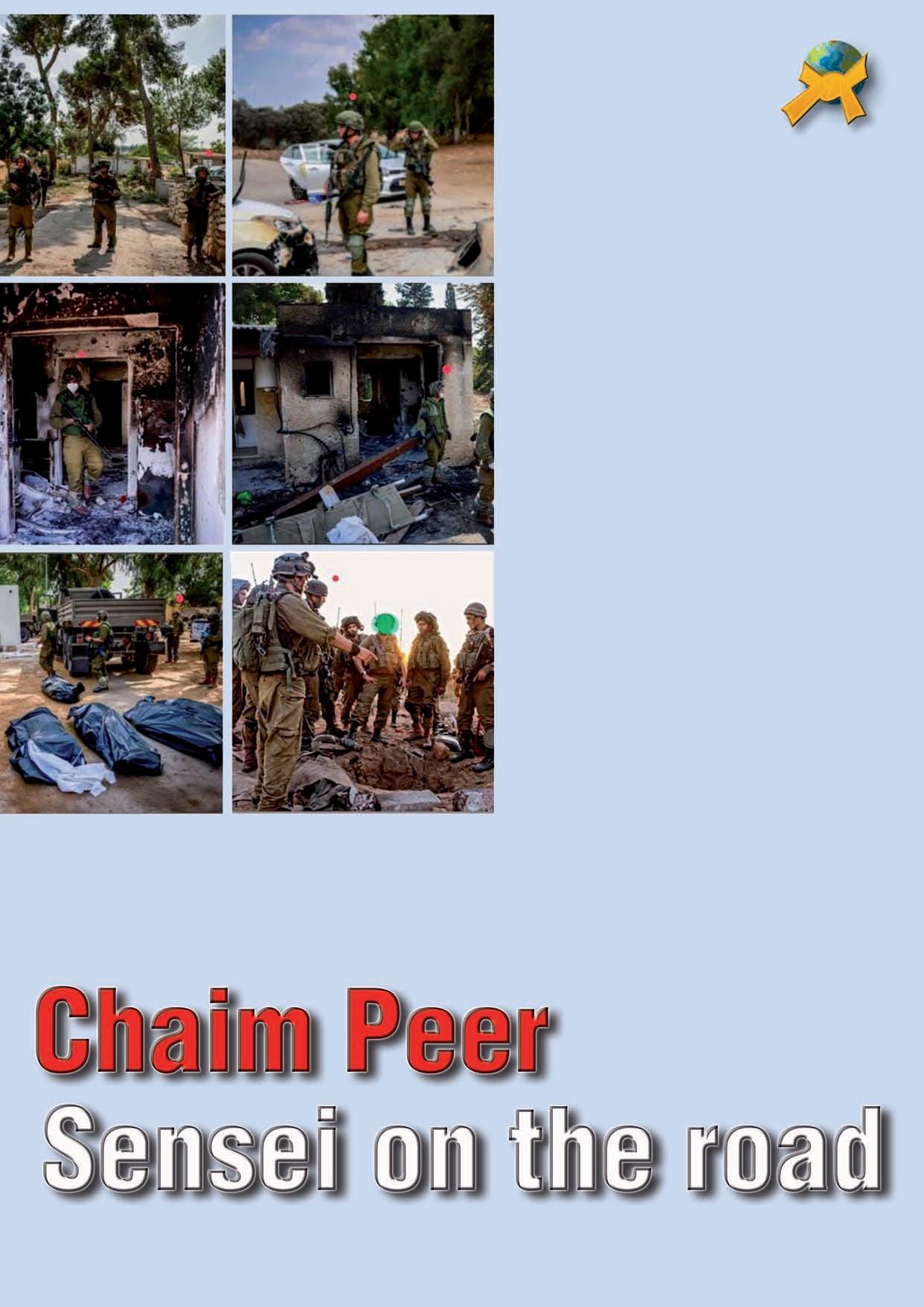
neighbors were killed, who had emerged into a world transformed beyond recognition. His work was not military in those moments. It was human. He sat with people. He listened. He helped them find, in whatever way he could, a path back toward something solid.
When I saw him, I could see that the weight of it had reached him. How could it not? He had witnessed things that no person should have to witness, had heard testimonies that exist at the outer edge of what language can contain. There was something in his eyes that was different — a heaviness, an extra gravity. And yet he was standing. He was moving forward. He was organizing the next thing, planning the next session, preparing the next seminar. Because that is who Chaim Peer is.
I thought, watching him, of the young soldier who had survived the Yom Kippur War fifty years earlier. History had handed him a terrible new test, and he was meeting it the same way he had met every test before: with presence, with purpose, and with the quiet ferocity of a man who has decided, many decades ago, that he will not be broken.
There is a phrase in Hebrew — Ish Emet — that means, roughly, 'a man of truth.' It points to something beyond honesty in the narrow sense: a kind of integrity that runs through every layer of a person's life, that does not distinguish between what is performed and what is real. It is a phrase I have heard used about Chaim Peer by people who have known him in very different contexts — as a soldier, as a coach, as an instructor, as a friend — and it fits him with unusual precision.
He does not speak about honor. He enacts it. His loyalty to his students is absolute. His commitment to the institutions and units he has served is unwavering. His willingness to face difficulty — physical, emotional, moral — without flinching is not a posture but a deep structural feature of who he is. In a world that celebrates performance and image, Chaim Peer is almost aggressively genuine.
The soldiers who trained under him know it. The athletes who competed alongside him know it. The survivors he sat with after October 7 know it. And those of us who have been fortunate enough to call him a friend know it most of all.
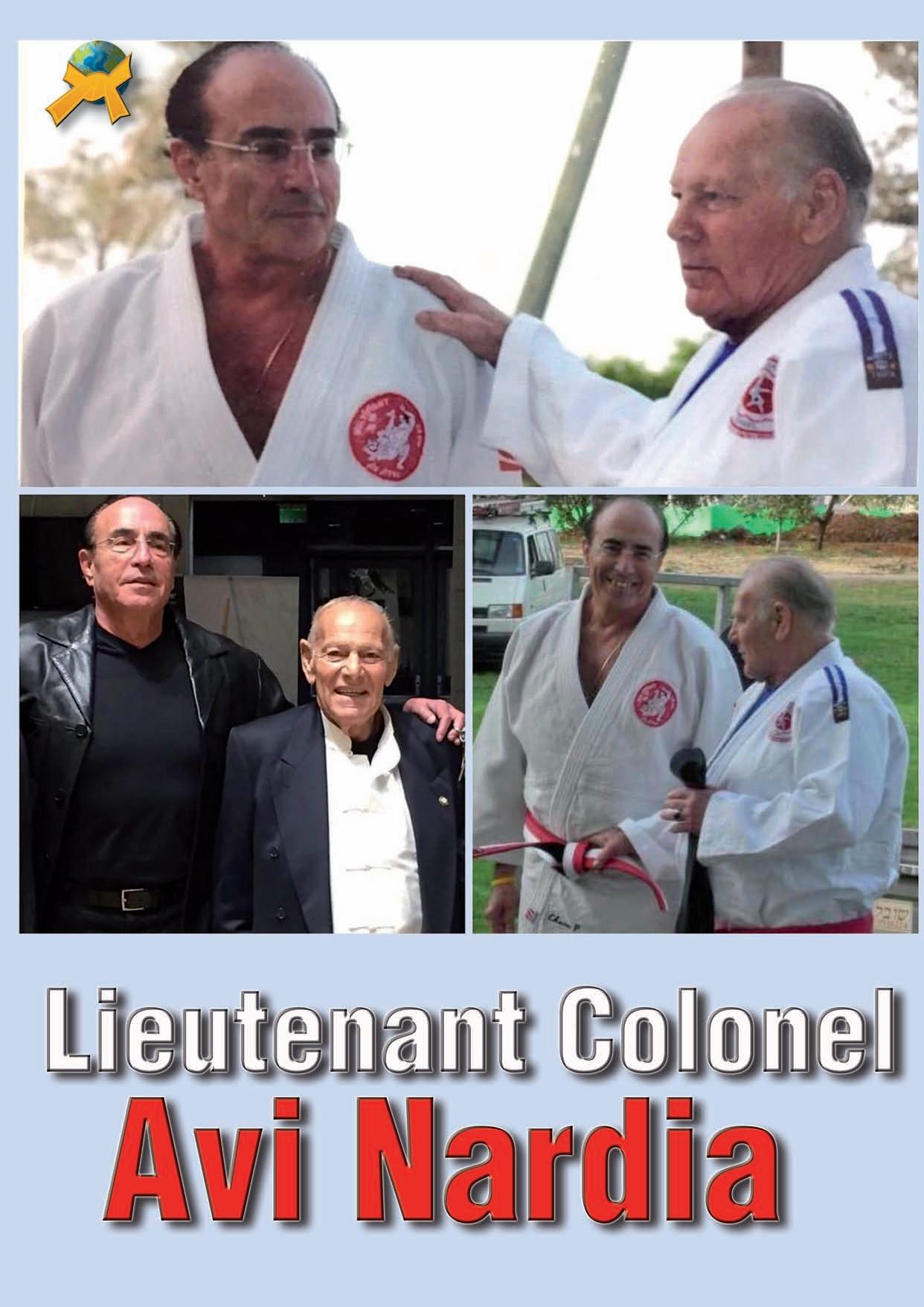
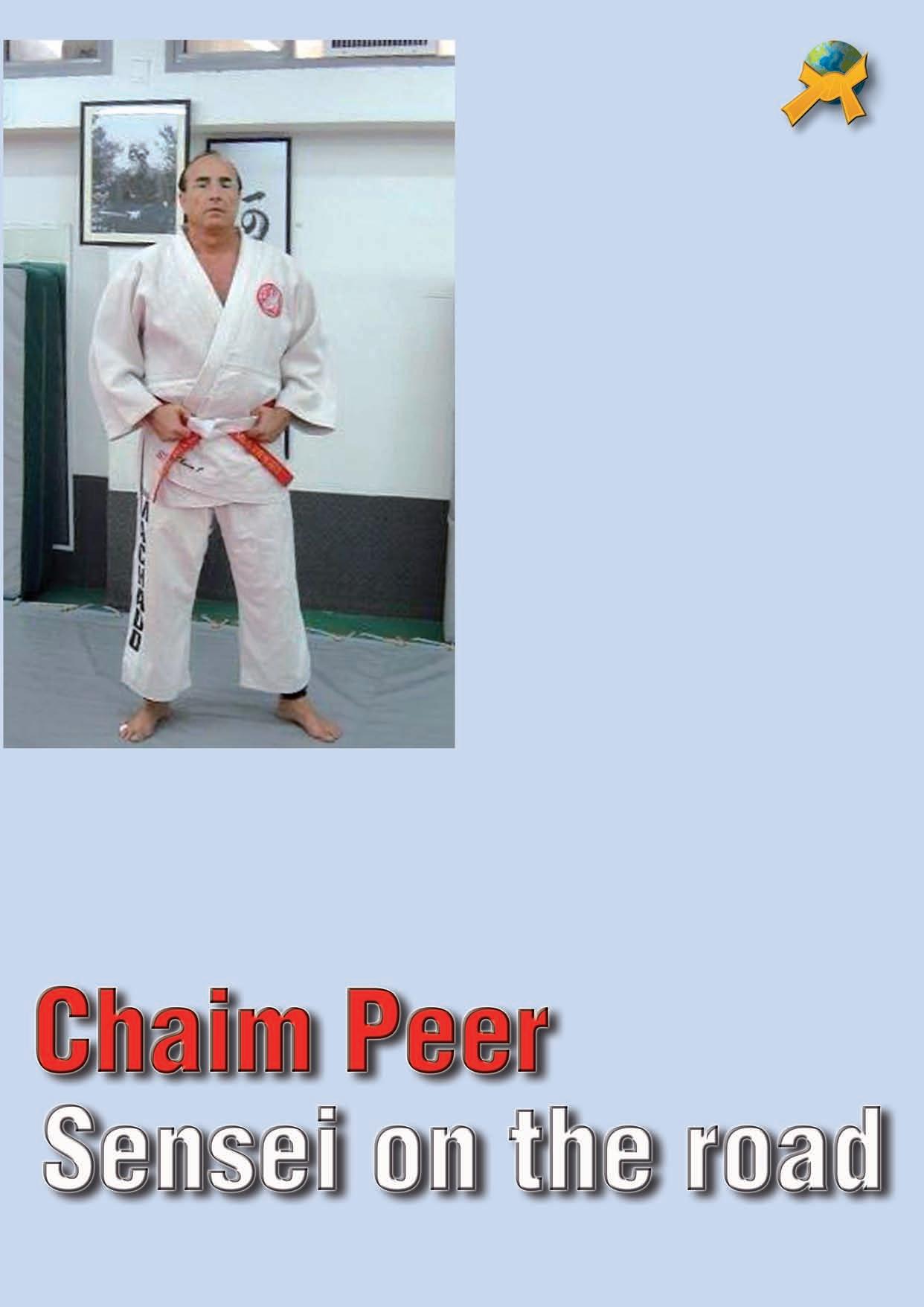
I have spent many years in environments where toughness is the baseline — military units, elite athletic programs, highstakes competition. I have met many strong people. But Chaim Peer represents a particular kind of strength that is rarer than physical power or technical skill. It is the strength of a person who has integrated their values so deeply that adversity cannot find a seam to exploit.
The dojo he leads at Tel Aviv University is not merely a place where people learn to fight. It is a place where people learn to endure — to build the kind of interior architecture that holds up when everything around it is collapsing. That is the real curriculum, and it flows directly from the life of the man who teaches it.
Chaim Peer, Lieutenant Colonel, 10th Dan, Ironman athlete, coach of champions, and servant to his nation in its darkest hours — he is, in the truest sense, forged in iron. And he keeps forging others.
It is one of the genuine privileges of my life to call him my friend.
— Written in honor of Lt. Colonel Chaim Peer Warrior. Teacher. Friend.
"Avi — my phone nearly fell from my hand with the surprise of it. I was overwhelmed by the superlatives you granted me and wrote about me. As a veteran of four wars — Yom Kippur, two Lebanon wars, and the Iron Swords — with a sea of operations behind me, even all of that did not harden me enough to absorb and digest everything you wrote about me. It is not for nothing that I have always been careful to internalize and embed in my character the true comradeship and friendship that exists between a person and his fellow man — and still, I am moved to the point where it is difficult to digest the sheer amount of goodness and steadfast friendship that shines through the words you wrote.
I appreciate and thank you deeply for what you wrote. I did not even know that this is how I come across, or that this is how you think of me. Once again, my deepest thanks and warmest appreciation for every word you dedicated to me in this third chapter of my full life.
As the only child of Holocaust survivor parents — who survived from a large family from Hungary that went up in smoke in the crematoria of Auschwitz-Birkenau — my personal goal, apparently a quiet one, was always to prove with determination that my people are strong, that they survive, and that there is no possibility of destroying them. And when true friendship rises above itself, it becomes an important and essential 'resource' — together with helping the weak, or those who are behind and struggling.
When I look back, I am quite proud of what I have been through and what I have lived. Even though in recent years we have gone from being a people to a 'remnant.'
Avi, again — thank you and deepest appreciation for what you wrote and for what we went through together in those turbulent and not always simple years — for better and for less."
— Chaim Peer
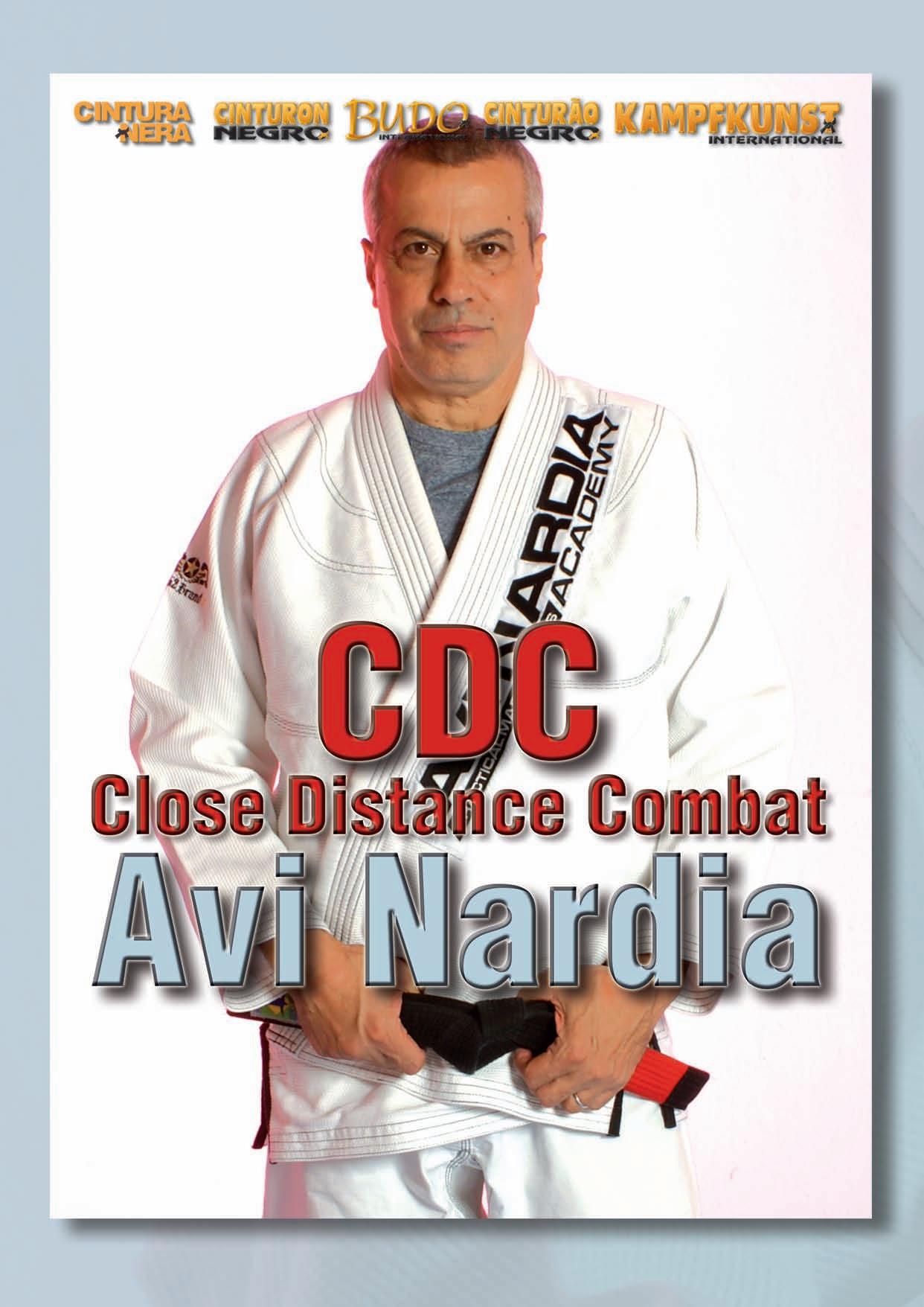

The soul reveals itself in patterns. Not in isolated incidents. Not in a single failure. Not in one bad season. But in repeated ways of relating to truth, power, and other people.
This is important, because many souls are imperfect without being hollow. Many people lie from fear and later repent. Many wound others in confusion and later grieve it. Many fail in love because they are immature, not because they are predatory. Many have periods of selfishness without having surrendered wholly to self-worship.
So, we must be discerning.
Not hysterical.
Not simplistic.
Not eager to condemn.
Yet discernment also requires courage. We must not excuse patterns that reveal deep moral disorder simply because the packaging is polished. The outward traits of sociopathy can be subtle, even socially rewarded. But beneath them lies a profound violation of sacred relationship.
Let us examine some of those traits— not as a clinical checklist, but as moralspiritual signs of hollowing.
One of the most deceptive traits is charm. Many people think sincerity and charm are the same. They are not. Sincerity arises from inner congruence. Charm can be produced without truth. It can be learned, refined, tailored, deployed. It can be exquisitely intelligent and utterly empty.
The sociopathic personality often studies people the way a predator studies movement. He notices insecurity, longing, vanity, unmet need, wounds, ambitions, fears. He listens, yes—but not necessarily to know. Often to map. To understand where entry points exist. To learn what reflection of self will unlock access.
“Many people think sincerity and charm are the same. They are not. Sincerity arises from inner congruence. Charm can be produced without truth.”
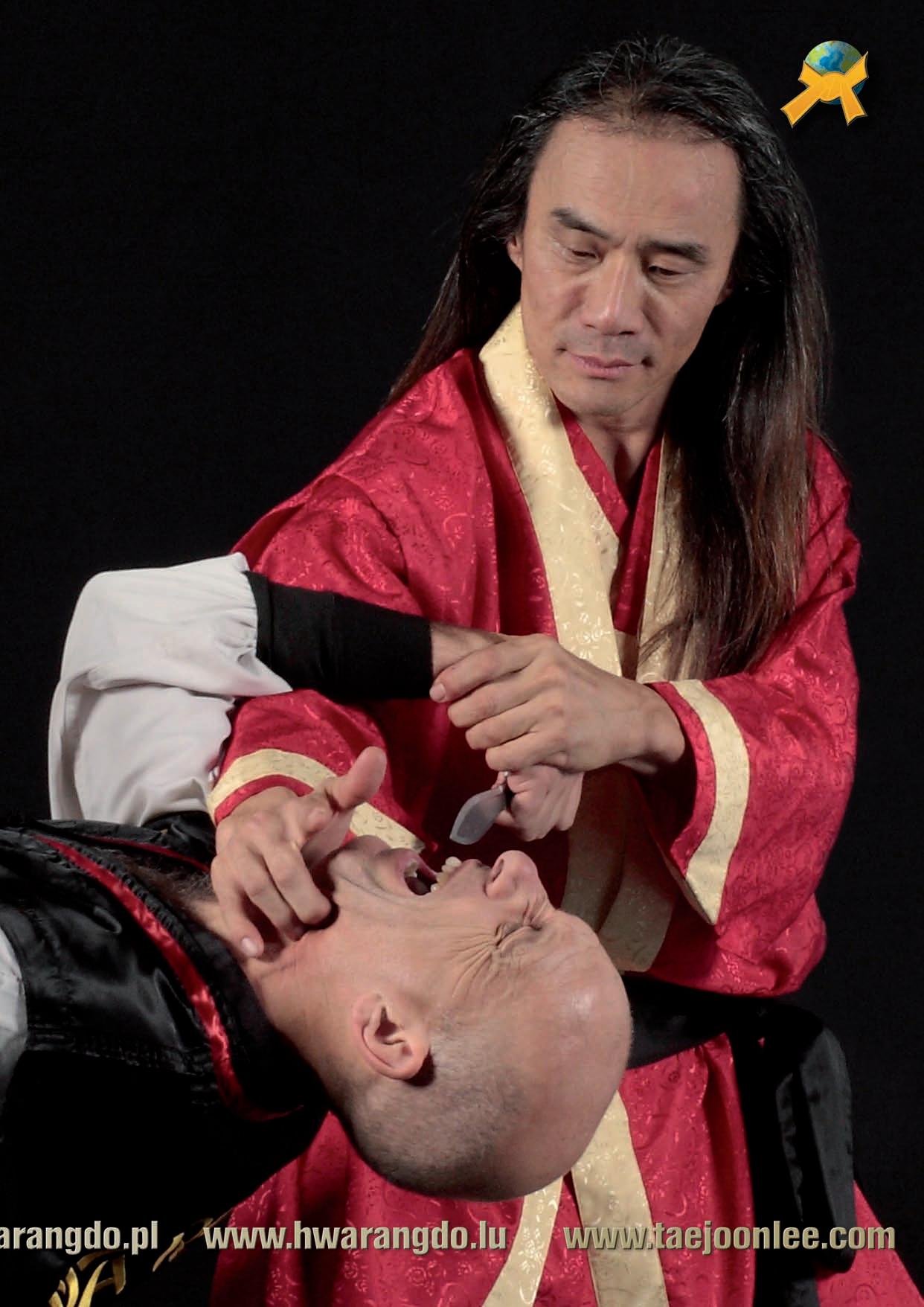
This is why such individuals can feel intoxicating at first. They seem to see you. They seem attentive. They seem unusually present. But what feels like presence may only be precision. What feels like intimacy may only be assessment.
Genuine love reveals self and honors the other.
Strategic charm reveals only what is useful and seeks leverage.
This is why many are confused after encountering such a person. “But they seemed so caring.” Yes—perhaps. A performance can be convincing, especially when the other person desperately wants it to be real.
Ordinary people may lie under pressure. This is already wrong. But the sociopathic pattern goes further. Lying becomes atmospheric. It is not a desperate exception. It is an adaptive environment. The person lies not only to escape consequences, but to shape perception, maintain control, create confusion, preserve superiority, or entertain himself with power.
The most dangerous lies are not always the biggest. Often, they are the small strategic distortions that accumulate until reality itself becomes unstable around the person. One story here, one omission there, one subtle contradiction, one revision, one accusation, one manufactured narrative—until those around him begin doubting their own perceptions.
Truth becomes clay in his hands.
This is spiritually monstrous because truth is not merely information. Truth is the ground of relationship. Once truth is violated habitually, no real communion can remain. There may be attachment. There may be intensity. There may be dependence. There may be desire. But there is no communion, because communion requires reality.
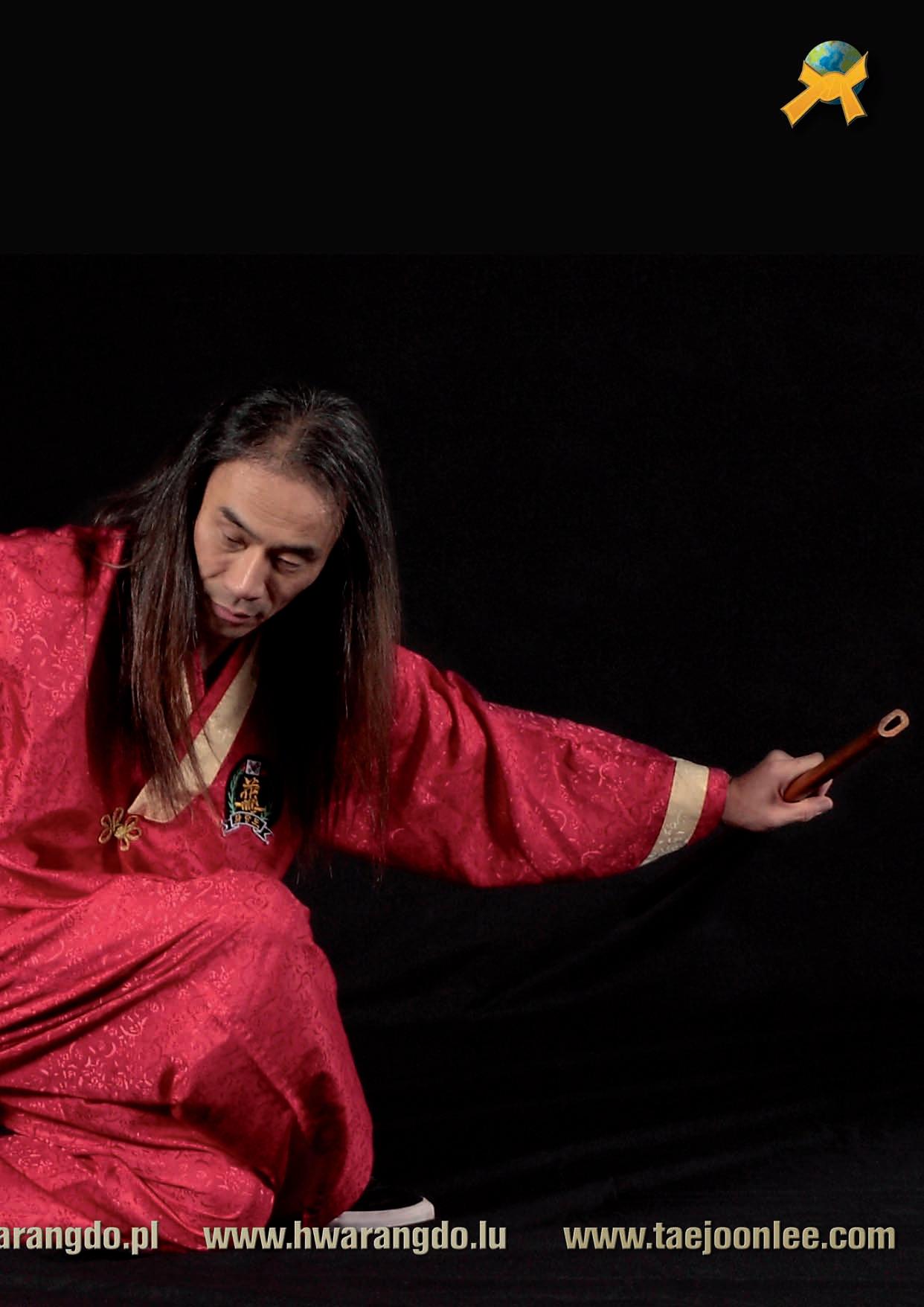
Christ said,
“Then you will know the truth, and the truth will set you free.”
John 8:32
The sociopathic spirit hates this because truth removes control. Freedom in others is dangerous to the manipulator. He requires distortion to maintain his advantage.
This is perhaps one of the clearest signs: the ability to use emotion without truly entering its moral meaning.
Such a person may cry when useful, apologize when cornered, flatter when advantageous, rage when challenged, withdraw when it creates panic, or confess just enough to regain trust. The issue is not that emotion is present or absent outwardly. The issue is whether emotion is connected to truth and repentance—or merely functioning as an instrument.
There is a terrible difference between feeling sorrow because one has been exposed and feeling sorrow because one has done wrong. One is self-pity. The other is contrition.
The sociopathic person may experience the first vividly. The second, rarely.
Here we reach the heart of it.
The sociopathic soul objectifies. People are not encountered as sacred equals, but as categories: useful or useless, strong or weak, admiring or threatening, available or obstructive, profitable or disposable.
This objectification may appear sexually, professionally, emotionally, socially, spiritually. The form varies; the logic remains.
The person asks unconsciously: What can this one do for me?
How can this one affirm me?
How can this one be used?
How dangerous is this one to my image or desires?
Rarely does he ask:
How do I honor this soul?
What is my responsibility before God in relation to this person?
How can I love without consuming?
Once objectification dominates, exploitation becomes almost inevitable. The only question is style.
5. The absence of remorse—or its convincing imitation
Remorse is sacred. Not pleasant. Not comfortable. But sacred.
It is the pain that protects the soul from complete corruption. It is the internal witness saying: You have violated something real. It is the doorway through which repentance enters. Without remorse, sin calcifies.
The sociopathic person may regret outcomes.
He may regret being caught.
He may regret losing access, comfort, admiration, or control.
But genuine grief over the pain inflicted on others is often alarmingly absent—or shallow, short-lived, and quickly replaced by self-justification.
When confronted, he may even mirror expected remorse. He has learned the script:
“I know I hurt you.”
“I hate myself for this.”
“I never meant it.”
“I’m broken.”
“I’m trying.”
Words. Sometimes very beautiful ones. But watch what follows.
Does behavior change?
Does truth deepen?
Does accountability increase?
Does humility appear?
Does he submit to limits, consequences, and exposure?
Or does the cycle simply reset?
Real repentance bears fruit. Performance seeks re-entry.
One of the surest signs is not merely wrongdoing, but the kind of response that emerges when the wrongdoing is named.
The healthy but imperfect soul may initially defend, yes. Many do. But if there is life in the conscience, truth eventually penetrates. Shame appears. Reflection begins. Humility is possible.
But the sociopathic pattern often responds to exposure with
fury, contempt, mockery, reversal, or calculated retaliation. Why?
Because exposure threatens the false sovereignty. To be seen accurately is intolerable. So, the person attacks the mirror.
He may call you crazy.
Unstable.
Unfair.
Abusive.
Weak.
Obsessed.
Unforgiving.
He must discredit the witness, because truth itself is enemy.
This is why those who confront such people often leave feeling disoriented, guilty, or ashamed even when they were the ones violated. The manipulator projects with such force that moral reality becomes blurred.
This is spiritual warfare at the level of relationship.
Perhaps the darkest sign is this: the person not only uses weakness but is drawn to it because it offers power. He may seek out trusting, empathetic, idealistic, wounded, or devoted people because such souls are easier to bind, read, destabilize, and dominate.
He may not say this openly. He may not even consciously admit it. But he feels more alive where asymmetry exists. Mutuality does not interest him as much as leverage.
The Hwarang ideal stands in total opposition to this. The true warrior protects weakness; he does not feed upon it. He bears strength so that others may stand, not so that he may tower over the trembling.
This is why sociopathy is anti-warrior at its root. It may imitate discipline, decisiveness, composure, and daring—but it is spiritually cowardly. It preys rather than protects. It uses rather than serves. It seeks superiority, not responsibility.
Here we arrive at the deepest sign of all.
The sociopathic soul cannot truly bow. Not inwardly.
He may mimic submission if advantageous. He may flatter authority. He may perform reverence. He may quote Scripture, philosophy, morality, psychology, even humility itself. But inwardly, the self remains enthroned.
To bow is to accept that one is not sovereign.
To bow is to acknowledge truth above appetite.
To bow is to submit the self to God, to conscience, to moral order, to accountability.
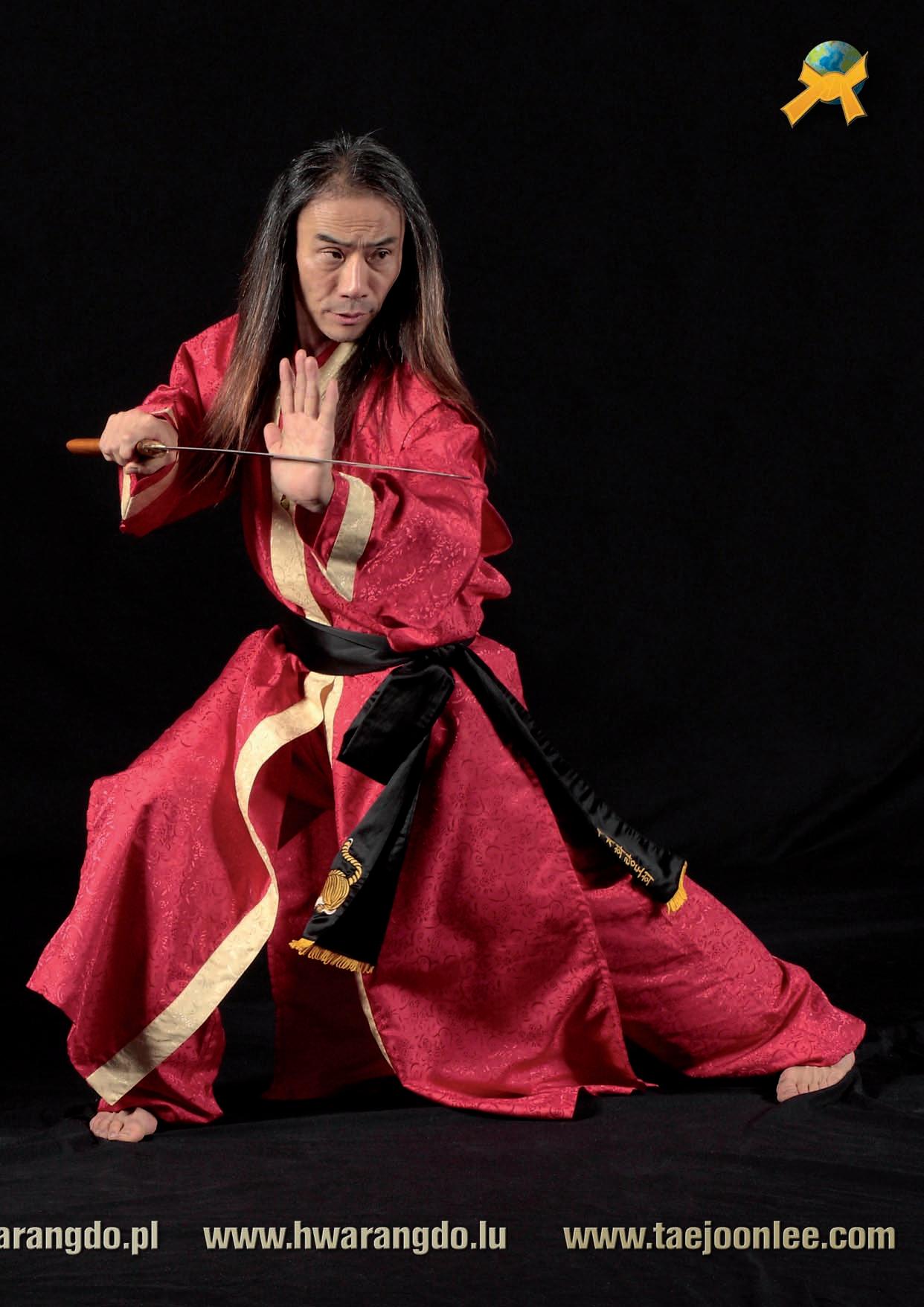
The sociopathic personality resists this at the root. He may be fascinated by power, religion, ritual, hierarchy, or symbolism—but only if they can be co-opted. Genuine surrender is intolerable because it requires dethronement.
And that is precisely what must happen for redemption. The false king must come down.
Until then, all traits remain branches of the same poisoned tree: the enthroned self, the buried heart, the refusal to bow.
That is sociopathy in its moral-spiritual form.
Not merely misconduct.
Not merely personality.
But a life organized around the preservation and expansion of self at the expense of love, truth, and reverence.
And now we must ask the question behind the question: How does Scripture illuminate this darkness?
The Bible does not use the modern word “sociopathy.”
It does something deeper.
It reveals the anatomy of the fallen heart.
Scripture is not interested merely in cataloguing symptoms. It exposes essence. It goes beneath behavior to lordship—to the question of what rules the human being. Is it truth or appetite? God or self? Love or pride? Reverence or rebellion?
In that sense, Scripture speaks with unsettling precision to the sociopathic condition.
Again and again, the Bible warns against hardness of heart.
A hard heart is not simply a strong one. It is not resilience. It is not discipline. It is a heart that has resisted truth so repeatedly that responsiveness diminishes. Conviction no longer penetrates. Mercy no longer softens. Suffering no longer teaches. Other lives no longer register with sacred weight.
Pharaoh is one of the great biblical portraits of this condition. He sees suffering. He causes suffering. He is warned. He is confronted. He experiences consequence. Yet he continues. Why? Because his heart is hardened. Power matters more than truth. Control matters more than justice. His own will matters more than the cries of the oppressed.
This is the sociopathic principle in spiritual language.
A heart can become so committed to self-sovereignty that even reality, plague, warning, and devastation do not humble it.
Paul writes of those whose consciences are “seared as with a hot iron” (1 Timothy 4:2). What an image. A conscience burned over. Scarred. Numbed. Insensitive where sensitivity should remain.
This is what repeated sin without repentance does. At first conscience stings. Then it warns. Then it protests. But if ignored long enough, its voice weakens. Not because morality has changed—but because responsiveness has been damaged.
The sociopathic soul is not merely ignorant of right and wrong. Often it has overridden right and wrong so many times that the inner witness is nearly inaccessible. This is why argument alone often fails. One is not dealing simply with bad reasoning, but with deadened moral sensation.
Christ warned:
“Watch out for false prophets. They come to you in sheep’s clothing, but inwardly they are ferocious wolves.”
Matthew 7:15
This is one of the clearest spiritual descriptions of predatory disguise. The danger is not only that evil exists, but that it can clothe itself in innocence, gentleness, spirituality, even service.
The wolf does not announce himself. He enters through trust.
That is why discernment is not optional for the warrior or the believer. One must learn to look not merely at words, image, intensity, charm, knowledge, or sentiment—but at fruit.
Christ continues:
“By their fruit you will recognize them.”
Matthew 7:16
Not by their vocabulary.
Not by their tears.
Not by their promises.
Not by their confidence.
By their fruit.
Do the people around them become freer or more confused?
Stronger or more diminished?
More truthful or more unstable?
More whole or more used?
Fruit reveals essence.
Paul’s description in 2 Timothy 3 is terrifyingly relevant:
“People will be lovers of themselves, lovers of money, boastful, proud, abusive… ungrateful, unholy, without love… slanderous, without self-control, brutal, not lovers of the good…”
Notice how self-love, when disordered, becomes the headwaters of corruption. The issue is not proper dignity. It is self as obsession, self as idol, self as consuming center. Once the self becomes god, every relationship is distorted.
The sociopathic soul is the extreme flowering of this principle.
Paul writes:
“Love does no harm to a neighbor.”
Romans 13:10
Simple. Absolute. Uncomfortable.
Not that love never confronts, never disciplines, never
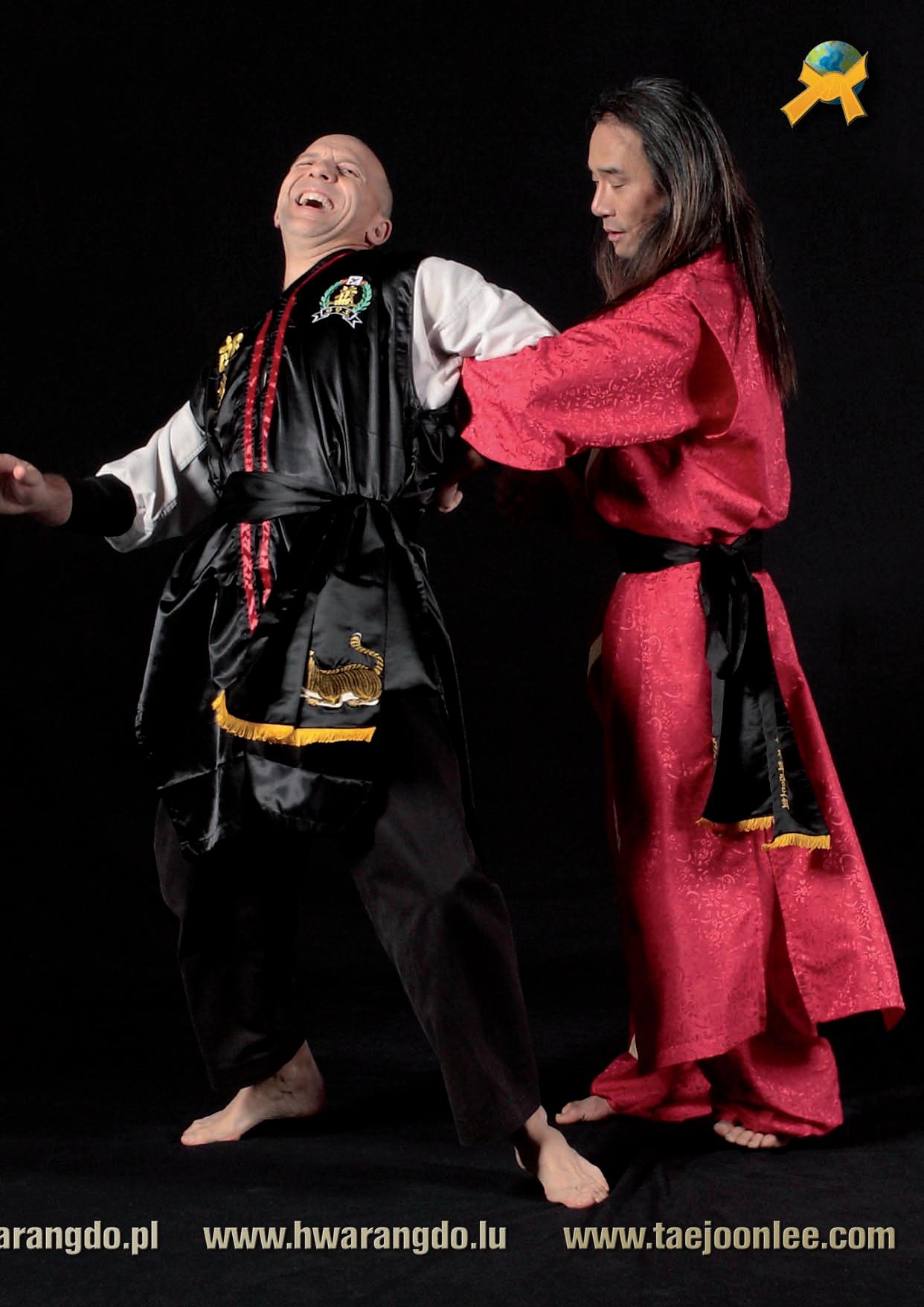
wounds falsely idealized comfort. But love does not use harm as method for self-exaltation. It does not delight in destabilizing others. It does not consume them. It does not manipulate their dignity for pleasure or gain.
Where repeated harm is inflicted without repentance, love is absent no matter what word is spoken.
And if love is absent, God is absent from the center— because “God is love” (1 John 4:8). Not sentimentality. Not indulgence. Not romantic theater. But holy, sacrificial, truthful love.
This is why the sociopathic soul is not simply psychologically troubled. It is spiritually alienated. It has cut itself off from the very life of love that makes personhood whole.
Scripture calls Satan “the father of lies” (John 8:44) and “the accuser.” These are not random descriptions. Lies and accusation are two of the primary tools by which reality is inverted. The guilty becomes victim. The truthful becomes unstable. The innocent becomes suspect. The oppressed becomes offender.
Sound familiar?
Much sociopathic manipulation follows this logic. Not because every such person is “demonic” in some sensational sense, but because the spiritual structure of the distortion aligns with falsehood, accusation, inversion, and domination. Reality is not received; it is bent. Truth is not honored; it is weaponized.
The warrior and the believer alike must see this clearly.
If Scripture diagnoses the problem deeply, it also reveals the only true remedy.
Not mere self-improvement.
Not image repair.
Not behavioral management.
Not strategic remorse.
The remedy is death and rebirth.
Christ says:
“Whoever wants to be my disciple must deny themselves and take up their cross daily and follow me.”
Luke 9:23
This is intolerable to the sociopathic structure, because it demands the very thing the hollow self most fears: dethronement.
To deny oneself does not mean to hate oneself. It means to renounce the false sovereignty of the ego. To stop making appetite king. To stop worshiping control. To stop preserving the self at all costs. To die to the false self so that a true self—anchored in God—may live.
There is no other cure. Not ultimately.
Therapy may help.
Consequences may restrain.
Insight may clarify.
But unless the false throne is abandoned, the root remains.
That is why Christ is the final answer to sociopathy—not because He provides a religious costume, but because He alone reveals and heals the deepest rebellion: the enthronement of self over God and the use of others in service to that throne.
At the cross, all false power is exposed.
All manipulation is judged.
All pride is brought low.
All excuses burn away.
And the invitation remains open:
Bow.
Confess.
Die to the false self.
Be made new.
But few want this, because it is costly. It is not a cosmetic adjustment. It is crucifixion of the ego.
Still, there is no lesser path to life.
“Much sociopathic manipulation follows this logic. Not because every such person is “demonic” in some sensational sense, but because the spiritual structure of the distortion aligns with falsehood, accusation, inversion, and domination. Reality is not received; it is bent. Truth is not honored; it is weaponized.”
PYTHAGOREAN THOUGHT APPLIED TO THE MARTIAL ARTS OF THE IONIAN REGION
Mathematics is the way in which we describe the world, organize knowledge, understand our surroundings, and develop theories and predictions. Galileo said that nature is a book of mathematics. Many of us think that mathematics is just about doing calculations, but it is actually an effective way of thinking that creates functional connections for understanding phenomena, synthesizing a large amount of information, and recognizing recurring patterns that allow us to make predictions. The great Italian fencing masters have always said that mathematics and geometry are the foundations of the art of the sword. For Pythagoras, everything is number—not in an abstract sense but in a practical one—because everything could be expressed in numbers: sound, nature, the entire cosmos. Following the guidance of the master of the past, we will apply his model of thought to Ionian fencing, synthesizing the program, essential actions, tactics, and strategies into a numerical scale. On this scale, each number represents one or more actions that form the fundamental fabric of the martial art. In this way, we can gain a comprehensive view of the art of Ionian close-quarters fencing while also allowing our brain to establish functional relationships between one action and another. Let’s look specifically at what we’re talking about by outlining the concepts, strategies, and technical actions associated with the number. Remember that the number is not what we mean in everyday life but is the synthesis of a concept or thought that allows us to organize experience.

• Number 1. For Pythagoras, it was the Monad, the origin, and even God Himself. In our Ionian fencing, it represents the point, and thus the thrust, also known as the “puntata.” This number is also associated with the circular movement, which, as we will see later, is better developed and expressed at the end of the scale—that is, at number 10.
• Number 2, for Pythagoras, is the feminine; it represents duality. In Ionic fencing, it is the union of two points, thus forming a line—that is, the cutting stroke. This can have three directions: vertical, horizontal, and diagonal, and for each of these, two directions: upward or downward, or from right to left and vice versa. The number two also represents the two fundamental grips: the straight grip and the reverse grip. These methods apply not only to the knife but also to other weapons such as machetes of various sizes and even striking weapons like sticks or iron bars. The number two also represents the division into two parts; associated with this binary concept is the fundamental division of the human body into two halves. We are referring to the so-called central line, that is, an imaginary line that divides both my body and that of my opponent lengthwise. This concept allows for effective defense by immediately classifying attacks that reach the target from the right or from the left.
• With the number 3, we have, for Pythagoras, the masculine but also harmony. In Ionian fencing, we begin to subdivide the arena of combat into three distances: long, medium, and short. Sometimes it can be useful to divide the space into three concentric circles, as the Italian and Spanish Renaissance masters did.
• The number 4 allows us to divide the target into 4 quadrants. This involves imagining the opponent’s body bisected by a vertical line—the center line (already mentioned)— and a horizontal line that intersects it, thus forming a cross. The cross creates 4 quadrants into which the opponent’s attacks can land. This classification enables an effective organization of parries or dodges. Note that this division has remained intact in the Arnis de Mano schools in the Philippines.
• The number 5 first indicates the five fundamental body movements, what is now known worldwide as footwork: the forward step (step and slide), achieved by extending the front foot and sliding the rear foot to restore the distance between the feet to the starting position. The second step is the backward step; in this case, the rear foot extends backward, and by bringing the front foot back, the same starting distance is achieved. The third step is the side step toward the back; for example, if the right foot is forward, we move it to our right, and then the left foot also moves to the right to reach a position similar to the starting one but with the entire body shifted to the right. The fourth step is the chest step. For example, if we have our right foot forward, we first move the back foot (the left) and then realign the right foot to our left; this shifts our entire body to our left. Finally, the fifth step can be called the compass step, the bullfighter’s step (as it is referred to in old boxing books), the pivot step, or even the Japanese TAI SABAKI. This involves pivoting on the forward foot while the rear foot executes a quarter-circle, changing the orientation of the entire body. The pivot step can also be performed on the rear
foot; in this case, the quarter-circle arc is executed by the front foot. We also associate the five fundamental blocks with this step: low inside, low outside, high outside, and high inside over the head.
• Number six is associated with the first combination, which we can summarize as 3+3. The target is divided by two horizontal lines, thus creating three spaces: a low, a middle, and a high one. We train to reach each of these three sectors starting from each of the three distances: long, medium, and short.
• Number seven is associated with the combination of the 5 points and the cut represented by number 2, so we have 5+2. We should also remember that the cuts follow three directions: horizontal, vertical, and diagonal.
• We have reached number 8, which represents the middle ground between the square and the circle—that is, the octagon. A figure dear to both the Chinese and our Templar tradition. Without delving into the esoteric, the number 8 has been widely used to indicate the eight cuts of the sword; even in the West, the asterisk guided students in executing the cuts. In the film “Deadly Art,” the knife master teaches his student how to maneuver the blade by moving it over the asterisk drawn on the mirror. Judo uses this symbol to help understand the 8 directions for the Happo No Kusushi throw. Footwork in the 8 directions allows for movements not only forward and backward, to the right and left, but also diagonal steps, which are a fusion of the two previous movements.
• Nine is the last number before the tens place, which is why it is considered the most esoteric. On a practical level—which is what interests us most here—nine can be broken down in various ways; let’s look at a few: 2+1+3+3. To explain, the 2 represents cutting strikes, the 1 represents the tip, the first 3 represents the three distances, and the second 3 represents the three heights. Another interesting breakdown is 5+4; this indicates the ability to use the 5 points in the 4 quadrants that divide the target. Allow me to illustrate yet another possibility among the countless ones that the number 9 offers: 8+1. Let’s see what that means. The number 8 refers to the 8 directions, while 1 refers to the tip. It involves learning to strike with the tip while using the 8 movements—one strike for each direction, obviously moving forward, backward, and switching hands to strike with the left when necessary.
• The last number we will examine is the number ten, the Pythagorean tetraktys formed by 1+2+3+4. It is represented by an equilateral triangle formed at the base by 4 points, surmounted by 3 points, then 2, and finally 1. This triangle can be inscribed in a circle, dividing it into three equal parts of 120°. In Ionian fencing, 10 represents mastery of knowledge expressed through the insights synthesized in the preceding numbers. We associate this with circular movements such as parries or counter-parries, as well as shifts of the armed hand and the free hand.
Keeping these number-movement relationships in mind allows us to understand what we are doing and how to functionally connect one action with another—something that is not always explained or highlighted. This mental exercise facilitates not only learning but also the memorization of a vast program such as that of Ionic fencing, which has its roots in ancient Magna Graecia.
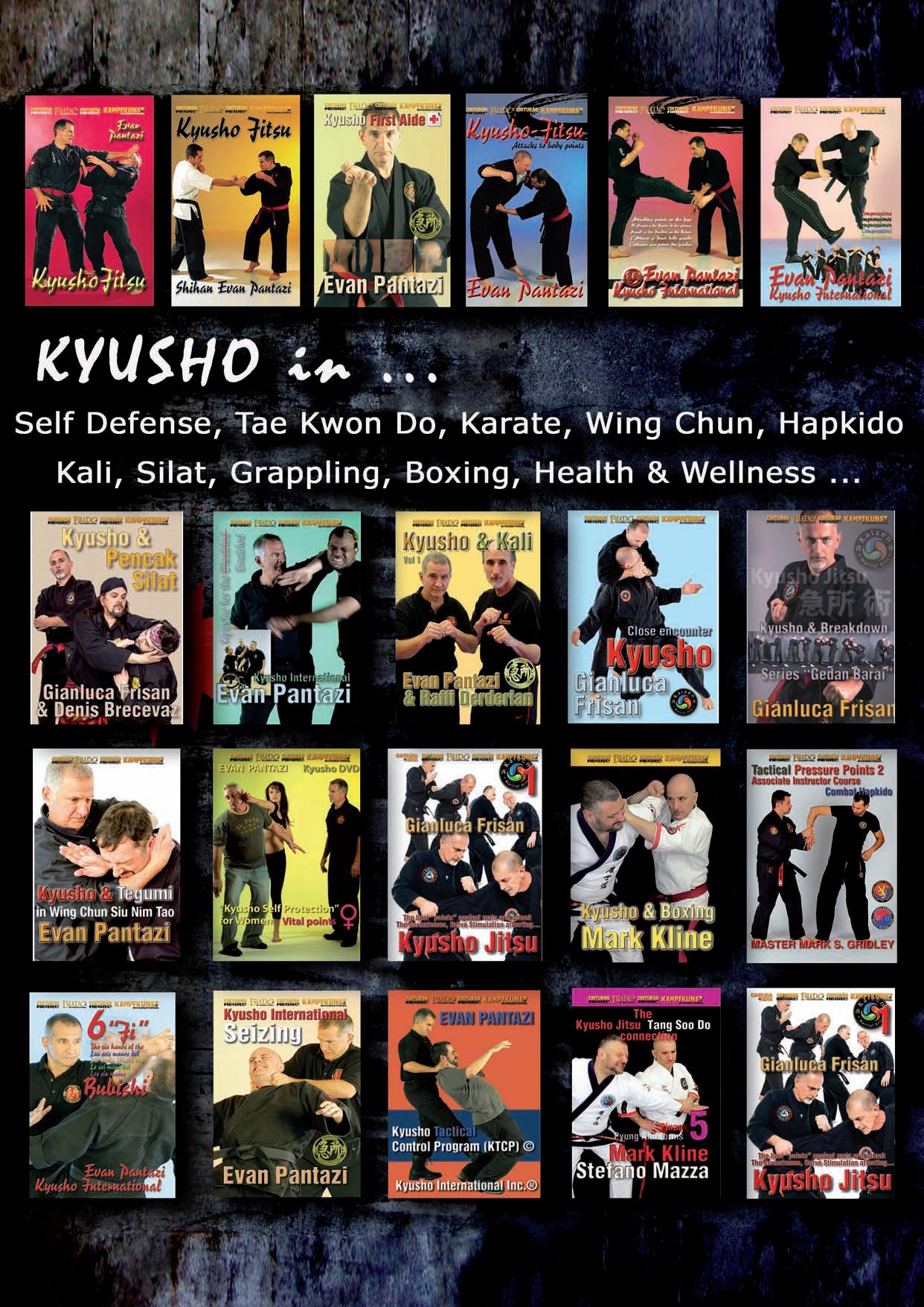
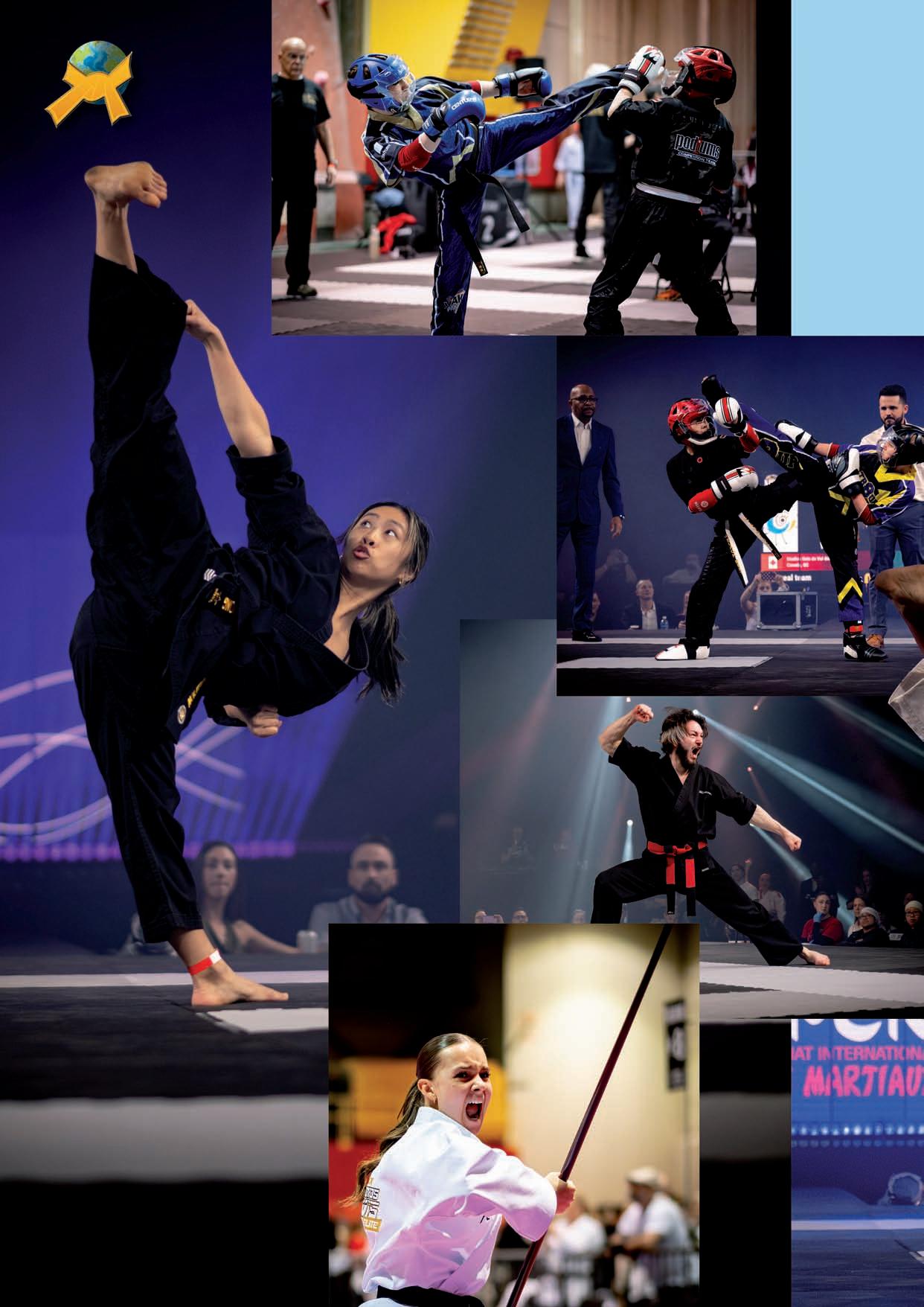
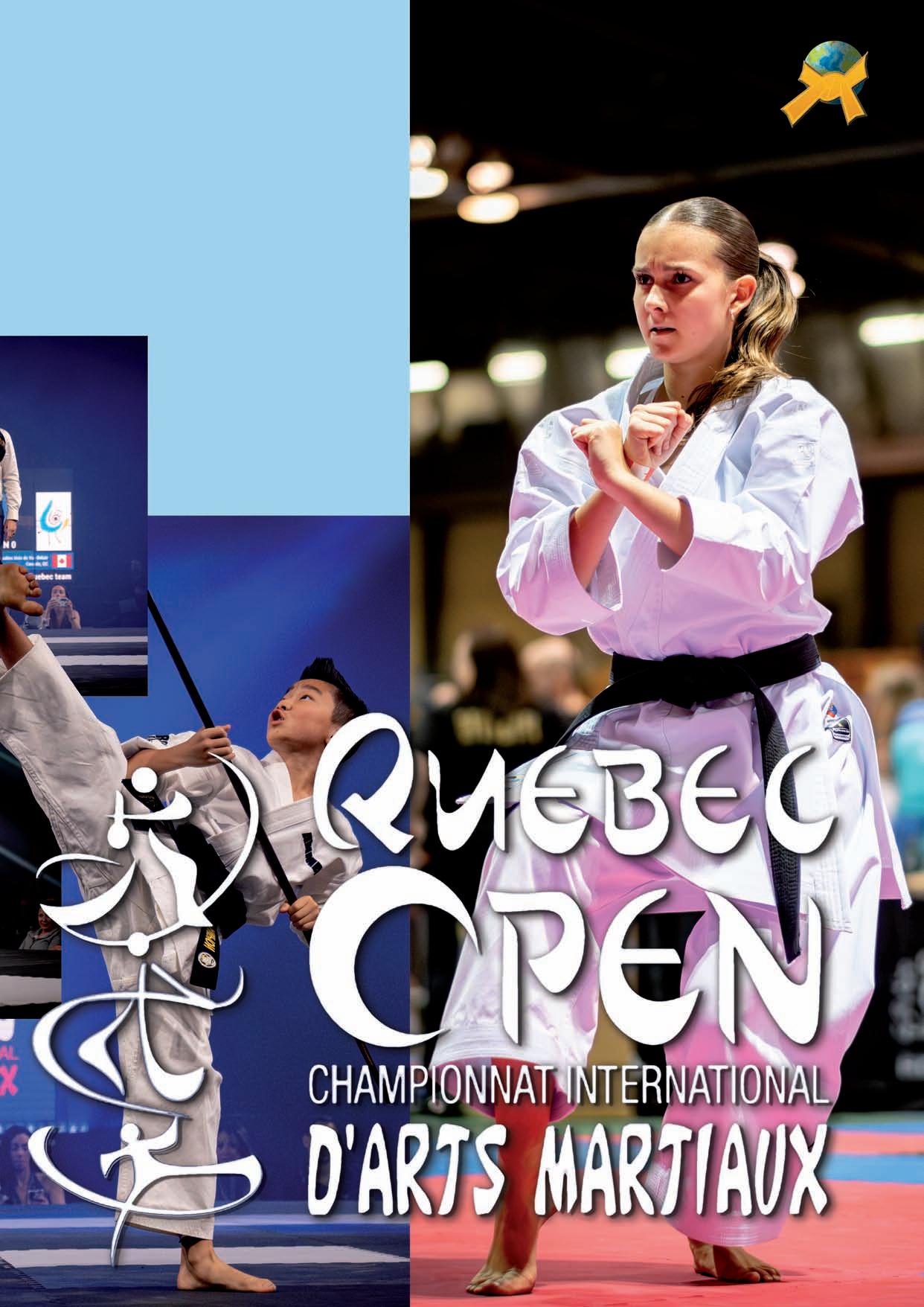
Québec Open 2026: A Premier Martial Arts Event
The Québec Open International Martial Arts Championship once again brought together the martial arts community for a major event, held April 23–25 at Laval University’s PEPS facility.
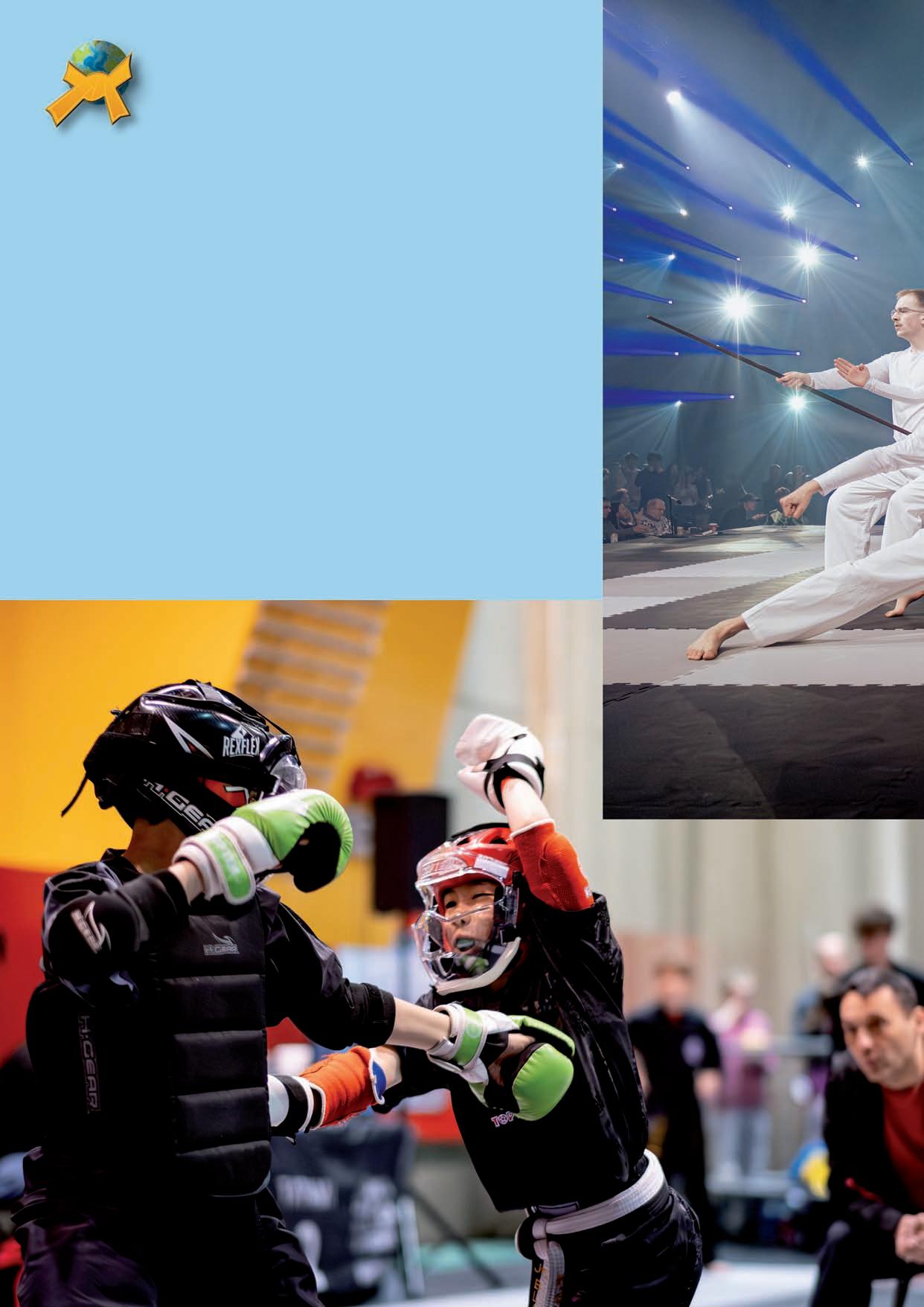
Now in its 43rd edition, the Québec Open welcomed close to 1,000 participants from over a dozen countries, confirming its status as one of North America’s leading international tournaments. A distinctive and constantly evolving event, it plays a key role in promoting healthy lifestyles, advancing high-level sport, and showcasing Québec City on the global stage.
This year, all divisions were governed by NASKA rules, positioning the Québec Open as an official stop on the World Tour circuit, recognized for its high standards and professional organization. In addition, continuous fighting (light contact) divisions and a variety of competitive formats enhanced the overall experience.
The Québec Open also stands out for its educational component, with highlevel seminars open to all practitioners. These sessions provide valuable opportunities for technical development and meaningful exchange within the martial arts community.
Without a doubt, the highlight of the weekend remains the Saturday night finals show. Presented in front of an impressive crowd at the Desjardins Amphitheatre, this “night show” is now widely regarded as the best show on the NASKA circuit— a reputation confirmed by spectators, competitors, parents, promoters, and coaches alike. Its unique atmosphere, high-level production, and undeniable energy make it a must-see event. For many, stepping onto the Québec Open stage has become a goal in itself.
The opening performance, presented by the Studios Unis elite team, set the tone with a powerful blend of intensity, precision, and emotion, highlighting the depth and artistry of martial arts.
The event also relies on the dedication of nearly 125 volunteers, including a large number of officials, whose professionalism plays a crucial role in delivering a high-quality competition.
The Québec Open benefits from the essential support of major partners, including Destination Québec Cité, the City of Québec, the Bureau des grands événements, the Government of Québec, the Secrétariat à la Capitale-Nationale, and
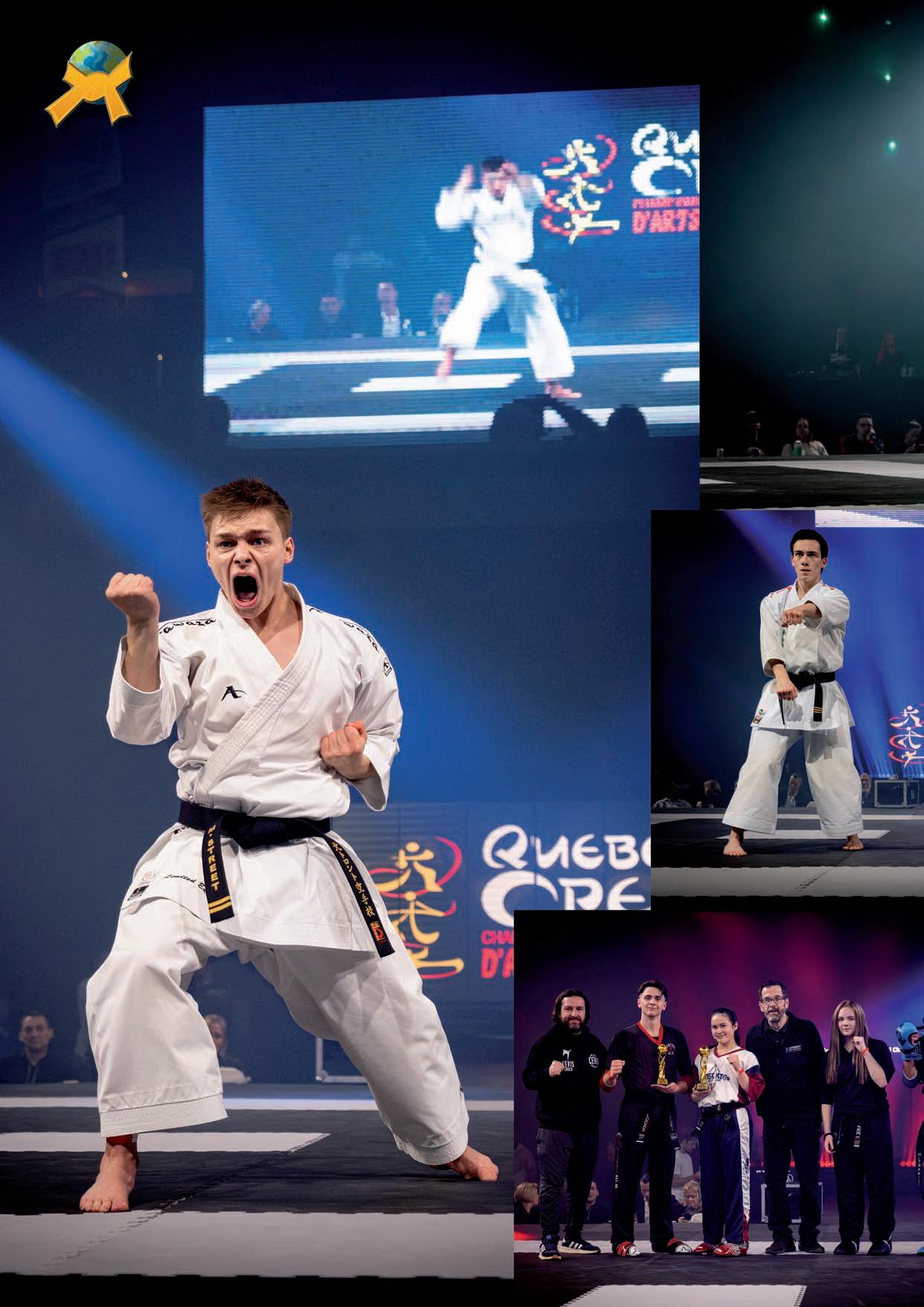
the Ministry of Tourism, all of whom contribute to the event’s continued growth and international reach.
The event is led by a committed team of promoters—David Bossinotte, Claire Cocozza, Samuel Gagnon, and Keila Mejia—whose vision and expertise continue to elevate the Québec Open as a benchmark in the martial arts world.
Renowned for its consistency, organizational excellence, and unique experience, the Québec Open continues to establish itself as a flagship event on the international circuit.
The organization already looks ahead to the next edition, which will take place in late April 2027, with a clear commitment to pushing boundaries and delivering an even more impactful experience.

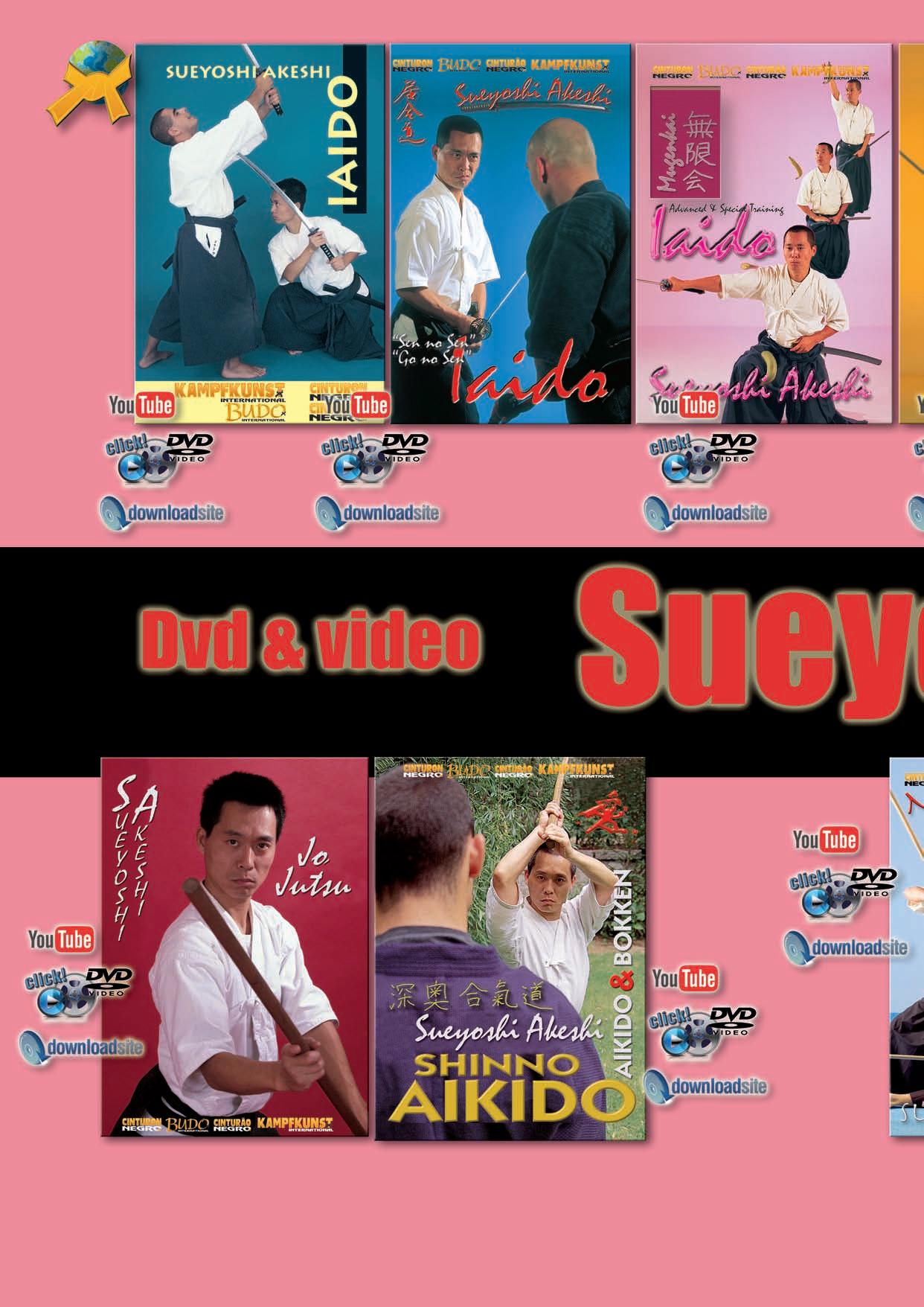
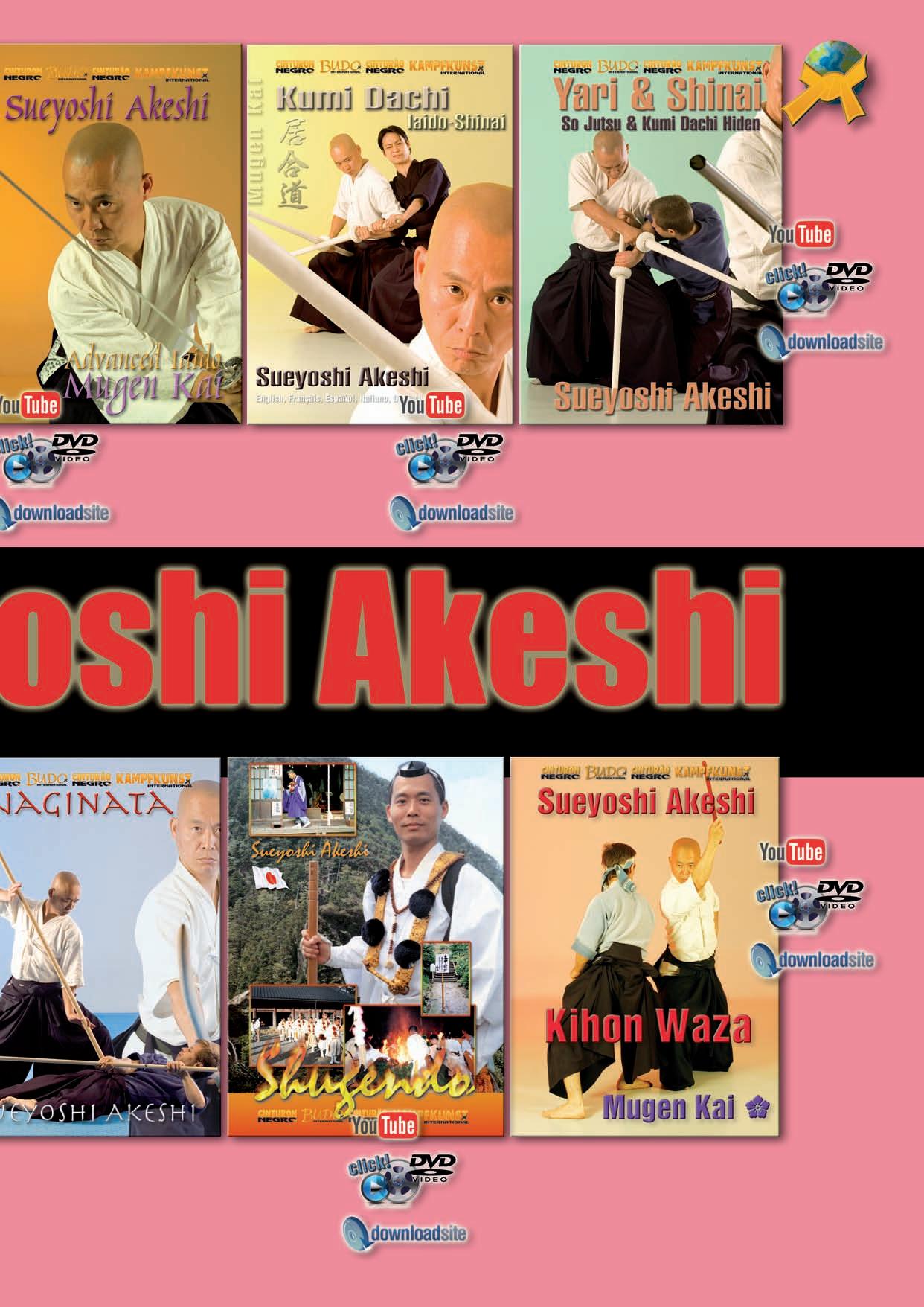
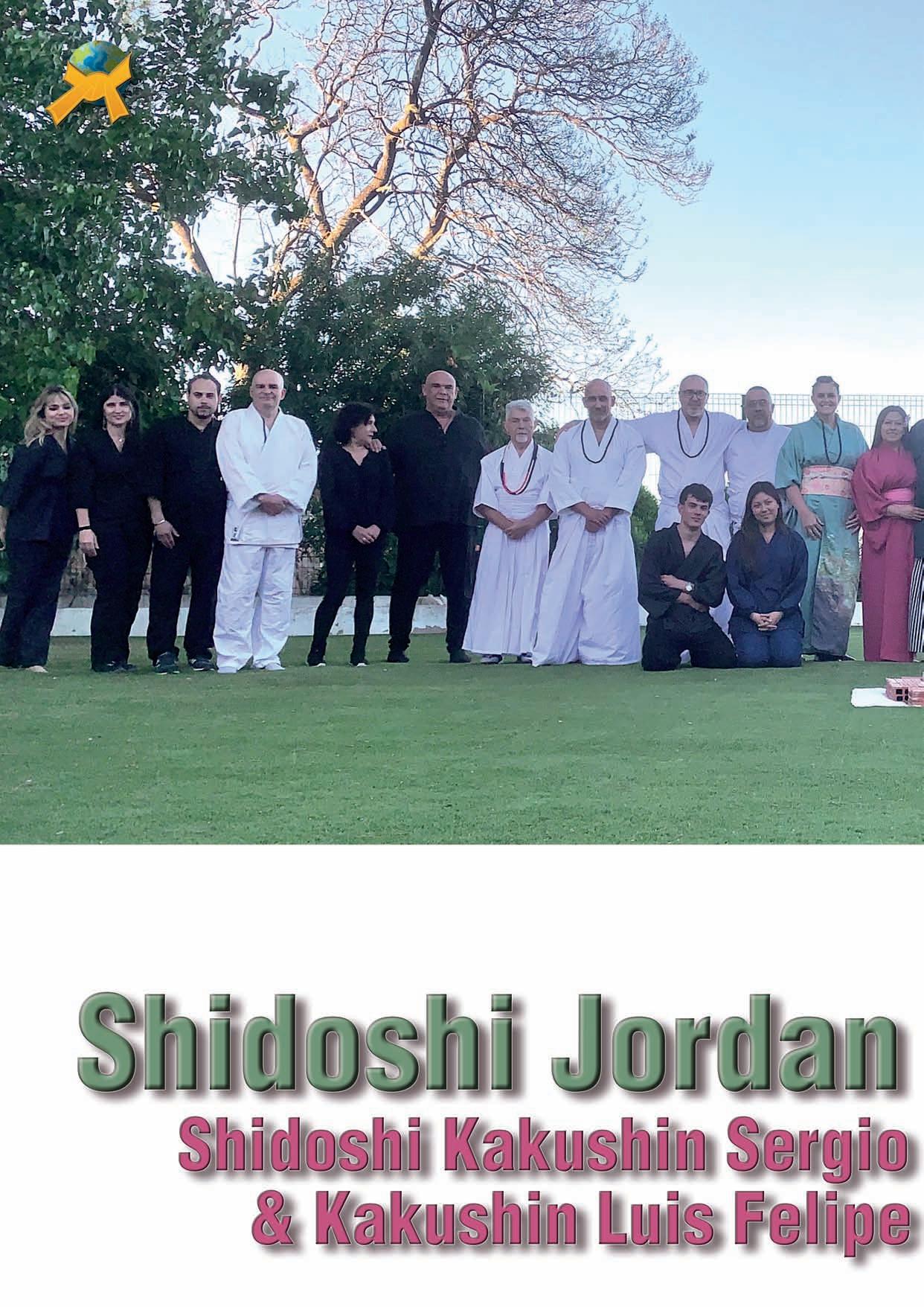
EBUNTO
Tradition, Anthropology, and the “Science of the Invisible”
Throughout history, numerous cultures have developed systems of knowledge aimed at understanding that which eludes ordinary human perception: emotions, consciousness, intuition, internal states, and the relationship between the individual and the forces that shape their reality.
In the East, concepts such as the Chinese Qi, the Hindu Prana, or certain Japanese esoteric traditions sought to give form to what some contemporary researchers today associate with perception, depth psychology, and expanded states of consciousness.
Within this context emerges Ebunto, a spiritual and energetic tradition linked to the Hagumo people—also known as Shizen in Japan, “the natural ones”—and defined by many of its practitioners as a true “science of the invisible.”
Far from presenting itself as a religion, Ebunto is described as a complex system of observation, study, and practice aimed at understanding energies, the internal tensions of the human being, and the patterns that influence behavior, emotions, and personal evolution.
To better understand this tradition, we spoke with Shidoshi Kakushin Sergio Verdeguer (Ushashi Kawazuki) and Kakushin Felipe Kawazuki, two of the most prominent figures at the Central School of Ebunto in Spain.
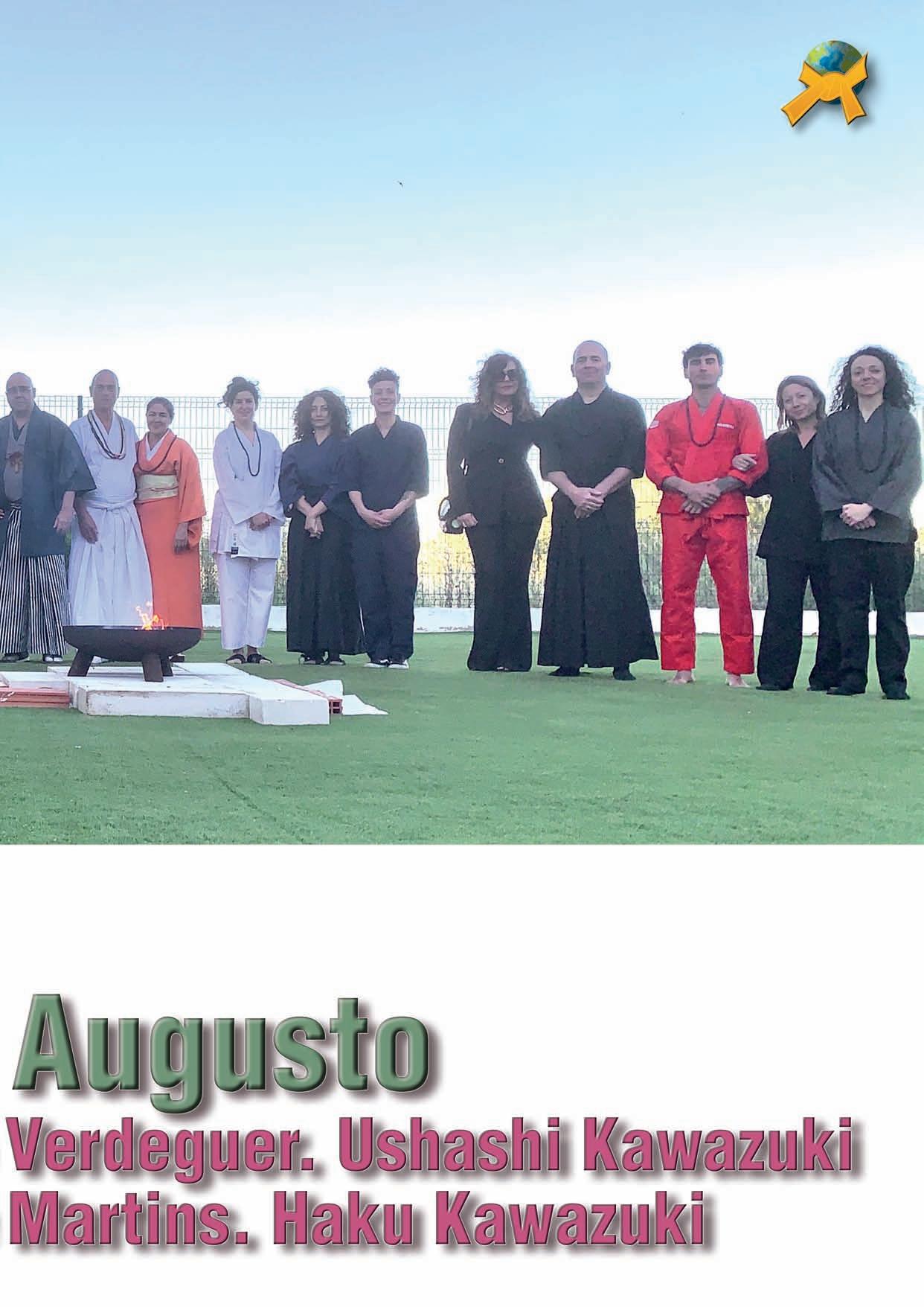
“Ebunto is an ancient and extremely complex art”
—From an anthropological perspective, how would you define Ebunto?
—Anthropology studies, in essence, “man’s journey on Earth.” Ebunto is part of those ancient systems through which different cultures sought to understand human nature, consciousness, and the invisible forces that influence existence.
Historically, we could divide Ebunto into three major stages.
The first corresponds to the period prior to the mixing of the Hagumo people with the Japanese. The Hagumo people originally came from regions linked to the island of Hokkaido and were shaped by Mongolian, Chinese, and local tribal influences. The first inhabitants of Hokkaido were the Ainu, a term that in their language means “human.”
They were a people of farmers, fishermen, and hunters,
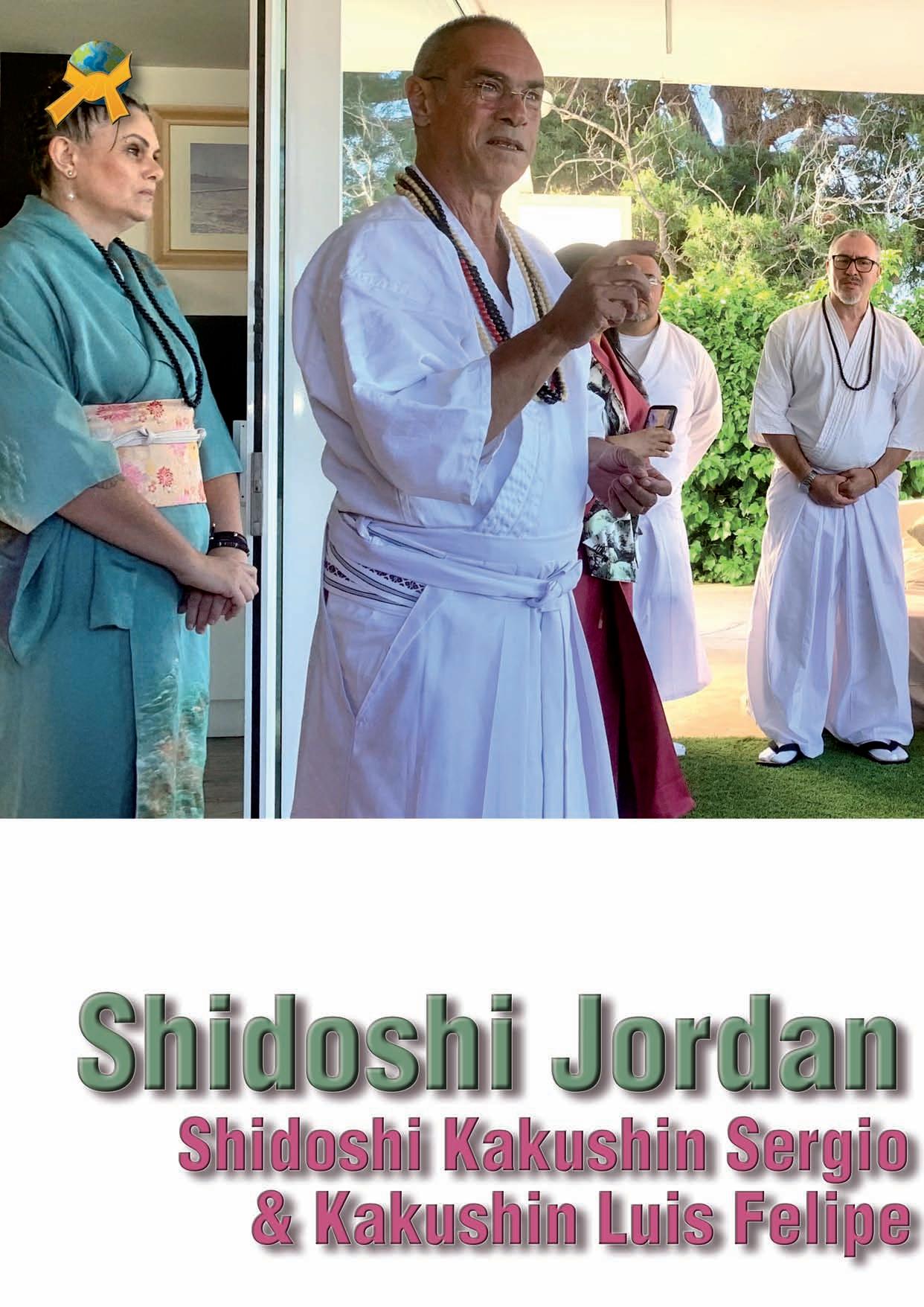
with limited military capacity, which led to their gradual displacement and absorption by Japanese expansion. In this context, Ebunto also emerged as a system of cultural, spiritual, and human protection.
The second stage arrived with the gradual integration of both cultures. Japan contributed philosophical sophistication, discipline, and structure, while the Hagumo people maintained a deep connection with nature and ancestral traditions.
The third stage corresponds to the arrival of Ebunto in Brazil, brought by Ogawa Sensei and Shinyuki Sensei. There, a profound reorganization of knowledge began, seeking to separate the purely mythical component from a more analytical and empirical approach.
“Spirituality must be studied through doubt”
—You constantly speak of a scientific dimension within Ebunto. What exactly do you mean?
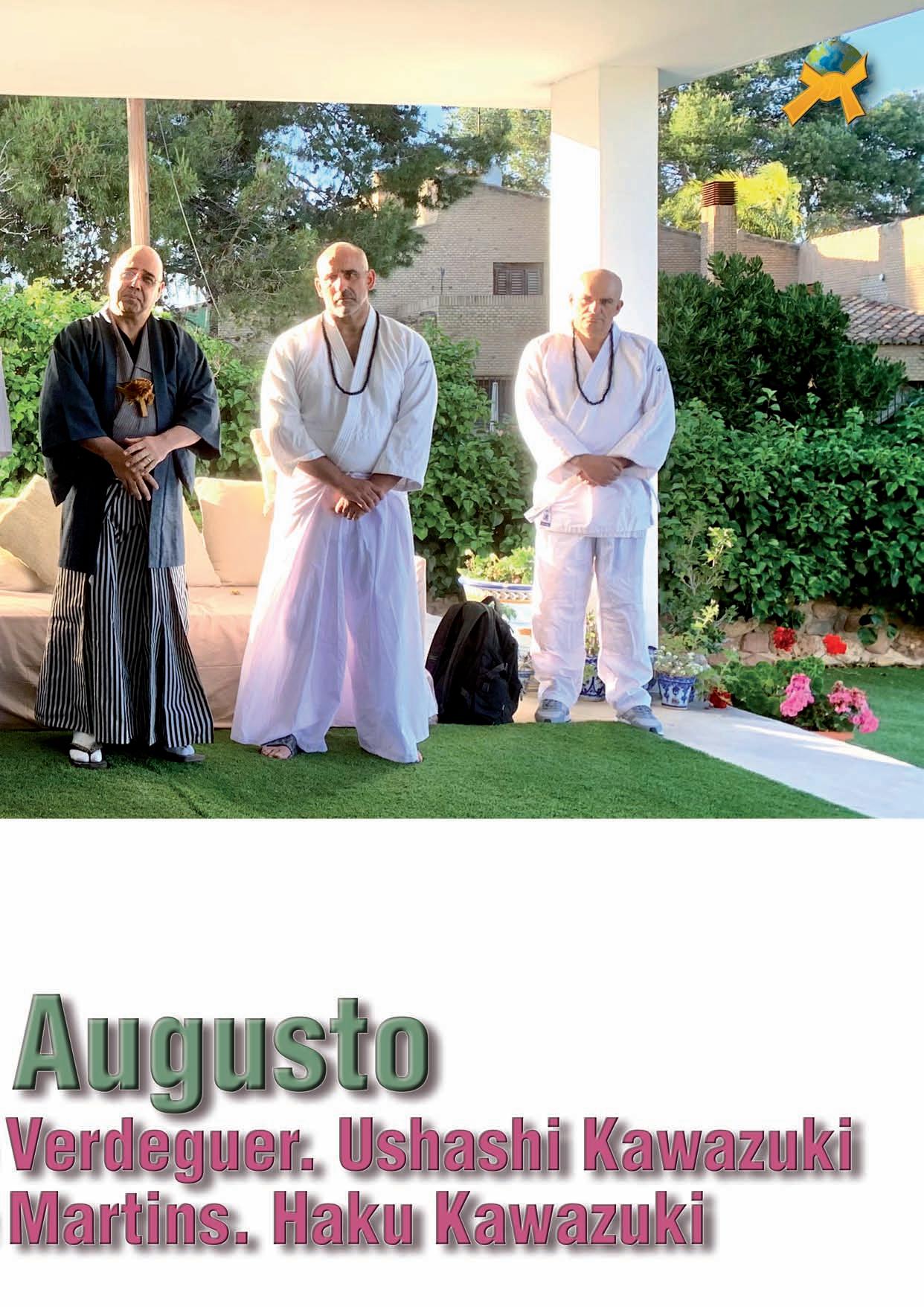
—Science consists of observing, analyzing, and breaking down each phenomenon to understand it. That is why Ebunto is divided into multiple areas of study and specific subjects.
However, no spiritual path can be fully explained through conventional scientific parameters. The correct approach is to approach spirituality from a place of doubt, questioning, and impartial observation.
To doubt does not mean to attack. To question does not imply to discredit. It means observing from different perspectives.
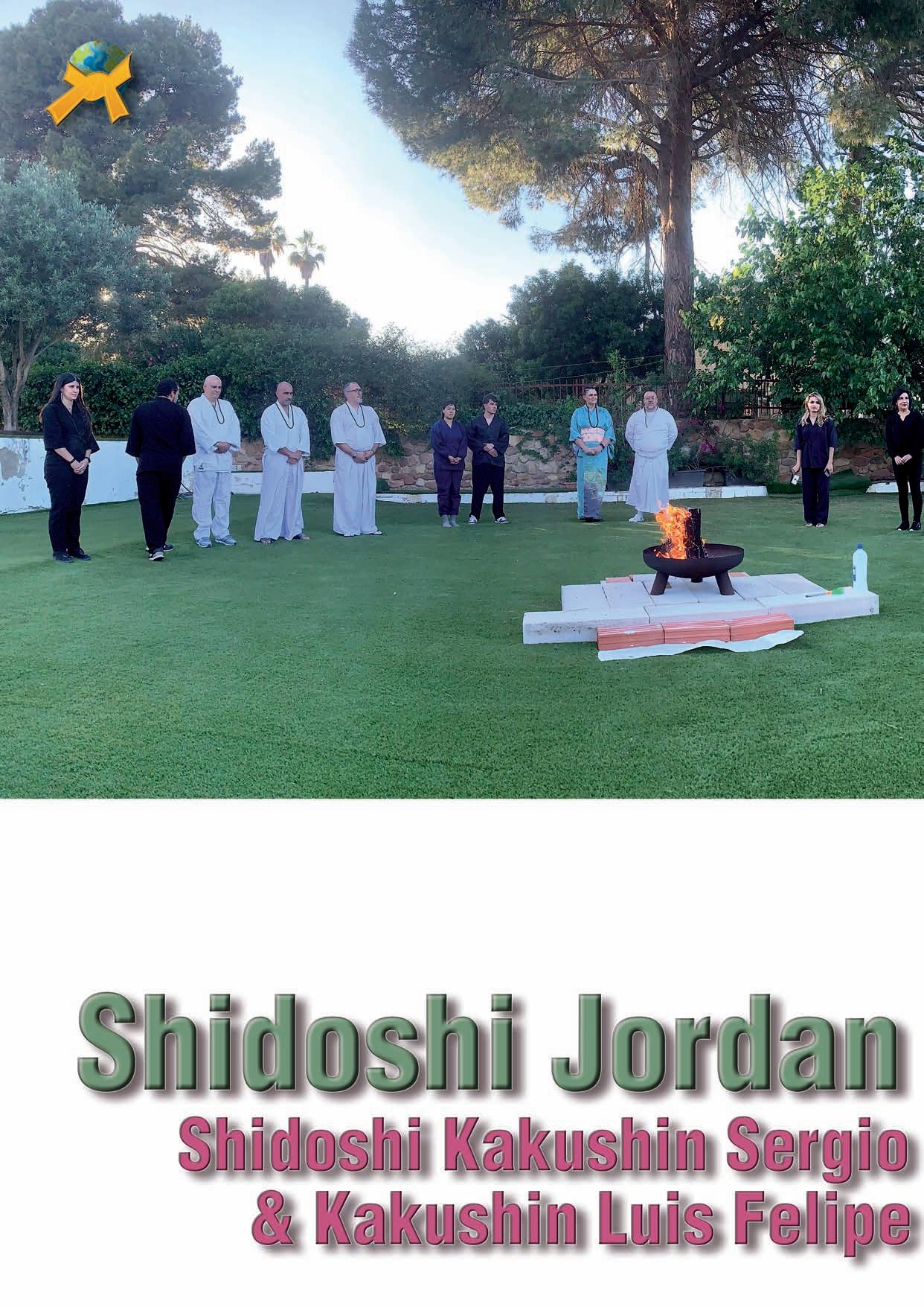
In our schools, we place great emphasis on avoiding three major errors that have historically distorted numerous spiritual paths: mystification, romanticism, and fantasy.
One of the fundamental subjects within Ebunto is Nemboga, translated as “lucidity,” because spirituality cannot be studied without a clear, balanced, and rational mind.
“Ebunto is not elitist”
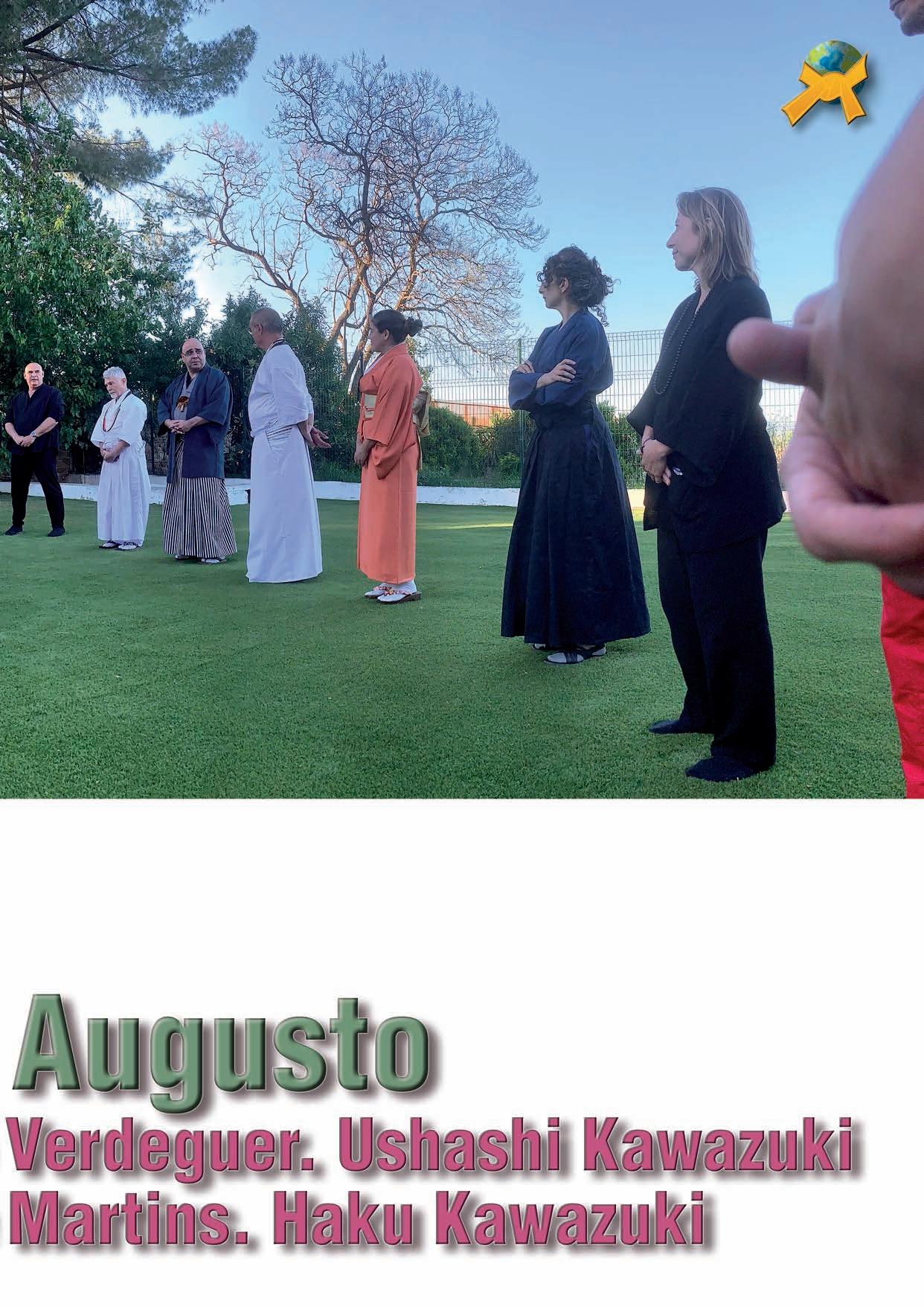
—It has sometimes been said that Ebunto is a tradition reserved for elites. Is that true?
—No. Anyone can study Ebunto.
It is true that for centuries it was a discreet and even secretive body of knowledge, but that does not mean elitism. Historically, many influential people, aristocrats, or figures of power sought out these kinds of teachings, but the spiritual path is always deeply individual.
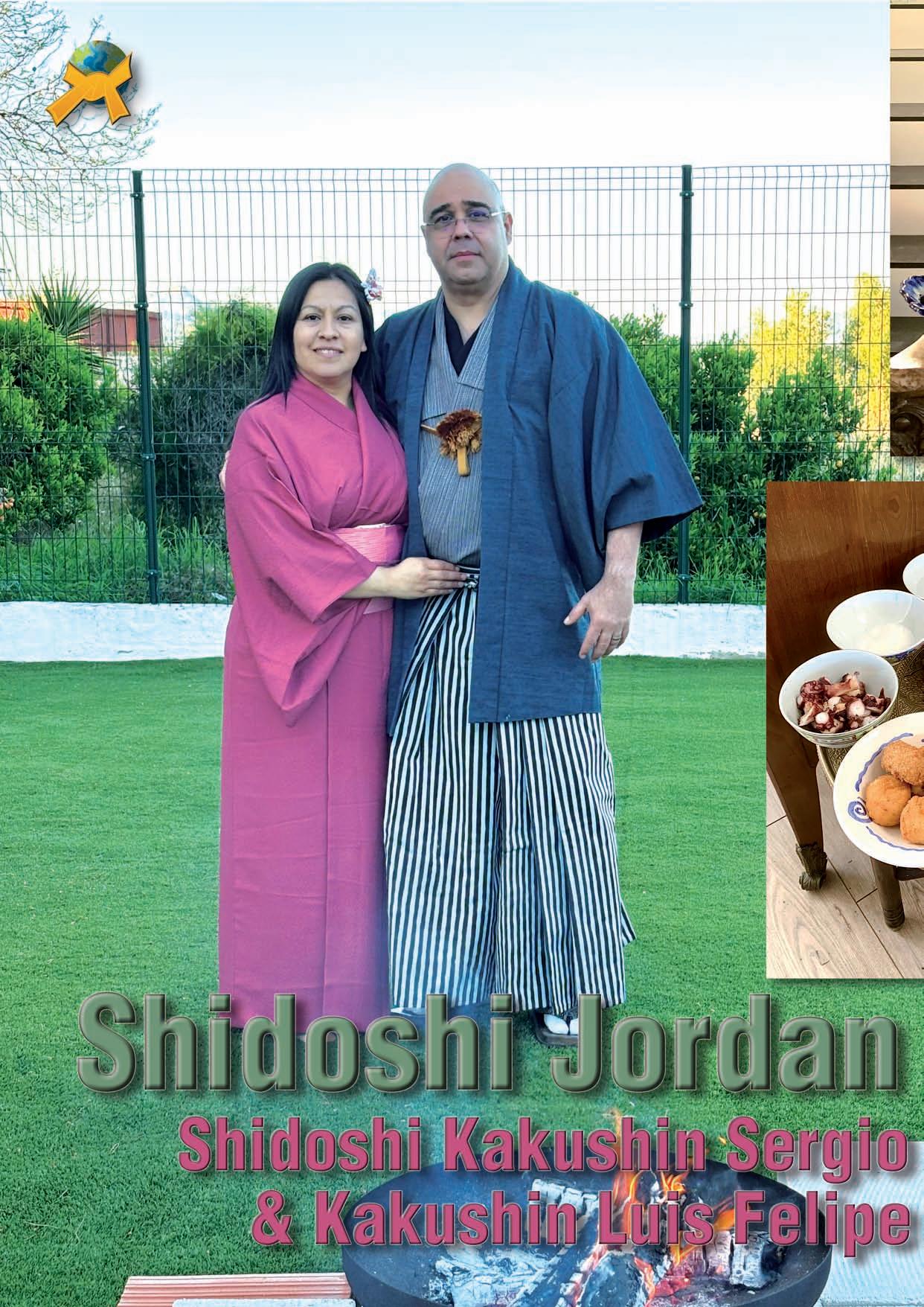
A teacher can accompany you, guide you, or help you, but the final decisions always belong to the individual.
Many people come to our schools after going through difficult situations, personal crises, or deep inner searches. In a way, it is often said that there are two paths to spirituality: pain or love.
“Ebunto studies energies, tensions, and patterns of reality”
—For someone who has never heard of Ebunto, how could you explain in simple terms exactly what it studies?
—Ebunto studies the relationships between energy, consciousness, and human behavior.
We work with emotional tensions, mental states, vibrational frequencies, natural elements, behavioral patterns, and processes of personal transformation.
We also study how certain events seem to repeat themselves following specific structures or patterns within human life.
From the outside, one might find certain parallels with Eastern philosophy, symbolism, shamanism, or some modern studies on perception and behavior. But Ebunto cannot be completely reduced to any of those categories. It has its own identity.
“The Nine Forces of Ebunto”
—Within this tradition, there is talk of forces called Rangu or Tengu, which represent the different fractals of nature. What do they represent?
—Within Ebunto there are nine main forces called Rangu (Tengu). They are not understood as gods or entities, but as energetic archetypes linked to different aspects of human existence.
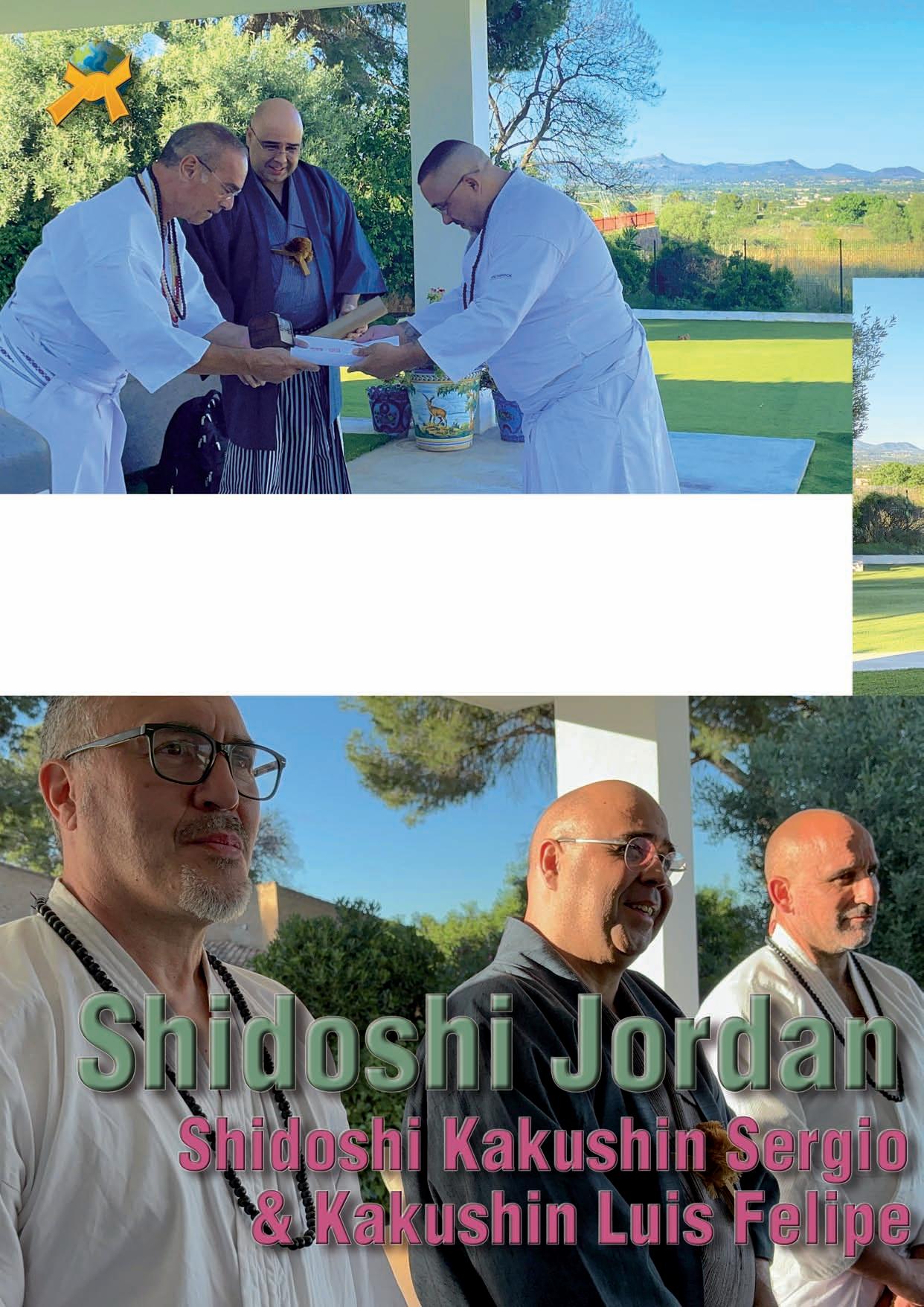
They represent concepts such as transformation, wisdom, emotions, balance, conflict, abundance, destiny, or spirituality.
According to this view, these forces constantly manifest in daily life and can be observed, understood, and harmonized through discipline, study, and experience.
“Knowledge must remain intact”
—If someone wanted to study Ebunto, what should they do?
—The first step is to find an authentic school capable of preserving the original tradition and transmitting the knowledge without alteration.
The Hagumo people even have their own dialect, which is still used in certain ceremonies, prayers, and internal transmissions.
The complete Ebunto system consists of 41 spiritual subjects. Some address philosophical aspects; others develop per-
ception, mental discipline, or energetic interpretation.
The goal is not to “believe” blindly in something, but to learn to perceive how certain energies act and how to harmonize them correctly.
“Pragmatism, seriousness, and knowledge”
—What, then, would be the fundamental foundations of this path?
—Three pillars: pragmatism, seriousness, and knowledge.
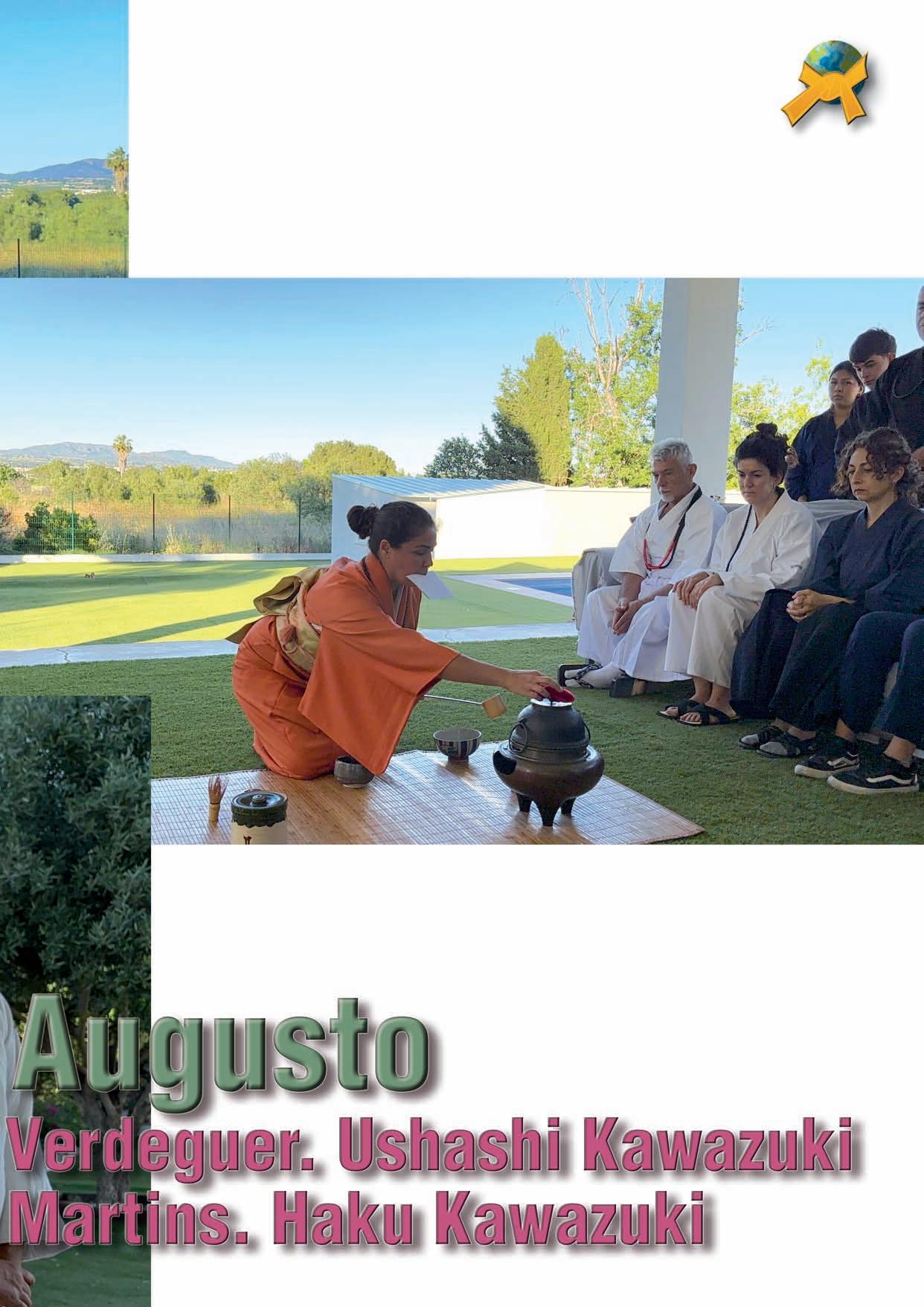
Any spiritual path that loses these three elements runs the risk of falling into superstition or emotional manipulation.
That is why we place such emphasis on observation, study, and direct experience.
“Experiences must be lived”
—How do you currently operate within the schools?
—We offer courses, audiovisual training, and various areas of study.

“Anyone can study Ebunto. It is true that for centuries it was a discreet and even secretive body of knowledge, but that does not imply elitism. Historically, many influential people, aristocrats, or figures of power sought out these kinds of teachings, but the spiritual path is always deeply individual.”
There are also traditional systems of interpretation and analysis— 36 types of oracles—aimed at understanding causes, consequences, and patterns present in people’s lives. As well as a complex network of numerical calculations that allow us to access certain information from different fields and for various purposes.
In many cases, we welcome people eager to discover what lies beyond what is simply within our reach. Seeking that essence that isn’t visible at first glance, far from everyday things. Perhaps this is one of the great attractions of approaching the world of the invisible. Pragmatic things that sometimes elude our reason, situations that are seen, felt, and most importantly, experienced firsthand. It is a unique and non-transferable experience. Ancient techniques aimed at balancing the tensions between body, mind, and a spiritual dimension that is often unknown, where new patterns of understanding emerge beyond the tangible.
But the important thing is to understand that no experience can be fully explained in words. It must be lived. “The world began without man and will end without him”
—Throughout the interview, you place great emphasis on maintaining a rational view of spirituality.
—Exactly. We even often quote the anthropologist Ralph Linton when he stated: “The world began without man and will end without him.”
That phrase reminds us of the importance of understanding human beings from a humble and observant perspective, far from dogmatism and absolutism.
Beyond the interpretations that may be made regarding its spiritual or energetic dimension, Ebunto emerges as a complex system of tradition, symbolism, discipline, and human observation that has managed to survive for generations by adapting to different cultural contexts.
Currently, the Central School of Ebunto in Spain continues to organize training activities and international gatherings aimed at preserving this ancestral legacy.
Our thanks to Shidoshi Kokeisha Sergio Verdeguer and Kokeisha Felipe for sharing part of a tradition still little known in the West.
TAOWS UNIVERSITY VALENCIA WingTsun and Escrima Concepts


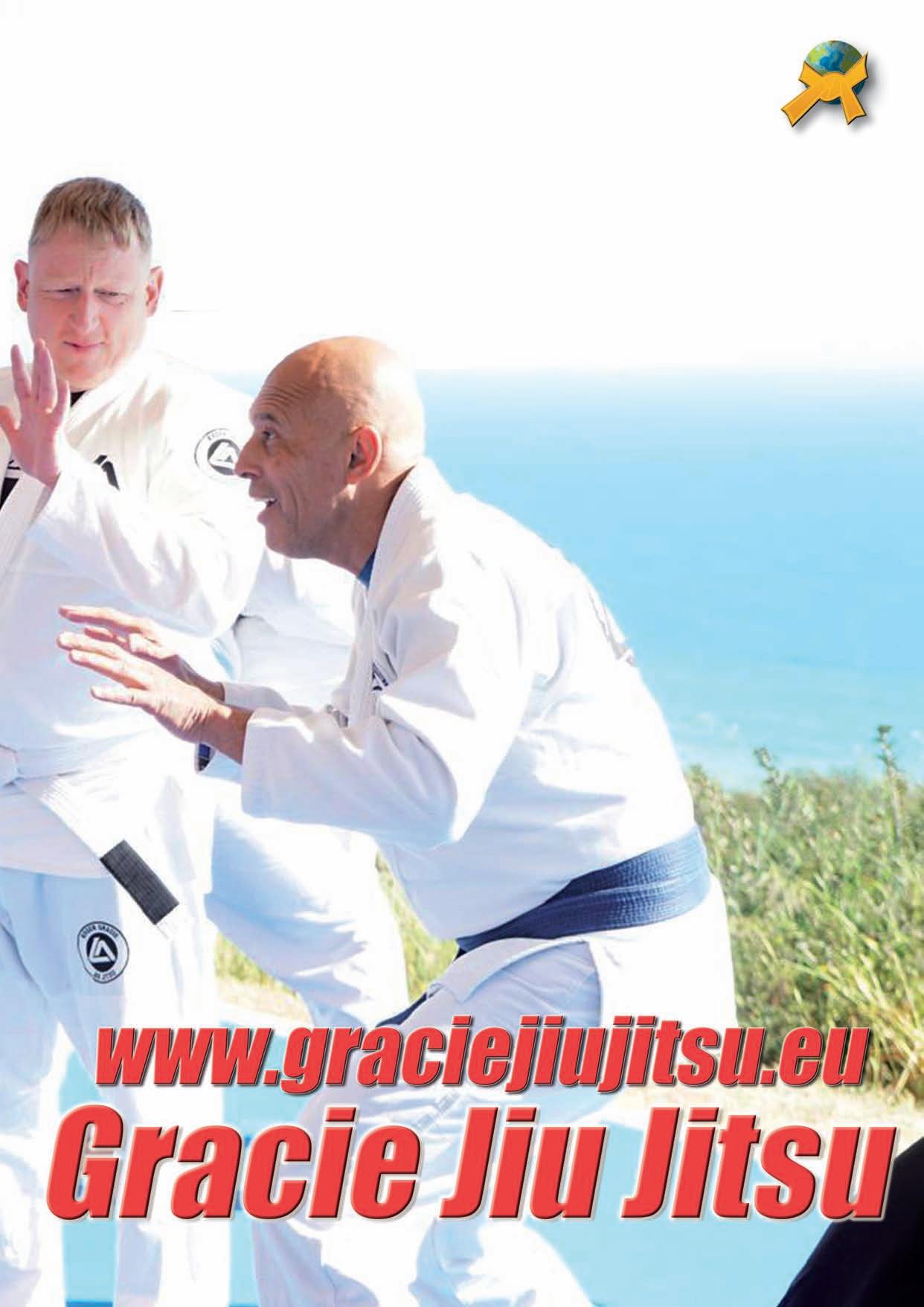
The Past – How it all began!
It is often claimed that our Jiu-Jitsu (Ju-Jutsu) dates to the time of the samurai. However, this is incorrect, because during the samurai era, these warriors had entirely different means of fighting. Imagine a samurai engaging in hand-to-hand combat while wearing heavy and complex battle gear.
In fact, Jiu-Jitsu emerged around the years 1900–1910, when the first Japanese masters came to Europe and later went on to South America to lead a better and safer life there.
Even the word “Jiu-Jitsu” (or “Ju-Jutsu”) originated here in the West to give a name to this “flexible” or “adaptive” martial art. At that time, the Chinese were already in Europe with their Kung Fu (or Gung Fu), and very few people could recognize or understand the difference. The first Savate (or Chausson) Kickboxing schools emerged in Marseille from the Chinese martial arts, where many nobles trained to defend themselves against street attacks.
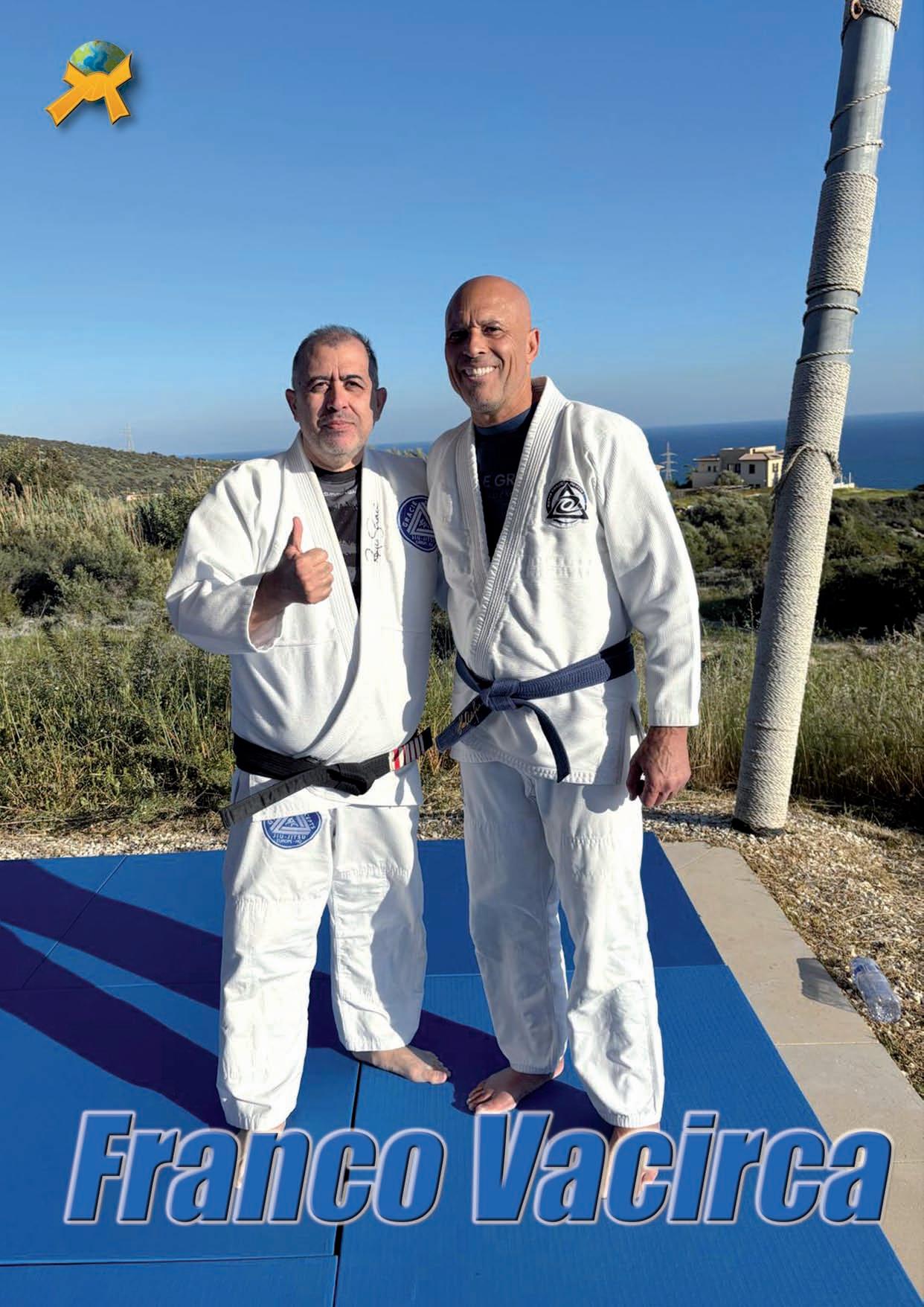
When the Japanese arrived, people wanted to adopt this martial art, which later became known as the “gentle art” (Braz. Arte Suave). Interestingly, this martial art appealed to women far more than other arts such as Boxing, Savate, or Wrestling, which were also widely practiced in the West.
After swords were laid down in Japan and numerous martial arts (Bujutsu) were banned, most of these schools (Ryu) disappeared and found no other way but to reinvent themselves in the West. This is how the martial art of Jiu-Jitsu was reborn.
Numerous young masters came to us with the hope of passing on their valuable knowledge. Often, it was even the sons of the old grandmasters who came to Europe. Interest in them as combat experts grew significantly, a fact that was quickly recognized throughout Asia. Thus, the young masters—who often had little skill or teaching experience—found good jobs as instructors with the police or as a sort of “modern 007 butler” for someone who could afford it.
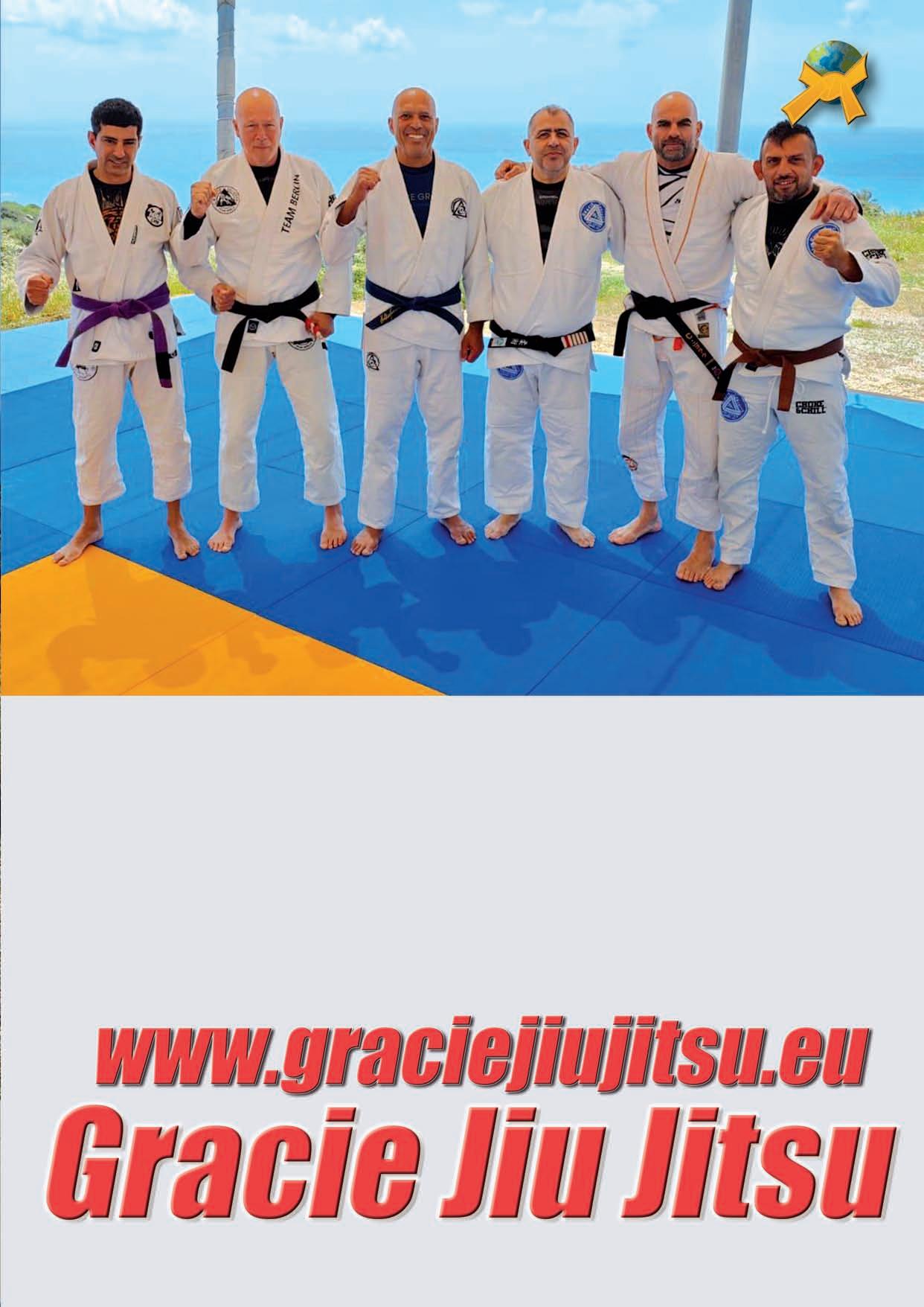
After Jiu-Jitsu had established itself in Europe, some of them moved on to South America, where there was a thriving circus and combat show culture and they were well paid as combat experts. In Brazil, numerous circuses were on the road, many of them run by Europeans—particularly Italians, Spaniards, and Portuguese—who had settled there. Often, they did not stay only in Brazil but traveled throughout South America; Argentina and Mexico were also popular destinations.
Spain had provided a new home for various Japanese JiuJitsu masters, including the famous Mitsuyo Maeda, who earned his nickname “Conde Koma” in Seville while traveling as a fighter, among other things, to earn money. Maeda was not the first Japanese person to travel to Brazil, but he was certainly one of the first to teach Jiu-Jitsu to the locals there, not just to his fellow countrymen.
Maeda is said to have arrived in Belém do Pará around 1914. Together with his friends, who were also young Jiu-Jitsu
experts from his homeland, he traveled through South America and later settled there permanently.
Together with his closest friend Satake, who went by the nickname “Black Belly,” he is also said to have founded the first Jiu-Jitsu schools. It was said that the older Satake was an excellent teacher of the “Arte Suave.” Unlike Maeda, Satake was a better fighter. He made an excellent name for himself by presenting Jiu-Jitsu in various theaters across Brazil and was always ready to demonstrate his knowledge and skill. He fought numerous martial artists, including wrestlers, capoeira experts, boxers, and others seeking prize money.
When Satake returned to Japan to support his homeland during World War I, as many others did, Maeda decided to remain in Brazil and take over Satake’s school as master. Among his students were several highly enthusiastic and diligent Brazilians who had attained a high level of skill under Satake and now assisted Maeda as instructors in JiuJitsu classes.
One of them was Pires dos Reis, a young, ambitious man who held an important position within the National Police. He introduced Jiu-Jitsu to the police force and established one of the first training programs for police officers, which later became mandatory training throughout the country.
Pires also founded the first academy in Rio de Janeiro. In 1925, he was appointed head trainer for the police in that city. He, too, was not the first Brazilian to have founded a Jiu-Jitsu school in Rio. To assist him, he enlisted the young Gracie’s—Carlos, George, and Hélio—all three of whom had begun their training with him—and not with Maeda. George did not stay long in Rio, as he wanted to separate from the family, particularly from Carlos and Hélio, to go his own way. So he went to São Paulo, where he found a new mentor in Geo Omori, a Japanese Jiu-Jitsu and Wrestling expert, among others.
Hélio and Carlos, on the other hand, stayed with Pires. In
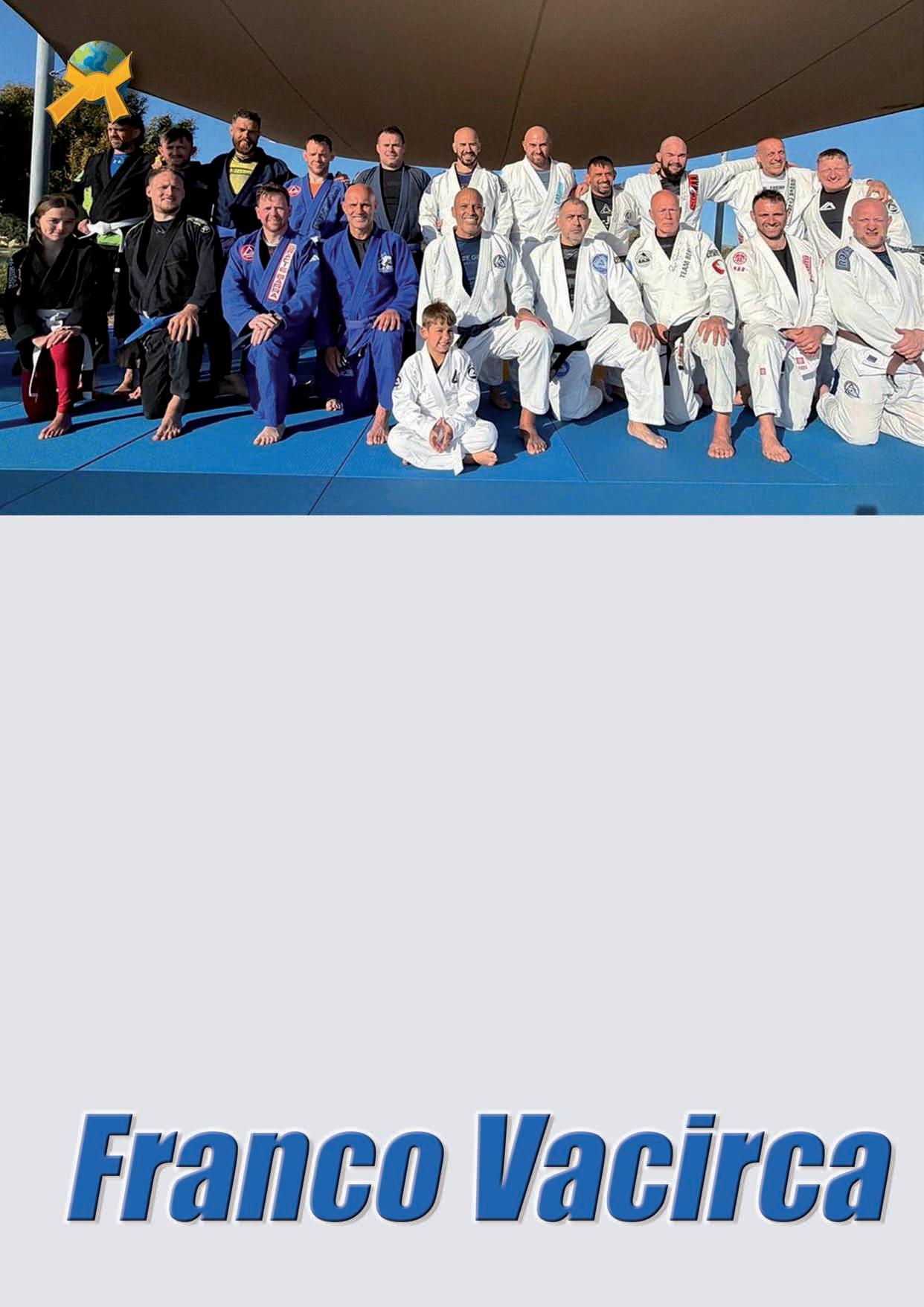
1936, they took over Pires’s school after he accepted a new teaching position in Fortaleza. Hélio and Carlos renamed their school the “Academia Gracie de Jiu-Jitsu.” In the mid1940s, during World War II, Carlos got into trouble with the law and even had to leave Rio de Janeiro for quite some time. Rumors circulated, among other things, that he had fled to Argentina, where he supposedly met a nutritionist, and that upon his return he developed the “Gracie Diet.” However, there is no written documentation for this.
Hélio Gracie suddenly had to not only run the school but also provide for the large family, as my teacher Pedro Hemetério recalls. Carlos had a habit of always wanting a new young wife, and so it came to pass that he ended up with 21 children. Of course, he was not always the biological father of these children; rather, they were often brought into the family through his new marriages.
Since the school was running quite well under Hélio’s leadership, Carlos was now traveling all over Brazil. In Belém do Pará, he placed an ad in the daily newspaper, introducing himself as a Jiu-Jitsu expert and offering participants who completed the full course with him a position as a coach at his Jiu-Jitsu school in Rio de Janeiro. “Many came from different regions to take advantage of this opportunity,” recalls my master Hemetério, who also participated in this very intensive training at the time. “It lasted a year, and by the end, only two of us were left!” Pedro continued. In the end, Pedro not only received his black belt from Carlos Gracie but also the promised position at the school in Rio, working alongside Hélio Gracie.
Through the years of working together, Hélio and Pedro became very good friends, and the family welcomed him as “Uncle Pedro.” Carlos remained outside Rio de Janeiro, so the new patriarch, Hélio, began to forge his own path in teaching to attract more members. At that time, they developed the class program together, as they were essentially only giving private lessons in small groups.
The focus was on self-defense, as there were no Jiu-Jitsu sports competitions as we know them today. This only changed with the reestablishment of the Jiu-Jitsu Federation in Rio de Janeiro in the 1960s by Hélio Gracie, Hélio Vigio, and Pedro Hemetério. The lessons and techniques were structured so that students could learn the basic principles and adapt the techniques to their physical abilities, rather than memorizing countless techniques.
To further promote Jiu-Jitsu throughout the country, Hélio, Pedro, and the new generation of Gracie’s—including Rolls and Carlson—as well as non-Gracie’s like Ivan Gomes, who founded the school with Carlson on Copacabana, remained active. While Hélio was still fighting very intensively in the Vale Tudo ring on behalf of his family and Jiu-Jitsu, Pedro served as the head coach. And so it came to be that most of the new generation was trained by him.
As George Gracie gained more students in São Paulo, his younger brother Hélio insisted that he return to Rio de Janeiro to help him. But George had worked hard to get where he was, so he chose to stay in São Paulo alongside Geo Omori. Hélio finally decided to have his own brother George face off against his top student, Pedro Hemetério, in a Jiu-Jitsu match. “I couldn’t go against Hélio’s decision because he was my master,” Pedro told me, “But I didn’t like the whole situation at all, because he was also Hélio’s older brother.”
So they finally faced off. Pedro had prepared well, while George believed he was the better fighter. But Pedro quickly
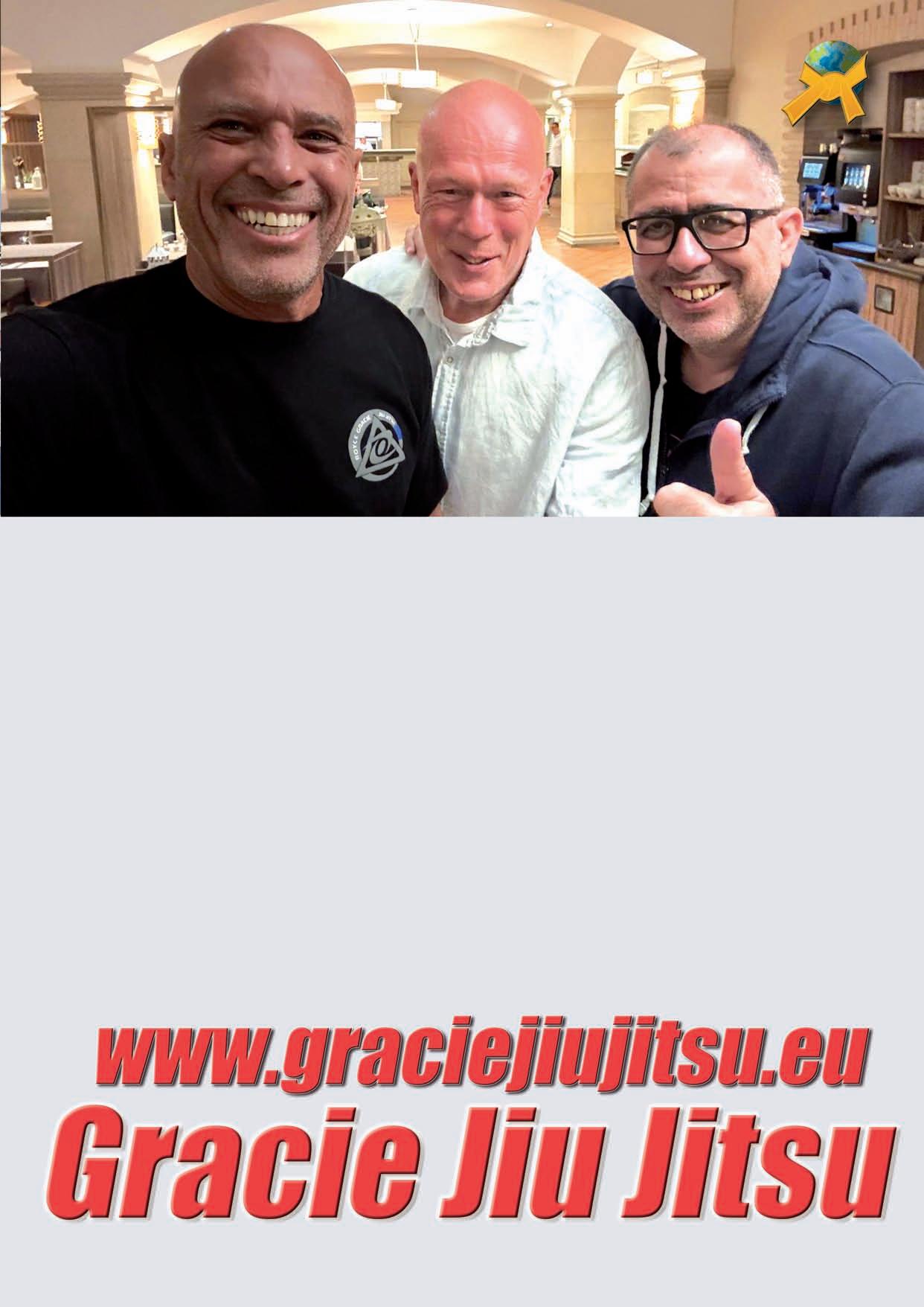
won the match. That same evening, a group of interested people approached Pedro and asked him if he would now stay in São Paulo to teach his Jiu-Jitsu there. This group not only helped him find a place to teach but also provided him with an apartment, so he moved to São Paulo practically immediately and settled there permanently.
It wasn’t long before George Gracie’s school closed—since his own teacher, Omori, had also passed away—and so he returned to Rio, where, however, he never wore the kimono again. Professor Pedro’s school, on the other hand, became the official representative of Hélio Gracie Jiu-Jitsu in São Paulo. The connection to Rio de Janeiro, however, grew weaker and weaker , as the next generation there also had new plans for the future of modern (Brazilian) Jiu-Jitsu.
New schools sprang up throughout Brazil, some founded by the Gracie’s, some by their master students, and some by other lineages from the first and second waves of Japanese immigration. The (new) Judo from the Kodokan in Tokyo created further “competition.” But Kung-fu and Karate had also arrived in Brazil by then, so Vale-Tudo (MMA) fights were increasingly seen with fighters wearing white kimonos. The Japanese often referred to Jiu-Jitsu as “Brazilian Judo” to underscore their higher standing in society. In the meantime, however, Brazilian Jiu-Jitsu had already become so well-established and widespread that it was even practiced in Japan by top athletes in Wrestling and Grappling.
As I have already described, the first Jiu-Jitsu association was founded in the mid-1960s in Rio de Janeiro (Guanabara). The founding members established the belt ranks, the weight classes for competitions, a simple scoring system, the match durations, and everything else. Thus, the first official tournaments took place, which were later also attended by numerous Judokas—though with little success.
Thus, BJJ developed into an independent and wellorganized martial art. With the generational shift, when Carlos Gracie Jr. reorganized the federation in Rio and later established the International BJJ Federation (IBJJF), competitive BJJ experienced another boom in 1996, largely due to the success of Royce Gracie, the
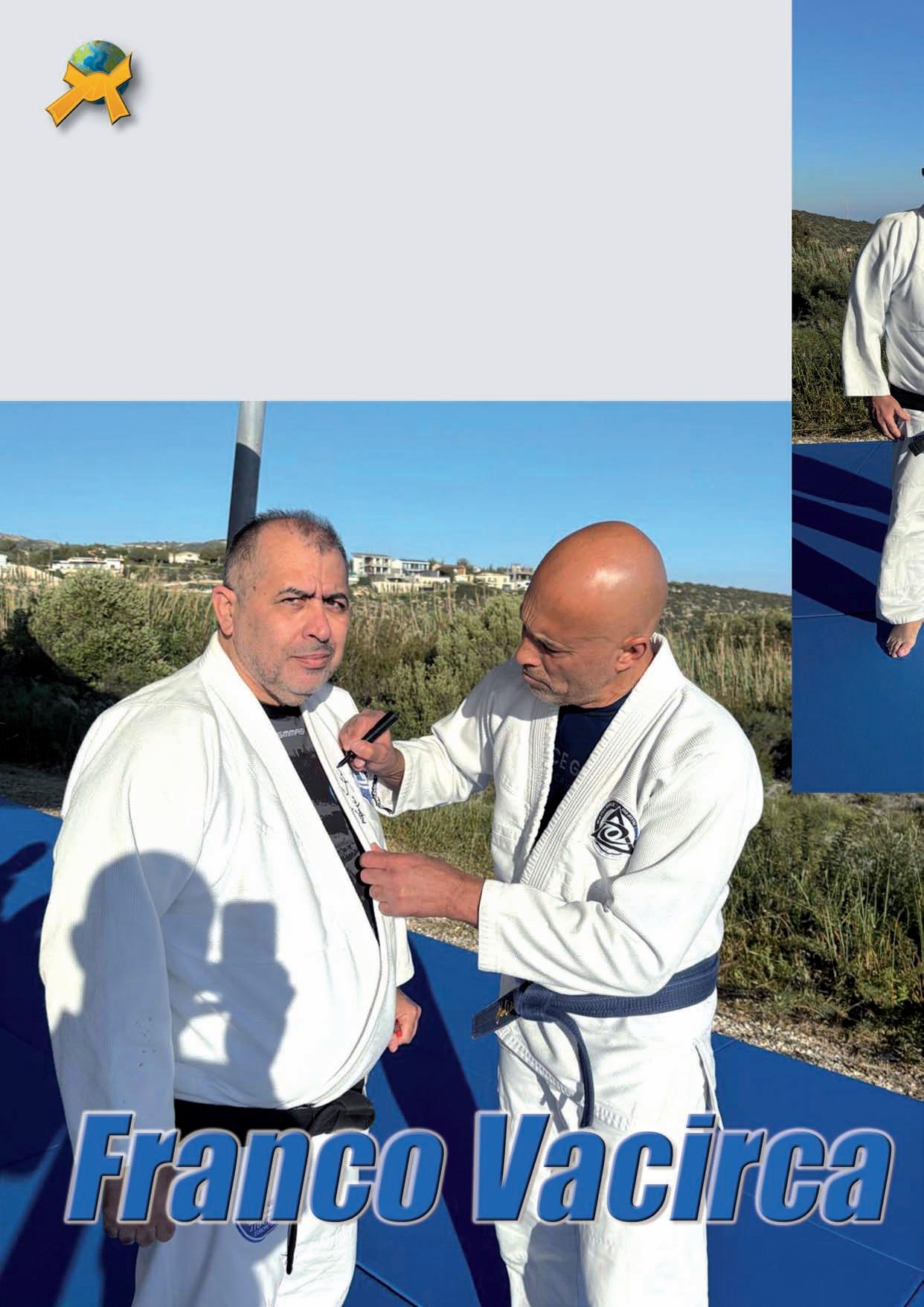
son of Hélio Gracie, in the UFC.
In the 1980s, one of Hélio’s older sons, Rorion Gracie, emigrated to the United States. After a brief stay in New York, he decided to travel to California to promote his father’s Jiu-Jitsu under the warm sun. But in California, he encountered significant resistance, as the Professional Karate Association (PKA) was wellestablished there with its strong schools and its own TV show. Through surfing, Rorion met various Brazilians. Through a friend who had also trained in Jiu-Jitsu in Rio, he managed to secure a double garage where he could lay out a few mats and thus give his first lessons.
That’s how the famous and very first Gracie Garage came to be, and with it, the spread of Gracie Jiu-Jitsu around the world. It wasn’t long before Rorion had a
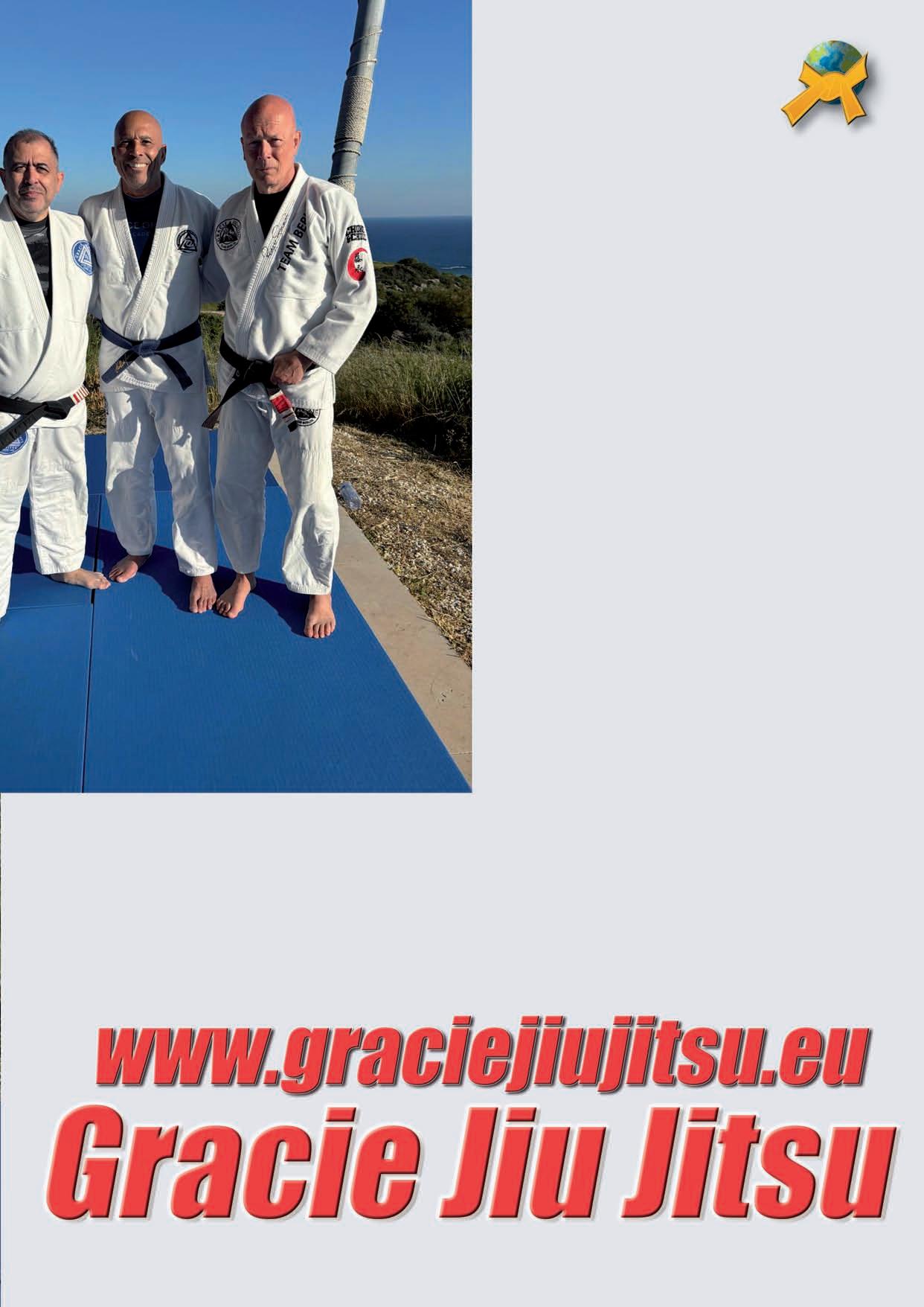
long waiting list of people eager to learn his Brazilian JiuJitsu—me included. It also didn’t take long before Rorion founded the first official Gracie Jiu-Jitsu Academy in Torrance (Los Angeles). For all of us, this place became the main source of authentic BJJ in the 1990s.
Since I trained at the Academy in Torrance at regular intervals from Switzerland (starting in 1991), I also took the opportunity to train with Rorion and, at the same time, with Royce. Occasionally, I was also on the tatami with others, though Royce became my main instructor— whether in private lessons or in the open classes that took place in the mornings and evenings.
It was not easy undertaking I had embarked upon, but I took learning Gracie Jiu-Jitsu very seriously from the very first moment. I also had a period, particularly between 1996 and 2004, during which we also engaged in BJJ sport competition. So I also trained alongside the Gracie cousins, the Machado brothers—especially with Rigan, John, and Roger. However, this remained a phase, because for me, the aspects of self-defense and physical fitness through Jiu-Jitsu were much more important.
When Royce Gracie stepped into the Octagon in the UFC, Vale Tudo (MMA) wasn’t that important to me, because I quickly realized that the Americans weren’t interested in Jiu-Jitsu, but in finding the next “Superman of martial arts.” Rorion sold the UFC again quickly, for a million dollars, they said. But we weren’t there for the UFC; we were there for Royce Gracie and Brazilian JiuJitsu.
My Gracie Jiu-Jitsu hasn’t changed much in recent years, as I still consider myself a student of Royce Gracie. During the time I trained with Pedro Hemetério, I felt like I was starting over from scratch, even though I was already a recognized black belt running my own JiuJitsu school in Zurich at the time. I would say that my GJJ career really began when I received my blue belt.
I ended up with Professor Pedro in São Paulo through Hélio Gracie, when I was training in Rio de Janeiro at Gracie Humaita under the Grandmaster himself and asked him where, in his opinion, I should go to train to become a good instructor. He then suggested here with my son Royler, in California with Rorion, or with Pedro Hemetério in São Paulo, which is where my journey subsequently took me.
I would like to thank SOHA Retreats and Master Royce Gracie for the exceptional Jiu-Jitsu camp this year. It was another amazing experience!This was my third time attending the RG Training Camp organized by SOHA Retreats. The first time, it took place in Portugal and exceeded my expectations. Then came Cyprus—twice—and that place is truly a gem.The hotel and staff are first-class, and the location is fantastic, offering plenty to do for the whole family.Training with Master Royce was inspiring and professional, as always—just as I’ve known it to be for over 32 years. Manuel Benages is a true host, and SOHA Retreats is top-notch.All I can say at this point is: If you want to join us next time, you should start planning your trip soon!
I always appreciate your feedback. www.graciejiujitsu.eu
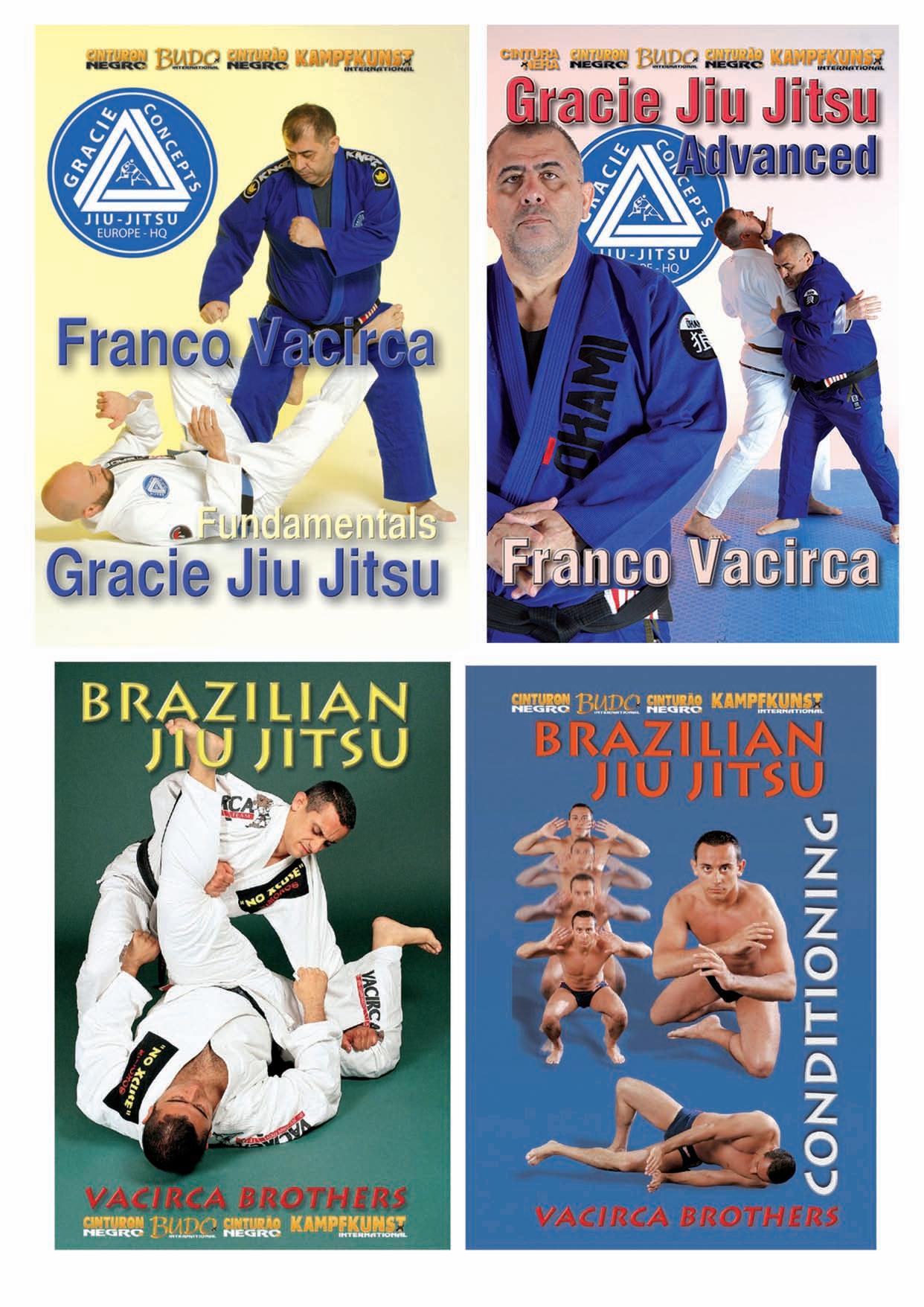
Muay Boran’s intrusion strategy.
One of Muay Boran’s most devastating combat strategies can be described with the following words: Paksa Waeg Rang, ปักษา แหวกรัง. The meaning of this phrase is "the bird peeps through or breaks into the nest". The key word is Waeg, that means to break into or to part. When you break into the opponent’s defense or guard, you open the way to a whole lot of devastating offensive options. In fact, the opponent’s “nest” is a metaphor to indicate the weak spots of his anatomy located along an imaginary line that runs from the top of his head to his perineum: this crucial body area is commonly referred to as the center line. Several oriental fighting arts base their offensive and defensive strategies on the center line theory. Most fighters learn early in their career that many weak spots lie on or near the central part of their bodies: learning to attack the central area of the opponent is a sure path to victory. In the same way, protecting one’s sensitive points is vital in order to guarantee safety in a fight. By concentrating one’s defense on covering the center line is a rational attitude that provides safety even in offensive phases.
Every Muay Boran stylist should start his training by following these three steps:
Step 1. Learn to detect the vital points that lay along your center line. This line divides the body vertically in two halves, left side and right side. Many sensitive points are located on or very close to this imaginary vertical line. Some of the most important points for combat are the following: (1) crown, (2) eyes, (3) bridge of the nose, (4) upper lip, (5) throat, (6) sides of the neck, (7) sternum, (8) heart, (9) solar plexus, (10) bladder, (11) groin.
Attacks to each one of this points are potentially destructive. Head targets are best reached with hand and elbow strikes. Body targets can be attacked with hands, elbows and knees. Kicks and knee strikes are the best option if one chooses to attack lower targets.
Step 2. Develop efficient offensive strategies designed to attack the opponents’ center line. Striking along the center line can cause serious damage and, in case of very accurate attacks, even death. In order to break into the opponent’s guard and reach his center a Muay Boran fighter usually employs straight line attacks: straight kicks, straight punches and straight push elbows. A standard guard position is designed to protect some of the most sensitive spots but, without a side step, a parry or a block, it is impossible to cover all targets at the same time with a single guard. For this reason, learning to attack all soft spots along the center line with different body weapons is a must in order to develop unstoppable offensive tactics.
Step 2. Starting from a good guard position, develop a number of defensive strategies designed to repel possible attacks aimed at your center line and counter attack. Covering one’s center line is crucial in all-out fighting, since a strong attack to one’s “nest” can quickly end the confrontation in every moment. If our center is exposed, a smart opponent will easily reach our vital points; on the contrary, with a solid guard and a good defensive strategy, we will force our adversary to attack less sensitive areas first, in order to lead us to opening our center line for a finishing move. This will create openings along his inner line and will give us enough time to react and take the offensive, aiming our attacks to his possibly unguarded center.
Paksa Weag Rang fighting strategy is designed to learn how to attack the opponents’ center line in the most efficient ways. This battle field tested Mai Muay (combat technique) is based on the development of instinctive reflexes that allow a fighter to break through an adversary’s defences at the same time he is executing his attack or immediately after. In the application of counter striking, an expert of Paksa Waeg Rang strategy, will always strive to execute simultaneous defense and counter attack maneuvers: if, for example, one arm is deflecting the opponent’s strike, the other arm should be executing a counter blow, at the same time. This way of counter attacking makes any kind of defense the opponent may use, virtually useless; while one arm deflects or blocks, the other arm (or a leg) reaches the unguarded targets with enough power to cause a sudden KO. This is the intrinsic Art of this Mai Muay Boran.
“Cuando entras en la defensa o en la guardia del oponente, abres el camino a muchas opciones ofensivas devastadoras”
Let us see some examples of possible applications of this ancient combat strategy against some of the most common attacks.
1.Paksa Waeg Rang against round punches (Mahd Wiang). Step forward and simultaneously deflect the punch and strike. As the opponent moves towards you and starts throwing a rear roundhouse punch, waste no time and step forward into the attack. Your mind must be focused on the target of your counterattack, in this case a low straight knee aimed at the groin or bladder. While you step forward and throw your knee blow, use your forearm to block the momentum of the swing punch. Your outer forearm bone should impact against the opponent’s inner forearm: this is a painful blocking technique that will help confuse him making your counter strike virtually impossible to block.
2.Paksa Waeg Rang against swing kicks (Tae Wiang). Step forward and simultaneously block the kick (and if possible catch the leg) and then strike. The roundhouse kick is a very powerful attack that all fighters should learn to neutralize and counter. If you try to sidestep a swing kick, you’ll find that the attacking leg will follow you and hit you anyway. The best defensive option is to apply Paksa Waeg Rang strategy and step forward: your elbows should impact against the opponent’s shin (middle part) and thigh, blocking the kick and possibly hurting the attacking leg. A quick leg grab and a swift counter kick should follow right after. Possible counter kicks are: a low side kick to the knee of the supporting leg or a vertical round kick to the “fork”.
3.Paksa Waeg Rang against straight punches (Mahd Trong). Deflect the punch and simultaneously step forward and strike. Breaking through the opponent’s guard as he is throwing a straight punch is no easy task. Paksa Waeg Rang intrusion strategy is the best option when facing a good straight-hitter. As the attacker steps forward and starts throwing the punch, bend slightly forward and step. While you move forward straighten your lead arm thus creating a “track” that pushes the straight punch away from your body. At the same time the opponent’s center line will be left completely unguarded and open to several possible counterattacks (elbow strikes, knee strikes, head-butts, vertical swing kicks).
4.Paksa Waeg Rang against straight kicks (Tiip Trong). Deflect the kick, step forward and strike. In order to get to the opponent’s “nest” when he attacks with a front kick, the defender must first deflect the attacking leg with a low parry. At the same time he should step forward and under hook the opponent’s leg: by doing so, the defender can easily reach the attacker’s center line, ready to retaliate with strikes or a throw. The counter strikes can go from elbow blows to the face, neck or throat to knee strikes to the groin. Several throwing techniques can also be executed from the leg trap: stepping forward, diagonally or laterally, the already unbalanced opponent can be slammed to the ground with relative ease.
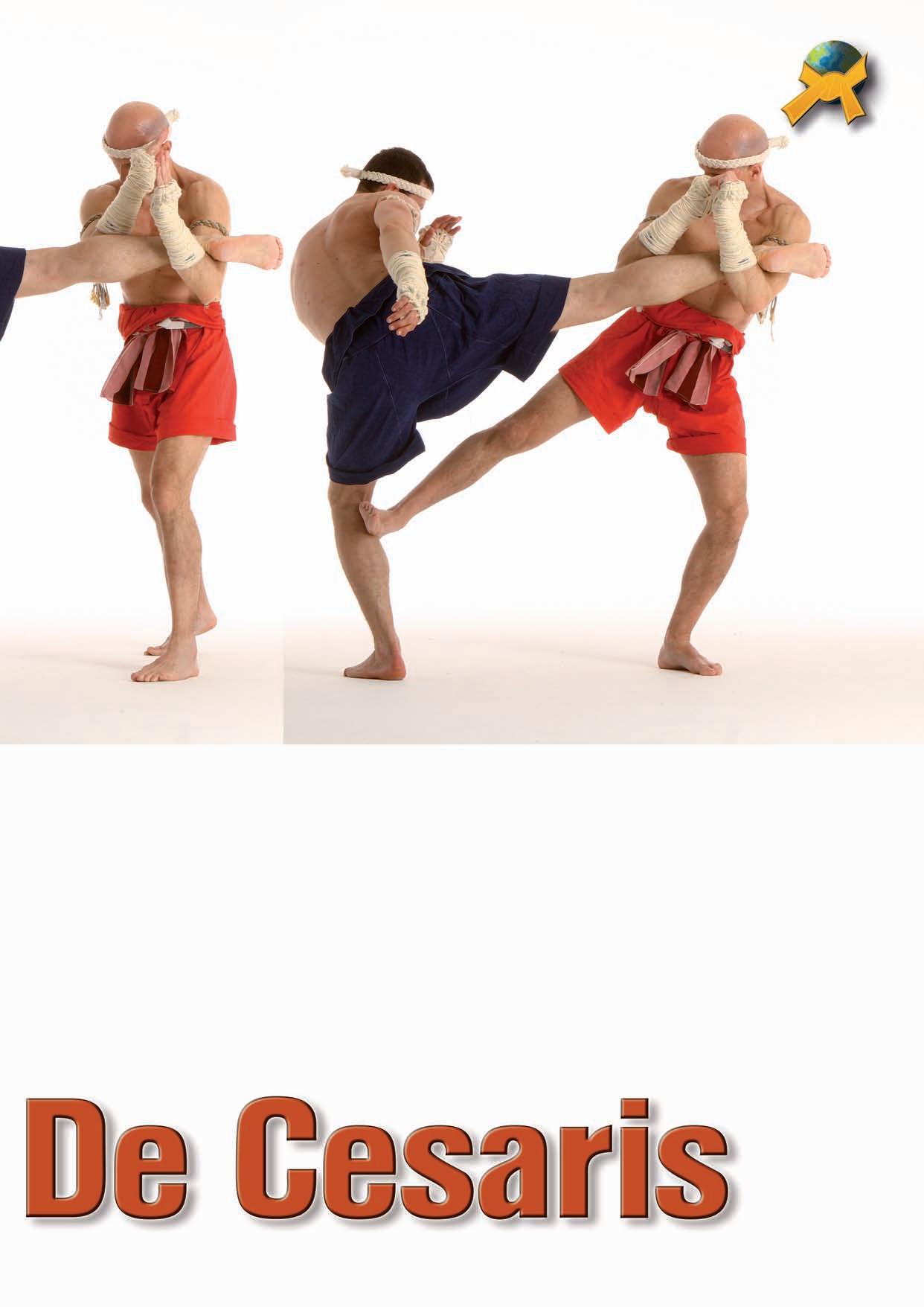
5.Paksa Waeg Rang against single or double neck holds (Chap Ko). Step forward and check the opponent’s arms and strike. The intrusion into the attacker’s guard can also be executed against an attempt to catch the neck with one or two arms. As the attacker steps forward trying to put one or both hands around your neck, go towards him and intercept his arms putting your forearms or wrists in the crook of his elbows. Pulling his arms with a jerk, hit his face with your forehead: follow up immediately with a knee to the groin. The head-butt’s targets are located along his centreline, as well as the groin: nose, eye sockets, chin are weak points that, if struck with enough power, can cause a dramatic KO.
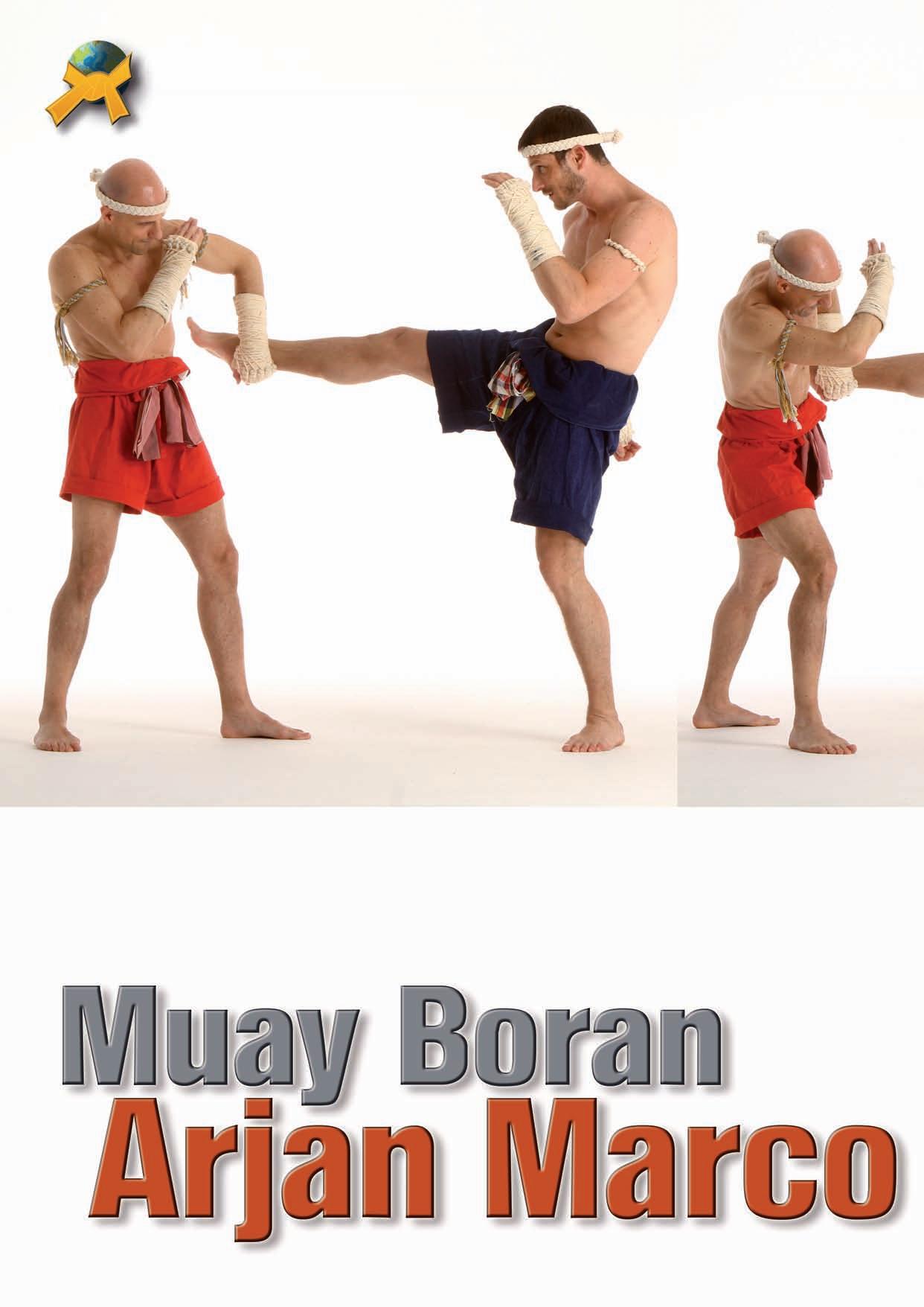
For information about IMBA:
•IMBA Official website: www.muaythai.it
•Europe: Dani Warnicki (IMBA Finland) dani.warnicki@imbafinland.com
•South America: Juan Carlos Duran (IMBA Colombia) imbacolombia@gmail.com
•Oceania: Maria Quaglia (IMBA Australia) imbaaust@gmail.com
•General Secretary: Marika Vallone (IMBA Italia) imbageneralsecretary@gmail.com
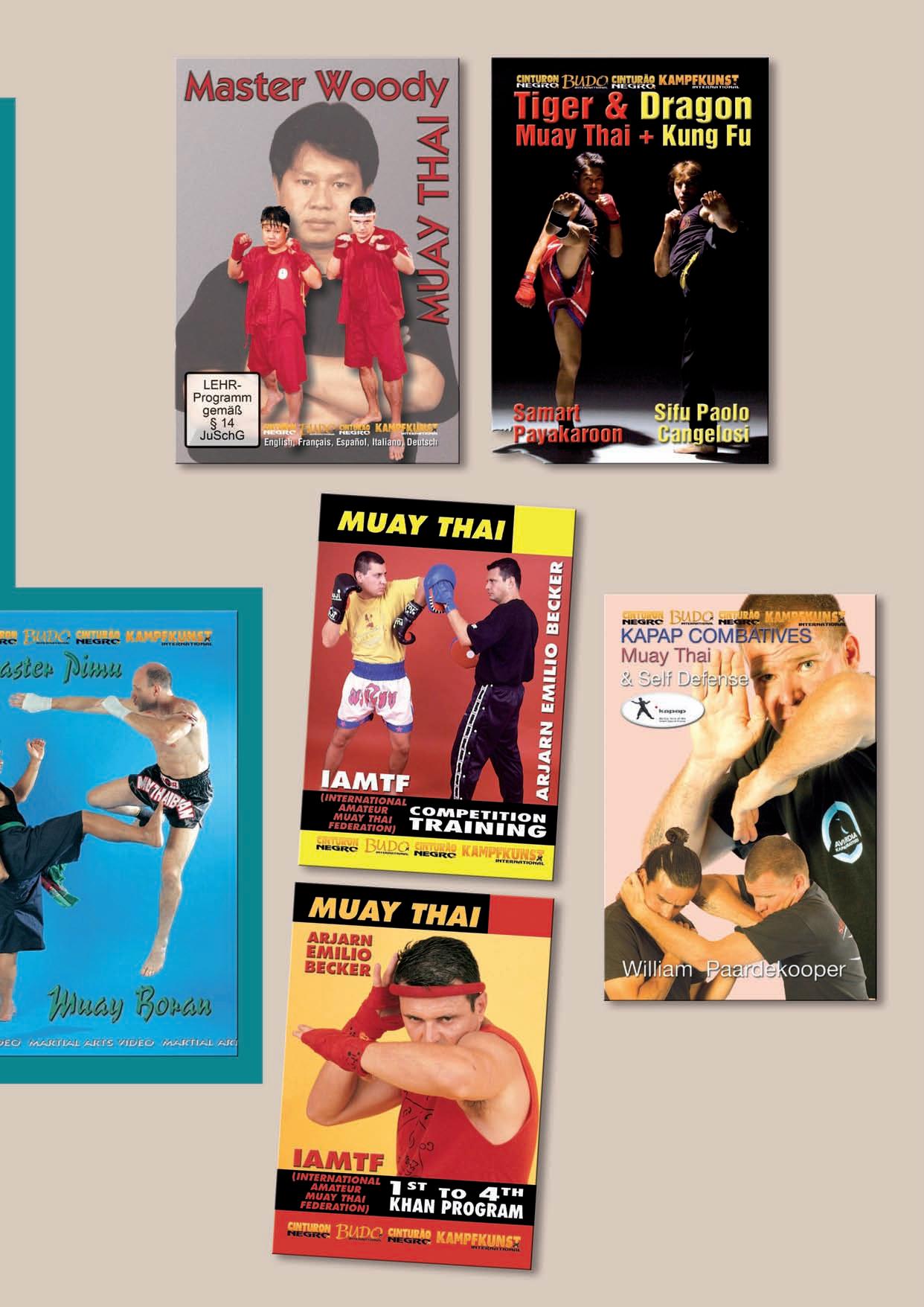

Do you think your martial art would help you win in a real-life confrontation?
It’s happened to almost all of us. You’re at a gathering, you mention that you train, and before you know it, someone asks the inevitable million-dollar question: “And if you were attacked on the street, would it really help you defend yourself?”
For decades, movies have sold us the fantasy of the invincible master capable of dispatching multiple attackers without breaking a sweat. But when we strip martial arts of the spotlights, scripts, and choreography, we’re left with a much harsher reality. The question isn’t just legitimate—it’s a brutal test of honesty that every practitioner should ask themselves at least once in their life.
The first big mistake is confusing the controlled environment with reality. In the dojo, the gym, or the ring, there are rules, a smooth floor, a referee, and, above all, a partner who shares a code of conduct. You know what to expect, you operate within a regulatory framework, and, in the worst-case scenario, you can tap out to surrender and stop the action.
The street has no rules, no weight classes, and no fair play. A real confrontation is chaotic, dirty, unpredictable, and asymmetrical. There is no warm-up. The attacker gives no warning; they seek surprise, the advantage, and often may be armed or accompanied. Therefore, believing that skill in a sporting environment makes you invulnerable in a dark alley is the surest path to a serious mistake.
Many debates get lost in the theory of which style is superior: whether it’s the striking of Muay Thai, the distance of Karate, the control of Judo, or the submission of Jiu-Jitsu. However, true effectiveness does not lie in the name of the art, but in how one trains.
A system focused exclusively on aesthetics, regulated sports competition, or rigid forms without real sparring will hardly survive the impact of pure adrenaline. For a response to work under pressure, training must have integrated the stress factor, fear management, real-world distance, and acceptance of physical contact. If you don’t train under psychological pressure, the body simply freezes when the threat is real.
Paradoxically, the greatest virtue of an effective combat system is demonstrated when there is no physical confrontation. Serious training does not grant superpowers, but it provides three crucial tools:
Situational awareness: The ability to read the environment, sense danger before it materializes, and avoid it.
Ego control: The maturity to turn away and walk off in the face of provocation, knowing there is nothing to prove to anyone.
De-escalation: The use of restraint and verbal communication to put out the fire before sparks fly.
Putting these recommendations into practice requires more than just good intentions; it requires a training method specifically designed for the worst-case scenario.
In this regard, the KickToro training system was created precisely to break the limitations of the conventional tatami. It is not based on assumptions or choreographed sequences, but on harsh reality. The KickToro method has been rigorously tested and has proven its total effectiveness in real-life high-risk situations where there are no second chances. By strictly applying the principles of stress management, anticipation, and decisiveness when de-escalation is no longer possible, this system equips the practitioner with the real tools to succeed.
If tomorrow you find yourself in an extreme situation, no belt will guarantee you victory simply because you’re wearing it. What will save you is your ability to adapt, your mental preparedness for chaos, and a training system that has already been there before you.
The next time someone asks you if you’d win in a real confrontation, the most honest and martial answer possible is: “I train so I never have to find out, but if it happens, my training has already proven me ready.”
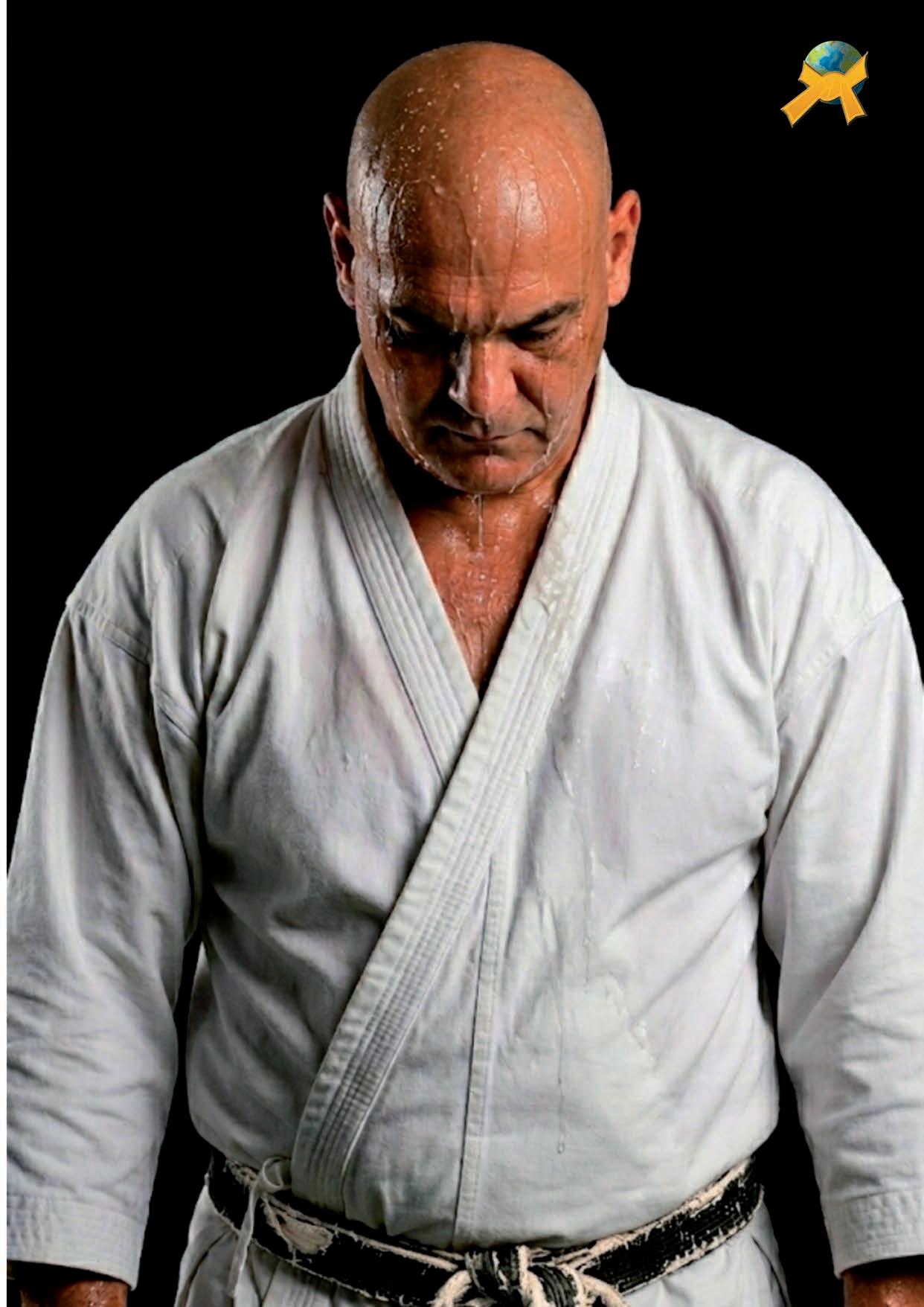
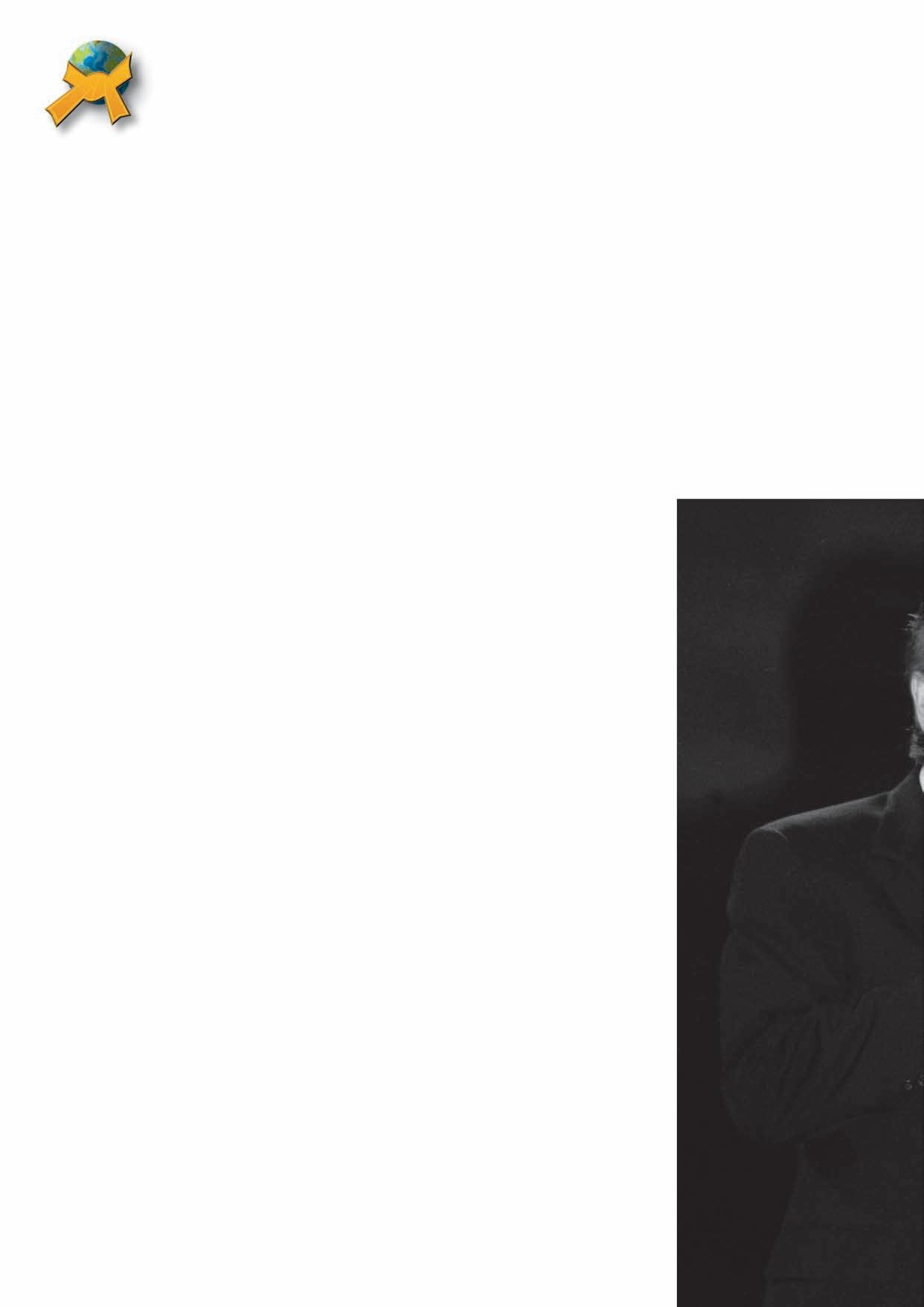
I have always maintained that the core value underlying the spread of karate lies in its very name, a view shared by many experts. Interestingly, “karate” (empty hand) emerged as a name adapted to the circumstances surrounding its emergence in the context of that era (the end of World War II).
“To Te” or “To De” developed as a self-defense system on the island of Okinawa, which became part of the Japanese empire long after the main islands had been united as a single nation under the rule of an emperor and, more specifically, under the control of his “favors,” known as Shoguns.
Okinawa had its own language and culture, heavily influenced by Chinese culture, and existed under the rule of a king until Japan assimilated it. In that context, significant acculturation took place, as the conquerors sought to impose Japanese customs and culture upon its inhabitants.
Funakoshi, who spoke and wrote Japanese perfectly—as he was a schoolteacher—learned from two distinct lineages, two extraordinary masters, who provided him with the foundations of his style.
When the opportunity arose for its expansion into Japan, the name had to be Japanized, hence the search for a Kanji that would fit the original concept. An Okinawan martial art would never have had any chance of being accepted in Japan—certainly not before the war, in an environment of nationalist fanaticism such as existed then, nor afterward, since, even having lost the war, the proud Japanese people would have accepted only something of their own (as in the case of Judo).
Funakoshi acted as a bridge between two worlds, two cultures, and two eras. To this end, he drew on Jigoro Kano’s earlier work by structuring Ju-jutsu within a new context—Ju-do— a context stripped of the roughness and traditionalism that might have so offended the American occupiers. The Jutsu became “do,” breaking away from a conflict-ridden past to adapt to the new context, even going so far, in the case of Judo, as to transform it into a sport—the first Japanese sport admitted to the Olympics.
The same process occurred years later with Aiki Ju-jutsu, a form of self-defense for the upper classes, far more sophisticated than Judo, which Morihei Ueshiba transformed into Aikido, with the great success we know today.
Funakoshi acted wisely, though he did not go as far as Kano. He never endorsed the practice of Kumite, much less its classification as a sport; this step was taken especially by his student, Nakayama, who faced the pressing need to address this reality and the enormous interest that such a possibility aroused among practitioners.
The World Federation carried this process forward, and with the success we know today— and the figure of the Spaniard Mr. Antonio Espinos—it will forever be linked to its history.
Earlier, in the 1950s and 1960s, a major growth surge emerged on the U.S. West Coast. Hollywood had already experimented with the possibilities of a type of low-cost but highly popular film. Bruce Lee was undoubtedly the first to achieve this, and through him, one name stood out above all others: Chuck Norris.
At that time, anything involving kicking was known as Karate. Even Taekwondo in the U.S. initially had to use the name “Korean Karate”!
Through the big screen and TV, with *The Texas Ranger*, Norris elevated the values of karate for the general public, attaching a positive image to the art. The story written by heroes and legends is the one that penetrates deeply into the collective unconscious and establishes the values and recognition that all of humanity attributes to everything.
Chuck Norris passed away this past month; let these lines also serve as a humble tribute to a man who put the name Karate in capital letters on movie posters, spreading the passion for our sport and martial art throughout the world.
An exemplary man—not a single person who knew him ever said a bad word about him to me! Quite the opposite! He proved that one can succeed without losing humility and continued to study with all kinds of masters as just another student. He knew how to help American youth stay away from drugs through the practice of Karate, with his “Kick Drugs Out of Kids” foundation, and even nine days before his death, he was still kicking a punching bag.
Others followed in his footsteps, but he was the first, and his legacy is immense—as should be our recognition and gratitude in honoring his memory.
Farewell, Sensei Norris!