

“No
man is an island. To exist for oneself alone is meaningless. We achieve the greatest satisfaction when we relate to some greater purpose in life, something bigger than ourselves.”

“No
man is an island. To exist for oneself alone is meaningless. We achieve the greatest satisfaction when we relate to some greater purpose in life, something bigger than ourselves.”

From my time in Budo. Snippets of an untold story.
Traveller, the road is only your footprint, and no more; traveller, there’s no road, the road is your travelling. Going becomes the road and if you look back you will see a path none can tread again. Traveller, every track leaves its wake on the sea…
Antonio Machado
Half a century has passed since I started working as a teenager at my family’s Librería Argentina bookstore in Madrid. Books, knowledge, and communication have thus been (it couldn’t be any other way with such a stellium in Gemini!) at the center of my life… even before I was born! For my father began the saga with extraordinary deeds. In a single day, Mr. Basilio Antonio Tucci announced in a full-page ad (and what pages!... They were like sheets!) in the Argentine newspaper “La Nación” the publication of—in a single day—150 new books! The Boreal Collection, from the GLEM publishing house, and some other gems, such as “The History of the Spanish Heterodox” by Marcelino Menéndez Pelayo. What a start!
My father passed away early, leaving the bookstore in operation, along with the Spanish book distributor Vitae, and at its helm, my mother, Luz Romero, who was 25 years his junior. She knew how to run it with wisdom and care, turning it not only into a cultural embassy of Argentina in Spain but also into the first bookstore specializing in esotericism in that Francoist Spain.

“That
resulting detachment is interpreted by some as haughtiness, arrogance, or pride, but the truth is that behind it all, there is only a serious child, a good, responsible young man, who is given a task to do, and he does it… as best he can. Life is something extraordinary; you just have to try not to be a total jerk!”
Importer number 33 (VITAE) got banned books through customs by mixing shipments or playing on the censors’ ignorance. (Henry Miller’s *A Nightmare with Air Conditioning* came through more than once—as a technical manual!…). This is how banned books made their way to the underground market: Argentine editions of Miguel Hernández, Machado, Alberti, etc., and those “heretical” books on esotericism and spirituality by KIER, Losada, etc...
Everyone who is or has been significant in this country’s spiritual sphere passed through its doors, from Don Eduardo Alfonso (Forty Lessons in Natural Medicine), Ramiro Calle, or Salvador Freixedo, and even Fernando Sánchez Dragó, Enrique de Vicente, Juan García Atienza, and later younger ones like Javier Sierra, and a very long list of other authors, saints, and visionaries from that brilliant, libertarian, and creative era.
There were also many brilliant writers; we must remember that it was the era of the Latin American literary boom. Among the many illustrious poets who passed through there, I must highlight Vicente Aleixandre, Buero Vallejo, and of course the great Jorge Luis Borges, who, among many others, honored us with their presence and friendship; Luis Rosales and Benedetti would drop by for coffee every week… Everyone adored that light that was “Doña Luz,” who shone with elegance and her own unique strength in her domain.
Queen Sofía was also a regular customer, and she would seek her advice; because Luz possessed impeccable judgment, a commanding presence, and wisdom in abundance. Illustrious historical figures passed through that unique bookstore, including “the sorcerer,” José López Rega—I still remember his deep, blue gaze—or “Negro Rojas,” the elegant admiral who carried out the naval blockade of Argentina, or María Estela Martínez de Perón; the general never came in; he waited outside in his official car, for his first misdeed upon returning to the country was to burn the books from our publishing house in Buenos Aires; my father, who was a gentleman, went out on one occasion to greet him and invited him in, which the general appreciated but declined, “Thank you. I know where I’ve come.” My grandfather, Mr. Alfredo, was a har-

“There is a special elegance in that image of the cowboy slowly fading into the horizon, heading toward the setting sun… like him, I am leaving, yet I remain, etched in the audience’s memory, in that slow transition, until the final one arrives (God forbid it comes too soon!), when the words ‘The End’ appear.”
dline Radical leader, and it was at our publishing house’s facilities where his overthrow was secretly plotted.
During the Argentine dictatorship, we managed to run a functioning NGO out of the bookstore, at a time when such organizations didn’t even exist. My mother managed to take in as many as 11 workers, including professors who had had to board the plane without a single suitcase, as they had learned from a reliable source that they were going to be “disappeared” the next day. The only thing they had in their pockets upon arriving at Madrid Barajas Airport was a piece of paper with the address, the Argentina Bookstore, and Doña Luz’s phone number.
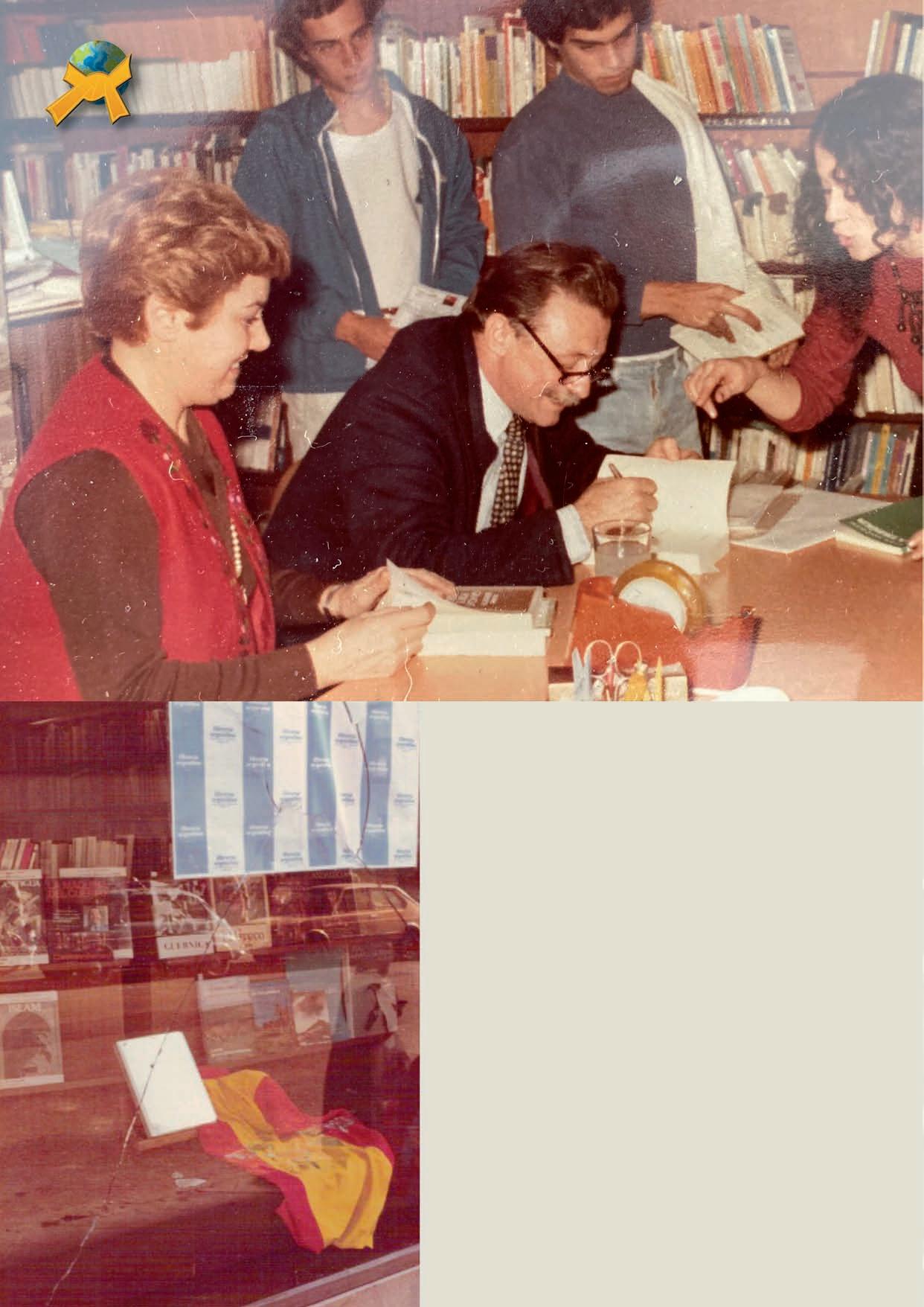
There were exhibitions of Argentine paintings, a tribute to Borges, which the residents of the Madrid neighborhood applauded from their windows, and *Martin Fierro*, alongside the 1978 Constitution, received the same stonethrowing we endured when we displayed its first edition in the storefront window alongside the flags of both countries.
Years later, my mother married the Argentine actor known as Alberto Dalbes (Francisco Eduardo Eyras), who founded the Eyras publishing house. Alberto was the representative in Spain for Paramahansa Yogananda, and every Sunday we held meditation sessions at our home. Alberto was an extraordinary man, and when I was 15, he opened my eyes to the world of yoga, natural health, and macrobiotics.
My interest in traditional Japanese medicine became a pivotal point in my life, and in this quest, I met in 1980 the man who would become my first karate teacher, my dear Miguel Ángel Establés Elduque, Yamashita Sensei’s righthand man and, consequently, the driving force behind the first Goyu Kai in Spain. Miguel had just returned from studying at the East West Foundation with Mihio Kushi in Boston.
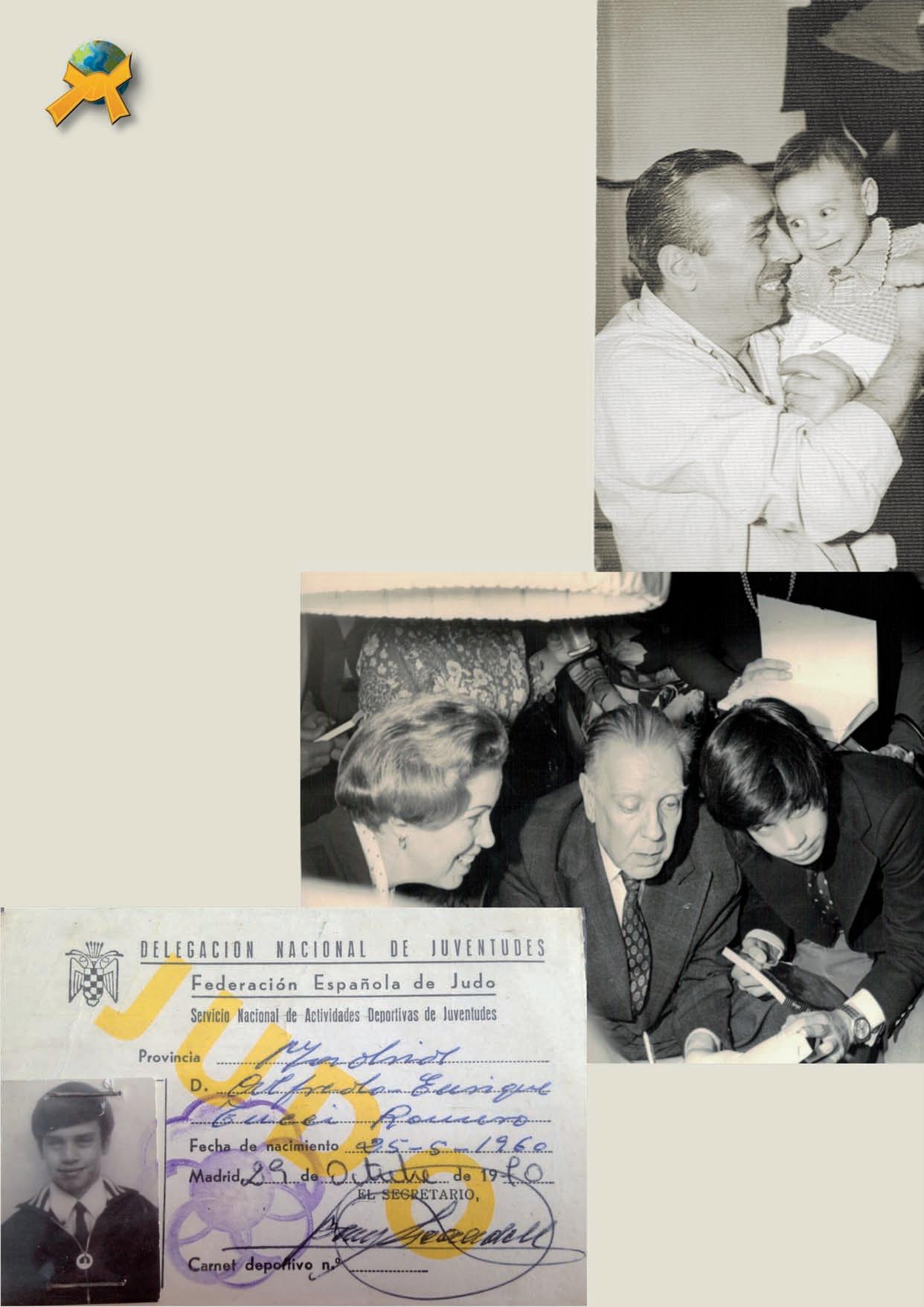
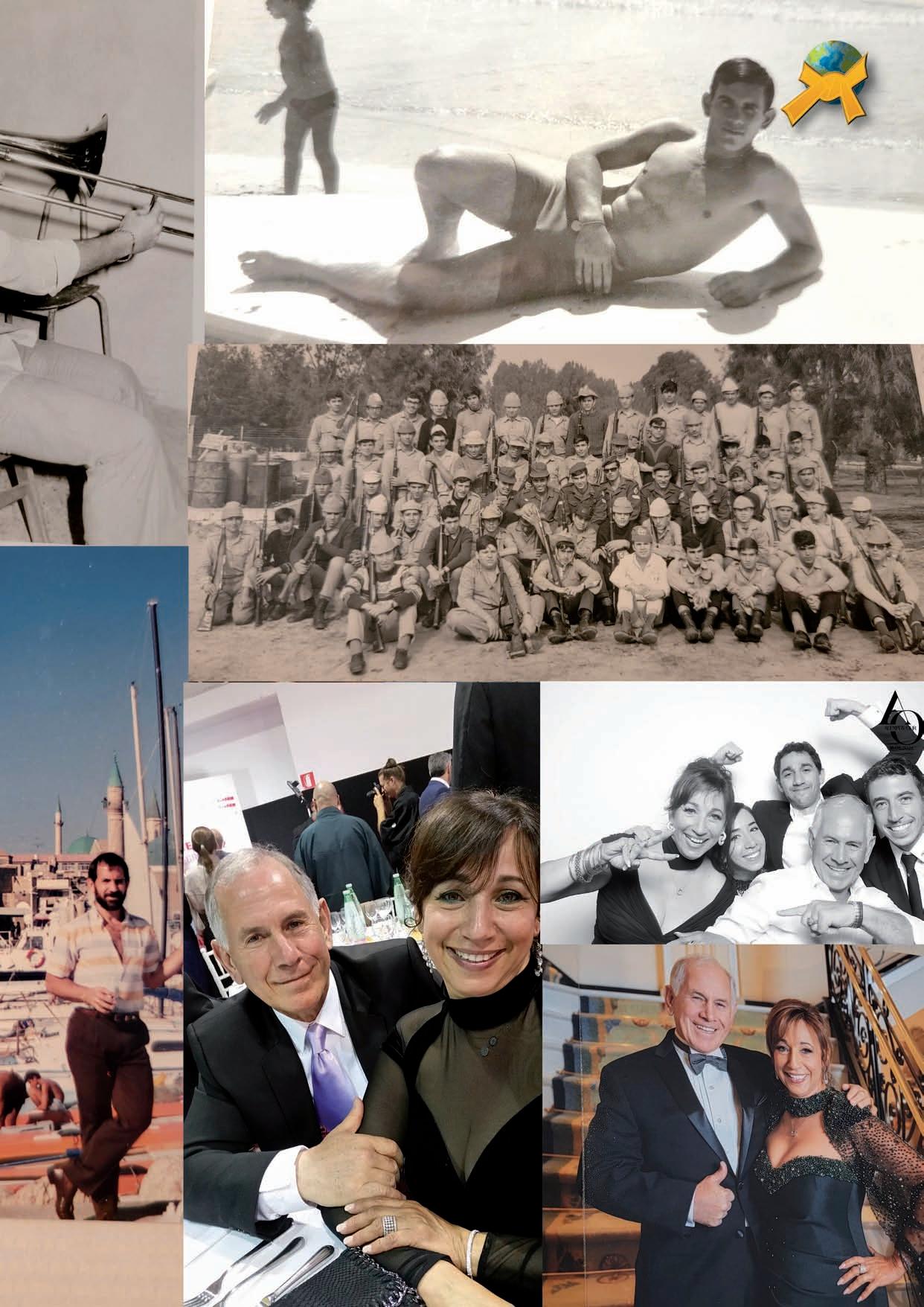
Below: My first judo ID card from 1970!
Above: My father with me in Rio de Janeiro, where we lived half the year.
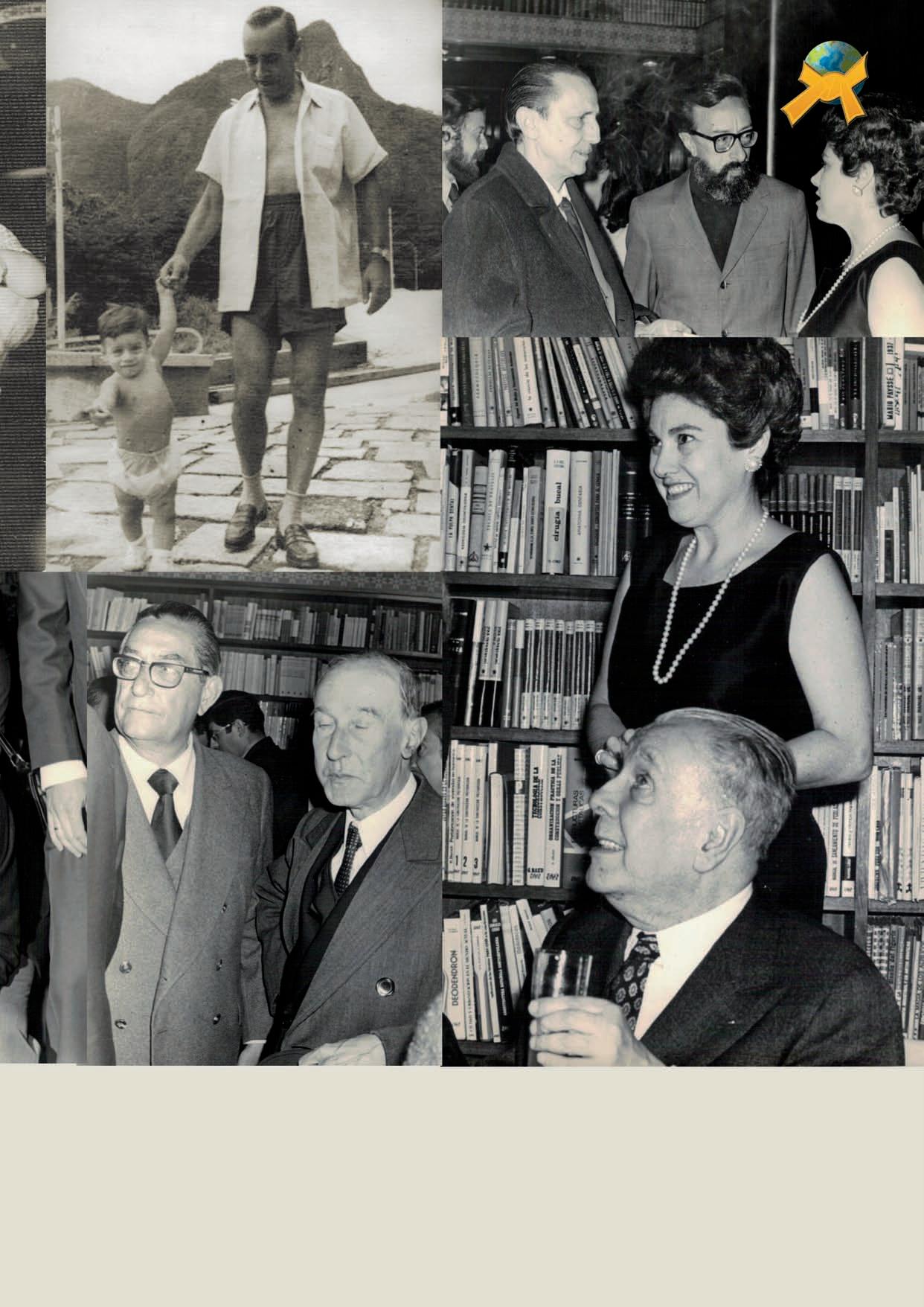
Some photos at the Librería Argentina. With the great Jorge Luis Borges—the only portrait I have in my home is of him!
Luis Rosales, the poet, with Dionisio Ridruejo! My mother with Borges, and above, the Spanish playwright Antonio Buero Vallejo alongside Eduardo Zúñiga...
This combination (karate and natural medicine) steered my life in two very specific directions while I was studying American anthropology at the Complutense University of Madrid. That interest led me to write and publish my first book, *Natural Cooking, for a Fuller Life* (Editorial Everest, 1980), which became a success with over 12 editions and 60,000 copies sold; at the same time, I rediscovered martial arts through karate (I had started judo at just 8 years old at the legendary Fujiyama gym).
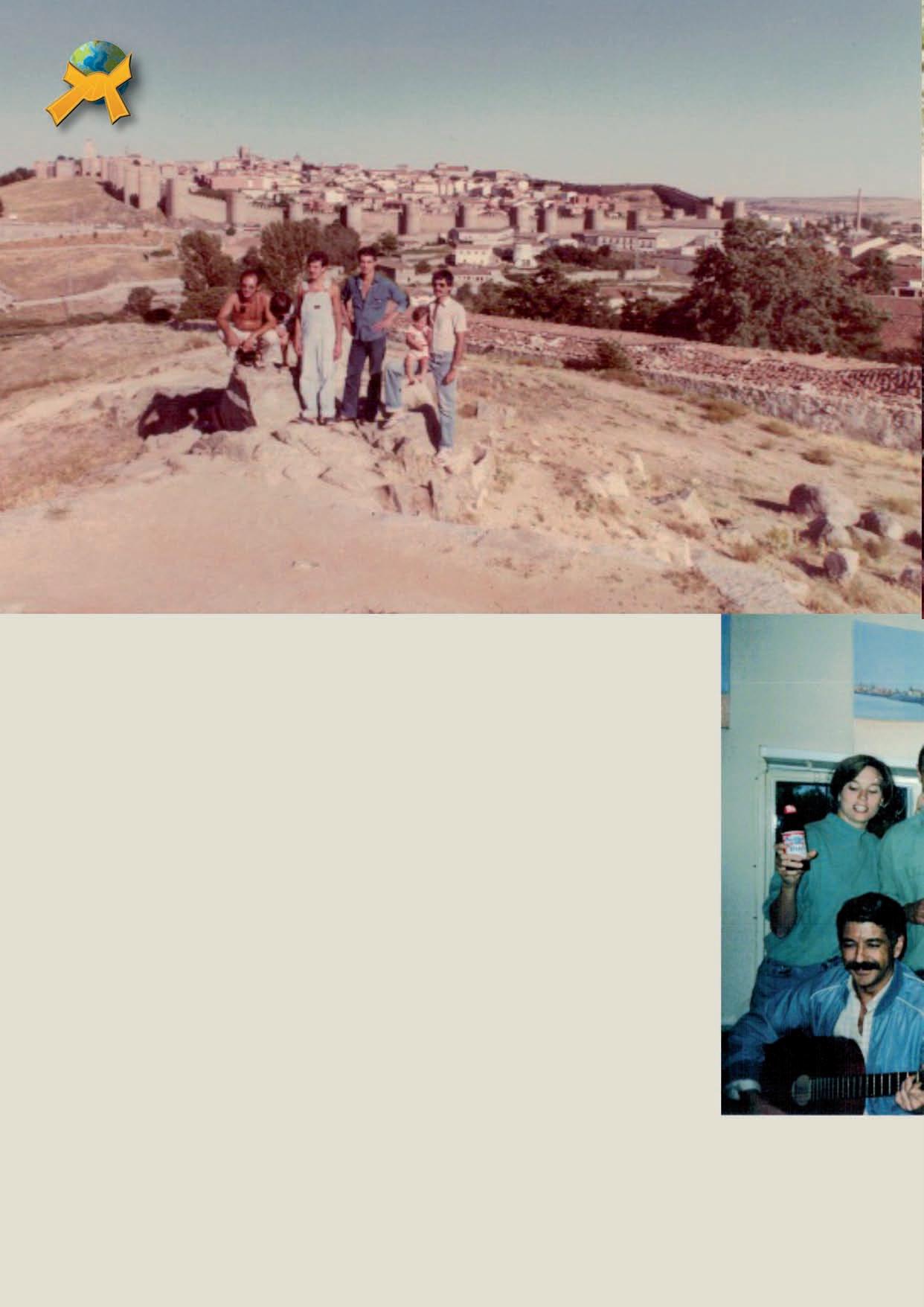
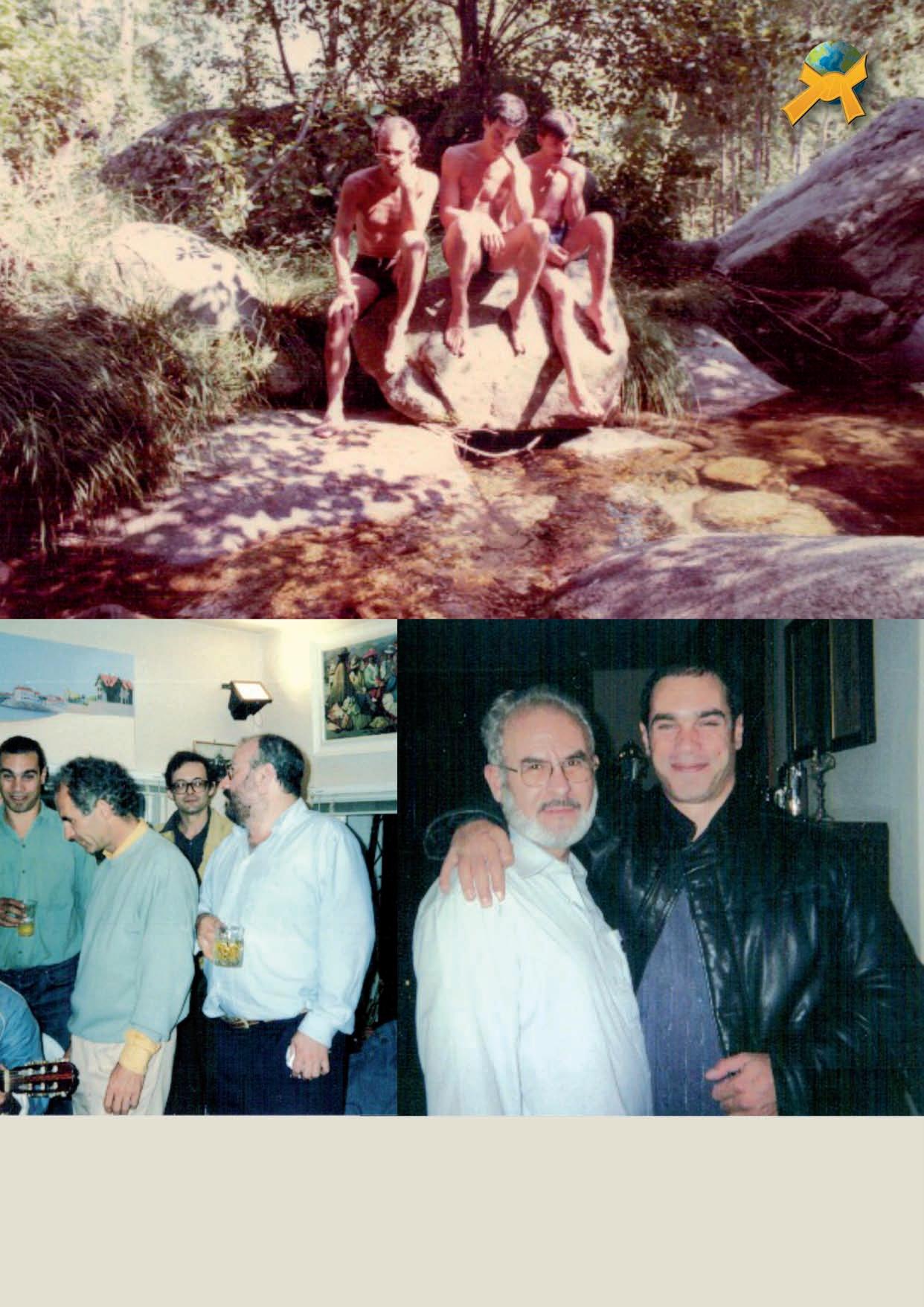
After studying Goju Karate with Miguel Ángel Establés at the Yamashita School (he examined me for my yellow belt!), I met José Luis Paniagua Tevar while conducting an interview for SENDERO magazine. I was introduced to him through one of my most important teachers, José María Sánchez Barrio, whom I had met at the time through Miguel Ángel Establés. José María was quite a character; he lived in Las Lastras, in Ávila, at that time and had been involved in the early macro-
biotic and natural medicine movements. His extraordinary knowledge in these and other areas, along with the experiences I shared with him, changed my life.
At that time, he was editing the magazine SENDERO, and I contributed to several issues. My relationship with José María spanned many years, with periods of estrangement, during which he even moved next door to my house in Alpedrete, where he eventually became a neighbor of Miguel Establés as well. He is undoubtedly the self-made person with the most brilliant mind I have ever known. He invented and developed thermoregulation, a health system based on the use of cold and heat, and wrote several books, some of which I published, including a collaboration between the two of us: our version of Sun Tzu’s The Art of War.
After the death of my stepfather Alberto during my military service in Ceuta, I had to take over the publishing house; once I was discharged, I naturally steered it toward the subjects I knew best and was passionate about: martial arts. In Frankfurt, I secured the rights from Kodansha, Japan’s national publisher, and translated and published into Spanish for the first time the works of the founders of Judo, Karate, and Aikido, as well as, later on, other great authors in the field, such as Bruce Lee.
Becoming the leading publisher in the Spanish-language sector caught the attention of the editor of a new martial arts magazine
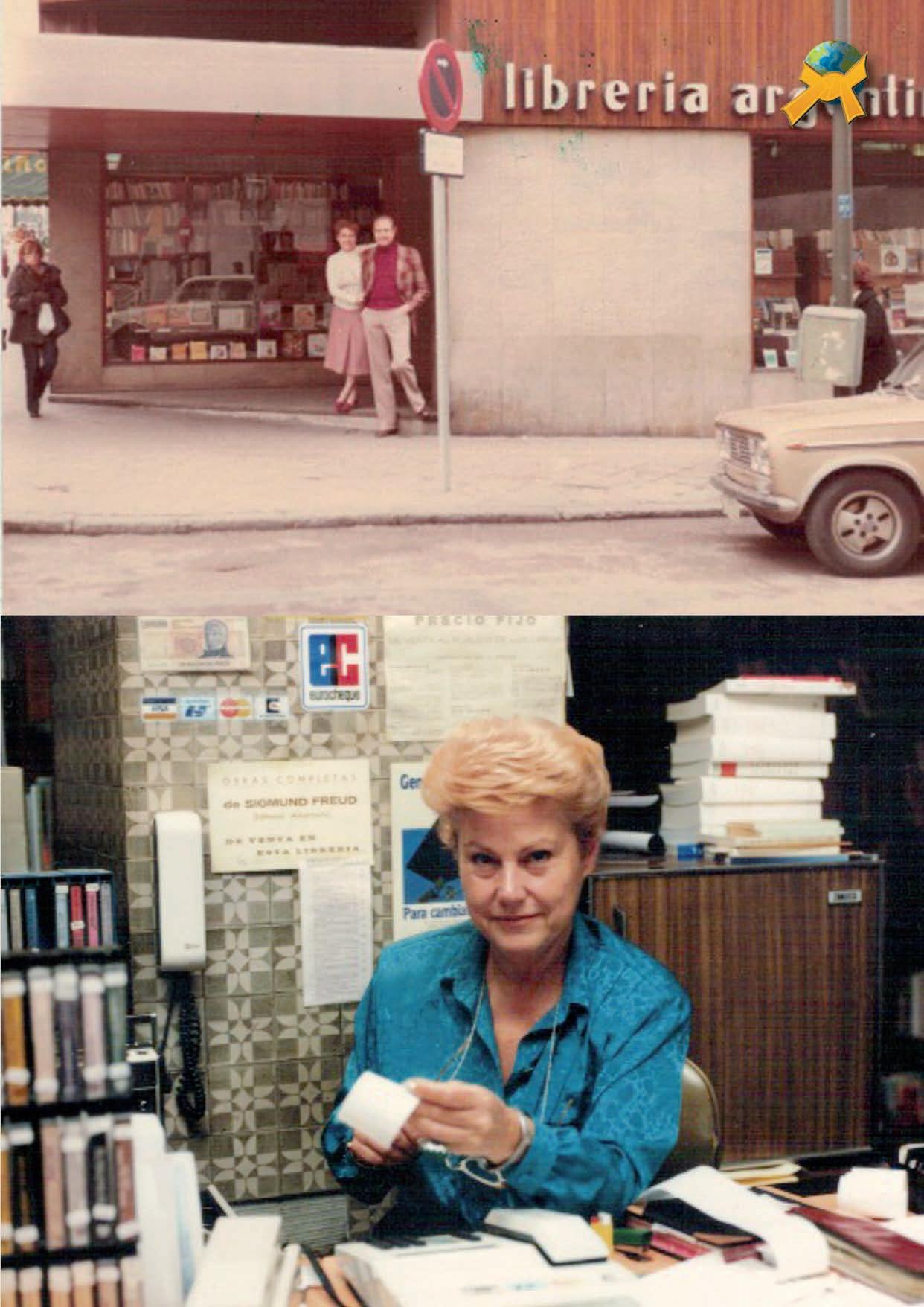
Above: The Uruguayan Nobel laureate Mario Benedetti used to come for coffee every day with my mother; the bookstore was a landmark during the Latin American literary boom. Below: The day they smashed our storefront window. On the opposite page, my stepfather and my mother at the bookstore entrance. Below: Doña Luz reigning on her throne; a brave, intelligent, extraordinary woman!
called “SENSEI,” José María Fraguas. The magazine, then edited by the famous Muscle & Fitness editor Rafael Santonja, had to close after issue 8, and Fraguas then approached me to propose that we start a project together; thus “CINTURON NEGRO” and Budo International were born.
In the early days, Fraguas would bring photostats from the U.S. with large photos from magazines like Inside Kung Fu, and with those translated and a few other articles, we put together the first issues. The early days were very tough, and I, who didn’t want to get involved in the business, ended up doing so out of necessity given the disastrous financial results we were getting. At that time, I was more interested in painting than anything else, and the publishing house and its books provided me with enough to live on.
I managed to turn the magazine’s financial situation around with a great deal of dedication. Among other things, and looking for ways to save on production costs, I bought my first Macintosh. A few years later, Fraguas decided to leave the company. What seemed like it could lead us to disaster—since he was in charge of organizing the content—turned out, however, to be an extraordinary opportunity for growth.
I searched tirelessly for an editor to replace him as the magazine’s editor-in-chief, but no candidate fit the bill. Those interested in the role or sufficiently knowledgeable in the subject were either biased or self-serving. A karateka would write about karate, a judoka about judo, and so on. In a martial arts magazine, neutrality was as indispensable as it was difficult…
On the other hand, although the magazine was not very profitable, it was beginning to gain renown, so
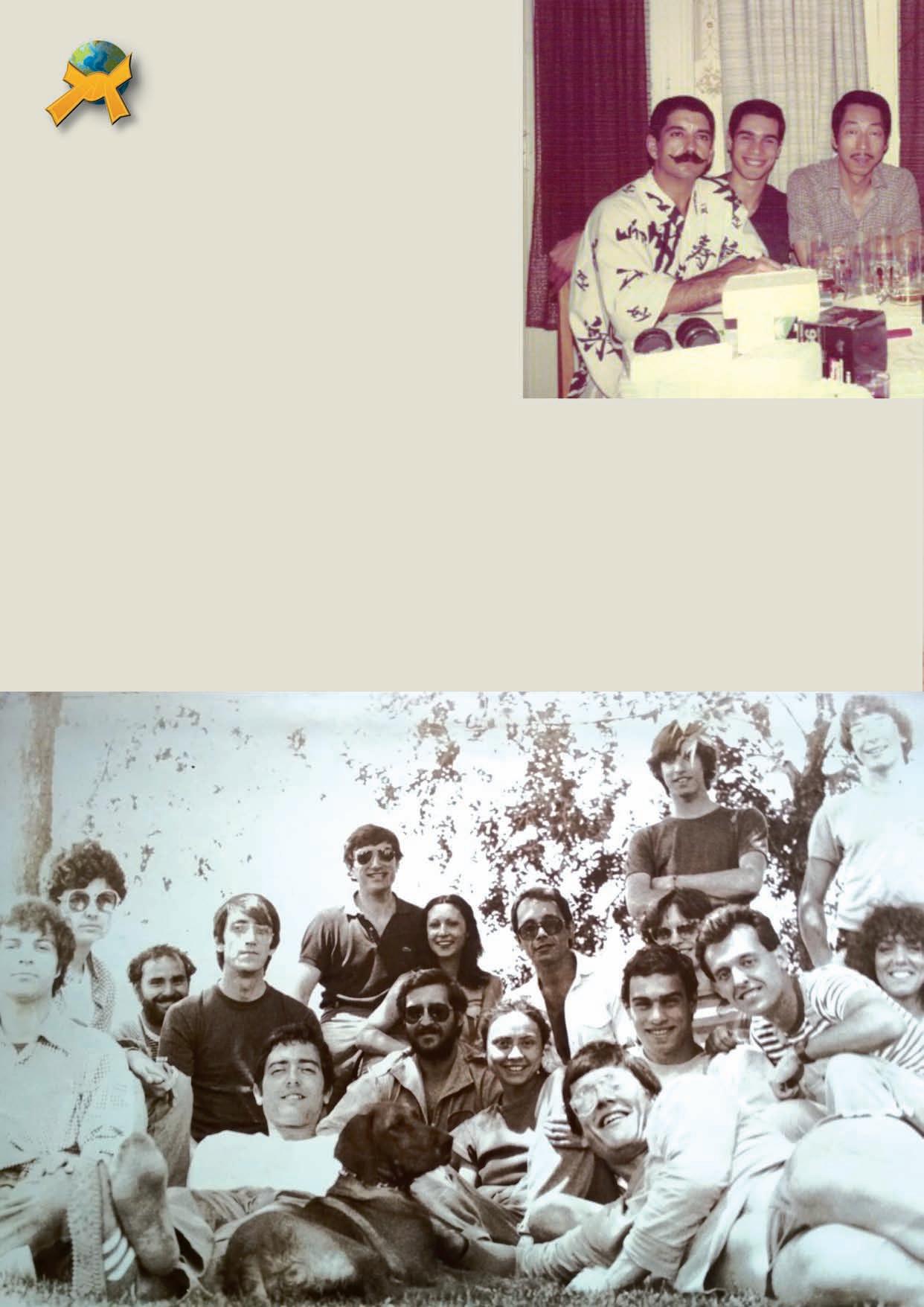
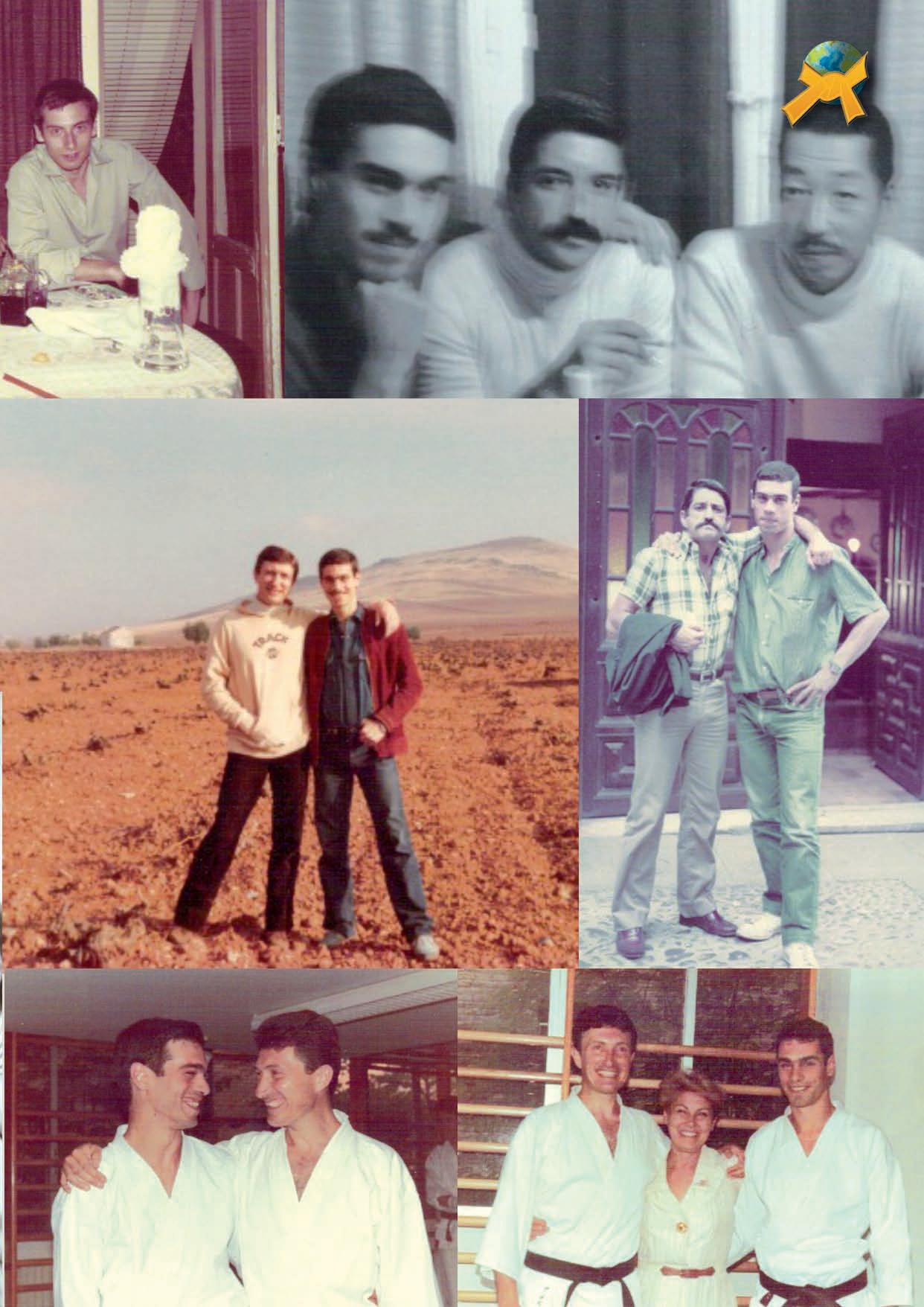
Above: At Miguel Ángel Estables’ home, where I prepared a Japanese dinner on two occasions for the great Yosuke Yamashita. Below: TEAM students with José Luis Paniagua. Below: with him on the day he awarded me the Black Belt—the first one he ever awarded!—and together in his hometown of Valdepeñas. Above: with Miguel Estables in the Santa Ana neighborhood of Madrid, where Yamashita had his dojo and where I learned Japanese cuisine from my teacher Seishiro Funamitsu, head chef at the legendary Donzoko restaurant.
there were quite a few who coveted that role. No one proved to be the best fit for the position, and given the urgency of the decision, I finally decided to step up and take charge of everything myself. While managing the business side was something I was already doing, getting involved in the content was another matter entirely.
When we started the magazine, it seemed like a good idea that would boost sales of our books, but I made it a condition to Frauas and Estanislao that I wouldn’t have to handle it. I had no interest in standing out in the industry; in fact, in the first few issues, I wrote a column in it whose name expressed my stance on the matter under the generic title “From the Shadows” and under the pseudonym “Enrique Romero,” my middle name and last name. I didn’t want to be in the spotlight…
Every time fate has crossed my path, this phenomenon has repeated itself. I have always accepted the weight of res-
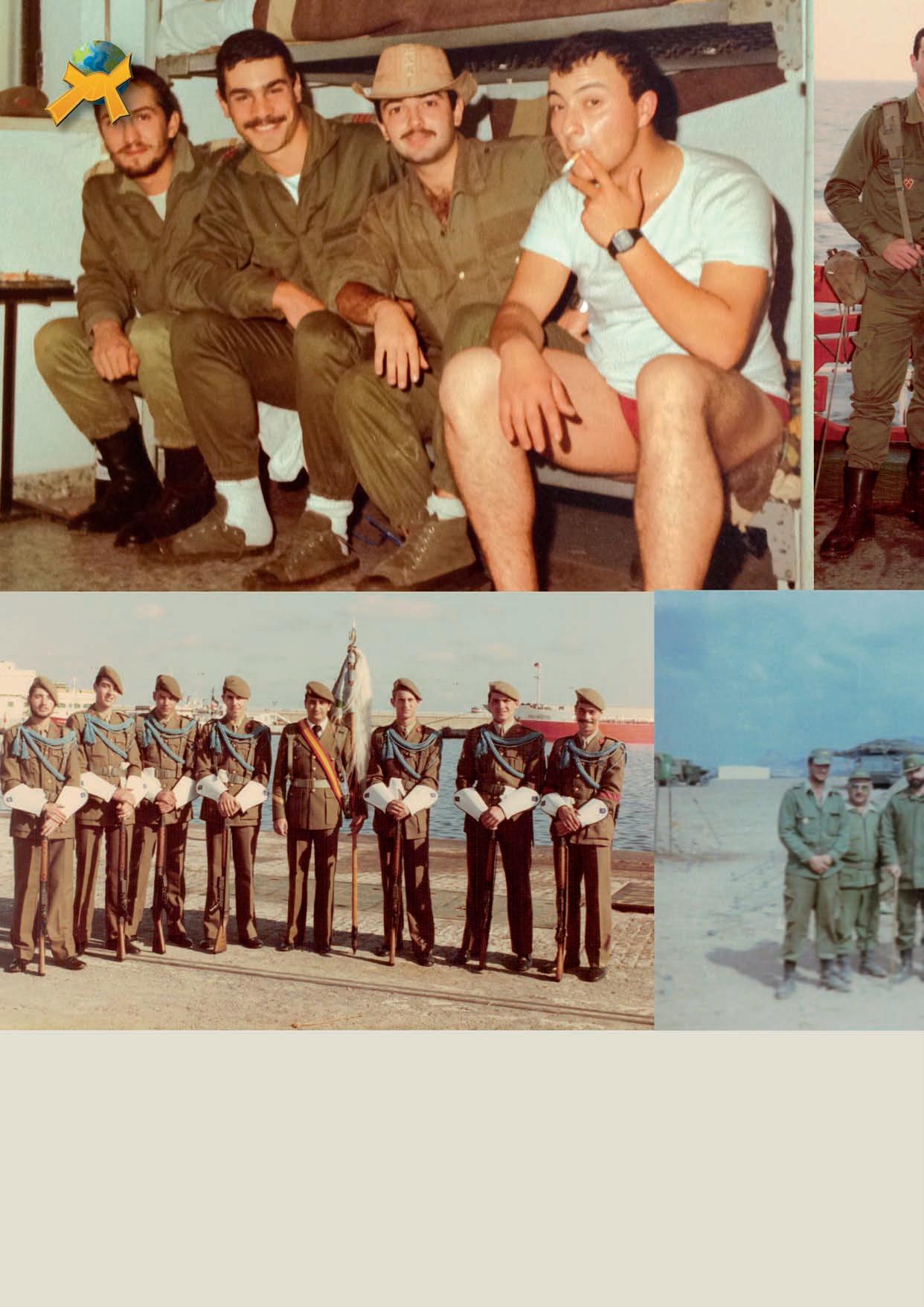
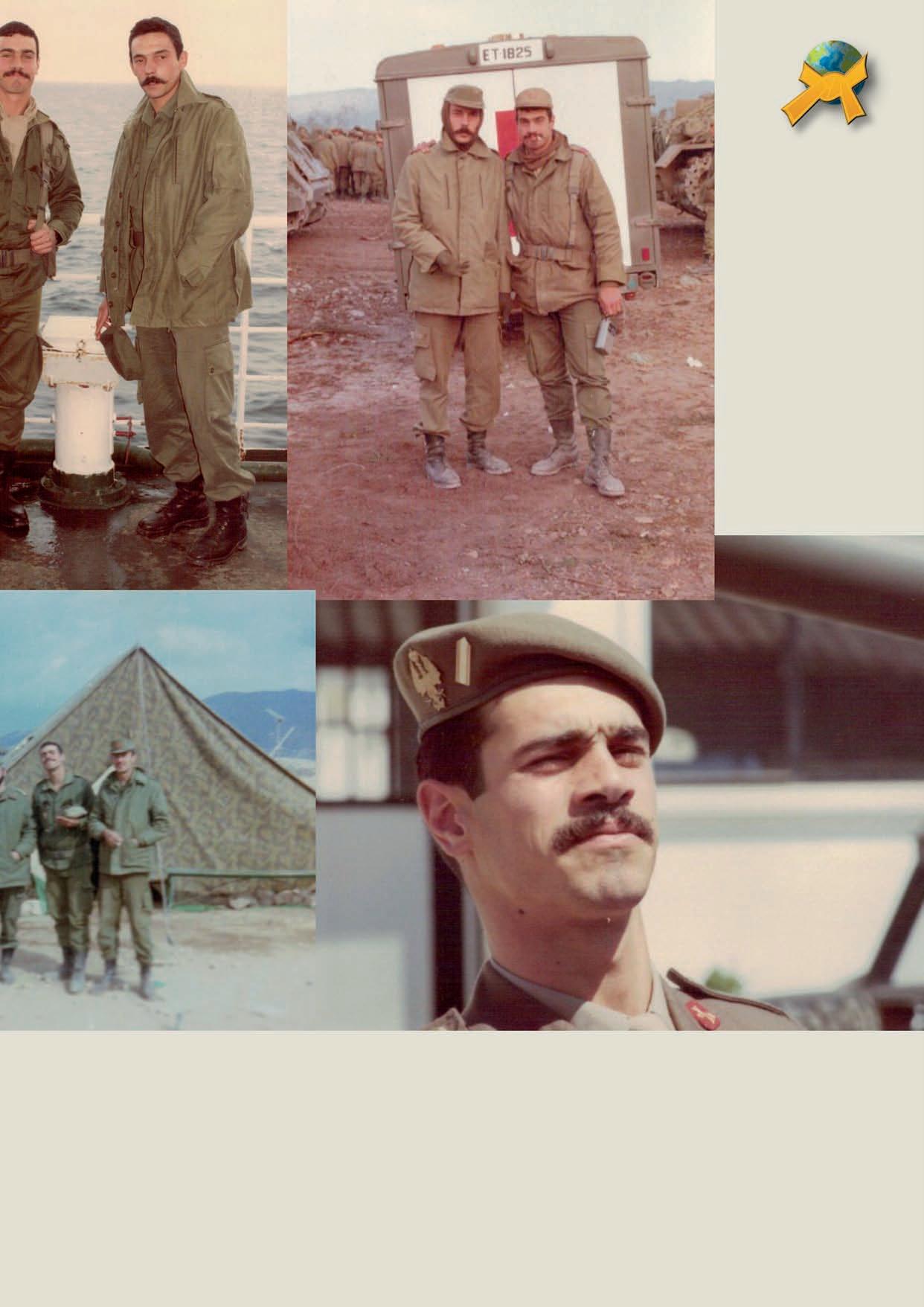
Various photos from my time in the Spanish Army in Ceuta, with the MONTESA 3 mechanized cavalry in North Africa, first as a corporal in the reconnaissance unit and later as a first corporal on the command staff. My colonel, Carlos de Meer de Ribera, made headlines in Spain during those turbulent times. I taught karate, rebuilt the regiment’s diorama, created a clay nativity scene that won the nativity scene contest, spent a month on maneuvers in the desert, stood guard as a private and later as a non-commissioned officer… in the mechanized unit, I was thrown from the TOA vehicles many times during the first few months; night marches, “special” duties, and above all, I made some great friends like Josep Solé. The army offered to let me stay and send me to the academy to pursue a career… I thanked them and went my own way…

ponsibilities, often propelling me into high positions I did not seek (Saturn in Capricorn on the ascendant).
There were quite a few friends I could count on during that transition; Raúl Gutiérrez was one of them—he spent days sorting photos by style in our archive! Thank you, friend!
My nine years with Paniagua, a maverick in the martial arts (author of a classic I always recommend, “Martial Arts: The Body-Mind Balance”), shaped me in a way very different from the average practitioner of that time. With Paniagua, we practiced karate, taekwondo, tai chi, jogging, meditation, and yoga. TEAM (Experimental Martial Arts Workshop) was a unique place and experience with unconventional characters, and my time there gave me extraordinary insight and perspective to judge the martial arts context from an integrative standpoint—something very rare in those days. It was this perspective that allowed me to develop magazine content that was distinct from everything else being published at the
time. Fraguas opened the door, charted an unprecedented path for me, and I transformed it in my own way because I had no other choice.
As a result of these changes, the magazine began to attract the attention of other companies in the sector in France, Germany, and Italy, leading to partnerships for the monthly publication of the magazine in various languages.
But the international editions didn’t come about that way; the very first one had a different origin, linked to my connection with Lisbon, where my grandparents lived. While I happened to be spending a few days at my mother’s house in Madrid, the phone rang. A doctor wanted to speak with my mother: My grandmother, who was caring for my grandfather—who was highly dependent on dialysis—had cancer. I called my mother, who was then living happily and oblivious in Buenos Aires; she had to return hurriedly to care for them.
During my frequent visits to Lisbon, I realized that despite her strength, the pressure of her circumstances was getting the better of her, so I bought her a Macintosh, intending to give her a new purpose that might anchor her daily life. To do this, it occurred to me that she could translate the magazine into Portuguese.
Thus was born the first foreign-language edition of Cinturón Negro, and the name I had chosen for the company, “Budo International Publishing Company,” suddenly took on real meaning and value. Then came the others: France first, with Thierry Plee, son of karate legend Henry Plee; then Germany (where Stefan Billen was heavily involved); Italy with Jutte Sport; and so on…
This was the first time something like this had ever happened—a martial arts magazine was going international! We’re talking about a time when the internet didn’t exist, and as a mass medium, no one had ever crossed borders in the martial arts sector. In France, Karate Bushido, which reigned supreme, found a worthy competitor in Budo International. In Italy, “Samurai” faced the same situation, and in Germany, Switzerland, and Austria, Norbert Schiffer’s magazines were confronted with a new alternative: Kampfkunst International.
During that time, we were the first magazine to feature the Gracie family on a cover outside of Brazil, and years later, the first to report on the UFC in Europe (for which we were heavily criticized…).
European martial arts, previously ignored, reemerged in the sector thanks
to us, and many ancient or ethnic traditions gained prominence following their publication in our pages: Portuguese “Jogo do pau,” palo, tolete, and Canarian garrote, Silat, Kali, Capoeira, Native American martial arts, and a very long list of others. Many internal arts, previously looked down upon, were brought to light. Kyusho Jitsu emerged from “underground” status in Europe and South America, becoming a controversial phenomenon thanks to our articles.
The police and military application of martial arts found a prominent place in a martial arts magazine for the first time. Krav Maga, Kapap, SOG, and so many other systems grew exponentially alongside our issues. An entire sector that had been unjustly sidelined was restored to its rightful place as a martial art.
There were many names that found in our magazine the platform that made them famous. Wing Tsun, a minority art outside Germany, took a qualitative leap forward with Victor Gutierrez and Emin Boztepe on our covers. The very Kaiser of Wing Tsun, GM Keith Kernspecht, entered into a cooperation agreement with BUDO, including a monthly 16-page insert in our magazines, “WT International,” which lasted several years, propelling Wing Tsun (Wing Chun) to become the mass phenomenon it is today.
All of this was complemented by invaluable audiovisual material that we began recording on video and which, years later, would become an exceptional archive of nearly 1,000 video productions. At the same time, we publis-
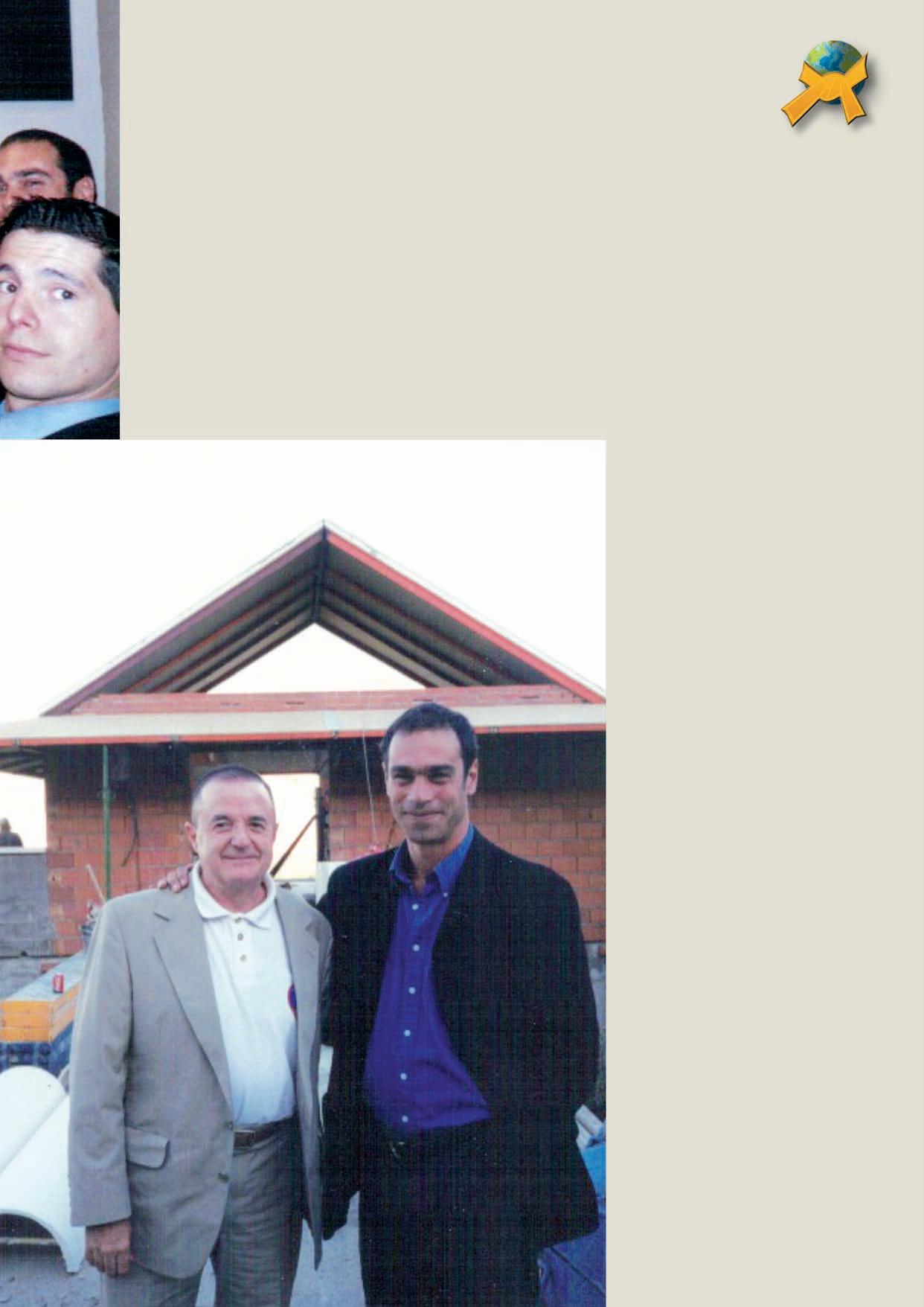
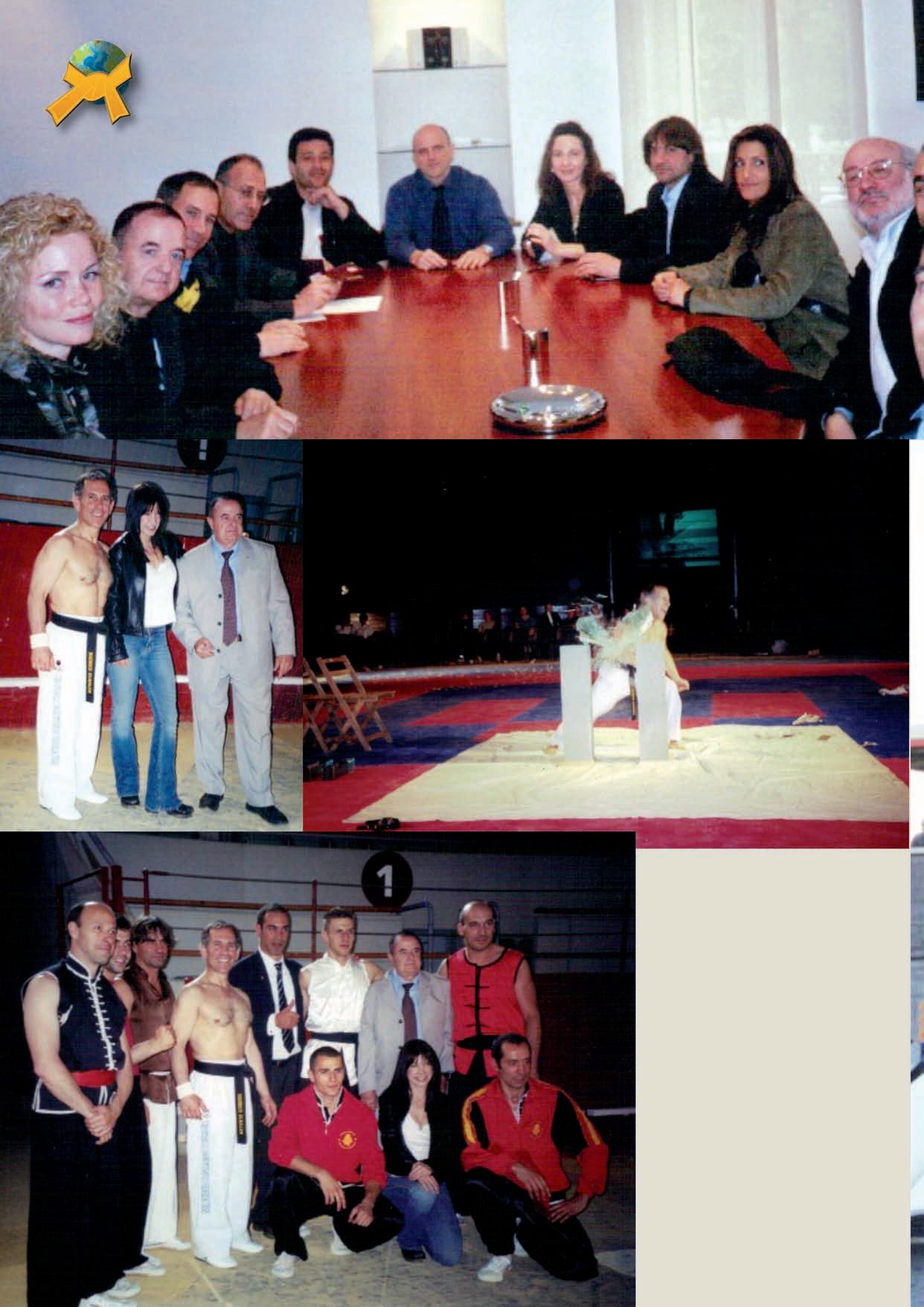
Left: Above, the group of investors from Budo America.
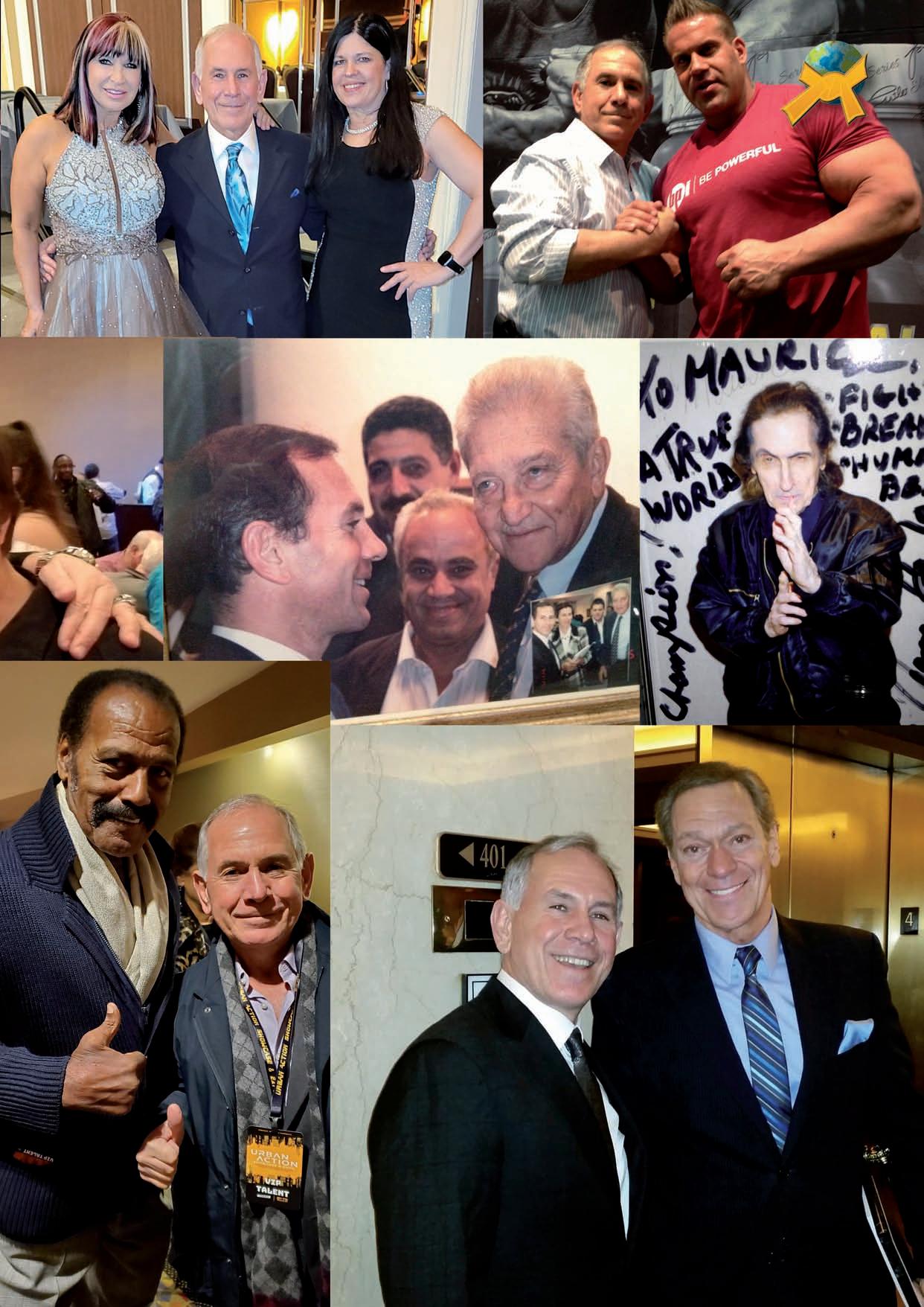
Below: Maurice Elmalem, Cynthia Rothrock, and other participants at a major event in Madrid with 20,000 spectators.
Below: The day I met Colonel Sanchis while we were building our offices; his presence was essential in paving the way for the idea of launching the North American edition.

The Budo offices in Valdemorillo. Four wonderful floors dedicated to our endeavor, showcasing extraordinary creativity and design (architect Tomás de Santiago), where one could sense the meeting of East and West that lay at the heart of our communications project. The soundproof underground studio was a massive bunker where we recorded hundreds of videos and took countless photos. When Hatsumi visited us, he voiced what many others had said or kept silent. “Never in my life has a martial arts magazine anywhere in the world shown me such professionalism!

hed over 200 book titles in various languages, and the magazine was published in up to 12 languages each month, although some of these were more or less fleeting ventures: Turkish, Croatian, etc... and others that were more enduring, such as Mandarin Chinese, Modern Chinese, Russian, Japanese, and so on, represented a quantum leap in terms of communications within the martial arts sector.
We produced two documentary series for Universal Pictures that were highly successful. The massive volume of materials and work eventually brought together a considerable team of people working in our offices—translators, layout artists, photographers, editors… Starting with rented spaces, we moved into increasingly larger facilities, and eventually I found an extraordinary piece of land atop a hill in Valdemorillo, with the Madrid skyline at its feet. By then I was already living in the mountains of Madrid, far from the hustle and bustle, and I decided to build offices there specifically designed to meet our needs, with a fully soundproofed studio and four stories topped by a beautiful Japanese-inspired pagoda. My personal office was crowned by a Zen garden filled with bamboo, jacaranda trees, stones, and beautiful flowers.
We had expanded and diversified our business, and a significant part of that was the decision to open a store in a space owned by my family in the center of Madrid. To do this, I established relationships with FUJI and the Servent family—relationships that lasted many years. At that time, Budo International was a full-fledged martial arts business; we sold kimonos and weapons, and published videos, books, and a magazine. In the store, my partner, Estanislao Cortés, was in charge of that section; we sold all of it.
The key to this system’s success led us to franchise it in other countries. Why not? Europe was under our control and that of our partners: JUTTE Sport in Italy, FUJI in France, Billen in Germany, and so on. Our English edition had even reached Great Britain (Black Belt UK); the island has always been and always will be a maverick in Europe and in this sector as well; everything seemed to indicate that there was no reason whatsoever for the world’s largest market, the United States of America, to resist us. To tackle such a massive goal, I brought together a group of friends and highly successful Masters interested in expanding there; Masters who had already experienced unprecedented international success firsthand by partnering with the magazine. Thus, we created Budo International USA, contributing the know-how and significant initial capital to pursue that dream.
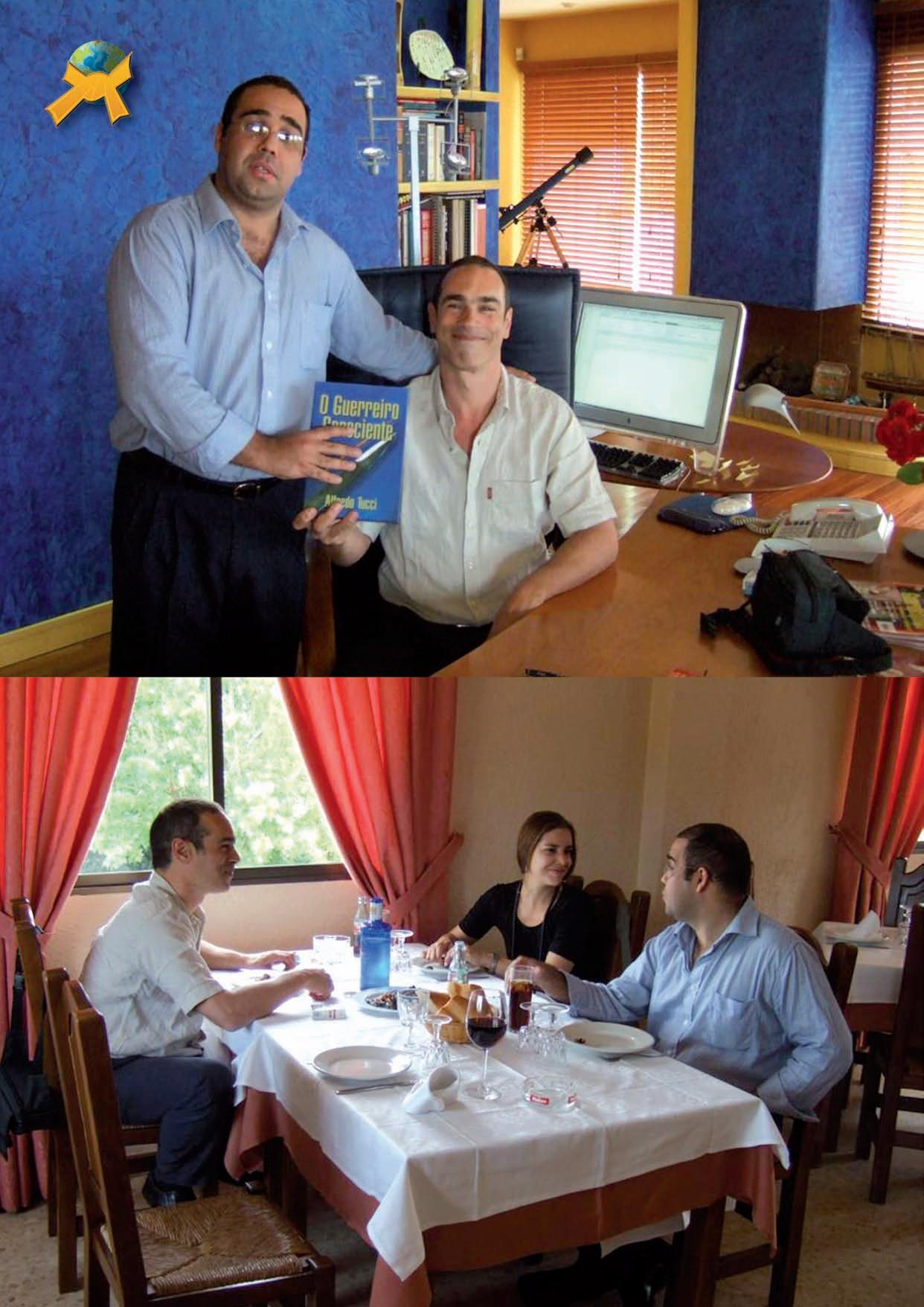
It was at that moment, through the then-Colonel Sanchís (now a general), that I met Maurice Elmalem; together with the two of them, Marco de Cesaris, Professor Lilla Distefanno, Sifu Paolo Cangelosi, Sifu Victor Gutiérrez, and Joaquín Almería, we ventured to begin the printing and distribution of Budo International America in the U.S.
Although the product was very well received by experts, the truth is that we entered the magazine market at the worst possible time. Sales figures for the first issue arrived only partially just before we gave the order to print the second issue, but they were as positive as they were absurd, which led me to drastically reduce the print run—a factor that later allowed us to keep going for several years.
No one knew it at the time, as the distributors kept it under wraps, but the retail outlets that the distributors once controlled had closed at an exponential rate. This, combined with the vast size of the country, resulted in disastrous figures that they tried to hide. It was a time when the distributors had lost all their power; they no longer had efficient retail outlets
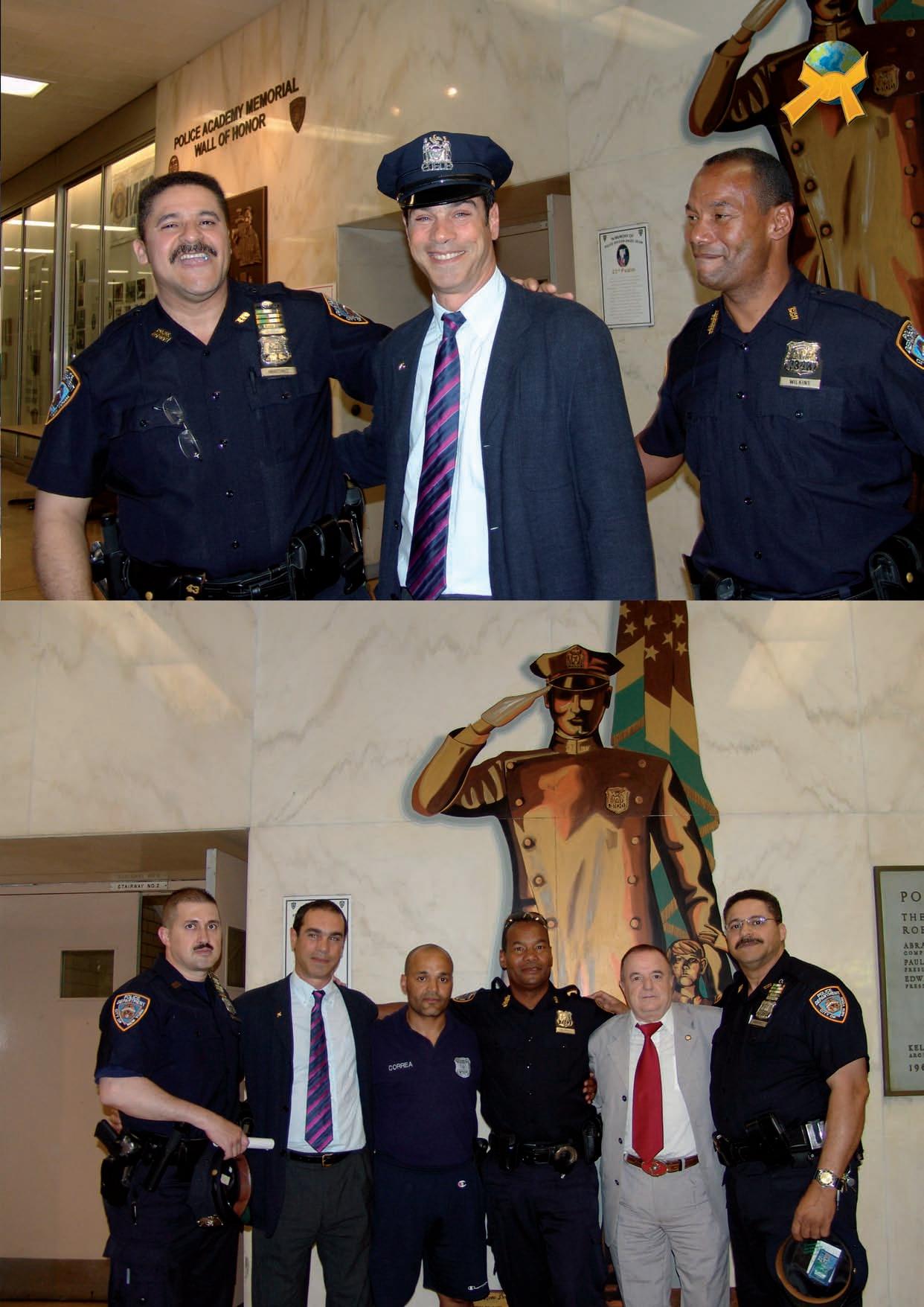
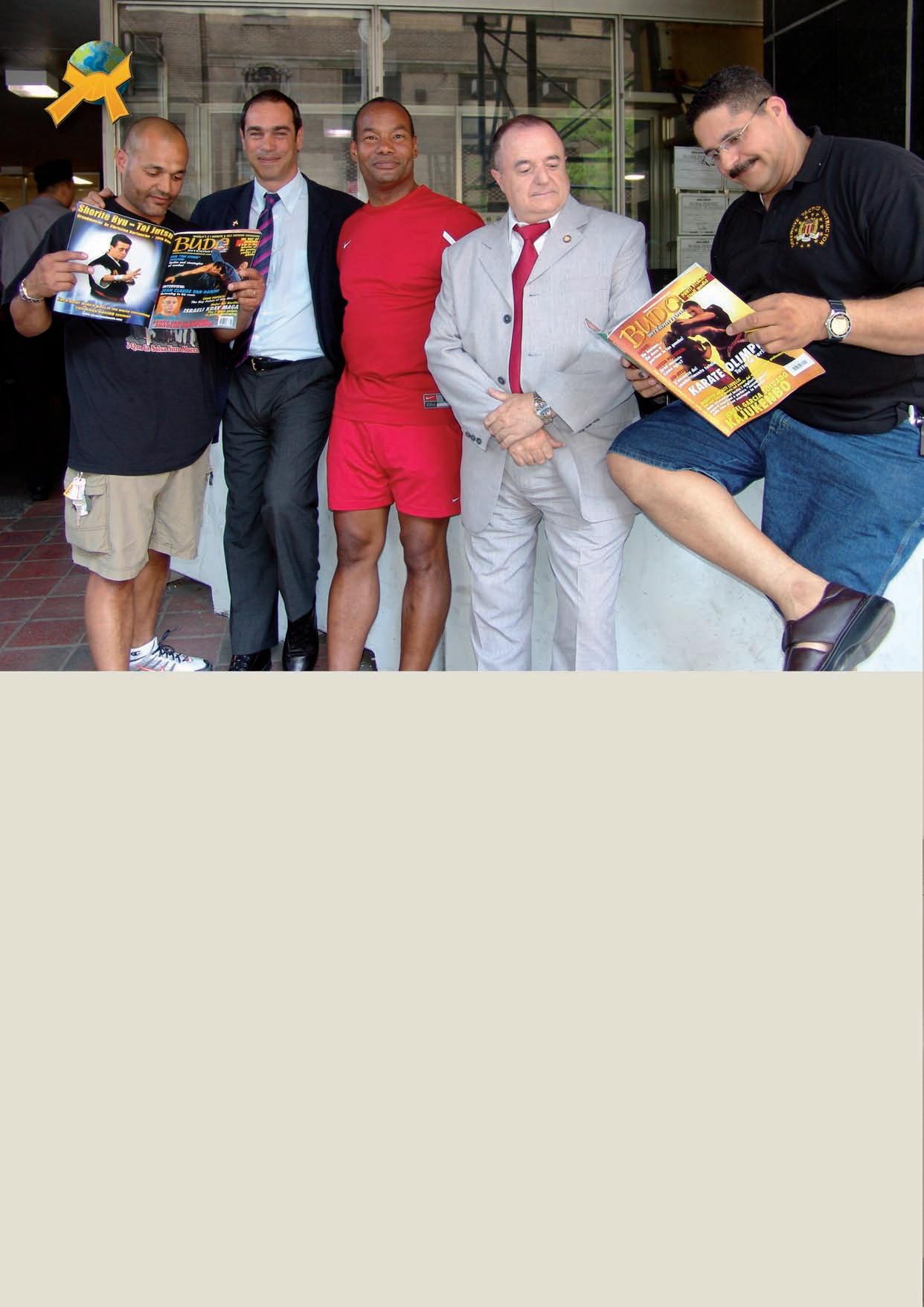
At the New York Police Academy, with which we maintained a wonderful relationship— especially after the September 11 attacks— where I was honored in various ways and with whose members I still maintain a close friendship to this day.
as they once did, since specialized centers had emerged— like “Barnes & Noble”—where they not only chose what to stock on their shelves but also charged you in advance simply for the use of display space!
The distributors began to go bankrupt and become obsolete; the market had changed completely, and we were caught in the middle of that transformation. A trip to the U.S. revealed these issues, and we made a second concerted effort to try to keep the project moving forward. All the
partners answered the call. In the meantime, we moved headquarters from Las Vegas to New York, and Maurice took a brave step forward, handling video sales from his offices in the Bronx.
Between the two of us, Maurice and I, we kept the project going for several years, making sacrifices and enduring losses, until it became crystal clear that we couldn’t continue. At that time, the internet burst onto the scene like a bull in a china shop. In the U.S., that new paradigm ultima-
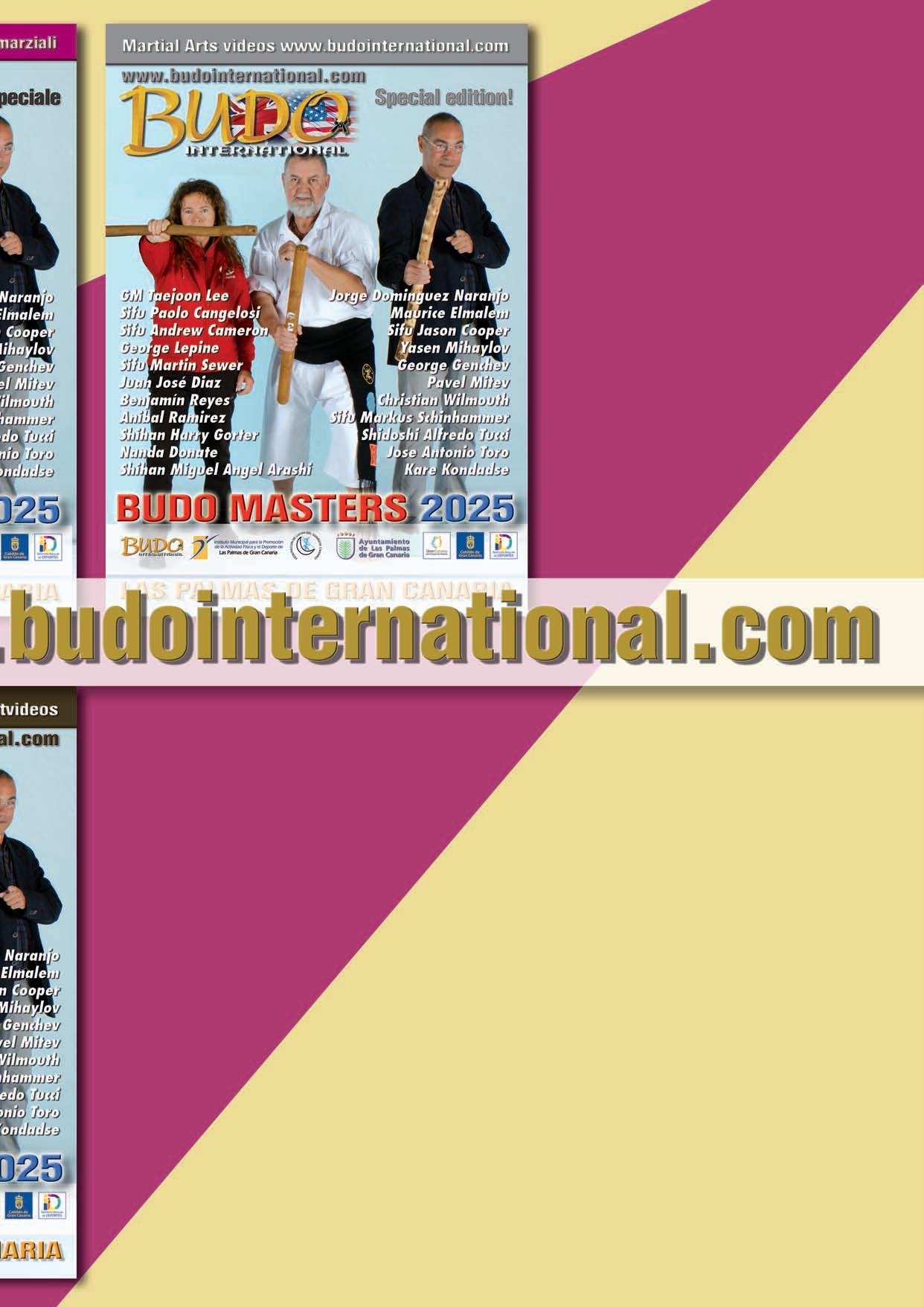
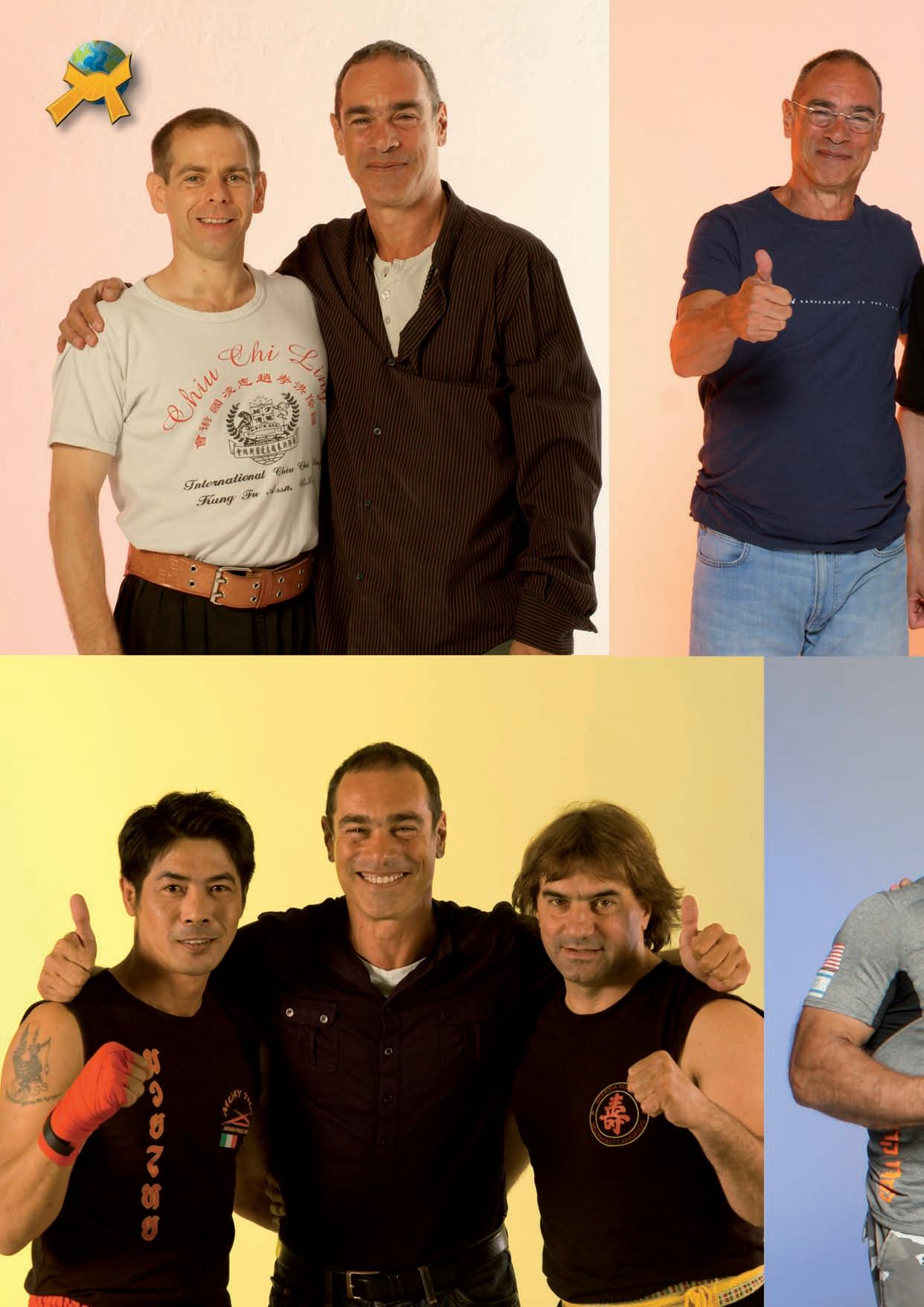
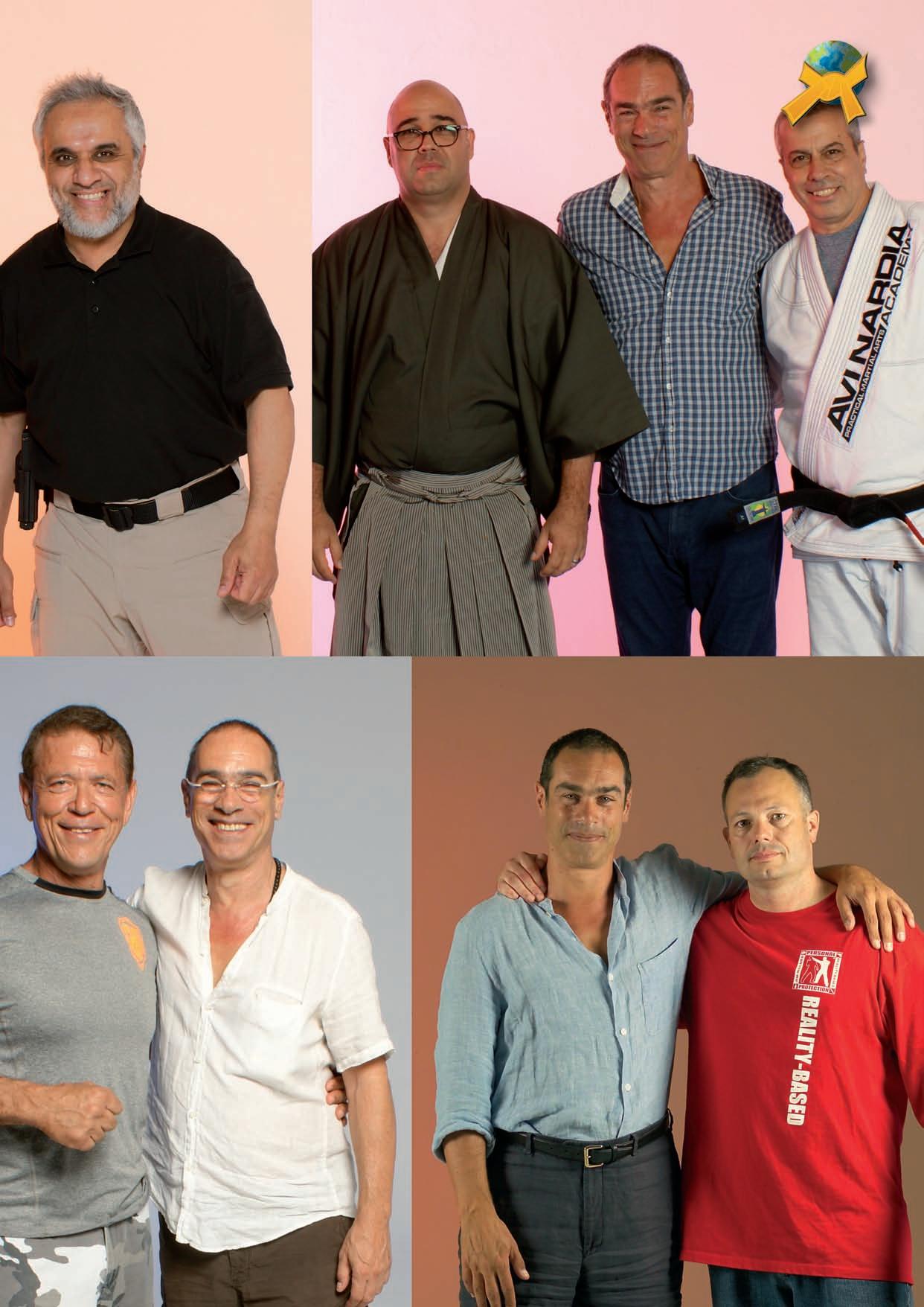
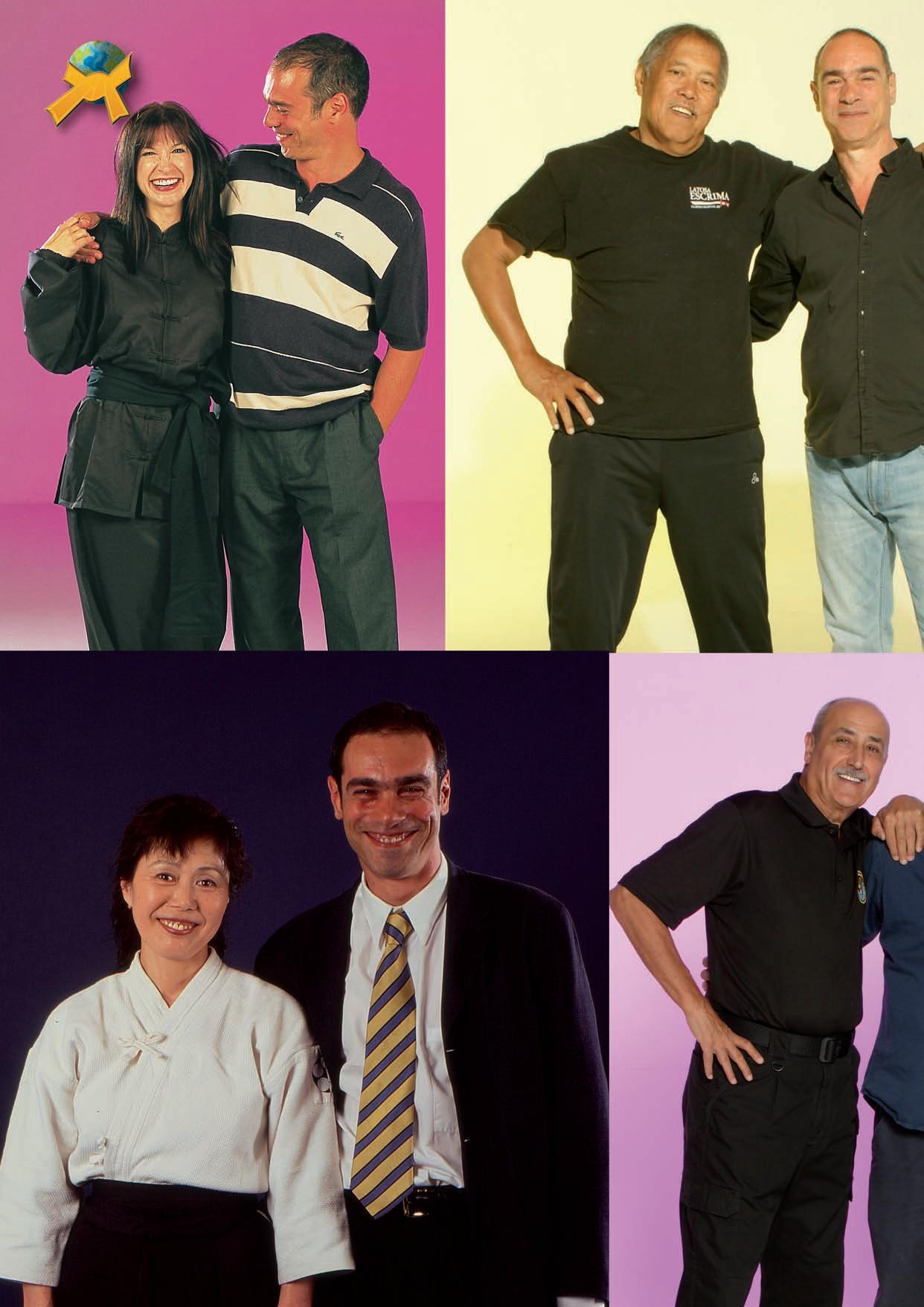
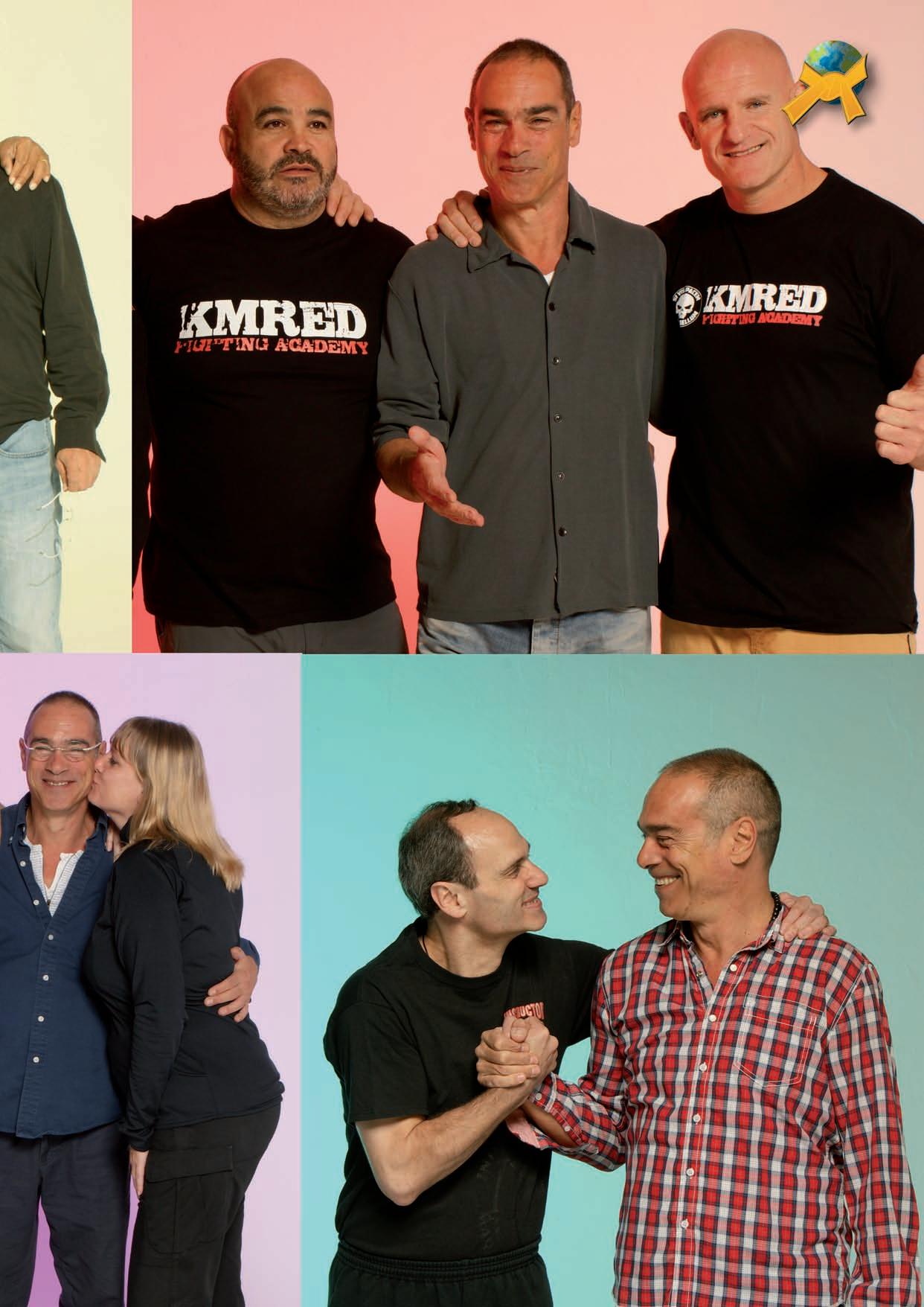
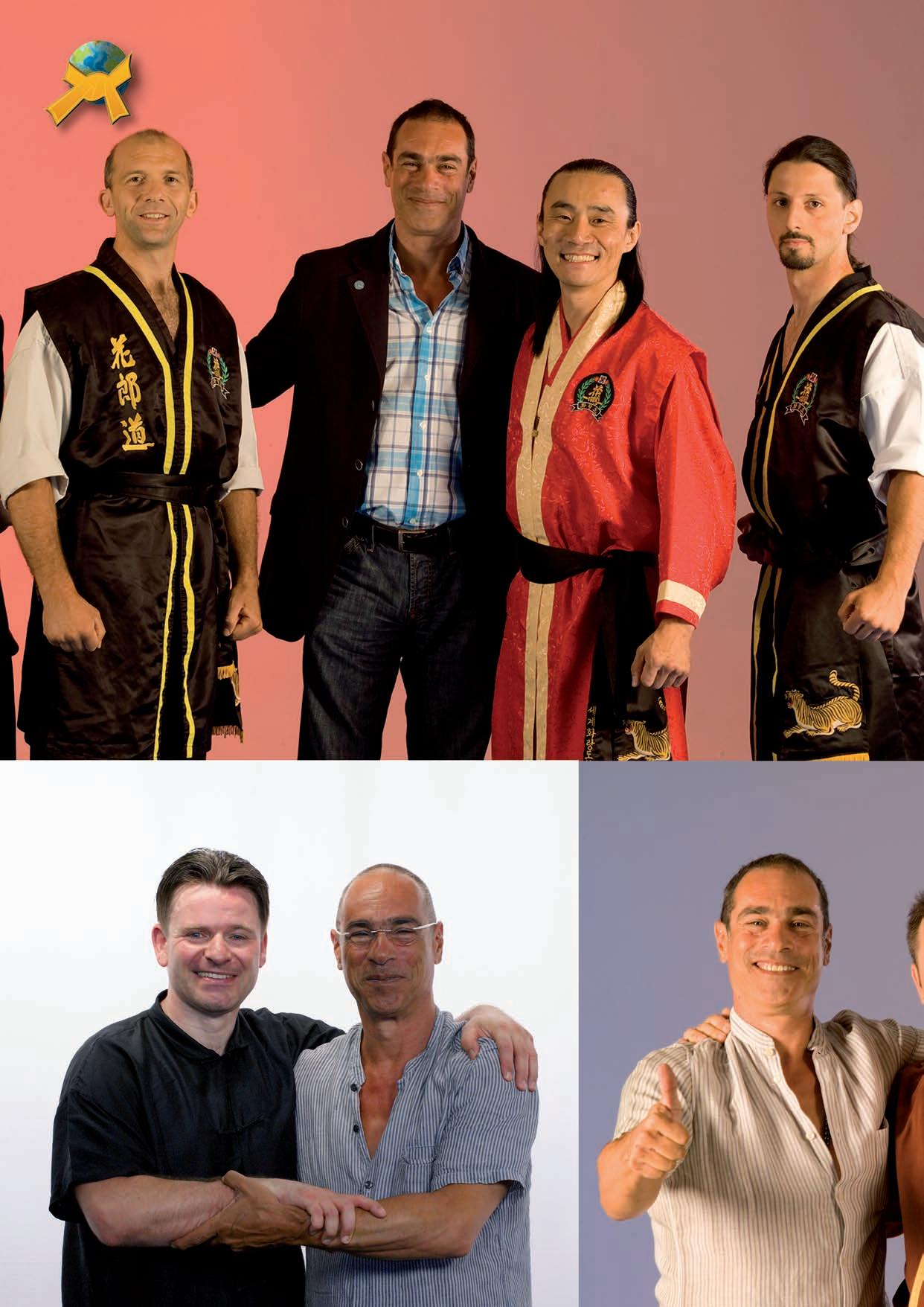
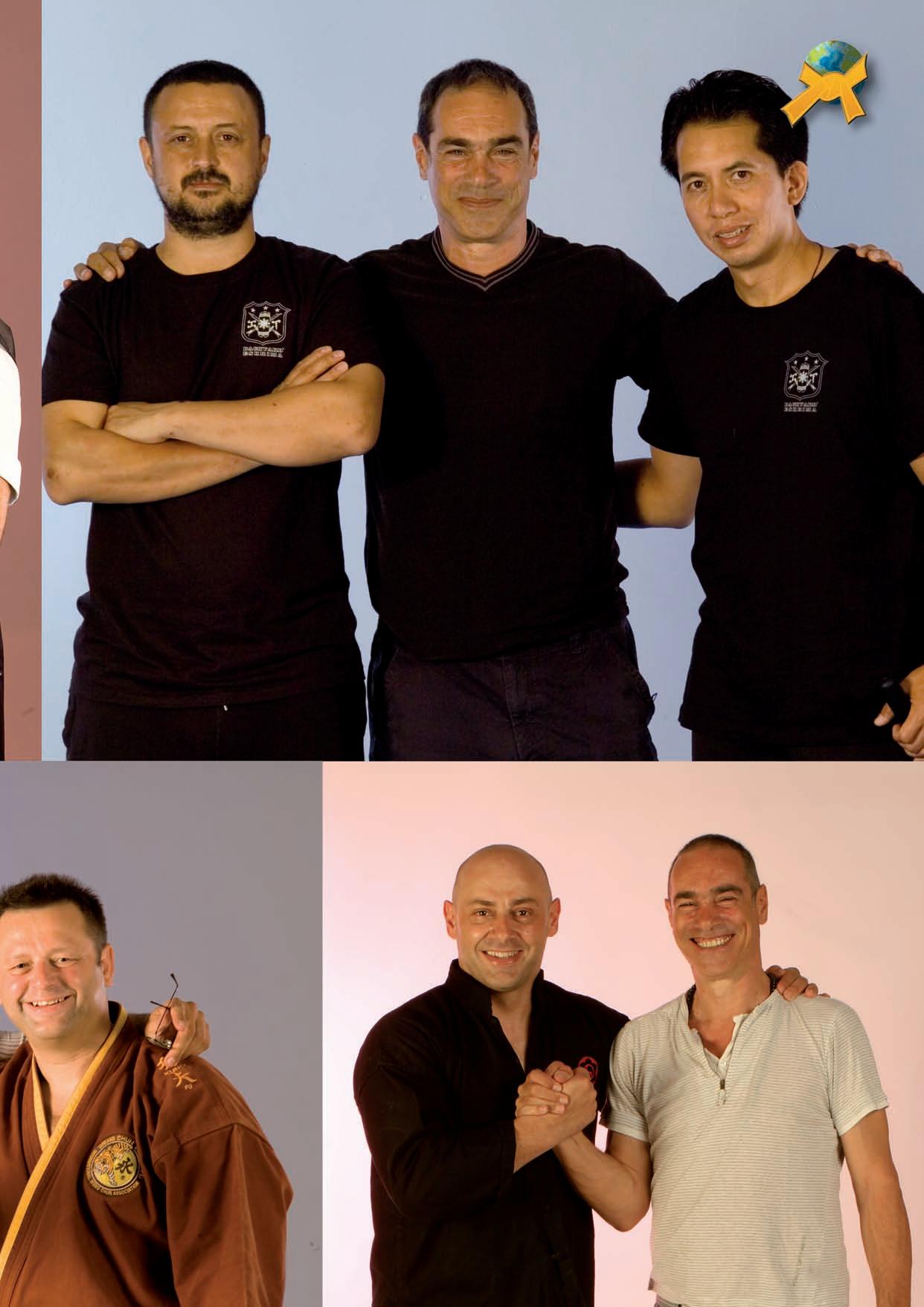
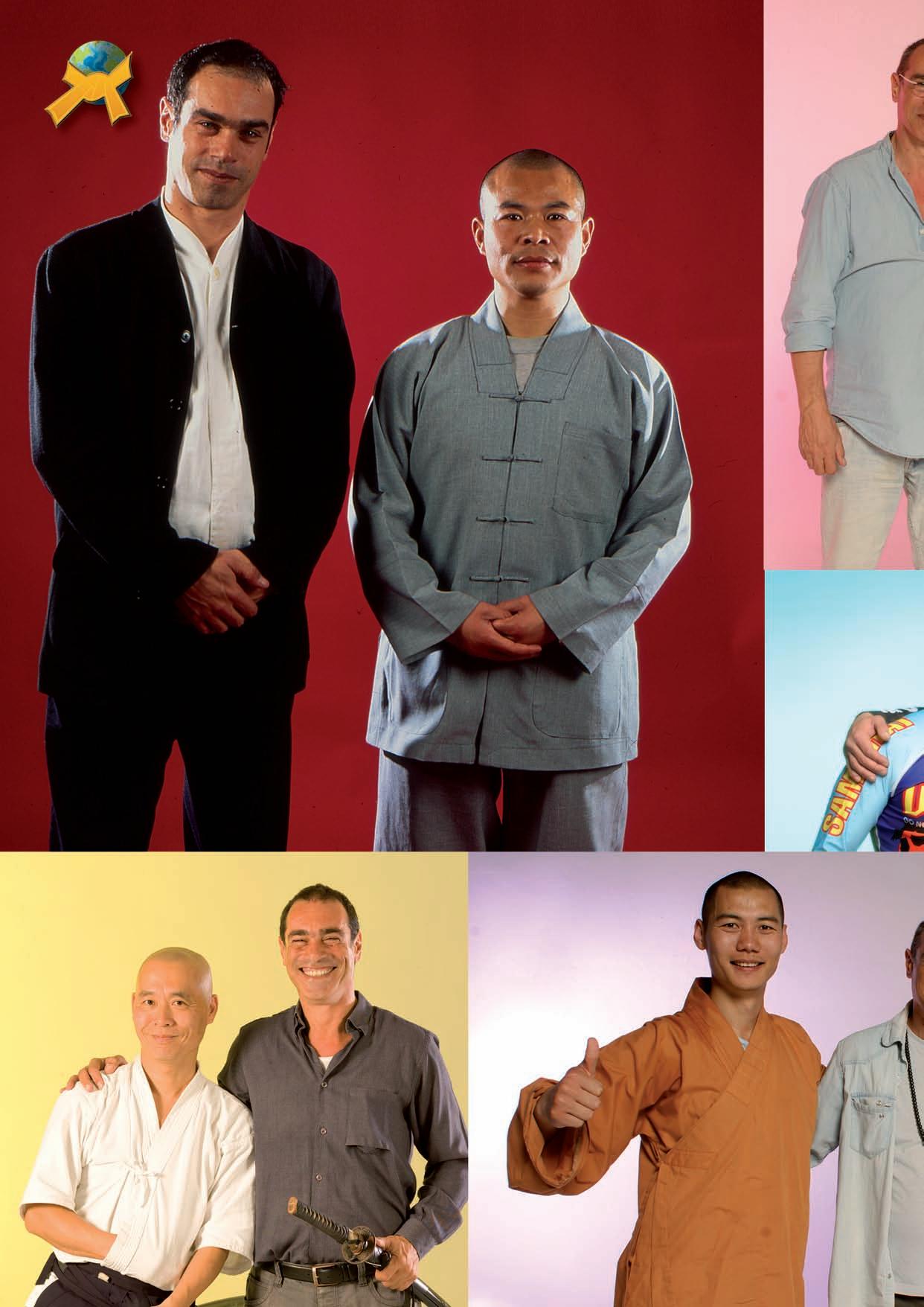
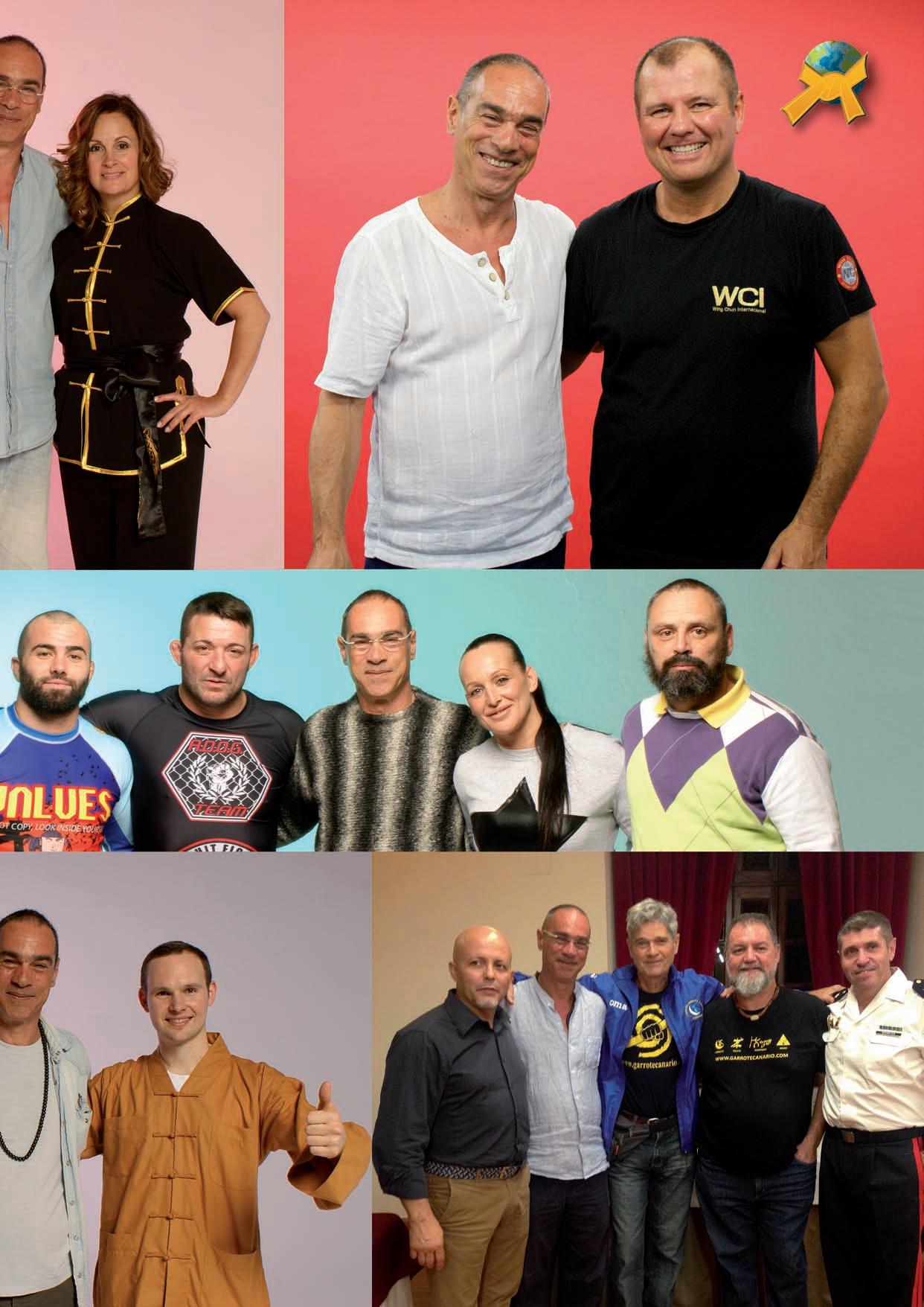
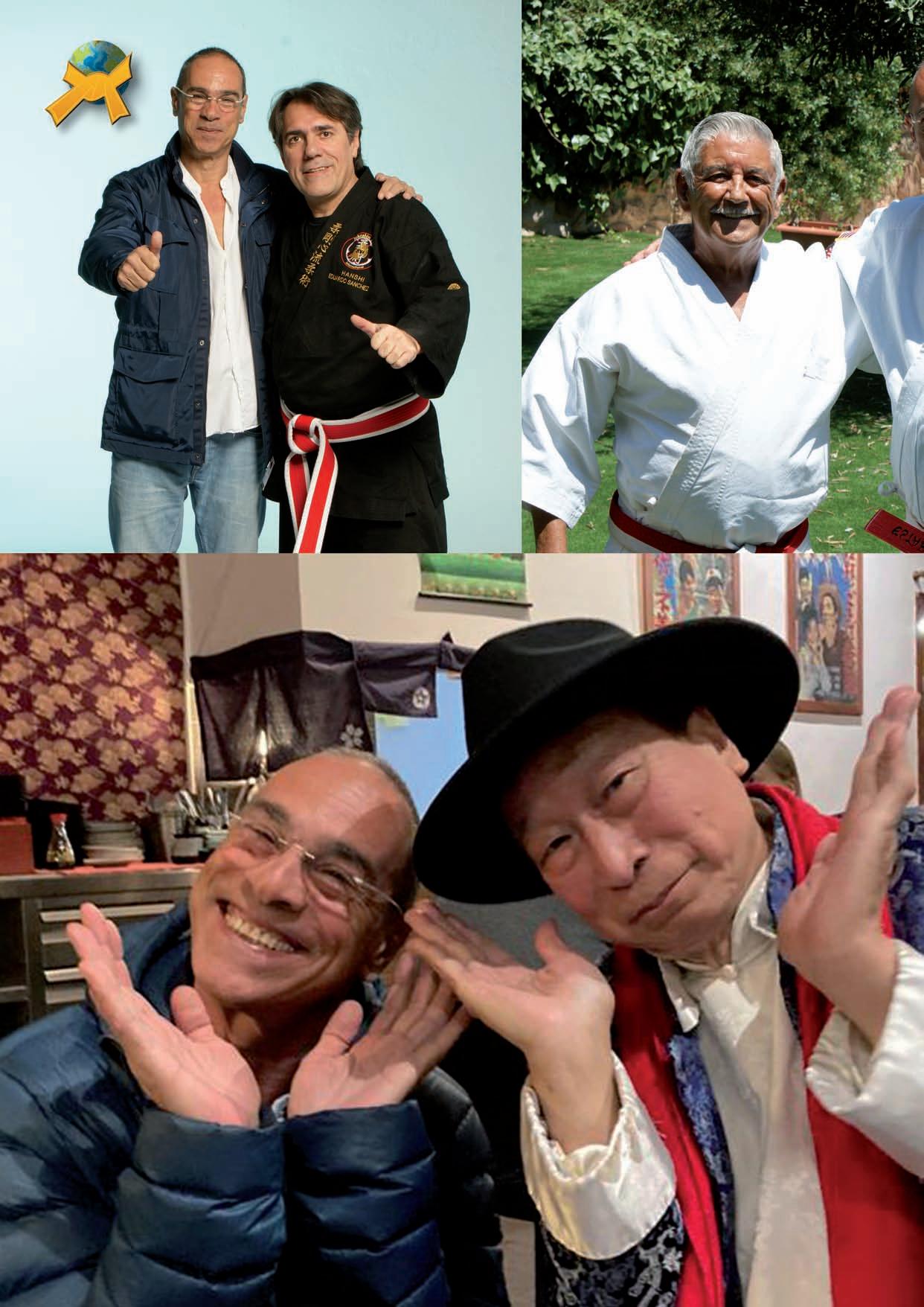
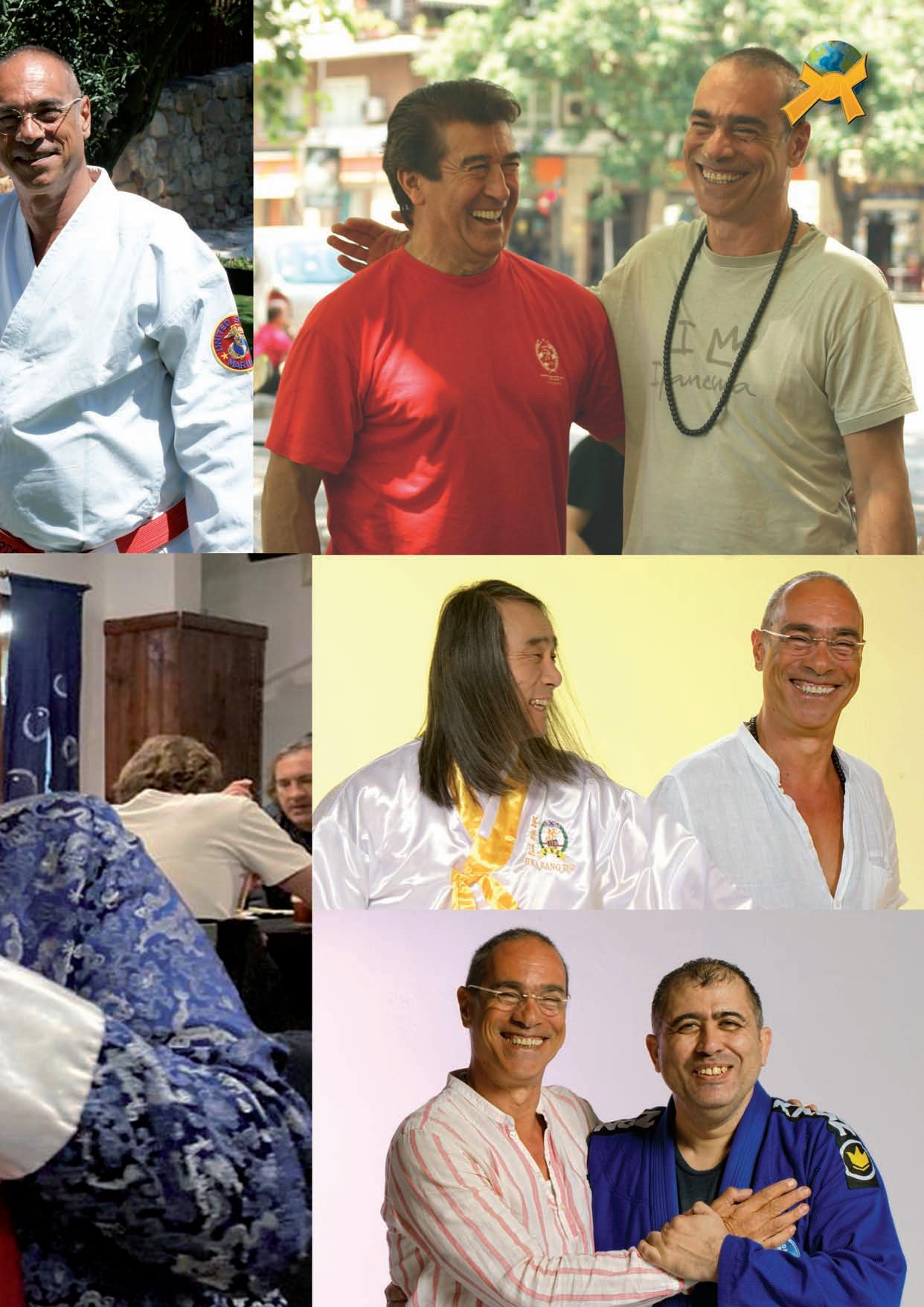
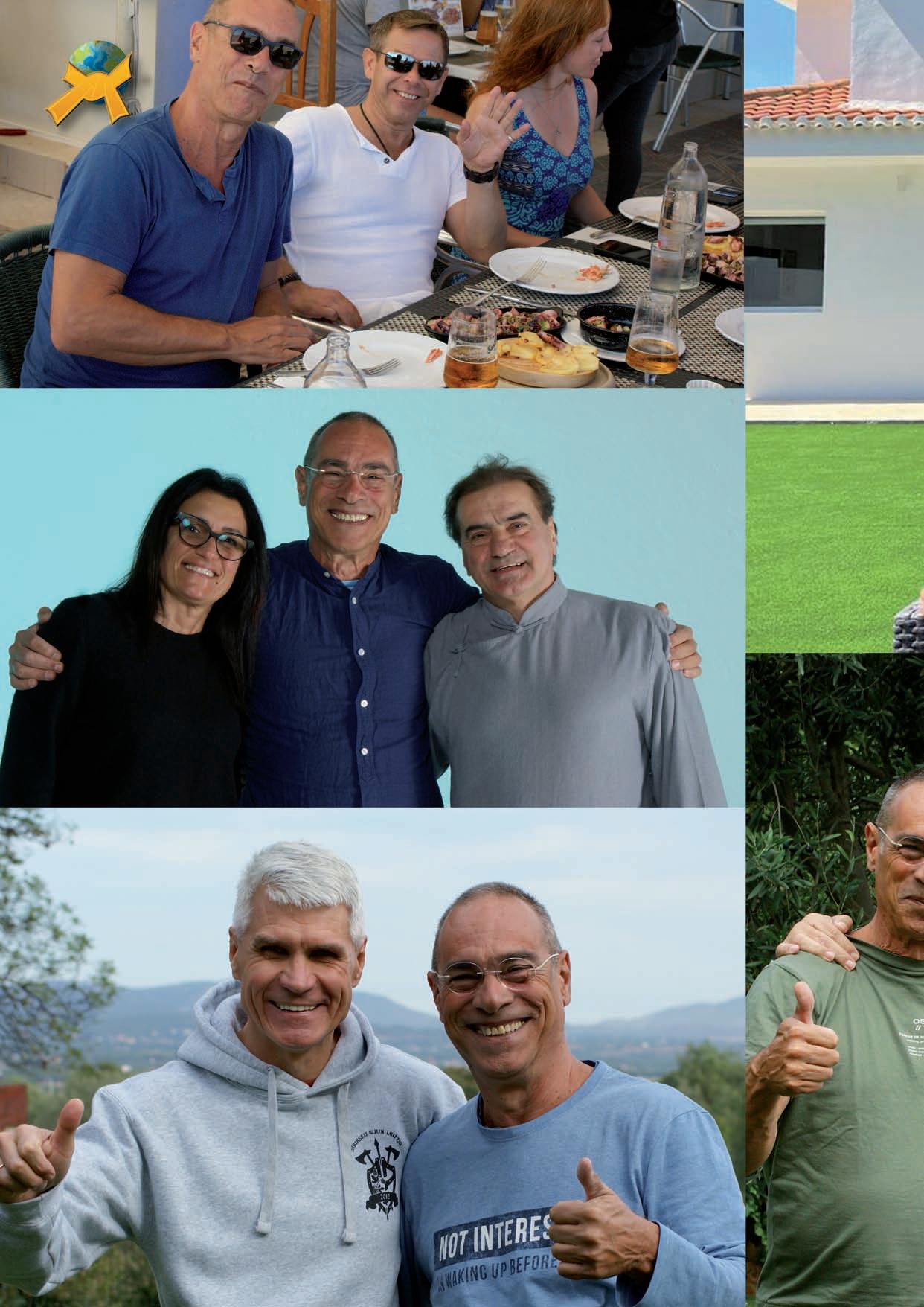
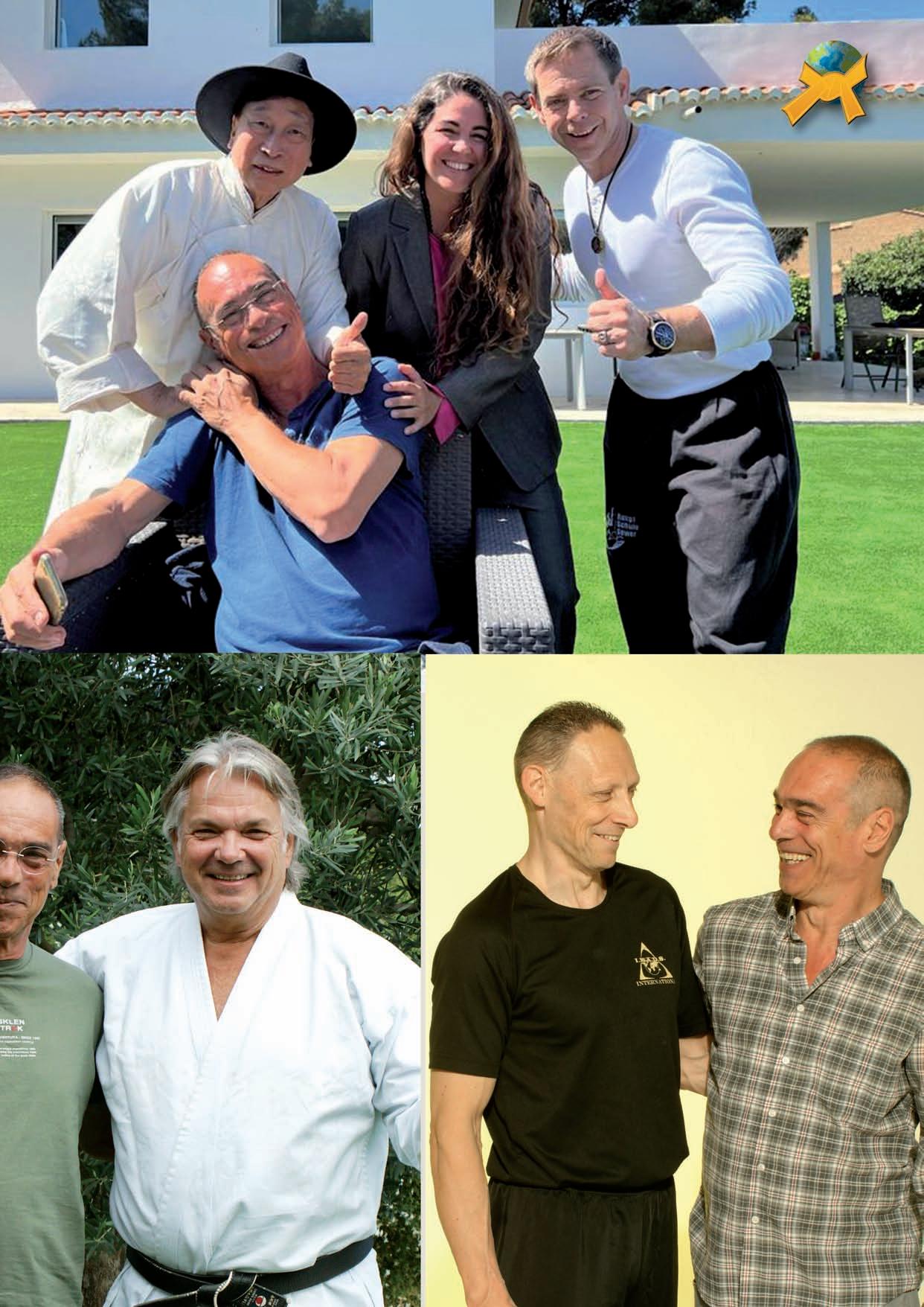
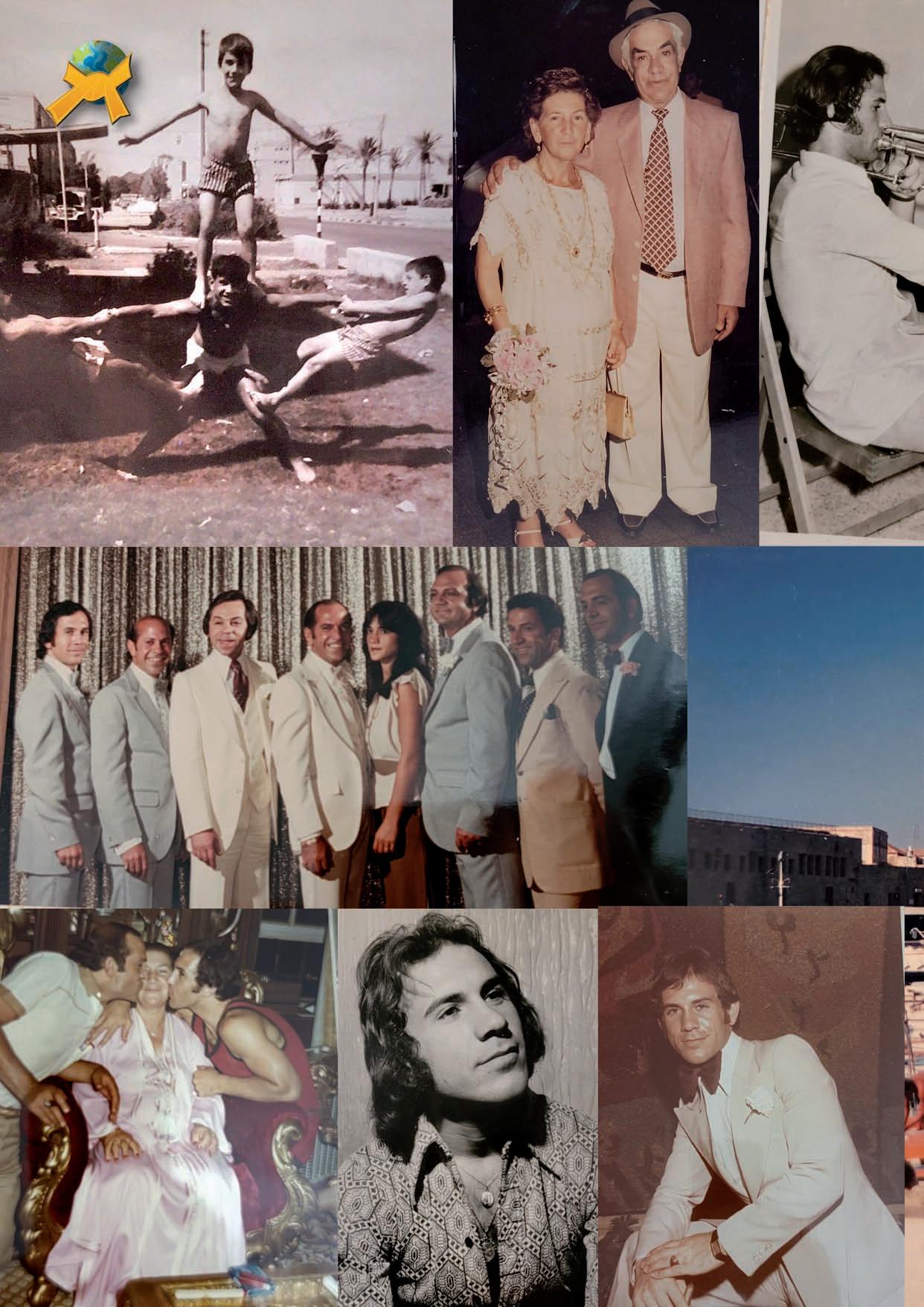
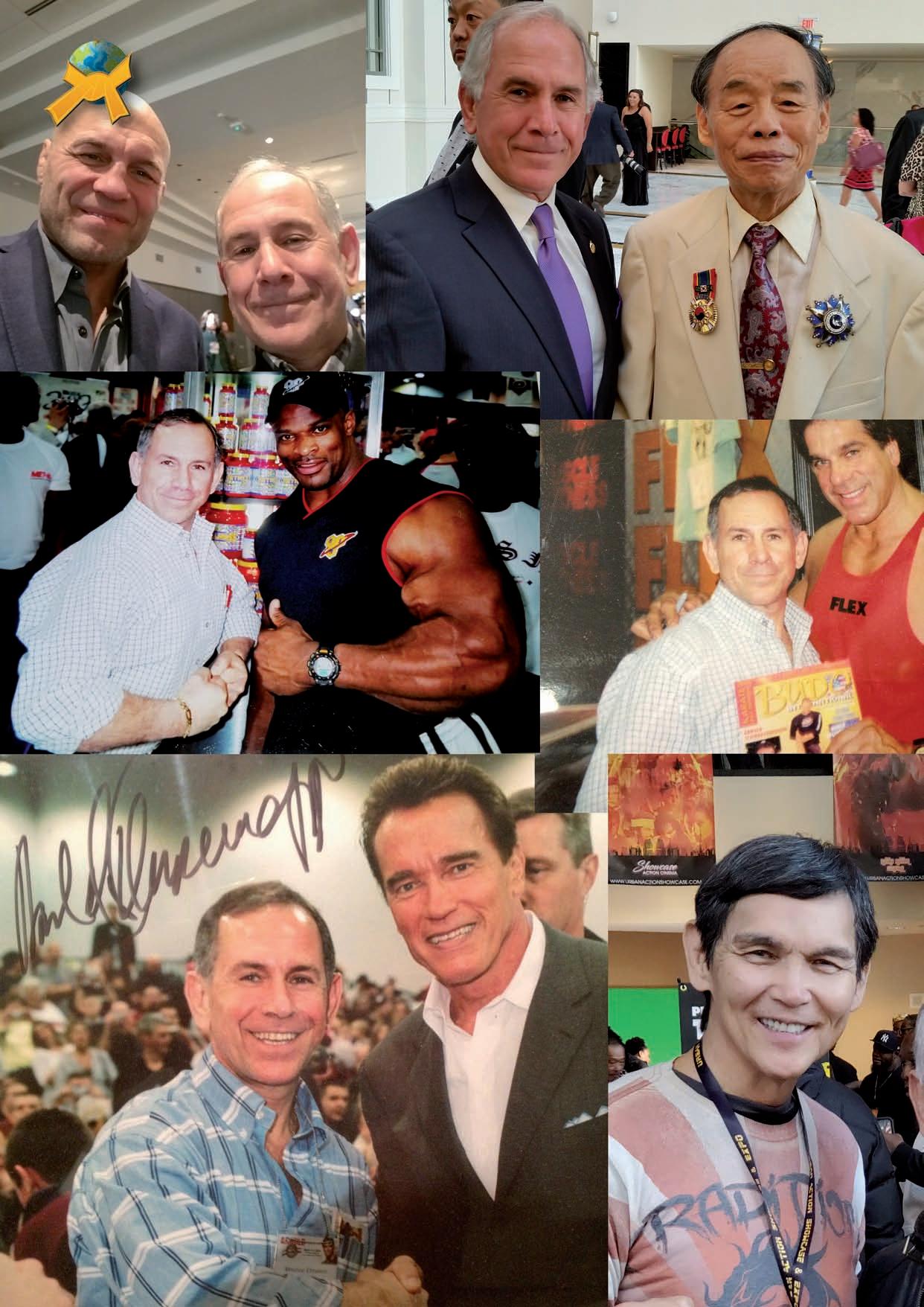
In the following pages, photos with some of the many Masters we’ve worked with over forty years, more than 800 videos, 200 books, countless articles. Not everyone is here—it would be impossible—I’ve only randomly selected a few of the photos; my apologies to those not present—you are no less important to me!

tely dealt the final blow to the print magazine distribution system, and while they were still functioning in Europe, they were beginning to show serious signs of weakness. Since I came from the future (the U.S.), I took the appropriate measures for our business on the Old Continent and began making adjustments in Spain; for two years, we released the magazine online one month and at newsstands the next. Since we were not only publishers but also our main advertisers, we were able to track the impact of each for-
mat on product sales to make comparisons.
Two years were enough to confirm that the paradigm shift wasn’t about a future yet to come, but a present reality. During the online months, we managed to double our product sales compared to the print months, and despite the natural attachment one felt to the noble medium of paper, I decided it was time to make the full leap to new technologies, while watching our competitors slowly drown in a lost battle. The 2008 crisis accelerated these decisions.

Technological advancements reduced both the need for staff and the need for a dedicated space for magazine production. A €1,000 smartphone offered better quality than our old professional cameras that cost €10,000! Budo’s headquarters was no longer necessary, and the subprime mortgage crisis finally put things into perspective. My partner fell ill and could no longer run the shop, so Fuji took over. I sold the offices and my house, and with light luggage—after meeting my current wife—I moved to Valencia.
The digital phase brought many good things, as we successfully adapted to the change, reaching over a million readers. The magazine never had such numbers when it was in print!
We threw ourselves into this new era. We built an impressive website, translated into 9 languages, and focused on our core competencies: selling videos and books. Our YouTube channel reached 112,000 subscribers, and we even launched new language versions.

With the internet, the consumption of information accelerated so much that we went from publishing a monthly magazine to a quarterly one! My personal workload multiplied; the internet was a monster that had to be fed constantly. Facebook… social media—that’s where we hit a wall, Sancho! The superficiality of today’s media didn’t mesh with the martial concept, and our business, centered on selling videos and books, didn’t find its core target audience among those people—usually young people.
Time passes, and as it does, one changes. Cycles close; others open. At 66 years old, I am bringing a whole phase to a close. My dear friend, Colonel Ramos Alcaraz, used to say that great warriors do not die, but rather disappear, blending into the horizon.
In this phase, I am passing the business torch to Maurice, but I will remain steadfast by his side, continuing this new stage without the heavy day-to-day responsibilities of the entrepreneur.

José María Sánchez Barrio spoke of “phase four,” the time when, as we prepare to return to the whole, we turn predominantly inward.
Fray Luis de León expressed it to us with beauty and tenderness:
What a peaceful life is that of the one who flees from the noise of the world, and follows the hidden path, where they have gone, the few wise men who have ever lived in the world; However, and as I have promised, I will be here, as in days of old, at your service. The magazine will continue as
before, with the same team; my column will not be missing, now under a new name, but the work, the business shenanigans, will no longer occupy my time, nor disturb my sleep.
Master Maurice arrives eager, full of ideas, and with the strength to propel the magazine forward, especially in the U.S., where he already has a vast readership. It has been years since my own drive ran dry; when things no longer shine for you, it is time to step aside, hand over the helm, and follow a new path that has heart.
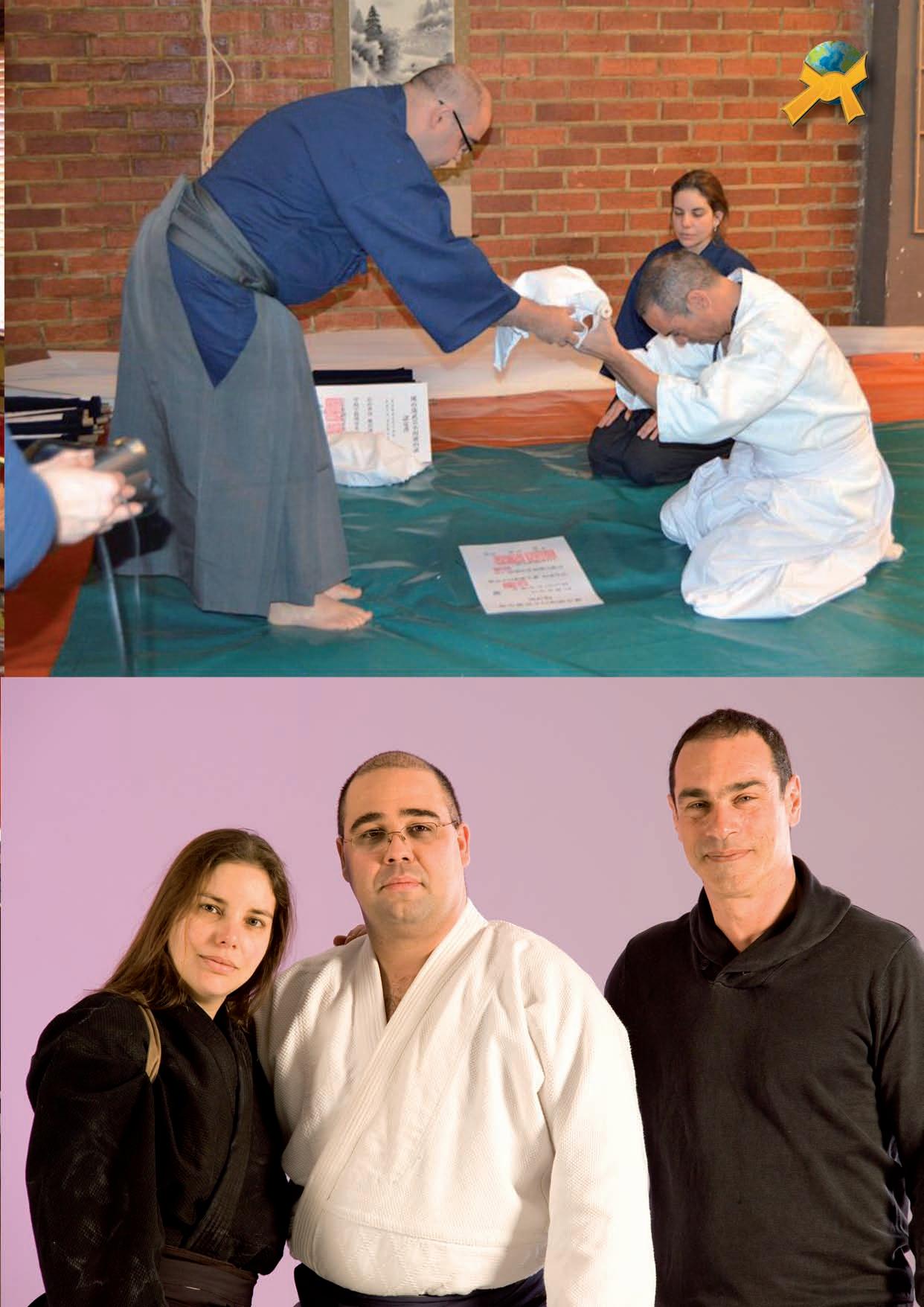
However, what matters is not so much how one enters into things, but how one leaves them… other horizons beckon me with urgency. Since 2006, the year I met my Ebunto

teacher, Shidoshi Jordan Augusto, who taught me everything I know about the subject—especially those of you who follow me most closely—you are aware of my dedication to its dissemination and teaching.
Four years ago, I started a small school to give shape to something much greater than myself, always from the modesty of my knowledge of the subject, but with a growing heart, enthusiasm, and determination. I will likely devote the remaining years of my life predominantly to this subject, but who knows… at least that is what all the signs seem to indicate. Fate, which is as stubborn as it is paradoxical, leans strongly in this direction; one knows it when
everything flows, and when the inner and outer worlds correspond and flow naturally without great tension.
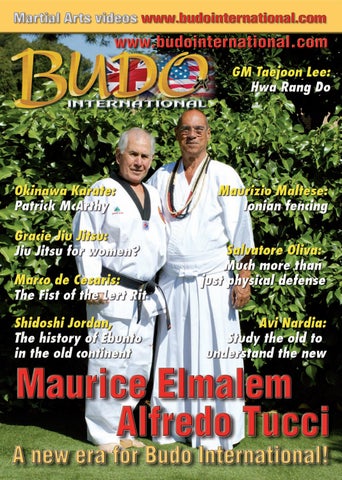
Maurice is a good friend; he takes on this role out of love, not greed, for fortune has smiled upon him in life, and he is a highly successful architect and builder. No one is better suited than he to fill the role I am leaving today. Thus, once again, we fulfill the hermetic precept: “For nothing to change, everything must change!” And so the adventure continues.
As I reread this text, I wonder: Who could possibly care about this little story? Things happen; memories are carried away by the wind; none of us are important, and yet we are


all necessary in the great game of change. I was taught, however, that one must close cycles with gestures; this brief memoir, excerpt, or summary (may those I left out forgive me), is my farewell, both to set it out into the open and so that it may benefit anyone it might interest, and thereby, by leaving a record, to finally put the matter to rest.
I neither seek vindication nor pat myself on the back. The achievements recounted here were important to me at the time; they are no longer so, because after every cape the bull charges, it discovers that once the charge is broken, beyond the deception, there is nothing—only the drive that from within gnaws at its guts, its nature, to keep going… as long as the body holds out. Fortunately, in many ways we are bullfighters and can decide when to turn the tide and kill the bull. Whether I exit through the main gate now or not, time will decide; in what I got right, in what I got wrong, the differences dissolve in distance

and time… once the performance is over, the curtain falls, and it is up to the audience to deliver their verdict.
A man’s deeds are his legacy; what consumes a man are his dreams; the dream of Budo consumed me and now spits me out, because it ceased to be my dream long ago. I stayed with it out of discipline, out of honor, for I have long since stopped doing it out of necessity—though if it is a necessity, then for me it is: to fulfill my part in this destiny assigned to me.
I thank everyone who helped me in my endeavor and also those who challenged or confronted me along the way; thanks to them, I grew and managed to go beyond myself. The legacy no longer belongs to the one who created it, but to the one who uses it; here I leave you the materials, the videos, the books, the magazines—both in print and digital. I know that many hearts and lives were touched by this collection of communications, and this is what matters most, because they, in turn, moved even more people, and the message was good, crystal clear, and positive.
Legions of spirits and people have been satisfied with all of this; some not so much… what can you do? You
can’t please everyone! One did what one could, according to one’s nature, to the best of one’s knowledge, and with the means at one’s disposal.
Many notaries will attest to what is written here, and some “fools” will tell the story in their own way. They are within their rights! But the one writing and publishing this here today is yours truly; to those who don’t like it, tough luck! My standing in the industry hasn’t mattered to me for a long time; I’m playing in different leagues and a different game, and from there I’ve come to understand the importance of closing cycles properly, so, Alfredo! Let’s not make any more waves!

The truth is that I have nothing left up my sleeve; I carry no grudge, no hidden desire for revenge. I embrace the experience for what it has been, and with sincere gratitude, I look back and admire the good fortune that has come my way in playing a notable role in a world I have learned to appreciate—even though (and this does not seem to be an isolated event in my
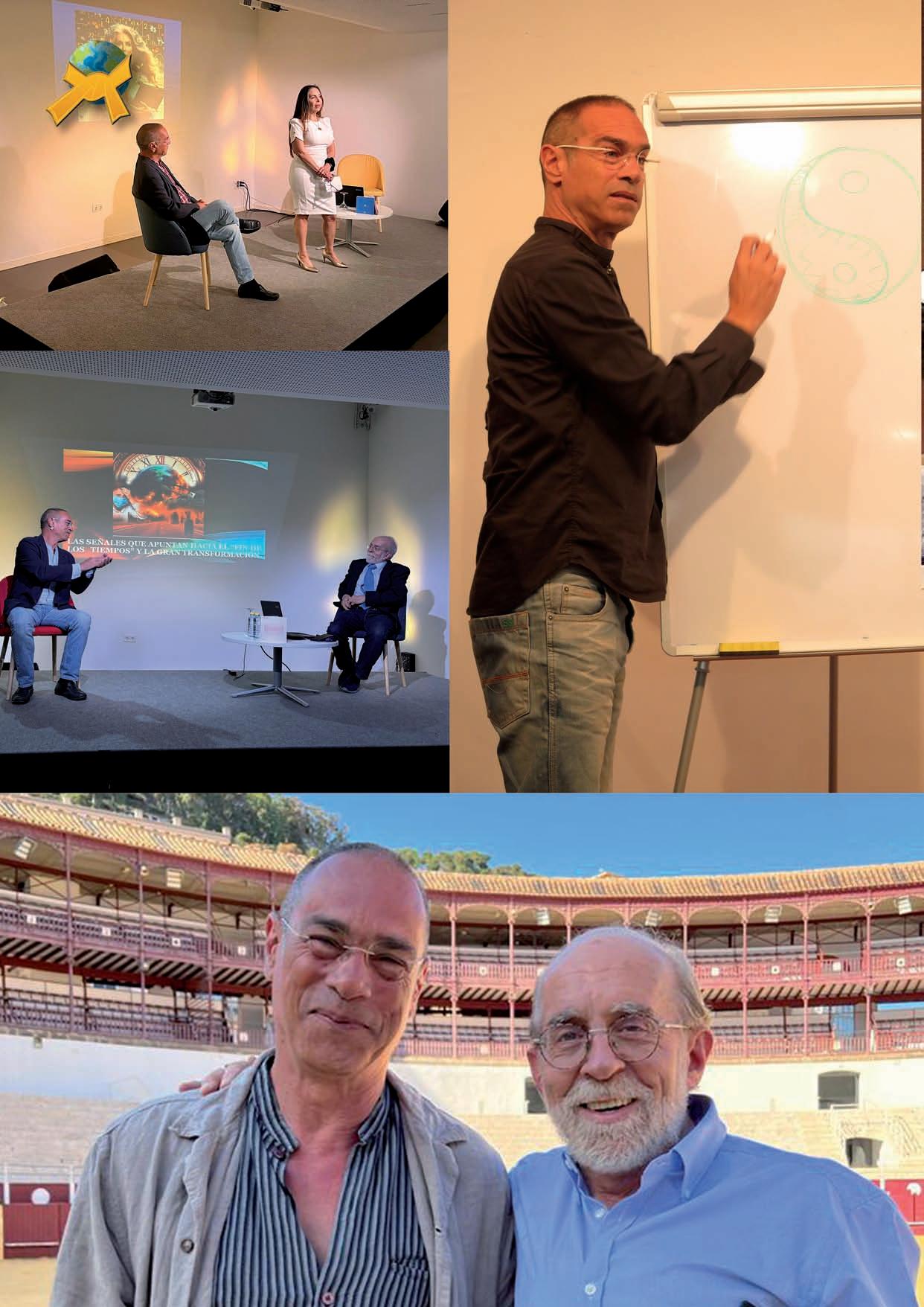
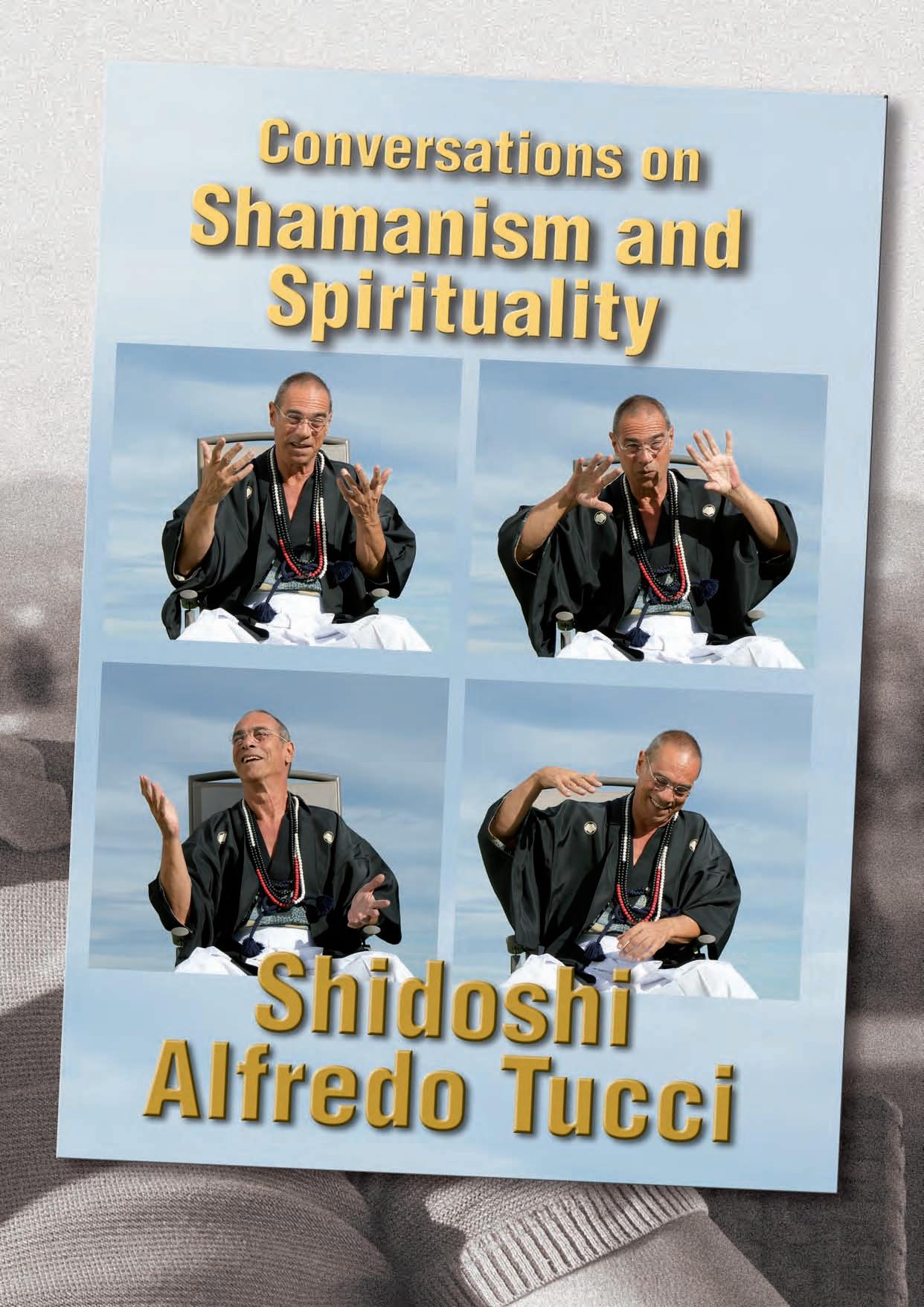
In recent years, on countless occasions and in various settings, Shidoshi Alfredo Tucci has promoted Ebunto and led a series of “East Meets West” lectures at the “La Malagueta” cultural center in Málaga and at CADENA SER wellness conferences throughout Spain.
life) it was not something I sought out. Some interpret that resulting detachment as haughtiness, arrogance, or pride, but the truth is that behind it all there is only a serious child, a good, responsible young man, who is given a task to do, and he does it… as best he can. Life is something extraordinary; you just have to try not to be a total jerk!

There is a special elegance in that image of the cowboy slowly fading into the horizon, heading toward the setting sun… like him, I am leaving, yet I remain, etched in the audience’s memory, in that slow transition, until the final one arrives (God forbid it comes too soon!), when the words “The End” appear on the screen.
Until then, your humble servant, I’ll continue as “emeritus,” “founder,” or “honorary bishop”—call me whatever you like— and rest assured, because Maurice has taken up the torch, so I say to him, “Thank you, my friend!” and “Thank you to all of you, friends, for your companionship!”


B.I.: A great moment in the magazine’s history, isn’t it?
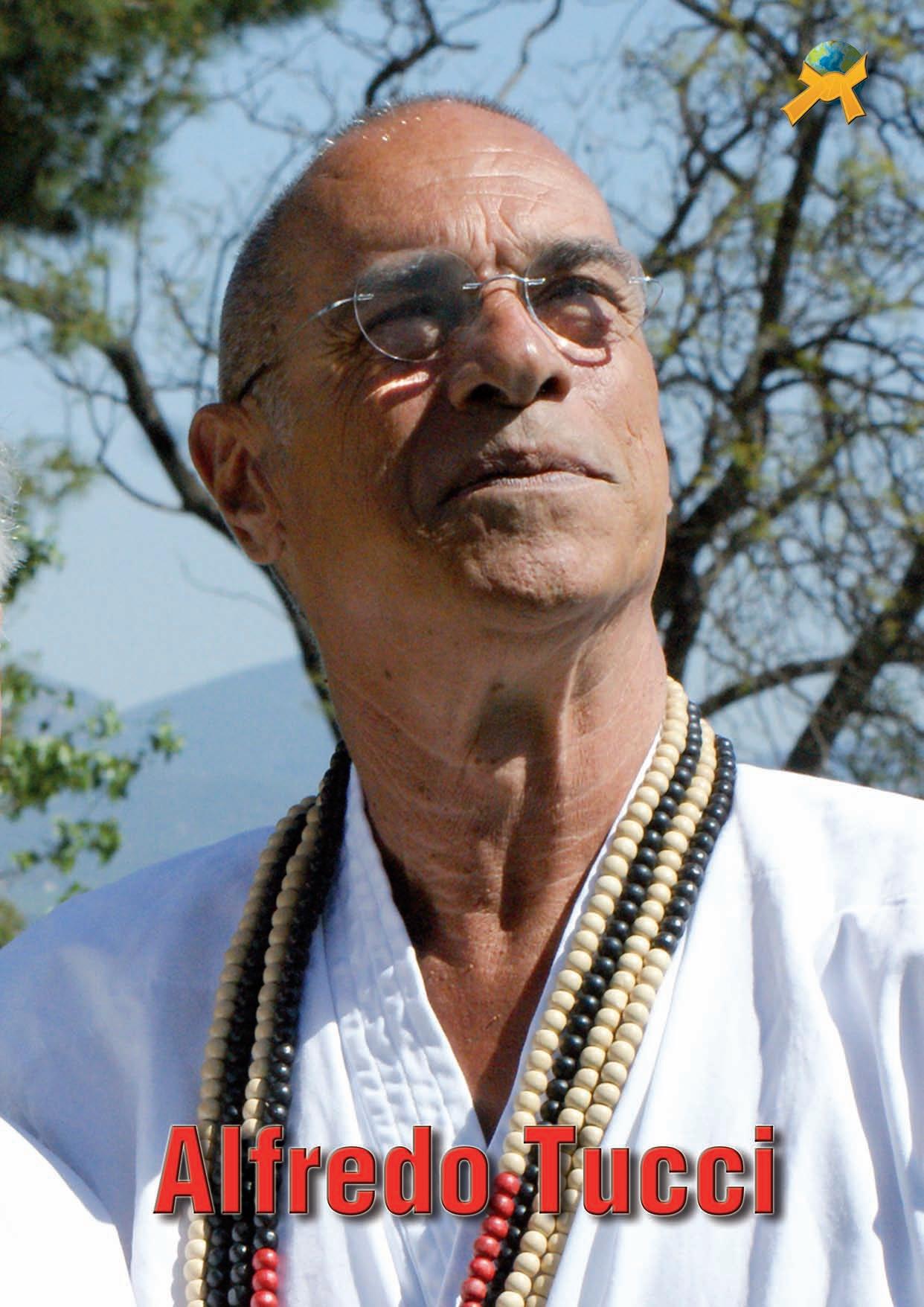
Alfredo Tucci: Without a doubt! Things are born, evolve and rise, then stabilize and begin to decline. It’s the law of nature. The only way to prevent decline is, as the Japanese saying goes, “When you reach the top, keep climbing”; for that to happen, there must be a rebirth, and this always, in one way or another, implies a death, an end, beforehand. A wise man must read the circumstances and the cycles and act accordingly. I’m not retiring yet, but I must prepare for the next phase, and that’s why there’s this significant change at the helm of the ship.
B.I.: Why Grand Master Elmalem?
Alfredo Tucci: It’s simple; we share a history, we know each other well; we fought together through adversity when we first arrived in the U.S., and it’s in adversity that you truly get to know people.
Maurice is a true lover of the martial arts. Far from making a living from them—he is a highly successful businessman and developer in New York—he has viewed them for what they are: a source of personal growth, inner values, health, and character. We agree completely on that! That gives him extraordinary freedom to treat the magazine not as a mere business, but as what it has always been: a communication tool in an era of profound transformation within the sector—a beacon, a guide that preserves the old without detracting from the new, giving each its due value.
Maurice also brings fresh ideas, and that’s always a positive. Furthermore, throughout his life he has developed many contacts in the sector in the U.S. and around the world, and of course, Budo International, being based in Europe, has always leaned more toward the Old Continent in one way or another.
Maurice Elmalem: I know Alfredo Tucci very well; if that weren’t the case, I would never have taken this step. He will continue producing the magazine, but I hope to bring in major names from the U.S.—personal friends of mine who are prominent figures, martial artists, and promising young talents who are succeeding there but are unknown here in Europe.
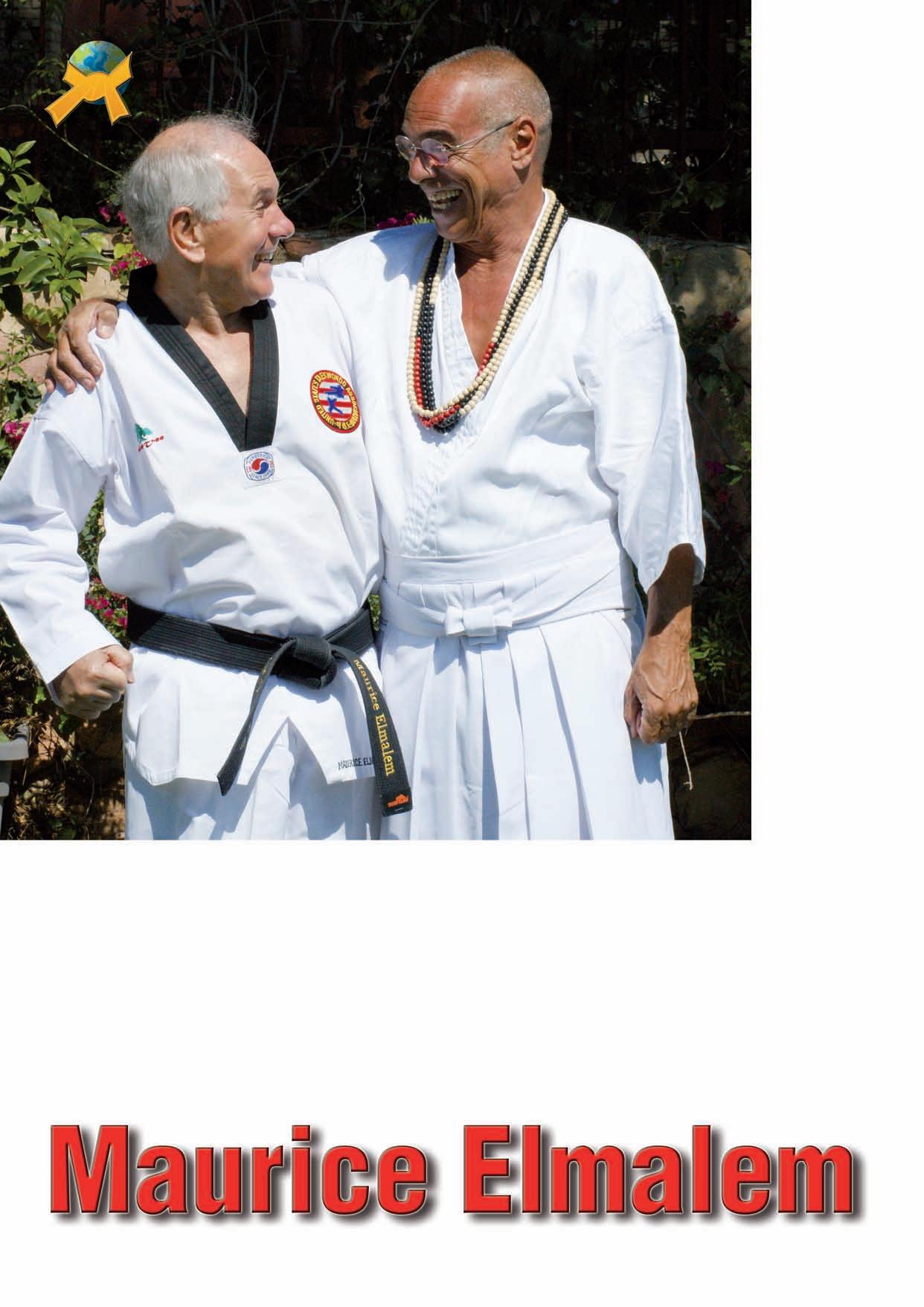
This is a new phase in which we’re open to new people, masters who haven’t worked with us yet, and organizations I know that are enthusiastic about the idea.
B.I.: You organized two of the most memorable Hall of Fame events in American history. Will there be more of that?
Maurice Elmalem: Definitely, because the time has come to hold another event—and many more things! Those who were part of that event have been asking me to do it again for a long time. But first, there’s a lot of work to be done. We already have our offices in New York set up, new phone lines, and we’re finishing the studio to record there. I want to bring in celebrities from other sports and the film
industry who are connected to martial arts, as well as people and friends I’ve worked with; big names like Keanu Reeves, Randy Couture, Bill Wallace, Chuck Zito, Benny “the Jet” Urquidez, Michael Jay White, Wesley Snipes, Arnold Schwarzenegger, Shannon Lee, Kevin Sorbo, Cynthia Rothrock, Don Wilson, Ray Mercer, Carlos Machado, Dolph Lundgren, Billy Blanks, and many more.
B.I.: After nearly forty years of the magazine, what do you expect for the coming years?
Alfredo Tucci: Martial arts are eternal, but their interpretation (beyond trends) is something that, even as it adapts, endures over time.
Communication and its media are undergoing revolutio-
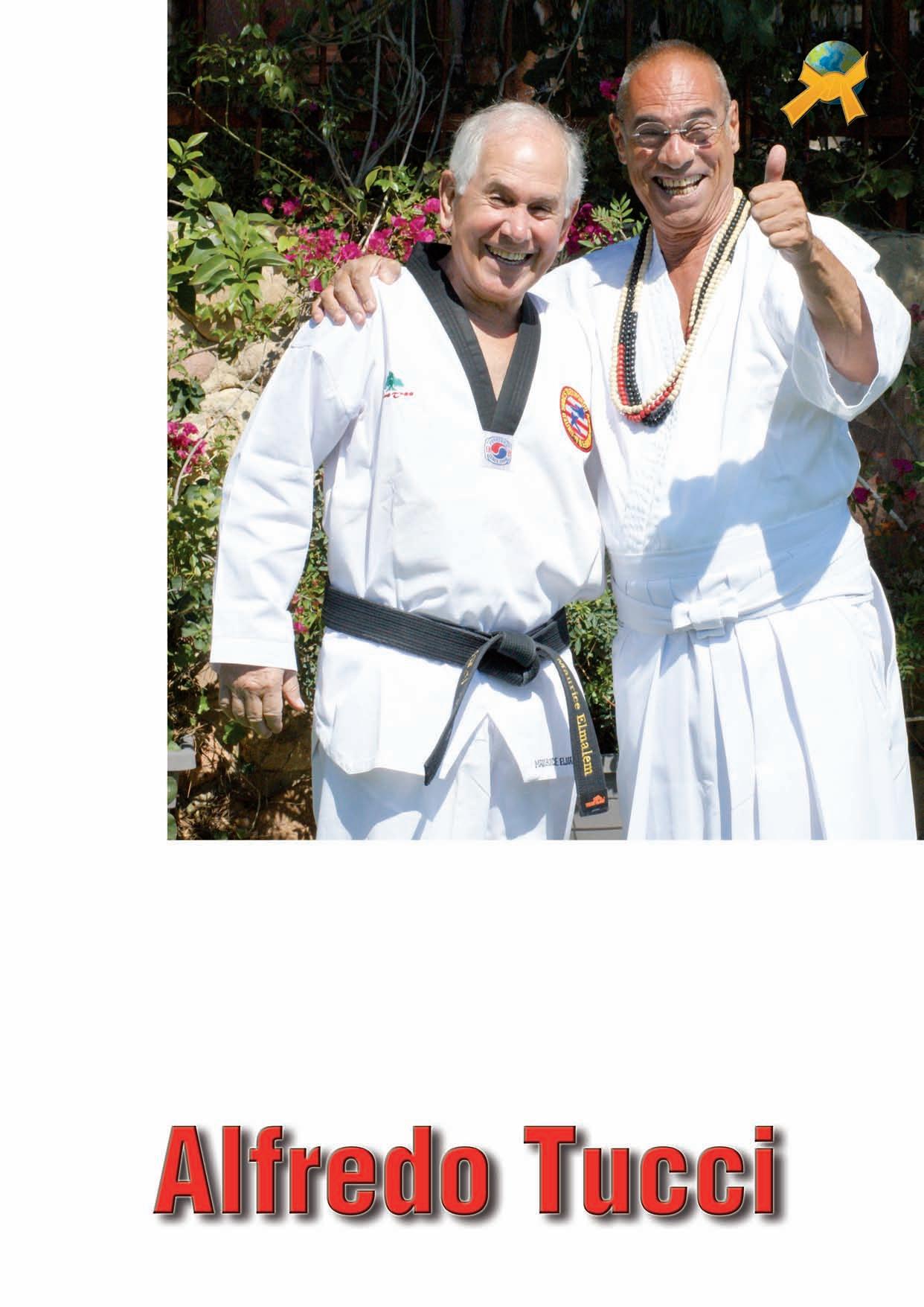
nary times. No one can know where they’re headed in the coming years, but what’s certain is that the great names and masters who’ve worked with us and made nearly 1,000 videos have left an eternal legacy, because no matter when, a man will always have just two arms and two legs—and that’s not going to change! With that, they’ll always be relevant in combat and self-defense.
I’ve known Maurice for many years. I’m sure he’ll know how to find answers to these new situations. He is a successful man because he is able to see opportunities where others see problems.
The most admirable thing about this step he’s taking is that he’s doing it from the heart. He doesn’t need this to make money, but since he’s a great entrepreneur, he’ll do it

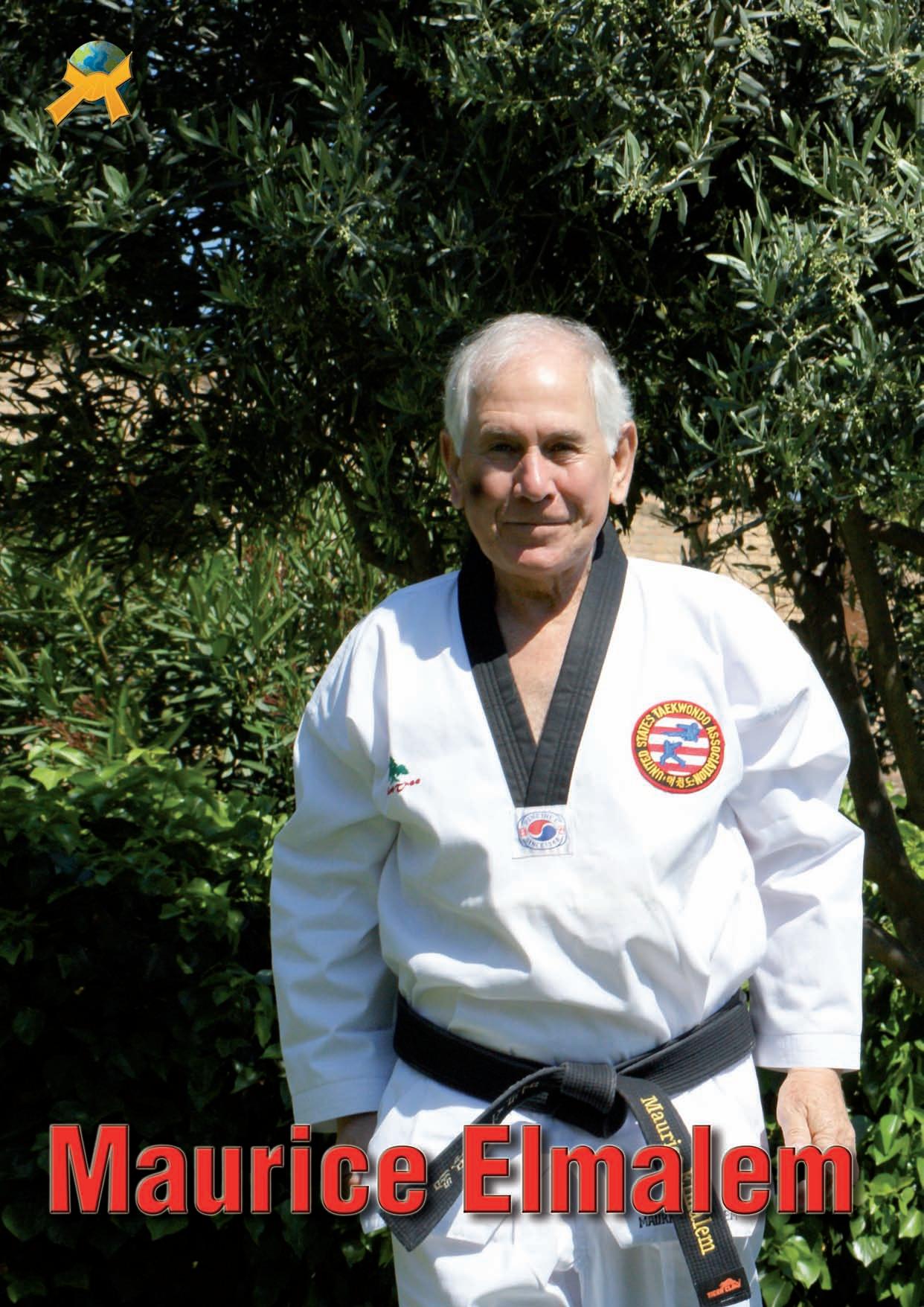
because, naturally, he identifies and interprets the needs of the moment—whatever he touches turns to gold.
There are many young people who don’t know us yet, because there has been a generational shift. Maurice, who has grandchildren, is very excited to reach them and has great ideas for social media, etc. All of this will help fill in gaps we haven’t addressed in the past, allowing us to focus on our core competencies: professionals in this field who are interested in learning from the best and having access to verified information, rather than “free” videos that teach unproven techniques. It is a sector, however, that we must address, because these people are the future, but without forgetting our clients and friends who have supported this project all these years. Adding to, rather than taking away from, the good that already exists.
Maurice Elmalem: Alfredo is right; there is a lot to do in this area. There are incredible young people. Just this past weekend I was at Don Rodríguez’s Ocean State National Championship in Rhode Island, as I am every year, and I saw some motivated and extraordinary young people. All these people can broaden their horizons simply by working with us; we are the only American and European publication that can be read worldwide and that has the prestige and experience to take on that challenge.
I am confident that we will do what is necessary. I am available to you at this new email address: info@budomaxintl.com and at this phone number: 001 7186527100. Starting this May, Budo Max International LLC will be at the helm, but operationally, as far as the magazine’s production is concerned, my friend Alfredo Tucci will continue to oversee production.
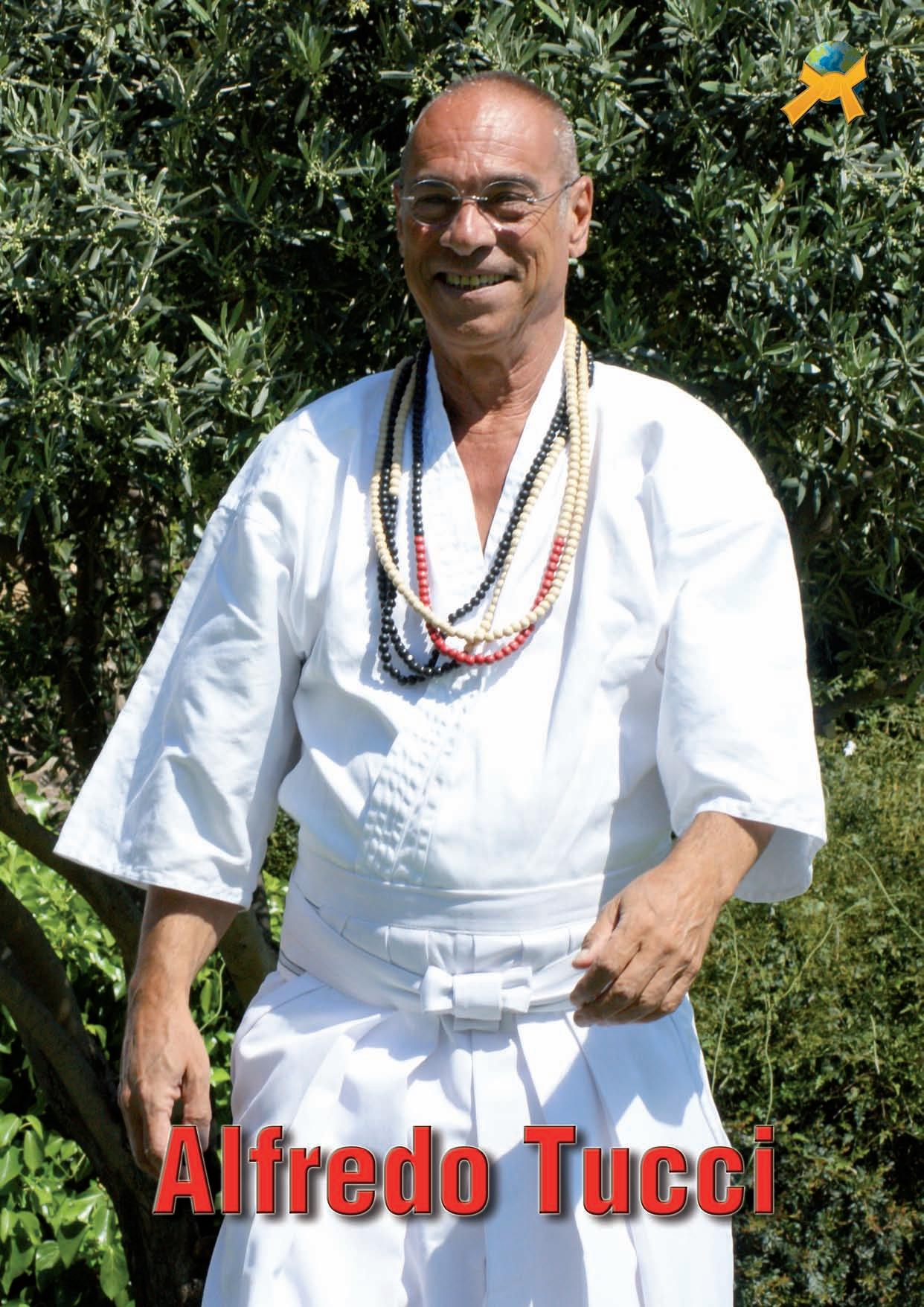
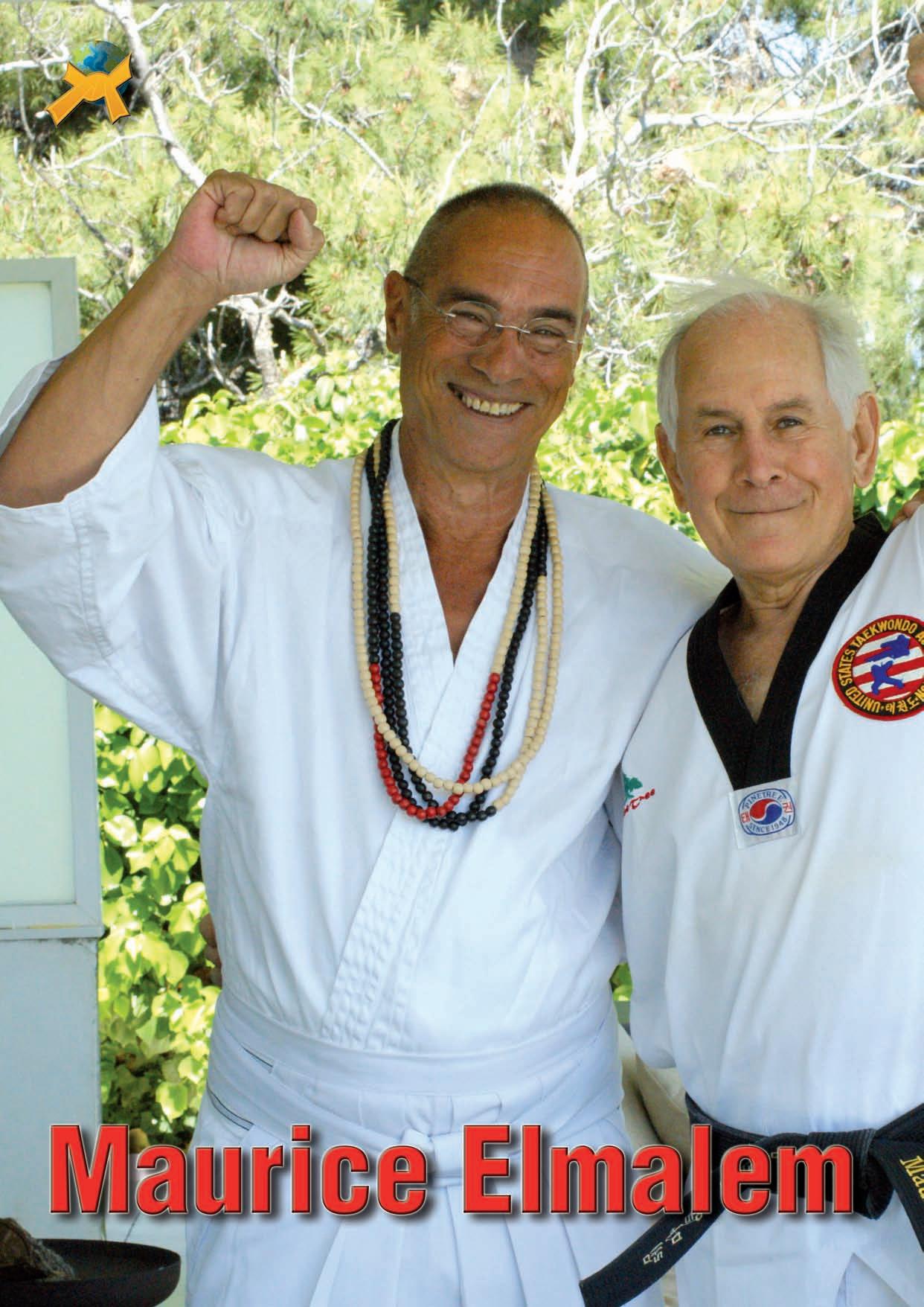
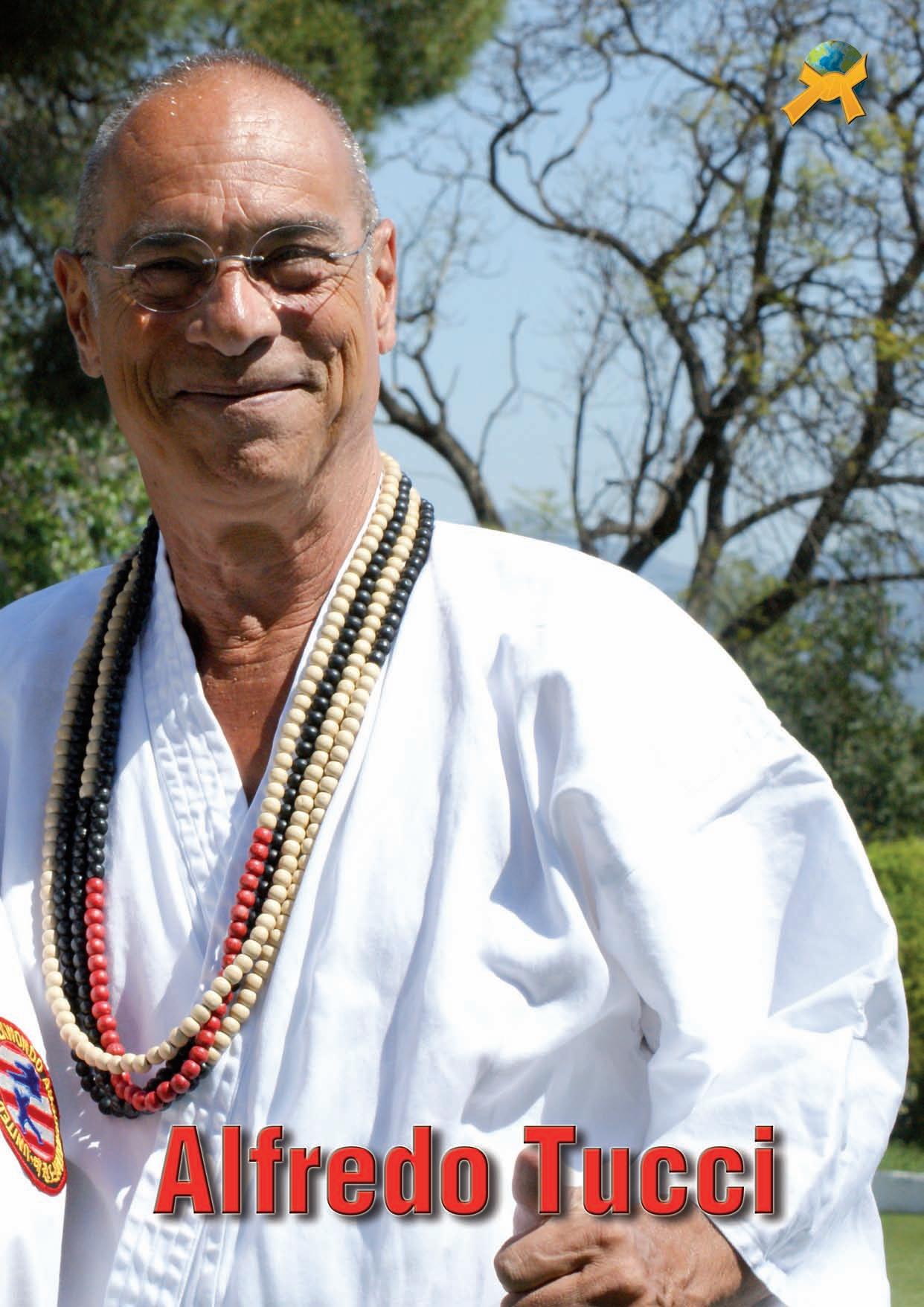
We spent an entire week together at Alfredo’s home in Valencia planning this new phase. We enjoyed hours and hours of good weather, chatting after a swim in the pool, over snacks, at dusk… It was very pleasant as well as intense. The chemistry is there. It’s as if no time has passed since our last meeting.
Alfredo Tucci: Maurice has been very affectionate in handling the whole matter. He’s a tough businessman, a true New Yorker! Just as he ran his restaurant with great success as he builds 80-story buildings… the great thing about him is that he never loses sight of our shared history. For both of us, martial arts are something personal, with values… We’re also mature people and we both share a love for art, and that special sensitivity changes everything.
Maurice creates wonderful works of art featuring butterflies; he paints and designs incredible spaces and buildings. Everyone knows my artistic side, so we can say that our love for art—including martial arts—is both the fuel and the lubricant of this relationship.
We will work together so that this new phase brings us much joy, always with this spirit of service to the martial arts community.
Maurice Elmalem: Honestly, if it weren’t for Alfredo by my side, I would never have taken this step. I don’t need any of this financially, but when I commit to something, I commit! I don’t know how to do things any other way!
Alfredo Tucci: Maurice is a man of action! He’s brought a ton of great ideas and new initiatives. That’s exactly what Budo needs in this new phase.
Maurice Elmalem: Alfredo’s 40 years of experience are indispensable; many of the things I thought of had already been tried in one way or another. The perspective that comes with experience is always essential. Others, however, have come as a breath of fresh air...
Alfredo Tucci: Yes, there are brilliant ideas and perspectives that we hadn’t even considered. We also have to consider that the fact that Maurice is in the U.S. gives him many operational advantages when dealing with companies like Amazon, YouTube, etc., since these platforms offer American companies preferential treatment that we Europeans don’t have…

Maurice Elmalem: I want to bring big names from America to the magazine, who will enrich the editorial line, and we’ll continue to rely on the major contributors who have made the magazine a reality—people who are not only Alfredo’s friends but also mine, such as Paolo Cangelosi, Jordan Augusto, Marco de Cesaris, Taejoon Lee, Salvatore Oliva, Avi Nardia, etc…
Bringing in people who love martial arts and are famous worldwide, broadening the range of content with actors and boxers— most of whom are friends of mine who will be delighted to be part of this project.
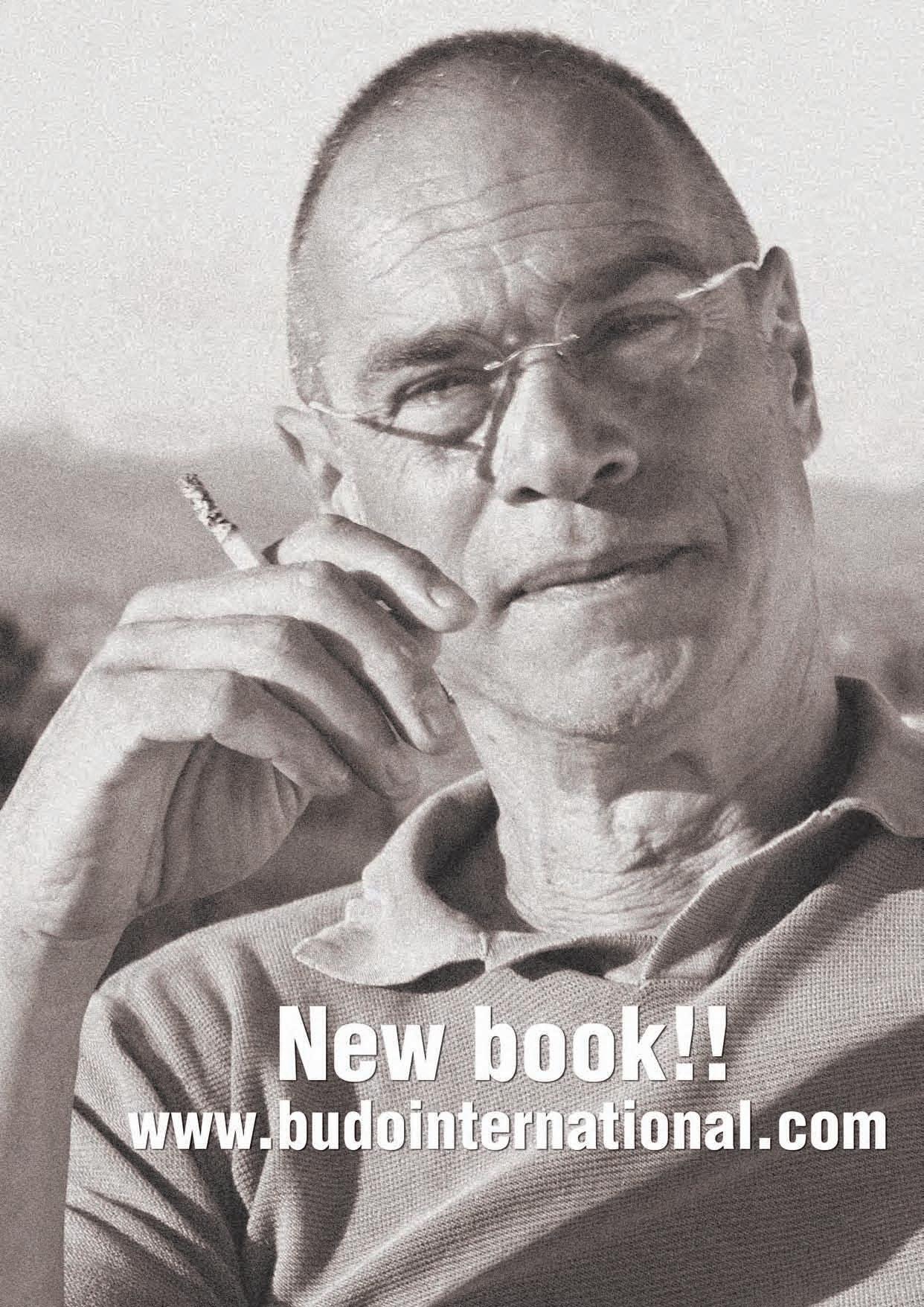
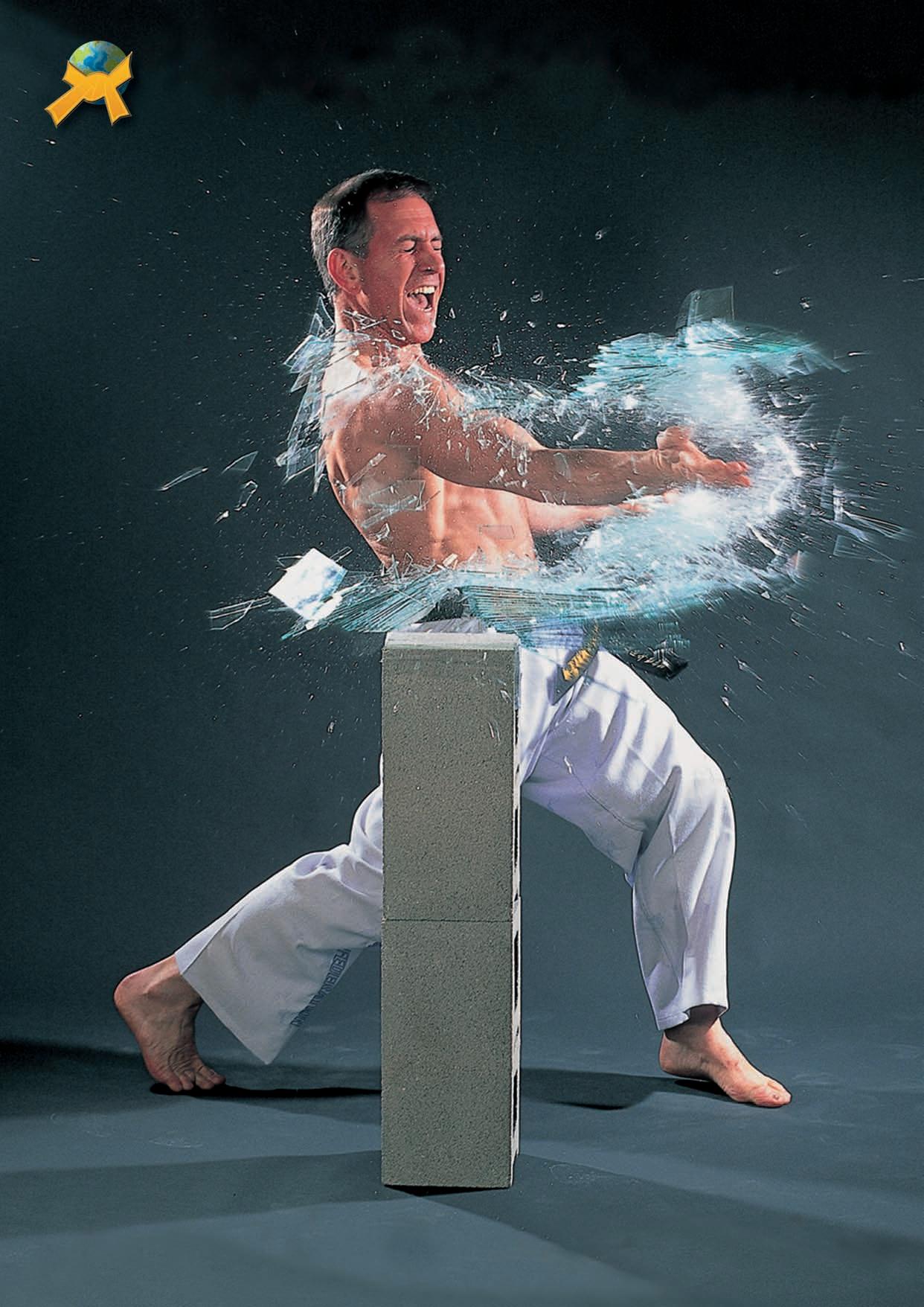
Alfredo Tucci: In forty years, I’ve never been on the magazine’s cover! It’s a strange feeling, but the occasion deserves to highlight the event (laughs). You were on it—and more than once! I remember when we took the photo of you breaking glass in the studio for your Guinness World Record… We had only one chance! What a photo!
Maurice Elmalem: Yeah! That’s when we showed we could be in sync!
That’s the idea! With that spirit, we’re embarking on the adventure of this new phase. Now it’s time for the new generations so they too can achieve their dreams, just as we did.
Alfredo Tucci: Amen!
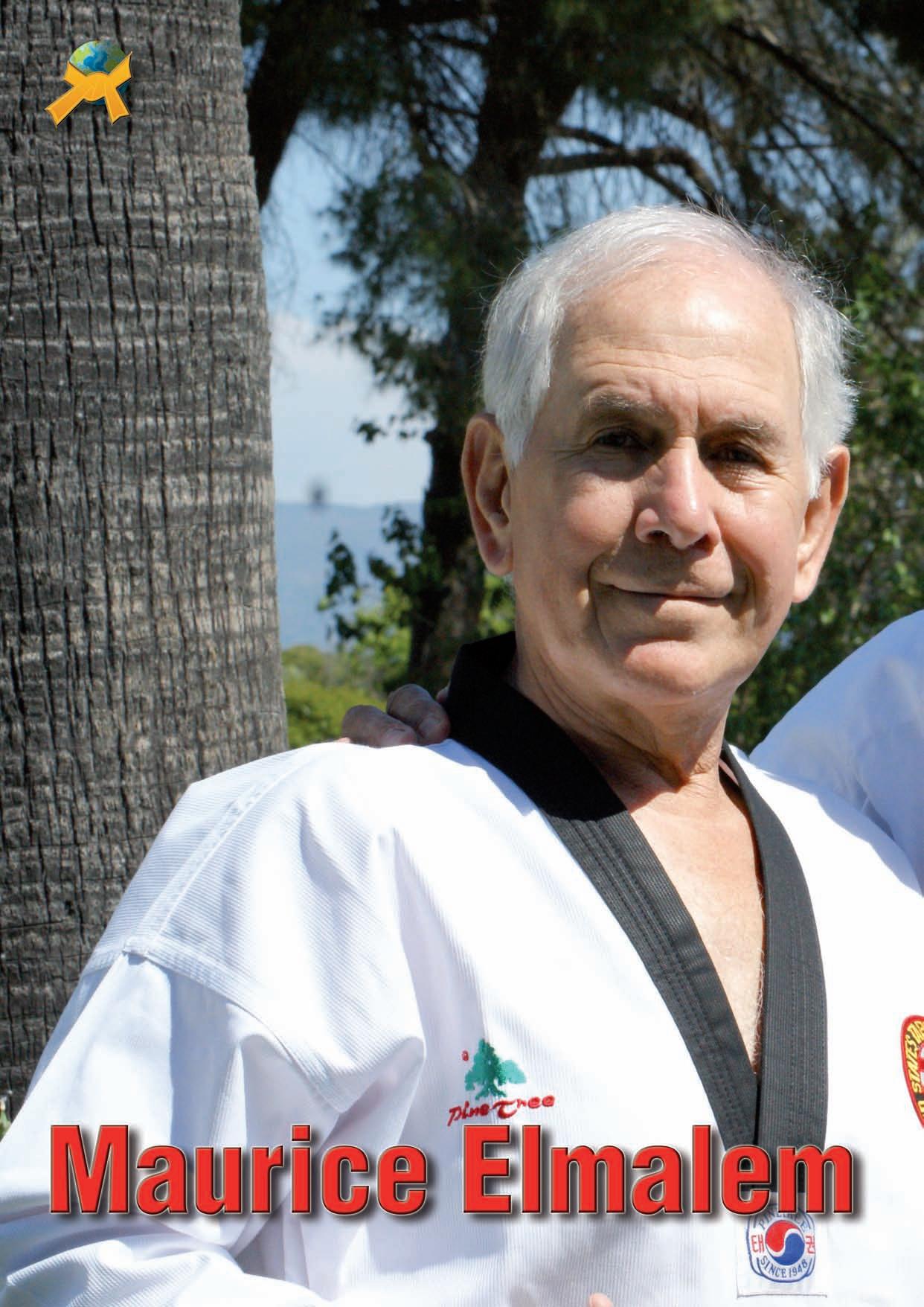

Maurice Elmalem Honored by Marquis Who’s Who for Accomplishments in Architecture and Design
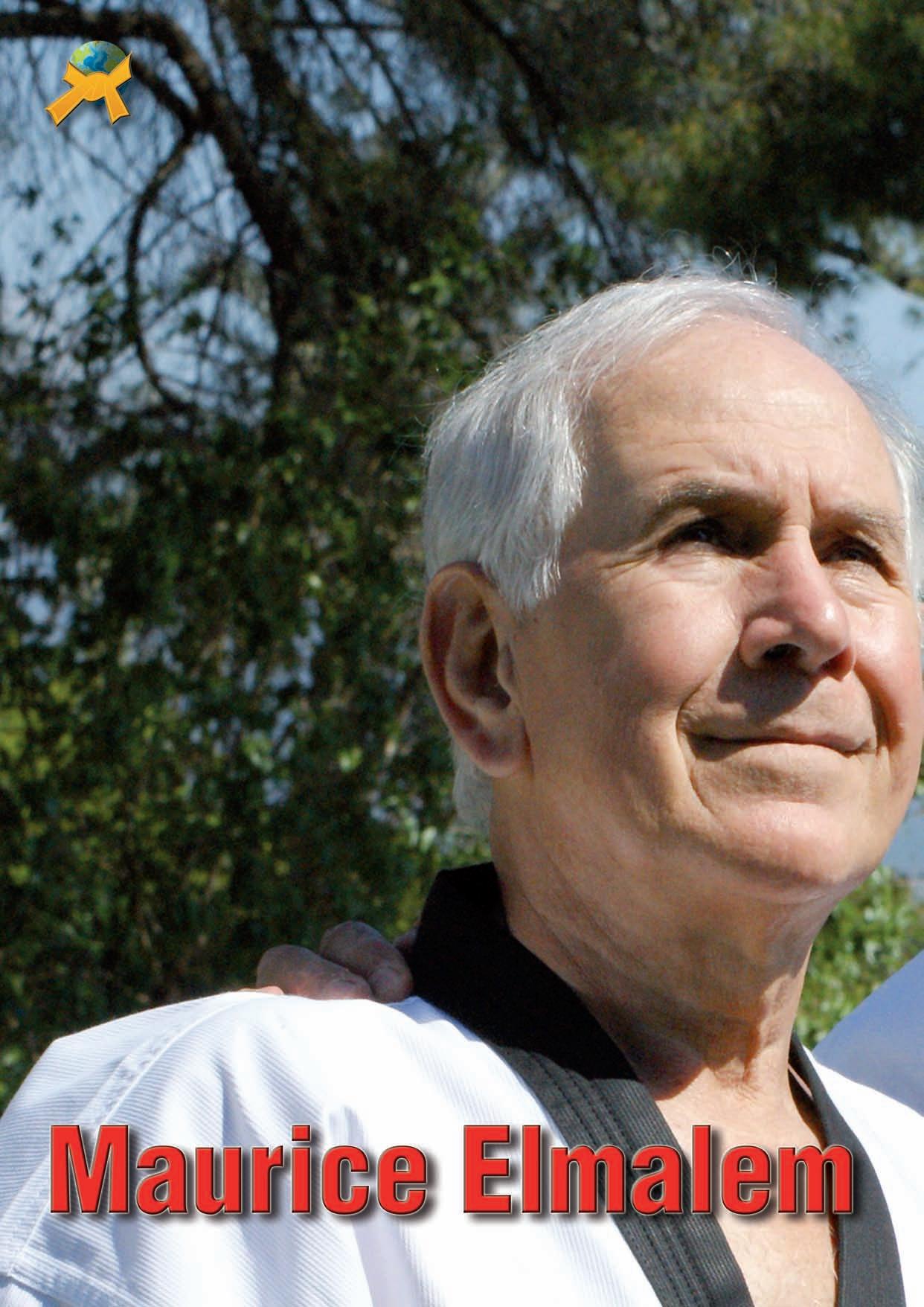
Maurice Elmalem is an innovative entrepreneur and real estate developer
BRONX, NY, March 6, 2024, Maurice Elmalem has been included in Marquis Who’s Who. As in all Marquis Who’s Who biographical volumes, individuals profiled are selected on the basis of current reference value. Factors such as position, noteworthy accomplishments, visibility, and prominence in a field are all taken into account during the selection process.
Mr. Elmalem is the president of Maurice Contractors and Designers Inc. Real Estate Developers, a firm he launched in 1986 as a general contractor and architect. Mr. Elmalem actively buys empty lots on which to plan and subsequently build condominiums, commercial buildings, and homes, and he remains passionate about skillfully transforming his clients’ ideas into reality.
He is known as a brilliant Architecture Designer and Real Estate Developer with more than 500 projects under his belt. His work is driven by his philosophy that there is a purposeful relationship between formal design and performance. His approach is based on a concept that sets new standards for the relationship between the built and natural environment using the latest architectural product available.
A prominent business owner and investor with 48 years of experience, his credentials include working for companies such as Tishman Bros., Helmsley & Spear, Waldorf Palace, the prestigious Royal-Athena Art Galleries in New York, Bloomingdale’s, Citibank, Paragon Honda, Ford, State Farm, Costco, American Tickets, Health and Fitness Centers, Nova Optical Labs, VIP Community Centers, New Yorker Restaurant, pharmacies, medical centers, attorneys, doctors, dentists offices, 531 Management LLC, several new condo buildings and retail in NYC. He has also collaborated on restaurant ventures as the coowner and general manager of New Yorker Restaurant. He is also owner of Zion Film Corporation in Israel and 531 Management LLC.
A range of diverse interests is the motivating factor for Mr. Elmalem’s personal and professional pursuits. He followed a passion for architecture and love for art into a career in designing structures and then gained practical expertise in a broad context of commercial projects. Notably, Mr. Elmalem avidly explored various segments of the real estate industry toward locating promising properties, which proved foundational for his current entrepreneurial venture. Maurice came to the USA in the early 1970s from Europe, and grew up in a modest family with a strong religious background, which inspired him to be one of all people. Many who look up to him try to emulate him. Mr. Elmalem also boasts exceptional academic accomplishments including a Bachelor of Science in engineering and architecture from Columbia University. He completed coursework in cinematography in interior design and general construction, Mr. Elmalem’s profile is further defined by signature credentials that include the registered architect designation in the state of New York and continuing education certification from Pace University.
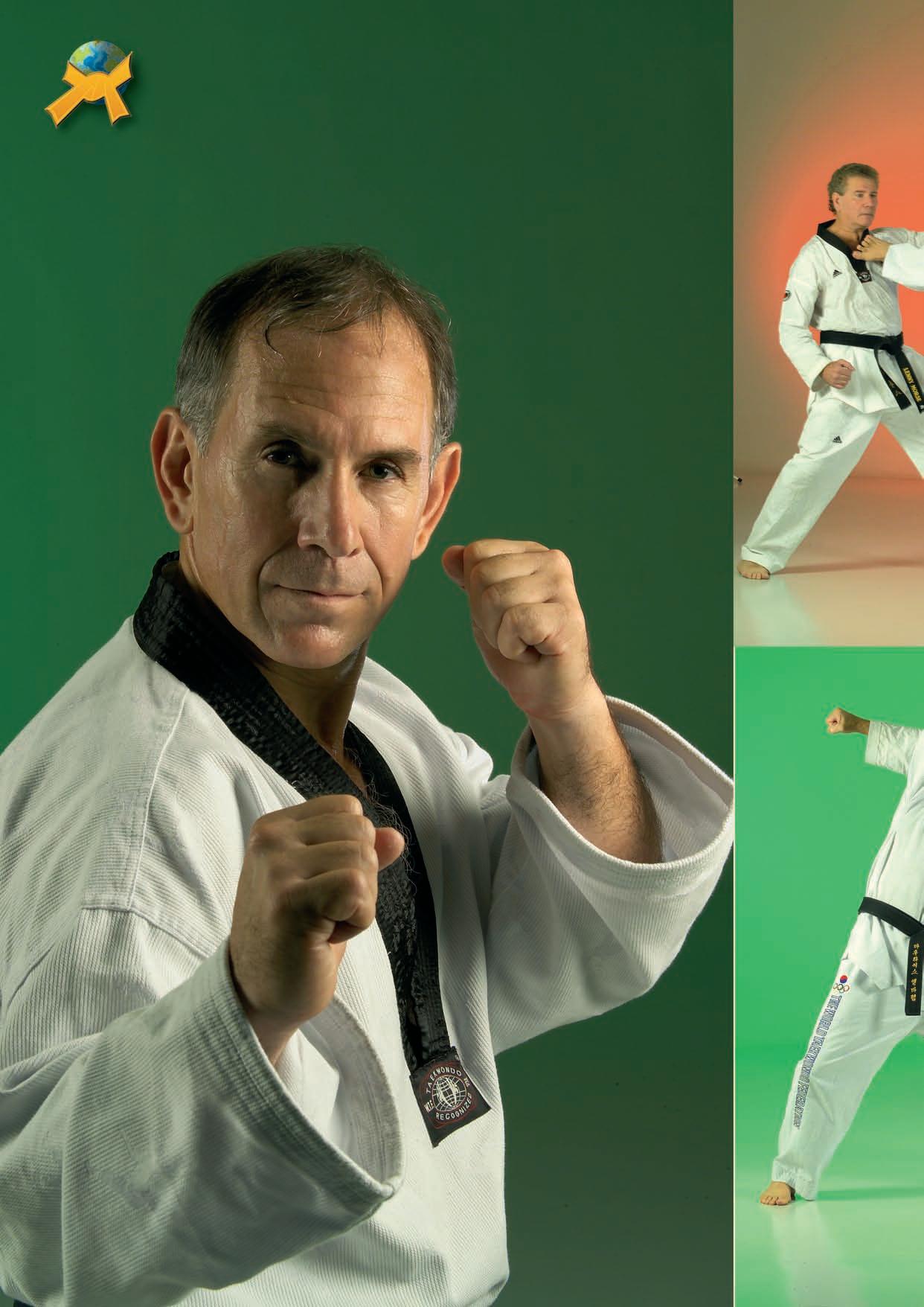
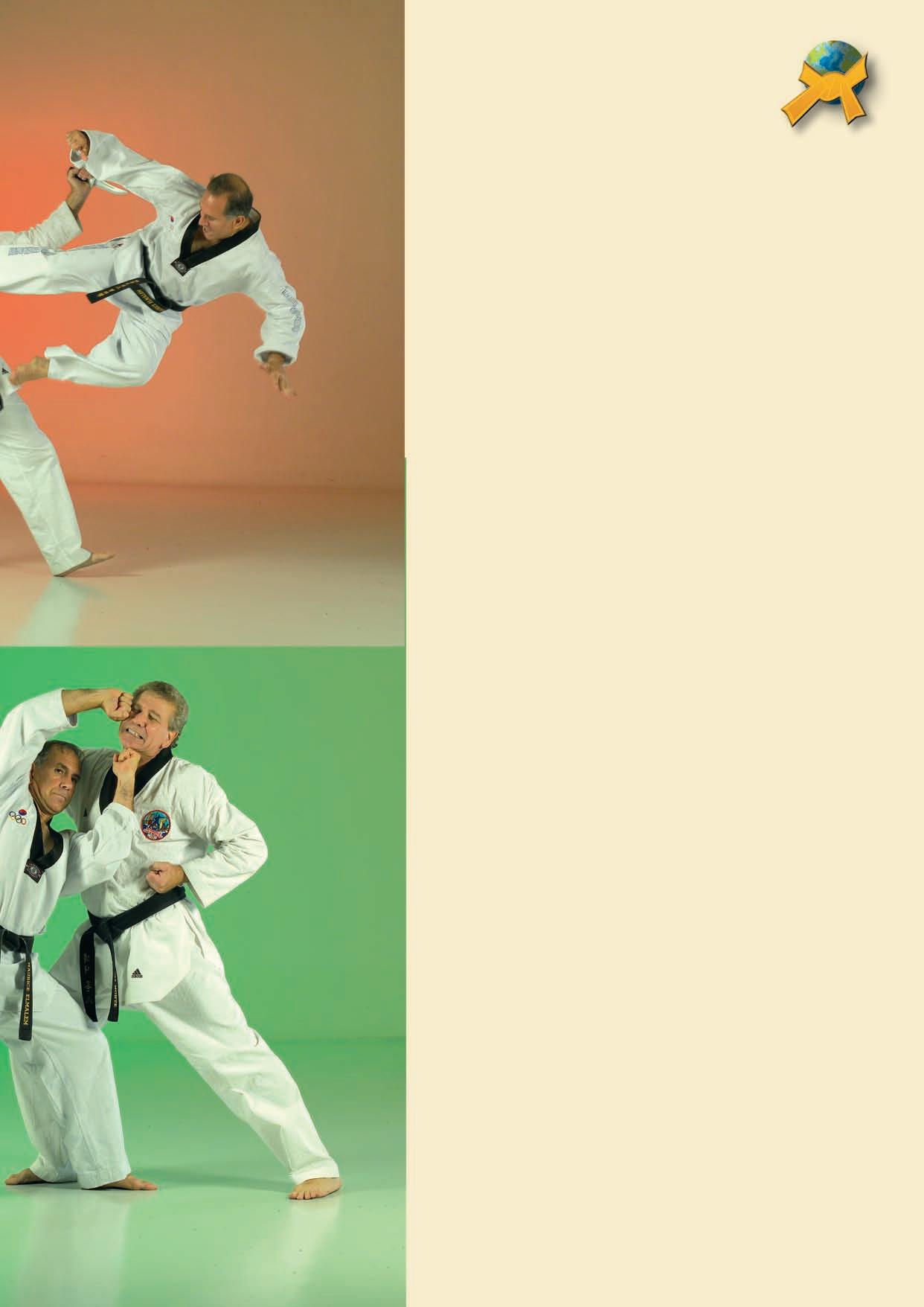
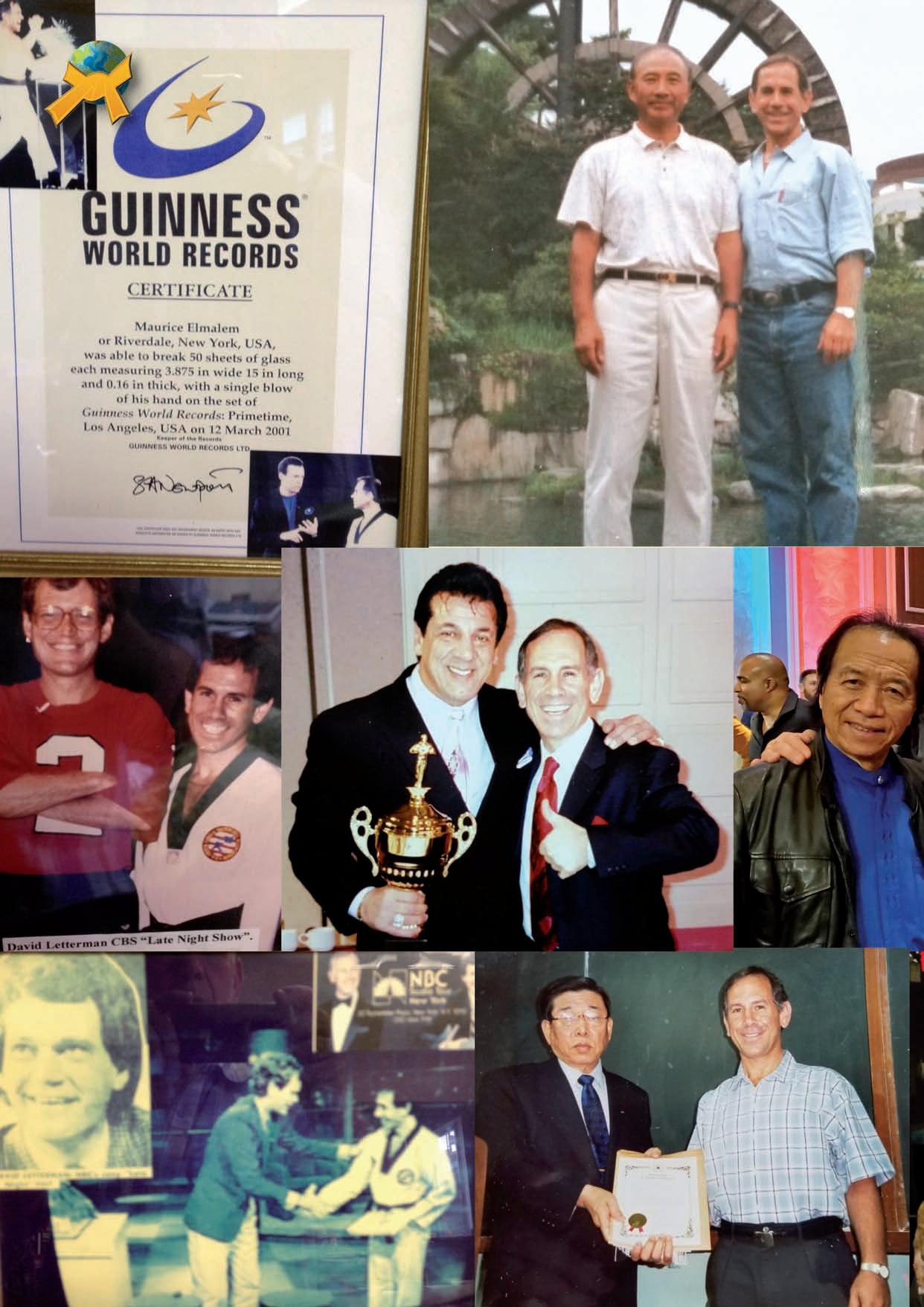
Mr. Elmalem is a renowned martial arts expert whose demonstration created buzz in the 1976 and 1988 Olympic games. He is also a seven-time world champion who holds eight Guinness World Records, and he was humbled to have his inspiring story featured on the David Letterman and Jay Leno Shows. His fighting and breaking skills have been documented in the Guinness Book of World Records, witnessed by millions around the world live on television on Channel 5, ABC Wide World of Sports, Fox 5, Discovery, MSG Network, Chanel Plus, Italian and Spanish TV, Spike TV, Telemundo TV, ESPN, Ohio TV, Bronx TV, Joe Franklyn, Channel 9, Channel 12, and Johnny Carson, He has appeared in live shows at Madison Square Garden, Nassau Coliseum, Studio 54, Apollo Theatre, Gleason Gym and Carnegie Hall. He participated in two Olympics and three Maccabi Games-Israel. Mr. Elmalem shares his deep knowledge of the sport to motivate others with physical education programs and self-defense seminars worldwide.
Mr. Elmalem’s diverse interests include creative endeavors such as painting, music, writing and butterfly art. He was also proud to collaborate with Zubin Mehta, a famous conductor active in Israel. Mr. Elmalem excelled as a stunt advisor for the movies “Karate Kid,” “Paying Mr. McGetty,” “The Martial Arts Kid” and “Champions of the Deep.” He was an actor and executive producer for the movie “Black Creek,” soon to be released.
Numerous accolades have marked the distinct milestones of Mr. Elmalem’s career. He is gratified to have been featured in various prestigious magazines; moreover, he takes immense pride in his achievements in martial arts. He attributes his success to a commitment to serving others and partnering closely with them on both personal and professional levels. He also thrives on philanthropy, through which Mr. Elmalem consistently makes a positive impact on others.
He is the recipient of the 1993 Presidential Sports Awards from President Bill Clinton and Arnold Schwarzenegger. He has been inducted into over 250 Halls of Fame worldwide. He is known as the Architect of Martial Arts, Houdini, Renaissance Man, World Champion Greatest Martial Arts Daredevil for his endless talents not only in martial arts but his vision and architectural construction business. In September 2000 after his performance in the Oriental World of Self Defense at Madison Square Garden, NYC, movie star, Chuck Norris presented him the world champion belt, which was engraved, World Extreme Daredevil Champion and said “Mr. Elmalem, you are a great champion.”
In 2006 Mr. Elmalem won his Best of the Best Champion Belt at the Arnold Sports Festival in Ohio hosted by Gov. Arnold Schwarzenegger. His martial arts career spans five decades.
With his outstanding grades in school and high IQ he has achieved and experienced much in his life. He is listed several times in Who’s Who in the East for Outstanding Contribution to Architectural Design in 1999 and was voted among the Top 400 General Contractors in the U.S.A. by Engineering Report Magazine. GM Maurice was inducted into the Sports Karate Museum in Houston, TX and the Martial Arts History Museum in Burbank, CA in 2015 as one of the most respected leaders in the martial arts community. He has been a distinguished guest of the governments of Korea, Cayman Islands, Israel, France, Spain, Canada, Italy and USA. He is the recipient of the Bruce Lee Hall of Honors distinguished award 2018 in Ohio. In 2022 and 2023 he along with his company was nominated as Best of 2023 Hall of Fame Bronx Award Program. He is an author, producer of four movies and over 40 DVDs, entrepreneur and editor of Budo Martial Arts Magazine.
Looking toward the future, Mr. Elmalem plans to prioritize his health and wellbeing by persisting in travel, movie productions and cultural exploration to broaden his perspectives, derive pleasure from music, pursue his creative aspirations in art and engage in family activities. He is enthusiastic about leaving a productive legacy for future generations, which Mr. Elmalem will secure by writing and publishing additional books on health, poetry and sports, as well as novels.





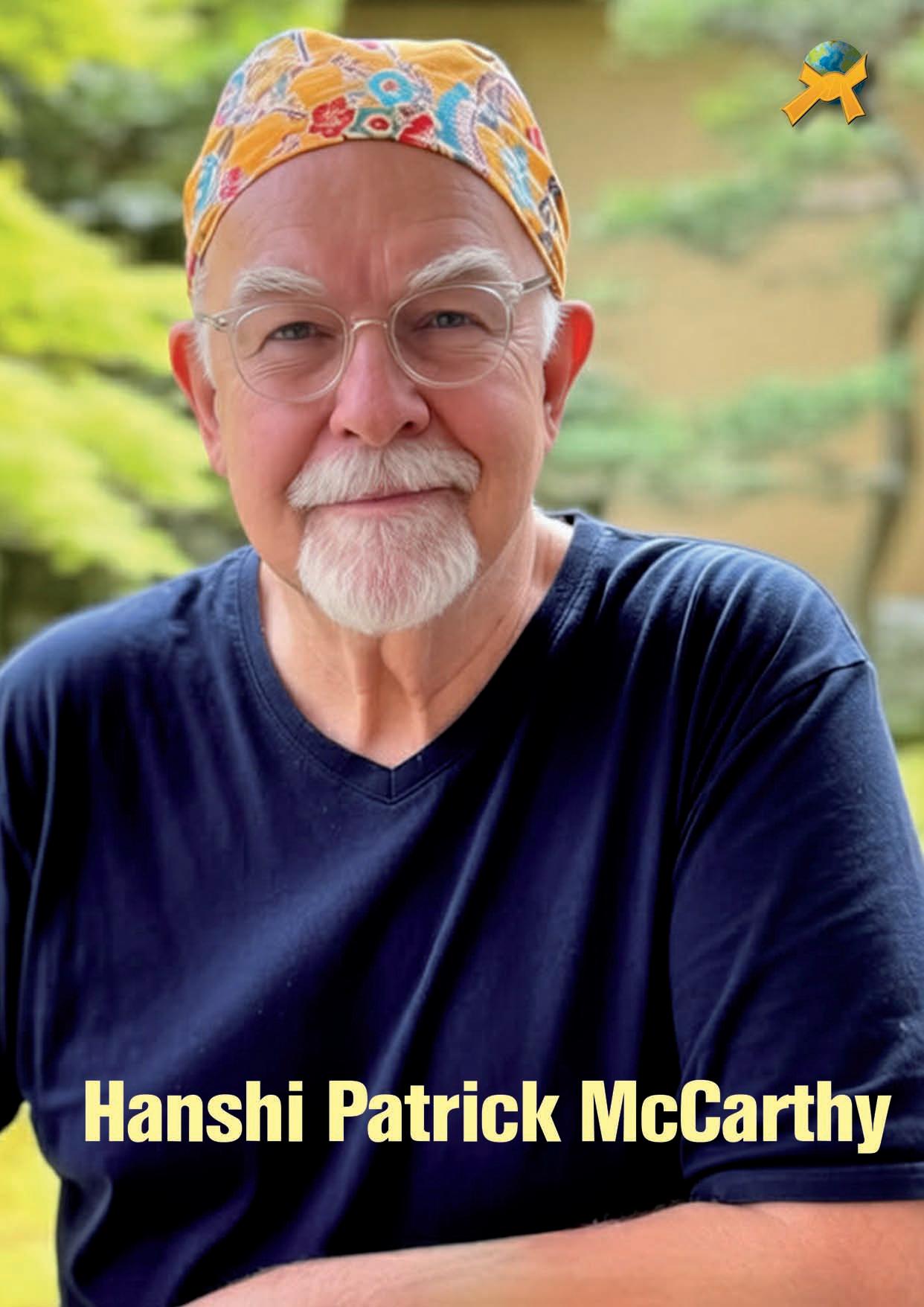
by Patrick McCarthy Okinawa, Japan
There is a wonderful quote by 19th-century mathematician Henri Poincaré: "Science is built upon facts as a house is built with stones; however, the mere collection of facts is no more a science than a heap of stones is a house." Poincaré's logic and simplicity spoke loudly to me when seeking to address the issue of indiscriminately learning and collecting kata, over actually understanding the application science upon which it was built. Making the results of my personal studies public during the early 1990s, I experienced heaps of stones thrown at me for little more than challenging what was then regarded as accepted truth. Although seemingly a forgotten issue for many, and a history purposely neglected by some, I remain proud of having been at the forefront of a movement whose efforts helped pave the way for what is nowadays considered commonplace.
For the record, I have never stood in opposition to vertical hierarchy — the traditional paradigm of positional authority and its accompanying "do as you're told" mentality — but I have always preferred horizontally structured relationships. I was fortunate early in my career to learn that transparency, mutual input and accountability among a team of experienced leaders works best for me. This is especially true when not everyone thinks the same way about the same thing. The fusion of modern science and the fighting arts has helped redefine tradition and strengthen its transformative pathway. As a multi-dimensional industry, today's enthusiasts have become far more comfortable embracing asymmetrical thinking to accelerate their practice and learning.
In retrospect, the first time I won a competition as a young man, I felt the exhilaration of victory — yet felt uneasy about being in the spotlight. Young and naive, I couldn't understand why my circle of friends started acting strangely and treating me differently. This type of behaviour would continue throughout my competitive career and, in many ways, most of my life. I came to understand that it stemmed largely from being instinctively drawn towards challenge, remaining insatiably curious, and never feeling the need to seek approval or validation from others. Becoming a competitive athlete was the beginning. Establishing a dojo was another turning point, as was writing my first book. Receiving awards and publicity further expanded the range of critics. By the time I became a regular columnist and began appearing on the covers of international martial arts magazines, I had grown more accustomed to the critique. Deciding to develop my own teaching style, establishing an organisation, and travelling the world as a sought-after international seminar instructor, I ultimately came to understand that detractors are simply part of becoming successful.
I have had stones thrown at me for much of my life and from a wide variety of directions — starting with jealous competitive rivals and plagiarists, the list of critics grew exponentially. Insecure style-
“I had long contemplated what to do with the many stones my detractors have thrown. Instinctively, I wanted to throw them right back, believing it would provide some measure of satisfaction. However, the better part of me realised that such retaliation would only diminish me and result in more walls being built.”
based zealots, angry that I dared to question a longstanding and unchallenged status quo. Self-entitled students who became disgruntled after being denied special privilege or recognition. I have been targeted by frauds, charlatans, and predators who, thanks to the help and support of principled people, have since been exposed for their unethical behaviour and criminal activities. Among the worst offenders are the sociopaths — particularly the ever-charming breed of narcissists — a reminder of the retribution one faces for speaking plainly and honestly about those who cause harm.
I had long contemplated what to do with the many stones my detractors have thrown. Instinctively, I wanted to throw them right back, believing it would provide some measure of satisfaction. However, the better part of me realised that such retaliation would only diminish me and result in more walls being built. I decided instead to use those stones to lay a foundation upon which to build bridges. In spite of having needed to set fire to a few along the way — so that the torch might burn brighter when lighting the path ahead — it has been a remarkable journey. I have made considerable progress using my platform as a force for unity and as a forum to cultivate connections among like-minded people in pursuit of common goals. What separates us is never as important as what brings us together, and a genuine win-win serves everyone.
Criticism is the price of ambition, and clarity often precedes progress. Obstacles are guaranteed — but like stones and walls, they can either impede or inspire. Ambition can be a pathway to progress, and persistence is the vehicle that carries you there. As Confucius observed, the person who believes they can, and the person who believes they cannot, are both right.
You can watch me, mock me, block me, or join me. What you cannot do is stop me.
Patrick McCarthy IRKRS — Director
Okinawa, Japan
Does Ionian Fencing have kata?
“Solo” training
One of the most obvious differences between Eastern and Western martial arts seems to be the presence of “forms” in the former and their total absence in the latter. By “forms” we mean sequences of movements to be performed solo. They constitute the backbone of many martial arts: the kata of karate, the Tao Lu of Kung Fu, the Jurus of Silat, the Sayaw of Filipino Kali… If, on the other hand, we think of boxing, fencing, wrestling—that is, Western arts— these fascinating “solo” sequences of movements seem not to exist.
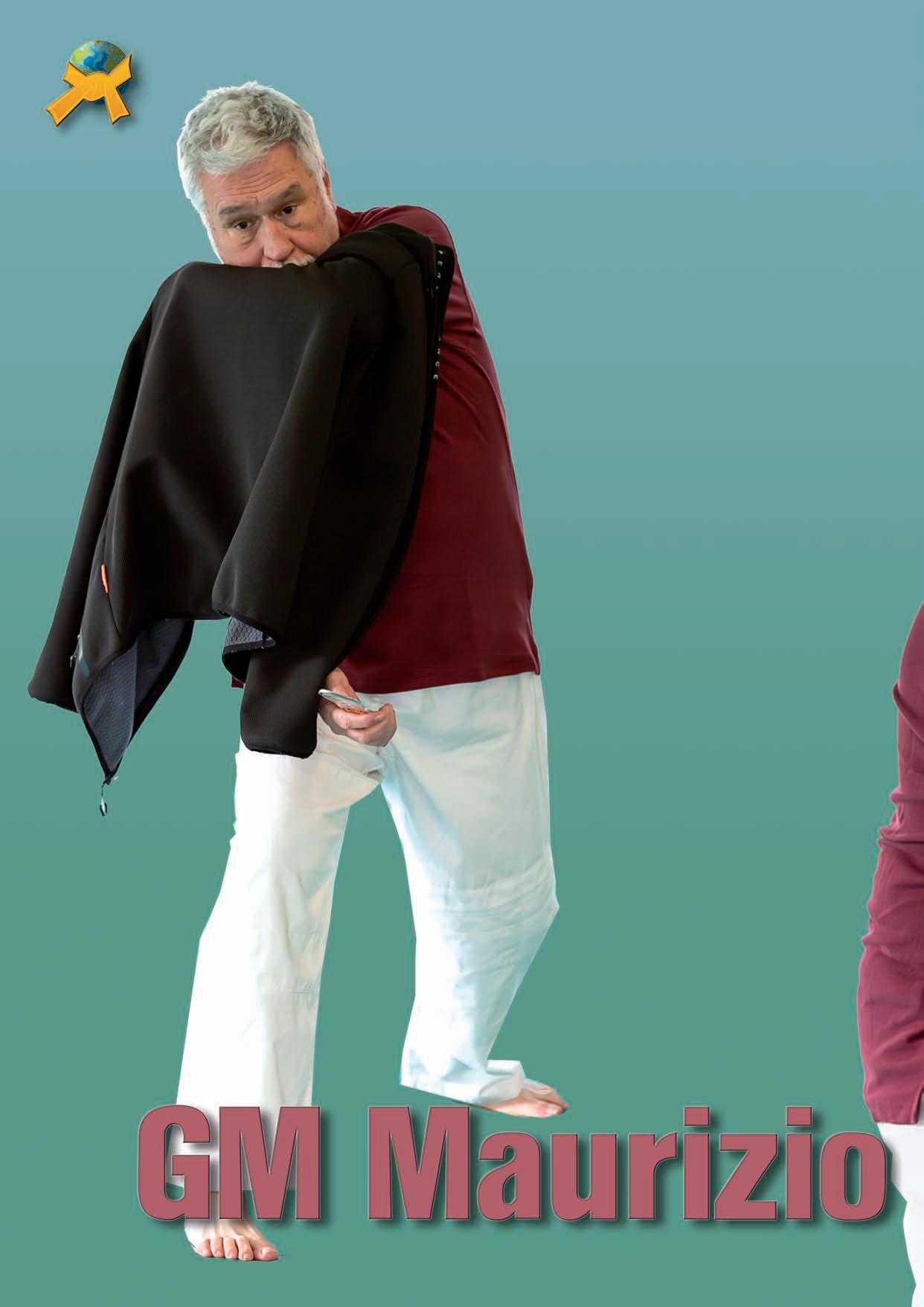
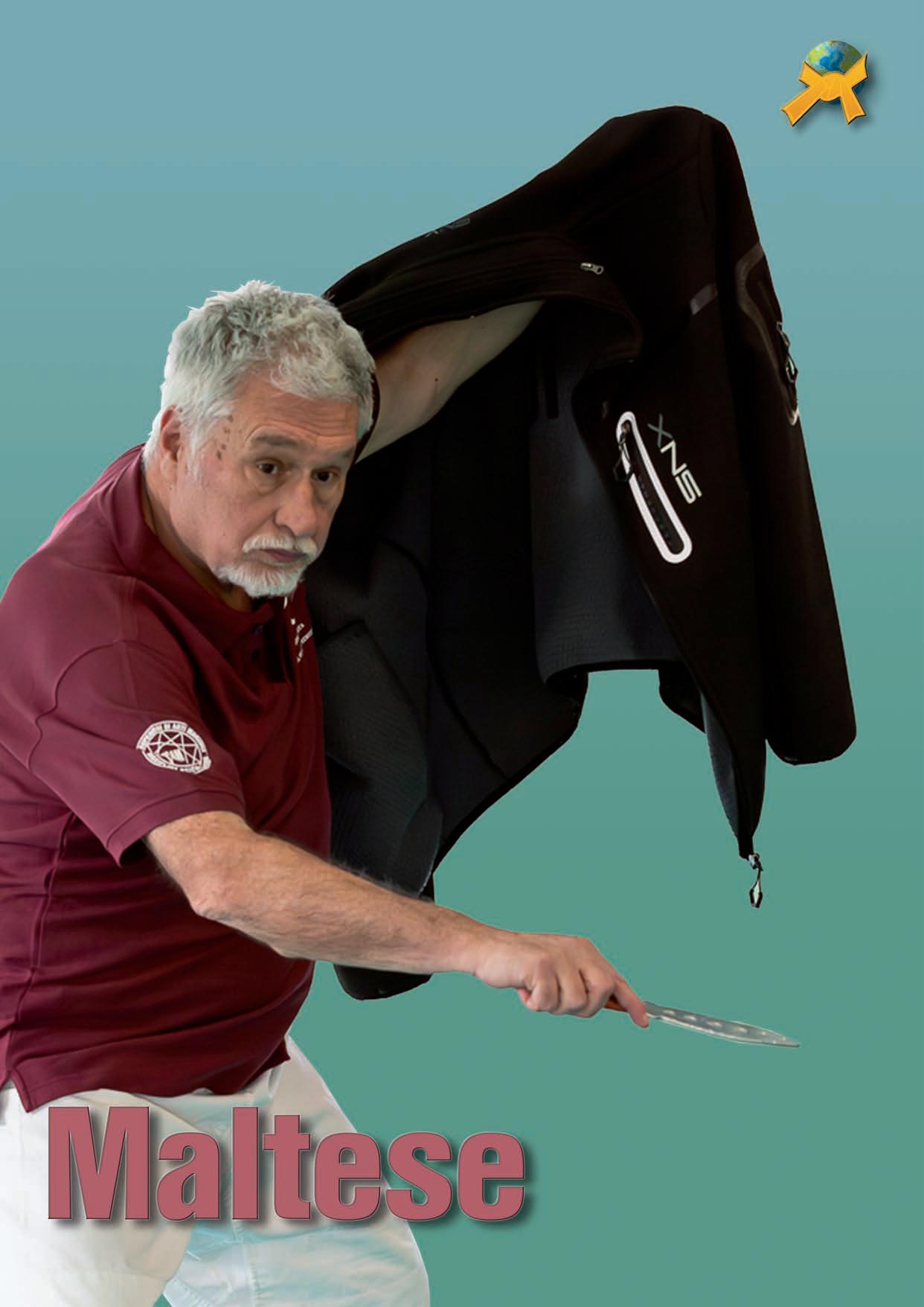
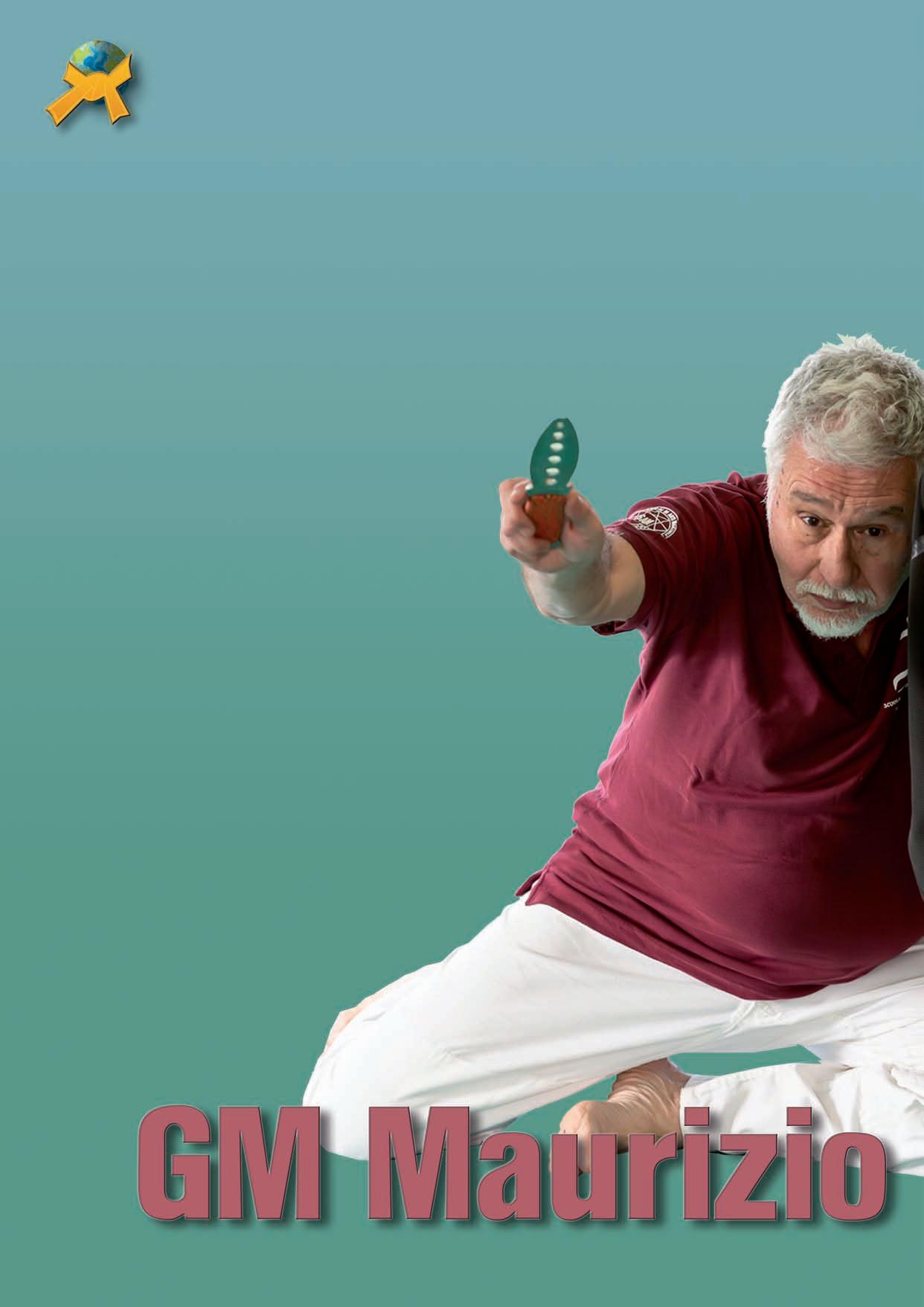
Before answering this question, let’s explore why “forms” are practiced and what purpose these sequences of movements— which so distinctly characterize Eastern martial arts—serve. To better understand this, we will make a continuous comparison between the systems adopted in the two hemispheres of the planet (the Western and the Eastern).
The primary reason for the existence of these “forms” seems to be the need to preserve and transmit knowledge. In the West, martial arts systems were immortalized through drawings, captions, and explanations sometimes even expressed in verse. If we take, for example, the text *Fiore di battaglia* by Fiore dei Liberi, we note precisely that the author transmits his knowledge through drawings and even ventures into poetic composition to describe the defensive actions performed by the master, who often wears a crown on his head. The verses and images guide the reader in learning; one learns how to evade an attack with a sword, staff, or dagger and respond appropriately. Just a century later, in the midst of the Renaissance, the Milanese Camillo Agrippa illustrated his treatise Scientia d’arme with marvelous drawings, so much so that some scholars attribute them to Michelangelo, who was his pupil. In the East, rather than drawings, didactic explanations, and poetic rhymes, a preference was shown for writing “virtual books”—that is, preserving knowledge through the memorization of sequences of movements which, like printed paper, were passed down from master to student. However, even in the East—in China and Japan—there are some references to technical manuals accompanied by primitive drawings and songs intended to serve as instructions. Consider those of certain Tai Chi Chuan schools; however, they are not comparable to the treatises found in Western libraries. Indeed, when we consider once again the treatises of Agrippa in Italy or Carranza in Spain, topics such as geometry, arithmetic, music, and the sciences in general are addressed as a complement to the art of fencing.
While the primary purpose of the forms is preservation, the secondary purpose is training. Performing these sequences of movements trains the body in the positions to assume and the actions to perform later with a partner. The great advantage is that one can train alone and even achieve a good technical level, provided, of course, that the movements comprising the forms are executed correctly. It is, however, clear to everyone that practice with a partner is indispensable. It is equally true that forms allow one to progress in one’s studies and maintain the necessary physical and mental qualities without necessarily having a partner available. In all martial arts styles, we can distinguish two types of forms: those that are fixed and must be performed with strict precision, and those that are free-form, involving a sort of improvisation by the performer.
In Western martial arts, however, this practice of performing movements solo or in pairs with preordained figures of strong aesthetic value was not entirely unknown. Few people realize that dances served not only as entertainment or a social occasion but were a genuine form of physical training. These performances imparted rhythm and fluidity to the warrior’s actions. Not everyone knows that only warrior-men were allowed to dance, and sometimes they did so right before battle to achieve the right psychophysical charge to win over the gods or even to frighten the enemy (such as the Maori HAKA dance or that of the Zulus). In Italy, we still find today the sword dance, which simulates actual combat, or the tarantellas and pizzicas, which can be considered true knife-fighting kata. Southern Italy was influenced for a long time by Spanish culture, and especially in the south of the Iberian Peninsula, we find the famous flamenco, which sometimes simulates combat with a short blade. The Gypsies contributed to the development of these dance-katas, bringing their unique expertise in the art of the knife to both southern Italy and Spain. The Gypsy knife dance is performed with a knife in hand, and the Baila Flamenca—a form of armed

flamenco—is always performed with one or two blades. There is more: among the Gypsies, there is also the Fire Dance, in which a knife is held in one hand and a burning ember in the other. In Calabria (southern Italy) as well, the same custom is found in the Calabrian knife dance, and in the Calabrian tarantella, dancers perform with a knife in hand, simulating a real duel. Today, the knife is often replaced by a small stick and sometimes by an outstretched hand mimicking a cut, since in the past—fueled by wine—it was easy to go from dancing to a real fight. Southern Italy has been influenced by many cultures, foremost among them the Greek, so much so that the region was once known as Magna Graecia. Especially along the shores of the Ionian Sea, the Greeks introduced warrior dances performed with blades. On Crete, an island with a great warrior tradition, there is the Pirrichios, in which dancers perform armed with knives. In northern Greece, we still find the knife dance of Kastoria today; here too, the dancers are armed with blades. On the other side of the Ionian Sea lies Albania, with which southern Italy has close ties, and here as well we find both knife dances (in the northern mountainous regions) and sword dances (in the south).
Music plays an important role in dance, helping to coordinate movement and set a rhythm for the performance. Often, just as in flamenco or Balinese gamelan, dancers follow the musicians’ rhythmic variations, creating a silent communication between those who dance and those who play.
Solo movements can also be guided by geometric figures: straight lines, cross-shaped figures, semicircles, concentric circles, grids, squares, triangles, asterisks… these figures can guide both footwork and hand movements to surprise the opponent.
Renaissance fencing, as we mentioned above, has left us a wealth of documentation on the close relationship between geometric figures and blade handling. We can nevertheless surmise that a figure like Pythagoras, a master of Greek martial arts, drew heavily on the science of geometry to improve his athletes’ footwork. Music and geometry, therefore, are the ingredients for a good, free execution of movements—whether solo or in pairs, whether bare-handed or with a single knife, or combined with a belt, jacket, hat, burning ember, fisherman’s club, or another blade.
We conclude with the rhyming words of a 15th-century Italian master, Filippo Vadi, in his “De arte gladiatoria Dimicandi,” who believed that fencing was a form of music and that the movements of the weapon did nothing more than describe geometric figures. The following verses are his: Geometry and music share
Their scientific virtues in the sword
To adorn the great light of Mars
Once again, we must conclude that Westerners passionate about Eastern martial arts often learn a great deal about Japanese or Chinese traditions but know very little about the glorious traditions of their own homeland.
A final note concerns the clothing worn, at least in the distant past. For training, one wore sandals or went barefoot for a very practical reason: one owned only one pair of shoes, and these had to be preserved without wearing them out during fencing practice. The torso was bare either because we are talking about areas where temperatures are high for several months of the year, or a shirt was worn by those who could afford it. The ideal terrain for fencing practice was the beach, the meadow (often a clearing among prickly prickly pears), cemeteries, or abandoned houses. These were always secluded places at unusual hours where no one could observe these practices. If by chance some farmer or child, overcome by curiosity, witnessed such training, they would never utter a word to anyone, not even in the face of severe threats. The Ionian art is secret because it is the art of blood, the elders would whisper.
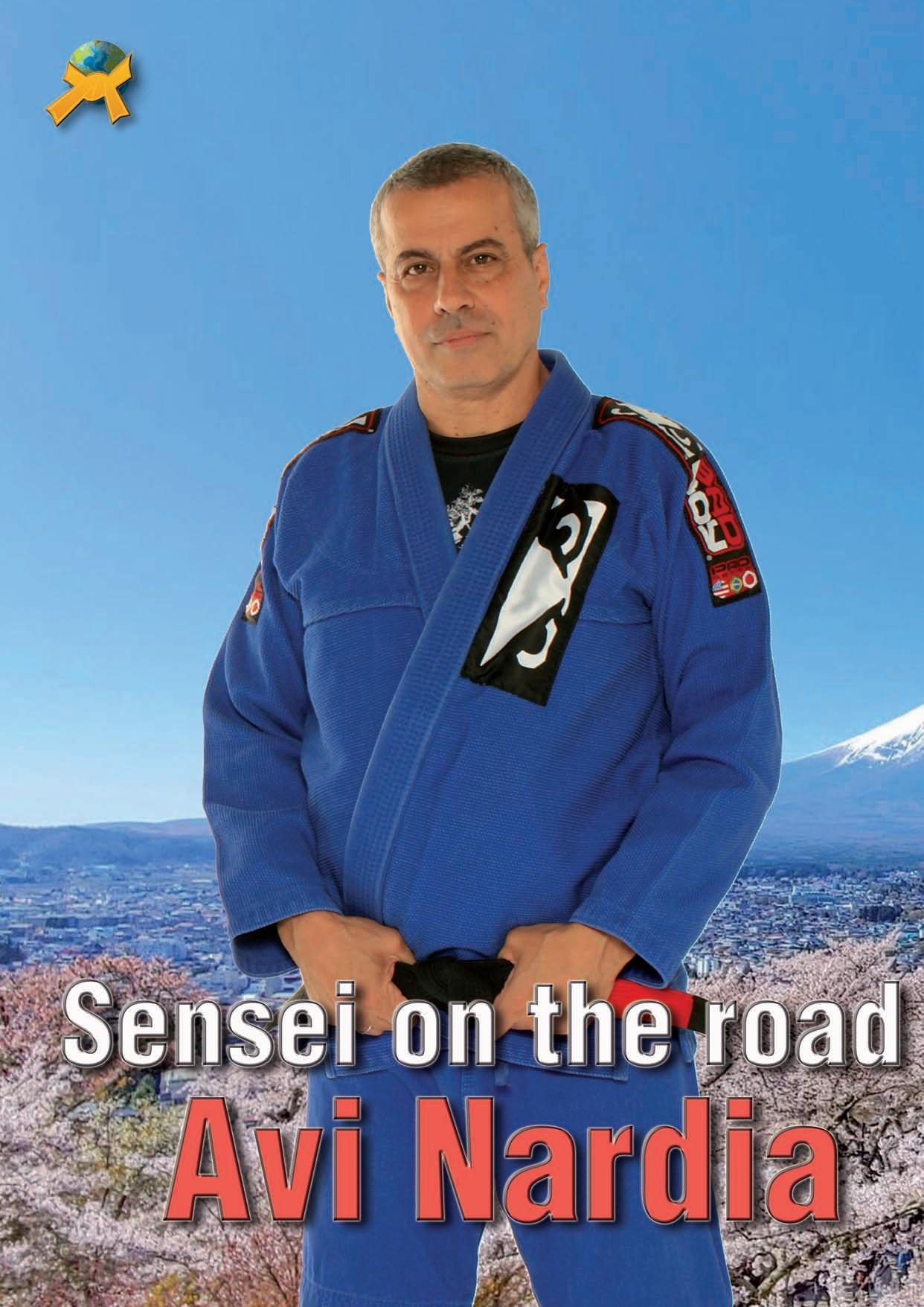
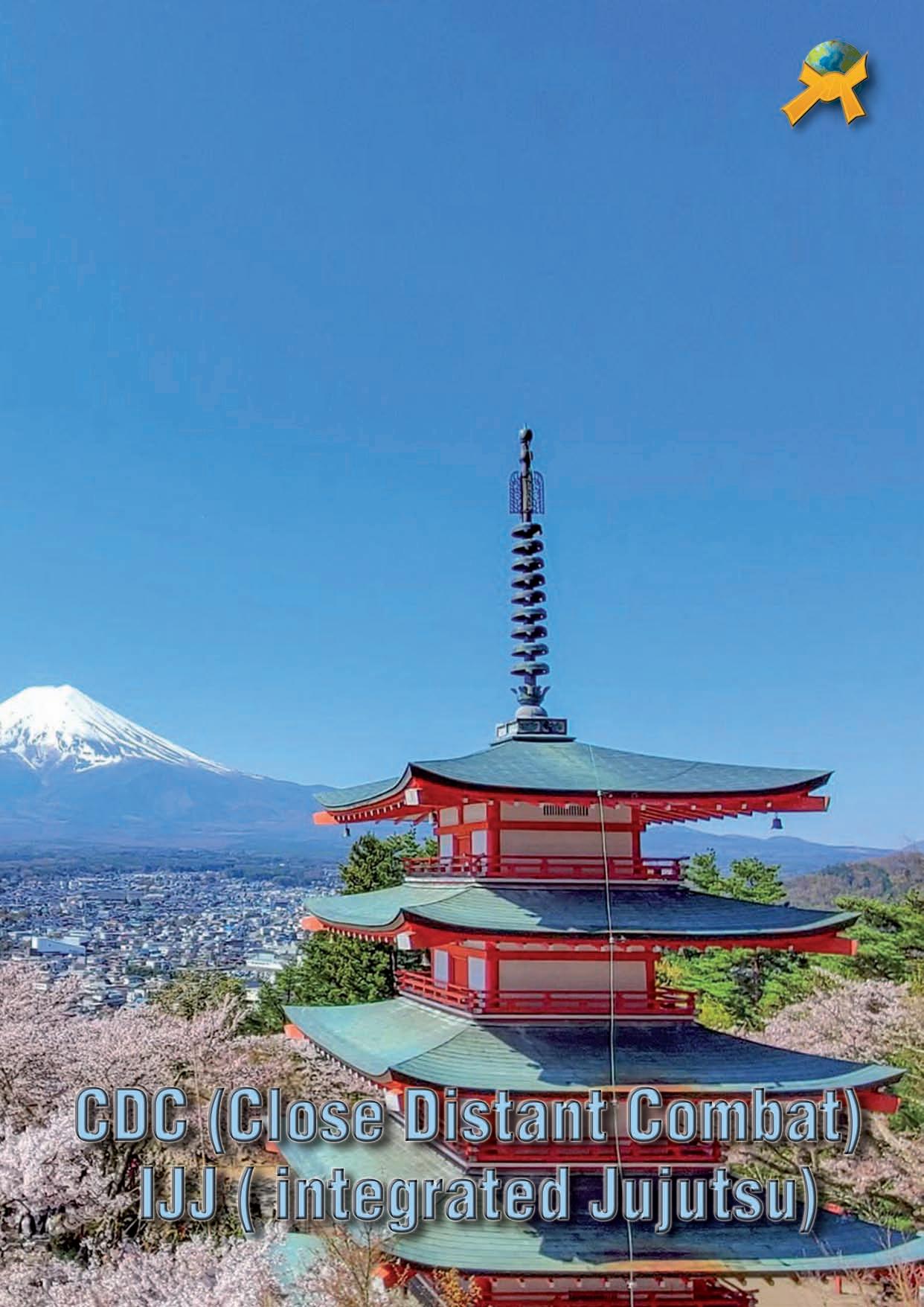
My last journey to Japan was unforgettable. Among the many wonderful people I met again was my old friend Shmulik Nadlin. Years ago, while I was deeply involved in Kendo and giving most of my time and energy to becoming a better kendoka, Shmulik was studying Kyokushin Karate.
This time, I was amazed not only by how much Japanese he had learned, but also by how deeply he had immersed himself in understanding Japanese culture. Today, he shares that knowledge with visitors to Japan and often writes about the deeper meanings behind Japanese traditions and daily life.
During one of our discussions, Shmulik and I spoke about several Japanese words that are much more than simple vocabulary. They are ways of living. These ideas followed me through Okinawa and Tokyo, where I once again saw how patient people are with one another.
In many countries, people become impatient quickly, honk their car horns, or react aggressively when crowded. In Japan, people simply wait. There is a quiet understanding and respect for others. One word that reflects this spirit is “gaman suru.”
Gaman suru (我慢する ) means to endure, persevere, be patient, and tolerate difficulty without complaint. It is emotional control, discipline, and quiet strength. It is not weakness. It is the ability to remain calm and composed even under stress.
You can see this everywhere in Japan. Perhaps nowhere is it more visible than at the famous Shibuya Crossing in Tokyo, where thousands of people cross at the same time in what looks like complete chaos, yet everyone moves in harmony.
On one of my last conversations with Shmulik, he asked me what I thought about war. My answer was simple: cake and good coffee. He laughed and said, “That is a great kōan.”
A kōan (公案) is a paradoxical question or story used in Zen Buddhism to go beyond logic and ordinary thinking. Questions like “What is the sound of one hand clapping?” are not meant to have rational answers. They are meant to help us see reality differently and understand ourselves more deeply.
For martial artists, these ideas are very important. Budō is not only technique, competition, or self-defense. Budō is a way of living.
This spirit will be shared further
during the Okinawa Camp from October 20–24 with Hanshi Patrick McCarthy, Kyoshi Borut Kincl, and Avi Nardia. After Okinawa, seminars and workshops will continue in Tokyo at MagaGym, where practitioners from different backgrounds and systems can train together and explore not only techniques, but also the deeper values of Budō.
Omotenashi and the Spirit of Budo
In Japan, the word omotenashi is often translated simply as “hospitality.” Yet its true meaning goes far beyond politeness or good service.
Omotenashi is the art of anticipating another person’s needs before they are spoken. It is giving sincerely from the heart without expecting anything in return. It is respect, humility, gratitude, and mindfulness.
In the dojo, every bow, every step, and every controlled breath reflects omotenashi. Respect for the training space, the teacher, the training partner, and the art itself are all expressions of this principle.
The teacher who corrects firmly but fairly practices omotenashi. The training partner who pushes you beyond your limits, while remaining respectful and controlled, practices omotenashi. And the student who accepts correction with gratitude practices its deepest form.
This is the spirit of Budō — not only in the dojo, but in everyday life.

先の先
The Ancient Answer to the OODA Loop: Initiative, Ki, and the Cycle of Combat Decision-Making Where Budo Wisdom Meets Modern Combat Strategy A Study in Shin-Gi-Tai: Mind, Technique, and Body
There is a question that haunts every serious student of the martial arts who also studies the violence of the modern world: Why did the ancient warrior seem better prepared — not just physically, but mentally and spiritually — for the brutality of combat than many warriors of today?
We live in an age of extraordinary physical training. Modern combatants are faster, stronger, and better conditioned than at almost any point in history. The science of fitness, nutrition, and athletic performance has advanced beyond what any Samurai or Bushi could have imagined. And yet, despite all of this, post-traumatic stress and psychological collapse after combat is widespread. Despite all of this, warriors freeze under pressure, misread situations, and fail to find the deep well of calm decisiveness that the old traditions seemed to cultivate almost as a matter of course.
The difference, I believe, lies in a fundamental imbalance. Modern combative systems have devoted enormous energy to the Body — to physical fitness, tactical positioning, weapons handling — and far less to what the old Budo traditions called Shin-Gi-Tai: Mind, Technique, and Body, understood as three inseparable and equally essential pillars.
In ancient Budo and the code of Bushido, the warrior was trained as a whole person. The mind and spirit were not extras or finishing touches added after physical mastery. They were the foundation. Without a trained and disciplined mind, the body cannot function at its highest level. Without spirit — not merely fighting spirit or aggression, but something deeper: Ki, the vital inner energy that connects the self to the environment and to the opponent — the warrior is half-blind, reacting to surfaces while missing the deeper current of what is actually happening.
This article explores one of the most profound concepts in that ancient tradition: Sen no Sen, the art of taking initiative at the precise moment an opponent commits to their attack. And it explores how this ancient principle is not merely historically interesting, but offers a direct and practical answer to one of the central frameworks of modern combat decision theory: John Boyd's OODA Loop.
The argument is this: Sen no Sen, properly understood and trained, does not merely compete with the OODA Loop — it transcends it. By developing the sensitivity to feel an opponent's Ki, the practitioner is no longer dependent on
eyes alone. The loop is shortened not by being faster inside the same process, but by stepping outside the reactive cycle altogether. And that is something the ancient masters knew, even if they named it differently.
The classical Japanese martial arts tradition understands the warrior through three inseparable dimensions:
•Shin (心): Shin (心) — Mind: The mental and psychological dimension. Awareness, intention, perception, emotional regulation, and the capacity to act without hesitation.
•Gi (技): Gi (技) — Technique: The refined skill of execution. Not merely the physical mechanics, but the embodied wisdom that comes from deep repetition — technique so practiced it no longer requires conscious thought.
•Tai (体 ): Tai (体 ) — Body: Physical conditioning, structural strength, mobility, and the vessel through which mind and technique are expressed.
These three are never meant to exist in isolation. In Miyamoto Musashi's Go Rin no Sho (The Book of Five Rings), written between 1643 and 1645, he makes this explicit: the mind must be open and unified with the body, so that the lag between perception and execution is eliminated. Without the mind, the body does not function at its highest capacity. Without the body, the mind cannot command technical execution. And without refined technique, both mind and body are directionless.
Modern combative systems, for all their sophistication, have largely collapsed this three-part framework into one: the body. Physical performance metrics — strength, endurance, speed, explosiveness — dominate training. Technique is taught, of course, but often in a way divorced from the mental and spiritual context that gives it its deepest meaning. And Shin — the mind — is often addressed only when something has gone catastrophically wrong, in the form of post-trauma treatment rather than pre-combat cultivation.
This is not a minor oversight. The ancient warriors faced combat that was, by any measure, more immediately and personally brutal than almost anything encountered today. Sword against sword at arm's length. No body armor, no standoff weapons, no extraction if things went wrong. And yet the evidence — historical, literary, and preserved in the oral traditions of the martial arts — suggests that many of these warriors navigated this reality with a psychological resilience that modern training has struggled to replicate.
The answer is not simply that they were tougher or less sensitive. The answer is that the training system itself addressed all three pillars. The cultivation of Shin — and within it, the development of sensitivity to Ki — was as central to preparation as any physical drill.
Before we can fully understand Sen no Sen, we must spend time with Ki (気) — one of the most misunderstood and, in Western combative training, most neglected concepts in the martial arts tradition.
Ki is the Japanese term for vital life energy or inner force — the same concept as Qi in Chinese tradition. It represents the fundamental animating energy that flows within and between living beings. In everyday Japanese, Ki is woven throughout the language in ways that reveal how central this concept is to understanding mind, emotion, and intention:
•Genki (元気) — Healthy, full of energy: literally 'centered Ki'
•Kiai (気合) — The focused energy shout of martial arts, concentrating Ki into a single explosive moment
•Ki ni naru (気になる) — To be curious or concerned: 'Ki is moving'
•Ki ga au (気が合う) — To get along with someone: 'Kis are in harmony'
•Ki wo tsukau (気をつかう) — To be considerate: 'to use Ki toward another'
This linguistic ubiquity is significant. Ki is not an exotic mystical concept reserved for martial arts specialists. It is the ordinary, everyday Japanese way of describing the flow of energy, intention, and atmosphere between people. Every person in Japan understands, on some intuitive level, what it means to feel the Ki of a room, or to sense that someone's Ki has shifted.
In the martial arts context, Ki takes on a more refined and specific meaning. It is the inner force that connects physical action to mental intention — the current that flows between the decision to move and the movement itself. In Aikido, Ki is cultivated as the primary means of directing technique: the practitioner learns to project intention through the center of the body outward through the extremities, using Ki to guide and redirect an attacker's energy rather than opposing it with pure force.
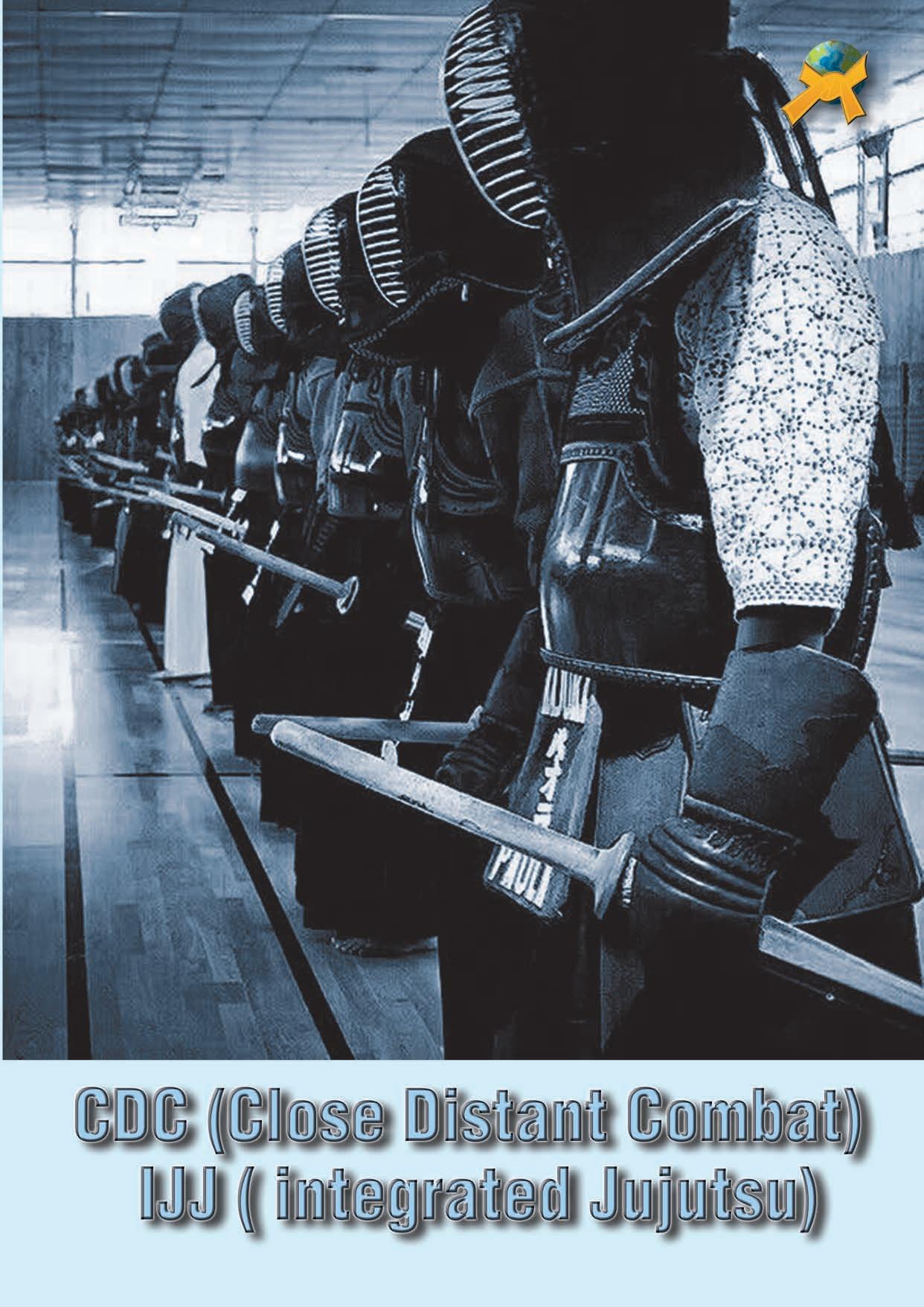
In Kendo and traditional sword arts, sensitivity to an opponent's Ki is understood as the highest level of awareness — the ability to perceive not just what the opponent is doing, but what they are about to do, and even what they intend to do before the physical decision has fully formed. This is not magic. It is a refined form of perceptual attention that notices micro-signals of intent — subtle changes in posture, weight distribution, breathing, eye movement, muscular tension — before those signals have developed into visible action.
Crucially, this sensitivity is not accessed primarily through the eyes. The eyes are fast, but they are reactive — they respond to movement that has already begun. Ki sensitivity, properly trained, operates at a deeper level: it is a wholebody attunement to the field of intention surrounding an opponent. It picks up signals the eyes cannot catch because it is not waiting for movement — it is feeling for the preparation for movement.
This is the bridge to Sen no Sen. And it is the dimension of training that most modern combative systems have left undeveloped.
The concept of Sen (先) — which translates most directly as 'before,' 'ahead,' or 'taking the initiative' — is one of the central organizing principles of Japanese martial strategy. It was transmitted through the sword traditions, systematized in the teachings of Miyamoto Musashi, and carried forward into Kendo, Karate, Judo, and Aikido.
The word 'Sensei' (先生) uses the same character: the one who is 'ahead' or 'before' — the one who has gone further along the path. This gives a sense of how deeply the concept of initiative, foresight, and being 'ahead' is embedded in Japanese martial and cultural thinking.
Musashi, in his Book of Fire within the Go Rin no Sho, identifies three fundamental applications of Sen under the title 'Taking the Three Initiatives.' These have been transmitted and elaborated across centuries, and today are most commonly known as:
This is the highest level: acting on the opponent's intention before they have committed to physical movement. The practitioner reads the Ki of the opponent — the mental decision to attack — and strikes while the opponent is still in the process of forming their intent. There is no 'attack' yet to respond to, only the energetic preparation for one. This requires the practitioner to maintain what Musashi called a mind 'clear as a stainless mirror' — perfectly still, perfectly receptive, capable of perceiving the most subtle shifts in the opponent's inner state.
"You strike not the body but the intention. You neutralize the storm before the first cloud forms."
This is the focus of our article: attacking at the precise moment the opponent begins their attack. The opponent has committed mentally and their body has begun to move, but the movement is not yet fully developed. The practitioner intercepts at this exact moment — catching the opponent when they are most committed and least able to defend, having abandoned one position but not yet arrived at the next.
In Kendo, this manifests as Debana-waza: striking the opponent the moment they rise to attack, before their technique is complete. In Karate, it is the Deai Waza — taking initiative at the moment of encounter. In Judo and Aikido, it is using the opponent's own forward momentum and energy at the instant of commitment to direct them into a technique.
Critically, Sen no Sen is understood not as a counter-attack in the conventional sense, but as a simultaneous interception. You do not wait for the attack and then react — you perceive the inception of the attack and act within it, at the same moment. It is a co-arising, not a sequence.
Go no Sen means taking the initiative after the opponent has already launched their attack. The practitioner receives or deflects the attack, then counters before the opponent can recover. While this requires genuine skill, it operates at the reactive end of the spectrum — the opponent has set the timing, and the practitioner must respond within it.
Importantly, Go no Sen is not merely a physical response but a mental state of deep harmony with the opponent's movement. To truly execute Go no Sen at the highest level is to merge with the rhythm of the opponent's attack so completely that the counter arises as a natural continuation of the attacker's own energy — the Ki of the attack is used to extinguish the attack itself.
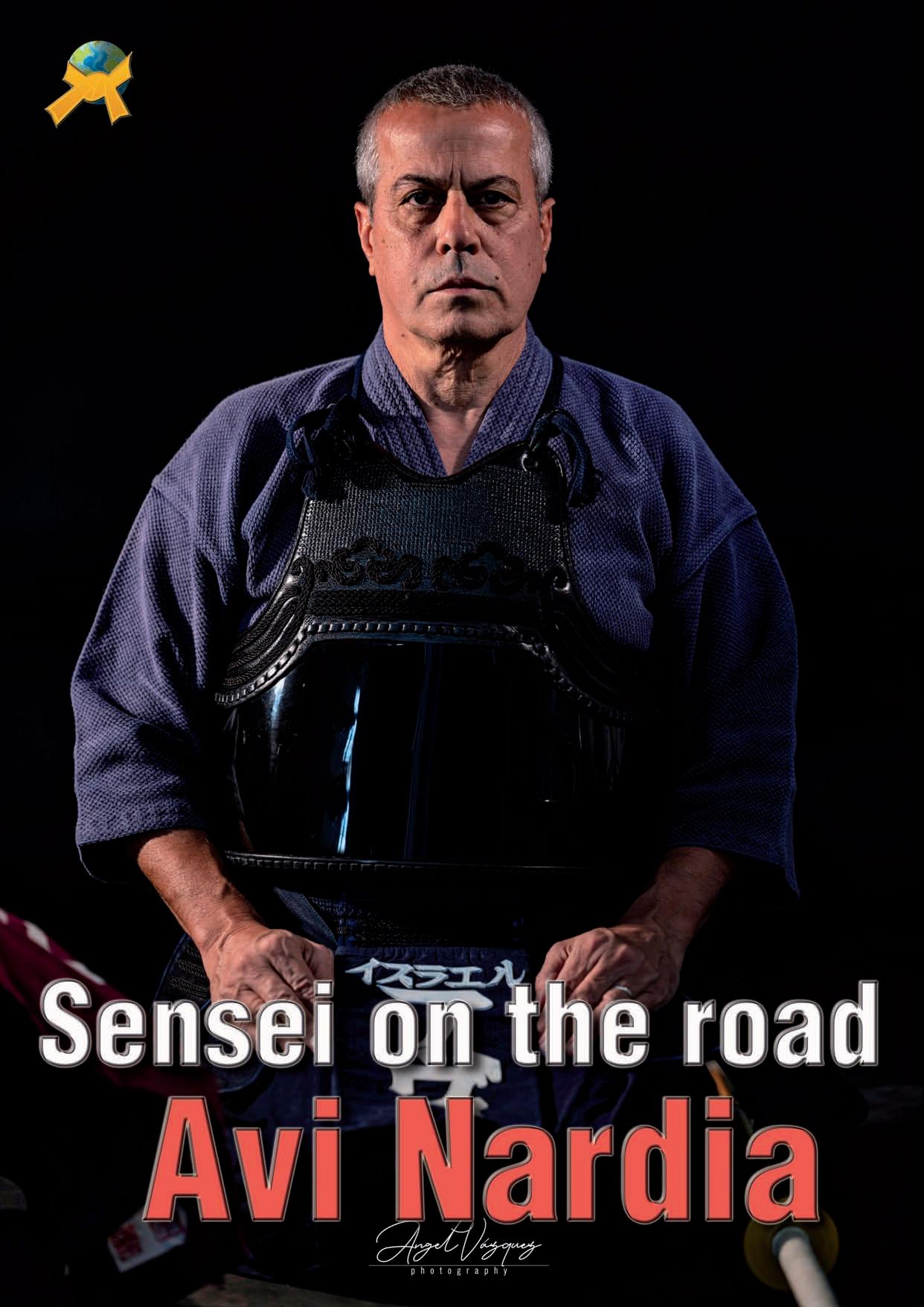
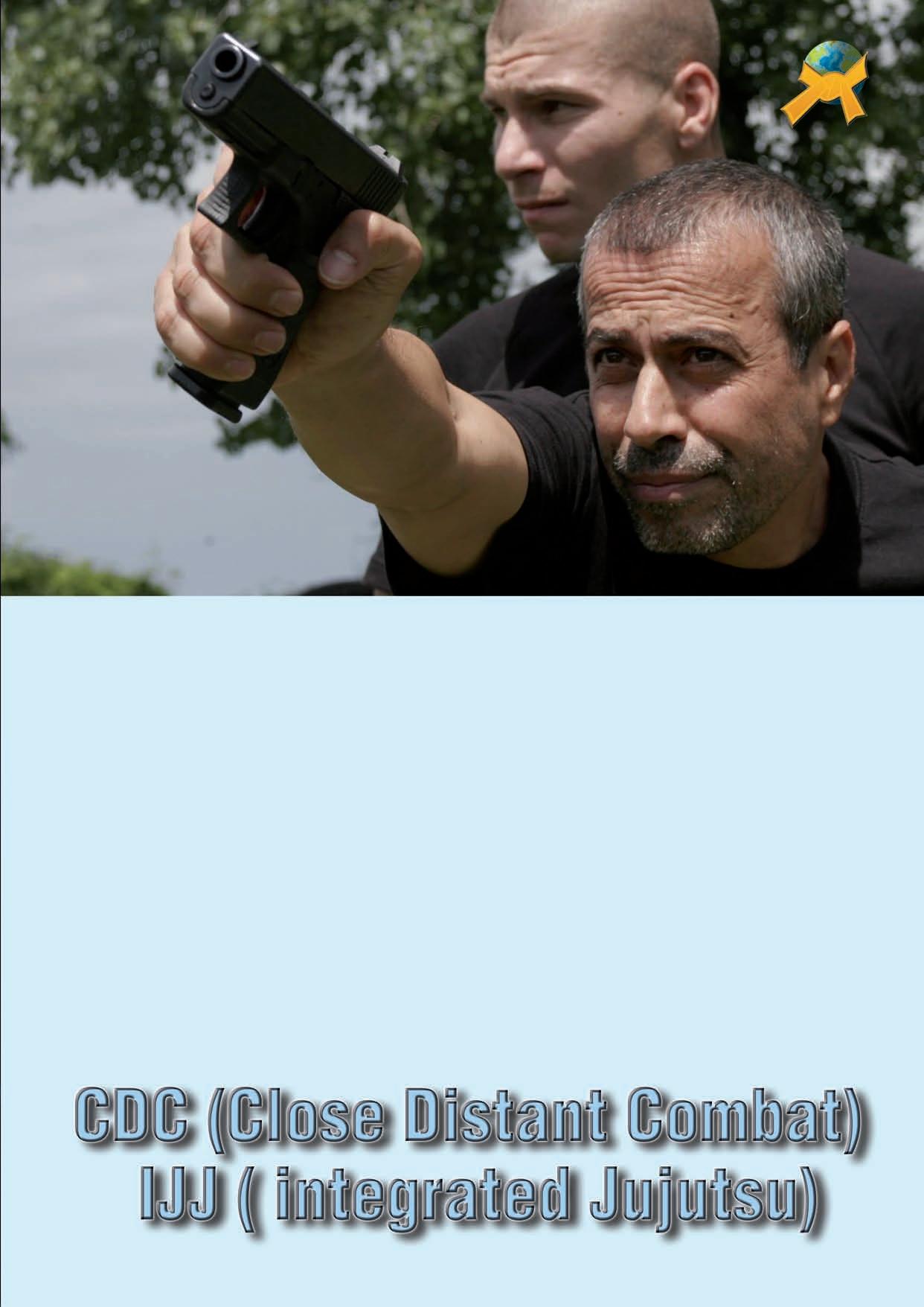
Tai no Sen involves presenting a deliberately vulnerable posture to invite the opponent to attack, then using Tai Sabaki (body movement) to shift the distance and angle, creating a void that throws off the opponent's timing and creates the opening for a decisive counter. The 'waiting' here is not passive — it is strategically active, controlling the opponent's decision-making by managing what they see and what options seem available to them.
All of these strategies operate through an understanding of three types of openings (Suki) in an opponent:
•An opening in the opponent's mind: Loss of concentration, distraction by a feint, over-focus on their own attack rather than your response.
•An opening in the opponent's guard: Poor Kamae (fighting posture), hands too high or low, a readable rhythm.
•An opening in the opponent's technique: Drawing back too far before punching, dropping hands during a kick, over-committing to a technique.
Sen, in all its forms, is the art of perceiving these openings and acting on them at the precise moment they exist — which is often a fraction of a second.
Colonel John Boyd was a United States Air Force fighter pilot and military strategist who developed one of the most influential frameworks in modern combat doctrine. Flying F-86s during the Korean War, Boyd became fascinated by why American pilots consistently achieved a favorable kill ratio against enemy pilots flying the technically superior MiG-15. His answer led him to develop a comprehensive theory of combat decision-making that has since been applied far beyond aerial warfare — to ground combat, business strategy, cybersecurity, emergency response, and more.

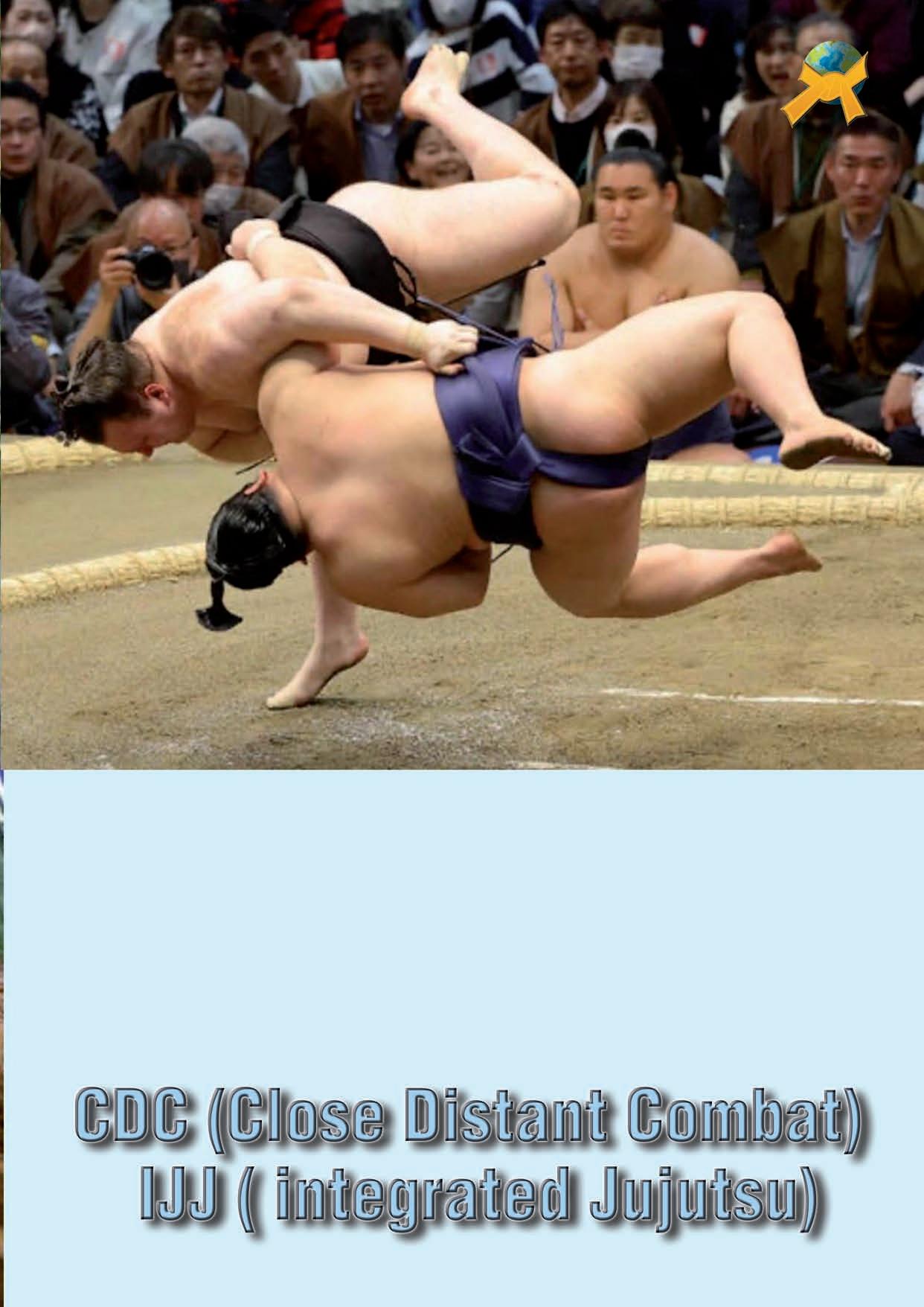
The fighter takes in raw information from the environment — what the opponent is doing, where they are, what weapons or tools are available, what the terrain looks like. This is the sensory input phase.
This is the most critical and most complex phase. The observer processes the raw data through the filters of prior experience, cultural conditioning, mental models, training, and doctrine. Orientation is not neutral — it shapes what we see and what we think it means. Two observers with different orientation frameworks may perceive the same event in radically different ways and draw opposite conclusions. Boyd considered this the decisive phase: winning or losing happens largely here, in the quality and speed of orientation.
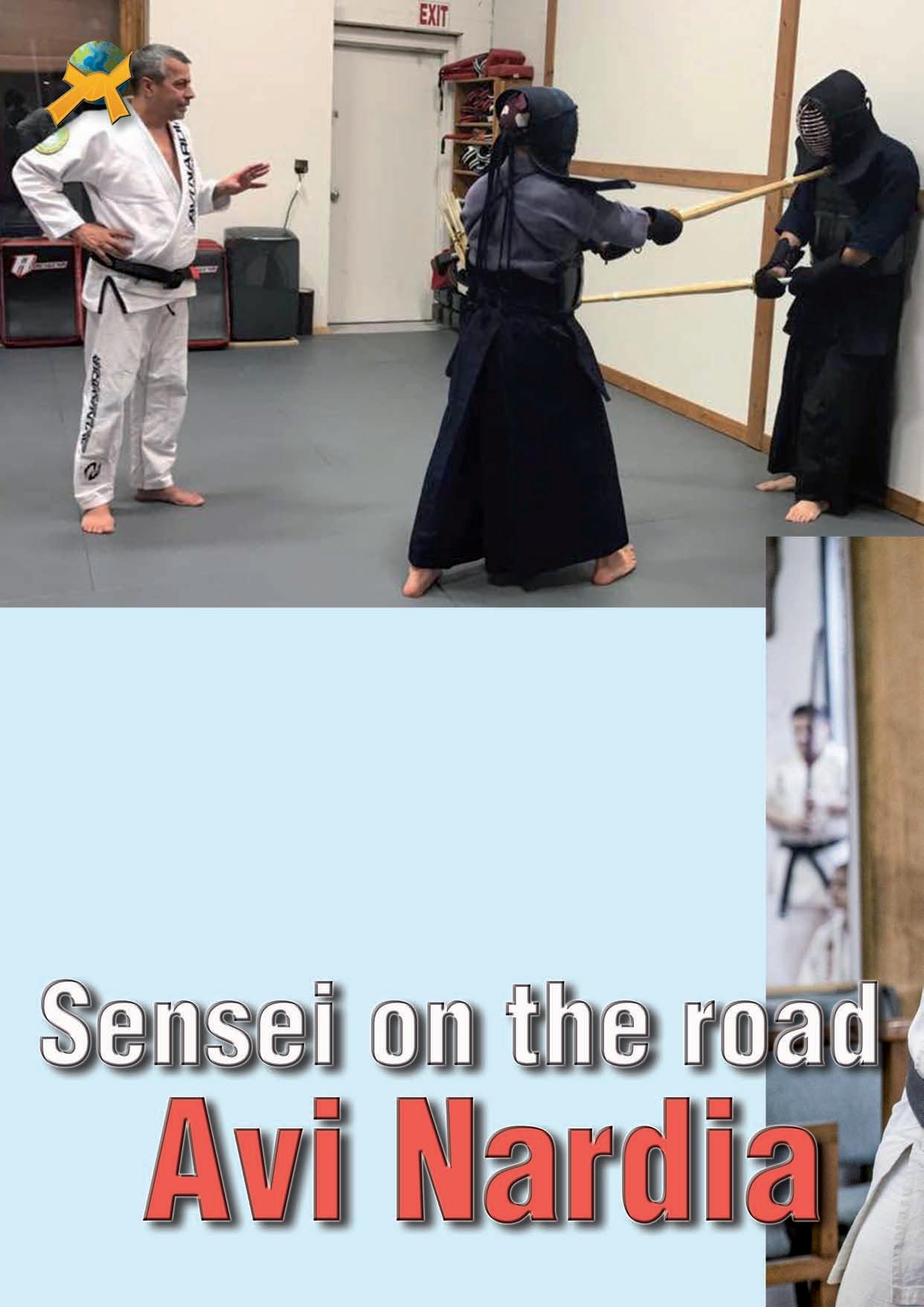
Based on orientation, the fighter formulates a plan of action. This is where strategy becomes intention. The decision may be instantaneous or it may require a moment of deliberation, depending on how well the Orientation phase has prepared the mind to recognize the situation.
The decision is executed. The action is taken. And then, immediately, the fighter returns to Observe — watching the effects of the action and receiving new input to begin the cycle again.
The key insight of Boyd's framework is that this is a cycle, not a sequence — and victory belongs to the fighter who can cycle through it faster than the opponent. When you are completing your second or third cycle while the opponent is still in their first Orient phase, you are, in Boyd's language, 'inside their decision loop.'
The opponent's observations become outdated before they can act on them. They are always reacting to something that has already changed. They lose coherence, become confused, make errors, and ultimately collapse.
Boyd's concept of 'getting inside the opponent's loop' is profound and has proven its value across many domains. But it carries an implicit assumption that bears examination: it assumes that the primary tools of combat awareness are the conventional senses, especially vision, and that improvement comes primarily from processing those inputs faster.
This is where Sen no Sen offers something the OODA Loop framework does not.
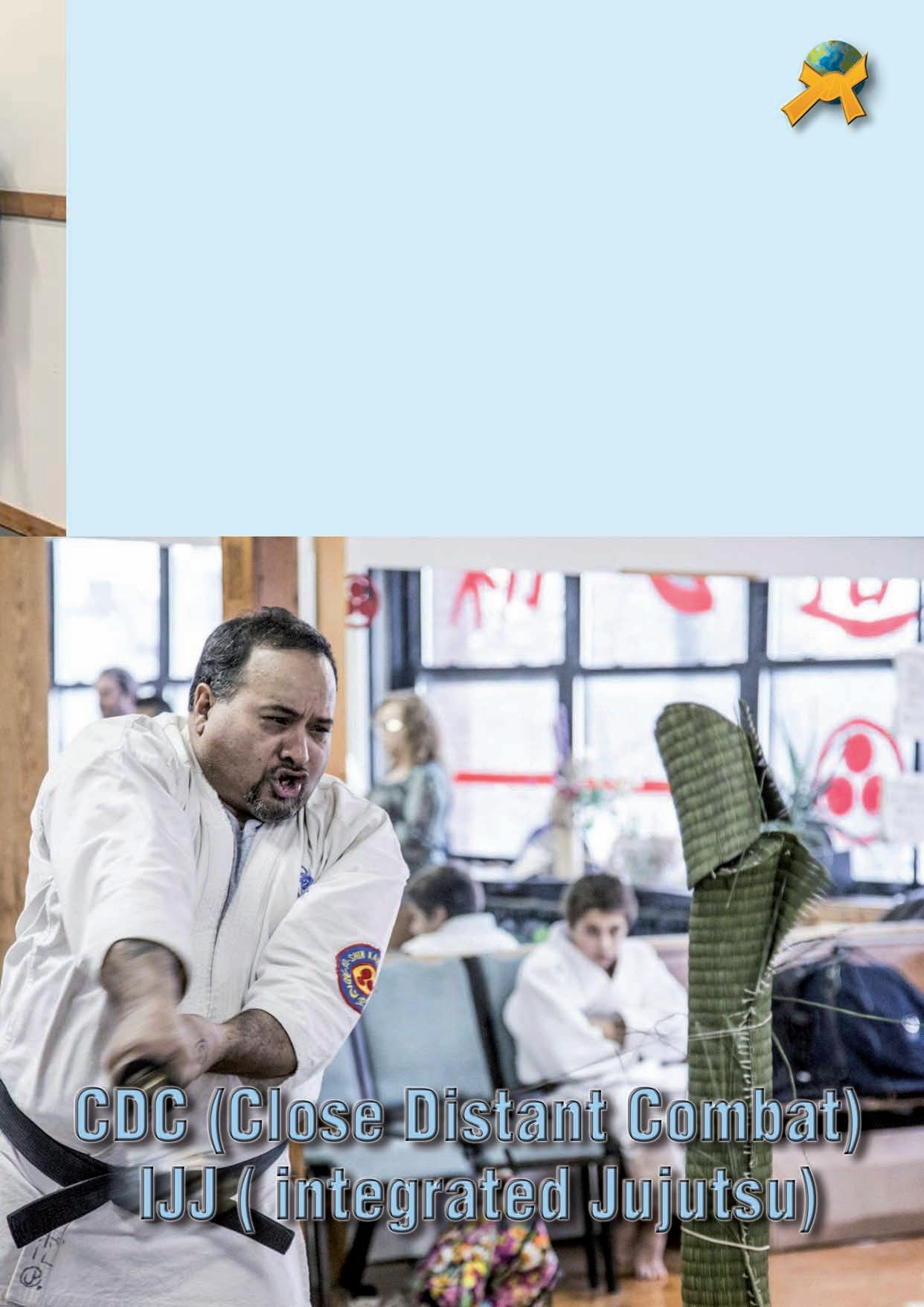
Both the OODA Loop and the concept of Sen represent answers to the same fundamental challenge: how to act decisively and effectively in a rapidly changing, uncertain, potentially lethal situation. But they approach this challenge from different angles, and when understood together, they reveal something more powerful than either offers alone.
The OODA Loop and the spectrum of Sen share a common core insight: the fighter who acts while the opponent is still in process wins. Boyd calls this 'getting inside the loop.' The Japanese sword tradition calls it taking the initiative — Sen. Both recognize that victory is not primarily about strength or speed in the conventional sense, but about decisional timing: acting at the moment when your action is most disruptive to the opponent's cycle.
•Go no Sen corresponds to a reactive OODA cycle: you observe the completed attack, orient, decide, and act in response. You are always one cycle behind the attacker's initiation, which means your victory depends on executing your response cycle faster than the attacker can complete their follow-through.
•Sen no Sen corresponds to acting inside the opponent's Act phase: you perceive the inception of the attack and act simultaneously, catching the opponent mid-commitment. Your action does not merely respond to the loop — it collapses the opponent's loop by making their action useless before it is complete.
•Sen Sen no Sen corresponds to acting before the opponent has even reached their Decide phase: you perceive the intention to attack and act while the opponent is still in Orient or the early Decide phase. Their loop never completes. They are neutralized before they have acted.
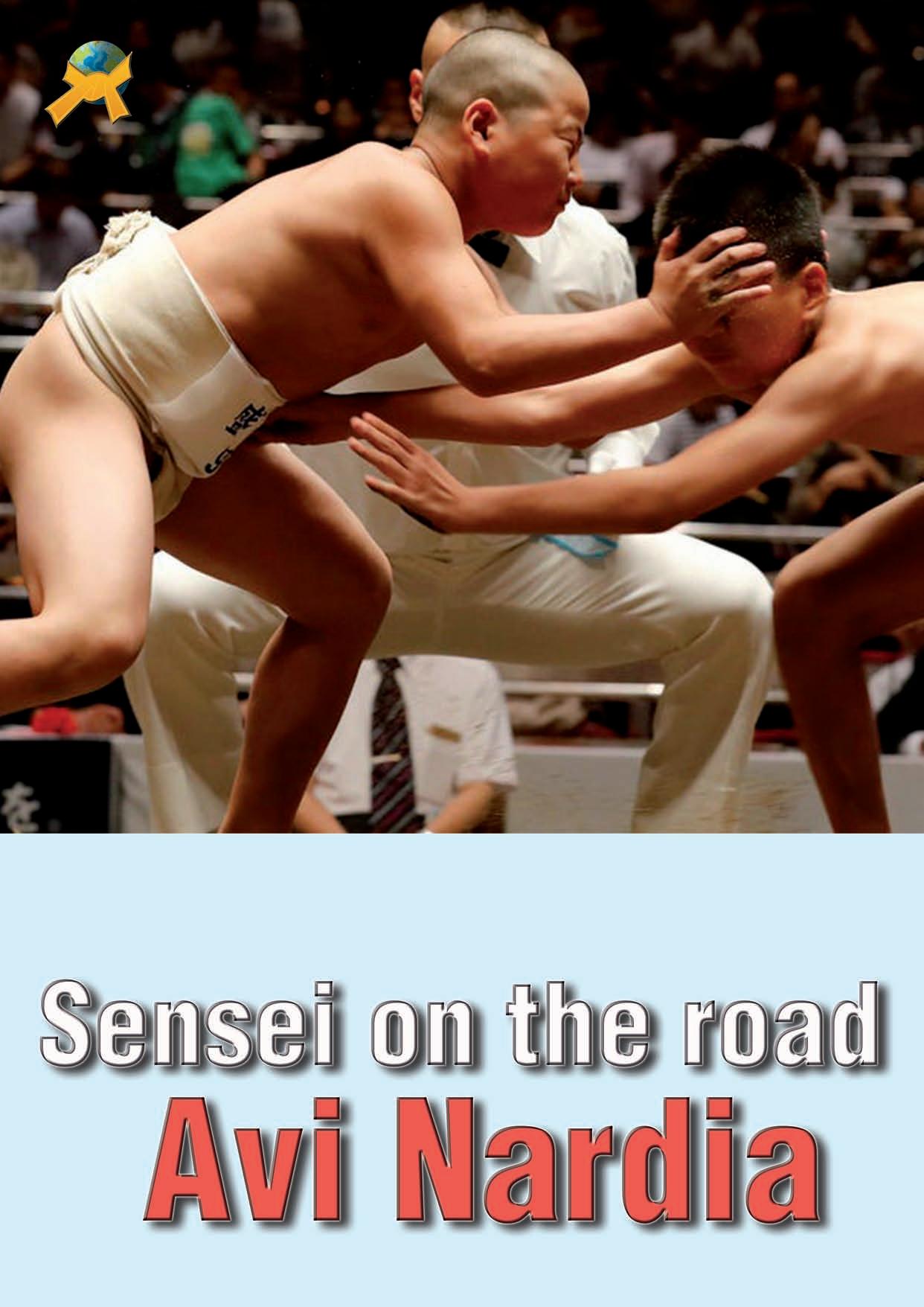
Here is the crucial distinction, and the central argument of this article: The OODA Loop, as typically understood and applied, is primarily a visual framework. The Observe phase is driven mainly by what we see. The Orient phase processes visual and auditory input through our mental models. The Decide and Act phases execute based on this visually-anchored orientation. Even at its most sophisticated, the OODA Loop assumes that awareness is built from sensory inputs — primarily the eyes — and that speed is increased by processing those inputs more efficiently.
Sen no Sen — especially at the level of Sen Sen no Sen — breaks this assumption entirely.
To perceive an opponent's intent before they have physically moved, the practitioner is not using a faster version of the same visual observation process. They are operating on a different channel entirely: Ki sensitivity. They are perceiving the field of intention, the energetic preparation, the inner mobilization that precedes movement. This is information that the eyes cannot provide, because the eyes respond to movement, and at this level, there is no movement yet.
This means that the practitioner of Sen no Sen is not simply running a faster OODA Loop. They are shortening the loop by accessing a dimension of information that the loop, as normally conceived, does not even include. Their Observe phase captures more — and more relevant — data. Their Orient phase is not working harder; it has a richer and earlier signal to work with. The gap between Observe and Act collapses not because the processing is faster, but because the initial observation catches the situation at an earlier, more fundamental level.
"The eyes see what has happened. Ki feels what is about to happen. The warrior who depends on the eyes alone will always be, at some level, behind."
When a practitioner has developed genuine Ki sensitivity through deep training, the Observe phase of their OODA cycle is no longer limited to what is visible. They are picking up signals in the opponent's Ki — the energetic field of intention — that precede any physical movement. These signals might include:
•Micro-shifts in the distribution of the opponent's weight that signal an imminent commitment to direction
•Changes in breathing rhythm that indicate internal mobilization
•Subtle alterations in muscle tension visible in the shoulders, neck, or hips before the hands or feet move
•A quality of attention in the opponent's eyes that reveals the formation of a specific intent
•The overall 'feel' of the opponent's Ki — whether it is rising, gathering, hesitating, or committing
None of these are mystical. All of them are real, subtle physical signals that a highly trained observer can learn to read. But the key is that they are most accessible to a practitioner who has trained to be attentive to them — who has developed what we might call tactile and energetic observation alongside visual observation.
The Enzan no Metsuke ('distant mountain gaze') taught in traditional Japanese martial arts is directly relevant here. Rather than fixing the eyes on a specific point — a hand, a weapon, a face — the practitioner cultivates a wide, soft, unfocused gaze that takes in the whole of the opponent's field of energy. This type of attention is not faster at processing visual information in the conventional sense. But it is far more sensitive to the pre-movement field of Ki, because it is not narrowly locked on to the surfaces that movement will eventually appear on.
Boyd identified the Orient phase as the most critical element of the OODA Loop — and the tradition of Sen confirms this insight from a different angle.
The reason Sen no Sen requires years of training is not primarily physical. The physical skills involved — timing, positioning, striking mechanics — can be developed relatively quickly. The deeper challenge is developing the orientation framework that allows a practitioner to correctly interpret what they are perceiving. Recognizing the signal in the noise of an opponent's Ki requires an internal library of reference experiences: thousands of repetitions of observing how the inner mobilization of various intentions feels, what the micro-signals of a committed attack look and feel like compared to a feint, how the quality of an opponent's Ki changes as they move from observation to intention to action.
This is why Musashi wrote that the technique must become 'one with the body' through intense repetition — not so that the body can act without the mind, but so that the mind is freed from managing the mechanics of technique and can attend fully to the deeper orientation task of reading the opponent's Ki. The practitioner who is still consciously managing their
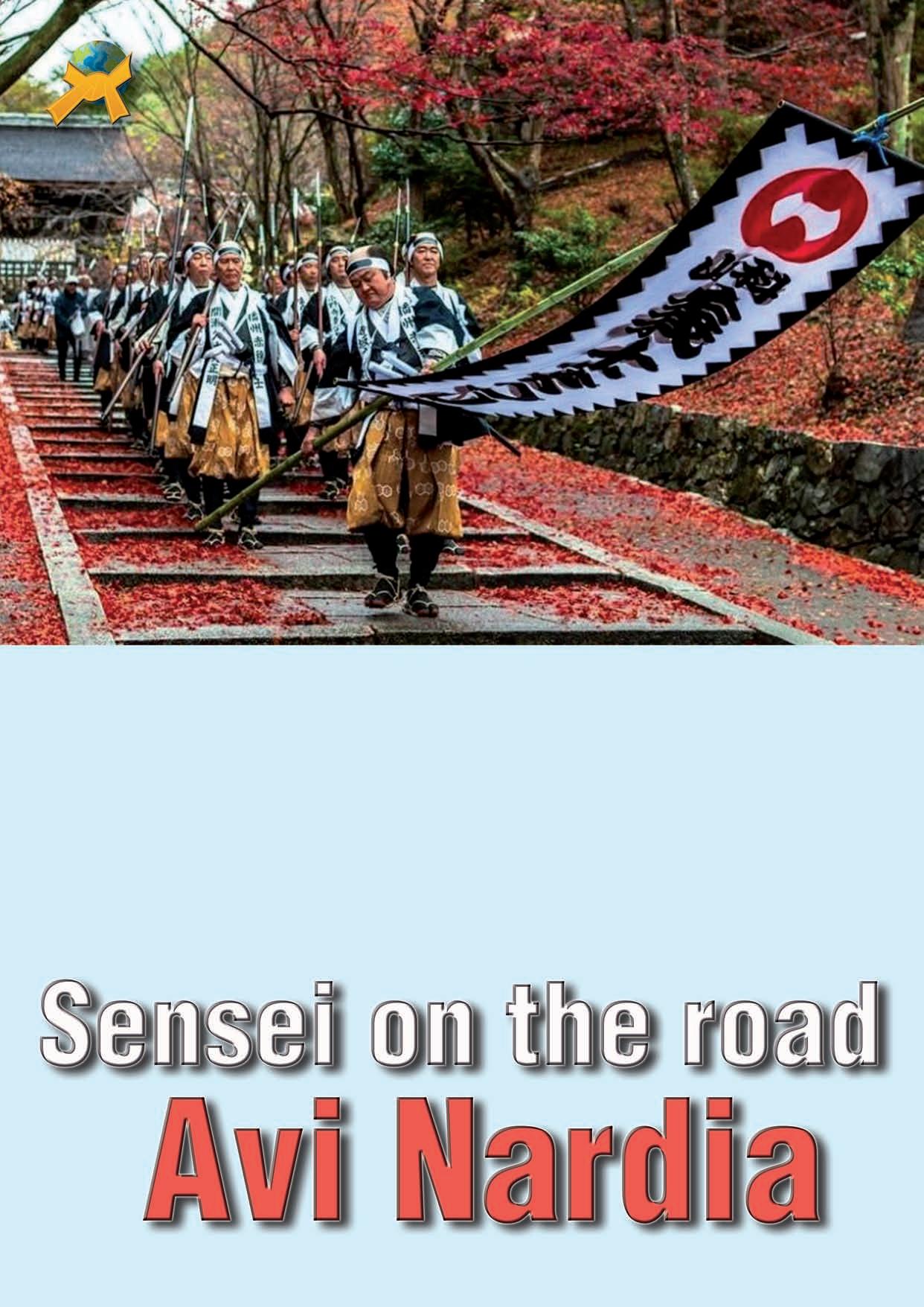
footwork or their guard cannot attend to the subtle signals of initiative timing. The one who has internalized those basics completely can.
In OODA terms: mastery of Sen no Sen is mastery of Orientation. And Orientation is not a faster version of the same process — it is a qualitative shift in what the process is oriented to.
We return now to the question we began with: why did the ancient warrior seem psychologically better prepared for the brutality of combat than many modern warriors?
The training system described in this article is not merely a set of physical or tactical tools. It is, at its core, a system for developing a particular quality of consciousness — a way of being present in the world that is calm, alert, sensitive, and non-reactive in the conventional sense.
Zanshin (残心) is usually translated as 'remaining mind' or 'sustained awareness.' It describes the quality of alert presence that the martial artist maintains before, during, and after an engagement — a continuous readiness that does not spike and crash but sustains itself as a baseline condition of being.
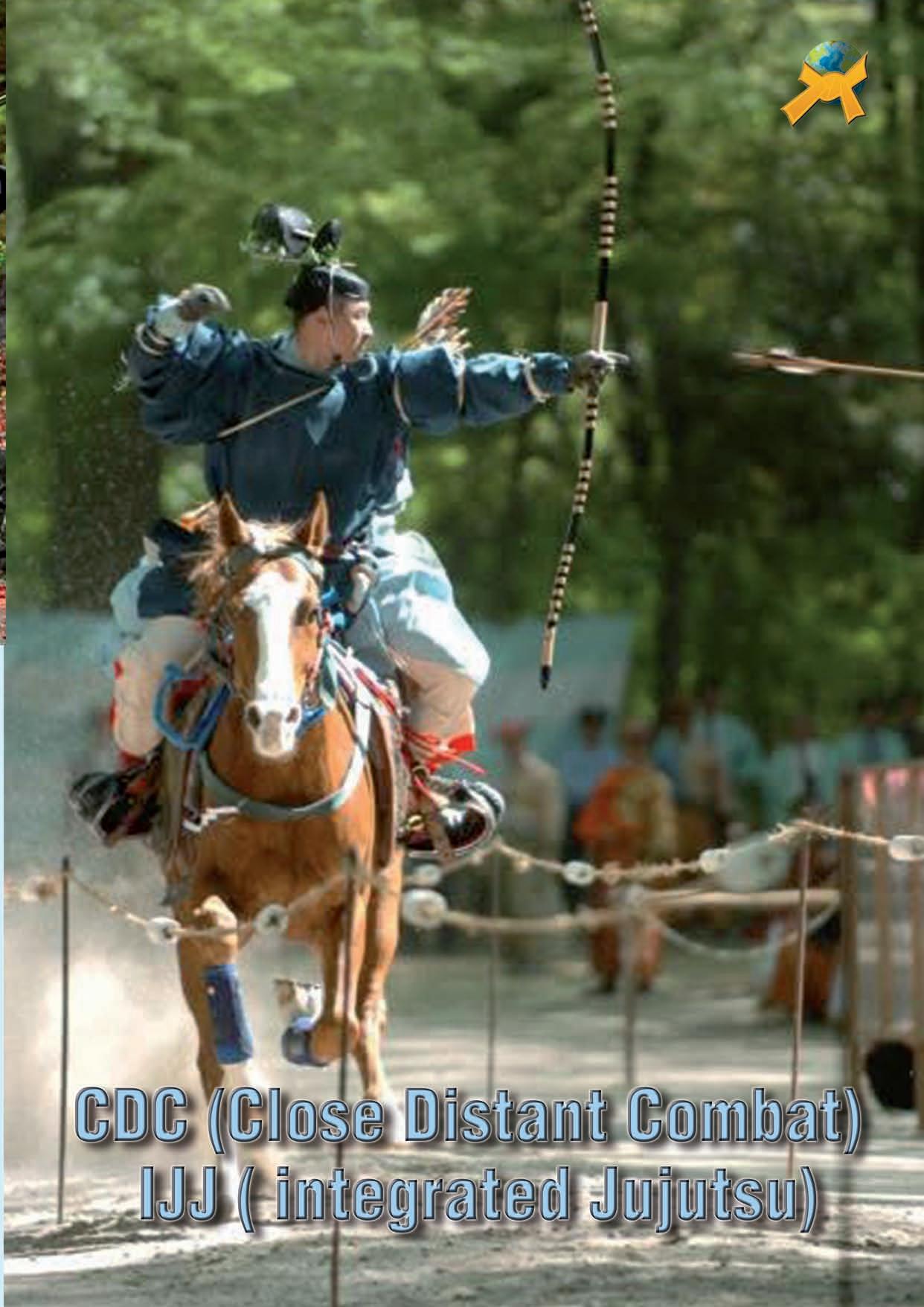
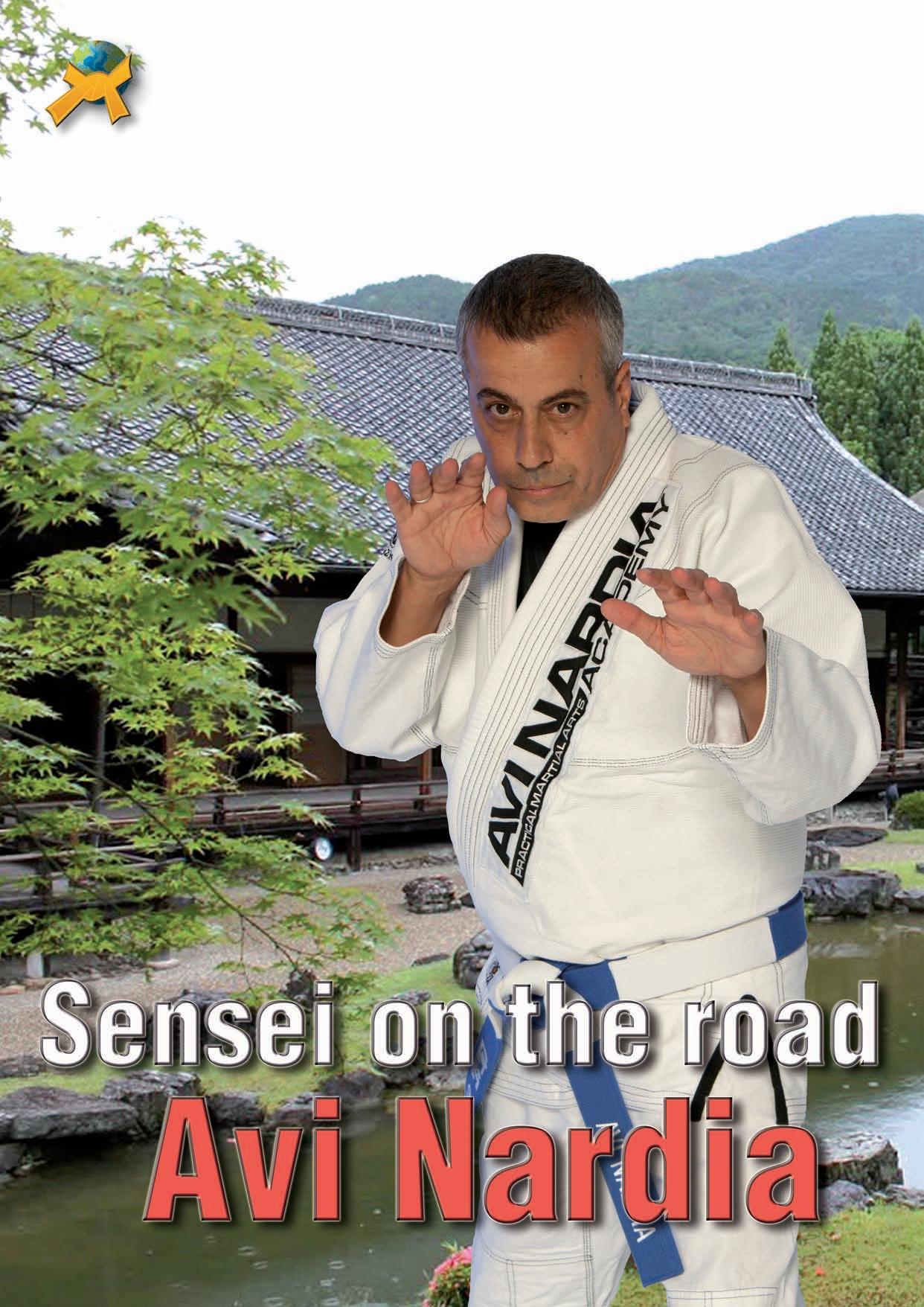
Modern combat training often creates a pattern of alertness that is conditioned by specific environmental cues — the sight of a weapon, the signal to engage, the sound of a threat. Outside of those triggers, the practitioner may be psychologically 'off.' This binary on/off pattern of arousal, while apparently efficient, creates vulnerability in ambiguous situations where the threat signal is not clear, and it contributes to the difficulty of de-escalation after combat — the system that was switched on is hard to switch off.
Zanshin, by contrast, is not an emergency response. It is a baseline quality of calm, continuous attentiveness. It does not require an adrenaline spike to function. And it is precisely this kind of awareness that is most sensitive to Ki — because Ki signals are subtle, and they require a calm, receptive field to be noticed.

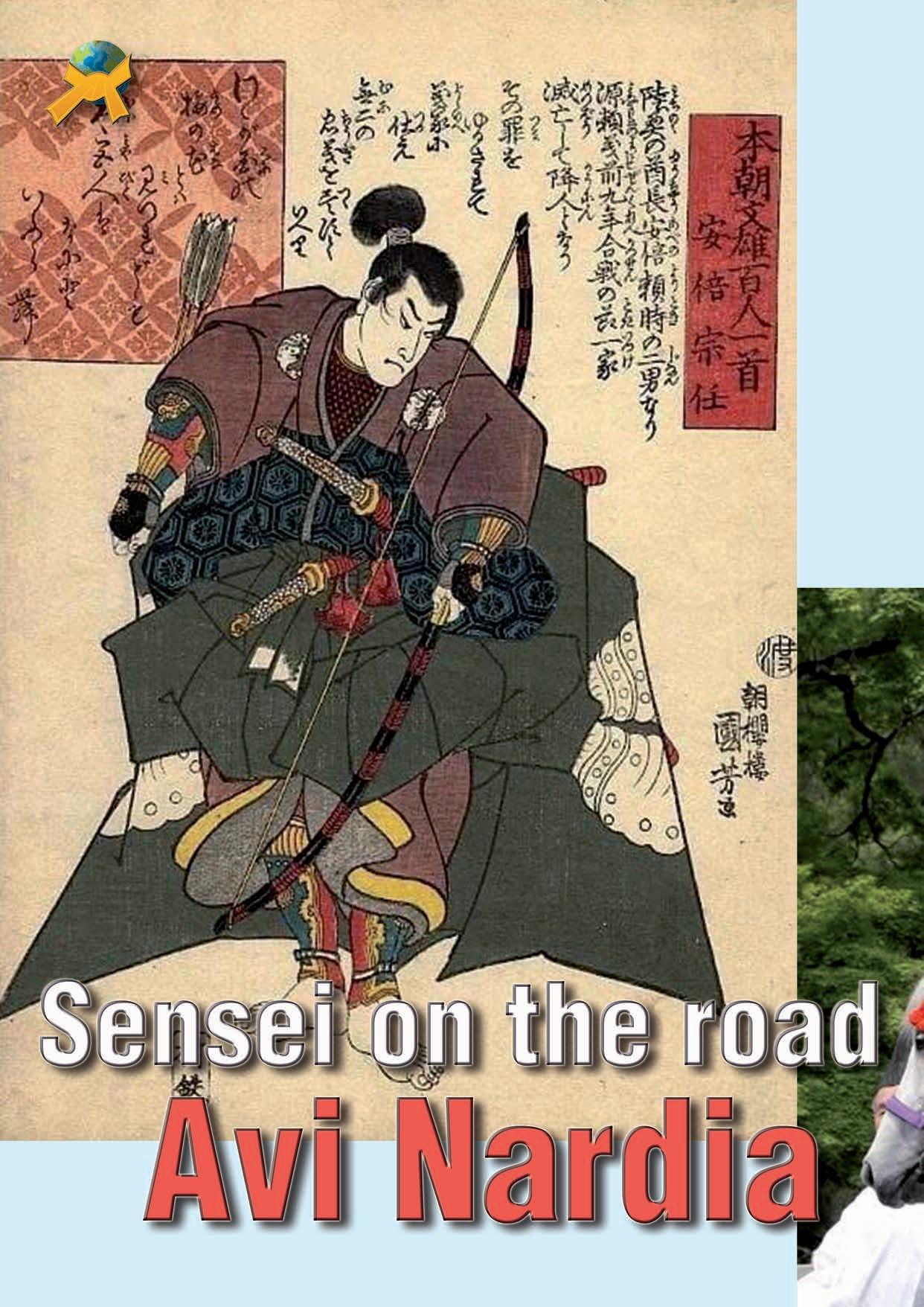
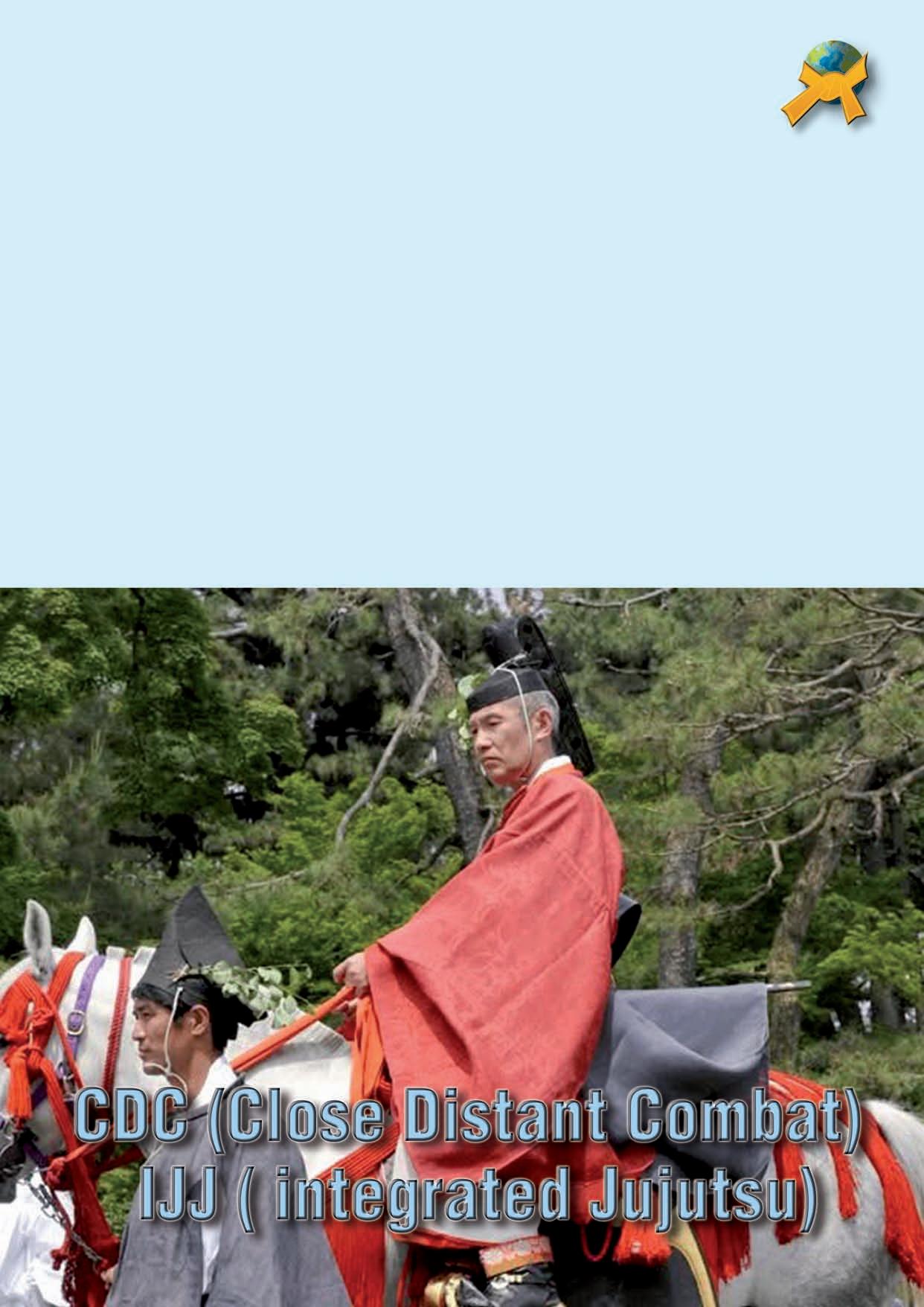
Mushin (無心) — 'no-mind' or 'empty mind' — is the state of mental clarity in which the practitioner is fully present without the interference of discursive thought, anticipatory anxiety, or reactive emotion. In this state, perception and action arise directly, without the mediating layer of conscious deliberation.
Musashi described this as the strike of 'non-thought' — an action so integrated that there is no perceptible gap between the perception of an opportunity and the execution of a response. This is directly analogous to what the OODA Loop describes as collapsing the Decide and Act phases into the Orient phase through sufficient practice and mental clarity.
But Mushin is more than a tactical tool. It is a psychological state that is genuinely protective of mental health. The practitioner who has learned to maintain Mushin — who has learned to be fully present without being reactive, to observe without clinging or aversion — is developing exactly the kind of psychological flexibility and resilience that we now understand, through modern trauma science, to be protective against the psychological damage of combat exposure.
The ancient warrior was not less sensitive to violence or suffering. They were trained to remain present within it without being overwhelmed by it — to maintain the inner stillness that allows clear perception and purposeful action even in the midst of chaos. This is not emotional suppression; it is a cultivated quality of consciousness that allows emotion to move through without fragmenting the underlying awareness.
The 'fighting spirit' often emphasized in modern military and martial arts training is real and important. But it is, by itself, only a fraction of what the old traditions meant by spirit (Ki, in this context).
Ki as spirit is not aggression. It is vitality — the sense of being fully alive and fully connected to what is happening. It is the quality that makes a warrior dangerous not because they are willing to attack, but because they are so fully present that nothing escapes their awareness and every action is informed by the fullness of what is real in the moment.
A practitioner with well-developed Ki does not need to be angry to be effective. They do not need to be running on adrenaline. They are effective because they are fully there — and an opponent can feel that presence as a kind of pressure, an emanation of concentrated awareness, that affects their own Ki and often subtly disrupts their ability to execute their plans.
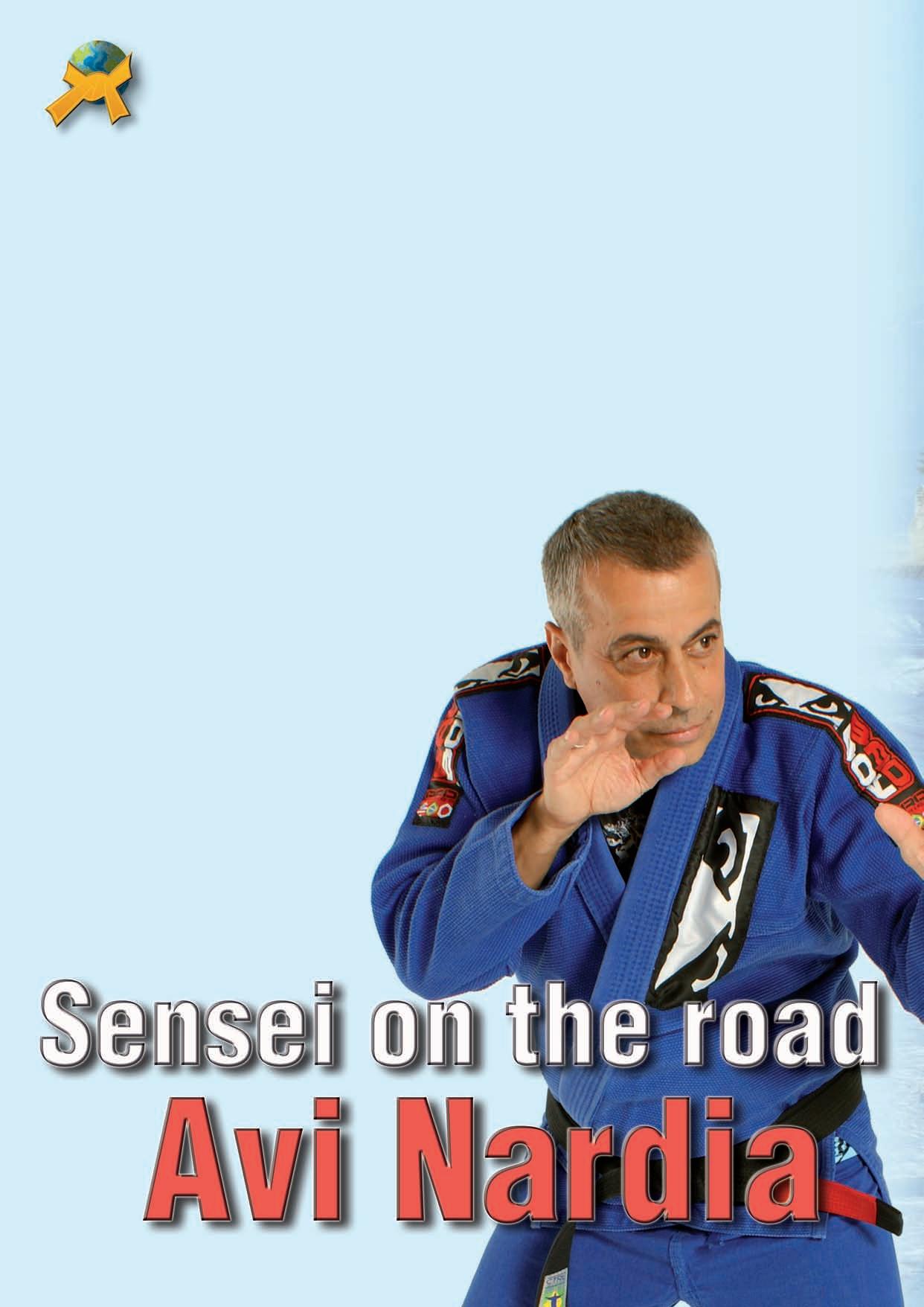
This is what the old Japanese traditions called Kihaku: spirit or willpower with such intensity that it affects an opponent even before any physical technique is applied. The skilled practitioner of Go no Sen was described as having such powerful Kihaku that opponents felt it as a palpable force. This is not fantasy. It is the observable effect of concentrated, trained presence on the psychological state of an opponent who is sensitive to such things — which most people are, whether they have words for it or not.
If we accept the argument that Sen no Sen offers something the OODA Loop framework alone does not — that developing Ki sensitivity allows a practitioner to shorten their decision cycle not by processing faster but by accessing earlier and richer signals — then the question becomes: how do we actually train this?
The following approaches synthesize traditional methods preserved in the martial arts with what we now understand about perceptual learning, embodied cognition, and attentional training.
Enzan no Metsuke
Replace the narrow, focal gaze with a wide, soft, diffuse visual attention that takes in the whole of the opponent's body simultaneously. Practice this in ordinary daily life as well as training — noticing the whole of a room or a street scene rather than locking onto specifics. This attentional mode is more sensitive to peripheral movement and to the subtle pre-movement signals that precede physical action.
Work with a partner in extremely slow motion. The goal is not to practice technique at reduced speed, but to develop the sensitivity to feel the moment of commitment — the instant when the partner's decision to move becomes irreversible. At normal speed, this moment is invisible. In slow motion, it becomes perceptible as a subtle shift in weight, a slight change in muscular tone, a micro-alteration in breathing. Repeat thousands of times until the feeling is as familiar as a fingerprint.
Ki perception is not only visual. Use training methods that develop tactile and proprioceptive sensitivity to an opponent's energy and intention. Push-hands exercises (from Tai Chi), sensitivity drills from Aikido and Wing Chun, and similar practices all develop the ability to feel through contact an opponent's intention before they have fully committed to it. Even blindfolded training, where the practitioner must orient entirely through sound and tactile awareness, can dramatically develop the non-visual dimensions of perception.
Practice projecting Ki deliberately toward an opponent in training, with the intent of disrupting their mental state and forcing a reaction. This trains both the projection of Ki (affecting the opponent's loop from the outside) and the sensitivity to feel how the opponent's Ki shifts in response. Over time, the practitioner learns to read these shifts as information about timing and intent.
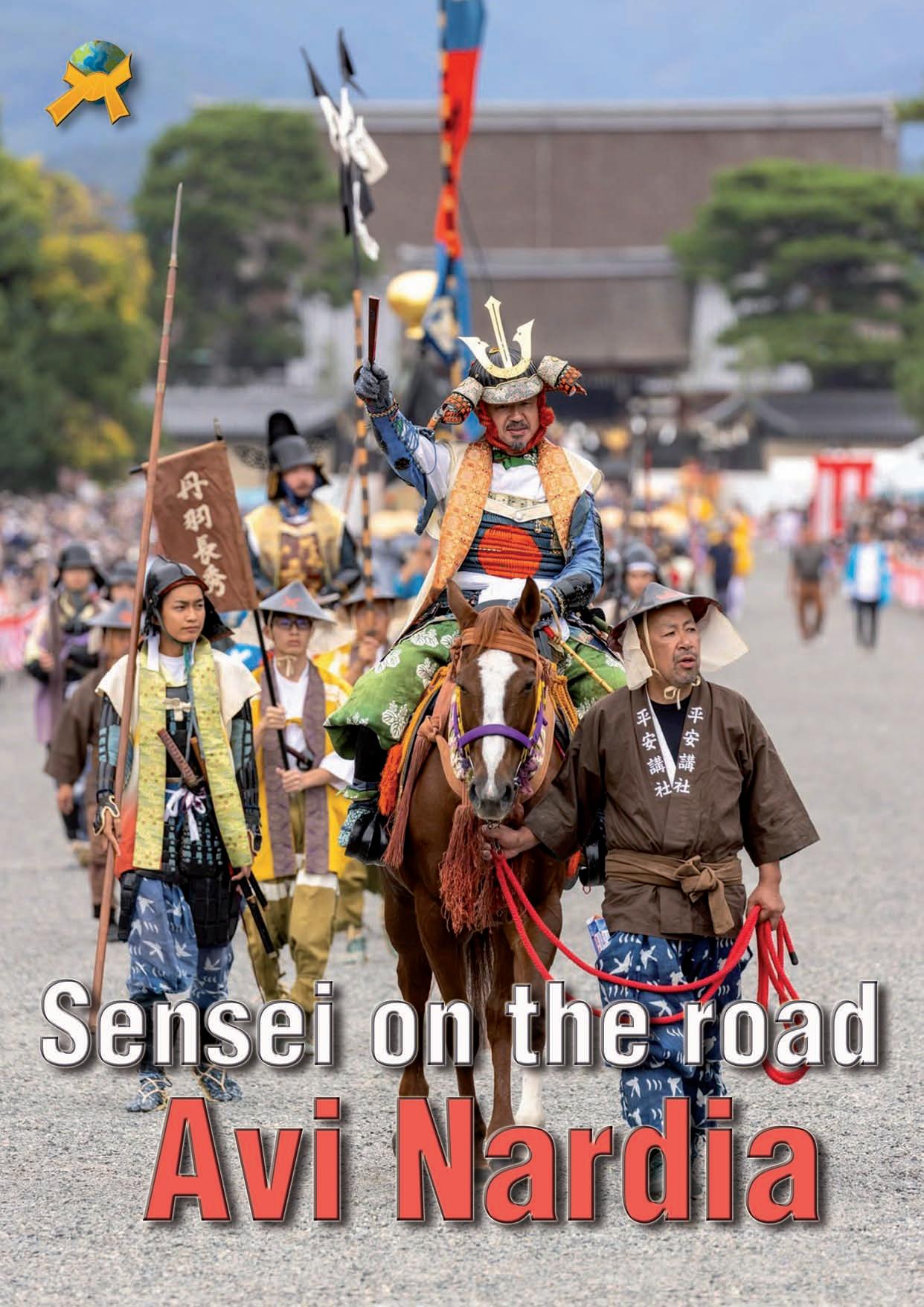

In all forms of controlled sparring, commit to the practice of intercepting the opponent's attack at its very beginning rather than waiting for it to develop. This forces the practitioner to develop the early-signal sensitivity that is the core of Sen no Sen. Begin with pre-arranged attacks (Yakuzoku Geiko) where the timing is known, and gradually increase the unpredictability as sensitivity develops.
Regular seated meditation is not a soft addition to hard training. It is a direct method for developing the quality of calm, non-reactive presence that is the prerequisite for Ki sensitivity. A mind running at high speed on thought, anticipation, and reactive emotion cannot detect subtle Ki signals. Begin training sessions with brief periods of stillness and conscious attention to present-moment awareness. Develop the ability to remain in Mushin during sparring — fully alert, fully responsive, without the interference of anticipatory fear or reactive emotion.
As the old teachings note, most practitioners are naturally inclined toward one of the three Sen. The impatient, aggressive practitioner naturally tends toward Sen no Sen — the proactive strike. The patient, strategic practitioner naturally tends toward Go no Sen — waiting and counter-attacking. Understanding your natural tendency is the beginning of wisdom, not the end. Train all three, so that you can choose which to deploy against a given opponent rather than defaulting to what is comfortable. The predictable practitioner is always vulnerable, regardless of how skillful they are in their preferred mode.
We have covered significant ground. Let us bring it together.
The OODA Loop is a genuine and valuable framework for understanding combat decision-making. Boyd's insight that victory goes to the fighter who can cycle through observation, orientation, decision, and action faster than the opponent — and especially who can disrupt the opponent's orientation — is confirmed by centuries of martial experience.
But the OODA Loop, as typically applied, operates primarily on the surface level of visible action and reaction. It is a framework for being faster within the normal cycle of combat perception.
Sen no Sen, and the tradition of Budo within which it lives, offers something more: a means of shortening the loop not by being faster within it, but by entering the loop at an earlier point, through a different channel of perception. By developing sensitivity to Ki — to the field of intention that surrounds an opponent — the practitioner accesses information that is earlier and more actionable than anything the eyes alone can provide. They are not simply running a faster version of the same process. They are observing something different — the upstream cause rather than the downstream effect.
This is the ancient answer to the OODA Loop. And it is an answer that requires the cultivation of Shin — mind — and the development of sensitivity to Ki, alongside the physical conditioning and technical refinement that represent the Tai and Gi of Budo.
"The warrior who relies on eyes alone will always be reacting to what has already begun. The warrior who perceives Ki acts before the beginning — not through prophecy, but through a quality of attention so refined that the preparation for action is as visible as the action itself."
This is not the exclusive province of ancient Japan. It is a human capacity. It is trainable. And it is, perhaps, one of the most important dimensions of warrior development that modern combative systems have yet to fully reclaim.
The ancient warriors of Budo faced their brutal world with a psychological resilience that many modern warriors struggle to find. The difference is not in the violence they faced — by any measure, theirs was more immediate and more personal. The difference is in the completeness of their preparation: Body, Technique, and Mind. Shin, Gi, Tai. All three pillars, standing together, supporting a warrior who was not merely trained to fight, but cultivated to be fully human — aware, present, connected, and unafraid.
Teaching Sen no Sen — genuinely teaching it, with all its mental and spiritual dimensions intact — is one of the most powerful things modern martial arts and combative systems can do for the warriors in their care. Not just to make them more effective in combat, but to make them more whole as human beings. Because the same quality of awareness that allows Sen no Sen to work in a fight is the same quality of awareness that allows a warrior to return from the fight still fully themselves.
That may be Sen no Sen's greatest gift.
Sen Sen no Sen: Acts during opponent's Orient/Decide phase. Highest level — perceives Ki of intent before movement. Directly disrupts OODA before it reaches Act.
Sen no Sen: Acts during opponent's Act phase. Intercepts at inception of movement. Collapses opponent's loop mid-cycle.
Go no Sen: Acts after opponent's Act phase. Responds to completed or developing attack. Wins by faster response cycle.
Tai no Sen: Manipulates opponent's Observe/Orient phase through deliberate posture. Controls what the opponent sees and therefore what they decide.
"Study the old is understanding the new."
This article began with a traditional maxim, and it ends with one. The old martial arts do not offer obsolete answers to irrelevant questions. They offer, encoded in centuries of tested experience, a depth of understanding about the human being under pressure that modern frameworks are still, in many ways, catching up to.
The OODA Loop is modern. Sen no Sen is ancient. They are talking about the same thing from different ends of the same truth. Bring them together — bring Shin, Gi, and Tai together — and the warrior that emerges is not just faster or stronger. They are more awake. More present. More capable of acting from the deep place of calm that makes both excellence in combat and integrity outside of it possible.
That is what Budo always pointed toward. That is what Sen no Sen, rightly understood, still points toward today.
先の先
The initiative of the attack. The initiative of awareness. The initiative of the whole human being.
“That is what Budo always pointed toward. That is what Sen no Sen, rightly understood, still points toward today.”
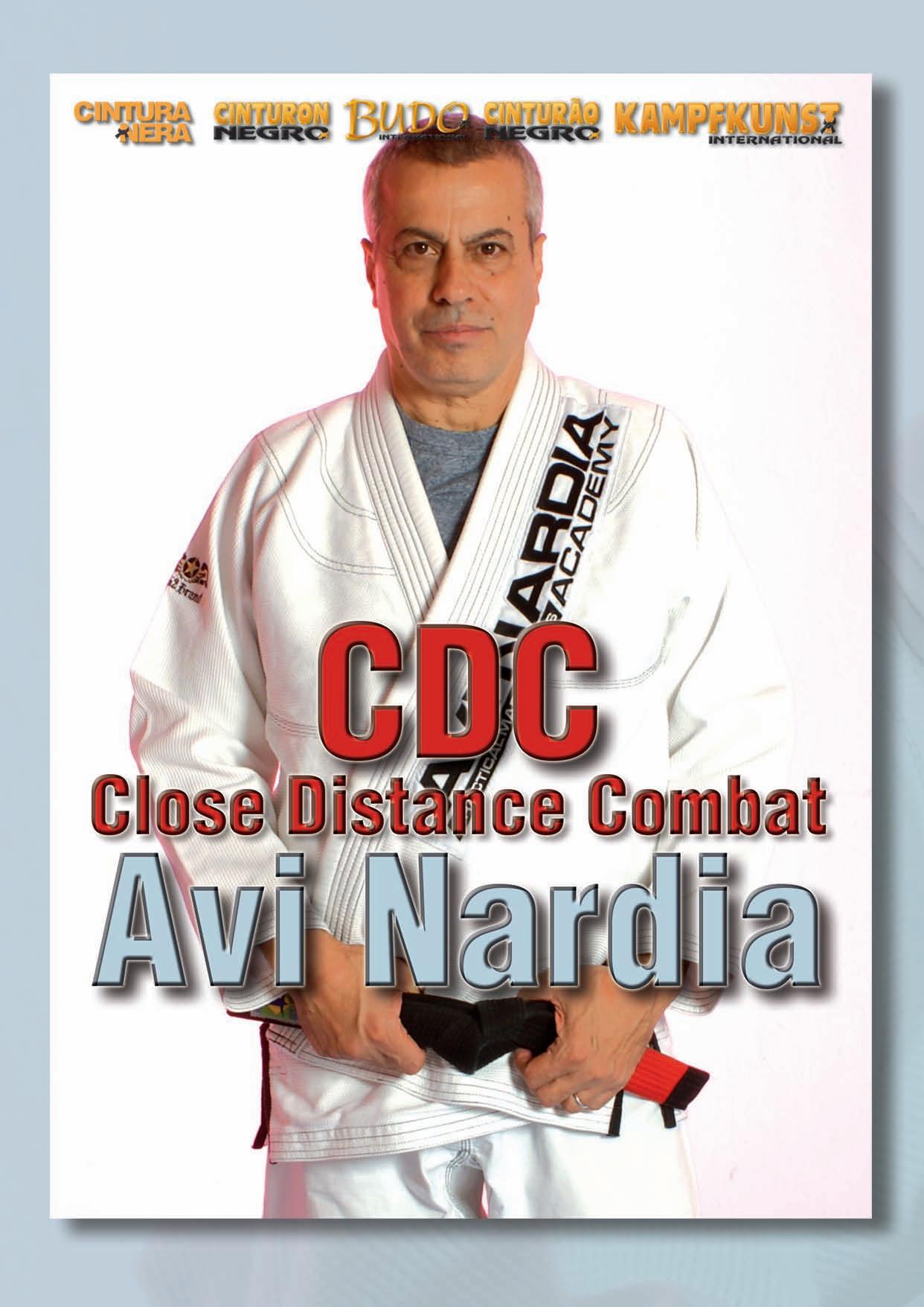

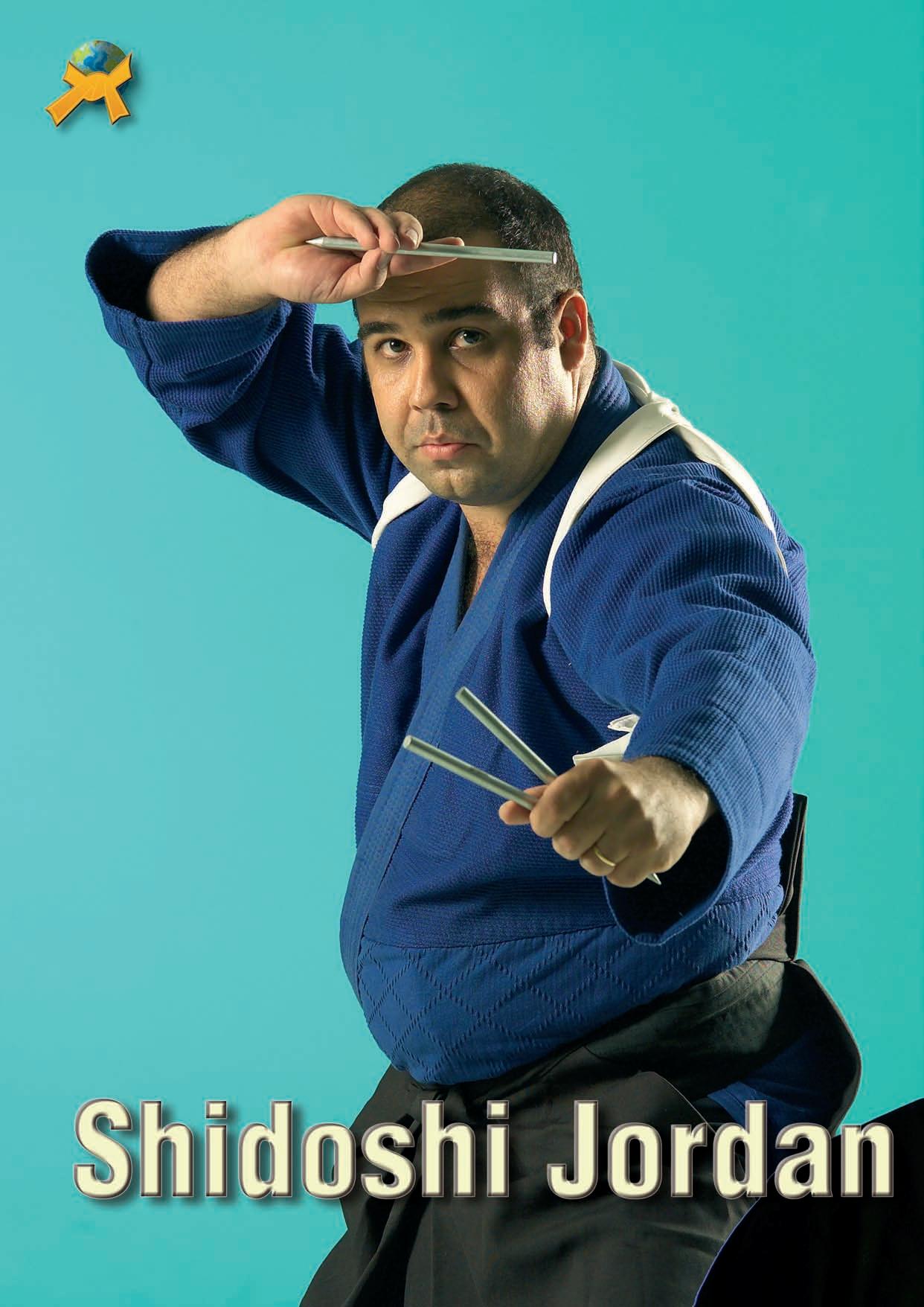
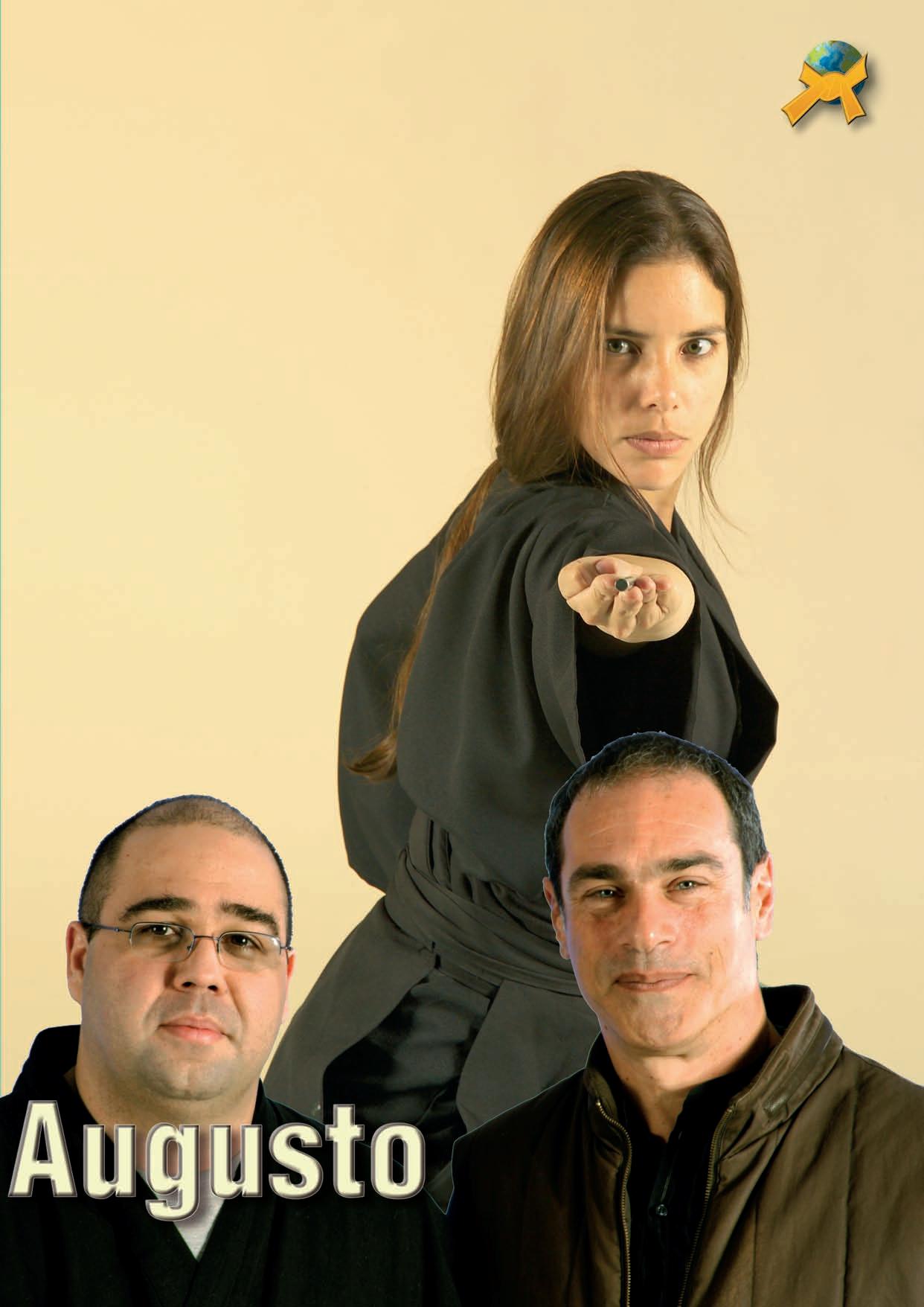
In the face of destiny, there is no such thing as luck.... “It's amazing how powerful things can be when they're meant to happen.”
No phrase could better define EBUNTO’s arrival in Spain than this one. The date is April 2, 2006. JOHO (Shidoshi) Juliana Galende—my former wife—and I had arrived in Spain with the intention of starting a new life.
Do you believe in chaos? In luck? Do you think it is the result of fate? Do you think everything is already predetermined? Is it a recurring theme for people? Confucius wisely asks us: “How old would you be if you didn’t know how old you are?”
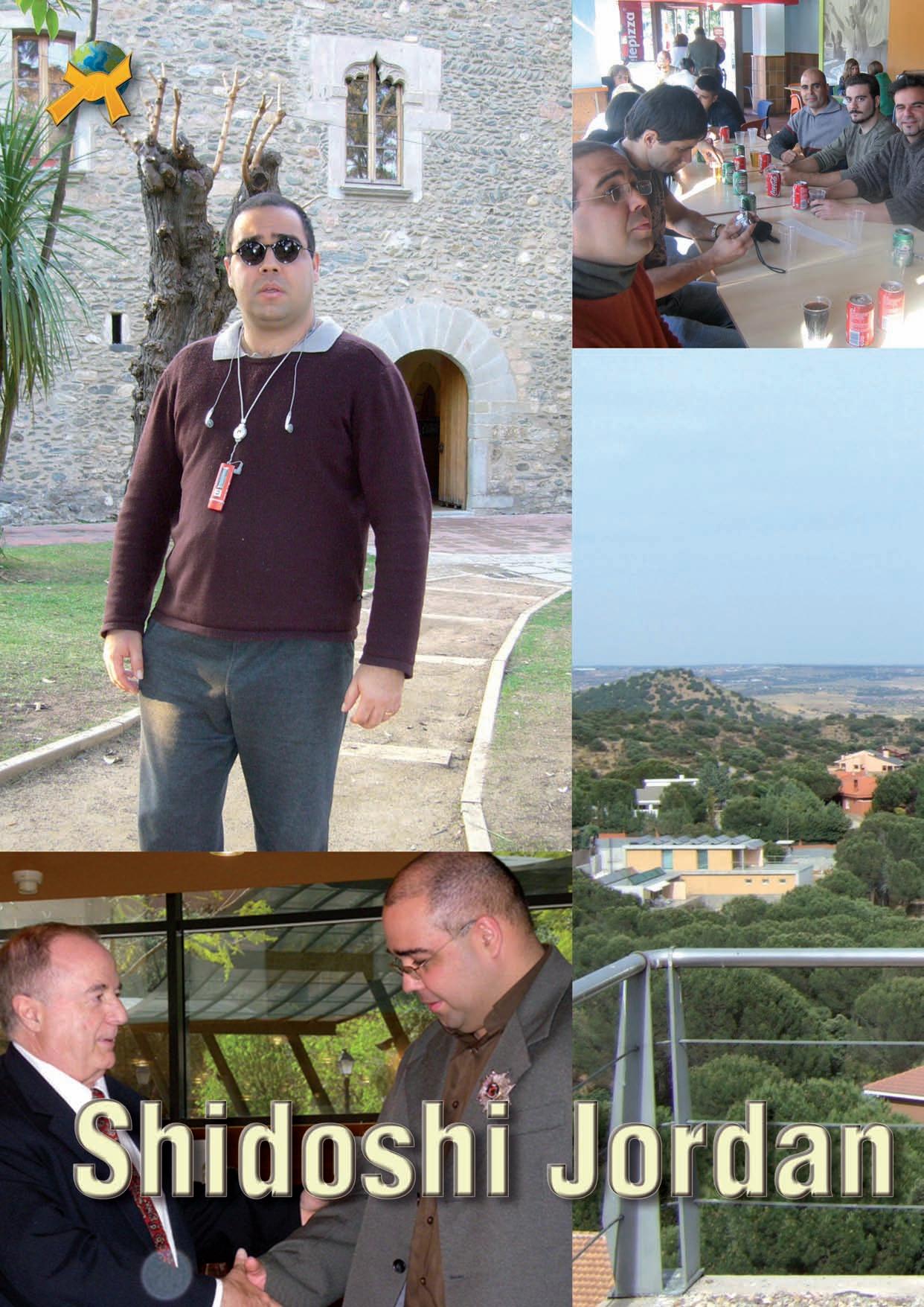
After decades of extreme dedication and exhaustion due to successive, intense projects, we had decided to leave the teaching profession and move to another country, to start something new unrelated to my former work. Our initial destination was Japan, thanks to the people and opportunities that might arise through the friendships and professional connections we’d built over the years.
However, through some friends living in Spain, the idea came to JOHO (Shidoshi) Juliana that, if our plan was to start a new life, perhaps this would be a favorable destination— due to the similarity of the language and the quality of life described in such an exciting way. Well, on April 5, 2006, we left Brazil, and the next day we landed at the “Josep Tarradellas Barcelona-El Prat” airport in the city of Barcelona.
Everything had been arranged from Brazil; people were supposed to be waiting for us at the exit to guide us into this supposed new life. However, none of that happened. There was no one waiting for us. Only two days later, after repeated phone calls, a friend of JOHO (Shidoshi) Juliana Galende showed up at the hotel where we were staying, thanks to the help of a taxi driver.
Contrary to what we expected, we were taken to a village about fifty kilometers from the city of Barcelona called Saint Celoni—a beautiful place nestled between two mountains. The Montnegre area in Sant Celoni is a populated zone and an important natural space, part of the “Montnegre i el Corredor Natural Park” in the province of Barcelona. Sant Celoni serves as the gateway to this wooded environment, characterized by its oak and chestnut forests, and by being an area of high natural and scenic interest.
Not speaking the language and with no prospects, I headed to a local call center intending to call
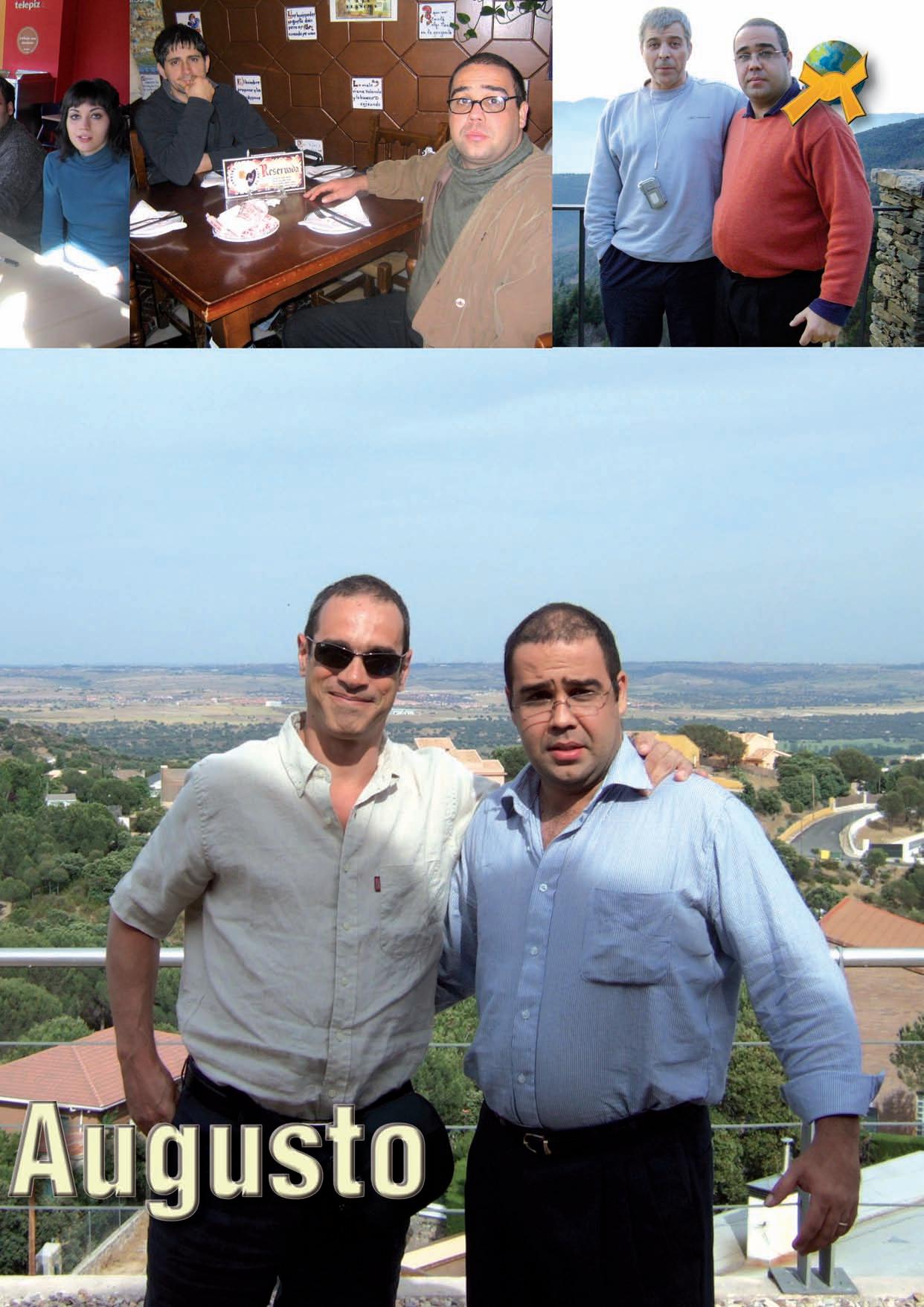
Brazil and sort out a few things. That’s when I met Hamid—a curious person of Moroccan origin. Since we only had a prepaid cell phone, it was more convenient to make the calls from there.
There are many times when we wish others would solve our problems, or even point us toward an answer to our many questions. In my view of life and its “details,” daily life is a constant metamorphosis that gives rise to different types of “conscious revolutions”; I say this in the singular, as it involves different ways of thinking and stances.
This may mean that we all possess our own individual atmosphere of destruction and renewal. Every moment, every instant, everything represents a part of this journey we undertake every day. Confucius tells us that “The superior man is persistent on the true path and not merely persistent.” This reality propels us toward the formation of a whole that represents part of our existence; part of a path that will always shift as we move forward guided by our inner truths, which are nothing more than our own life itself.

Hamid was the first person who, little by little, explained to me how my new country worked. Two weeks later, we received a call from Alfredo Tucci, CEO of the most prestigious martial arts magazine—Budo International. Mr. Tucci, the grandson of Portuguese immigrants, spoke our language perfectly; which greatly facilitated the negotiations for what would become the first “cover” featuring us. Something that would completely change the course of our story.
Madrid, May 25, 2006. Coincidentally, Mr. Tucci’s birthday. After the filming and photos, a beautiful friendship would mark the starting point that would definitively write the history of EBUNTO in Europe.
Being on the first cover of such an important magazine was
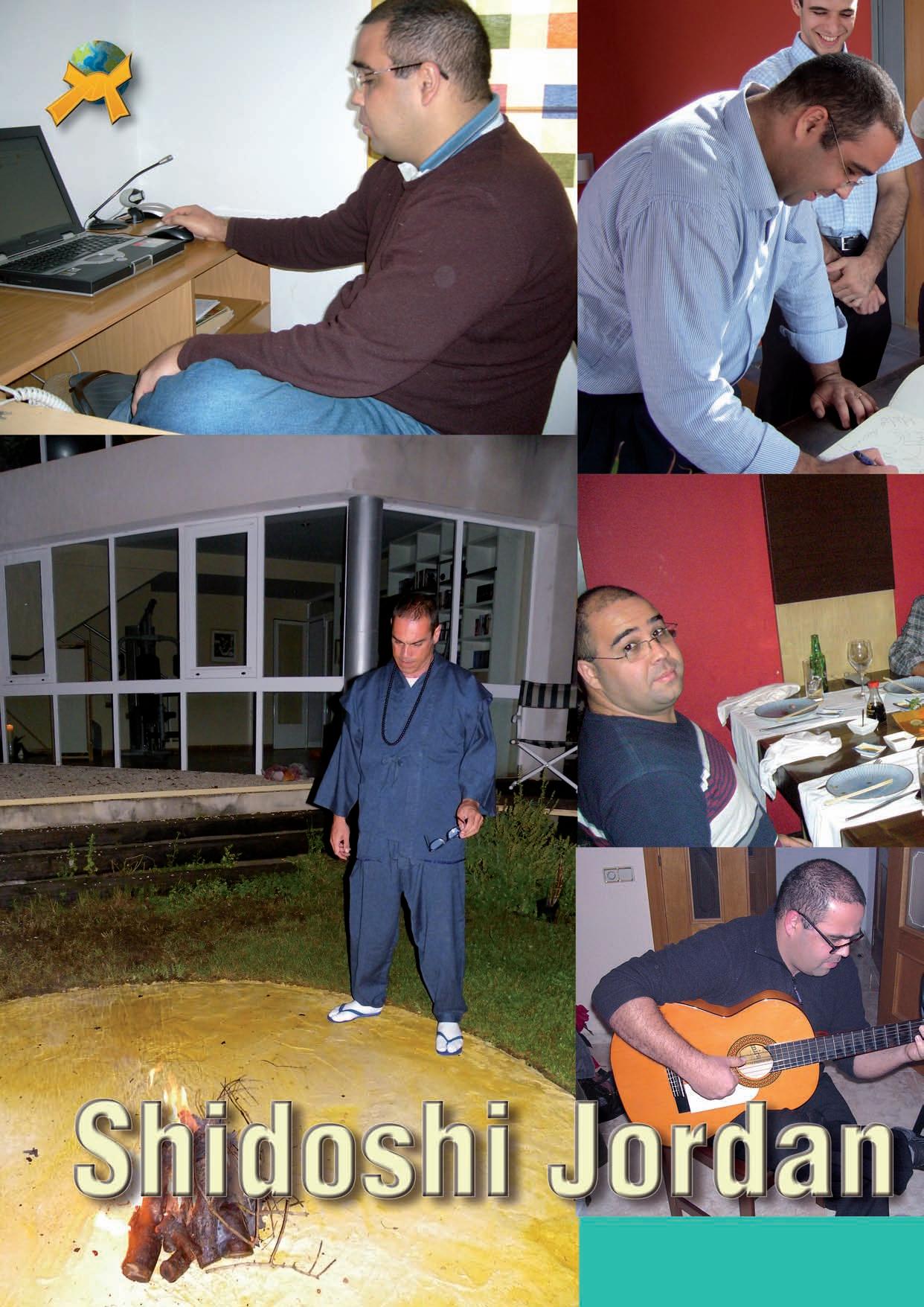
the cornerstone that led people to start seeking us out in San Celoni. The first person was Luís Nogueira, along with his wife Rebeca Roca, who remained at our school until 2015. After their arrival, many others became interested in getting to know us.
A dear teacher used to say that we cannot always be “swapping” things with life. And it’s true! In essence, this means that our decisions, attitudes, and so on will reflect in our being the constancy that life, in itself, represents the assimilation of the fruits of each moment; a kind of continuous experimentation where one cannot stop.
If we look at it through the lens of evolution, we will develop a perspective that shifts this very life—or its reality—to a scenario where this same being is compelled to take the helm of
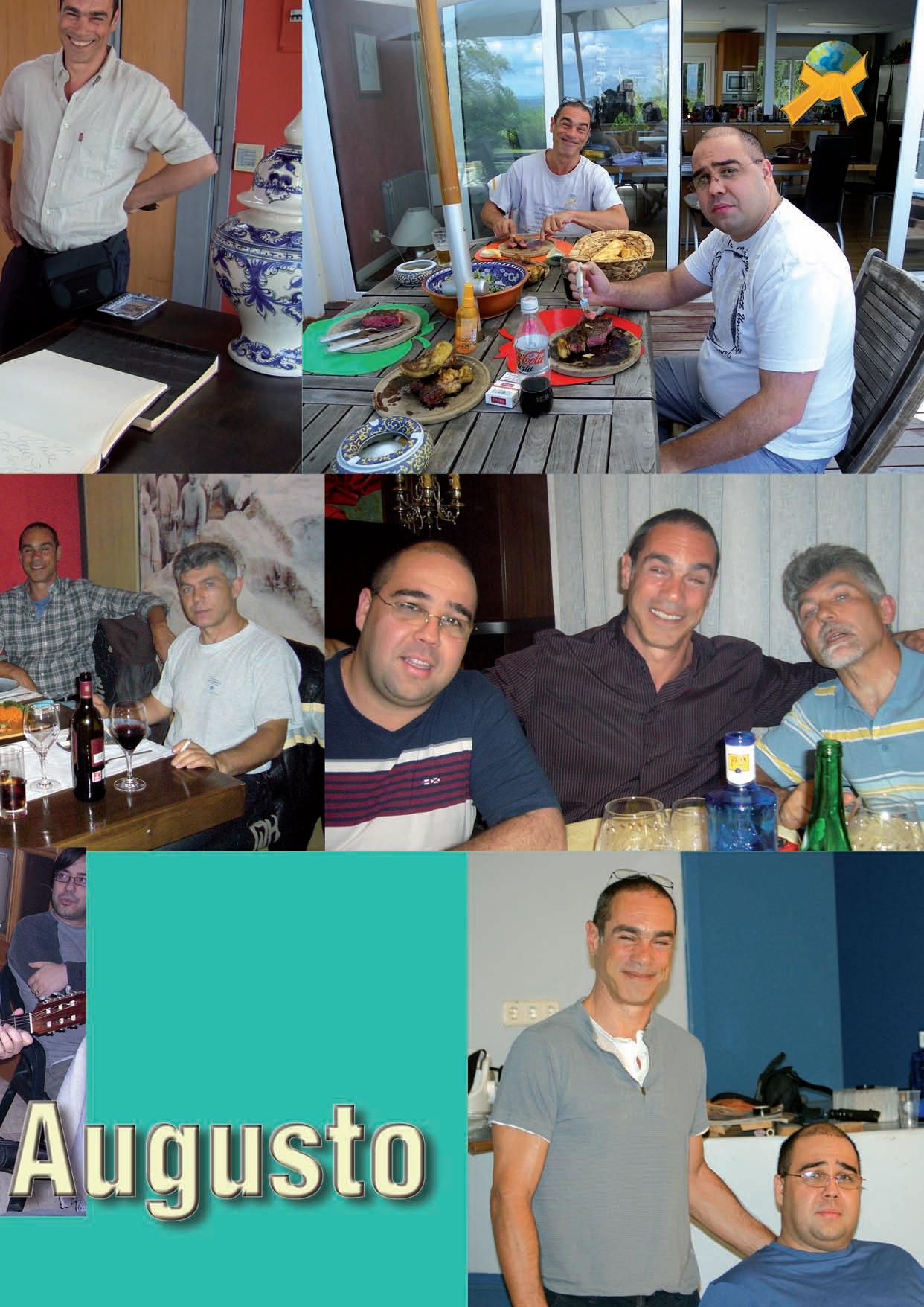
the “ship of their life.” To do so, inevitably, one will live out in one’s own truths and lies the reasons that lead one to perceive—or not—one’s own importance in one’s process or journey. This, in parallel, leads us to the reflection that, in the end, brings us to the point where it is tantamount to saying that there are various types of life and realities within a single being.
In 2007, we participated in the first Hall of Fame, organized by Budo International magazine and ISMA— led by martial arts master and general of the American “Mariners,” Santiago Sanchis. Different masters from different countries set their eyes on us for the first time and took an interest in our work. I, who had enjoyed a discreet, quiet life, was now on the world stage.
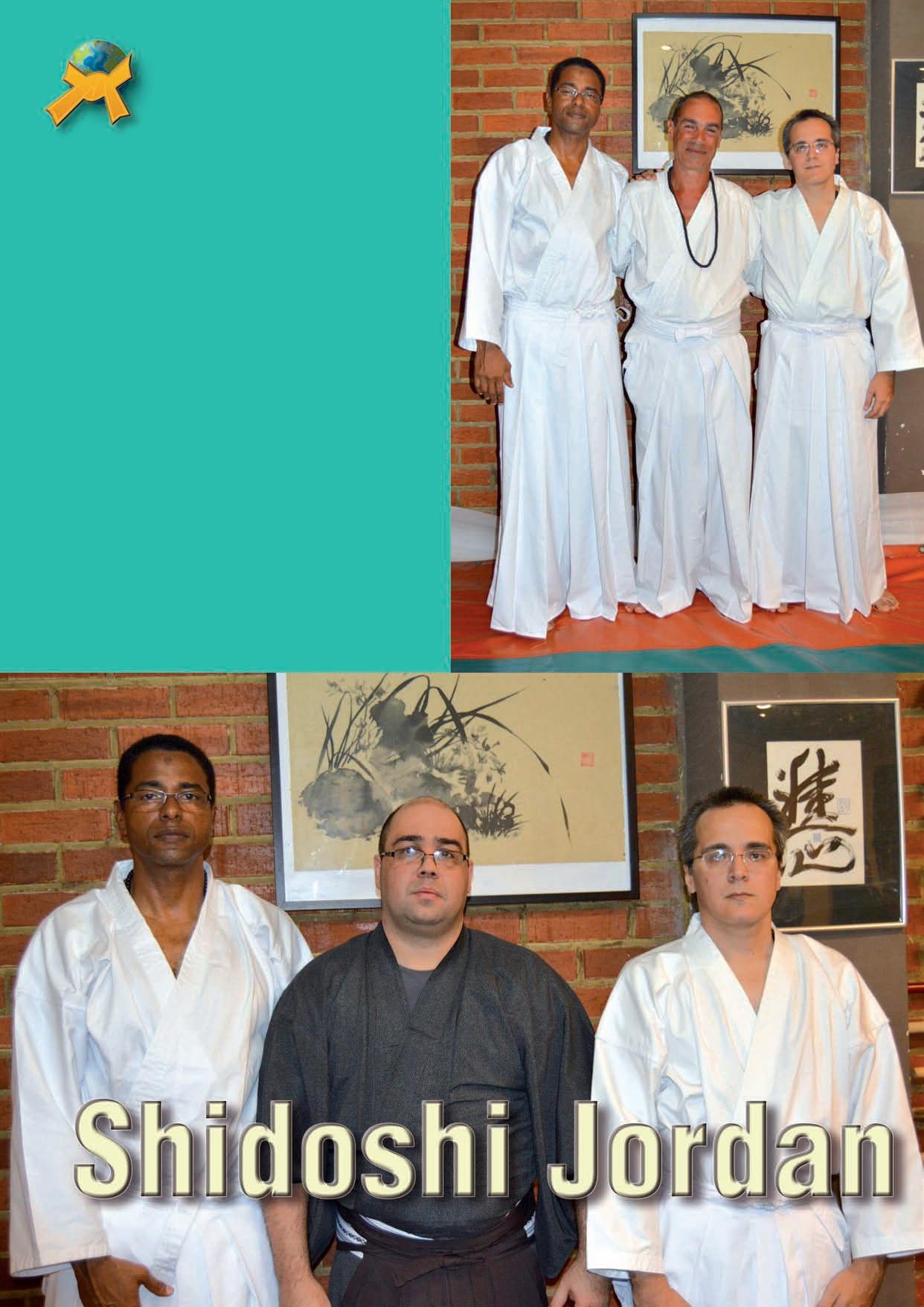
Then came the moment when, due to JOHO (Shidoshi) Juliana Galende’s history of having begun her medical studies in Brazil—and Barcelona’s failure to recognize her credits—the hope that some other city might recognize them, guided by the opinions of other Spaniards, led us to Valencia; a city that would become our permanent home.
Amid the many trips back and forth to Madrid, JOHO (Shidoshi) Juliana Galende and I, always discreet about the subject of our spirituality, gradually let slip some information related to our beliefs and knowledge. Through Mr. Tucci, I met Francisco (Paco) Suarez, a person who would later become an important “Kotoma Tonbo” within EBUNTO.
In 2008, finally, Mr. Tucci began his journey on the path of EBUNTO. Valencia and Madrid shared common interests regarding the preservation of EBUNTO. Stephen Hawking, author of many books, including *The Universe in a Nutshell*, tells us: “It is a matter of common experience that things become more disordered and chaotic over time.”
Needless to say, our lives would change forever. Destiny, that great protagonist capable of transforming the life of any mortal as if by magic, had knocked on our door. My teachers were right when they said, “The man who does not look at himself, nor at what is around him, cannot know his own reality nor the reality of what surrounds him.” Therefore, I believe that he who does not know himself and ignores whether or not he has a specific role in life is, in truth, dead, even if he is eating and drinking, just like his fellow men.
In 2011, an ASHAKORO - Hajimeru (initiation) involving people from various countries definitively established Spain as a key milestone in the history of EBUNTO.
In the same year, Mr. Tucci moved permanently to the city of Valencia, and a new chapter in our history began. Studies, intense work, projects.... Arthur Schopenhauer said that “Fate shuffles the cards, and we play them.”
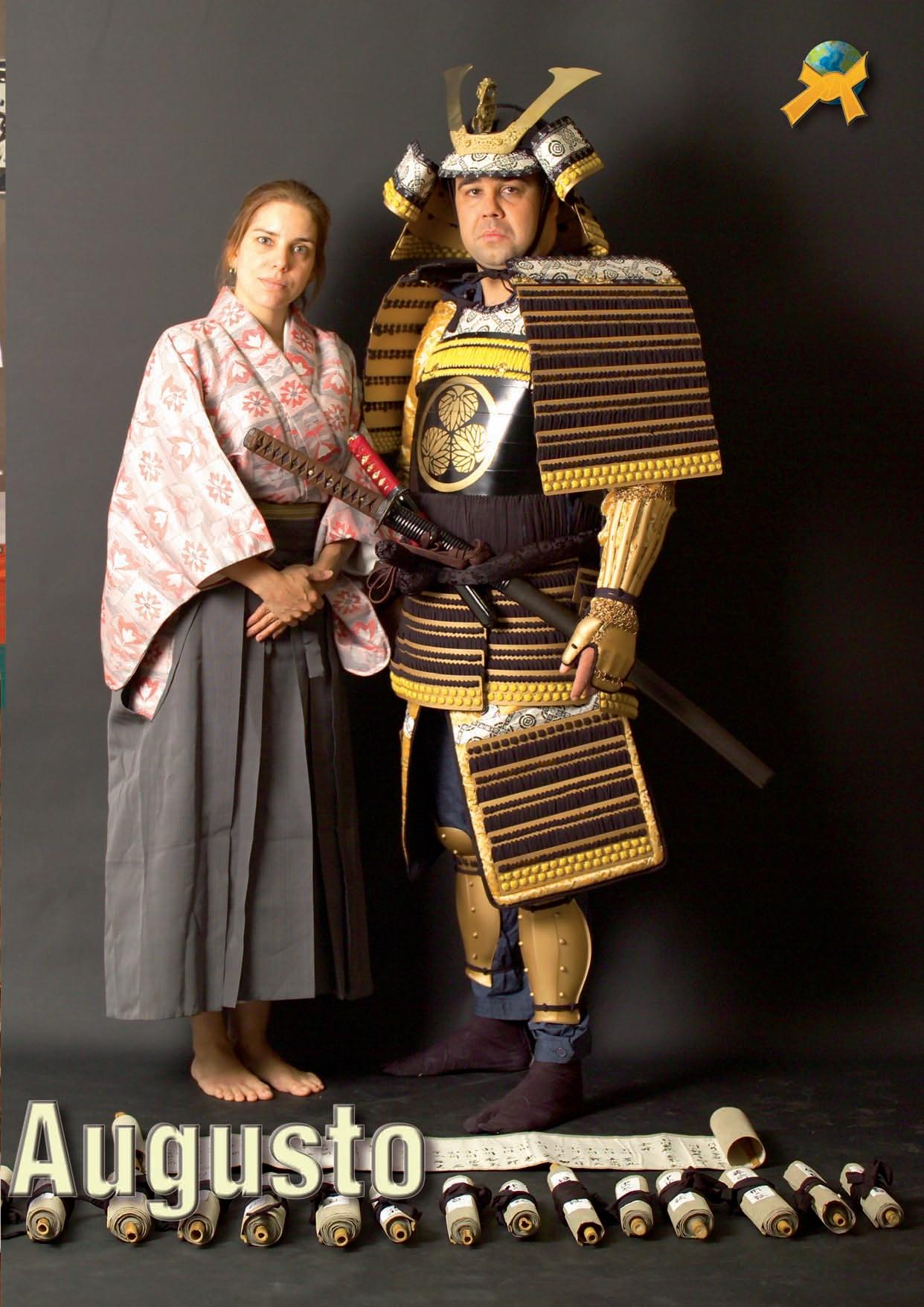

Such was our moment: due to local needs identified by “spirituality”—and confirmed by masters—new steps would be taken. Filled with possibilities and horizons, an important festival would take place in the province of Cheste—a Spanish municipality located in the Hoya de Buñol region, in the interior of the province of Valencia, within the Valencian Community, 26 km from the provincial capital.
Amid ongoing ceremonies, in 2014 we would train the first leaders of EBUNTO. Six new teachers were to form the foundation of this structure, which would eventually crumble and collapse completely after approximately one year. Amid the same inertia, JOHO (Shidoshi) Juliana Galende decided to dedicate herself to medicine, and our amicable divorce marked the beginning of a new phase where a new chapter was to be written.
In 2016, on a trip to Mexico, I met my new wife—forensic psychologist Alma Alejandra—who years later would move to Valencia to help me rebuild what had been lost.
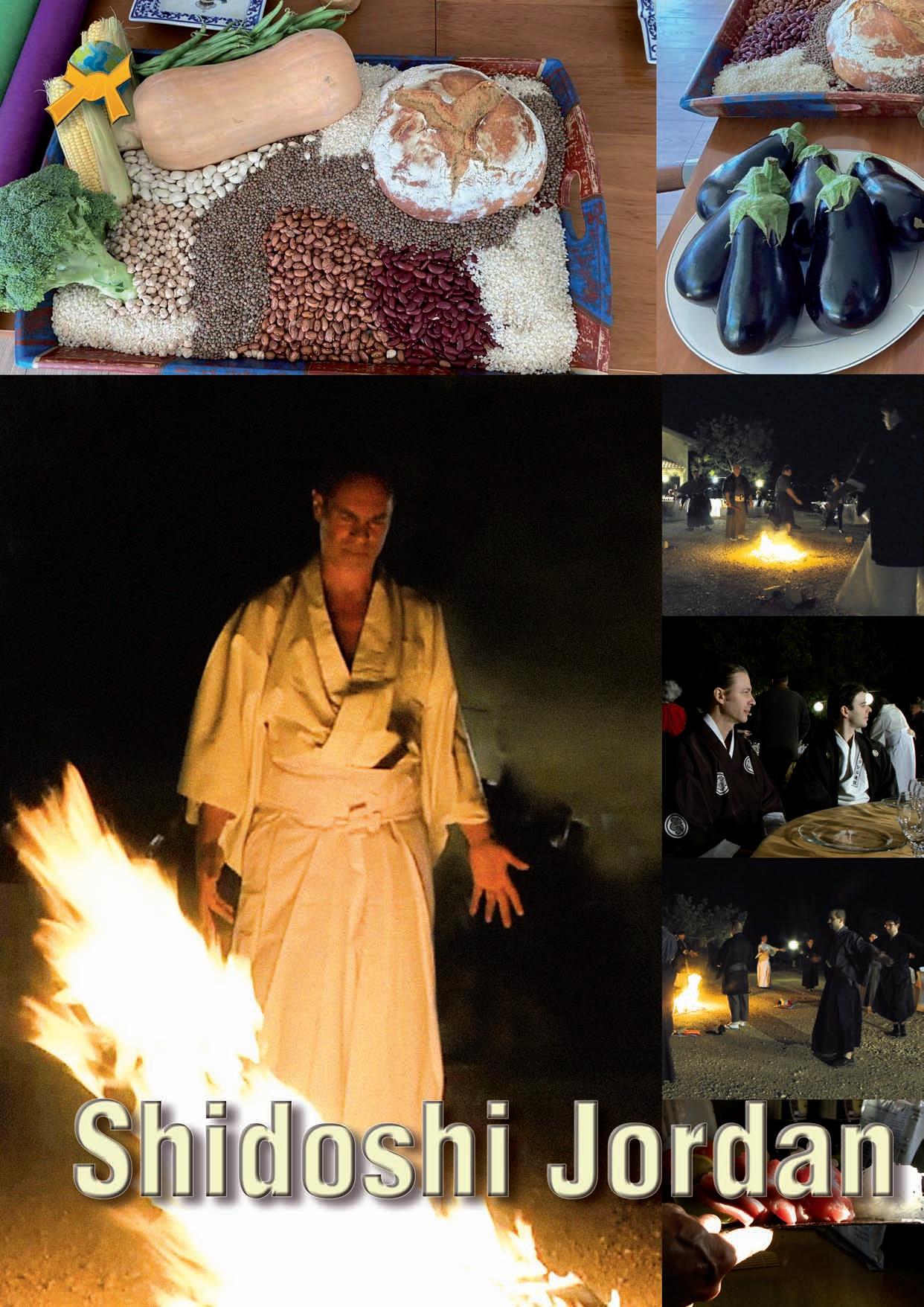
Different schools of thought attribute the key to our lives, to our happiness, solely to Good or Evil.... Is that so? From the day we were born, from the moment we came into this world, we are destined to immerse ourselves in diverse perspectives, in various points of balance that more closely resemble crossroads where certainty falters: doubt is the name of the game!
During this period, JOHO (Shidoshi) João Paulo impeccably draws close to me and, through a trip to Spain (staying at my home), begins a new stage of his training.
Every single experience corresponds to the state of observation we exercise over ourselves and, consequently, over others. The diversity of moments and instants has its roots firmly planted in the “now.” It is grounded and founded on the present moment. If, in this brief span of time, your inclination is toward Good or Evil, without a doubt, I say: yes, it is only these two that determine your life.

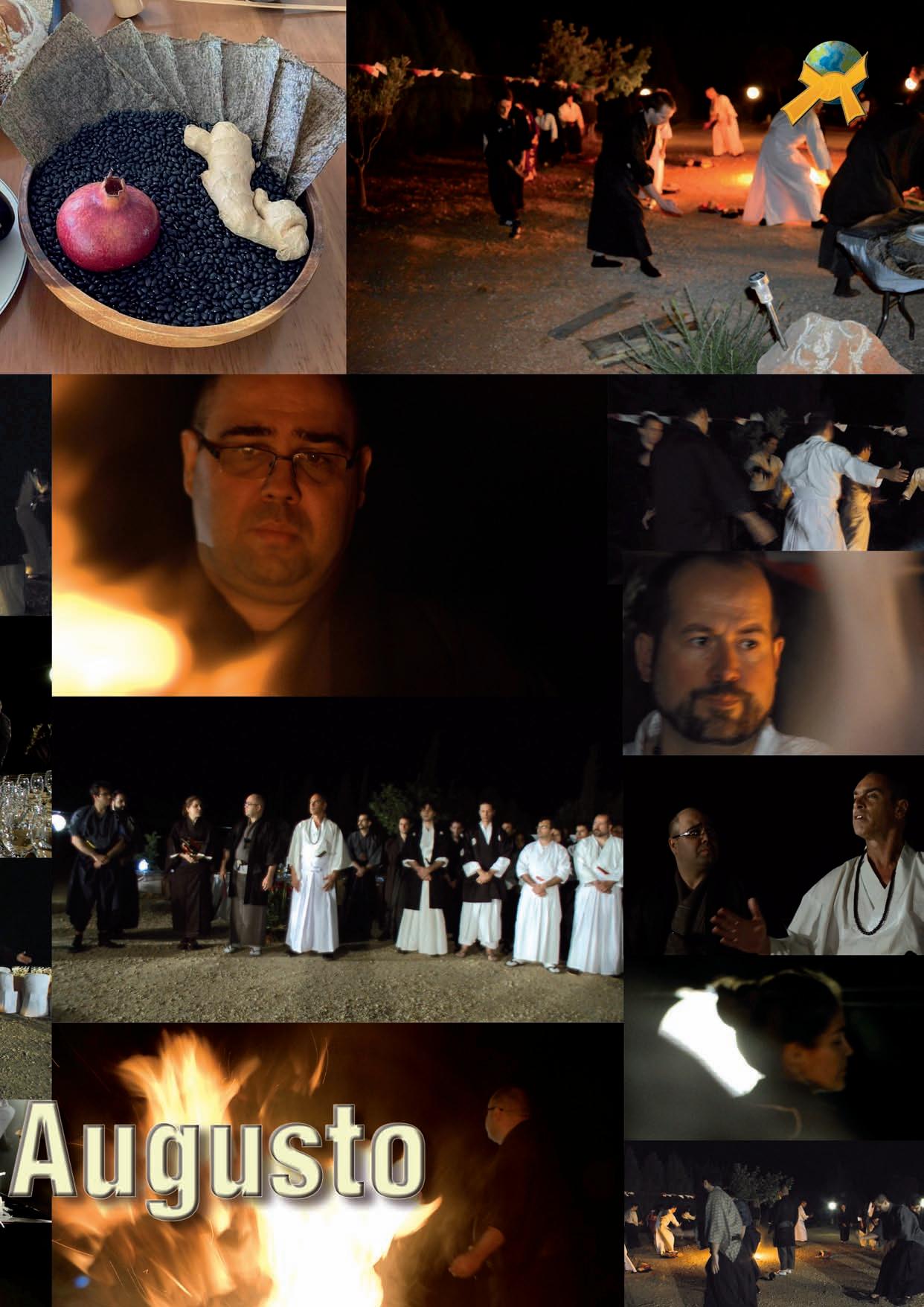

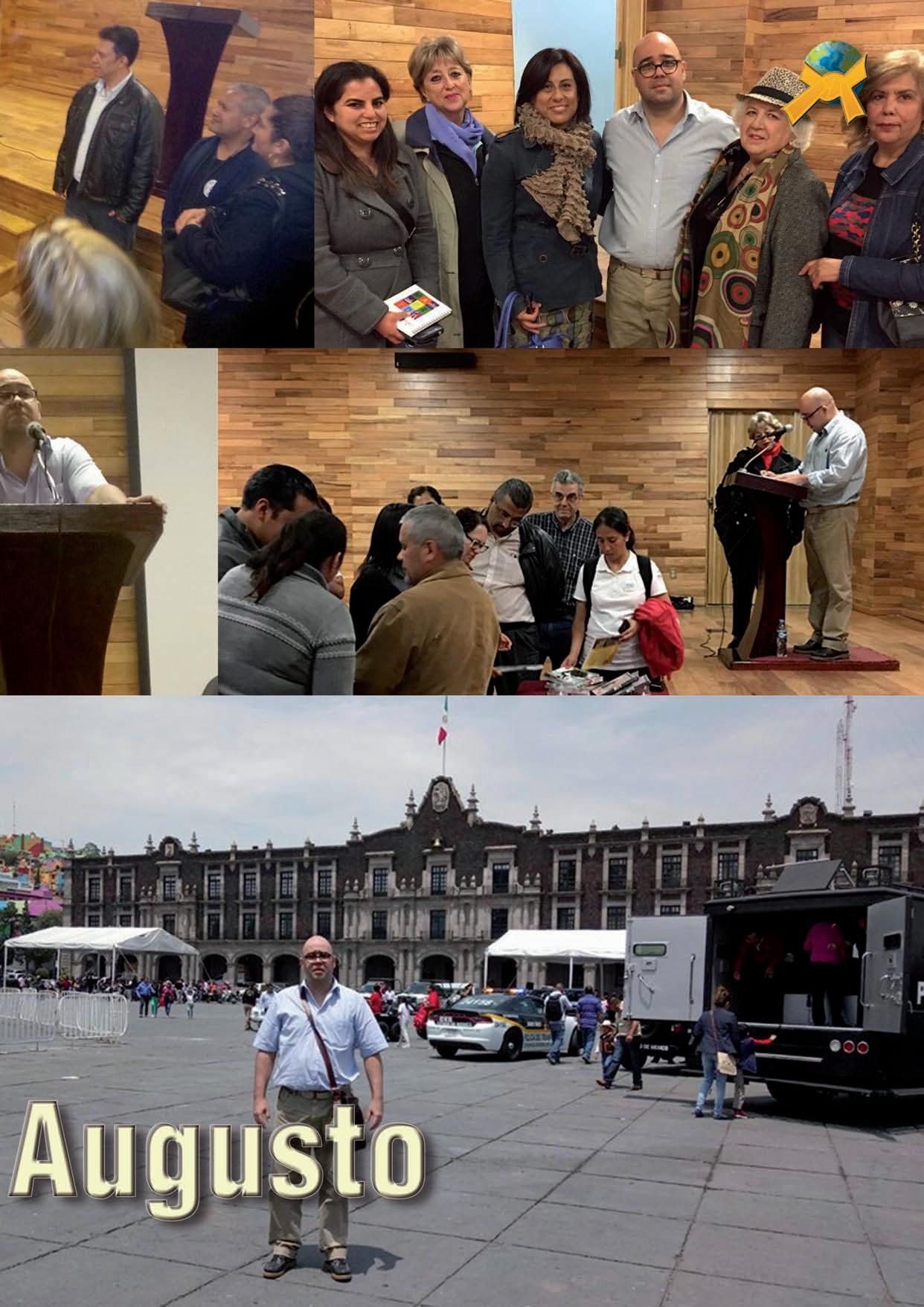

However, I always view things from the spiritual world. In my conception, we are spiritual beings living a material experience. We are the fruits of what our consciousness indicates; we are the fruits of a fraction of a second that labels the force acting instantaneously when we associate our ideas; when our belief determines what we should see..... Have you ever thought about that?
Through frequent trips to Spain, JOHO (Shidoshi) Daniel Motheo, my longest-standing student, continued his training and became an important figure in our culture and tradition.
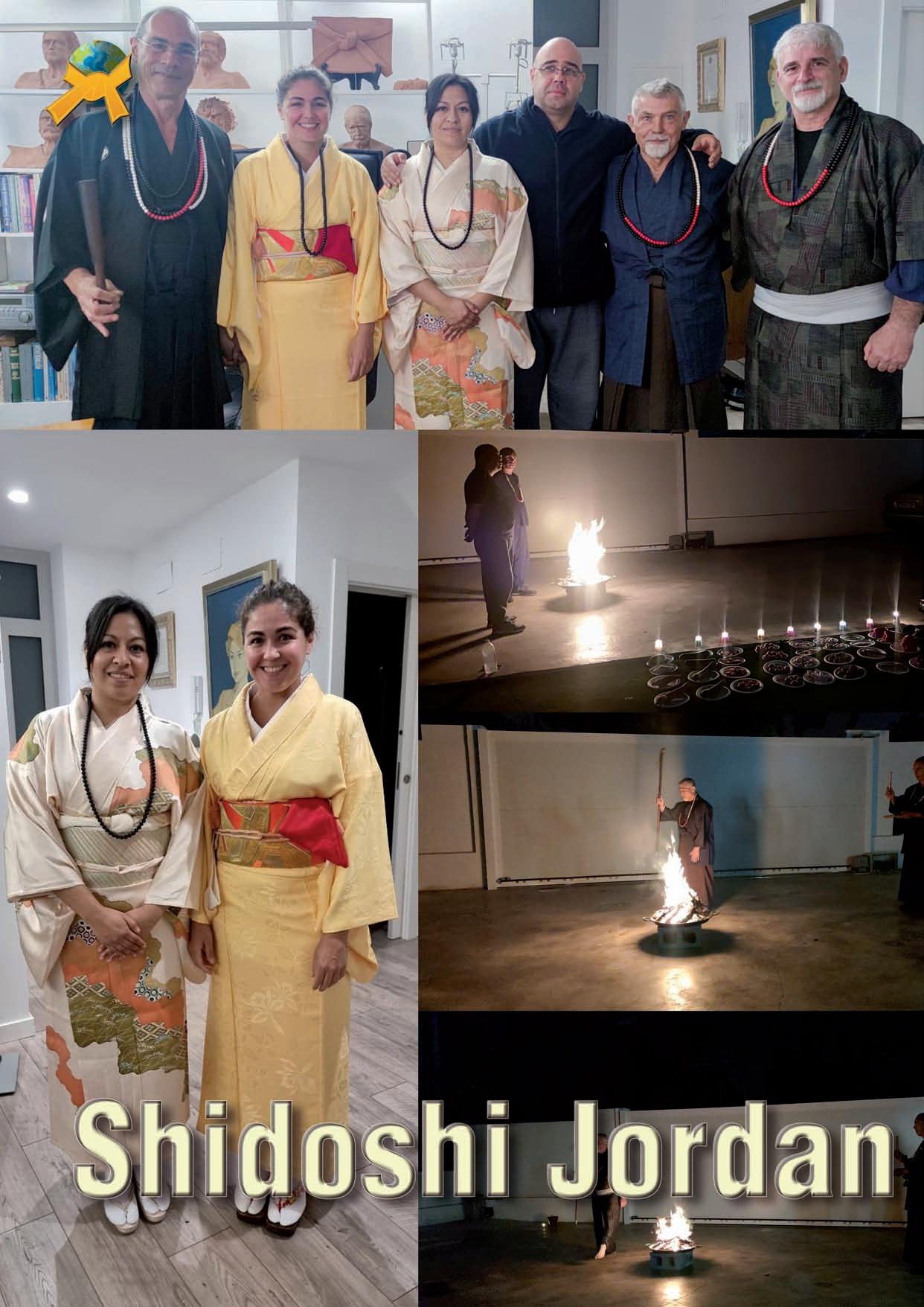
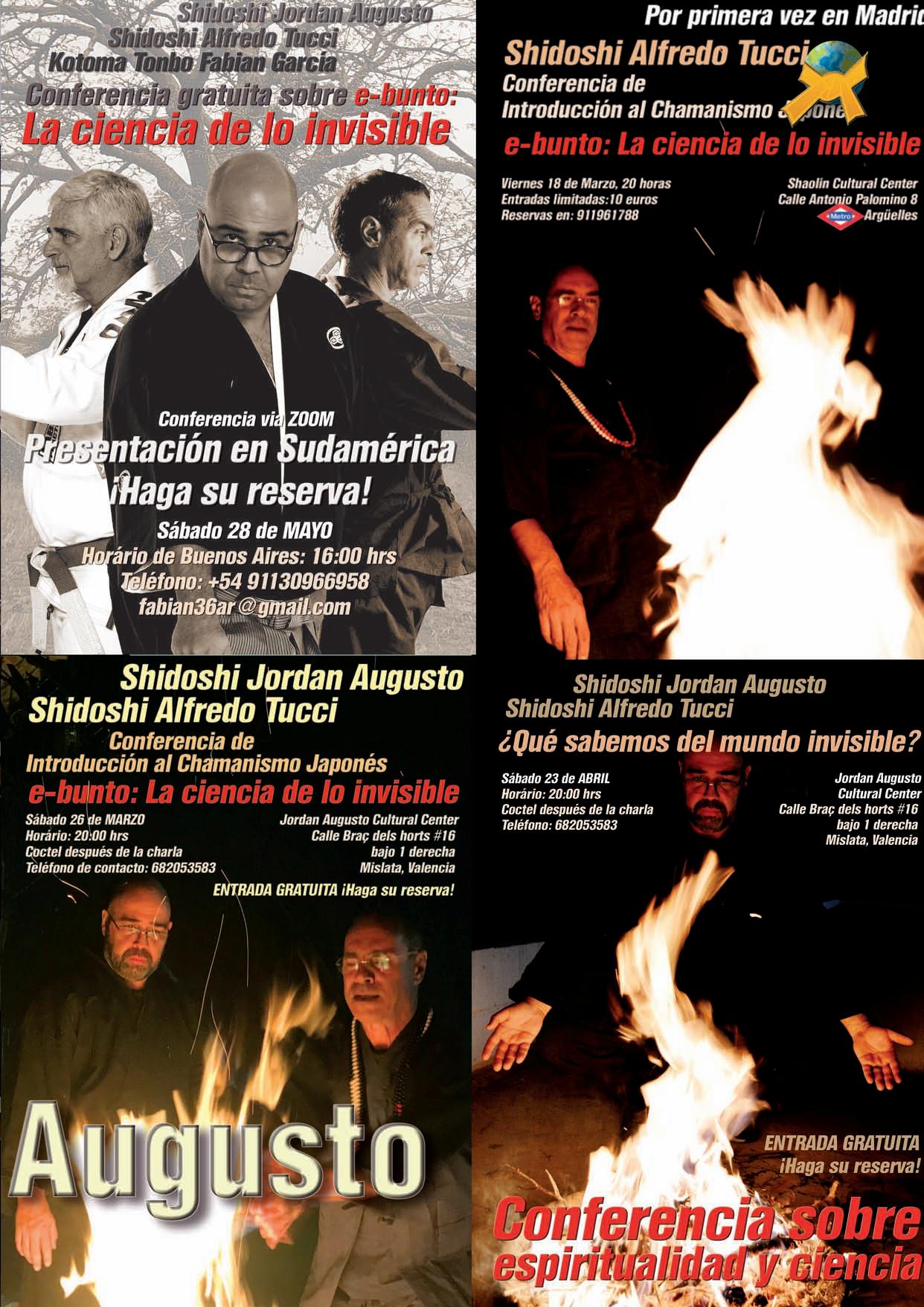
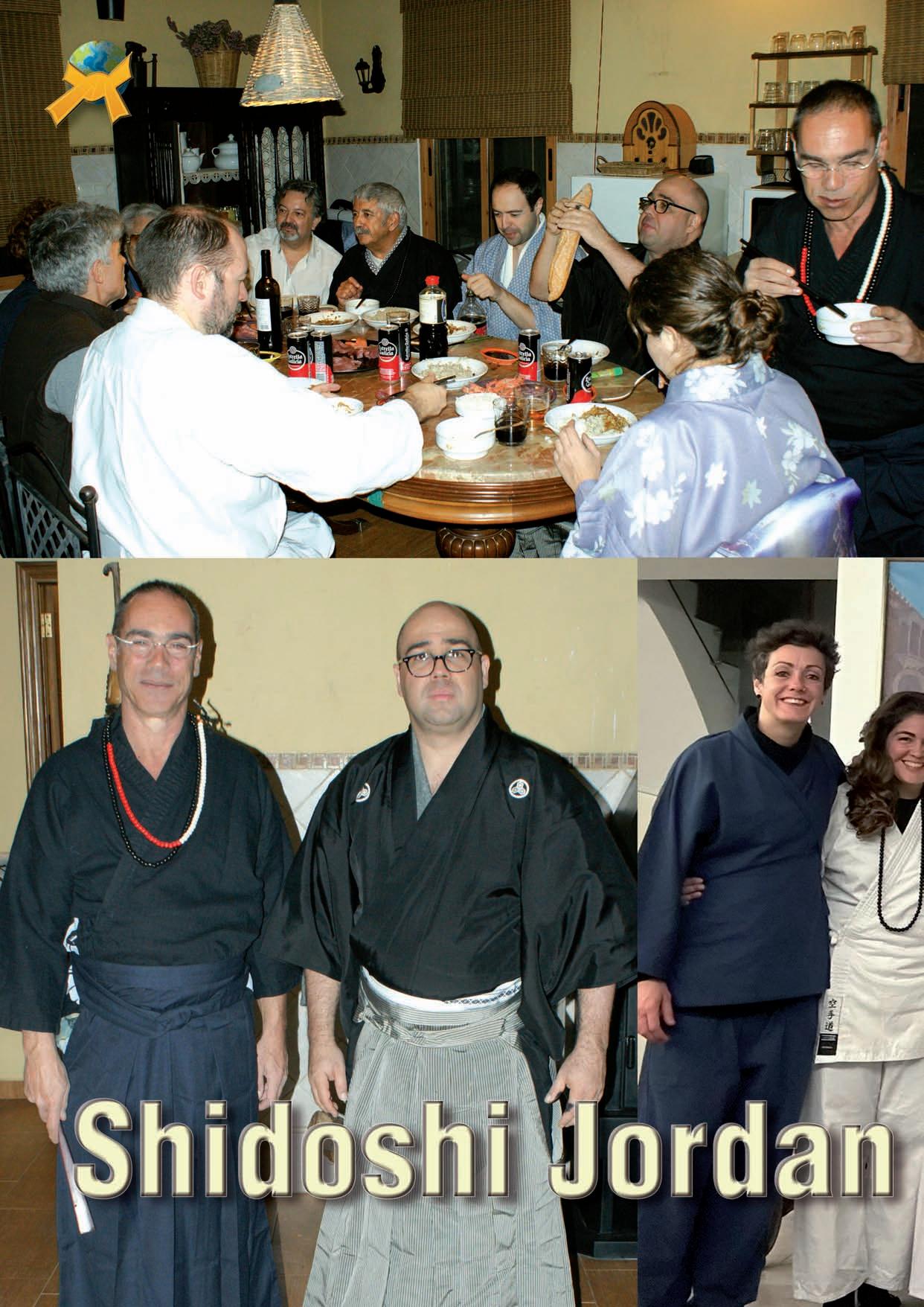
In 2021, we opened my new school, which brought many new students and teachers. Among them are Kotoma Tonbo Fabián Garcia, JOHO (Shidoshi) Sibila Silva, JOHO (Shidoshi) Miguel Morales, JOHO (Shidoshi) Sérgio Verdeguer, JOHO (Shidoshi) Vicente Laparra, JOHO (Shidoshi) Alma Alejandra, JOHO (Shidoshi) Hermes Romero....

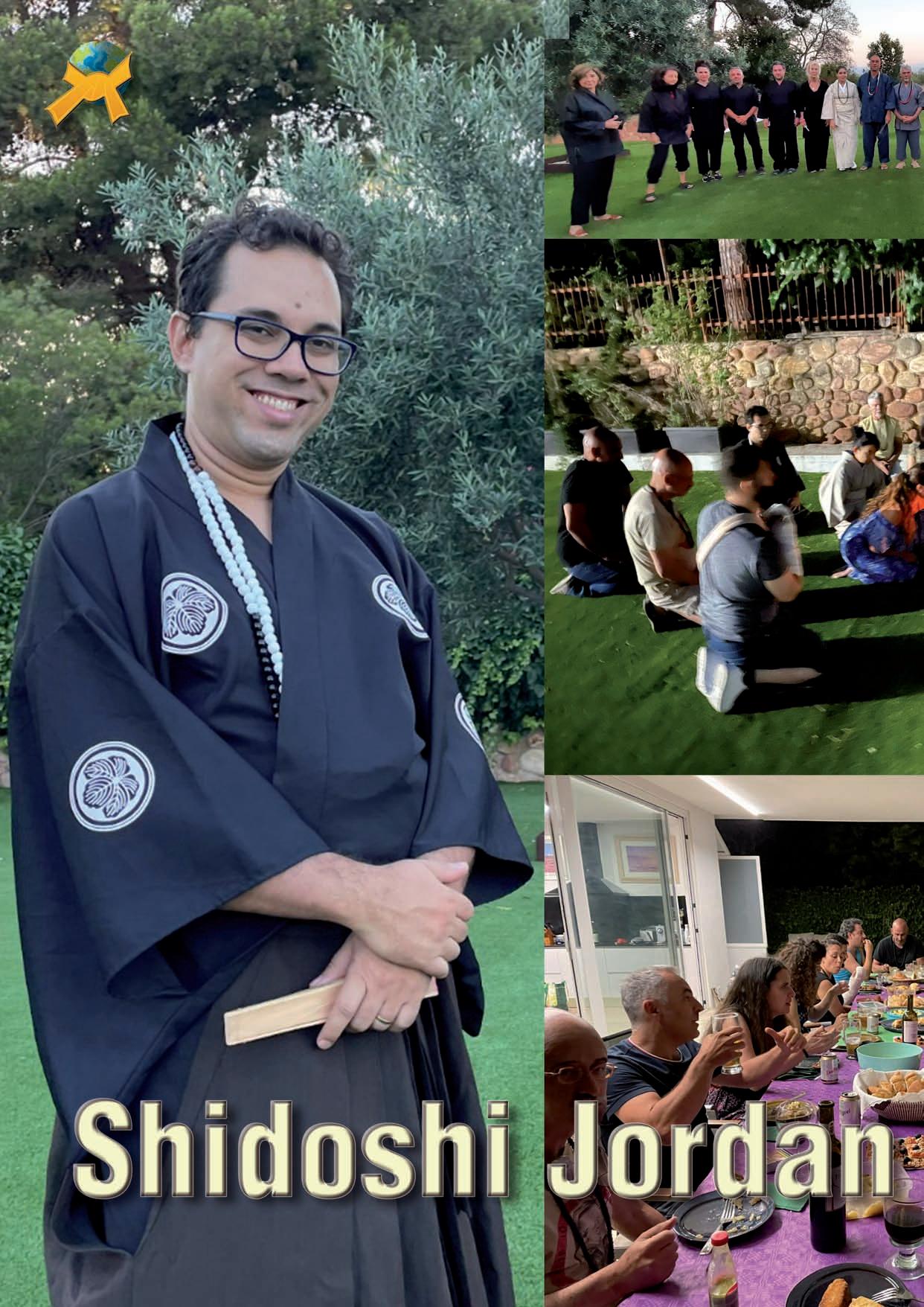
A new phase began on April 25, 2026, with new positions and individuals responsible for the preservation and transmission of our culture and tradition. The following names are currently associated with me, both in the martial and spiritual aspects:

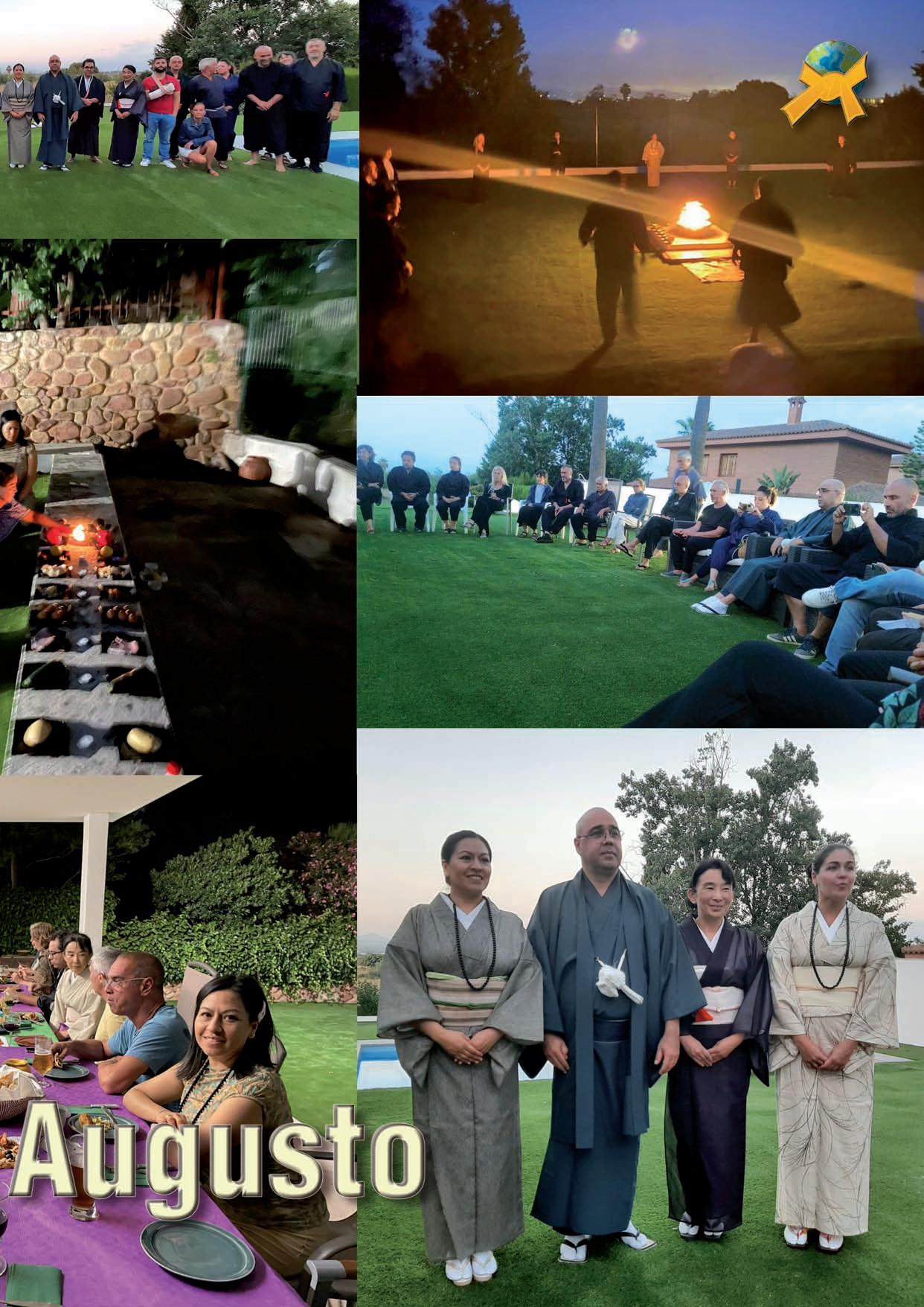
JOHO (Shidoshi) Tonbo Alfredo Tucci (Goemon Kawazuki). Kokeisha Kawazuki Togo, Director of Black Belt Magazine and CEO of Budo International Publishing Co.
Tonbo Francisco Suárez
Tonbo Fabián Garcia
JOHO (Shidoshi) Juliana Galende
JOHO (Shidoshi) Marcos Amaral
JOHO (Shidoshi) Maria de Manuel
JOHO (Shidoshi) Daniel Motheo
JOHO (Shidoshi) Thiago Moraes
JOHO (Shidoshi) Sérgio Botelho
JOHO (Shidoshi) André Bortoluzzi
JOHO (Shidoshi) João Paulo Gomes
JOHO (Shidoshi) Giovanni Nunes
JOHO (Shidoshi) Raoni Rosa
Sensei Sérgio Moraes
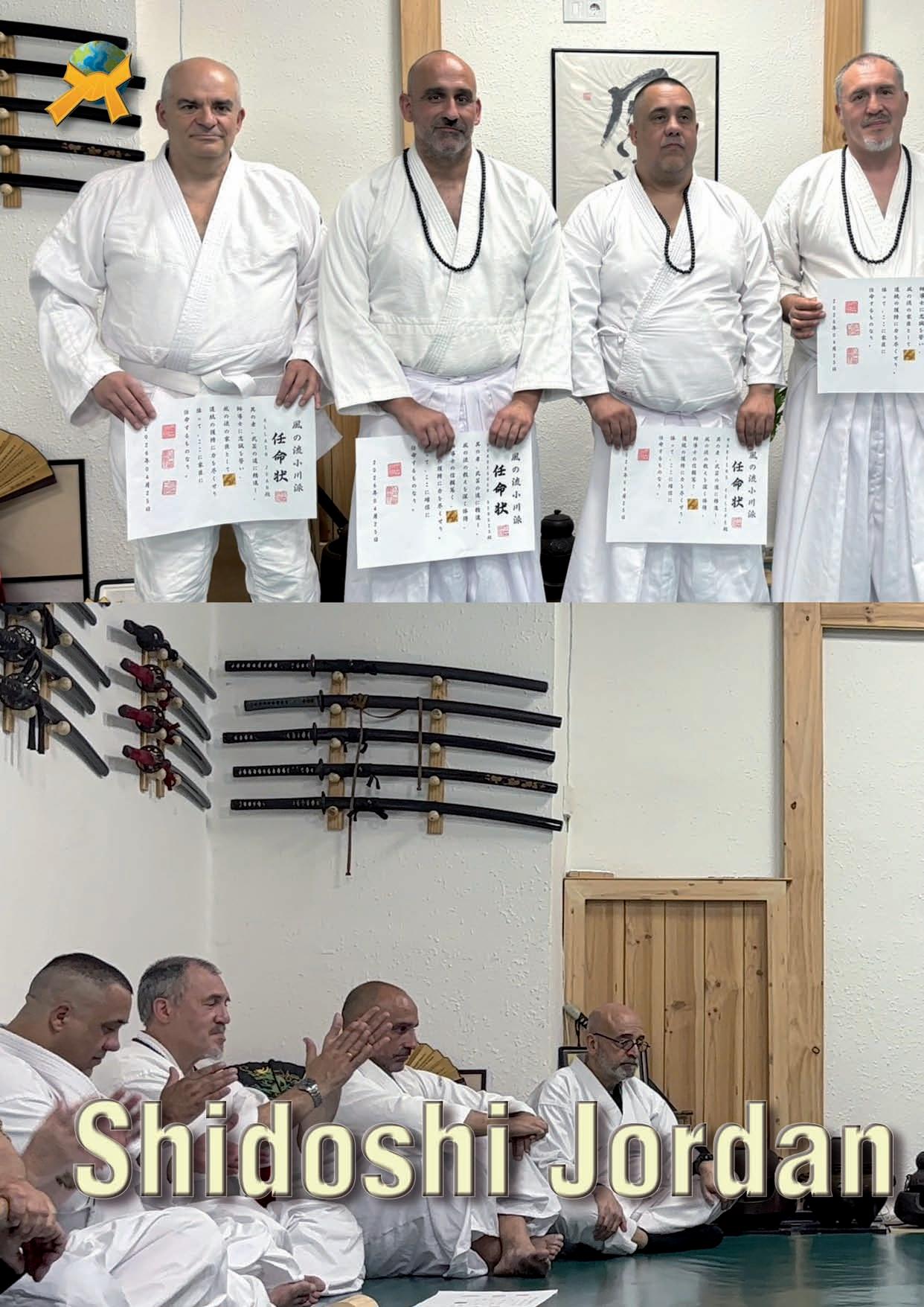
Sensei Miguel Estables
JOHO (Shidoshi) Hermes Romero
JOHO (Shidoshi) Vicente Laparra
JOHO (Shidoshi) Sergio Verdeguer
JOHO (Shidoshi) Alma Alejandra
JOHO (Shidoshi) Sibila Sol Silva
JOHO (Shidoshi) Miguel Morales.
Sensei Stéphane Postel (France)
Sensei Alfredo Garcia
Sensei Rafael Ferreira Dos Santos
* The other names of JOHO (Shidoshi) and Sensei that do not appear here are either for personal reasons or have not reached a sufficient level.
“In the realm of ends, everything has either a price or a dignity!” - Immanuel Kant.
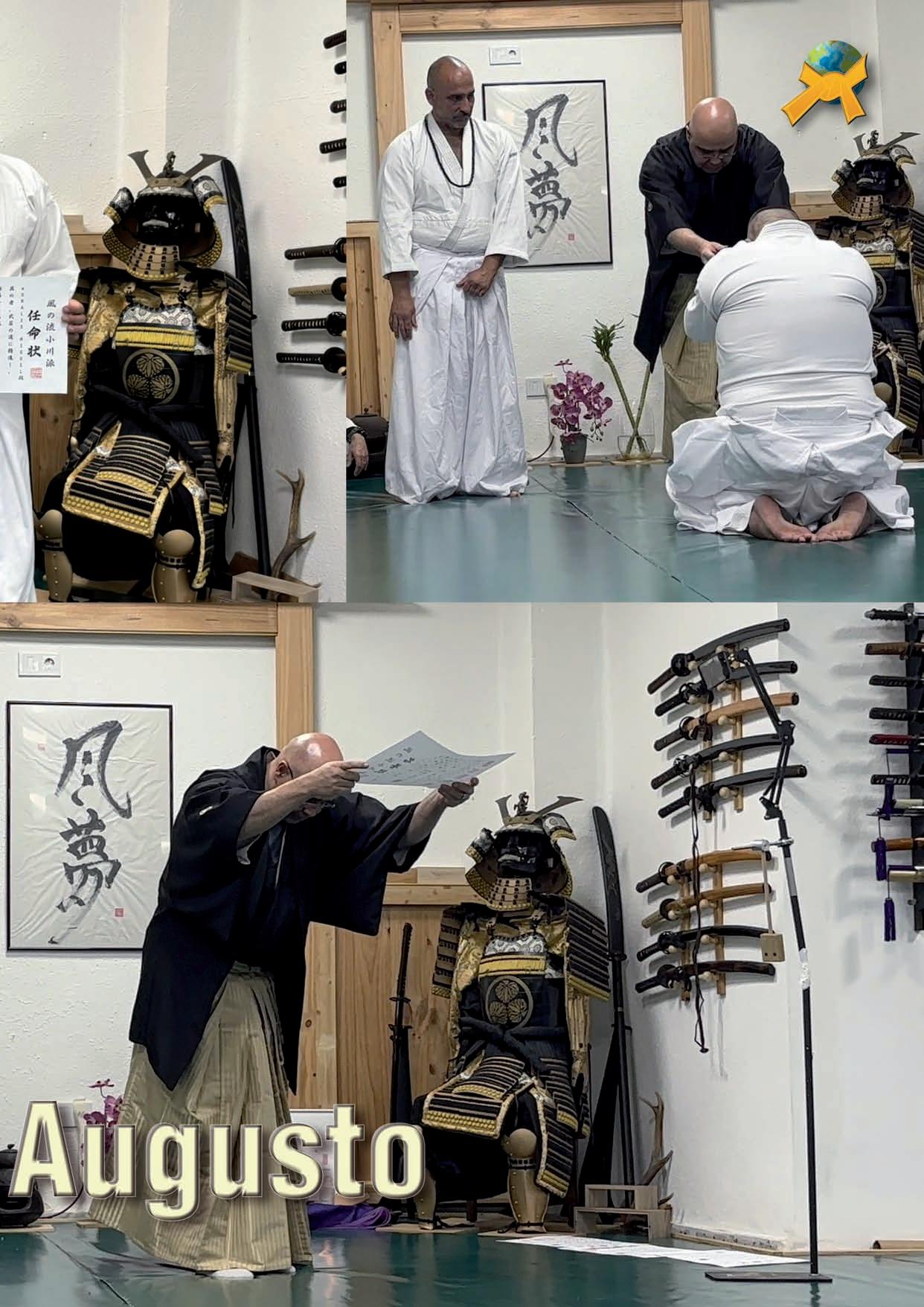
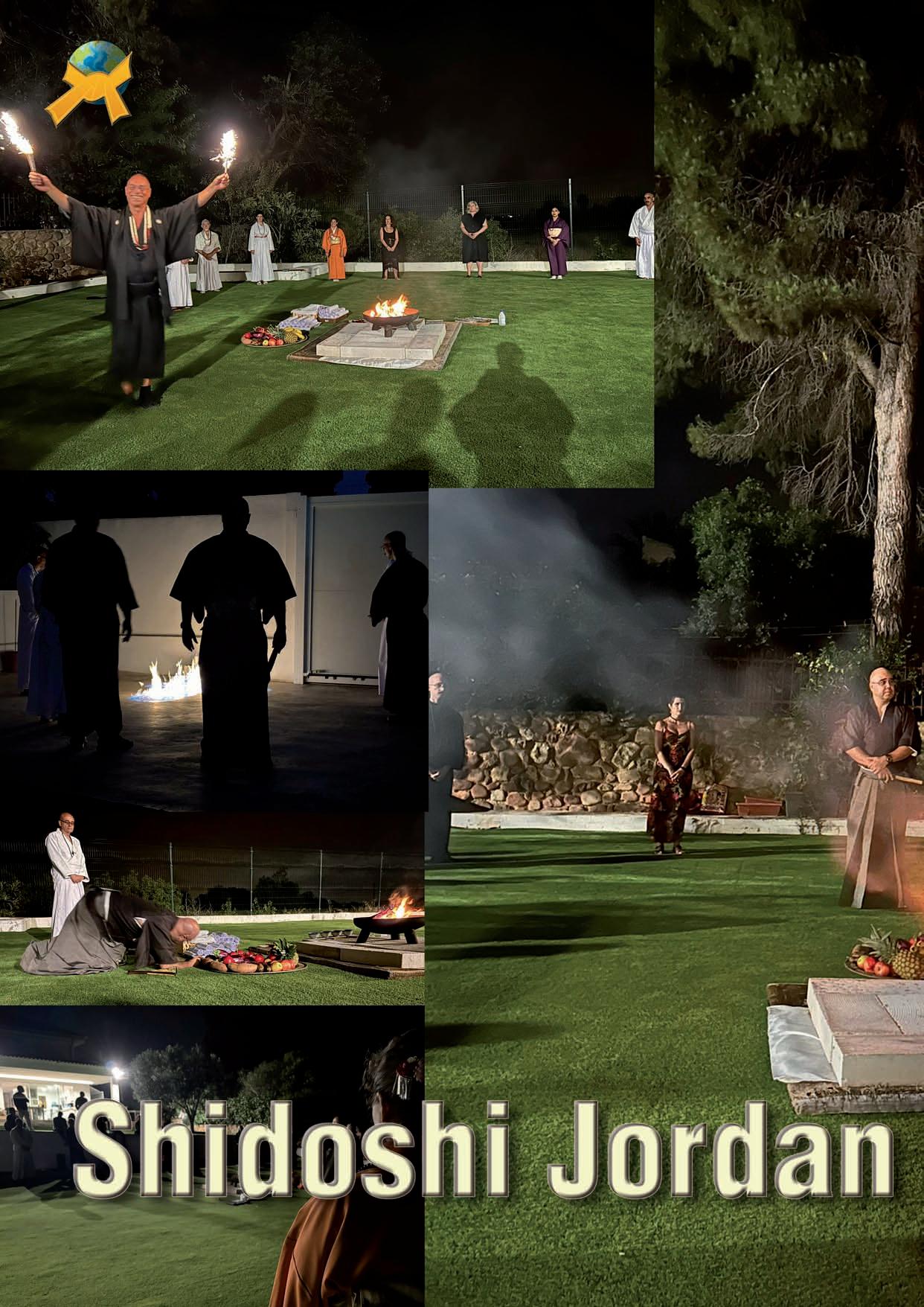
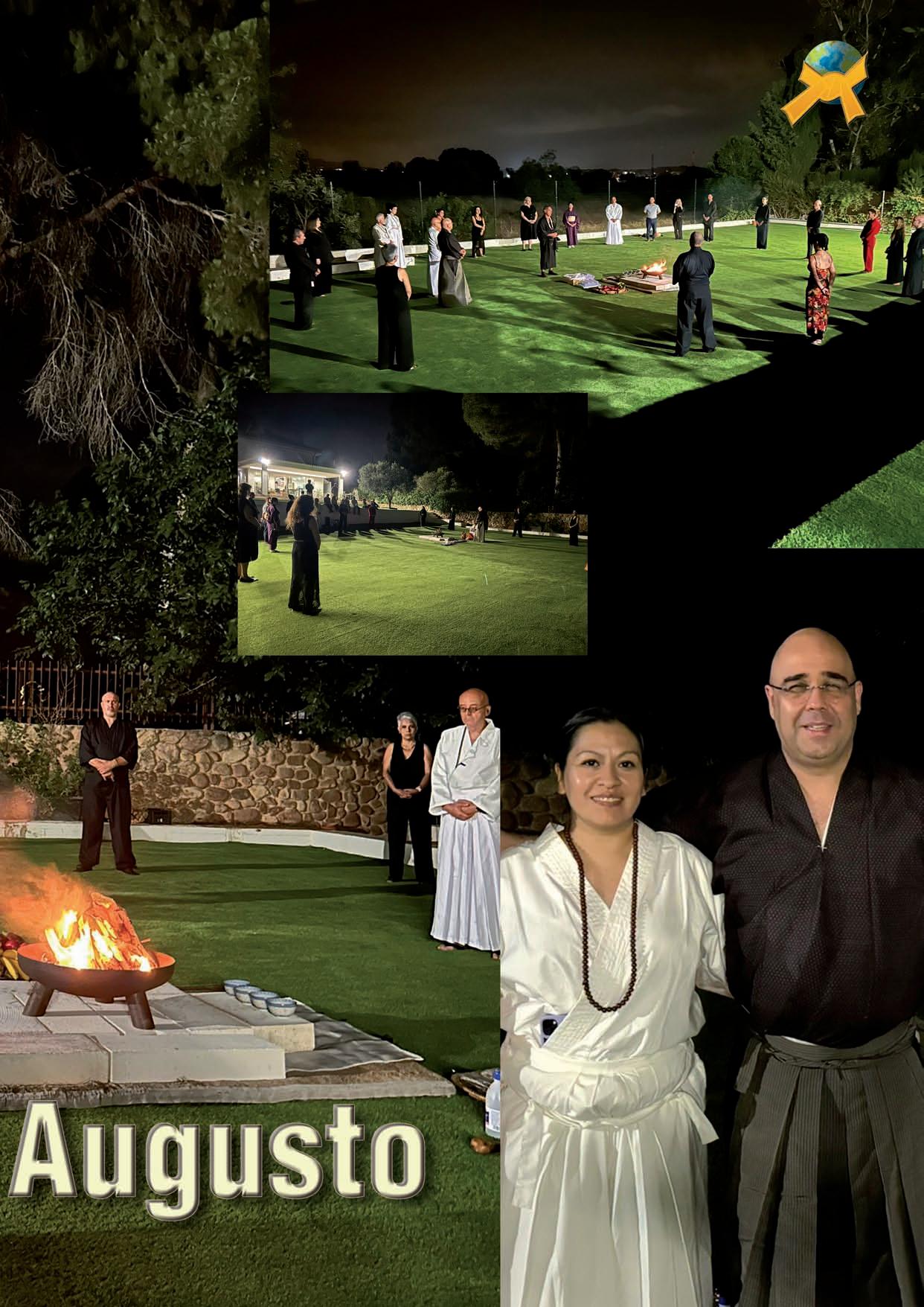


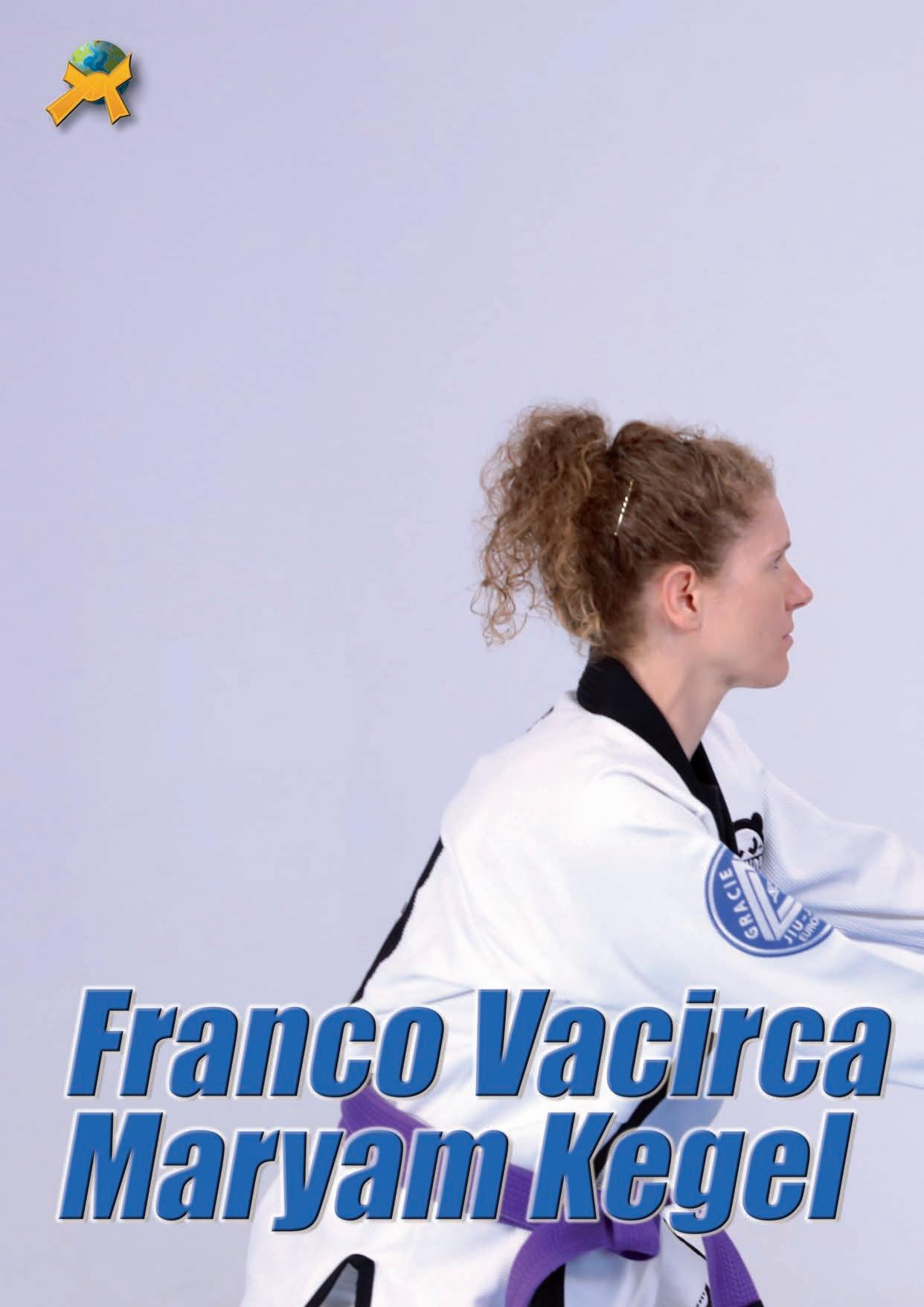
That's not funny!
December 2025, Franco Vacirca’s seminar at Panda Gym Berlin.
Franco calls two girls to the center to demonstrate their technique and asks the other participants, “What do you see that’s wrong?”
A quiet male voice behind me mutters: “Women!”
The joke may seem harmless, but it raises a serious question: Are women truly welcome in Jiu-Jitsu?
The number of female Jiu-Jitsu practitioners is steadily rising—this trend is also visible in children’s groups. At the same time, more qualified women are taking on roles as coaches or instructors. I interviewed several of them, and fortunately, none reported experiencing sexism in class. But that doesn’t mean discrimination has completely disappeared from the martial arts world—otherwise, there would be no reason to write these lines.
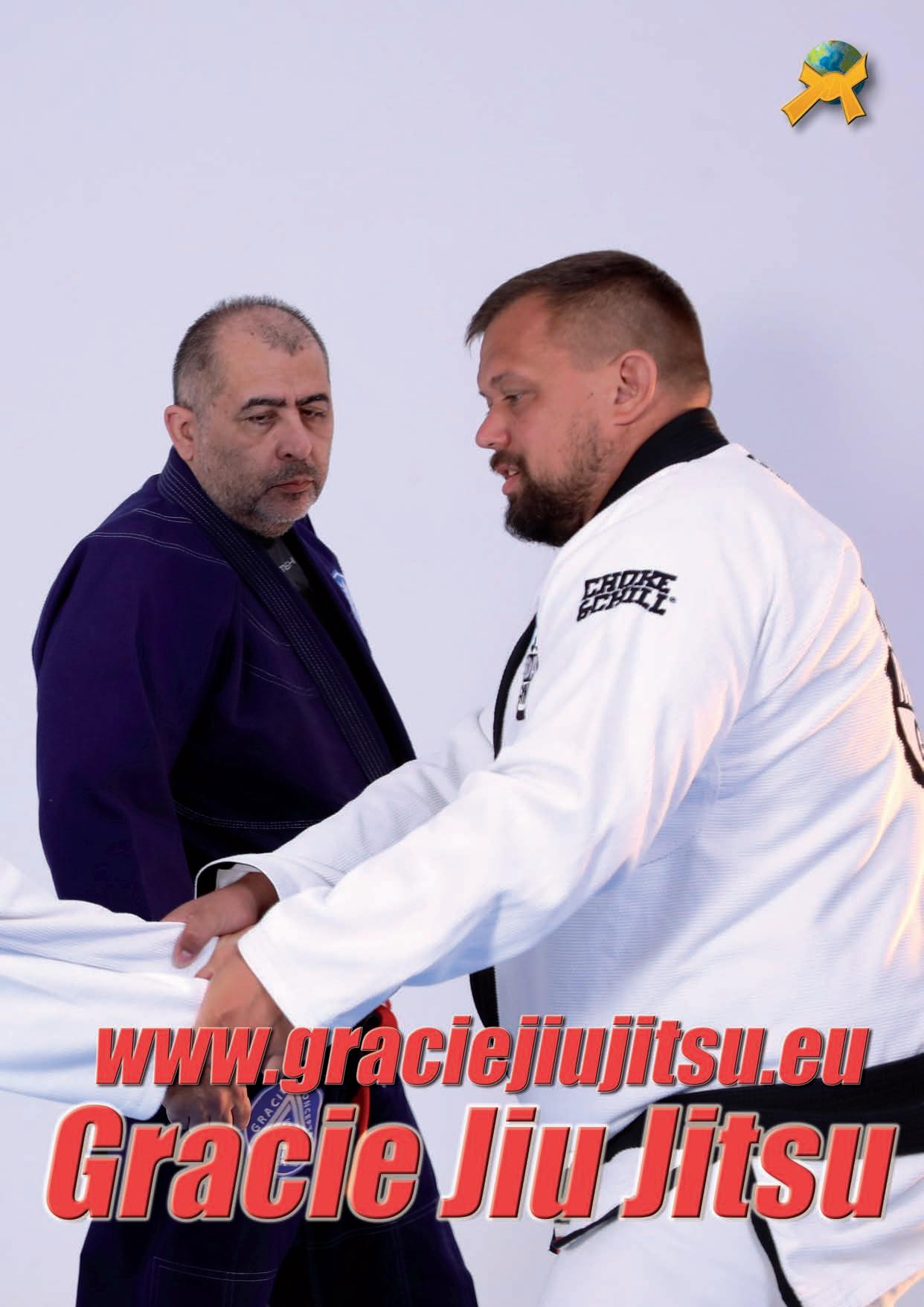
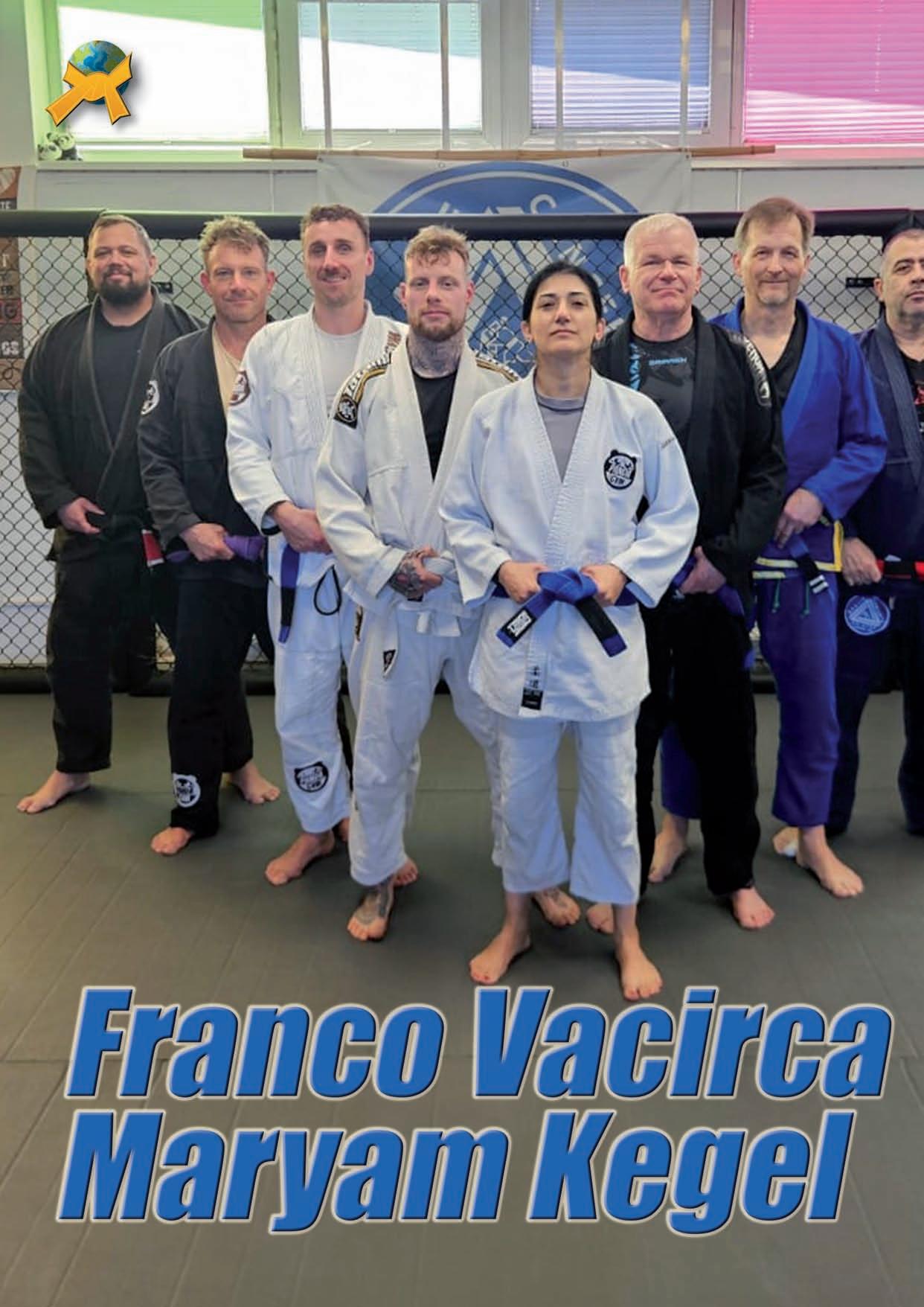
Unlike in my home country, Iran, training spaces in Europe are mixed. Women and men train together on the mat. This also means that I’m allowed to roll with men.
As Maren from Panda Gym Berlin puts it: “It’s important that women have the opportunity to train with men, because on the street, an opponent might also be a man.”
Personally, I was mostly treated with respect on the mats. Nevertheless, there were also unpleasant moments: men who didn’t want to roll with women, or those who demonstratively flaunted their physical strength.
These experiences keep bringing me back to the same question—for myself and for my coaches: Are women really treated fairly in Jiu-Jitsu?
By “fair,” I mean more than just avoiding crude sexist jokes like the one at the beginning of this story. Fairness also means that women are not viewed merely to increase diversity. It means that participants’ performance is evaluated regardless of gender—based solely on technique, effort, and progress on the mats.
However, the goal of this text is not to provide a definitive answer to this question. A simple answer—a clear yes or no—would be too simplistic. Rather, I would like to examine the topic from various perspectives.
The real answer is one that everyone must ask themselves.
“We can switch partners if you want to train with someone stronger.”
I hear this phrase occasionally in the middle of training—and exclusively from women.
To be honest, this doesn’t surprise me. At the beginning of my own journey in Brazilian Jiu-Jitsu, I said similar things to my training partners myself. Behind this often lies a feeling of insecurity — especially the fear of not being able to keep up physically.
Perhaps this is a normal feeling for many beginners. However, I have rarely heard such words from male beginners.
The point is clear: many women are initially hesitant to fight or train with men. The fact that men often have a physical advantage naturally reinforces this feeling.
From my own experience, however, I can say: In a training environment characterized by respect and mutual trust, this insecurity fades over time. It is gradually replaced by self-confidence.
At the same time, derogatory or sexist comments have the opposite effect: they reinforce this very insecurity instead of reducing it.
Here, I am deliberately referring to those who stay — to the practitioners who keep going. Not to those who quit training and turn their backs on Jiu-Jitsu after the first unpleasant experience or the first bruises on the mat.
Another aspect is just as important: A woman must first see herself as an equal training partner. A first step toward this can be not internalizing derogatory or sexist comments and not giving them too much weight.
What is often overlooked here: A good training partner isn’t necessarily the strongest — and not every strong partner automatically contributes to your development.
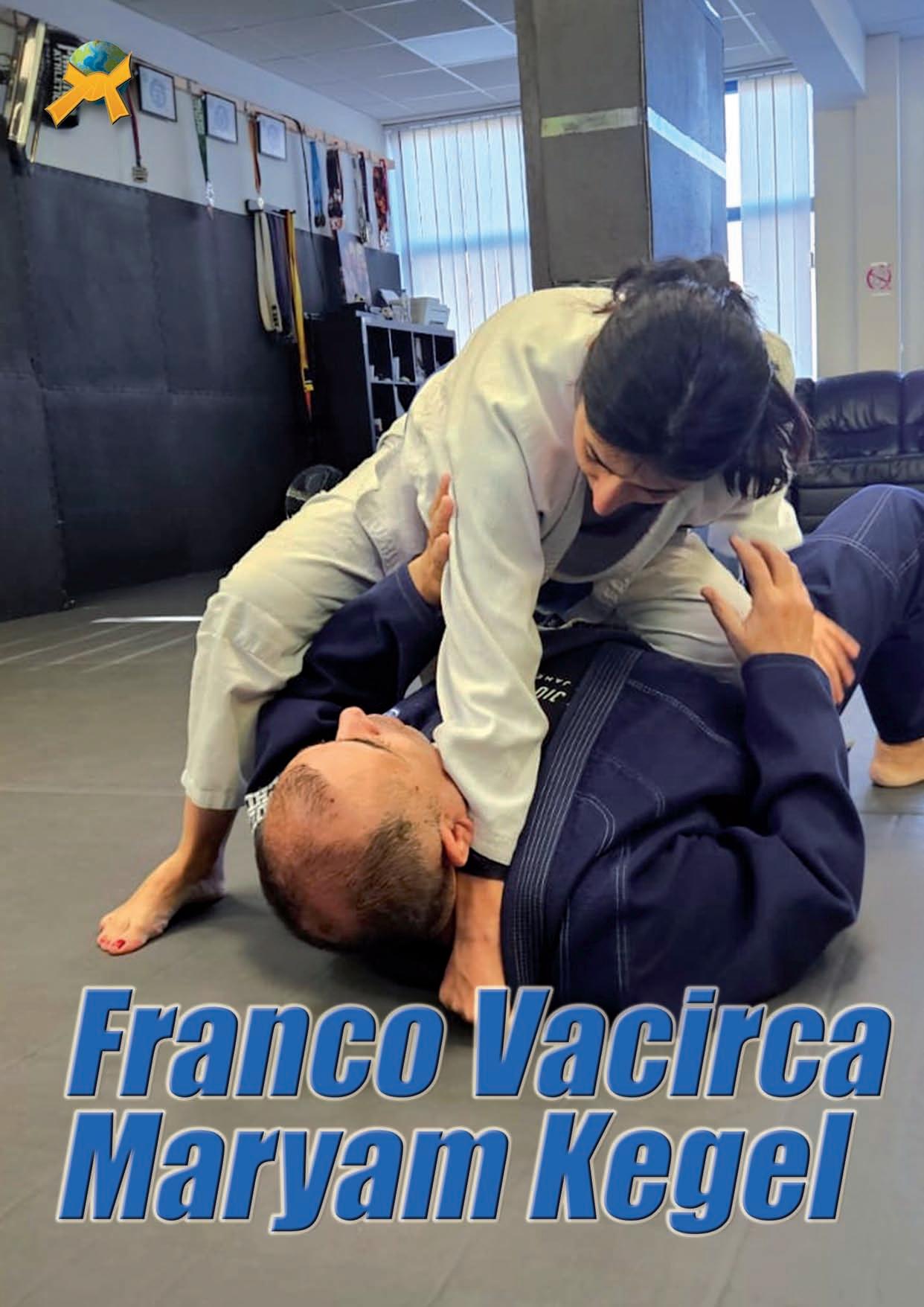
Some schools offer special training sessions exclusively for women — an hour in which only women train and roll on the mats. Without sweaty men.
The ideas behind this vary: For some, the focus is on a safe space where initial insecurities can be overcome. For others, it’s more about community and connecting with one another.
A concrete example of this is Panda Gym Berlin, where a women-only BJJ training session is offered once a week. There, mothers also have the option of bringing up their children, who can play at the edge of the mat during training.
“It’s about building a strong community for women, supporting families, and providing a welcoming introduction to Jiu-Jitsu. Taking that first step is often the biggest hurdle, and close physical contact with different people can feel unfamiliar,” said Maurice Wollny, owner of Panda Gym Berlin.
At MMA Jerusalem Academy, there are training sessions exclusively for women twice a week. According to Sharir Richman, the school’s owner and head of the ICCS organization, the reason for this is that some women, for cultural or religious reasons, do not wish to have physical contact with men.
At Crazy Team BJJ in Seville (Spain), on the other hand, there are no special training sessions for female participants. “For the same reason there are no training sessions exclusively for men,” says Alberto Gonzalez, head coach and director of the school.
This specific training option offers numerous advantages — especially for insecure beginners who first need to build self-confidence. It can also be a good opportunity for advanced women to specifically prepare for competitions and train with partners at a similar level and in comparable weight classes.
On the other hand, we mustn’t overlook the fact that such training sessions can also create a comfort zone for some women that they are reluctant to leave.
Sharir Richman comments: “Women’s-only training, as I see it, is good for women who don’t feel comfortable training with men. If they start with women’s-only training and later transition to mixed training, that’s very good. But women who never train with men remain in a kind of illusion—and that’s problematic. They might experience a shock when they eventually face this reality. The reason is that men are generally physically stronger. At the same time, training with offers men many advantages: It helps you develop your technique and game plan, and you learn what to expect in a real fight — how fast and precise you need to be.”
However, these considerations raise further questions: What about insecure male beginners? They, too, often face similar hurdles—without comparable protected training spaces available to them.
Additionally, the question arises as to whether the quality of training in separate sessions for women is comparable in the long term to that of regular training. Is a structured training plan followed there with the same care as in other sessions? And are the standards, teaching methods, and expectations for women’s training set at the same level as in mixed training?
If this is not the case, I believe it would constitute a form of discrimination against women.
Another aspect concerns perceptions within the school: Are women taken just as seriously by male training partners when there are parallel sessions exclusively for them? Or does this unintentionally reinforce the idea that they have to train “differently”?
Finally, a fundamental question remains: Is it already a form of unequal treatment when special training programs are created for women while comparable formats do not exist for men — or is it rather a necessary balancing of existing structural differences?
Of course, there is no one-size-fits-all answer to these questions. Depending on the training environment, underlying principles, and motivation, different perspectives and realities can emerge.
I can only speak from my own experiences here — and it is precisely these that lead me to the questions mentioned.
What I would like to emphasize, however, is that women’s training sessions should not be viewed as a training ground for instructors.
It has long been known that women have carved out their own place in martial arts. It doesn’t matter whether we train on the mat for self-defense, competition, or personal development. What matters is recognizing that people differ in physical and mental strength.
A fair training culture acknowledges these differences without reinforcing them. It creates space for development without drawing artificial boundaries.
For me, Jiu-Jitsu is much more than just a sport. It is a path of continuous discovery. A path that inspires me to think—outwardly toward the world and inwardly toward people.
–
Maryam Kegel
In my opinion, there is (almost) nothing to add here. I fully support this report by Maryam Kegel and thank her for her open and clear statements.
As for the separate women’s groups, I share the same opinion as our Brazilian Jiu-Jitsu colleague in Seville: Why should there be women’s groups? After all, we don’t have “men-only” groups either!
When I was recently at the seminar mentioned above in Berlin, Maryam reacted with something along these lines: “Franco, I saw that you now have a ‘women-only group’ too!” (She smiled as she said this, because I’ve always been opposed to this group format, and she knows that very well.)
In fact, Master Sylvio Behring gave me this idea when he recently visited us. And so, women and girls aged 13 and older now train with us once a week for free in a closed group. The training content is the same as for the men, except that we also want to provide important safety tips that, in my humble opinion, are essential.
Why for free? Because I want to show my community how important self-defense is for women and girls. There are many reasons why women make it so hard for themselves to get on the mat and learn Jiu-Jitsu. I think this is my way of taking a step forward and offering myself as a coach.
Another important reason arose when I was confronted with the fact that silly Jiu-Jitsu memes were being shared in a WhatsApp chat. That’s when I realized that we address all kinds of sexual orientations in our schools. On my tatami, there is no place for discussions about skin color, sexual orientation, religion, and politics.
But I know from various circles that this isn’t just a problem in BJJ and martial arts in general. In soccer and basketball, too, organizations, clubs, leaders, and coaches repeatedly face situations where certain people are simply “too stupid” and feel a deep urge to show off their “Neanderthal roots.”
In Brazilian Jiu-Jitsu, there is also another phenomenon that requires us, as team leaders, to engage in preventive work. In recent months, internationally renowned BJJ coaches and leaders have been dismissed due to sexual abuse of minors and now face legal consequences as well.
When I was in the locker room in Berlin, one of the seminar participants asked me, “Franco, do you wear a groin guard in BJJ?” My answer was, “Yes, always, whenever I know that women, girls, and children/teens are present!” “Oh, I see!” came the reply.
If I may speak frankly, I sometimes feel that sports negatively influence men’s intelligence and, as Detective Poirot would say, completely block or even shut down their gray matter.
Whenever I watch soccer, I must force myself not to throw up right away. The fans’ emotions turn into total aggression, as if a goal were more than just a ball in the net. After a long time, an international Kickboxing event in Switzerland was finally back in the headlines, but not because the event was so spectacular, but because the fans started a mass brawl before the match in the ring had even begun.
We humans still have a long way to go, both in numerous life situations and in the way we want to share our lives with one another. However, I have faith in the next generation. Not only will they practice better BJJ, but they will also be able to break down all barriers with it. They will use JiuJitsu to create a better, safer, and above all, more open world.
– Franco Vacirca
The explosive punch of Muay Lert Rit.
Practitioners of ancient combat arts such as Pankration and Pugilatum, experts in medieval European martial arts, Chinese martial artists, and Siamese warriors all recognized the effectiveness of the direct vertical punch in actual combat. Both the bare-handed boxers of the 18th century and those who used boxing gloves in the 19th and early 20th centuries in Europe and America—who turned boxing into a science—typically threw jabs with the “thumb-up” position. This striking method contrasts with the palm-down position, which is common in many martial arts and in modern boxing.
In Thailand, according to Master Chaisawat, the standard hand position for throwing a straight punch is with the thumb up. The original rationale was that a warrior armed with a sword (the Thai Daab, in this case) might be forced to throw punches in close-quarters combat. Clearly, to do this, he had to keep his hand clenched in a vertical position because rotating it was not an option while the sword was in his hand. Unarmed techniques followed the biomechanics of armed combat: thus, the basic straight punch to the head was executed with the fist held vertically. Furthermore, the northeastern Thai style, Muay Korat, has made this method of throwing straight punches a true hallmark of the system, feared by practitioners of other regional styles.
The question is, why is this specific hand position for straight punches no longer practiced today, when thousands of experienced fighters around the world have used it for centuries?
The answer can be found in the words of the great boxer Jack Dempsey, who studied how to use fists in actual combat as few of his fellow champions have done.
In his 1950 textbook on fist fighting (that is, the sweet science of self-defense, not competitive boxing) titled Championship Fighting: Explosive Strikes and Aggressive Defense, he made it clear that a fundamental concept in attack is the principle of power lines. In straight punches, the line of force (or Power Line) is an imaginary line that extends from the body through the shoulder and elbow and emerges from the three lower knuckles of the fist vertically. Since this position is anatomically strong and safe for the attacker, it is the purest and most powerful way to strike with straight punches. According to Dempsey, the fundamentals of true fist techniques are not taught to beginners, and furthermore, the extremely important concept of the power line has been forgotten.
Let’s try to analyze this concept more thoroughly.
When striking with bare fists, it is preferable to use a long, flat surface to distribute the impact force over a larger area of the fist. This means it is correct to strike with the three knuckles of the little finger, ring finger, and middle finger. The knuckle of the ring finger serves as the sight we use to aim at the target.
Our anatomy determines the efficiency of the fist in the “thumb-up” position: in fact, if you hold your arm straight with your fist in a vertical position, you will notice that a straight line runs from your shoulder to the three lower knuckles. The same is not true for the first two knuckles. Therefore, since striking with the lower part of the fist creates a straight line from the hand to the elbow and, consequently, to the shoulder, the vertical fist is anatomically more resilient than a strike with the palm facing down. This fist shape, based on proper biomechanics, provides the strongest line for absorbing the kinetic energy of the strike. When you exert your energy on an object (the target), you will receive the same amount of energy in return. This is Newton’s third law of physics: for every action, there is an equal and opposite reaction. Therefore, the harder you strike, the more return energy you need to be prepared to withstand. With vertical fists, the entire arm— not just a part of it—absorbs the energy of the strike, which is sent back to the striking hand.
The easiest way to “test” this (as Dempsey states) is to extend your arm rigidly toward a wall, pressing your fist held vertically at chin level. Lean your body weight into it and let your arm support your entire mass. You’ll notice that the bottom three knuckles provide natural, solid support for your weight. You’ll feel a strong line of energy running from your body through your shoulder, elbow, wrist, and the bottom three knuckles. By doing this, you’ll feel the true line of force behind vertical straight punches. This is the famous “three-knuckle punch” that Jack Dempsey considered the best application of a pure line of force. A vertical straight punch has many possible applications, depending on the distance from your opponent. The most obvious applications are at long range, but it can also be a formidable weapon at close range.
• For more information on the Lert Rit fist. Official IMBA Lert Rit Guide: http://www.muaythai.it/imba-lert-rit/?lang=es#guide
• For more information on IMBA Muay Boran:
• Official IMBA website: www.muaythai.it
• Europe: Dani Warnicki (IMBA Finland) dani.warnicki@imbafinland.com
• South America: Juan Carlos Duran (IMBA Colombia) imbacolombia@gmail.com
• Oceania: Maria Quaglia (IMBA Australia) imbaaust@gmail.com
• General Secretariat: Marika Vallone (IMBA Italy) imbageneralsecretary@gmail.com

• Long-range applications.
Most of the time, a vertical punch should be used to attack the opponent from a distance, during the so-called out-fighting phases. An explosive step forward and a welltimed vertical straight punch are all you need to knock out your opponent. This is what Jack Dempsey called an explosive punch: step forward as if you were falling and throw a punch along the line of force, remembering to use the knuckle of your ring finger as a sight. In Muay Lert Rit, the type of energy expressed by the powerful combination of a step
forward and a simultaneous straight punch is called “the poisoned arrow.” In fact, a punch delivered with this explosive power is comparable to an arrow shot from a powerful bow that, if it strikes sensitive targets, causes irreparable damage. In fact, if it accurately hits the opponent’s chin, jaw, eye socket, or nose, the opponent is likely to go down and stay down.
From long range, you can also use the step and vertical punch against kicks (as in the Combat Muay Boran technique called “the crow pecks the egg”). When the opponent
begins to rotate their hips to swing their leg in a circular motion, don’t waste any time—take a quick step forward and explode with a powerful vertical straight punch, aiming to shatter the target (the face, throat, or side of the head). A quick finishing blow is often the dramatic result of this action.
• Short-range applications.
In some cases, you are forced to strike from a short distance from the target. This is the case in situations where you do not want to engage in a fight with your opponent
and prefer to catch and strike. Even at close range, a vertical straight punch may be the best option to quickly knock out your opponent. In fact, the vertical punch also allows for greater power at close range. This is mainly due to the anatomically correct position of the shoulder. When the arm is extended in front of you and the fist is in the thumb-up position, the shoulder is naturally connected to the body and locked in a position that strongly connects the body’s mass to the arm. This ensures optimal energy transfer and safety for the attacker at the moment of impact.
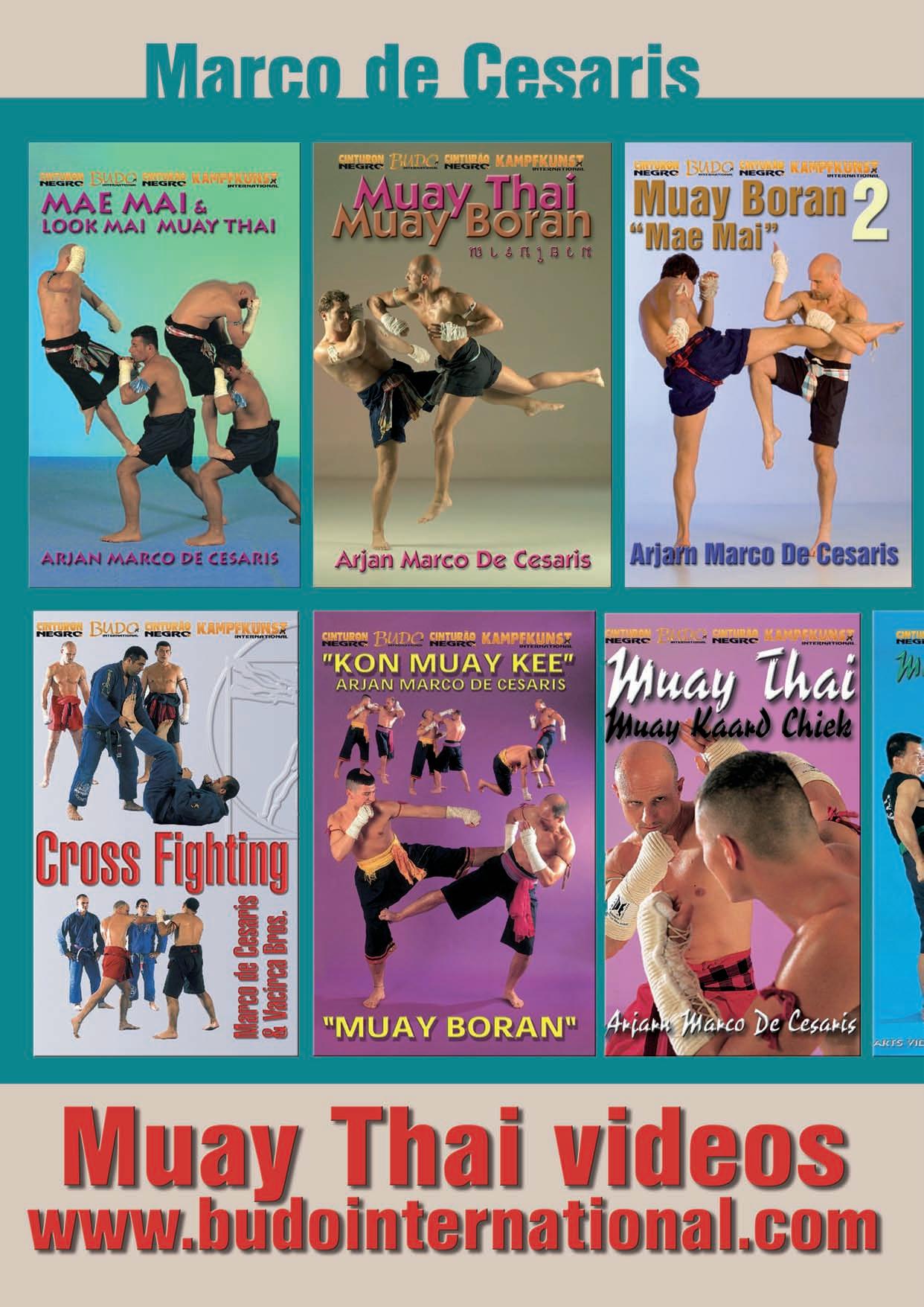
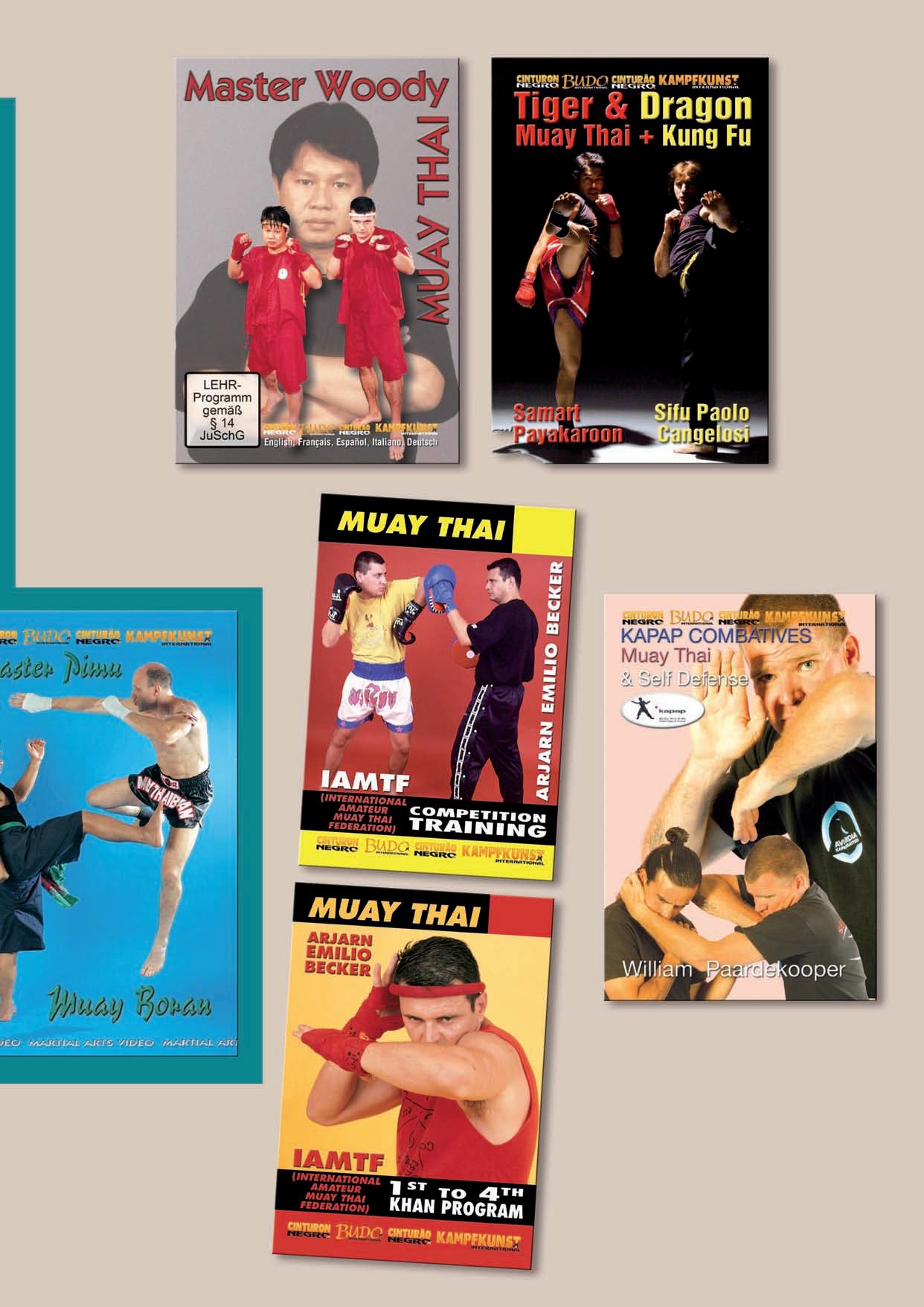
Self-defense, often referred to simply as “self-defense,” is far more than just learning techniques to physically fend off attacks. It encompasses a holistic approach that includes physical fitness, mental strength, awareness, prevention, and legal knowledge. In a world where a sense of security and self-determination are becoming increasingly important, self-defense plays a central role, especially for people who take personal responsibility seriously and want to learn how to protect themselves in critical situations.
Self-defense means protecting oneself from physical or psychological harm. It is not about responding to violence with violence, but rather about recognizing dangers, avoiding them, and, if necessary, reacting to them effectively. Every person has the right to self-protection.
Self-defense, therefore, serves not aggression, but de-escalation and safety. It instills confidence in one’s own ability to act and can play a decisive role in avoiding victimization. Especially in tense situations, it is mental strength that determines wise decisions and appropriate action.
The most effective form of self-defense is to avoid getting into a dangerous situation in the first place. Prevention begins with awareness. People who actively perceive their surroundings, recognize potential risks, and avoid certain places or situations early on significantly reduce their risk of harm.
Safety awareness is developed through training:
•Observing your surroundings: Those who are attentive notice changes, unusual behavior, or potential sources of danger.
•Body language and demeanor: A confident, upright posture signals strength and alertness and can deter potential attackers.
•Trusting your gut: Intuition is a powerful warning system. If a situation feels “wrong,” you should avoid it.
•Sharing information: In cities or while traveling, it is helpful to learn about local safety conditions, lighting, and safe havens.
All of this shows: Self-defense begins in the mind, long before an attack takes place.
In addition to prevention, physical training forms the core of classical self-defense. The goal is to learn simple, effective techniques that can be applied in stressful situations regardless of gender, height, or fitness level.
Typical elements include strikes, kicks, escapes from holds, and the targeted exploitation of an opponent’s vulnerabilities. Important disciplines and training concepts include:
•Krav Maga: A modern Israeli system known for its effectiveness and realistic scenarios. It trains reaction, determination, and adaptability.
•Wing Chun: A Chinese martial art that emphasizes efficiency, speed, and economical movement. Ideal for physically smaller individuals.
•Jiu-Jitsu or Brazilian Jiu-Jitsu: Here, the focus is on ground fighting and joint locks to control or incapacitate attackers.
•Boxing and Kickboxing: They improve stamina, coordination, and striking power—key components for quick and decisive reactions.
The goal of training is not to become a fighter, but to be able to defend oneself in an emergency. Regular practice also strengthens fitness, reflexes, balance, and stamina.
Self-defense begins in the mind. Those who remain calm in a stressful situation have a better chance of acting effectively. Fear is a natural companion in dangerous situations, but it can paralyze you or lead to rash reactions.
Training programs are therefore increasingly incorporating psychological components: stress management, mental preparation, and overcoming fear. Through repeated practice of realistic scenarios, the brain is conditioned to recognize dangerous situations more quickly and optimize instinctive reactions.
Another important aspect is self-assertion—clearly setting boundaries. Even a firm voice, a decisive “No!” or a confident posture can prevent many attacks. People who know how to assert themselves verbally and nonverbally exude a natural authority that often deters aggressors.
Women:
Statistically, women feel threatened by physical assaults more frequently. Accordingly, many schools offer special selfdefense courses for women. These focus on realistic scenarios, such as assaults in public spaces or harassment. The emphasis here is on escape techniques, using one’s own voice, and mental strength.
Children and teenagers:
For young people, prevention is key: recognizing dangers, being able to say “No!” and knowing how to get help. Selfdefense teaches them to listen to their gut instincts and maintain boundaries. At the same time, it boosts self-confidence and reduces the risk of bullying.
Seniors:
Older adults can also benefit from self-defense. Here, the emphasis is less on physical techniques and more on mindfulness, body balance, and simple movement sequences that can still be performed in moments of stress.
This means: Anyone who defends themselves or others against an ongoing, unlawful attack is acting lawfully, even if the attacker is injured in the process. However, the principle of proportionality applies: The
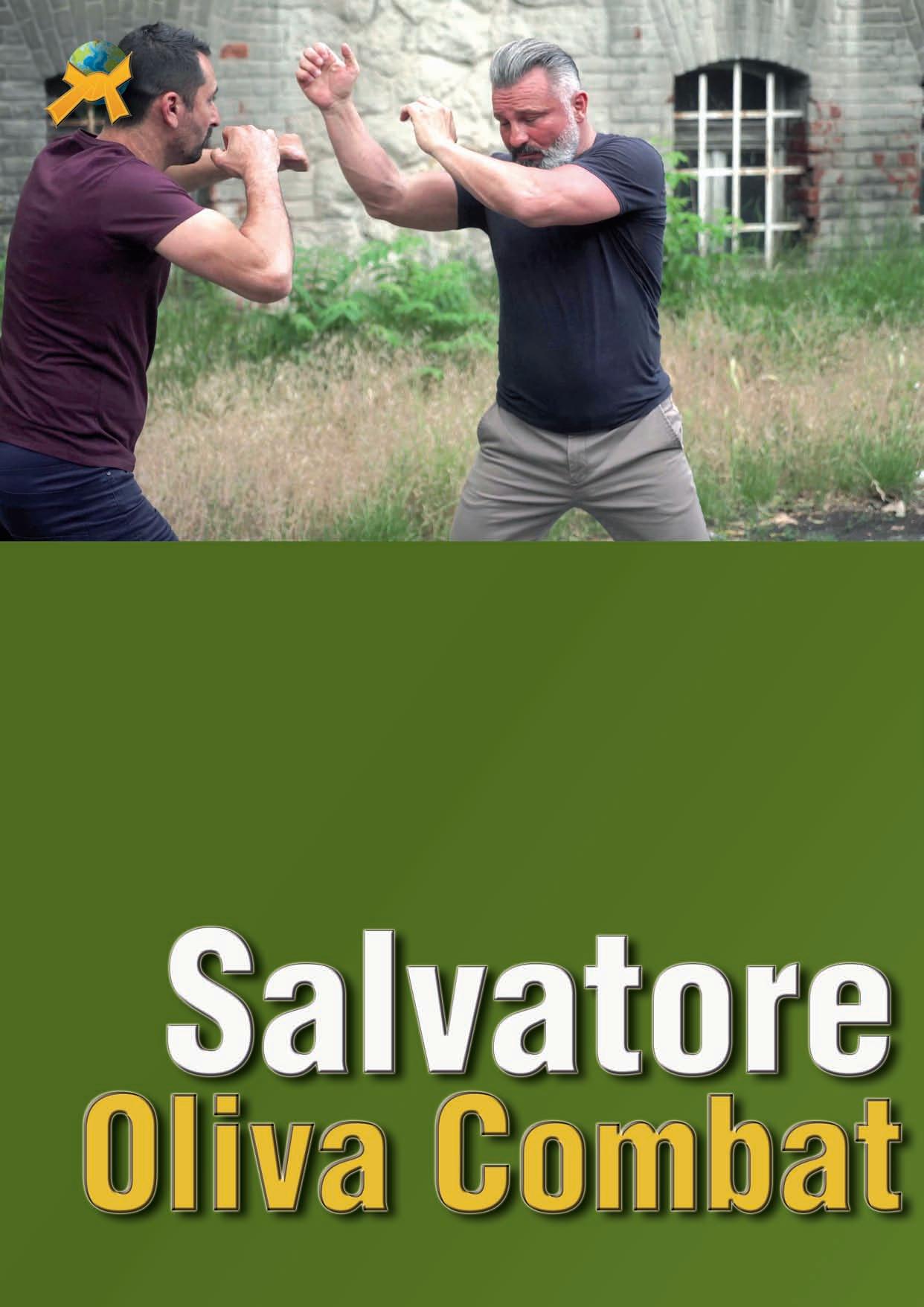
defense must not exceed what is necessary. The goal is to stop the attack, not to seek revenge. That is why it is important to train self-defense techniques so that they can be used effectively but in a controlled manner.
Those who train in self-defense also change their attitude toward life. You learn to take responsibility, set boundaries, accept consequences, and cope with stress. This self-confidence often has a positive impact on other areas of life—at work, in relationships, or in everyday life.
Many report that through regular training, they gain greater body awareness, mindfulness, and inner calm. Some even compare self-defense to a form of moving meditation because it trains concentration and composure.
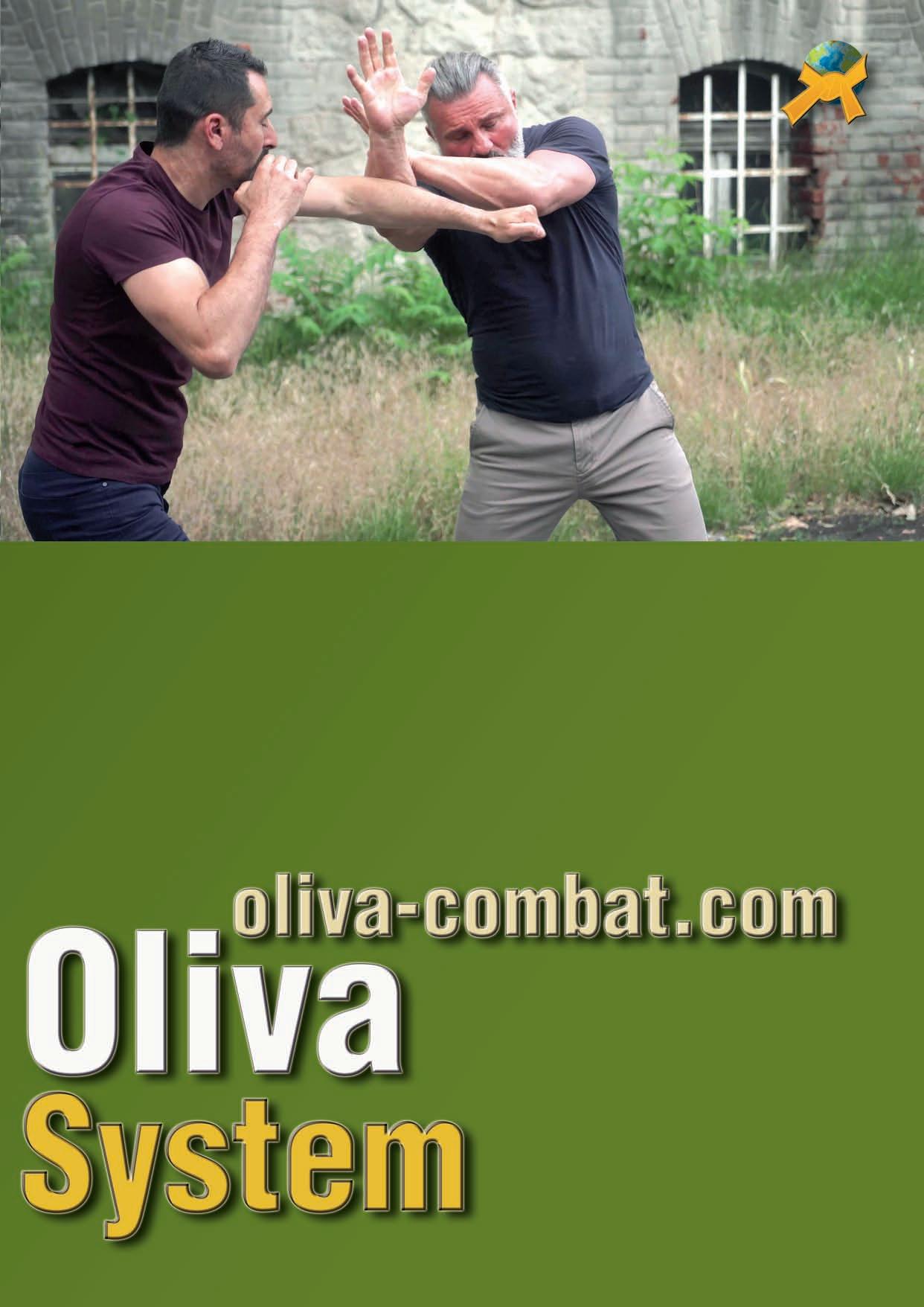
In the age of digitalization, virtual self-defense—the protection of personal data and privacy—has also become part of self-protection. “Cyber Self-Defense” encompasses safe online behavior, the protection of sensitive information, and the recognition of manipulative attempts, such as through phishing or social engineering.
This expanded concept illustrates that self-defense today must be understood holistically—physically, mentally, and digitally.
Self-defense means taking control of one’s own safety— physically, mentally, and legally. It is not an expression of violence, but of self-respect and self-confidence. Anyone can learn it, regardless of age, gender, or fitness level.
The goal is not to become invincible, but to remain prepared, vigilant, and capable of taking action. Those who defend themselves protect not only their bodies, but also their dignity, freedom, and quality of life.
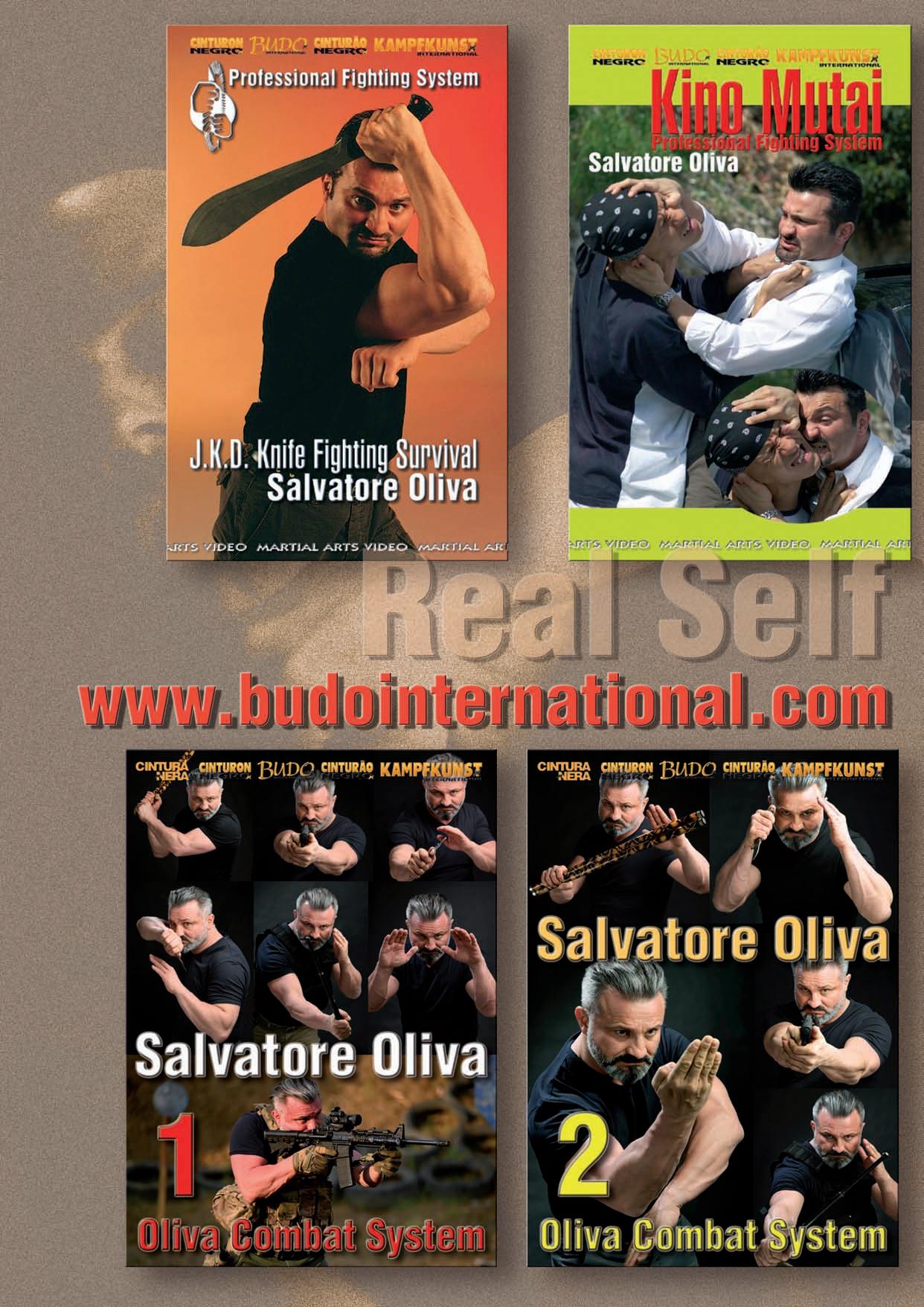

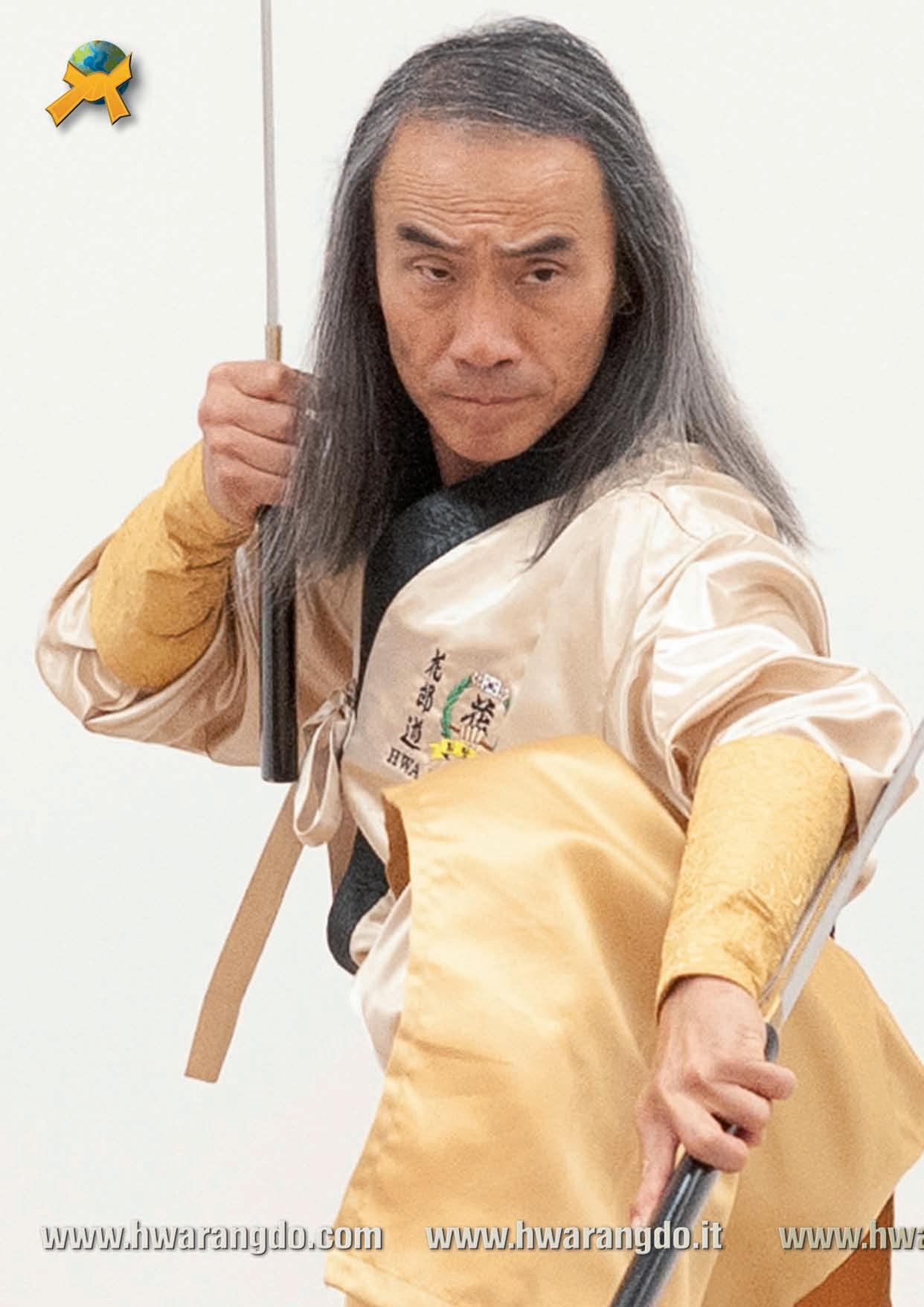
Sociopathy part 1 Sociopathy part 1

There are many dangers a warrior must learn to face.
Some are obvious.
A blade.
A fist.
An enemy standing before you in plain sight. These are not the most dangerous.
The most dangerous enemies are the ones that enter quietly.
The ones that do not come at you from the outside, but rise from within.
The ones that do not wound the flesh first, but corrode the soul.
The ones that leave the body standing, the face smiling, the voice confident, and yet hollow out the heart until a man can no longer distinguish between power and love, control and truth, conquest and purpose.
One of those enemies is what in modern language is often called sociopathy.
I am not speaking here merely as a clinician would, nor am I interested in reducing the mystery of the human soul to a sterile label. There is a place for medicine, a place for diagnosis, a place for psychology, and those disciplines have their use. But the warrior, the seeker, the spiritual man, must go deeper. He must ask not only What is the behavior? but What is the spirit beneath it? Not only What is wrong with this person? but What has died within him? Not only How does he function? but What has he become?
For the greatest tragedy in human life is not simply to become evil.
It is to become incapable of feeling the weight of evil.
That is far more terrifying.
A man may sin and still be salvageable, because conscience still burns within him. He may fail, he may fall, he may wound others, yet if he can still weep, if he can still feel shame, if he can still tremble before truth, then something sacred remains alive within him. But when the heart becomes so hardened, so self-protective, so severed from compassion that another person’s pain no longer registers as real—then we are no longer speaking merely of weakness. We are speaking of a profound corruption of the human being.
Sociopathy, in this sense, is not merely deception. It is not merely manipulation.
It is not merely selfishness.
It is the gradual enthronement of the self at the expense of the soul.
It is the condition in which the human person no longer sees others as sacred beings bearing the image of God, but as objects—useful, disposable, strategic, entertaining, profitable, or obstructive. It is the reduction of relationship into utility. It is the severing of power from love. It is the elevation of personal desire above truth, above compassion, above reverence, above accountability, above God Himself.
The sociopathic person may appear strong.
In fact, he often does.
He may seem composed under pressure.
He may appear fearless, decisive, charismatic, even superior.
He may say the right things, mimic the right emotions, project confidence, and command the room.
But look deeper.
Many mistake the absence of visible fear for courage. It is not.
Many mistake emotional coldness for mastery. It is not.
Many mistake charm for character. It is not.
Many mistake calculated calm for wisdom. It is not.
A stone is calm, too.
That does not make it alive.
The question is not whether a person can perform strength.
The question is whether his strength is rooted in truth, compassion, reverence, and responsibility—or whether it is merely the efficient machinery of a self-serving will.
The Hwarang were taught that before a sword is lifted, the spirit must bow. Why? Because power without humility becomes violence. Skill without conscience becomes predation. Intelligence without love becomes corruption. And discipline without God becomes selfworship. The danger of sociopathy is precisely this: a human being may become highly functional in the world while becoming spiritually disfigured within. He may gain influence while losing his soul. He may learn how to read people, but not how to love them. He may master strategy, but never master himself.
This is why sociopathy must be understood not only as a social disorder, but as a spiritual warning. It asks a frightening question: What happens when a human being becomes severed from the moral meaning of another person’s suffering?
What happens when the tears of others no longer soften you?
When guilt becomes inconvenience rather than conviction?
When truth becomes negotiable?
When lies become tools?
When relationships become transactions?
When even kindness becomes performance?
When you stop asking, Is this right? and begin asking only, Can I get away with it?
That is the descent.
And let us be honest—this descent does not begin in monsters.
It begins in ordinary people.
It begins in small compromises.
It begins in the ego.
It begins in woundedness left untreated.
It begins in pride, fear, entitlement, resentment, and the refusal to be accountable.
It begins when we choose control over vulnerability, image over truth, advantage over conscience.
It begins when the heart starts going silent.
The tragedy is that modern society often rewards the early forms of this corruption. We admire ruthless ambition. We celebrate domination and call it leadership. We glorify self-interest and call it confidence. We train people to curate appearances, manipulate perceptions, and leverage relationships for gain. We confuse being unbothered with being evolved. We confuse emotional detachment with maturity. We confuse intimidation with respect. We confuse self-preservation with wisdom. And then we wonder why so many souls are starving while so many egos are flourishing.
Understand this—truly understand it.
A human being was not created merely to survive.
He was not created merely to win.
He was not created merely to consume, acquire, impress, seduce, dominate, or endure.
He was created to love.
To serve.
To know truth.
To walk humbly before God.
To protect what is sacred.
To bear responsibility.
To become a vessel through which goodness, justice, mercy, and courage may flow into the world.
When that sacred orientation is lost, the soul does not
remain neutral.
It does not simply pause.
It bends inward.
It begins to feed upon itself.
And what remains may still look like a man—but not a whole one.
This article is not written to condemn from a distance, nor to place ourselves above those we examine. It is written because every serious seeker must confront the possibility that the seeds of this corruption exist, in some measure, within us all. Perhaps not in its most extreme form. Perhaps not in the full manifestation that destroys lives without remorse. But the root is there whenever we exploit weakness, manipulate affection, disguise selfishness as virtue, or harden ourselves against the suffering of others.
That is why this is not merely an article about “them.”
It is about us.
About what human beings become when truth is abandoned.
When pride is enthroned.
When wounds are idolized.
When accountability is evaded.
When God is replaced by the self.
And yet, I do not write without hope.
For as long as breath remains, redemption remains possible. As long as a man can still hear truth, still feel conviction, still kneel, still repent, still surrender, the story is not finished. The heart may be buried, but it need not remain dead. The soul may be calloused, but it need not remain unreachable. What has been distorted may, by grace, be brought into the light.
But only if one is willing to face the truth.
And that is where every real healing begins.
Not with excuses.
Not with image management.
Not with blame.
Not with superiority.
But with the terrible, cleansing, liberating truth.
Let us begin there.
Words are dangerous things.
When used carelessly, they conceal more than they reveal.
When used superficially, they give us the illusion of understanding without the burden of true insight.
“Sociopathy” is one of those words.
People throw it around casually now. A selfish lover is called a sociopath. A harsh boss is called a sociopath. A liar, a manipulator, a selfish friend, a cold-hearted ex, a cruel politician—everyone is given a label, as though naming the behavior were the same as understanding the soul beneath it.
But the warrior must never be content with shallow naming.
He must seek essence.
He must ask: What is the root?
The outward signs may vary. One person lies compulsively. Another manipulates affection. Another exploits trust. Another feels no remorse. Another derives pleasure from control. Another can wound people repeatedly and yet sleep peacefully. Another treats intimacy like a weapon. Another speaks in the language of love while living by the law of appetite. Another can mimic compassion so well that even the wise are deceived.
These are symptoms.
But what is the essence?
The essence is this: a profound rupture between the self and the moral reality of others.
The sociopathic disposition does not merely break rules.
It breaks relationship with conscience.
It breaks reverence for human dignity.
It breaks the sacred barrier that says: This other person is not yours to use.
That is why sociopathy cannot be understood merely as a behavioral problem. It is a disorder of relationship—not only with society, but with truth, with empathy, with moral accountability, and ultimately with God. The sociopathic soul has, in some deep way, ceased to experience other people as
holy. It may study them. It may charm them. It may anticipate their reactions. It may even need them. But it does not honor them.
That is the distinction.
Some people think empathy means emotional softness. No. Empathy is moral recognition. It is the ability to feel, in some authentic way, that another person’s joy and sorrow are real. That their suffering matters. That their humanity is not secondary to your desire.
Without that, intelligence becomes predatory.
Charm becomes bait.
Strength becomes intimidation.
Love becomes theater.
And relationship becomes hunting.
This is why sociopathy is so chilling. It is not always explosive. In fact, it is often composed. Not always violent. Often very controlled. Not always visibly cruel. Often polished, strategic, seductive, and socially skilled.
The immature mind expects evil to look ugly. It often does not.
Sometimes evil is articulate.
Sometimes it is attractive.
Sometimes it is successful.
Sometimes it is disciplined.
Sometimes it wears confidence like a royal robe.
Sometimes it speaks with certainty, smiles without warmth, and watches your wounds the way a tactician studies a map.
Do not be naïve.
Not everyone who understands emotion feels it rightly.
Not everyone who says “I love you” knows what love is.
Not everyone who weeps is sincere.
Not everyone who is calm is at peace.
Not everyone who is strong is good.
The world teaches people to admire surface. God looks at the heart.
Scripture tells us plainly:
“Man looks at the outward appearance, but the Lord looks at the heart.”
1 Samuel 16:7

And the heart is precisely where the matter lies.
For the sociopathic person often becomes highly skilled at outward management because inward substance is lacking. When genuine conscience is weak, appearance becomes paramount. If one cannot be good, one can still appear good. If one cannot love, one can still imitate it. If one cannot connect, one can still control. If one cannot feel remorse, one can still learn what remorse is supposed to look like.
That is why such individuals can confuse people so deeply. Their words and actions do not align for long, yet their performance can be convincing enough to delay recognition. And because many people long to believe the best, they excuse what should have been seen clearly. They mistake inconsistency for complexity. They mistake manipulation for pain. They mistake danger for woundedness alone.
Now understand me carefully: woundedness is real. Trauma is real. Brokenness is real. People carry terrible injuries from childhood, abandonment, humiliation, betrayal, and fear. Many destructive behaviors arise from pain. But pain, however deep, does not sanctify cruelty. Wounds explain much, but they do not excuse the repeated use of others without repentance.
That is where moral accountability enters.
A wounded person may lash out and then grieve over it.
A wounded person may fail and then repent.
A wounded person may harm and then seek truth.
But when a person repeatedly violates, deceives, exploits, humiliates, and manipulates—and then rationalizes it, minimizes it, denies it, or even enjoys it—we are no longer dealing simply with pain. We are dealing with a person who has begun to make a home out of moral distortion.
This is why the subject is so serious.
Sociopathy is not merely “being damaged.”
It is damage weaponized.
It is self-protection evolved into domination.
It is a will so committed to its own preservation, gratification, and control that other lives are treated as collateral.
And how does this happen?
Not all at once.
The soul is not hollowed out in a single moment.
It is hollowed out by repetition.
By compromise.
By sin unconfessed.
By lies rehearsed.
By guilt ignored.
By appetites indulged.
By conscience overridden again and again until its voice grows faint.
At first, the person knows.
Then the person rationalizes.
Then the person adapts.
Then the person identifies with the distortion.
And finally, the person no longer asks whether the thing is wrong—only whether it is effective.
That is the progression.
In this sense, sociopathy reveals something dreadful but important about the human condition: a person can become highly functional while becoming morally deformed. Society often rewards outcomes, not purity of heart. It rewards image, performance, charisma, results, persuasion, ambition, influence. A person may thrive externally while dying internally. He may be admired publicly while rotting spiritually. He may gain the world and lose his soul— exactly as Christ warned.
“What good will it be for someone to gain the whole world, yet forfeit their soul?”
Matthew 16:26
The sociopathic pattern is one answer to that question. It is what happens when gain becomes god.
When self becomes sovereign.
When conscience becomes obstacle.
When truth becomes subordinate to appetite.
Now let us go deeper still.
The sociopathic person does not merely lack love. Often he fears it. Genuine love requires vulnerability, mutuality, reverence, and surrender. It requires the acknowledgment that another person is not a pawn in your story but a sacred life entrusted to your care. This terrifies the disordered soul because love cannot be controlled the way a performance can. Real love exposes. It requires accountability. It demands truth. It threatens the false self.
So, the sociopathic soul often substitutes domination for intimacy.
To dominate is safer than to love.
To manipulate is safer than to trust.
To seduce is safer than to be known.
To control is safer than to surrender.
To use is safer than to cherish.
That is why such people may appear powerful while remaining profoundly stunted. They can conquer situations, but not themselves. They can read weakness, but not honor strength. They can enter rooms, relationships, and institutions with strategic precision—yet remain spiritually infantile, unable to kneel, unable to repent, unable to love without consuming.
This is not greatness.
It is deformity disguised as strength.
The Hwarang understood that true strength must be roo-
ted in reverence, restraint, loyalty, and moral purpose. A warrior who cannot govern his own ego is unfit to govern his power. A man who cannot bow cannot be trusted with the sword. And a human being who cannot feel the sacredness of another life becomes dangerous no matter how refined, disciplined, or gifted he appears.
So then, what is sociopathy?
It is the chilling possibility that a human soul may become so curved inward that it uses the gifts of intelligence, perception, language, sexuality, strategy, and power not for communion, but for extraction. Not for protection, but for self-exaltation. Not for truth, but for manipulation. Not for God, but for the throne of self.
And if we are wise, we will not ask merely, “Who around me is like this?”
We will ask the harder question: Where in me do these tendencies begin?
For healing begins where illusion ends.
No child is born saying, “I want to become a destroyer of trust.”
No infant lies in a cradle plotting manipulation.
No little boy says, “One day I will feel nothing when others break.”
No little girl says, “One day I will turn affection into strategy.”
The corruption comes later.
Which means we must ask a painful but necessary question: How is the hollow self-born?
To answer that, we must begin where all serious truth begins— with the fracture of innocence.
Human beings are born vulnerable. Dependent. Receptive. Open. Whatever strength emerges later, it begins in weakness. We come into the world needing touch, love, care, attunement, guidance, and protection. We learn ourselves through relationship. We discover reality through trust. We understand safety through the face and presence of another.
When this sacred foundation is violated, distorted, neglected, or weaponized, something profound can go wrong in the architecture of the soul.
A child who is consistently loved learns that relationship is safe.
A child who is guided learns that truth can be trusted.
A child who is corrected with love learns that limits are not rejection.
A child who is seen learns that his inner world matters.
But a child who is used, discarded, terrorized, shamed, manipulated, or emotionally abandoned may learn a very different gospel.
He may learn that vulnerability is dangerous. That dependence is humiliation.
That tenderness invites pain.
That truth does not protect.
That love is unstable.
That people are unsafe.
That control is survival.
And once that lesson goes deep enough, the soul begins to reorganize itself around defense.
This is where the hollowing begins.
Now let me be clear. Not everyone who suffers becomes sociopathic. Many who endure terrible wounds become compassionate precisely because they know pain. Many broken souls become merciful. Many betrayed people become honest. Many neglected children become deeply loving adults. Suffering does not determine destiny.
But unhealed suffering can distort destiny.
Particularly when pain is met not with truth and love, but with pride, resentment, entitlement, and the lust for control. Then the wound is no longer merely something one bears. It becomes something one obeys. It becomes identity. It becomes method. It becomes permission.
The wounded child says, “I never want to feel powerless again.”
That is understandable.
The corrupted adult then says, “Therefore I will make sure others feel powerless before they can hurt me.”
That is where the tragedy begins.
Instead of becoming humble through suffering, the person becomes fortified by it. Instead of letting pain break open the heart, pain hardens it into armor. And because the armor works—at least outwardly—it is mistaken for strength.
But armor is not skin.
And defense is not life.
The hollow self is born when protection becomes the highest law. When the person ceases to ask, “What is true?” and asks only, “What keeps me from being hurt, exposed, ashamed, or vulnerable?” Once that becomes the ruling principle, every faculty of the self begins to bend around it.
Truth becomes negotiable.
Affection becomes strategic.
Morality becomes situational.
Other people become instruments.
Conscience becomes interference.
The heart does not disappear all at once. It is buried.
Layer by layer.
Buried under fear.
Buried under rage.
Buried under humiliation.

Buried under ambition.
Buried under self-protection.
Buried under the need never to kneel again.
And this is where pride enters with devastating force.
Pride always offers the same poison:
You will not be weak again.
You will not be beneath anyone again.
You will not be at the mercy of love again.
You will not need anyone.
You will become untouchable.
It is the old Edenic lie in a more psychological form.
The serpent said, “You will be like God.”
Pride still says the same.
Not necessarily in religious language. Sometimes in emotional language. Sometimes in survival language. Sometimes in therapeutic language. Sometimes in the language of empowerment.
But beneath it all is the same rebellion:
I will define good and evil for myself.
I will trust no authority above me.
I will become my own protector, my own law, my own center, my own savior.
That is the beginning of the hollow self.
The person may have been wounded by others, yes. But then comes the fateful moment when woundedness becomes self-deification. The person no longer simply protects himself. He enthrones himself. And once the self is enthroned, relationship becomes subordinate to appetite.
This is why sociopathy often carries an air of cold sovereignty. The person is not merely impulsive. He often feels above. Above correction. Above ordinary emotional obligations. Above guilt. Above the tenderness that governs decent people. He may even despise those capacities in others, seeing empathy as weakness, remorse as inconvenience, and self-sacrifice as foolishness.
What has happened?
The person has chosen invulnerability over humanity. And that choice—rehearsed over years—hollows the soul.
Now here is another painful truth: sometimes the seeds are watered not only by pain, but by praise. A naturally gifted child—beautiful, intelligent, charismatic, talented, manipulative by instinct—may discover early that performance gives access. That charm opens doors. That perception is power. That emotion can be mimicked. That adults can be outmaneuvered. That consequences can be escaped.
If character is not formed alongside such gifts, danger multiplies.
Because then the child is not merely defending against pain. He is learning the intoxication of control.
He learns:
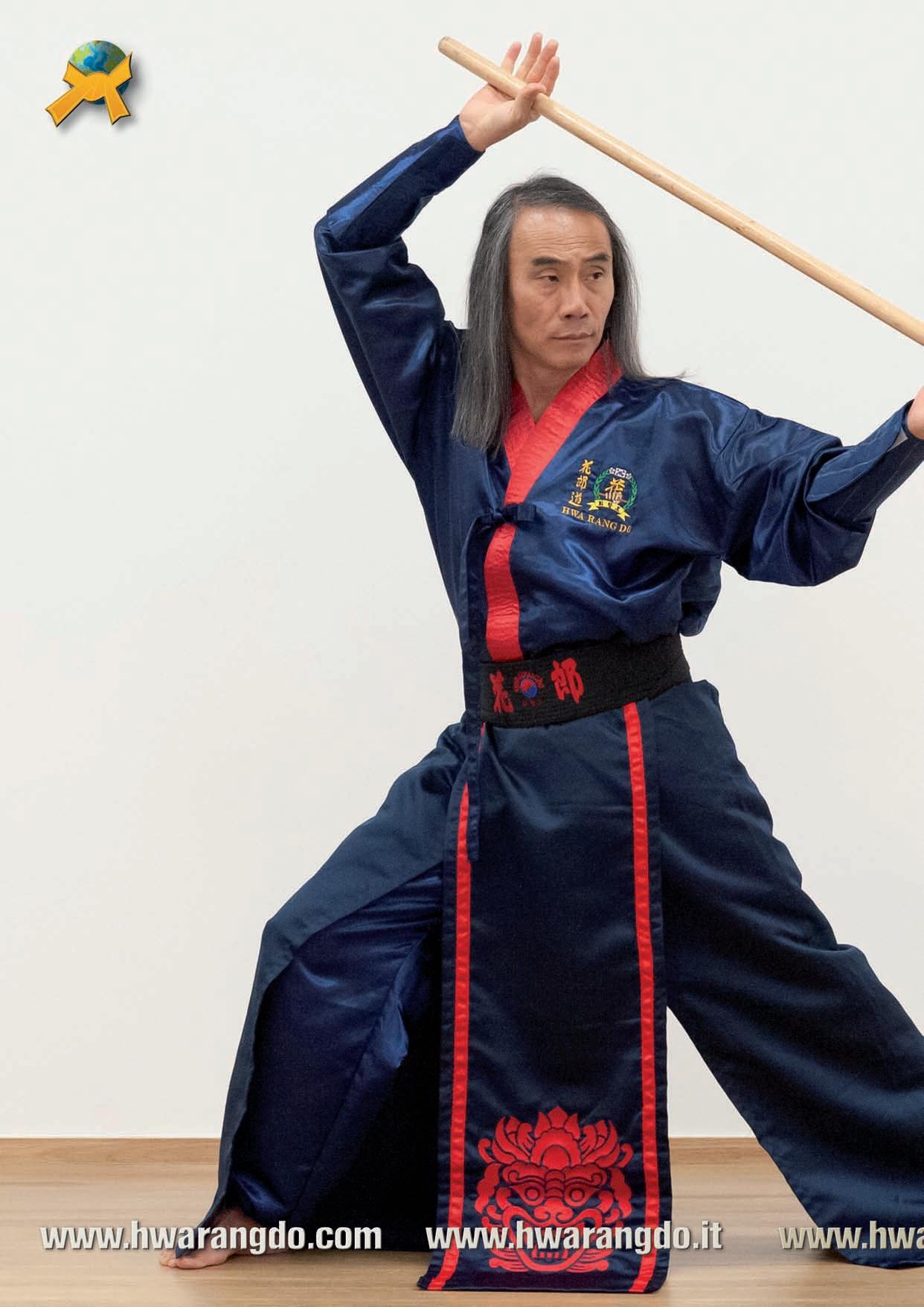
I can say what they need to hear.
I can become what they want to see.
I can perform sincerity without surrendering anything real.
I can win without loving.
I can take without appearing to take. This is spiritually catastrophic.
For gifts without formation become corruption.
Power without reverence becomes predation. Insight without conscience becomes weaponry. That is why Scripture warns so often about the heart. Not because emotion is evil, but because the ungoverned heart—especially when fused with pride—becomes cunning in its self-justification.
“The heart is deceitful above all things and beyond cure. Who can understand it?”
Jeremiah 17:9
This does not mean the heart is useless. It means the heart, severed from truth and God, can become a master of self-deception. It can call revenge justice. It can call control wisdom. It can call lust love. It can call emotional numbness peace. It can call pride self-respect. It can call cruelty strength.
That is the danger.
The hollow self is not always consciously evil. Sometimes it is deeply self-deceived. It believes its own narratives. It justifies itself with almost religious fervor. Everyone else was wrong. Everyone else was weak. Everyone else deserved it. Everyone else misunderstood. Everyone else failed the test.
And because the person is committed to the preservation of the false self, truth becomes unbearable. Genuine accountability feels like annihilation. To repent would require the collapse of the identity built to avoid pain. To admit wrong would require becoming vulnerable again. To kneel would feel like death.
So rather than die to the false self, the person lets the real self wither.
That is the birth of the hollow self.
Not simply pain.
Not simply pride.
But pain fused with pride into a false sovereignty.
This is why healing, when possible, always requires the same terrible miracle: the person must become willing to feel what he has spent his life avoiding.
Shame.
Grief.
Dependency.
Guilt.
Need.
Loss.
Powerlessness.
Only then can the buried heart begin to rise. But before that comes the deeper descent. For once the hollow self is born, it does not remain passive. It begins to act.
And that is where sociopathy becomes visible in the world.
“The hollow self is not always consciously evil. Sometimes it is deeply self-deceived. It believes its own narratives. It justifies itself with almost religious fervor. Everyone else was wrong. Everyone else was weak. Everyone else deserved it. Everyone else misunderstood. Everyone else failed the test.”