

Lao Tse
“A journey of a thousand steps begins with a single step.”
“Tradition is not the worship of ashes, but the preservation of fire.”
Gustav Mahler
“Everyone is looking for a perfect teacher; the thing is, teachers are human, even though their teachings may be divine, and that is something that people find hard to accept. We must not confuse the teacher with the class, the ritual with the ecstasy, the transmitter of the symbol with the symbol itself. Tradition is linked to the encounter with the forces of life, and not to the people who transmit it.”
Paulo Coelho
“Tradition: incessant creation. Tradition was never within the reach of traditionalists.”
Luis Cardoza y Aragón
“Education creates disciples, imitators, and followers of routines, not pioneers of new ideas or creative geniuses. Schools are not nurseries of progress and improvement, but conservatories of tradition and fixed ways of thinking.”
Ludwig von Mises
Afew months ago, I was contacted from Japan by Professor Jean Michelle Mollier, who has been living there for 22 years and is married to a Japanese woman. His interest in Japanese culture and traditions led him to contact and study with different local teachers. During these years, he realized that many of these ancient schools were about to disappear with the death of their elderly teachers; their dojos were living in a sea of disinterest and a lack of candidates, whether they were family heirs who were uninterested or even young students who were unwilling to continue their traditions.
Jean Michelle asked me to chair an organization dedicated to rescuing such situations. I appreciated the gesture and made myself available to him, but I warned him of my lack of time and told him how inevitable most of these cases seemed to me, but that I would gladly publicize their existence.
Everything that has a beginning will have an end. Such is the relentless dictum of nature. Everything that materializes begins with an impulse that reaches its peak and then loses steam until it fades away. However, there are spirals that find points of connection, which give sequence to their movement and establish themselves as tensions that will last as long as there is energy to feed them.
It is the variability of energy charges that, in order to maintain themselves, must go through vibratory phases or frequencies, with their highs and lows that we call tension frequencies, communicating two points that have a charge, similar enough on the one hand to communicate, and with the necessary polarity to generate energy from their complementary or equivalent tension. This is the case, for example, with the electricity in our homes.
Here comes the third conditioning factor, the environment. Let's imagine that the house is abandoned or disconnected from the grid. Emptied of their useful purpose, things tend to decay. The greatest force for giving sequence to things is their capacity for adaptation, not their strength; if it were strength, dinosaurs would still rule the earth!
Adaptability depends on two factors: resilience, in terms of structure, and flexibility, in terms of function. Major transformations will push both points to the extreme, for everything that is born occurs by the law of necessity, and everything that disappears does so because it is superfluous. Every extreme adaptation even implies a necessary mutation, sufficient to give sequence to the life of any animal or plant form. Nature, the only teacher who never makes mistakes, teaches us this by generating the wonderful diversity that characterizes it.
These processes are not necessarily slow. This was the case with the finches of the Galapagos, which were fundamental to Charles Darwin's theory of evolution. Darwin observed that on each island the finches had very different beaks, depending on the type of food available to them: thicker, stronger beaks for breaking seeds, smaller beaks for eating insects... Modern naturalists observed that this process, which was thought to be gradual, took place before their eyes in just a few years. A type of finch so specialized that it fed only on one type of fruit, due to a drought that reduced its food supply to the point of near extinction, practically disappeared. Years later, some specimens of that species were observed, but with thicker beaks; they had managed to feed on an alternative plant. Those “abnormal” specimens with this characteristic became the norm for the species in just a decade.
What can we learn from this? Specialization is undoubtedly a key to success, yes, but taken to an extreme, it also becomes a weakness. A sudden change in the environment can end anything.

We have seen this process in the business world as well as in the natural world (remember Nokia phones!). The only way to survive is based on the hermetic phrase: “For nothing to change, everything must change!” The stagnation and maladjustment of systems leads to their functional disappearance. In the best-case scenario, they will become museum pieces, paintings hanging on the wall, steles that tell us about the conquests of this or that Babylonian, Mayan, or Hindu king. Cultures are lost, along with the knowledge they treasured, their language, their spirituality, and all that remains are memories, forms, rituals... everything is forgotten in pursuit of the relentless law of evolution.
The same would have happened to Ju jutsu (Jiu Jitsu, they even changed the name by mistake!) if a man named Jigoro Kano had not created a version adapted to his time and special circumstances called Judo. Today, the roots of Ju Jutsu are resurging with force, but would this have been possible without Judo having opened the doors? The three great Japanese martial traditions that have opened the world to the existence of Japanese martial culture, Judo, Karate, and Aikido, are based on mutations of three other ancient forms, which were branded as traitors at the time. But there they are! Millions of people practice them, and among those millions, some have researched and rescued the ancient knowledge, giving it new meaning and form in our day. The other schools, too stagnant, tied to an idyllic past, will die of starvation, frozen in their paralysis.
Consequently, the formula of entrenchment (more tradition!) alone has proven not to work. Adaptation is not optional, but mandatory. The discussion here will focus on “what” and “how,” but never on the need for change, and this implies a tremendous effort of flexibility. Structures must be stretched to the maximum, and the anchor points of that change will be exposed to enormous tensions as they act as a bridge between the past and the future. However, there is no alternative: either adaptation or extinction.
If we simply consider the anachronism of old schools and modern times, we find an extraordinary quantitative leap there alone. If we add spatial tension to temporal tension—other places, other cultures—things become even more complicated.
However, given what Jean Michelle has seen in Japan, the emphasis is not so much on the second point, since humanity, in its evolutionary process, the same process that generated globalization, has equalized the spatial issue and with it the cultural issue. Young people around the world are very similar! And in the end, they will be the ones destined to continue or discontinue ancient traditions. We can philosophize all we want about the cultural differences between a Japanese person today and a European or North American teenager, but we will surely find both of them spending much of their time exercising the mobility of their thumbs on a smartphone and consuming a lot of common content on the internet.
Every coin has two sides, and the bigger the coin, the bigger the other side. An unexpected advantage arises in this scenario: alienation is also common to all! We are therefore witnessing a new search for roots, in response to the need to anchor ourselves amid the uncertainty of destructured societies; a task that was once performed first by religion and then by capitalism, both of which are now in deep crisis.
These roots must now, however, be flexible and capable of adapting to all terrains; their essence does not lie in the depth with which they penetrate their native lands (*), - curiously, the first to despise them... No one is a prophet in their own land!but in the usefulness of their essence, of their primary connection with the eternal needs of man.
We are therefore witnessing a rebirth of pre-Christian cultures, shamanism, hermetic wisdom, and ancestral cultures, capable of establishing a frame of reference and providing a cosmogony when everything established collapses.
An example of this situation, experienced firsthand by this servant, has been with the Shizen (Hagumo) culture and its sacred traditions, the ebunto. Transferred from Japan to Brazil in the last century, they managed to flourish in those lands in an extraordinary way, while apparently, in Japan, they were undergoing a process of clear decline.
With the leaders of that era deceased, the only one of their disciples who continued the tradition, curiously, no longer had slanted eyes. He paid the price for this, yes, but it also prepared him to become practically the only one capable of preserving the knowledge and weight of an entire culture.
Shidoshi Jordan Augusto, my teacher, has now given continuity, once again, in other lands, to an entire tradition, to knowledge and an entire culture, even with its own language, being himself the hinge that articulates the full weight of that change, of that adaptation. A difficult position, being an immigrant in a foreign country. The paradox is that neither he wanted to initiate anyone else, nor did I want to be initiated, but one day in March, in the mountains of Madrid and for the first time in old Europe, that ceremony set in motion the wheel of a new era.
Today, Shidoshi Jordan has initiated many people, made several Shidoshi, consecrated several priests (Kotoma Tonbo), and new groups in other countries (and several in Spain) continue this tradition, sometimes sporadically, but against all odds, continuously.
(*) Except if these traditions are alive, and therefore adapted to the present times, and by virtue of their forms and content maintain extraordinary vigor. This is the case of bullfighting in Spain, South America, and France, which, swimming against the tide of environmentalism and animal rights movements, fill arenas and ignite passions. A truly extraordinary case of the perpetuation of a tradition that would give rise to much discussion.
Beyond the spiritual vigor that drives the perpetuation of this jewel of humanity that is Ebunto, beyond the legions of spirits that continue its cult and practices, Ebunto fits into a pressing need in today's world, being able to provide answers and come to the aid of deficiencies that are very present in the daily life of the paradigms of the 21st century.
It is true that the process requires a certain acculturation, in which dividing the essential from the indispensable is a task that requires flexibility and resilience. Undeniably, many things will be left behind along the way, perhaps some of them great, but impractical in this new context. However, through thick and thin, we continue, giving continuity to all of this. Even I, who never saw myself in this role, but rather as a disseminator, now have a few students. I find this project highly noble and admire my teacher's position, so much so that I would not want it for myself.
The old martial arts schools in Japan are dying. In martial arts, the current times impose pragmatism and efficiency, whether in a sporting context or in a combative one, which have swallowed up formality. The fast pace of life has swallowed up slow learning, purism, and rituals, replacing them with cross-training, cross fighting, and weekend courses. The great masters of yesteryear had their dojos full, depending on a situation, a need, and a demand that has changed; today they are dying of starvation without adapting.
Are there any exceptions to the rule? Yes, but they are just that: exceptions. The winds of change are blowing in a very clear direction, and unless someone pays to keep the museum open, it will probably not even have any visitors.
One can choose to die with reason or survive with change; some in this sector do not even have the possibility to decide, as they are trapped in their education and positioning... The more traditional the forms, the more difficult it will be for a school to survive. In the army, those who suffered painful hazing rituals, a few months later, devoted themselves to carrying them out; few of us had the personality to escape the negative cycle of pain, and most, even unconsciously, fell into it. The fact is that the past was not necessarily better... the only thing that is certain is that “the past... was before,” as Les Luthiers said. The weight of melancholy embedded in the past is one of the greatest difficulties in evolving; we cannot walk forward with our heads turned backward! This sentimentality, turning our eyes away from the present, causes people to keep making the same mistakes over and over again.
Everything that is born dies; its only chance of persistence will come through transcendence or sublimation, by being reborn on another plane.
Continuing with traditions like a broken record does not work; a “leap” is needed to move “the song” forward, and that leap must involve a certain transmutation. Knowing, however, that orange trees at the pole will only grow in greenhouses, we must understand that structural limitations exist; but the planet is full of climates where the orange tree, adapting to multiple situations, will flourish, and where orange blossoms will flood many different lands with their delicious aroma. Whether they will be used to make perfumes with their flowers or to eat the oranges is another matter entirely.
The essence of survival is necessity, utility; when structures are ossified, we will not see beyond our own noses, becoming, and that also requires and deserves its recognition and dignity, the final episode of an illustrious lineage. If the end is the remedy, the medicine that nature prescribes, so be it, but in the end, as in the beginning, it will be in its complementary opposite, the things it carries within must shine in that last burst of light that announces the end and the birth of all new life; the fruit is the last phase of the tree... How delicious!
The death of traditional schools? The death of traditional schools?
“If it is the Will of God” Testimony of a Hwarang Warrior
A decade ago, I laid down my rebellion and surrendered. It had taken half a century—such was the depth of my defiance.
Alone.
Face to the ground.
No audience.
No announcement.
Only God.
For fifty years I had trained my body not to kneel. I had conditioned my mind not to yield. I had built an identity upon endurance, control, and conquest. Strength was not something I practiced—it was who I believed myself to be.
And in 2015, that identity collapsed.
Not publicly.
Not ceremonially.
In quiet seclusion.
The night I fell to the floor and confessed Jesus Christ as Lord and Savior did not begin a public transformation.
It began a hidden one.
For ten years, I did not write about it.
For ten years, I did not proclaim it loudly.
For ten years, I allowed God to dismantle, refine, reorder, and sanctify me before I spoke.
There were many moments when I felt the urge to declare my testimony loudly, to make known what had happened in 2015. Yet each time, something restrained me. It was not fear—it was timing. Now, ten years later, I believe the silence has completed its purpose. I am no longer speaking out of emotion, but out of obedience.
The surrender came first.
The testimony comes now.
When readers encountered my recent articles—
December 2025: “Ode to Knight Kilbo”
January 2026: “Be the Pillar”
February 2026: “On Joy and Sorrow”
March 2026: “Pride”
They were not watching a man move toward surrender.
They were reading reflections from a man who had already surrendered.
Those articles were not preparation for me.
They were preparation for you.
In December 2025, when I wrote of Kilbo, my loyal companion, I was not merely recounting memories. I was closing a ten-year chapter that began the night I knelt in 2015. Kilbo had walked beside me through humiliation, reconciliation, exile, and rebuilding. He was more than a companion; he was my guardian angel sent by my Lord to help me keep the covenant I had made on the floor that night. Through seasons of weakness and renewal, he remained steady. His passing did not simply mark loss—it signaled the completion of that sacred season.
In January 2026, when I wrote of pillars, I was not aspiring to stability—I was acknowledging the foundation that had already been laid beneath me.
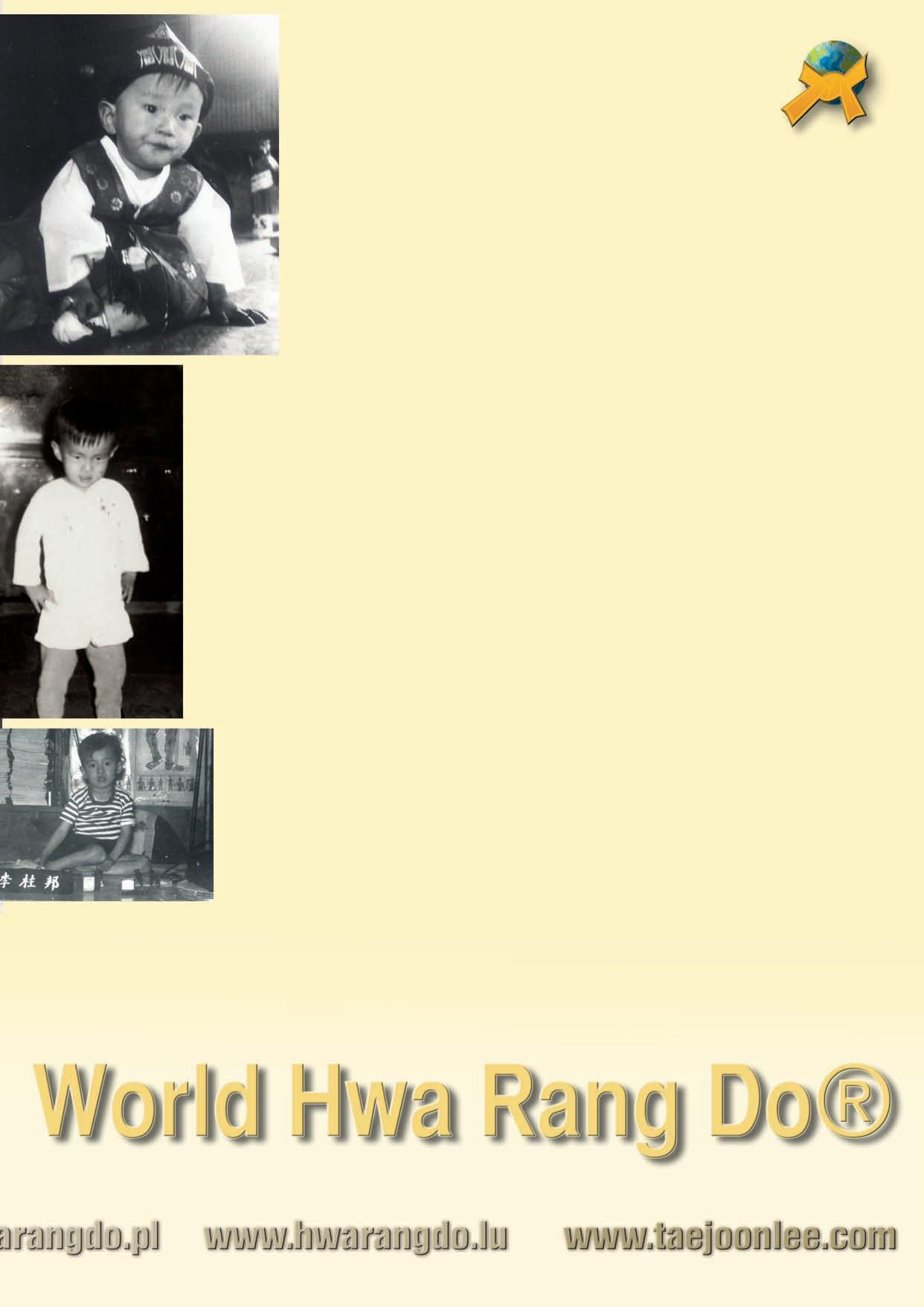
In February 2026, when I wrote of joy and sorrow, I was articulating a truth I had wrestled with for a decade—that surrender does not eliminate suffering; it redeems it.
In March 2026, when I dissected pride, I was not analyzing theory.
I was confessing memory.
The articles were not the breaking. They were the unveiling.
The surrender happened in 2015.
What you are about to read is what it cost.
And in the article that follows, I will reveal the calling that has been unfolding through it all.
I did not grow up learning how to surrender. I was trained to endure.
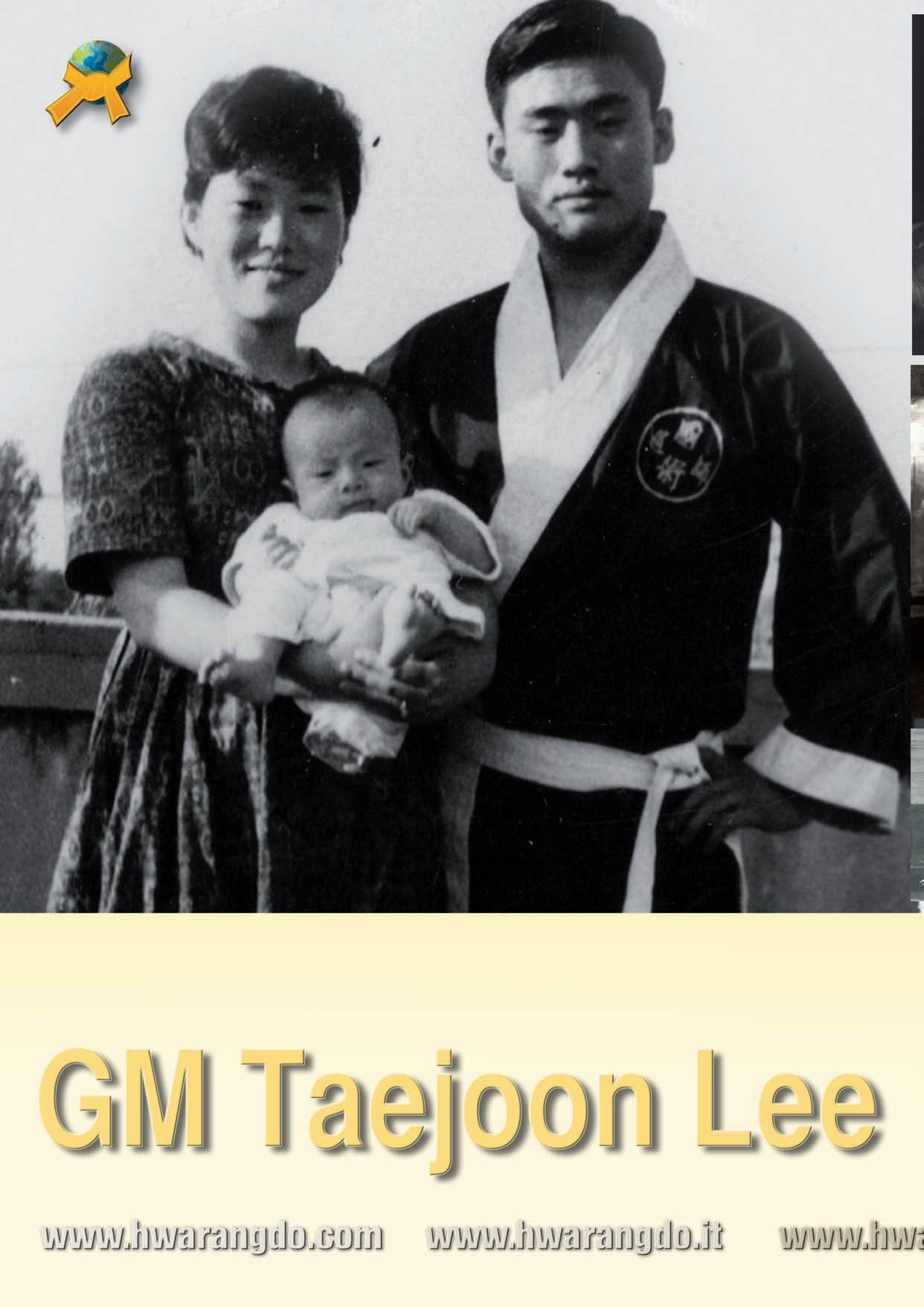
From the moment I became aware of myself, my life was oriented toward resistance—against weakness, against fear, against anything that resembled hesitation. I was not taught how to ask for help. I was taught how to absorb pain and continue forward. Retreat was not an option that existed in my vocabulary. Surrender was not a virtue. It was a failure of character. I was born into a warrior lineage, not as a romantic idea, but as an obligation. I was the firstborn son, raised with the understanding that my life was not entirely my own. I did not belong only to myself; I belonged to a legacy that preceded me and would outlive me.
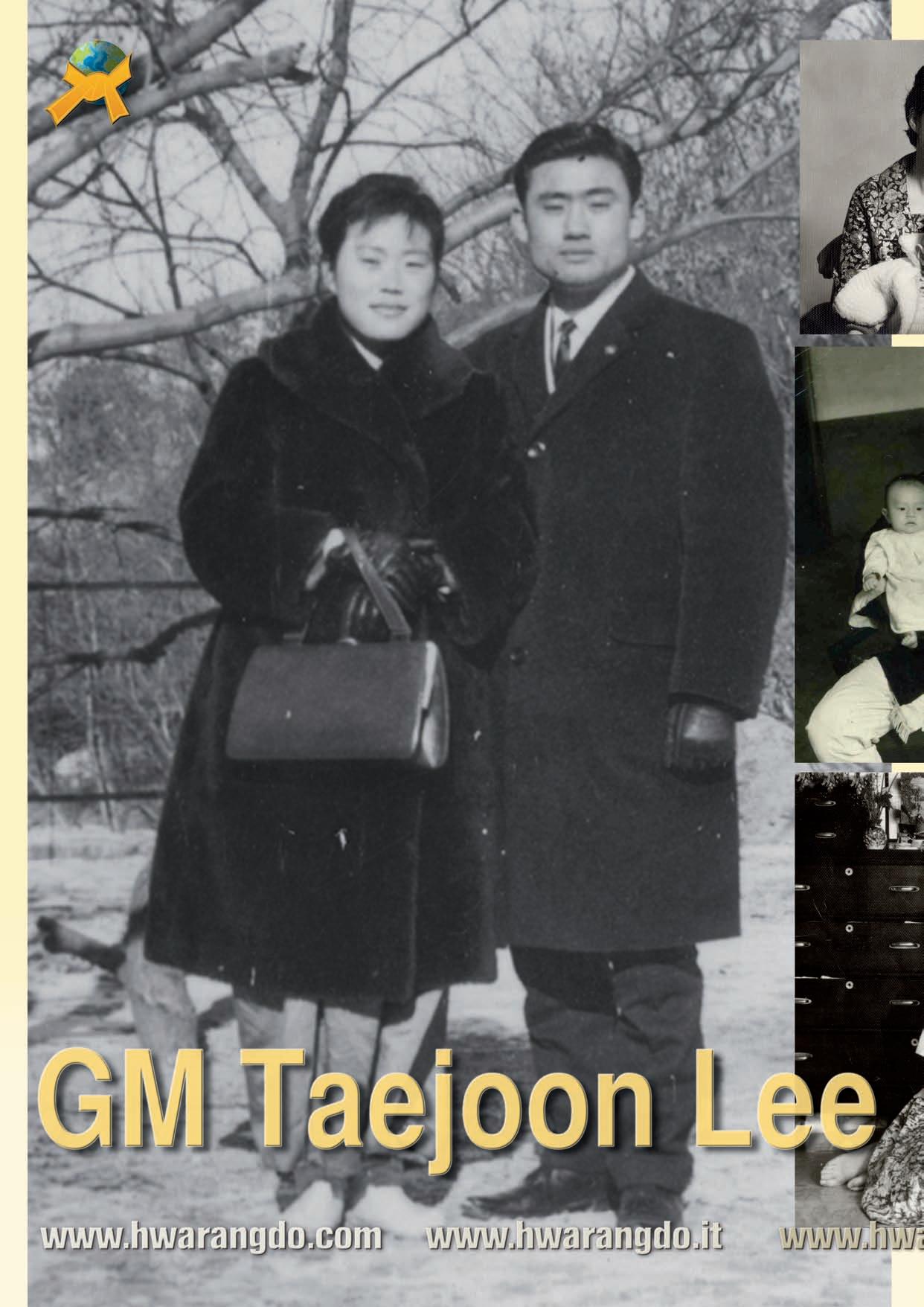
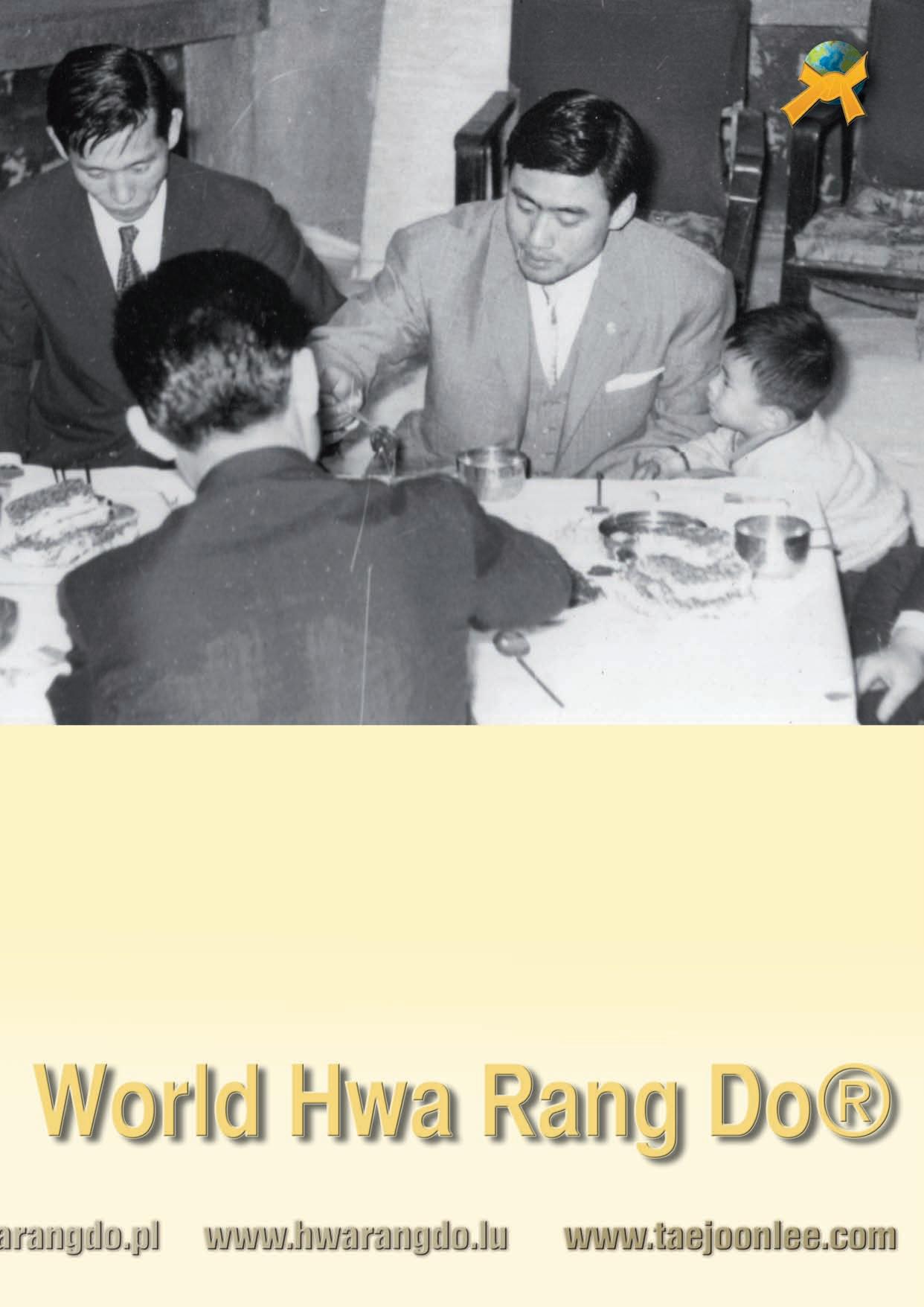
My father was not simply a martial artist or a teacher. He was a man forged in the most unforgiving chapters of Korean modern history—shaped by war, hunger, lawlessness, and survival. After the Korean War, South Korea was not the prosperous nation the world sees today. It was one of the poorest countries on earth. The streets of Seoul were ruled not by law, but by gangs, thugs, and criminal syndicates. Fear was normal. Violence was common. Justice was rare.
In those conditions, my father did not wait for order to be restored by institutions that did not yet exist. He imposed it himself.
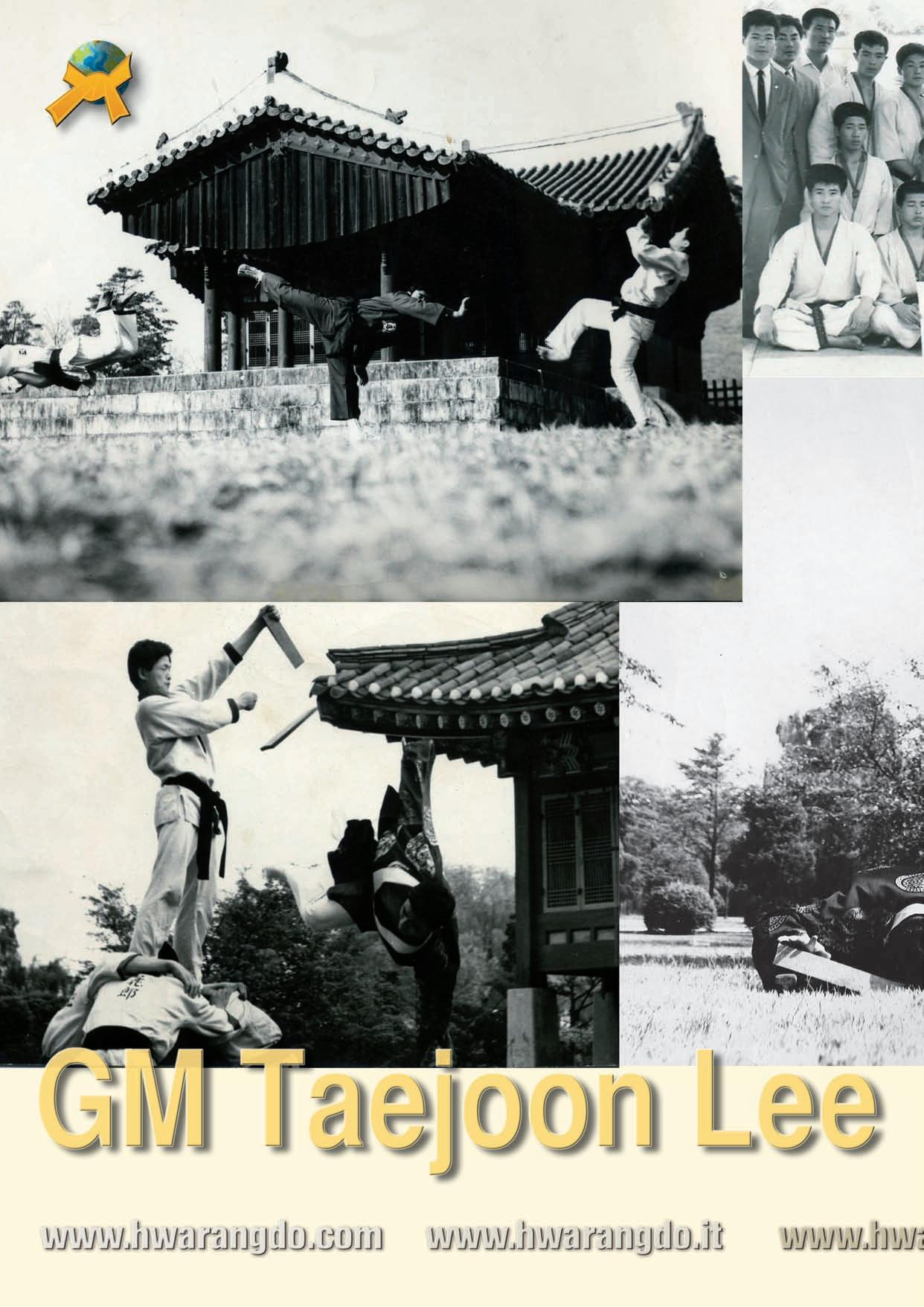
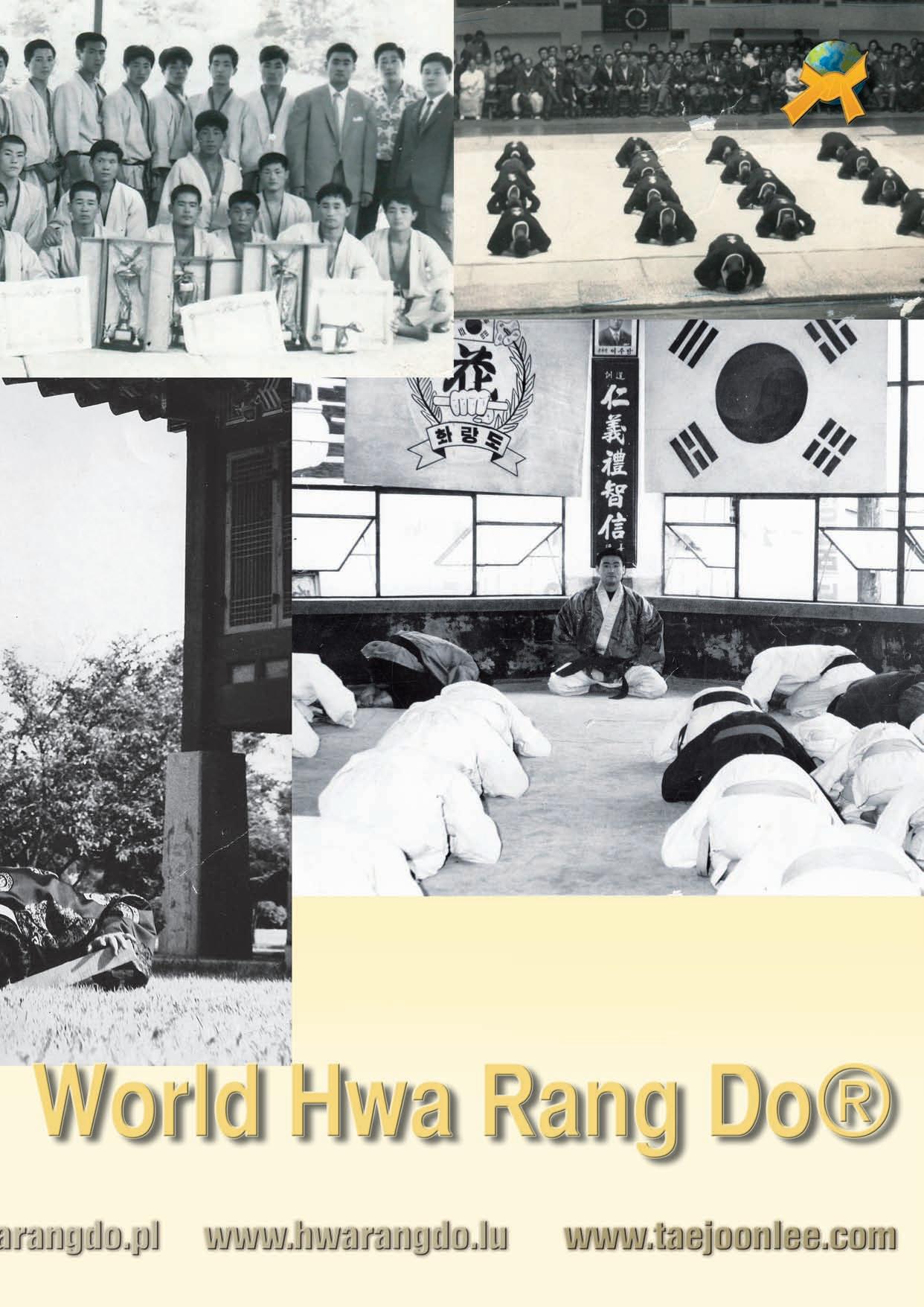
Through Hwa Rang Do, he fought violent criminals, subdued gangs, and protected communities. His schools were not recreational spaces for children to gain confidence or discipline. They were feared. They were respected. They were effective. Over thirty schools stood across
Seoul as proof that order could be established through strength, discipline, and uncompromising resolve.
This was the world that shaped him.
And I was raised to inherit it.
But inheritance does not merely pass through blood.
It imprints itself upon the nervous system, as though written into the very fabric of one’s being.
Before I understood theology, before I questioned philosophy, before I tasted ambition, I was already learning a creed: control what you can, dominate what resists, never show fracture.
And yet — beneath the training, beneath the expectations — something softer stirred.
Even in the bitter winters of my childhood, when I rode through snow toward churches whose language I did not understand, something in me recognized a silence deeper than strength.
I did not know it then.
But God was already knocking.
Strength was not encouraged—it was required. Weakness was not immoral—it was unacceptable. Fear was not discussed—it was overcome. From my earliest years, I absorbed a single, unspoken thesis: the world respects power. Not kindness. Not intention. Not sincerity. Power. The ability to impose your will when resistance appears. Compassion without strength is helplessness. Morality without force is irrelevant. Survival belongs to the strong.
When I entered primary school in South Korea, my father placed me into first grade a year earlier than everyone else. I was younger, smaller, surrounded by older boys who tested hierarchy instinctively through dominance. But year after year, I became class president. Not because I was charming or popular, but because I could not be defeated.
Dominance created order.
Order created safety.
That logic became foundational to my understanding of the world.
I learned the weight of responsibility and accountability at a very young age. As the first-born son of four siblings, I understood early that my role was not optional. I was responsible for them. When one of my siblings made a mistake, disobeyed, or was disciplined through corporal punishment, I was punished as well. Their actions reflected on me.
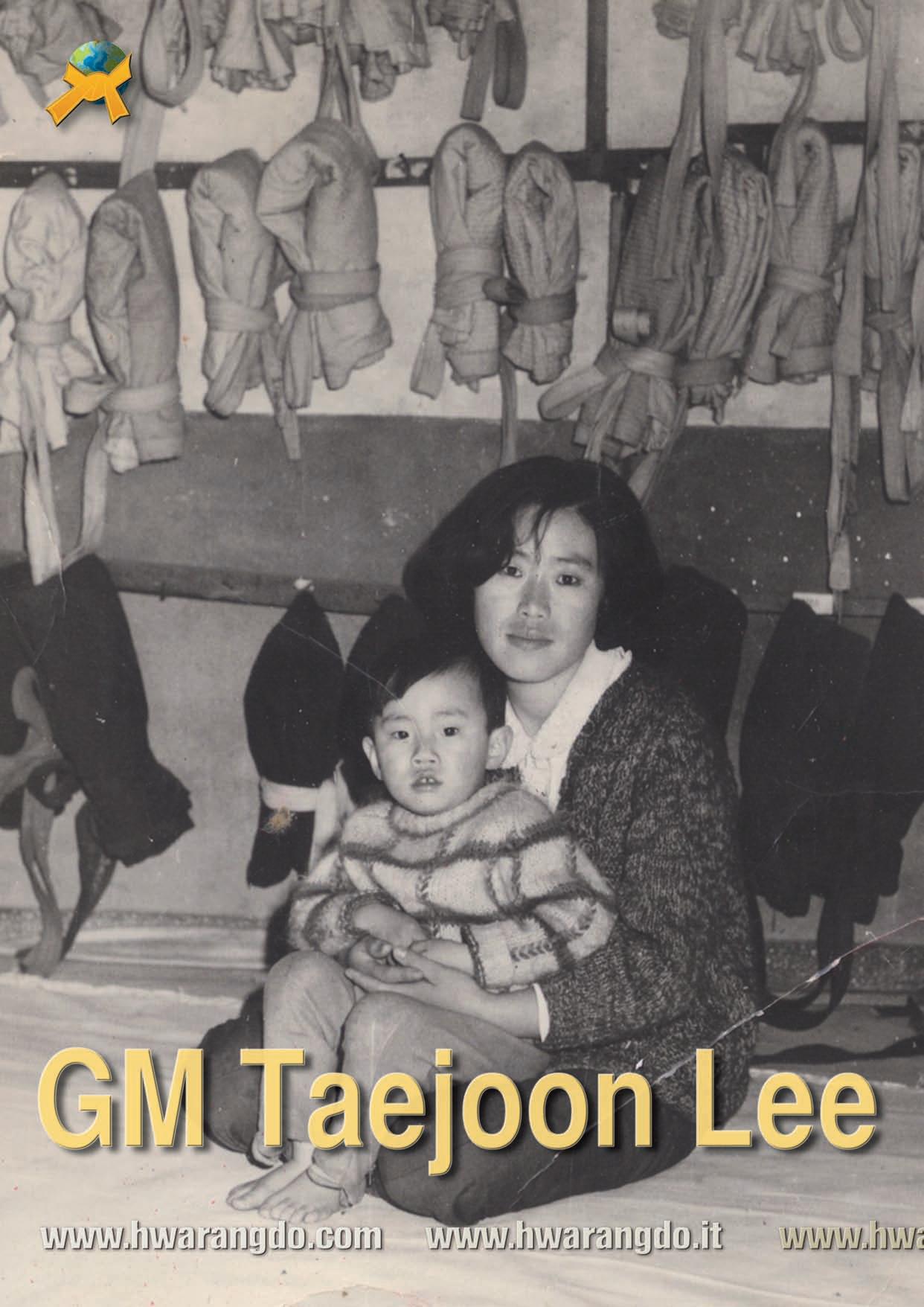
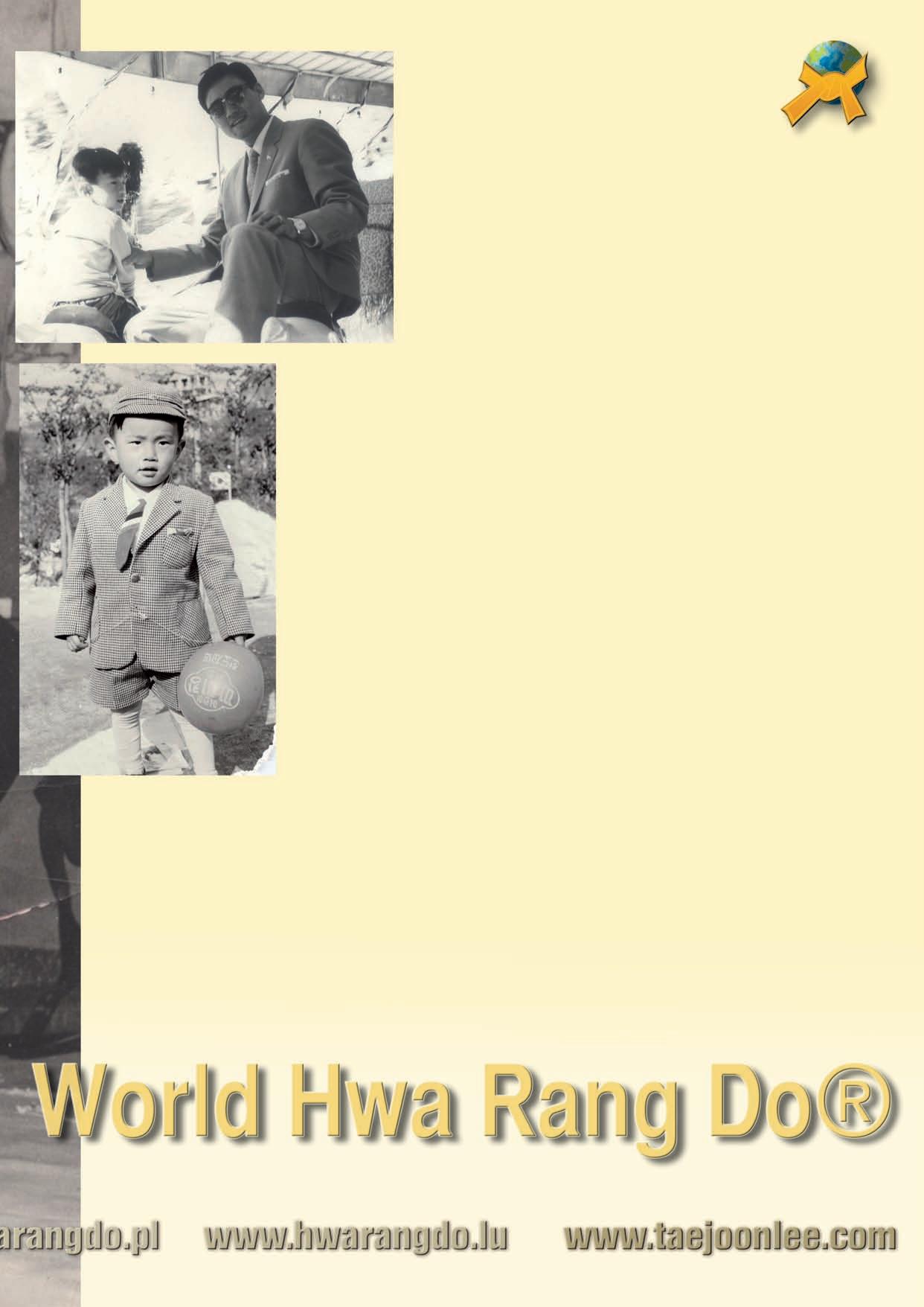
“I learned quickly that responsibility is not symbolic.”
I learned quickly that responsibility is not symbolic. It carries consequence. To be accountable meant that I would suffer for what I allowed, overlooked, or failed to prevent. Leadership, in its earliest form, was not privilege—it was burden.
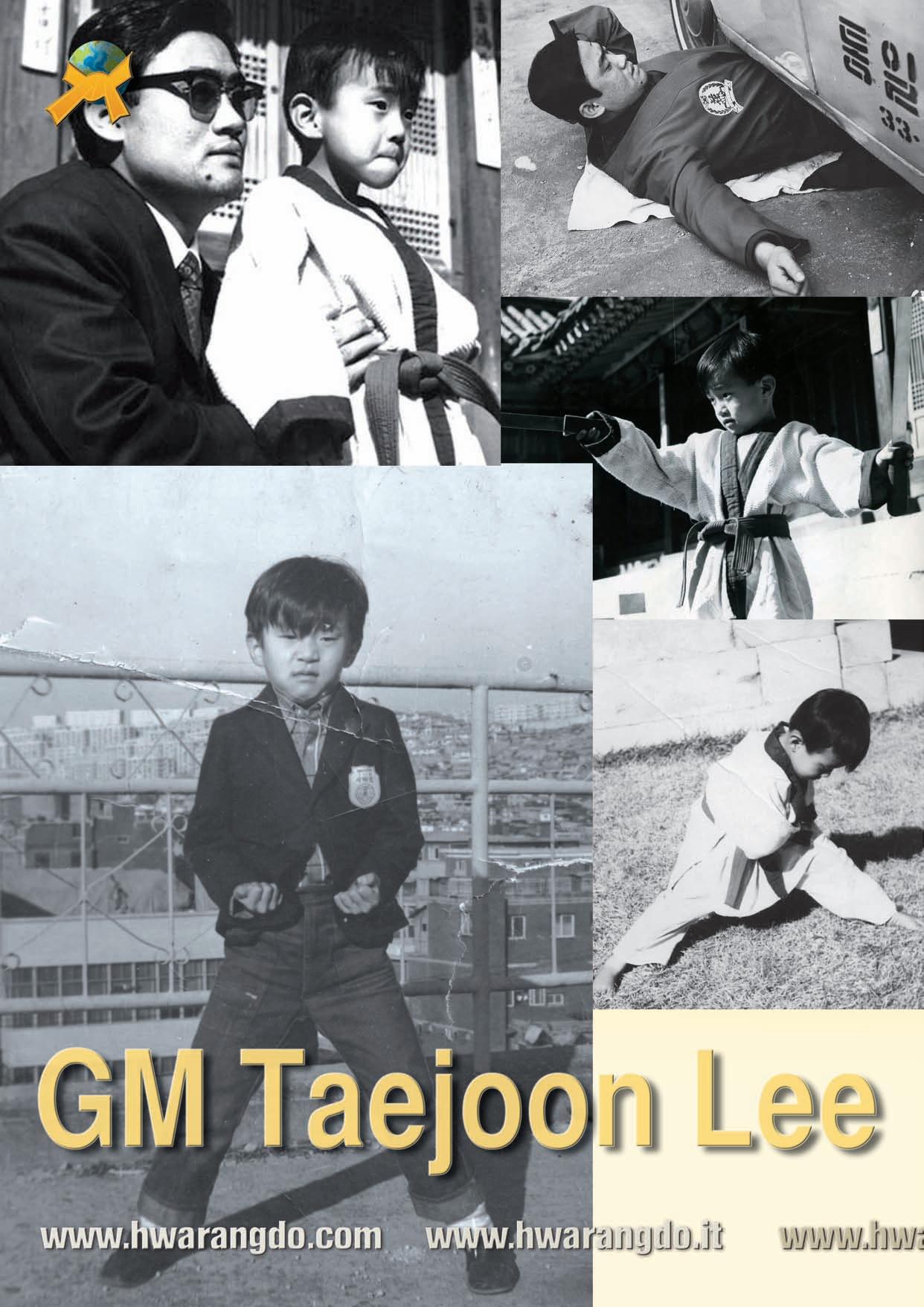
At nine years old, my family immigrated to the United States. Everything became larger—buildings, cars, food portions, people. Once again, I was the smallest.
This time, I was also the only Asian child in an all-white school. I did not speak one word of English. I was isolated by appearance, language, and culture. Children can be cruel when difference appears without protection.
I was provoked daily.
So, I fought daily.
Not for sport. Not for pride—at least not consciously. For the first time in my life, I was attacked not for something I had done, but for something I was: the way I looked, the blood I carried, the origin I could not shed or conceal. My birthright itself was challenged—my mere existence treated as provocation.
I fought because retreat was unthinkable. I fought because submission felt like erasure. Allowing myself to be dominated was not humiliation—it was annihilation. I fought not only for myself, but for my country, my ethnicity, my bloodline. And when my family moved again—as we often did—I started over, carrying the same burden, answering the same challenge.
My father’s instruction for dealing with bullying was simple and absolute:
“Pick the biggest one. In front of everyone. End it with one blow. Then no one will touch you again and you’ll gain many friends.”
To many, this sounds brutal. To my father, it was practical. It was the same method he had used in post-war Korea to subdue violent men who only understood force. And it worked in America too. Fights were never clean. They were messy, chaotic, humiliating in their own way. But I prevailed. And once dominance was established, the harassment stopped.
That pattern embedded itself deeply in me: confront first, yield never.
Yet even in those years—beneath the armor, beneath the cultural shock, beneath the constant readiness to defend myself— something else was present. Something quieter. Something I could not explain.
In the years before I turned seven, in the long, bitter winters of Korea, I remember being inexplicably drawn to Christmas. Our family was Buddhist at the time, yet I looked forward to the season with a longing I did not understand.
Korea was cold in winter. Snow fell heavily. I would ride on the back of my uncle’s bicycle—he was only eight years older than me—and we would go church hopping to see Christmas Mass and partake in the Eucharist. We did not understand theology. We did not understand the sacrament. We did not know what was happening.
But I loved the atmosphere.
The ceremony carried gravity. The silence felt ordered. The candles, the chanting, the movement—everything spoke a language my spirit recognized before my mind could interpret it. Something drew me in. It brought a sense of peace and grandeur—like stepping into a reality older than the world outside.
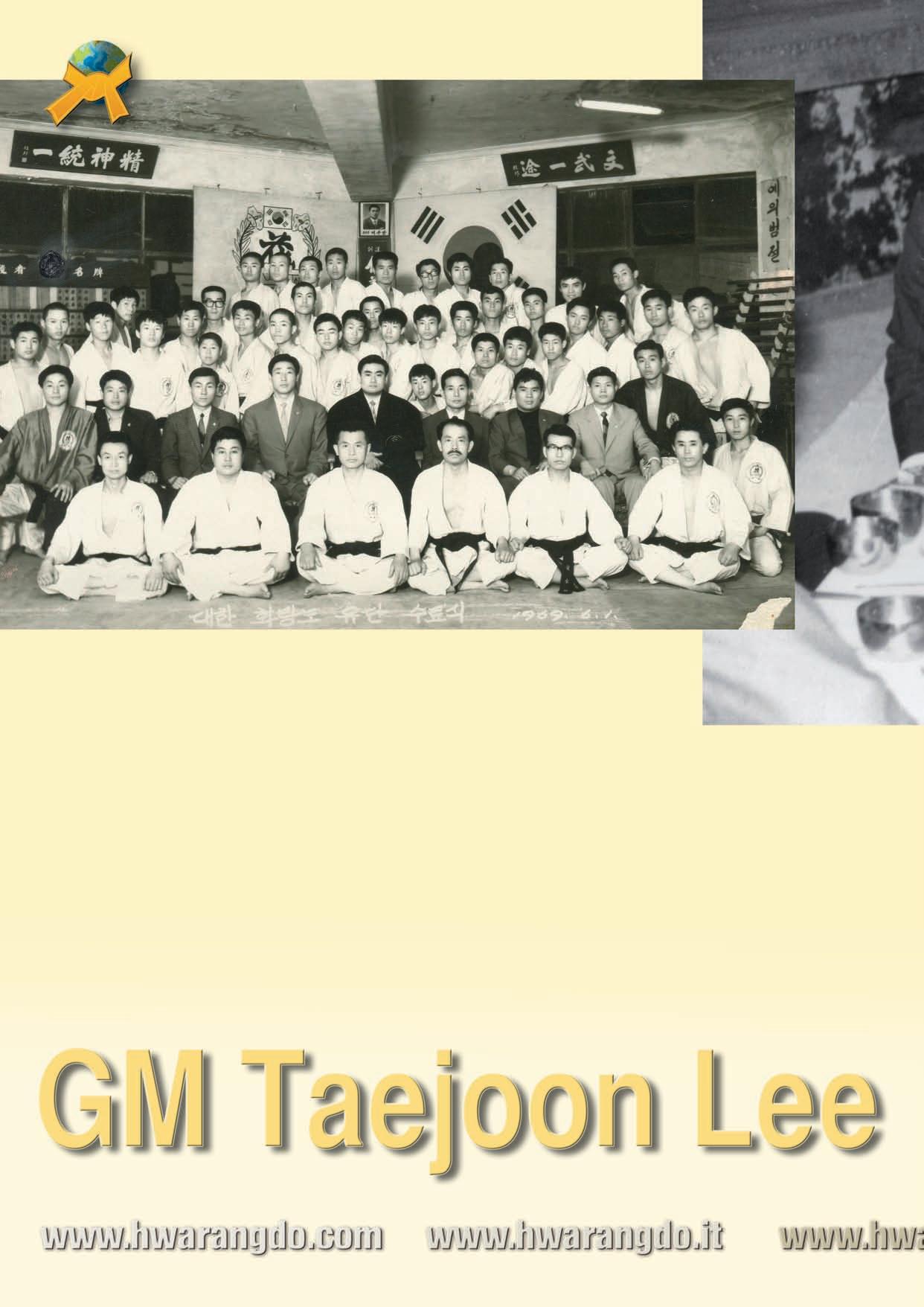
“At nine years old, my family immigrated to the United States. Everything became larger, buildings, cars, food portions, people. Once again, I was the smallest.”
I did not yet know what I was sensing.
When we immigrated to America, my grandparents converted to Christianity and began attending a Korean Presbyterian church in Los Angeles. If the elders went, we all went. I was still young—middle school age—and I remember every Sunday driving up to LA to attend a Korean church where sermons were delivered in formal Korean that was difficult to follow.
I slept through most of it.
It was nothing like the Catholic Christmas Mass I remembered in Korea. That childhood wonder did not return. Eventually I discovered a bowling alley near the church with pinball machines. I learned to slip out during the sermon and return just before the end, as if I had been there the entire time.
That was my early relationship with church: structure without encounter. Attendance without presence. Religion as something people did—not something that did anything to them.
I was a deeply curious child. I wondered constantly about the sky—how far it went, where it ended, what existed beyond it. I dreamed of becoming like Einstein, inventing a spaceship with infinite fuel to travel to the edge of the universe and see whether heaven was real.
I devoured science books—especially the ones I could buy cheaply from thrift stores. I was obsessed with science fiction films. I would mark them in the TV Guide, many airing at 3:00 a.m. I would set my alarm on school nights, wake up to watch them, then fall asleep again for a few hours before school.
I believed knowledge would unlock reality.
But adolescence fractured that certainty.
In high school, I drifted away from science and toward literature, philosophy, and existential thought. It became painfully clear that I was no Einstein; the dream of unlocking the universe through physics began to fade. Instead, I enrolled in a Humanities course that combined English, classics, and civics—an unusual convergence that became a doorway into questions I was not prepared to confront.
We devoured multiple books each week—Greek philosophy, classical epics, modern theory, existential writers—worldviews clashing in my mind like blades in combat. Certainties I had once held began to fracture. The universe no longer felt mechanical and predictable; it became layered, ambiguous, and disturbingly personal.
For the first time, the questions were no longer about how the world worked. They were about why it existed at all.
I began to question everything—especially God.
Then a single moment hardened my resistance. During a Bible study session after church, I asked a question—I cannot even remember the exact question now, only the tone of my hunger to understand. The young pastor—whatever his title— looked at me and told me to “shut up.”
That was enough.
If truth could not withstand inquiry, I wanted nothing to do with it. From that day, I refused to attend church.
Ironically, it was not theology that brought me back into the building. It was love.
My parents wanted me to attend church—not because they were devout, but because they understood something practical: faith often produces morals, and morals protect young men. They were also aware that I was drifting—restless, sharp, questioning everything. So, they tried a simple tactic.
“There’s a cute girl at church.”
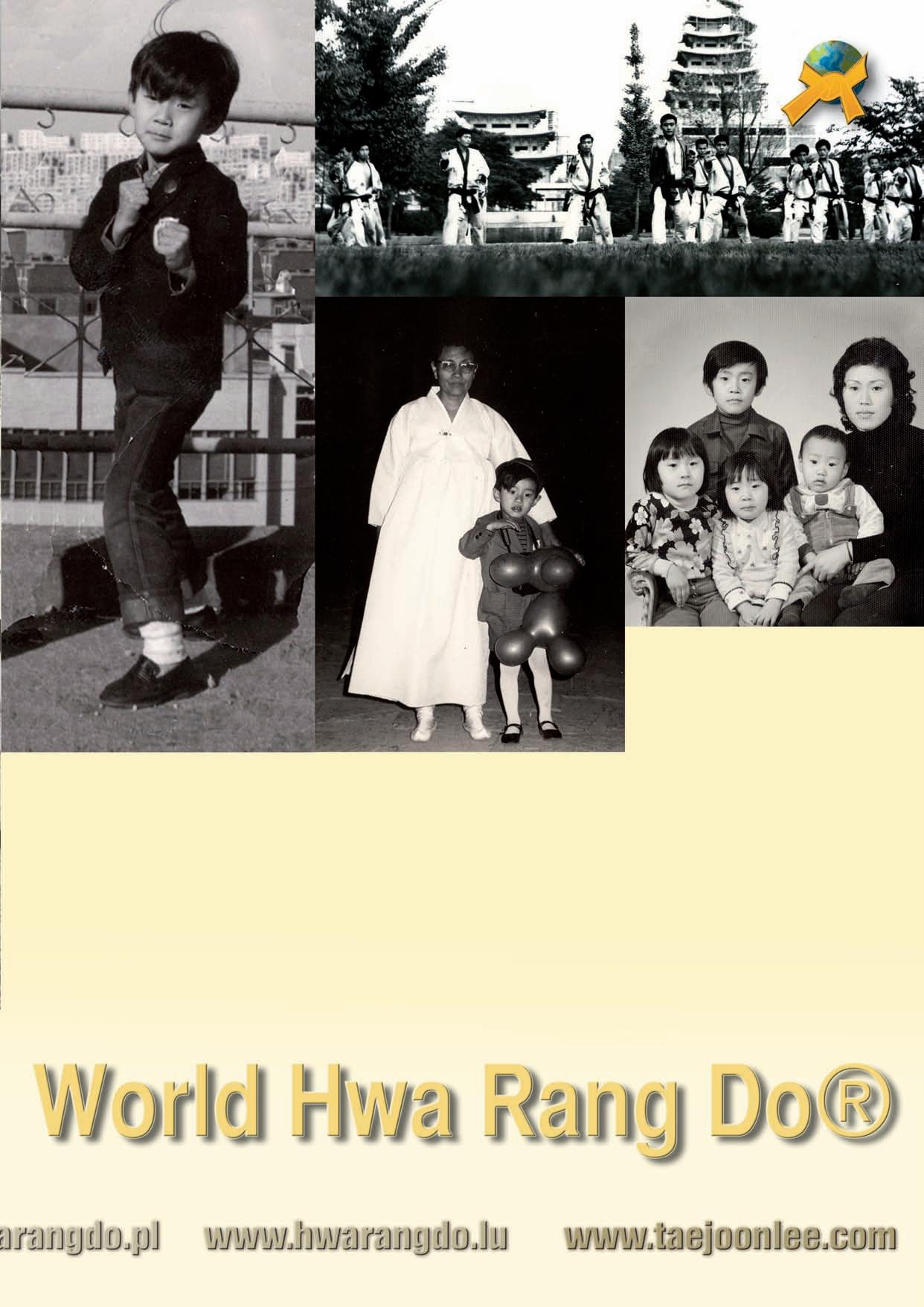
I went.
And yes—she was cute.
I sat next to her. I pursued her with the same directness I brought to everything else. Soon I was bringing her and her sister to meet my parents. She became my first love, my first girlfriend. Then I learned that her father was a pastor, and once again I found myself immersed in church—trying not to find God, but trying to be worthy of a girl I loved.
After only a few months, at seventeen years old, I decided to do what I believed was honorable. I sat down with her father and asked for his blessing to marry his daughter.
He coughed—almost choking on the audacity of a seventeen-year-old asking such a question—and then he said words that would echo through my life like a prophecy I kept refusing to accept:
“In due time. Let’s wait and see. If it is the will of God.”
That phrase became a thorn in me: “If it is the will of God”
My girlfriend repeated it often—so often that I grew sick of hearing it. I told her that yes, perhaps God has a will, but we must choose. We must act. It is our effort that determines whether we succeed or fail.
I did not realize I was articulating the theology of my entire life:
Autonomy is strength.
Submission is weakness.
In hindsight, that was not merely teenage arrogance.
That was Eden.
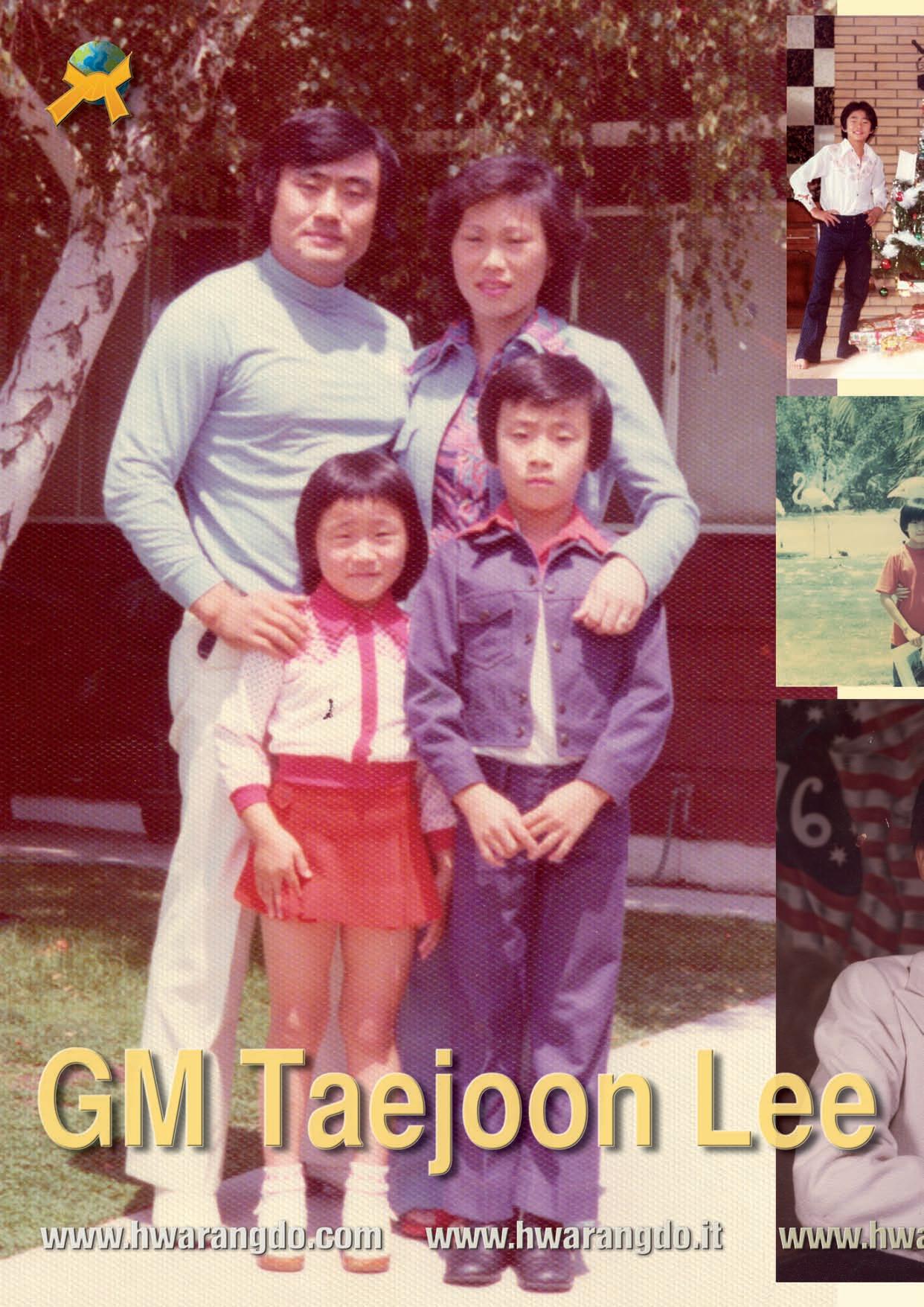
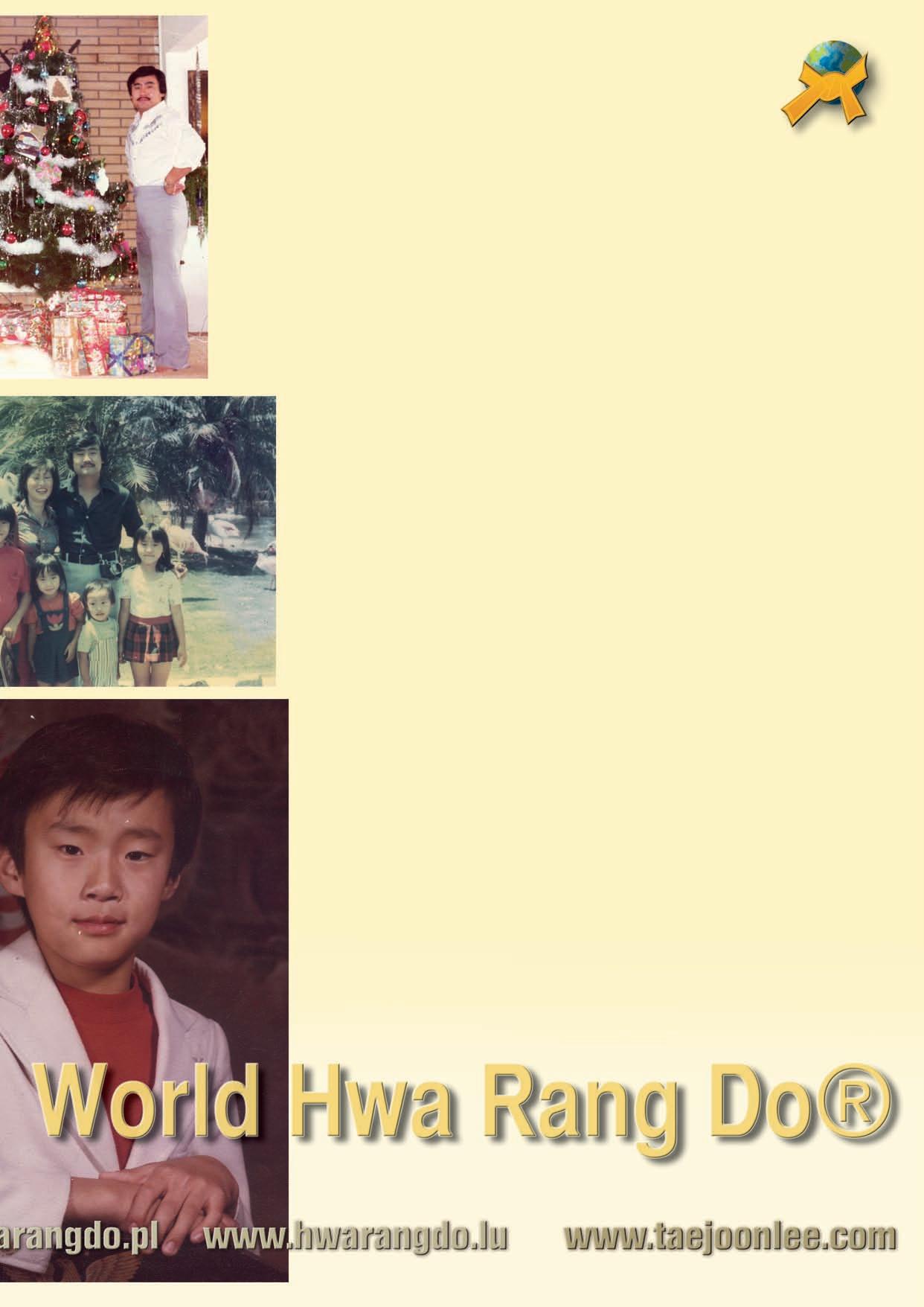
That was the first refusal to bow.
When I was seventeen, she became pregnant.
As a boy, I had always dreamed of a large family—ten children, an army of my own. But when confronted with the reality of fatherhood, I panicked. I told myself I was too young. I had too much to do. A world to conquer. A legacy to build. I could not be tied down now.
We decided to abort the child.
We did not tell our parents—a silence I would later regret deeply, for their wisdom and guidance might have altered the path we chose.
When she came out of the clinic, she could barely stand. I rushed to her—and she collapsed into my arms. In that moment, something inside me broke. I felt the full weight of a choice that could never be undone.
The remorse was immediate. The guilt was total. There was no justification strong enough to survive the reality of that moment. We tried to reconcile later. We tried to reconnect. We failed.
So, I did what warriors do when wounded in a place they cannot show: I buried it.
I hardened.
I pressed forward.
I poured myself into ambition, into Hwa Rang Do, into conquest of every possible domain. And I did not yet understand the most dangerous spiritual reality:
Unconfessed sin does not disappear.
It becomes fuel.
It becomes the hidden engine driving pride.
Guilt does not always cripple a man.
Sometimes it propels him.
Sometimes it convinces him that achievement will compensate for confession. That if he builds enough, conquers enough, expands enough, the past will be drowned beneath progress.
And so I ran.
Not from the world.
From myself.
As I moved into adulthood, everything I had been trained to do began to work. That is an important sentence, because success is far more dangerous than failure. Failure humbles you quickly. Success convinces you that you were right all along.
I succeeded.
Not occasionally. Consistently.
The discipline that had kept me alive as a child became a weapon in the adult world. I worked harder than everyone around me. I tolerated pressure others avoided. I embraced responsibility others fled from. Where there was disorder, I imposed structure. Where there was uncertainty, I decided. Where others hesitated, I moved.
And the world rewarded me for it.
The applause of the world is a dangerous anesthetic.
It dulls the ache without healing the wound.
Each success reinforced the illusion that I was not only capable — but necessary. That if I remained disciplined enough, strong enough, relentless enough, life would yield.
But life does not yield.
It exposes.
And when exposure comes, it does not negotiate with pride.
People often mistake pride for arrogance. That is too simple. Pride, at its most dangerous, disguises itself as virtue. It looks like responsibility. It sounds like duty. It feels like sacrifice. And because it produces results, it is rarely questioned.
I told myself I was motivated by service. By loyalty. By obligation. I convinced myself humility meant working harder than everyone else, carrying more than everyone else, enduring more than everyone else without complaint.
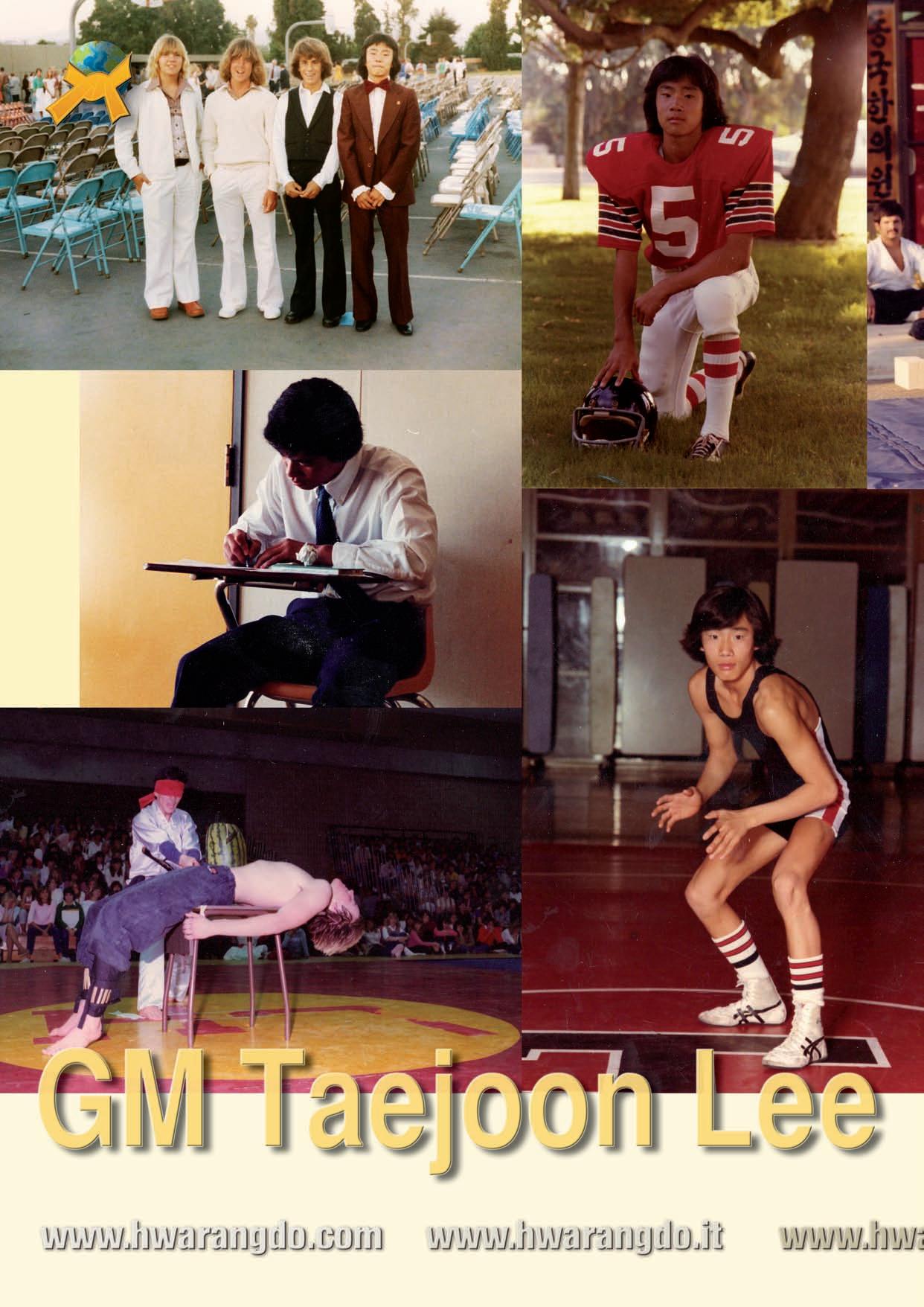
But beneath that narrative was a darker conviction that grew slowly, reinforced by results:
I am necessary.
And once a man believes he is necessary, he no longer believes he is accountable. He may still speak the language of responsibility, but inwardly he has enthroned himself. If things function, it is because of him. If things fail, it is because others were not strong enough.
That is not leadership.
That is idolatry of self—disguised as duty.
This is the pattern Scripture warns about with terrifying pre-
cision: victory after victory can make a leader forget that leadership is entrusted, not seized.
I built organizations. I trained warriors. I expanded Hwa Rang Do beyond what many believed possible. I took on tasks others said could not be done and felt an intoxicating satisfaction in proving them wrong. Every obstacle became fuel. Every doubt thrown at me hardened my resolve.
I lived by the ethos I later wrote about with full conviction: there is no Plan B. Burn the ships. Remove retreat. Press onward. In many ways, that ethos forged greatness. It purified commitment. It sharpened focus. It created results.
But it also created something else:
A world with no mercy. Not for others.
And certainly not for myself.
Joy accompanied success, but it was sharp and fleeting. It never lingered. The moment one goal was achieved, the next appeared. Satisfaction was always just beyond reach. I mistook this restlessness for ambition. In truth, it was hunger that could not be fed by achievement.
When something collapsed—and something always did—sorrow arrived without warning. I believed joy and sorrow were opposites: one to be chased, the other to be defeated. I did not yet understand what I would later articulate plainly: joy and sorrow are inseparable, drawn from the same depth.
Every joy carried the seed of sorrow because attachment guarantees loss.
And sorrow, whether I admitted it or not, revealed the measure of what I loved.
My thinking sharpened during this period. I studied philosophy deeply. I explored existentialism, ethics, metaphysics, the nature of mind and meaning. I became articulate. Precise. I could dissect belief systems, expose contradictions, defend my positions with clarity.
I convinced myself understanding equaled wisdom.

But subjective truth has a fatal flaw. It collapses under suffering.
Philosophy sharpened my intellect.
But suffering sharpened reality.
Ideas can be rearranged.
Loss cannot.
When heartbreak pierced me, it bypassed every argument I had constructed. It ignored rank. It ignored reputation. It ignored mastery.
It struck the unguarded place.
And I had no defense left.
No philosophy held when loss arrived uninvited. No discipline prevented betrayal. No mastery insulated me from heartbreak. And each time life pierced the armor, God knocked.
I survived car crashes that should have killed me. I survived a five-story fall onto concrete that left doctors astonished. Each time, I interpreted survival not as mercy, but as confirmation.
I told myself I was strong.
I told myself I was chosen.
I told myself I was invincible.
I did not yet understand that survival is not endorsement.
It is patience.
And patience is often the most terrifying form of love—because it lets you keep walking until you finally reach the edge of yourself.
During this period, I lived under an immense
weight of expectation—some inherited, much self-imposed. I believed that without me things would collapse. That my students, my organization, my family, my legacy depended on my constant vigilance.
This belief felt noble.
It was also a lie.
One of the hardest truths for warriors to swallow is this: training can refine you, but it cannot make you God.
We do not hold the scale. We never owned the balance. There is a Keeper—an Ultimate Authority—and when the moment comes, all our accomplishments are placed on the measure.
That truth is unbearable to the proud man.
Because it means: you were never sovereign.
And I did not want that to be true.
I wanted the world to be governed by strength and effort, because that was the world where I could win.
Yet life has a way of presenting something that does not yield to skill: a dream collapses, a relationship ends, betrayal strikes, the body begins to fail. In those moments, every technique and every insight proves valuable—but limited. And beyond that border, God waits.
I was approaching that border.
And I did not know it yet.
Pride does not die loudly.
It dies in a quiet room when the cheering stops—when
there is nothing left to prove, no one left to impress, and no strength left to weaponize. Pride dies when the soul finally admits the truth it has spent decades outrunning:
I cannot carry this.
My fiancée ended our relationship. Without warning. Without negotiation. Without repair.
She liked to say she lived by two rules—never complain,
never explain— as if borrowing the British monarchy’s silence could pass for strength. And I, with my own creed of never retreat, never surrender, did not recognize that two uncompromising wills were destined for collision. We were not building peace; we were accelerating toward impact.
Looking back, I can see something I could not see then.
Even here, God was answering me.
He gave me everything I believed I wanted in a woman— beauty, passion, glamour, intensity—and something I had

not even asked for: wealth. It felt like favor. It felt like reward. It felt like proof that after all I had endured, I was finally receiving what I deserved.
But it was not a gift.
It was a reckoning.
He allowed me to grasp fully what I thought would make me happy—not to indulge me, but to expose me. I was given the object of my desire in abundance so that I would discover how misplaced that desire truly was.
There is a warning hidden in the old saying: Be careful what you wish for.
I did not merely love her.
I fell hard.
I became obsessed.
She rose above everything—above my family, above Hwa Rang Do, above my calling. Without realizing it, I had elevated her beyond companionship into ultimacy.
She became my idol.
And idols must fall.
I had survived violence, racism, relentless pressure, and decades of responsibility. I had built and rebuilt. I had been knocked down and stood back up. I told myself I knew how to endure anything.
But this loss was different.
Because for the first time, mastery did not protect what mattered most.
I had finally permitted myself to hope for something beyond legacy—beyond the constant demand to be worthy. I allowed myself to imagine rest. Companionship. A shared future. A life not defined solely by proving myself.
And when it ended, it did not merely wound me. It dismantled the architecture of my identity.
What collapsed was not just a relationship.
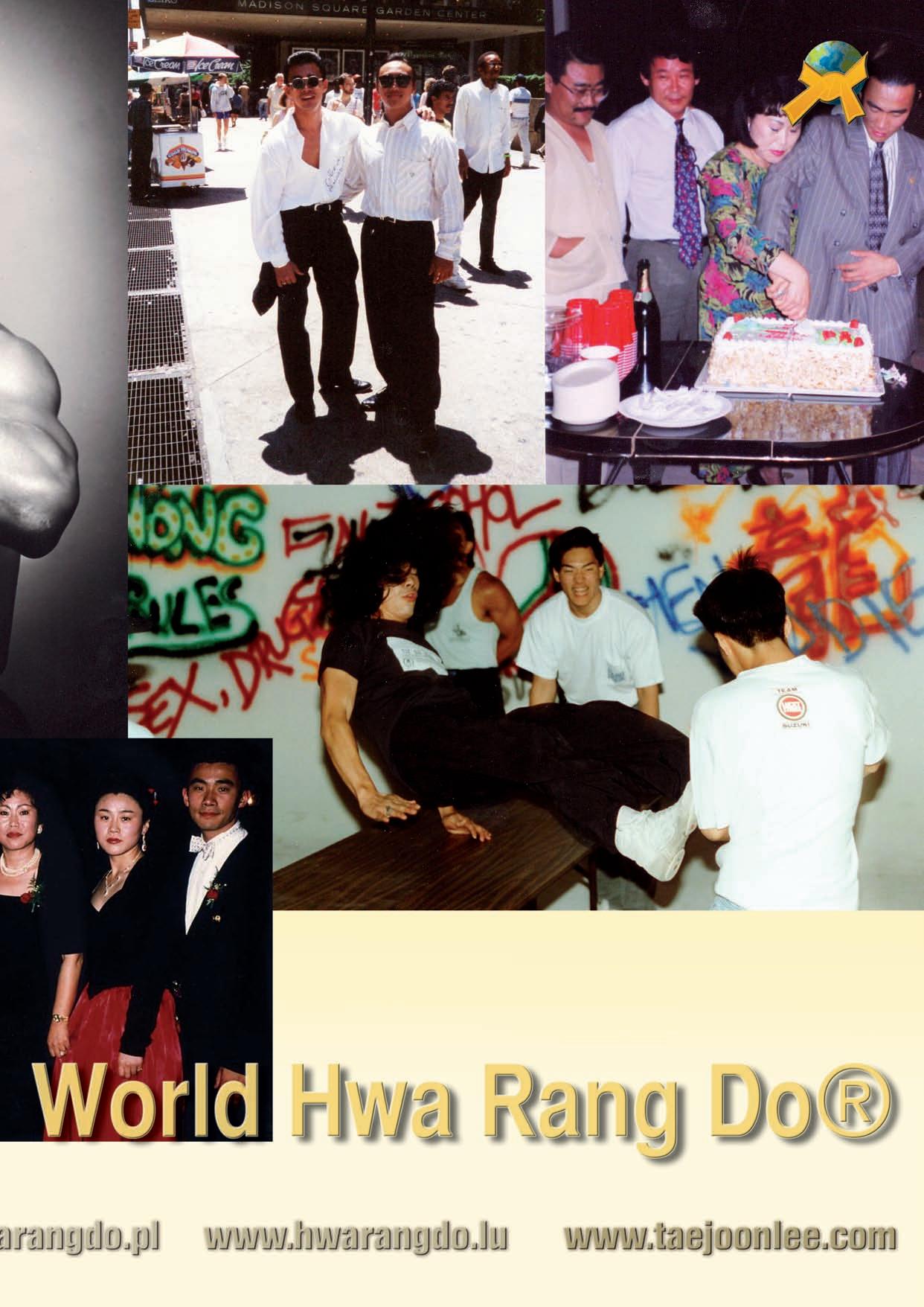
It was the illusion that I could secure my happiness through possession.
It was the false belief that if I just achieved enough, disciplined enough, loved intensely enough, I could hold what I desired.
That loss did what decades of struggle could not.
It exposed my heart.
And what I found there was not devotion.
It was idolatry.
I withdrew completely.
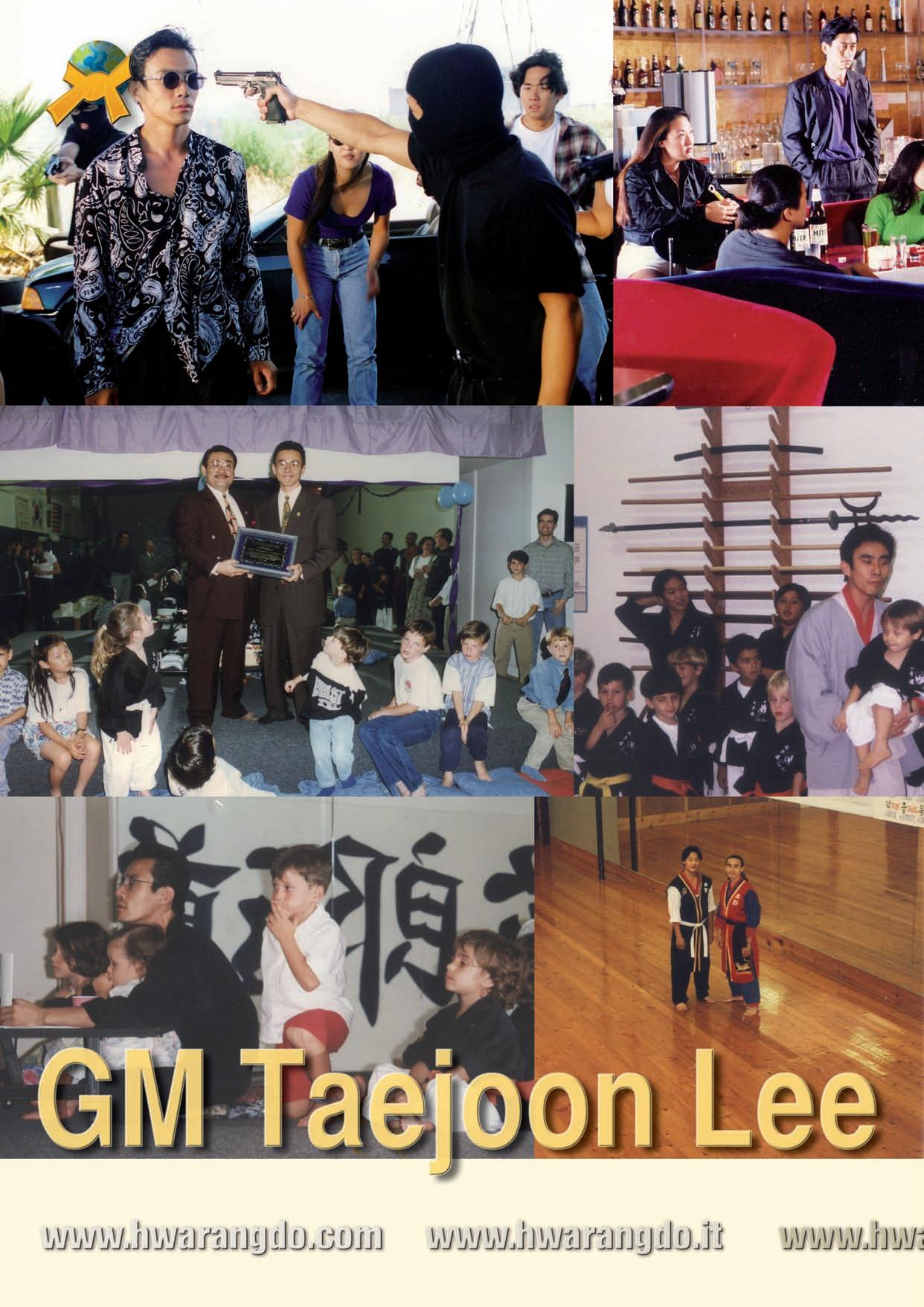
One of my students, sensing that solitude had become dangerous for me, offered me a place to stay in Los Angeles. It was not comfort; it was shelter—quiet containment so I would not disappear. And even under someone else’s roof, surrounded by concern, I isolated myself. I told neither my family nor most of my friends. Only a very few trusted confidants knew the truth.
I did not want encouragement. I did not want advice. I did not want solutions. I did not want to be told to “stay strong.”
I had been strong my entire life.
Strength was not saving me.
Strength was the thing that had kept me from surrendering. This was the second time in my life I contemplated taking my own life.
The first came years earlier, when I was still young and already crushed beneath the weight of responsibility, position, and
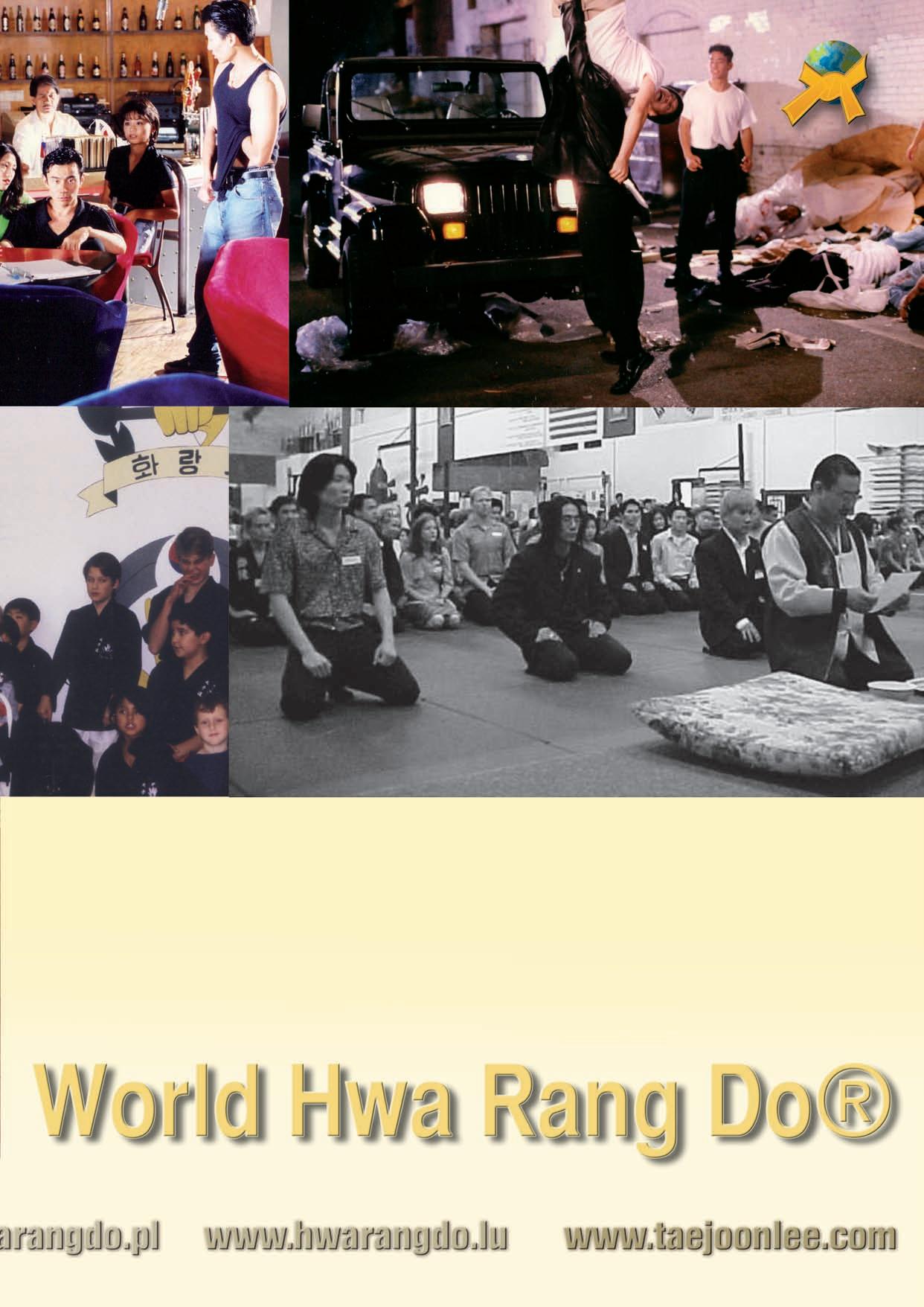
expectation. I did not attempt suicide then—but I was reckless with my life in a way that was indistinguishable from indifference.
One night, trying to impress a group of young men connected to a Yakuza family, I leapt from my balcony five stories high. I misjudged the distance, missed the railing I intended to catch, and fell.
During those few seconds of freefall, my entire life flashed before me.
I lay unconscious on the concrete driveway. I woke in a hospital bed, spared for reasons no one could explain.
I survived without severe injury. In the hospital, I learned that a man in the neighboring room had died from a fall of only two stories. Doctors and interns came repeatedly to see the “wonder boy” who lived through five stories.
I could not forget it.
That night, I made a promise I did not yet understand: “God, I don’t know if You’re real. But if You are, thank You. And I swear I will never be so reckless with my life again.”
This time was different.
Not dramatic.
Not impulsive.
Quiet.
It was not only pain—it was exhaustion. The exhaustion of always carrying. Always fixing. Always prevailing. Always being the one who was supposed to endure without breaking.
I began to see how pride disguises itself as responsibility— and how responsibility, unexamined, becomes a prison.
It was there—when the warrior finally ran out of answers— that God knocked.
Not through sentiment.
Through confrontation.
A senior Korean Hwa Rang Do master from Korea contacted me.
Though he was junior to me in rank, he was ten years my senior—an older brother in life. In my deepest sorrow I concealed my pain as I always had. Years of discipline had taught me how to mask fracture beneath composure.
As we spoke, I learned something that stunned me: He had become a Christian.
Only a few years earlier, I had spent countless sleepless nights partying and drinking with him in Korea—surrounded by beautiful women and relentless temptation, living like warriors untethered, indulging in the illusion that strength insulated us from consequence.
So, to hear now that he had turned toward Christ felt disorienting—almost unreal.
He spoke of a development project in Papua New Guinea, of establishing a Hwa Rang Do sanctuary there. As he described remote jungles and isolated communities, something stirred in me.
At first, I thought: This is a Godsend.
An escape.
A doorway out of my grief.
I imagined leaving the world behind and disappearing into the primitive jungles of Papua New Guinea—away from reminders, away from pain, away from the place where my heart had been broken. The fantasy felt merciful: a life of training, service, isolation—no one watching me fall apart.
But he did not offer sympathy.
And I did not explain my situation.
There was no exchange of sorrow, no sharing of wounds. We spoke only of Christ.
He did not console me.
He challenged me.
God did not knock with comfort.
He knocked with confrontation.
He sent not a therapist.
Not a sympathizer.
But a brother who asked a single question that dismantled decades of intellectual pride:
“Have you read the Bible?”
The question did not accuse.
“That was when I understood how profoundly I had misunderstood strength.”
It exposed.
He asked me again directly, “Have you read the Bible?”
I answered reflexively, with confidence born of intellect rather than obedience. I told him I knew the biblical stories probably better than most. I had debated many professed Christians. I knew their language. I knew their logic.
He cut through me:
“No. Have you read the Bible?”
I paused. “You mean from cover to cover? No. Have you?”
I expected him to say no.
He didn’t.
“Yes,” he said. “Many times.”
Silence followed.
In that moment, every argument I had ever wielded collapsed. I could not dispute a book I had never truly read. My mind—so accustomed to dismantling others—had nowhere to stand.
When the call ended, I knew what had been demanded of me.
I had to open the Bible.
Among the few possessions I still owned, there was only one Bible—the one I had carried with me for thirty-three years. A leather-bound volume with my name embossed in gold. A gift from my very first black sash, my close friend from high school.
For thirty-three years—the earthly lifespan of Jesus Christ—that Book traveled with me unopened.
I moved continents with it.
Through triumphs and failures.
Through identities constructed and dismantled.
Through loss, ambition, pride, and reinvention.
It was always there.
And I never opened it.
The symmetry was not lost on me later: it took the same span of years Christ walked this earth before I would finally open His Word.
That night, I reached for it.
And immediately, I resisted.
Everything in me recoiled. I was not religious. I distrusted religious people. I despised moral posturing and shallow faith. I believed many Christians wielded “sin” as a weapon and wore “grace” like a costume. My mind had dismantled their arguments countless times.
But this was not an argument.
It was a command—spoken with spiritual authority—and it landed on me like a blade.
That night, with nothing left to defend and nothing left to preserve, I opened the Bible.
Not strategically.
Not reverently.
Desperately.
I did not even know what the Gospels were, but I had heard that John mattered. So, I turned to him—though not to the Gospel of John, but to one of his letters, as if even in my ignorance I was being led.
What met me there did not feel ancient.
It felt immediate.
Christ did not speak like a philosopher offering ideas for contemplation. Years of studying philosophy had taught me its limitation: an endless turning inward. Thought feeding on thought. Questions generating more questions. Impressive intellect producing no authority, no finality, no truth capable of bearing weight. It sharpened the mind, but it did not anchor the soul.
Christ was nothing like that.
He spoke with authority—clear, uncompromising, final. There was no room to reinterpret Him into something manageable. His words did not invite admiration.
They demanded obedience.
And the first thing that struck me was not comfort.
It was command.
Love one another.
Love your enemies.
Forgive those who trespass against you.
Not symbolically.
Not selectively.
Completely.
Then came the blow that stopped me cold: if I refused to forgive even one, I could not enter the Kingdom of Heaven.
For a warrior, this was intolerable.
I had been trained to identify threats and neutralize them. Justice meant consequence. Betrayal demanded response. Order was maintained through strength. Forgiveness, as I understood it, was weakness—an invitation for wrongdoing to repeat itself.
But Christ went further.
Judgment does not belong to man at all.
Justice belongs to God alone.
In that moment, something inside me broke—not emotionally, but structurally. An entire framework collapsed. I realized my obsession with punishment, control, and retribution had not been righteousness.
It had been pride.
And if God is truly God, then His justice exceeds anything I could ever execute.
Which meant my thirst for vengeance was not virtue.
It was defiance.
As I kept reading, I encountered something even more devastating: Christ’s obedience. Betrayal. Humiliation. Torture. Death—endured for doing nothing wrong.
He did not retaliate.
He did not justify Himself.
He did not defend His innocence.
He submitted.
Not because He was weak.
Because He was sovereign.
That was when I understood how profoundly I had misunderstood strength. I believed strength meant domination. Christ revealed strength as obedience to Truth—even when it costs everything.
And then, without warning, the truth I had buried for thirtythree years rose to the surface.
I saw clearly what I had done when I was seventeen. I had murdered my own child.
Not as metaphor.
Not as ideology.
As fact before God.
Every defense evaporated. Every comparison to others became meaningless. Every illusion of moral superiority shattered. I had despised the Christian claim that we are all sinners—believing it psychologically destructive, spiritually manipulative.
Now I understood it was the only honest place to begin.
And something else struck me with devastating clarity.
Thirty-three years.
If that child had lived, he or she would now be thirty-three years old.
The same age Christ was when He was crucified. The symmetry was unbearable.
For thirty-three years I carried an unopened Bible.
For thirty-three years I buried a life I had extinguished.
For thirty-three years I resisted the One whose own life was given at that same age. It was as though, in my rebellion, I had rejected not only my child—but Christ Himself.
The realization did not accuse me theatrically. It undid me. I collapsed.
The floodgates broke—decades of buried guilt and sorrow surging through me in a torrent I could neither control nor contain.
Not theatrically.
Not symbolically.
But bodily.
My legs gave way. I fell to the ground and stretched myself out, face down in full prostration.
All my life I had believed prayer should be done upright—composed, controlled, looking upward toward heaven. A warrior does not bow his head in weakness. He looks up. He speaks clearly. He presents himself with dignity, as though reporting for duty.
But that night, I could not stand.
My body surrendered before my pride had words.
I stretched myself out fully, face down. I pressed my forehead into the floor as if I could sink beneath it. I tried to lower myself further, as though humility had degrees and I had not yet reached the bottom.
I pushed my face harder into the ground. There was nowhere lower to go.
I wanted the earth to swallow the man I had been.
And in that lowest place—face to the ground, stripped of title, stripped of defense, stripped of argument—I expected annihilation.
I expected condemnation.
I expected the full weight of divine justice to fall upon me.
Instead—I encountered mercy.
Not denial of what I had done.
Not minimization.
Not psychological comfort.
Truth remained intact. But it was not crushing. It was covering.
In that moment I understood something I had resisted my entire life: The cross was not abstract. It was personal.
Christ did not die for humanity in theory. He died for sinners in fact.
For the proud. For the defiant. For the self-justifying.
For men like me.
The realization that I had ended a life at seventeen did not disappear. It sharpened. But alongside it came something greater. If my sin was real, then His atonement had to be real. If my guilt was concrete, then His sacrifice had to be sufficient.
Grace is offensive only to those who still believe they can save themselves.
On the floor in 2015, I knew I could not.
I did not bargain.
I did not negotiate.
I did not promise reform in exchange for forgiveness.
I simply confessed.
And in confessing, I surrendered.
The burden I had carried for thirty-three years did not evaporate emotionally in an instant. But its authority over me broke.
There is a difference. Remorse remained. But condemnation did not.
Memory remained. But shame lost its dominion.
I had thought Christianity was weakness.
I discovered it required the most courage I had ever exercised.
It is far easier to dominate others than to kneel before God.
Far easier to justify than to confess.
Far easier to build legacy than to surrender ego.
That night in 2015, I lost something.
I lost my rebellion.
And in losing it—I found peace I had never manufactured through
discipline, meditation, or force.
Not because I felt something extraordinary.
But because I had finally obeyed.
And obedience is the birthplace of peace.
The warrior who defined himself by resistance discovered that resistance had been the true prison.
Surrender was not defeat.
It was release.
And I opened the door to the One who had been knocking all along.
“Kilbo required something my pride had not practiced well: love that is not transactional”
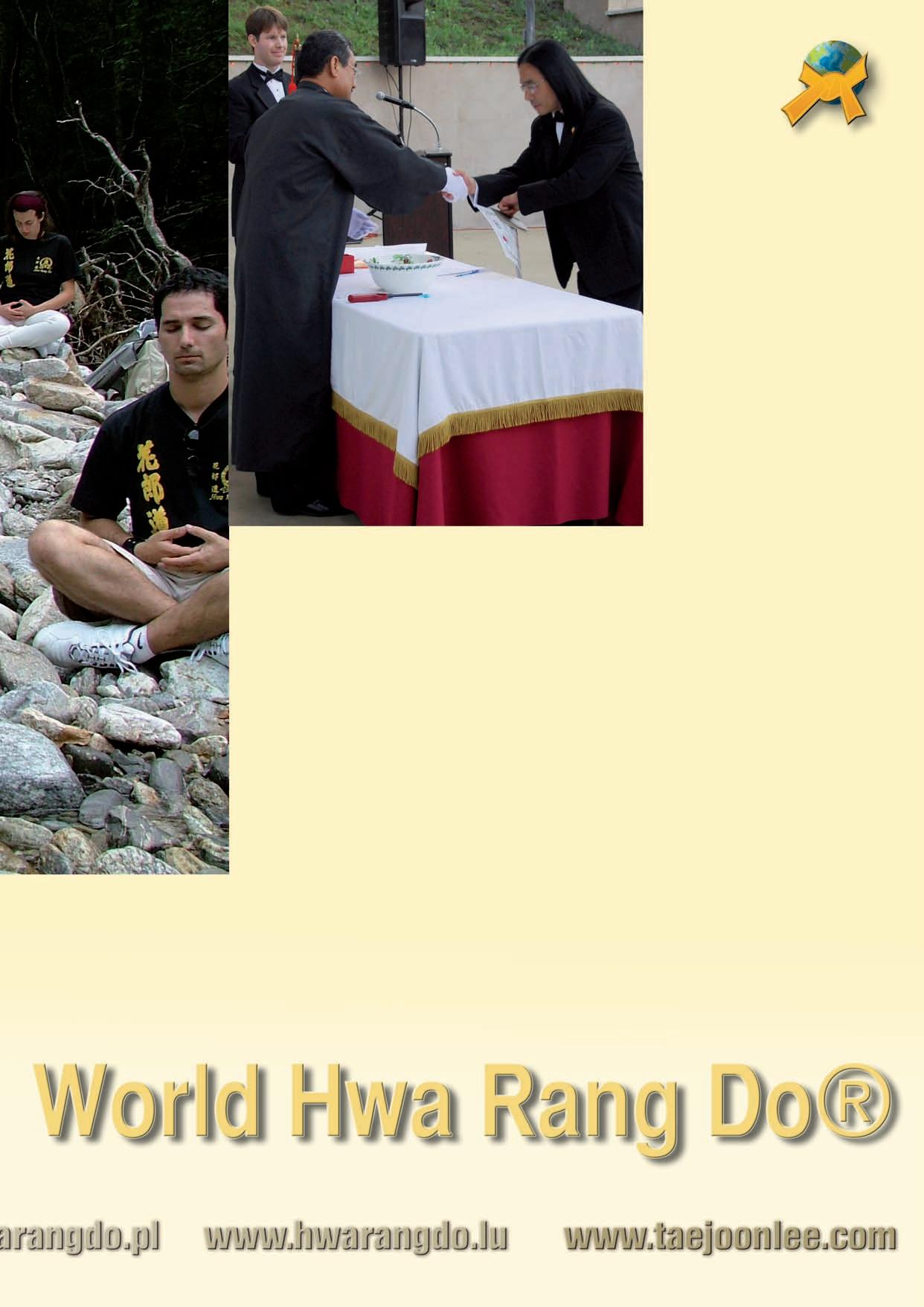
Soon after, I made a decision that seemed small but proved deeply symbolic: I got a dog—Kilbo.
He was not merely companionship. He was a living mirror. A companion who could sense the truth beneath my stillness. In time I understood he was also mercy: a guardian angel in the form of a dog.
Kilbo required something my pride had not practiced well: love that is not transactional. Care that does not demand performance. Responsibility without domination. In my darkest seasons, he gave my mornings meaning and my days rhythm—because whether I felt worthy or not, Kilbo needed me.
And through him, God taught me something I had trained my whole life to avoid:
How to soften without becoming weak.
How to be present without controlling. How to love without conquest.
Not long after, I returned home—not to Korea, but to my parents’ house.
I had left home at eighteen to attend university, and in my mind I never truly returned. In my imagination, “returning home” was supposed to be triumphant: a warrior coming back with tribute, proof, victory. Instead, I returned with nothing.
No wife.
No children.
No visible evidence of a life advancing “as it should.”
As the eldest son, I was meant to marry, establish my household, raise children, extend the lineage forward. That was the order of honor. I had desired it. I had tried. But I could not fulfill it.
The shame of that failure cut deeper than I admitted.
So, I did not return to the comfortable wing of the house where I once lived. I chose the maid’s quarters—a small corner room. It was not an accident. It was self-sentencing. I did not believe I deserved comfort. I did not believe I deserved space. I did not believe I deserved to be seen.
I stayed inside with Kilbo. I read my Bible daily. I came out only to eat. Scripture, silence, shame.
The tension with my father was unbearable.
We were both warriors by formation, and my mother stood between us—buffer, mediator, silent shield. Pride was the language we spoke fluently, though neither of us would admit it. And though I was broken, I still tried to maintain composure. I could not let him see me collapse, even as collapse was exactly what was happening.
All I wanted—if I am brutally honest—was his acceptance. Not instruction. Not advice.
His acceptance. But he could not offer it.
Then one evening, everything erupted.
A huge argument—sharp, violent, years of disappointment and expectation finally spilling into the open. In that moment, I learned something I had always known in theory but had feared in practice:
Reconciliation does not come through avoidance. Conflict must be faced if resolution is to be possible. Yet both my
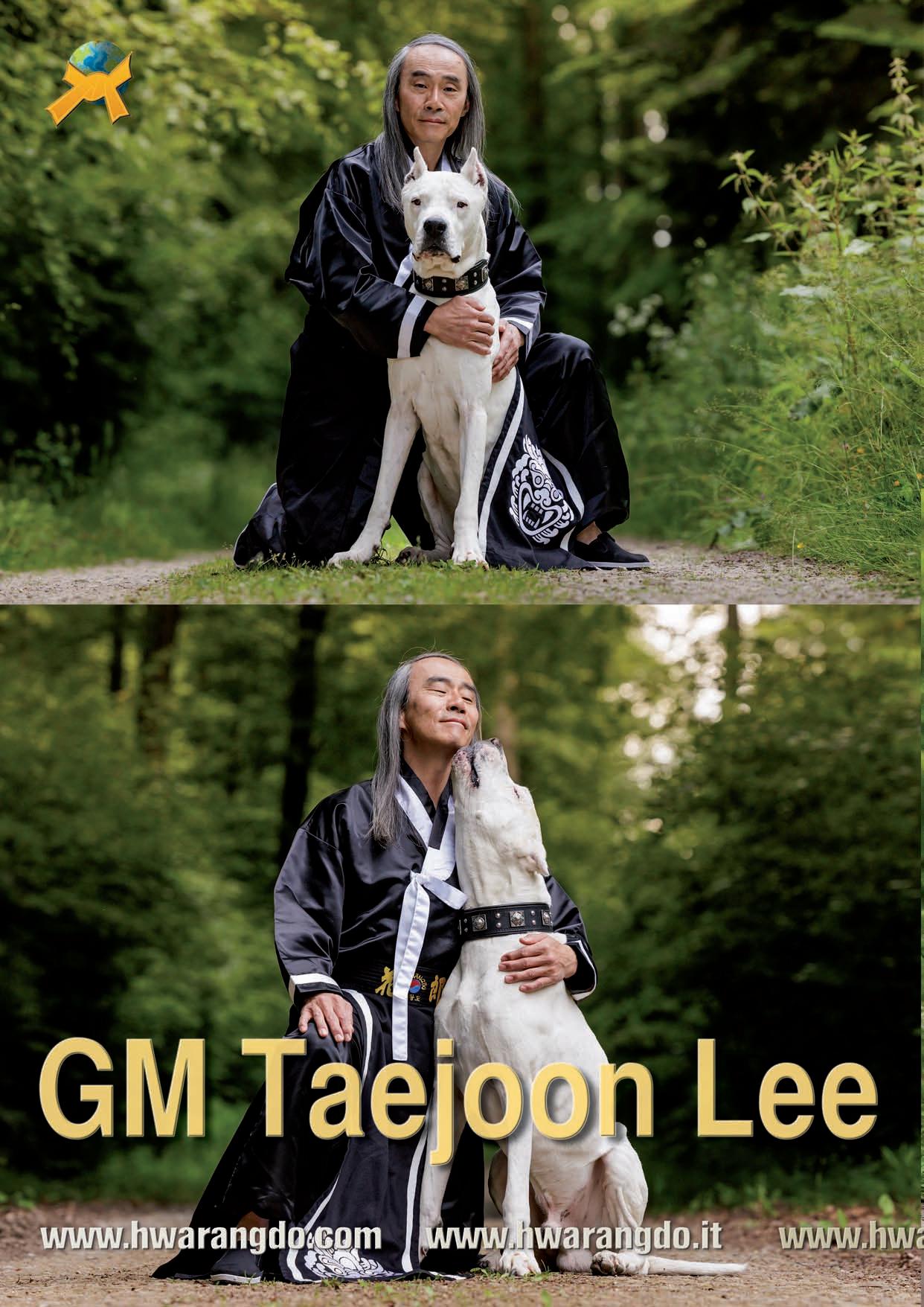
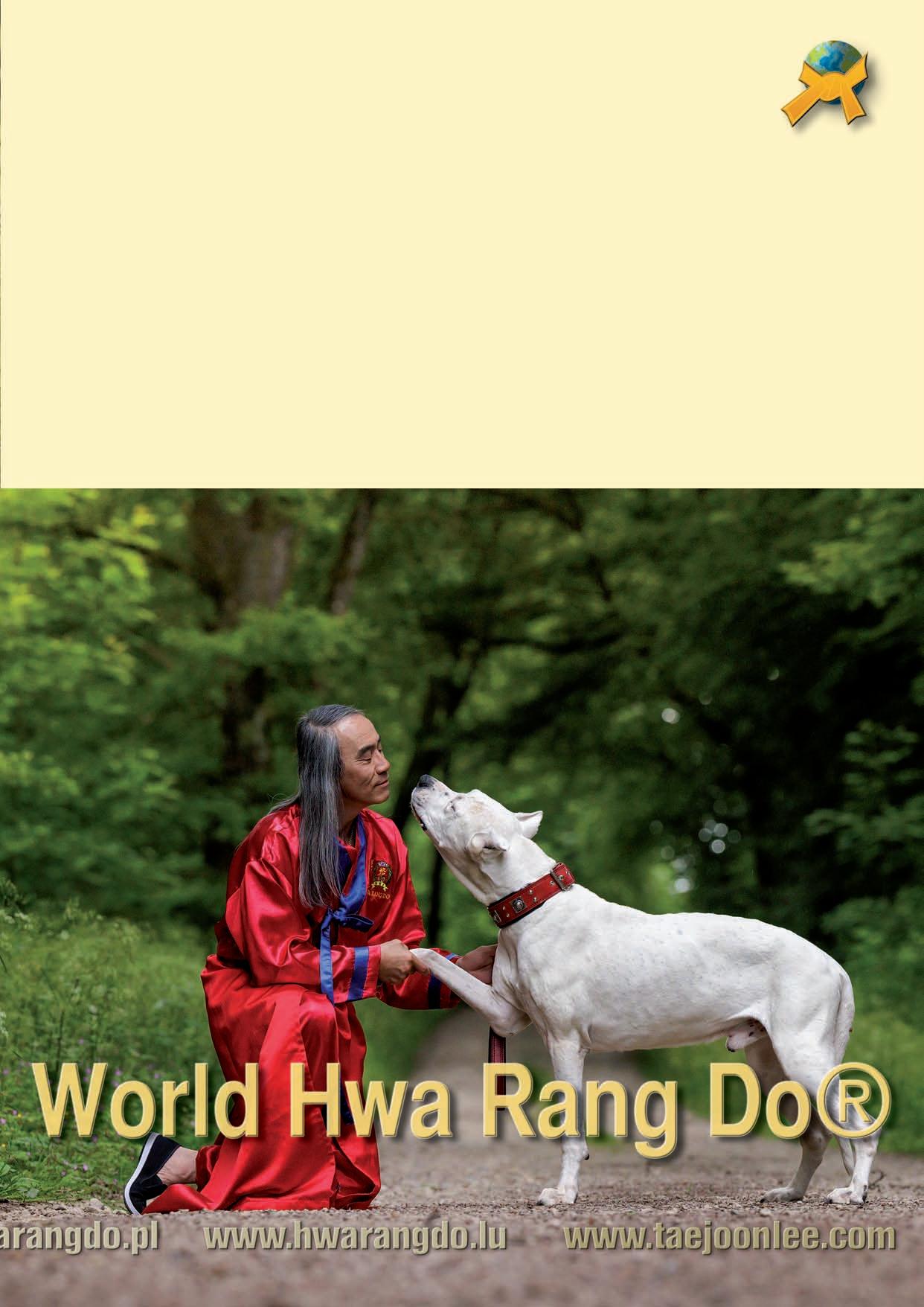
“Kilbo had walked beside me through humiliation, reconciliation, exile, and rebuilding. He was more than a companion; he was my guardian angel sent by my Lord to help me keep the covenant I had made on the floor that night. Through seasons of weakness and renewal, he remained steady. His passing did not simply mark loss—it signaled the completion of that sacred season.”
father and I feared that confrontation between us could become catastrophic. He was a formidable man, and he had shaped me to be no less unyielding. We understood each other too well. If our pride ignited unchecked, the damage could have been irreparable.
And yet, it was only by stepping into that fire—by letting the conflict surface honestly—that reconciliation became possible.
If I had not been forced to return home, that tension—my shame and my father’s disappointment—might never have resolved. We could have remained distant, cordial, proud, and unresolved until death separated us.
Instead, God cornered me.
I see now that I was not returning in defeat.
I was being purified.
He stripped away everything I relied upon—position,
independence, pride, illusion. He reduced me to what I truly was beneath titles and achievements: bare, exposed, without defense.
And in that exposure, He cleansed me.
Not by humiliation. By truth.
This purification had to happen if I was going to move forward—not as a man still trying to prove himself, but as a son reconciled, as a servant obedient, as a warrior refined through surrender.
After that night in 2015, surrender was not complete. It had begun.
As I read Scripture daily in my quiet seclusion, one truth began to press upon me with increasing clarity: baptism. Water.
Purification.
Death to the old man.
If I was to call myself Christian, if I was truly to belong to Christ and not merely admire Him, I could not remain abstract. Surrender required embodiment. I had knelt.
Now I must be washed.
The idea unsettled me at first. I had already confessed. I had already surrendered. Was that not enough?
But Scripture did not leave room for partial obedience.
Faith must be declared.
And the old self must be buried.
So, I reached out to the brother of the friend who had given me the Bible thirty-three years earlier. By then, he had become a pastor. I asked him if he would baptize me.
He was overjoyed to hear from me after so many years. He initially agreed.
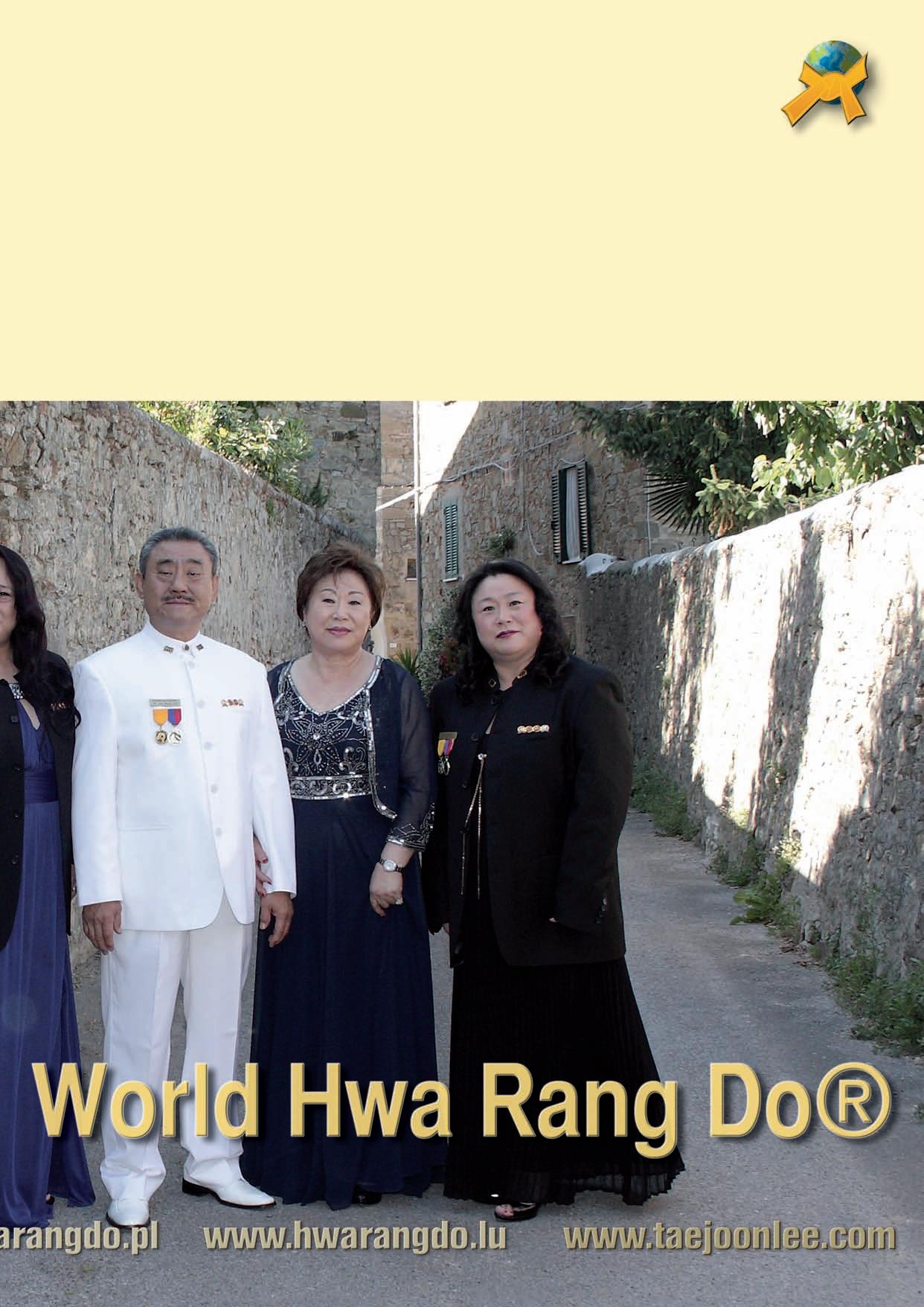
But weeks passed. No reply.
Highly unusual for him. But I did not press.
I had learned something by then: if a door remains closed, wait.
That summer, I traveled to Tuscany, Italy, for our Annual Event. Though inwardly still healing, I fulfilled my responsibilities—conducting seminars, teaching intensives, instructing my students in the way of the Hwarang.
Outwardly, I remained Grandmaster. Inwardly, I was newly surrendered.
And it was there, among the rolling Tuscan hills, that clarity came.
Christ Himself had been baptized by John the Baptist— who would later become His disciple.
The Master knelt before the servant. Authority humbled before obedience.
In that moment, I understood.
I did not need ceremony.
I did not need recognition.
I needed obedience.
And obedience does not require rank.
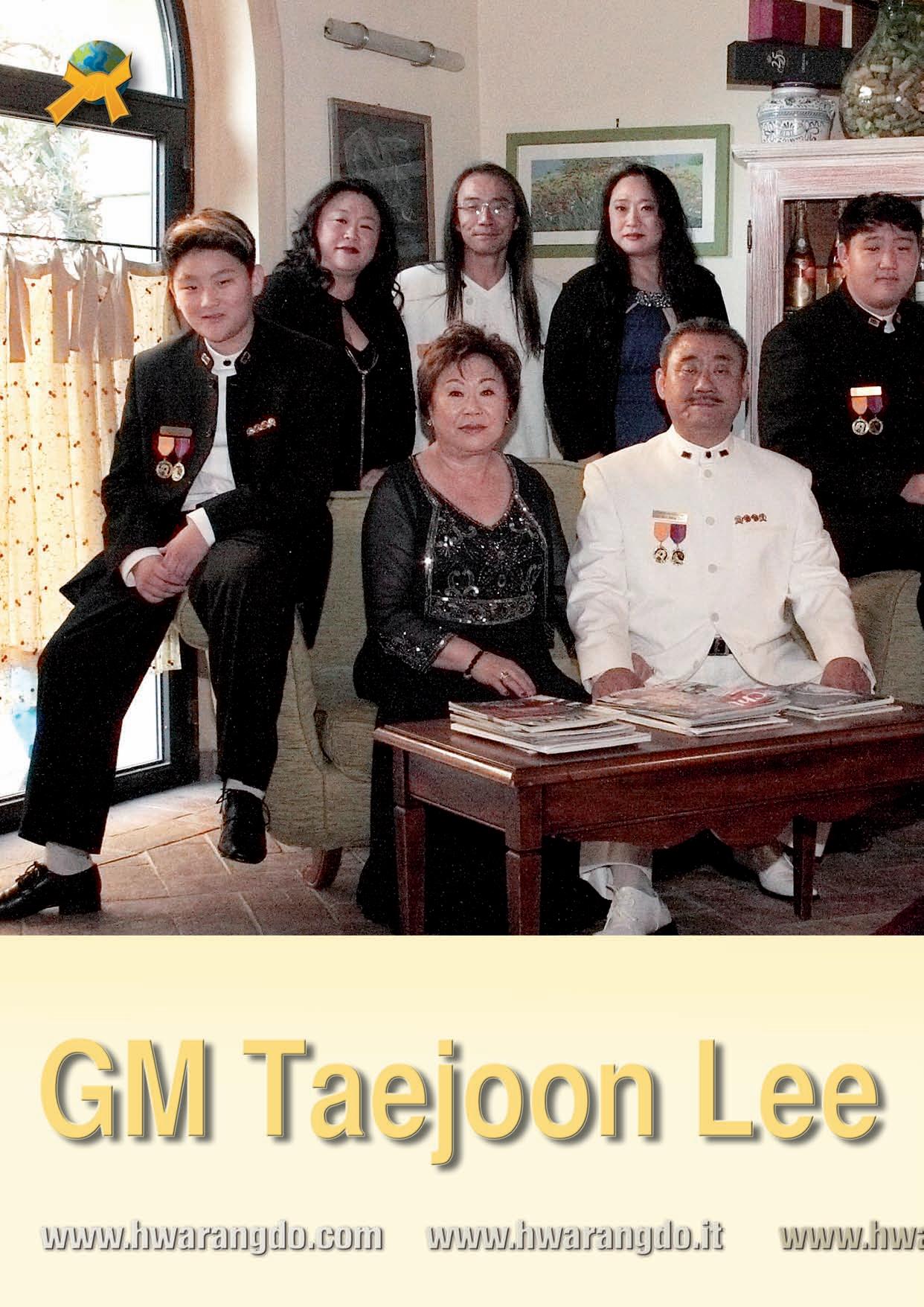
It requires alignment.
I approached one of my students—the Chief Instructor of Italy—and asked him if he would baptize me.
He was stunned.
He declined at first, humbly questioning how he could perform

such an honor upon his Grandmaster.
I told him about John the Baptist.
About Christ kneeling.
About how the order of heaven does not mirror the hierarchy of men.
He understood.
We found a small stream in the Tuscan countryside, nestled among the rolling hills. The water ran clear over smooth stone. It was quiet. Simple. Untouched by spectacle.
And knowing that surrender must be witnessed, I asked my sister to accompany us.
There, in that stream, I knelt before my student.
Not as Grandmaster. As believer, a servant.
He read from my Bible—the same Bible I had carried unopened for thirty-three years.
Water from the living stream was poured over me.
And in that moment, I felt something deeper than emotion.
I felt burial. The old man—the one built on pride, conquest, indispensability—was symbolically laid down.
And I rose from that water not elevated— But cleansed.
Once again, it was not my will—but His. It was never my design to be baptized by my student in a Tuscan stream.
It was alignment. And shortly thereafter, the path to Luxembourg opened.
Not as escape. As obedience.
I went to Luxembourg with two suitcases.
Even arriving there was not my doing. I had never even heard of Luxembourg. My original intention was Italy. We had a strong Hwa Rang Do presence there, a solid following, infrastructure already in place. It was logical. It was strategic. It made sense.
Italy would not grant the visa.
The process stalled. Delayed. Denied. Every effort met resistance. The door I believed should open simply would not.
Years earlier, that would have enraged me. I would have pushed harder. Leveraged influence. Found another angle. Forced movement through willpower.
But this time was different.
One of our most junior instructors—from the smallest club in the smallest country— offered to try for Luxembourg.
Years later, I would remember him not as an instructor, but as a nervous young boy at the first Italian Championships. It was a sweltering summer day. His palms were drenched in sweat as he stepped forward to perform his sword form. Mid-routine, he lost his grip. The blade flew from his hand and
cut through the air.
By the grace of God, no one stood in its path. Had someone been there, the outcome would have been catastrophic.
I gave him the harshest reprimand of his young life. I disciplined him severely. In that moment, he was a boy who had failed under pressure—corrected firmly, reminded of the weight of responsibility.
And yet it was that same boy, grown into a man, who would later help open the door that saved me.
There is a quiet irony in that truth.
The one I once corrected in weakness became the instrument of my deliverance. The least expected became essential. The smallest became the channel.
It is true: God uses what we overlook. He elevates those in lowly positions to accomplish what pride cannot foresee. What appears insignificant in one season becomes decisive in another.
He works in ways no strategy can predict.
And in this case, He worked through a once-trembling boy with sweaty palms and a flying sword.
With the assistance of the Chief Instructor in Italy, they began the process. I did not believe it would succeed. Luxembourg was known to be one of the most difficult countries in Europe to obtain a work visa. The requirements were stringent. They had to demonstrate that my expertise could not be replicated either within the country or abroad.
The irony was sharp.
After a lifetime of believing I was indispensable, I now stood waiting for bureaucrats to decide whether I was necessary at all.
And then, against every probability, the visa was granted.
Not because I orchestrated it.
Not because I maneuvered it.
Not because I forced it.
It was opened.
Looking back, I see clearly what I could not fully articulate at the time: this was not administrative success. It was providence.
Italy was my plan.
Luxembourg was His.
And for the first time in my life, when confrontedwith something that did not align with my preference, I did not resist.
I obeyed.
There was a time—when I was seventeen— when I mocked the phrase, “If it is the will of God.” I rejected it. I believed destiny belonged to the bold, not the obedient. I believed outcomes were forged, not received.
That young man would have fought Luxembourg.
He would have insisted on Italy.
He would have interpreted resistance as a challenge to overcome.
But the man who knelt on the floor and surrendered to Christ no longer interpreted closed doors as obstacles.
He saw them as direction.
What I once resisted as weakness—submission to the will of God—had become the very foundation of my strength.
So, I arrived in Luxembourg with two suitcases. No entourage.
No reputation.
No audience.
Only obedience. And in that obedience, I began to understand something I had spent fifty years learning the hard way:
The will of God is not a limitation. It is alignment. And alignment is where true power resides.
For years I lived in a land that was not mine—without language, without leverage, without history. I was known only
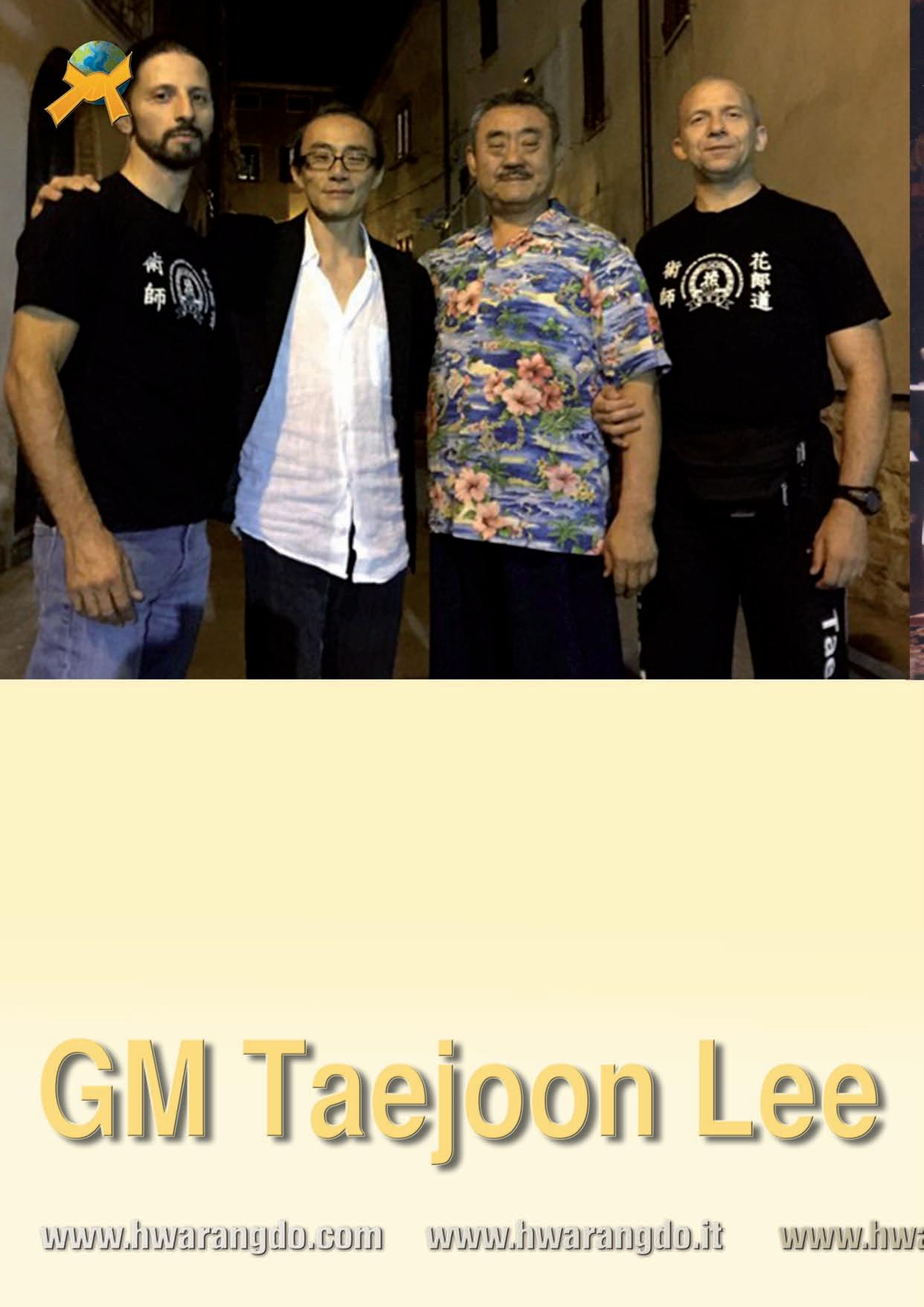
for who I was in the present moment, not for what I had built in the past.
This was sanctification.
Holiness is not elevation.
It is separation unto purpose.
There, God stripped away the final residues of my old identity: the need to be central, the need to be indispensable, the belief that everything depended on my strength.
Slowly, deliberately, He taught me what courage truly is.
Strength imposes will.
Courage submits to truth.
And the more I learned that, the more I understood the final paradox of the warrior’s path: only the warrior who kneels can be trusted to stand.
Once I learned to kneel, I began to see patterns I had previously called coincidence.
Closed doors were not obstacles. They were redirection.
Italy closing.
Return home denied.
Luxembourg opening through the smallest of instruments.
Providence does not shout. It arranges.
For seven years in Luxembourg, I served quietly. In many ways, it felt like penance. There was no empire to build. No legacy to expand. Only obedience in small things. I believed that season was temporary—that once it was complete, I would return home, care for my aging parents, and assume responsibility at our World Headquarters so that my father, my esteemed Hwa Rang Do master, could finally retire.
It seemed right.
It seemed honorable.
It seemed logical.
But once again, what seemed logical was not the will of God.
In 2023, when my parents visited Luxembourg, I made my intentions known. I spoke with conviction. I believed I was prepared to return. I believed it was my duty.
My father listened. Then, gently but firmly, he refused. He insisted that I remain in Europe and continue my work. In his characteristic manner, he expressed gratitude and love, assuring me that he did not require caretaking. His words were not dismissive—they were deliberate. In that moment, I recognized something familiar.
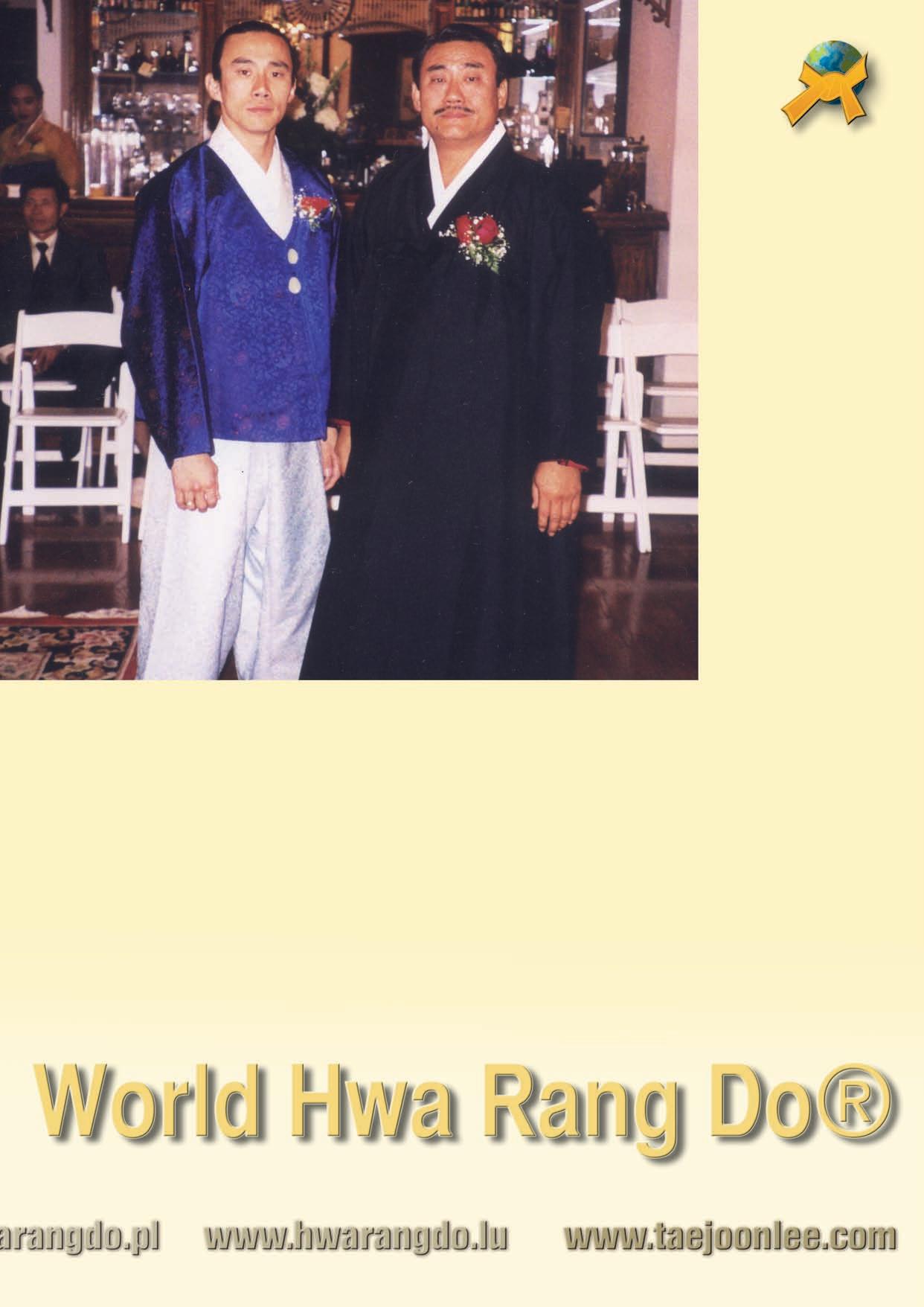
Closed doors. Again.
Italy had closed. Return home had closed.
And this time, I did not interpret it as resistance. I heard direction.
With his words still resonating within me, we began searching for a permanent home in Luxembourg—not as a temporary station, but as roots.
The first property we found was modest. Affordable. A fixer-upper nestled within the quiet countryside. It needed significant renovation, but it was manageable. Sensible. Within budget.
But the seller hesitated.
Time passed. Uncertainty grew. My family returned home. I remained alone, continuing the search.
Then we discovered something unexpected.
In the northern reaches of Luxembourg, bordering Belgium, stood a sprawling country estate over a century old. Weathered. Worn. Without plans or blueprints—a relic of another era. It had once served as a Catholic retreat. Its barn had been converted into a chapel. Generations of worshippers had walked its grounds.
As I stood before it, I felt overwhelmed by the scale of work required.
Yet I also saw something else. Potential. Not for comfort. For calling.
This was not a bachelor pad. It was not private luxury. It would require living among my students, sacrificing privacy, embracing community. Once again, my personal preference clashed with purpose.
One option offered independence and comfort. The other demanded surrender.
The bachelor pad fell through. The old Catholic retreat remained.
Providence rarely shouts. It closes one door quietly and leaves another standing. Initially skeptical, I submitted an offer for the property. It was rejected immediately.
So, I did something I would not have done years earlier. I wrote a letter.
Not a negotiation. Not leverage.
A testimony.
I poured out my story. I explained my vision—to restore the property not merely as a home, but as a sanctuary for learning, growth, and formation. A place where future Hwarang Knights could be mentored in both discipline and character.
To our astonishment, the owners reconsidered. They accepted. Thus began the transformation. Renovations commenced almost exactly seven years from the day I first arrived in Luxembourg. Seven—the number of completion. The number of Christ. A full cycle. It was not coincidence. It was divine choreography. From childhood, I had heard stories of my father leaving home as a teenager, vowing to return only after achieving success. Seven siblings. Poverty. He acquired a small home with my mother that doubled as a training hall. Rats scurrying at night. He sharpened his knife-throwing skills not for sport, but to survive harsh living conditions.
Those stories ignited a dream in me: one day to build a sanctuary where warriors would be formed—not merely in technique, but in character. A place where tradition and enlightenment converge. Where discipline meets purpose.
For decades, that vision shifted forms. It moved countries. It changed scale. It evolved with my ambition.
Never—not once—did I imagine it would manifest as an old Catholic retreat in rural Luxembourg.
Yet here I stand.
Among timeworn walls that once echoed with prayer. Converting a former chapel into a Hwa Rang Do sanctum. Renovating ancient stone not to glorify myself—but to steward something entrusted.
Looking back, I see that it was not merely the culmination of seven years.
It was the weaving of nearly six decades.
Every failure.
Every success.
Every sin.
Every surrender.
Nothing was wasted.

What I once interpreted as interruption was orchestration. What I once resisted as delay was protection.
What I once demanded to control was being carefully redirected.
For all things are transient.
Reputation fades. Strength diminishes. Institutions rise and fall. Joy and sorrow alternate like seasons. Even legacy, if idolized, becomes dust.
But there is one constant.
God.
Immutable. Eternal. Unmoved by time.
His will does not fluctuate with our preferences. His plans do not bend to our ambition. His purposes do not accelerate at our demand.
And yet, in His sovereignty, He invites us—not to conquer destiny—but to participate in it.
In Him, I have found refuge.
Not because life became easier.
But because I no longer confuse my will with His.
Even now, as I write these words, I wrestle with God. Frustrations remain. Challenges multiply. There are days when I question the scale of what stands before me.
But I no longer interpret resistance as abandonment.
I recognize refinement.
My struggles arise not because He has failed me—but because His plans diverge from my own.
And that divergence is faith.
Faith is not passive belief.
It is trust forged in contradiction.
It is obedience when outcomes remain unclear.
It is surrender when the old instinct is to force.
And so I build.
Not for conquest.
Not for validation.
Not to prove I am indispensable.
But because I am aligned.
And alignment—after fifty years of resistance—is the greatest strength I have ever known.
Two-years later, my father stood beside me.
Not as judge.
Not as commander.
As witness.
We stood together in Luxembourg during our annual gathering, inside the very place God had orchestrated through closed doors and unlikely instruments. The old Catholic retreat—once weathered and forgotten—was alive again. Though still unfinished, with much work yet ahead, students trained. Laughter echoed. Discipline and devotion coexisted beneath ancient beams.
And my father watched.
When he handed me a substantial gift, I thanked him— formally, respectfully, as I had done my entire life.
And then he said something I had never heard before.
“It makes me very happy. You deserve it.”
He had never said those words to me.
Not once in sixty years.
I had spent my entire life striving to hear them.
As a boy, I studied to avoid punishment.
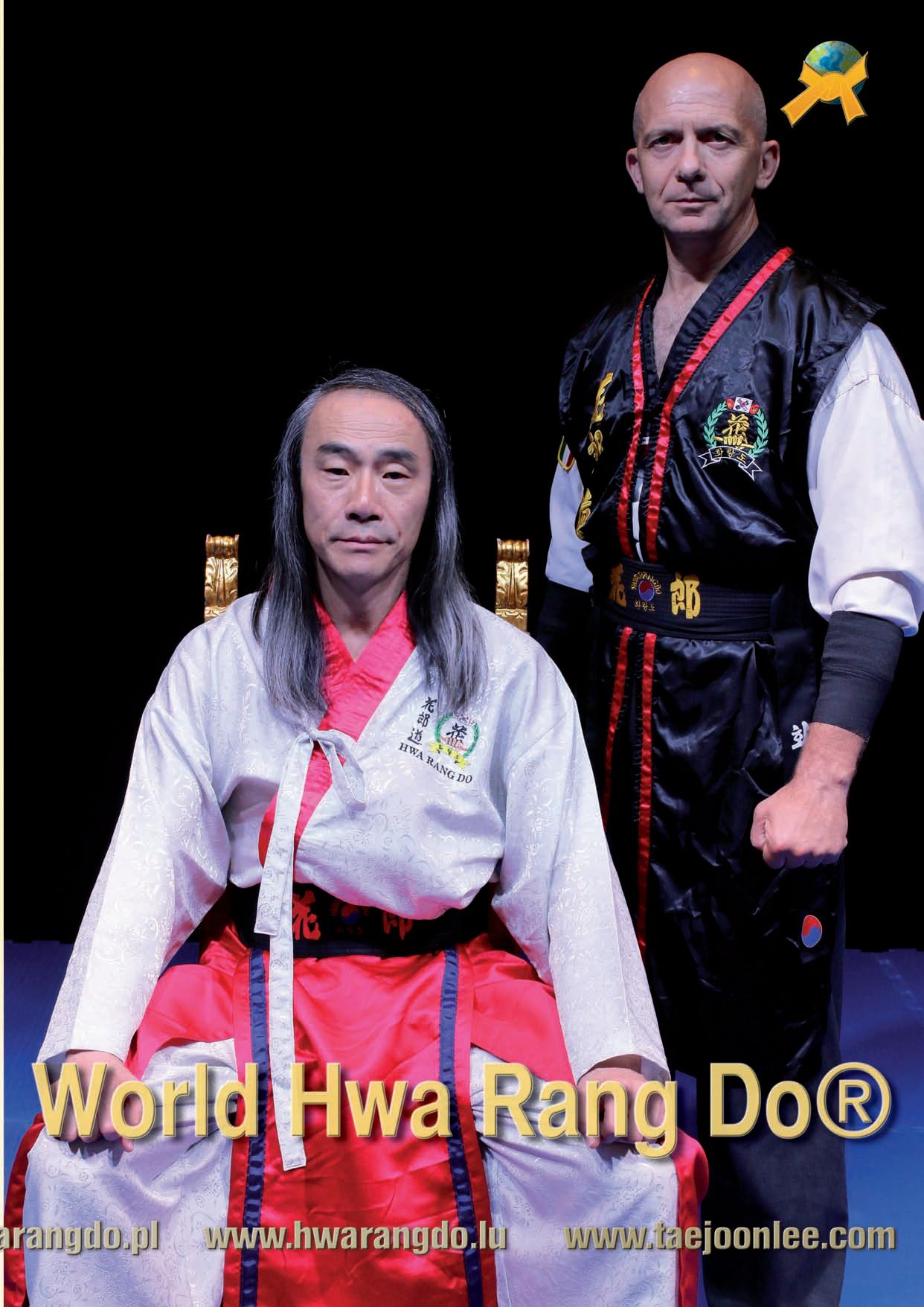
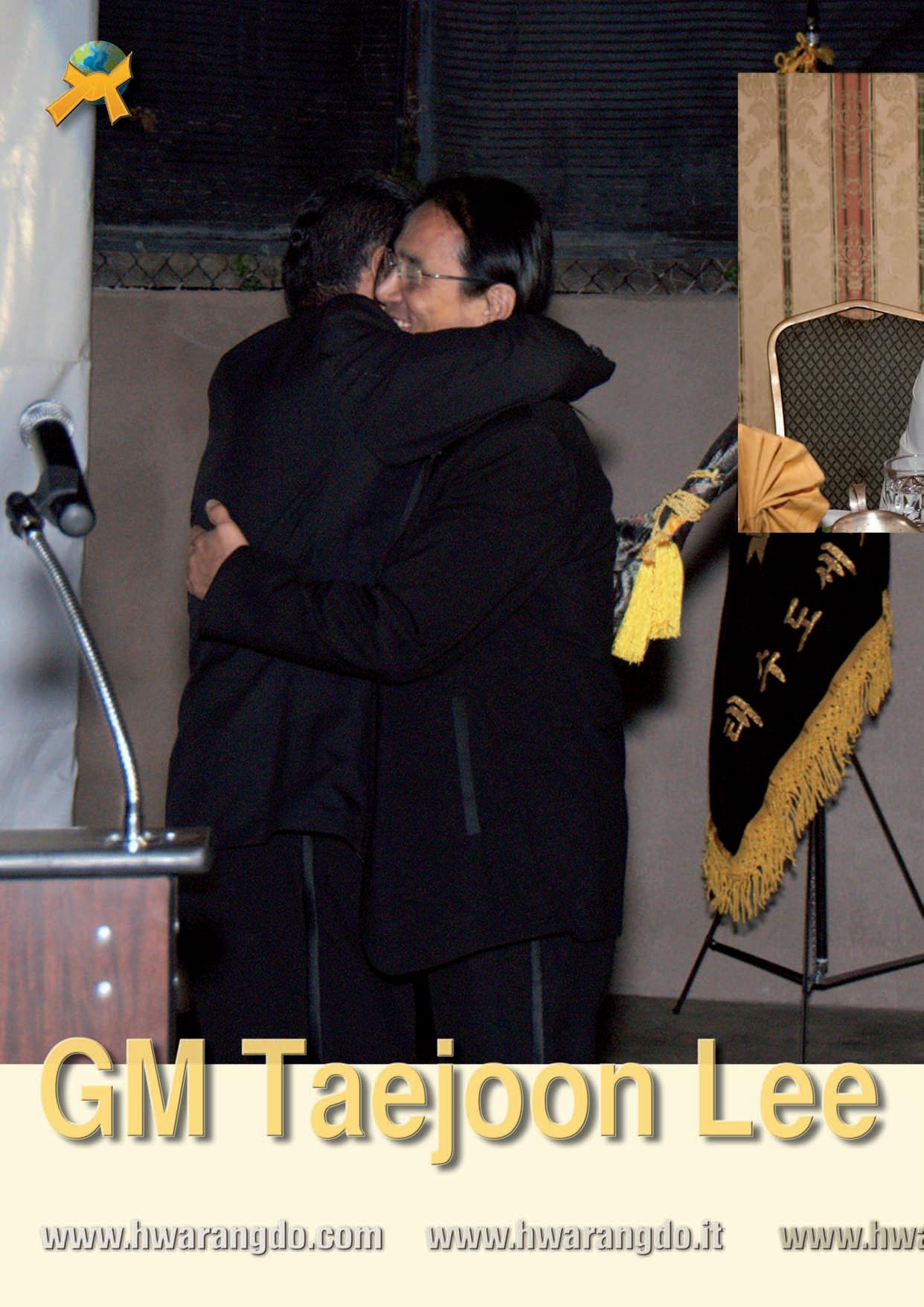
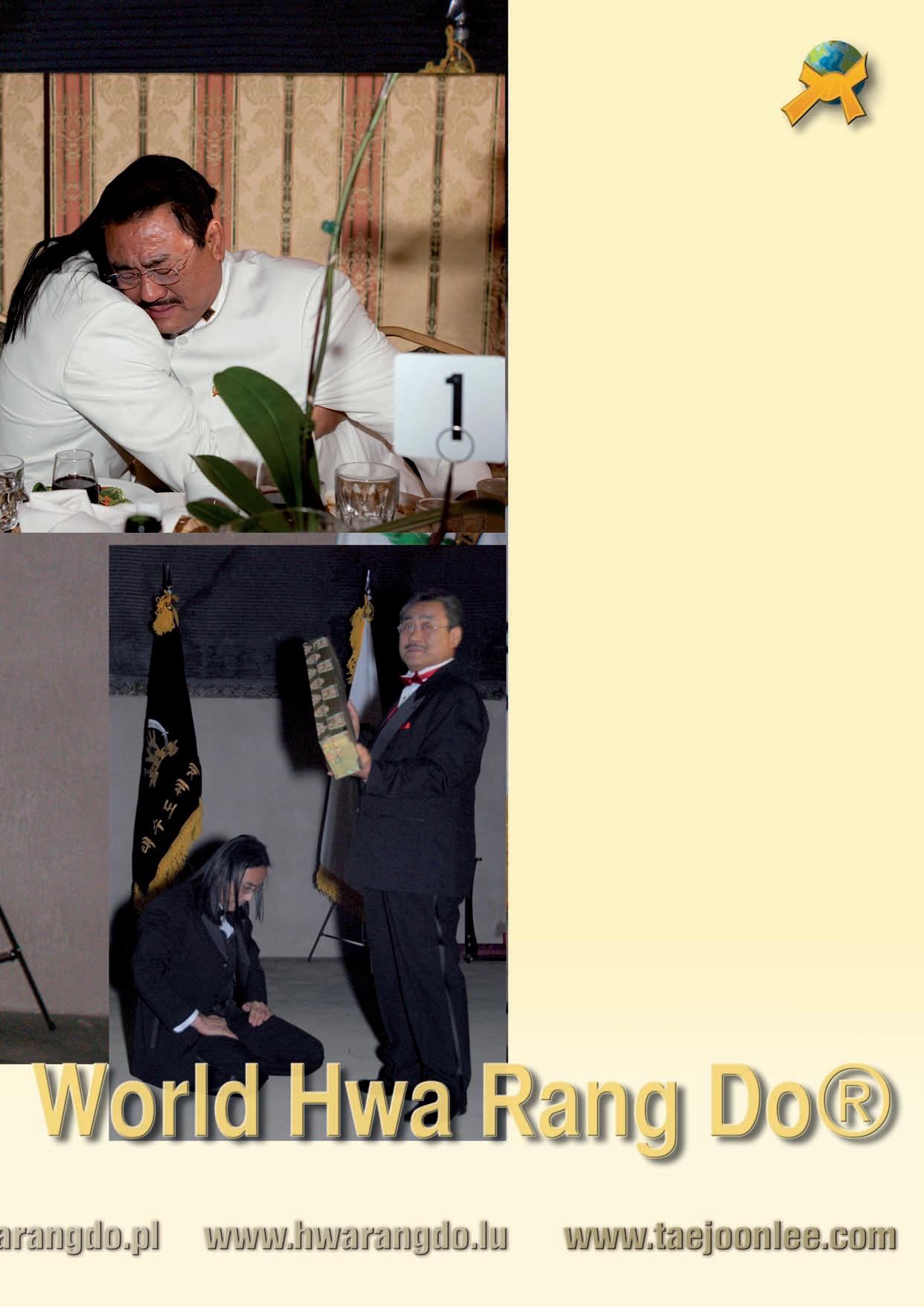
As a young man, I trained to prove worth.
As an adult, I built to secure inheritance. I believed approval was earned through victory.
And yet the first time I ever heard, “You deserve it,” was after I had surrendered everything. That was the irony.
Because by then, I no longer believed I deserved anything.
When I knelt and surrendered to Christ, I came face to face with a truth no discipline could soften: I was undeserving. Not entitled. Not righteous. Not self-sufficient. I had sinned. I had failed. I had built idols. I had mistaken pride for virtue.
And yet—I was forgiven.
Grace is offensive to the proud man because it cannot be earned.
Mercy dismantles hierarchy.
At the foot of the cross, there are no ranks. No titles. No legacies.
Only sons.
When I finally understood that I was undeserving of everything, I became grateful for anything.
And it was in that posture—emptied of entitlement, stripped of self-justification—that I heard the words I had chased for six decades: “You deserve it.”
Not because I had conquered enough.
Not because I had proven enough.
Not because I had endured enough.
But because surrender had reordered me. Inheritance is not seized. It is received.
And it can only be received by a man who no longer believes he is entitled to it.
I fought my entire life not to kneel.
I believed kneeling meant defeat.
But the day I fell face to the ground and confessed Jesus Christ as Lord, I did not lose my strength.
I lost my rebellion.
Strength without surrender becomes tyranny.
Discipline without humility becomes pride.
Mastery without obedience becomes isolation.
But strength surrendered to Christ becomes stewardship.
Discipline yielded to truth becomes sanctification.
Mastery submitted to God becomes service. I once rejected the words, “If it is the will of God.”
Now they anchor me.
Because the will of God is not limitation.
It is alignment.
And alignment is freedom.
And discipline leads to freedom:
The discipline to follow the will of God.
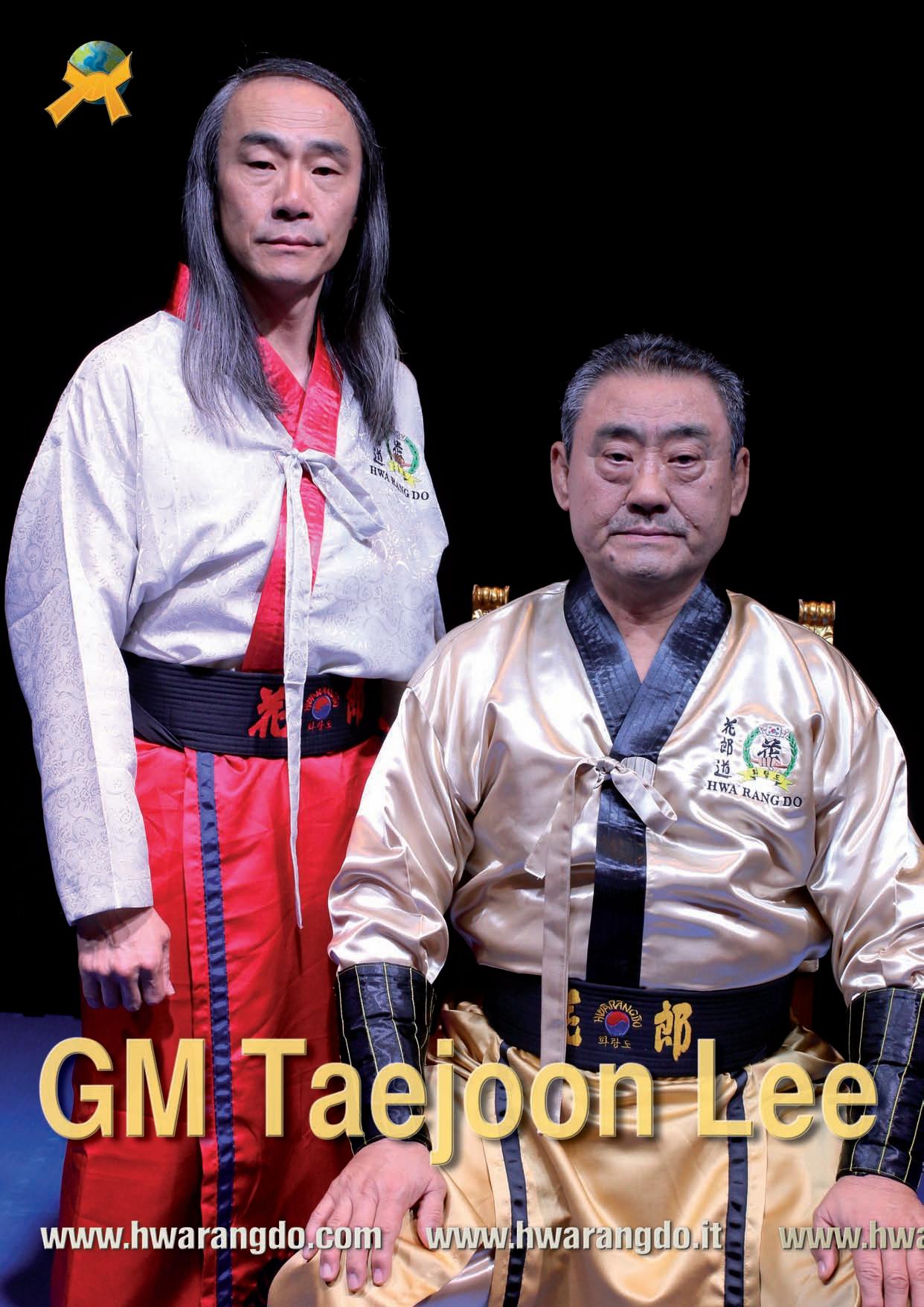
The freedom to surrender into His arms.
I was trained never to retreat.
Never to surrender.
Yet the greatest victory of my life was not winning a battle, expanding an organization, or proving myself worthy.
It was kneeling.
Because when I finally knelt—I stood taller than I ever had before.
Not as a master proving himself. But as a son who had come home.
My earthly father’s words mattered because I was once desperate for them.
But my Heavenly Father’s mercy mattered because I was undeserving of it.
The first built discipline.
The second restored identity.
One shaped a warrior.
The other redeemed a son.
This is my testimony.
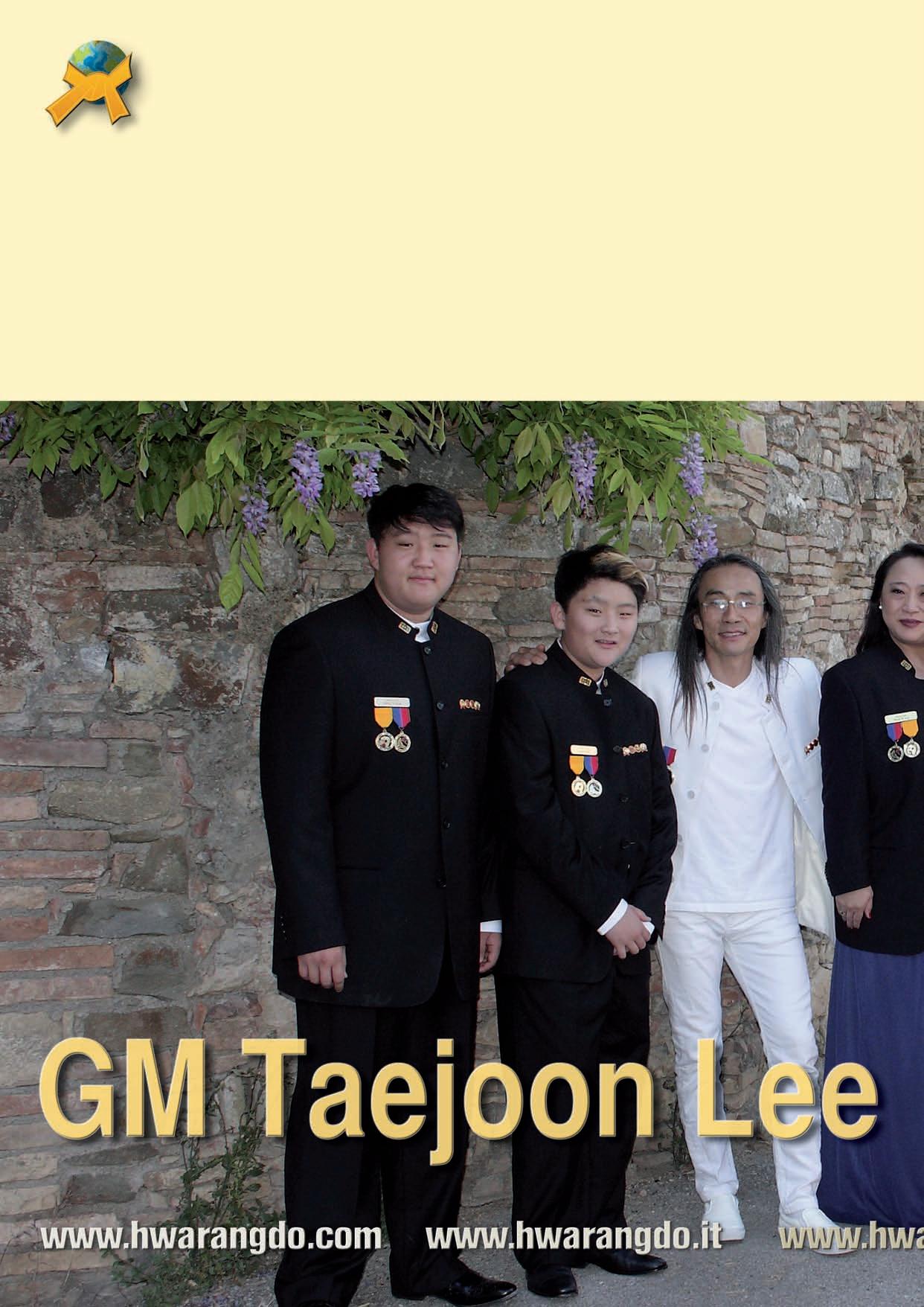
“As a young man, I trained to prove worth. As an adult, I built to secure inheritance. I believed approval was earned through victory. And yet the first time I ever heard, “You deserve it,” was after I had surrendered everything.”
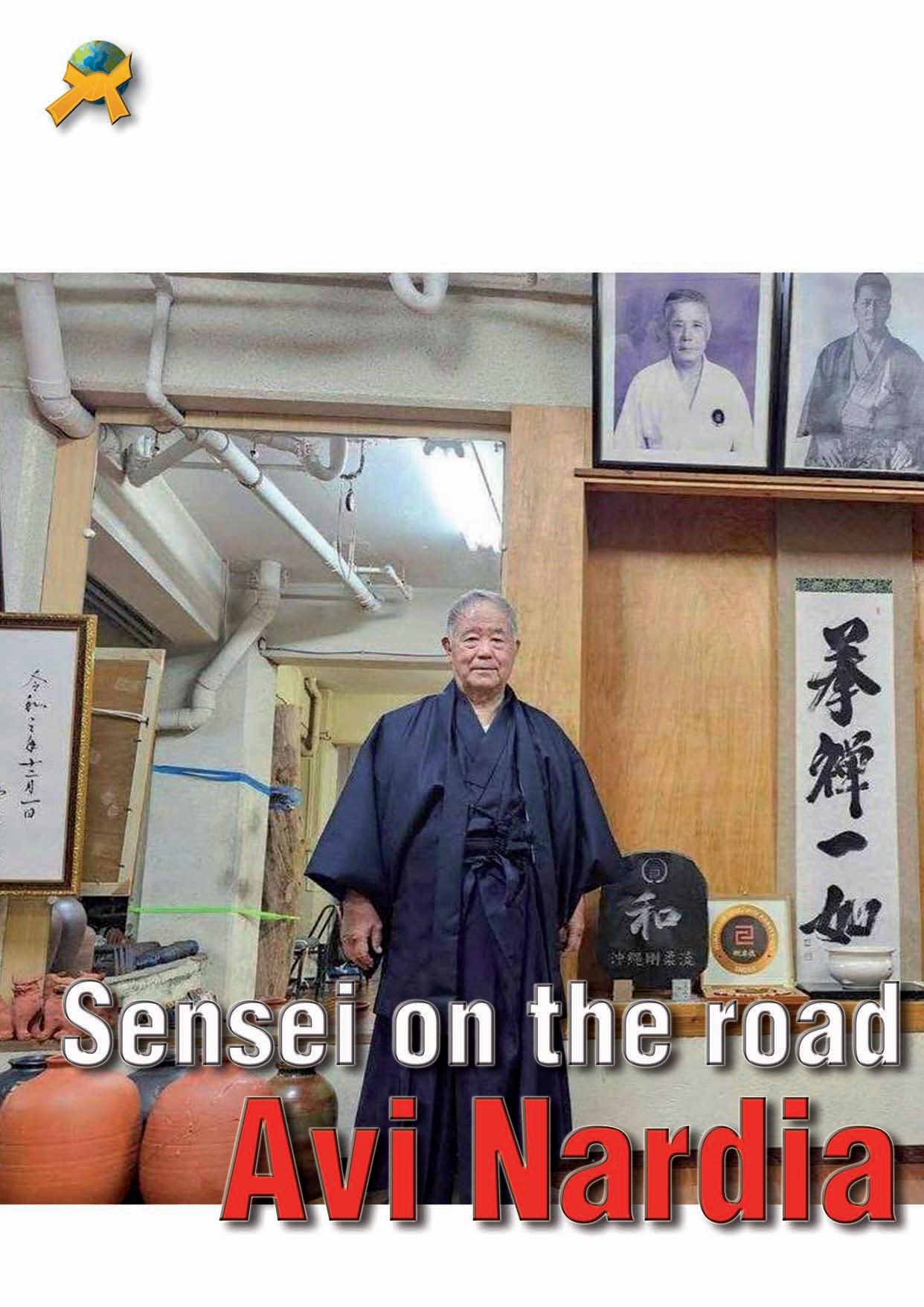
My journey in martial arts began in 1982, during the war in Lebanon. As a young Israeli soldier, I watched a BBC program on Jordanian television called *The Way of the Warrior*. On that screen I saw my future karate sensei, Morio Higaonna. In that moment, I decided that once my military service ended, I would go to Japan.
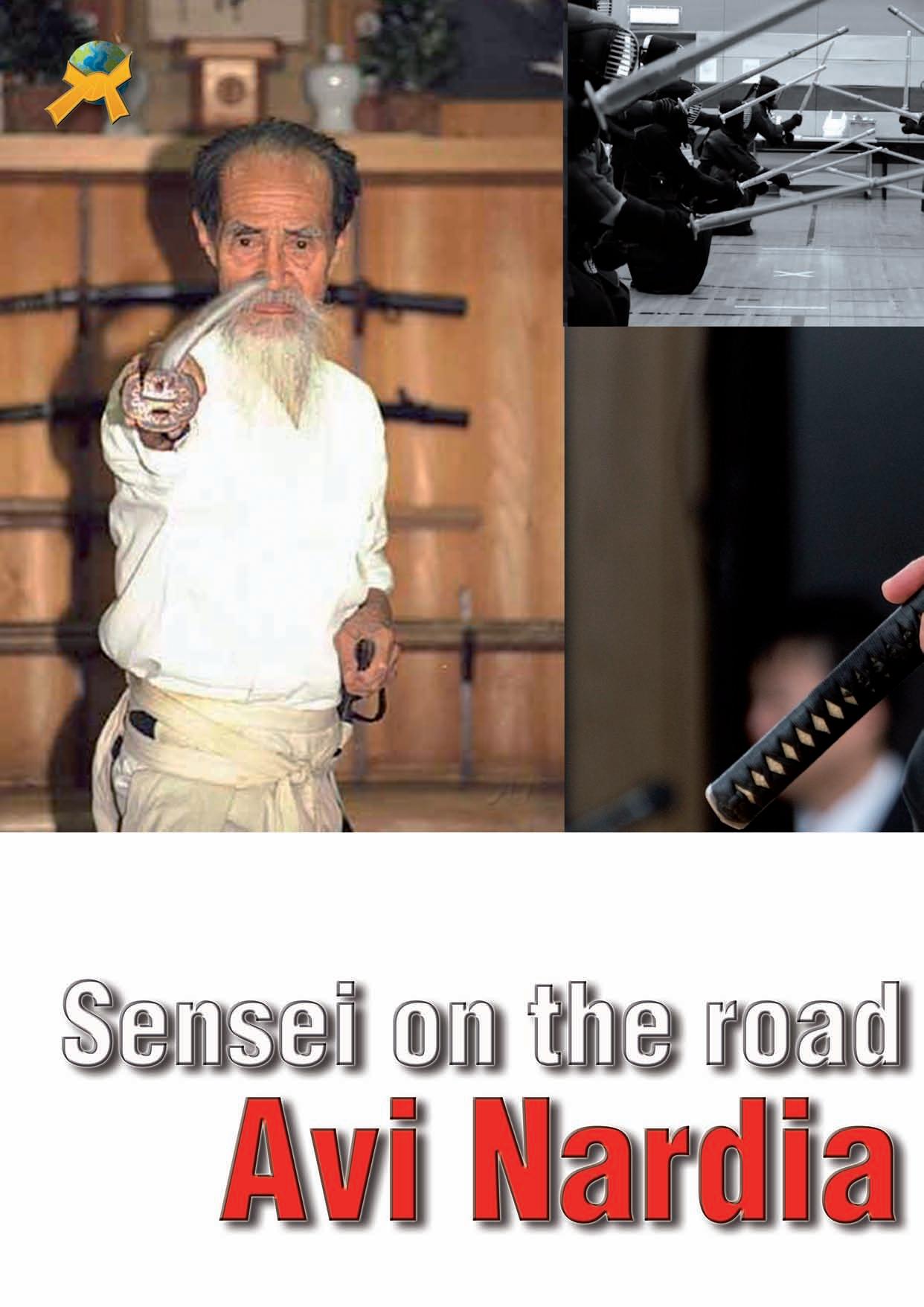
In the mid-1980s there was no internet and little information about Japan. Yet in 1984, on my second day after landing, I met Sato Sensei at the Nippon Budokan. He guided me to Kyumeikan Dojo, where I began my lifelong study under Kubo Akira Sensei. Only when I reached the age of fifty was I invited to sit near him at the shinza and formally introduced as “Sensei Avi.” That moment was not a title gained, but a responsibility earned.
I also had the honor of studying other classical arts. Through Hanshi Patrick McCarthy, I was introduced to Sugino Yoshio Sensei, master of Tenshin Shōden Katori Shintō-ryū (天真正伝香取神道流), one of Japan’s oldest surviving martial traditions. I trained as well in Musō Shinden-ryū Iaido (夢想神伝流), founded by Nakayama Hakudō, while continuing my
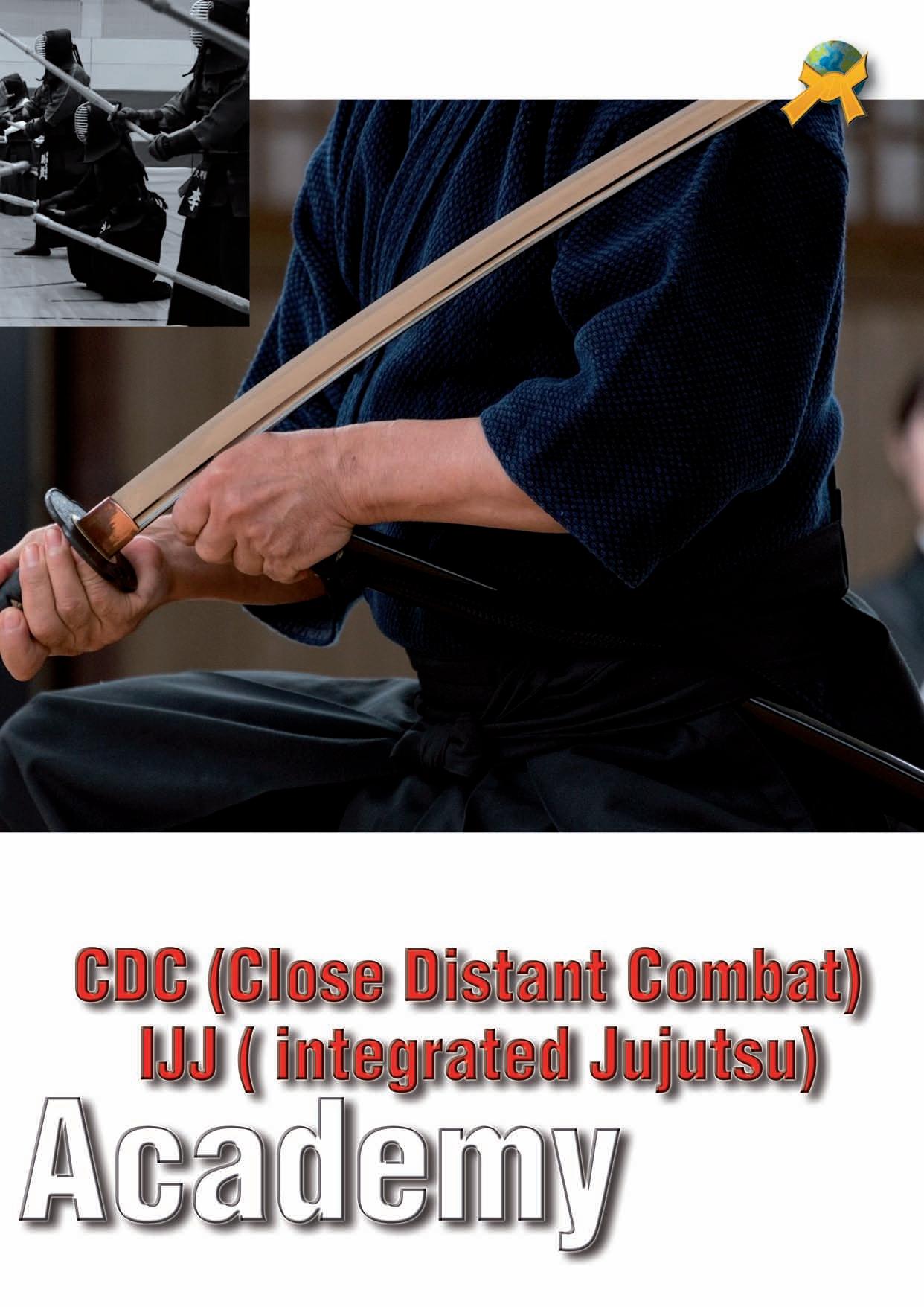
daily practice at Kyumeikan as an uchi-deshi (live-in student). This was my kurashi (暮らし)—not just training, but a way of living shaped by discipline, humility, and care.
Kurashi means more than just “lifestyle”, it is how one lives each day intentionally with attention and balance. My teachers showed me that budō is not separate from daily life; it is expressed in how one moves, speaks, teaches, and endures difficulty with dignity.
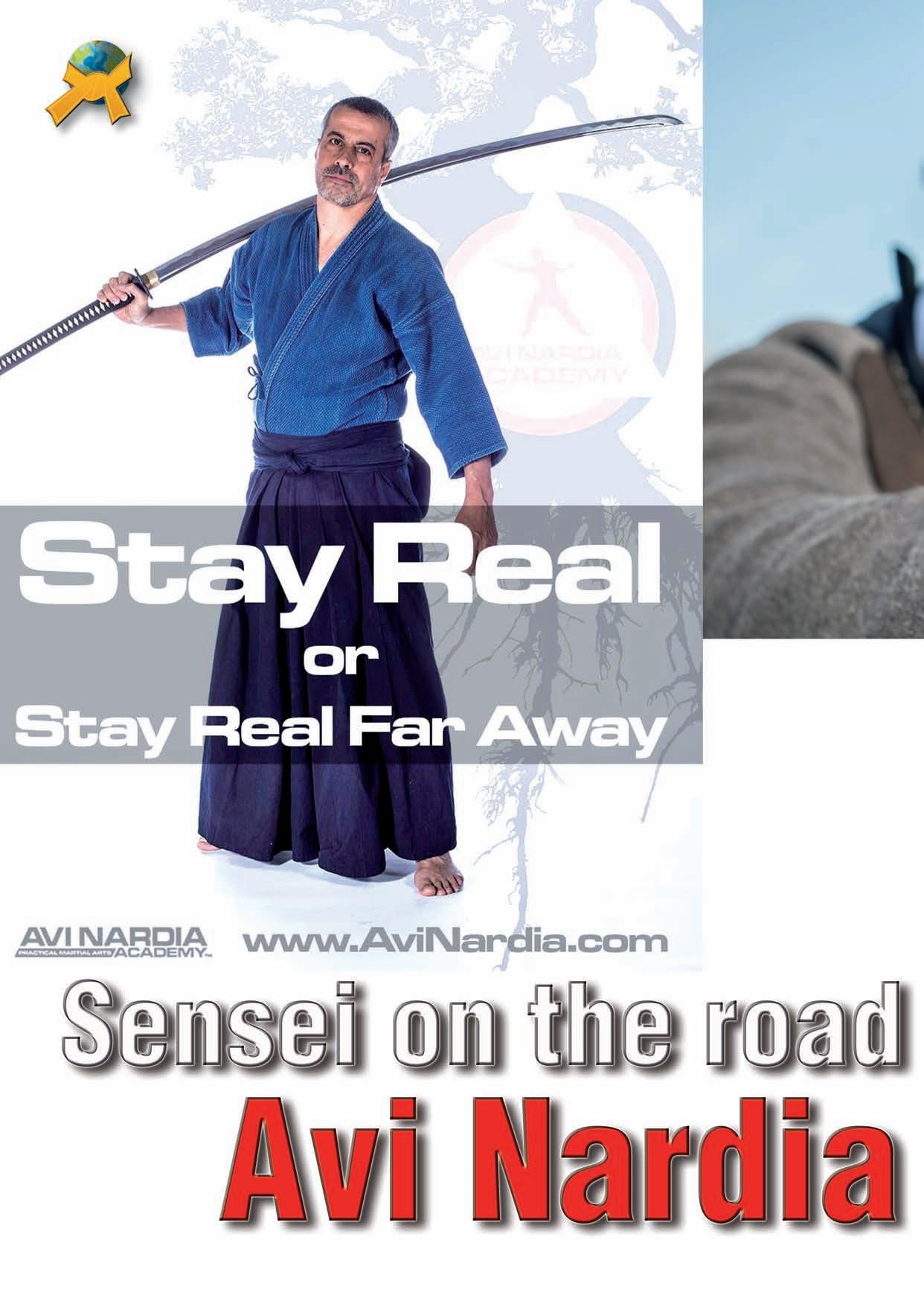
Kyumeikan Dojo itself was founded in 1957 by Kubo Kahei Sensei, during a time when Japan was poor and spiritually woundedafter the war. His vision was to use kendo to preserve values of respect, effort, and trust. After Kahei Sensei’s sudden passing, Kubo Akira Sensei inherited the dojo at a young age and carried it forward through hardship, eventually welcoming more than 13,000 students from 47 countries. Kyumeikan became a small but meaningful bridge between Japan and the world.
Kendo (剣道), “the way of the sword,” descends from kenjutsu and preserves the spirit of the samurai through modern practice with shinai and bōgu. Beyond technique, it teaches awareness of the mind. One key teaching is Shikai (四戒), the Four Sicknesses of the mind:
• Kyo (驚): surprise or shock
• Ku (恐): fear
• Gi (疑): doubt
• Waku (惑): hesitation

These states cloud judgment and create weakness. Through kihon, commitment, and mindfulness, the practitioner aims for heijōshin (平常心)—a calm, constant mind—or mushin (無心), no-mind.
Furthermore, there is a principle that is missing in today’s feelgood psychology and self-affirmations. This principle comes from the Japanese Shuhari methodology. Shu, Ha and Ri are three phases that one undergoes on their path to mastery. Shu means ‘obey’ and is the first phase when you are just a beginner. This entails protecting the form, replicating the moves and technique of the master and deliberately suppressing the ego while repeating forms, correcting through conformity and trusting the lineage to develop muscle memory and moral discipline.Once one has advanced through Shu, they are ready for Ha, meaning ‘detach’. During the Ha phase, one breaks the form correctly and can start bending rules and selectively deviating from the strict forms. It is only at the Ha phase where one is even allowed to ask questions of the master.
Finally, the student is ready for the Ri or ‘transcend’ phase. At this point the master will ask questions of the student, the answers of which may even provide insight to the master asking the question. The student transcends technique at this phase and there is no form, only correct action. It is at this phase that the student will integrate all they have learned from their master, what they have tested themselves and their selective deviations from their own master and would have already been encouraged to study from other masters to develop their own style. While there was no set timeline for each of these phases, a student would commonly spend 5-10 years in the Shu phase, 5-15 years in the Ha phase and would sometimes never even make it to the Ri phase, which was normal, but if they truly dedicated their lives to their art and observed all the steps, could make it to Ri after 20-30+ years.
Today, I see many claiming mastery without patience or humility. Titles are sold more easily than they are earned. My teachers taught me that true budō takes decades, not certificates. Becoming Sensei at fifty was not an end, but a continuation of responsibility—to transmit spirit, not ego.
This article is only a small sharing of the wisdom passed down to me. If it carries one message, it is this: the way is long, and that is precisely its value.
“This article is only a small sharing of the wisdom passed down to me. If it carries one message, it is this: the way is long, and that is precisely its value.”
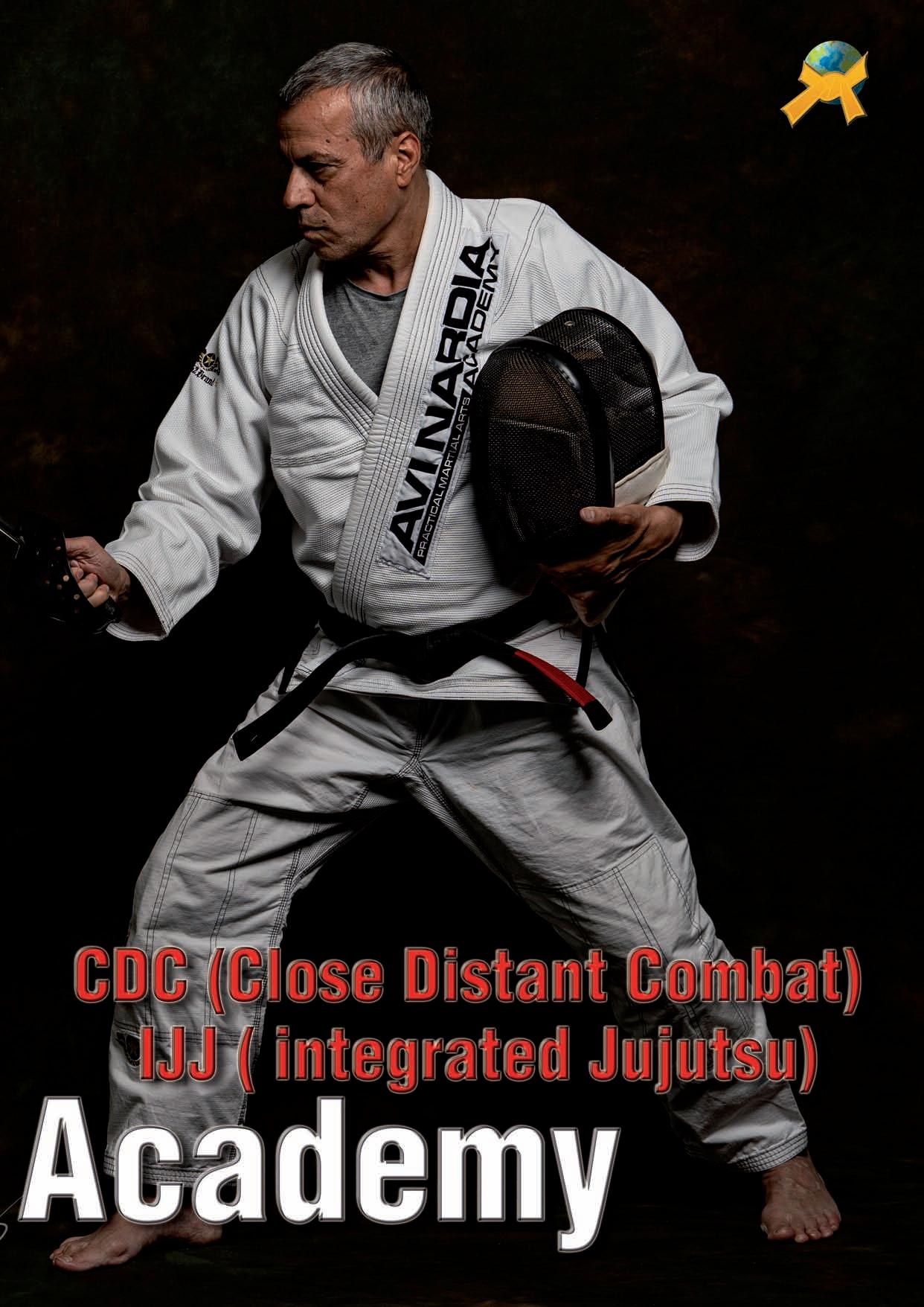
Shmulik is a friend from the 80’s that used to train Karate under Soke Oyama Kyokushin, back in the time that I myself was a student in Japan. He stayed in Japan since that time and now has a family, but we often talk for hours about the old days and friendship, but mostly about the Japanese culture and its part in developing the Budo spirit from his perspective and my experience, both from the

times I lived there and now from my many travels in more recent years. I have been noting the stark changes in the culture from the ‘old days’ in Japan until today. In order to understand these changes, we need to look at the history of Japan’s relationship with women, the good and the bad of their history and culture and the relationship of the Japanese mentality with Martial Arts and innovation.

I often explain to my students the importance of the instructor’s wife. In Chinese Martial Arts, the male instructor is called ‘Sifu’, while the wife is called ‘Simo’ or ‘Shimu’ (meaning ‘Teacher Mother’) and is an important and revered role in Chinese Martial arts like Kung Fu. In Japanese Martial Arts, the term ‘Sensei’ is used for the male instructor, while there is no traditional name or role used widely for the Sensei’s spouse based solely on their relationship to their partner.
As with every country, in the old days of Japan, there were some shameful traditions:
Comfort women were women and girls forced into sexual slavery by the Imperial Japanese Armed Forces in occupied countries and territories before and during World War II. The term comfort women is a translation of the Japanese ‘ianfu’ (慰安婦) and while we cannot change the past, we can regret that this time occurred and step into a new era.
The term ‘Yamato Nadeshiko’ (やまとなでしこ or 大和撫子) is often used to describe a demure young woman and, in a contemporary context, nostalgically of women with good traits which are perceived as being increasingly rare. This is a Japanese term meaning the personification of an idealized Japanese woman and is the archetype of conservative and traditional femininity.
This was a particularly popular concept during World War II, representing an idealized Japanese woman: graceful, beautiful, modest, yet possessing quiet inner fortitude, like a delicate flower with strong roots. Similarly, "Yamato Damashii" (Japanese spirit) embodies inner strength, loyalty, and resilience.
Underneath the surface of Japanese culture lies a hidden caste of untouchables. While this has been gradually diminishing over time, we still see the remnants of prejudice against foreigners, women, the historical ‘untouchable’ caste and those who suffered sickness due to the atomic bomb’s after-effects. Fortunately, there is a trend toward an overall societal leveling and this can be seen not only in society overall, but also in Martial Arts.
All foreigners are "Gaijin" (外人) a Japanese word meaning "foreigner" or "outsider," a shortened form of “Gaikokujin” (外国人 ), meaning "outside-country-person" and often used for non-Japanese people in Japan. Its usage can be nuanced, sometimes considered neutral, while other times seen as potentially derogatory due to its emphasis on being an "outsider," especially by those of Japanese descent born in Japan. While some view it as a simple descriptor, others find it highlights their "otherness," though some notice its use has decreased in casual settings.
In history there were some women who stood out in a society that normally had women in the background. One such woman was Tomoe Gozen. During the Genpei war, Tomoe Gozen served under Minamoto no Yoshinaka as a trusted commander, leading 300 samurai against 2,000 warriors of the rival clan and defeating them. She beheaded Honda no Morishige, leader of the Musashi Clan before the war turned against her and Yoshinaka. Yoshinaka urged Gozen to flee as he knew the end was near and Tomoe Gozen went on to live a peaceful life as a Buddhist nun, living to the age of 90.
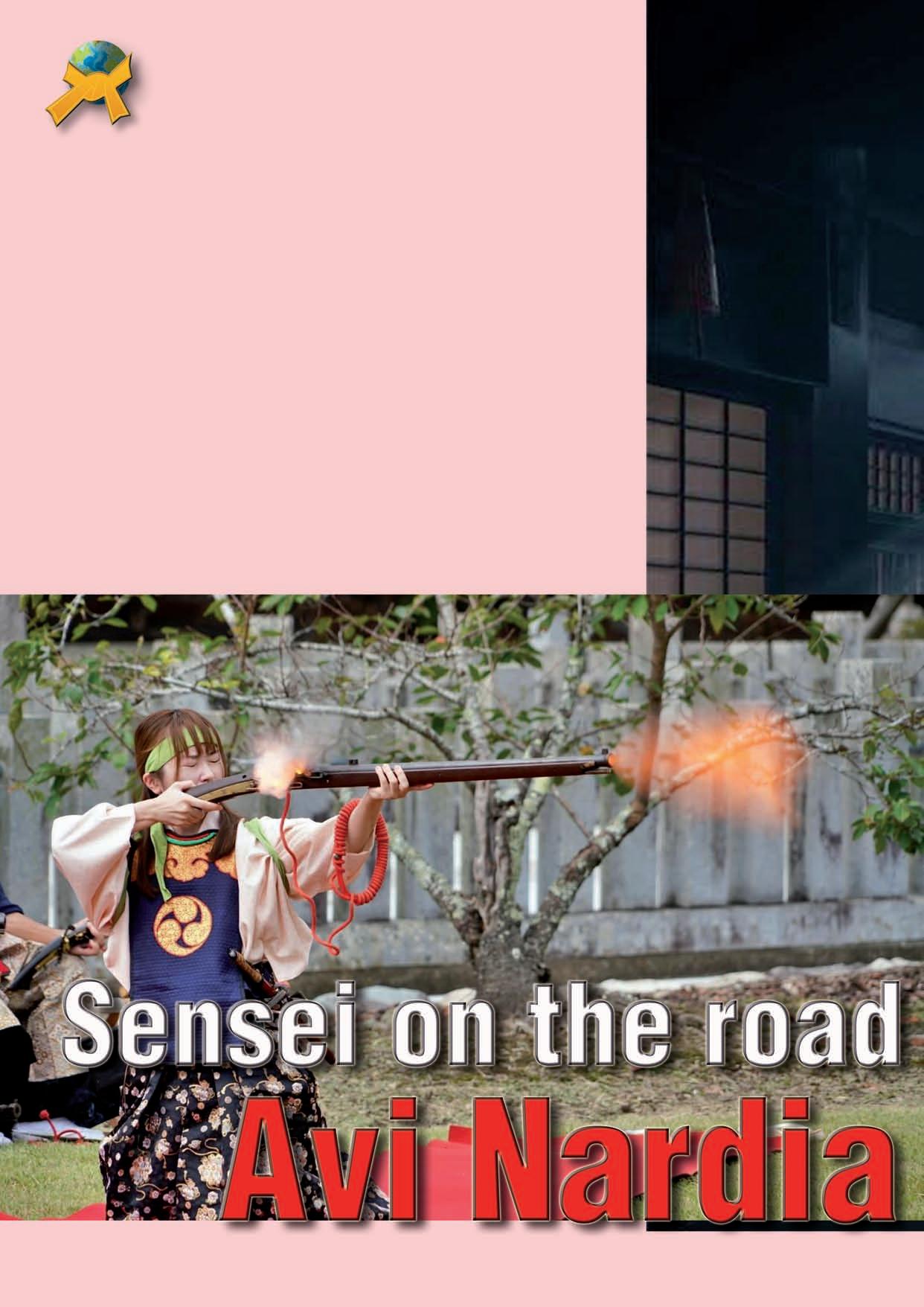
Kōdai-in was another incredible woman from Japanese history. She gained influence in her marriage to Hashiba Hideyoshi, one of the three great unifiers of Japan. While Hideyoshi had many other wives, Kōdai-in quickly became one of his greatest advisors and confidants. She provided him access to many influential Samurai as she had come from a family of Samurai and often provided guidance on matters of governance and logistics, proving her erudition and abilities on many occasions. Through the invasions of Korea, the unification of Japan and governance of an entire realm, Kōdai-in gained respect and popularity, even being given the title of ‘Juichii’ from the Emperor. Even after Hideyoshi’s death and her transition to being a nun, Kōdai-in demonstrated her wisdom and kindness, giving advise and swaying the decisions of some of the most powerful people in Japan, while also helping many women who were impacted by the loss of their husbands or sons after the battle of Sekigahara by giving shelter and support to them.
Today The prime minister of Japan Naikaku Sōri Daijin (内閣総理大臣) is the head of government of Japan. The prime minister chairs the Cabinet of Japan and has the ability to select and dismiss its ministers of state. The prime minister also serves as the commander-in-chief of the Japan Self Defence Forces. The incumbent prime minister, Sanae Takaichi, took office on 21 October 2025; she is the first woman to serve as either president of the Liberal Democratic Party or prime minister.
Another woman who stands out as a trailblazer is the first female Governor of Tokyo, Yuriko Koike, elected in 2016 and currently serving her third term. Koike has placed a focus on women's empowerment and sustainability. Alongside her, Satoko Kishimoto made history as the first female mayor of Tokyo's Suginami ward, representing a growing but still challenging movement for women in Japanese politics against deeply ingrained sexism.
More changes we see are within the caste system, historically called Burakumin (meaning "hamlet people"), who are descendants of Japan's feudal-era outcast groups, historically relegated to "unclean" jobs (butchering, leatherwork, execution) and living in segregated communities. Despite the caste system’s abolition in 1871, these groups still face discrimination, with lingering prejudice affecting education, employment, and social standing today. They share language and culture with other Japanese but remain a stigmatized group and may still face social ostracism, especially in marriage and employment.
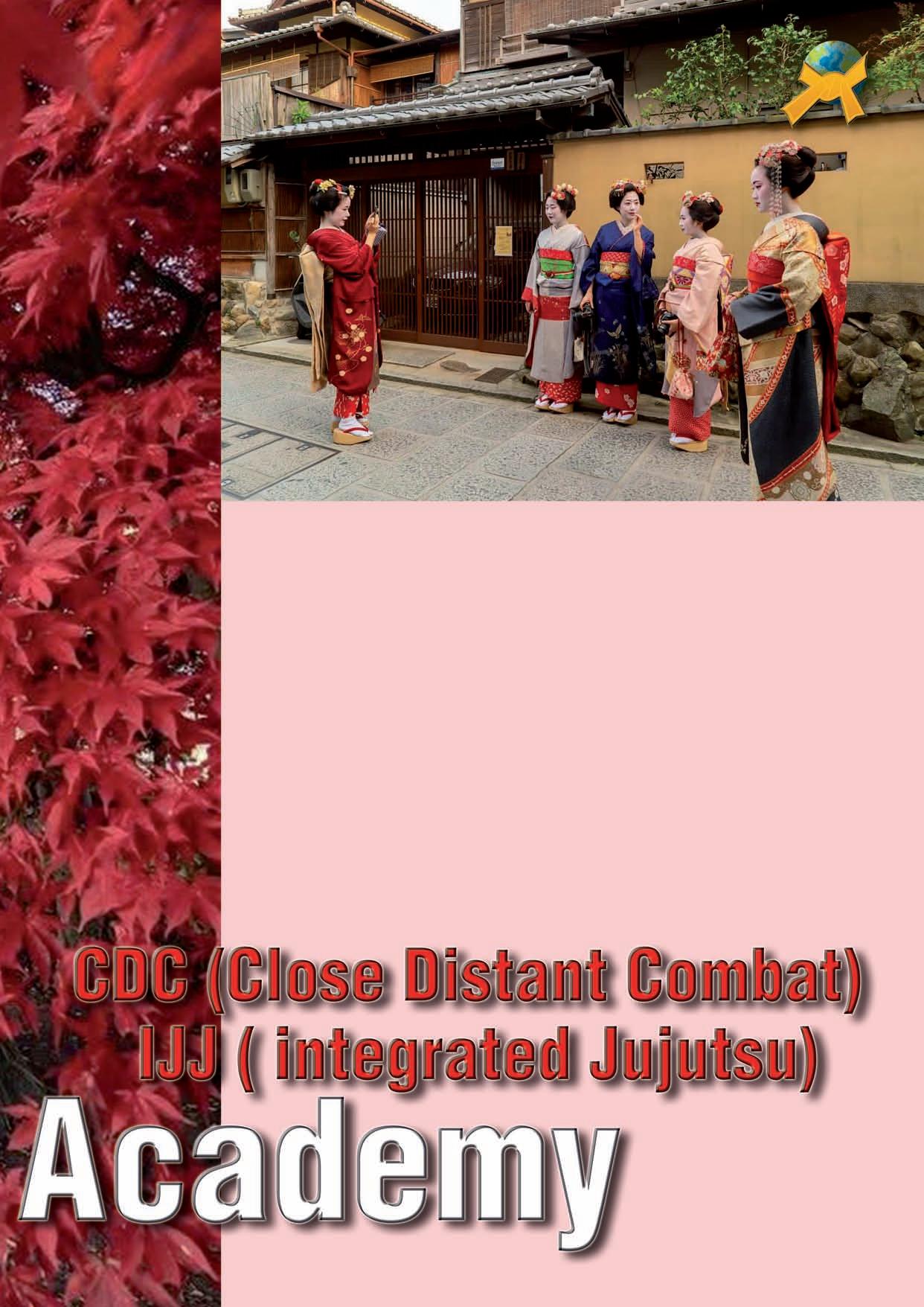
Part of the Burakumin Also the Hibakusha (爆心地), or "bomb-affected people", who are the survivors of the atomic bombings of Hiroshima and Nagasaki in August 1945. These people endured horrific burns, radiation sickness, leukemia, and cancers, facing social stigma and discrimination while becoming powerful advocates for nuclear disarmament and peace, ensuring their harrowing experiences of the atomic devastation are never forgotten.
The Yakuza are members of traditional, transnational organized crime syndicates from Japan, also called bōryokudan (暴力団) or "violent groups" by police, but they see themselves as ninkyō dantai (任 侠団体) or "chivalrous organizations" with a code of honor, known for elaborate tattoos, strict rituals, and activities like extortion, gambling, and smuggling, with origins potentially linked to masterless samurai or Edo-period gamblers and vendors. Their modern structure solidified post-WWII, controlling various businesses and operating internationally, though they are facing increasing pressure from law enforcement. Japan has a long history of traditional Martial Arts which has firm roots in the discipline and a focus on perfection via an almost spiritual enlightenment. Historically, when applied to Kendo, this meant a warrior class without equal. However, this focus also could be detrimental, as a devotion on this traditional way was resistant to change. Once change was embraced, there was an almost meteoric rise in influence and power, as the Japanese culture put discipline and a focus on perfection to the new technologies. This was seen in Japan’s aversion to western technology until the mid-1800s, which once embraced and adapted within Japanese culture saw the rise of Japan as a superpower, taking over numerous countries in the east Asian area, including shocking victories against China, Russia and Korea.
In Martial Arts, many Japanese schools still teach the traditional Japanese Martial Arts. While this has a strong focus on spirituality and self-perfection, there is often a lack of effectiveness as the latest principles and fusion of styles as well as methodology are ignored. However, the schools that are able to imbue the modern concepts taken from Krav Maga, MMA and other combative systems become integrated, have made amazing strides in effectiveness and are able to provide complete systems to the students that both integrate the discipline and spirituality that is lost on other cultures while also gleaning from the latest developments in martial and combative arts.
Baamaapii (see you later)
Training in the North: Martial Arts, Survival, and Lessons from First Nations Communities
Working with my old friend, student, and teacher Carlos Newton—former UFC and MMA champion—brought me back to the roots of my journey in martial arts. When Bob Maslanka called and asked me to come to Canada immediately to help train and prepare a fighter known as “Furacão,” it felt like stepping back into the fire of the old days.
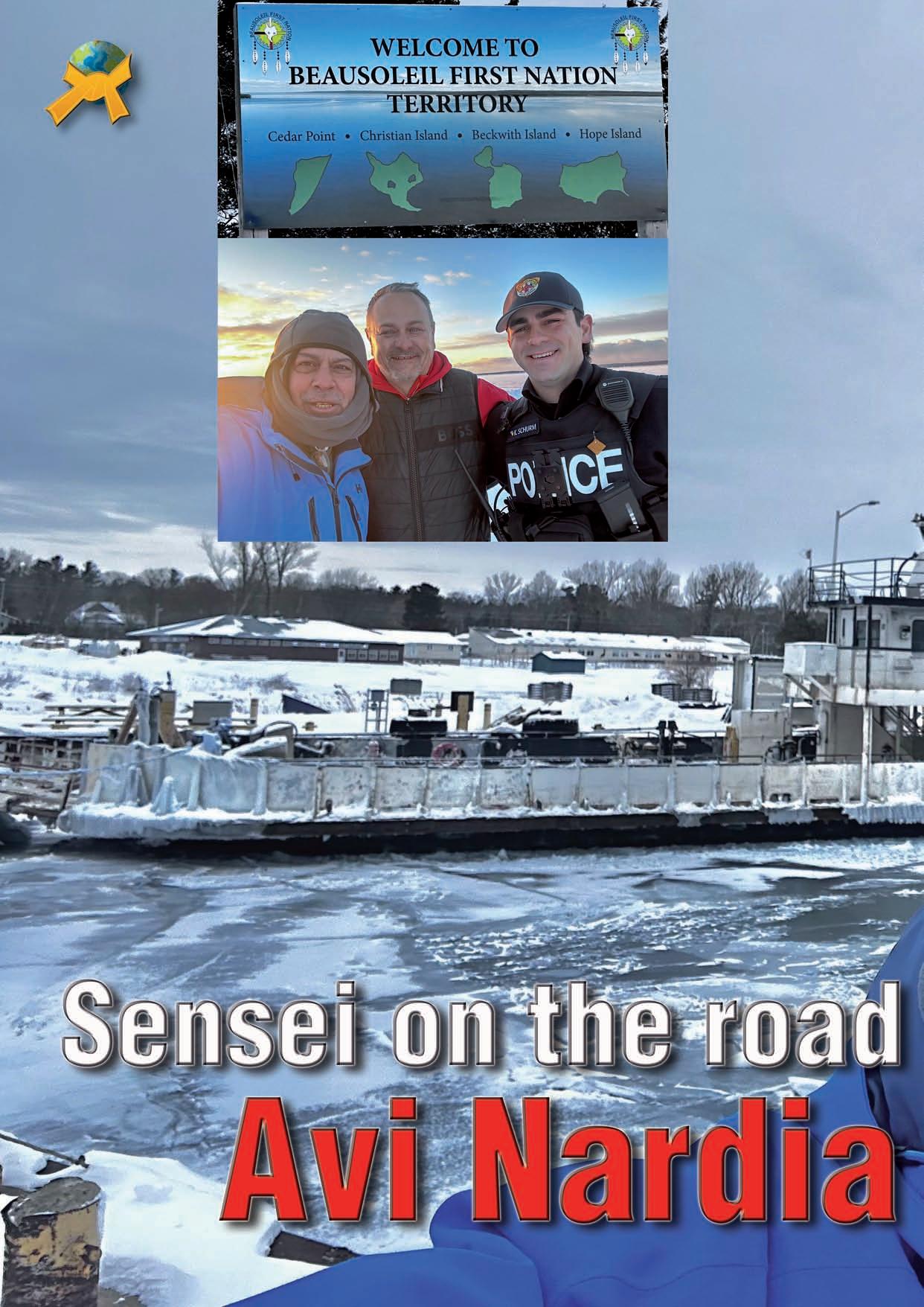
“Furacão,” a Portuguese word meaning hurricane or whirlwind, was more than a nickname. Odin earned it at Bamba Capoeira for his explosive power, speed, and sharp, unpredictable movement. He entered training with the intensity of a storm, and our mission was to shape that force into discipline for MMA competition.
To give the training a true survival edge, Bob placed us on Christian Island in Georgian Bay, Ontario, a territory of the Beausoleil First Nation. The island is known for its natural beauty—forests, beaches, and open water—but in winter it becomes a test of endurance. The Ojibwe (Anishinaabe) people have lived in this region for generations, sustaining themselves through hunting, fishing, maple tapping, and wild rice harvesting. Training on this land carried a sense of responsibility and respect for the people who have called it home since long before us.
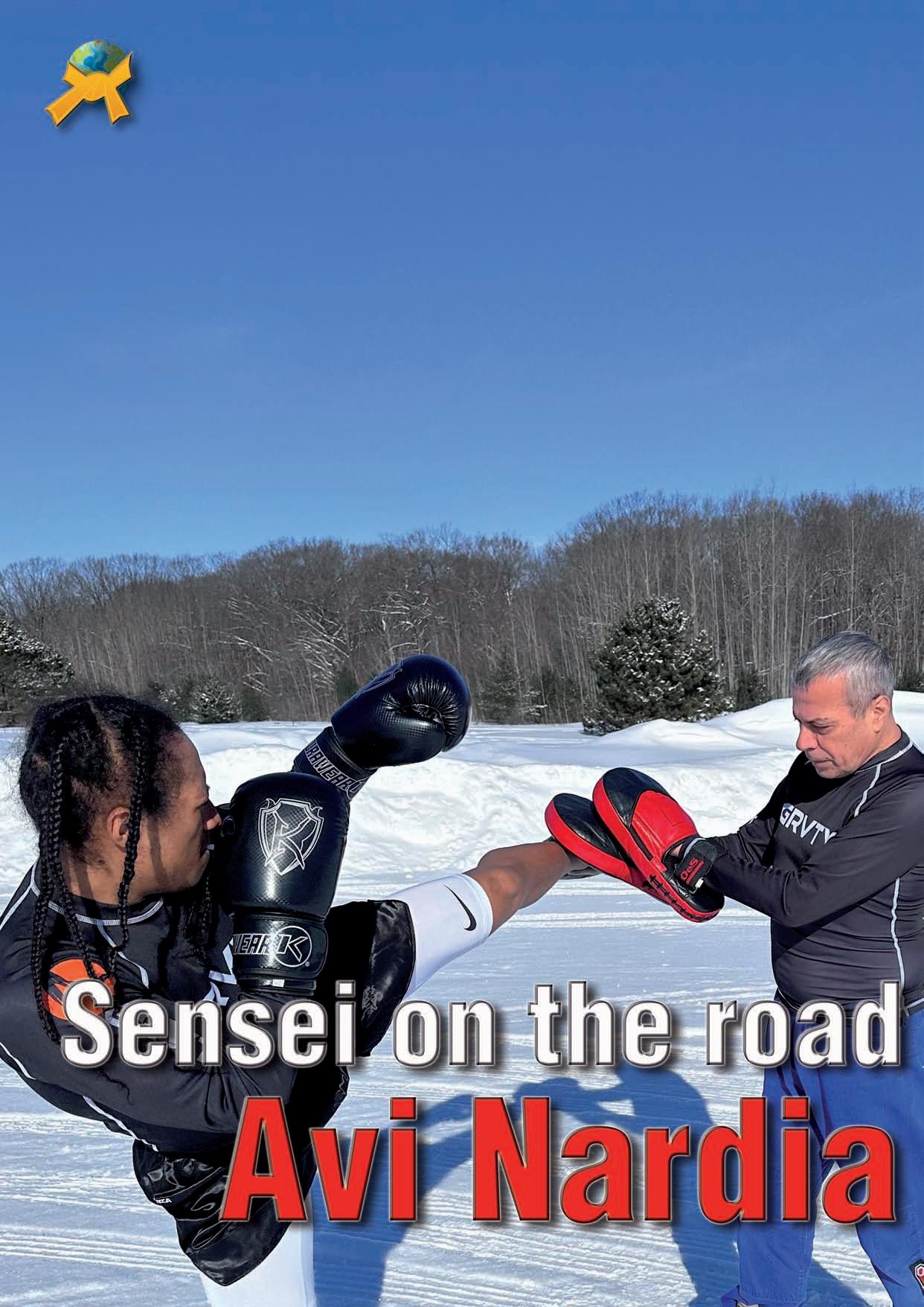
Our days were defined by hardship. We trained outdoors in brutal cold, sometimes cutting holes in the frozen lake and plunging into the icy water as part of mental and physical conditioning. The wind, snow, and subzero temperatures stripped comfort away and left only focus. When conditions became too dangerous, we trained indoors, refining technique and strategy. Chris Cotter joined us for sparring and Brazilian Jiu-Jitsu sessions, pushing the technical side of preparation. At times, the ice made travel impossible and we left our cars behind on the island, later continuing training at Bamba Capoeira in Mississauga and Toronto.
What left the deepest mark on me was the community. Sidney Copegog and Angie Beedie welcomed us daily with tea and conversation. Tim, Dan, and many others supported us in countless ways—sometimes even rescuing our frozen, broken-down cars from the icy roads. Their generosity opened the door to deeper conversations about the painful history of First Nations peoples in Canada.
Through them, we learned more about the National Day for Truth and Reconciliation, also known as Orange Shirt Day, observed every year on September 30. The message “Every Child Matters” honors Indigenous children who were taken to residential schools, many of whom never returned home. The movement was inspired by Phyllis Webstad, whose orange shirt was taken from her on her first day at a mission school. These stories are not history in the distant past—they are living memories that continue to shape families and communities today.
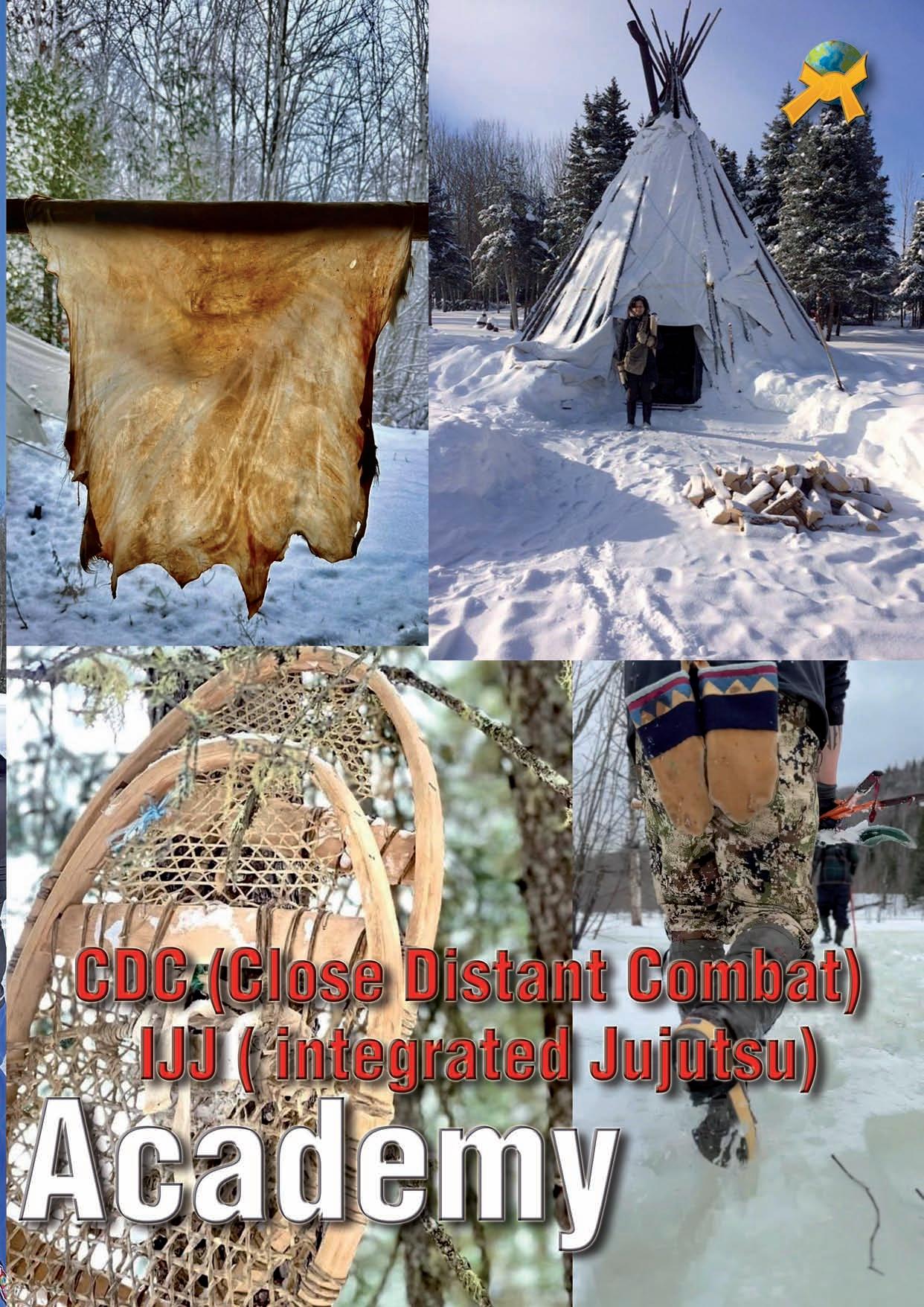
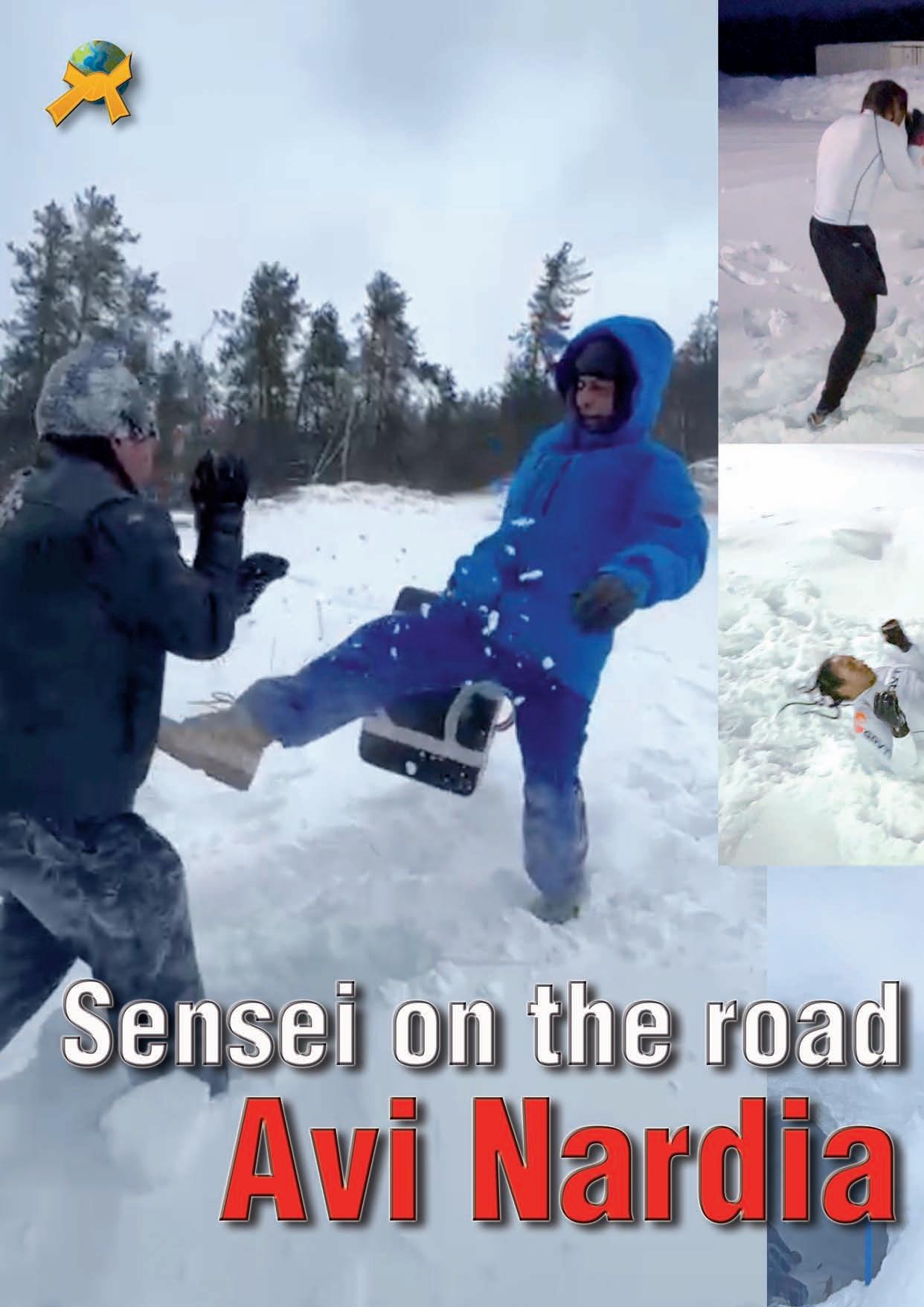
Tim shared how his grandfather once hid him in the woods when authorities came to take children away. He survived because of that act of courage. Hearing stories like this while training on that land changed the meaning of our hardship. Pain from cold and exhaustion felt small compared to the suffering these communities endured. Training became not only preparation for a fight, but a practice of humility and remembrance.
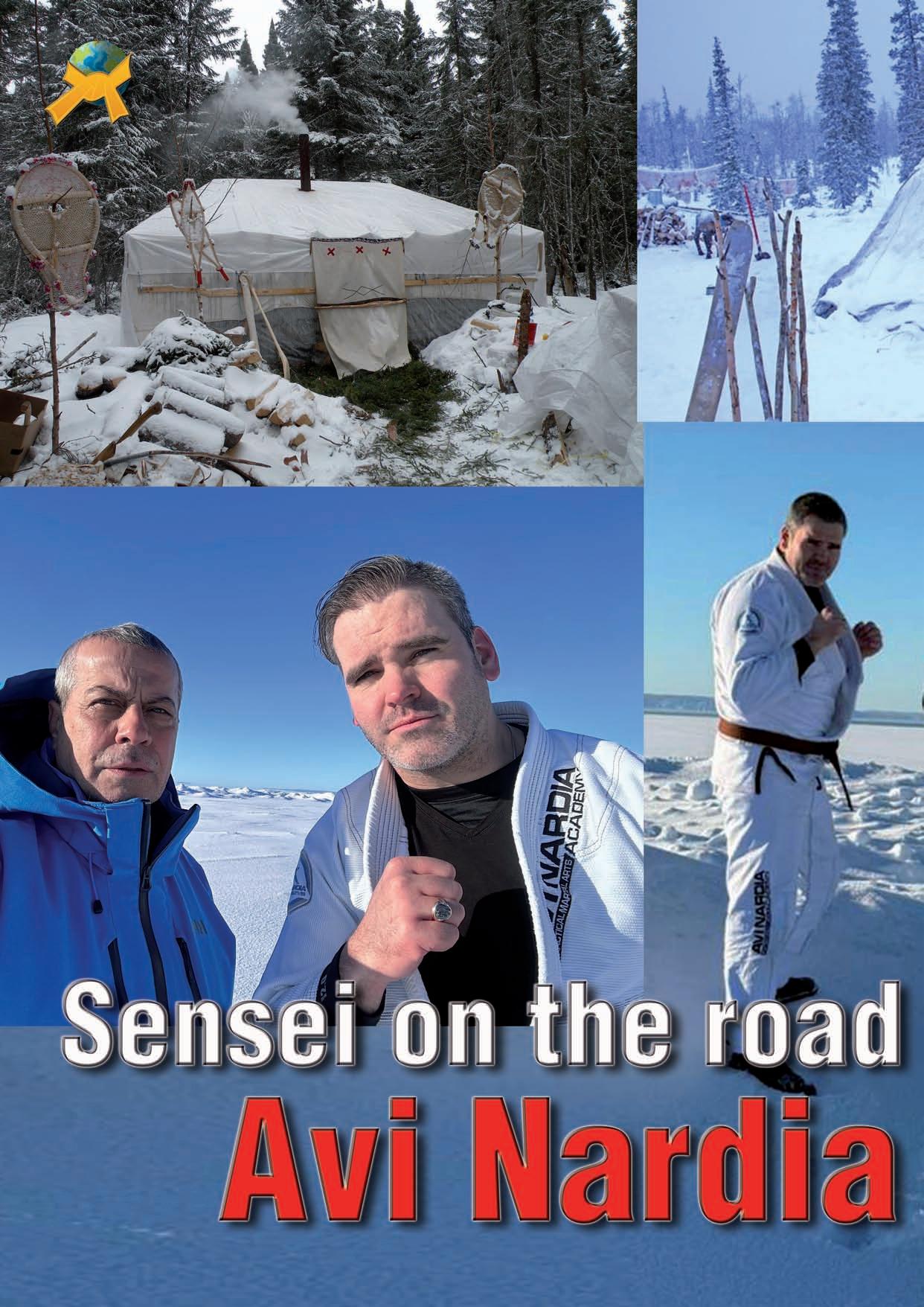
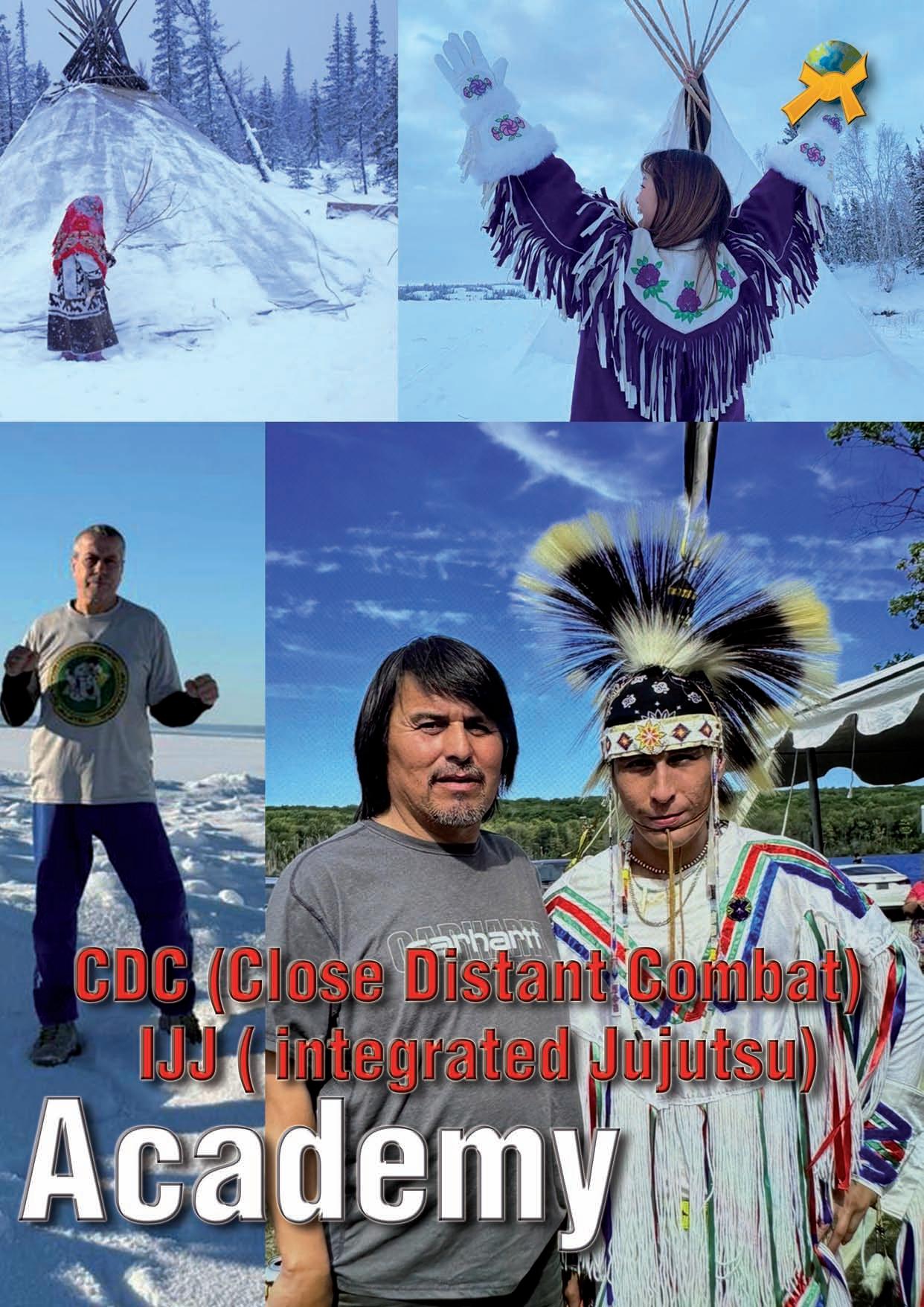
MMA and free fighting always carry risk. The pursuit of victory can push fighters beyond safe limits, and history offers a sobering reminder. In 564 BC, Arrichion of Phigalia, a two-time Olympic champion in pankration, refused to submit while trapped in a deadly choke. He dislocated his opponent’s ankle, forcing a submission—but died moments later from strangulation. He was crowned champion in death. His story honors courage, but it also warns us about the cost of ignoring safety in combat sports.
Our time in the North reshaped my understanding of martial arts. Discipline builds fighters. Hardship builds resilience. But community, history, and respect give the training meaning. Preparing Furacão was about forging a competitor—but it was also about remembering that strength without wisdom is empty. On frozen land, surrounded by stories of survival and loss, martial arts became more than a sport. It became a bridge between struggle, memory, and respect.


心機一転 Shinki Itten - Leave behind the failures and doubts of the past. With a renewed mindset and the courage to start over, you pave the way for a brighter future.
以心伝心 Ishin Denshin - Sometimes words are unnecessary. Let your heart communicate with another's, deepening bonds through intuitive understanding and genuine empathy.
自然体 Shizentai - Be true to yourself, without artifice. Living naturally and authentically enriches the depth of your character.
Lao Tzu was right when he said that “everything that facilitates on one hand, hinders on the other.” The arrival of modernity has given us the feeling that the world, including our own lives, seems to have plunged into a sea of uncertainty. Is that so? When you look back, what do you see?
Perhaps this is a question that cannot be answered without first asking: what year were you born? That means a lot. The reality provided by our eyes, especially in this age of the internet and globalization, can be deceived by the amount of information, counter-information, and misinformation. What is true and what is false in this sea of information?
Whenever I talk to a scholar—and the person I present in this article is one of these outstanding individuals, a scholar, an experienced connoisseur of the art he practices and teaches—I reevaluate my concepts of observation and projection of my truths. This leads me to think that we are slaves to what we understand and, even more so, to what we comprehend. The former leads you to see “something” from one point of view; the latter leads you to see this ‘something’ from several points of view.


Regardless of the lines of objectification that each person establishes, in order to give certainty to knowledge, thought creates rules and procedures that allow the “knowing” subject to assess and control all the steps they take in the knowledge of some object or set of objects.
Plato, for example, considered that the best path to true knowledge was one that allowed thought to free itself from sensory knowledge (beliefs, opinions), that is, from the images and appearances of things. He attributed this liberating role to rational discussion, in the form of dialogue.
Aristotle, however, believed that objects that are known through experience, and not only through pure thought, should follow an inductive method, in which syllogism would be the final result achieved through knowledge.
During modernity (that is, from the 17th century onwards), the need for a method became even more imperative than before. Descartes therefore announced the three main characteristics:
Certain (the method gives certainty to thought);♣
Easy (the method saves useless effort);♣
Enabling the attainment of all knowledge possible for human understanding.♣
In turn, Francis Bacon defined the method as the sure and certain way of “applying reason to experience,” that is, of applying logical thinking to the data offered by sensory knowledge.
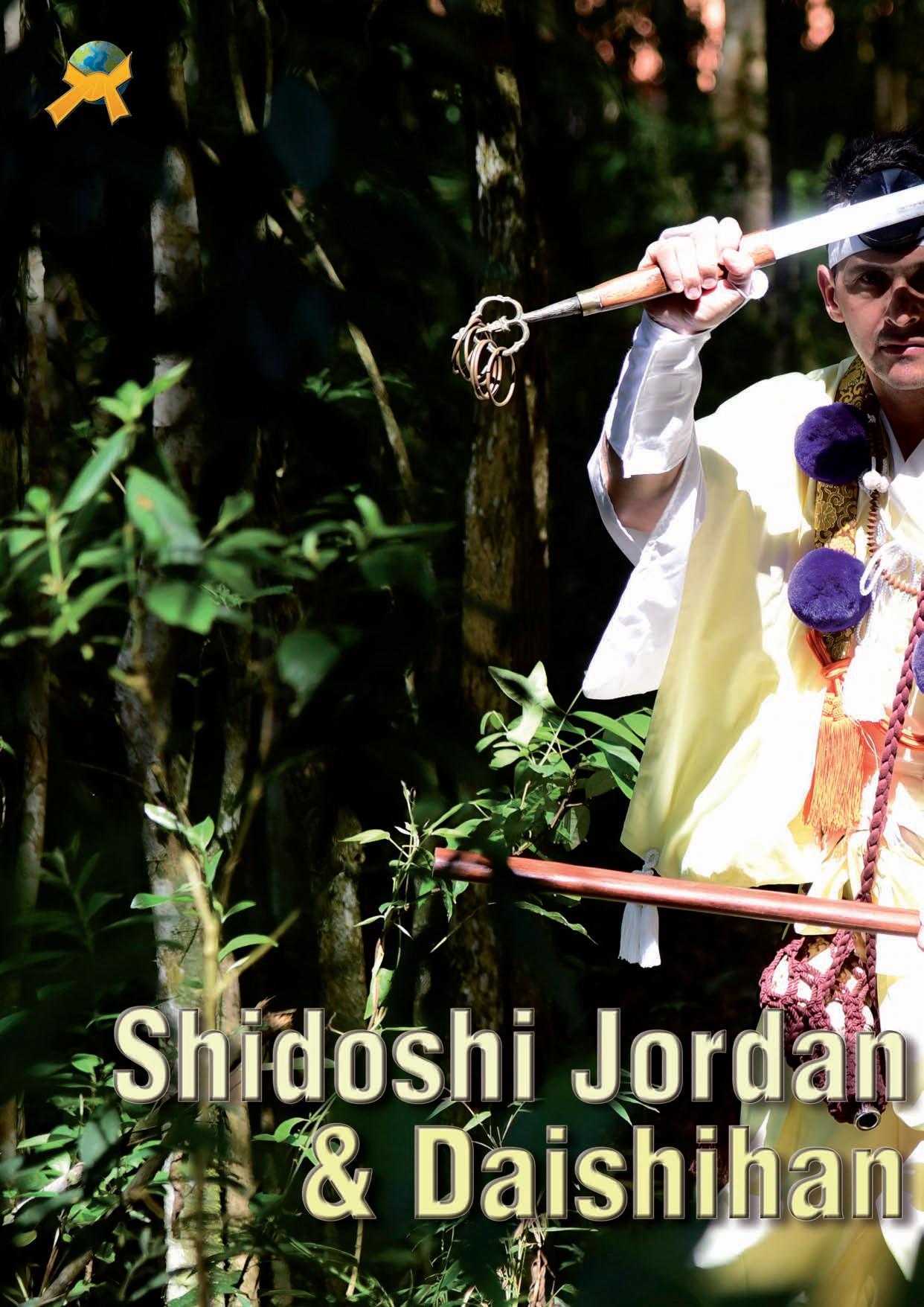
The method, in the various formulations it has received throughout the history of philosophy and science, has always played the role of a regulator of thought, that is, a gauge and evaluator of ideas and theories: it guides intellectual work (the production of ideas, experiments, theories) and evaluates the results obtained.
The history of Japan is full of points or gaps that require knowledge and reflection to be understood. The reason? Access to information has brought relevance to various “views” of this past, full of mysteries and adjustments to modern times. In this tangle of contradictions, we see the emergence of methods for understanding and interpreting the meaning of actions, practices, behaviors, social and political institutions, feelings, desires, and historical transformations, because man, the main actor in this scenario, is a historical-cultural being who produces institutions and their meaning.
From the point of view of learning in a traditional school, with Japanese arts at the center of this article, it is not difficult to observe that “the martial way” has become a hobby for most practitioners (since only a few have the responsibility of maintaining a lineage). It is easy to observe that, in a real sense, there are no longer samurai on the streets who define in a second the life of a vassal or person belonging to a lower social class; a follower of a tradition who walks the streets fulfilling such a role. Supposedly, this era has ended.
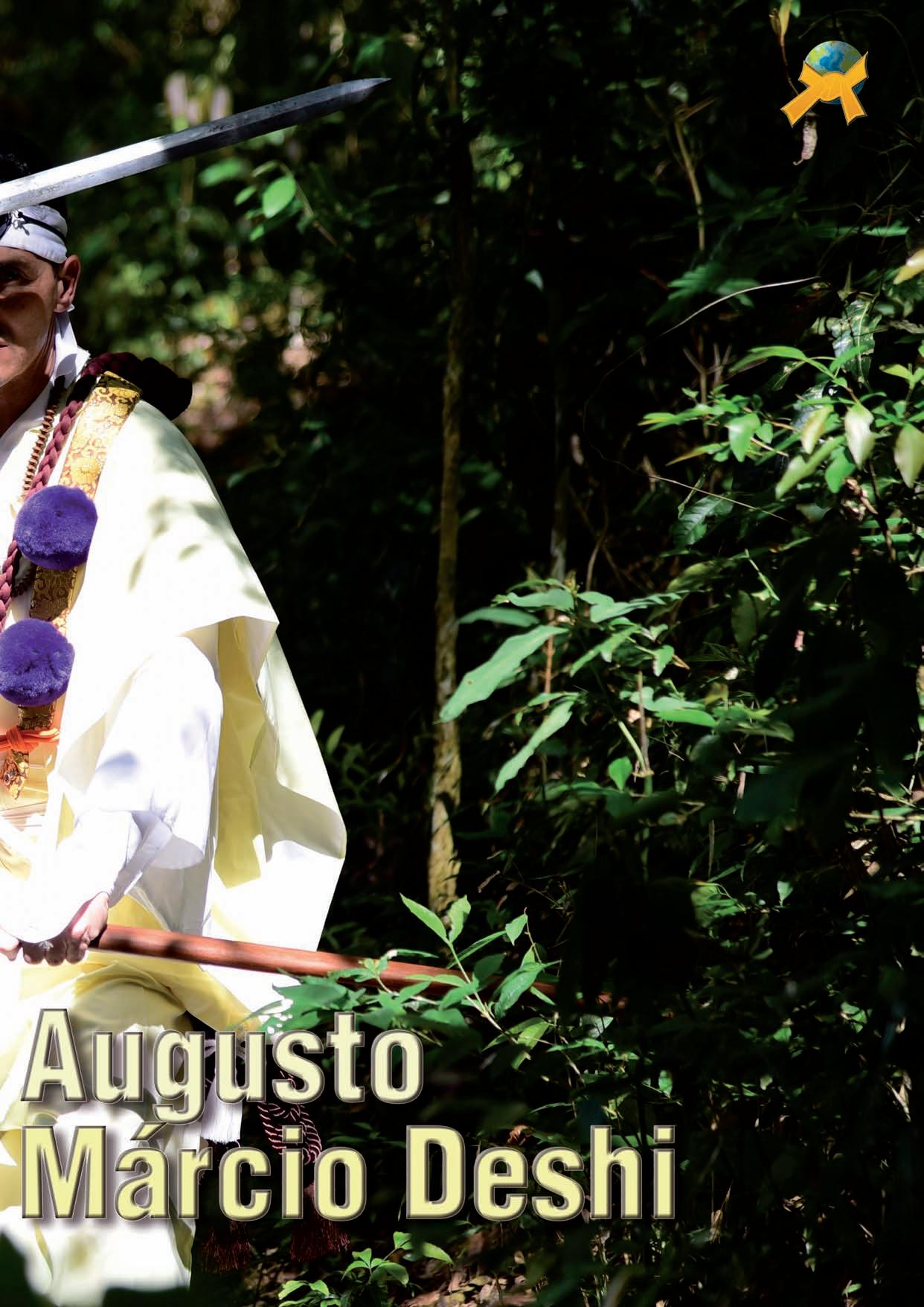
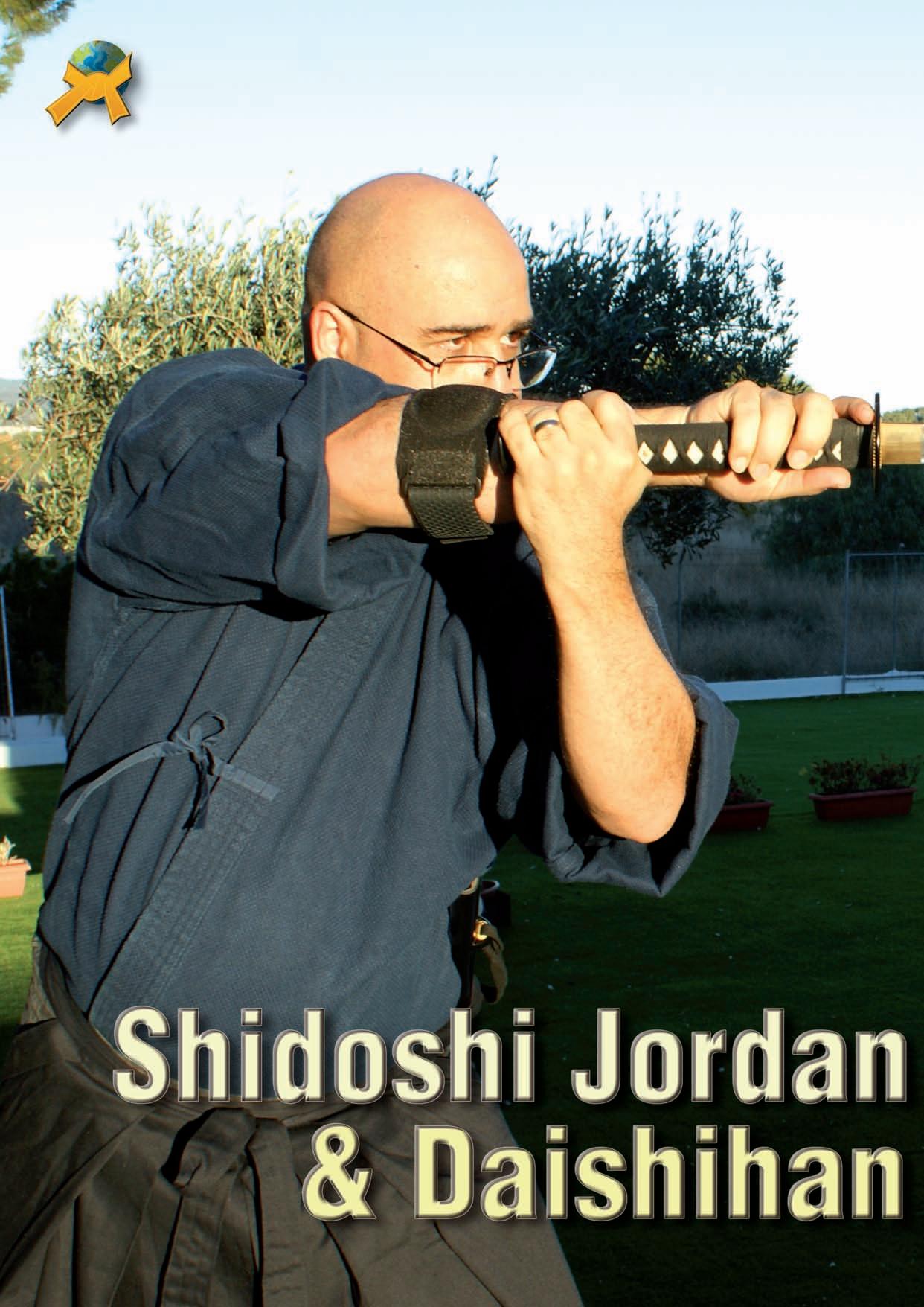
The Senpai-Kohai relationship, master-vassal, is no longer the same. Even so, in the 21st century, the internal logic of each cultural reality is translated into customs, forms of housing, clothing, work, and so many other expressions.
When we understand the differences between groups as cultural issues, we begin to understand them in a broader and less prejudiced way. In general, anthropologists have always treated the human mind from an external perspective, dealing, directly or indirectly, with the products of mental activity remaining in a society.
When interpreting the cultural events of a civilization, mental aspects are sometimes also discussed, either from the externalist and exclusive perspective of classical anthropology or through the association of other related disciplines. That being the case, we have a problem in the 21st century: what is the advantage of belonging to a traditional “ryu”? To explain all this, I leave you with DAISHIHAN Márcio Deshi. Enjoy!

We are not the continuation of history, but the link that keeps it alive. Ninjutsu does not belong to time: it is amorphous, timeless.
“The waters never remain the same: they flow incessantly towards the sea, until, by force of destiny, they ascend to the sky, repeating the cycle eternally.”
Chōryū, Marcio Deshi - Daishihan Bujinkan Dojo
Before delving deeper into understanding the Togakure style of Ninjutsu, it is essential to recognize that, since its formalization as a martial tradition in the 12th century, it has undergone constant transformations. These changes occurred without losing its fundamental characteristics, allowing the system to adapt to different eras and the specific needs of each historical period. This continuous movement of adaptation and preservation can be understood by the concept of nagare, the natural flow of tradition.
Like most Japanese martial traditions, throughout history, Ninjutsu emerged and developed within a tribal, military, and militia context, being transmitted in a secretive and restricted manner. What is known and practiced today as the “Ninja Art” represents only a small part of this legacy, which has become public in modern times, based on a more philosophical and urbanized interpretation of traditional martial arts in times of peace. This process did not occur in isolation, but was led by great masters who, understanding historical changes, reinterpreted traditional teachings without distorting their fundamental principles.
In this sense, throughout different historical periods, central figures played distinct roles in preserving and reinterpreting Japanese martial traditions. Masters linked to classical transmission, such as Toda Shinryuken, acted in a context still deeply connected to real combat. Names such as Sakakibara Kenkichi represented the transition period between feudal Japan and modernity. Later, masters such as Jigoro Kano, Morihei Ueshiba, and Gichin Funakoshi reinterpreted these traditions in light of social transformations, using them as tools for human development. More recently, Masaaki Hatsumi played a fundamental role in preserving and transmitting this knowledge beyond Japan. Although some of these paths have evolved into sports formats, there remains an essential distinction between traditional martial arts and martial sports, a distinction that is becoming increasingly relevant to the serious practitioner and will be noted throughout this study.
When analyzing Ninjutsu historically in this military, tribal, or militia process, it is clear that the contemporary practitioner finds themselves at a perpendicular point on this timeline. In Japan, the most significant movements of this perpendicular occurred between the 1910s and 1960s; in the United States and Europe, from the 1970s onwards; and in Latin America, mainly between the 1980s and 1990s. This period became known as the “martial arts boom.” However, in the Western context, this contact occurred predominantly through entertainment.
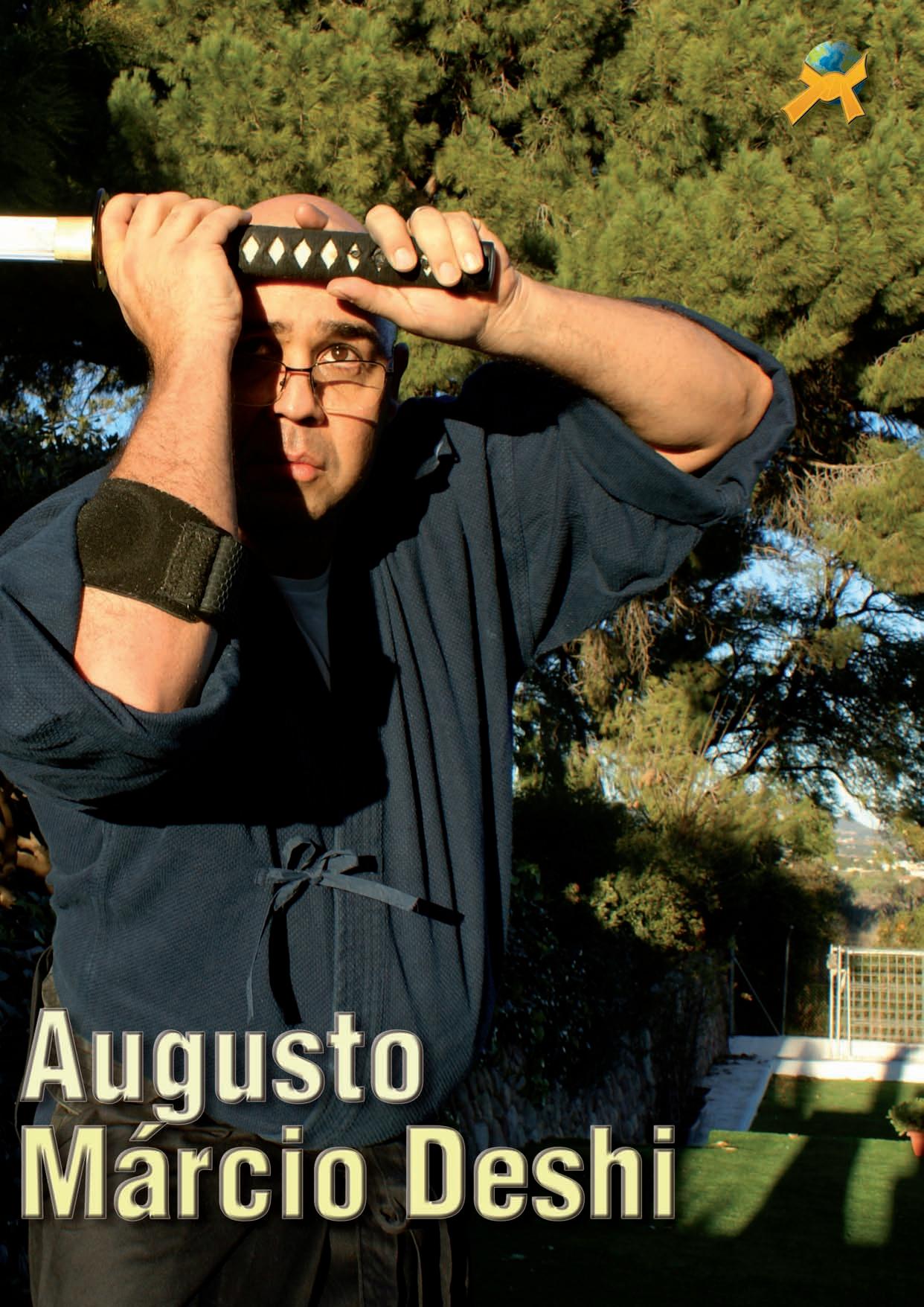
Although entertainment was an important vector of diffusion, it also contributed to the transformation—and, in some cases, the decharacterization—of the original meaning of martial arts. From a historical, social, and anthropological perspective, it can be observed that practices originally embedded in a military context came to assume functions focused on human development, character education, and social construction, especially after events such as the Meiji Restoration.
In the specific case of Ninjutsu, this process was no different. Cinematic works such as Shinobi no Mono, as well as the work of Japanese masters and researchers such as Saikō Fujita, Itto Gingetsu, Okuse Heishichiro, Yumio Nawa, and Masaaki Hatsumi, in addition to American writer Andrew Adams, were fundamental in presenting this knowledge to Western audiences.
Even so, much of what is understood as Ninjutsu remains shrouded in the so-called “ninja myth.” Separating myth, entertainment, and historical tradition is one of the greatest challenges for researchers, historians, practitioners, and students in the field, requiring methodological caution and in-depth study.
Historically, what is now popularly known as Ninjutsu was known, in periods of civil war, as Shinobi no Hō: a specialized military force in the service of the samurai armies, responsible for espionage, counter-espionage, information analysis, and disinformation, acting in an integrated manner with the regular armies.
Although Japanese military systems have been profoundly transformed over time by foreign influences, traditional methods and tactics remain preserved within the classical martial arts. However, contemporary practitioners are not involved in an active military context. Thus, Ninjutsu as practiced today can be understood as a perpendicular adaptation from a military context (Bujutsu) to a social and human context (Budō). In this scenario, the focus shifts from survival on the battlefield to the development of human potential, using the philosophy of the sword as a tool to correct internal flaws that prevent individuals from advancing in their lives, even in the face of adversity.
Traditional Japanese martial arts, especially those classified as Koryū— systems structured before the Meiji Restoration—went through distinct phases of technical and conceptual development. Three characteristics are fundamental to understanding this process: Kaisha Kenpō, related to pitched battles fought in armor; Suhada Kenpō, characterized by duels between warriors armed with swords or bokken, without the use of armor; and Kahō Kenpō, the current phase focused on technical preservation, artistic refinement, and traditional transmission. These categories arise from the analysis of the real applicability of techniques in specific social, political, and economic contexts, removed from the logic of entertainment or sports competition.
Although it may seem contradictory, entertainment has played an important role in the preservation and dissemination of martial arts. However, for practitioners committed to the martial path, it is essential to distinguish martial arts from martial sports. This distinction allows us to understand the true purpose of training, which can be continually reinterpreted throughout one's personal journey. Sakakibara Kenkichi, a samurai who lived through the transition from the Tokugawa period to the Meiji Restoration, expressed this understanding when he stated: “The sword alone can no longer win a war, but men with the spirit of the sword can build a strong society, establishing peace and harmony through the way of the sword.”
In this context, war should be understood as any form of human conflict, whether physical, emotional, or social.
Traditional martial arts aim at the integrated protection of the body, mind, and spirit, bringing together studies that encompass philosophy, religion, traditional medicine, politics, and combat methods. In Ninjutsu, techniques and weapons are part of a legacy passed down from generation to generation, and kata act as living structures in which principles, values, and virtues are preserved and transmitted by the master throughout training. In the context of physical confrontation, Ninjutsu offers multiple tools, the main one being the ability to anticipate and prevent, seeking to avoid danger and direct confrontation whenever possible. Traditional maxims such as “violence must be avoided, Ninpo is Bujutsu” and “the sword must be used to achieve peace” clearly reflect this philosophy.
In contemporary times, it is common for interest in Ninjutsu to arise from films, games, or animations, often associated with the expectation of quick results or simplified paths. However, traditional training requires patience, perseverance, and continuous study. Ninjutsu has always required in-depth study, since ninjas acted as intelligence agents, and constant practice, due to the need for physical, mental, and psychological preparation. Although the historical context has changed, its essence remains unchanged. The Togakure of the 12th century is not the same as that of the 21st century, but it remains Togakure. The question that arises is: which Togakure are we talking about?
To understand which Togakure we are talking about, we should not go too far back in the past of our tradition. Although many do so to justify or explain certain things, I believe that the furthest we can go through study and research is the last century when Master Takamatsu lived.
To understand this view, it is essential to consider Takamatsu's martial training. He did not learn Judo in the modern sense established by Kanō Jigorō. His learning began directly in Shinden Fudō-ryū and other ryū-ha under the guidance of Toda, later in Takagi Yōshin-ryū with Mizuta, and finally in Kukishin-ryū, Takagi Yōshin-ryū, and other traditions under Ishitani. His foundation was built entirely within classical jūjutsu and traditional combat schools.
Unlike the modern ways of using the body found in Judo, Kendo, or Aikido, Takamatsu was trained by Bushi from the Bakumatsu period. In this context, the use of the body was deeply influenced by the use of weapons and armor, with objectives linked to survival in real combat, rather than sport or competition.
For this reason, it can be said that Takamatsu understood the techniques associated with Judo from a classical

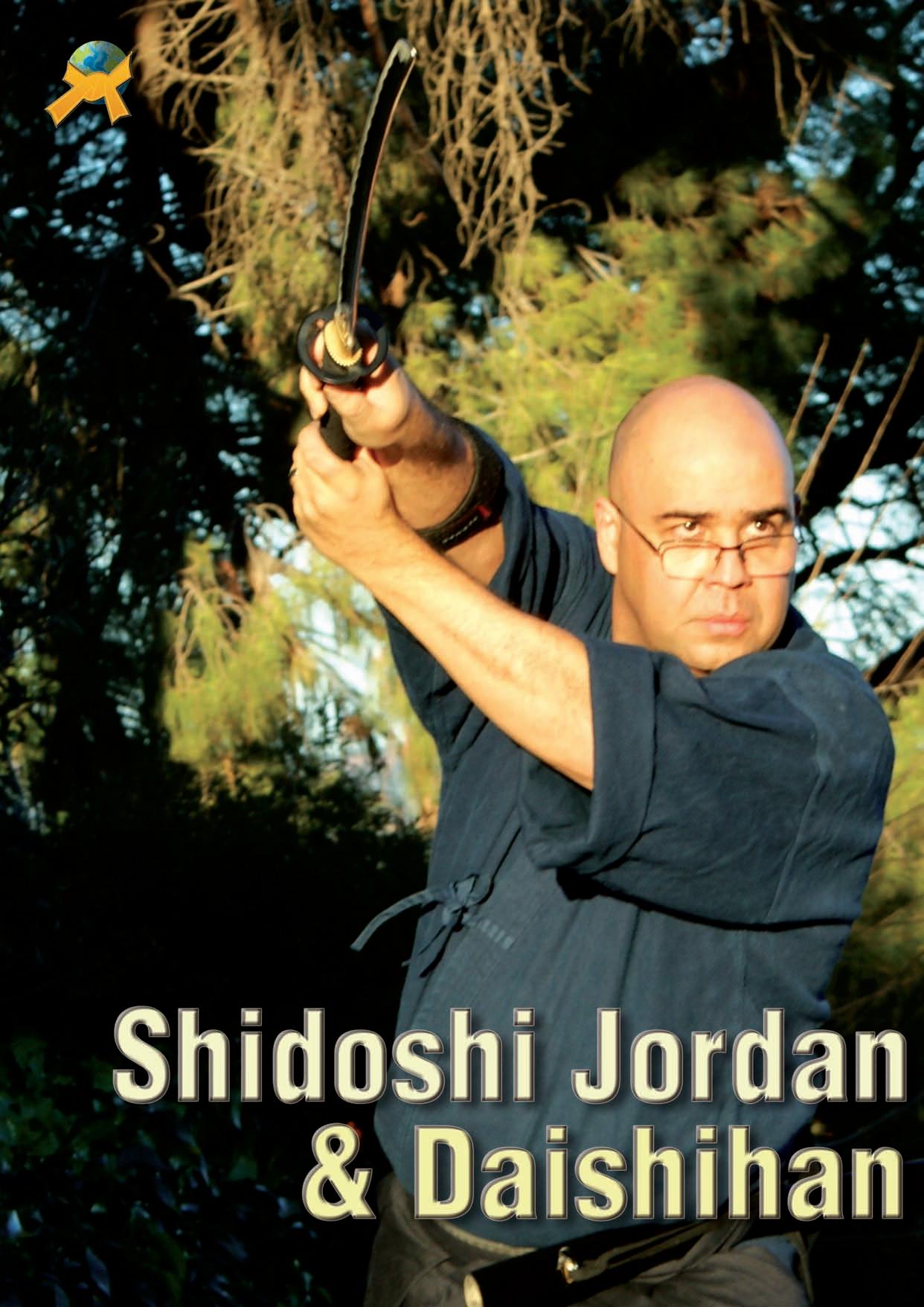
jujutsu perspective, which allowed him to convey fundamental principles in a clear and accessible way, even to large audiences, without losing the depth of his martial understanding.
After a life marked by intense experiences and direct contact with different martial traditions, Takamatsu recorded his most mature teachings in Ninjutsu Hiketsu-Bun, a document that profoundly expresses his final understanding of the true meaning of Ninjutsu. More than a technical compendium, the text reveals a mature view of the martial path as an instrument of inner transformation.
In his writings, Takamatsu states that Ninjutsu should not be understood only as 忍術, but also as 認術. Although both ideograms are read as nin, their meanings are distinct and, at the same time, complementary. This idea is summarized in the phrase:
私は忍術を認術とも言う。 Watashi wa ninjutsu o ninjutsu to mo iu.
With this statement, Takamatsu indicates that the path of Ninjutsu is equally a path of recognition and awareness. The kanji 忍 is traditionally associated with the concepts of enduring, resisting, persevering, and maintaining self-control in the face of adversity. The kanji 認, on the other hand, carries the meanings of recognizing, admitting, perceiving, accepting, judging clearly, and considering reality as it is.
From this perspective, Ninjutsu, for Takamatsu, is also the art of recognizing oneself. It is the ability to perceive one's own mistakes, admit limitations, recognize one's own ignorance when necessary, and evaluate situations with honesty and discernment. This understanding reveals that true training is not limited to technical or physical mastery, but requires inner maturity and personal responsibility.
The practitioner, therefore, must develop the ability to observe reality without being dominated by ego, pride, or desire, cultivating clarity of judgment and self-control. Thus, Ninjutsu, as expressed by Takamatsu, is simultaneously the art of resistance and the art of recognition. It is a path of self-control, lucidity, and constant self-evaluation, in which true strength comes from the ability to see, accept, and correct oneself, understanding that war and conflict, especially internal ones, are part of our journey.
Life, in its rawest essence, is a struggle. From the seed that breaks through the rock to the man who fights over territory, resources, and survival, existence is organized around conflict. War, in this sense, is not an anomaly of human history, but one of its most authentic and recurring expressions. Lofty goals, moral ideals, and philosophical constructs exist—but they inhabit the mind of man and do not override the reality of nature.
Man is born fragile. Unlike many animals, he has no claws, fangs, or extraordinary strength. His advantage has always been something else: the ability to dream and transform that dream into action through intellect. This is how he dominated the environment, developed tools, weapons, and strategies. But in conquering nature, he inevitably turned against his last and most dangerous adversary: himself. In this clash, civilization emerged.
The expression “civilized man” sounds pleasant, but often carries a deep contradiction. Civilized man tends to believe that he has overcome violence, when in fact he has only outsourced it. He does not kill, but allows others to kill for him; he rejects war, but benefits from its results; he believes in the sanctity of life, as long as it does not interfere with his comfort. This detachment from reality creates an internal split—a denial of his own animal nature. Civilization was created as a tool, a means of allowing many individuals to coexist in a limited space, with fewer direct conflicts. However, as it grows, a dangerous reversal occurs: society ceases to be shaped by man and begins to shape him. Instead of preparing individuals to deal with conflict, it conditions them to avoid it at all costs, turning predators into sheep. The problem is that wolves continue to exist.
Denying violence does not eliminate it. Every society ultimately depends on the controlled application of force. This is where the profession of arms comes in. Warriors, soldiers, and police officers are not ordinary citizens; they are experts in violence, accepting the real possibility of death as part of their job. This choice puts them in a unique position and requires them to undergo physical, psychological, and moral training that is incompatible with ordinary civilian values.

The mistake of modern societies is to demand that warriors think like civilians, while expecting them to act like predators when necessary. At the same time, those who decide on wars are rarely those who fight them. This creates a gulf between decision and consequence—fertile ground for poorly conducted conflicts and useless sacrifices.
War, regardless of the tools used, remains essentially the same: one man's attempt to dominate another. Techniques change, weapons evolve, but the principles remain. Therefore, a true understanding of war lies not only in technique, but in strategy, in a deep understanding of human behavior. In this field, few cultures have achieved such refinement as the Japanese, where strategy has been elevated to an art form.
Being truly civilized does not mean denying one's nature, but understanding it. A man who recognizes his capacity for violence and learns to control it is safer—for himself and for society—than one who pretends not to possess it. Only by accepting that civilization is an artificial shell, and not the essence of being, can man live in peace without becoming defenseless.
There are different types of war depending on the era and demand. In times of liquid modernity, the development of the individual through martial arts is not limited to the acquisition of physical, psychological, or intellectual tools; it is about empowering the person to be autonomous, capable of defining their path and identity, dealing with insecurities and obstacles in the contemporary world. The first step in this process is deep self-knowledge: bringing the real self closer to the ideal self, understanding that our characteristics are often shaped to meet social expectations that do not correspond to our organic desires. In a technical and mechanized society, few warriors are willing to face this challenge.
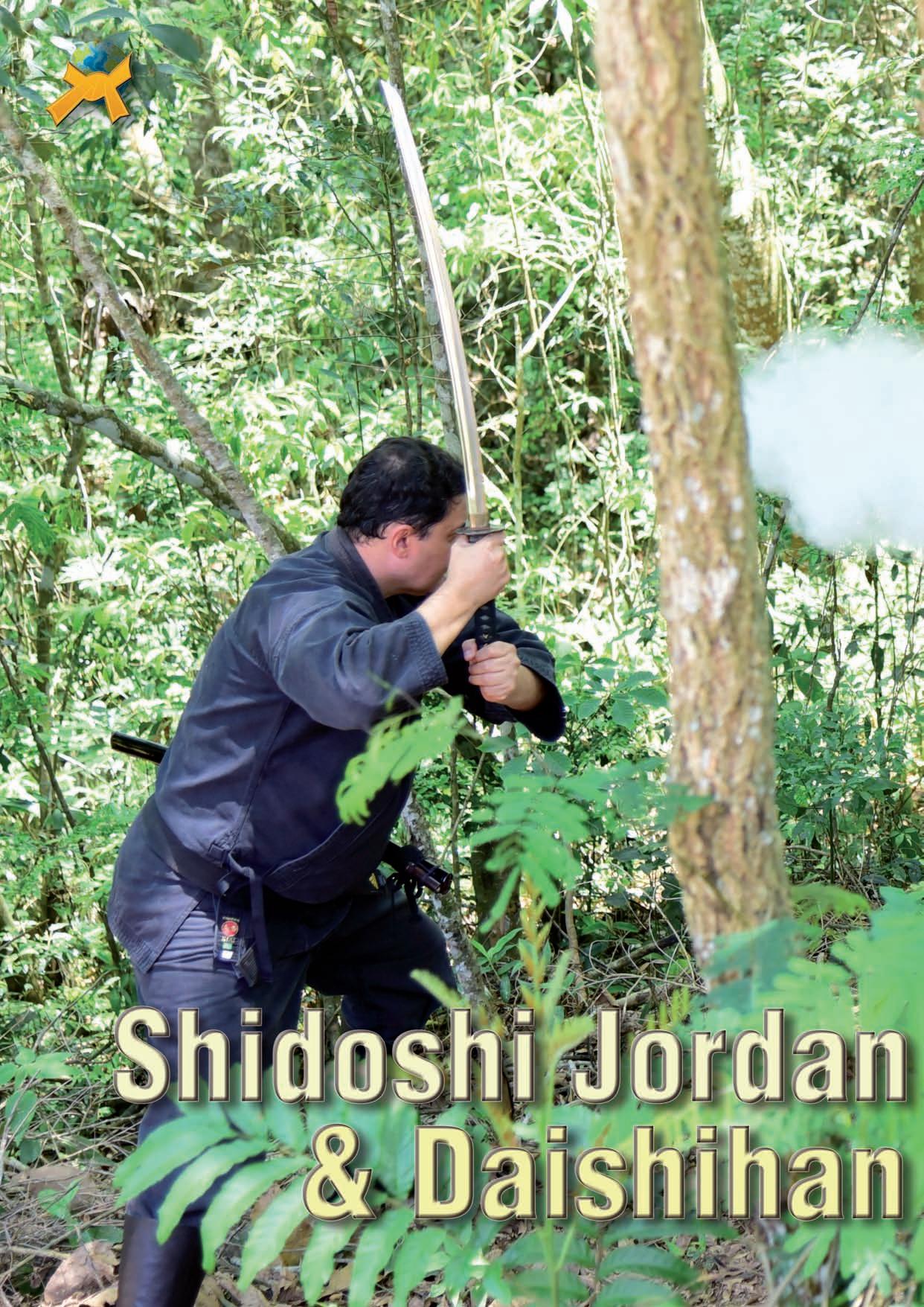
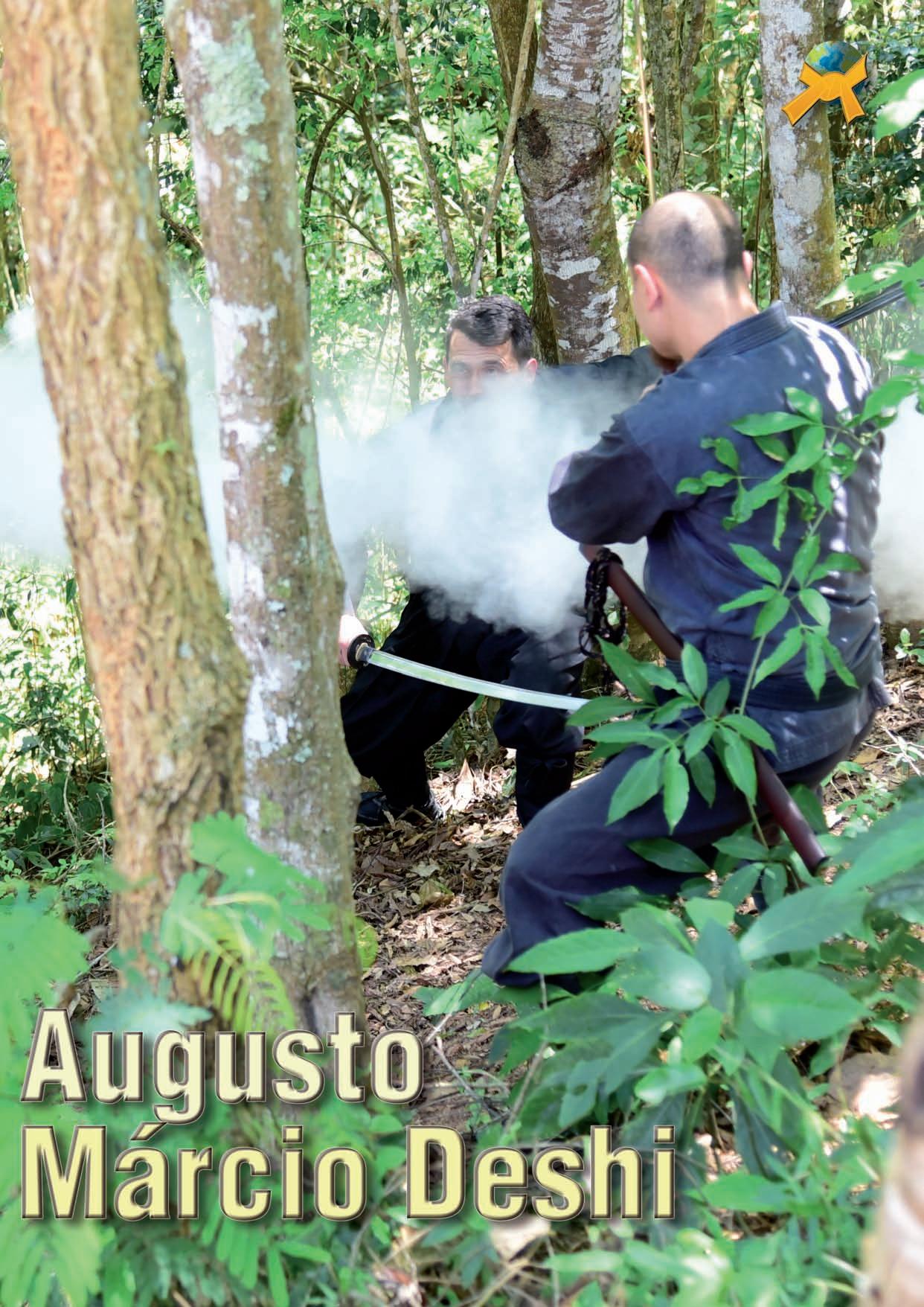
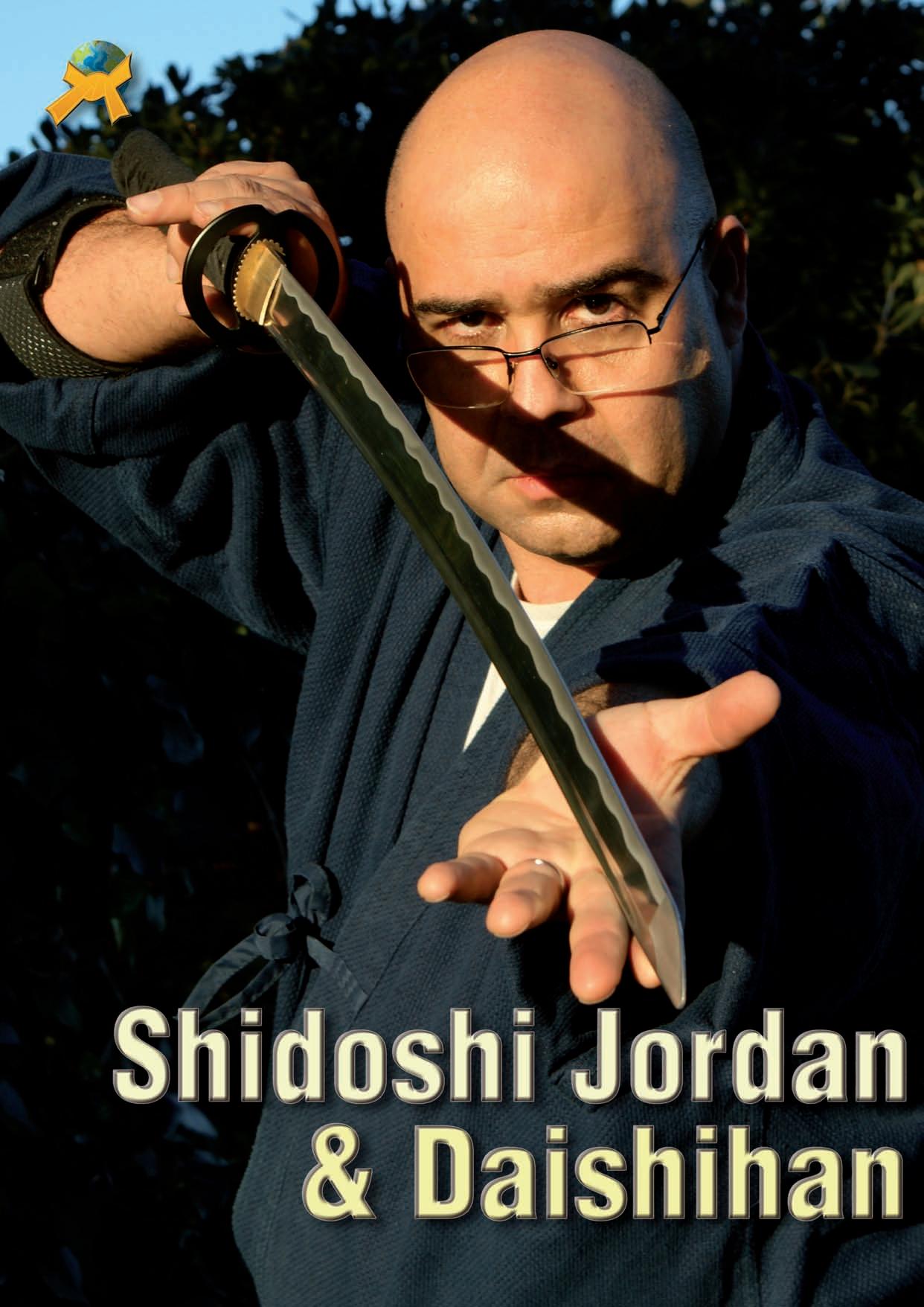
Historically, martial arts have always been of great relevance to different peoples and cultures, serving as tools for protection and human development. Today, however, there is a counterpoint. Most practices are perceived as entertainment, violence, or fads, with little social relevance. This differs from the past, when martial arts were synonymous with discipline, order, courage, education, and personal growth.
In the current scenario, there are top athletes who win major awards and visibility, but there are also small, isolated, or often restricted, closed groups that do not arouse interest beyond their own circle. In many cases, the notoriety acquired is limited to the group itself or depends on political agreements, ultimately undermining the essence of the art, whose main objective is to serve others.
The true path, as taught by the ancient samurai and bushi, is to serve before benefiting oneself. We must apply our knowledge for the greater good, without privileging only personal interests or conveniences. When martial arts teachers take on this responsibility, they begin to contribute effectively to society, making martial arts relevant as instruments of human development.
The role of the master is central to this process. Being a great master goes beyond technical mastery: it requires taking on responsibilities, taking ownership of one's position, and showing that martial arts are not just a physical practice, but an essential tool for character building, discipline, and self-awareness. Being recognized only within a closed group is like carrying a bamboo sword on the battlefield; the appearance of skill is not enough if true combat is not faced. True combat is internal and external, spiritual and social, and requires a commitment to principles greater than personal interests.
Serving, therefore, is the essence of the Modern Warrior. It is not just about defeating your opponent or winning titles; it is about living with purpose, contributing to society, and honoring the tradition that shaped the ancient masters. Only then can the individual truly transform, aligning strength, awareness, and responsibility, becoming not only a martial artist but an agent of positive impact in the world.
Another crucial point in this universe of conflict, strength, and violence is also found in popular imagination, where the warrior is often associated only with brute force, martial skill, and the ability to win physical confrontations. However, in classical Japanese tradition, this view has always been considered incomplete. The true warrior was not only one who mastered the art of war, Bu, but also one capable of moving naturally through the world of refined arts, Gei. This universe, known as Yūgei no Sekai, represents the world of elegant arts, the practice of which was considered essential for the integral formation of a Samurai.
Since the Heian and Kamakura periods, and later during the Sengoku Jidai, the understanding that the warrior should seek a balance between Bu, martial arts, and Bun, intellectual, artistic, and spiritual cultivation, became established. A warrior dedicated solely to combat became rude, impulsive, and easily dominated by emotions; on the other hand, those who turned exclusively to literature and the arts, without understanding the reality of conflict, became naive and unprepared. Yūgei no Sekai emerges precisely as the point of convergence between these two worlds, refining the warrior's character and honing his perception.
Practices such as calligraphy (shodō), poetry (waka and haikai), tea ceremony (sadō), music, Nō theater, painting (sumi-e), and even mastery of etiquette and formal language were not mere pastimes. They functioned as instruments of introspection, mental discipline, and emotional control. By tracing an ideogram, the warrior learned about rhythm, intention, and presence; in the tea ceremony, he understood the value of silence, simplicity, and mindfulness; in poetry, he exercised the ability to observe the world with sensitivity, developing empathy and perception—essential qualities for those who lived in a constant state of vigilance.
In the context of Ninjutsu and the arts of survival, refinement was not only aesthetic but strategic. An individual capable of moving naturally in cultured environments, understanding symbols, interpreting social behaviors, and apprehending artistic expressions had access to information, moved between social classes, and went unnoticed. Refinement, therefore, became a sophisticated form of camouflage. More than that, Yūgei no Sekai trained the warrior to perceive subtleties: changes in mood, atmosphere, hidden intentions — skills that, in real situations, could mean the difference between life and death.
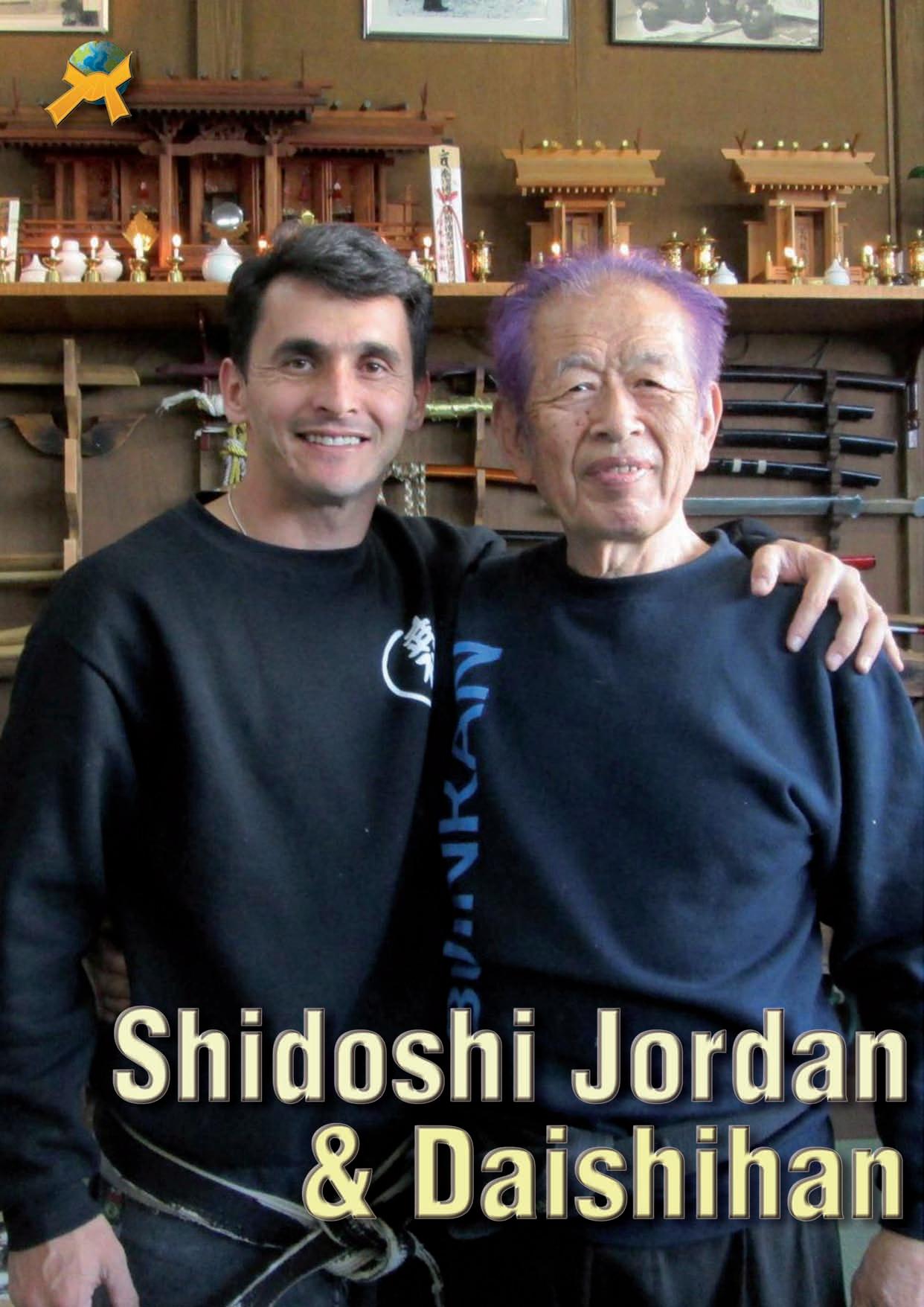
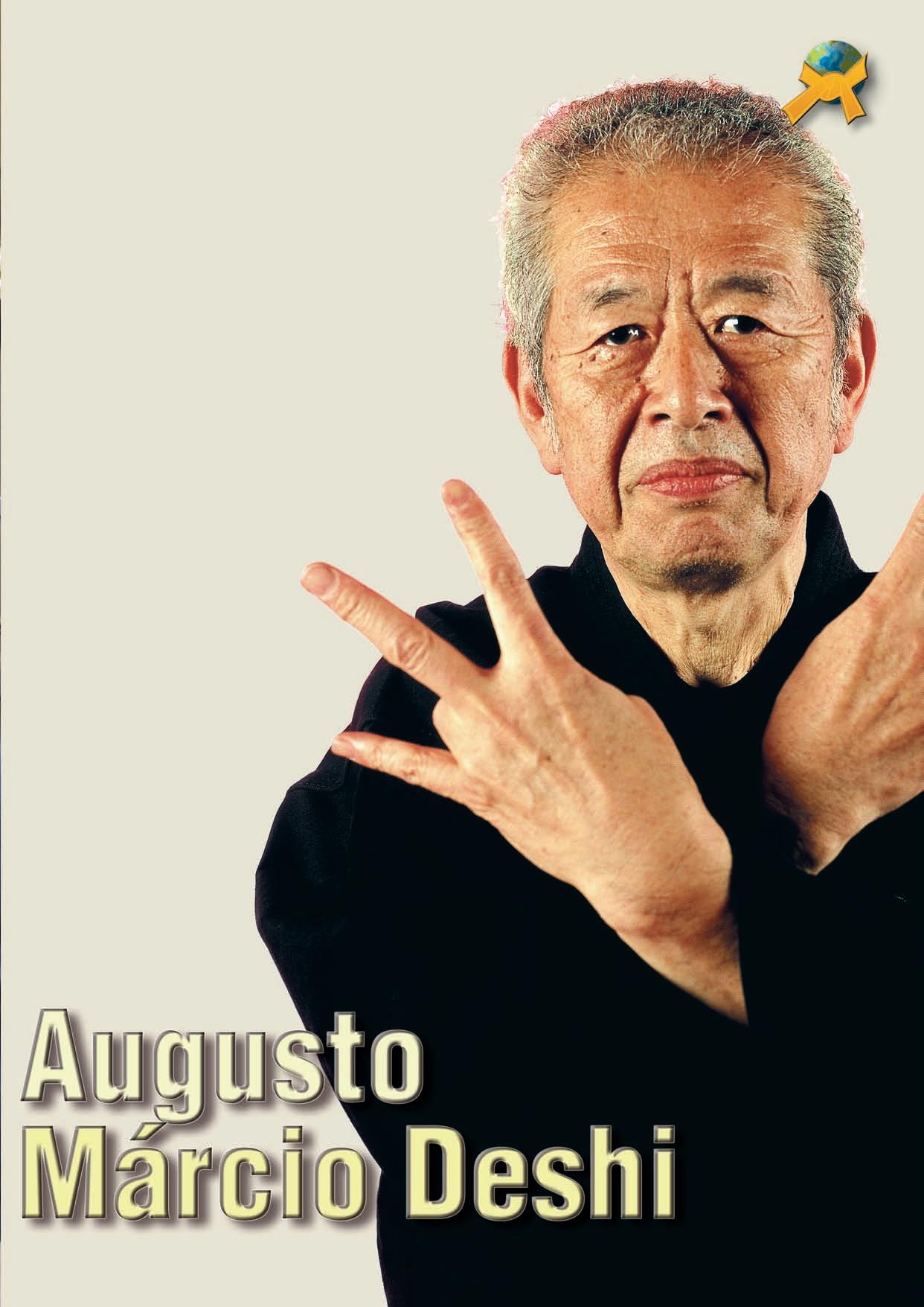
Continuous contact with the refined arts promoted humility, self-control, and awareness of the ephemeral. By understanding the impermanence of things, mujo, the warrior learned to act with detachment, avoiding decisions driven by ego, anger, or vanity. This process of internal refinement strengthened the spirit (kokoro) as much as training strengthened the body. The sword, then, ceased to be an instrument of blind violence and became an extension of a clear and serene mind. In contemporary times, Yūgei no Sekai remains extremely relevant. The modern warrior—whether a martial artist, a professional dealing with constant pressure, or someone in search of self-knowledge—faces internal battles as intense as the physical conflicts of the past. Cultivating refinement today means developing sensitivity, emotional intelligence, focus, and adaptability. It means understanding that strength without wisdom is destructive and that knowledge without action is sterile, reaffirming the idea that the true warrior is one who unites bu and bun, body and spirit, technique and wisdom.

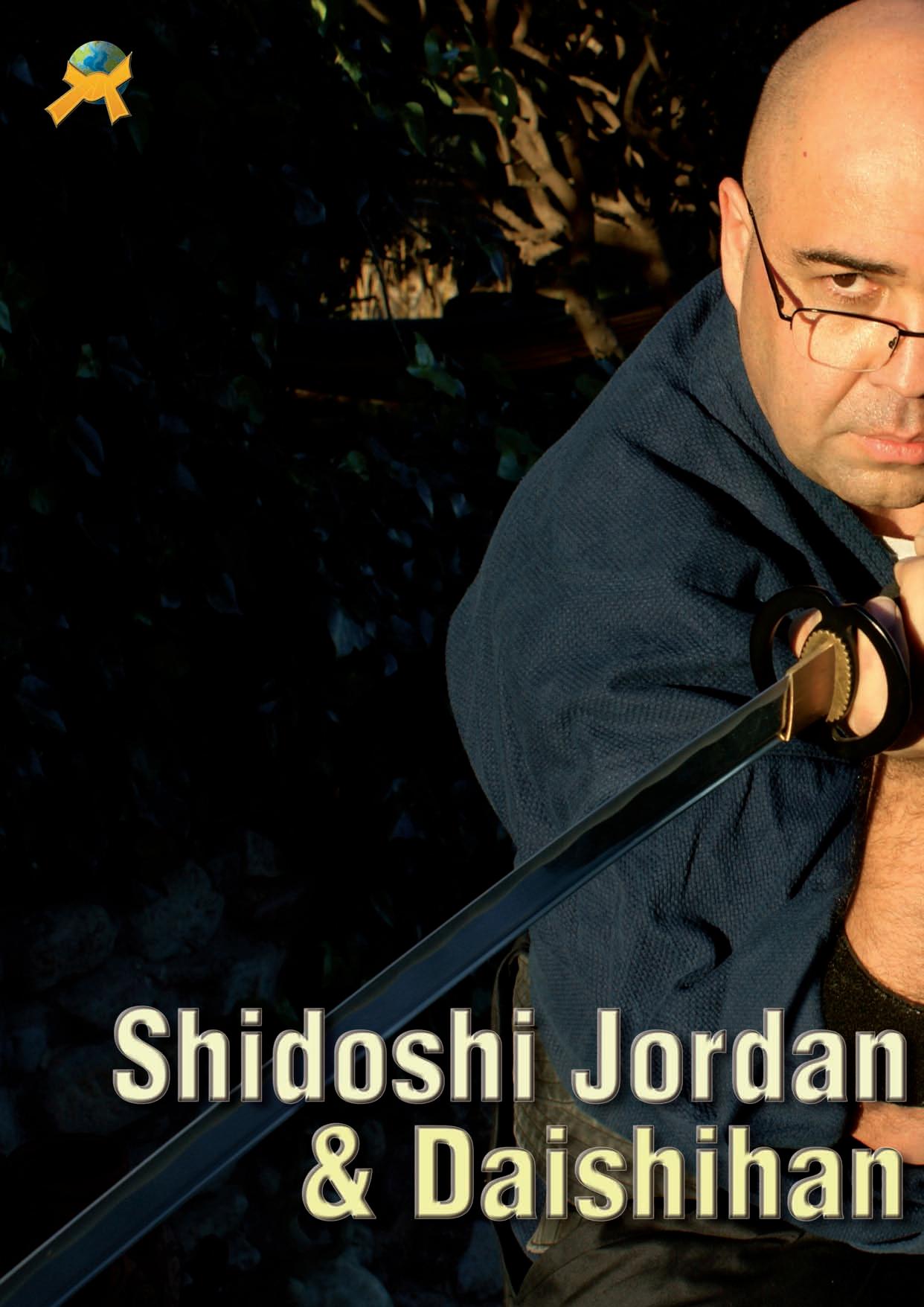
However, at a certain point, the commercialization and gourmetization of martial arts today pose a challenge for those who seek not only a way of life but also a teacher who is responsible and, above all, committed to the transmission of knowledge. Hence the importance of knowing how to separate a dojo from a school or gym, from customer behavior to disciple posture.
The purpose of a school is to teach a person new things; the purpose of a dōjō is to transform the person themselves into something new. Around the world, there are countless facilities dedicated to martial arts training; however, few truly deserve the title of dōjō. Terms such as studio or gym are generally more appropriate, as most of these institutions teach only a superficial part of the art, without understanding or attempting to convey its deeper meaning. For the average student, this is not a problem, as their interest is usually limited to physical transformation, without seeking deeper changes in character or mind.
The word dōjō can be literally translated as “place of the way,” indicating a space in which the student seeks to experience the ultimate reality of the art they have chosen to follow. Techniques are taught in both schools and dōjōs, but in the latter, they serve only as a means—never as an end. Mastering technique represents only the beginning of learning, not its end. While a school teaches how to kill, a dōjō teaches how to die. Members of a dōjō do not think about fighting or avoiding confrontation, but seek to transcend these levels and understand the very essence of conflict.
Although initial training in a school and a dōjō may seem similar, the goals and methods are profoundly different. A school has teachers and students; a dōjō has masters and disciples, the deshi. Students attend classes to acquire knowledge, while deshi seek spiritual transformation. Becoming a deshi is the first step in this process, and the aspirant must demonstrate the correct attitude, known as nyūnanshin, a flexible spirit capable of being molded by the dōjō.
The dōjō is not a church, although it shares some institutional characteristics, nor is it just a gym, even if physical activity seems to be its main function at first glance, nor is it a barracks, although the discipline is similar to that of the military. Clothing and posture must be impeccable, both inside and outside the dōjō. Uniforms are exactly that: uniforms. Personalized or ornate costumes represent the ego, precisely what the disciple seeks to transcend.
The sensei is not merely a teacher, but a guide. Literally, sensei means “one who was born before,” indicating someone who has already traveled the path that students are trying to follow. As kanchō, the leader of the dōjō, it is up to him to ensure that disciples move in the right direction, pointing the way, while the journey itself is up to the deshi. A good sensei impresses more by the potential and intensity of his presence than by his explicit actions. Although he never demands respect, the older disciples make a point of imposing it, not to honor the man, but because they understand the value of discipline. Revering the sensei is a spiritual exercise that benefits the disciple himself, and in rare cases, when the sensei orders that there be no more bows, the deshi must respond “Yes, sir!” and bow deeply—a gesture of alignment with discipline, not blind obedience.
Even the sensei occupies a secondary position before the shinza, the altar of the dōjō. Large or small, simple or ornate, the shinza occupies the highest place in the hierarchy of the space and represents the very soul of the dōjō. No matter how great an individual may be, the altar serves as a constant reminder of how far there is still to go.
The combination of the discipline of the deshi, the presence of the sensei, and the physical characteristics of the dōjō creates a unique environment, challenging for the beginner and deeply memorable for the veteran. Humility and authority coexist, often concentrated in a single person. During hours of training, the disciple approaches his physical and mental limits, feeling an energy that acts on the ego, shaping and transforming it. Training is not only physical; it is a process of psychological and spiritual refinement.
The deshi of a traditional dōjō are firm, mature, and committed men. They are not children, dilettantes, or dreamers. We find adults from all walks of life, with a large presence of professionals: military personnel, engineers, executives, police officers—all individuals accustomed to dealing with responsibility and aware of their value. They seek something deeper than physical strength in the dōjō: the transformation of character and mind.


Building bridges between Switzerland and Brazil
It's been 30 years now!
Even though my brother Demetrio and I started integrating Brazilian Jiu-Jitsu (BJJ) into our teaching program in 1991, replacing what was then known as JKD grappling, which we had learned from our JKD teachers Larry Hartsell and Dan Inosanto, among others. It was an absolute highlight for all of us in Team Vacirca Brothers when, through Guy Mialot from France, who was president of the first BJJ union in Europe and the contact person for Brazil, we received the official invitation from Master Carlos Gracie Junior, founder and president of the CBJJ (Confederação Brasileira de Jiu-Jitsu), to partic<Ninguno>ipate in the first BJJ World Championship in 1996.
We owe a great deal to Master Carlinhos Gracie, this visionary. Without his tremendous support, the International BJJ Federation (IBJJF) would never have been created and this international competition platform that exists worldwide today would not exist. Of course, it is not the work of one man, but of many people, but it took a leader like Master Carlinhos to take on this task seriously and professionally. Of course, we must admit that it has since become a big business, but the fact is that the IBJJF is now represented interna-
tionally on several continents. No other organization represents BJJ (with and without kimono*) as professionally and comprehensively as the IBJJF. (Kimono is the “Brazilian” term for the Gi/uniform.)
I would also like to express my deep gratitude once again to Guy Mialot, who brought us into contact with Master Carlinhos and Gracie Barra in Tijuca back then. Special thanks go to my brother Demetrio and my two students, Nikos Bachzetsis and Martin Hardmeier. They believed in my BJJ vision in Europe and followed me to Rio de Janeiro. After hard work and countless hours of training at the Vacirca Academy, they brought their well-deserved medals back to Switzerland.
After a short stay in Madrid, where we went on an extensive tapas, wine, and beer tour before flying on to Rio de Janeiro, we landed in Brazil well rested and enthusiastic. When Master Carlinhos Gracie and his driver picked us up at the airport, he said, “Welcome to Brazil! First, I'll take you to the hotel. There you can rest and have breakfast later.” We were driven to the Hotel Ouro Verde (green gold). Our rooms were sponsored in part by CBJJ. The accommodation was located directly on the world-famous Copacabana, and our room offered a direct view of the beach. The view was breathtaking, simply wonderful.
Our flight landed early in the morning, and the city was still shrouded in thick fog. The fog made it difficult to see the streets and buildings, which made it even more exciting. When we arrived at the hotel, which was less than twenty steps from the beach, the excitement grew from one minute to the next.
At the hotel entrance, we were greeted by a polite receptionist. After handing over our passports and registering as guests, we received our room keys. We were given two double rooms, which were practically next to each other. After a short but intense restful sleep in a real bed, we went to the breakfast room. When we entered, we could hardly believe our eyes: the aroma of coffee greeted us, and the buffet was so colorful and filled with delicacies; I had never seen anything like it in my life. We were also given one of the best tables in the restaurant, where we could satisfy our empty stomachs.

Afterwards, we went back to the hotel room to freshen up and put on comfortable clothes. We planned to explore Copacabana briefly first and then take a taxi to Gracie Barra. There we wanted to officially register for the competition category and talk to Master Carlinhos Gracie about the first World Championship to get all the necessary details. We also hoped to meet our friends from France, the Netherlands, Hawaii, and the USA. The North American team was represented by the Machado brothers and their students. Enson and Egan Inoue had come from Hawaii. They are from Japan but were representing the island with a group. A small team from Japan had traveled there under the leadership of Yuki Nakai. Guy Mialot was the group leader for the French. Remco Pardoel, my long-time friend, world-level Judoka, and UFC veteran, had traveled there from the Netherlands.
After walking along the end of Copacabana, we took a taxi to take us to Master Gracie. However, the taxi driver warned us that we shouldn't surf at this beautiful beach, as the locals in Barra da Tijuca were “a bit aggressive” when it came to giving up their surf waves. We gladly accepted the taxi driver's advice and decided to view this section of the beach from a distance. When we arrived, Master Carlinhos was already standing at the door, accompanied by several local BJJ masters, including Alexander Paiva, one of the co-founders of the well-known Alliance Team. They all wanted to meet us. We had an “ace up our sleeve”: who would have ever thought that a group of four from little Switzerland would come to the BJJ World Championship! It was the first of its kind, and it was important for Master Carlinhos to show that his work as president had been recognized around the world. It was a great honor for us.

The masters who were present immediately invited us to their schools. However, we didn't want to interfere with Master Carlinhos' plans, so we held back and waited to see what would happen next. After officially registering on site, we were asked if we had already tried the best “Açai de Guarana.” At that time, it was what absolutely every Jiu-Jitsuka consumed to stay fit and strong. My little bowl also contained various pieces of fruit, and I can tell you, it was indeed an energy bomb that I was consuming.
We spent the next few days training at different locations and with different masters. As the day of the competition approached, we decided that it might be better to train among ourselves, because we could feel the atmosphere around us becoming increasingly tense. It's important to note that we met several athletes who made a living from competitive sports, which would not have been possible for us in Switzerland or even in Europe at that time. Some of the local athletes had two or more sponsors. The athletes often wore their sponsors' patches on their kimonos with great pride and had, of course, committed themselves to finishing in the top three at the World Championships.
Finally, we arrived at the “Academia Augusto Cordeiro de Judo & Jiu-Jitsu” in Copacabana, where we were allowed to train on the tatami of Jiu-Jitsu master Gorginhio. He helped us prepare for the day of the competition.
During the day, we looked at various things and were often invited to see this or that. We also visited the shop of Kimono (Krugans) manufacturer Viking, which produced one of the first stylish suits for our sport. In the same shopping center, , a student of Grand Master Carlson Gracie had a super cool T-shirt shop, so we stocked up on kimonos and T-shirts for the next few years.

In the 1950s, judo spread worldwide, including in Brazil. After World War II, the Dai Nippon Butokukai, supported by the main Judo Dojo, the Kodokan Institute, finally had the opportunity to reach North and South America. The founder of Jiu-Do (later Judo), Jigoro Kano, had a simple vision: to use Judo not as a fighting style, but rather to promote well-being and bring people together for a positive purpose.
At that time, Jiu-Jitsu was almost extinct, as its traditional practices, such as the use of weapons, were no longer relevant. Even in Japan, this art was disappearing, and only a few master’s and students still practiced it in small, private training centers.
In Rio de Janeiro, a group of people organized the first Jiu-Jitsu tournament as a counterpart to Judo. Schools such as Gracie, Fadda, and Cordeiro, as well as several other academies, participated in this event. The strongest and biggest rival of the Gracie family in Rio was the Jiu-Jitsu school of Augusto Cordeiro, which represented the Ogawa Budokan. Oswaldo Fadda, who had just opened his school in Bento Ribeiro in the state of Rio de Janeiro, also took part in the tournament.
The following year, Master Cordeiro decided to get involved in Kodokan Judo and traveled regularly to Japan to study at the institute. However, Jiu-Jitsu remained part of his life, and he continued to teach it at his school and support it in Rio de Janeiro.
While Jiu-Jitsu was practiced in only a few places, Judo became more popular every day and gained more students. Jiu-Jitsu students began to participate in Judo tournaments, but with little success. This was not easy, as Judo naturally followed the Kodokan rules (throwing techniques), with which Jiu-Jitsu fighters – who mainly focused on ground fighting (Newaza) – were not so familiar. It was not until the mid-1960s, when the first Guanabara Jiu-Jitsu Federation was founded by masters Hélio Gracie, Pedro Hemetério, and Hélio Vigio, that this changed. The new federation had a complete belt structure, age and weight classes, and fighting rules, including a points system. On July 12, 1973, after several years of trying to establish Brazilian Jiu-Jitsu as a counterpart to Judo in Rio de Janeiro, the newly named Rio de Janeiro JiuJitsu Federation (JJ.F.RJ.) was finally recognized by Jeronimo Bastos, president of the Brazilian Sports Federation.
The competition day dragged on, but it was interesting to see that the hosts were already much further ahead than the rest of us at that time. Today, things are very different, but more than 30 years have passed since then.
The day went very well for us: in the end, my brother Demetrio and I fought for 4th place. Martin Hardmeier even managed to go one step further and was allowed to compete against the super athlete and Jiu-Jitsuka Murillo Bustamante. Martin lost this fight but won the bronze medal. Nikos Bachzetsis, our “Spiderman,” climbed even higher on the podium, defeating Frenchman Christian Derval, a top Judo master. In the final, he lost to the reigning Brazilian champion and took home the silver medal.
The next day, Master Carlinhos Gracie invited us to dinner and asked me if I would be interested in founding and leading the Swiss BJJ Federation. In Switzerland (and many other European countries), it is quite normal for practically every martial arts school to have its “own” national or even international federation. Unfortunately, cooperation is very rare here! Nevertheless, I accepted the challenge and the task. This is how the CBJJ became the International BJJ Federation (IBJJF.com), which is now represented worldwide. This was then notarized, because for Master Carlinhos Gracie, this step was extremely important to be able to promote Brazilian JiuJitsu internationally.
During this time, I was already in close contact with Master Sylvio Behring, who also supported us at the World Championships. Master Behring comes from one of the most famous BJJ families and is an excellent teacher from whom we were able to benefit and learn a great deal, even later. At that time, I also knew Master Royler Gracie from the famous Gracie Humaita, the main school of Grand Master Hélio Gracie. I first met him in the USA. Renzo Gracie was also present to support his American team and participate as a referee.
All in all, it was a huge success for Team Vacirca Brothers as the official representative of Switzerland. More than 30 years have passed since then, but I still think about it today. The next generations of Team Vacirca Brothers also benefited from this first important step onto the international stage. Since then, my brother Demetrio and I have been invited to numerous seminars throughout Europe and Russia. Our Vacirca Academy – Gracie Jiu-Jitsu Zurich – became the stronghold of BJJ in Europe. Numerous people came and trained with us. Our team participated in all national and international BJJ and grappling championships. We met some great people.
Even though some friends and students are now following their own Jiu-Jitsu path or have even left it altogether, that's fine and understandable. It happens in the best of families... The important thing, however, is that respect remains and that you honestly say where you come from without presenting yourself as the inventor of the wheel.
Keep it real!
“All in all, it was a huge success for Team Vacirca Brothers as the official representative of Switzerland. More than 30 years have passed since then, but I still think about it today.”

Muay Thai Boran: the 4 levels of fighting.
Muay Thai teachers of the past used to divide the skills of fighting in different styles: the most advanced skills were classified as Kon Kae, the tricks used to solve the problems of fighting. In other words, Kon Kae means the skills of counterattack. It represents the greatest Art in Muay Thai, the Art of true champions.
Nowadays, most Muay Boran teachers follow the Kon Muay Kae classification made by Master Yod Ruengsa in his Muay Thai textbook titled Tamrap Phra Chao Sua published in 1971.
The title is an obvious reference to Ayutthaya king Phra Chao Sua (aka Tiger King) and to the combat style used by his elite soldiers, the Krom Nak Muay. In fact, this Regiment of Muay fighters consisted of highly trained military personnel with a long history of Muay Thai practice. Those extremely skilled soldiers were employed to guarantee the safety of the king and the royal family. The fighting style of those elite troops was called Muay Luang or royal Muay and, according to most sources, it was the originator of the Kon Muay Kae style we still practice today.
The core of Kon Kae fighting style consists in learning to cope with any kind of attack by the opponent and countering accordingly. The attacks are listed following the classic “cycle of body weapons”, i.e., Mahd (punches), Thao (kicks), Kao (knee strikes), Sok (elbow strikes). The defender shall use every kind of body weapon to defend and counter the opponent’s offensive actions. Grappling maneuvers (locks and throws) are also employed as counter techniques to subdue the opponent with a quick and decisive action.
Counter fighting is generally considered a “defensive style”, especially if we compare this strategic approach with the more attack-oriented Chern Muay style. In reality, the true Kon Muay Kae expert is skilled in using the opponent’s offense as a means to successfully complete his own attack. At the highest level, a Kon Kae fighter is able to “make the opponent attack when and where he wants him to do it”. He plans his moves and uses all the defensive tools of Muay (feinting, drawing, sidestepping, guarding, parrying, slipping, ducking, blocking) to put the opponent in a position of weakness where he can easily apply his counter.
It is clear that a good counter fighter needs to develop a keen sense of timing in order to retaliate with fast, hard blows at the right time, before the opponent has any chance to recover from his missed attacks.
Not all Muay Thai boxers possess the qualities to become expert counter fighters: even if some technical attributes can be developed through proper training, an innate sense of timing is needed to really excel in this elusive style.
However, all Nak Muay (Muay fighters) can benefit from a regular practise of Kon Kae techniques: this style offers a compendium of so many defences and counterattacks that every student can find the ones that better suit his technical and psychological characteristics.
This ancestral fighting style is very complex and includes some universal principles of hand to hand combat. Siamese traditions related to barehanded fighting are many and varied: only through an in-depth analysis of the heritage of the most prominent masters of this Art it is possible to digout the true essence of Muay.
One of the living thai masters who structured his vast knowledge in a clear and logical way, understandable for foreign students, too, is Master Chaisawat Tienviboon. He analysed the heritage of past masters of Muay with an open spirit and a logical mind. In fact, besides being one of the foremost Khru Muay with more than 50 years of experience in Siamese martial arts, he was also associated professor, Faculty of Engineering at King Mongkut University of Technology. I was very lucky to receive from Master Chaisawat several suggestions and detailed instructions about many aspects of Muay Thai teaching. He also instructed me about the levels of fighting. This concept is closely related to the analysis of counter fighting that I am presenting in this articles.
Let’s analyze how Master Chaisawat describes the 4 levels of fighting in Muay Thai Boran.
The first level corresponds to a street brawl during which the opponents exchange blows without caring about defense. Uncontrolled rage is the dominant feeling that compels the street fighters to charge blindly trying to overpower each other. No blocking or slipping is used and both contestants are focused exclusively on attacking as hard and as fast as possible. Usually, the first one who connects with a telling blow is going to win the fight. This level has clearly nothing to do with martial arts and therefore thai masters compare it to “splashing the opponent with mud”.
Level two is much more sophisticated and corresponds to the basic teaching system used in most Muay Thai schools. When a fighter has reached level 2 it means that he can apply the basic defensive strategies to repel his opponent’s offensive and is in condition to retaliate accordingly. The simplest defensive strategies that are used at this level are:
Pong, Pad, Pid, Poed. Let’s see the meaning of this 4Thai words.
Pong: refers to stopping blows with the palm of the hand. Otherwise, the attacks may be stopped just by raising one’s guard.
Pad: parrying the blows with the hand or the forearm. The attack can be diverted towards the interior or exterior line, downwards or upwards.
Pid: closing the gates. Covering the weak spots or blocking the attacks using the hard bony parts of the defender’s body. You can stop blows with the forehead, with the shoulder, with the forearm, with the elbow, with the shin, with the knee.
Poed: opening the opponent’s guard. Deflecting the attack while penetrating the adversary’s guard can be done with one or two arms, with one or two hands.
Once a basic defensive action has been successfully applied, the defender should immediately counterattack with one or more strikes. In order to do that, his maneuvers must be very sharp and well timed. Because of that, this level of fighting is usually called “sharp fighting”.
One of the drawbacks of this combat style is that the defender’s body must be strong enough to withstand the impact of blows that he is doomed to endure before he can retaliate with his own counter strikes. In Muay Thai, where boxers are paired according to strict weight classes, this may not be a big issue. On the contrary, in “martial fighting” the weight difference plays a big role, in favour of the heavier contender. Therefore, in ancient Muay, this level of fighting was considered pretty basic and a Nak Muay (thai boxer) who had reached the status of “sharp fighter” was still far from being at the top of his Art.
Level 3 is a difficult one to master. Not many fighters will ever possess the skills inherent in this level. The Nak Muay who can dodge, slip or sidestep the opponent’s attacks and retaliate with lighting fast counters, is going to be the winner most of the times. If your enemy’s (body) weapons cannot touch you, they cannot hurt you. The problem here is that the defensive system used at this level is very advanced and not all fighters are able to master it unless they possess some natural attributes. The first and most important attribute for a level-3 fighter is possessing good reflexes. Without the ability to detect the opponent’s attack before it is completed, dodging his strike making him barely miss the target, a boxer will never reach this level and will have to keep on structuring his style around a more basic approach (i.e., level 2). On the other hand, if a fighter is able to master these advanced tactics and manages to apply them in combat, every kind of opponent will have a very hard time facing him. No matter how big the adversary, a level-3 fighter will always be out of reach of the attacker’s strikes and will not suffer any hard impact. Too far or too close, he will spin a spider web around the attacker, hitting him from unexpected angles, aiming at the weakest spots of his anatomy. For this reason this level of fighting is called “wrap around”.
Level 4 is even more complex and harder to master. Before being instructed in the subtleties of this level, a Nak Muay should be well versed in level 2 and 3. In level 4, the defender is actually the one who takes the initiative: closing the distance and attacking first can easily be mistaken with a “simple” direct attack. However, the fighter who has reached this pinnacle of Muay, is actually attacking the opponent’s attack. In simple words, as soon as he detects the opponent’s “intent” to strike (or to step forward in order to strike), the defender anticipate his attack and, like a cobra, strikes first. The secret of this very high skill is to move when the opponent is already “committed to attack”. If the defender just switch to attacker’s mode and become the aggressor, he will lose all the strategic advantages of counter fighting. Straightforward attacks have nothing to do with Kon Kae style and with level 4 fighting. The mental aspect is preponderant at this stage: facing off against a strong opponent keeping a clear mind (so called empty mind) is no easy task. The body must be kept relaxed, breathing must be controlled and no trace of hesitation must be in the defender’s heart. When someone reaches this level of fighting his defense and attack will be as one and very few opponents will be able to resist him because he has attained the coveted skill of “sudden attack”.
Marco De Cesaris & Grand Master Chaisawat Tienviboon
For more information about Muay Boran IMBA:
• IMBA Official website: www.muaythai.it
• Europe: Dani Warnicki (IMBA Finland) dani.warnicki@imbafinland.com
• South America: Juan Carlos Duran (IMBA Colombia) imbacolombia@gmail.com
• Oceania: Maria Quaglia (IMBA Australia) imbaaust@gmail.com
• General Secretary: Marika Vallone (IMBA Italia) imbageneralsecretary@gmail.com
The four levels of Martial Arts: body – mind – emotion – spirituality
Martial arts are not just about techniques such as headbutts, knees, elbows, etc. Behind the physical application lies a deeper dimension, but you only recognize it when you consciously seek it out. Development begins on the physical level. Here, you train your sense of distance, control, pressure build-up, and effective movement patterns. Techniques are repeated until they can be recalled under pressure and work in real situations.
This is followed by the mental level. It is developed through consistent, longterm training and promotes discipline, perseverance, and focus. This inner stability forms the basis for thinking clearly even in stressful moments.
The emotional level is particularly evident under pressure. Those who remain calm in dangerous situations, make precise decisions, and are not overwhelmed by fear or adrenaline have a decisive advantage. The ability to act in a controlled manner even in extreme situations puts many other challenges in life into perspective.
This development ultimately gives rise to the spiritual dimension. This does not mean spirituality in an abstract sense, but rather responsibility and passing on knowledge. Those who have accumulated knowledge and experience also have a duty to pass it on. This attitude leads to true fulfillment, regardless of external success or material circumstances.
“True martial arts begin with the body, are sharpened by the mind, tested in the fire of emotion, and find their fulfillment in passing on strength with responsibility.”
In close combat, there is no unmanageable variety of possibilities. There is structure. The human body offers only three levels of attack: high, middle, low. Nothing more. Every movement, every defense, every attack takes place within these three lines, also known as attack zones. And this results in a simple law: If one line is closed, another inevitably opens.
If someone covers their middle, there is space above or below. If two levels are blocked, the third is free. If all three were completely closed, no fight would be possible because those who protect everything cannot act.
Close range is therefore not a place for complicated techniques or spectacular movements. Complexity increases the risk of failure. A wide roundhouse kick can miss because distance, timing, and precision must be right. In a confined space, however, where physical contact already exists, everything is reduced to simple decisions along open lines. You don't have to look for a target. It's already there.
What matters is not technical diversity, but clarity. Not speed, but structure. Those who understand that every closed line creates an opening elsewhere do not act hectically, but logically. Essentially, this means seeing what is open and immediately occupying it.
What is commonly understood as self-defense is often a hodgepodge of different techniques taken from various martial arts and recombined. Courses, books, and videos usually teach a repertoire of fixed sequences that are repeated until they appear automatic. This easily gives the impression that self-defense is a collection of tricks that you simply have to memorize in order to survive in an emergency. This idea feeds myths about secret techniques, vital points, or mysterious inner energies. But self-defense is not an intellectual construct, nor is it the mechanical retrieval of stored movement patterns. It is
a skill, and like any skill, it is developed through practice. It requires regular training, a clear method, and a clear goal. If you don't work on it continuously, it gradually fades away.
A functioning method must develop three basic prerequisites: psychological stability, strategic clarity, and physical readiness. The focus is not on maximizing strength, speed, or fitness. A realistic self-defense system must be practicable for the average person, including women, seniors, and those who are physically disadvantaged. Strategy and mental preparation are crucial.
Psychological training does not aim to eliminate fear, but to remain capable of acting despite fear. The strategy, in turn, must be simple, clear, and universally applicable, regardless of the size, strength, or number of attackers. Complexity fails under stress; simplicity remains accessible.
The actual goal of self-defense is not to defeat the opponent, but to protect one's own physical integrity. Conflict avoidance and escape are therefore always the preferred options. Only when these options fail are measures taken that either end the immediate danger or enable a safe retreat.
Credible self-defense must therefore answer key questions:
• What mental attitude allows you to survive a threatening situation unscathed?
• What strategy works even against physically superior or multiple attackers?
• What physical requirements are necessary and how can they be developed with reasonable effort?
• And finally: What is my goal? Competition and strength or self-confidence and protection?
Systems that merely accumulate techniques often fail to provide a methodical answer. A structured system, on the other hand, reduces complexity to a few fundamental principles.
In the OLIVA Combat System, all actions are based on clear strategic principles that remain valid even under stress. The first principle is to face the opponent in a protected manner: the center of one's own body is consistently shielded, and sensitive areas are protected by arms and legs. Protection and attack are not opposites, but occur simultaneously. If a line opens up, it is immediately occupied, not through hesitation, but through decisive, structured action.
Self-defense is therefore not a collection of techniques, but a methodically structured skill. Its effectiveness does not come from secret knowledge, but from clarity, practice, and concentration on the essentials.
“In close combat, it is not the variety of techniques that decides, but the clarity of vision. Every closed line reveals an opening, and those who recognize it act without hesitation.”