

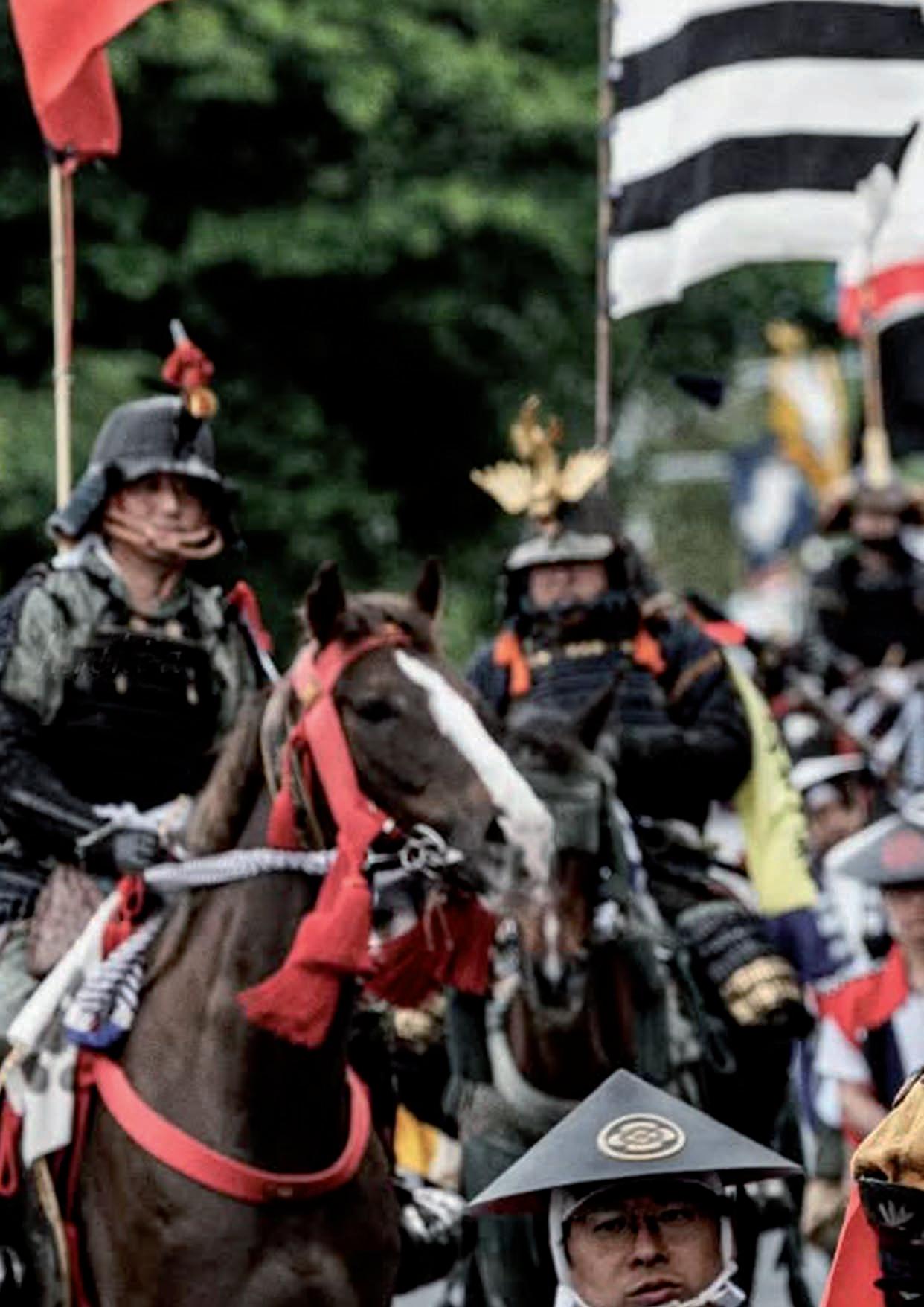
Pearls of the Warrior Sun Tsu
“To know your enemy, you must become his friend.”
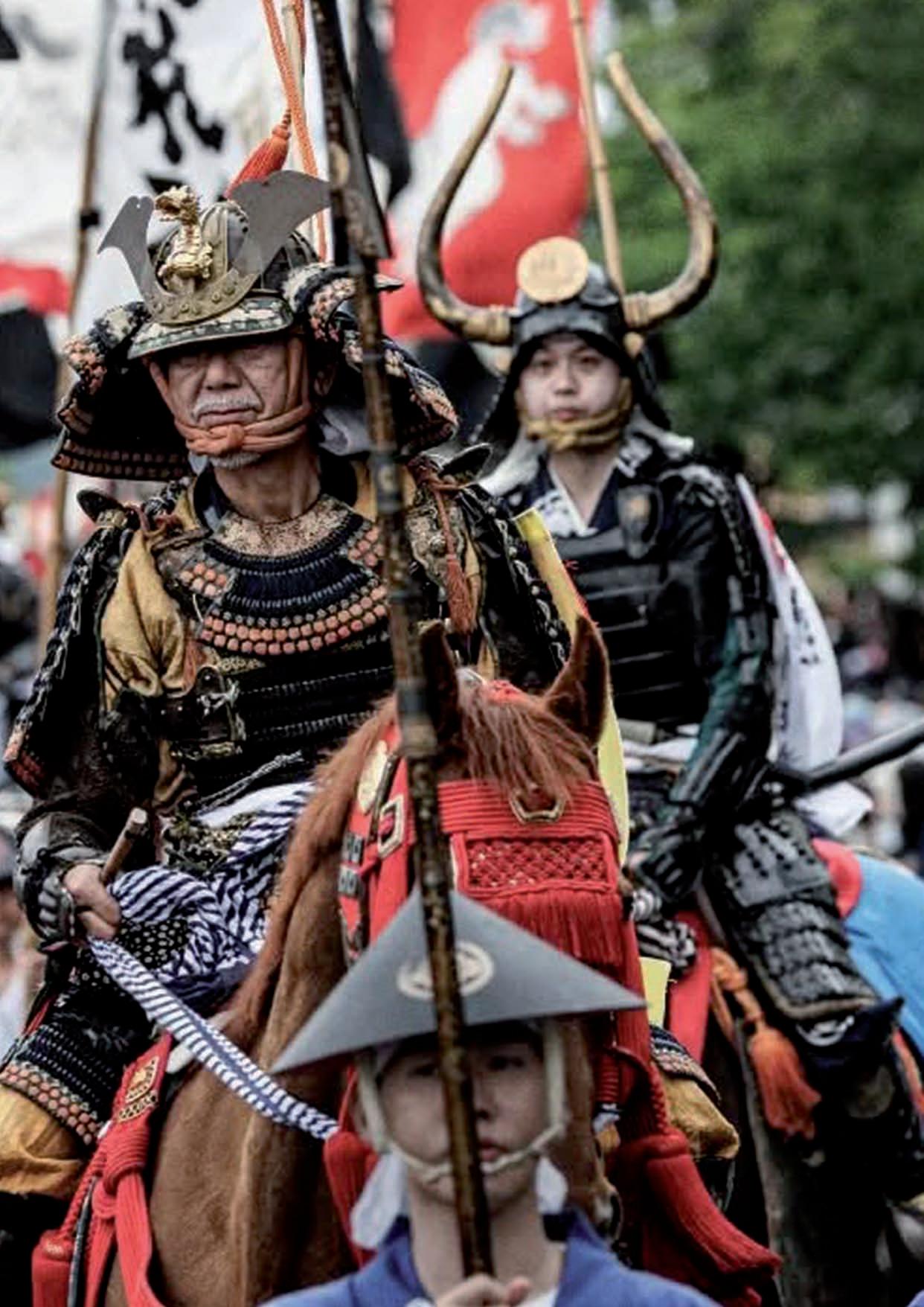

“To know your enemy, you must become his friend.”
We must forgive all our fellow human beings, who are unfortunate enough to be so.”
Tip and Coll
When I was a teenager, I looked at my face in the mirror every day, hoping to see the hairs that would make me a man. Now that I'm older, I look at my face every day and think, “Oh no! I have to shave again!”
Human beings are never satisfied. We fly from one desire to another trying to be happy, sooner or later finding the opposite. Yin changes into Yang; Yang changes into Yin; everything tends to become saturated with its own energy, eventually turning into its opposite; life is a continuous disappointment. Like the bull, she, made woman, puts on capes of promises that we charge at, only to discover that on the other side, there is really nothing...
From a human perspective, this restlessness lies deep within our factory software and it usually takes a lifetime of conscious effort to transmute it.
I have not succeeded. I take comfort in saying that, whether by action or by default of age, milk, when heated, does not overflow from the pot in the same way and one takes things with more perspective and, consequently, with less enthusiasm.
Time gives you other perspectives, and victory begins to be more about not losing than about winning. This undoubtedly puts your idea of the ideal into perspective, your wet dreams of achieving virtue, perfection, impeccable action, power, or strength.
In this game, as in many others, men play at a disadvantage. We are trained to be strong and we create an image of ourselves that we can never live up to. In this macho game, we are always measuring ourselves, while women, who are much more practical, stick to the idea of “not so long that it hits, nor so fat that it jams.”
Virtue does not lie in the middle, because the middle is a moving point in every moment of your life and because in the geometric middle there is only lukewarmness. Life cannot be a glass of water, nor a continuous jalapeño, but in each season, it must have the right flavor of what we need, which will not always coincide with what we want. In the clash between these two points lies the virtue or misfortune of living, and in them, sometimes unexpectedly, a haven of peace and fulfillment reminds us obliquely that it is all worthwhile.
With ends and beginnings swirling together in a pandemonium of mutatis mutandis, the days slip away, and with them fragments of what we once were; outdated and often superfluous pieces, once important, fade away like blurred memories in a sea of almost alien images. Traveler, there is no path, only trails in the sea.
Respect for Authority and the Law
Effective Self-Defense for Security Forces:
OLIVA “Professional Law Enforcement Tactics” for Law Enforcement Officers
Introduction
This special chapter focuses on security experts and their needs. It covers various points, such as the course content and objectives, the philosophy of self-defense, and the training and training modules for law enforcement officers. It is important to emphasize that this excerpt has no political background whatsoever and does not represent a criticism of the existing training of law enforcement officers, security officers, police, or judicial officers. Rather, it is intended to serve as a resource.
There are many security experts who do not train sufficiently, use traditional techniques and tactics, or even use outdated theories. In contrast, criminals act ruthlessly and are always up to date with the latest technology. The propensity for violence is rapidly increasing. For these reasons, I have developed three different systems in the “OLIVA Combat System” to provide an effective and credible defense strategy.
Law enforcement officers around the world face dangerous and life-threatening situations on a daily basis. They must be constantly vigilant and monitor a wide variety of people, including those who are disturbed, intoxicated, criminal, or aggressive. They are also confronted with the use of weapons, criminal gangs, and drug activities. Many of these people have little respect for authority and the law.
Law enforcement officers are constantly confronted with unpredictable and violent human behavior. It is therefore extremely important that they receive the necessary training and professional modules worldwide to survive dangerous assaults or confrontations. This is the only way to prevent loss of life and injury among law enforcement officers.
“Before learning how to fight, it is important to be able to assess a situation correctly according to the training module.”

Crisis management doctrines form the foundation for standard operating procedures as well as tactics, techniques, and procedures used in security-related areas. Experienced security experts and legal professionals ensure that these doctrines are always up to date to guarantee the protection of the emergency services. Such doctrines are developed and tailored to the specific requirements of organizations or institutions in order to optimally meet their individual security needs.
A solid curriculum is essential to equip security personnel with the necessary skills to identify, minimize, or even prevent threats at an early stage. The spectrum ranges from combating ordinary crime to complex scenarios such as kidnapping or terrorism. Training is based on practical scenarios that impart the knowledge and skills necessary to operate successfully in today's demanding security environments. The focus is not only on theoretical understanding, but also on the ability to apply what has been learned in real-life situations.
Customized curricula in the field of security and crisis management help to address the specific challenges of the respective organizations and prepare their workforce in a targeted manner. The programs help to develop skills and mindsets that enable threats to be effectively countered and improve the overall performance of companies.
A well-thought-out crisis management policy and a detailed crisis plan provide clear guidance in situations where unexpected challenges arise, such as workplace violence or natural disasters. While standard operating procedures govern normal operations, these guidelines ensure that organizations remain capable of acting even in times of crisis. Misconduct during a crisis can not only lead to significant liability claims and reputational damage, but in the worst case, it can also threaten the existence of the entire organization.
In order to optimally prepare security personnel for emergencies, it is crucial to continuously improve their skills, quality, and survivability. It is important to acquire knowledge and skills that enable them to respond appropriately to threats and crises at any time and in any environment. This includes building resilience, strengthening leadership skills, and promoting effective teamwork.
The goal is to provide both individuals and organizations with the insights and strategies necessary to develop mental and emotional strength. These skills are essential for successfully meeting the challenges of crisis situations and thriving in dynamic environments. With solid training in security and survival techniques, team members are empowered to act confidently in crisis situations and remain successful in the long term.
A central concept in the defense strategy of security forces is what is known as “structural target hardening.” It ensures that facilities, emergency services, and operational units are optimally protected against a wide range of threats – whether armed attacks, explosions, or ballistic hazards. Structural target hardening goes far beyond standard solutions and offers tailor-made approaches that are specifically tailored to the needs of police, military, and other security organizations.
Security forces and law enforcement agencies face the challenge of adapting to constantly evolving threats. Systems such as the OLIVA Combat System and structural target hardening concepts offer innovative and practical solutions for this. It is not just a matter of responding to threats, but also of acting proactively, identifying potential vulnerabilities, and continuously working to improve one's own capabilities. This is the only way to ensure that security forces are optimally prepared in every situation and can effectively protect society.
In today's world, security forces and law enforcement agencies face increasingly complex threats that must be countered both flexibly and quickly. Solutions for protection and defense must be highly effective and mission-oriented. They must not only ensure the safety of officers, but also be effective in a variety of scenarios, from everyday hazard prevention to critical crisis situations. This is where the OLIVA Combat System comes in, a globally recognized and revolutionary training system designed specifically for the challenges faced by modern security forces.
The OLIVA Combat System offers realistic and practical training that enables first responders to practice defense techniques and tactical movements in a safe, strategic environment. It allows real-life defense situations to be replicated in lightweight, fast-deployment modules. The combination of quick action and tactical precision trained in these modules makes it an indispensable resource for security and law enforcement personnel worldwide. From officers on duty to military forces, the goal is to improve operational capabilities and maximize protection against threats.
Specialization and understanding of different threat levels are crucial for security and defense solutions. A clear division into modules helps to respond efficiently to different dangers and take the appropriate measures in good time. For security and law enforcement personnel, this means that technical knowledge must be combined with tactical skills in order to be able to act immediately in an emergency. The three modules, which are oriented toward different threat levels like a kind of “defense traffic light,” are indispensable tools in this regard.
Effective and legally compliant deployment requires much more than just technical skills. It is important to understand and master the interplay between the legal basis, mental preparedness, and risk assessment. The legal levels of coercion in particular form the foundation by creating a clear understanding of the escalation levels and their effects. Only those who know and respect these legal frameworks can act appropriately in an emergency.
Mental readiness is an equally crucial factor. Similar to the levels of coercive measures, it is divided into several levels. These can be divided into three central modules: latent threat, increased awareness, and serious threat. These modules are not isolated concepts, but together form an interlocking system that connects to the so-called triangular pyramid. This structure shows that all elements, from the assessment of danger to practical implementation, are interlinked. Only when this connection is recognized and understood can the necessary functionality and effectiveness be achieved. The difference between the three modules lies in the degree of escalation and the associated strategies for action. It is crucial to know: How do I apply the modules? When do I use them? And why is their application necessary in the respective situation? These questions can only be answered if each module is always linked to the levels of legal coercion, proportionality, and practical tactics. This integrative understanding not only protects the emergency responder themselves, but also guarantees the legal protection and safety of all those involved.
With this holistic approach, it becomes possible not only to master threats with confidence, but also to act at a professional and legally secure level.
“For maximum safety in law enforcement and defense, it is important to combine technique and tactics in perfectly coordinated, effective, and realistic modules.”
“The transitions between the levels naturally depend on the opponent's reaction and can happen quickly.”
"A compact training module specifically strengthens mental attitude. It improves focus, responsiveness, and decision-making in critical situations. This training is particularly crucial in an emergency: those who have internalized the sequence and techniques can remain calm in an extreme confrontation, take control, and take effective measures for their own safety. "
The four basic principles of learning in training Evaluate: Evaluation is independent of styles or combat systems.
It always starts with self-awareness: you have to honestly assess your own limits, abilities, and current knowledge. Only through this awareness is it possible to recognize mistakes, reflect on them, and learn from them.
Repetition: Repetition is underestimated or misunderstood by many. Both students and instructors often view it as a limitation, but repetition is the key to perfection. Only through consistent repetition can fears be overcome, movements automated, and inner strength developed.
Understanding: Understanding the technique is a fundamental principle. A technique that is not understood cannot be used effectively in practice. Only those who understand the technique in its structure and purpose are able to apply it precisely and continuously improve it.
Patience: Patience is the basis for sustainable learning. Without patience, every technique remains superficial and immature. With patience, on the other hand, a technique can be learned cleanly, deepened, and later passed on.
These four principles—evaluation, repetition, understanding, and patience—form the basis of any serious engagement with combat training. They turn a beginner into a good student, a student into a master, and a master into a true warrior.
Conclusion: The four basic principles—evaluation, repetition, understanding, and patience—are much more than simple rules for learning. They form the foundation for any serious development in combat situations. Those who internalize them train not only their body and technique, but also their mind, character, and inner strength.
This interplay of analysis, constant practice, deep understanding, and patience transforms beginners into confident students, students into masters, and masters into warriors who are not only technically skilled but also mentally strong.
At its core, it shows that The path to mastery is not a sprint, but a conscious, consistent learning process—a path that requires discipline, mindfulness, and perseverance, but at the same time unlocks the potential to surpass oneself.
Training modules are the key to putting the four basic principles of learning—evaluation, repetition, understanding, and patience—into practice. They combine technique, spirit, and mental strength in a clearly structured sequence.
Each module begins with analysis: one's own strengths and weaknesses are recognized, mistakes are identified and reflected upon. This is followed by consistent repetition of the movements, which automates technique and builds inner confidence.
Understanding the technique is central: those who understand the purpose and structure of each movement can apply it flexibly and effectively. And patience ensures long-term success; only through persistent training over time can skills be refined and stabilized.
Through consistent work with training modules, beginners become confident students, students become masters, and masters become warriors who are physically strong, technically skilled, and mentally stable. Training modules clearly show that mastery does not come overnight, but through systematic, reflective, and focused learning.
Conclusion: Development in combat training is based on a clear foundation: evaluation, repetition, understanding, and patience. Training modules serve as a practical tool for systematically implementing these principles. They not only promote technical perfection, but also strengthen the spirit, mental resilience, and self-confidence.
Those who consistently apply these principles transform learning into a conscious, structured process. Beginners become competent students, students become masters, and masters become warriors who are physically strong, technically skilled, and mentally stable.
Mastery is not a goal that can be achieved overnight. It is the result of continuous practice, reflective learning, and patient training through an interplay of body, mind, and technique that allows one to surpass oneself.

The terms static and dynamic play a central role in many areas, both in unarmed training and in training with weapons. Depending on the situation, environment, and circumstances, it is crucial to understand why a particular position or movement is chosen, how it is implemented, and what advantage it offers in reality. Only in this way can speed, strength, balance, and coordination be used optimally.
• Static means: fixed, stable, without change, a position that conveys calm and stability.
• Dynamic, on the other hand, describes: powerful, variable, in constant motion, i.e., active adaptation to external circumstances. Static positions – difficulty levels
1. Parallel stance – feet hip-width apart or slightly open, stable basic position.
2. Semi-tandem stance – one foot in front, the other slightly behind; here too, an open or closed variation is possible.
3. Tandem stance – one foot is directly in front of the other, the heel of the front foot touches the tip of the rear foot. Both feet are in line.
4. One-leg stance – highest static difficulty level, requiring exceptional balance and body control.
Dynamic positions – difficulty levels
1. Normal gait – natural, balanced movement.
2. Narrow gait – feet are placed closer together, requiring greater balance and awareness.
3. Tandem gait – feet move almost in a straight line, minimal lateral stability, high concentration required.
4. Crossed gait – complex and situation-dependent form in which the feet are deliberately crossed. This level particularly trains coordination and adaptability.
In Module B, a static starting position forms the reference point. The dynamic movement begins from there. This can be in different directions, sideways to the left or right, in circular movements, or combined with turns. The exercises can be performed both unarmed and with weapons (e.g., a pistol). The aim is to train the combination of stability and flexibility in order to be able to react quickly and precisely in any situation.
Conclusion: Modules A and B illustrate that balance, movement, and awareness are inextricably linked. Static positions create stability and control, while dynamic movements promote adaptability and responsiveness. Those who consistently train both aspects not only develop technical precision, but also the ability to act clearly in complex situations and exploit advantages in a targeted manner.

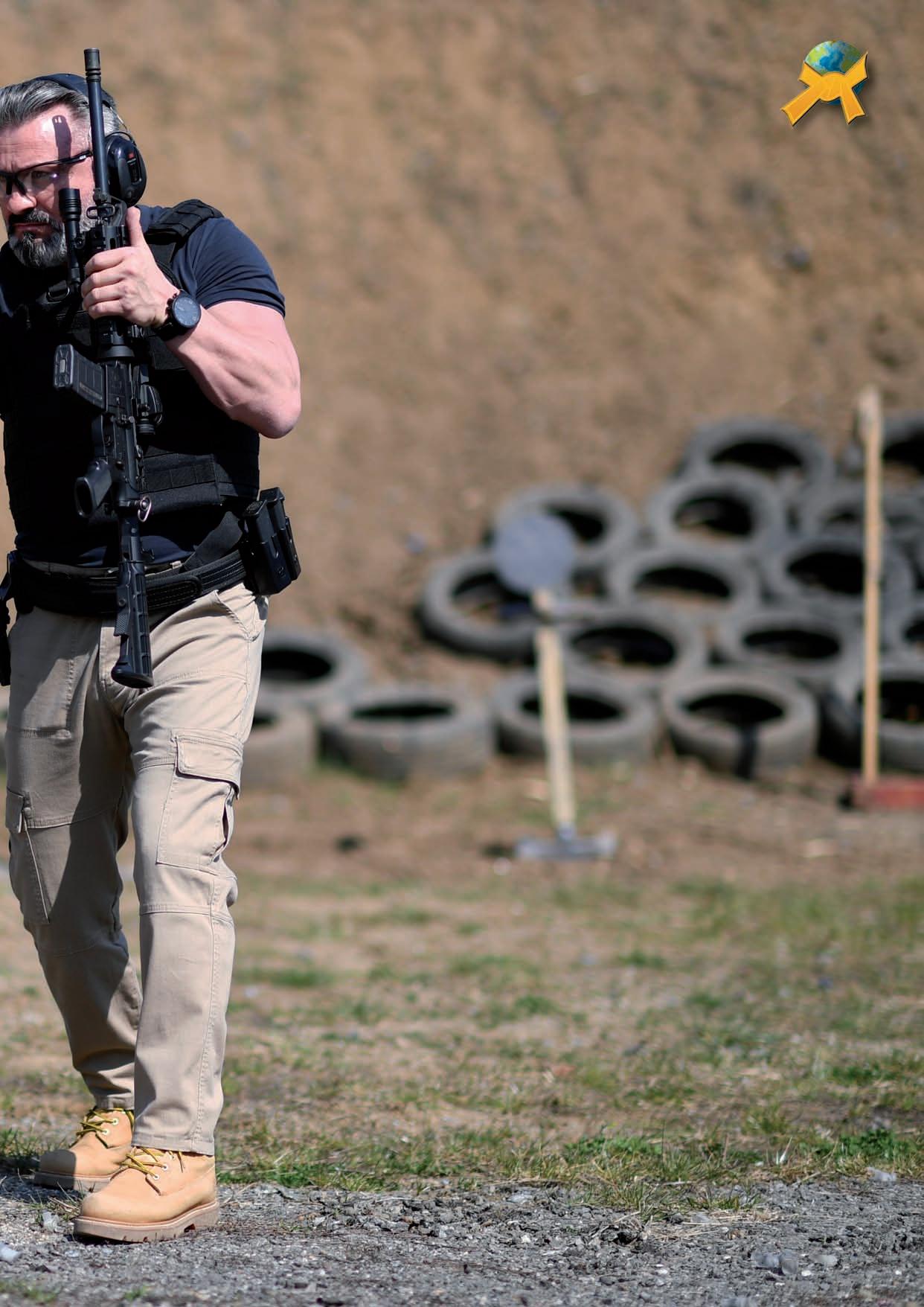
“Stability provides security, movement opens up possibilities. Only those who combine the calm of the static and the power of the dynamic can remain steadfast in any situation and act flexibly at the same time.”
Security personnel are only as strong as their preparation. This includes a range of measures that go far beyond standard procedures. Here is a summary of the most important defense approaches:
• Structural target hardening and defense solutions: This encompasses the entire process of improving security, from identifying potential threats to implementing customized protection solutions.
• Increasing security and situational awareness: A trained eye for unusual behavior or potential threats is key to prevention. This skill must be honed through regular training.
• Clear view of potential vulnerabilities: Only those who know their vulnerabilities can protect themselves effectively. Vulnerability assessments are therefore among the most important measures in any defense strategy.
• Detailed improvements to security procedures: Every detail counts when it comes to security. Regular updates and adjustments to security processes are essential in order to be able to respond to new threats.
• Protection against threats from individuals: Protection against attacks by armed or dangerous individuals is a particularly important issue. Ballistic shields and tactical response shields are used to protect officers and the surrounding area.
• Ballistic shields: Whether for stationary or mobile use, ballistic protection systems must be flexible and extremely robust at the same time.
• Tactical training solutions: Advanced targeting systems, shooting exercises, and scenario training ensure that emergency personnel are prepared for all eventualities. Especially in confined or urban spaces, training scenarios must be realistic and versatile.
• Threat and vulnerability assessments: Regular reviews of the security situation help to identify and eliminate potential vulnerabilities at an early stage.
• Training in ballistics and explosives: The ability to be prepared for explosive threats or ballistic attacks is vital in many operational scenarios.
• Customized defense solutions: No single solution fits all situations. Defense solutions must therefore be tailored and flexibly adapted to the requirements of different security forces.
• Flexibility of tactical instructors: The success of security operations depends largely on the flexibility and knowledge of the instructors. They must be able to dynamically adapt their training modules to different threat scenarios.
• Increased variety of training scenarios with minimal space requirements: Training rooms are often limited. This makes it all the more important that solutions can be trained effectively in a short time and in a small space.
Security forces and law enforcement agencies face the challenge of adapting to constantly evolving threats, and one thing remains certain: only through continuous training, clear procedures, and customized defense solutions can security forces successfully complete their missions. Structural target hardening, combined with tactical training solutions and technical precision, ensures that officers and security forces are prepared for any situation. It is not only the systems, but above all the understanding and specialization of the operational forces that make the difference between success and failure.
“For maximum security in law enforcement and defense, it is essential to combine technology and tactics in perfectly coordinated, effective, and realistic modules.”
When security forces such as judicial officers or the police are forced to use force, there are often negative reactions from the public. Violence is undeniably ugly and brutal, and the police are constantly confronted with chaotic and hostile situations. Their duty is to intervene in moments of open aggression, and sometimes the use of force is necessary to protect themselves and others.
There is often a misconception that the police can resolve every dangerous incident without violence and without injury. It is important to recognize that perception does not always correspond to reality. Reality can be dangerous and even deadly. Police officers must develop skills to survive violent confrontations unscathed.
Many officers hesitate to take actions that could even be lethal to defend themselves, even though the circumstances justify their use. Fears of disciplinary action, civil liability, and a lack of public and political support can lead them to fail to protect themselves adequately or to rely on their training.
The state must support officers and ensure that pressure from interest groups does not only influence the way the police protect themselves, but also the quality of training. This should include legal knowledge and skills in dealing with different levels of threat:
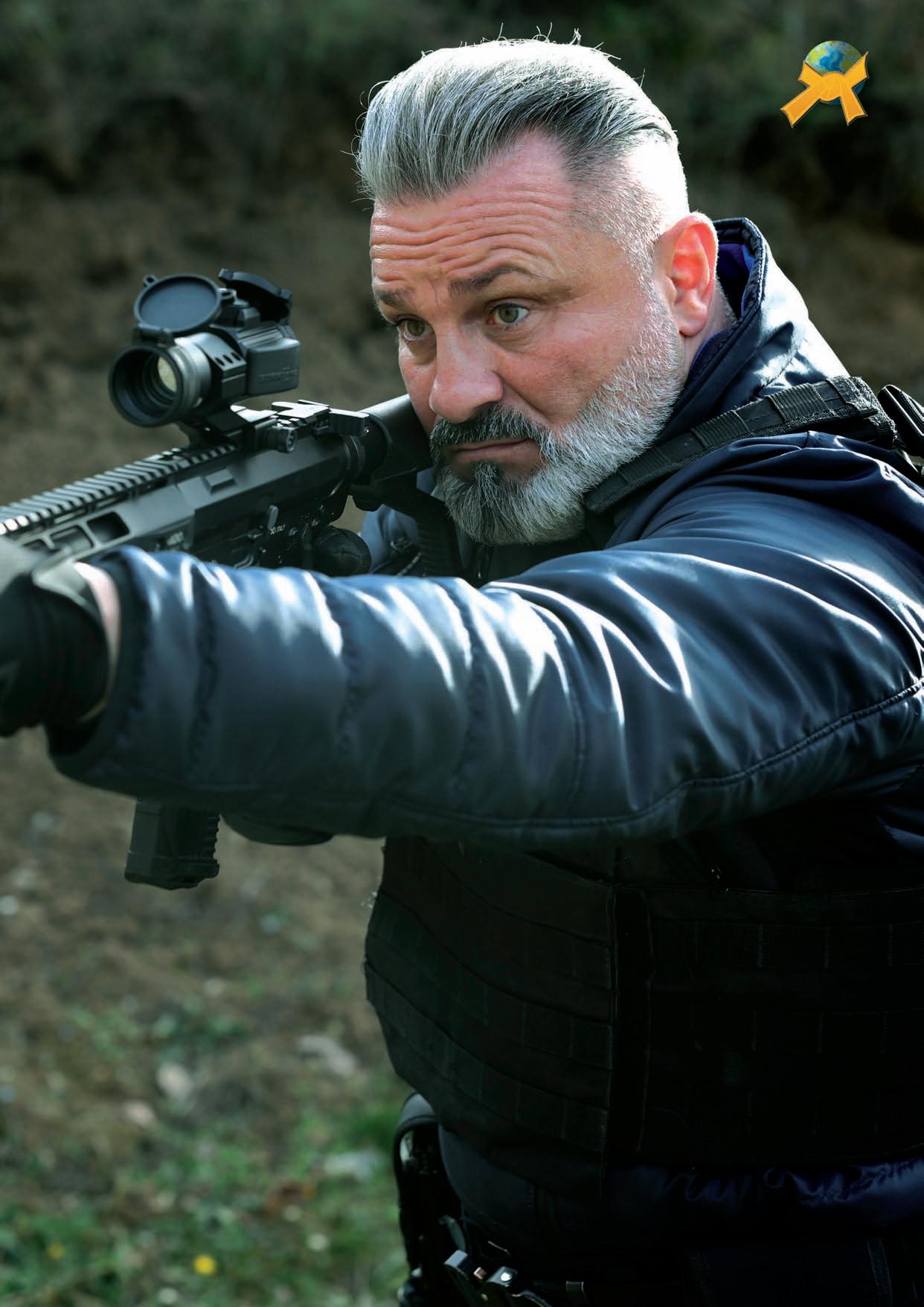
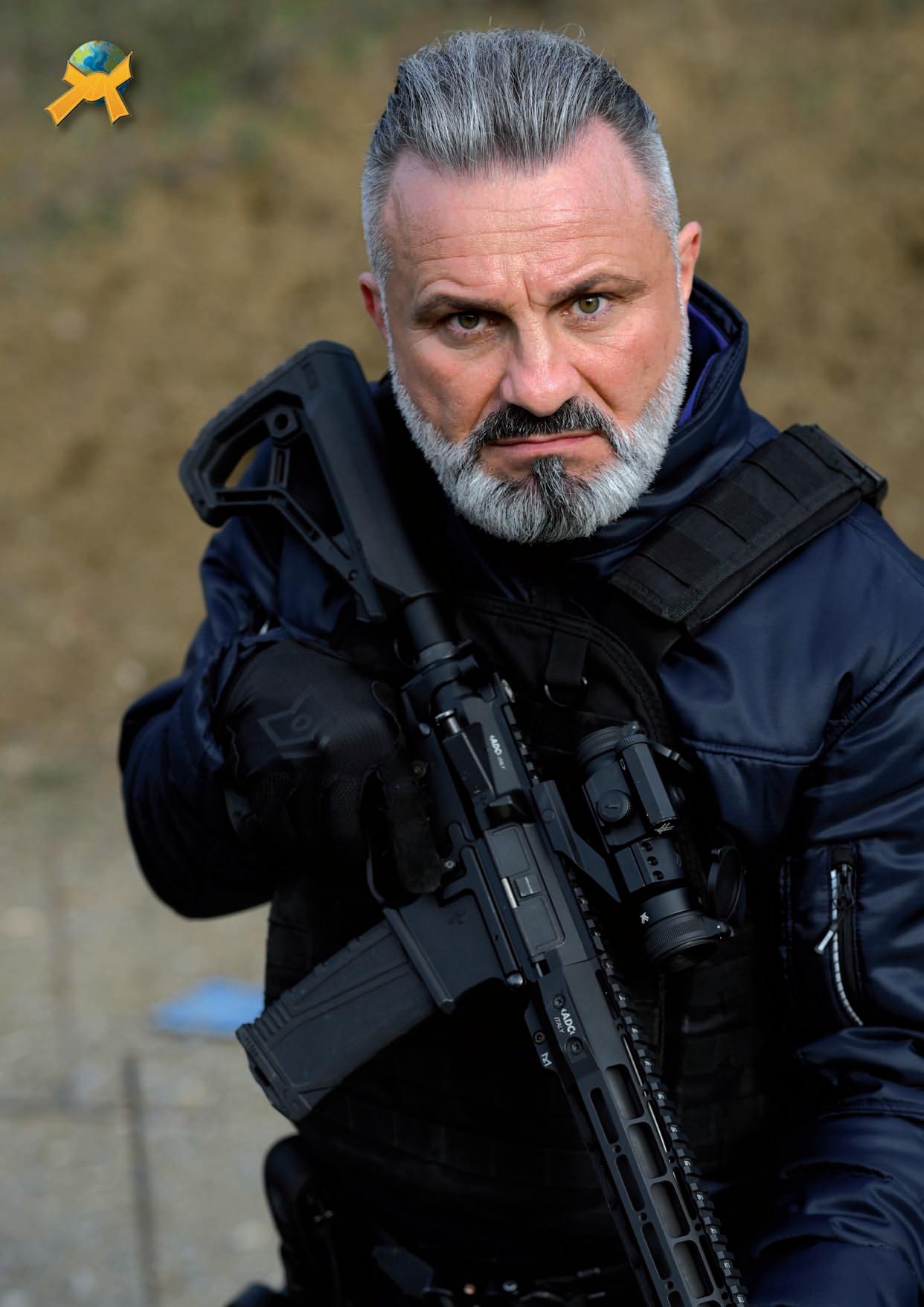

“The transitions between levels naturally depend on the opponent's response and can happen quickly.”
Each of these modules dynamically adapts to the requirements that arise in different situations. They provide a strategic set of tools for responding to different threats in a targeted and effective manner. These modules not only serve as training for preventive measures, but also help to reduce fears and better control one's emotions. This gives officers greater confidence during their duties.
In real life, the levels of threat can vary rapidly depending on the danger situation and the behavior of the opponent. Sometimes, due to unfavorable circumstances, officers may overlook the appropriate response, even when their personal safety is at risk. This hesitation can prevent them from acting decisively and taking practical countermeasures. As a result, a situation can quickly spiral out of control and escalate.
It is crucial that officers know and master these modules so that the police, judiciary, and government agencies are able to act appropriately and ensure public safety.
Conclusion: In the conflict between perception and reality, it is essential that police officers and security guards are well trained and aware of the different threat levels. Proper stress management, clear training, and support from the state are crucial for acting effectively in dangerous situations. Only in this way can the police fulfill their duty to protect life without putting themselves and others in unnecessary danger. A sound understanding of these dynamics not only strengthens the safety of officers, but also public confidence in the police.
“Understanding perception and reality is crucial to the process of change, which takes place in three dynamic stages and adapts flexibly to different requirements in changing situations. Only those who act correctly and appropriately to the situation can ensure public safety and ultimately ensure survival.”
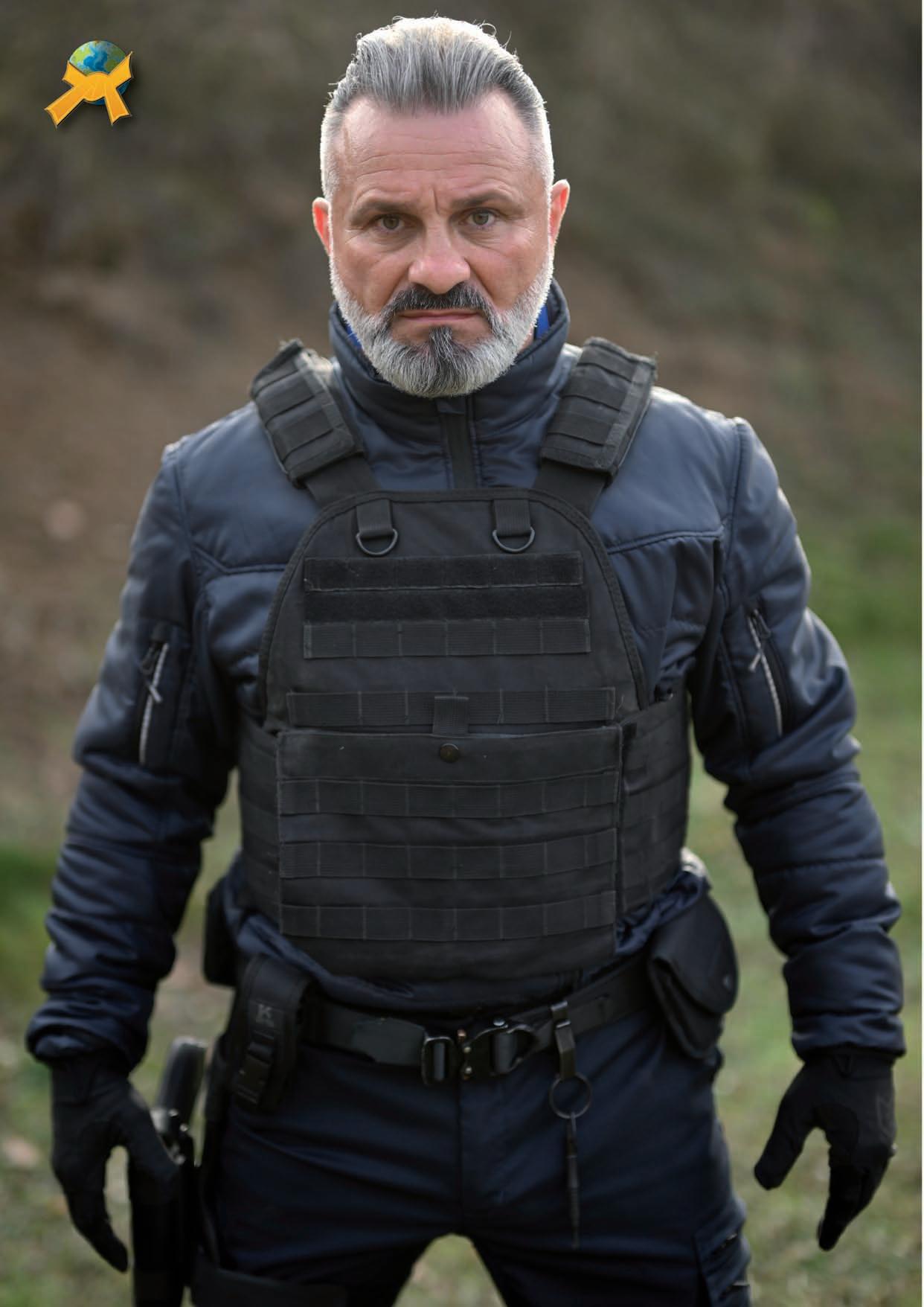

One of the essential components of modern defensive tactics training is the concept of continuity of force (force continuum). It describes the graduated use of force by security forces and police forces and serves as a guideline for the appropriate response to different forms of suspected resistance. This model is used worldwide by police, judicial, and government authorities to ensure that force is used appropriately and proportionately in situations requiring intervention.
The Force Continuum provides a better understanding of the relationship between a suspect's behavior and the subsequent police response. It not only serves as a practical teaching tool in training, but also provides a clear basis for guidelines and procedures. In addition, it helps to clarify the facts of incidents and explain to the public the reasons for the use of force, especially in situations where questions arise about the appropriateness of the measures taken.
Different versions of the Force Continuum have been developed in various countries to meet local requirements and legal frameworks. Although there may be differences in some aspects, the basic concept is based on the same principles: the use of force should always be proportionate, appropriate, and situation-specific.
Conclusion: The Force Continuum is an indispensable tool for regulating and standardizing the use of force by police and other security forces. It ensures that the principle of proportionality is always upheld when enforcing laws. Training and clear guidelines ensure that officers are able to respond quickly and appropriately to different threat situations. This not only promotes the safety of the officers, but also strengthens public confidence in their work.
“The Force Continuum is not a free pass for violence, but a compass for responsibility: it teaches security forces to measure every action against the behavior of the other party and to use force only when it is necessary, appropriate, and proportionate.”
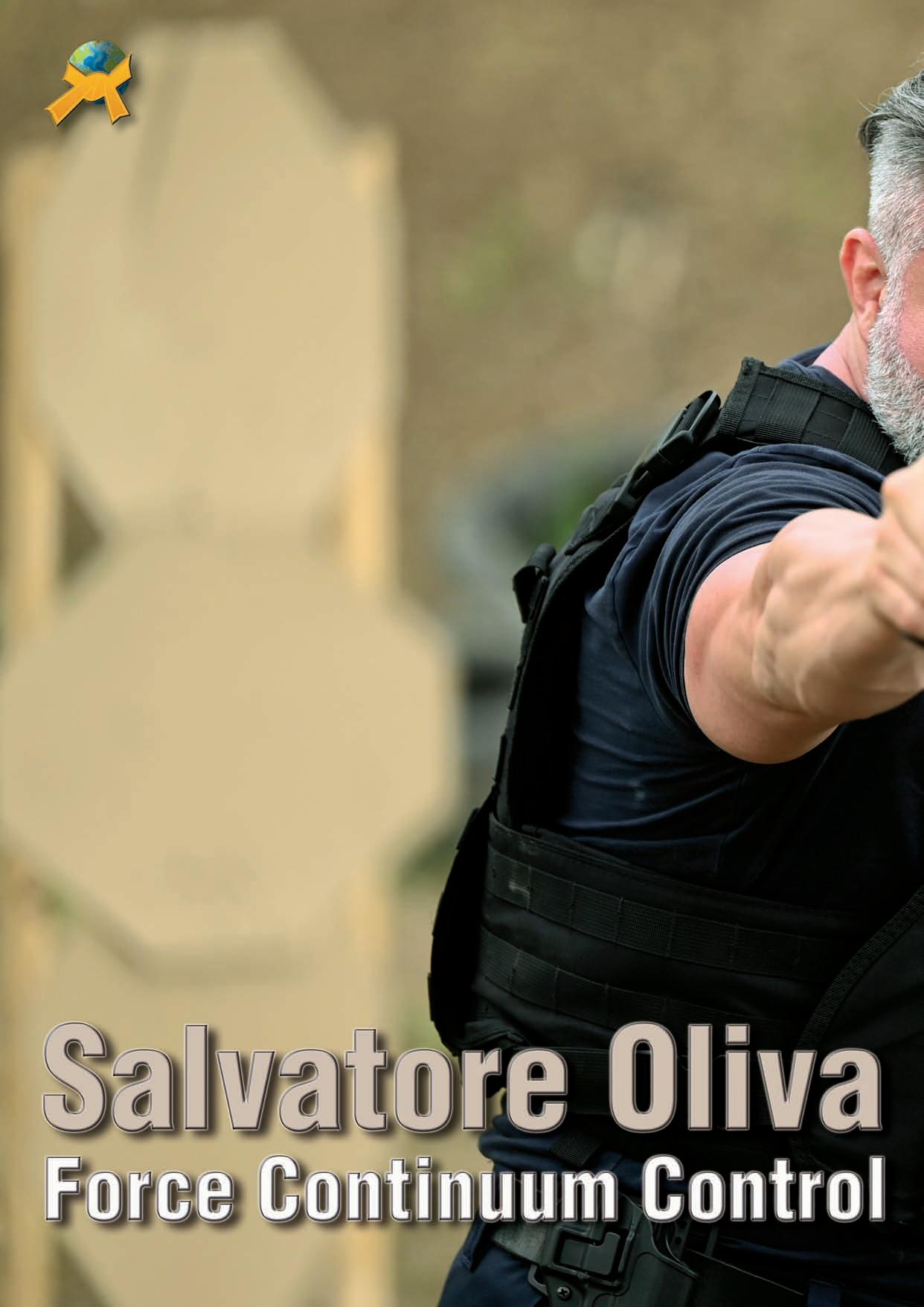
The master behind the system –
SalvatoreOliva, a name that is equally respected and admired in the world of martial arts, self-defense, and personal security for security forces, began his remarkable journey at the age of nine. From an early age, he was drawn to various martial arts, which he trained in with tireless dedication. In the early 1990s, he decided to specialize in Jeet Kune Do, Filipino martial arts, and Brazilian Jiu-Jitsu, a choice that would have a lasting impact on his career.
His extreme passion and dedication to martial arts, especially in the field of self-defense and personal safety for law enforcement officers, inspired him to develop the OLIVA Combat System. This ultimate and effective combat system is based on Salvatore Oliva's extensive knowledge and decades of experience. With an individually developed concept and modern training units comprising three different operational systems (P.D.S., P.L.ET., and C.A.T.), he made his system accessible to a wide audience. Through realistic and therefore effective training methods and defense techniques that can be optimally applied in self-defense situations, whether privately or during an operation, Salvatore OLIVA's system gained international recognition. His methods caused a sensation and set new standards in selfdefense.
As the founder of the OLIVA Combat System, Salvatore OLIVA is considered a globally recognized authority and renowned expert in the field of real street self-defense as well as the CQC (Close Quarters Combat) and CQB (Close Quarters Battle) programs. For over 30 years, he has been teaching practitioners of all kinds, from civilians to various law enforcement agencies, around the world, imparting the principles of his OLIVA Combatives program. This program, developed specifically for police, judicial officers, government agencies, the military, and bodyguards, stands out for its practicality and effectiveness.
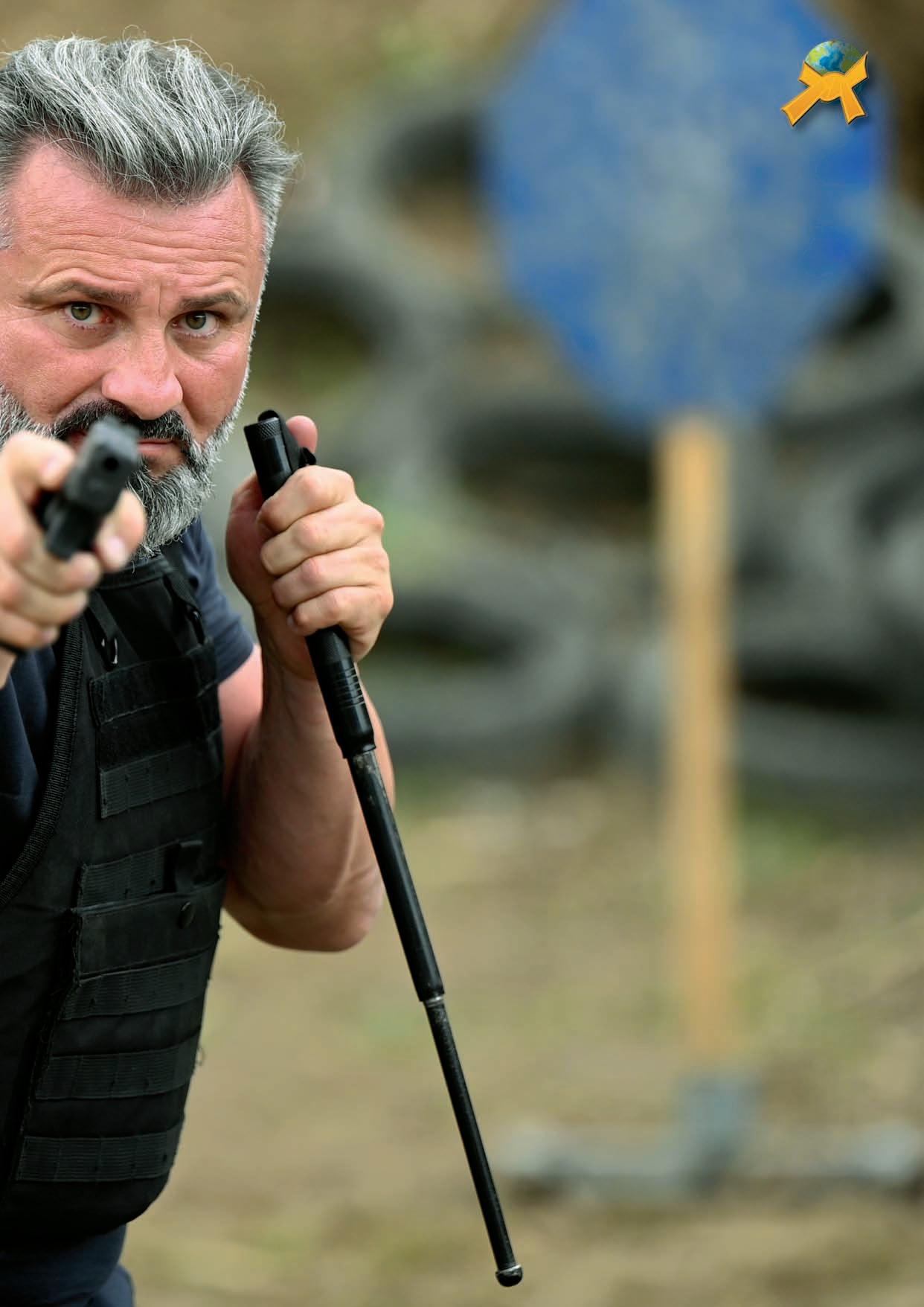
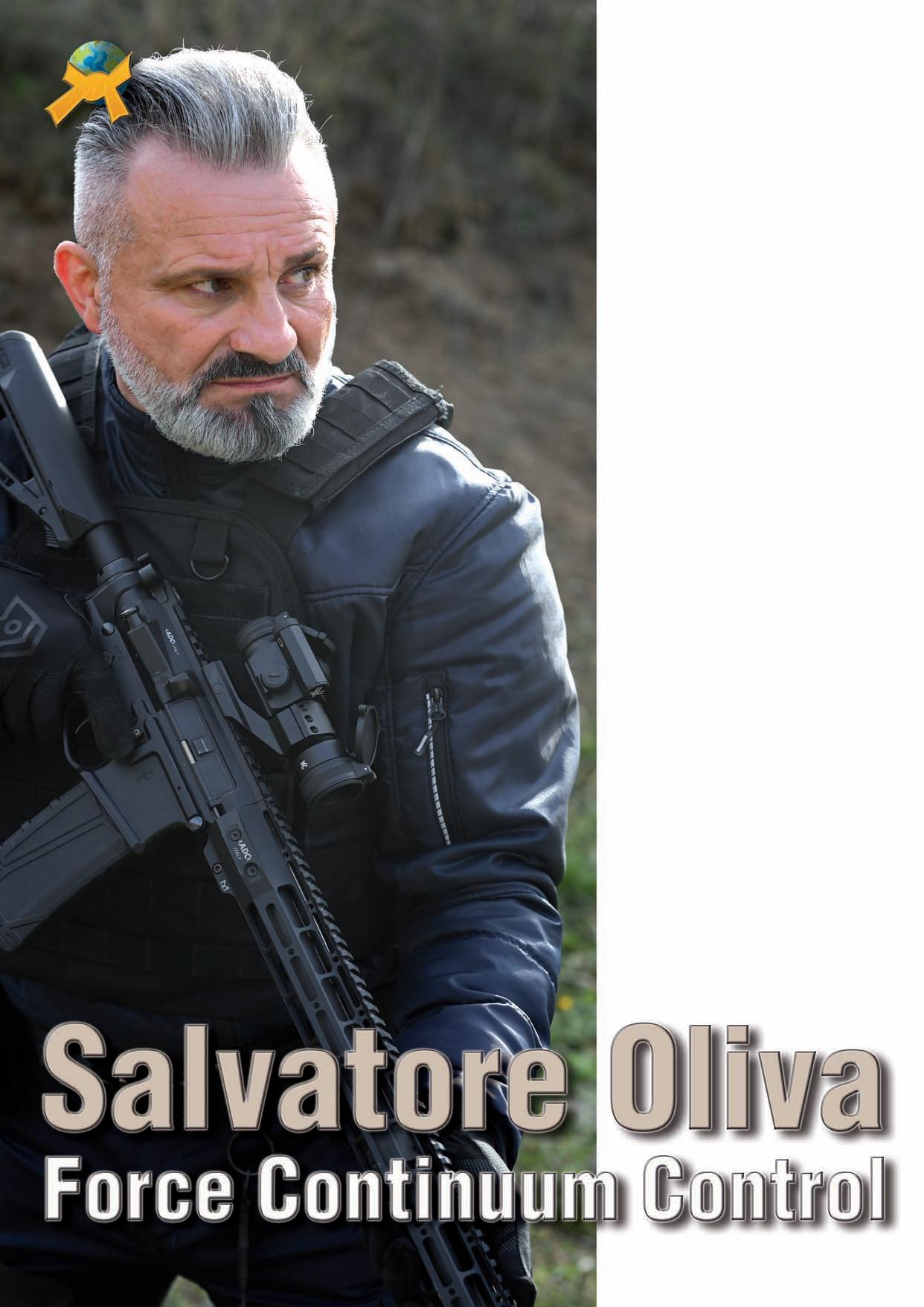
Salvatore OLIVA's continuous development of self-defense techniques has resulted in a remarkable system that covers various distances and combat situations. Learning and practicing the OLIVA Combat System is much more than just fighting; it is a lifestyle that goes far beyond defense techniques and meets the needs of the 21st century.
For the past 35 years, Salvatore OLIVA has devoted himself almost exclusively to training and supporting law enforcement agencies. Today, he presents a magnificent work that divides his extensive knowledge and experience into three major areas: civil defense, police defense, and military defense, all united under the OLIVA Combat System.
For those who already know him, this expanded and more experienced version of Salvatore OLIVA offers deeper insight and a modern approach to the art of combat. For new readers and practitioners, it will be a great sensation to get to know one of the greats in the sector, whose intense and pragmatic vision of real combat in all its forms and distances is convincing. Salvatore OLIVA, an impressive personality and a great master, has earned his rightful place at the top of the martial arts scene and continues to inspire numerous students and experts worldwide.
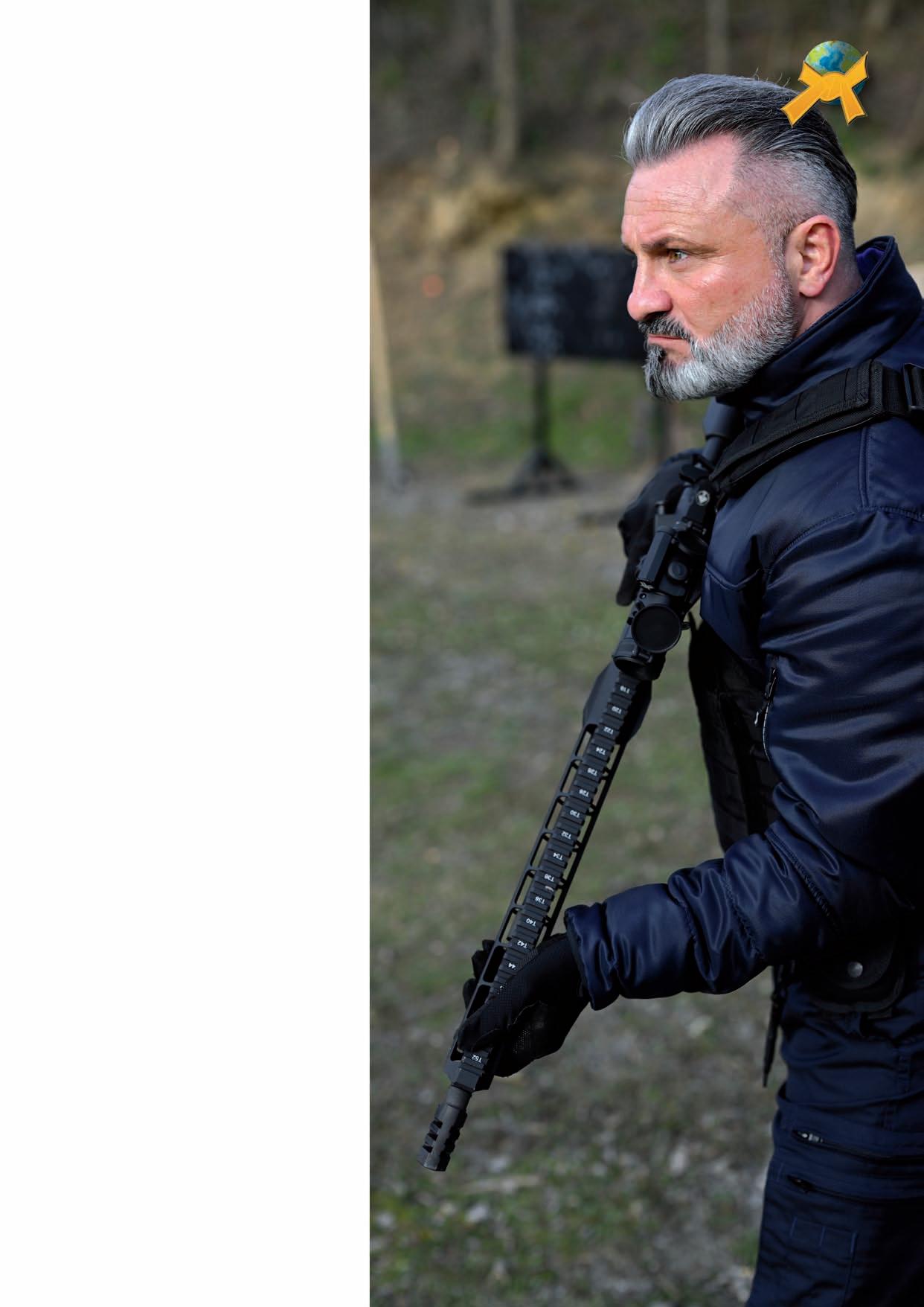
“Salvatore OLIVA's continuous development of selfdefense techniques has resulted in a remarkable system that covers various distances and combat situations. Learning and practicing the OLIVA Combat System is much more than just fighting; it is a lifestyle that goes far beyond defense techniques and meets the needs of the 21st century”

Salvatore OLIVA is the founder and director of the OLIVA Combat System and is one of the leading experts in operational self-defense and personal safety. As a recognized security expert and judicial instructor (P.S.I.), he has extensive experience in training security and law enforcement personnel.
He is a senior instructor in Jeet Kune Do Concept and a senior instructor in Filipino martial arts (Kali/Eskrima), combining these disciplines into a realistic, mission-oriented overall system. His particular expertise lies in operational selfdefense, military hand-to-hand combat training, and the development of tactical and legally responsible solutions for complex operational situations.
In addition, Salvatore OLIVA is a certified O.T.P. instructor for violence prevention and an instructor for operational equipment, including the MEB Expandable Baton and the Monadnock PR-24 (Advanced Level). His curriculum reflects a rare combination of expertise, practical experience, and didactic excellence—the basis of his international recognition as an instructor and system developer.
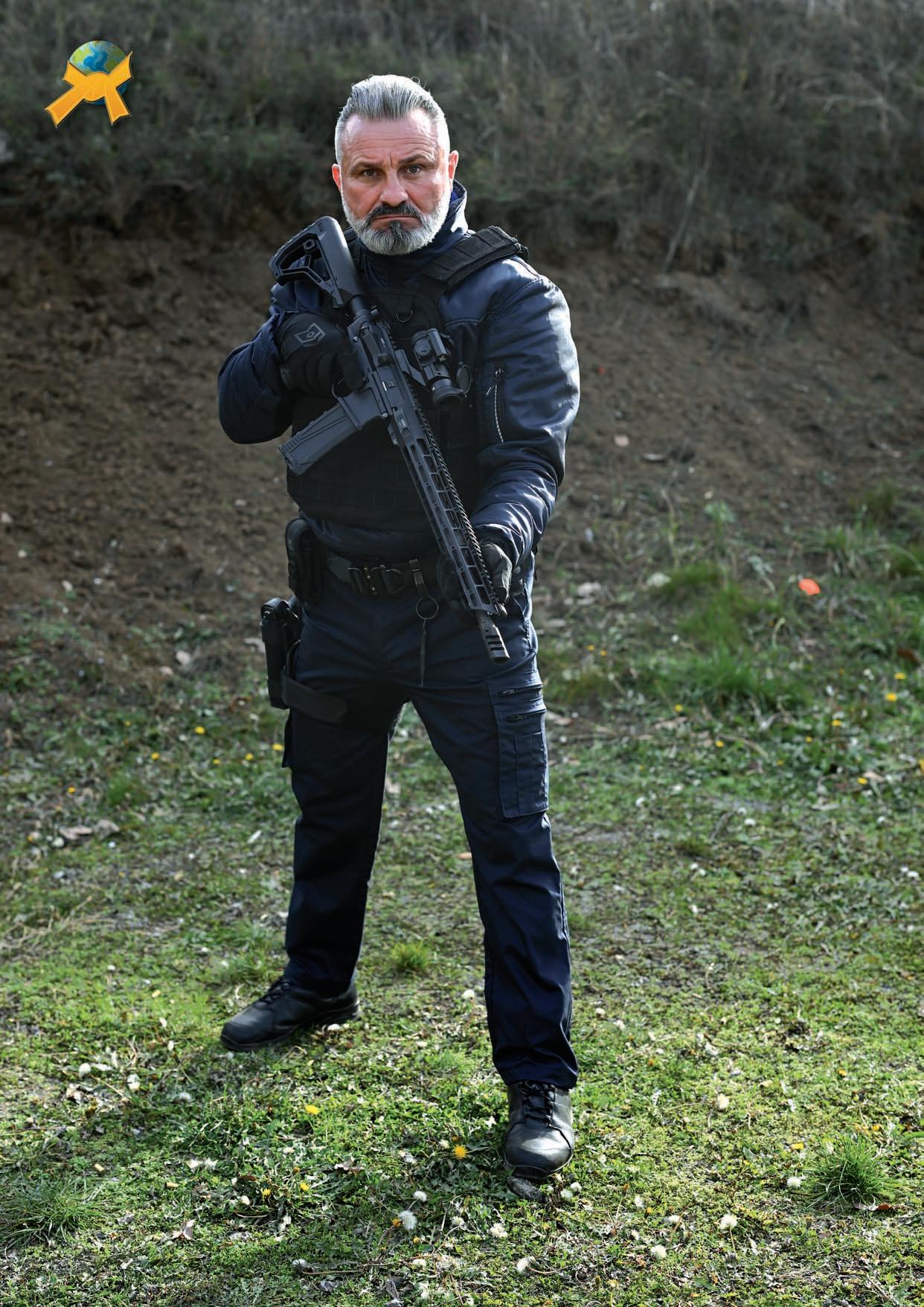
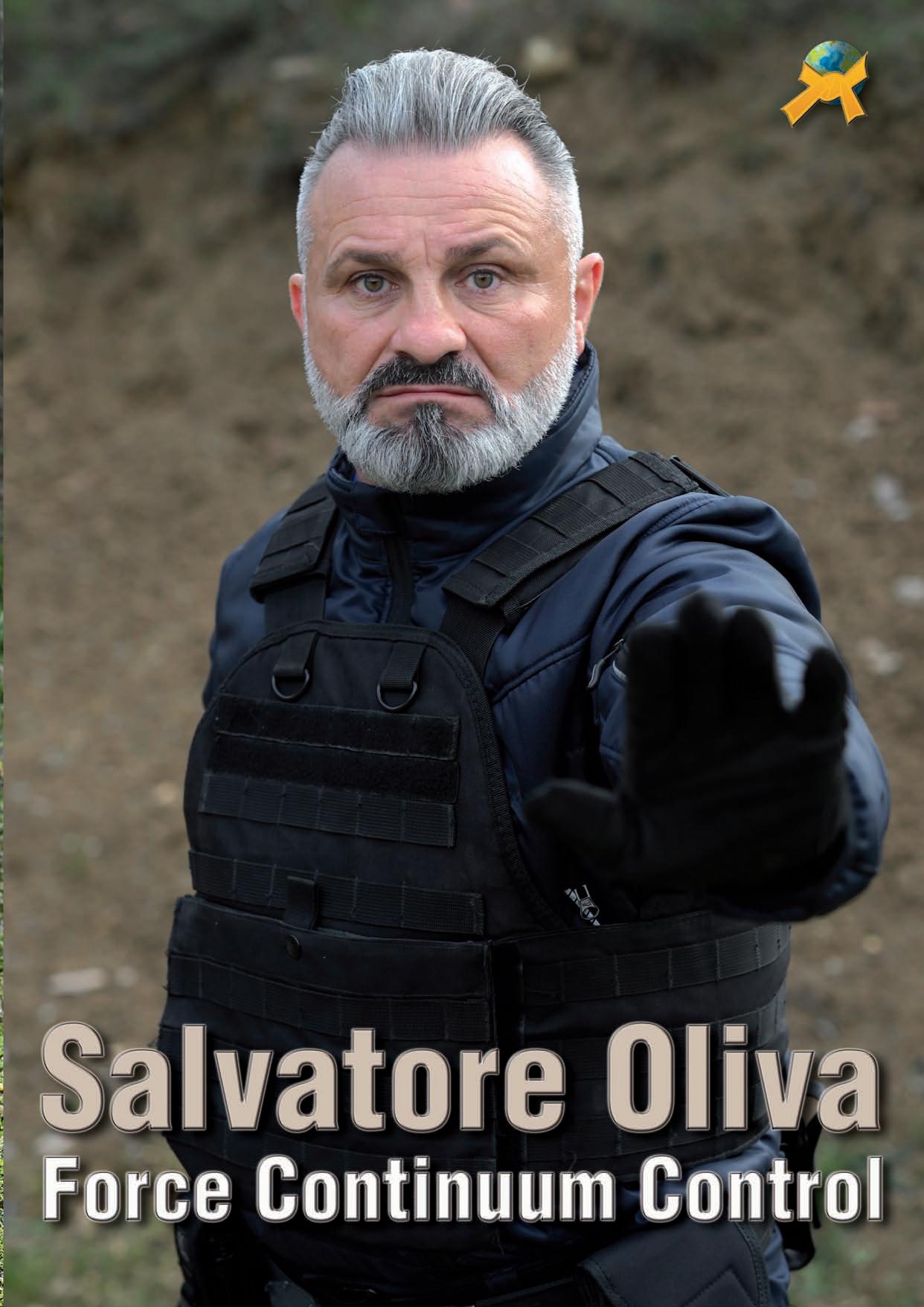
“Effective defense requires continuous flexibility and realistic training. This is the only way to maximize the capabilities of the forces and ensure safety.”
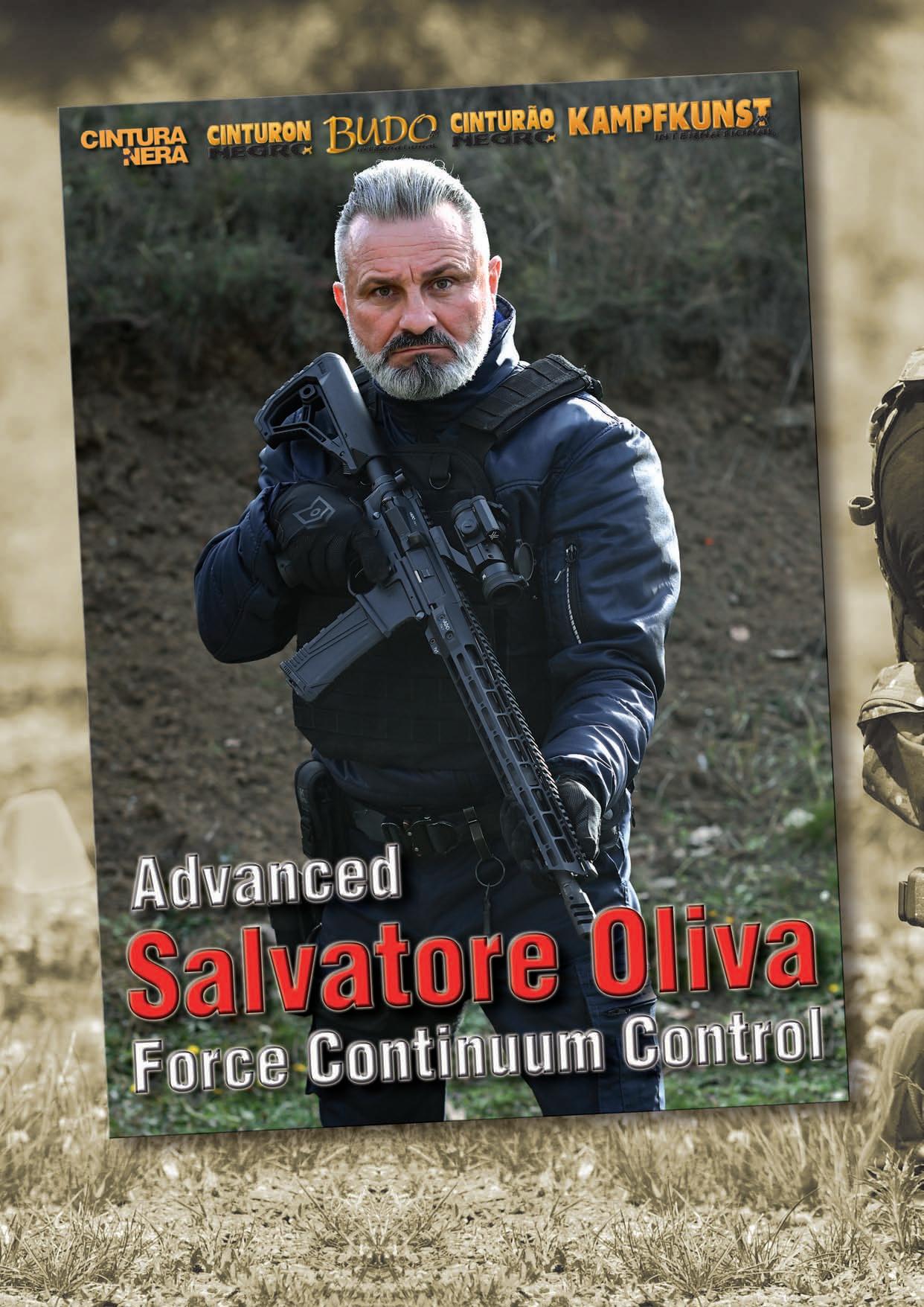
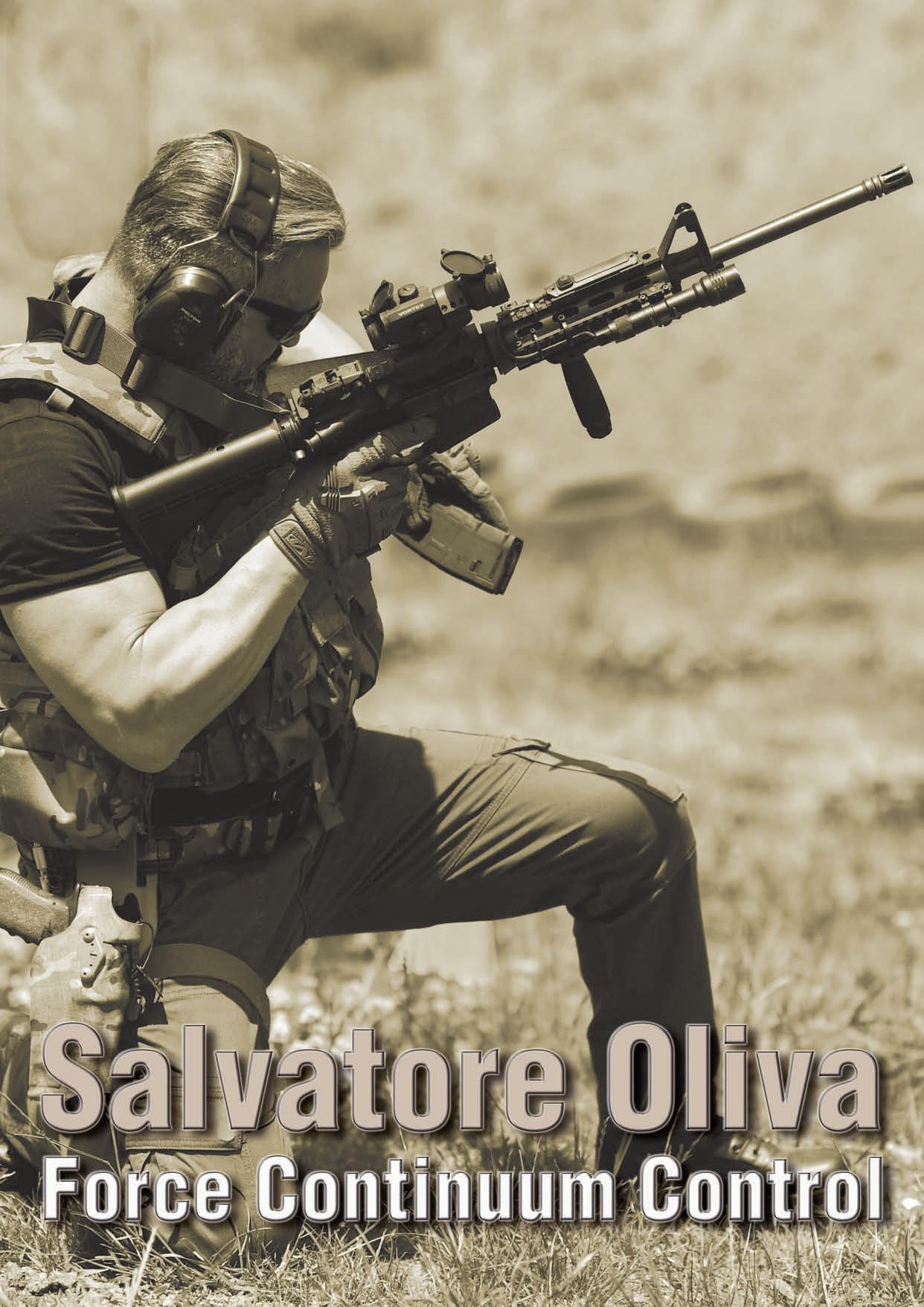
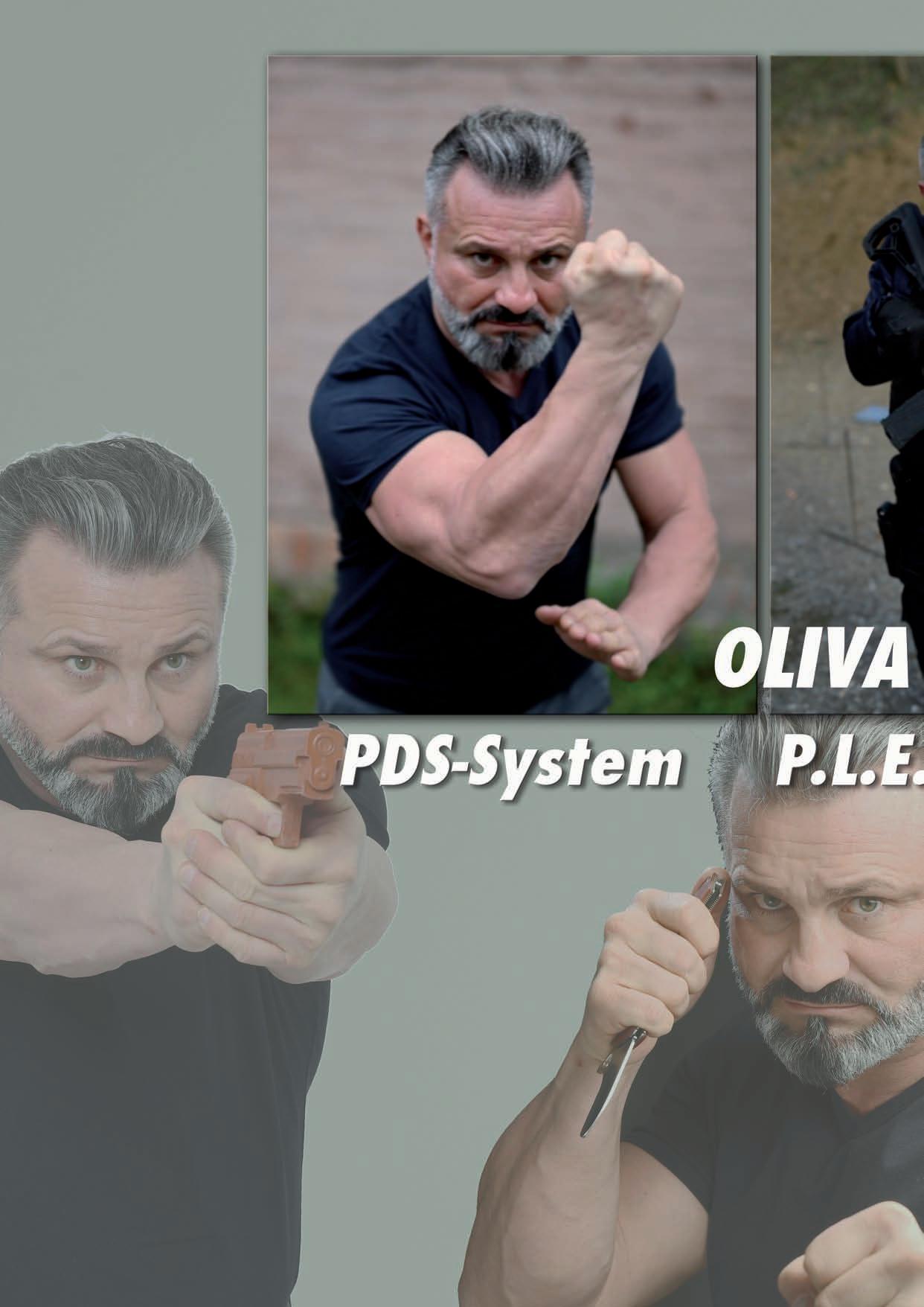
¿Quieres mejorar tus habilidades de defensa y combate?
Con el OLIVA Combat System aprenderás técnicas prácticas y eficaces para protegerte y aumentar tu seguridad personal. Nuestros cursos de instructores están diseñados tanto para civiles como para profesionales. SIFU Salvatore OLIVA te entrenará para responder con eficacia en situaciones de alto estrés y riesgo.
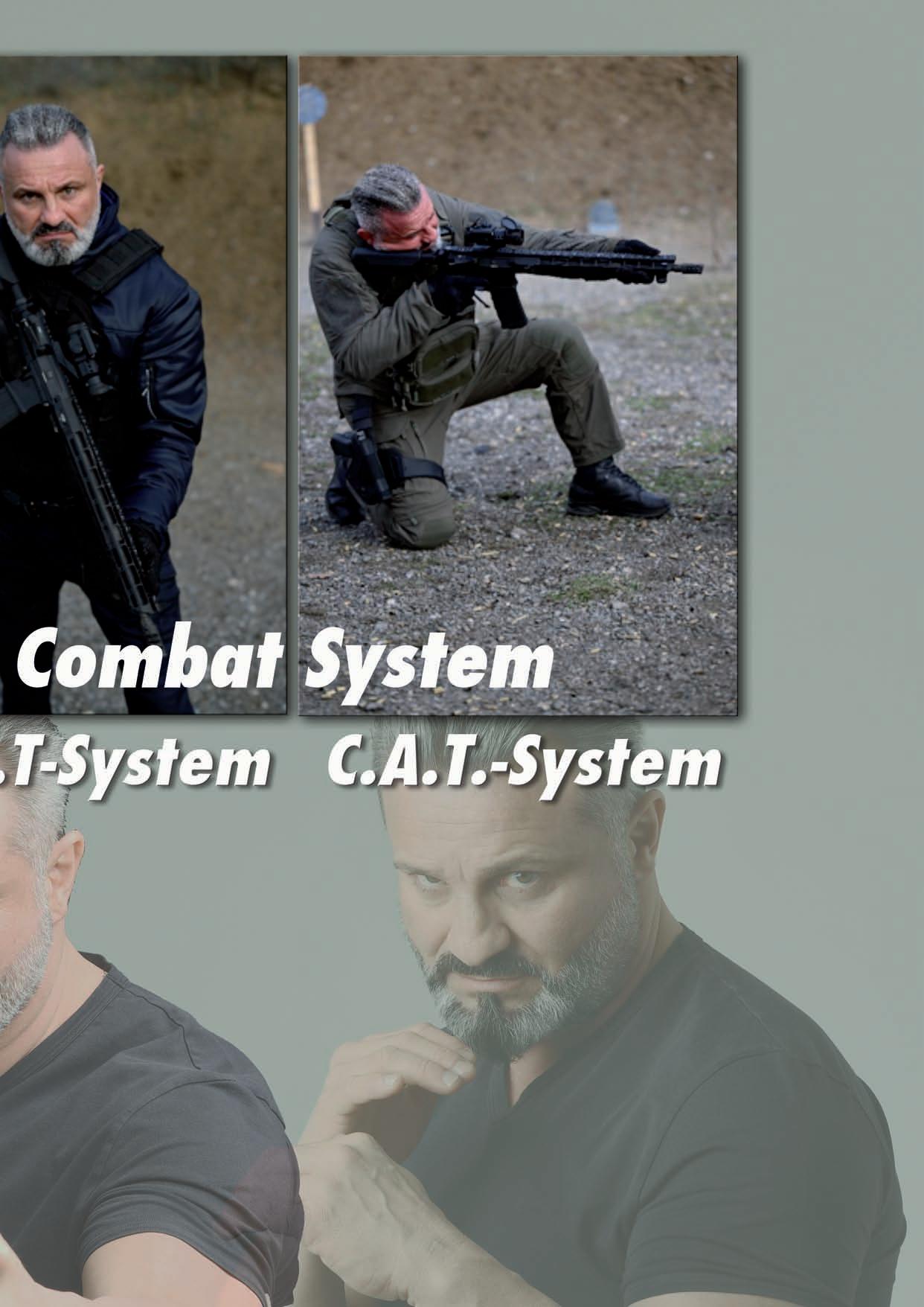
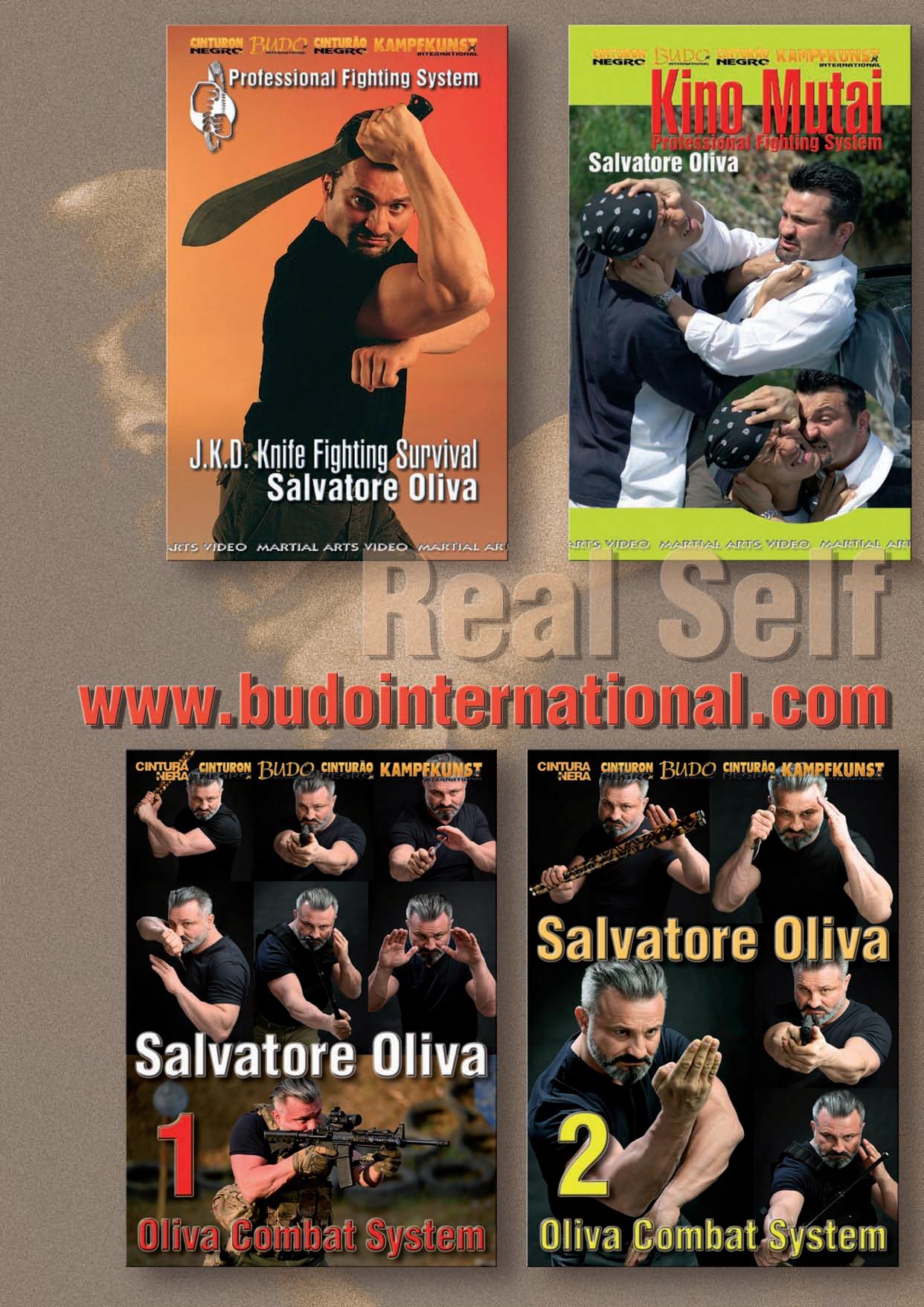

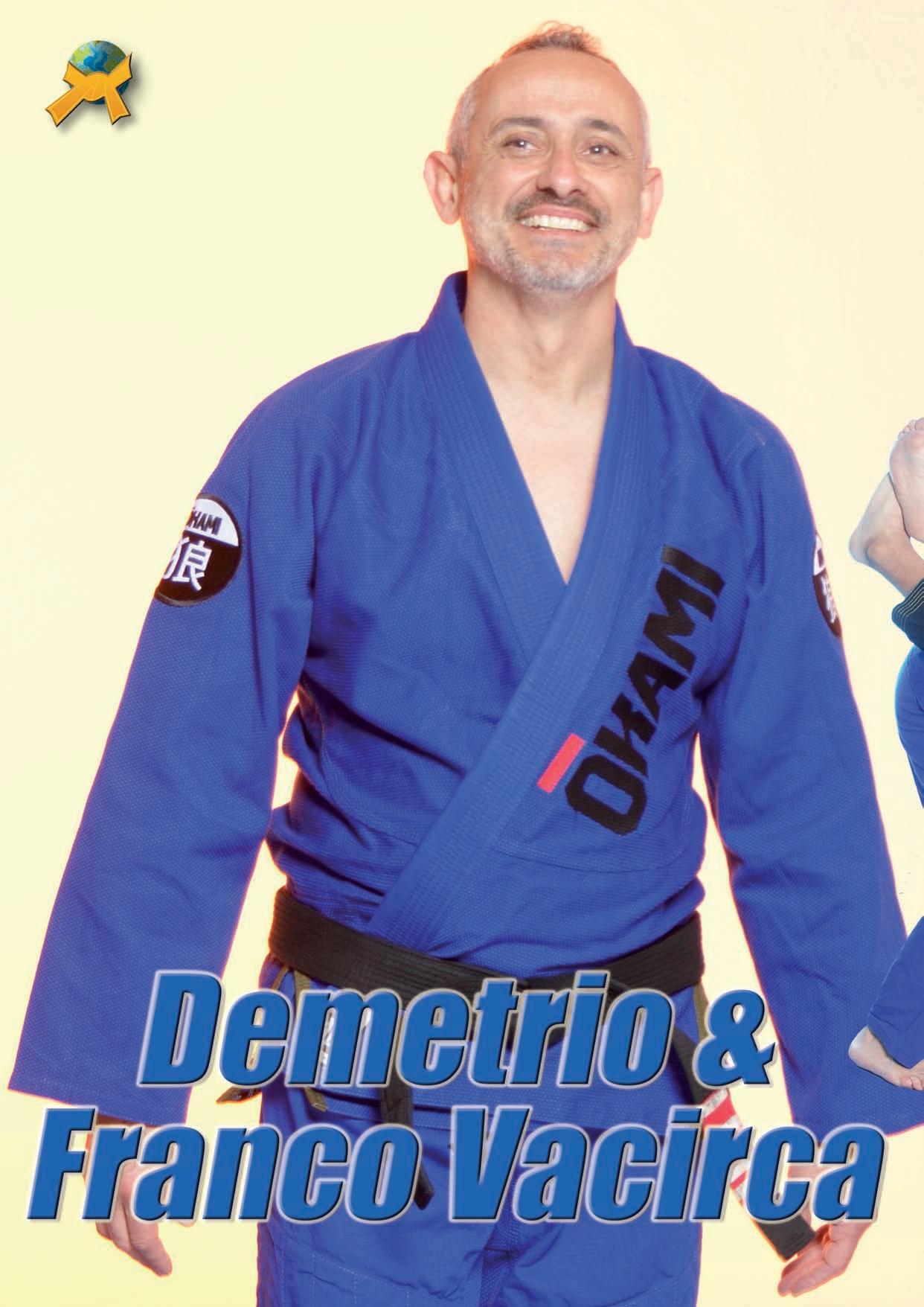
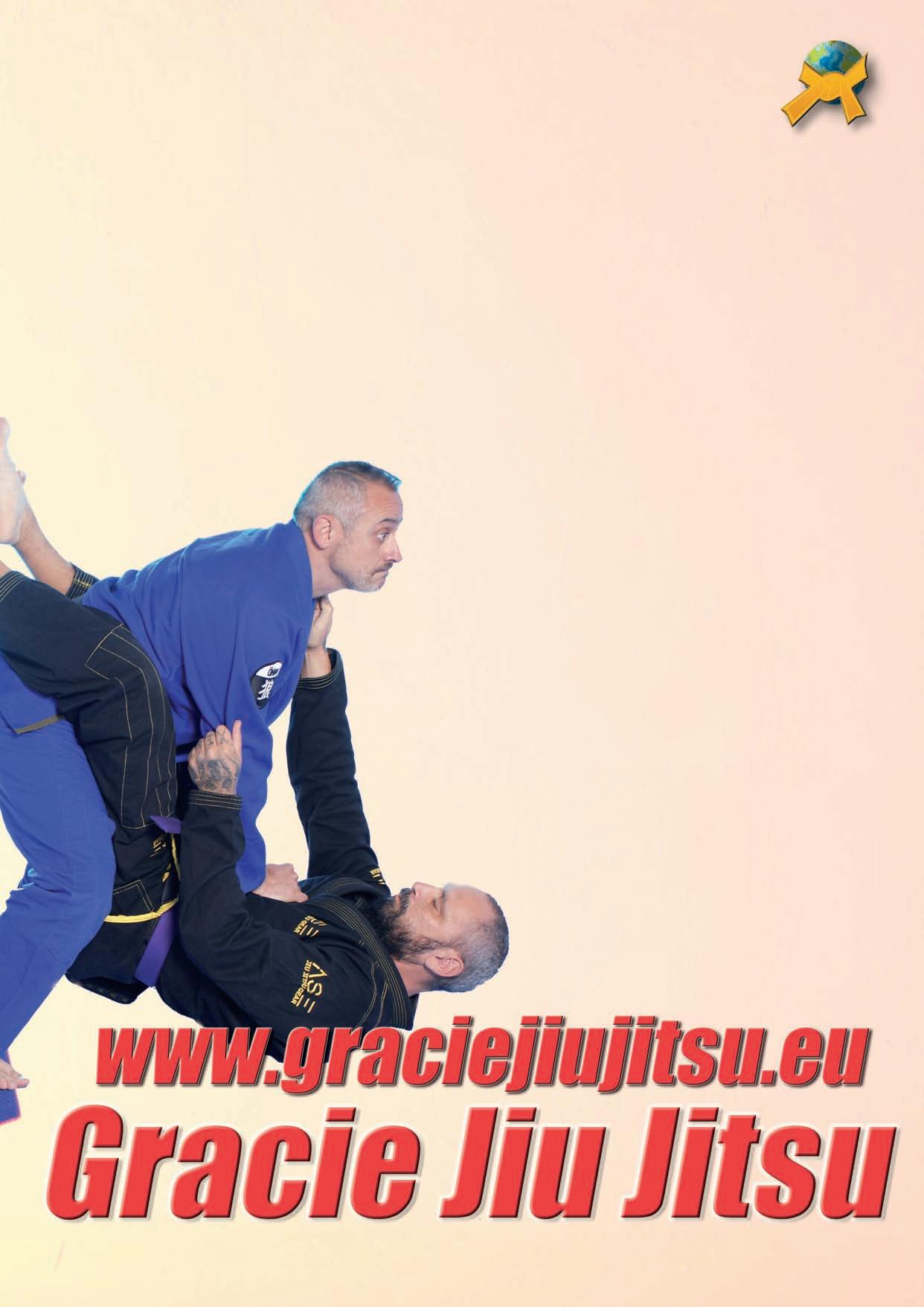
Strength through mental and physical resilience in Brazilian Jiu-Jitsu I Gracie Jiu-Jitsu.
Part I
This is the beginning of a series in which I focus on the topics of stress, strength and endurance, nutrition, and transience. The aim of this series of articles is to shed light on the different facets of these areas and highlight their influence on training in Brazilian Jiu-Jitsu and Gracie Jiu-Jitsu. This series of articles is aimed at our veteran practitioners.
It will show how stress affects our well-being and performance, the importance of strength and endurance for our health and vitality, how a balanced diet contributes to regeneration and energy production, and how the transience of life determines how we deal with physical and mental changes. Considering these factors in the context of training creates motivation that can help us face life's challenges with greater strength.
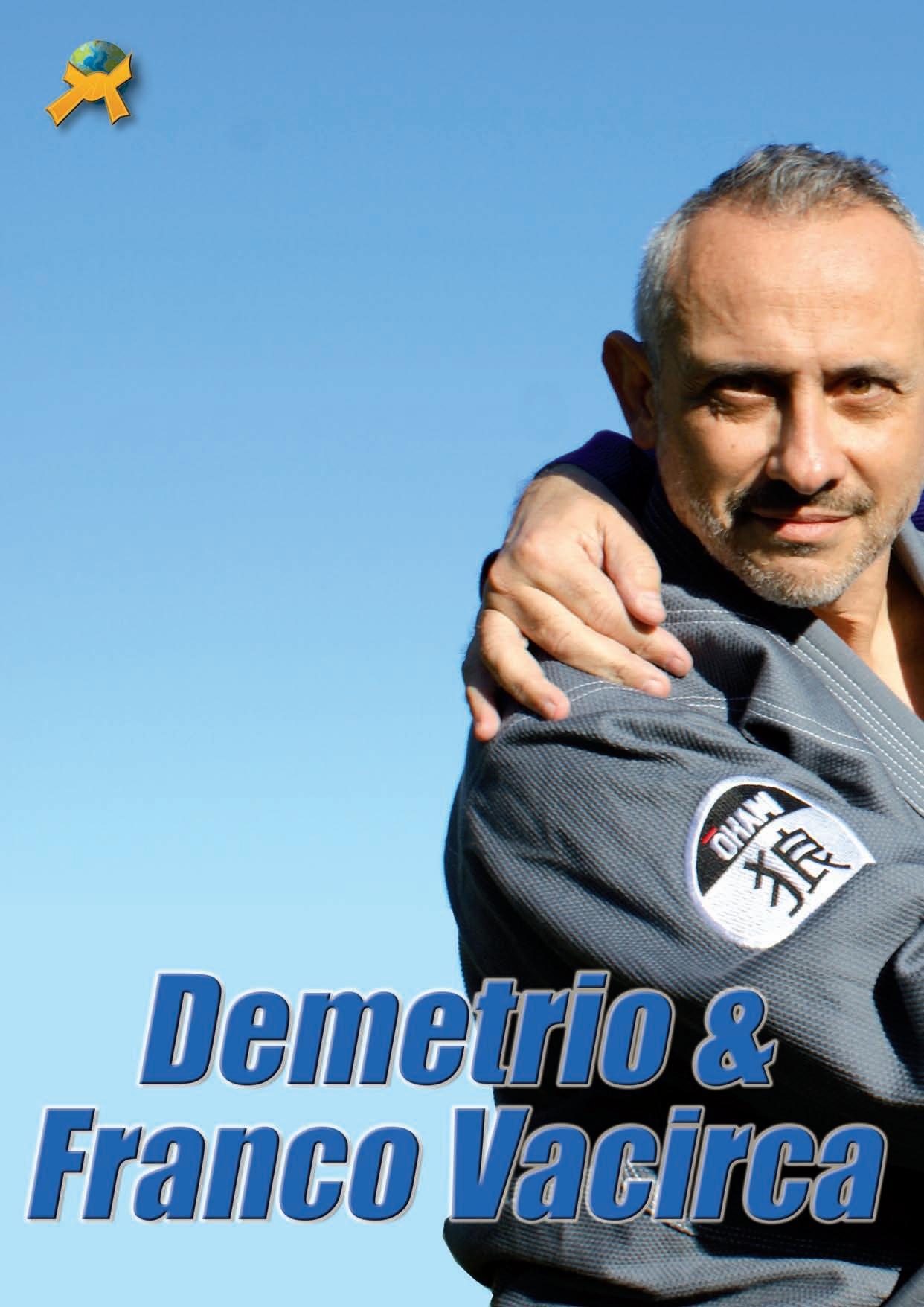
Stress – well-being and performance: This section deals with the causes, effects, and management of mental and physical stress. Stress can be both negative and positive and influences our well-being and performance.
Strength – Health and vitality: These terms refer to physical abilities. Strength describes the ability to perform physical tasks, while endurance refers to the ability to remain active and perform well over a longer period. Both are important for health and vitality.
Nutrition – Regeneration and Energy Production: Nutrition deals with the intake and processing of nutrients that our bodies need to stay healthy, produce energy, and regenerate.
Transience – dealing with change: This addresses the topic of the finiteness of life –how our bodies and minds change over time and how we can deal with these changes. How can we achieve maximum mental and physical health? What challenges do we face as we age? Where do we see ourselves in the future? What can we influence, and what is genetically determined or predisposed?
Stress refers to a state of physical and mental tension triggered by internal and external stimuli, known as stressors. These stimuli can be varied, such as time pressure, conflicts, noise, overstimulation, or even our own expectations. Stress is a natural reaction of the body, which originally served to react quickly in dangerous situations, known as the fight-or-flight response.
Stress is not only negative but can also have a positive effect in certain situations. Performance can be increased, the senses are sharpened, and we quickly find ourselves in "survival mode." This modus operandi can have a negative effect on the body and psyche if the stressors are constantly present and there is no respite. This refers to chronic stress, which can lead to the following symptoms:
•Increased irritability and restlessness
•Difficulty concentrating
•Sleep disorders
•Muscle tension and headaches
•Increased susceptibility to infections etc.
Prolonged stress can have serious health consequences. It can lead to cardiovascular disease, gastrointestinal problems, or even episodes of depression or anxiety disorders. It is therefore important to recognize how to deal with stress and take early action. We are constantly faced with situations that cause us stress. Whether the situation is long-term or short-term varies and depends on our individual circumstances. When we find ourselves in a stressful situation, we are sometimes no longer able to assess the situation correctly and to take care of our health. Sooner or later, we end up seeking medical treatment. The first question we should ask ourselves is: Why am I allowing the situation to control me? None of us wants to go through life controlled by external factors. And stress causes exactly that. We become controlled by external factors, by stimuli. We have forgotten how to use these stimuli positively in our lives.
If we can pause and assess the situation that is currently preoccupying us and feel ready to tackle a solution, stress can be a friend rather than an enemy.
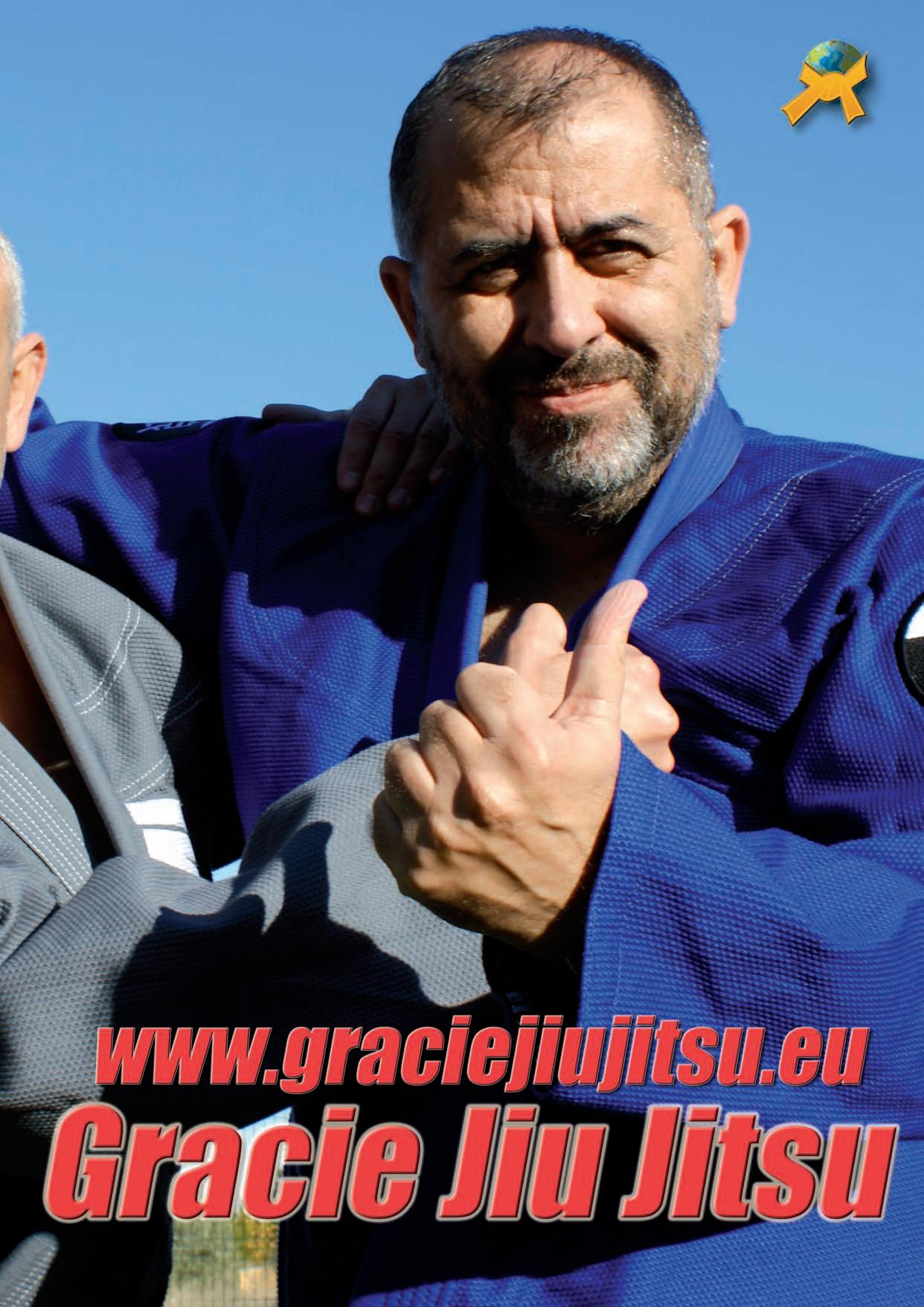
There is no need to reinvent the wheel, nor do we need new insights into what we can do to combat stress. It is about awakening what is already present within us. Being aware that stress is part of who we are, that it has a negative impact on us, but that we can use this stimulus positively. Recognizing what stage of life we are currently in requires personal responsibility and concession. This sets the first milestone.
Exercise and sport are certainly on all our top ten lists. Physical activity such as walking, jogging, yoga, mobilization, etc. helps to reduce stress hormones and increase well-being.
Relaxation techniques such as meditation, breathing exercises, or progressive muscle relaxation can help calm the mind and release or alleviate physical tension.

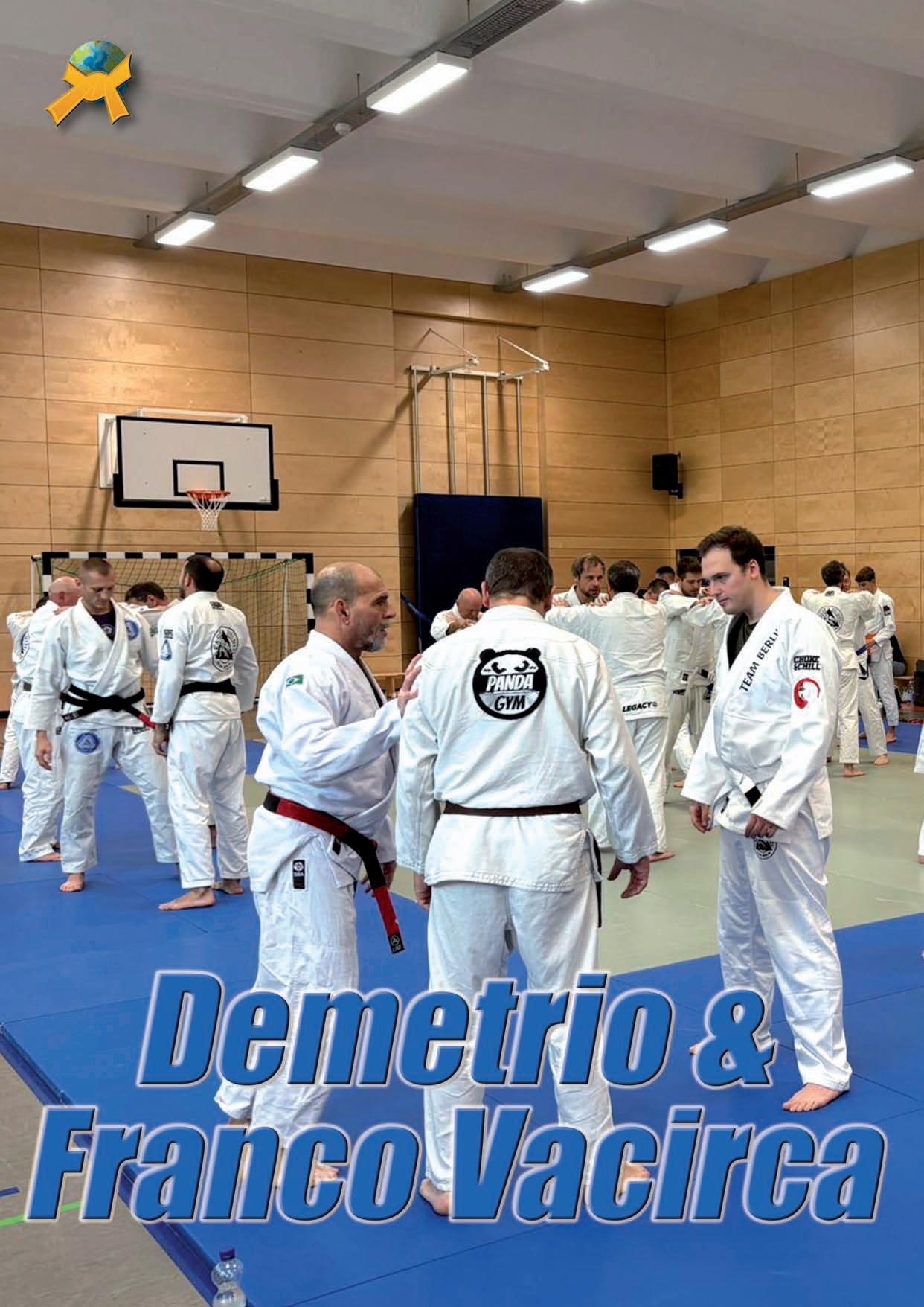
A healthy lifestyle, such as getting enough sleep, eating a balanced diet, and avoiding excessive caffeine or alcohol consumption, strengthens our resistance to stress and gets our bodies moving, not only freeing us from stress, but also activating all the necessary "repair mechanisms."
In stressful situations, our adrenal glands release stress hormones such as adrenaline and cortisol. These hormones enter the cells via the bloodstream and activate various pathways there: the cells provide more energy by breaking down stored sugar reserves, known as glycogen, and increasing blood sugar levels. At the same time, regeneration and repair processes in the cells are shut down to provide the resources needed to cope with the stressful situation. Chronic stress leads to cell overload, an increase in free radicals and inflammatory substances, and accelerated cell aging. All of this affects our immune system.
By reducing stress, the cells return to "normal operation" and can thus activate repair mechanisms and repair cell damage. The immune system is strengthened again. Endorphins and serotonin can be increased by happiness hormones, which also has a positive effect on cell function and general well-being.

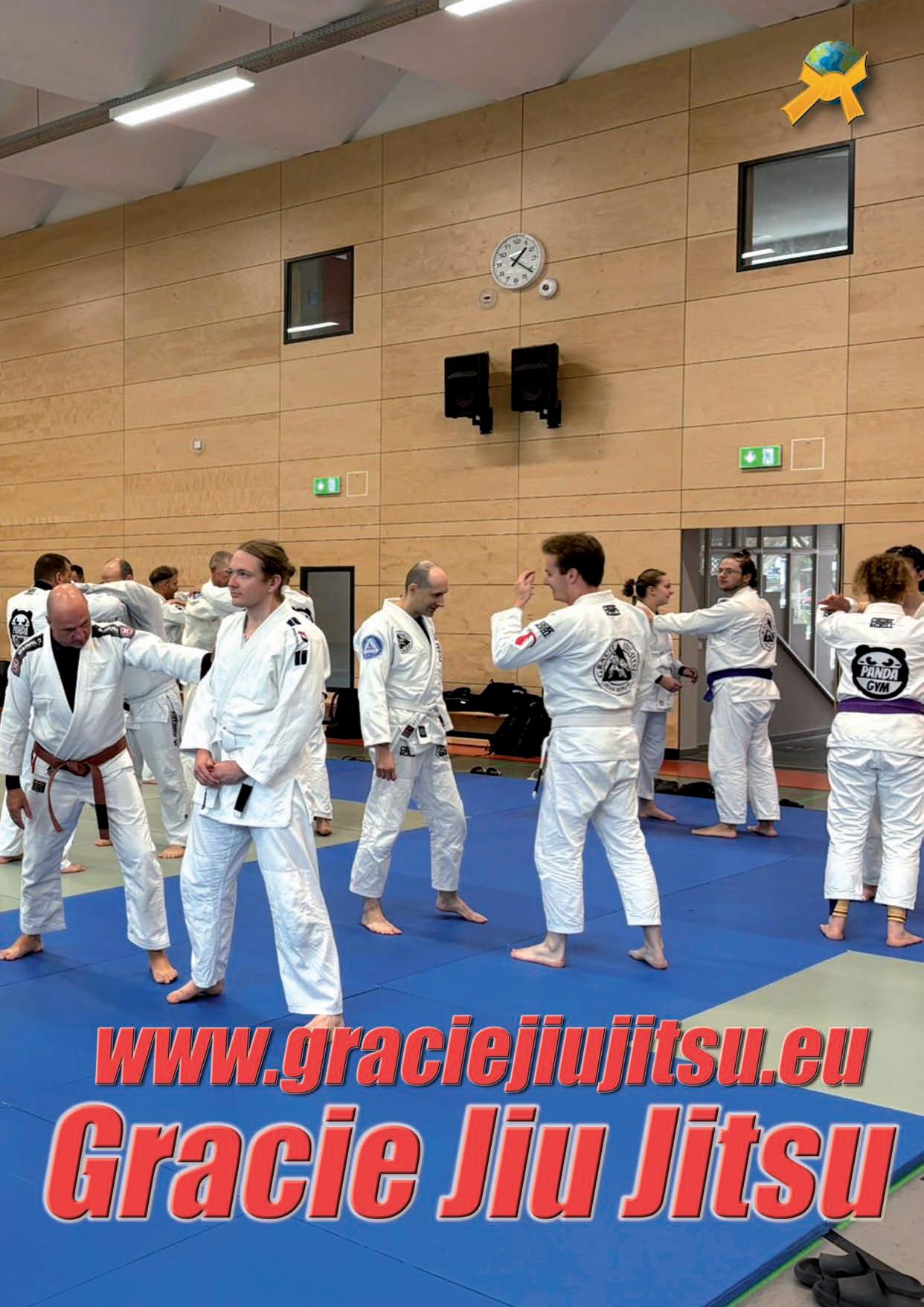
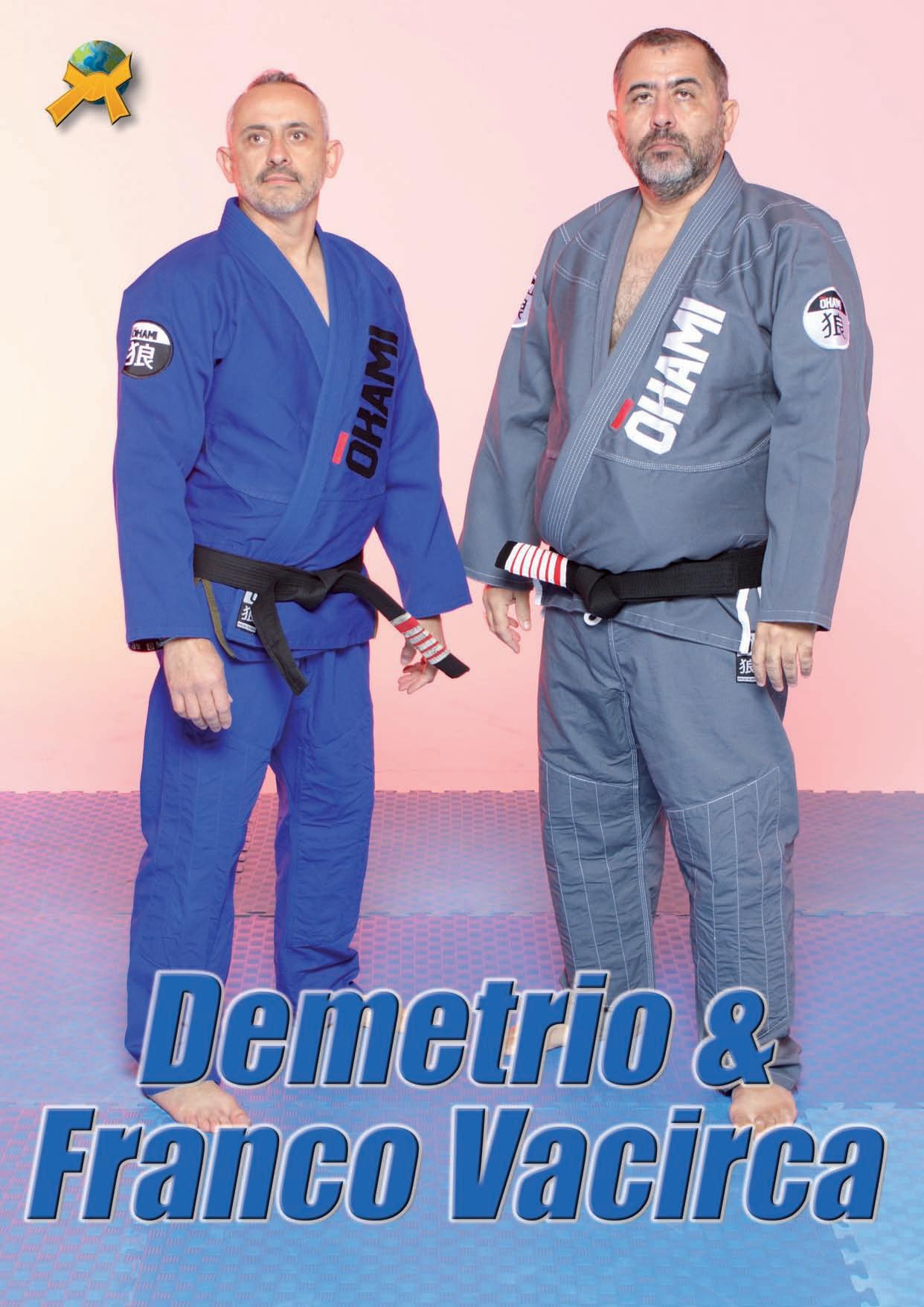

In self-defense situations, stress is a natural and important reaction. The body releases stress hormones such as adrenaline and cortisol, which sharpen the senses. Reaction times are increased and our body and cells provide more energy in the short term. If we have intensified the necessary techniques and actions in training, we can act quickly and defend ourselves efficiently.
In the 1990s, at the VACIRCA ACADEMY in Zurich, Prof. Franco Vacirca held training sessions in which students first practiced a series of techniques and then created situations. The techniques were to be applied to one or two attackers in a fictional situation. The conclusion: most people found it difficult to react correctly and apply the learned/practiced technique "cleanly." For us trainers, this was nothing new. Everything always looks perfect in a movie, but reality teaches us that constant, intensive repetition of the techniques is essential.
Under stress, techniques are often only performed correctly if they are practiced regularly and under realistic conditions. A key aspect of stress, especially in self-defense situations, are the three fundamental pillars that we already know: patience, precision, and timing.
Training should therefore also simulate situations, e.g., acting under time pressure, creating moments of surprise, and remaining calm and capable of acting in acute danger situations through mental preparation (visualization).
In real life, unexpected situations can arise that freeze us, block us, and render us incapable of acting at first. Acting in a matter of seconds is only possible if we have already trained in such situations. An attack can happen within seconds: the heart beats faster, the senses become sharper, and the body goes on alert. This is precisely when it is crucial to be able to recall the techniques you have practiced—because there is no time for long deliberation. Those who train under real conditions, for example with stress factors such as loud noises, time pressure, or unannounced training situations, are better prepared for an emergency and remain capable of acting.
Ultimately, realistic situations show that stress is not an enemy, but a companion that can be tamed with the right strategies and training sessions. Whether in everyday life, in self-defense, or in athletic competition: those who practice dealing with stress under real conditions remain clear-headed and capable of acting in crucial moments. And what about stress in competition?
Stress is also omnipresent in competition—stage fright, pressure to perform, and the competitive situation put the body under strain. Here, too, stress can enhance performance and block it.
Physical and mental stress often peaks during competition when adrenaline and cortisol are released. As soon as the starting signal is given, alertness and muscle tension increase. However, excessive stress can cause movements to become tense and quickly lead to a mental dead end. That is why it is important to work not only on technique but also on stress management during training.
Targeted exercises such as simulated competition situations, mental training, and breathing techniques can help increase your resilience and keep stress levels under control. Those who learn to convert the natural stress impulse into positive energy can significantly improve their performance in competition.
This not only reduces nervousness and uncertainty but also strengthens self-confidence and concentration at the decisive moment.
There are many possibilities and training sessions, insights, and studies on how training can be implemented on a mental level. Even though there are countless specialist magazines and books on the market, I would like to present a simple training plan here.

Fixed routines before the competition (e.g., warming up, breathing exercises, listening to music) provide security and help reduce nervousness. Consciously preparing for various eventualities increases mental "flexibility." This means that we orient ourselves to our routines, know and understand what we need, and do all of this to prepare ourselves specifically for what lies ahead.
Regular visualization during everyday training and integrating it into training sessions is practiced in professional sports and is known as "imaginary training/mental simulation," among other things. Visualizing and going through different scenarios can be particularly helpful in approaching the competition with flexibility and the necessary calm.
Self-motivation can have a positive and beneficial effect: "I can do this!", "I am well prepared!" or "I am ready to go!" are just a few examples of affirmations. Consciously maintaining a constructive and confident attitude not only strengthens our self-confidence but also helps us to stay focused in crucial competitive situations.
Conscious, deep breathing calms the nervous system and helps us to remain calm and focused on tense moments (stress factors I stressors). With the right breathing technique, we can direct our focus specifically to what is important in the here and now: attention instead of distracting thoughts can prevent mistakes.
Focusing on the result before the competition begins can be fatal. Overconfidence and a lack of focus on what lies ahead, uncertainty about the strengths and weaknesses of our opponents, and not being able to gauge the condition of our opponents can lead to our downfall. And all this before the competition even begins. The motto should be focused on the here and now. Even if things don't turn out well, our inner attitude should stay focused on the here and now.
After the competition comes physical and mental recovery. Depending on how the competition went, there may be one or two things that concern us, which are part of the process and should be considered an important experience: mental processing. During the processing phase, we should proceed to analyze what happened. The valuable insights gained should be used for further competition preparation phases. Regular training should continuously build on previous methods and new insights.
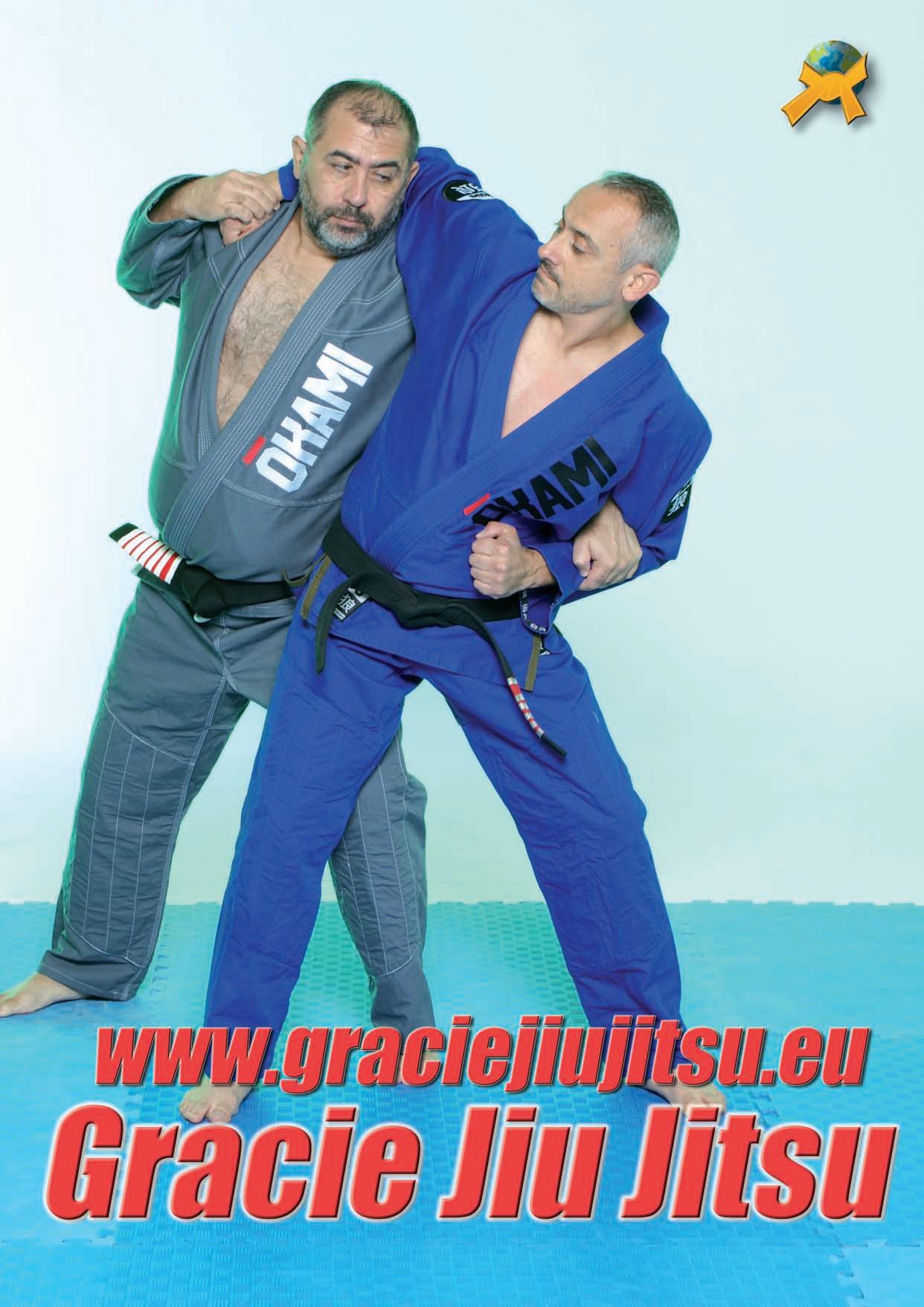
Here is a possible two-week training plan that could look like this:
Day

Exercise 1
Exercise 2
Notes
MondayVisualization (10 min)Breathing exercise (5 min)Review scenarios
TuesdayPositive self-talkMindfulness (5 min)
WednesdayVisualization (10 min)Establish routines
ThursdayBreathing exercise (5 min)Follow-up / Reflection
FridayMindfulness (5 min)Positive self-talk
SaturdayVisualization (10 min)Practice routines
SundayRelax
Write down motivational phrases
Practice difficult situations
Reflect on training
Let your thoughts drift away
Simulate competition day
Walk, listen to music, switch off
The times listed above are suggestions—adapt them to your daily routine. You can combine exercises or focus on individual areas. Continuity is more important than the length of the individual sessions.
Conclusion
In both self-defense and competition, conscious stress management is crucial. Those who learn to accept stress as a natural companion and use specific techniques for stress reduction and mental strength can act more calmly, clearly, and effectively in critical situations.
Whether in everyday life, in sports, or in special challenges, mental strength and conscious stress management are the keys to greater well-being, performance, and quality of life.
“In both self-defense and competition, conscious stress management is crucial. Those who learn to accept stress as a natural companion and use specific techniques for stress reduction and mental strength can act more calmly, clearly, and effectively in critical situations.”

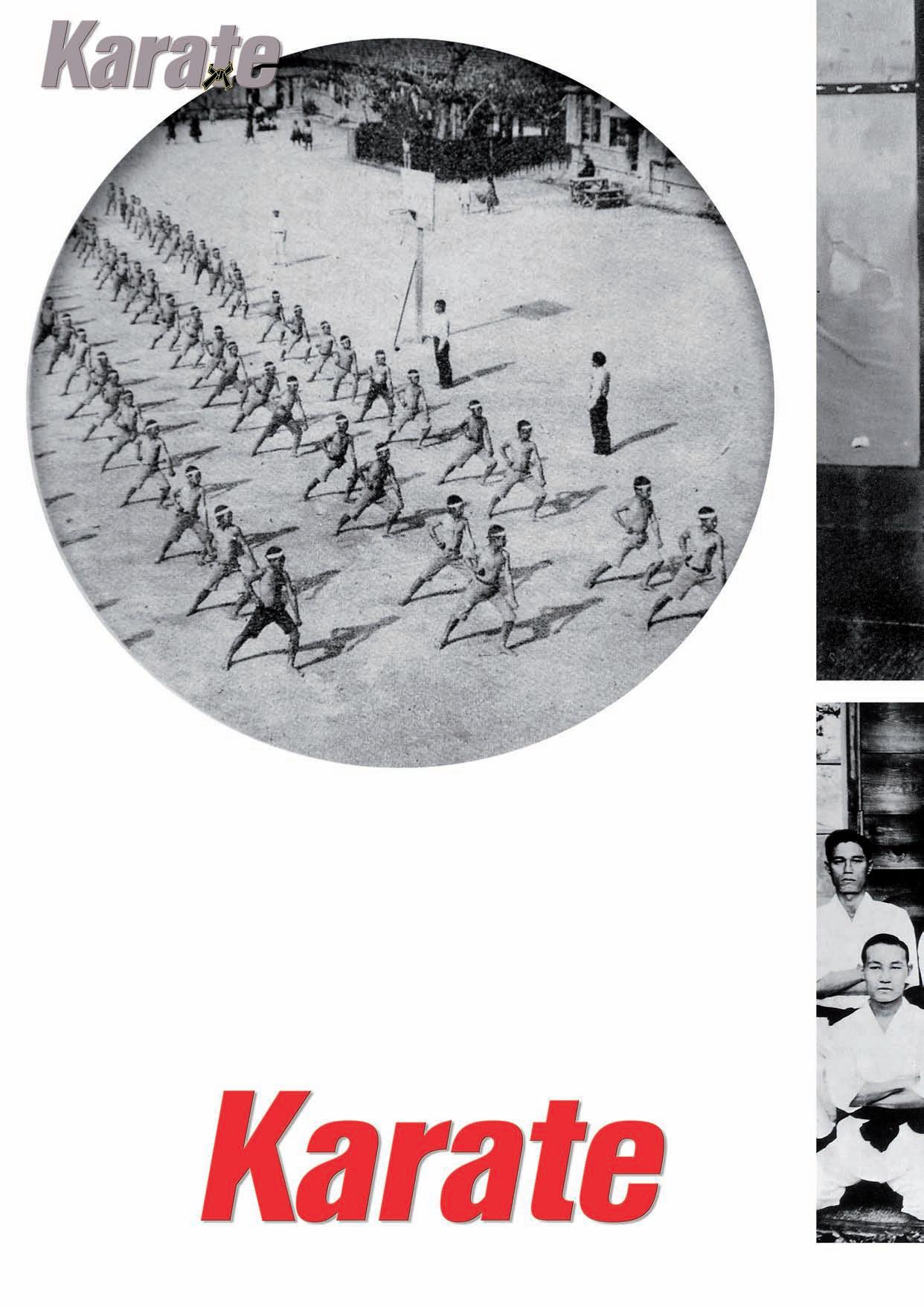
Karate emerged in Okinawa as a form of local self-defense with a strong Chinese influence. During its early centuries, legendary masters such as Matsu Higa, Sokon Matsumura, Sakugawa Kanga, Anko Itosu, and Higaona Kanryo established their own styles, often differentiated by their personalities and personal characteristics.
It was Guichin Funakoshi who gave new form and content to its practice by bringing it to Japan. The Japanese adaptation of karate transformed its initial forms under a new perspective; although its Okinawan origins were much more relaxed (Okinawa is a kind of “Japanese Andalusia”), Japanese culture structured this martial art and made it its own.
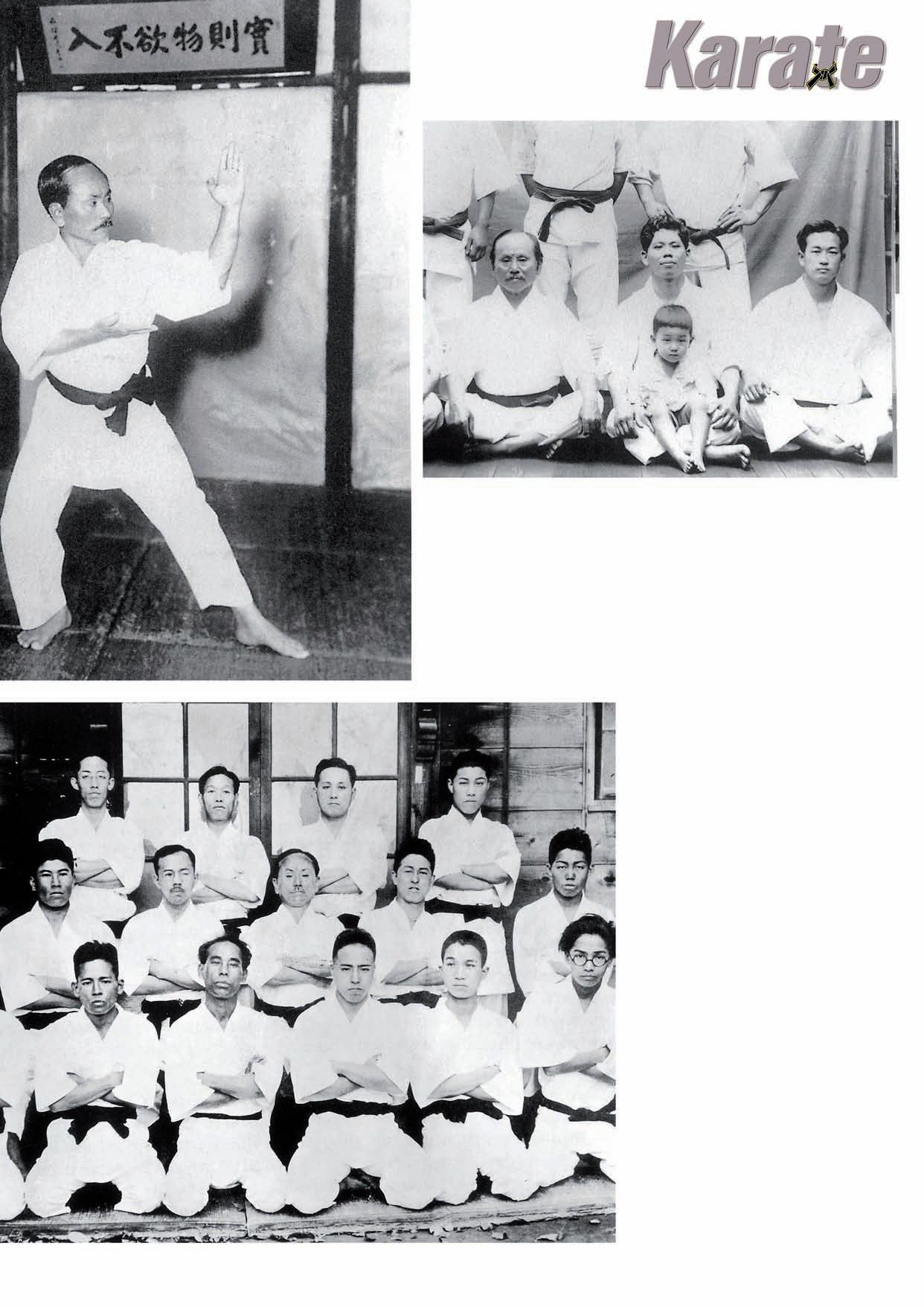
Karate demonstration in its early years. Above these lines, O Sensei Funakoshi with his son and Nakayama. Below: Funakoshi with some of his first students.
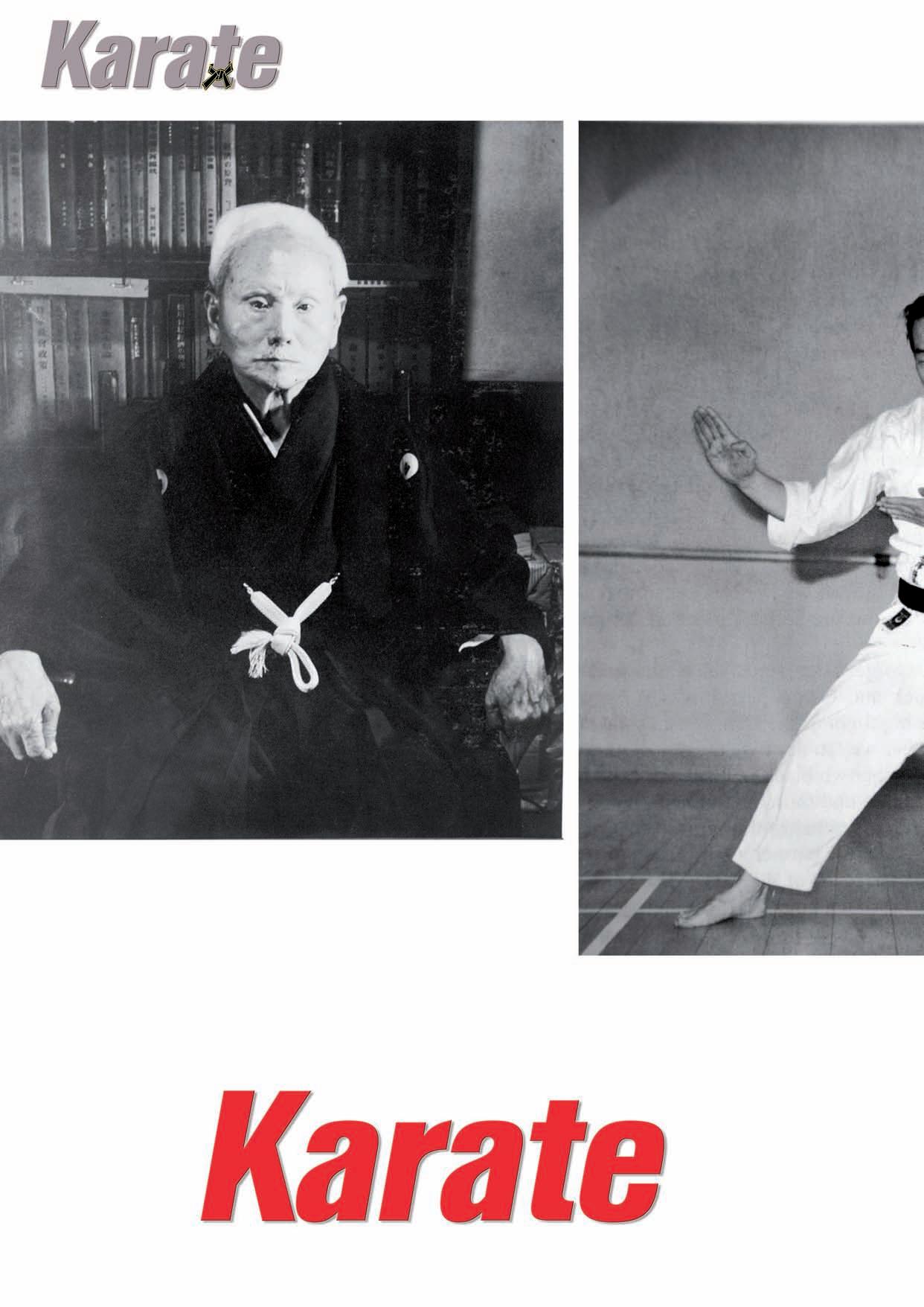
Among the Japanese masters of that time, Funakoshi was the one with the most elaborate intellectual training (his profession was that of a schoolteacher). At that time, this included mastery of kanji and the Japanese language. When Japan surrendered in 1945, Funakoshi was 77 years old, but his history of Japanese-izing karate began much earlier.
Funakoshi in his old age. Nakayama in the center. On the right, Kase and Enoeda, two pillars of karate in Europe.
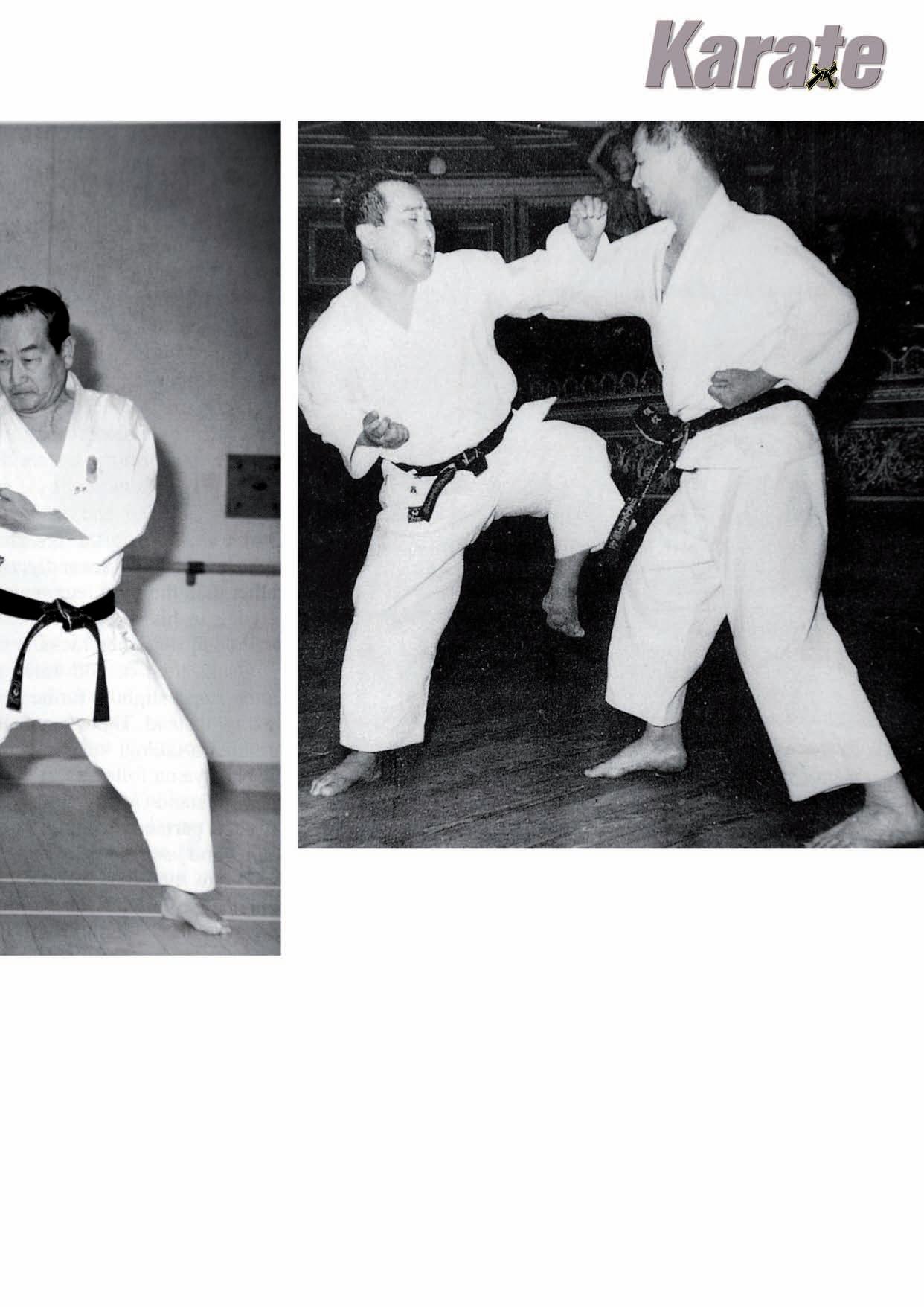
When the Crown Prince of Japan, Hirohito, visited Okinawa, Funakoshi was chosen to give a demonstration. Later, the Japanese Ministry of Education held a karate demonstration in Tokyo in 1922, and the Okinawa Department of Education, for which he worked as a teacher, asked him to perform and introduce the art to Japan. His performance marked the beginning of a new era in the history of Japanese martial arts. People were so impressed that they asked him to stay in the country to continue teaching his martial art.
It all began with an invitation from Jigoro Kano, the founder of judo, who asked Funakoshi to give a karate demonstration in front of more than a hundred of his students. After that, the requests kept coming, so O Sensei Funakoshi decided to move to Japan permanently. He quickly gained students at universities in and around Tokyo, and soon aroused enough interest to found his own dojo.
The next important figure in the history of karate is Masatoshi Nakayama. The Ministry of Education granted his organization, the JKA, exclusive legal recognition in Japan as the official membership association for the promotion of karate. During that time and in the years that followed, Master Nakayama made immeasurable contributions to the art, going beyond Funakoshi in his pedagogical organization, including an approach to its movements from kinesthetics and science. He and his disciples established a two-year training program for specialist instructors, which was pioneering in establishing a coherent pedagogy and forms. Among his transformations, Nakayama included the belt grading system and the possibility of competition, taking karate to another dimension. Nakayama was also, as few people know, President of the Japanese Football Federation!
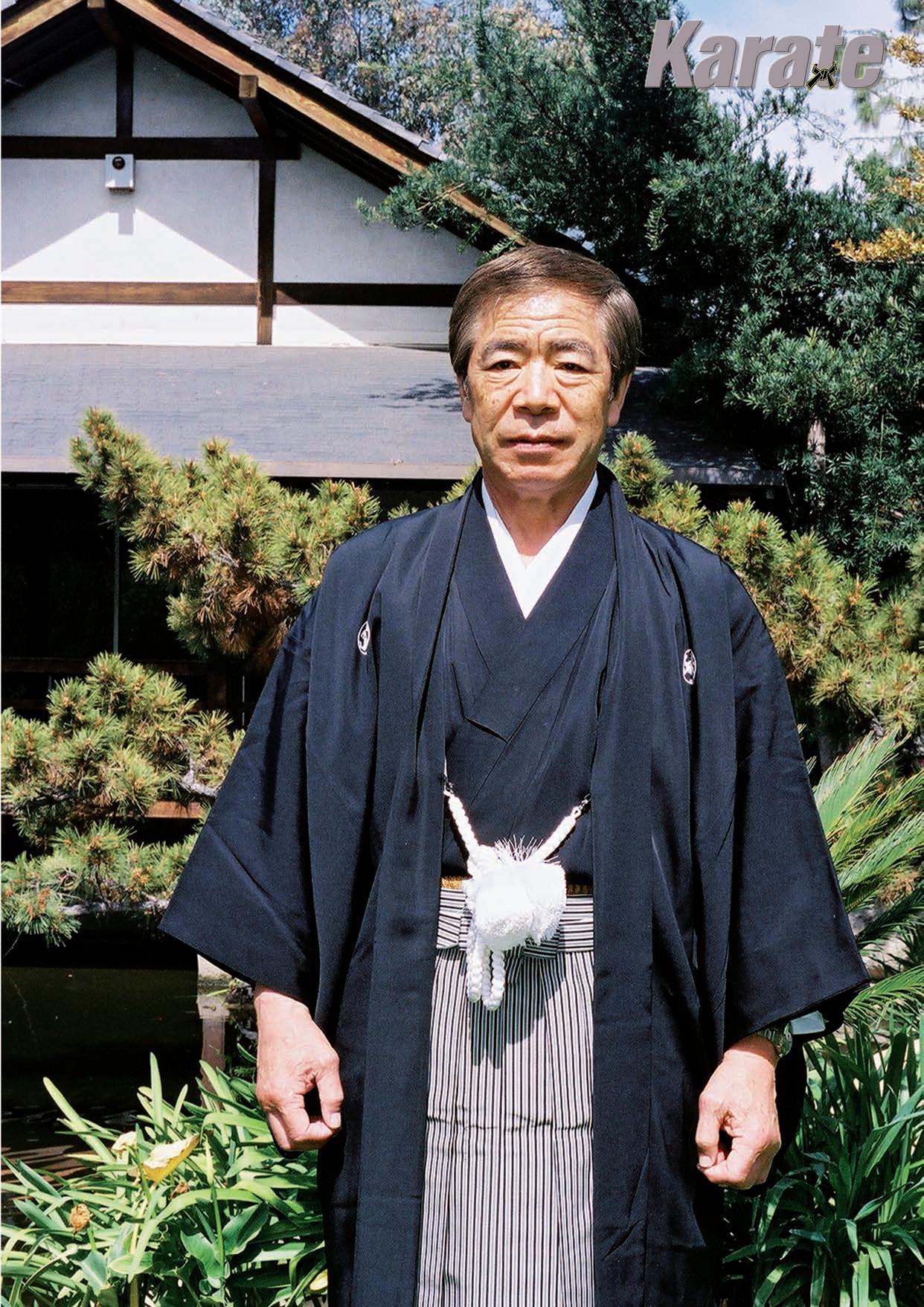
Kanazawa Sensei, a karate legend.
Among the young university students of that time were some of the legendary names who in later years brought karate to the West. O Sensei Funakoshi died in April 1957; shortly thereafter, in the 1960s, karate took hold in America and Europe under the impetus of such significant names as Nishiyama, Kanazawa, Kase, Enoeda, etc. From that moment on, the West took up the torch and laid the foundations for what we know today as karate. In 1970, the World Karate Federation (WKF) was founded, bringing karate to the Olympic Games and organizing its practice within the standards of a major global sport.
The long road of transformations from Okinawa to the present day is a story of unprecedented success. Taekwondo itself was first known in the US as Korean Karate! The word Karate is synonymous with any Eastern martial art, and this is perhaps its greatest asset, being known throughout the world.
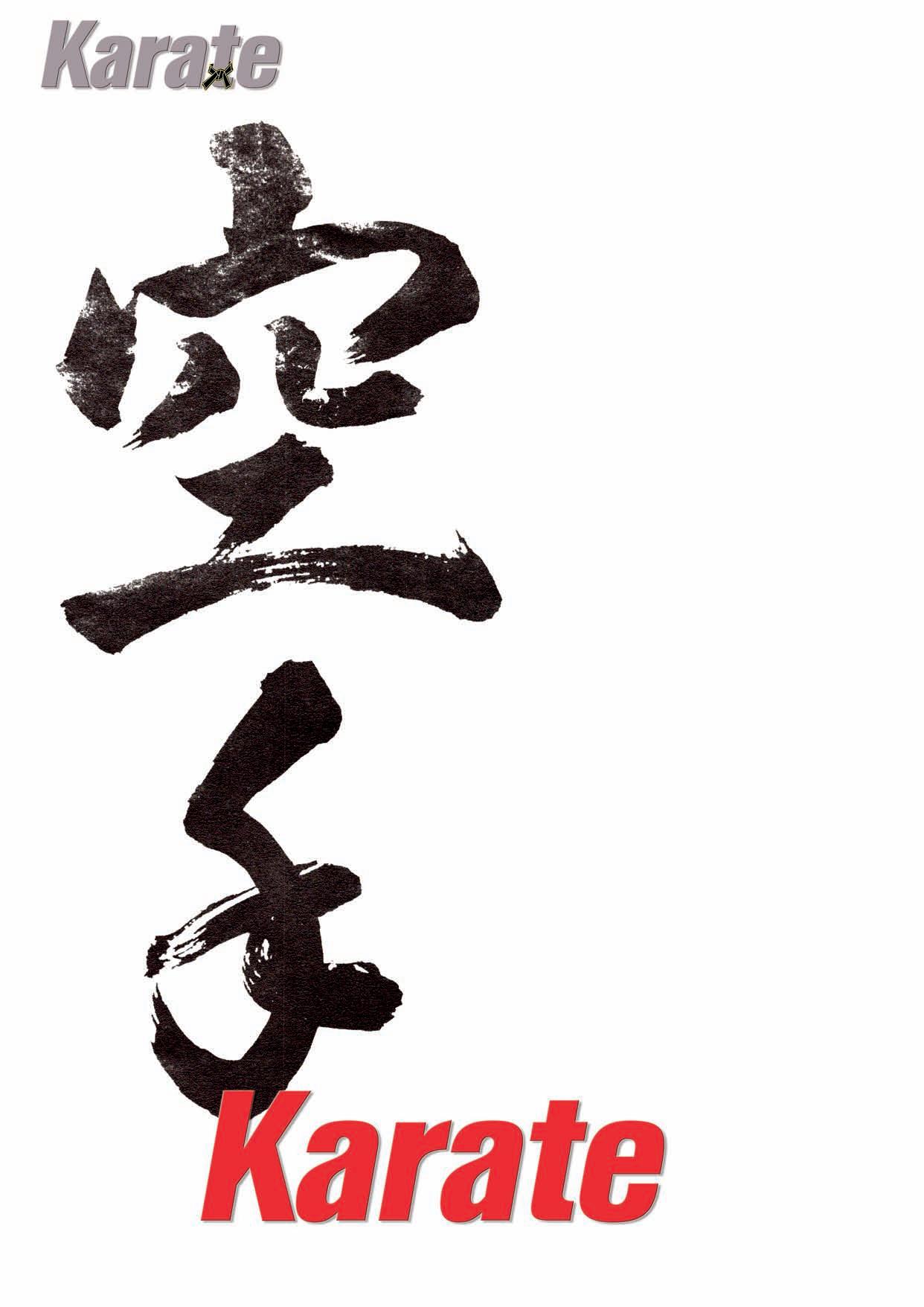
In its origin, it was known as To-De or ToTe. Funakoshi changed its name by Japanese-izing it into two kanji characters meaning “hand” and “empty.” Japanese culture influenced much more than just the name of modern karate. But contrary to what people think, Japanese culture is not a single entity, but rather the sum of many cultural currents that shaped what we understand as such today. Isolated for centuries, the inhabitants of the islands developed a peculiar form of culture that was clearly different from other Eastern civilizations.
Be that as it may, elegance, sobriety, self-control, and intensity are characteristics of eternal Japan, forms that have permeated karate from beginning to end. Just watch a kata!
Even though karate is known as a sport, it will always be something more, shrouded in that aura of mystery and invisible power that characterizes it. Those who, after years of practice, do not pay attention to these factors will miss out on many of the benefits of practicing karate.

One of the richest people in the world was once asked during a television interview:
“What is the secret to your success?”
Instead of giving a long speech, he took out his checkbook, handed the interviewer a blank check, and said:
“Write down any amount you want.”
The interviewer smiled awkwardly and replied, “Thank you, but no… it’s not like that.”
The rich man then tore up the check and said quietly, “That’s the secret to my success. I don’t miss opportunities — and you do. You could have been the richest broadcaster in the world, but you chose not to.”
The interviewer tried to smile and asked, “Can we do it again?”
And the man replied, “Opportunities don’t come back.”


We are often encouraged to follow our ego — to dream of becoming richer, to believe that being wealthy means being successful, to chase trophies, titles, and victories. These ideas motivate us, but they also confuse us. What is the true meaning of success? And what is the difference between the Zen mind and the ego mind?
In much of the Western world — and now globally — education teaches us to want more, earn more, and be more. At the same time, the younger generation is overwhelmed by beautiful images of fake success and manufactured happiness. Many appear successful on the outside, yet inside they feel empty, unsettled, and unhappy.
As a martial arts teacher, I try to share a different path with my students — one based on simplicity, humility, and clarity of mind. I encourage them to smile at life, to stay grounded, and not to pretend they are more important than others because of how they dress or what color belt they wear. Too many people fall into the game of superiority, believing they are special or godlike because of rank or title. I try to remain who I am, keep humor alive, and treat my students as part of life itself, not above it.
We now face a new era of “masters” with no real background beyond social media. Someone may have been a beginner a week ago, yet today presents themselves as a self-made master. Ego takes control, and pretending becomes more important than truth. People seem eager to be fooled. Titles are given freely, and few ask the important questions: Who were your teachers? Who awarded you this rank? On what foundation is it based?
This happens not only in martial arts, but also in politics and academia, where FAKE CREDENTIALS and false authority are used to appear more important or knowledgeable than one truly is. Perhaps it is time for students to start asking their teachers who they really are. Following big titles without understanding is like being led by a blind person — it will not take you anywhere.
Instead, learn to cultivate the Zen mind. It will improve your life, sharpen your vision, and bring you closer to truth — especially the truth about yourself. Being rich is not the same as being successful. Losing your connection to yourself is the real failure.
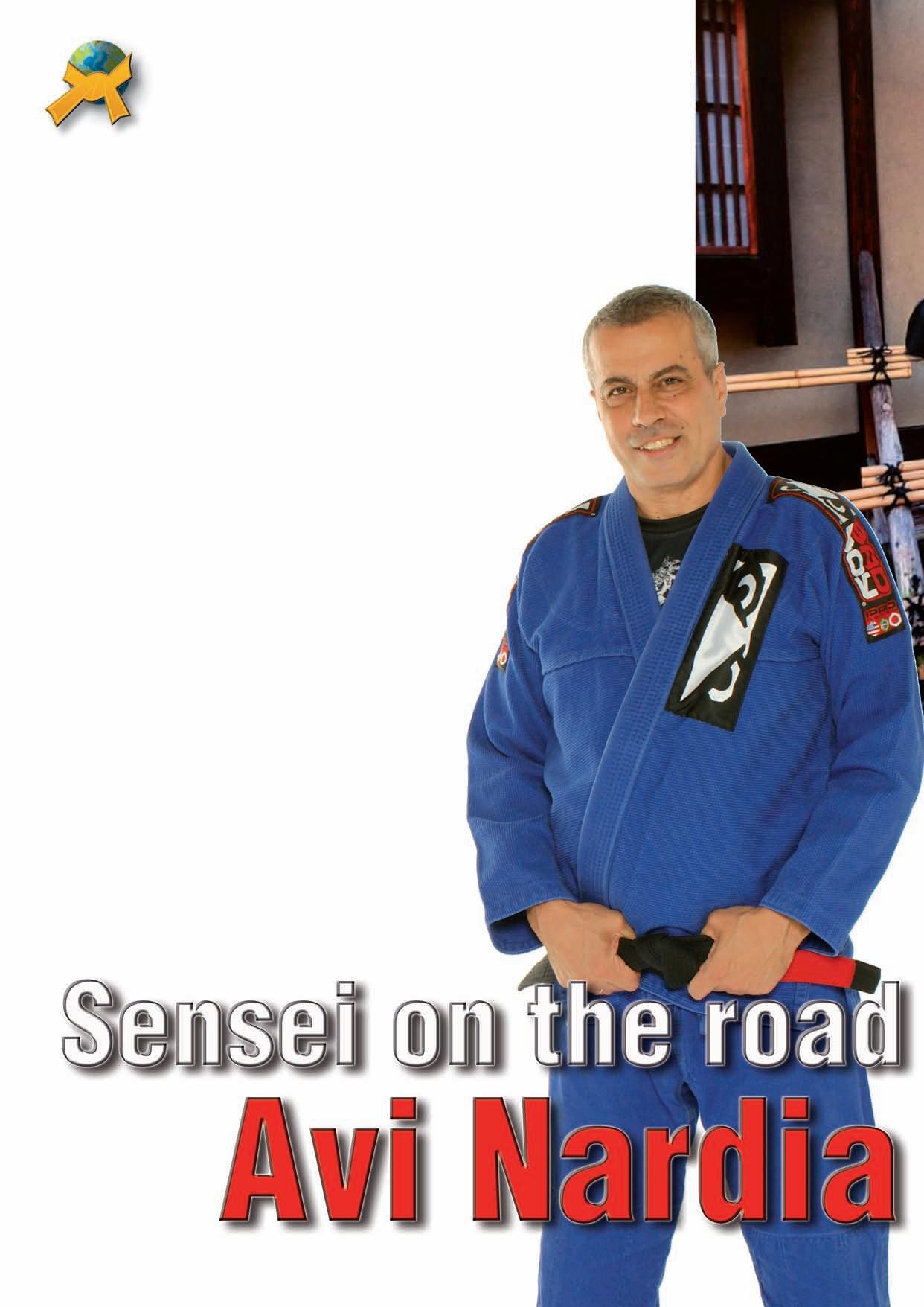
Not your titles.
Not your followers.
Not the applause, promises, or people who said, “I’ll always be there.”
When the noise fades and the lights go out, the only voice left is your own.
The only person who wakes up with your thoughts.
The only one who carries your wounds, regrets, hopes, and quiet strength.
This is not a lonely truth — it is a powerful one. Because it reminds you where your real responsibility lies.
Take care of your mind — it is the place you live in every day.
Be honest with yourself — self-deception costs more than truth ever will.
Learn to sit with yourself — without distractions, without masks.
Become someone you can rely on — even when no one else shows up.
People will come and go. Circumstances will change.
Life will test you in ways you never prepared for.
But if you have yourself — grounded, aware, compassionate, and resilient — you are never truly lost.
Make peace with who you are.
Forgive yourself where you need to.
Grow where you can.
And never abandon yourself just to feel accepted by others.
Because in the end, the relationship you have with yourself is the one you will keep forever.
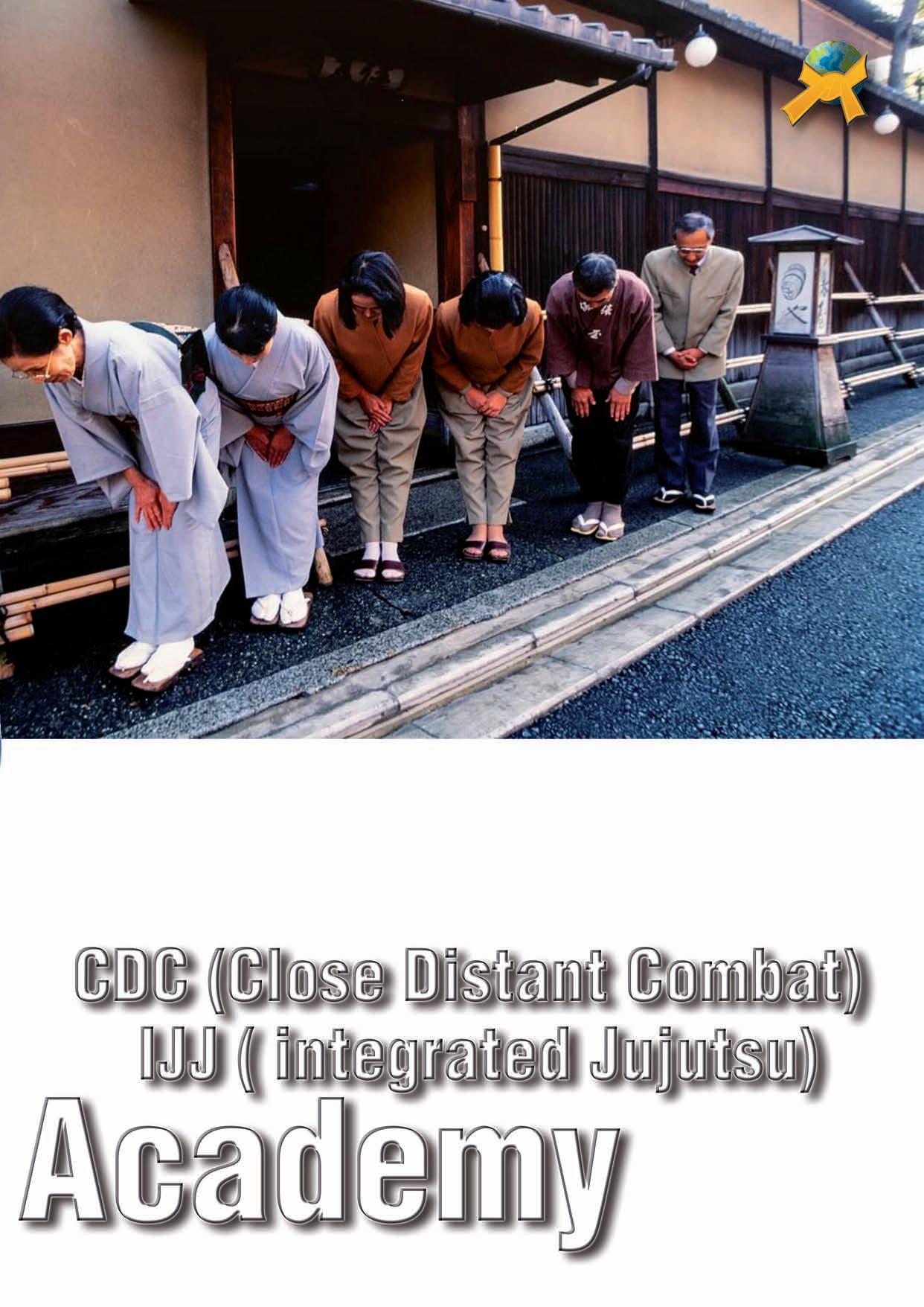
“People will come and go. Circumstances will change. Life will test you in ways you never prepared for”
Singapore has always held a special place in my heart. It was my first landing in Asia after completing my mandatory army service and experiencing three years in a war zone in 1985. That contrast left a powerful impression on me. Singapore stood out as a place of order, discipline, and harmony—an example of how multicultural societies can thrive together when respect for law and structure is non-negotiable.


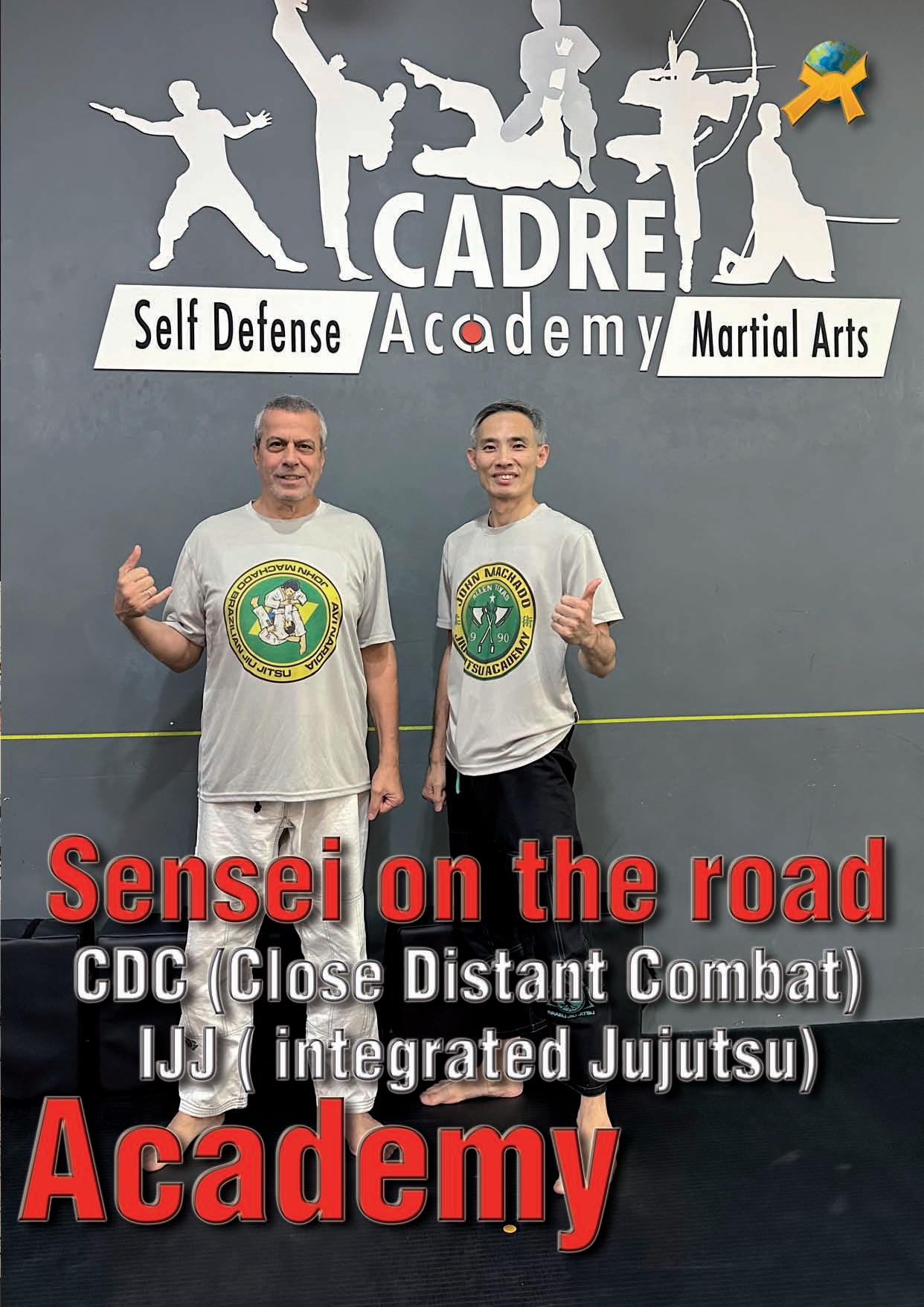

Known officially as Singapura, the name originates from the Sanskrit Siṃhapura, meaning “Lion City.” Despite its small size, Singapore is one of the most diverse nations in the world, home to multiple languages, religions, and cultures living side by side in balance. As former Prime Ministers Lee Kuan Yew and Goh Chok Tong once stated, Singapore does not fit the traditional definition of a nation but rather represents a society in constant transition— united not by sameness, but by shared discipline and respect.
This discipline is visible everywhere. In Singapore, the law is firm and clear. From traffic rules to public conduct, from smoking regulations to zero tolerance for drugs—with penalties that can include capital punishment—the system teaches responsibility and respect for others. These strict laws are a key reason Singapore remains one of the safest and most stable countries in the world.
Singapore is also one of the largest and busiest ports on the planet, handling immense volumes of global maritime traffic every year. Its strategic position makes maritime security a critical priority—not only for Singapore but for international trade worldwide. The country has become a leader in anti-piracy operations, ship defense, and maritime risk management, setting global standards for safety at sea, with SRS leading across multiple security disciplines.
During my recent stay, I spent a full month in Singapore teaching from 8:00 AM until 10:00 PM, an intense schedule that reflected the commitment of everyone involved. It was during this time that I once again worked closely with one of the most dedicated martial artists and instructors I have ever met—Professor Leon Koh.
I have known Professor Leon Koh for nearly 20 years, and witnessing his continuous evolution has been an honor. He is a true embodiment of the principle: always a student, sometimes a teacher. His credentials speak for themselves:
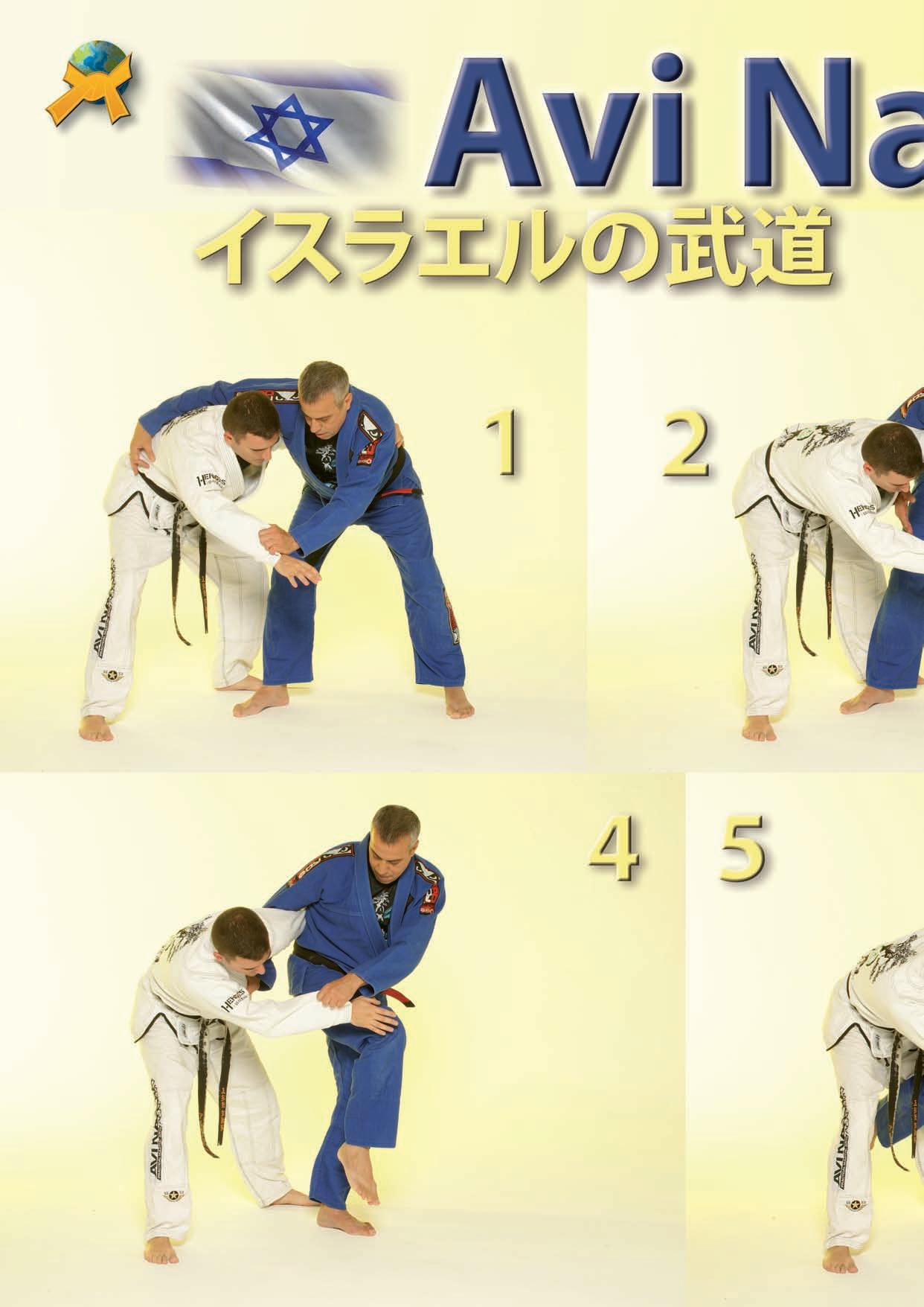
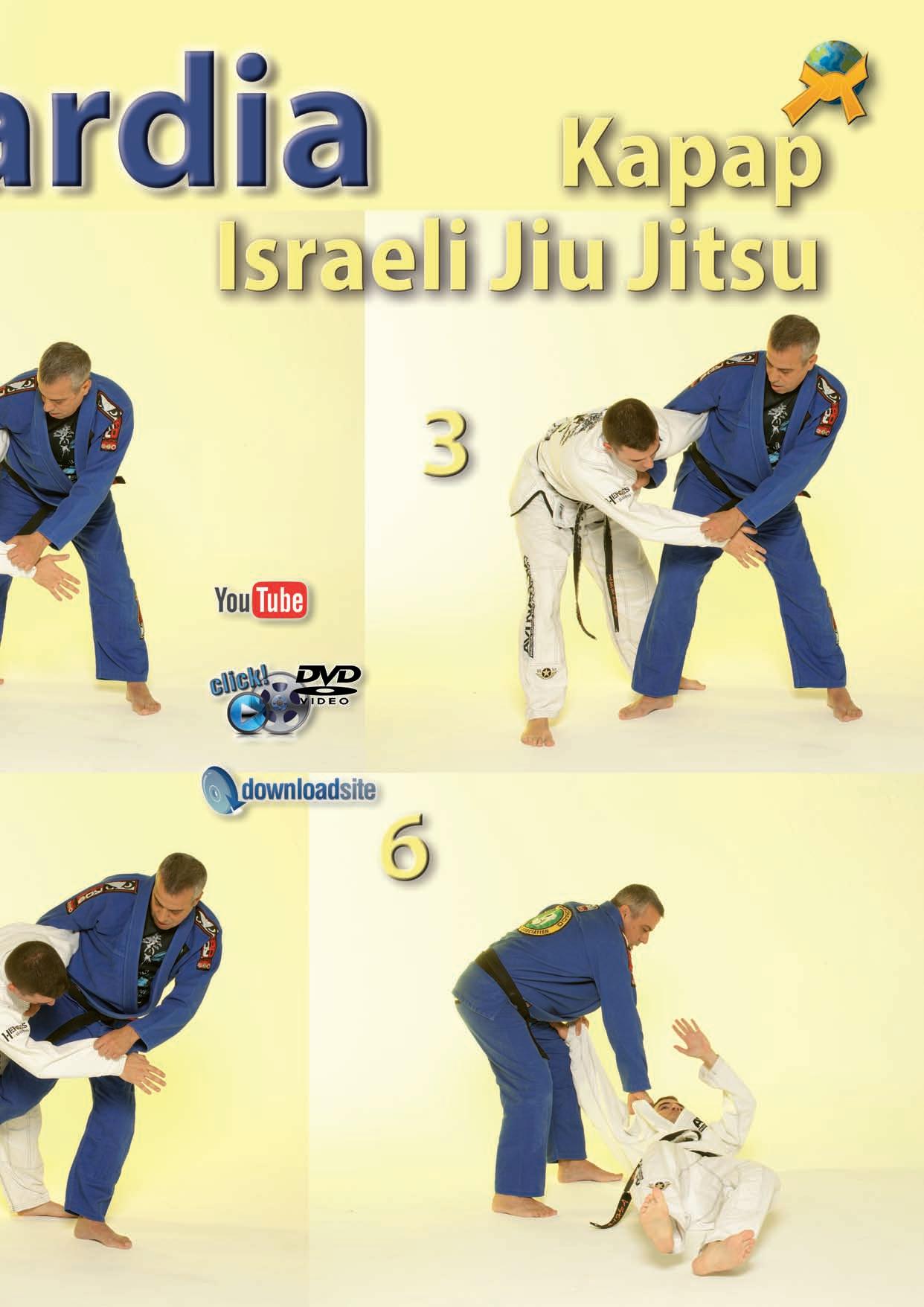
- 10th Dan in Kapap / Krav Maga / Israeli Jiu-Jitsu
- 8th Dan Grand Master in Korean Martial Arts (Taekwondo)
- Black Belt in Brazilian Jiu-Jitsu, earned under my team and Professor John Machado
- Firearms Instructor, CQB Master, and advanced instructor in SPEAR System and Close Quarter Battle
Beyond titles, what sets Professor Leon apart is his relentless work ethic, humility, and devotion to continuous learning. Seeing his growth in CQB, firearms integration, and tactical systems has been a powerful journey.
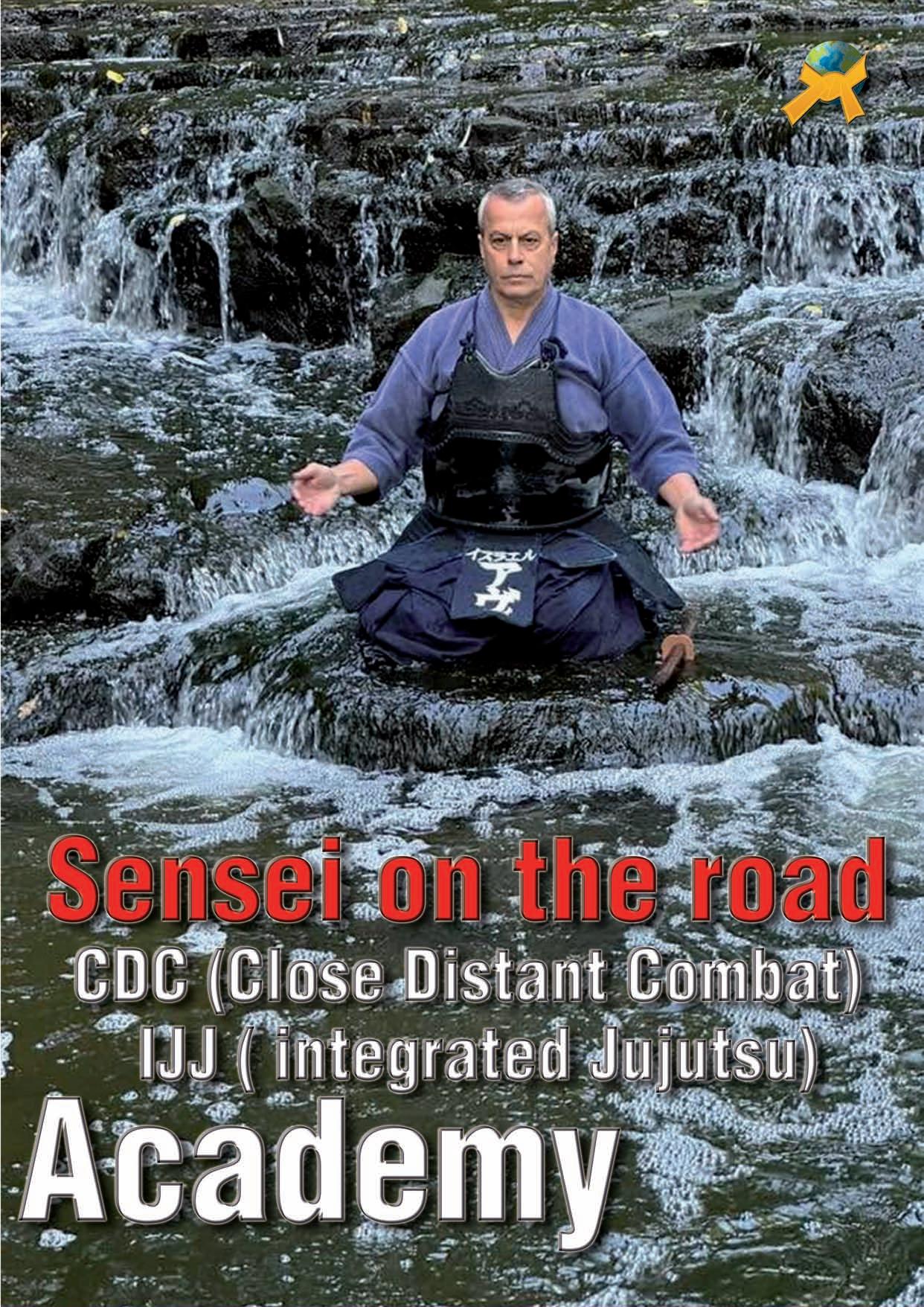
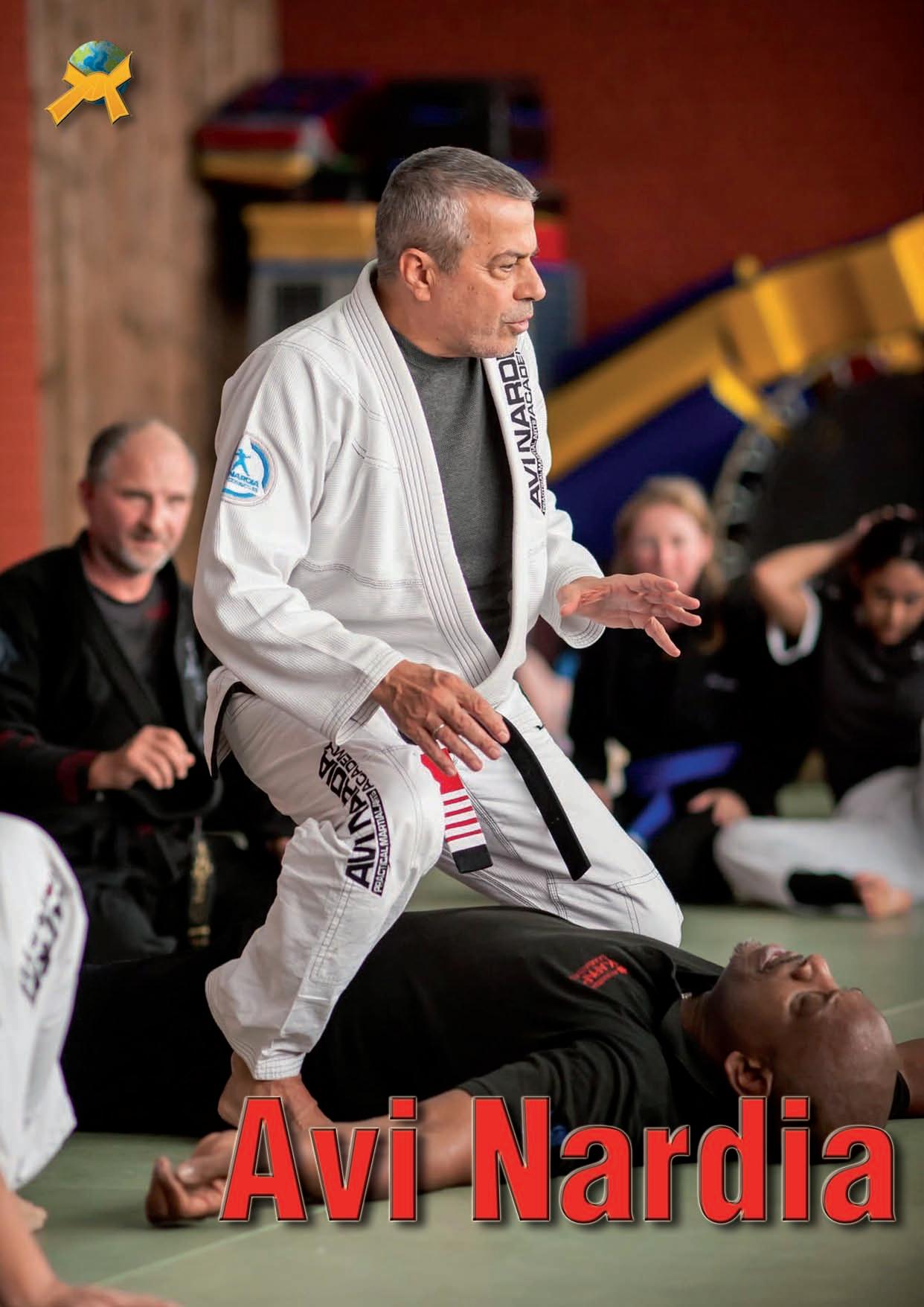
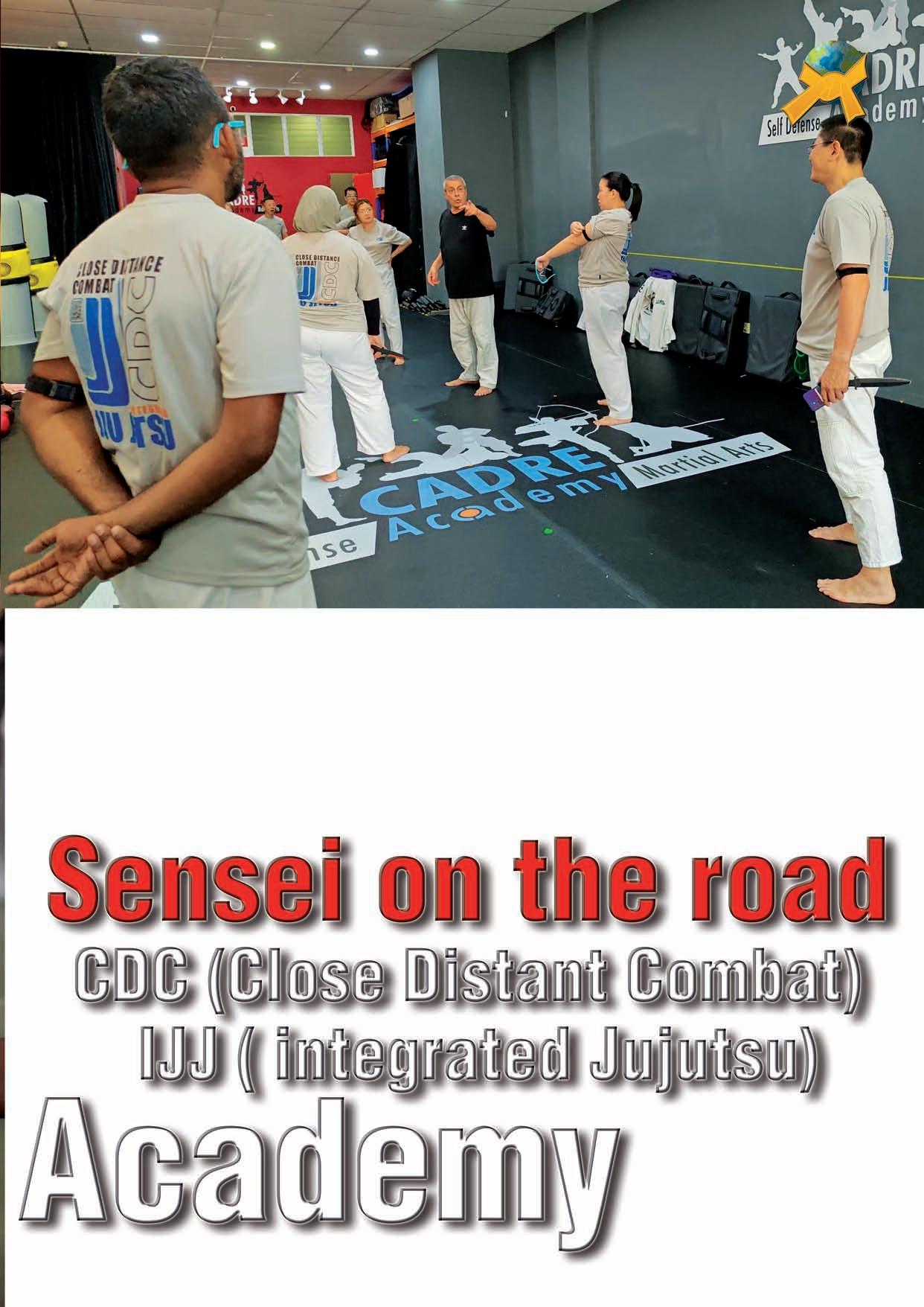
During this visit, we also reunited with long-time students from the early days—many of whom now run some of the most advanced security firms in Asia. Watching their growth over the past two decades, and seeing how they applied VIP protection and security training we developed together, was deeply rewarding.
At the same time, we made firm decisions to distance ourselves from individuals who attempted to misuse our reputation and name for quick recognition without putting in the real work. Martial arts and security are built on discipline, ethics, and responsibility—shortcuts have no place here.
A key mission of this trip was also to elevate CDC (Close Distance Combat) teams and Integrated Jiu-Jitsu (IJJ) standards, ensuring strong alignment with high-level Brazilian Jiu-Jitsu and realistic operational application.
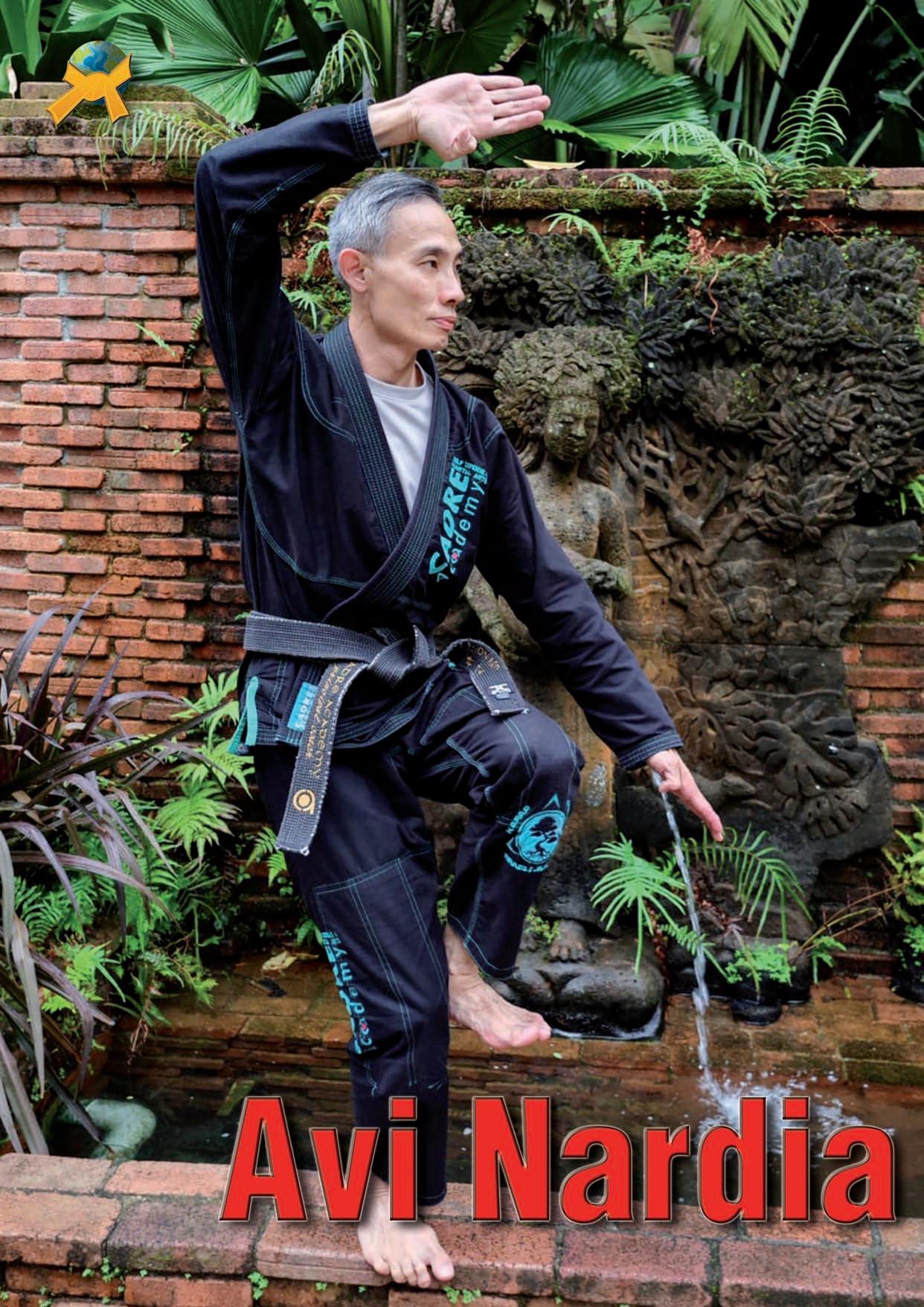
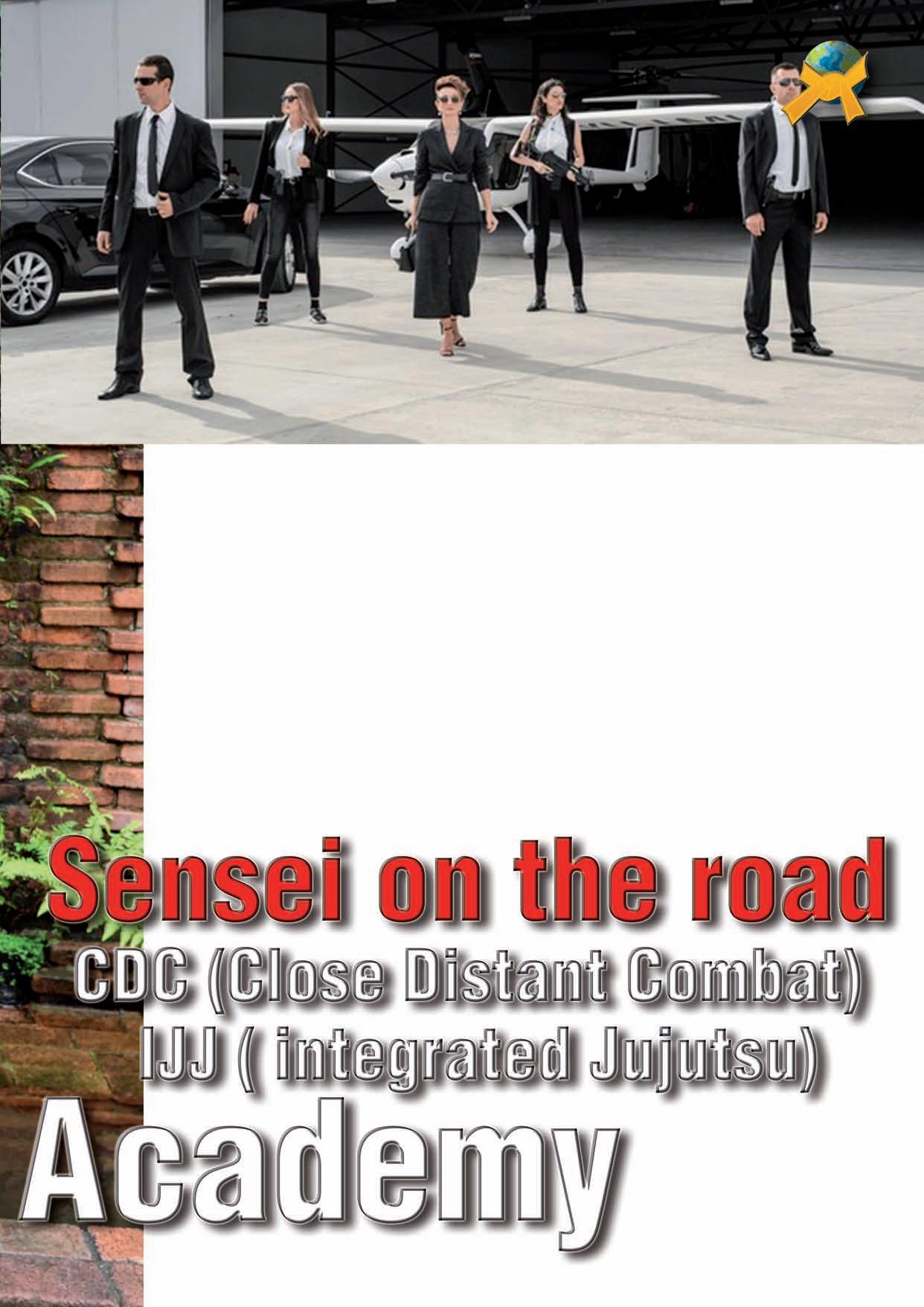
A critical part of this ecosystem is ARSLAN SRS (Security&Risk Solutions Pte Ltd), a one-stop provider of comprehensive security and risk management services based in Singapore, with strong regional and international reach.
ARSLAN SRS specialises in:
Executive&Close Protection (EP / CPO)
Built around proactive risk mitigation, intelligence-driven planning, and discreet execution.
Core Capabilities include:
- Executive&Close Protection
- Corporate and Diplomatic Delegation Security
- Secure Travel&Mobility (Land, Air, Sea)
- Advance Reconnaissance, Route&Venue Planning
- Residential&Family Protection
- Event&Special-Venue Security
- Emergency&Medical Response Support
- Threat, Risk&Vulnerability Assessments
Their teams deliver low-profile, unobtrusive protection, reliable cross-border coverage, and integrated operational support—always with minimal disruption to client lifestyle and operations.

Integrated Security Services:
Beyond EP/CPO, ARSLAN SRS provides a full spectrum of services that allow clients to centralise all security needs under one trusted partner:
- Security Consulting&Strategic Advisory
- Security Manpower&Site Protection
- Security Technology&Systems Integration
- Central Command Centre&24/7 Monitoring
- Investigations&Intelligence Support
- Security Training&Capability Development
- Asset Security Operations
- Crisis Management&Contingency Planning
This integrated model strengthens readiness, resilience, and clarity while eliminating fragmentation across multiple vendors.
At ARSLAN SRS, reliability is non-negotiable. they plan meticulously, execute discreetly, and deliver—regardless of mission complexity, urgency, or location.
They Always Get It Done – Quietly, Professionally, and Without Compromise.
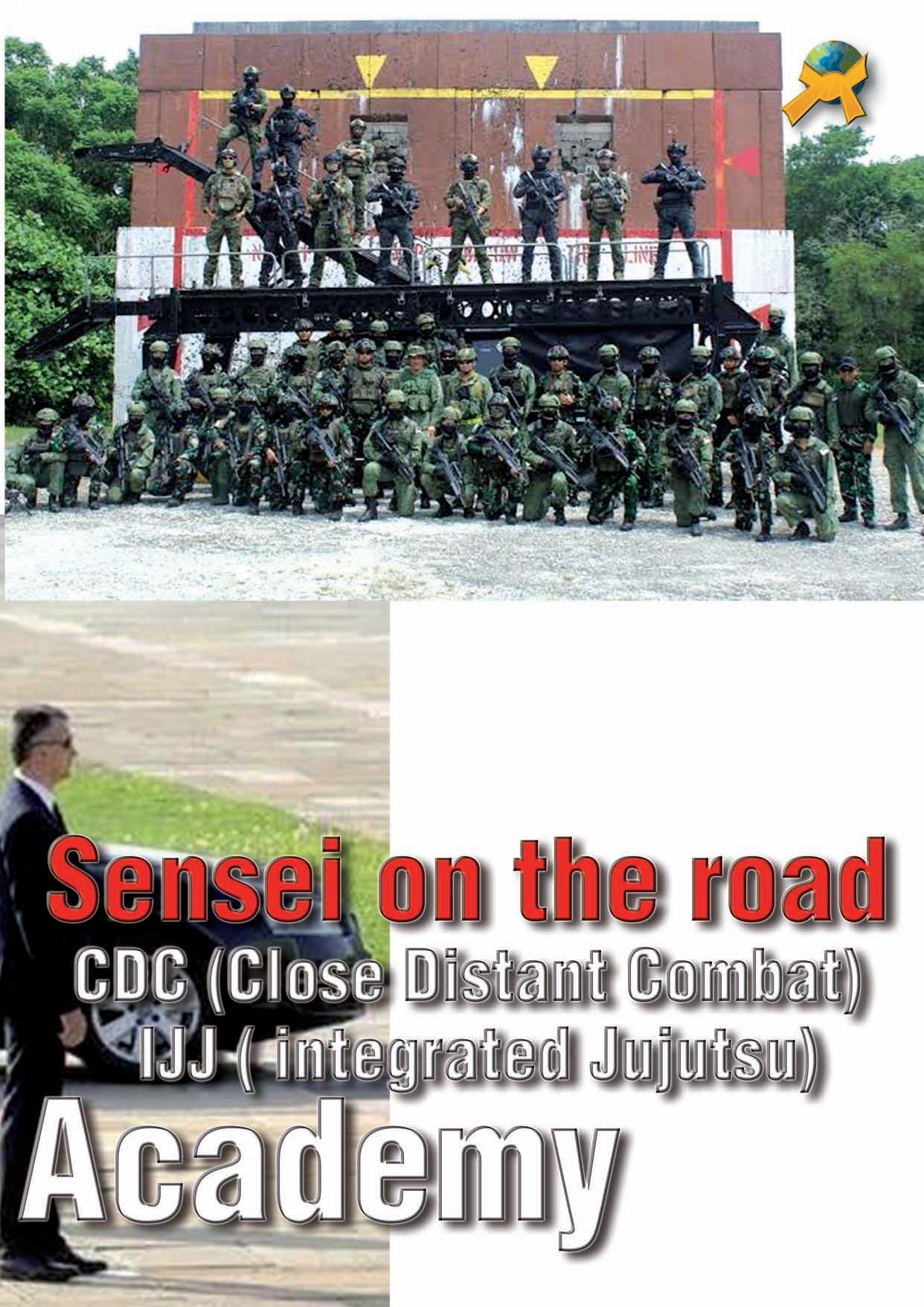
This August, we will be holding our next international training camp in Singapore, and I welcome all serious practitioners and professionals to join us. Beyond training, it is an opportunity to experience an extraordinary country—one that represents discipline, harmony, security, and progress at the highest level. Singapore is not just a destination. It is a standard.

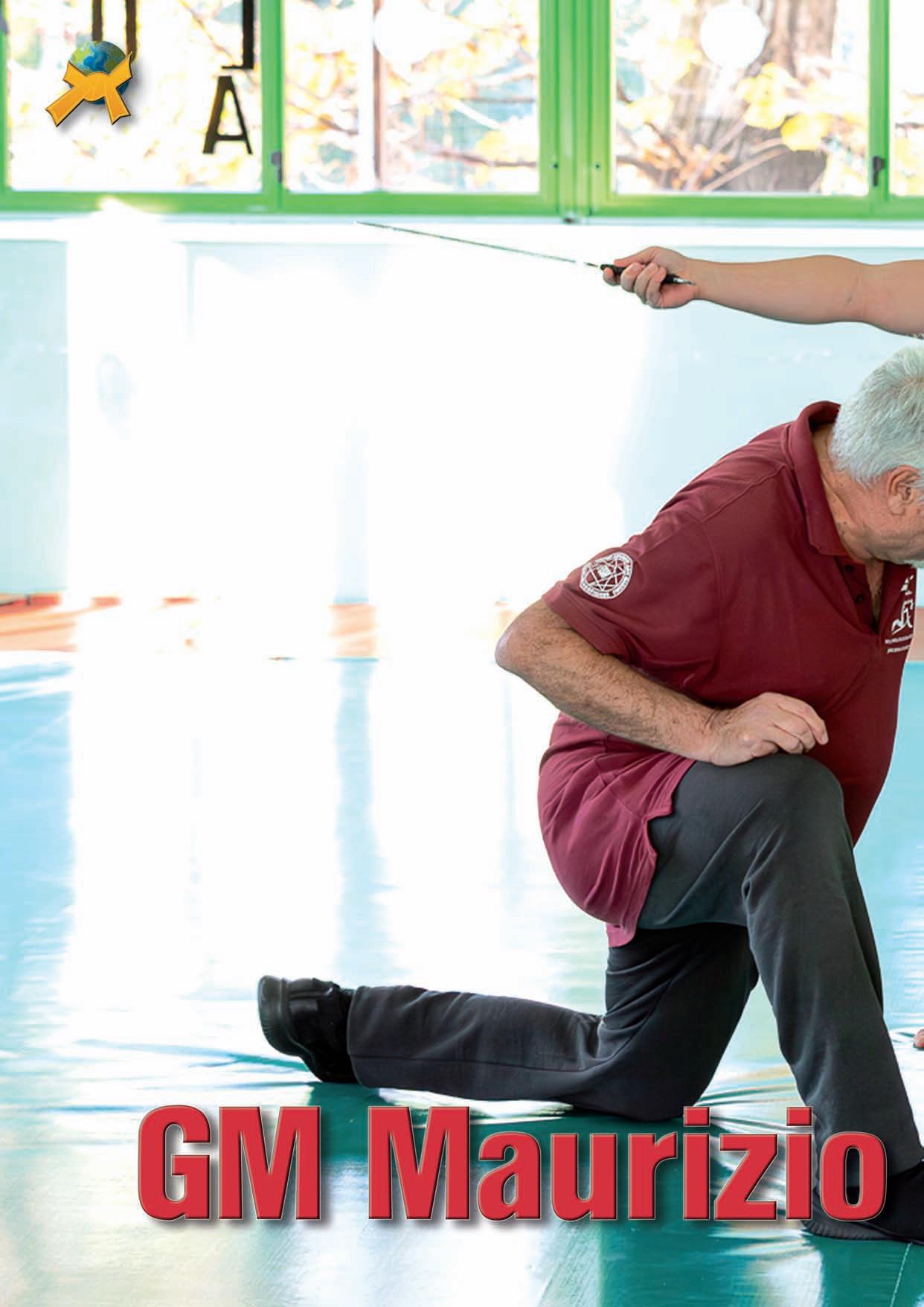
Martial arts schools around the world have always guarded secret techniques for defeating particularly challenging opponents. In Japanese martial arts, it is said that several schools (ryu) were lost due to the jealousy of masters who could not find a worthy successor to whom they could pass on their ancient knowledge. The same is said of the dispersion of Chinese martial heritage due to a succession of authoritarian governments that prevented its transmission and dissemination. Here in the West, and in Italy in particular, the same thing happened. In the past, especially in southern Italy, there were two extremely fertile grounds that allowed for the training of recruits in the use of sticks and knives: mafia societies and brigandage.
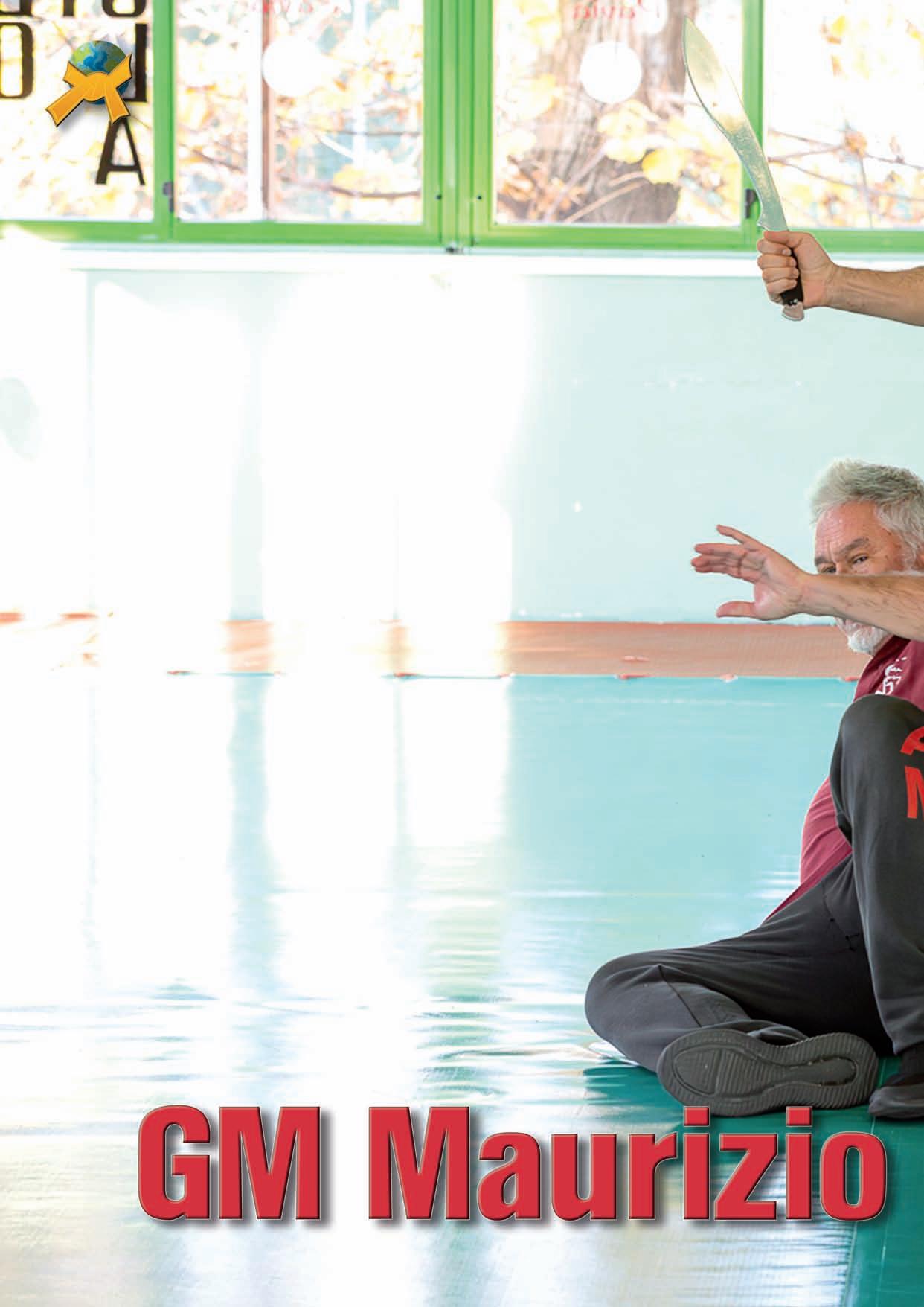
These two organizations, often confused with each other by both the media and school education, are in fact two completely different human organizations, unrelated to each other. The mafia, which takes different names depending on the region in which it operates, is a criminal organization that had its heyday when the state was completely absent from the territory except to collect taxes. Organizations such as the Ndrangheta in Calabria performed the task of administering social order. If someone had a problem, they would turn to the local leader (boss or capobastone), who would enforce the law according to an unwritten but universally known code. Even in these cases, nothing is free: if you receive a favor, you must repay it, sometimes with interest, and you cannot escape this moral obligation. These organizations had their own small army, which in the past made use of people capable of using weapons such as sticks, knives, and razors, but also work tools or improvised weapons with which to defend themselves and attack. Belts, jackets, hats, mallets, etc. became valuable aids for the duelist. Firearms made their appearance much later, partly because they made too much noise, and their use immediately alarmed the dormant authorities, who lived in a constant state of alert in the aftermath of Italian unification. The forces of the north, especially those from Piedmont, fearing the outbreak of popular revolts, immediately launched an indiscriminate and ferocious repression as soon as they sensed the air of rebellion. Slowly, mafia organizations in Italy, as in the rest of the world, gained support in governments. Regardless of political affiliation, criminals with their stratospheric earnings were able to corrupt anyone in key positions. Those who opposed them were killed or transferred to places where they could not do any harm. Since the transition from bladed weapons to firearms and even bombs, the martial heritage linked above all to sticks and knives was slowly being lost. The locals, especially the elderly, stopped practicing and even talking about their dueling skills, especially in Calabria, where keeping your mouth shut is one of the most appreciated virtues. The second source was brigandage, a phenomenon that exploded with the unification of Italy and was subjected to the most ferocious repression. Only now are the veils that have covered these tragedies being lifted. Misfortunes that also involved women and children, acts of war that gutted and burned entire villages. Who were the brigands? Mostly people who did not want to do compulsory military service, not because of conscientious objection, but because without their labor, their families would have starved and suffered hardship. There were also some intellectuals who rejected annexation to the Kingdom of Piedmont and even some who remained loyal to the Kingdom of Naples. We cannot rule out the possibility that thieves and criminals in general also joined this anarchic rebellion.
However, characterizing the brigands as organizations at the root of the mafia was a clever move by the Piedmontese government, an excellent example of what we now call cognitive warfare.
The brigand was described and consequently perceived as a savage brute devoted to sexual violence against women and physical aggression against men and soldiers, a kind of brute who attacked the convoys and supplies of those who were seen as invaders. This included the possessions of wealthy lords, especially those who had collaborated with and perhaps profited from the invasion of the south. To carry out these actions, determination, resentment, and anger were not enough; it was necessary to organize militarily and, above all, to become as skilled as possible with weapons suitable for hand-to-hand combat, such as sticks, knives, and even bare hands. Rifles and pistols were available, but it was not always easy to obtain them, bullets ran out quickly, and it was not possible to resupply. Above all, we must remember that in the mid1800s, weapons were certainly not as reliable as they are today. Rifles were muzzle-loading (loaded from the front, as with a cannon), with gunpowder and then a lead bullet. The mechanism was often unreliable, and misfires were common. Furthermore, if we think about how they were loaded in a dangerous situation, we can understand how inconvenient such a weapon was. We should also add that accuracy in long-range shooting was very poor. Although the first breech-loading rifles were introduced in Italy in 1870, very few brigands had them in their possession because at that time there were only a few pockets of resistance left, which were destined to be extinguished shortly thereafter. Each of these men grew up practicing with sticks and knives, indispensable tools for survival. Shepherds were very skilled with sticks because they also used them against packs of wolves, but overall we can say that this was widespread knowledge, albeit at different levels, among the peoples of Calabria in the Ionian area in general. In addition to the essential basic movements of guarding, moving, parrying with an armed and unarmed hand, counterattacks, etc., there were also the famous secret blows. These were only taught to children or people closely related by family ties because there is a saying that goes, “if you teach the art, one day you will pay for it.” Today, anyone can stand on the other side of the street and fire a shot while remaining safe, so some hand-to-hand combat skills (armed or unarmed) have fallen into disuse compared to the past when it was said that “those who knew lived, and those who did not... died.”
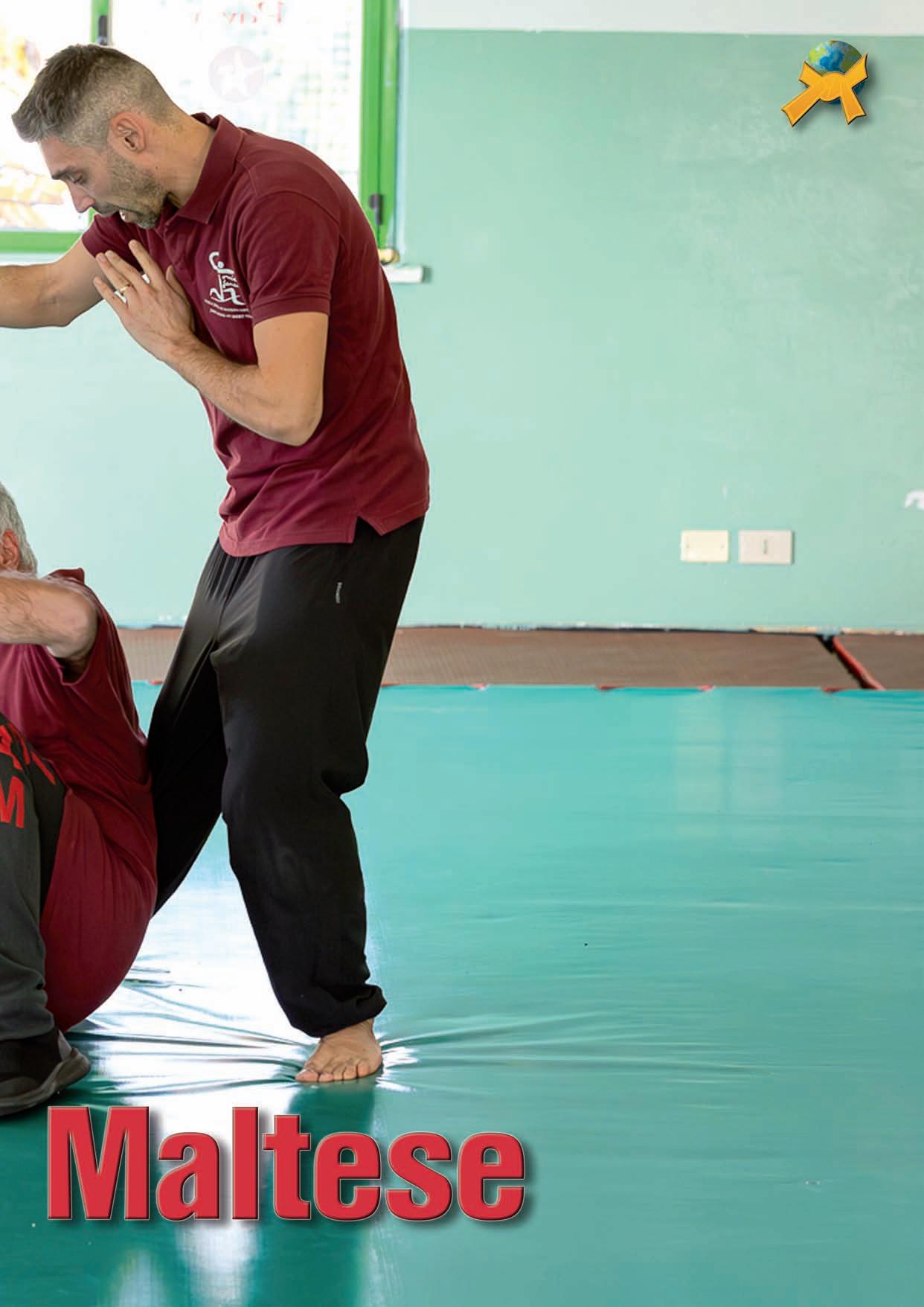

The first blow was extensively studied by the US Marines during World War II and is known throughout the world by its Italian name, Inquartata. It is a true masterstroke. The opponent launches a thrust attack at the heart and the expert, pivoting on the forward leg, makes a quarter turn with the rear leg, striking the opponent in the chest while he is still completing the assault.
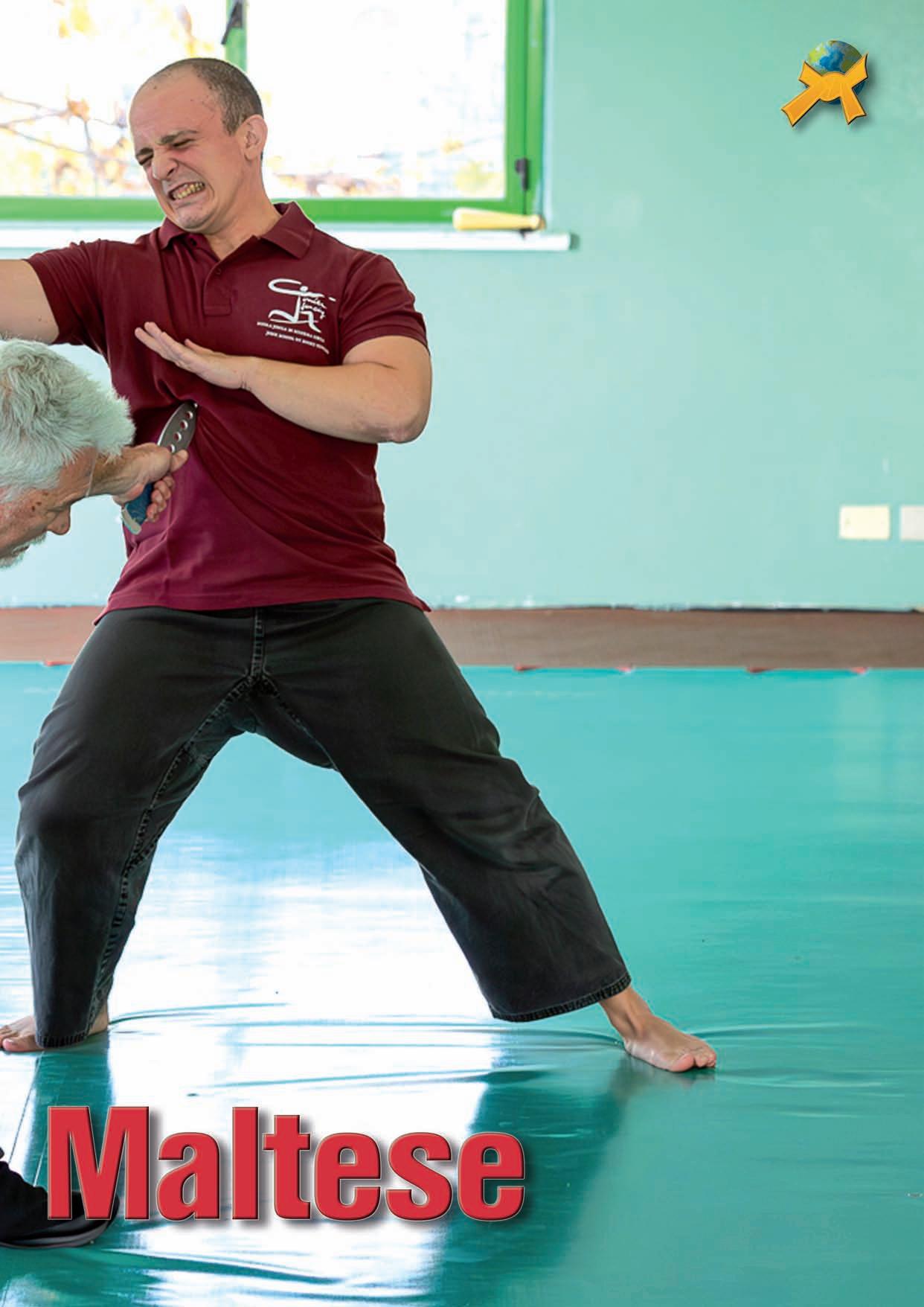
The second blow, on the other hand, has remained even more secret: it is the sfiancata. It is a response to his thrust to the body. The expert moves his rear foot sideways (the front foot remains still) and leans his whole body onto the leg that has moved, completely removing the target and at the same time delivering a direct blow passing under his attack.
The third secret blow is the side blow with a change of hand. It is always performed on his attack, passing under it, but in this case, the forward leg is moved to the side. The body leans over the thigh and, while performing these actions, the hand is changed and a thrust is made to the body. In the variant called la cavaliera, the knee rests on the ground.
The ‘arrocculata’ (roll) is interesting because it can be performed
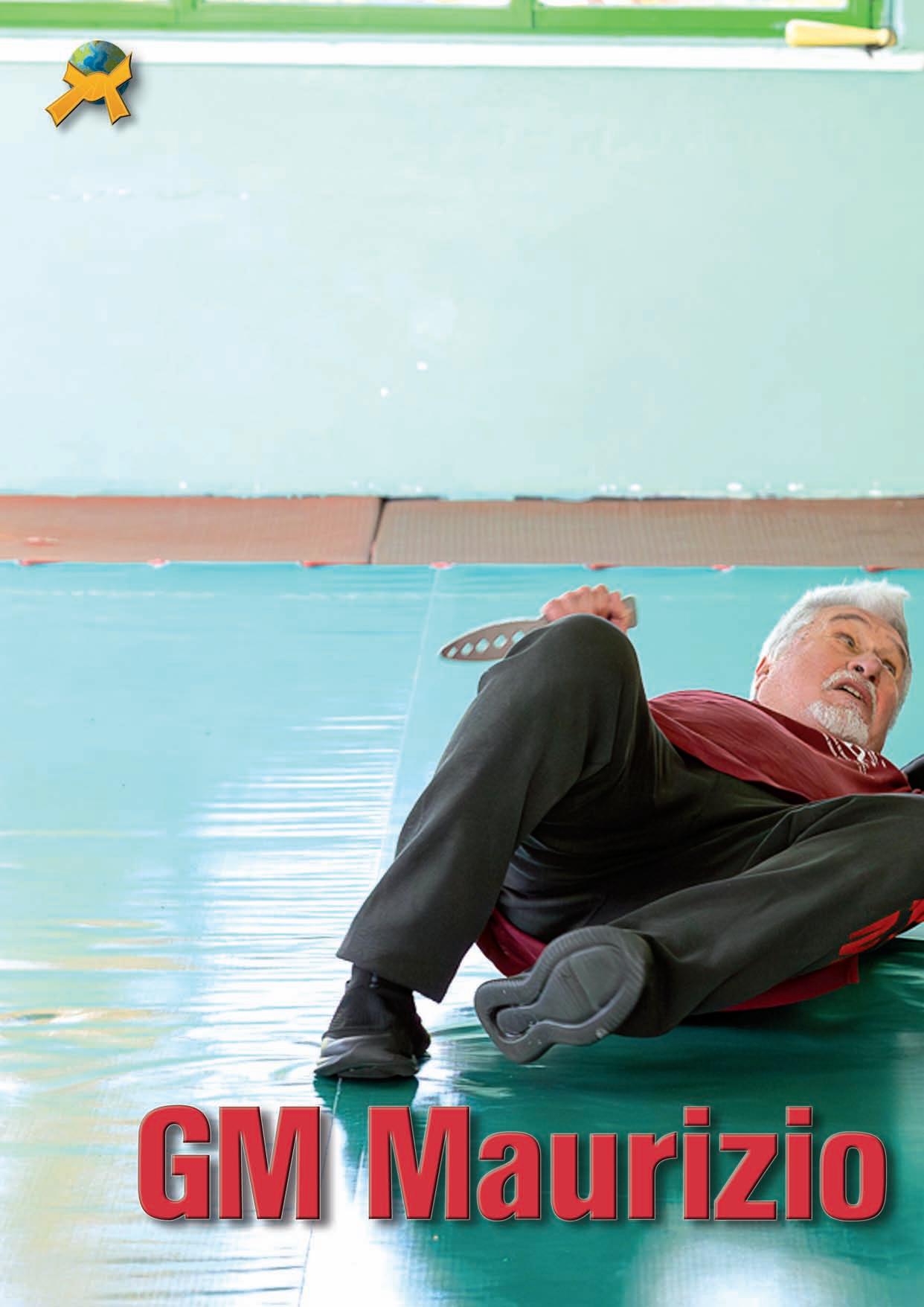
if the other person is armed with a large knife (machete) or even an axe. It involves throwing yourself suddenly at their legs, rolling like a steamroller. By doing so, you can break their legs or at least throw them to the ground. Continuing to roll, you can finish with a thrust to the groin.
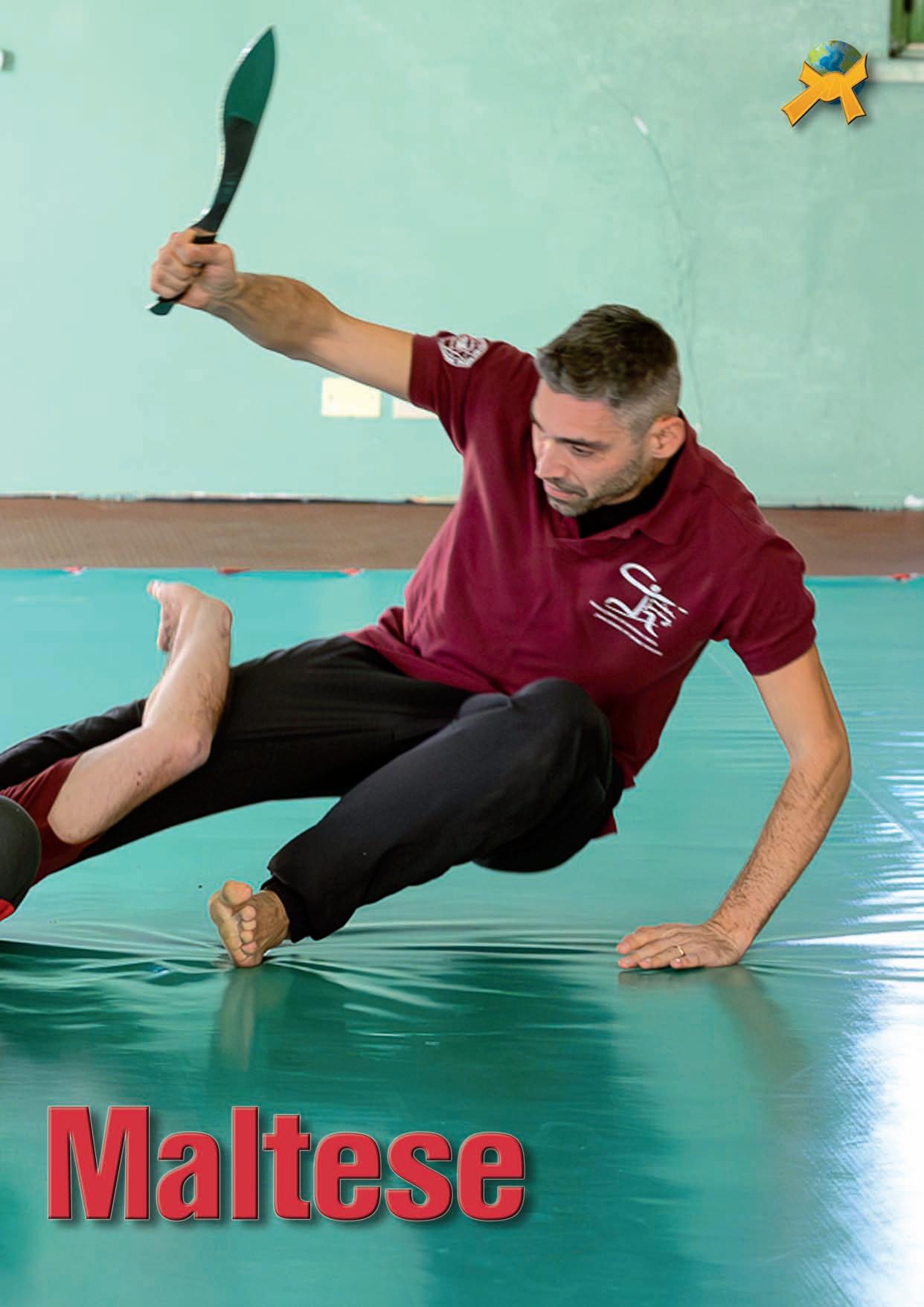
Gypsy communities, now settled in many European territories, have brought various traditions from one end of the world to the other, including those of knife fighting.
The gypsy technique is very effective and dramatic: you throw yourself to the ground, throwing your front leg to the side of the attacker, and before your pelvis touches the ground, you launch a counterattack by stabbing under the attacker. In Calabria, this technique is called “stricata 'nterra” (photo 7193).
Obviously, this technique, like the previous ones, is called a ‘move’ by masters not only because it is secret and unknown to many, but also because without adequate experience, performing this action would be suicidal. The area of the lands bathed by the Ionian Sea is a mine of martial knowledge because it is the homeland of the greatest warriors of the past and also because it was the land of conquest of the Greeks, Spaniards, Normans, and... where there is conquest there is battle, where there is battle there is experience to be passed on.

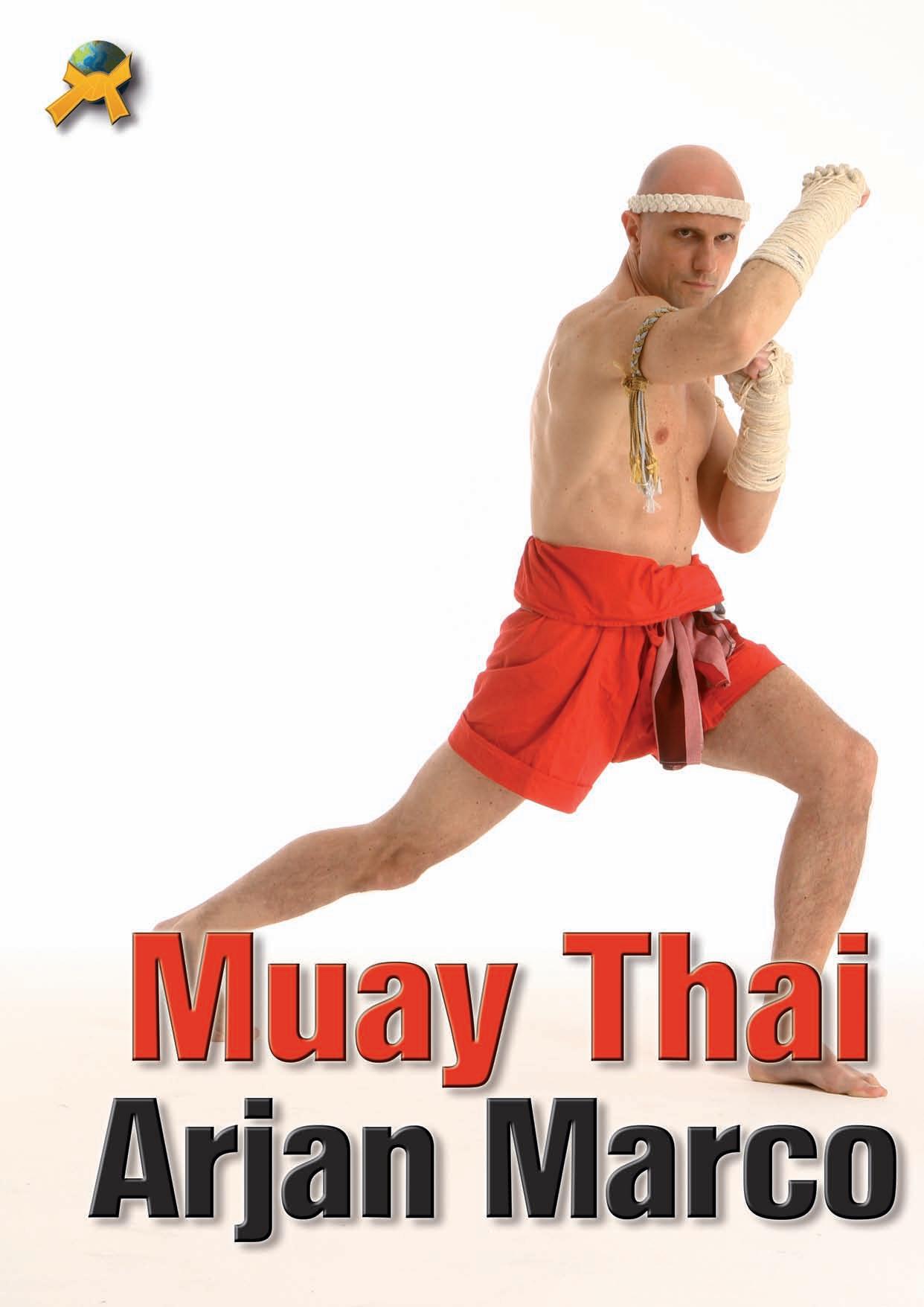
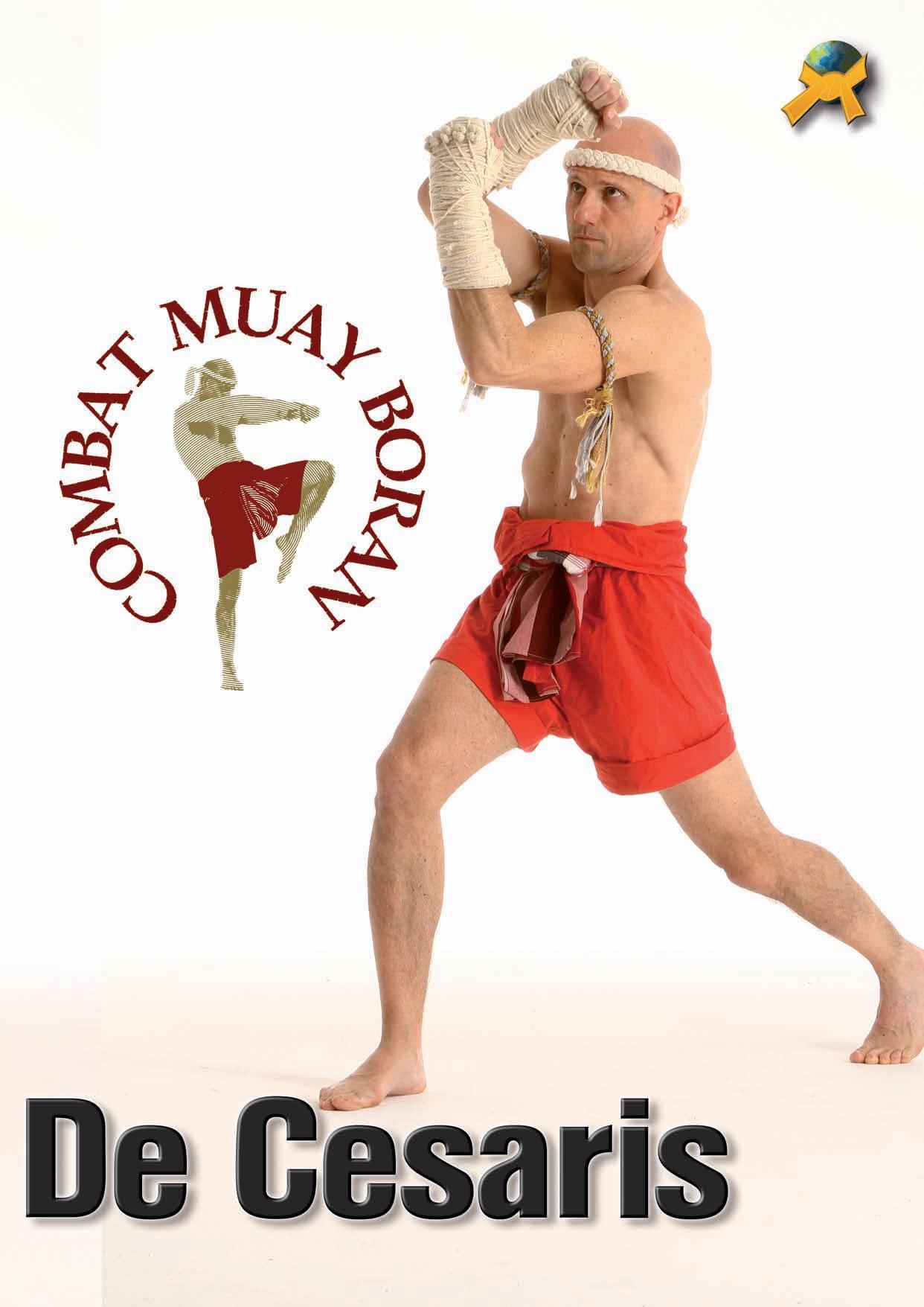
After initial training in basic combat concepts, known in Thai as Mae Mai (mother techniques), all IMBA (International Muay Boran Academy) students receive instruction in advanced combat strategies (Mai Kred) of Siamese combat. Each traditional style included a series of Mai Kred that the Masters of old jealously guarded; these principles were intended to keep one alive in a life-or-death situation and were never revealed without serious purpose. This traditional approach to teaching and learning Mai Kred is part of the IMBA philosophy, and all members follow this same line of thinking.
The Combat Mai Kred. Kred,can be translated as detail. Therefore, these combat strategies are intended to add a lot of detailed information to the basic concepts included in the principles of Mae Mai. When a student is good enough to apply the basic concepts of Muay to most combat scenarios, they will be introduced to the detailed techniques. This advanced skill is essential for a Nak Muay (Muay fighter) to truly progress in their technical growth. The ultimate goal is to “create” complete fighters, warriors capable of dealing with a wide spectrum of possible attacks.
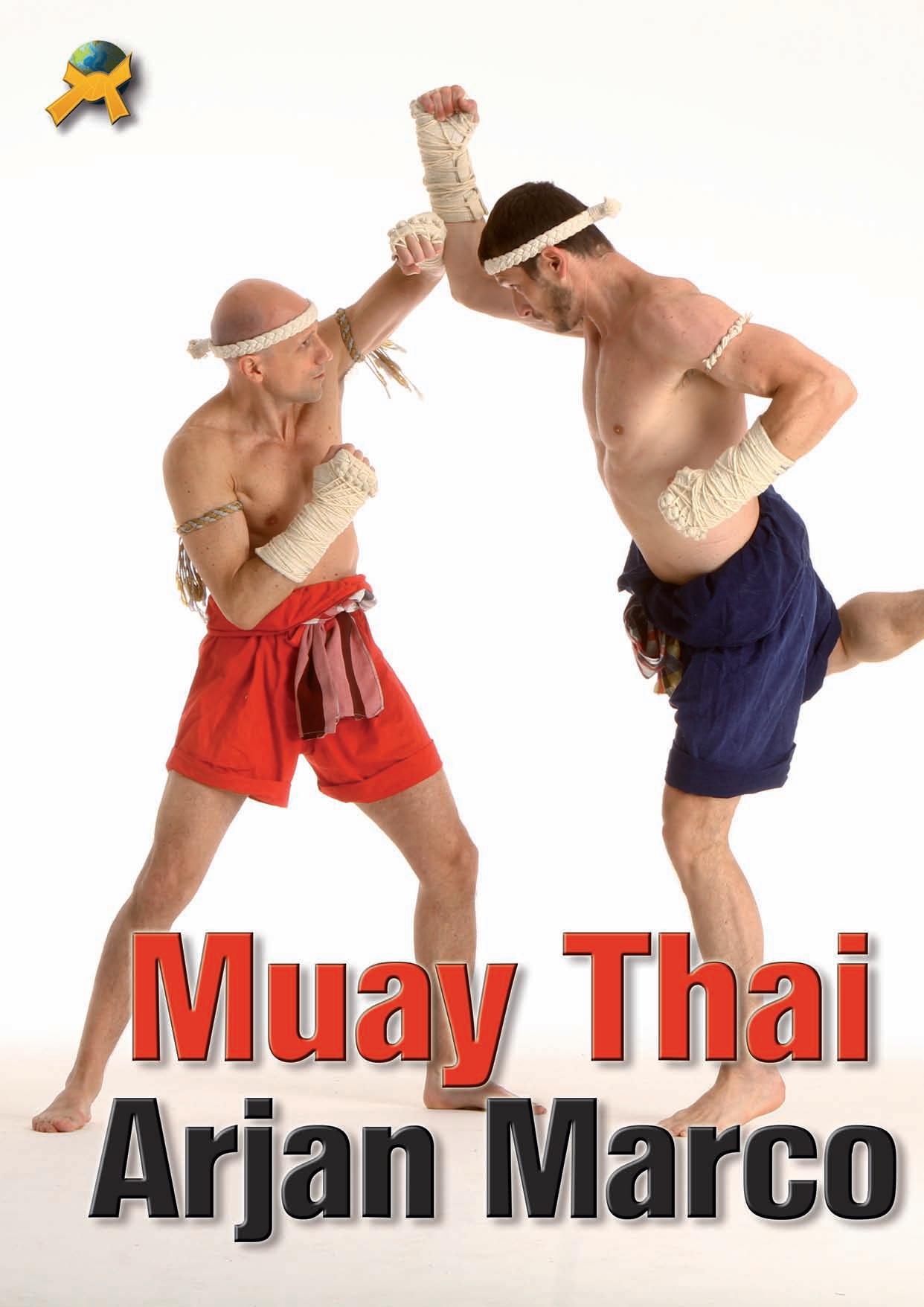
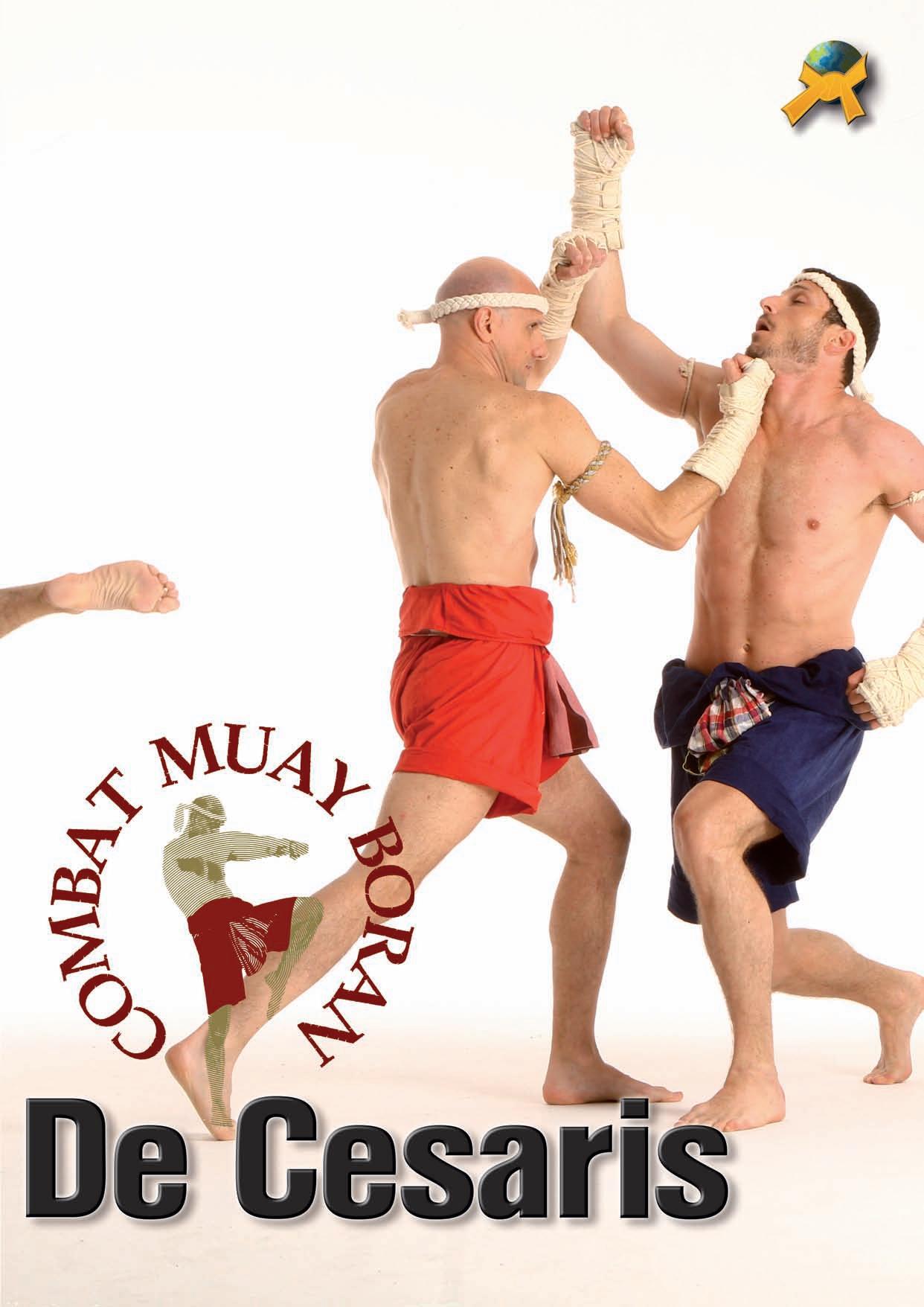
IMBA members learn the Mai Kred according to the “classic” classification accepted by most teachers in Thailand: each Mai contains several possible applications that are intended to allow the practitioner to defend themselves and counter various attacks. Punches, kicks, elbows, knees, grabs: a Nak Muay skilled in Mai Kred is ready to face many of these fierce attacks and react with devastating effectiveness.
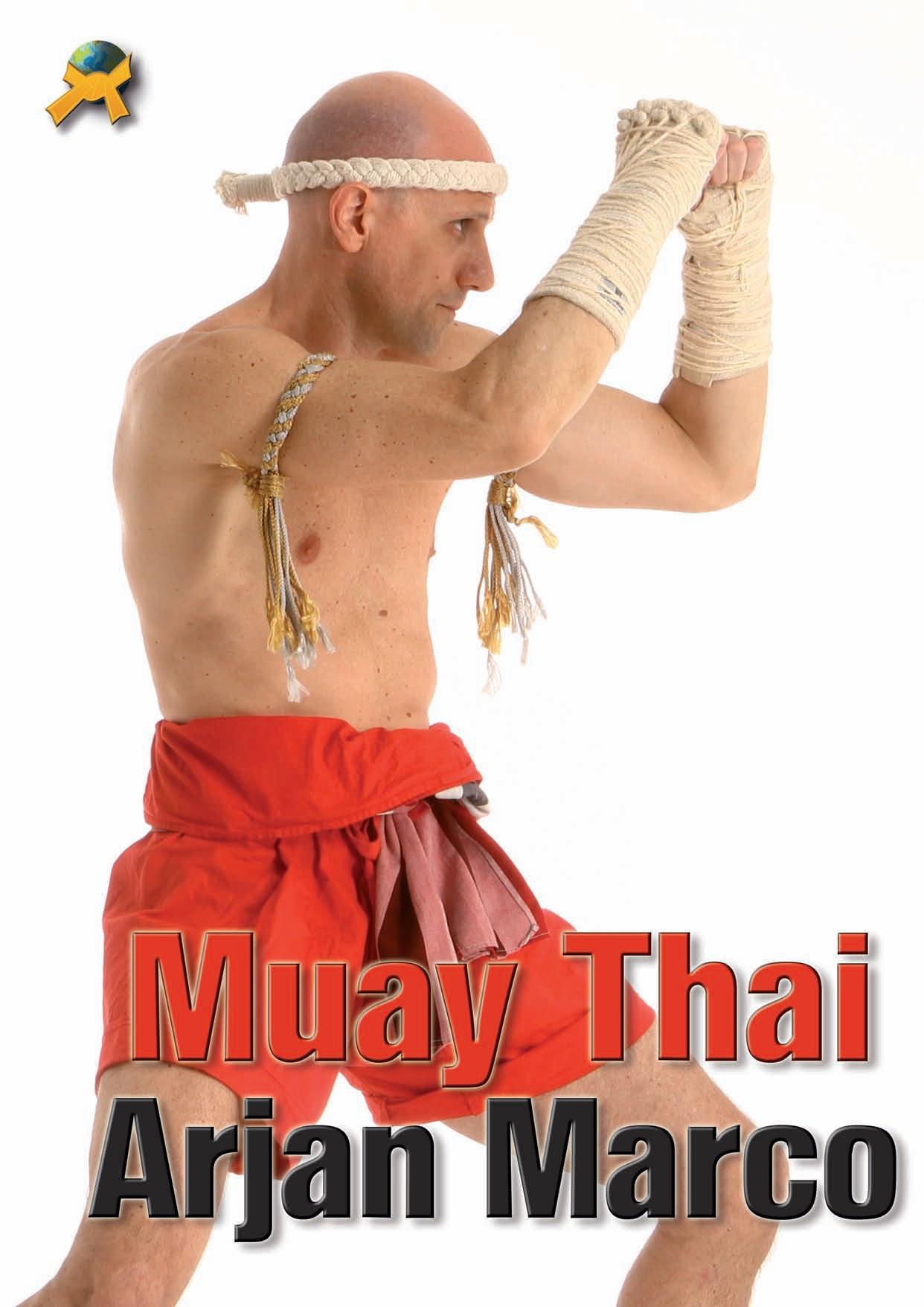
The solo form.
Mai Kred Rai Ram or Solo Form (Rai Ram means to dance) is an extremely compact, dynamic, and powerful sequence that contains a series of effective fighting principles. The distinctive features of the Mai Kred form are as follows:
- This form is dynamic. The punching, kicking, elbowing, and throwing techniques included in this sequence are extremely powerful and dynamic. To perform Mai Kred techniques correctly, a practitioner must develop explosive energy both to move and to execute strikes.
- This sequence includes techniques that are effective at both close and long range. The sequence includes high and middle kicks and jumping attacks; these are typical long-range techniques. Low punches and kicks that are best performed at medium range are also part of this form. Elbow strikes and throws are typical short-range techniques: with regular practice of this sequence, the practitioner can also develop a solid understanding of various strategies that are perfectly employed at close range.
- This form is useful for training advanced angled footwork. Beginners tend to attack and defend in a straight line, usually advancing when attacking and retreating when defending. This advanced form is a great training tool for a Nak Muay who wants to develop angled footwork that can dramatically increase their combat efficiency.
- Unlike other forms, this sequence showcases different low-line kicking techniques. This is not a common feature in Siamese martial arts. In fact, Thai boxers are famous for their powerful high and middle roundhouse kicks; the only exception to this rule is a trademark of Muay, the low roundhouse kick (or Low Kick). However, many low-line kicking attacks (not just roundhouse kicks) are an integral part of the martial traditions of ancient Siam. This sequence is a valuable compendium of many fierce leg attacks targeting the opponent's calves, knees, thighs, and groin.
Solo forms are highly effective training tools that all Muay Boran practitioners should use to develop essential fighting attributes. However, the skills acquired through practicing forms must be complemented by special partner exercises designed to develop timing and a sense of distance from the opponent. In fact, without regular partner practice, it will be impossible to transfer the skills acquired through solo practice to a real combat situation. Through the basic exercises presented here, in a relatively short time, all practitioners will develop a keen sense of timing in the execution of their counterattacks. According to an ancient Thai tradition, when a Mai Muay is performed with perfect timing, it is virtually unstoppable. This type of flawless technique is called Mai Tai, (finishing technique). Any technique performed to perfection and leading to a definitive result can be called Mai Tai: most Mai Kred, if performed correctly, lead to a definitive result. The same cannot be said for other groups of techniques included in the technical base of traditional styles. For all these reasons, all Muay Boran students (and teachers) must devote a considerable amount of time to training timing and distance awareness with partners of different sizes and technical levels. The practitioner's skill level will increase rapidly and the effectiveness of their fighting techniques will increase dramatically.
At the same time, the physical and technical attributes of all practitioners must be refined through a series of specific exercises in accordance with IMBA training principles. The four pillars of this system are: physical conditioning, impact training, sparring, and combat forms. For more information: http://www.muaythai.it/muay-boran-imbas-training-system-pdfbook/
Now, let's take a closer look at the 15 Mai Kred strategies. Among the many possible variations of each technique, a Nak Muay Boran must choose those that best suit their physical and psychological characteristics. Following the fighting philosophy of Combat Muay Boran, the selected techniques should not be too complex and should be able to eliminate enemies as quickly as possible. The guidance of an experienced teacher is absolutely necessary to make the right technical decisions.
1. Erawan Soei Nga - The tusks of an elephant striking with a powerful upward thrust are imitated by the clenched fist or elbow. In fact, the fundamental technique of this Mai Kred is a strike from close range, an upward punch or elbow. The main point of attack is the chin.
2. Bata Lub Pak: when the foot strikes the face, it can cause serious damage to the fighter's facial bones (nose, teeth, cheekbones) and, in Thai culture, represents the ultimate insult. The fundamental technique of this Mai Kred is a devastating direct kick to the opponent's face (main point of attack).
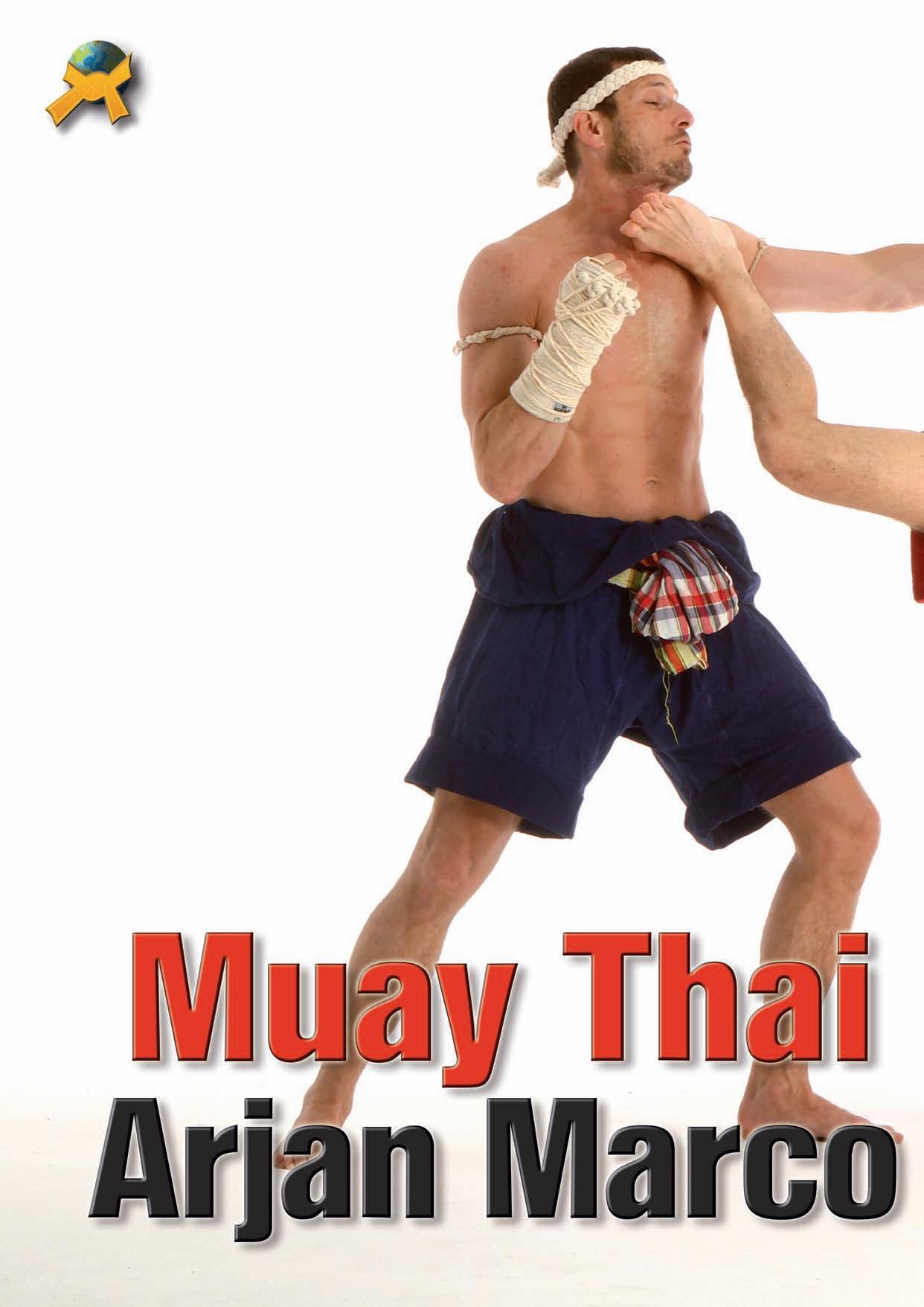
3. KhunYak Pa Nang: Totsakan, the lord of demons in the Ramakien epic, possessed superhuman strength. His grip was invincible. The fundamental technique of this Mai Kred is a grab to the neck or body that leads to a throw. The main points of attack are the carotid sinus (for the initial grab to the neck) and the back of the head, which must hit the ground during the throw.
4. Phra Ram Now Sorn - Lord Rama's gesture of drawing his powerful bow and shooting an arrow is represented in this Mai Kred. The fundamental technique consists of an initial defense against a downward elbow or hammer blow (drawing the bow) followed by a short uppercut (shooting the arrow) aimed at the opponent's throat (main point of attack).
5. Graisorn Kham Huai - When the mythical lion Graisorn attacks its prey, it does so by jumping to the side to surprise it. When the Muay Boran stylist counterattacks with a direct kick, he must avoid the attack with a side step, responding with a low side kick (fundamental technique) aimed at the opponent's knee (main point of attack).
6. Kwang Liew Lang - The golden deer in the Ramakien poem escapes Rama's attempts to capture it, while at the same time setting a trap for his wife Sita. Similarly, a Nak Muay Boran must feint a punch or kick before launching a powerful straight kick backwards (fundamental technique) to the opponent's solar plexus, liver, or spleen (main points of attack).
7. Hiran Muan Paen Din - Like the giant demon Hiranyaksa who turns the Earth upside down, the Nak Muay can spin around and, reversing the situation, counter a roundhouse kick with a deadly backward elbow strike (fundamental technique). This knockout blow can be delivered to the opponent's jaw or temple (main points of attack) with devastating results.
8. Naka Mud Badan - The Naka serpent dragon is a very powerful creature: it can attack low targets with its fangs or high targets with its tail. Similarly, a Muay Boran stylist can counter hand or leg attacks with low side kicks or roundhouse kicks (fundamental technique). The main points of attack for this devastating Mai Kred are the neck (high circular shin kick) or the knee joint (low side kick).
9. Hanuman Tawai Waen - Hanuman, “hard as diamond,” is one of the main characters in the Ramakien. His superhuman strength, ability to fly, and ability to change shape and size make him the perfect warrior. In this Mai Kred, his gesture is copied as he shows Phra Ram's ring to Nang Sita to execute a double upward punch (fundamental technique) under the opponent's chin (main point of attack) that can fracture their neck.
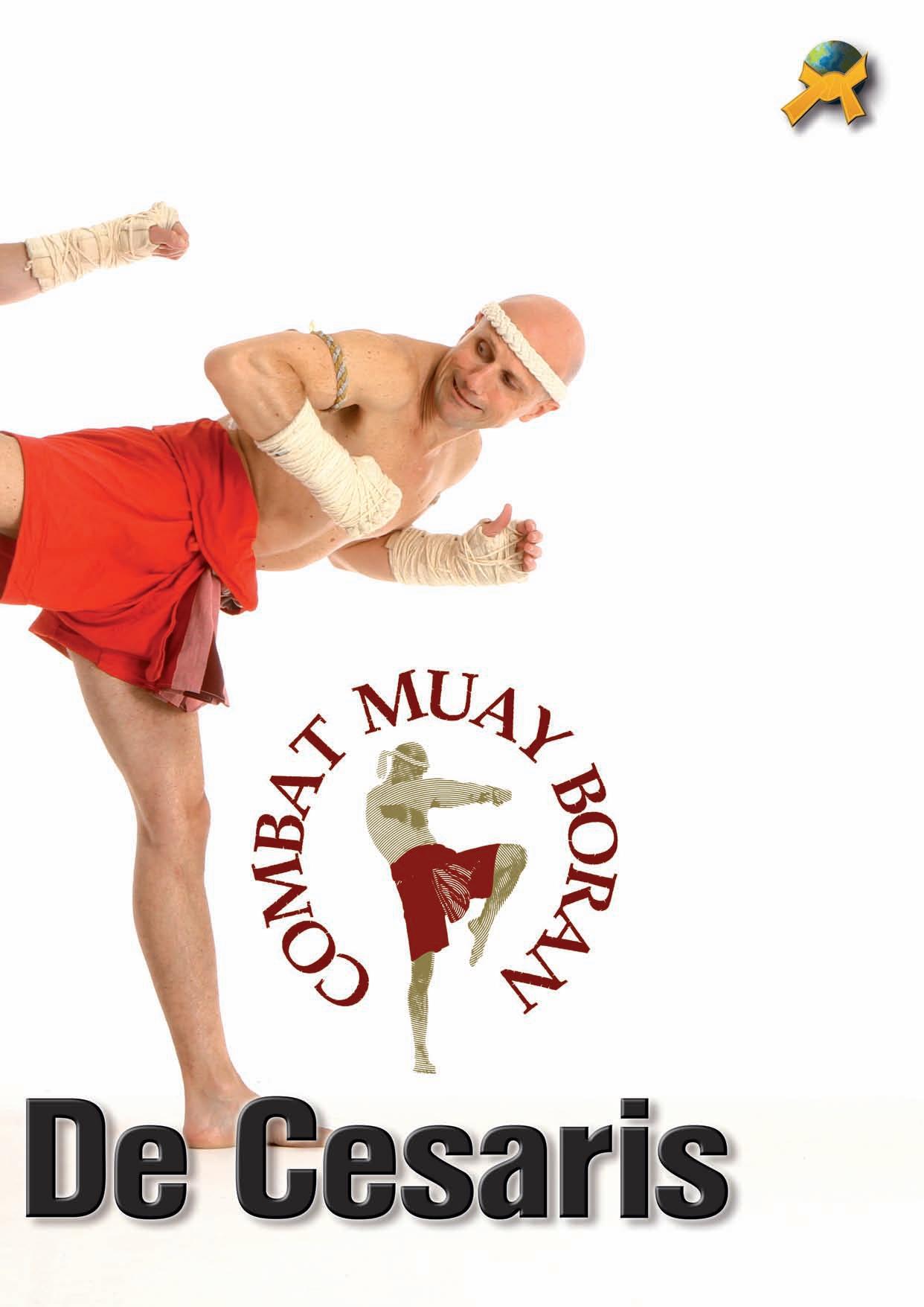
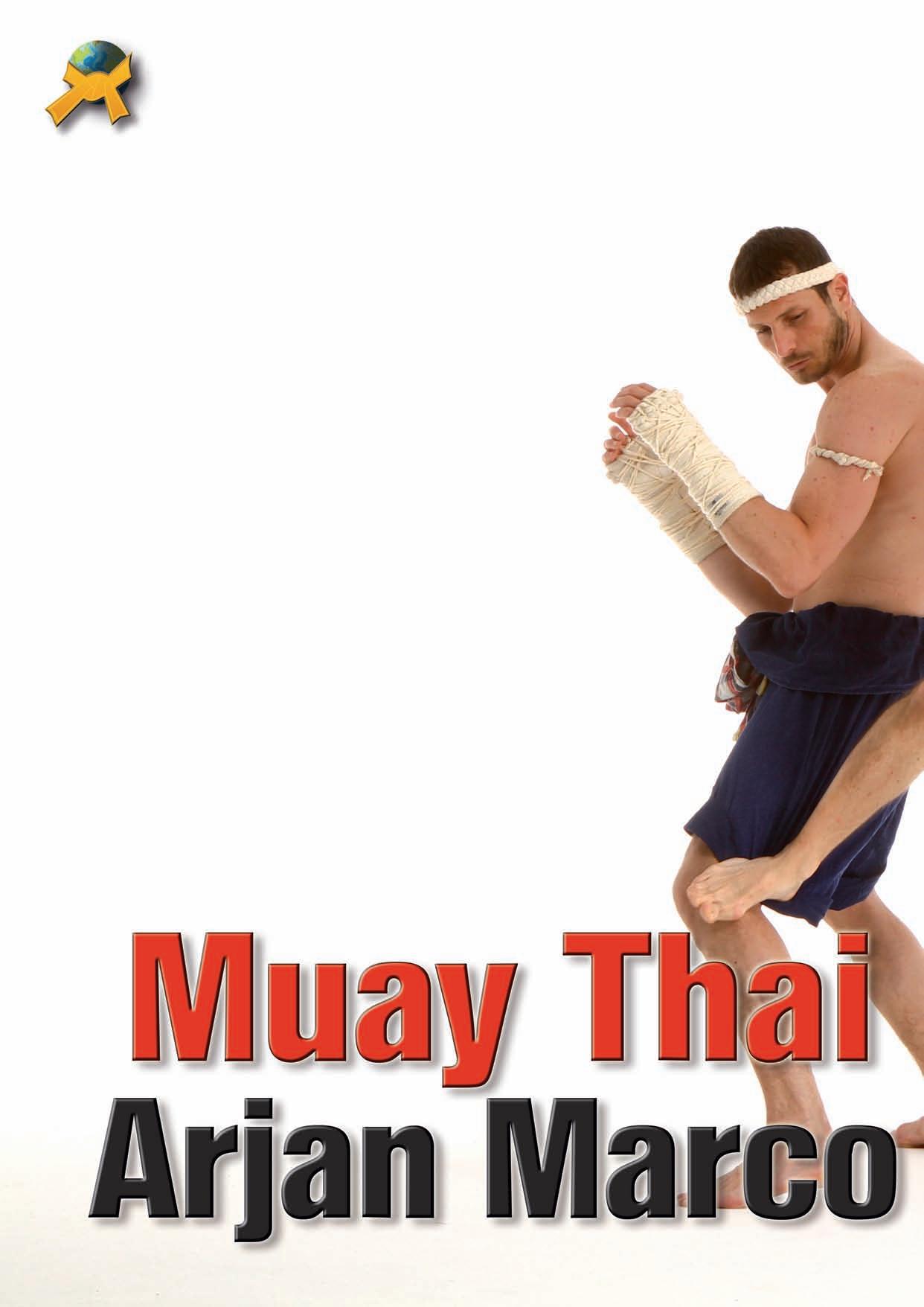
10. Yuan Thod Hae: When a Tai-Yuan fisherman casts his net, he swings his arms gently and powerfully. This seemingly harmless movement was copied from ancient Siamese masters to create a fantastic soft defense that can render the opponent's direct kicks completely useless. The low deflection (fundamental technique) is always performed with a simultaneous counterattack (low, middle, or high roundhouse kick) that can target the opponent's lower leg, back, or neck (main points of attack).
11. Thaye Kham Sao - Lifting a load column (when building a house, for example) was no easy task in the past. It took several men, and each had to know his job well. If you push the base of the pillar with your feet, you can hold it in place during this complex procedure. Similarly, an experienced fighter will push the supporting leg of a kicking opponent (fundamental technique) to counter their attack and, in this case, to seriously damage their knee (main point of attack).
12. Hong Pik Hak - When a Hongsa, the mythical swan, has a broken wing, it can no longer fly and could die. When a Nak Muay Boran manages to break an opponent's shoulder or elbow joint or damage their arm muscles (main points of attack), they are on their way to victory. The body weapon chosen for this Mai Kred is the tip of the elbow, which must be thrown at the opponent's arm with maximum power, possibly with a jump (fundamental technique).
13. Sak Puang Malai: a magical tattoo that mimics a garland of flowers around the neck is a protective tool. However, this same area of the body (neck, sternum, xiphoid) can be attacked with devastating results (main points of attack). In fact, when a penetrating elbow strike (fundamental technique) hits the opponent's sternum, the damage inflicted can block breathing or break the sternum, in both cases causing a rapid interruption of the fight.
14. Thaen Kwad Laan - Like an old monk sweeping the floor, a smart Nak Muay can apply a powerful low roundhouse kick (fundamental technique) to sweep the opponent and take them to the ground. If the kick is correctly aimed at the opponent's lower leg (the Achilles tendon is the preferred target of the best fighters), even the largest and heaviest opponents can be taken down with relative ease (main point of attack).
15. Fan Luk Buab - The tip of a trained Nak Muay's elbow can be compared to the blade of a knife. When a strong elbow strike (fundamental technique) targets the opponent's T-zone (i.e., eyes, nose, lips), the result is often a tear (main point of attack).
For more information on Mai Kred techniques: Budo video “Combat Mai Kred” https://budointernational.com/es/400125-descargar-videos-muay-thai-dvd
For more information on IMBA (International Muay Boran Academy): www.muaythai.it
International contacts:
• Europe: Dani Warnicki (IMBA Finland) dani.warnicki@imbafinland.com
• South America: Juan Carlos Duran (IMBA Colombia) imbacolombia@gmail.com
• Oceania: Maria Quaglia (IMBA Australia) imbaaust@gmail.com
• General Secretariat: Marika Vallone (IMBA Italy) imbageneralsecretary@gmail.com
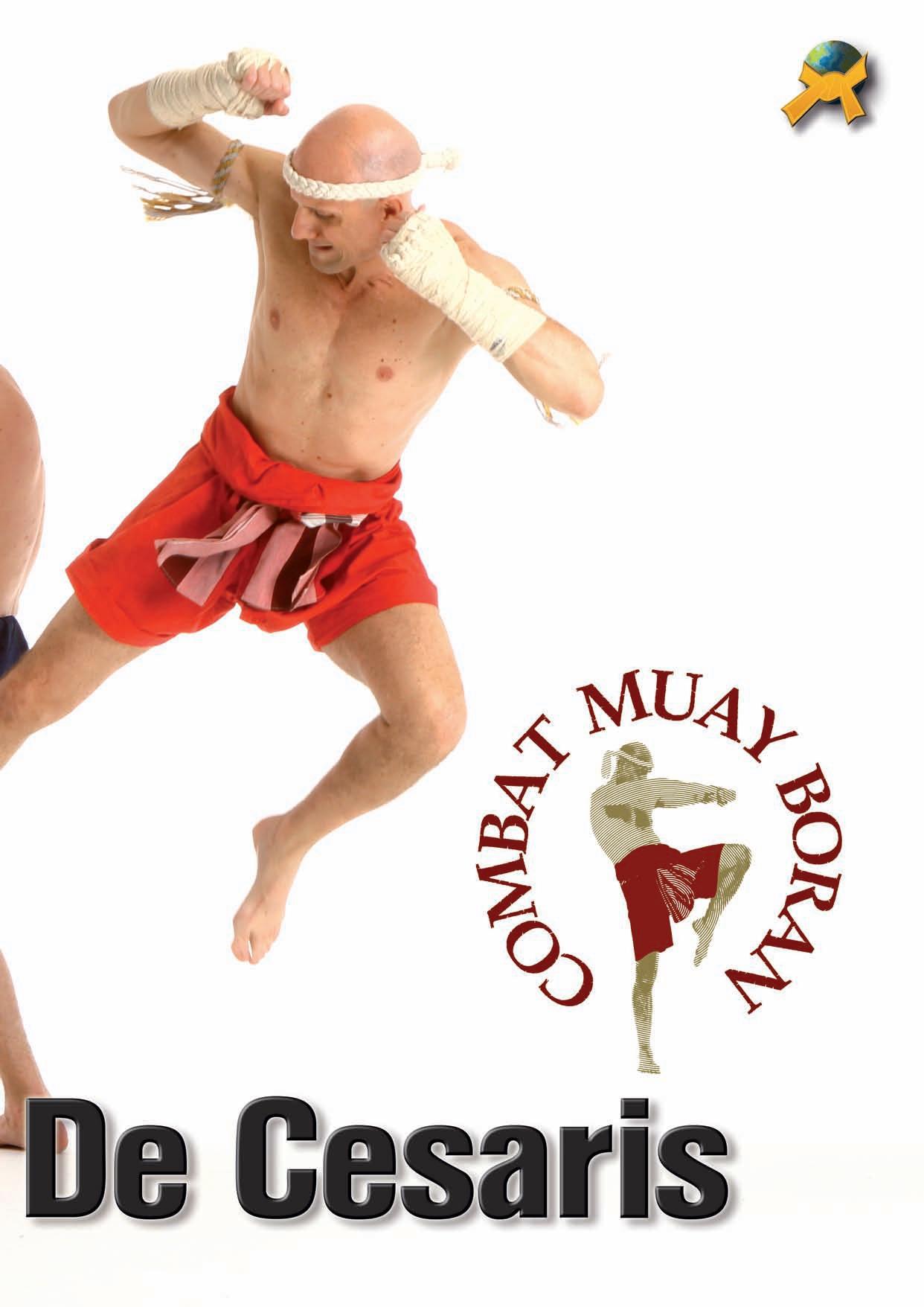
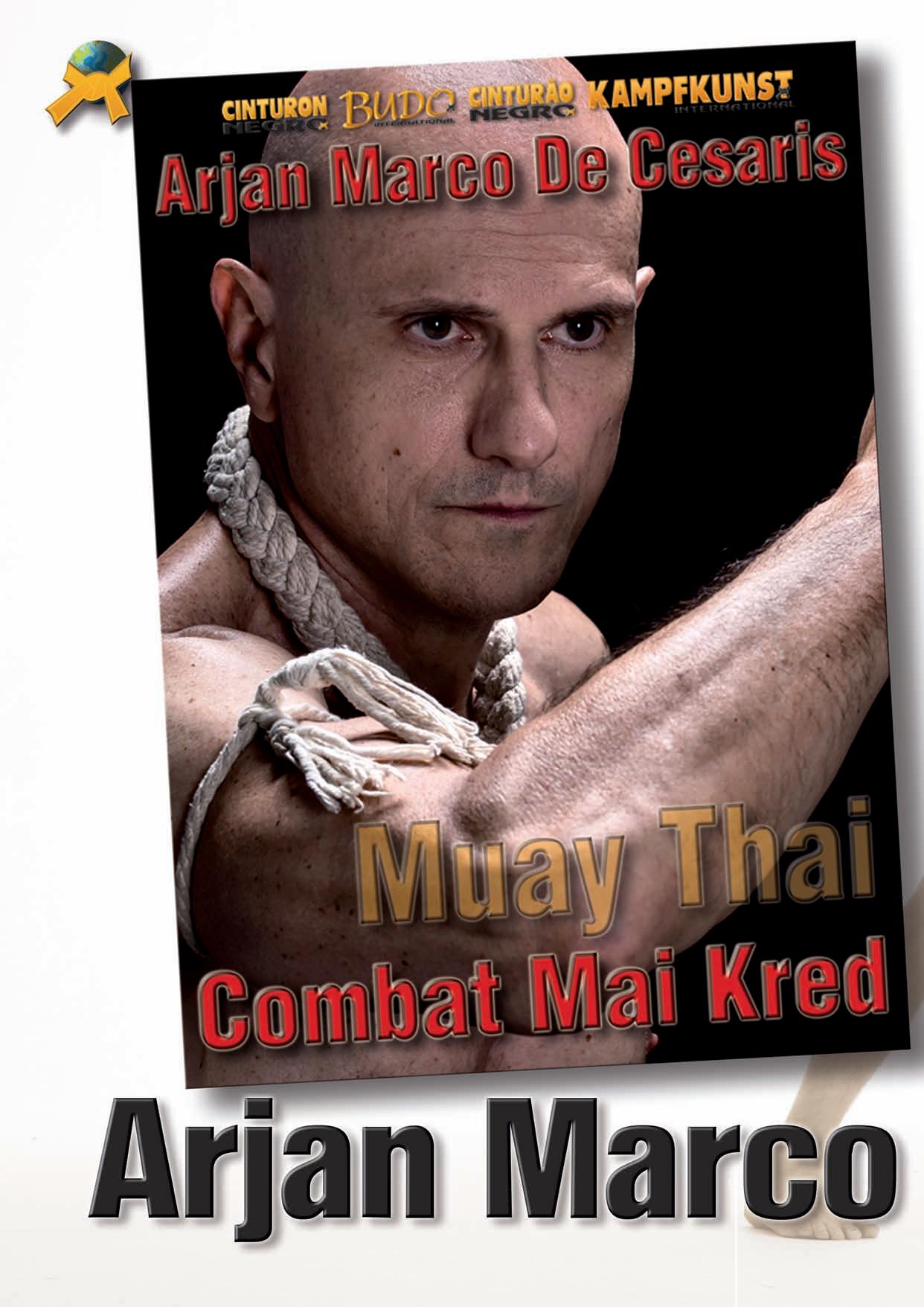

“By Pride Comes Nothing but Strife”
Prologue: Before the Sword Is Lifted
Before a Hwarang ever lifted a sword, he was taught to bow.
This bow was not a gesture of politeness, nor a hollow formality performed for appearance. It was the first and most essential discipline of the warrior’s life. Long before the body was hardened and the blade sharpened, the spirit was required to kneel. For in the bow, the Hwarang learned a truth no weapon could teach: life is not self-created.
Breath was received, not earned. Strength was cultivated, not owned. Endurance itself—often mistaken for personal resolve—was revealed as a gift sustained by forces beyond human control. To bow was to confess that existence, ability, and opportunity all flowed from a source greater than the self. Without this confession, strength would inevitably turn inward and devour its bearer.
In the bow, the Hwarang aligned himself with the order of creation. He acknowledged heaven above him, whose laws govern all things seen and unseen; earth beneath him, which bears his weight without complaint; teachers before him, whose wisdom was forged through years of sacrifice and suffering; and brothers beside him, without whom no victory could be secured and no burden endured. The bow bound the warrior to something larger than ambition—it rooted him in responsibility.
Only after this understanding took root—only after the ego was bent low enough to carry duty without corruption—was the warrior permitted to learn how to strike. For a blow delivered without humility is not strength, but violence. A sword wielded without reverence becomes an instrument of destruction rather than protection.
Modern warriors often misunderstand this order. They pursue power first and wisdom later. They seek skill before character, recognition before discipline, victory before alignment. Yet the ancient Hwarang understood what Scripture would later declare with clarity and finality:

“The fear of the Lord is the beginning of wisdom.”
Proverbs 9:10
Wisdom begins with reverence. And when reverence is absent, pride rushes in to fill the void. Pride is what grows when wisdom is delayed—when strength outpaces humility and ability outruns obedience.
Yet the Hwarang did not invent the bow. They inherited its necessity from something far older than their order, their kingdom, or their code. The bow answers a failure that predates all martial tradition—a failure at the very beginning of humanity itself. Before swords were forged, before wars were waged, before kingdoms rose and fell, there was a moment when humanity stood where it was meant to kneel.
The story of that failure, and the pride that gave birth to it, is the story every warrior must confront if he wishes not merely to fight well, but to live rightly.
To understand why pride is the most dangerous force within the warrior, we must look beyond battlefields, beyond kingdoms, and beyond even human history as it is commonly remembered. We must return to the first moment when discipline was required, when obedience was tested, and when the human heart was given the opportunity to choose humility—or exalt itself.
Eden was not merely a garden of abundance. It was order. It was harmony. It was the first training ground of the human soul. Every element existed in alignment, every relationship in balance, every purpose clearly defined. There was no chaos to conquer, no enemy to overcome, no struggle to endure. What was required of humanity was not strength, but restraint; not ambition, but obedience.
God created the universe in perfect balance and placed humanity at its center—not as conquerors, but as stewards. The first man and woman were entrusted with authority, yet they were not sovereign. They were granted freedom, yet they were not the authors of truth. They were guardians of creation, appointed to cultivate, protect, and preserve what did not belong to them. Life was given freely. Communion with God was uninterrupted. There was no death, no pain, no toil, no fear—only purpose and peace sustained by obedience.
And into this harmony was placed a single command.
One boundary.
One act of discipline that defined humanity’s posture within creation: Do not eat from the tree of the knowledge of good and evil.
This command was not arbitrary. It was not cruelty disguised as restriction. It was the first bow ever required of humanity.
To obey was to acknowledge that wisdom did not originate within the self. It was to affirm that the authority to define good and evil belonged to God alone. The command served as a daily reminder that strength without submission is dangerous, and freedom without reverence quickly becomes corruption. The boundary was not deprivation—it was protection. It preserved order by keeping the human will aligned beneath divine authority.
Pride entered the world when that bow was refused.
The temptation was subtle, as pride always is. It did not arrive demanding rebellion; it arrived promising elevation. “You will be like God.” The offer was not nourishment for the body, but sovereignty for the self. Humanity was invited to seize autonomy, to define reality on its own terms, to stand where it had been commanded to kneel.
In that moment, obedience gave way to self-exaltation. Trust yielded to suspicion. Reverence collapsed into ambition. And harmony shattered.
From one broken command came death, labor, struggle, and violence. Dominion became domination. Stewardship became exploitation. Brotherhood became rivalry. Creation itself groaned under the weight of pride unrestrained. From a single law broken, humanity inherited countless laws—and still failed to keep them. No amount of effort, discipline, or moral striving could undo the fracture pride had introduced.
This is why pride is not merely one sin among many. It is the root from which all others grow. Pride convinces the human heart that it can govern itself, redeem itself, and define truth apart from God. It persuades humanity that submission is weakness and autonomy is strength—when history proves the opposite again and again.
The Hwarang understood this reality intuitively. Their bow was not cultural ornamentation; it was theological resistance. Each bow was a rejection of Eden’s failure and a declaration of proper order. With every lowering of the body, the warrior proclaimed: I am strong, but I am not sovereign. I am capable, but not self-created. I submit so that my strength does not become destruction.
Before a sword was lifted, the warrior bowed—reversing the posture humanity abandoned in Eden. The bow restored alignment. It reminded the Hwarang that discipline precedes power, obedience precedes authority, and humility precedes trust.
Yet even with this understanding, the danger remained. For pride rarely announces itself as rebellion. It does not often arrive as open defiance or blatant disobedience.
More often, it comes quietly.
Affirming.
Congratulating.
And if the warrior is not vigilant, it teaches him—once again—to stand where he was meant to kneel.
Pride does not arrive shouting. It arrives congratulating. It does not challenge the warrior; it affirms him. It does not command; it agrees. Pride enters quietly, applauding what is already good, until the warrior forgets the difference between gift and entitlement. By the time pride reveals its true nature, it has already taken residence in the heart.
In the ancient Silla Kingdom, young Hwarang candidates were often selected for qualities admired by the world—physical beauty, exceptional talent, sharp intellect, and noble lineage. These qualities were not faults; they were opportunities. Yet the very act of selection carried danger. For some, being chosen became evidence not of responsibility, but of superiority. They mistook potential for proof, and favor for destiny.
Many did not fail because they lacked ability. They failed because they believed ability justified exemption. Correction felt unnecessary. Counsel felt insulting. Discipline felt beneath them. What should have been the beginning of service became the seed of self-importance.
Scripture names this distortion with precision:
“Knowledge puffs up, but love builds up.”
1 Corinthians 8:1
Knowledge without love inflates the ego. Skill without love hardens the heart. Rank without service becomes tyranny, and authority without humility becomes oppression. Love alone gives weight and direction to power.
Among the Hwarang, pride revealed itself not in open rebellion, but in subtle shifts of posture and spirit. The warrior still bowed—but the bow lost its depth. The head lowered, but the heart remained upright. He still trained—but no longer listened. Instruction was received as information, not transformation. He still spoke of loyalty—but only upward, toward those who could reward him, never outward toward his brothers, nor downward toward those entrusted to his care.
This quiet corruption mirrors the warning God gives to Israel after victory and abundance:
“You may say to yourself, ‘My power and the strength of my hands have produced this wealth for me.’ But remember the Lord your God.”
Deuteronomy 8:17–18
The danger was not strength, nor success, nor prosperity. The danger was forgetfulness. When remembrance fades— when gratitude weakens and dependence is denied—pride rushes in to fill the vacuum. The self crowns itself as source, sustainer, and judge.
For the Hwarang Warrior, pride was never merely a personal flaw; it was a breach of harmony. It severed the warrior from his teachers, isolated him from his brothers, and ultimately estranged him from heaven itself. What remained was a skilled fighter standing alone impressive in form, but hollow in spirit.
Pride is subtle because it grows in the same soil as excellence. It feeds on success, thrives on praise, and matures under silence. Left unchecked, it transforms strength into self-worship and calling into entitlement.
The ancient Hwarang learned—sometimes too late—that the greatest corruption is not weakness, but unexamined greatness.
Among the earliest Hwarang whose names endure beyond legend were Gwisan and Chwihang. History remembers them not because they conquered vast territories or claimed great renown, but because of the question they chose to ask at the beginning of their path.
At a time when young warriors measured their worth by strength of arm and sharpness of blade, Gwisan and Chwihang sought out the Buddhist monk Won Gwang Bopsa—not to ask how to defeat an enemy, but to ask how to live rightly as warriors. This choice alone revealed a humility rare among the ambitious and the gifted. They understood, perhaps instinctively, that skill without moral direction would one day betray them.

They did not ask for invincibility.
They did not ask for favor, recognition, or glory.
They asked for guidance.
In this, they echoed a truth Scripture would later proclaim:
“Trust in the Lord with all your heart and lean not on your own understanding.”
Proverbs 3:5
Won Gwang Bopsa did not answer them with techniques or strategies. He did not speak of formations, weapons, or victory. Instead, he gave them what would become the moral foundation of the Hwarang: the Sesok or Hwarang Ogye, the Five Secular Commandments. These were not rules meant to restrain the warrior’s strength, but principles meant to govern it.
1.Loyalty to one’s king — not blind allegiance, but faithfulness rooted in responsibility. Loyalty reminded the Hwarang that his strength existed for the preservation of order, not personal advancement.
2.Filial piety to one’s parents — a command grounding the warrior in gratitude. One who forgets those who gave him life will eventually cheapen the lives of others.
3.Trust among friends — for no warrior stands alone. Trust forged unity, and unity preserved both life and purpose.
4.Courage without retreat in battle — not recklessness, but resolve. Courage was demanded when duty called, not when ego sought display.
5.Discernment in taking life — the most sobering command of all. It acknowledged the gravity of violence and demanded wisdom and compassion where anger might otherwise rule.
Notice what is absent. There is no mention of fame. No pursuit of honor for its own sake. No promise of greatness. The commandments speak not of how the warrior will be seen, but of how he must stand—before his king, his family, his comrades, his enemy, and his own conscience.
Gwisan and Chwihang received these teachings not as limitations, but as protection. They understood that without moral boundaries, strength corrodes the soul. With boundaries, strength becomes service.
Their posture reflects the wisdom Scripture later affirms:
“He has shown you, O man, what is good; and what does the Lord require of you but to do justice, to love mercy, and to walk humbly with your God?”
Micah 6:8
Humility, as the ancients understood it, was not self-denial—it was self-placement. It positioned the warrior within a greater order, aligning his power with purpose and his courage with conscience.
Gwisan and Chwihang remind us that true warriors are not defined by how fiercely they fight, but by how carefully they choose why and when to fight. Humility does not weaken courage; it disciplines it. It does not diminish strength; it gives strength a soul.
In this way, their legacy endures—not in monuments or songs of conquest, but in the quiet truth that the greatest victories are those won over the self, long before the battle begins.
Not all Hwarang listened—then, nor do they listen now. This is the ancient fracture within the human heart.
Some heard the teachings, repeated the words, and performed the rituals—yet never allowed the lessons to reach the inner chamber of the heart. Among these was a gifted young warrior whose name history no longer preserves. His anonymity is itself a warning, for pride often seeks remembrance, yet ensures forgetfulness.
From the beginning, his talent was undeniable. His strikes landed with uncanny precision, his timing seemed instinctive, and his endurance outlasted those who trained beside him. In contests, he prevailed with ease. In drills, he set the standard. Praise followed him like a shadow—silent at first, then constant.
At first, correction still came. But as his reputation grew, its tone softened. Teachers began to hesitate, weighing their words carefully, unwilling to bruise brilliance. Fellow warriors, once companions, grew quiet. Admiration curdled into resentment, and honest counsel faded into silence.
This is how false confidence is born—not in open defiance, but in the absence of restraint.
Believing himself misunderstood rather than unchecked, the warrior began to train alone. He convinced himself that solitude sharpened focus, that independence proved mastery. What he did not recognize was that isolation had become his sanctuary—not from distraction, but from accountability.
The Scriptures issue a clear warning:
“Woe to him who is alone when he falls and has no one to help him up.”
Ecclesiastes 4:10
Isolation does not merely remove support; it removes perspective. In solitude, pride matures quickly, unchallenged and uncorrected. The warrior no longer measures himself against truth, but against his own reflection.
When conflict arose along the border, he saw opportunity rather than responsibility. Assigned a position within formation, he interpreted restraint as limitation. The enemy appeared vulnerable, and the promise of distinction burned hotter than discipline.
He charged ahead.
At first, his gamble seemed justified. His skill cut through opposition, and his advance inspired momentary awe. But formation exists for a reason the proud rarely consider: no warrior, however skilled, survives alone. As the enemy regrouped, he was encircled. His strength, once an advantage, became irrelevant.
By the time his unit reached him, the cost had already been paid. His death shattered morale, disrupted command, and forced others into desperate engagement. Lives were lost—not because the unit was weak, but because one warrior believed himself exempt from order.
Pride did not merely claim him. It multiplied loss.
This is the tragedy of false confidence: it convinces the warrior that brilliance replaces obedience, that success excuses disunity, and that personal glory outweighs collective survival. The ancient Hwarang learned—often through blood— that unchecked talent becomes a liability, and that pride, when indulged, never falls alone.
True loyalty demands the death of pride.
Not the silencing of thought, nor the erasure of conscience—but the surrender of self-exaltation. The Hwarang were taught that loyalty was not blind obedience to authority, nor submission born of fear. It was self-emptying commitment: the deliberate laying down of personal ambition so that something greater might endure. Loyalty required the warrior to ask not, What will this bring me? but, What must I give for this to stand?
To serve the kingdom was to accept that one’s strength, reputation, and even life were not personal possessions, but entrusted offerings. In this understanding, the warrior ceased to be the center of his story. Purpose replaced recognition. Duty eclipsed desire.
This principle finds its clearest expression in the words of Christ:
“Whoever wants to save their life will lose it, but whoever loses their life for me will find it.”
Matthew 16:25
Christ does not glorify loss for its own sake. He reveals a paradox at the heart of all true service: the self that clings to recognition withers, while the self that releases control becomes enduring. The Hwarang understood this not as theology alone, but as lived discipline. On the battlefield and in the court, loyalty was tested by the same question—Is my ego willing to die?
Among those who embodied the death of ego most vividly was Sadaham, a Hwarang whose life burned briefly and brilliantly, leaving behind a legacy disproportionate to his years.
At fifteen, Sadaham was appointed vanguard commander, entrusted with the leadership of five thousand cavalry in the campaign against Gaya. Such authority at such an age could have easily inflated ambition into arrogance. Yet Sadaham did not receive command as entitlement, but as burden. He led from the front, absorbing danger first, asking of his warriors nothing he would not endure himself. The campaign succeeded—not through recklessness, but through discipline and unity under pressure. Victory brought reward. The court granted him three hundred slaves and offered him vast, fertile lands—symbols of status, permanence, and personal elevation. Sadaham refused both. He freed the captives and relinquished the land. In an era where conquest often ended in accumulation, this act stunned the court. He understood that authority that profits from the bondage of others corrupts the soul of the leader. His refusal was not ascetic posturing; it was moral clarity. Triumph, he believed, did not entitle one to dominate what one was meant to protect.
Even in matters of the heart, Sadaham’s life reflected restraint rather than possession. He was bound in affection to Mishil, who would later become one of the most powerful figures of the Silla court. Though history records her ascent and ambition, tradition remembers Sadaham differently: not as a rung in her rise,
but as the one man she loved without calculation. Long after his death, she would refer to him as her cherished plum blossom—beautiful, brief, and untouched by corruption. He did not seek to anchor her future to himself, nor to leverage affection into power. Love, like loyalty, was never a tool in his hands.
Yet it was not ambition denied that finally broke him—it was bonded loyalty fulfilled.
Sadaham shared a profound spiritual and fraternal bond with Mugwanrang, a fellow Hwarang with whom he had sworn to live and die together. When word came that Mugwanrang had died of illness—alone, before their vow could be fulfilled—Sadaham did not respond as a warrior hardened to loss. He responded as a man whose identity was interwoven with another’s life.
He withdrew from food and water. For seven days and seven nights, he wept at Mugwanrang’s grave. This was not despair rooted in weakness, but grief born of fidelity. He did not rage at fate or curse heaven. He simply followed the path his loyalty had already traced. At seventeen, Sadaham died—not in battle, but in devotion.
His death unsettled the court more than his victories ever had. Here was a warrior who conquered lands yet refused ownership, commanded armies yet rejected domination, loved deeply yet never possessed, and held authority lightly enough to let it pass through him without clinging.
Sadaham’s life reveals the final truth the Hwarang sought to teach: the death of ego does not diminish greatness—it clarifies it. His authority was credible because it was restrained. His loyalty was trusted because it was sacrificial. His humility was not learned through failure, but practiced through choice.
The Hwarang learned through him that loyalty without humility becomes tyranny, and strength without love becomes ruin. Only when the ego loosens its grip can trust take root. Only when pride dies can unity endure.
Sadaham is remembered not because he lived long, but because he lived unclaimed by himself.
Leadership amplifies pride faster than any other position.
Power does not create pride, but it reveals and accelerates it. Authority acts like heat upon hidden flaws, drawing them to the surface. A leader’s inner posture—humble or self-exalting—quickly becomes the culture of those beneath him. What is tolerated at the top multiplies below.
Scripture offers a sobering mirror in the life of King Saul, a warrior chosen not for arrogance, but for humility:
“When you were small in your own eyes, did you not become the head of the tribes of Israel?”
1 Samuel 15:17
Saul’s early strength was not his courage or stature, but his smallness in his own estimation. He understood that leadership was entrusted, not seized. Yet as victory followed victory, remembrance faded. Obedience slowly gave way to calculation. Saul did not fall because he was afraid—he fell because he began to see himself as indispensable. Self-importance replaced submission, and with it came selective obedience, justification, and ultimately rebellion against divine order.
This pattern was not unknown among the Hwarang.
Leaders who rose through excellence sometimes mistook elevation for exemption. Authority hardened into entitlement. Correction was interpreted as challenge. Counsel was redefined as disloyalty. Such leaders demanded obedience without cultivating trust, and punished dissent rather than discerning its truth.
Unity fractured not through open revolt, but through quiet withdrawal. Warriors complied outwardly while disengaging inwardly. Morale eroded. Purpose thinned. What remained was structure without spirit—a body still standing, but slowly decaying from within.
Pride at the top is uniquely poisonous because it silences truth. Those below learn quickly which words are safe and which are costly. Over time, honest counsel disappears, leaving the leader surrounded not by loyalty, but by echoes.
Against this corruption stands the teaching of Christ, radical in its simplicity and devastating to ego:
“The greatest among you will be your servant.”
Matthew 23:11
Christ does not redefine greatness as weakness; He redefines it as responsibility born downward rather than authority pressed outward. Leadership, in this vision, exists not to be protected, but to be spent.
A Hwarang commander who served his warriors—who listened before commanding, who absorbed blame before distributing it, who shared hardship before claiming victory—inspired sacrifice freely given. His presence steadied the line. His words carried weight because they were grounded in shared cost.
But the leader who served himself inspired something far more dangerous than rebellion: quiet compliance without devotion. Orders were followed, but hearts withdrew. Such armies do not break immediately; they fail slowly, at the moment when cohesion matters most.
The ancients understood this well: a leader’s greatest enemy is not the opponent across the field, but the pride that whispers, You are the reason this stands. Once that lie is believed, collapse is already underway.
True leadership begins where ego ends.
“A leader’s greatest enemy is not the opponent across the field, but the pride that whispers, You are the reason this stands. Once that lie is believed, collapse is already underway. True leadership begins where ego ends.”
The ancient Hwarang understood a truth that many warriors still struggle to accept: pride cannot be reasoned away, scolded into obedience, or banished by fear. Pride is not a thought; it is a habit of the heart. To confront it requires discipline, repetition, and humility forged in action. Like a stubborn muscle, it must be exercised and restrained until its impulses bend to purpose.
To cultivate this discipline, the Hwarang employed rigorous and often paradoxical training. They did not merely practice combat; they practiced self-emptying:
•Menial labor alongside elite combat training: The greatest warrior learned the humblest tasks. Cleaning, tending animals, repairing weapons, and assisting in kitchens reminded the Hwarang that no task was beneath him, and no honor belonged solely to his rank. Pride thrives in isolation from responsibility; labor grounds it.
•Public confession of errors: Mistakes were not hidden or rationalized. Warriors confessed them before peers and instructors alike. This was more than accountability—it was a ritual of humility. To admit weakness openly cultivates courage far beyond the battlefield, for it trains the heart to accept correction without resentment.
•Silent marches to cultivate inward reflection: Stripped of fanfare, the Hwarang marched together in silence, attuning mind, body, and spirit. In the absence of external recognition, the warrior faced himself—the ego, the fear, the impatience, and the pride that whispered of superiority. Silence became a mirror; the journey, a teacher.
•Service to villages without recognition: The Hwarang served the communities around them not for applause or reward, but because service itself was their duty. Feeding the hungry, assisting the elderly, and protecting the weak taught them that leadership and skill are meaningful only when subordinated to the welfare of others. Pride recoils at obscurity; discipline thrives in it.
This cultivation of humility is echoed in Scripture:
“Humble yourselves, therefore, under God’s mighty hand, that he may lift you up in due time.”
1 Peter 5:6
Notice the careful phrase: in due time. Humility does not demand immediate reward. Pride seeks elevation now, insisting that merit and recognition arrive simultaneously. True discipline teaches patience, restraint, and timing. Strength without patience becomes recklessness. Courage without humility becomes arrogance. Wisdom without discipline becomes vanity.

The Hwarang knew that the battle against pride is not won in a single demonstration of humility, but in the repetition of small acts that shape character over years. It is forged in sweat, quiet labor, public acknowledgment of failure, and unseen service.
Through such practice, the warrior learns the paradox: to rise, he must first kneel. To command, he must first serve. To endure, he must first submit—not to weakness, but to the principle that no one stands alone, no skill is owned, and no glory is complete unless it is shared.
In this way, the discipline of the Hwarang does more than kill pride—it transforms it into strength guided by purpose, courage tempered by wisdom, and mastery anchored in humility. The sword becomes an instrument of service, the warrior a vessel of principle, and the heart, finally, free from the tyranny of self.
Pride grows fastest where gratitude dies.
Among the Hwarang, gratitude was never a mere courtesy. It was a foundation of character, a spiritual compass that anchored the warrior to reality, lineage, and purpose. Without it, skill becomes arrogance, strength becomes vanity, and loyalty becomes hollow ritual.
The prophet Hosea captures this danger with piercing clarity:
“When I fed them, they were satisfied; when they were satisfied, they became proud.”
Hosea 13:6
Contentment without remembrance is fertile ground for pride. To forget the source of one’s gifts—life itself, one’s teachers, parents, mentors, or fallen comrades—is to assume ownership of what was freely given. Gratitude binds power to humility; without it, the heart drifts toward self-exaltation.
Historical accounts of the Hwarang reflect this truth. Some warriors, celebrated for physical skill or noble birth, faltered not on the battlefield itself, but in spirit. Records note that Hwarang who neglected the moral teachings of their masters, ignored the guidance of elders, or failed to honor the sacrifices of their fallen brothers gradually lost cohesion and purpose. Their strikes remained precise; their endurance, formidable. Yet without gratitude, their courage became reckless, and their victories hollow. They fought, but without meaning; they lived, but without alignment.
Even among those who survived, neglecting gratitude caused a subtle decay. The bonds between comrades weakened, mentorship was disregarded, and the teachings of elders—the very wisdom that had shaped them—faded into formality rather than living guidance. The Hwarang realized that strength divorced from acknowledgment of debt—to heaven, to family, to teachers, and to those who gave their lives—was a fragile strength indeed.
Gratitude is more than recognition; it is the anchor of the warrior’s soul. It transforms service into devotion, discipline into character, and courage into virtue. A Hwarang who remembers his teachers bows with sincerity. One who remembers his parents carries their lessons into every action. One who remembers the fallen fights not for glory, but to honor continuity, sacrifice, and shared purpose.
Thus, Scripture and Hwarang teaching converge on the same truth:
“Give thanks in all circumstances; for this is the will of God in Christ Jesus for you.”
1 Thessalonians 5:18
To forget is to fall. To remember is to rise. Gratitude sustains alignment, steadies the heart, and guards against the insidious, quiet poison of pride. Even the most skilled warrior, without gratitude, risks becoming a shadow of himself—capable, yet spiritually adrift.
The Hwarang knew this well: victory achieved without reverence, strength displayed without acknowledgment, and life lived without remembering those who sustain it is a tragedy waiting to unfold.
From the moment humanity refused the first bow in Eden, history became a long rehearsal of the same error. Strength would be pursued without submission. Authority would be seized rather than entrusted. Wisdom would be claimed as possession instead of received as gift. Pride did not merely wound humanity—it reordered it incorrectly.
Every discipline of the Hwarang, every bow, every act of restraint and service, was an instinctive resistance against that ancient fracture. Yet even the most disciplined warrior could only oppose pride, not undo its inheritance. Training could restrain the ego; it could not restore what Eden had broken. Obedience could shape behavior; it could not heal the heart.
For that, humanity needed not another example, but a correction. Not merely a better warrior, but a perfect one—one who would walk the path humanity abandoned and bow where humanity once stood defiant.
No discussion of humility is complete without the example of Christ, for in Him, strength and service, courage and submission, authority and humility are united without contradiction.
Where the first man grasped for sovereignty, Christ surrendered it. Where humanity sought to define good and evil for itself, Christ submitted entirely to the will of the Father. He possessed ultimate authority—power over life, nature, and the forces of the universe—yet He chose obedience rather than exaltation. He did not wield authority to elevate Himself, but to restore others. As Scripture proclaims:
“I did not come to be served, but to serve, and to give my life as a ransom for many.”
Mark 10:45
Christ’s leadership stood in absolute contrast to the pattern established in Eden. He commanded legions—angels, forces beyond human comprehension—yet He knelt to wash the feet of His disciples, cleansing the dust of the road with His own hands. In that act, He answered the first rebellion with perfect submission. He showed that true authority is not proven by dominance, but by sacrificial love.
In Christ, the posture humanity abandoned was finally restored.
For the Hwarang warrior, Christ embodies the perfection of the martial spirit without ego. The Hwarang pursued mastery of body, mind, and spirit, yet even the most disciplined warrior remains vulnerable to pride—the desire for recognition, the need for acclaim, the illusion that skill confers superiority. Christ reveals a way beyond this trap. He shows that a warrior can be formidable without being self-absorbed, courageous without recklessness, disciplined without arrogance.
Strength married to sacrifice becomes protection rather than domination. Power offered in love becomes redemptive rather than destructive. Christ confronted enemies not to glorify Himself, but to fulfill purpose. He bore suffering not for revenge, but for restoration. Every action was measured, intentional, and aligned beneath a higher principle.
Though the Hwarang did not know His name, they trained toward His example. Their selflessness, loyalty, and service were shadows of the truth fully revealed in Him. Christ illuminates the ultimate path of the warrior: to cultivate power without pride, to pursue mastery without ego, and to embody courage not as self-exaltation, but as responsibility carried for the sake of others.
In Him, humility and strength are inseparable. Obedience and authority are inseparable. Service and mastery are inseparable.
And yet, Christ does not call the warrior to abandon strength—but to redeem it.
The answer to pride is not weakness. The Hwarang were never weak, and Christ Himself was never powerless. The goal is not the erasure of confidence, but its restoration to rightful order.
Pride must die so that rightful confidence may live—confidence rooted in purpose, not selfworship; in stewardship, not sovereignty. The Apostle Paul captures this redeemed posture with clarity:
“By the grace of God I am what I am.”
1 Corinthians 15:10
Paul does not deny ability. He relocates its source. This is the final posture of the warrior: capable, disciplined, decisive—yet unclaimed by ego. Pride is not annihilated; it is transformed. What once demanded a throne becomes fit to serve an altar.
The Hwarang sought this redemption through discipline and obedience. Christ fulfills it through surrender and love. Where pride once corrupted strength, humility now refines it. Where ego once fractured unity, service now restores it.
This is not the loss of the self—it is its proper placement.
Thus, the path of the warrior comes full circle. From Eden’s refusal to bow, through the long struggle against pride, to the perfect obedience revealed in Christ, one truth remains unchanged:
Only the warrior who kneels can be trusted to stand.
In the end, the true Hwarang is not measured by the fear he instills in enemies, nor by the lands he conquers, nor by the honors bestowed by kings. The measure of a warrior is trust— trust earned from those he serves, preserved through discipline, and secured by integrity. Power may compel obedience, but only humility sustains allegiance.
He bows—not because he is weak, nor because he seeks approval, but because he understands the nature of greatness. True greatness is not the elevation of the self, but the surrender of the self to rightful order. It is forged not only in victory, but in restraint; not only in courage, but in obedience; not only in strength, but in service.
Pride demands a throne, a place where the self is enthroned and guarded at all costs. Humility builds an altar, where strength is offered rather than displayed, where courage is disciplined by love, and where authority exists for the good of others rather than the exaltation of the ego. One posture seeks to be served; the other exists to serve.
The warrior who kneels understands that the most decisive battles are not fought with sword or fist, but within the soul. He knows that history and heaven alike honor those who place principle above pride, who temper skill with restraint, and who allow loyalty, gratitude, and sacrifice to shape their legacy. Such a warrior does not need to announce his worth; his life bears witness for him.

Only one of these postures endures. Only one survives the judgment of time and the scrutiny of eternity. Thrones crumble under the weight of their own demands. Altars remain, sustained by devotion. The Hwarang who bows is the Hwarang remembered. The warrior who kneels is the warrior perfected.
Let every strike, every lesson, and every act of service testify to this truth: strength without humility is fleeting; courage without love is hollow; skill without purpose is empty. Bow, then, not in defeat, but in understanding. Kneel, not in surrender to weakness, but in alignment with truth.
In this posture, the warrior becomes enduring—not through fame, not through fear, but through fidelity to principles that outlast kingdoms and lives alike.
Bow to the heavens, for they establish order.
Kneel to the earth, for it bears the weight of your steps.
Serve without seeking reward. Fight without seeking glory. Love without seeking return.
Let strength be governed by humility, courage by loyalty, and skill by justice.
The throne of pride will fall.
The altar of virtue stands eternal.
Be the warrior who bows.
Be the Hwarang who kneels.
Be the soul refined through service, obedience, and truth.
“Theory without practice is sterile, practice without theory is dangerous.”
Karate as a sport has been successful, but in its origins, Karate was a successful form of combat, and over the years it has been questioned by small minds.
The extensive experience in combat zones, the military, and personal security of Kick Toro, one of the leading names in Spanish karate, refutes this false axiom. In his recently published book, Origen (www.budointernational.com), he explains and argues his reasons for believing that theory has practice and practice has theory.
The Confluence of Two Paths to Excellence.
The path of the martial artist is measured in decades of discipline; the path of the security professional, in the successful management of real crises. A 50-year career dedicated to traditional karate, combined with 40 years of experience in real security, represents a fusion of skills.
This elite self-defense system transcends mere technique; it is a survival strategy where knowledge of the body is combined with mastery of the mind. Synergy is what truly transforms martial skill into proven functional effectiveness. Security experience has taught the master Karate not only how to strike, but when and, crucially, why not to.
Observation: The master principle of Zanshin.
The most decisive factor in the expert's consistent success in dangerous situations has been observation. In Karate, this concept is known as Zanshin, persistent awareness and mental alertness. Four decades in security elevate this principle to a fundamental tactical strategy: Anticipation and Prevention (The First Block): Observation transforms into the ability to read the attacker's intent before it manifests. Detecting subtle indicators of stress, stalking patterns, or weapon preparation gives the expert the advantage of vital time. Victory begins seconds before the opponent initiates their movement, allowing for de-escalation or establishing a safe distance.

The expert processes the battlefield: escape routes, obstacles for defense, and the possible presence of secondary threats. The ability to mentally control the environment is a martial art in itself.
The rigor of mental training in Karate and continuous exposure to risk in security ensure that the response is tactical rather than emotional. Calm under fire is the most powerful tool, allowing precise decisions to be made while the adversary is affected by adrenaline.
The master's experience validates the effectiveness of the fundamental principles of traditional Karate in a context outside the dojo, confirming their applicability to the reality of security.
Dachi) Foundation of Stability:
Katas such as Tekki Shodan, executed entirely in Kiba Dachi (horse stance), instill crucial hip strength and base stability. In real combat, where the ground may be uneven or the attacker attempts to knock you down, this firm base is the anchor that prevents you from losing your balance.
Traditional karate focuses on Kime (the total focus of energy at the point of impact). This ensures that every strike or block is conclusive. The goal in selfdefense is to end the threat immediately, minimizing exposure to danger, and Kime is the physical tool to achieve this.

The Uke (blocks) of Traditional Karate are often intended to be a simultaneous block-strike. Real-world experience confirms that there is no time for separate steps: The block must deflect and, at the same time, unbalance or damage to open the way for the decisive counterattack.
Karate, at its highest level, teaches the use of strictly necessary force. Experience in security reinforces this principle: Victory is as much legal and ethical as it is physical.
The ability to end conflict in a controlled and proportional manner is the mark of true mastery.
The Inevitable Conclusion: A record of success.
The expert's track record of emerging victorious from all real combat situations is not only a physical achievement but confirmation that this fusion is superior.
Victory is achieved through the synergy of predictive awareness (safety) and flawless execution (karate). It is self-defense that uses years of discipline as an instinctive tool, guided by 40 years of wisdom in the line of fire. It is functional mastery, proven by reality itself.


(By Shidoshi Jordan Augusto and Master Luiz Eduardo Miele Jr.)
“Total commercial honesty will always have some costs, but total or partial dishonesty will cost more.”
(Robert Heller)
“Men are miserable because they cannot see or understand the goods that are within their reach.”
(Pythagoras)
Different observation processes, whether participatory or not, show that in today's modern times, in the 21st century, with capitalism in full swing, superficiality is a sure thing. Curious, isn't it? A kind of almost conditional transit, given that to delve deeper is to risk drowning. Is that so?
For those born in the 20th century, especially those who have followed the changes in human realities in the face of technology (radio, television, computers, the internet, smartphones...), relationships, etc., the disparity between the solidity of ancient thought and the ephemerality of modern thought is growing and becoming increasingly evident. But what is ancient here?
Well, understanding the concept of old is not just a matter of knowing dates or objects of advanced age; it is a journey that involves understanding the origin, evolution, and impact of what was considered “from times past.”
The word “ancient” derives from the Latin “antiquus,” which means ‘old’ or “from times past.” Essentially, it is used to describe something that is very old or belongs to a distant past. However, its application can vary greatly depending on the cultural or social context. For example, in art history, a sculpture may be considered ancient after a thousand years, while in technology, a five-year-old device may already be seen as obsolete, although not necessarily ancient. Thus, what defines the ancient often depends on a subjective perception based on temporality, cultural relevance, or the durability of a particular object or concept.
If we consider the martial context within the structure of thought, since man struck another with a piece of bone, at that moment, what we know as martial arts—from the Roman god “Mars”—son of Jupiter and Juno, equivalent to Ares in Greek mythology—would already be evident. In contrast to his sister Minerva, who represented just and diplomatic warfare, he was the god of bloody warfare, and therefore characterized by aggression and violence.
Well, that being the case, the realities that blend between yesterday and today can be seen in the ways in which everything arises, remains, loses strength, enters a process of decay, and tends to disappear. Here comes the question!
If we observe the line that alters this mechanism of observation in the case of martial arts, we can highlight the before and after of its arrival in the West. What was once exclusive to local cultures, ethnicities, and races suddenly belongs to everyone. The new and the traditional, the classic, clash between opposing forces that alter the vision of the past, steeped in a passion for tradition, for some obsolete, to offer solutions for a new world, full of opportunities and people different from those we knew.... So what?
What once seemed clear to us, we could identify who was who, today, where everyone seems to be the same, and more than that, “knows everything” through easy access to information, we see a common problem emerging: information is confused with education! However, we cannot attribute any other value to this current system of curious social manifestations, “fake news,” and masters who have come out of nowhere, other than that of “new times.”
Several masters of the past, from traditional schools, abandoned their crafts in search of survival, because they could not adapt to these modern times where everything is fast, everything is for yesterday, and more than that: everything is for sale! Accessible for a certain price!
The point is that in these new times there are no rules, norms, ethics.... One must consider that when diverse is the substance hidden behind most of these banners: it is the voracity of the wolf, it is the most ruthless selfishness, it is the spirit of violence for the domination of others, whether on the part of the individual, the family, or the nation.
On the other hand, if we go back to the beginning, when Easterners arrived in the West and tried to succeed in business, many of them, finding themselves in difficulties, debts, and problems, had no choice but to sell their honor, knowledge, and products, even if it went against their principles.
This leads us to believe that what we are experiencing today is a reflection of what already existed in the past. If we think about martial arts, which is the subject of our reflection, following the thinking of Zygmunt Bauman—a philosopher and sociologist who studied postmodernity and how human relationships unfold in this complex, global, and secular social arrangement— we can see that solid modernity was characterized by the rigidity and solidification of human relations, social relations, science, and thought. The search for truth was a serious commitment for the thinkers of solid modernity. Social and family relationships were rigid and lasting, and what was wanted was a care for tradition.
Despite the negative aspects of solid modernity recognized by Bauman, the positive aspect was confidence in the rigidity of institutions and the solidification of human relations. Liquid modernity is totally opposite to solid modernity and became evident in the 1960s, but its seeds were sown at the beginning of industrial capitalism, during the Industrial Revolution. Economic relations took precedence over social and human relations, and this paved the way for increasingly fragile bonds between people and between people and institutions.

The logic of consumption replaced the logic of morality, and people began to be judged not by who they are, but by what they buy. The idea of purchasing also entered social relationships, and people began to buy affection and attention.
There is a saying that “the same stick that hits Chico also hits Francisco.” In other words, no school or teacher was immune to this process. However, since this is an irreversible social phenomenon, those who do not adapt will tend to disappear.
Right now, I am tidying up a closet where you can find everything imaginable related to martial arts in paper form.
Magazines, texts, event posters, certificates of participation, graduation, affiliation... photos, articles... lots of stuff.
It's a long story that began around the mid-1970s.
Specifically, it all started when I was a little boy, and I remember being inspired by Eastern heroes: Samurai Kid, Nacional Kid, Ultra Man, Ultra Seven... until it became more real with the Kung Fu series and the unforgettable Bruce Lee.
Good times, which my nostalgia doesn't even dare to compare with today. It's impossible to compare age, motivation, current conditions, interests in general, and especially what the world we live in today has become.
Back then, we had “free time,” we were able to better manage our leisure time, we had more time for everything, such as reading, reflecting, places with shorter lines, less traffic to get around, and especially, in the case of martial artists: TRAINING.
It is obvious that all contexts since that time have changed, transformed, and tried to adapt the way we learn, train, and grow/develop on this path, once so rich, without the immediacy, exaggerated competition, and egotistical ambition to become a Supreme Master who surpasses the level of formal degrees.
“We are inundated with information and hungry for wisdom” - Zygmunt Bauman
It is a fact that today, especially the new generations who have not experienced past processes, have to be trained to meet current demands.
I have been using the example for more than two decades to my students that the trend of knowledge loss is increasingly imminent due to the learning methodologies and procedures adopted.
The “packaged vegetable” generation meets the demand of not stopping to choose a vegetable, not touching it, not feeling its texture, not smelling it, not feeling its weight... things that are closely linked to the process of learning and self-knowledge. What about fast food? Perhaps in an emergency, which has become commonplace, a meal made entirely of ultra-processed foods once again takes away the possibility of experiencing and learning about all the stages of preparing food, of preparing a meal.
The world today basically works this way. In broadband, at the speed of your Internet. Your time is that, if it doesn't work right, the connection is slow, it's the beginning of irritation and “ruining someone's day.”
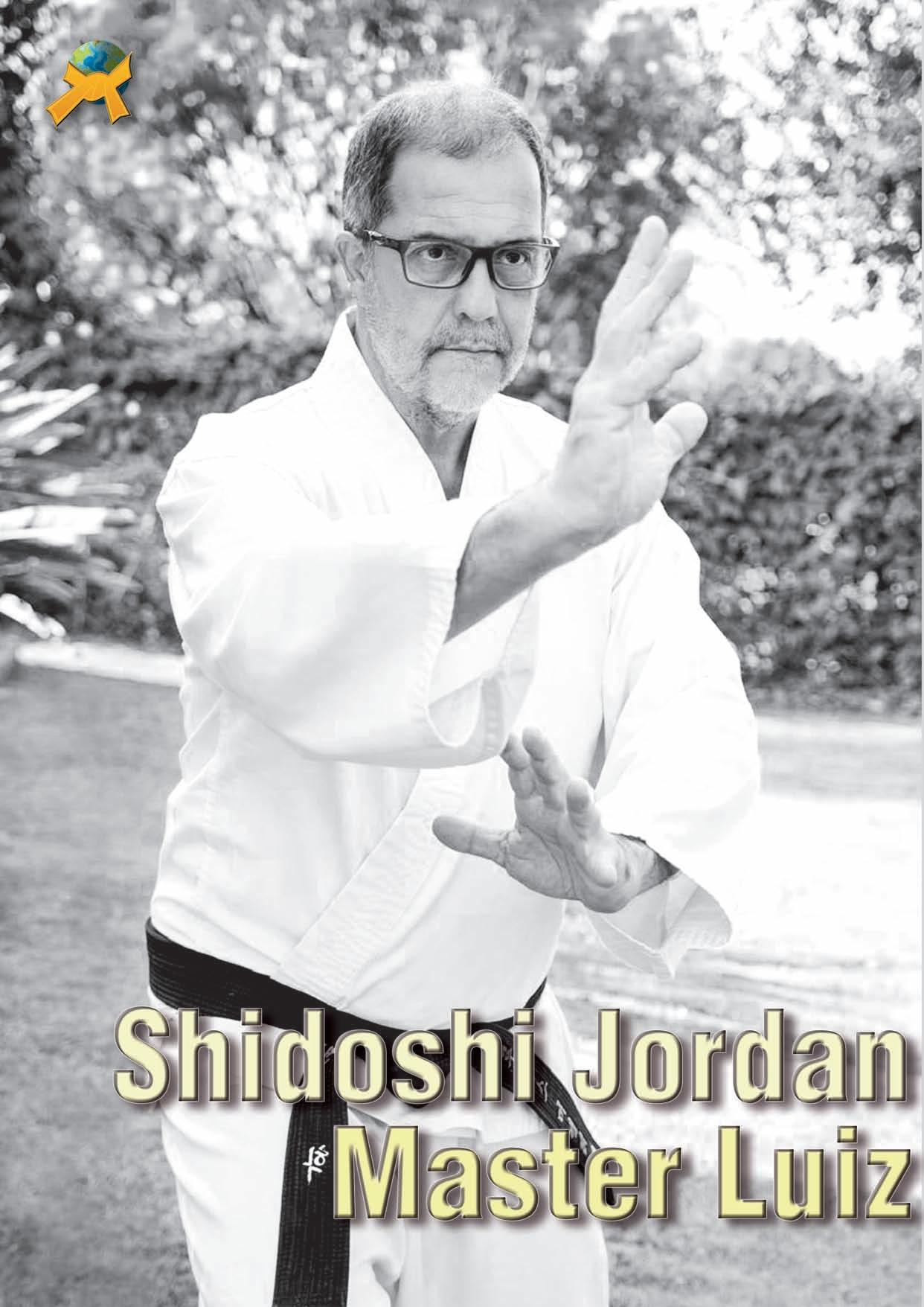

One of the many stories that can illustrate this subject a little was about two people who came to me for training. A black belt and his green belt student. They asked me to attend the academy because they had left their master and wanted to continue training.
The teacher was very humble in his speech and attitudes, while the green belt student was a more reserved young man with a higher level of education.
They trained for about two months, and suddenly I realized they weren't coming to train anymore.
After some time, the teacher, the black belt, called me and said indignantly: Do you remember my student? He traveled to the East and came back a black belt, representative of a federation... How is that possible?
This is a question that many can answer, even without understanding or agreeing, but aware that the possibilities of skipping steps, advancing, and worse, adopting and cultivating these models in the face of large sums of money is something that makes the broadband world accelerate and create “a table without legs.”
Everyone has to be a Master and can easily be one.
And in the absolute absence of the few true Masters, martial arts are losing ground and falling into ostracism.
How can you build something without structure? I mentioned the table without legs, it can be a construction without a foundation... how can you learn without basic fundamentals?
If you talk about the basics, you scare the student. They want the advanced stuff. They don't want to train the basics, they want to train the advanced...
I remember the day my son asked me to play the guitar. Passionate about music as I am, I have knowledge and relationships with several people in the music industry. I asked some of them for help in suggesting a good teacher, adapting the best possibilities to suit my son.
Well, teacher recommended, two months of classes, I ask: How are the classes going?
He replied: “Ahhh, so-so... I wanted to learn to play songs...”
From my experience, I immediately understood what was happening.
The teacher was top-notch and was insisting on the fundamentals, scales, and repetition, so that he would increasingly master the instrument, and that any song would be the result of this training. Over time, he would be able to play ANY song and not just know how to play a few by memorizing them without any foundation.
This is certainly part of the martial arts scene today, of course, without ever generalizing, comparing, or naming this or that art or this or that teacher/master. This is a fact, and it is present in our lives, whether we like it or not.
The essence, the knowledge of martial arts is alive and should mainly manifest itself beyond the place where the art is practiced. Life is your place of experience, in every gesture, word, thought, and demand that your body, mind, and heart be present.... But we will leave that to talk about another time...