


























ANDREW BERGER, DN
JESSICA BERGFORS, DN PHOTO ILLUSTRATION


VOL. 105 ISSUE: 26
CONTACT THE DN Newsroom: 765-285-8249, editor@bsudailynews.com
EDITORIAL BOARD
Meghan Braddy, Editor-in-Chief
Katherine Hill, Managing Editor and Lifestyles Editor
Linnea Sundquist, News Editor
Kyle Stout, Sports Editor
Rylan Crum, Associate Sports Editor
Jayden Vaughn, Opinion Editor
Charlotte Jons, Associate Opinion Editor
Channing Matha, Copy Editor
Kyle Ingermann, Multimedia Editor
Kadin Bright, Associate Multimedia Editor
Ryan Fleek, Associate Multimedia Editor
Brenden Rowan, Visual Editor
Jessica Bergfors, Associate Visual Editor
Raquel Ruffin, Associate Visual Editor
Corey Ohlenkamp, Adviser
The Ball State Daily News (USPS-144-360), the Ball State student newspaper, is published Thursdays during the academic year except for during semester and summer breaks. The Daily News is supported in part by an allocation from the General Fund of the university and is available free to students at various campus locations.
TO ADVERTISE • (765) 285-8256 or dailynewsads@bsu.edu
• Hours: 8 a.m.-5 p.m. Mon-Fri. • ballstatedaily.com/advertise
TO SUBSCRIBE
Call 765-285-8134 between 9 a.m. and 3 p.m. Mon. -Fri.
Subscription rates: $45 for one year. POSTMASTER: Send address changes to Daily News, AJ278, Ball State University, Muncie, IN 47306
JOIN THE DAILY NEWS Stop by room 278 in the Art and Journalism Building. All undergraduate majors accepted and no prior experience is necessary.
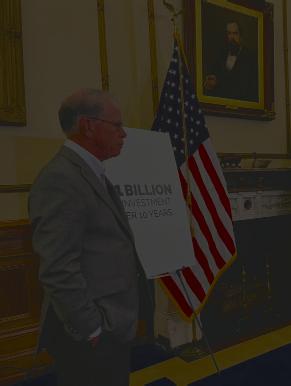
March 17: Gov. Mike Braun revealed a new economic development initiative March 17, according to Indiana Capital Chronicle (ICC), aiming to create 100,000 high-wage agriculture and life sciences jobs over the next decade. $1 billion in tax credits will be committed by the Indiana Economic Development Corporation over 10 years toward jobs in agriculture and life sciences. The commitment is the “first of its kind,” according to ICC, toward targeting specific industries following an executive order from Braun last year directing Indiana’s 15 economic regions to submit formal growth plans to boost economies, per capita income and educational attainment.
The Ball State Daily News is commiteed to providing accurate news to the community. In the event we need to correct inaccurate information, you will find it here.
To submit a correction, email editor@bsudailynews.com.

March 18: According to a press release from Ball State Communications Center, nominations are now being accepted for the 2026 Excellence in Teaching Award, an honor that recognizes Ball State University instructors for their expertise, dedication and talent in the classroom. Of all awards that are presented during the Faculty Convocation at the beginning of fall semester, the Excellence in Teaching Award is the only one based on student nominations. Nominations will be accepted through March 22. Visit Ball State’s Communications Center website fo access the nomination form.
Edward Hill, Weather forecaster, Benny Weather Group
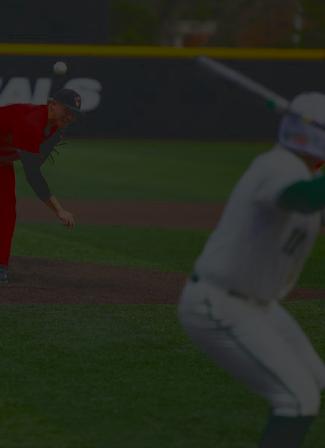
March 13-15: The Cardinals had a winning showing at Shebek Stadium this past weekend, taking Eastern Michigan down in three straight games. The weekend sweep lifted the Cardinals conference record to 5-1 after a series win over Central Michigan to open up Mid-American Conference (MAC) play. Ball State had an offensive uproar against Eastern Michigan, totaling 38 runs between the three games. The third game of the series was the loudest, as sophomore catcher DJ Scheumann hit a grand slam to give the Cardinals a late lead.
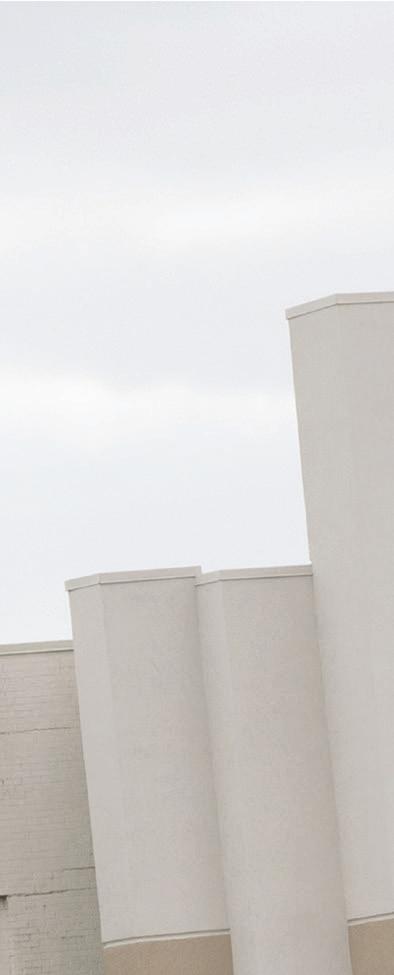
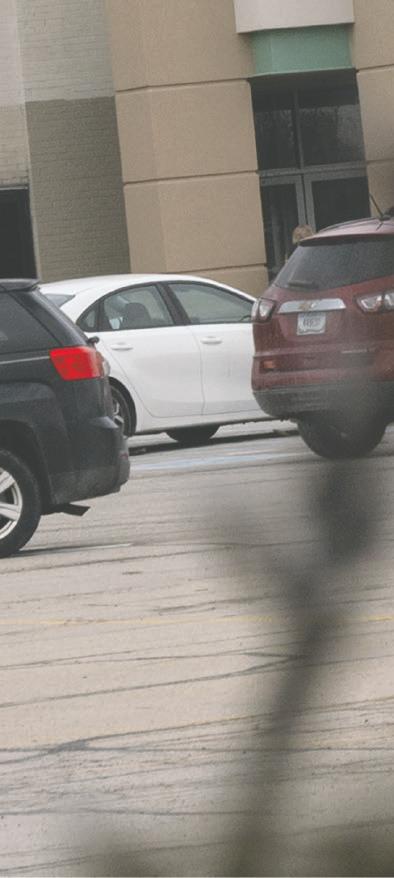











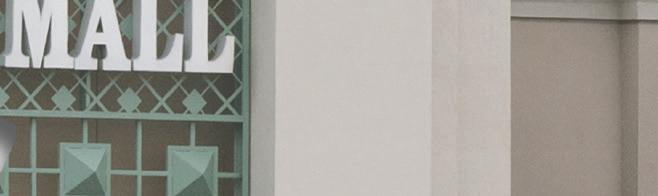


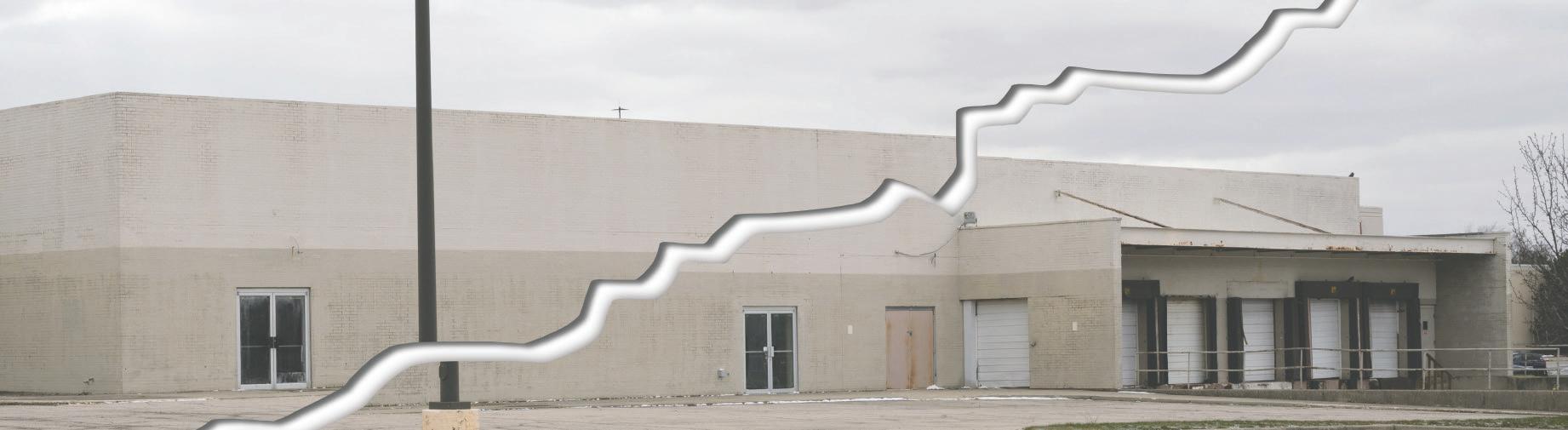
Hull Property Group’s plans to redevelop the Muncie Mall steer toward demolition.
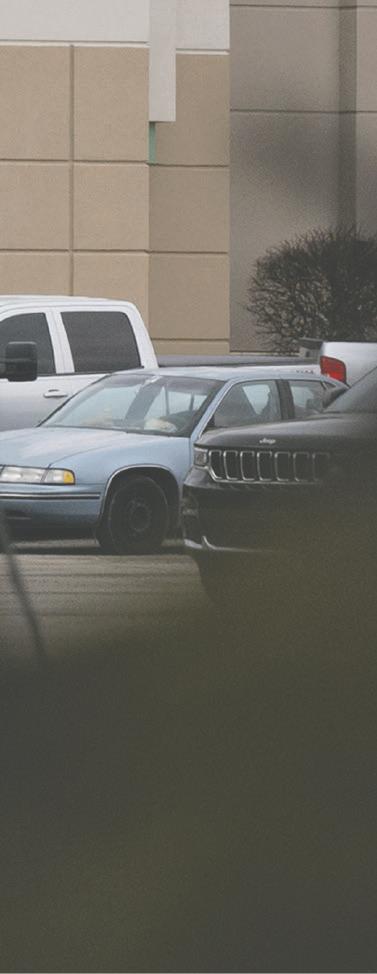
Hull Property Group plans to demolish the Muncie Mall due to it no longer being viable.
Jayden Vaughn Opinion Editor
In February 2026, Hull Property Group announced that it would demolish the Muncie Mall, which it purchased in January 2024.
Hull Property Group, a real estate company based in Augusta, Georgia, that focuses on improving enclosed and run-down malls, has previously purchased 37 other malls across 17 states for redevelopment.
RE/MAX Real Estate Group’s broker-owner Ryan Kramer said the original plan for the Muncie Mall, established in 1970, was to tear down the old movie theater, JCPenney and the Sears building to make way for four storefronts and major retailers.
But he said that as anchor spots and mall tenants continued to decline, the mall became less and less viable.
“Anchor spots are very important because they drive a lot of traffic,” Kramer said. Losing those anchor spots can take a toll on a business.
“So, once they started to lose Sears and JCPenney’s and Carsons, then it became kind of a tumbling effect to, you know, losing a lot of that momentum with the mall,” Kramer said.
John Mulherin, the senior vice president for government relations at Hull Property Group, said, “Once all your anchor stores leave, it puts a lot of pressure on the interior shop stores because those stores don’t have the foot traffic to make them successful.”
Mulherin said the lack of foot traffic in secondarymarket malls, such as Muncie, is leading to many of them being shut down.
“In these secondary markets, they’re being shut down,” Mulherin said. “And once they’re gone, they’re gone, right? And they’re not coming back.”
However, the lack of foot traffic and interest in the space from major retailers is not the only reason Hull Property Group has decided to proceed with the demolition; rather, it is because of the building itself.
“The building is the misimprovement,” Mulherin said. “The building keeps people away, both mentally and physically.”
Hull Property Group discovered that the 130,000-square-foot mall has only one airconditioning system throughout the building, along with one fire riser, one fire suppression

system and one electrical system. The cost to split up the infrastructure would have totaled “a million five,” Mulherin said.
“You’re better off tearing it down and creating the offering and then build[ing] something new,” Mulherin said. “It’s actually cheaper to tear it down and build something new.”
But that was not the only turning point that convinced Hull Property Group that demolition was the best decision for the Muncie Mall.
Because of the leases the current tenants of the mall have, Mulherin said Hull Property Group did not want to interrupt them so close to the holiday season. But in November 2025, Hull Property Group began receiving notices from tenants stating they would be out of the mall space after Christmas.
It got to the point that Hull Property Group realized the mall itself might no longer be viable.
“Between the tenants who had already notified us and the tenants who were month by month, who could leave any time they wanted, I was going to be down to about a 7 percent occupancy in June of this year,” Mulherin said.
Mulherin said that as the mall continues to deteriorate, it will negatively affect the target, the goals and everything around it.
“Blight begets blight,” he said. “Nobody is going to make a multimillion-dollar investment on the curb out parcel unless the behemoth behind it is a viable going concern.”
Ever since the mall opened in 1970, its value has continued to decline. In the last 30 years, the mall’s value has gone from approximately over $2 million to less than $70,000, Mulherin explained.
“The value of the mall is based on the rental income coming in on the mall. And when it’s full, that mall is worth a lot of money because of the occupancy of the unit. But now the occupancy has went down. The value of the mall goes down with that,” Kramer said.
All of these components led Hull Property Group to one conclusion: that the mall was no longer viable and their original redevelopment plan would not be cost-effective. The cost of the original plan, Mulherin said, was approximately $9.8 million, whereas the cost to demolish the building is roughly $5.3 million.
“I’ve got a much better opportunity of attracting someone to the property with a clean slate than I ever would have with our original phase one
because the mall behind it was not proper[ly] viable,” Mulherin said.
With an open, viable plot of land, various tenants have the potential to move into the space. Mulherin said there are multiple interested buyers with their eyes set on the site.
“So, we develop, and we’ll build, you know, we’ll build for whatever tenant that comes along,” he said. “But we’ve had interest already since the word’s gone out that we’re going to have eventually a blank slate now.”
With phase one of the plan set to begin in April with the demolition of the JCPenney and the Sears, Hull Property Group cannot begin the second phase of the demolition, which consists of the rest of the mall, until within 90 days of the last tenant vacating the property. This can take anywhere from six months to two years, Mulherin said.
Despite that, Hull Property Group aims to move forward with its plans as soon as possible because it knows the Muncie market is strong, especially along McGalliard Road.
The main challenge will be scheduling, as there are still tenants in the mall. It would be easier to tear the building down all at once, but because Hull Property Group is working around tenants, Muherin said that cannot happen.
Hull Property Group has made it known that there are two main things being focused on when it comes to the mall’s redevelopment: developing the site to meet market demand, and being more disciplined about who gets let back onto the lot.
“It’s not necessarily the tenant you have, it’s the tenant you don’t have that counts,” Mulherin said. “You can put the absolute wrong tenant in there. It’s going to keep a lot of other tenants out.”
The current tenants of the mall are all looking to relocate, but there is no word on whether or not all of the current businesses will remain in Muncie.
“I did hear that Books-a-Million definitely wants to stay in our market and is actively looking for replacement space in the Muncie market. So, the hope is that others will also do the same thing,” Kramer said.
However, the challenge many tenants will face is the moving and tenant improvement expenses they are likely to incur, Kramer explained.
As of March 2026, there are plenty of ideas for what could replace the Muncie Mall, but Kramer
said everything remains speculative until contracts are signed.
“It’s a concept. So, that back 25 acres could be apartments. It could be a national wholesale club, it could be a car dealership, it could be anything,” Mulherin said.
Mulherin believes the lot has potential as an apartment site, but is unsure whether apartments are needed in that area of Muncie.
From a real estate perspective, Kramer disagrees.
“I am not a big fan of considering apartments on a lot like that, because there’s plenty of room to do it there, but I would much rather see all business there,” he said. “But there may be some opportunity, because there’s so much space that there could be some mixed use.”
Owl Mayhall, a fifth-year landscape architecture student at Ball State University, whose thesis is about the redevelopment of the Muncie Mall with a focus on wetland filtration, spoke about their thoughts on the new redevelopment plans.
“I think it is a bad idea. I mean, that’s an understatement, I guess. But I think they are very blinded by the monetary issues of it all,” Mayhall said. “Like, right now, it’s not making money, and that is the only thing they’re seeing.”
As a student and a resident of Muncie, Mayhall said they had expected the demolition for some time.
“I was very hopeful for some type of renovation, but I think Muncie specifically has been struggling in a lot of different ways.”
The current Muncie Mall building adds no value to the tax roll and is considered a misimprovement, but Mulherin believes that the ad valorem valuation for this site can increase as potential major retailers gain more interest in the lot’s clean slate.
“We’re projecting right now that the ad valorem valuation can potentially go from $2 million, as it currently sits, to over $45 million,” Mulherin said. Mulherin said the demolition should be done by the end of 2026.
This story will be updated with more information as it becomes available.
Contact Jayden Vaughn via email @jayden. vaughn@bsu.edu.






























Zachary Kendall Reporter
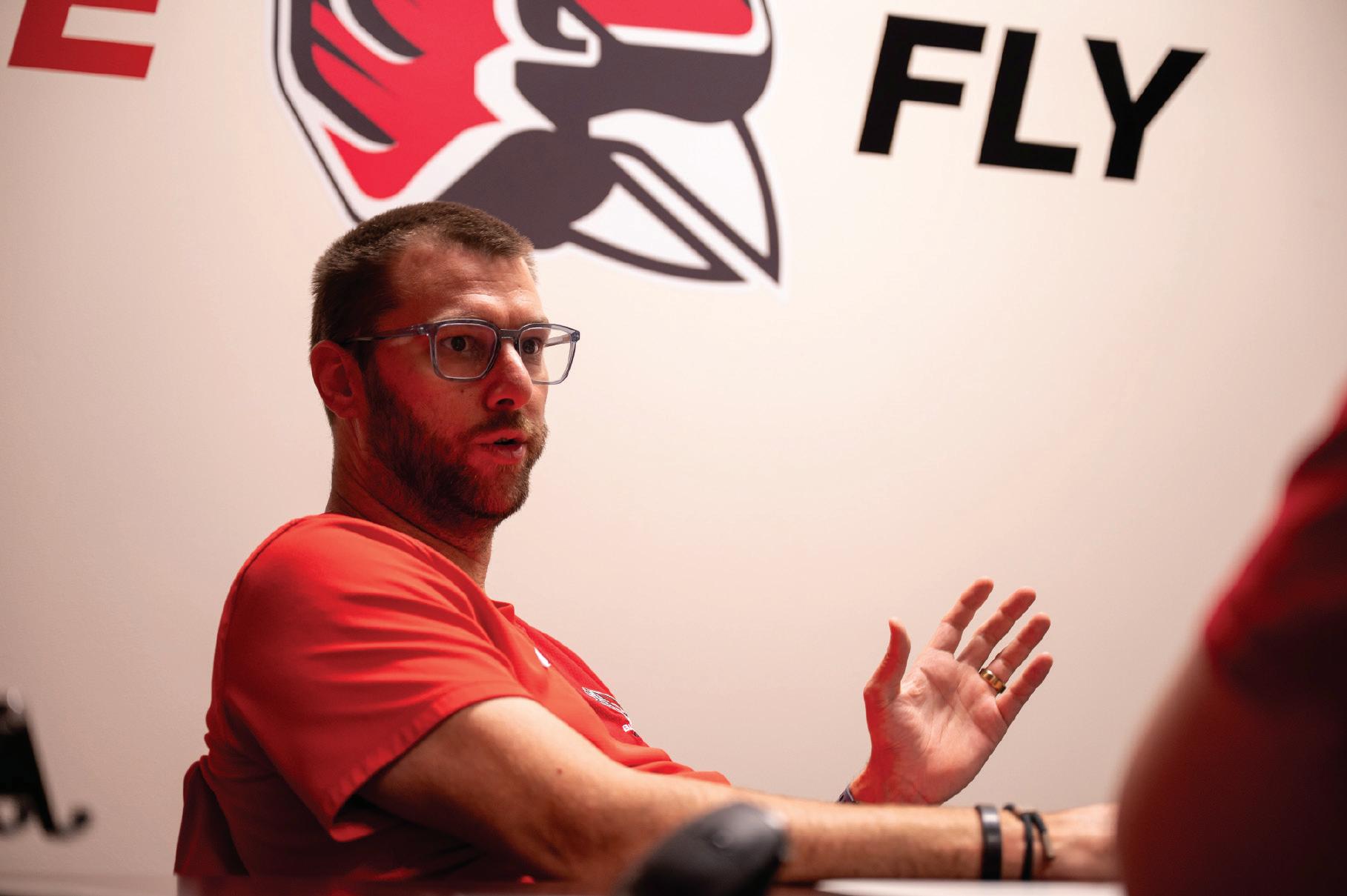
What has the transition been like from assistant here for four years to now first-year head coach?


Iandolo: It’s pretty good, naturally. I have been a head coach beforeand being here so long I recruited most if not all these players as part of the recruiting process or main part of the recruiting process. Either been in the gym with them or had been recruiting them. It’s a lot different than going somewhere new to be a head coach where you don’t really know anything and know any of the guys like you have to learn all of it, at least here, I knew the guys a lot. There was a lot I didn’t have to learn and to just make sure the guys were good with the change and we got some good coaches to help with that as well.









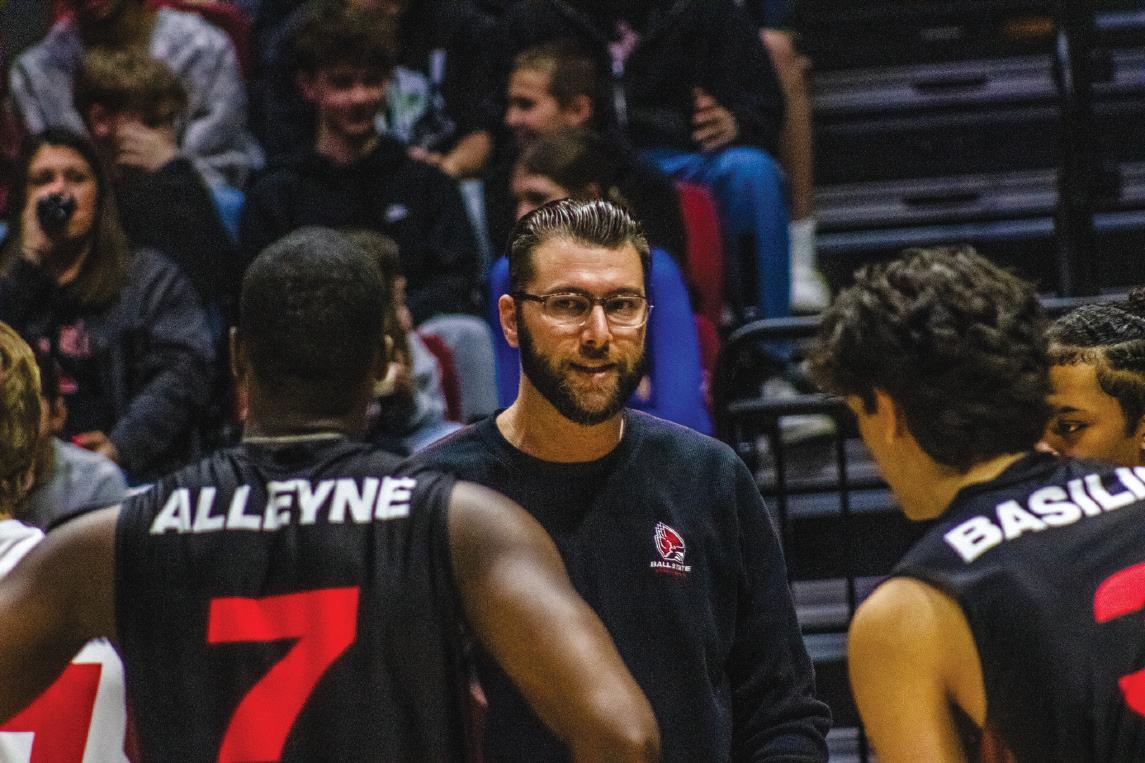
The first-year head coach for the Cardinals has led the team to an impressive 2026 campaign.



After stepping back into the Muncie area as Volleyball coach, what were some of your main goals you were looking to set in year 1?
Iandolo: Win the conference you know? The main one is to win the regular season to win the Midwestern Intercollegiate Volleyball Association (MIVA). To go back to the Final 4 ideally, and if we can get to a National Championship, we can compete there that would be awesome. That’s what we want to be doing every year and the first thing I told the guys is the goals haven’t changed. Every year that I have been here the goal is to win the championship and we still talk about it every week. We have things that we got to get better at this and gotta get better at that. What can we do better as a program? Especially as I get new coaches in here and they give their ideas and input and where some areas we can be better at is figuring out what those were and really attacking those to try to push limits.








Do you feel that pressure being Ball State Men’s Volleyball coach with the countless banners that hang up in Worthen?
Iandolo: No, I just would like to win and compete at a high level and I was like that as an athlete. So it’s not new to me and I wouldn’t say pressure but there are a lot of people that care about what we are doing and I think that’s awesome. It brings with it a lot of support and what comes with responsibility to both the players and to the support of the program, to make sure that we are doing things the right way. No team is perfect and it’s rare that a team goes through the season and is undefeated. So we are going to take losses here and there but at the end of it as long as we are playing the way that we need to be playing the way that we need to be playing. Whether we win or lose at the end of it we did it the right way and I will be happy with that. Definitely the goal is to put more banners in Worthen and I don’t take that as pressure. I want to win and I want the team to be successful.















Ball State Women’s Basketball exceeded offseason expectations and soared to a 26-7 record.


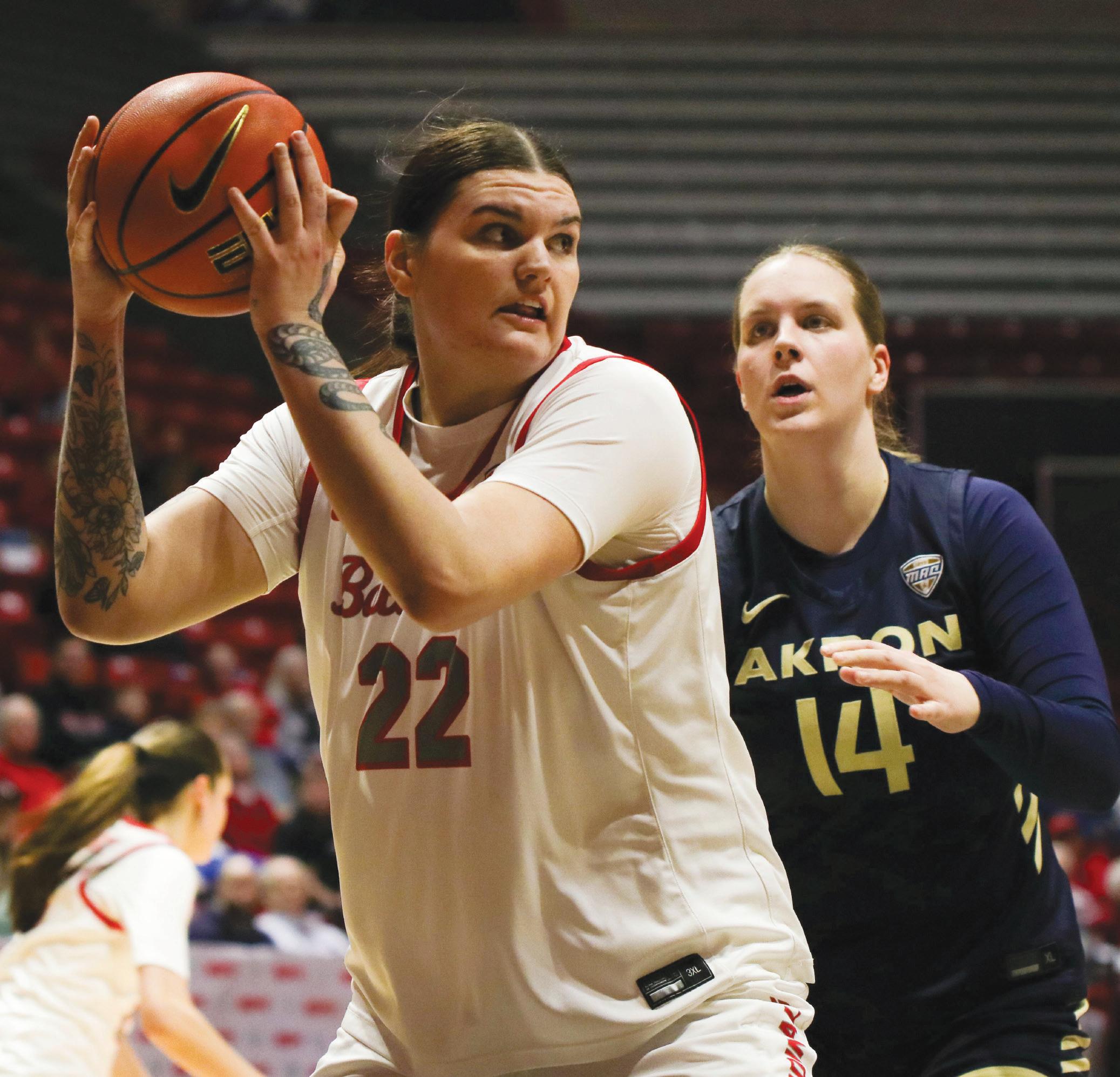
Kyle Stout, Rylan Crum Sports Editor, Associate Sports Editor
Ball State Women’s Basketball had a tall task ahead of them entering the 2025-26 season. After losing talent all across the board, many people thought the Cardinals would be forced to rebuild and have a “down year,” so to speak.
But head coach Brady Sallee said he “wasn’t going to hear it” following a loss to Toledo in the Mid-American Conference (MAC) tournament semifinals. Despite falling short in the conference tournament, the Cardinals exceeded expectations.
Ball State finished with a 26-7 overall record and a 16-2 MAC record, which tied Miami (OH) for the regular season title.
Sallee only had four returners on the team, and only two of those returners were in the starting lineup. The head coach had to work from scratch and try to put together a team that could fill the shoes that last season’s conference champions left.
In a season full of conference dominance, comefrom-behind wins and win streaks, the Cardinals rounded up a positive 2-25-26 campaign.
Here are beat reporters Kyle Stout and Rylan Crum’s thoughts on the team’s season, and what needs to happen moving forward for the Cardinals to stay competitive.
Kyle
Ball State saw a lot of player development this season. I think that is something that really contributed to their success, as the team had few returners entering the season. The two returning players who provided the biggest contributions for the Cardinals were senior center Tessa Towers and sophomore guard Grace Kingery.
Starting with Towers, the jump from her junior to her senior season is one that Sallee described as “unbelievable.” Towers went from a player averaging under five minutes per game to being selected to the All-MAC first team.
She averaged a near double-double this season, with 14.7 points and 8.4 rebounds per game on 54.8 percent shooting from the field.
Kingery took a massive leap in year two after
limited playing time in her freshman season. The guard went from only about 14 minutes per game to leading the team in minutes per game with 31.1.
Kingery averaged 13.4 points per game and shot nearly 41 percent from behind the arc, which led to her being selected to the All-MAC honorable mention team.
Those two players will be key next season for the Cardinals, assuming they return to the school. If each of those players had this big a jump from last season, a full season in the starting lineup should only lead to more development next season.
An obvious reason for the Cardinals’ success this season came from Bree Salenbien. The senior forward transferred from Gonzaga for her last year of college eligibility and helped the Cardinals reach new heights.
Salenbien averaged 15.8 points per game, 7.4 rebounds per game and was second on the team in assists per game with 3.8.
The Cardinals played through Salenbien throughout the season, and Sallee said it felt like the team had another point guard playing the power forward position.
The loss of Salenbien will leave a big void for the Cardinals on next season’s team. I expect the team to go after a high-volume scorer this offseason, as this year’s squad deeply benefited from Salenbien’s ability to consistently get to the rim and distribute.
Another player that will be important for the Cardinals to keep going into next year is junior guard Karsyn Norman.
The lead guard for the Cardinals averaged 9.4 points per game and led the team with 4.9 assists per game. On last year’s team, former guard Ally Becki led the way for the Cardinals, and entering this season, there was a question mark at the point guard position.
But Norman filled in very nicely with the Cardinals, and the team did not lose a step offensively, as they led the MAC in assists per game and points per game. A key to any team’s success is its point guard, and as long as Norman is in command for the Cardinals, the team will be in good hands.
Along with the development of Towers, Kingery and Norman, the Cardinals will also rely heavily on some of the freshmen from this season.
One positive for the Cardinals heading into next year is the talent of the underclassmen. This season Ball State had eight underclassmen, six of those being freshmen, and five of those freshmen were from overseas.
One of those freshmen from overseas, forward Aniss Tagayi from France, led the team in steals this year with 1.6 per game, along with being 16th in the MAC for steals per game. Tagayi was also named to the MAC All-Freshman Team and MAC All-Defensive Team.
After her defensive performances this year, Tagayi will be looked at as one of the defensive leaders next year. Although she averaged 8 points and 53 percent from the field per game, defense is her specialty. Her final stats on the defensive side after her first year are 5.4 rebounds, 1.6 steals and 0.7 blocks per game.
Tagayi is not close to being the only underclassman to be excited about next season, as Alba Caballero also showed a lot of promise this year.
Senior center Tessa Towers started at the post in the 31 other games Caballero didn’t, with Alba coming in for her off the bench most of the season.
While Caballero only started two games, she saw action in 32 of the Cardinals’ contests, averaging 4.2 points and 5.0 rebounds per game while shooting 50 percent from the field. As she will most likely be starting down low next season for Ball State, we’ll only see these numbers rise as her career goes on.
Both Caballero and Tagayi aren’t new to playing on a big stage, as they’ve both won Fédération Internationale de Basketball (FIBA) championships with their respective countries. Caballero won the FIBA U20 EuroBasket championship with Spain in 2025, and Tagayi was a part of France’s 2024 Women’s European Championship squad.
As of now the Cardinals have one commit for the class of 2026 and 2027 respectively. Lillian
Barnes, class of 2026, from Valparaiso, Indiana, signed with Ball State in November. She is currently ranked 93rd nationally and 7th in the stage amongst the class of 2026.
Class of 2027 player Kenzie Koch committed to the Cardinals in October, and this is a recruit to be excited about. From Charlottesville, Indiana, Koch is a four star recruit ranked third in the state and 53rd nationally.
If no one transfers out this offseason, Ball State will have 12 total returners, as they only had two seniors this previous season. The most important returner could be current sophomore Grace Kingery, who had a breakout year, tying her career high in scoring once, 23 points, and breaking it twice, 24 points and now 25 points.
In 2024-25, Kingery played in 31 games averaging 14 minutes per game. This past season she started in as many games as she played last year, averaging 13.4 points and 2.7 rebounds a game while shooting 45 percent from the field. With her 13.4 points a game, Kingery was third on the team in scoring this past season. An improvement from eight on the team last season, with 4.8 points per game.
When it comes to Kingery, improvement has been the name of the game in her first two seasons in Muncie, something that will hopefully roll over into her junior year.
The 2025-26 Cardinals roster only has one player graduating this year, meaning next year will be proving grounds for some of the players who did not see much action this season.
One of those players is current freshman Brooke Winchester. Winchester played in 14 games this season, averaging 6.5 minutes per game along with 2.1 points and 2.1 rebounds per game.
Contact Kyle Stout and Rylan Crum with questions via email at kyle.stout@bsu.edu or on X @kylestoutdailyn and at Rylan.crum@bsu.edu or on X @RylanCrum.
81.4
20.2
Continued from Page 5
Did you expect the team to achieve a 17-3 record this early into your coaching tenure?
Iandolo: Maybe not exactly that record, but there was no part of me that didn’t think we should win most of our games, if not all of them. Our schedule is pretty tough, and we had a lot of ranked teams that we have played at the time of us playing them. We have lost to the number one team and then to a couple of ranked teams in the conference. Those are good losses and not bad losses. We need to win this year and win a championship this year, and I wouldn’t say it is expected, but I’m not surprised. This is what we are trying to do, and it is just that we gotta keep climbing. Just don’t let off the gas and make sure we keep going more and more and more, to make sure we win this game, and that is how I feel about the season.
What type of identity were you trying to create going into
Iandolo: Definitely carrying some of it over, as I was a part of what we were doing here. I believed in what we were doing and I just think there are some things we need to be a little bit better at. One of those was discipline and accountability, especially from our upperclassmen. Which I think we are getting this year, which is showing itself, and then we need to be better with our serves and defense, and I think we have made some big improvements there. I think we have gotten better at the serve pass and the defense, which is like a high effort, [with] accountability [and] playing together as a team.
How have the players bought into that and have you seen that carry into this season?
Iandolo: They have bought in really well, and it was immediate. When the switch happened this past summer, those next few days, all I was trying to do was call the guys to get them on the phone with as many of them as I could and talk to them. All of them were just, ‘I don’t wanna go anywhere and I will see you in August.’ This is how we are going to do things and guys are just pumped ready to go. It has carried itself into the season, and nobody’s perfect. We have our moments where we are slacking or not doing the things we should be doing, and all that kind of stuff, but we have been talking to them about consistency, and that is all about doing it right away more often, but that does not mean you are going to be perfect. It is just stacking wins, and that is just stacking days where you are doing things the right way. Stack practices where you are training the right way and workouts where you are training the right way. You do that more often than not, you are going to be successful.
Volleyball is a momentum-based sport, so how has your team maintained that composure in some of those high-pressure situations?
Iandolo: It is about playing together and staying aggressive, not backing off when things get tight, and I think it’s something that we have been really good at this year. We have been responding when things aren’t going our way. We have dropped a couple matches, but we won the match right after. We dropped a set and then won the set right after that, and that’s all you can ask for. Then it is, ‘how do we fix whatever we are struggling with and how do we make it better?’ We have to fix it and we just can’t let it stay. We didn’t play well, and we are gonna keep not playing well? No, we need to fix that and need to be better.
As the season continues, what areas would you say the team needs to improve on so that they can be reaching its full potential at season’s end?
Iandolo: We gotta be cleaner at the end of sets. Sometimes, we take a little too long to close out games. When we are in the 20s, and then all of a sudden we give up a couple points. You don’t need to give up those points. Finish the game. Don’t let the other team back in. We were down eight points and we almost came back. They let us make a couple of plays, and all of a sudden, now the momentum’s back to us. All the teams we play are capable of doing that, and it is all about finishing games. Still got to get better and more consistent with our defense. Our blocking’s been pretty good, and then we have some matches where we are really good defensively behind it. Then we have some matches where we are not great defensively behind it. Something we work on almost every day is block, and defense, and putting in good serves and putting ourselves in good positions, but I think those are two big things. Our offense, we can score points with the best of them. Can we stop the other team and be a little bit better there? Can we finish when we have the opportunities to finish sets? We gotta do it quickly and not give them any life.
What are some potential long term goals as you hope to carry the success that you have made this year into future seasons?
Iandolo: We gotta keep building up. This is a program that I believe should be competing for the top 10 nationally every single year, and we have the resources [and] the support from our alumni to do that. We are just continuing to build that. We are using this year as another building block for alumni support and donor support. I am hoping that will translate as we get in the next few years of financial support for more support for the program. They have been great so far, and just gotta keep pushing the envelope. There is a lot of talk right now, and in coaching circles of how we push the envelope of men’s volleyball and of our programs. What is the
next thing we can do to improve our life for our players, to make our players better to get better recruits, like to travel [and] to do cooler things, like with competition. I would just say what we are doing now, and it is just repeating and getting better. It is just an endless cycle, and that is how you develop really good players, as you have players as freshmen and they see how it is done. Just continuing the support and gotta keep recruiting the right players so we keep training them and developing them.
Any message you wanna send to fans that have come out to your games in support of your seasons
Iandolo: We are undefeated at home, and one of the bigger reasons why [is that] we play better here. It is something that we are working on, playing better on the road, but they are definitely a big part of our success. The guys love playing here, and we have got recruits that come on visits, and they see that environment that we play in, and they want to be a part of that. Our fans are loud and rowdy, and there are always thousands here, and that is amazing and awesome. It is fun to play in that environment. I believe we are a top five environment to play in the country, without a doubt. There are a handful of schools there, and I think ours is one of them. If we don’t have fans coming out and supporting us, we definitely don’t have the record we [think we] do. Being able to look up and around and see all the people is fun for our guys, and our guys have fun with it. If you are having fun and you can play good volleyball, like, you are gonna win a lot of games. It is gonna be hard for teams to come in here and do what they need to do. It is going to be big if we achieve our goal of winning the regular season. We get to host every tournament game we play. That part will be much needed as we continue this season, so just wanna say thank you. Contact Zachary Kendall via email at zachary. kendall@bsu.edu.




Associate Visual Editor
“Can I hear just the rhythm section at the top?”
“You can add that bass drum.”
“Ready…one, two, one, two, half-time…”
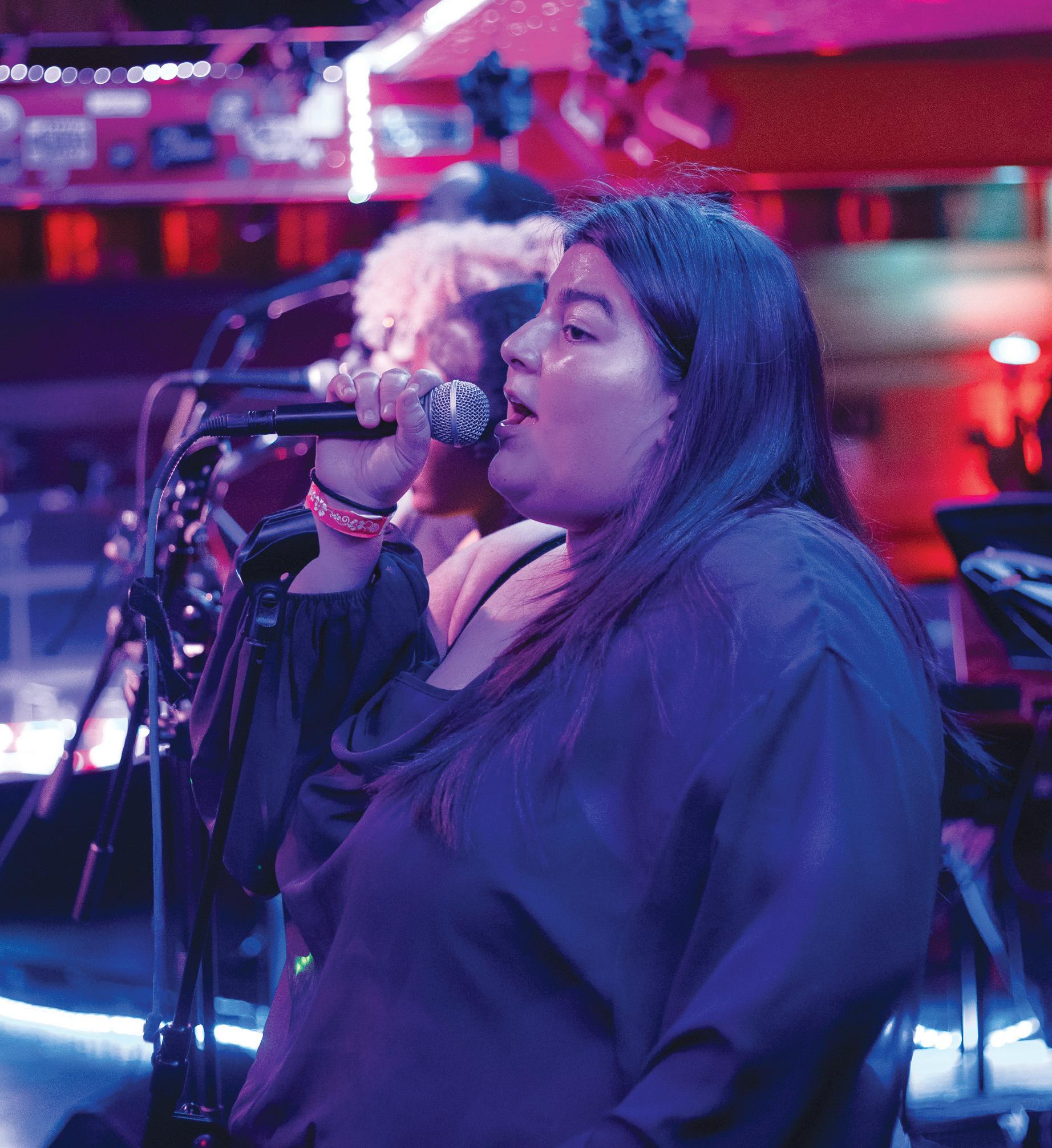
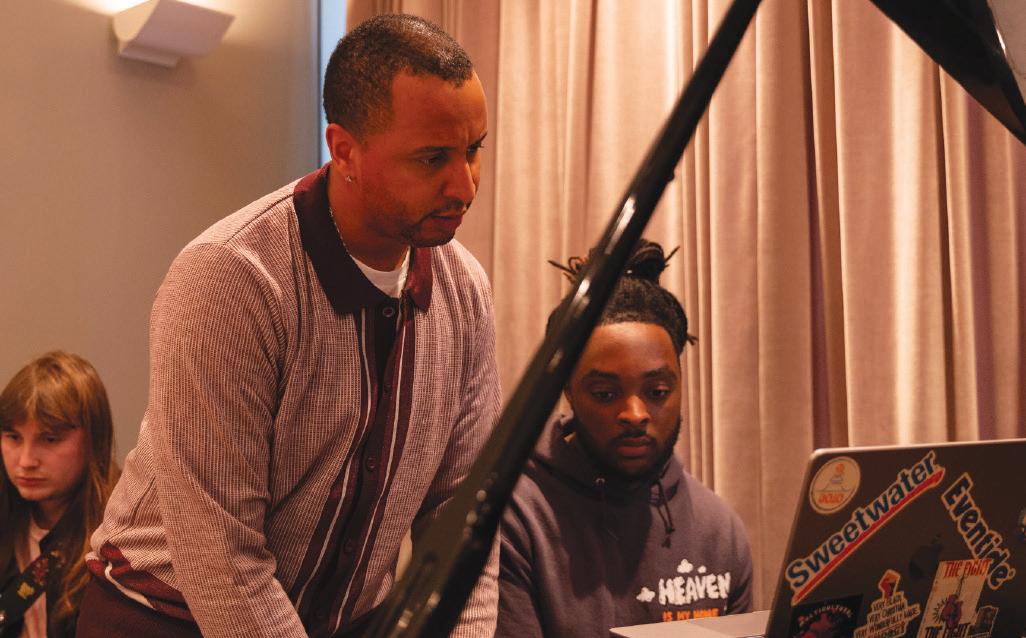
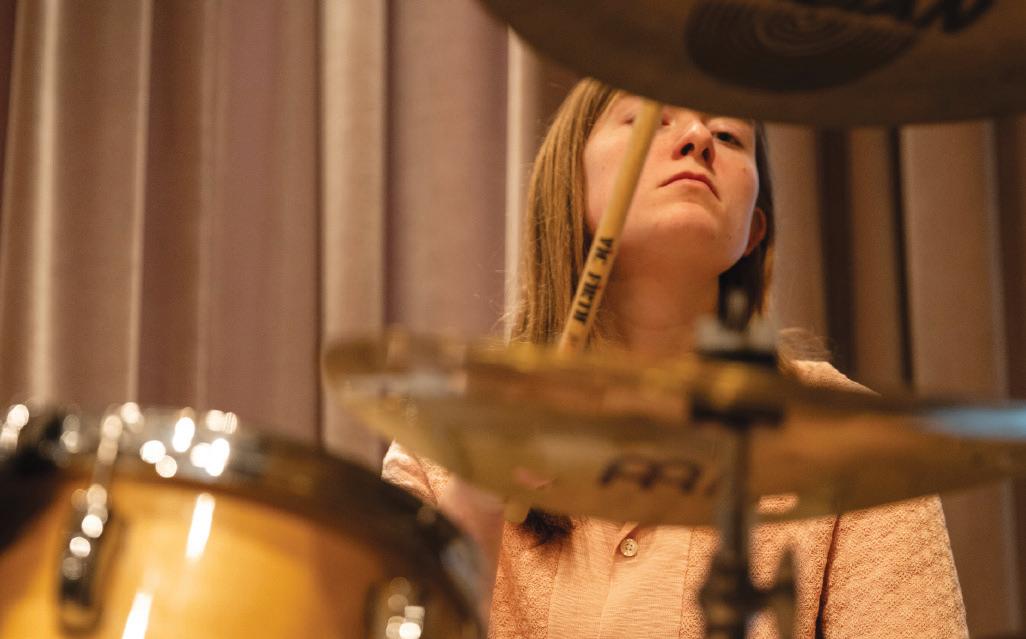
Every Tuesday and Thursday, inside a studio space of Ball State University’s Music Instruction Building, you can hear the loud bang of drums, delicate keys of a piano and vocalists warming up, mixed with the sound of chatter and laughs echoing through the room.
Established in 2017 by Area Coordinator for the Music Media Production program, Dr. Christoph Thompson, Ball State Studio Band is the university’s commercial music ensemble. With a focus on performing contemporary pop, R&B and soul, Studio Band brings a different sound to the Muncie community.
Associate Lecturer of Music (Jazz Percussion) and Studio Band director Cassius Goens grew up in Muncie and attended Ball State. A lifelong music lover, Goens said he began playing the drums at age 10. He played in school bands throughout middle and high school, and began playing gigs
when he started college. After switching his major a few times, he graduated with a bachelor’s in general studies with an emphasis in music.
In 2014, Ball State’s College of Fine Arts reached out to see if Goens was interested in assisting with its Jazz degree, and in 2023, he was approached to direct Studio Band.
Now, with 14 performers and four student staff members, Goens has changed Studio Band’s dynamic to be a fully immersive experience for students.
“Sometimes pop music, R&B, rock — everything that falls under that commercial umbrella — can be looked at as not legit, when we come from this kind of classical, jazz background. My goal is to make people realize that it’s needed and it is important,” Goens said.
As director, he books gigs, secures venues, arranges music, manages the budget and more, but most importantly, gives his students hands-on opportunities, equipping them to be professional musicians or to work in the professional music world. Goens said his goal is for students to have “real-world experience,” and he does this by putting the band in positions to perform at real venues with real audiences.


Fourth-year Ayden Thurnau is one of only two guitarists in Studio Band and has been with the group since his freshman year. He communicates with the other guitarist to split parts and flesh out harmonies and rhythms, making the song work and filling out the arrangements.
Thurnau said he feels prepared to play in a professional band or be a session musician because of the skills he has learned over the past four years. “A lot of the tunes we’ve learned are in that [commercial music] repertoire, and I just know them at this point. Whatever I don’t know, because of the short turnaround time when we get charts, it’s made me a really good sight reader and a really good ear, too,” Thurnau said.
Thurnau has been playing guitar since third grade and grew up surrounded by music, with his father also playing guitar and being a member of multiple bands. Musicians such as Brandi Carlile and The Beatles, and jazz guitarists Jim Hall and Wes Montgomery, inspired Thurnau to take guitar more seriously.
Thurnau said he would not want to be in any other ensemble in the school of music.
“[Studio Band gives you] a lot of practical experience on what it’s like to live as a performing musician in an ensemble, where nowhere else in the school of music has that,” Thurnau said. “It also lets the community see a different side of the school of music.”
Studio Band has added a horn section, more singers, multiple guitarists, drummers and bassists in recent years. Goens also added new positions, including social media manager and photographer, fourth-year Bailey Land, and choreographer, thirdyear Jaidyn Bush.
Opportunities to perform have also significantly expanded over the last few years. Studio Band has performed at the Jazz Kitchen in Indianapolis for the past two years, selling out their performance last year. This fall, the group performed around 10 times, including shows at Be Here Now and Room 5 Piano Bar.
Members of Studio Band see themselves as more than an ensemble; they see themselves as a family. From sending daily texts in their group chat to practicing at each other’s houses the night before
gigs, the students are connected beyond the music.
Second-year Shelby Woodcock, Studio Band vocalist, described Goens as a “father figure” for the group, noting that their bond helps with the communication in Studio Band.
“We have that connection and that bond where he can joke around, but also we know when it’s time to take things seriously,” Woodcock said.
As a pre-nursing major, Woodcock said she does not want a music career, but has a passion for performing. She grew up dancing competitively and joined her high school’s show choir, where she realized she loved singing more than dancing.
For Woodcock, music is an outlet for her to “get out of reality.”
“High school was really rough for me, [mentally], so leaning towards music and just singing my heart out when nobody’s home, even if it sounds bad, I keep going…making sure that ‘okay, you can do this,’” she said.
Woodcock said she originally wanted to join Studio Band her freshman year, but missed auditions. Goens told her to audition the following year, so after taking her freshman year to focus on major requirements, she auditioned last semester.
“Studio Band was that way to have fun, but still be a part of something that is important to other people. It was a good mix,” Woodcock said.
Third-year Essence Eaton has been a vocalist for Studio Band since her first year at the university. At the time of her audition, Eaton was a music media production major, and Studio Band served as just an ensemble course credit.
Now a communications major with a concentration in news and cultural entertainment, she has returned to Studio Band because of the learning opportunities, the connections and the people.
“We all have different majors, some are MMP, some are even nursing or director majors, but what we all have in common is music. I feel like music is so spiritual and music brings people together,” Eaton said. “When we’re all in one space, and we’re singing, or we’re dancing, or we’re playing what we really love, it’s just one big family connection.”
Fourth-year Megan Selva, a vocalist for Studio Band, auditioned as a first-year student and said that through the years, her confidence has grown. She said she appreciates the tight-knit community of Studio Band and sees them as her family.
“They’re my best friends. I think it’s so nice to have such a personal connection to a group of people when it comes to music,” Selva said. “We all understand each other, and we all want each other to succeed no matter what.”
Goens said he sees members as more than his students; he sees them as his kids. He views teaching as a form of mentorship and takes that role seriously.
“I try to spend time with each individual and build a relationship with each student … I never want them to feel like they’re not seen and they’re just kind of in the background,” Goens said. “I want them to feel like they’re important to the ensemble, because they are, and it takes a team.”
Studio Band will perform at the Jazz Kitchen in Indianapolis April 7 and at Feinstein’s at Hotel Carmichael in Carmel, Indiana April 23. For more details, visit its Instagram @ballstatestudioband.
Contact Jessica Bergfors via email at jessica. bergfors@bsu.edu.
AJ Jackson with the piano during rehearsal Jan. 28 in Ball State University’s






Reiss Kistler plays drums during a Studio Band rehearsal Jan. 28 in Ball State University’s Music Instruction Building. ANDREW BERGER, DN



The conglomeration of streaming services has negatively impacted the filmmaking landscape.



Lifestyles



Katherine Hill is a third-year journalism major and writes “Cerebral Thinking” for the Daily News. Her views do not necessarily reflect those of the newspaper.
The first movie I vividly remember seeing in theaters was Disney Pixar’s “Tangled.” I was 6 years old at the time, and while I did not understand the concept of 3D glasses, the movie’s plot stuck with me long after I left the theater. I hummed the melodies of the soundtrack; scenes replayed in my head as I closed my eyes to sleep.
I could not fathom how life was supposed to return to “normal” when mine felt so transformed within an hour and 40 minutes.
I experienced similar feelings of captivation — or borderline obsession — watching “Matilda” in school, or “Mary Poppins” while ill at home.
By my first-year of high school, I guarantee I was the only 15-year-old in America who ran home to watch “The Sound of Music” every night for a week straight during the holiday season.
Even then, I knew the concept of watching movies was something much deeper to me than just a way to pass time or unwind — it was an escape from reality.
In my prime, I can never dance the way that Julie Andrews could in hers, but for two hours and 52 minutes, I can be in her company and pretend.
Just before the COVID-19 pandemic, in November 2019, I was flicking through channels on the DVR and landed on Nora Ephron’s “Julie and Julia” — the movie that made me want to make movies. The parallel storytelling fascinated me, a testament to the interconnectedness of mankind.
The movie, which tells the autobiographical stories of culinary pioneer Julia Child and blogger Julie Powell as she embarks on her “year of cooking dangerously” with Child’s “Mastering the Art of French Cooking” decades after its publication, seamlessly melds the two multigenerational stories.
Ephron indirectly taught me, through “Julie and Julia” and other semi-autobiographical films centered on female leads like “Heartburn” and “When Harry Met Sally…,” that movies were not just an escape from reality — they could be reality, stories of everyday life — and I wanted to make them my reality.


The COVID-19 pandemic was undeniably disastrous. Data collected in a 2024 article from the Proceedings of the National Academy of Science (PNAS) using MRI scans to evaluate structural changes in adolescent brains post-COVID suggests, “Social isolation due to lockdowns that were imposed because of the COVID-19 pandemic had a detrimental impact on adolescent mental health.”
I suppose this is true to some extent — but ultimately, the


pandemic taught me to be comfortable with being alone and to relish moments of isolation as opportunities for creative exploration. As a teenager trying to find her way in the world at the time, I will always be grateful for the pandemic as a period of introspection.
Looking back, perhaps having the pandemic at my disposal for introspection is less a reflection of my response to boredom, and more so a reflection of how fortunate I was because of my parents.
At 15, I was old enough to comprehend the state of the world, but just young enough to avoid working in it. Thus, with no grueling schooldays to attend or work experience under my belt, the pandemic allowed me to pursue creative aspirations I might not otherwise have had, including watching every single Meryl Streep movie and reviewing them in a blog.
What was once an adaptation — a quick fix while in lockdown — has now become the standard, the new normal across the movie industry.”
The pandemic also heightened the use and accessibility of streaming services.
The Motion Picture Association (MPA)’s annual theme report for 2021 reported a 14 percent increase in the global home/mobile entertainment market.
“Over the last two years, the pandemic has impacted almost every aspect of our daily lives, generating new and unexpected challenges. The film, television and streaming industry has not been immune, and in many ways, we are still navigating this new reality,” Charles Rivkin, MPA’S chairman and CEO wrote in the report’s introduction.
No doubt, I was among that 14 percent while in lockdown — but the problem is that percentage rate has only increased nationwide post-COVID. What was once an adaptation — a quick fix while in lockdown — has now become the standard, the new normal across the movie industry — slowly but surely eradicating movie theatres entirely and turning filmmaking into less of a craft and more of a hobby.




The solution has become the problem.

Just because an art form is made accessible to everyone does not mean that everyone should try their hand at it. My minor while in college is film and screenwriting, so I feel entitled to make the prior statement, but it is not just my opinion. Nationally famed director Steven Spielberg has repeatedly advocated for the traditional moviegoing experience that streaming services have undermined.
In a November 2022 Q+A, Spielberg told The New York Times, “The pandemic created an opportunity for streaming platforms to raise their subscriptions to record-breaking levels and also throw some of my best filmmaker friends under the bus as their movies were unceremoniously not given theatrical releases.”
His sentiments are shared by other famous directors across the U.S., such as Martin Scorsese.
In a February 2021 essay for Harper’s Magazine, Scorsese wrote, “...The art of cinema is being systematically devalued, sidelined, demeaned and reduced to its lowest common denominator, ‘content.’”
Within the past year, I have taken various screenwriting and film analysis classes. The curriculum has exposed me to script structure, key elements and motifs that categorize a movie within a specific genre(s) and to the cultural significance woven into the themes of the craft that reflect, allude to or depend upon the social climate of the time period in which they are produced.
The film and television industry is a beautifully double-edged sword: movie runtimes remind us that time is fleeting, but the ability to watch them over and over again pushes against the mortal constraints of human existence.
As the decades pass, I am lucky enough to be in my early 20s without having lost a grandparent or any person close to me, for that matter.
However, Robert Redford’s — my sexual awakening’s — death hit me pretty hard, followed shortly thereafter by Diane Keaton, Rob Reiner, and most recently, Catherine O’Hara.
I am a firm believer that when “the greats” of any industry die, something great dies with them that cannot be replicated, no matter how hard future generations, like mine, may try.
But I am also a staunch proponent of legacies, with my own greatest fear being to die without a trace — to be forgotten.
Within the past few years, the film and television industry has proven not to be immune to the digitized effects of modern media, but the great thing about the industry is that it, by nature, is a profession that continues to evolve, or build off the legacies of “the greats” from years prior.
Thus, the film and television industry is no stranger to evolution — and it is still, somehow, continuously proven the ability to honor the sanctity of its “golden age,” for no one ever dies in vain if on the silver screen they remain.
Contact Katherine Hill via email at katherine.hill@ bsu.edu.



Ashley Murray Indiana Capital Chronicle
This article is republished as part of a collaborative content-sharing agreement between Ball State Unified Media and Indiana Capital Chronicle, established to expand access to highquality journalism and to better inform and serve the public through trusted, in-depth reporting.
Electricity rates “increased significantly” in nearly every U.S. state in 2025, with residents in a dozen states seeing at least a 10 percent jump, according to a congressional report released by Democrats Tuesday.
Minority members of the Joint Economic Committee released state-by-state figures from monthly utility bill data showing, on average, American households paid roughly $110, or 6.4 percent, more for electricity in 2025, compared to 2024.
The analysis came amid other gloomy economic headlines, including a steep increase in gasoline prices since the U.S.-Israeli war in Iran began, and a lousy jobs report last month.
States that saw the highest spikes included New Jersey, 16.9 percent; Indiana, 16.3 percent; Illinois, 15.9 percent; Pennsylvania, 12.1 percent; Kentucky, 11.8 percent; Maryland, 11.6 percent; Tennessee, 11.6 percent; New York, 11.4 percent; Ohio, 11.1 percent; Missouri, 11 percent; Maine, 10.6 percent; and Washington state, 10.3 percent.
The District of Columbia topped the list with an increase of 23.5 percent, according to the two-page report.
Rates dropped by 18 percent in Nevada, 3.1
percent in California, 2.4% in Hawaii and 1.6 percent in Arizona.
Democrats on the committee pointed to President Donald Trump’s campaign promise to slash electricity costs, among other prices, by half.
Affordability is a key issue ahead of the 2026 midterm elections in November that will determine control of Congress. Trump has repeatedly referred to the issue of affordability as a “hoax.”
“American families don’t need a report to tell them that the President has broken his campaign promise to slash energy costs; they already feel the impact of President Trump’s actions every single day. But this report is yet another indication that sky-high costs are continuing to rise — and are continuing to hurt American families,” the committee’s ranking member, Sen. Maggie Hassan, D-N.H., said in a statement.
The committee pulled the electricity bill data from the federal Energy Information Administration.
As of December, the majority, by far, of electricity in the United States is generated by natural gas. Next in generation are nuclear power and coal, followed by wind, conventional hydroelectric and solar, according to the Energy Information Administration.
Experts and economists challenged Trump’s campaign promise to cut domestic energy costs by expanding U.S. drilling, highlighting petroleum is priced on a global, not local, market, as noted in an October 2024 report by FactCheck.org.
“It’s a big deal; it’s going to have a tremendous impact on electricity costs… Under this new agreement, Big Tech companies are committing to fully cover the cost of increased electricity production required for AI data centers — and that would mean prices for American communities will not go up, but in many cases, will actually come down,” Trump said.
The Bureau of Labor Statistics reported a 4.8 percent increase in electricity costs over the past 12 months, according to the consumer price index for February. The report showed energy services overall rose 6.3 percent year over year as piped gas utility costs spiked 10.3 percent since February 2025.
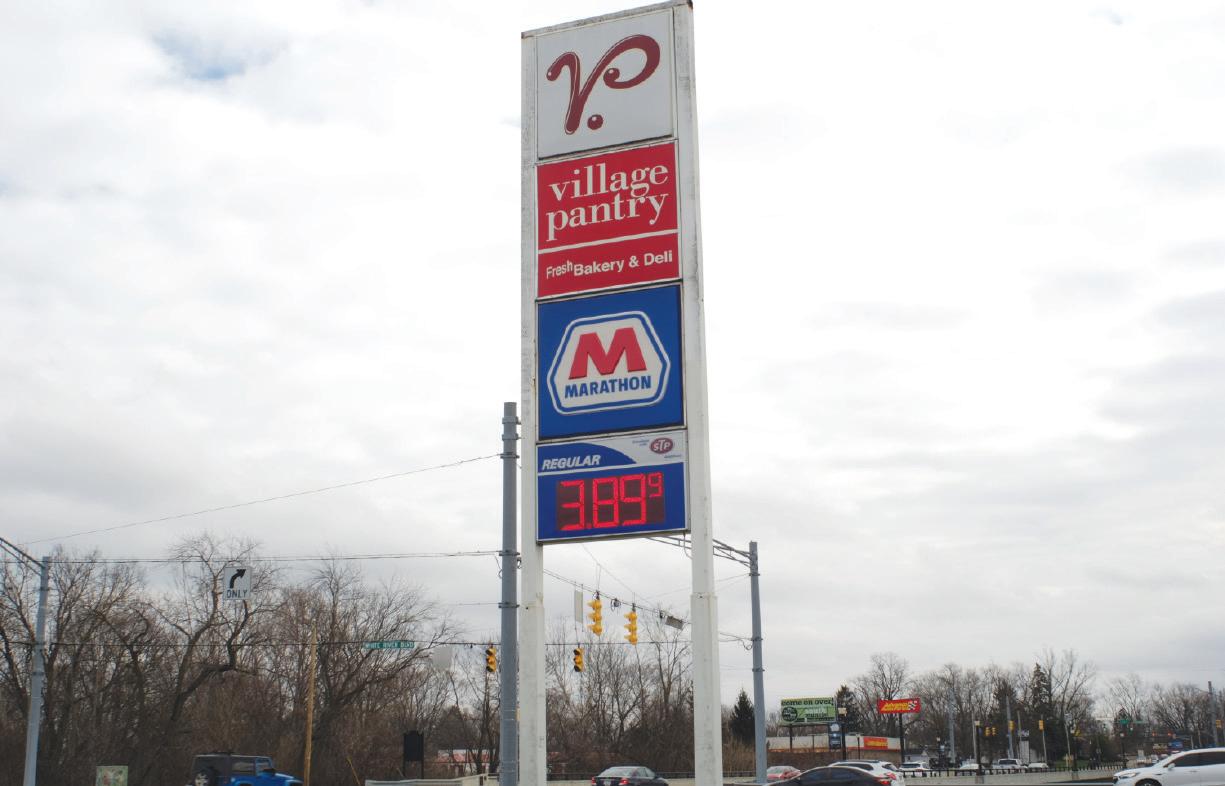
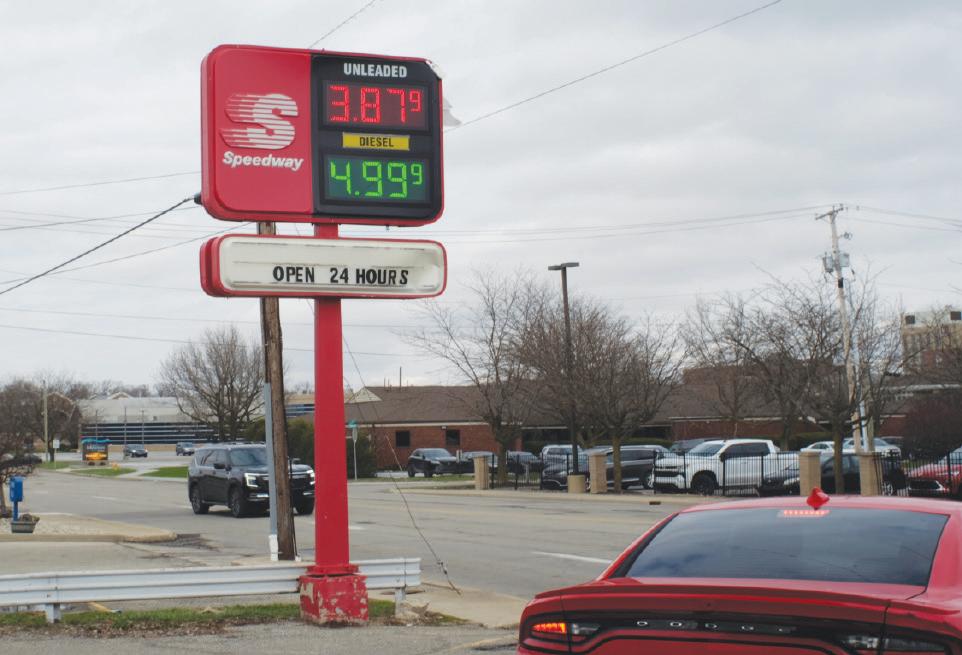
Expenses overall rose 2.4 percent over the past year, according to the latest figures, continuing to exceed the Federal Reserve’s target of 2 percent. But nowhere has a price increase been more noticeable in recent days than at the gas pump. Gas prices nationwide averaged just under $3.72 Monday — that’s up from $2.93 one month ago, according to AAA.
Roughly one-fifth of the world’s petroleum products have been choked off as Iran continues to effectively close the Strait of Hormuz with threats to shell any oil tankers passing through, except for a few negotiated trips.
The U.S.-Israeli war in Iran began Feb. 28.
Trump recently gathered tech CEOs in the Oval Office to sign a symbolic “ratepayer protection pledge” meant to combat rising energy costs due to AI data center demand.

30-, and 49-Across literally are?
68 Freelancer’s targets
One of many in Indonesia’s Kepulauan Seribu
“I have a good lawyer and I’m not afraid!”
Gave meaning to
Knight rider’s companions?
“Nothing yet!”
Taking time off from school?
33 Flavor of fermented foods
Secure, as a boat
Something to shoot for
Start to fix? 42 Tub with jets
Product of a redox reaction 45 Tranquil
“Make it __!”
Pet adoption that wasn’t planned 54 Infield call
Taquería drink 57 European range
Pachakamaq worshippers 61 Quick look 63 Mammal with a saddle patch
65 Metaphor for something with positive and negative consequences, or what 18-,
Payment method
Printing gaffe 5 Part of the water cycle 6 Kendrick Lamar’s Grand National Tour co-headliner 7 Follower of wisdom or love, in hairstyling 8 Actress Gasteyer
Indigenous people of North Carolina
Devices for watching old home movies
Sneak (around)
“Minor Detail” novelist Shibli
Shipper with brown trucks
Astronaut Jemison
Be better than 38 Whichever