the mission
Dear Reader,
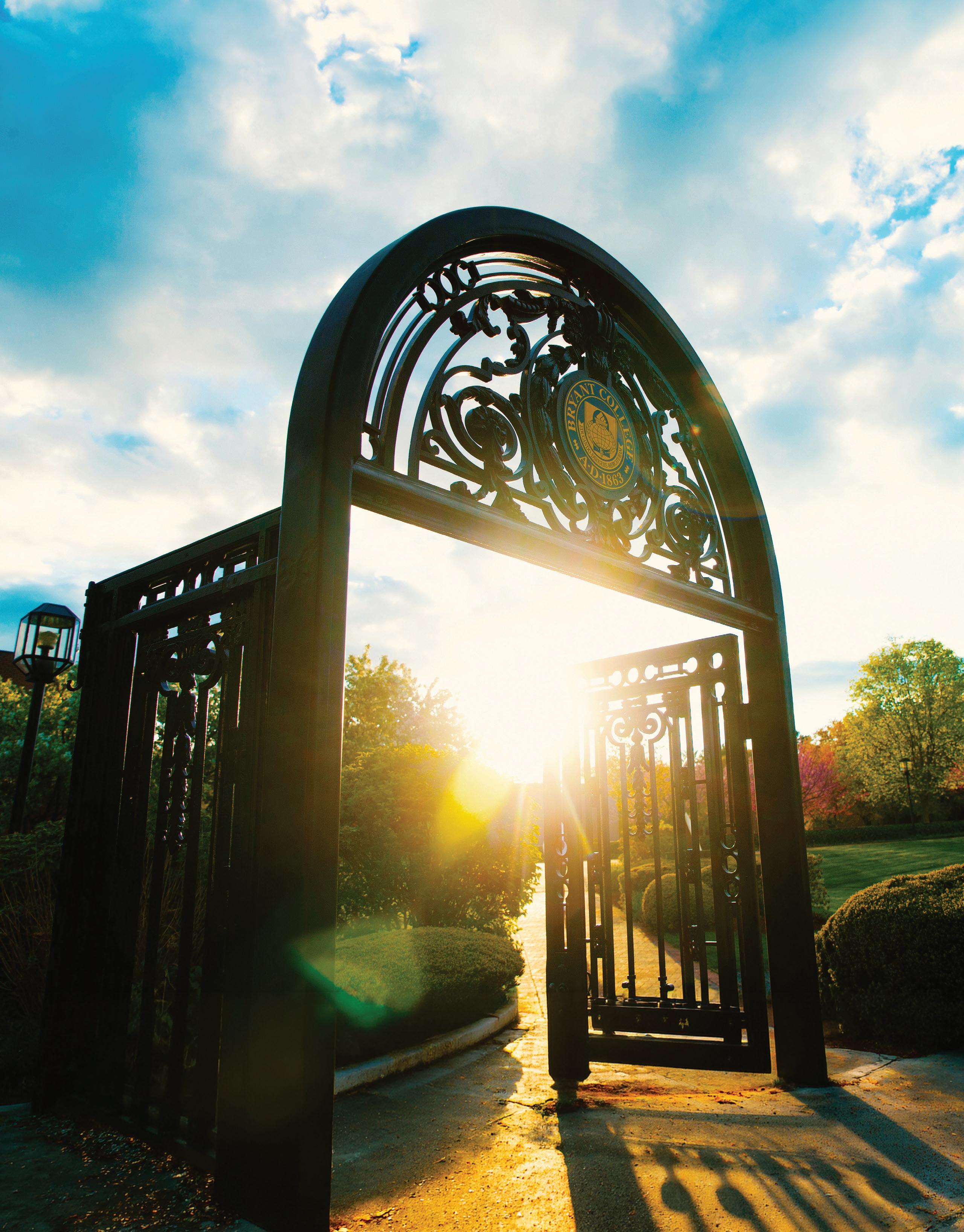
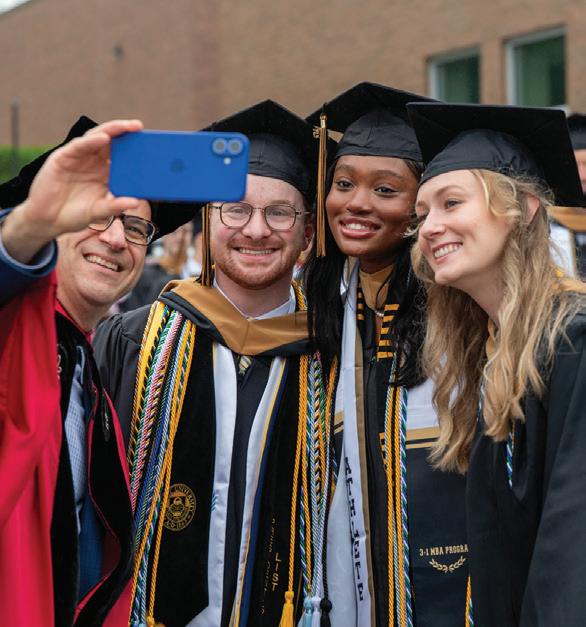
Bryant University’s archway tradition has long marked a moment of passage. When students walk through its wrought-iron gates at Commencement, they emerge as graduates, marking a shift from promise to possibility. Today, the archway carries an additional meaning, it symbolizes a university that is actively stepping into its future.
While vision matters in higher education, outcomes matter more. After years of rapid growth, Bryant has entered its next era, one defined by execution, progress, and the realization of many of our Vision 2030 goals. The 2026 President’s Impact Report tells the story of a university on the rise, one that is translating strategic investments into measurable impact.
Across campus, our vision is no longer merely aspirational. Bryant has emerged as a leader in applied artificial intelligence (page 6), enhancing how and what
students learn and faculty teach, and preparing graduates for the future of work. Highly engaged experiential education continues to set Bryant apart (page 8), driving student learning and career readiness, as well as a strong return on education investment. Expansion in the health professions responds directly to career opportunities, societal needs, and employer demands (page 23), while our comprehensive approach to wellbeing strengthens the foundation for lifelong success and fulfillment (page 19).
Our partnerships are expanding Bryant’s influence at home and abroad, including our selection as a Team Base Camp for the 2026 FIFA World Cup™, a distinction that reflects both the quality of our facilities and our growing global engagement (page 12).
Yet, amid this momentum and transformation, one principle endures: our obsession with students’ academic and personal development and their success.
Every program, every innovation, and every investment is measured by the opportunities it creates for our students and how it will advance their success.
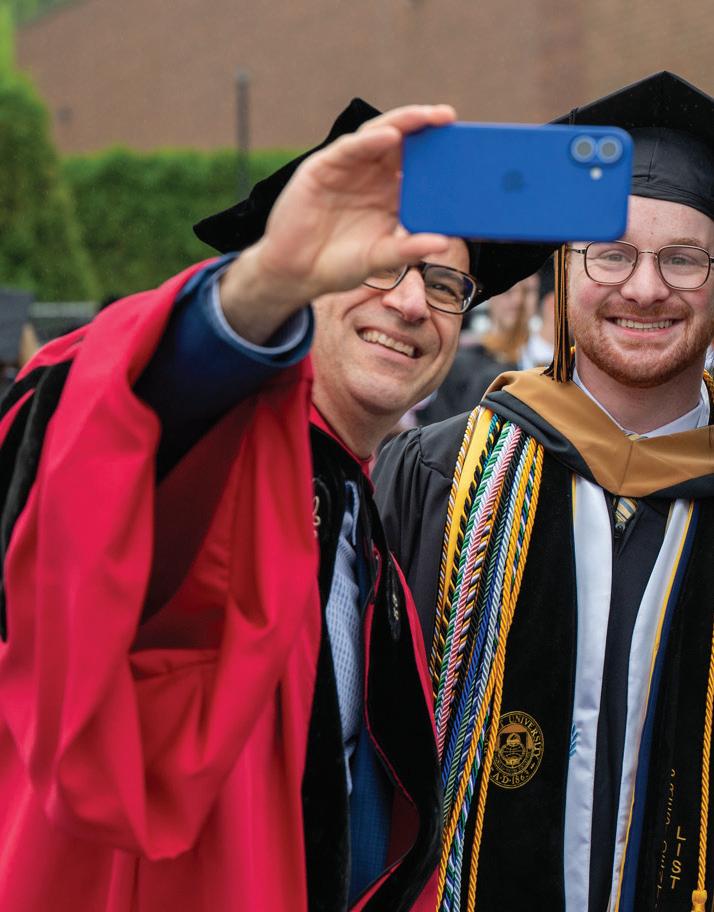
For more than 160 years, Bryant has embraced change while remaining grounded in our mission to educate and inspire students to discover their passion and become innovative leaders of character around the world. Today, as our 2026 graduates pass beneath the archway, they move forward with confidence toward what lies ahead, guided by experience, propelled by possibility, and forever connected to the place that made that moment possible.
With gratitude,
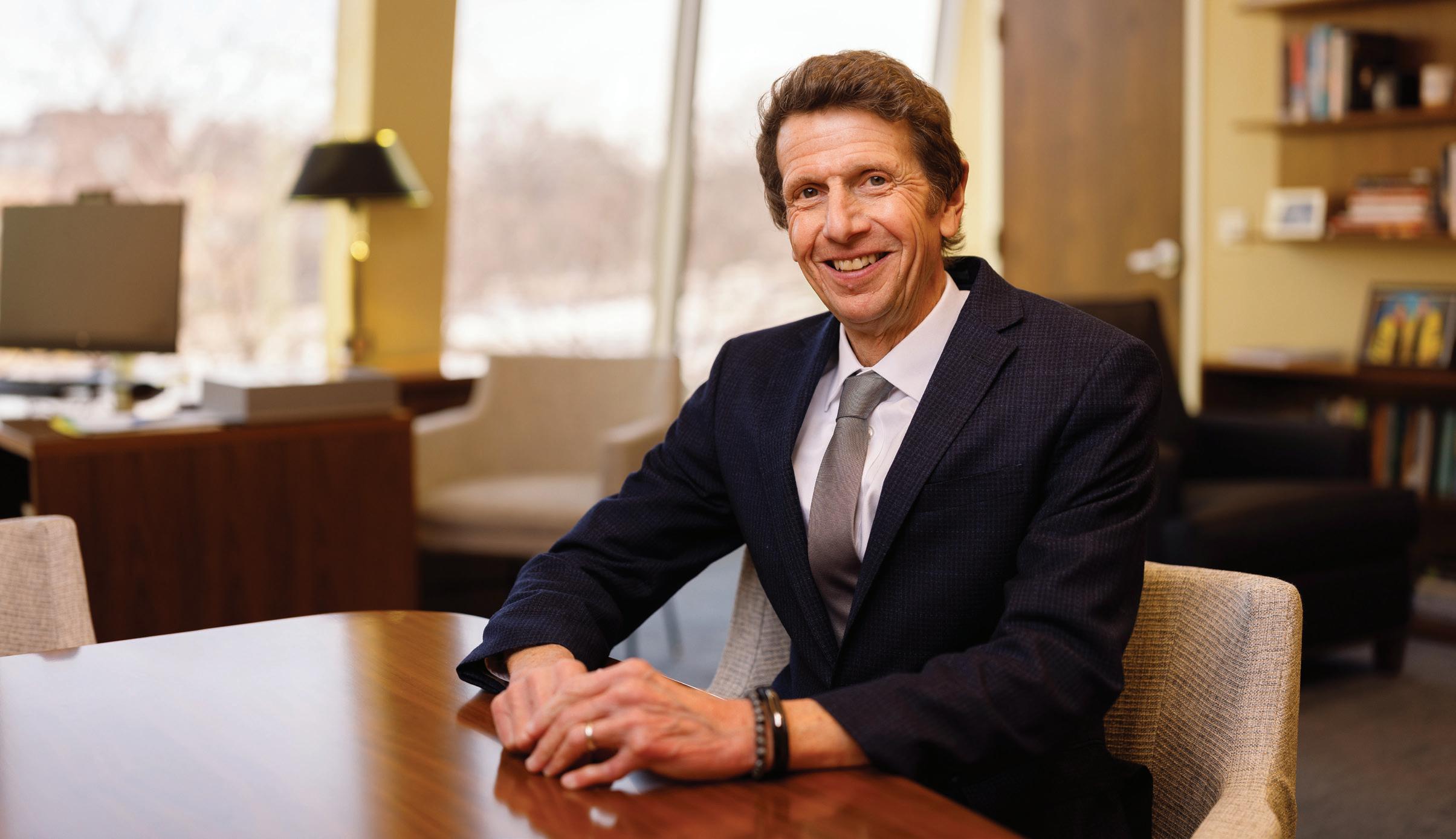
Ross Gittell, Ph.D. President
Table of Contents
The 2026 President’s Impact Report documents Bryant University’s transition from strategy to measurable results under its Vision 2030 Strategic Plan, highlighting developments in AI integration, experiential learning, wellbeing, and global partnerships, as well as their influence on student outcomes and institutional progress.
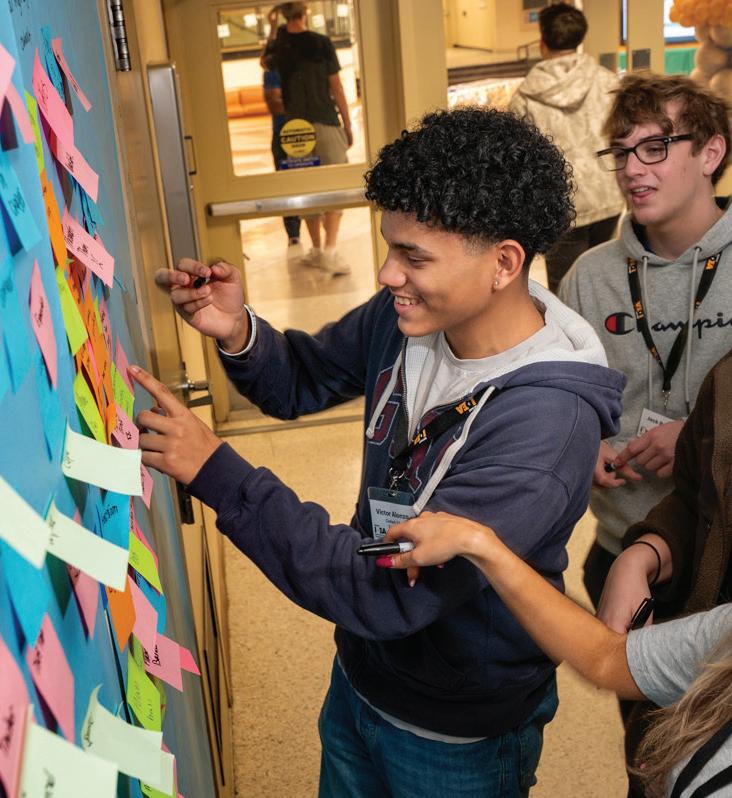
Bryant’s rising rankings and leadership in AI integration reinforce its standing as a university defined by outcomes, influence, and academic excellence.
the Lead the Action Partnership the Experience Strength
Corporate, community, and alumni collaborations expand opportunity, accelerate innovation, and strengthen Bryant’s global impact.
Powered by hands-on learning and global engagement, experiential education prepares Bryant students to lead and innovate from day one.
Strategic investments and faculty innovation have positioned Bryant for continued resilience and growth in a changing higher education landscape.
The Bryant experience is shaped by student leadership, a focus on wellbeing, state-of-the-art facilities, and championship-level athletics.
the Lead
Return on Education, Realized
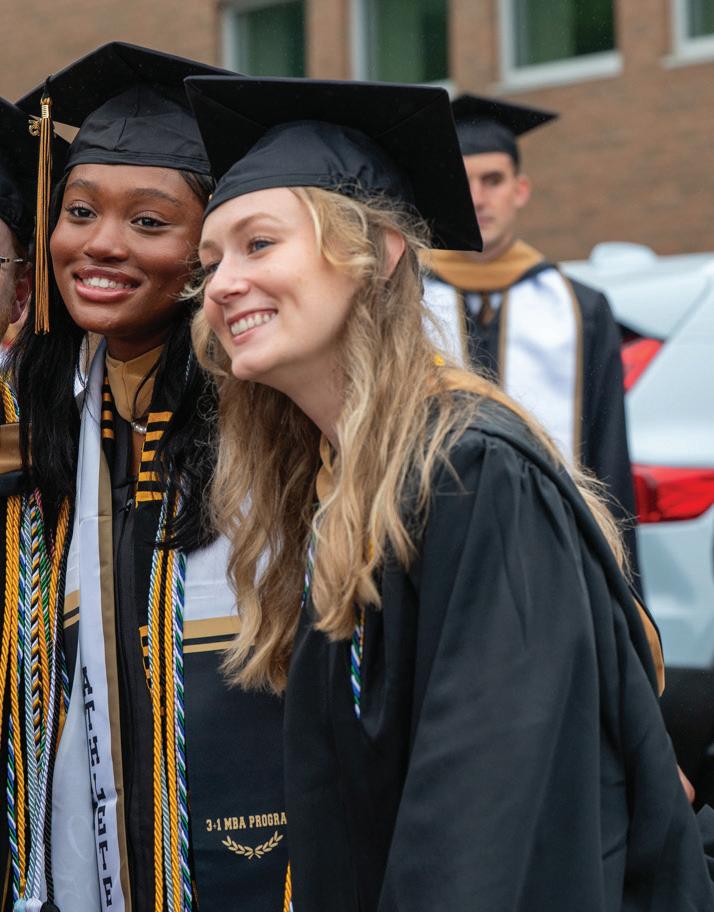
Bryant’s Class of 2025 set a new institutional benchmark, achieving the highest median starting salary in university history at $77,000. Underscoring Bryant’s standing as a national leader in student outcomes, 98 percent of the university’s graduates secured employment or enrolled in graduate school within six months of Commencement. The Class of 2025 is also narrowing the gender wage gap with a female-to-male earnings ratio of 95 percent— well above the national average of 82 percent.



The AI transformation
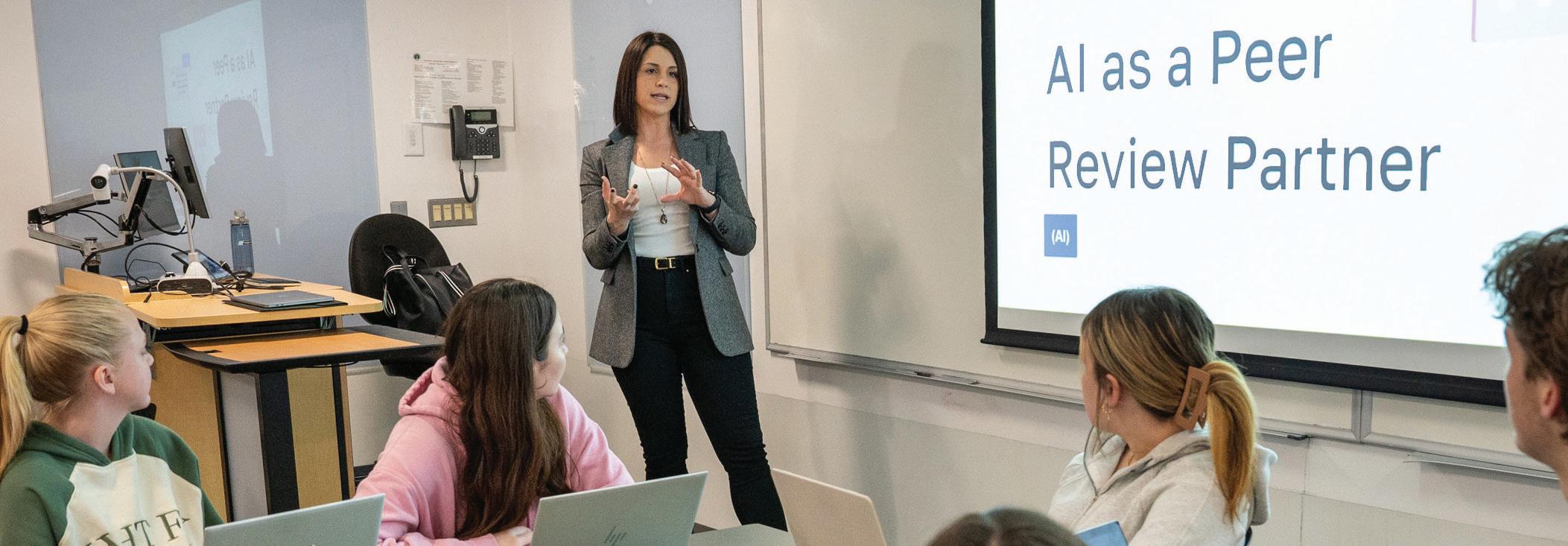
In just a few short years, Bryant has established itself as a leader in applied artificial intelligence by creating new academic programs, redesigning curricula, and inspiring faculty innovation. In the last year alone, Bryant has developed more than 20 undergraduate courses exploring AI; launched Bachelor’s and Master of Science degrees in Applied AI; integrated AI across the undergraduate and graduate curriculum; and created a new interdisciplinary Applied AI minor open to all students.
Bryant’s center for applied artificial intelligence will provide a platform for faculty, students, leadership, and corporate partners to learn together and collaborate in the cocreation of knowledge. The center, which integrates the university’s Hauck AI Performance Labs — including artificial intelligence, data science, and data visualization labs — will also serve as a catalyst for further advancing AI across campus.
“We are taking a comprehensive and intentional approach to integrating AI at Bryant. It is not a half measure; it is a full-pot commitment,” says Rupendra Paliwal, Ph.D., Bryant’s provost and chief academic officer. “We are setting the pace, and we are the ones who are building the future.”
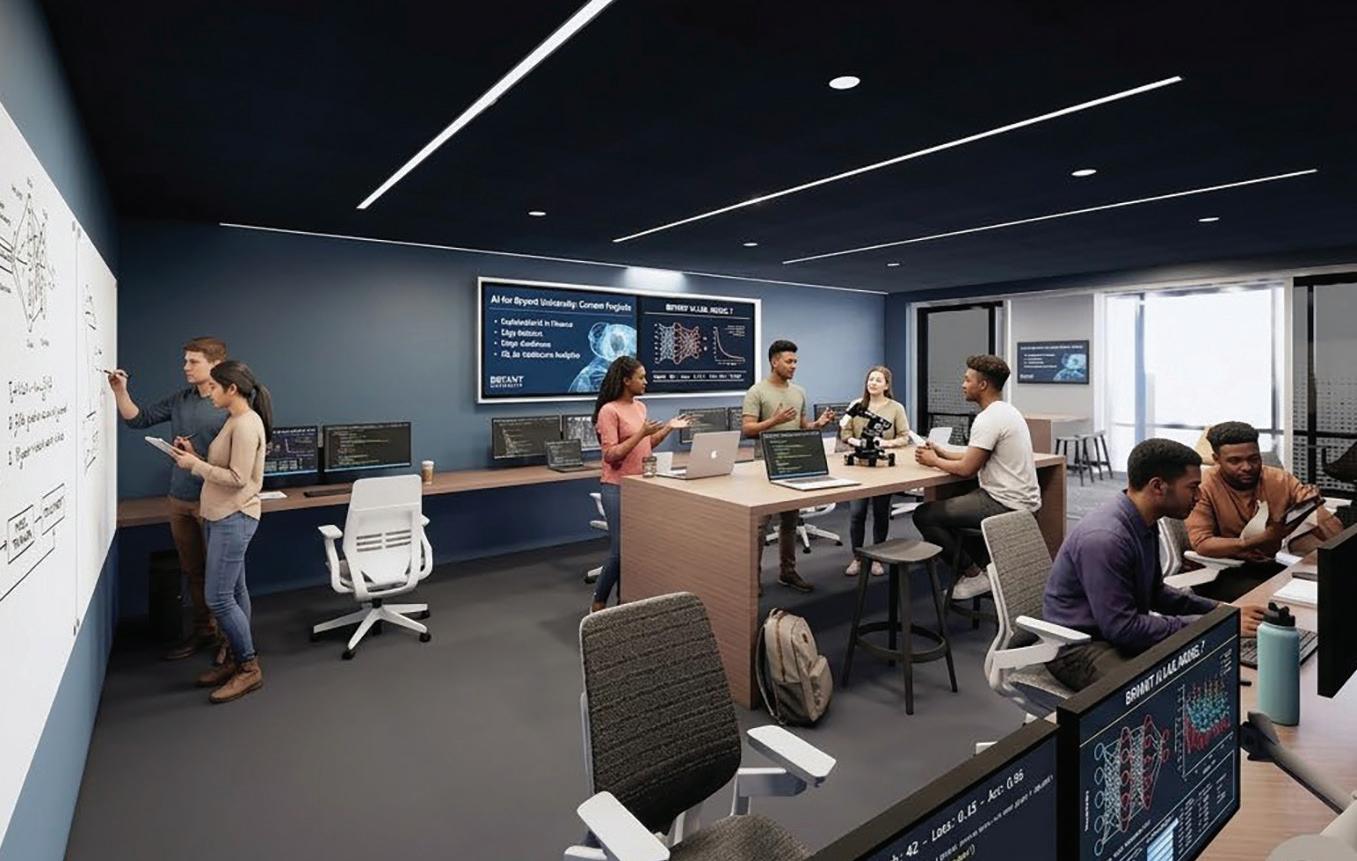
Powerful partnerships have helped fuel the university’s AI transformation:
• A campus-wide AI Summit challenged faculty and staff to rethink higher education, from coursework to university operations.
• A Hack-A-Thon, organized by the university, student group Bryant CEO, and startup accelerator Silicon XL, tasked students with using artificially intelligent coding assistants to create solutions to real-world problems.
• Participation in the global Digital Education Council fosters dialogue on the impact AI and other new technologies will have on the future of education and work.
• Grants from the Davis Family Foundation continue to spur academic innovation as faculty implement AI into their coursework in intentional, ethical, and creative ways.
Bryant receives landmark gift for AI labs
Bryant landmark for AI labs
A transformative gift from Marion ’81 and Frank ’81 Hauck will establish the Hauck AI Performance Labs, expanding Bryant University’s capacity to lead in applied artificial intelligence. This investment accelerates the university’s comprehensive approach to AI, which pairs advanced technology with experiential learning, ethical judgment, and real-world application.
The Hauck AI Performance Labs will create a dynamic environment where students, faculty, and industry partners collaborate at the frontier of AI driven innovation and serve as a catalyst for preparing graduates to think critically, make sound decisions, and lead confidently in an AI enabled economy.
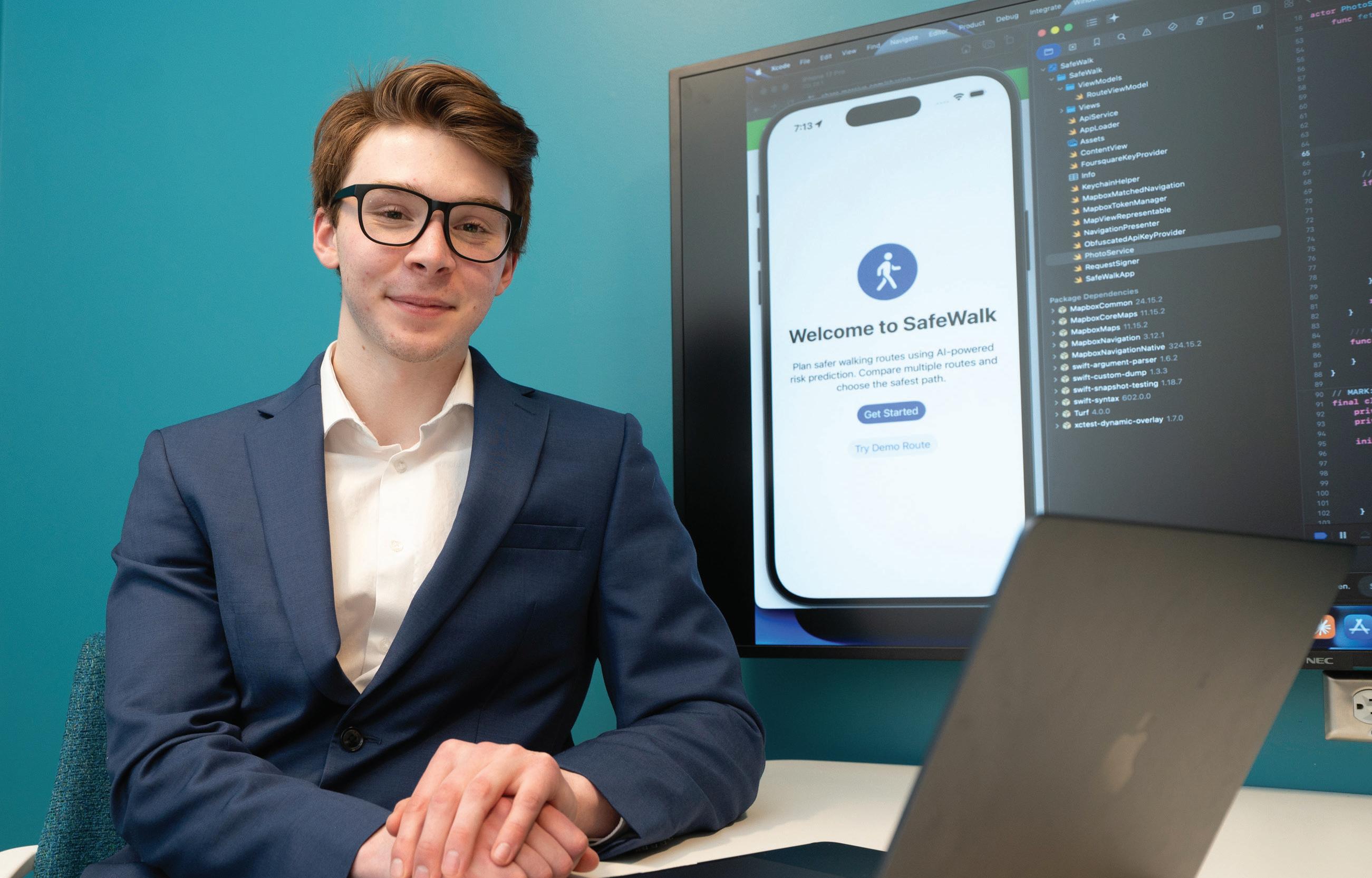
Student-led app is a step toward safer city strolls
Promoting pedestrian safety was the goal of Quinn Arnold ’26 when crafting SafeWalk AI. The Applied Mathematics and Statistics major used public crime data and machine learning to create a predictive navigation app that ensures that pedestrians can find the safest route when walking through a city.
Arnold’s inspiration for the app came from Bryant’s “AI Innovation Studio” course, where the final project was to use artificial intelligence for social good.
“SafeWalk AI not only serves as a proof-of-concept for predictive pedestrian routing but also as a template for data-driven decision systems that balance safety, efficiency, and accessibility in complex environments,” says Arnold, noting that the app can be especially valuable to vulnerable populations, including tourists, night-shift workers, the elderly, and others.
Trained on historical crime patterns, lighting conditions, and local features, SafeWalk AI models safety across time and space. In building the app’s modeling, Arnold applied a severity score to individual crimes and used a geospatial indexing system to create hexagons that he mapped to a grid of the Earth.
The size of the hexagons was adjusted based upon a city’s crime density. If there were more crimes in a spe-
cific area, for instance, the hexagons become smaller with more detailed predictions. Arnold then employed a mathematical model to help estimate the number of incidents that might be seen in this area going forward.
SafeWalk AI has been rolled out in New York City, Boston, and Chicago. App users enter their starting point and destination and receive two options: the ‘shortest’ route and the ‘safest’ route. Arnold explains that both options show how long it would take to walk as well as the distance the user would travel, with the “safe” route highlighting the predicted risk reduction, if any. The user then selects their preferred route and can either follow the map or use turn-by-turn navigation to get where they want to go.
Arnold’s end goal is to hand SafeWalk AI off to an organization that could implement it on a wider scope. He envisions extending the app’s reach to the city planning and public safety realms, where it could be used to inform investments in spaces where crime and foot traffic overlap.
“It feels surreal to have achieved this,” says Arnold, a member of Bryant’s Honors Program. “It’s a reflection of what technology can do when we use it with empathy.”
Defining the future
In October, Bryant University and ISG, a leading global technology research and advisory firm, gathered industry leaders, academic experts, and technology innovators for the AI & Business Transformation Executive Roundtable to examine how artificial intelligence is profoundly changing business models, workforce dynamics, and operations around the world.
“The future of AI is not just about the technology; it’s about people working together, collectively and collaboratively, to work out what to do with that technology,” noted Bryant University Provost and Chief Academic Officer Rupendra Paliwal, Ph.D.
Throughout the day, attendees considered how businesses can correctly implement artificial intelligence, what the intersection of AI and healthcare looks like, and how the workforce will evolve as AI is further integrated into different industry sectors. They left with insights that will aid them in leading innovation strategically and responsibly.
“The opportunities and risks of AI cannot be addressed effectively if we operate in silos. Rather, they demand collaboration across sectors and across disciplines,” stated Bryant University President Ross Gittell, Ph.D. “Bryant University is ready to be that bridge.”
the Experience
Learning by Doing
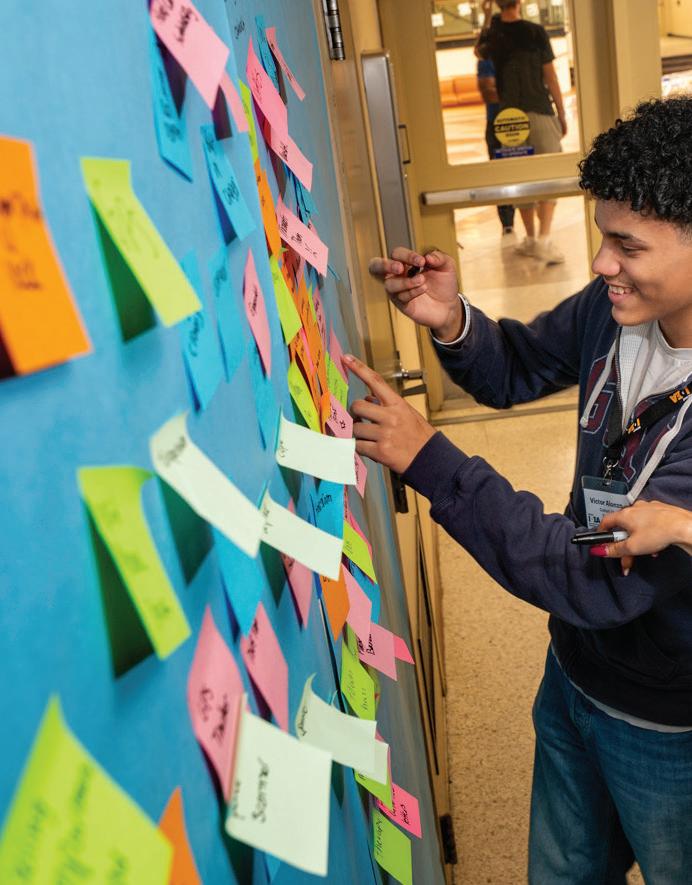
The Bryant experience can be boiled down to a simple formula: Students do stuff, immersing themselves in hands-on experiences that test ideas, build real projects, and transform curiosity into creation. Along the way, they develop beautiful grit by embracing challenge, iteration, and growth through collaboration with real clients, cross-disciplinary teamwork, and global engagement. The result is graduates who are day one ready: prepared to solve complex problems, innovate with confidence, and lead with purpose from the moment they begin their careers.
New residence complex combines modern comforts, natural beauty
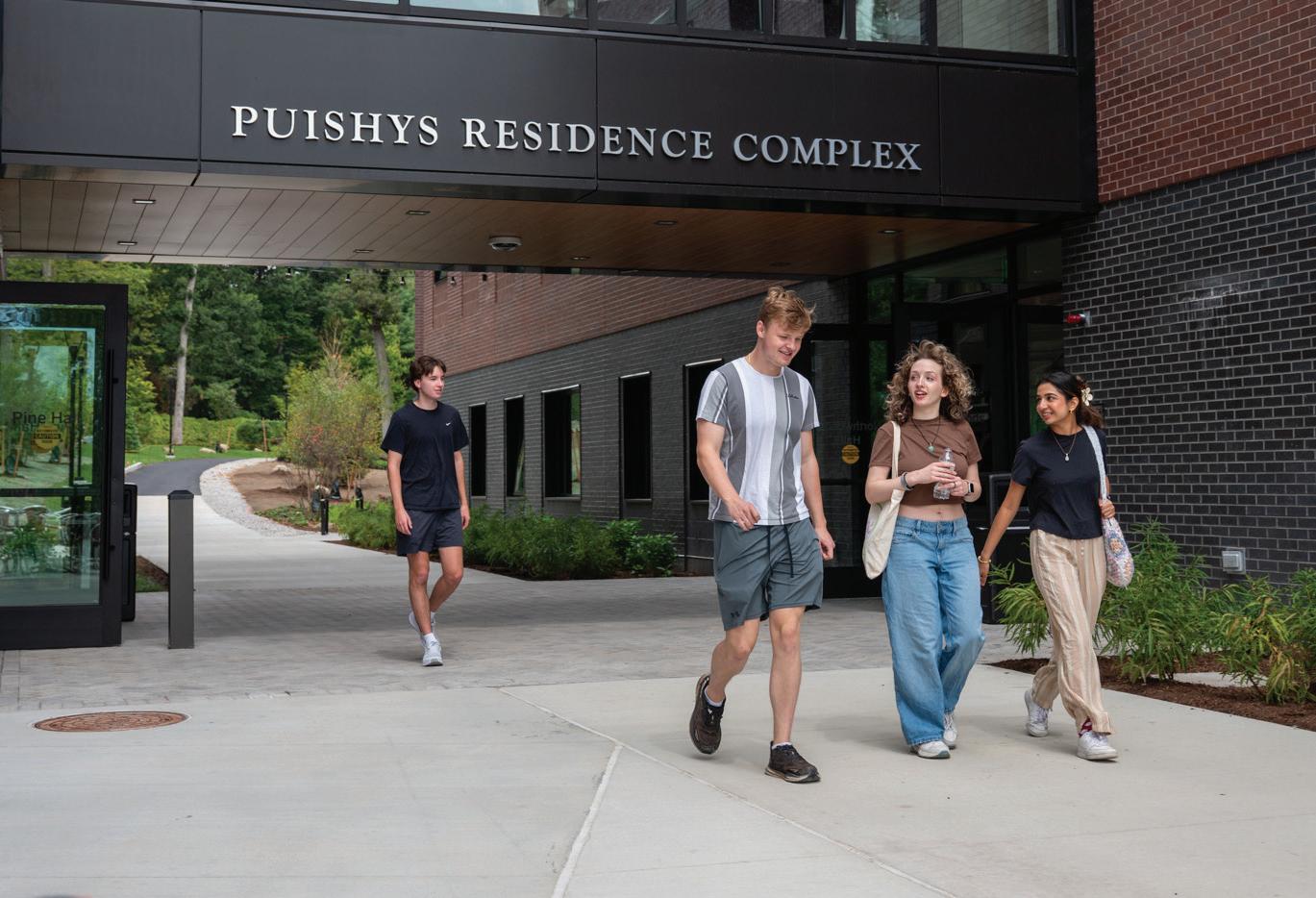
Bryant University’s new Puishys Residence Complex is far more than student housing; the 85,000-squarefoot apartment complex for juniors and seniors is designed from the ground up to foster community, collaboration, and personal wellness.
Open for the start of the 2025-26 academic year, the complex — supported by a $10 million investment by Joe ’80 and Kathi (Jurewicz) ’81 Puishys — marks a new chapter for the residential experience of Bryant students. A mix of inviting living spaces, social and gaming lounges, outdoor patios, and comfortable areas for students to study, play, and hang out, it stands as a physical expression of the university’s commitment to cultivating a strong and connected community.
Located just inside the main university entrance and convenient to both the Tupper campus and the Business
Entrepreneurship Leadership Center, the residence hall houses 204 undergraduates in four- and six-bedroom apartments. The building also includes numerous gathering and study areas where students can build connections and learn together.
A glass bridge connecting the complex’s two residential wings serves as a relaxation space where students can take in the view. The gaming lounge features 4K screens with integrated sound, along with pool tables, ping
Step inside the Puishys Residence Complex:
pong tables, and darts, while a wellness studio provides space for yoga and fitness equipment such as weights and elliptical machines.
Set on a hillside at the edge of a forest, the complex, designed by Ayers Saint Gross and completed in association with Amenta Emma Architects, also incorporates terraced landscaping, outdoor fire pits, seating areas, and other design elements that bring together modern living with timeless design.
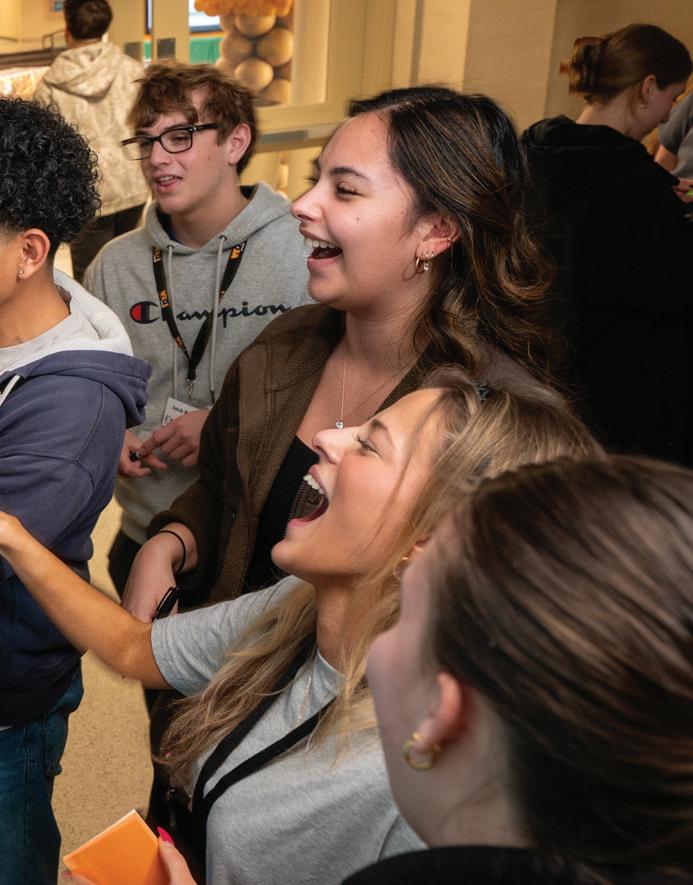
Beloved dining hall gets bold new update
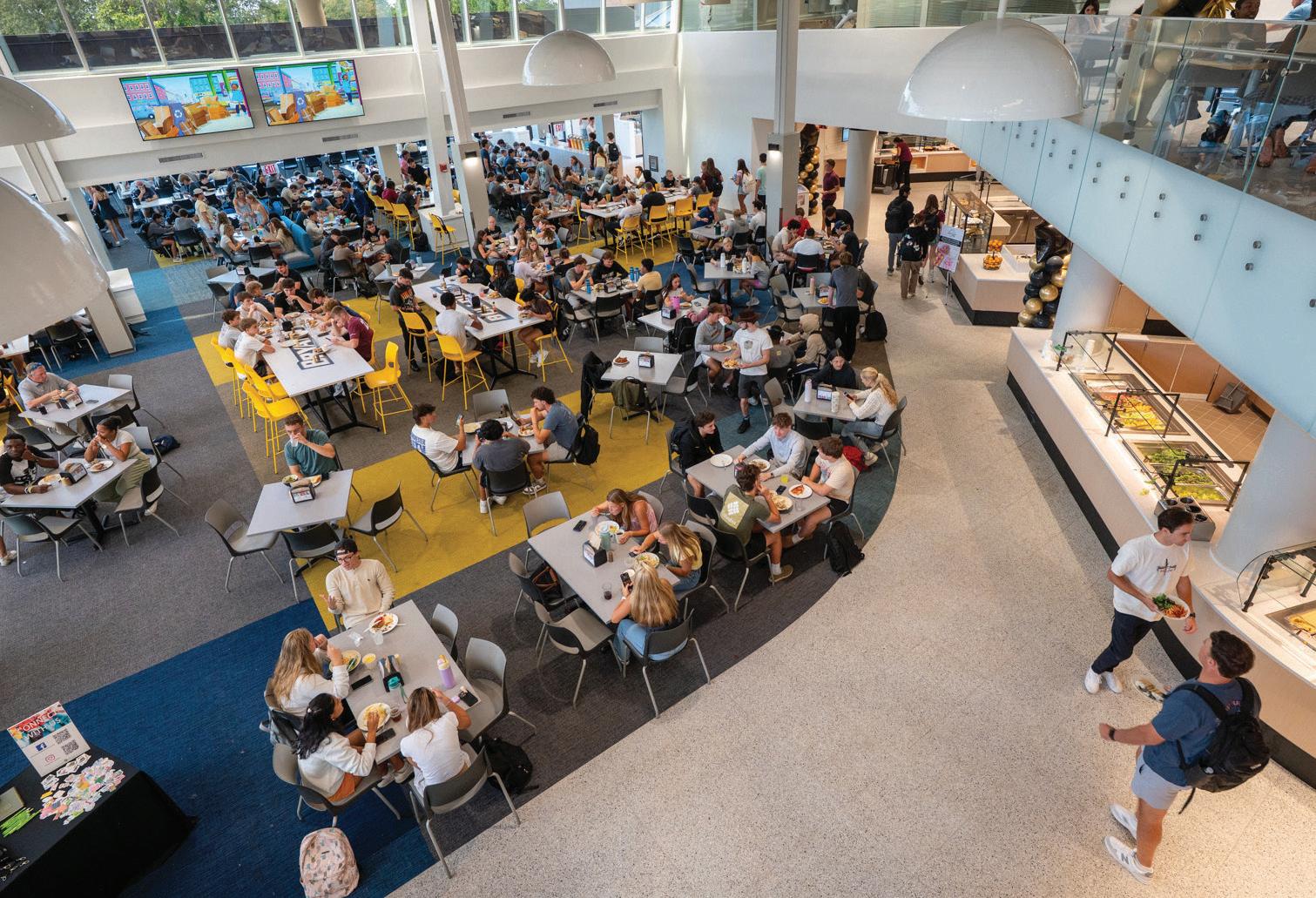
Bryant University’s Salmanson Dining Hall has been the host of fantastic feasts and countless memories for more than a half-century — but that was just the appetizer. When the Bryant community returned to campus this fall, they found the time-honored space — affectionately known as “Salmo” — had a new look, exciting new features, and tasteful tweaks both large and small, even as it retained its classic engaging atmosphere.
This new renovation, designed by architectural firm Amenta Emma Architects and implemented by Bond Building, heralds a proud new era for the campus landmark. The dining hall’s main entrance has been improved with a mezzanine walkway that leads to a grand staircase, and a new secondary entrance allows members of the Bryant community and guests to enter from the exterior of the building.
A new elevator has also been added to improve accessibility. Once inside, patrons find a state-of-the-art dining room with new flooring and additional seating.
The reimagined dining hall provides a full range of culinary choices from comfort foods to international offerings to plant-based cuisine. An emphasis on international options provides opportunities for Bryant’s students — who come to the university from all over the world — to expand their palette or enjoy a taste of home away from home.
Some new stations, like the allergen-sensitive “Clarity,” were designed to support student health needs. Others like “Creations,” where students can try their hands at perfecting their own signature dishes with independent cook stations, were informed by community feedback.
While much has changed, other great things will remain the same. AVI Fresh — an industry leader in campus dining solutions — will continue to elevate Bryant’s dining experience at Salmanson, now aided by an expanded “back-ofhouse” with revamped mechanical and plumbing infrastructure improvements.
Take a video tour of
Salmanson Dining Hall:
Global Advisory Council raises Bryant’s international profile
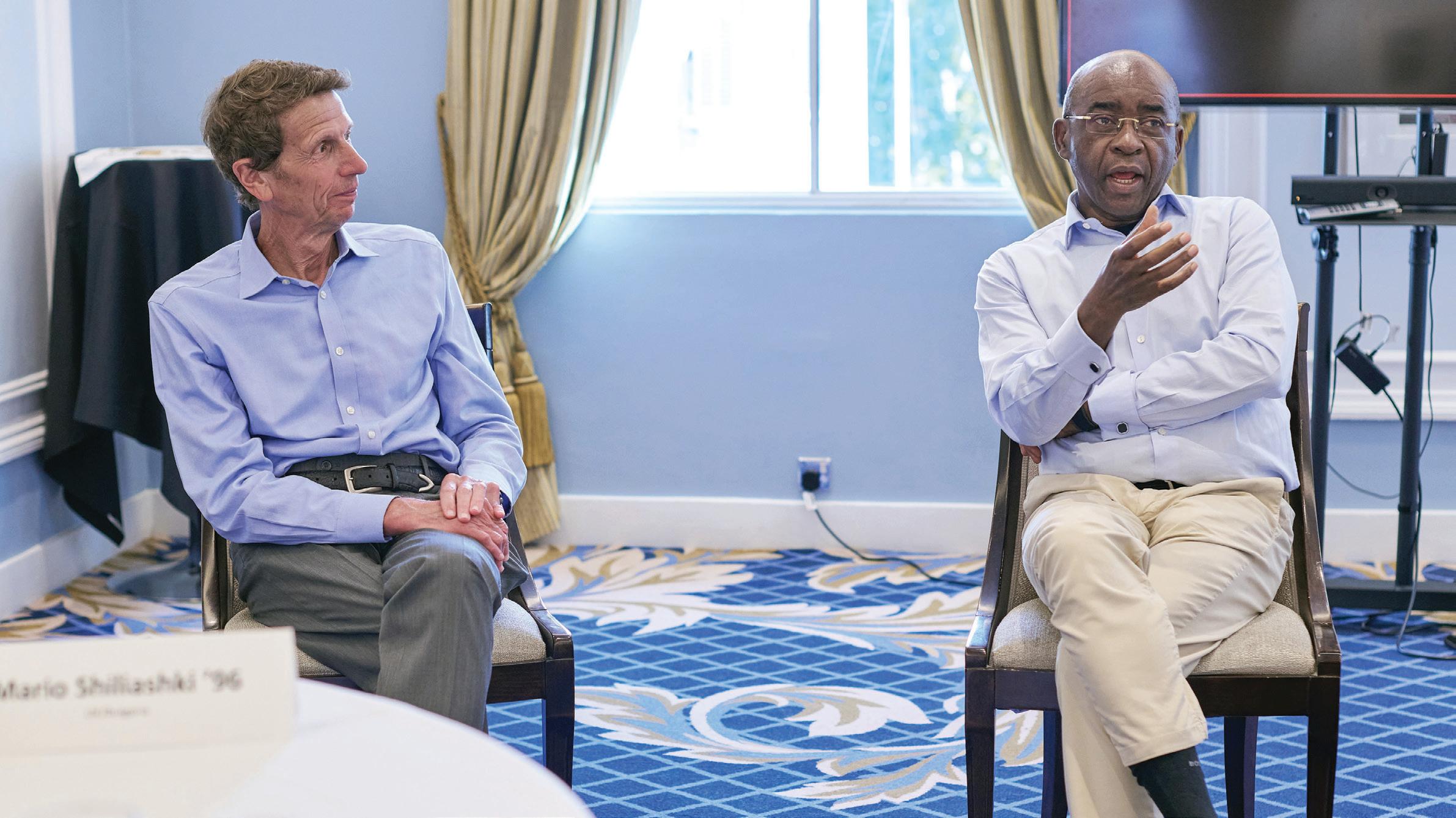
Bryant’s new Global Advisory Council, which first convened in July 2025 in London, is a strategic initiative designed to amplify the university’s global footprint and prepare students to lead in an increasingly interconnected world.
The council’s work furthers Bryant’s Vision 2030 Strategic Plan, which prioritizes and accelerates investments in academic innovation, experiential learning, vibrant student life, Division I athletics, economic mobility, and creating a connected community at an international level to chart a course for the university’s global future.
The council is composed of distinguished alumni and partners from nearly 20 countries and a broad spectrum of industries, who serve as strategic advisors to university leadership and support international recruitment, experiential learning initiatives, alumni involvement, and opportunities for global collaboration.
“Bryant has a proud history of graduates who make an impact not only in their communities, but around the world,” says Ellen Wilson ’79, chair of Bryant’s Board of Trustees. “The
establishment of the Global Advisory Council is a natural evolution of that legacy, and an important step as we strengthen our position on the international stage. With the council’s support and insight, Bryant is positioned to broaden its reach, deepen its global partnerships, and provide students with the skills and experiences that prepare them to lead and succeed anywhere in the world.”
Some of the council’s insights have already translated into action: In January of 2026, Bryant announced a strategic partnership with the University of Cape Town in South Africa designed to expand global academic collaboration, experiential learning opportunities, and research initiatives for students, faculty, and staff at both institutions.
The University of Cape Town partnership was facilitated by Global Advisory Council Co-Chair Strive Masiyiwa P’17, founder and chairman of Econet Group and Cassava Technologies, which has operations and investments across Africa, Europe, the Middle East, Latin America, the UK, and the U.S.
“To be effective leaders now and in the future, whether in business or in any other sector, our next generations must be equipped to both understand and operate successfully in a global context,” says Masiyiwa. “More than ever, it’s important that we work together with a global vision to ensure the education of our young people embraces not just STEM subjects, but also innovation, entrepreneurship, AI, ethics, financial literacy, and other skills and knowledge needed to lead in the brave new world ahead.”

A world of opportunity
Every corner of the globe becomes a classroom for Bryant students who take part in programs such as:
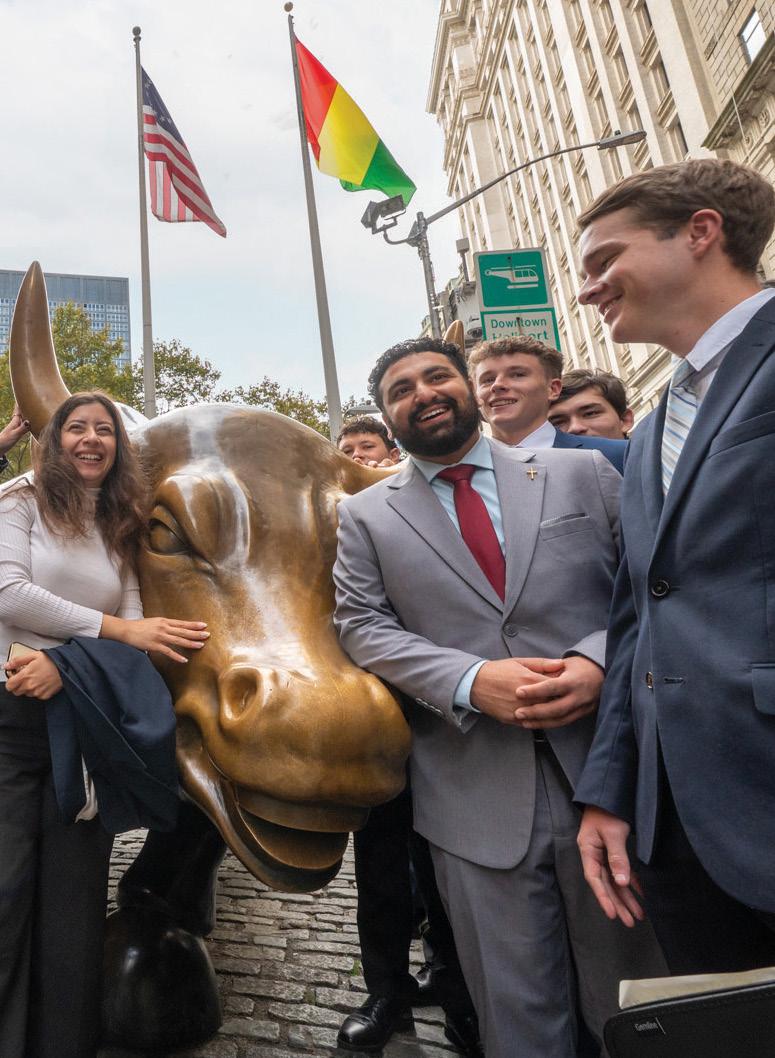
• Walk Down Wall Street, a visit to the financial capital of the world where students connect with successful alumni and engage in unique experiences like walking the floor of the New York Stock Exchange.
• Women in Finance events, such as this year’s visit to Chicago, which allow students to network and learn from women alumni working in financial services and related industries.
• “Road to Radio Row,” which saw students studying advanced broadcasting fly to San Francisco, engage with industry professionals, and help cover the lead up to Super Bowl LX.
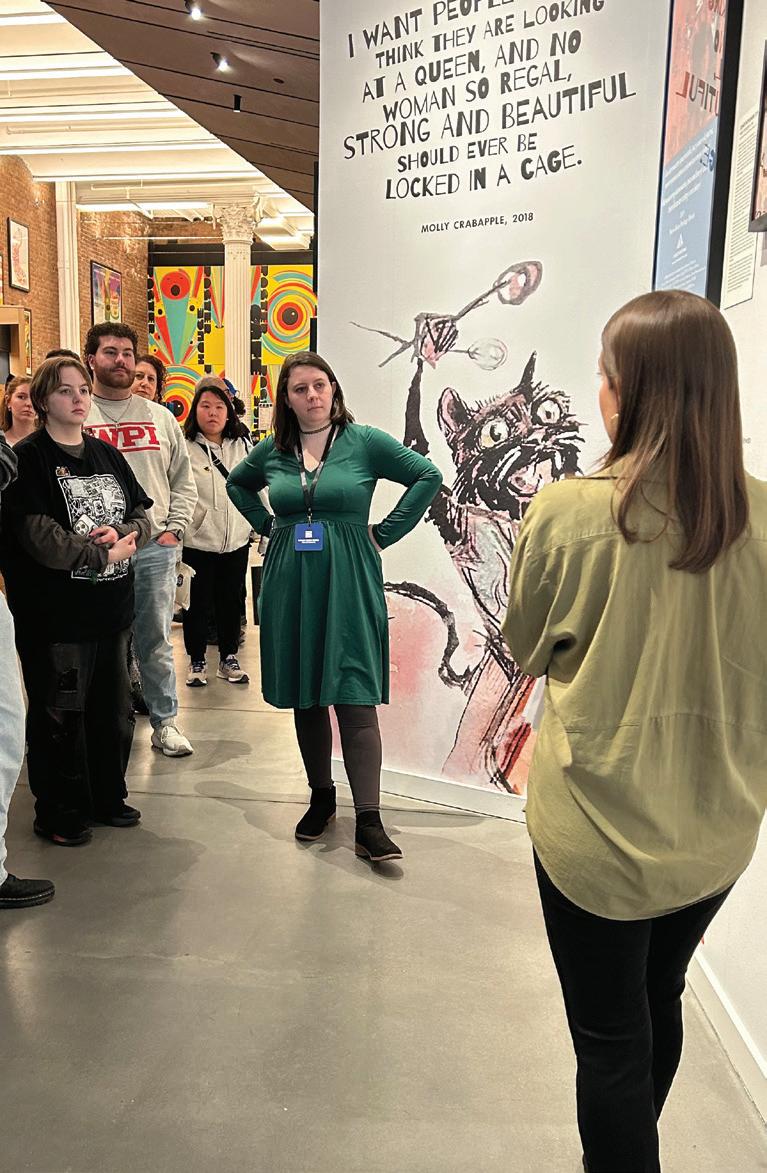
• Arts in the City, a New York City trip that exposes students to a variety of art forms and examples of cultural expression, related internships and careers, and alumni working in creative industries.
• Explore Washington D.C., where students explore career paths in politics and immerse themselves in the workings of the nation’s capital.
• Short-term, faculty-led, for-credit international educational programs, tied to courses like "Global Health Challenges," that travel to destinations including South Africa, South Korea, Vietnam, Germany, France, and Monaco.
• Global Immersion Experience trips for students in Bryant’s oneyear and two-year MBA programs to destinations like Prague, Berlin, Dubai, Hong Kong, and India.
• Semester-long study abroad opportunities in Germany, Scotland, Italy, South Africa, and more.
• Study Abroad Honors Program Trips to locations such as England Ireland, and Scotland.
• Service learning programs, including trips this year to Puerto Rico and South Dakota, that allow students to use what they’ve learned to make a positive impact.
New policy more than doubles for-credit internships
Under Bryant’s new tuition-paid internship policy, participation in for-credit internships has more than doubled in the last year. From summer 2024 through spring 2025, 191 Bryant students participated in internships for academic credit. That number increased to 483 for the same period from summer 2025 to spring 2026.
Through the new policy, which was adopted in early 2025, full-time students may pursue for-credit internships in the summer and winter months as part of their general tuition — a differentiator in a higher-education landscape where students typically pay out of pocket to earn course credit for off-semester internships.
The policy allows undergraduates to earn up to six course credits through internships, opening up new possibilities for students like Finance major Brian Inger ’26, who has worked on AI implementation and mergers and acquisitions during his two summers interning at Dell Technologies. “This role was a tremendous opportunity to apply real world scenarios to corporate evaluation models that I’ve worked on in my time at Bryant,” says Inger.
the Action
The Beautiful Game
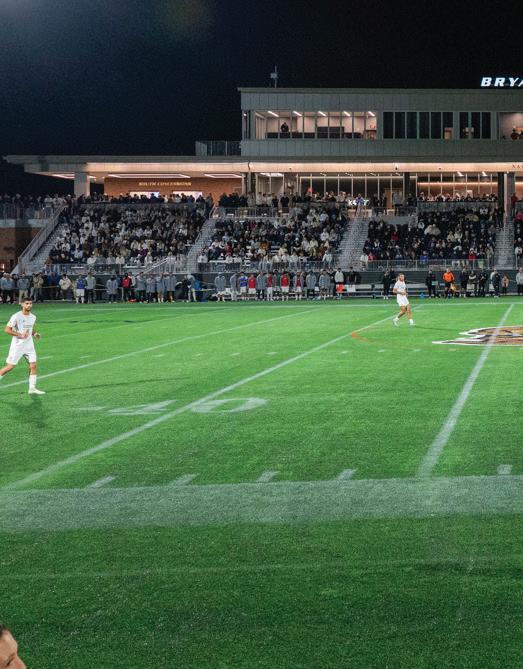
The world’s biggest sporting event is coming to North America, and Bryant University will be part of the action. The university and its pro-level facilities were chosen by the Black Stars, Ghana’s national soccer team, as their base camp for this year’s FIFA World Cup 26™
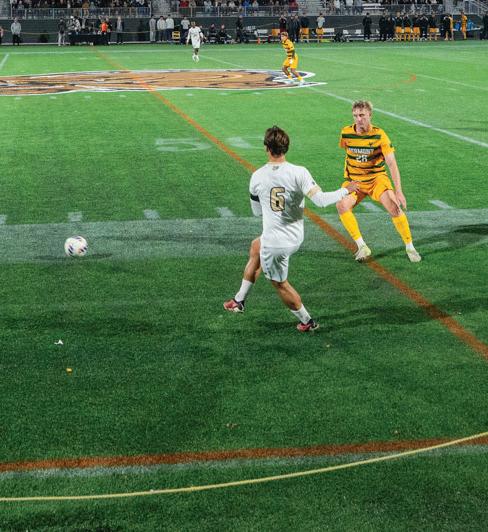
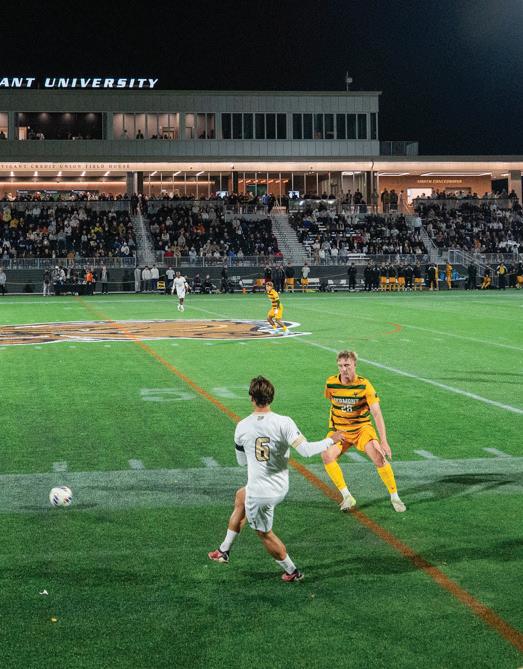
The university's involvement with the World Cup, held in June and July, will cap a year of soccer success at Bryant. The Bulldog community packed Beirne Stadium and the new Navigant Credit Union Field House this fall to cheer on the men’s soccer team as their season took them to the heights of a #2 ranking in the nation and the Sweet 16 round of the NCAA Tournament.
Pride of the Bulldogs

At Bryant University, students do more than play for the “W”; they bleed black and gold. “We go into each day excited to play with each other and for each other, and we hold one another to a high standard so each of us are at our best,” says Mia Mancini ’27, a guard for the Bryant women’s basketball team who crossed the career 1,000-point mark this season. In a year that saw Bryant win the Stuart P. Haskell Jr. Commissioner’s Cup, which honors the top-rated athletic program in the America East Conference, the university’s sports teams made a name for themselves on the national stage:
• The men's soccer team rose to number two in the national rankings on their way to an appearance at the NCAA Tournament — their second in three years — and the Sweet 16 round.
• The women's swimming and diving team became the first women's team at Bryant to capture an America East Championship.
• Chloe Whiting ’26 and Jasmine Trott ’26 became the first women in Division I program history to reach the First Round of the NCAA Track and Field Championships. Trott also competed at the NCAA Cross Country Championships (the first Bryant woman to do so).
• Christopher Buonocore ’26 and Megan Beasley’27 represented the Bulldogs at the NCAA Zone A Diving Championship. Buonocore also competed at the 2025 USA Diving Winter National Championships, the program’s first diver to do so.
• The women’s tennis team punched their ticket to the NCAA Tournament by winning the Ohio Valley Conference Championship.
• Capping their best season in program history, the women’s bowling team won the ECC Championship and made their first NCAA tournament appearance.
Student-athlete success
Bryant’s student-athletes are among the most academically gifted in the nation, thanks to a support system and culture that’s bigger than the scoreboard. The fall 2025 semester was one of their most academically successful on record.
96%
Bryant student-athlete graduation success rate, compared to a national average of 90 percent for all Division I institutions
3.42
Fall student-athlete GPA, the highest on record
65
Student-athletes with a 4.0 GPA
436
Student-athletes who made the Dean’s List this fall
7
Teams that recorded perfect 1,000 academic progress rate scores
Leading the way
Meet five Bryant student leaders who are making their mark:
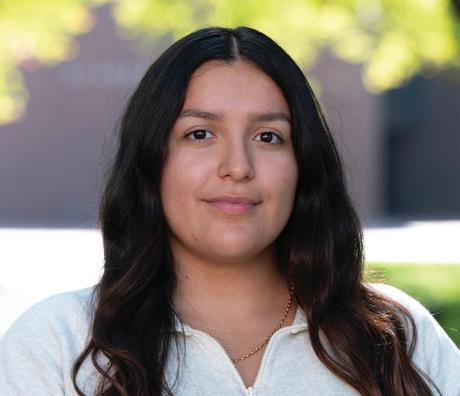
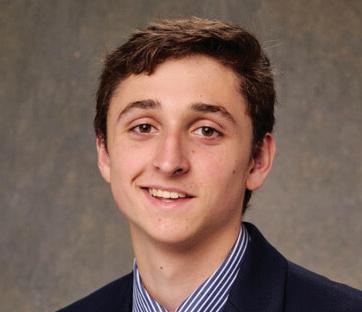
Pratham Patel ’26
Bryant Senior Advisory Council (BSAC) member and portfolio manager for the Archway Investment Fund
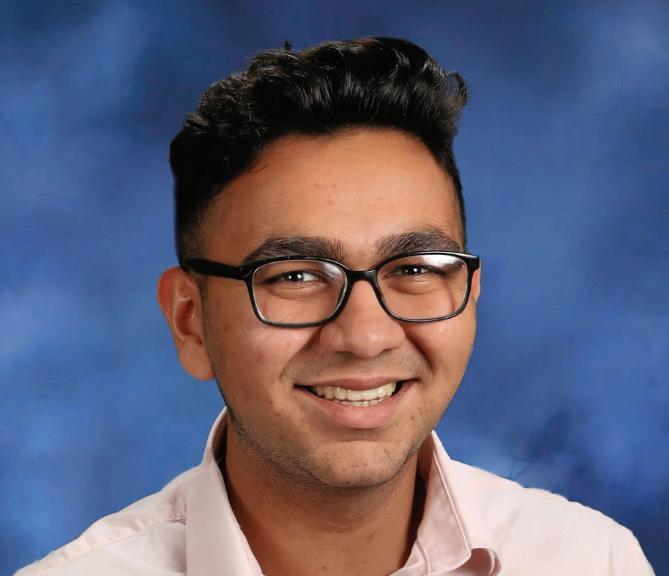
Pratham Patel ’26, who learned about decision-making and teamwork while helping to manage Bryant’s $4 million student-run Archway Investment Fund, also advises the university’s leadership on campus issues as a member of the Bryant Senior Advisory Council (BSAC).
“BSAC is vital because it acts as the primary bridge between the student body and the university administration,” Patel observes. “It ensures that the ‘student voice’ isn’t just a buzzword, but a functional part of how the university evolves.”
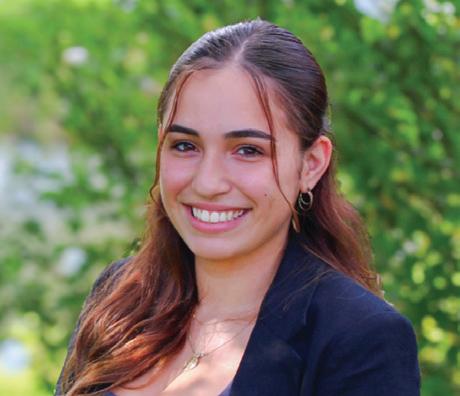
Grace McKenzie ’26
Student Government President
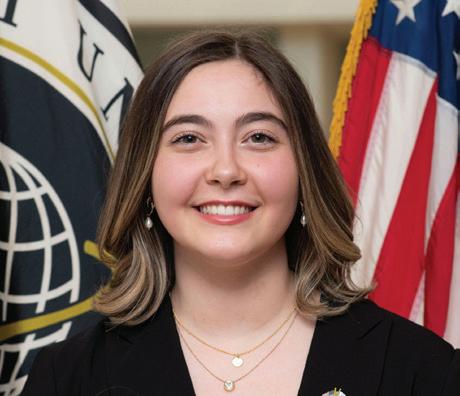
As president of the Bryant University Student Government, Grace McKenzie ’26 collaborates with both students and university administration to examine the needs of the Bryant community, initiate action to meet these needs, and enact positive change.
“My time as president has taught me that there is a strong human dimension to leadership and that my organization has benefited from taking time to build personal connections,” says McKenzie. “This means learning that you have to be patient and understanding of others so you can see where they are coming from and approach problems together.”
Andrea Cortes ’26
President of Bryant’s Multicultural Student Union (MSU)
The Multicultural Student Union, says Andrea Cortes ’26, provides the Bryant community with a forum where students can express their most authentic selves through sharing elements of their cultural identity while learning about the identities of others.
“I’m proud to call the MSU a family,” Cortes says. “I never imagined that a group of people with so many different backgrounds could grow so close; working together and supporting one another has been incredibly meaningful.”
Michael Dubois ’26
President of Bryant CEO
Bryant’s chapter of the Collegiate Entrepreneurs Organization is focused on empowerment, says Michael Dubois ’26. “We are a hub for entrepreneurial thinking, student success, and skill development. Whether we’re creating entrepreneurs or inspiring business leaders, we aim to advance every student’s academic and career goals,” he states.
Organizing events like the group’s successful AI Hackathon, which brought together students from nearly every field and major to explore artificial intelligence, can be a big job, he admits, and requires a team firing on all cylinders. “I’ve learned that communication is at the core of any success,” Dubois says.
Hailey Furtado ’26, ’27MBA
President of the Student Programming Board
When New England Patriots quarterback Drake Maye is on the field, he’s in charge of the team. But when he visited campus in November, it was the Student Programming Board that was calling the plays.
“Putting together a large-scale event like that requires coordination, communication, and a lot of behind-the-scenes work,” says Hailey Furtado ’26, ’27MBA. “Seeing such a strong turnout and positive student engagement made all the effort worthwhile, though.”
Events like the Maye visit “help create a sense of community and engagement on campus and give students opportunities to connect outside of the classroom,” she says.
Podcast sparks mental health conversations that matter
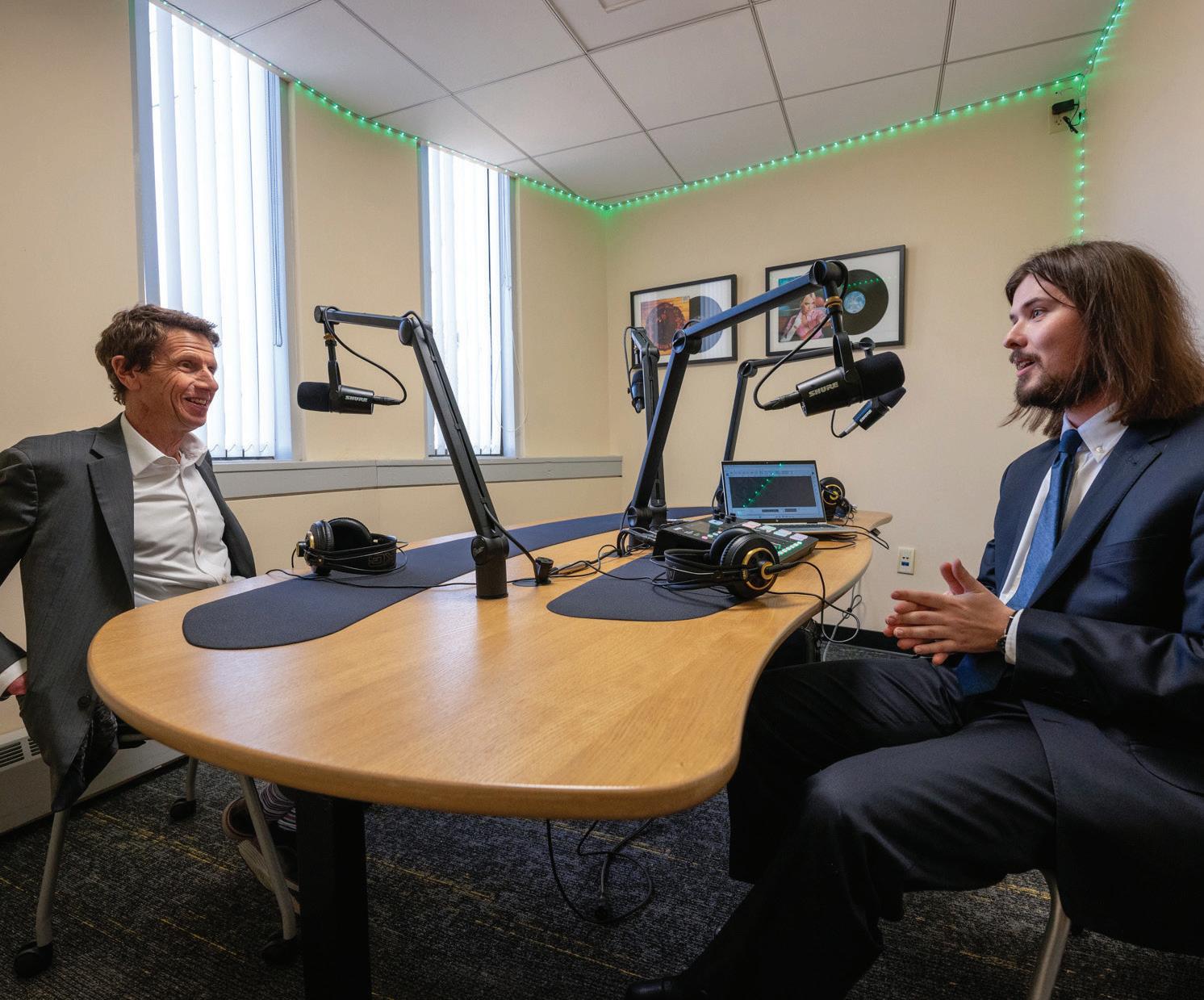
Bryant’s WJMF radio station serves as the voice of the university’s students — especially when the discussion is important. It’s no surprise then, that its “Mind Over Matter” podcast series, which features in-depth interviews with members of the Bryant community on mental health and wellbeing, has resonated. “These are issues students want to talk about, even if it can be uncomfortable to start that conversation,” says Patrick MacDonald ’26, WJMF’s general manager and one of the podcast’s co-hosts.
The podcast’s interviews take many forms. Vice President of Student Affairs and Dean of Students Inge-Lise
Ameer, Ed.D., answered questions submitted by Bryant students about mental health, stress, and wellbeing, for instance. Two-time Super Bowl champion and Bryant University Professional in Residence Christian Fauria discussed the unique mental health challenges faced by athletes. MacDonald was especially honored that the podcast’s very first guest was Ross Gittell, Ph.D., Bryant’s president. “At Bryant, we’re proud to create a campus culture where it’s okay to ask for help, where seeking support is seen as a strength, and where every student knows: You are not alone,” noted Gittell during his segment.
The podcast format, MacDonald believes, is the right fit for a topic like mental health. “A podcast is about having conversations, and that’s the most important thing you can do with issues like this. We want our listeners to know that it’s not just ‘ok’ to talk about mental health; it’s important to talk about it,” he says.
Those conversations can often be enlightening and powerful, says MacDonald, citing his talk with Fauria. “He’s a Super Bowl champion, someone people look up to as a hero,” he points out. “And he chose to be vulnerable with us.”
A university-wide commitment to wellbeing
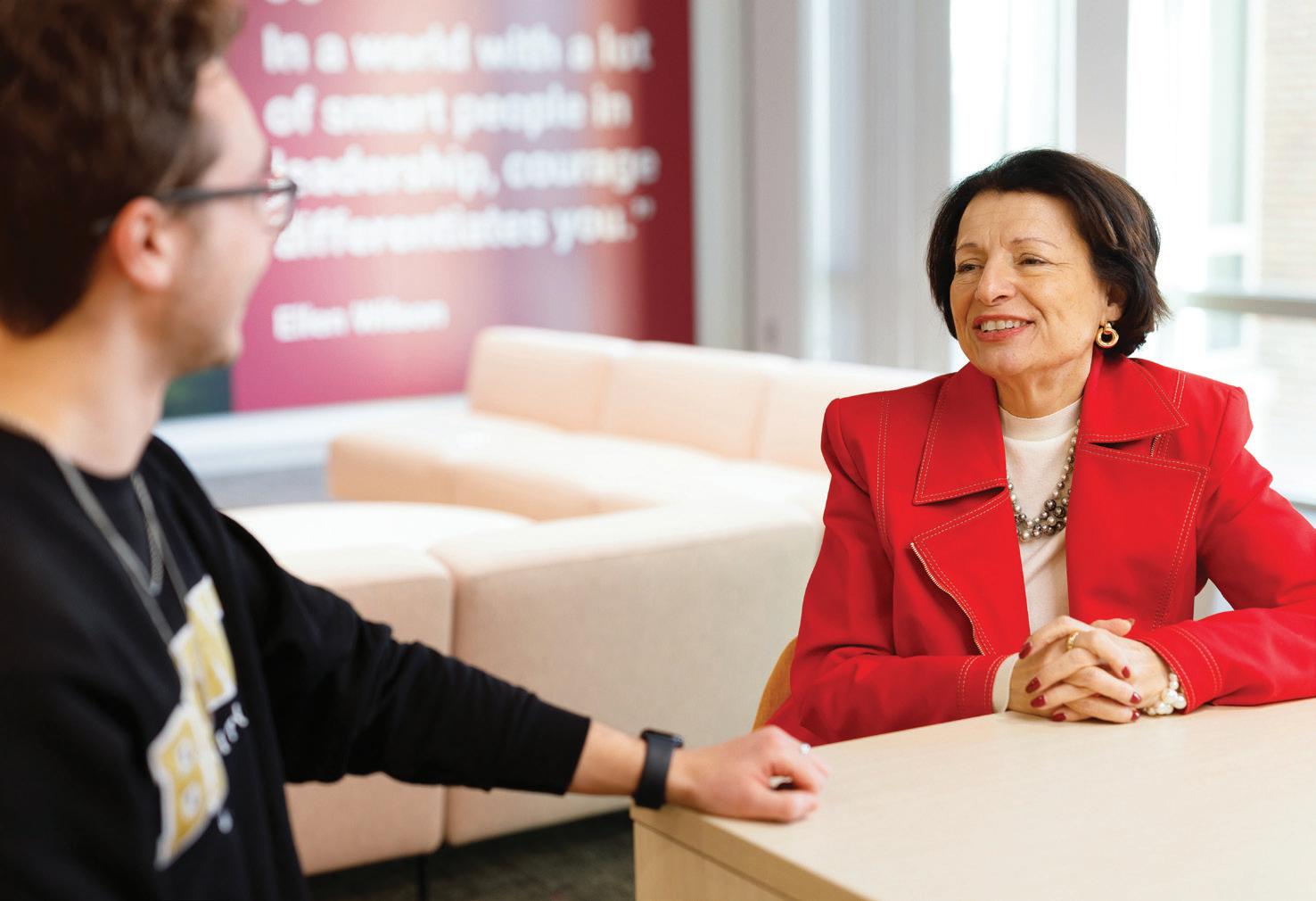
Wellbeing is at the heart of life at Bryant University, touching every aspect of the student experience — from classrooms and student organizations to campus recreation and athletics to resources like the Office of Counseling Services. Together, these programs create a campuswide network designed to help students thrive academically, personally, and socially. Through workshops, peer engagement opportunities, and dedicated support, Bryant students develop healthy habits, strengthen their resilience, and cultivate a sense of belonging that supports both immediate success and long-term fulfillment.
“College is a rare opportunity to explore not only intellectual and career paths, but pathways to health, spiritual growth, and emotional balance,” says Inge-Lise Ameer, Ed.D., Bryant's vice president for student affairs and dean of students. “Our goal is to provide students with the same strong strategies, skills, and mentorship regarding wellbeing that they receive in their academic pursuits.”
While student wellbeing has always been central to Bryant’s mission, the university’s Vision 2030 Strategic Plan has reinforced that commitment, including investments in expanded programming, resources, and staffing to support students across eight interconnected dimensions:
• Emotional Wellbeing
• Spiritual Wellbeing
• Environmental Wellbeing
• Financial Wellbeing
• Intellectual Wellbeing
• Occupational Wellbeing
• Physical Wellbeing
• Social Wellbeing
This comprehensive approach begins the moment students arrive on campus. During Welcome Week, new Bulldogs are introduced to the university’s wellbeing initiatives and the many resources available to support them throughout their college journey. First-year courses continue that introduction, helping students connect wellbeing to academic achievement, personal growth, and lifelong success. Beyond formal programming, Bryant’s wellbeing ecosystem encourages peer mentorship, community engagement, and experiential learning opportunities that reinforce healthy practices and social connection. At the heart of this effort, Ameer shares, is a dedication to connecting with students about their lives, their concerns, and their aspirations — and a shared commitment by the entire community to helping them grow and flourish in college and afterward.
Bryant’s trailblazing women
Throughout Bryant University’s 163-year history, women have played an invaluable role in classrooms, student organizations, and athletics. Bryant University’s women graduates are also taking that edge into the workforce by closing the gender wage gap, with a recent female-to-male average earnings ratio of 95 percent, significantly better than the national average.
41
Presidents of student clubs and organizations
60%
Women students on the Bryant Senior Advisory Council (BSAC)
Two-thirds of the undergraduate student government executive board
50% Faculty
95%
55% Staff
Class of 2025 women-to-men average earnings ratio (Nationwide average is 82%)
13
Division I athletic teams
Learn more about women’s leadership at Bryant.
Partnership
Collaborative Advantage
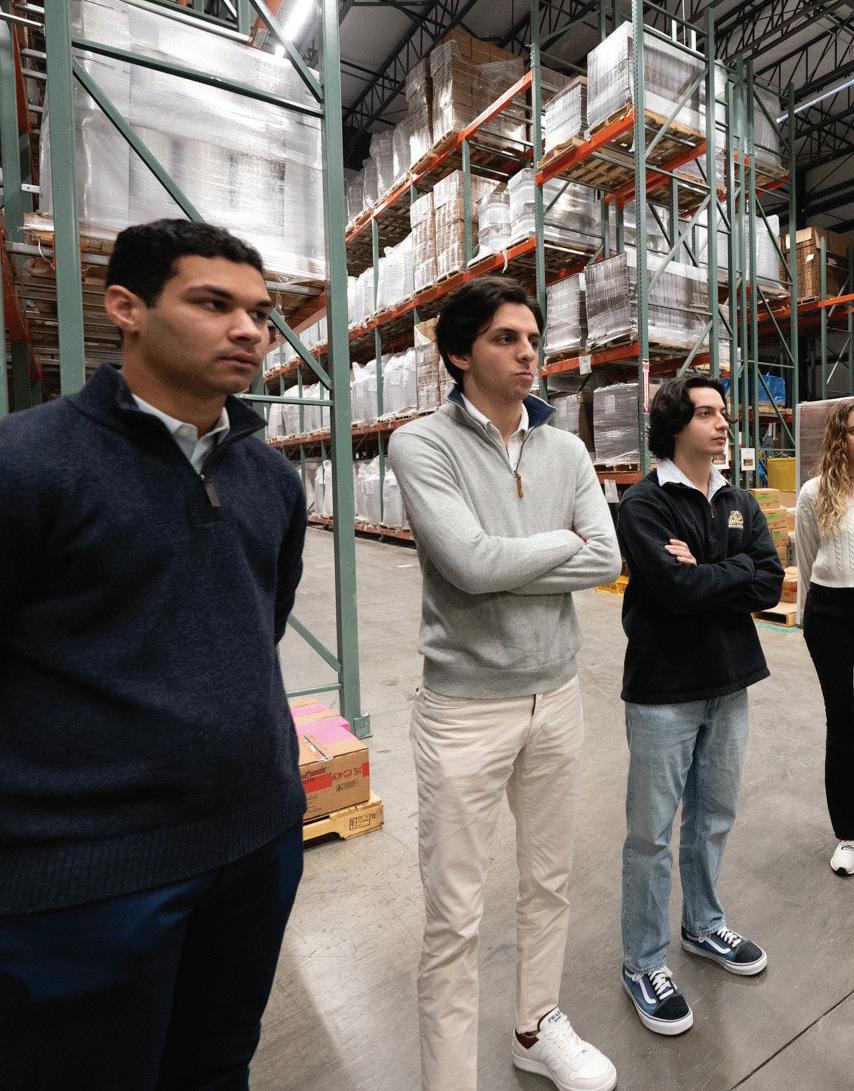
For company assessment, intern recruitment, and career networking, businesses turn to Bryant University first. Through strategic collaborations with regional, national, and global organizations, students apply what they’re learning through hands-on projects with industry partners and gain confidence and problem-solving skills while making a meaningful difference for their clients. These alliances create dynamic, future-focused opportunities that keep Bryant at the leading edge of industry relevance and ensure that students are prepared to meet emerging challenges no matter their field.
Powered by student expertise
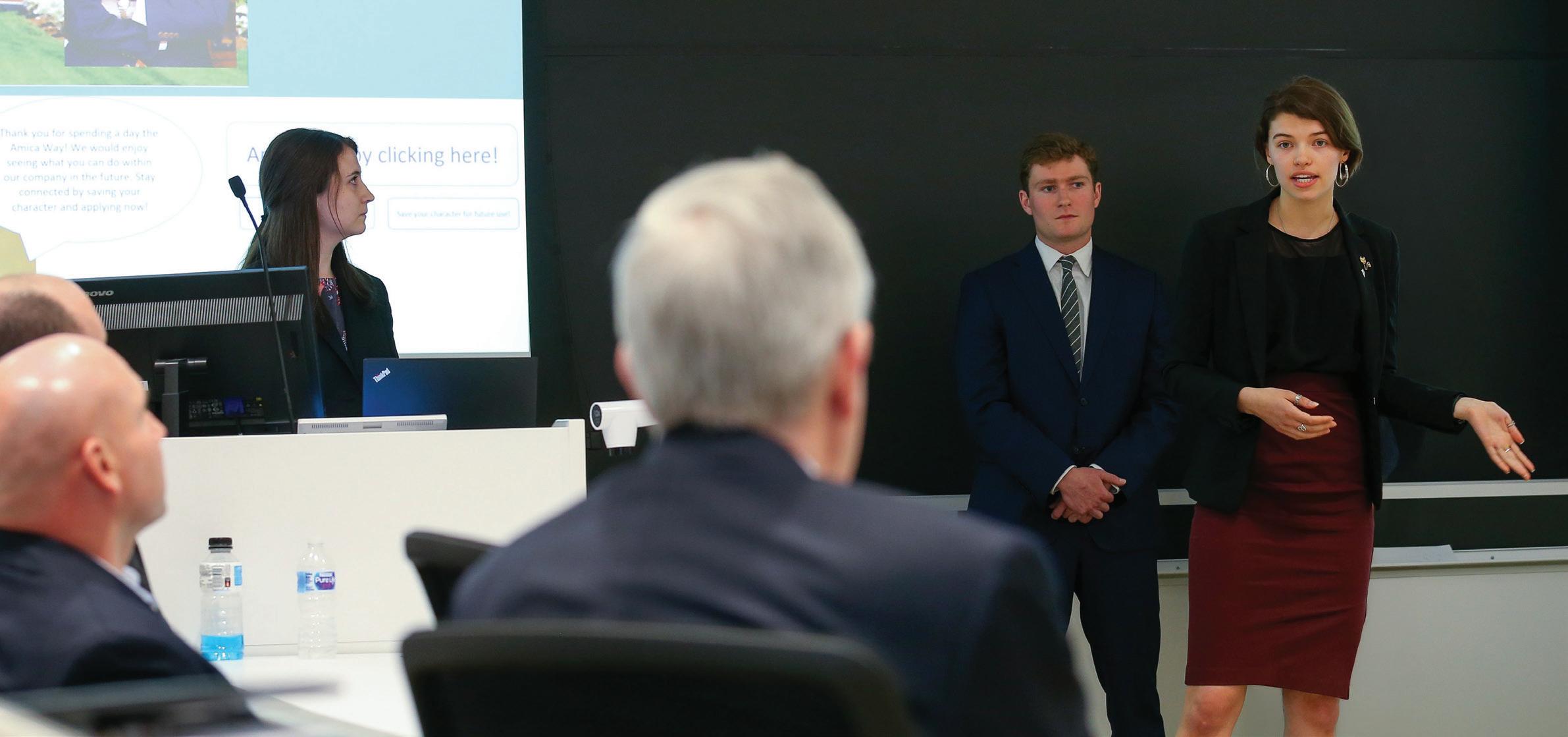
Bryant students are turning experience into confidence as they lead, innovate, and tackle complex issues both in the classroom and in cooperation with real-world companies and organizations. Through research, capstone projects, and consulting engagements, the university’s undergrad and graduate students build adaptability and critical-thinking skills that prepare them for an ever-changing professional landscape, expand their perspective, and strengthen their leadership ability.
Here are just a few of the ways Bryant students are supporting corporate and community partners:
Real clients, real results
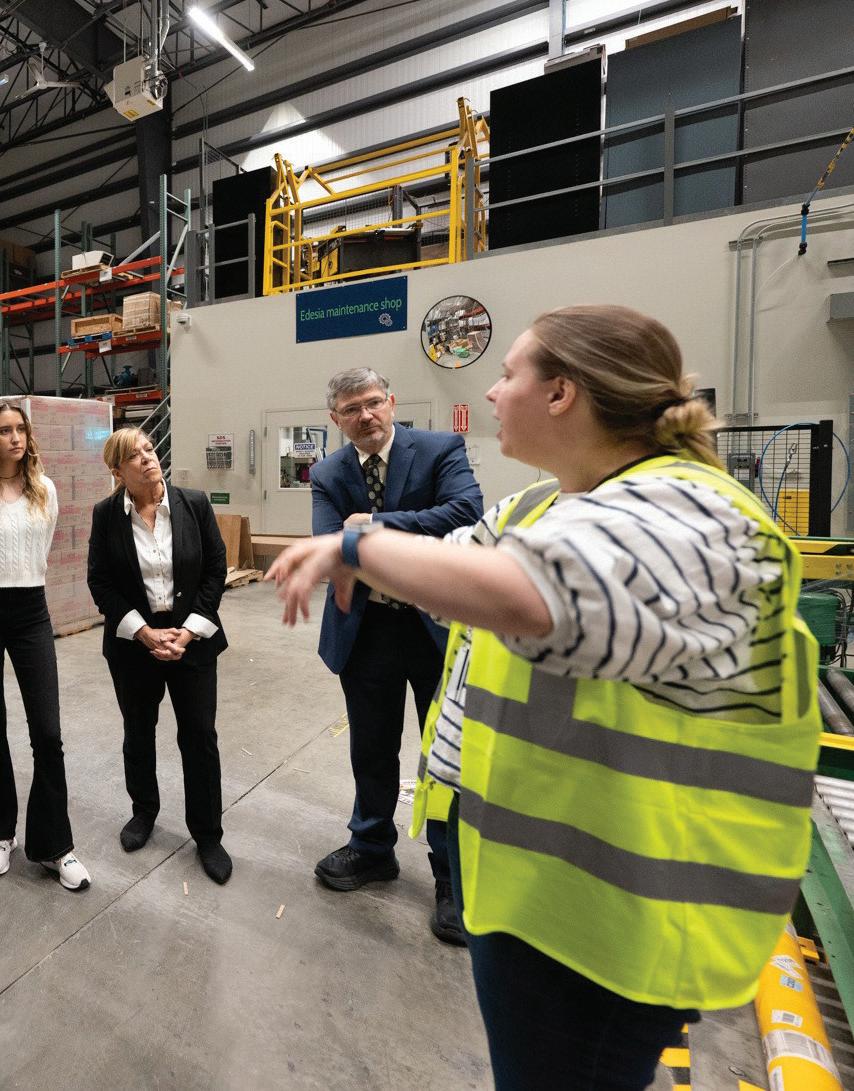
Seniors in Bryant’s rigorous Global Supply Chain Management Practicum put theory into practice by supporting a wide range of regional and global companies. Acting as a
The Bryant pipeline
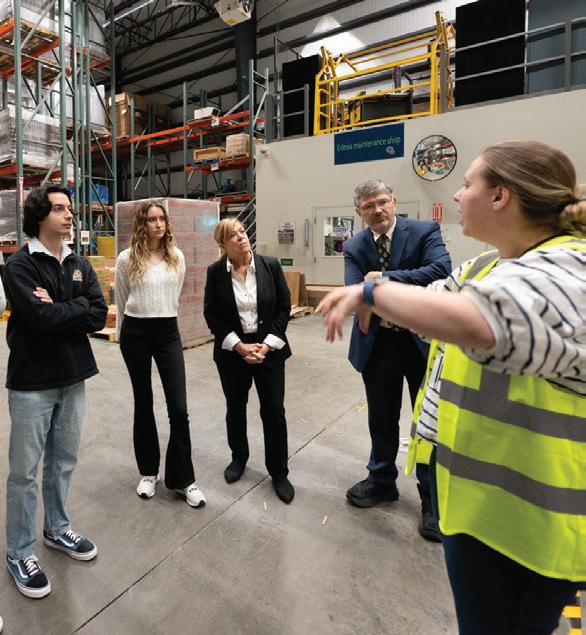
professional consulting team, the undergraduates address real-world problems and deliver recommendations that help organizations optimize operations and reduce costs. Their impact is significant: Since 2016, student consultants have generated $267 million in savings, with an average of $3.4 million per capstone project. Over the past decade, they have partnered with a wide range of prominent companies, including Tiffany & Co., Zildjian, Barrett Distribution Centers, Sikorsky-Lockheed, and Edesia Nutrition.
Finding solutions
Supported by an Undergraduate Research Grant and facilitated by Bryant’s Department of Mathematics and Economics, students partnered with InnSure, the North Coast Resource Partnership, and Ocean Science Trust to analyze Russian
Top companies and organizations from around the world have learned the value of a Bryant degree, fueling the post-graduation success of the university’s students. The following organizations are among the top employers of Bryant’s Class of 2025:

River flooding in California and advance community resilience solutions through on campus research and site visits. Their work could help insurance companies and other business sectors develop innovative ways to assist those impacted by climate change.
Furthering discovery
In the summer of 2026, three Bryant undergraduates and one graduate student, supported by a grant from the National Science Foundation’s International Research Experiences for Students program, will travel to Tanzania to collect samples that will be used to study long-term natural and human impacts to the Usambara Mountains’ Afromontane forests. They will then spend five weeks at Germany’s Max Planck Institute for Geoanthropology, where they will analyze the samples and recover past environmental and climate information.



Strategic alliances further student pathways
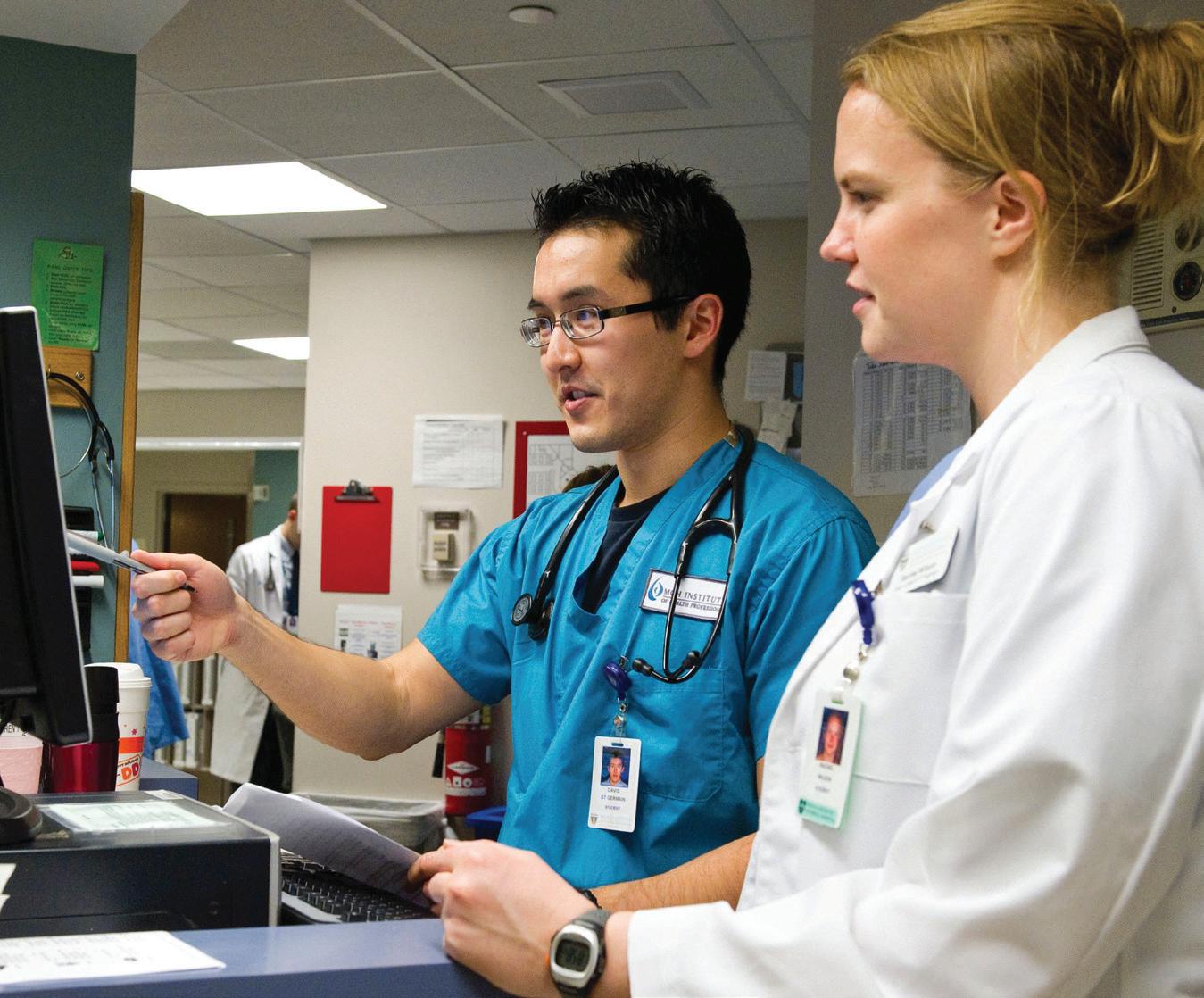
Bryant is expanding opportunity through a growing network of direct-admit and accelerated partnerships with leading institutions. The following collaborations create clear, efficient pathways from undergraduate study to advanced degrees and immersive international engagment, helping students accelerate their pace toward meaningful careers while reducing cost and uncertainty:
• MGH Institute of Health Professions: Qualified students receive guaranteed admission to accelerated and direct-entry nursing programs, doctoral programs in audiology, occupational therapy, physical therapy, speech-language pathology, health sciences, and nursing practice, as well as master’s-level speech-language pathology and post-BSN nursing.
• Brown University School of Public Health: Eligible Bryant students gain streamlined admission plus an automatic 35 percent scholarship, with select students qualifying for up to 50 percent in total aid.
• New England College of Optometry (NECO): Students who meet admission standards secure early entry into NECO’s four-year Doctor of Optometry program through a 3+4 early-assurance pathway.
A new era of growth
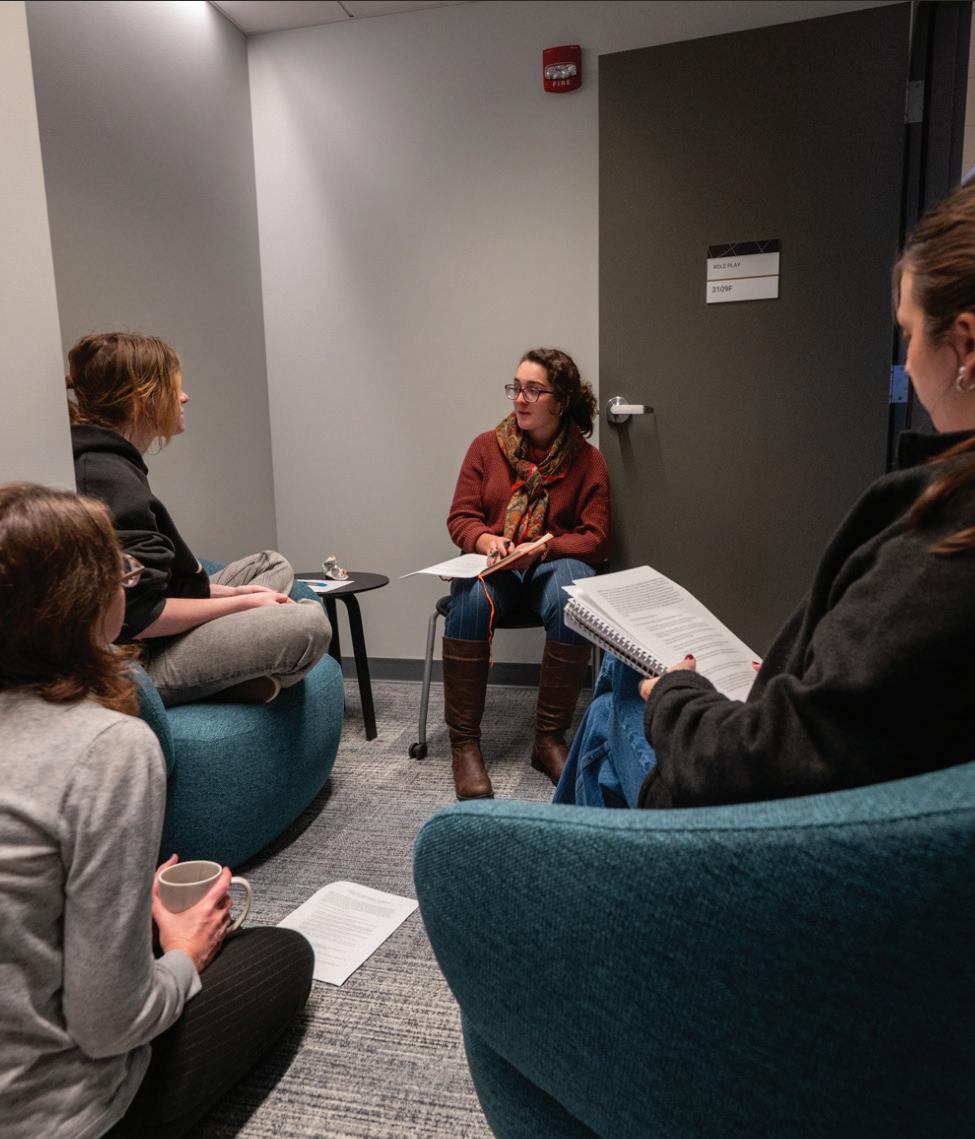
Bryant is elevating its School of Health and Behavioral Sciences to the College of Health and Behavioral Sciences, a change that recognizes its growth and influence in bolstering the region’s healthcare system.
Established in 2022, the school has expanded its academic programs, enrollment, and research activity, evidence of strong, sustained demand for its distinctive approach to health and behavioral sciences education. From constructing a state-of-the-art Psychology Research Center and developing an innovative Exercise and Movement Science lab to expanding the Physician Assistant Studies’ program to introducing a Doctor of Clinical Psychology (Psy.D.) program and integrating AI literacy across curricula, the college’s comprehensive portfolio of undergraduate, graduate, and professional programs is designed to meet the advancing needs of the healthcare, life sciences, wellness, and behavioral science sectors.
The school’s evolution has been further enhanced by domestic and international learning pathways, including a trip to South Africa for students interested in learning more about global healthcare.
Psychology Research Center debuts
A $1.5 million federal appropriation secured by United States Senator Jack Reed ’10H helped bring Bryant’s new Psychology Research Center to life in the fall of 2025. The 3,440-square foot facility, which is available to both undergraduate and graduate students, houses labs that support disciplines including developmental, cognitive, physiological, social, and clinical psychology. The space also contains a child development playroom with a one-way glass window for observational studies; a cutting-edge psychotherapy training suite; a psychophysiology lab focused on the body’s responses to psychological stimuli; and a BIAS lab dedicated to understanding prejudice and discrimination and their consequences.
Signature events
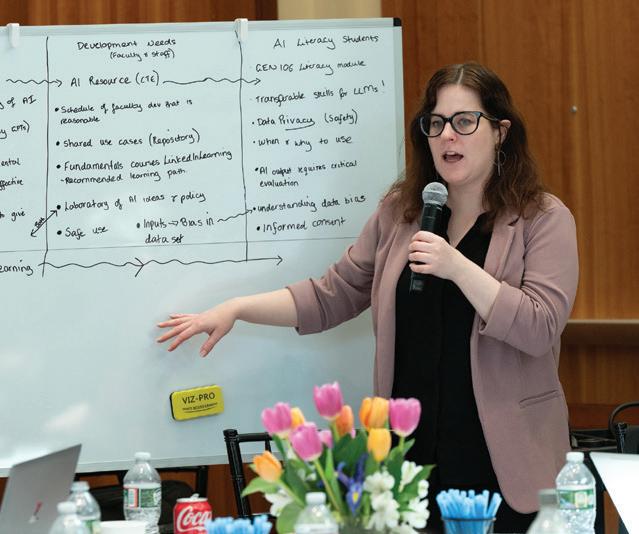
AI Summit
Bryant’s annual AI Summit brings higher education leaders together for a deep dive into the evolving artificial intelligence landscape. Attendees examine the current state of AI, discuss its implications for teaching and learning, and reimagine higher education to prepare students, and faculty, for an AI-driven future — laying the foundations for ethically integrating AI into curricula, classroom instruction, and university operations.
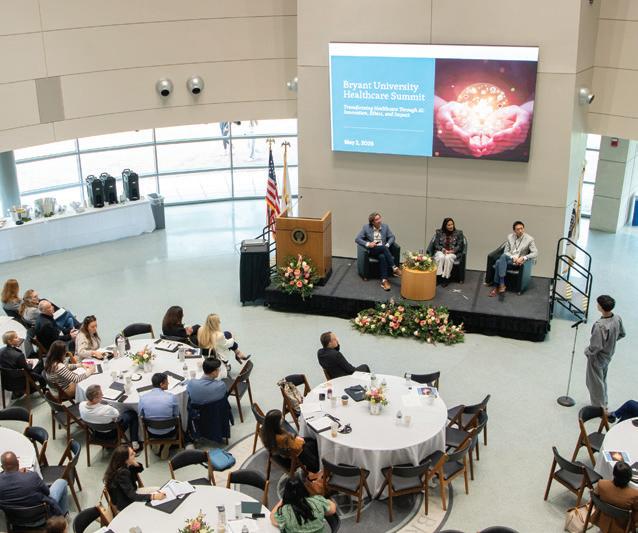
Healthcare Summit
The Healthcare Summit builds on Bryant’s decades-long commitment to interdisciplinary education and industry collaboration. Held each spring, the summit convenes industry leaders, medical professionals, and researchers dedicated to addressing critical healthcare challenges. Recent summits have explored issues such as fragmentation in healthcare delivery, behavioral health, and the expanding role of AI. The 2026 conference centered on public health.
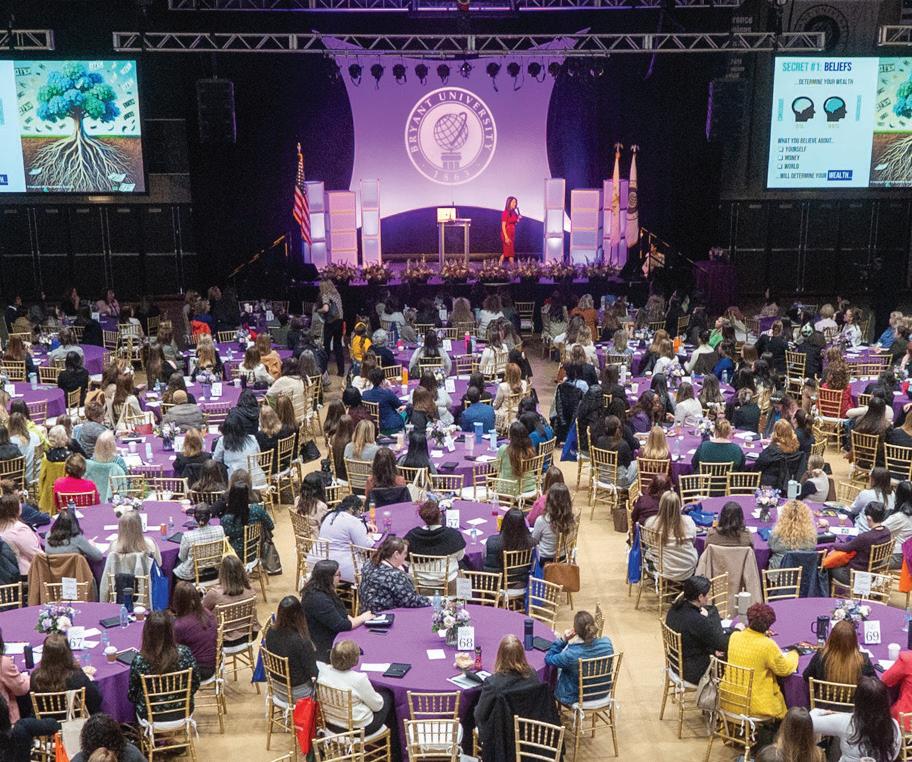
Women’s Summit ®
Celebrating its 29th year in 2026, the Women’s Summit® — the largest event of its kind in the region — empowers, supports, and encourages women to excel professionally, personally, and financially. The summit attracts more than 1,000 attendees each year as women leaders from across the Northeast gather to network, hone their skils, and hear from influential keynote speakers such as Elin Hilderbrand, Viola Davis, Geraldine Ferraro, and others.
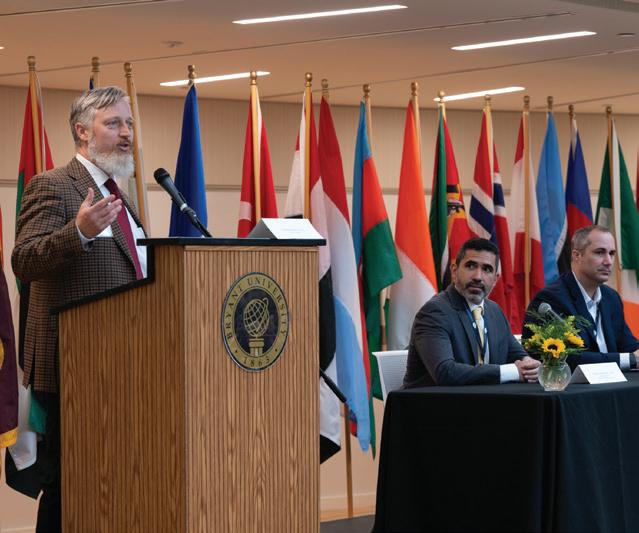
Global Trade Summit
As the region’s leading event on international trade, Bryant’s Global Trade Summit, organized by the university’s John H. Chafee Center for International Business, has been uniting business leaders, government officials, and academics to share perspectives and foster collaboration for more than 30 years. Providing insights into the forces shaping global commerce, the summit serves as a vital platform for learning and building connections.
New name for college reflects mission and growth
Bryant is changing the name of its College of Arts and Sciences to the College of Humanities and Social Sciences. The renaming reflects a strategic alignment between the college’s identity and its academic disciplines, which examine human meaning-making, institutions, culture, communication, and social systems.
“This is an exciting opportunity to showcase our sought-after programs in communication, sports industries, the arts, law, and economics — fields that foster creativity, problem-solving, and critical thinking — while also highlighting the strength of our general education curriculum, which supports holistic, purpose-driven learning and prepares students for meaningful academic and professional success,” says Terri Hasseler, Ph.D., dean of the College of Humanities and Social Sciences.
“Bryant’s College of Humanities and Social Sciences is offering transformative learning experiences that allow our graduates to excel as ethically engaged and critically informed leaders,” Hasseler notes.
Impactful investment
The generosity of the Bryant community plays an instrumental role in the success of the university's students. Here are some of the ways recent investments are driving hands-on learning, community building, and leadership development:
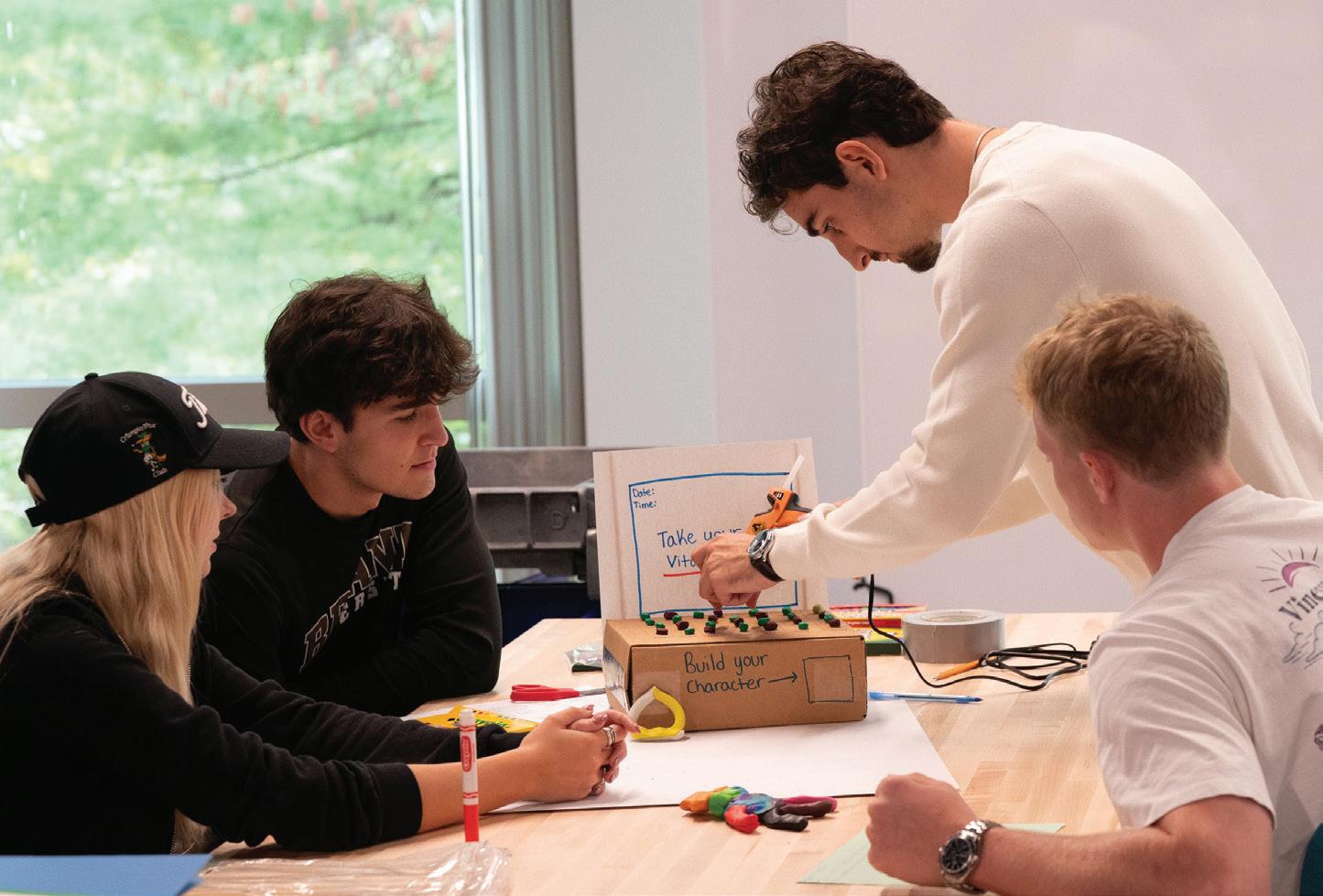
• Student entrepreneurs are taking their business plans from ideas to market-ready with the help of the Sprague Center for Entrepreneurship and Design Thinking, backed by Trustee Kimberley (Sprague) ’22H and Frohman Anderson in honor of Anderson’s parents, Audrey F. (Perreault) Sprague ’56 and the late Robert E. “Bob” Sprague ’56. The Sprague Center’s Makerspace, incubator/co-working area, and offices have become a launchpad for both fledgling innovators and more experienced startup founders.
• The Ellen Wilson Leadership Center and Ellen Wilson Leadership Fellows program, supported by a $5 million gift from Board of Trustees Chair D. Ellen Wilson ’79, is forging the next generation of leaders through workshops, mentoring, and funding awards that have been used for research opportunities, experiential learning, and study abroad.
• In addition to helping students from all disciplines develop a competitive edge, the 5,000-square-foot Frank ’81 and Marion ’81 Hauck Sales Performance Lab, with its array of innovative technologies, is hosting major events like the Northeast Intercollegiate Sales Competition.
• Supported by alumni partners at the firm, a $1.5 million investment from PwC powers the PwC AI in Accounting Fellowship, which assists students with creating personalized learning plans that prepare them for the future of their profession. Each fellow receives funding for AI-related study and engagement and works closely with a PwC mentor.
• A $1 million Catholic faith endowment, supported by Bradford ’87 and Barbara Caron, is expanding campus staffing, programming, and outreach, ensuring that students, faculty, and staff of all faith backgrounds have meaningful opportunities for reflection, faith formation, community, and service.
Opening doors to change lives
At Bryant, financial support enables bold thinkers, first-generation trailblazers, driven student-athletes, and innovators to push limits and create meaningful impact — removing barriers and transforming futures.
Some of the most talented minds arrive at Bryant ready to rise but face financial obstacles. The Bryant Opportunity Fund helps close the tuition gap for Pell-eligible and first-generation students, unlocking upward economic mobility and ensuring that students from all backgrounds can thrive.
A $1 million gift from Bill ’67, ’22H and Sue Conaty established the Conaty Scholars Endowed Fund. This gift, Bryant’s largest ever for endowed scholarships, provides financial aid to high-achieving, first-generation students from low- and middle-income backgrounds.
A $500,000 gift from Frank A. Stasiowski ’75MBA and Joan M. Tomaceski established an endowed MBA scholarship at Bryant that supports high-achieving graduate students from design-oriented fields and advances interdisciplinary leadership that bridges creativity, strategy, and global industry impact.
50,000+ Bryant alumni live around the world in more than 100 countries.

Strength
Bryant’s Bold Future
Bryant University has sustained positive net operating margins for more than two decades, creating a strong financial foundation for continued investment in academic innovation, Division I athletics, student success, and a dynamic campus environment. Guided by a clear strategic plan, Bryant is advancing a model of higher education aligned with the evolving needs of industry and society.
In the media
“Why an $8.8 trillion slice of the global economy escaped being hit by Trump’s tariffs,” featuring Professor of Economic Analytics and Visualization
Ramesh Mohan, Ph.D.
Bryant’s faculty share thought leadership in high-profile outlets.

“Overcoming indecision in the boardroom,” featuring Trustee Professor of Management
Michael Roberto, DBA.
“NBA faces credibility test amid betting scandal, says crisis expert,” featuring Department Chair and Professor of Communication and Language Studies
Christopher Morse, Ph.D.
“March Madness is a season for betting, but help for problem gambling is hard to find,” featuring Assistant Professor of Psychology Kristin Scaplen, Ph.D.

“Agents of doom or success? What will define agentic AI winners,” featuring Assistant Professor of Information Systems and Analytics Gianluca Brero, Ph.D.
“Top officials claim measles can be treated with vitamin A, linked to poor diet. Here’s what science says,” featuring Kirsten Hokeness, Ph.D., dean of Bryant's College of Health and Behavioral Sciences.
Pushing boundaries: Bryant’s research trailblazers
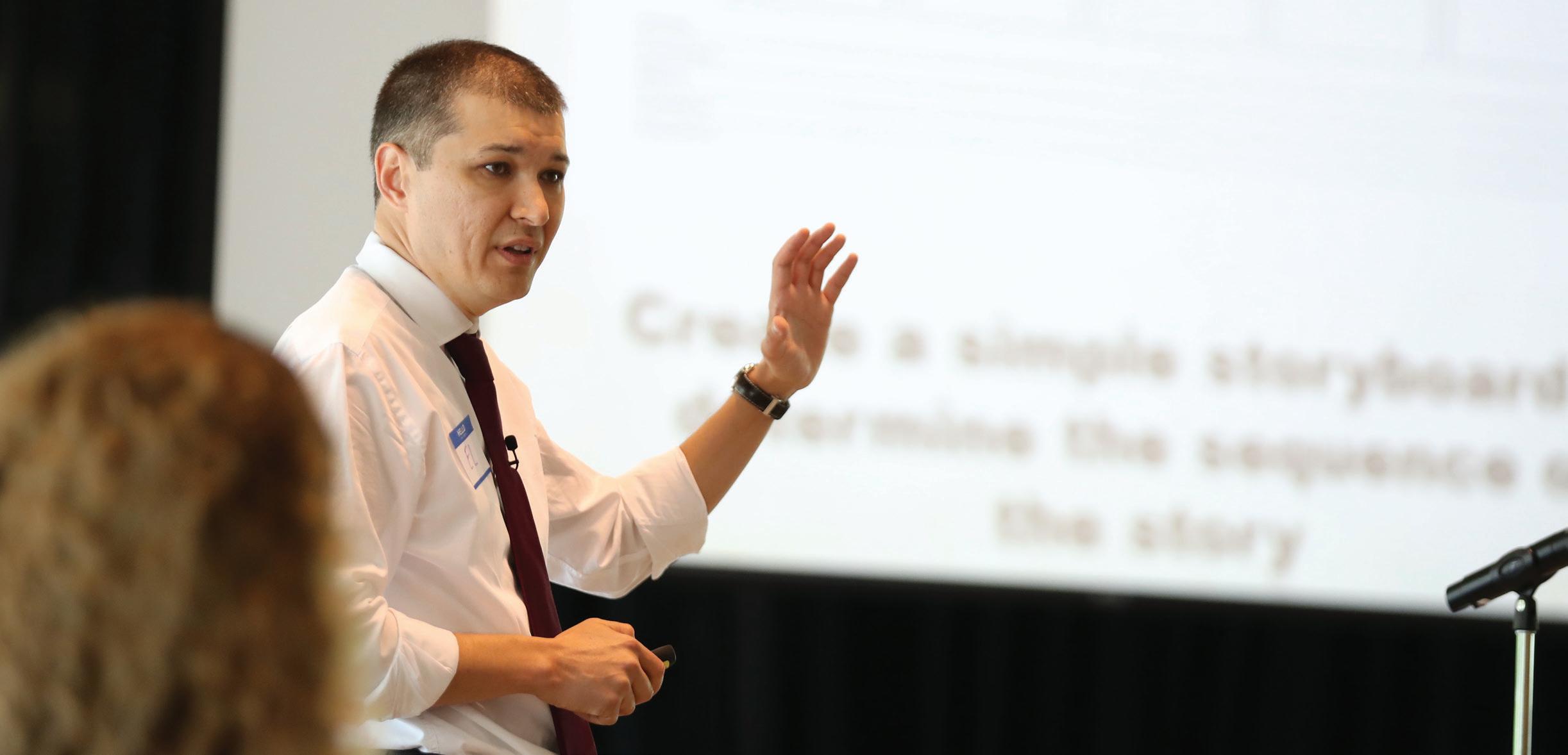
The latest scholarly work from Bryant faculty, who are breaking new ground in AI, microbiology, accounting, and more.
CSR strategies and stock prices: Published in Managerial Finance, research by Assistant Professor of Finance Sonal Kumar, Ph.D., and colleagues analyzes the effects of responsive versus adaptive corporate social responsibility (CSR) strategies on stock prices, revealing that while responsive CSR yields immediate positive reactions, adaptive CSR leads to long-term gains, especially for family-owned firms.
Reading the signals behind buybacks: In “The Financial Determinants of Share Repurchases,” published in the International Journal of Accounting and Finance, Associate Professor of Accounting Elena Precourt, Ph.D. (lead author), and Department Chair and Associate Professor of Management Elzotbek Rustambekov, Ph.D., investigate how firm performance, liquidity, and strategic incentives shape share repurchase behavior, offering insight into corporate capital allocation decisions and their implications for investors and governance.
Why microbial “sugar coats” matter: In “The role of microbial glycosylation in host-pathogen interactions,” published in Frontiers in Cellular and Infection Microbiology, Professor of Biological and Biomedical Sciences Chris Reid, Ph.D., and coauthors synthesize emerging research on how carbohydrate structures on microbial surfaces influence immune recognition, infection pathways, and disease severity, pointing toward new therapeutic targets and prevention strategies in infectious disease biology.
Sharper insights from limited data: In “SMOTE enhanced cumulative moment estimation for sufficient dimension reduction,” published in Computational Statistics, lead author and Assistant Professor of Mathematics and Economics Yvette Feng, Ph.D., and colleagues introduce an improved statistical framework that strengthens predictive modeling when datasets are small or imbalanced, enabling researchers to more accurately identify meaningful variables and relationships in complex, data-constrained environments.
Reframing institutional impact in the AI era
At the Digital Education Council’s (DEC) Global Summit in Hong Kong in November, Bryant Provost and Chief Academic Officer Rupendra Paliwal, Ph.D., presented a research-grounded framework for evaluating universities based on educational quality, social and environmental contribution, and long-term learner development.
Drawing on scholarship in sustainability, decision science, and the economics of artificial intelligence, the presentation examined how institutions might measure outcomes extending beyond career placement metrics to capture civic responsibility, ethical judgment, and systems thinking. As Paliwal observed, “We should judge universities by the problems our students are prepared to solve.”
Before an audience of DEC members and global leaders, Paliwal — who serves as an expert delegate to the DEC for AI in education — also introduced an Impact Scorecard, a threepillar framework assessing learning for impact, institutional contribution, and learner agency over time. The model connects directly to Bryant’s revised general education curriculum, organized around the U.N. Sustainable Development Goals to embed global, challenge–focused learning across the undergraduate experience.
Behind Bryant’s growth investment strategy
By Ross Gittell, Ph.D., President of Bryant University
When I began my term as president of Bryant University in July 2020, at the height of the COVID-19 pandemic, I was entrusted with reimagining Bryant for a new era and developing a strategic plan that would guide the future of the university.
In the face of demographic shifts, changing student expectations, and increasing demands to demonstrate measurable outcomes, we conducted a comprehensive analysis that identified the areas where Bryant had gaps to close — but also identified our strengths and differentiators.
In January 2022, I presented Bryant’s Board of Trustees with a range of scenarios illustrating the potential results of the choices we could make — work that was informed by my background as an economist and economic development scholar. The most disastrous outcome? If we did nothing.
So we made a decision. When other schools faced difficulties, they chose to make cuts. We, however, decided to invest in our greatest strength: our obsession with student success and outcomes.
As we worked on our Vision 2030 Strategic Plan, we examined industry trends and consulted with our partners and the members of our own
community to ensure that our strategy aligned with a changing economy and our fiscal responsibility.
Every investment was data-driven and focused on advancing student success and return on investment— from academic facilities such as the 250,000-square-foot Business Entrepreneurship Leadership Center with its state-of-the-art classrooms, learning labs, and centers, to student life spaces such as the newly opened Puishys Residence Complex and reimagined Salmanson Dining Hall, to Division I athletics enhancements like the new Navigant Credit Union Field House.
The thoughtful planning included recognition that given the dynamic economic and higher education competitive landscapes, we needed to be agile as an institution and in our actions. The rise of artificial intelligence, and the resulting demand that graduates are ready to use this new technology from their first day on the job, led to a university-wide pivot embracing AI across our curricula and university operations.
The changing face of the employment market and evolving healthcare demands spurred the launch of our School of Health and Behavioral Sciences, which has since been elevated
to the College of Health and Behavioral Sciences. Our new cross-disciplinary Impact Core, led by our newly renamed College of Humanities and Social Sciences, aids our students in making sense of an increasingly connected world — and finding their path to success and fulfillment within it.
To date, we have invested more than $150 million because we believed in the staying power of Bryant’s mission. Through careful, focused stewardship, we have had a balanced budget or surplus every year.
Now, in 2026, Bryant has bested even the most optimistic of the scenarios I presented to the board four years ago. We welcomed our largest ever first-year class to the university last fall. Our rankings and recognition have risen as well.
Most importantly, our students are finding success in the classroom and beyond. Bryant ranks in the top 1 percent nationally for long-term ROI. And 98 percent of our Class of 2025 was either employed or in graduate school within six months of Commencement.
But the most exciting thing about our progress is that we are not done yet. We are continuing to grow and evolve, and the best is yet to come.
Financial overview
Financial Aid (dollars in thousands)
University Officers
Ross Gittell, Ph.D. President
Inge-Lise Ameer, Ed.D. Vice President for Student Affairs and Dean of Students
Gene Begin
Chief Marketing Officer and Vice President for Communications
Michelle Cloutier ’05MBA Vice President for Enrollment Management
Presidents Emeriti
Ronald K. Machtley ’21H
Board of Trustees
D. Ellen Wilson ’79 Chair of the Board
Joseph F. Puishys ’80 Vice Chair of the Board
Ross Gittell, Ph.D. University President
Kimberley Anderson ’22H
Tim Barton ’85
David M. Beirne ’85, ’25H
P. James Brady, CPA ’81
Alexia Brandao ’24 (Recent Alumni Trustee)
Robert J. Calabro ’88
Erin Champlin ’85
William J. Conaty ’67, ’22H
Nancy DeViney ’75
Scott C. Donnelly ’14H
Jamie L. Eichen, CPA ’98
Eric Handa ’97
Chris Lehman
Chief Human Resources Officer and Vice President
Charles LoCurto Vice President for Information Services and Chief Information Officer
Donna Ng Vice President for Business Affairs and Chief Financial Officer
Rupendra Paliwal, Ph.D. Provost and Chief Academic Officer
William Smith, J.D. Vice President for Athletics and Recreation
Edinaldo Tebaldi, Ph.D., P’29 Vice President for Strategy and Partnerships
David Wegrzyn ’86, P’23 Vice President for University Advancement
William T. O’Hara (deceased) ’90H William E. Trueheart ’96H
Ann-Marie Harrington ’86
Frank Hauck ’81, P’08
Adam B. Joffe ’93, ’95MBA
Christine Katziff ’86
Diane A. Kazarian ’83
Beverly Ledbetter, J.D., ’18H
Gregory Lyden ’82
David Olney ’82
Patricia O’Brien P’15
Daniel J. Rice IV ’03
James V. Rosati ’72
Cynthia Schmitt-Sprinkle ’81
David Sorbaro ’85
Frank Stasiowski, FAIA ’75MBA
Margaret M. Van Bree, MHA, DrPH
Raul Villar, Jr. ’89
Scott C. Voss ’92, P’25
Jake Williams ’23 (Recent Alumni Trustee)
Rita Williams-Bogar ’76
Emilia Wojciechowska ’25 (Recent Alumni Trustee)
Learn
about
Smithfield, RI 02917
www.bryant.edu