The Bryanston Short Stay Experience: Welcome Booklet 2026
The Bryanston Short Stay Experience Welcome Booklet
Page 4
Page 5
Page 6
Page 7
Page 8
Page 9
Page 10
Page 11
Page 12
Page 13
Page 15
Page 16
Page 17
Page 20
Page 21
Page 25
Page 26
Page 27
Page 27
Page 27
Page 28
Page 30
Welcome from the Head
Starting at Bryanston
Your First Day
Key People Who Will Help You
Registration and Signing Out
Example of a timetable
The Tutorial System
School Rules and Expectations
Boarding Life
Weekends at Bryanston
Clubs, Activities and Sport
Technology and Digital Learning
Mobile Phones
Behaviour and Community Expectations
Dress Code
Travel and Transport
Health and Wellbeing
Communication with families
Term Dates and School Calendar
Top Tips from Current Pupils
Glossary of Bryanston Terms
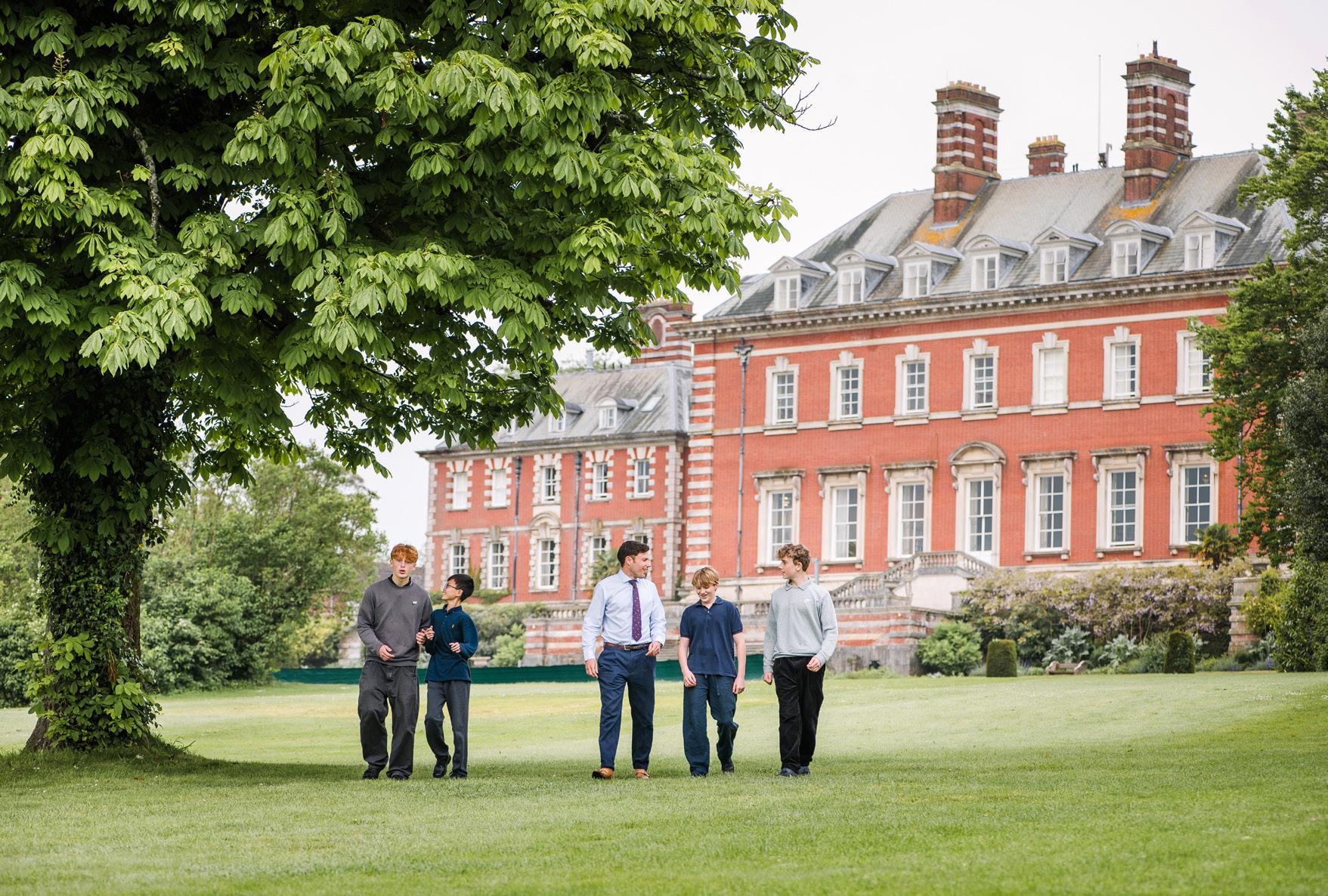
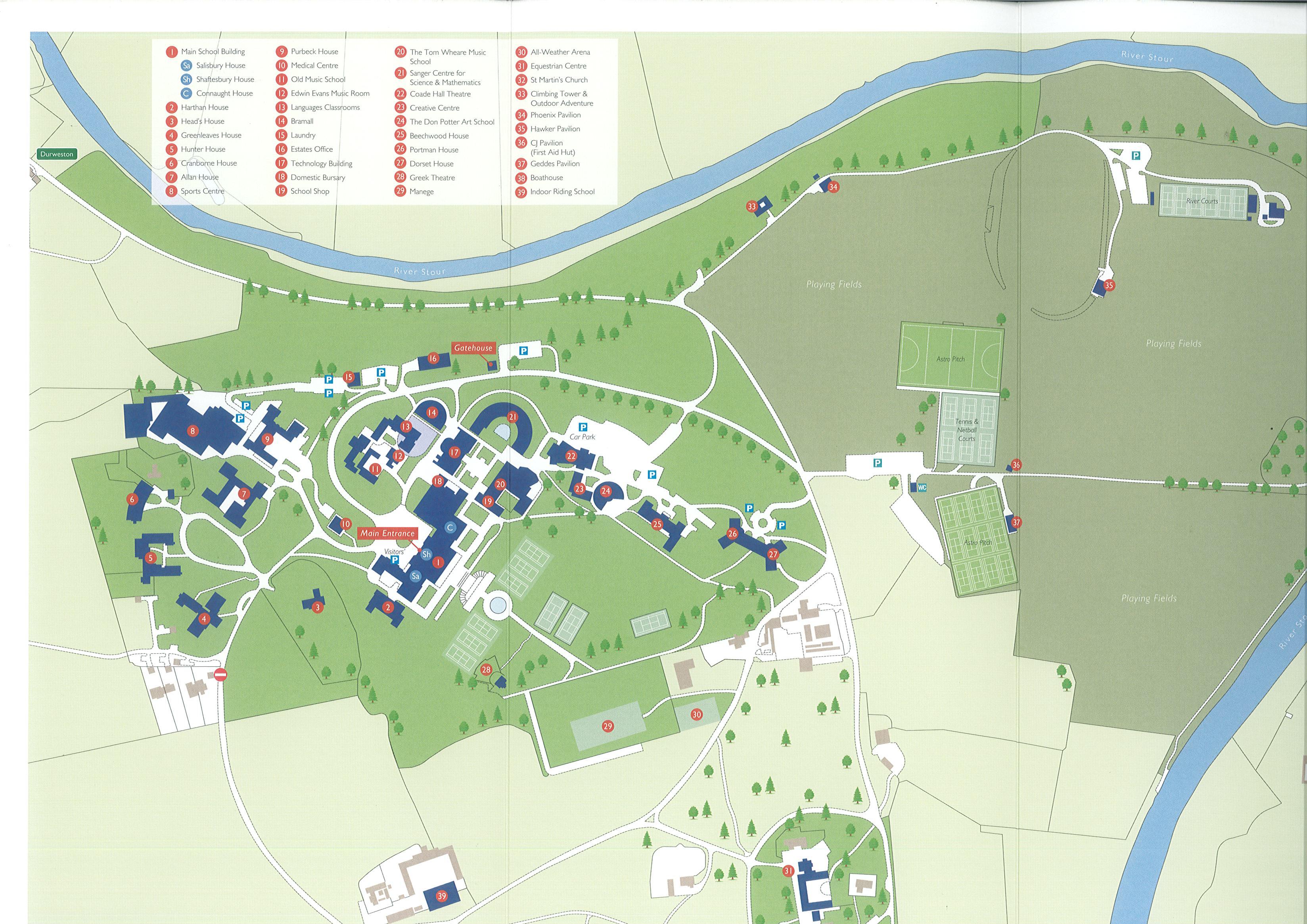
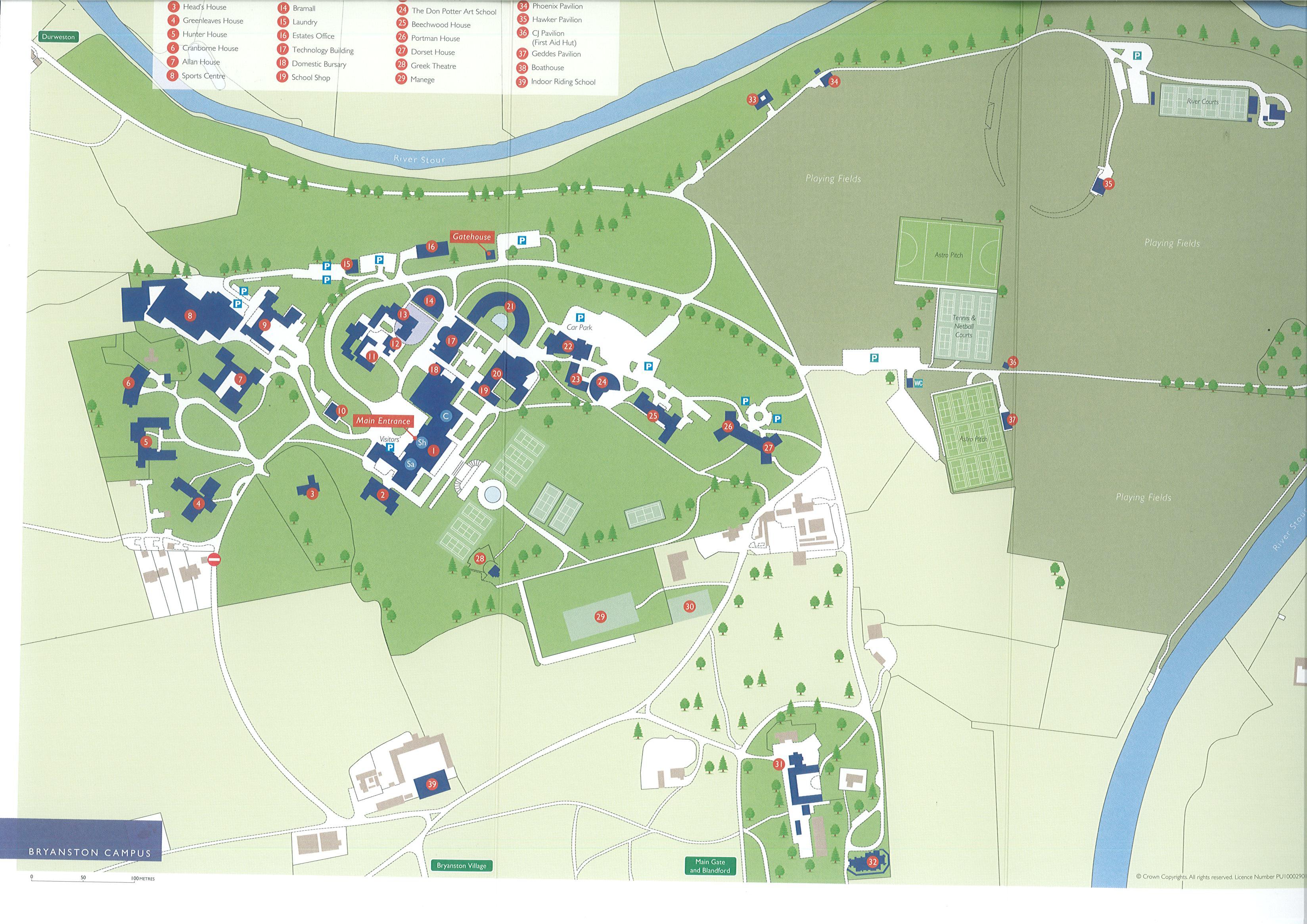
School Map
Welcome from the Head
Welcome to Bryanston.
We are delighted that you are joining us and I look forward to you becoming part of our community.
Bryanston is a place where individuality is celebrated and where pupils are encouraged to discover their interests, develop independence, and reach their full potential.
Starting at a new school is an exciting opportunity to learn, meet new people, and try new experiences. Whether you are joining at the beginning of the school year or part way through, our staff and pupils are here to help you settle in and feel at home.
Our aim is to provide a welcoming environment where every pupil feels valued, supported and inspired to achieve their best.
We encourage you to make the most of every opportunity available to you, both inside and outside the classroom, and I look forward to seeing you flourish during your time with us.
With best wishes
Richard Jones Head
Starting at Bryanston
Joining a new school can feel both exciting and a little overwhelming. This handbook has been created to help you settle in quickly, understand how life at Bryanston works and where to go for help if you need it.
Inside this guide you will find useful information about school routines, boarding life, academic support, and the many opportunities available to you. We hope that it will help you feel confident and excited as you begin your Bryanston journey. You will quickly become familiar with your timetable, your teachers, and the different areas of the school. Remember that everyone around you wants you to feel welcome and supported.
“Bryanston encourages you to be yourself. There are so many opportunities to discover what you enjoy.”
During your first days you will:
• Meet your House Parent and House team
• Meet your pupil buddy
• Meet your Tutor
• Receive your timetable
• Set up your technology
• Explore the school campus
• Sign up for activities and clubs
• Meet the Head
• Meet the Short Stay Programme Lead
Every new pupil is supported by House Parents, Tutors, staff and older pupils who help them to adjust to life at Bryanston. You will be well looked after.
“Every pupil at this school was new once, so everyone understands how you feel.”
Your First Day
“Your first day is about getting to know the school and the people around you.”
You will meet your Tutor, and they will go through your timetable with you and ensure you know where you should be and when. You will also have a pupil buddy who will show you around, but do not worry if you feel unsure about where to gosimply ask a member of staff or another pupil and they will help you.
Induction Programme
New pupils take part in an induction programme when they arrive.
This includes:
• meeting Tutors
• technology setup
• fire safety
• exploring activities
• house meetings
• school photographs
Because Bryanston focuses on individual learning, each pupil’s timetable will look slightly different. However, all pupils are expected to arrive on time and be prepared for their lessons.
The School Day
Bryanston is a busy and purposeful boarding school. Each day includes a balance of academic lessons, sport, activities and social time.
A typical day includes:
• Morning registration
• Several lessons
• A short break
• Several lessons
• Lunch
• Afternoon lessons, sport and/or enrichment activities
• Supper
• Prep
• Extra-curricular clubs and social activities
Key People Who Will Help You
There are many people at school who are here to support you. A few to highlight are:
• The Head
• The Senior Deputy Head
• The Deputy Heads/Head of Sixth Form
• Your Tutor
• Your House Parent
• Your subject teachers
• The Short Stay Programme Lead
• The Medical Team
• IT support staff
• Your fellow pupils
If you are unsure who to speak to, your Tutor or House Parent is usually the best person to start with.
Who to Go to If…
Sometimes you may not know who to ask for help.
If you are lost: Ask a teacher, pupil, or go to Reception in Jeffreys.
If you feel unwell: Visit the Medical Centre or inform Matron or your teacher.
If you are worried or upset: Speak to your Tutor, House Parent, Matron or Short Course Programme Lead.
If you have a problem with school work: Speak to your subject teacher or your Tutor.
If you forget your timetable: Ask your Tutor or check the school system.
“Asking for help is always the right thing to do.”
Registration and Signing Out
The school must always know where pupils are during the day.
Registration Times
Morning registration: Pupils must register with a member of residential staff every morning by 08:10.
Afternoon registration: Pupils must register in House with Matron between 13:15 and 14:15.
Evening roll call: Pupils have a compulsory roll call in their boarding house at 19:15.
Weekends: Pupils must sign in at every mealtime with the House member of staff on duty.
Signing Out
Whenever going out of school bounds or leaving the House during rest or prep, pupils must seek House Parent permission and SIGN OUT using the House iPad. It is VERY IMPORTANT that pupils also SIGN IN on return.
Academic Life
Bryanston offers a dynamic and individual approach to learning. Lessons are designed to encourage you to develop knowledge, skills, curiosity, creativity and independence.
Teachers may use class discussions, group work/collaboration, written tasks, presentations or independent study.
You will also receive homework (prep) and assignments to help reinforce your learning. Pupils are expected to take responsibility for their own learning but in an environment where they receive strong support from their teachers and Tutors.
Understanding Your Timetable
Your timetable shows your subjects, your teachers, the classroom for each lesson and the time of each lesson.
Many pupils find it helpful to keep a copy of their timetable in their planner or take a photo of it.
The Tutorial System
The tutorial system is central to Bryanston’s educational philosophy.
Every pupil has a personal Tutor who supports them academically and pastorally and with whom you will have a weekly one-to-one meeting.
Tutors help pupils to:
• organise their studies
• review academic progress
• set goals
• develop effective study habits
Parents and pupils can monitor academic progress through the eChart, Bryanston’s online academic tracking system.
School Rules and Expectations
Our school community is built on respect and responsibility. Pupils are expected to:
• Treat others with kindness and respect
• Follow staff instructions
• Arrive on time to lessons
• Complete homework
• Wear the correct uniform
Scan the QR code to find out more
Pastoral Care and Student Support
Pastoral care refers to the support provided for pupils’ wellbeing.
Pastoral support may include:
• Tutor meetings
• House support
• Wellbeing services
• Counselling support
Our aim is to ensure every pupil feels safe and supported at all times.
International Student Support
Pupils joining from overseas and with English as a second language are warmly welcomed into the Bryanston community.
Specific support may include:
• English language support
• Academic guidance
• Cultural adjustment support
Staff understand that adapting to a new school and country can take time; we are all here to help.
Boarding Life
Boarding houses are at the heart of life at Bryanston. Each house is a supportive community where pupils live, study and relax together.
Boarding houses include:
• common rooms
• study spaces
• laundry facilities
• gardens or outdoor spaces
Evenings and Bedtime
Evenings include prep, social time and activities. House staff are on duty and supervise the evening routine.
Pupils are encouraged to spend time with friends both in their own house and in other houses. Permission should always be requested before visiting another house. In House By In Bed By Lights Out By D 20:45 21:15 21:30 C 21:00 21:30 21:45 B 21:20 21:45 22:00 A3 21:45 22:00 22:15
After evening activities, pupils return to their houses at set times to prepare for bed, depending on their age.
“Your house quickly becomes like a second home.”
Weekends at Bryanston
Weekends are an important and enjoyable part of boarding life, but are also an opportunity to relax and recharge, ready for the week ahead.
There are three types of weekends.
Whole School Weekends
All pupils remain at school for special events such as:
• House Singing
• Charity events
• Year group balls
• House supper
• The Whole School Walk
Open Weekends
Some pupils may go home after Saturday commitments and return by Sunday evening. There is a weekend programme published for the large number of pupils who stay in school.
Exeat Weekends
Pupils may leave school for an extended weekend. The school remains open during exeats for those pupils unable to travel home, and a programme of activities is planned. There is an additional charge for this, but for Short Stay pupils this is likely to have been included within your package.
Free Time and Social Spaces
Whilst the focus is on academic studies, pupils have plenty of free time during the week and at weekends.
They may choose to:
• relax with friends
• watch films
• read
• go to the gym
• explore the school grounds
• use the extensive facilities
There are also social spaces for each year group for pupils to enjoy with their peers.
Visiting Blandford (our local town)
Pupils may visit Blandford during a free afternoon or at the weekend but must gain their House Parent’s permission to do so. They must use the usual signing out and in procedures.
Pupils must return from Blandford in plenty of time for ‘in school’ time, which varies from 16:15 - 18:30hrs depending on the time of the year.
All pupils wishing to go into Blandford must do so in groups of at least two or three and should take their mobile phones with them. School dress does not need to be
Food and Dining
worn in Blandford at the weekend but pupils should be tidily and respectfully dressed. Pupils need to stay within the permitted areas of Blandford and not stray beyond these. More detailed guidance is provided on House noticeboards and will be explained to pupils by their House Parent.
We cannot accept food deliveries to school, but pupils are able to visit Blandford to buy any tuck they may require.
All meals are served in the dining room each day, and most dietary requirements can usually be accommodated. There is a wide range of food available at mealtimes, and we often have cultural events and themed meals, BBQs and even street food on occasions.
The school café is incredibly popular for morning break, afternoon break and in the evenings. It is not open to pupils during mealtimes - you must go to the Dining Room for these.
Facilities Around the School
Important places around the school include:
• Library
• Sports facilities
• Dining hall
• Computer rooms
• Medical centre
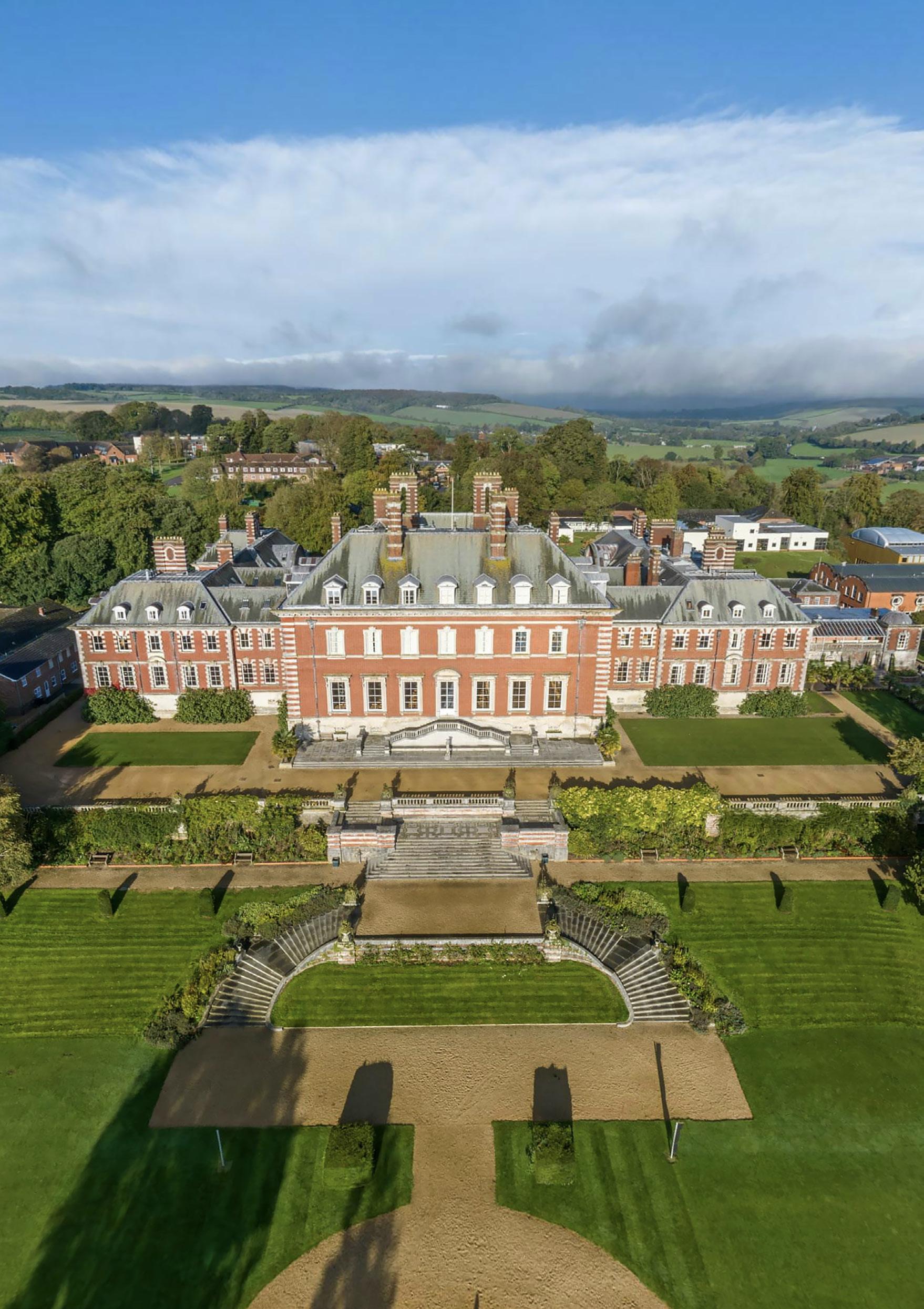
A map of the school is provided later in this booklet.
Clubs, Activities and Sport
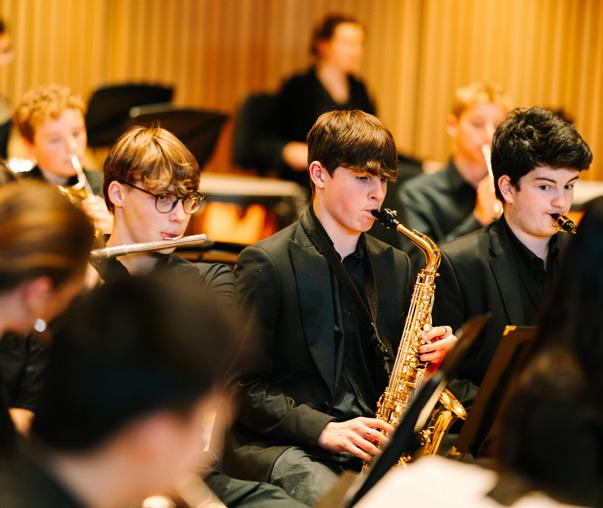
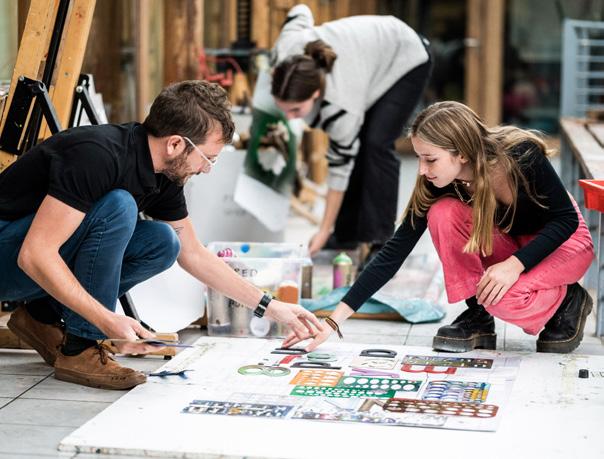
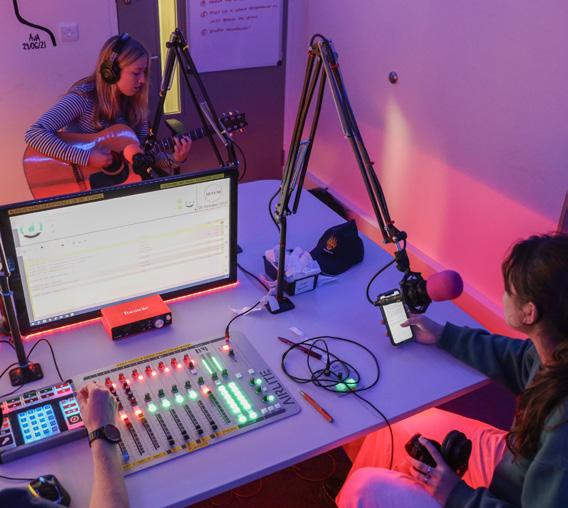
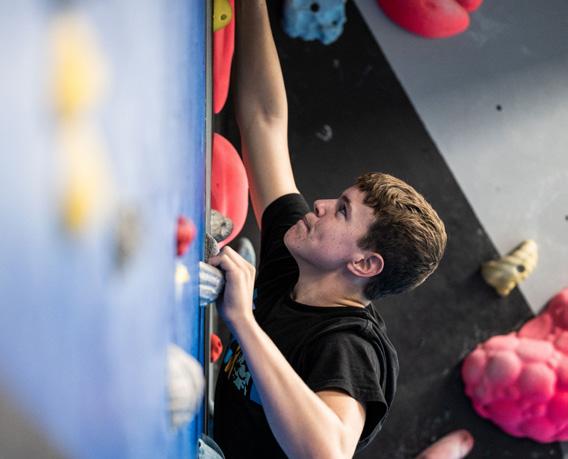
As a busy boarding school, and in addition to timetabled sports, there are plenty of activities on offer in the evenings. If a pupil is up to date with their work and with their House Parent’s permission, they may choose to go to an activity. A few examples of evening activities are given below. A full list can be found on SOCS, which is the system used for all co-curricular activities.
Monday Tuesday Wednesday Thursday Friday
House time
Street dance classes
Musical rehearsals
Netball club
Junior football club
Art workshop
Junior sports leagues
Bouldering
Jazz and Contemporary dance classes
Orchestra
School magazine
Rhythm and blues band
Volleyball
Basketball
Senior 5-a-side football league
Bry radio
Pilates
Girls indoor cricket league
Senior sports leagues
Yoga
Social time for Sixth Form
Debating society
Chess club
Bry Radio
Boys indoor
cricket league
Cookery clubs
“Joining different activities is one of the best ways to meet new friends.”
Technology and Digital Learning
Bryanston uses a one-to-one iPad programme to support learning.
Each pupil receives:
• an iPad
• keyboard cover
• stylus
These devices help support personalised learning and quick feedback from teachers.
School Systems and Portals
Bryanston uses several digital systems: eChart: Tracks academic progress
SOCS: Used to sign up for activities
Orah: Used by parents to request weekend leave My School Portal
Provides parents with:
• reports
• exam results
• school calendar
• communications from the school
Technology and Online Systems
The school uses technology to support learning. You may use:
• School email
• Online learning platforms
• Homework systems
• School Wi-Fi
Bryanston uses Lightspeed Systems to help ensure pupils remain safe online. This system helps:
• filter inappropriate content
• monitor digital activity
• support safe and responsible technology use Pupils must follow the school’s Acceptable Use Policy when using school devices.
Mobile Phones
At Bryanston we are determined to play our part in educating our pupils to use screens sensibly and at suitable times. Our motivation for this is twofold. Firstly, and more obviously, is the potential distraction to learning, but our second and more fundamental objective is to give our pupils a break from social media platforms and/or gaming.
We feel the latter will enhance social interaction while also having further positive effects such as promoting mental health and encouraging better sleep patterns. We do not want to discourage our pupils from engaging with today’s technological world but do want them to learn to take ownership of this rather than the other way around. The school runs a no-visibility policy on mobile phones during the working day, so phones should not be heard or seen in classrooms. In addition, pupils are asked to avoid the use of mobile phones in the Dining Hall and Coade Hall and are reminded that the use of mobile technology in other communal places on the campus can appear rude.
Access to mobile phones is controlled by the House Parent and varies according to age.
Mobile Phone Access for D (Year 9)
Access Time:
Weekdays & Saturdays: After all commitments
Pupils must not take their phone to lessons, sport, ECAs or any other activities or meetings.
Hand In Time:
Weekdays:19:20
Saturday: At bedtime
Sunday: 21:15
Mobile Phone Access for B (Year 11)
Access Time:
Weekdays: After supper.
Saturdays: After lunch.
Pupils must not take their phone to sport, ECAs or any other activities or meetings.
Hand In Time:
Weekdays: At bedtime
Saturday: At bedtime
Sunday: 21:15
Mobile Phone Access for C (Year 10)
Access Time:
Weekdays & Saturdays: After all commitments.
Pupils must not take their phone to lessons, sport, ECAs or any other activities or meetings.
Hand In Time:
Weekdays: 19:20-20:45 (prep) & 21:15 (bed)
Saturday: At bedtime
Sunday: 21:15
Mobile Phone Access for A2 (Year 13) and A3 (Year 12)
• Pupils in the Sixth Form can keep possession of their mobile phone and personal digital device on the condition that they are never used, seen or heard during the school day unless invited to do so by a teacher. This includes in Coade Hall, in the Dining Hall and during any meetings or other events
• We encourage pupils to consider leaving their mobile phone in House during the working day and to hand it in during prep and at bedtime
Additional measures for pupils in D, C and B
Pupils have access to mobile phones at their House Parent’s discretion, such as making a phone call overseas to a different time zone or any other relevant pastoral reason. Pupils in D, C and B are permitted to have their phones once they have completed their commitments, and they have free time.
Additional measures taken for pupils in A2 and A3
House Parents, Tutors and teaching staff encourage pupils to turn their phones off during the working day or consider leaving them in their rooms. The use of electronic devices is closely monitored during prep and bedtimes in houses. In addition, House Parents have several secure lockers at their disposal where they can store the mobile devices of any pupil who they feel is spending so much time on their screens that it is causing their academic progress or wellbeing to be adversely affected. The school encourages parents to speak to their child’s House Parent if they have any particular concern in this regard. The school’s Digital Communications Policy is available on the school website.
How can parents help?
We ask that parents support our aims by ensuring that their child does not return to school with multiple electronic devices. For example, two mobile phones, one that they store away in their locker at bedtime and the other that they sneak into their dorm and hide under their duvet cover, something that House Parents and residents are on the lookout for. Please also consider the mobile phone contract you provide for your child. Unlimited or large data plans tend to promote use of the internet outside the school’s protective monitoring and filtering. All pupils have access to fast but filtered internet on any device they choose to enroll onto the school system. The school encourages parents to speak to their child’s House Parent if they have any particular concern in this regard.
For international pupils navigating multiple time zones, they can liaise with their House Parent to arrange the most appropriate time to make a phone call home.
Still or moving images
Pupils are made aware that the recording of still or moving images of another person without their permission is a serious offence. This is particularly the case if the image is taken in a room in a boarding house or in the dining hall. Pupils are also made aware that the possession or sharing of indecent images is illegal and will be dealt with as a serious offence. The school’s Child-on-Child abuse policy, that includes details on the sharing of nude or semi-nude images is available on the school website.
Behaviour and Community Expectations
Bryanston values kindness, responsibility and respect.
Pupils are expected to:
• treat others with courtesy
• behave responsibly
• follow school rules
• contribute positively to the community
Policies available on the school website include:
• Anti-Bullying Policy
• Behaviour Policy
• Cyberbullying Policy
• Equal Opportunities Policy
Dress Code
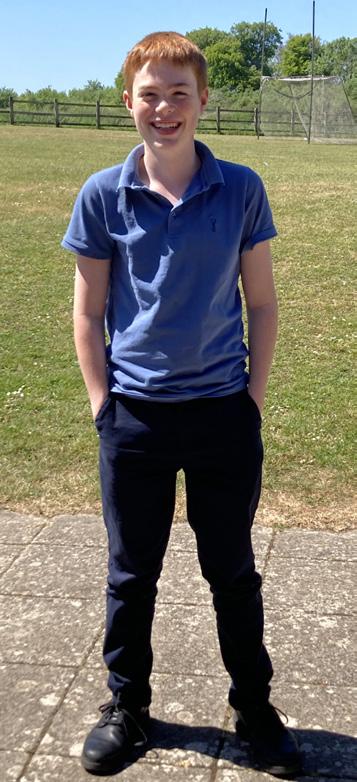
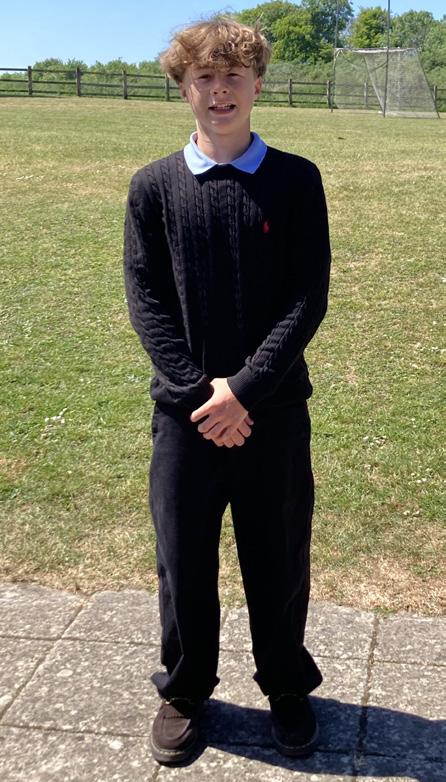
While Bryanston may not have a conventional uniform, we do have a dress code. These guidelines encourage our pupils to take responsibility for and make informed decisions about their appearance. The code is clearly defined; and we rely on pupils and their parents or guardians to support and uphold the principles that we have agreed.
Pupils may wear home clothes:
• After period 9 on Monday, Wednesday and Friday
• After lunch on Tuesday and Thursday
• After lunch on Saturday
• Sunday Church services
• Visits to Blandford (Monday to Friday)
The dress code operates under directions from the Head. House Parents have the final decision regarding the suitability of all items of dress and general appearance. Pupils who identify as transgender or gender non-binary are welcome to adhere to the dress code as appropriate to their gender identity.
All clothes must be in good repair, clean and smart, including shoes, and clearly labelled. In addition, they should be machine-washable and suitable for tumble-drying. Recommended minimum quantities and other specific dress and equipment requirements are found in the packing/clothing lists.
In addition to wearing the correct clothing, pupils are expected to take pride in their general appearance. At all times, they are ambassadors for Bryanston. Prospective parents, visitors and members of the public will often draw conclusions about the school on first impressions.
Therefore:
• No facial hair
• Nail varnish must be natural in colour
• No obtrusive make-up
• No tattoos or body piercings
• Earrings, if worn, must be small studs on only one stud per ear for pupils in B, C and D
• No excessive jewellery
• Dye or bleaching of hair is not allowed
Please scan the QR code to view our Dress Code.
Examples of the dress code
Plain, straight or pleated skirts, avoiding extreme lengths, in black or navy.
Plain, single colour (any colour) with V-neck or round neck.
No roll necks, hoods, motifs, zips or pockets.
Plain, full-length trousers, in black or navy.
Plain, single colour polo shirts (any colour) with sleeves of appropriate length
Kit List (home clothes)
• A small selection of casual clothing
• 1 set of clothes appropriate for events (e.g. a formal dinner or a year group ball)
• 7 sets of underwear
• 7 pairs of socks or opaque black tights
Concert Dress
• 1 coat
• 2 pairs of pyjamas
• 1 dressing gown
• 1 pair of slippers
• 1 overnight bag
• Formal concert dress is to be worn by musicians for concerts and church services. Concert dress for all years is smart and all black.
• School regulation black trousers / skirt and black shirt / blouse OR Black dress (short or long sleeved) or black suit with black shirt, no tie.
• Black smart shoes and black socks or black opaque tights
Performing Arts
Performing Arts specialists and cast members of the Autumn musical will be able to purchase a branded black and gold hoodie once the auditions have taken place in Week 1 in September. These will be required for rehearsals, trips and masterclasses.
Those involved in productions later in the year will also require one and these will be ordered again when casts lists are finalised.
Plain, non-branded black tracksuit bottoms are also required for rehearsals.
Linen
• 2-3 large bath towels & hand/hair towels
Short stay pupils will be provided with bedding, including duvet, pillow and covers. You are very welcome to bring your own if you would rather.
Wash bag
• Toothbrush
• Toothpaste
• Shower gel
• Shampoo
• Hairbrush / Comb
Extras
• Reading books
• Small posters/wall hangings or pictures to decorate rooms (battery operated fairy lights are permitted)
• Blu Tack
Electrical Items
• Alarm clock
• Tuck box - if you would like to borrow one of these, please let us know in advance.
• Tuck (healthy treats)
• Charger for personal device (please do not bring multi-chargers - these are not health and safety approved)
Stationery
Pencil case containing:
• Pens
• Pencils
• Highlighters
• Colouring pencils
Personal Belongings
• Rubber/eraser
• Pencil sharpener
• Glue
Short stay pupils may borrow a lockable tuck box for valuable items, if required. All belongings should be clearly named. Bryanston operates a cashless system, so pupils should use Apple Pay or a debit card.
Laundry
Laundry is collected every weekday and returned the next day. Older pupils may also use washing machines within the boarding houses.
ALL ITEMS MUST BE NAMED CLEARLY WITH YOUR FULL NAME
School Shop
The School Shop sells:
• games kit
• stationery
• toiletries
• textbooks
• postal services
The School Shop is located in the Quad on the Senior School site
Travel and Transport
There are several ways pupils travel to and from Bryanston.
School Coach Service
Routes include:
• London
• Oxford
• Lewes
• Exeter
• Heathrow Airport
• Southampton Airport
Airports
Nearby airports include:
• Heathrow
• Gatwick
• Southampton
• Bournemouth
• Bristol
Train
Stations
The closest station is Salisbury, with direct trains to London.
Transfers between Salisbury and Bryanston are available.
There are a number of options for getting to and from the school at the start and end of term, for exeats and other trips - including coaches organised by the school, transfers to stations and airports and taxi services for individual trips.
Pupils make regular use of taxis. This may be to take them to or from Blandford, or to help weekend travel arrangements to or from Salisbury train station. The local taxi service used most frequently is Riverside Taxis (01258 453553). Parents can set up an account directly with Riverside or pupils can use a chit, signed by the House Parent or matron, which gets returned to the Finance Office and charges will appear on the pupil’s bill. Other local and reputable firms that will take a Bryanston chit as payment are:
Tinks Corry: 01258 454609
J & R Taxis: 01258 450077
Kens Kabs: 01258 456136
Newbi Taxis: 07584 469396
Oakwood Taxis: 01258 455555
Riverside Taxis: 01258 488472/453553
Riverside Travel: 01258 453999
Stan Kingsbury: 07788 788830/01258 446300
Health and Wellbeing
Your safety and wellbeing are very important. If you feel unwell or need medical support, the Medical Centre will be able to assist you. The Medical Centre provides both routine care and emergency support. Staff are also trained to support pupil safety and wellbeing.
For more information on our Medical Services, please scan the QR code
Bryanston operates a 24-hour multi-disciplinary medical team from our medical centre, situated in the heart of the school site. Our nurses, paramedics and physiotherapists are professionally registered clinicians many of whom still work in frontline NHS services. They bring expertise and current clinical practice to our pupils, enabled by our great facilities. Services are clinically guided and validated by Dr Rene Skule, our school Chief Medical Officer.
Note: International pupils on a Short Stay programme and not holding a child student visa will not be covered by NHS services. You must ensure that you have adequate medical insurance cover before starting at the school to cover any necessary treatments.
International Pupils
Bryanston welcomes pupils from around the world. International pupils usually make up around 15% of the school community.
They are fully integrated into school life and are supported by:
• Tutors
• House staff
• English as an Additional Language (EAL) teachers
• Peer mentors
“Having friends from different countries is one of the best things about Bryanston.”
International pupils whose parents live overseas must have a UK-based guardian. Guardians are responsible for pupils during: Guardians
• exeat weekends (if not staying in school)
• holidays
• travel periods
Communication with Families
The school communicates regularly with parents and guardians through:
• Emails
• School newsletters
• Parent portals
• Meetings and events
Term Dates and School Calendar
The school year is divided into three terms, each with holiday breaks and half-term breaks.
Important dates include:
• Start and end of terms
• Half-term holidays
• Examination periods
• School events
All term dates can be found on the school website.
Top Tips from Current Pupils
Here are some helpful tips from pupils who were once new to the school themselves.
“Don’t worry if you get lost at first. Everyone does. Just ask someone – people are always happy to help.”
“Just be yourself. Everyone was new once!”
“Talk to the people in your classes, and try to speak to someone new each day. Everyone is looking to make friends.”
“Join a club or sports team early on. It’s one of the best ways to meet people.”
“Write your timetable down or keep a photo of it on your phone.”
“If you don’t understand something in class, ask your teacher. They want you to succeed.”
“The first week goes quickly – just take things one day at a time.”
Glossary of Bryanston Terms
Bryanston was founded in 1928 on progressive principles and utilising the Dalton Plan, our school has built a distinguished reputation in the UK. Over the years, a unique vocabulary has developed, which continues to be used today at our institution and some other prestigious boarding schools in England.
Head Principal or Headmaster
HSM The House Parent who is resident in a boarding house and is responsible for the pastoral care of the pupils who live there.
Dep HSM
The Deputy House Parent who is resident in a boarding house and a member of the common room
Resident The third member of staff within the residential team for a boarding house
Matron The matron oversees the running of the boarding house during the school day while the House Parent is teaching
OB Old Bryanstonian – the alumni of Bryanston
Tutor
A teacher who acts as a personal mentor to their tutorial pupils
HoD Head of Department – a teacher with responsibility for a specific subject
Common Room Collective term for the teaching staff
Prefects A2 pupils who have been selected to carry out specific roles and responsibilities within the school
Stripes Sixth Form pupils who help with the running of boarding houses in the evening
Peer mentoring Each new D is assigned a mentor from the A3 year group to help them settle into Bryanston
Lower School
D The group of pupils in Year 9
C The group of pupils in Year 10
B The group of pupils in Year 11
Sixth Form
The last two years of study, split into A3 (Year 12) and A2 (Year 13) years
Places
Out of Bounds Places in and out of the school campus where pupils are not allowed to go
Dorms Rooms in which boarding pupils live (singles, doubles, triples, etc)
Assignment Room Spaces where pupils go to work in free lessons (assignment periods), these are supervised by academic staff
Main School The main building of the school which contains the café, dining hall, classrooms, assignment rooms, social centres, offices and boarding houses
FOS Front of School
Events
Exeat
An extended weekend, often near the middle of a half-term when boarding pupils go home
Prep Academic work completed during a specific daily study period
Gating A punishment when a pupil is ‘gated’, or confined to his/her boarding house
Assembly A regular gathering of pupils in years, Houses, or whole school
Bry Method D lessons where students are taught about independent study and how Bryanston works
ECAs
Extra-curricular activities
Pioneering Bryanston’s outreach project
Adventure training Completed by D & C pupils to support the Duke of Edinburgh’s (DofE) programme
Systems
Credit Received for good work in class or assignments
Debit
Merit
Received as a low-level sanction
Received for excellent work or behaviour
Assignment Period Self study lesson
Correction Period 1:1 or small group session to review work with teacher
eChart Online markbook which allows parents, students, teachers and Tutors to monitor academic progress
SOCs Online calendar where ECA sign ups are completed
Orah Request for leave system
A Final Message to New Pupils
Starting at a new school is a big step, and it is natural to feel both excited and nervous. Remember that every pupil and teacher was new once, and everyone wants you to feel welcome and supported.
Take your time to explore, meet new people, and get involved in school life. If you ever feel unsure about something, there will always be someone ready to help. We are delighted to welcome you to Bryanston and to help you thrive here.
“We look forward to seeing you grow, learn and succeed during your time at the school.”