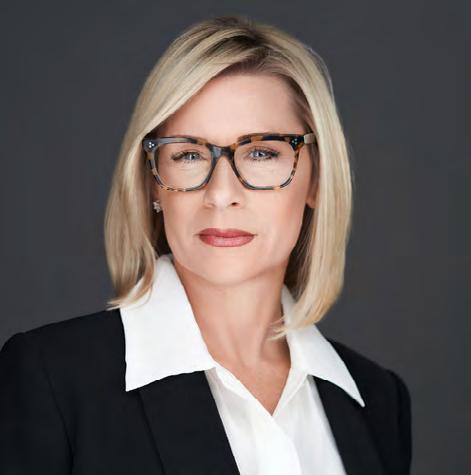
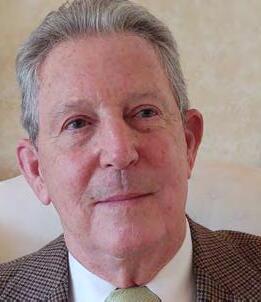
Emma J. Guzmán is committed to projecting the best version of herself in all circumstances.
The NYSDA Diversity & Inclusion Task Force, tasked with leading the Association’s observance in February of Black History Month, annually selects a NYSDA member who can speak to the meaning and importance of the observance to profile in the NYSDA News. This year’s designee is Dr. Emma J. Guzmán, D.D.S., of Brooklyn.
Dr. Guzmán is a general dentist with Noble Dental Care in Brooklyn. She is a graduate of the University at Buffalo School of Dental Medicine and completed her GP residency at Bronx Care, Bronx.
Q. Your career reflects a strong commitment to clinical excellence, education and community impact. What first inspired you to pursue dentistry, and how has that motivation evolved over time?
Dr. G. What first inspired me to pursue dentistry was a dentist who visited my third- or fourthgrade career day. He spoke with such passion about the profession that later that afternoon I went straight to the library, pulled out an encyclopedia and looked up “dentistry.” From that moment on, I decided this was the path I wanted to follow.
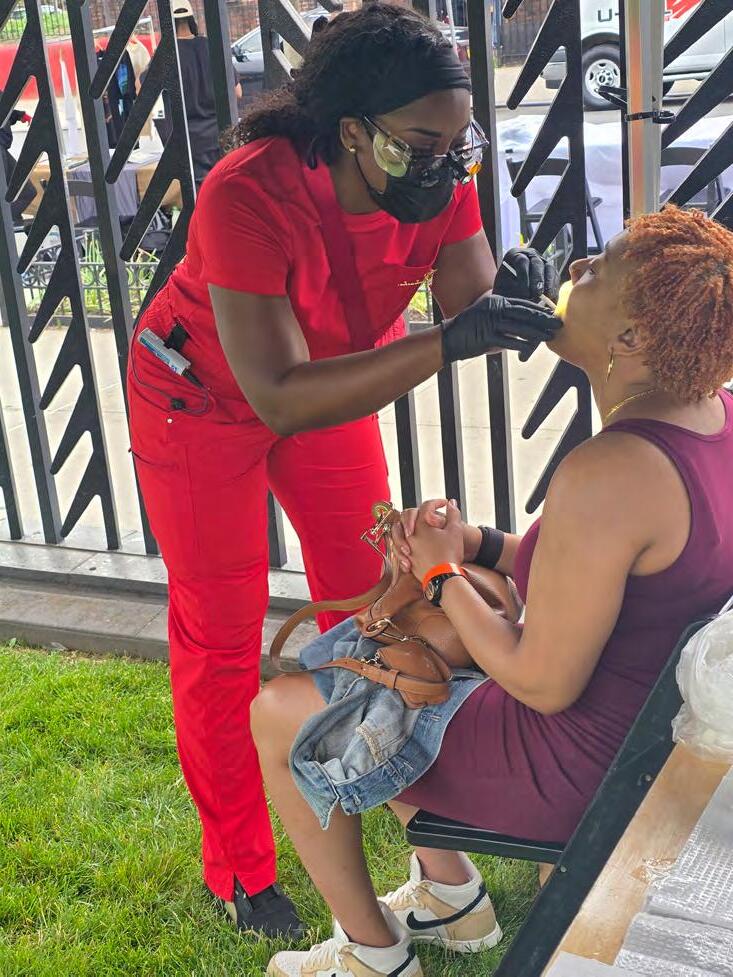
Dr. Emma Guzmán volunteers at Black Mens Health Festival in Weeksville Heritage Center, Brooklyn.
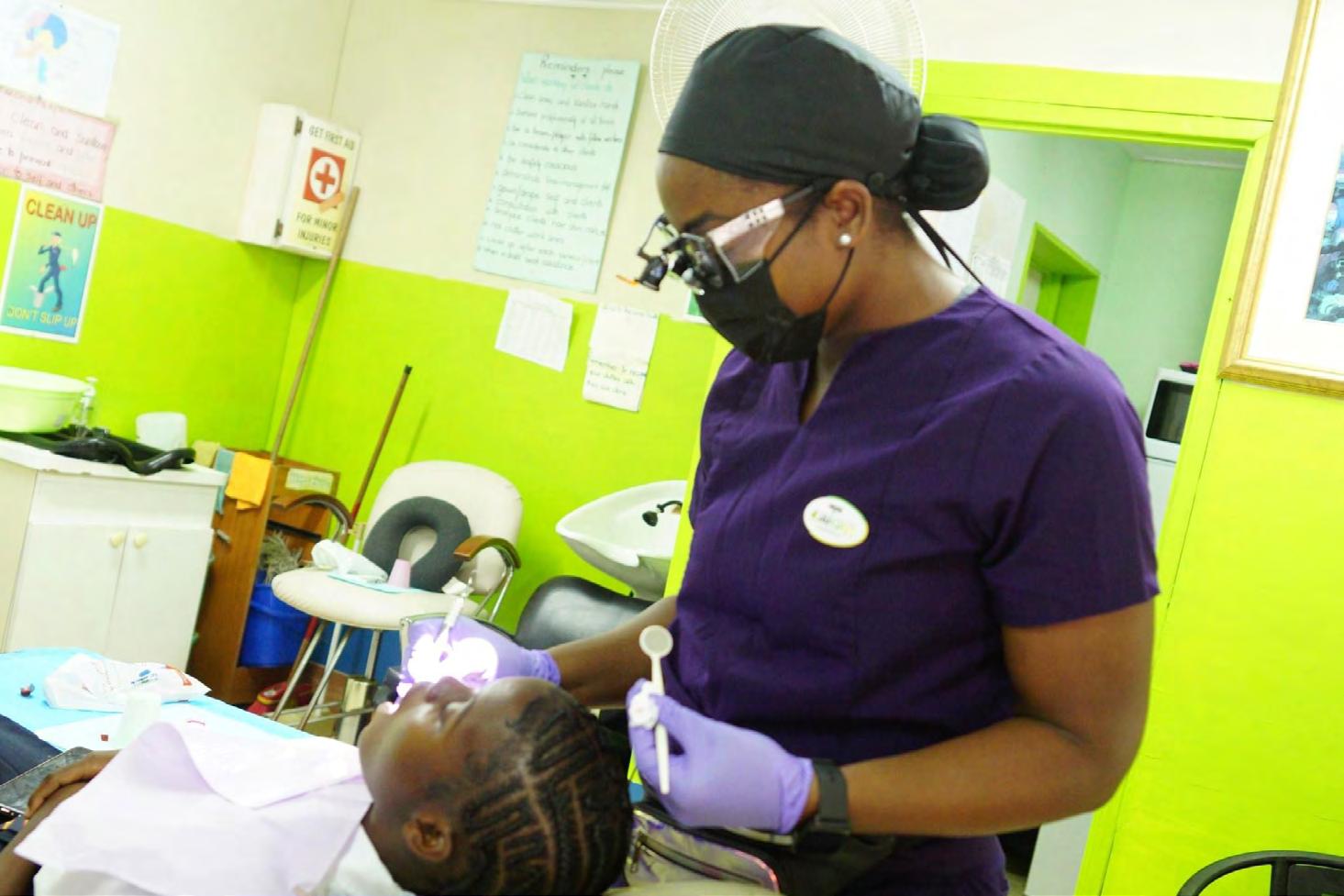
A general dentist, Dr. Guzmán is fulfilling a career aspiration she has held since grade school.
New Student Loan Repayment Program Seeks to Increase Access to Dental and Other Healthcare Services
GOV. KATHY HOCHUL in February announced launch of the Health Care Access Loan Repayment (HEALR) program. The $48.3-million student loan repayment initiative is designed to expand access to care for NYS Medicaid members and uninsured individuals across New York State. The HEALR program will provide significant financial incentives to healthcare professionals, including dentists, who commit to serving high-need populations, addressing critical workforce shortages, while reducing barriers to essential health services in underserved communities.
CONTINUED ON PAGE 14 1
FEBRUARY 2026
Volume 39 • Issue 1
EDITOR
Stuart L. Segelnick, D.D.S., M.S.
MANAGING EDITOR
Mary Grates Stoll
ADVERTISING & SPONSORSHIP MANAGER
Jeanne DeGuire
ART DIRECTOR
Ed Stevens
NYSDA OFFICERS
Maurice Edwards, President
Amarilis Jacobo, President-Elect
Lynn Stacy, Vice President
Paul Leary, Secretary-Treasurer
William Karp, Speaker of the House
Mike Herrmann, Executive Director
Editorial and advertising offices are at Suite 602, 20 Corporate Woods Boulevard, Albany, NY 12211-2370. Telephone (518) 465-0044. Email info@nysdental.org. Website www.nysdental.org.
The NYSDA News (ISSN 1531684X) is published quarterly, in February, May, October and December by the New York State Dental Association, Suite 602, 20 Corporate Woods Boulevard, Albany, NY 12211-2370. It is available in digital form only and accessible online in the members-only section of the NYSDA website, www.nysdental.org, under publications.
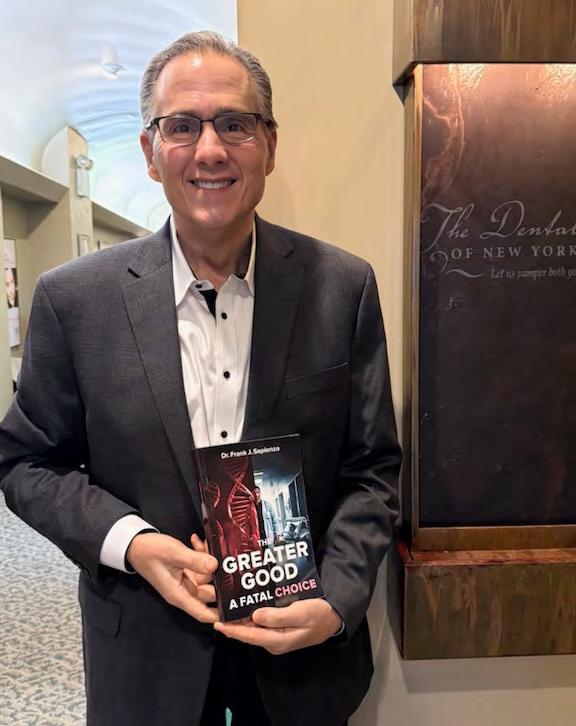
Dentist/author Frank Sapienza
The Good, the Bad and the Dangerous
Brooklyn dentist embraces the evolving field of genetics while warning—and writing—about its potential for bringing harm.
Frank Sapienza’s interest in genetics was piqued in college. And it only grew until, today, the Brooklyn dentist can’t stop thinking about it and writing about it. It even formed the premise of the medical thriller he published in 2024, “The Greater Good,” described by its publisher, Fireship Press/Cortero, as a “pulse-pounding journey where life and morality collide.”
In an article he wrote late last year for the Second District Dental Society Bulletin, Dr. Sapienza explained his interest in genetics as a fascination with “how the seemingly random sequence of ACGT base pairs in a double helix could define not only our physical traits but also influence the more obscure characteristics of our personas.”
That’s pretty heady stuff, but Dr. Sapienza believes the “amalgamation of our genetic coding with our environmental influences and life experiences creates who we are as living, sentient beings.” Intriguing to contemplate and not unrelated to his profession, the author/dentist says.
Forty years a dentist and his love for the profession has never waned, in large part, Dr. Sapienza says, because he has embraced the ever-changing technology and pursued a never-ending desire to learn and provide the best possible outcome for his patients. High on his list of technological achievements are modern genomics, which, Dr. Sapienza says, “has revolutionized medicine, both in terms of diagnosis and development of targeted therapies.”
“The applications, especially with the burgeoning field of AI, seem endless,” Dr. Sapienza wrote in his Bulletin article. But even he acknowledges the field is not without drawbacks, and chief among these are security concerns.
Teddy Roosevelt said, “People
sense of trust from the very
Endorsed Vendor Updates
Endorsed Vendors, Exclusive Discounts: Explore the Latest Deals and Save Big with NYSDA’s Trusted Endorsed Vendors.
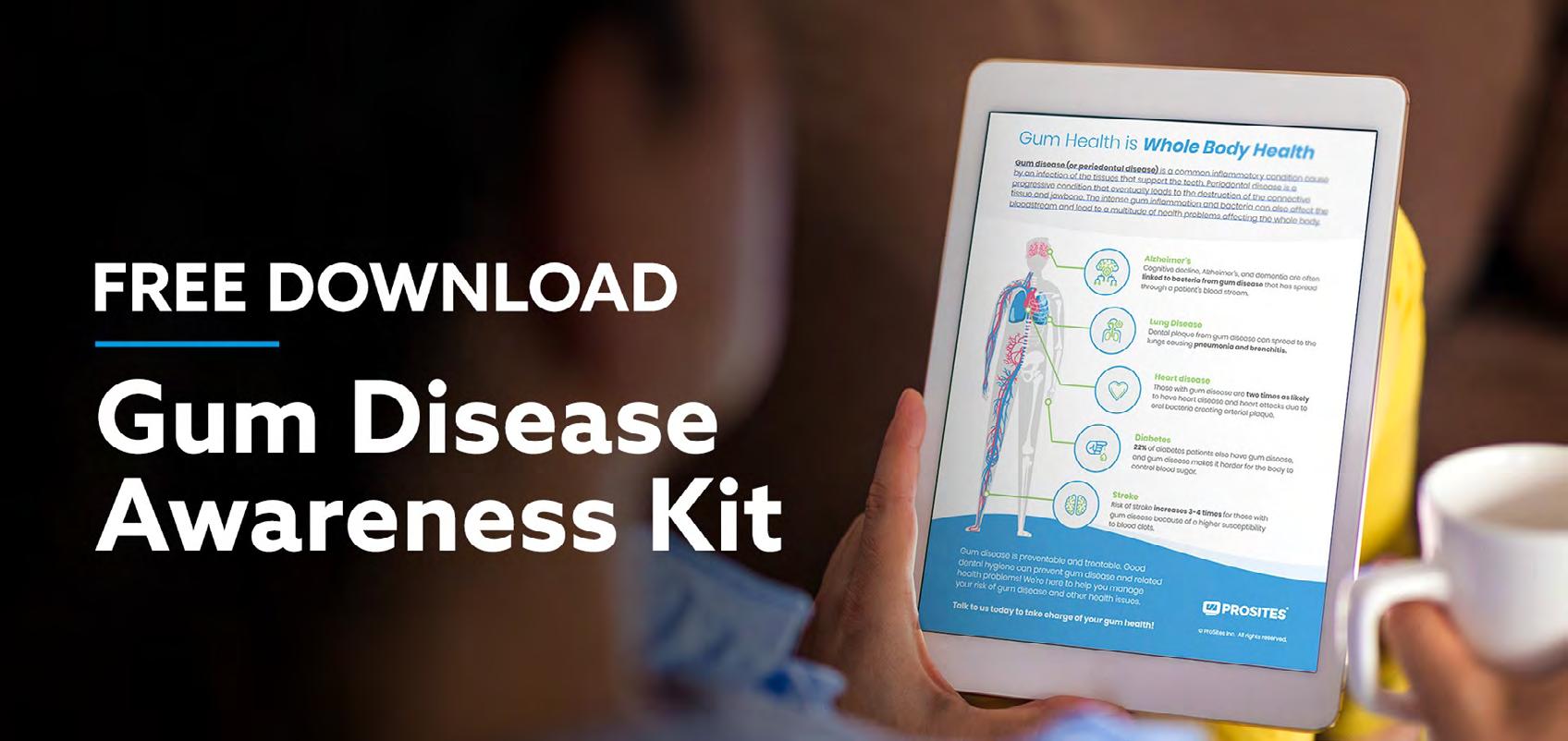
As you work to keep schedules full and patients engaged, clear education makes a difference. This complimentary Gum Disease Awareness Kit from NYSDA-endorsed ProSites gives your practice readyto-use emails, social graphics, and printable resources to support preventive care conversations—saving your team time while encouraging visits and long-term patient loyalty.
DOWNLOAD HERE
onDiem: Dental Staffing That Supports Your Standards
Stress-Free Dental Staffing, When You Need It Most
When your practice needs temporary support—whether due to unexpected absences, last-minute changes, or just a busy season—onDiem makes it easy to keep your schedule on track and your patients smiling. Their user-friendly platform connects dental practices with fully verified, experienced dental professionals, including hygienists, assistants, and front office staff.
Reliable, Compliant, and Hassle-Free
With onDiem, you don’t have to worry about employment compliance. All professionals on the platform are W-2 employees of onDiem—meaning they’re fully covered by unemployment and workers’ compensation insurance, meet all state and local requirements, and are paid directly through onDiem. You stay protected and fully aligned with IRS and Department of Labor guidelines.
Join thousands of practices already using onDiem to simplify temp staffing and stay compliant—while keeping patient care seamless.
NYSDA Members receive a discounted, flat 25% service fee on all shifts. Plus, enjoy a $25 rebate on each of the first 20 shifts (up to a $500 value!) — putting real savings back into your practice from day one. 458.217.5162 www.ondiem.com/ada
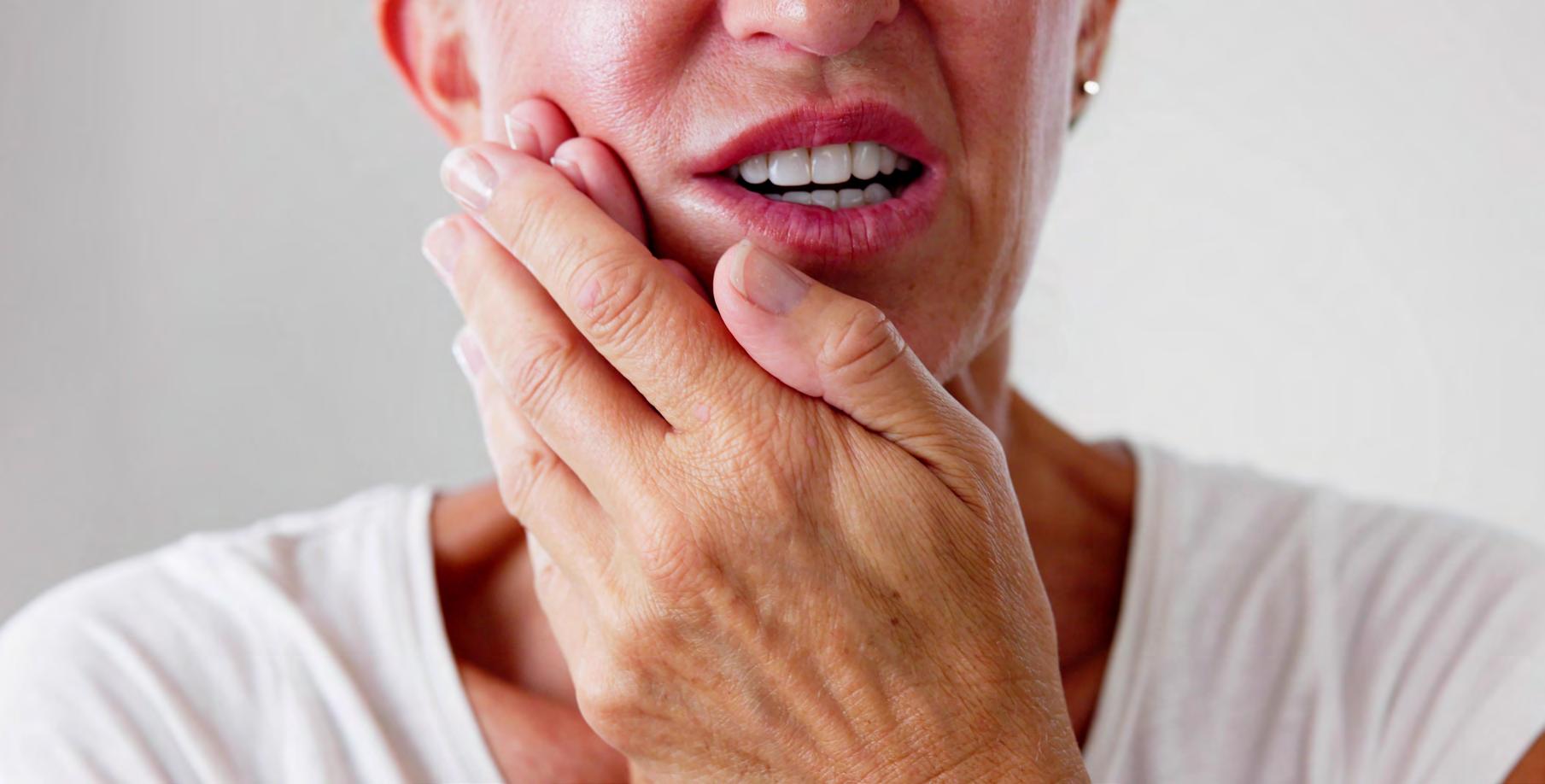
UB Researchers Hope to Discover Better Treatments for Temporomandibular Disorders
Five University at Buffalo researchers are participating in a $17-million, multi-institution study funded by the National Institute of Dental and Craniofacial Research (NIDCR), part of the National Institutes of Health (NIH), to better understand temporomandibular disorders and develop more effective treatments.
The five-year study, Collaborative for REsearch to Advance TMD Evidence (CREATE), involves nine institutions across the country. It is part of the TMD Collaborative for IMproving PAtient-Centered Translational Research (TMD IMPACT), which is the largest collaborative NIH study to date focusing on TMDs.
CREATE researchers will analyze data from 1,000 individuals with TMDs and 300 TMD-free controls across five sites, employing standardized batteries of clinical and behavioral experimental measures, including pain of the jaw joint or muscles, overlapping pain, psychological issues and sleep.
TMDs
are Complex Disorders
“The causes of TMDs are still not completely understood,” says Richard Ohrbach, Ph.D., D.D.S., professor of oral diagnostic sciences who serves as the principal investigator on the UB study with Sonia Sharma, Ph.D., assistant professor in the Department of Medicine in the Jacobs School of Medicine and Biomedical Sciences at UB. Both are TMD disease clinical specialists and pain management experts and serve on the multi-PI team for the CREATE project.
“When pain disorders are complex, difficult to diagnose and affect essential behavioral functions, people with these disorders often suffer from additional problems: stigma, difficulty in finding adequate healthcare, complications from inappropriate treatment, denial of needed services and even obtaining a medically correct diagnosis,” Dr. Ohrbach explains. “Through this study, we aim to help provide better diagnosis, as well as address prevention techniques, develop effective and personalized therapies and expand the research workforce.”
Barry Smith, Ph.D., SUNY Distinguished Professor in the Department of Philosophy and director of the National Center for Ontological Research (NCOR), is also participating in the UB study and with Dr. Ohrbach will co-direct the Bioinformatics and Data Science Core at UB.
NYSDA Past President Sanford Klein Dies
SANFORD E. KLEIN, D.D.S., NYSDA president in 1986, died January 16. Dr. Klein, whose death occurred one week short of his 96th birthday, was reported to be still active in organized dentistry, serving on the Board of the Nassau County Dental Society.
A Queens native, Dr. Klein received both his BS and DDS degrees from NYU College of Dentistry. He enlisted in the Navy and served at Portsmouth Naval Hospital in Virginia during the Korean War.
In addition to his service to the dental profession, Dr. Klein was also a commissioner for the Roslyn Water District since 2011 and had just been re-elected to a three-year term.
Dr. Klein is survived by his wife of 70 years, Barbara, and daughters, twins Amy and Susan, Deborah and Diane. z
Shared Process Underlies Oral Cancer
Pain and Opioid
Tolerance
EPIDERMAL GROWTH FACTOR RECEPTOR (EGFR) signaling in the tissue around oral cancers both increases nerve sensitivity and makes opioids less effective, according to new research published in Science Signaling. The findings point to a shared mechanism underlying both oral cancer pain and opioid tolerance—and a possible new treatment strategy for both.
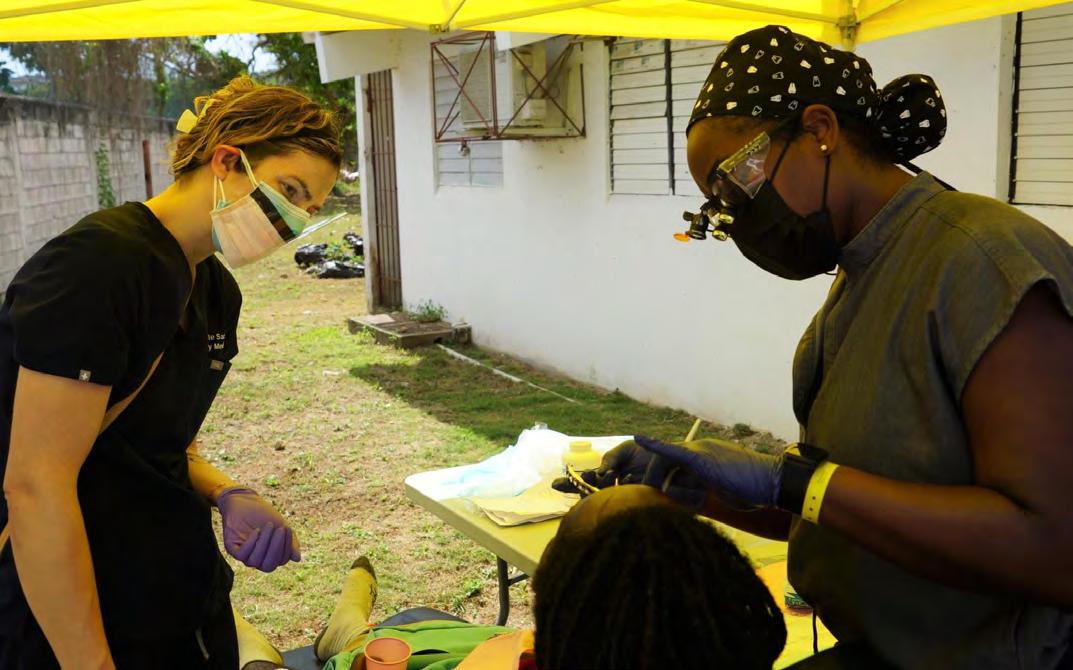
Delivering care as part of Jah Jah Foundation Mission for Change, Negril Dental Clinic, Jamaica. Mission work keeps her grounded, Dr. Guzmán says.
Over time, that early spark grew into a laser-focused commitment. I structured my entire academic and extracurricular life around becoming a dentist—earning strong grades, majoring in biology, volunteering in dental clinics, joining the pre-dental club and conducting research on oral healthcare in different countries. Mission work and community service in particular kept me grounded and energized. They reminded me that dentistry is not just a science or a skill set, it’s a vehicle for impact, connection and service. That sense of purpose is what continues to fuel my enthusiasm for this career today.
Q. This year’s NYSDA Black History Month program, “Rooted in Excellence: How Collaboration, Culture, and Clinical Mastery Shape Modern Dentistry,” highlights the connection between culture and care. What does the theme “Rooted in Excellence” mean to you personally and professionally?
Dr. G. To me, the theme “Rooted in Excellence” is both personal and professional. It reflects my commitment to showing up as the highest version of myself in everything I do. There’s a phrase, Black excellence, that I deeply identify with because I strive to embody it through preparation, integrity and intention.
I am confident in my work because I invest in my education, stay informed, and ground everything I say in evidence-based, research-backed information. Being rooted in excellence means going directly to the source, doing the work thoroughly, and ensuring that my words, actions and decisions are aligned with truth and knowledge.
That standard shows up in every part of my life—from researching the foods I put into my body and the workouts
that support my wellness, to the way I prepare when I’m speaking to colleagues, students or the broader community. Excellence, for me, is a practice. It’s a way of living, learning and leading with intention.
Q. Our February observance also honors the legacy of Black pioneers in dentistry. Are there individuals, experiences or moments that have influenced your leadership style or shaped how you approach your role in the profession today?
Dr. G. I can’t attribute my growth to just one person. It’s truly been a collective influence. I’ve been shaped by the many mentors I’ve observed and learned from throughout my journey. Dr. Shawn Messiah, Dr. Tricia Quartey, Dr. Jackqueline McLean and Dr. Simone Ellis, have each played a significant role in my development. Their guidance, their example and even the way they navigate their own careers have all left an imprint on me. In many ways, I am a reflection of the wisdom, support and excellence I’ve absorbed from all of them together.
Q. You serve on NYSDA’s Diversity & Inclusion Task Force and have been deeply involved in advancing inclusive initiatives. What has been most meaningful or impactful about this work for you so far?
Dr. G. The most meaningful part of my work with the Diversity and Inclusion Task Force has been expanding how we define and recognize diversity. It’s easy to focus on communities where diversity is visibly apparent, but it’s just as important to reach the neighborhoods and demographics where it isn’t immediately obvious. True inclusivity requires us to look beyond what we see on the surface.
Diversity includes differences in socioeconomic status, ability, language, immigration background and lived experience—not just race or ethnicity. There are countless ways a population can be diverse, even when the eye doesn’t register it at first glance.
That’s why it has been so impactful to help lead seminars and webinars that equip our colleagues to better understand and serve a wide range of patient populations. This work is really about broadening the lens—helping clinicians recognize the full spectrum of diversity and practice with greater care, cultural awareness and intention.
Q. During NYSDA’s virtual webinar in January “Improving Patient Care Through Cultural Awareness: Clinical Communication and Inclusion in Dentistry,” in which participated, you emphasized the role of communication in equitable care. Why is cultural awareness so critical in clinical interactions, and what does it look like in practice?
Dr. G. Cultural awareness is essential because it directly influences whether a patient understands, trusts and, ultimately, accepts a treatment plan. When we recognize the cultural factors that shape a patient’s values, preferences and lived experiences, we’re able to communicate more effectively and present care in a way that truly resonates. Without that context, even the most clinically sound plan can fall flat.
In everyday practice, cultural awareness shows up in very tangible ways. For example, within the Black community, a midline diastema is often a family trait and a point of cultural identity. A patient undergoing Invisalign or orthodontic treatment may want to preserve that space and honoring that preference is part of delivering culturally responsive care.
Dr. Emma Guzmán. Rooted in excellence. Projecting confidence.
Similarly, in many Caribbean cultures, an open-faced gold crown is a symbol of beauty and heritage. When a patient requests that feature on a denture or fixed prosthesis, my response is always, “Absolutely. We can do that.” Because I understand the cultural significance, there’s no hesitation, no judgment and no attempt to talk them out of it.
Cultural awareness means recognizing that aesthetics, values and treatment goals are not one-size-fits-all. It’s about respecting what matters to the patient and integrating that into the care we provide.
Q. For dentists looking to deliver more culturally informed care, what practical mindset shifts or first steps would you encourage them to take in their everyday practice?
Dr. G. The first step I encourage is to lead with genuine curiosity. When you truly want to learn about your patients, the conversations feel natural, not awkward or intrusive. Curiosity opens the door for meaningful dialogue. It allows you to ask questions like, “I’m noticing some staining— what cultural foods are part of your regular diet?” and then work together to adjust habits or oral hygiene routines in a way that respects their lifestyle.
It also means asking about the things that matter to them aesthetically. If a patient wants to keep their midline diastema, you can say, “Is that something that runs in your family? Tell me more about it.” These questions aren’t just clinical, they’re relational.
When you give patients space to speak, listen without judgment and show authentic interest in their experiences, you build trust. And that trust is the foundation of culturally informed, patient-centered care.
Q. As a speaker and community builder, how do you hope your work continues to influence the dental profession—and what advice would you offer to students or early-career dentists who want to lead with purpose and impact?
Dr. G. I want to be known as a dentist who lived her life fully. I’m a human first and then I’m a dentist. I believe we have to live with joy, intention and authenticity. That’s the message I hope to impart to early-career dentists. This profession can make you feel like you don’t belong or that you have to shrink yourself to fit into certain rooms. But if you made it through dental school and the rigor of this training, you belong in every room you enter—and you deserve to show up as your full, unapologetic self.
It took me years to embrace that truth, and it brings me so much joy to see young doctors stepping into their careers already grounded in who they are. Authenticity is not just allowed in dentistry, it’s needed.
Q. Black History Month invites both reflection and action. What responsibility do professional organizations like NYSDA have in advancing equity, inclusion and representation within dentistry year-round?
Dr. G. I appreciate that NYSDA highlights Black providers and creates meaningful programming during Black History Month, but the social determinants of care don’t begin and end in February. These issues impact our patients year-round, and our commitment to equity has to reflect that.
As a professional organization, our responsibility extends beyond supporting our doctors. We must also ensure that patients are educated, that they know we exist and that they can access culturally competent care. With Black dentists making up only 3.8% of the profession, visibility and representation are essential—not just for patients, but for the next generation of aspiring Black dentists who need to see themselves reflected in this field.
This work requires year-round advocacy, intentional programming and consistent visibility. Professional organizations have a responsibility to champion equity, inclusion and representation every single day—not just during Black History Month. z
While New York State has made significant strides in expanding healthcare coverage, statewide workforce shortages in the health sector mean that even people with coverage may struggle to get the care they need. To address this, New York is relying on two initiatives through its federal 1115 waiver aimed at bolstering the healthcare workforce in underserved areas. In late 2024, the state launched the Career Pathways Training (CPT) Program, with $646 million in federal funding for tuition, textbooks, and education and career supports for health, behavioral health and social care workers who make a three-year commitment to serving Medicaid members.
To date, the CPT program has already recruited nearly 12,000 participants. In late summer, the HEALR program will award $48.3 million in loan repayment for psychiatrists, primary care physicians, dentists, nurse practitioners and pediatric clinical nurse specialists who make a four-year commitment to serving Medicaid members. Taken together, these two initiatives represent a nearly $700 million investment in strengthening New York’s health workforce and ensuring that New Yorkers have timely access to the care they need.
Healthcare providers who are awarded loan repayment through the HEALR program must make a fouryear, full-time commitment to maintaining a personal practice panel or working at an organization that serves at least 30 percent NYS Medicaid members and/or uninsured individuals. Organizations that are contracted with a state-designated Social Care Network and provide health-related social needs screening, referrals and/ or services also qualify. Maximum loan repayment awards for each title are as follows:
• Psychiatrists: up to $300,000 per awardee.
• Dentists and Primary Care Physicians: up to $100,000 per awardee.
• Nurse Practitioners and Pediatric Clinical Nurse Specialists: up to $50,000 per awardee.
CONTINUED ON PAGE 15 1
Applications are now open. Individuals who are currently employed or whose jobs will commence by the time awards are initiated are eligible. There are two application pathways for the HEALR program: individual providers may apply on their own; or employers that have been approved as service commitment sites may initiate up to five applications on behalf of their staff.
Individual and employer applications can be accessed on the program website at health.ny.gov/HEALRProgram. Employer applications will close at 11:59 p.m. on March 31, and individual applications will close at 11:59 p.m. on April 15. Awards are expected to be announced in late summer 2026. Updates will be posted on the program website.
Further details regarding the award decision process, including anticipated timelines and subsequent steps, will be communicated to applicants following the close of the application period. Awards are limited; those interested in participating in the program are encouraged to submit their applications as soon as possible.
Questions or inquiries about the HEALR program may be directed to HEALR@health.ny.gov or via the program website at Health Care Access Loan Repayment (HEALR) Program. Healthcare professionals interested in receiving HEALR program updates may subscribe to the MRT Listserv at Medicaid Redesign Team (MRT) LISTSERV. z
“My interest in the potential security issues in this realm began with the endless parade of commercial genetic testing companies who make a significant portion of their income from selling anonymized data to pharmaceutical companies and other entities,” Dr. Sapienza wrote. “My concerns did not fully manifest until I started receiving marketing materials from companies offering to store stem cells from extracted primary teeth…With this data so prevalent, how secure was it, especially in a world of regular data breaches and ransomware attacks.” This set him on a quest to better understand the state of genetic security, which led him to the realization that there are real issues.
Dr. Sapienza’s concern about genetic security figured in the plot for “The Greater Good,” portrayed as an investigation into the world of genetic testing and research. The protagonist, Dr. Jonathan Morrison, is presented with a Hobbesian choice, a classic deal-with-the-devil to save his son’s life.
“Granted this is fiction and some of the scenarios presented are extreme, but the potential of what is possible is still relevant,” Dr. Sapienza said, and include use of this data for employment or insurance underwriting decisions. Protecting against such a dire outcome, he added, involves enacting legislation to continually monitor the state of this rapidly evolving industry and to correct abuses when necessary.
The author is adamant, however, that the goal “should be to protect privacy, not stifle innovation.” In fact, he is wholly in favor of learning and investigating new techniques and materials.
“I truly believe we are in a golden age of diagnosis and treatment,” Dr. Sapienza wrote, “not only in dentistry but in the entire therapeutic realm. We should be excited about what the future holds for our profession as we embrace our innate curiosity and desire to expand our knowledge, something that has defined our profession since its inception.” z
Brooklyn native Frank J. Sapienza, D.D.S., is a second-generation dentist and founder of The Dental Spa of New York in Brooklyn. In addition to the novel “The Greater Good” (Fireship Press; 2024), he is the author of “Computers in the Dental Office: How to Evaluate, Select and Get the Most Out of Your System” (Mare Publishing & Distribution; 1992). Visit his website at franksapienza.com for more information.
A Happy Patient
Every dentist should make up their mind what kind of patient they want in their practice. It is a fact that good patients tend to refer potentially good patients. The quantity of patients in a practice is not as important as the quality. It is better to be scheduled a month in advance with great patients who show, pay on time and are pleasant during their visit than to be scheduled further out with people who do not meet these criteria.
Some sources state that 60% or 70% of new patients to a practice are from referrals. It can be higher. Some offices heavily solicit patients to refer others. That kind of more aggressive approach never suited me, but if it works for you, continue. My approach has always been a highly successful soft sell: simply exceed expectations at all times, and the rest works itself out. With each patient referral, we send a nice thank you card telling the referring patients how honored we are by their faith and trust and willingness to refer others and include a Starbucks gift card. Patients are appreciative.
One Patient at a Time
My thoughts have always been with one patient at a time. I am naturally a people person and have always had a service attitude towards others. I probably would have been a great butler, and learned early on that one’s attitude, if genuine, can also be financially beneficial.
My goal from the first day in practice was to please every patient so well that they would tell five others. Starting with two operatories, one assistant and my wife at the front desk in an 800-square-foot office, within three months I had hired a hygienist. Three years later, I quit seeing new patients for several months and began construction on a new five-operatory office, hired a second hygienist and, eventually, an associate. This was not a result of a lack of other dentists in our area but simply the outcome of internal marketing and patient referrals. It was unavoidable that in the beginning I pleased some not-so stellar patients, but over time, we either educated them to become good patients or dropped them. Never hesitate to dismiss
A Happy Patient
someone fearing they will give your office negative reviews. Your good reputation overshadows a periodic poor review.
Never be hesitant to ask patients for referrals, but don’t hit them over the head with a request. Rather, when a patient has a great experience with me or a hygienist, I will say with a big smile, “I am so glad you are happy with today’s visit. Just remember, if you have a good experience in our office, please feel free to tell others. If not, please tell me before you tell others.”
Dentists attract patients in different ways. If large billboards, patient referral rewards or other marketing tools have been effective, then, by all means, continue with these. The only problem with this approach is you often do not know what kind of person will walk through the door, while internal marketing and good patient referrals result in better quality patients.
If you feel the need to hire a consultant, then do so, but evaluate their effectiveness every several months to see if the investment is really paying off. Often, it does not, in which case, dismiss them, save the money and concentrate on providing exceptional experiences at each step of a patient’s office visit.
Involved Team Members
Be sure to instruct your team to encourage referrals as well. The dentist is not always present to hear positive comments from patients. When a patient shares their pleasure with a current or previous experience, have your team members reply, “I am so happy to hear you say that. You know, the doctor loves when good patients like you refer others, because good patients refer good patients. Feel free to share your satisfaction with others. That means a lot to him.”
One might think satisfied patients would always do so on their own accord, but a friendly reminder helps. Leveraging existing patients to attract new ones through word-of-mouth referrals and testimonies is cost-effective and personal. Encouraging online testimonials is also a must since the first contact some patients make with your office is online. Every Christmas and every anniversary of our practice opening, we place a photo of our entire team online and in the local paper thanking patients for their trust and loyalty and always receive a great deal of positive feedback, as well as a number of new patients.
Going Beyond
Every evening of my practice life, I have called patients. Not every patient, of course, but any patient who may have undergone a procedure that had a potential for postop pain, as well as emergency patients, and inquired about their status. It is a great opportunity to review instructions, thus lessening the necessity of a late-night office return, and seldom takes more than 15 minutes. It is so easy nowadays. Simply have your receptionist give you a readout of these patients’ names and phone numbers, and most can be contacted on your way driving home. Have your staff follow up with a call the next day. This habit alone has been a great source of referrals over the years.
Ensuring each patient has an experience that “exceeds expectations” during their first visit to your office and continuing that trend at each following visit in the future is undeniably the most effective method of internal marketing and patient referrals.
Having a practice with a quality patient base is important because it is less stressful in so many ways for you and your team. Good internal marketing is a cost-effective way to build trust, strengthen relationships, improve case acceptance and create a self-sustaining referral engine. Stress internal marketing at every opportunity and enjoy the results of your efforts. z
Dr. Stough is a general practitioner in Northeast Georgia, a former Marine Corps aviator, past president of the Georgia AGD, PACE CE provider and practice consultant. He is the author of Beyond the Dental Chair, described as “the essential guide every dentist wishes they had when they began practicing,” due out in February and available on Amazon, Barnes and Noble and other sites. He can be reached at gstoughdmd@gmail.com.
continued from page 8 -
“TMD is a complex phenomenon, the proper understanding of which involves contributions from multiple disciplines, including rheumatology, neurology, otolaryngology, anatomy, biomechanics and pathophysiology,” Dr. Smith points out. “The problem is that each of these disciplines describes TMD-related phenomena differently, targets different sorts of measurements and uses different terminologies to describe the resulting data. The ontologists involved in CREATE face the challenge of bringing order into this tangled web of data silos.”
Establishing Biomarkers of Pain
UB’s bioinformatics team will establish a set of core ontological definitions starting with seemingly simple terms such as “pain” and “injury.” They will then extend this process to the entire TMD disease realm, including diagnosis and treatment.
“Our work on ontological definitions will apply equally to a range of similar pain conditions, such as back pain, headache and pelvic pain—collectively known as chronic overlapping pain conditions (COPCs)—to which TMDs also belong,” Dr. Smith says. “It is a potential benefit of our work that the lessons we learn from breaking down TMD-related data silos can be carried over to other COPCs and, perhaps, allow us to dig more deeply to find underlying shared mechanisms.”
As one of the 10 COPCs, TMDs significantly impact pain outcomes for the other COPCs and vice versa, Dr. Sharma notes, adding, “Our hope is that through CREATE we’re able to create a path that moves current treatment models out of the individual COPC silos to integrative holistic care, not only for TMDs but also for other chronic pain disorders.”
Changing Perceptions of TMDs
Goals of the CREATE project include applying ontological thinking to improve concepts around TMDs and assessing what may have been missed in past research.
They plan to use brain imaging to better understand the characteristics of people who have these disorders and will monitor them through wearable technology. This could be accomplished by a phone app that would track an individual’s mood, energy level and behaviors over the day and then for longer periods of time.
The grant also includes an education component to better train dental and medical students about TMDs.
While TMDs and orofacial pain have long been included in UB’s School of Dental Medicine curriculum, contemporary training in medical and dental schools nationwide is not sufficient when it comes to complex diseases such as TMDs, Dr. Ohrbach says.
“One of our goals through the education outreach core of CREATE is to foster interprofessional collaboration across medicine and dentistry,” Dr. Sharma says, “by encouraging dialogue and teamwork between future dentists and physicians through structured learning opportunities and social engagement.”
Working toward all the goals will help TMD sufferers, who often feel disregarded by the medical establishment, Dr. Ohrbach says.
“Physicians and dentists often don’t understand the disorders, and health insurers don’t want to pay for treating these disorders because they don’t know what they are,” he says. “This is something we hope our research will change.” z
continued from page 10 -
“Repurposing existing cancer drugs that block EGFR may be a promising way to manage oral cancer pain and prevent or reverse opioid tolerance,” said Yi Ye, Ph.D., associate professor at NYU College of Dentistry and associate director of clinical research operations at NYU Dentistry’s Translational Research Center.
Oral cancer can be extremely painful, making it difficult for patients to eat, drink and speak. Despite the well-known side effects and risk for addiction, opioids are still seen by experts as the gold standard for treating oral cancer pain. In order to effectively manage this pain, patients often need high doses of opioids and develop tolerance more quickly than those with other forms of chronic pain, requiring larger and larger doses to treat it.
“In the field of pain research, we struggle with the fact that—even after all these decades of research—the best drug on the market is often still opiates, which come with many risks,” said Dr. Ye, the study’s senior author and a faculty member at the NYU Pain Research Center.
When people with cancer experience pain, the severity of the pain tends to increase as a tumor grows, suggesting there may be shared molecular drivers behind both processes—ones that could be targeted to manage both cancer and pain.
“We are increasingly finding that cancer and the nervous system are interconnected. In my lab, we’re trying to address whether there’s a common, overlapping mechanism between cancer and pain,” added Dr. Ye.
EGFR, a protein found on the surface of certain cells involved in promoting cell growth and division, has emerged as an important target in cancer treatment. The receptor is overexpressed in most oral cancers, and several FDA-approved drugs that block or inhibit EGFR are used to treat lung, breast, colon, pancreatic and oral cancers.
Notably, some research shows that when patients receive EGFR inhibitors to treat their cancers, they also experience rapid pain relief. Additional studies point to EGFR’s role in other pain conditions and in opioid tolerance.
In the Science Signaling study, the research team from NYU Dentistry, The University of Texas MD Anderson Cancer Center and Loma Linda University School of Dentistry studied human tissue samples from patients with oral cancer, as well as mice with oral cancer, to better understand the role of EGFR signaling. In both human and mouse cells, they found that cancer cells and nearby glial cells secreted EGFR ligands, the molecules that activate the receptors.
EGFR was overexpressed in human and mouse nerves associated with oral cancer tumors, including in trigeminal ganglia, the main sensory nerve cells in the face and mouth. This EGFR activation also drove signaling and hyperactivity of the glutamate N-methyl-d-aspartate receptor (NMDAR)—a well-studied pain signaling receptor that is thought to play a critical role in the development of opioid tolerance—in trigeminal ganglia and the brainstem.
In additional studies in mice, the researchers found that EGFR ligands that activate the receptor in the trigeminal system increased pain and made morphine less effective. In contrast, giving the mice an EGFR inhibitor drug both reduced pain and restored the analgesic effects of morphine.
“These results are clinically significant and reveal a link between EGFR signaling and NMDAR hyperactivity, a mechanism that heightens pain signaling and reduces the effectiveness of opioid analgesics,” said study author Hui-Lin Pan, M.D., Ph.D., professor of anesthesiology and perioperative medicine at MD Anderson.
This new mechanistic understanding of oral cancer pain and opioid tolerance suggests a new—and notso-new—approach to better treating oral cancer pain: EGFR inhibitors. Because these drugs have been widely studied as cancer treatments, researchers already know about their safety and side effects. Moreover, EGFR inhibitors might reduce pain and the need for more opioids while also controlling the cancer. z