Healthy schools create healthy students. This month’s focus is on prevention, preparedness, and emotional support.
TEEN DATING VIOLENCE AWARENESS
Health Awareness News
Protecting Our Youth: Understanding the Warning Signs, Building Healthy Relationships, and Creating Safe Communities
Health
Health Awareness News
Smarter Lifestyle Media .com 221 Gulf Road, Elyria, Ohio 44035 May 2026
EXPRESSIVE ARTS FOR WELLNESS
page 1
page 1
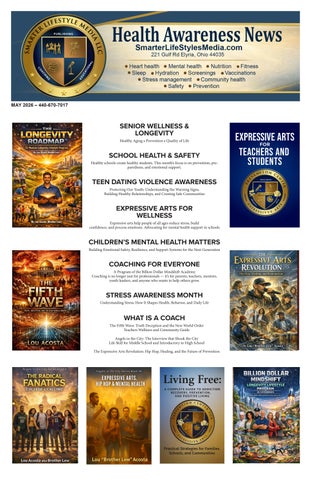
In this issue for the front cover take out the 6 April logos and put in these covers instead
Smarter Lifestyle Media .com 221 Gulf Road
In this issue for the front cover take out the 6 April logos and put in these covers instead
Smarter Lifestyle Media .com 221 Gulf Road, Elyria, Ohio 44035 May 2026
Smarter Lifestyle Media .com 221 Gulf Roa
page 1
Expressive arts help people of all ages reduce stress, build confidence, and process emotions. Advocating for mental health support in schools
page 1
In this issue for the front cover take out the covers instead
CHILDREN’S MENTAL HEALTH MATTERS
Building Emotional Safety, Resilience, and Support Systems for the Next Generation
In this issue for the front cover take out the covers instead
COACHING FOR EVERYONE
A Program of the Billion Dollar Mindshift Academy Coaching is no longer just for professionals — it’s for parents, teachers, mentors, youth leaders, and anyone who wants to help others grow.
STRESS AWARENESS MONTH
Understanding Stress: How It Shapes Health, Behavior, and Daily Life
WHAT IS A COACH
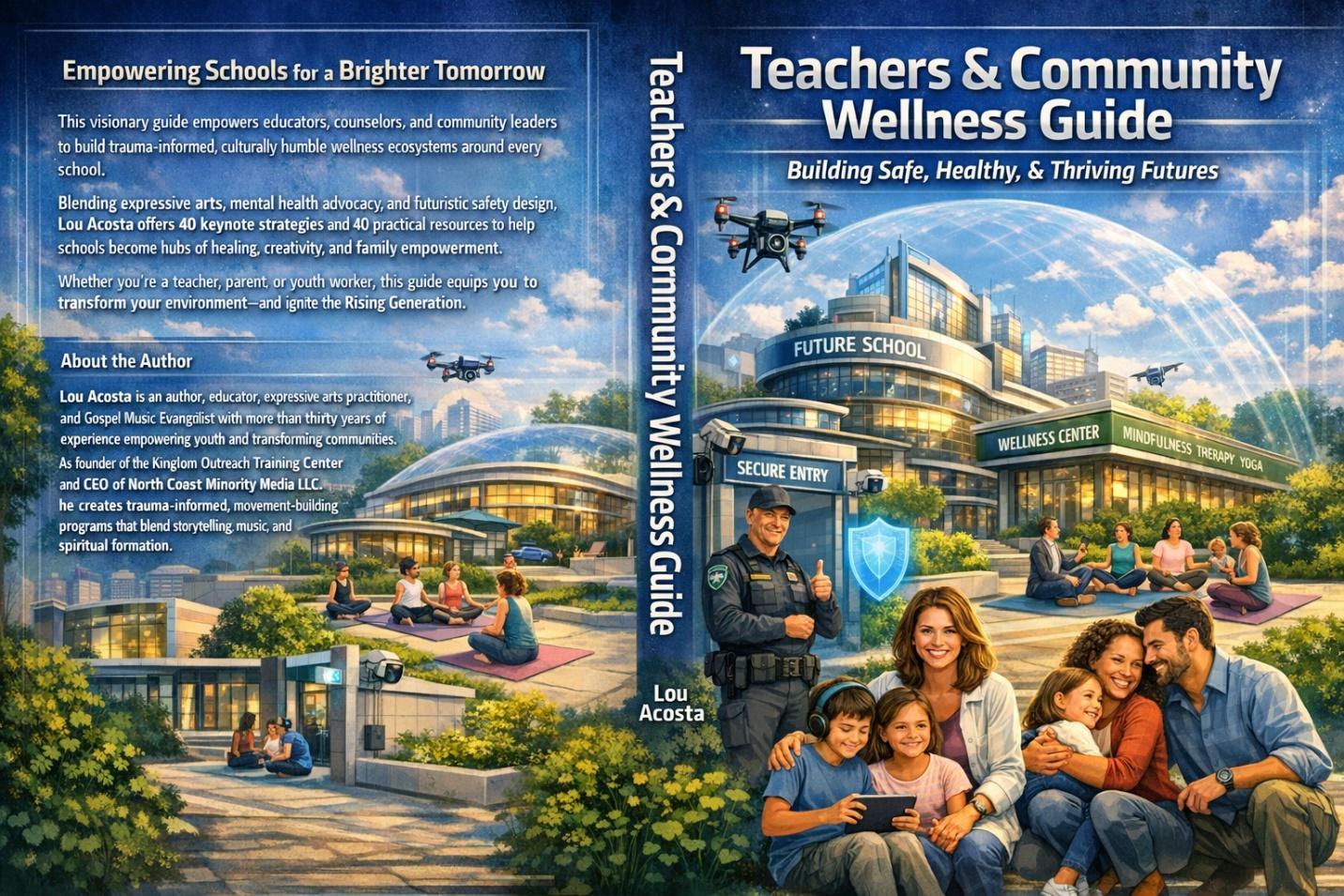
The Fifth Wave: Truth Deception and the New World Order Teachers Wellness and Community Guide
Angels in the City: The Interview that Shook the City Life Skill for Middle School and Introductory to High School
The Expressive Arts Revolution: Hip Hop, Healing, and the Future of Prevention
HEALTH AWARENESS NEWS
National Minority Health Month
Closing the Health Gap: Advancing Equity, Access, and Community Wellness
Every April, National Minority Health Month shines a spotlight on one of the most urgent challenges in American healthcare: the persistent and preventable health disparities affecting Black, Latino, Indigenous, Asian, and other underserved communities. These disparities are not new. They are the result of decades of unequal access to care, environmental stressors, economic barriers, and systemic inequities that shape health long before a person ever steps into a doctor’s office. This month is more than an observance — it is a call to action for communities, healthcare providers, policymakers, and families to work together to close the health gap and build a future where everyone has the opportunity to thrive.
The Roots of Health Inequity
Health disparities do not appear out of nowhere. They are shaped by what public health experts call the “social determinants of health” — the conditions in which people live, work, learn, and age. These include access to transportation, safe housing, nutritious food, stable employment, clean air, and quality healthcare. When these conditions are unequal, health outcomes become unequal.
Minority communities often face higher rates of chronic conditions such as diabetes, hypertension, asthma, heart disease, and certain cancers. These conditions are not simply the result of genetics or lifestyle choices. They are deeply connected to environmental stress, limited access to
preventive care, and longstanding structural barriers.
For example, neighborhoods with fewer grocery stores and more fastfood options create nutritional challenges. Communities without safe parks or sidewalks limit opportunities for physical activity. Areas with higher pollution levels increase the risk of respiratory issues. And when healthcare is unaffordable, inaccessible, or culturally disconnected, people delay care until problems become severe.
The Role of Trust and Cultural Competence
One of the most overlooked factors in minority health is trust. Historical injustices, discrimination, and negative healthcare experiences have created deep mistrust in medical systems. When people do not feel respected, understood, or represented, they are less likely to seek care, follow treatment plans, or return for followup visits.
Culturally competent care — care that respects and understands a patient’s background, language, values, and lived experience — is essential. Providers who take time to listen, build rapport, and communicate clearly can dramatically improve health outcomes. Increasing diversity in the healthcare workforce also plays a major role in building trust and improving patient experiences.
Progress Through CommunityDriven Solutions
Across the country, communities are stepping up with innovative solutions to close the health gap. Mobile health units bring screenings, vaccinations, and checkups directly into neighborhoods. Commu-
nity health workers — trusted members of the community — help families navigate the healthcare system, schedule appointments, and understand medical information. Faithbased organizations host health fairs, blood pressure checks, and wellness workshops. Local nonprofits provide mental health support, nutrition education, and chronic disease management programs.
These grassroots efforts work because they meet people where they are — physically, culturally, and emotionally.
The Power of Prevention
Preventive care is one of the most effective ways to reduce health disparities. Regular checkups, screenings, and early detection can prevent small issues from becoming lifethreatening conditions. Yet many minority families face barriers such as lack of insurance, transportation challenges, or fear of medical costs.
National Minority Health Month encourages individuals to take simple but powerful steps:
• Schedule annual checkups
• Know your blood pressure, cholesterol, and glucose levels
• Ask questions and advocate for your health
• Seek culturally competent providers
• Use community resources for support
• Prevention is not just a medical strategy — it is a pathway to empowerment.
Mental
Health: The Hidden Disparity
Mental health disparities are often less visible but equally significant. Minority communities face higher levels of stress due
to discrimination, economic pressure, and social inequities. Yet stigma, lack of access, and cultural barriers often prevent people from seeking help.
Expanding access to counselors, peer support specialists, and culturally informed mental health programs is essential. Healing begins when people feel safe to speak, supported to grow, and connected to resources that honor their identity.
A Call to Action for Families and Communities
Closing the health gap requires collective effort. Families can support one another by sharing information, encouraging healthy habits, and attending appointments together. Schools can promote wellness through nutrition programs, mental health support, and health education. Community organizations can host workshops, screenings, and fitness events. Healthcare providers can commit to cultural humility and equitable care.
Every action — no matter how small — contributes to a healthier community.
Building a Healthier Future
National Minority Health Month is not just about identifying disparities; it is about building solutions. It is about creating a healthcare system where access is fair, treatment is respectful, and outcomes are equitable. It is about ensuring that every person — regardless of race, ethnicity, income, or zip code — has the opportunity to live a long, healthy, and fulfilling life. Health equity is not a dream. It is a commitment. And when communities unite around that commitment, progress becomes possible.
HEALTH AWARENESS
Stress Awareness Month
Understanding Stress: How It Shapes Health, Behavior, and Daily Life
Stress is one of the most common experiences in modern life, yet one of the least understood. Everyone feels it — students, parents, teachers, seniors, workers, caregivers, and even children. But despite how universal stress is, many people don’t realize how deeply it affects the body, the mind, and longterm health. Stress Awareness Month exists to change that. It invites communities to slow down, pay attention, and learn how to recognize, manage, and reduce stress before it becomes overwhelming.
The Science Behind Stress
Stress is not “in your head.” It is a biological response designed to protect you. When the brain senses pressure, danger, or uncertainty, it activates the sympathetic nervous system — the body’s builtin alarm system. Hormones like cortisol and adrenaline surge through the bloodstream, increasing heart rate, sharpening focus, and preparing the body to respond.
This response is helpful in short bursts. It helps you meet deadlines, stay alert while driving, or react quickly in emergencies. But when stress becomes constant — when the alarm never turns off — the body pays a heavy price.
Chronic stress disrupts sleep, weakens the immune system, increases inflammation, and raises the risk of heart disease, anxiety, depression, digestive issues, and burnout. It also affects memory, concentration, and decisionmaking. Over time, stress becomes a silent force shaping health in ways people often don’t recognize until symptoms appear.
Modern Life and the Rise of Chronic Stress
Today’s world creates stress in ways previous generations never experienced.
Technology keeps people connected 24/7. Social media increases comparison, pressure, and overstimulation. Work demands follow people home. Families juggle financial strain, caregiving responsibilities, and emotional overload. Students face academic pressure, social expectations, and digital distractions.
Even positive life events — new jobs, moving, relationships, parenting — can create stress. The body doesn’t distinguish between “good” and “bad” stress; it only responds to intensity and duration.
Many people live in a constant state of “go,” never giving their nervous system time to reset. This is why Stress Awareness Month emphasizes awareness: you cannot manage what you do not notice.
How Stress Shows Up in the Body
Stress rarely announces itself directly. Instead, it hides behind symptoms people often ignore:
• Headaches or migraines
• Muscle tension, especially in the neck and shoulders
• Fatigue or low energy
• Trouble sleeping
• Stomach issues
• Irritability or mood swings
• Difficulty concentrating
• Feeling overwhelmed or “on edge”
• Emotional numbness
• Increased use of alcohol, caffeine, or food to cope
These signs are not weaknesses — they are signals. The body is asking for rest, balance, and support.
The Emotional Side of Stress
Stress affects more than the body; it shapes emotions and relationships. When people feel overwhelmed, they may become impatient, withdrawn, or easily frustrated. Communication breaks down. Small problems feel bigger. Decisionmaking becomes
harder. Creativity decreases. Confidence drops.
Stress also affects how people see themselves. Many feel guilty for needing rest or ashamed for feeling overwhelmed. Others push through exhaustion because they believe slowing down means falling behind. Stress Awareness Month encourages a different mindset: acknowledging stress is not a failure — it is an act of strength.
Healthy Ways to Manage Stress
Managing stress does not require expensive tools or complicated routines. Small, consistent habits can reset the nervous system and restore balance.
1. Deep Breathing Slow, intentional breathing signals the brain to relax. Even one minute of deep breathing can lower stress hormones.
2. Movement Walking, stretching, dancing, or light exercise releases tension and boosts mood.
3. Mindfulness and Grounding Practices like meditation, prayer, journaling, or quiet reflection help calm the mind.
4. Healthy Boundaries Saying “no,” limiting screen time, and protecting personal time reduces overload.
5. Social Connection Talking with friends, family, or support groups provides emotional relief and perspective.
6. Creative Expression Art, music, writing, and movement help process emotions that are hard to verbalize.
7. Professional Support Counselors, therapists, and coaches offer tools for managing stress in healthy, sustainable ways. Stress management is not about eliminating stress — it is about building resilience.
Stress
in Families, Schools, and Workplaces
Stress affects every environment. Families may experience tension, miscommunication, or emotional distance. Students may
struggle with focus, motivation, or anxiety. Teachers may feel overwhelmed by workload and emotional demands. Workplaces may see burnout, low morale, or decreased productivity.
Stress Awareness Month encourages communities to create supportive environments:
• Families can build routines, share responsibilities, and practice open communication.
• Schools can offer mindfulness breaks, counseling support, and safe spaces for students.
• Workplaces can promote wellness programs, realistic expectations, and mental health resources.
• When communities support stress reduction, everyone benefits.
The Importance of Rest
Rest is not a luxury — it is a biological necessity. The body repairs itself during sleep. The mind processes emotions during downtime. Creativity and problemsolving increase when the brain has space to breathe.
Yet rest is often the first thing people sacrifice. Stress Awareness Month challenges this pattern by reminding people that rest is productive. Rest is healing. Rest is strength.
A Call to Action
Stress Awareness Month is more than an observance — it is an invitation. An invitation to slow down. To listen to your body. To honor your limits. To build healthier habits. To seek support. To create environments where stress is acknowledged, not ignored.
Stress is part of life, but it does not have to control life. With awareness, tools, and community support, people can build resilience, restore balance, and move toward a healthier, calmer, more grounded future.
Alcohol Awareness Month
The Truth About Alcohol & Health: Understanding Risks, Habits, and the Path to Wellness
Alcohol is woven into American culture — celebrations, social gatherings, sporting events, holidays, and even casual evenings at home. Yet despite how common alcohol use is, many people underestimate its impact on physical health, mental wellbeing, relationships, and longterm quality of life. Alcohol Awareness Month exists to bring clarity, education, and compassion to a topic that affects millions of families.
Understanding How Alcohol Affects the Body
Alcohol is a depressant that affects every major organ system. When consumed, it enters the bloodstream quickly, altering brain chemistry, slowing reaction time, and impairing judgment. Over time, repeated alcohol use can strain the liver, weaken the immune system, disrupt sleep, and increase inflammation throughout the body.
Even moderate drinking — often defined as one drink per day for women and two for men — can have cumulative effects. Heavy or frequent drinking increases the risk of:
• Liver disease
• Heart problems
• High blood pressure
• Certain cancers
• Depression and anxiety
• Memory problems
• Weakened immune function
For teens and young adults, alcohol can
interfere with brain development, decisionmaking, and emotional regulation.
The Hidden Link Between Alcohol and Stress
Many people use alcohol as a coping mechanism. After a long day, a drink may feel like a way to relax, unwind, or escape. But alcohol disrupts the brain’s natural stressregulation system. While it may create temporary relief, it ultimately increases anxiety, irritability, and emotional instability.
This creates a cycle: stress leads to drinking, drinking leads to more stress, and the pattern becomes difficult to break.
Alcohol Awareness Month encourages people to explore healthier coping strategies — breathing exercises, movement, creative expression, social support, or professional counseling — that reduce stress without harming the body.
Recognizing Unhealthy Patterns
Alcohol misuse does not always look like addiction. It often begins with subtle patterns:
• Drinking to relax or “take the edge off”
• Feeling guilty about drinking
• Hiding alcohol use
• Drinking more than intended
• Blackouts or memory gaps
• Irritability when not drinking
• Using alcohol to cope with emotions
These signs do not mean someone is “an alcoholic.” They mean the relationship with alcohol deserves attention, compassion, and support.
The Impact on Families and Relationships
Alcohol misuse affects more than the individual. It can strain marriages, create tension in households, and impact children’s emotional wellbeing. Kids who grow up in homes with alcohol misuse often experience anxiety, unpredictability, or emotional distance.
Open conversations, family support, and community resources can help families heal and rebuild trust.
Alcohol and Mental Health
Alcohol and mental health are deeply connected. People experiencing depression, trauma, or anxiety may turn to alcohol for relief. But alcohol intensifies these conditions over time. It disrupts sleep, increases negative thinking, and reduces the brain’s ability to regulate emotions.
This is why mental health professionals emphasize integrated care — addressing both emotional wellbeing and alcohol use together.
The Power of Moderation
Not everyone needs to stop drinking entirely. For many, moderation is a healthy and realistic goal. Strategies include:
• Setting drink limits
• Choosing alcoholfree days
• Drinking slowly
• Eating before and during drinking
• Choosing lowalcohol alternatives
• Avoiding drinking when stressed or upset Alcohol Awareness Month encourages people to reflect on their habits and make intentional choices.
The Rise of AlcoholFree Lifestyles
Across the country, more people are choosing alcoholfree living — not because they “have a problem,” but because they want better sleep, clearer thinking, improved mood, and stronger health. Alcoholfree bars, mocktail menus, and sobercurious communities are growing rapidly.
This shift reflects a cultural change: wellness is becoming more important than social pressure.
Support and Recovery
Recovery is not a single path — it is a spectrum. Some people reduce drinking. Others take breaks. Some choose longterm sobriety. Support options include:
• Counseling
• Peer support groups
• Recovery coaches
• Faithbased programs
• Community wellness centers
• Online support communities
The most important message: no one has to navigate alcohol challenges alone.
A Healthier Future
Alcohol Awareness Month is not about judgment. It is about education, empowerment, and compassion. It invites individuals and families to reflect on their habits, understand the risks, and explore healthier ways to cope with stress and emotions.
When communities talk openly about alcohol, stigma decreases and healing becomes possible.
A coach is someone who helps others:
• feel better
• think clearly.
• build confidence
• reduce stress
• improve habits
• strengthen relationships
• find purpose
HEALTH AWARENESS NEWS
WHAT IS A COACH?
• live longer
A Coach is not a therapist or Doctor.
A coach is a guide — someone who walks with people through simple, daily steps.
If you can listen, encourage, and follow a roadmap… you can coach.
WHO CAN BECOME A COACH?
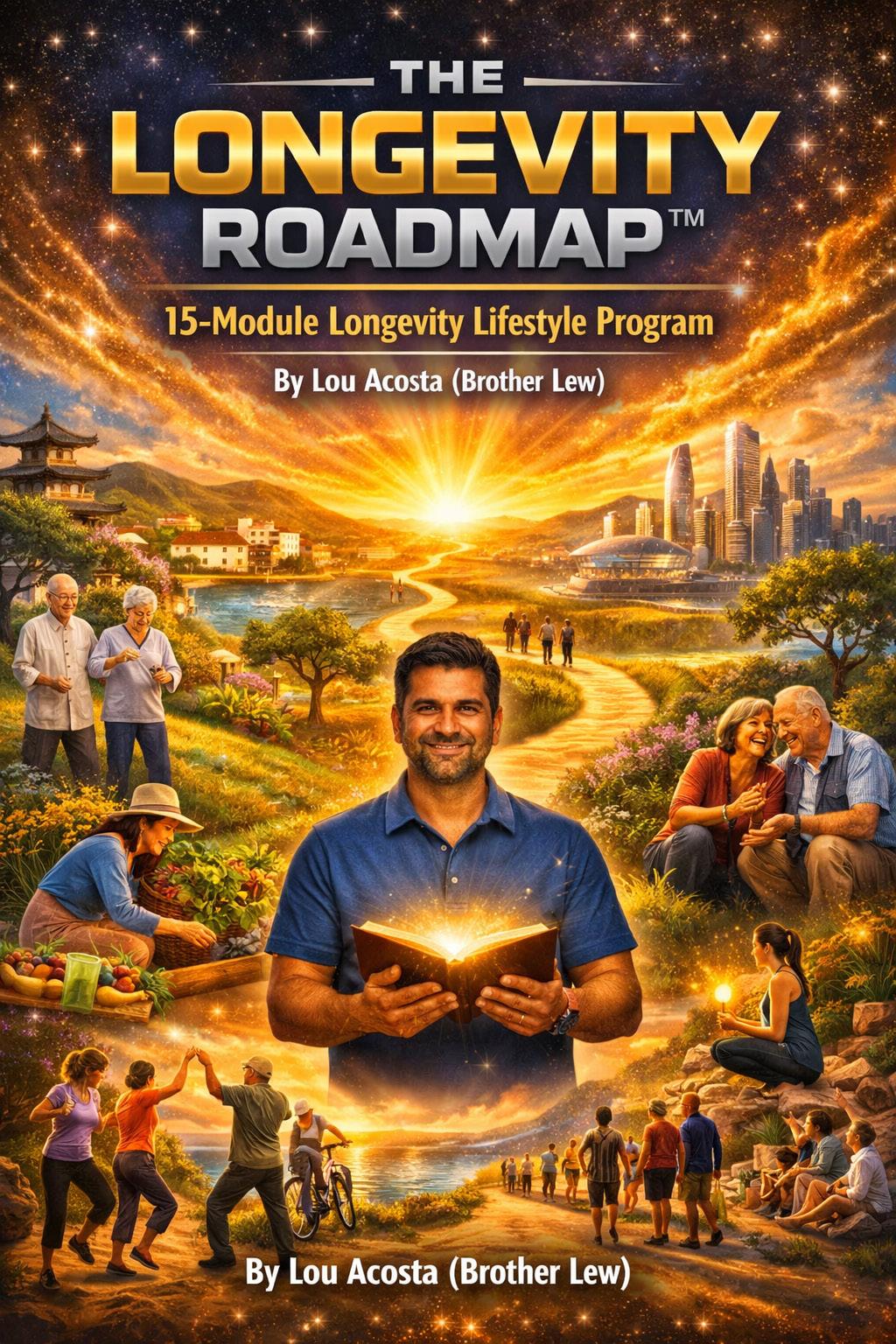
Anyone 18 or older can become a Longevity Roadmap™ Coach.
This includes:
• parents
• teachers
• youth leaders
• seniors
• pastors
• recovery leaders
• fitness instructors
• caregivers
• corporate staff
• volunteers
• everyday people
If you want to help others live better you belong here.
The Fifth Wave: Truth, Deception, and the New World Order
THE FIVE WAVES THAT SHAPED HUMANITY
Wave 1: The Agricultural Revolution; The Birth of Civilization
Many, many years ago, humanity made its first great leap. We stopped wandering and started planting. Villages became towns. Towns became cities. Cities became empires.
This wave created:
• food surplus
• land ownership
• taxation
• organized religion
• written language
• centralized authority
The environment changed as forests became farmland. Human thought changed as survival shifted from hunting to planning. Power changed as those who controlled food, controlled people.
Pandemics existed even then, ancient plagues that spread through growing populations. Wars were fought over land, water, and grain. The first elites emerged: kings, priests, and landowners.
This wave taught humanity a lesson that still echoes today: Whoever controls the resources controls the people.
Wave 2: The Industrial Revolution, The Rise of Machines and Empires
In the 18th and 19th centuries, machines replaced muscle. Steam engines roared. Factories rose. Railroads cut across continents. The world shrank as production exploded.
This wave created:
• mass manufacturing
• urbanization
• global trade
• modern warfare
• corporate power
• labor movements
The environment changed as coal darkened skies and rivers carried industrial waste. Human thought changed as people
became workers in systems larger than themselves. Society changed as wealth concentrated in the hands of industrial families and banking dynasties.
Wars were no longer fought with swords but with machines — funded by the same financial families who profited from both sides. World War I was not just a conflict of nations; it was a conflict financed by global banking networks.
This wave taught humanity: Whoever controls the machines, controls the future.
Wave 3: The Information Age the Birth of Data Power
In the mid20th century, information became the new currency. Computers shrank from rooms to desktops. Satellites circled the earth. The microchip changed everything.
This wave created: global communication
• early internet
• mass media
• digital databases
• 24hour news cycles
The environment changed as technology replaced physical labor. Human thought changed as information became instant and overwhelming. Society changed as corporations and intelligence agencies realized that data was more powerful than weapons.
The Great Depression had already shown how financial systems could collapse entire nations. World War II showed how technology could reshape the world. The Cold War showed how information could control nations without firing a shot.
This wave taught humanity: Whoever controls the data controls the narrative.
Wave 4: Globalization & the Internet The World Becomes One
The fourth wave didn’t just change technology — it changed identity. Borders blurred. Cultures merged. Economies intertwined. A teenager in Ohio could influence a teenager in Tokyo.
This wave created:
• social media
• ecommerce
• global supply chains
• digital banking
• remote work
• online education
The environment changed as global production accelerated. Human thought changed as attention spans shortened and opinions polarized. Society changed as corporations became more powerful than nations.
The 1950s manufacturing boom created suburbs, highways, fast food, and consumer culture. Transportation expanded.
Midleclass wealth exploded. Millionaires and billionaires multiplied.
But globalization also brought:
• cyber warfare
• misinformation
• surveillance capitalism
• cultural fragmentation
This wave taught humanity: Whoever controls the networks controls the world.
Wave 5: Digital Dominance — The Final Convergence
And now we stand in the Fifth Wave — the most powerful, most invisible, most allencompassing wave humanity has ever faced.
This wave merges:
• data
• identity
• currency
• communication
• surveillance
• governance
• biology
• psychology
• spirituality Everything is connected. Everything is tracked. Everything is analyzed. Everything is influenced.
This is the wave of:
• AI
• digital ID
• biometric tracking
• CBDCs
• algorithmic governance
• predictive policing
• social credit systems
• virtual reality
• transhumanism
This wave accelerated during the COVID19 pandemic — a global event that acted as a catalyst, exposing how quickly society could be reshaped through fear, isolation, and dominance.
CHAPTER 1 – THE DAY THE WORLD STOPPED THE DAY THE WORLD STOPPED**
There are days that divide history. Days that split the world into before and after. Days when the familiar dissolves and something unrecognizable takes its place. For our generation, that day arrived in early 2020. It didn’t come with explosions or sirens. It didn’t come with tanks rolling through streets. It came quietly — like a shadow stretching across the globe.
One headline at a time. One press conference at a time. One emergency order at a time. And then, almost overnight, the world stopped.
The Silence Heard Around the World Airports emptied. Highways cleared. Schools locked their doors. Churches went dark. Businesses shuttered. Cities fell silent. It was the kind of silence you could feel — heavy, unnatural, unsettling.
Satellite images showed pollution disappearing over China. Seismologists reported the Earth itself vibrating less because human movement had ceased. Wildlife wandered into cities as if reclaiming territory. It was as if creation paused to ask, What is happening?
For the first time in modern history: 4.5 billion people were under some form of lockdown 90% of students worldwide were out of school global travel dropped by more than 70% entire economies froze The world had never seen anything like it. And yet, the silence wasn’t peaceful. It was strategic. It was conditioning. It was preparation.
RolePlay & Theatre in Expressive Arts: How Acting Strengthens Memory, Emotional Health, and Cognitive Wellness
Acting is far more than entertainment. It is one of the most powerful expressivearts tools for strengthening the brain, improving emotional health, and building confidence at any age. Whether it happens in a classroom, a community theatre, a church drama team, or a professional stage, roleplay activates parts of the brain that everyday life rarely touches. It requires imagination, memory, empathy, movement, and emotional expression — all at the same time.
April is a month dedicated to stress awareness, public health, and community wellness, making it the perfect time to highlight the mentalhealth benefits of theatre and roleplay. For children, teens, adults, and seniors, acting is more than a hobby. It is a brainbuilding, confidenceboosting, memorystrengthening activity that supports lifelong wellness.
Why RolePlay Is So Powerful for the Brain
When someone steps into a character, the brain begins working in extraordinary ways. Acting requires:
• Memorization
• Emotional interpretation
• Physical movement
• Vocal control
• Creative imagination
• Social interaction
• Problemsolving
• Few activities activate as many brain regions at once.
Acting Strengthens Memory
Learning lines, blocking, cues, and character motivations forces the brain to store and retrieve information quickly. This strengthens:
• Shortterm memory
• Longterm recall
• Cognitive flexibility
• Focus and attention
This is why expressivearts programs often use roleplay with seniors to help maintain cognitive function.
Acting Improves Emotional Intelligence
To portray a character, actors must understand:
• Motivation
• Feelings
• Reactions
• Body language
• Tone and expression
• This builds empathy and emotional awareness — skills that improve relationships, communication, and selfunderstanding.
RolePlay as a Tool for Stress Relief
Acting allows people to step outside themselves for a moment. It creates a safe space to explore emotions, release tension, and express feelings that may be difficult to communicate in everyday life.
How Theatre Reduces Stress:
• Encourages deep breathing
• Releases physical tension
• Provides emotional release
• Builds social connection
• Boosts confidence
• Creates joy and laughter
Theatre is one of the most natural stressrelief tools available.
The MentalHealth Benefits of Acting
Acting supports mental wellness in several ways:
1. Builds Confidence
Performing in front of others — even in small groups — helps individuals overcome fear and selfdoubt.
2. Strengthens Communication Skills
Actors learn to project their voice, articulate clearly, and use body language effectively.
3. Encourages Creativity
Roleplay opens the imagination and helps people think outside the box.
4. Supports Social Connection
Theatre creates community. Casts become families. Rehearsals build trust.
5. Helps Process Emotions
Acting allows individuals to explore feelings in a safe, structured environment.
Why RolePlay Helps Prevent Memory Loss
For older adults, acting is one of the most effective cognitivewellness activities. It combines:
• Memorization
• Movement
• Social interaction
• Emotional expression
• Problemsolving These are the same skills used in cognitivetraining programs designed to slow memory decline.
Theatre Helps Seniors:
• Stay mentally sharp
• Improve recall
• Strengthen focus
• Reduce isolation
• Boost mood
• Maintain independence
This makes expressivearts theatre an ideal activity for aginginplace communities.
RolePlay in Schools and Youth Programs
Children and teens benefit tremendously from acting. It helps them:
• Build confidence
• Improve reading skills
• Strengthen memory
• Develop empathy
• Reduce anxiety
• Improve social skills
Schools that incorporate drama into their curriculum often see improvements in student engagement and emotional regulation.
RolePlay in Recovery and Behavioral Health
Expressivearts therapy uses roleplay to help individuals:
• Process trauma
• Practice new behaviors
• Build coping skills
• Explore identity
• Improve communication
• Strengthen emotional resilience
• Acting becomes a safe rehearsal space for reallife challenges.
Local Theatre, Drama, and Dance Resources
(This section can be customized with real local organizations when you’re ready.)
• Communities often have:
• Community theatres
• Youth drama programs
• Dance studios
• Acting workshops
• Church drama ministries
• College theatre departments
• Improv groups
• Senior theatre troupes
These organizations provide accessible opportunities for people of all ages to participate in expressive arts.
How to Get Started with Acting or RolePlay
You don’t need to be a professional actor to enjoy the benefits. Anyone can participate.
Simple Ways to Begin:
• Join a community theatre
• Take an acting or improv class
• Participate in a church drama team
• Try roleplay exercises at home
• Join a dance or movement class
• Volunteer backstage or in production
• The goal is not perfection — it’s expression, connection, and growth.
Final Thoughts
Acting is one of the most powerful expressivearts tools for strengthening the brain, improving emotional health, and building confidence. Whether on a stage, in a classroom, or in a therapeutic setting, roleplay helps people connect with themselves and others in meaningful ways. It supports memory, reduces stress, and brings joy — making it a valuable part of lifelong wellness. Theatre doesn’t just entertain. It heals. It teaches. It transforms.
Senior Wellness
SENIOR WELLNESS & LONGEVITY
Healthy Aging • Prevention • Quality of Life
HEALTHY AGING IN 2026: BUILDING A LONGER, STRONGER, MORE ACTIVE LIFE
As America’s population continues to age, communities everywhere are focusing on ways to help seniors live longer, healthier, and more fulfilling lives. Here in Lorain County, thousands of older adults are redefining what it means to age well — staying active, engaged, and connected to the people and activities they love. February’s focus on wellness gives us the perfect opportunity to highlight the habits, resources, and support systems that help seniors maintain independence and vitality.
Healthy aging is not just about avoiding illness; it’s about building a lifestyle
that supports physical, emotional, and social wellbeing. Regular movement, balanced nutrition, mental stimulation, and meaningful relationships all play a major role in longevity. Many seniors are surprised to learn that small, consistent habits — like walking daily, drinking more water, stretching, or joining a community group — can dramatically improve mobility, energy, and mood. One of the most important aspects of senior wellness is staying active. Physical activity helps maintain muscle strength, balance, and flexibility, reducing the risk of falls — one of the leading causes of injury among older adults. Activities like walking, chair exercises, water aerobics, and gentle stretching are accessible to most seniors and can be adapted to different ability levels. Many local community centers and senior programs offer free or lowcost fitness classes designed specifically for older adults.
Nutrition also plays a major role in healthy aging. As we get older, our bodies
require fewer calories but more nutrients. Eating a diet rich in fruits, vegetables, whole grains, lean proteins, and healthy fats supports heart health, brain function, and immune strength. Staying hydrated is equally important, as many seniors experience decreased thirst and may not drink enough water throughout the day. Simple changes — like adding more water, reducing sodium, and choosing fresh foods — can make a significant difference.
Mental and emotional wellness are just as important as physical health. Loneliness and isolation can affect seniors deeply, increasing the risk of depression, anxiety, and cognitive decline. Staying socially connected — through family, friends, church groups, volunteer work, or community programs — helps maintain emotional balance and a sense of purpose. Lifelong learning, reading, puzzles, and creative activities also help keep the mind sharp.
Regular checkups and preventive care are essential for early detection of health issues. Screenings for blood pressure,
cholesterol, diabetes, vision, hearing, and bone density help identify problems before they become serious. Many seniors also benefit from medication reviews, fallrisk assessments, and conversations with their healthcare providers about mobility, memory, and overall wellness.
Healthy aging is not about perfection — it’s about progress. Every step toward better health, no matter how small, contributes to a longer, stronger, more active life. This February, we encourage seniors and their families to take advantage of local resources, build healthy routines, and stay connected to the community.
SIDEBAR: 8 HABITS FOR HEALTHY AGING
• Walk daily or stay physically active • Eat nutrientrich foods • Stay hydrated • Keep your mind engaged • Maintain social connections • Get regular checkups • Practice balance and flexibility exercises • Prioritize sleep and stress management
TEACHER WELLNESS MATTERS
Teachers carry enormous emotional and mental loads. Supporting their wellness strengthens entire school communities.
WELLNESS STRATEGIES:
• Peer support groups
• Mindfulness breaks
• Creative expression
• Professional coaching
• Healthy boundaries
• Access to mental health resources
• Healthy teachers create healthy classroom
EXPRESSIVE ARTS & WELLNESS (Expanded)
EXPRESSIVE ARTS FOR WELLNESS
Expressive arts help people of all ages reduce stress, build confidence, and process emotions.
FOR STUDENTS:
• Drawing • Dance • Poetry
• Music • Theater
FOR ADULTS:
• Journaling
• Movement
• Creative workshops
• Group storytelling
BENEFITS:
• Reduces anxiety
• Improves focus
• Strengthens communication
• Builds community
SCHOOL HEALTH & SAFETY
Healthy schools create healthy students.
This month’s focus is on prevention, preparedness, and emotional support.
SCHOOL SAFETY CHECKLIST:
• Clean water access
• Updated emergency plans
• Mental health resources
• Antibullying programs
• Safe arrival and dismissal procedures
• Staff wellness support
• A safe school is a shared responsibility — students, staff, families, and the community all play a role.
CHILDREN’S MENTAL HEALTH MATTERS
Building Emotional Safety, Resilience, and Support Systems for the Next Generation
Children today face pressures and challenges that previous generations could not have imagined. Academic expectations, social media influence, family stress, community violence, and emotional overload are shaping the mental health landscape for millions of young people. February’s focus on Children’s Mental Health is not just a reminder — it is a call to action for families, schools, and communities to create environments where children feel safe, supported, and understood.
The Growing Mental Health Crisis Among Children
Across the country, children are experiencing rising levels of anxiety, depression, behavioral challenges, and emotional distress. Many of these issues go unnoticed because children often lack the vocabulary to express what they feel. Instead of saying “I’m overwhelmed,” a child may act out, withdraw, or struggle academically.
Several factors contribute to the growing crisis:
• Increased screen time and social media pressure
• Academic stress and performance expectations
• Family instability or conflict
• Exposure to trauma or community violence
• Bullying, both in person and online
• Lack of emotional education
• Limited access to mental health resources Children are resilient, but they are also vulnerable. Without proper support, emotional struggles can follow them into adolescence and adulthood.
Understanding How Children Communicate Emotion
Children rarely say, “I’m anxious,” “I’m depressed,” or “I’m overwhelmed.” Instead, they communicate through behavior. Adults must learn to recognize emotional signals hidden beneath actions. Common signs of emotional distress include:
• Sudden changes in behavior
• Withdrawal from friends or activities
• Difficulty concentrating
• Irritability or anger
• Sleep problems
• Frequent stomachaches or headaches
• Declining grades
• Excessive worry
• Clinginess or separation anxiety
These signs do not always indicate a serious problem, but they should prompt a caring conversation.
The Importance of Emotional Safety
Emotional safety is the foundation of mental health. Children need to know they can express their feelings without fear of punishment, judgment, or rejection. When children feel emotionally safe, they are more likely to:
• Share their struggles
• Ask for help
• Build confidence
• Develop healthy coping skills
• Form strong relationships
• Emotional safety begins at home but must be reinforced in schools, youth programs, and community spaces.
How Families Can Support Children’s Mental Health
Parents and caregivers play the most important role in shaping a child’s emotional wellbeing. Simple, consistent actions can make a powerful difference.
1. Listen Without Interrupting
Children need to feel heard. When adults listen with patience and empathy, children learn that their feelings matter.
2. Validate Their Emotions
Instead of saying “You’re fine,” try “I see you’re upset — let’s talk about it.” Validation builds trust and emotional intelligence.
3. Maintain Routines
Predictability helps children feel secure. Regular meals, bedtime routines, and consistent expectations reduce anxiety.
4. Encourage Creative Expression
Drawing, music, storytelling, and movement help children express emotions they cannot put into words.
5. Model Calm Behavior
Children learn emotional regulation by watching adults. When adults stay calm, children feel safer.
6. Limit Screen Time
Too much screen time affects sleep, mood, and attention. Setting healthy
boundaries protects mental health.
7. Seek Help Early
If concerns persist, families should reach out to counselors, pediatricians, or school mental health teams.
The Role of Schools in Supporting Mental Health
Schools are more than academic institutions — they are emotional ecosystems. Teachers, counselors, and administrators play a vital role in identifying early signs of distress and providing support. Effective schoolbased strategies include:
• Socialemotional learning (SEL) programs
• Mindfulness and relaxation activities
• Antibullying initiatives
• Safe spaces for students to talk
• Access to school counselors
• Traumainformed teaching practices
• Peer support groups
When schools prioritize mental health, students feel more connected, confident, and capable.
The Impact of Social Media on Children
Social media can be both helpful and harmful. While it allows children to connect with friends and explore interests, it also exposes them to:
• Cyberbullying
• Unrealistic comparisons
• Pressure to perform
• Fear of missing out
• Negative content
• Parents and educators must teach children how to navigate digital spaces safely and responsibly.
Expressive Arts: A Powerful Tool for Healing
Expressive arts — including drawing, painting, music, dance, poetry, and storytelling — help children process emotions in healthy ways. These activities:
• Reduce anxiety
• Improve focus
• Build confidence
• Strengthen communication
• Provide emotional release
• Encourage creativity Schools, community centers, and youth programs can integrate expressive arts into daily routines to support emotional wellness.
Community Support and Resources
Children thrive when communities work together. Local organizations, churches, nonprofits, and youth programs can offer:
• Support groups
• Mentoring programs
• Family workshops
• Afterschool activities
• Counseling services
• Wellness events
These resources create a network of support that strengthens families and empowers children.
Building Resilience in Children
Resilience is the ability to bounce back from challenges. Children develop resilience when they:
• Feel supported
• Learn problemsolving skills
• Build strong relationships
• Practice emotional regulation
• Experience success
• Develop a sense of purpose
• Adults can help children build resilience by encouraging effort, celebrating progress, and teaching coping strategies.
Taking Action
Children’s Mental Health is a reminder that every child deserves to feel safe, supported, and understood, commit to:
Young people across the region are stepping up as leaders, mentors, and community builders.
FEATURED PROJECTS:
• Peer mentoring
• Antibullying campaigns
• Community cleanups
• Expressive arts showcases
• Studentled wellness groups
• The Radical Fanatics movement continues to inspire students to discover purpose, leadership, and community impact.
COACHING FOR EVERYONE
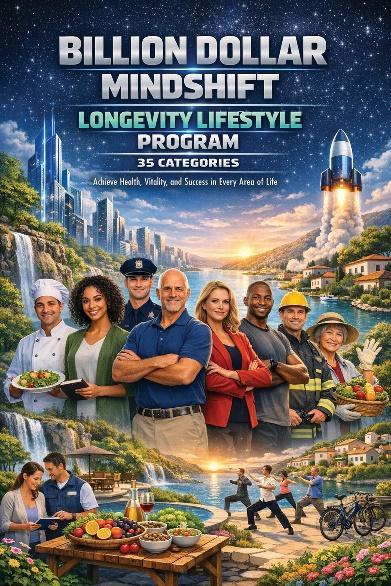
A Program of the Billion Dollar Mindshift Academy
Coaching is no longer just for professionals — it’s for parents, teachers, mentors, youth leaders, and anyone who wants to help others grow.
THE 7 PILLARS INCLUDE:
• Life & Purpose
• Family & Parenting
• Leadership
• Recovery & Wellness
• Education & Youth
• Community Impact
• Personal Development
35 CATEGORIES OF COACHING
From communication to confidence, from recovery support to leadership development — this program equips everyday people with practical
COACHING FOR EVERYONE: A COMMUNITY MOVEMENT FOR GROWTH
Coaching is no longer something reserved for executives, athletes, or highlevel professionals. Today, coaching has become one of the most accessible and powerful tools for families, schools, churches, and community organizations. The “Coaching for Everyone” initiative, part of the Billion Dollar Mindshift Academy, is designed to bring practical, everyday coaching skills to people who want to help others grow — parents, teachers, mentors, youth leaders, recovery workers, and community volunteers.
At its core, coaching is about helping people move from where they are to where they want to be. It focuses on strengths, solutions, and forward movement. In a world where stress, confusion, and emotional overload are common, coaching provides clarity, structure, and support. It helps people set goals, build confidence,
communicate better, and take meaningful steps toward change.
The Coaching for Everyone program is built on 7 Pillars and 35 Categories, covering everything from communication and confidence to recovery support, leadership development, emotional intelligence, and family strengthening. These tools are simple enough for everyday use but powerful enough to create real transformation.
Schools are using coaching strategies to help students manage stress, build resilience, and improve academic focus. Parents are using coaching tools to strengthen relationships with their children and create healthier home environments. Recovery programs are using coaching to support individuals rebuilding their lives. Churches and youth groups are using coaching to develop young leaders and strengthen community engagement.
What makes this movement unique is its accessibility. You don’t need a degree, a
title, or a special background. You just need a desire to help others grow. The program provides stepbystep guidance, practical tools, and reallife examples that anyone can use.
As communities face rising mental health challenges, family stress, and social pressure, coaching offers a positive, empowering approach. It helps people focus on solutions instead of problems, possibilities instead of limitations, and growth instead of fear. The Coaching for Everyone initiative is more than a program — it’s a movement designed to strengthen families, uplift communities, and build a culture of support and encouragement. GET
YOUR FREE GUIDE TODAY.
For more information or to access the free coaching guide, contact North Coast Minority Media LLC or visit the Billion Dollar Mindshift Academy.
TEEN DATING VIOLENCE AWARENESS
Protecting Our Youth:
Understanding the Warning Signs, Building Healthy Relationships, and Creating Safe Communities
Teen dating violence is one of the most overlooked public health issues affecting young people today. While adults often assume that teenagers are too young to experience “real” relationships, the reality is that many teens are navigating intense emotions, peer pressure, social media influence, and early romantic experiences without the tools or guidance they need. February’s Teen Dating Violence Awareness Month shines a spotlight on this critical issue and calls families, schools, and communities to action.
The Reality of Teen Dating Violence
Statistics reveal a troubling truth: 1 in 3 teens will experience some form of dating abuse before they reach adulthood. This includes physical violence, emotional manipulation, verbal threats, digital harassment, stalking, and coercion. Abuse can happen in any community, regardless of background, income, or culture. It affects teens in public schools, private schools, youth groups, sports teams, and even church communities.
Many teens do not recognize the early signs of unhealthy behavior. They may confuse jealousy with love, control with protection, or pressure with affection. Without proper education, they may normalize harmful patterns that follow them into adulthood.
Understanding the Forms of Abuse
Teen dating violence is not limited to physical harm. In fact, emotional and digital abuse are far more common among young people.
• Physical Abuse: Hitting, pushing, grabbing, blocking exits, throwing objects, or any form of physical harm.
• Emotional Abuse: Insults, humiliation,
guilttripping, manipulation, threats, or constant criticism.
• Digital Abuse: Demanding passwords, monitoring messages, controlling social media, excessive texting, or using technology to track or intimidate.
• Social Abuse: Isolating a teen from friends, spreading rumors, controlling who they talk to, or damaging their reputation.
• Sexual Coercion: Pressuring or forcing a teen into sexual activity, using guilt or threats to obtain compliance. Each form of abuse can have longlasting effects on a teen’s mental health, selfesteem, academic performance, and future relationships.
Why Teens Stay Silent
Teens often hide abusive relationships for several reasons:
• Fear of not being believed
• Embarrassment or shame
• Worry about getting in trouble
• Desire to protect the abuser
• Fear of losing social status
• Lack of understanding about what abuse looks like
• Belief that “things will get better”
• Many teens also fear that adults will overreact, take away their phones, or forbid them from dating altogether. This fear keeps them silent and isolated.
Warning Signs Parents and Adults Should Watch For
Adults play a crucial role in identifying early warning signs. These may include:
• Sudden changes in mood or behavior
• Withdrawal from friends and family
• Declining grades or loss of interest in activities
• Excessive texting or anxiety about responding quickly
• Unexplained bruises or injuries
• A partner who is overly possessive or jealous
A teen who becomes secretive about their relationship
• Changes in clothing or appearance to hide injuries
These signs do not always indicate abuse, but they should prompt a caring, nonjudgmental conversation.
How to Talk to Teens About Healthy Relationships
Teens need clear, honest conversations about what healthy relationships look like. Adults should emphasize:
• Respect: Both partners value each other’s feelings and boundaries.
• Trust: There is no need for spying, checking phones, or constant monitoring.
• Communication: Both partners can express feelings without fear.
• Independence: Each person maintains friendships, hobbies, and personal space.
• Safety: No one should feel afraid, pressured, or controlled.
These conversations should begin early — long before teens start dating — and continue throughout adolescence.
The Role of Schools and Youth Programs
Schools are one of the most important environments for prevention. They can:
• Provide education on healthy relationships
• Offer counseling and support services
• Train teachers to recognize warning signs
• Create safe reporting systems
• Host workshops and assemblies
• Partner with community organizations Youth programs, sports teams, and faithbased groups can reinforce these messages by promoting respect, leadership, and emotional intelligence.
The Impact of Social Media and Technology
Today’s teens live in a digital world where relationships unfold through texts, posts, and online interactions. Social media can amplify both healthy and unhealthy behaviors.
Positive uses include:
• Encouraging communication
• Sharing interests
• Building connection Negative uses include:
• Cyberbullying
• Public humiliation
• Pressure to send inappropriate photos
• Monitoring or controlling behavior
• Public arguments or threats
Teens need guidance on how to navigate digital relationships safely and responsibly.
Supporting Teens Who Are Experiencing Abuse
If a teen opens up about abuse, the most important response is to listen without judgment. Adults should:
• Stay calm
• Believe them
• Thank them for sharing
• Avoid blaming or criticizing
• Offer support and resources
• Help them create a safety plan
• Connect them with a counselor or trusted professional
Teens need to know they are not alone and that help is available.
Community Solutions and Prevention Strategies
Preventing teen dating violence requires a communitywide effort. Effective strategies include:
• Awareness campaigns
• Parent education workshops
• Schoolcommunity partnerships
• Youth leadership programs
• Mentorship opportunities
• Expressive arts programs that help teens process emotions
• Safe spaces for teens to talk openly When communities work together, they create environments where teens feel supported, valued, and empowered.
Building a Culture of Respect
The longterm solution to teen dating violence is building a culture where respect, empathy, and healthy communication are the norm. Teens learn from what they see — in their homes, schools, communities, and media. Adults must model the behaviors they want young people to adopt.
Spring Nutrition & Healthy Eating: Resetting Your Health for the Season Ahead
Spring is a season of renewal. As the weather warms and daylight stretches longer into the evening, many people feel a natural desire to refresh their routines, clean their homes, and reset their health. After months of winter comfort foods, holiday treats, and limited outdoor activity, spring offers the perfect opportunity to refocus on nutrition, energy, and overall wellbeing.
Healthy eating doesn’t have to be complicated. With a few simple changes, families can improve their energy levels, support their immune systems, and build habits that last throughout the year. Whether you’re trying to lose weight, boost your mood, support heart health, or simply feel better daytoday, spring is the ideal time to start.
Why Spring Is the Best Time to Reset Your Nutrition Winter often brings:
• Heavier meals
• Less sunlight
• More time indoors
• Lower activity levels
• Increased cravings for sugar and comfort foods
• These habits can leave people feeling sluggish, tired, and unmotivated. Spring naturally encourages:
• More movement
• More fresh produce
• More hydration
• More sunlight
• More motivation This makes it easier to build healthier habits and stick to them.
1. Add More Fresh, Seasonal Produce Spring brings a wide variety of fresh fruits and vegetables that are packed with vitamins, minerals, and antioxidants. Seasonal produce tastes better, costs less, and supports local farmers.
Spring Produce to Look For:
• Spinach
• Kale
• Asparagus
• Broccoli
• Carrots
Support Health Awareness News by subscribing to our publication, by advertising and by purchasing our books, audio tapes, CD’s and Videos.
You will not be disappointed. Our company motto is to help you Live Smarter, Stronger, Healthier & Longer
You can make them all fit where they need to be
• Radishes
• Strawberries
• Blueberries
• Peas
• Green beans
These foods support digestion, boost immunity, and help the body naturally detoxify after winter.
Simple Ways to Add More Produce:
• Add spinach or kale to smoothies
• Roast asparagus or broccoli with olive oil
• Snack on carrots or berries
• Add vegetables to omelets, soups, and stirfries
• Small changes add up quickly.
2. Hydrate More — Your Body Needs It
Many people don’t drink enough water during winter because they don’t feel as thirsty. But dehydration can cause:
• Fatigue
• Headaches
• Dry skin
• Poor digestion
• Cravings mistaken for hunger
Spring Hydration Tips:
• Start your day with a glass of water
• Carry a reusable water bottle
• Add lemon, cucumber, or berries for flavor
• Drink herbal teas
Choose water over sugary drinks
• Proper hydration supports metabolism, energy, and brain function.
3. Lighten Up Your Meals
Spring is the perfect time to shift from heavy winter meals to lighter, nutrientdense foods.
Try These Spring Meal Ideas:
• Grilled chicken or fish with vegetables
• Fresh salads with nuts and seeds
• Stirfried vegetables with lean protein
• Wholegrain bowls with greens and beans
• Smoothies with fruit and yogurt
• These meals are satisfying without weighing you down.
4. Reduce Sugar and Processed Foods Sugar and processed foods can lead to:
Weight gain
• Inflammation
• Low energy
• Mood swings
• Poor sleep
• Spring is a great time to cut back.
• Simple Ways to Reduce Sugar:
• Choose fruit instead of desserts
• Replace soda with flavored water
• Read labels — sugar hides in many packaged foods
• Choose whole foods over processed snacks
• Even small reductions can improve energy and mood.
5. Support Your Gut Health
A healthy gut supports:
• Immunity
• Digestion
• Mood
• Weight management
• GutFriendly Foods:
• Yogurt
• Kefir
• Sauerkraut
• Kimchi
• Whole grains
• Beans and lentils
• Fresh vegetables Adding these foods helps balance your gut bacteria and improve overall health.
6. Eat More Lean Protein Protein helps:
• Build muscle
• Support metabolism
• Keep you full longer
• Stabilize blood sugar
• Healthy Protein Sources:
• Chicken
• Turkey
• Fish
• Eggs
• Beans
• Lentils
• Tofu
• Greek yogurt Aim to include protein in every meal.
7. Move More — Nutrition and Activity Work Together Spring weather makes it easier to get outside. Even light activity supports healthy eating goals.
Easy Spring Activities:
• Walking • Gardening
• Biking
• Stretching outdoors
• Light jogging
• Outdoor yoga Movement boosts metabolism, improves mood, and supports heart health.
8. Build a Simple, Sustainable Meal Plan Healthy eating doesn’t require strict diets or complicated recipes. A simple weekly plan helps families stay on track. A Balanced Plate Should Include:
• ½ vegetables
• ¼ lean protein
• ¼ whole grains
• Healthy fats (olive oil, nuts, avocado) This approach is flexible, affordable, and effective.
9. Involve the Whole Family
Healthy eating is easier when everyone participates.
Family Nutrition Ideas:
• Cook meals together
• Try new fruits and vegetables
• Pack healthy lunches
• Create a weekly meal plan
• Limit sugary snacks in the house
• Kids are more likely to eat healthy foods when they help prepare them.
Final Thoughts
Spring is a season of renewal — and your nutrition can be part of that renewal. By adding fresh produce, drinking more water, reducing sugar, and choosing lighter meals, you can boost your energy, improve your mood, and support your longterm health. Healthy eating doesn’t have to be complicated. With small, consistent changes, families can build habits that last all year long. Spring is the perfect time to reset, refresh, and nourish your body from the inside out.
HEALTH AWARENESS NEWS
Teachers and Community Wellness Guide
CHAP TER 7 PARENT–TEACHER PARTNERSHIPS: COMMUNICATION THAT PROTECTS CHILDREN
Teachers and Community Wellness Guide
CHAPTER 7 PARENT
TEACHER PARTNERSHIPS: COMMUNICATION THAT PROTECTS CHILDREN
CHAPTER 8
SUPPORTING CHILDREN THROUGH STRESS, CHANGE & TRAUMA
CHAPTER 9
TEEN DATING VIOLENCE AWARENESS: PROTECTING OUR YOUTH
CHAPTER 10
BULLYING & DIGITAL HARASSMENT: PROTECTING TEENS IN A SOCIAL MEDIA WORLD
CHAPTER 11
TEEN MENTAL HEALTH: ANXIETY, DEPRESSION & EMOTIONAL OVERLOAD
CHAPTER 12
BUILDING HEALTHY TEEN RELATIONSHIPS: RESPECT, BOUNDARIES & COMMUNICATION
CHAPTER 13
YOUTH VIOLENCE PREVENTION: COMMUNITY CEN TERED SOLUTIONS
STRESS & ANXIETY IN THE CLASSROOM: TOOLS FOR EDUCATORS
CHAPTER 17
LONGEVITY COACHING FOR TEACHERS: STAYING HEALTHY IN THE PROFESSION
CHAPTER 18
SCHOOL SAFETY: WORKING WITH LAW ENFORCEMENT & SECURITY TEAMS
Speaker: Chief Donovan Hale, School Safety Director & Law Enforcement Training Specialist, Public Safety Division
CHAPTER 19 TRAUMAIN FORMED TEACHING: SUPPORTING STUDENTS WITH
CHAPTER 20
STAFF WELLNESS PROGRAMS:
BUILDING HEALTHY SCHOOL CULTURES
CHAPTER 21
SUPERINTENDENT LEADERSHIP: DISTRICT WIDE WELL NESS & SAFETY VISION
CHAPTER 23
SPEAKING TO MINORITY URBAN SCHOOLS: CULTURAL AWARENESS & RESPECT
CHAPTER 24
WORKING WITH PASTORS, ORGANIZERS & COMMUNITY LEADERS
CHAPTER 25
EMPOWERING FAMILIES IN UN-
DERSERVED NEIGHBORHOODS
CHAPTER 26
BUILDING TRUST BETWEEN SCHOOLS & MINORITY COMMUNITIES
CHAPTER 29
HIGH SCHOOL LEADERSHIP: MENTORSHIP & PEER INFLUENCE�� CHAPTER 30 — COLLEGE LEADERSHIP: PURPOSE, CALLING & RESPONSIBILITY
CHAPTER 34
PREPARING THE NEXT GENERATION OF COMMUNITY LEADERS
CHAPTER 35
EXPRESSIVE ARTS FOR SCHOOL ASSEMBLIES: MOVEMENT, MUSIC & STORYTELLING
CHAPTER 36
EXPRESSIVE ARTS FOR TEACHERS: USING CREATIVITY TO REDUCE STRESS & BUILD CONNECTION
CHAPTER 40
EXPRESSIVE ARTS FOR ADULTS: HEALING, GROWTH & COMMUNITY CONNECTION
RESOURCE SECTION 1
CHILDREN’S MENTAL HEALTH: EMOTIONAL SAFETY & SUPPORT
Why This Matters
Children today face unprecedented emotional challenges. Emotional safety is the foundation of healthy development, learning, and behavior. When children feel safe, they can explore, communicate, and grow. When they don’t, everything
becomes harder — school, friendships, and even daily routines.
What Adults Need to Know
• Children communicate emotions through behavior, not words.
• Anxiety, fear, and stress often appear as irritability, withdrawal, or acting out.
• Predictability and routine reduce emotional overload.
• Emotional safety is created through connection, not control.
• Children need adults who model calm, patience, and empathy.
Practical Tools & Strategies
• Use emotional vocabulary: “It looks like you’re feeling frustrated. Want to talk?”
• Create predictable routines: morning, afterschool, and bedtime structure.
• Use calmdown spaces: quiet corners with sensory tools.
• Practice coregulation: slow breathing, grounding exercises, gentle tone.
• Use checkins: “How’s your heart to day?” or “What color is your mood?”
When to Seek Additional Support
• Sudden changes in behavior
• Persistent sadness or anxiety
• Withdrawal from activities
• Aggression or selfharm statements
• Difficulty sleeping or eating
• Decline in school performance
Final Takeaway
Emotionally safe children become emotionally strong adults. Connection is the most powerful tool you have.
HEALTH AWARENESS NEWS
Angels in the City Series
BOOK 10—
CHAPTER 3
THE SHOW THAT CHANGED AMERICA
The studio lights burned hot enough to make anyone sweat, but the three men walking onto the Good Morning New York stage didn’t flinch.
This show was famous for one thing: roasting people alive.
Politicians. Celebrities. Athletes. Activists.
Nobody survived that couch without getting grilled.
And today?
Three guys from the Bronx were walking straight into the fire.
The audience whispered:
“Yo, they’re gonna get cooked.”
“These dudes from the hood? They ain’t ready.”
“Watch, they gonna walk off.”
“Or swing on somebody. Remember that rapper who punched the host?”
Everyone expected chaos.
Nobody expected what was coming.
The cameras rolled. The theme music hit. The hosts walked out smiling — the kind of smile that meant trouble.
“And now,” the lead host said, “please welcome… the Angels in Da Hood.”
The crowd clapped politely — curious, skeptical, waiting for the drama.
Rico, Jaz, and Micah walked out calm, steady, unbothered.
They didn’t dress like celebrities. They didn’t dress like politicians. They dressed like the Bronx.
And that alone made the audience lean forward.
The hosts wasted no time.
THE FIRST QUESTION — PRISON
“So… you three talk a lot about helping young people,” the host said. “Let’s start with something real. What do you say to kids out there about prison?”
The audience murmured.
“Oh boy…” “Here we go…” “They’re done.”
But Rico didn’t flinch.
As soon as the question came… the angel came out with
Prison is a place Where you are there to do time,
where you’re mind starts to wonder, and the noise is like thunder, and where a dear john letter is dozen a dime.
It’s a place where you want to write to anyone or hope that the girl you left behind accepts your call, before her new boyfriend gets mad and pulls the phone off the wall.
It’s a place where just being there can stress you out and your hair turns grey or starts to fall out. Prison is a place where aches and pains are stronger where days and nights are longer and the world goes on without you what can you do.
It’s a place where the name convict fits, because you’re always looking for someone to con.
Always trying to be smarter and wiser than the next guy, he won’t realize that you took his kindness for weakness because in prison you don’t want to show the meekness.
Even though they shall inherit the earth you have to survive, cause prison is a place where escaping is not necessarily over the wall, but you can escape into books, the card
games, the drugs or just going mad. it’s a place where you get familiar with the words, wake up and lights out, that’s what prison is about.
Prison is a place where a sharp point can get you killed, it’s a place where you may develop a habit or a gender that you didn’t have, it’s a place where cigarettes are worth more than money and a candy bar is worth more than gold…. It’s a place where you don’t have privacy or quality time, cause everybody’s up in your business. It’s a place where the rats and roaches know every square inch of your cell . even though it holds over a million souls every year, only a few ever get out.
When he finished, the studio was silent.
Not quiet.
Silent.
People in Times Square froze. People in Walmart froze. People in Best Buy froze. People in bodegas froze. People in barbershops froze.
Then the explosion hit.
“YO THAT WAS FIRE!” “That wasn’t an answer — that was a whole sermon!” “He just told the truth in one piece!”
The host who asked the question sat there speechless.
For the first time in his career… he had nothing to say.
THE SECOND QUESTION — ADDICTION
The second host jumped in, trying to recover the show.
“Okay… okay… that was impressive. But let’s talk about something even harder. What do you say to kids dealing with drugs? Addiction? Temptation?”
Jaz didn’t hesitate.
As soon as the question came… the angel came out with—
“Addiction” Now let me introduce myself to you people cause many have sight but they still couldn’t see that once I’m introduce in your system
I keep you confused so that you can’t be free they call me addiction I take full control commanding your body, your mind and your soul
I bring you much misery confuse you with fear
you’ll lose sleepless nights and age fast in years
I’ll take all your wealth, your business will fail
I’ll make you a criminal, they’ll send you to jail
I’ll make your life hopeless, you’ll sleep in the street
With nothing to eat, no shoes on your feet. My ways are conflicting, addicting your fate
A monster that turns all your love into hate
In gambling or liquor that might make you bold
In drugs or in power, I still take control
Many will say that my ways aren’t fair
They all know the rush they know can’t compare
So before you step up to me better think twice
I’m not very nice, and I will take your life. When he finished, the crowd erupted. People stood up. People cried. People shouted. People clapped. People in Times Square were banging on the glass.
The host wiped her eyes. She wasn’t expecting to cry on live TV.
THE THIRD QUESTION — ONE WORD
The final host tried to regain control. “So what you’re saying is… if these young people get caught up in drugs, gangs, crime… they’ll end up in prison. Fine. But if you had ONE WORD — just one — to
help them avoid all that drama… what would it be?”
Micah smiled.
“That word,” he said, “is Attitude.” And before the host could say another word…
As soon as the question came… the angel came out with— Attitude, It’s your attitude not your aptitude that gives you your success the longer you live you’ll realize that it can turn into a great big mess there are many things that will happen to me, but it’s how I react to it.
Someone gets in my face or puts down my race do I fight, flight or have a fit. No one can make you feel inferior unless you give them your consent.
Things in your life can get very serious unless you start to use common sense. We cannot change anything in the past, but we can change our future in sin.
We cannot change how others react, but with evil we know we can’t win.
When you’re thinking quite negative, you’re thinking you failed
When you’re thinking of crime you’re thinking of jail.
When you think of your attitude, you’re ahead of us all.
Just like learning to walk, your know you will fall
Your self-esteem, your hopes and dreams, your fears and the way you choose your action, reaction or fatal attraction is the mere satisfaction you just can’t lose your joy, love and anger, politeness, frustrations, excitement, enticement the way that you feel, when you’re sweet and polite or rough and uptight,
HEALTH AWARENESS NEWS
you know your attitude is for real. So be courageous, hopeful, friendly and loving to hear, feel, see, say and do. That your thoughts are your own and you never disown the attitude that you made for you
The studio EXPLODED.
People were screaming. People were crying. People were chanting. People were recording. People were calling their families.
Times Square went insane.
Phones lit up across the nation.
TV executives from every major network started calling the control room: “WHO ARE THESE GUYS?” “GET THEM ON OUR SHOW!” “BOOK THEM NOW!” “WE NEED THEM NATIONWIDE!”
The hosts sat there stunned.
They weren’t roasting anybody today.
They weren’t embarrassing anybody today.
They weren’t winning today.
The angels flipped the entire show upside down.
THE FOURTH QUESTION: THE HOOD
A producer whispered in the host’s ear:
“Ask them about the hood. Ask them about identity. Ask them about racism.”
The host nodded.
“Okay… last question. You three come from different cultures. Different neighborhoods. Different histories. What do you say to people who judge you… before they even know you?”
Micah stepped forward.
As soon as the question came… the angel came out with—
The Hood: In the hood people still live
in fear, don’t shed tears, just worry about the next year, why?
Will they still be alive missed by a stray bullet barely survived, Aids, stress, burnouts, and racial attacks, teenage violence, the blunts and the crack. Can’t fix a leak or hear a complaint, the landlords change, but it’s still the same and the politicians never live in the hood, but always try to tell you that they wish they could.
Life in the hood may try to keep you down, when no cops are around and you’re gagged and bound.
People are still learning through history that to get out the hood you got to be free. the hood a society within itself products of the environment that needs your help.
The homeless, the handouts, the dealers and the thieves, the summertime is hot but, in the winter, you freeze, we must accept things we cannot change, but we can’t get involved and play the devil’s game, because you’ll have kids and too many bills, cancer, pills and abortion kills.
I know your arms are to short to box with God,
So, you got to have faith and not façade, don’t throw in the towel when you hear the bell, cause no matter what you call it’s better than hell
The audience lost their minds.
People were shouting:
“THAT’S REAL!”
“THAT’S TRUTH!”
“THAT’S THE BRONX!”
THE FIFTH QUESTION — NAMES
The final host swallowed hard.
“And what do you say to people who call you names? Who stereotype you? Who try to define you?”
Jaz stepped forward.
As soon as the question came… the angel came out with—
Don’t call me names
Don’t call me black, don’t call me white, don’t even call me Puerto Rican, but you can call me all the way back, if indeed you can find a reason.
Power tripping, Ego stripping pride ripping out at the seams,
You may think your sweat don’t stink, wannabees to the extreme
Are you racist or prejudice, bigot or just ridiculous
America the land of the free, home of the brave from sea to sea
A constitution, a land of prayer, a state of head games, a house of players
It’s like a bad taste that’s in my mouth, or the smell of cologne that’s cheap, no doubt
Some hide their feelings, some just don’t grow, some lose their lives or lose control what we see today there is no cause, cause many are here enduring the loss. The crowd went WILD.
People were chanting their names. People were crying. People were hugging strangers. People were calling their kids. People were texting their families.
The hosts were DONE.
The angels OWNED the show. And America watched three “men” from the Bronx turn a roast into a revival
Life Skill for Middle School and Introductory to High School