RED SEAMS
Cuba, Colombia, and Spain
Issue No. 2
Brooke ,
Lucy
Juno,
CUBA
Uniform-ity, Rebellion, and Art
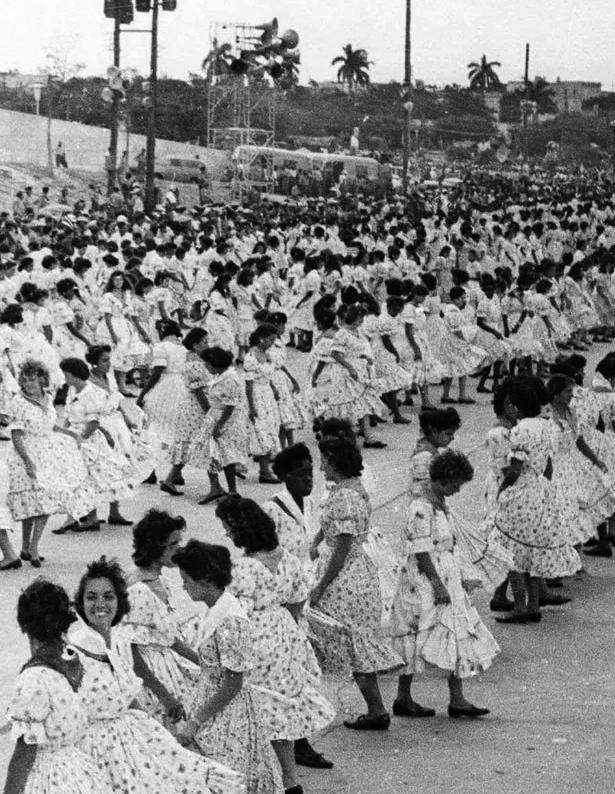
In socialist Cuba, from the 1960s to the 1980s, women’s fashion was deeply entwined with the state’s socialist agenda, reflecting broader socio-political and economic contexts. The Cuban government, aiming to project an image of modernity and egalitarianism, heavily regulated and influenced fashion through institutions like the Bureau of Fashion Guidance and the Experimental Design Workshop. These bodies promoted a vision of accessible and modern clothing as part of a broader socialist promise. However, despite these efforts, the actual availability of fashionable apparel was limited, creating a
stark contrast between the state’s representational visions of fashion and the practical realities faced by the populace. This period saw the emergence of uniforms and practical clothing as dominant trends, aligning with the state’s focus on functionality and uniformity. Subcultural fashion expressions and adaptations of global trends provided Cuban women a limited avenue to express individuality within the constraints imposed by the regime, showcasing a blend of state-endorsed styles and personal fashion statements. This complex interplay between fashion, politics, and ideology highlights the role of
clothing as both a symbol of state power and a field of subtle resistance and personal expression under Cuban socialism. As a result, the art scene during this era, particularly visual arts, echoed similar themes of revolutionary fervor and ideological commitment, further entwining cultural expression with political directives.
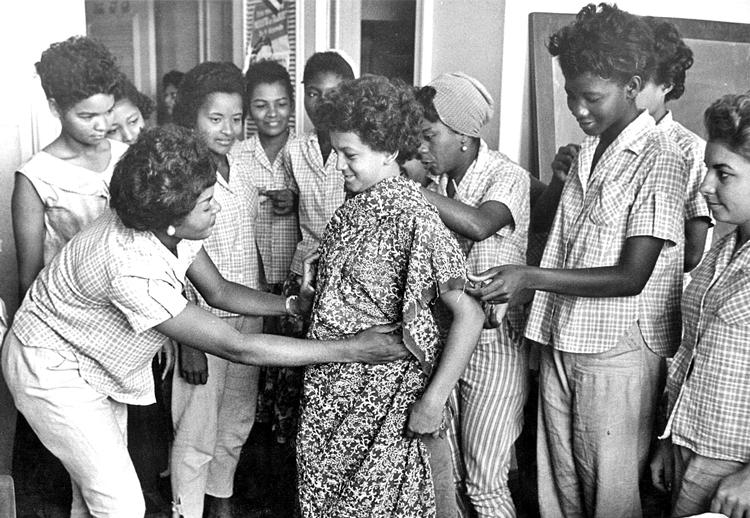
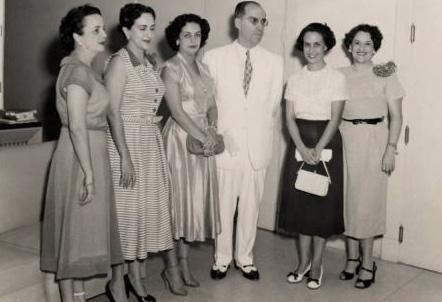
Students at Cuba’s Ana Betancourt School in early 1960s learn to measure and cut fabric. Set up by revolutionary government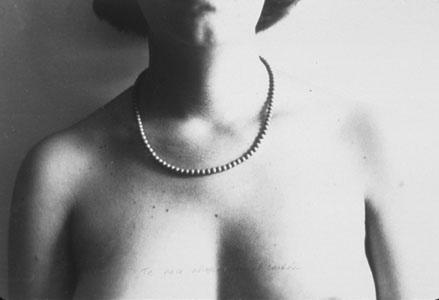
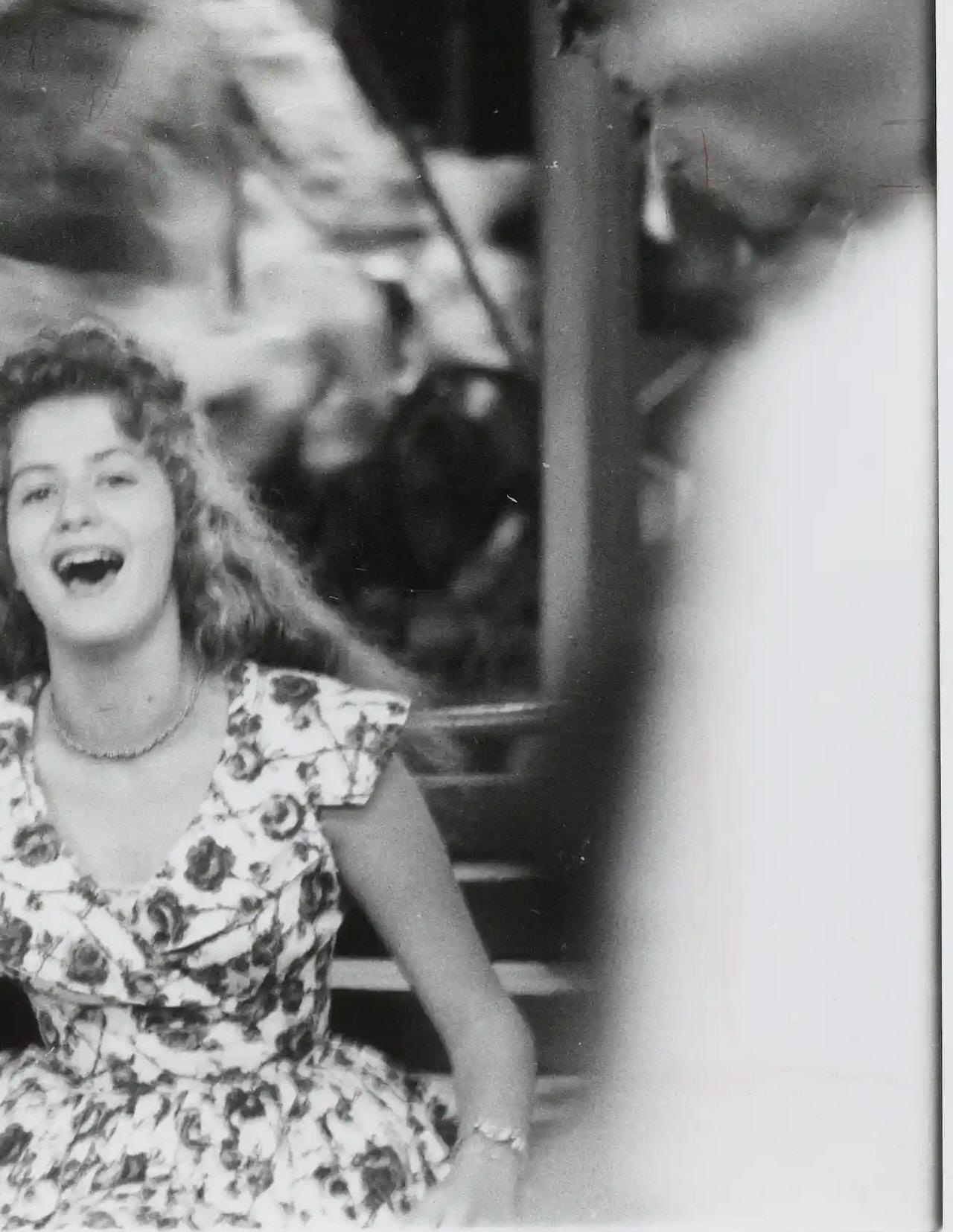
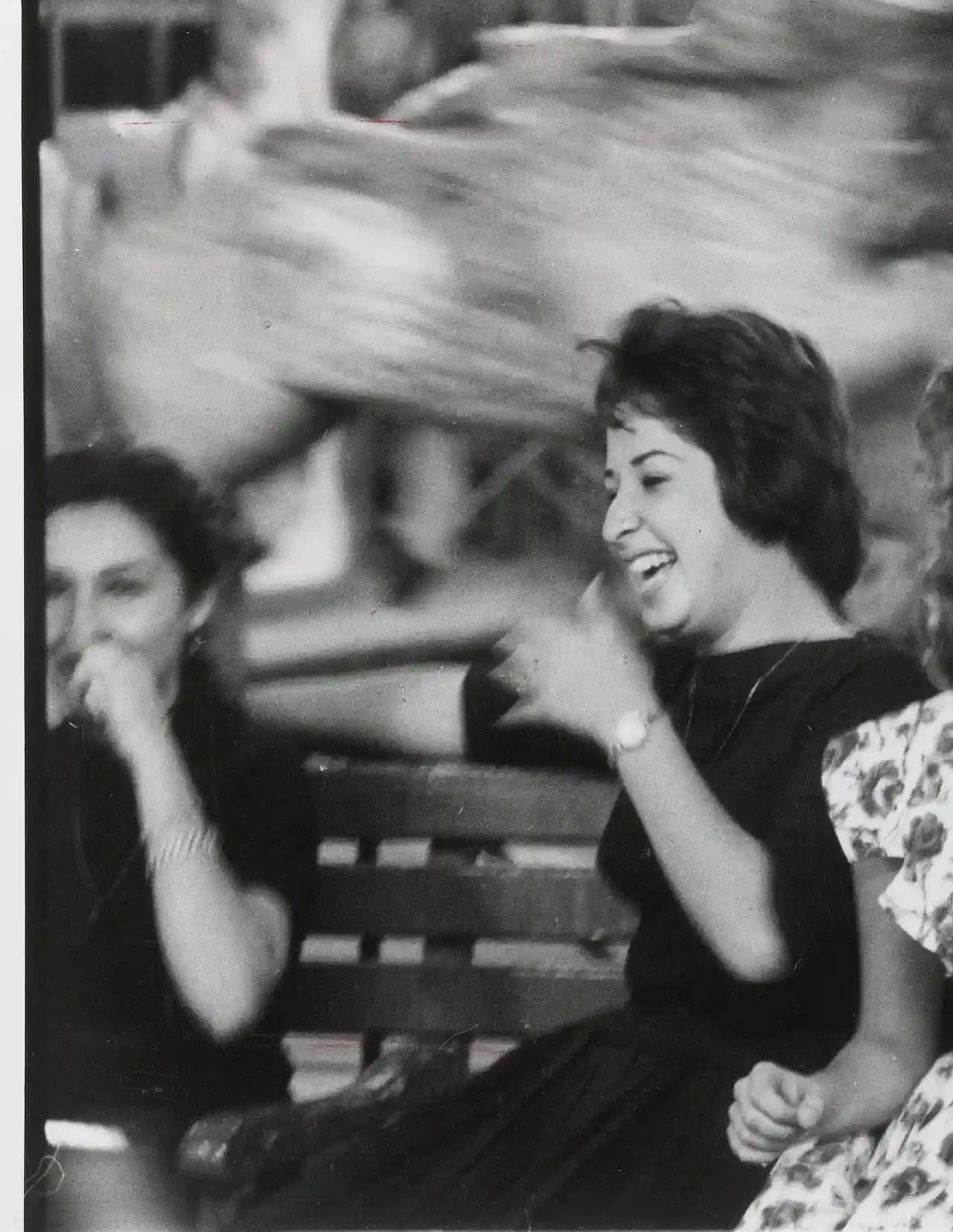 Day in Cubanacan, Cuba, 1963
How to Not Conform to ‘Los Socialistas’
COLOMBIA
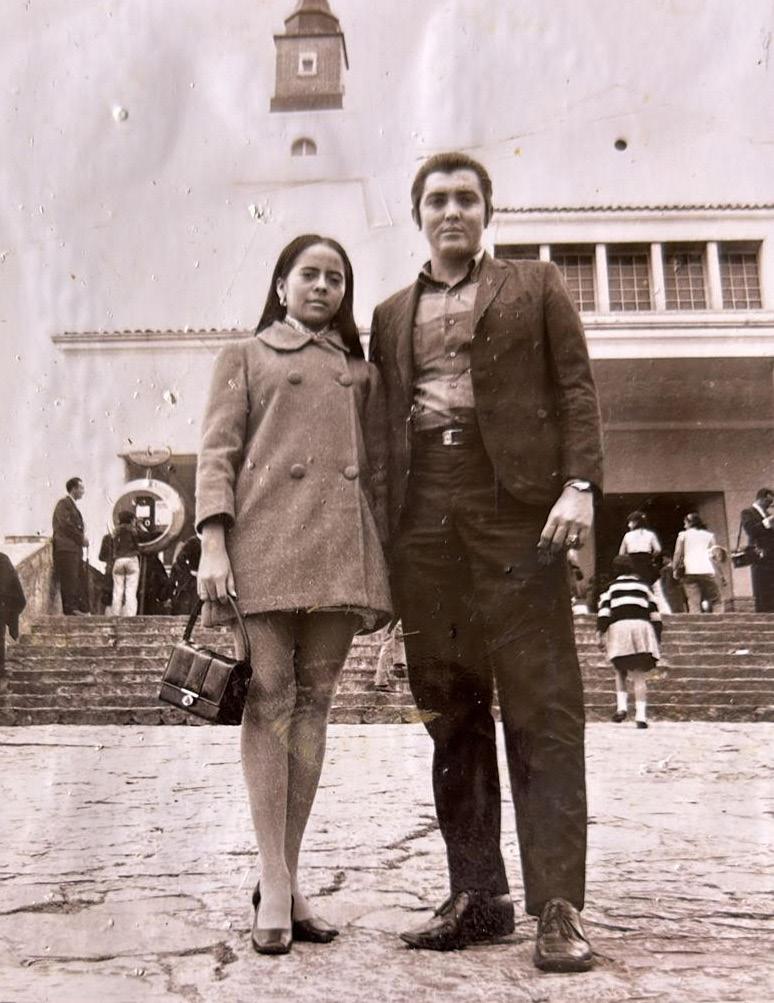
In the late 1950s, Colombia witnessed profound social and political changes with the assassination of its first left-wing presidential candidate, sparking the end of a decade-long internal conflict. This period profoundly influenced Colombian society's perception of socialism and European culture. Initially, Colombian fashion closely mimicked European styles, adapted to the local climate and textiles available. However, the Cold War era brought about a significant shift. Influenced by the U.S.'s efforts to curb socialism—fueled by fears of another Cuba—Colombian fashion began incorporating more American elements, such as graphic T-shirts and denim, marking a transition to more casual attire.
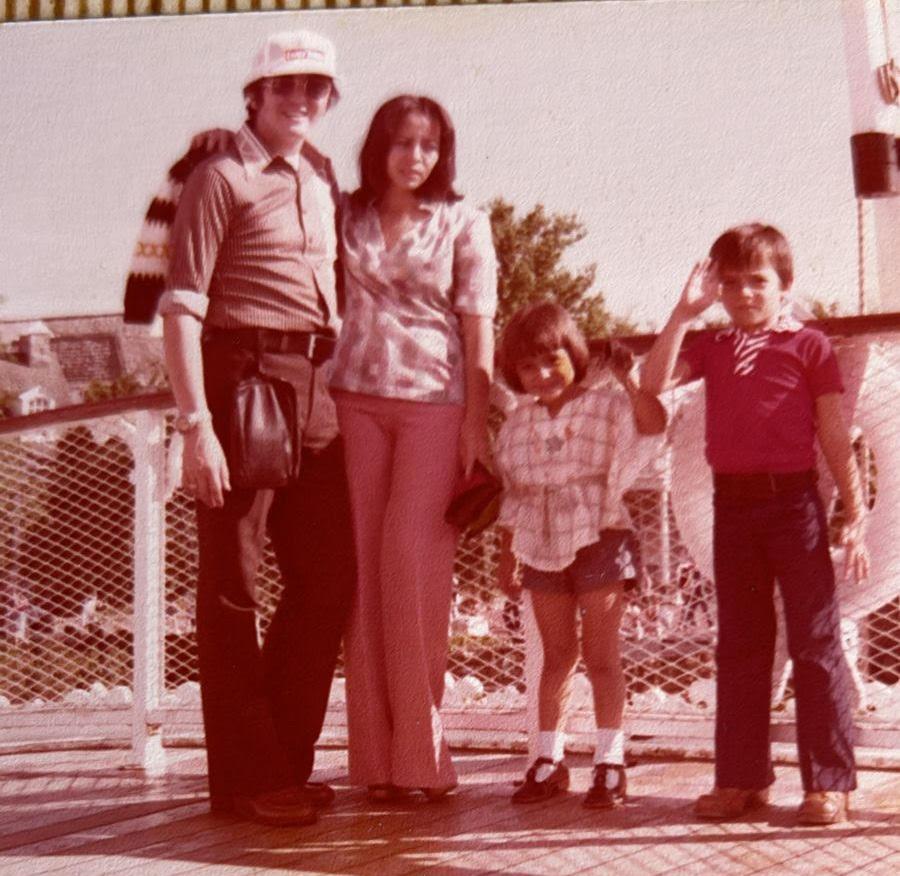
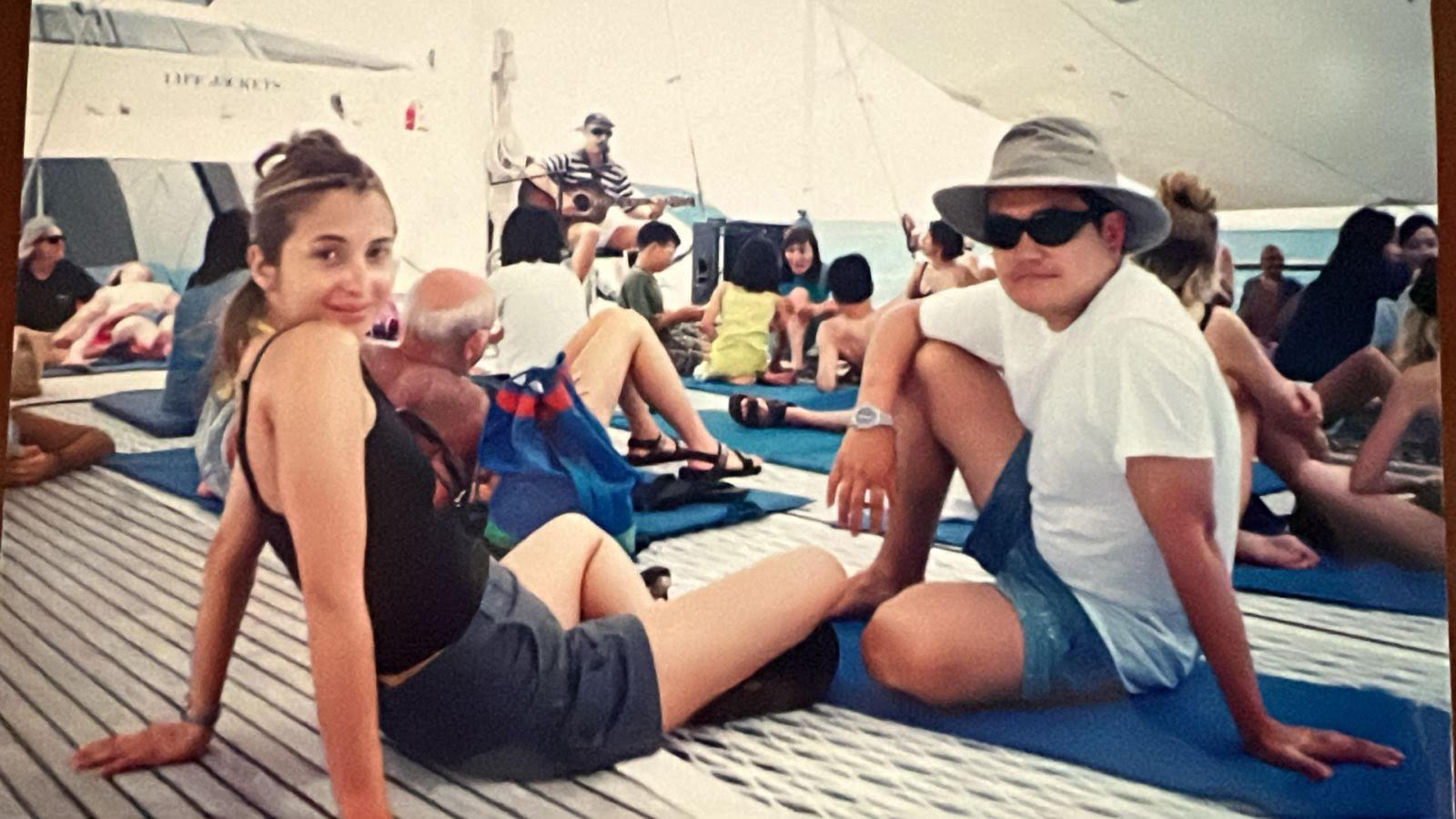
As the decades progressed, especially through the '80s and '90s, Colombian fashion continued to evolve, reflecting broader global trends towards casual and practical clothing. This trend away from formality mirrored the nation's ongoing social transformations and a growing emphasis on personal expression through fashion. This period also saw a greater integration of local influences and a move away from strictly European or American styles, fostering a unique Colombian fashion identity that acknowledged its rich cultural heritage while responding to global fashion movements.
Colombian Fatigues
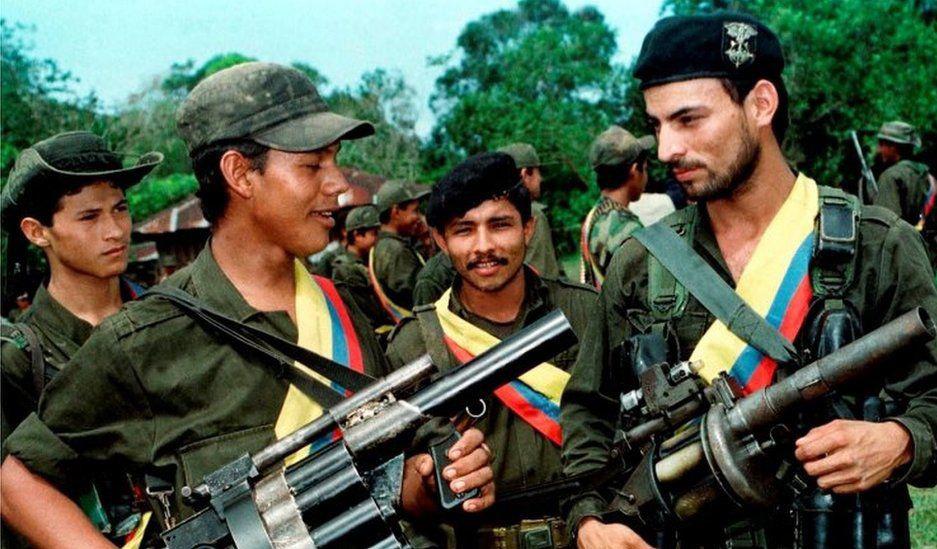
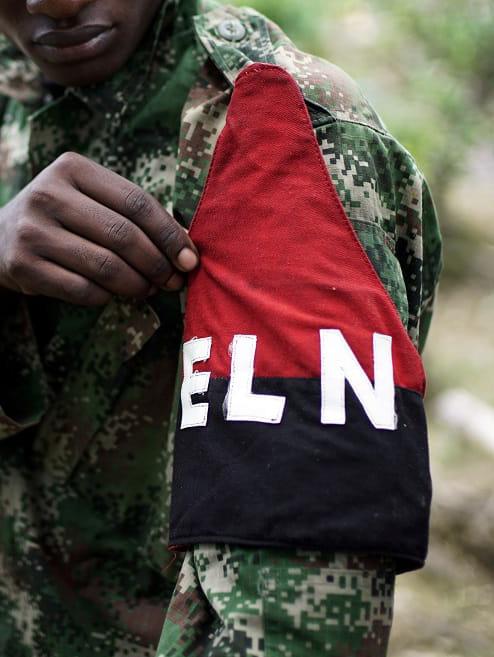
Like the Cuban revolutionaries before them, the Colombian guerrillas initially donned whatever clothing was readily available, often relying on practical, everyday attire. As their insurgent groups matured and became more structured, their clothing evolved significantly. Over time, they adopted attire that mimicked the Colombian military’s uniforms, suggesting these were either covertly acquired or crudely fashioned by the guerrillas themselves.
The primary component of their uniform was a camouflage suit, which served both functional and symbolic purposes. The camouflage
helped them blend into the natural surroundings, vital for their guerrilla tactics, while also visually aligning them with the appearance of a formal military force. However, to distinguish themselves from the Colombian army and foster a distinct identity, these guerrillas made strategic modifications to their attire. A prominent feature was the addition of flags or emblems sewn onto the shoulder of the uniforms. These insignias were either the national flag of Colombia, representing a claim to fighting for national interests, or more commonly, the flag of their specific faction,
adorned with their group’s initials. This customization was not only a mark of differentiation but also a bold statement of their autonomy and allegiance within the complex landscape of Colombian conflicts.
SPAINAnd El Mono Azul
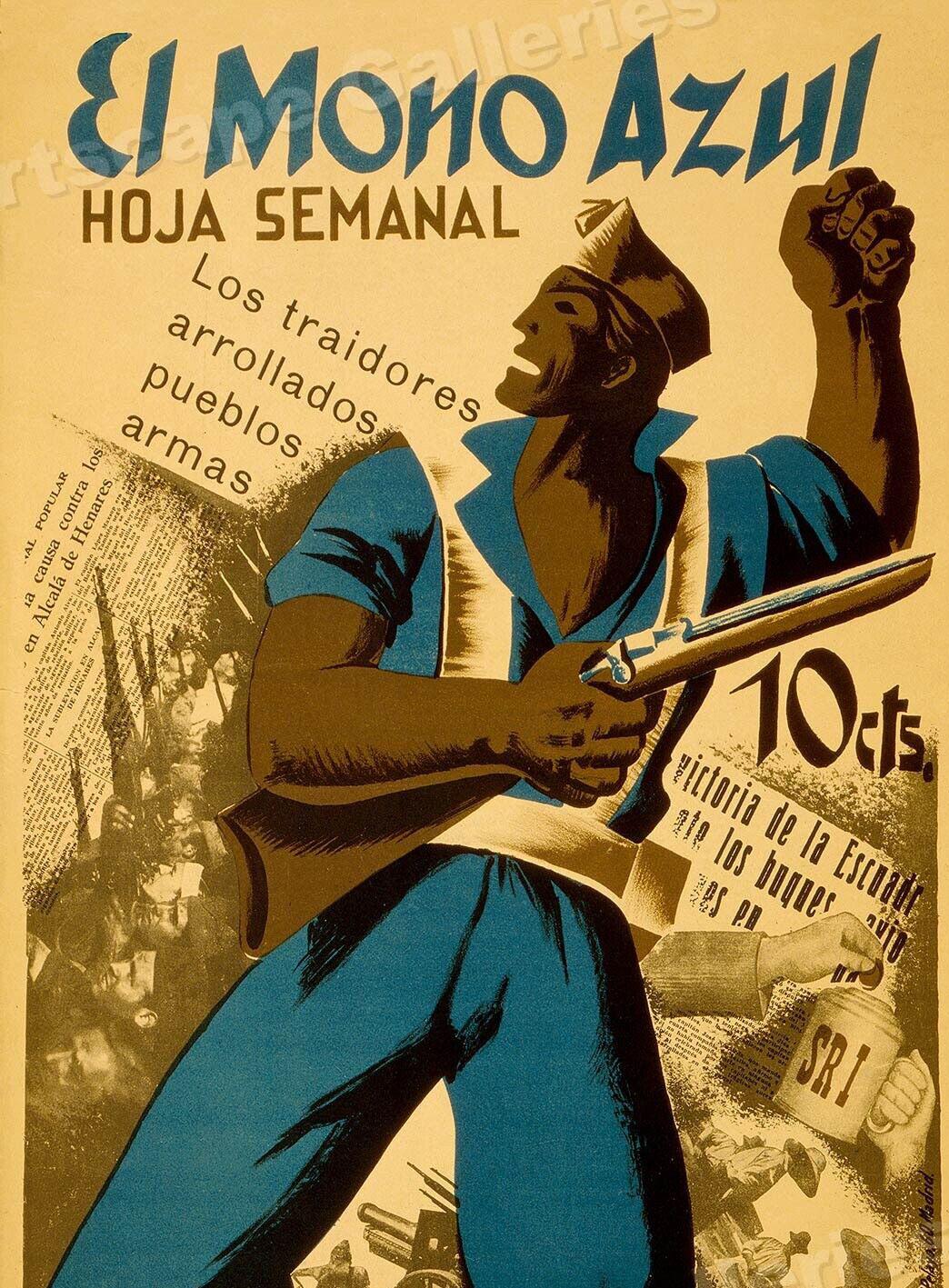
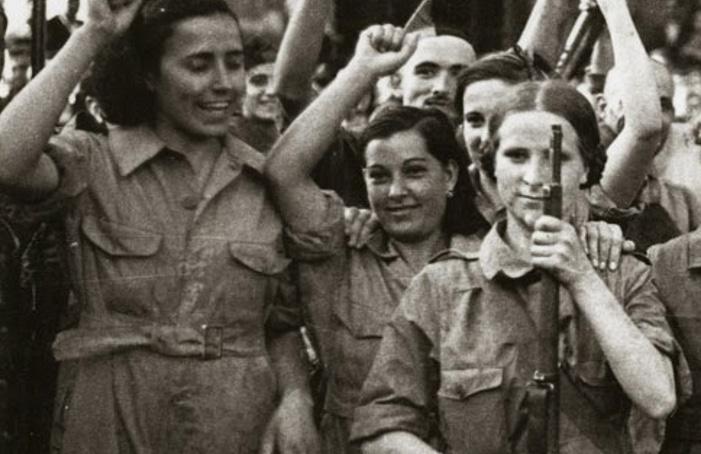
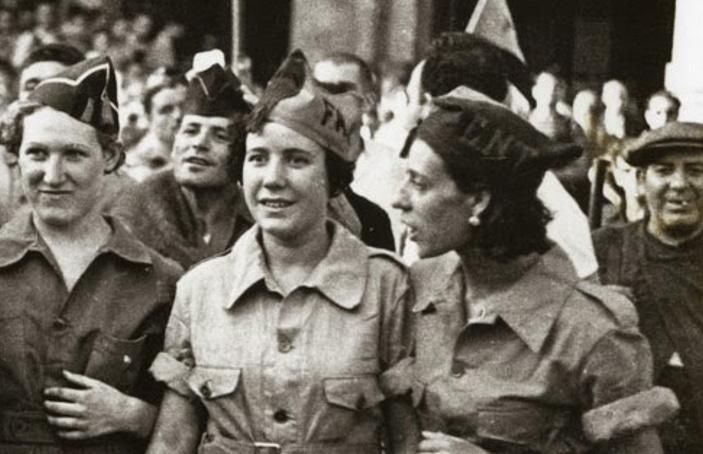
From 1936 to 1939, the Spanish Civil War highlighted a stark clash of ideologies, with the Republican government fighting against the encroaching tide of fascism led by the Nationalists. The Republican side, a coalition of communists, socialists, anarchists, and Stalinists, lacked a standardized military attire at the outset but gradually adopted blue overalls, known as “El Mono Azul,” which became emblematic of their cause. These overalls were not just practical; they symbolized the collective identity and resistance of the Republicans, embodying the values of the working class and
advocating for women’s rights in a time of turmoil.
The use of such uniforms went beyond mere functionality; they served as a powerful symbol of resistance against fascism. For women, this adoption of a uniform modeled after men’s military attire, yet tailored to maintain some standards of femininity, represented a significant shift towards gender equality, mirroring broader themes in leftist movements globally. This fashion choice was deeply embedded with political and ideological significance, reflecting a form of
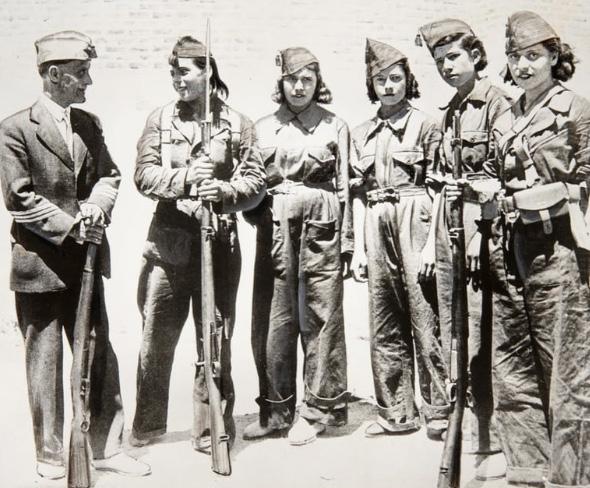
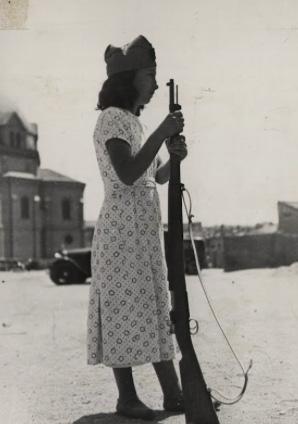
non-verbal resistance and solidarity among the Republican forces. Postwar, the contrast in fashion between the Republicans and the fascist regime further highlighted the ideological divide, with the latter imposing more traditional and restrictive gender norms. Thus, the blue overalls of the Republicans not only facilitated physical mobility but also underscored a more profound movement towards social mobility and equality.
Spanish Fatigues
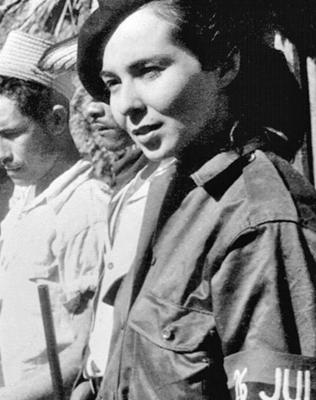
The olive green military fatigues adopted during the Cuban revolution became emblematic of more than just martial endeavor; they signified the impending transformation of a nation and its people. As Fidel Castro rose to prominence, these uniforms were strategically utilized to cement his political stature and quickly became a recognizable symbol of his leadership and his cadre of revolutionaries. Not only did the distinct green attire and accompanying beards help distinguish Castro and his supporters, but they also played a pivotal role in delineating the primary forces driving the revolutionary movement, marking them as the foremost authority among various
competing groups. This uniform, over time, transcended its initial military function. During the revolution and in the ensuing years, the olive green fatigues became a ubiquitous garment worn at civic events such as weddings and public celebrations, embodying a readiness to serve and a commitment to the revolutionary cause. It was a visible marker that identified those who had participated in the struggle for Cuba’s liberation, symbolizing their sacrifices and their ongoing dedication to the country’s new path.
In a broader cultural context, these green uniforms also resonated with symbolic meanings akin to the blue uniforms worn by the working class in Spain during its civil
conflict. While the blue attire was a direct representation of the working class in Spain, Castro’s choice of green fatigues was somewhat ironic. Despite his and many of his supporters’ relatively privileged backgrounds, the green uniform was adopted as a symbol to project a working-class ethos, fostering a sense of solidarity and collective identity among the revolutionaries and the broader population. This strategic choice helped bridge the gap between the leaders and the masses, presenting the revolution as an inclusive, grassroots movement. The uniform thus became a powerful tool in the narrative of the Cuban revolution, not merely as a practical military necessity but as a profound symbol of change, unity, and a commitment to the ideals of
a new Cuba. By aligning themselves visually with the working class, Castro and his revolutionaries effectively communicated their dedication to transforming societal structures, championing the cause of the common people and embedding themselves in the national consciousness as embodiments of the revolution’s goals and values.
CROSSWORD
2. The color of the military uniforms symbolic of the Cuban revolution
Down
1. Bearded Revolutionaries
3. The color of the Spanish Civil War Republican Uniforms
4. Relating to clothes
6. Cuban organization which would publish trend brochures
8. Cold War began with this doctrine
Across
5. Revolutionary style, employed by Guevara
7. General that led the overthrowing the Second Spanish Republic
9. (Che) Guevara
10. Colombian Liberal Party leader that was assassinated in 1948
7 6 5 2 1 3 4 10 9 8