Who we are
The Bromley Mentoring Initiative (BMI) is part of the London Borough of Bromley (LBB). Formed in 1999, we provide a multi-agency and borough-wide approach to mentoring children and young people. Our volunteer mentors offer early intervention support and develop trusting relationships with young people who may be experiencing difficulties in their lives and want to make a change.
What we do
We coordinate a number of mentoring programmes aimed at making a difference to a young person’s life. Referrals are accepted from a variety of agencies including:
Bromley primary schools (Year 6) LBB services (Social Care, Education Welfare Service, Virtual School, Personalised Education Service, Bromley Children Project, Youth Justice Service)
Bromley secondary schools (Years 7-13)
Specialist education provisions across the borough
Bromley Healthcare, Bromley Y, CAMHS, charities such as Living On Bereavement Service, Bromley Changes, Bromley & Croydon Women’s Aid www.bromley.gov.uk
Mentor recruitment and training
BMI mentors are adult volunteers from the local community who are positive role models for young people. We recruit, train and support our volunteers throughout their mentoring journey. The recruitment process is rigorous and in line with Bromley Safer Recruitment and Keeping Children Safe in Education.
This includes:
LBB application form completed with full employment history
Interview with BMI programme leader to assess for suitability
A minimum of two references obtained
Training session attended
Safeguarding training completed and refresher completed annually
Right to work in the UK check
Enhanced Disclosure and Barring Service check, including a check on the children’s barred list, obtained through the LBB HR service
DBS checks are registered on the DBS update service and checked annually
www.bromley.gov.uk
What our mentors do
Our mentors generally meet with their mentees in school once a week for up to one hour. We do have a small number of mentors who offer mentoring support in the community outside of school hours; however, this is limited. If you are considering a community mentoring referral, it is important to take into account the age of the young person and whether they are independent enough for this type of mentoring.
We suggest community mentoring is appropriate for young people age 14 years and above. This support takes place in a safe space such as a coffee shop or local library. Our mentors do not go to the young person’s home or have contact with parents or carers. Our mentoring sessions operate on a one-to-one basis. Whether they engage in activities or discuss goals, our mentors give motivation, guidance and encouragement; their aim is to build their mentee’s confidence and resilience as well as develop the tools for a positive future.
Our mentors are independent of the young person’s family, school and other professionals working with them, and what they discuss is confidential (unless there is a safeguarding concern). Young people are shown to respond positively to this approach Mentors can help mentees build confidence, improve their decisionmaking skills and become more resilient in the face of challenges.
A mentor can support a young person by: www.bromley.gov.uk
Listening and asking questions to help the young person gain insight into their own thinking
Developing a trusting relationship and providing emotional support
Acting as a positive role model
Helping to develop life skills, social skills or communication skills
Supporting with learning and academic development
Giving an awareness of the world of work
Being there consistently!
BMI currently focuses on supporting young people who are:
SEND
Experiencing mental health concerns such as low-level anxiety, low confidence/self-esteem
Experiencing behavioural challenges and/or at risk of exclusion
Supported by a social worker, including children impacted by domestic violence or abuse, children looked after/care leavers
Supported by FSM or PP6
Aims and objectives of the programme
Young carers to build confidence to raise self esteem to improve life chances by overcoming feelings of isolation to develop communication, interpersonal and relationship skills to assist in recognising and developing potential and achievement of their goals to encourage the development of life skills
The referral process
When you make a referral to BMI, you are committing to working with us and being our point of contact, before and during any mentoring relationship with the young person.
When making a referral to the programme, please consider whether it is appropriate for a volunteer mentor. If the young person is currently working with Bromley Y or CAMHS, or receiving any other therapeutic support, we would normally suggest that mentoring does not start until these interventions finish; however, mentoring can be appropriate as an exit strategy
After identifying a young person who might benefit from mentoring, there is a series of steps to be undertaken by the referrer, in collaboration with the BMI team and the mentor, to ensure the best possible chance of success.
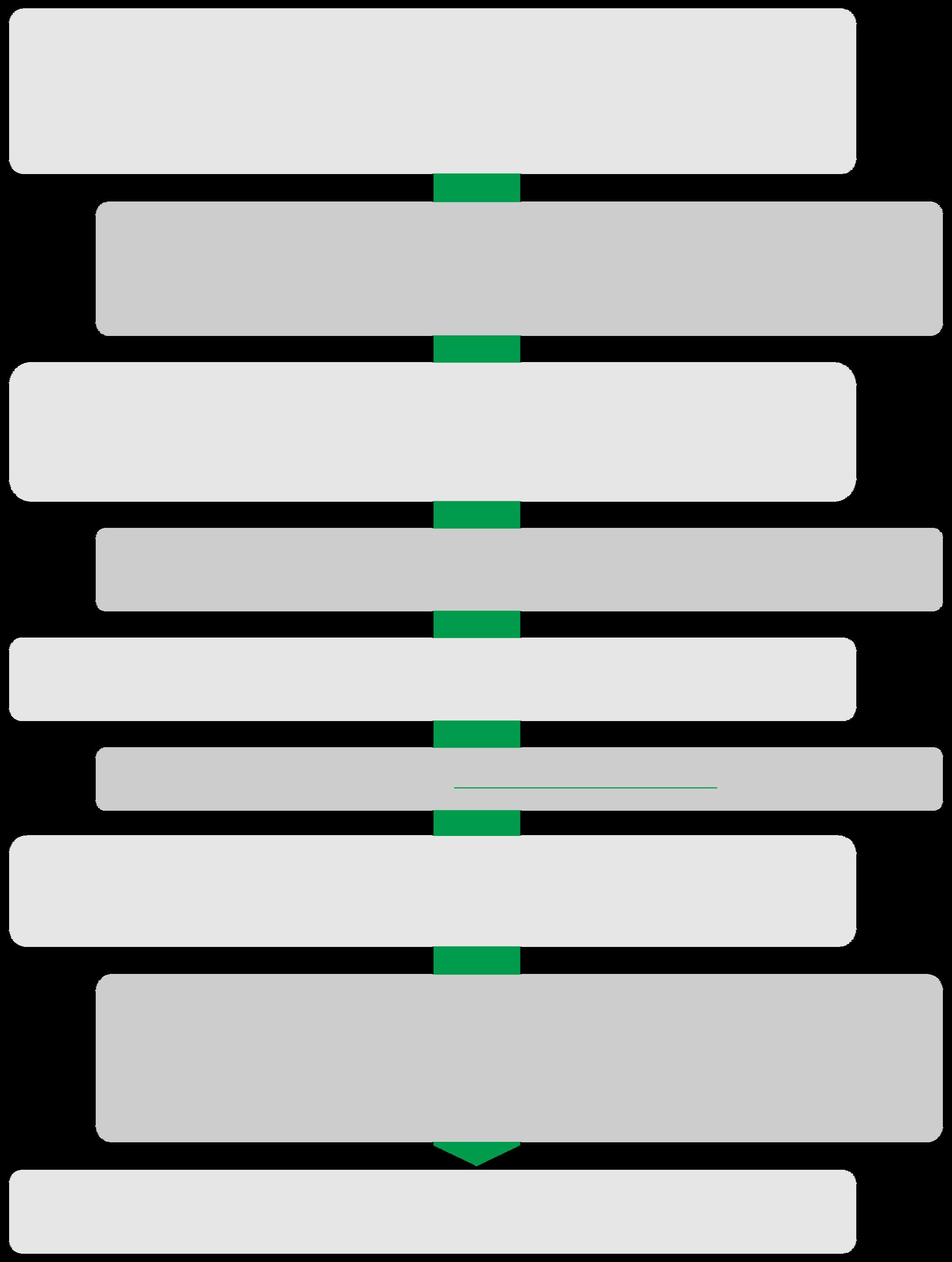
Seek permission from the parent/carer for a referral to be made to the programme (BMI does not have contact with the parent/carer of the young person). Send the relevant leaflet to the parent/carer: ‘Mentoring in school – Advice for parents and carers’ or ‘Mentoring in the community – Advice for parents and carers’ depending on where the mentoring is going to take place.
Talk to the young person about the mentoring and gain their agreement that they are happy to engage. In our experience, if this is not the case, the mentoring is unlikely to be successful. Provide the leaflet ‘What is Mentoring? A guide for young people’ to the young person.
The majority of mentoring takes place in Bromley educational settings. As the referrer you will need to make contact with the school, let them know you are making a referral and gain their agreement to facilitate this support. We will need the name and contact details of the member of staff at the school who has agreed to this.
If you are referring a young person for community-based mentoring, then you will need to be the professional point of contact throughout the mentoring support.
Complete the referral form providing as much information as possible about the young person and their situation.
Send the completed referral form to mentoring@bromley.gov.uk
Once a referral has been received by the BMI team, we will be in touch with further questions to ensure we can tailor the match to meet the strengths and needs of the young person.
Once a young person has been matched with a mentor, an initial match meeting will be set up by BMI. This meeting needs to be attended by yourself or the nominated professional, along with the young person, the mentor and the BMI programme leader. The day, time and location of the regular mentoring sessions will be agreed at this meeting as well as how communication will be co-ordinated during the mentoring period.
Regular feedback from the mentor and an annual evaluation of the mentoring support will be undertaken by the BMI team.
www.bromley.gov.uk/mentoring
How long does mentoring last?
All mentoring relationships are set up on an individual basis with the needs of each mentee varying greatly. This makes it difficult to be precise about how long the support will last. We initially ask for one year’s commitment from a mentor to allow the relationship to establish in an unhurried manner. It is important that the ending of a mentoring relationship is well managed and we support mentors with this.
Benefits for young people (mentees)
Raised self-esteem, self-concept and self-confidence
Increased motivation and encouragement
Improved interpersonal skills
Educational, career and personal advice and guidance
Improved problem-solving skills
Quotes from young people involved in the mentoring initiative
Year 11
Year 10
‘My mentor helps me to get stuff off my chest which helps with my feelings. I used to have bad anxiety but now I feel so much more confident in everything that I do.’
Year 8
‘My
‘No
Community mentee