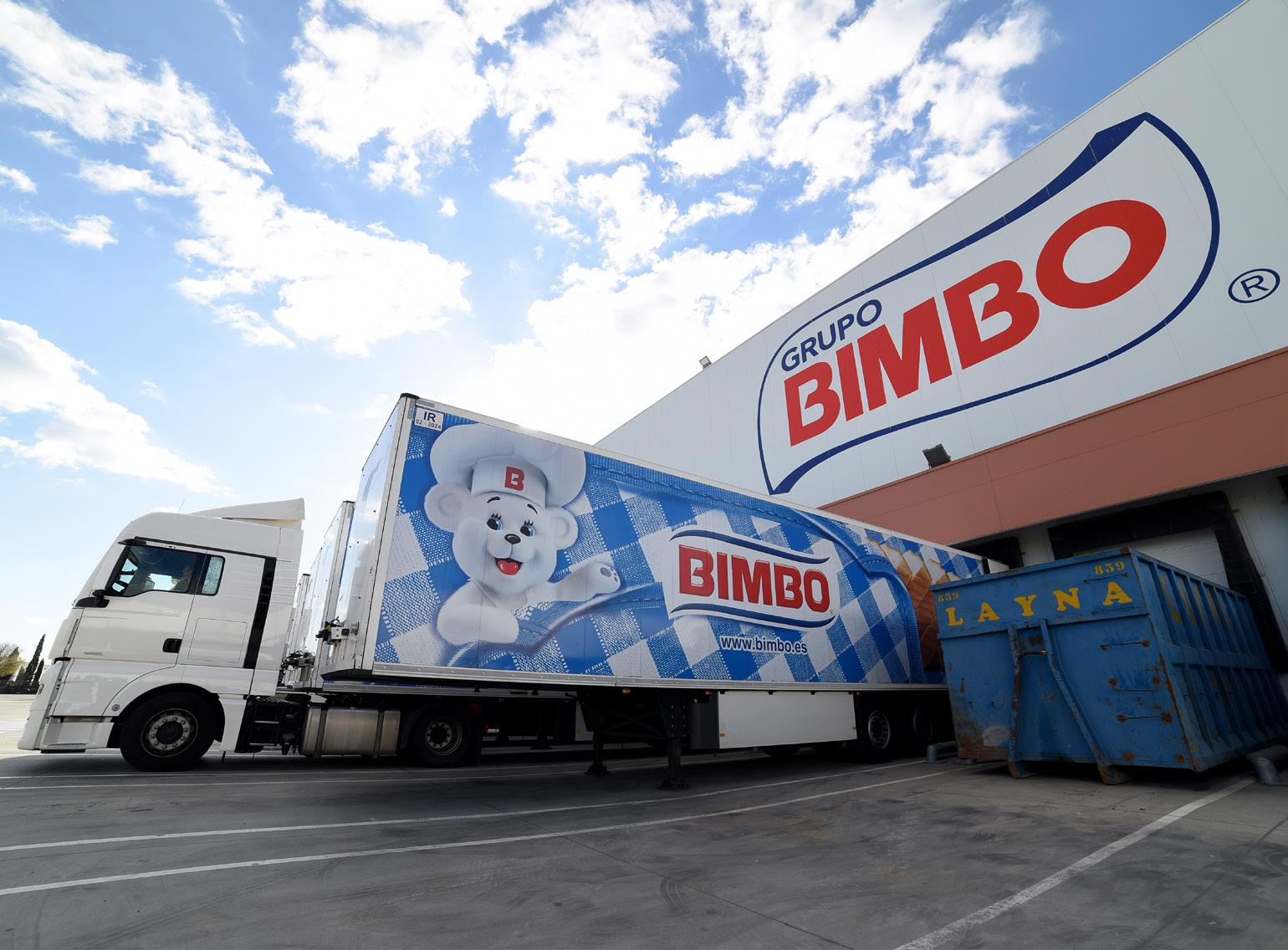




is taking giant steps towards sustainable growth through well-developed strategies and its staff’s talent in different territories

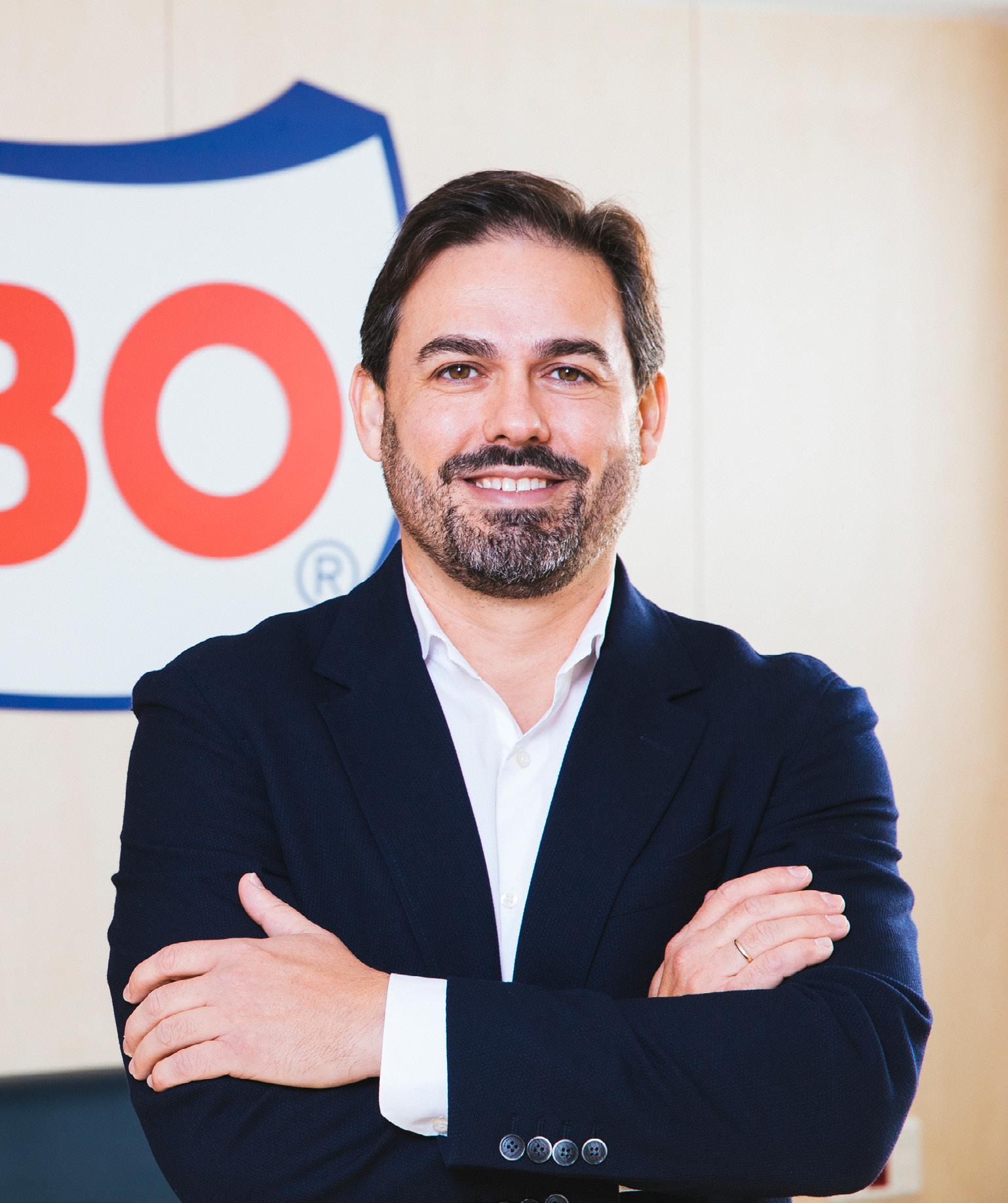
Interviewee
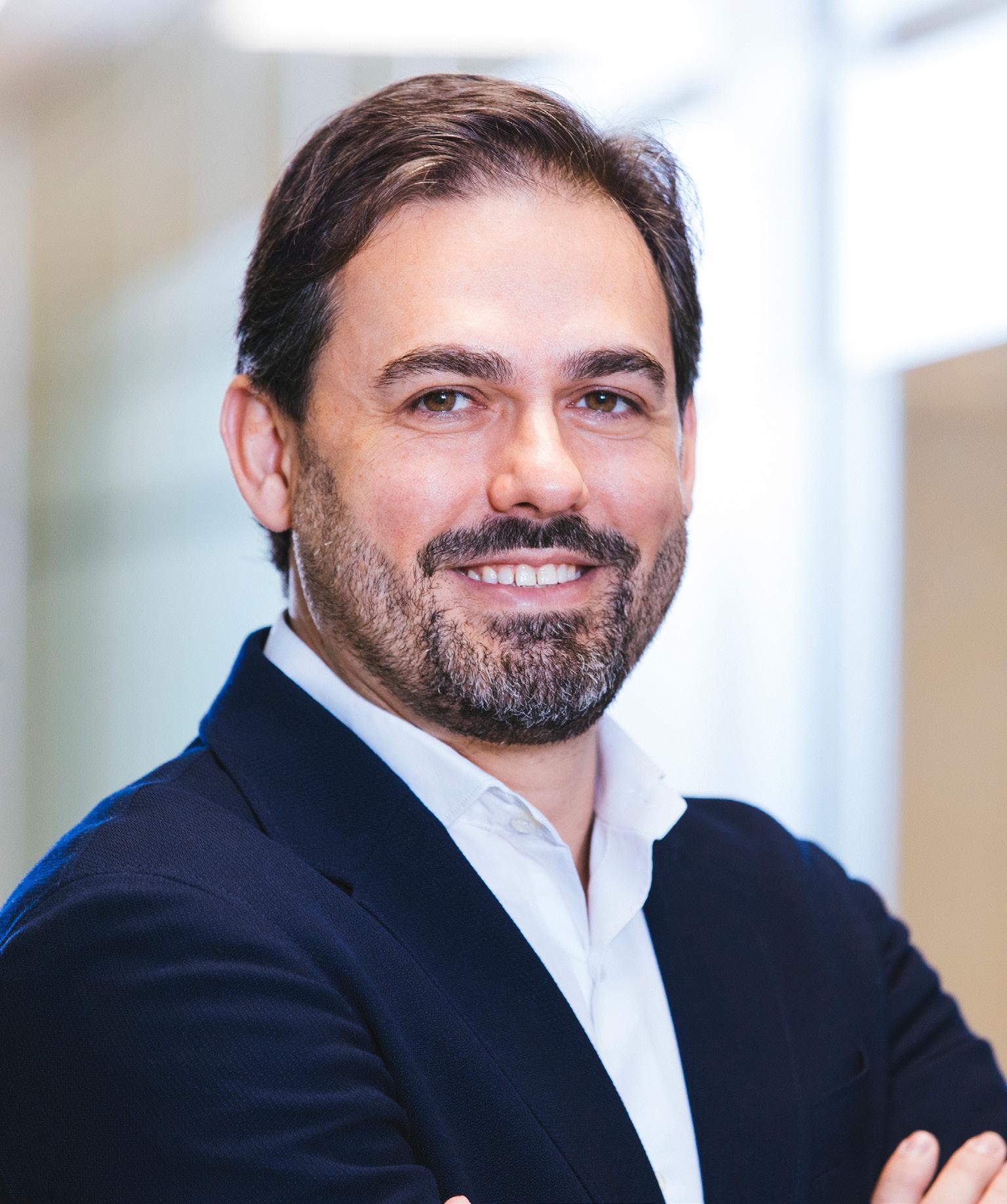
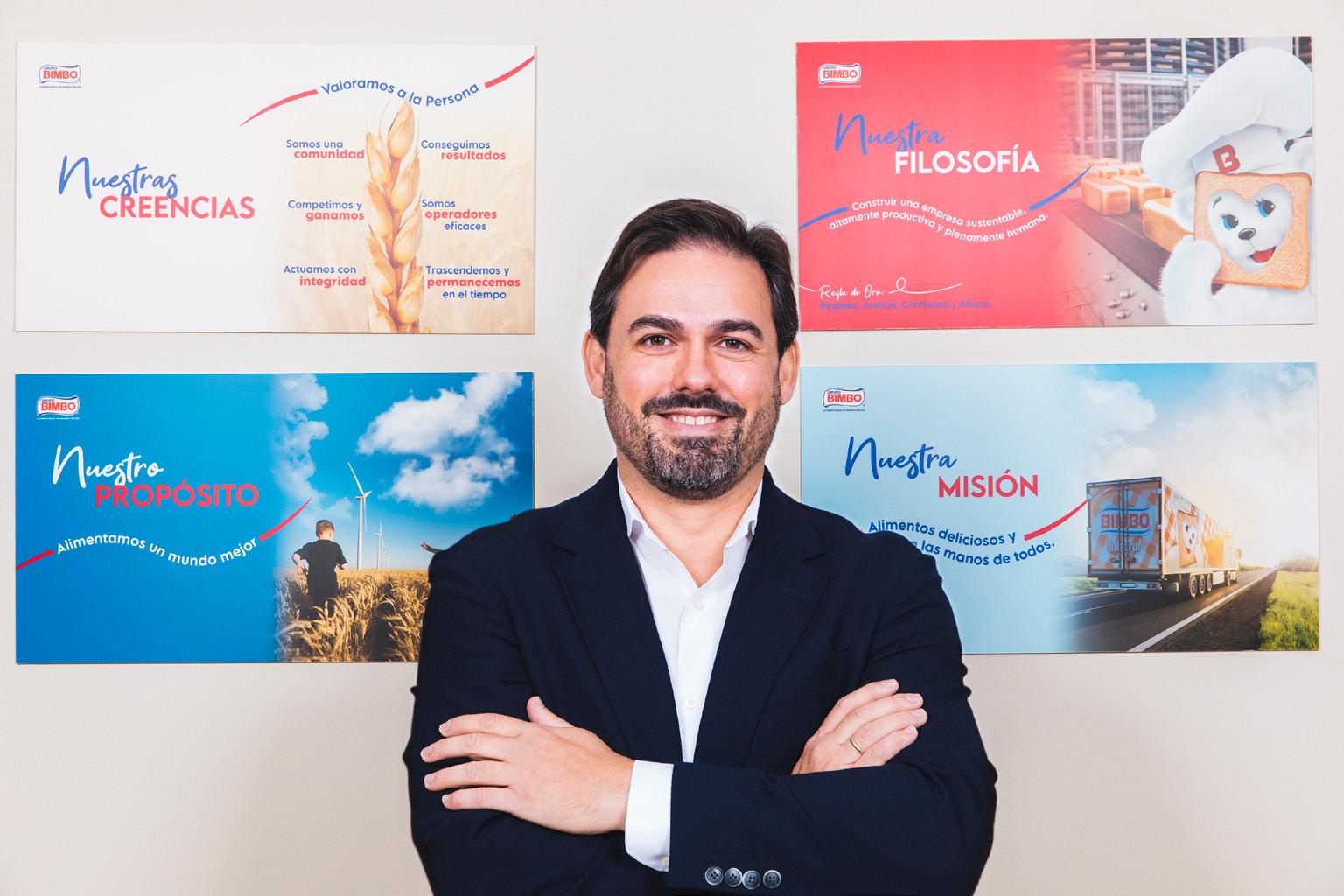
Javier Cabeza, Vice-president of Operations in Europe, Africa and Asia for Grupo Bimbo
Produced by Jassen Pintado
Art Direction Omar Rodríguez
The Bimbo group was created in Mexico in 1945 and is currently the best-known Mexican food brand worldwide. Its expansion within the Americas began during the 1980s as the brand began exporting to the United States and Central America, later venturing into South America during the 1990s.
Overseas, Bimbo first ventured into Spain when Mr. Jaime Jorba, one of the brand’s founders in Mexico, returned to his home country.
Bimbo Iberia was born from Bimbo’s operations in Spain and Portugal, working on its own until 2016. Its evolution continued in 2019, when Gabino Gómez, CEO for Bimbo, pushed for the creation of an organization similar to the one he leads from Mexico -which supports the company’s operations in the United States and Latin America-, also incorporating Bimbo UK, China and the brand’s assets in India and Morocco,
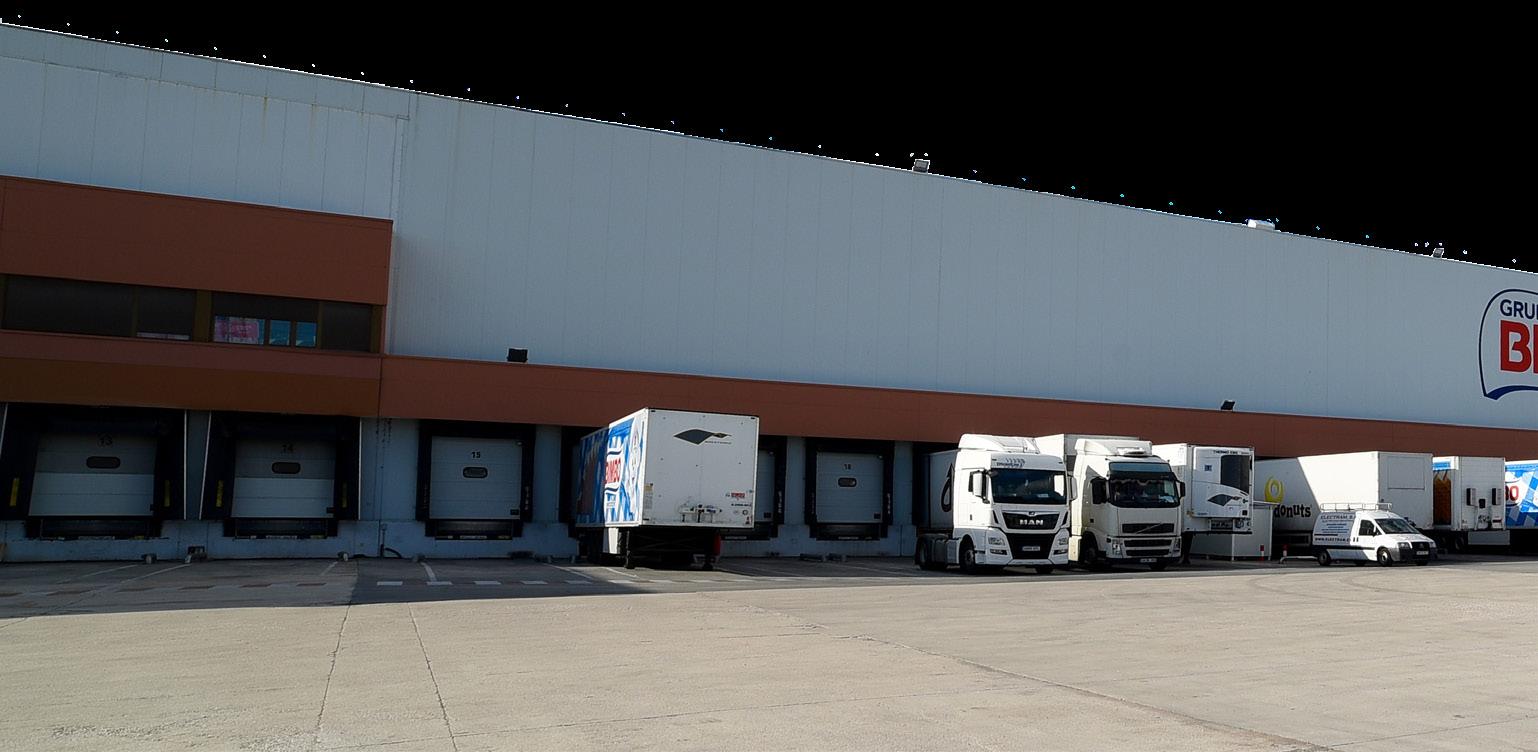
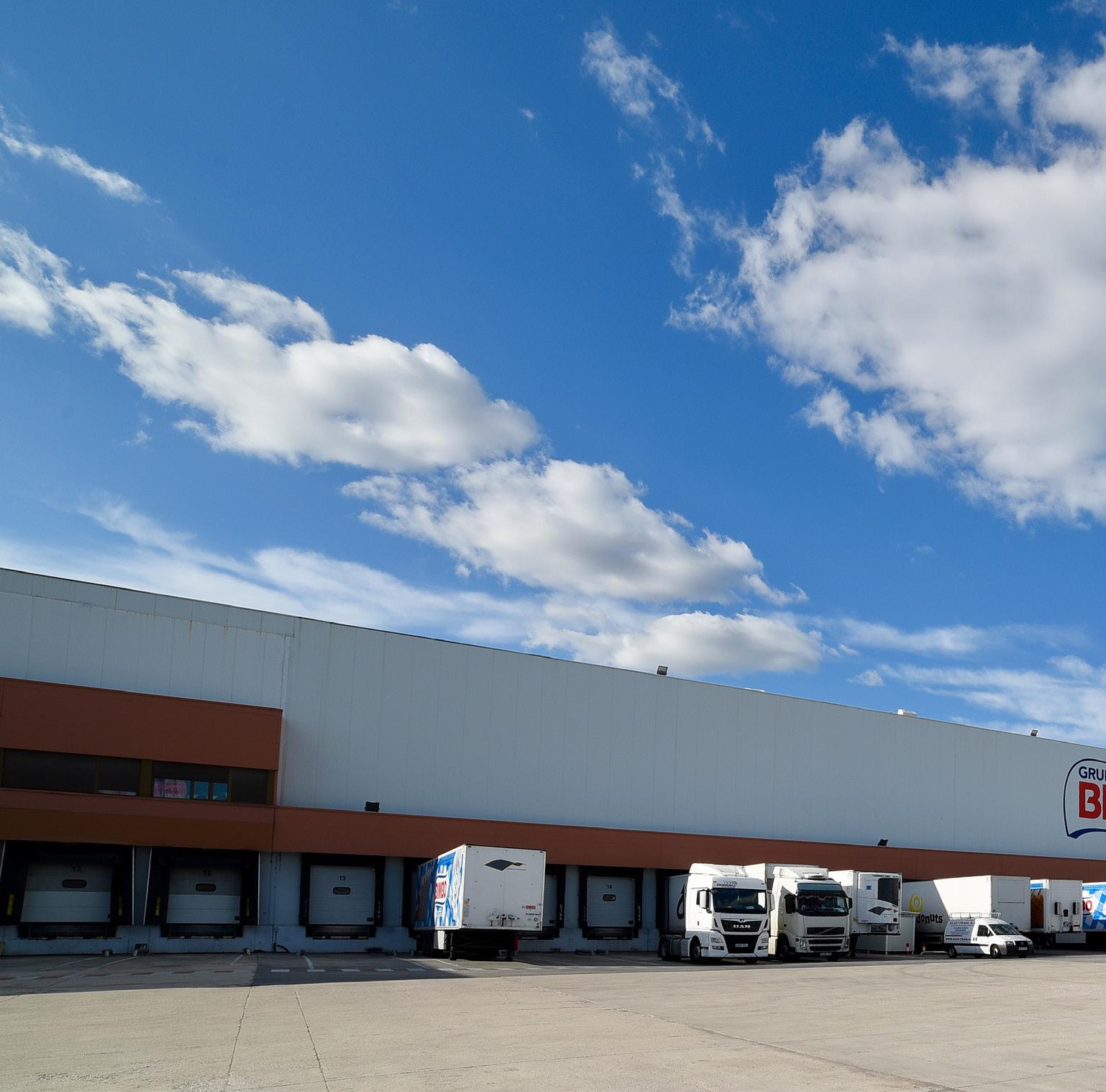
thus becoming Bimbo.
“Bimbo was pretty set in the Americas and decided to grow in the continents where it lacked presence: Europe, Asia and Africa,” commented Javier Cabeza, Vice-president of Operations in Europe, Africa and Asia for Grupo Bimbo.
Javier Cabeza is near completion of his second decade of work for Bimbo, which means he was also part of the Bimbo company in Spain before being acquired by the Mexican business group in 2011.
Cabeza earned Bachelor degrees in
Business Engineering and Chemistry Engineering at the Technical University of Catalonia (in Barcelona, Spain). He also earned an MBA from the IESE Business School (also in Barcelona). Among postgraduate studies, Cabeza obtained a Certificate as a Breadmaking Technologist from the American Institute of Baking and a Leadership program from the Harvard Business School.
Before joining Bimbo at 22, Cabeza worked for Synthesia Technology, a Spain-based leader in polyurethane solutions, and also for the Benetton clothing brand. Once in Bimbo, Cabeza has practically experienced every area
“The company’s a heavyweight in Europe for its business in Spain, Portugal and now in Asia”
Javier Cabeza, Vice-president of Operations in Europe, Africa and Asia for Grupo Bimbo
in the company from operations to technical positions. The deployment of lean manufacturing systems and continuous improvement processes highlight his tenure in the company. Besides his outstanding work in Spain, Bimbo also took Cabeza to Belgium, the United States and Netherlands, until being in charge of, probably, the most diverse of Grupo Bimbo’s operations, globally.
“I wanted to become part of an enterprise so big as to not know in which part of the world I would find myself the next day, and that’s why I like Bimbo a lot,” the executive declared.
Bimbo’s endeavors in Europe, Africa and Asia encompass 32 facilities -used both as corporate offices and as storage facilities-, involved in the production of 15 brands, operated by
approximately 16,000 workers serving more than 200,000 clients.
Bimbo’s UK business was added to the operations performed from Bimbo Iberia towards all of Europe.
The UK branch’s business consisted mainly of bagel and croissant bread.
In Africa, Bimbo arrived in Morocco by acquiring a small company, growing its presence from the initial four production facilities and also expanding its product portfolio.
“The company’s a heavyweight in Europe for its business in Spain, Portugal and now in Asia,” said Cabeza, who is familiar with the highly competitive European market which, sooner or later, ventures into Latin America.
Positioning Bimbo EAA as this clockwork operation able to replicate the model and reach of its parent company overseas is a very complex

Javier Cabeza, Vice-president of Operations in Europe, Africa and Asia for Grupo Bimbo

task which requires aligned strategies such as:
• Inorganic growth. The group acquired companies in Spain, India, Morocco and the UK, which have resulted in a longer reach and a strengthened portfolio within the food market.
• Managerial structures deployment. These offer detail into the business alignment level obtained, and they also measure efficiency, capabilities, business contribution and adaptability.
• Investment in production capacity. This has implied great investments in every country, contributing to each territory’s growth.
• Implementation of Lean Manufacturing. This improvement system has been able to detect all contributing and non-contributing elements in bringing value to clients.
• Quality-focused operations. Quality has become the determining factor even for decision-making, from being a tactic to become a strategic factor. No matter how favorable aspects such as costs and revenue become, no decision is made if it affects the products’ quality.
• Talent detection and positioning. One of the most important strategies is getting to know the talent’s capabilities in every country, enabling them to develop the roles each territory requires, matching capable individuals with the tasks necessary to different countries, as well as to develop the company’s talent or sourcing enabled staff to fulfill areas in need.
“We do make a great difference by relying on staff from China, India, Morocco, Portugal, Spain and the UK, such variety provides a big contribution,” the vice-president pointed out.
“We want to keep being a force in innovation. In every country we must fulfill the group’s philosophy: Feed better world”
Javier Cabeza, Vice-president of Operations in Europe, Africa and Asia for Grupo Bimbo


Bimbo EAA makes the most from resources provided by Grupo Bimbo, especially those involving knowledge and products, as well as personnel, experience and contact with tech and raw materials suppliers, considering Bimbo has become the largest bakery company worldwide.
This network support has been key to take solid steps in relatively new territories such as India or Morocco.
“Grupo Bimbo is always at the top of our list, providing us with influence and knowledge,” Cabeza remarked.
An enterprise the size of Bimbo EAA
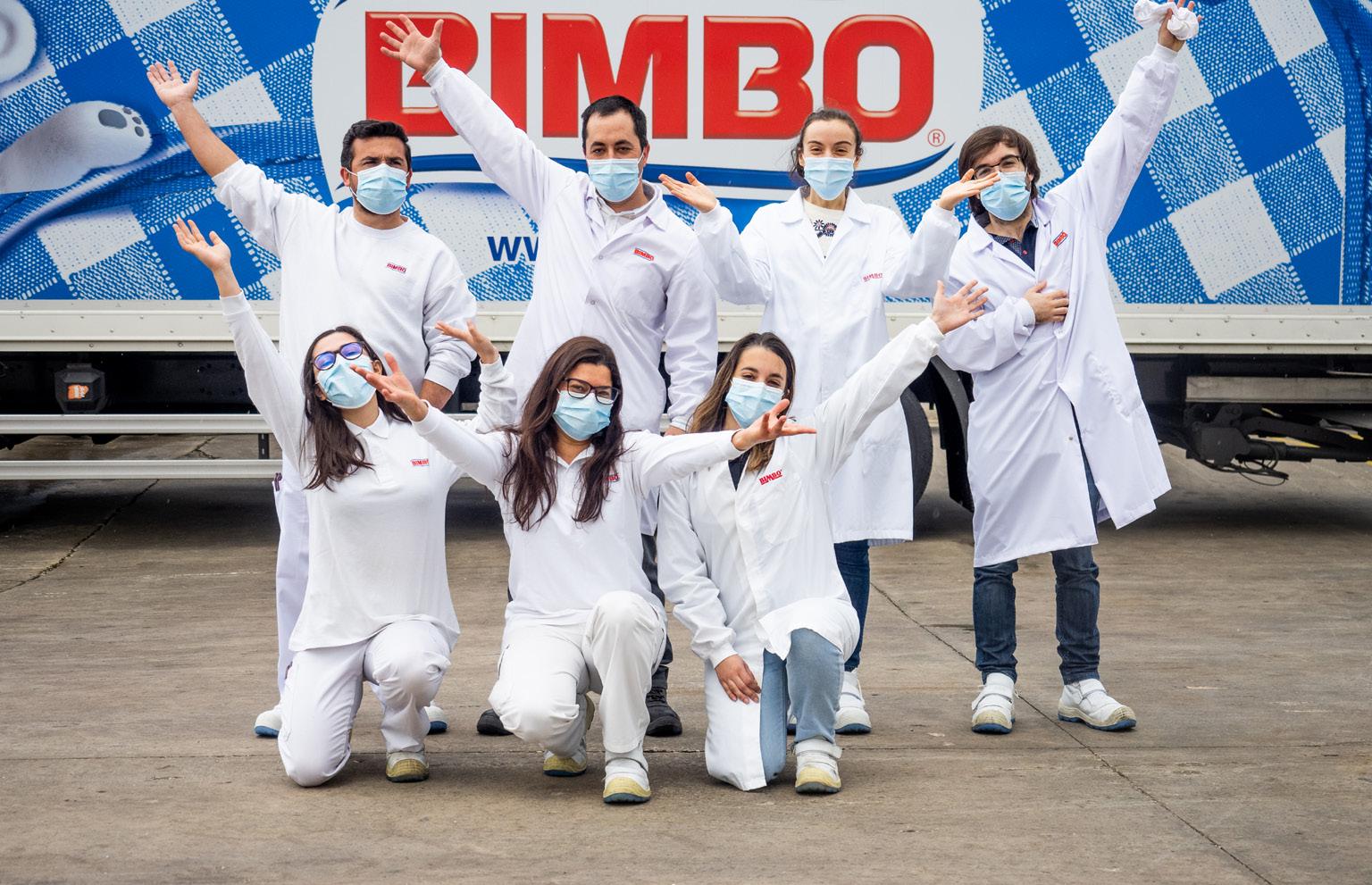
couldn’t be exempted from adapting to the consequences of the COVID-19 pandemic, deploying timely measures preventing the disease internally, reducing its spread to zero.
However, the company is aware that changes didn’t take place only within different companies, but also in consumer habits, becoming more conscious regarding the nutritional
value of products, plastic packaging and other trends previously detected, which simply took off as the pandemic began, such as online retail, to name one.
“We’ve learned to become more open, faster, to make the most out of business opportunities, to become leaner toward decision-making,” the executive said.
Taking Grupo Bimbo toward sustainable operations is a top priority, globally.
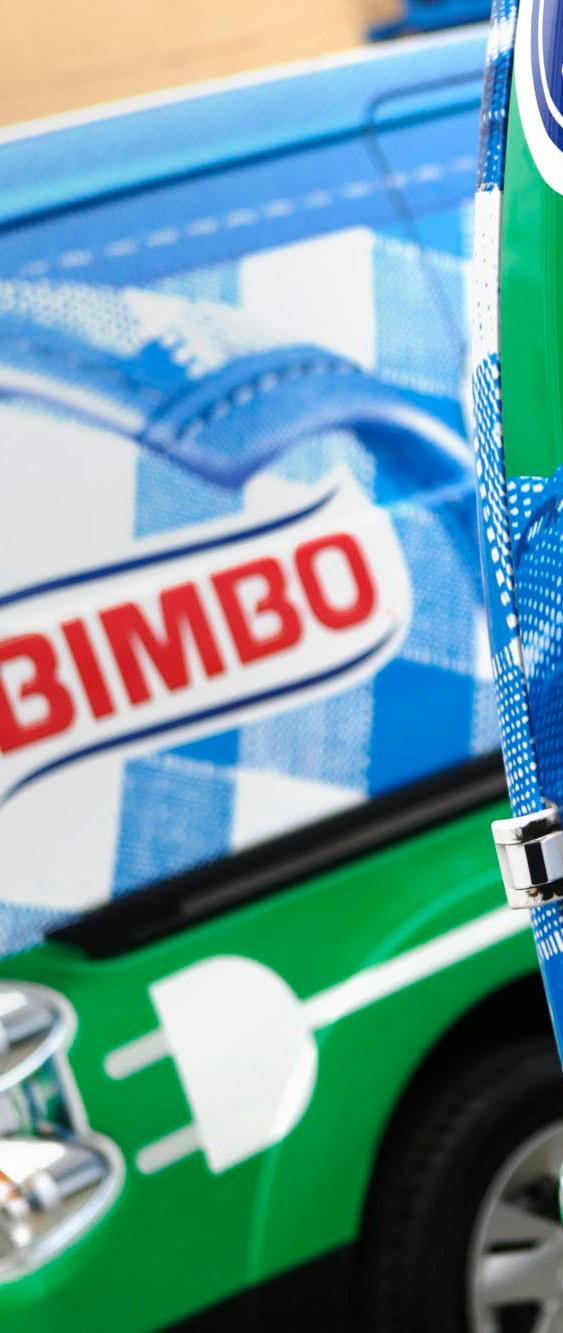
Up until now, Europe has been the ideal ground to reach different goals, considering the territory’s regulations, policies and culture, which allow for significant advance in purposes such as bringing CO2 emissions to net zero by 2050 and other intermediate goals related to the use of plastics in packaging, among other things. In countries such as Spain, Bimbo’s vehicle fleet boasts 20% of electric vehicles, an amount that will undoubtedly grow in the short term also in other countries. In Mexico, Bimbo has the largest electric vehicle fleets in Latin America.
The company offers different recyclable options for plastic packaging, including biodegradable solutions such as D2W. Also, Bimbo,
globally, has experienced progress in solar power.
In Europe, Bimbo is involved -along other brands, clients and distributorswith the Marcas Waste Warrior association, whose purpose is to eliminate food waste. The association created the Too Good To Go campaign, in which different brands offer attractive food packages near their expiration date at very low prices with the purpose of feeding more people instead of wasting food, aligning the company to reduce food waste in 50% in respect with their 2016 figures.
“Sustainability is one of the group’s strategies. These goals must be accomplished, it’s fundamental to our group, there are no excuses for unfulfillment,” Cabeza expressed.
If there’s a word describing the


“Sustainability is one of the group’s strategies. It’s fundamental to our group”
Javier Cabeza, Vice-president of Operations in Europe, Africa and Asia for Grupo Bimbo
future purposes of Bimbo EAA, it is undoubtedly “growth”. Asian territory is poised to become the grounds for such a purpose, specifically in India, where the company’s challenge is to reach more population.
In Africa, on its behalf, growth purposes also persist, but not in the short term. The market is evolving and it is very important to remain aware of its development.
The operation in Europe is consolidated, but the plan is to keep strengthening the company’s finances and enter categories yet to be explored by Bimbo.
Along with the brand’s efforts overseas, the company improves the fulfillment of its purpose to contribute to a better world by providing quality foods to a quantity of people that keeps growing.
“We want to keep being a force in innovation. In every country we must