





Jude Brown
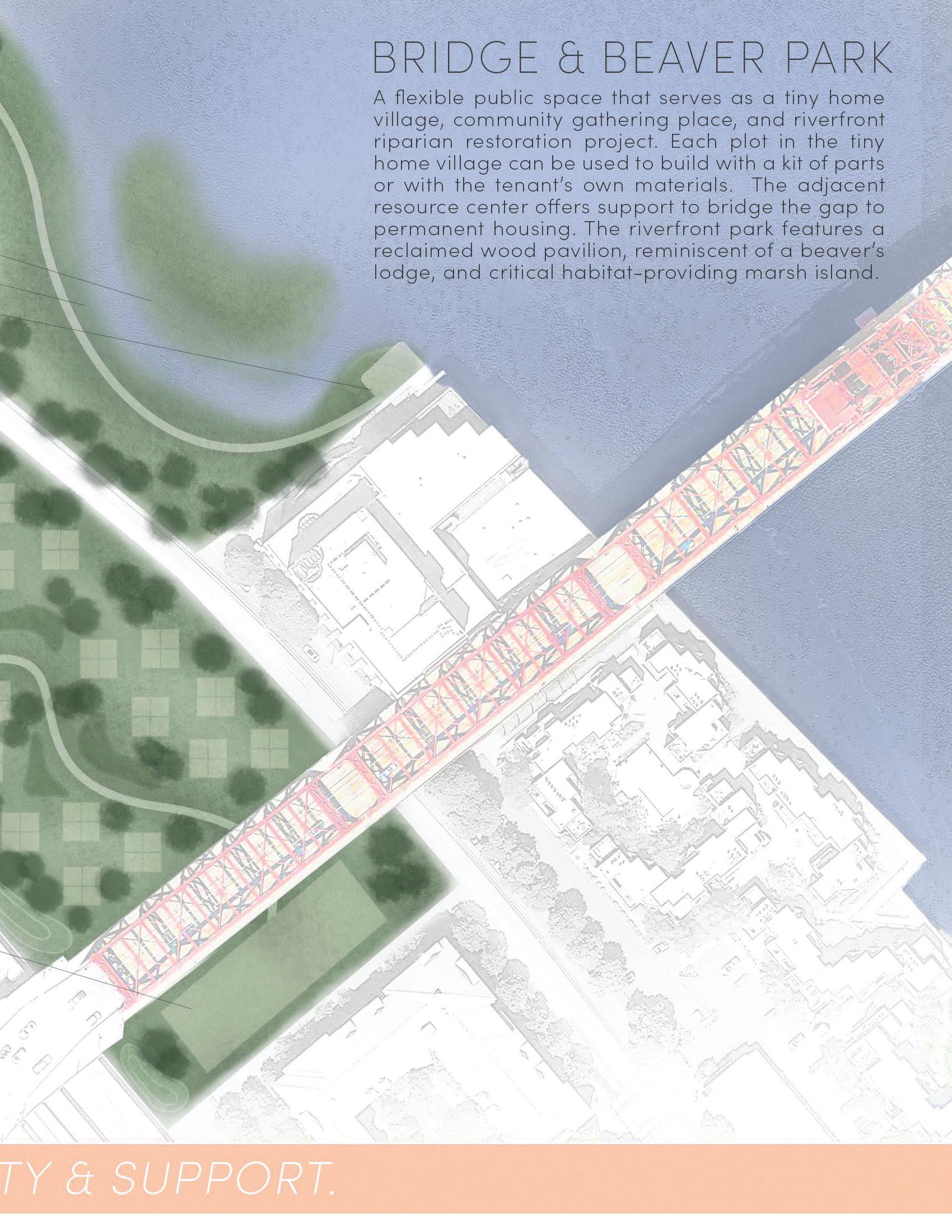
The Bridge & The Beaver BLA 2021





Stephanie Sells
A Haven Once Toxic BLA 2021
New here? See MyUW at a glance
Tim Spenser
Rainbow, Gold & White MLA
SLN 11970








Basalt Li
Lee & the Seaside Labyrinth BLA
Rachel Yahn
Beneath the City in the Clouds MLA 2021
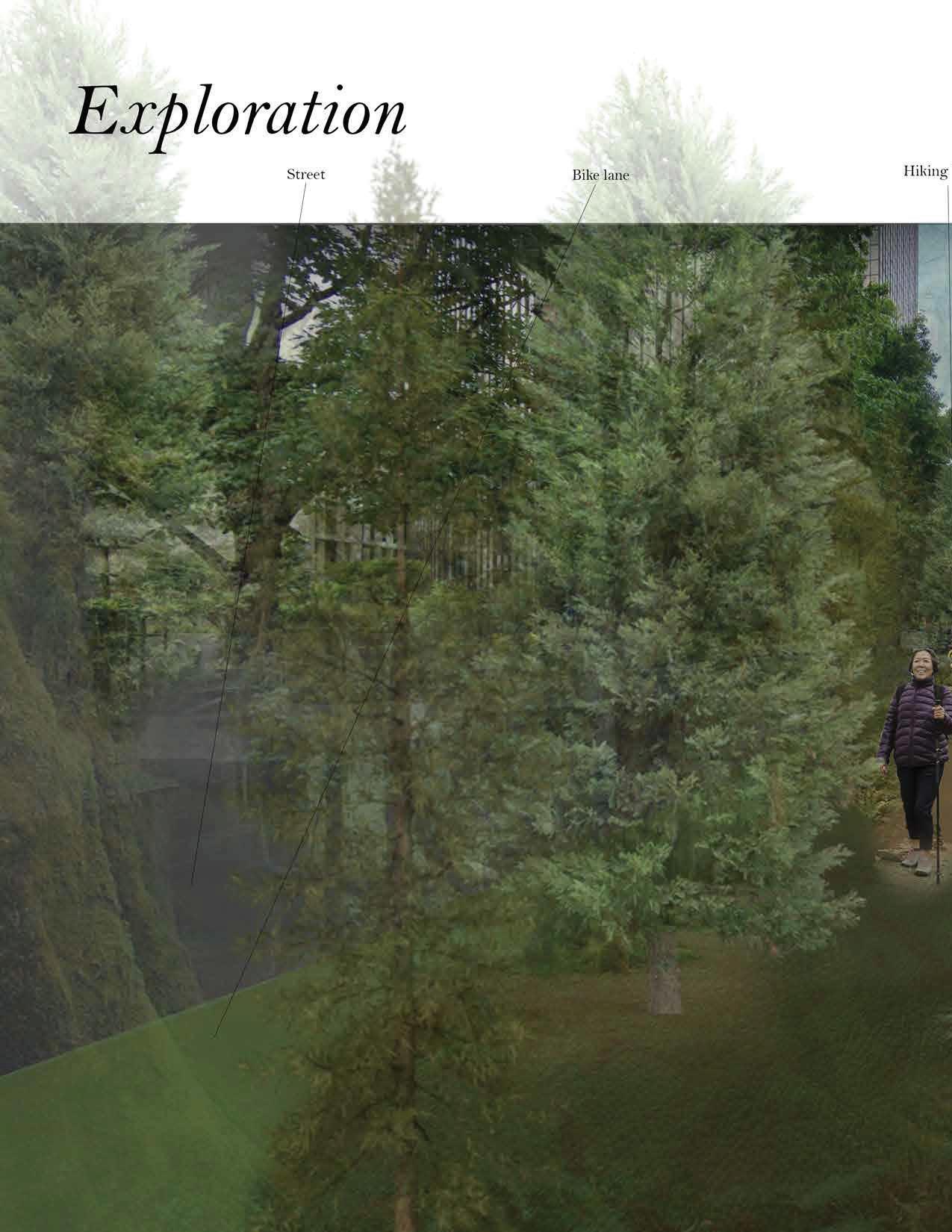
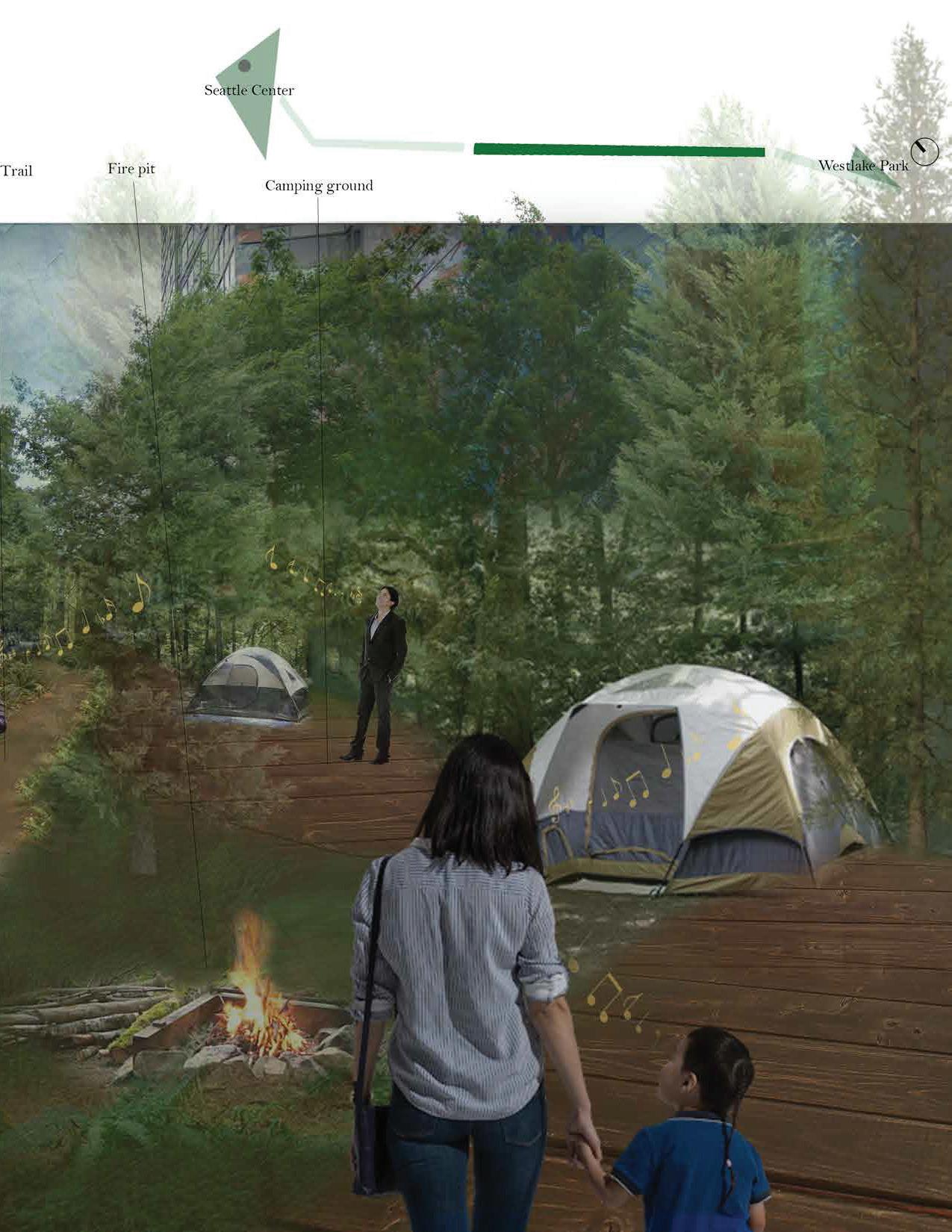
Sofia Segebre The Forest Corridor BLA 2021
Brown
Ky Hong Nguyen
The Glistening Bridge BLA 2021
Adrianna Scott
The Guiding Currents BLA 2021





Omar Estrada
Iko's Journey into the Wild BLA
Lauren Homer
The Story of the Fox MLA




Stephanie Roh Rooted in the Neighborhood MLA
PROJECTS
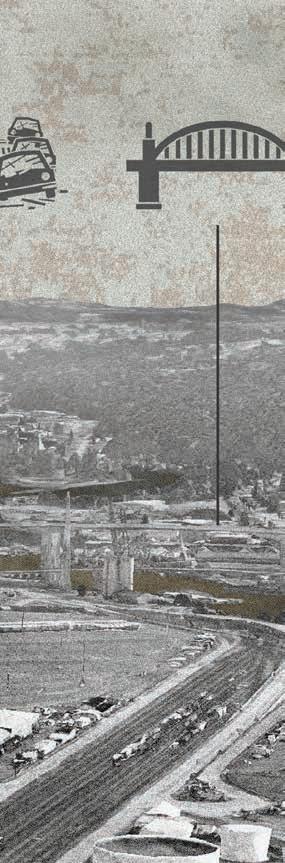
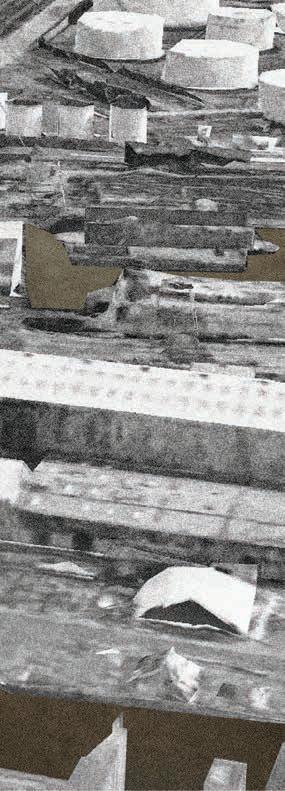
Jude Brown THE BRIDGE & THE BEAVER
Stephanie Sells A HAVEN ONCE TOXIC
Tim Spenser RAINBOW, GOLD & WHITE
Basalt
Ky Hong Nguyen THE GLISTENING BRIDGE
Stephanie Roh ROOTED IN THE NEIGHBORHOOD
Adrianna Scott THE GUIDING CURRENTS
STUDIO FACULTY
Mackenzie Waller
UNIVERSITY OF WASHINGTON Lecturer, Department of Landscape Architecture
Affiliate Instructor Department of Urban Design & Planning & School of Social Work
BROAD DESIGN GROUP Principal
REVIEWERS & CONSULTANTS
Jeff Sandler Mahlum
Sierra Druley SCAPE
Chih-Ping (Karen) Chen GCH
Ariana Cantu UW School of Social Work
Kristi Park BioDesign Studio
Donny Donoghue Alta Planning & Design
Jean Ni GGN
Dick Hemmen P.E.
Katie Idziorek Thomas J. O'Bryant Fellow
Nina Mross Mithun












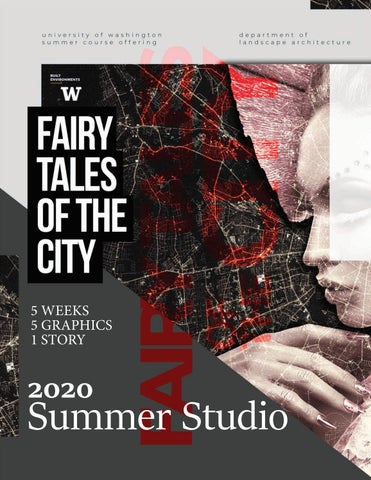
Fairy-tale scholars Pauline Greenhill and Sidney Eve Matrix (2010) have defined fairy tales as “fictional narratives that combine human and nonhuman protagonists with elements of wonder and the supernatural”. This intensive design studio was inspired by the Fairy Tales design competition (www. blankspaceproject.com) and tackled real world issues through the lens of creativity.
The studio focused on presenting different interpretations of urban and urbanization to consider the social, economic and environmental transformations underway in our cities. The rise of negative social processes is most evident in cities, where key social conflicts often center on socio-spatial rights and needs.
Students eached selected a city that they held extensive personal experience and during the course of the studio they developed a text based fictional fairy tale (800-1400 words). Each fairy tale identifies a unique challenge and uses narrative to present landscape architecture responses.
The studio tasked each project to embody the following:
» Setting acts as a vehicle for ecocriticism, that is, the focus on nature/city and questions about the interaction between humans and the environment.
» Engage story based strategy to develop a critical narrative engaging in complex problems evident in each city.
» The central character of each story reflects the social identity of the author and offers evidence of critical reflection of their role in their community.

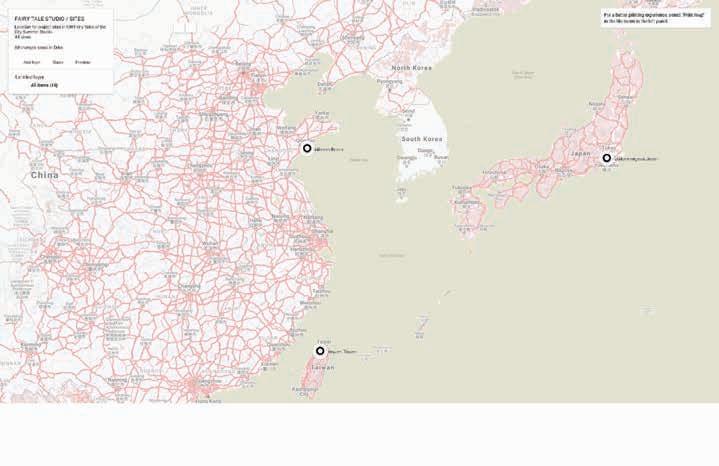

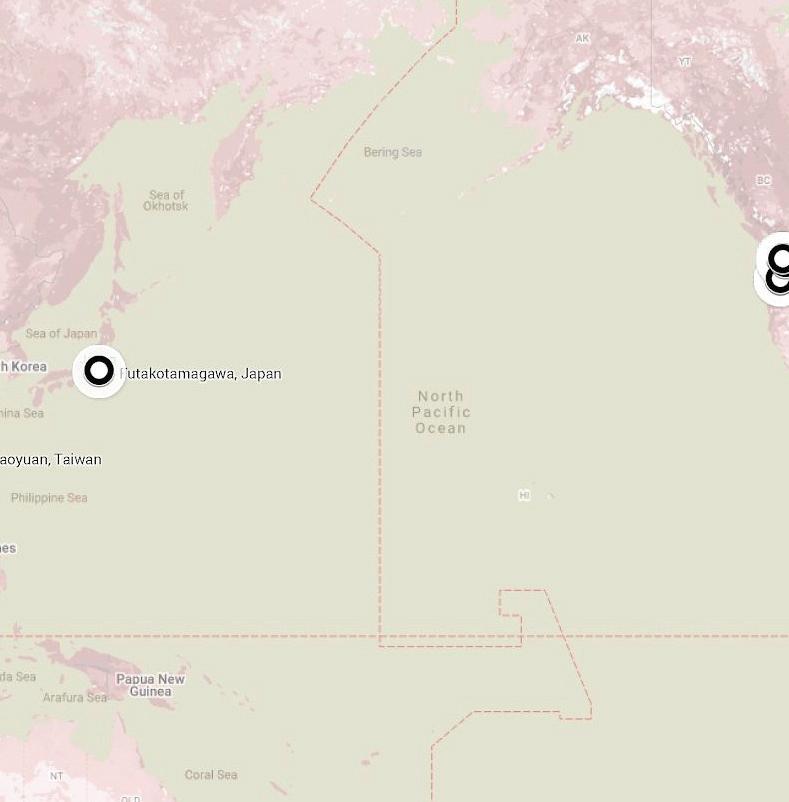



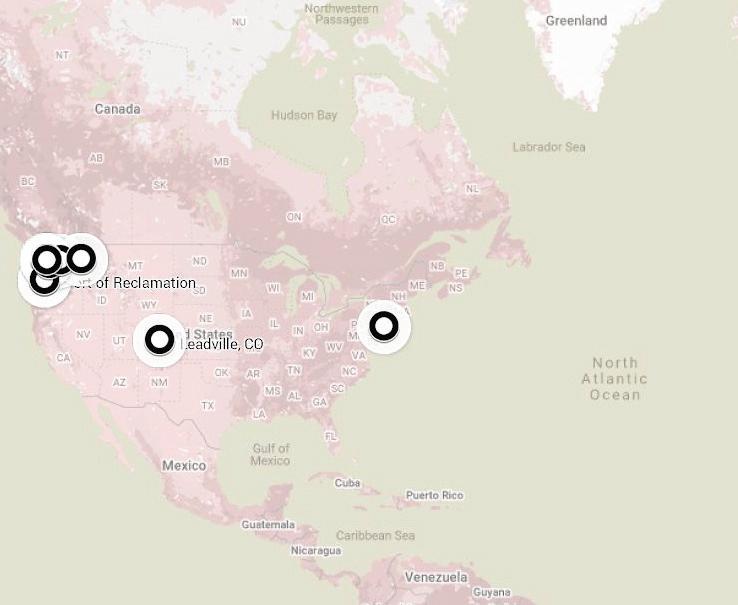

Each student selected a site where they have a deep personal connection and lived experience. The studio was taught entirely online without the opportunity for site field visits.














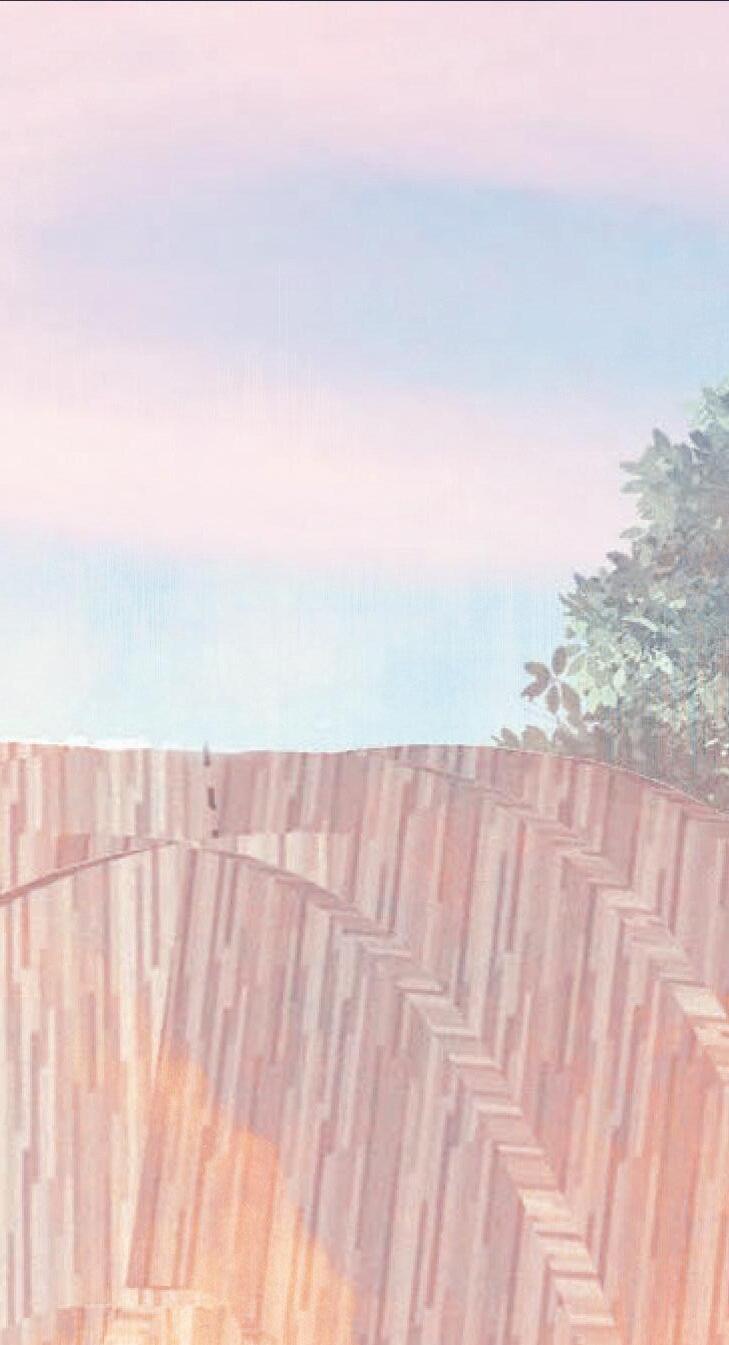
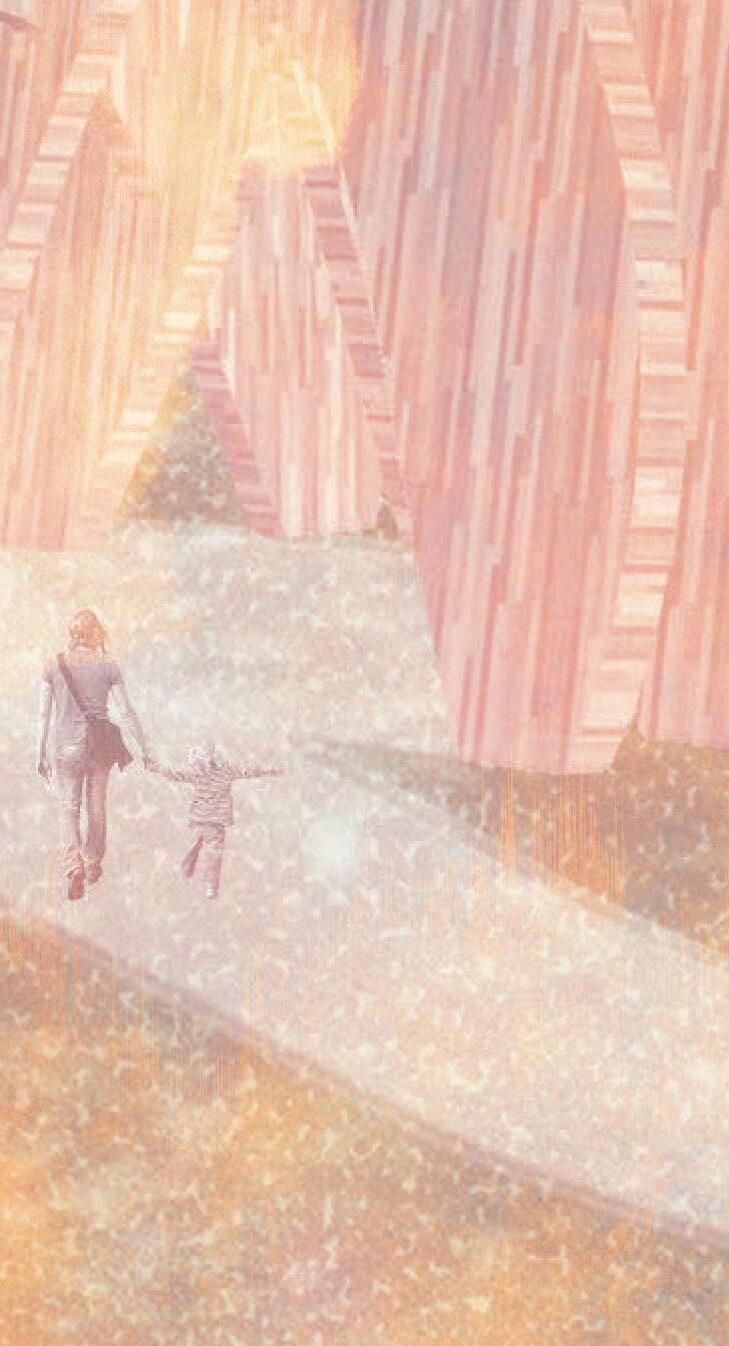




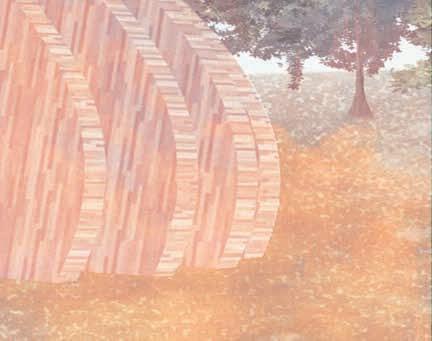


Once upon a time, in a city of bridges over a beautiful river, lived a young builder. She built beautiful places for people to enjoy; she built places for people to see and places for people to sit. The young builder loved to build, and hoped that the places that she built would please the people of Bridge City. However, one day she learned of a most puzzling problem.
In some of the beautiful places that she had builtplaces built for people to see and places built for people to sit - something unplanned was happening. She learned that people were sleeping in these places. This was a most puzzling problem, indeed, and the people of Bridge City were not pleased.
“These beautiful places were built for us, how dare they sleep here,” the people who wanted to see and sit cried out. The young builder heard them loud and clear.
“These beautiful places were built where our homes once stood, we have nowhere else,” the people who wanted to sleep cried out. Again, the young builder heard them loud and clear.
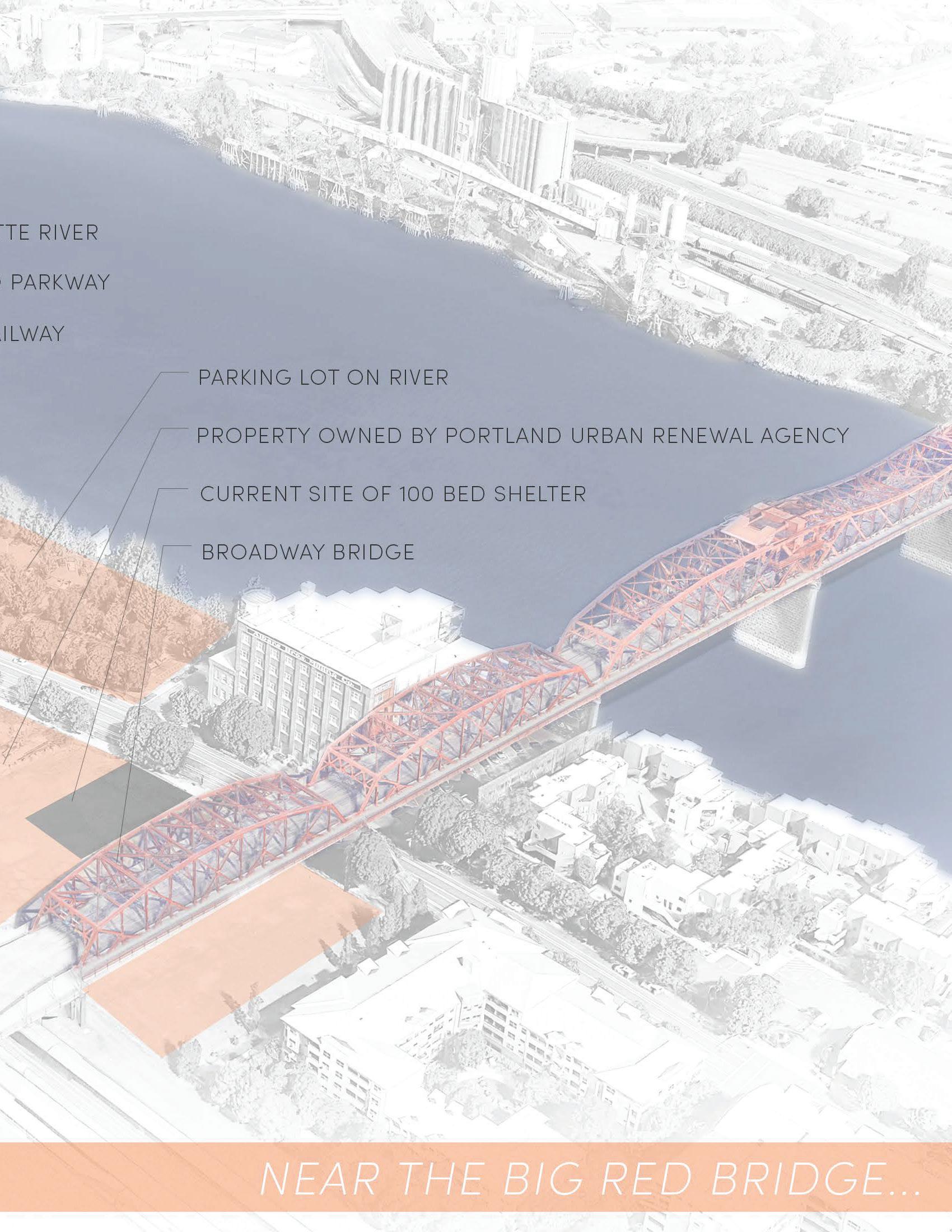
The young builder knew that this problem was far too puzzling for her to solve completely, but she wished for a way to build something to please the people of Bridge City. She made this wish as she crossed the big red bridge over the river in the middle of the city. As she reached the end of the bridge, something below caught her eye. A beaver was swimming along in the river with such determination and spirit, the young builder decided to follow. She quickly crossed the bridge and made her way through a thicket to the edge of the river where the beaver was headed.
“Hello! Mr. Beaver! What can I build to please the people of Bridge City?” the young builder asked politely.
The beaver was quite busy building his lodge, but he could offer a bit of wisdom. “Do you see this lodge I am building? It is a place to keep me safe - we all need shelter.”
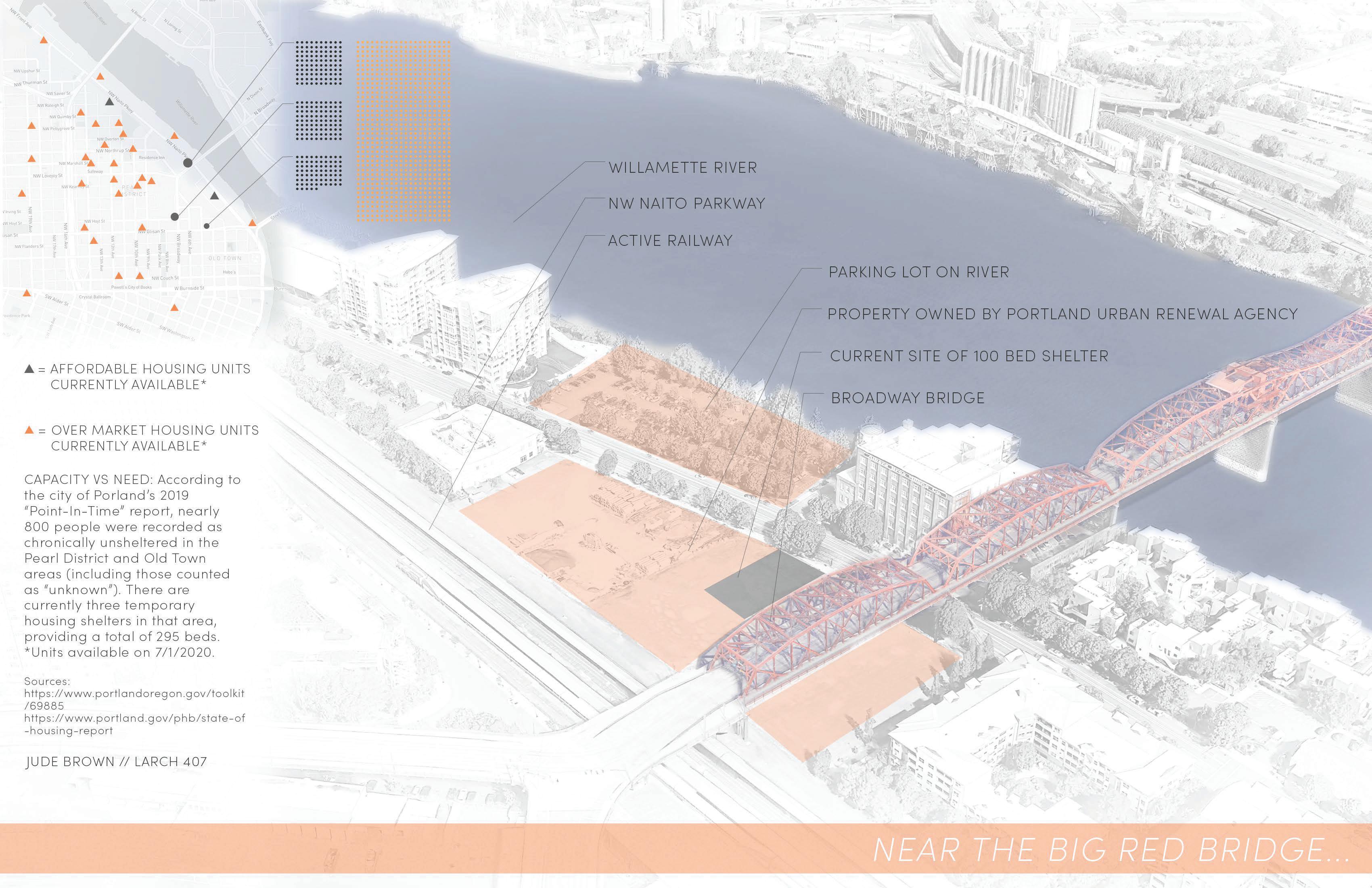
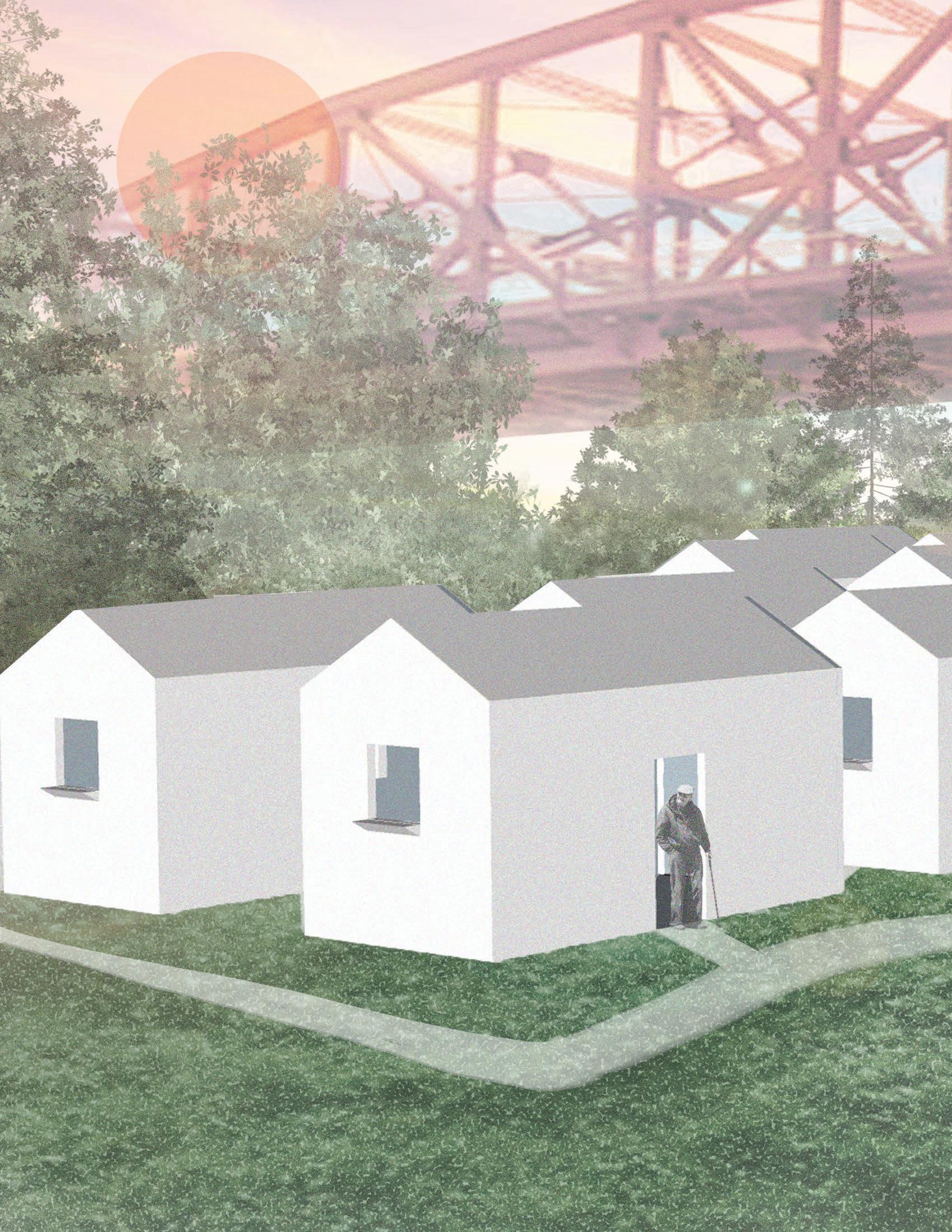
The young builder set off building shelter for the people of Bridge City. Near the big red bridge, she worked tirelessly, building a variety of shelters that people could sleep in safely. When she was done, she saw that some people were pleased, but she wished that she could do more. Again, she crossed the big red bridge over the river, and as she looked down, she noticed a great deal of activity in the thicket below. She made her way down to the river’s edge, and there she found a group of beavers gathered around the lodge. She spotted the wise beaver she had spoken to before.
“Hello! Mr. Beaver! What else can I build to please the people of Bridge City?” She humbly asked.
The beaver motioned to the others around him, “Do you see all of us here? We are part of the same colony - we all need community.”
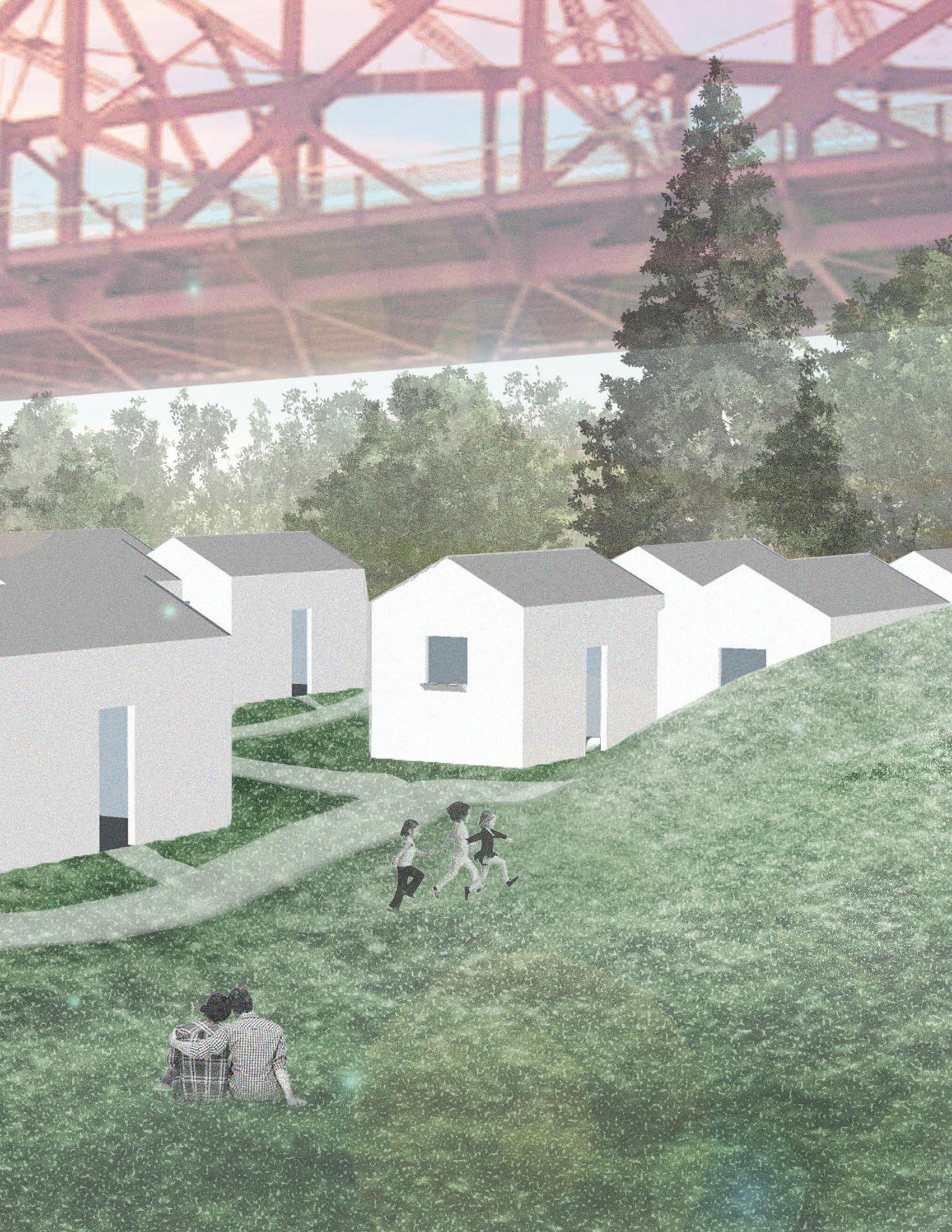
The young builder set off building community for the people of Bridge City. Near the big red bridge, next to the shelters that she had built, she worked tirelessly, building a beautiful place on the riverfront made for community gatherings of all sorts. When she was done, she saw that more people were pleased, but she wished that she could do even more. Once again, she crossed the big red bridge over the river, in search of the wise beaver. She looked below, and much to her surprise, she witnessed an array of animals gathered around the lodge. There were great blue herons building nests in the trees above, turtles perched on the beams of the lodge, and salmon fry sheltering in the still water surrounding it. She called out to the wise beaver as it came out of the lodge.
“Hello! Mr. Beaver! Is there anything else I can possibly build to please the people of Bridge City?”
The beaver paused for a moment, before pointing up to the trees, “do you see the heron nesting up there? They nest near our lodge because we create the right conditions for them, and they alert us when danger is near - we all need support.”
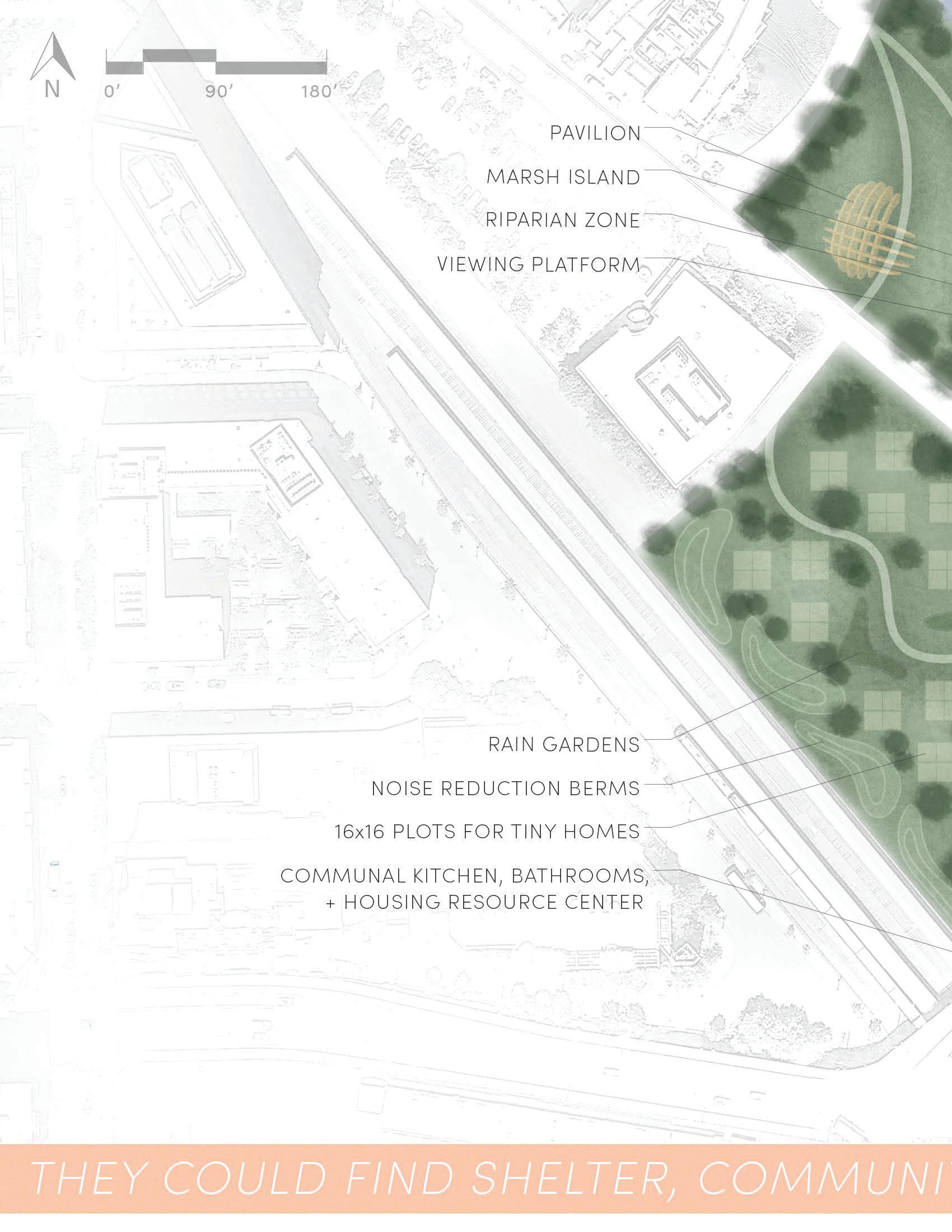
The young builder set off building support for the people of Bridge City. She knew that she could not build this alone, so she worked with others to create a network of resources for the people. Near the big red bridge, next to the shelters and the community gathering place, they offered services to support the people of Bridge City. Slowly, the people that wanted to sleep and the people that wanted to see and sit, gathered together in the beautiful place that they had built. There they could find shelter, community, and support. The young builder did not solve the puzzling problem completely, but she would continue to build all that she could, and that pleased her.




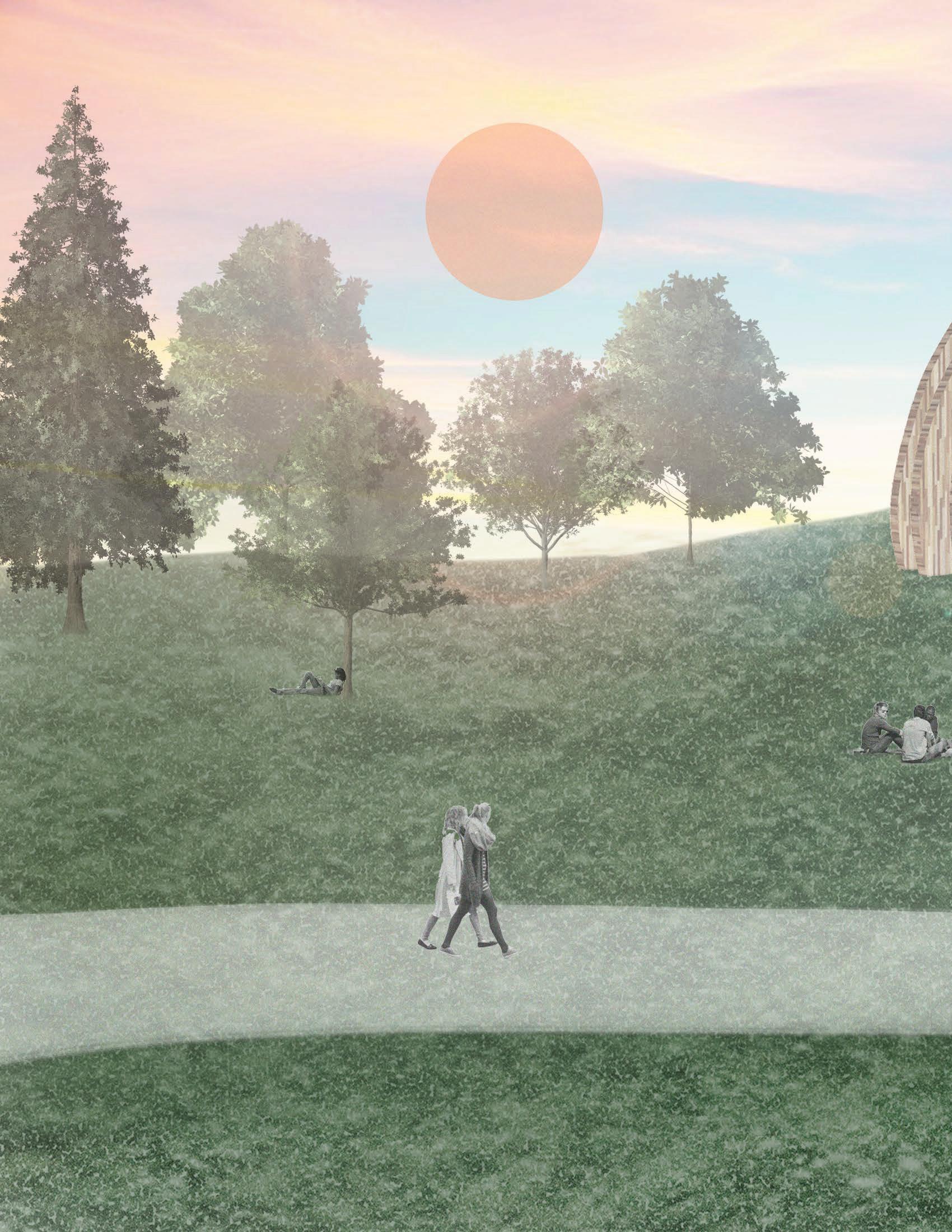
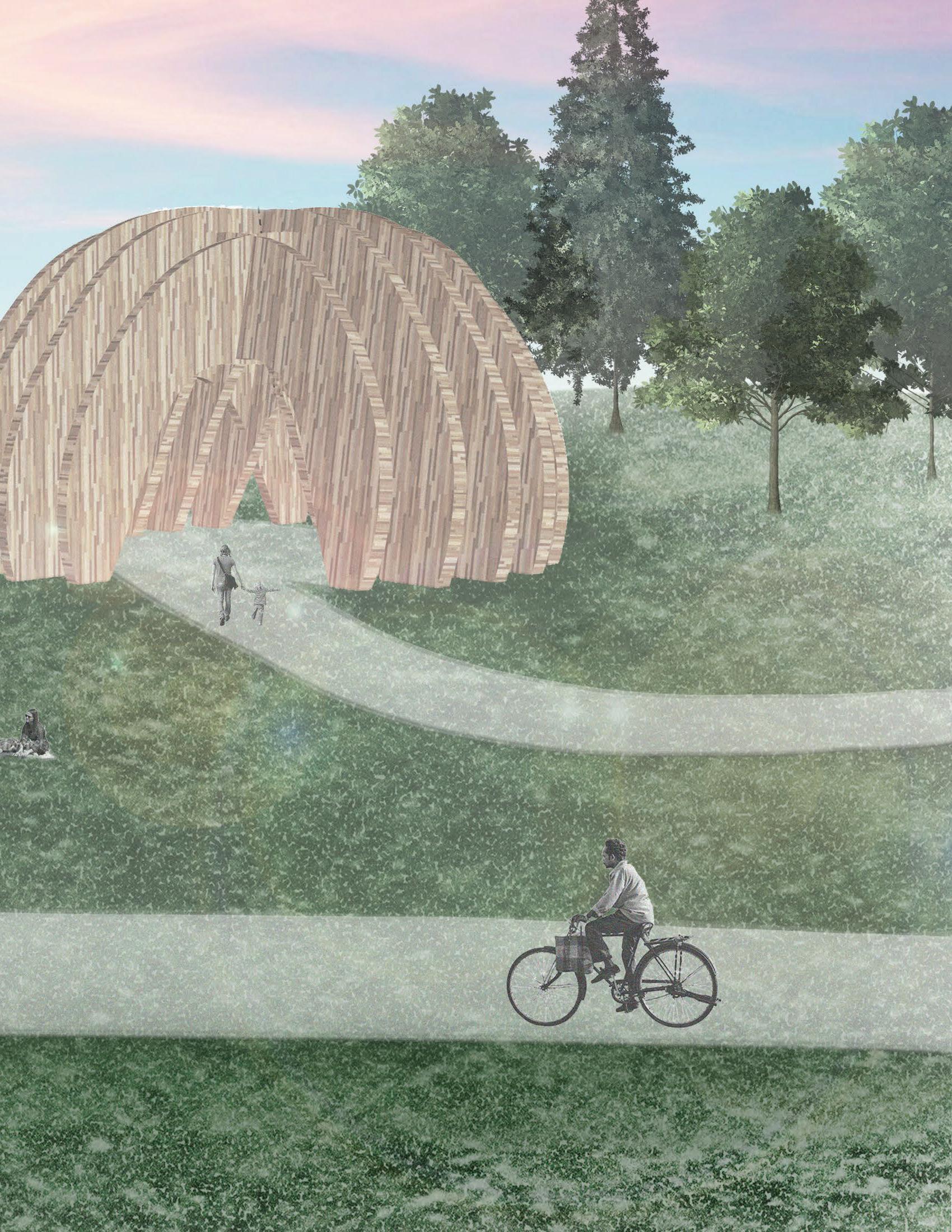



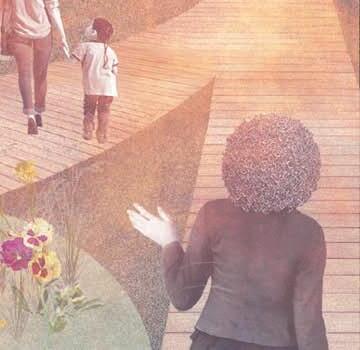
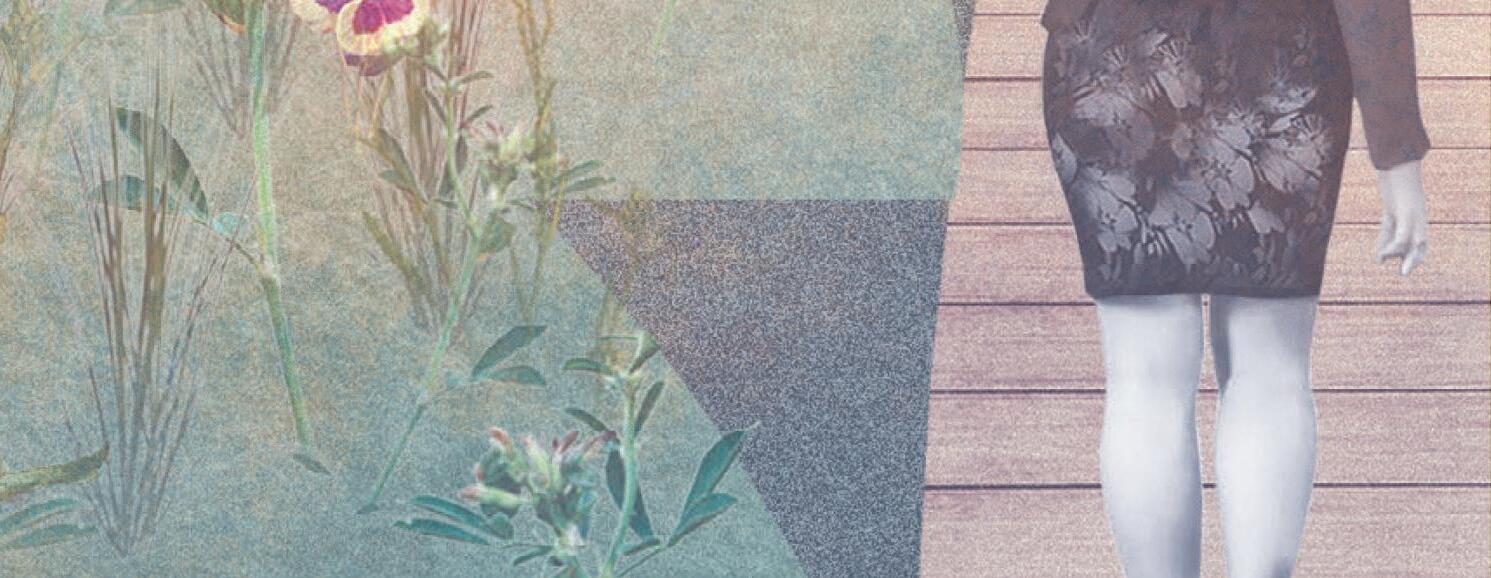
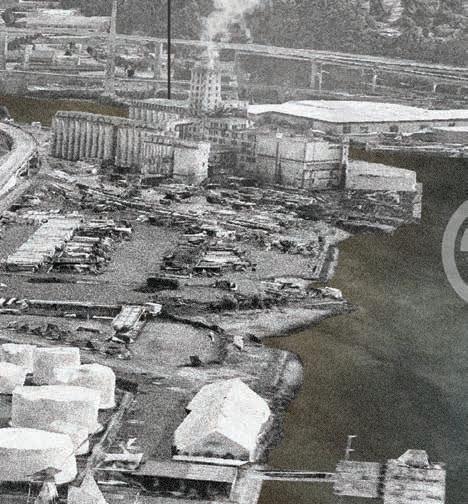
There was once an island in Elliot Bay. The island was home to a wealthy father and his daughter, Yuna. As a young girl, she had a strong desire for knowledge. Her days were spent flipping through books of plants and imagining a harmonious world. As she looked out her window, she saw only industry as far as the eyes could see.
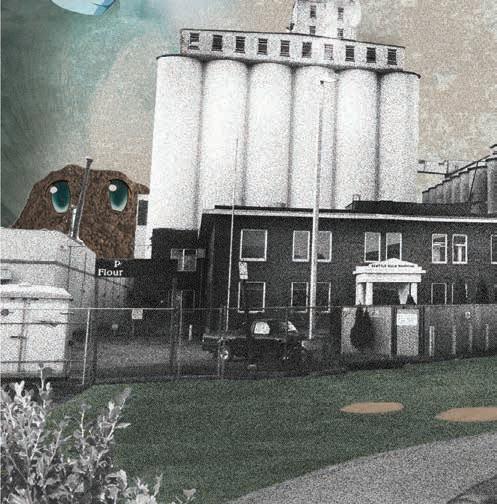
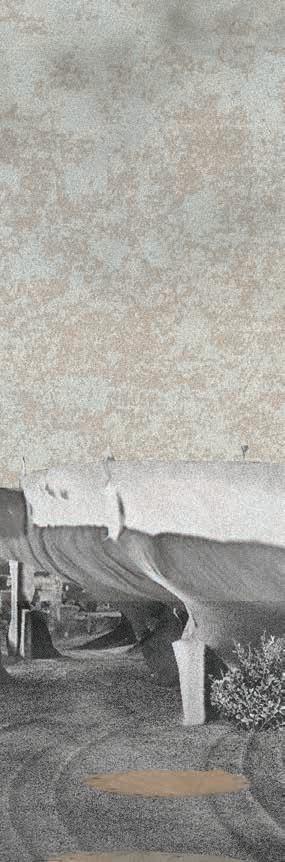
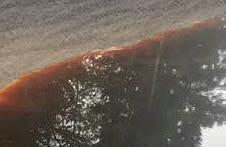
Shipbuilders came to build ships for the port. Craftsmen came to turn minerals into concrete. The father even came for his Fisher Flour Mill, using every last grain of wheat. After a time, the island was filled with toxins. Gases filled the air, and the soil was depleted of its nutrients. Water even ran brown in color. There was no longer space to frolic or play. And as industry grew and grew, the greedy islanders foresaw an even prosperous future, so they shut down the father’s mill. He wondered what would become of him.
Yet soon after, he received the most bewildering news. In a dream, the earth’s elements spoke to him: the cloud, the soil, and the wave. They whispered, “find us at the edge of the island, renew what once was yours, restore what is now mine,” then vanished into the darkness.
The father had never gone to the edge before. Islanders rarely went to the shore without a boat, for it smelled of the foulest odor. However, he left on this journey and Yuna sneakily followed behind.
It took the father three tiresome days to reach the edge, the eastern side. At first, he saw the cloud from his dream. Made up of carbon and sulfur dioxide, it was hardly visible to the naked eye. Even so, it supplied him with words of wisdom: “your mill is worn, for it is toxins that now soar. Renew the mill and restore the earth with these seeds.” A gust of wind then blew a bag into his hands. In anger, he set it down.
He did not want to renew or restore; he wanted to continue production once more.
Yuna appeared moments later after he had disappeared. She picked up the bag and thought to herself with glee, “the Fisher Flour Mill will be a place of beauty, balance, and well-being.”
As the father walked farther north he next encountered the soil. Among the organic matter, it contained heavy metals. He remembered it from his dream and demanded knowledge. The soil replied: “your mill is worn, for it is toxins that are deep in the core. Renew the mill and restore the earth with this fungus.” Once again, the father stomped away.
Yuna ran over to this tiny fungus, holding it in her tiny hands. Although it was not bestowed to her, she wanted to do as
the soil had wished. She thought to herself, “the Fisher Flour Mill will be a place of beauty, balance, and well-being.”
Now the father came to the north end of the Duwamish Waterway, and the wave sprang up with great vigor. It appeared dirty with an oily film and said: “your mill is worn, for it is toxins that are now on the shore. Renew the mill and restore the earth with this cloth.” The father frowned when he opened the gift, unveiling compost as moist as the rain that fell from above. “What shall I do with this?” he inquired. He threw it to the ground in a boiling rage.
Yuna smiled and grabbed the cloth as he left. She wanted to do as the wave had asked and thought to herself, “the Fisher Flour Mill will be a place of beauty, balance, and well-being.”
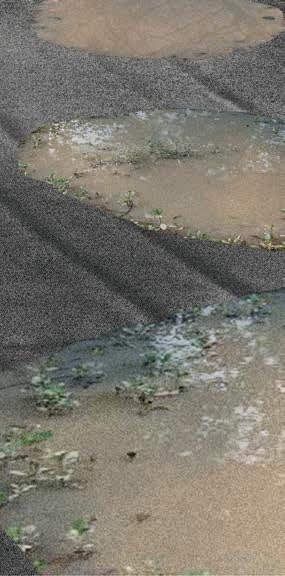
At this point, the father had no guidance of how to continue production. His exhaustion was so unbearable that he traveled back to the mill to find out for himself. Yuna followed. Upon arrival, he saw a berry bush that gleamed in the moonlight. Fresh fruit, so lustrous, supple and plump. The type to make one’s mouth water. In hunger, he gobbled down a plentiful amount, and then was in search of water. He found that most of the puddles were polluted. This turned his stomach, yet in spite of this, he bent down and cupped his hands to quench his thirst.
But this was his worst misfortune. From the air that he had breathed, to the temptations he gave into, the toxins whirled in his body. He soon fell gravely ill.
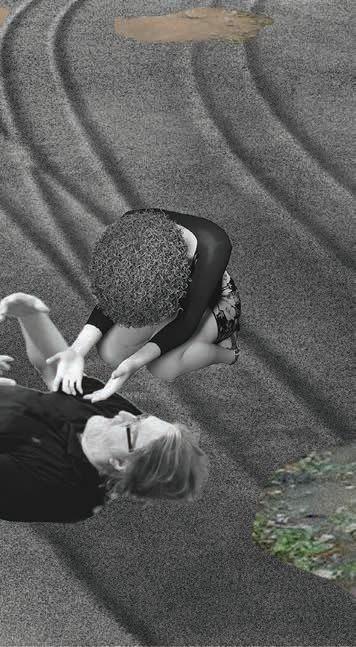
Yuna then emerged from the shadows. After realizing that her father was near lifeless, she ran to his body. “How can I save you my father?” she asked. With a light breath, he murmured “my daughter, your care is what I have lacked, renew the mill and restore the earth. Your devotion to other beings will fill this world with sunshine.”
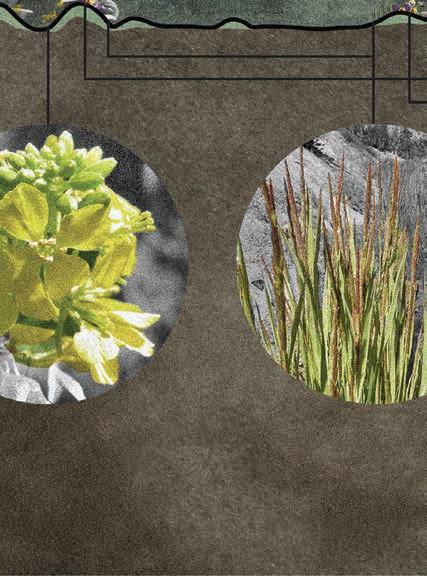
It came to her attention that her treasures were now of use. She opened the bag of seeds, and with a toss, dispersed them across the mill. Shoots of tall grasses sprang up in all directions, replacing invasive species. It was great bulrush and spiked bent grass that now covered the land.
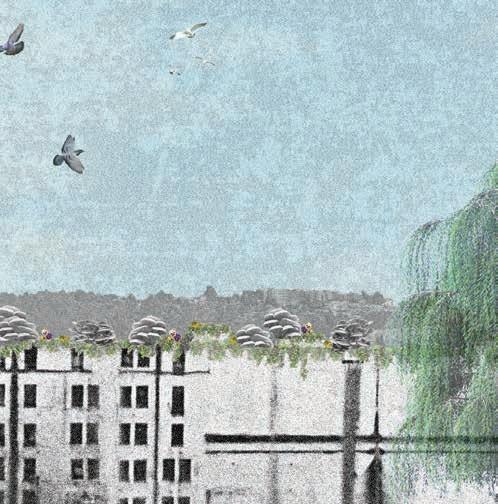
Flowing willow trees with gracefully arching branches then emerged, allowing even the smallest breeze to set the reeds in motion. Starting at one foot, then two, then three, then four, eventually reaching the height of the adjacent cylinders.
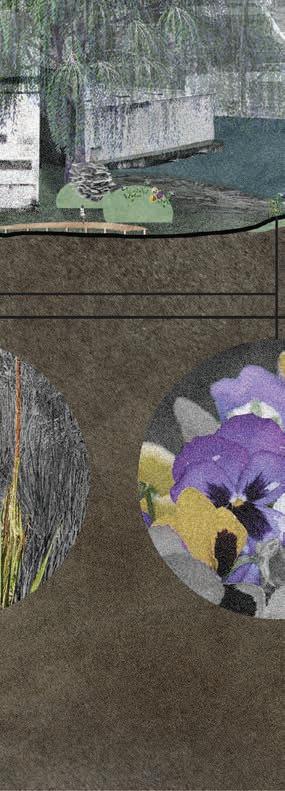
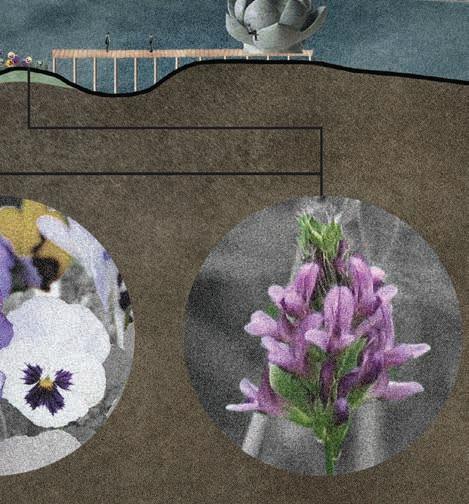
Not long after, it was colorful pansies, black mustard seed flowers, and alfalfa that speckled the site. Popping up here, there, and everywhere, they all worked to remediate the soil and cleanse the air.
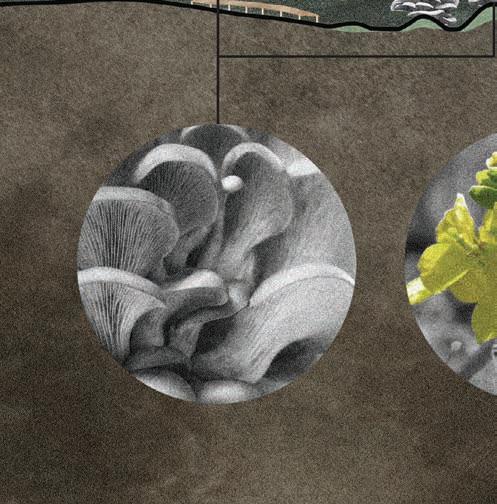
Yuna soon removed the fungus that was stored in her pocket. When she planted it, oyster mushrooms spread all over and towered over her head. As healers, their enzymes absorbed heavy metals and rejuvenated the soil.
Then as she thought her work was over, the cloth began to shake. She unraveled it and placed the compost onto the ground, rumbling the earth. Berms arose all around her, moving the plants with them. Runoff was also nurtured until clean. In this moment, Yuna was enclosed by an entirely new environment. “Oh, what harmony is in this landscape,” she stated.
“I now see beauty, with bright colors and views.”
“I now see balance between plants, animals, and humans.”
“I now see well-being, as there is comfort, health and happiness.”
At once, the father was then revived! He soon realized the opportunity to start anew. “Be sustainable and change your ways,” he begged to the factories that were still running. They listened, and no longer overproduced or improperly disposed of waste.
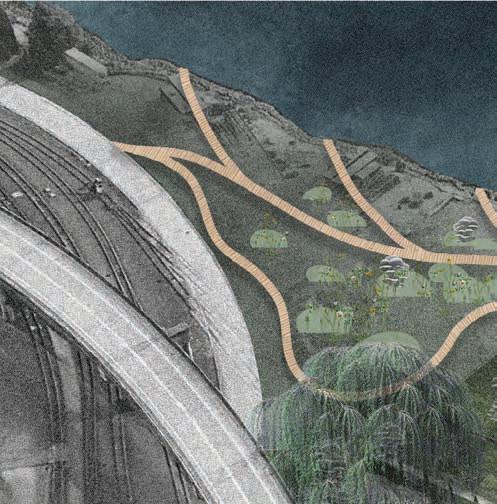
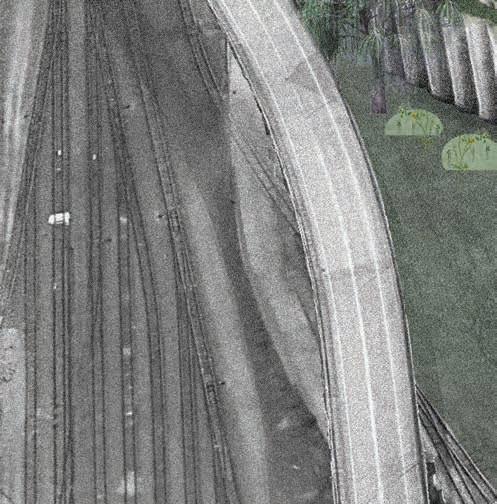
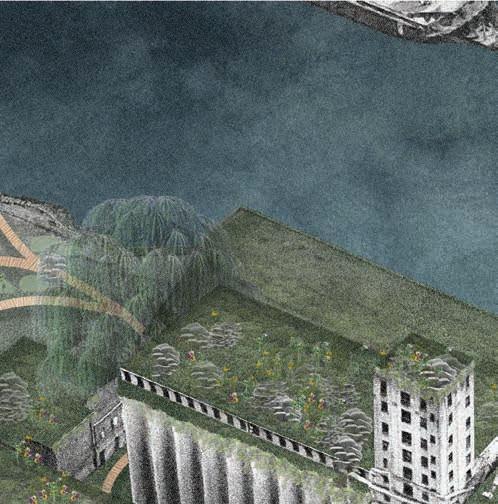
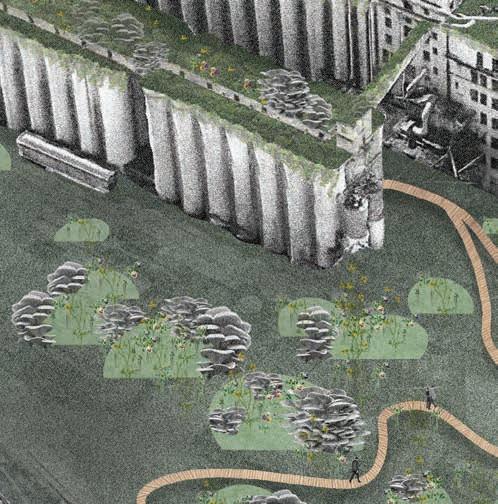
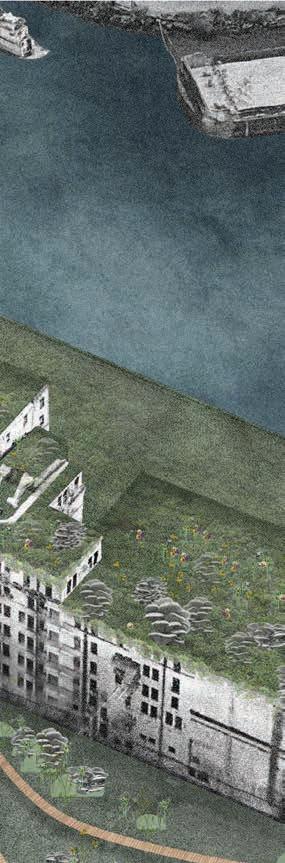
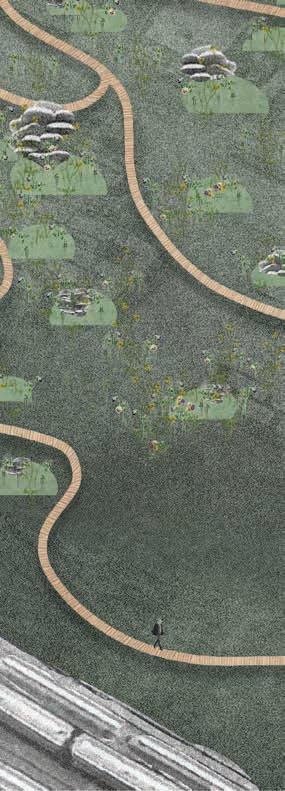
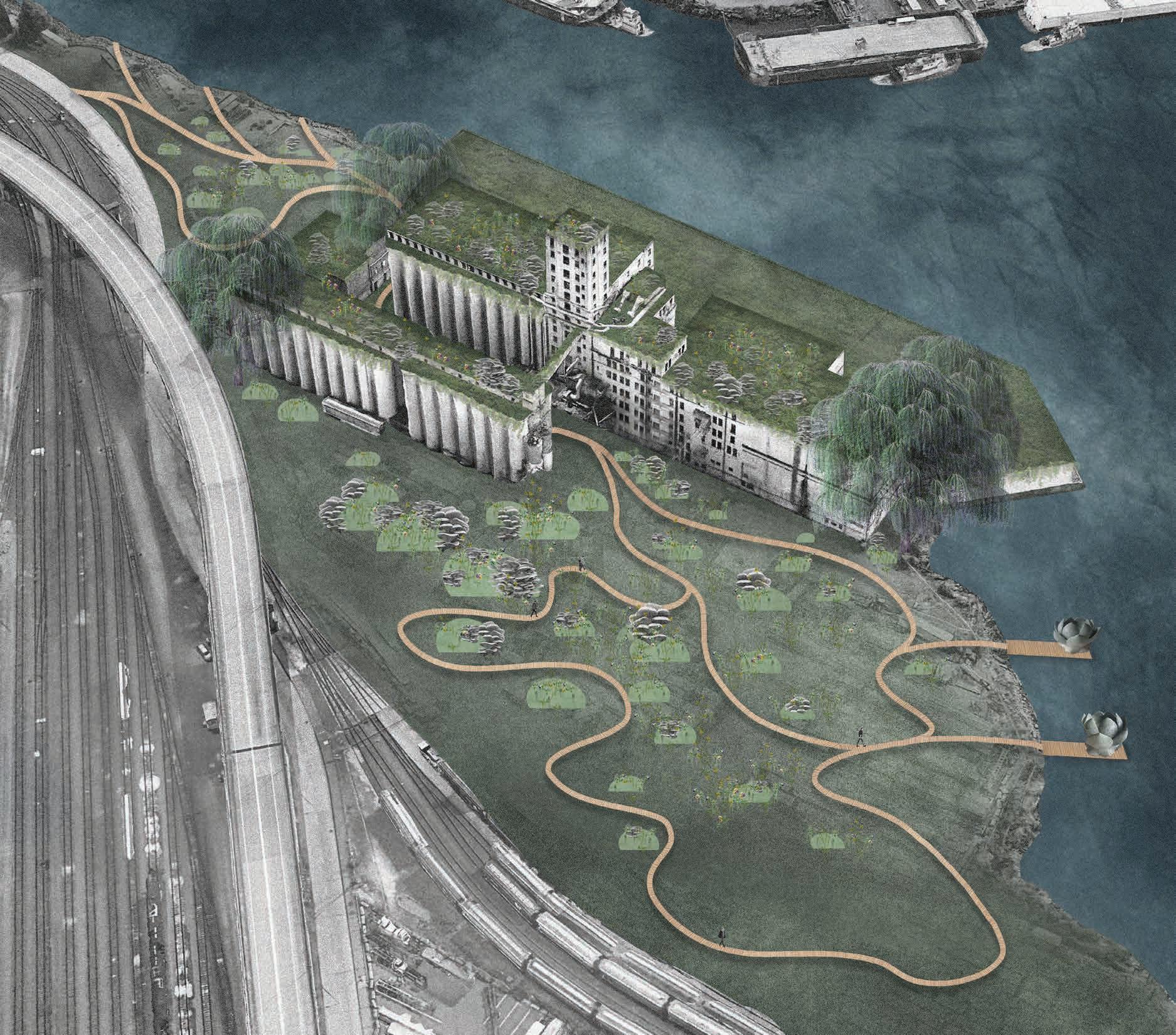
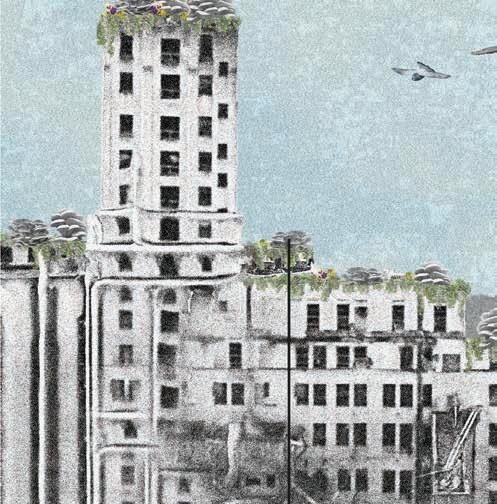
The mill was then gifted to Yuna. She proclaimed, “it will continue as a space for all.” And so, it did. Plants densified with the decline in toxins; animals thrived in the habitats. The space even drew in people from beyond the island. They came for the smells of flowers. They came for the towers with green roofs full of overgrown plants. They came to sit or walk near the shore. They came to adore the dense little meadows. They came for the meandering pathways that flowed through the rolling hills. They came for the blaze of sunrise and sunset.
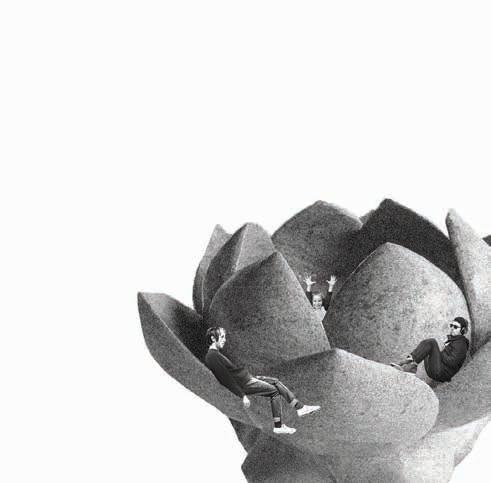
They came for settlement; the warehouse was now a community, giving place to those without a home. They came for the sculpture made of reused material. They came for the change.
The earth’s health was restored, and the mill was renewed, for it gained a greater purpose.
Everything old can once again be new.
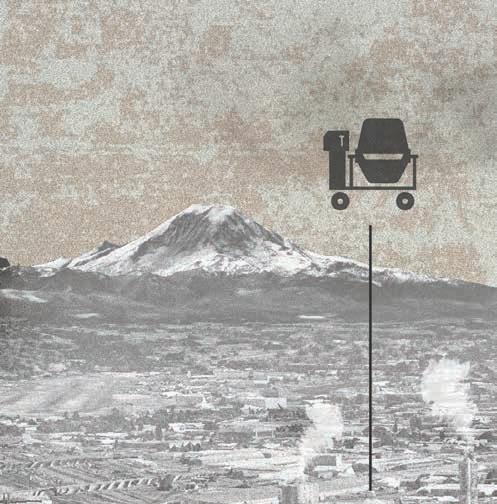
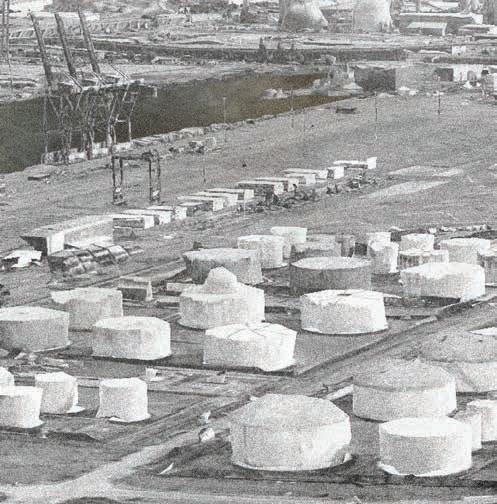






BY: STEPHANIE SELLS

ANTIMONY
ARSENIC
BENZENE
CADMIUM
CHLOROETHENE
CHROMIUM
COPPER
CYANIDE
LEAD
ETHYLBENZENE ORGANICS
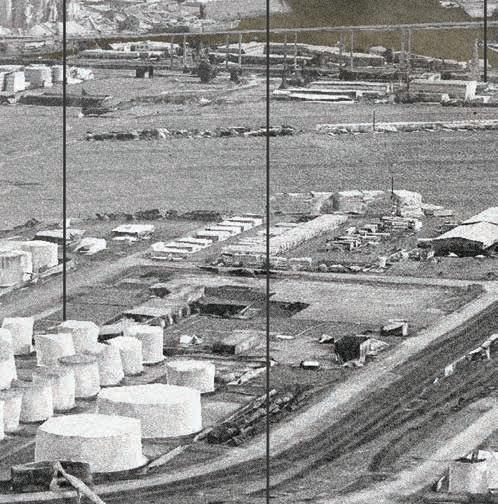
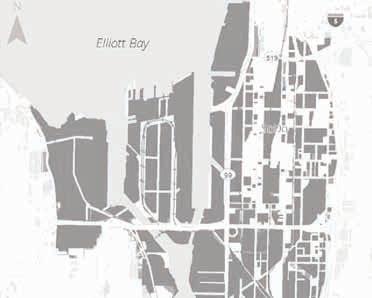
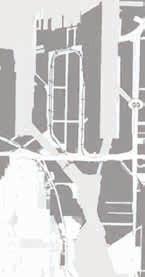
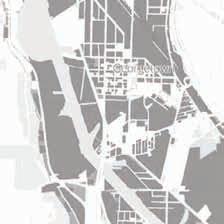
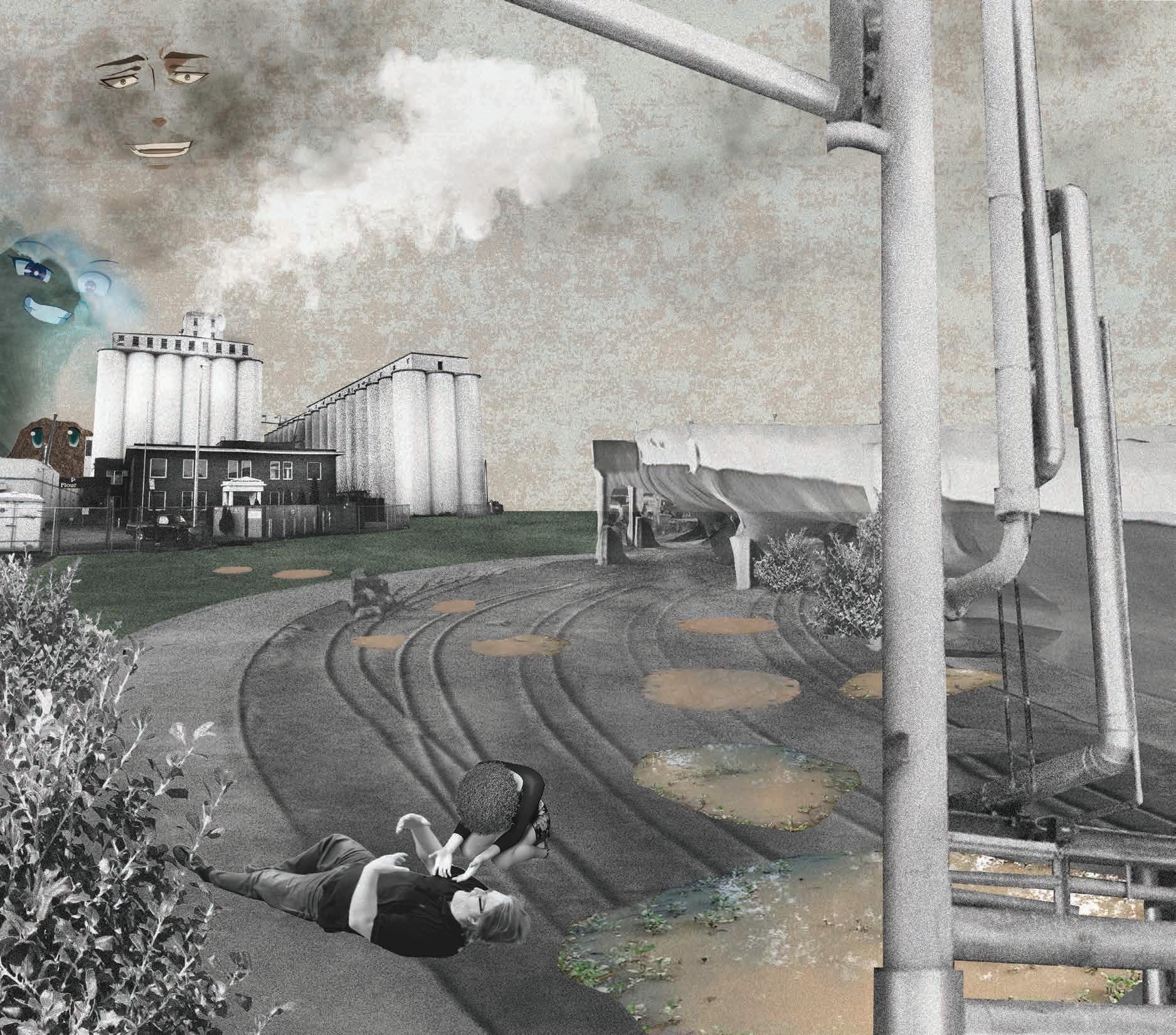
How might we regenerate the post industrial Fisher Flour Mill into an environment with healthy ecological function and community engagement?
The solution is to utilize biopiles, phytoremediation, and mycoremediation to minimize pollution, creating a safer space. Also, to use pathways and sculpture for movement and play near the waterfront.













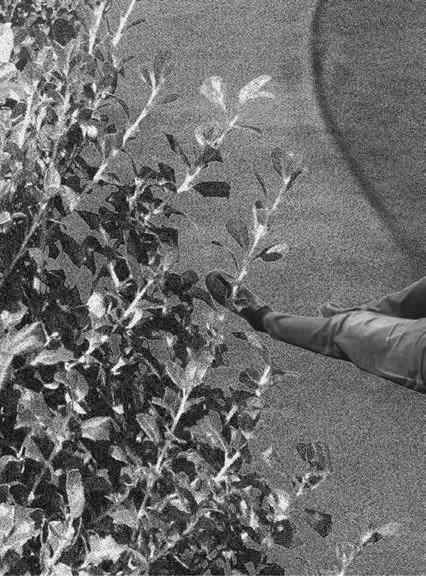


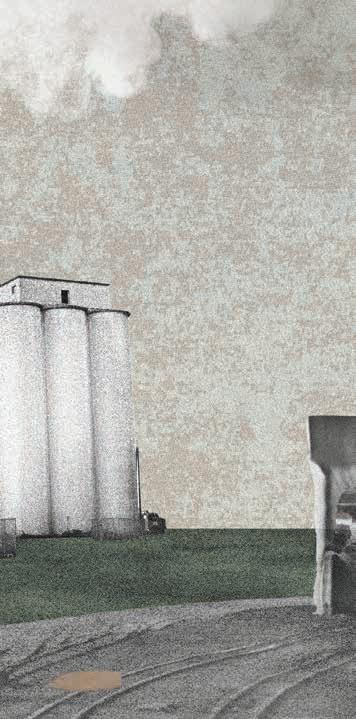
Renew what once was yours.... Restore what is now mine...
LUNG CANCER
TUBULAR DAMAGE IN KIDNEYS
SHIVERING, ANXIETY, DEPRESSION, RESTLESSNESS
BRAIN DAMAGE, NEUROLOGICAL DISTURBANCES
HEART DISEASE
HEAVY METALS


Play | Beauty | Reuse of Concrete

Excavation and Relocation
MORE TOXIC


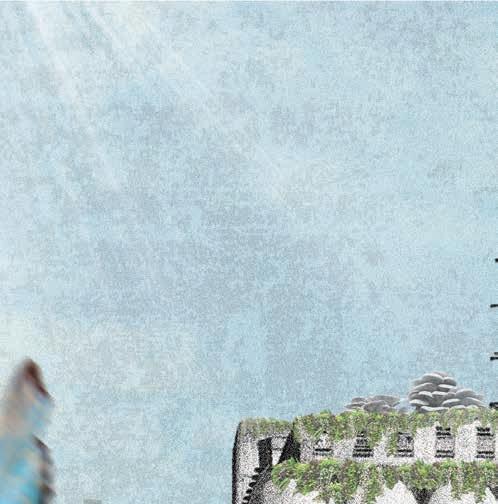
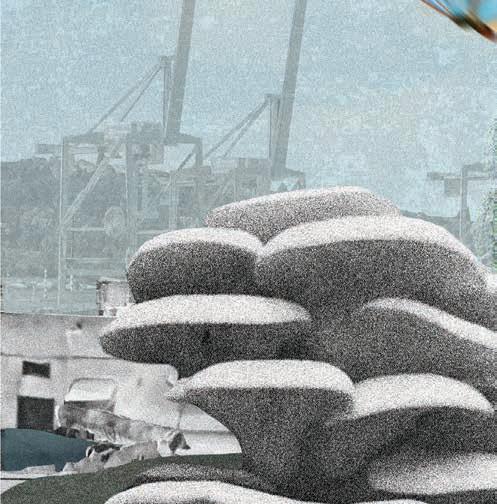
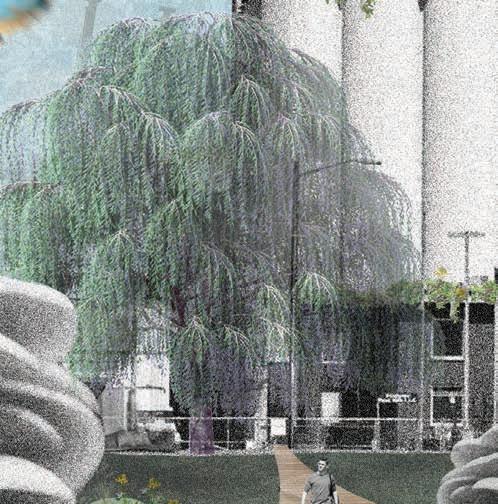

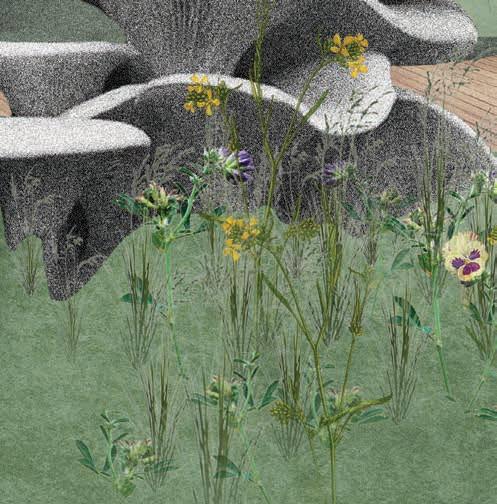

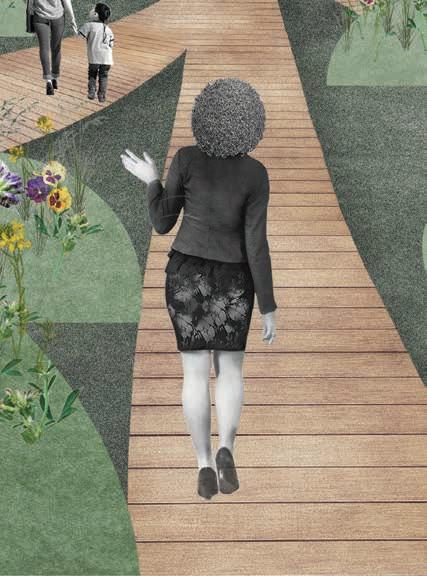
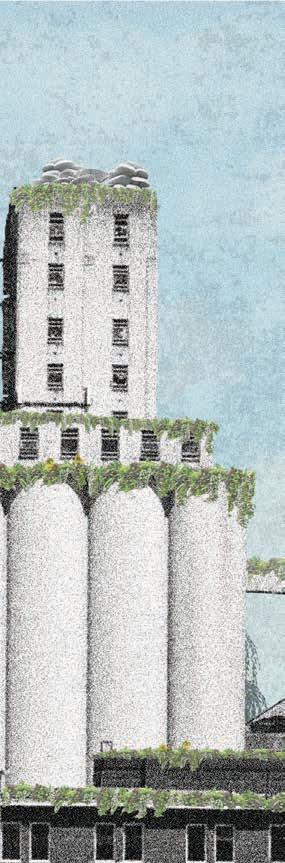
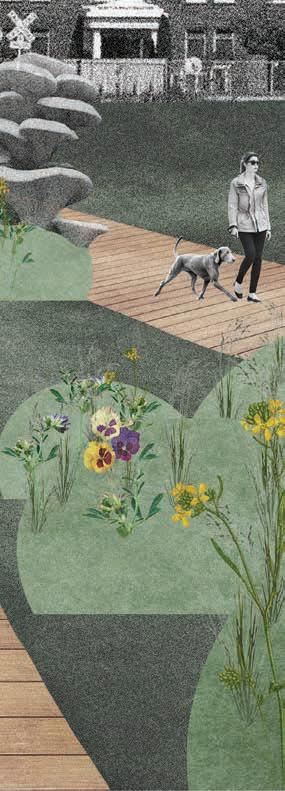
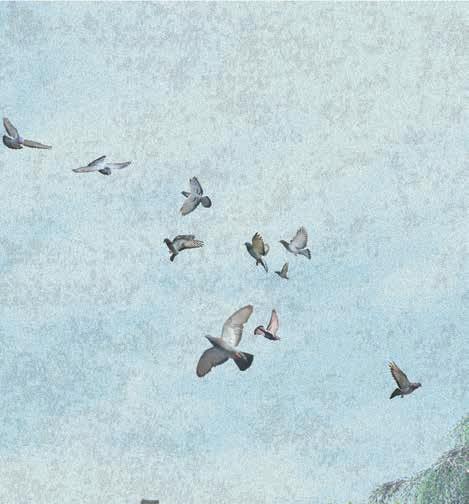
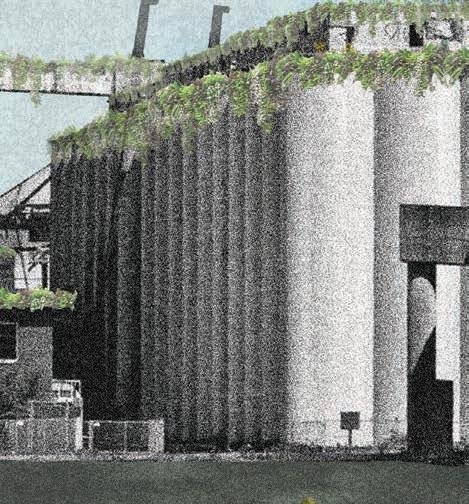
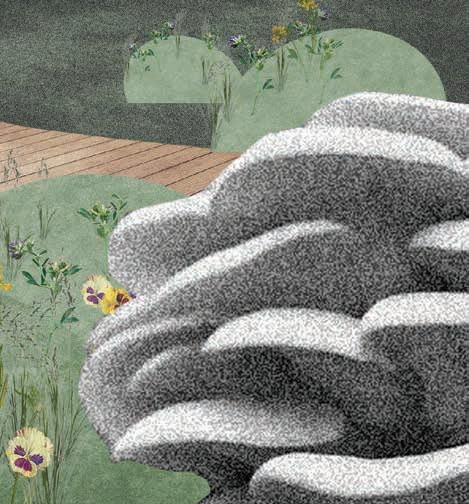

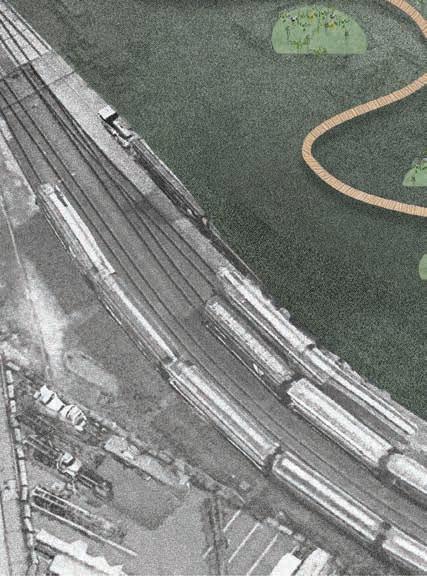
This space invites all to gather, from plant and animal species, to humans of varying social status. While surrounding industry continues, the vision is that life will return to this area that has repeatedly trampled over nature.
The Block Project for the homeless
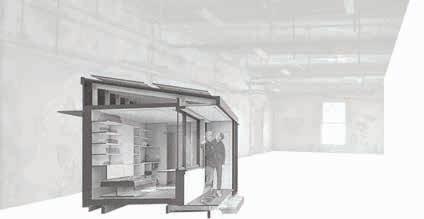
FURNISHED HOMES









Mycoremediation




Phytoremediation
Biopiles PLANTS

ALFALFA (Medicagosativa)



(contents from excavated areas)
BLACK MUSTARD (Brassicanigra)
PANSY (Violatricolorvar.hortensis)
OYSTER MUSHROOM (Pleurotusostreatus)
SPIKED BENT GRASS (Agrostisexarata)
GREAT BULRUSH (Schoenoplectustabernaemon-
WHITE WILLOW (Salixalba)
REED CANARY GRASS (Phalarisarundinacea)
INDIAN GRASS (Sorghastrumnutans)
SUNFLOWER (Helianthus)
LEGEND
Absorbs metals
Remediates PCBs
Converts pesticides/ herbicides
Breaks down plastic
Breaks down other hydrocarbons CLEAN SOIL
1”=50’






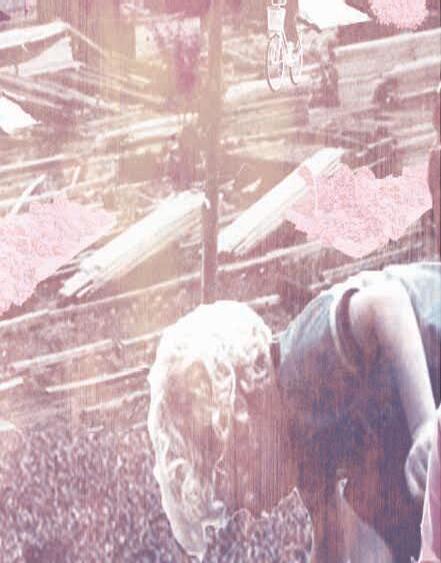

Once upon a time, there was an Island in the Salish Sea. People came from near and far to make their home on the Island. Woodcutters came to harvest timber from its lush forests. Farmers came to grow their crops on the its rich hillsides. Prosperous little towns nestled in its quiet harbors. The people, wherever they had come from, whatever language they spoke, and whatever their race, became part of the Island, and they and their children and their children’s children were interwoven like the plaits of a basket.
One day, a stranger appeared on the Island. He came to the Islanders and said, “I come from the City-Across-the-Water. Build me a fine house here, and in return, you will become wealthy beyond imagining.” The stranger was in fact a powerful Sorcerer.
The Islanders considered the stranger’s offer and said, “What is one house in return for fabulous wealth?” So they made a clearing and built the Sorcerer a fine house at the top of the tallest hill on the Island.
Things went just as the Sorcerer had promised. Whenever they looked, the Islanders found more and more money in their bank accounts. They took their new-found wealth and built bigger and bigger houses. They were quite happy with the Sorcerer’s enchantment.
But after a time, some began to suspect that the enchantment was really a curse. The Islanders’ houses continued to grow larger and larger, and as they grew larger they grew more expensive. Eventually, they became so costly that even the price of a humble farmhouse grew to be out of reach for most people. And little by little, neighbors started to vanish.
Soon the woodcutters were gone, and the farmers were also moving away. With them went the schoolteacher, the postman, and the grocery store clerk. Finally, even the Islanders’ own children could not afford to stay and went to live in faraway cities instead. To make matters worse, the Island’s once lush forests were disappearing, making way for the houses that continued to grow.
Just as the Sorcerer had promised, the Islanders had become fabulously wealthy. But their riches were empty. Almost all their children had gone away. The close-knit community of people that came from near and far was now a distant memory. The Islanders had become so old and so white, living alone in their enormous houses.
But there was one young Islander left. Her name was Rainbow. Rainbow worried that she would never be able to afford a house of her own and that soon she too would have to move away. So she went to the City Council to ask them to do
something about the Sorcerer’s curse.
One grizzled Council Member said, “What we need is more houses! The more we build, the more affordable the buildings are sure to be.”
But another Council Member said, “Friends, the more we build, the worse the curse becomes. Our precious forests are disappearing. Let us stop building any new homes. That way, our Island will stay just as it is.”
Thus the City Council fell to arguing. Their discord was such that they couldn’t even agree whether the curse was indeed a curse or an enchantment instead!
In the midst of the dispute, Rainbow spoke up. “I will find out how to lift the curse myself,” she said. “There must be a way to make homes more affordable and preserve our precious forest at the same time.” The Council Members were dismissive of Rainbow, thinking her impractical. They sent her on her way, and, glad to be rid of the upstart, resumed their argument.
So Rainbow went out in search of an answer. She wandered high and low across the Island, past the neighborhoods of big expensive houses and deep into the forest. She walked and walked, wondering how she might lift the Sorcerer’s curse.
Night fell, and Rainbow looked about her for a place to rest. She lay down between the roots of a gnarled old tree. She closed her eyes and was about to drift off to sleep when she heard what sounded like two voices coming from the thick bed of pine needles beneath her. Rainbow dug down and found a woodcutter’s axe and a farmer’s hoe, both old and rusted.
The axe spoke to Rainbow, saying, “Thank goodness you found us here. If you hadn’t, we would have rusted away to nothing beneath the ground. Please, take us with you. We are still sharp. I am good for splitting big things into small things.”
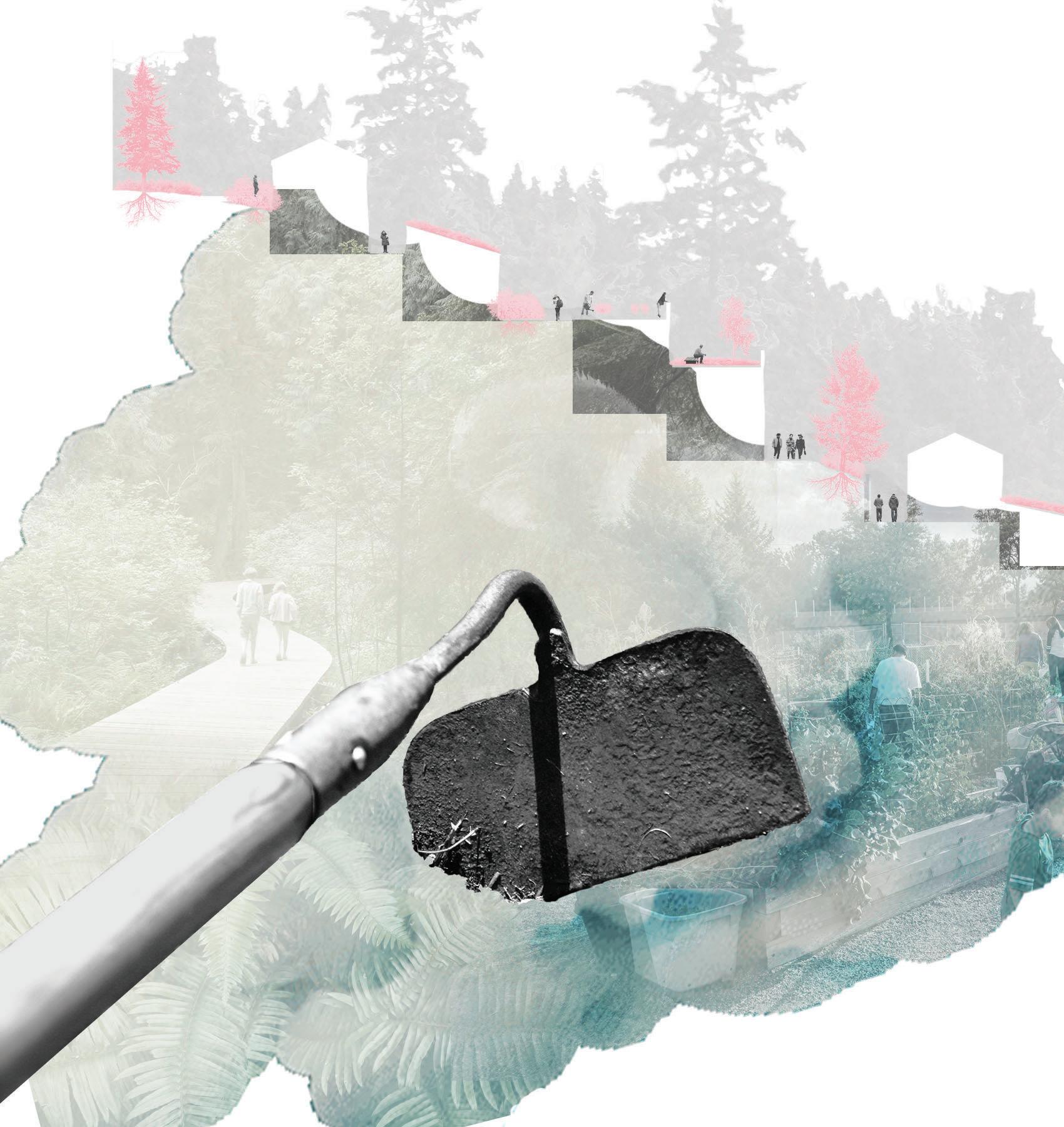
“And I am good for cutting furrows,” said the hoe.
In the morning, Rainbow took the axe and the hoe and continued on her way, wandering high and low. Finally, she came to the top of the tallest hill on the Island, to the place where the Islanders had built the Sorcerer’s fine house.
In the middle of a clearing in the trees was the largest and most expensive-looking house Rainbow had ever seen. To either side of the house, Rainbow saw four giant feet, and attached to the four giant feet were four giant legs, and the four giant legs belonged to two huge giants standing on top of the Island’s tallest hill.
“Who are you?” Rainbow asked the giants.
“I am called Gold, and my partner here is called White,” one of them said. “We hold up the Sorcerer’s curse on our shoulders so that it covers the whole Island like a heavy blanket.”
“Giants, the Island’s houses have become so expensive,” said Rainbow. “So many people who once lived here have had to move away. I want to lift the Sorcerer’s curse!”
“Lift the curse?” Gold scoffed loudly. “Ha! The curse is so heavy that it takes two giants to hold it up! To lift the curse you would have to knock our legs out from under us, and our legs are thicker than the oldest trees in the forest!” And the two giants
roared with laughter.
Rainbow took out the woodcutter’s axe.
When the giants saw the rusty old tool, they laughed even harder. “Little one!” Gold said to Rainbow. “That axe could not cut a green sapling. What do you imagine it can do to me and White, whose legs are thicker than the oldest trees in the forest?”
But the axe whispered to Rainbow, “The giant is right, I cannot cut such thick legs. Give me a taste of the Sorcerer’s house instead.” So Rainbow ran swiftly to the Sorcerer’s house and swung the axe at the front door.
As soon as it touched the house, the axe split the whole building into many pieces. One wing of the shattered house smashed into Gold and another into White, knocking their legs out from under them. The giants tottered and fell. They crashed through the trees, rolling and tumbling down the tallest hill on the Island and finally splashing into the Salish Sea, where they and the heavy curse were swallowed by the waves. Pieces of the Sorcerer’s house, bedrooms and balconies and hallways and staircases, followed after them, coming to rest here and there on the hillside.
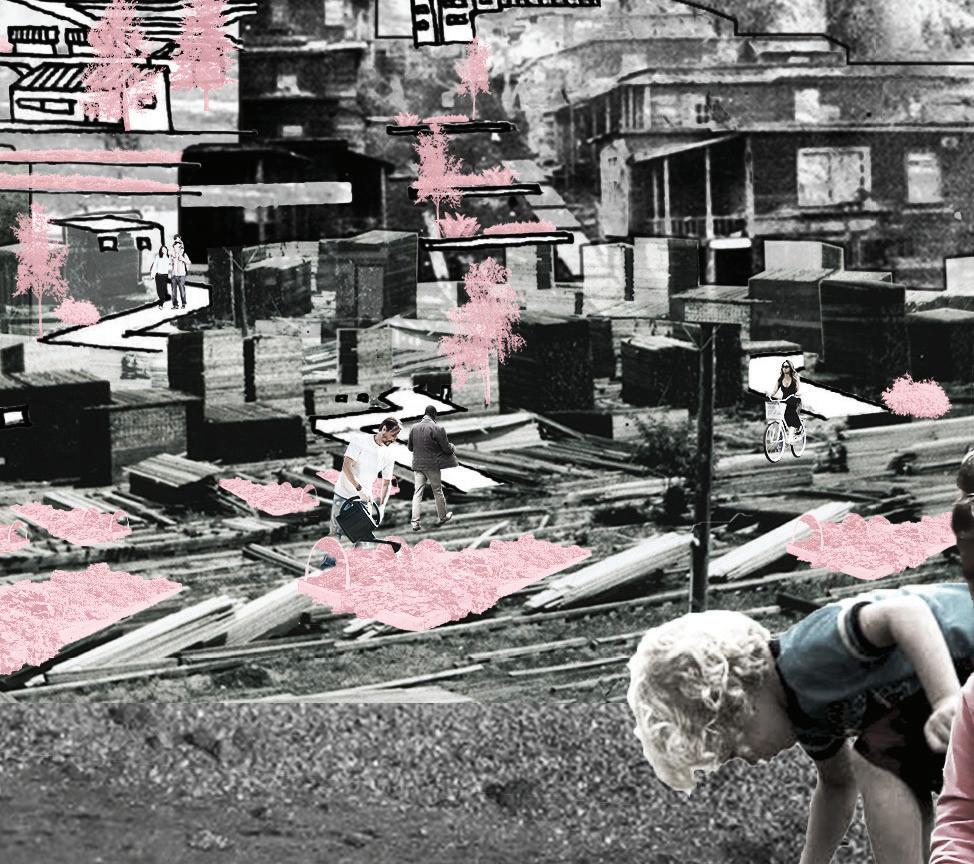
Then the hoe said to Rainbow, “The earth here is good. Give me a taste of the soil.” So Rainbow dug a furrow where the Sorcerer’s house had stood.
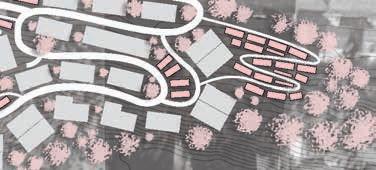
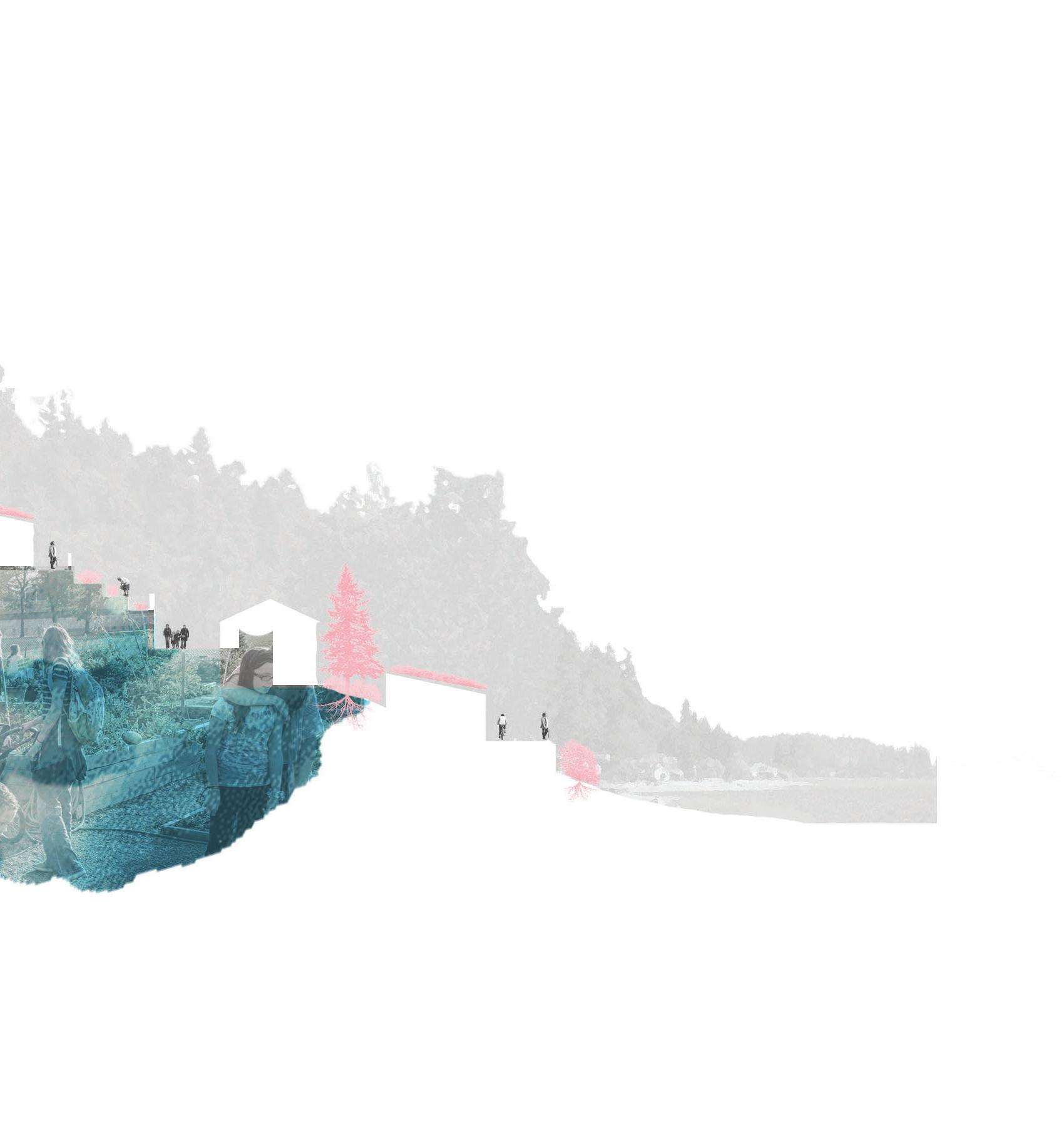
A splendid garden sprang up from the furrow and raced down the hillside where the giants had fallen. In the blink of an eye, Rainbow saw a whole new neighborhood appear before her. The garden formed terraces from the top of the hill down to the shore below. It was bursting with fruits and vegetables as well as native plants and tall trees. All the bits of the Sorcerer’s house had turned into tidy little cottages. Although each cottage had been just a small piece of the Sorcerer’s enormous house, it had more than enough room for a family to live in comfort. Wide paths wound from one cottage to another up and down the terraces.
Rainbow watched this transformation with delight, and when it was over, she moved right into one of the tidy cottages. Sure enough, it was the most affordable home she had ever had. Soon the farmers, the schoolteacher, the postman, the grocery store clerk, and the other Islanders who had gone away came back and became Rainbow’s neighbors, able again to afford homes on the Island. In time, the neighborhood came to resemble the close-knit community of people from near and far of times past. And because the people lived close by each other and shared the garden, the lush forests around the neighborhood were not cut down to make way for new houses. From then on, the Islanders made sure never to let their greed lead them to make a deal with a Sorcerer.
The End

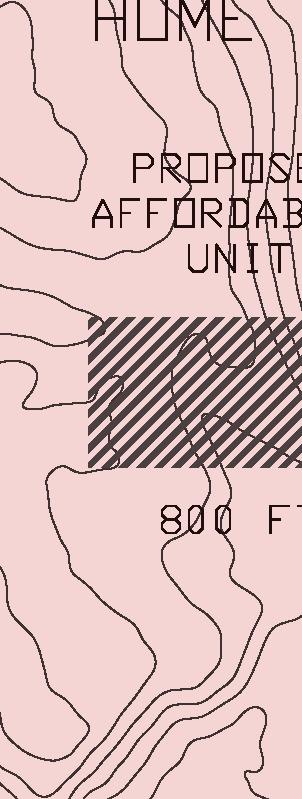
What landscape strategies can help make housing on Bainbridge Island attainable for low income residents? How can landscape architecture contribute to the emergence of a pedestrian-oriented urban village at Rolling Bay?
(1) BAINBRIDGE ISLAND, WA
(2) HOME FOR SALE ON B.I., 2020: SQ FT:6,317 SQ PRICE: $7,150,000
(3) AFFORDABLE HOUSING ON B.I.: FERNCLIFF VILLAGE WINSLOW COHOUSING
(4) YAMA,HISTORIC JAPANESE AMERICAN VILLAGE

SOURCES: (2) “Home Details.”Zillow.com: https://www.zillow.com/homedetails/3377-Tani-Creek-Rd-NE-Bainbridge-Island-WA-98110/67053520_zpid/; (3) (3) Housing Resources Bainbridge. “About.” Housingresourcesbi.org: https://www.housingresourcesbi.org/about/; Winslow Cohousing Group. “Winslow Cohousing.” Winslowcohousing.org: https://winslowcohousing.org/ Bainbridge Island Japanese American Community. “Yama at Port Blakely.” Bijac.org: https://bijac.org/artwork/yama-at-port-blakely-late-19th-century/
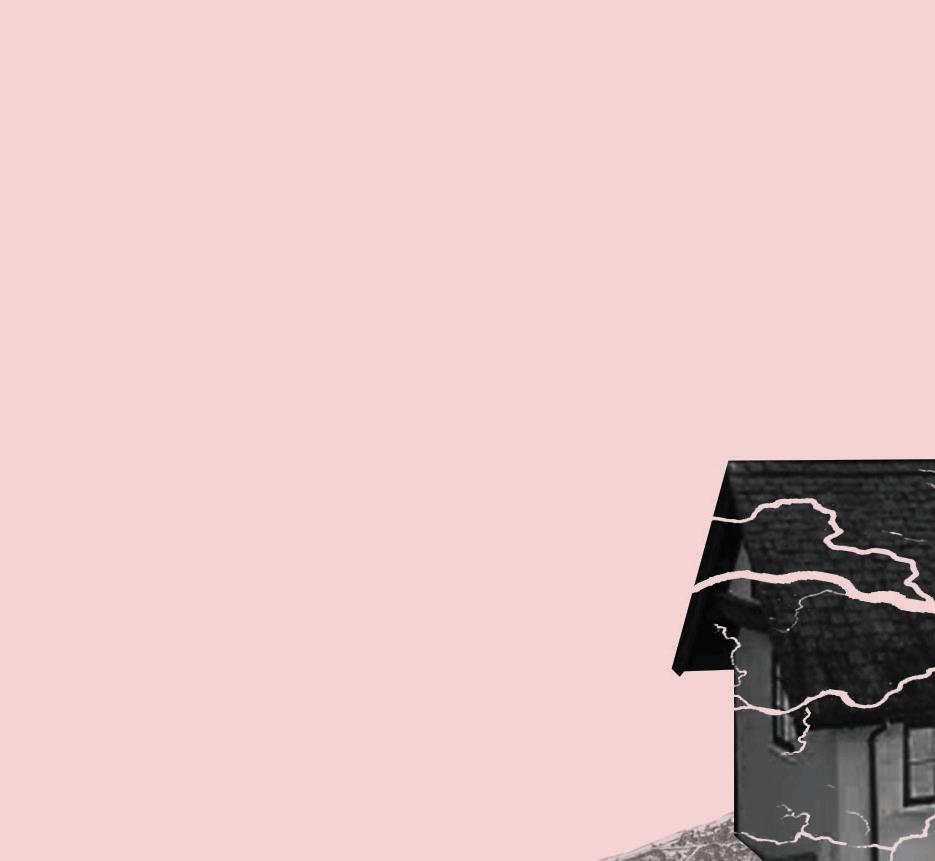

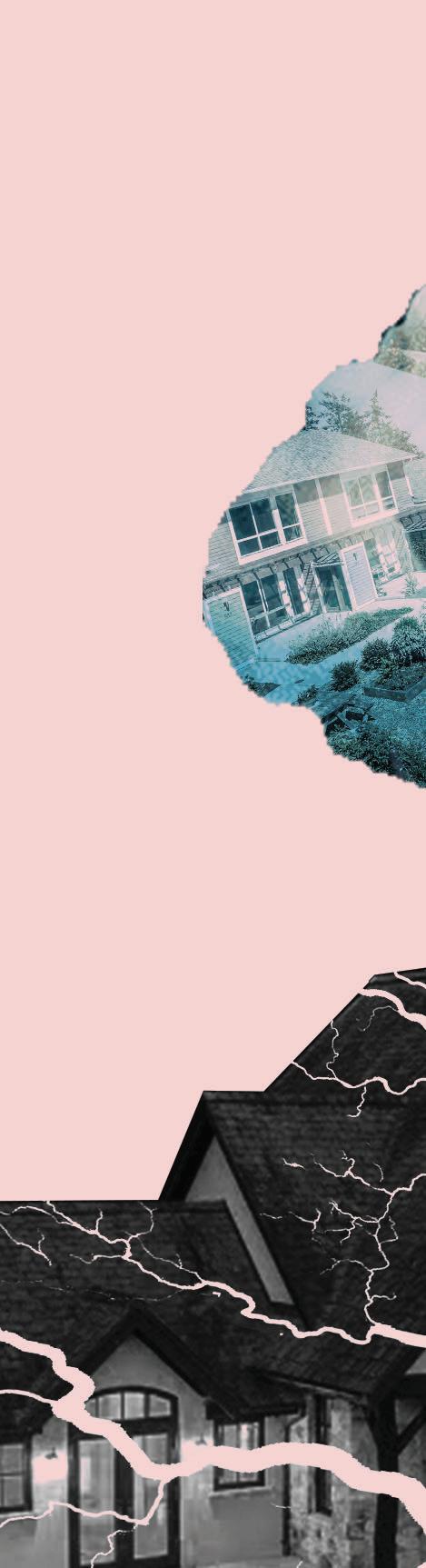
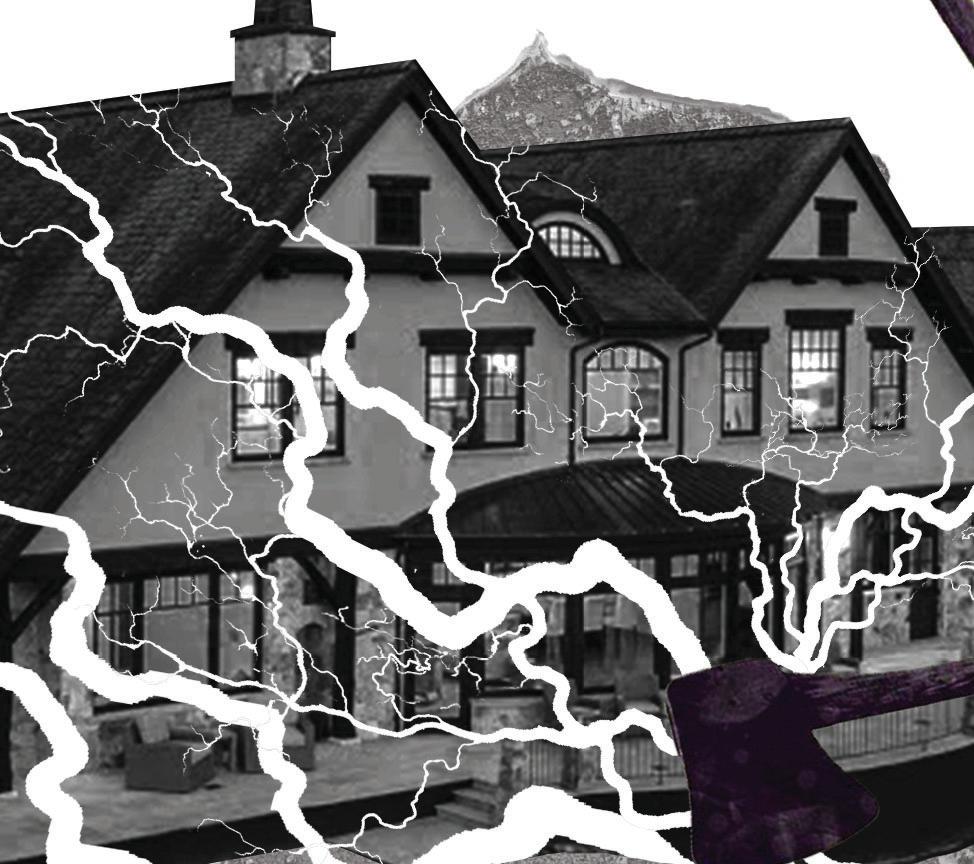
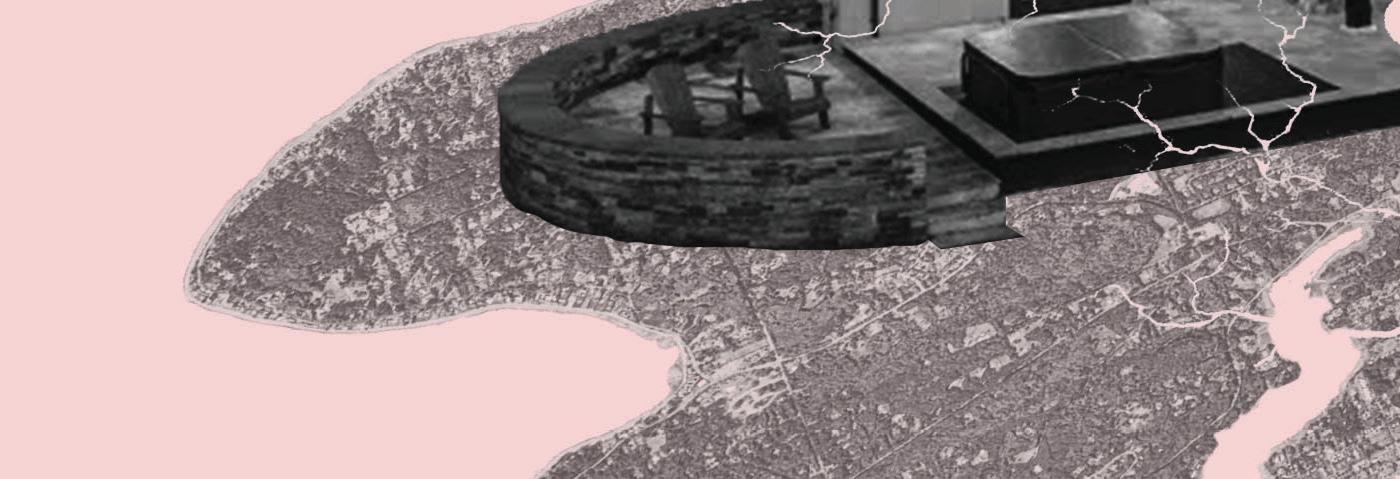

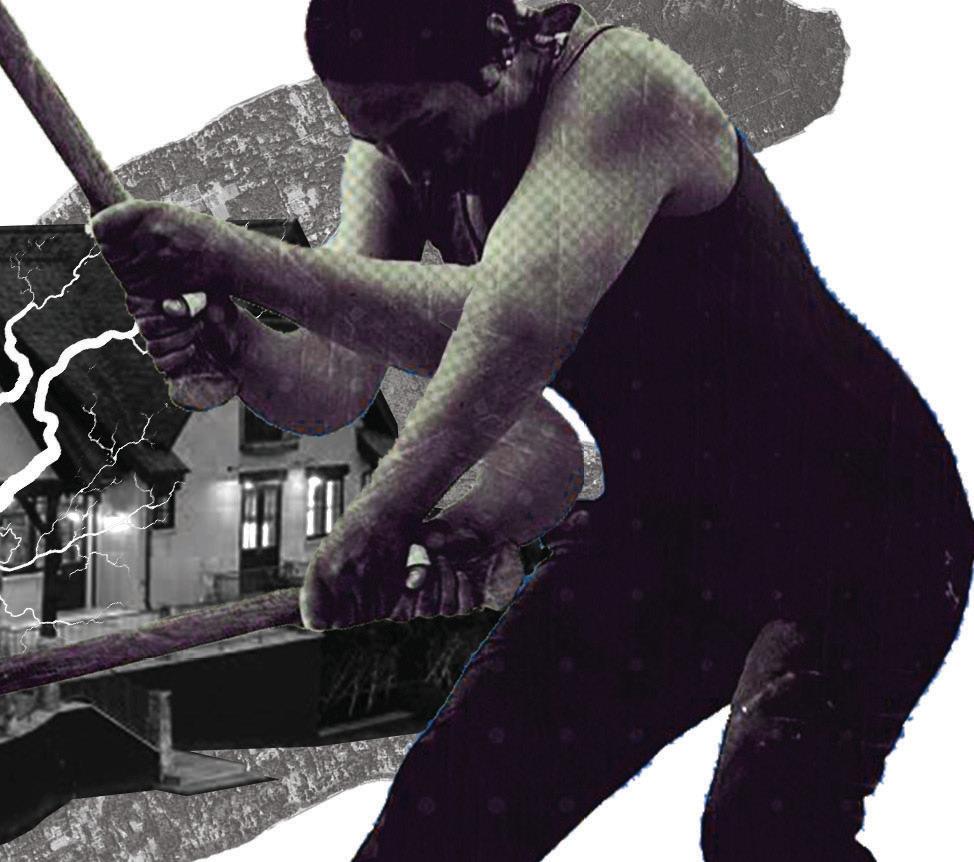




























































































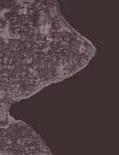
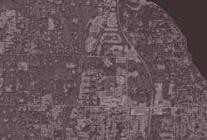
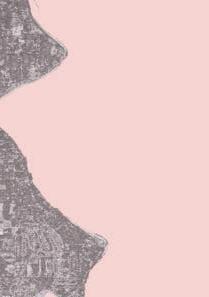
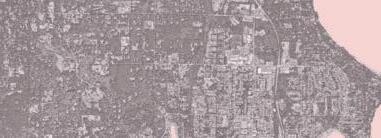
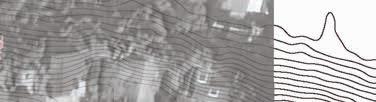
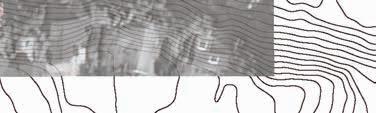
“But after a time, some the enchantment was really Islanders’ houses continued larger, and as they grew expensive. Eventually, that even the price of to be out of reach for by little, neighbors started



























began to suspect that really a curse. The continued to grow larger and grew larger they grew more they became so costly a humble farmhouse grew most people. And little started to vanish.”





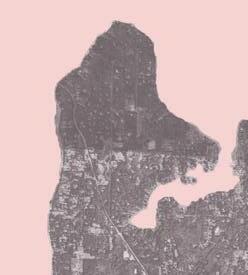

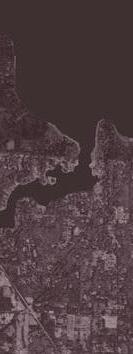
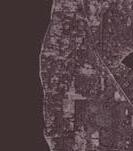
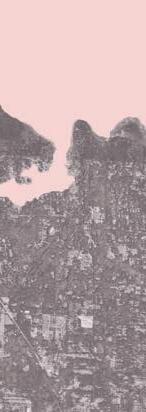
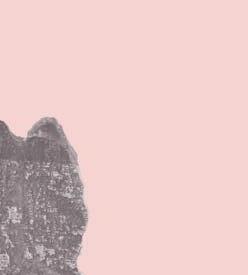
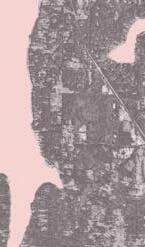





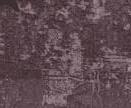

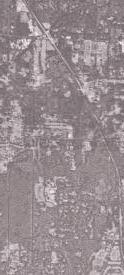
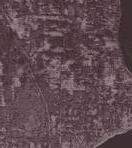
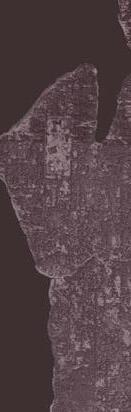

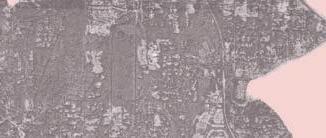


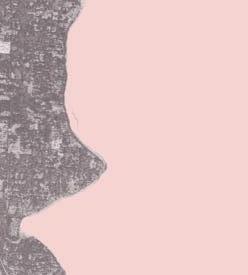









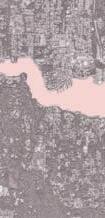
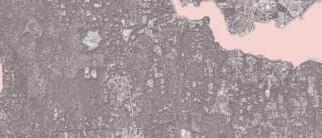
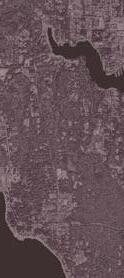
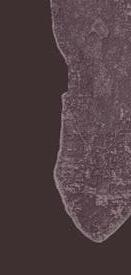
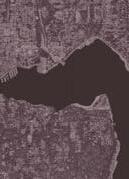


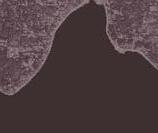



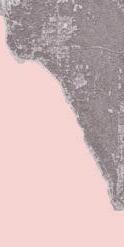



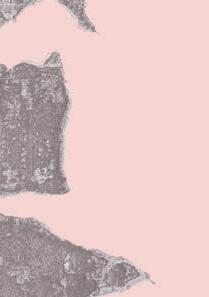
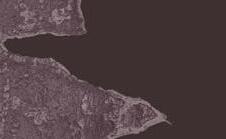

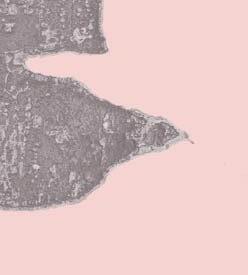
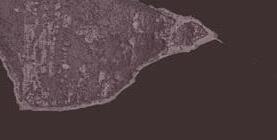




















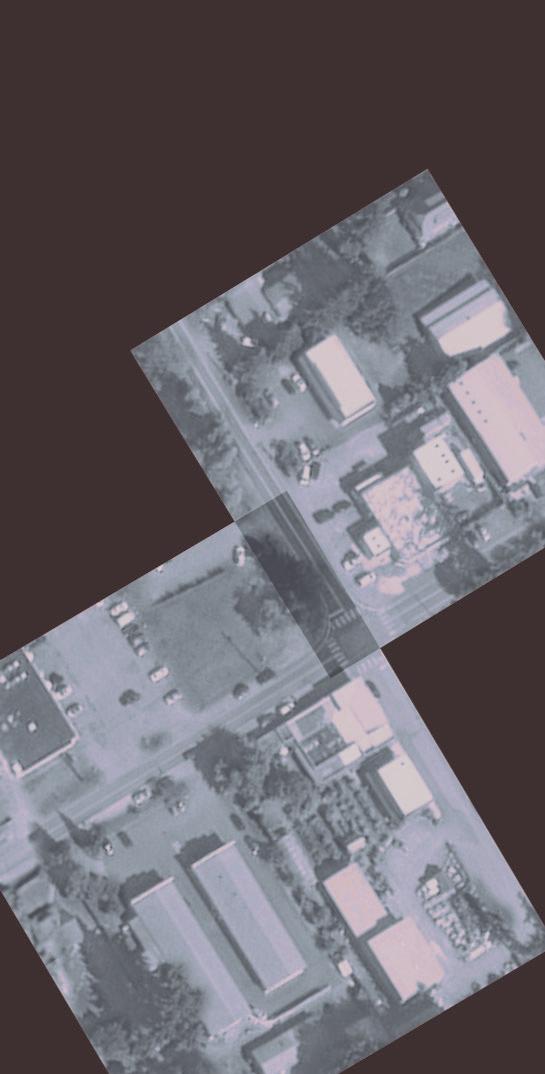







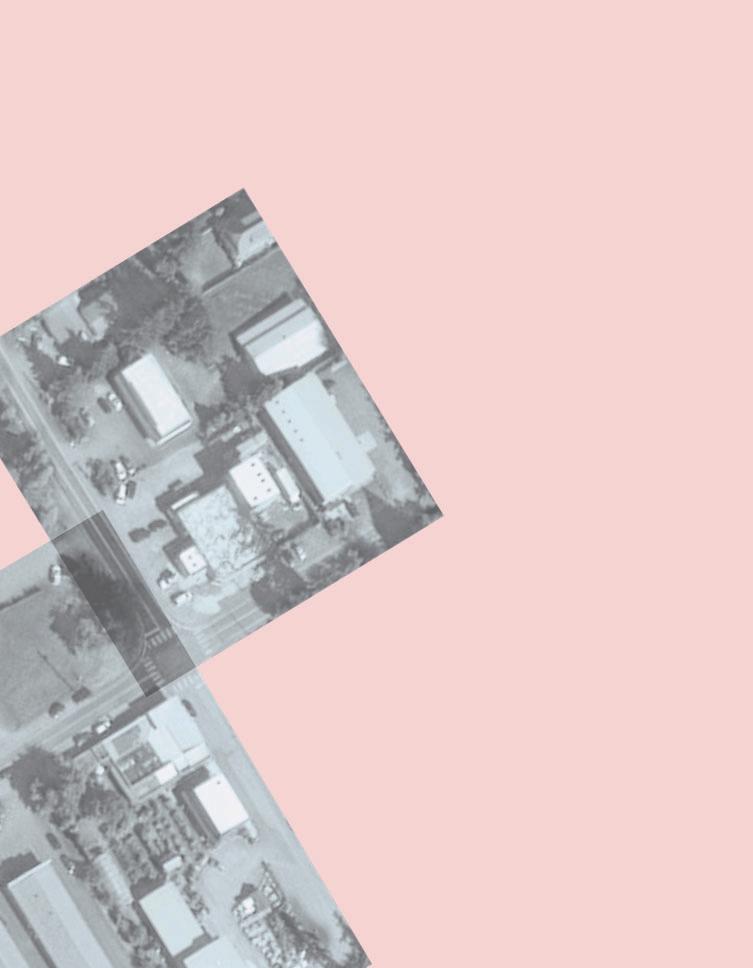
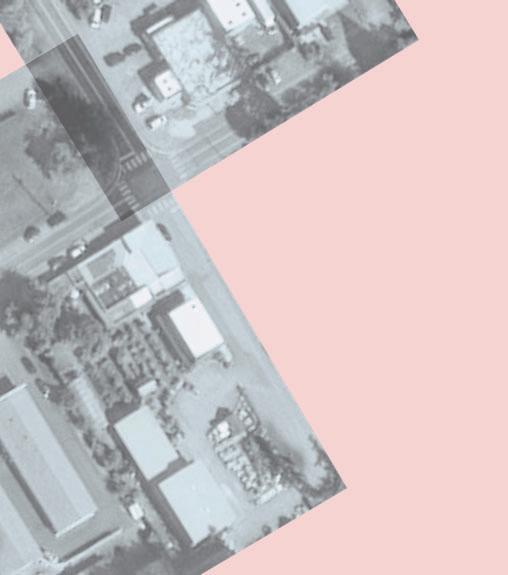





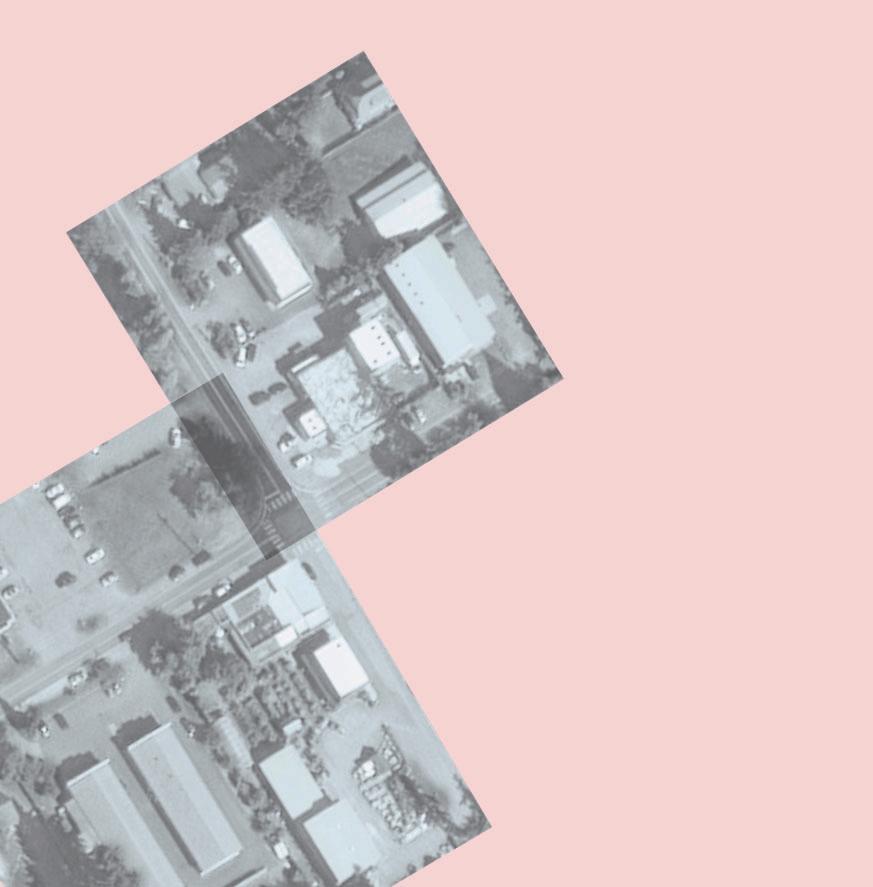







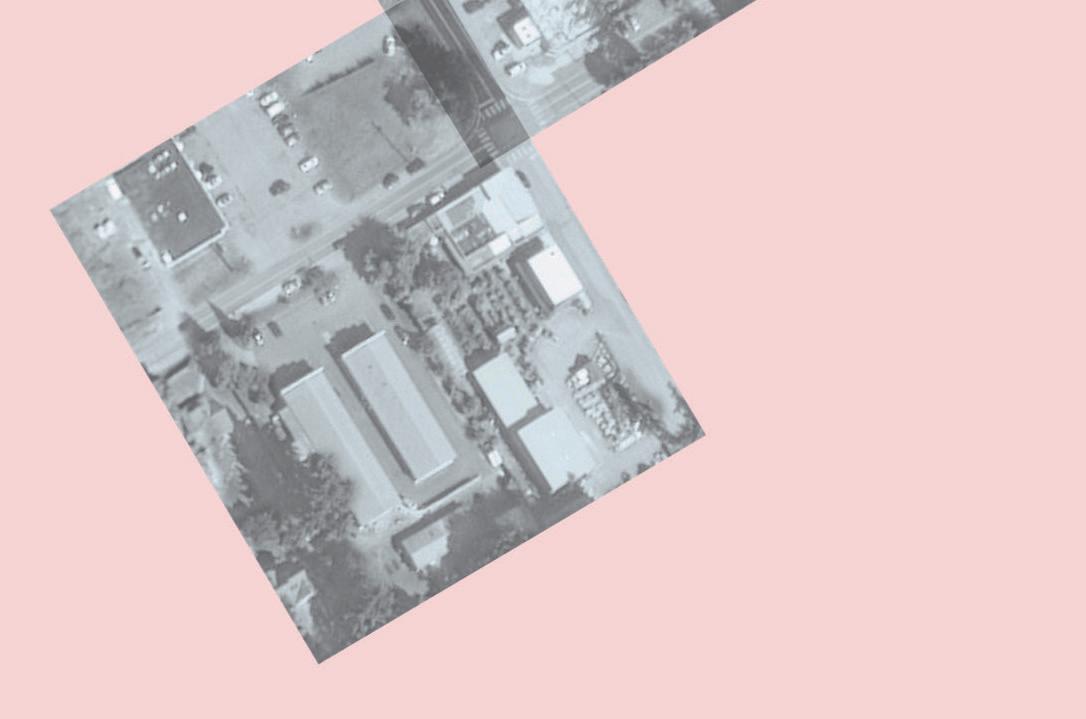

SOURCE: Kitsap County.”Township 25 North, Range 2 East: 5 Foot Contours.”[GIS Map]. https://psearch.kitsapgov.com/SectionDownloads/township.html?township=m










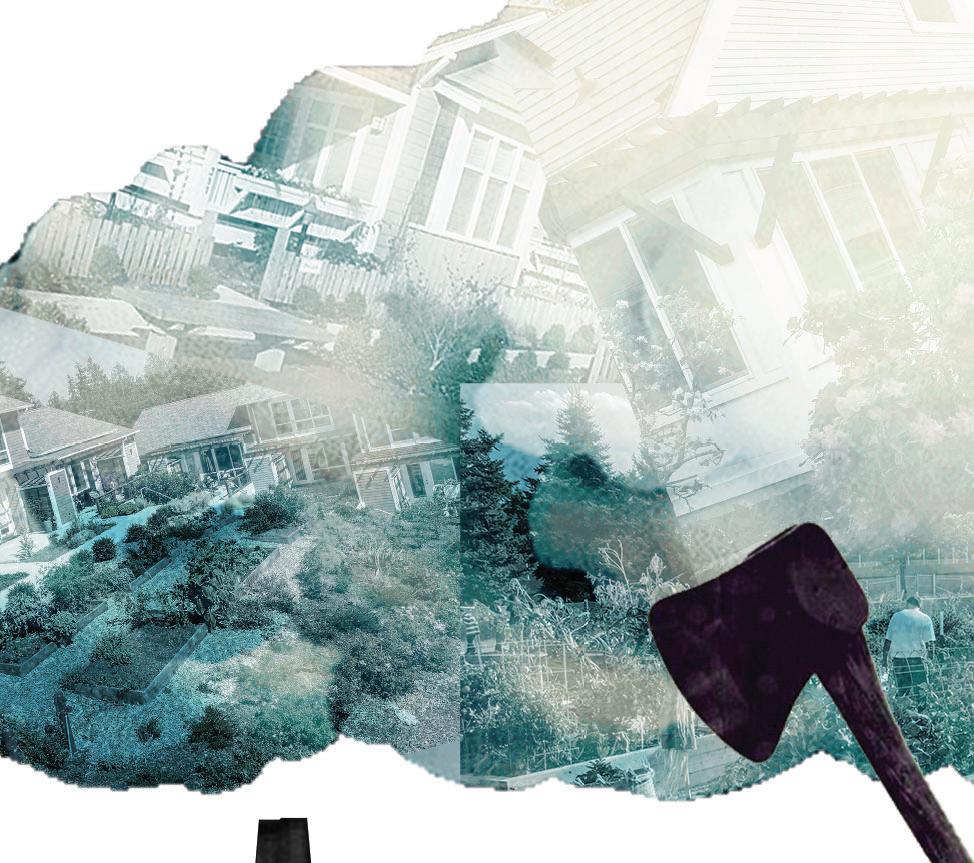
“A splendid garden sprang up from the furrow and raced down the hillside where the giants had fallen. In the blink of an eye, Rainbow saw a whole a new neighborhood appear before her. The garden formed terraces from the the top of the hill down to the shore below. It was bursting with fruits and fruits vegetables as well as native plants and tall trees. All the bits of the of the Sorcerer’s house had turned into tidy little cottages. Although each each cottage had been just a small piece of the Sorcerer’s enormous house, it had more than enough room for a family to live in comfort. Wide paths wound from one cottage to another up and down the terraces.”









































































































SOURCE: Shutt, Jason. (2020). “Bainbridge Island Market Report.”https://jasonshutt.com/bainbridge-island-real-estate/bainbridge-market-report/




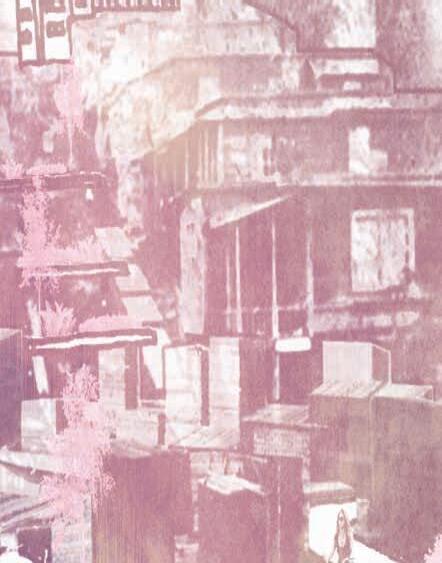
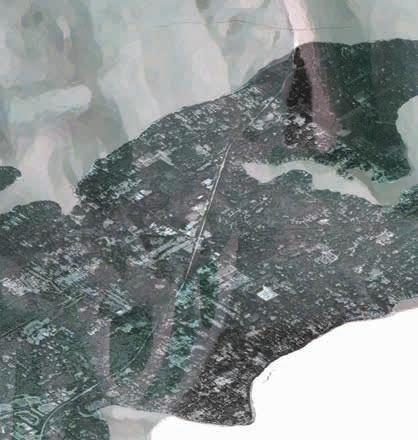
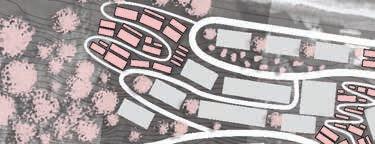
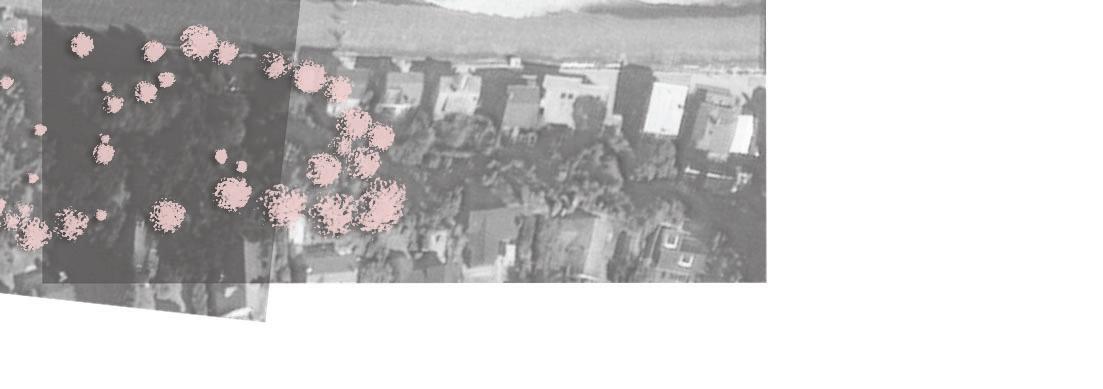
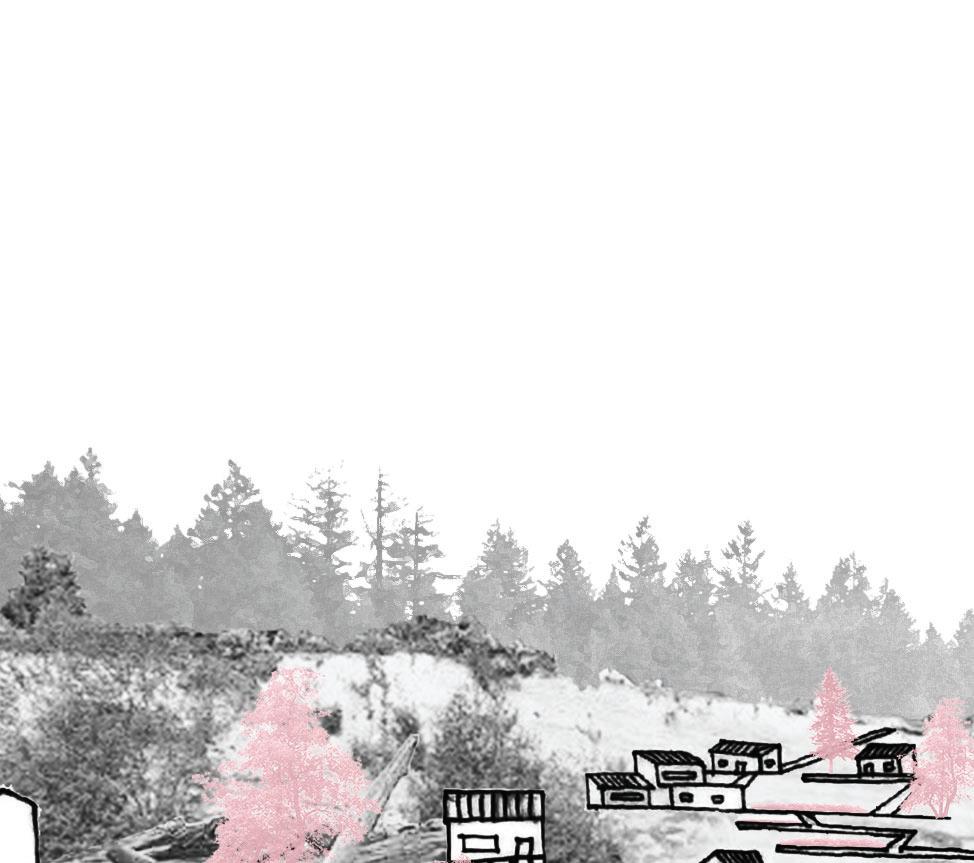
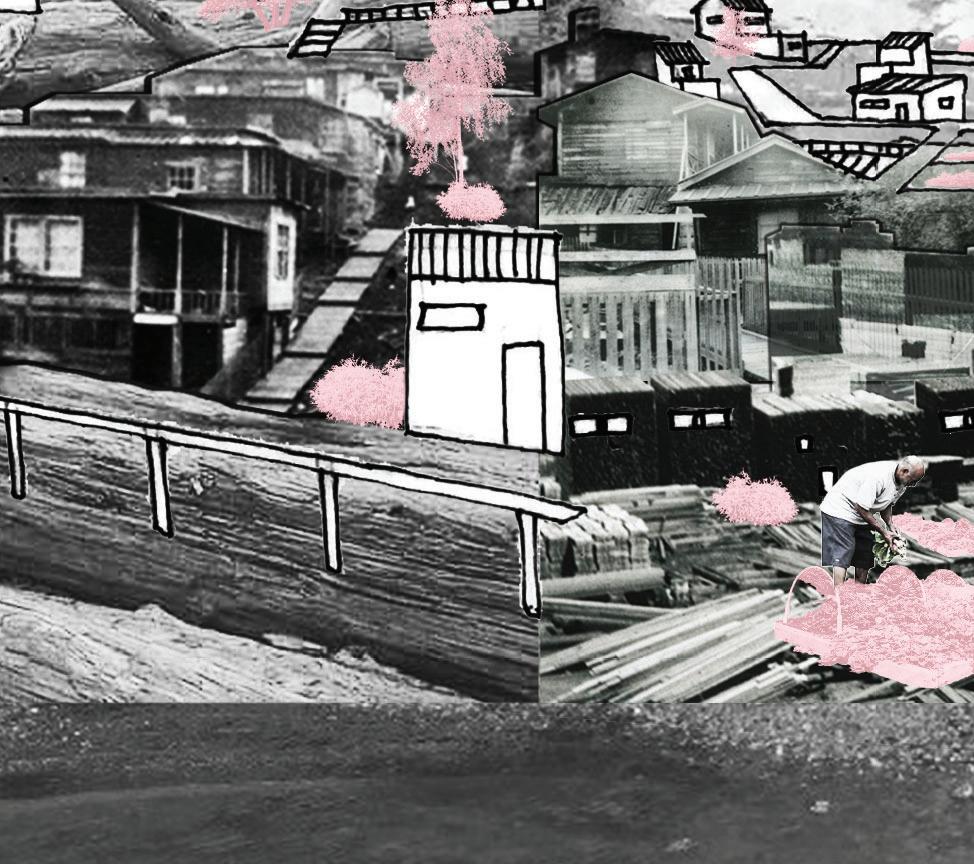
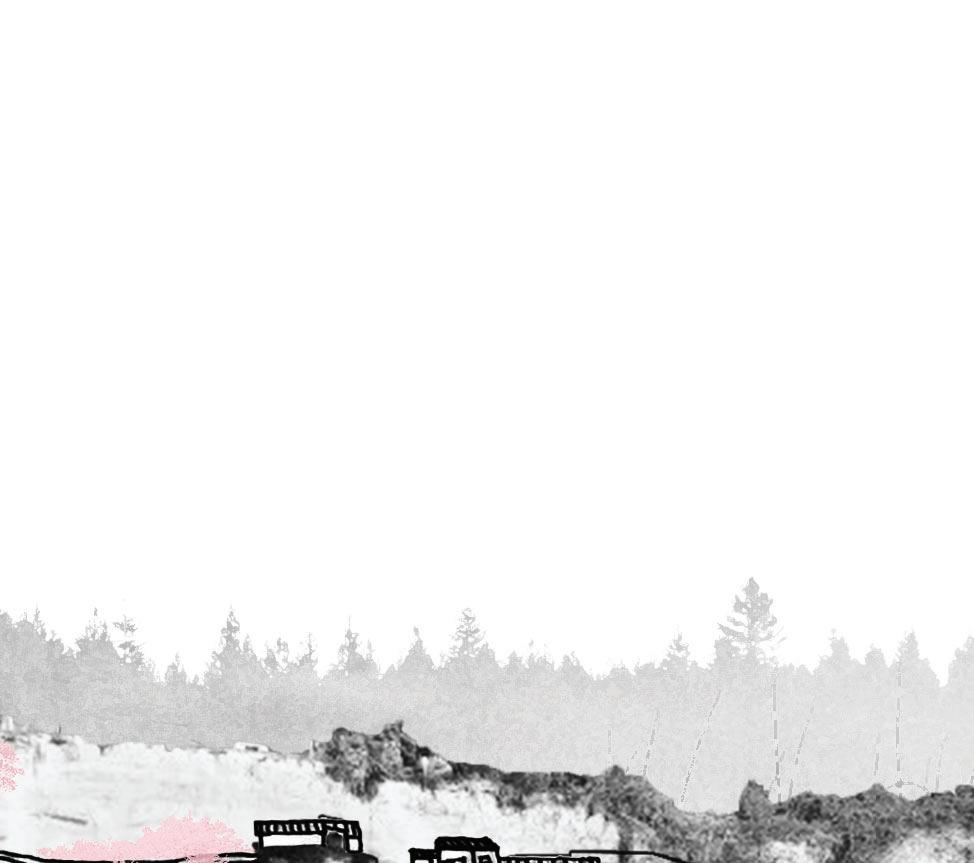
The design takes inspiration from Bainbridge Island’s history and from the land itself. References include the Island’s striated bluffs (1); banks of driftwood (2); the historic Japanese-American village of Yama (3); and the shipyards of Blakely Harbor, once home to the largest sawmill on the West Coast (4)
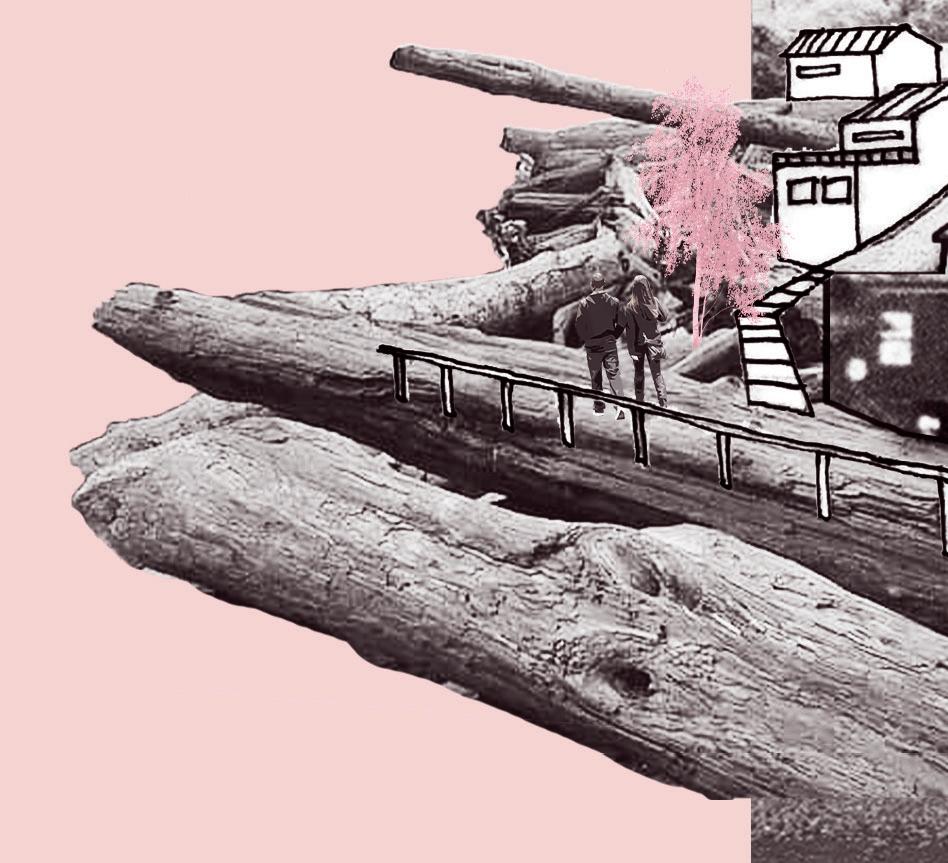
SOURCES: (1) Bellefeuille, Cathy. “Quitslund Bluff 3”. [Photo]. https://www.bainbridgegeology.com/ ; (3) (3) Bainbridge Island Japanese American Community. “Yama at Port Blakely.” Bijac.org: https://bijac.org/artwork/yama-at-port-blakely-late-19th-century/; (4) (4)Bainbridge Island Japanese American Community. “Port Blakely Harbor.” Bijac.org: https://bijac.org/artwork/port-blakely-harbor/








































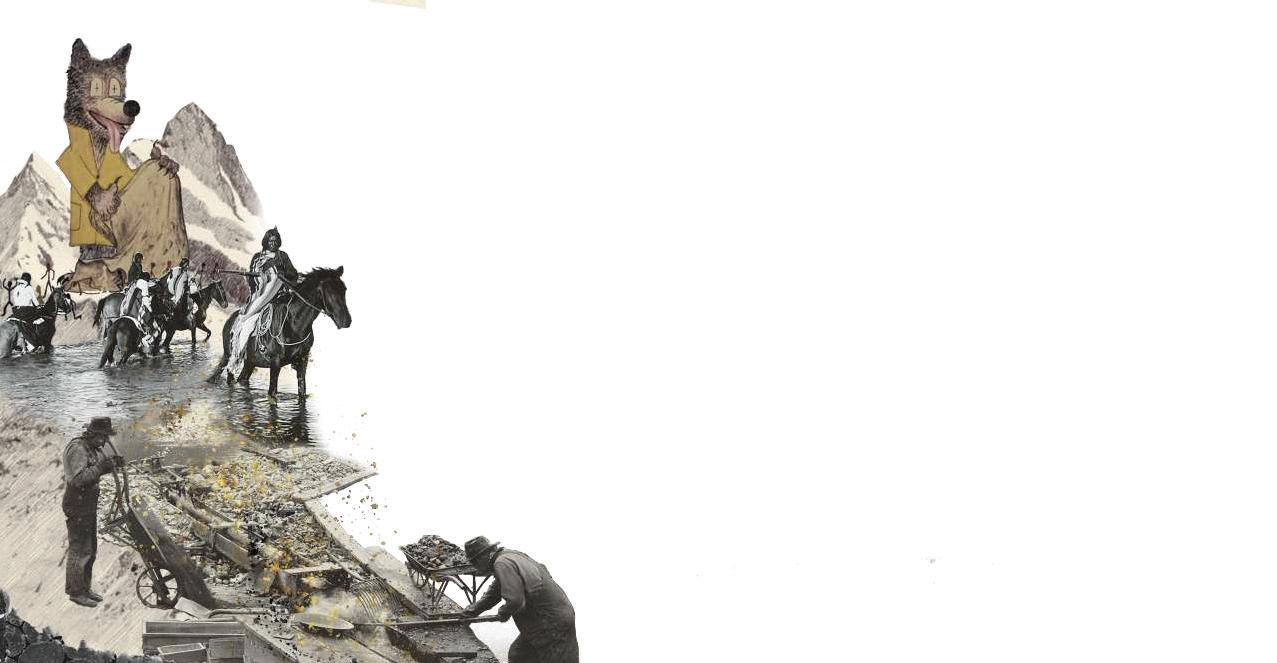
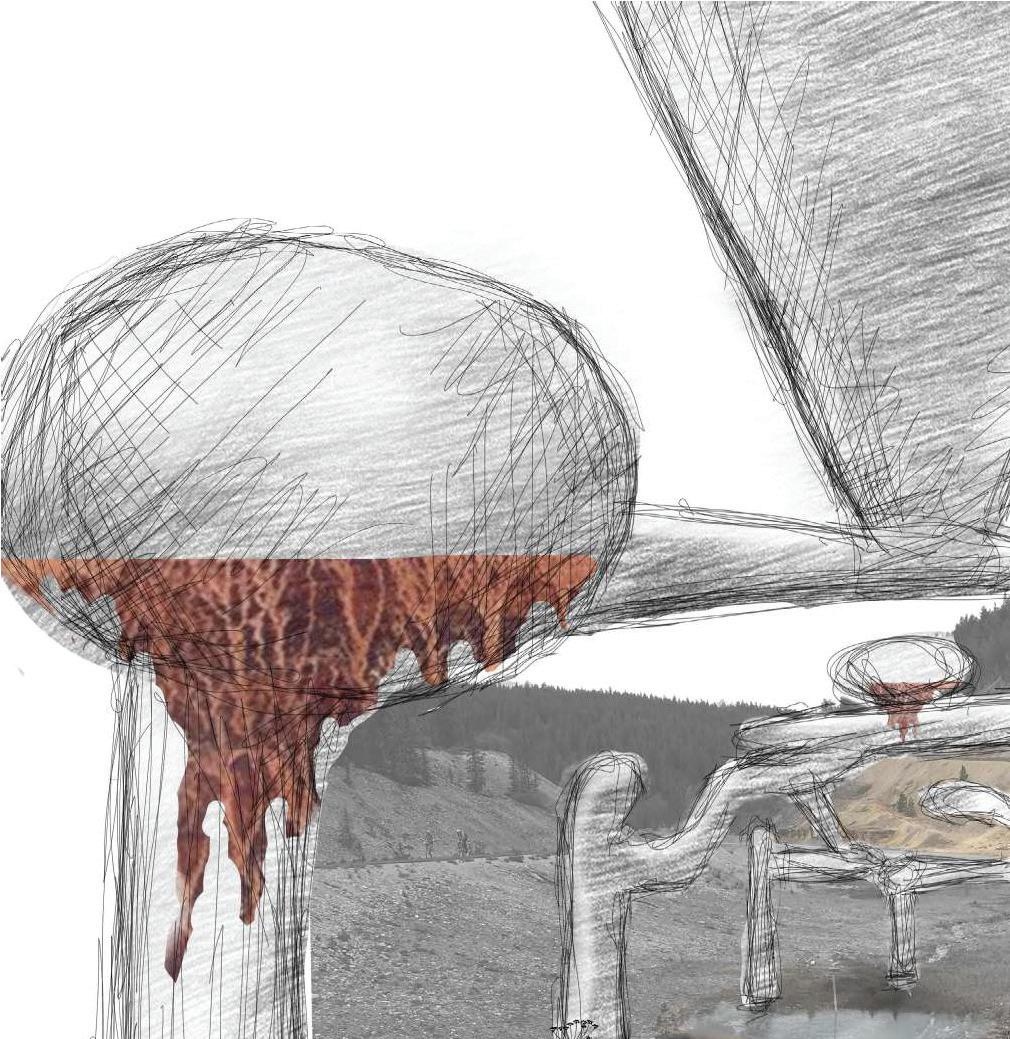
Oro was just shy of eight when he discovered he could talk to minerals. It was a harsh and hungry winter’s day, and everyone in the mining camp had tightened their belts for the long winter. Oro trudged through the valley with Mother’s only china tucked beneath his jacket, biting winds infiltrating his sparse layers and chaotic snow flurries threatening to disorient him. He thought of Mother’s tears when she wrapped the fragile porcelain in an old shawl and placed it in his hands.
Oro began to hear whispers, but thinking it was only the wind, he trudged on. As he struggled forward, the noise grew stronger and more persistent. He paused, perplexed, looking this way and that to discern the source. It wasn’t the whisper of the wind, but something lower and deeply resonant. He crouched, brushing snow from the slate underfoot.
Give us that which is loved.
Oro froze. The rock had spoken to him. He shook his head. “It must be the cold and my empty belly,” he thought to himself. He pulled the china to himself, and shivering, shuffled on through the swirling eddies. He had to get the china to the outpost so Mother could have broth to make her well again. But the voices rose to a deafening roar.
Give us that which is loved.
He looked down again, confused and desperate. What could the rocks possibly want from him? Shaking, with the fragile pottery clenched tightly to his chest, Oro realized there was one thing he might give to appease them. Mother’s china was beloved. Is that what the earth wanted? He unwrapped the bundle and gingerly placed it on the ground.
Cover us and return tomorrow.


Shaking his head woefully, Oro trudged back home through the snow. He was ashamed to return to Mother empty-handed, but mercifully she was asleep when he returned, breath rattling deep in her chest in harmony with the wind that rattled the ramshackle cabin. Beside her, his baby sister moaned and shifted, her small fist resting against Mother’s face.
The next morning, Oro rose as soon as the light broke through the cracks between the eaves. He stepped out into a golden morning, pines glistening in the sun under a fresh layer of snow. Carefully retracing his footprints from the day before, he hiked into the valley to the place where he had laid the china.
Oro dug away the snow, hoping the china might still be there. His heart sank when he realized it was gone, until he noticed the narrow yellow vein that shot across the dark rock that it once rested upon. Scraping his fingernail along the vein, the soft metal yielded. Gold.
Relief flooded his body. Hardly believing his luck, Oro stood and raced down the hill whooping, falling over himself to tell Mother the good news. That night, they celebrated with a lavish feast. The little cabin had never felt so warm.
Oro gained fame around the camp as he continued these exchanges, but he could scarcely keep up with the demand for gold. Each time, the rocks asked for something more cherished than the time before. Soon Oro had given the rocks everything of value he could think of, including the only photograph his family had of his father, and the church’s only bible, which he had stolen in a moment of desperation. Now the camp was again in a desperate state. All the gold they had found had been sold recklessly and quickly, leaving the miners with little food and a long winter ahead.
Give us that which is loved, the Rocks sang to Oro in repeating choruses.
“I have given you everything of value,” he responded. “What more do you want?”
Give us Life.
Oro puzzled over what this could mean for a time and then, with a start, he realized what they must want. He recoiled in horror. But it could not be helped. He had no choice, it was all that was left, and the whole camp was relying on him.
That night, he waited for Mother’s steady breaths to signal she was asleep and then removed his baby sister from her loose embrace. His sister stirred but did not cry. Oro left the cabin with haste and ran to the spot with the singing rocks. He dug a shallow hole and placed her within it, piling small rocks on her until he could not see her.
The next morning Mother screamed when she realized her baby was gone, and Oro, flooded with guilt, went to rectify his wrong. But when he got to the place where he had left his sister, she was no longer there. He fell to his knees in anguish. Then his hollow gaze caught sight of the glitter beneath the stones he had left his sister under.
Oro decided he must come clean. When he told Mother, she wailed in despair, pulling at her hair and clutching at the bed frame to steady herself. After gathering herself, she left without a word to consult the leader of the mining camp.
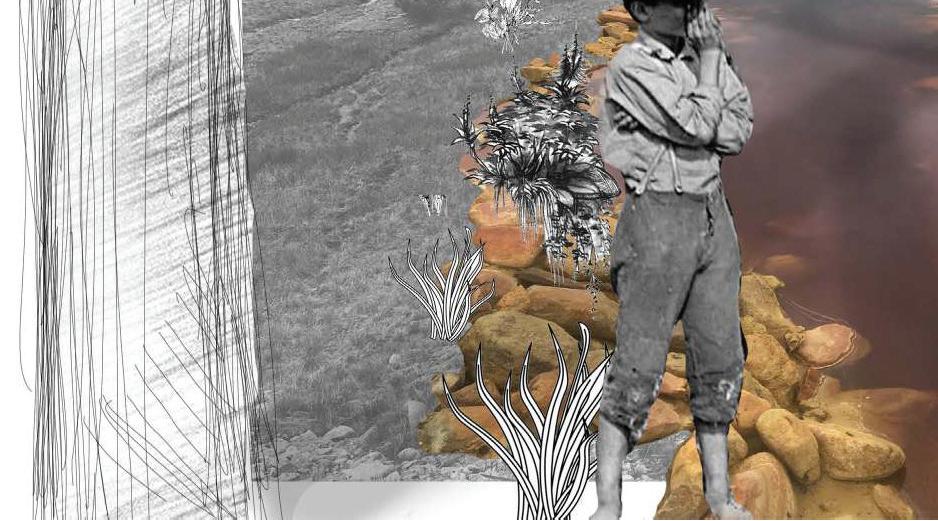
The old man assembled all the miners to hear Oro’s story, and together, they trundled off to the spot where Oro had left his sister. But the somber tone shifted when the miners glimpsed the gold. They excitedly started digging, realizing the vast extent of the deposit, bigger than anything they’d seen. No one commented on the fact that the river had turned blood red.
Reassembling in the small church, the old man cleared his throat to address the crowd. “Sometimes we must make hard choices for the good of society,” he said. “Oro, yesterday you were a child. Today you are a man. We thank you for your sacrifice.”
The room erupted in cheers. But his mother was not cheering, and Oro knew he could never return to her house again.
The miners built Oro a mansion, where he spent his long and lonely days, feeling empty and unhappy. An anger grew in his heart for the Rocks, which had taken from him everything he loved. He swore to himself he would never speak to them again. But as the last gold deposit dwindled, the town pressured him once more to return to the Rocks, threatening exile if he refused. Finally, he gave in.
He was drawn to a spot by the river, where the stones jutted out, causing a disturbance in an otherwise peaceful flow.
Give us that which is loved, the stones intoned.
“I gave you everything, and now I have nothing left!” Oro erupted.
We gave you Sparkles, the stones replied. There is balance.
“But I don’t love gold! I loved my family!” Oro said, tears welling up in his eyes.
Your kind does not agree. I know not why your kind values my Sparkles, but I know the price they will pay for them. Our kin, placed here by the Sky Coyote long ago and expelled by your kind, celebrated our Sparkles but never scarred our flesh to take them from us. They sang to us every day. These days we are so lonely, only spoken to through shovels that dig into our aged flesh relentlessly. The voices trailed off, and Oro felt their sadness.
“Well what do you want from me?” Oro said, wondering what more the Rocks could possibly demand from him.
Give us the Future.
It was the easiest exchange yet, for Oro felt no attachment to it. Across the region, whole cities and economies seemed to spring up from the gold he found that day. They named the mining camp after him for his contributions to society and he was celebrated as a hero. No one talked about the orange stained rocks and dark red water that poisoned people.
But as Oro watched his children grow up and have their own children, he valued the Future more and more. Deep shame and remorse grew in his heart. Feeling himself reaching the end of his life, he longed for peace.
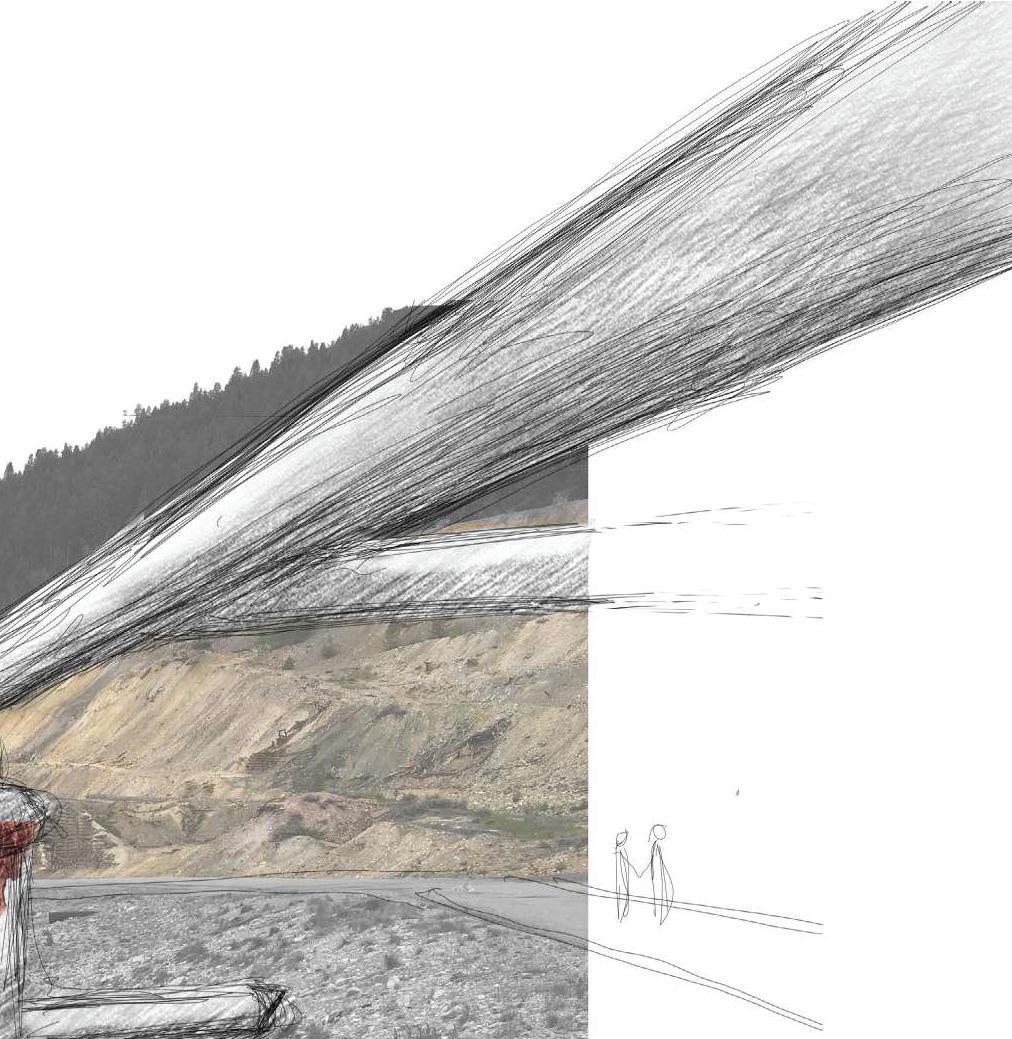
It had been nearly a century since he last spoke to the Rocks. Oro had learned to ignore their whispers and hums, but today he finally heeded their persistent calls. He huffed up unstable scree to the summit of the highest peak and looked across the desecrated landscape with shame. Pockmarked and stripped of vegetation, mine waste littered the hillsides and toxic red water spilled into the Arkansas River headwaters.
“I’m sorry,” Oro said, and truly meant it. “How can I right these wrongs and get the Future back?”
To get the Future back, your kind must value us for more than just our Sparkles. We are so tired. Stripped bare and bleeding. You must heal our wounds and never forget what you did to us.
Oro spent his last days teaching his children and their children what they must do to right his wrongs. He was returned to the rocks for the final time with hope in his heart.

Ute creation story tells how the Creator gives a bag to Coyote to open on sacred grounds, releasing the Utes







First of a series of treaties ceding Ute land for mining purposes in exchange for food and animals never given




Colorado is prolaimed a territory






1863

Abe Lee finds gold in California Gulch. It becomes Oro City and has 10,000 prospectors by the end of the summer





Placer gold is exhuasted, Oro City population drops to less than 400
Sluicing placer gold
Utes cede Mountain area in Brunot Agreement


Printer Boy Lode, first underground mine, brings a second gold rush. Oro City is re-established



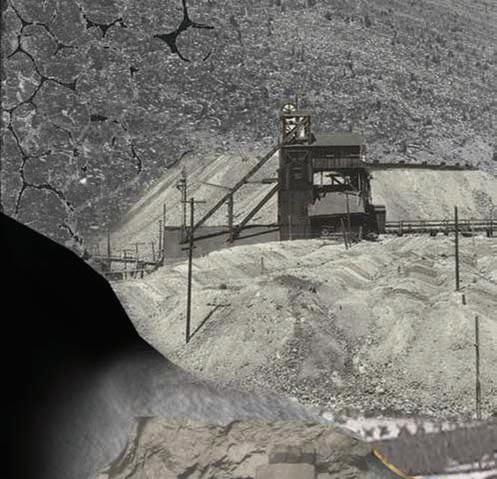
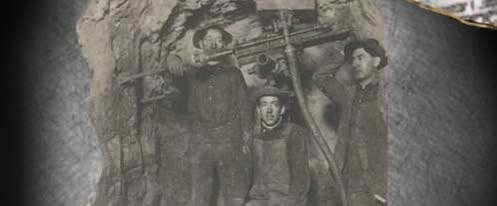
Yak tunnel, a four-mile long tunnel draining 60 miles of tunnels into California

California Gulch/Oro City
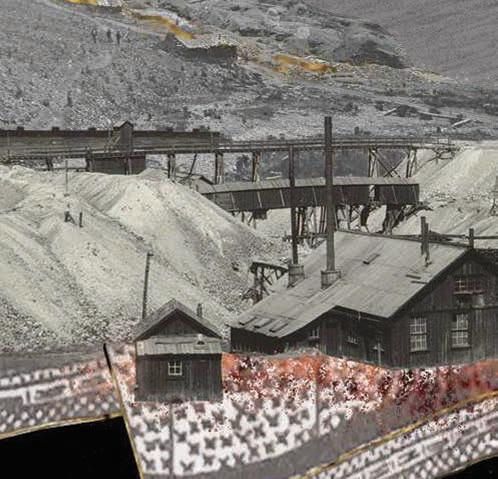
The Iron Fault, formed 50 million years ago, provided a pathway for hot, mineral-rich solutions to find their way upward from deep within the earth, leaving rich deposits of silver, gold, zinc, copper, and other minerals
https://www.historycolorado.org/mining-industry-colorado https://www.thefreelibrary.com/A+river+reborn.-a014536175 http://exhibits.historycolorado.org/utes/utes_home.html#invasions http://www.carbonatecreek.com/paleokarst/leadville/leadville.html https://coloradoencyclopedia.org/article/ute-history-and-ute-mountain-ute-tribe https://www.irunfar.com/2012/05/a-totally-serious-history-of-silverton-colorado.html https://www.geocaching.com/geocache/GC1XQRB_gold-hill-anatomy-of-a-gold-mine https://coyotegulch.blog/category/colorado-water/arkansas-basin/leadville-mine-drainage-tunnel/ http://coloradopreservation.org/programs/endangered-places/endangered-places-archives/leadville-mining-district/
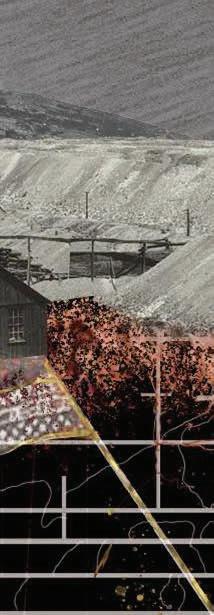




San Juan
Mountain mining Brunot Agreement
1873



Colorado achieves statehood

1877
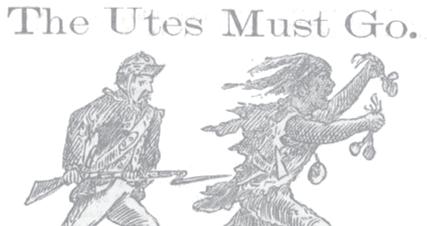
After White River events, outcry causes Utes to lose more homeland

Dawes Act passed, dividing tribal land into allotments



Ute allotment encorced by US gov. Reservations broke into small pieces

1898 today 1879 188718931895 1876
tunnel drains 4 gallons a day and cadmium, copper, and other metals into the Arkansas which is found to be biologically dead
1960’s



Silver Boom in Leadville begins


Silver Panic devastates mining industry


Molybdenum found in CO (Bartlett Mountain)

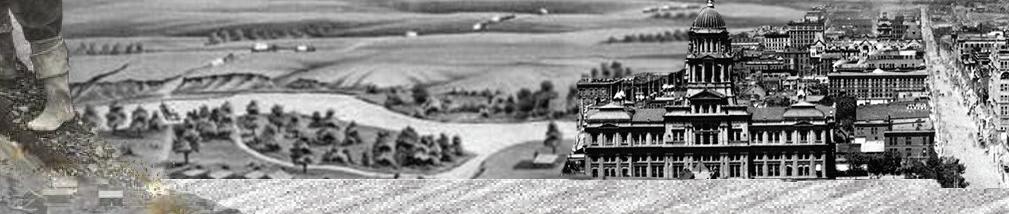
Denver quickly transforms from an unexplored frontier of Kansas territory to a booming metropolis due to the flow of precious metals along the mineral belt.The same succesive mineral discoveries lead to massive land loss for the Ute People.
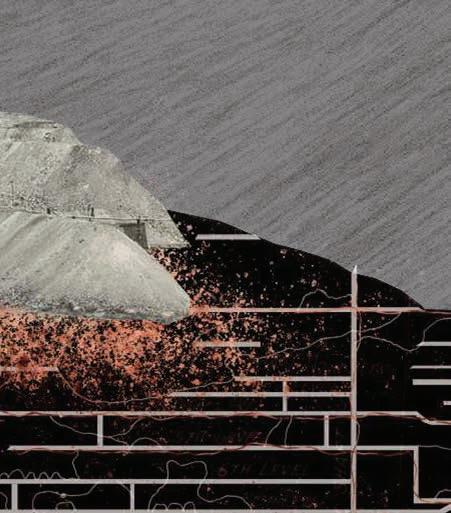
Leadville’s mine drainage formally classified “pollution” as testing finds that more than 90% of effluent affecting the upper Arkansas originates at two old drainage tunnels
1970’s
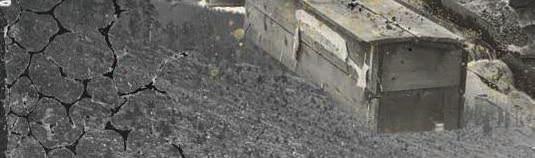
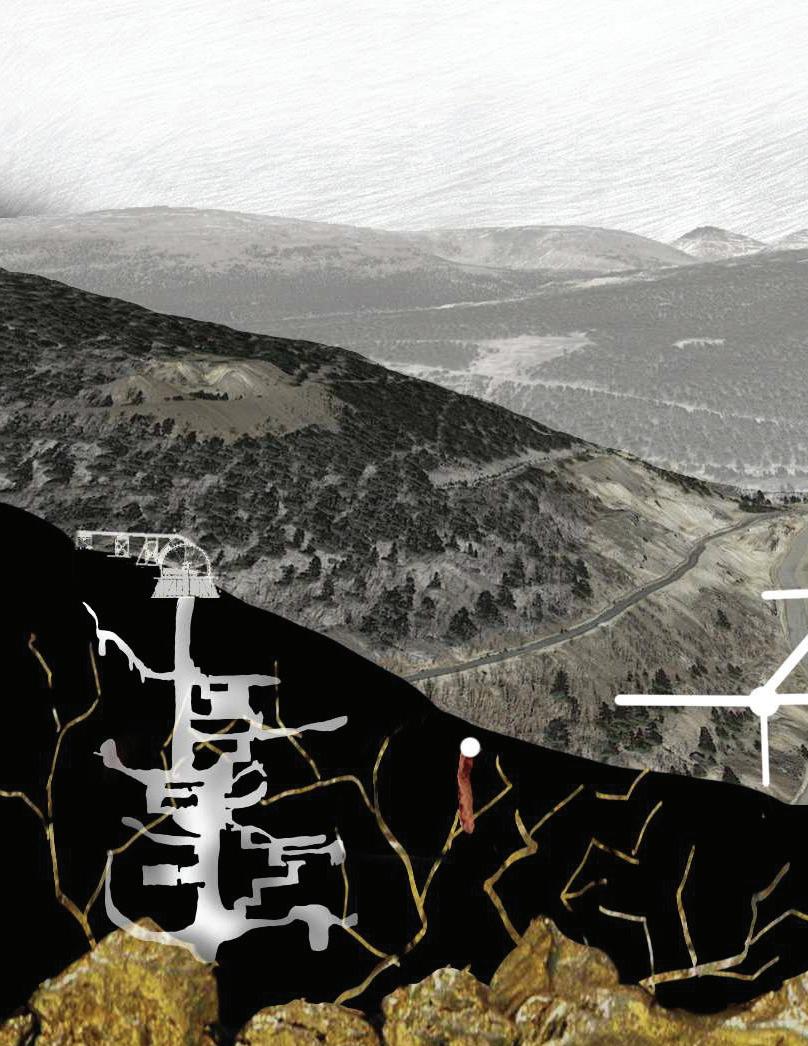
The Leadville Mining District has hundreds of abandoned mines that make up many miles of underground shafts. Over 2000 waste rock piles are spread across about 630 acres, many of which leach toxic metals into the Arkansas River.

California Gulch added to EPA’s national Superfund priority cleanup list after Yak Tunnel blowout
1983


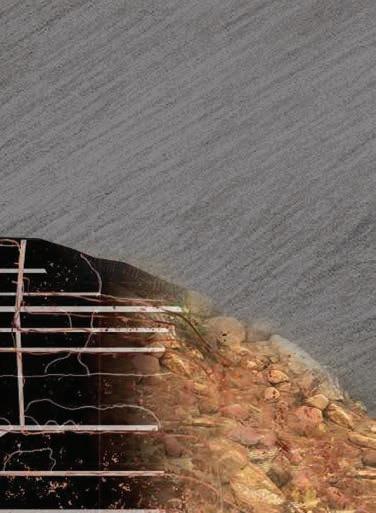
Leadville Drain and Yak Tunnel water treatment plants completed. Both have high operating costs and produce slag that must be put in landfill or transported to a smelter to extract metals
1992




Leadville Mine Drainage Tunnel collapses, almost releasing 1.5 billion gallons of toxic water into the Arkansas River.
2008

Subsurface mining exposes metal sulfide minerals such as pyrite to water and air, forming sulfuric acid and heavy metals which leach into waterways

drainage


waste
gulch superfund site mineral belt trail
tributaries water treatment plant
hwy 24 major mine shafts & tunnels
TOPOGRAPHY
arkansas river















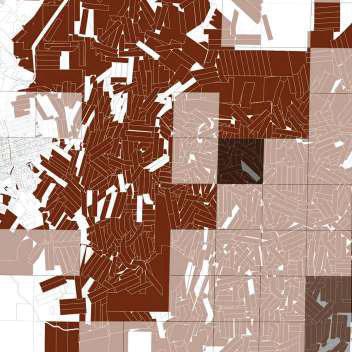
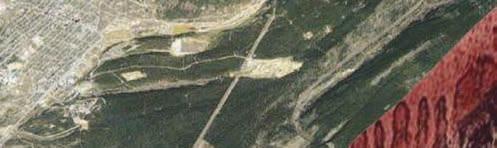
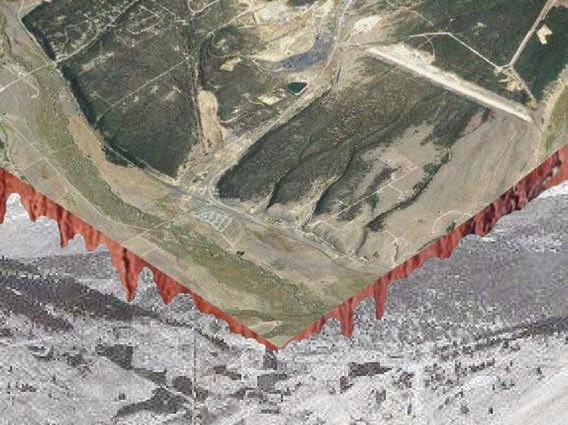
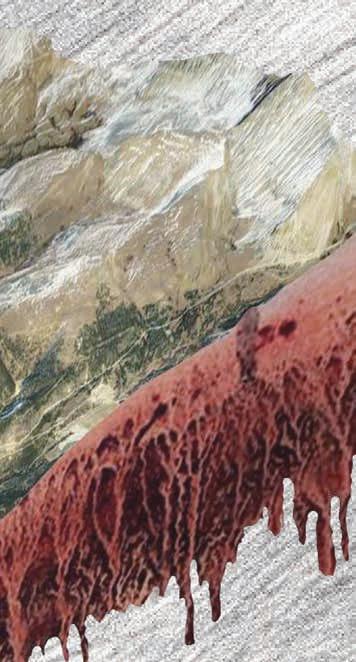
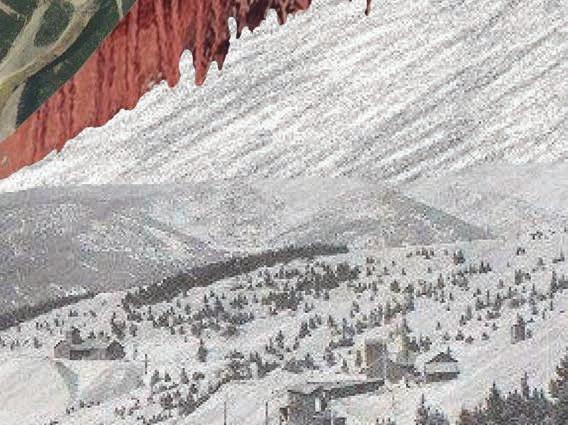
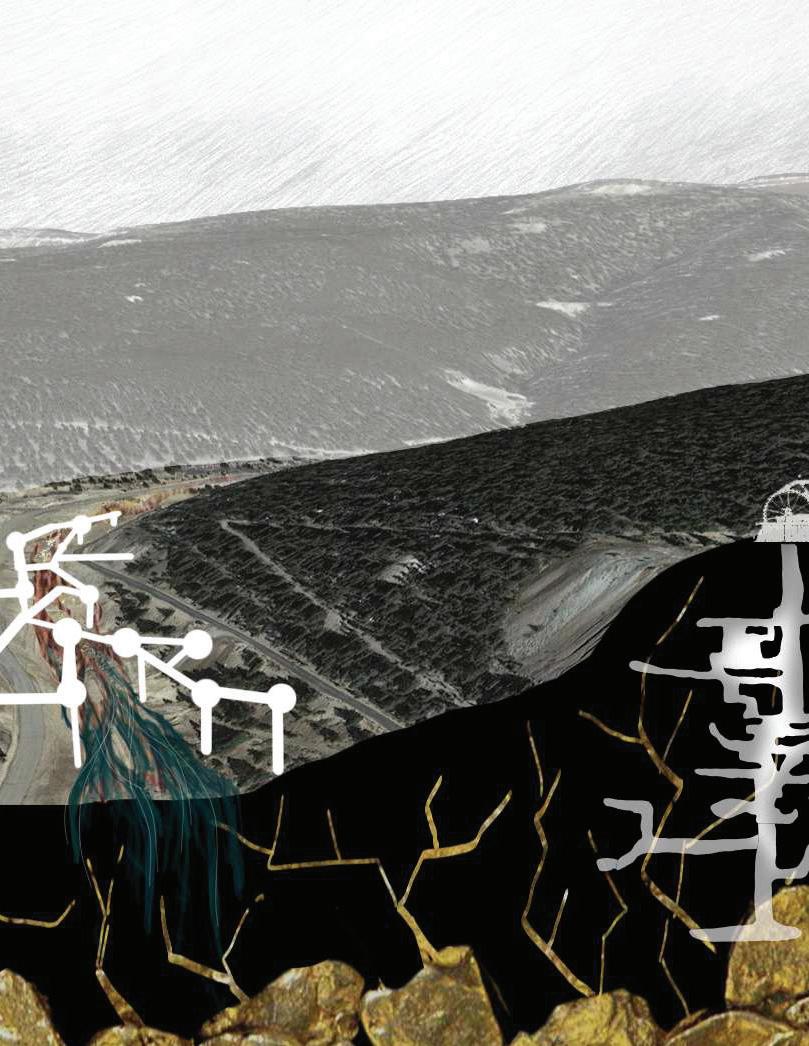
Mining claims were hastily made following the in the area in the 1860’s, the criss-crossed surface still seen today. Overlaid subsurface claims (black closed), showing that surface ownership in the US is often This is a legacy of mining, to this day

The Mineral Belt Loop Trail is an 11.6 mile trail that was created in 2000. It goes through the historic mining center of town and through mine sites in the surrounding hills, including California Gulch. There is interpretive signage largely celebrating its mining history.

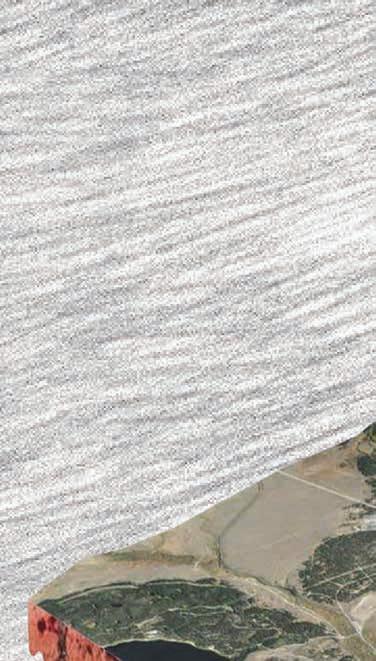
The California Gulch Superfund site was established in 1983 by the EPA after Yak Drainage Tunnel collapsed, releasing toxic metals into the Arkansas River. two tunnels now drain to waste water treatment facilities, but these are quickly. Mill tailings, slag, waste rock deposits, and numerous processing facilities leach acid and heavy metals.






























































blm mining claims california gulch/ oro city




Beneath the Leadville Mining District lies miles of underground mine tunnels and shafts. These are ticking time bombs, continually accumulating and leaching acid and metal contaminated water.There are over 23,000 abandoned mines in Colorado, with no sustainable plan to deal with them.
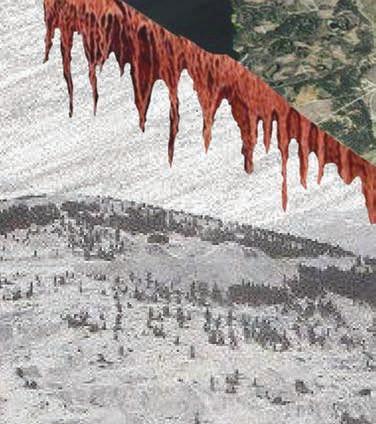
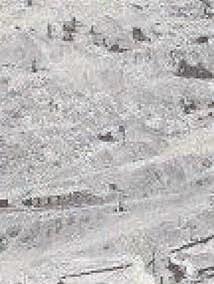
the discovery of gold 1860’s, accounting for property patterns

after the River. The aging facilities

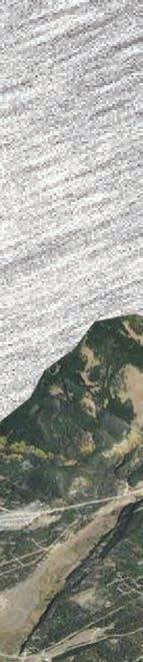
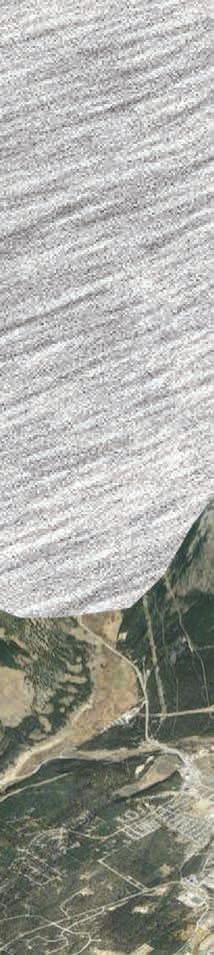

colorado’s history is rooted in settler colonialism and extraction. the booming mining industry that built colorado was only possible after displacing its original inhabitants. furthermore, extraction activities created environmental hazards that haunt us today. these hazards are not addressed in a preventitive way, rather, they are dealt with as they become emergencies. yet the history of mining is celebrated as an integral part of the state’s heritage.
how do we reconcile the chrished cultural memory of mining with its toxic legacy while restoring ecological functions to the landscape to ensure the wellbeing of future generations?
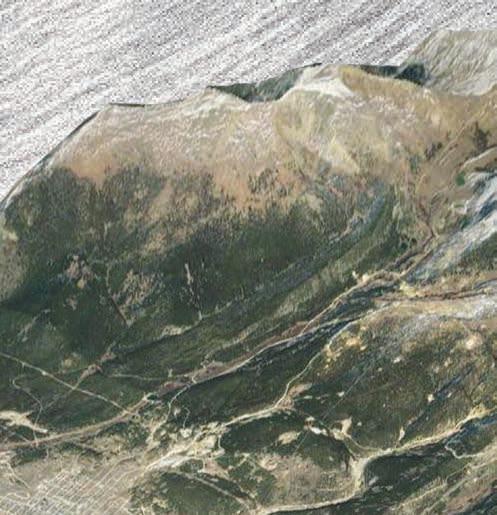

Overlaid are the BLM is active, white is surface and subsurface often mismatched. mining, which continues https://www.mineralbelttrail.com/





water treatment structures
making visible the invisible
california gulch
clean water to arkansas river
from placer gold to mine tailings to clean water on-site
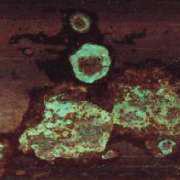
removes metals decreases acidity





PHYTOREMEDIATION
constructed wetlands phytoirrigation
stabilization mats
stabilize pollutants high biomass crops accumulate toxins


easier to extract can accumulate in body, lead to lung and kidney damage
easier to extract
adversly affects humans and aquatic life
very difficult to extract can lead to severe organ damage
difficult to extract harmful to aquatic life
“Phyto” (2015) by Kate Kennen & Niall Kirkwood
“Sulfate-reducing bacteria as an effective tool for sustainable acid mine bioremediation” (2018) by Ayangbenro et al.

“Acid mine drainage remediation options: a review” (2005) by Johnson & Hallberg

Once upon a time, there was a small boy named Lee. He was nine years old and live with his parents in Qingdao, a city known for its clean seaside and delicious food. His father owned the most famous local restaurant. Lee was so smart that when Lee is 5 years old, he could tell all the ingredients in a dish without tasting it; when he is 7, he could use the most common ingredients to replicate the most famous dish’s taste that made from the expensive ingredients in his father’s restaurant.


One day morning, when he tried to finish the breakfast his father prepared for him, he could not help but spit all out: it has no taste! He soon found out that everybody in center city had lost their taste. People lost interest in eating foods and started to become sick and mournful. One night, Lee got a dream. A kindly old man comes to his dream and whispered to him, with the sound of the tide: Come to the seaside, go through the Labyrinth, retrieve what once was yours, Bring back what once was mine, then he disappeared with the smell of sea. Lee had never been to the beach before. People in the city rarely leave the city because they have so much work to do. Lee told his parents about the dream and the whispering. After consideration, his parents decided to take him to the seaside.
When Lee and his family arrived at the seaside, they found out that the once wellknown beach is gone, instead a Circleshaped Labyrinth formed by countless vendor, booth, food truck and small restaurant. There were so many cars that Lee could barely figure out where is sea. Tourists and people who live at seaside, however, did not lose their taste at all. The sun was going down when they arrive at the seaside, so they decide to spend a night outside the Labyrinth. The hotel they set in is owned by a passionate, huge middle-aged catfish. When being asked about the Labyrinth, she start to weep. “Forty years ago, the beach was clean and beautiful. But as great seafood starts to attract tourists, things start to lose control. There were no people regulating the order and place of the stall, so Labyrinth start to form.”
“As time goes by, few people knew what’s at the center of the Labyrinth. Some people said the first restaurant opened at the beach was at center, holding the secret of making the best food in China, waiting those who dare to enter.” The catfish paused for a while and continue, “if you dare to go inside, please try to find my daughter. I lost her 5 years ago, she should be at your same age.” In return, she gave Lee two things: a map for the Labyrinth and a pair of beautiful jade chopsticks. She said it once belonged to her girl.
Lee was the only person in Qingdao that had the ability of knowing the food’s cooking method and ingredient without tasting. Thus, his parents trusted him and let him in. According to the map, the Labyrinth had three layers. The outside layer was congested with tourist and small food truck. Garbage were throwing everywhere, some of those are as high as small mountains. Lee knew overflowing garbage must had blocked the way to the second layer. After a few talks with a local owner, Lee was permitted to borrow a vendor for several hour. Lee used the ingredient in her food truck to replicate the taste of his father’s restaurant famous dish. The smell quickly draw a lot of people’s attention. Lee also set some huge garbage bins at the side of his food truck. To get his food, one didn’t have to pay anything but to clean up part of the maze and throw garbage into the right categorized garbage bin. Because his food was so great and no one could resist the smell of his dish, the maze is quickly cleaned up and the entrance of the second layer is revealed, tourists followed him to the second layer as well.
The second layer of the maze was much more complicated: it got more restaurants, more convoluted path, and there are many dead ends. One could be easily attracted by the delicious smell from restaurant and never get out. Thus, Lee strapping a long rope around his waist and going into the maze. Whenever he encounters a dead end, he would persuade the food truck owner to move out and line up with other venders. Lee would then back out to the last cross. In this way, not only Lee find the way to the third layer, the vender could also expose more to the public and the second layer would not be so complicated.
As Lee went deeper and deeper, he noticed that the surrounding has changed. The houses were made of colorful coral, mermaids were selling pearls and small mirrors to girls, sharks were selling beers to wales. Lee finally reached the center of the maze-it was a gorgeous palace. He remembered that in ancient Chinese stories, the palace under the sea belongs to the Dragon King—the ruler of the sea. Dragon King admired Lee’s courage and offered him a match with his royal chef: if Lee could make better food than his royal chef, he could take the book that record the secret of best food. Otherwise he would stay here and make food for him forever. Lee noticed the royal chef is a beautiful small catfish. Although Lee has lost his taste, he learned so much from the cooking method in the maze. Finally, he successfully mimicked the taste of the hotel’s dish and served it to the catfish with the pair of cute chopsticks. Small catfish recognized the taste and the jade chopsticks, she was so moved by the taste and admitted herself beaten.
Dragon King later admitted that it was him who used the smell of garbage to block citizen’s taste, as the people didn’t appreciate the beauty of the sea and doesn’t control the flow of tourists. After talking with Lee, Dragon King agreed to send small catfish back for family reunion, send General Shrimp and Captain Crab to regulate the seaside and give Lee the secrete of food.
The small catfish carried him back. Lee looked back when he prepares to leave the seaside—the labyrinth is gone, now it is now a regulated and clean market benefit from what he had done. The sea now is shining under the moonlight, peacefully.
People in city now got their taste back. By the advocation of Lee and his father, people are more willing to spend their time
along the seaside. Lee also find out the book that should record the secrete of food is a book of white paper. Lee recorded the things he learned in the maze, and eventually he become the best cook in China. Some says his beautiful wife looks like a beautiful mermaid, some says it looks like a catfish. But one thing is sure.
They lived happily ever after.
LARGE SCALE FOREST COVERAGE
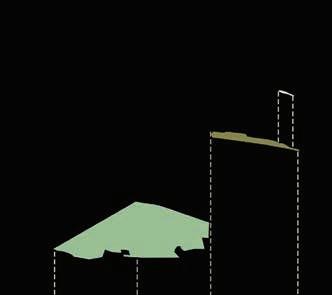
SHI LAO REN BEACH, QINGDAO, SHANDONG, CHINA
EASY ACCESS PUBLIC TRANSPORTATION
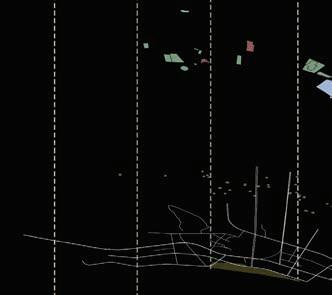
CORE ECO-PROTECTION AREA NEARBY
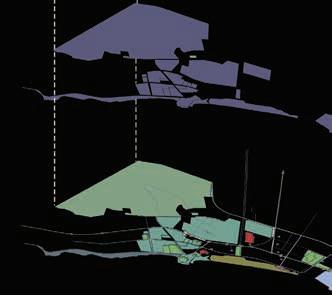


DENSE URBAN SURROUNDING
GOVERNMENT OWNED BEACH, FRE FOR ALL
Function Overlapping
Long shoreline = Large Plaza
Few showering center, restrooms and drinking fountain
Overcrowded boundary area

Food Vendor Regulation
Large amount of customers during summer
+ new policy that supporting vendor business
= limitation of the shoreline ecology
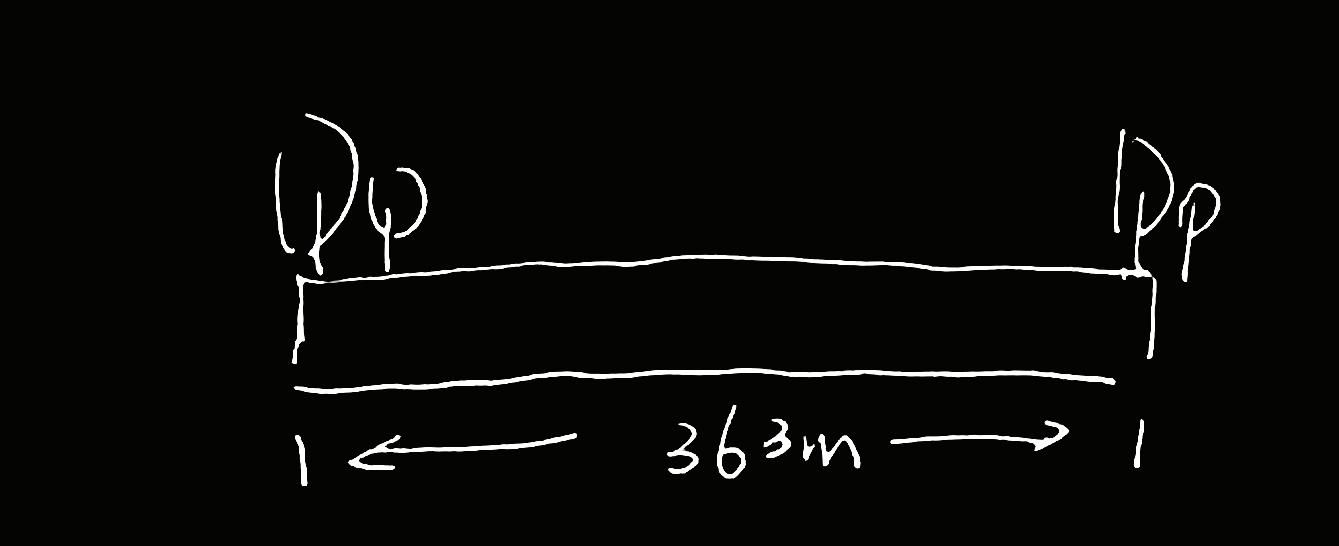
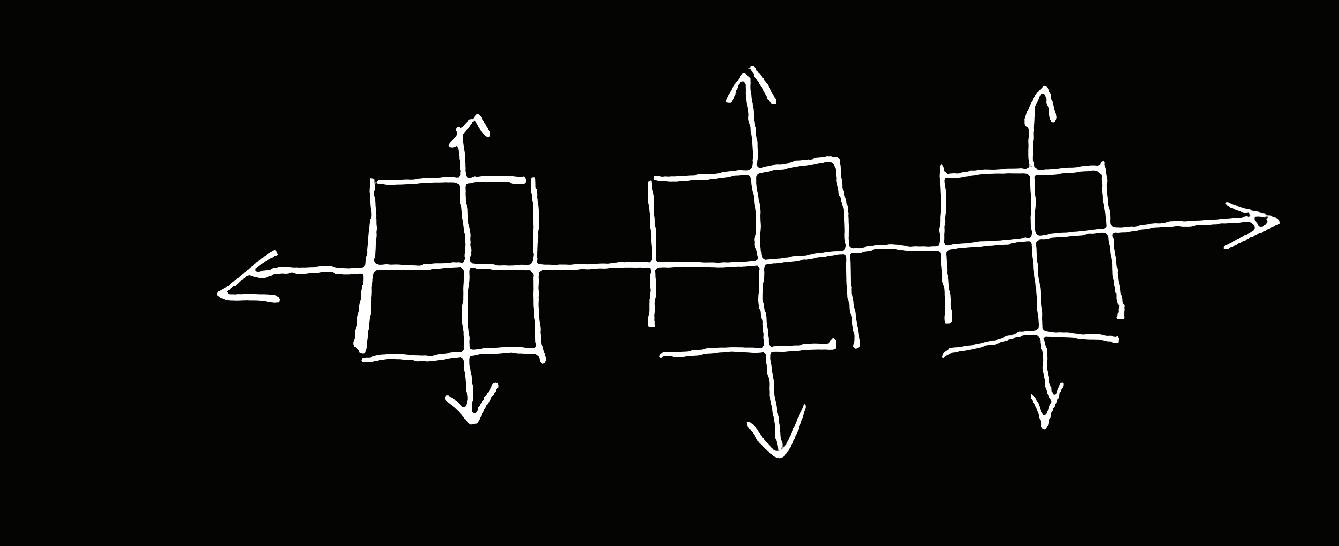

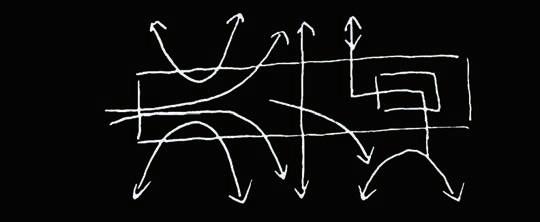
TOTAL LENGTH
363 METERS
3 DOUBLE CROSSING FUNCTIONAL AREA
TRANSITIONAL SPACE EXPERIENCE
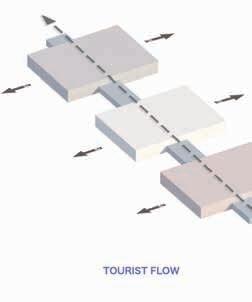
SMOOTH MOVEMENT GUIDING SYSTEM
MULTIPLE VENDER
ARRANGEMENT FOR DIFFERENT SITUATION




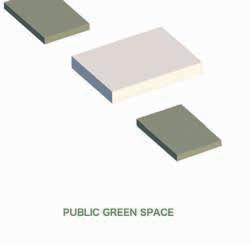
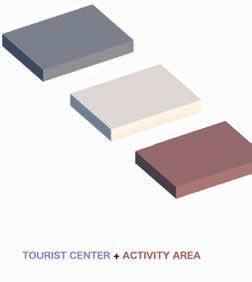
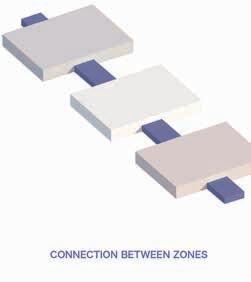

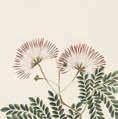
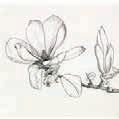
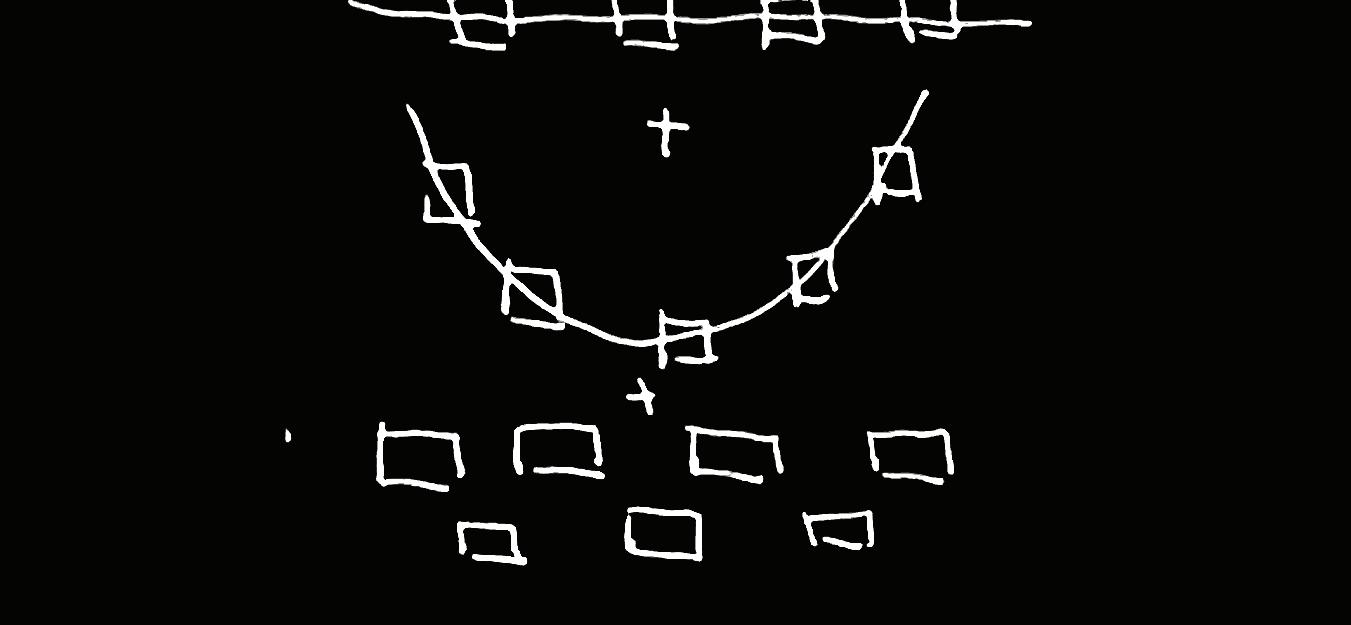
The form is the result of function. The plantation in the area are select to use only native species with beautiful blossom, as well as great durability.
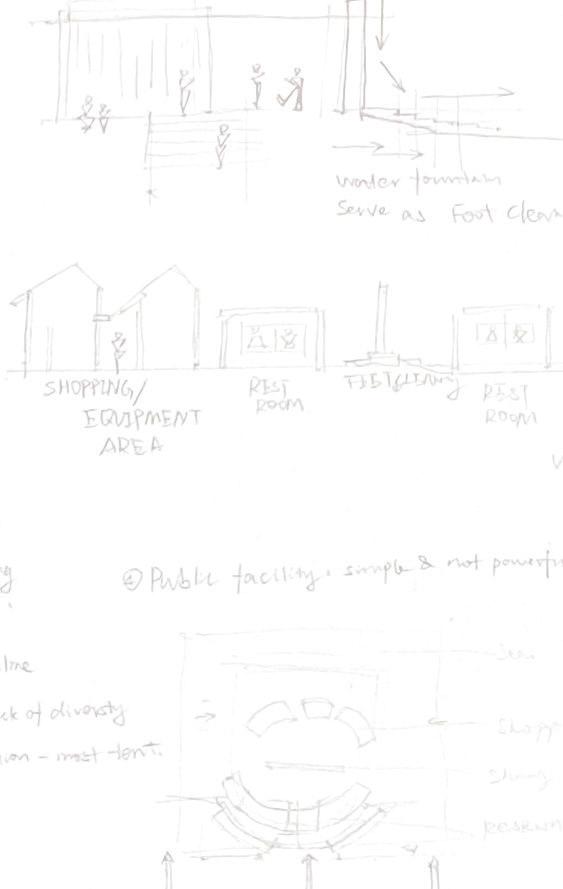
The design focus on establishing a crossing experience that connect people’s daliy life with seaside. Different direction provide easy accessibility and simple ground logic.
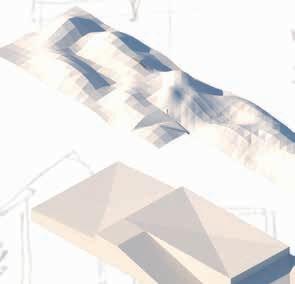
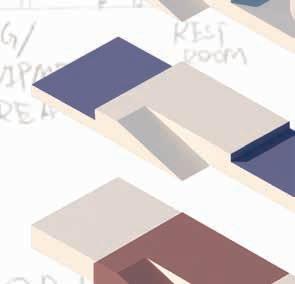
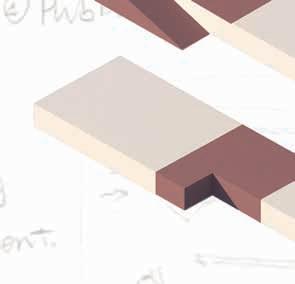
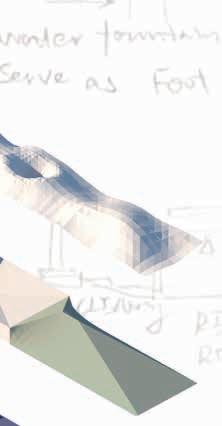


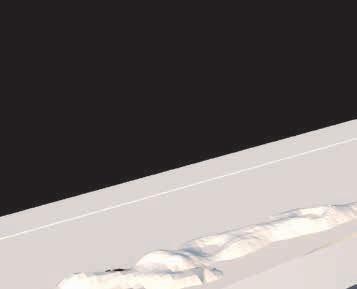


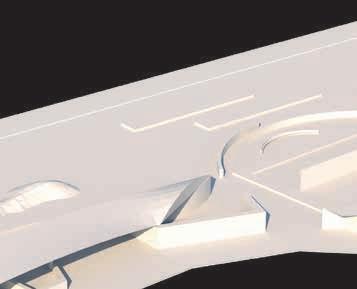


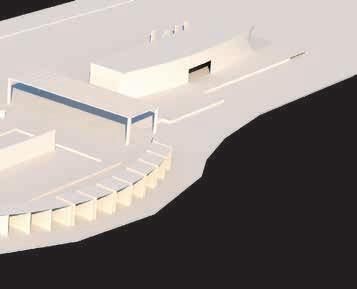



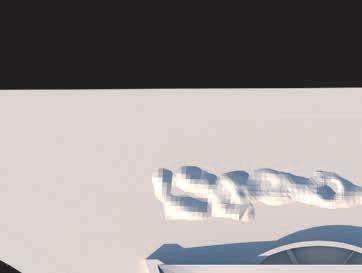


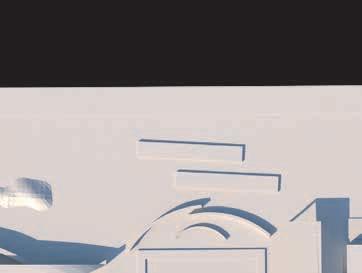





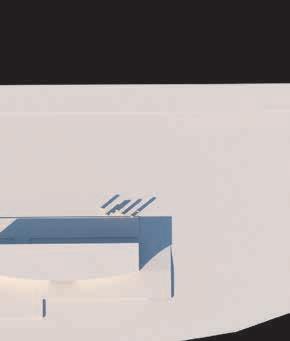

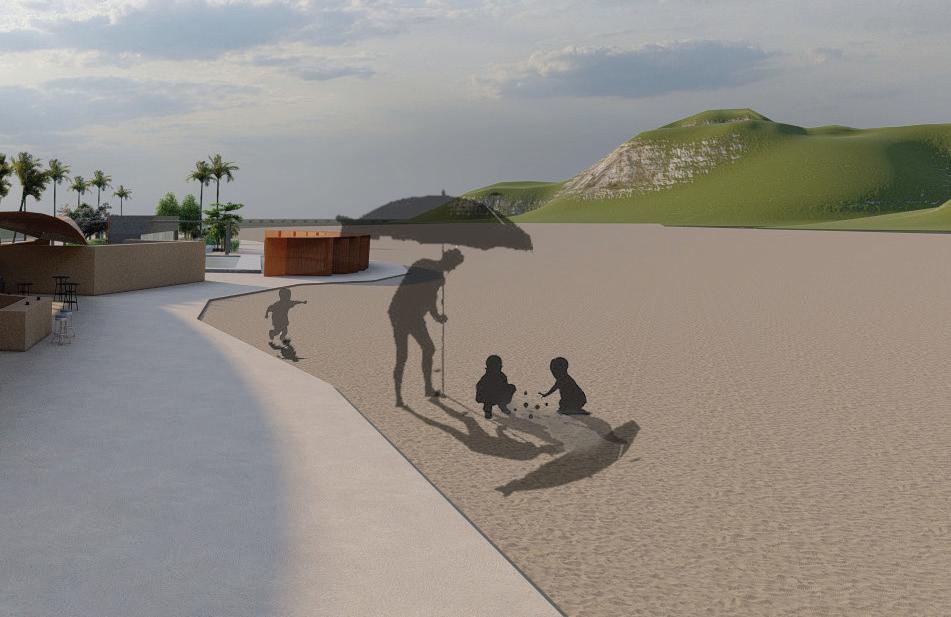
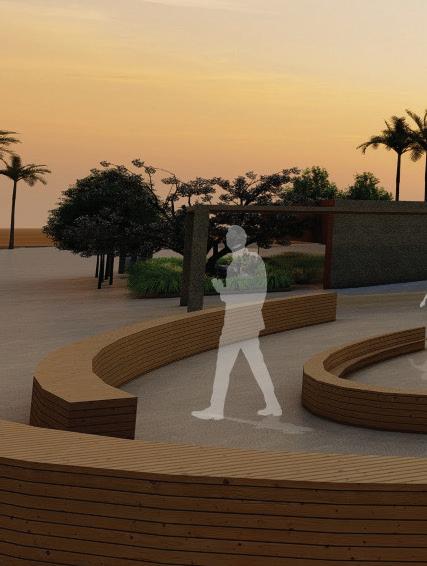
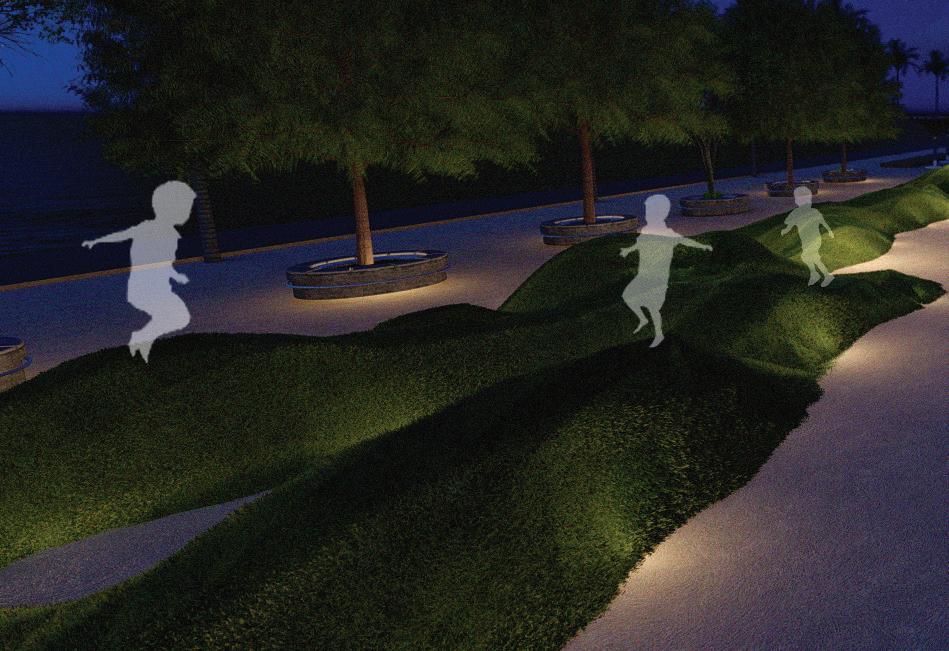
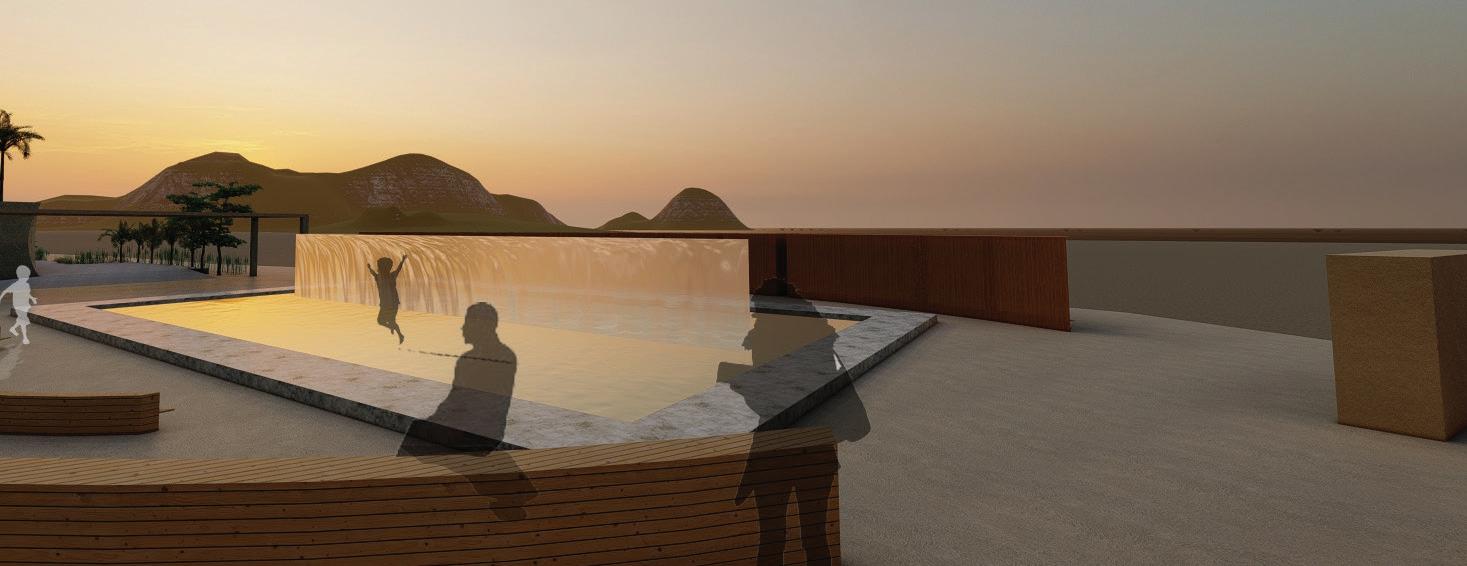
Previous large-scaled plaza is re-constructed and divided into new function zone- earth artwork for kids, bar for teens and adults, sand-washing water garden, vender regulation area and tourist center. Each area have multiple function and able to serive both local residents and tourist.
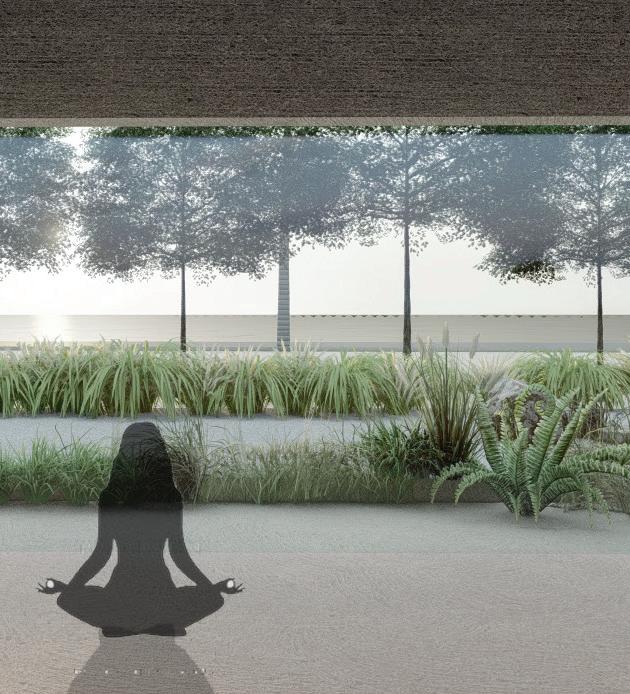
After the redesign, the space is able to use 16 hours a day, which largely increase the vatality and viability of the seaside area.


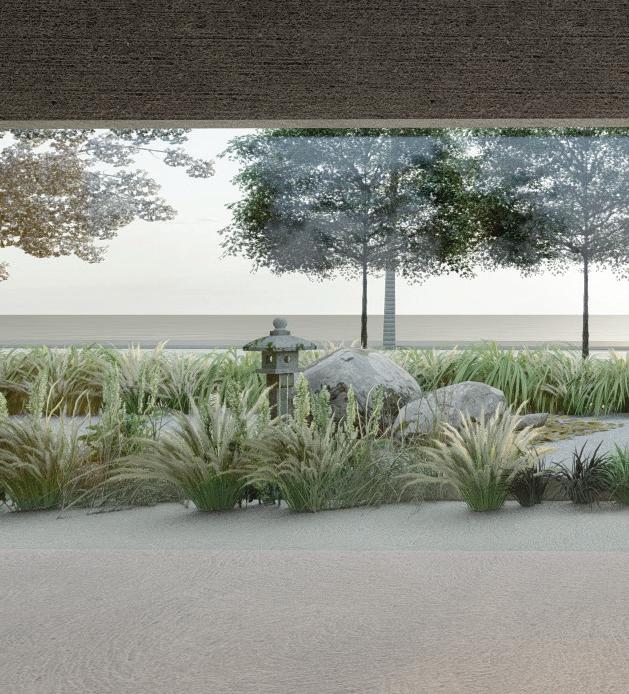
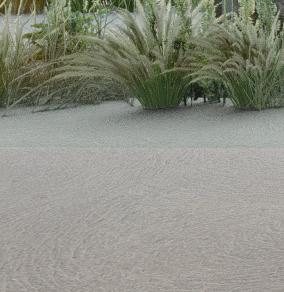
CENTER 6:30 A.M.


9:00 A.M.
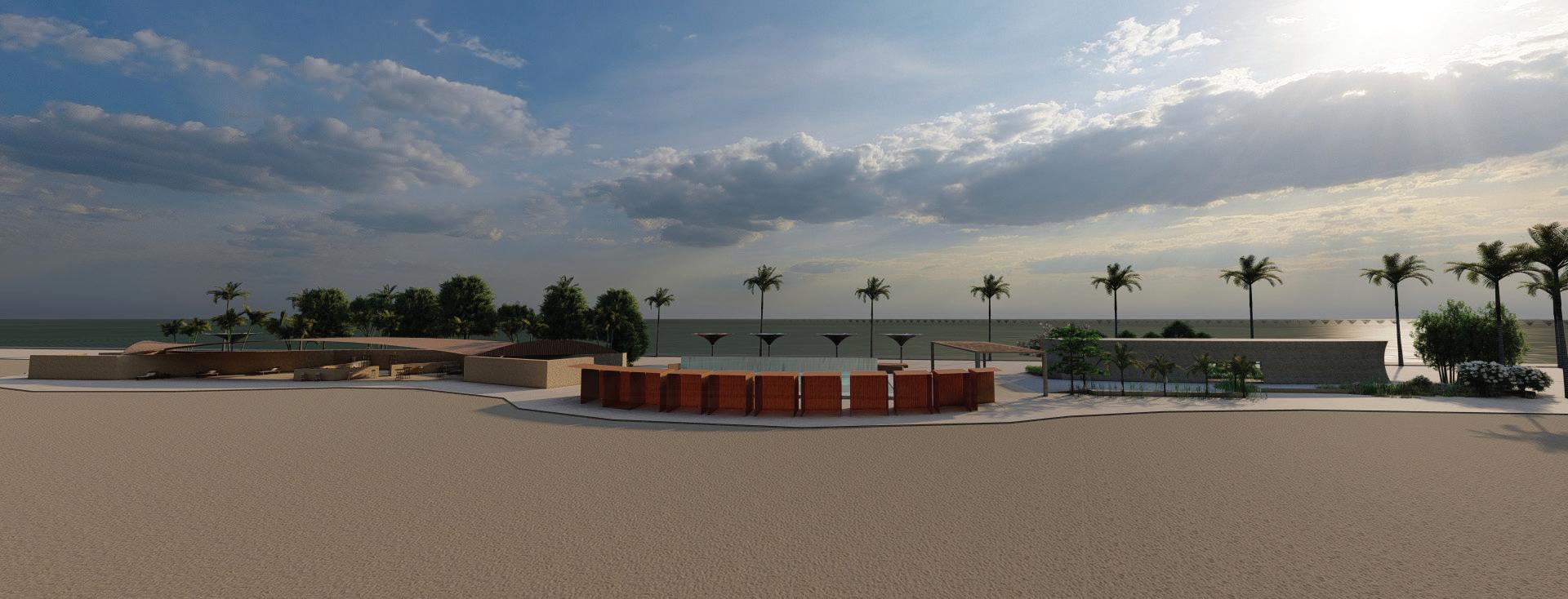
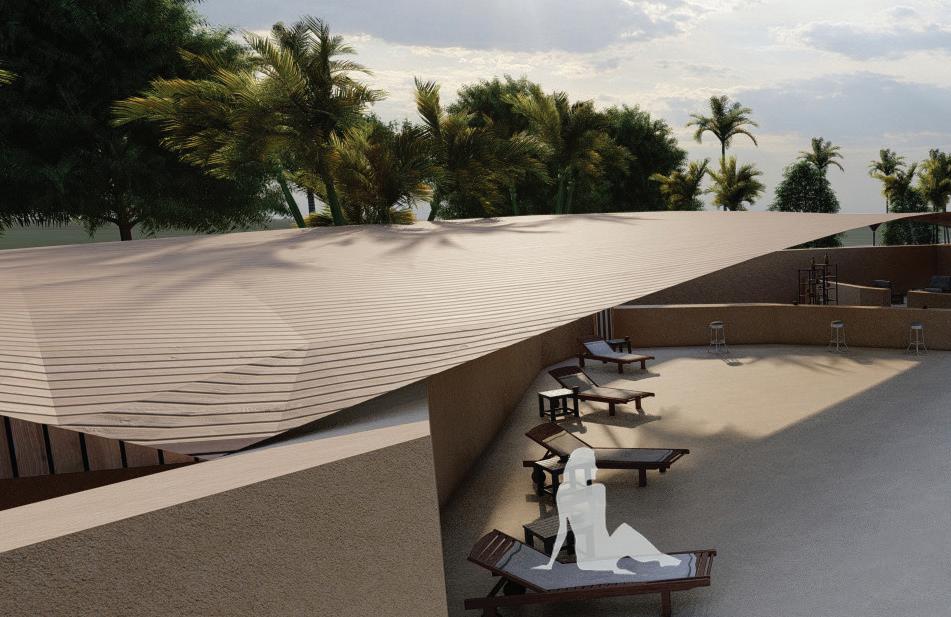

BAR 2:00 P.M.


5:00 P.M.



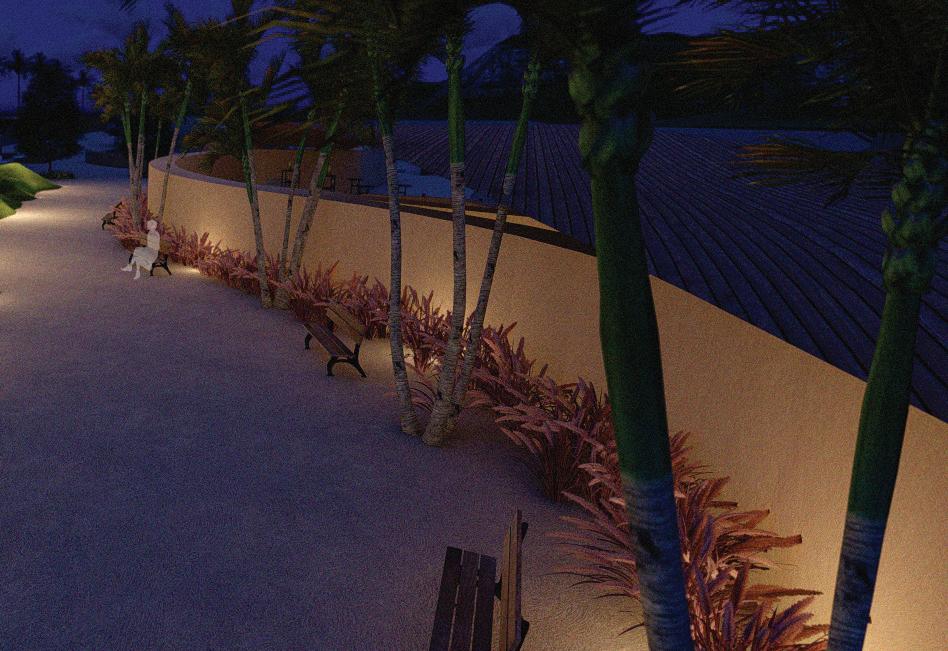




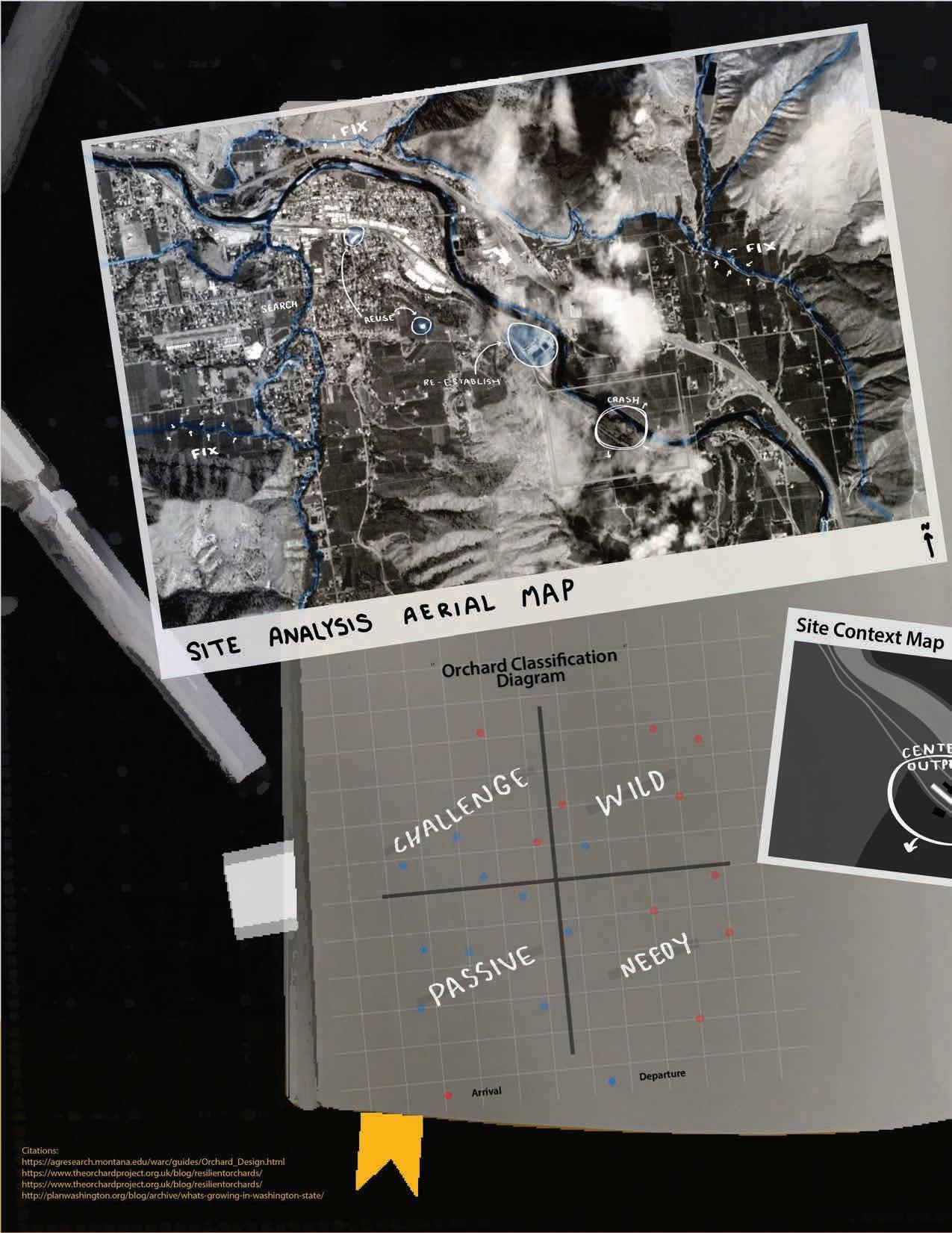
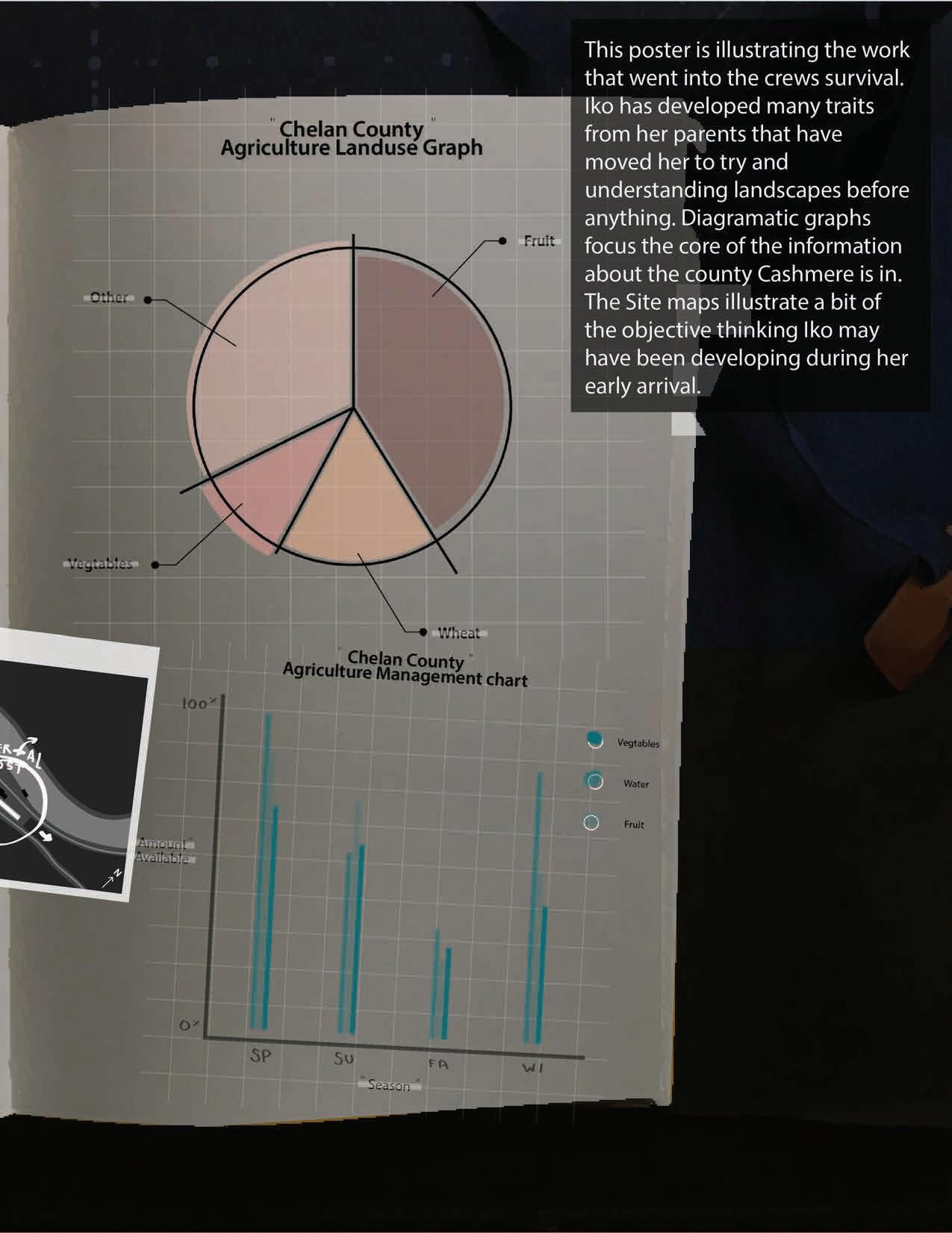
Once upon a time cities could float in the sky. Humankind had chosen to move to the sky, in efforts to escape the climate change and land degradation causing problems in the landscape. Over time this led to growing fears of the outdoors. This fear stemmed from the tales of the outdoors being hostile and unwelcoming. Families began to rarely spend anytime outdoors. Most visits down into the landscape would now be done by explorers. Their journeys were to gather as much supplies to bring back up to the sky cities as they could. Explorers were taught to fear the landscape below, and spend as little time there as possible . The sky cities further grew to disconnect from the outside, and to live off of depleting supplies and resources. Residents made unhealthy sacrifices in their own lives for the city's survival.Iko’s family was a bit different. Her family didn’t fear the outdoors as others did. Her dad taught her from the tales and adventures he had been a part of while exploring for the city. Her mom taught her of mapping and understanding the landscape's ecosystems through site analysis. Her family used to collect information about the old world, learn of old techniques used in the landscape, and sustainable resource harvesting practices. Iko grew up wanting to become an explorer for the city, just like her dad once was. She later had been assigned into a journey crew. This type of crew would have limits in the amount of exposure to the old world, but that didn’t seem to be a setback for Iko. Most of her early ventures were set on small recovery journeys, and floating to unload other ships' extra cargo. Iko never really got to break the ‘protective’ barrier of the clouds. The clouds seemed to cover views to the old world most of the year. It was believed that the clouds had shielded the Sky Cities away from the landscape to protect from further damaging what was below. Iko waited for her chance to break the cloudline and get to see the things her family had described. The sky city was too busy for her and had limited space available. The city also limited the level of knowledge spread of the old world, its new rules were governed by fear and survival. The mistakes of the past moved the sky cities to hide away its history of the landscape. Iko strived to uncover more knowledge upon her travels.
While on another routine recovery journey above the clouds with her crew, the signal they chased down seemed to drop in altitude the closer they approached. Different than normal, this trip would become a rescue mission set to break through the clouds to rescue another ship. The tops of the clouds were dark and mystifying for the team. They cried and thundered underneath the ship. The clouds seemed to warn the ship off
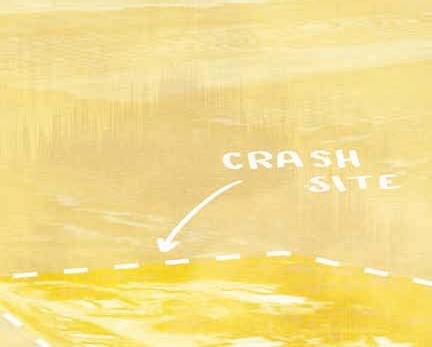
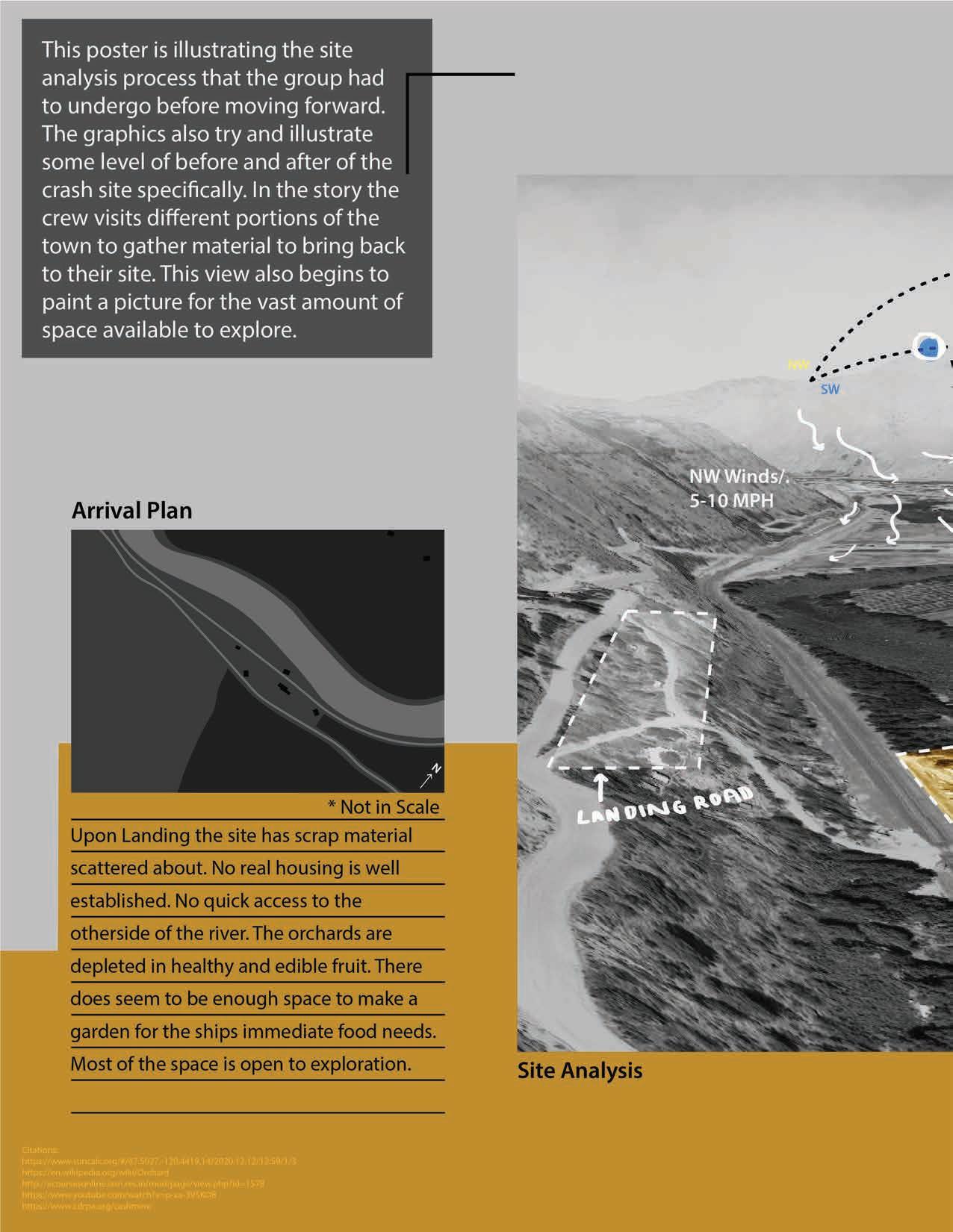
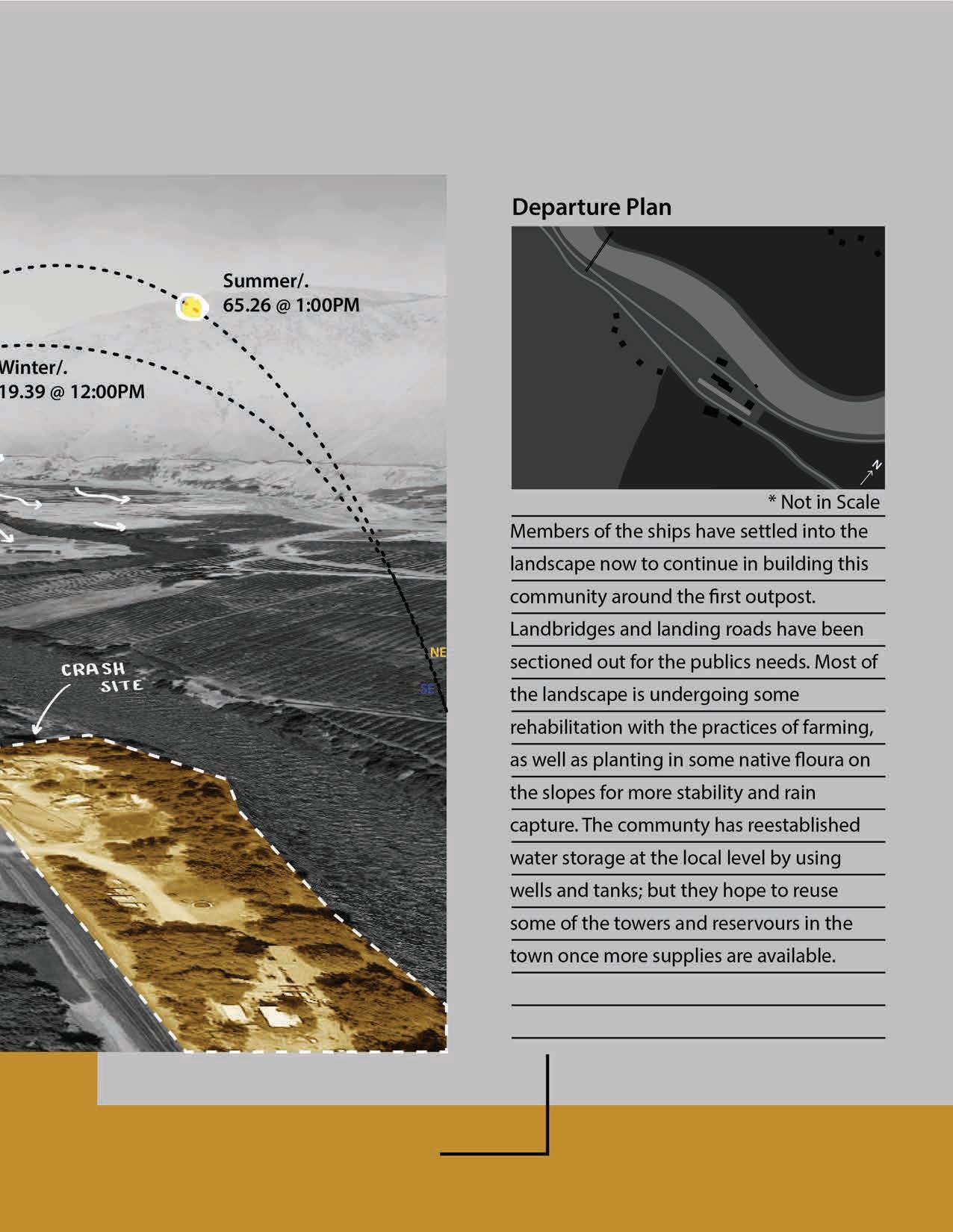
from going any further down. Nonetheless the captain proceeded to push down into the unknown. The ship became drenched and cold. The ship experienced turbulence and turmoil to reach an unrecognizable landscape below. Little was visible below the clouds due to it being night now. It was dark and indecipherable in the rainy climate, the team had lost track of the missing ship's signal. Thunder struck the ship and the landscape below. Fires had broken out on the sagebrush mountain sides, as well as the ships deck. The captain tried to turn the ship around but with the strong winds and night sky it became hard for there to be any navigational direction. The ship had to crash land. The crew aimed its vessel into the bottoms of a valley and hoped for the best. Upon impact the crew's fears had heightened and taken over. The crew boarded up the ship's opening. Iko and the crew settled in for the night. In the morning after Iko and the crew examined the damages. The ship was not repairable in their current situation. There was too much damage done, it would take a long period of time before the ship could fly again. The explorers became hollow with no sense of direction. Iko on the other hand saw this as an opportunity. She ventured out into the landscape to examine a bit of her surroundings. She recognized this landscape as one of the places her dad had once visited. Her dad had described this place as being rich in agricultural land once. The proximity of the river had been the local source of water available for agricultural crops, but now had seemed to have suffered from disrepair. Some of the crops seemed to bear fruit still, so Iko gathered what she could and returned to the ship to plan the next few trips to find the missing ship and gather more resources.
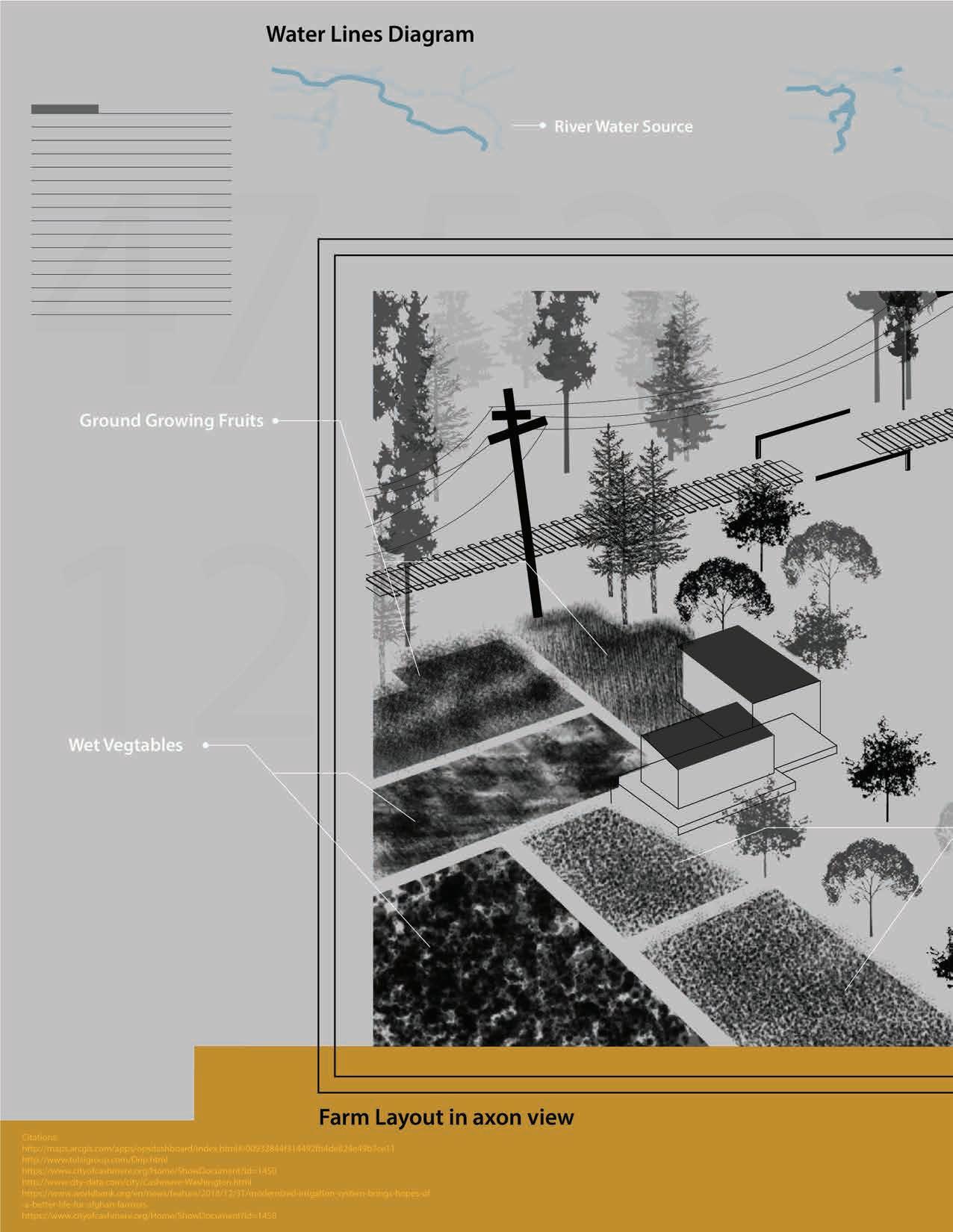
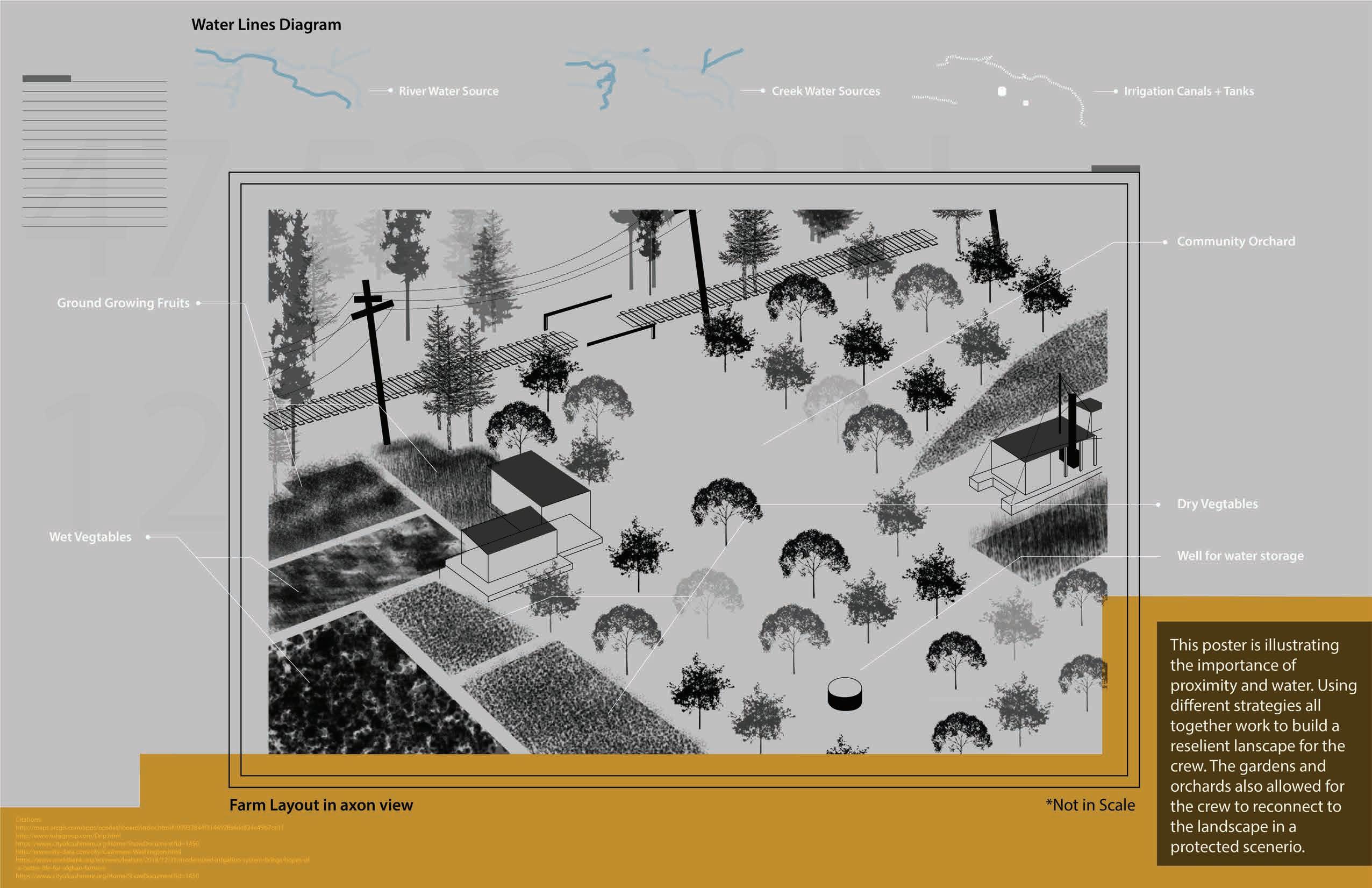
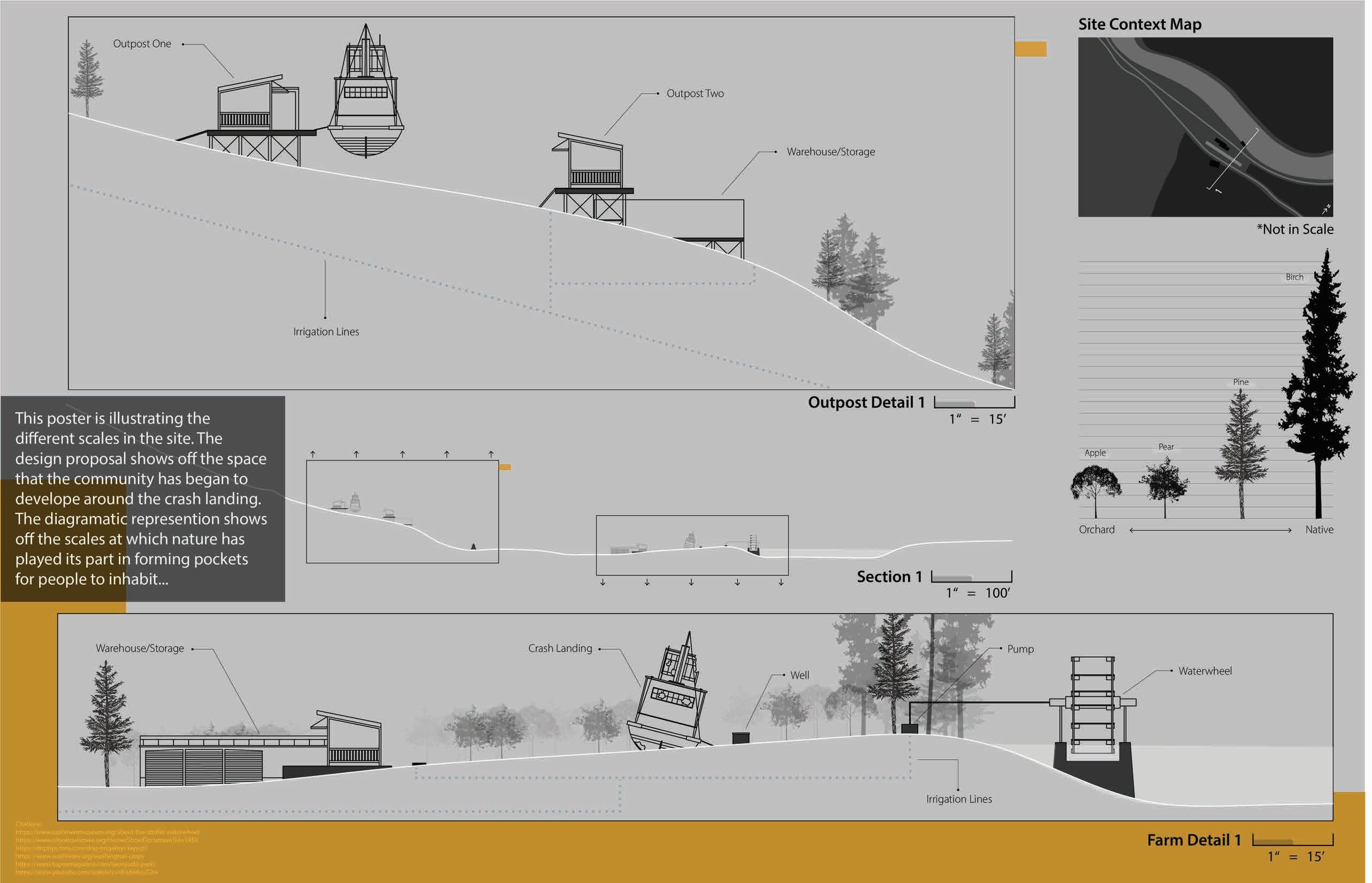
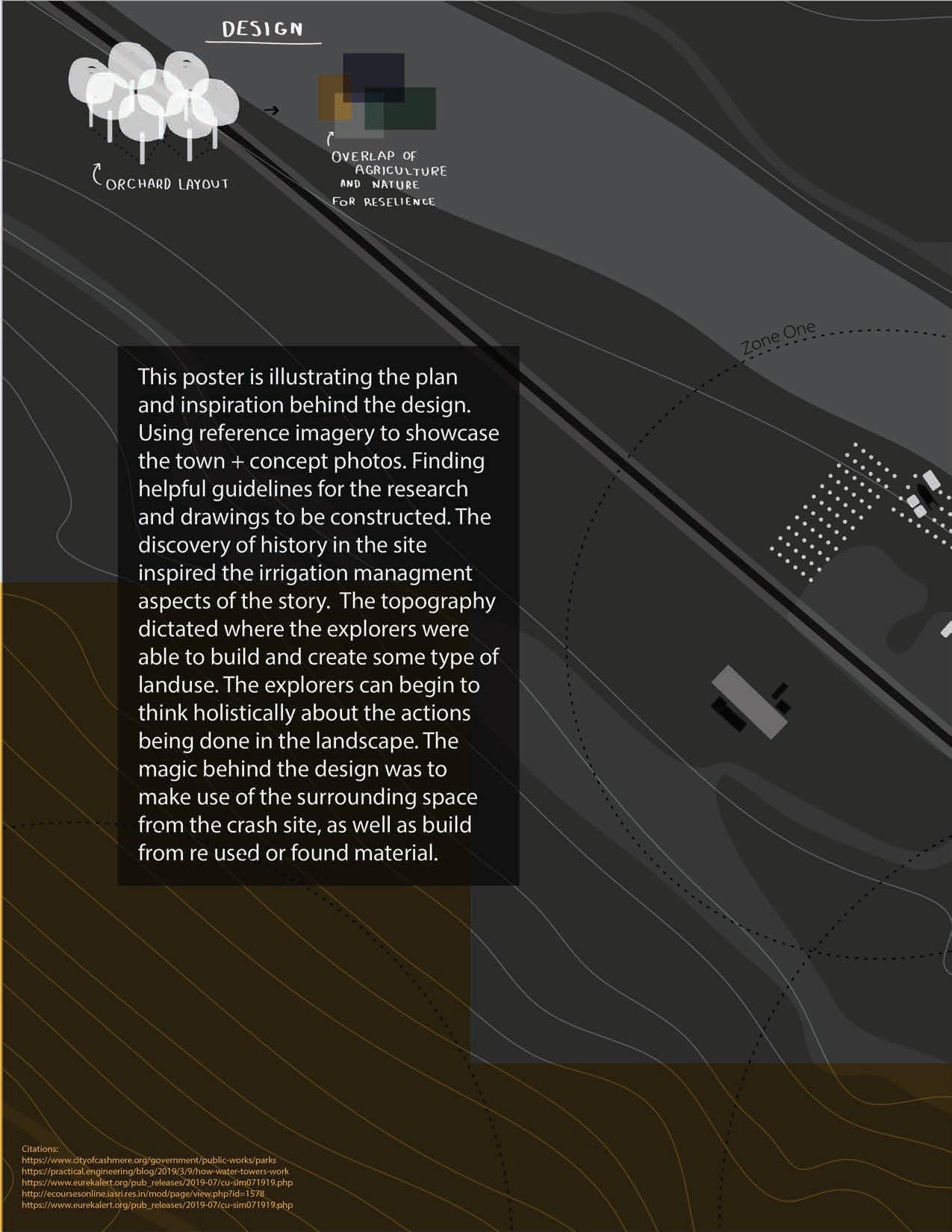
The crew became split in the decision of following Iko’s leadership into the wild, or continuing to bunker down. Iko began to teach the optimistic members of the landscape they had crash landed at. She described this landscape as the town of Cashmere, and began to orient the members on where in the landscape it was possible to pull resources from. Iko focused the members on getting old irrigation methods running again. The agricultural crops needed to get a clean water supply to begin to provide good harvest. Learning of the water cycle would help in the crew's survival, since the landscape seemed to deem a heavy reliance on the flow of water. Iko also guided members into re-establishing a bond with the landscape by having the members cultivate a small community orchard and garden around their crash landing. Iko and the members began to gather supplies and materials that would help with the repairs needed. Water wheels were placed alongside the Wenatchee river to begin pumping water out into the crops, as time went by the irrigation lines would expand into the canals and reservoirs preexisting their landing. With more time the landscape began to bear more and more fruit. The crew gathered apples, peaches, pears, cherries, nectarines, grapes, corn, lettuce, tomatoes, potatoes, onions, strawberries, etc. As the community began to grow Iko and the members would need to build in healthy ways for the water to return back into the river cleanly. They began to strategies together how they can reuse the retired lagoon wastewater facility to serve the boom in water use, as well as other purifying methods involving the topography and restorative plants available in the area. As this process went
on Iko ventured further and further out into the wilderness to try and find the missing ship. After some time Iko and a small group of members were able to track down the missing ship. The ship's crew was on the cusp of starvation, and would not have lasted much longer boarded up inside their ship. Iko and the two crews had brought life back into the town of Cashmere. The care in the landscape allowed for available resources year round. The community now was able to thrive in the wild once again. They would soon move to build structures to house and store the cultivations for longer periods of time. The community also began to experiment with different methods of using the fruits, and traveling around the valley.
When another ship had finally been able to reach their destination, some of the community members chose to stay and care for the landscape. The town of Cashmere would become, one of many, transfer posts that would be endorsed by the sky cities. Each outpost would now require a landing strip that could work as a loading and storage area for extra resources. Material could be gathered from this location at a moderated pace, as well as populated by residents wanting to visit the old world. Iko returned to her family with her own unique tales. She hoped to slowly cure people of the fear of the outdoors. From the time Iko returned back to the city, the clouds still seemed to shield the old world away. Over time the clouds would begin to look less and less like a barrier, and more like the oceans of the sky. The clouds would begin to exhibit more safe passages for ships to venture through, and less unexpected climate changes to the landscape below. Iko wanted to keep venturing across lands to tell her family and young brother of. She would help bring new communities of people down into the landscape and help establish new outposts across the world. Iko was not only re-establishing the connection people had to the landscape, but also making living in the sky more probable in the long scheme of things. Iko was meant to be an explorer, and push the boundaries of what was thought to be possible for the sky cities.
The End.










Once upon a time, on the coast of the pacific northwest there was a land. This territory of the earth was a forest, a place where wishes came true and, in its midst, dwelled a city that had been known for its humble homes and proud singing trees.
But new settlers arrived making wishes of all kinds.
Now, the city was different- distorted and deserted.
Its citizens had grown in knowledge; the more they knew, the more they wanted. So little by little they had wished for entertainment, businesses, architecture, enterprises. Wishes of physical things, matter that needed space to exist in. Matter that took the place of the trees.
One glassy tall office building here, another there.
One museum here, another there.
One mirador for contemplating the city here, and a theater for entertainment there.

They wished for a stadium to gather and watch games in, a boardwalk to hang with friends and family near the water, an aquarium to collect and learn about marine life and shopping stores of all kinds to buy each other gifts.
They wished for cars, and streets to drive them in.
They wished for parking lots.
They wished for boats, and docks to anchor them.
They wished for restaurants to eat in, and gyms to stay fit.
They wished for simpler things as well- a heave-less sidewalk, A better view, a leafless yard.
They were good wishes, they thought. Wishes that would facilitate people’s work, make people laugh, think, see the horizon more clearly. Wishes that would offer people jobs, produce things faster, make people rich.
In every wish a tree went down and with it, its voice.
One tree down for a leafless yard, another hundred down for a parking lot.
One tree here for a better view, another thousand trees there for a stadium.
Only but a couple trees remained. Most were scattered through the city in spaces too small to wish for anything and too far apart to form a song.
The air was dense, it was hard to breathe. A grey cloud covered the city. The people breathed heavily and went about
their days cautiously. The sewers flooded and puddles decorated the landscape. There were erosions in the properties and streets.
The gardens were dull and the flowers dead.
Groceries carried nothing but boxed and canned food. No meat, no poultry, no veggies, no fruits.
Most people did not mind. They had learned to ignore all the chaos indulged with the comforts and luxuries of life.
But others missed the singing trees and held to the hope they found in the stories of the once forest city and the remaining patch of glowing trees that though still standing refused to sing.
The trees are protesting. - Some people thought.
The children, specially, were intrigued by this northern patch. They wished for a playground there to be near the trees. They hoped one day the trees would sing again.
Some citizens grew restless, desperate of the current happenings.
“If we get rid of all the trees our torment will end.” They said, hoping the last of the forest would be gone along with all the consequences. But they were blind. They did not see that the reason for all the chaos was getting rid of the trees.
So, they set out north of the city towards the green patch with their saws and axes in hand. Despite the worn and cracked streets, they chanted their way there stomping and smashing the ground beneath their feet anticipating the death of the once singing trees.
The kids had been playing all day at the patch and stopped cold at the distant sight of the approaching mob.
They had been searching for seeds every day since hearing the stories of the singing trees. They searched in gardens. They searched museums. They searched under their beds. They search their closets. They searched in theaters. They searched in restaurants. They searched in gyms. They searched their playground and they searched around the patch of glowing trees.
The mob was closer, aiming their axes and saws at the wooden necks.
The kids, frantic, scattered down the street and as if invisible, between the mob, trying to flee the forthcoming slaughter.
They rushed and treaded and sprinted down the path away from the patch and towards a barren park south of it. They remembered the gather seeds and searched their pockets and bags hopelessly for these.
But their pockets were empty. And their bags were empty. Thinking they had lost their seeds of hope, they turned back unnerved to find where they had dropped them.
But the street was not the same.
It was not grey. It was not concrete. It was not flooded.
It was green. It was woody. It was forest.
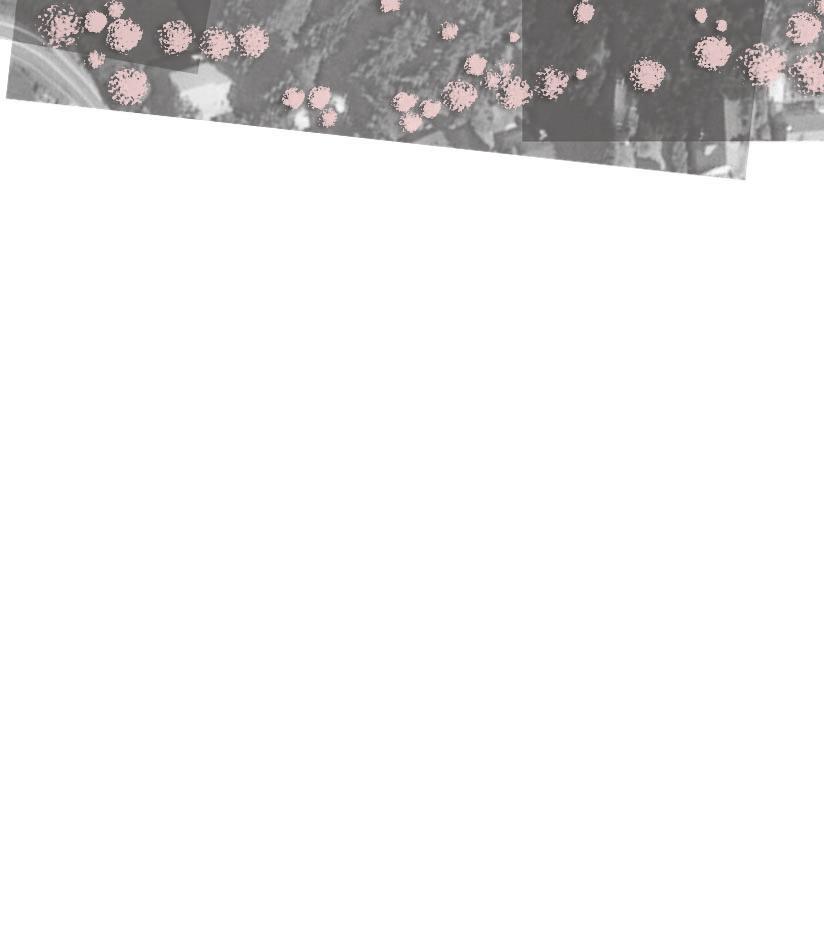
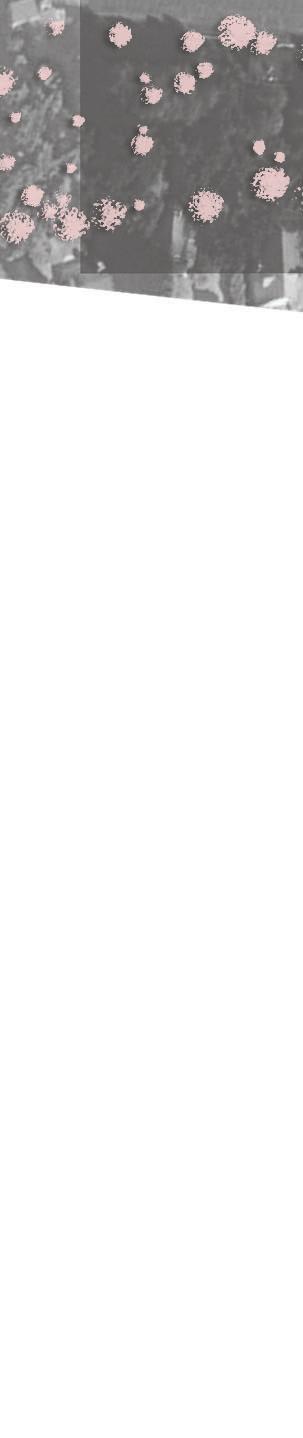
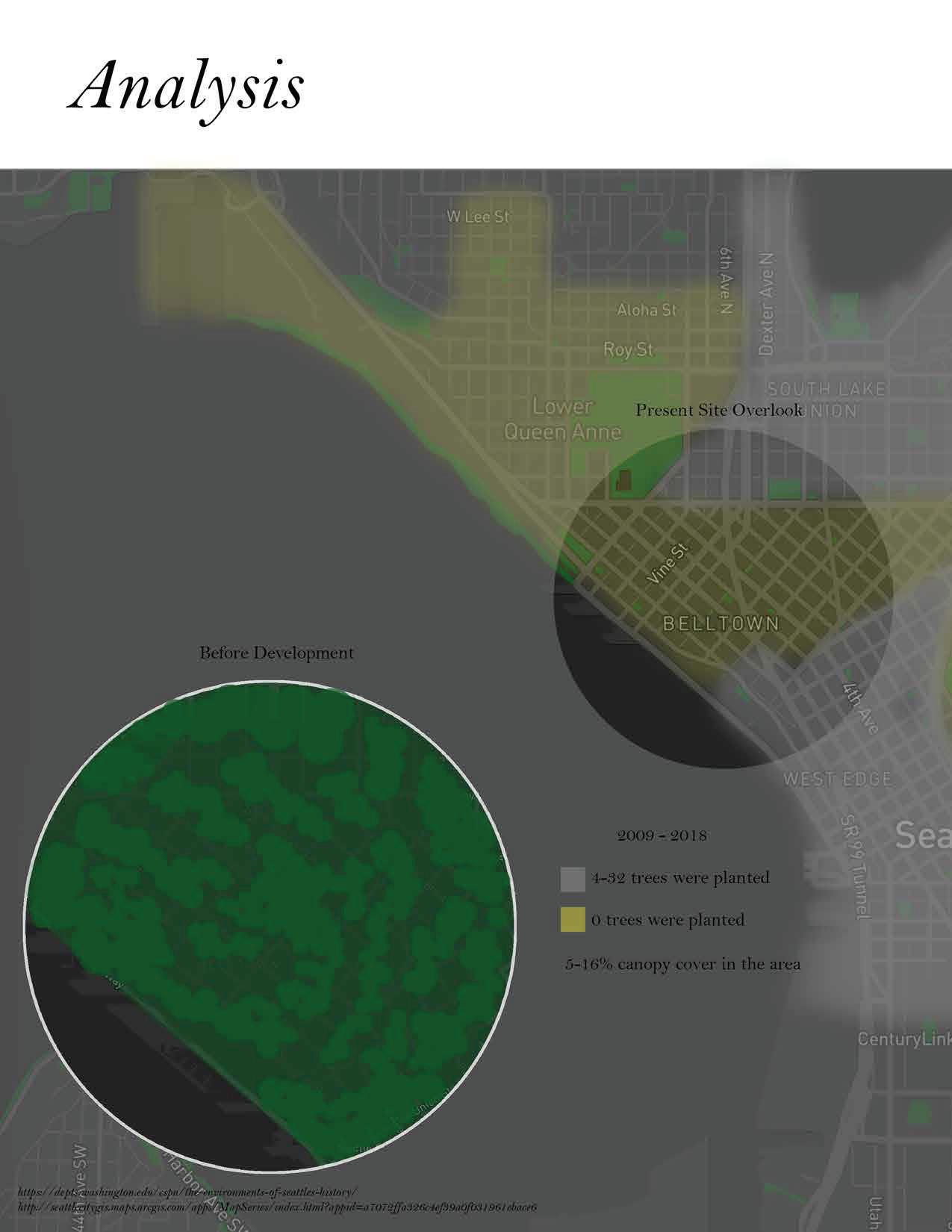
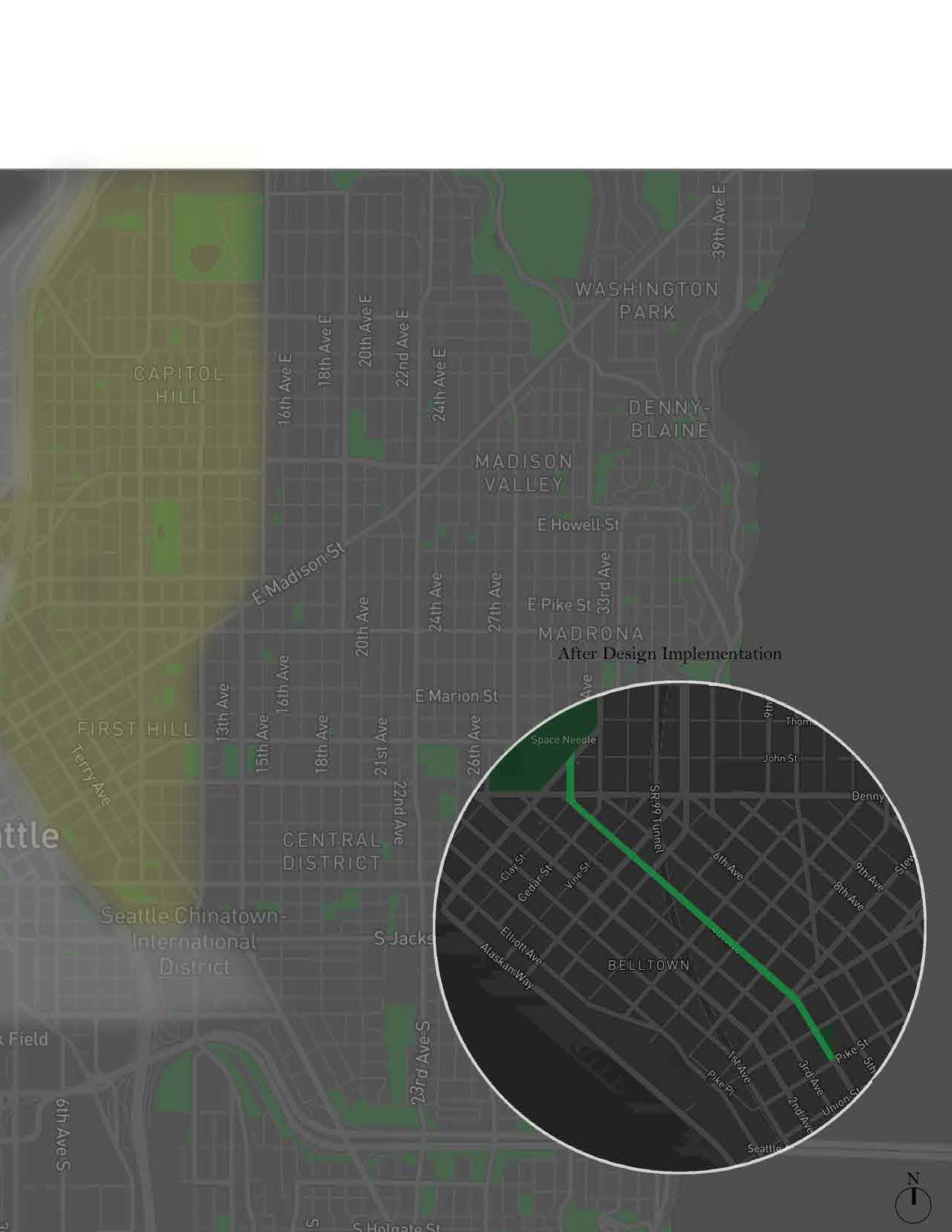
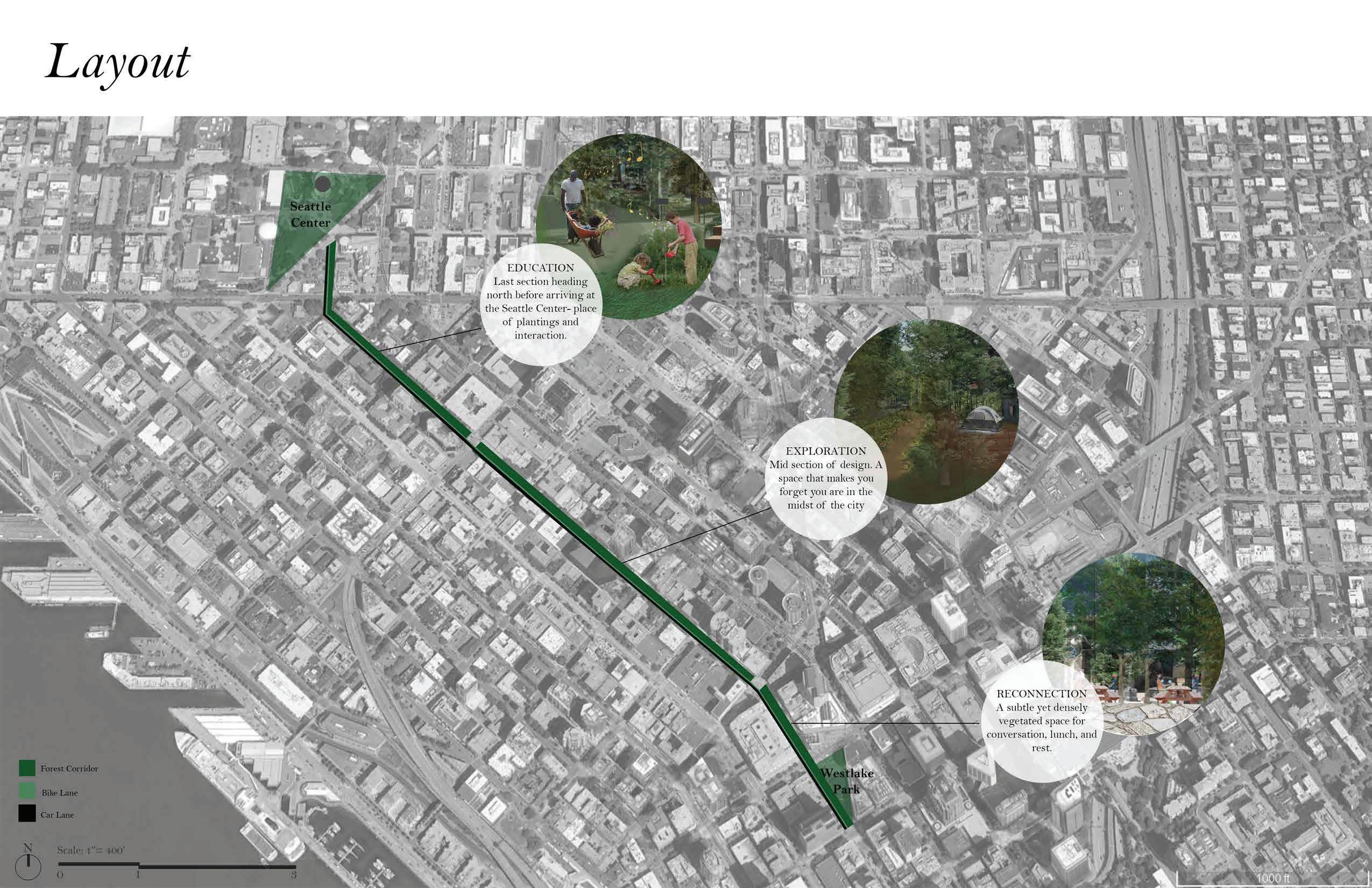
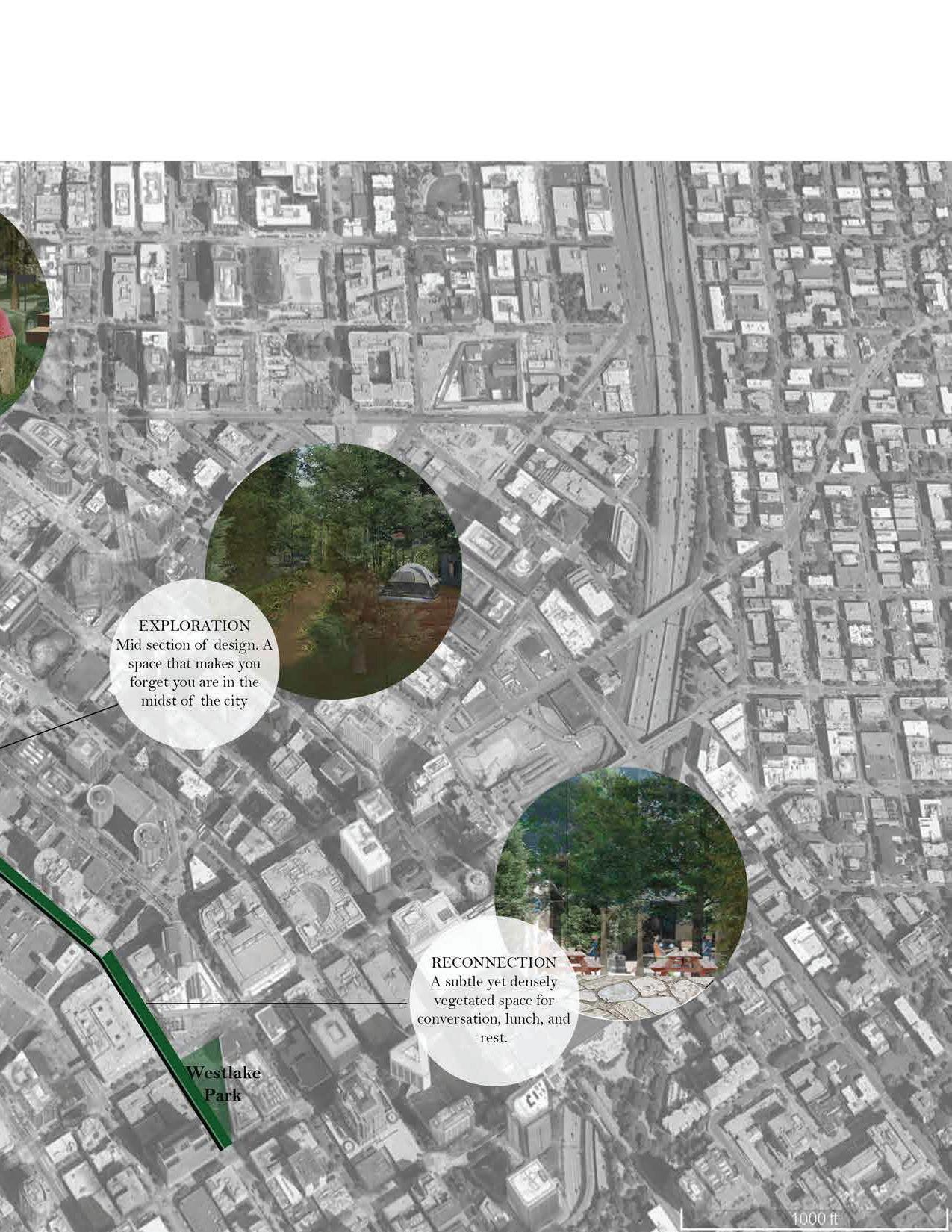
They had sprinkled all the seeds they had on their way creating an evergreen corridor leading down form the patch– a forest corridor that spread into the city.
This happened too suddenly, the ground shook forming
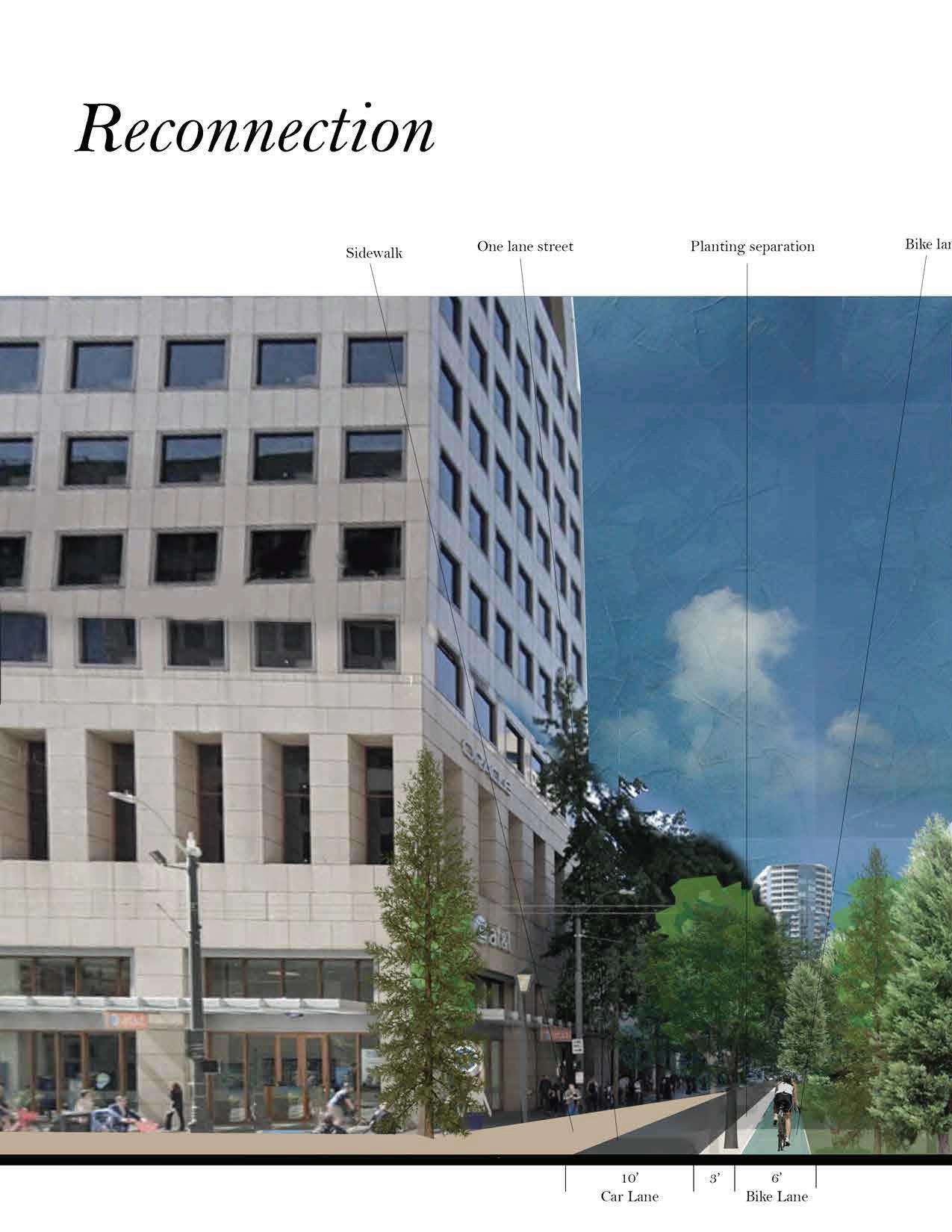
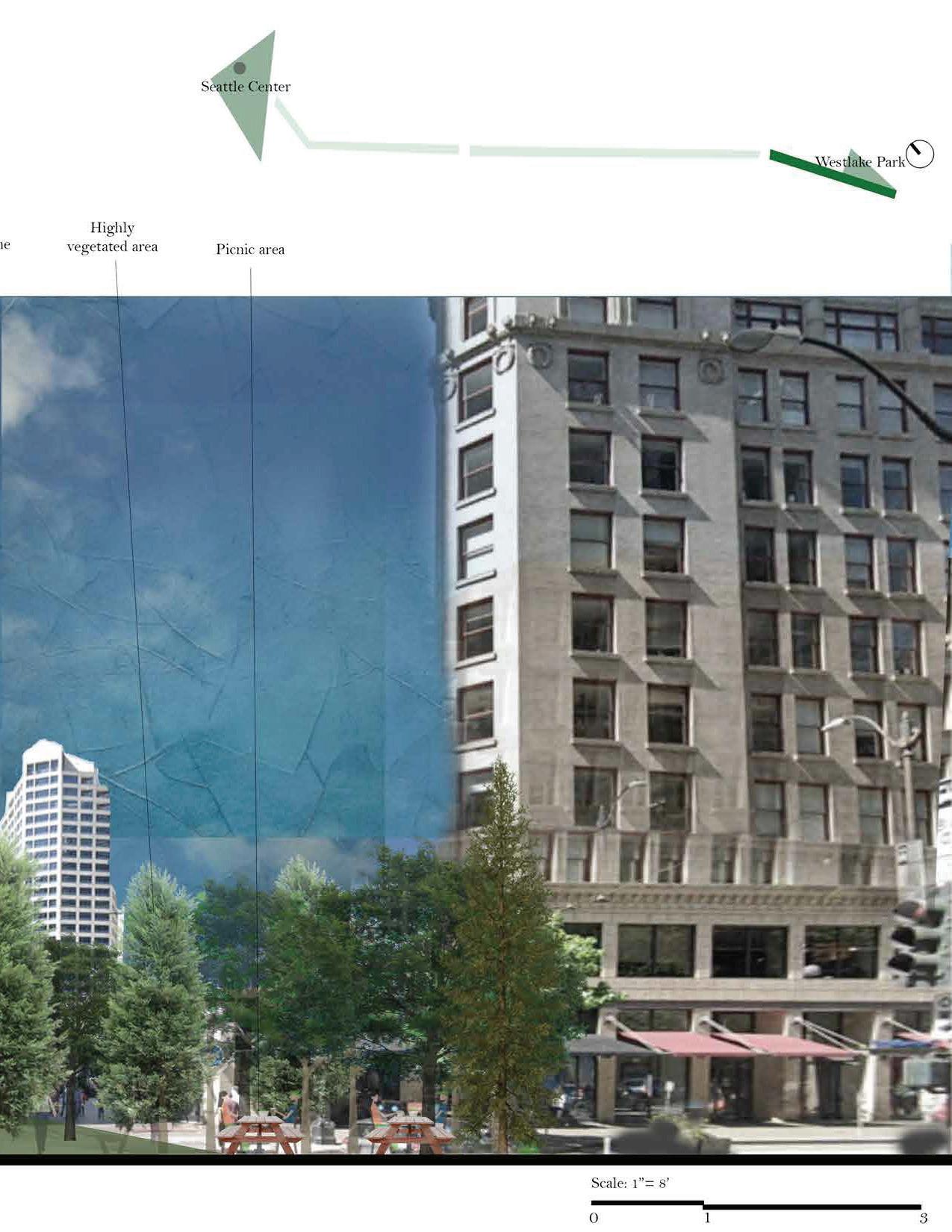
mounds, depressions, and creeks, stopping the mob cold on their feet. The broken and cracked road bloomed with the city’s proud trees and the frozen mob became stone- sculptures with faces of wonder looking back to the trees.
People from everywhere in the city stopped what they were doing to see.
The street led everyone to remember that the city is not the same without its trees.
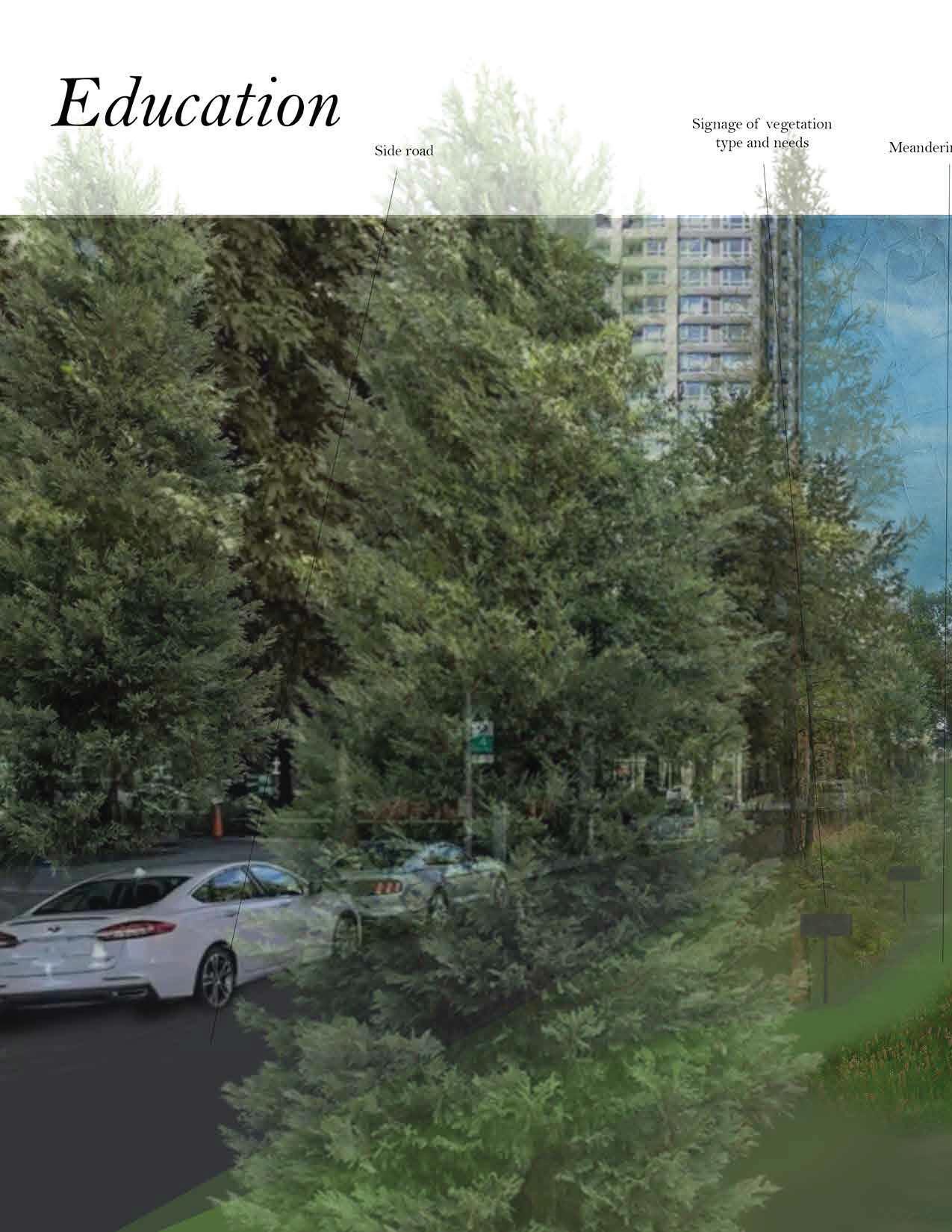
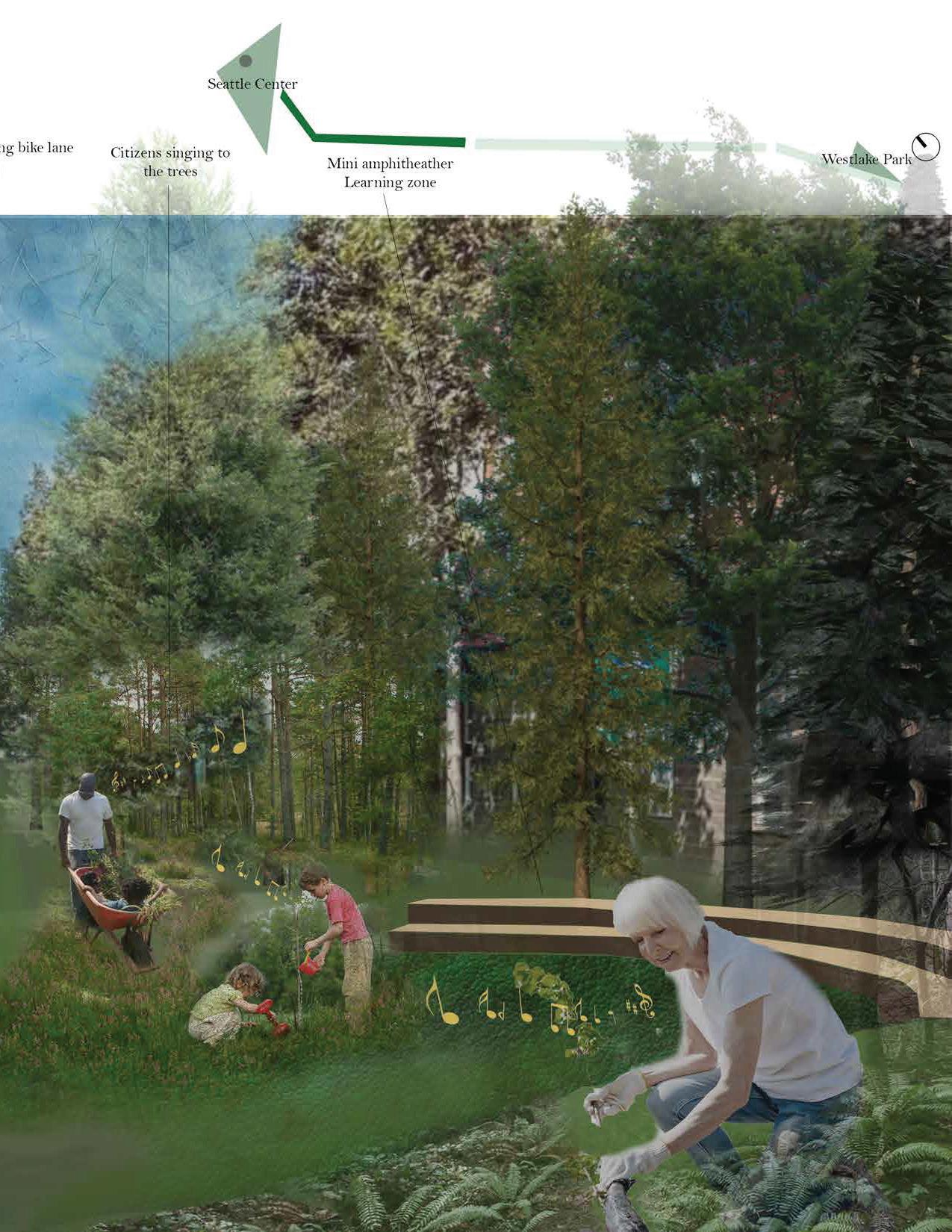
The corridor became more than forest. It became entertainment. It became culture. It became education.
Citizens spent their time here, hiking, having picnics, hosting meetings, camping, walking, thinking, writing, finding inspiration, finding peace in the midst of the busy city.
They carved trails, planted sound installations, and pulled the weeds, urging the trees to sing.
The trees never sung again, but the people roaming them sung to the trees.







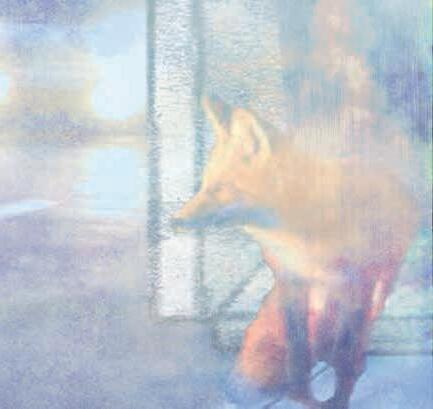
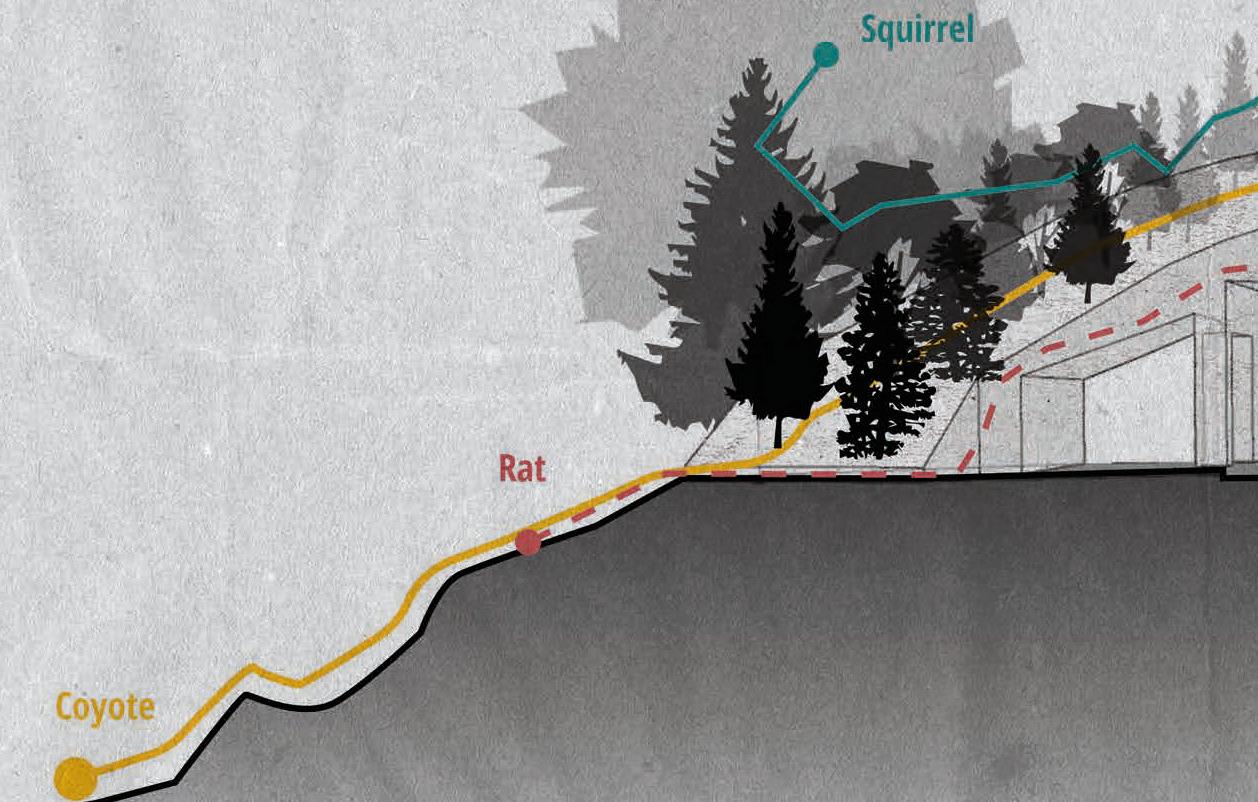
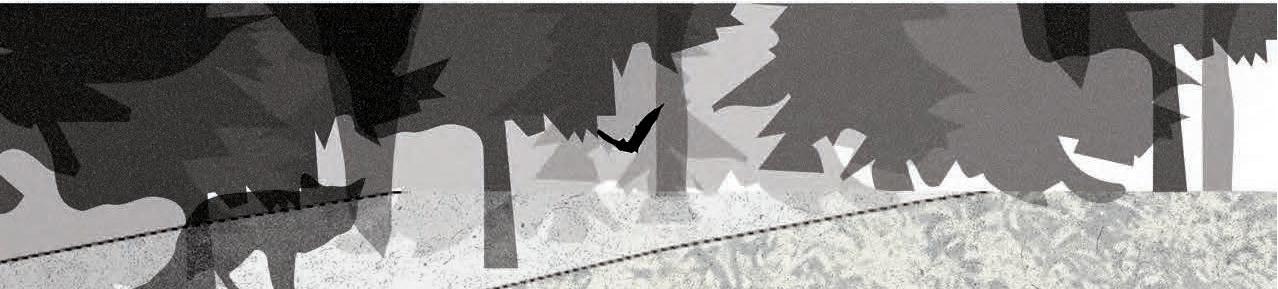
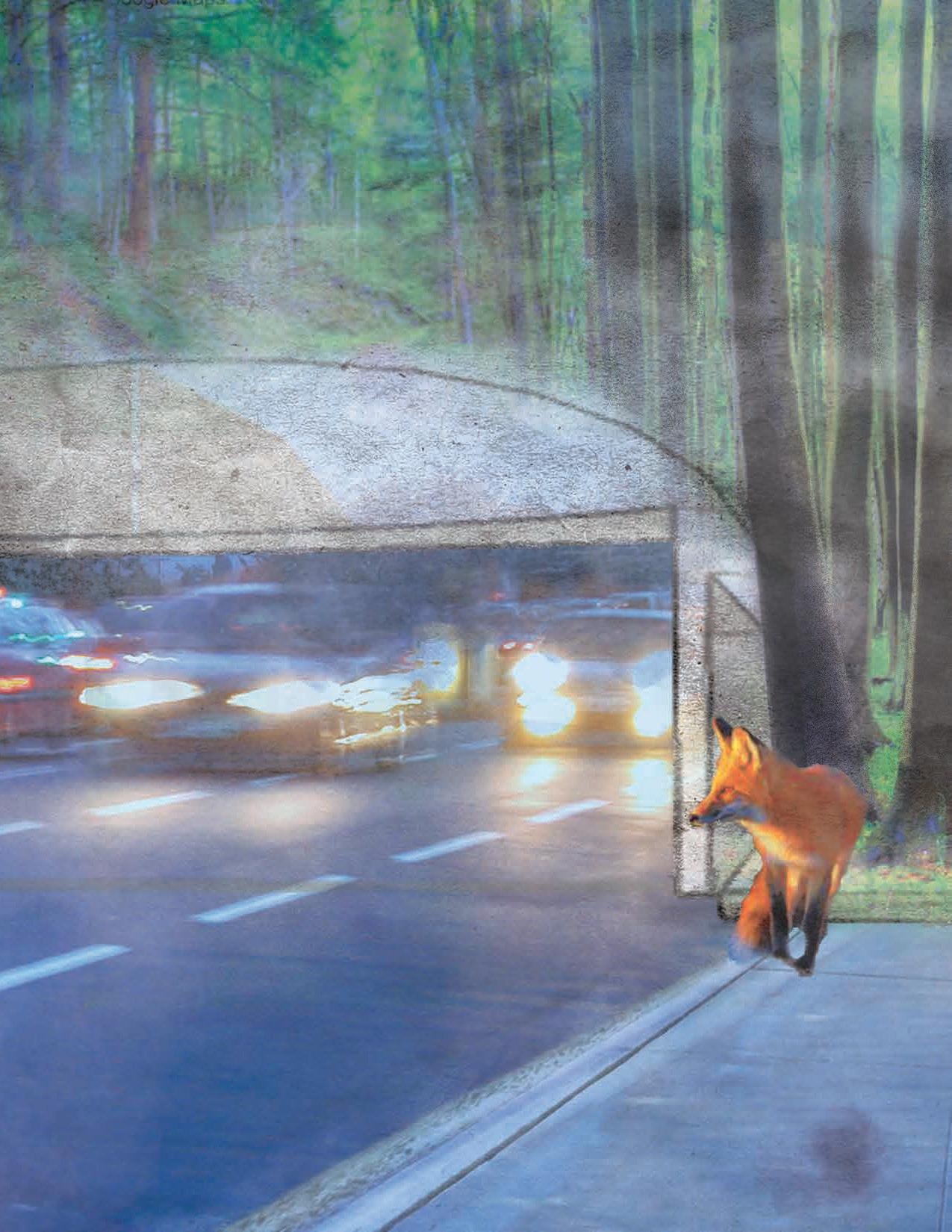
There once was a small red fox. She lived in a den, in a thicket, in Ravenna Woods with her two small kits. In the spring, food was plentiful, but as the days grew shorter the prey became leaner and more wary, and the fox had to travel further to find a meal for her children.
One evening, as the sun was going down, her kits’ bellies were rumbling.
“Please, mother, we are so hungry!”
“Then I must go find some food. The journey may be long and treacherous and I will have to use all of my wits to return safely.”


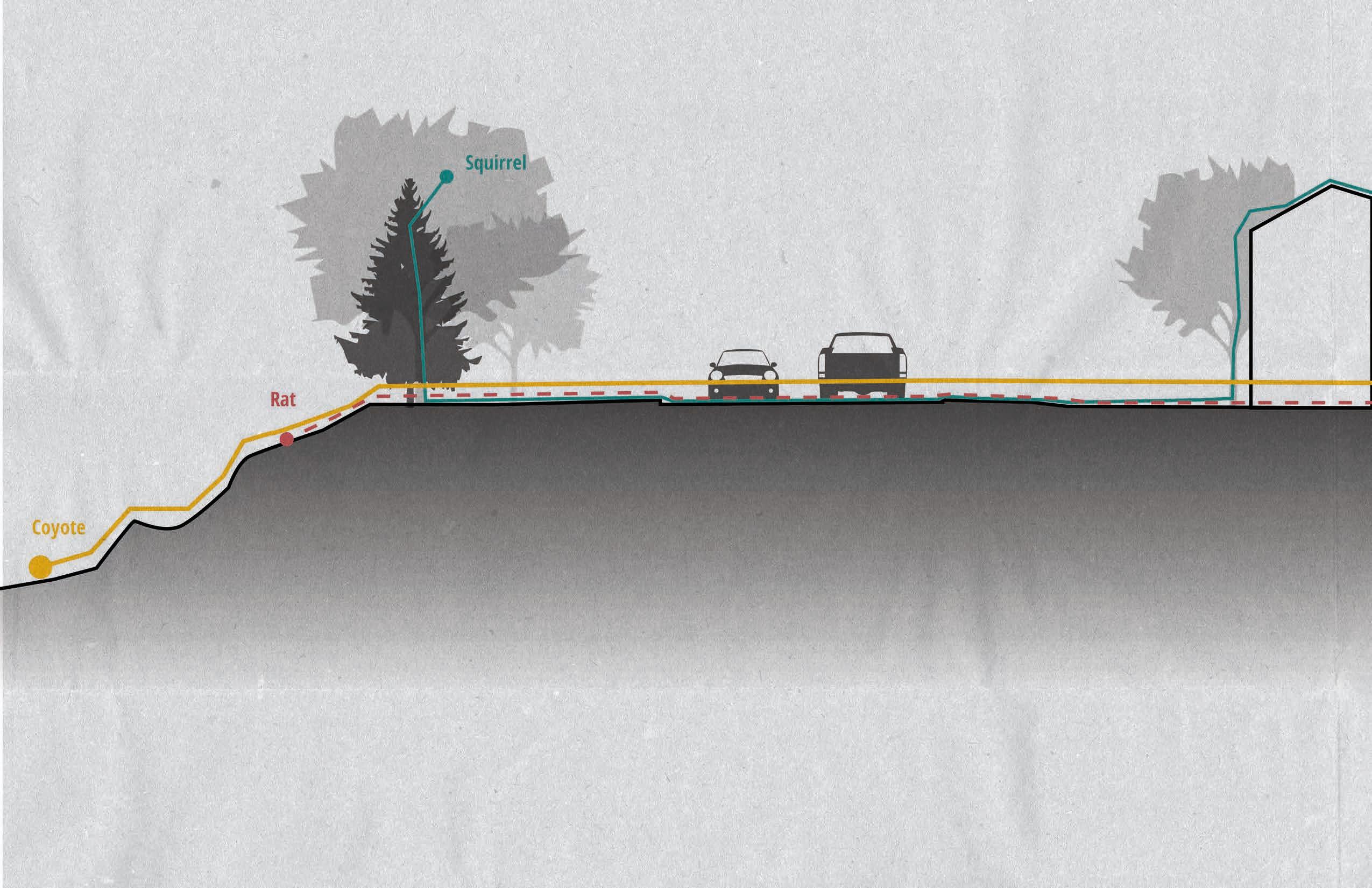
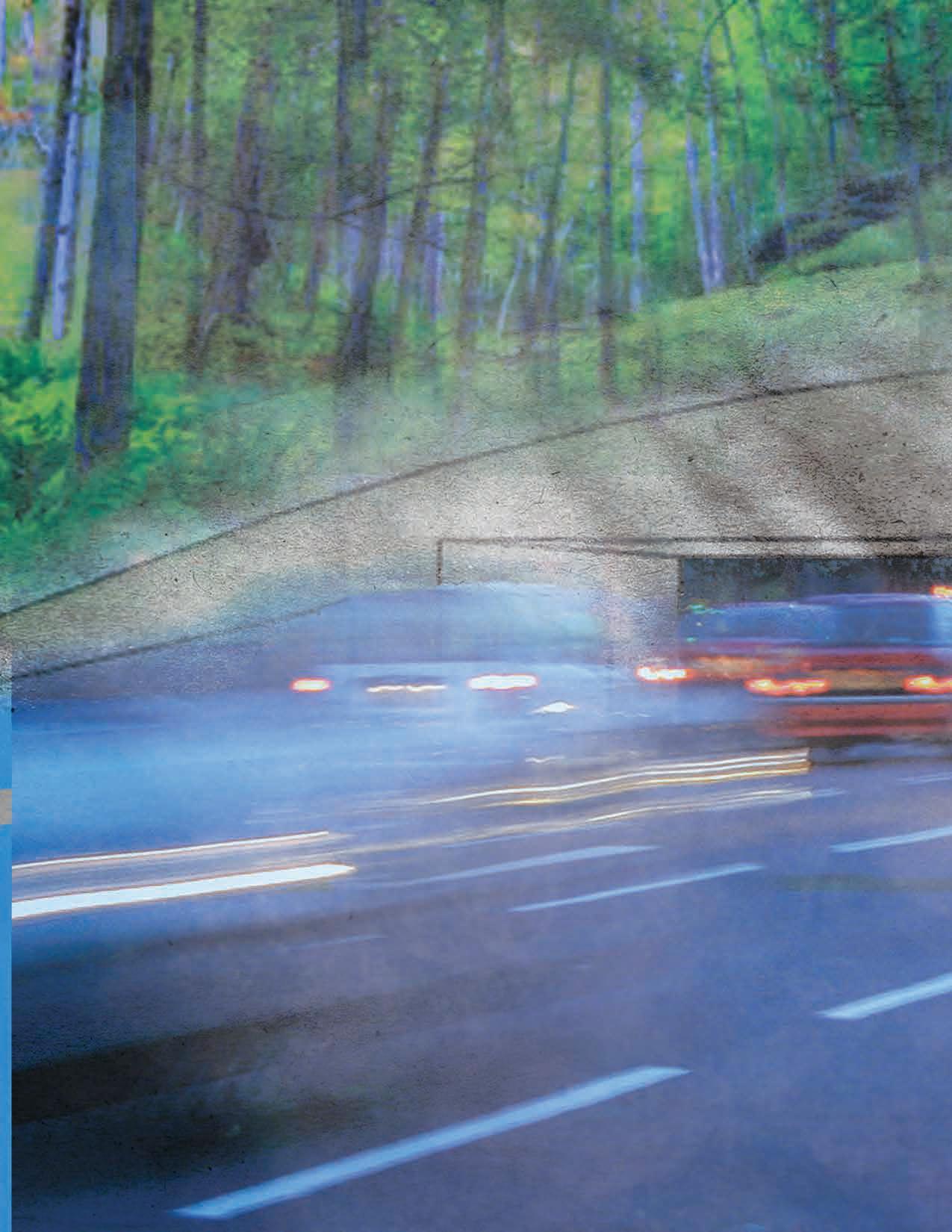
She trotted off in search of a tasty meal. She soon came to a busy street, with cars whipping by at high speeds. The fox could see the mangled remains of other animals who had tried and failed to cross.The street claimed the lives of many creatures every day and all were loath to cross it. “If I’m not careful when crossing, I will surely be crushed like all of the others, and then my children will have no food and they will die as well.”
She waited and waited for an opportunity. Many hours passed. Finally, after darkness fell, traffic slowed and she dashed across as fast as her legs would carry her, narrowly avoiding a Subaru. “I must hunt quickly, so I am home before sun up. Otherwise, I will be trapped by that road and my kits will starve.”
On she trotted, with no food in sight. Suddenly, she smelled a tasty scent faintly in the breeze. She followed the trail under a fence to find a gaggle of hens, snoring softly in their backyard coop.
“If I can snatch one of these tasty hens, then my kits will dine like kings tonight! But I must be stealthy and fast to pull it off or I’ll wake the dog and he will alert the humans.” Carefully, she crept through the shadows, plotting a way into the coop.
“Perhaps I can dig my way in.” So she began to dig under the walls to the coop. The sounds of scratching woke the largest hen who began to cluck loudly, waking the dog, who began to bark inside the house. The porch lights came on and a man emerged from the house swinging a rake. “Stay away from my chickens!”
The fox ran, shimmying back under the fence as fast as she could.
She made her way through gardens and backyards until she came upon a rat, fat and juicy, lying dead in her path.
“How fortunate!” she exclaimed, “this will make a fine meal!”
“STOP!” a piercing voice cried out. It was a crow, perched in
the branches of a tall maple tree. “You must not take a bite or you will surely die, for it contains a deadly poison.”
“Oh thank you!” cried the fox, “you have saved my children from a sad and grisly fate!”
“Because I have helped you,” said the crow, “you must do something for me in return. The humans keep tasty scraps in that bin, but the lid is too heavy for me to lift. Help me open it and there will be a fine reward for you as well.”
“Alright,” said the fox, “but I must be home before the sun rises and I am trapped by the road”
“Then you must be quick,” said the crow, “That road is treacherous. Many of our young are lost to it every year.”
So the fox began to circle round and round the bin, using her wits to find a way to open it. She braced her front paws against it and stretched up to get a better look and felt the bin wobble. “Finally! A way in!” And she began to push the bin with her paws until it fell over, spilling the scraps.
“Oh thank you!” cawed the crows, and they began to eat.
Among the scraps, the fox spied a roast chicken, with some meat still on the bones. “Oh!” she thought, “This will make a fine meal for my children.”
But before she could grab it, she heard a chorus of hissing growls. “Not so fast. That’s ours.” Racoons had arrived. “Your assistance is appreciated, but you’ll leave that chicken where it lies or we will dine on fox tonight.”
“Oh please, friends!” crooned the fox, “I must find food for my children before the sun rises and I can no longer cross the road safely.”
“Better you than us,” hissed the raccoons, “that road has killed more of us than you can even imagine. NOW GO!” So the fox slunk off into the night.
She continued on her way, when she came upon a lush green park. “Finally, I can find a juicy squirrel or a tender rabbit for my children!” But scarcely had she set a delicate paw in the park when she was surrounded by a pack of large and menacing shadows. “What brings you to our home, Little Fox?” asked a low growl from the shadows.
“Oh please,” cried the fox, “I only wish to find a small morsel to feed my kits, for they are so hungry!”
“What a coincidence,” the voice growled as a pack of coyotes emerged from the shadows, “our pups are hungry too…” and the pack began to close in around the fox. Suddenly a chorus of harsh caws filled the air, as the crows attacked, diving at the coyote pack, snipping their tender ears with their sharp beaks and talons. “Run! Quickly!” they called to the fox, who was already speeding away as fast as her small legs could carry her.
She ran, coyotes close behind, until the sun was beginning to rise and she once again came to the busy road, which was now so busy that there was no hope of crossing. The coyotes, once bold, now cowered in fear. “The road has taken so many of our pack. No meal is worth the risk” and they slunk back to the safety of the park.
The fox sat and began to weep bitterly, thinking of her kits snuggled in their den, waiting for a meal that would never come. “Now what will my children do?” she cried to herself. She could see a green place beyond, full of prey, and other green places beyond that, but the traffic was so fast and incessant that she could not reach them.
“Don’t cry,” said the crow, “We will fly and find you another way around.” And off they went, in all directions. After a long while they returned. “We flew as far as we could, but the road is too busy and long. There is no way to cross until night falls.”
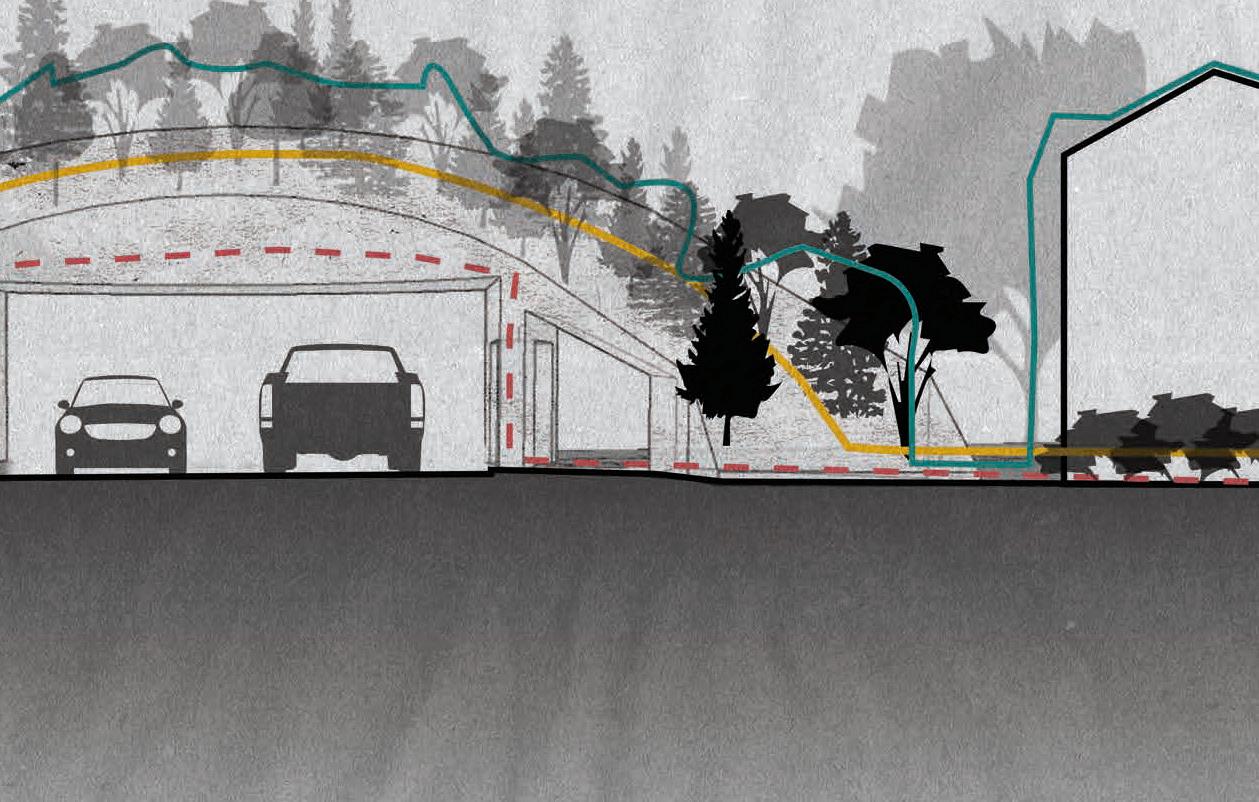
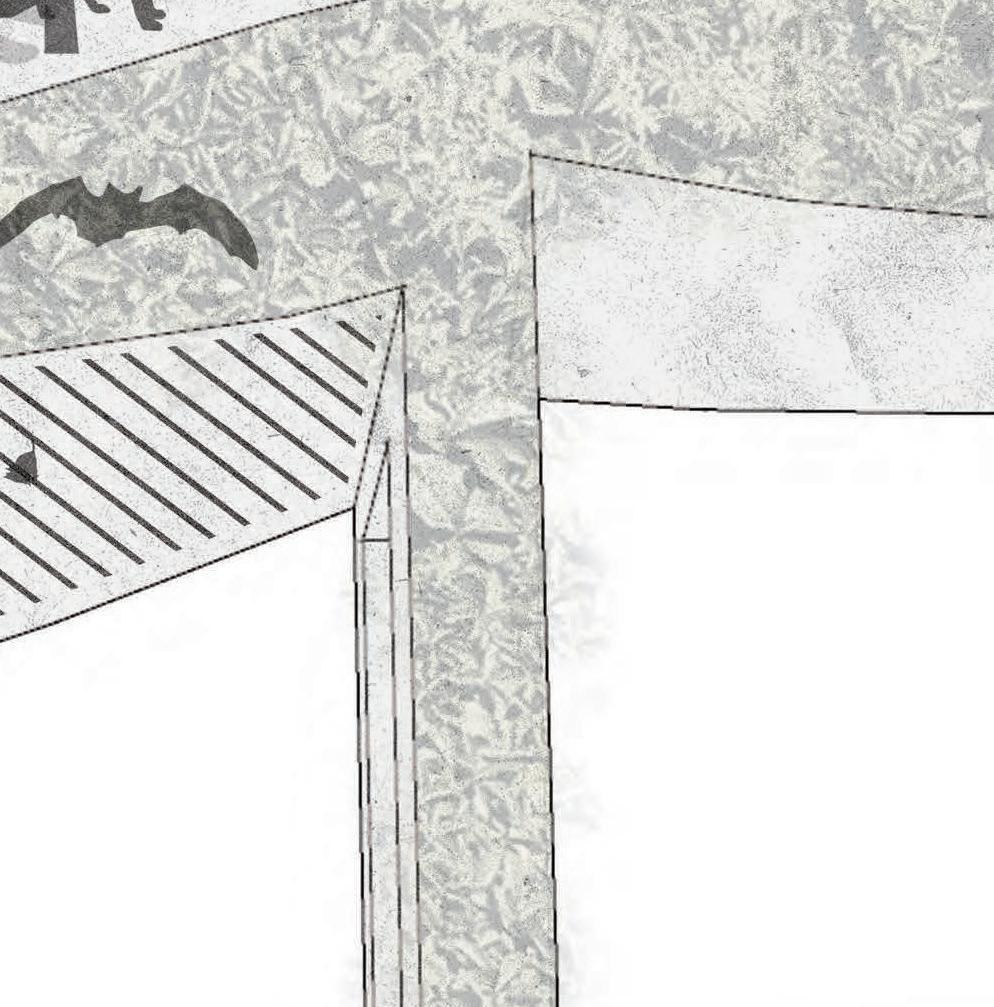
“Well then,” said the fox, “I will have to make my own way across,” and she began to dig and pile up dirt and rocks and sticks. The crows and other birds began to help her, collecting branches and stones and adding them to the pile. Other creatures on both sides of the road took notice and joined in, for they too had been trapped or lost friends to the road. Even the coyotes helped, dragging large branches and the raccoons fastening things in place with their deft little hands. The moles and gophers helped with the digging. Word quickly spread throughout the city, and soon, the creatures of the city had built crossings across the treacherous streets. There were tunnels and bridges of all sizes and shapes. Some of them were wet and muddy and low, some of them were wide and tall and breezy. Now all the animals could cross without danger.
“Wonderful,” cried the fox, “now I can get home!” and she began to cross her bridge.
“But wait,” cawed the crows, “It needs one final touch!” And at the crows signal, all of the birds began to drop seeds. As each seed landed, it began to sprout. The seeds grew and grew, until the whole bridge was covered by lush, inviting greenery, connecting seamlessly to the green place beyond. The forest continued to spread, until all of the green spaces were connected into a corridor of safe passages .
The fox followed the forest bridge over the road and through the green corridor. In the corridor she could hunt in peace, finding a large, juicy rabbit for her children along the way.
She returned home, and her children danced with joy for they would no longer be hungry. They could hunt and travel in the corridor, and cross the bridge to their heart’s content, with no worries of danger from the busy street.
The fox’s children grew healthy and strong, as did all of the creatures of the city, who thrived because of the crossings and corridors. And the fox lived happily ever after.
The End
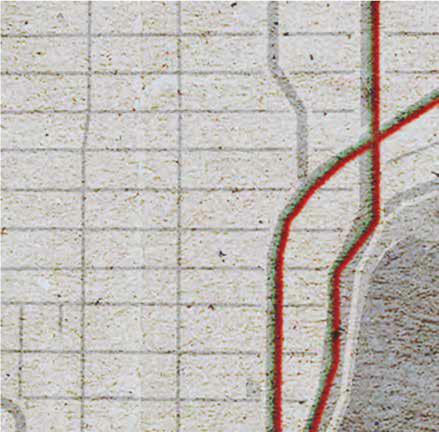
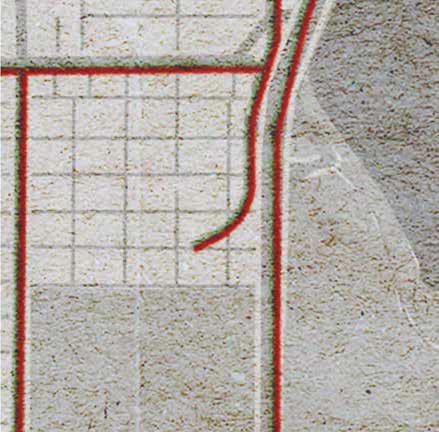
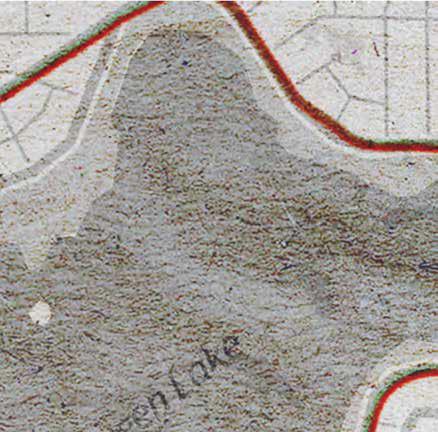
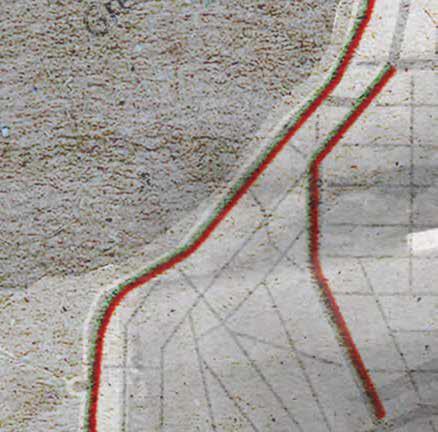
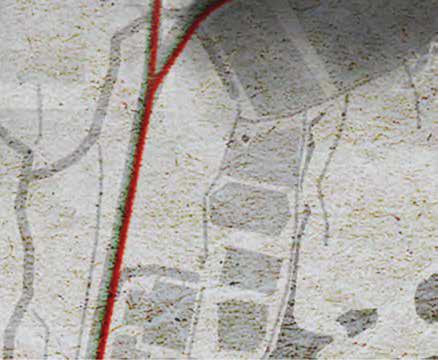
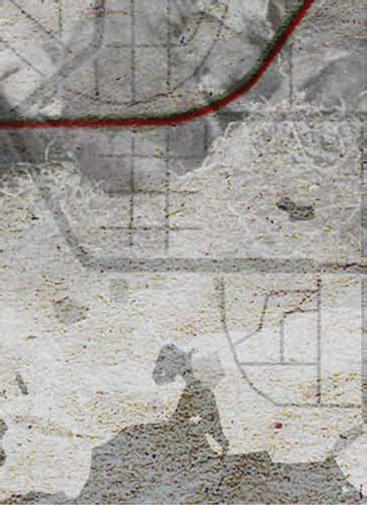



























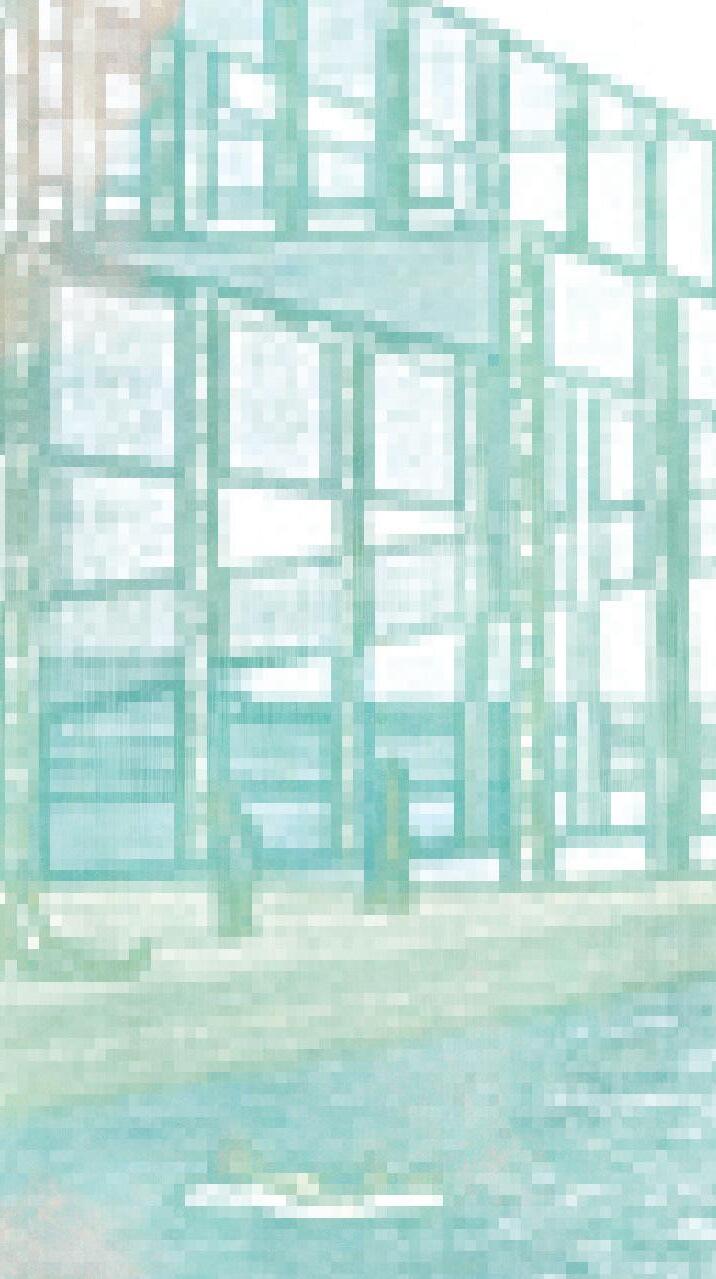


Once upon a time, there was a builder, an engineer, and a child. They were all heading up the road to the glistening city. There lie riches as far as the eye could see. Eventually, nightfall came, the glistening city was still far off in the horizon. All that greeted them was a dark ocean surrounding their path. The only exception to this was a lone island off in the distance. Figuring it was worth a shot, the builder, engineer, and child moved closer to get a better view of the island. After a while, they were able to spot a bridge in the distance that connected the island to the road they were currently on. The builder, engineer, and child eventually got to the head of the bridge. There they were greeted by a troll that held the bridge.
Troll: “Why are you here?”
Builder: “Please good sir, we have come here because we are in need of a place to stay.”
Engineer: “We noticed the island behind you and was wondering if we could sleep there for the night.”

Builder: “We will not be here long; at daybreak we will be heading towards to the glistening city.”
Troll: “State your business at the glistening city.”
Builder: “I was informed that the glistening city is currently looking for workers to build building and expand their workspaces. I hope to join them.
Engineer: “I heard that those same workspaces need software developers to keep their operation running smoothly. That is right up my alley of expertise.”
Troll: “Very well, but in turn I have one request. Because I am holding up this bridge, I cannot move from my location. They say that there are a plentiful amount of food that can be bought using riches. For favor of passage, all I ask for is that when you return back from the glistening city you give me some bread to eat.”
Child: “Can’t a loaf of basic bread be bought from the glistening city with just a pebble?”
Troll: “That is all I ask.”
Builder: “Very well then.”
Engineer: “So be it.”
The next morning, the builder, engineer, and child headed off for the glistening city. They each went their own separate ways to gather riches.
The next day, the troll spotted the builder with a bag swung over the back surrounded by people heading down the road away
from the city. The troll then called the builder out from the crowd.
Troll: “Hello builder, have you come to fulfill your word?”
Builder: “I apologize troll, working in the glistening city has been a great opportunity. I got to meet many people that do the same thing I do. But now, it has been decided that we must leave quickly.”
Troll: “You just got here. Why are you going off in such a rush?”
Builder: “I came to the glistening city to build. Nothing that I build is for me, thus I cannot use my own creations. After the work was completed, the other builders mentioned of new horizons at the radiant city. We have to head there immediately before someone else completes the work.
Troll: “Before you go, I see you have a lot of jewels in your bag there. Do you have the bread as well because I’m hungry?”
Builder: “I have been so occupied I never stopped once at a shop. Again I apologize but I haven’t got time to waste and must head off before the opportunity is lost. Don’t worry though because I’m sure the engineer definitely has some bread.”
The troll’s shoulders shifted down a bit. And so the builder went on their way.
The next day, the engineer passed the troll while leaving the city.
Troll: “I have been told that you have the bread.”
Engineer: “I’m sorry troll, but I never encountered such a shop that sold bread for a pebble.”
Troll: “How can this be! Did you try searching?”
Engineer: “Look, all I have been doing is working. Where my co-workers go to eat I go to eat. Where my co-workers go to sleep I go to sleep. Not once did a shop come up that sold bread for a pebble.”
Troll: “That’s an awful lot of gems you have in your bag there.”
Engineer: “I spent all day working to get this. Now I only have enough energy to go home.”
Thus the engineer rushed off into the distance back towards whence he came.
The troll raged, then gave up. The troll let go of the bridge and collapsed down into the dark ocean. Thus going into a deep hungry slumber.
Then the child came by. The child had a handful of pebbles, and a piece of bread. The child looked around but nobody was around. Not seeing the bridge, the child looked over the edge. There, the child saw the bridge, collapsed and broken. Then, a giant snore was heard. The child then noticed underneath the debris was the troll sleeping. The child set the pebbles down in a pile along the edge of the shoreline and tried yelling to get the troll’s attention, to no avail. The next day the child started collecting a bunch of bright colorful flowers; planning to toss them onto the bridge to catch the troll’s attention. The child also started collected pebbles found along the way to use at the bakery when the troll waked. At the end of the day the pebbles were set aside
on the pile along the shoreline and the flowers were tossed into the water and on the bridge. The next day came; the child tossed some flowers and set aside some pebbles. Then the next day came . . . and the next . . . and the next. . . .
Eventually the child threw in so many flowers that it covered the whole space in between the road and the island. Sunrise came and all the flowers, covered with dew and floating on the broken bridge, started glistening in the sunlight. This woke up the troll. Coming to the surface the troll saw the child.
Child: “Wait right there, I’ll get some bread.”
Looking at the giant pile of pebbles collected, the child changed directions. The child then pushed the all the pebbles into the dark ocean towards the island. All of a sudden, the floating flowers started to burst with roots and wrapping themselves around the broken bridge debris. Then the flowers started to grow rapidly, lifting the pebbles high into the sky. The collection of pebbles all came together forming a pathway while the massive flowers held up the pebbles.
Child: “Let’s get some bread.”
With no need for the troll to hold the bridge, the troll left with the child. From then on, every sunrise the pillar of flowers would glisten underneath, illuminating the pebble bridge.

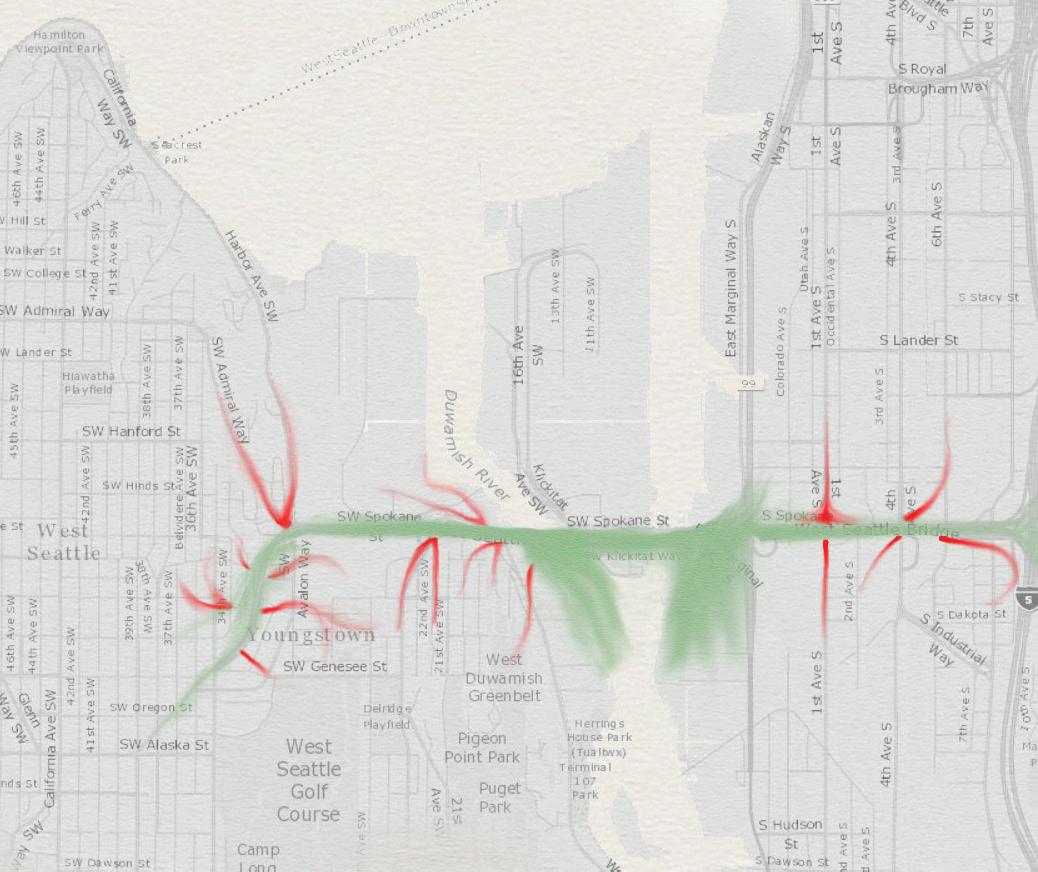
The map to the left depicts vehicular traffic circulation of West Seattle and the surrounding areas.
The yellow highlight represents the West Seattle Bridge. As of 2011, SDOT has placed the West Seattle Bridge as Seattle’s busiest city arterial peaking in 2016 with 137,400 Average Week Day Traffic (AWDT).
The green patches represent parks and green spaces.
The dark grey patch represents the area void of green space. Once one crosses over from one side of the Duwamish to the other, green spaces basically disappear. For reference, the grey area is also Seattle’s Industrial District.
Sources Page 1:
[1] https://www.seattle.gov/Documents/Departments/SDOT/VisionZero/2019_Traffic_Report.pdf
[2] https://www.localconditions.com/weather-west-seattle-washington/wa566/traffic.php
[3] https://www.king5.com/article/traffic/detours-west-seattle-bridge-traffic/281-c18938e5-c64a-402c-b669-c7ccaa74a25f
[4] https://mynorthwest.com/1884776/west-seattle-bridge-traffic-update-may-2020/
[5] https://www.seattle.gov/Documents/Departments/SDOT/About/DocumentLibrary/Reports/2009TrafficReport.pdf
[6] https://www.seattle.gov/Documents/Departments/SDOT/About/DocumentLibrary/Reports/2011TrafficReportfinal.pdf
[7] https://www.seattle.gov/Documents/Departments/SDOT/About/DocumentLibrary/Reports/2017_Traffic_Report.pdf
[8] https://gismaps.kingcounty.gov/iMap/
Sources Page 2:
[9] https://sccinsight.com/wp-content/uploads/2020/03/bridge-diagram.jpg–
[10] https://historylink.org/File/3428
[11] https://digitalcollections.lib.washington.edu/digital/collection/laroche/id/222
[12] https://www.historylink.org/File/2985
[13] https://historylink.org/File/2986
[14] https://historylink.org/File/3513
[15] https://www.boeing.com/principles/environment/duwamish/history.page

[16] https://www.seattle.gov/cityarchives/exhibits-and-education/seattle-segments/west-seattle-bridge


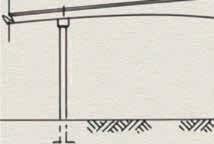

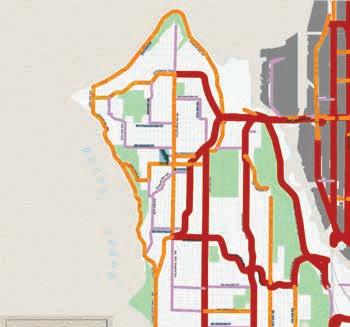



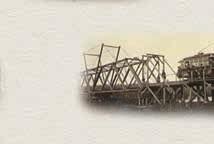



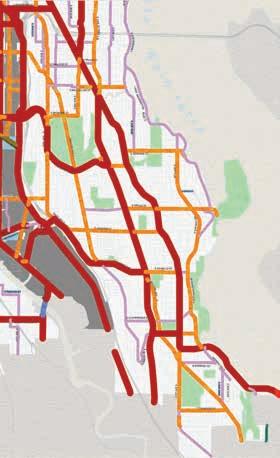




Blossoming Community
Bridge PillarsStem Skywards
Section Perspective at I - Facing East
Left Side are the Outdoor Food Stands
West Seattle BridgeBlossoming Sunflower
Connecting RampsRoots Down to Earth
The Yellow Represents the Playground in the Distance Right Side is the Interior of the Community Center

Section Perspective at I - Facing East
Left Side are the Outdoor Food Stands
The Yellow Represents the Playground in the Distance Right Side is the Interior of the Community Center

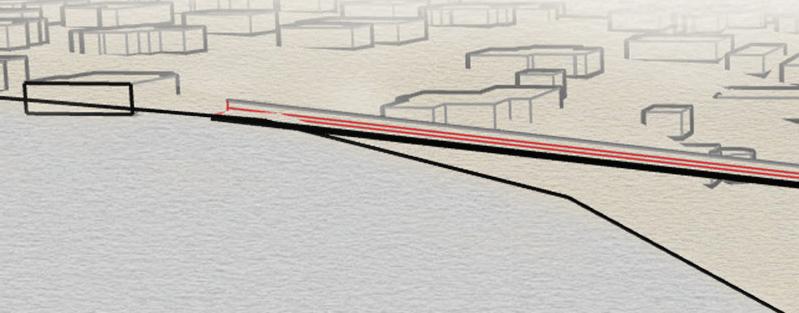
Section Perspective at D - Facing West
Section Perspective at D - Facing West
This is one of the added Connection Ramps
Linking North Delridge to the Bridge
This is one of the added Connection Ramps Linking North Delridge to the Bridge
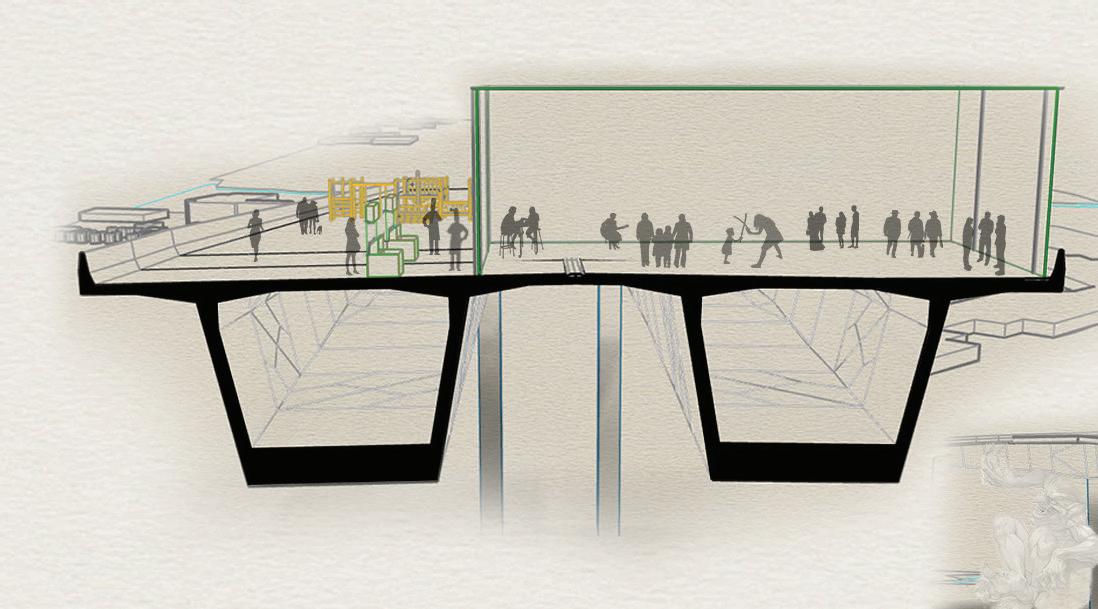
Section Perspective at I - Facing East
Left Side are the Outdoor Food Stands
The Yellow Represents the Playground in the Distance Right Side is the Interior of the Community Center
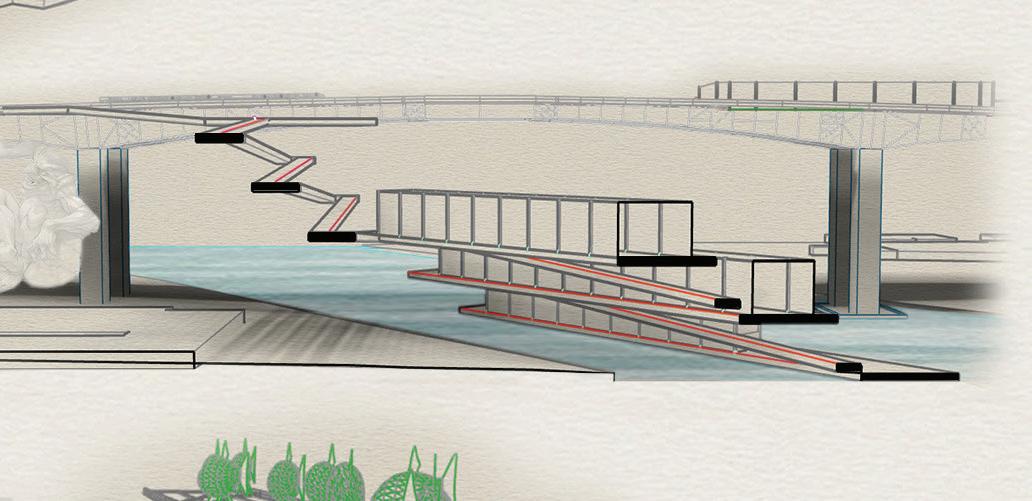
Section Perspective at H - Facing North Re - Connecting West Seattle Back to the Duwamish River
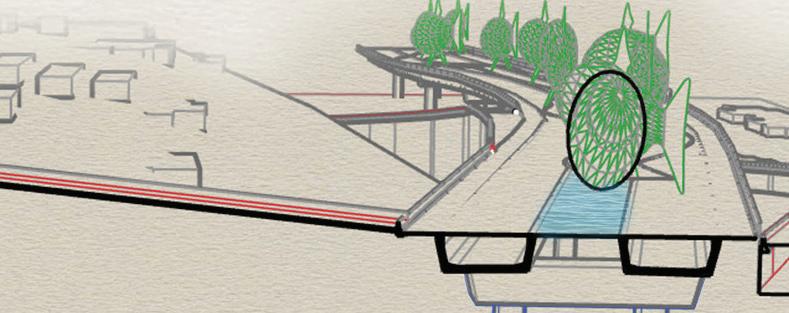
Section Re - Connecting Back

Looking
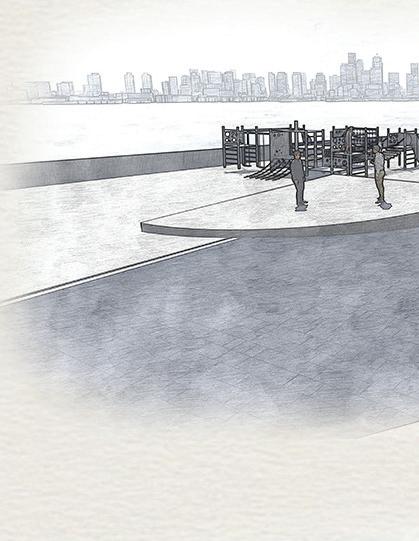
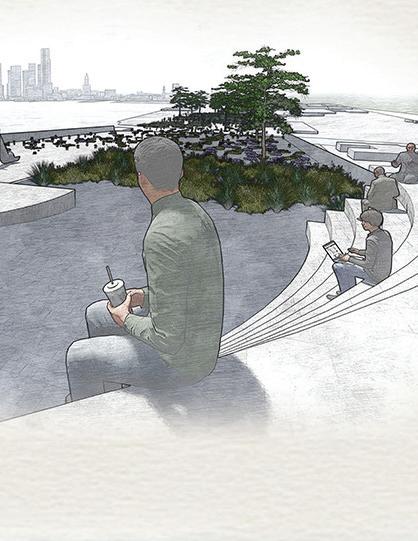


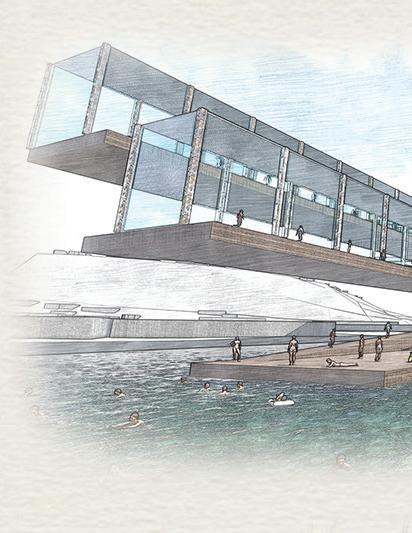
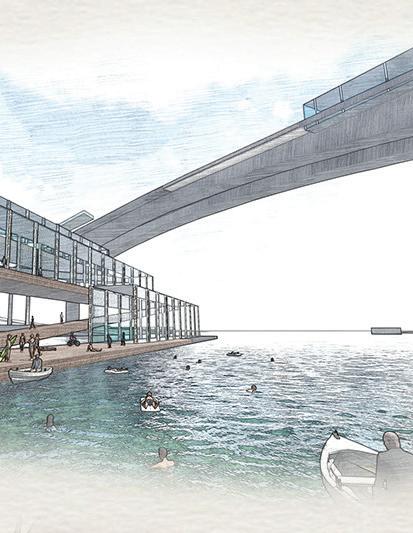


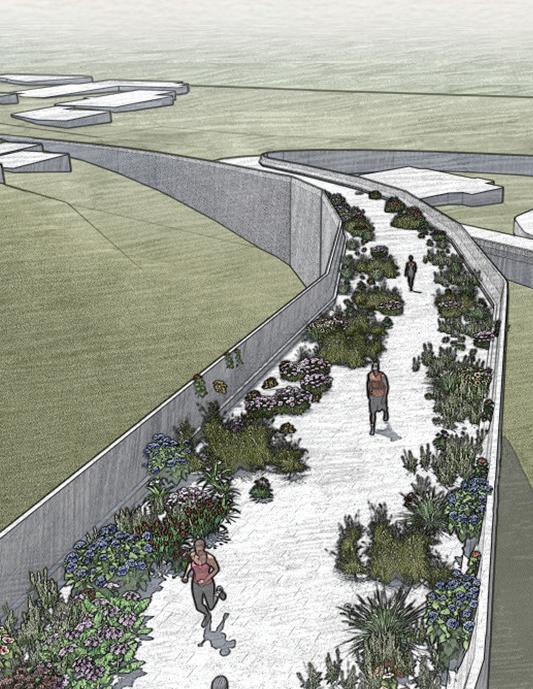
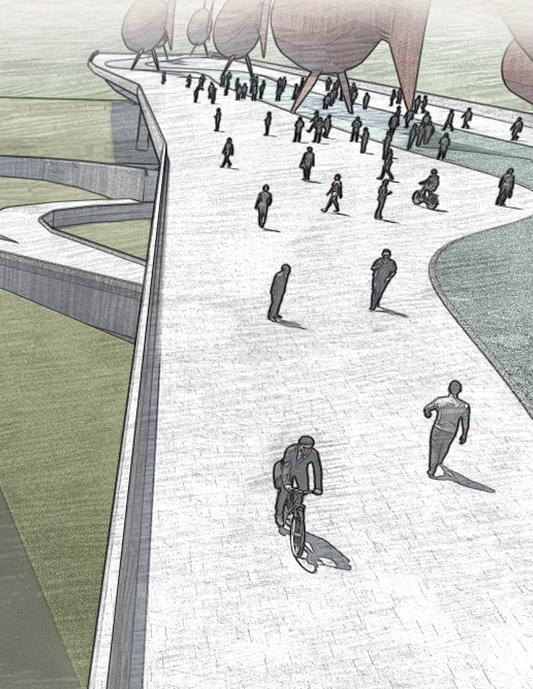



There once was a city with tall buildings that seemed to sprout out the ground like weeds. One summer day, a girl named Victoria left her too small apartment in the big city and went on her morning stroll through her neighborhood of Bushwick.
That day, the streets were quiet. Without the usual hustle and bustle, Victoria noticed that her surroundings were starting to look the same. There were glass offices, brown high-rises, and white-washed walls that covered up colorful murals. Without many distinct landmarks, she could easily have gotten lost in this maze of sameness.
As Victoria passed a small garden on Myrtle Avenue, she saw that nothing was growing in it. She watched as an old man planted a seed into the ground. The seed sprouted into a seedling before her eyes, quickly shriveled, turned black, and rotted back into the ground. The man looked disappointed. He saw Victoria staring and said, “Back in the old days, my neighbors and I used to be able to grow lots of fruits and vegetables here. Now nothing grows. I think once my neighbors left, their green thumbs left with them!”
“How were your neighbors so good at gardening?” Victoria wondered.
“Oh, they brought plant knowledge from all over the world, you see. From Mexico, Ghana, to Vietnam! It was wonderful. I miss them. I don’t know what we’re going to do now that the mayor is demanding every community to grow their own food next year.” The man shook his head. Victoria began to imagine what her neighborhood would have looked like with people from all over the world. For as long as Victoria could remember, she never saw other people in her neighborhood who looked like her. She wanted to find out why the neighborhood had changed so much.
As Victoria set off to seek the answer, she felt a mysterious tugging sensation on her ankle. She quickly turned to see what it was. She could swear she saw something slither into the manhole in the sidewalk. Could it have been a rat? A cockroach? Confused, Victoria peeked through the small hole in the manhole. She saw a faint light on the other side. The old subway was abandoned years ago, she thought, why was there light down there?
Victoria lifted the manhole cover. Suddenly, a green vine stretched up from the hole and gave her a gentle tug on the ankle, beckoning her into the void. She began to descend into the hole, navigating the ladder with the help of light glowing from below.
Upon reaching the bottom of the ladder, Victoria found herself in a whole other world. The once dingy subway tunnel
had turned into a bright underground street with blossoming cherry trees and purple wisteria vines growing up the sides of the walls. The street stretched into the distance with branches turning off every so often, each one serving as housing corridors, medical wards, schools, and recreation areas.
Black, Hispanic, Middle Eastern, and Asian people of all ages zipped past each other—smiling, laughing, playing. Walking down the tunnel, neon signs in multiple languages indicate where businesses were located, savory smells wafted from rows of food carts, and bikers zoomed by on a makeshift bike trail.
Victoria walked further into the tunnel. She arrived at a room filled to the brim with vegetable crops. She watched as an old Asian woman waved her hands, illuminating a tomato plant. The small green buds immediately grew twice their size and turned color into a bright red. The old woman offered her the tomato, and Victoria took a bite. Juices dripped down her chin as her eyes widened from the sweetness. She swore she could see colors becoming brighter.
“How can you keep all this a secret? People out there could use your powers. They need your help.” Victoria said to the woman.
“No, we can’t reveal our powers to them. That would only disrupt our peace. They have treated us badly for far too long,” the woman shook her head. Victoria thought about the poor old man on the surface who was worried about not having enough to eat next year.
Victoria asked who was in charge of the tunnel world.
“There is a leader who holds a magical orb. It has the power to grow food and give light in the darkness,” With that, Victoria dashed out of the room. “But if it falls into the wrong hands, it can cause great harm,” the woman added, but Victoria was already gone.
Victoria raced down the tunnel world in search of the orb. She could use the powers to help lots more people than just who was down here. She peered inside a classroom, a doctor’s waiting room, and a basketball court. No orb. Victoria soon felt like this tunnel world was too big for her to find the one person who has the orb.
“Psst,” a mischievous roach nodded towards the next door on the left. Roaches were always stirring up trouble.
Victoria heeded the roach’s advice and there it was. The orb was glowing inside a woman’s dress pocket. Living in the big city had taught Victoria how to avoid thieves that steal from pockets . . . as well as learn their techniques. Victoria motioned for the roach to distract the woman as she snatched the orb from her pocket. Before anyone noticed, Victoria ran as fast as her legs could carry her and hurried up the ladder to the surface.
She found herself back to where she started on Myrtle Ave. It was rush hour. Victoria found a megaphone and announced to the people about the orb’s magical powers. To prove that it did have powers, she planted a seed into the small garden and immediately a beanstalk stretched higher than she was tall.
A group of men wearing black suits approached her. They offered to buy the orb from Victoria.
Suddenly, a group of people from the tunnel world came up through the manhole and rushed towards Victoria. The woman who Victoria had stolen the orb from demanded she give the orb back. The woman argued that the surface people would only use the orb for their own gain.
With both groups inching closer, Victoria quickly dug a hole in the soil and planted the orb into the ground.
Just like that, the vines that had beckoned Victoria into the tunnel early were now bursting through the manholes and from the abandoned Knickerbocker Ave subway entrance. The vines kept growing and growing until it completely engulfed the skyscraper next door. With all that pressure, the skyscraper collapsed, and down fell the infrastructure.
In the place of the skyscraper, stood a massive hole, revealing the tunnel world below. The infrastructure from the building transformed into terraced levels that added another dimension to the tunnel world. They created new spaces for growing plants, writing stories, and painting murals. The barriers that once separated the underground and the surface were beginning to break down, connecting the two disparate worlds together.
From that day on, the people from the tunnel world and the people on the surface came to realize that both of them were wrong. The tunnel people were wrong to hide powers that could have saved lives. The surface people were wrong to push out the tunnel people from their rightful neighborhood.
With the orb’s powers planted into the soil, community gardens across the city were now coming back to life. The tunnel world transformed into a resource and education center owned and led by the people who created it. In exchange for their bountiful crops, the surface people gave the tunnel world half of the neighborhood’s governing power to the tunnel world, to begin the journey of creating a more inclusive and just neighborhood for all.
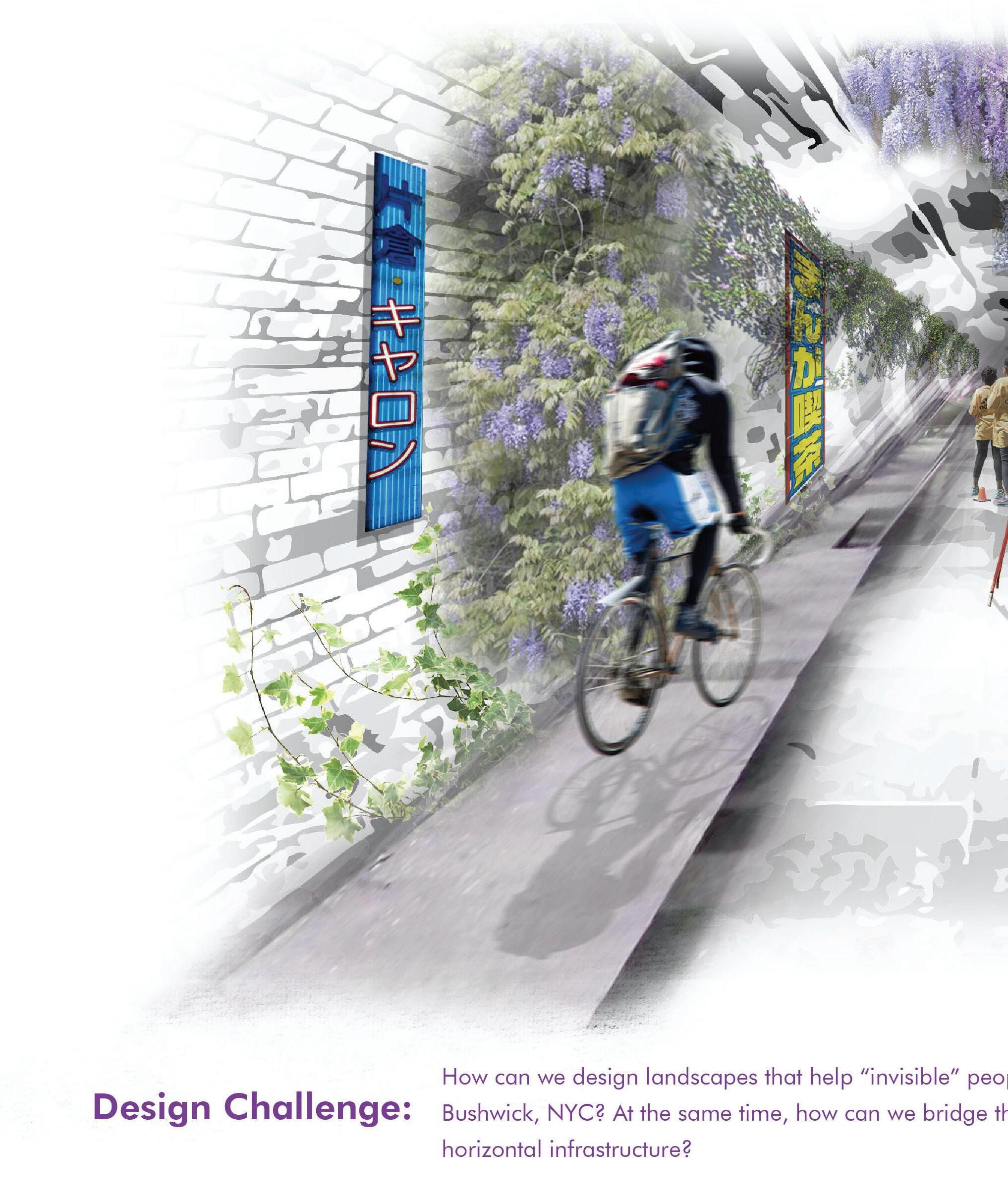

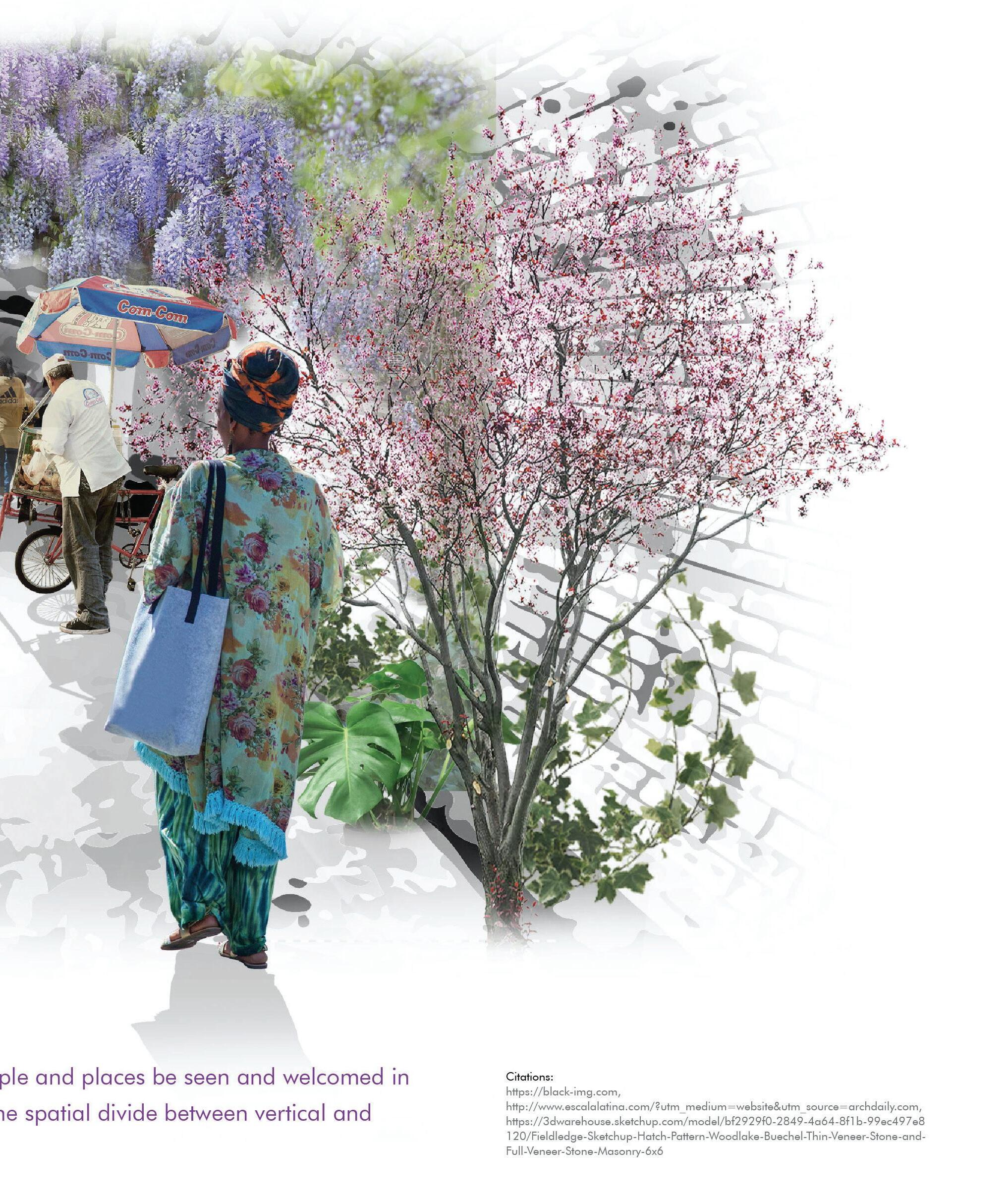

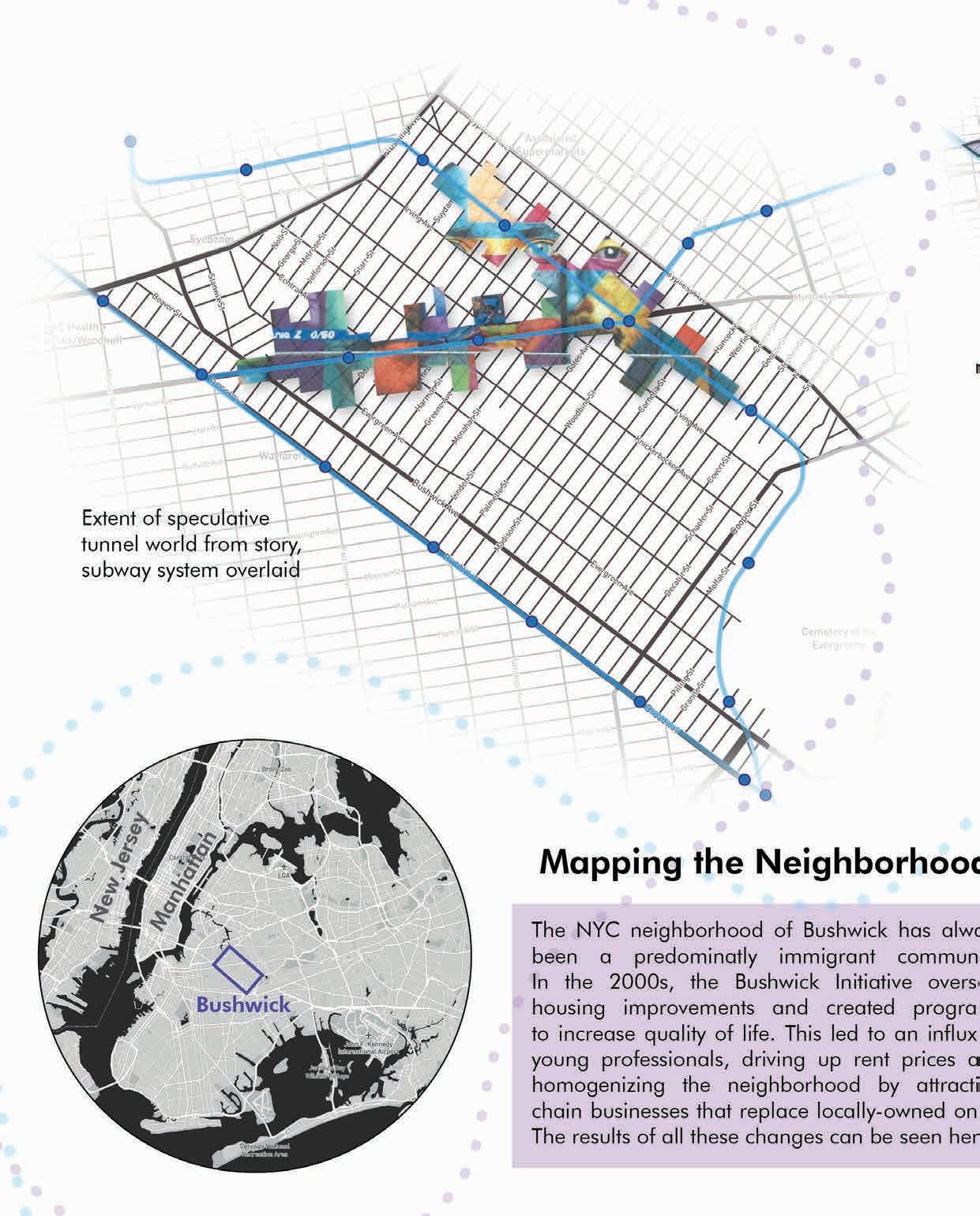
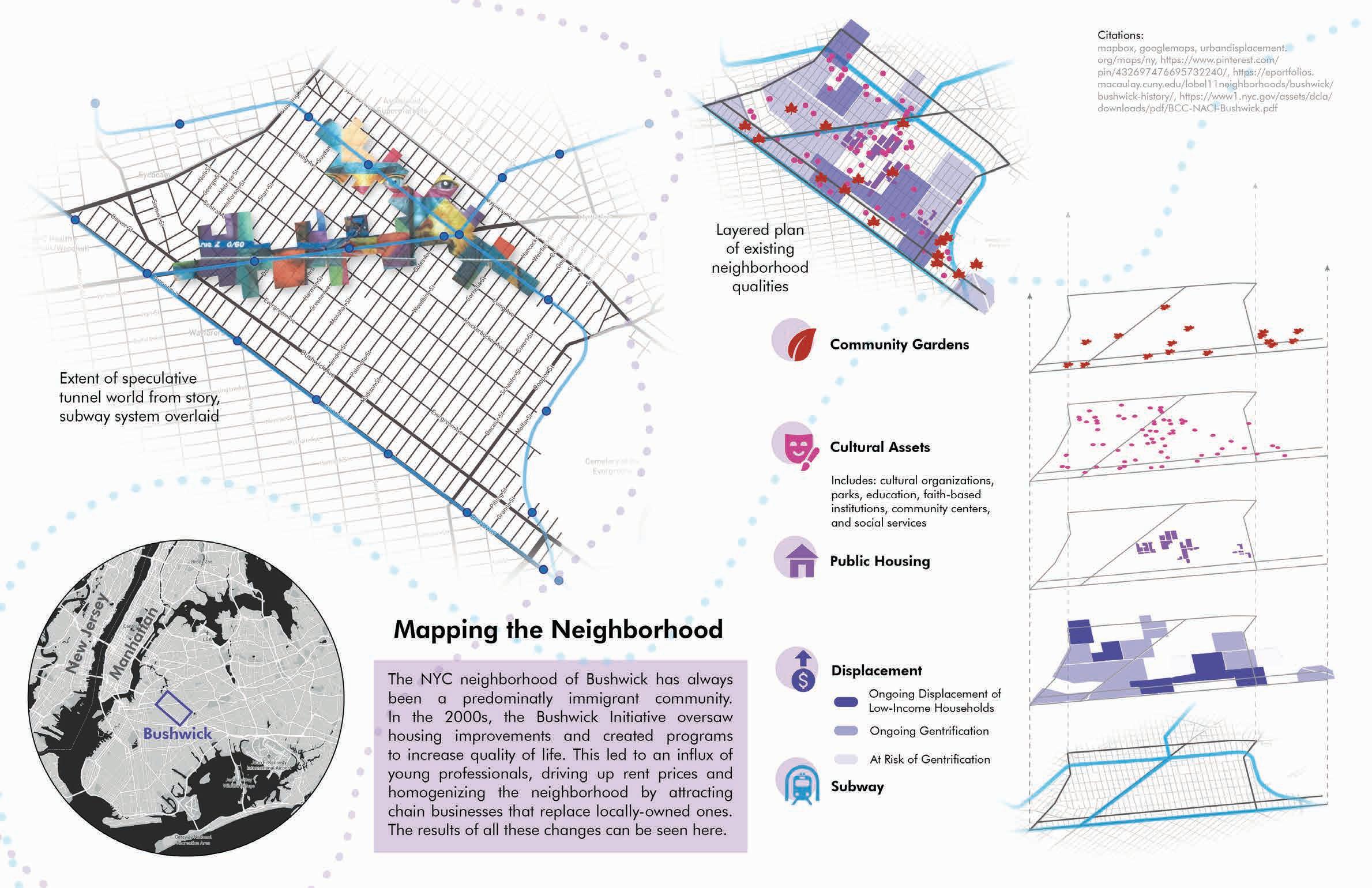
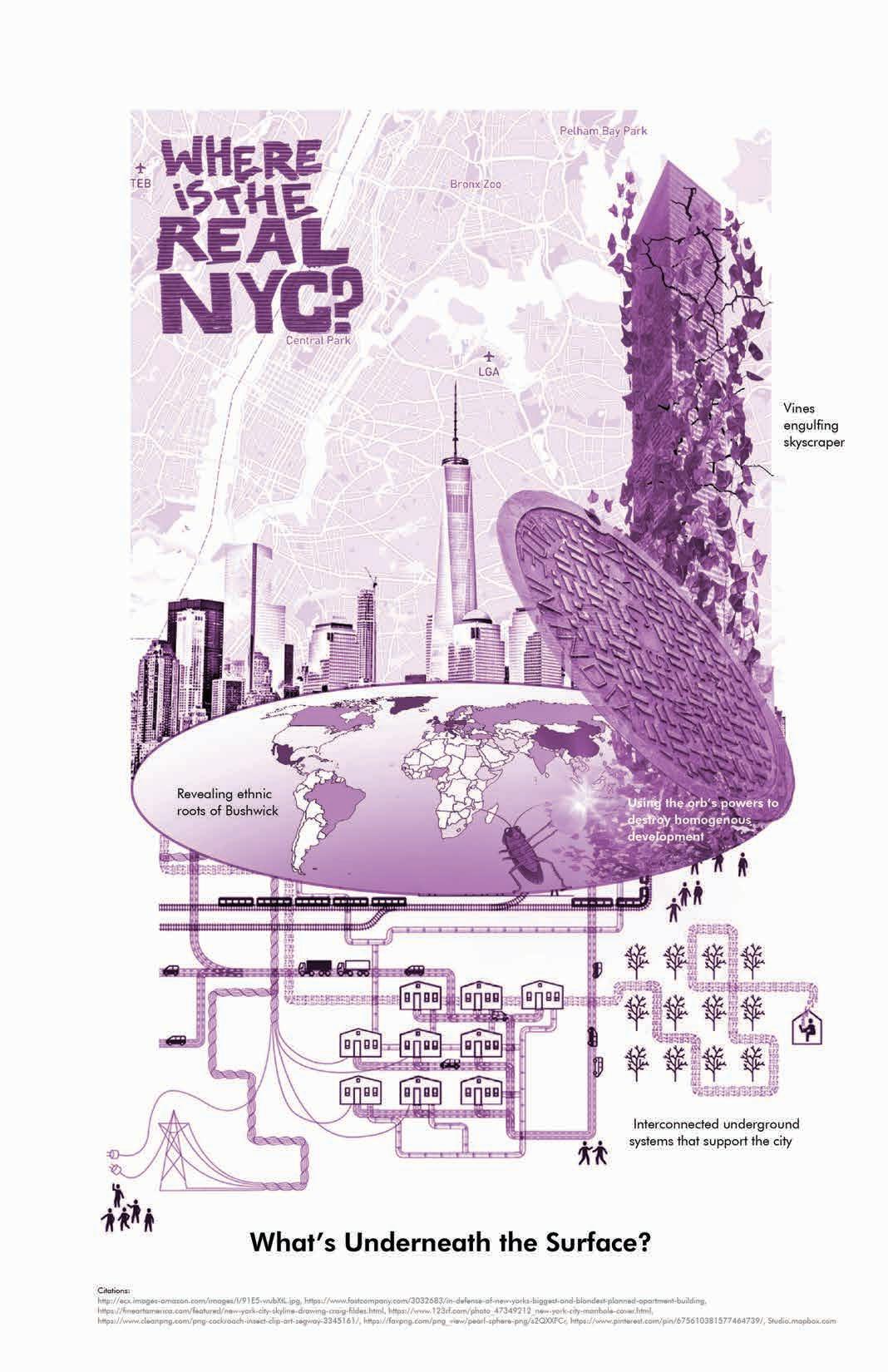
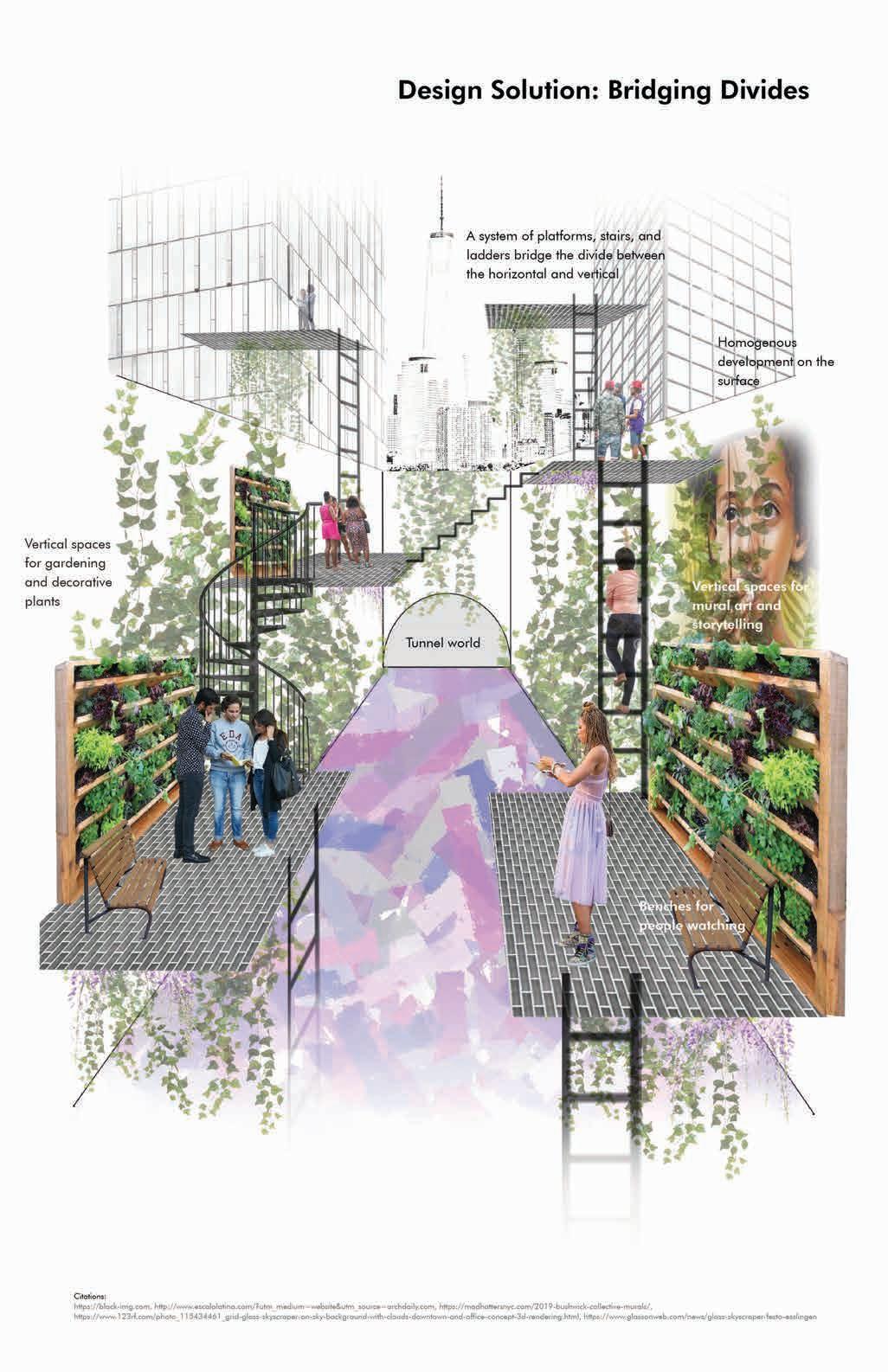
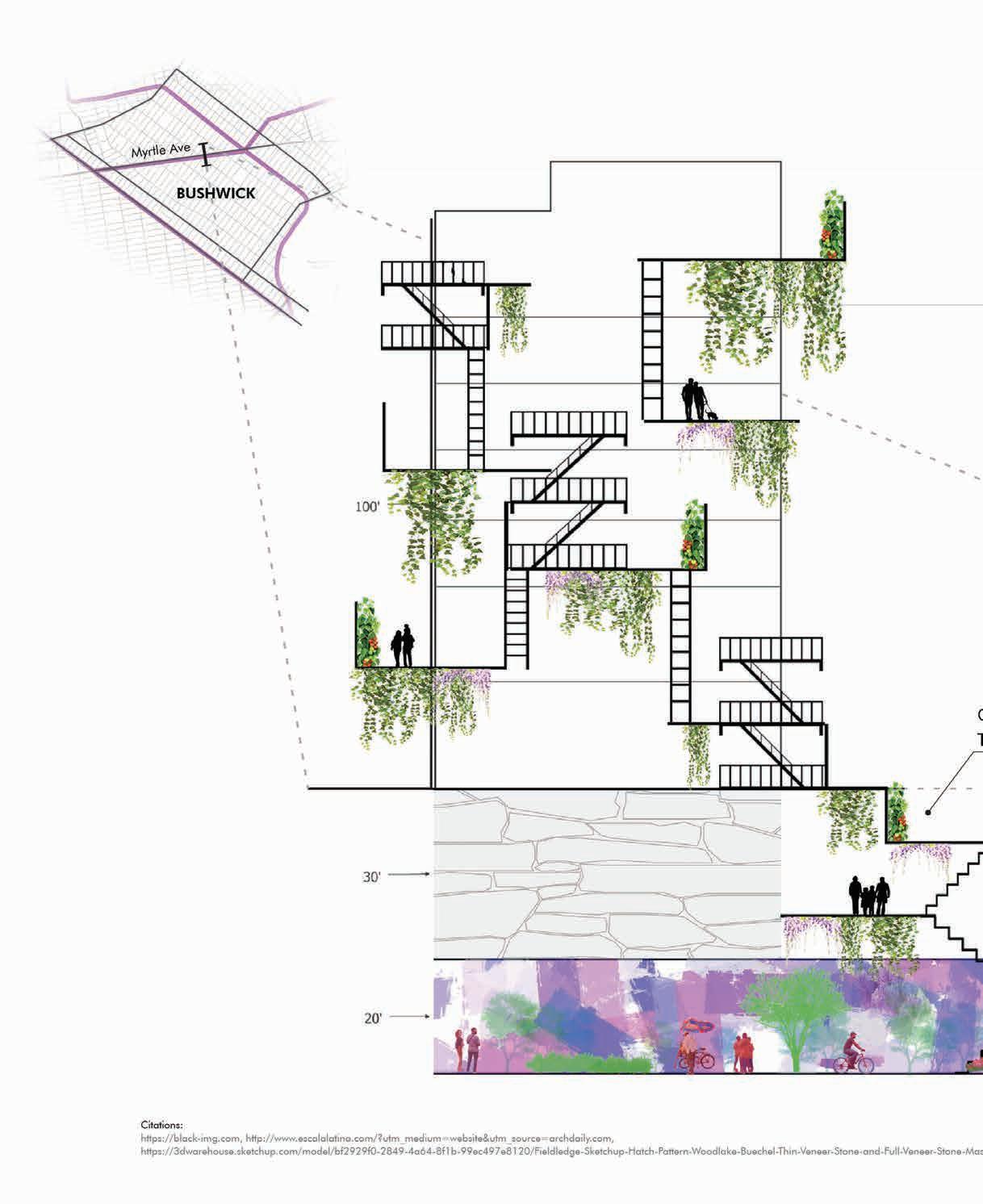
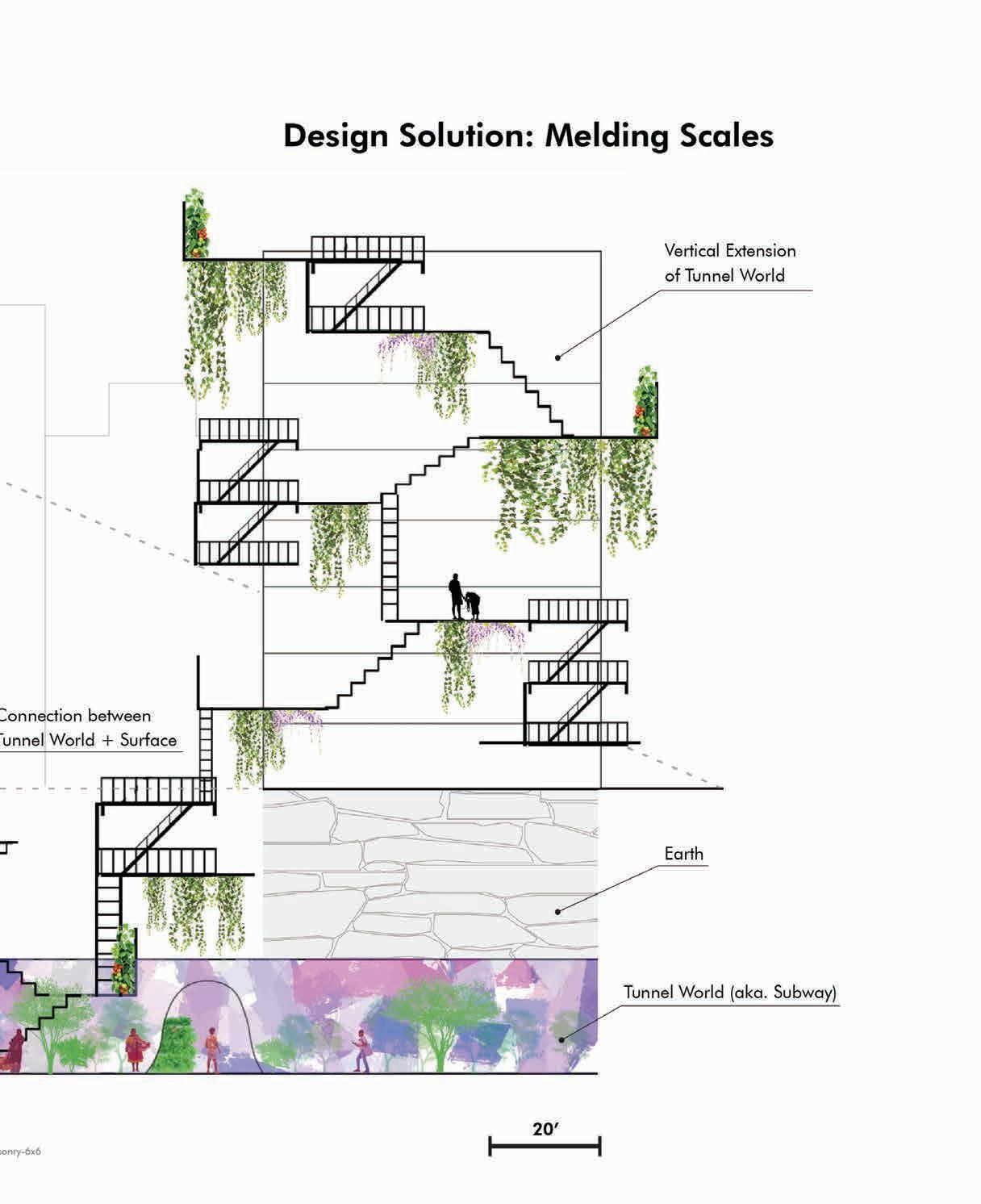


UNIVERSITY OF WASHINGTON
COLLEGE OF BUILT ENVIRONMENTS