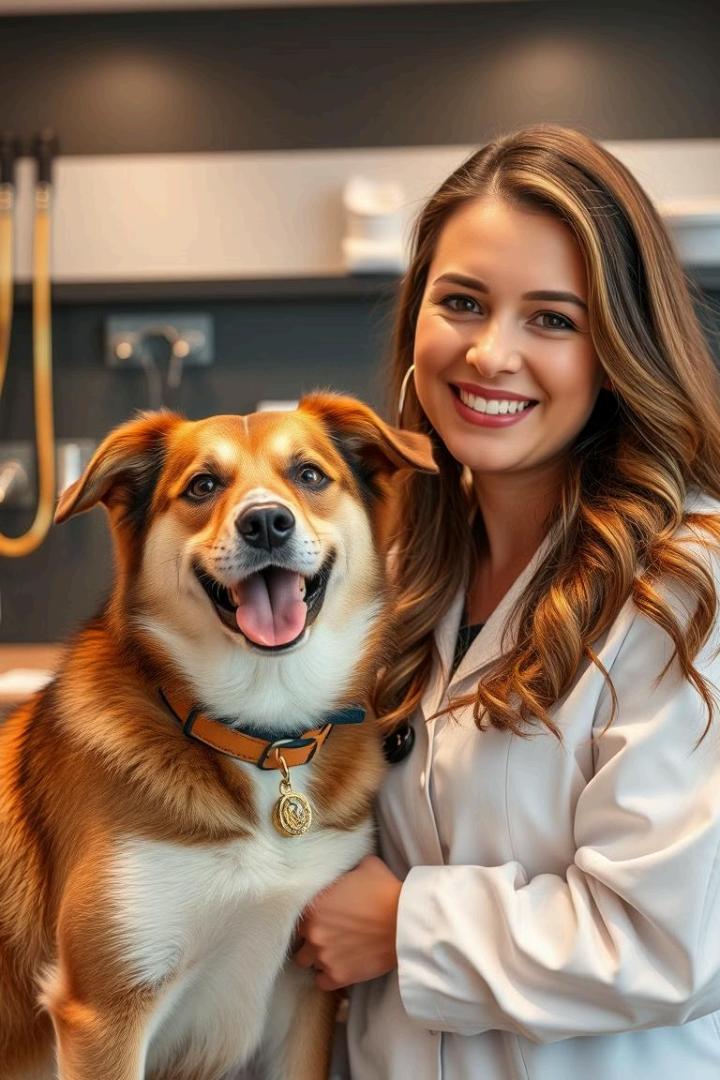



1 Focus Diagnosing and managing diseases affecting internal organs.
2 Scope Digestive, endocrine, respiratory, kidney, immune, and cardiovascular.
3 Experts Veterinary internal medicine specialists are like detectives.

Weight Changes
Unexplained loss or gain.
Digestive Issues
Vomiting or diarrhea.
Breathing
Persistent coughing.
Energy
Lethargy or changes.


Use tools like blood tests, ultrasounds, and X-rays.

Create personalized plans with medications and diet.

Help manage chronic conditions over time.
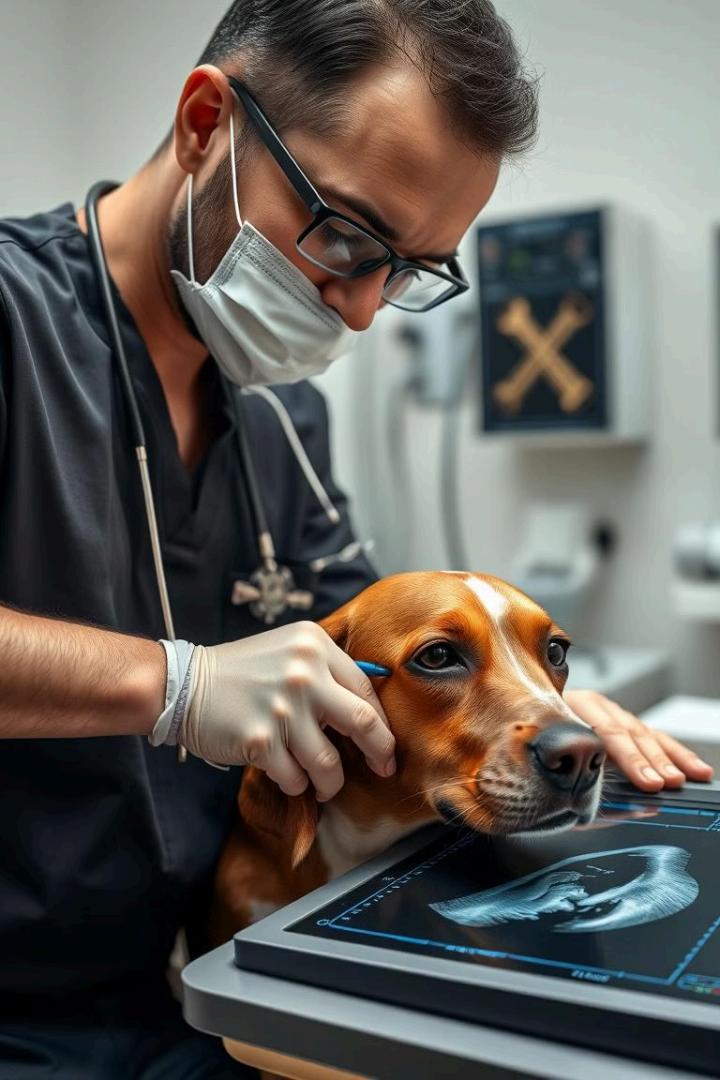
Diabetes
Regulate blood sugar with insulin and diets.
Kidney Disease Manage with meds, hydration, and diet.
Autoimmune Use therapies to control immune response.




Catch complex diseases early.
Advanced Tools
Ensure accurate diagnoses.
Expertise
Handle unusual cases.
Collaboration
Work with your vet.