
INTERNAL MEDICINE FORPETS


INTRODUCTION
Veterinarian care is crucial for pet health, with internal medicine being a key area focusing on diagnosing and treating complex health issues affecting internal organs. This systematic approach helps understand disease causes, manage chronic conditions, and provide comprehensive care. This information will explore the significance of internal medicine, common conditions treated, diagnostic procedures, and ways pet owners can contribute to their pet's health.
WHATISINTERNAL MEDICINEFORPETS?
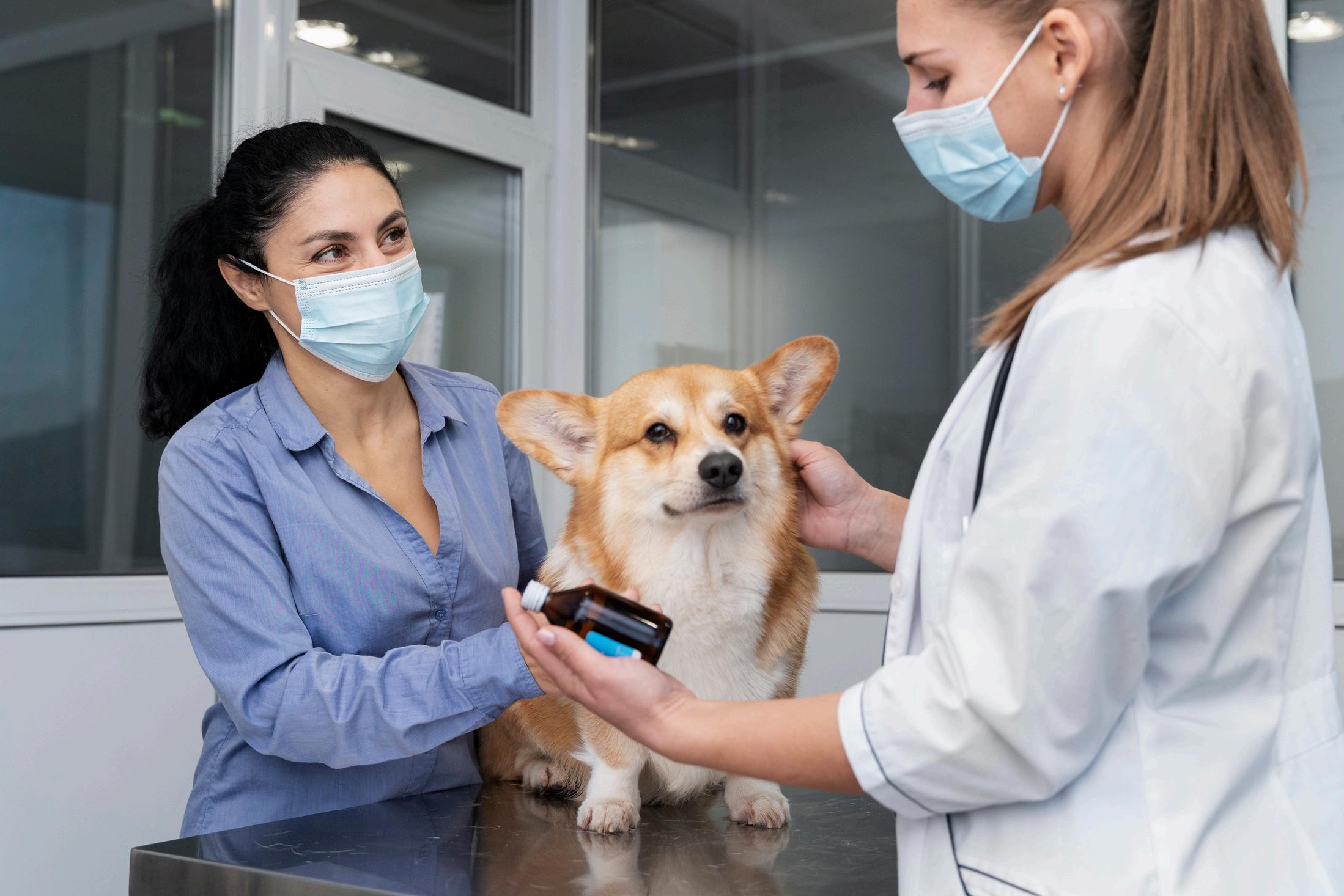
Internal medicine for pets is a specialized field within veterinary medicine that diagnoses and treats diseases affecting internal organs like the heart, lungs, liver, kidneys, and gastrointestinal tract. Internists, equipped with advanced training, handle complex cases and collaborate with other specialists for a multidisciplinary approach to pet healthcare.
COMMONCONDITIONS TREATEDININTERNAL MEDICINE
Endocrine Disorders
Gastrointestinal Diseases
Cardiovascular Diseases
Respiratory Disorders
Kidney and Urinary Tract Diseases
Infectious Diseases
Hematologic and Immune-Mediated Diseases
DIAGNOSTICPROCEDURESIN INTERNALMEDICINE
Blood tests, including comprehensive blood panels like complete blood count and biochemistry profiles, offer crucial insights into organ function and overall health.
X-rays, ultrasound, CT scans, and MRI are commonly used imaging techniques to visualize internal structures and detect abnormalities. 03
Endoscopy is a non-invasive procedure that uses a flexible tube and camera to examine internal organs like the gastrointestinal tract and respiratory system.
Biopsy involves collecting and analyzing tissue samples from affected organs to diagnose specific conditions like cancer or inflammatory diseases.
Urinalysis is a diagnostic procedure that involves examining urine samples to identify kidney disease, urinary tract infections, and other urinary disorders. 06
The Electrocardiogram (ECG) is a vital diagnostic tool that measures the electrical activity of the heart.

CONCLUSION
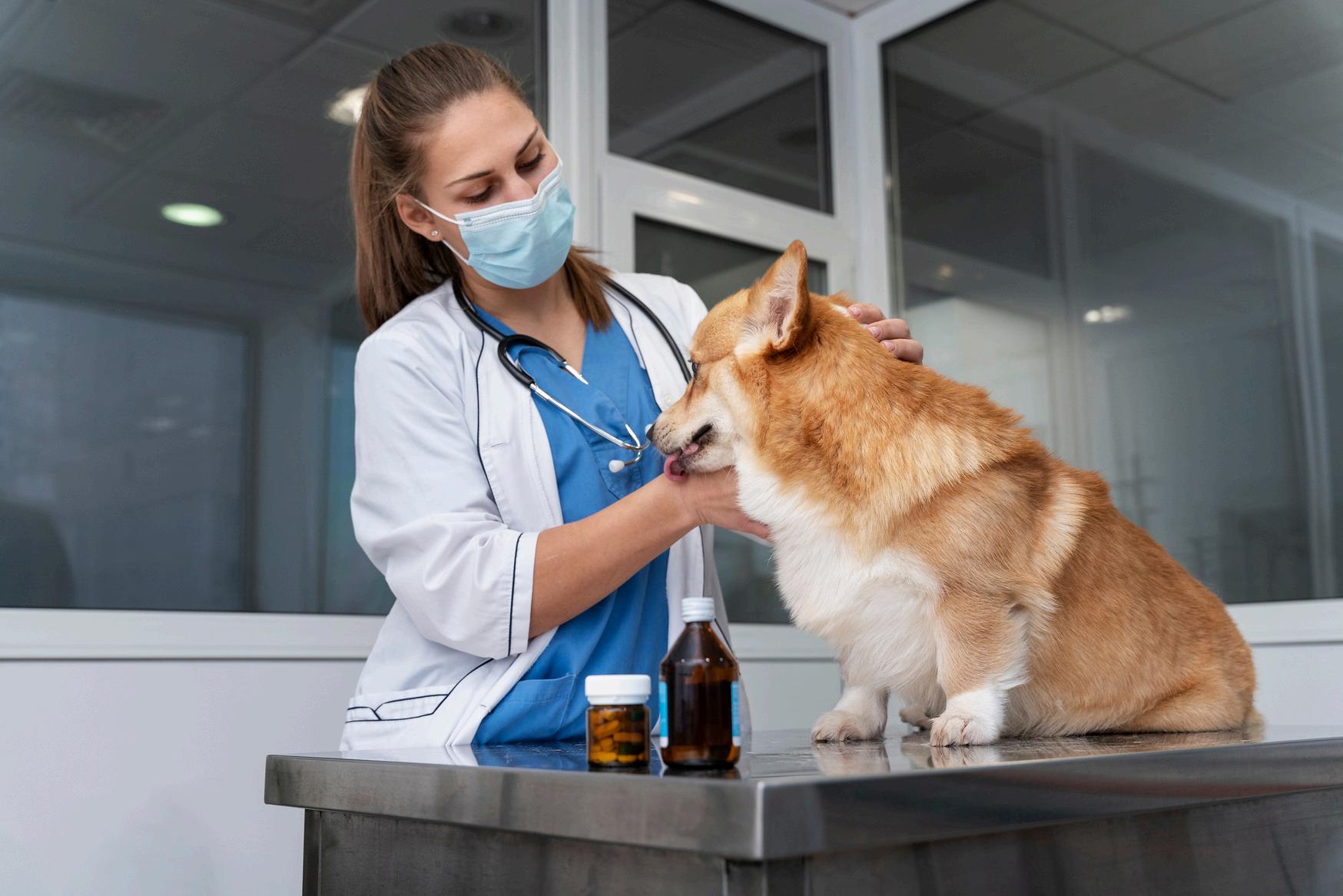
Veterinarian internists play a crucial role in internal medicine for pets, addressing complex health issues. They use advanced diagnostic tools and treatments to ensure their well-being. Pet owners must stay vigilant, maintain regular check-ups, and follow treatment plans to manage and prevent internal health problems. Working with veterinary specialists ensures the best possible care for pets, ensuring their healthy and happy lives.