linktr.ee/bristolienses
linktr.ee/bristolienses
By Marcus Cryer
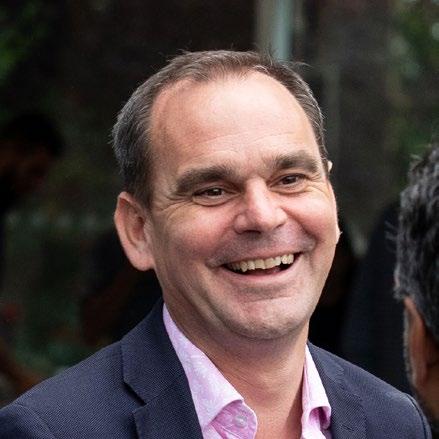
Another year has passed, and once again it has been my privilege to Chair our Society’s Committee. It has been another busy year, and the Society’s Calendar is growing both in activity and support, which is great news.
As the world faces some troublesome times, societies like ours become even more important for support, friendship and advice. The experience that we have within our society is invaluable to young OBs and we should all try to engage. Please do “Get Involved”, the easiest way being to sign up to all the social media accounts. You have so much to offer, and it is great fun being an active part of our community. If you want to experience what our community is all about, then come to the remembrance service at our Memorial Ground on Remembrance Sunday, it is very special.
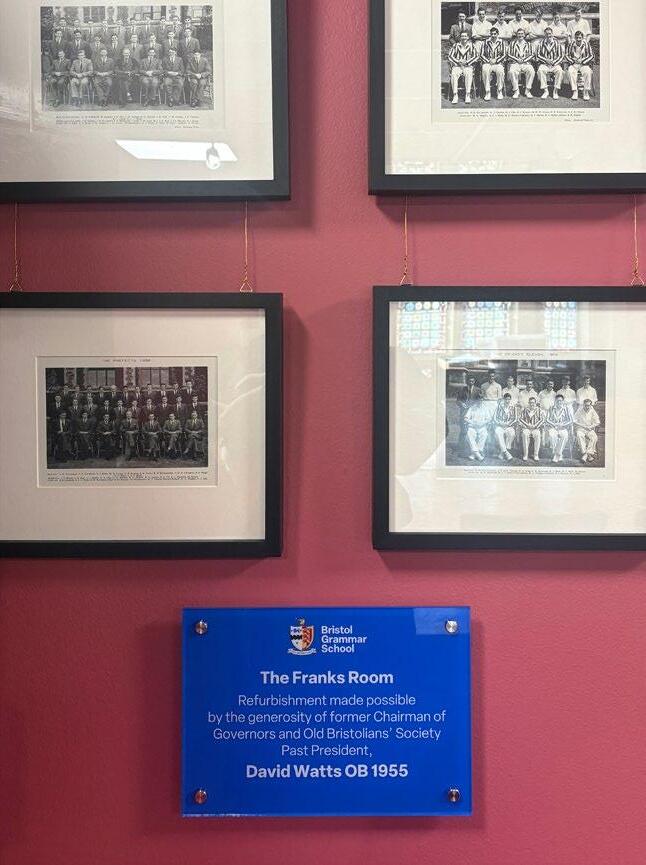
David Watts generously donated £5,000 to the society to put to good use, so we have undertaken a refurbishment of the Franks Room in order to provide a formal Old Bristolians space within the heart of the school. Whilst not complete as I write, the redecoration and the framing and hanging of Old Bristolian memorabilia has been completed, and the room is shaping up nicely to become the spiritual home of the Society within the school site.
Whilst we still have a couple of loose ends to tie up around the Sports Club’s Lease of our Memorial Playing Fields, and how the arrangements around use of the Astro Turf Pitch, the Sports Club, School and Society will pan out, we do all have the same desire to support each other and see Old Bristolian Sports thrive. To that effect there are many unsung heroes from all sides of the golden triangle committing a great deal of time and energy, so I would like to acknowledge and thank them. I would also like to congratulate the Rugby Club on their Centenary, I am sure that you will read more about that within this publication.
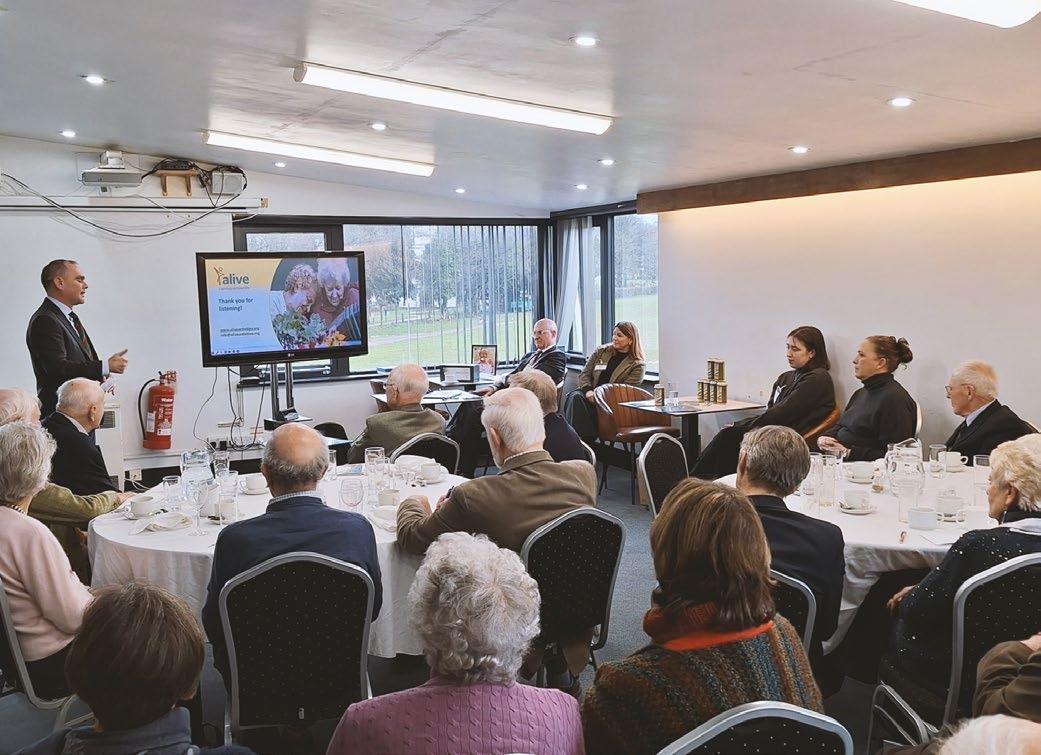
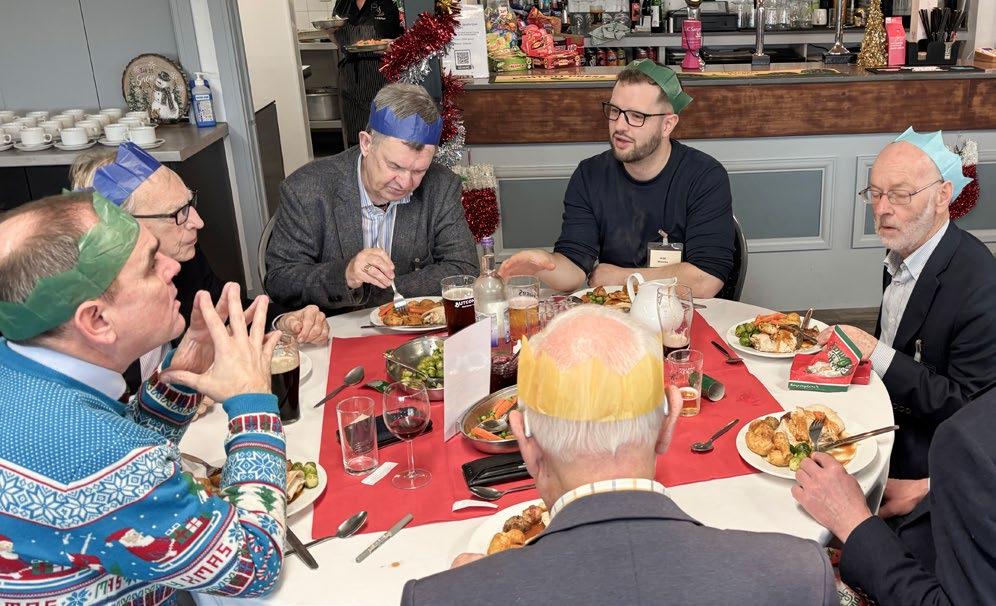
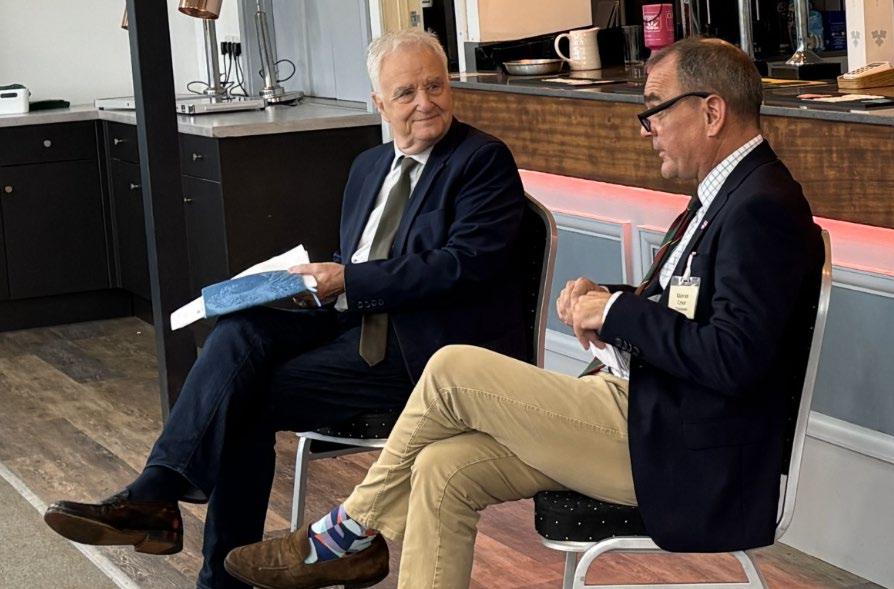
At Lunch Club, which meets at Failand on the first Friday of every month, we have had a wide range of speakers from past Lord Mayors to Newsreaders, and it always proves to be an enjoyable couple of hours. Everyone is welcome to attend, and if you think that you would like to present, then please do make contact.
The Annual Dinner is always a lovely event and is really ignited when year groups with an anniversary support it. It is a wonderful way to meet up periodically, and not only catch up with old school friends and staff, but meet new people who have enjoyed the same experiences at BGS.
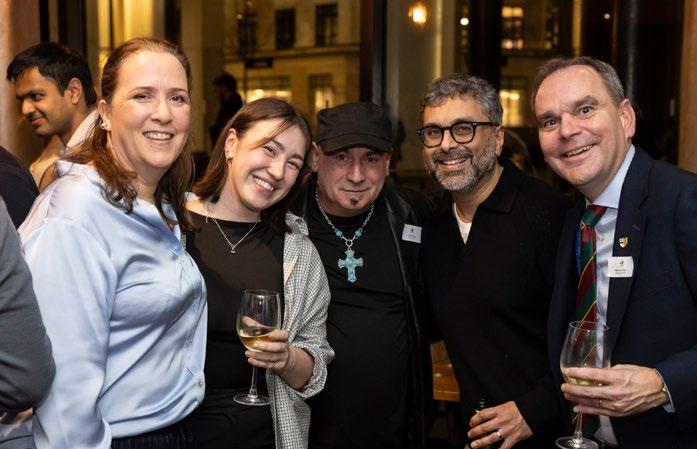
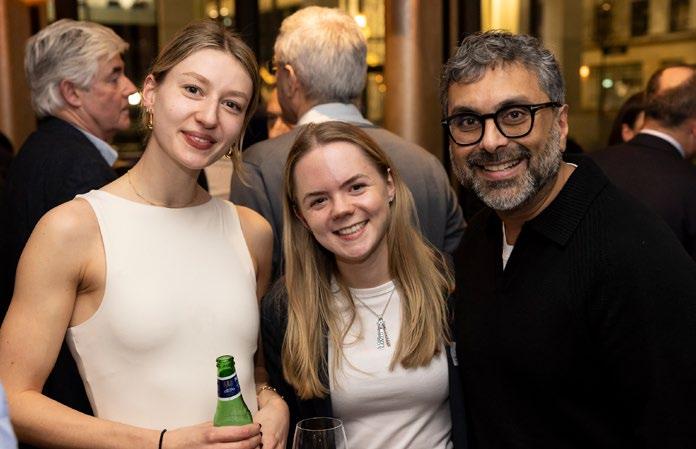
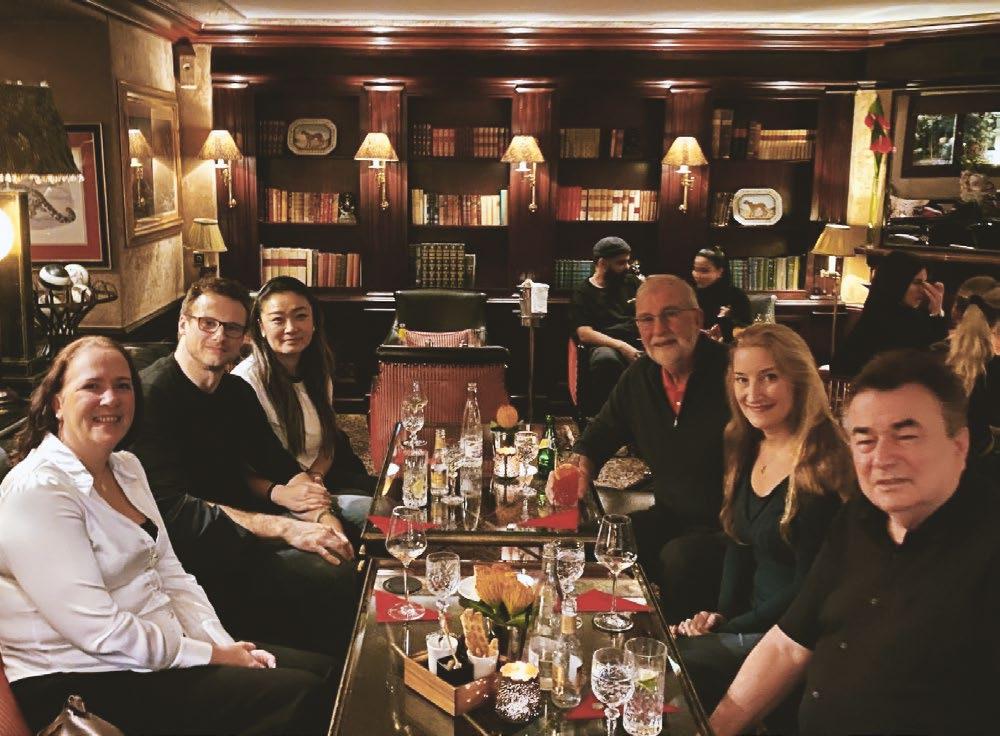
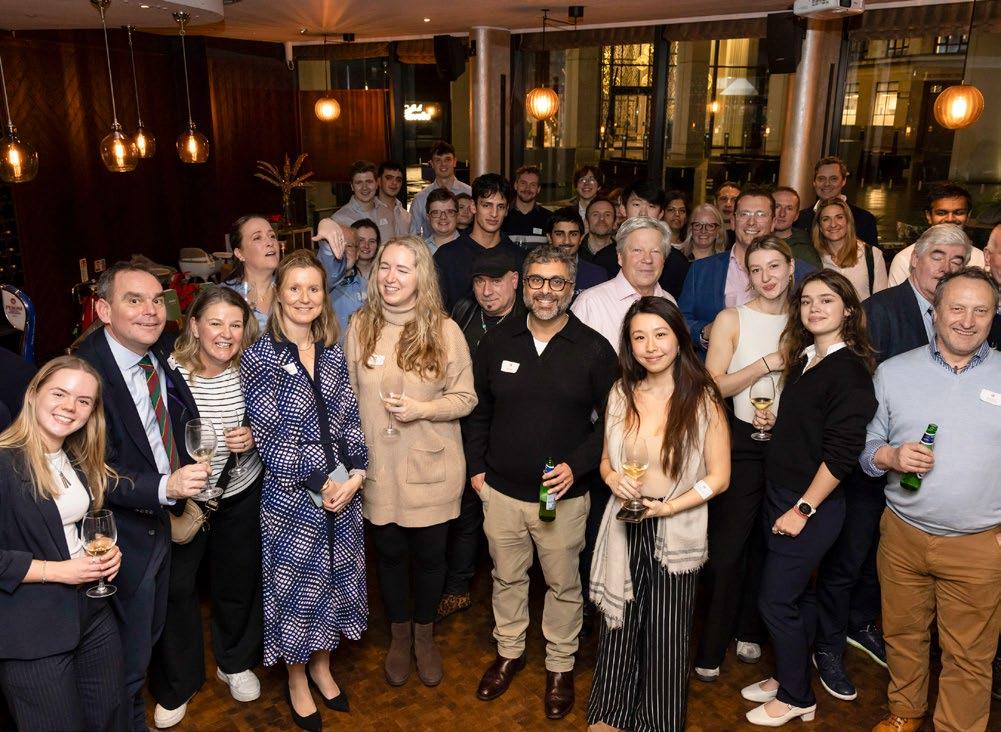
I would like to formally thank the Headmaster, and Nadine’s Development Team for the generosity shown in hosting a very successful London Drinks, which is a brilliant event that I would recommend keeping an eye out for next year.
Whilst mentioning the Development Team, I would like to offer my congratulations for the excellent progress they are making.
As I am sure you all know, The 500 Campaign is targeting 25% of pupils attending our fine school to be Bursary Award holders, as it stands today it is 15%.
I think this is incredible in the current economic climate, and I thank anyone who has been able to help.
The mentoring program is growing, and I suspect that, with the appointment of our new president, the careers aspect of our community will be very active over the year ahead. I know that the “Speed Networking” event is always very successful.
I would like to thank the Committee and the School for all of their help and support again this year, and I am looking forward to the year ahead.

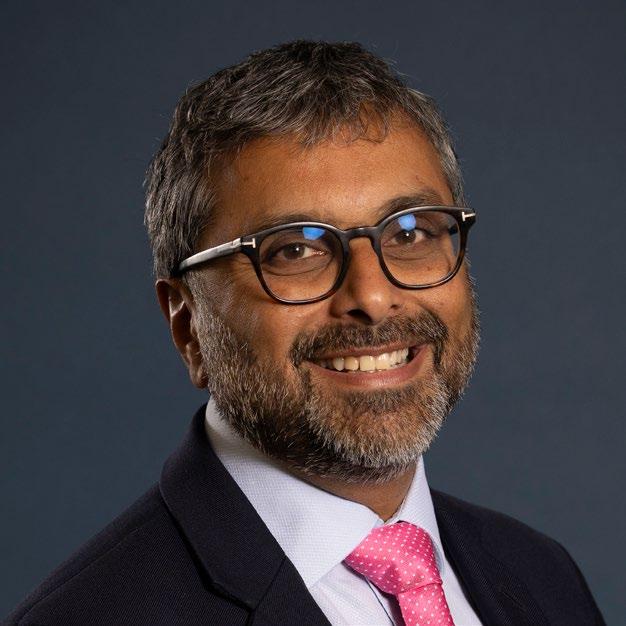
Our BGS community – past and present – continues to be a source of strength and pride. We see that spirit reflected in the generous support for our 500 Campaign, ensuring that talented, curious and ambitious children from all backgrounds have the chance to flourish here. My thanks go to all of you who have supported us in ways big and small; your generosity really does change lives.
We’re also proud of the work we continue to do beyond our own walls, across the city of Bristol. Whether through collaborative projects with local state schools, co-curricular partnerships, or outreach programmes, we believe that the value of what we do is measured not only by what happens within our school, but by the relationships we build and the impact we can have more broadly. Bristol Grammar School is, and always has been, a school for the city of Bristol, not just a school in the city, after all.
While the sector may be evolving, I hope it is reassuring to know that BGS remains fundamentally the school you remember. We continue to offer an education that is challenging and engaging, one that encourages pupils to think deeply, question boldly and to make a positive difference to the world around them.
Our OBs go on to pursue a remarkable breadth of pathways. Whether in the arts, sciences, public services, entrepreneurship, academia, and so much more, they continue to make their mark, and these stories – some of which are shared in this publication –are not only a source of pride, but an inspiration to the young people walking the same corridors today.
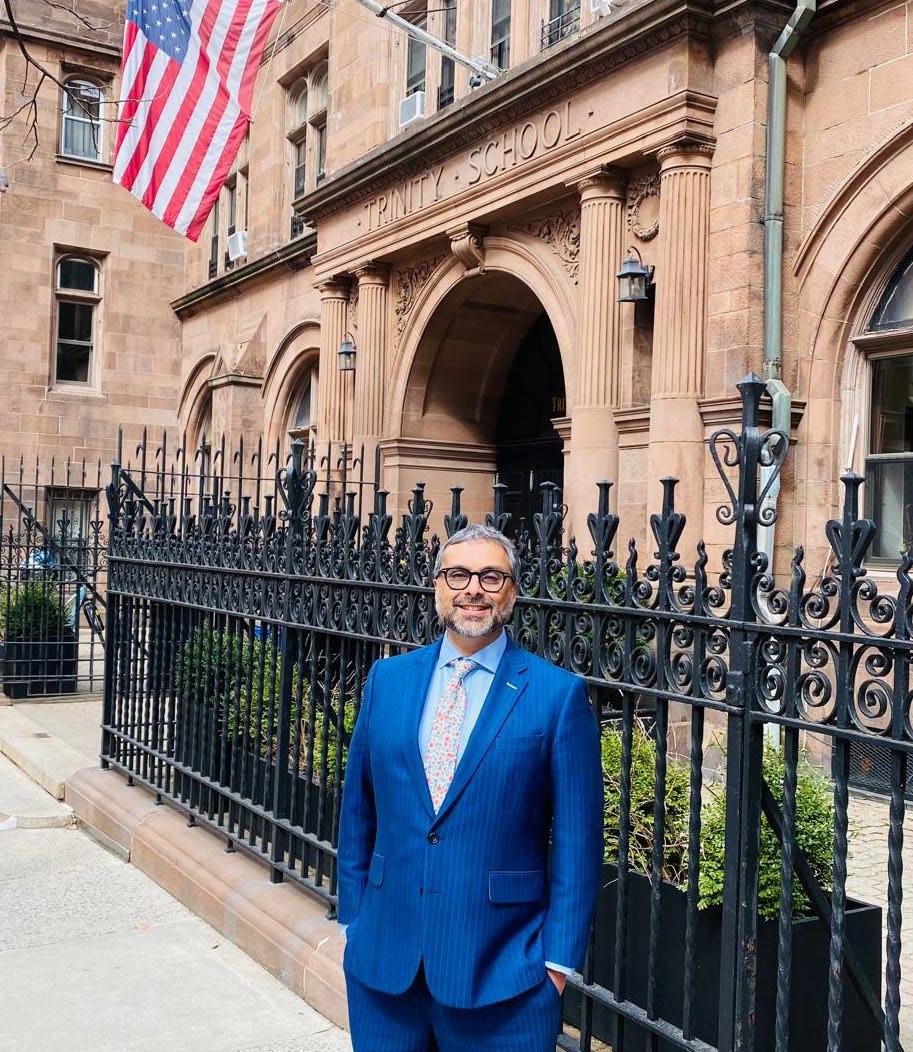
It has been my privilege to meet many of you – at our London Mixer earlier this year, in New York just over a year ago and particularly those who have made the journey back to visit us here at BGS.
Despite the challenges the sector faces, our continued success and our greatest strength is rooted in building relationships with all those who have been impacted by their education at BGS. It is your friendship, professional expertise and financial support that enable us to flourish. Thank you.
Jaideep Barot Headmaster
raised so far for life-changing bursaries £ 3.2million Over
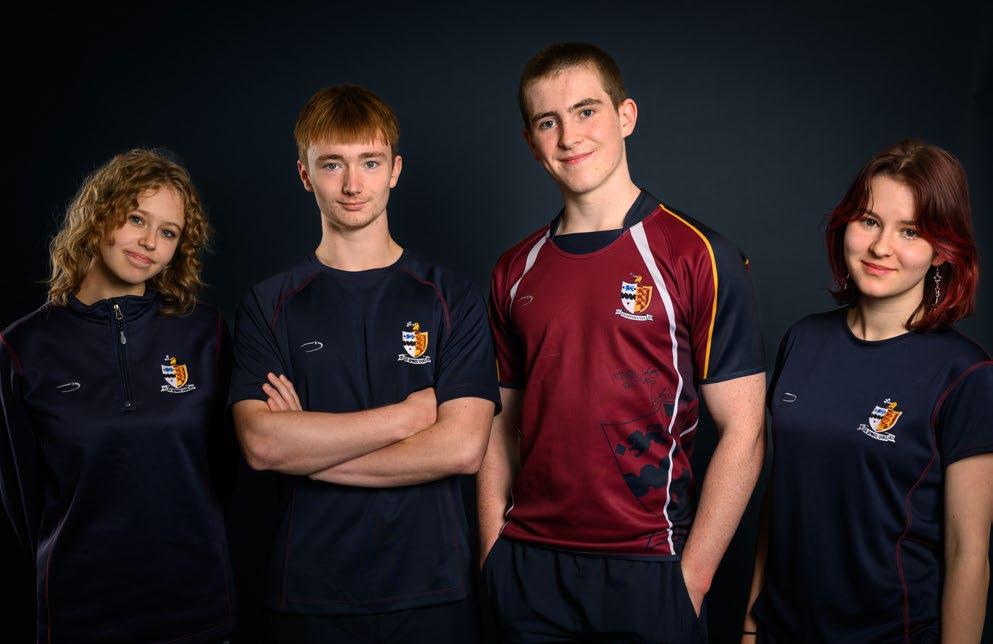
Your support has not only changed my life but also inspired me to pay it forward and make a positive difference in the lives of others, just as you have done for me. I am truly blessed to have you in my corner; and I will be forever grateful for your kindness”
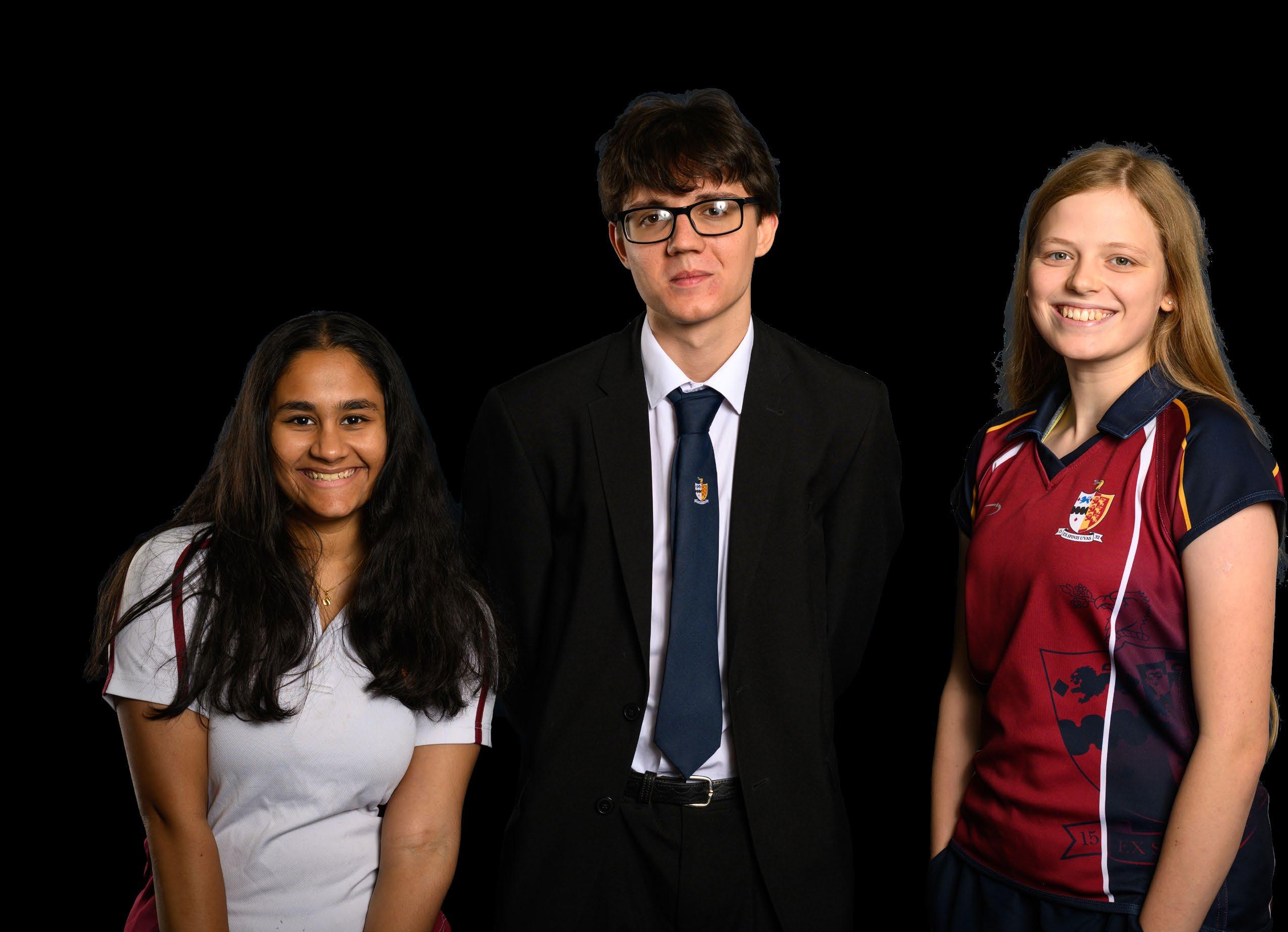

In one of the toughest economic climates facing the independent school sector, our need to remain affordable and worth affording is more important to us than ever.
We are committed to supporting motivated and talented children, reflecting our great city with a culture of diversity, inclusion and partnership. Our mission continues to ensure that every child who would benefit, can be educated here, regardless of their background and financial means.
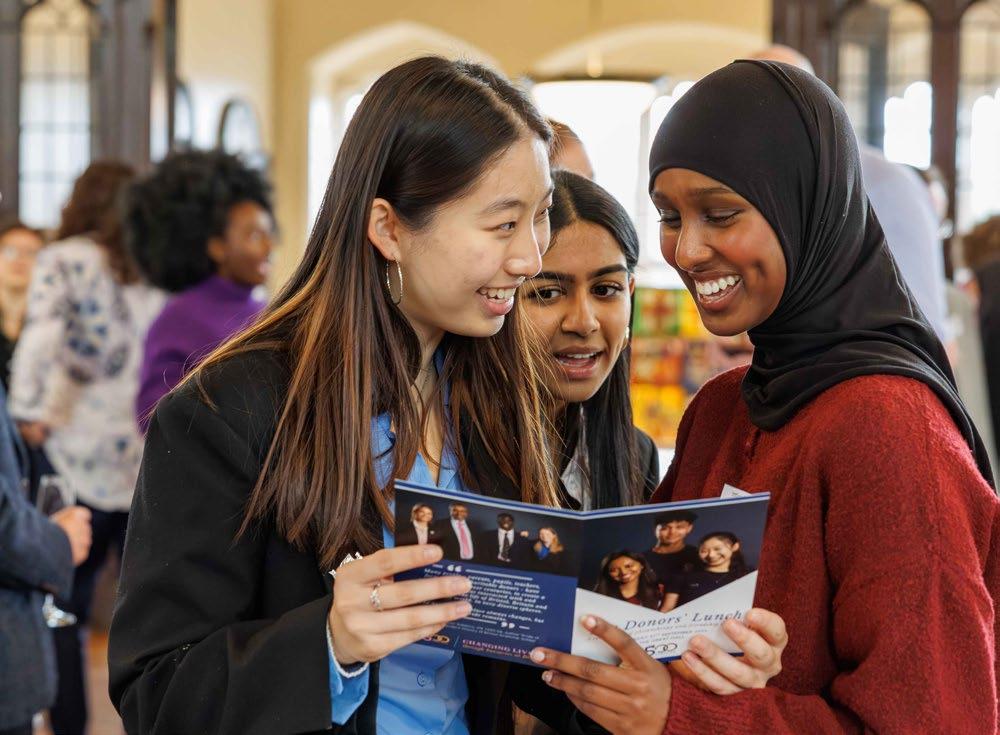
Thanks to the continued generosity and support of over 1100 donors, including Old Bristolians, parents and friends, we are supporting 160 children with philanthropically funded Bursary Awards at BGS today.
Our vision is that by 2032, the 500th anniversary of our school, one in four children will receive substantial (over 50%) means-tested Bursary Awards through our 500 Campaign which is now creating real impact –not only on the lives of the Bursary Award holders and their families, but on the whole school culture.
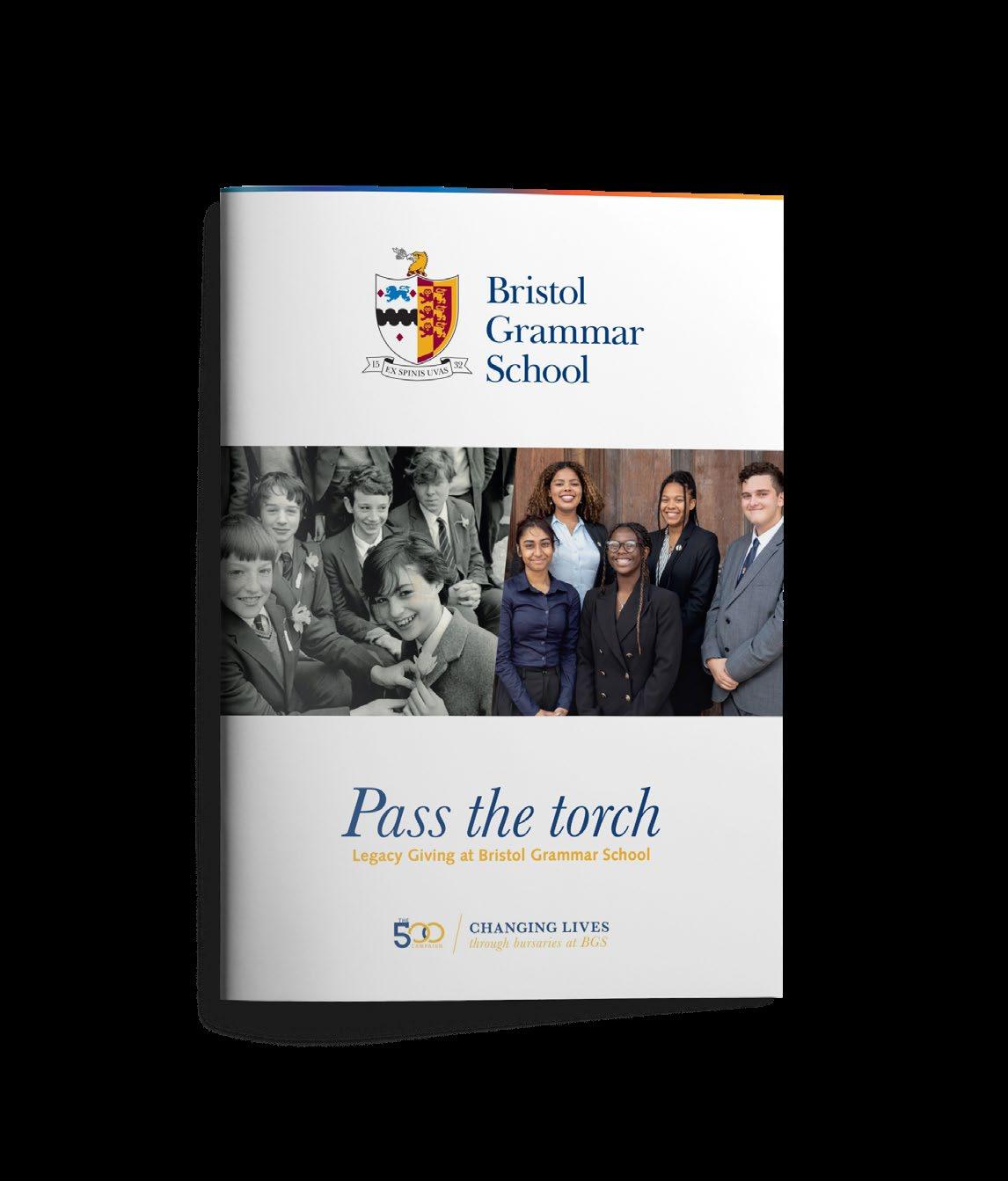
Scan to view our Pass the Torch publication
Our next Giving Day is coming up in November and we’ll be in touch to share details soon. Every donation makes a difference, and we are hugely grateful to all who support our important work.
You can also choose to volunteer your time and expertise to provide careers advice for pupils and OBs through our dedicated mentoring platform “Beyond BGS” – details can be found here:
Mentoring | The Old Bristolians’ Online Community
Scan to find out more about mentoring
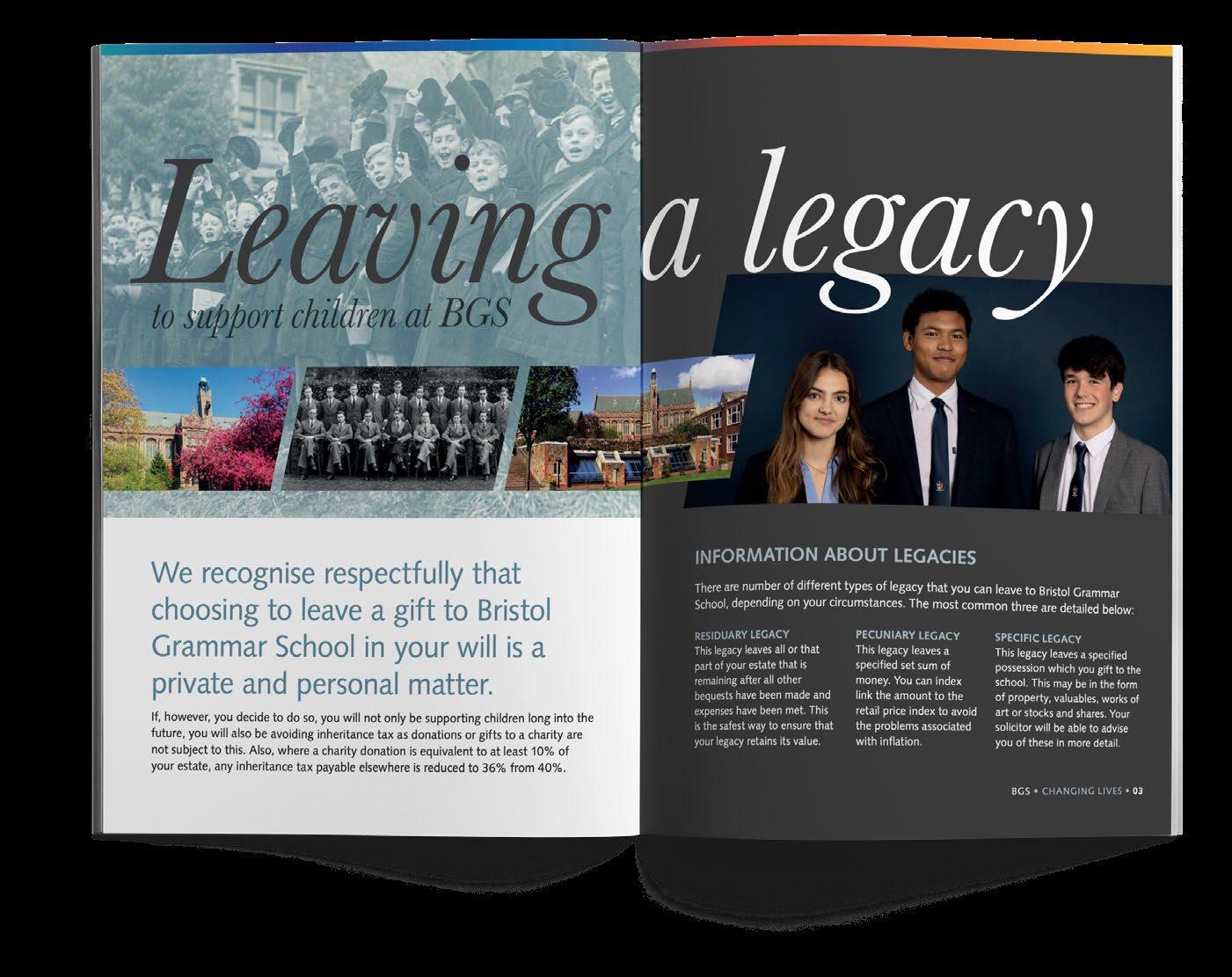
‘Pass the Torch’ is our legacy programme which is an integral part of The 500 Campaign. To find out more about the important work we’re doing, please look at our refreshed web pages and browse our new brochure here: Legacies | The Old Bristolians’ Online Community
Nadine Latte Development Director
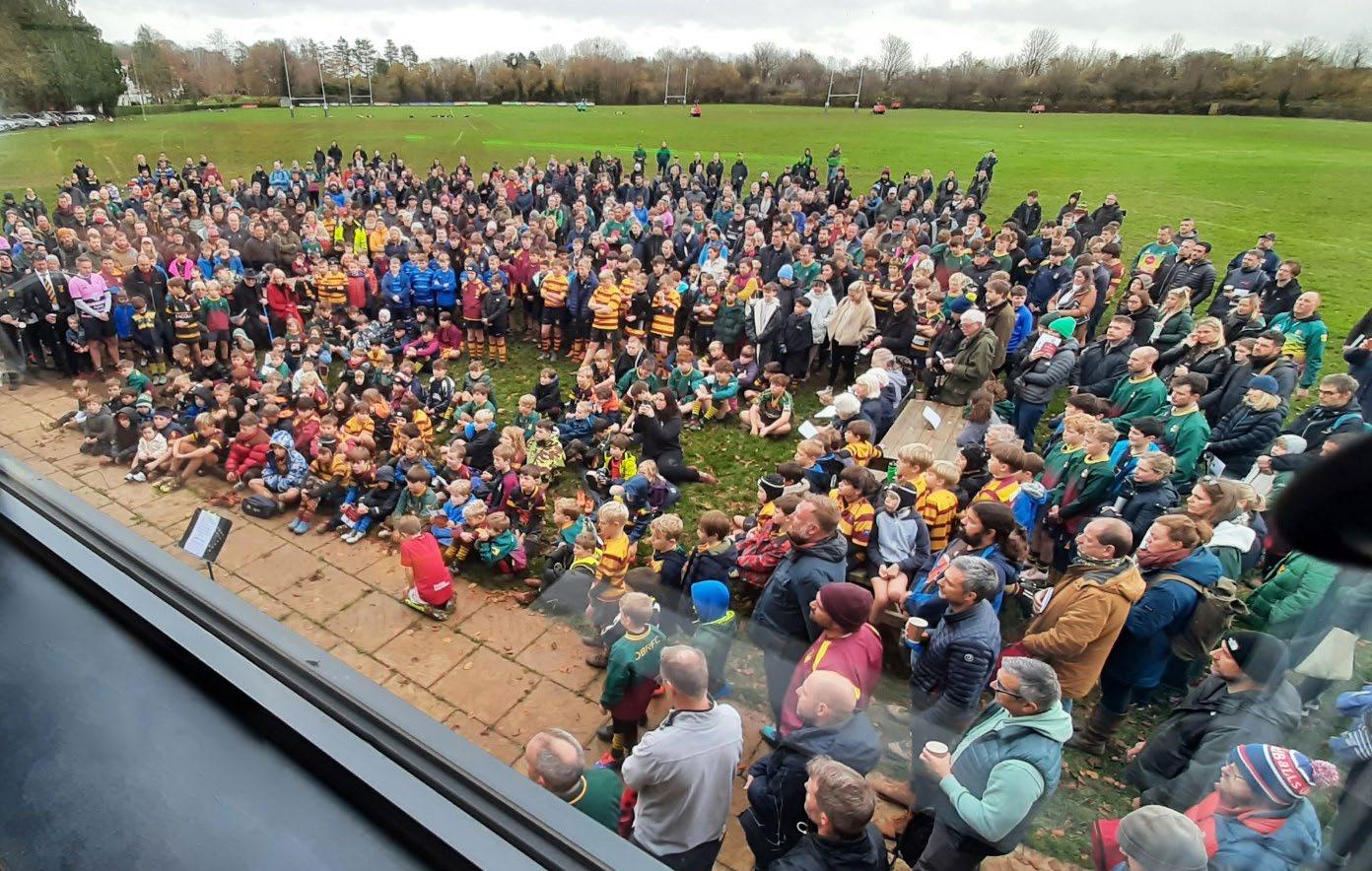
On Sunday 9th November, the Remembrance Service took place around the Memorial Plaque with all the Junior rugby members and parents joining Society members and Old Bristolians in what is always a poignant event.
Fancy a chat about how you might get involved? Chat to Nadine directly nlatte@bgs.bristol.sch.uk 0117 933 9637
The summer needed ‘all hands to the pump’ to manage catering and bar operations. However, at the end of August, we welcomed Pass Catering to Failand. The two Directors are both highly experienced in the hospitality industry and they will be covering all aspects of clubhouse operations. Their commercial approach has prompted a complete reorganisation of the kitchen, and they have recruited a young, happy, smiling team to run the bar and catering. You would not believe how many hotdogs can be served to hungry Junior rugby players every Sunday morning.
Senior club members are now enjoying a new range of après match catering which has included dishes like eggs benedict one cold Saturday morning. The Society Lunch Club has also benefited with food described by one OB as ‘restaurant quality’.
The clubhouse and ground are available for all sorts of events including birthdays, anniversaries, and weddings with a range of catering to suit any desires.
The interior refurbishment of the Failand Clubhouse is finished, and we are now working on giving the club some personal touches with pictures and other additions as well as planning the major redevelopment.
A survey has shown that four of the iconic beech trees, along the boundary wall, have fungal disease. They are soon to be removed and replaced with new saplings.
Most sports clubs struggle to maintain membership numbers but OBSC is thriving and an ever growing Junior membership across all the playing sections provides a dynamic introduction to Old Bristolians, BGS and the Society.

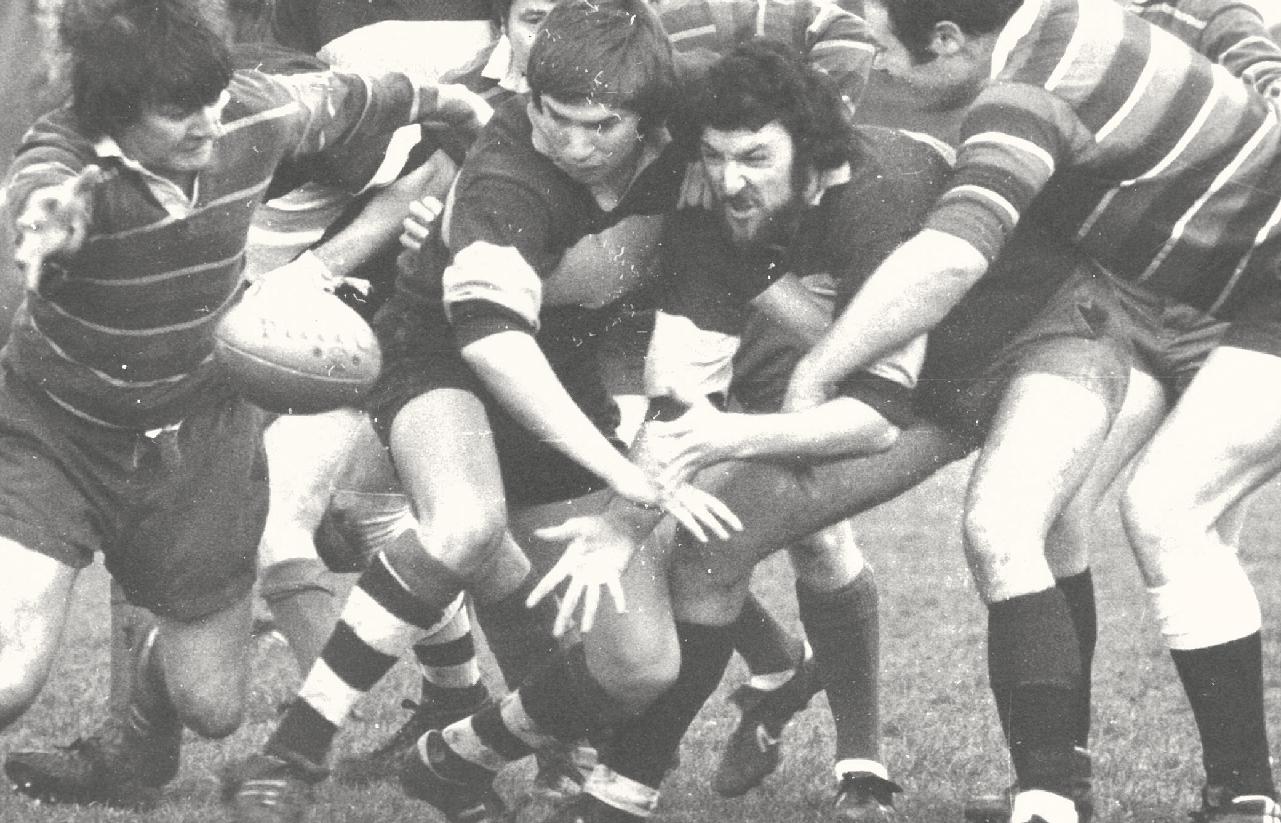
My involvement in the OBs’ Rugby Club started just over 50 years ago when my Dad moved to the club. In that 50 years I have enjoyed playing with and captaining so many different characters. As one of the founding fathers of the M&J section I have had the pleasure of meeting so many families that have enriched the club.
My presidency means that I am the custodian of memorabilia that includes team selection books, photographs and a series of interviews carried out by past president Chris Lloyd which catalogue the early days. Below are a few extracts.
In these recollections Rupert Gell comments on the very beginnings:
“The origins of the Old Bristolians’ Rugby Football Club resulted from a breakaway social club called the Thorne Social Club, run by a French master at the school, Mr M R Guerra, who considered, and not without justification, that the OBs’ Society had nothing more to offer but an Annual Dinner. Meetings were held at the County Ground Hotel in Nevil Road, and it was decided that a Rugby Club should be formed. Mr Guerra wanted it to be called The Thorne Social Rugby Football Club, but the members were not having that, so Mr Guerra resigned and took no further interest.
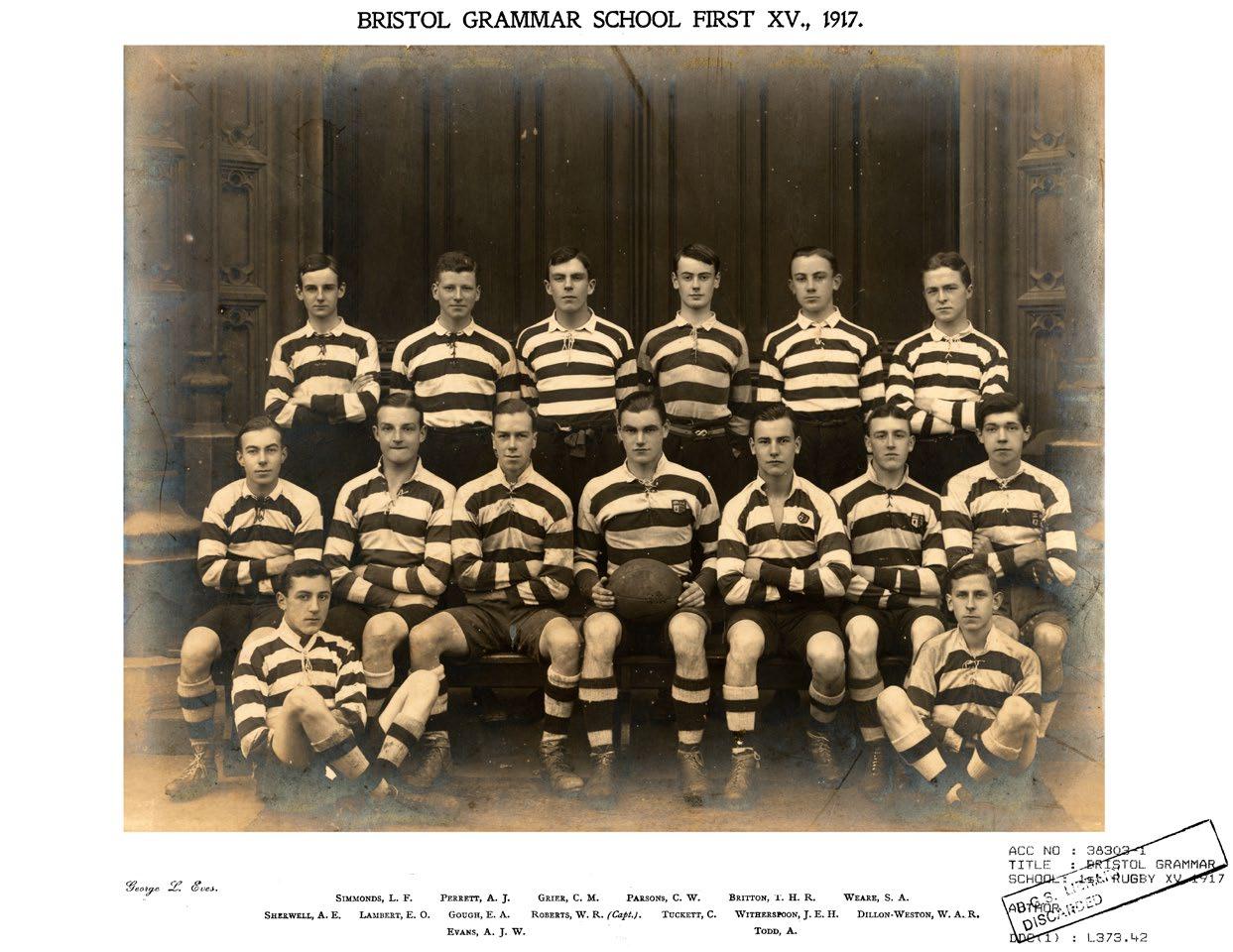
Many OBs were playing for local clubs, mostly for Cotham Park, who were badly hit when the club started in 1925/26. Our first match was against Knowle (away) and resulted in a victory. The first try for the club was scored by ED Harris. The first captain was AR Osborne and the secretary PA Newton.
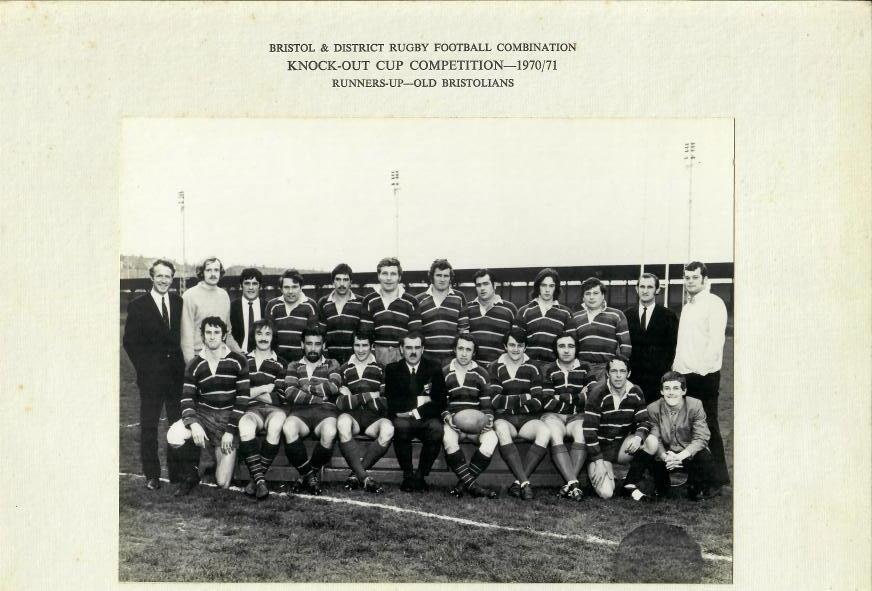
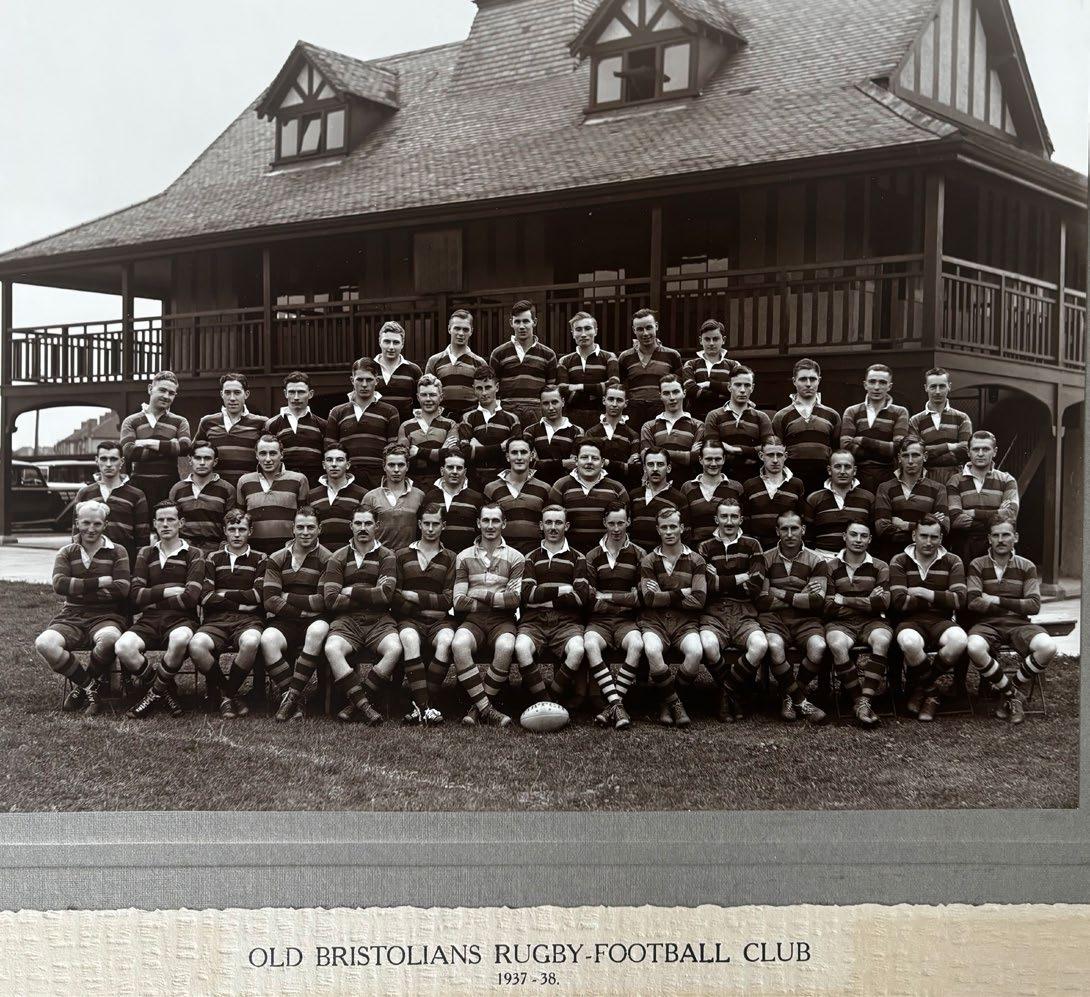
Our first ground was near Filton Station amongst some soccer pitches, our neighbours being Feathery Flake. After a year we found a good level pitch in Red House Lane, Stoke Bishop, but were only there for two seasons, after which we went to Blaise Castle until the outbreak of war in 1939. After the war this pitch was unavailable so we moved to the Combination Ground at Filton until the ground at Failand became available in 1952.
Our opponents over the years have been mainly Combination Clubs, but we also play Clifton College 2nd XV, the School, Weston Utd and Old Boys clubs in Bath and South Wales.”
Phillip Newton the first secretary comments: “In 1925 not having any connections with any rugby club and when riding on a Bristol bus I was accosted by an old friend – Jack Coole – who had been playing for Bristol at centre three quarter for some time. Jack informed me that a bunch of OBs were considering forming an OBs’ Rugby Club and invited me to join which I agreed.
The social side was not neglected, and the OBs’ Rugger Dance was one of the events of the year.
A meeting was held in the school pavilion on the school field which was the home of the OBs’ Cricket Club. At the meeting I renewed my acquaintance with Roy Osborne with whom I had played stand off half for the school, with Roy at scrum half. We formed a friendship over a pint which lasted until his death a few years ago.
I am certain we played on a ground in the wilds of Filton where an old lady who lived in a nearby cottage used to heat water in her boiler, which we carried in any available buckets etc to a hut with two galvanised steel baths. Cecil Setter – nicknamed Tank because of his considerable size – supplied the shed from his building company Stone & Co to house the baths. Cecil later became President of Bristol RFC, a post he held until his death.
In our first game we played Knowle who at the time were one of Bristol’s leading clubs. We all felt quite anxious at having to start against such strength but we amazed ourselves and most others by winning by several points. The inclusion of Bristol RFC’s Jimmy Franke, a very fine fullback, helped and justified the entrance fee that spectators paid.
The social side was not neglected, and the OBs’ Rugger Dance was one of the events of the year –very popular and enjoyable except the one that fell on the very day King Edward VIII abdicated throwing a shadow over the evening such that it became almost a funeral.”
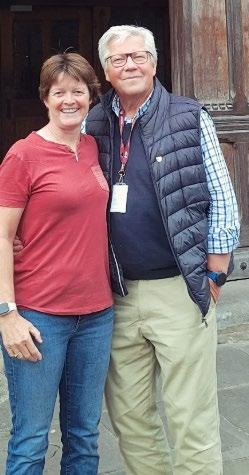
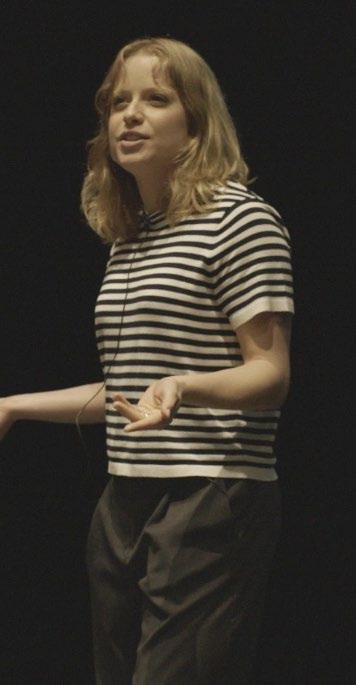
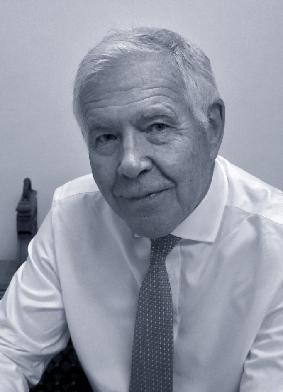
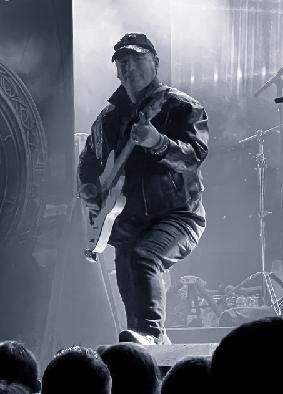
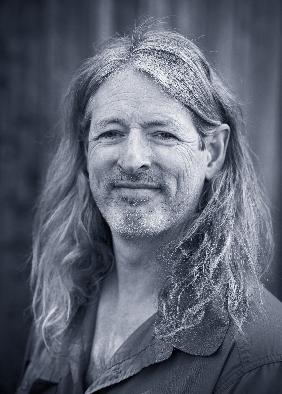
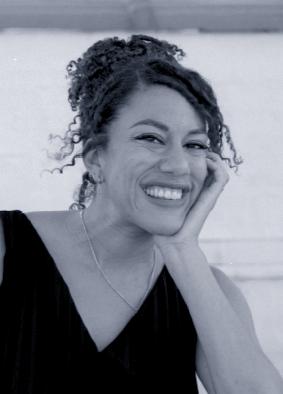
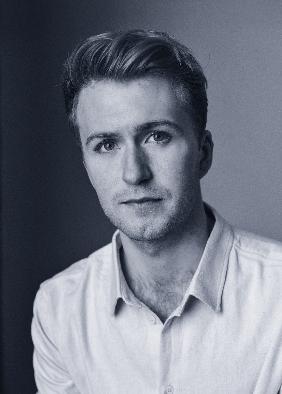

The BGS family includes experienced and talented OBs from around the world. From Australia to Long Ashton, from filmmakers to flying doctors – and from the Great Hall to becoming accomplished Old Bristolians; here we celebrate their achievements and ask them about their memories of BGS.
FROM LEFT TO RIGHT
Sir Jonathan Michael | Tony Moore | Warwick Sloss
Yemisi Brookes | Jordan Waller | Pippa Morgan
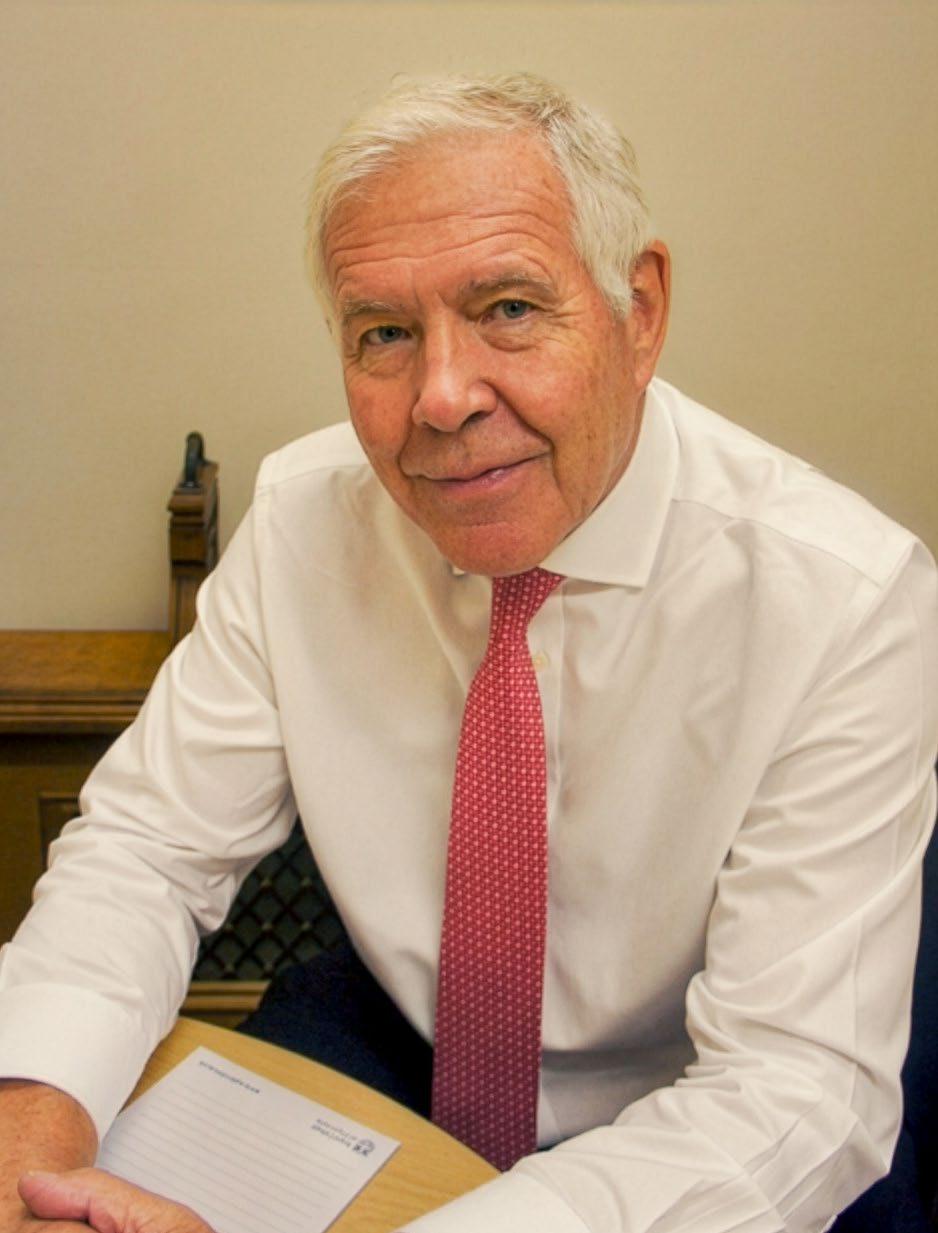
Sir Jonathan Michael
OB 1963
Jonathan is a respected and experienced medical leader. Having qualified from St Thomas’ Hospital Medical School in 1970, Jonathan embarked on a 20-year career as a consultant physician and nephrologist. He spent much of his medical career at Queen Elizabeth Hospital, Birmingham, before becoming the Medical Director and then Chief Executive of University Hospitals Birmingham NHS Trust.
His extraordinary career also includes his tenure as Chief Executive of Guys and St Thomas’ NHS Foundation Trust, Head of British Telecom’s Health division and Chief Executive of Oxford Radcliffe Hospitals NHS Trust.
He subsequently went on to review hospital and healthcare systems in the UK and overseas. He has chaired independent reviews into healthrelated issues for the UK Government.
Jonathan was knighted in the 2005 New Year Honours for services to the NHS.
What are your “best” memories of BGS?
House Rugby competitions at Golden Hill, playing croquet on the Headmaster’s lawn, water polo matches in Jacobs Wells Baths and the exchange trip to Louisville, Kentucky led by Eric Dehn. An uncomfortably hierarchical prefect structure and a focus on Oxbridge entry competitions with similar direct-grant schools across the country such as Manchester Grammar. Overall, a very enjoyable and developmental period for me.
If you know what you want to do, then go for it but be realistic and adapt if necessary.
Can you remember any teachers who had an impact on you?
Eric Dehn, David Trott, Frank Beacroft and John Mackay.
Why medicine?
A late decision out of the blue after seeing a rather syrupy film about doctors and hospitals at the Odeon, Henleaze! A strange decision as I was taking English, History and French at A ‘Level and about to depart for a year overseas with VSO. However, although I knew little of the reality of medicine as a career, once I decided that medicine was the career I wanted to pursue, then nothing else would do. I had to do an extra year at Medical School to cover Biology, Chemistry and Physics before entering the pre-clinical course. In those days it was only a few of the London Medical schools that offered this option, so I ended up at St Thomas’ Hospital Medical School.
What other paths might you have chosen?
I really didn’t know. I came from an academic family with both my parents being teachers and University lecturers, so teaching might have been an option. I also very much enjoyed working on a farm in the school holidays, so you never know.
What have been the highlights of your career?
There are personal milestones such as qualification, appointment as a consultant and of course the honour of being knighted by Prince Charles, as he was then. All these came as a surprise and gave great pleasure and pride. The real highlight of my career has been in looking after patients to the best of my ability, either individually as a clinician or in larger numbers, when running the kidney unit in Birmingham. Providing high quality care to patients with serious lifethreatening disease must be one of the most satisfying experiences in anybody’s career.
My move into management was almost in exasperation, as I thought that having in-depth knowledge of the delivery of care to patients must be an advantage in running the hospital, and that I couldn’t do worse than the recent incumbents. My appointment as the fourth CEO in five years at the Queen Elizabeth in Birmingham at a time of significant problems in the local NHS was a risk both for me and for the Health Authority. Luckily, it worked and I found that I could successfully “do management” and that it was a natural progression from my clinical career.
The real highlight of my career has been in looking after patients to the best of my ability.
What are the major challenges for the NHS currently?
This would need an article on its own. The challenges for the NHS have been the same over many decades. Balancing the need to support public health promotion and preventative measures against the ever-increasing demand for illness care. The amazing advances in our understanding of the cause of disease and to tailor treatment to individual patients all come at a cost. How the NHS is best organised and funded remain major questions. The relationship between the funding and provision of health and social care remains a significant problem. Closer integration is badly needed. The NHS is highly regarded but one must ask whether a system that is fundamentally the same as it was in 1948, is fit for purpose in 2026.
What’s next for you?
I retired from the NHS in late 2015 after 45 years of full-time work. Since then, I have done some consultancy and undertaken reviews of healthcare systems in this country and overseas. I recently chaired an independent Inquiry for the Government. I continue to do some advisory work but am trying to balance the interest and benefit from keeping involved with the opportunity to do other things.
What motivates you?
I like a challenge and am not so good at maintenance roles. My life has been committed to providing high quality care to patients and that requires knowledge, efficiency and the right value set amongst all that provide such services. I hold myself to high standards and expect the same from people who work with me.
How do you relax?
We have a large family which is a constant source of stimulation and pleasure. I took up golf after I retired and continue to play with friends and family although my standard of golf is pretty mediocre. My wife and I enjoy travelling and make good use of our place in Portugal. Having spent quite a lot of my career away from home, I really enjoy being at home and getting out and about in the local countryside.
What advice would you give to your younger self?
I am not a great believer in oldies advising younger people as the conditions today are very different and seem to be much more difficult than I experienced. If you know what you want to do, then go for it but be realistic and adapt if necessary. Medicine remains a wonderful career but managing the balance between one’s working life and personal time remains important and many of my generation failed to get this right. Whatever you end up doing, do it to the best of your ability and enjoy it.
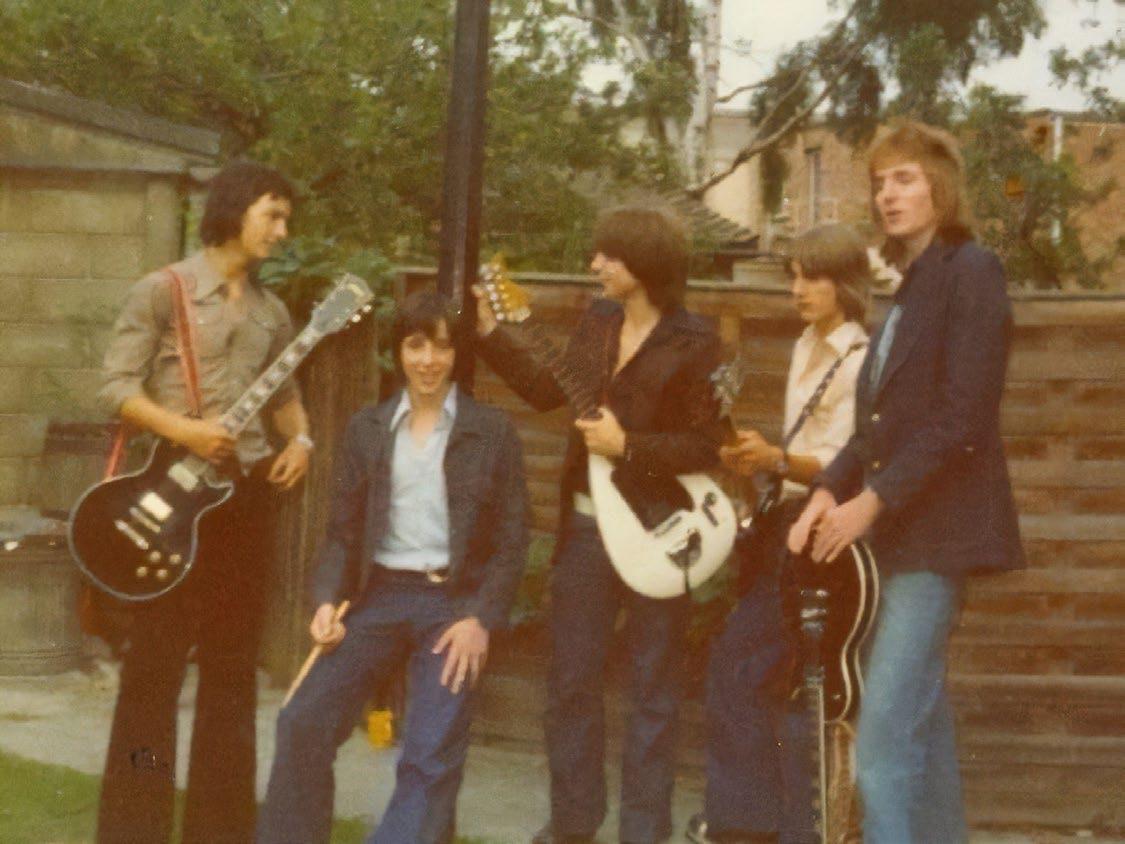
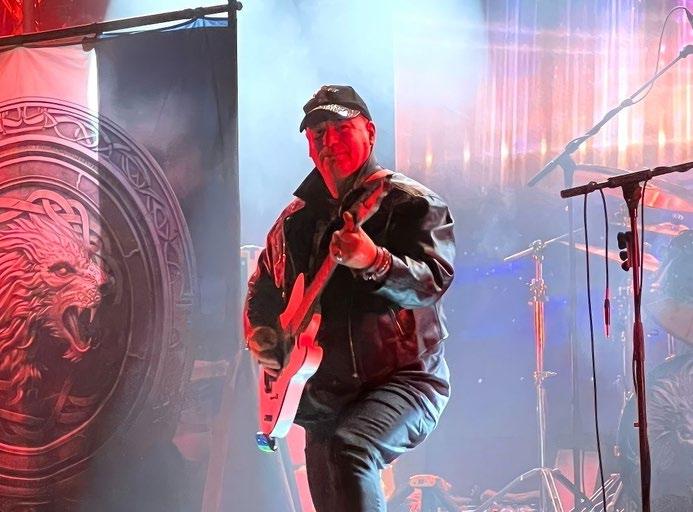
Tony is a singer-songwriter, musician, and music promoter. He was a member of Iron Maiden in the late 1970s prior to the release of their first album. In 1986 he was the keyboard player with the band Cutting Crew who went on to have a worldwide hit with “(I Just) Died in Your Arms”, and founded The Kashmir Klub in 1997 to showcase live music in London.
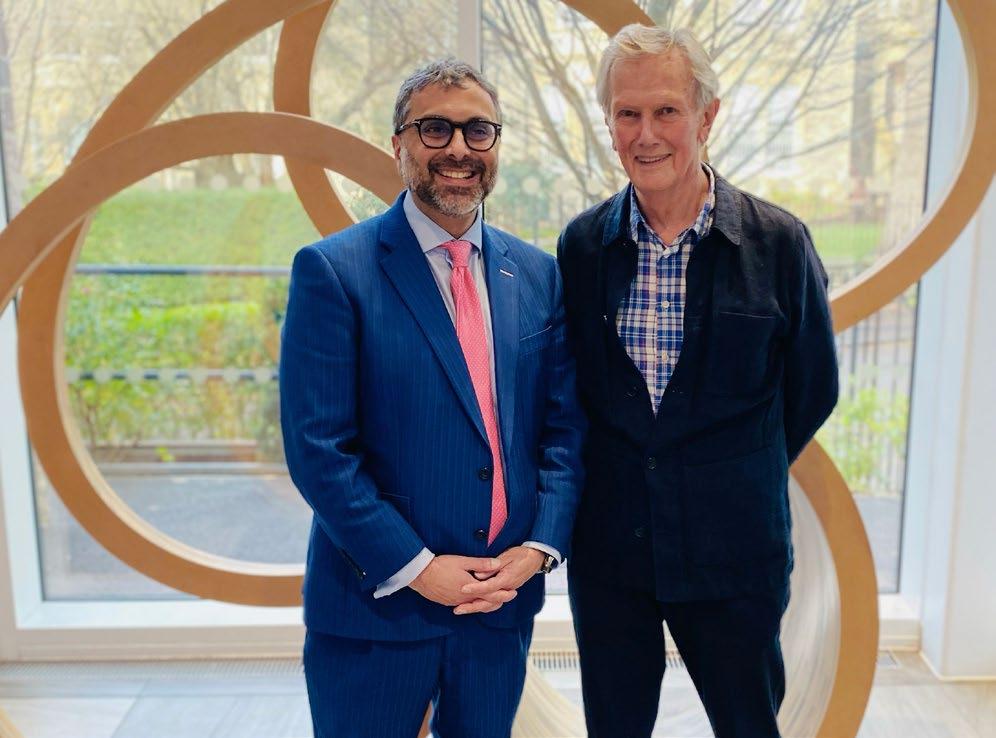
Recently, we welcomed Tony back to school after reconnecting with him at our London Drinks in January.
What are your best memories of BGS?
I loved the sense of belonging to something so historic as BGS. I was proud to be a pupil of such a wonderful school. Although I didn’t excel academically, the sense of family and even the discipline and formality, gave me great structure in life. I even enjoyed the school lunches!
Can you remember any teachers who had an impact on you?
Eric Dehn was a great teacher and desperately tried to teach me French but was very understanding and accepting of my musical focus in class. Michael Buffrey was a wonderful Art Teacher.
What did you do after school?
I left and moved to London to join Iron Maiden.
Why music?
I grew up in a very musical house. My dad was a classical pianist and tenor and my mother was a ballet dancer. When I went to piano lessons, I realised that I couldn’t read music! So I memorised the music and made up my own “pieces” because that way no one could say it was “wrong”. It was that which steered me into a love making and performing music.
What have been the highlights of your career?
So many! Touring the world with a band that had a number 1 single, writing, producing and performing a special song for the closing ceremony of the European Games in 2019, touring with my show AWAKE and piggy backing the Iron Maiden world tour.
What challenges have there been?
The entertainment world is a tough one to break through in. It’s a constant battle to move forward, but actually the friction of the fight is what gives value to the journey.
What’s next for you?
To take my one man show AWAKE, to a higher level – ultimately a residency in Las Vegas.
What motivates you?
To try and be the best I can.
How do you relax?
I love a good box set. Currently, I’m binging ‘The Good Doctor’.
What advice would you give to your younger self?
Never give up, even when things are dark, keep light in your heart and keep creating even when others don’t recognise what you’re doing – trust your instincts.
Why do you support The 500 Campaign and the work BGS is doing to provide more opportunities through bursaries for bright and motivated local children from less affluent backgrounds?
I was lucky to go to BGS on an assisted place. My parents didn’t have a lot of money and without that support I would have never benefitted from such a great education.
OB 1991
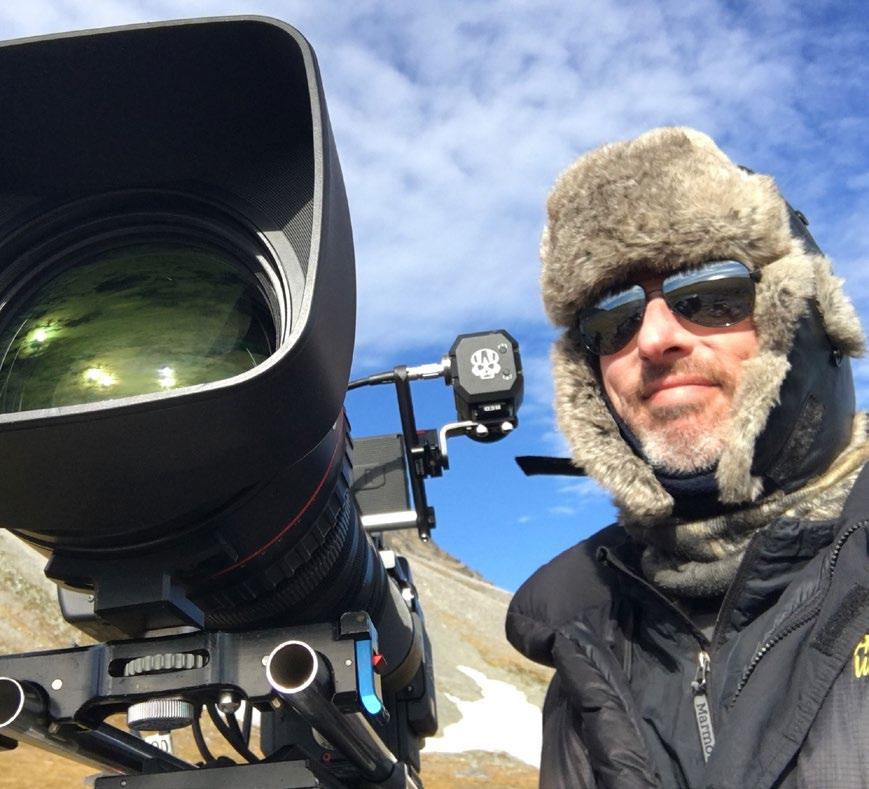
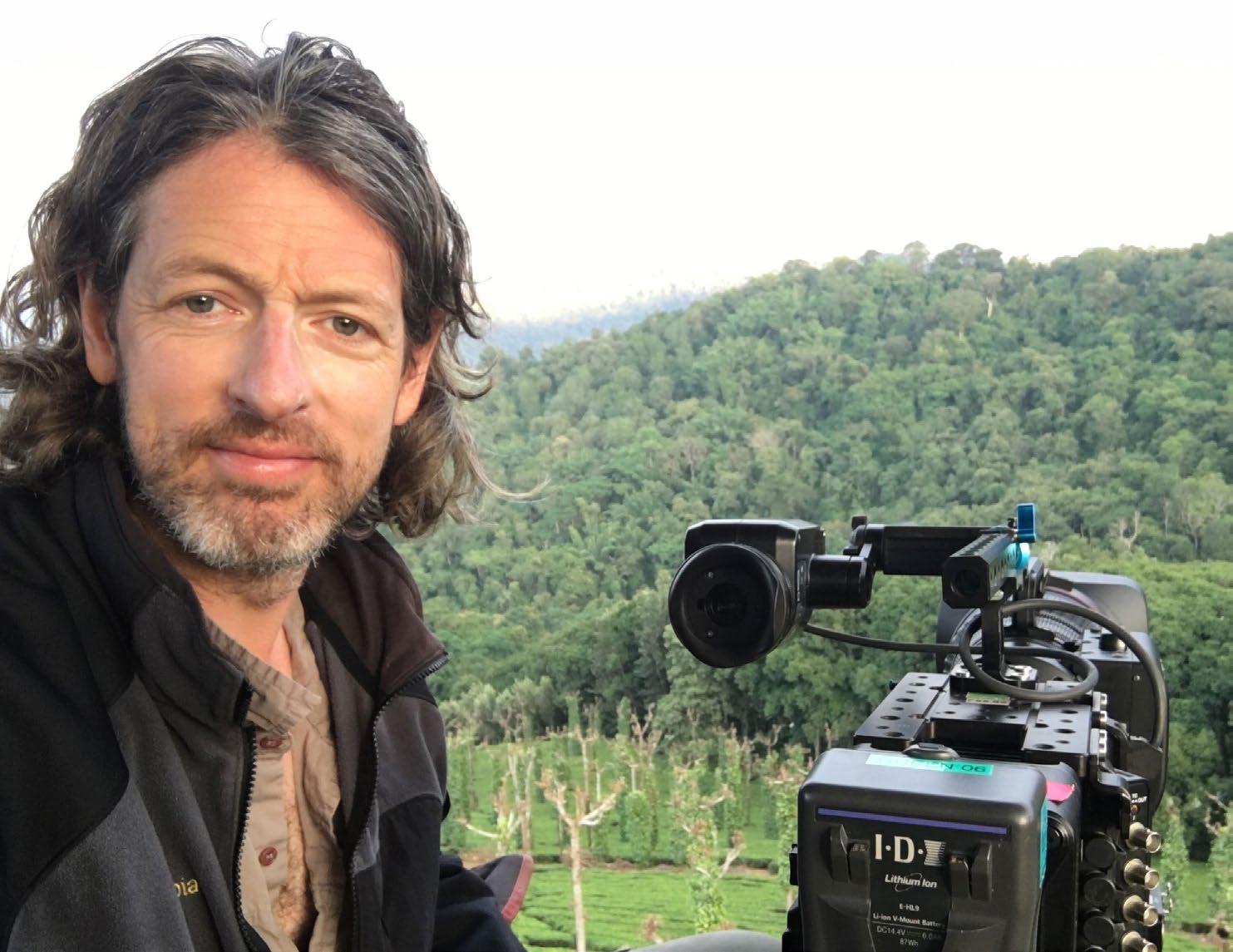
Warwick Sloss is an award-winning camera operator and Director of Photography on films and television programmes. He works mainly in science and natural history documentaries with his work appearing in programmes such as Blue Planet, Planet Earth, Frozen Planet and Africa
What are your best memories of BGS?
I have so many great memories of BGS but most of them involve disappointing teachers by messing around with my friends. I fondly remember being stopped in a corridor and upbraided by a member of staff for my scruffy hair and incorrectly-worn tie.
“You look like you’ve been dragged through a hedge backwards”
he said, looking me up and down with obvious disgust. This was a man who was not known for his own sartorial elegance. He was wearing a suit that looked like a carpet, with leather elbow patches.
Can you remember any teachers who had an impact on you?
I think all of my teachers left an impact in some way. Some physically, but you know, these were different days when throwing wooden blackboard erasers at unruly kids was very much de rigeur.
I found Chemistry difficult in the early years but then in Lower Removes (Year 8?) we had Ian Rolling, who was also my house master. I think even he might admit he wasn’t the most patient of men on the rugby pitch, but he was kind and somehow made Chemistry click for me. I came to really enjoy it and ended up pursuing it at A Level, for which I am forever grateful. I’ve met him many times since then and he’s one of the nicest men you could ever meet.
Derek Burns had a fierce reputation for discipline and handing out detentions, as well as being regularly spotted having a crafty fag at break times, an indulgence not willingly afforded to us, I seem
I thought that this would be such an outlandish idea that she would give up and leave me alone, but instead she put me in touch with Vicky Nichols, who taught Maths and Art. I wasn’t lucky enough to be in her classes but she hooked me up with people at BBC Natural History Unit which resulted in some work experience in the school holidays. Her kindness led to some more holiday and weekend work, which ultimately led to a traineeship at the BBC and a thirty-year career as a cameraman.
Concentrate on what you love. Everything else is a complete waste of time.
What have been the highlights of your career?
What motivates you?
to recall. I thought he was an absolutely brilliant teacher and was probably the first to make me really want to learn. He would unintentionally make me laugh with his dry wit, even as he was telling someone off. He gave me a lifelong passion and interest in modern languages.
Mike Ransome, who was head of modern languages for many years, and taught us Russian, was the man behind the Russian exchange trips, and an absolute one-off. A funny, charismatic, intelligent and caring man with infinite patience and a unique style, he could have you rolling in laughter while inspiring you to learn. I have him to thank for my only A grade in A Level Russian, and my appreciation for Russian literature. I wish all kids everywhere could have teachers like him.
In Lower Sixth we were encouraged to organise our own work experience. I tried to avoid signing up but the careers teacher caught up with me and asked me what I would like to do in my wildest dreams. I said that I wanted to work for David Attenborough, making wildlife films.
In that respect, Vicky Nichols and the careers lady had the most impact on how my life turned out. Without their dedication and generosity, I expect I would have been a policeman, probably a maverick detective who is great at solving murders but drinks too much and has a problem with authority.
Why wildlife photography?
I had a curiosity for wildlife and nature from a fairly young age but also a fascination with photography and cameras. We didn’t have fancy cameras in the house (my parents had a plastic Kodak Instamatic for holiday photos) but they noticed my interest and encouraged it, helping me buy materials and so on. These were pre-digital days when everything was mechanical and there were film, paper and chemicals involved. The process of making images with these really interested me. I also loved watching films and TV and trying to understand how they were made.
I’ve been ridiculously fortunate and there are so many highlights. One obvious example is having gotten to travel and work with Sir David Attenborough on Life of Mammals going from location to location, filming wildlife sequences. At each location, we would meet up for a few days so we could film his presenting pieces. They were tough shoots, but he was an absolute trooper, patient and funny, and a consummate professional. That was the greatest privilege and one of my career highlights.
Other highlights include floating in a tiny boat around icebergs beneath a calving glacier in Svalbard, climbing and filming a volcano in the Mediterranean, sitting in a hide in the Serengeti while crocodiles launch at wildebeest just inches away from my face. You know, the usual stuff, really.
What’s next for you?
I’m keeping an open mind as far as filming work goes. I feel I’m good at it and I would love to be able to do it for a few more years. In the meantime I’m looking at writing, public speaking, tutoring and maybe I can get a few quid doing modelling or something.
Revenge? Not really. I think creativity is my primary motivation. I enjoy technical and artistic challenges and I’m driven to produce the best-quality work that I can, while enjoying the process. I always seem to be drawn to work that is technically difficult. There’s a special satisfaction to be had from making images that I like and which others respond to, especially where the limitations to this initially seem insurmountable.
How do you relax?
It’s a bit of a busman’s holiday but I still like doing wildlife photography in the garden. It takes me back to my teenage years when I was learning how to do it.
I’ve been terrible at playing guitar for 35 years, and I’ve recently started being terrible at playing bass. I enjoy it immensely but my partner doesn’t seem to share my enthusiasm. I also love a bit of cycling, live music, driving my little sports car around the race track, fine dining, pink cocktails and reading. This year, I discovered I can do cryptic crosswords and these currently occupy more of my time than I care to admit.
What advice would you give to your younger self?
Concentrate on what you love. Everything else is a complete waste of time.

Yemisi is an award-winning film and television director who has spent the past 20 years creating emotional and stylish series and films for major international broadcasters and platforms including HBO, the BBC, MTV, Netflix, and Disney. She began her career at MTV as an intern before becoming the youngest director to work in the BBC’s prestigious Specialist Documentary Unit, known for producing some of the corporation’s most ambitious factual films.
Recent credits include directing two seasons of the acclaimed docuseries Couples Therapy for BBC Two and Paramount+, as well as directing on Seven Dials, Netflix’s recent Agatha Christie adaptation, filmed in and around Bristol. Alongside her television and film work, Yemisi has directed commercial pieces for Nike, Louis Vuitton, and Jaguar Land Rover, collaborating with talent including Jay-Z, Pelé, and Elton John.

Yemisi lives between London and New York.
What are your best memories of BGS?
I came to BGS from a local primary school, and it opened up a whole new world to me. I really enjoyed going to school – probably more for the social side than the academic side if I’m honest! I remember a lot of laughter. One thing that always sticks in my mind is singing Jerusalem in the Great Hall at the final assembly each term.
Can you remember any teachers who had an impact on you?
Mr Jeffery had recently become a house master when I started at BGS and he was incredibly kind and patient. I also loved going over to the Art school for classes with Mrs Lockhart Smith –it always felt like a little oasis of calm.
What did you do after school?
After school I took a gap year and spent that time getting experience in the TV industry. I then went to Bournemouth University to study screenwriting. After graduating I got an internship at MTV, which was an amazing way to be thrown in at the deep end.
Why directing?
I originally studied screenwriting, but quickly realised I was drawn to the immediacy and collaboration of directing, and to working with a team to bring a vision to life.
What have been the highlights of your career?
I’ve always loved the job and feel very lucky that it has taken me all over the world. Over the years I’ve had the chance to work with incredible people like Nelson Mandela, Muhammad Ali and Amy Winehouse.
What challenges are there in your industry currently?
Film and television are definitely going through a big period of change. Streaming has dramatically shifted how audiences watch things, and the business side of the industry is still adjusting to that.
What’s next for you?
Most of my work has been in documentary and unscripted television, but recently I directed a scripted series called Seven Dials, an Agatha Christie adaptation for Netflix shot around Bristol. I’d love to keep doing more narrative directing alongside the documentary work.
What motivates you?
Curiosity, or maybe nosiness. I’ve always been very interested in people and stories, and film and TV are powerful ways to explore both.
How do you relax?
I live in New York, which is a city that gives me a lot of energy. I enjoy walking around the city, travelling when I can, and I’m a regular cinema-goer.
What advice would you give to your younger self?
I’m sure I could have drunk less and saved more money, but honestly I think things have worked out okay.
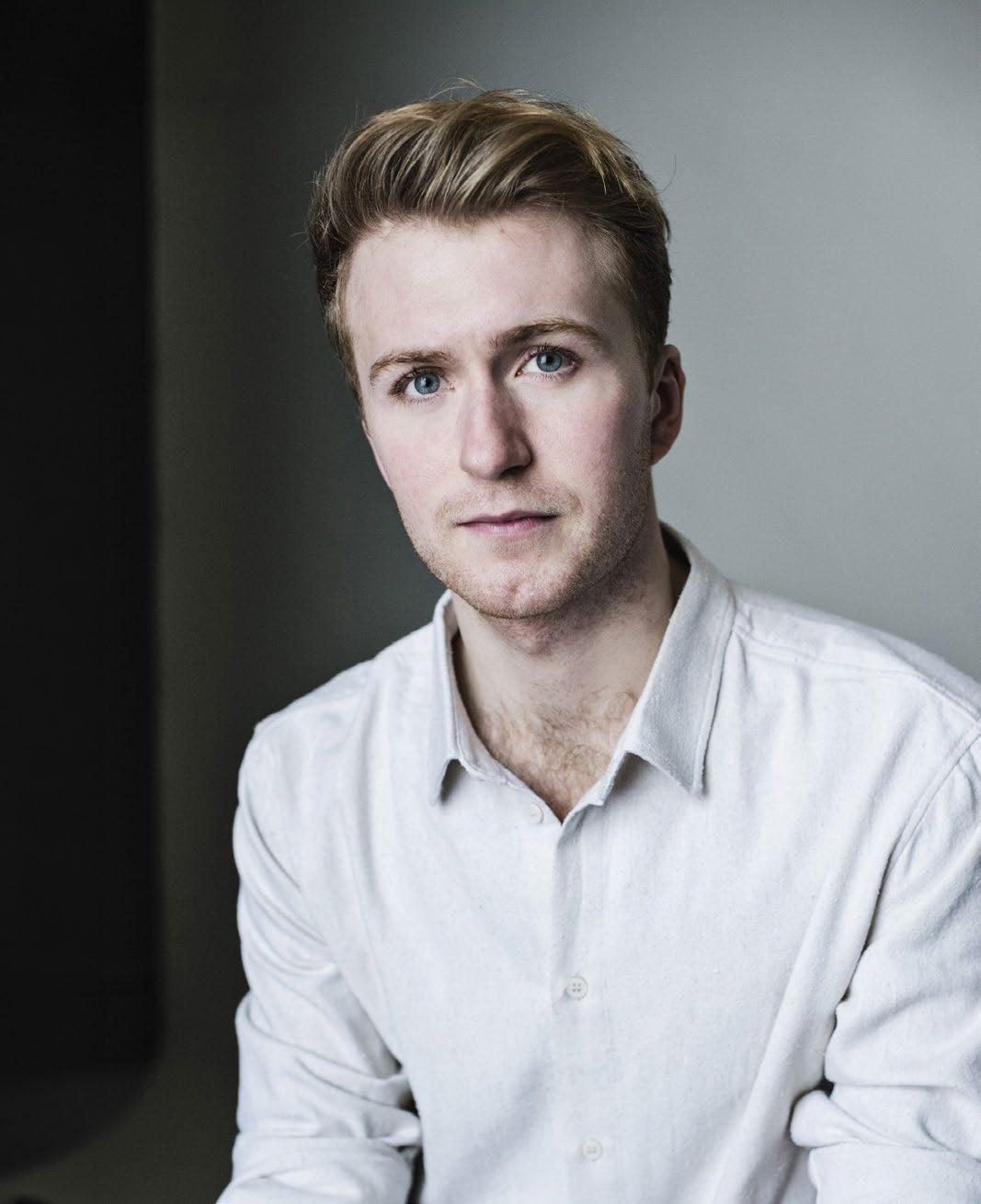
After leaving BGS, Jordan studied French at Oxford University where he was a member of the Oxford University Dramatic Society. He has since achieved huge success as a screenwriter, playwright, and actor. His writing debut Son of Dyke enjoyed a five-star sell-out run at the Underbelly, Edinburgh Fringe. Most recently, Jordan’s play A Role to Die For enjoyed a successful run at Barn Theatre, Cirencester and received positive critical reviews, described as “a rip-roaring, wickedly funny comedy” and “a real five-star blockbuster”. For the screen, Jordan has written two feature films – one a comedy drama starring Judi Dench and Sally Phillips, the other a comedy horror film – and a short film Held for a Moment (Winner of Best Short Film at London Film Festival 2019). As an actor, Jordan has appeared in The Gilded Age, Victoria and Darkest Hour.
Can you remember any teachers who had an impact on you?
The teachers at BGS always went above and beyond with pupils. My academic and creative interests were nurtured by kind and inquisitive adults to whom I owe so much: Mr Briggs, Mrs Yemenakis, Dr Ransome, Mr Holman, Mrs Jones, Mr Martyn (‘s sideburns) and many, many more.
What did you do after school?
I went to university. I struggled for a long time to get an agent. I was very lucky to be cast in a big period drama, which helped me break into the industry. From there, I started writing.
Why the performing arts?
Because I’m a masochist.
What have been the highlights of your career?
Dame Diana Rigg once farted on me.
What challenges are there in your industry currently? Money.
What’s next for you? Producers’ notes.
What motivates you?
The desire to be proud of my work.
How do you relax?
Not nearly enough.
What advice would you give to your younger self?
Be yourself, and get a hair-cut.
Pippa joined BGS for Sixth Form and made such an impression in her first year that she was appointed one of two Deputy Heads of School in her final year. She was known for her exceptional acting and directing talents and was awarded Creative Arts Scholar of her year.
After leaving BGS, Pippa went on to study Journalism at the University of Leeds and has never looked back.
Now affectionately known as ‘Producer Pippa’ on Sam Thompson (Made in Chelsea) and Pete Wicks’ (The Only Way is Essex) hit podcast Staying Relevant, she plays a vital role in their much-loved comedic duo.
What are your best memories of BGS?
I pretty much lived in The 1532, so many of my best memories were made there. At one point, I think I was involved in four different plays alongside my A Levels! I still can’t believe how lucky we were to have such incredible facilities, and it really allowed me to explore my passion for Drama and the Performing Arts.
I also loved the House competitions – House Singing, House Drama and, of course, Sports Day. They were always so much fun and really brought everyone together. Big up Edwards (the blue house… assuming it hasn’t changed, which would make me feel very old!).
Can you remember any teachers at BGS who had an impact on you?
A special shout-out has to go to Mrs Biggin, who felt like a second mum to me. She pushed us to work our hardest while always being incredibly kind, gentle and fun. She also helped me achieve an A* in Business Studies - which was definitely not my strongest subject - so some may call her a miracle worker!
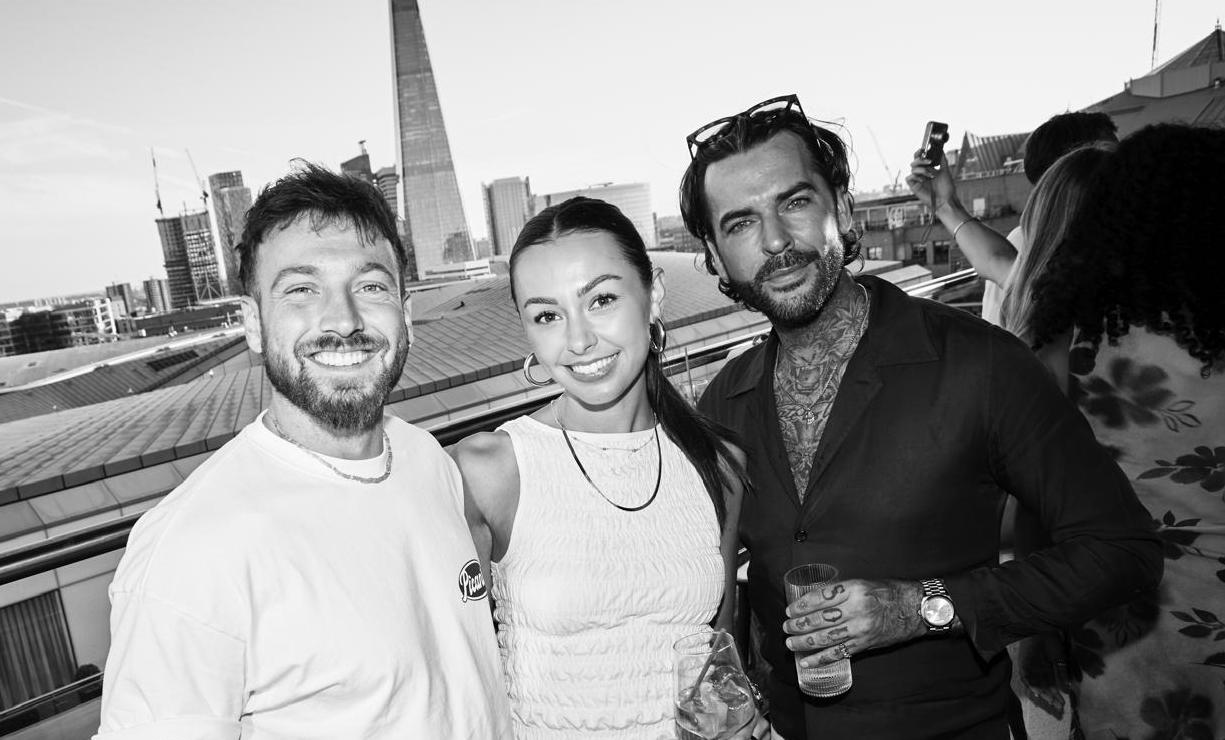
I also loved the Drama department with Mrs Walker and Mr Mackenzie. They encouraged us to be creative, explore our ideas and supported us every step of the way. Whenever I saw double drama on my timetable, I knew it was going to be a great day.
I also have to mention Mr Harford and Mrs Hicks, who always stopped for a chinwag - and I really do love a chat. By the end of Sixth Form, many of my teachers felt like friends as well.
Why did you choose radio?
I arrived at university convinced I wanted to work in television, but once I got there, I quickly realised it wasn’t for me. I tried student radio instead and completely fell in love with it. The industry is incredibly fast-paced and fun.
Radio is also such an intimate medium - there’s something really special about a presenter speaking directly to a listener, rather than catering to the masses.
Could you have chosen another path?
I always wanted to be an actress and was convinced I’d go to drama school, but I pivoted at the last minute and never even applied! I feel very lucky that I still get to use my performing background in my career now. Working in the media has given me the perfect balance of excitement and connection that I was looking for.
What has been the most significant highlight of your career?
Selling out the O2 last year with our live podcast show Staying Relevant: One Night Only is definitely a career highlight. Walking out onto a stage in front of a full O2 arena is something I’ll never forget.
Working in audio, you don’t often get to actually see your audience, so it felt pretty surreal. My dad, also an OB, said something backstage that really stuck with me. He looked around at 17,000 people laughing, dancing and smiling and realised what the podcast is really about – giving people a bit of escapism. In today’s world, that feels like a pretty cool thing to call work.
What motivates you?
I’ve never been particularly motivated by money – I’m much more driven by having fun and enjoying myself. I wanted a career filled with experiences I can look back on one day. My mum always told me to make sure I enjoy my work over everything else and I was lucky enough to have her full support in every move I made.
Working in entertainment and bringing a smile to people’s faces is incredibly rewarding. We often
Most importantly, enjoy the journey – it’s a wild ride, and you’ll look back one day with a big smile.
What is the best thing about working life?
I love my team. There are only six of us, but we’re like a little family and the boys genuinely feel like older brothers to me. I laugh every single day at work. I always wanted a job that, as cliché as it sounds, made me look forward to Mondays.
What’s next for you?
We’ve just launched another podcast under Staying Relevant Productions, which feels like a huge step. We’re working on lots of exciting projects behind the scenes that go far beyond podcasting as we continue to establish ourselves as a full production company. We’ll also be heading back out on tour this year!
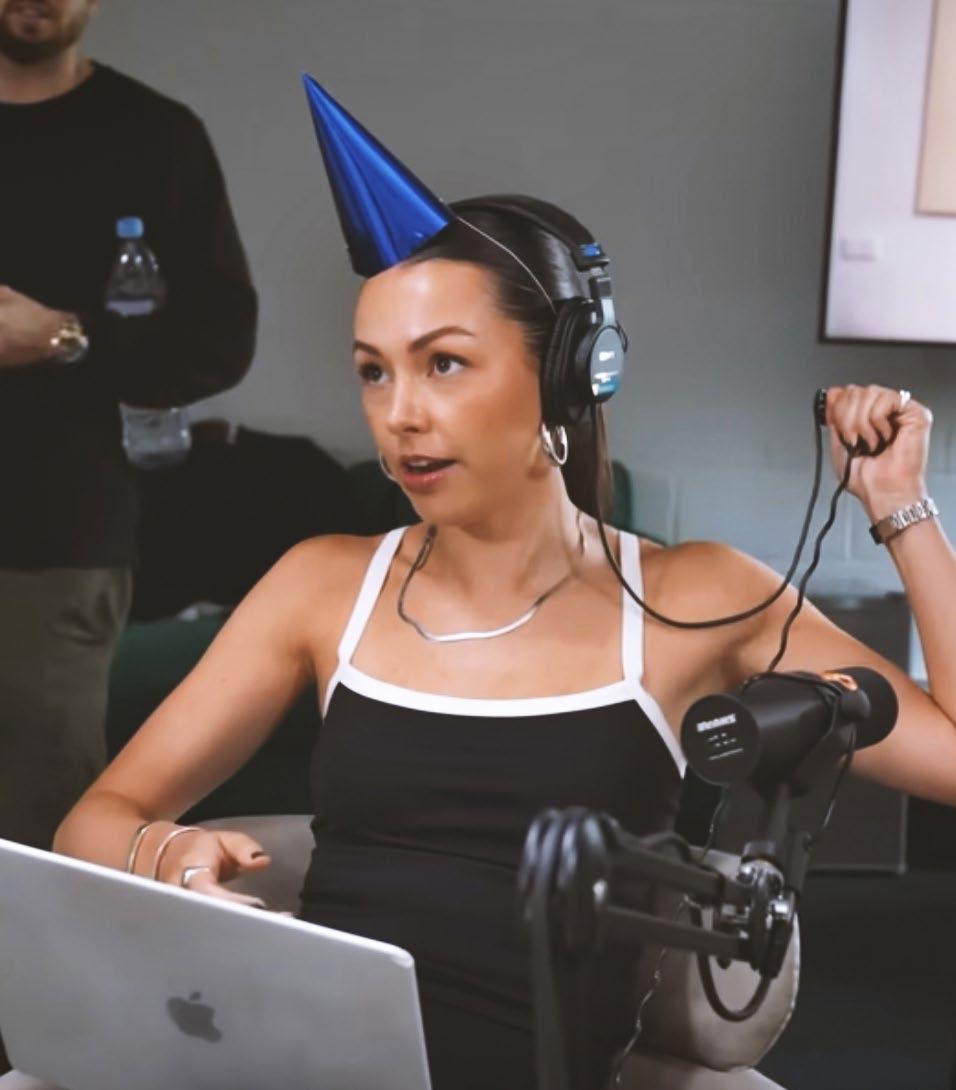
I’m also dog-obsessed and love spending time with our family dog, Pixie. I’m constantly on FaceTime or sending voice notes to friends and family – sometimes a good chat is all you need. I also love spending time with my best friend from BGS, who now teaches at the school (you may know her as Miss Emery!), and I always read before bed to properly switch off.
receive messages from listeners who are going through difficult times, and knowing that a silly podcast episode helped them smile, even briefly, feels really special.
How do you relax?
At the moment, I’m loving eating dinner on the sofa watching The Traitors with my boyfriend! Work can be very fast-paced, so I make sure to carve out proper downtime.
I love running and I’m currently training for a half marathon –I think it’s really important to have hobbies unrelated to work so that your career doesn’t become your life.
What advice would you give to your younger self?
I worried a lot when I was younger and was a bit of a perfectionist. While being driven is important, I’d tell myself to take a breath and trust the process – what’s meant for you will always find you. I’d also remind myself not to be afraid to follow up… especially when it turns out you did get the Radio X job, but the offer went to the wrong email address!
Most importantly, enjoy the journey – it’s a wild ride, and you’ll look back one day with a big smile.
No
matter how many times one participates in Remembrance, it remains
as moving and thoughtprovoking as ever.
School Remembrance,
a Visit from OB Jason Smith
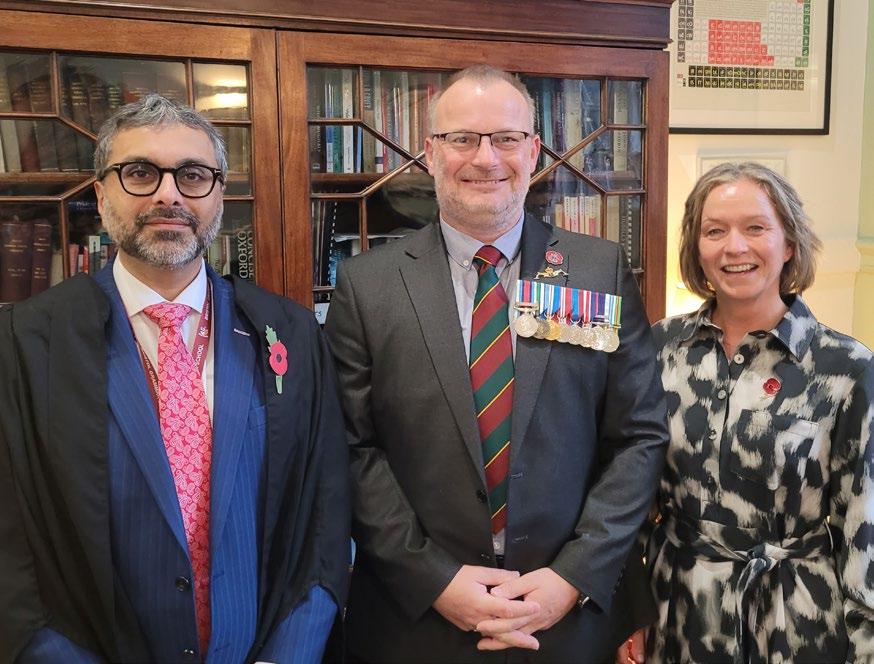
Jason, OB 1990, was the guest speaker for the School’s Remembrance service this year.
Jason’s career was in the Royal Navy where he attained the rank of Surgeon Commander. He is now in the RNVR where he remains the consultant adviser to the Head of the RN medical services for plastic surgery.
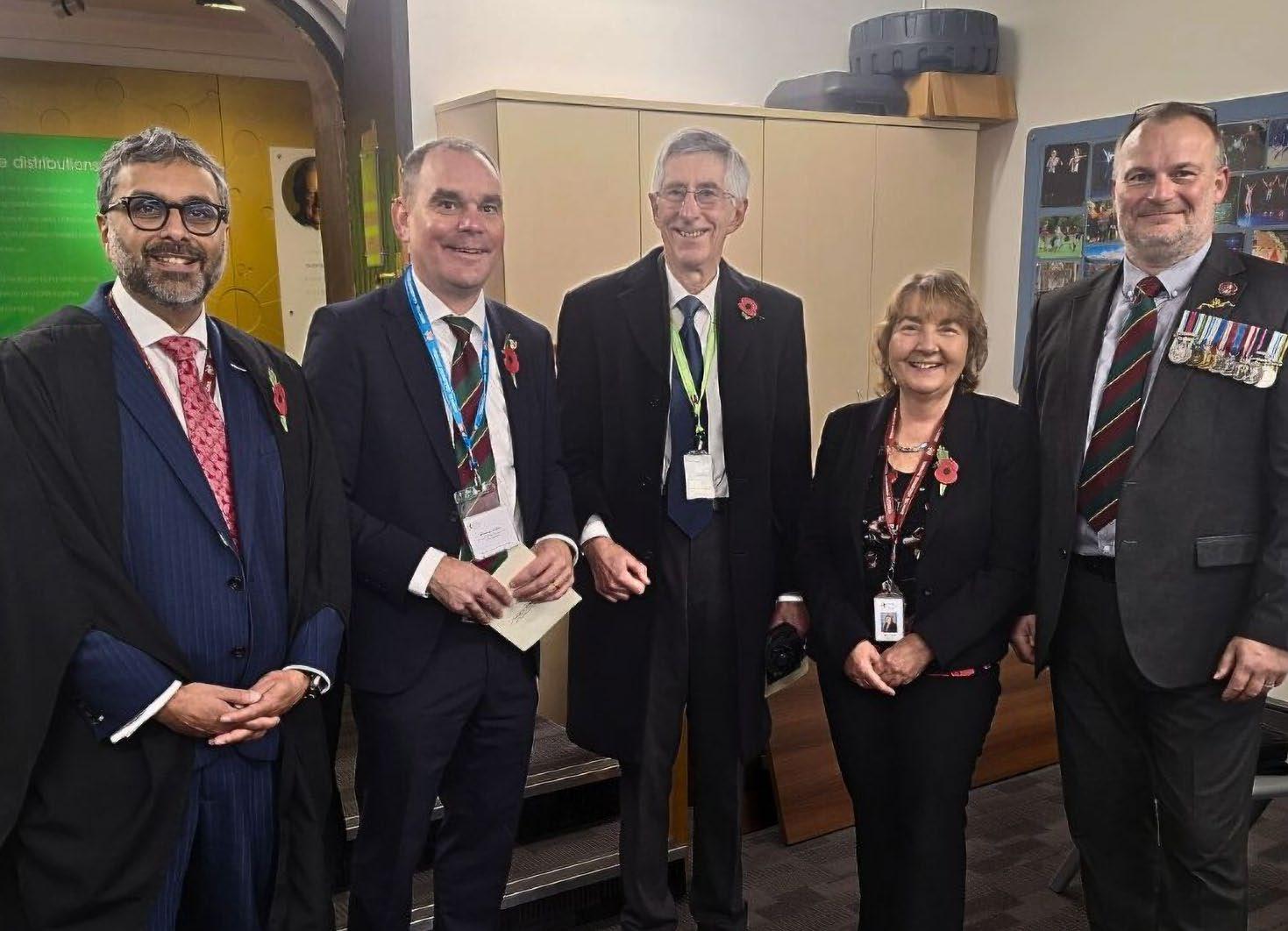
before Armistice Day in order to commemorate the many former BGS students who perished in the two World Wars and subsequent conflicts. We remember that our sports ground was purchased in the 1950s as a permanent memorial to them and their bravery.
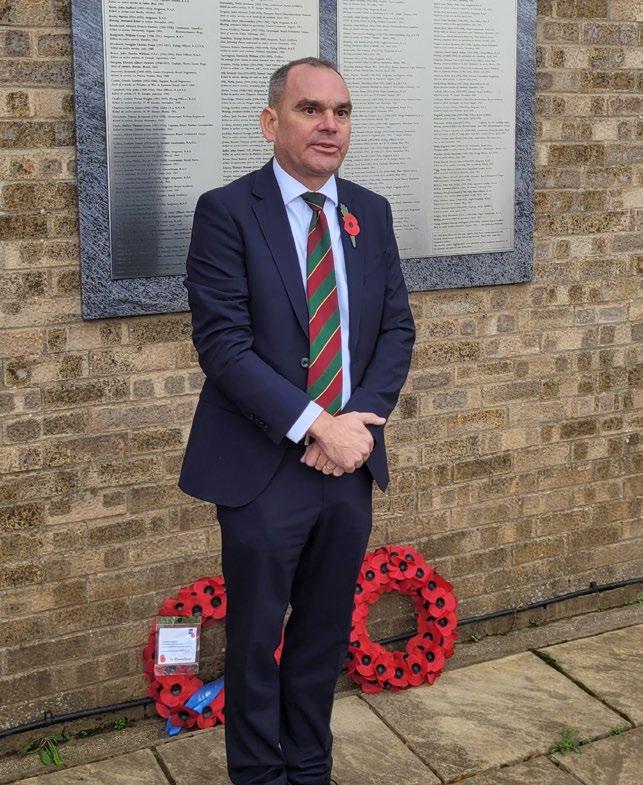
On an unusually mild day for November, Past President the Rev. James Harris conducted a simple and moving service. After prayers, and the fourth verse of the poem “For the Fallen” by Laurence Binyon, the two minute silence was followed by the Kohima Epitaph, and the Lord’s Prayer, before James gave the Blessing to bring the ceremony to a close.
Chair Marcus Cryer and Past President Pete Jakobek then laid wreaths of poppies at the foot of the Memorial.
It was then time for lunch, during which three WW1 poems, written by Old Bristolians, were read by Kate Redshaw, David Powell, and the undersigned. This was a first for this occasion, the diligent research to uncover the poems having been carried out by our archivist, Anne Bradley.
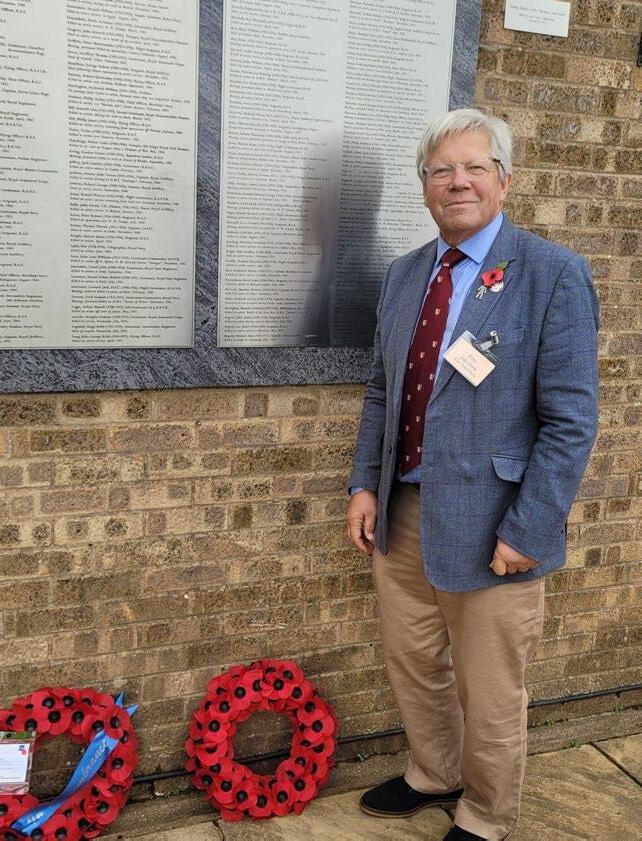
Our thanks go to the “production team” of Marcus, Caitlin Spencer and Richard Leonard for arranging this special meeting of the monthly Lunch Club.
Michael Burmester, Past President
OB 1964
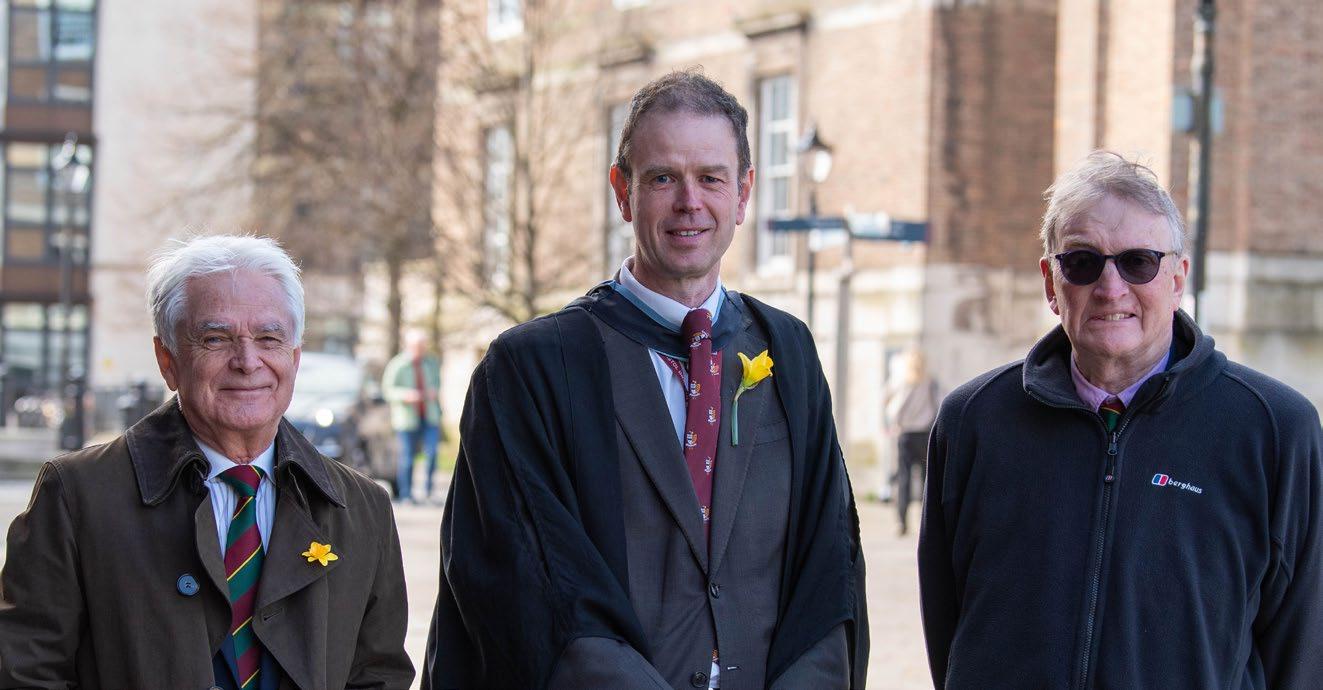
17th March 2026
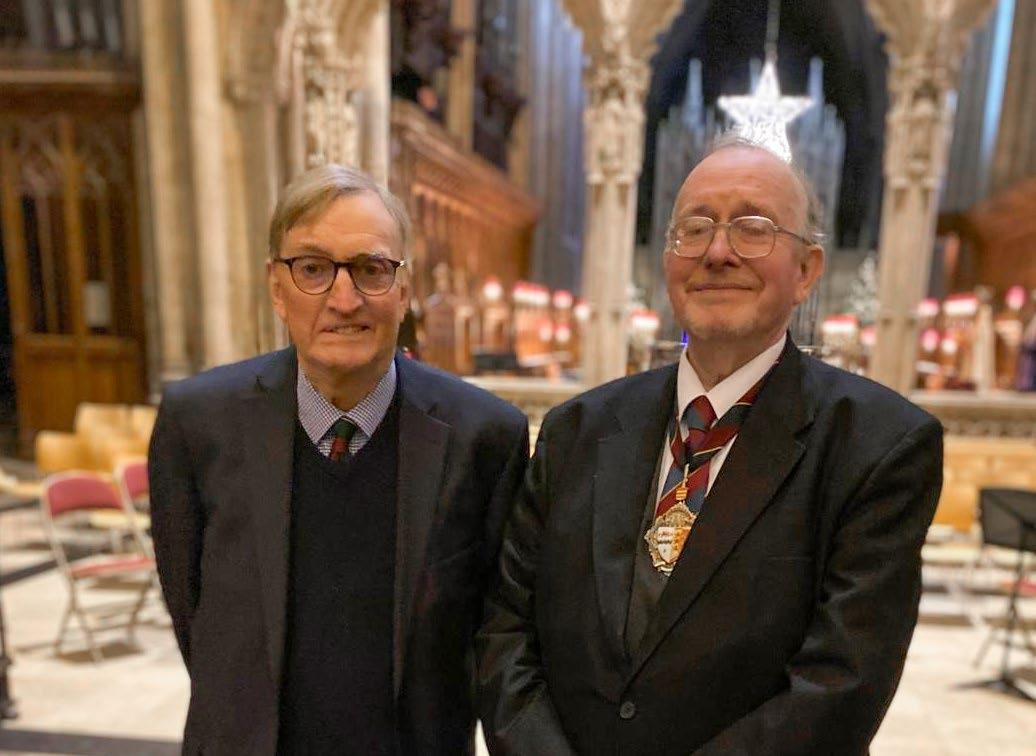
It was the warmest day in Bristol, year to date, and the sun shone kindly over College Green and the Cathedral as we gathered to celebrate the life of the School and its contribution to past and present day. For those whose time at school may be described as “last century,” a time to reminisce and try to put a name to what looked like a familiar face.
This was the first Charter Day with the newly refurbished organ being played and who better than Nigel Nash to do so. The hymns Jerusalem, Guide me, O Thou great Redeemer and Praise, My soul, the King of Heaven perfectly demonstrated the organ’s new voice.
We listened to prayers led by the Headmaster, Jaideep Barot, and the Dean of Bristol, Dr. Mandy Ford, readings by the two Deputy Heads of School and a stunning rendition of Handel’s Zadok the Priest by the school choir and orchestra, who performed magnificently and movingly.
The address was given by Dr. Alison Primrose, former Head of the Junior School who
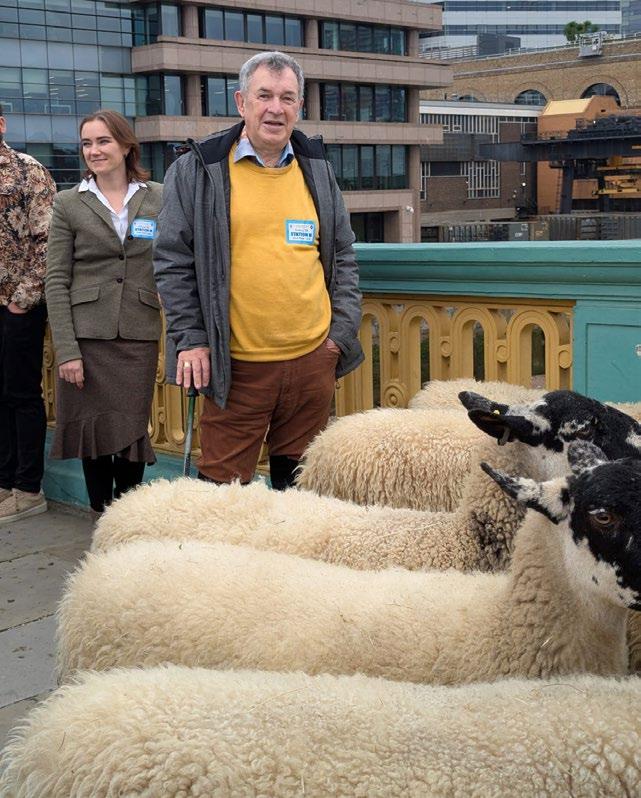
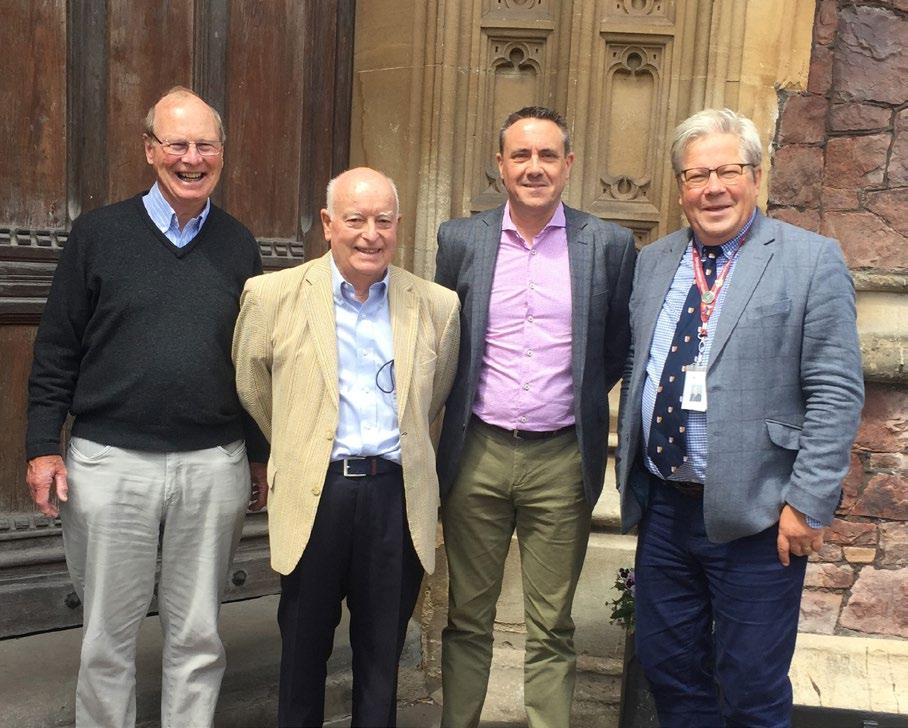
In October 2025 Dick Manns used his right as a Freeman of the Spectacle Makers Company and of the City of London to drive some sheep over a bridge in London!
encouraged us to reflect upon our own uniqueness, whether judged by our facial recognition and fingerprint or by the contributions we can make to the lives of others and our environment.
Suitably inspired, we launched into “Sumus Bristolienses”, the older members present having no need of the word sheet. Did the roof really twitch as we shouted Quot Quot?
The end drew nigh with the blessing from the Dean before Nigel Nash tackled the organ voluntary Toccata from Symphony No. 5 by C.M. Widor.
Tea and scones in the Chapter House followed, inviting us to reflect on how special this service had been and all the while prompting us to share memories which we hoped were accurate.
Michael Burmester, Past President
OB 1964
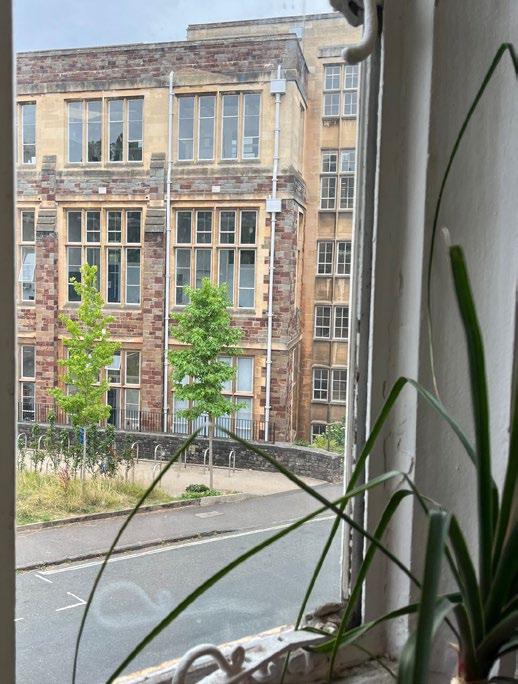
Robin visited BGS for a tour over the summer holidays and sent us this message after.
Thank you so much for giving your time yesterday morning showing me (and my next two Hendy generations) around the school. It was a revelation how much the place has changed since I joined over 75 years ago, not long after WWII.
I was particularly keen to take the attached photograph from the window of the Botany and Biology laboratory to illustrate the growing draft of my own Life Story. In 1959 I simply crossed University Road to study Botany and Microbiology for three years, then returned for a further three years of postgraduate study. That might be a World Record for the shortest journey from school to university!
1)
2)
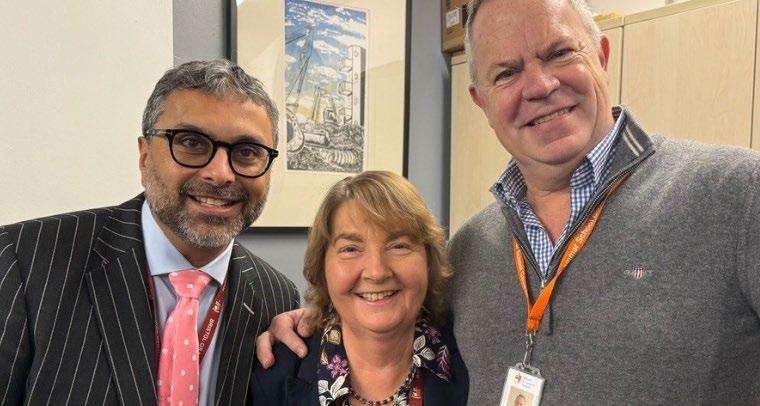
This year, we were delighted to welcome Nigel Hall RA, OB 1960, back to BGS and to catch up with him for a second interview since reconnecting. Read on to discover more about his reflections on his time at BGS.
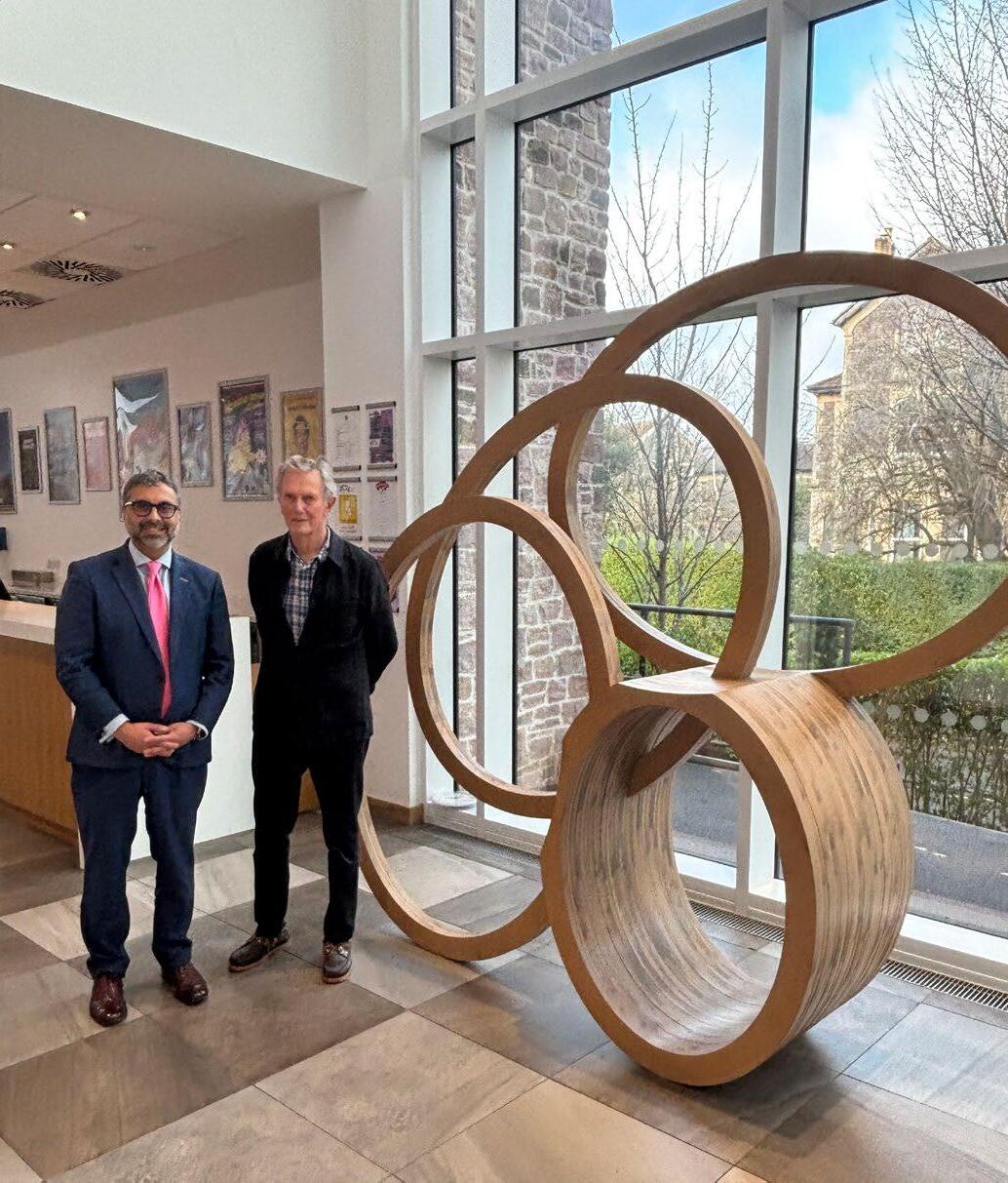


When a world-renowned artist walks back through the doors of his old school for the first time in more than six decades and gifts it a masterpiece, it is, quite simply, a good day.
Nigel’s visit marked his first return since leaving in 1960 and was made all the more special by his extraordinary generosity and the gifting of his sculpture Southern Shade I, 2012 to the School.
Born in Bristol in 1943, Nigel went on to study at the West of England College of Art before continuing at the Royal College of Art in London.
A Harkness Fellowship took him to the United States in the late 1960s, opening the door to an international career defined by major exhibitions, awards and teaching posts. He was elected a Royal Academician in 2003 and held a significant retrospective at Yorkshire Sculpture Park in 2008.
Southern Shade I was originally made in MDF as a prototype for a series of bronze works. The sculpture has been exhibited at the Royal Academy of Arts, at Gloucester Cathedral and in Canary Wharf. Inspired by Nigel’s time in the South of France and his drawings of parasol pines, the work is composed of interwoven linear elements that describe both solid form and what he calls the “shadow interior”. Despite the weight of the materials used in the wider series such as bronze, painted steel and aluminium, the forms feel remarkably light, shifting subtly with the viewer’s perspective.

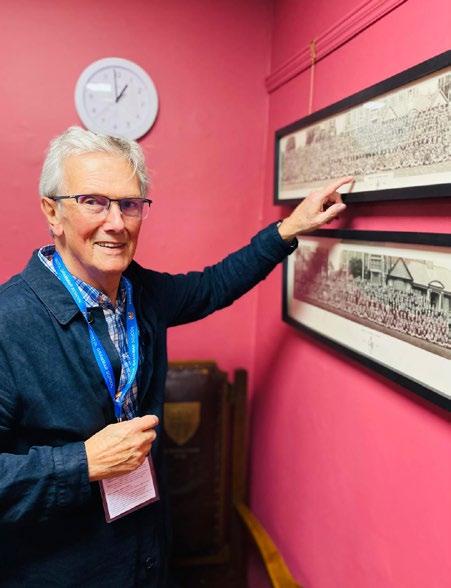
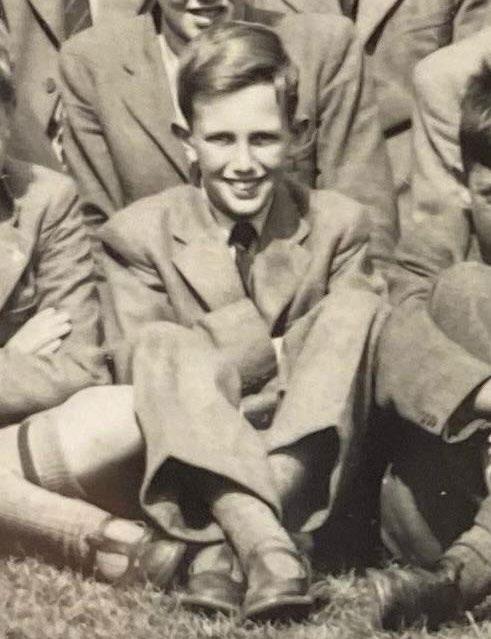

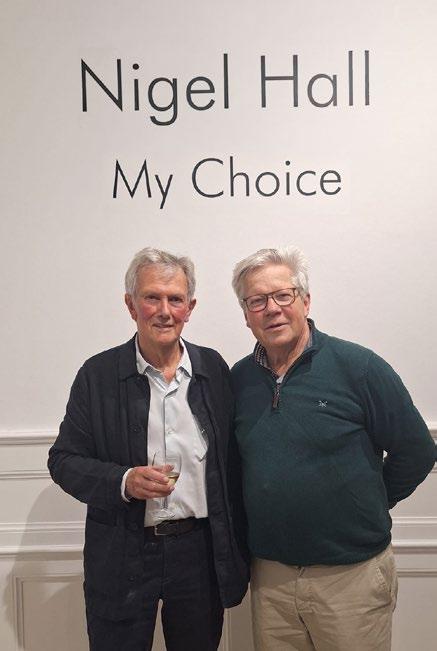
Returning to BGS was, Nigel says, “a great pleasure, a delight to see how it has been transformed into a joyful place of learning and discovery.”
Nigel fondly remembers Mr Carter, who, knowing of his interest in art, gave him a handful of ancient Greek, Roman and early English coins. “They are with me still and are a regular source of pleasure,” he says. There was Mr Payne, who taught English and organised drama, and Dr Martin in his “rather dusty gown”, whose instruction to “mark, learn and inwardly digest” clearly left its mark. Mr Tapp, the woodwork master, instilled a practical lesson about safely positioning a vice handle, advice that Nigel still recalls whenever he sees one upright.
When asked about why he chose art, Nigel reflected how “As a person of solitary disposition and one who enjoyed making, it suited my character very well.” Among his career highlights he counts his first solo exhibition in Paris in 1967, gaining the Harkness Fellowship that same year, his election to the Royal Academy, and the major retrospective at Yorkshire Sculpture Park.
Thank you, Nigel, for your wonderful gift, which will be enjoyed by generations to come and stands as a powerful reminder of the lasting connections a BGS education can inspire.
Scan to watch Nigel’s video as part of our 500 Campaign here!
Kia ora koutou (hello everyone)
April 1976, the prelude to that relentless summer, and I was woken by my OB father (Nick Ellis) one Saturday morning, given a pencil, marched the mile from our home on Cotham Hill to ‘the School’ and told to ‘sit an exam’, whatever that meant.
What it turned out to mean was 11 memorable years at BGS, which allowed me a wide-ranging education, a range of sporting and cultural experiences, and friendships for life.
I was in both of the yellow houses – Pitt’s and Rolling’s (more on the latter later), apparently set a record for Lower School detentions (mainly for differing forms of delinquency in Mr Desmond’s music classes), entered the Upper School in 1980 with the first cohort of girls, recall the visit of Princess Anne for the opening of the eponymous
block in 1983, and finished with a measly two A Levels following a poor choice to study Maths beyond O Level.
It was BGS’s broad, rounded approach that I really enjoyed. A highlight being Latin with Mr Miller; though I was ultimately saved academically by Mr Snook and his Sixth Form Economics classes.
While I’d hoped to head to Exeter, my Maths fail meant Sussex instead, to study Economics and Economic History. It was situated just outside Brighton, the best of student towns. I started a long and enduring love affair with the Regency city, including our ‘nesting’ period in a house at the top end of the county cricket ground in Hove.
BGS played a significant role in a major life moment at Sussex – I met my wife Katy when she foolishly chose to wear her OB father’s old school 1st XI hockey shirt to a freshers event, giving me one of the easiest intro lines; though it still took a further four months to secure a date! Her father David Thompson grew up in Downend where his family opened and ran The Regal Cinema. Over time we learnt that David had once courted my aunt, driving her on the back of his motorbike around the lanes of Failand. My aunt’s (and my mother’s) brother was my OB uncle David Surman –an outstanding long distance runner who died just under a year ago in Vancouver.
Perhaps Sussex’s greatest gift was the opportunity to turn my love of sport into an employment opportunity. I started (what became) a career of sports management and administration shortly after graduating at Sussex,
working for the university’s sport service for the next three years. In 1994, I was offered a role at the fledgling British Universities Sports Association, which oversaw regional and national competitions for the UK’s 150+ universities, as well as the participation of British student representative teams in international events like the World University Games.
BUSA’s London head office was in Southwark, close to the cathedral, London Bridge and Borough Market – an area that became trendy during (not because of) my 10 year tenure. It was London that showed me the possibilities of forging a life working in sport through its array of national governing bodies, government agencies, professional clubs, local authority facilities and major events – I’d discovered an industry employing hundreds of thousands in the UK, but often ignored by careers advisory services.
In 2004, I accepted an offer to lead the (much smaller) national universities sport organisation in New Zealand. We’d decided, noting the serious fun several other friends had had doing similar, to consider a couple of years living abroad, and this role quickly presented itself, based in NZ’s capital Wellington. Neither of us had been to NZ prior to our move so it was with trepidation and excitement the three of us, including an almost two year old son Sam, left the UK in June 2004 to sample the famed Kiwi lifestyle. Leaving friends and family is always stressful but Skype (remember Skype?!) and email made the transition so much easier, and we settled into life in the ‘coolest little capital in the world’ easily.

22 years on we (four of us now) continue to live in Wellington, a picturesque relatively small city at the foot of the North Island, famed for its weather – it is the windiest city in the world – but also for its walkability, its hills and its greenery, all framed by the southern ocean and the impressive natural harbour. It’s NZ’s cultural beating heart – and has a liberal, almost bohemian, vibe (I fear I may be too old to use that word) we found similar to Brighton and Hove.
After three years, I was asked to lead Equestrian Sports NZ –the national body for horse sport – my extensive experience must have swayed the panel given I had twice been to cross country day at Badminton! Equestrianism (showjumping, eventing and dressage) has a rich Olympicmedal winning heritage in NZ, in particular the eventers such as Sir Mark Todd, Blyth Tait and Andrew Nicholson; and my seven years in the role frequently took me back to the West Country where many of the best riders were based. Running a national governing body is stressful and exhilarating in equal measure and it remains the hardest and most formative role I have undertaken.
For the last 12 years I have worked for Sport New Zealand, the national government agency for sport and recreation, and more recently, have led the half of the business responsible for keeping Kiwis physically active through community sport, recreation, play and physical education. Working for the government wasn’t planned and takes you further from the coalface of community sport, but also allows you to pull more macro levers in influencing both
national policy and resource allocation; it continues to be my most rewarding role.
A bonus has been staying in contact with a number of OBs living in NZ. In particular my old housemaster Ian Rolling, and his wife Jean, who followed their own family to emigrate here a few years ago; also Kirsten Spencer who like me played hockey for BGS and Rollings (our paths separated and Kirsten went on to many England international caps!). And Jonathan Gould of Burns’, well known for his significant footballing CV including representing Scotland at the 1998 World Cup.
In a world of growing populism and division, NZ remains a gentler society –geographically isolated and with its own societal challenges, but with community values and caring very much still in its DNA.
Bristol remains close to me, as does BGS, though I don’t have family or friends there any more. An unwavering following of Rovers, the Bears and Gloucestershire cricket keeps me connected; and on regular trips back to the UK I’ll usually spend a morning in ‘Bris’ tidying up family graves in Winterbourne and Henbury (much less macabre than it sounds) before a ‘greasy spoon’ in Westbury-on-Trym village (where we lived in my later BGS days).
And I am of course planning to be present for the 500th anniversary celebrations in 2032!
Nga mihi nui (thank you very much)
Jim
Ellis (1976-87)
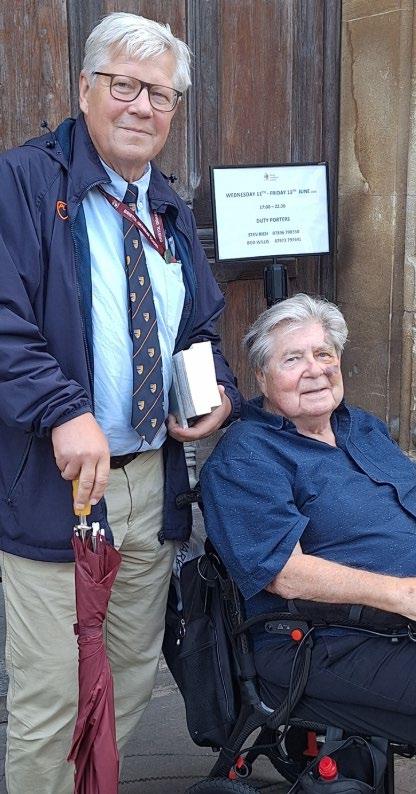
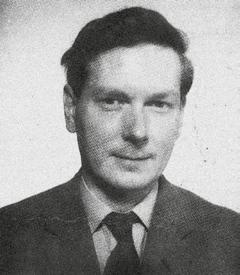
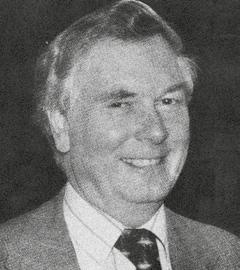
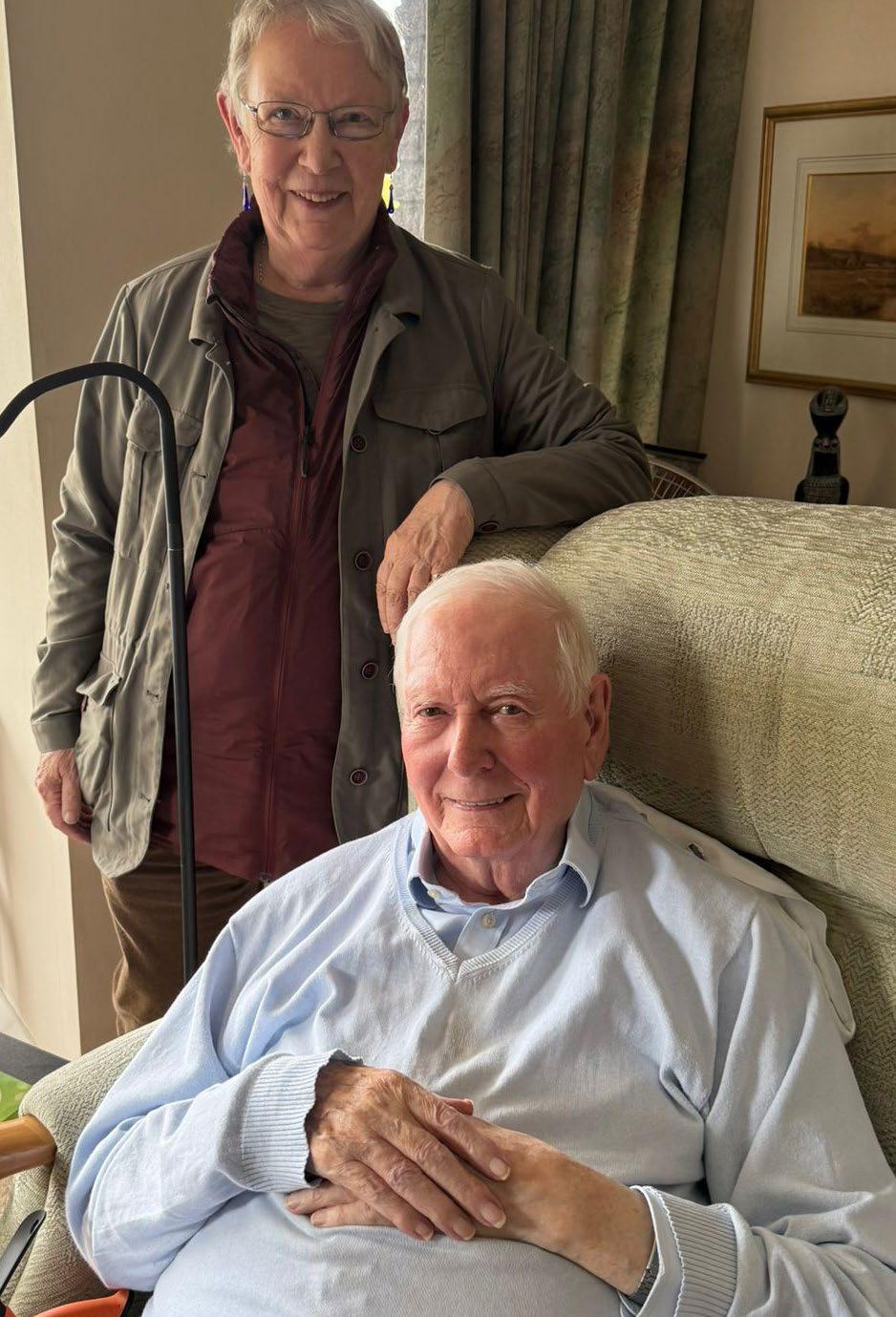
In October 2025, Head of BGS Jaideep Barot and Archivist Anne Bradley headed off-site to visit BGS legend, Tony Warren, at his home in Bristol. Tony worked at BGS for 34 years as a Geography teacher, a Head of House, Head of Sixth Form and what was then known as a ‘Second Master’. Upon retiring he became a Governor of the School, as well as President of the Old Bristolians’ Society in 1996. The Chronicle in 1988 features several articles written by colleagues and students on the great impact that he had. Described as having an ‘abiding devotion to the welfare of his pupils which was his hallmark’ and ‘if school-teaching had a Hippocratic Oath, one would believe that he had taken it’, he clearly left a strong mark in the history of BGS. After this visit, we invited people to leave messages to share with Tony on our social media and we were glad to be able to share these with him as shortly after he was admitted to hospital and is still recovering. Tony sent the below message to everyone.
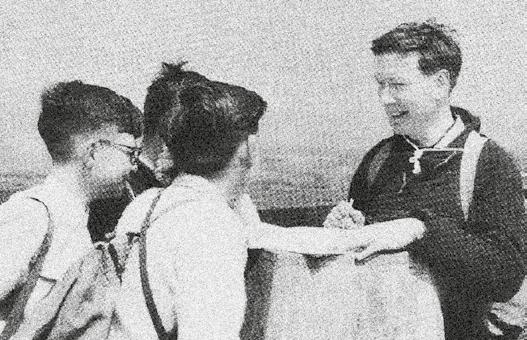
TONY WARREN —
sometime Second Master, Housemaster and Head of Geography – sends seasonal greetings to former colleagues, pupils and friends. He is unable to send Christmas cards this year as he is convalescing at John Wills House in Westbury Fields following recent falls at home. Visitors report that he is looking well, is mentally alert and in good spirits. He has been receiving respite care and hopes to return to his flat sometime in January.
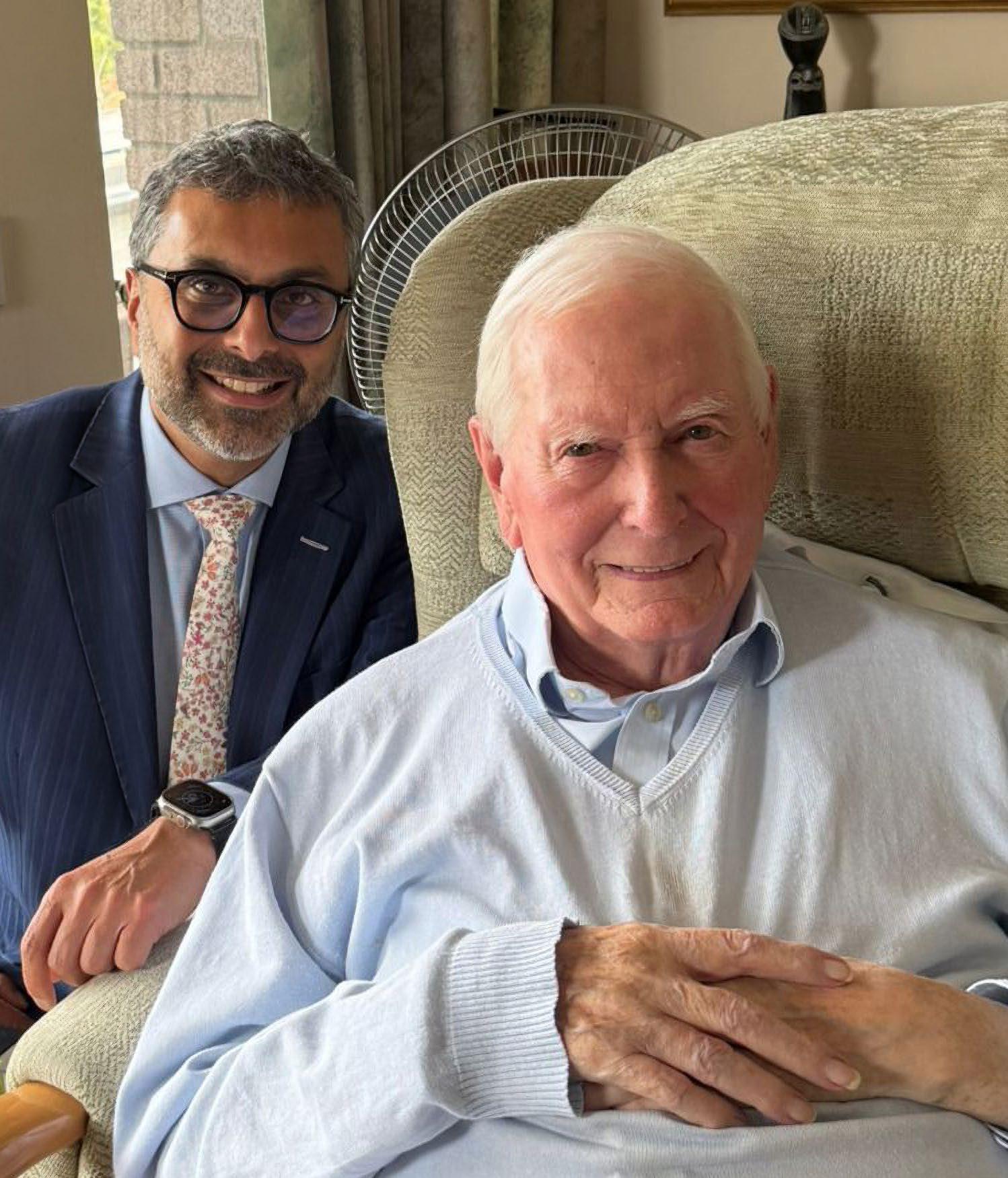
Nicola Diamond
I still remember with great fondness how you helped and supported me when I started my teaching career at BGS. You and Ray Smith literally ran the school (there were no Assistant Heads in those days)! How you did it all I have no idea, and you were always so calm and measured, as well as being a true gentleman. I cannot thank you enough for being such a wonderful role model.
Richard Jackson ‘Bunny’ Warren was my form master when I started at BGS in Shell A in 1956. Although on reflection, he could have been little more than a ‘slip of a lad’ himself in those days, he was nevertheless a kindly and reassuring presence. Thanks, Mr. Warren for making my early days in the big school less terrifying than they might otherwise have been.

Richard Ian Hale
Wonderful first house master as I went into Warren’s House moving up from the Lower School 1971 (I think!) – succeeded by another great in Ian Rolling – later in life I appreciate the pastoral care some of which I am sure was operating discreetly. Memory of joining the Field Club that he ran (my mother thought it would be good for me!) Thanks Mr Warren.
Ian Rolling
When I joined BGS in 1970, Tony was a Senior member of staff and a House Master. I was then very fortunate to take over his House in 1975. He could not have been more encouraging and supportive as I grew into the post. We were colleagues for many years and I knew I could always go to him for advice. BGS has been his life and I am delighted to see these photos. Hopefully see you next summer Tony when we return to the UK for a visit.
Geoffrey Bolland ‘Bunny’ Warren, thank you for inspiring my interest in Geography from 4th Form through to A Levels. Not from 3C because that was A B Carter, another BGS legend. 1956 to 1963.
Barrie Dudbridge
Loved the man. He was the first master to call me ‘Barrie’ after a 440yd race at Golden Hill.
Paul Bartlett
Mr Warren, thank you for all that you did during my era at BGS. My timeline is 19821989, and Mrs Diamond (commenting here) was my Biology teacher, so similar period. I too remember you as Second Master and Mr Smith as Senior Master, to Mr Avery’s headship. You always came across as a strong character, but usually had a wry smile or subtle grin to show that you were serious, but not ‘that’ serious. Best wishes, Paul B. (Cox’s House).
Mike Burmester
You don’t look a day older than when I last saw you at an OB Failand lunch. Taught me Geography in 3A, or was it 4A, when you explained why Dartmoor was always wet as the Atlantic air rushed over Cornwall to hit the western slopes around Tavvy. Then there was the Black Forest walking holiday in 1961. Would love to know your recipe for a long life!

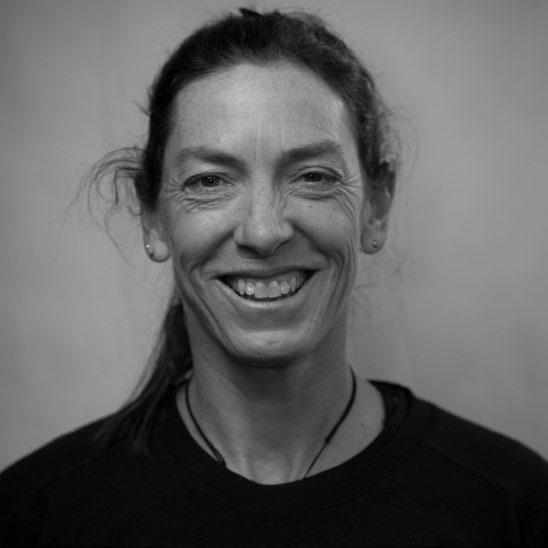
I loved my time at BGS and still fondly remember the Great Hall, from whole school assemblies and singing “nunc universo gaudio… sumus Bristolienses” to lunches, which were actually pretty tasty, and even organising a sleepover, which was a very large room for about eight of us to sleep in.
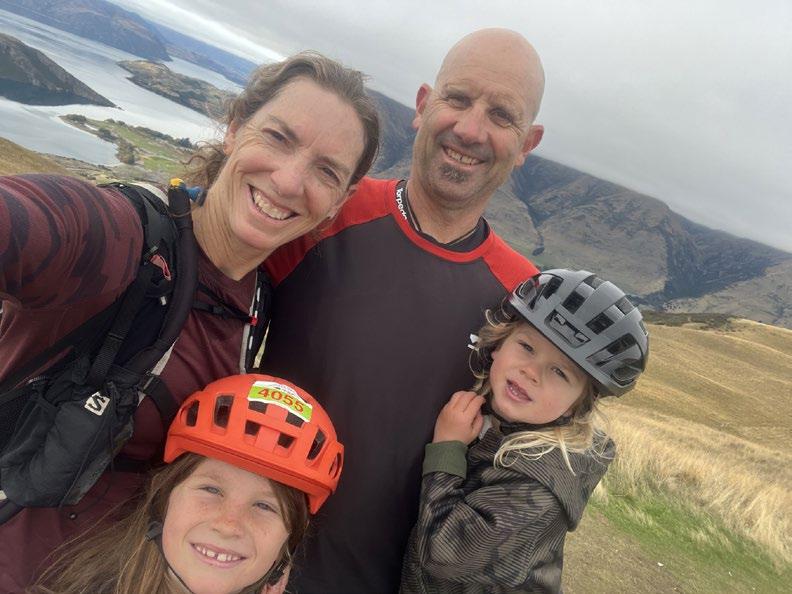
When I first started at BGS:
• We had a fives court in a building across the staff car park from the Great Hall entrance.
• We used to go to school on Saturday mornings and have sports on Saturday afternoons.
• We learnt Latin.
• We had to do the dreaded singing in the first music lesson to see if we were needed in the choir. (I could have told them that I wasn’t going to be needed but we all had to stand up and sing).
• Our sports teachers included Peter Jakobek, Rick Sellers and Ann Diamond.
• I was in Speake’s (red) house, we used to sit in the far right corner of the Great Hall in assembly.
• We were outnumbered in our classes by our male counterparts by about 4:1 which really didn’t phase me, in fact I think now the energy around this dynamic, which was a very active one, helped to continue to push the girls from a physical perspective. As well as the fact that if you were interested in being in any of the hockey, netball, athletics or rugby teams, due to the fact there weren’t many of us, you were basically in and having to compete against some of the local all girls schools meant we had to up our game regularly.

My love of sport meant that I loved the trips to Failand. I loved all kinds of sports and wanted to try everything. When the squash courts were built, I would head over and just play some hits at lunchtime. I wasn’t such a ball sports kind of athlete but being able to play regularly meant that one could improve pretty quickly. Initially, there was no rugby team, but when the girls decided we would like to play we did it and had support throughout.
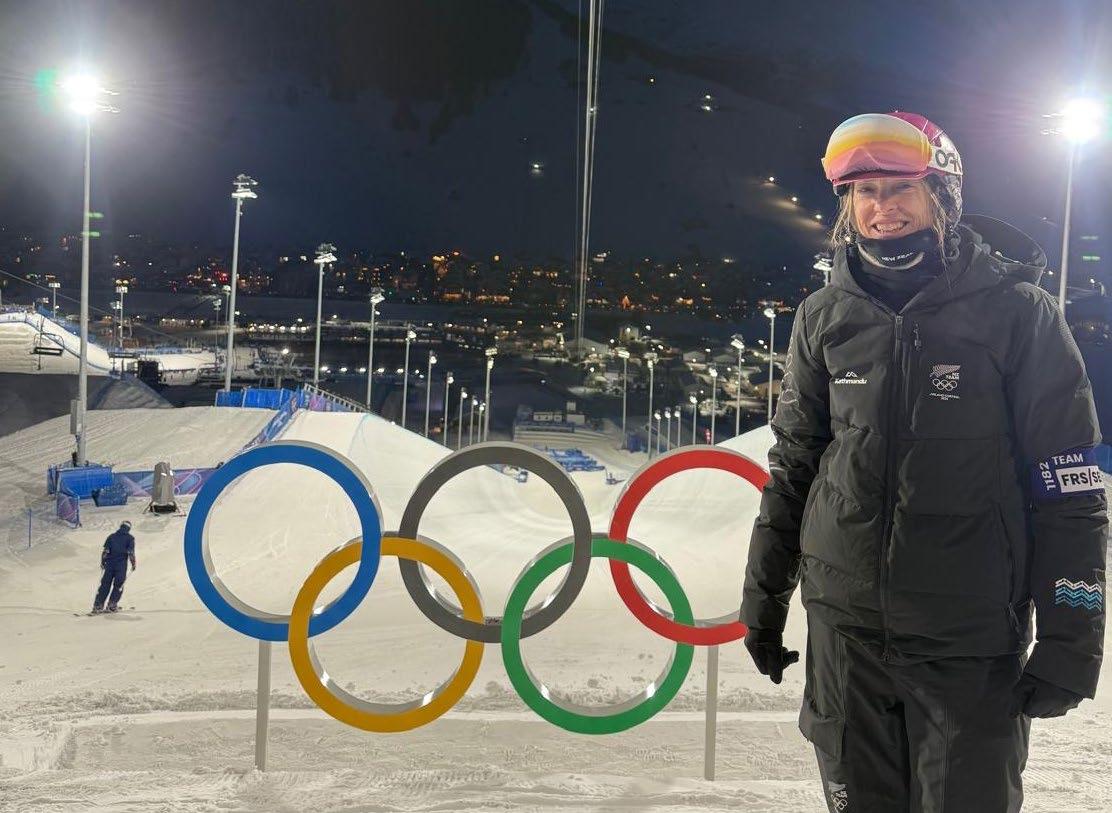
This love of sport has seen me compete internationally for 2 different Nations as a GB international in athletics and as a skeleton racer at the 2014 Winter Olympic Games in Sochi for New Zealand. I didn’t even really know what skeleton racing was before treating someone at the physio practice I worked at who told me. With my sprint background it was suggested that I gave it a try. It turns out flying head first down an ice shoot was something I was going to be good at. Many years of being on the road, living out of a suitcase, Winter to Winter, hours in the gym increasing my fast twitch fibres, sprint training in the off season. I loved it and in the end qualified for the Winter Olympics.
Doing all the diverse sports at BGS and university gave me an excellent base, the research shows that those that participate in many sports have a larger movement library/capability to then enable them to excel. So, keep up all those sports at school. All that training, and some freezing cold days at Failand will come in handy one day!
I now live in Aotearoa New Zealand and work as a
physiotherapist. I work with our high performance athletes in the freestyle skiing and snowboarding disciplines and was lucky enough to most recently get a job as one of the physiotherapists at the Winter Olympic Games in Milano Cortina, Italy. Being a physiotherapist to high performance athletes can sometimes be harder than being a high performance athlete yourself.
A typical day would involve standing at the top of the half pipe, as the athletes train, from helping them with their warm up, checking they have enough nutrition on board, doing any first aid to joints and ligaments, covering up ice burns if they have falls but need to keep training.
In the evenings we do assessments and treatment and often head to the gym with the athletes for recovery and strengthening or rehabilitation so that they can get back on the hill the next day and improve their performance.

I’ve stood in -30 in South Korea, I imagine looking a bit like a yeti trying to stay warm. I’ve skied loaded up with 2 bags and 2 pairs of skis to bring all of the athletes’ belongings to them at the bottom of the pipe. I’ve taped athletes’ trousers up so they were more aero dynamic on windy days. I’ve also helped athletes from other nations as it’s important to try and look after all the athletes and some of them don’t have physiotherapists. It’s hard work and long days but it is super fun.
I still think it amazing that we all could fit in the Great Hall and we could listen to those standing on the dias and hear stories about people’s times at BGS and what they got up to when they left. I did wonder if I ever would do anything interesting enough to have a story to tell.
This is just a reminder that you never know what is around the corner but getting involved in many things and being open to all ideas can take you a long way.
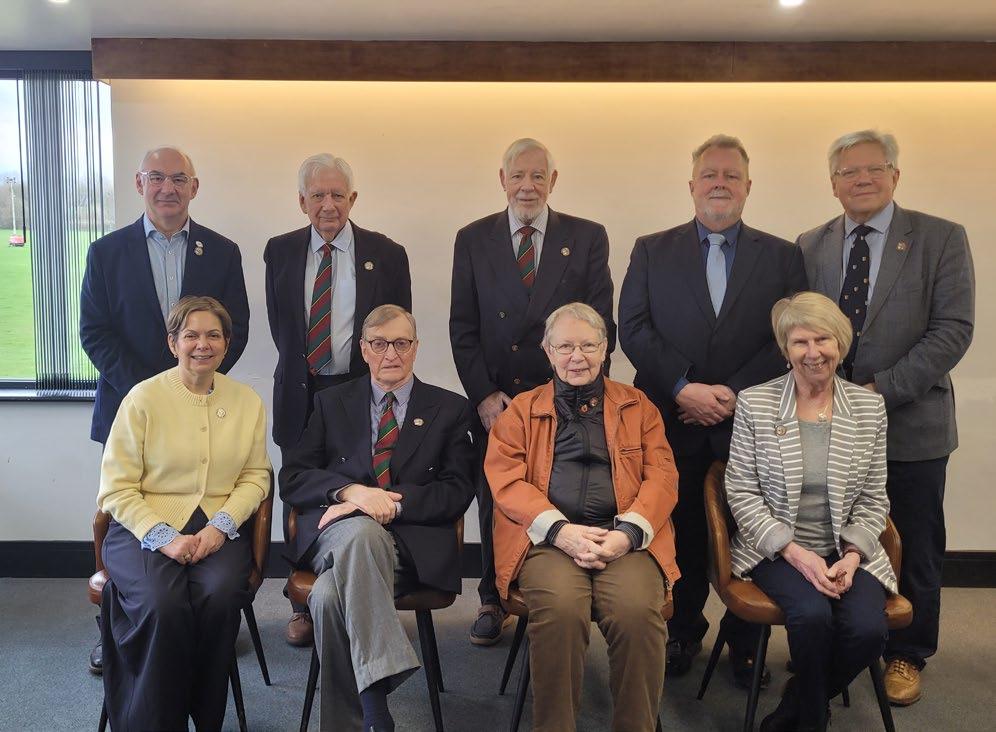
President Romesh Vaitilinigam
President Elect Jane O’Gallagher
Immediate Past President John Bassett
Vice Chair Ian Southcott
Treasurer Richard Leonard
Secretary Ian Southcott
Archivist Anne Bradley
AROPS Representative Peter Jakobek
Failand Memorial Officer James King
Sports Club Representative Rich Berry
Nick Stibbs
Trustees
Julian Portch
Melanie Guy Martin Bates Mike Burmester alumni.bristolgrammarschool.co.uk/pages/obituaries
We’re deeply saddened to announce the deaths of people associated with Bristol Grammar School notified to us in the last 12 months. Please join us in honouring and remembering them.
Clive Almond
1939-2024. BGS 1951-1958
Michael Sleigh 1932-2025. BGS 1946-1950
Michael Paul Westlake 1934-2024. BGS 1946-1953
Steve Bennett-Britton 1945-2025. BGS 1953-1962
Peter Jackson 1937-2024. BGS 1945-1954
Geoffrey Pawling 1948-2024. BGS 1974-1977
Norman Eshley 1945-2025. BGS 1956-1962
George Denver Lang 1942-2025. BGS 1964-1967
Raymond George Smith 1927-2025. BGS 1964-1989
Lucille Osafo 1966-2025. BGS 2010-2025
David Macfarlane 1933-2025. BGS 1944-1950
John Rathbone Rhodes 1934-2025. BGS 1949-1953
Deric Burns 1939-2025.BGS 1972-2005
Martin Collins 1950-2025. BGS 1961-1969
John Crichard 1933-2026. BGS 1944-1951
Roger Owen Williams 1940-2026. BGS 1948-1959
John Vickery Hughes 1937-2025. BGS 1950-1958
Gordon Adams 1934-2026. BGS 1951-1957
Derek Tee 1939-2026. BGS 1951-1957
David Trott 1929-2026. BGS 1955-1990
Full obituaries, where provided by family, friends or news resources, are available on our new Obituaries page on the website (scan the QR code on the right with your phone camera for links). To inform us of a death or to provide an obituary, please contact us on community@bgs.bristol.sch.uk
Sometimes we are notified of deaths without full dates or details. In this case we will write ‘Unknown’.
Chair Marcus Cryer
School Liaison Officer Peter Jakobek
Bristolienses Editor Ian Southcott
If you would like to contact any of the management committee members please email community@bgs.bristol.sch.uk
1900 Herbert Ashman Bart
1901 Charles McArthur
1902 C E L Gardner
1903 Bourchier F Hawksley
1904 The Rev T W Openshaw MA
1905 Sir Hubert Llewellyn Smith GCB, MA, BSc
1906 Professor H Lloyd Tanner DSc, FRS
1907 The Rev V P Wyatt MA
1908 Sir Hartman W Just CB, KCMG
1909 Philip W Worsley JP
1910 W Nicol Reid
1911 The Rev A W Oxford MA, MD
1912 T B Silcock BSc
1913 The Rev Canon F E Brightman MA D Phil, DD, FBA
1914 The Rev A B Beaven MA
1919 Sir Holman Gregory KC
1920 Sir Cyril Norwood MA, D Litt
1921 George Langford
1922 Col T H Openshaw CB, CMG, MS, MB, FRCS, LRCP
1923 The Rev Canon G A Weekes MA
1924 The Rev Canon Peter Barker MA
1925 D S Davies MD, LLD, DPH
1926 Col T M Carter OBE
1927 R C Hobbs
1928 Oscar Berry
1929 Sir Duncan Grey LLD
1930 Cyril Rootham MA, MusD
1931 Wilfrid E F Peake
1932 Sir Cyril Norwood MA, D Litt
1933 J Sumner Dury JP
1934 T Reaveley Glover MA, LLD, DD, Litt D
1935 Rear-Admiral V H T Weekes CB, CMG
1936 Charles W Stear
1937 E W B Gill OBE, MA, BSc
1938 Brigadier A L W Newth CBE, DSO, MC, TD, DL, JP, Legion of Merit (America)
1939-1945 Col G S Castle MC, TD, DL
1946 Brigadier M Angell James VC, DSO, MBE, MC, DL
1947 The Right Rev Henry McGowan MA
1948 The Right Hon Lord Gridley KBE,MIEE, MP
1949 J E Barton MA, Hon RIBA
1950 Rev Canon J M D Stancomb MBE, MA
1951 Sir W Marston Logan KBE, CMG
1952 Professor T F Hewer MD, FRCP, FLS
1953 Leslie Morris MA, BSc
1954 Sir Oliver Franks PC, GCMG, KCB, CBE, MA
1955 R C W Cottle
1956 Sir W Ivor Jennings KBE, LittD, LLD, QC
1957 H P Lucas BSc
1958 The Right Rev Bishop D B Hall BA
1959 C R Setter JP, FIOB
1960 Sir Douglas Veale CBE, MA
1961 Dr John Garrett MA, DLitt
1962 C H Clements
1963 E H Totterdill FCll FIArb
1964 K W Jones ACIS
1965 Very Reverend D E W Harrison MA
1966 Alderman L K Stevenson
1967 H C H Punchard
1968 Col J B Cossins MBE
1969 J Angell James CBE, MD, FRCP, FRCS
1970 Philip E Maggs
1971 Edward V Colman
1972 Vivian H Ridler CBE, MA, FSIA
1973 Sir Paul Osmond CB, MA, CIMgt
1974 M E Dunscombe TD FBOA, FSMC
1975 Air Vice Marshal W J Maggs CB, OBE, MA
1976 R A Dolton
1977 D J Mann CBE, MA
1978 Dr J Mackay MA, DPhil
1979 Professor B H Harvey CBE, MA, MSc
1980 J C Higson
1981 M L Booker MA
1982 The Very Rev S H Evans CBE, MA
1983 J B Ackland OBE, FRIBA
1984 G F Jarrett TD, MA
1985 D W Williams OBE, TD, DL
1986 E H Dehn BA
1987 J R Cottle MA
1988 P F Stirratt BSc (Econ)
1989 Major General IOJ Sprackling OBE, BSc
1990 K J Stidard AE, DMS, MIMgt
1991 T L Beagley CB, MA, FCIT, FIRTE(Hon)
1992 M B Nichols FCA
1993 J R Avery MA, FRSA
1994 A F Stirratt MA
1995 Professor Keith Robbins MA, DPhil, DLitt, FRSE
1996 E A Warren MA
1997 K G H Binning CMG, MA
1998 K D J Prowting FCA
1999 His Honour Judge PNR Clark MA
2000 R Lacey MA
2001 M Sisman LLB
2002 C E Martin MA
2003 J A E Evans MA
2004 R F Kingscott Dip Arch (RWA), ARIBA
2005 R A R Cockitt BSc
2006 Professor Sir Nicholas (‘Nick’) Wright MA, MD, PhD, DSc, FRCP, FRCS, FRCPath, FMedSci
D L J Watts JP, MA, FRICS
D Pople MA 2009 P J Revill MA
K T Gerrish BA
N A Baldwin 2012 G E Ratcliffe BDS, DDPHRCS
D Furze MBCS, CITP
2014 D Yeandle OBE, MA, MCIPD, FRSA
2015 M N J Burmester BA, ACIB
2016 J D Perkins MA 2017 Anne Bradley MA (Oxon)
2018 Melanie Guy
2019 John Sisman
2020 Rich Berry
2021 Rich Berry
2022 Kate Redshaw
2023 Peter Jakobek
2024 James Harris
2025 John Bassett OBE
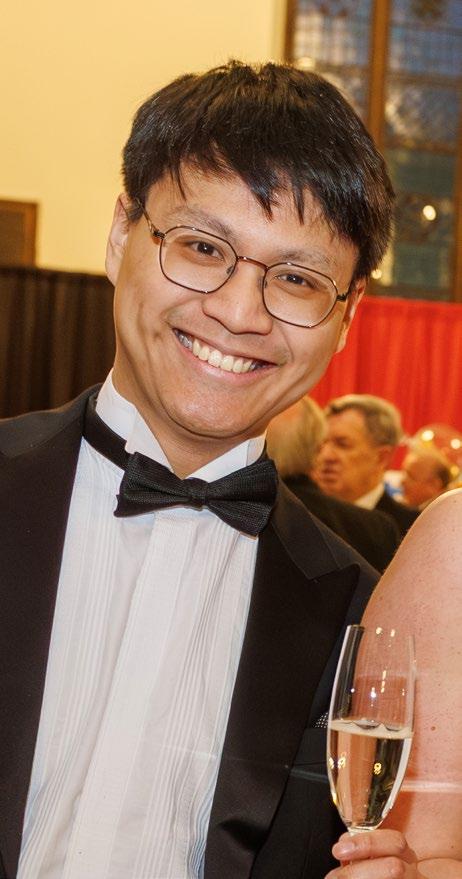
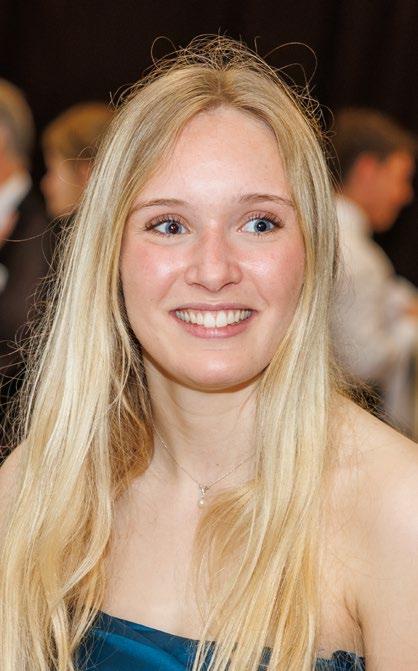
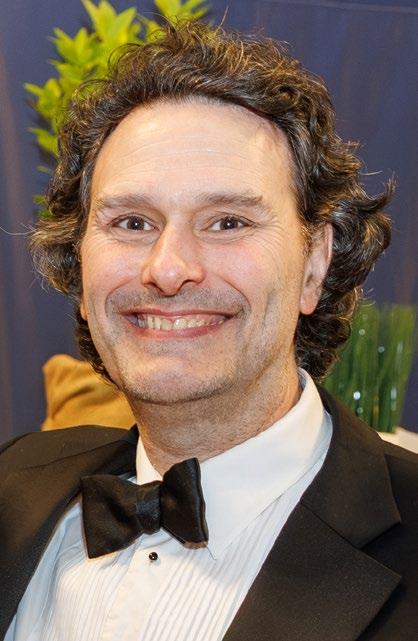
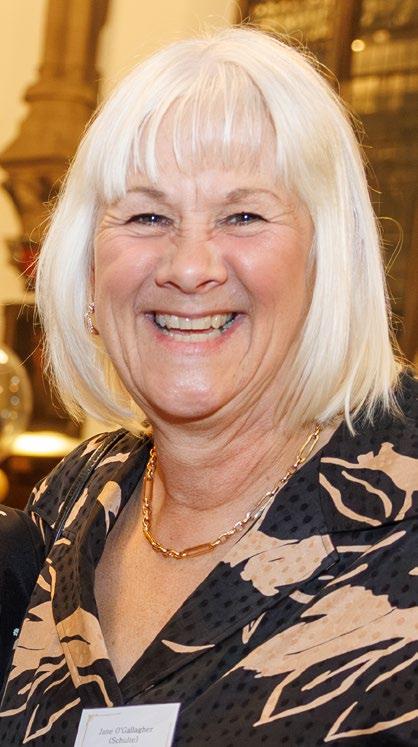
Saturday 13 March 2027

Volunteer to be a mentor, attend a careers or networking event or join our Linkedin group.
Organise a reunion table for the Annual Dinner, attend our networking drinks in London or Bristol or come along to our Lunch Clubs.
GIVE BACK
Donate to our 500 campaign and help change lives through bursaries at BGS.
Have lunch in the Great Hall, have a guided tour around BGS, or come back to talk to the current students about your journey after BGS.
Follow us on social media, join our private LinkedIn and Facebook groups or download the Old Bristolians app.
TALK TO US
If you want to visit, suggest a new event, advertise your business or have any questions or feedback, get in touch.