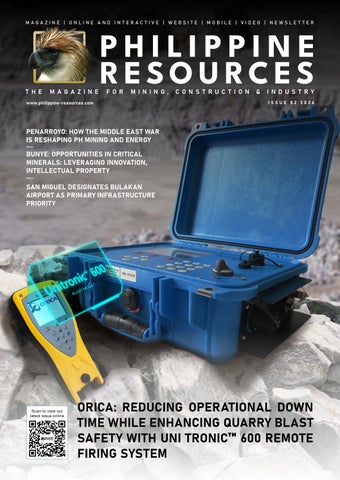
PENARROYO: HOW THE MIDDLE EAST WAR IS RESHAPING PH MINING AND ENERGY
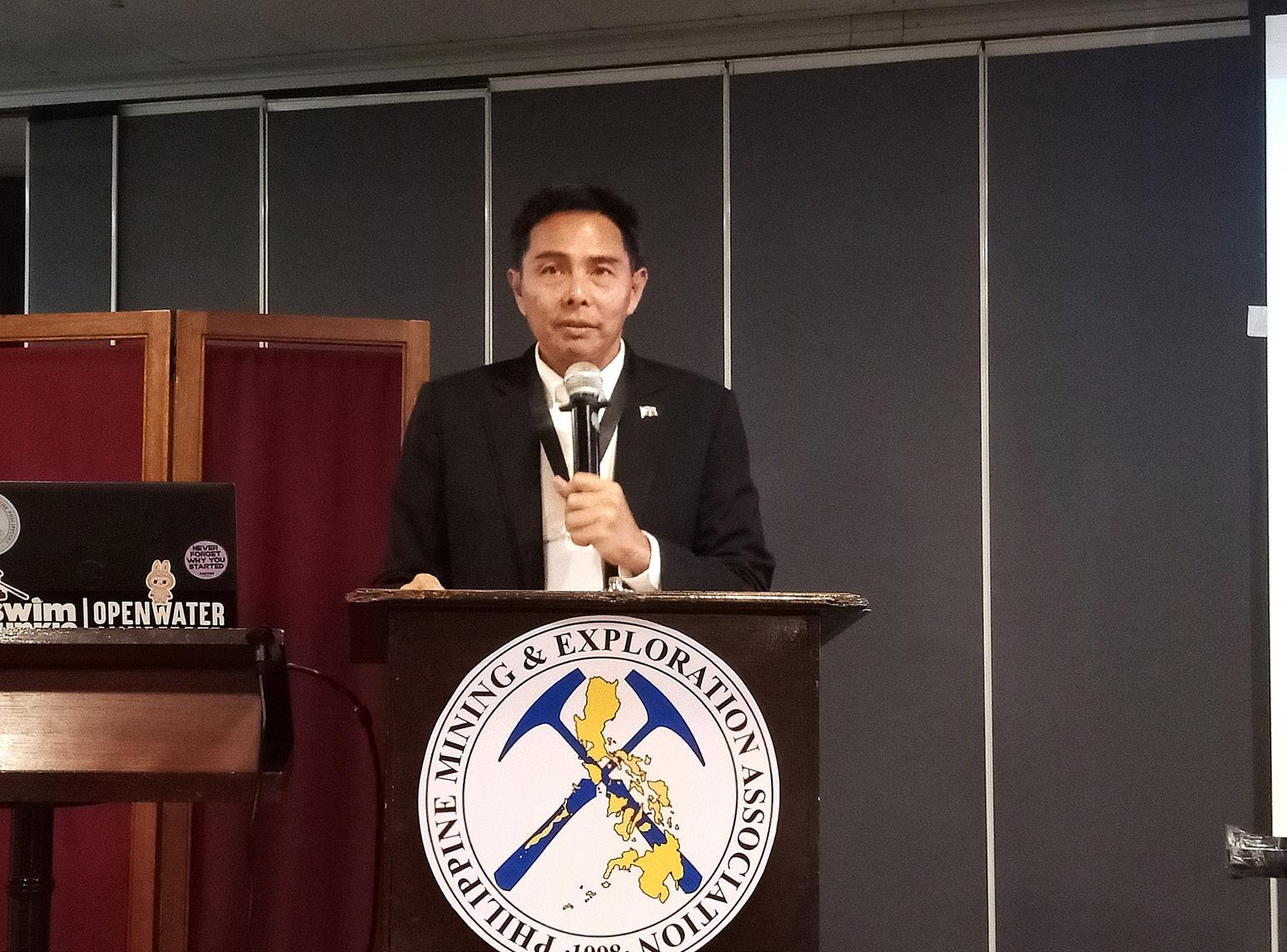
BUNYE: OPPORTUNITIES IN CRITICAL MINERALS: LEVERAGING INNOVATION, INTELLECTUAL PROPERTY
SAN MIGUEL DESIGNATES BULAKAN AIRPORT AS PRIMARY INFRASTRUCTURE PRIORITY
Bringing Precious Ores to the Light To Prosper Lives
About GMC
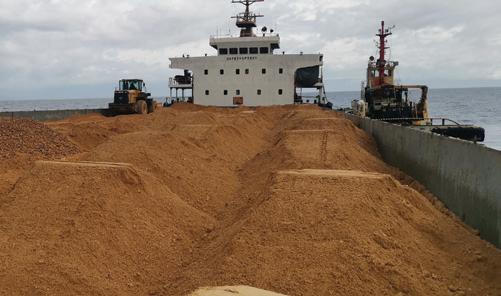
Genluiching Mining Corporation (GMC) is a Philippine mining company registered with the Securities and Exchange Commission (SEC) and the Mines and Geosciences Bureau (MGB). It is licensed and authorized to engage in the exploration, quarrying, processing, and trading of iron ore, one of the Philippines’ high-value mineral products for export, as its principal business mission.
Investor Relations
GMC partners with heavy construction equipment lessors, land transport and shipping companies, and petroleum suppliers for its exploring, drilling, excavating, hauling, transport, and shipment activities for greater financial fluidity and operational leverage. Its partners in this supply chain include Monark Equipment Corporation, Maxima Steel Mills Corporation, Phil lua Shipping Lines, Caltex Philippines, and Shell Philippines.
Products Technologies
GMC’s concession area in Mati City, Davao Oriental yields iron ore and other minerals that include copper ore, gold ore, manganese ore, limestone, and silica.
GMC’s concession area in Ayungon, Negros mining site yields silica.
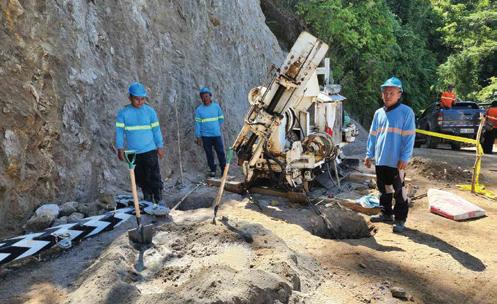
Drilling and Excavation
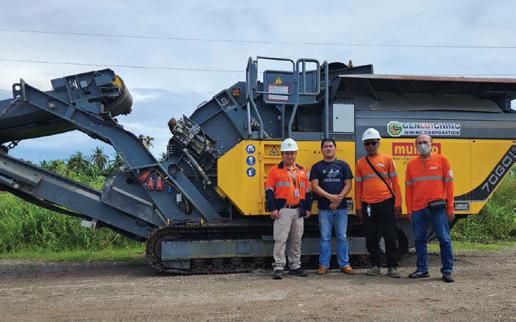
Crushing Screening and Sorting
Shipyard Logistics and Shipment
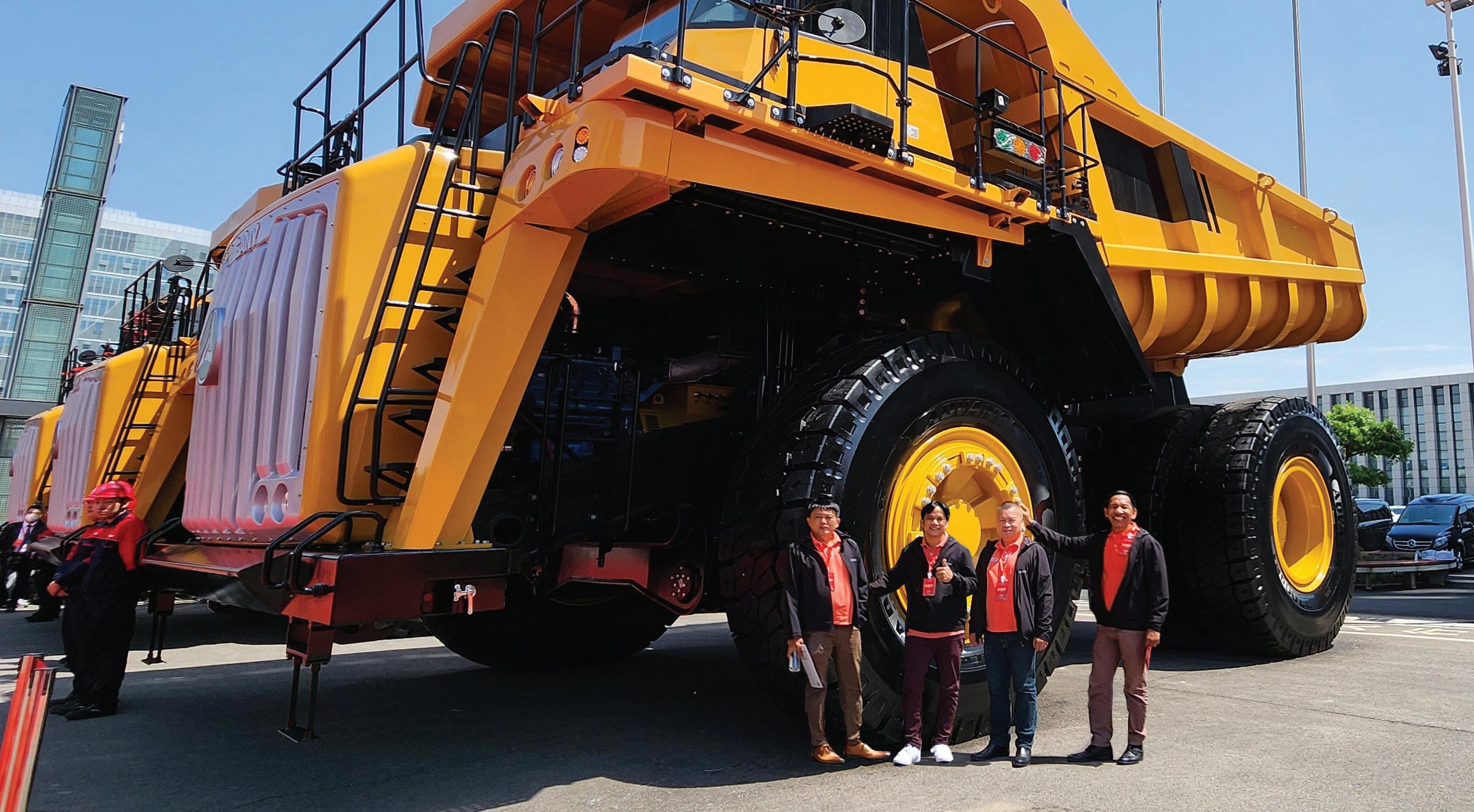
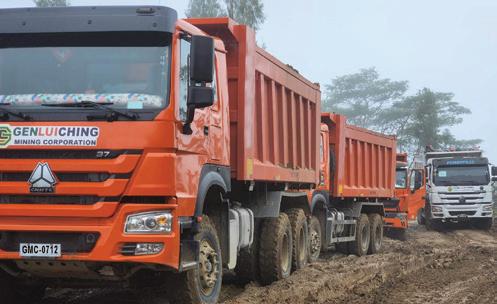
Lifting and Hauling
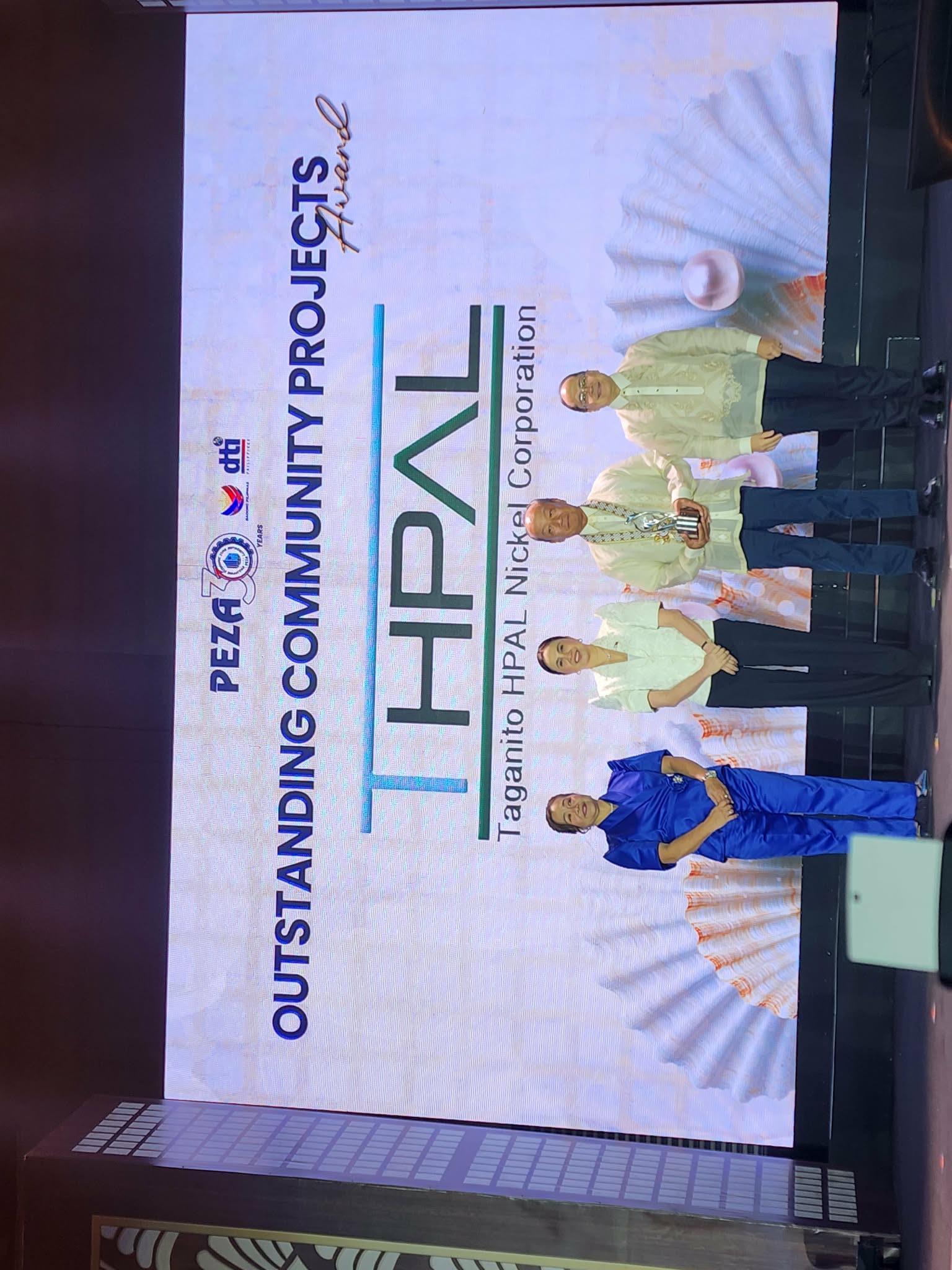
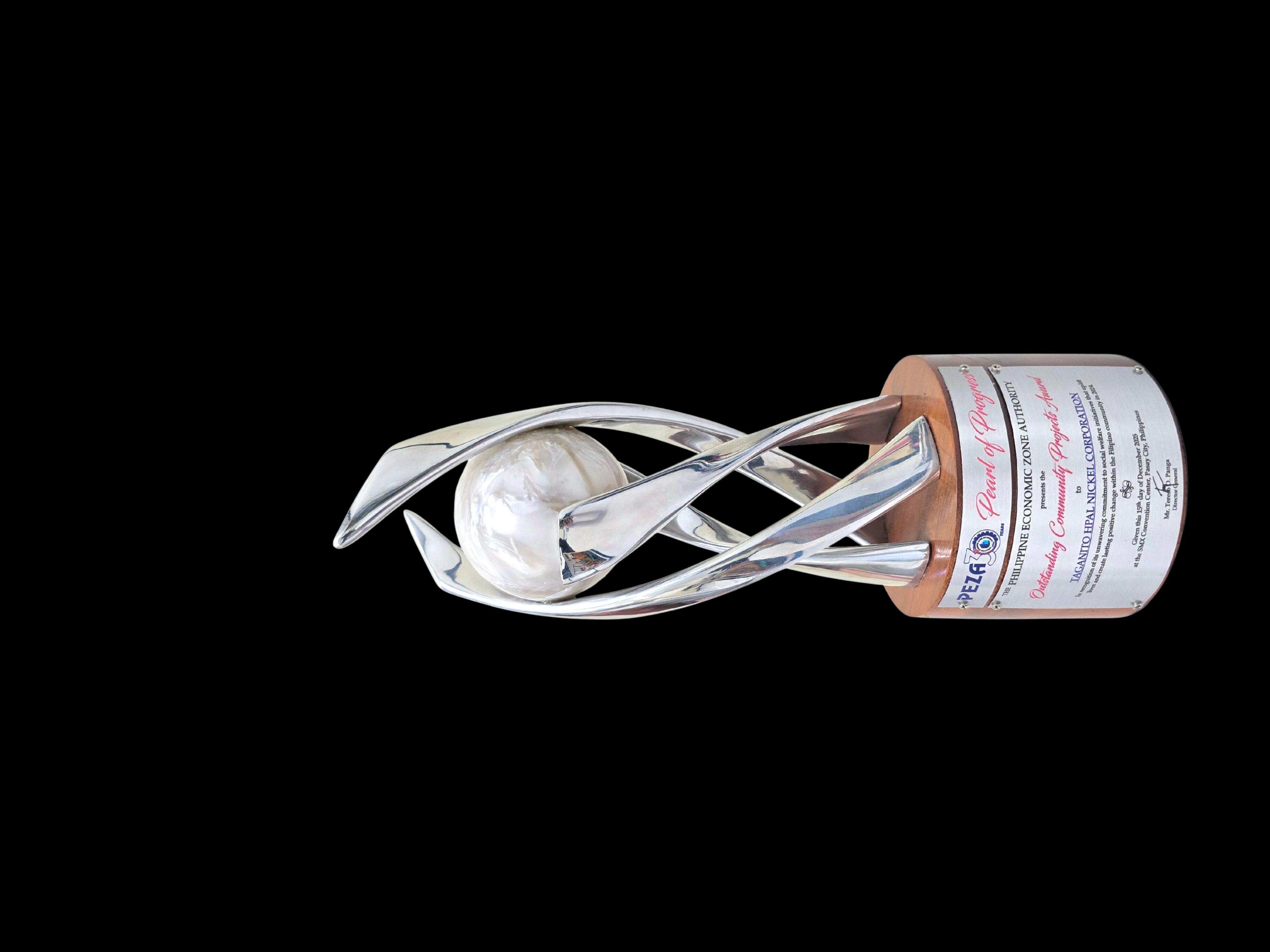
A W A R D E E
O u t s t a n d i n g C o m m u n i t y P r o j e c t s
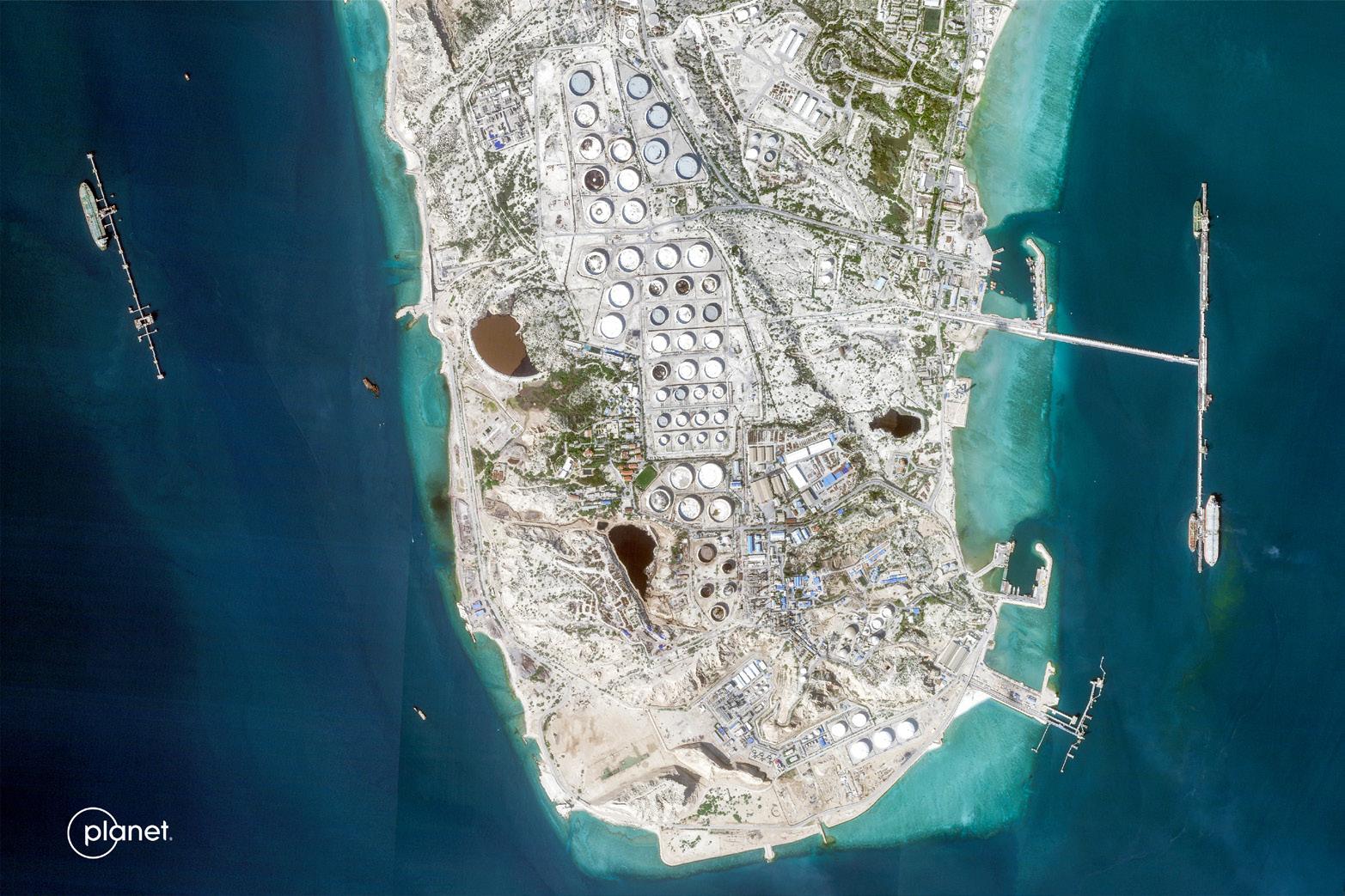
Vulnerability: How the Middle East War Is Reshaping Philippine Mining and Energy
Opportunities in Critical Minerals in the Philippines: Leveraging Innovation and Intellectual Property
Writ in Water
Rising Significance of Philippine Nickel in the Global Critical Minerals Landscape
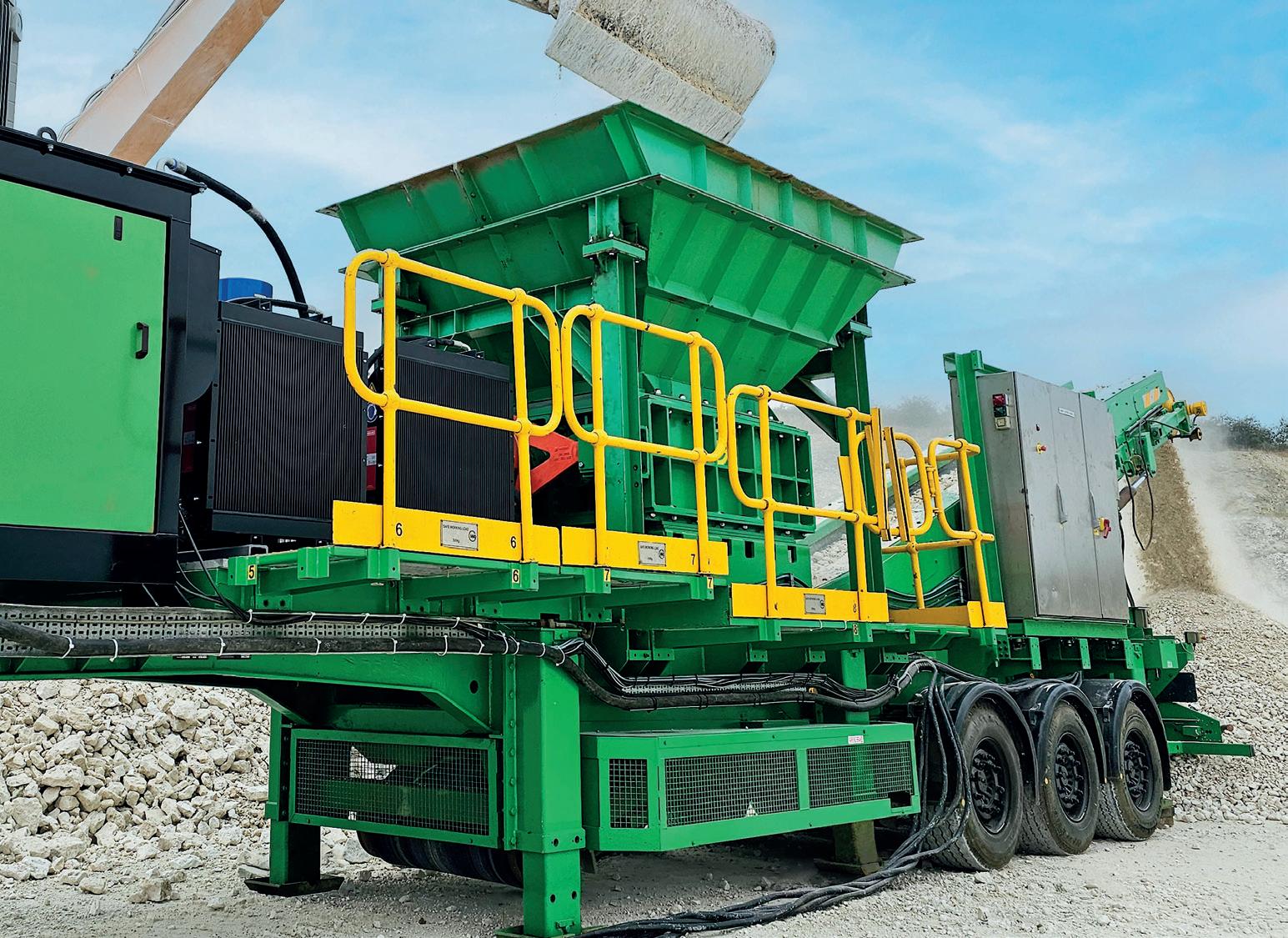
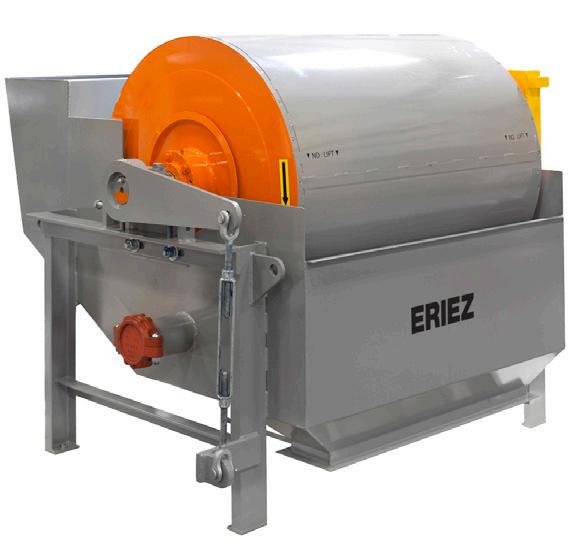
Engineering the Right Sizing Solution
Accelerating Mining Permit Issuance, Streamlining Processes for Economic Growth
PMDC President Offers Collaborative Support for PMEA Matters
AusIMM Appoints PMEA President as PH Representative, PMEA Updates, Industry News in Summary
Shifting the Conversation: From Cost to Lasting Value for Your Mine
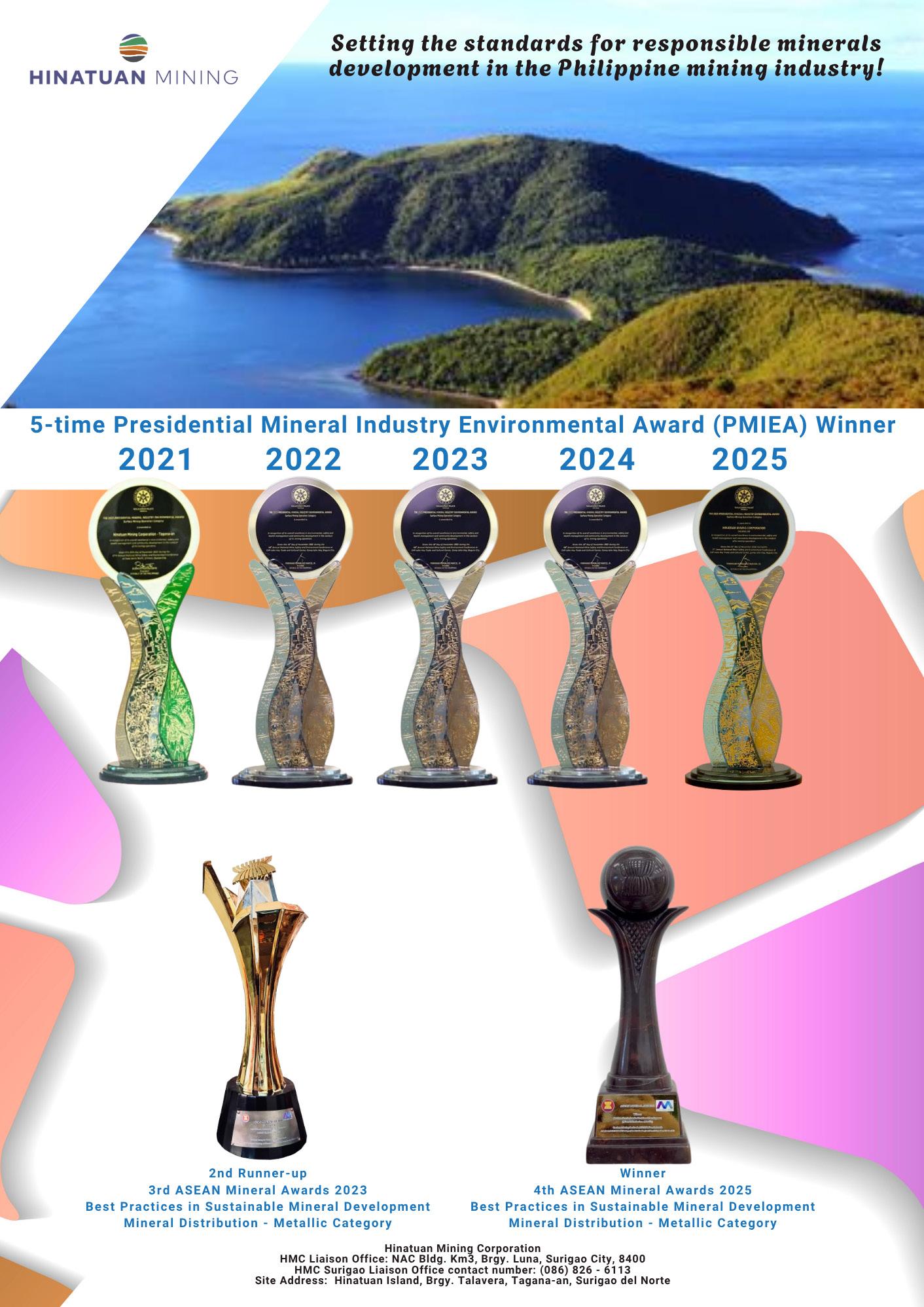
Team Completes Comprehensive Validation of HMC-Tagana-an Nickel Project’s 2025 EPEP Performance
Teeing Up Excellence: Celebrating
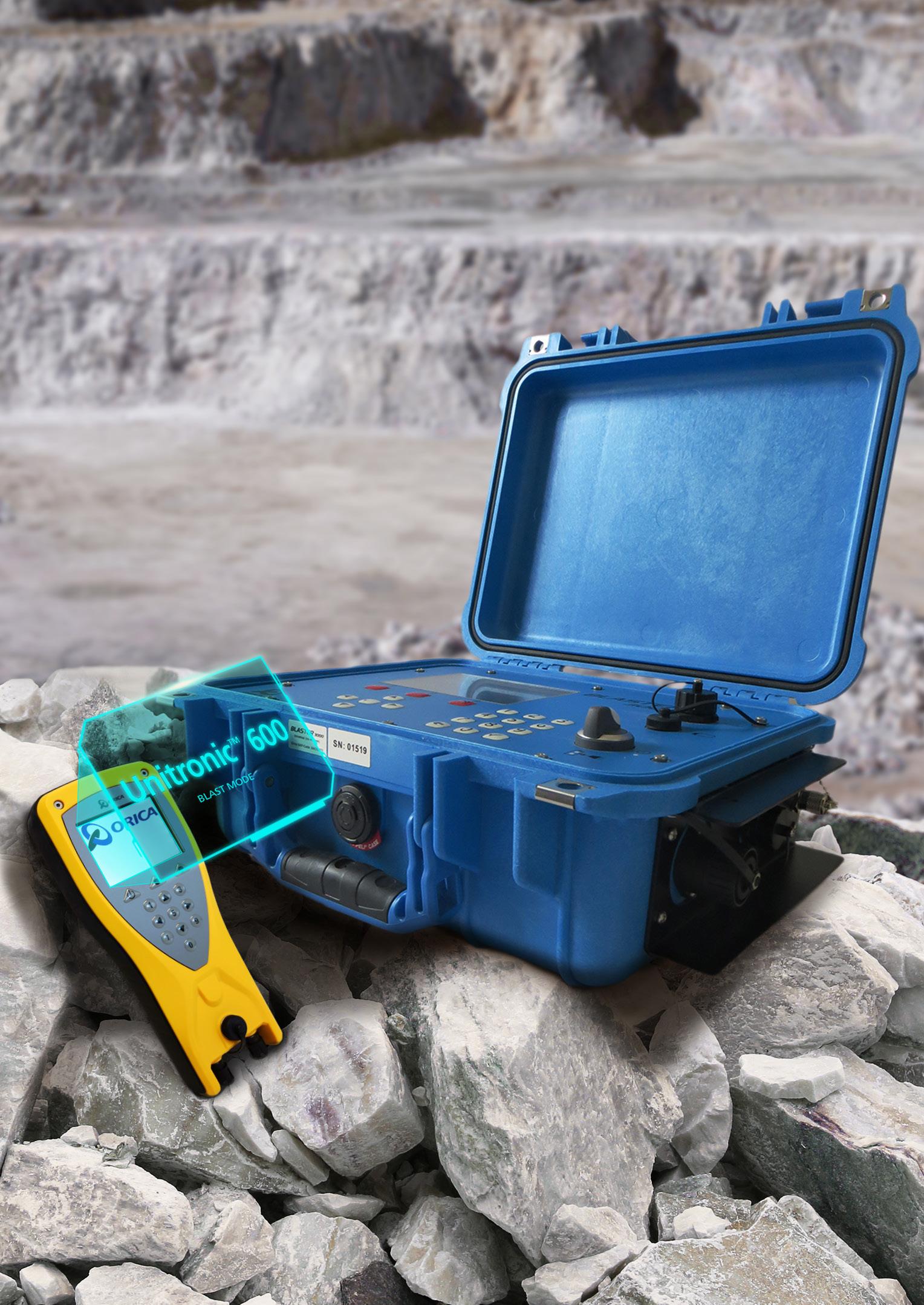
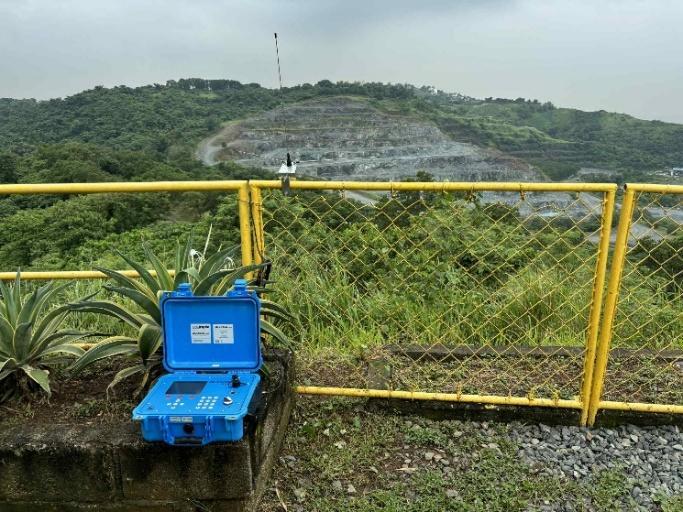
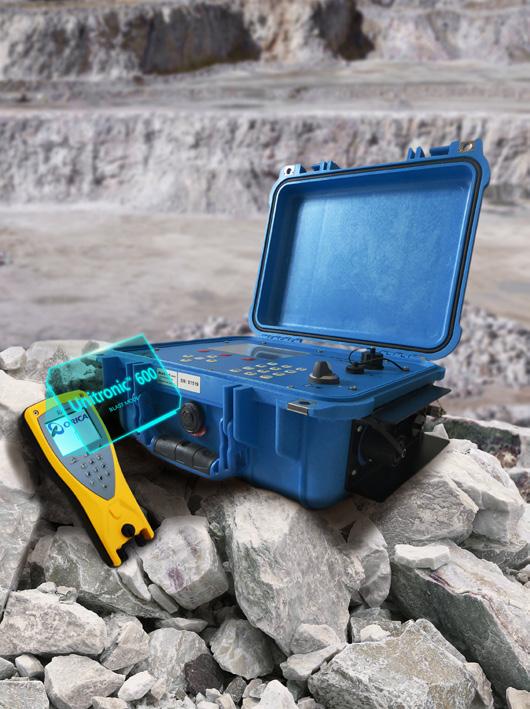
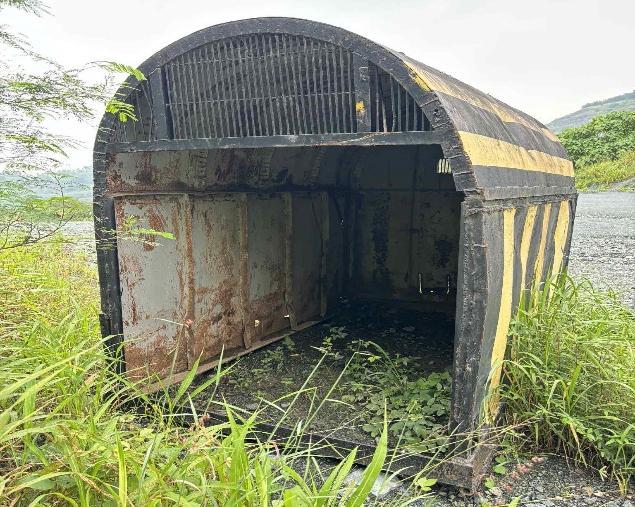
To assess suitability and signal strength, multiple radio frequency (RF) tests were conducted on-site with the controller positioned at the new view deck. Inert training detonators were positioned at various active blast locations within the quarry. All tests confirmed 100% reliable initiation.
While Enhancing
THE RESULT
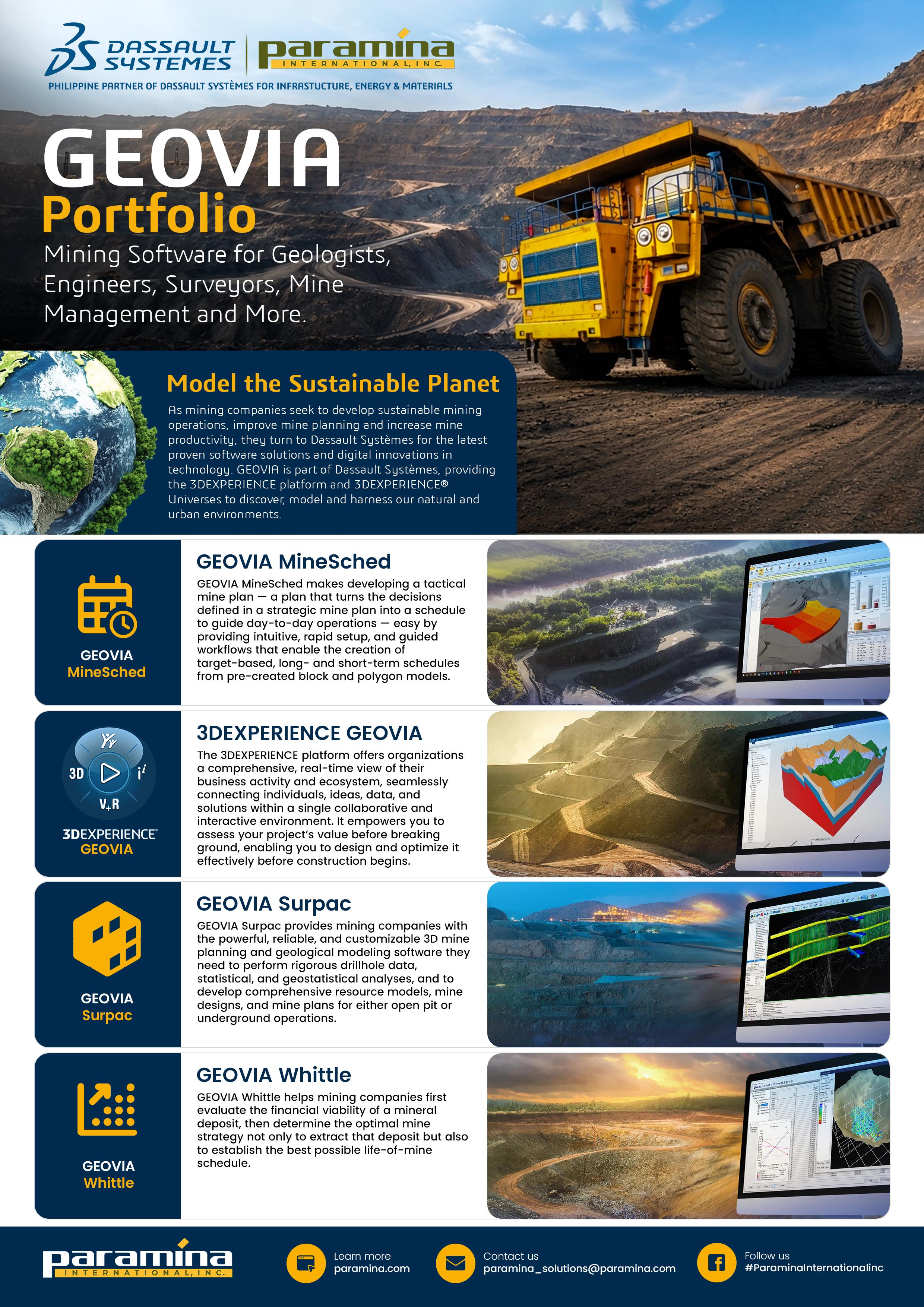
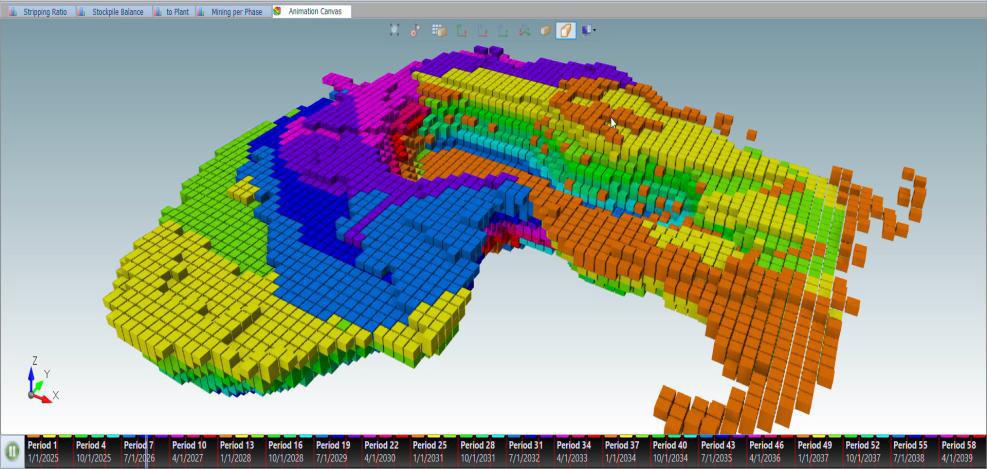
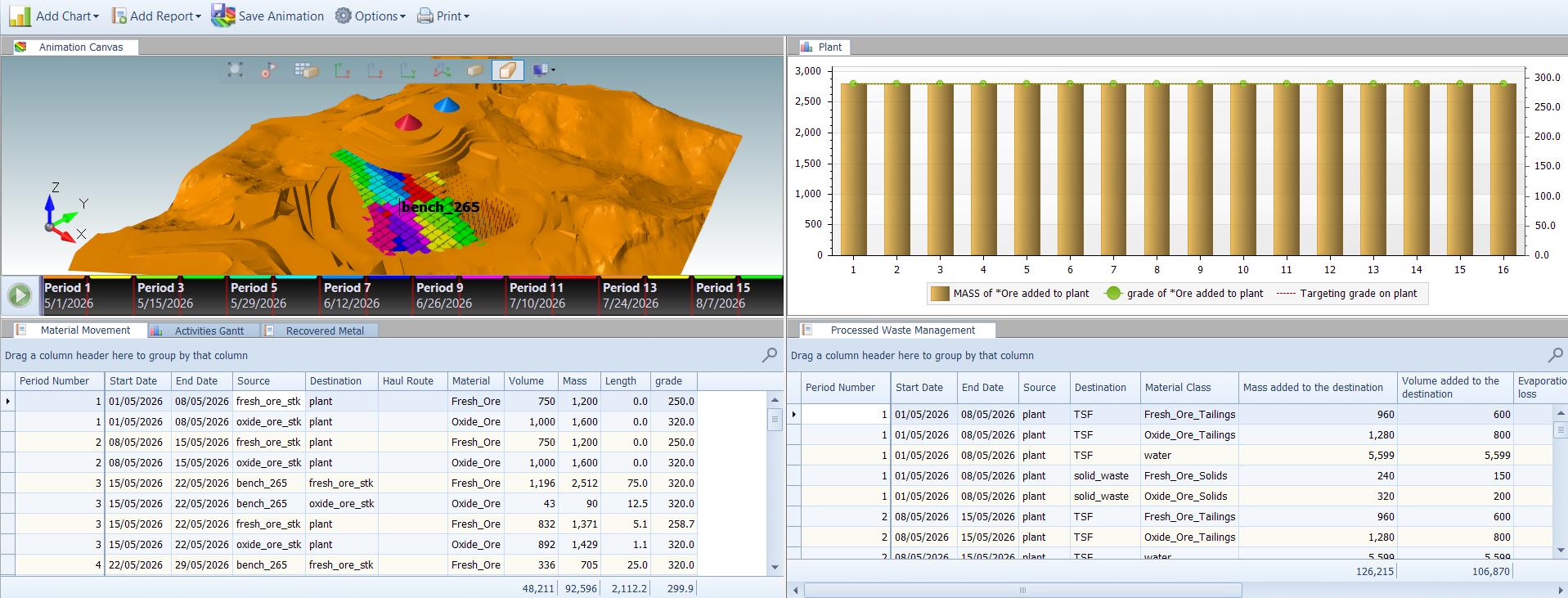
Optimizing Short-Term Mine Planning with DS GEOVIA MineSched
CONSTRUCTION
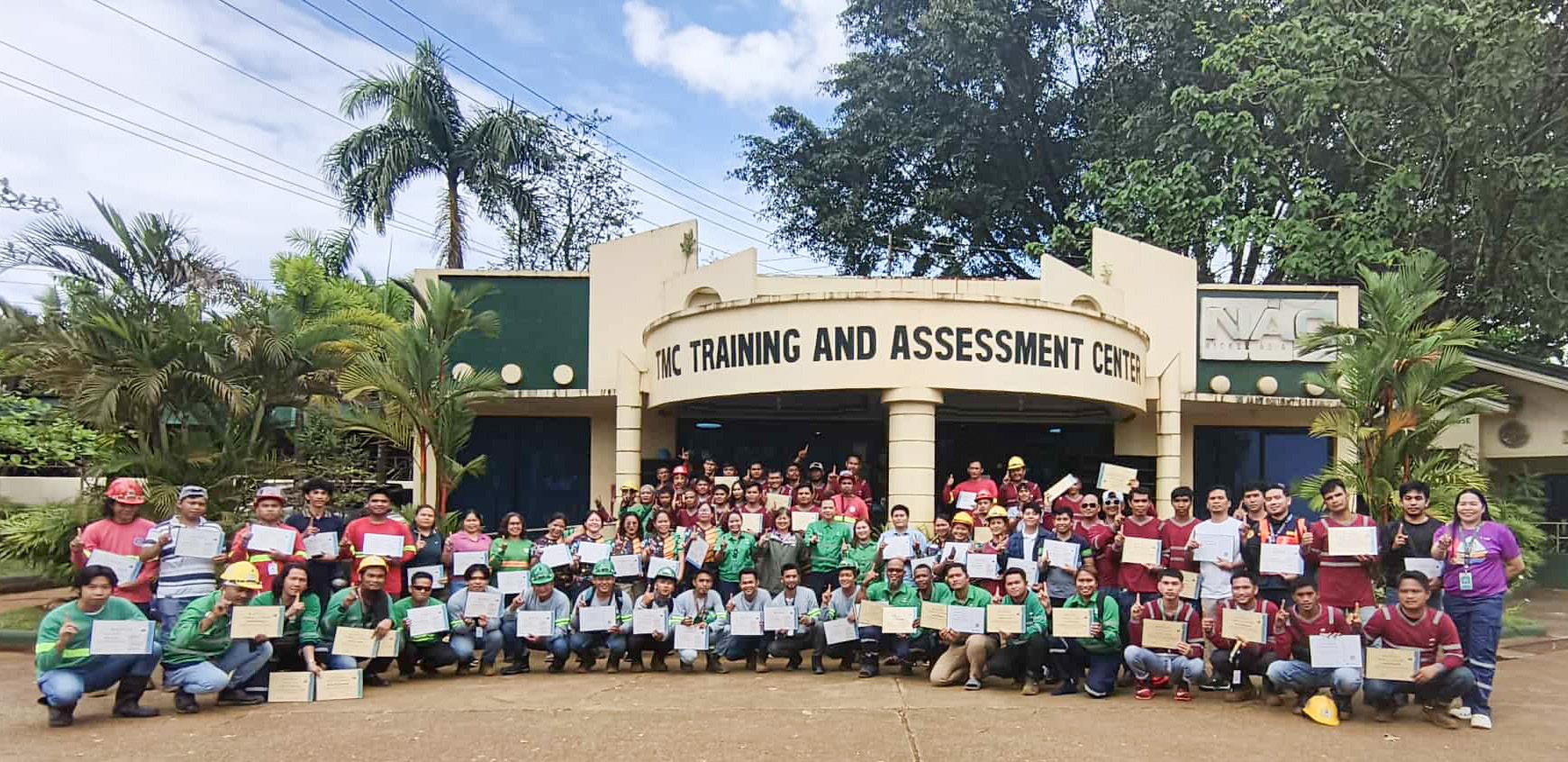
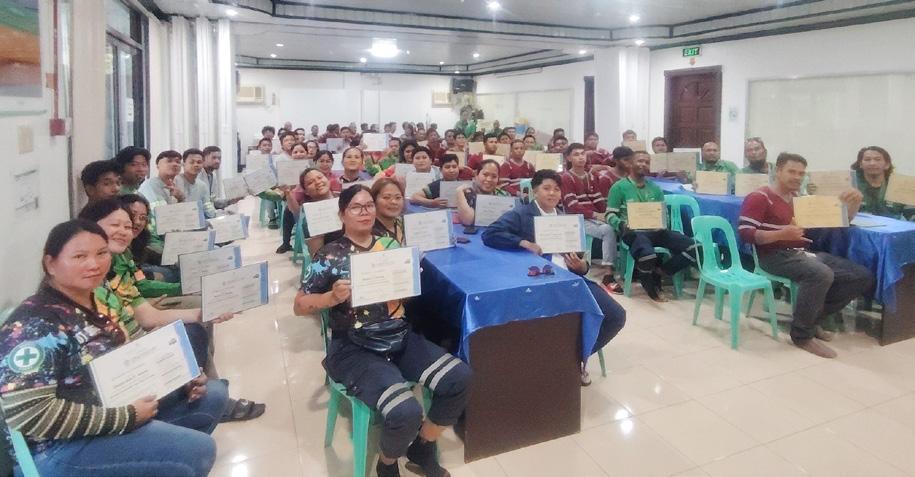
Building Skills, Creating Opportunities: 196 Graduate from TMC-TESDA Training Programs
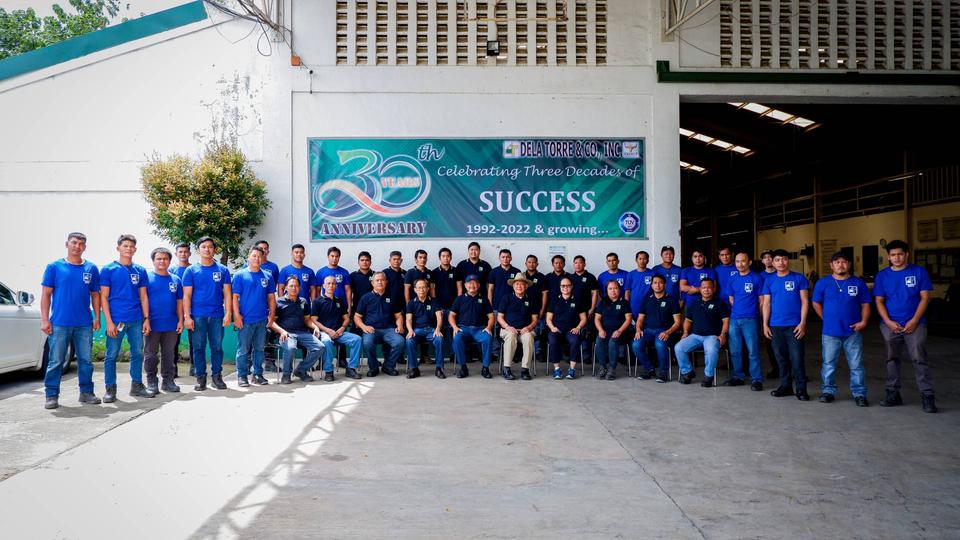
Dela Torre & Co., Inc. (DCI): A Trusted Leader in Industrial Rubber and FRP Manufacturing
On the 17th of October 2024, the first uni tronic™ 600 remotely fired blast was successfully implemented at the B+110 East Wall quarry. This served as the first successful remote firing in a quarry project nationwide, setting a precedent for future site implementations.
Makati Gains Control of Subway Project Following Infradev Settlement
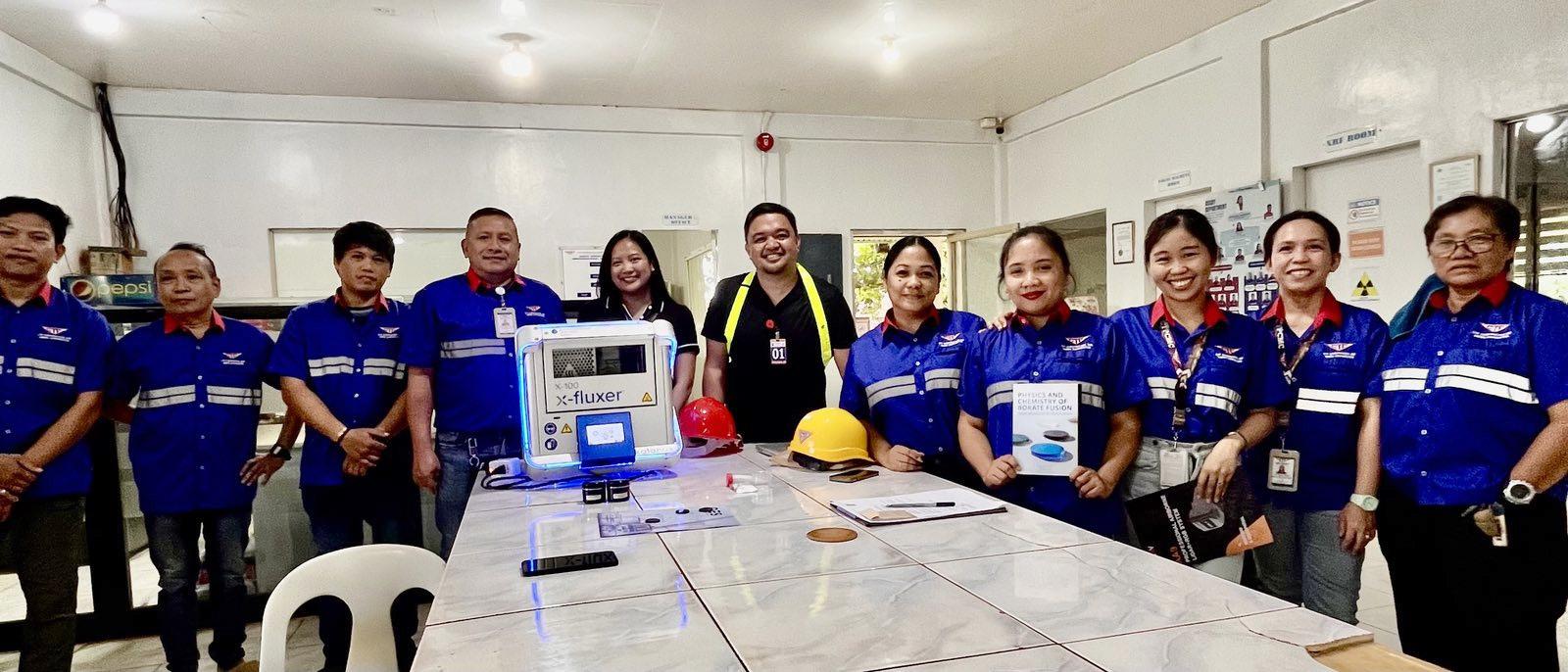
QES Introduces New Nickel Ore Assay Instrument
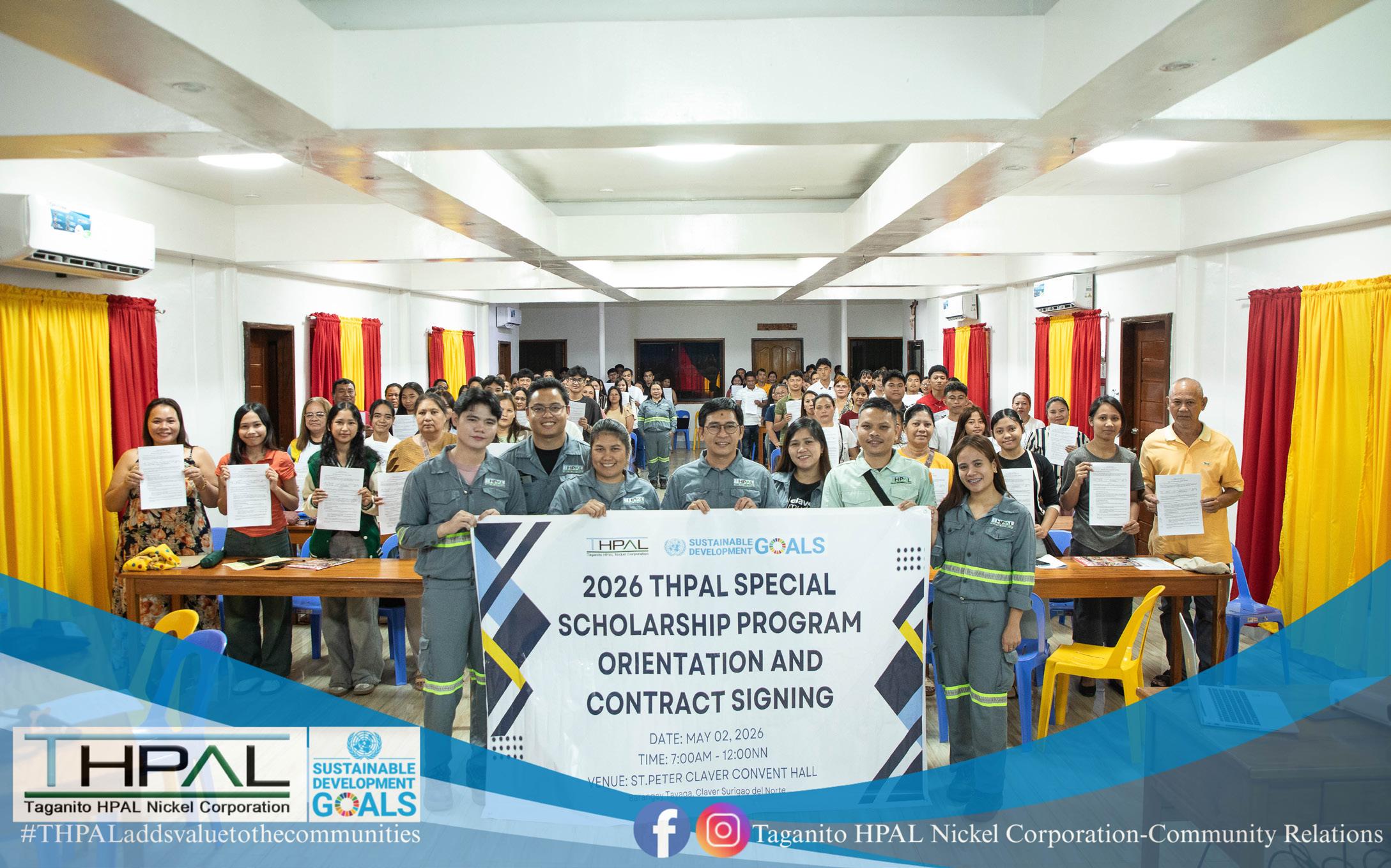
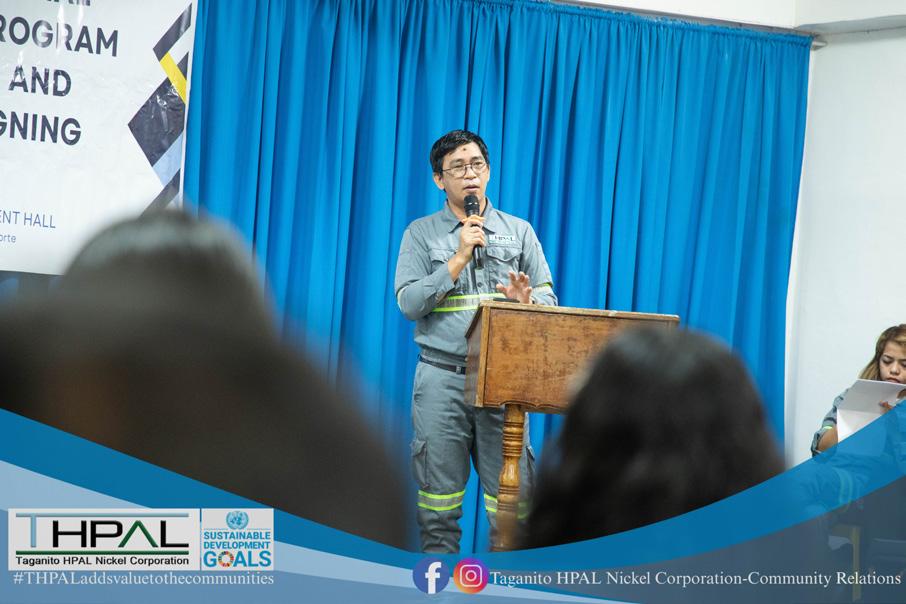
THPAL Signs 50 Scholars Under 2026 Special Scholarship Program
The following key benefits were observed with the uni tronic™ 600 Remote Firing System:
San Miguel Designates Bulakan Airport as Primary Infrastructure Priority
How a Company Harnesses Mining as a Force for Good
• All blasts were initiated from locations beyond the designated BEZ;
DMCI Wins P16-B Contract for NAIA Spur of Metro Manila Subway
• Personnel exposure to high-risk areas during firing line setup was significantly reduced. All wired connections were less than 50m.
Belzona Solutions for Critical Mining Maintenance Challenges
• There was no requirement to deploy wires near crests, highwalls or across haul roads.
Underground Dewatering - Why Your Pump Choice Matters
the Future
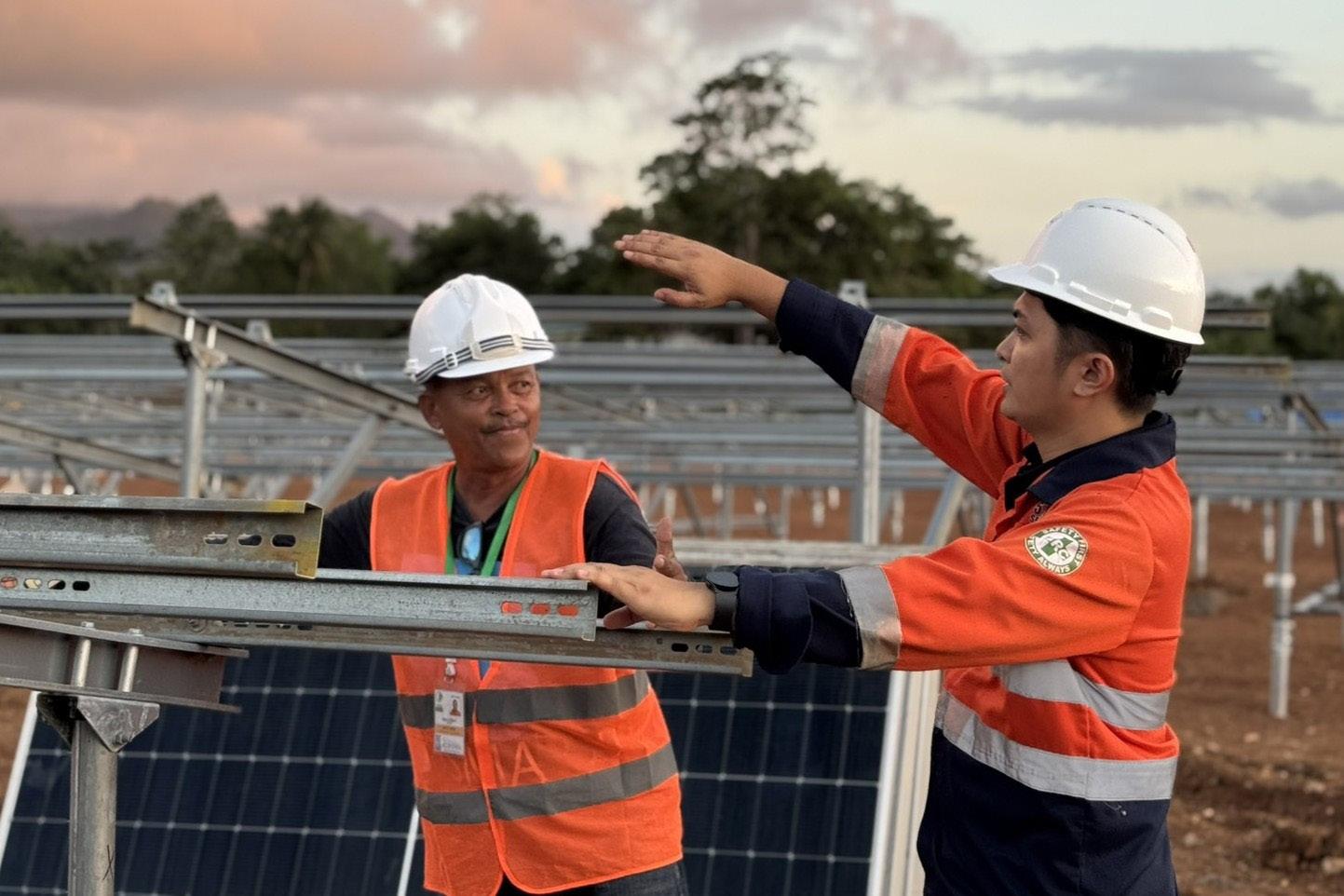
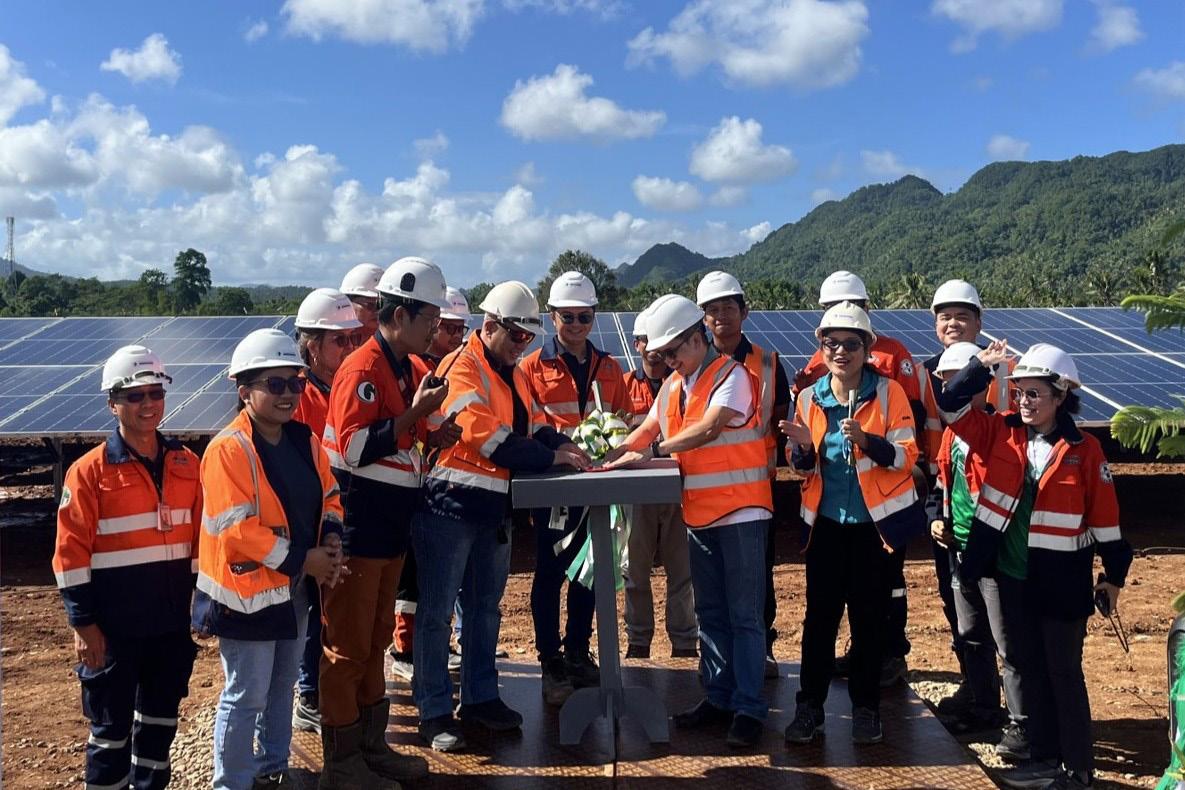
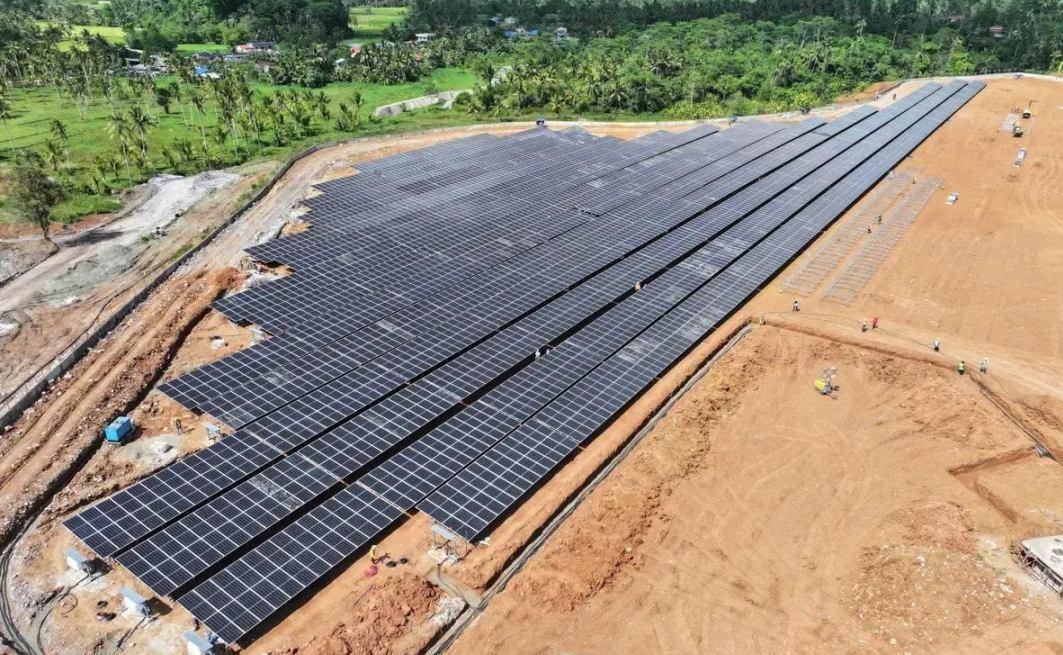
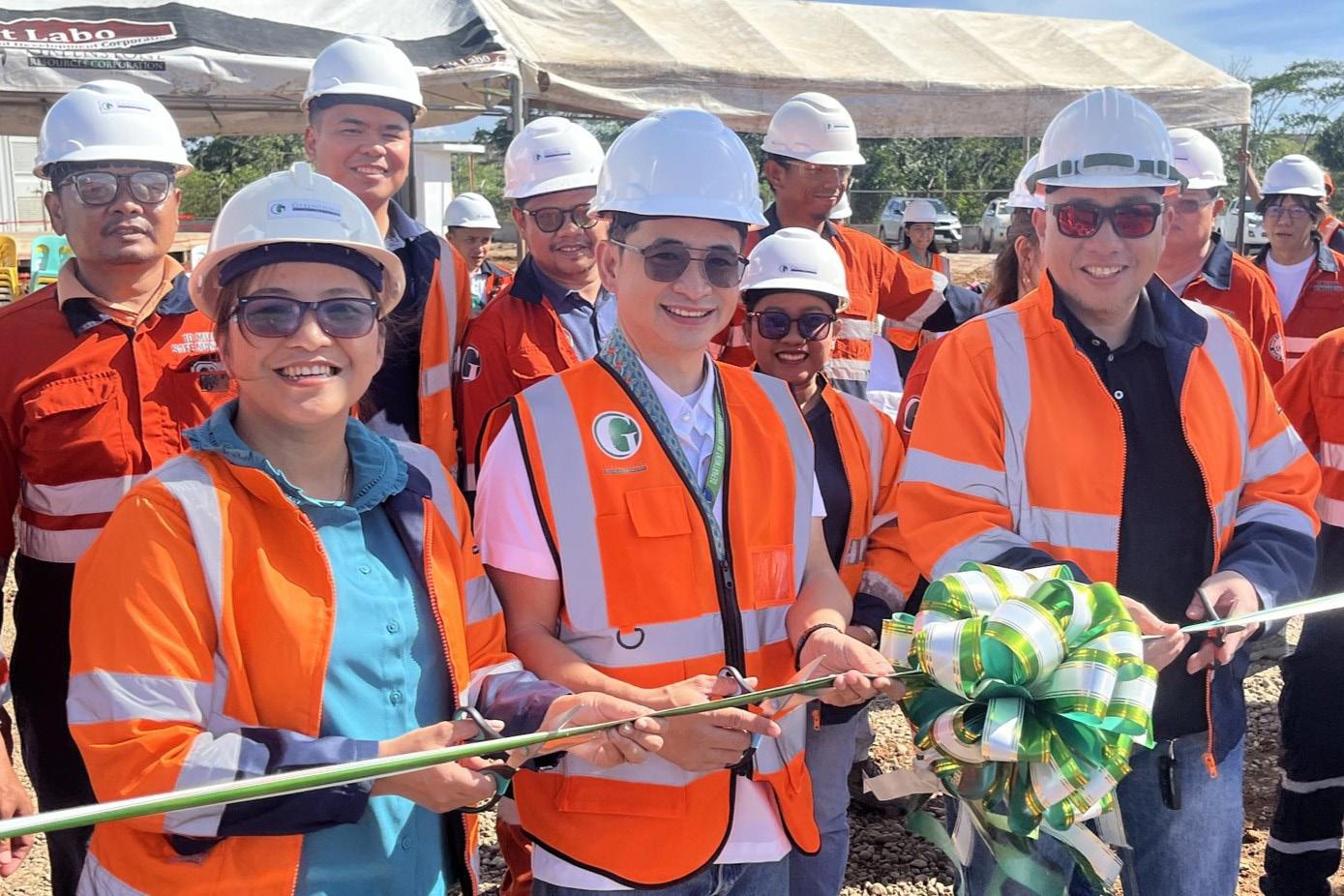
TVIRD Integrates 5.3-MWp
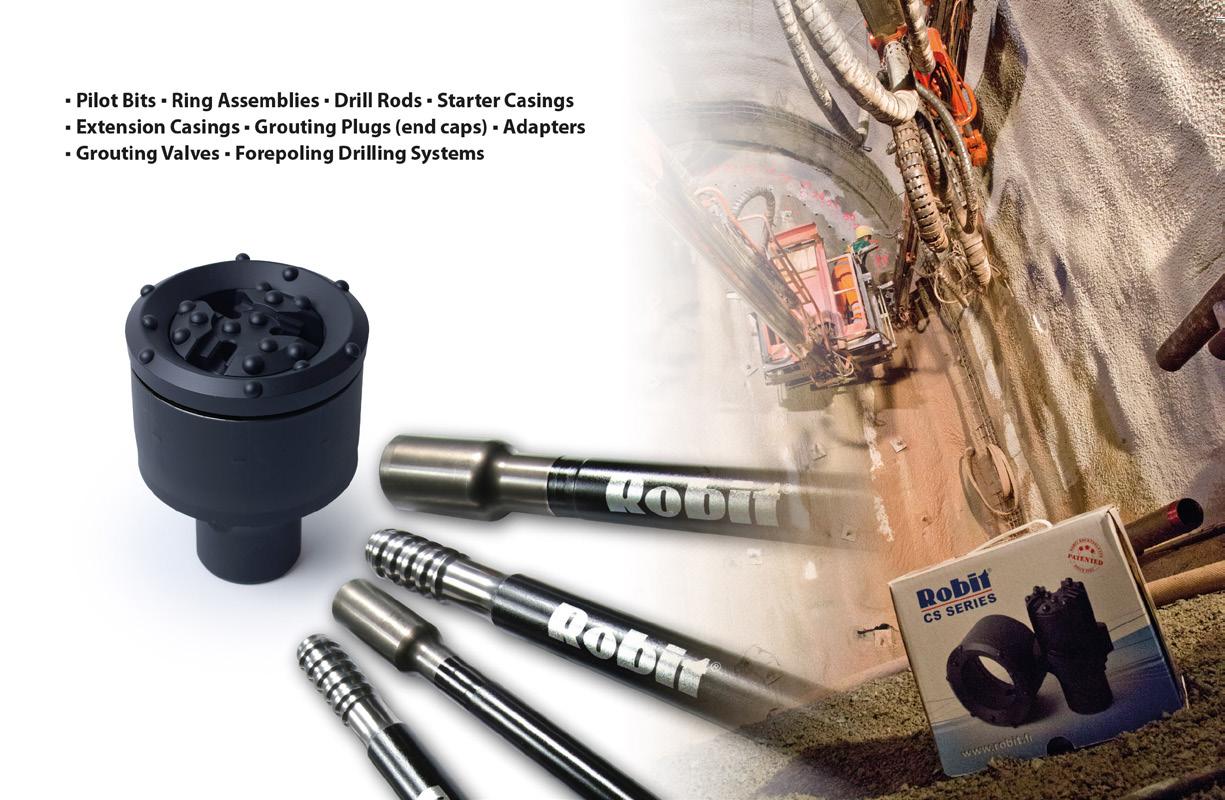
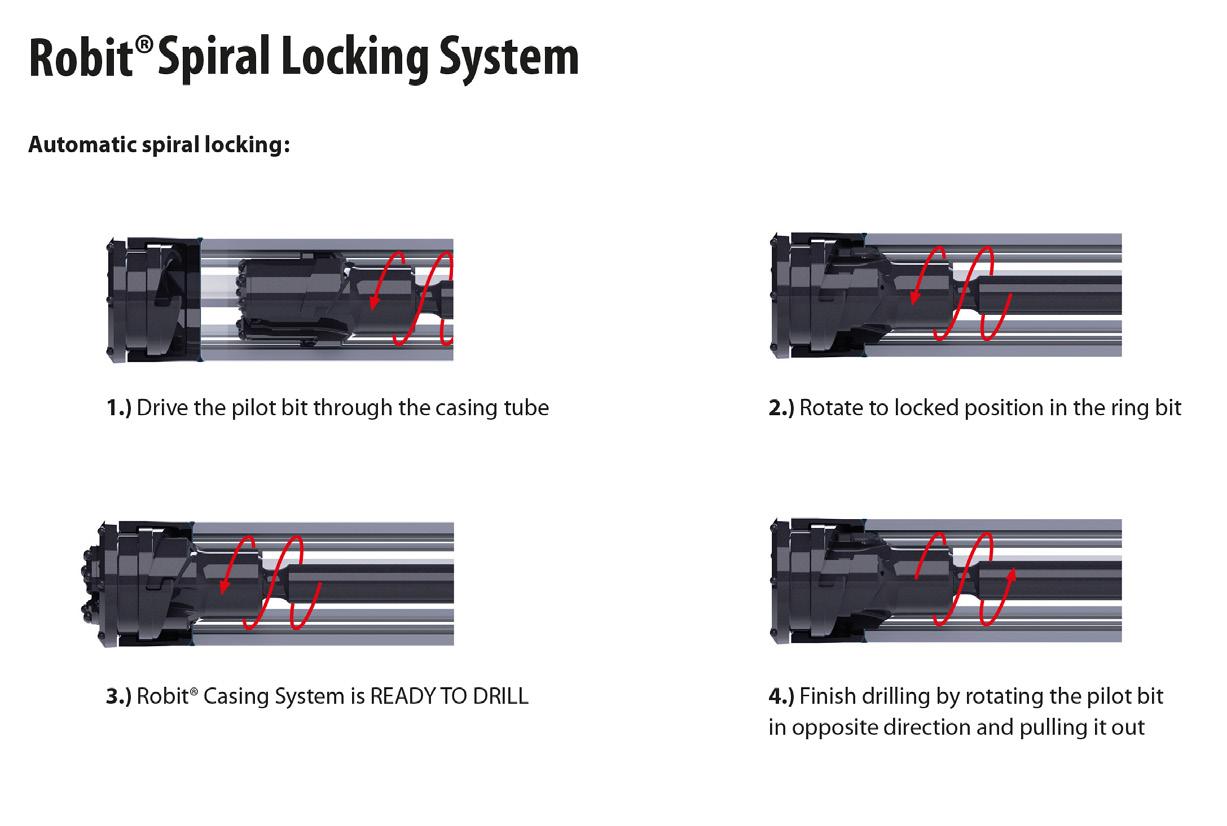
Advanced Forepoling Solutions with Robit Casing System
Higantis: In the Front
• Approximately half an hour of operational time was saved per blast through remote firing, equivalent to the time required to relocate the blast shelter with a loader. The loader was able to remain working at the stockpile area without disruption.
“We were tronic™ with the the safe Remote be initiated better detonators
• There have been zero initiation incidents since the “uni tronic Based 600 significantly need for distance, saves both that require quick and Leo Dayaoen Delta Earthmoving,
Figure 3. Remote firing set-up at the view deck
Duane Helix Mining
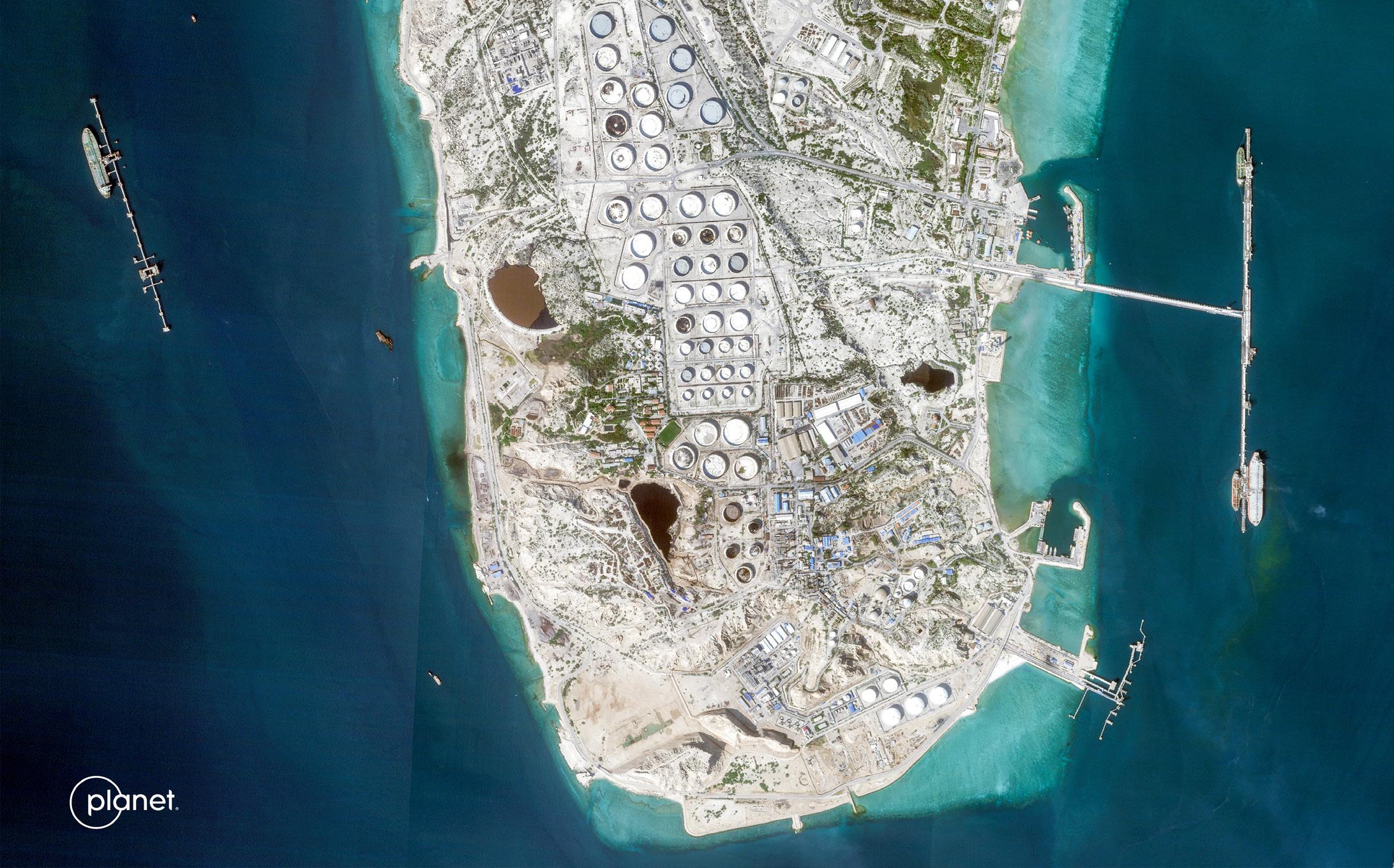
Mineral Opportunity, Energy Vulnerability: How the Middle East War is Reshaping Philippine Mining and Energy
The Middle East conflict involving the United States, Israel, and Iran remains active but has entered a period of unstable ceasefires and intermittent confrontation. Since its escalation in early 2026, the conflict has been marked by intermittent maritime incidents, shipping disruptions, and persistent geopolitical tension. While diplomatic negotiations continue, the situation has stabilized into a prolonged standoff characterized by recurring risk rather than decisive military confrontation.
The most consequential effects of the conflict have been economic rather than military. Energy markets have absorbed a sustained geopolitical risk premium, resulting in elevated oil prices, increased shipping costs, and heightened volatility across global supply chains. These changes affect not only energy-importing countries but also industries dependent on international trade and transportation.
For import-dependent economies such as the Philippines, the conflict has introduced a structural shift in economic risk.
written by: FERNANDO PENARROYO
Fernando “Ronnie” S. Penarroyo specializes in Energy and Resources Law, Project Finance and Business Development. He is also currently the Chair of the Professional Regulatory Board of Geology; the government agency mandated under law to regulate and develop the geology profession. He may be contacted at fspenarroyo@penpalaw.com for any matters or inquiries in relation to the Philippine resources industry and suggested topics for commentaries. Atty. Penarroyo’s commentaries are also archived at his professional blogsite at www.penarroyo.com
Even if hostilities diminish, uncertainty surrounding energy supply routes and shipping infrastructure is likely to persist. Governments and industries must therefore adapt to an operating environment defined by sustained volatility rather than temporary disruption.
Mining remains one of the most strategically significant sectors of the Philippine economy, serving as a major source of export revenue, regional employment, and industrial raw materials for global manufacturing and energy systems. The country is among the world’s leading producers of nickel and an important supplier of copper and gold, positioning it as a critical participant in international mineral supply chains. Because mining operations depend heavily on energy, transportation, and global commodity markets, the sector is highly sensitive to geopolitical developments that affect fuel prices, shipping routes, and industrial demand.
IMPLICATIONS FOR THE PHILIPPINE MINING INDUSTRY
The Philippine mining industry faces a complex
Philippine Resources is published independently for executives in Philippine mining, construction, resources, and associated business sectors.
Publisher Elizabeth Galura
Consulting Publisher Greg Brimble
Editor Jimbo Gulle
Sales and Marketing Manager
Matt Brimble +63 927 721 6622 Matthew@philippine-resources.com
set of consequences from the Middle East conflict. While geopolitical instability supports higher commodity prices, rising operating costs reduce profitability.
Periods of geopolitical instability often support higher prices for safehaven and industrial metals particularly gold, while supply disruptions and industrial demand can influence prices for minerals such as nickel and copper. This improves export revenue potential for mining companies. However, higher fuel, electricity, and transportation costs increase the cost of extracting and delivering minerals.
The resulting economic environment is characterized by constrained profitability, where revenue gains are offset by cost inflation. Long-term competitiveness will depend on operational efficiency, cost control, and supply chain resilience.
Nickel mining is one of the most strategically significant sectors in the Philippine mining industry. Disruptions in global supply chains— particularly those affecting inputs used in mineral processing—have increased
Legaspi Village Makati City, Philippines 1226 Phone +632 8251 5599
Digital Online Edition www.Philippine-Resources.com
On the Cover: Image courtesy of Orica
< Page 6
production costs in competing jurisdictions. This dynamic has supported higher global nickel prices and strengthened demand for Philippine exports. However, the benefits remain conditional because mining operations remain highly sensitive to energy costs. Rising fuel and power prices can offset gains from higher commodity prices.
Copper and gold producers occupy a relatively resilient position in the mining sector. Gold serves as a financial safehaven asset during periods of geopolitical uncertainty, while copper demand remains linked to infrastructure development and industrial growth. These commodities are therefore likely to maintain stable demand despite market volatility. However, rising operating costs continue to place pressure on profit margins.
Coal producers may benefit indirectly from higher global energy prices as utilities seek alternative fuel sources. However, increased diesel and equipment costs offset part of
this revenue advantage. The net effect on the coal mining sector is moderate rather than transformative, with incremental revenue gains balanced by rising operating expenses.
INDUSTRIAL AND LOGISTICS IMPLICATIONS FOR THE MINING SUPPLY CHAIN
Energy-intensive industries such as cement manufacturing are among the most negatively affected sectors. Rising fuel and electricity costs increase production expenses, while competitive market conditions limit the ability of companies to pass these costs on to consumers. This imbalance results in margin compression and increased financial risk. Over time, firms may invest in energy efficiency and alternative fuels, but these adjustments require capital investment and implementation time.
Shipping and logistics infrastructure plays a critical role in the competitiveness of the mining industry. Geopolitical instability increases insurance costs, fuel expenses, and transit times for
cargo vessels. These changes raise the cost of transporting minerals and reduce delivery reliability. The primary risk facing the logistics sector is cost escalation rather than physical supply disruption. Transportation efficiency has therefore become a key determinant of mining profitability and export performance.
STRUCTURAL EXPOSURE TO IMPORTED ENERGY
The Philippine energy system relies heavily on imported fuels, including crude oil and coal. The Philippines is becoming increasingly increasingly reliant on liquified natural gas (LNG) as domestic natural gas supply declines. The country is currently in a transition phase from domestic natural gas to imported LNG, which means reliance is rising and will likely become significant within the next decade.
This dependence creates a systemic vulnerability to geopolitical instability in major energy-producing regions. Because domestic energy resources remain
limited relative to national demand, changes in global fuel markets rapidly affect electricity prices, industrial production costs, and household expenditures.
The immediate consequence of the Middle East conflict has been rising costs rather than supply shortages.
Energy deliveries continue, but transportation risks and insurance premiums have increased significantly. These additional costs propagate through the energy supply chain—from fuel importation to power generation and distribution—ultimately reaching consumers in the form of higher electricity and fuel prices.
The Philippine energy sector is therefore transitioning from a relatively stable cost environment to one characterized by sustained volatility. Energy planning and investment decisions must now incorporate uncertainty related to fuel prices, shipping costs, and exchange rates.
Five operational effects define the current risk
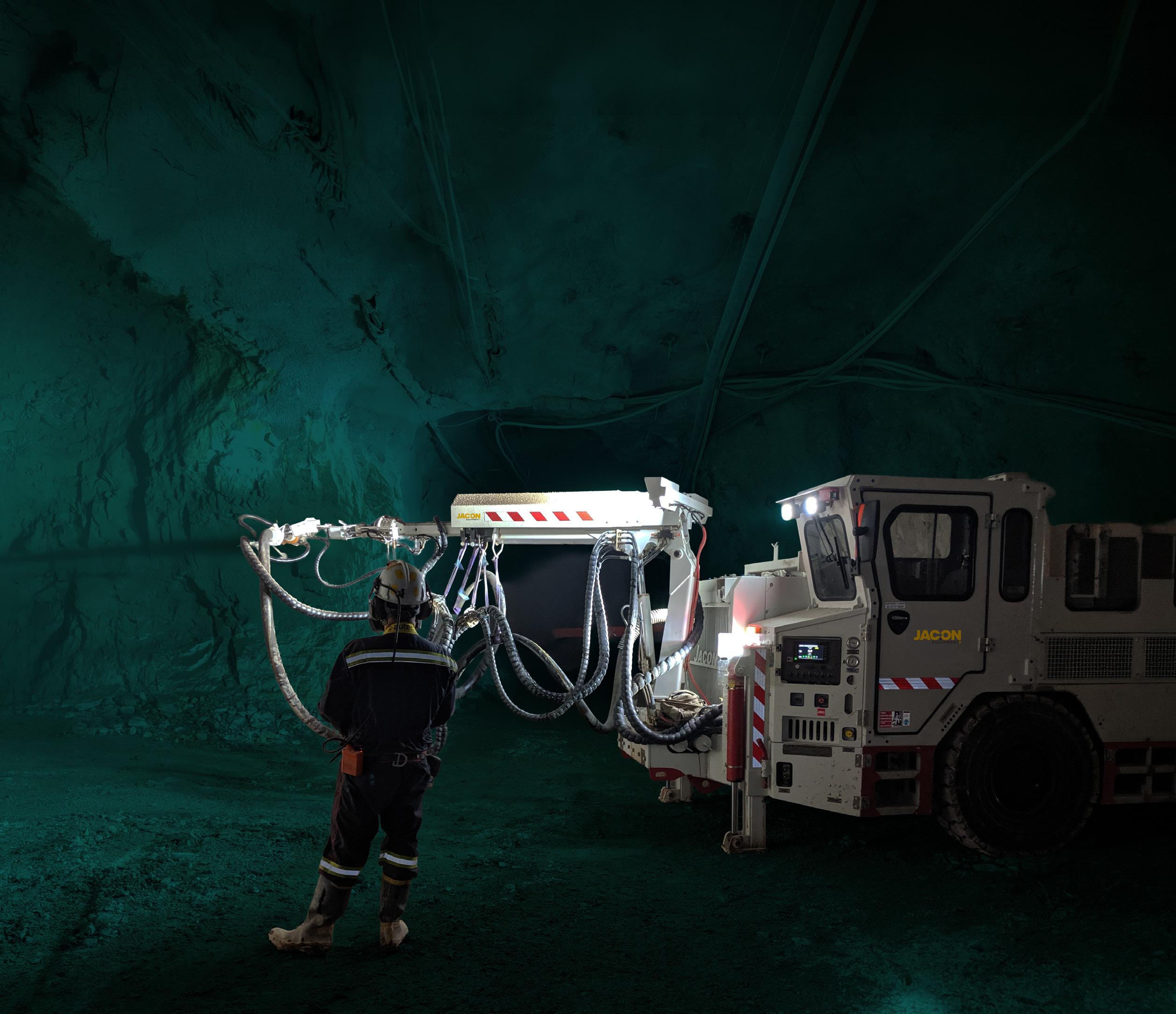
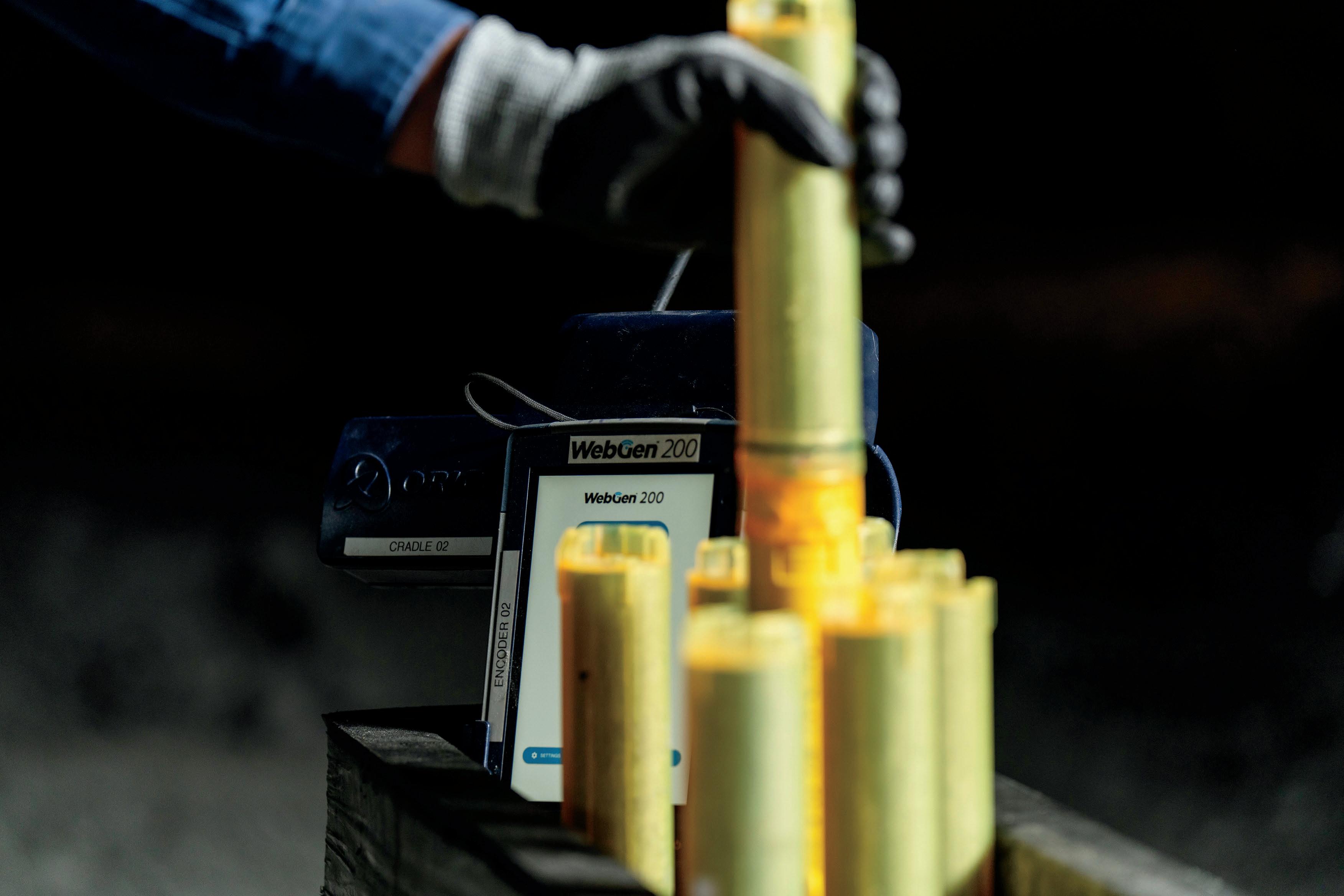
WebGen™ communicates through rock, air and water to initiate blastholes reliably and safely, removing people from harm’s way Our industry-changing technology enables new mining methods and blasting techniques to increase productivity, improve safety and reduce operating costs
In underground mines, WebGen™ reduces risk by eliminating the need to re-enter stopes and drawpoints to connect blastholes In surface mines, it removes constraints on scheduling by allowing sleeping blasts to be converted into haul roads, providing mine schedule flexibility, reducing delays and improving recovery and environmental sensitivities
To lear n more about WebGen™ and how it can simplify your operation, please contact your local Orica representative or visit orica com/wireless
Body
landscape for the Philippine energy sector. First, rising global oil and gas prices have increased operating costs for power plants, transportation systems, and industrial facilities. These increases contribute to inflationary pressure across the economy.
Second, generation costs have risen significantly, particularly for facilities dependent on imported fuels. Price volatility complicates operational planning and increases financial risk for electricity producers.
Third, the conflict has intensified pressure on national energy security policy. Government agencies have prioritized fuel supply stability, infrastructure resilience, and strategic reserve management.
Fourth, renewable energy has become more economically attractive as fossil fuel costs rise. This shift will accelerate investment in renewable generation, storage systems, and grid modernization.
Fifth, currency fluctuations have amplified the cost of energy procurement because most fuel imports are denominated in foreign currency.
Together, these developments signal a fundamental transition in the Philippine energy sector— from a system focused primarily on supply adequacy to one increasingly centered on risk management and resilience.
SECTORAL IMPACTS
ACROSS THE PHILIPPINE ENERGY SYSTEM
The oil importation sector remains the most immediately exposed to geopolitical instability. Because the Philippines relies heavily on imported petroleum products, disruptions in international shipping particularly in the Strait of Hormuz directly increase procurement costs and financial risk. Even when supply volumes remain stable, higher transportation and insurance costs increase the total cost of fuel imports.
The power generation sector is structurally vulnerable to fuel price volatility because the Philippine electricity system depends heavily on imported energy sources. Rising fuel costs increase electricity production expenses and create pressure for higher consumer tariffs.
Utilities operating under regulated pricing frameworks in the Philippines generally remain financially stable because fuel and power procurement costs are allowed to be passed through to consumers. However, increases in electricity prices often trigger regulatory review and public scrutiny, creating reputational and policy risks for utilities. Independent power producers face greater financial exposure, particularly when operating under fixed-price contracts or merchant market conditions where revenues may not fully offset rising fuel and operating costs. Key sector risks therefore include sustained increases in generation costs, tariff pressure, intensified regulatory oversight, and operational uncertainty.
The LNG sector represents both vulnerability and opportunity. In the short term, rising global gas prices increase generation costs and supply risk. In the long term, LNG infrastructure development is expected to expand as policymakers seek to diversify energy sources and improve supply reliability. LNG therefore plays a transitional role in strengthening energy security while supporting the shift toward a more diversified energy mix.
Renewable energy is the primary structural beneficiary of sustained geopolitical instability. Unlike fossil fuel-based generation, renewable energy relies on domestic resources and is less vulnerable to international supply disruptions. As fossil fuel prices become more volatile, renewable energy
projects become increasingly competitive in operating cost and energy security terms. Governments and investors should prioritize renewable energy as a strategic component of energy security and economic stability. Over time, renewable energy is expected to transition from a supplementary energy source into a core pillar of the Philippine energy system.
PROBABLE FUTURE OF THE CONFLICT AND STRATEGIC OUTLOOK
The most probable future trajectory of the Middle East conflict is a prolonged period of geopolitical tension rather than a decisive military resolution. While large-scale escalation remains unlikely, underlying strategic rivalries are expected to sustain recurring instability.
This environment creates three enduring conditions: persistent energy price volatility; increased maritime transportation risk; and sustained supply chain uncertainty. These conditions represent a structural transformation in the global risk landscape.
The prolonged nature of geopolitical instability will reinforce the vulnerability of the Philippine energy system while accelerating structural changes in energy policy and investment. Three major trends are expected to define the sector’s evolution: sustained cost volatility; increased pressure for energy diversification; and accelerated renewable energy investment. Energy planning will increasingly focus on resilience, flexibility, and risk management rather than solely on supply expansion.
On the other hand, the Philippine mining industry is expected to benefit from sustained global demand for critical minerals while facing rising operational costs. Three structural trends are likely to shape the sector: stable demand for strategic minerals;
increasing production and logistics costs; and growing strategic importance in global supply chains. In periods of global instability, mining can simultaneously benefit from rising mineral prices while facing increased operating costs, creating a complex economic environment in which opportunity and risk coexist.
CONCLUSION
The Middle East conflict will not derail the development of the Philippine mining and energy industries but it will permanently reshape the rules under which they operate. Energy will become costlier and more strategically sensitive to global events, while mining will become increasingly critical to international supply chains even as sustaining production grows more expensive.
The deeper implication is structural. Geopolitical risk is no longer episodic; it has become embedded in the global economic system. For the Philippines, this means planning for volatility rather than stability. Investment decisions, infrastructure development, and resource policy will need to be designed around resilience, diversification, and long-term risk management. In this new environment, uncertainty is not a temporary challenge; it is the baseline condition.
Fernando “Ronnie” S. Penarroyo specializes in Energy and Resources Law, Project Finance and Business Development. He is also currently the Chair of the Professional Regulatory Board of Geology, the government agency mandated under law to regulate and develop the geology profession. For any matters or inquiries in relation to the Philippine resources industry and suggested topics for commentaries, he may be contacted at fspenarroyo@ penpalaw.com. Atty. Penarroyo’s commentaries are also archived at his professional blogsite at www. penarroyo.com
Opportunities in Critical Minerals in the Philippines: Leveraging Innovation and Intellectual Property
For years, discussions surrounding mining in the Philippines have largely focused on permitting, environmental concerns, social acceptability, and the perennial question of whether we are deriving sufficient value from our mineral resources.
Today, however, the conversation has evolved to highlight the role of critical minerals in the development of the Philippine mining industry. Critical minerals are progressively regarded as strategic assets: essential not only to economic development, but also to energy transition, technological innovation, and even national security.
Nickel, copper, cobalt, and rare earth elements have become central to the global transition toward electric vehicles, renewable energy, battery storage, and advanced technologies.
For the Philippines, this shift presents both an opportunity and a challenge.
Recent months have seen a number of developments positioning the Philippines more prominently within global critical minerals supply chains.
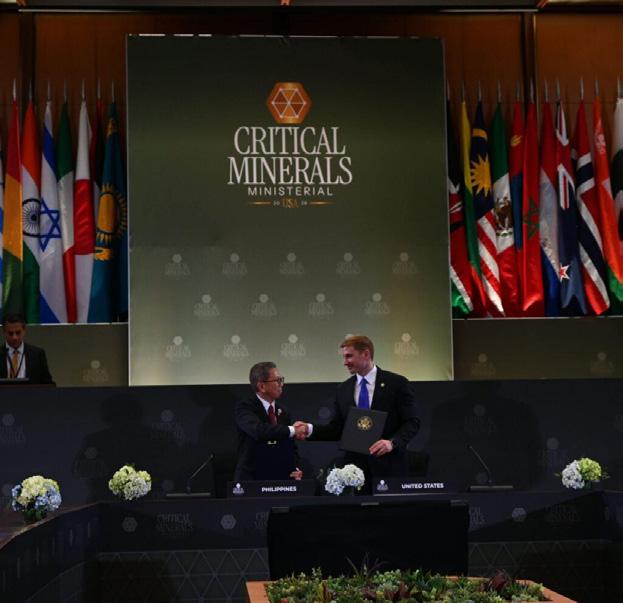
Most significant was the signing in February 2026 of a Memorandum of Understanding between the Philippines and the United States on cooperation in critical minerals supply chains. The agreement seeks
written by: PATRICIA A. O. BUNYE
Patricia A. O. Bunye is the Managing Partner of Cruz Marcelo & Tenefrancia where she heads its Mining & Natural Resources Department and Energy practice group. She is also the Founding President of Diwata-Women in Resource Development, Inc., a non-government organization advocating the responsible development of the Philippines’ wealth in resources, principally through industries such as mining, oil and gas, quarrying, and other mineral resources from the earth for processing.
to strengthen cooperation on responsible mining, mineral processing, investment, and supply chain resilience. This reflects a growing recognition among major economies that secure and diversified mineral supply chains are now matters of strategic importance.
This aligns with the initiatives of other mining jurisdictions such as Australia and Canada to work with the Philippines in prioritizing critical minerals as strategic and national security assets rather than merely commodities. These efforts have also been referred to as “mining diplomacy”.
Meanwhile, global demand for nickel and copper continues to rise as countries accelerate renewable energy initiatives. For mineral-rich countries such as the Philippines, this creates pressure to reconsider the longstanding export-oriented model.
The real value of critical minerals lies not merely in exporting ore, but in participating in higher-value activities such as refining, precursor manufacturing, battery materials processing, and associated industrial ecosystems. Whether the Philippines can successfully move into these areas remains one of the defining policy questions facing our mining industry.
Increasingly, this conversation on critical minerals also intersects with innovation and intellectual property.
The race to secure critical minerals is not limited to access to mineral deposits. It also involves competition over the technologies used to process minerals more efficiently, reduce environmental impacts, improve battery performance, and develop alternative extraction and recycling methods. In many respects, the future value of critical minerals may depend as much on technology and know-how as on geology itself.
Countries that succeed in downstreaming are often those that build ecosystems supporting research, technical capability, and technology transfer alongside extraction activities. Patents, proprietary processing technologies, licensing arrangements, and collaborative research partnerships are becoming increasingly important components of the global critical minerals landscape.
Innovations come not just from the mining companies themselves, but other companies in the ecosystem, including those that specialize in mining equipment, technology and services (METS) which use IP to pursue their internationalization strategies.
As examples, Australia and Canada are using innovation and intellectual property strategies to move beyond traditional extractive mining models and capture greater value from the critical minerals supply chain.
companies are investing heavily in proprietary mineral processing technologies, environmentally sustainable extraction methods, recycling systems, and advanced metallurgical processes. Companies are also actively securing patents and exclusive licensing arrangements covering new recovery technologies for critical minerals and rare earth elements, recognizing that future competitiveness will depend not only on access to mineral deposits, but also on control of the technologies used to process and refine them.
A notable element in both countries is the strong collaboration among mining companies, universities, government research institutions, and technology developers. In Australia, mining innovation is increasingly driven by partnerships with institutions such as the Commonwealth Scientific and Industrial Research Organization or CSIRO [the equivalent of our Department of
DEEPER EXPERTISE FASTER GROWTH
Mining what's next
Writ in Water
The Writ of Kalikasan is a bell in the storm. But not every noise is a fire, and not every fire is visible from the courthouse steps.
That is the difficult wisdom running through two recent Supreme Court decisions: Batan v. MGB and Altai Philippines Mining Corporation, decided on Nov. 4, 2025; and Protect Manicani Island Society (PROMISI) v. DENR and Hinatuan Mining Corporation, decided on Jan. 28, 2026. One case feared the scarring of forests and seas; the other, the slow drowning of protected island ecology in silt, pollution, and unrehabilitated mines. Both involved island communities. Both invoked the country’s most dramatic environmental remedy. Both petitions failed.
It would be easy to misread the cases as a judicial cold shoulder to environmental protection. They are better understood as an attempt to tune the instrument: to make the bell sensitive enough to catch real danger, but precise enough not to ring at every shadow.
The writ was born from the Supreme Court’s 2010 Rules of Procedure for Environmental Cases. It gave procedural muscle to the constitutional right to a balanced and healthful ecology. It may be invoked when an unlawful act or omission causes or threatens environmental damage of such magnitude as to prejudice life, health, or property in two or more cities or provinces. The petition must be supported by relevant and material evidence, including
written by: ATTY. NOEL B. LAZARO
Atty. Noel B. Lazaro is general counsel of Global Ferronickel Holdings, Inc., a three-time Asian Legal Business In-House Counsel of the Year finalist, and a Top Tier In-House Counsel awardee of the In-House Community. He is also a law professor and columnist.
scientific or expert studies.
That design was both bold and cautious. Bold, because it allowed citizens, communities, and public-interest groups to bring large ecological harm directly to the higher courts.
Cautious, because it did not make every environmental uarrel a constitutional emergency.
The need for such a remedy is hardly academic. The Philippines ranked first among 193 states in the 2024 World Risk Index, with a score of 46.9. The World Bank has warned that, without action, climate change could reduce Philippine GDP by as much as 13.6 percent by 2040, with the poorest households hit hardest. These figures are not decorative footnotes. They are the country’s
weather forecast in legal form.
But environmental law has always had a timing problem. It is asked to act before harm becomes ruin, while still demanding proof before harm becomes obvious. It must hear the crack in the dam before the flood, but not mistake every creak for collapse.
In Batan, the difficulty was geography. The petition involving Sibuyan Island in San Fernando, Romblon failed to satisfy the rule’s requirement that the harm affect inhabitants in “two or more cities or provinces.” In PROMISI, the Court found the petition wanting in proof. Allegations over Manicani Island in Guiuan, Eastern Samar of ecological harm could not substitute for substantial evidence showing
damage of the required magnitude. Together, the cases expose the writ’s double lock: scale and science.
Both locks serve a purpose. Without scale, courts could be asked to resolve every localized environmental dispute as if it were a national catastrophe. Without science, the writ could become an all-purpose injunction, allowing anxiety to dress itself as evidence.
Yet locks can also keep out the very person they were built to protect.
The two-city-or-province threshold is sensible on a flat map. The Philippines, however, is not a flat map. It is an archipelago of ecological singularities. A reef, watershed,
Page 18 >
< Page 16
island forest, or mountain ecosystem may be irreplaceable even if it lies within one province. A wound can be local and still be fatal. A small island can carry a large truth.
This is why Senior Associate Justice Marvic Leonen’s concurrence in both cases matters. He accepted the outcome under the present rules, but proposed an “ecosystem approach”: courts should not measure environmental magnitude only by political boundaries, but also by the gravity of harm to a distinct ecosystem. That insight points the writ toward a more mature future—one that looks beyond the map without abandoning the microscope.
That middle ground is where the hard cases live.
The country cannot pretend that development is a dirty word. The clean-energy transition itself is mineral-hungry. The
< Page 14
Science & Technology (DOST)] and leading universities, with technologies later commercialized through licensing and joint venture arrangements. Locally, DOST’s Philippine Council for Industry, Energy and Emerging Technology Research and Development (DOST-PCIEERD) focuses on strengthening the local mining and minerals sector through research, development, and value-addition initiatives, including transforming raw mineral resources into highervalue, sustainable products.
Canada, meanwhile, has placed particular emphasis on IP commercialization and integrating mining into broader EV, battery, and clean technology supply chains. Canadian initiatives likewise focus on helping mining companies identify, protect, and monetize valuable IP assets arising from mining innovation.
For the Philippines, critical minerals, IP and innovation present an important but often overlooked opportunity.
The country’s participation
International Energy Agency projects that, under stated policies, lithium demand could grow fivefold by 2040, while graphite and nickel demand could double. Demand for cobalt and rare earth elements is also expected to rise strongly. The Philippines, meanwhile, is a leading producer of nickel and a significant producer of gold and copper, even if mining remains a relatively small share of GDP.
What Batan and PROMISI invite, then, is not a sermon to one side or a victory lap for another. They invite a common grammar.
Communities should not have to translate lived fear into impossible science before they are heard. But courts cannot decide by fear alone. Regulators should be accorded technical respect. But expertise cannot be a black box with a government seal. Permitted enterprises need not be disabled by suspicion or slogan. But they must still bear the weight of scrutiny.
in the critical minerals economy should not be viewed solely through the lens of extraction and processing. There is also space to develop local expertise in mining technologies, environmental solutions, mineral processing innovations, and sustainability practices adapted to Philippine conditions.
Several examples already demonstrate that innovation within Philippine mining is possible.
Some Philippine mining companies have adopted real-time environmental monitoring systems that allow continuous monitoring of water quality, rainfall, slope movement, and tailings facilities. These technologies improve risk management while also strengthening transparency and regulatory compliance.
Other companies have invested in progressive mine rehabilitation techniques, including the use of native species propagation, biodiversity mapping, and drone-assisted monitoring of rehabilitation areas. In a country highly vulnerable to climate and
The better path is not more litigation or less litigation. It is better environmental truth. That means petitions supported by baseline data, hydrology, biodiversity inventories, geohazard analysis, reef surveys, water-quality results, and causal pathways. It also means public access to the environmental information that often exists but remains buried in agency files: impact assessments, Environmental Compliance Certificate conditions, monitoring reports, compliance audits, and inspection findings. The courthouse should not be the first place where environmental facts see daylight.
The brilliance of the Writ of Kalikasan was that it understood environmental harm as different from ordinary injury. It can be dispersed, delayed, cumulative, and intergenerational. Its victims may not yet be born. Its proof may arrive like rainwater
biodiversity risks, innovations in rehabilitation and watershed management may become increasingly valuable forms of mining expertise.
Digitalization is also beginning to reshape Philippine mining operations. The use of geographic information systems, drone surveying, automated fleet management, and remote sensing technologies has improved operational efficiency and safety in several large-scale mining projects.
As artificial intelligence and predictive analytics continue to evolve, opportunities abound for Philippine mining companies and local technology providers to develop solutions tailored to the country’s unique geological and environmental conditions.
Beyond operational technologies, the Philippines may also have opportunities in mineral processing innovation itself. For example, research into more energy-efficient nickel processing methods, low-carbon mineral refining, mine waste recovery, and circular economy technologies could become increasingly
in a jar: drop by drop, until suddenly the measure is full.
The next stage is to make the writ more intelligent. Keep it extraordinary, because ordinary disputes should not summon constitutional thunder. But do not let extraordinariness become blindness to extraordinary ecosystems. Demand science, but do not make science a dialect spoken only by the powerful. Respect boundaries, but remember that rivers, reefs, sediment, wind, and risk do not queue at provincial borders.
That is the challenging work of calibration. If tuned too loosely, the writ becomes noise. If tuned too tightly, it becomes silence.
And silence, in environmental law, is rarely neutral. Sometimes it is only the sound a forest makes after the last tree has fallen, the sound of a reef after the fish have left, the sound of a promise still beautiful in doctrine but disappearing in the tide—writ, finally, in water.
relevant as global industries seek more sustainable supply chains. The country’s extensive experience with lateritic nickel ores may also create opportunities for specialized technical expertise in processing ore types commonly found in tropical environments. In time, Philippine-developed technologies or environmental management practices may themselves become exportable expertise.
Strengthening intellectual property awareness within the mining sector will therefore become increasingly important. Mining companies often focus primarily on permits, operations, and production targets, yet proprietary technologies, software systems, environmental processes, and technical solutions may also represent valuable intellectual assets.
As the Philippines mining industry evolves, our competitive advantage will increasingly depend not only on who possesses critical minerals, but on who develops the knowledge, systems, and technologies surrounding them.
Rising Significance of Philippine Nickel in the Global Critical Minerals Landscape
The Philippine nickel industry is seen to play a larger role in global critical mineral supply.
The Philippine Nickel Industry Association (PNIA) reported that the Philippine nickel sector is poised to play a larger role in global critical minerals supply chains as demand rises and geopolitical risks reshape sourcing strategies for key resources. This was their message during the PNIA’s Industry Outlook Media RTD on March 26, 2026 at Seda Hotel, Bonifacio Global City. The event was sponsored by British Embassy Manila.
“The Philippines remains a major player in the global nickel market, with PNIA members accounting for around 73% of national output and total production reaching 37.81 million dry metric tons in 2025,” said Charmaine Olea-Capili, Executive Director of PNIA.
According to the International Energy Agency, as the drive for transition to low-carbon energy systems is rising, the demand for nickel and other critical minerals (used in EVs and RE and infrastructure) is expected to grow significantly in the next decades.
PHILIPPINES’ CRITICAL ROLE IN THE GLOBAL NICKEL MARKET
PNIA reports that the Philippines is in the 6th global rank in nickel reserves and remains a key supplier to international markets.
In 2025, PNIA members produced 25.9 million DMT out of the industry’s total 37.81 million DMT.
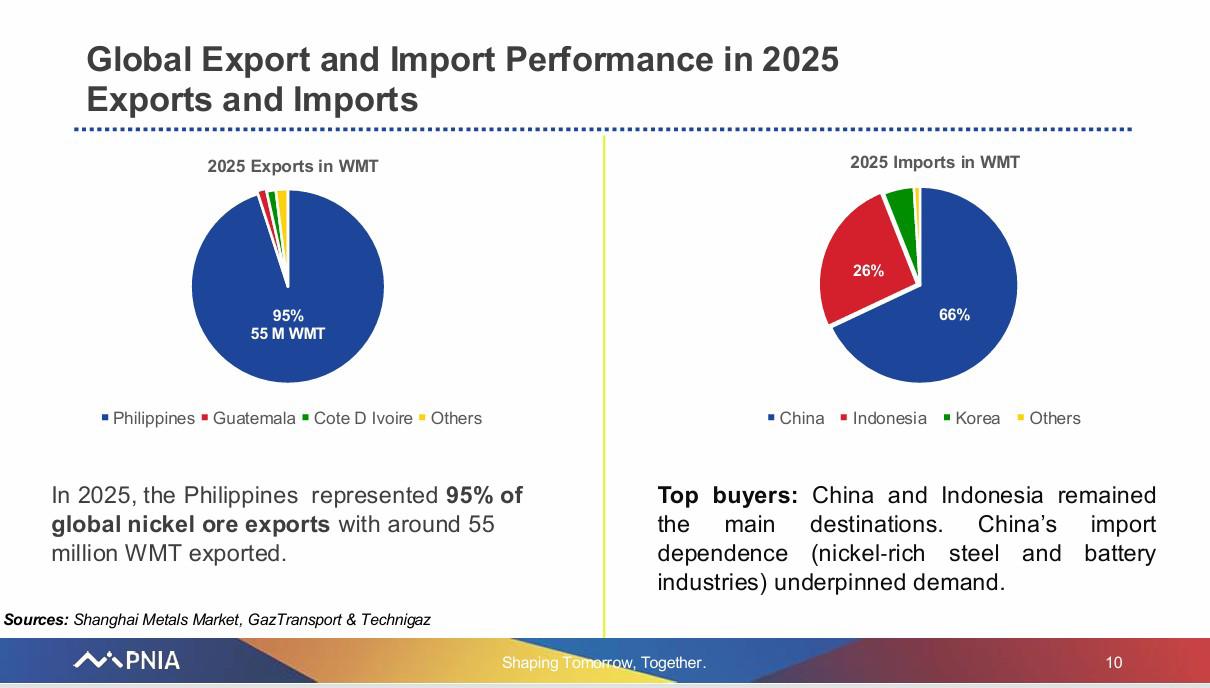
Also in 2025, China was the top export market of the Philippines, contributing to 66% of exports. The percentage was much higher in 2024 with 78%, as Indonesia increased imports from the Philippines.
“These shifts reflect the growing strategic value of Philippine nickel as countries diversify sources of critical minerals,” Olea-Capili noted.
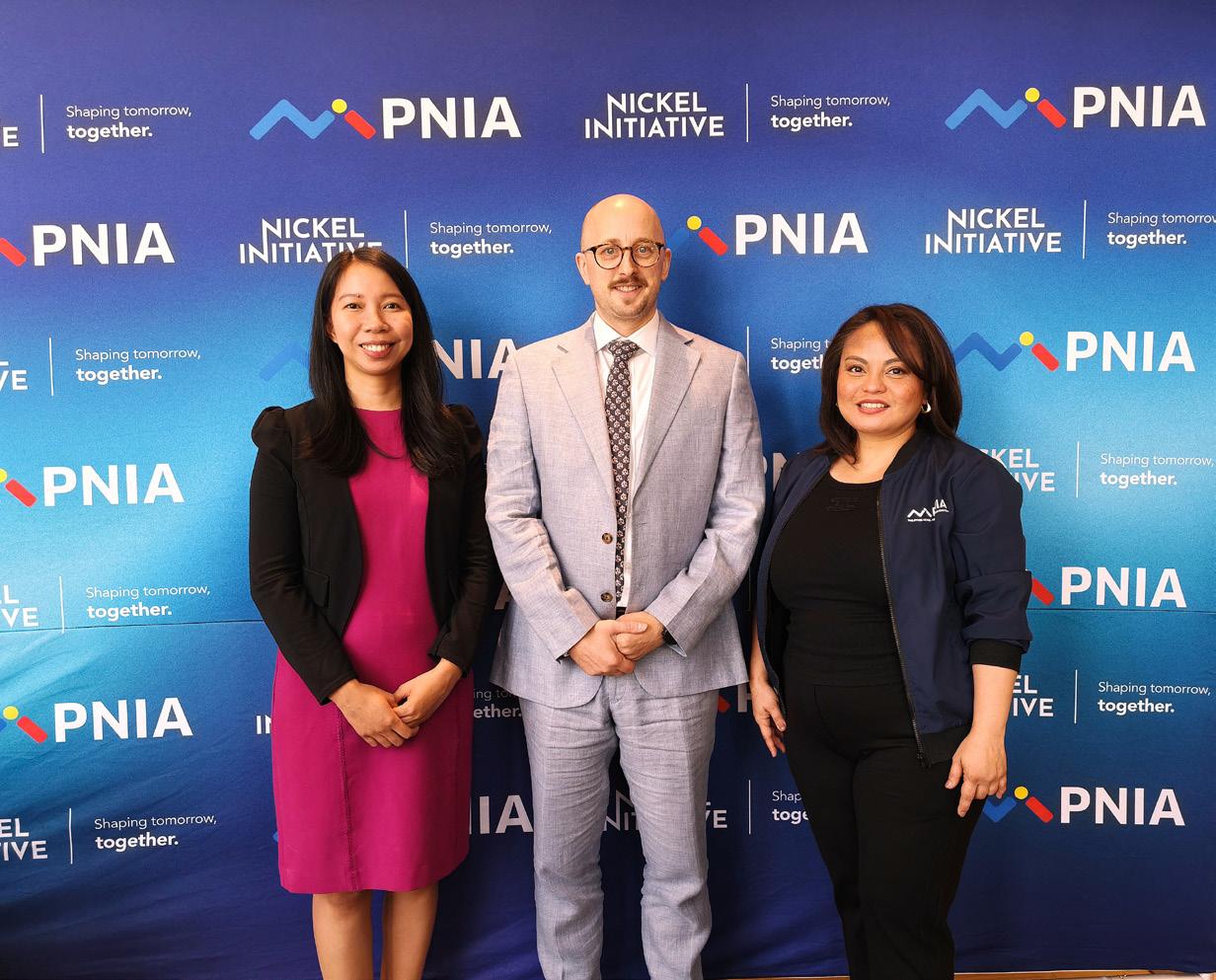
Ms. Jeremie P. Credo, ASEAN Research Partnership Manager | Mr. James Attwood, Growth Gateway SE Asia Lead, British Embassy Manila | Ms. Charmaine Olea-Capili, Executive
[26 March 2026]
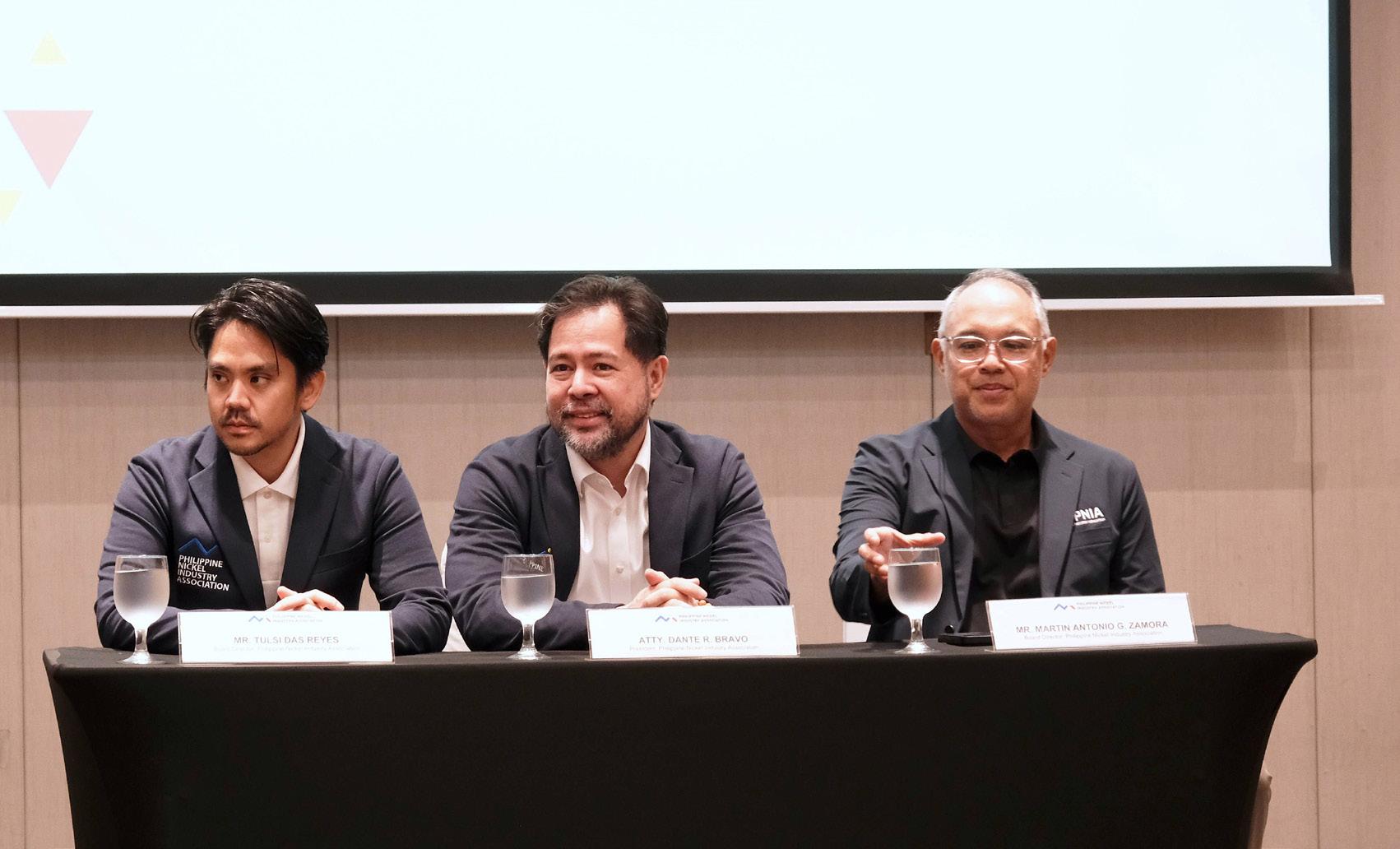
Philippine Nickel Industry OutlookMedia Briefing at Seda Hotel BGC with panelists: (L-R) Mr. Tulsidas C. Reyes, Board Director, PNIA | Atty. Dante R. Bravo, President, PNIA | Martin Antonio G. Zamora, Board Director, PNIA
(L-R)
Director, PNIA (Photo by M. Villegas)
OUTLOOK: OPPORTUNITIES AND MARKET PRESSURES
Industrial demand and energy transition support the global nickel industry, positioning it for longterm growth.
Several factors contribute to opportunities, such as: sustained demand from emerging economies, increasing interest in supply chain diversification, and continued investment in processing capacity.
However, there are challenges, namely: the industry faces near-term pressures, including a potential market surplus, evolving battery technologies, and slowerthan-expected electric vehicle adoption in some markets.
Another recent challenge is the geopolitical tensions, particularly in the Middle East. The ongoing conflict and unpredictable turn of events at the Strait of Hormuz are affecting the global shipping routes and increasing logistics and fuel costs. These factors all together may have a striking impact on the mineral supply chain.
STRENGTHENING INVESTMENT CONDITIONS
Since the enactment of the Republic Act No. 12253, clearer fiscal regime for mining emerged. This movement is expected to reduce regulatory uncertainty, which supports long-term investments. This is one of the important policy reforms that are currently shaping the investment environment in the Philippines, as foreign investments in the mining industry now looks promising.
These developments are reinforcing investor confidence and supporting the sector’s longterm growth and competitiveness.
However, PNIA also cited the need to strengthen geological data, infrastructure and energy readiness, and policy alignment to support a more competitive and investment-ready mining sector.
ADVANCING RESPONSIBLE MINING AND STRATEGIC PARTNERSHIPS
PNIA continues to advance responsible mining through ESG-
aligned practices and strategic regional collaboration, reinforcing the industry’s role in sustainable development and global supply chains.
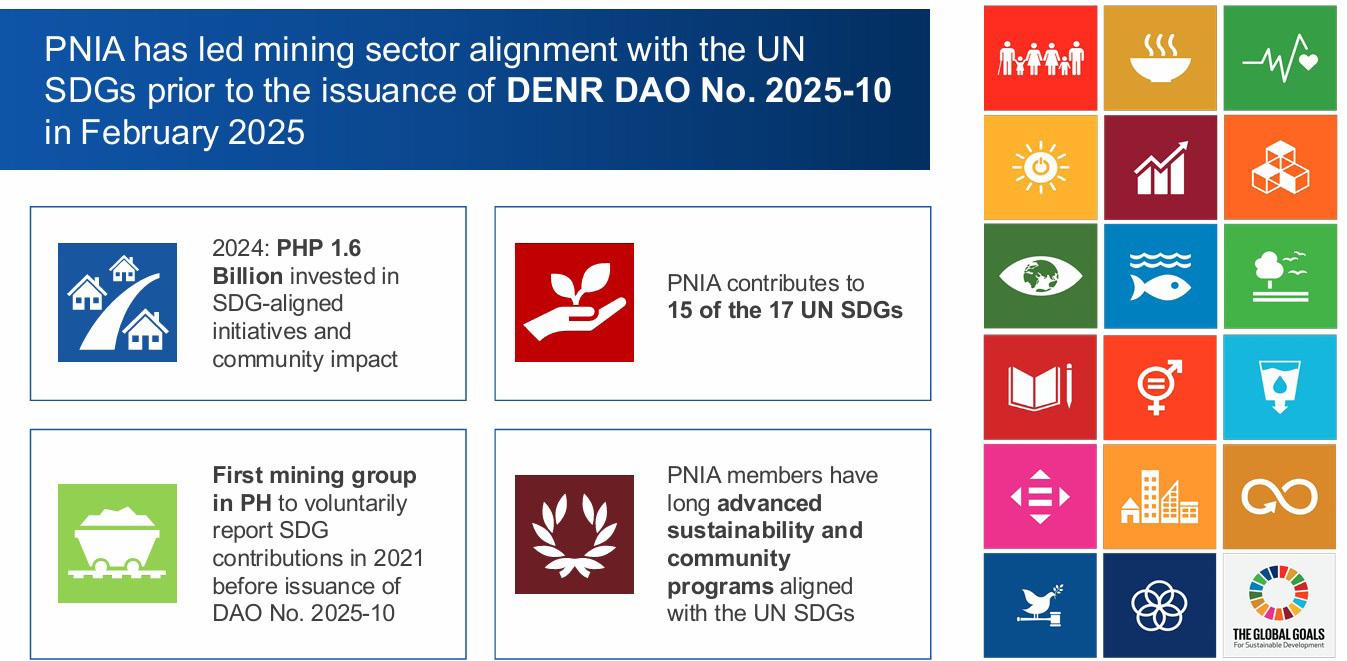
PNIA reported that in 2024, their members invested PHP122 million in education, supporting 24,400 scholars and building 300 learning facilities. An additional PHP289 million was set aside for social development and livelihood programs.
For that year, there are over 460 infrastructure projects that were completed to support more resilient communities. PNIA has also implemented Environmental Protection and Enhancement Programs (EPEP), with over 35 million trees planted to date.
Moreover, in order to strengthen regional cooperation, PNIA established initiatives such as the IndoPhil Nickel Corridor. This initiative aligns the Philippines and Indonesia in building more integrated, resilient, and sustainable critical mineral supply chains. Both the Philippines and Indonesia are top global nickel producers.
“These efforts reflect how the Philippine nickel industry is aligning responsible mining with global supply chain requirements,” said OleaCapili. “Strengthening both ESG performance and regional collaboration will be key to sustaining long-term industry growth and competitiveness.”
ABOUT PNIA
The Philippine Nickel Industry
Association is the unified industry voice of the Philippine nickel sector, representing member companies that account for approximately 74 percent of national nickel production. Established in 2012, PNIA plays a central role in shaping industry direction, policy engagement, and stakeholder dialogue on the responsible development of one of the country’s most strategically important resource sectors. The association works closely with government, industry, communities, and international partners to advance a globally competitive, investment ready, and responsibly governed nickel industry. Through its Nickel Initiative platform, PNIA convenes dialogue and supports alignment with sustainability and transparency frameworks relevant to regulators, investors, and global markets. PNIA is a non-stock, non-profit association registered with the Securities and Exchange Commission, and more information is available at www.philippinenickel.org.
For media inquiries, please contact: Mr. Arnel Vasquez arnelvasquez@rebelmarketing. com.ph
--Reference: [1] (March 26, 2026) Olea-Capili, Charmaine. “PNIA 2025 Report and 2026 Nickel Industry Outlook”. PNIA Media Briefing Presentation.
Photo credit: Marcelle P. Villegas
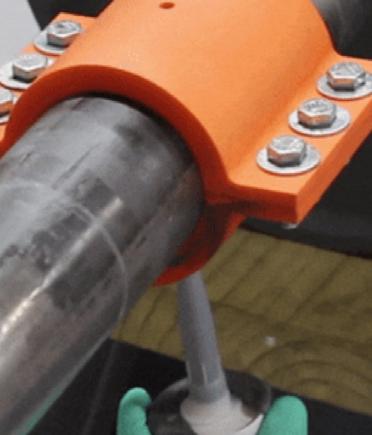
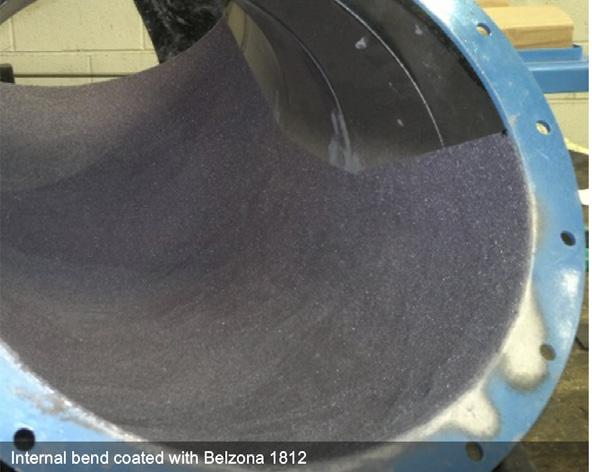
Cold Applied Solutions
Belzona’s cold-applied solutions provide a safer environment for maintenance by reducing risks of sparks, burns, and electrical hazards.
Rubber Repair
Belzona 2000 Series includes fast-curing elastomers that rebuild, seal, and bond damaged rubber materials for extended service life.
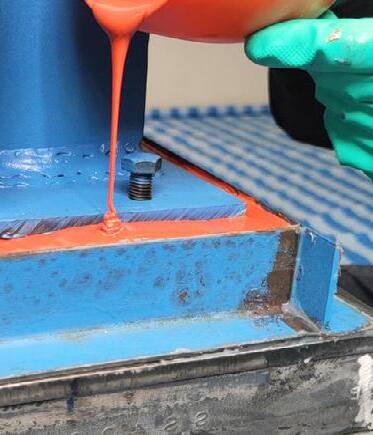
Chocking & Shimming
Belzona offers solutions for chocking & shimming, protecting equipment and machinery against vibration and chemical exposure in the mining environments.
Engineering the Right Sizing Solution
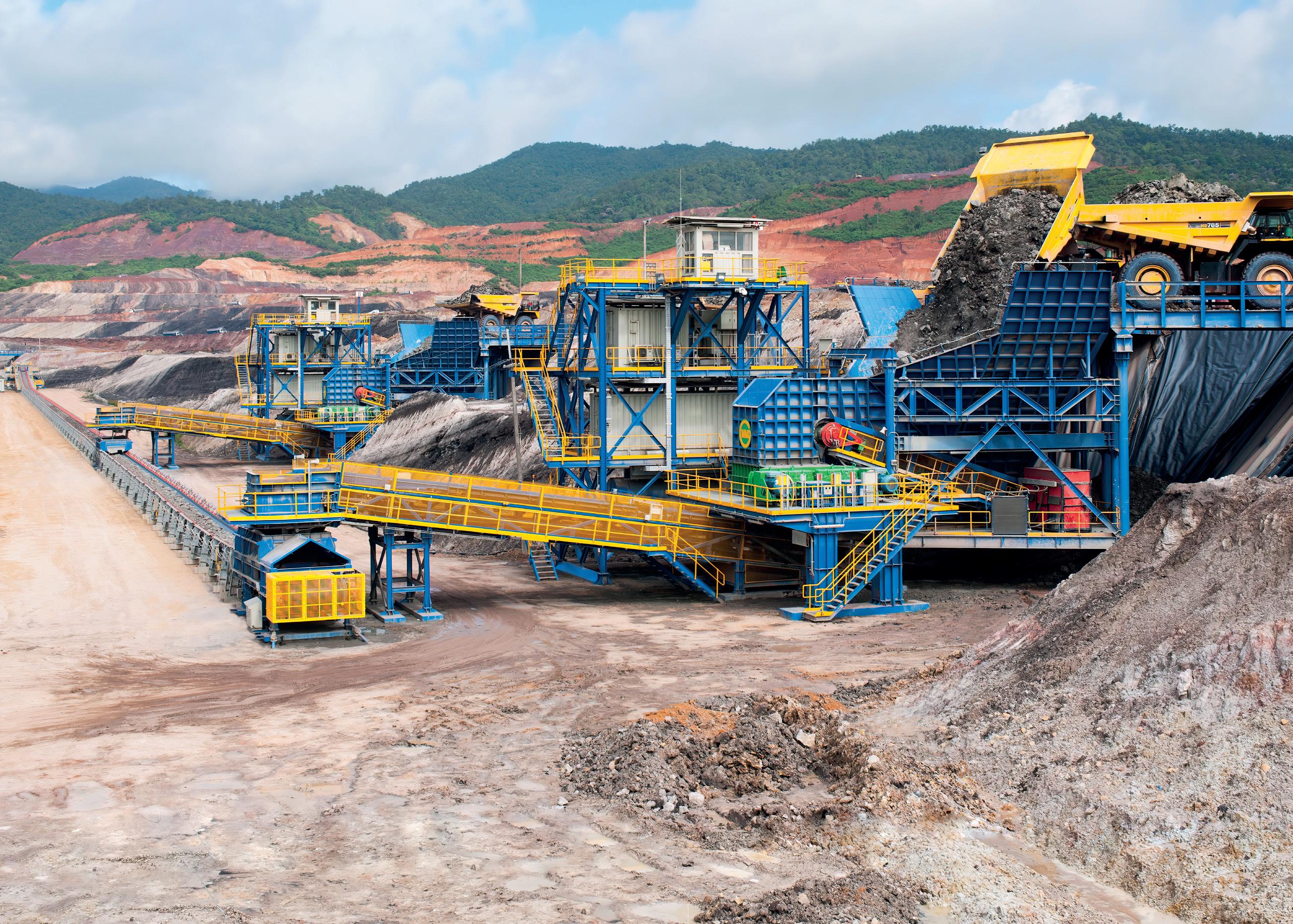
In modern material processing, the most effective solution is not always the largest or most powerful machine, but the one that best matches the duty and the material being processed. As operators continue to focus on total value and lifecycle efficiency, equipment selection is becoming more precise.
This is particularly important in crushing and sizing applications, where performance is closely linked to how well the machine is matched to the material characteristics and the demands of the operation. Throughput, reliability, installation requirements, maintenance, as well as capital and overall operating cost are all very important factors when selecting the right Sizer.
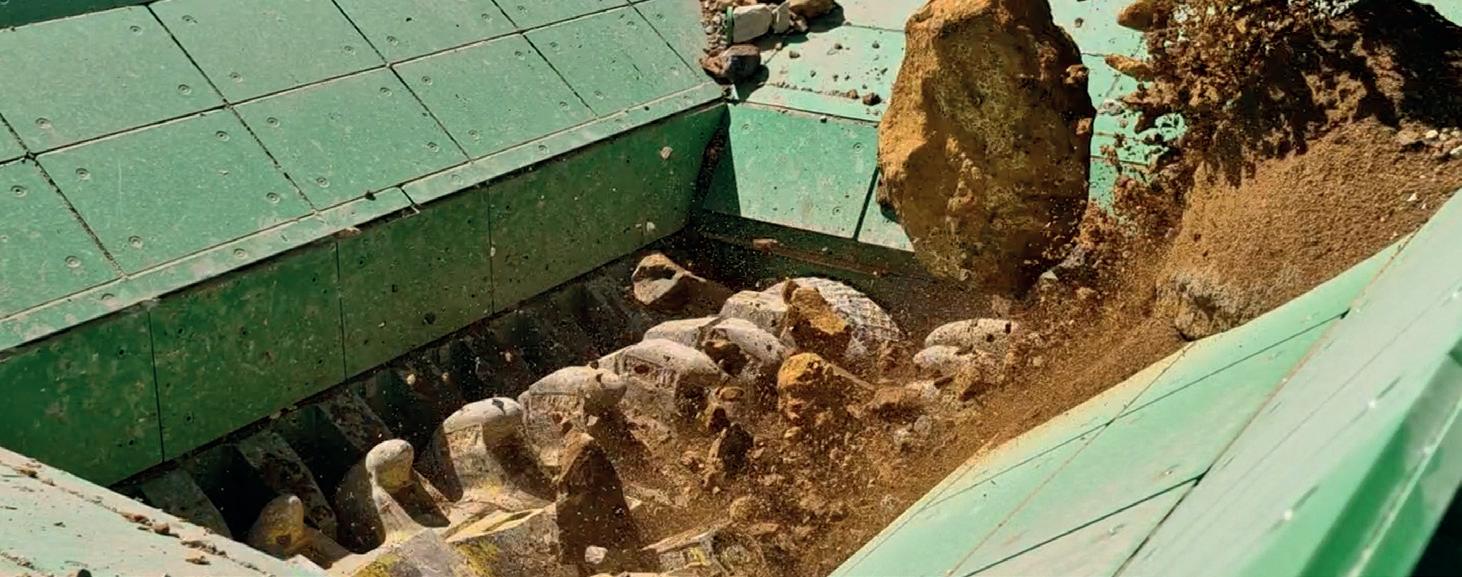
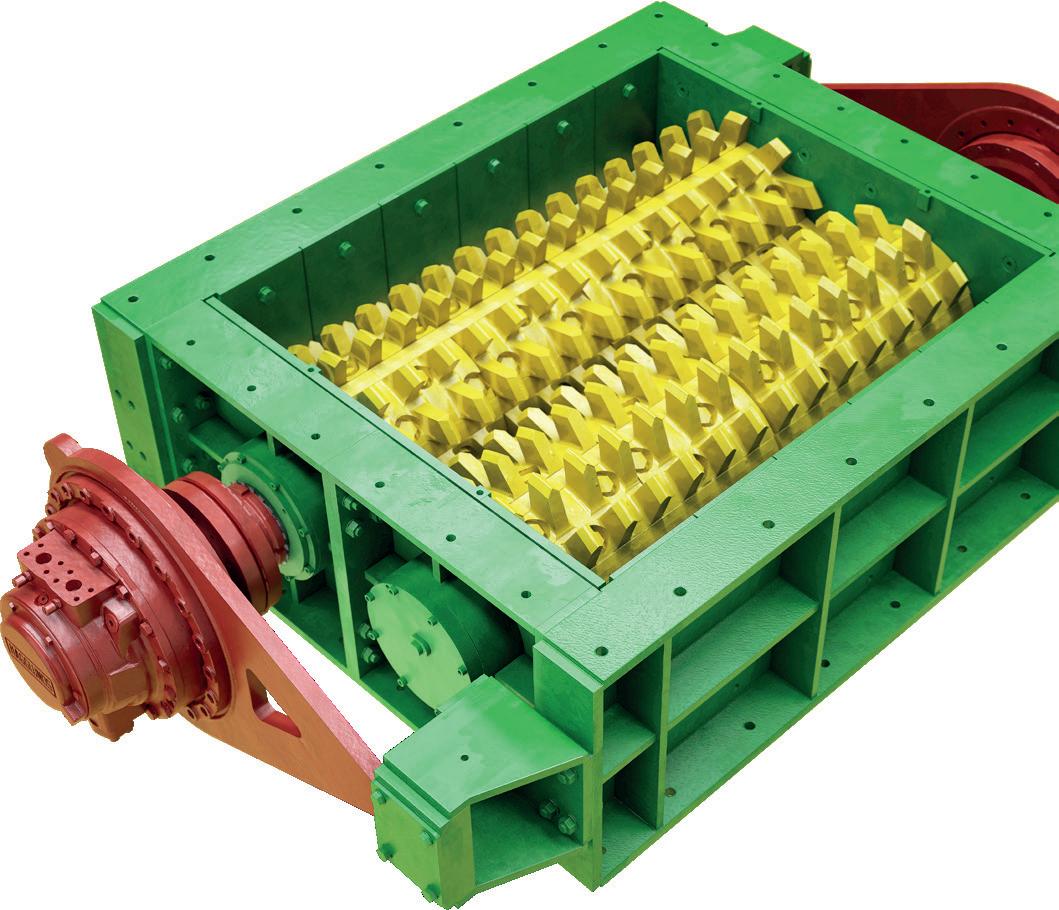
For demanding hard rock environments, heavy-duty sizing solutions remain essential. Abrasive materials, high impact loads and continuous operation require machines engineered to perform reliably under extreme conditions. In these applications, heavy-duty twin shaft Sizers continues to provide reliable performance, particularly where wet, sticky or difficult materials must be processed while still delivering a controlled product size with reduced fines.
However, not all operations place the same demands on equipment.
Many materials and industries involve softer, friable or more variable materials, often requiring a different equipment approach to heavyduty mining operations. However, regardless of the application, selecting the correct machine is about understanding the material characteristics, duty requirements and operating conditions to ensure the equipment is properly matched to the process. Getting this balance right has a direct impact on efficiency, uptime and lifecycle value.
What sets MMD apart is the ability to support this decisionmaking process with deep engineering expertise and real-world understanding of material behaviour.
Since the invention of the MMD Mineral Sizer™ over 45 years ago, MMD has built its reputation on quality, innovation, continuous development and tailored material
handling solutions. This approach is supported by specialist Sizer testing facilities, where material characteristics are analysed specifically in relation to Sizer operation. This allows equipment selection and design to be based on measured performance.
In addition, MMD’s global network of engineering and sales teams provides a further advantage. Local teams understand the challenges, materials, and operating conditions within their regions, ensuring that recommendations are based on real-world site experience as well as technical specifications. This combination of global expertise
and local knowledge helps ensure customers are matched with the most appropriate solution for their application.
Rather than a one-size-fits-all compromised approach, MMD develops solutions tailored to each individual requirement, whether by adapting existing equipment or designing bespoke machines. This ensures the right balance of reliability, efficiency, performance and safety for the duty at hand.
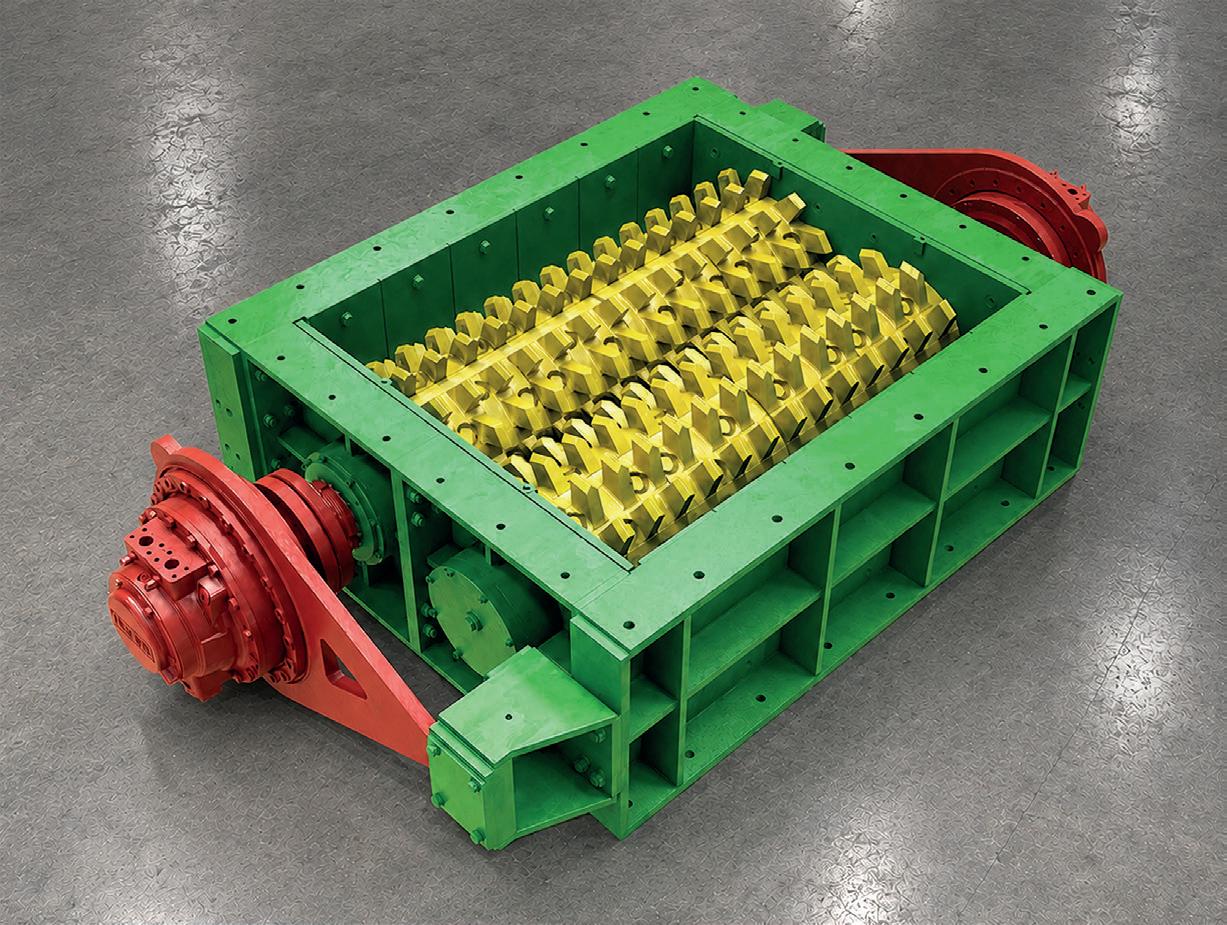
The HYD 500 Sizer is a clear example of this philosophy in practice. Evolved from the proven and widely used MMD 500 Series range, it has been specifically
Accelerating Mining Permit Issuance, Streamlining Processes for Economic Growth
written by: MARCELLE P. VILLEGAS
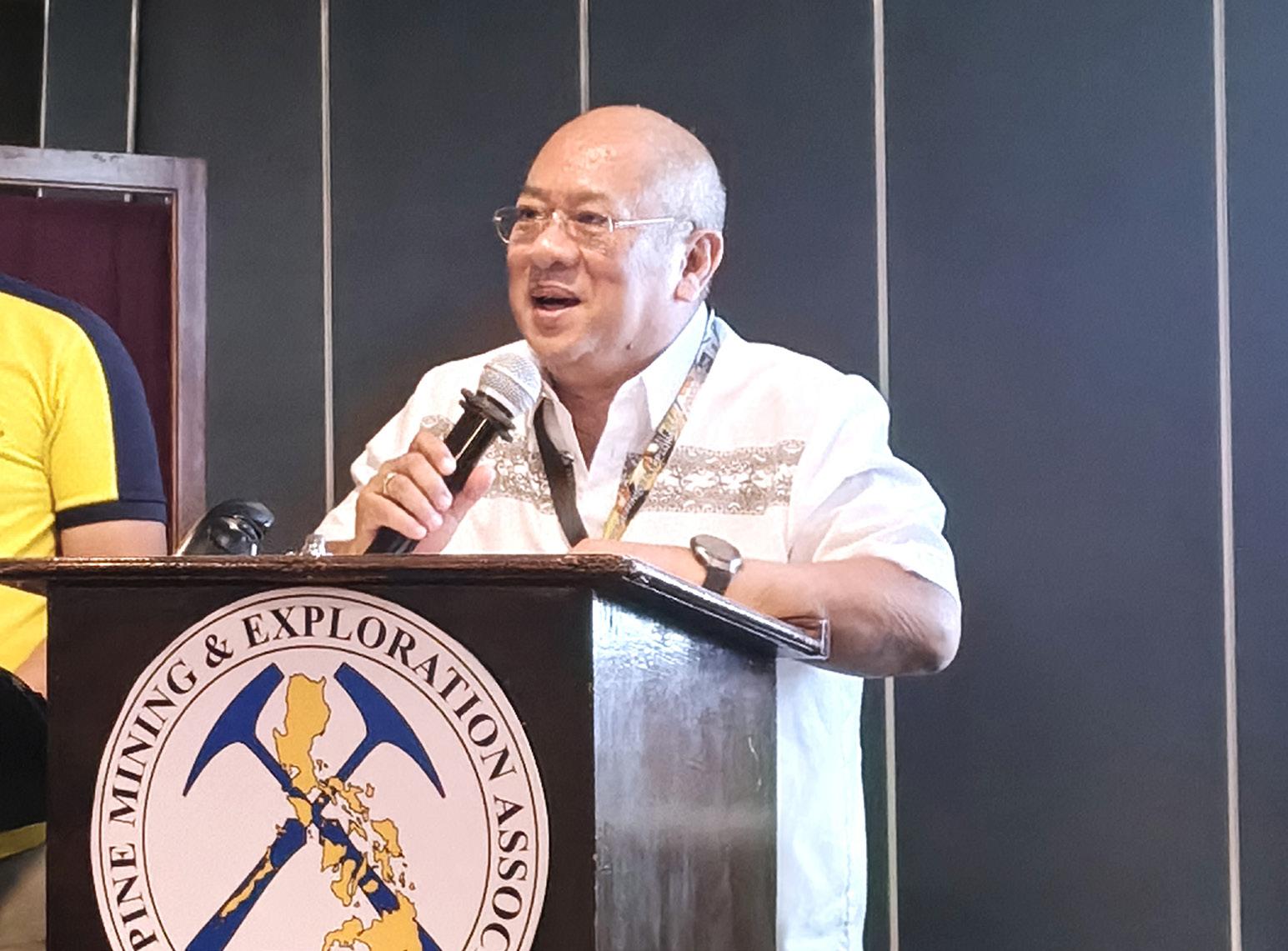
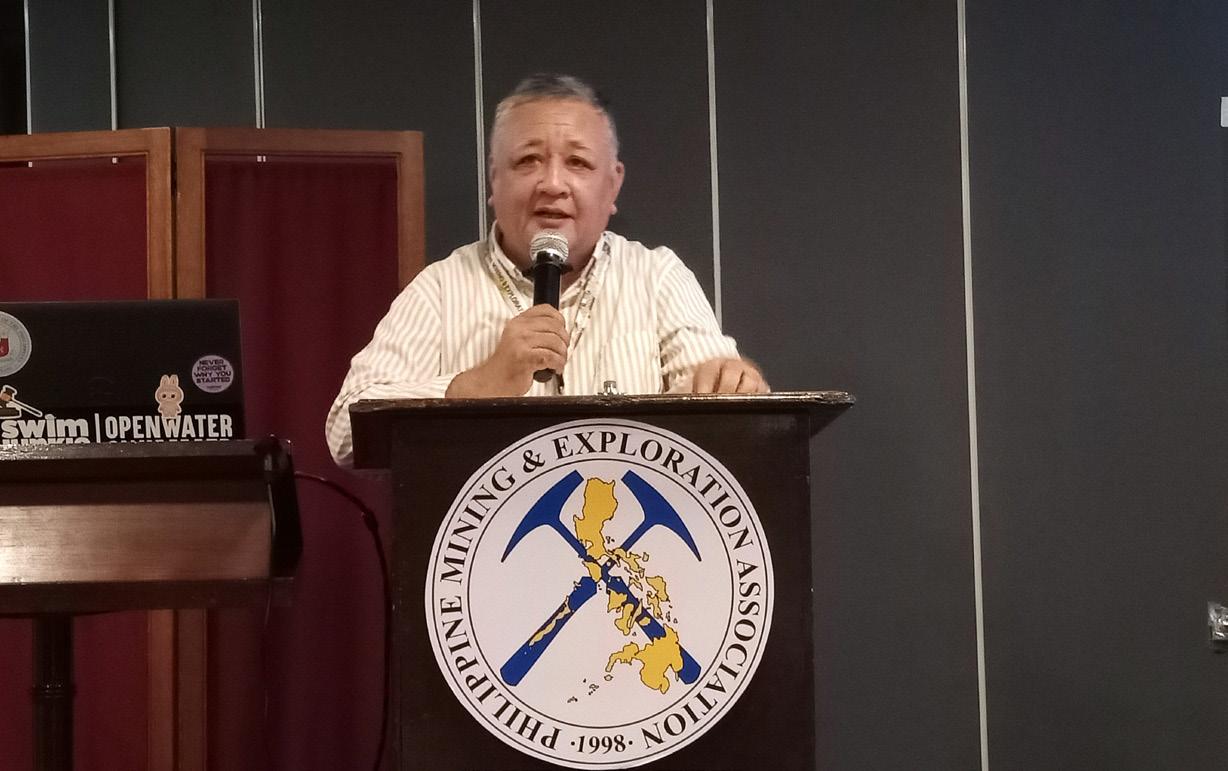
[April 6, 2026] Philippine Mining and Exploration Association Monthly Membership Meeting welcomed Engr. Larry M. Heradez as the newly-appointed Director of the Mines and Geosciences Bureau (MGB).
Engr. Heradez is a graduate of Mapua University, and has a career in MGB that spans for more than 30 years. In the past, he served as regional director of the Mines and Geosciences Bureau in the Caraga region, based in Surigao City. In this role, he oversaw mining regulation and geoscience programs in this region where several largescale mining operations are based. Caraga region is known as a major mining hub for the Philippines.
During the PMEA Monthly Membership Meeting, Engr. Heradez gave a keynote address with the title “Transforming DENR: From Gatekeepers to Nation Builders”.
Engr. Heradez discussed the issuance of mining permits, accelerating the process, and the transformation of the Department of Environment and Natural Resources (DENR). The focus is on improving engagement with the mining sector and supporting responsible development.
He said, “These are not just internal directives, but they shape how we engage with the industry, how we regulate and how we support responsible development moving forward.”
“The next two-and-a-half years will be critical in driving this transformation,” he pointed out.
Engr. Heradez also mentioned about the presidential mandate to speed up the issuance of mining permits.
“We have the presidential mandate that speed is nonnegotiable…This means accelerating how we process and respond to stakeholders and upon operational concerns. This also comes with accountability performance matters and we are expected to deliver results, and not just acknowledge issues. At the
end of the day, our pace directly affects investments, job creation, and overall economic activity in the sector.”
He enumerated the “Three Pillars of Organizational Transformation”, namely a proactive approach, decentralized authority, and unified operations.
The strategy in achieving this transformation goal includes a proactive approach to identify potential issues early. Decentralization empowers regional officers to act quickly and decisively, while unified operations ensure alignment and prevent bottlenecks in compliant projects.
Engr. Heradez also emphasized a shift in mindset from gatekeepers to facilitators of responsible development.
“There is also a shift in mindset from being seen primarily as gatekeepers. We are moving towards becoming facilitators of responsible development in MGB. This means guiding proponents through the permitting process, helping ensure compliance and addressing issues early without compromising environmental and safety standards,” Engr. Heradez said.
Initiatives like mobile one-stop shops aim to bring services closer to stakeholders. Additionally, an online system for application processing is being developed to reduce decision times.
Moreover, stakeholder engagement and building trust are priorities for the mining sector.
He also highlighted the importance of good practices and responsible mining.
“We recognize the importance of highlighting good practices and responsible mining to help improve public understanding of the sector.”
For collective accountability, he noted that the performance of one region or the result of one project reflects back on the bureau.
In general, the call to action is to move faster, work closely, and deliver results that benefit the industry and communities.
HERE ARE SOME KEY TAKE-AWAYS FROM ENGR. HERADEZ: TRANSFORMING DENR: FROM GATEKEEPERS TO NATION BUILDERS
A. Presidential Mandate: Speed is non-negotiable.
Direct order “Speed up
6, 2026]
[April
Engr. Larry M. Heradez – Director, Mines and Geosciences Bureau (MGB) at the Philippine Mining and Exploration Association Monthly Membership Meeting [Photo by the author]
everything” - Responsiveness is paramount. All teams must accelerate decision-making and execution.
-- Non-performing personnel will be replaced. - We will not hesitate to remove underperformers to maintain organizational agility.
-- From acknowledgement to actionable feedback - Shift focus from recognition to actionable feedback and measurable results.
-- Economic growth and job creation - Economic growth and job creation depend on our velocity. KPIs must reflect speedbased outcomes.
B. Three Pillars of Organizational Transformation:
1. Proactive Approach - Shift from reactive/defensive to anticipatory service delivery, enabling early issue resolution and continuous improvement
2. Decentralized AuthorityRegional directors empowered with decision-making accountability to accelerate responses and adapt locally.
3. Unified OperationsMandatory joint EMB-MGB coordination per DAO 2018-18 to ensure integrated workflows and consistent implementation.
C. Mindset Revolution:
Facilitators, Not Gatekeepers Causality flow emphasized - a clear
< Page 24
engineered for applications such as recycling and processing of softer, friable materials. It delivers efficient sizing performance in a more streamlined design, purpose-built for its intended duty rather than scaled down from heavy mining equipment. This approach gives MMD greater flexibility to optimise equipment selection, machine investment and customisation for individual applications, while maintaining the quality, reliability and performance standards expected from MMD solutions.
A key development in the HYD 500 Sizer is the use of hydraulic
transformation journey where each arrow indicates the next stage of mindset shift
1. From Permitting Gatekeepers (initial stance focused on restriction and control)
2. to compliance partners (shift toward collaboration to meet standards effectively)
3. enabling project success (active support that removes barriers and accelerates delivery)
4. and enabling project success (outcomes-focused approach that stimulates growth and employment).
D. Game-Changing Initiatives for Rapid Service Delivery
1. Mobile One-Stop Shop - Deploy units to bring streamlined services directly to mining communities, accelerating permit processing and on-site support.
2. Permitting on Wheels Nationwide - Roll out EMB vans to remove geographic barriers, enabling fast, equitable permitting and field inspections across regions.
3. Automatic ApprovalsImplementing rule-based systems with built-in safeguards to fast-track approvals while maintaining compliance and auditability.
E. Stakeholder Engagement: Building Trust Through Action
1. Active Collaboration - Engage NGOs, civil society, and local communities through genuine
drives, where each breaker shaft is independently powered by hydraulic drives mounted directly to the shafts. By removing spur gears, couplings and internal oil chambers, the design simplifies the drive train, and reduces maintenance complexity.
Practical design features such as simplified installation interfaces, lighter wear components further enhance usability and operational efficiency.
Importantly, the HYD 500 still delivers the core benefits expected from MMD sizing technology, including effective handling of wet and variable feed materials, controlled product sizing and
partnership.
2. Regional Authority - Directors authorized for media engagement with COMMS support to ensure transparency.
3. Success Stories - Proactively identify and communicate achievements to the public to build trust.
F. Collective Accountability: One team, One Mission
1. Unified Responsibility - Regional teams are accountable as unified units; success or failure is shared across the whole group, promoting collective ownership and coordinated action.
2. Reputation Matters - A single negative incident reflects on the entire department; individual action have collective consequences, so proactive care and alignment with standards are essential.
3. Self-Discipline & Authority - Personnel are expected to maintain integrity and consistent conduct; regional directors exercise authority while remain fully accountable for outcomes.
Conclusion: Call to Action: 2.5 Years to Transform the Nation - Move fast with purpose. Every decision impacts economic growth and livelihoods. The nation is watching--deliver excellence now!
Director Larry M. Heradez central@mgb.gov.ph www.mgb.gov.ph
consistent throughput performance.
As material processing requirements continue to evolve, the ability to correctly match equipment to both duty and material becomes increasingly important. Through proven technology, bespoke engineering capability and local application expertise, MMD ensures operators are equipped with the right solution for their specific needs.
The HYD 500 extends this capability, broadening access to efficient sizing technology across a wider range of applications while maintaining the performance standards expected from MMD systems.
www.mmdsizers.com
PMDC President Offers Collaborative Support for PMEA Matters
written by: MARCELLE P. VILLEGAS
Atty. Job Adrian M. Ambrosio was the Keynote Speaker during the May 2026 Philippine Mining & Exploration Association Monthly Membership Meeting. He is the President and CEO of Philippine Mining Development Corporation (PMDC).
PMDC is a government-owned and controlled corporation (GOCC), under the Department of Environment and Natural Resources (DENR), acting as the mining arm of the Philippine state. It focuses on exploring, developing, and managing mining projects, particularly within designated mineral reservations to ensure responsible mining, environmental protection, revenue generation, and community development.
On April 9, 2003, a Presidential Memorandum was released stating that PMDC is primarily tasked to conduct and carry on the business of exploring, developing, mining, smelting, and producing, transporting, storing, distributing, exchanging, selling, disposing,
importing, exporting, trading and promotion of gold, silver, copper, iron, and all kinds of mineral deposits and substances.
PMDC has also been specifically tasked by the Philippine government to implement the program of putting up a world class mine in Diwalwal, municipality of Monkayo, Davao De Oro.
Aside from their scope of business and revenue generation, PMDC was more importantly created to address the environmental, health, social and economic well-being of the occupants of the area. This entails providing adequate environmental protection and mine rehabilitation measures.
Beyond its primary objective of settling disputes in Diwalwal, the PMDC is actively addressing the broader difficulties involved in revitalizing the Philippine mining sector.
“The company does not intend to compete with privately-owned mining projects, but rather hopes to position itself as the catalyst for developing mining projects in
areas where private investors find difficult to come in,” as stated in their website.
PMDC’S STRATEGIC SHIFT TOWARDS ACTIVE GOVERNMENT-LED MINERAL DEVELOPMENT
For several years, PMDC has been aiming to be a strong contributor to national development in the mining sector. Atty. Ambrosio emphasized that the Philippines has significant mineral potential, but the challenge is organizing development properly. Therefore, PMDC focuses on clearing legal status, credible technical work, and managing permitting and community issues. PMDC aims to address national and local bottlenecks in mining projects. PMDC is working with MGB and NCIP to streamline exploration and permitting processes.
In his presentation titled “PMDC as the State’s Mining Arm - A practical platform for responsible mineral development” he said, “The issue is not whether the
[May 4, 2026] Atty.
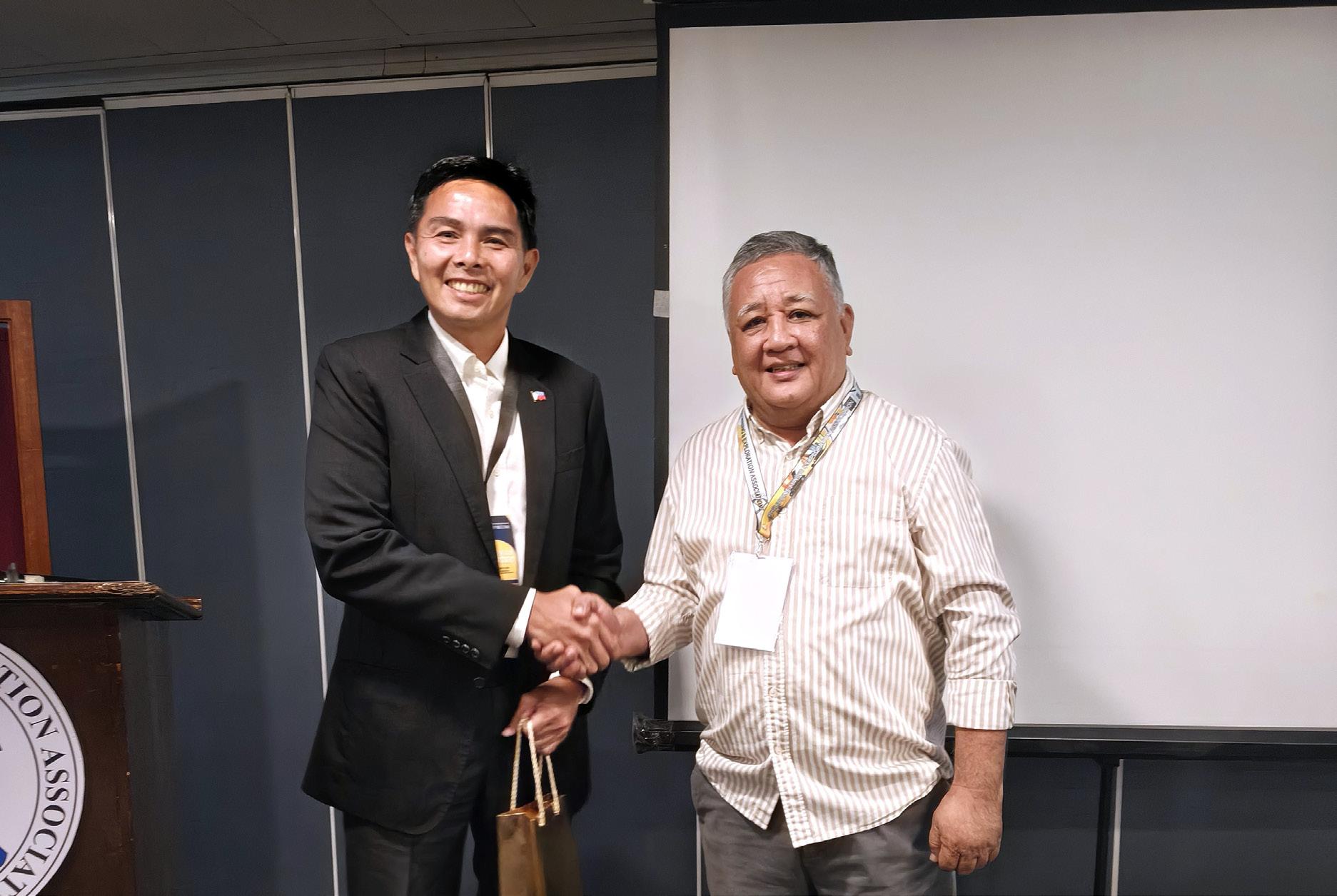
Job Adrian M. Ambrosio (PMDC President and CEO) with Mr. Joey Nelson R. Ayson (PMEA President) at the PMEA Monthly Membership Meeting where Atty. Ambrosio was the Keynote Speaker [Photo by the author]
DELA TORRE AND CO., INC
Dela Torre & Co , Inc (DCI) is a leading Philippine manufacturer of Industrial Rubber Hoses, Rubber Expansion Joints, Rubber Liners, Rubber Connectors, custommade rubber products, and Industrial Fiberglass Reinforced Plastic (FRP) products and services
Our high-performance solutions serve a wide range of industries, including construction, mining, marine, chemical, pulp & paper, agriculture, sugar, food processing, transportation, energy/power, and manufacturing
Our Vision
To be the manufacturer of choice for safe, high-quality industrial rubber products and trusted provider of technical services for our valued customers in the mining, power & energy, maritime, construction, manufacturing, and allied industries both locally and internationally
We are committed to building lasting partnerships founded on trust reliability and long-term value
Our Mission
We, at Dela Torre & Co , Inc , value our relationship with customers by consistently providing them with safe and high-quality industrial rubber products and services, always to their full satisfaction
Promote highly effective, lean and fast-moving customer-friendly organization nurturing a winning network of customers and building a lasting mutual loyalty
We value the contribution of all our employees whose passion for success, teamwork and excellence are sealed in each product and service we offer We continually provide them with an envrironment of respect, growth and recognition of superior performance
Operate profitably while being mindful of our overall corporate responsibilities
www delatorreandco com ph
Makers of Quality Rubber and FRP Products
Why DCI?
Over 33 Years of Expertise
With more than three decades of experience, DCI has built a strong reputation for producing high-quality rubber products you can rely on
Patented Taurus® Brand
Our Taurus® industrial-grade rubber products are patented and trusted across industries for their durability and performance
Custom Solutions
We specialize in tailor-made rubber products designed to meet your exact specifications and operational needs
Industry Versatility
Proudly serving a wide range of industries, we understand the unique demands of different sectors and deliver accordingly
Commitment to Quality
At DCI, we continuously strive for excellence, adhering to the highest standards in manufacturing and quality assurance
Proven Performance
Our products are rigorously tested and fieldproven, ensuring reliability and long-term performance
PRODUCT LINE AND SERVICES
I Taurus Brand Industrial Rubber Hoses
Hand Built or hand-wrapped type
Available sizes: 1 0" to 48 0" nominal bore
II. Taurus Brand Rubber Expansion Joints
Handbuilt type
Available sizes: 3 0" to 100 0" nominal bore Design: single- or multi-arch, offset, lateral, concentric, eccentric, tapered, or special designs
III Taurus Brand Flexible Rubber Connectors
Flexible sleeves for pinch valves, rubber chutes and hoppers or other special design
IV Taurus Brand Molded Rubber Products
Pump parts, bumpers, bearing pads, seals, valve seats and gaskets among others
V. Rubberlining Services
DCI makes quality rubber sheets/skirts for use in industrial operations, agricultural or commercial purposes and rubber lining of tanks, pipes and other vessels
VI Taurus Brand Dredging Hoses, Flexible Pipe Connectors, and Floaters
VII Fabrication of Different Types of Pipes and Spools
VIII Rehabilitations of butterfly valves from sizes 24" up to 84"
Philippines has minerals. The issue is whether we can organize ourselves well enough to develop them properly.”
Atty. Ambrosio stated that a project moves when these factors are lined up: Legal status, Community issues, Technical work, Partner capacity, Permitting, and State value.
PMDC’s role is to turn public tenements into investible, government-led projects that can actually move.
Atty. Ambrosio said that as the state’s mining arm, PMDC aims to ensure that governmental assets are not idle. The company also seeks active involvement in projects, not just collecting royalties. PMDC coordinates with national and local agencies to ensure project progress. Additionally, PMDC holds and manages state mineral assets, structures projects, and selects partners.
NATIONAL COORDINATION TO FIX BOTTLENECKS
Atty. Ambrosio mentioned that PMDC can help unblock nationalgovernment issues.
He first enumerated the causes of bottlenecks, namely: requirements are fragmented, sequence is often unclear, private operations deal with each office alone, and good projects can stall in coordination gaps.
Therefore, here is PMDC’s value proposition, namely:
• Place the project inside a national-government framework
• Coordinate with DENR, MGB, NCIP, EMB, DA, DILG, and other agencies.
• Clarify what applies, what can run in parallel, and what needs policy guidance.
• Support the operating partner without replacing technical responsibility.
JOINT VENTURES WITH PRIVATE SECTOR PARTNERS
PMDC is also exploring joint ventures with private sector partners to streamline project processes.
“We are also exploring the third-party and joint-venture arrangement. So, this is where…
if you’re in the private sector and you have a tenement or an MPSA or an EP and you’re having trouble, what we can do is we can joint-venture with PMDC where we would be leading and we would be helping you get the project through the process as a state-led mining project,” Atty. Ambrosio said.
“Why is that important? I’m working now with the MGB. When it is a PMDC project, an exploration permit is no longer needed. It can go straight to exploration. Why? Because it is state-led. It’s a government project. So we should not be treated just like any other private entity. We are government, so government to government, no more EP requirement. That’s what we’re working on.”
PMDC is also undergoing organizational rationalization to focus on stakeholder relationships.
BIDDING PROGRAM - Q4 2026: MOVE TO COMPETITIVE PARTNER SELECTION
Atty. Ambrosio announced that PMDC plans to start competitive selection processes for tenements by Q4 2026. The objective is not to bid out assets. It is to offer investable projects. He enumerates the strategy:
1. Review assets
2. Clarify legal/technical issues
3. Map permitting pathway
4. Design transparent bid
5. Select for capability
Additionally, PMDC seeks technical assistance from donor institutions to enhance bidding packages.
Technical assistance from donor institutions and development partners:
• World-class bidding framework
• Transparent and defensible process
• Best qualified bidders
In summary, PMDC wants to become:
• A reliable platform for serious investors and operators
• A government-led structure where private expertise is welcomed
• A partner that helps unblock national and local bottlenecks
• A disciplined system where obligations are monitored and performance matters
Atty. Ambrosio concluded by saying, “We want to be active, not passive. Practical, not rhetorical. We are open to business, but serious about performance.”
He also expressed his interest to help PMEA members in raising their issues and concerns to the MGB/DENR. The meeting ended with a Q&A session with the PMEA members and networking.
For more information about PMDC, please visit their website at https://pmdc.com.ph/.
AusIMM Appoints PMEA President as PH Representative, PMEA Updates, Industry News in Summary
written by: MARCELLE P. VILLEGAS
PMEA PRESIDENT AS PH REPRESENTATIVE FOR AUSIMM IN 2026
On March 31, 2026, the Australasian Institute of Mining and Metallurgy (AusIMM) has appointed Philippine Mining and Exploration Association (PMEA) President, Joey Nelson R. Ayson as International Representative in the Philippines for the remainder of 2026. This is a continuation of his appointment to the role since May 2025.
The International Representative is a voluntary, appointed position by AusIMM, which is the peak professional body for people in the global resources sector. The role entails that a Representative must be a current financial member of AusIMM residing in the country outside of Australia or New Zealand.
The International Representative’s roles include:
• to act in alignment with AusIMM’s purpose, values and memberfocused approach
• to follow the principles and guidance set out in the International Representative Handbook and abide by AusIMM’s Code of Ethics
• to contribute to strengthening and engaging the local AusIMM community by helping them stay connected with regional members, stakeholders and opportunities.
In return, AusIMM is committed to supports the International Representative to ensure that his experience is positive and well supported. During his term, he will have access to a dedicated contact within the International Engagement team, and opportunities to contribute to AusIMM activities, insights and initiatives in one’s region.
For the position, Mr. Ayson will be the main point of contact for AusIMM activities and members in that country, and represent AusIMM at relevant local functions, events and meetings. His other responsibilities include:
• to provide advice to AusIMM on local mining industry updates, regulations, projects, and news for inclusion in AusIMM newsletter and for AusIMM to meet its
international strategic objectives. • to collaborate with AusIMM to deliver events and initiatives for local members
PMEA MATTERS AND INDUSTRY UPDATES
On May 4, 2026, Mr. Ayson reported PMEA Matters and Industry Updates during the Monthly Membership Meeting.
The Keynote Speaker for the evening was Atty. Job Adrian M. Ambrosio, President and CEO of Philippine Mining Development Corporation (PMDC). (The details of his presentation are reported on a separate article.)
Members Update - As of April 30, 2026, PMEA has the following membership status: 15 Regular, 61 Associate, 21 Individual, 15 Honorary.
PMEA welcomes new Associate members: KVUA Industrial Supplies, Invest and Trade Western Australia, and Transcendo Global Solutions.
DENR-MGB UPDATES
Recent Approvals (April 2026)
EP Approvals:
1. Ma. Fraulaine Rapal and Joseph Al Wong - EXPA-000264-XIII
- Malimono, Surigao del NorteCommodity: Ni, etc.
EP Renewals:
1. Atlantic Mines and Trading Corporation - EP-005-2010-III
- Dona Remedios, BulacanCommodity: Aggregates, Fe ore
1. Naredico Inc. - MPSA No. 08-92-X
- Commodity: Cr
2. 4K Development Corporation - MPSA No.195-2004-VCommodity: Au
3. Lebach Mining Corporation
- MPSA No. 285-2009-IVB (Amend) - Brooke’s Point, PalawanCommodity: Ni
MPSA Approved
1. Zetosa Mineral Resource Corporation - MPSA No. 360-2026XI - Banaybanay, Davao Oriental - Commodity: Ni, etc.
COMPANY NEWS
TVIRD Balabag
-- April 2026 production: 3,200 oz Au and 35,500 oz Ag
-- Heap leach facility established in March 2026 and irrigation system being installed
-- Drilling at Phase 14
TVIRD Greenstone (Siana)
-- Produced 1,970 oz Au and 1,544 oz Ag in April 2026
-- Second line in crushing circuit being installed- Phase 1 energization of solar plant (5.3 MW peak)
-- Soil sampling and UAV magnetic survey at Mapawa
TVIRD Mabilo
-- Base camp and office facilities to be built
[May 4, 2026]
PMEA President and AusIMM International Representative
MPSA Exploration Period Renewal
in the Phils., Mr. Joey Nelson R. Ayson at the PMEA Monthly Membership Meeting in Makati [Photo by the author]
Page 34
TVIRD Kingking
-- Resource confirmation and geotechnical drilling -- Ongoing BFS
TVIRD Pan De Azucar
-- Final Exploration Report submitted -- Undergoing MPSA renewal process
East Coast Vulcan Mining
-- Reduced authorized capital stock from PhP 12B to PhP 9.6B (PhP 1 to PhP 0.80 per share)
-- Proposed 1:8 stock split to result in PhP 0.10 par value per share
Nickel Asia
-- Acquiring 20% of East Copper / GRK, which controls Karchiga Mine in Kazakhstan
-- Sale subject to due diligence
Philex Mining Corporation
-- Q1 2026 Net loss of PhP 281 M (vs net income of PhP 71M in Q1 2025)
-- Padcal production Q1 2026: 2,227 oz Au and 1,869 lbs Cu- Partial and progressive commissioning of Silangan process plant has commenced
-- Silangan first metal pour within 2026
COMPANY NEWS
(From PMEA Meeting on April 6, 2026)
Atlas Mining
-- 2025 Net loss of PhP 246M (vs net loss of PhP 231M in 2024)
-- 2025 production: 124,000 DMT Cu and 15,894 ozs Au (vs 2024 production: 152,000 DMT Cu and 24,545 oz Au)
Apex Mining
-- 2025 consolidated net income of PhP 7.66B (PhP 4.32B in 2024)
-- Sold in 2025: 100,425 ozs Au and 365,007 ozs Ag
Rapu-Rapu Minerals / Rapu-Rapu Processing
-- First company to be issued a Certificate of Final Relinquishment after successfully implementing its FMR/DP
-- Spent over PhP 1B (over the approved FMR/DP Fund) to complete the rehabilitation
-- Rehabilitated area is now turned over to government and releases
the company from any further obligations.
Benguet Corporation
-- 2025 consolidated net income of PhP 760M (PhP 436M in 2024)
-- Engr. Deogracias Halog designated as GM for BGO
Dominion Holdings Inc.
-- Appointment of Isidro Consunji as new Chairman of the Board
-- Possibility of Tampakan and Atlas Mining to be under Dominion
Didipio Mine (OGPI)
-- Paid PhP 506.9M in local business tax for 2026 (PhP 421.9M in 2025)
-- Kasibu (PhP 253.5M), Nagtipunan (PhP 152.1M) and Cabarroguis (PhP 101.4M) : First class municipalities -- Updated technical report
-- Allocated PhP 567M for SDMP for 2017-2025 (20 barangays and 3 municipalities)
-- Ongoing FPIC in Abra
Makilala Mining / Celsius Resources
-- Bardin Davis appointed MD of Celsius Resources; search for NonExecutive Chair
-- Ongoing talks with Sodor Inc regarding its 60% shareholding
INDUSTRY UPDATES
Marcopper Tailings Spill (1996)
-- Barrick Gold deposits US$ 50M in escrow for rehabilitation of mine
-- Balance of US$50M to be paid in
3 years
-- Release of liability after US$ 100M payment
Maharlika Investments Corporation
-- Assignment Agreement of its USD 10M loan position with Makilala Mining to Equinaire Holdings Limited, a wholly owned subsidiary of Kiri Industries Limited of India. (April 25, 2026)
-- Makilala retains contractual right to prepay the outstanding loan in full within 15 business days from receipt of such notice
-- Loan interest at 12.5% / annum
INDUSTRY UPDATES
(From PMEA Meeting on April 6, 2026)
Fraser Institute 2025 Annual Survey of Mining Companies
-- Philippines- Investment Attractiveness Index 45.85 (vs 77.11 in 2024)
-- Policy Perception Index 39.62 (vs 74.91 in 2024)
PH-Canada MOU on Critical Minerals
-- To be patterned after the Philippines-US MOU signed in February 2026
-- Initially discussed at PDAC
PH-South Korea Partnership on Critical Minerals
-- To be patterned after the Philippines-US MOU signed in February 2026
-- Will cover supply chain security, downstream processing, technology transfer, financing, and standards alignment
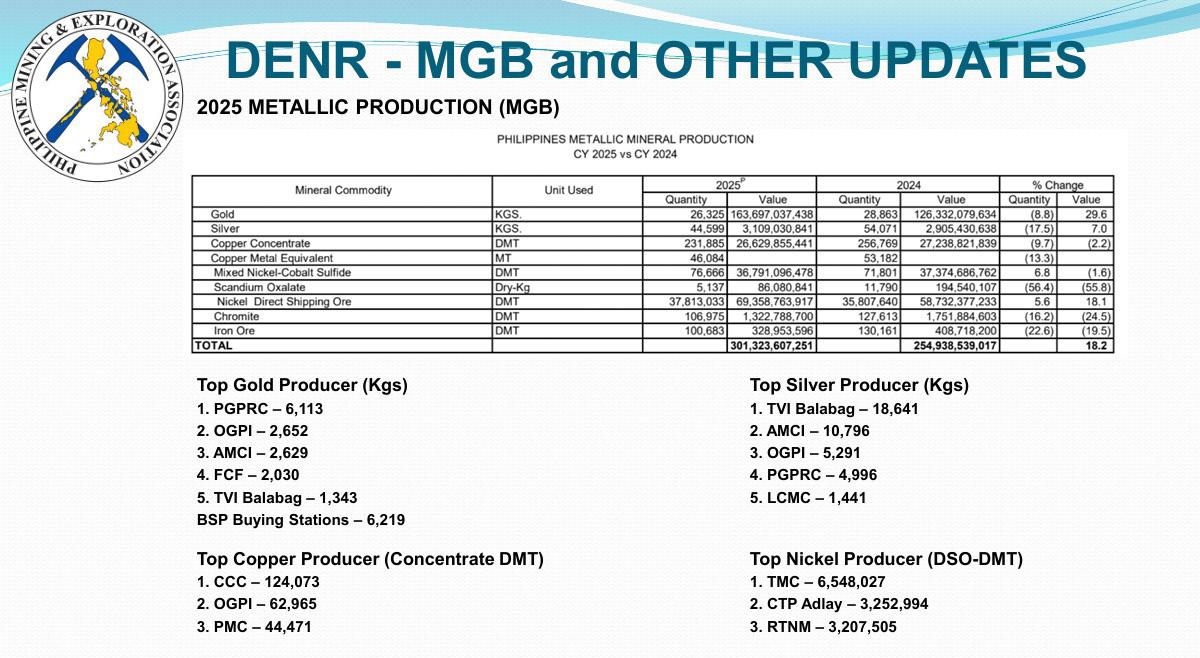
2025 PH Metallic Production Summary from MGB (from Mr. Ayson’s PMEA report on March 2, 2026)
Shifting the Conversation: From Cost to Lasting Value for Your Mine
written by: CHRIS PITMAN, VICE PRESIDENT, QLD
Across the world, governments and investors are looking for ways to unlock their natural resource potential and drive economic resilience. Demand for critical and precious metals continues to surge, and the pressure to bring projects online — or bring old ones back to life — is growing fast.
Not surprisingly, we’re seeing that firsthand across Australia and the broader Asia Pacific region. Feasibility studies are being released at an increasing rate. Operating assets are being revitalized and expanded. Dormant sites are being re-evaluated for their potential to be brought back online. The pace is lifting.
DELIVERING VALUE
In this environment of economic uncertainty, one message comes through clearly from owners and governments: long-term value matters, for their economies, investors and communities. The challenge is that, often, the definitions of ‘cost’ and ‘value’ get confused, and that confusion often
leads to decisions that jeopardize Net Present Value (NPV) and project performance.
Take engineering and project delivery services, for example. Over the past decade, risk models and price uncertainties have become harder to predict, and many major project delivery consultants have stepped back from traditional EPC delivery models.
EPCs still have their place in the right context, when there is alignment between the owner, consultant and project. However, a new brand of EPC contractor has emerged, offering low-cost solutions that prioritize cost certainty and speed. On paper, they can look appealing — especially when budgets are lean and financing can be easier to secure. But when cost becomes the headline instead of value, problems can follow.
From my work across Asia Pacific, Europe and the Americas, I’ve seen it play out repeatedly when the wrong partner was selected: a focus on reducing costs – saving a few million on engineering, only to spend multiples of that down the line in
completely avoidable costs. Cutting corners on design or equipment may lower startup capital, but it rarely leads to a stable, predictable, long-life operation. In the worst cases, recoveries drop, operating costs climb and reliability erodes. Cost will always remain a key factor. The real question is where you optimize without sacrificing the mine’s long-term performance and NPV. Encouragingly, we’re seeing more owners across the region shift their thinking toward creating long-term value rather than simply reducing upfront costs.
FIVE REASONS TO PRIORITIZE VALUE OVER COST
At Ausenco, we are seeing this play out through a notable shift away from transactional EPC models for engineering and project delivery services towards a more dynamic EPCM partnership. Here are some reasons why:
1. Better Lifetime Value
An EPCM partnership gives the project delivery team a clear cost envelope to work within, allowing for opportunities to optimize across
the entire asset lifecycle — not just to produce a “workable design” as quickly as possible. That’s how you protect NPV, not just CAPEX. While in comparison, a fixedprice model can incentivize value destruction by failing to consider operating costs, expansion options, sustaining capital programs and eventual closure.
2. Lower Risk
A fixed-price model builds in contingencies for unknown risks, incentivizing consultants to work in ways that converts this into profit, often at the expense of long-term quality, and with little to no transparency to the owner. Those shortcuts tend to surface later — in day-to-day operations and maintenance, or in future expansion opportunities — where they’re more expensive to rectify.
On the other hand, an EPCM partnership brings transparency and collaboration from the outset. Working as one team from study through project delivery allows strategic management of risks and opportunities across every stage of the project, giving owners the ability to make decisions on where and how to optimize costs in a clear and transparent way, with a full understanding of the potential risks.
3. Stronger Local Impact
In some regions, EPC Contractors will minimize costs by importing labor and materials from outside the country. While this can lower CAPEX, it ignores opportunities to boost the local community and regional economy. An EPCM partnership can allow for the integration of local businesses from day one. For example, at Ausenco, we strive to build partnerships with local engineering consultants and contractors that leave a legacy of improved capability and economic benefit. In practice, this translates to local community engagement and social license to operate, which can derail a project if not managed properly.
4. Increased Flexibility
An EPCM partnership encourages open-mindedness and genuine
optionality. Instead of locking into a narrow delivery approach, the collective team can explore multiple pathways to achieve project objectives — whether that’s through modularization, reducing emissions, improving community outcomes, enabling future expansions, or simply building a more resilient operation. Under an EPCM model, exploration of these opportunities while addressing inevitable unforeseen project challenges can be pursued without necessarily triggering a cost or schedule variation, as it would under some fixed-price EPC contracts.
At Ausenco, we pride ourselves on finding a better way for our clients and see flexibility as a strategic advantage worth exploring, not a cost risk that needs to be mitigated. An EPCM model is the perfect landscape to explore these options.
5. Long-Term Value Creation
EPCM relationships are built for longevity, not transactions. At Ausenco, our role doesn’t end when a project is handed over. With deep knowledge of the project, we can continue supporting our clients through sustaining capital programs, expansion studies, and operational improvements — sometimes decades after the original build. That longterm alignment is what enables consistent value creation.
THE COST MISCONCEPTION
A common misconception is that a lump-sum EPC contract provides cost certainty for owners; however, the only certainty is the initial figure itself. Built-in contingencies for risk, plus markups on equipment and subcontractors all add costs that an EPCM model would avoid. Contracts are meticulously crafted to lock in scope and latent conditions, often requiring large, dedicated teams to manage effectively. Variations will undoubtedly arise, providing opportunities for the consultant to build in additional profit or contingency, which further incentivizes the wrong behaviors and ultimately inflates overall project costs.
PRIORITIZING VALUE
As governments and investors work to unlock the full value of their natural resources, the focus should remain on getting the best value for the asset, not just upfront costs. While CAPEX is important, it should not be the only consideration. It should also be noted that there are several alternative hybrid EPC/ EPCM models that prioritize and incentivize different behaviors and outcomes.
At Ausenco, we have helped many of the world’s leading mining companies deliver on their goals, create lasting value and build strong, profitable operations. www.ausenco.com
Team Completes Comprehensive Validation of HMC-Tagana-an Nickel Project’s 2025 EPEP Performance
Demonstrating its unwavering commitment to responsible mining and environmental stewardship, the Multi-partite Monitoring Team (MMT) convened from January 27 to 30, 2026, to conduct a comprehensive validation of the Environmental Protection and Enhancement Program (EPEP) implementation of Hinatuan Mining Corporation – Tagana-an Nickel Project (HMC-TNP).
The four-day activity focused on evaluating the project’s EPEP accomplishments for the third and fourth quarters of 2025, including a thorough assessment of the company’s overall environmental performance and compliance initiatives for the entire year.
Throughout the validation process, the MMT conducted extensive field inspections across key operational and environmental management areas within the project site. These included mining operation zones, waste management facilities, reforestation and rehabilitation sites, and water quality monitoring stations strategically located within the project’s coverage area.
The team carefully verified the implementation and effectiveness of environmental protection measures designed to minimize ecological impacts, ensure regulatory compliance, protect biodiversity, conserve natural resources, and promote environmental sustainability in neighboring communities. The validation also highlighted the company’s continuing efforts to integrate environmental responsibility into its operational framework while maintaining alignment with national and local environmental standards.
The activity fostered meaningful collaboration and active engagement among HMC-TNP management and staff, government agencies, civil society organization, and local stakeholders. The MMT was represented by the following member agencies and organizations:
1. Mines and Geosciences Bureau (MGB) Region XIII – Chairperson
2. Environmental Management
Bureau (EMB) Region XIII – CoChairperson
3. DENR CENRO/CDD – Member
4. DENR PENRO – Member
5. DENR CENRO – Member
6. Department of Health (DOH) –Member
7. REACH Foundation – Member
8. Our Lady of Mt. Carmel Parish Church – Member
9. MENRO-Tagana-an – Member
10.BLGU-Talavera – Member
The successful conduct of the validation underscores the importance of a multi-stakeholder approach in advancing responsible
and sustainable mining practices. By working collectively, the MMT and HMC-TNP reaffirm their shared commitment to ensuring that economic development progresses hand in hand with environmental protection, community welfare, and long-term ecological sustainability.
As environmental challenges continue to evolve, sustained implementation of the EPEP remains essential in safeguarding natural resources and creating lasting positive impacts for present and future generations.
• Jumbo pumps
Teeing Up Excellence: Celebrating Champions at the 13th Annual PMEA Invitational Golf Tournament
written by: MARCELLE P. VILLEGAS
On March 27, 2026, the 13th Annual PMEA Invitational Golf Tournament was held at the Mount Malarayat Golf & Country Club.
The summer’s heat was not an obstacle for this year’s players in displaying their skill, precision and perseverance for the sport.
Philippine Mining & Exploration Association, Inc. (PMEA), headed by President Joey Nelson R. Ayson, extended their heartfelt gratitude to all the participants, sponsors, and contributors whose participation and generosity made this milestone golf tournament a booming success.
“On behalf of the members of the Philippine Mining & Exploration Association, Inc., the Board of Trustees would like to express our sincerest thanks and appreciation to the generous Sponsors, Contributors, and participants of the 13th Annual PMEA Invitational Golf Tournament…
“Your support and the superb work done by the Golf Committee contributed to making the tournament an overwhelming success. We were pleased to host 95 players and 58 non-playing guests, celebrating a fantastic day of camaraderie and sport,” said Mr. Ayson.
Most Accurate Drive (3ft 5 inches, Mt. Lobo Hole #5): John Alvarez
Most Accurate Drive (0.10ft, Mt. Malipunyo Hole#5): Rob Harvey
Most Exercised: Angel Lawin Arboleda
Mr. Ayson mentioned that, “Proceeds from the tournament, net of costs, shall go to support PMEA’s various activities in promoting Responsible Exploration and Mining.”
“We hope that everyone had fun and that the event also provided you with good networking opportunities. We look forward to seeing all of you next year and we remain open to your suggestions on improving the tournament.”
BUILDING STRONGER NETWORKS, CREATING LASTING VALUE
In PMEA, the mining and exploration community come together to shape a stronger, more sustainable future. Through collaboration, innovation, and advocacy, PMEA empowers its members with the connections, resources, and opportunities they need to thrive in an evolving industry. PMEA’s yearly golf tournament is one of their major activities with an objective to build camaraderie among members in a fun, festive, competitive sport setting.
We invite you to join us next year for our next golf tournament. While you enjoy the friendship of your fellow PMEA members through this event, you also increase your company’s exposure to a rich networking opportunity.
REPRESENTING THE FUTURE OF PHILIPPINE MINING & EXPLORATION
The Philippine Mining & Exploration Association, Inc. (PMEA) is a nonstock, non-profit entity organized and managed by its membership for the express purpose of providing effective and responsible representation of the mineral exploration and mineral resources development sectors in the Philippines.
For more information, please visit https://www.pmea.ph/.
Jacon Equipment: Purpose-Built Machinery for Underground Mining
As mining projects across Southeast Asia and around the world continue to grow in scale and complexity, operators are placing increasing emphasis on equipment that can deliver consistent performance in demanding underground environments. From underground development and ground support to surface infrastructure and quarry operations, the need for purpose-built machinery supported by responsive technical service is increasingly critical.
Australian manufacturer Jacon Equipment, operating under the broader Maas Group, specializing in underground mining and tunnelling solutions, is meeting this demand with a focused portfolio of machinery engineered specifically for the challenges of underground operations. With growing engagement across international mining markets, Jacon combines practical engineering with application expertise to support safe, efficient, and predictable project outcomes.
ENGINEERING FOR UNDERGROUND CONDITIONS
Underground mining presents a unique set of operational challenges. Confined working spaces, abrasive materials, high humidity, and continuous duty cycles all place significant demands on both equipment and operators. In regions such as Southeast Asia, these challenges are often intensified by tropical conditions and complex logistics, requiring machinery that is not only robust but also adaptable and easy to maintain.
Jacon Equipment’s product range is designed with these realities in mind. Its portfolio includes shotcrete sprayers, concrete pumps, transmixers, explosive chargers, and underground utility vehicles, each engineered to perform reliably in high-pressure environments.
“In underground mining, consistency isn’t a preference — it’s a requirement. Equipment must deliver the same level of performance shift after shift, particularly in high-stress ground conditions where support quality directly affects safety and
productivity,” says Henry Ge, Sales Director for Asia at Jacon Equipment.
Shotcrete application remains central to underground development, and Jacon’s shotcrete sprayers are engineered for controlled placement, consistent output, and durability. Designed to handle harsh materials and continuous operation, the machines support stable development schedules while improving operator confidence.
Jacon’s Transmixer range enables mobile batch mixing and concrete transportation underground, reducing reliance on fixed batching infrastructure.
“Across Southeast Asia, mining operations often face logistical challenges that require flexible, selfsufficient equipment solutions. Mobile concrete handling underground can significantly reduce delays and improve overall development efficiency,” Ge says.
DRIVING EFFICIENCY THROUGH PRACTICAL DESIGN
Efficiency in underground mining is closely tied to equipment reliability and ease of operation. Downtime can have significant impacts on productivity, while complex machinery can increase maintenance demands and operational risk.
“The most effective equipment underground is not just powerful — it’s practical. Simplicity in operation and maintenance is what keeps projects moving,” adds Ge.
TRAINING, STANDARDS AND OEM SUPPORT
Beyond equipment performance, operator training and application consistency play an increasingly important role in modern mining operations. Jacon Equipment offers structured shotcrete training programs designed to support mining teams in achieving reliable,
MAEM Holds 32nd Annual Mining Symposium, Exhibits in Davao City
MAEM International Inc., the Mindanao Association of Mining Engineers, held its 32nd Annual Mining Symposium and Exhibits on April 29 and 30 at the SMX Convention Center in SM Lanang, Davao City, drawing 281 registered participants and featuring 45 exhibit booths with 100 exhibitors.
Malaysian Consul General Muhammad Ikhawan Ariff Muhammad Yusof, attended the ribbon-cutting ceremony alongside Vice-Consul Nuraisyahida Mohd Shabudin, Mines and Geosciences Bureau Region XI Regional Director Beverly Brebante, Philippine Society of Mining Engineers National President Francisco J. Arañes Jr., MAEM President Alfredo T. Relampagos and MAEM officers and directors.
The event opened with a cultural dance performance by the Sahaya Dance Collective.
In his opening remarks, Relampagos introduced the symposium theme, “Resilient Mining Footprint,” and called on the industry to consider long-term impact alongside resource extraction.
The program also included a message from Arañes and a keynote address by Mindanao Development Authority Chairperson Secretary Leo Tereso A. Magno.
On the second day, Siegfried Flaviano delivered the keynote message on behalf of South Cotabato Governor Reynaldo S. Tamayo Jr.
The symposium also included a tribute to the late Engr. Alex Baligod, who died in November 2025. Organizers held a moment of silence and presented a commemorative video in recognition of his contributions to the organization and the mining industry.
Technical sessions on the first afternoon and second day focused on the symposium theme’s core areas, including economic growth, environmental care, community partnership, and technology in mining.
Presentations covered mineral supply chains, porphyry copper
exploration, global reporting standards, resource-to-reserve conversion, underground stability systems, and constraint-based mine planning.
Other discussions tackled blast quality, geosynthetics, SLAM mapping, IoT-enabled rockfall risk management, landslide susceptibility modeling, remote-controlled excavation, UAV-based drafting, digital mine solutions, watershed modeling, and sustainable mine closure.
SPEAKERS AND PRESENTERS INCLUDED:
1. Quo Vadis Mining: Securing sustainable mineral supply chains through resource nationalism and global cooperation - Asec. Michael V. Cabalda, Assistant Secretary, Department of Environment and Natural Resources (represented by MGB-XI RD Beverly Mae M. Brebante)
2. Revisiting a Historical Mine: New Insights from the Amacan Porphyry Copper Deposit - Geol. Juan Alex Vianne D. Amoroso, Asia-Alliance Mining Resources Corporation
3. PMRC 2020: Strengthening the Foundation of Mindanao’s Mining Industry through Global Reporting
Standards - Geol. Darwin Edmund L. Riguer, Apex Mining Company, Inc.
4. Converting Mineral Resources to Mineral Reserves - Engr. Constancio A. Paye, Jr., Alliance of Responsible Miners in Region XI (ARMOR XI)
5. Injection Resin Systems for Challenging Ground Conditions: Enhancing Safety and Stability in Underground Excavations - Mr. Robert Penczek, SANDVIK
6. Optimizing Short-Term Mine Planning: A Constraint-Based Scheduling Approach - Engr. Daryl P. Suarez, Paramina International Inc.
7. Improving Bench Floor Conditions Through ORICA’S Blast Quality Service - Engr. Donald B. Rivo, ORICA Philippines, Inc.
8. Advancing Mining Infrastructure with Geosynthetics: Performance, Protection, and SustainabilityEngr. Sairille Faye F. del Rosario, Arizona Geosynthetics, Inc.
9. Advanced SLAM Technology: Revolutionizing High-Precision Mapping from Underground Mines to Urban Infrastructure - Engr. Luis Alberto Elneser Gonzales, Tersus GNSS
10. Building a Resilient Mining Footprint with IoT-Enabled
Rockfall Risk Management: Integrating Geohazard-monitoring with Drapery and Dynamic Barriers for Safer and Smarter Mine Operations - Engr. Jeric Ivan Aguilar, Maccaferri Philippines, Inc.
11. Morphometric Analysis with Geospatial and Geotechnical Technologies for Tiered Landslide Susceptibility Modeling: A Case Study of Apex Mining Operations - Geol. Louie Jay T. Tubio, Apex Mining Company, Inc.
12. Brokk Underground: Transforming Mechanical Excavation in Tight Mining Spaces
- Mr. Haren Subra, Brokk Asia Pacific Pte Ltd (Singapore)
13. Aerial Drafting via YOLO11n and YOLO11n-Seg - Engr. Mark John S. Pag-alaman, University of Southeastern Philippines
14.Estimation and Modeling of Total Suspended Solids of Davao River: Basis for Sustainable Resource Management - Engr. Norvein Calibo, University of Southeastern Philippines
15. Mine Closure: Ensuring the Promise of Mining SustainabilityEngr. Robert Francisco, Hinatuan Mining Corporation
16.Deswik as an Integrated Solution for Block Caving Projects, and a Brief Overview of Open Pit Applications - Engr. Alvaro Pena, DESWIK
17. Closing the loop in Mine Geology: Integrated workflows for faster, more reliable decisions - Geol. Ryan Kelly, Datamine The technical sessions ended with a synthesis by Engr. Felizardo A.
< Page 48
repeatable ground support outcomes.
Jacon’s training approach draws on internationally recognized best-practice frameworks and focuses on practical, site-relevant application rather than classroom-only instruction. Programs are designed to support operators, supervisors, and technical teams working in underground environments.
“Even the best equipment will underperform without the right application knowledge,” Ge says. “By combining purpose-built shotcrete machinery with practical training, operations are able to achieve more predictable results and improve overall ground support quality.”
Gacad Jr., followed by closing remarks from Engr. Danilo Rodriguez.
The program also included the oath-taking of new MAEM members led by Relampagos and the oath-taking of new PMRCC chairperson Engr. Armando Malicse, administered by outgoing chairperson Engr. Enrico Nera.
Ahead of the symposium, participants joined pre-event
Through Jacon-led training and technical engagement, mining operations can benefit from improved shotcrete consistency, better understanding of mix behavior and rebound control, enhanced operator competency, and improved on-site safety outcomes.
This training offering complements Jacon’s OEM-backed support model, which includes spare parts availability, technical assistance, and ongoing operational support.
SUPPORTING MINING OPERATIONS IN SOUTHEAST
ASIA
With continued investment in
activities on April 28, including an inter-company sports tournament in basketball, badminton, and pickleball, which drew 158 participants. A MAEM FunGolf activity was also held as part of the networking program.
The two-day event also included evening socials with live entertainment, food, and beverages, while a Samal island-hopping activity capped the week’s program.
mining across the Philippines and Southeast Asia—particularly in critical minerals—reliable, fit-forpurpose underground equipment remains essential. Through practical engineering and applicationfocused support, Jacon Equipment continues to help operations perform in demanding underground environments.
A GLOBAL PARTNER FOR UNDERGROUND MINING
Jacon Equipment’s combination of robust engineering, practical design, and application-focused support positions it as a trusted partner for mining operations worldwide.
Reducing Operational Down Time While Enhancing Quarry Blast Safety with uni tronic™ 600 Remote Firing System
The project operates under a Total Loading Services (TLS) contract for blasting operations in the East Wall and Rock -OnGround (ROG) for bulk emulsion blasts in the New North Wall. Orica oversees the entire blasting process in both areas.
HELIX AGGREGATES INC. – DELTA PROJECT (RIZAL, PHILIPPINES)
SITE PROFILE
Figure 1. Site Overview: The New North Wall (yellow) , the East Wall (red), and new view deck (blue) .
Records incidents
lead-in- line
• Moisture
• Misalignment
• Soot transmission.
THE SITUATION
The Delta BAAC Project, located in Rizal, Philippines, is a basalt quarrying operation owned by Helix Aggregates, Inc. with Delta Earthmoving, Inc. as the principal client. Orica serves as the blasting contractor under Delta and has been delivering services at the BAAC site since 2009.
The project operates under a Total Loading Services (TLS) contract for blasting operations in the East Wall and Rock-On Ground (ROG) for bulk emulsion blasts in the New North Wall. Orica oversees the entire blasting process in both areas.
THE SITUATION
blasting shelter, where the Shotfirer took position for protection against potential flyrock. The blasting shelter was usually towed with a loader between the two blasting areas and relocated in accordance with the BEZ indicated on the blast map.
Records indicated an annual average of one to two misfire incidents related to the starter and primer used to fire the lead-in-line. Root causes included:
• Moisture in the starter.
• Misalignment of the firing pin in the starter.
• Soot accumulation in the firing chamber, inhibiting signal transmission.
evacuation and blast clearance;
• Fall from height hazards in case of multiple bench blasting, particularly when accessing upper or lower elevations with uneven floors or near the crest/free face.
TECHNICAL SOLUTIONS
The Blast Exclusion Zone (BEZ) for personnel applied on site was variable and dependent on proximity to nearby communities. The North Wall BEZ was typically set at 500 meters. The East Wall required a dynamic BEZ due to proximity to Sunflower village. The BEZ was adjusted based on the design stemming height and maximum instantaneous charge (MIC).
The Blast Exclusion Zone (BEZ) for personnel applied on site was variable and dependent on proximity to nearby communities. The North Wall BEZ was typically set at 500 meters. The East Wall required a dynamic BEZ due to proximity to Sunflower village. The BEZ was adjusted based on the design stemming height and maximum instantaneous charge (MIC).
Blasts were initiated using an Exel Lead-In-Line (LIL) laid toward the
• Occasional defective shotshell primers.
As a corrective measure, the site ensured redundancy by maintaining spare starters and shotshell primers. Operational safety during leadin-line deployment was a concern. Personnel were exposed to hazards such as:
• Unplanned initiation due to snap slap and shoot, or signal tube impact from rock fall near active highwalls.
• Vehicle interactions during the
To address the operational and safety challenges associated with nonelectric lead-in-line, Orica Technical Services explored the feasibility of a remote initiation system.
The uni tronic 600 Remote Firing System was selected for its proven capability to initiate electronic detonators as starters for non-electric blasts, from a safe, remote location. The system enables secure initiation up to two kilometers from the blast site, with extension to five kilometers using animproved antenna – making it suitable for sites with variable terrain or visual obstructions.
Blasts were initiated using an Exel™ Lead-In-Line (LIL) laid toward the blasting shelter, where the Shotfirer took position for protection against potential flyrock. The blasting shelter was usually towed with a loader between the two blasting areas and relocated in accordance with the BEZ indicated on the blast map.
To assess suitability and signal strength, multiple radiofrequency (RF) tests were conducted on-site with the controller positioned at the new view deck. Inert training detonators were positioned at various active blast locations within the quarry. All tests confirmed 100% reliable initiation.
• Occasional As a corrective maintaining Operational concern.
• Unplanned signal
• Vehicle clearance
• Fall blasting, elevations face.
TECHNICAL
To address with non
Figure 1. Site Overview: The New North Wall (yellow), the East Wall (red), and new view deck (blue).
THE RESULT
located in Rizal, Philippines, is a owned by Helix Aggregates, Inc. as the principal client. Orica contractor under Delta and has been site since 2009.
On the 17th of October 2024, the first uni tronic 600 remotely fired blast was successfully implemented at the B+110 East Wall quarry. This served as the first successful remote firing in a quarry project nationwide, setting a precedent for future site implementations.
Total Loading Services (TLS) operations in the East Wall and Rock -Onemulsion blasts in the New North Wall. blasting process in both areas
The following key benefits were observed with the uni tronic 600 Remote Firing System:
• All blasts were initiated from locations beyond the designated BEZ;
• Personnel exposure to high-risk areas during firing line setup was significantly reduced. All wired connections were less than 50m.
• There was no requirement to deploy wires near crests, highwalls or across haul roads.
• Approximately half an hour of operational time was saved per blast through remote firing, equivalent to the time required to relocate the blast shelter with a loader. The loader was able to remain working at the stockpile area without disruption.
North Wall (yellow) , the East Wall (red), view deck (blue) . SITUATION for personnel applied on site dependent on proximity to nearby BEZ was typically set at 500 required a dynamic BEZ due to . The BEZ was adjusted based height and maximum instantaneous
• There have been zero initiation incidents since the implementation. With the support of an improved antenna, the radio frequency signal was maintained consistently at 100%, providing reliable initiation.
TESTIMONIAL
an Exel™ Lead-In-Line (LIL) laid where the Shotfirer took position potential flyrock. The blasting shelter loader between the two blasting accordance with the BEZ indicated on
“uni tronic 600 reduces the risk of accidents and injuries. Based on my own experience here on our site, the uni tronic 600 significantly streamlines the process by eliminating the need for manual relocation of blasting shelters to a safe distance, thereby using this as a cost-cutting measure that saves both time and resources. Unlike previous technologies that require an extensive setup, the uni tronic 600 allows for quick and precise remote operations.”
Leo Dayaoen, Supervisor II Delta Earthmoving, Inc.
“We were looking forward to using remote firing with uni tronic 600 here at HAI. When I started, I was only familiar with the LIL system, which may put the shotfirer at risk due to the safe firing location being limited by the length of the LIL.
for non-electric blasts, from a safe, remote location. The system enables secure initiation up to two kilometers from the blast site, with extension to five kilometers using a n improved antenna – making it suitable for sites with variable terrain or visual obstructions.
To assess suitability and signal strength, multiple radio frequency (RF) tests were conducted on-site with the controller positioned at the new view deck. Inert training detonators were positioned at various active blast locations within the quarry. All tests confirmed 100% reliable initiation.
• Unplanned initiation due to snap slap and shoot, or signal tube impact from rock fall near active highwalls.
THE RESULT
Remote firing not only improves safety by allowing blasts to be initiated from a greater distance, but it also provides better assurance in terms of misfires by ensuring that all detonators are working and ready for blasting.”
• Vehicle interactions during the evacuation and blast clearance;
Duane
Anthony Agulay, Quarry Engineer
• Fall from height hazards in case of multiple bench blasting, particularly when accessing upper or lower elevations with uneven floors or near the crest/free face.
TESTIMONIAL
“uni tronic 600 Based on my 600 significantly need for manual distance, thereby saves both time that require quick and precise
Leo Dayaoen Delta Earthmoving,
“We were looking tronic™ 600 with the LIL system, the safe firing Remote firing be initiated better assurance detonators are Duane Anthony Helix Mining
ACKNOWLEDGEMENTS
On the 17th of October 2024, the first uni tronic™ 600 remotely fired blast was successfully implemented at the B+110 East Wall quarry. This served as the first successful remote firing in a quarry project nationwide, setting a precedent for future site implementations.
Helix Mining and Development Corporation
TECHNICAL SOLUTIONS
ACKNOWLEDGEMENTS
To address the operational and safety challenges associated with non-electric lead-in-line, Orica Technical Services explored the feasibility of a remote initiation system.
Orica extends and Helix unwavering improvement
Author : Ericka
Date : September
The following key benefits were observed with the uni tronic™ 600 Remote Firing System:
• All blasts were initiated from locations beyond the designated BEZ;
The uni tronic™ 600 Remote Firing System was selected for its proven capability to initiate electronic detonators as starters
Orica extends its warmest gratitude to Delta Earthmoving Inc. and Helix Mining Development Corporation for their unwavering support towards safe practices and continuous improvement through Orica’s technology.
in this document is provided for informational purposes only and is subject to change by the Orica Group without prior notice. Because the Orica Group cannot anticipate or control the conditions under which this information and its products and/or services may be used, each user must independently review and evaluate the information in the specific context of the intended application. To the maximum extent permitted by law, the Orica Group specifically disclaims all warranties express or implied in law, including accuracy, non-infringement, and implied warranties of merchantability or fitness for a particular purpose.
• Personnel exposure to high-risk areas during firing line setup was significantly reduced. All wired connections were less than 50m.
Author : Ericka Mae Penido, Donald Rivo, Vincent Buccat
Last updated: October 27, 2025 Document Number 400033
Date : September 2025
DISCLAIMER
• There was no requirement to deploy wires near crests, highwalls or across haul roads.
The Orica Group specifically disclaims, and will not be responsible for, any liability or damages resulting from the use or reliance upon the information in this document. The word Orica and the Ring device are trademarks of the Orica Group.
• Approximately half an hour of operational time was saved per blast through remote firing, equivalent to the time required to relocate the blast shelter with a loader. The loader was able to remain working at the stockpile area without disruption.
Optimizing Short-Term Mine Planning with DS GEOVIA MineSched
written by: DARYL P. SUAREZ, EM | PARAMINA INTERNATIONAL INCORPORATED
Short-term mine planning operates at the most critical level of execution, from monthly planning down to shiftlevel implementation. While longterm planning decides on what, where and when to mine, shortterm planning focuses on tactics: how the mining will actually be carried out on the ground.
Most mine planners still rely on the traditional mine planning workflow. When geological models get updated, designs are adjusted, production targets shift, or equipment breaks, the schedule has to be revised manually. When that happens, revising spreadsheet schedules can take days or even weeks, slowing down everything and often causes misalignment between planning and what’s really happening in the field.
DS GEOVIA MineSched addresses this by introducing a constraint-based scheduling approach. Allowing mine planners to define the mining rules and operational constraints and letting the system generate the schedule.
These constraints include, first, defining how the operation is structured in time, whether monthly, weekly, daily, or even per
shift schedule. Mining direction and precedence control the correct mining sequence, defining which areas cannot start unless the previous areas are completed. Material movement is also defined, to determine how ore and waste are transported from the pit to their destinations, such as plant, stockpiles, waste dumps, or other end streams.
Haulage can also be modeled in detail by defining haul routes, truck capacities, and cycle times, allowing the system to estimate the truck requirements for each period. Production rates are also controlled by assigning the corresponding equipment capacity, to assess how aggressive and realistic the schedule will be.
Other constraints also include controlling how much tailings can be stored, as well as accounting for water loss through evaporation and dewatering rates. Recovery factors can be assigned to different material types at the plant, enabling the system to estimate how much valuable metal can be recovered during processing. Waste handling is also controlled by specifying the process waste tailings percentages, which defines how
much processed waste is directed to tailings facilities or solid waste dumps.
Managing stockpile is also an important constraint, allowing mine planners to control how much material is stored, manage grade ranges, and balance materials to keep enough feed going to the plant. In addition, calendar constraints can be added to account for non-working days, maintenance periods, and planned shutdowns.
Aside from operational constraints, MineSched enables mine planners to define mining targets, which serves as measurable goals for the schedule.
The first target is the optimal feed grade. Mine planners can specify desired grade ranges, along with upper and lower limits, to allow some flexibility while ensuring that the material is still within acceptable quality thresholds. Another key target is choosing between focusing on tonnage or grade priority. Mine planners can choose to keep the plant consistently fed to meet tonnage requirement, even if the grade is lower or choose to supply only high-quality material, even if the plant doesn’t run at full capacity. Material ratio targets are also used to control how much ore is mined compared to waste. For example, in a 1:2 ratio, every ton of ore mined, two tons of waste must also be removed. At this point, the schedule will not just follow the mining rules but will try to meet these targets as well.
MineSched also allows mine planners to test different scenarios and evaluate how flexible and responsive the schedule is under different operational conditions. What happens if the mining rate is increased or reduced? What if the production will be limited in a specific area due to operational priorities? How can excess resource capacity be redirected to other mining areas? Running different scenarios will let the mine planners spot potential problems ahead of time, evaluate trade-offs, and select the most stable and practical schedule. This will ensure fewer surprises and fewer rushed changes before the execution on the ground. The advantage of using
MineSched in short-term planning mainly leads to speed and reliability. When plans change, schedules can now be generated quickly, allowing more frequent updates when needed. Schedules become more stable and accurate, reduce human errors and help consistently hit production and quality targets. By identifying issues early through scenario testing, it becomes possible to understand how one operational condition affect the entire schedule. This helps in making better decision based on solid information, avoiding costly mistakes, using resources more efficiently, and keeping better control over the budget.
Across surface and underground projects and operations, mine planners all share the same goal: creating schedules that are
practical and aligned with what the operation needs to achieve. With its simple planning tools, quick scenario generation, and seamless integration with leading geology and mine design tools, DS GEOVIA MineSched empowers engineers to plan smarter every day. It removes the complexity of manual scheduling, giving back what matters most: clarity, control, and time.
For mines looking to plan smarter, Paramina International Inc., as the Philippine partner of Dassault Systèmes, is ready to help you make the powerful DS GEOVIA tools work for your operations. Contact our team for a free consultation at paramina_ solutions@paramina.com Learn more about us at paramina.com
Makati Gains Control of Subway Project Following Infradev Settlement
In a crucial turn of events in February, the Makati City Government has settled its dispute with Philippine Infradev Holdings Inc. This, in turn, now gives Makati City control and ownership of the discontinued underground rail line.
Philippine Infradev Holdings Inc. is a private proponent of the $3.5-billion Makati Intra-city Subway project (MkTr). The company partnered with Chinese firms for constructions; however, the project was terminated on March 11, 2025 following a Supreme Court ruling in 2023 that granted territorial jurisdiction to Taguig City and transferred 10 Makati City barangays to Taguig City.
These barangays are referred to “Embo” barangays due to the suffix of their names, with the exception of Pitogo, Rizal and others. The 10 barangays are Cembo, Comembo, East Rembo, Pembo, Pitogo, Post Proper Northside, Post Proper Southside, Rizal, South Cembo, and West Rembo.
Looking back at details of the case, on December 1, 2021, the Supreme Court of the Philippines mandated the transfer of 10 “Embo” barangays from Makati City to Taguig City. The ruling became final in 2023 after the Court denied with finality Makati City’s motions for reconsideration. The transfer of control was implemented later that year.
The transfer eventually resulted in the suspension of the Makati Intra-city Subway Project, because stations and the depot were located specifically in Barangay West Rembo (University of Makati) and Barangay Pembo (Ospital ng Makati), along with the depot in Barangay Cembo.
The project was originally envisioned as the first subway system of the Philippines. However, after Infradev’s termination of its joint venture with Makati City on March 11, 2025, the company declared that the project is “no longer economically and operationally feasible” due to changes in the city’s territorial boundaries. They saw the project as unsustainable due to the reduction of Makati’s land area.
On January 15, 2026, Makati Vice Mayor Kid Peña led a special
council session that was authorized by Mayor Nancy Binay to enter into a settlement agreement with Infradev.
By January 20, 2026, Mayor Binay formalized the settlement with Infradev who was represented by Ren Youmin. The Makati City council ratified the agreement on January 26, 2026.
Makati City now assumes full ownership of the subway project and all its related assets, effectively taking control of the railway enterprise.
Additionally, the recent settlement and agreement entails that Makati City will pay Infradev in exchange of full ownership of the subway project and all its related assets. Although the settlement cost was not officially disclosed, according to Rappler’s report, Mayor Binay, previously said the settlement would amount to P9 billion ($160 million), on top of a $30 million (P1.7 billion) penalty for delayed payments and accrued interest.[1]
On February 18, 2026, Infradev released a statement in response to Rappler’s report about the settlement deal. Infradev mentioned that the case is still pending before the Singapore International Arbitration Centre and “all proceedings, including evidence, submissions, and settlement negotiations, are strictly confidential.” [1]
The company said that “it will submit the required disclosure once the arbitration proceedings are
finally concluded and the parties are freed from their obligation to observe confidentiality.” [1]
Moving forward, the settlement grants Makati City the opportunity to find a new investor or to embark on a new public-private partnership that will revive the project.
Although the city’s successful settlement with Infradev opens doors for movement, the subway’s viability had been further complicated by planning decisions that placed some proposed stations within Embo areas that are now part of Taguig City. The 2023 final ruling in the territorial case between Makati City and Taguig City altered Makati City’s boundaries and thus affecting the project’s alignment.
The future of the Makati Intracity Subway project now depends on the city government’s capacity to secure a new partner while resolving the complex legal and structural impediments that previously halted its progress.
Reference: [1] https://www.rappler.com/business/ makati-city-subway-infradevsettlement-agreement-2026/ [2] University of Makati Student Multimedia Organization - https:// www.facebook.com/photo. php?fbid=1396883032452485&set=a. 471829868291144&id=10006392404
3220
An aerial view of the unfinished Makati Subway Project along Buendia Avenue, Makati City [Photo credit: Carmelo Mariano via Facebook]
San Miguel Designates Bulakan Airport as Primary Infrastructure Priority
San Miguel Corporation has designated the 740-billion New Manila International Airport as its primary infrastructure priority, establishing a firm operational completion target for November 2028.
Company chairman Ramon Ang confirmed the development timeline following a series of construction delays that pushed the project past its original 2027 opening target.
The revisions stemmed from severe fill sand shortages and global supply chain disruptions following the national government’s suspension of Manila Bay projects.
Construction on the 350,000-square-meter Passenger Terminal Building officially commenced in early 2026 after land development and soil stabilization reached substantial completion along the shoreline.
Spanning 2,500 hectares, the mega-gateway is designed to resolve chronic congestion at Manila’s Ninoy Aquino International Airport.
Upon completion of its first phase, the facility will feature four parallel runways and 240 boarding gates, allowing it to process 35 million passengers annually.
Subsequent development phases aim to scale total capacity to 100 million passengers per year.
To support local communities, San Miguel Corporation is implementing a strict employment policy enforcing local labor hiring quotas that mandate the preferential hiring of qualified Bulacan residents for construction and aviation-related roles.
Under this framework, external labor will not be utilized until local workforce pools are fully evaluated, the company said.
Concurrently, the development of critical transport links is underway.
The construction schedule dictates that the eight-kilometer, six-lane elevated airport expressway will link the hub directly to the North Luzon Expressway in Marilao, running alongside the 19-kilometer Northern Access Link
Expressway and a planned MRT-7 rail extension.
Roadway infrastructure development is progressing in tandem with the vertical terminal construction to ensure synchronized accessibility by 2028.
Addressing long-term sustainability, the project enforces stringent environmental mitigation rules for the Bulacan coastline to counter risks of flooding and land subsidence.
The corporation has aligned operations with international environmental and social performance standards. Active safeguards include the privately
funded dredging and rehabilitation of Bulacan’s tributary river systems to prevent inland water backup.
Additionally, the developer has established the 40-hectare Saribuhay sa Dampalit Biodiversity Offset Program in Malolos, creating a dedicated ecological sink-area and migratory bird stopover to compensate for coastal mangrove displacement.
San Miguel, which also oversees the rehabilitation and management of the Ninoy Aquino International Airport through the New NAIA Infra Corp., intends to run both facilities under a unified dualgateway aviation strategy.
DMCI Wins P16-B Contract for NAIA Spur of Metro Manila Subway
The Metro Manila Subway Project (MMSP) is moving closer to a direct rail link to Ninoy Aquino International Airport (NAIA) after the government awarded the contract for the airport spur line.
The award adds to D.M. Consunji Inc.’s (DMCI) growing role in the country’s flagship subway program, with the company securing another major package tied to the future airport connection.
The Department of Transportation (DOTr) awarded Contract Package (CP) 109 to the joint venture of DMCI and Taisei Corp. for the NAIA spur line.
Under the contract, the DMCITaisei joint venture will receive P16.06 billion, excluding 12 percent value-added tax, plus foreigndenominated payments of $20.17 million and 7.03 billion Japanese yen (about P2.736 billion).
The award reflects an upward adjustment from the original P16billion bid, with an added P66.18 million to account for inflation over the two-year delay in the procurement process.
DOTr first invited bids for CP 109 in May 2023, but right-ofway challenges across the MMSP
slowed the award of several packages.
CP 109 includes tunnel works and a station serving NAIA, positioning the project to deliver the airport’s first rail connection once the line is completed.
The package also aligns with ongoing efforts to modernize airport operations, supporting broader plans to improve how passengers move to and from the country’s main gateway.
Once delivered, CP 109 is expected to become a key link in the MMSP by connecting NAIA to the wider urban rail network and improving access for air travelers, workers and commuters.
The airport connection is expected to strengthen transport integration in Metro Manila, where access to NAIA has long depended on road-based travel.
For DMCI, CP 109 is its third subway package under the MMSP, following CP 102 for the Quezon Avenue and East Avenue stations and tunnel works, and CP 105 for the Kalayaan and Bonifacio Global City stations and a tunnel segment in Taguig.
With CP 109 awarded, attention now turns to CP 108,
the remaining subway package covering the Lawton and SenateDepEd segment in Taguig City.
Overall, the MMSP continues to advance, reaching 27.08 percent completion as of February.
Tunnel boring machines have excavated at least 5.37 kilometers so far, while construction is ongoing at the Valenzuela depot and at 10 stations along the alignment.
DOTr is also aiming to complete right-of-way acquisition this year after securing 82.37 percent of required property and resolving some of the project’s most challenging segments, including Ortigas and White Plains.
With a project cost of P488.5 billion, the MMSP is set to become the country’s first underground railway, spanning 33 kilometers across six cities in Metro Manila.
Once operational, the subway is expected to cut travel time between Valenzuela City and NAIA to 41 minutes from about 1.5 hours and serve up to 520,000 passengers daily.
While the project timeline has shifted, the latest award moves the subway closer to full network delivery and to a long-awaited rail connection to the country’s main airport.
Underground Dewatering - Why Your Pump Choice Matters
Water in underground mining presents one of the industry’s most demanding challenges. Accumulating in confined spaces, laden with solids and debris, and needing to be moved through complex piping systems where every bend and metre of lift counts against your operational efficiency.
Get your pump selection wrong, and you’re facing blocked impellers or rotors, frequent breakdowns, excessive maintenance costs, and the operational nightmare of equipment failure hundreds of metres underground.
THE UNDERGROUND CHALLENGE
Underground operations demand equipment that handles multiple requirements simultaneously. Your pumps need to manage varying water chemistry, handle suspended solids without clogging, operate reliably in confined spaces, and deliver consistent performance across changing flow conditions.
Traditional centrifugal pumps can struggle in these environments. Vortex impellers help with larger solids, but fine particles still cause wear. Recessed impeller designs reduce clogging risk but sacrifice efficiency. You’re constantly balancing solids handling against pump performance, and hoping your compromise holds up when conditions change.
There’s also the practical reality of underground maintenance. Every pump failure means bringing equipment down, pulling the failed unit, and installing a replacement in difficult working conditions. Downtime underground is expensive downtime.
HELICAL ROTOR TECHNOLOGYA DIFFERENT APPROACH
Truflo Pumps HeliFlo range takes a fundamentally different approach to underground dewatering using progressive cavity (helical rotor) pump technology. Instead of relying on centrifugal force and impeller design compromises, Truflo Pumps’ HeliFlo pump range move water through a precisely engineered helical rotor within an elastomer stator.
This creates a gentle, positive displacement pumping action that handles solids-laden water without the shearing forces of conventional centrifugal pumps. Abrasive particles pass through the pump with minimal wear on critical components. Fibrous materials that would wrap around impeller vanes move through cleanly. The pump maintains consistent flow even as system conditions vary. For underground operations, this translates to tangible operational benefits. HeliFlo pumps handle higher solids concentrations without blocking. They operate efficiently across a wider range of head conditions. Component wear is concentrated in the replaceable stator rather than distributed across expensive metallic parts. And when maintenance is required, stator replacement is straightforward compared to impeller and wet end rebuilds.
MATCHING TECHNOLOGY TO APPLICATION
HeliFlo pumps excel in underground applications where water quality is variable or problematic. Sumps that accumulate fine sediment, working areas where drilling fines enter the water stream, zones with fibrous material or organic debris. Situations where conventional pumps need frequent attention or operate inefficiently.
The technology also suits applications requiring consistent flow against varying head conditions. As underground workings deepen or piping runs extend, Truflo Pumps’
HeliFlo range maintain performance where centrifugal pumps would drop off their curve and lose efficiency.
The key is matching pump technology to actual operating conditions rather than forcing one solution across all scenarios –whether it be helical rotor, jumbo, or centrifugal pumps.
ENGINEERING THE RIGHT SOLUTION
At Truflo Pumps, we’ve learned that successful underground dewatering comes down to understanding your specific challenges before recommending equipment. Water chemistry, solids content, required flow rates, available head, access constraints, power availability. These factors determine whether HeliFlo technology, conventional centrifugal pumps, or a combination of both delivers the most reliable and cost-effective solution. Because underground reliability isn’t just a performance metric - it’s what keeps your operation running. The team at Power Systems Inc. are ready to help with pump selection, or you can visit Truflo Pumps website for further information.
Truflo Pumps manufactures HeliFlo helical rotor pumps and complete dewatering systems at our Australian facilities. For technical guidance on underground dewatering challenges, our engineering team provides applicationspecific support backed by decades of supplying dewatering solutions around the world.
Truflo Pumps HeliFlo heavy duty positive displacement pumps
Engineering the Future
GERMAN COMPANIES CENTER ON SUSTAINABLE ENERGY SOLUTIONS FOR INDUSTRIAL EFFICIENCY, CLEAN TECH
written by: MARCELLE P. VILLEGAS
The German-Philippine Chamber of Commerce and Industry (GPCCI) hosted the Conference on German Sustainable Energy Solutions – Industrial Efficiency & Clean Tech at Makati Diamond Residences on 24 March 2026. The conference is part of the business mission focused on German sustainable energy solutions, carried out under the German Energy Solutions Initiative and supported by the Federal Ministry for Economic Affairs and Energy (BMWE).
The event is also a collaboration with Renewables Academy, the Energy Storage Systems Association (BVES), the Cold Chain Association of the Philippines, the Philippine Energy Efficiency Alliance, and the Renewable Energy Association of the Philippines.
The conference is part of a business delegation to the Philippines from 23–27 March 2026, involving German SMEs specializing in energy solutions for industrial efficiency. The project is implemented by GPCCI in partnership with Renewables Academy (RENAC) under the German Energy Solutions Initiative, with support from BMWE.
GPCCI President, Ms. Marie Antoniette Mariano, welcomed the delegates, industry experts, and partners during the conference. The Ambassador of the Federal Republic of Germany to the Philippines, H.E. Dr. Andreas Michael Pfaffernoschke, gave an inspiring remarks, setting the tone for a day of knowledge sharing, collaboration, and innovation within the sector.
The event was well attended by 76 stakeholders, along with industry leaders, regulatory experts, and public sector representatives.
“Strong economic growth, rapid urbanization, and an expanding industrial base are driving a surge in demand for reliable, efficient, and sustainable energy systems” says GPCCI President Marie Antoniette Mariano “at the same time, the country has set ambitious goals, to expand renewable energy, improve efficiency, and strengthen long-term energy security.”
SUSTAINABLE ENERGY SOLUTIONS MARKET OUTLOOK
The conference offered attendees some valuable insights into the Philippines as a potential growth market for industrial efficiency solutions. Department of Energy – Energy Utilization Management Bureau (EUMB) Director IV and Career Executive Service Officer II, Mr. Patrick T. Aquino, shared his perspectives on the country’s current energy landscape. He mentioned in his keynote address the Philippines as a potential growth market for industrial efficiency solutions.
He said, “We urgently call on everyone to do their part and seriously invest in energy efficiency and renewable energy solutions, especially as this is not a uniquely Philippine situation but a global one.”
“The sooner you deploy these solutions, the sooner you gain the benefits.”
One of the participating German companies is the 2G Energy AG, a leading manufacturer of combined heat and power (CHP) systems for decentralized electricity and heat generation. Their solutions use a wide range of fuels such as natural gas, biogas, and hydrogen. These energy sources support reliable, flexible, and low-carbon energy supply for industrial and commercial applications.
Another participating company, Goshen Marine Management, offers specialized services in maritime and offshore operations. The company supports energy and infrastructure projects through technical expertise in marine logistics, vessel management, and offshore project execution. Their services are particularly relevant for offshore renewable energy developments.
H2 Core Systems GmbH provides advanced hydrogen-based energy solutions through modular and scalable systems. Its plug-and-play technologies combine electrolysis, storage, and fuel cells, enabling flexible, carbon-free energy applications across various sectors.
MWM represented by TREES (Total Renewable and Energy Efficiency Solutions) combines German-engineered gas engine technology with local project development expertise. MWM is
recognized for its high-efficiency gas engine gensets capable of operating on various gases, while TREES offers end-to-end solutions in designing, financing, and implementing decentralized power and energy efficiency projects.
NoTa Renewable Energy centers on the development and deployment of renewable energy systems. The company provides tailored solutions that support the transition to sustainable and efficient power generation for commercial and industrial clients.
Rill Energy Solutions offers innovative and integrated energy services, supporting clients with practical and scalable approaches to clean energy adoption, energy optimization, and sustainable infrastructure development.
About GPCCI
The German-Philippine Chamber of Commerce and Industry (GPCCI) is the official representation of German businesses in the Philippines. As part of the global AHK network with 150 offices in 93 countries, GPCCI connects around 300 member companies and supports German firms with market entry, business development, and partnerships across the country. For more information, please visit www.philippinen.ahk.de.
Reference: March 26, 2026. Media announcement. The GermanPhilippine Chamber of Commerce and Industry (GPCCI).
Photo credit: GPCCI
TVIRD Integrates 5.3-MWp Solar Facility at Siana Gold Project
POWERING TOMORROW, ALIGNING OPERATIONS WITH CLEAN ENERGY SOLUTIONS FOR ENHANCED SUSTAINABILITY
Surigao del Norte — Solar energy has steadily evolved from a niche, experimental technology into a practical component of modern operations. Once regarded as an expensive and idealistic “green” alternative, it is now a reliable energy solution adopted by households and industries alike. What was once considered the future of energy has become a present-day necessity, shaping how we power modern life.
This transition is especially critical in areas where the electricity supply remains unstable or costly. For industries, such uncertainty is more than an inconvenience, often translating into operational delays, downtime, and increased production pressure. In this context, the TVI Resource Development Philippines Inc. (TVIRD) Group is advancing its energy resilience strategy through the installation of a 5.3-megawattpeak (MWp) solar power facility at its Siana Gold Project, which it manages under Greenstone Resource Corporation.
POWER ON
“This Solar Farm Project is the first of its kind here in the Caraga Region where a mining company really put up a large-scale solar farm to help offset its energy requirements and strengthen its power supply,” enthusiastically said Mines and Geosciences Bureau (MGB) Region XIII Director Engr. Francis Glenn Suante during the energization of Phase 1 of the solar plant.
He likewise noted that the project reflects Greenstone’s forward-looking approach to securing reliable power and sustaining renewable energy initiatives. It likewise supports the Philippines’ push for more renewables under the Department of Energy’s National Renewable Energy Program and help move the country towards the goal of raising renewables to 35% by 2030, and 50% by 2040.
Engr. Rico Hernandez, Greenstone Solar Farm Project Head, described the project as a turning point in how renewable energy is being adopted in large-scale industries. He said it reflects growing efforts within the mining sector to work alongside cleaner energy systems in a more practical and sustained way.
“I see this as a major milestone for the mining industry, showing that large-scale operations can effectively tie up with the renewable energy sector,” he said.
He added that the project also demonstrates that the shift towards cleaner energy is no longer purely aspirational. Instead, it is becoming a practical operational strategy that can be implemented without compromising efficiency or reliability.
IMPROVING OPERATIONAL EFFICIENCY AND ENERGY INDEPENDENCE
Rather than relying solely on external grid power, which can be inconsistent at times, the solar facility is designed to offset a portion of the Siana Gold Project’s energy requirements. This reduces dependence on conventional electricity sources and contributes to lowering carbon emissions associated with operations. For a mining site
where continuous and stable energy is essential, this shift supports both operational efficiency and a reduced environmental footprint.
Hernandez noted that solar energy has moved beyond its earlier role as a supplementary source. He explained that improvements in system design and integration now allow solar to contribute significantly to daytime energy demand, particularly in industrial settings with predictable load profiles.
He further explained that this evolution has changed how energy is approached in mining operations, with solar power increasingly incorporated into long-term energy planning rather than treated as an auxiliary option.
PROJECT SCOPE AND EXPECTED IMPACT
The project is currently under construction and is expected to be completed by May 31. It is projected to generate around 7,943,000 kilowatt-hours (kWh) of electricity annually, covering approximately 16 percent of the Siana Gold Project Process Plant’s total energy needs. Beyond its operational benefits, this integration of solar energy reflects a broader move towards
Harnessing the power of the sun. Greenstone Solar Farm Project Head Engr. Rico Hernandez (right) closely supervises the construction of the Siana solar plant, which is intended to reduce the company’s reliance on grid power.
cleaner industrial practices and more responsible energy consumption.
Once completed, the solar farm will span 15.65 hectares and is expected to reduce the Siana Project’s carbon footprint by over 4,100 tons of CO2 emissions, equivalent to more than 190,000 trees – and thus achieving a greener and more sustainable energy profile.
Hernandez said the timing of the project was a key factor in its implementation. He explained that several enabling conditions were already in place, including available land, a defined energy load, and an established grid connection, which allowed the development to proceed efficiently and without disrupting ongoing operations.
External pressures also supported the decision, particularly rising fuel costs and expectations of higher electricity tariffs, which made renewable integration a more viable and strategic option for the company at this stage.
TVIRD is implementing the project in partnership with PAVI Green Renewable Energy, Inc., reflecting a growing collaboration between industrial operators and renewable energy specialists. This approach helps turn sustainability from a long-term goal into a practical, operational reality, embedded directly into day-to-day industrial processes.
SHIFTING MINDSETS IN ENERGY USE
Beyond technical outcomes, Hernandez highlighted a broader shift in organizational mindset. He said the company is beginning to move away from simply consuming energy towards a more intentional approach focused on optimization and management of energy sources.
“We’re moving from just consuming energy to actually managing and optimizing where our energy comes from,” he said.
What makes this development more relatable is how it mirrors changes already visible in everyday energy choices. Solar energy is no longer limited to large-scale projects or symbolic sustainability efforts. It is being adopted as a practical response to rising electricity costs and the need for greater energy control in everyday settings. At
the industrial level, those same pressures take on a larger scale, where reliability and efficiency become operational priorities rather than just cost concerns.
At its core, this solar initiative reflects a broader shift in how energy is being approached today. It is no longer viewed simply as a resource delivered from external sources and consumed as-is. Instead, it is increasingly something that can be generated on-site, managed more efficiently, and integrated into operations — even in industries long
dependent on large-scale power infrastructure.
As solar energy grows from rooftop systems to large industrial sites, it is changing the way people think about power — both in everyday life and in business.
Whether it’s families trying to manage rising electricity bills or companies working to avoid disruptions, the message is the same: energy isn’t just something you use. It’s something you can plan for, produce on-site, and manage in a smarter, more practical way.
Powering a sustainable future. Greenstone President and General Manager Engr. Anthony B. Quijano and MGB Caraga Regional Director Engr. Francis Glenn Suante (Left & Right, respectively), together with key company officers, press the power button of the company’s solar farm during its ceremonial energization.
The Greenstone Solar Farm Phase 1, as seen in an aerial view. Once completed, the facility will have a 5.3-megawatt-peak (MWp) capacity — enough to supply 16% of the company’s processing plant and project site facilities.
A breakthrough. MGB XIII Regional Director Glenn Suante (center) graces Greenstone’s “power on” ceremony together with TVIRD Director for Tenement and Environmental Compliance Jesalyn Guinnguing and Greenstone President and General Manager Engr. Anthony Quijano.
Building Skills, Creating Opportunities: 196 Graduate from TMC-TESDA Training Programs
Taganito Mining Corporation (TMC), in partnership with the Technical Education and Skills Development Authority (TESDA) Surigao del Norte, celebrated the graduation of 196 trainees under the TESDA Enterprise-Based Education and Training (EBET) Upskilling and Regular Training Programs during a mass graduation ceremony on March 31, 2026, at the TMC Training and Assessment Center.
The TESDA EBET Program is a workplace-based training approach that equips workers and trainees with practical, nationally recognized skills aligned with industry needs.
Under the EBET Upskilling Program, 25 trainees completed the Heavy Equipment Operation (HEO) Rigid On-Highway Dump Truck Drivers Training, while another 25 finished the HEO Hydraulic Excavator Operation Training.
Meanwhile, 146 graduates under the Regular Training Program completed courses in HEO Forklift Operations, Bulldozer Operations, Wheel Loader-Allu Bucket Operations, Defensive Driving for Light Vehicles, and Rigid OnHighway Dump Truck Operations for men and women from the community.
The event was held in partnership with TESDA Surigao del Norte, led by Provincial Director Catalina O. Tacubao, who commended TMC for its strong support of the EBET program.
“TMC is one of our industry partners in Surigao that quickly responded when the government enacted the EBET law. Even during the pandemic, Taganito continued to prioritize manpower development,” Tacubao said, adding that the company’s efforts reflect its commitment to uplifting both employees and surrounding communities.
The programs also benefited TMC personnel from various departments, including clerks, security guards, nursery aides, and helpers, who sought to upgrade their skills and broaden their career opportunities.
In his message, TMC Senior Vice President and Chief Operating Officer Artemio Valeroso emphasized the company’s vision of growing alongside the community.
“Having stayed in Taganito for more than 30 years, I have seen the community grow alongside TMC. We want the people around us to progress as well through skills development and employment opportunities,”
Valeroso said, noting the company’s continuing need for skilled heavy equipment operators.
Graduate Zeezrael Galing, formerly a company service driver, shared that the training inspired him to keep pursuing his dream of becoming an operator despite challenges and age-related limitations, saying that skills development opens doors to better opportunities and personal growth.
Another trainee, Summer May Erazo, a security officer from Surigao City, thanked TMC for extending opportunities to participants beyond Taganito and Claver.
Through its continued partnership with TESDA, TMC remains committed to developing skilled, globally competitive workers while creating opportunities that support community growth and sustainable development.
Dela Torre & Co., Inc. (DCI): A Trusted Leader in Industrial Rubber and FRP Manufacturing
For over three decades, Dela Torre & Co., Inc. (DCI) has remained at the forefront of industrial rubber manufacturing in the Philippines, delivering high-quality products and technical services that support critical industries nationwide and abroad. Recognized for its commitment to excellence, innovation, and customer satisfaction, DCI has built a solid reputation as a reliable partner for industrial solutions engineered to perform under the most demanding conditions.
DCI specializes in the manufacturing of Industrial Rubber Hoses, Rubber Expansion Joints, Rubber Liners, Flexible Rubber Connectors, custommade rubber products, and Industrial Fiberglass Reinforced Plastic (FRP) products and services. Its extensive expertise and advanced manufacturing capabilities enable the company to provide durable, high-performance solutions tailored to the operational requirements of various industries.
Today, DCI proudly serves the construction, mining, marine, chemical, pulp and paper, agriculture, sugar, food processing, transportation, energy and power, and manufacturing sectors— industries where reliability, safety, and long-term performance are essential.
COMMITMENT TO EXCELLENCE
At the core of DCI’s operations is a strong commitment to quality and customer satisfaction. The company continuously strives to provide industrial rubber products and services that meet the highest standards of safety, durability, and efficiency.
DCI’s vision is to become the manufacturer of choice for safe, highquality industrial rubber products and a trusted provider of technical services to customers in mining, power and energy, maritime, construction, manufacturing, and allied industries, both locally and internationally. This vision reflects the company’s dedication to building
lasting partnerships grounded in trust, reliability, and long-term value.
Guided by its mission, DCI places great importance on maintaining strong customer relationships through consistent product quality and dependable service. The company also fosters a lean, customer-focused organization committed to operational efficiency and continuous improvement. Equally important is DCI’s recognition of its employees as key contributors to its success. By promoting a culture of teamwork, respect, professional growth, and excellence, the company ensures that every product and service delivered reflects its commitment to superior performance.
WHY INDUSTRIES CHOOSE DCI
OVER 33 YEARS OF INDUSTRY EXPERIENCE
With more than three decades of expertise, DCI has established itself as one of the most trusted names in industrial rubber manufacturing in the Philippines. Its long-standing presence in the industry demonstrates a proven track record of reliability, technical competence, and consistent product quality.
PATENTED TAURUS® BRAND PRODUCTS
DCI’s patented Taurus® brand is widely recognized for its industrialgrade quality, durability, and dependable performance. Designed to withstand demanding industrial environments, Taurus® products are trusted by companies across multiple sectors.
CUSTOMIZED ENGINEERING SOLUTIONS
Understanding that each industry has unique operational challenges, DCI specializes in tailor-made rubber products engineered according to specific client requirements. From
specialized hoses and connectors to molded rubber components, the company delivers customized solutions that enhance efficiency and operational reliability.
DIVERSE INDUSTRY EXPERTISE
DCI’s broad industry experience allows the company to understand the varying requirements of different industrial applications. This versatility enables DCI to provide practical and effective solutions across a wide range of sectors.
COMMITMENT TO QUALITY ASSURANCE
Quality remains a defining principle at DCI. The company continuously adheres to strict manufacturing standards and quality control procedures to ensure that every product meets performance expectations and industry requirements.
PROVEN PRODUCT PERFORMANCE
All products undergo rigorous testing and field validation to ensure long-term durability, safety, and dependable operation in real-world industrial environments.
STRENGTHENING INDUSTRIES THROUGH RELIABLE INDUSTRIAL SOLUTIONS
As industrial operations continue to evolve and demand higher standards of performance and safety, Dela Torre & Co., Inc. remains committed to delivering innovative, high-quality industrial rubber and FRP solutions that industries can depend on.
Through its extensive experience, patented Taurus® product line, technical expertise, and unwavering commitment to quality, DCI continues to strengthen its position as a trusted leader in industrial manufacturing— supporting the growth and success of industries across the Philippines and beyond.
QES Introduces New Nickel Ore Assay Instrument
ENVIRONMENTAL EXPRESS KATANAX FUSION MACHINE SHOWN TO SPECTRO XEPOS
ED-XRF USERS FOR NICKEL ORE ASSAY STANDARD ANALYSIS
written by: PAULA ANGELINE BACANI
Precision in elemental analysis in the mining industry directly impacts operational efficiency, ore valuation, compliance, and profitability. For Philippine nickel mining companies, the ability of the assay laboratory to generate fast, accurate, and repeatable analytical results is critical in the decision-making of both field and laboratory.
This is where the SPECTRO XEPOS ED-XRF and a proper sample preparation technology comes into play.
Distributed exclusively in the Philippines by QES Technology Philippines, Inc., the SPECTRO XEPOS ED-XRF has become one of the benchmarked instruments in the Philippine nickel ore mining industry, with nearly 95% of local assay laboratories utilizing this EDXRF for their routine ore analysis.
The SPECTRO XEPOS continues to prove why it remains as the most trusted ED-XRF in the industry, known for delivering performance comparable to more complex WD-XRF systems.
The traditional wet chemistry methods require labor-intensive preparation and extended turnaround times, but with the SPECTRO XEPOS, a fast and non-destructive analysis significantly improves operational efficiency.
Complementing the SPECTRO XEPOS, QES Technology Philippines, Inc. now also offers to its current users, the Environmental Express Katanax Sample Preparation Electric Fusion Machine—further strengthening laboratory accuracy, consistency, and efficiency.
While advanced analytical instruments are essential, the quality of results and data begins with just one critical step: the sample preparation. An ED-XRF system can perform at its best when paired with consistent and homogeneous sample preparation techniques, as also recommended in the ISO 18227 methodology.
The Environmental Express Katanax Fusion Machine addresses this by producing fused/glass beads with excellent homogeneity and eliminates the matrix effects, significantly
improving analytical reliability and repeatability.
Compared with conventional pressed pellet preparation, fusion technology minimizes inconsistencies caused by particle size variations, mineralogical effects, and sample heterogeneity—common challenges encountered in mining laboratories/ ore samples.
By integrating the Environmental Express Katanax Fusion Machine with the SPECTRO XEPOS and SPECTRO CUBE ED-XRF systems, laboratories can achieve a more efficient analytical workflow that enhances confidence in ore elemental analysis. This combination delivers both speed and accuracy and reduces the possibility of costly analytical errors.
To accommodate varying laboratory throughput requirements, the Environmental Express Katanax Fusion Machine is available in both 3-placer and 6-placer configurations, allowing assay laboratories to optimize productivity based on operational demand.
QES team actively conducted a roadshow visit across CARAGA mining companies last March to personally demonstrate and prove the capabilities of the Environmental Express Katanax Fusion Machine (X-100, 1-Placer) to various assay laboratories in the region. Through these on-site demonstrations, laboratory personnel were able to evaluate firsthand how fusion preparation can improve analytical performance and complement their existing ED-XRF
workflows.
Moreover, QES Technology Philippines, Inc. continues to distinguish itself through its strong local after-sales support.
With offices and service centers strategically located in Pampanga, Manila, Cebu, and Surigao City, QES ensures accessible technical support, installation, calibration, maintenance, and application support for their customers nationwide.
This dependable local support has become one of the key reasons why many mining companies continue to trust QES as their analytical solutions partner.
For those who want to see the difference first-hand, QES Technology Philippines invites mining companies and laboratory managers to schedule a demonstration of the Spectro Xepos at its facilities in
Metro Manila: Unit 507, Page 1
Building, Acacia Avenue, Madrigal Business Park, Ayala Alabang, Muntinlupa, 1780
Mindanao: National Highway, KM. 4, Brgy. Luna, Surigao City
QES also offers Monitoring Systems (Drone and LIDAR Systems), Oil Monitoring/Maintenance System for Heavy Equipment, handheld XRF and handheld NIR for explorations, and other analytical instruments for assay laboratories.
Consultations, demo scheduling, and quotation requests are available through +632 8771 1248, via email at qtpmarketing@qesnet.com, or by visiting www.qesnet.com
THPAL Signs 50 Scholars Under 2026 Special Scholarship Program
Taganito HPAL Nickel Corporation has signed contracts with 50 beneficiaries of its 2026 Special Scholarship Program after a competitive screening process, the company based in Claver, Surigao del Norte said.
The program is part of THPAL’s Social Development and Management Program and supports education in mine technology, geosciences and other fields tied to industrial and community development.
The 50 scholars were selected from more than 100 applicants from across Surigao del Norte. They will take up chemical, mechanical and metallurgical engineering, as well as environmental science, to help build a local talent pool for plant operations.
Applicants underwent intelligence and emotional intelligence tests administered by a third-party psychological testing center at Claver National High School, followed by panel interviews and background
checks, including house-to-house validation visits.
Eric V. Macabenta, THPAL community relations chief officer, said the screening process was designed to identify students with strong academic potential and values aligned with the company’s commitment to excellence, integrity and community service.
He said the scholarship program is a long-term investment in building a skilled workforce in local communities and expanding opportunities for students across the province.
Pastora Jennifer Torion, parent of one of the scholars, expressed gratitude for the opportunity given to her child.
She said the scholarship would help ease their family’s financial burden and allow her child to pursue a preferred course, as she hopes THPAL’s operations will continue so that more families in the community can benefit from similar assistance.
With the contracts signed, the 2026 scholars are set to begin their
studies as they prepare for careers in engineering and environmental science.
How a Company Harnesses Mining as a Force for Good
THE STORY OF TVIRD’S AGATA TURNING MINES INTO HUBS OF GROWTH, EMPOWERMENT AND ENVIRONMENTAL STEWARDSHIP
TUBAY, Agusan del Norte - - For decades, the benchmark for success in mining rehabilitation was deceptively simple: count the trees, measure the hectares, and check the boxes. But in the rugged, mineral-rich landscapes of Agusan del Norte, Agata Mining Ventures Inc. (AMVI) is proving that real restoration reaches far beyond green cover. True success, the company argues, lies in the resilience of both the land and the people who call it home.
This philosophy has led Agata to redefine mine closure not as an endpoint, but as the beginning of a new chapter – one rooted in environmental stewardship, community empowerment, and longterm sustainability. Guided by the principle “Starting it right, keeping the end in mind,” the company intentionally aligns every phase of its operations – from exploration to final rehabilitation – to ensure that both ecosystems and communities emerge stronger than before.
A RIDGE-TO-REEF VISION FOR ENVIRONMENTAL RECOVERY
Agata’s environmental strategy goes well beyond regulatory compliance. Central to its approach is an ISO-certified Ridge-to-Reef framework that recognizes the interconnectedness of upland forests, rivers, and coastal ecosystems.
Progressive rehabilitation is conducted alongside active mining operations, allowing disturbed areas to be restored without waiting for mine completion. To date, nearly 300 hectares have been rehabilitated, each achieving forest densities of more than 1,000 trees per hectare – a benchmark that reflects both ecological integrity and long-term viability.
The Agata Final Mine Rehabilitation and Development Program (FMRDP) GM and concurrent TVIRD Group Director for Tenement and Environment Jesalyn Guingguing emphasized that, “Mine rehabilitation is not just about restoring what was disturbed. It’s about creating something that
endures. From day one, our goal under the FMRDP has been to ensure that when mining ends, communities are stronger, livelihoods are sustainable, and ecosystems thrive – as it has always been focal to our principle of Starting it Right, Keeping the End in Mind.”
Downstream, Agata has extended its stewardship to marine ecosystems through a pioneering coral relocation program. More than 8,000 corals have been carefully transferred to protected areas, forming the foundation of a thriving marine sanctuary. In a powerful example of shared stewardship, former fishermen from nearby communities were trained and licensed as scuba divers, enabling them to monitor reef health themselves. Independent third-party assessments show steady, year-onyear improvement in coral cover and biodiversity.
INNOVATION THAT BENEFITS BOTH INDUSTRY AND COMMUNITIES
Agata’s rehabilitation efforts also demonstrate how practical innovation can generate benefits beyond individual project sites. Communitymade biodegradable silt curtains
designed to protect surrounding waters from sedimentation have become a simple yet high-impact solution – one that is now emulated by other mining operations across the region.
The company has also pioneered an eco-tourism concept within its former mine site, transforming rehabilitated areas into functional landscapes that serve as quiet, restorative spaces for employees. This experiment offers a glimpse into what post-mining environments can become: spaces that balance human well-being with ecological recovery.
CULTIVATING LIVELIHOODS BEYOND THE LIFE OF THE MINE
Complementing these on-site initiatives is the Mabakas TechnoDemo Farm, a cornerstone of Agata’s livelihood and skills development programs. The word “Mabakas,” which means ‘hardworking’ in the indigenous Mamanwa dialect, captures the industrious spirit of a region transitioning toward a sustainable agricultural economy.
The farm offers the area’s only nationally certified training programs in critical agricultural skills, including livestock production, organic
Key associates of the TVIRD Group of Companies led by Mineral Resource and Reserve Director Kathleen Digdigan (left) enjoy the serene view of the Agata Mines Nature Farm Central Gazebo, which was once an active nickel laterite mining area at the height of the company’s prior operations.
farming, and vermiculture. In its first year alone, the facility graduated 150 practitioners in organic farming technologies and trained 11 cacao “doctors,” equipping community members with specialized skills to build self-sustaining enterprises long after mining operations conclude.
Today, Agata produces its own farmgrown harvests, including dragon fruit, grapes, coffee, and bananas, with plans underway to soon cultivate strawberries and apples as it also positions itself to become a center for agricultural research and innovation in the region.
ADVANCING INDIGENOUS EMPOWERMENT AND SELFDETERMINATION
Agata’s commitment to social responsibility is especially evident in its work with indigenous peoples. The company played a pivotal role in supporting the Mamanwa tribe in securing their Certificate of Ancestral Domain Title (CADT) – a landmark achievement that provides formal recognition of their ancestral lands and affirms their right to selfdetermination.
Through close collaboration, Agata and the Mamanwas developed a Community Royalty Development Plan, ensuring that revenues generated from mining activities are reinvested into communityled projects that endure beyond the mining cycle. The partnership reflects a shift from transactional engagement to shared decisionmaking rooted in mutual respect and cultural integrity.
BUILDING RESILIENCE THROUGH HEALTH AND SAFETY
Beyond livelihoods and land, Agata’s social programs prioritize resilience in the face of everyday and extraordinary challenges. Community-based emergency response teams, regular medical missions, and free health consultations have strengthened local capacity to manage disasters and healthcare needs independently. These efforts also contribute to a strong safety culture within operations, resulting in millions of safe man-hours without losttime accidents – a testament to the integration of workers’ welfare, community preparedness, and operational discipline.
RECOGNITION AND A MODEL FOR THE FUTURE
Agata’s integrated approach to rehabilitation and community development earned the company successive Presidential Mineral Industry Environmental Awards, and the ASEAN Mineral Award – two of the industry’s highest recognitions. The awards underscore a growing realization within the industry: mining can, and must, play a role in restoring landscapes, empowering indigenous communities, and creating lasting shared value.
“For us, success is measured not
only by the forests we grow back, but by the people empowered to protect and benefit from them for generations to come.” Guingguing added.
Through its relentless focus on improving quality of life – cleaner environments, stronger institutions, and viable social enterprises – Agata offers a compelling vision for the future of Philippine mining. Its story demonstrates that responsible mining, sustainable development, and environmental stewardship are not competing ideals; but rather, interconnected pillars of a shared and resilient future.
Jona Pineda of TVIRD Operations Group enjoys the dragon fruit harvest in Agata. Every year, the nature farm cultivates and harvests various fruit crops, which are among Agata’s top produce in terms of food production.
Viewing the central gazebo from the top: the area where the exploration and center of prior Agata mining operations took place is now one of the major tourist attractions at the Agata Mines Nature Farm.
Leaders and executives of the Kapisanan ng mga Brodkaster ng Pilipinas (KBP) –Surigao del Norte and the Philippine Mining Club, together with key officers of TVIRD, toured and enjoyed the breathtaking views at the Agata Mines Nature Farm.
Taganito Mining Corporation (TMC) and the Philippine Coast Guard–Coast Guard District Northeastern Mindanao (PCGCGDNEM) signed a Memorandum of Agreement (MOA) on April 29, 2026, at the TMC Training and Assessment Center to boost maritime safety, coastal security, and emergency response in Claver and nearby communities.
The agreement formalizes collaboration between TMC and the PCG to support the operations of Coast Guard Sub-Station Claver, particularly maritime patrols, search and rescue, environmental protection, and other maritime activities within its area of responsibility.
The MOA was signed by TMC Senior Vice President and Chief Operating Officer Engr. Artemio E. Valeroso and Commodore Dennis Rem C. Labay PCG, Acting Commander of Coast Guard District Northeastern Mindanao. Witnesses were Lieutenant Junior Grade Roy Christopher R. Orillaneda PCG, Station Commander of Coast Guard Station Surigao del Norte, and TMC Security Manager Police Colonel Irene Pareja (Ret.).
Under the agreement, TMC
authorized the Coast Guard to use its seven-meter floating asset to strengthen maritime operations in Claver and nearby coastal areas.
TMC will provide logistical support for joint operations, including fuel, provisions, maintenance, and vessel upkeep, while the Philippine Coast Guard will operate and oversee the vessel through qualified personnel in line with maritime safety and operational protocols.
Valeroso welcomed the partnership and highlighted its practical benefits for coastal safety and emergency response.
“We are glad to work with the PCG in this effort. Through this partnership, we hope to improve safety at sea and support faster emergency response in our coastal communities,” Valeroso said.
Labay, meanwhile, said the agreement strengthens operational readiness and inter-agency coordination in coastal security and emergency response.
“Through the joint use of maritime assets and continued coordination, this partnership enhances the capability of PCG units to respond more quickly to emergencies, conduct maritime patrols, support search and rescue operations, and promote
environmental protection initiatives. Most importantly, it strengthens the sense of security and preparedness among coastal communities whose livelihoods depend on safe and secure waters,” Labay said.
He added that the initiative underscores the value of sustained cooperation between government and private sector partners in advancing maritime safety, resilience, and community protection.
Belzona Solutions for Critical Mining Maintenance Challenges
Mining operations in the Philippines operate in some of the harshest industrial environments in Southeast Asia.
Abrasive ore, heavy slurry movement, constant vibration, and continuous production schedules place severe stress on equipment and plant infrastructure. In many cases, maintenance shutdowns can cost thousands of dollars per hour in lost production.
For mining companies, the challenge is not only repairing damaged equipment, but restoring reliability quickly, safely, and cost-effectively. Belzona composite repair systems have become widely recognized in the mining and quarrying industry for addressing three of the most common maintenance problems: abrasion damage on equipment, conveyor belt damage, and deterioration of concrete foundations supporting rotating machinery.
ABRASION PROTECTION FOR MINING EQUIPMENT
Abrasion is one of the leading causes of equipment failure in mineral processing plants. Slurry pumps, hydrocyclones, pipe elbows, chutes, and grinding mills are continuously exposed to highly abrasive ore particles that rapidly wear away metal surfaces.
Belzona abrasion-resistant ceramic composites, particularly Belzona 1812, are designed to rebuild worn equipment and provide long-term protection against severe erosion and wear. These cold-applied systems create a seamless protective lining capable of withstanding aggressive slurry movement and particle impact.
Belzona solutions have been successfully applied on slurry pumps, hydrocyclones, screw conveyors, hoppers, and pipe elbows in mining operations worldwide. In many applications, service life has been significantly extended while reducing the need for costly replacement parts and repeated shutdowns.
Unlike conventional welding repairs, Belzona systems eliminate hot work and can often be applied in-situ, minimizing downtime and safety risks.
EMERGENCY REPAIR OF CONVEYOR BELTS
Conveyor systems are essential to mining operations, transporting massive volumes of ore and aggregates throughout the plant. However, belts are frequently damaged by impact, tears, abrasion, and material buildup. Conveyor failures can halt production and create major operational losses.
Belzona elastomer repair systems, including Belzona 2311, provide rapid emergency repair capability for damaged rubber conveyor belts. These flexible elastomers bond strongly to rubber surfaces and maintain excellent tear and abrasion resistance even under demanding operating conditions.
Mining companies use Belzona elastomers to repair tears, holes, fasteners, and damaged areas directly on-site without dismantling the conveyor system. The fast-curing properties of these materials allow maintenance teams to restore operations quickly, minimizing costly downtime.
In addition to conveyor belts, Belzona elastomers are also widely used for repairing heavy-duty mining tires and protecting drive rollers against slippage and wear.
REPAIR OF CONCRETE FOUNDATIONS FOR HEAVY EQUIPMENT
Heavy rotating equipment such as
crushers, mills, vibrating screens, and pumps generate continuous vibration that can damage concrete foundations over time. Cracking, spalling, and deterioration of equipment bases can lead to instability, misalignment, and reduced equipment reliability.
Belzona 4111 (Magma-Quartz) provides a high-strength composite solution for rebuilding damaged concrete foundations and restoring structural integrity. The material bonds strongly to existing concrete and delivers excellent compressive strength, abrasion resistance, and durability.
Unlike traditional concrete repair methods that often require major demolition and extended curing periods, Belzona systems allow rapid repair and reinstatement of equipment. This significantly reduces shutdown duration and improves maintenance efficiency.
For Philippine mining operations facing increasing pressure to improve reliability and reduce maintenance costs, Belzona technologies provide practical, long-term solutions that help extend asset life, minimize downtime, and improve operational performance.
Belzona is exclusively distributed in the Philippines by Wise Industrial Systems, Inc. Contact Cesar Araneta at 09178458098 or ccaraneta@wiseindl.com.
Advanced Forepoling Solutions with Robit Casing System
Forepoling is a method of supporting a weak roof of a mine or a tunnel, used traditionally in soft, loose, or carving ground. To make use of this method, poles, timber, steel tube, or slabs are driven into the ground before or during excavation.
The method has been used for centuries, both in smaller mines as well as larger tunneling operations. Along with time, forepoling has a course also developed as a method and the old wooden supports have been replaced with more sustainable and rigid supports made of metal. These newer supports can support the tunnel roof even under broken rock conditions.
However, even broken rock is not an obstacle for tunneling when you are using the Robit Casing System. Made for the modern iteration of forepoling, nowadays also referred to as a “tube umbrella’, the casing system offers a holistic system for the work.
The drilling system consists of casing tubes, which are drilled through the overburden in the shape of an umbrella, therefore supporting both the sides and the roof of the tunnel equally. Once in place, the drill is removed, and the casings are filled with grouting to strengthen and solidify them even further.
The Robit Casing System allows for easy driving of the casing tubes into the ground with low torque demand and is, quite naturally, fully compatible with Robit drilling bits and rods.
Robit is exclusively distributed by Uptime Earthmoving Solutions, Inc. in the Philippines. For product inquiries, you may reach us through the following:
uptimeearthmovingsolutionsinc Office Address: Unit D 10th Floor., CyberOne Bldg., 11
Eastwood Ave., Eastwood City, Bagumbayan, Quezon City, 1110
Higantis: In the Front Lines
In mining and heavy construction, operations never stop. Every hour of downtime means lost productivity, rising costs, and operational disruption. That is why choosing the right partner is about far more than the lowest upfront price — it is about choosing a partner that can respond when challenges arise.
Because when problems happen, customers do not call the factory overseas. They call the people on the ground who can act immediately.
At Higantis, we are not simply a distributor — we are the front line.
While the factory builds the product, we build the customer’s confidence through reliable support, technical expertise, and long-term partnership.
Higantis provides trusted Off-theRoad tire solutions through globally recognized brands such as MAXAM, Goodyear OTR, and RoadX TBR tires, alongside dependable
SHACMAN trucks designed for demanding applications.
But beyond the products, Higantis delivers what matters most: dependable local support. From on-site service and technical troubleshooting to warranty coordination and aftersales support, Higantis helps customers minimize downtime and keep their operations running efficiently.
This commitment continues to define every customer relationship we build.
Because true value is not measured by the lowest purchase price. It is measured by reliability, responsiveness, operational efficiency, and having the right partner beside you when it matters most.
Anyone can supply a product.
But when the job gets tough, Higantis is built to deliver where it counts.