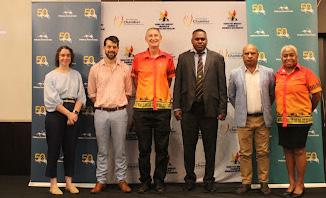
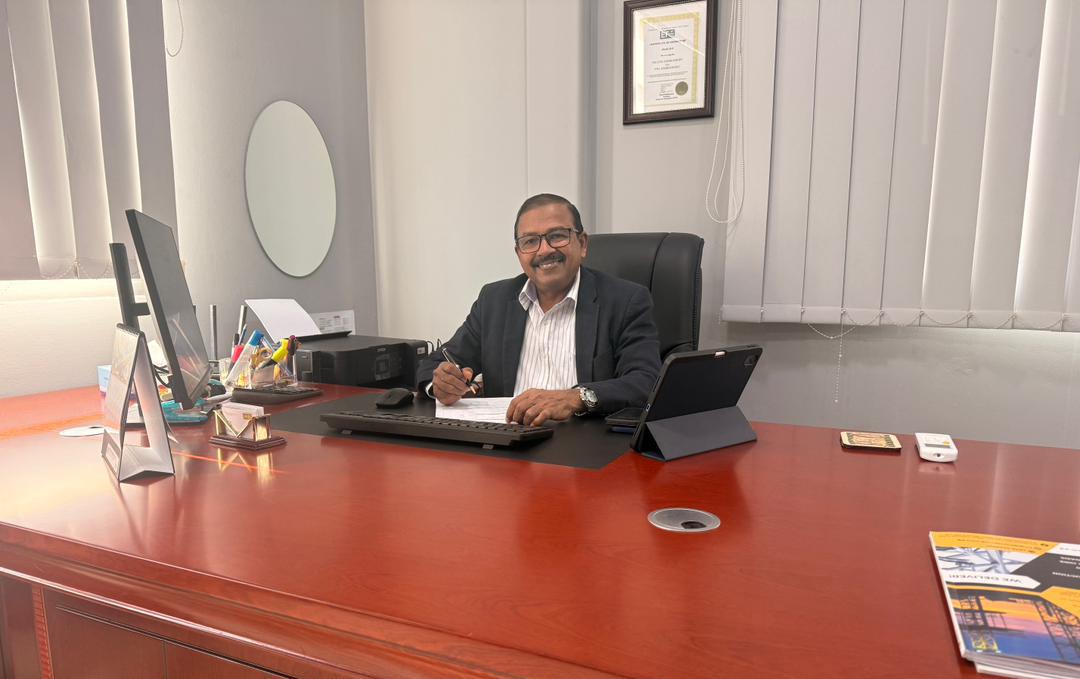
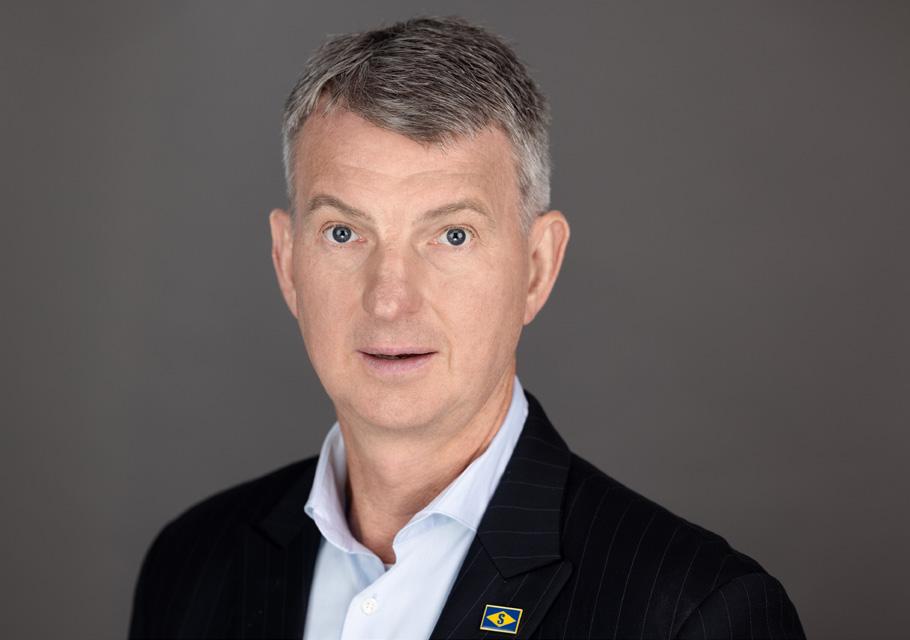
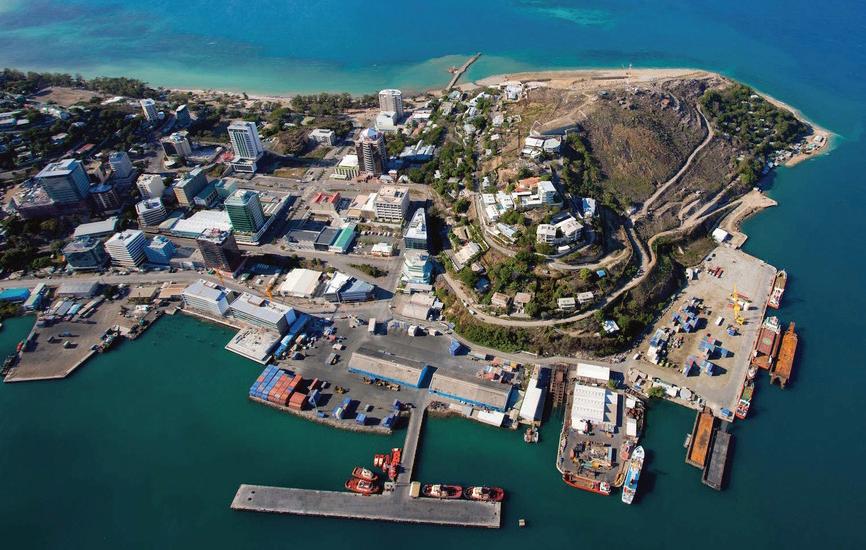
Steamships Appoints Damian Cooper to Lead Hospitality Division > 144
EVENTS
Game On for Growth: 41st Australia Papua New Guinea Business Forum in Brisbane 13-15 May > 145
Petroleum Development Opportunities, Risks and Realities for Papua New Guinea
WHAT IS PETROLEUM DEVELOPMENT?
In broad terms, petroleum development is the overall process of finding, extracting and refining oil and gas from the Earth, often collectively called petroleum, or more broadly hydrocarbons, though the latter term also includes coal.
Sometimes the term petroleum is used more strictly to refer to crude oil, derived from the Latin words petra , meaning rock, and oleum , meaning oil — hence “rock oil”. However, oil rarely occurs without associated gaseous hydrocarbons, which are often termed natural gas, or simply gas.
Some fields contain mainly gas and only a few of what are called wetter (liquid) hydrocarbons, which can be extracted from the gas, such as condensate and natural gas liquids. Papua New Guinea has some oil, but considerably more gas.
Once extracted, these substances have many uses, primarily as a source of energy, but also as feedstock for the petrochemical
EDITOR’S NOTE: Michael McWalter, former Director, Petroleum Division and Adviser to the Government of Papua New Guinea, and erstwhile petroleum adviser to the Governments of Ghana, Liberia, Cambodia, Sao Tome, and South Sudan writes about petroleum development in its widest sense, including the discovery and extraction of oil and gas resources from the ground to generate revenue, provide energy and feedstock, and the various roles and responsibilities of stakeholders and their interrelationships.
Michael McWalter is a certified petroleum geologist and technical specialist in upstream petroleum industry regulation, administration, and institutional development.
industry. Oil and gas therefore have significant economic value, and are regarded as resources with a market price once they are extracted, processed, and made ready for sale to customers.
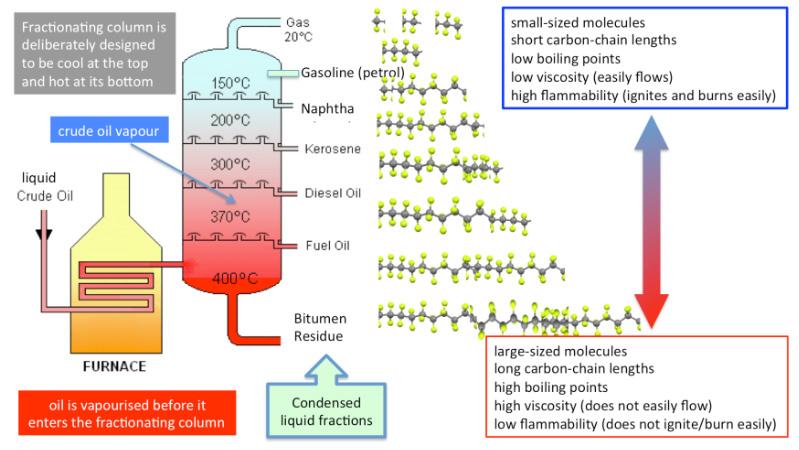
Petroleum resource development involves a complex and expensive process of exploration, drilling, discovery and appraisal, development and production, followed by the refining of produced petroleum fluids, traditionally through distillation and other processes to produce specification petroleum products with which we are all familiar.
In the case of oil, these typically include gasoline (petrol), kerosene, jet fuel, diesel, heating oil, solvents, lubricants, asphalt and paraffin wax. For gas, the products typically include reticulated gas, liquefied petroleum gas (LPG), or bottled gas, and piped natural gas or liquefied natural gas (LNG) for the long-distance transportation of natural gas.
There are also other products that are less commonly seen, such as heavy fuel oil, or those that serve as intermediate feedstocks, including naphtha, ethane and propane.
Figure 1: A typical black crude oil, after Wikipedia.
Figure 2: Natural gas burning on a stove; natural gas is colourless, but in the right proportion with air, it will burn at high temperatures causing ionisation of the molecules and blue light emission, after Freepic.
IT ALL BEGINS WITH EXPLORATION
Exploration is an exhaustive, expensive and often high-technology process. It is predicated on the presence of essential geological ingredients that allow rock strata and their contents to form gaseous and/or liquid hydrocarbon accumulations in the Earth’s subsurface rocks.
The process develops over millions of years as organic matter contained in rock strata, buried beneath successive layers of overburden, is transformed by heat and pressure into oil and gas.
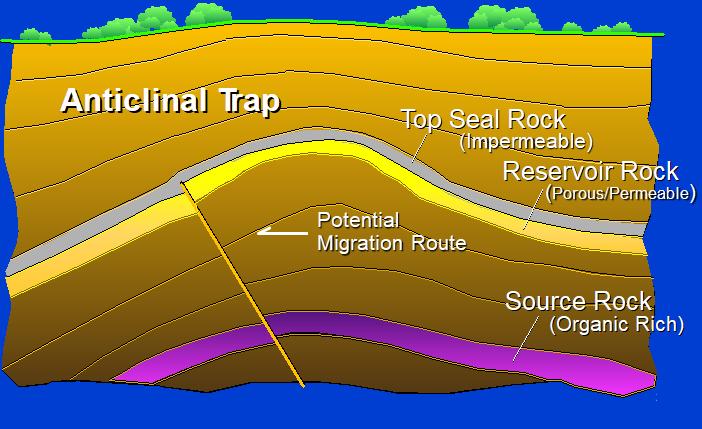
The key ingredients in this process are:
• An organically rich source rock which, when deeply buried and heated, generates petroleum;
• The movement of generated petroleum , driven by buoyancy, from the source rocks through rock strata until it becomes trapped in a reservoir rather than escaping to the surface;
• A reservoir rock with sufficient porosity (space between its grains) to store petroleum, and adequate connectivity between those pore spaces to allow petroleum to flow if tapped by a well drilled into the reservoir;
• A closure or trap formed by the structural configuration of rock strata, where folding, faulting or stratigraphic pinch-out creates a location in which petroleum can accumulate; and
• A seal or containment layer that acts as a barrier to the upward movement of petroleum, created by impermeable rocks or structures that prevent further migration and escape.
PAPUA NEW GUINEA AS A PETROLEUM PROVINCE
Papua New Guinea is not lacking in any of these ingredients. Indeed, the country’s geology is conducive to the formation of petroleum accumulations, although all the essential elements must occur in the correct sequence and at the right time. Such accumulations must also contain sufficient petroleum resources to make their development commercially worthwhile and capable of
delivering what are known as recoverable reserves.
Across Papua New Guinea there are many surface seeps of oil and gas, which provide evidence of petroleum generation in the subsurface and its migration and seepage to the surface at discrete locations. While these seepages indicate the presence of oil and gas, they also show that hydrocarbons are leaking to the surface.
Petroleum explorers therefore look for accumulations that have been preserved intact deep within the rock strata, without such leakage, into which they may drill deep wells to tap oil and gas in commercially viable quantities.
Papua New Guinea also exhibits extensive folding and faulting of rocks, as well as the presence of suitable rock types — permeable and porous sandstones and limestones that can serve as reservoirs, and abundant mudstones and shales that
can act as source rocks and seals.
The critical question, however, is where exactly to look for a petroleum accumulation.
THE VALUE OF PETROLEUM
Oil and gas are not like gold. A barrel of crude oil — approximately 159 litres — currently (as of late February 2026) sells for about US$65, or PGK278. That equates to roughly 40 US cents per litre, or PGK1.75 per litre. A litre of crude oil is not going to make you rich.
By contrast, a litre of gold would weigh a staggering 19.3 kilograms (equivalent to about 620 troy ounces) and be valued at an equally staggering amount — about US$3.1 million, or PGK13.4 million — at a gold price of US$5,000 per troy ounce.
The petroleum business is therefore very different from the gold business. A small surface seepage of natural gas or oil has little economic value and is more a local curiosity.
Figure 3: Typical products from crude oil, after Secondary Science 4 All.
Figure 4: The essential ingredients for the formation of conventional petroleum accumulations, after AAPG.
The discovery of an accumulation of oil or gas must therefore be large and extensive to justify future development and recovery. Accordingly, petroleum explorers select their exploration prospects for what is termed wildcat drilling with considerable care and rigour.
Wildcat drilling refers to highrisk exploration for oil and gas in unproven, unmapped or abandoned areas lacking existing oil and gas production, or located far from producing fields, often without any historical discovery or prior production.
Explorers screen the geology of an area for the necessary ingredients described earlier, particularly large geological structures that may potentially contain significant volumes of oil and/or gas.
OIL PRODUCTION ECONOMICS
Oil production from a field from which, say, 100 million barrels of crude oil can be recovered might, at a crude oil price of US$65 per barrel, have a sales value of about US$6.5 billion. However, not all of that revenue goes into the oil producer’s pocket.
For example, it might take five wells to make the discovery, a further five wells to appraise the lateral extent of the field, and another 30 wells from which the oil may ultimately be recovered. These 40 wells might cost an average of US$25 million each, bringing the total discovery and appraisal cost to about US$1 billion.
The development of the field would also require processing facilities to treat the crude oil to acceptable standards and specifications so it can be transported. It would likely also require a pipeline, or a network of pipelines, to convey the oil to a terminal where ocean-going tankers can load the crude oil for export. This infrastructure could cost another US$1.5 billion.
There are also operating costs. Running an oil field and producing crude oil safely and responsibly involves daily expenses for manpower, machinery and materials. These costs might amount to about US$100 million per year over a 20-year production life.
As these costs accumulate, the apparent prize of discovering the oil
field begins to shrink.
In addition, the government will expect to receive its agreed share of the resource as the owner, typically at least 50% or more of the project’s net value. It is therefore easy to see how revenue from the production of 100 million barrels of oil can be significantly reduced after costs and government take are accounted for.
In such a scenario, oil companies might retain around US$1 billion from the project after recovering their costs, while the host government might receive a similar amount.
Naturally, every petroleum project has a different combination of reserves, costs and outcomes. Demonstrating that oil can be produced economically from a field is the primary consideration. Establishing a firm and fair arrangement for sharing the net value of the produced petroleum is also essential.
EXPLORATION AND DISCOVERY RISK
Exploration drilling only takes place after extensive and expensive surveys conducted by geologists and geophysicists studying rock formations at the surface and investigating the subsurface using various geophysical techniques.
The most common technique is seismic surveying, which produces images of the subsurface in a manner somewhat similar to a medical
ultrasound scan, although on a vastly larger scale. Sound waves are transmitted into the ground — or into the seabed in offshore exploration — and reflections from layers of rock are recorded by numerous specialised sensors known as geophones.
These signals are then organised and processed by sophisticated computer programmes to create a layered image of the structure of subsurface rock formations.
By analysing the velocity of sound travelling through different rock layers, geophysicists can interpret these seismic images and construct depth maps of potential trapping structures.
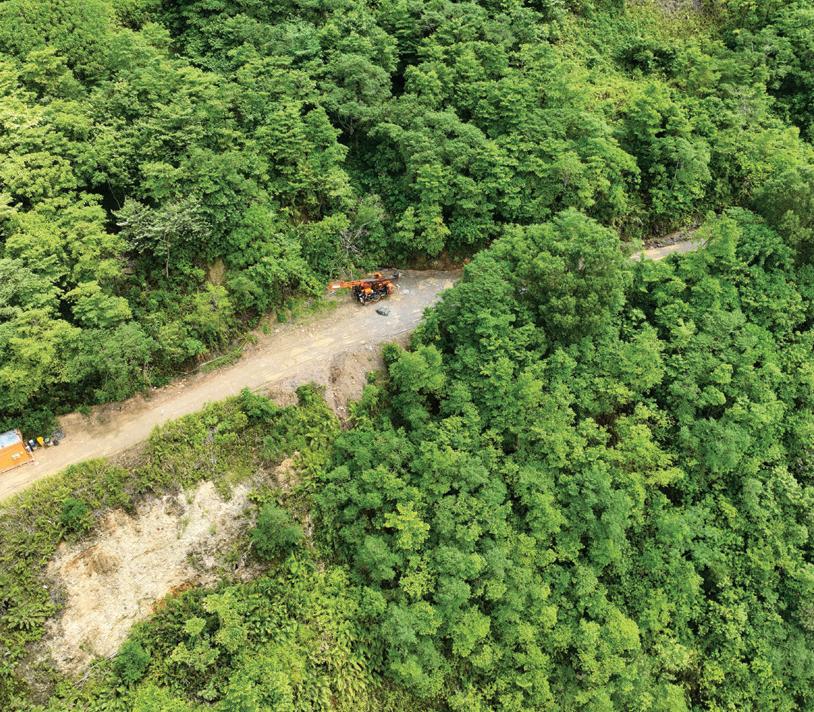
This is a tedious and expensive process, particularly in the junglecovered, mountainous and often swampy terrain that characterises much of Papua New Guinea.
6: Oil and money, but at just US$ 65 per barrel, only large scale production can normally cover the costs of finding and extracting it.
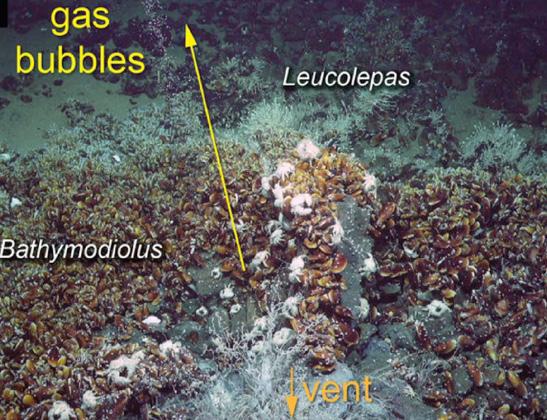
Figure 5: An active gas seep of methane, ethane, propane and butane from the seabed identified during the survey of the MV Sonne, off Lihir Island, New Ireland Britain, after Brandl, P.A., Sander, S.G., Beier, C. et al. Sci Rep 15, 32389 (2025).
Figure
Combined with surface geological mapping of exposed rock formations and their faulting and folding, petroleum geologists attempt to identify leads and prospects that may later be selected for wildcat drilling.
Even at this stage, tens of millions of dollars may already have been spent on field surveys, data processing and geological and geophysical interpretation.
The company must then evaluate its portfolio of prospects, both within the country in which it is exploring and globally, and decide which prospects in which countries it will prioritise and commit to drilling. This assessment is conducted on a risked basis, after which the company applies the economics of the relevant national petroleum regime to determine whether the project could potentially be profitable.
The petroleum business is inherently risky, somewhat akin to producing an expensive film that may ultimately succeed or fail. Some observers compare it to gambling in a casino because of the intrinsic uncertainty of subsurface geological history. However, oil and gas companies carefully assess and manage the many risks involved.
DRILLING THE ULTIMATE GAMBLE
There are fundamental geological uncertainties about whether a petroleum accumulation is present within a given prospect. Ultimately, the only way to determine whether a prospect contains oil or gas is to drill it.
The probability of discovery varies depending on the type of well. Success rates for wildcat exploration wells typically range from 10% to 20% in new frontier areas, compared with a global average of about 30% to 40%.
In practical terms, roughly 60% to 70% of initial exploration wells fail to discover accumulations in quantities sufficient for commercial development and production.
In established petroleum provinces, where development drilling takes place near or within known accumulations, success rates can be much higher, typically between 80% and 90%. As a result, petroleum provinces in long-established
producing countries generally present significantly lower exploration risk than previously undrilled regions where little or no drilling has taken place.
The risk of discovery is influenced by perceptions of a host nation’s petroleum endowment. As a result, governments often adjust the terms and conditions for petroleum development depending on the likelihood of discovery.
Drilling a wildcat well in the Seychelles, where only four wells have previously been drilled without success, is very different from drilling a wildcat well in Libya, where more than 1,500 wells have been drilled over the past 70 years, resulting in more than 500 oil and gas discoveries. Consequently, the government of the Seychelles may need to offer more attractive fiscal and contractual terms to encourage international oil and gas companies to explore within its territory rather than in other, potentially more petroliferous regions.
In Papua New Guinea, fewer than 275 genuine wildcat wells have been drilled over the past century. The Wohumul boreholes were drilled in the Oriomo River area of Western Province, near Daru, in 1925, although these were shallow tests.
The first deep well in Papua New Guinea was drilled at Kariava-1 in Gulf Province. Notably, this well was spudded on March 8, 1941, suspended in 1942 due to World War II, and drilling resumed in 1946 before the well was abandoned in 1948.
Exploration for oil in Papua New Guinea is therefore not new. It has taken place for decades, producing tantalising results that have intrigued many petroleum explorers.
Significant success was finally achieved in 1986 with the Iagifu 2-X well, when Niugini Gulf Oil — later incorporated into Chevron Corp. as Chevron Niugini — discovered a major accumulation of crude oil near Lake Kutubu. This discovery led to the Kutubu Petroleum Development Project in 1990. Page 18 >
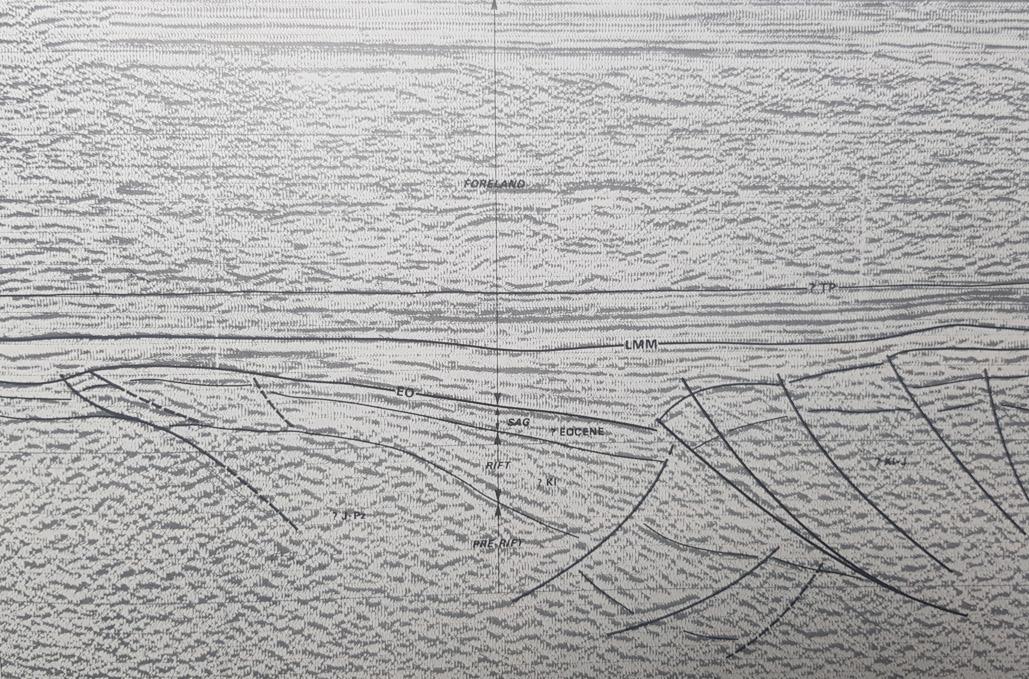
Figure 7: A seismic reflection image of part of the Gulf of Papua called the Flinders Basin showing the underlying subtle faulting and folding of the strata, after PNG Chamber of Mines and Petroleum.
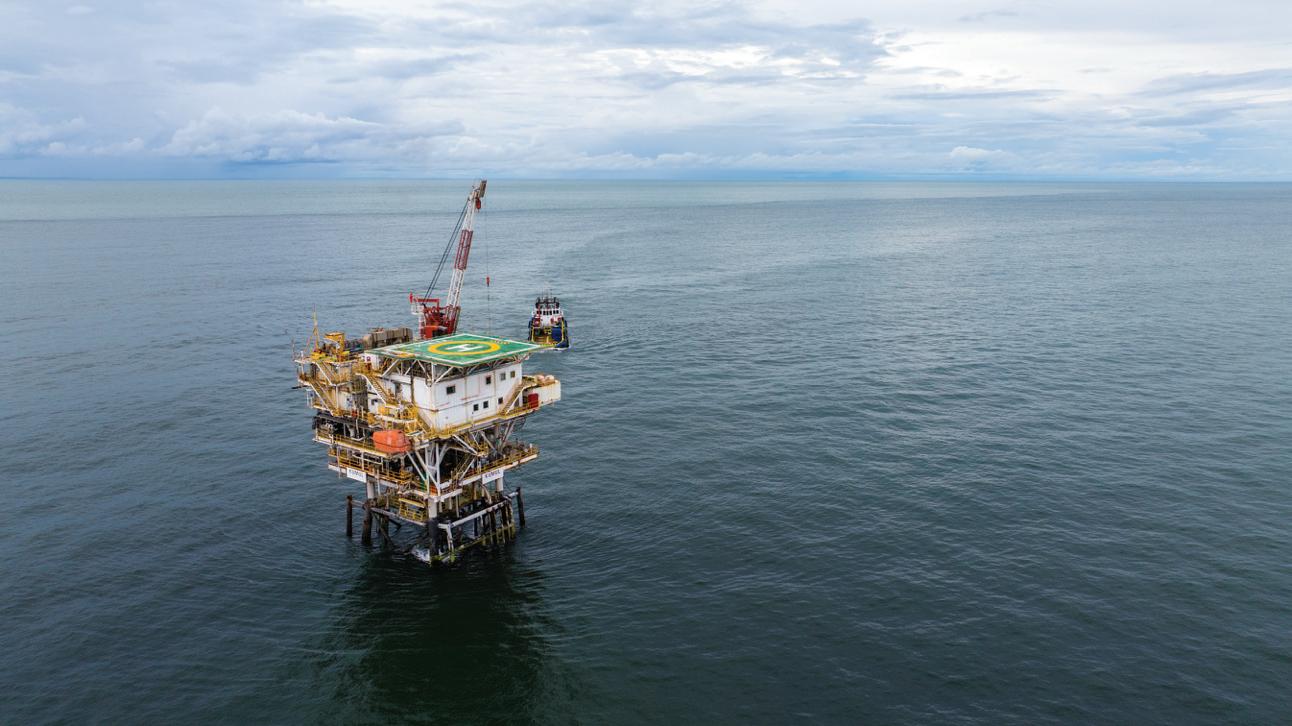
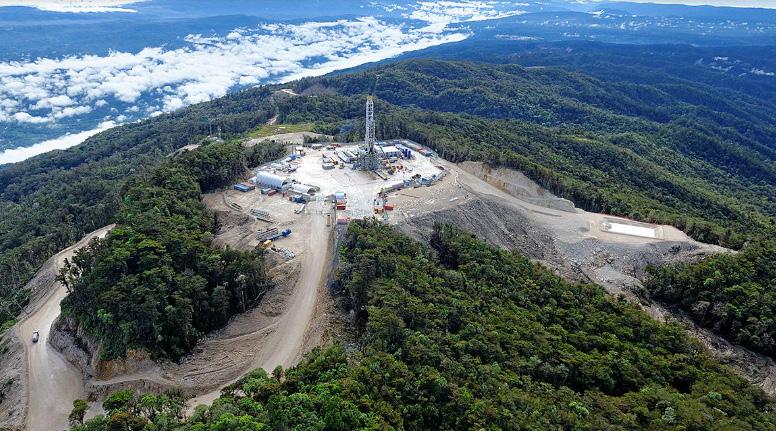
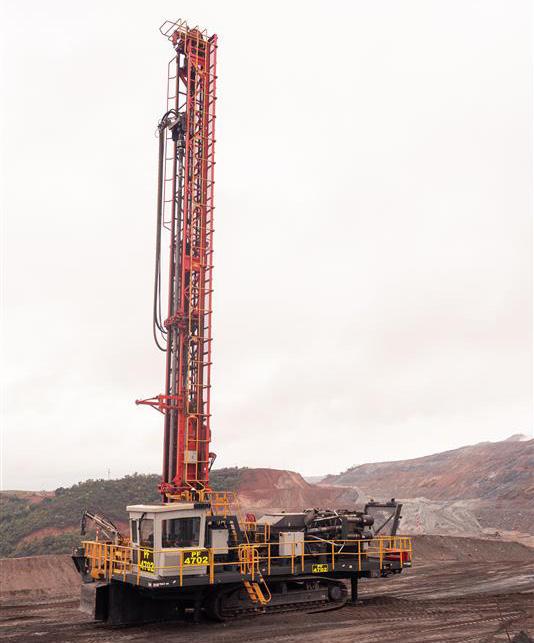
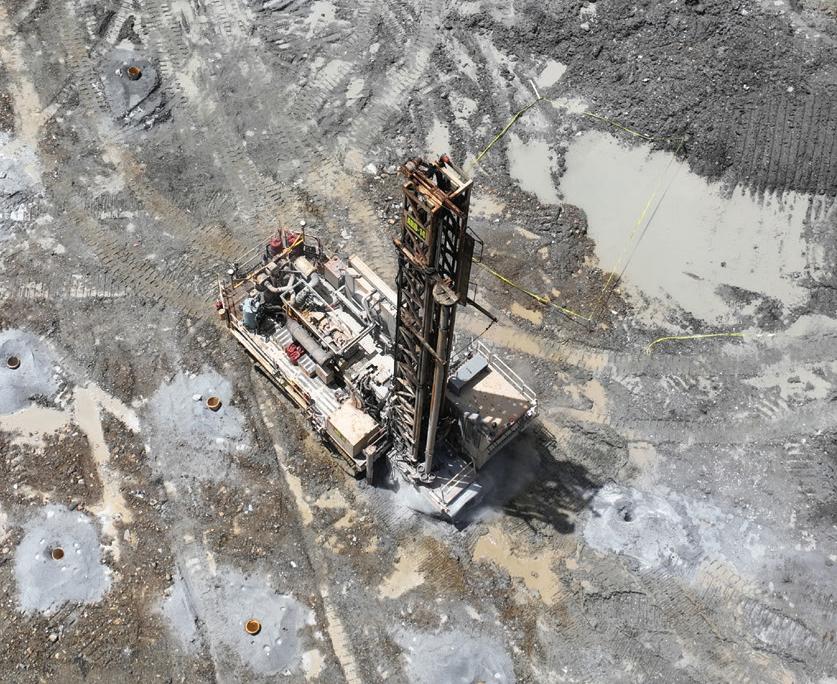
Figure 8: A drilling rig in the Highlands of Papua New Guinea, after PNG Business News.
Spot FX - Same-day to T+2 conversions for international payments and receipts.
Global Currency Settlement - We settle in many major currencies worldwide via SWIFT and our correspondent network (e.g., USD, CNY, SGD, JPY, plus other major currencies).
FX Payments (Inward & Outward)End-to-end processing of cross-border transfers with competitive pricing and timely value-dating.
Market Insights & Rate Guidance - Daily views and tailored support to help clients manage currency exposures.
DEPOSITS & LIQUIDITY
Term Deposits - Attractive deposit rates with flexible tenors for SMEs, corporates, institutions, and government.
Money Market Placements - Short-term investment options for surplus liquidity.
Cash Management Account (Remunerated Current Account) - Earn interest on operational balances while retaining day-to-day payment functionality.
Liquidity Management Support - Cash-flow planning, cash positioning, and working-capital optimization.
INTERNATIONAL PAYMENTS & TRADE SUPPORT
Cross-Border Payments - Fast SWIFT processing of incoming and outgoing transfers in major currencies.
Trade-Related FX Support - Pricing and execution for importers/exporters; documentary trade facilitation via approved channels as applicable.
RISK & TREASURY ADVISORY
FX Exposure Monitoring - Identify, measure, and monitor currency risks stemming from cross-border flows.
Treasury Advisory - Support on pricing, cash-flow planning, investment of surplus cash, and policy best practice.
WHO WE SERVE
Retail, SMEs, corporates, exporters, importers, educational institutions, NGOs & churches, government agencies, investment groups and cooperatives.
WHY BANK WITH TISA TREASURY
Competitive FX pricing and broad currency coverage.
Attractive deposit rates across term deposits and our remunerated Current Account.
Fast SWIFT settlement through a growing correspondent network. Dedicated Treasury team with actionable market insights.
Before that discovery, no commercially significant oil or gas accumulation had been developed in Papua New Guinea. Since then, oil and gas have been discovered in dozens of prospects across the country, at least half of which have progressed to development and production, yielding crude oil and natural gas in commercially viable quantities.
FACTORS AFFECTING PETROLEUM DEVELOPMENT
Finding an accumulation of oil and/ or gas is a great moment for petroleum explorers. However, unless the volume of the accumulation is large enough to be commercially exploited through development and production, it cannot compensate a company for the considerable expense incurred in discovering it.
The cost of drilling a well depends greatly on its location and its distance from supply chains and support facilities. Papua New Guinea remains a remote location for petroleum development operations of all kinds, being far from major petroleum industry hubs. Much of the country still qualifies as a frontier petroleum province, despite 34 years of crude oil production and 12 years of gas production and liquefied natural gas (LNG) exports.
Put simply, Papua New Guinea is not Texas, where more than 1.5 million wells have been drilled and between 157,000 and 187,000 wells remain active. The presence of extensive civil and petroleum infrastructure in Texas significantly lowers the cost of petroleum development.
Although high-production wells dominate output today, thousands of older “stripper wells” across Texas produce fewer than 10 to 15 barrels per day. Even such modest production can generate reasonable income if privately owned and if the crude oil can readily reach the market through a nearby pipeline. The situation in Papua New Guinea is very different, where civil infrastructure is limited and petroleum infrastructure is typically projectspecific and sparse.
A frontier province is an unexplored or underexplored geological region with suspected, but unproven, petroleum resource potential. This is the case in the deep waters of the Coral Sea, where TotalEnergies and Petronas plan to drill
LICENCE/PERMIT
Page 16 Page 20 >
Permit 22 Australasian Petroleum Kuru 1956
Permit 22 Island Exploration Barikewa 1958
Permit 20 Australasian Petroleum Puri 1958
Permit 37 Australasian Petroleum Bwata 1960
Permit 12 Australasian Petroleum Iehi 1960
Permit 39 Phillips Petroleum Uramu 1968
Permit 42 Phillips Petroleum Pasca A 1968
PPL 18 Niugini Gulf Oil Juha 1983
PPL 17 Chevron Niugini Iagifu 1986
PPL 27 British Petroleum Hides 1987
PPL 100 Chevron Niugini SE Hedinia 1987
PPL 82 International Petroleum Pandora 1988
PPL 100 Chevron Niugini Hedinia 1988
PPL 100 Chevron Niugini Usano 1989
PPL 100 Chevron Niugini Agogo 1989
PPL 27 British Petroleum Angore 1990
PPL 81 British Petroleum Elevala 1990
PPL 101 Chevron Niugini P’nyang 1990
PPL 81 British Petroleum Ketu 1991
PPL 56 Command Petroleum SE Gobe 1991
PDL 2 Chevron Niugini SE Mananda 1991
PPL 82 Mobil Oil Pandora B 1992
PPL 100 Chevron Niugini Gobe Main 1993
PDL 2 Chevron Niugini Moran 1996
PPL 157 Santos Stanley 1999
PPL 193 Oil Search Kimu 1999
PDL 4 Chevron Niugini Saunders 2002
PPL 160 Santos Bilip 2002
PPL 235 Rift Oil Douglas 2006
PPL 238 InterOil Elk 2006
PPL 235 Rift Oil Puk Puk 2008
PPL 190 Oil Search Cobra 2008
PPL 238 InterOil Antelope 2009
PPL 259 Horizon Oil Ubuntu 2011
PPL 235 Talisman Weimang 2011
PPL 219 Oil Search Mananda 2010
PPL 244 Oil Search Flinders 2013
PPL 244 Oil Search Hagana 2013
PPL 474 InterOil Raptor 2014
PPL 476 InterOil Bobcat 2015
PPL 237 InterOil Triceratops 2015
PPL 402 Oil Search Muruk 2016
the Mailu-1 deepwater well, targeting Eocene carbonate reservoirs. Such a deepwater well is likely to cost about US$100 million, with an estimated drilling period of less than two months. These risks are not for the faint-hearted. It has often been said that drilling a true wildcat well in a basin where no prior exploration drilling has taken place is somewhat like entering a casino for the first time and bypassing the slot machines to go straight to the high-stakes tables.
Of course, it is not always certain whether a sedimentary basin contains petroleum accumulations or has even generated oil and gas. Sometimes the subsurface conditions are simply not suitable, or the necessary geological elements did not develop in the correct sequence. In other cases, there may be no indication of oil or gas seeping to the surface.
In such situations, exploration can resemble a blind gamble. However, once a discovery is made in a newly explored
Figure 9: Table of discovered oil and gas fields in Papua New Guinea, after National Petroleum Authority revised McWalter (inclusion does not imply commerciality nor development)
QUALITY. INNOVATION. SUSTAINABILITY When Quality Makes a Di erence.
For over 70 years, TE (PNG) has been the trusted name behind Papua New Guinea’s progress, supplying and supporting the nation’s industries with world-class technology and local expertise.
From Communications and IT infrastructure to Hospitality Equipment, Security, Audio and Professional Broadcasting, and Electrical and Hardware Solutions, we bring together six specialist divisions, all under one roof, to help PNG businesses perform smarter, faster, and more sustainable.
Whether outfitting a hotel kitchen, securing families and businesses, or connecting remote communities, TE (PNG) delivers excellence backed by international partnerships and in-country technical support you can rely on.
Proudly PNG-owned. Globally connected. Trusted for generations.
Visit our showrooms in Port Moresby or Lae and chat with our friendly team to find the right solution for you.
Here’s to 50 & 70 Years
Celebrating 70 years of Providing Turnkey Solutions in PNG
basin, other oil and gas companies often quickly follow.
Achieving that crucial first discovery is therefore extremely important — not only for the company undertaking the exploration, but also for the host government, which seeks to fully understand and develop the country’s petroleum potential.
THE GOVERNMENT ROLE
Many governments around the world shy away from anything beyond the most basic oil and gas exploration activities because of the considerable expense and enormous risks involved. They may commission seismic reflection surveys, particularly in offshore areas, either through bilateral assistance or through speculative surveys conducted by seismic contractors.
In such cases, the contractor finances the survey and then markets the resulting data to oil and gas companies, typically providing the host government with a royalty or profit share. These surveys can stimulate exploration interest from established petroleum companies and generate scientific interest within academia, as they provide new geological insights into the subsurface.
Governments typically offer unexplored areas for exploration by competent oil and gas companies through licences or contractual arrangements. Competence in this context extends beyond technical capability and includes corporate governance, environmental management, financial strength, safety performance and social responsibility. All of these capacities are required at different stages of the petroleum development cycle.
For these reasons, host governments often engage international oil and gas companies, which possess the necessary expertise and experience. However, governments must also hold these companies strictly accountable. Where deficiencies arise, sanctions and penalties should be applied.
A host government must therefore rise to the challenge of regulating the companies it licenses or contracts by maintaining a highly capable petroleum regulatory institution. The staff of such institutions should be well trained and appropriately compensated, as they serve as
custodians of the nation’s oil and gas resources.
Government objectives are primarily economic: to convert the value of petroleum resources into revenue that can support national development. At the same time, governments often seek greater visibility into petroleum operations. As a result, many choose to participate directly in development and production by taking an equity stake in petroleum projects.
Papua New Guinea, for example, has the legal option to acquire up to a 22.5% participation interest in petroleum projects. This provides the government with valuable insight into project development as well as an additional source of revenue.
There are also broader policy objectives associated with petroleum development. For many countries, ensuring the security of domestic energy supply is a key priority. At the same time, governments often seek to maximise the participation of local businesses and workers in the petroleum industry.
Encouraging local employment, contracting domestic companies and developing local supply chains are therefore important policy goals. Achieving these objectives should not merely be a political aspiration but rather a coordinated effort between government and industry, supported by appropriate incentives and capacitybuilding initiatives.
EXPLORATION COMMITMENTS
Investing companies normally bear the costs of basic exploration and are required to conclude their exploration programmes by identifying prospects where petroleum accumulations may have formed and drilling wells to test whether hydrocarbons are present. These agreed exploration programmes constitute the companies’ work commitments to the host government. Failure to undertake and complete the required work typically results in the cancellation of the licence or contract.
In some cases, companies withdraw from an exploration area for various reasons. They may be unable to identify structures that justify the considerable expense of drilling. There may be insufficient evidence suggesting the presence of petroleum accumulations, or the company may identify more attractive prospects in other areas it is exploring, either within the same country or elsewhere.
Oil and gas companies generally maintain a global portfolio of exploration areas, seeking to balance overall exploration risk while prioritising the drilling of their most promising prospects.
If a company cannot fulfil its work programme, it must normally relinquish the area and return it to the government, sometimes with penalties. This allows the host government to offer the area to another company that
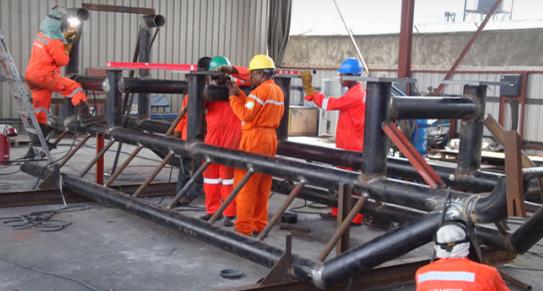
Figure 11: Fabrication at a local engineering firm in Nigeria, after Jarander.
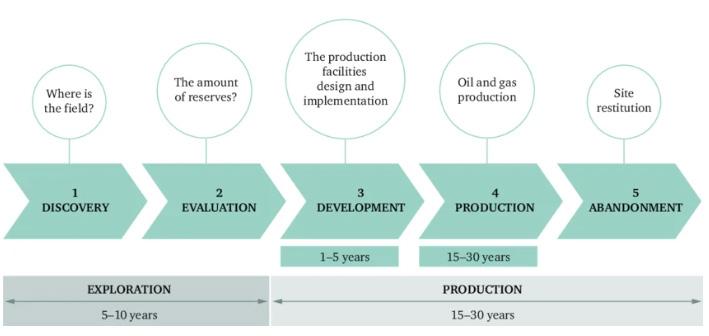
Figure 10: The steps of petroleum resource development, after Valerie Marcel.
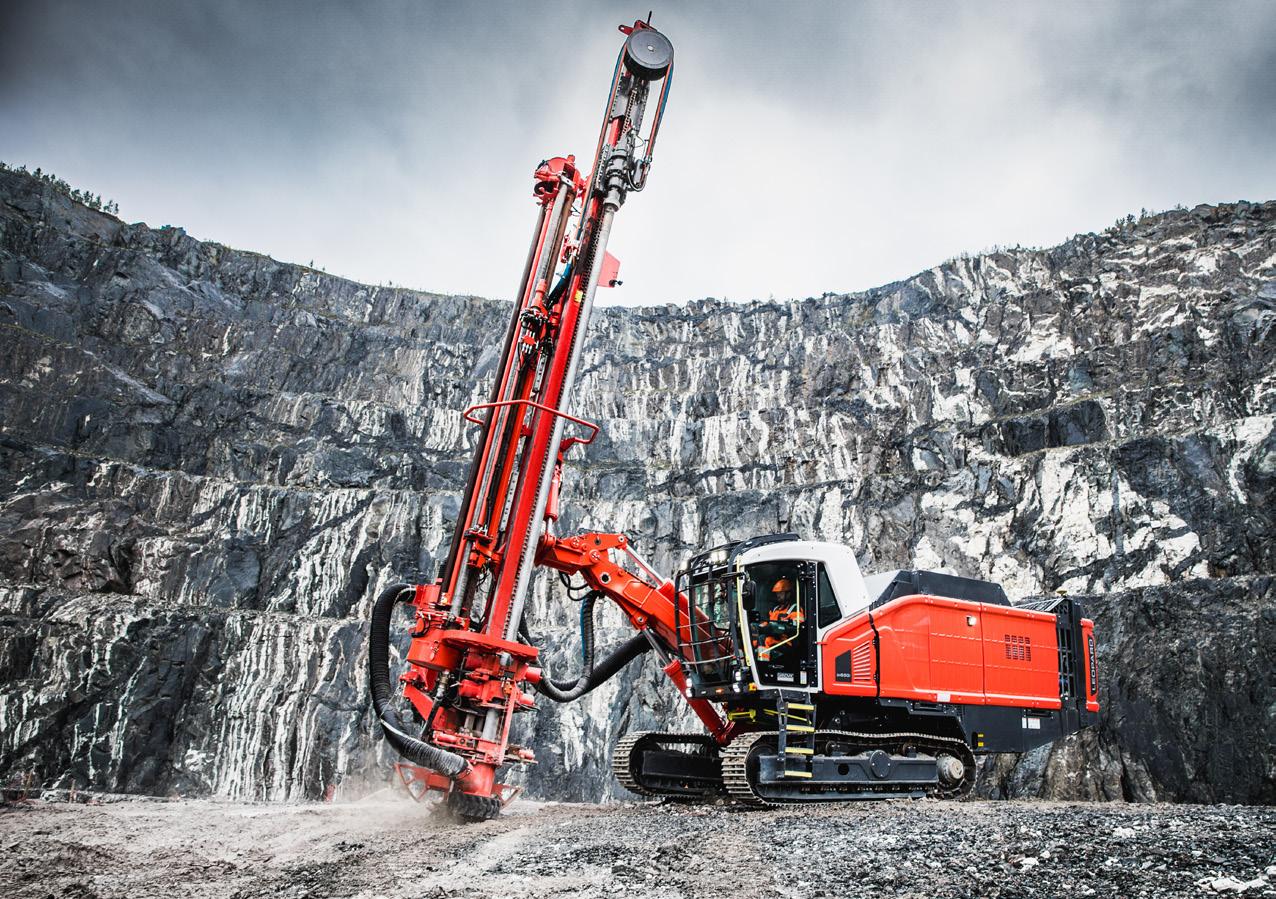
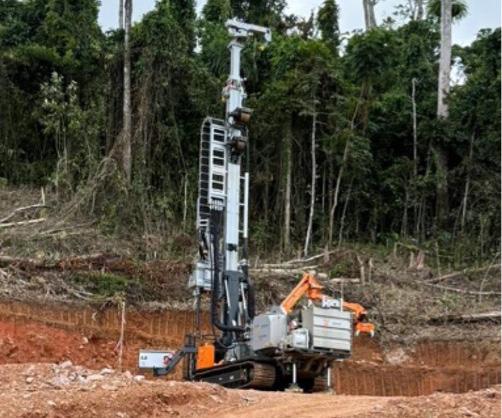
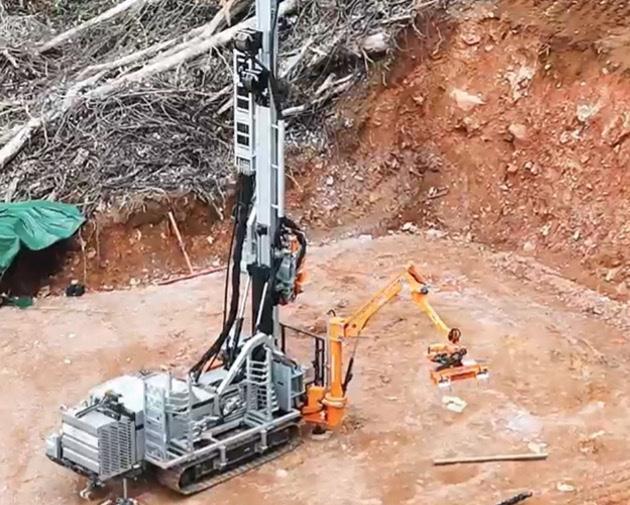
Complete OEM solutions for all surface operations
Leopard™ DI650i
Leopard™ DI650i | Gen2
may bring different ideas, geological interpretations or a greater appetite for exploration.
What governments seek to avoid is companies holding prospective areas without undertaking meaningful exploration work, hoping that discoveries in adjacent areas will increase the value of their own acreage. Such behaviour amounts to speculation and runs counter to the purpose of granting licences or contracts for legitimate exploration activity.
When a new petroleum province opens following a significant discovery, the oil and gas industry often responds quickly, with many companies seeking to secure exploration opportunities. Governments should take advantage of this momentum to encourage further exploration investment.
Indeed, the most compelling indicator of the potential for additional discoveries is the presence of nearby discoveries, which often enhance the perceived prospectivity of surrounding areas. Governments therefore need to remain agile in promoting their petroleum resources for exploration and development.
PETROLEUM RIGHTS
Except on private lands in the United States, petroleum rights around the world are generally owned by the sovereign government of the host country. The United States is unusual in that subsurface mineral rights on private land are often tied to surface ownership, although the federal government retains control over mineral resources on federal lands and in offshore areas.
In most jurisdictions, therefore, the government owns the petroleum resources that exist beneath the ground. By allowing oil and gas companies to explore for these resources, governments must ensure they receive an appropriate share of the value created from their development.
Oil and gas companies typically bear the cost and risk of exploration. If exploration efforts fail, the companies absorb the loss and leave empty-handed.
Following the discovery of recoverable crude oil at Kutubu in 1986, numerous oil and gas companies acquired exploration licences in Papua New Guinea. However, only a few ultimately made successful discoveries.
Among the companies that
explored in Papua New Guinea but departed without major discoveries were Conoco, Shell, Phillips, Pennzoil, Statoil, Mobil, Amoco, Marathon, Petrofina, Santos, Woodside and Union Texas Petroleum, along with many smaller companies.
Some companies succeeded in certain areas but not in others. Others sold their interests in discoveries before development began, lacking the commitment, resources or strategic
interest to continue through to production. Some companies entered the country, exited and later returned again, reflecting the highly mobile and opportunistic nature of exploration investment.
It is also important to remember that petroleum exploration rights are typically exclusive within a defined licence area or tenement and are granted for a limited period, after which they expire unless renewed or converted into development rights.
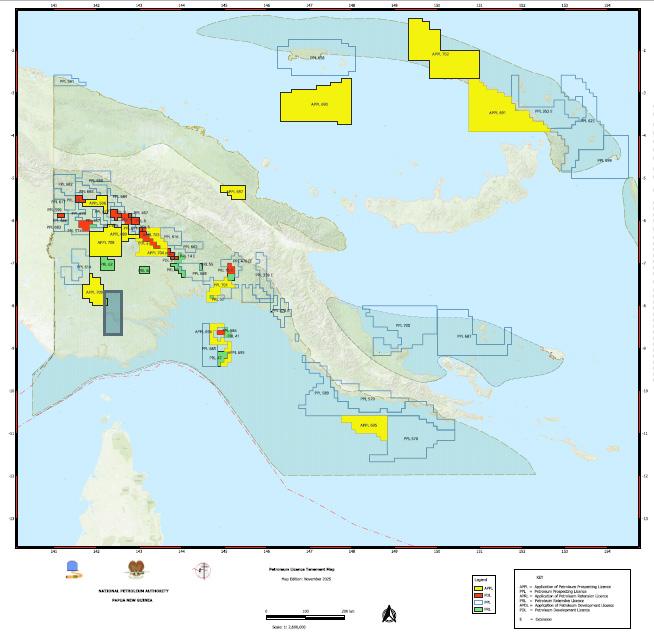
Figure 12: A map of petroleum tenements in Papua New Guinea circa late 2025, after the National Petroleum Authority.
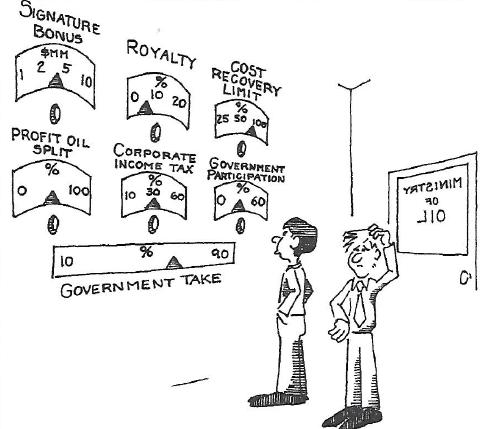
Figure 13: Fiscal design can be quite daunting, after Dan Johnston.
Page 22
THE PETROLEUM REGIME
Petroleum rights are typically licensed or contracted to competent companies by a host government under defined terms and conditions set out in laws, regulations, contracts and licences. However, the real substance of these terms and conditions generally comes into effect only after a discovery has been made.
If companies are successful and identify accumulations worthy of commercial development, they become subject to fiscal regimes that require them to share a substantial portion of the value generated with the host government.
Petroleum regimes represent a fundamental exercise of national sovereignty over petroleum resources. These resources only acquire significant economic value when they can be recovered in sufficient quantities as recoverable reserves. Oil and gas remaining underground have little economic value unless they can be produced and sold in the market.
It is therefore the value of the produced petroleum that forms the basis of most petroleum fiscal regimes.
Governments have many mechanisms available to capture value from petroleum development. These may include rents, royalties, levies, bonuses, duties and fees; corporate income taxes; employee income taxes; withholding taxes on interest payments and dividends; government equity participation in petroleum projects; production-sharing arrangements; domestic supply obligations at discounted prices; and local content requirements.
These provisions are normally established through legislation, contracts, agreements and licence conditions before exploration begins and certainly before production operations commence. Establishing the fiscal framework in advance provides certainty for both the investing oil and gas companies and the host government.
Fiscal design should ideally account for a wide range of possible outcomes. In practice, however, precedent and political pressures sometimes distort clear economic decision-making.
The broad objectives of a petroleum regime are to reduce uncertainty, present a clear picture of the applicable commercial and tax terms, limit negotiations on tax issues, provide fair and equitable tax treatment for all investors, avoid double taxation, and ensure that international oil and gas companies can obtain home-country foreign tax credits for taxes paid overseas.
A general rule is that the more attractive the resource base, the tougher the fiscal and commercial terms imposed by the host government tend to be. However, many other factors also influence these terms, not least the remoteness of the location.
Take, for example, the Falkland Islands. Despite the discovery of oil in 2010, companies only reached a final investment decision for the Rockhopper oil field in late 2025, with first oil planned for 2028. The islands’ remoteness from supply chains — particularly specialised oilfield supply chains — as well as concerns about the Falklands’ ability to remain unaffected by Argentina’s territorial claims, contributed to the lengthy delay in progressing field development.
Papua New Guinea faces similar challenges related to remoteness, with Singapore and certain locations in Australia serving as the nearest supply bases for oil and gas operations. In addition, exploration activity has been insufficient to keep drilling rigs and other specialised equipment permanently stationed in Papua New Guinea. As a result, such equipment must often be imported repeatedly for individual exploration campaigns.
ACCESS TO LAND
Papua New Guinea also remains an underexplored frontier oil and gas province with relatively low exploration density, although exploration efforts have achieved reasonable success in locating oil and gas accumulations. The country remains attractive for exploration due to clear evidence of significant oil and gas generation.
As in many parts of the world, local conditions also influence petroleum development. In Papua New Guinea, adherence to customary land tenure means that although the state asserts ownership of subsurface oil and gas resources, both the government and petroleum companies must obtain access to exploration areas by negotiating with local landowners.
Land ownership in Papua New Guinea is typically undocumented, inalienable and enduring under customary law. Consequently, both the state and petroleum companies must engage with landowners carefully and respectfully when seeking access to land for exploration and development activities.
The hopes and expectations of landowners naturally increase when oil and gas are discovered on their land. If a discovery is large enough to justify development and eventual production, customary landowners will inevitably be affected.
In Papua New Guinea — unlike in some jurisdictions where landowners may be forcibly removed — there are legally defined mechanisms through which landowners may participate in and benefit from petroleum development. Even during the exploration stage, oil
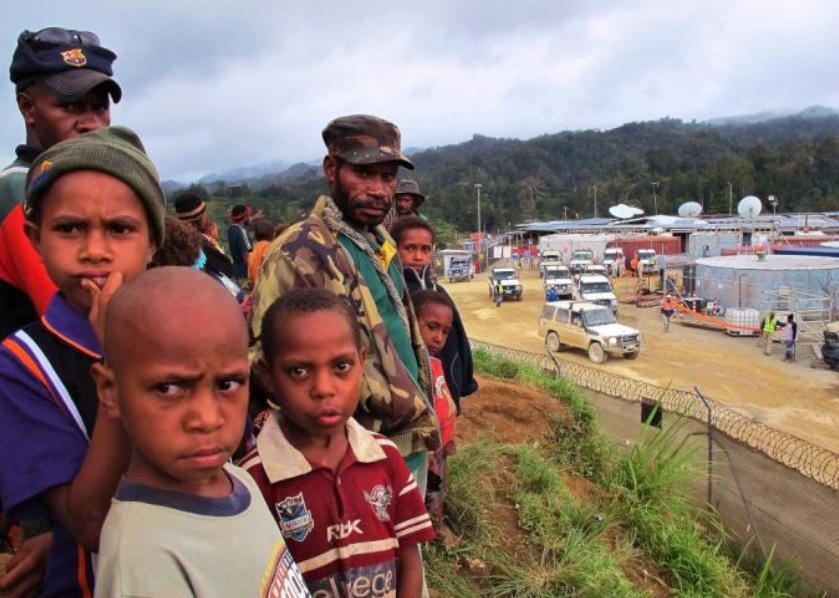
Figure 14: Landowners look on outside a petroleum operations camp, after Celine Rouzet.
Building Businesses that Build PNG
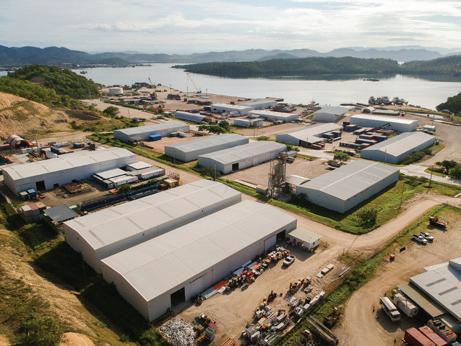
Located in the heart of Port Moresby’s industrial and logistics zone, PORTSIDE Business Park offers PNG investors seamless accessibility through land and sea channels thereby offering strategic connectivity to domestic and global markets.
Measuring 38 hectares of secured prime land that is registered on a clear 99 year state lease, PORTSIDE is envisaged to become a premier economic hub for the benefit of Papua New Guinea.
Backed by PNG-based Steamships Limited, an ASX and PNGX listed entity, it will include quality facilities and features designed to cater for the needs of a wide spectrum of organisations.
PORTSIDE Business Park features:
Proximity to Motukea International Wharf
Supporting Retail Spaces
Built-to-Suit Warehouses
Industrial Flex Spaces
Aggregate Storage
and gas companies are required to pay compensation for entering or occupying land.
Companies must also conduct social mapping and landowner identification studies to ensure they are engaging with the appropriate customary landowners. By law, neither party is permitted to interfere with the rights of the other.
Companies have the legal right to enter and occupy land reasonably required for petroleum operations, but they must minimise disruption to existing land use and may not interfere with fishing or navigation. Landowners, for their part, are prohibited from entering or interfering with land that is being used for petroleum operations. These provisions establish both rights and responsibilities for each party.
When development begins, companies are encouraged to employ as much local labour and local content as possible. The government also provides business development grants to help local communities participate in project-related economic activities.
Although national content has been prominently emphasised in Papua New Guinea’s policy discussions in recent years, provisions requiring domestic procurement have existed in the Oil and Gas Act 1998 for nearly three decades. These provisions require companies to procure goods and services produced or supplied in Papua New Guinea whenever they can be obtained on comparable terms.
They also encourage companies to support citizens who wish to establish businesses supplying goods and services to the petroleum industry and to make maximum use of Papua New Guinean contractors and subcontractors.
However, these provisions have not always been strongly enforced. In many cases, regulations necessary to implement them fully have not been developed, and compliance by companies has rarely been systematically assessed.
The Oil and Gas Act also defines benefits for landowners, as well as for affected Local Level Governments and Provincial Governments, when petroleum projects move into production.
These benefits may include royalty payments, equity participation, development levies, project-related benefits and project grants. While the Act broadly identifies the categories of beneficiaries, the distribution of these benefits must still be negotiated.
For this reason, the legislation requires the government to convene a development forum, where representatives of all relevant stakeholders are invited to participate. Although this process can be complex and timeconsuming, it represents a far more inclusive approach than is seen in many petroleum-producing countries.
Papua New Guinea can therefore take some pride in this legally established framework for consultation and benefit-sharing. Nevertheless, it must be implemented carefully and responsibly.
Changes to the petroleum regime — or uncertainty regarding its application — can also introduce additional risks for exploration and development. Governments naturally seek to maximise the value obtained from petroleum resources for the benefit of the nation.
At the same time, the fiscal and regulatory framework must allow companies to achieve a reasonable return on their investments. Striking this balance can be challenging.
When the balance cannot be achieved, exploration activity may decline, or the development of discovered resources may not proceed. Projects cannot move forward if the interests of both the government and the investors are not aligned.
Moreover, decisions regarding development are always based on
assumptions about future market conditions and project performance, which remain inherently uncertain.
PRODUCTION RISKS
Production forecasts are developed through rigorous assessments of the amount of oil and gas that can potentially be recovered from a reservoir.
Well tests are conducted to evaluate how reservoirs behave and how much oil and gas individual wells can produce. The results of these tests are combined with geological analysis to prepare a field development plan and an associated production profile.
This plan typically outlines the number of development wells required to exploit the reservoir and the expected production over time. If sufficient appraisal drilling and geological analysis have been conducted, it becomes possible to estimate the proportion of oil and gas that can ultimately be recovered.
However, only a fraction of the oil and gas originally in place can be extracted. Recovery factors vary widely between fields, depending on reservoir characteristics, fluid properties and the way the reservoir depletes during production.
Some fields perform better than expected, while others fail to meet initial forecasts. These uncertainties must therefore be carefully managed.
Petroleum engineers and geologists work to reduce such risks, but they can never eliminate them entirely. In reality, the exact amount of oil and gas that can be recovered from a field is only known at the end of its economic life — when the value of production no longer covers the cost of extraction.
Even then, technical risks may be
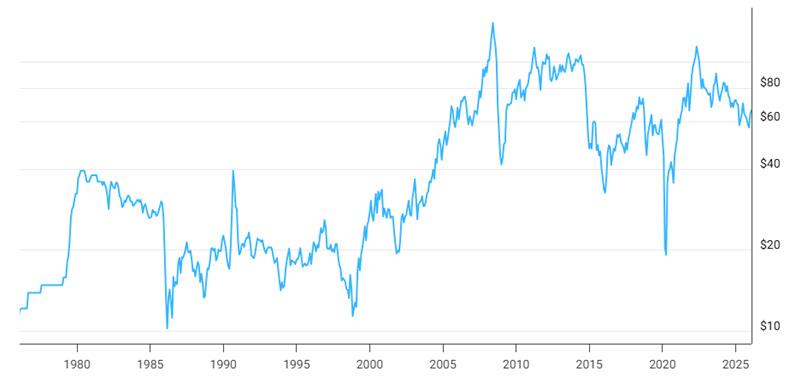
Figure 15: Crude oil prices 1976 to 2026 with volatility somewhat suppressed due to use of a logarithmic price scale, after CrudeFacts.
BLACK SWAN
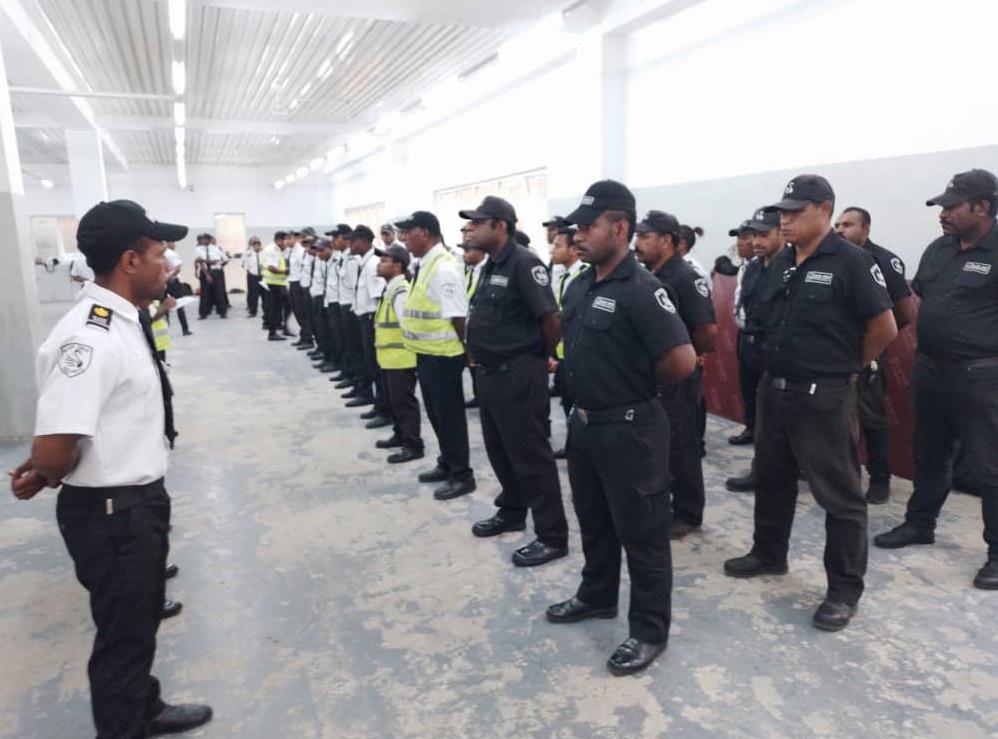
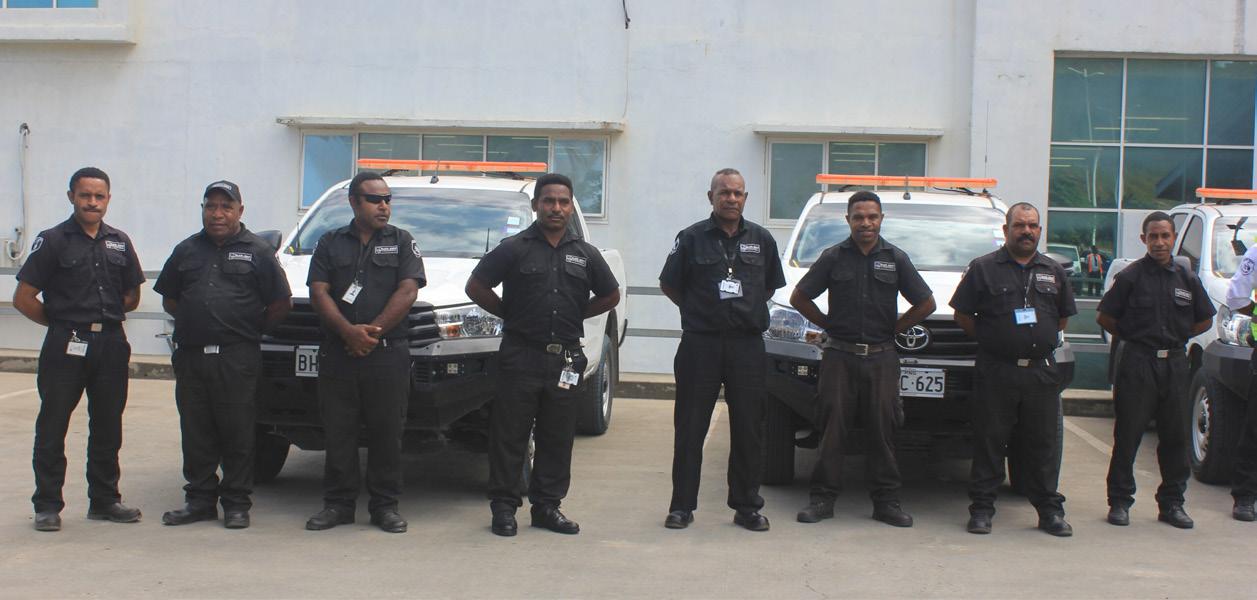
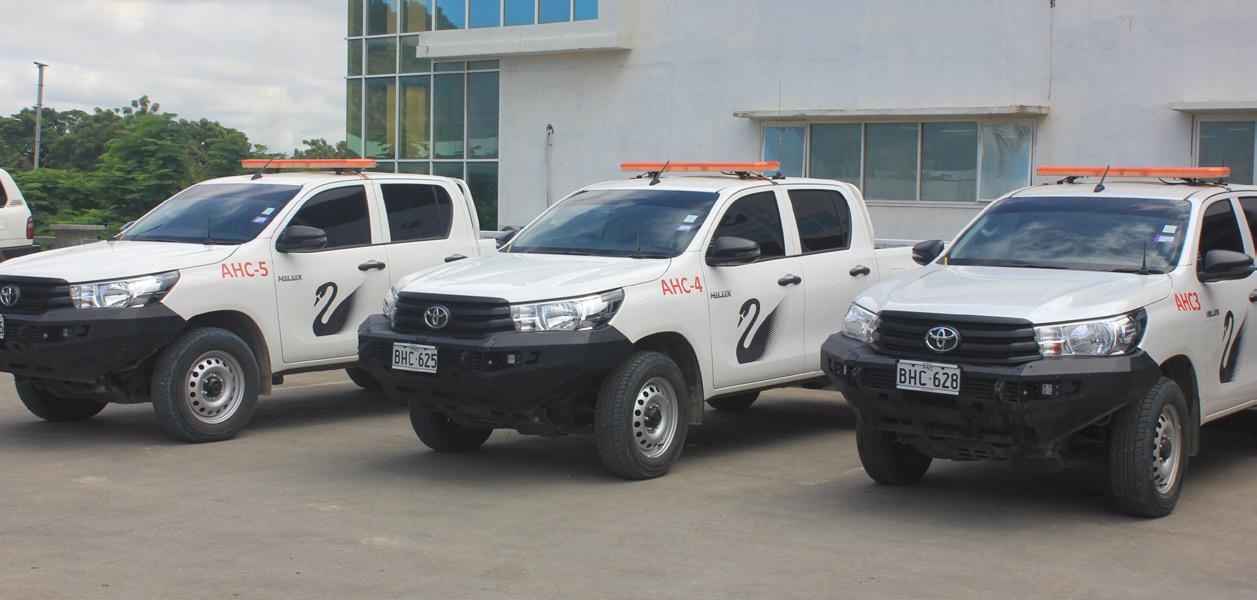
At Black Swan PNG, we deliver tailored security solutions that meet the distinct needs of each client. With a strong focus on risk mitigation, our expert team combines cuttingedge technology, highly trained personnel, and strategic protocols to provide dependable security across any operational environment. We are committed to safeguarding your assets and ensuring a secure and resilient presence wherever you operate.
overshadowed by external factors. Oil and gas must reach international markets to generate value, and this can be affected by geopolitical or logistical disruptions.
For example, the closure of critical shipping routes such as the Strait of Malacca between Indonesia and Malaysia, or the Strait of Hormuz between Iran, the United Arab Emirates and Oman — through which roughly 20% of global oil supply passes — could severely disrupt petroleum trade.
PRICE RISKS
The economic outcome of petroleum production is determined by the volume of oil and gas produced and the sale price per unit of production. That price depends on the quality of the oil and gas and prevailing global market prices for commodities of that quality. Natural gas is often priced with reference to crude oil benchmarks.
Importantly, the sales price for oil and gas is realised only after the produced hydrocarbons have been processed into saleable and transportable streams. Crude oil must be separated from water, sediment and associated gases. Similarly, natural gas must be conditioned to meet commercial specifications by removing water and impurities such as carbon, nitrogen and sulphur oxides, as well as extracting natural gas liquids that can be sold separately.
These processing steps involve significant cost but are necessary to ensure that the oil and gas can be transported safely by pipelines and ships and delivered to customers for further downstream processing and supply.
The price of oil is widely known to fluctuate significantly in global markets. Prices are influenced by a range of factors, most notably global supply and demand. Political developments, geopolitical tensions and international relations also play a major role. In recent years, energy transition policies have also begun to influence market expectations, although to a lesser degree.
Because oil and gas prices are inherently volatile, the projected revenues from any petroleum development project are also
uncertain. Companies investing in such projects must therefore account for the risk of falling commodity prices, just as they must consider the potential benefits of higher prices.
Development projects must be capable of withstanding fluctuations in oil and gas prices over time. Since most petroleum projects operate for several decades, they must also take into account broader economic variables such as inflation, financing costs and the cost of capital, often represented in project economics by the discount rate.
PRICE VOLATILITY AND FISCAL ADJUSTMENT
These external factors can often overshadow the technical potential and forecast outcomes of a petroleum project. Oil and gas price behaviour, together with the value of money over the life of a project, are therefore critical considerations for both the investing company and the host government.
Regardless of the specific petroleum regime adopted, there must be a shared understanding of how fluctuations in commodity prices and changes in the value of money will affect project economics. Without such understanding, either party may be unfairly disadvantaged over the life of the project.
Most petroleum fiscal regimes therefore incorporate mechanisms that adjust how the net value of production is shared after the costs of exploration, development and production have been recovered. For example, income tax is typically levied on net income or profit. If oil and gas prices decline, profits also fall and tax revenues decrease accordingly. In production-sharing arrangements, the division of production generally occurs only after companies recover their exploration and development costs. As a result, when prices fall, the company’s share — and the government’s share — also decline.
Fiscal systems may include additional adjustment mechanisms designed to accommodate both favourable and adverse market conditions. Royalty rates and other direct levies may be structured to scale with production or price levels. Capital depreciation
allowances used for tax purposes may also be adjusted over time.
At the same time, windfall taxes, additional profit taxes or increased government production shares may be triggered during periods of exceptionally high commodity prices.
The key principle is that both parties — government and investor — must respect the longterm viability of the project and accommodate price volatility by recognising the legitimate interests of the other.
OTHER DEVELOPMENT CRITERIA
When preparing a petroleum project for development and production, many additional considerations must be addressed.
Fiscal and commercial arrangements with the host government must be firmly established and robust under a range of possible economic outcomes. Environmental protection and the welfare of communities affected by the project must also be taken into account.
Petroleum development inevitably has social and environmental impacts, but these can be reduced through responsible planning and adherence to good operational practices.
While exploration and appraisal costs are typically financed through company equity, the much larger costs associated with development usually require borrowing from financial institutions.
However, not all banks are currently willing to finance oil and gas developments due to concerns about greenhouse gas emissions and the role of fossil fuels in global warming.
Some financial institutions in developed countries have become increasingly reluctant to support fossil fuel projects. Critics often point out that many of these countries historically benefited from decades of industrial development that relied heavily on fossil fuels, and that developing nations now face pressure to limit emissions while still seeking economic growth.
Despite this tension, many financial institutions continue to recognise that the global energy system cannot transition away
From gensets to vehicles, tyres, lubricants and more, discover the best brands and big range that tackle PNG’s toughest conditions.
And there’s only one place to go! Where else but Boroko!
from oil and gas overnight. For the foreseeable future, petroleum resources are expected to remain part of the global energy mix.
This does not negate the scientific consensus regarding climate change. Limiting greenhouse gas emissions remains an important global objective, and efforts to expand renewable energy, improve energy efficiency and develop advanced nuclear technologies are all part of the broader transition to lower-carbon energy systems.
THE FINAL INVESTMENT DECISION
Once the technical, financial and regulatory aspects of a petroleum development project have been prepared, the project plans are typically submitted to the host government for approval.
As a key stakeholder, the government generally reviews these proposals carefully before granting development licences or approving production permits under the
relevant petroleum agreement or production-sharing contract.
Following government approval, the investing companies — often operating as a consortium — must make a final investment decision (FID). This decision formally commits the companies to proceed with the development phase of the project.
Several financial metrics are used to evaluate whether a project is suitable for investment. Traditionally, the internal rate of return (IRR) has been used to measure the expected profitability of a project by calculating the effective rate of return generated by the investment.
More commonly today, companies evaluate projects using net present value (NPV), which measures the value created by a project after accounting for the company’s required rate of return, often referred to as the investment hurdle rate.
This decision is not made by the host government but by the investing company. However, failure to proceed with development after government approval has been
granted may incur severe penalties.
In many cases, the investing company is required to provide the host government with a corporate guarantee equivalent to the value of its intended investment as part of its application for development approval. This ensures that the government is not misled into approving a development that ultimately fails to proceed, allowing the company to withdraw without consequences.
When Chevron Niugini led the Kutubu Petroleum Development Project in 1990, its parent company, Chevron Corp., provided an irrevocable corporate guarantee to the Independent State of Papua New Guinea covering the value of its share of the project investment.
The guarantee was issued on Chevron’s corporate letterhead and signed by the president of Chevron Corp., making it effectively as secure as cash.
Chevron proceeded with the development as planned and carried out the Kutubu project with full commitment and professionalism.
We’re proud to be part of PNG’s investment future –contributing to PNG’s growth
Partnering for Investment, Partnership, Prosperity
7th - 11th December 2025 International
POMCCI Highlights Opportunities to Boost TVET Contribution to the Private Sector
By: ROSELYN EREHE
The Port Moresby Chamber of Commerce and Industry (POMCCI) has highlighted the critical role of industry-led reform in strengthening technical and vocational education and training (TVET) outcomes, as businesses across Papua New Guinea continue to grapple with skills shortages and rising workforce costs.
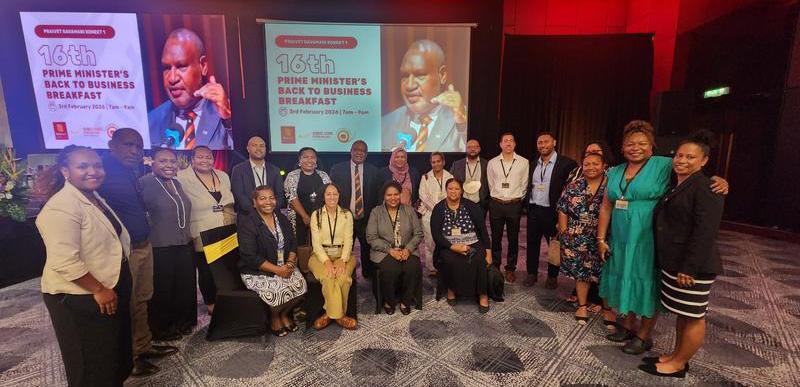
POMCCI and its members convened on 28 January for a Business Breakfast presentation on Higher Education and TVET reform.
It brought together policymakers, development partners and the private sector to discuss how stronger collaboration can better align skills training with current and future workforce demand.
The presentation centred on a shared challenge facing employers across all sectors: the growing gap between training outcomes and jobready skills.
Speakers stressed that addressing this challenge cannot rest solely with government but requires active and sustained engagement from industry to ensure training systems respond to real business needs.
Presentations at the breakfast highlighted several structural challenges within the TVET sector, including fragmented coordination, outdated curricula and limited alignment with real-world industry requirements.
These issues have contributed to persistent skills shortages, increased reliance on imported labour, and higher recruitment and training costs for employers.
Current reform efforts aim to reposition technical and vocational education as a demand-driven system, where training programs are designed around the practical needs of employers and priority growth sectors such as construction, agriculture, hospitality and services.
For the private sector, the message was clear: stronger industry involvement in TVET leads to better-skilled graduates, improved productivity, and reduced recruitment and training costs, while
also supporting long-term business sustainability.
A MORE COORDINATED AND INDUSTRY-LED APPROACH
Speakers outlined how ongoing reforms are strengthening national oversight, improving training quality and creating clearer pathways from training into employment.
Central to this approach is a stronger role for industry in shaping skills priorities, contributing to curriculum development and supporting workplace-based learning opportunities.
Private sector engagement was highlighted as critical in identifying current and future skills needs, supporting work placements and apprenticeships, providing feedback on training relevance and graduate readiness, and partnering with institutions to strengthen overall training quality and outcomes.
This coordinated approach aims to ensure graduates enter the workforce with practical, consistent and job-ready skills, rather than qualifications alone — a shift seen as essential to improving productivity and competitiveness across PNG’s economy.
OPPORTUNITIES FOR BUSINESS COLLABORATION
The session also outlined practical ways businesses can engage directly with the TVET system. These include participation in industry skills groups, partnerships with training institutions, and supporting structured pathways into employment for young people. By working more closely with
training providers and policy agencies, employers can play a direct role in shaping a workforce that meets operational needs, while also contributing to broader national development goals and long-term economic growth.
POMCCI extended its sincere appreciation to the speakers who contributed to the discussion.
Lonnie Baki, acting Secretary of the Department of Higher Education, Research, Science and Technology (DHERST), outlined the national reform agenda and emphasised the importance of aligning education systems with workforce demand.
Dr George Bopi-Kerepa, Project Manager for the Improved TVET for Employment (iTVET4E) Project, highlighted how industry partnerships can strengthen training relevance, access and employment outcomes.
Closing remarks were delivered by Jonathan Glenn, Inception Team Leader for the PNG–Australia
Strongim Wok Long TVET (SWLT) Program, reinforcing the importance of collaboration between government, industry and development partners.
Through forums such as its Business Breakfasts, POMCCI continues to provide a platform for the private sector to engage meaningfully with policymakers and development partners on issues that directly affect business performance and economic growth.
POMCCI reaffirmed its commitment to fostering a vibrant, competitive and skills-ready business environment that supports sustainable growth for Papua New Guinea.
PNG-Australia Diaspora Delegation Boosts Trade, Investment Ties
By: ROSELYN EREHE
The Investment Promotion Authority (IPA), in collaboration with the Business Council of Papua New Guinea (BCPNG) and the PNG Diaspora Business Council of Australia (PNGDBCA), has welcomed a three-day visit to Papua New Guinea by a 35-member PNG-Australia Diaspora Trade and Investment Delegation.
The delegation, comprising Papua New Guinean professionals, business owners, and industry leaders based in Australia, participated in a Trade and Investment Conference held from 1–3 February 2026 at the Hilton Hotel in Port Moresby.
The delegation’s visit, facilitated by IPA and BCPNG, aimed to create structured pathways for trade, investment, and skills transfer between PNG and its diaspora community in Australia.
PNG Business Council President Susil Nelson in her keynote address highlighted the importance of the initiative as a platform for trade, skills transfer, and service development.
She further described the initiative as an avenue for “brain gain,” noting the willingness of Papua New Guineans in Australia to contribute to the country’s growth across skills development, social services, health, education, business, and trade.
The PNGDBCA, a first-of-its-kind diaspora-led business council, has been developed with the full backing of the BCPNG and aligns closely with bilateral Australia-PNG economic priorities.
The visiting diaspora delegation represented five key business sectors including Professional Services, Consulting & Education, Real Estate, Construction & Engineering, Manufacturing, Trade & Logistics, Retail, Fashion & Personal Care, Tourism, Media & Creative Industries.
The delegation’s engagement represents a unique strategic opportunity to advance two-way trade, investment, and sustainable economic development between both countries.
This initiative, currently in its incubation phase under the BCPNG, also marks the first structured trade and investment mission led by the
PNG diaspora which is strengthening diaspora-led economic cooperation and people-to-people trade.
During their visit, delegates engaged directly with senior government representatives, private sector partners, and development institutions.
The program included high-level interactions such as the Prime Minister’s Business Leaders Breakfast, official briefings with IPA, trade and investment roundtables with government and industry leaders, sector-specific business matching sessions, site visits, industry engagements, and formal networking events.
Key government agencies participating in the program included the Investment Promotion Authority (IPA), Internal Revenue Commission (IRC), Australian High Commission to PNG, National Fisheries Authority, Trade Commission Office, PNG Business Council, and other regulatory bodies and dignitaries.
The PNGDBCA delegation included a broad spectrum of Papua New Guinean-owned businesses in Australia, which includes Franchise Ecosystem PNG, Allen Export Pty Ltd, Orange Guide, Impact Media PNG, Aviation Labour Group Talent, Winter Recruitment & Visa Services, Ruthz Management Solutions; Malana (Aust) Pty Ltd (Trustee for the Malana Family Trust), Amyblu Island Essential, Strategise PNG Ltd, Supa Insulation, Realcrete Australia Pty Ltd, Wantok Solution Pty Ltd, Ephana Enterprise Ltd, Wantok Travel Services, Maureen Sause (Certified Coach);
Bopy’s Clothing & Beige Petroleum Ltd, 333 Solutions, BushMahn 4WD, Strike Group Australia Pty Ltd, JOJEM RESOURCES Pty Ltd, Midire & Co, Australia Sepik Foundation Limited, Onstech Pty Ltd, Kalakai Collective, AIATSIS, ASL Downunder, Yarap, and TommyWaiherTrans Co.
IPA’s Director of Investor Servicing and Promotions Peter Daroa presented on the agency’s mandate, current investment trends, challenges, and growth opportunities.
He highlighted key business environment issues including law and order, unemployment, inflation, and accessibility constraints.
Daroa also emphasised that these challenges represent priority investment areas, particularly in security and surveillance solutions, labour mobility programs, and export expansion.
Daroa noted that the PNG diaspora population in three key countries which are Australia (29,995 - by birth, 22,664 -by ancestry), the United Kingdom (1,536), and the United States (1,453) is estimated at approximately 33,000 people, a relatively small figure compared to other Pacific nations:
Delegates shared insights on their businesses and experiences in engaging with PNG.
The conference underscored the growing commitment of the PNG diaspora community in Australia to reconnect economically with their homeland, through both dialogue and through actionable partnerships, investment, and collaboration.
NAVIGATING 50 YEARS OF SUCCESS
CONNECTIVIT Y ACROSS PNG
Weekly Sailings
Liner Shipping
Lea , Por t Moresby, Kiunga, Madang, Rabaul
1 0-day Sailings
K i mbe , L orengau
Project Charters Cargo Consolidation
Door-to-Door Delivery
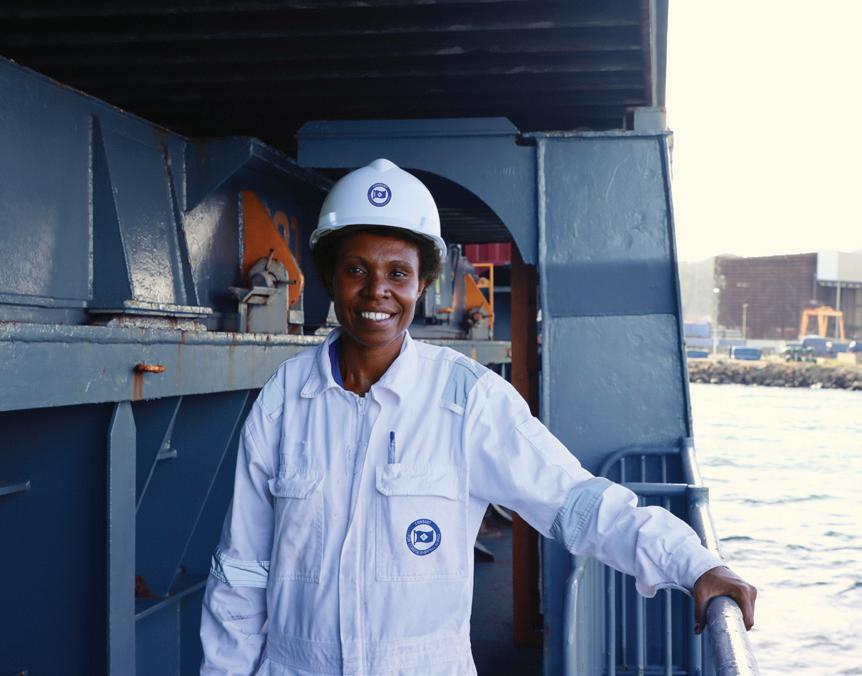
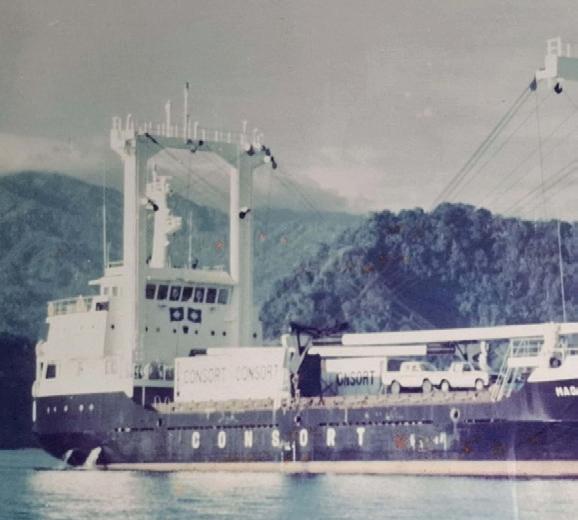
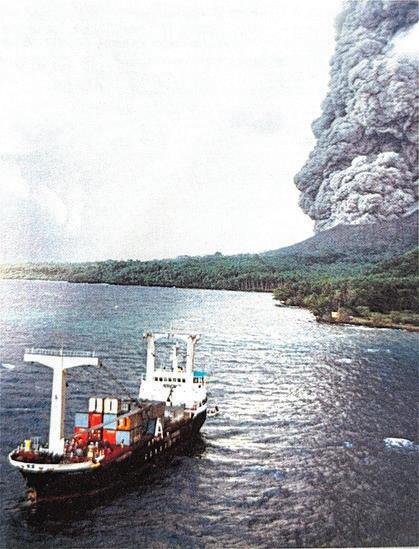
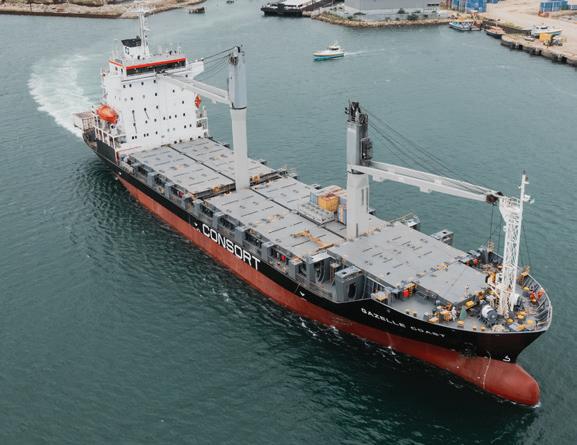
For half a century, Consor t has proudly supported a diverse range of clients across Papua New Guinea’s energy and resources, construction, wholesale and transport sectors
As PNG’s leading coastal shipping provider, we remain committed to delivering consistent and reliable services to all our customers
Fortnightly Sailings
Weekly Sailings L ae, Por t Moresby,
Lorengau, Madang, Rabaul
Aoltau, Buka, Kavieng, Kieta, Oro Bay, Vanimo, Wewak
10-day Sailings Kimbe, Kiunga
Li ner Shipping
For tnightly Sailings
Door-to-Door Delivery
Alotau, Buka, Kavieng, Kieta, Oro Bay, Vanimo, Wewak
Project Charters Cargo Consolidation
O ur Services | |
Kieta
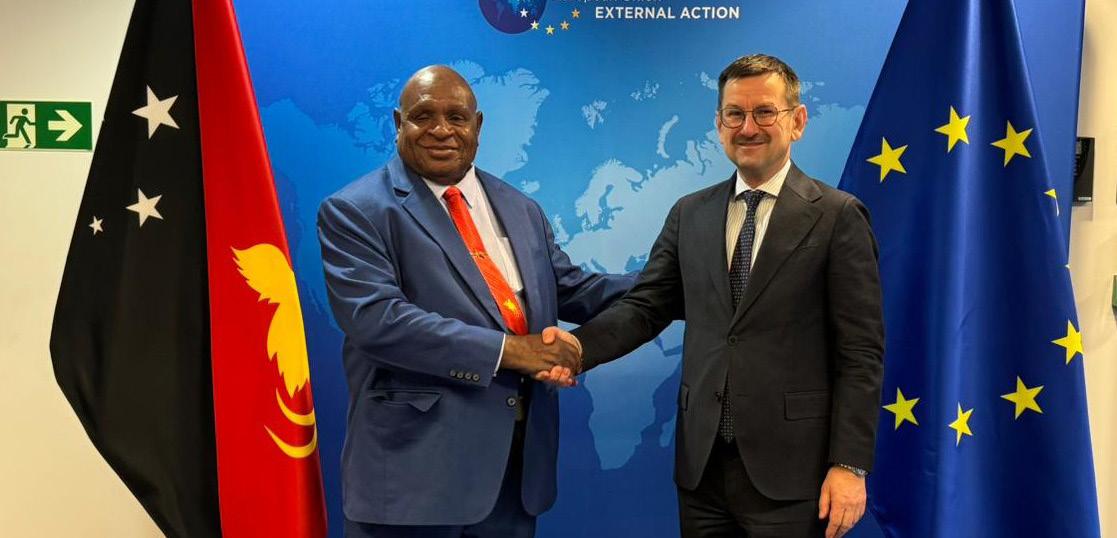
European Union, PNG Hold First Partnership Dialogue Under Samoa Agreement
The European Union (EU) and Papua New Guinea (PNG) held their first “Partnership Dialogue” under Article 3 of the new Partnership Agreement between the Organisation of African, Caribbean and Pacific States and the EU (the “Samoa Agreement”) on 12 February in Brussels.
The dialogue provided an opportunity for both sides to review bilateral cooperation since the last Political Dialogue under the former Cotonou Agreement, which took place in February 2023 in Port Moresby, and to update each other on key developments.
Both parties reaffirmed their firm commitment to deepening and strengthening their partnership while
related to climate change, economic uncertainties, and regional security.
The participants also highlighted the importance of responding to the consequences of Russia’s war of aggression against Ukraine and stressed the need to safeguard economic security while pursuing an ambitious green and resilient transition both nationally and globally.
The dialogue further reflected the shared values of the EU and PNG, including the rule of law, democracy, and human rights. PNG presented recent progress in good governance and the protection of human rights.
Key areas of partnership were reviewed at both bilateral and multilateral levels, including implementation of development programmes
protection, and ocean governance, including fisheries management.
On trade, the EU and PNG exchanged updates on the interim Economic Partnership Agreement (iEPA) concluded between the EU and several Pacific Island countries, noting the benefits it continues to deliver for both sides.
The Partnership Dialogue was
Managing Director for Asia and the
Papua LNG, Wafi-Golpu Confirmed as Priority Projects after Davos Meetings
Prime Minister James Marape has confirmed that Papua New Guinea’s two largest resource projects, Papua LNG and the WafiGolpu Gold and Copper Project, remain top priorities for international investors following high-level meetings at the World Economic Forum in Davos, Switzerland.
Speaking to the media on his return, Prime Minister Marape said discussions with key project partners reaffirmed strong commitment to progressing both developments in 2026.
“Papua LNG and Wafi-Golpu must move forward. There will be no warehousing of licences,” he said.
PAPUA LNG REMAINS ON TRACK
Prime Minister Marape held detailed discussions with Patrick Pouyanné, chairman and chief executive officer of TotalEnergies, who confirmed the project remains active.
Following the first round of Engineering, Procurement and Construction tenders, estimated project costs had risen to approximately US$18 billion due to global inflation, supply-chain pressures and higher financing costs.
TotalEnergies has since undertaken a comprehensive cost-reduction exercise, bringing projected construction costs down to about US$14 billion.
The government and TotalEnergies have agreed to review all remaining cost components jointly.
“We will examine every element of construction cost — identifying where we can give and where we can take — so that investors achieve a fair return while the state preserves maximum long-term value,” the Prime Minister said.
Concessions will not be made without safeguards to ensure Papua New Guinea retains its national benefit over the life of the project.
Progress on Papua LNG is also strategically linked to the development of the P’nyang LNG project, led by ExxonMobil.
Together, the projects could represent a combined capital investment of US$20–25 billion over
the next decade, supporting nearly ten years of continuous LNG construction.
The government anticipates a definitive announcement on Papua LNG within 2026, ideally before Papua New Guinea’s Independence anniversary on 16 September.
WAFI-GOLPU ADVANCING TOWARD DEVELOPMENT
For the Wafi-Golpu Gold and Copper Project, Prime Minister Marape confirmed meetings with Harmony Gold executives and Newmont Corporation.
A Cabinet-appointed state peer review team is addressing outstanding technical matters, with findings expected soon. The government intends to participate at a 30 per cent equity level.
“These projects are not just about mining and gas — they are about building our economy toward a K200 billion future,” the Prime Minister said, highlighting expected downstream benefits such as employment, local supplier development, infrastructure, and regional economic stimulation.
BALANCED NATIONAL DEVELOPMENT AND EXPLORATION
The Prime Minister emphasised that advancing both LNG and mining projects ensures geographically balanced development.
“Papua LNG and P’nyang LNG anchor development in the south, while Wafi-Golpu and the Frieda River Project anchor mining development in the north. This balance ensures economic activity is
fairly distributed across the country over the next decade,” he said.
Offshore oil and gas exploration remains active. TotalEnergies is conducting exploration in the Mailu area of Central Province, while the Twinza–MRDC joint venture continues development of the Pasca A Project in the Gulf of Papua.
These projects include assessment for potential oil and condensate resources, ensuring continued investment and exploration in offshore fields.
LONG-TERM NATIONAL INTEREST
Prime Minister Marape acknowledged public frustration over delays but emphasised the importance of disciplined negotiations for long-term benefit.
“Once contracts are signed, they last for decades. We must ensure every issue is fully understood before commitments are locked in. Our responsibility is to make sure the state wins to the maximum possible extent, while investors also achieve fair returns,” he said.
Discussions at Davos renewed confidence that both Papua LNG and Wafi-Golpu can reach major milestones in 2026, with substantial progress expected within the first quarter.
The projects are seen as transformative for Papua New Guinea’s economy, potentially generating tens of billions in capital investment, creating thousands of jobs, and stimulating growth in infrastructure, services, and regional development.
ERVICE & MAINTENANCE
ROJECTS
ETAIL
BUILDING MANAGEMENT SYSTEMS
MANUFACTURING
Westpac: PNG Growth Forecast at 4.6% in 2026 as LNG Decision Looms
Papua New Guinea’s economy is forecast to expand by 4.6 percent in 2026, with prospects shaped by its recent grey listing by the Financial Action Task Force (FATF) and the anticipated Final Investment Decision (FID) on the US$13–14 billion Papua LNG project later this year, according to Westpac’s Westpac Wailis: PNG Economic Update and Outlook (February 2026).
Westpac upgraded its 2025 growth estimate to 5.5 percent from 4.7 percent, citing strong performance in mining, industry and services. The official 2024 growth estimate of 3.9 percent was below Westpac’s projection.
Mining and exports drive 2025 rebound
The report said 2025 was marked by robust mining output amid favourable global commodity prices. Elevated gold and copper prices, the restart of the Porgera gold mine and a standout year at Ok Tedi underpinned strong outcomes in the resource sector.
Porgera delivered 376,000 ounces of gold in 2025, contributing around 1 percent of GDP and declaring K1.7 billion in dividends while paying K986 million in taxes. Ok Tedi produced 106,000 tonnes of copper and 298,000 ounces of gold, generating K9.3 billion in revenue and more than K1 billion in dividends.
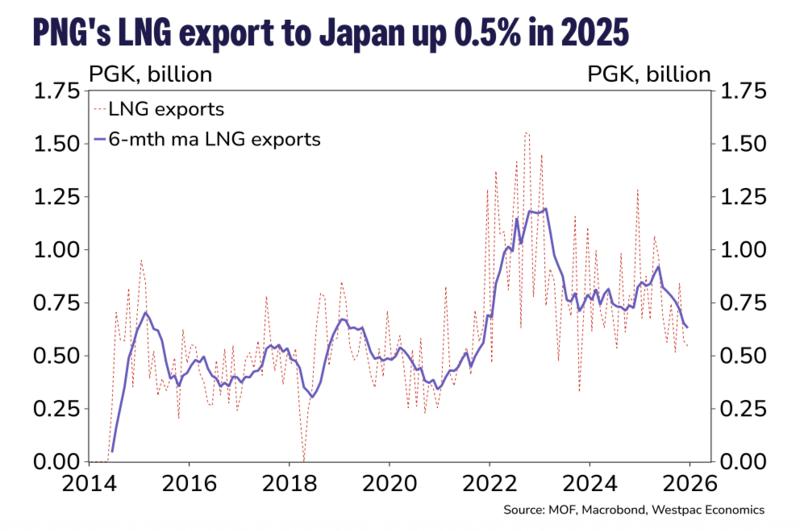
PNG LNG operated above nameplate capacity in 2025, exporting more than 8.3 million tonnes of LNG, up 8.4 percent year on year, and has fully repaid its project finance debt, boosting the state’s future dividend and tax flows.
Agriculture also benefited. Coffee exports exceeded 1.5 million bags in 2025, lifting rural incomes. Palm oil output is projected to rise to 727,300 tonnes in 2026 from 696,800 tonnes in 2025, while cocoa exports are forecast at 51,200 tonnes in 2026.
INFLATION EASING BUT UNEVEN
Headline inflation slowed to 4.1 percent year on year in the December 2025 quarter from 4.7 percent in September, while underlying inflation eased sharply to 0.8 percent. Betel nut prices, up 29 percent year on year in the fourth quarter, remained the largest source of volatility in the consumer price index. Price pressures are uneven. Inflation
in Port Moresby and Lae stood at 0.5 percent and 1.6 percent respectively, while the Goroka-Hagen-Madang region recorded 17.4 percent and the Alotau-Kimbe-Kokopo/Rabaul region 13.6 percent.
Westpac said inflation is now broadly within the 3–4 percent range, allowing Bank PNG to maintain a stable policy stance.
FISCAL CONSOLIDATION STRENGTHENS
The 2026 National Budget sets record expenditure of K30.9 billion against projected revenue of K29.3 billion, with the deficit targeted at 1.1 percent of
GDP — down sharply from 8.9 percent in 2020. The debt-to-GDP ratio is projected to fall to 45.5 percent in 2026 from 48.4 percent in 2025.
International reserves cover more than seven months of imports, and foreign exchange backlogs have largely cleared. The kina has depreciated gradually under a managed crawling peg, with the PGK/USD at 0.2327 in January 2026 and forecast to bottom at 0.2150 in late 2026 or early 2027 before appreciating.
A Treasury Bills auction in February was oversubscribed, with bids of K650.48 million against K270 million on offer, reflecting strong demand for Page 42 >
SMARTER ICT. STRONGER BUSINESS.
From cloud to connectivity, Daltron is your ICT Solutions partner delivering end-to-end services that reduce costs, boost efficiency, and scale with your business.
Whether you’re a growing SME or an enterprise operation, Daltron provides tailored technology solutions that drive real outcomes. From managed IT services and cloud infrastructure to hardware supply, cybersecurity, and business-grade connectivity, we make your ICT smarter—so your business can do more with less.
With nationwide support and decades of local expertise, Daltron is your ICT partner in Papua New Guinea and beyond.
government securities.
GREY LISTING IMPACT SEEN AS CONTAINED
Westpac expects the impact of FATF grey listing to be limited and contained, noting that authorities have introduced an 18-point action plan backed by a K10 million allocation to strengthen anti-money-laundering controls. Business leaders remain cautiously optimistic, viewing the development as a catalyst for reform.
PAPUA LNG COULD RESHAPE GROWTH PATH
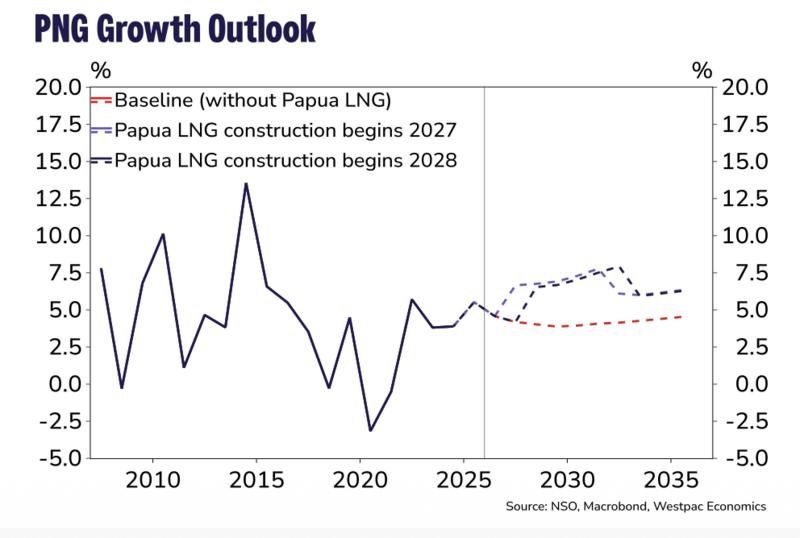
Under Westpac’s baseline scenario without Papua LNG FID, growth moderates to 4.2 percent in 2027 and 4.0 percent in 2028, stabilising around 3.9–4.1 percent over the longer term.
However, if the US$14 billion Papua LNG project proceeds, the construction phase — modelled over five years — could lift annual GDP growth by 2.5 to 3.4 percentage points, pushing growth to between 6.7 percent and 7.3 percent during peak years. Once production begins, mining growth could rise from a baseline of 1.6
percent to 7.6 percent, lifting overall GDP growth to about 6.1 percent in 2032.
The project is projected to produce 5.6 million tonnes per annum, generating estimated annual revenues of US$2.7 billion at an assumed average price of US$9.91 per MMBtu. Taken together, Papua LNG could lift PNG’s growth trajectory from a 4 percent baseline to a 6–8 percent
UNMATCHED
ICT CONSULTING
IT Strategic Review
IT Audits
IT Health Checks
Solution Design
Cyber Security
PEN Test, PCI DSS
ISO 27001 Info Security
Project Management
SUPPORT SERVICES
IT Service Desk
IT Systems Break-fix
Warranty Services
Spare Parts
Back-fill Support
Managed Services
Off-site Backup Storage
INFRASTRUCTURE
Cabling & Power
HCI Server & Storage
Virtualisation
Comms & Networking
CCTV / Access Control
Network Security
Customised DC, Micro DC
Solar Micro Power Grids
INTERNET & DATA CENTER
Internet-Home / Corporate
Metro Area Ethernet
Cloud Solutions
Hosting / Filtering
DR-Physical / Virtual
Co-location
BCP Suite
OFFICE AUTOMATION
Print / Scan / Copy
Document Management
Document Digitization
ID Card Solutions
Digital Duplicators
Digital Archiving
DATEC LEARNING CENTRES
Academic Diploma Programs
Professional Diploma Programs
Professional / Soft Skills
Personal Development
Pearson / PSI Testing Center
eLearning / Online-Live
PMI / Scrum / ITIL Training
SOFTWARE SOLUTIONS
Software Development
Software Licensing
Oracle DBA Services
BI/Dashboard Reporting
Website / Mobile Apps
HR & Asset Management
Internal Audit System
Banking, Lending & Insurance Applications
RETAIL SHOP
PCs, Laptops, Tablets
Printers, Scanners, POS
Antivirus, Adobe Suite
MS Office Applications
Mobile Phones / Topup Cards
Smart Watches / Cameras
Consumables / Accessories
AV & Commercial Display
Lae Industrial Park – 350 Hectares of Investment Opportunity
Positioned at the heart of Papua New Guinea’s most important trade gateway, Lae Industrial Park is redefining what is possible for industry, logistics and exportoriented investment in the country. Strategically located directly beside Lae Port – PNG’s busiest international port – the precinct provides businesses with a rare opportunity to establish operations at the centre of national and regional supply chains.
Developed and proudly owned by PNG Ports Corporation (‘PNG Ports’), Lae Industrial Park represents the next era of industrial and logistics growth for PNG, offering scale, speed to market and long-term flexibility for investors seeking a secure and wellconnected operating base.
PNG Ports CEO Neil Papenfus describes Lae Industrial Park as “more than an industrial estate – it is a platform for export growth and industrial diversification, and together with Lae Port is set to become an engine for long-term growth and prosperity for Papua New Guinea.”
DEVELOPMENT-READY TODAY, SCALABLE FOR TOMORROW
The park provides 350 hectares of investment opportunity, including a 45-hectare hardstand supported by sealed roads, drainage, lighting and utilities. A further 305 hectares is available to support future expansion, enabling businesses to grow in step with increasing domestic and international demand.
STRATEGIC LOCATION AND LOGISTICS ADVANTAGE
Located directly beside Lae Port and key Asia–Pacific shipping routes, the park delivers a genuine operational advantage. Businesses benefit from the cost, efficiency and logistical gains of being located on the doorstep of a modern international port, reducing transport interfaces, improving reliability and strengthening access to export markets.
LAE TO BECOME A REGIONAL TRANSHIPMENT HUB
Lae’s international terminal is being strengthened through the planned extension of its wharf, enabling the port to accommodate larger vessels
and transition into a hub-and-spoke logistics centre. This capability will further enhance Lae’s role as a regional transshipment hub, linking PNG more efficiently with Asia, Australia and the wider Pacific. Moreover, it will deliver direct commercial benefits for Lae Industrial Park tenants through more frequent shipping services, shorter transit times, improved schedule reliability and lower end-to-end logistics costs for both imports and exports.
SPECIAL ECONOMIC ZONE (SEZ)
Park tenants will also benefit when SEZ status is granted. A major milestone has already been achieved, with the National Executive Council granting concept approval for the proposed Lae Port SEZ. PNG Ports is now progressing the formal lodgement of its SEZ license application with the Special Economic Zones Authority (SEZA) and can also advance applications for fiscal incentives, including tax and customs concessions,
PROGRAMS & SERVICES:
Development and Publication of PNG Standards
Verification and Advice on PNG Standards
Calibration and Verification Services
Laboratory Accreditation Services
Certification Services
Standards Training Services
Licensing, Inspection, and enforcement of the use of nuclear/radioactive material & irradiating apparatus.
ADB OKs $60.9-M Loan to Improve Urban Water, Sanitation in PNG
The Asian Development Bank (ADB) has approved a $60.9 million loan to improve water supply and sanitation in urban communities in Port Moresby and Vanimo, Papua New Guinea (PNG).
ADB’s financing includes a $30 million regular ordinary capital resources loan and a $30.9 million concessional ordinary capital resources loan. The Government of PNG will provide $3 million in counterpart financing.
An additional $1.5 million technical assistance grant from ADB will support digital systems integration, institutional strengthening and the exploration of public–private partnership opportunities.
“The project signals ADB’s renewed focus on strengthening urban services,” said ADB Country Director for PNG Takafumi Kadono.
“This is an important milestone in our partnership with PNG — our first loan investing in the country’s water sector in more than 25 years. It will expand access to safe water, improve public health and build more resilient and sustainable water and sanitation systems for urban communities in both Port Moresby and Vanimo.”
The Urban Water Supply and Sanitation Security and Resilience Improvement Project will enhance the reliability of piped water systems, rehabilitate wastewater infrastructure and strengthen the operational and financial capacity of state-owned utility Water PNG Limited.
More than 160,000 people — including those living in settlements — in Port Moresby and Vanimo will directly benefit from expanded access to a safe and reliable water supply.
The project will also upgrade sanitation facilities to ensure treated wastewater is safely discharged and poses no risk to public health or the environment.
PNG has some of the lowest levels of access to water supply and sanitation services in the Pacific region.
Rapid urban growth is placing increasing pressure on ageing infrastructure, while climate change — through prolonged dry periods, rising temperatures and exacerbated flooding — further threatens water security.
The project incorporates adaptation measures to strengthen resilience and safeguard essential services.
In Port Moresby, the project will rehabilitate the Mount Eriama Water Treatment Plant, expand storage capacity and distribution networks, and reduce non-revenue water.
It will also refurbish the Waigani sewage treatment ponds to improve effluent quality and environmental protection.
In Vanimo, where there is currently no reticulated water supply system, a new resilient system will be developed, including groundwater and spring sources, treatment facilities and metered household connections.
The project supports PNG’s National Water, Sanitation, and Hygiene Policy 2015–2030 and aligns with ADB’s Strategy 2030 Midterm Review, particularly its focus on climate action, digital transformation and private sector development.
ADB is a leading multilateral development bank supporting
inclusive, resilient and sustainable growth across Asia and the Pacific.
Working with its members and partners to solve complex challenges, ADB harnesses innovative financial tools and strategic partnerships to transform lives, build quality infrastructure and safeguard the planet.
Founded in 1966, ADB is owned by 69 members, 50 of which are from the region.
< Page 44
to support and accelerate high-quality investment into Lae Industrial Park.
DELIVERED BY A TRUSTED NATIONAL OPERATOR
Lae Industrial Park is delivered by PNG Ports Corporation, a reliable, state-owned operator with proven maritime and property expertise and a national network of strategically located ports.
Investors benefit from a long-term partner committed to service excellence, integrated logistics and nationally significant infrastructure development.
Government Pushes Digital Transformation, AI Agenda on Safer Internet Day 2026
By:ROSELYN EREHE
Papua New Guinea’s digital transformation and artificial intelligence (AI) agenda took centre stage as the government marked Safer Internet Day 2026 in February, with Acting Information and Communications Technology Minister Peter L. Tsiamalili Jr. reaffirming ICT and AI as critical drivers of economic growth and public sector reform.
In a press statement, the minister described digital transformation as a core pillar of the country’s longterm development strategy, linking safer internet practices to broader governance, innovation and service delivery reforms.
“As Acting Minister for Information and Communications Technology, I reaffirm the Prime Minister’s declaration during the Digital Transformation Summit 2025 for Papua New Guinea to fully embrace digital transformation — that Information and Communications Technology (ICT) and Artificial Intelligence (AI) will drive the nation’s next 50 years of development, growth and public sector reform,” Tsiamalili said.
RESET@50 AND DIGITAL GOVERNMENT PLAN 2023–2027
Tsiamalili said the government’s Reset@50 agenda provides a roadmap for leveraging technology to improve accountability and efficiency across all levels of government.
“The Government’s Reset@50 agenda sets the pathway toward ensuring accountability, transparency and impact by leveraging AI to help PNG leapfrog traditional capacity constraints and deliver more efficient, evidence-driven governance across all levels of government,” he said.
He also highlighted the Digital Government Plan 2023–2027 as a comprehensive strategy to modernise public sector services through digital transformation.
For the business community, the policy direction signals increased digitisation of government services, data-driven governance and expanded use of AI — reforms expected to reshape regulatory processes, compliance systems and public service delivery.
This year’s Safer Internet Day theme, “Smart tech, safe choices –Exploring the safe and responsible use of AI,” reflects growing attention to the governance of emerging technologies.
BALANCING INNOVATION AND RISK
Tsiamalili emphasised the government’s regulatory role in balancing innovation with risk management.
“It is the duty of the Government to protect, promote, monitor and set guidelines to create an enabling environment for all users to be responsible while using social media for developmental purposes, and to guard against cyber threats to ensure national security,” he said.
RISING SOCIAL MEDIA USE AND ASSOCIATED RISKS
The minister noted the rapid growth in social media usage in Papua New Guinea and its increasing role in communication, commerce and public engagement.
“Social media has become an integral part of communication, information dissemination and public engagement. In recent times, Papua New Guinea’s social media accessibility rate has increased significantly,” he said.
Platforms including Facebook, Instagram, TikTok and LinkedIn now play a key role in connecting individuals and businesses and facilitating access to government services.
However, he cautioned that the rapid evolution of social media — including the integration of AI — has introduced risks such as privacy breaches, misinformation, online harassment, hate speech, data security threats and platform abuse.
For businesses operating in the digital space, these developments point to tightening compliance expectations around data protection, cybersecurity and responsible AI deployment.
PNG SOCIAL MEDIA POLICY 2025
In response to these challenges, the Marape–Rosso government
has introduced policy measures to strengthen digital governance.
“To address these challenges, the Marape–Rosso Government has taken proactive steps through the Papua New Guinea Social Media Policy 2025,” Tsiamalili said.
“The goal of this policy is to promote safe use of social media platforms while maintaining our cultural and Christian values as we continue to adapt to technological advancements.”
He called for shared responsibility across sectors.
“I encourage all Papua New Guineans to take ownership of this policy and be accountable so that we can create a safe social media environment. Let us work together to embrace technological advancement and contribute positively to the development of our country,” he said.
The Safer Internet Day commemoration was led by the Ministry of Information and Communications Technology in partnership with the Department of Information and Communications Technology, the National Information and Communications Technology Authority and the National Broadcasting Corporation.
“In commemorating Safer Internet Day, the Government of PNG acknowledges the importance of collective responsibility in building a safer and more responsible digital Papua New Guinea,” Tsiamalili said.
He also commended the government’s support for ICT sector reforms, referencing the Pacific ICT Ministers’ Dialogue and endorsement of the Lagatoi Declaration as important milestones in PNG’s digital trajectory.
“I commend the Government for its leadership in supporting ICT sector reform and advancing key digital programmes to better serve Papua New Guineans,” he said.
As PNG advances its digital government agenda, greater integration of AI, stronger social media governance and an increased focus on cybersecurity are expected to have far-reaching implications for businesses, investors and the broader economy.
Acting ICT Minister: Cybersecurity Workshop Highlights PNG’s Global Commitments
Acting Minister for Information and Communications
Technology Peter Tsiamalili Jr. formally closed a week-long programme on international cyber law and cybercrime cooperation, calling it a pivotal step in Papua New Guinea’s digital development pathway.
The workshop, held at APEC Haus from 9 to 13 February, brought together government agencies, international experts, and partners to strengthen PNG’s national capability in cyberspace.
In his closing remarks, Minister Tsiamalili emphasised that protecting essential systems, maintaining trust, and responding credibly to cyber incidents is now “mandatory, not optional” for the country.
“The Government is very clear on what it wants to achieve,” he said, reflecting on PNG’s realignment of priorities since its 50th anniversary last year. He noted that the ICT sector has become an integral part of every government function and operation.
Minister Tsiamalili highlighted PNG’s recent international commitments, including Parliament’s ratification of the Budapest Convention on Cybercrime in November 2025. He noted that the country is now set to deposit its instrument of accession.
PNG also signed the Hanoi Convention, informally known as the United Nations Convention Against Cybercrime, in October 2025 in Hanoi, Viet Nam, and has taken deliberate steps to align national policies with trusted international frameworks.
“These actions reflect PNG’s intent to build a lawful, credible, and cooperative national posture, supported by real institutional capability,” Minister Tsiamalili said.
He underscored PNG’s regional leadership, citing the 2023 Lagatoi Declaration as evidence of Pacific Island Forum countries’ shared understanding that cooperation is essential to protecting citizens and
growing digital economies.
Accession to the Budapest Convention, he added, will strengthen collaboration with State Parties in the Pacific and globally on lawful data requests, timely assistance, and coordinated responses to cybercrime.
During the week-long programme, participants completed the course International Law Applicable in Cyberspace, which focused on implementing the Budapest Convention.
International faculty from Cyber Law International, including Ms Liis Vihul, Professor Marko Milanovic, and Mr Alexander Seger, guided PNG officials through legal principles, enforcement realities, and crossborder cooperation.
In closing the programme, Minister Tsiamalili stressed immediate follow-through. “The task now is execution: coordinated institutions, clear mandates, lawful powers, safeguards that protect rights, and trained officers who can act quickly and correctly.”
“Let us translate this week’s learning into a national work programme with clear responsibilities and timelines.”
He said PNG’s accession to the Budapest and Hanoi Conventions marks a major national step,
aligning institutions with trusted international standards for tracking cybercrime and enabling lawful cooperation on electronic evidence.
The programme was coorganised by the Government of Papua New Guinea through NICTA and facilitated by the Australian Government through Australian AID.
PNG Signs Project Agreement for Central Lime and Cement Facility
Papua New Guinea has signed a Project Development Agreement (PDA) with Pacific Lime and Cement Ltd for the Central Lime and Cement Project in Central Province, a move the government says will reduce reliance on imported cement and expand the country’s manufacturing base.
Minister for International Trade and Investment Richard Maru said the agreement, signed at Government House on March 12, marked the culmination of a decade of negotiations for the project at Kido and Rea Rea.
“I am delighted that we have finally, after 10 years, reached an Agreement on the Central Lime and Cement Project at Kido and Rea Rea in Central Province,” Maru said during the signing ceremony.
The PDA establishes the framework for developing an integrated facility that will produce quicklime, clinker and cement for both domestic use and export markets — the first of its kind in Papua New Guinea.
According to the minister, construction of Stage 1 of the project — which includes quicklime kilns, a quarry, a wharf and supporting infrastructure — is already under way following the developer’s final investment decision in August 2025.
“These works are progressing strongly and will deliver PNG’s first major quicklime production capacity by 2027,” Maru said.
He added that the agreement clears the way for Stage 2 of the project — the clinker and cement manufacturing facility — to begin construction later this year.
“Once built, this will provide locally made high-quality cheap cement that will replace hundreds of millions of kina in imports, anchor new downstream industries like casting and brick facilities, and significantly expand PNG’s manufacturing base,” Maru said.
Papua New Guinea currently imports nearly all its quicklime and cement requirements, placing pressure on foreign exchange and construction costs.
Government figures show that in 2024 the country imported
approximately US$14.3 million (more than K55 million) worth of cement, alongside US$7.88 million worth of cement clinker, mainly from Japan and Indonesia.
“The Central Lime and Cement Project aims to reduce this reliance by utilising domestic limestone for industrial production, supporting national infrastructure programmes, including the Connect PNG Programme,” Maru said.
“As a country, we should not be importing limestone and cement because we are endowed with limestone resources.”
Under the agreement, the government expects cement prices in Papua New Guinea to fall significantly.
The project will also be designated a pioneer industry and protected for up to 15 years through a 30 percent tariff on imported cement, while a 10-year tax holiday will apply to the project’s second phase.
“Cement is essential in building our nation. We want to see all our roads built with cement from the limestone resources within PNG,” Maru said.
“We do not want to see any of our limestone by-products like clinker being sent overseas. All our limestone must be used for our nation-building projects in PNG. Our priority is to
meet our domestic demand before exporting the surplus.”
The agreement also provides benefits for local landowners and provincial authorities.
Landowners will receive a 2 percent royalty, while the state will provide K20 million in Business Development Grants and K20 million in Infrastructure Development Grants over two years, to be included in the next national budget.
Maru said 30 percent of the shares in Pacific Lime and Cement would be acquired by Papua New Guinean investors, including the Central Provincial Government, landowners and the National Government through a state nominee.
Additional local investors will be able to participate through an Initial Public Offering (IPO) expected by September this year, aimed at raising up to K1 billion to finance construction of the cement factory.
The project is expected to generate more than 2,000 jobs.
Maru also confirmed that three additional limestone projects are in development.
“This project is one of the four Special Economic Zones the Marape-Rosso Government has licenced through the regulator, the Special Economic Zones Authority,” he said.
Strategic Global Sourcing
EXPAC delivers structured global procurement and integrated logistics solutions to mining, construction, industrial, government and commercial operations across Papua New Guinea and the Pacific.
With offices in Australia, Paua New Guinea, China, Europe and UAE, we provide direct access to international manufacturers and trusted supplier networks worldwide securing critical equipment and materials reliably and at speed
Our Chinese, European and UAE offices strengthens direct access to SE Asia, EU and UAE manufacturers and markets, enhancing global sourcing capability and reducing supply risk across multiple sectors
EXPAC AUSTRALIA
1 Magnesium Street, Narangba, QLD 4504
Tel: +61 7 3868 1591
Email: sales@expac com au
EXPAC PAPUA NEW GUINEA
Expac Port Moresby
PNG CR Compound, Baruni Bypass Road, POM 121
Tel: +675 7302 3422
Email: nenita@expac.com.au
Expac/HX Services Lae
11 Mile, Okuk Highway, Lae
Tel: 675 7915 1194
Email: sales@HXServices co
EXPAC BOUGAINVILLE
Section 350C China Town Road, Buka
Tel: +675 7395 7102
Email: evelyn@expac com au
Global Procurement
OEM & genuine parts sourcing
Aftermarket & alternative strategies
Construction & industrial materials
Capital equipment acquisition
Integrated Logistics
International airfreight
Sea freight
Multi-origin coordination
Structured shipment tracking
Operational Strength
180+ years combined experience
ISO-certified systems
Multi-currency procurement capability
Proven performance in remote environments
Products Sourced - But Not Limited to Mining Equipment & spare parts
Earthmoving Equipment & spare parts
Agricultural Equipment & spare parts
Electrical , plumbing & building supplies
Lubricants, tools, catering & ppe
EXPAC CHINA
Suite 1130, Chuangzhan Tower, 928 Xikang Road, Shanghai
Tel: +61 7 3868 1591
Email: sales@expac com au
EXPAC EUROPE/UAE
6 Floor, Meydan Road, Nad Al Sheba, Dubai th
Email: sales@expac com au
AUSTRALIA | PAPUA NEW GUINEA | CHINA | EUROPE | UAE
Great Pacific Gold Corp. Deploys 2nd Drill Rig at Wild Dog Project
Great Pacific Gold Corp. has mobilised a second diamond drill rig to its flagship Wild Dog Project in Papua New Guinea, with drilling now under way at the Kasie Ridge epithermal gold-copper target.
The Canadian-listed company said the second rig has commenced drilling at Kasie Ridge, marking the first drill programme ever undertaken at the prospect, located on the island of New Britain in East New Britain Province.
Kasie Ridge is described as the largest preserved advanced argillic alteration system identified so far within the Wild Dog Project.
The prospect forms part of the broader Nengmutka hydrothermal system and lies northeast of the central Wild Dog structural corridor.
The company said geological interpretation suggests Kasie Ridge represents a structurally controlled lithocap developed above, or adjacent to, a potential high-sulphidation epithermal or porphyry system at depth.
The alteration footprint extends about 1.5 to 2 kilometres along strike and spans several hundred metres in width.
The alteration assemblage includes pyrophyllite, dickite, kaolinite, alunite, diaspore and zunyite — minerals typically associated with hightemperature, acidic hydrothermal conditions.
The presence of zunyite and diaspore is considered significant, as both are commonly linked to higher-temperature environments proximal to a heat source.
“Kasie Ridge is a very technically compelling target on the Wild Dog project,” said Callum Spink, vice president for exploration.
“Drilling with Rig 1 is also progressing well with a second hole underway at the Kavasuki target. Having two rigs turning full time will allow us to increase the pace of our exploration in 2026, as planned,” Ridge added.
Structural analysis highlights multiple north-northwest to northwest trending lineaments converging beneath Kasie Ridge, a geometry consistent with focused hydrothermal fluid pathways in mineralised systems.
The first drill hole, designated KAS01, has been collared within the highest-
temperature portion of the advanced argillic assemblage.
It is designed to test the interpreted intersection of two conductive lineaments, evaluate the margin of a moderately conductive upflow zone defined by resistivity inversion modelling, and assess vertical alteration zonation and sulphide development at depth.
Great Pacific Gold said results from KAS-01 will determine follow-up drilling and whether the prospect advances to more systematic testing.
Drilling continues simultaneously at the Kavasuki target within the Wild Dog corridor, where a second hole is under way using the first rig. The deployment of two rigs is expected to increase the pace of exploration in 2026.
The company noted that lithocap systems are inherently high-risk, as advanced argillic alteration may occur without associated economic mineralisation at depth.
However, alteration systems of this scale require sustained hydrothermal fluid flow and structural permeability, features commonly associated with mineralised magmatic centres.
Comparable geological settings cited for context include Lepanto in the Philippines, Wafi-Golpu in Papua
New Guinea and Onto in Indonesia, where lithocap alteration overlies deeper porphyry or high-sulphidation mineralisation.
Kasie Ridge lies at the northern end of the 15-kilometre Wild Dog structural corridor, about 4.5 kilometres north of the Sinivit target, where previous drilling delineated multiple high-grade shoots.
The company’s working interpretation considers Kasie Ridge to represent the preserved upper levels of a high-sulphidation epithermal system or lithocap developed above a potential porphyry source, with mineralisation possibly occurring beneath or laterally offset from the alteration cap.
K92 Mining Reports Record 2025 Output as Kainantu Expansion Plant Begins Ramp-Up
K92 Mining Inc., operator of the Kainantu Gold Mine in Papua New Guinea’s Eastern Highlands Province, reported record production and financial results for 2025, driven by strong fourth-quarter performance and the commissioning of its Stage 3 expansion plant.
In a statement released on March 2, the company said it produced 47,178 gold equivalent ounces (AuEq) in the fourth quarter of 2025, bringing total production for the year to a record 174,134 AuEq.
K92 said the results coincided with the completion of commissioning for the new 1.2 million tonnes-perannum Stage 3 expansion process plant at Kainantu. The facility is now ramping up operations and is expected to support further production growth.
The company also reported significant economic contributions to Papua New Guinea during the year. These included PGK 423 million in corporate tax paid or accrued to the national government, PGK 50 million in royalties, and PGK 11 million in Mineral Resource Authority levies.
Capital investment reached PGK 862 million, mainly related to advancing the Stage 3 expansion. K92 also spent PGK 74 million on exploration activities targeting nearmine and regional opportunities.
The miner said it spent PGK 667
million with local suppliers and PGK 137 million on local joint venture contracts, aimed at increasing participation by domestic businesses and landowner groups.
Community programmes received PGK 11 million in funding, supporting health, education and infrastructure projects.
K92 Mining chief executive officer John Lewins said the year marked a significant milestone for the company and the Kainantu operation.
“2025 was a transformational year for K92 and for the Kainantu Gold Mine. We delivered record annual production and financial results while successfully commissioning the new 1.2 million tonnes-per-annum Stage 3 Expansion Process Plant,” Lewins said.
He said the expansion would increase processing capacity and
support long-term growth for the operation.
“The expansion represents a long-term investment in Papua New Guinea, supporting increased employment, stronger local business participation, and higher tax and royalty contributions,” Lewins added.
“As production grows, so too will the economic benefits for the Government of Papua New Guinea, our landowner partners, local communities and business stakeholders.”
K92 operates the Kainantu Gold Mine, one of Papua New Guinea’s producing underground gold mines, located in Eastern Highlands Province.
The company has been expanding the operation in recent years as part of its strategy to increase output and extend the life of the mine.
New Stage 3 Expansion Process Plant completed in October.
Kumian Camp
PNG Announces Major Overhaul of Mining Laws to Drive Global Investment
Papua New Guinea’s Minister for Mining Solen Loifa, MP, announced a sweeping suite of regulatory and institutional reforms designed to transform PNG into the Asia-Pacific region’s most conducive destination for mining investment.
This was announced on the sidelines of the 2026 Prospectors & Developers Association of Canada (PDAC) Investment Convention in Toronto, Canada.
Under the government’s “Reset@50” agenda, Minister Loifa committed to a six- to nine-month implementation window to finalize a new regulatory framework.
This “New Deal” for the sector prioritizes the removal of bureaucratic bottlenecks and the modernization of laws that have remained largely unchanged since 1992.
Key Pillars of the Reform Agenda Establishment of a “One-Stop Shop”
The government is realigning policy and institutions to create a streamlined, integrated service center for investors. This reform will centralize licensing, permitting and compliance, ensuring that explorers and miners no longer face fragmented departmental processes.
Modernizing Exploration Rights
To support the high-risk pioneer stage of mining, the government will extend the tenure of exploration licenses (EL) from two years to five years. This provides the long-term stability required for modern, technology-driven exploration programs.
Introduction of Retention Licenses
For the first time, a formal retention license category will be introduced, allowing companies to hold and protect discovered deposits during periods of unfavorable market conditions or technical feasibility studies.
Bypassing the First-in-Time
Requirement for Projects of Significance
The government is moving toward a more merit-based and strategic allocation of tenements to ensure genuine operators are prioritized for areas identified as highly prospective. This will not affect existing license areas or applicants seeking to conduct exploration in areas not reserved for the intended purpose. The government will use both first-in-time and merit-based approaches on a case-by-case basis.
Removing Red Tape
The minister specifically targeted the “lengthy and cumbersome” process through increased staff
capacity and a drive toward an electronically automated system. New regulations will mandate strict timelines for renewals to ensure that projects do not stall due to administrative delays.
Inclusive Workforce Reforms to mining safety laws will formally enable and encourage women to work in all aspects of mining, ensuring the industry reflects the talent and diversity of the entire population. This will enable women to work underground, unlike the current restriction in 1977 legislation.
Realignment of Policy and Regulatory Framework Under a Single Entity — Reforming the Mineral Resources Authority (MRA)
The Mineral Resources Authority (MRA) is the government agency responsible for regulating the mining industry in Papua New Guinea. It is currently undergoing a strategic realignment to serve as the primary gateway for the “One-Stop Shop” investment initiative.
Minister Loifa emphasized that these changes were not merely
proposals but were a core mandate of his leadership.
“Our message to the global mining community is clear. We have heard your concerns regarding regulatory uncertainty and administrative delays,” said Minister Loifa.
“We are removing the hurdles that have historically slowed discovery, while ensuring that the people of Papua New Guinea benefit equitably from our resource wealth.”
The PDAC is the world’s premier mineral exploration and mining convention, which kicked off March 1 (Canada time) and will go on until March 4.
This is an annual event that brings together more than 27,000 attendees from over 125 countries for educational programming, networking events and business opportunities.
Since it began in 1932, the convention has grown in size, stature and influence. The award-winning event is a gathering where familiar faces reunite, new connections are forged and the future of mineral exploration takes shape one conversation at a time.
It is the event of choice for the industry, hosting more than 1,300 exhibitors and 700 presenters.
Ok Tedi Advances Misima Project as First Equipment Lands on Misima Island
Misima Minerals Limited, a subsidiary of Ok Tedi Mining Limited, has taken a major step forward in the redevelopment of the Misima Project with the successful arrival of a vessel carrying the first machinery and equipment to commence work on Misima Island on 23 February 2026.
The arrival of the initial mobile equipment fleet — comprising earthmoving machinery, vehicles and essential supplies — signals the start of restoring critical infrastructure to support activities required to complete the feasibility and permitting stage of the project.
These works will be undertaken concurrently with ongoing exploration activities, including finalising the social and environmental impact assessment to meet environmental and mining permit application requirements.
This demonstrates Ok Tedi’s commitment to progressing the project responsibly, the company said in a statement.
Local communities gathered in large numbers to witness the milestone, reflecting strong support, interest and optimism surrounding the project’s renewed momentum.
A welcoming ceremony was held at the landing site at Bwagaoia Station, attended by representatives of the Milne Bay provincial government, the Louisiade Rural LLG, Ok Tedi Mining Limited and community leaders from across Misima.
Speaking at the event, Ok Tedi Mining Limited General Manager for Social Performance and Sustainability Jesse Pile expressed gratitude to stakeholders who have supported the project’s progress from the outset.
Consistent with OTML practice, stakeholder engagement from the provincial government level to the district, LLG and mine-associated communities — including local MP Isi Henry Leonard — has been completed and consent obtained.
“This milestone reflects the collective effort of government partners, landowners, community leaders and our parent company, Ok Tedi Mining Limited,” Pile said.
“Misima Minerals is committed to ensuring that this project becomes
more than just a mine. Guided by Ok Tedi’s legacy, we aim to build a social mine — one that places people at the heart of its development.”
He reaffirmed Ok Tedi and Misima Minerals’ commitment to fostering strong partnerships, supporting community aspirations and ensuring sustainable, long-term benefits are created for Misima’s stakeholders throughout the life of the project.
“Our goal is to help build positive and lasting legacies for Misima. As we progress through feasibility and beyond, we will continue to work closely with all partners to ensure development is inclusive, responsible and aligned with provincial, district and community needs through their LLG,” he added.
Samarai–Murua District acting administrator Ryan Seta, speaking on behalf of local MP Isi Henry Leonard, reaffirmed the district administration’s full support for the commencement of feasibility studies and initial project set-up.
He commended Ok Tedi Mining Limited for its proactive stakeholder engagement efforts, noting that such inclusive approaches reflect a genuine commitment to shared prosperity for all partners involved.
The arrival of the first equipment marks the beginning of a new chapter for Misima Island, the company said.
It demonstrates tangible progress towards the redevelopment of the Misima Mine and reinforces Ok Tedi and MML’s commitment to responsible resource development.
LOGISTICS | EQUIPMENT HIRE | PROCUREMENT
Huon Logistics Ltd based in Morobe Province has been in operation for 25 + years. Our practical solutions are designed to successfully meet client-tailored needs, and most importantly add value to every project for both the client and our company. We pride ourselves in a range of comprehensive strategies, management, and support for organizations both locally & globally.
CORE COMPETENCIES
consisting of Trucks, Side lifters, and Low-loader
Equipment Hire
Forklifts
Telehandler
EWP's
Front End Loaders
Water Trucks
Workshop fully flagged with expert mechanics
Light Vehicle Service Truck Service
Bus Hire
Light Vehicle Hire (Mine Spec)
Tilt Trays
Cranes (20T-250T)
Light Towers (Diesel & Solar)
Concrete Trucks
Container Hire and Fabrication 20ft/40ft and Flat Rack Container Hire
Site Office Rooms Ablution Blocks
client's requests.
’
Safety First’
PO Box 4602 Lae, Morobe Province
Section 353, Lot 23 Malahang Industrial Centre, Busu Road, Lae Morobe Province 411, Papua New Guinea
Papua New Guinea showcased investment opportunities across its mining sector at the Prospectors & Developers Association of Canada (PDAC) Convention held from March 1 to 4 in Toronto.
It drew strong interest from global investors while PNG CORE signalled support for reforms to modernise the country’s mining framework.
The PNG CORE Investor Briefing, a sideline event at the convention, attracted 167 pre-registered participants and a further 37 walk-in investors.
Attendees represented markets including Canada, the United States, Japan and Europe, highlighting growing international interest in Papua New Guinea’s mining and resources sector.
Presentations were delivered by Mining Minister Solen Loifa and PNG Chamber of Resources and Energy (PNG CORE) Vice-President and K92 Mining Inc. chief executive and director John Lewins.
These reinforced the country’s efforts to engage directly with
the global investment community and promote responsible resource development.
Lewins said PNG CORE would continue working to translate investor interest into concrete outcomes.
“PNG CORE is committed to facilitating targeted introductions and follow-up meetings to help convert these interests into tangible outcomes,” said Lewins.
The chamber said it continues to play a key role in linking global capital with development opportunities across Papua New Guinea’s mining, gas and resource sectors, while promoting transparent engagement between government, developers and the international investment community.
The initiative will continue through upcoming industry gatherings including PNG Resources Week and PNG Investment Week, which bring together government leaders, investors, project developers and industry executives to advance partnerships and investment opportunities.
During the PDAC event, PNG CORE also welcomed the government’s commitment to modernising the country’s mining laws and regulatory framework under the Reset@50 agenda.
PNG CORE Vice President and K92 Mining Inc. CEO and Director, John Lewins presenting at PDAC 2026.
Speaking at the investor briefing, Lewins acknowledged the government’s reform agenda and expressed support for proposed amendments to the Mining Act aimed at strengthening investor confidence and improving regulatory clarity.
“as an organisation representing companies involved in mineral exploration, development, and production in Papua New Guinea, PNG CORE recognises the importance of maintaining a modern, transparent and competitive regulatory environment that supports responsible investment while ensuring long-term benefits for the nation and its people.”
He added: “the Chamber and its members remain committed to working with government and stakeholders to ensure these reforms contribute to increased investment and economic growth for the country.”
PNG CORE said it supports initiatives to streamline licensing and permitting through a “one-stop shop” approach, improve administrative timelines, enhance the mineral tenure
system and modernise legislation that has remained largely unchanged since the early 1990s.
The chamber said efficient regulatory processes are essential for attracting exploration investment, which represents the earliest and most critical stage of the mining lifecycle.
Lewins noted that Papua New Guinea remains one of the world’s most prospective yet underexplored mineral regions.
“Papua New Guinea remains one of the world’s most prospective yet underexplored mineral regions, situated along the Pacific Ring of Fire and host to globally significant deposits of gold, copper, nickel and other strategic minerals.”
Ensuring exploration frameworks remain modern and internationally competitive will be key to unlocking this potential, PNG CORE said, adding that it will continue working closely with the Ministry of Mining, the Mineral Resources Authority and other agencies as the reform process advances.
Mining remains a major pillar of Papua New Guinea’s economy,
accounting for 43% of export earnings in 2025 and about 10% of gross domestic product.
The sector also supports thousands of jobs, infrastructure development, workforce training and community initiatives.
PNG CORE said responsible mining projects can deliver long-term benefits to landowners, communities, provinces and the wider economy.
The chamber added that the government’s announcement at the PDAC convention — widely regarded as the world’s leading mining investment conference — sends a positive signal to international investors that Papua New Guinea is committed to strengthening its regulatory environment and competitiveness as a destination for mining investment.
PNG CORE said continued cooperation between government, industry, landowners and communities will be essential to unlocking the country’s mineral potential and ensuring the resources sector continues to support sustainable economic growth and national development.
+675 72100645
www.aginvestmentpng.com
“SMART ENERGY. STRONGER COMMUNITIES.”
Powering Papua New Guinea’s Future, AG Energy Limited - The Technical Force Behind AG Investment Ltd.
As the specialized t echnical arm of AG Investment Ltd, AG Energy Limited playsa a pivotal role in delivering high-impact infrastructure and energy solutions across Papua New Guinea. From hydropower to civil works, we bring engineering precision and local expertise to every project.
Subcontractor to landmark developments like the Edevu Hydro
Power Plant
Over 200 local jobs created annually
Driving sustainable progress through technical excellence
Together with our parent company, we’re not just building infrastructure- we’re building opportunity.
Port Moresby, Papua New Guinea
> Safe and reliable bulk fuel & dangerous goods experts
Safely moving the resources that power PNG.
> Dry freight & line haul transport
Dependable delivery — anywhere, anytime.
> Camp, catering & site services for mining & petroleum
Seamless, full-service support for on-site operations.
> Quality hospitality across all industries
Consistent, certified excellence in every meal and service.
> Property, warehousing & storage solutions
Space and infrastructure that keep industries moving.
> Innovative management & staff training
Building capability, leadership, and safety culture.
New Porgera Delivers K985m in Taxes, Meets 2025 Gold Target Despite Challenges
New Porgera Limited (NPL) delivered significant economic and community benefits to Papua New Guinea in 2025, while meeting its annual gold production target despite a challenging operating environment.
During the year, the Porgera operation made a major fiscal contribution to the national economy, the company said in a statement.
With Barrick Niugini Limited (BNL) — a joint venture between Barrick Mining Corp. and Zijin Gold International — as operator, a combined K985.77 million was paid in taxes to the Internal Revenue Commission, with NPL contributing K960.71 million of that total.
Based on this performance, the NPL board declared dividends of US$400 million (approximately K1.7 billion), with 51% allocated to Papua New Guinea interests.
Mineral Resources Enga Limited received K83,875,218 in respect of its 5% equity, while MRDC (Escrow) Limited received K167,831,525 for the 10% equity currently held in escrow pending completion of the Community Development Agreement (CDA).
As of 31 December 2025, accrued royalties totalled K157 million. Final distribution will be determined once the CDA process is concluded.
As part of the CDA discussions, NPL proposed — and the State
agreed — that royalties be paid directly into individual household bank accounts, to ensure benefits reach landowners directly and to reduce leakage through intermediaries.
In addition, NPL paid K13.1 million in compensation to affected landholders during 2025.
Against this backdrop, NPL met its 2025 production target, pouring 376,057 ounces of gold, slightly exceeding the budgeted 375,953 ounces.
This result was achieved despite significant challenges, including law-and-order disruptions, damage to transmission infrastructure, and community and election-related impacts.
NPL General Manager James McTiernan said the outcome reflected the strength and commitment of the workforce.
“Delivering this result under such difficult conditions is a credit to our people,” Mr McTiernan said. “Their resilience and discipline kept the operation moving during a very challenging year.”
NPL board chairman James Wang, of Zijin Gold, also praised the workforce.
“The NPL workforce delivered under extremely difficult circumstances. They are the real superstars of New Porgera,” Mr Wang said.
During 2025, NPL submitted its inaugural National Content Plan to the National Government.
The plan focuses on three priorities: Papua New Guinean employment and skills development, community development, and increased participation of PNGowned businesses in the mining supply chain.
NPL has also submitted its threeyear Training and Employment Plan to the National Training Council in December 2025 and established a Youth Development Committee to strengthen youth participation in community development in Porgera.
Further information on supplier development initiatives will be published on the NPL website, which is due to be launched shortly.
While the 2025 results demonstrate strong operational resilience, NPL noted that ongoing law-and-order issues continue to impact operations and limit the mine’s full potential.
In 2025, the company recorded 183.15 hours of production stoppages due to law-and-order incidents, with an estimated financial impact of US$17 million.
NPL said it remains committed to working with government, communities and stakeholders to improve conditions on the ground and to continue delivering sustainable, long-term benefits for Papua New Guinea.
PAPUA NEW GUINEA’S LEADING STEVEDORING AND EQUIPMENT HANDLING PROVIDERS.
Joint Venture Port Services offers industry-leading stevedoring and equipment handling services in Papua New Guinea. Our modern fleet and highly trained workforce ensure efficient operations while adhering to Australian benchmarks for health, safety, and environmental standards.
LOCATIONS THROUGHOUT
PAPUA NEW GUINEA
OUR SERVICES
‣ STEVEDORING
‣ TERMINAL HANDLING SERVICES
‣ BREAK BULK HANDLING
‣ PROJECT CARGO MANAGEMENT
‣ TRANSPORT (REGIONAL LOCATIONS)
‣ CONTAINER PACKING & UNPACKING
‣ TERMINAL OPERATIONS SYSTEMS (EDI)
‣ CARGO WASHING
‣ QUALIFIED TRAINERS (AS/NRS)
‣ EQUIPMENT HIRE
KIETA
KIUNGA
South Pacific Metals Accelerates Drilling Push at Ontenu with Second Rig
South Pacific Metals Corp. has bolstered its 2026 exploration campaign at the Ontenu prospect in Papua New Guinea by contracting a second drill rig, the company announced on 18 February.
The additional rig is expected to arrive on site within approximately two weeks and will work alongside the company’s existing drill to step up testing across multiple targets in the Ontenu portion of its broader Osena Project in the Kainantu District.
The move reflects South Pacific’s strategy to expedite evaluation of high-grade targets identified in its 5 km by 3 km Ontenu project area, which lies on the southwestern flank of K92 Mining Inc.’s Kainantu Gold Mine tenure.
HIGH-GRADE SURFACE RESULTS GUIDE NEW PHASE
Surface rock chip sampling across the Ontenu NE (Northeast) area has revealed encouraging multi-element mineralisation. Assays from structures in the Onki Fault area — the initial focus for the new rig — include:
• 21.2 per cent copper, 214 g/t silver and 0.41 g/t gold;
• 18.1 per cent copper, 310 g/t silver and 0.32 g/t gold;
• 12.4 per cent copper, 131 g/t silver and 1.21 g/t gold; and
• 0.2 per cent copper, 32 g/t silver and 8.6 g/t gold.
These results, drawn from earlier news releases in November and October 2025, are driving the company’s prioritisation of drill targets.
CAMPAIGN GOALS AND LOGISTICS
Drilling is already under way with South Pacific’s first rig at Ontenu NE southern area, and targeting work continues across several structures and corridors within the project.
The company aims to complete approximately 5 000 metres of drilling across these multiple targets during 2026.
The new contractor-operated rig will initially focus on the Onki Fault zone but is expected to contribute to broader testing as the programme progresses.
South Pacific Metals’ chief
THE DESTINATION FOR YOUR NEXT CONFERENCE OR EVENT
Loloata Island Resort offers fully equipped conference and meeting facilities, ideal for corporate retreats, strategy sessions, and incentive programs. The tranquil island setting encourages focus and collaboration, with tailored team-building experiences both indoors and outdoors. Loloata also integrates conservation into its guest experience, giving organisations the opportunity to participate in coral and mangrove restoration and our sustainability programs.
executive, Timo Jauristo, said the decision to add a second rig reflects both the wide array of targets identified from surface work and the company’s desire to accelerate evaluation of high-grade epithermal systems.
He noted that Ontenu NE in particular has produced multiple compelling targets over a broad area.
STRATEGIC CONTEXT: OSENA PROJECT
The Osena Project covers about 738 km² of highly prospective ground adjacent to major operations in the Kainantu District. Within this region, Ontenu sits amid a recognised mineralised corridor associated with significant gold-copper deposits.
The addition of the second drill rig aligns with a broader push by the company to advance technical understanding across its portfolio, which includes other projects such as Anga, Kili Teke and May River.
South Pacific Metals shares are listed on the TSX Venture Exchange, OTCQB and Frankfurt Stock Exchange.
Where mining meets opportunity & impact
St Barbara Posts Profit Turnaround as Simberi Resources Climb to 7.9Moz
Australian gold producer
St Barbara Limited has returned to underlying profitability in the first half of FY2026, while expanding mineral resources at its Simberi Operations in Papua New Guinea and advancing a fully funded pathway for the New Simberi Gold Project.
For the six months to 31 December 2025, the group reported an underlying net profit after tax of A$1.336 million, a marked reversal from an underlying loss of A$48.058 million in the corresponding period a year earlier.
Statutory loss after tax narrowed to A$249,000, compared with A$48.526 million previously, the company said in a statement.
Revenue from ordinary activities rose 32 per cent to A$128.83 million, underpinned by improved operating performance at Simberi and a stronger gold price environment.
Simberi drives operational recovery
Simberi generated a pre-tax segment operating profit of A$20.639 million in the half year, contributing A$23.382 million in operating cash before sustaining capital.
Gold production at Simberi totalled 20,215 ounces, compared with 22,495 ounces in the prior corresponding period.
The average gold price received was A$5,822 per ounce, up from A$3,916 per ounce a year earlier. Cash cost for the period was A$5,170 per ounce, with all-in sustaining cost at A$5,397 per ounce.
Mine operating costs declined to A$95.82 million from A$116.164 million, reflecting lower maintenance costs following fleet upgrades and plant improvements.
Total growth capital expenditure at Simberi reached A$36.111 million, largely associated with advancing the New Simberi Gold Project, including mobile fleet additions, camp upgrades, ball mill procurement and water treatment infrastructure.
Resources expand; silver reported for first time
Alongside its half-year results, St Barbara updated its Mineral Resources and Ore Reserves
Statement as at 31 December 2025.
Group Mineral Resources for gold increased to 7.9 million ounces, up 1.0 million ounces from 6.9 million ounces a year earlier. Group Ore Reserves for gold stood at 3.8 million ounces, compared with 4.0 million ounces at 31 December 2024.
At Simberi alone, gold Mineral Resources rose by 0.9 million ounces (17 per cent) to 5.8 million ounces (net of depletion), while Ore Reserves decreased by 0.2 million ounces to 2.5 million ounces.
Total Simberi gold Mineral Resources are estimated at 136.5 million tonnes at 1.3 g/t for 5.8 million ounces of contained gold. Simberi gold Ore Reserves stand at 42.9 million tonnes at 1.8 g/t for 2.5 million ounces.
Significantly for PNG, silver Mineral Resources and Ore Reserves were reported for the first time at Simberi. Silver Mineral Resources total 15.3 million ounces and Ore Reserves total 4.5 million ounces of contained silver.
The increases in Mineral Resources were largely driven by updated feasibility and pre-feasibility studies and revised economic assumptions, including reporting at a higher gold price of US$2,500 per ounce.
Fully funded pathway to expansion
St Barbara’s strategic focus remains the development of the New Simberi Gold Project. During the half year, the company reached agreements with Lingbao Gold International Company Limited and Kumul Mineral Holdings Ltd that are expected to fully fund St Barbara’s share of development costs.
Lingbao will acquire 50 per cent of St Barbara Mining Pty Ltd,
delivering A$370 million in cash to St Barbara upon completion, targeted by the end of Q3 FY2026.
In parallel, Kumul’s subsidiary will acquire a 20 per cent interest in the Simberi Operation for A$100 million.
Recent study outcomes reinforce the project’s scale. The New Simberi Gold Project Feasibility Study outlined annual production of over 200,000 ounces per annum at an all-in sustaining cost of between US$1,100 and US$1,400 per ounce over a mine life extending to 13 years.
The study reported a post-tax net present value of US$1.023 billion, assuming a gold price of US$3,000 per ounce.
Balance sheet and liquidity
As at 31 December 2025, St Barbara held cash and cash equivalents of A$74.784 million, in addition to restricted cash of A$87.288 million lodged as security for reclamation bonds at its Atlantic Operations.
Net assets stood at A$434.597 million. The board said it remains confident the group can meet its obligations as they fall due for at least 12 months, though the independent auditor included an emphasis of matter regarding material uncertainty relating to going concern.
For Papua New Guinea, the halfyear results signal both improved financial resilience and a material uplift in long-term resource confidence at Simberi.
With silver now formally recognised and expansion funding arrangements nearing completion, Simberi is positioning itself as a longlife, multi-metal operation central to St Barbara’s growth strategy.
Tolu Minerals Sets Mine Expansion Pathway, Targets Production Ramp-Up at Tolukuma
Tolu Minerals Ltd. has made steady operational and infrastructure progress at its Tolukuma Gold Mine in Papua New Guinea, outlining a pathway toward a major underground expansion and a production rampup beginning in 2027.
In its quarterly report for the period ending 31 December 2025, the ASX-listed company said it is advancing a “mine-defining” project designed to support a long-term increase in mining capacity, with a target throughput of 500 tonnes per day.
Initial production is forecast at about 20,000 to 25,000 ounces of gold per quarter once ramp-up begins in the first quarter of 2027.
The expansion plan centres on the development of new underground infrastructure, including access tunnels, dewatering systems, underground exploration platforms and a long-term tailings solution using paste backfill.
Phase one includes the construction of approximately 1.4 kilometres of tunnel, with the potential to double that length over time.
Tolu said the project is intended to provide improved access to existing and future underground workings, support higher drilling intensity and deliver operational efficiencies through reduced pumping and ventilation requirements.
Underground operations progressed during the quarter following the issuance of a Form
15 underground mining licence by Papua New Guinea’s Mineral Resources Authority.
The company reported that initial development blasting has recommenced, mine dewatering has accelerated and critical services, including ventilation and power, are now operational.
The full underground mining fleet is on site and ready for production activities.
Exploration efforts during the period focused on near-mine targets to support early production and resource confidence.
Tolu plans to expand its drilling fleet to eight rigs by June 2026, with accelerated drilling expected in the third quarter of 2026.
The company said 13 kilometres of exploration access roads have been completed within Mining Lease 104.
The planned underground incline is expected to provide access along the full two-kilometre strike length of the Tolukuma deposit at depths where strong gold and silver mineralisation has already been identified.
The deposit remains open at depth, with northern resource areas at incline level yet to be drill tested.
At the processing plant, refurbishment of key components including the SAG mill, Knelson concentrator and Acacia reactor is nearing completion.
The elution circuit has been refurbished, while servicing of the
conversion circuit is underway in preparation for a full plant restart. Tolu said it is close to appointing a preferred contractor for recommissioning.
The company is also progressing plans for a hydroelectric power facility, with term sheets under negotiation and a power purchase agreement structure being refined. Construction is expected to begin shortly, with power delivery targeted for early 2027.
In parallel, Tolu is developing a certified, in-house assay laboratory to improve turnaround times for grade control and reconciliation. The facility is expected to become operational in the third quarter of 2026.
Managing director Chris Muller said the company had achieved “steady and tangible progress” during the quarter across mining, exploration and infrastructure.
“The operational pathway ahead is well defined, priorities are aligned, and the team on site is fully focused on delivering a safe and reliable return to production,” Muller said in the report.
He said the planned underground incline would unlock systematic access to the deposit and materially reduce future capital and geological risk while supporting long-term resource growth.
While challenges remain, Muller said the company is well advanced along a clear and disciplined pathway toward restarting production at Tolukuma.
PNG LNG Re venues to the Government and People of PNG
PGK 17.1 Billion Tax Revenue Stream Amount since 2014
In its first 11 years of Production, the PNG LNG Project has contributed over 34 billion kina in total benefits to the State of Papua New Guinea.
This infographic shows the amount of revenues paid by the PNG LNG Project to the Government and people of PNG since LNG production started in 2014. All figures shown are for amounts paid or payable through December 2025.
The PNG LNG Project generates five primary revenue streams. These include equity distributions paid to Kumul Petroleum Holdings Limited (KPHL) and Mineral Resource Development Company (MRDC), which is based on the amount of equity in the PNG LNG Project held by each (KPHL –19.4% and MRDC – 2.8%). Different types of tax including company tax are paid to the Internal Revenue Commission. In 2024, Tax payments alone to the State were over PGK 4 billion, the largest in the PNG LNG Project’s history. Development Levy and Royalties are paid to the National Petroleum Authority in line with the Oil and Gas Act for the benefit of respective Project areas, provincial and local level governments plus landowner beneficiaries.
PNG LNG is operated by a subsidary of ExxonMobil in co-venture with
Kumul Petroleum, MRDC Unit, Twinza Ink MoU on Gulf Gas Aggregation
Kumul Petroleum Holdings Limited, Hevehe Petroleum Limited and Twinza Oil (PNG) Limited have signed a Memorandum of Understanding (MoU) to jointly investigate gas aggregation opportunities in the Gulf of Papua.
The agreement provides a framework for the parties to undertake joint studies and evaluate the technical and commercial feasibility of aggregating gas from discovered or prospective assets within the broader Gulf of Papua area for domestic use and/or export through shared infrastructure.
Twinza is the operator of the Pasca Project, PNG’s first offshore oil and gas development, and is partnering with MRDC and Kumul Petroleum under the new agreement to examine options for coordinated development in the Gulf.
Luke Liria, acting managing director of Kumul Petroleum, said the company welcomed the partnership as part of its mandate as the national petroleum and energy company.
“KPHL, as the national petroleum and energy company, looks forward to partnering with MRDC and Twinza to explore pathways that could accelerate the development of Papua New Guinea’s offshore gas resources and contribute to the national economy,” Liria said.
Augustine S. Mano, managing director and chief executive officer of Mineral Resources Development Company (MRDC), described the MoU as an important step for MRDC and Hevehe Petroleum.
“Landowners and provincial governments hold 50 per cent of the Pasca A Project through Hevehe, and this gives real value to their participation. By working with Kumul Petroleum and Twinza, we can look at ways to develop gas in the Gulf of Papua more efficiently and at lower cost,” Mano said.
“This will lead to better
returns for our landowners and communities. We are committed to using our experience to support this partnership and deliver longterm benefits for our people.”
Stephen Quantrill, executive chairman of Twinza, said the MoU marked a significant step towards unlocking offshore oil and gas potential in the Gulf of Papua.
“By assessing the aggregation of resources from multiple
discovered and prospective fields, we will evaluate shared infrastructure to enhance commercial viability for both domestic use and export,” Quantrill said.
“This collaboration enables us to jointly pursue strategic growth, ensuring we create a scalable, efficient energy platform for the benefit of partners and for the people of PNG.”
Maladina Welcomes Key Regulatory, Community Milestones for APF Tie-in Project
By: ROSELYN EREHE
Petroleum projects in Papua New Guinea have recorded encouraging progress, with Petroleum Minister Jimmy Maladina welcoming significant advances on the APF Tie-In Project, citing major regulatory approvals and community agreements as critical milestones toward full project sanction.
Speaking from Singapore on behalf of the national government, Maladina confirmed that project operator Santos, together with its PNG LNG joint venture partners, has secured essential regulatory approvals from the National Petroleum Authority and the Conservation and Environmental Protection Authority.
The approvals represent a key step toward a final investment decision and project sanction for the APF TieIn development.
A further milestone was achieved on Feb. 5, 2026, when senior officials from the National Petroleum
Authority, led by Petroleum Division Director Jimmy Haumu, visited the project area to witness the signing of the In-Principle Clan Agreement.
The delegation attended on behalf of the Ministry of Petroleum and NPA Managing Director David Manau.
The agreement was signed between Santos and key landowning clans directly affected by the project, following an extensive period of consultation and engagement.
It reflects landowner understanding and acceptance of the development and underscores the importance of structured community participation in major resource projects.
The In-Principle Clan Agreement aligns with arrangements already embedded within the broader PNG LNG project framework.
It sets out clear processes for land access, community development initiatives, local business
participation opportunities and ongoing stakeholder engagement.
The agreement also addresses the management of above-ground risks, including law and order considerations, which remain a critical factor in ensuring project sustainability and maintaining investor confidence in the sector.
“The national government, through the NPA and my ministry, is very pleased with the progress achieved so far, and I express my sincere appreciation to Santos and its joint venture partners, the key community leaders of Kutubu, the NPA and all stakeholders who have contributed to meeting these important project development objectives,” Maladina said.
“These milestones demonstrate the government’s commitment to encouraging further investment in the country and, importantly, Santos’ commitment to working collaboratively with local
Merchandise
Conference Materials
Magazines & Brochures
Annual Reports
Presentation Folders
In-Store Displays
Expo Materials
Offset Printing
Digital Printing
PNG LNG Project Retires $16 Billion Bank Debt Six Months Early
Papua New Guinea has achieved a landmark financial milestone, with the PNG LNG Project fully retiring its bank-financed debt six months ahead of schedule.
Prime Minister James Marape announced this during a site visit to the LNG facilities on 28 December 2025.
The repayment marks a major achievement in the country’s economic history and reinforces PNG’s credibility as a destination for large-scale international investment.
The project’s total bank obligations of around US$16 billion — comprising US$14 billion in construction costs and US$2 billion in interest — have now been fully repaid.
“This complex project, which involved five provinces and more than 60,000 landowners, delivered first gas on time, operated consistently for more than a decade, and has now officially retired its total bank-financed debt earlier than scheduled,” Marape said.
“That is a world-class achievement by any measure, particularly for a developing economy.”
Marape paid tribute to the late Grand Chief Michael Somare, under whose leadership the project was conceived, negotiated, and advanced to Final Investment Decision in December 2009.
He highlighted the political will, policy certainty, and national consensus established during that period, which enabled project agreements — including critical landowner agreements in PDL1, PDL7, and PDL8 — to be executed, allowing construction to begin in 2010.
“From concept to construction, to first gas in 2014, and then consistent production through to 2025, PNG LNG has delivered reliably for the country,” Marape said.
He emphasised the project’s resilience, noting that it has continued to operate successfully despite natural challenges and human pressures in and around the project areas.
The Prime Minister noted that
the project was financed during the 2008 global financial crisis, with a consortium of 19 international banks from Europe, Asia, North America, and Australasia raising US$14 billion at a time when global capital was scarce.
He underscored the unprecedented scale of the financing relative to PNG’s economy at the time, estimated at K26–K30 billion.
“With all bank debt now retired, PNG LNG today stands as a fully unencumbered national asset,” Marape said. “It is a free-standing, world-class asset for the country. This fundamentally strengthens Papua New Guinea’s economic position and our standing with international investors.”
The project has already generated more than K33 billion in economic benefits, including revenues, royalties, equity returns, employment, business opportunities, and foreign exchange inflows.
Prime Minister Marape acknowledged the leadership of former officials, including Michael Somare, the late Governor Anderson Agiru, and ministers Arthur Somare, William Duma, and Patrick Pruaitch, noting that collective commitment was key to delivering the project.
“PNG LNG remains a monumental and economically transformational project for Papua New Guinea,” he said. “It shows
the world that PNG can deliver projects of global scale, withstand challenges, honour its commitments, and succeed.”
The Prime Minister also reaffirmed the Government’s commitment to retire all remaining State obligations under the PNG LNG Agreement by the first half of 2026, ensuring the project continues to provide lasting benefits to the nation and its landowners.
< Page 82
communities and regulatory authorities in a meaningful way to achieve project objectives,” he added.
Industry analysts say securing regulatory approvals alongside landowner agreements significantly reduces project risk and strengthens the investment case for the APF TieIn Project.
The progress signals continued momentum in PNG’s gas sector amid increasingly competitive global energy markets.
With regulatory clearances and community agreements now in place, the project is moving closer to full sanction, reinforcing Papua New Guinea’s position as a key LNG producer in the Asia-Pacific region and highlighting the government’s focus on attracting responsible, longterm investment in the petroleum industry.
Redefining superannuation for Papua New Guinea
PacSuper is continuing to strengthen and modernise superannuation for Papua New Guinea.
The launch of our new Employer Portal, powered by PRIMS, PacSuper’s new administration system, marks an important step in that journey.
For employers, it means simpler administration, clearer visibility, and streamlined employee interactions. For members, it means stronger protection, accurate contribution allocation, and greater confidence in how retirement savings are managed.
New Board Sworn in for Petroleum Park Holdings as Pundari Named Acting KPPA Chief
Anew board of directors for Petroleum Park Holdings Limited (PPHL), a subsidiary of the Konebada Petroleum Park Authority (KPPA), has been sworn in as the government moves to accelerate plans for downstream development and reassess the use of strategic Stateowned land.
The swearing-in ceremony, officiated by Magistrate Billy Pidu and witnessed by International Trade and Investment Minister Richard Maru, marked a reset for the entity tasked with overseeing downstream petroleum and gas industry development. Ambassador Joshua Kalinoe was appointed chairman, joined by board members David Manau, Martin Kombri, Vera Raga and Johnson Pundari.
PPHL, registered in June 2016 under the Companies Act 1997, was established to drive development of the downstream sector. However, Maru said both KPPA and its subsidiary had remained largely inactive due to the absence of a domestic market obligation (DMO) in earlier gas agreements, which meant no gas was reserved for local processing.
He said the newly appointed board, sworn in this month, has been tasked with determining the future direction of KPPA and the utilisation of land under its control, including whether the long-envisioned petroleum park remains viable.
“If we are to establish a petroleum park then where are we going to set it up? The Papua LNG project will have a five per cent DMO, however the processing plant must be located in Gulf Province because the gas belongs to them,” Maru said.
He added that KPPA controls prime land near a new wharf, positioning it for potential manufacturing, export-processing and import-substitution industries that could generate employment and tax revenue.
Maru said the board is expected to submit a proposal to Cabinet within two weeks outlining its strategic direction. “Either you go to sleep like
everybody else or make a difference,” he told members.
In a related move reinforcing the government’s push to revitalise KPPA, Johnson Pundari, who was appointed acting chief executive officer in January, has been tasked with leading the authority through a critical transition period.
Maru described Pundari as a seasoned executive capable of steering KPPA through this phase, with an immediate mandate to assess the full extent of land holdings and present development options.
“We cannot continue to sit on this land,” Maru said, adding that Pundari has been directed to provide clear recommendations on its future use.
The Konebada Petroleum Park was originally designated for downstream processing linked to liquefied natural gas projects. However, the absence of a DMO under the PNG LNG project limited its feasibility. While the Papua LNG project will include a five per cent DMO, Maru reiterated that processing infrastructure must be located in Gulf Province, where the gas resources are situated.
He also pointed to other gas developments in the province, including the Pasca A project, the Wildebeest development and other stranded field opportunities, further strengthening the case for Gulf as the primary processing hub.
As a result, the government is now considering alternative uses for KPPA land, including the development of a major industrial park in Port Moresby, potentially structured as a special economic zone focused on manufacturing.
Such a development could support export-oriented industries and import replacement, leveraging the site’s proximity to port infrastructure, Maru said.
“These are some of the strategic options that the new acting CEO will look into,” he added. “He has been tasked to submit his plans to the Government within three months.”
Pundari’s appointment and the board’s swearing-in in March signal a renewed push by the government to unlock greater economic value from State assets and position Papua New Guinea more competitively in regional manufacturing and logistics.
Loloata Island Hosts Its First Beach Clean-Up Initiative
Loloata Island Resort recently hosted a beach clean-up that brought together 20 volunteers in a collective effort to remove debris and raise awareness about ocean pollution.
The clean-up, held on 22 February 2026, formed part of the resort’s ongoing marine conservation initiatives and was led by Marine Conservation Officer D’Andre Yamuna.
Participants worked along key sections of the island’s coastline, collecting litter that had washed ashore from surrounding waters.
Teams focused their efforts on two areas of the island: the mangrove-fringed eastern shoreline stretching from the Organic Garden to the Lima 8 Gate, and the sandy and rocky western shoreline from West Beach to the Lima 5 Gate.
Volunteers systematically combed the coastline, removing debris and documenting the types of waste found during the activity.
By the end of the clean-up, the team had collected more than 2,300 individual items of waste, filling 18 bags of rubbish across approximately 4,700 square metres of shoreline.
The activity also included a waste audit to better understand the types of
debris reaching the island and to support future conservation planning.
The findings showed that plastics made up majority of waste collected, accounting for about 92 percent of all debris.
Soft plastics such as food wrappers and plastic bags were the most common items found, followed by hard plastics including bottles and fragments.
According to Yamuna, the clean-up highlights the wider challenge of marine pollution affecting island environments.
“Many of the items we collected likely originated from nearby coastal communities and were transported here by tides and currents,” he explained.
“Beach clean ups like this are important because they not only remove waste from the environment but also help us understand the sources of pollution.”
For Loloata, the clean-up reflects a growing commitment to environmental stewardship and sustainable tourism.
The resort continues to support marine conservation through regular clean-ups, monitoring activities, and awareness initiatives aimed at protecting the surrounding reef and coastal ecosystems.
Anyone interested in learning how they can join or be part of our conservation initiatives is welcome to contact the team at marineconservation@loloata. com
Group photo of all the 20 volunteers with Marine Conservation Officer, D’Andre Yamuna.
Source: Loloata Island Resort
D’Andre briefing the 20 volunteers on where to collect rubbish and how to record the waste.
Source: Loloata Island Resort
MRDC Unveils Tourism Master Plan for Kokopo, East New Britain
The Mineral Resources Development Company (MRDC) participated in the Ministry of International Trade and Investment Stakeholders High-Level Planning Workshop in Lae, Morobe Province on 16 February 2026.
Deputy CEO and Chief Investment Officer John Tuaim presented MRDC’s vision to transform the East New Britain township of Kokopo into the regional tourist hub of the Pacific under the Kokopo Tourism Economic Zone (K-TEZ) Initiative.
He added that under the plan, the K–TEZ is expected to attract 600,000 visitors annually, delivering US$1.2 billion per year.
It is expected to create 10,000 jobs directly, another 25,000 jobs indirectly, strengthen the balance of payments and foreign exchange liquidity, and contribute to Kina stability. The initiative is projected to contribute 3–5% growth to the national GDP.
The K–TEZ initiative proposes a comprehensive infrastructure uplift program, including the construction of multiple internationally branded hotels and resorts, development of marine facilities, and supporting tourism infrastructure, with an
estimated total investment exceeding US$4 billion.
The infrastructure plan includes the development of Tokua Airport as an international gateway, road upgrades linking Kokopo, Rabaul, Pomio, and all tourism precincts.
The plan includes the development of wharf, marina, and cruise ship terminal facilities, upgrades to water, power, sewerage, sanitation, and communications facilities, and further strengthening of digital connectivity and tourism safety infrastructure.
The master plan envisions the construction of approximately 4,500 hotel and resort rooms across 22 properties, alongside marine and diving facilities, a precinct hub for cultural tourism and heritage, and the development of a PGA-standard 36-hole golf course.
“What we are proposing under the Kokopo Tourism Economic Zone Initiative is more than a tourism proposal; it is a foreign exchange engine, a jobs and skills development engine, a domestic industrial stimulus, and a diversification strategy for PNG,” Tuaim said.
He noted that tourism is one of the most powerful and proven economic multipliers available to island
economies like PNG.
Globally, tourism contributes approximately 10% of GDP, supports one in ten jobs, and remains one of the fastest-growing service export sectors.
He said Kokopo was the ideal platform for this initiative because of its proximity to Australia, the Pacific, and Southeast Asia; its active volcanoes and geothermal attractions; World War II sites; world-class marine and diving ecosystems; strong cultural heritage; and a stable provincial government environment.
MRDC has commenced exploratory discussions with the East New Britain Provincial Government, customary landowners, community leaders, and other key stakeholders to ensure that the Kokopo Tourism Economic Zone is developed through inclusive partnerships and aligned provincial planning.
He said Kokopo is geographically positioned to become PNG’s tourism gateway, a domestic aviation hub, and a model province for diversified growth.
“If we are to build a tourism economic zone anywhere in PNG, Kokopo is the logical starting point,” Tuaim said.
TISA Group CEO Koisen: Growth Reflects Trust, Innovation and National Ownership
A HOMEGROWN FINANCIAL INSTITUTION REDEFINES BANKING IN PNG
By: ROSELYN EREHE
TISA Bank Limited a homegrown, 100% Papua New Guinean financial institution, has emerged as a modern, valuesdriven alternative in the commercial banking sector after receiving its banking license in 2024 in the year of the country’s 50th independence.
In an exclusive interview with PNG Business News, TISA Group Chief Executive Officer Mr. Michael Koisen OBE ML reflected on the institution’s rapid evolution, outlining how the bank is combining digital innovation, financial inclusion, and ethical banking to reshape access to finance across the country.
He said the year 2025 represented a period of “transition and trust” as the group consolidated its operations following its banking license approval in 2024.
“In 2025, TISA Bank did not just operate, we evolved,” Mr. Koisen said, describing the year as a turning point following the bank’s successful launch as a licensed commercial institution.
The GCEO Mr Koisen remains confident that TISA Bank’s valuedriven approach provides a strong foundation for long-term growth.
“Our vision is to be the heartbeat of PNG’s economy—a bank that listens, innovates, and grows alongside every citizen,” he said. “We don’t just see customers; we see the architects of our nation’s next 50 years.”
“Since Papua New Guinea gained independence, TISA Bank has emerged as a homegrown financial institution proving that you can have a bank that is deeply rooted in its people and still compete successfully with mainstream banks.”
TISA in PNG is the largest Savings & Loan Society and credit union in the Pacific.
Born from a teachers’ savings movement that began more than five decades ago in 1972 as a savings society for teachers, the financial institution has evolved with ambitious plans to expand financial access, modernise banking services, and retain national wealth within the country.
“What began as a small savings group for teachers has evolved into a modern financial institution that seeks to balance commercial performance with national development goals,” Mr Koisen Said
Mr Koisen clarified that while he serves as Group CEO of Tisa Group, the institution’s structure includes several subsidiaries beyond the bank.
“TISA Group owns TISA Bank. We also own an insurance company which has recently been renamed Tisa Insurance Group with operations across Fiji, Tonga, Vanuatu, Solomon Islands and PNG. In addition, we have property investment, an equity portfolio, and a security business.”
He added, “We have consistently paid our members a 7% bonus for more than 15 years. We have never dropped below that percentage.”
According to GCEO Mr Koisen, the bank’s philosophy is built around what it calls “values-based banking,” an approach reinforced by its membership in the Global Alliance for Banking on Values (GABV) which is a global network promoting financial institutions that prioritise community well-being and sustainable economic development.
The model reflects the bank’s commitment to ensuring that profits remain within PNG, supporting national development rather than being exported overseas.
STRONG FINANCIAL PERFORMANCE IN A TRANSITIONAL YEAR:
TISA recorded strong financial performance in 2025. Total group assets reached K1.39 billion, representing a 22% increase, signalling growing public confidence in the institution.
Even during this expansion phase, the bank maintained its commitment to members by distributing approximately K24.5 million in bonus interest, representing a 7% return to more than 80,000 members.
For Mr Koisen, the distribution reflected the bank’s continued commitment to its cooperative heritage.
“We are not just a financial institution; we are a partner in progress. We believe that empowering our people means unlocking prosperity for our nation,” he said.
DIGITAL TRANSFORMATION AS A GROWTH ENGINE
A central pillar of TISA Bank’s growth strategy is its investment in modern digital infrastructure.
Rather than adapting outdated legacy systems, the bank adopted a digital-first architecture built around the Oracle FLEXCUBE 14.7 core banking platform. This system allows real-time transaction processing, automated back-office operations, and enhanced data security.
The platform’s API-first architecture also enables integration with external systems, including government digital platforms and payroll systems such as ALESCO, which was successfully integrated in March 2025.
This integration allows thousands of public servants to receive their salaries directly into TISA accounts, simplifying financial management for the workforce.
The new digital platform has driven a triple-digit increase in “new-to-bank” accounts, due to the convenience of mobile and internet banking services.
Mt Kare: Exploration Licence Application
Augustus has acquired ACM Contract Mining (PNG) Ltd, (ACM PNG) which holds the Exploration License Application ELA 2446 that covers the Mt Kare Project.
Mt Kare is located 15km from, and is geologically analogous to, Barrick (Niugini) Limited’s Porgera gold mine (33Moz Au).
Mt Kare is an alkali epithermal gold deposit, a rare class of gold deposit, that includes Porgera, Lihir (PNG) (47Moz Au), CadiaRidgeway (NSW) (>50Moz Au) & Cripple Creek (Colorado) (26Moz Au)
Augustus is actively pursuing pathways to secure the licence which may include: objecting to other license applications, and/or negotiating with other applicants
More than A$100m historically invested in exploration and mining studies including 454 diamond drill holes for 73,639m.
Why Mt Kare? Why PNG? Why Now?
Mt Kare is one of the largest undeveloped gold assets in Australasia
Chairman, Brian Rodan, has long standing relationships with local stakeholders and governmental authorities, developed over 15 years operating in Papua New Guinea.
Mineral Resources Authority of PNG Expected Minimum Criteria of the Applications:
tangible work programs necessary to advance the project into feasibility studies, backed by sound technical team with proven mine development record, and healthy financial standing.
Augustus Minerals strategy will focus on:
Rapid development of an underground adit to better drill, understand and develop bonanza grade zones.
Aggressive drilling program and advanced studies on structural geology and alteration geochemistry to understand and effectively target high-grade zones.
Rapidly advance mineral resource studies, feasibility studies and development pathways for both high-grade underground and open pit scenarios.
Why Mt Kare? Why PNG? Why Now?
Improved security situation.
Improved landowner relationships. Record gold prices.
Ref: Augustus Minerals Limited (ASX:AUG) ASX Announcement “Music Well Gold Project Exploration Update” on 18.11.24
Australia’s commitment to Papua New Guinea as a long-term strategic partner. Exec Chair, Brian Rodan, has strong working relationships with PNG Government and land holders in the Mt Kare developed over 15 years.
Mt Kare licensing process has been held up for over 10 years but is now advancing.
Warden is advancing the in-time applications former first in time applicant being removed AUG is second-in-line applicant with a fully valid application.
PACIFIC-FIRST INNOVATION IN BANKING TECHNOLOGY:
TISA Bank has introduced several innovations designed to increase accessibility for customers across the Pacific region.
Among the most notable is voiceactivated banking integrated with Siri technology, enabling customers to perform basic banking functions using voice commands.
The initiative represents a regional first and is particularly significant in a country where literacy levels and digital familiarity vary widely.
“We are the only bank in the South Pacific, which allows you to talk to your bank using voice technology through your iPhone. You can tell the app to transfer money, and it will do the transaction for you,” Mr Koisen said.
The bank has also introduced the Yumi Pei digital wallet, designed to support QR payments and instant transfers while reducing PNG’s heavy reliance on physical cash.
In January 2026, the bank further expanded its digital offering with the launch of a vertical Visa debit card, featuring modern security design and 3D secure technology for safer online and international transactions.
While technological innovation is central to TISA’s strategy, financial inclusion remains the institution’s primary mission.
Approximately 75% of the PNG’s population remains outside the formal banking system, presenting both a national challenge and a major opportunity for financial institutions.
To address this gap, TISA has introduced the agency banking model that shifts away from expensive brickand-mortar infrastructure.
Through partnerships with local trade stores and small businesses, the bank is establishing communitybased agents who can provide basic banking services such as deposits and withdrawals within rural villages.
This model allows customers to access financial services without travelling long distances to urban centers.
Complementing the agency network is biometric onboarding technology, which allows customers to open accounts using fingerprint or facial recognition verification. The system enables individuals with
limited identification documents to register using community references from village magistrates or pastors.
SUPPORTING SMALL BUSINESSES AND THE REAL ECONOMY:
TISA Bank has also positioned itself as a key partner for Papua New Guinea’s small and medium enterprise sector.
Recognising SMEs as the “heartbeat of the economy,” the bank became the naming rights sponsor of the PNG SME Business Breakfast, committing K300,000 to initiatives supporting entrepreneurship and local business growth.
Through this initiative, the bank has supported credit guarantee programs that allow local businesses to secure financing when traditional lending options may be unavailable.
TISA also maintains deep ties with public servants and educators including communities intricately connected to the organisation’s origins.
EXPANDING A NATIONWIDE BANKING NETWORK:
Alongside digital innovation, TISA Bank is rapidly expanding its physical presence across PNG.
As of early 2026, the bank operates five full commercial branches located in: Port Moresby (Waigani), home to the flagship TISA Ruma headquarters, Lae in Morobe Province, Kokopo in East New Britain, Wewak in East Sepik, Alotau in Milne Bay Province.
The Alotau branch, opened on January 8, 2026, represents the newest addition and supports Milne Bay’s push toward city status.
The bank continues to operate in 17 to 18 provincial service centres, originally established under the Teachers Savings and Loan Society. These centres are progressively being upgraded to full commercial banking facilities.
By 2027, the bank aims to expand to 20 full-service commercial branches across 18 provinces, with Mt Hagen, Wabag, Kavieng, and Madang among the next targeted locations.
To complement branch expansion, the bank has already deployed more than 50 agency banking partners, with plans to scale the network into the hundreds nationwide.
STRENGTHENING RISK MANAGEMENT AND CYBERSECURITY:
Operating as a licensed commercial bank requires strict compliance with regulatory standards set by the country’s central bank - Bank of Papua New Guinea.
TISA has adopted a “secureby-design” philosophy, integrating cybersecurity and compliance systems directly into its digital infrastructure.
These include automated AntiMoney Laundering and CounterTerrorism Financing monitoring systems, which analyse transaction patterns and flag suspicious activity in real time.
The bank’s cloud-based infrastructure, hosted through Oracle Cloud, provides enterpriselevel security, including encrypted data storage, continuous threat monitoring, and disaster recovery systems designed to maintain services even during infrastructure disruptions.
EMBEDDING ESG AND ETHICAL BANKING PRINCIPLES:
Ethical banking is another defining feature of TISA’s corporate identity.
As the first financial institution in the South Pacific to join the Global Alliance for Banking on Values, TISA integrates environmental, social, and governance considerations into its decision-making processes.
“For TISA, ESG is not a compliance checklist, it is our DNA,” Mr Koisen said.
“We believe that banking can be a powerful force for good in overcoming social inequality and the climate emergency.”
The bank prioritises lending to sectors that directly contribute to the real economy, including agriculture and small-scale manufacturing.
Loans tailored for vanilla, cocoa, and coffee farmers help support rural livelihoods while promoting sustainable land use practices.
The bank also avoids financing projects that disregard community land rights or create significant environmental harm.
INVESTING IN LOCAL TALENT:
As a fully PNG-owned institution, TISA places strong emphasis on developing local leadership.
Mr Koisen said the bank is investing in staff training to build
Native Industries (Pagini Group) have operated in PNG for more than 40 years. Native Industries with its land owner joint venture companies at PRL 15, Kerema, Kainantu and Port Moresby offer a broad range of mining, oil and gas support services specialising in:
Transport & Logistics including bulk fuel distribution
Heavy Equipment Supply and Operation,
Remote Aviation Refuelling Services (Casa Part 144 approved),
Small Vessel and Landing craft Charter and operation;
Landowner Joint Venture
Operations and Management, Project managers
Refuelling specialist
Lifting specialists; Workshop managers
Health Safety and environment officer;
Multi skilled equipment operator
Heavy vehicle operators
Natives national and international work force ensures best practice is incorporated into our internal training programs which in turn develops the capability of our workforce.
For enquires please contact: andrew.johnston@paginigroup.com.pg or nathan.herbert@paginigroup.com.pg Tele:+675 7105 1793
both technical expertise and a strong service culture.
“We want bankers who not only understand transactions, but who genuinely care about improving the lives of Papua New Guineans,” he added.
The appointment of Luke Kaul as Acting Chief Executive Officer in February 2026, following his tenure as Group Chief Operating Officer since 2018, reflects the bank’s commitment to leadership continuity during its expansion phase.
TISA is also investing heavily in workforce development, training staff at its Waigani headquarters to manage complex digital banking systems and developing specialised roles such as market risk managers and digital compliance officers.
Partnerships with organisations such as CPA PNG support professional development among accounting and finance staff.
TISA Bank is now entering what leadership describes as a “scale and sophistication” phase.
The bank aims to balance its portfolio by shifting toward a 70% corporate and SME lending mix and
30% retail banking, while expanding into trade finance and foreign exchange services.
This strategy aligns with major economic developments expected in PNG, including large-scale resource projects such as Papua LNG and Pasca A, which could generate opportunities for local contractors and landowners.
However, the bank must also navigate emerging challenges, including regulatory scrutiny linked to PNG’s placement on the Financial Action Task Force grey list in February 2026, as well as infrastructure and skills gaps in rural areas.
Mr Koisen shared a word of advice: “Banking is not a 100-meter sprint. The Journey for us is a marathon, because we want to do things properly and we do it well.”
“There is a saying, ‘speed kills!’ While you want to do things quickly, speed maybe important for some, it is also dangerous. Assess properly, make decisions, and build robust systems that are going to stand the test of time.”
He told PNG Business News that he believes the establishment of new banks in PNG will improve services in different sectors and across the country.
70 Years Shaping the Future since 1954
“For many years, we only had four banks and customer service was often below par. With new banks entering the market, competition will drive improvements,” he said.
“One of my tasks is to give the people, services that is better than what they have been receiving for many years.”
According to Mr Koisen and the banks media management division, TISA Bank’s social media pages on all social media sites have played a role in customer information and feedback throughout the years by ensuring practical strengthening of TISA Banks banking system and service to fit anyone, even a local crop farmer back in rural communities.
He added that TISA Bank aims to position itself as an agile and customer-focused alternative.
“We are different. We are valuesbased, we are Papua New Guineanowned and our purpose is to empower our people financially.”
For TISA Bank, the mission is to combine modern banking technology with community-focused values to ensure that financial opportunity reaches every corner of Papua New Guinea.
NCI PACKAGING (PNG) LTD
Located in Lae, we manufacture and supply high quality, durable, reliable and safe 200 Litre fuel Drums all over PNG.
PAPUA NEW GUINEA’S GATEWAY TO GROWTH AND PROSPERITY
PNG Ports owns and manages a network of 15 ports scattered throughout Papua New Guinea.
Our port network includes the largest and most economically significant ports of Lae and Port Moresby – the nation’s two efficient and expertly operated international trade gateways
Also part of our network, are many smaller and far-flung ports central to the livelihoods, development and connectedness of remote communities.
Commercial & Industrial Property: Hundreds of hectares of prime waterfront land, buildings & port infrastructure
Licences Issued to V-MONI, Omega Paymybills, Lower OK Tedi Micro Bank
By: ROSELYN EREHE
Digitec PNG Financial Services Limited, trading as V-MONI; Omega Paymybills PNG Limited; and Lower OK Tedi Micro Bank Limited have officially received licence certificates from the Bank of Papua New Guinea (BPNG) on 27 February at Robert Haus in Port Moresby.
Speaking at the licence presentation ceremony, BPNG Governor Elizabeth Genia described the development as positive news for Papua New Guineans.
“The expansion of licensed payment services means greater convenience, faster transactions and improved access to digital financial services for our people, including those in rural and remote areas,” Governor Genia said.
She added that microfinance institutions are equally vital in extending financial services
to underserved communities, supporting small enterprises and promoting inclusive economic growth.
Digitec PNG Financial Services Limited, trading as V-MONI, and Omega Paymybills PNG Limited have been licensed as Payment Service Providers (PSPs) under the National Payments Act 2023.
The PSP licence enables institutions to allow customers to securely store money, make payments and transfer funds directly from their mobile phones without the need for a traditional bank account.
This regulatory approval paves the way for greater participation in the digital economy, particularly for individuals with limited access to conventional banking services.
Act 2000 to operate as a micro bank.
As a microfinance institution, it is authorised to take deposits and provide lending services, particularly to small businesses and individuals who lack access to traditional credit opportunities. The move is expected to support entrepreneurship and stimulate economic activity in underserved areas.
Lower OK Tedi Micro Bank Limited has been licensed as a licensed financial institution under the Banks and Financial Institutions
Governor Genia reminded the newly licensed institutions that receiving a licence carries significant responsibility.
PacSuper Launches PNG’s First Fully Digital Superannuation Employer Portal
PacSuper, Papua New Guinea’s oldest privatesector superannuation fund, has officially launched the country’s first fully digital Employer Portal, marking a major milestone in the ongoing modernisation of superannuation administration across Papua New Guinea.
The Employer Portal builds on PacSuper’s implementation of PRIMS, a new administration system introduced in 2025, alongside the launch of the PacSuper Member Portal.
Together, these initiatives form a modern digital ecosystem designed to strengthen transparency, governance and retirement outcomes across Papua New Guinea.
PRIMS is the only superannuation administration system based in Papua New Guinea. While many funds rely on outsourced platforms hosted offshore, PacSuper has invested in a system designed specifically for the PNG market, strengthening control, reliability and service capability for members and employers.
PacSuper Chief Executive Officer Chris Hagan said the launch reflects PacSuper’s commitment to strengthening superannuation administration across the country.
“Following the introduction of our new PRIMS administration system and Member Portal last August, the Employer Portal represents the next step in modernising how superannuation is administered in Papua New Guinea,” Mr Hagan said.
“The system gives employers a clearer, more efficient way to manage contributions and engage with the Fund, while strengthening
< Page 98
She emphasised that a licence is not merely a certificate but an obligation to uphold strong oversight, effective governance and strict compliance with all regulatory requirements, including anti-money laundering and counter-terrorism financing (AML/CTF) obligations.
“As licensed financial institutions, you form part of the first line of defence in protecting our financial
transparency and protection for members’ retirement savings.”
THE EMPLOYER PORTAL DELIVERS ENHANCED CAPABILITY ACROSS FOUR KEY AREAS:
Industry leadership
As the first fully digital employer experience introduced in Papua New Guinea’s superannuation sector, the portal represents an important step in lifting standards of transparency and accountability.
Employer service and interaction
Employers can now manage employee-related interactions more efficiently, including handling enquiries, completing required forms and following up on requests directly through a digital platform.
Improved contribution accuracy
Employers now have real-time visibility of contribution submissions and allocations, helping reduce reconciliation errors and improve reporting accuracy.
Operational efficiency and governance
Secure access controls, digital submission and auditable processing reduce manual handling while strengthening compliance and governance across the superannuation system.
These developments reflect PacSuper’s ongoing commitment to its members and employers, and to strengthening the future of superannuation in Papua New Guinea through continued investment in modern technology, local capability and improved retirement outcomes.
PacSuper is Papua New Guinea’s oldest private-sector superannuation fund, dedicated to making superannuation simpler, more efficient and more effective. Formerly the AON Master Trust, the fund rebranded as PacSuper in April 2024. Committed to delivering better retirement outcomes, PacSuper is the only fund in PNG offering members the flexibility of multiple currency choices.
With a strong focus on prudent risk management, PacSuper aims to ensure stability and security in an evolving financial landscape.
system. Effective customer due diligence and a strong compliance culture must be embedded in your operations from day one.
Weaknesses in this area expose your institution and the entire financial system to significant risks,” she said.
The governor also assured the institutions of the central bank’s continued support.
“Of course, this is only the start of a long collaboration. You have our full support in meeting these
expectations,” she added.
BPNG reaffirmed its commitment to maintaining close engagement with financial institutions to ensure that PNG’s payment and financial system remain safe, sound and trusted.
The issuance of the licences reflects the central bank’s ongoing efforts to promote innovation while safeguarding financial stability and advancing financial inclusion across the country.
Bank of Papua New Guinea (BPNG) Governor Elizabeth Genia has assured the business community that Papua New Guinea’s recent placement on the Financial Action Task Force (FATF) grey list does not mean the country is unsafe for investment or business operations.
Governor Genia made the remarks during a BPNG business breakfast meeting held on Monday, March 9, where she presented the Bank’s March 2026 Outlook on the Economy, Inflation and Monetary Policy.
The Governor outlined recent economic developments, the outlook for inflation and the latest decisions of the Monetary Policy Committee (MPC), noting that Papua New Guinea’s economy continues to show resilience despite increasing global uncertainty.
Addressing concerns about Papua New Guinea’s placement on the FATF grey list, Governor Genia said reforms are already underway to strengthen the country’s anti-money laundering and counter-terrorism financing framework.
“Grey listing does not mean Papua New Guinea is sanctioned or unsafe to do business,” she said.
Governor Genia said the country continues to record steady economic growth with moderate inflation, although global developments are contributing to a more uncertain
international environment.
Domestic economic growth for 2025 has been revised upward to 5.3 percent, largely reflecting stronger production in the liquefied natural gas (LNG) and mineral sectors.
“For 2026, growth is projected to moderate to around 3.0 percent, representing a return to a more sustainable pace of expansion following the strong rebound in 2025,” she said.
GLOBAL UNCERTAINTY AND ENERGY PRICES
The Governor also highlighted emerging geopolitical risks that could influence global and domestic economic conditions.
Governor Genia said the recent escalation of conflict in the Middle East has introduced significant uncertainty into the global economic outlook. Disruptions to maritime transport through the Strait of Hormuz have contributed to higher global energy prices.
“Higher energy prices would feed directly into global inflation at a time when central banks in many advanced economies have only recently brought inflation back towards target,” Governor Genia said.
According to BPNG data, annual headline inflation stood at 4.1 percent in the December quarter.
Core inflation measures remained lower, with the trimmed mean at 1.8
percent and exclusion-based inflation at 0.7 percent.
The Bank projects headline inflation of around 4 percent in 2026, while core inflation is expected to remain within the 2.5 to 3 percent range over the medium term.
MONETARY POLICY POSITION
The Monetary Policy Committee assessed current economic conditions and determined that existing policy settings remain appropriate.
“Overall, the Committee judged that the current monetary policy settings are consistent with a broadly neutral stance and remain appropriate given contained underlying inflation and steady economic activity,” Governor Genia said.
Despite global uncertainties and the FATF grey listing, Governor Genia said Papua New Guinea enters this period of heightened global uncertainty from a position of relative resilience.
“Inflation remains contained, our reserves are adequate, and the financial system is stable. The Bank will continue to monitor developments closely and adjust policy settings if required to maintain price stability,” she added.
BPNG also reaffirmed its commitment to independence, transparency and continued engagement with the private sector and development partners.
Bank of Papua New Guinea Governor Elizabeth Genia presents the country’s central bank outlook for 2026 on March 9 in Port Moresby.
AIR NIUGINI CELEBRATES
50 YEARS OF INDEPENDENCE WITH THE NEW AIRBUS A220!
This September, Air Niugini marks a historic milestone as it welcomes the Airbus A220 to its fleet – just in time for Papua New Guinea's 50th Independence Anniversary!
Experience a new era of flying with:
Improved reliability and connectivity to domestic and international destinations
Enhanced fuel efficiency reducing costs and emissions
More seats and cargo capacity
Comfortable, quiet cabins and spacious interiors for a superior journey
Complimentary inflight WiFi to stay connected during your travels
Air Niugini's A220 will elevate the travel experience, opening doors to economic growth, tourism, and sustainability.
Fly into the future and beyond with Air Niugini’s newest Airbus A220.
BSP Champions Prosperity, Equality on International Women’s Day 2026
BSP Financial Group (BSP) joins the global community in celebrating International Women’s Day (IWD) 2026, championing prosperity and gender equality across the South Pacific.
Marking the occasion, BSP Group CEO Mark Robinson highlighted the bank’s ongoing commitment to advancing equality throughout the region.
“Our workforce reflects the progress we are making in inclusion and equality, with women making up 51% of our 4,800 employees. Forty per cent of leadership roles in the bank are held by women, with women also accounting for 66% of Branch Managers,” Mr Robinson said.
Central to this year’s #GiveToGain theme is the development of young talent through the BSP Graduate Trainee Programme, which provides a launchpad for female professionals entering the financial sector.
Tate Simeona-Gairo, Assistant Company Secretary, described her career journey as transformative, having begun her career as a graduate trainee.
“My experience and growth are a testament to how BSP nurtures a workplace culture that gives to gain,” said Ms Simeona-Gairo. “BSP invests the time, resources and expertise required to mentor and develop young talent.”
The bank’s commitment to career development is further reflected in the increasing number of women progressing into senior roles.
Ruby Arabella-Patu is one such example. She began her career in a branch and now serves as Senior Manager, Customer Value Management in BSP’s Retail Bank.
“Progressing from an entry-level role to senior management has been a journey shaped by learning,
< Page 104
opportunity and support,” said Ms Arabella-Patu.
“BSP provided an environment where I could grow through leadership development and trust in my capabilities. As a woman in leadership, I am proud to help build a more inclusive and resilient future for the organisation.”
Ms Arabella-Patu also acknowledged the support of her male colleagues, family and community, noting that genuine
empowerment is built on mutual trust and respect as organisations work together to advance gender equality across the region.
BSP said it remains proud to lead for prosperity by investing in its people and fostering a workplace culture that champions respect, care and growth for all.
BSP is the South Pacific’s international bank, with roots in Papua New Guinea dating back to 1916.
Today, it is the leading bank in the region, serving three million
retail, business, corporate and institutional customers across Papua New Guinea, Cook Islands, Fiji, Samoa, Solomon Islands, Tonga and Vanuatu.
The bank’s purpose is to Champion Prosperity in the South Pacific, serving customers through the region’s largest banking network, which includes 124 branches and 596 ATMs, many located in remote areas where BSP is the only banking provider, alongside a wide range of digital banking services.
Suppor ted by k nowledge of the local market and connections with global suppliers, the team provides products designed to meet industry standards. NextGen Solutions offers tailored solutions to suppor t business and institutional needs across all of PNG.
For more than 15 years, Silverstrand Limited has been shaping communities and strengthening infrastructure across Papua New Guinea.
From urban developments to remote site construction, we bring skill, precision, and pride to every project we undertake.
Our mission is simple: deliver quality construction solutions on time and on budget, while maintaining the highest standards of safety and craftsmanship.
Whether it’s a road, bridge, building or office fit outs, you can trust Silverstrand Limited to get it done — the right way.
www.silverstrandpng.com
Nasfund Taps Christopher Elphick as Chairman of the Board
Christopher Elphick has been appointed Chairman of the Nasfund Board of Directors, effective January 2026, National Superannuation Fund (Nasfund) Chief Executive Officer Rajeev Sharma announced on 20 February.
Sharma said, “On behalf of the Fund, I am pleased to announce the appointment of Christopher Elphick as Chairman of the Board.”
“Christopher brings proven leadership, strong governance experience, and a deep understanding of Nasfund’s mission to deliver longterm value for our members. His strategic mindset and investment expertise will be invaluable as we continue advancing our priorities and strengthening member outcomes.”
Elphick joined the Nasfund Board on October 1, 2022, as an Independent Director. He has since chaired the Investment Committee and served on the Remuneration and Nominations Committee and brings extensive experience in business, management, and governance.
Elphick holds a Bachelor of Science (BSc) in Business Management from the University of Surrey (UK), majoring in Marketing and Management, and is an alumnus of the United World College of South East Asia.
A proud graduate of the Nasfund Trainee Directors Program (2014 cohort), he has maintained a longstanding relationship with the Fund and a strong appreciation of its mandate.
Beyond his role at Nasfund, Elphick serves as Executive Director of Tohouwa (PNG) Limited (FairPrice), outgoing Chairman of the Nasfund Contributors Savings & Loans Society (NCSL), and Director of Transparency International PNG, among other roles.
Elphick succeeds Tamzin Wardley, who served as Board Chair from October 2022 to December 2025.
Acknowledging Wardley’s contribution, Elphick said, “I want to acknowledge the outstanding leadership of my predecessor, Tamzin Wardley. Her vision and dedication have reaffirmed Nasfund as a trusted and innovative superannuation provider.”
Reflecting on his appointment, Elphick added, “It is an honor to lead Nasfund at this pivotal time.”
“Having begun my journey as a trainee director, I am humbled to now chair the Board of an organisation that plays a critical role in securing the retirement future of all contributors in Papua New Guinea.”
“My focus will be on strengthening governance, driving sustainable investment strategies, and enhancing member services through innovation, based on Nasfund’s values.”
“With a strong Board and an exceptional management team led by CEO Rajeev Sharma, we are ready for tomorrow.”
Nasfund Board Chair, Mr Christopher Elphick.
Meet Tisa Bank’s Saamrat Dutta
HEAD OF CORPORATE & INSTITUTIONAL DEPOSITS, PARTNERSHIPS & ALLIANCES AND ACTING HEAD FOR MARKETING, BRANDING AND COMMUNICATIONS
When Tisa Bank brought in Saamrat Dutta to lead its strategic objectives, it wasn’t just making a hire - it was placing a strategic bet on a leader known for steering transformation even in the most complex environments.
Saamrat carries with him over 25 years of international banking and fintech experience, but what truly sets him apart is his instinctive ability to read situations, adjust course, and rally people around a shared mission.
His favorite John Maxwell quote - “The leader adjusts the sails”isn’t just something he references; it is something he lives.
Saamrat’s career has spanned continents and contexts, from the emerging digital payment ecosystems of the UAE to the challenging, high-stakes banking environment of Afghanistan.
Everywhere he has worked, he’s built a reputation as a visionary executor- a strategic thinker who doesn’t just craft ideas but has the grit, optimism, and operational discipline to turn them into results.
A JOURNEY DEFINED BY RESILIENCE, STRATEGY & PEOPLE
In his recent role as Chief Business Officer at iBnk in Dubai, Saamrat helped shape one of the region’s most disruptive B2B2C embedded finance platforms.
Under his leadership, the company saw a 50% surge in marketplace merchant acquisition and significant expansion in both revenue and transaction volume.
His ability to build partnerships across the UAE and globally became a key engine for the startup’s momentum, reinforcing his reputation for bridging traditional finance with cutting-edge fintech models.
Before that, Saamrat spent nearly eight years at Azizi Bank in Afghanistan, where he wore multiple hats - COO, CMO, and Head of Business, Communications, and Financial Institutions.
His tenure there is often
described as a masterclass in leadership under pressure. He led the bank through major internal and external challenges, overseeing:
• 300% deposit growth in five years,
• Expansion of international banking relationships,
• Regulatory alignment across risk, AML, and operational compliance,
• First-of-its-kind CSR initiatives in Afghanistan,
• Robust marketing and brandbuilding strategies that drove double-digit revenue growth.
His dual talent for operational rigor and storytelling—not just in marketing campaigns but also in inspiring teams — made him a central pillar of the bank’s evolution.
Even earlier, as Head of Marketing for Azizi Developments in Dubai, Saamrat demonstrated his ability to scale and energize teams.
Leading 25 marketing professionals, he delivered campaigns that improved market acceptance, boosted lead generation, and strengthened the brand’s global presence.
THE LEADER BEHIND THE RESUME
Beyond titles, numbers, and milestones, Saamrat is grounded by his curiosity and his belief in possibility. He has traveled to more than 55 countries, experiences that sharpened his cultural intelligence and taught him the value of listening before leading.
His invitations to speak twice at the United Nations ECOSOC Summit in Geneva—addressing sustainable development goals and leadership empowerment—reflect the depth of thought and global perspective he brings to the table. Colleagues describe Saamrat as:
• Energetic yet composed
• Ambitious yet empathetic
• Analytical yet deeply human in his approach
• A leader who earns loyalty through clarity, integrity, and conviction.
He draws energy from music, strong black coffee, films, and meaningful conversations— reminders that even the most seasoned executives remain students of life.
AT TISA BANK: A NEW CHAPTER OF STRATEGIC EXPANSION
In his new mandate at Tisa Bank, Saamrat is responsible for elevating the institution’s corporate and institutional footprint, strengthening the brand’s visibility, and driving digital and strategic transformation across the bank.
His KPIs reflect the scale of trust placed in him—portfolio growth, risk management, stakeholder engagement, product innovation, and integrated communications.
But for Saamrat, this role isn’t just about targets. It’s about building something enduring, creating alliances that expand opportunity, and shaping a bank culture that embraces ambition with purpose.
A SIMPLE MISSION
Saamrat often sums up his outlook in two words: “Be Amazing.”
Not flawless, not perfect— just relentlessly committed to improvement and impact.
Tisa Bank sees in him exactly that: a leader who doesn’t just chase growth, but designs itthoughtfully, boldly and with a human touch.
PNG Mobilises Energy Sector to Support Low-Carbon Transition
Papua New Guinea is mobilising its energy sector to support the country’s transition towards a low-carbon future as part of preparations for its third Nationally Determined Contribution (NDC 3.0) under the Paris Agreement.
The United Nations Development Programme (UNDP) joined the Climate Change and Development Authority (CCDA) in convening a committee meeting with representatives from the energy sector, government agencies and development partners to discuss how the sector can contribute to the country’s climate commitments.
Papua New Guinea is currently developing its NDC 3.0, which outlines the country’s targets and strategies for reducing greenhouse gas emissions and adapting to climate change in line with global efforts to limit average temperature rise to below 2°C.
Officials said the energy sector will play a central role in advancing the country’s climate ambitions,
particularly as global efforts intensify to reduce reliance on fossil fuels and shift towards cleaner, low-emission energy sources.
During the meeting, participants exchanged ideas and explored practical solutions to help accelerate Papua New Guinea’s energy transition.
Key proposals discussed included expanding the use of renewable energy sources, increasing electrification through off-grid and mini-grid solutions, and improving grid efficiency to reduce energy losses.
The meeting was co-chaired by the National Energy Authority and
William Laikain, general manager of the Climate Change and Development Authority.
Outcomes from the discussions will help inform the finalisation of Papua New Guinea’s NDC 3.0 ahead of national endorsement and submission under the Paris Agreement framework.
Officials said strengthening collaboration between government agencies, development partners and the private sector will be essential to advancing sustainable energy solutions and supporting the country’s broader climate goals.
Port Moresby School Leads PNG Renewable Energy Transition with 130 kW Solar Mini-Grid
South Pacific International Academy (SPIA) is at the forefront of Papua New Guinea’s renewable energy transition, having installed a 130 kW solar minigrid at its Port Moresby campus.
The system, powered by Trinasolar Vertex S+ 445W modules and supported by 244 kWh of Sunsynk lithium batteries, produces approximately 89 MWh of clean electricity annually, enough to meet the school’s energy needs reliably and reduce dependence on diesel generators.
The project was designed to balance efficiency with practical sustainability.
“We conducted a detailed load analysis with PNG Solar Supply to ensure the system was correctly sized. An undersized system would require constant generator backup, while an oversized one would mean paying for unused capacity,” said Matt Allen, Chairman of the School Board.
During peak demand, the system delivers 67 kW to immediate consumption while storing over 60 kW in batteries for night-time use, providing consistent power even during periods of high usage.
The installation also illustrates the economic benefits of advanced solar technology.
Following recent amendments to PNG’s rooftop solar policy, SPIA reports that its monthly electricity bill from PNG Power Ltd has fallen from K12,000 to under K2,000, with particularly sunny months seeing bills as low as K384.
Blackouts across both the school and staff housing have been eliminated, while generator usage has dropped to roughly one hour per month.
Currently, all solar power is selfconsumed, as PNG Power does not yet provide a feed-in tariff for exporting excess electricity.
Beyond operational savings, the mini grid represents a broader educational and sustainability mission.
“Our core values of faith, truth, and growth emphasise stewardship, integrity, and lifelong learning. By operating a 100% solar-powered, grid-independent campus, we model responsible environmental stewardship while demonstrating practical innovation and resilience,” Allen said.
The mini-grid functions as a living classroom, giving students and the wider community hands-on exposure to renewable energy technologies.
The site also serves as a model for national capacity-building initiatives.
In 2025, the mini-grid was used for a JICA-conducted training programme for NEA inspectors, providing a practical environment to complement classroom instruction.
It will again feature as the site visit for the upcoming “CapacityBuilding Workshop for Institutions and Decision-Makers on Solar Energy Transition in PNG” from 17–19 February 2026.
Staff and families residing on campus have experienced tangible improvements in quality of life. Stable electricity has safeguarded appliances
and equipment previously damaged by brownouts, including air conditioners and water pumps.
The project also enhanced campus safety, with solar-powered street lighting along the perimeter and a solar-powered electric fence protecting staff residences.
SPIA plans to expand the solar array in line with campus growth. Phase 3 of the school, set to include new classrooms, offices, and an indoor dining facility, will be supported by an additional 50 kW of solar capacity.
The project was funded through a zero-interest loan from a sister non-profit organisation, requiring no special licensing from NEA, as the installation is below 1 MW.
NEA inspections and guidance ensured smooth implementation despite the regulator’s relatively young age and developing framework.
The academy is exploring complementary renewable initiatives, including solar water heating and future EV charging infrastructure, although local serviceability remains a constraint. “We hope to be a model for others to follow,” Allen said.
By combining operational savings, hands-on education, and community benefits, SPIA’s mini-grid demonstrates how high-performance, durable solar technology can support energy security, sustainability, and real-world learning in PNG.
This model becomes increasingly relevant as the country seeks resilient, low-carbon solutions for schools and institutions.
ABG’s Bougainville Power and Water Generates Revenue from Buin Solar Power Operations
The Bougainville Power and Water Corporation Limited (BPWCL) has become one of the first State-Owned Enterprises (SOEs) under the Autonomous Bougainville Government (ABG) to generate revenue from its own commercial operations following the commissioning of the 1-megawatt Buin Solar Power Plant in South Bougainville.
Chief Secretary to the ABG and BPWCL Board Chair, Kearnneth Nanei, described the achievement as a significant step in strengthening Bougainville’s SOE sector, which now falls under his leadership following a departmental restructure that placed SOE functions within the Office of the Chief Secretary.
“BPWCL is now one of the first SOEs under the ABG to successfully generate revenue directly from its operations. This demonstrates that Bougainville is building the institutional and technical capability to run commercially viable public utilities that support service delivery and economic growth,” Nanei said.
The solar facility, officially commissioned on 16 December 2025, now provides clean and reliable electricity to approximately 250 households, schools, businesses, health facilities, and government services in Buin town and surrounding communities.
Nanei highlighted the successful transition of electricity services from the former supplier, Buin Power, to BPWCL, with the latter now fully responsible for operational management and billing.
“Through this transition, BPWCL is generating a sustainable revenue stream as an SOE. This marks a major milestone in Bougainville’s economic and institutional development,” he said, acknowledging the cooperation of Buin Power leadership in ensuring continuity of service during the handover.
“The Buin solar project is not only about providing reliable electricity. It is about strengthening SOEs to operate responsibly, professionally, and sustainably so they can contribute to Bougainville’s development,” Nanei added.
The Buin Solar Plant was funded by the Government of Japan and built by the United Nations Development
Programme (UNDP). It integrates solar panels with modern battery storage and backup generation to provide uninterrupted electricity, reduce reliance on fossil fuels, and support global renewable energy goals.
BPWCL is planning to expand power connections in Buin, including to the Buin District Hospital, Buin Teachers College, and Buin Town Market. Workforce development is also a key priority, with training programs to equip Bougainvilleans with the skills to operate and maintain modern renewable energy systems.
Further plans include the development of renewable-powered mini-grids for remote communities across Bougainville to increase household electricity access.
Mr. Nanei emphasized that reliable energy supply will boost business confidence, improve public services, and attract new investment in South
Bougainville.
Employment opportunities are expected to grow. “BPWCL currently has ten employees, but this will increase to about twenty this year. Additional opportunities are expected for local businesses in fuel supply, security, and general maintenance,” Mr. Nanei said.
Similar renewable energy projects are being considered for Arawa and Buka, pending formal arrangements with PNG Power Limited through a Memorandum of Understanding expected later this year.
Communities in Buin have already reported improvements in daily living conditions and economic activity, highlighting the impact of reliable electricity.
The ABG commended BPWCL for this milestone, marking a new phase in the development and sustainability of Bougainville’s public utilities.
22-Tonne Airlift Powers Remote Gulf Health Centre with 100kW Solar Mini-Grid
A100-kilowatt solar mini-grid has been commissioned at Kanabea Rural Health Centre in Gulf Province, delivering round-the-clock electricity to one of the country’s most isolated communities after a logistics operation that required 31 helicopter lifts and nearly 22 tonnes of equipment.
Operational since September 2025, the system powers the rural health centre, Kanabea Primary School, the local Catholic church, staff housing and more than 40 surrounding households.
This marked a major step forward for a community accessible only by air or a three-day trek over two mountain ranges.
The project was initiated in late 2023 under the USAID-Papua New Guinea Electrification Programme, or USAID-PEP, which committed 700,000 kina in support of rural electrification aligned with the government’s Medium Term Development Plan IV target of 70% national electrification by 2030.
Of that amount, 545,000 kina was disbursed before the programme was terminated by the Trump administration under the US Department of Government Efficiency initiative.
The initial proposal sought 50% co-funding. In total, the project received 545,000 kina from USAIDPEP, 700,000 kina from the Kerema District Development Authority and 20,000 kina from PNG Foundation in Melbourne, Australia.
Any shortfall was absorbed by PNG Solar Supply and installation contractor Construction Electrical Services.
The Kerema DDA support was provided under the leadership of Thomas Opa, who now serves as Papua New Guinea’s finance minister.
Despite the early closure of USAID-PEP, the project proceeded to completion.
The funding disruption resulted in minor scope adjustments, with installation teams hiking in and out of Kanabea and carrying approximately 120 kilogrammes of smaller equipment on foot.
On-site works ran for 15 weeks from May to September, with delays caused by limited aircraft availability for the final material deliveries. Typical installations take eight to 10 weeks where logistics are less complex.
The system has recorded 100% uptime since commissioning.
AIR-ONLY LOGISTICS
All materials were transported by road to Kerema before being airlifted approximately 27 nautical miles (50 kilometres) to the site.
The 15-minute flight belies the scale of the task: the cargo — including solar panels, battery systems, mounting structures, poles and distribution lines — weighed nearly 22 tonnes.
Thirty-one helicopter lifts were required, most carrying underslung freight.
FULLY SOLAR CONFIGURATION
The mini-grid is fully solar powered, with no diesel generator backup. It comprises two 50kW Sunsynk inverters paired with 122.8 kilowatthours of high-voltage Sunsynk lithium battery storage. The solar array uses Trina Vertex S+ 430-watt n-type panels.
The system is designed to allow additional panels and battery storage to be added as demand grows. Reliable power is expected to transform public services. The health centre, which is estimated
to see around 40,000 patients annually, can now operate vaccine refrigeration, diagnostic equipment and emergency services at night.
The primary school, with approximately 500 students, can extend study hours and introduce digital learning tools.
PREPAID TARIFF MODEL
The system operates under a prepaid off-grid metering arrangement, with electricity priced at 1 kina per kilowatt-hour — comparable to urban tariffs.
Billing and collections are managed by the local Catholic church, with revenue allocated to routine maintenance and a reserve fund to ensure long-term sustainability.
REPLICABLE MODEL
PNG Solar Supply has delivered 23 similar mini-grids nationwide. The Kanabea model has since been replicated at six sites in Bougainville — five high schools and one USAIDPEP-initiated project in Bumpuka village in the Autonomous Region of Bougainville.
A further 16 sites have progressed from procurement and design to installation.
The Kanabea project highlights both the logistical challenges and the transformative potential of decentralised renewable energy in Papua New Guinea’s most remote regions.
on Port Moresby’s premier billboard
The city’s largest, most prominent digital billboard, located at Paga Point and facing APEC Haus, commanding undivided attention from a diverse range of vehicle and pedestrian traffic. The crowning jewel in any advertising portfolio, start here with any campaign.
Government, New Britain Palm Oil to Redevelop Urimo Cattle Ranch
The Papua New Guinea government is set to redevelop the 20,000-hectare Urimo Cattle Ranch in the Sepik Plains in partnership with New Britain Palm Oil Limited (NBPOL), according to Minister for International Trade and Investment Richard Maru.
Maru said the ranch, once a thriving livestock hub, has been idle since the late 1970s and will be revived as part of the government’s efforts to strengthen domestic beef production.
“Prime Minister James Marape is fully supportive of this project. This will be the largest cattle farm in the country,” Maru said.
The government, through the Ministry of International Trade and Investment and the Livestock Development Corporation (LDC), has reached an agreement for work to begin immediately.
Initial activities will include fencing large sections of the 20,000-hectare property owned by LDC in Urimo and upgrading the
Kusaun to Urimo road to support the redevelopment.
“The work on the fencing is expected to start this week and the National Government has committed K10 million for the road upgrade, with the contract to be signed in the coming week. The cattle will be ordered from Sialum in Morobe for the redevelopment of this ranch,” Maru said.
He also welcomed the cooperation of the Minister for Livestock and the Livestock Development Corporation in advancing the project.
Maru said Papua New Guinea currently imports about K250 million worth of beef from Australia annually due to insufficient domestic production.
“This is because we do not produce enough to meet the local demand. That is the reason why the price of beef, including ox and palm, is so high,” he said.
The minister added that increasing local production of meat
products presents a significant opportunity for the country.
“Replacing imports of beef and chicken are low-hanging fruits because we can easily raise cattle and chickens in PNG. I am working with potential investors to make sure we produce enough beef and chicken to supply our domestic market and also for exports,” Maru said.
•
World Bank Commits $250m to Support PNG Agriculture Sector Plan
The World Bank has committed US$250 million (more than K1 billion) to support the implementation of Papua New Guinea’s National Agriculture Sector Plan (NASP) 2024–2033, with funding channelled through the PNG Agriculture Commercialization and Diversification Project (PACD).
Prime Minister James Marape officially launched the PNG AgriConnect Project on March 3 at the University of Goroka, marking a key step in advancing the government’s long-term strategy to strengthen the agriculture sector.
The PACD initiative, supported by the World Bank, aims to develop competitive and diversified agricultural value chains for selected commodities and improve productivity among farmers in targeted provinces.
The programme focuses on strengthening partnerships between smallholder farmers, producer groups and private-sector enterprises, while also supporting improvements in market access, processing and agricultural infrastructure.
The project is implemented by the Department of Agriculture and Livestock, working alongside sector agencies such as the Cocoa Board and the Coffee Industry Corporation, with a focus on key
commodities including coffee, cocoa, coconuts, spices and small livestock.
Agriculture remains a critical pillar of Papua New Guinea’s rural economy, supporting the livelihoods of millions of smallholder farmers.
Development partners say programmes such as PACD aim to boost farmer incomes by improving productivity, strengthening value chains and linking producers more effectively to domestic and export markets.
Among those invited to the launch was National Agricultural Research Institute Director General Dr Nelson Simbiken, whose organisation is one of the beneficiaries of the World Bank’s support under the first phase of PACD.
Dr Simbiken attended the event
alongside heads of government departments and representatives from commodity boards involved in the country’s agriculture sector.
Officials said the new AgriConnect Project will complement PACD by helping coordinate agricultural development initiatives and support the rollout of the NASP 2024–2033, which aims to transform the sector through research, commercialisation and stronger partnerships between government, farmers and the private sector.
The launch underscores the government’s efforts to modernise the agriculture industry and expand economic opportunities in rural communities across Papua New Guinea.
UNDP Advances Cocoa Traceability Efforts on New Britain Island
The United Nations Development Programme (UNDP) is strengthening efforts to improve cocoa traceability on New Britain Island, aiming to support sustainable production and enhance market opportunities for Papua New Guinea’s cocoa farmers.
The initiative comes as global consumers increasingly demand transparency in the environmental and ethical standards behind agricultural products.
Strengthening traceability systems allows stakeholders to track the full production journey of cocoa beans, helping ensure they are produced sustainably and without contributing to deforestation.
Through its Global Environment Facility-funded Food Systems, Land Use and Restoration (FOLUR) project, UNDP is working with government agencies and industry partners to advance a more transparent and resilient cocoa sector.
A recent project mission to Kokopo brought together key stakeholders,
including the Cocoa Board of Papua New Guinea, cocoa exporter Agmark, and the East New Britain Provincial Administration, to strengthen collaboration across the cocoa value chain.
The discussions focused on practical measures to improve traceability and strengthen the sector’s sustainability credentials.
Among the initiatives explored were the potential expansion of the Cocoa Management Information System, the digitisation of farm and value chain data, and improvements in post-harvest processing using solar dryers and fermentaries.
Partners also discussed strengthening
pricing systems and building greater resilience among cocoa farmers.
The project is implemented in partnership with the Conservation and Environment Protection Authority and financed by the Global Environment Facility.
According to UNDP, strengthening traceability systems will help reduce deforestation risks, protect biodiversity and position Papua New Guinea’s cocoa industry to access premium international markets.
Officials say a transparent cocoa supply chain can support stronger farmer livelihoods while safeguarding forests and natural ecosystems across the region.
Visit us at Port Moresby, Lae, Wewak , Madang, Kiunga , Kokopo, Rabaul , Kimbe, Kavieng & Mt Hagen.
TE PNG Gets First NICTA Approval for OneWeb Fixed Land Trial in PNG
Technology and communications specialist TE (PNG) Limited has achieved a national first, receiving Papua New Guinea’s inaugural approval from the National Information and Communications Technology Authority (NICTA) to trial a fixed land OneWeb Low Earth Orbit (LEO) satellite service in Port Moresby.
Live testing has now commenced, marking a significant milestone in the evolution of enterprise-grade connectivity across the country, the company said.
The approval enables TE PNG to conduct the first fully compliant, in-country OneWeb trial, positioning the company at the forefront of nextgeneration satellite communications in PNG.
The trial is being delivered in partnership with Sat.One, with whom TE PNG has been working since 2022 to introduce OneWeb capabilities to the local market.
BUILT FOR ENTERPRISE, NOT “BEST EFFORT”
OneWeb operates a global low-Earthorbit satellite constellation engineered specifically for enterprise and government applications.
Unlike consumer-focused LEO services, OneWeb delivers a managed, commercial-grade platform with defined performance profiles, traffic management, and the ability to design resilient, end-to-end enterprise architectures.
Compared to traditional geostationary (GEO) satellite services, OneWeb offers dramatically lower latency and higher responsiveness. More importantly for missioncritical operations, it provides predictability, control, and long-term supportability—attributes essential for sectors such as mining, maritime, aviation, utilities, government, and critical infrastructure, where connectivity reliability is nonnegotiable.
EXPANDING CONNECTIVITY OPTIONS ACROSS PNG
With NICTA approval now in place, TE PNG is able to design, deploy, and support a broad range of OneWeb
solutions nationwide, including:
• Fixed land OneWeb services for offices, sites, and facilities across Papua New Guinea
• Mobile land solutions for vehicles and remote operations
• Maritime OneWeb services for vessels operating within PNG waters
All services will be installed, monitored, and maintained locally by TE PNG as a licensed PNG provider, ensuring compliance, technical accountability, and on-the-ground support.
INDUSTRY COLLABORATION
YEARS IN THE MAKING
TE PNG Managing Director Robbie Huxley described the milestone as the culmination of several years of groundwork and collaboration.
“I’ve been working with Sat. One to bring OneWeb services to Papua New Guinea since 2022. It’s incredibly rewarding to now be conducting the first fully fledged, fully approved OneWeb test incountry with the OneWeb team,” Huxley said.
He acknowledged the early foundations laid through previous satellite deployments, including the country’s first use of Kymeta flatpanel antennas for maritime and land-mobile applications using GEO connectivity.
“Daniel Fairbairn and I first met in 2022 to discuss what this could become. That early work laid much of the foundation for what we are doing today,” he said.
MORE TOOLS FOR BETTER SOLUTIONS
Huxley emphasised that OneWeb is not positioned as a replacement for existing services, but as another critical tool in a rapidly diversifying connectivity landscape.
“No single service is a onesize-fits-all answer. OneWeb, like Starlink, Amazon LEO, Intelsat, Digicel, Vodafone, and countless other technologies, simply gives us more options. More options mean we can design the right solution for each customer, rather than forcing every problem into the same box.”
A STEP FORWARD FOR PNG’S DIGITAL RESILIENCE
The OneWeb trial represents a major step forward for resilient, high-performance connectivity in Papua New Guinea, particularly for organisations operating in remote, mobile, or high-risk environments.
“This is just the beginning,” Huxley said. “The satellite and connectivity landscape is changing rapidly, and we are proud to be part of that change—bringing new technologies and capabilities to PNG so our customers can operate, grow, and connect with confidence.”
As testing progresses in Port Moresby, the trial is expected to inform broader enterprise deployments, reinforcing PNG’s readiness to adopt advanced satellite technologies that support economic growth, national infrastructure, and digital transformation.
2,167,976
1,102,193
Advertisers can opt to embed a YouTube video into their advert.
Readers can click on adverts which will take them to your company website
Delivering Critical Infrastructure for PNG’s Growth
ENGINEERED EDUCATION, HEALTH AND ADMINISTRATION FACILITIES DESIGNED FOR PERFORMANCE, DURABILITY AND EFFICIENT DELIVERY NATIONWIDE
Across Papua New Guinea, demand for reliable infrastructure continues to expand. Government agencies, resource projects, health authorities, education providers and district administrations all face a shared challenge: delivering durable, costeffective buildings in locations that are often remote, logistically complex and environmentally demanding.
PNG Forest Products’ NiuHomes Education, Health and Office ranges have been developed specifically to meet that challenge. Designed and manufactured in PNG, these modular kit-set buildings combine engineered strength with practical flexibility.
Built using locally grown plantation pine and produced to meet PNG and Australian building codes, NiuHomes structures are created to perform in PNG conditions... and to last.
The NiuHomes Education Range includes single and double-storey classrooms including 3-in-1, 4-in-1, 6-in-1 and 8-in-1 models along with administration blocks, science laboratories, libraries, dormitories, ablution facilities and staff housing.
Engineered for high-use environments, the buildings incorporate elevated designs, wide verandahs and practical layouts suited to both rural and urban schools.
With more than 1,000 school buildings supplied nationwide, PNGFP understands the importance of scalable infrastructure that can be
transported efficiently and assembled in districts where conventional construction is often costly and slow.
The modular kit system supports predictable budgeting and faster deployment while maintaining longterm structural integrity.
Healthcare infrastructure remains a national priority, and the NiuHomes Health Range includes GP Aid Posts, Rural Health Centres, GP Clinics and 12 and 20-Bed Wards designed with clinical functionality and patient flow in mind.
Layouts provide practical examination rooms, wards and staff areas, making them well suited to provincial health rollouts, district upgrades and resource-sector medical facilities.
All timber components undergo PNGFP’s preservative pressure treatment process, delivering longterm protection against termites, rot and fungal decay, essential in PNG’s tropical climate.
The result is infrastructure designed not only for rapid delivery,
but for dependable performance over decades.
For government departments and private sector operations, efficient administration infrastructure underpins productivity.
The NiuHomes Office Range includes Security Offices, Administration Offices, Field Offices and Chamber Offices, offering scalable configurations from compact facilities through to expansive designs.
Each model incorporates reception areas, meeting rooms and managerial offices, creating professional work environments that can be established anywhere in the country.
Manufactured in kit form and shipped from PNGFP’s facilities, these buildings offer streamlined logistics and cost certainty — particularly valuable for staged developments and remote operations.
All NiuHomes buildings are manufactured from renewable PNG plantation pine sourced from Bulolo and Wau under PNG Forest Authority oversight. Timber is processed to Australian Standards and pressure treated for durability.
PNG Forest Products’ Bulolo operations are powered by its own hydro-electric generation, enabling renewable timber to be processed using clean energy while maintaining strength, functionality and value.
Employing over 1,500 Papua New Guineans, PNGFP transforms local resources into infrastructure that supports national development across education, healthcare and industry.
For planners and industry leaders seeking dependable, scalable infrastructure, NiuHomes delivers engineered strength, transportable design and long-term performance -built for PNG, built to last.
For further information, contact the NiuHomes sales team on 323 5995 or email buildingsales@pngfp. com. Brochures for all models are available at www.pngfp.com.
Daltron PNG: Building Resilience for the Future of Papua New Guinea
In today’s fast-changing digital world, businesses need more than short-term solutions to stay competitive—they need resilience.
Daltron PNG, a leader in information and communication technology (ICT) solutions, is committed to helping businesses in Papua New Guinea secure their digital futures.
With a focus on observability, AI-driven cybersecurity, and business continuity, Daltron is paving the way for long-term success and stability in the region.
DALTRON PNG: A TRUSTED PARTNER IN BUSINESS GROWTH
Founded in 1977, Daltron PNG has earned its reputation as a trusted provider of business solutions, IT infrastructure, and cybersecurity. The company is dedicated to helping businesses optimize their operations and protect critical systems.
With a focus on securing Papua New Guinea’s businesses, Daltron supports local companies by offering cutting-edge technologies and expertise to navigate the evolving digital landscape. (daltronpng.com)
DALTRON’S VISION FOR 2026: RESILIENCE THROUGH INNOVATION
Daltron’s 2026 vision focuses on building long-term business resilience through the integration of three key pillars:
• Observability: Real-time monitoring allows businesses to detect issues early, ensuring minimal downtime and maximum operational efficiency.
• AI and Automation: AI enhances threat detection and system performance, allowing businesses to proactively manage risks and optimize their IT infrastructure.
• Cybersecurity: With increasing cyber threats, Daltron is committed to protecting businesses through advanced security systems, continuous monitoring, and rapid response capabilities.
COMMITMENT TO PAPUA NEW GUINEA’S DIGITAL FUTURE
Daltron PNG is not just about providing solutions; it’s about
empowering businesses to thrive in the digital age. The company takes responsibility for securing businesses in Papua New Guinea, offering extensive customer support, training, and knowledge-sharing to ensure businesses are well-prepared for future challenges.
STRATEGIC PARTNERSHIPS FOR ENHANCED VALUE
Daltron’s strategic alliances with leading global technology providers enhance its ability to deliver worldclass solutions:
• SolarWinds: Delivers powerful IT management and observability tools for efficient network monitoring and issue resolution.
• Dahua: Provides advanced security systems, strengthening the physical and digital protection of businesses.
• Acronis & Ruijie: Daltron is partnered with Acronis and Ruijie, enhancing its ability to offer cyber protection and network solutions. These partnerships help provide businesses with reliable, secure, and scalable IT infrastructures.
Daltron PNG’s commitment to building resilience in Papua New Guinea is vital to the region’s digital future. By integrating observability, AI, and cybersecurity, Daltron is enabling businesses to safeguard their operations and ensure continuity in the face of future challenges.
With a growing network of global partners and a focus on customer engagement, Daltron is poised to deliver even greater value to businesses in Papua New Guinea in the years ahead.
Datec Names Preetam Talukdar as Acting CEO
Datec PNG has appointed Preetam Talukdar as acting chief executive officer effective 12 January, following the departure of former acting CEO Russell Tato.
Talukdar, who currently serves as chief operating officer, brings extensive leadership experience across technology, telecommunications and enterprise ICT solutions in Papua New Guinea and the wider Asia-Pacific region.
Since joining Datec, he has played a key role in strengthening operational performance, driving customer-centric initiatives and supporting the company’s strategic growth agenda.
Prior to joining Datec PNG in October 2024, Talukdar served as general manager for corporate services at Digitec ICT for four years.
He has held senior leadership roles in global telecommunications and technology organisations, including Airtel, British Telecom, Telstra India and Reliance Global Cloud Xchange.
“I am honoured by the Board’s trust and grateful for the opportunity to lead Datec PNG during this period,” Talukdar said. “I look forward to working closely with our people, customers, and partners to continue delivering innovative technology solutions and strengthening Datec’s position as PNG’s leading ICT provider.”
Three pillars for transition Talukdar said his immediate priorities over the next three to six months would centre on three pillars — employees, clients, and technology partners and suppliers — aligning with Datec PNG’s 2030 Vision.
“As Acting CEO, my immediate priorities over the next three to six months are centred on three pillars — our Employees, our Clients, and our Technology Partners & Suppliers. These are not shortterm focus areas; they are the foundational drivers of Datec PNG’s 2030 Vision,” he said.
“The next three to six months are about reinforcing the core ecosystem that will carry us to 2030,” he added.
Talukdar believes that strong people drive strong execution and strong client relationships drive sustainable revenue, and strong partnerships drive innovation and market leadership.
“By anchoring our immediate actions around these three centres of gravity, we are not simply managing transition — we are deliberately building momentum toward Datec PNG’s 2030 Vision,” he said.
Rising demand for digital solutions
Talukdar said demand for enterprise ICT and digital solutions in PNG is poised for accelerated growth over the next three to seven years as organisations shift from traditional infrastructure to digitalfirst operations.
He identified accelerated cloud adoption, cybersecurity as a boardroom priority, digital transformation and process automation, and reliable connectivity and edge infrastructure as key technology trends.
Sectors presenting strong growth opportunities for Datec PNG include banking and financial services, government and state-owned enterprises, natural resources — including mining, energy, oil and gas — as well as education, healthcare and telecommunications.
Focus on operational discipline
During the transition period, operational discipline will be central to sustaining growth while maintaining service quality, Talukdar said.
“During this transition period, operational discipline will be central to ensuring that Datec PNG not only sustains growth but also scales efficiently while maintaining service quality,” he said.
Key focus areas include service delivery excellence, operational efficiencies, revenue and commercial discipline, cybersecurity and risk management, and employee productivity.
Investing in local talent
Talukdar underscored Datec PNG’s commitment to developing local talent across its geographically distributed workforce.
“Absolutely—100%! Of our 260-strong team at Datec, only 7% are expatriates, while an impressive 93% are homegrown PNG talent. This reflects our strong commitment to nurturing local capability,” he said.
To accelerate leadership development, the company has engaged an external consultant for the 2026 financial year to train a select group of 35 employees as part of its succession plan.
Datec PNG will also launch its Graduate Programme this year, offering university and business school students internship placements across various business units, with top performers transitioning into full-time roles.
Continuity with transformation
Continuity under his leadership will mean “delivering consistency, reliability, and trust while driving purposeful transformation across Datec PNG”, Talukdar said.
“We will strengthen operational discipline, empower local talent, and maintain deep client relationships, ensuring our core values remain intact,” he said.
“To differentiate, we will focus on end-to-end digital transformation, industry-specific solutions, and managed cloud and cybersecurity services, positioning Datec as the partner of choice for PNG enterprises, BFSI and Govt/SoEs. By combining proven expertise with innovation, we turn continuity into a platform for sustained growth and market leadership,” he added.
The board expressed confidence in Talukdar’s ability to provide strong leadership and continuity during the transition, while maintaining focus on operational discipline, stakeholder engagement and long-term value creation.
Pacific Towing Boosts Honiara Port Harbour Towage Capability
Pacific Towing (PacTow), a leading provider of marine services in the Pacific region, has significantly enhanced its towage capability in the Solomon Islands with the return of Tug Kavachi following a major dry-docking and refurbishment program in Singapore valued at SBD 8 million.
Tug Kavachi, a Solomon Islandsflagged vessel managed and operated by a full Solomon Islander crew, has resumed service at the Port of Honiara, joining the powerful ASD tug Pacific Salvor.
Together, the two tugs provide a combined bollard pull of 90 tonnes — Pacific Salvor at 50 tonnes and Kavachi at 40 tonnes — enabling PacTow to perform two-tug harbour movements in Honiara for the first time.
This increased capacity allows the port to safely manoeuvre larger and more complex vessel arrivals and departures, supporting operational reliability while strengthening the Solomon Islands’ maritime infrastructure.
In addition to servicing Honiara, PacTow now has the capability to
service Noro Port via mobilisation.
PacTow General Manager Gerard Kasnari said the return of Kavachi marks a significant milestone in PacTow’s long-term commitment to safe and reliable harbour towage operations in the Solomon Islands.
“PacTow is now well positioned to support the growing volume and size of vessels calling into the port. This upgrade not only strengthens port operations but also contributes to the broader development of maritime infrastructure in the Solomon Islands,” he said.
“Investing in Kavachi’s extensive dry-docking and ensuring she continues to be crewed by Solomon Islanders reflects our commitment to maritime safety, reliability, and localisation,” Kasnari added.
Having served the Solomon Islands for more than a decade, PacTow is committed to developing local talent.
In 2025, PacTow awarded maritime cadetship scholarships to four Solomon Islanders, who are currently enrolled at Fiji National University’s Pacific Centre for Maritime Studies (PCMS) as part of their cadetship programme.
Pacific Towing, part of Steamships Limited’s Logistics Division, is Melanesia’s largest marine services business. Employing over 250 staff and owning a fleet of 20 vessels, the business provides a broad spectrum of marine services, including towage, salvage, emergency response, commercial diving, and life raft services.
PacTow operates in Papua New Guinea, the Solomon Islands, Fiji, and the broader Asia-Pacific region. Its operations are underpinned by a strong commitment to safety, reliability, and local capability development.
Paul’s Tank Fuel Cleaning Services: Raising the Standard for Fuel Tank System Reliability
By: ROSELYN EREHE
As Papua New Guinea’s industrial and commercial sectors expand, the demand for reliable fuel storage and maintenance services has never been greater.
Based in Port Moresby, Paul’s Tank Fuel Cleaning Services (PTFC Services) is positioning itself as a key local provider of specialised fuel and tank maintenance solutions, supporting industries where fuel integrity is mission-critical.
Led by founder and Managing Director Paul Kilipiah, the company has built a reputation for professional, safety-focused, and compliant services tailored to PNG’s operating environment.
With Mr Kilipiah’s hands-on expertise in mechanical fitting and occupational safety, projects are guided with a strong emphasis on quality workmanship and regulatory compliance.
“We remain fully committed to supporting Papua New Guinea’s growing industrial sector with
reliable, professional, and locally driven solutions,” Mr Kilipiah said.
ADDRESSING A CRITICAL MARKET GAP
Before PTFC Services was established, PNG lacked a locally based specialist dedicated to fuel system maintenance, cleaning, and inspection for commercial and industrial clients.
Many businesses either attempted tank cleaning internally, often without specialist expertise, or relied on overseas contractors and general-purpose service providers.
operational downtime.
Recognising this gap, PTFC Services developed a comprehensive suite of specialist services focused on preventative maintenance and compliance, directly addressing the needs of sectors such as mining, oil and gas, logistics, marine operations, and power generation.
“Instead of waiting for foreign specialists, local firms can now access home-grown expertise at competitive pricing and quicker response times, which is critical in a landscape with logistical challenges
PNG’s trusted partner in seamless transportation solutions. With our commitment to excellence, we ensure your cargo reaches its destination safely and on time, every time.
GENERAL CARGO
KEY SERVICES: TYPES OF CARGO: PERISHABLE GOODS
CONTAINERIZED CARGO
REFRIGERATED CARGO
BREAKBULK & PROJECT CARGO
DANGEROUS GOODS
EFFICIENT FREIGHT MANAGEMENT
CUSTOMS CLEARANCE EXPERTISE
and other contaminants that reduce fuel quality and damage equipment.
• Fuel System Inspections
– Detailed assessments of tanks and piping systems to detect early-stage issues and ensure compliance with safety standards.
• Tank Installation and Replacement – Installation of new tanks and tailored replacement services aligned with client operational requirements.
• Pipe and Hose Maintenance –Servicing and upkeep of fuel lines to prevent leaks and system failures.
• Cathodic Protection (CP) Services – Prevents corrosion in underground or submerged metal structures such as fuel tanks, pipelines, marine vessels, and storage facilities.
• Non-Destructive Testing (NDT) Services – Evaluates the condition of materials, tanks, pipelines, and structures without causing damage.
• Tank Telematics Services –Advanced digital monitoring systems track fuel or liquid levels in real time via sensors connected to GSM or satellite networks.
The company also provides water tank cleaning, septic setup, waste removal, hydrocarbon cleaning, telematics installation, blasting and coating, and additional cathodic protection services, reflecting a diversified portfolio that meets multiple operational demands.
NATIONWIDE REACH THROUGH PROJECT MOBILISATION
While Port Moresby serves as the company’s headquarters, PTFC Services operates on a mobilisation model, deploying teams and equipment nationwide based on project requirements.
Services are delivered on-site at mining locations, fuel depots, transport yards, marine facilities, power stations, and remote provincial sites.
This flexible approach enables the company to serve industries across PNG, including hard-toreach areas where professional fuel maintenance services are crucial.
Why Fuel Tank Cleaning Is Critical for PNG Industries
Professional fuel tank cleaning is vital in PNG, where diesel-powered equipment underpins major economic sectors.
• Mining – Large diesel storage systems power heavy machinery operating around the clock. Contaminated fuel can lead to injector and pump failure, equipment breakdowns, and costly production shutdowns. Even a single day of downtime in remote operations can result in significant financial losses.
• Transport and Logistics – Clean fuel ensures fleet reliability and engine efficiency. Neglected tanks can cause blocked filters, mid-route vehicle breakdowns, higher maintenance costs, and reputational damage due to delivery delays.
• Marine – Diesel engine reliability is essential for vessel propulsion and onboard power. Water contamination and microbial growth increase the risk of engine failure at sea, posing safety hazards and environmental risks.
• Power Generation – Many communities rely on diesel generators for electricity. Poor fuel quality can lead to generator breakdowns, increased fuel consumption, and prolonged outages affecting hospitals, businesses, and households. Across all sectors, neglected maintenance can result in corrosion, leaks, environmental penalties, operational downtime,
and escalating repair costs.
In PNG’s challenging climate, professional fuel tank cleaning is a preventative investment rather than an optional expense.
“As PNG continues to develop in mining, transport, marine, agriculture, and power generation, the importance of proper fuel storage and maintenance cannot be overstated,” Kilipiah said.
“Clean fuel systems are directly linked to equipment performance, operational efficiency, environmental protection, and workplace safety.”
BUILDING CAPABILITY AND COMPLIANCE
PTFC Services is focused on strengthening technical capability and compliance standards.
The Managing Director has undertaken Integrated Management System training covering ISO 9001 (quality), ISO 14001 (environment), and ISO 45001 (health and safety), positioning the company to service larger and more demanding industrial clients.
Ongoing investment in certification, liability coverage, and workers’ compensation insurance enhances credibility — an important factor in securing contracts across mining, oil and gas, and heavy industry.
The company is also expanding expertise in telematics and advanced inspection support, aligning with industry trends toward predictive maintenance, digital monitoring, and integrated fuel data systems.
SAFETY AND RISK MANAGEMENT
Specialised tank cleaning, particularly fuel and water systems, involves high risks including exposure to flammable fuels, toxic fumes, confined space entry, hazardous sludge, and environmental contamination.
PTFC Services prioritises safety through strict risk assessment, certified equipment, and experienced technicians.
INDUSTRY OUTLOOK: GROWING DEMAND AND HIGHER STANDARDS
PNG’s downstream fuel infrastructure is becoming more sophisticated, with expanding storage capacity and improved distribution. As infrastructure ages and operations scale, demand for professional fuel management and compliance support is expected to rise.
The industry is moving toward higher safety standards, stronger regulatory compliance, and datadriven maintenance practices. This shift creates opportunities for skilled local providers with
technical certification and operational experience to compete effectively with multinational contractors.
“Our vision is not only to grow as a company but also to build local technical capacity in Papua New Guinea,” Kilipiah said.
“We invest in training and safety standards, deliver quality workmanship, create employment opportunities for Papua New Guineans, and support industries
that keep our country moving. Businesses should view fuel tank maintenance as a strategic investment — it reduces long-term costs, prevents breakdowns, and protects valuable assets.”
Through specialised services, nationwide reach, and a commitment to compliance and local capability, PTFC Services is positioning itself at the forefront of PNG’s critical industrial support sector.
PNG’S LARGEST SELECTION OF VEHICLES
Port Moresby. Lae. Kokopo. Madang
Get on the road fast with the widest range of affordable and reliable vehicles. With locations PNG wide, pick-up and drop-off is easy.
dealerships in: Madang. Goroka. Alotau. Kimbe.
PNG Air Strengthens Fleet, Reliability with New ATR Aircraft
PNG Air continues to strengthen its operations and network with the arrival of its fourth ATR aircraft in six months, part of the airline’s ongoing fleet renewal programme, increasing capacity to meet growing demand across the country.
The new aircraft will maximise the expanded schedule and enhance operational reliability as PNG Air continues to serve and better connect communities, businesses, and essential services throughout Papua New Guinea.
Investment in the fleet has already contributed to measurable improvements in operational performance.
In January 2026, PNG Air achieved an on-time performance of 87.12%, considered an exceptionally strong result by global industry standards. Leading airlines worldwide typically operate within an on-time range of 75% to 85%.
The airline also reduced cancellations to just 1.52% in January, reflecting improved aircraft availability and operational excellence.
These results mean fewer disruptions and more dependable travel for passengers — a critical factor in a country where air transport plays a central role in
daily life and economic activity.
“Every investment we make in our fleet is about reliability,” PNG Air said. “Our goal is to operate consistently and get our customers where they need to be, when they need to be there — because in Papua New Guinea, air travel is essential.”
The expanded fleet supports PNG Air’s revised network schedule introduced in December 2025, now operating across 22 destinations using a fleet of ATR and Dash 8 aircraft.
Additional aircraft have enabled:
• Reinstated services to Vanimo and Kavieng
• New direct routes to Madang and Hoskins
• Overnight aircraft positioning to improve early morning
departures and network reliability
Capacity has also increased significantly since December 2025, representing a 269% increase year on year.
INVESTING FOR THE LONG TERM
The latest aircraft arrival forms part of PNG Air’s broader strategy to modernise its fleet and build a stronger operation to support Papua New Guinea’s national development.
“Reliable air service is more than convenience — it is critical infrastructure. Strengthening our fleet allows us to improve performance today while building the foundation for long-term growth,” the airline said.
We are proud to celebrate ten years of educational excellence. We exist to partner with moms and dads to help their children reach their God-given potential. With an emphasis on viewing the world through a Christian perspective, SPIA strives to help children grow spiritually, socially, and academically.
E A R S
Enghouse Visits PNG to Strengthen Strategic Partnership with OFC Tech Solutions
OFC Tech Solutions recently welcomed Colin Edgar, a representative of its global partner Enghouse Interactive, for a strategic partner visit aimed at strengthening enterprise communication and customer experience solutions across Papua New Guinea.
The visit reinforces the growing collaboration between Enghouse Interactive and OFC Tech Solutions, focused on delivering secure, scalable and IP-based communication platforms tailored to local organisations.
During the visit, both teams will conduct enterprise customer meetings, strategic discussions and collaborative interviews to explore how advanced customer engagement and unified communications technologies can support PNG’s evolving digital landscape.
“This visit demonstrates our shared commitment to long-term growth in Papua New Guinea,” said Edgar,
Channel Manager at Enghouse.
“By combining Enghouse’s global expertise with OFC’s local presence and technical capability, we are well positioned to deliver future-ready solutions to enterprise organisations.”
Enghouse Interactive is recognised globally for its customer experience, contact centre and unified communications technologies.
Through this partnership, OFC Tech Solutions continues to expand its portfolio of enterprise-grade communication platforms designed to enhance operational efficiency and customer engagement.
The visit will conclude with strategic planning sessions focused on innovation, scalability and expanding enterprise adoption throughout Papua New Guinea.
LAE CHAMBER OF COMMERCE INC
From left to right – Mr. Colin Edgar Channel Manager for Enghouse, Mr. Asanka Diaz, General Manager for OFC Tech Solutions and Mr. Roshankumar Harishchandra Singh, OFC Tech Solutions National Sales Manager and during the Partner Visit this week.
Remington Hi-Tek Launches E-Commerce Platform
Remington Group is excited to be the first tech company in PNG to launch an e-commerce website, strengthening its commitment to providing Papua New Guineans with reliable, highquality, and locally supported technology solutions.
The online store builds on the success of the recently opened Remington Hi-Tek flagship showrooms in Port Moresby and Lae, extending the same level of product quality, customer service, and after-sales support to customers nationwide.
The platform offers a carefully selected range of smartphones, laptops, TVs, accessories, and smart devices from reputable global brands, all backed by Remington’s established local warranty and technical support services.
With more than 77 years of operating in Papua New Guinea, Remington Group continues to invest in initiatives that support the country’s digital growth.
The launch of the Remington HiTek e-commerce platform reflects the Group’s strategic focus on improving access to technology for households, businesses, educational institutions, and organisations across PNG.
“Our customers want dependable technology, transparent pricing, and local support they can rely on,” said Justin Kieseker, CEO of Remington Group.
“The launch of the Remington
Hi-Tek e-commerce platform ensures that Papua New Guineans, regardless of location, can access genuine, high-quality products with the assurance of local service and support. This is an important step in supporting PNG’s digital development.”
• Through the new e-commerce platform, customers will benefit from:
• A secure and easy-to-navigate online shopping experience
• Genuine, brand-new products from trusted manufacturers
• Nationwide delivery options
• Local warranties and professional after-sales support
• Competitive pricing for both individual and corporate customers
The Remington Hi-Tek
e-commerce store is now live, with additional features and an expanded product range to be introduced over time.
The newly opened Remington HI TEK showroom in Lae
Remington Technology Lae Brand Manager -Mr. Jose Alvin Battuing Mercado and the Remington Hi Tek Showroom staff.
The newly opened Remington Hi Tek Show as well with the range of tech products in stock.
From PNG Embroidery to Pacific Safety Wear
CREATING A 31-YEAR LEGACY IN UNIFORM MANUFACTURING, COMMUNITY EMPOWERMENT, AND LOCAL INDUSTRY GROWTH
By: ROBINA HAPO
For 31 years, a locally owned company has quietly reshaped Papua New Guinea’s uniform and safety wear industry growing from a small embroidery shop into the country’s largest and most advanced one-stop production facility.
Formerly known as PNG Embroidery, the company now operates as Pacific Safety Wear Limited, a name that better reflects its broad range of services, international reach and national ambitions.
What started as a humble twomachine embroidery operation in 1994 has evolved into a fully integrated manufacturing hub, supplying uniforms, safety gear, merchandising, corporate wear, and specialized apparel for nearly every sector in PNG.
Its client base spans mining, oil and gas, manufacturing, aviation, hospitality, palm oil, shipping, construction, security, defense, police, and education including graduation gowns for major institutions like UPNG.
During PNG’s 50th Independence celebrations, the company supplied nearly half of the nationwide traditional-themed uniforms, proudly integrating local cultural designs into its production.
A ONE-STOP INDUSTRIAL POWERHOUSE BUILT ON TECHNOLOGY AND QUALITY
Pacific Safety Wear operates with the latest global standards, using state-of-the-art embroidery and printing machinery with highly skilled professionals from around the world, who work alongside and mentor young talented Papua New Guinean team.
This commitment to innovation helped the company achieve a historic milestone, becoming the first and only ISO 9001-certified uniform supplier in Papua New Guinea.
Despite the competitive environment, the company credits its longevity to two non-negotiable principles, uncompromised quality
and exceptional customer service.
“We never compromise on quality, and we never compromise on service,” CEO Dr. Mohamed Fazul Jiffry explains. “That is our secret. Many of our customers have stayed with us from day one because they trust our consistency and professionalism.”
WHY THE NAME CHANGE? A BRAND READY FOR GLOBAL MARKETS
While PNG Embroidery remains an iconic brand under the company, the former name no longer reflected the wide scope of services offered. As the company expanded into
- Operates from its headquarters, Section 451, Allotment17, Unit 4 Cameron Road, Waigani Dr, Port Moresby National Capital District, Papua New Guinea
safety wear, merchandising, corporate apparel, and large-scale manufacturing, a broader identity was needed.
“Pacific Safety Wear gives international meaning to what we do,” Dr. Mohamed Fazul Jiffry said. “It represents uniforms, safety, corporate wear and everything. We are still PNG Embroidery as a brand, but our company needed a name that matched our growth.”
Today, their products are not only serving PNG as they are reaching as far as Australia and the UAE, with plans for further regional expansion.
LOCALIZATION AT THE HEART OF THE BUSINESS
One of Pacific Safety Wear’s strongest pillars is its localization program, designed to uplift communities, empower women, support vocational institutions, and reduce reliance on imported uniforms.
WOMEN’S EMPOWERMENT: BUILDING FAMILIES, NOT JUST CAREERS
The company intentionally employs more women, particularly middleaged to elderly women.
“This group often struggles to find stable employment and is frequently marginalized,” says Mohamed Fazul Jiffry. “By giving them first priority, we are supporting those who need opportunities the most and helping them build their livelihoods with dignity.”
Beyond employment, Pacific Safety Wear donates sewing machines, rolls of fabric, and training support to church groups, particularly women’s groups in rural communities.
This initiative helps women start small tailoring businesses producing meri blouses, school uniforms, and custom clothing for local markets. It is a pathway to selfentrepreneurship, independence, and financial dignity.
VOCATIONAL TRAINING: BUILDING THE NEXT GENERATION OF PNG MANUFACTURERS
The company also provides free vocational training for students from vocational centers and trade schools. Students receive three months of hands-on industrial training and exposure to worldclass machinery and Certification upon completion.
“We give them first-hand training on the most advanced machines in PNG. This is our way of contributing to the nation’s skilled workforce.”
SUPPORTING SMES NATIONWIDE
Pacific Safety Wear is also a major supporter of SMEs across all provinces. They supply raw materials, fabrics, accessories, and guidance to help small tailoring businesses grow.
“When SMEs succeed, we succeed. They rely on us for materials, and we rely on them to build local industry. We grow together.”
EXPANDING PNG MANUFACTURING INTO THE WORLD
The company recently relocated to its new premises to support growing demand and international interest. Their uniforms are now being stocked in Australia and sought after in the UAE is a testament to their rising regional presence. Their Managing Director, Mr. Ahamed Fazil, was also selected to represent PNG in a national trade mission to Fiji alongside the Deputy Prime Minister, a proud milestone highlighting Pacific Safety Wear’s role in the country’s industrial future.
VISION FOR THE NEXT FIVE YEARS
Pacific Safety Wear’s long-term vision is establishing branches or factories in all provinces, strengthening support for local
manufacturing, reducing imports and increasing PNG made products in promoting “PNG Made” as a national brand.
This ensures that the company continues to drive high-quality local production and world-class customer service.
“Our goal is simple, we want PNG to stand proudly on the global stage. We want uniforms made here, worn here, and recognized everywhere,” adds CEO Dr. Mohamed Fazul Jiffry.
More than a supplier, Pacific Safety Wear sees itself as a nationbuilder. As the management often says,“we don’t just stitch logos. We build identity, pride and professionalism for PNG.”
From empowering women and upskilling youth to supplying industries nationwide and promoting local manufacturing, Pacific Safety Wear stands as a testament to what dedication, vision, and community-focused leadership can achieve.
Proudly made in PNG and worn with pride everywhere.
Production Workers - Skilled, committed, and proudly PNGmade. Our production workers are the heart of Pacific Safety Wear.
Pacific Safety Wear (PNG Embroidery)
- CEO Dr. Mohamed Fazul Jiffry pictured in his office
Steamships Appoints Damian Cooper to Lead Hospitality Division
Steamships has announced the appointment of Damian Cooper as Head of Division for Steamships Hospitality, the company said in a statement.
Managing Director Chris Daniells said: “Damian joins us at an exciting time as we continue to strengthen and grow our hospitality portfolio.”
“Damian’s deep operational expertise, development background and strategic vision will play a critical role in supporting Steamships’ long-term growth ambitions and reinforcing its position as a market leader in Papua New Guinea.”
An accomplished hospitality executive, Cooper brings more than 20 years of global leadership experience across luxury, upperupscale and mixed-use hospitality operations throughout Asia Pacific, the Middle East, Africa and the Pacific.
His career includes senior leadership positions with leading international brands such as
Marriott, Starwood, Westin, Sheraton, InterContinental, Radisson Blu, Anantara and Swiss-Belhotel.
Cooper is widely recognised for his ability to lead complex operations, drive commercial outcomes and build resilient teams in challenging environments.
He has managed some of the region’s largest hospitality assets, including properties with over 600 rooms, extensive MICE facilities, and workforces exceeding 500 employees.
His career highlights include Michelin-starred operations, multiple Marriott awards, board-level experience, and regional leadership roles across APAC, Africa and the Indian Ocean.
His expertise spans full hotel operations, post-COVID repositioning, major refurbishments, rebranding, crisis management, and large-scale development projects.
Under his leadership, operations have consistently delivered abovemarket and record GOP performance
while building high-performing and resilient teams.
Prior to joining Steamships, Cooper served as General Manager – Hotel & Development at The Stanley Hotel & Suites, leading a flagship five-star hotel and mixed-use precinct.
“Steamships welcomes Cooper to the executive leadership team and looks forward to the positive impact he will bring to the company and its hospitality division,” it said.
Game On for Growth: 41st Australia Papua New Guinea Business Forum in Brisbane 13-15 May
As Papua New Guinea enters a new phase of economic momentum, attention is turning to where business, policy and investment intersect, and in May 2026 this conversation will take centre stage in Brisbane.
The 41st Australia Papua New Guinea Business Forum & Trade Expo will convene in Brisbane from 13-15 May 2026, bringing together business leaders, investors and policymakers for three days of high-level engagement focused on the Pacific’s largest economy.
Set against the electric atmosphere of the NRL Magic Round, this year’s Forum promises a unique blend of business opportunity and city-wide excitement. Under the theme Game On for Growth, it signals a moment of renewed momentum in PNG’s economy and a clear invitation for businesses to engage.
PNG is entering a new phase of economic activity, driven by major resource developments, infrastructure investment and expanding sectors such as agriculture, telecommunications and services. For companies looking to enter or grow in this market, the Forum offers unmatched access to the people and insights that matter.
WHERE OPPORTUNITY MEETS ACCESS
The Forum brings together senior government representatives, industry leaders and investors from both PNG and Australia. It provides a platform to hear directly from decision-makers about policy priorities, regulatory developments and upcoming investment opportunities.
The program reflects the breadth of PNG’s economic landscape. Delegates will hear keynote addresses from PNG and Australian leaders, alongside sessions on economic infrastructure, agriculture and major projects in energy and resources.
Critical forward-looking themes will also be explored, including artificial intelligence and labour market transformation, sustainability and carbon markets, telecommunications, and SME development. Sessions on Bougainville and PNG’s infrastructure pipeline will further deepen understanding of emerging opportunities.
THE TRADE EXPO: WHERE BUSINESS HAPPENS
Running alongside the Forum, the Trade Expo will be a focal point for visibility and engagement. Open from 13 to 15 May, it provides companies with the opportunity to showcase their goods and services to a highly targeted audience of decision-makers and industry leaders. With limited booth availability and strong demand expected, the Expo is where conversations translate into commercial outcomes. Book early to secure your spot.
NETWORKING THAT DELIVERS RESULTS
From the opening cocktail function to the conference dinner and dedicated networking receptions, the Forum is designed to foster meaningful connections. These interactions often lead to long-term partnerships, making the Forum a catalyst for business across borders.
A PARTNERSHIP BUILT OVER DECADES
Australia and PNG share a longstanding relationship grounded in history, trade and close people-to-people ties. Since PNG’s independence in 1975, the two countries have developed strong economic links across resources, infrastructure, finance and services.
For more than 40 years, the Australia Papua New Guinea Business Council (APNGBC) has worked closely with government and industry stakeholders to strengthen commercial ties and promote bilateral engagement. The
Forum is delivered in collaboration with counterparts in PNG, including the Business Council of Papua New Guinea, reflecting the depth of private sector partnerships between the two countries.
BACKED BY LEADERS IN BUSINESS
The 41st Forum is supported by a strong line-up of partners and sponsors actively engaged in Papua New Guinea’s growth story. These include Kramer Asia Pacific; Investment Promotion Authority PNG; ExxonMobil; Kina Bank; Pronto Software; Pacific Marine Group; Westpac; SMEC; Austrade; Trade & Investment Queensland (TIQ); Santos; CC Pacific; ANZ Bank; Dentons; Steamships; Qantas and many more.
BE THERE
With Brisbane alive to the energy of the Magic Round and the Pacific’s premier business forum in full swing, May 2026 presents a rare convergence of opportunity and engagement.
If Papua New Guinea is on your business horizon, this is where you need to be.
Secure your place, and be part of the conversations shaping the future of the Pacific’s largest market.
Register before March 31 to go into the draw to win 2X NRL Magic Round tickets*. *T&Cs apply.
Click here to register or scan the QR code Link: https://events.apngbc.org.au/ event/41APBF/home.html
BECOME A MEMBER TODAY!
The Papua New Guinea Chamber of Resources & Energy (PNG CORE) is a non-profit, leading industry association, representing the resources and energy sectors, along with related industries in Papua New Guinea.
Established in 1987, PNG CORE has evolved over the years, earning respect from the wider business community, civil society, the industry itself, and Government.
OUR ROLE
» Industry Representation
» Policy Advocacy
» Capacity Building
» Community Engagement
Vision & Mission Statement
Our strategic mission is to create the understanding, generate knowledge and forge relationships which empower Papua New Guinea to capture sustained nation-building benefits from its natural resources.
100+ companies including major resources and energy companies operating in Papua New Guinea and companies who provide support services to the industry.
Membership Categories:
Major mining, petroleum and energy companies in production, non-producing mineral, petroleum and energy operators including junior mineral, petroleum and energy exploration companies.
Companies who provide support services to the major operators or full members. E.g., drilling, testing laboratories, hydraulics etc
Companies who provide indirect services to the industry. E.g.,Stationary companies, Printers, cleaning.
Ad Works Media
AES
AG Energy
Agmark
Air Niugini
Airvos (iPi Properties)
APNG
Aspen Medical
Atlas Steel PNG
Augustus Minerals
Aviat Club
Bishop Brothers
Black Swan
Boroko Motors
BSP
Budget Car rental
Business for Health
CC Pacific Ltd
Consort
Consultrans Limited
Credit Bank
Crossroads Hotel
Crown Hotel
CTRL Print
Daikin PNG
Daltron
Datec
Don Kyatt Group
Dunlop PNG
Eagle Exports
East West Transport
ECM
Expac
Advertisers’ Index
ExxonMobil
Friends of POM Gen
FX Business Centre
Golden Shipping
Harmony Australasia
Hastings Deering
HBS
Hertz
Hornibrook NGI
Huon Logistics
IEA
International SOS
iPi Group
JJ Ship Equip Agencies
Joint Venture Port Services
Jump Enterprises
Komatsu
Kramer Asia Pacific
LAE CCI
Lae International Hotel
Loloata Island Resort
Mapai Transport
Mineral Resources Authority
Moni Plus
Nasfund
National Institute of Standards and Industrial Technology
NCI Packaging
OFC Tech Solutions
Ok Tedi Mining
Pac Super
Pacific Energy Aviation
Pacific MMI Insurance Ltd
Pagani Group
Portside Business Park
QED
Quality Group
Remington Technology
Resources & Investment Finance Ltd
Sandvik Santos
Savcor Art PNG
Silverstrand
South Pacific International Academy
Steamships
TE PNG
Telikom
Tisa Bank
Trans Niugini Tours
Trugas
Vodafone
Westpac
PNG with over 45 years experience, Kramer Asia Pacific (previously known as Kramer Ausenco) delivers expert service and performance driven results for your project.