










Import
Global


Critical Minerals: Big Deals and Bigger Disputes on the Horizon? - 10
Business councils back Queensland’s Pacific strategy - 12
Commonwealth digital roadshow debuts in Vanuatu to boost tech adoption - 13
Fiji, Australia reaffirm strategic partnership during high-level talks in Suva - 16
Fiji’s Growth to Ease Amid Global Headwinds—ADB - 18
New Caledonia and Vanuatu to be linked by world-first SMART underwater cable - 19
New Caledonia gains French Tech Capital status, expands IndoPacific digital ambitions - 20
Pacific economies push regional strategy to strengthen private sector growth - 22
Pacific Resilience Facility treaty enters into force after Australia, Fiji ratification - 23
PNG Positions Blue Economy at Centre of Regional Growth Agenda During Melanesian Ocean Summit Hosted in Port Moresby - 24
PNG DataCo Signs Landmark Agreements with Morobe Provincial Government to Accelerate Digital Transformation - 27
Pacific Resilience Facility treaty enters into force after Australia, Fiji ratification - 28
Wale elected Solomon Islands prime minister after no-confidence vote - 30
Geopacific DFS outlines A$1.3 billion post-tax value for Woodlark gold project - 32
K92 Mining posts record Q1 financial performance as Kainantu expansion progresses - 33
Kalo Gold advances airborne magnetic survey at Fiji’s Vatu Aurum project - 34
Lion One appoints Eric Setchell operations director, reports progress at Fiji’s Tuvatu mine - 35
Pacific deep-sea mining project advances toward commercial production - 36
Nickel 28 reports higher Ramu reserves, expects US$2.1m dividend distribution - 38
Sandvik launches AutoMine® Aura, a first-of-its-kind automation platform for the future of mining - 40
Kumul Petroleum announces board leadership transition - 42
Kumul Petroleum eyes development of smaller gas discoveries amid energy transition - 44
Santos approves Agogo tie-in project to boost PNG LNG gas supply - 45
Cook Islands pushes Pacific energy security agenda at ADB annual meeting - 46
Fiji, Singapore deepen cooperation on energy security, supply chains - 48
New Caledonia advances Tontouta pumped storage project to bolster energy security - 50
Pacific Leaders Invoke Biketawa Declaration Over Looming Fuel Crisis - 51
Solomon Islands establishes regional cumulative impacts working group for Tina Hydro project -54
ADB commits $680m for Pacific development in 2025 - 56
Fiji Development Bank sharpens lending focus to drive economic impact - 57
New Caledonia secures third tranche of French state-backed loan - 58
New Caledonia launches study to strengthen social and solidarity economy sector - 60
Pacific steps up fight against banking ‘de-risking’ as $68 million project gains traction - 61
Tuvalu secures NZ$10.9 million from New Zealand for third-phase fisheries programme - 63
Fiji steps up efforts to reduce rice imports, boost local production - 64
Lumakanji training aims to improve coffee production skills for Solomon Islands farmers - 66
Solomon Islands assumes chairmanship of Pacific agriculture, forestry body - 67
Solomon Islands agriculture officials attend green development seminar in China - 68
Tuna industry investors thank Solomon Islands government for support - 70
Fiji to host South Pacific Tourism Exchange in 2027 - 71
Solomon Islands assumes chairmanship of Pacific agriculture, forestry body - 72
Fiji enacts first comprehensive tourism law to modernize industry governance - 74
New Caledonia hotel sector joins preparations for 2028 FESTPAC - 75
Pacific tourism body advances genderinclusive strategy for 2026–2030 - 76
The ABG and Steamships Advance Collaboration on Land Engagement and Economic Development in Bougainville - 78
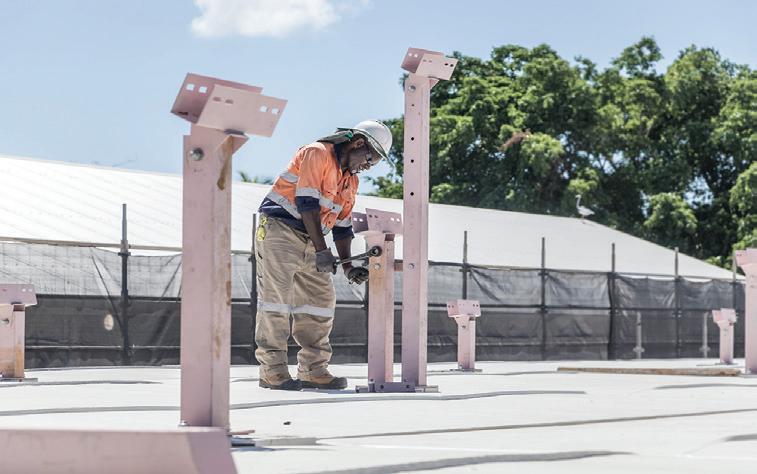
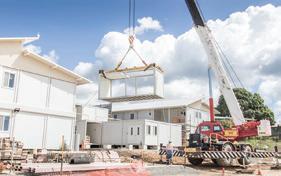
Ark to Deliver Santos Construction Camp - 79
Buk bilong Pikinini, Svitzer PNG launch literacy partnership with tugboat learning excursion - 80
PacTow Introduces Towing Operations Customer Centre - 81
Santos delivers nearly K600,000 in education and sanitation infrastructure to Kutubu Secondary School - 82
Westpac invests in Pacific through rollout of its world-class leadership development program LEAD - 83


Pacific Business Review is published for the pacific business community.
Elizabeth Galura
EDITOR
James Galvez editor@eagle-publishing.com
CONSULTING EDITOR
Jimbo Owen Gulle
PUBLISHER journalist
Roselyn Erehe
Advertising manager
Greg Brimble
+675 76810995 / +63 995117 5836 greg@pngbusinessnews.com
Sales and marketing manager
Matthew Brimble +61 468 853 583 info@pacificbusinessreview.com
Business Development Manager
Alvin Bangbang +63 939 135 9949 alvin@eagle-publishing.com
ACCOUNT MANAGER
Daren Counsel +675 7734 3143 / +63 926 024 0076 daren@pngbusinessnews.com
Graphic designer
Raphael Jethro Borja
Commentaries and contributed articles published in this magazine are the views of their authors and do not necessarily reflect the views of Pacific Business Review - our main role is to provide our readers in the Pacific region with a digest of business news in various sectors of Oceania.
Office
Unit 5/2 Gemstone Bvd, Carine WA 6020 info@pacificbusinessreview.com
Digital Online Edition www.pacificbusinessreview.com
, an edition that captures a region advancing with renewed confidence—where reform, investment, connectivity and sectoral resilience are shaping the

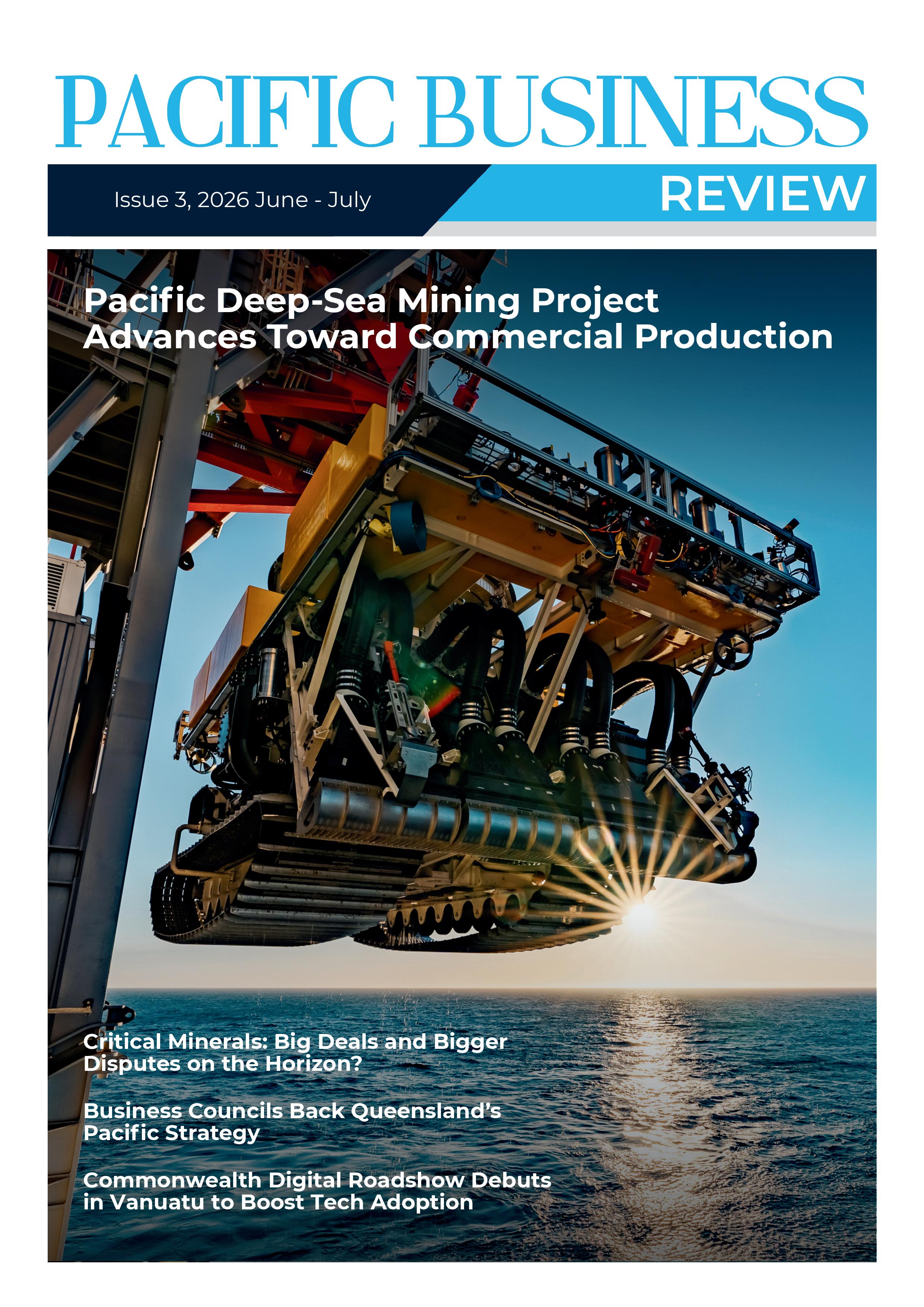
This issue’s cover brings together four defining developments across the region, each reflecting a distinct but interconnected driver of economic transformation.
Across the Pacific, the conversation around economic development is increasingly being shaped by a handful of powerful forces: resource security, investment, regional cooperation and digital transformation. As governments and businesses respond to shifting global priorities, the region is emerging as a strategic player in industries and initiatives that will help define the future.
We lead with Fiji’s kava sector, where export growth is accelerating on the back of regulatory reforms and expanded market access. As global demand rises, the industry is undergoing a structural shift—from traditional production toward a more organised, export-oriented value chain— positioning kava as a key agricultural growth story for the Pacific.
In this edition, we examine the progress of a Pacific deep-sea mining project as it advances toward commercial production. The development highlights both the opportunities and challenges associated with unlocking the region’s vast seabed mineral resources at a time when global demand for critical minerals continues to accelerate.
Infrastructure takes centre stage in Solomon Islands, where Prime Minister Jeremiah Manele has launched a national investment pipeline exceeding SBD$19 billion. More than a list of projects, the plan signals a coordinated push to unlock financing, strengthen connectivity and lay the groundwork for long-term economic expansion. It reflects a broader regional recognition that infrastructure is not only about physical assets, but about enabling productivity, inclusion and resilience.
That theme continues in our commentary, Critical Minerals: Big Deals and Bigger Disputes on the Horizon?, which explores how competition for strategic resources is reshaping investment decisions, supply chains and geopolitical relationships. As countries seek secure and diversified sources of critical minerals, the Pacific is increasingly becoming part of a much larger global equation.
In Vanuatu, efforts to deepen long-term engagement with Hong Kong point to a strategic shift toward institutional partnerships and capital alignment. As Pacific economies seek to diversify funding sources and strengthen financial linkages, such relationships highlight the growing importance of cross-border collaboration in driving investment and economic integration.
Regional partnerships also remain central to the Pacific’s growth story. Business councils have welcomed Queensland’s Pacific strategy, recognising the role of trade, investment and private-sector collaboration in strengthening economic ties between Australia and Pacific Island nations. Such initiatives reinforce the importance of longterm engagement in supporting sustainable development and shared prosperity across the region.
Meanwhile, in Papua New Guinea, the arrival of new ATR aircraft underscores continued investment in aviation capacity and reliability. In a region defined by geography, aviation remains a critical enabler of trade, tourism and essential services—making fleet modernisation a key pillar of national and regional connectivity strategies.
At the same time, the Commonwealth Digital Roadshow’s debut in Vanuatu highlights the growing importance of technology and digital inclusion. Expanding digital skills, encouraging innovation and improving access to digital tools will be critical as Pacific economies seek to boost productivity, create opportunities and participate more fully in an increasingly connected world.
Beyond these features, this edition covers developments across mining, energy, infrastructure, finance, agriculture, tourism and technology. Together, these stories reflect a Pacific region that is evolving with confidence—embracing new opportunities while navigating the challenges that come with growth and change.
Thank you for reading.
Beyond the cover, this issue explores a wide spectrum of developments— from policy reforms and investment frameworks to sector-specific progress across mining, energy, finance and agriculture. Together, these stories highlight a Pacific region that is not standing still, but actively recalibrating— aligning policy with opportunity, strengthening institutions and positioning itself within an evolving global economic landscape.
James Galvez Editor
Thank you for reading.


EXPAC delivers structured global procurement and integrated logistics solutions to mining, construction, industrial, government and commercial operations across Papua New Guinea and the Pacific
With offices in Australia, Paua New Guinea, China, Europe and UAE, we provide direct access to international manufacturers and trusted supplier networks worldwide securing critical equipment and materials reliably and at speed
Our Chinese, European and UAE offices strengthens direct access to SE Asia, EU and UAE manufacturers and markets, enhancing global sourcing capability and reducing supply risk across multiple sectors
EXPAC AUSTRALIA
1 Magnesium Street, Narangba, QLD 4504
Tel: +61 7 3868 1591
Email: sales@expac com au
EXPAC PAPUA NEW GUINEA
Expac Port Moresby
PNG CR Compound, Baruni Bypass Road, POM 121
Tel: +675 7302 3422
Email: nenita@expac.com.au
Expac/HX Services Lae
11 Mile, Okuk Highway, Lae
Tel: 675 7915 1194
Email: sales@HXServices co

Section 350C China Town Road, Buka
Tel: +675 7395 7102
Email: evelyn@expac com au

Global Procurement
OEM & genuine parts sourcing
Aftermarket & alternative strategies
Construction & industrial materials
Capital equipment acquisition
Integrated Logistics
International airfreight
Sea freight
Multi-origin coordination
Structured shipment tracking
Operational Strength
180+ years combined experience
ISO-certified systems
Multi-currency procurement capability
Proven performance in remote environments
Products Sourced - But Not Limited to Mining Equipment & spare parts
Earthmoving Equipment & spare parts
Agricultural Equipment & spare parts
Electrical , plumbing & building supplies
Lubricants, tools, catering & ppe

Suite 1130, Chuangzhan Tower, 928 Xikang Road, Shanghai
Tel: +61 7 3868 1591
Email: sales@expac com au

6 Floor, Meydan Road, Nad Al Sheba, Dubai th
Email: sales@expac com au
by: Ryan Cable and Diora Ziyaeva
Since being signed in October 2025, the ‘U.S.-Australia Framework for Securing Supply in the Mining and Processing of Critical Minerals and Rare Earths’ Framework has gained momentum against the backdrop of intensifying global competition for strategic resources. The initiative reflects a broader structural shift: critical minerals are no longer simply commodities, but are increasingly becoming instruments of economic security, industrial policy and geopolitical leverage.
At its core, the Framework seeks to integrate two resourcerich, politically aligned jurisdictions into a more resilient supply chain for minerals essential to defence systems, semiconductors, electric vehicles and clean energy infrastructure. It aims to do so by incentivising crossborder investment, accelerating permitting and facilitating preferential offtake arrangements.
From a policy standpoint, the Framework aligns with parallel efforts such as the U.S. Inflation Reduction Act and Australia’s Critical Minerals Strategy, each designed to reduce dependence on concentrated supply sources and to “friend-shore” production capacity. In practical terms, the Framework may unlock access to U.S. government-backed financing, including through the Export-Import Bank of the U.S. and the U.S. Department of Defense’s industrial base programmes, materially improving project bankability.
For developers and investors, this signals opportunity. However, history — and recent arbitration trends in the mining sector — suggest a more complex reality: geopolitical stability at the macro level often masks heightened instability at the project level.
Indeed, the acceleration of capital deployment, compressed development timelines and increasing politicisation of resource allocation are all well-established catalysts for disputes.
1. Native title and land access pressures
A significant proportion of Australia’s critical mineral deposits are located on or near land subject to Indigenous rights and cultural heritage protections. The consultation and consent requirements under the Native Title Act 1993 (Cth) are rigorous, and for good reason.


and Investment Treaty Arbitration groups. They advise clients across the mining, energy and infrastructure sectors on project development, joint ventures, dispute resolution and regulatory compliance.
However, where projects are fast-tracked under strategic imperatives, tensions inevitably arise. Recent experience across the mining sector shows that insufficient consultation or procedural shortcuts can trigger injunctions, heritage disputes and long-tail reputational harm. From a disputes perspective, these conflicts are increasingly hybrid, combining domestic administrative litigation with contractual and investor-State dimensions.
Critical minerals projects are capital-intensive and often structured through complex joint ventures and long-term offtake agreements. These arrangements are particularly vulnerable in environments of price volatility and shifting policy incentives.
As seen in lithium and rare earth markets over the past five years, divergence between contracted prices and spot markets can become extreme. This creates fertile ground for disputes over:
• price review and hardship clauses
• force majeure and “change in law” provisions; and operator control and capital allocation decisions.
Where projects are strategically significant, these disputes may escalate quickly, with broader political or regulatory implications.
Australia’s regulatory landscape, spanning federal regimes such as the Foreign Acquisitions and Takeovers Act 1975 (Cth) and a patchwork of state-based mining and environmental laws, remains inherently complex.
The addition of a “strategic project” designation does not eliminate this complexity; it may, in fact, intensify scrutiny. Third parties, including environmental NGOs and local communities, are increasingly sophisticated and willing to challenge approvals through judicial review mechanisms.
This trend mirrors developments in other jurisdictions, where expedited approvals tied to energy transition goals have been successfully contested, delaying projects and increasing costs.
The Framework itself is non-binding and operates within a fluid geopolitical environment. Export controls, domestic reservation policies or shifts in alliance priorities can materially alter the commercial assumptions underpinning a project.
Investors structuring projects around anticipated U.S. demand or preferential access may face realignment risk if
political priorities shift. This raises complex questions around:
• stabilisation clauses;
• sovereign interference; and
• potential recourse under investment treaties.
Recent ISDS jurisprudence demonstrates that resource nationalism, particularly in strategic sectors, continues to generate high-value claims, often centred on indirect expropriation and fair and equitable treatment standards.
A structural observation: ESG as shield and sword
An emerging dynamic worth highlighting is the dual role of ESG considerations. On the one hand, ESG compliance is increasingly positioned as a prerequisite for access to financing and market entry under frameworks like this one. On the other, ESG obligations are being invoked by States as a regulatory justification in disputes.
This creates a paradox: ESG can operate both as a shield for States and as a sword for claimants, particularly where regulatory measures are inconsistent, disproportionate or applied retrospectively.
The U.S.-Australia Framework represents a sophisticated attempt to align industrial policy with geopolitical realities. It will likely accelerate investment and unlock significant value across the critical minerals supply chain.
But for project developers, investors and financiers, the key takeaway is clear: the risk profile is evolving, not diminishing.
Careful attention must be paid to:
contractual risk allocation (particularly around price, force majeure and regulatory change); dispute resolution mechanisms (including the selection of the arbitral seat, governing law and enforcement strategy); and the interaction between domestic regulatory frameworks and international investment protections.
For project developers, investors, offtake counterparties and financiers active in Australia’s and/or the US’s critical minerals sectors, careful attention should be given to contractual terms in light of the rapidly changing regulatory environment which, in some respects concerning the Framework, remains undefined.
In short, the next phase of the critical minerals boom will not only be defined by “big deals”, but also by increasingly complex, high-stakes disputes. PBR
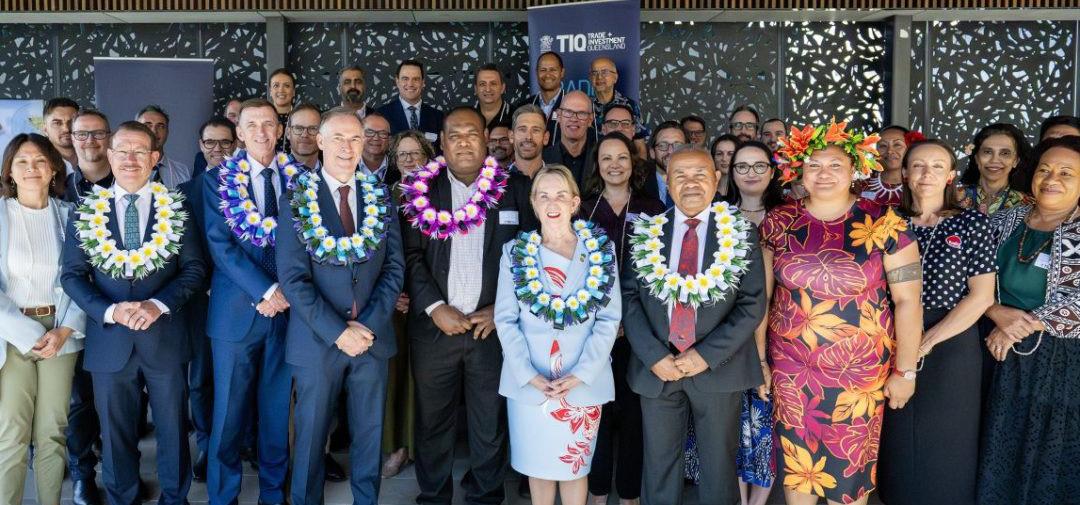
The Australia Papua New Guinea Business Council, the Australia Fiji Business Council and the Australia Pacific Islands Business Council have welcomed the launch of the Queensland-Pacific Trade and Investment Strategy 20262029, highlighting the importance of sustained industry engagement in delivering outcomes across the region.
Representatives from the three councils attended the launch on April 21 at Parliament House in Brisbane, where Trade and Investment Queensland outlined the state’s approach to expanding trade, investment and long-term partnerships across Pacific economies.
The councils said the strategy reflected growing recognition of the Pacific as a key economic partner for Queensland. Its focus on infrastructure, education and training, agribusiness and energy aligns with sectors in which Australian businesses are already active and where regional demand continues to grow.
Speaking at the launch, Australia Papua New Guinea Business Council President Vaughan Mills said the councils played an important role in connecting Queensland businesses with Pacific markets. He said more than half of the councils’ members were based in Queensland and noted their longstanding collaboration with Trade and Investment Queensland under memoranda of understanding signed in 2023.
Mills also highlighted the councils’ involvement in developing the strategy, including participation in industry roundtables where private-sector input helped shape its direction. He said consistent engagement, understanding local conditions and genuine partnerships between government, industry and Pacific business communities would be critical to unlocking opportunities.
Council members attending the launch also underscored the practical dimension of the strategy. Companies including Hall Contracting and Kramer Asia Pacific were recognised as examples of Queensland businesses delivering outcomes in Pacific markets through long-term commitment and strong in-country relationships.
The councils said collaboration between government and industry remained central to turning strategy into action. Their networks, which include links with peak business bodies across Pacific jurisdictions, continue to support Queensland companies navigating local markets and building partnerships.
As Queensland deepens engagement with the Pacific, the councils are expected to continue playing a key role in facilitating connections, sharing market insight and supporting commercial outcomes under the strategy. PBR
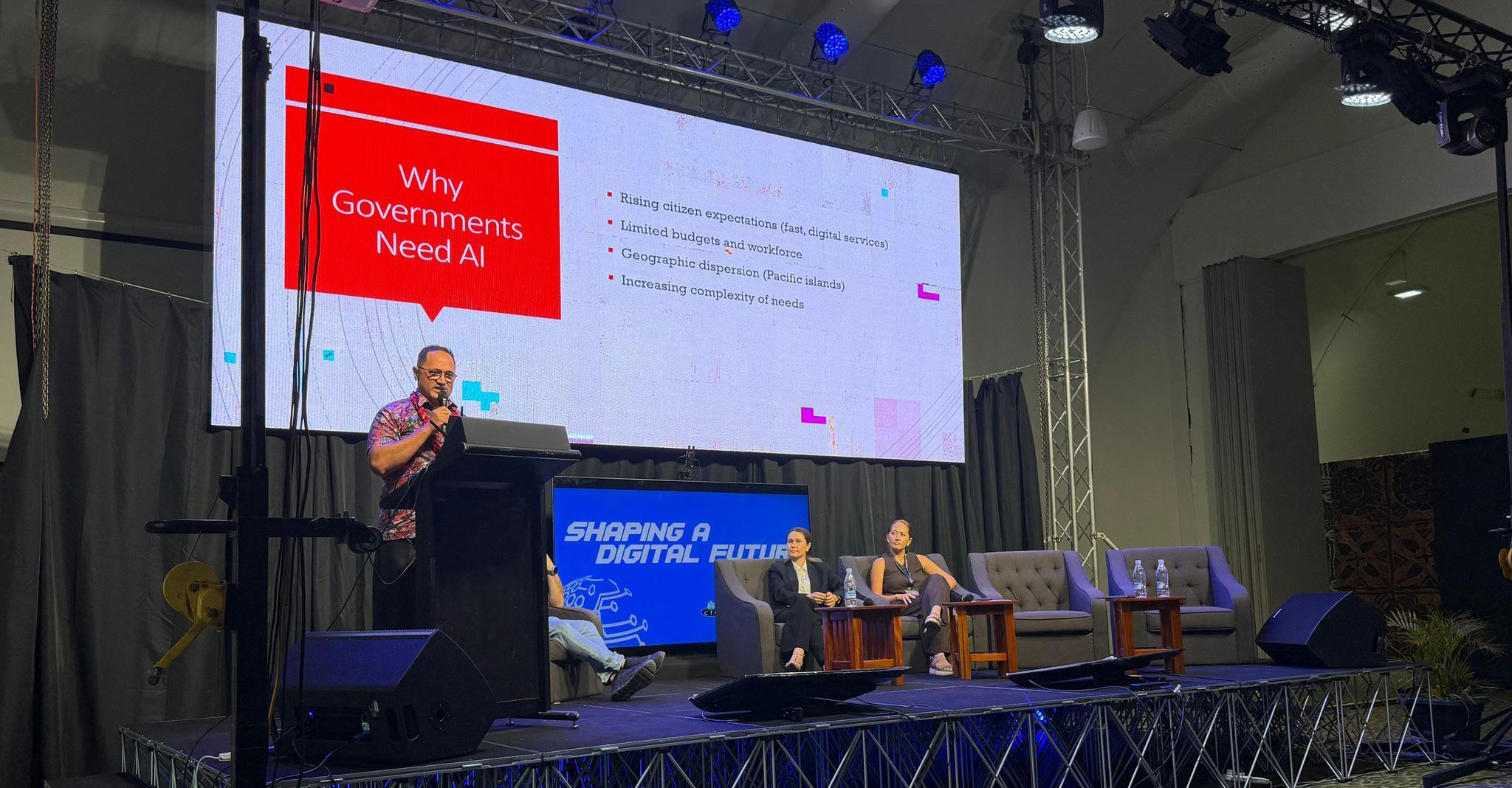
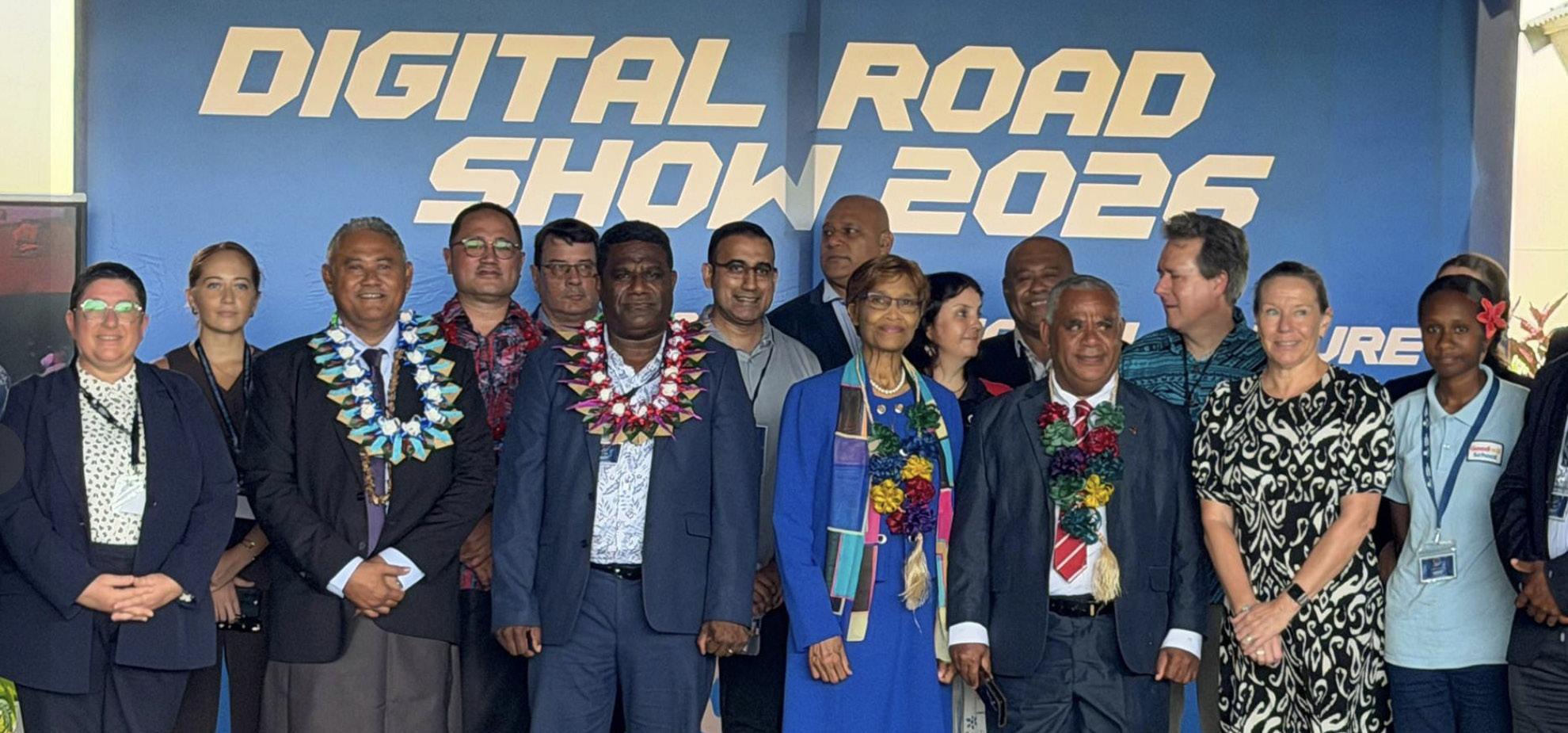
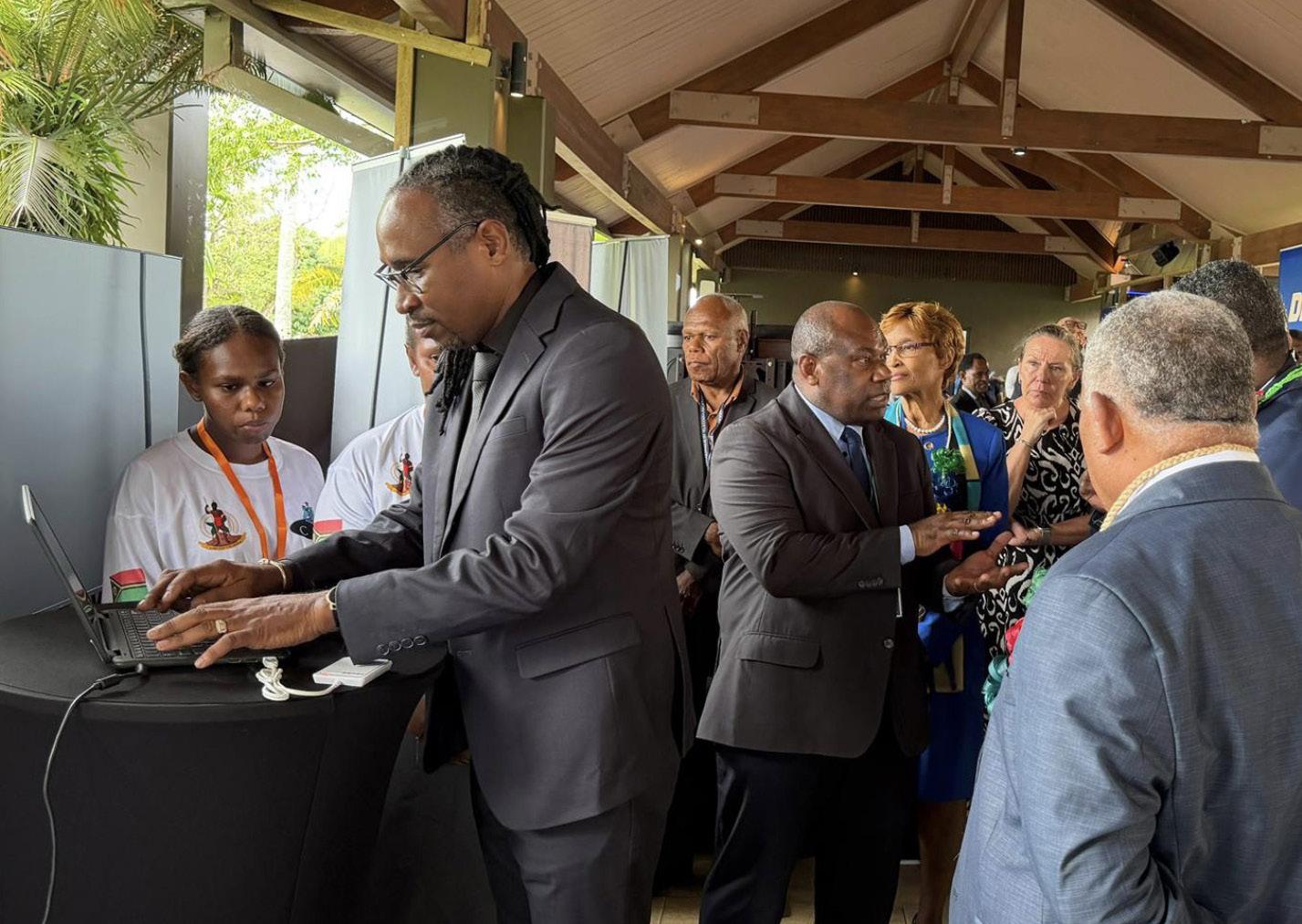
The Commonwealth Digital Roadshow made its inaugural stop in Vanuatu from March 23 to 27, bringing together policymakers, businesses and communities in a coordinated push to accelerate digital transformation and expand access to emerging technologies.
Led by the Commonwealth Telecommunications Organisation in partnership with the Vanuatu government’s Department of Communications and Digital Transformation, the initiative builds on the country’s broader Digital Transformation Initiative launched in September 2025.
Officials said the roadshow is designed to strengthen digital capacity, promote inclusive access to technology and support the development of a more connected and resilient digital economy.
The programme convened senior government officials, ICT regulators, private sector leaders, technology entrepreneurs, academics and development partners, alongside grassroots stakeholders including farmers, small business owners, youth and women’s groups, educators and health workers.
to Page 14 →
Organisers said this multi-stakeholder approach is intended to ensure that digital transformation efforts are inclusive and responsive to the needs of both urban and rural communities, including those in outer islands.
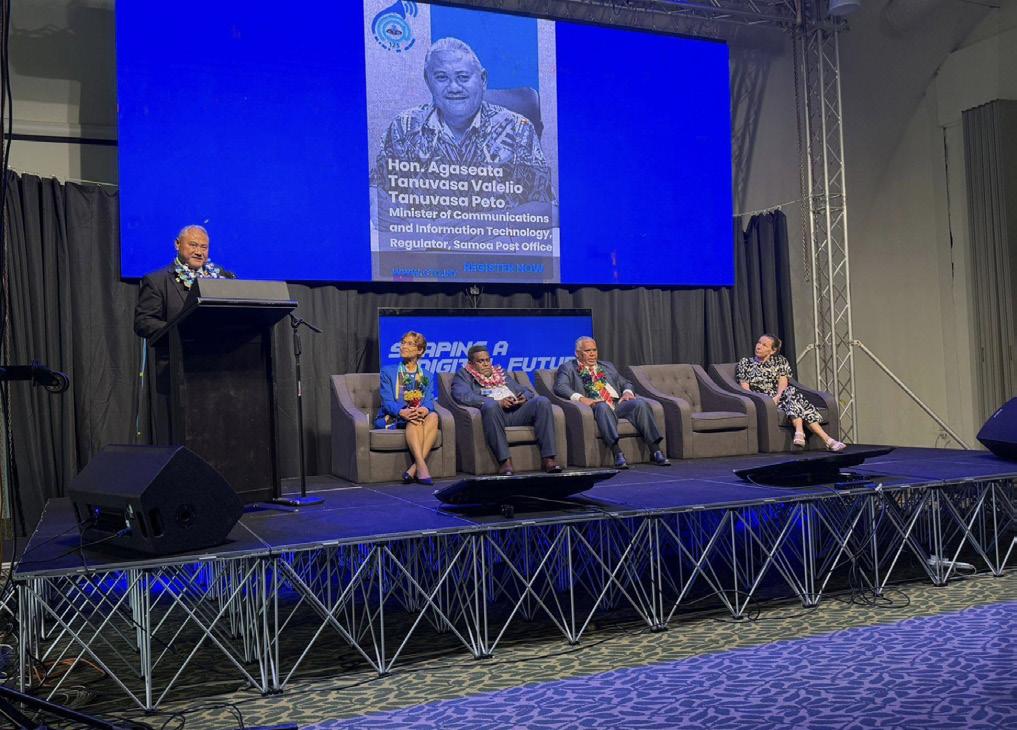
In remarks during the event, the secretary-general of the Commonwealth Telecommunications Organisation said the roadshow goes beyond dialogue by promoting practical applications of digital tools.
The initiative aims to equip small and medium-sized enterprises (SMEs) and community stakeholders with the skills needed to adopt e-commerce platforms, improve productivity and access regional and global markets.
“We will not only engage in discussions; we will educate, demonstrate and cultivate practical partnerships that empower SMEs and communities to harness digital tools and future-proof Pacific economies,” the official said.
The emphasis on hands-on engagement reflects a broader shift among development partners toward implementationfocused programmes that translate policy ambitions into measurable economic outcomes.
Andrea Ibba, Pacific e-commerce coordinator at the Pacific Islands Forum Secretariat, highlighted ongoing regional initiatives aimed at strengthening digital trade and e-commerce readiness across Forum Island Countries. Ibba commended Vanuatu’s progress in advancing its e-commerce ecosystem and led a technical session focused on ICT adoption among SMEs. The session examined scalable approaches to increasing digital uptake, particularly in geographically dispersed and resource-constrained environments.
Discussions centered on the role of enabling policy frameworks, digital infrastructure, capacity-building programmes and cross-sector partnerships in supporting SME participation in the digital economy.

Participants also explored how targeted interventions can help bridge persistent gaps in access to technology and digital skills, which remain key barriers to inclusive growth in many Pacific island economies.
The roadshow aligns with Strategic Output 6.2 of the Pacific Regional E-commerce Strategy and Roadmap, which prioritises skills development and awareness-raising initiatives to support digital transformation across the region.
By linking national initiatives with regional frameworks, organisers aim to create a more coordinated approach to digital development—one that leverages shared knowledge, resources and best practices.
For Vanuatu, the roadshow represents both a milestone and a stepping stone, as the government continues to expand its digital agenda and integrate technology into key sectors such as commerce, education and public service delivery.
As Pacific economies navigate the challenges of geographic isolation and limited infrastructure, initiatives such as the Commonwealth Digital Roadshow are expected to play a critical role in unlocking new economic opportunities and strengthening regional connectivity through digital innovation. PBR



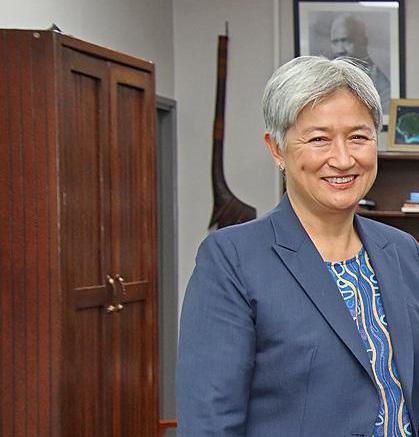
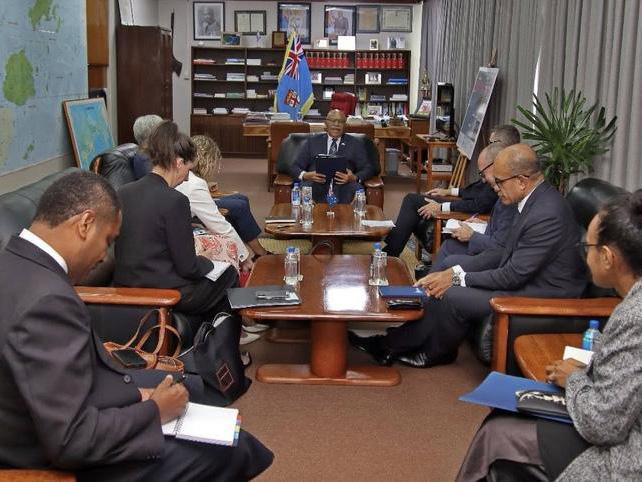
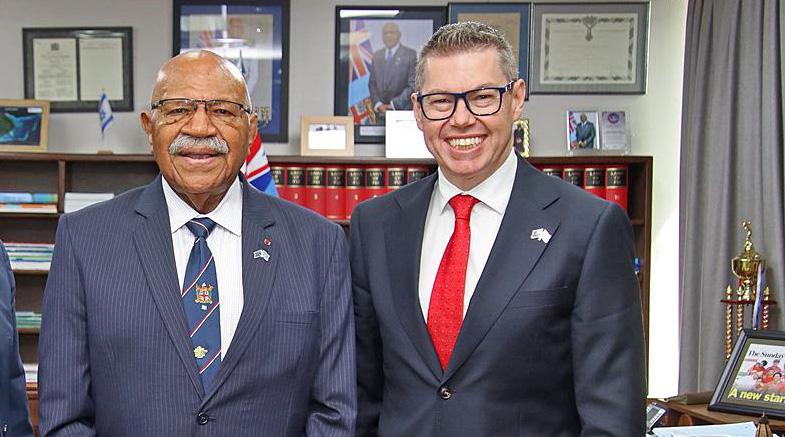
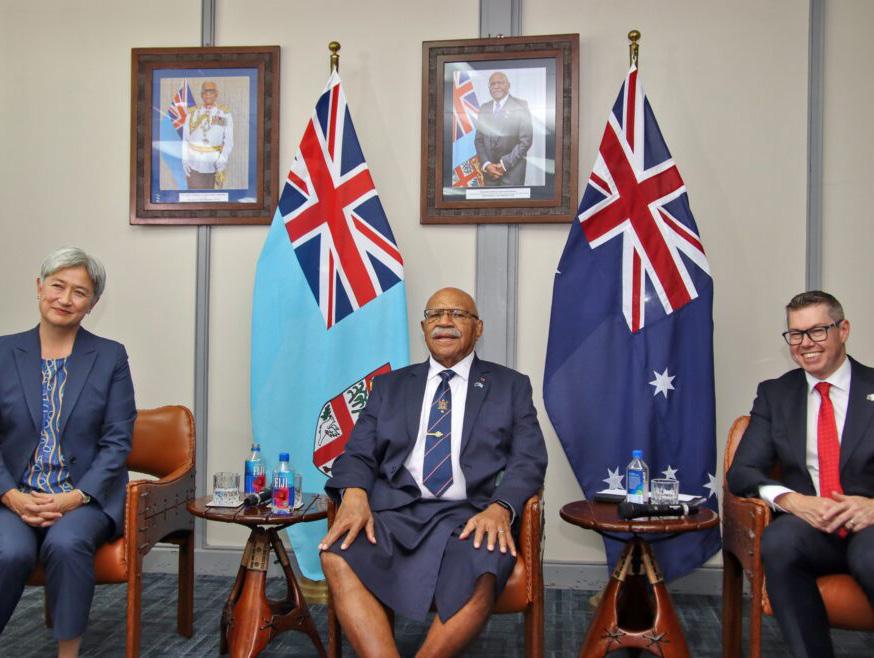
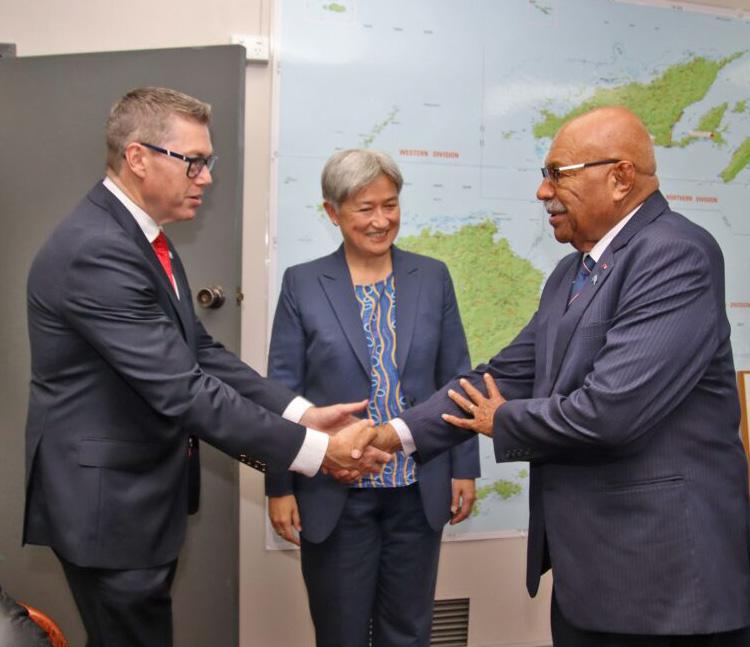
Fiji and Australia have reaffirmed their strategic partnership following high-level bilateral talks between Prime Minister Sitiveni Rabuka and senior Australian ministers in Suva, with discussions focusing on regional security, economic cooperation and the development of the proposed Vuvale Union.
Australian Foreign Minister Penny Wong and Minister for Pacific Island Affairs and Defence Industry Pat Conroy met Rabuka at the Office of the Prime Minister on Wednesday during a three-day official visit aimed at strengthening bilateral relations and regional cooperation.
Rabuka welcomed the Australian delegation and reaffirmed the longstanding relationship between Fiji and Australia, describing the partnership as one grounded in shared values and mutual trust under the Vuvale Partnership framework.
The leaders discussed ongoing work on the proposed Vuvale Union, which is expected to operationalise Fiji’s “Ocean of Peace” vision while strengthening cooperation in the areas of economic development, security and people-to-people ties.
Rabuka also acknowledged Australia’s provision of AUD30 million in budget support to help Fiji manage the effects of the current energy crisis.
The meeting additionally addressed economic opportunities as well as defence and security matters, including transnational
crime and the increasing threat posed by illicit drug networks across the Pacific region.
Rabuka briefed Wong and Conroy on Fiji’s national response to these challenges and noted Australia’s continuing support in strengthening Fiji’s security capabilities.
Following the bilateral meeting, the Australian
ministers also met members of Fiji’s Cabinet before participating in a joint press conference.
Wong and Conroy thanked the Fijian government and people for their hospitality and reaffirmed Australia’s support for Fiji and the wider Pacific region, while recognising Fiji’s role as a regional leader. PBR
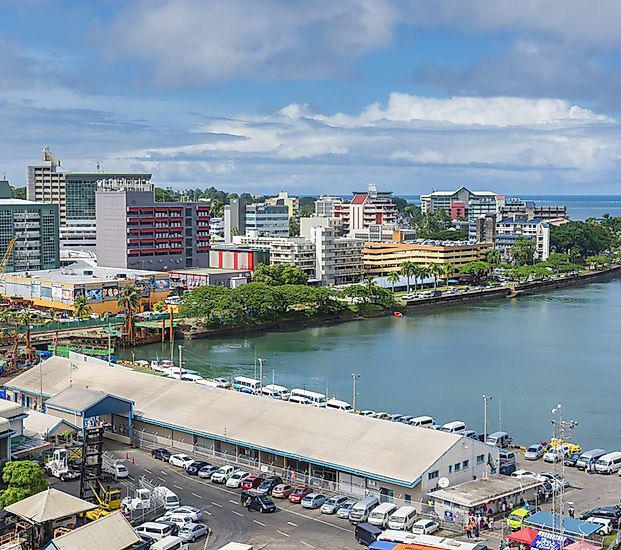
Economic growth in Fiji, the Pacific’s second-largest economy, is expected to soften in the medium term as visitor arrivals slow, pre-election uncertainty increases, and external conditions deteriorate, according to a new Asian Development Bank (ADB) report.
ADB’s flagship economic publication, Asian Development Outlook (ADO) April 2026, forecasts Fiji’s gross domestic product (GDP) growth to moderate to 2.9% in 2026 and 2.7% in 2027. Slowing trends in tourism markets are expected to persist amid challenging external conditions, while a wait-and-see approach by investors ahead of the upcoming elections dampens construction growth. However, sustained consumption strength is expected to support continued growth in agriculture, local food manufacturing and financial services.
“Fiji’s economy continues to grow, but evolving global and domestic headwinds pose serious threats that could undermine progress and development,” said Regional Director of ADB’s Pacific Subregional Office Azusa Sato. “Strengthening resilience — through sound macroeconomic management to address near-term pressures, alongside targeted social support and health system strengthening to tackle long-standing constraints — will be critical to sustaining inclusive growth.”
Fiji’s economy grew moderately in 2025, supported by steady tourism activity, agriculture and construction, which together stimulated strong private consumption. Inflation remained subdued over the year, reflecting the reduction in value-added tax (VAT) and lower import prices, resulting in mild deflation.
Inflation is projected to rebound as deflationary effects from lower VAT and import prices fade, rising to about 3.3% in 2026 before easing to around 1.9% in 2027 amid higher food and fuel costs.
The Middle East crisis has increased external uncertainties and energy price risks. A more prolonged escalation could further impact Fiji’s growth through higher prices, shipping disruptions and financial volatility, which ADB will continue to monitor closely.
The current unstable external environment poses risks to domestic resources needed to finance longstanding structural challenges, particularly noncommunicable diseases (NCDs), which account for 80% of deaths and cost Fiji approximately $263 million per year. NCDs have significant long-term economic implications, and the ADB report highlights the need to further accelerate health sector reforms to raise public health expenditure to at least 5% of the country’s GDP.
ADB is a leading multilateral development bank supporting sustainable, inclusive and resilient growth across Asia and the Pacific. Working with its members and partners to solve complex challenges, ADB harnesses innovative financial tools and strategic partnerships to transform lives, build quality infrastructure and safeguard the planet. Founded in 1966, ADB is owned by 69 members — 50 from the region. PBR
New Caledonia and Vanuatu are set to be connected by a pioneering underwater telecommunications cable equipped with scientific monitoring technology aimed at improving earthquake and tsunami detection in one of the world’s most seismically active regions.
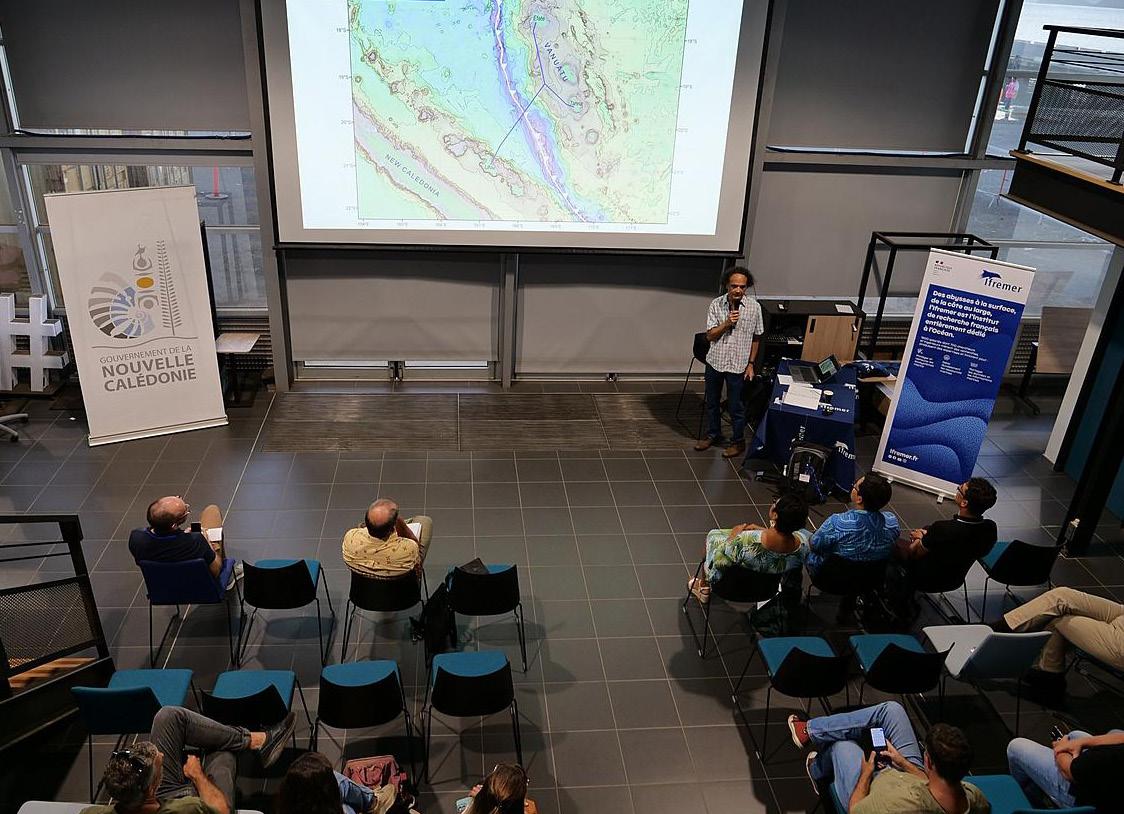
Jeremie Katidjo Monnier, member of the New Caledonian government responsible for the management of the Coral Sea Natural Park, attended a presentation on the Tam-Tam cable project by the French Research Institute for Exploitation of the Sea (Ifremer) on May 6, alongside representatives from several government departments and agencies.
The proposed cable will link Lifou in New Caledonia with Efate, Tanna and Santo in Vanuatu, traversing the second most active subduction zone in the world, an area characterised by intense seismic activity and significant tsunami risk.
Martin Patriat, a geology researcher at Ifremer, outlined the technological, scientific and social dimensions of the project, which is being financed under the France 2030 programme with funding of 2.146 billion CFP francs ($18 million euros).
Beyond providing digital connectivity, the cable will incorporate SMART technology — Science Monitoring And Reliable Telecommunication — enabling it to function as a scientific observation platform through embedded sensors measuring temperature, pressure and seismic activity.
The system is designed to detect underwater earthquakes, pressure changes associated with tsunamis, and tectonic movements in real time.
According to Ifremer, the deployment of SMART cable technology on this scale represents a global first.
Project stakeholders said the cable would support continuous monitoring of marine and underwater environments, contributing to a more detailed understanding of climate change impacts and ocean conditions.
The system is also expected to strengthen disaster preparedness and public safety through improved earthquake and tsunami early warning capabilities, while deepening regional cooperation between France, New Caledonia and Vanuatu.
The initiative is being led by Ifremer in partnership with New Caledonia’s Directorate of Industry, Mines and Energy (DIMENC), the French National Research Institute for Sustainable Development (IRD), the National Centre for Scientific Research (CNRS), and Pacific Peering, a New Caledonian company specialising in international connectivity services.
Private telecommunications operators, including Prima and Alcatel Submarine Networks, are also involved in the project. PBR

French Tech New Caledonia has secured French Tech Capital status for 2026–2028, becoming only the second French overseas territory to receive the designation as the Pacific territory accelerates efforts to position itself as a regional technology and innovation hub.
The announcement was formally made on May 12 at Station N in Noumea during a joint press conference involving Christopher Gygès, High Commissioner Jacques Billant, Southern Province Assembly President Sonia Backès and French Tech New Caledonia president Hatem Bellagi.
Officials described the recognition as a major institutional milestone that strengthens New Caledonia’s standing within France’s national innovation ecosystem and enhances its international credibility among investors, entrepreneurs and strategic partners.
“This is a real recognition for New Caledonia, and this status brings greater visibility at the national and international levels,” Gygès said, noting that the local tech sector only began emerging in 2019.
Authorities said the new designation would provide greater institutional legitimacy and increased access to national programmes, funding opportunities and policy discussions alongside other French Tech capitals.
The achievement follows six years of coordinated ecosystembuilding since New Caledonia obtained the French Tech Community label in 2020. The initiative has been driven through partnerships involving the government of New Caledonia, OPT-NC, the Chamber of Commerce and Industry of New Caledonia, the Technopole and local startup companies.
Since then, authorities have launched several initiatives aimed at supporting digital entrepreneurship and economic diversification, including the Tech for Good programme focusing on GreenTech, BlueTech, SocialTech and DeepTech sectors.
New Caledonia has also increased participation in international technology events, including VivaTech, French Tech Days Overseas and regional innovation forums in the Pacific and New Zealand.

In October 2024, New Caledonia hosted the second edition of the Overseas French Tech Days under the theme “So Tech, So Good,” bringing together about 400 participants, 40 experts and representatives from six French Tech communities across overseas territories and the Pacific region. The closing ceremony was attended by French Minister for Overseas Territories François-Noël Buffet.
Regional expansion is also being driven through plans for the Pacific Tech Hub project, which aims to connect South Pacific technology ecosystems, strengthen regional collaboration and establish Noumea as a strategic Indo-Pacific digital hub.
The territory has additionally introduced regulatory and financing tools to support startup development, including Young Innovative Company status adopted in 2020 and crowdfunding initiatives such as Invest In Pacific.
Officials said New Caledonia’s presence at the 2025 VivaTech conference generated more than 1,700 visitors, nearly 1,000 business leads and over 80 million CFP francs in economic benefits. Local startups also secured international recognition, including the “HR Innovation Award” for Optimal RH in 2024 and the “Tech for Change Award” for FireTracking in 2025.
For the 2026 VivaTech event, New Caledonia plans to expand its footprint with a 70-square metre pavilion featuring eight startups and 16 partners, including a dedicated investment promotion area showcasing the territory’s business environment and innovation ecosystem.
French Tech New Caledonia said the next phase of development would focus on scaling national programmes, deepening regional integration and supporting longterm economic diversification through technology, digital transformation and innovation. PBR





Pacific Island countries are stepping up efforts to strengthen private sector development, recognising its central role as the backbone of their economies and a key driver of long-term growth, employment and innovation.
The private sector remains the region’s largest employer and a major contributor to productivity, competition and wealth creation. It also plays a critical role in reducing poverty by generating jobs and improving living standards across Pacific economies.
Policymakers across Forum Member countries are now moving to elevate private sector development ambitions by promoting reforms that improve the business environment, address market failures and support enterprise creation. Efforts are also under way to enhance the capacity of Pacific businesses to participate more actively in domestic, regional and global markets.
At the national level, governments have introduced a range of initiatives, including private sector development strategies, public-private partnerships and targeted industry incentives. However, officials say the absence of a coordinated regional framework has limited the ability to fully leverage shared strengths across the Pacific.
To address this gap, the Pacific Regional Private Sector Strategy (PRPSS) was mandated by Forum Trade Ministers in 2021, aimed at driving sustainable and resilient economic growth, job creation and innovation across the region.
The inaugural strategy, covering 2025 to 2030, places a strong emphasis on micro, small and medium enterprises (MSMEs), widely regarded as the engine of Pacific economies. MSMEs are expected to play a pivotal role in economic diversification, employment generation and the promotion of entrepreneurship.
Globally, MSMEs account for between 50% and 60% of GDP, represent about 90% of businesses and contribute roughly 70% of employment. However, their full economic contribution in Pacific Island countries remains difficult to quantify due to high levels of informality and limited data collection systems.
Under the theme “Strengthening Foundations for Resilient and Inclusive MSME Growth,” the strategy aims to build a more supportive business environment and address structural challenges that constrain MSME development.
The plan focuses on six priority areas: improving the business enabling environment; supporting business growth and innovation; expanding access to finance; building resilience to economic shocks; promoting inclusive entrepreneurship; and strengthening regional dialogue.
Officials said the strategy seeks to ensure that women-led, youth-led and rural enterprises, as well as businesses in the informal sector, are given equal opportunities to grow, formalise and contribute to economic activity.
Implementation will take place over five years, with a focus on “regional collective actions” — joint initiatives undertaken by multiple countries to maximise resources and address shared challenges. These actions will be carried out in collaboration with technical agencies, development partners and international organisations.
Where regional approaches are not feasible due to differing national contexts, the strategy allows for tailored countrylevel interventions.
A mid-term review is planned to assess progress and enable adjustments in response to evolving economic conditions and emerging opportunities.
Officials said the strategy is designed to complement existing national reforms, while fostering deeper regional integration, knowledge-sharing and cooperation across Pacific economies. PBR
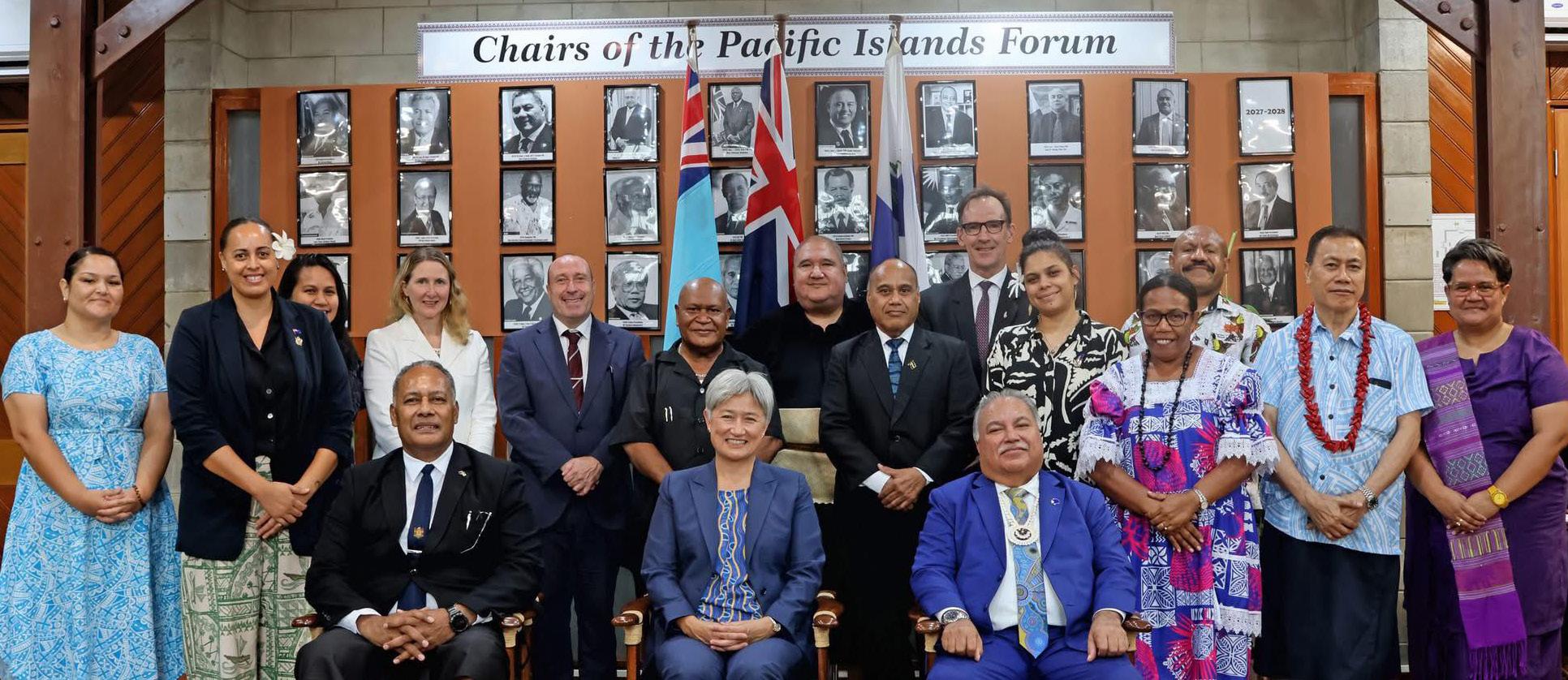
The treaty establishing the Pacific Resilience Facility officially entered into force on 6 May after Australia and Fiji jointly presented instruments of ratification in Suva, marking a major milestone for regional climate resilience and adaptation financing in the Pacific.
The instruments were deposited with Pacific Islands Forum Secretary-General Baron Divavesi Waqa by Australian Foreign Minister Penny Wong and Fiji’s Minister for Foreign Affairs and External Trade Sakiasi Ditoka.
Waqa described the treaty’s entry into force as a “defining milestone” for the Blue Pacific region, highlighting the facility’s role in supporting climate adaptation, energy security and clean energy transition projects at the community level.
The Pacific Resilience Facility was endorsed by Forum leaders in 2023 during their meeting in the Cook Islands under a declaration establishing the mechanism. Leaders later agreed in 2024 to designate Tonga as host country for the facility.
The treaty entered into force eight months after being signed by 15 Forum leaders during the 2025 leaders’ meeting in Solomon Islands, reflecting what regional officials described
as strong political commitment toward climate resilience financing.
The facility aims to provide regionally led financing support for Pacific communities facing climate-related vulnerabilities and disasters.
Regional governments have so far secured pledges amounting to US$172 million toward an initial capitalisation target of US$500 million by December 2026. The longer-term target is US$1.5 billion to support resilience initiatives aligned with limiting global warming to 1.5 degrees Celsius.
The treaty’s commencement comes ahead of planned COP31 pre-COP climate events to be hosted later this year by Fiji and Tuvalu, while Australia is expected to lead negotiations as COP31 president.
The treaty’s entry into force also triggers the inaugural meeting of the PRF Council, scheduled to take place after the Forum Economic Ministers Meeting in June 2026 in the Republic of the Marshall Islands.
In addition to Australia and Fiji, the treaty has also been ratified by Tonga, Nauru, the Republic of the Marshall Islands, Solomon Islands, Tuvalu, Cook Islands and New Zealand. PBR
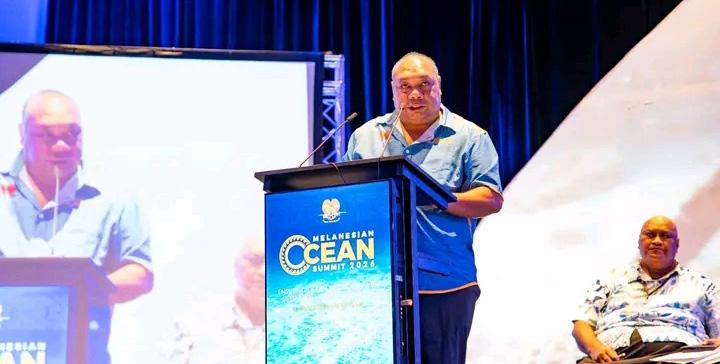
Jelta Wong, Minister for Fisheries and Marine Resources, speaking at the Melanesian Ocean Summit held in Port Moresby from May 11–14, 2026.
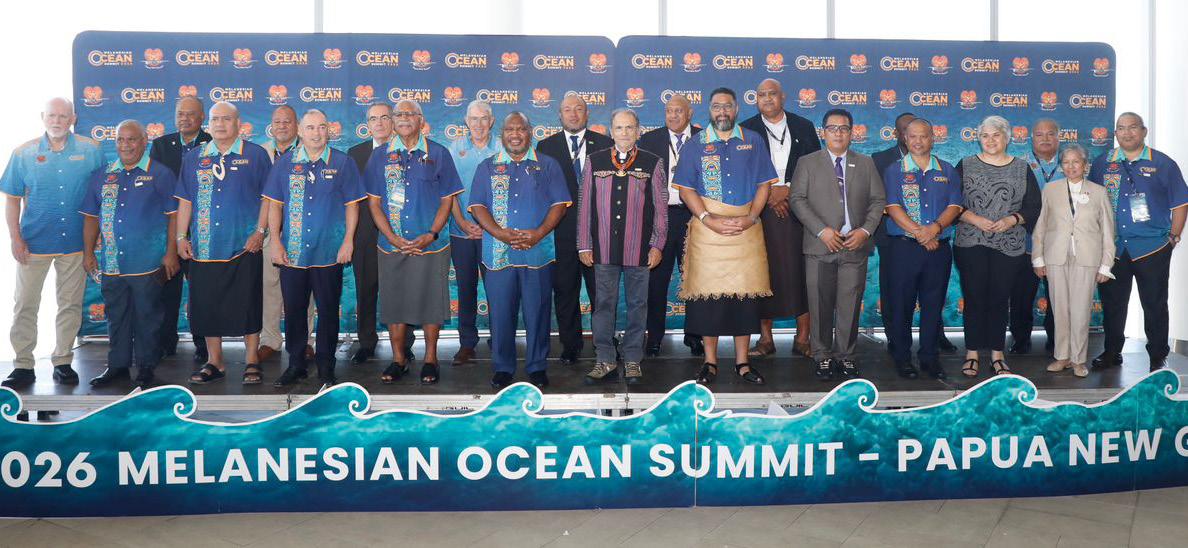
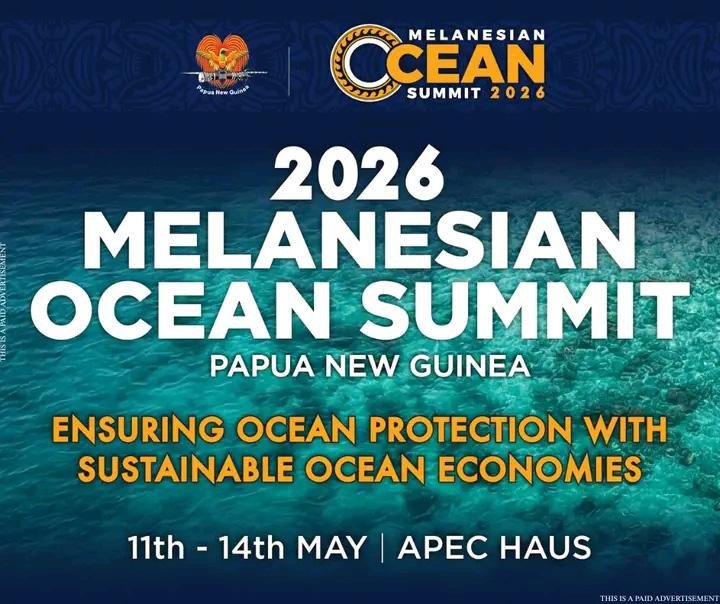
Papua New Guinea has strengthened its push to become a regional leader in sustainable ocean industries following the successful hosting of the inaugural 2026 Melanesian Ocean Summit at APEC Haus in Port Moresby from May 11–14.
Held under the theme “Ensuring Ocean Protection with Sustainable Ocean Economies,” the four-day summit brought together Pacific leaders, government representatives, researchers, development partners, and fisheries stakeholders to advance a regional strategy focused on marine conservation, fisheries development, climate resilience, and blue economy investment.
Closing the summit on May 14, the Minister for Fisheries and Marine Resources said the gathering had “transformed ambition into action, and solidarity into a shared Melanesian pathway for our ocean.”
The Minister said the summit demonstrated that Melanesian nations are increasingly viewing ocean protection and economic growth as interconnected priorities.
“Our ocean is not a frontier to be exploited, but a legacy to be stewarded,” the Minister said.
A major outcome of the summit was renewed commitment to the Melanesian Ocean Corridor of Reserves (MOCOR), a regional framework designed to protect marine ecosystems while supporting economic growth, coastal livelihoods, and food security.
Leaders reaffirmed support for the global “30 by 30” conservation target, which aims to protect 30 percent of the world’s oceans by 2030, while emphasizing that conservation initiatives must also deliver direct economic benefits to Pacific communities.
The Minister said discussions throughout the summit reinforced the importance of building “resilient blue economies” supported by sustainable financing, stronger fisheries management, renewable energy investment, and regional cooperation.
Business and investment opportunities linked to the blue economy emerged as a major focus throughout the summit.
Delegates discussed expanding sustainable fisheries industries, strengthening tuna value chains, developing blue carbon markets, improving marine tourism opportunities, and increasing climate-resilient coastal enterprises across Melanesia.
One of the major economic initiatives highlighted was the East New Britain Initiative for tuna value capture, aimed at increasing downstream processing and boosting returns from PNG’s fisheries sector.
“The takeaway is clear: the blue economy must be peoplecentred, climate-resilient, and anchored in sustainable fisheries,” the Minister said.
PNG also announced that it will host the Pacific-Led Innovation Tuna Forum later in 2026 in Port Moresby, positioning the country as a regional hub for fisheries innovation and sustainable tuna industry development.
The summit emphasized that marine protected areas should not only serve conservation purposes but also function as

economic assets supporting fisheries productivity, food security, tourism growth, and climate adaptation.
“MPAs are not just conservation tools — they are food security, climate resilience, and economic engines,” the Minister stated.
Pacific nations including PNG, Fiji, Vanuatu, and Palau shared experiences on locally managed marine areas and traditional conservation systems that have delivered positive environmental and economic outcomes for coastal communities.
Ocean finance discussions also featured prominently during the summit, with leaders acknowledging that long-term marine protection will require stronger governance systems, improved institutional capacity, and diversified financing mechanisms.
Delegates reviewed existing Pacific financing models, including the Micronesia Conservation Trust, the Coral Triangle Initiative Fund, and Niue’s ocean conservation credits system, as examples of innovative funding approaches for sustainable marine management.
The Minister said the challenge facing the region was “not only mobilising money, but building the systems to manage it.”
Leaders agreed that future financing for MOCOR would require stronger governance structures and Pacificled investment mechanisms capable of supporting enforcement, scientific research, and community resilience programmes.
The summit further highlighted the growing economic importance of blue carbon ecosystems such as mangroves and seagrass habitats, which contribute to climate adaptation, coastal protection, and national emissions reduction goals.
In the high-value fisheries sector, Melanesian countries agreed to strengthen cooperation on bêche-de-mer management through coordinated licensing systems, stronger traceability measures, and regional branding standards aimed at increasing export value for sustainably sourced marine products.
The proposed Melanesian Bêche-de-mer Ocean Alliance will work through the MSG Fisheries Technical Advisory Committee to improve standards across the supply chain while maintaining national control over fishing quotas.
According to the Minister, “a traceability and branding regime will capture the premium for verified Melanesian provenance — turning sustainability into direct economic return for our fishers.”
The summit also addressed the growing economic risks associated with climate change, with scientists warning that warming oceans are already affecting tuna migration patterns and coastal fish stocks across the Pacific.
To strengthen regional scientific capability, delegates committed to establishing a Melanesian Ocean Research Hub linking universities and research institutions across the region.
Maritime security and fisheries enforcement were also identified as critical economic priorities.
PNG announced plans to establish a national Fusion Centre to improve monitoring, surveillance, and compliance operations targeting illegal, unreported, and unregulated fishing activities, marine pollution, and transboundary maritime threats.
“Without enforcement, paper parks fail,” the Minister said, while reaffirming regional cooperation against illegal fishing activities.
The summit additionally highlighted the role of Indigenous knowledge systems in sustainable resource management and economic resilience.
PNG committed K1 million towards establishing a National Cultural Research Fund and announced plans for an Institute of PNG Studies dedicated to cultural and traditional knowledge research.
Leaders concluded the summit by declaring that the Melanesian Ocean Corridor of Reserves had moved beyond the concept stage into a functioning regional framework capable of attracting investment, strengthening marine governance, and supporting sustainable economic development across the Pacific.
“The Melanesian Ocean Corridor of Reserves is not an aspiration — it is now a working framework, owned by us, designed by us, and ready to be financed and enforced by us,” the Minister said.
Vanuatu was confirmed as the host of the next Melanesian Ocean Summit in 2028. PBR
PNG DataCo Limited, under the leadership of Chief Executive Officer Paul Komboi, on 28 May has signed a series of strategic agreements with the Morobe Provincial Government (MPG), marking a major milestone in the province’s journey toward becoming Papua New Guinea’s leading digitally enabled sub-national government.
The agreements, signed at Parliament House as part of a broader multi-agency programme, include:
• A Neutral Host Towers Memorandum of Agreement (MoA) to expand telecommunications access across Morobe Province; and
• A Morobe Digital Government Services Platform agreement, including the rollout of an integrated Enterprise Resource Planning (ERP) system to modernise government operations.
Together, these initiatives form the backbone of the Morobe Digital Government Project, a transformative programme designed to improve efficiency, transparency and service delivery for citizens.
“Today’s signing represents a significant step forward in our shared vision with the Morobe Provincial Government to deliver inclusive, modern and transparent public services. Through these agreements, DataCo will provide the digital infrastructure and platforms required to support Morobe’s transformation into a leading digital province in Papua New Guinea,” Komboi said during the signing of the agreements.
The Digital Government Platform will integrate key government functions — including financial management, procurement, human resource systems and citizen services — into a unified, cloud-enabled ecosystem.
In parallel, the Neutral Host Towers initiative will support the rollout of telecommunications infrastructure into underserved and remote areas. By enabling shared access to towers, the model aims to lower infrastructure costs and accelerate network expansion into regions traditionally considered uneconomic to serve.
Komboi further emphasised the importance of connectivity in enabling digital transformation across the province, saying that “connectivity is the foundation of digital government.”
“Through our Neutral Host Tower model, combined with innovative satellite solutions such as Starlink, we will extend reliable internet connectivity to remote districts, schools,
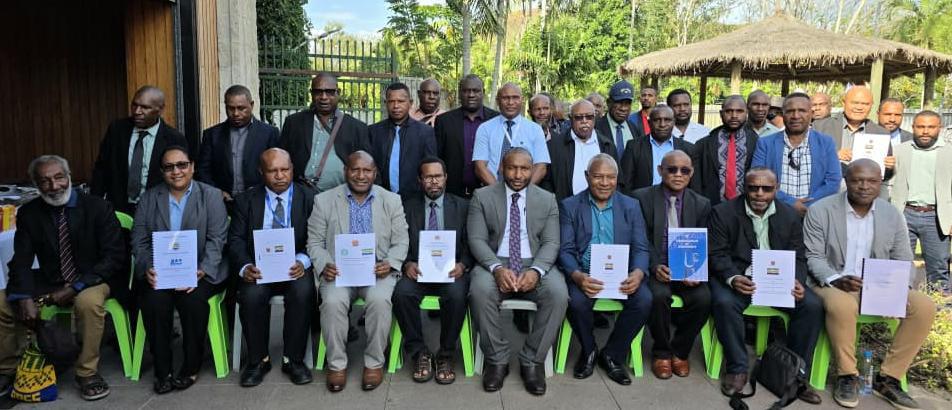
PNG DataCo Limited and the Morobe Provincial Government have signed a series of strategic agreements aimed at accelerating digital transformation across Morobe Province, including expanded telecommunications infrastructure and the rollout of a Digital Government Services Platform. The initiative marks a major step toward building Papua New Guinea’s leading digitally enabled sub-national government.
health facilities and government offices — ensuring that no community in Morobe is left behind,” he said.
The inclusion of low Earth orbit satellite connectivity solutions, such as Starlink, will complement terrestrial networks and provide immediate coverage for remote communities outside the DataCo National Transmission Network fibre grid, supporting the full rollout of the Digital Government Platform across the province.
DataCo has been working closely with MPG leadership and technology partners to validate the project scope, initiate ICT discovery and align implementation planning, with strong support expressed by provincial leadership for the initiative.
“We commend the Morobe Provincial Government and the Governor for their bold leadership and commitment to digital transformation. DataCo is proud to partner in delivering a future-ready platform that will empower communities, strengthen governance and drive sustainable economic development across Morobe Province,” Komboi said.
The signing forms part of a broader collaboration between MPG and key national institutions, reinforcing a whole-ofgovernment approach to development and innovation.
PNG DataCo Limited is Papua New Guinea’s wholesale telecommunications and digital infrastructure provider, responsible for delivering high-capacity connectivity, data centre services and digital platforms to support the country’s economic and digital transformation. PBR

Papua New Guinea’s economic outlook, investment opportunities and long-term development priorities took centre stage during a business breakfast session hosted at the Royal Papua Yacht Club in Port Moresby on Wednesday, May 20, where leading economists and private sector representatives discussed the country’s future through a “Five Ps” framework — Petroleum, Policy, Projects, Produce and Partnerships.
The session featured ANZ PNG & Pacific Economist Dr Kishti Sen, who delivered a presentation outlining the major economic forces shaping PNG’s future. A high-level panel discussion also brought together Deloitte PNG Managing Partner Herbert Maguma, ANZ PNG Country Head Andrew Betteridge, Port Moresby Chamber of Commerce and Industry (POMCCI) President Rio Fiocco, and Dentons Partner Wavie Leki.
Organisers from POMCCI described the event as a forwardlooking discussion focused on the opportunities, challenges and priorities facing PNG. Strong participation from members
of the business community reflected continued private sector engagement in the country’s economic direction.
A key topic during the presentation was the impact of global petroleum market volatility and ongoing geopolitical tensions on PNG’s economy.
Dr Sen outlined ANZ Research scenarios relating to instability in the Middle East and the Strait of Hormuz, a critical global oil shipping route. Under ANZ’s base-case scenario, a US-Iran agreement would reopen the Strait by June, easing oil prices to below US$100 per barrel while still leaving a geopolitical risk premium in place.
However, ANZ warned that prolonged conflict could trigger major global supply disruptions, potentially pushing oil prices towards US$200 per barrel if international stockpiles are exhausted and infrastructure damage in the Persian Gulf region worsens.
The presentation noted that fuel supply in PNG remains secure for now, although stakeholders were encouraged
to prepare for worst-case scenarios, including possible fuel rationing if global disruptions intensify.
The “Policy” component of the framework examined government measures aimed at cushioning consumers from sharp increases in fuel prices.
According to the presentation, the PNG government introduced a PGK1 billion fuel stabilisation package to absorb rising costs for petrol, diesel and kerosene. Data presented showed that between March and April 2026, fuel prices rose sharply before government intervention, with petrol prices increasing by K1.70 per litre, diesel by K3.25 and kerosene by K3.35.
To offset these increases, the government removed GST and fuel excise taxes while also introducing direct subsidy payments to fuel importers.
The combined measures effectively returned fuel prices to March levels, with revised April retail prices set at K4.39 for petrol, K4.44 for diesel and K4.09 for kerosene.
Despite the intervention, the presentation questioned the long-term sustainability of the measures, particularly as the Papua New Guinea kina continues to weaken against the US dollar.
Discussions also focused heavily on major resource projects and the broader economic contribution of PNG’s mining and petroleum sectors.
ANZ Research data presented during the session showed that PNG’s resource sector continues to generate significant value across the wider economy through direct and indirect employment and business activity.
The presentation estimated that the oil, gas and mining sectors collectively support more than 96,000 formal-sector jobs through direct, first-round and secondary economic effects.
Figures presented showed that oil and gas extraction contributes nearly one kina in economic value for every kina of final demand, while mining delivers similar multiplier effects through indirect economic activity.
Discussion under the “Projects” pillar centred on maximising local participation, ensuring broader economic benefits from resource developments and creating stronger linkages between large-scale projects and domestic industries.
Under the “Produce” pillar, Dr Sen highlighted growing global demand for PNG’s agricultural exports and the need to expand downstream processing capacity.
The presentation noted that high commodity prices are encouraging increased planting activity, with more agricultural seedlings now being planted across the country.
However, several constraints continue to limit PNG’s ability to maximise export earnings, including inadequate downstream processing facilities and infrastructure that is not designed to handle high export volumes.
Participants heard that improving processing capability will become increasingly important as upstream agricultural production expands. The discussion also reinforced the importance of agricultural diversification and value-adding industries as PNG seeks broader-based economic growth beyond the extractive sector.
Trade partnerships driving market access
The final pillar — “Partnerships” — focused on PNG’s growing trade relationships with regional and international markets, particularly across Asia.
ANZ Research data showed Australia remains PNG’s largest trading partner, with trade flows valued at more than PGK25 billion.
Other major trading partners identified during the session included Japan, China, Singapore, the United States, South Korea, Taiwan, Malaysia, Germany and the Netherlands.
Speakers noted that strengthening partnerships with Asian economies is opening new export opportunities for PNG businesses and producers, while regional cooperation remains critical to long-term economic resilience.
Private sector engagement remains strong
The breakfast session also featured discussions on investment confidence, leadership, policy certainty and the importance of collaboration between government and the private sector.
Panel members shared perspectives on the country’s operating environment, business confidence, financial systems, legal frameworks and the role of institutions in supporting sustainable economic growth.
POMCCI said the strong attendance from Chamber members demonstrated continued interest from the business sector in PNG’s economic outlook and future development priorities.
The event concluded with renewed emphasis on the importance of partnerships, policy consistency and longterm planning in unlocking PNG’s economic potential. PBR
Matthew Cooper Wale has been elected Prime Minister of Solomon Islands after securing majority support in a parliamentary vote held on 15 May following the removal of the previous government through a motion of no confidence.
Wale, Member of Parliament for Aoke/Langalanga Constituency and former opposition leader, defeated Peter Shanel Agovaka by 26 votes to 22 in a secret ballot conducted at Parliament House.
Of the 50 members of parliament, 49 ballots were cast, with one member absent and one ballot declared spoilt.
The result was formally declared by Sir David Tiva Kapu, Governor-General of Solomon Islands, following recent political developments that culminated in the successful motion of no confidence that vacated the office of prime minister.
Wale’s election marks a significant political shift in Solomon Islands, where he has emerged over recent years as one of the country’s most prominent advocates for governance reform, accountability and anticorruption measures.
Born on 13 June 1968, Wale has represented Aoke/ Langalanga Constituency since first entering parliament in a 2008 by-election following the death of former prime minister Bartholomew Ulufa’alu.

He later served as education minister under former prime minister Derek Sikua, where he championed free basic education, expansion of tertiary education opportunities and the establishment of a national university.
Following the 2019 national election, Wale became opposition leader and was widely recognised for pushing governance reforms and transparency measures.
During the civil unrest in Solomon Islands in 2021, Wale publicly called for the resignation of then prime minister Manasseh Sogavare and filed a motion of no confidence against the government, although the motion was defeated at the time.
He again contested the prime ministership after the 2024 national election but lost to Jeremiah Manele, who secured 31 votes against Wale’s 18.
In 2025, Wale was appointed Commander of the Order of the British Empire in recognition of his political and public service.
Before entering politics, Wale was involved in civil society advocacy, peacebuilding initiatives during the ethnic tensions period and governance policy work in Solomon Islands.
Consultations on the formation of a new government and cabinet appointments are expected to continue in the coming days. PBR



ERVICE & MAINTENANCE
ROJECTS
ETAIL
BUILDING MANAGEMENT SYSTEMS
MANUFACTURING
















Geopacific Resources Ltd. has released the definitive feasibility study, or DFS, for its Woodlark Gold Project in Papua New Guinea, outlining a long-life open-pit gold development with projected post-tax net present value of A$1.3 billion at a gold price of A$5,500 per ounce.
The Australia-listed company said the DFS confirmed Woodlark as a technically and economically viable project capable of generating strong cash flow and rapid capital payback.
The Woodlark project, located on Woodlark Island in Milne Bay Province, is wholly owned by Geopacific subsidiary Woodlark Mining Ltd. and is covered by Mining Lease 508.
According to the DFS, the project is forecast to produce an average of 100,200 ounces of gold annually over an 11year processing life, with peak annual production of 116,900 ounces in year four.
The study outlines a production target of 35.6 million tonnes grading 1.07 grams per tonne gold for 1.23 million ounces of contained gold, underpinned by a JORC-compliant ore reserve of 34.3 million tonnes at 1.09 g/t gold for 1.2 million ounces.
Geopacific said the project would use conventional open-pit mining methods across the Busai, Kulumadau and Woodlark King deposits, with ore processed through a 3.5 million tonnes-per-annum conventional carbon-in-leach processing plant.
The DFS estimated pre-production capital expenditure at A$534.6 million, including contingency allowances and mining pre-strip costs, while total project funding requirements were estimated at around A$650 million.
The company said the project was expected to generate post-tax net cash flow of A$2.52 billion and achieve payback approximately 18 months after first production.
Managing director Hamish Bohannan said the DFS marked a major milestone for the company.
“The completion of the DFS marks a major milestone for the Company and confirms Woodlark as a technically robust, long-life project capable of delivering strong margins and significant free cash flow,” Bohannan said.
The company said measured and indicated mineral resources account for 96 percent of material planned to be mined over the life of the operation, with the first three years of production almost entirely supported by measured and indicated resources.
Geopacific also said the project already held key approvals and permits, including an approved environmental permit valid until March 2034 and executed landowner agreements.
However, the company noted further amendments would still be required to extend mine construction timelines beyond October 2027 and to extend Mining Lease 508 beyond its current expiry date in July 2034.
The DFS assumes those approvals and extensions will be obtained.
Geopacific said it would now advance discussions with financing partners and continue front-end engineering and permitting activities ahead of a targeted final investment decision by late 2026. Construction is targeted to begin in late 2026, with first gold targeted for November 2028. PBR
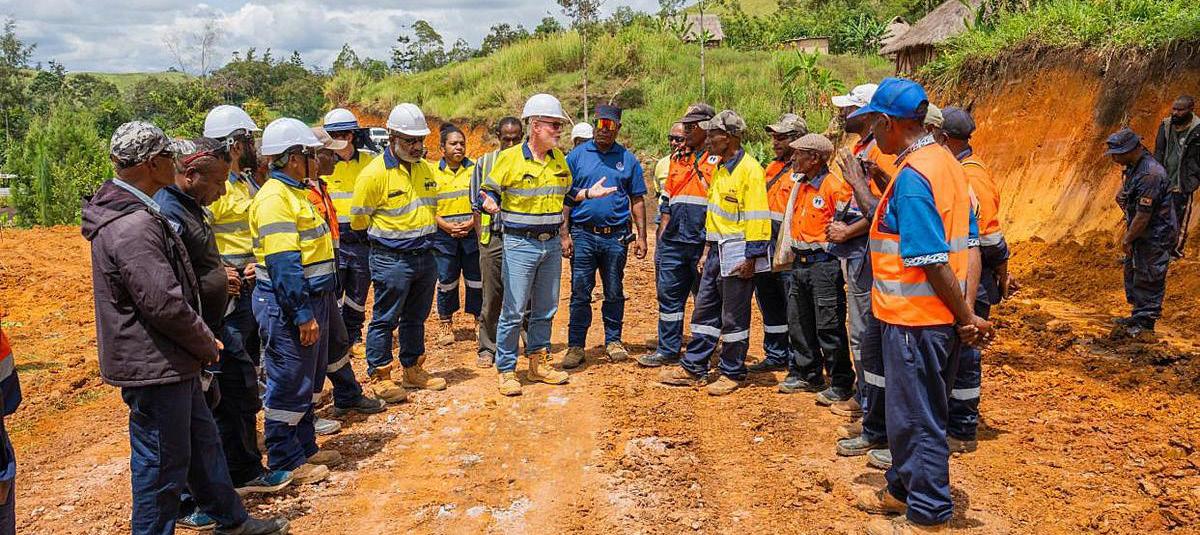
K92 Mining has reported record financial results for the first quarter of 2026, supported by strong operational performance and continued expansion activities at its Kainantu gold mine in Papua New Guinea’s Eastern Highlands Province.
The company reported quarterly revenue of US$236.3 million for the three months ended March 31, 2026, up 63% from the corresponding period last year. Net income rose 66% yearon-year to a record US$116.6 million, or US$0.48 per share, while EBITDA increased 68% to US$179.9 million, or US$0.74 per share. Operating cash flow before working capital adjustments climbed 64% to a record US$132.9 million, or US$0.54 per share.
K92 ended the quarter with record cash and cash equivalents totaling US$287 million, including a record net cash position of US$242.6 million.
Quarterly production totaled 46,743 ounces of gold equivalent, comprising 44,022 ounces of gold, 1.7 million pounds of copper and 38,845 ounces of silver, which the company said was in line with budget expectations.
Ore processed during the quarter rose 37% year-on-year to 142,017 tonnes, with a head grade of 10.9 grams per tonne gold equivalent. Metallurgical recoveries reached 95.1% for gold and 94% for copper, exceeding or matching updated definitive feasibility study parameters. K92 said the new 1.2 million tonnes-per-annum Stage 3 Expansion Process Plant continued to perform well following commissioning completed in December 2025.
The company also achieved record quarterly mine development of 3,007 metres, a 21% increase from the same quarter in 2025, including a new monthly development record of 1,067 metres in March. Subsequent to quarter-end, K92 reported another monthly record of 1,109 metres in April.
Quarterly total material mined, including ore and waste, reached 378,430 tonnes, while ore mined totaled 154,104 tonnes. Record quarterly tonnes hauled to surface reached 410,356 tonnes, supported by the completion of the DeclineIncline Convergence Project and the commencement of surface truck operations in the Twin Incline.
Gold sales during the quarter totaled 44,854 ounces, to Page 34 →
alongside sales of 1.87 million pounds of copper and 41,467 ounces of silver. Gold concentrate and doré inventory stood at 12,318 ounces as of March 31, 2026.
K92 reiterated its 2026 annual production guidance of between 190,000 and 225,000 ounces of gold equivalent.
The company said 96% of Stage 3 expansion growth capital had either been spent or committed as of March 31, with the project remaining on budget.
During the quarter, significant progress was made on key expansion infrastructure projects, including the Underground Pastefill Plant, Surface Tailings Filtration Plant, Binder Blending Plant and Filter Cake Storage Facility. K92 said first tailings filter cake production from the Surface
Tailings Filtration Plant was delivered in late April, while commissioning activities continued.
The miner also reported progress across several underground construction and operational improvement projects, including the completion of the Decline-Incline Convergence Project in January and the Phase 3 Ventilation Upgrade in February, which increased primary mine airflow capacity by 75% to 350 cubic metres per second.
K92 chief executive officer and director John Lewins said the company was pleased to deliver record financial results while continuing to advance key expansion milestones at Kainantu.
“We are well positioned to continue executing on our growth strategy, advance the Stage 3 and Stage 4 expansions, and unlock the broader potential of Kainantu through exploration,” Lewins said. PBR
Kalo Gold Corp. says it has completed almost half of a high-resolution airborne magnetic survey at its Vatu Aurum gold project in Fiji, as the company advances exploration targeting across the 367 square kilometre project area on Vanua Levu.
The company said 2,764 line-kilometres of the planned 6,212 line-kilometre heli-magnetic survey had been completed as of April 29, with 3,448 line-kilometres remaining.
The survey is being flown at 100-metre line spacing, with tighter 50-metre spacing planned over priority target areas to improve structural and geological interpretation across the project.
Kalo Gold said favourable weather conditions had supported productive daily flights, with operations focusing on completing tighter grid coverage where conditions allow.
The survey is being conducted using a helicopter-mounted tri-sensor magnetometer system capable of collecting total magnetic intensity and horizontal gradient data to better identify subtle structural features and geological contacts.
The company expects the remaining survey work to be completed in the coming days, subject to operating conditions and final line spacing requirements.
Kalo Gold said the airborne magnetic program forms a key part of its exploration strategy at Vatu Aurum and is expected to improve understanding of the project’s structural framework.
The survey aims to support the identification of fault systems and structural corridors, mapping of intrusive bodies and alteration zones, and refinement of drill targets across the Aurum Prime and Wainikoro prospects.
Final processed datasets, including magnetic intensity data and geophysical grids, will be integrated with existing geological and geochemical information to support future exploration targeting.
The technical information in the update was prepared and approved by Andrew Randell, principal geoscientist of SGDSHive and technical director of the Vatu Aurum Project.
Kalo Gold is focused on advancing low-sulphidation epithermal gold targets across a northeast-trending corridor extending from Matailabasa to Nayaroyaro on Vanua Levu. The company said previous exploration, including drilling, trenching and soil geochemistry, has identified multiple structurally controlled gold targets across the project. PBR

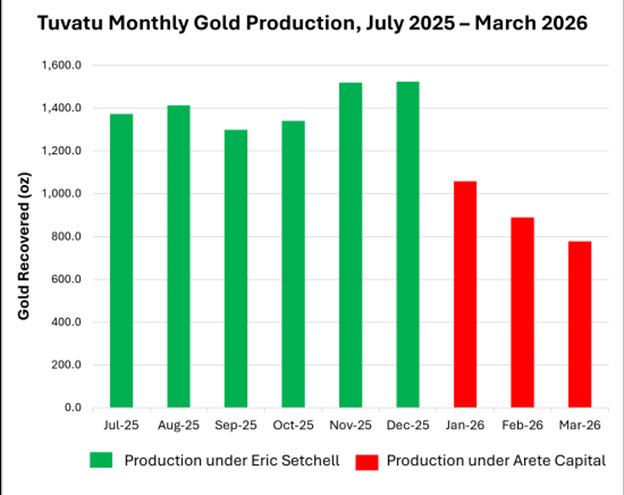
Lion One Metals has appointed underground mining executive Eric Setchell as director of operations as the company advances operational improvements at the Tuvatu gold mine in Fiji, including higher development rates and expanded mining areas underground.
The company said Setchell previously served as Lion One’s director of operations from January to December 2025, during which time Tuvatu recorded steady improvements in gold production and mine development, culminating in record quarterly gold output in the December 2025 quarter.
Lion One Chairman and Chief Executive Officer Walter Berukoff said Setchell’s return comes as the company continues ramp-up activities at Tuvatu and focuses on increasing operational efficiency and mining performance.
According to the company, current mine development at Tuvatu remains ahead of budget, with underground operations now accessing additional mineralised zones as part of efforts to support higher production rates.
The company said recent operational improvements include enhanced mine planning, upgraded underground equipment availability and improved ore handling systems. Lion One added that stope production and development advance rates have continued to improve since the beginning of 2026.
Setchell is widely recognised for his experience in underground mining operations, operational optimisation, safety performance and team development. Lion One
said his leadership previously contributed to operational improvements and stronger mine performance at Tuvatu.
Tuvatu is located on Fiji’s main island of Viti Levu and is positioned within the highly prospective Navilawa Caldera, which hosts multiple alkaline gold targets. PBR
July 2025
March
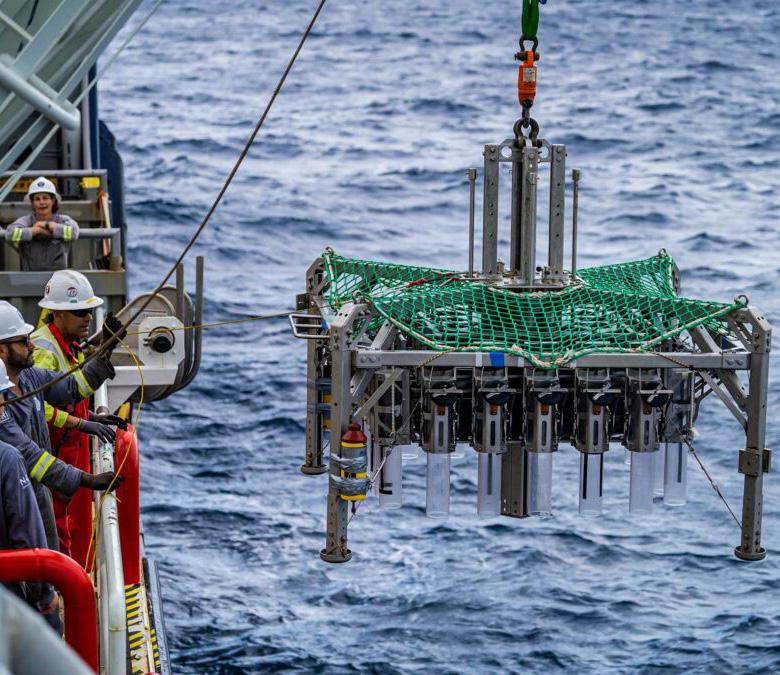
The Metals Company, or TMC, says it is advancing plans for commercial-scale polymetallic nodule recovery in the Pacific Ocean following new regulatory and operational milestones linked to its deep-sea mining projects in the Clarion-Clipperton Zone.
In a first quarter corporate update, TMC announced that it had signed a commercial agreement with offshore engineering company Allseas for the development, commissioning and operation of what it described as the first commercial polymetallic nodule collection system.
The system is expected to have a production capacity of 3 million wet tonnes of nodules annually, with commissioning targeted to begin in the fourth quarter of 2027, subject to regulatory approvals.
TMC said the offshore collection system would operate in the Clarion-Clipperton Zone, an area of the Pacific Ocean containing polymetallic nodules used in energy, manufacturing, infrastructure and defense applications.
The company also announced that the US National Oceanic and Atmospheric Administration, or NOAA, determined that TMC USA’s consolidated application for an exploration license and commercial recovery permit complies with requirements under the Deep Seabed Hard Mineral Resources Act.
According to TMC, the application covers an area named TMC USA A in international waters of the Pacific Ocean and expands the proposed commercial recovery area to about 65,000 square kilometers.
TMC said it expects the NOAA permitting process to conclude before the end of the first quarter of 2027.
The company’s subsidiaries, Nauru Ocean Resources Inc., or NORI, and Tonga Offshore Mining Ltd., or TOML, also submitted environmental datasets to the International Seabed Authority’s DeepData database covering exploration activities in the Clarion-Clipperton Zone.

TMC said the submission included data from 777 equipment deployments and more than 4,800 environmental samples, generating about 76,000 biological records and 69,185 geochemical data points across the water column and seafloor environment.
Chairman and Chief Executive Officer Gerard Barron said the company continued to advance regulatory, engineering and offshore production activities tied to commercial nodule recovery operations.
“We believe we are uniquely positioned not only to maintain our first-mover advantage, but also to help accelerate development of a broader U.S.-led nodule industry,” Barron said. PBR



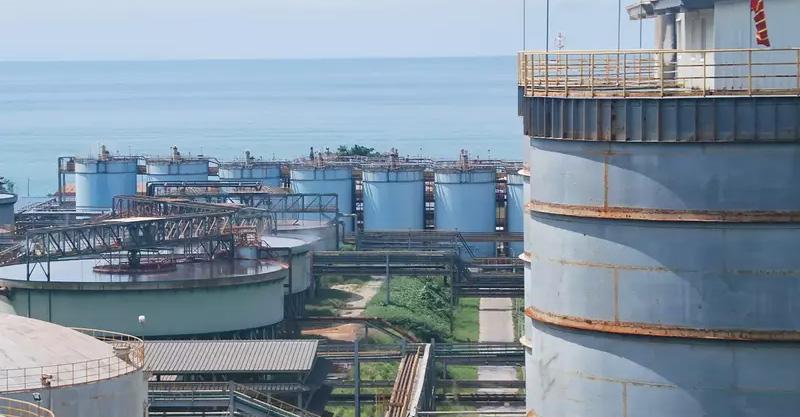
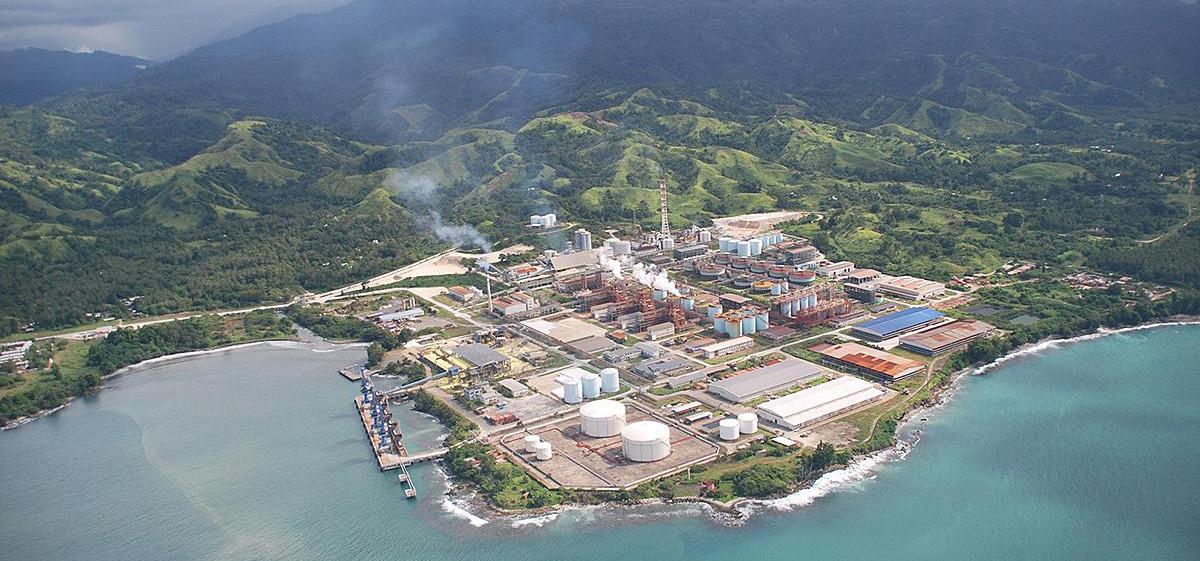
Nickel 28 Capital Corp. says updated estimates for the Ramu Nickel-Cobalt operation in Papua New Guinea show higher mineral resources and continued reserve replacement following exploration activities completed in 2025.
In a statement, Nickel 28 said updated mineral resource and reserve estimates provided by project operator China Metallurgical Group Corporation (MCC) reflected successful drilling and resource conversion work undertaken during the year.
Nickel 28 currently holds an 8.56 percent joint-venture interest in the Ramu Nickel-Cobalt operation, while MCC and its partners own an 85 percent interest in the project.
The company said its ownership interest in Ramu will automatically increase to 11.3 percent at no cost following repayment of construction debt owed to MCC. Nickel 28 also retains the option to acquire an additional 9.25 percent interest at market value, which would increase its stake to
20.55 percent.
According to the company, total mineral reserve tonnage remained effectively unchanged year over year, while average nickel grades increased from 0.81 percent to 0.87 percent despite ongoing mining depletion, reflecting continued drilling success and resource conversion.
Measured and indicated mineral resource tonnage increased by approximately 16 percent year over year, while average nickel grades declined modestly from 0.88 percent to 0.81 percent, resulting in an approximate 13 percent increase in contained nickel.
Nickel 28 said the increases in mineral resources and continued reserve replacement were driven by exploration work completed in 2025, including 1,026 boreholes totaling 10,397 meters, primarily in Areas 4 West and 6 of the Ramu project.
“The updated mineral resource and reserve estimates reflect continued exploration success and ongoing conversion of mineral resources into mineral reserves at Ramu,” Nickel 28 Chief Executive Officer and President Craig Lennon said.
“At current production rates, the reserve base supports an estimated mine life of approximately 20 years, while the broader mineral resource inventory continues to provide additional long-term upside potential,” Lennon added.
Lennon said the Ramu operation delivered a strong operational performance in 2025, producing 33,007 tonnes of nickel and 3,099 tonnes of cobalt contained in mixed hydroxide precipitate, while sales totaled 32,627 tonnes of nickel and 3,061 tonnes of cobalt.
According to the company, average realized nickel prices during the year reached US$6.88 per pound, while cobalt prices averaged US$16.07 per pound.
Page 40 →

Separately, Nickel 28 announced that it expects to receive its tenth cash distribution from the Ramu joint venture, amounting to approximately US$2.1 million for second-half 2025 operating performance tied to its 8.56 percent stake in the project.
The company also confirmed repayment of US$4 million of Nickel 28’s portion of remaining Ramu joint-venture partner construction debt, reducing its attributable balance to approximately US$31.9 million. Receipt of the distribution is anticipated during May 2026.

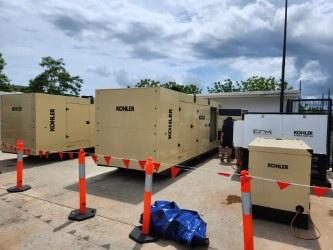
Nickel 28 said operations in 2026 have started positively, with production tracking in line with targets and nickel and cobalt prices trending above 2025 averages. However, the company noted that rising sulphur prices continue to place pressure on operating margins for high-pressure acid leach operations globally, including in Indonesia.
The updated mineral resource and reserve estimates were prepared by the Nanjing Center of the China Geological Survey according to the Australasian Code for Reporting of Exploration Results, Mineral Resources and Ore Reserves, with an effective date of Dec. 31, 2025.
Nickel 28 cautioned investors that the updated estimates
were not prepared in accordance with Canada’s National Instrument 43-101 standards for disclosure of mineral projects.
The company added that independent consulting firm RedDot3D Inc. conducted a site visit to the Ramu operation in 2022 to review drilling procedures, quality assurance practices, and mining activities, with Nickel 28 stating that the updated report appeared consistent with those observations.
The Ramu Nickel-Cobalt operation is one of Papua New Guinea’s major nickel and cobalt projects and is operated by MCC through Ramu NiCo Management. PBR
Sandvik on 26 May launched AutoMine® Aura, a first-of-its-kind underground mining automation platform fully engineered for the future. The release represents the most significant evolution of AutoMine® since its introduction more than 20 years ago.
AutoMine® Aura transforms every layer of the AutoMine® platform, delivering full situational awareness with zero blind spots, enabling higher utilisation and consistent productivity in complex underground environments. The platform introduces a new navigation system with 3D perception — the most advanced and productive in the industry — which has been proven to move more than 15% additional material in one of the world’s harshest underground mines.
The platform integrates with existing networks and access control systems, eliminating the need for infrastructure changes. This evolution of the underlying platform enables mines to fully leverage future technologies while continuing to support current operations.
AutoMine® has achieved almost nine million hours without a lost time injury (LTI) since its launch, and safety remains foundational to its next generation. AutoMine® Aura builds
on the proven safety principles and access control systems already in use today, while 3D perception and adaptive intelligence further enhance these capabilities. This strengthens safety in increasingly dynamic environments.
Operators also benefit from a wider, more intuitive interface that delivers full awareness of the mine environment. This enables the remote supervision and control of multiple machines, reducing exposure to dust, noise, vibration and other on-site hazards. The enhanced operator experience supports both safety and productivity, while also contributing to workforce development by transitioning operators into more technology-focused roles.
AutoMine® Aura will initially launch on underground loaders, with the platform set to expand across additional Sandvik product lines over time.
“AutoMine® is already a world-leading solution, proven across more than 140 mines globally,” said David Hallett, Vice President – Automation at Sandvik. “It has defined automation in mining for more than two decades across both surface and underground operations. With AutoMine® Aura, we have not built the next version; we have built an entirely new platform. The navigation system with 3D perception is

the first of its kind in the industry, and the productivity gains — including moving more than 15% additional material — have been proven and validated at customer sites. This demonstrates what this technology means for our customers and for the future of mining.”
AutoMine® Aura will be presented to the global mining industry at Sandvik’s upcoming Future of Mining event in Tampere, Finland, from September 1–3, 2026.
Sandvik is a global, high-tech engineering group providing solutions that enhance productivity, profitability and sustainability for the manufacturing, mining and infrastructure industries. The company is at the forefront of digitalisation and focuses on optimising customers’ processes. Its world-leading offering includes equipment, tools, services and digital solutions for machining, mining, rock excavation and rock processing. In 2025, the Group had approximately 42,000 employees and revenues of about SEK121 billion across more than 150 countries.
Mining is a business area within the Sandvik Group and a leading global supplier of equipment, tools, parts, services, digital solutions and sustainability-driven technologies for the mining and construction industries. Application areas include rock drilling, rock cutting, loading and hauling, tunnelling, ground support and quarrying. In 2025, sales were approximately SEK69 billion, with about 18,000 employees. For further information, visit mining.sandvik. PBR



Kumul Petroleum Holdings Limited has announced an upcoming change in board leadership, with chairman Gerea Aopi, MBE, set to hand over the role to fellow director Isaac Lupari, CBE GCL, effective May 19.
The transition follows requirements under the Kumul Petroleum Holdings Limited Act, which mandates the retirement of directors upon reaching the age of 72. Aopi will reach the retirement age milestone on May 18 and has formally advised trustee-shareholder Prime Minister James Marape of his decision to step down.
Kumul Petroleum said the leadership transition process between the two directors had been underway since midApril to ensure continuity and a smooth handover.
Aopi said it had been a privilege to serve as chairman during what he described as a challenging period for the national oil and gas company.
“Since taking office in the last quarter of 2025, my fellow directors and I have made strong progress — we have implemented strict cost containment and strengthened financial controls, refocused capital investment on core petroleum assets, restored governance, signed off on the 2022 audited accounts and advanced major projects,” Aopi said.
“KPHL has been stabilised due to the resolve and commitment of the current board. However, the work is far from finished, and I am certain that Mr Lupari will continue to progress the initiatives that we have started.”
Lupari acknowledged Aopi’s contribution to the company, saying his extensive experience in the petroleum industry had played a significant role in the organisation’s ongoing reforms and restructuring efforts.
“Gerea’s vast experience and knowledge in the petroleum industry has contributed significantly to the ongoing
organisational changes, and the board thanks him for his leadership,” Lupari said.
He also thanked Prime Minister Marape for appointing him to the board and expressing confidence in his leadership.
Lupari said Kumul Petroleum had received another clean audit opinion for 2022, extending the company’s record of unqualified audits since its establishment in 2014.
“This is good news for Kumul Petroleum at this critical time when our main focus is preparing to take up equity in the forthcoming Papua LNG Project,” he said.
Both directors said completion of the 2022 audit would help accelerate the finalisation of the company’s 2023 and 2024 audits before the end of the year.
Lupari said Kumul Petroleum remained committed to working closely with the government, industry partners and financiers to support sustainable growth and national development objectives.
Kumul Petroleum acting managing director Dr Luke Liria thanked Aopi for his leadership over the past eight months, particularly his focus on governance and organisational integrity.
“Chairman Aopi prioritised both general and project governance, ensuring our operations are conducted with the utmost integrity and transparency,” Liria said.
“We welcome Mr Lupari, who brings many years of experience in the government sector. I look forward to continuing with Ambassador Lupari to grow and expand KPHL as a reputable national oil company in the nation and the region.”
Kumul Petroleum said it remained focused on supporting the development of Papua New Guinea’s natural resources sector while contributing to national socio-economic development through its projects and investments. PBR

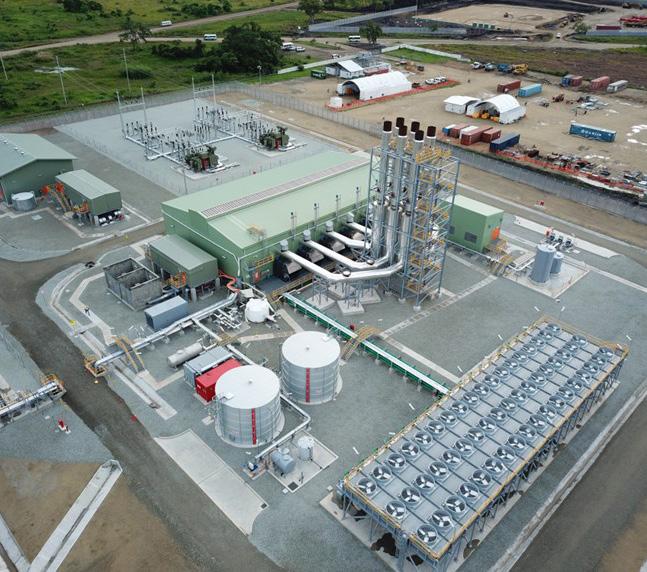
Kumul Petroleum Holdings Limited says it is seeking to advance smaller gas discoveries toward commercial development as Papua New Guinea moves to position itself within the global energy transition.
Speaking at the 41st Australia Papua New Guinea Business Forum and Trade Expo in Brisbane, Kumul Petroleum Chairman Gerea Aopi said Papua New Guinea still holds significant gas potential despite declining oil production.
“Whilst oil production has tapered off, PNG’s gas future is just beginning,” Aopi said.
“There is plenty of gas already discovered and a high likelihood of further gas discoveries in the next few years. PNG is not short of gas resources, however, we are short of time in the rapid transition towards renewable energy sources.”
Aopi said Kumul Petroleum is currently in discussions with other parties regarding licenses where gas discoveries have already been made, including Petroleum Development License 10 in Western Province.
The chairman said the company wants to ensure that smaller gas fields are also progressed toward development in the years ahead alongside larger LNG projects.
As a 19.4 percent owner in the PNG LNG Project, Aopi said Kumul Petroleum welcomed the early retirement of project debt late last year.
“Our priorities are clear: This additional PNG LNG Project income will be used to meet our cash calls, repay outstanding loans, and develop the licences where we are Operator — Pandora, Kimu, Barikewa and Uramu — to commerciality and fund future investments, such as acquiring equity in the forthcoming Papua LNG Project,” he said.
Aopi added that one of Kumul Petroleum’s main priorities is securing Papua New Guinea’s maximum mandated equity position in the Papua LNG Project.
“Kumul Petroleum’s principal focus at present is ensuring that we are in fact in a position to take up PNG’s maximum mandated equity position in the forthcoming Papua LNG Project and are able to carry MRDC in this shareholding,” he said.
According to Aopi, the key challenge for Papua New Guinea is not the availability of energy resources, but the speed and manner in which those resources are developed.
“The key message was not that PNG lacked the energy resources to drive growth but how the resources were developed and how soon,” he said.
PBR
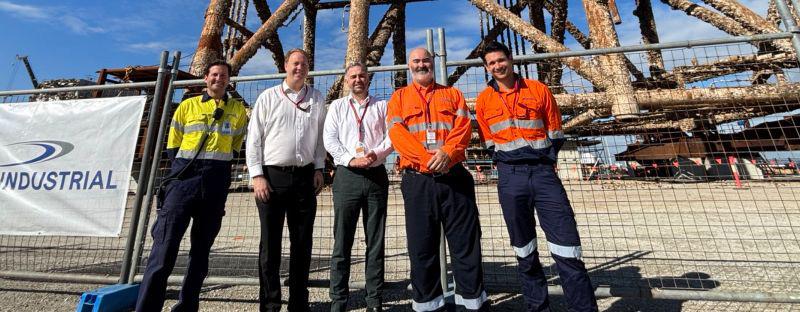
Santos has announced a final investment decision (FID) to proceed with the Agogo Production Facility (APF) Tie-In Project in Papua New Guinea following approval by the PNG LNG joint venture, with first gas targeted in the second quarter of 2028.
The brownfield development will involve the installation of a new 19-kilometre pipeline linking the Santos-operated Agogo Production Facility to the existing PNG LNG gas pipeline system, together with the drilling of two new wells and associated modifications to production facilities.
Santos said the project is expected to deliver incremental production capacity of about 135 million standard cubic feet of gas per day gross, with Santos’ net share estimated at about 54 million standard cubic feet per day.
According to the company, Santos’ share of capital expenditure is estimated at about US$160 million, with gross capital expenditure projected at approximately US$400 million over three years. The project will utilise existing PNG LNG processing and export infrastructure as part of Santos’ strategy to maximise value from established assets and infrastructure in Papua New Guinea.
Santos Chief Executive Officer and Managing Director Kevin Gallagher described the APF Tie-In Project as a “highly value-accretive investment” that aligns with the company’s disciplined capital allocation framework and supports Santos’ long-term production outlook.
“The APF Tie-In Project is a high-quality development with
strong economics and a clear role in our strategy to build and grow portfolio production,” Gallagher said.
He said the project is expected to convert Santos’ 66 million barrels of oil equivalent of 2P undeveloped reserves into developed reserves while supporting a production plateau of about 12 years, with potential for production to continue beyond 2050 depending on reservoir performance.
Gallagher added that the project is expected to generate an internal rate of return greater than 50 per cent, with a payback period of less than four years from FID and approximately two years from first gas.
Santos Australia and PNG Chief Operating Officer Brett Darley said key regulatory approvals had been secured, required land access arrangements completed and all material joint venture approvals obtained.
Darley said the company would now focus on progressing detailed engineering design, awarding the two main construction contracts and developing a temporary construction camp ahead of targeted first gas in 2028.
He added that Santos would continue investing in community partnerships and resilience initiatives in the Highlands through the Santos Foundation and broader stakeholder engagement programmes.
Santos holds a 39.9 per cent interest in the PNG LNG joint venture. Other joint venture participants include ExxonMobil PNG Ltd, ENEOS Xplora, Kumul Petroleum and Mineral Resources Development Company. PBR
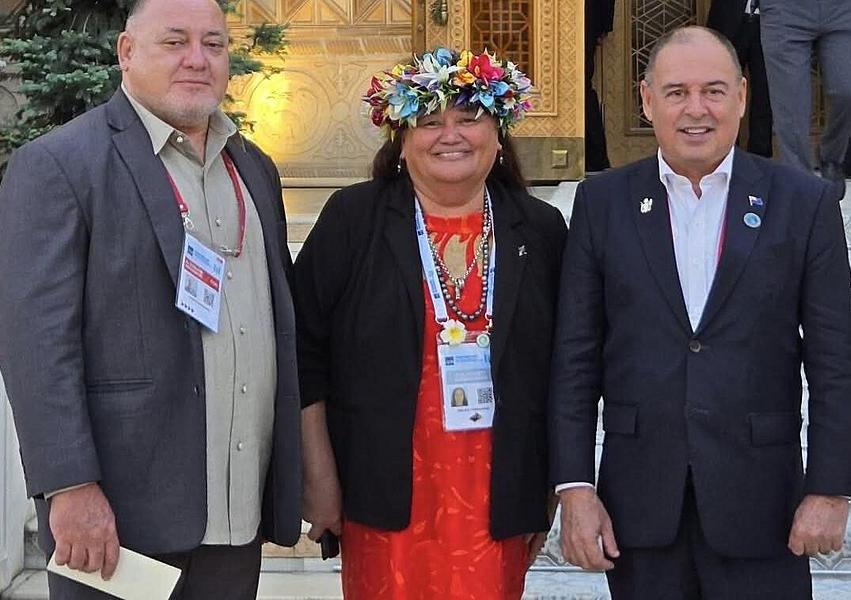
Cook Islands Prime Minister Mark Brown has called for greater financial support for Pacific renewable energy transitions, describing the shift away from imported fuel as an economic security strategy rather than a climate concession.
Speaking at the 59th Annual Meeting of the Asian Development Bank, or ADB, in Samarkand, Brown said Pacific Island countries remain highly exposed to global fuel price shocks and supply disruptions due to dependence on imported energy.
“The Pacific energy transition is not a climate concession. It is an economic security strategy. The same investments
that lower our emissions also lower our exposure to the next global shock,” Brown said in his Governor’s Statement.
Brown said the Cook Islands was working closely with the ADB on financing solutions aimed at strengthening energy security and accelerating renewable energy development across Pacific Island countries.
“The Cook Islands is working closely with the ADB on financial solutions that support security of supply for Pacific Island countries, and that fast-track our energy transition to renewables,” he said.
The prime minister said the financing initiatives would support renewable energy projects across the Pa Enua,
including solar farms, battery storage systems and electricity grid upgrades aimed at reducing long-term reliance on imported fuel.
Brown also highlighted domestic conservation measures currently underway in the Cook Islands, including coordination work led by the Energy Response Technical Working Group involving government agencies, the tourism sector and communities.
“Conservation is a real lever. Every litre saved is fuel for our hospital, our schools, our airports,” he said.
During the meeting, Brown urged the ADB to expand innovative financing tools for Pacific small island developing states, including blended finance, climate-linked financing mechanisms and local currency debt conversion measures to reduce exposure to foreign exchange risks.
He said concessional financing access for Pacific states should continue to reflect vulnerability to economic and climate shocks rather than income levels alone.
“Graduation thresholds were not designed for economies that can lose a year of gross domestic product in a single cyclone, or absorb a global energy shock with no domestic substitute,” Brown said.
Brown also welcomed the ADB’s developing work on critical minerals and called for Pacific small island states to be actively included in related initiatives.
The prime minister said the Cook Islands currently generates just over 30 percent of its electricity from renewable energy sources and aims to increase that figure to 60 percent by 2030.
“We will use this period to push our renewable energy goals harder, not slower,” Brown said. PBR
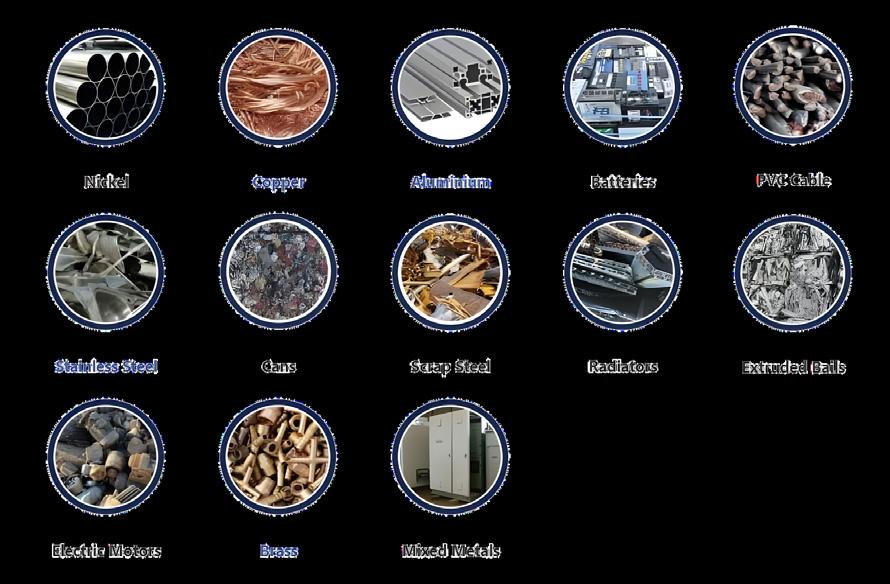



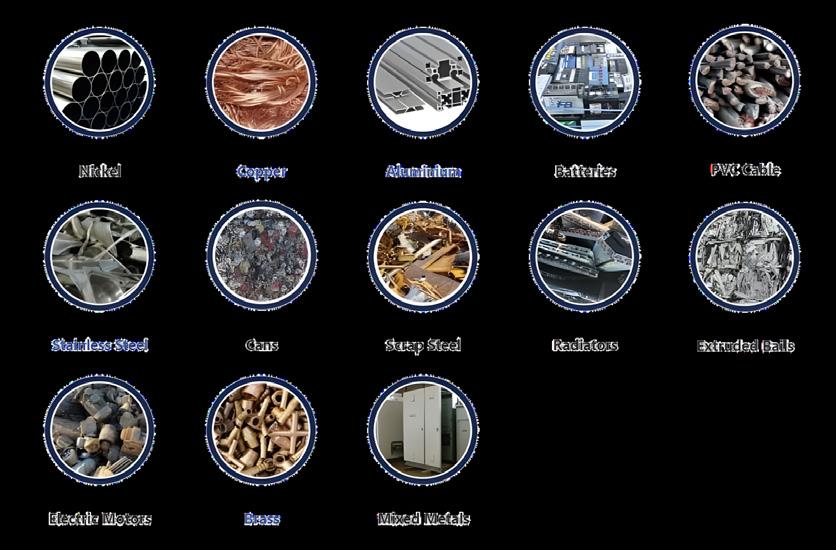
Fiji and Singapore have reaffirmed their strategic partnership with a renewed focus on energy security and supply chain resilience, as global fuel market uncertainties continue to weigh on Pacific economies.
Fiji’s Minister for Foreign Affairs and External Trade, Sakiasi Ditoka, met with Singapore’s Assistant Minister for Transport and Senior Minister of State for Finance, Jeffrey Siow, on April 16 in Singapore to advance bilateral cooperation in critical sectors.
Talks centred on ensuring fuel supply continuity, strengthening logistics systems and enhancing resilience across regional supply chains, amid ongoing volatility in global energy markets.
Ditoka underscored Fiji’s growing challenges, including elevated fuel costs and persistent shipping delays, while highlighting the country’s strategic role as a fuel distribution hub for Pacific Island states.

“The security of Fiji is inseparable from the security of the Blue Pacific,” Ditoka said, noting that discussions are shifting from short-term crisis management toward long-term energy resilience planning.
Singapore officials reiterated that, despite tight global supply conditions, the country has implemented safeguards such as strategic fuel reserves and supply management systems to maintain stability. Both sides also acknowledged that port
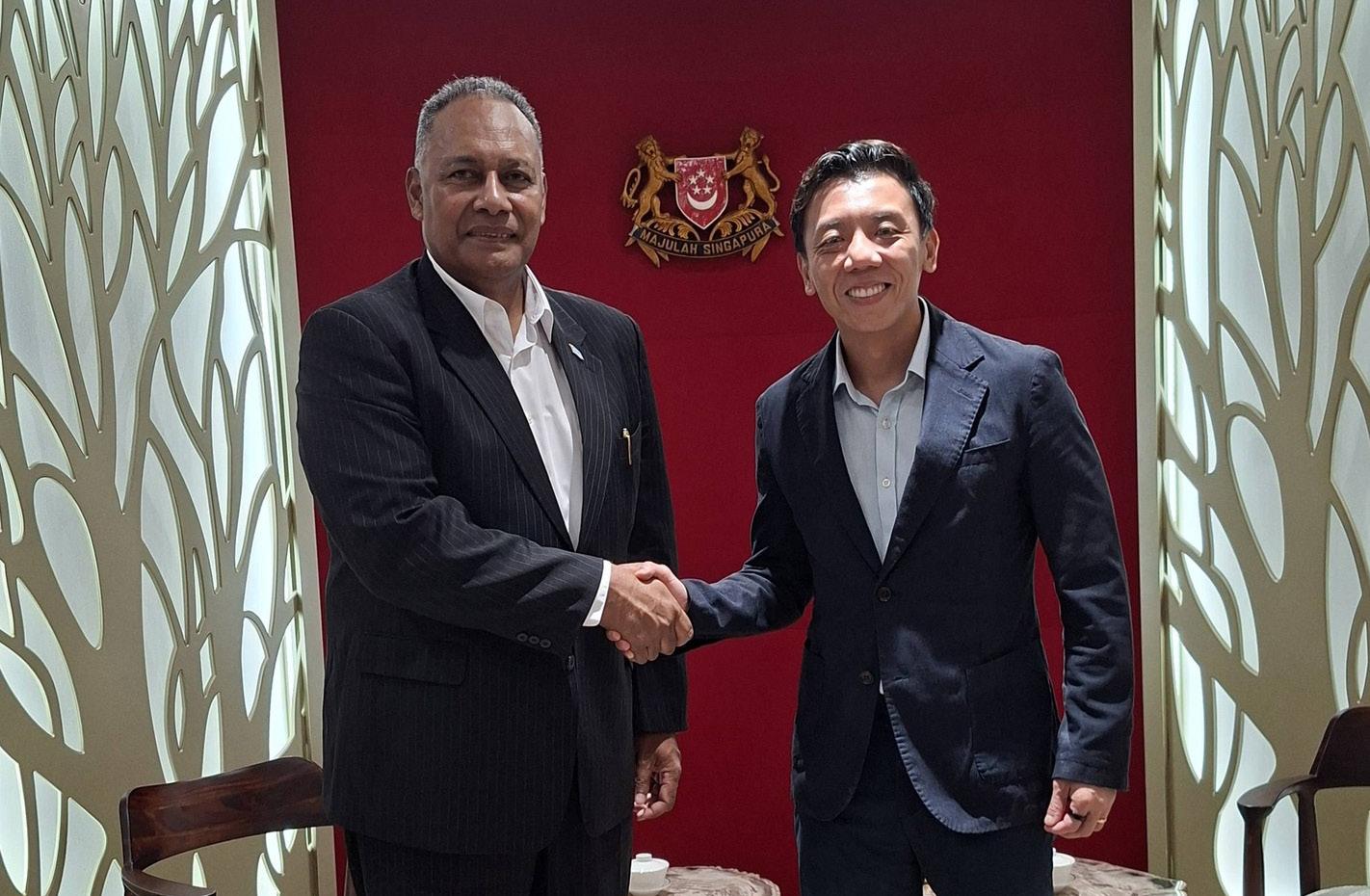
congestion and shipping delays are expected to ease in the near term.
The meeting explored longer-term collaboration, including support for Fiji in developing a national fuel security strategy, expanding storage capacity and strengthening domestic supply systems. Opportunities in energy transition pathways were also discussed as part of broader sustainability goals.
Officials agreed to continue technical engagements between relevant agencies to advance these priorities.
Beyond energy cooperation, both countries reaffirmed their shared commitment to a rules-based international order, particularly under the United Nations Convention on the Law of the Sea, emphasizing the importance of maritime stability for island economies.
Singapore also acknowledged Fiji’s support in multilateral processes, including elections at the International Maritime Organization, reflecting close coordination on global maritime governance.
Both sides welcomed ongoing collaboration in maritime and aviation sectors, including training and capacity-building initiatives for Fijian officials aimed at strengthening regional connectivity.
The meeting concluded with both countries expressing confidence in expanding practical cooperation to enhance energy security, economic resilience and sustainable development across Fiji and the wider Pacific region. PBR
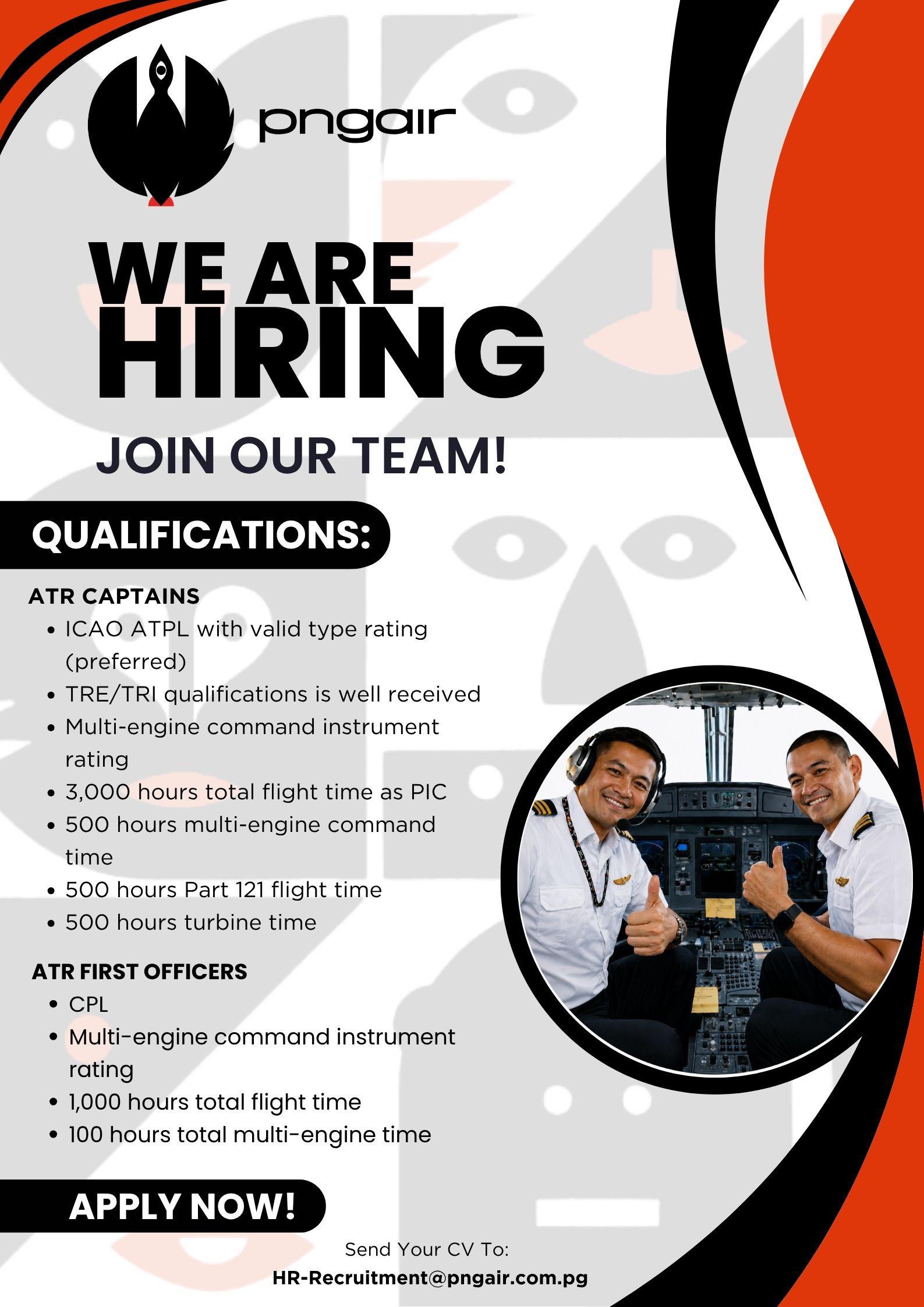
New Caledonia is moving forward with plans to develop a pumped storage hydroelectric facility at Tontouta, a project aimed at strengthening energy security, supporting renewable integration and reducing reliance on imported fuels.
Government member Christopher Gygès and Jean-Gabriel Faget, chief executive of Enercal, said the project marks a significant step towards greater energy independence for the French Pacific territory.
The proposed pumped storage hydroelectric plant (PSHP) will store excess electricity generated by solar installations during the day and release it during periods of high demand or when renewable output is low, particularly at night.
Pumped storage systems operate through a closed-loop process involving two reservoirs at different elevations. During periods of surplus generation, water is pumped to an upper reservoir using excess electricity. When demand rises, the stored water is released back to a lower reservoir, driving turbines to generate power.
Officials said the facility is expected to deliver around 900 megawatt-hours of storage capacity, equivalent to roughly 35% of annual electricity consumption in New Caledonia excluding the metallurgy sector, or about a quarter of the needs of Société Le Nickel (SLN).
The project could avoid an estimated 225,000 tonnes of carbon dioxide emissions annually — comparable to removing around 100,000 cars from the road — while reducing fuel consumption by approximately 65,000 tonnes per year.
Construction is expected to take four years, with commissioning targeted for 2032. The plant is designed for an operational lifespan exceeding 60 years. During construction, the project is expected to support around 130 jobs, with approximately 15 permanent roles once operational.
Faget said the project would address the intermittency of renewable energy sources such as solar and wind, which are dependent on weather conditions and can result in unused surplus generation.
“Thanks to this facility, surplus solar energy produced during

the day can be stored and used in the evening and at night, whereas currently it is either sold or lost,” he said.
Currently, part of New Caledonia’s excess solar production is sold to SLN, while the remainder is not stored but still compensated, contributing to higher electricity costs.
Authorities said the project would also support the decarbonisation of the territory’s energy-intensive metallurgy sector by providing a more stable and potentially lower-cost electricity supply.
Gygès said a call for expressions of interest has been launched to enable local companies to participate in the project, which is expected to inject around 22 billion Pacific francs into the domestic economy.
“All types of work will be involved, from engineering to earthworks, ensuring significant local economic benefits,” he said.
Beyond its economic impact, officials described the project as a strategic investment to reduce exposure to global energy market volatility, which has historically affected the competitiveness of New Caledonia’s mining industry and household electricity costs.
Preliminary design studies will be co-financed by the French state under the New Caledonia refounding pact.
Under the current timeline, detailed design and financing studies are scheduled for 2026–2027, with construction expected to begin in 2028 and commissioning planned for 2032. PBR

Pacific Islands Forum leaders have invoked the Biketawa Declaration to coordinate a regional response to worsening fuel supply risks linked to ongoing instability in the Middle East, amid growing concerns over the vulnerability of Pacific economies to global energy disruptions.
The move was announced following discussions among the Pacific Islands Forum (PIF) Troika, comprising Solomon Islands Prime Minister Jeremiah Manele, Palau President Surangel Whipps Jr., and Tonga’s Prime Minister Lord Fakafanua. The leaders agreed to activate the region’s crisis response mechanism as Pacific nations face rising fuel costs and the threat of supply shortages.
According to the Forum, the declaration was invoked to enable a coordinated regional approach to the emerging energy crisis and to strengthen preparedness measures across member states. Leaders said early intervention was necessary as global fuel supply chains continue to face disruption.
The Biketawa Declaration, adopted by Pacific Islands Forum members in 2000, provides a framework for collective regional action in response to crises affecting peace, security and regional stability. It was previously invoked during the COVID-19 pandemic
and ahead of the Regional Assistance Mission to Solomon Islands (RAMSI).
Regional governments are already grappling with elevated fuel prices, while some countries have begun implementing emergency measures to manage fuel consumption and maintain essential services. Reports indicated that Tuvalu had declared a state of emergency over fuel supply concerns, while other Pacific nations were reviewing contingency plans.
The Pacific Islands Forum Secretariat said the coordinated response would focus on strengthening regional energy security, supporting emergency planning, and ensuring continued access to fuel supplies for essential services and economic activity.
Australian Foreign Minister Penny Wong said Australia supported the Forum’s decision and would work closely with Pacific governments and regional institutions to help maintain supply stability across the region.
Analysts and regional observers have warned that prolonged disruptions to global oil markets could have severe economic and humanitarian consequences for Pacific island nations, many of which remain heavily dependent on imported fuel for electricity generation, transport and food supply chains. PBR
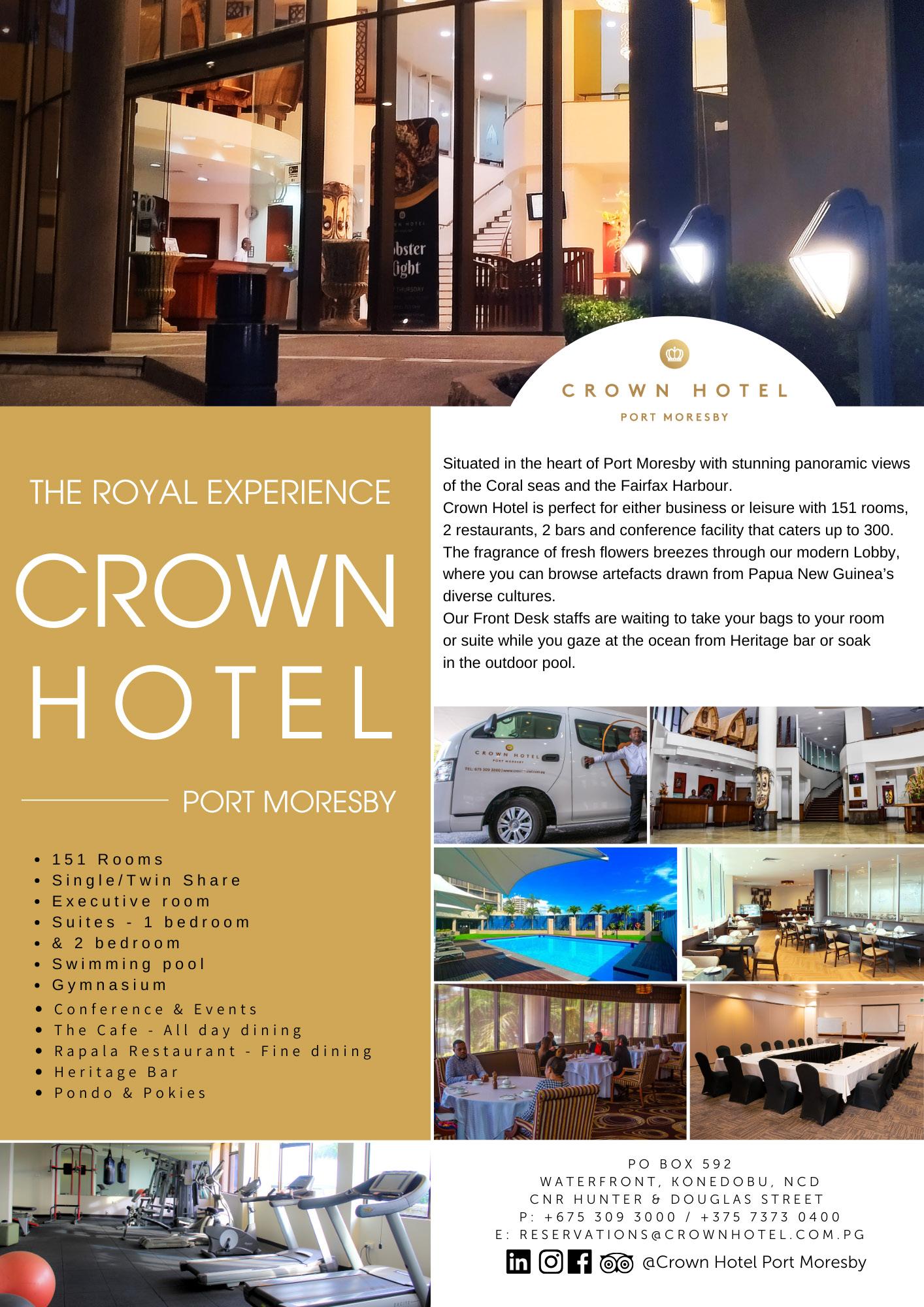

The Solomon Islands has established a regional cumulative impacts working group as part of efforts to strengthen environmental and social oversight of the Tina River Hydropower Development Project, a key national infrastructure initiative aimed at transforming the country’s energy sector.
The working group is designed to coordinate the identification, assessment and management of cumulative impacts arising not only from the hydropower project itself but also from other activities within the Tina and Ngalimbiu river catchment.
The initiative reflects growing recognition that large-scale infrastructure developments do not operate in isolation, particularly in environmentally and socially sensitive areas such as Guadalcanal.
The Tina River Hydropower Development Project, located about 30 kilometres from Honiara, involves a 15-megawatt facility comprising a dam, reservoir, tunnel and powerhouse system.
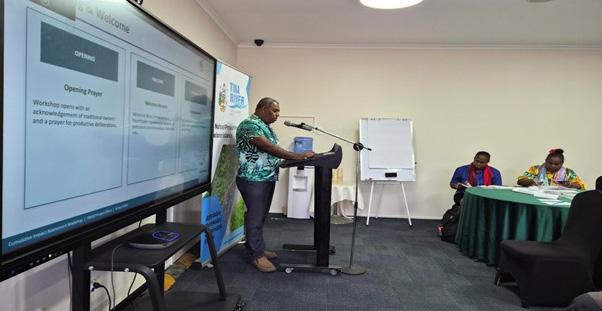
Project documentation highlights that cumulative impacts — defined as the combined effects of multiple activities over time — could affect environmental sustainability and social outcomes if not properly managed.
The newly established working group is expected to facilitate collaboration between government agencies, project developers and other stakeholders to address these overlapping risks in a structured and coordinated manner.
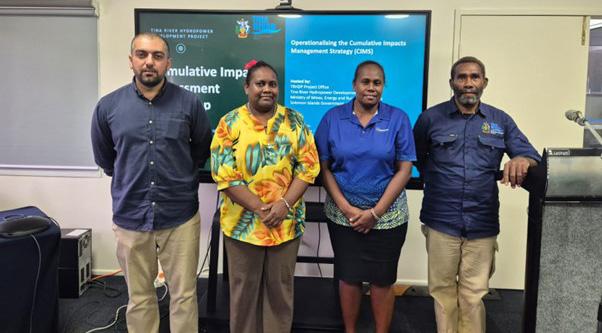
The Tina/Ngalimbiu river basin is already subject to a range of existing and potential pressures, including logging, agriculture, mining activities and infrastructure development.
Project assessments note that these activities can contribute to cumulative effects such as increased sedimentation, water quality degradation, habitat loss and changes in land use.
In particular, logging and road development may increase erosion and sediment loads in the river system, while agricultural runoff and other land-based activities could affect aquatic ecosystems and downstream communities.
The hydropower project itself may also contribute to cumulative impacts, including changes in sediment flow, river morphology and land tenure arrangements, although mitigation measures are being incorporated into project design and management plans.
Beyond environmental factors, cumulative impacts extend to social and economic dimensions.
The Tina River catchment supports a mix of indigenous communities, including Malango and Lengo groups, whose livelihoods depend on agriculture, fishing and access to natural resources.
Project-related changes — combined with broader economic activity — may influence employment patterns, land ownership structures and community dynamics.
While the hydropower project is expected to generate jobs and economic opportunities, assessments highlight potential risks such as land disputes, increased dependence on the cash economy and pressures on food security if not carefully managed.
The establishment of the working group aligns with international best practices in environmental and social governance, particularly for projects supported by multilateral institutions such as the World Bank and Asian Development Bank.
The Tina Hydro project forms part of a broader effort to reduce Solomon Islands’ reliance on diesel-generated electricity and transition to renewable energy.
Once operational, the project is expected to significantly lower energy costs and reduce greenhouse gas emissions, while improving the reliability of power supply in Honiara.
However, stakeholders have emphasised that achieving these benefits will depend on effective management of cumulative impacts across the wider project area.
The working group is expected to play a central role in aligning regulatory oversight, monitoring programmes and stakeholder engagement processes.
This includes integrating data from environmental and social monitoring systems, identifying emerging risks and coordinating responses across multiple sectors and jurisdictions.
By bringing together government, industry and community stakeholders, the initiative aims to ensure that the Tina Hydro project delivers long-term benefits while safeguarding environmental integrity and community well-being.
The move also signals a broader shift towards more integrated resource management in the Solomon Islands, as the country advances major infrastructure projects alongside ongoing economic development activities. PBR

The Asian Development Bank (ADB) committed $679.8m to its Pacific developing member countries in 2025, including $214.4m in grants from the Asian Development Fund, according to its Annual Report 2025 released on 23 April.
The report outlines the bank’s operational, institutional and financial performance over the year, with a focus on economic sustainability, structural reform and climate resilience across the Pacific.
“ADB’s engagement in the Pacific in 2025 prioritised ongoing economic sustainability while advancing structural reforms, managing climate-related risks, and building an enabling environment to increase private sector activity,” said Emma Veve, director general of ADB’s Pacific Department.
She added that strengthening resilience would remain central to reducing the region’s exposure to external shocks.
ADB highlighted efforts to crowd in private sector investment through initiatives such as the Pacific Wayfinder programme, which provides concessional finance and technical assistance to support business expansion, job creation and capital market development. Its Frontier programme also aims to deepen local capital markets and improve access to finance for smaller enterprises.
Infrastructure investment remained a core priority. In Tonga, ADB committed an $80m grant from the Asian Development Fund and expects a further $40m in cofinancing from the World Bank to construct a 720-metre
bridge across the Fanga’uta Lagoon, alongside associated road, water and drainage upgrades. The project is being implemented under the Full Mutual Reliance Framework.
Disaster response also featured prominently. Following a 7.3-magnitude earthquake in Port Vila, Vanuatu, in late 2024, ADB disbursed $5.5m in emergency assistance and committed a further $24.4m grant to rehabilitate a key road linking the capital to its main wharves.
In Papua New Guinea, ADB is supporting aviation connectivity by financing pre-delivery payments for six Airbus A220-100 aircraft for national carrier Air Niugini. The financing package includes $19m from ADB’s ordinary capital resources and $16.9m from Leading Asia’s Private Infrastructure Fund 2.
ADB also expanded its regional footprint with the opening of its Solomon Islands Resident Mission in February 2026, signalling deeper country-level engagement.
The largest share of ADB commitments in the Pacific in 2025 went to transport, followed by water and urban infrastructure, finance, energy and public sector management.
Across Asia and the Pacific, ADB committed $29.3bn in 2025 to support resilience and reform, as the region navigates economic and climate-related challenges.
Established in 1966, ADB is a multilateral development bank owned by 69 members, including 50 from the region, and focuses on sustainable, inclusive and resilient growth. PBR
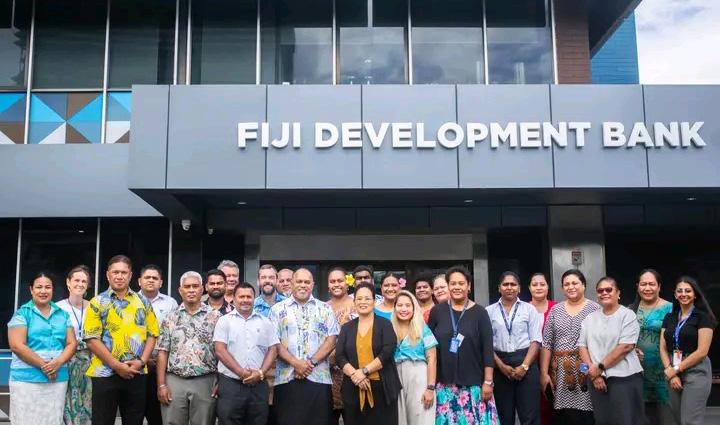
The Fiji Development Bank is refining its lending strategy, placing greater emphasis on financing projects that deliver measurable economic impact across key sectors.
Recent activity highlights a shift toward more targeted lending, with the bank assessing new financing proposals linked to business expansion and productive investments, according to an update from the Australia Pacific Islands Business Council.
The move aligns with the bank’s mandate to support national development by channeling capital into priority areas such as agriculture, infrastructure and small and medium-sized enterprises. Development banks like FDB play a central role in funding projects that contribute directly to economic growth and job creation.
The bank’s evolving approach reflects a broader push to
ensure that lending decisions are closely tied to tangible outcomes, including increased productivity, business growth and community-level benefits.
FDB has traditionally provided financing across sectors including agriculture, energy, transport and industry, supporting enterprises that contribute to the country’s economic base.
Its latest strategy builds on this role by sharpening focus on high-impact investments, as Fiji continues efforts to strengthen economic resilience and expand private sector activity.
The shift also comes amid ongoing reforms within the institution aimed at improving efficiency and ensuring long-term sustainability, as it adapts to changing market conditions and development priorities. PBR
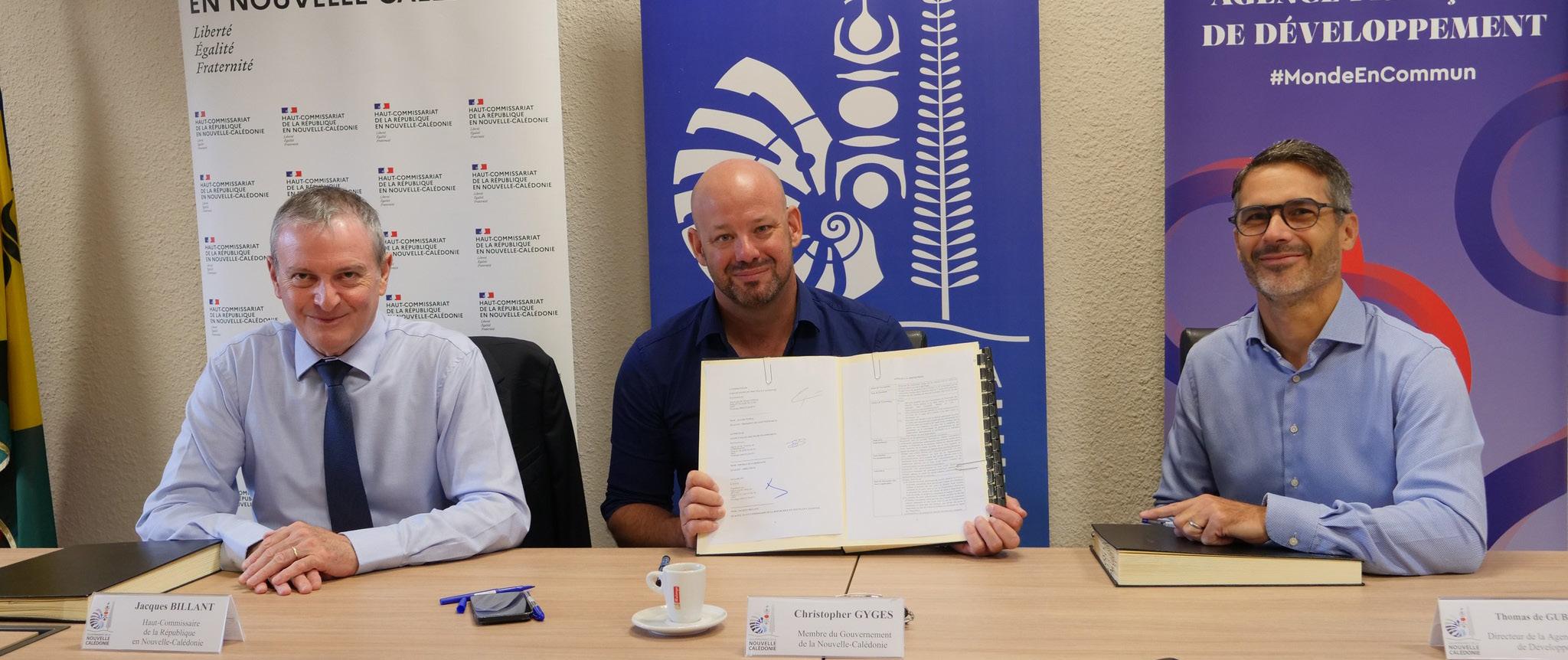
New Caledonia has signed the third tranche of a French state-guaranteed loan as part of a broader economic and social restructuring package aimed at restoring public finances and supporting essential services.
The agreement was signed on May 29 by French High Commissioner Jacques Billant and New Caledonia government member in charge of the economy and budget Christopher Gygès, in the presence of Thomas de Gubernatis, director of the French Development Agency.
The loan forms part of an economic and social restructuring pact launched in February 2026 by the French government. The program provides exceptional state support of nearly 240 billion CFP francs ($2 billion euros) over five years to help revive the economy, improve opportunities for young people and restore public finances in exchange for structural reforms.
Under the arrangement, the French state is guaranteeing a loan of more than 44 billion CFP francs (370 million euros) provided by the French Development Agency to New Caledonia.
The funds will support the territory’s social security system, including health insurance and pension payments, as well as the electricity sector and public services delivered by provincial and municipal authorities.
Gygès said the financing would ensure pension payments continue through the end of the year.
“Without this sum, thousands of pensioners would not have been paid,” he said, adding that New Caledonia is due to receive two installments of 10.7 billion CFP francs in the coming months.
According to Gygès, while most of the 44 billion CFP francs will be directed toward pensions, the compulsory health insurance scheme (RUAMM) and the electricity system, part of the funding will also support local governments and investment projects intended to contribute to the territory’s economic recovery. PBR
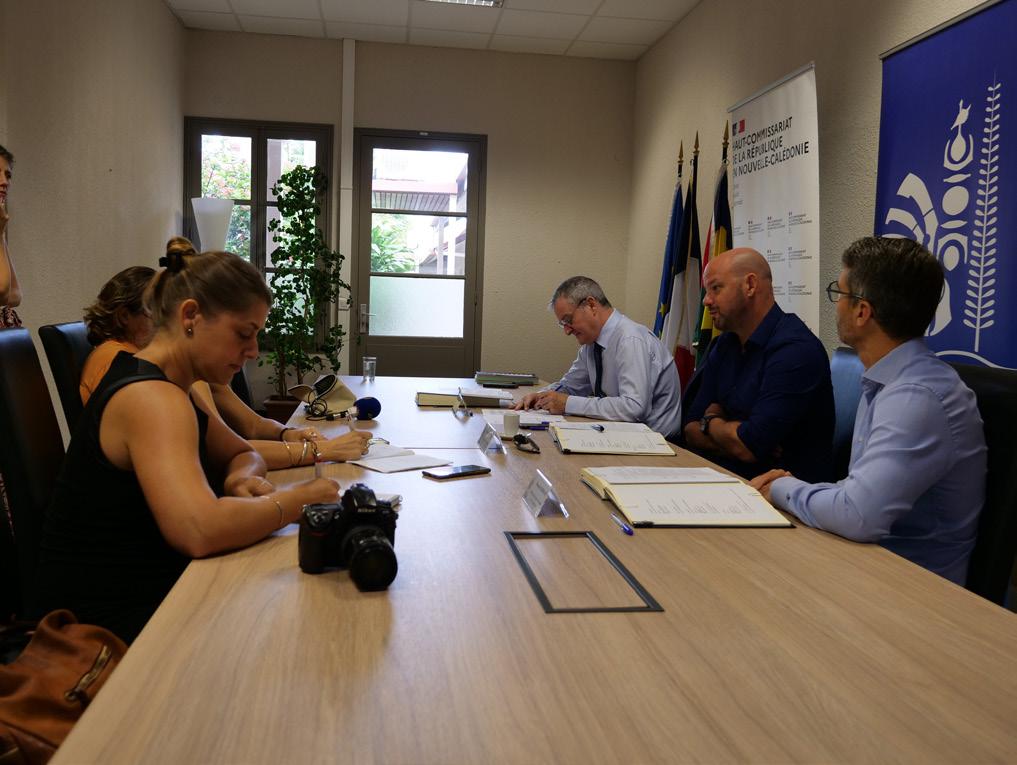


The government of New Caledonia and the French Development Agency have signed an agreement to finance a strategic study aimed at strengthening and structuring the territory’s social and solidarity economy sector following economic disruption linked to the May 2024 unrest.
The initiative was presented by Naïa Wateou alongside representatives of the French Development Agency, commonly known as AFD.
Officials said the study would help establish a clearer framework for the development of the social and solidarity economy, or SSE, which includes organisations such as cooperatives, associations, mutual societies, foundations and socially oriented enterprises prioritising social and environmental outcomes alongside economic activity.
Authorities described the sector as an important tool for improving resilience, strengthening social cohesion and supporting inclusive economic recovery in New Caledonia after the social and economic impacts of the events of May 2024.
The initiative follows the adoption of country law No. 2025-13 on August 18, 2025, which formally established a regulatory framework for the social and solidarity economy in the territory.
The legislation defines the sector around principles including social utility, democratic governance and regulated profit management.
Wateou said the new study would provide government with the operational tools and updated data needed to better identify and support SSE actors across the territory.
“Without a regulatory framework, we have no way of recognising the actors in the social and solidarity economy,” Wateou said.
The study mission, financed by AFD for nearly 7.5 million CFP francs, will include mapping and inventory work on the SSE sector, assessment of funding access conditions and analysis of sector support needs, including governance, project engineering and economic model sustainability.
The project will also examine opportunities for accessing public, national and international financing and develop recommendations for a long-term territorial strategy for the sector’s development.
Julie Doiteau said the agency considered it important to support local authorities in strengthening the sector.
“For the AFD, it was natural to support the government and its partners in carrying out this study,” Doiteau said, describing the initiative as a step toward addressing challenges faced by SSE organisations in the territory.
Officials said the agreement would help lay the foundation for a more structured and sustainable development pathway for social and solidarity economy activities in New Caledonia. PBR
The Pacific Islands Forum Secretariat and the World Bank are accelerating efforts to stabilise correspondent banking relationships (CBRs) across the Pacific, as a multi-year regional project begins to deliver early results amid persistent global financial pressures.
The initiative—formally approved in August 2024 and operational since April 2025—marks a coordinated response to a decade-long contraction in correspondent banking services that has left many Pacific Island economies exposed to disruptions in trade, remittances and cross-border payments.
Secretary General Baron Divavesi Waqa underscored that correspondent banking is “fundamental to economic resilience and global connectivity,” particularly for small, geographically dispersed economies that rely heavily on external financial linkages.
Declining banking links trigger systemic risk
The number of active correspondent banking relationships available to Pacific financial institutions has declined sharply since 2011, reaching what policymakers describe as “unsustainably low levels.” This trend—often driven by global banks’ risk-reduction strategies, rising compliance costs and stricter regulatory expectations—has disproportionately affected small island developing states.
The consequences are material: higher remittance costs for overseas workers, reduced access to financial services for vulnerable communities, and increased friction in trade and tourism-related transactions.
Pacific economies, which depend on stable inflows such as remittances and development finance, face heightened vulnerability when access to global banking networks is constrained.
The Pacific Strengthening Correspondent Banking Relationships Project, valued at $68 million and funded through a mix of grants and credits, is now entering a critical implementation phase across seven countries, including Fiji, Samoa and Tonga, with expansion expected to larger economies such as Papua New Guinea.

The programme is structured around two core pillars:
• safeguarding continuous access to correspondent banking services; strengthening regulatory, supervisory and compliance frameworks.
Under the first pillar, procurement is underway for a dedicated service provider that would offer temporary correspondent banking access to countries at risk of losing critical financial channels. Four institutions have been shortlisted, with negotiations ongoing toward a framework agreement.
This mechanism is designed as a contingency buffer— effectively a regional safety net—to prevent sudden disconnections from the global financial system.
Data, compliance and payments reform advance
Parallel progress is being made on structural reforms aimed at addressing the root causes of “de-risking.”
A regional data initiative is underway to develop a CBR Resilience Index, intended to benchmark financial institutions’ readiness and risk profiles. Pilot data collection has begun in four jurisdictions, while engagement with SWIFT is expected to enhance transaction-level insights.
Regulatory upgrades are also advancing, with anti-money laundering and counter-terrorism financing (AML/CFT) action plans being rolled out in coordination with the Asia Pacific Group on Money Laundering. These reforms aim to close compliance gaps that have contributed to international banks’ withdrawal from the region.
At the infrastructure level, discussions on modernising payment systems are gaining momentum. A regional workshop in Fiji in late 2025 brought together central banks and development partners to explore fast payment systems tailored to small island economies, alongside plans for a potential Pacific Payments Mechanism.
The project reflects a broader strategic shift: moving from fragmented national responses to a coordinated regional framework anchored by the Pacific Islands Forum Secretariat.
Through mechanisms such as the Pacific De-Risking Group, the Secretariat is aligning national reforms with regional priorities while facilitating dialogue between Pacific institutions and global banking partners.
The World Bank, for its part, is providing financing, technical assistance and global expertise to support implementation and maintain engagement with international financial institutions.
Waqa said the initiative demonstrates a “shared regional commitment to preserving financial linkages,” adding that strengthening compliance frameworks and transparency will be critical to rebuilding confidence with correspondent banks.
While early progress is evident, officials acknowledge that reversing the long-term decline in correspondent banking relationships will require sustained reforms and continued engagement with global partners.
The project’s six-year horizon to 2030 reflects the scale of the challenge: restoring trust, improving regulatory credibility and ensuring Pacific economies remain connected to international financial markets.
For the region, the stakes are clear—without stable access to correspondent banking, the foundations of trade, remittances and economic development remain at risk. PBR

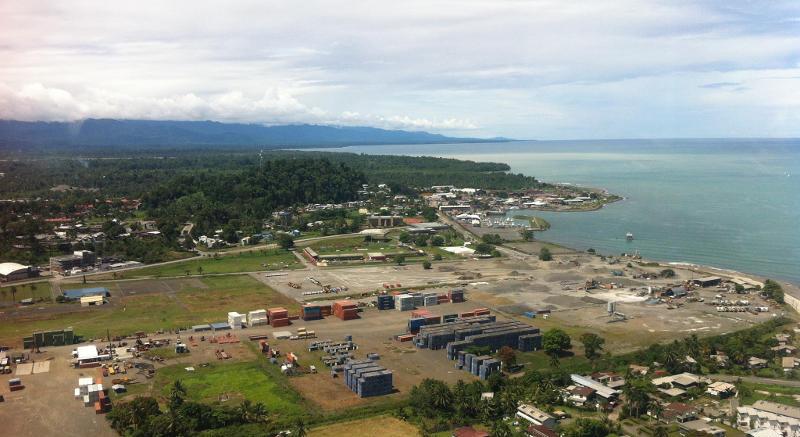
NZ$10.9 million
The Tuvalu Fisheries Authority (TFA) has secured NZ$10.9 million in grant funding from New Zealand to advance the third phase of its national fisheries support programme, in a move aimed at strengthening sustainable resource management and boosting economic returns.
The five-year agreement, signed with New Zealand’s Ministry of Foreign Affairs and Trade (MFAT), will fund the Tuvalu Fisheries Support Programme Phase 3 (TFSP3), continuing more than a decade of bilateral cooperation in the sector.
TFA said the programme will underpin implementation of its corporate plan, with a focus on improving economic and food security outcomes in Tuvalu through enhanced fisheries governance and operational capacity.
The funding package includes support for sustaining revenues from oceanic fisheries, alongside initiatives to strengthen domestic fishing and fish marketing activities. It will also finance institutional capacity-
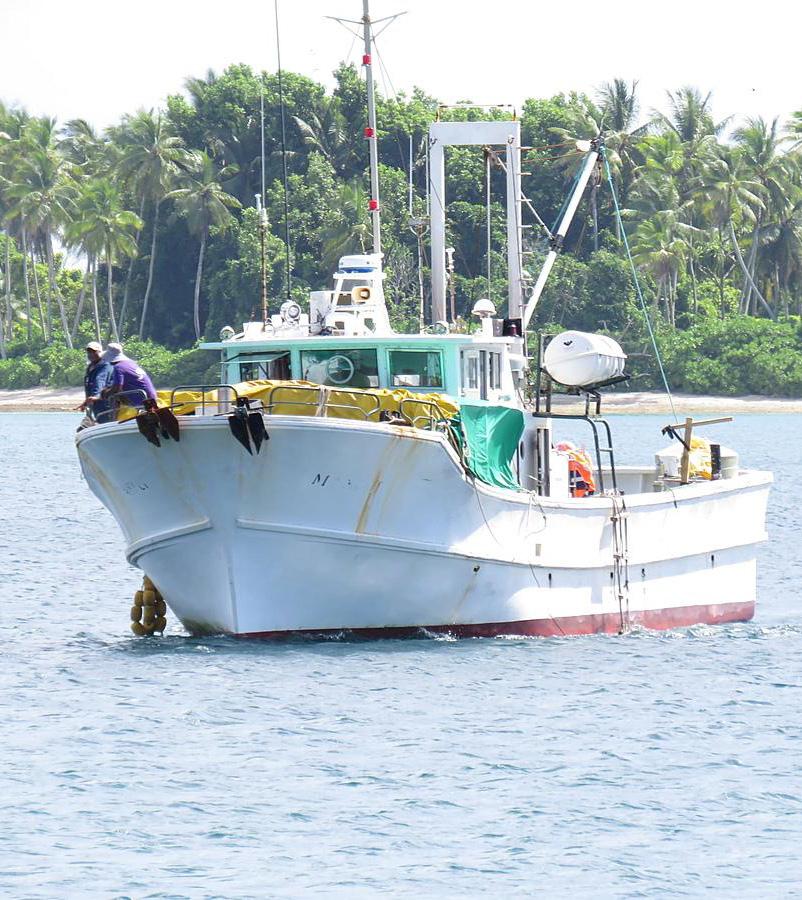
building across financial management, human resources and governance functions.
As part of the programme, two long-term technical advisers will be deployed to assist implementation, while resources have been allocated for the repair and maintenance of key fisheries assets, including the patrol and support vessel Manaui II, to restore operational readiness.
TFA Managing Director Sam Finikaso said New Zealand’s continued partnership had been instrumental in developing the country’s fisheries sector.
“New Zealand has been a great supporter of fisheries in Tuvalu. This third phase will provide more resources than earlier projects, and we expect excellent results,” Finikaso said.
The latest agreement builds on earlier programme phases that contributed to stabilising fisheries revenues and expanding local industry participation, reinforcing the sector’s role as a cornerstone of Tuvalu’s economy. PBR
The Fiji government is stepping up efforts to reduce the country’s rice import bill while strengthening food security and supporting local farmers through a series of agricultural initiatives.
The government said immediate measures are being implemented to increase local rice production and reduce reliance on imported rice.
These include expanding rice cultivation programs in suitable agricultural areas and distributing improved and climate-resilient rice seed varieties to farmers.
Authorities are also strengthening mechanization support for land preparation and harvesting while supporting upgrades to rice mills and post-harvest processing facilities.
The government said it is encouraging youth participation and commercial investment in rice farming through targeted incentives and training programs.
Fiji is also working with development partners and research institutions to modernize the country’s rice industry and improve productivity.

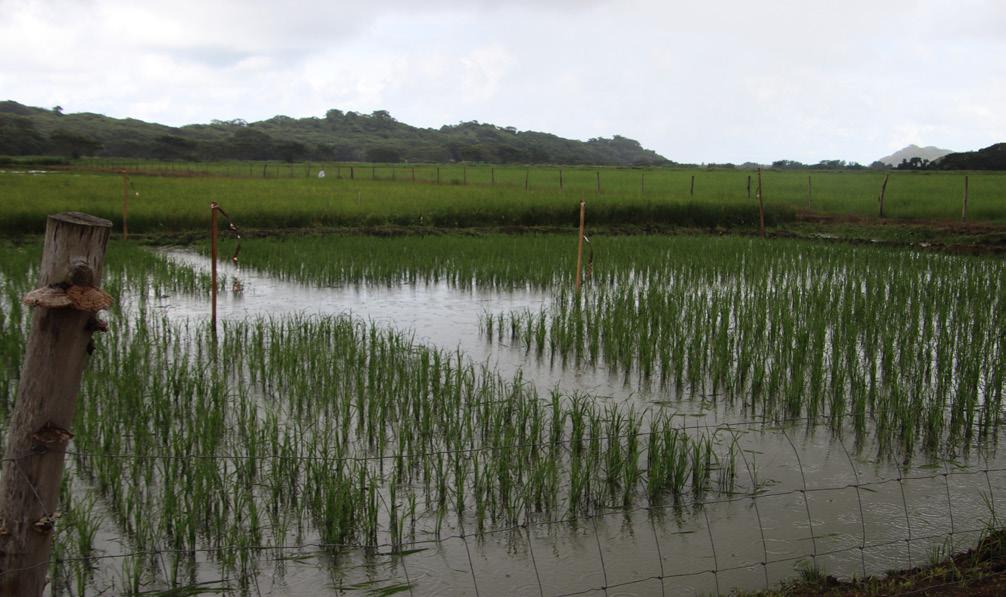
As part of broader reforms, the government plans to implement a conditional import tariff framework aimed at managing rice imports while encouraging local production.
Officials are also conducting market demand and consumer preference surveys to better understand domestic rice consumption trends.
Additional measures include policy interventions and institutional reforms designed to strengthen the domestic rice sector and improve long-term sustainability.
The government said technology integration would also play a key role, including the use of precision farming, digital monitoring systems and energy-efficient processing across rice production and supply chains.
The initiatives form part of the government’s broader commitment to building a more resilient, sustainable and self-sufficient agricultural sector in Fiji.
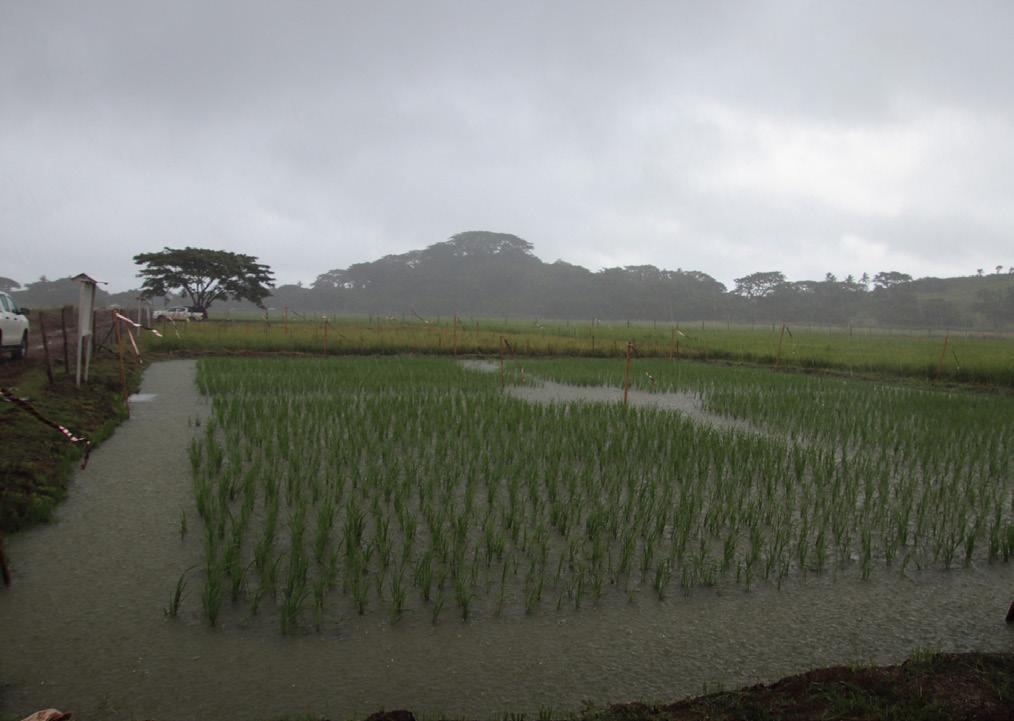



Farmers from the Labuhila Coffee Farmers Association participated in a hands-on training session in Lumakanji, Guadalcanal, aimed at improving coffee production and increasing income opportunities.
The training, held on May 18 and 19, was funded through the Solomon Islands Agriculture Rural Transformation (SIART) Project under the Ministry of Agriculture and Livestock Development.
The SIART Project, funded by the World Bank and implemented by the ministry, seeks to strengthen the agriculture sector by increasing production, improving market access and enhancing rural livelihoods.
The program supports farmers in Malaita, Guadalcanal and Makira-Ulawa through training, infrastructure support, agribusiness development and extension services.
The training was led by Ministry of Agriculture and Livestock Development Research Officer Geoffrey Oliouou and focused on pruning and grafting techniques for coffee production.
Farmers were trained on pruning methods aimed at managing tall trees, removing unwanted growth after harvest, improving light penetration and stimulating productive branch development.
Participants also learned about the timing and follow-up care needed to protect coffee trees after pruning.
“The objective of this training is to equip farmers with practical skills that will directly improve coffee productivity and quality,” Oliouou said.
“By applying proper pruning and grafting techniques, farmers can rehabilitate existing trees, introduce improved varieties, and increase yields in a sustainable way,” he added.
The grafting component covered both top and side grafting techniques for nursery seedlings and mature trees, allowing farmers to replace low-yielding trees and accelerate production of marketable coffee.
A representative of the Labuhila Coffee Farmers Association said the training had provided practical knowledge that farmers could immediately apply in their farms and communities.
Farmers and organizers also highlighted ongoing challenges affecting coffee production in the highlands, including poor road access and limited market linkages that increase transportation costs and reduce farmer returns.
Participants noted that coffee, despite its potential as a major cash crop alongside cocoa and coconut, has received limited attention and support in recent years.
Through SIART funding, the training also provided materials for hands-on learning activities.
Organizers emphasized the need for continued support through access to quality seedlings, regular extension services and infrastructure investment to ensure technical improvements translate into sustainable income gains.
The Labuhila Coffee Farmers Association plans to apply the training through demonstration plots, community refresher programs and advocacy for improved market access and institutional support. PBR
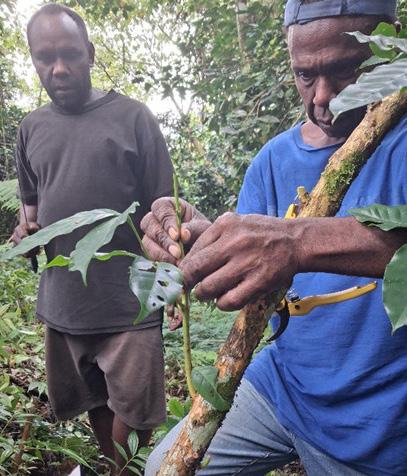

Agriculture and Livestock Development Minister Franklyn Derek Wasi has received a courtesy call from Karen Mapusua, director of the Land Resources Division at the Pacific Community, at the ministry’s headquarters in Honiara.
Mapusua and her team are in Solomon Islands to support the country as it assumes the chairmanship of the Pacific Heads of Agriculture and Forestry Services (PHOAFS).
Solomon Islands led its first regional meeting following the formal handover from the Kingdom of Tonga during the opening of the 11th PHOAFS virtual meeting on Wednesday.
Wasi welcomed Mapusua and her delegation and acknowledged the support provided by the Pacific Community in assisting Solomon Islands in taking up the chairmanship of the regional body.
Mapusua briefed the minister on the agenda for the current PHOAFS virtual meeting and preparations required for Solomon Islands to host the next PHOAFS meeting in the country next year.
Solomon Islands is scheduled to host the Pacific Week of Agriculture and Forestry, a week-long regional event, in Honiara at the end of May 2027.
The Pacific Heads of Agriculture and Forestry Services is a regional platform that brings together senior agriculture and forestry officials from Pacific island countries and territories to coordinate policy priorities, food security initiatives, climate resilience efforts and regional agricultural cooperation.
The Pacific Week of Agriculture and Forestry is held every two years and is regarded as the region’s premier agriculture and forestry event, bringing together ministers, technical experts, researchers, development partners and private sector representatives to discuss food security, biosecurity, sustainable rural development and climate resilience.
Regional organizers said the 2025 Pacific Week of Agriculture and Forestry in Tonga focused on the themes of “more regeneration, more productivity and more resilience,” highlighting growing regional attention on climate adaptation, sustainable farming systems and agricultural research collaboration across Pacific island economies. PBR
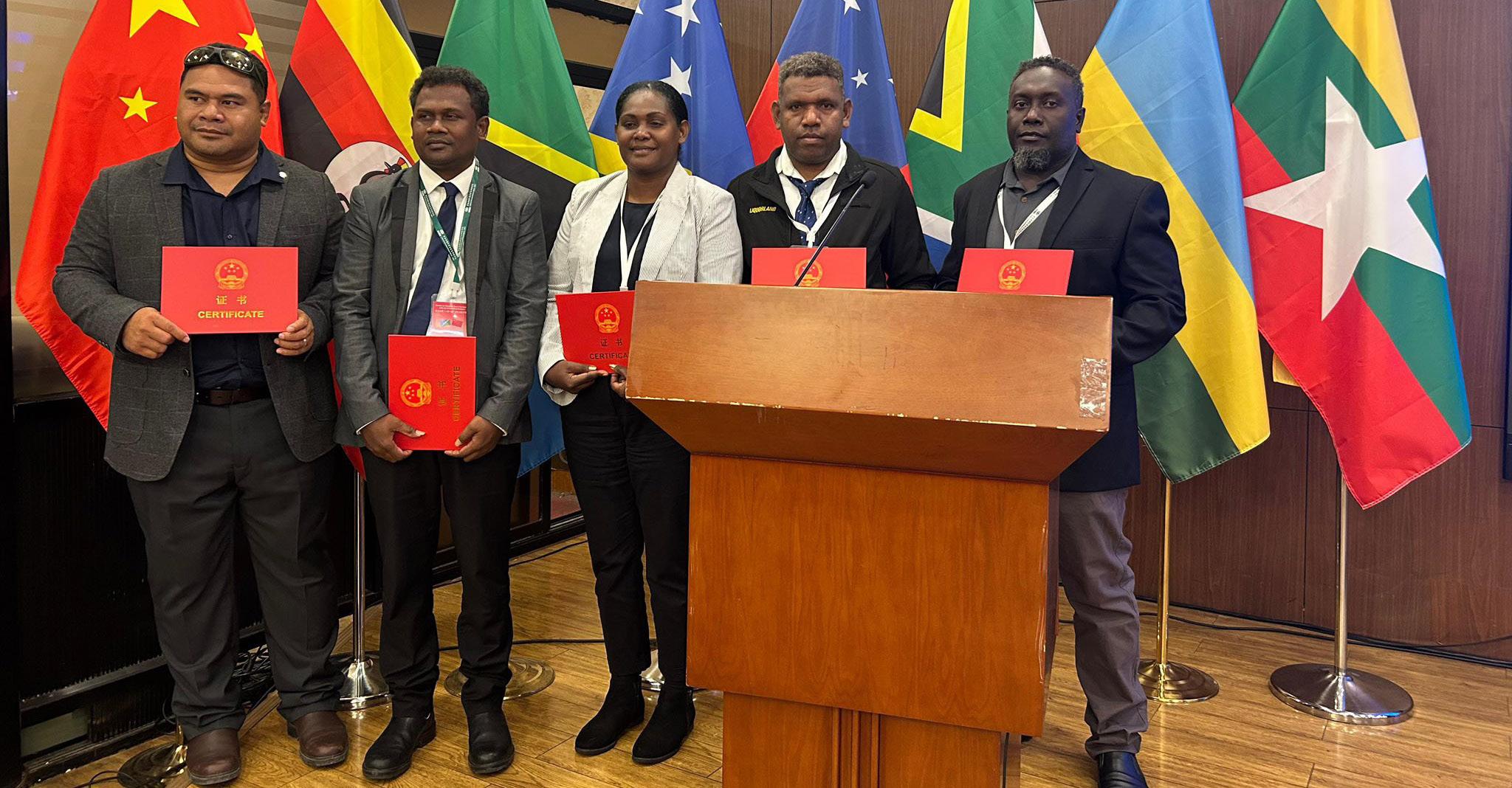
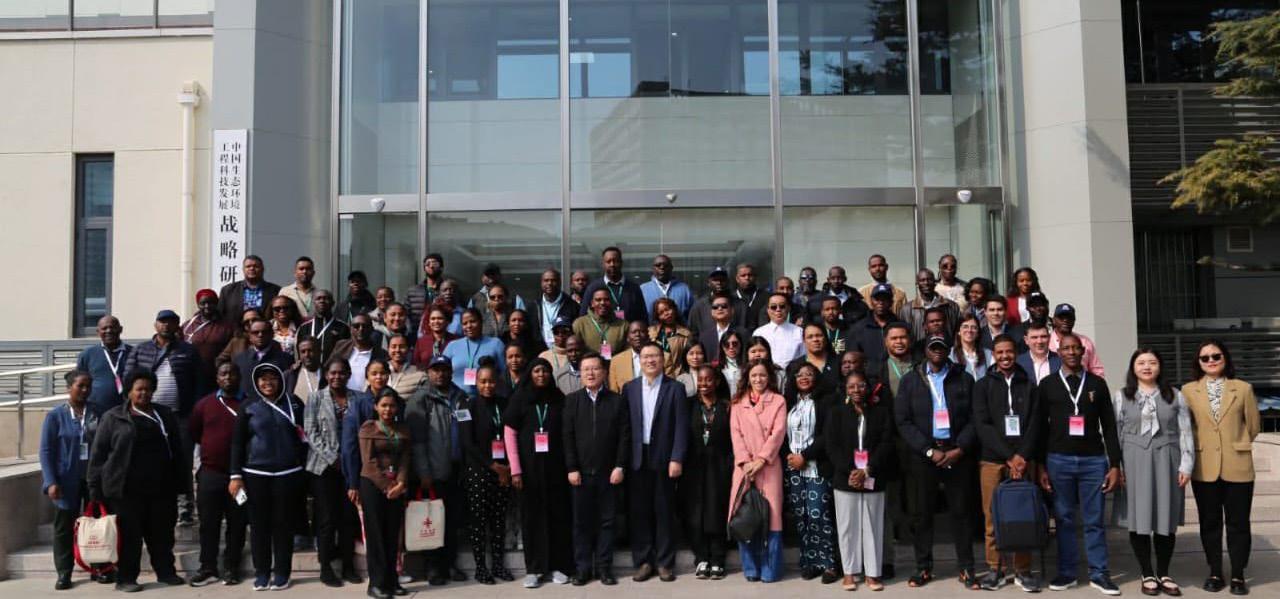
Officials from the Solomon Islands Ministry of Agriculture and Livestock Development (MALD) participated in an international seminar on green development and cooperation in China, as the government looks to strengthen sustainable growth strategies in the agriculture sector.
Planning Department Director Danny Lehe and Extension Department Acting Deputy Director Petra Urahora represented MALD at the programme, held from March 11 to 24, 2026. The seminar convened policymakers and experts from developing countries to exchange approaches on green growth, sustainability and international cooperation.
The programme combined lectures, group discussions and field visits, exposing participants to policy frameworks and practical models that integrate economic development with environmental protection and social inclusion.
Lehe said the delegation gained insights into digital agriculture tools, renewable energy investments and planning strategies that align economic growth with climate and environmental objectives.
“We learned how green development can support sustainable economic growth, reduce poverty and address climate change. The seminar highlighted the importance of international cooperation, technology transfer and capacity building in delivering long-term results,” he said.
He added that sustainable development requires coordinated policies that balance economic expansion with environmental stewardship and inclusive governance.
Discussions also underscored the role of strong public institutions and integrated planning in advancing rural development. Case studies presented during the seminar
showed how investments in education, improved market access and policy coordination can accelerate poverty reduction.
MALD said the lessons are directly relevant to the Solomon Islands, particularly in advancing renewable energy adoption, strengthening digital infrastructure and promoting researchdriven, climate-resilient agricultural practices.
The ministry reaffirmed its commitment to applying these insights to national development priorities and to deepen partnerships that support sustainable and inclusive growth.
MALD also acknowledged the Solomon Islands Ministry of Education and Human Resources Development for facilitating participation, as well as the Embassy of the People’s Republic of China in Honiara for supporting travel arrangements. PBR
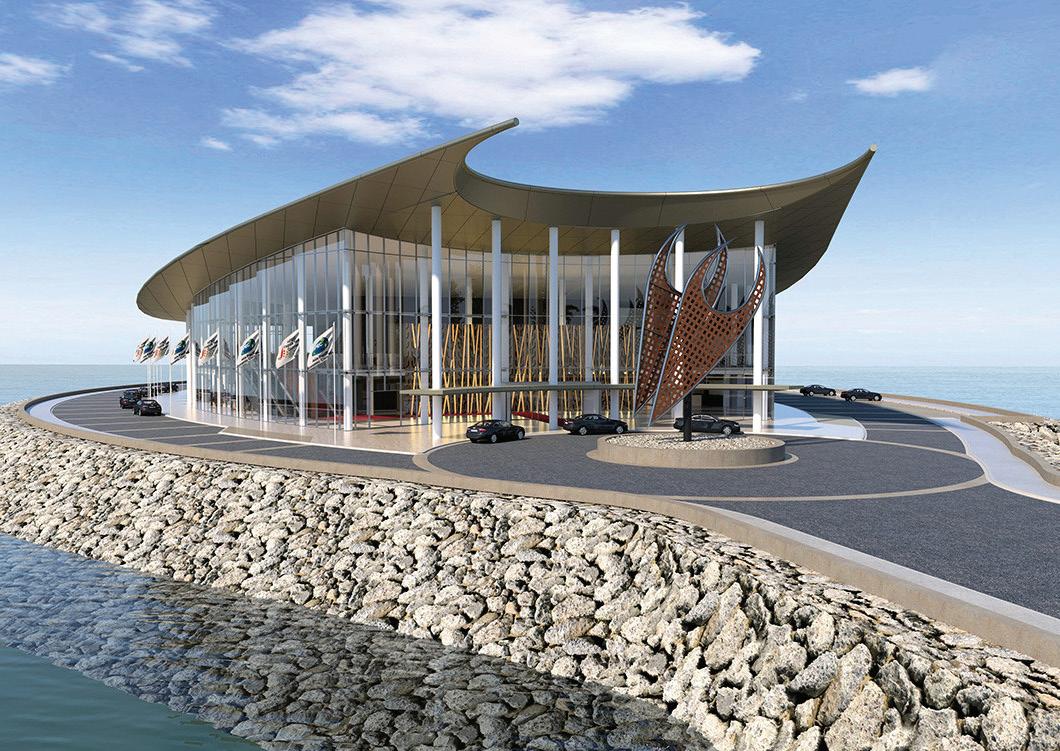
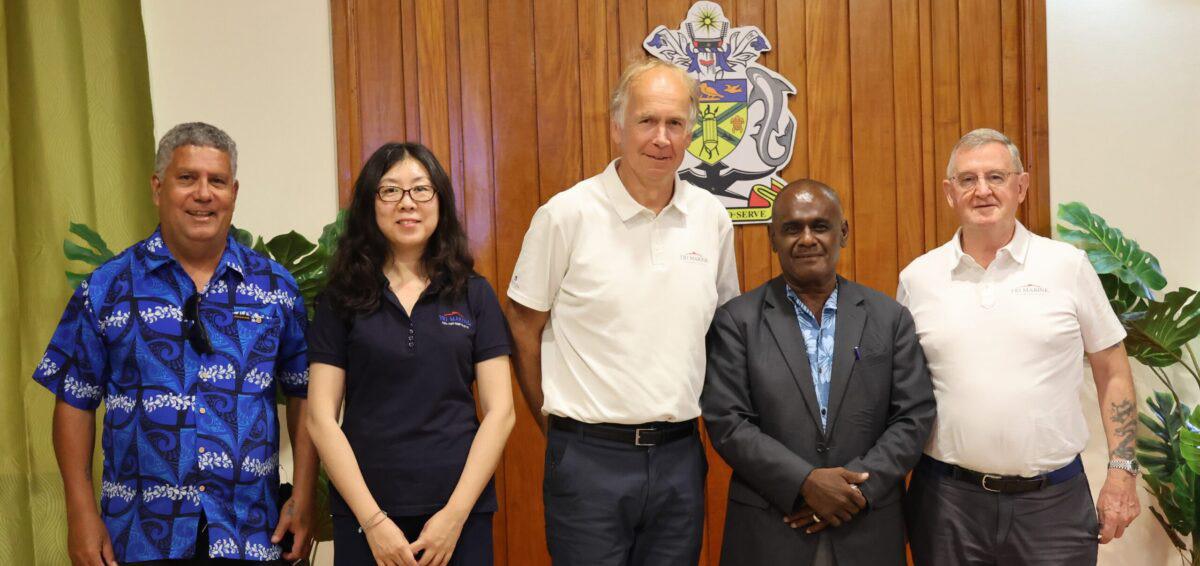
A delegation from Bolton Group and Tri Marine, key players in the global tuna and seafood supply chain, has commended the Solomon Islands government for its support of the country’s fisheries sector during a meeting with Prime Minister Jeremiah Manele.
Bolton and Tri Marine, which jointly own National Fisheries Development (NFD) and SolTuna Ltd in Noro, briefed the Prime Minister on their operations and ongoing investments in the country.
The delegation praised the Government, particularly the Ministry of Fisheries and Marine Resources, for maintaining an enabling legislative environment and providing consistent institutional support.
They also highlighted improvements in public service delivery in Noro and described the Government as a cornerstone investor in the sector.
SolTuna and NFD are among the country’s largest privatesector employers, producing around 140 tonnes of tuna daily and generating approximately SBD 201 million in domestic sales in 2025.
Prime Minister Manele reaffirmed the Government’s recognition of the sector’s importance, citing its contributions to the national economy, employment and community development.
“The contribution of Bolton and Tri Marine to our national development is both substantial and enduring,” he said.
Discussions also addressed operational challenges facing the industry, including rising fuel costs, taxation pressures and the impact of the new value-added tax (VAT) regime.
The delegation shared technical expertise to support the Bina Harbour project, signalling potential for deeper collaboration between the Government and industry stakeholders.
Prime Minister Manele said the Government remains committed to addressing legislative concerns, fast-tracking reforms to ensure reliable and affordable electricity, and fostering a conducive business environment.
The meeting reflects ongoing engagement between the Government and major industry participants as the Solomon Islands seeks to strengthen its fisheries sector and attract continued investment. PBR
The Pacific Tourism Organisation has selected Fiji as the host of the South Pacific Tourism Exchange, or SPTE, in 2027 following a vote by the organisation’s Board of Directors during a meeting in Nadi last week.
The decision came after the board considered expressions of interest from Fiji and Tahiti Tourisme to host the Pacific region’s flagship tourism trade event.
According to the SPTO, the board approved in principle Fiji as the venue for SPTE 2027 and directed the organisation’s secretariat to continue engagement with Fiji on final arrangements.
The outcome reinforces Fiji’s standing as a regional tourism hub and reflects industry confidence in the country’s ability to stage one of the Pacific’s largest tourism business events.
SPTE is regarded as the Pacific’s leading tourism marketplace, bringing together international buyers, tourism operators and national tourism offices from across the region. The annual event is aimed at strengthening partnerships, expanding visitor demand and generating business opportunities for Pacific tourism stakeholders.
SPTO Chief Executive Officer Christopher Cocker said the board’s decision highlighted Fiji’s continued leadership in regional tourism development.
“SPTE is one of the Pacific’s most important tourism platforms, and Fiji has consistently demonstrated its capability to host high-quality regional events that deliver real value to the tourism industry,” Cocker said.

“The Board recognised Fiji’s strong commitment to the current SPTE structure and its ongoing support for regional tourism collaboration. Hosting SPTE 2027 will provide another important opportunity to showcase not only Fiji, but the wider Pacific tourism product to international markets,” he added.
The board also acknowledged Fiji’s support for the current arrangement of holding the Fiji Tourism Exchange, or FTE, alongside SPTE, noting the operational and commercial benefits the format provides to tourism operators and international buyers.
During discussions, Fiji also proposed that if SPTE is hosted elsewhere in future years, the event should subsequently return to Fiji for the following two consecutive years, reflecting the country’s long-term commitment to regional tourism growth.
The announcement comes as Pacific tourism operators continue efforts to strengthen postpandemic recovery, improve market visibility and deepen regional cooperation.
Further details on SPTE 2027, including dates and programme arrangements, are expected to be confirmed following consultations between SPTO and Tourism Fiji. PBR

The Fiji Ministry of Tourism and Civil Aviation has concluded nationwide public consultations on the Draft Tourism Bill 2026, marking a key step toward establishing the country’s first comprehensive tourism legislation.
Consultations were conducted across major tourism centres including Suva, Sigatoka, Nadi, Rakiraki, Labasa and Savusavu, with participation from tourism operators, community representatives and members of the public.
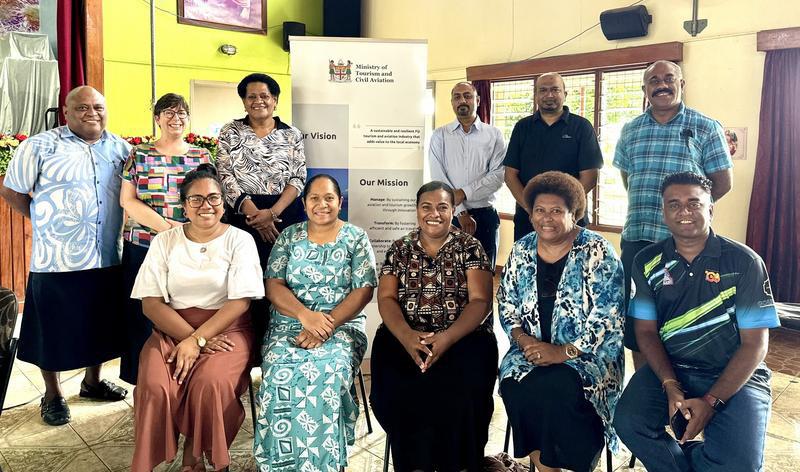
The ministry said the consultation process formed part of the government’s commitment to inclusive and transparent lawmaking aimed at ensuring the legislation reflects the needs and priorities of stakeholders across the tourism industry.
According to the ministry, the proposed Tourism Bill 2026 is designed to strengthen governance of the tourism sector while introducing tourism standards and supporting sustainable industry development.
The legislation also seeks to improve the resilience and competitiveness of Fiji’s tourism industry, one of the country’s key economic sectors and a major source of employment and foreign exchange earnings.
Officials said feedback gathered during the consultations would help refine the draft legislation before its finalisation.
The ministry thanked participants for their contributions and encouraged stakeholders to continue providing written submissions, which remain open until 7 May 2026.
The draft bill is available through the Ministry of Tourism and Civil Aviation’s official channels. PBR








Fiji has enacted its first comprehensive tourism legislation, replacing the Hotel and Guest Houses Act 1973 with a broader regulatory framework aimed at supporting the long-term growth, governance and sustainability of one of the country’s most important economic sectors.
The Tourism Bill No. 10 of 2026 was passed into law on May 28, establishing the new Tourism Act 2026, which introduces updated provisions covering tourism enterprise registration, national tourism standards, sustainability and compliance measures, and protections for indigenous and cultural knowledge.
The legislation also seeks to strengthen participation by communities and micro, small and medium enterprises in the tourism sector, which remains a major contributor to employment, foreign exchange earnings and rural development in Fiji.
Deputy Prime Minister and Minister for Tourism and Civil Aviation Viliame Gavoka said the new law reflects the transformation of Fiji’s tourism industry over recent decades and aligns with the government’s broader tourism development strategy.
“Over the last 20 years, Fiji has doubled its visitor numbers. Our communities are more deeply involved in tourism than ever before, and the expectations of travellers and investors alike have changed significantly. It is time our laws reflected that reality,” Gavoka said.
Fiji now receives close to one million visitors annually, supported by a wide network of hotels, resorts, tour operators and community-based tourism experiences, including hiking, camping and short-term accommodation platforms such as Airbnb.
The previous legislation governing the sector dated back to the 1970s, when Fiji’s tourism industry was significantly smaller and less diversified.
The enactment of the Tourism Act also follows broader government efforts to strengthen tourism and aviation as central pillars of Fiji’s economic development strategy.
Earlier this year, Gavoka told Parliament that the ministry’s tourism development approach is guided by the “Five A’s”
of tourism growth — access, accommodation, attractions, amenities and actors — aimed at ensuring infrastructure, investment and community participation work together to expand the sector.
Among the key initiatives under the strategy is the World Bank-supported Na Vualiku Tourism Development Programme, which seeks to unlock tourism potential in Vanua Levu through airport upgrades, improved infrastructure and expanded opportunities for local businesses.
Runway upgrades at Labasa Airport are expected to improve connectivity and boost investor confidence in Fiji’s northern region, while tourism development is also being expanded in maritime and rural areas, including the Lau group.
The Tourism Act 2026 also builds on earlier policy work by the government, including the Fiji Tourism Policy 2025–2035 and the Fiji Tourism Standards Framework Guidance Note, which were introduced as part of preparations for Fiji’s first dedicated tourism law.
Officials previously said the policy and standards framework would help establish clearer expectations around quality, sustainability, safety and service across the tourism industry while supporting responsible and inclusive growth.
The proposed framework is also expected to streamline tourism-related licensing, create greater consistency across regulations and clarify the roles of the Tourism Department and Tourism Fiji.
According to the government, the Tourism Act 2026 was developed through consultations with industry representatives, community groups, government agencies and tourism operators across the country.
“This legislation did not happen overnight,” Gavoka said. “It was shaped by the voices of communities, operators, and stakeholders from across the country.”
The Hotel and Guest Houses Act 1973 will be formally repealed once the new Tourism Act comes into force on a date to be determined by the minister.
The government said the new framework is intended to support sustainable tourism development while strengthening industry oversight and aligning the sector with current market expectations and investment trends.
PBR

The Union of Hotels of New Caledonia has signed a statement of intent with the New Caledonian government to support preparations for the 14th Festival of Pacific Arts and Culture, or FESTPAC, scheduled to be held in the French Pacific territory in 2028.
The agreement was signed on May 21 by Mickaël Forrest and Philippe Etwiller as part of broader efforts to strengthen accommodation capacity and tourism readiness ahead of the regional cultural event.
According to the parties, the agreement aims to improve coordination between the government and the hotel sector to ensure delegations from Pacific countries and territories are accommodated under optimal conditions during FESTPAC 2028.
The partnership will focus on increasing the territory’s accommodation capacity, promoting Oceanian culture within tourist establishments, strengthening communications around the festival, improving the experience for delegates and visitors, and supporting the economic recovery of the hotel industry.
The government said FESTPAC represented a major opportunity to showcase New Caledonia’s cultural identity and tourism sector across the Pacific region and internationally.
Under the proposed cooperation framework, both parties will explore initiatives including the promotion of hotels and accommodation venues as spaces for cultural experiences, the development of dedicated FESTPAC travel packages, and the creation of a “FESTPAC 14 Partner Hotel” label offering tariff advantages for participating establishments.
The partnership will also seek to align the values of FESTPAC with sustainability goals and the promotion of local identity across participating hotel operators.
FESTPAC is one of the Pacific region’s largest cultural gatherings, bringing together artists, performers and cultural representatives from across Oceania to celebrate and preserve Indigenous and Pacific cultural heritage. The 14th edition will be hosted by New Caledonia in 2028. PBR
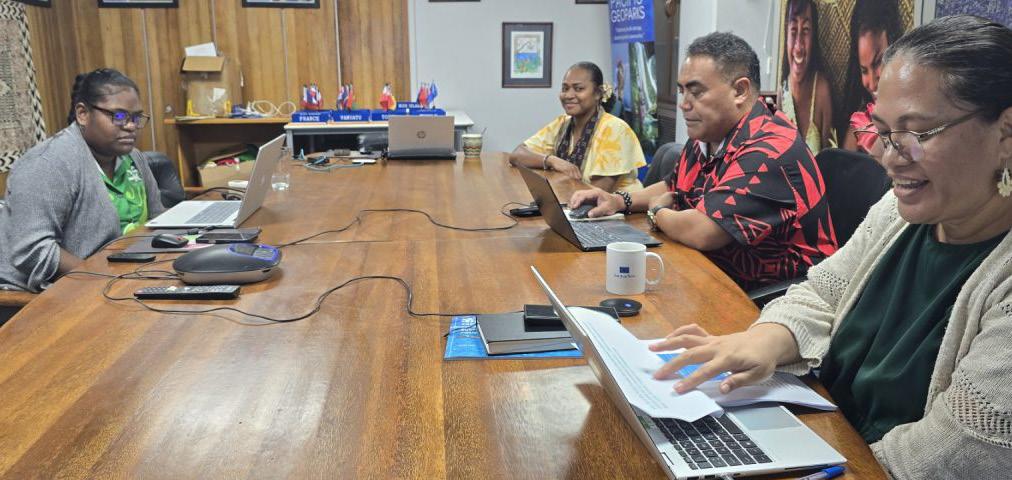
The Pacific Tourism Organisation (SPTO), in partnership with the Pacific Private Sector Development Initiative (PSDI) and with support from the Asian Development Bank (ADB), has advanced regional efforts to embed gender equality across the tourism sector with the review of its draft Gender and Inclusive Tourism Action Plan (GITAP) 2026–2030.
The initiative was presented during a regional webinar, marking a key step toward strengthening inclusivity and equity in one of the Pacific’s most important economic sectors.
Recent gender audits across seven national tourism organisations (NTOs) and SPTO revealed a mixed picture of progress and structural challenges.
While women account for more than half of the workforce in accommodation and food services, they remain concentrated in lower-paid roles. In the private sector, women hold just 21 percent of board positions, highlighting limited representation in decision-making roles.
By contrast, NTOs have achieved greater gender balance, with women occupying around 50 percent of leadership roles.
However, all nine organisations assessed reported little to no dedicated budget for gender-focused initiatives, pointing to a gap between policy intent and institutional support.
The draft GITAP 2026–2030 outlines a regional framework anchored on four key pillars:
data monitoring and advocacy
• policy and planning for inclusive tourism
• women’s economic empowerment and private sector engagement institutional commitments in human resources and organisational culture
The plan is designed as a practical, regionally owned roadmap to guide governments, tourism bodies and private sector stakeholders in embedding gender equality into tourism development.
SPTO Chief Executive Officer Christopher Cocker emphasised the need to translate data into action, noting that tourism plays a central role in Pacific economies and communities.
“A resilient and inclusive tourism sector requires gender equality to be embedded across policy, budgeting, and organisational culture,” he said.
Aligning with broader regional policy goals
The initiative aligns with Goal 2 of the Pacific Sustainable Tourism Policy Framework, which focuses on building “thriving and inclusive communities.”
Tourism remains a critical economic driver across Pacific island economies, contributing to employment, foreign exchange earnings and community livelihoods.
However, sector growth has also exposed structural issues, including limited access to finance, weak data systems and uneven participation across gender groups.
The gender audit process supporting the action plan has established a regional evidence base, including synthesis reports, national-level assessments and a gender mainstreaming toolkit to guide implementation.
Stakeholders participating in the webinar provided early feedback on the draft plan, ensuring it reflects national contexts and diverse perspectives across Pacific economies.
The framework is expected to be further discussed at upcoming SPTO board-level engagements, with a focus on transitioning from policy design to implementation.
SPTO acknowledged the contributions of ADB and PSDI in advancing the initiative, particularly in strengthening technical capacity and supporting evidence-based policymaking.
The development of the GITAP signals a broader shift toward inclusive and sustainable tourism in the Pacific, where
gender equality is increasingly recognised as a core driver of long-term resilience.
By integrating gender considerations into policy, planning and operations, the region aims to ensure that tourism growth delivers more equitable economic opportunities and social outcomes.
The initiative also underscores the importance of institutional commitment, particularly in aligning budgets, policies and organisational practices with inclusivity goals.
As Pacific economies continue to rebuild and expand their tourism sectors, the success of the strategy will depend on sustained coordination between governments, industry stakeholders and development partners. PBR


General Manager Business Development at Steamships, and Lynette
Secretary of the ABG Department of Lands, Physical Planning, Environment, Conservation and Climate Change.
row: Sheila Sukwianomb, Group Legal Counsel at Steamships; Ruth Kissam, General Manager Corporate Affairs at Steamships; Stephanie Elijah, Secretary of the ABG Department of Bougainville Independence Mission Implementation; and Leontine Ivano, Secretary of the ABG Department of Justice & Legal Services
The Autonomous Bougainville Government (ABG) and Steamships Trading Company (Steamships) are pleased to announce the signing of a Memorandum of Understanding (MOU) establishing a framework for collaboration between ABG institutions, traditional land custodians and Steamships.
The MOU follows a longstanding series of consultative engagements between traditional land custodians, key ABG departments and Steamships aimed at strengthening alignment on the land engagement process in Bougainville.
These engagements brought together the Office of the Chief Secretary; the Department of Lands, Physical Planning, Environment, Conservation and Climate Change; the Department of Community Government and District Affairs; the Department of Commerce, Trade, Industry and Economic Development; and the Department of Justice and Legal Services, providing a platform to work together to address key land management matters.
This collaborative process will assist the ABG in sustainably developing land with titleholders and future developers, allowing the government to realise its full economic potential for the benefit of the people of Bougainville.
Steamships holds title to properties in Central Bougainville acquired prior to the Bougainville Crisis. Noting that this process commenced in 2021, the company reaffirmed its steadfast commitment to working through a structured and considered consultative process in partnership with traditional land custodians and the government to address the various complexities associated with undertaking such critical foundational work.
This collaborative process is guided by a focus on responsible investment, stakeholder engagement and alignment with Bougainville’s broader economic priorities. As a responsible developer, Steamships emphasised that its future decisions will consider opportunities to support local economic participation, employment and sustainable development outcomes.
Representatives from the ABG and traditional land custodian groups welcomed the consultative and collaborative approach.
The formalisation of this framework marks a significant step in strengthening cooperation between government, traditional land custodians, the private sector and foreign investors as Bougainville continues its recovery and development journey toward independence. PBR
Ark Pacific has delivered fit-for-purpose and high quality prefabricated building solutions for PNG’s mining and oil and gas sectors for over 15 years. Its latest project is the supply of a turnkey construction camp for Santos’ Agogo Production Facility (APF) Tie-In Project.
The camp will support the construction of a new 19-kilometre pipeline connecting the Santos-operated APF to the existing PNG LNG gas pipeline. It is expected to remain in use for approximately two years while construction is completed.
Located in a particularly remote part of Enga Province, the camp will include 10 different types of buildings. These comprise accommodation facilities with a blend of senior and junior accommodation totalling 170 rooms, as well as an industrial kitchen and dining facility, medical facility, administration office, ablution facilities, laundry, gymnasium recreational facility, and security hut.
Although Ark Pacific is well known for its flat-pack buildings, the 73 units supplied for the APF Tie-In Project will be its modular ‘Ready Box’ product. Designed to arrive on site ready for installation, the buildings are intended to reduce the amount of work required in a location where every additional construction activity can add complexity, cost and time.
Ark Pacific General Manager Cass Ruka said the level of prefabrication was essential given the location of the project.
“It was very important for the client that we provide them with buildings that are able to be used from almost the very moment they arrive on site. Once the buildings are lowered onto their plinths there is not much more to be done than for them to be plugged in.”
The Ready Box units are designed and manufactured by Ark to Australian and New Zealand standards and are IEPNG certified. Australian-licensed plumbers and electricians were engaged to oversee quality assurance and quality control for the Santos project.
The project also demonstrates that supplying remote resource-sector infrastructure requires capabilities beyond building manufacture alone. Ark has sourced and supplied just about everything required for the camp, including

furniture, linen and white goods, as well as power generators from France and water-treatment and wastewater-treatment facilities from the United Arab Emirates.
This global sourcing capability provides clients with a coordinated procurement pathway for the supporting infrastructure required to make a camp operational. For project teams, consolidating these requirements through a single supplier can reduce interfaces, simplify logistics and support a more efficient installation process.
The logistics exercise will be significant. During July and August 2026, the modular units and ancillary products will arrive in staged shipments at Lae. From there, they will be unloaded directly onto nearly 100 trucks for the approximately 600-kilometre journey along the Highlands Highway to the project site.
At the end of the camp’s operational life, the modular buildings can be disconnected, transported and reassembled elsewhere. This flexibility allows the buildings to continue providing value beyond their initial project purpose.
Ark Pacific has spent over 15 years supplying prefabricated facilities for mining and oil and gas operations in Papua New Guinea. The Santos contract is in addition to its recent partnership with New Porgera Limited, including the supply of office and accommodation buildings to support recommissioning activities, with a large ablution block also in the pipeline. Moreover, Ark continues to supply a range of facilities to K92 and Newmont. PBR
Ark’s building systems continue to improve and evolve in accord with client requirements and international standards. To learn more about Ark buildings in PNG, including its resource sector camp expertise and the advantages of its unique building systems: www.arkpacific.net
A group of students from Buk bilong Pikinini’s Koki Library Learning Centre recently swapped classroom walls for the deck of a working tugboat, stepping into the world of maritime operations as part of a new partnership between Buk bilong Pikinini (BbP) and Svitzer PNG.
The partnership, launched through a K20,000 contribution from Svitzer PNG to support BbP’s School Library Reestablishment Program, combines literacy support with experiential learning opportunities aimed at broadening children’s understanding of future careers and industries in Papua New Guinea.
To mark the collaboration, students were invited aboard the Svitzer Venture tugboat for an educational excursion that introduced them to life at sea and the role maritime services play in supporting trade, shipping, and the energy sector.
For many students, it was their first time boarding a working vessel.

During the visit, students met Captains Denys and Oleksandr, Chief Engineer Alexander, Officer Emmanuel, and other crew members, who guided them through different parts of the tugboat while explaining daily operations and onboard safety procedures.
The students explored the vessel’s Bridge, Engine Room, Deck, Crew Accommodation, and Galley, gaining firsthand insight into the technical and operational responsibilities involved in maritime work.
Crew members also explained how tugboats assist larger ships entering ports, support oil and gas operations, and
respond to emergencies such as maritime firefighting operations.
The excursion concluded with lunch onboard prepared by the vessel’s chef, Catherine, adding to what organizers described as a memorable learning experience for the students.
Svitzer PNG officials attending the event included General Manager Dylan Sheehan, Port Manager John Whitfield, Lead People and Culture Partner Emma Yabsley, and Melbourne Port Manager Simon Riddle.
Representing Buk bilong Pikinini were Executive Officer Leanne Resson, teachers, and members of the organization’s head office team.
Sheehan said the company viewed education and community engagement as important parts of its long-term commitment to Papua New Guinea.
“Svitzer PNG is proud to support and invest in the communities we operate in and specifically with Buk Bilong Pikinini in Port Moresby,” he said. “We hope this partnership sees young children in Port Moresby not only given the opportunity to access much-needed learning materials and resources, but also inspired to one day work in the maritime industry in PNG and internationally.”
Resson said the partnership addresses both literacy needs and student exposure to real-world learning environments.
“Schools across PNG are in dire need of quality library books,” she said.
“Students need books to enhance their learning, while books are useful teaching resources for teachers. Svitzer PNG’s contribution reflects its dedication to community engagement and education through the replenishment of school library books.”
She added that experiential activities such as the tugboat excursion can help inspire curiosity, confidence, and ambition among young students.
The K20,000 contribution will help fund School Library Kits and additional library books for schools supported by Buk bilong Pikinini across Papua New Guinea.
The organization said it hopes to continue expanding partnerships that combine literacy support with educational opportunities that expose students to industries and career pathways they may not otherwise encounter. PBR
Marine services provider, Pacific Towing (PacTow), has taken a major step forward in modernising its operations and improving customer experience with the launch of its Towing Operations Customer Centre (TOCC).
Officially commencing in April this year, the TOCC is located at PacTow’s headquarters and tug base on the outskirts of Port Moresby.
General Manager Gerard Kasnari says that the TOCC “serves as the ‘operational heart’ of PacTow’s business, bringing together all moving parts of the towage process into one central hub”.
The TOCC acts as a central point of coordination for agents, tugs, and line boats, managing vessel movements ‘by the minute’ to ensure precise dispatching and real-time oversight. This level of coordination is already delivering a more organised and efficient operation across the fleet and Kasnari reports that they are receiving lots of positive feedback as a result.
Overseen by Customer Operations Supervisor Yvonne Baelam and supported by a dedicated team who are contactable ‘24/7’, the TOCC has streamlined workflows and reduced manual processes. A key initiative of the TOCC is an online Tug Services Request (TSR) form. A range of services –including harbour towage, mooring, and line boats – can now be booked for ports throughout PNG as well as in Solomon Islands using the online form.
Customers can now submit a service request in minutes rather than hours. The TOCC can review, action and approve the request just as quickly. Once approved, the same dashboard is used to schedule the service immediately and notify the responsible tug or team.
The elimination of paperwork, as well as the speed at which service requests can be made and approved, is an obvious benefit for customers. The new digital system eliminates the need for multiple entries which were often required due to schedule changes, improves billing timeliness, and saves customers’ time. It is one of several initiatives PacTow has introduced to provide a better and more consistent customer experience.
Baelam says “a considerable operational benefit of our new online system, which also improves the customer experience, is that it gives us much better visibility across all bookings no matter whether they’re for PNG or Solomon Islands. This makes it easier to detect potential clashes, resolve them quickly and identify periods of significant downtime.”
When it comes to clashes – for example if there are multiple simultaneous movements scheduled in a port – PacTow communicates in real-time with its port community partners to highlight the issue for proactive resolution. Baelam says “the Vessel Traffic Services (VTS) and others do a great job monitoring movements in each port. Since we’re also
tracking the movement schedules for our customers, we act as an additional layer to highlight upcoming potential issues and contribute to finding solutions ahead of time”
For outer ports such as Kimbe, Rabaul and Madang, where there can be no vessel calls for up to five days, the improved schedule visibility afforded by the new online system is a huge bonus when it comes to maintenance and therefore improving fleet availability. Baelam describes the ‘no vessel call’ windows as “perfect opportunities” to perform preventative maintenance at these ports, as well as to rotate tugs into its workshops in Lae and Port Moresby.
PacTow’s invesment in establishing the TOCC is central to its transformation into a more customer centric organisation, one which delivers a more professional, digital-first service. Kasnari reports that we “set out to improve customer experience into something seamless and centred around how we can serve their needs better, one interaction at a time. While we still have plenty of work to do, I can confidently say that the TOCC has resulted in us being much more responsive, we’re able to solve customer problems faster, our turnaround times are quicker, fleet availability has improved, and our customers are happier.” PBR
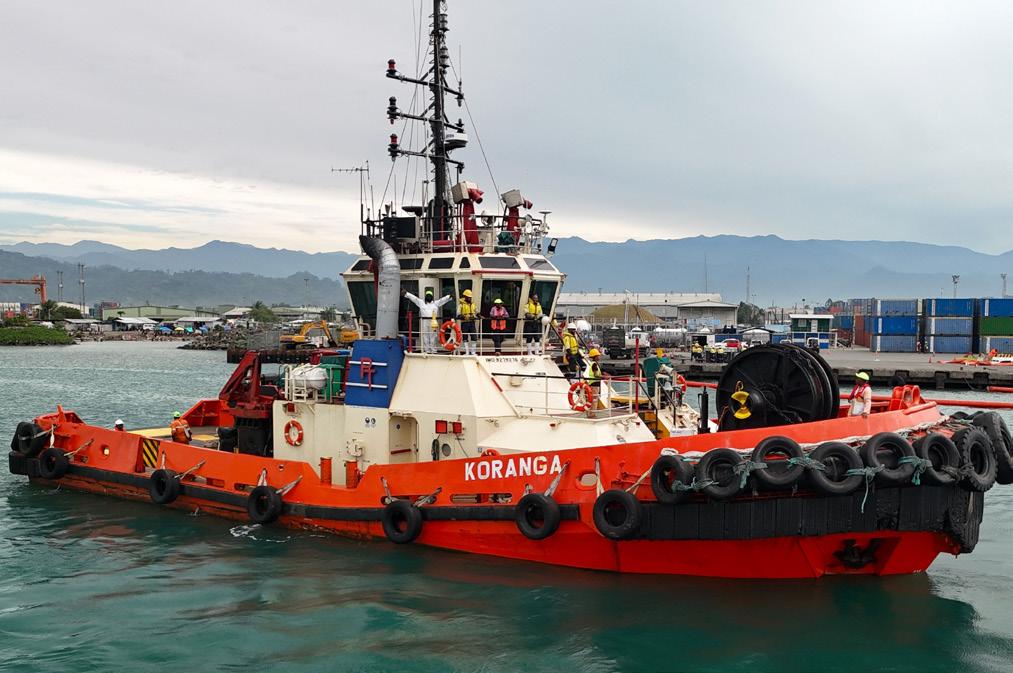
PacTow’s TOCC acts as a central point of coordination for agents, tugs, and line boats, resulting in a more organised and efficient operation across its fleet - delivering real benefits for customers.
Pacific Towing is Melanesia’s largest marine services business. It employs more than 250 staff and has a fleet of 20 vessels. It provides a broad spectrum of marine services including towage, emergency response, commercial diving, life raft services, and salvage. PacTow is part of a larger sea and land logistics group wholly owned by Steamships Limited. To learn more about PacTow: www.pacifictowingmarineservices.com.

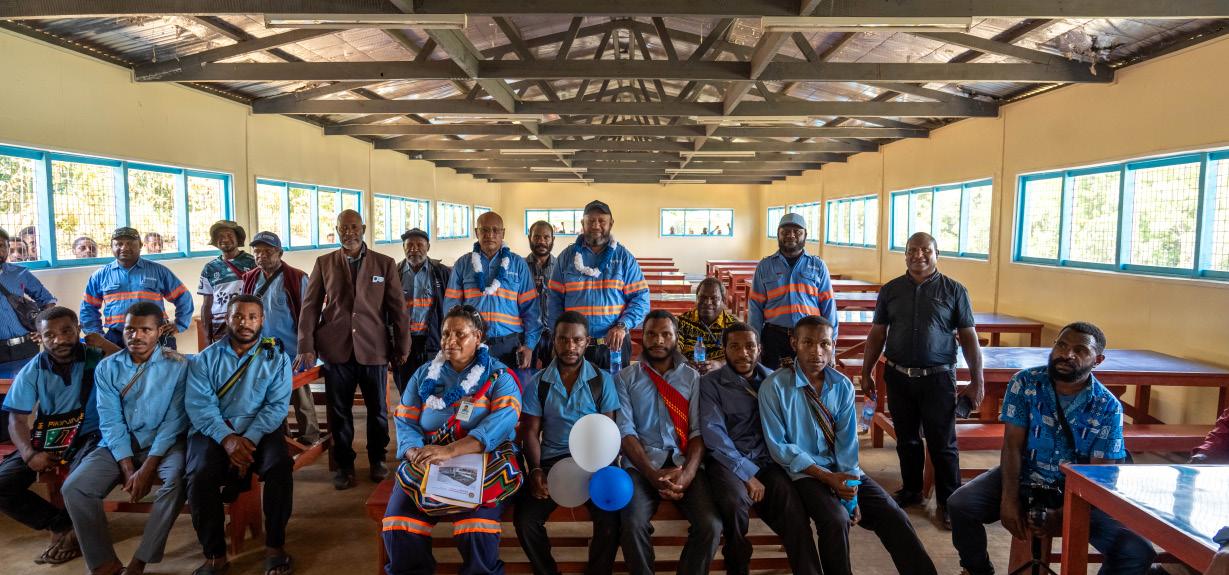
Kutubu Secondary School has marked a major milestone with the official handover of three new community infrastructure projects delivered by Santos, representing an investment of nearly K600,000 in education, water and sanitation facilities.
The projects were formally handed over by Santos Regional Manager Vagi Tamari at a ceremony held at the school this year, attended by students, teachers and members of the local community.
Speaking at the event, Mr Tamari highlighted the critical role that education, health and sanitation play in shaping opportunities for young Papua New Guineans and reiterated Santos’ commitment to sustainable partnerships with host communities.
“These projects are about investing in people – particularly young people – by creating a safe, healthy and enabling learning environment,” Mr Tamari said.
“Santos has delivered critical infrastructure to support your learning journey. I encourage students to take ownership of these facilities, maintain them well, and honour this investment by striving for academic excellence.”
Santos Sustainable Development Supervisor Philip Makari outlined the scope of works delivered through Santos’ Sustainable Development Program.
The projects included upgrades to the school’s rainwater catchment system, maintenance and improvements to the student dining hall with new dining tables and six 9,000-litre water tanks, and the construction of a new female ablution block featuring six shower rooms and six septic toilets.
Kutubu Secondary School Principal Bai Irabo highlighted the importance of the investment, which comes as the school celebrates its 27th anniversary.
“For many years, the school struggled with limited infrastructure,” Mr Irabo said. “These facilities – particularly the water tanks, dining hall upgrades and new female ablution block – will make a lasting difference to our students.”
Mr Irabo also highlighted the significant impact of improved sanitation facilities for female students, noting that inadequate infrastructure had previously contributed to girls discontinuing their education.
Speaking on behalf of the student body, Year 10 student Samantha Mora thanked Santos for its support and acknowledged the importance of the projects in improving learning conditions at the school.
Kutubu Secondary School currently educates 553 students, including 137 female students, supported by 24 teachers, and serves communities across the Southern Highlands districts.
Delivered through a close partnership with the school, the projects enable Kutubu Secondary School to manage and deliver the works internally, strengthening local capacity, ownership and long-term outcomes. The completion and handover of these facilities reinforce Santos’ ongoing commitment to community-led investment and building a better future for local communities. PBR
Westpac is making a significant investment in strengthening leadership capability across its Pacific businesses with the rollout of its bestin-class LEAD program in Papua New Guinea and Fiji this year, delivering training to 120 employees across the two markets.
LEAD is Westpac Group’s flagship leadership development program focused on building future-ready leaders through experiential learning, coaching, and strategic capability uplift.
The LEAD program is designed to build practical leadership capability, equipping participants with the skills, confidence, and mindset required to lead teams, support customers, and contribute to Westpac’s long-term success in the Pacific.
The program will be delivered through in-person training sessions supported by online modules, ensuring the learning is relevant, grounded in local context, and immediately applicable in day-to-day roles.
By delivering the program locally, Westpac is enabling participants to learn alongside peers, strengthen networks across the business, and apply leadership learning directly within their teams and communities. The world-class format also supports deeper engagement, discussion, and reflection, reinforcing Westpac’s commitment to investing in meaningful, high-quality development experiences for its people.
The program covers:
• Leading Self – building self-awareness, confidence, and personal leadership effectiveness
• Leading Others – developing strong people leadership, communication, and coaching skills
• Strategic Thinking – strengthening decision-making and broader business understanding
• Leading Change – equipping leaders to navigate change and lead with agility
• Customer & Outcome Focus – linking leadership behaviors to customer and business outcomes
• Pacific Context Application – applying leadership skills in real-world PNG and Fiji settings
Maria Stefanac, Head of People, Pacific, said the LEAD program represents a significant investment in Westpac’s Pacific workforce.
“LEAD is a major investment in our people in Papua New Guinea and Fiji. We know that strong leadership is critical to creating a positive culture, delivering for our customers, and building a sustainable business for the future,” Stefanac said.
“This program has been designed to support our people to grow as leaders, build confidence in leading others, and develop skills they can apply immediately in their roles. By having Westpac Group trainers deliver the program here in the Pacific, we’re ensuring our leaders benefit from global expertise while learning in a way that is relevant, practical, and grounded in local context,” she added.
Stefanac said the program also reflects Westpac’s broader commitment to developing talent from within and creating clear pathways for growth and progression.
“Investing in leadership capability is an investment in our future. Through LEAD, we are supporting our people to step into leadership roles, strengthen their impact, and continue to serve our customers and communities with confidence,” Stefanac said.
Westpac Banking Corporation ABN 33 007 457 141. The liability of its members is limited. Westpac is represented in Papua New Guinea by Westpac Bank - PNG - Limited.
The LEAD program forms part of Westpac’s ongoing focus on capability building and people development across the Pacific, recognizing that empowered, well-supported
leaders play a critical role in driving strong performance, engagement, and customer outcomes.
By continuing to invest in programs such as LEAD, Westpac is reinforcing its long-term commitment to its people in Papua New Guinea and Fiji and to building leadership capability that supports sustainable growth across the region. PBR
Alliance Energy
Argo
Alliance Energy
Ark Pacific
Argo
Businesses for Health
Ark Pacific
Chigo
Businesses for Health
Crossroads
Chigo
Crown Hotel
Ctrl Print
Crossroads
Daikin
Crown Hotel
Expac
Ctrl Print
Express Freight Management
Daikin
Expac
Hornibrook
JJ Ship Equip
Express Freight Management
Hornibrook
Jump Media
Kenmore Properties
JJ Ship Equip
Lae CCI
Jump Media
Oceania Renewable Power
Kenmore Properties
Summit
Lae CCI
Pacific Business Review
Pacific Towing
PNG Air
Oceania Renewable Power Summit
PNG Business News
POMCCI
Towing
QED
Recycle It
Remington
Vodafone