Commentaries and contributed articles published in this magazine are the views of their authors and do not necessarily reflect the views of Pacific Business Review - our main role is to provide our readers in the Pacific region with a digest of business news in various sectors of Oceania.
Office
Unit 5/2 Gemstone Bvd, Carine WA 6020 info@pacificbusinessreview.com
Digital Online Edition www.pacificbusinessreview.com
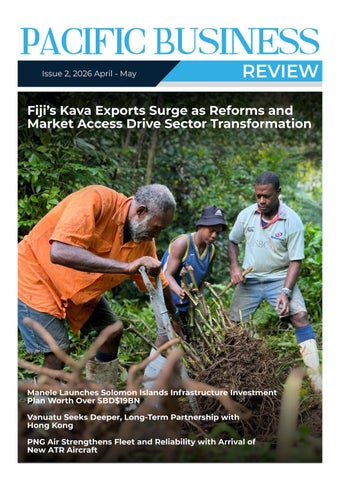
Welcome to Issue 2, 2026 of Pacific Business Review, an edition that captures a region advancing with renewed confidence—where reform, investment, connectivity and sectoral resilience are shaping the next phase of Pacific growth.
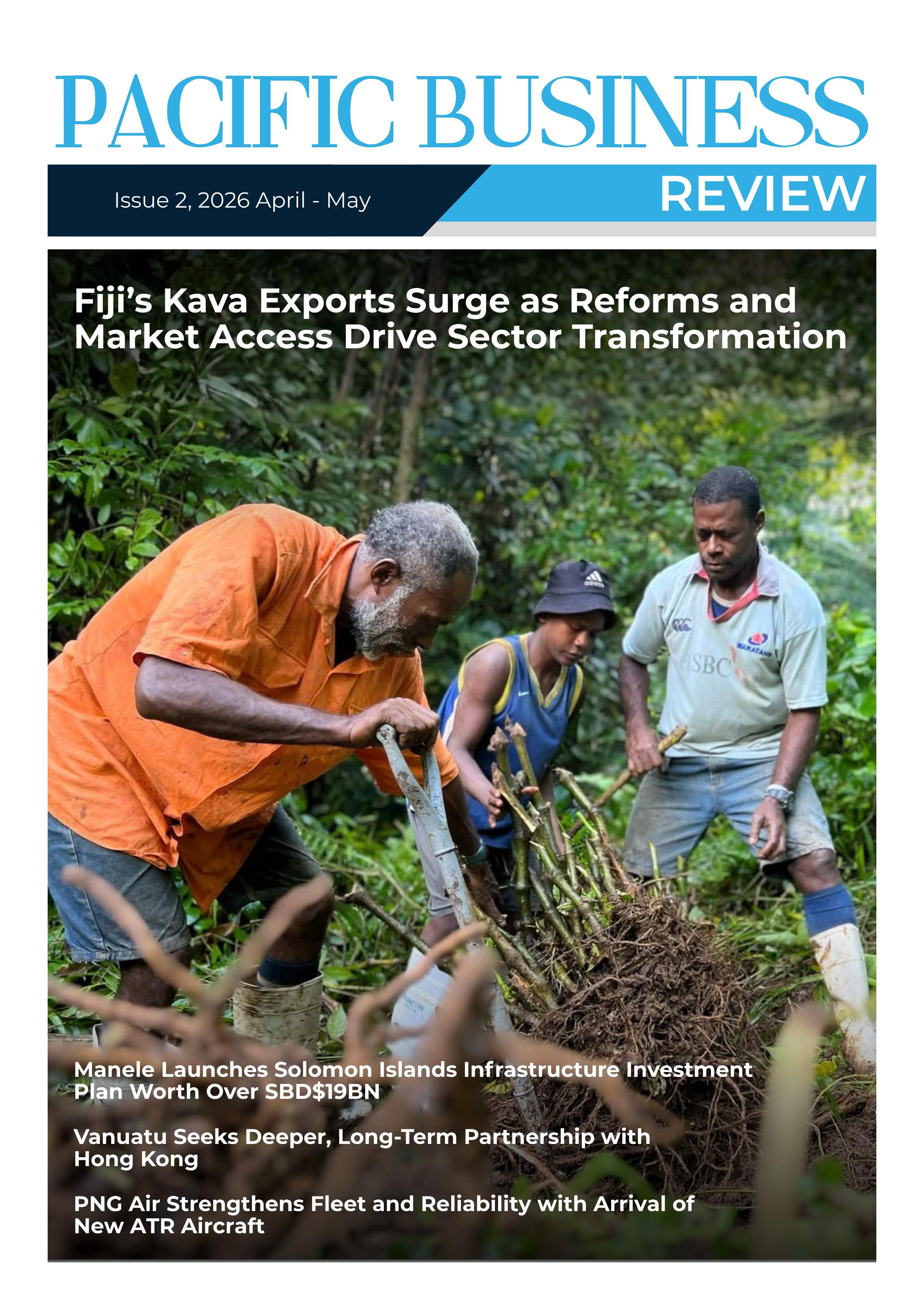
This issue’s cover brings together four defining developments across the region, each reflecting a distinct but interconnected driver of economic transformation.
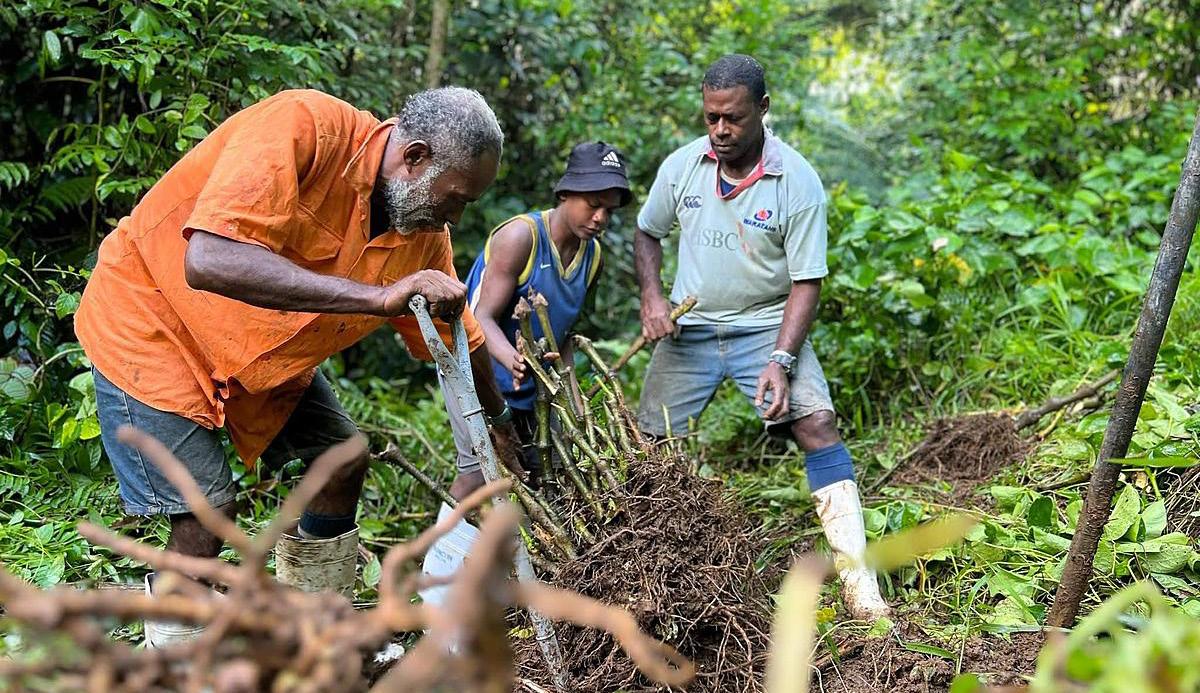
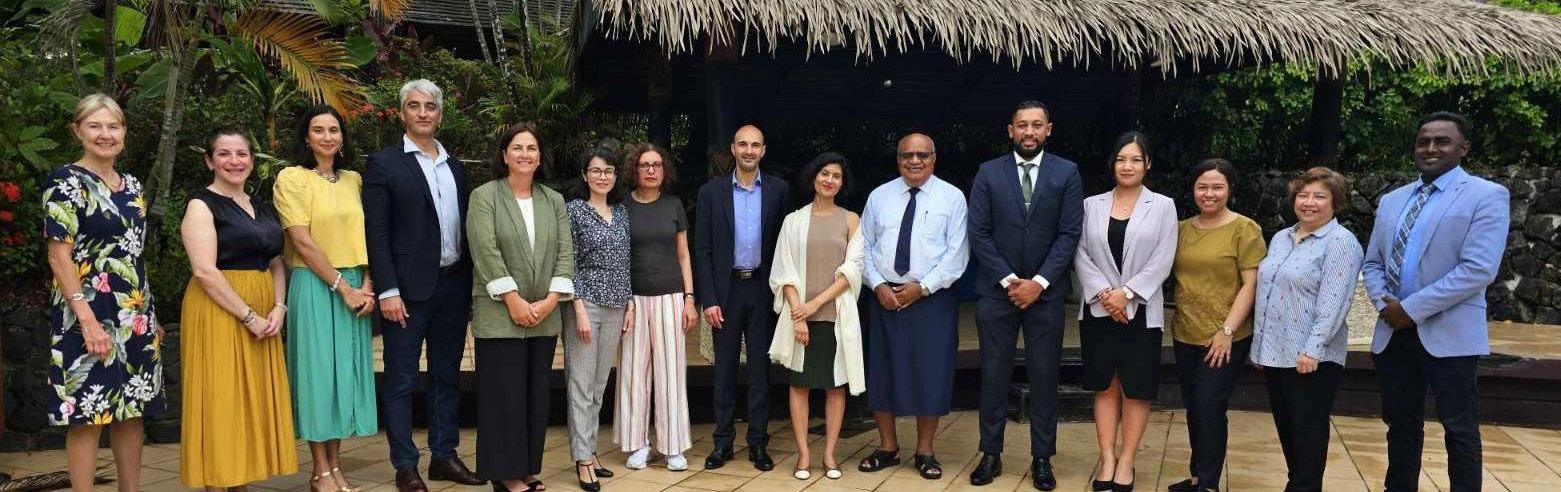
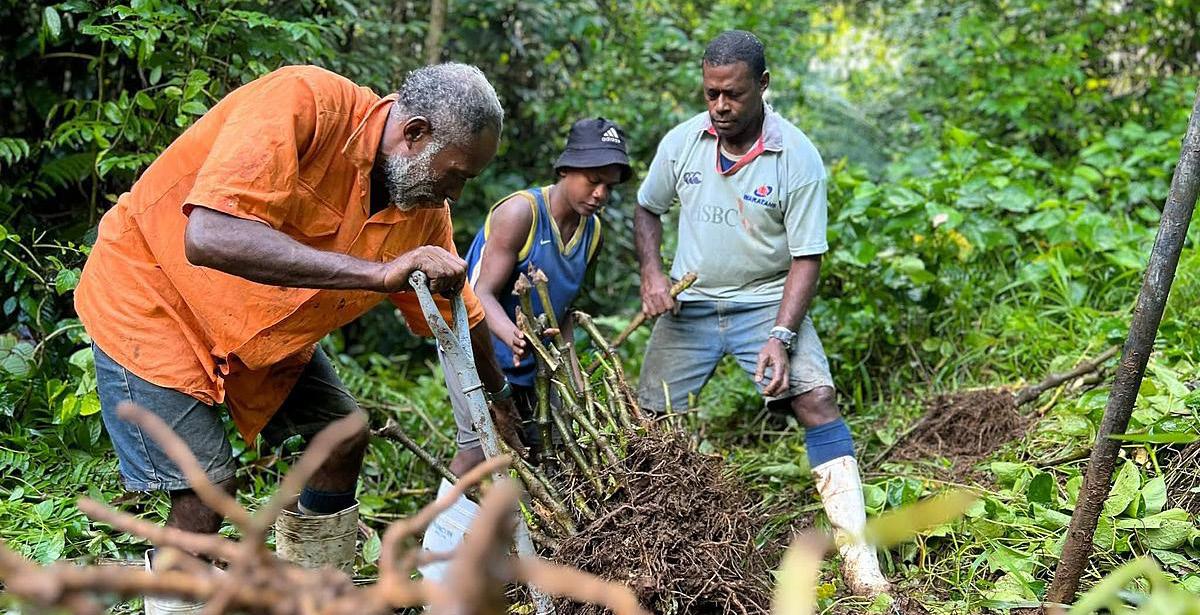
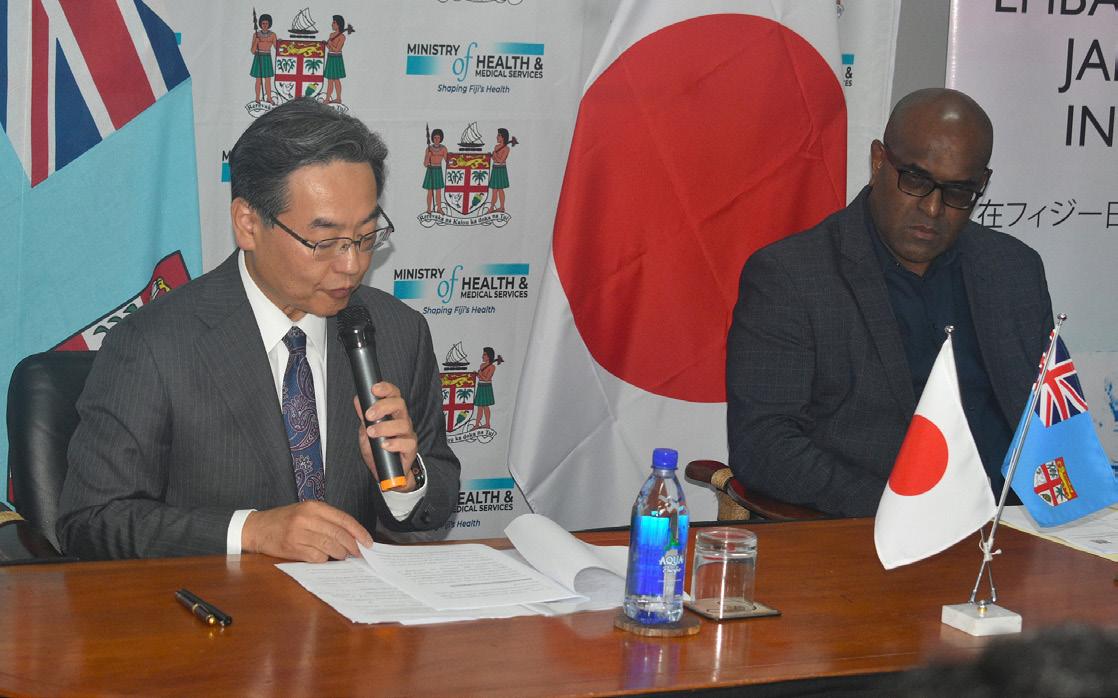
We lead with Fiji’s kava sector, where export growth is accelerating on the back of regulatory reforms and expanded market access. As global demand rises, the industry is undergoing a structural shift—from traditional production toward a more organised, export-oriented value chain— positioning kava as a key agricultural growth story for the Pacific.
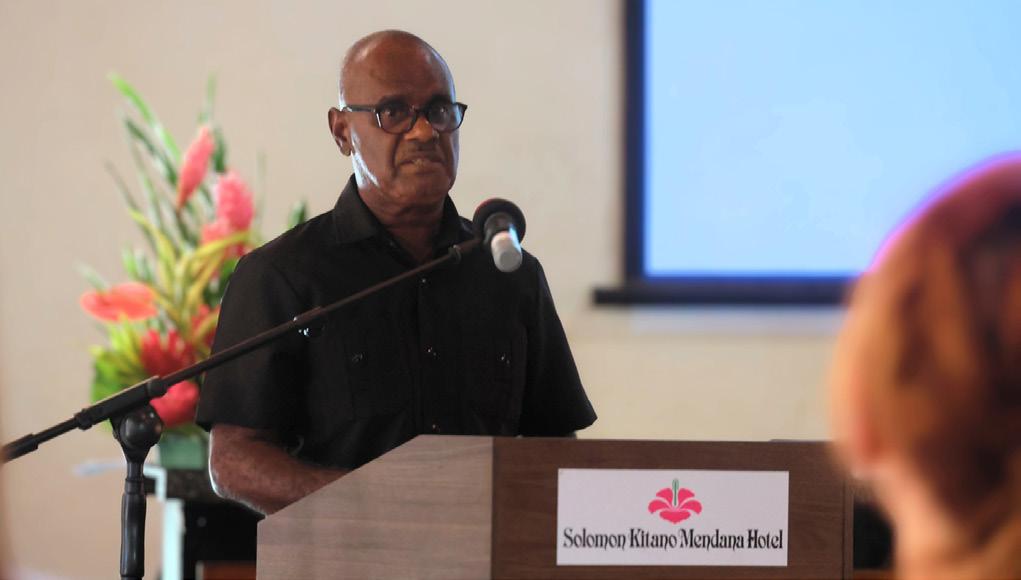
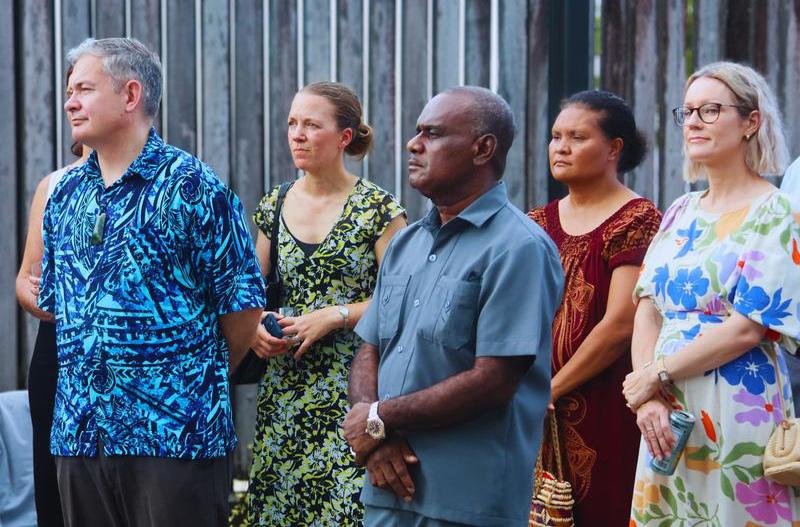
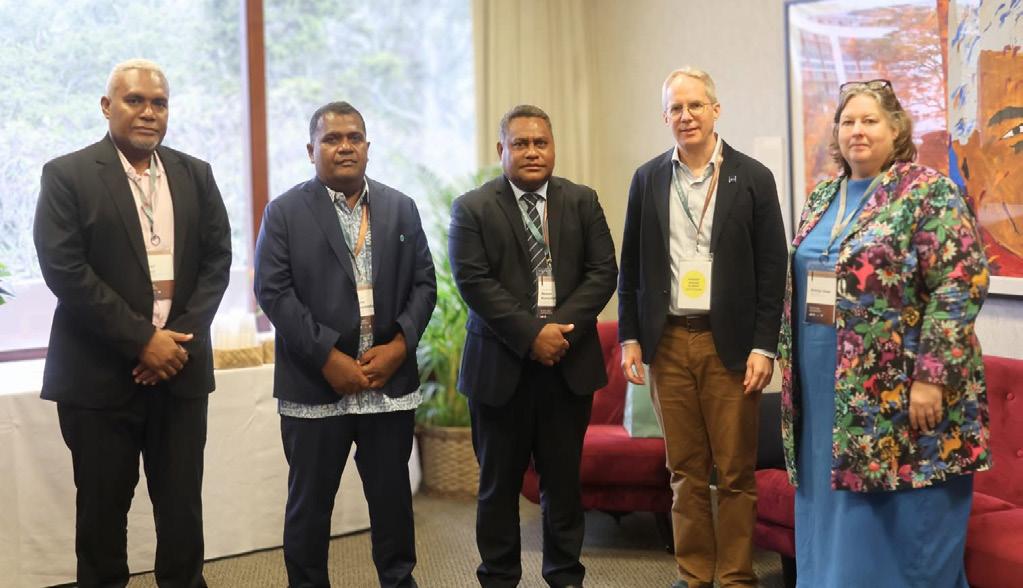
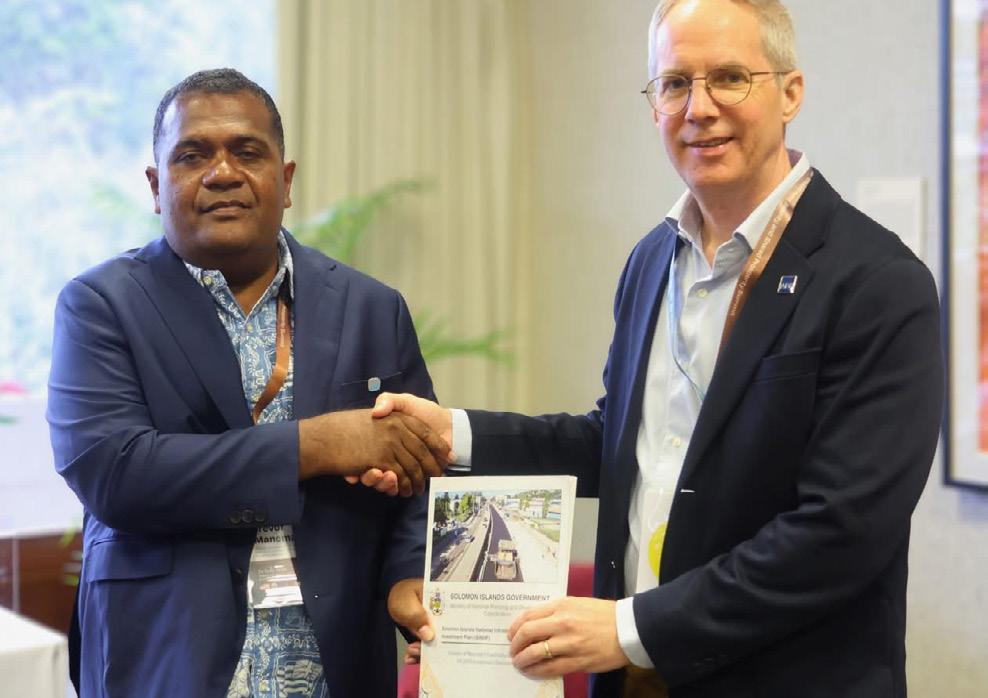
Infrastructure takes centre stage in Solomon Islands, where Prime Minister Jeremiah Manele has launched a national investment pipeline exceeding SBD$19 billion. More than a list of projects, the plan signals a coordinated push to unlock financing, strengthen connectivity and lay the groundwork for long-term economic expansion. It reflects a broader regional recognition that infrastructure is not only about physical assets, but about enabling productivity, inclusion and resilience.
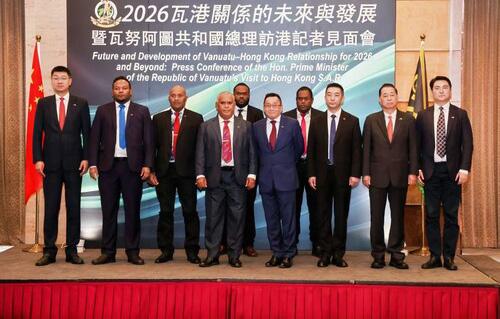
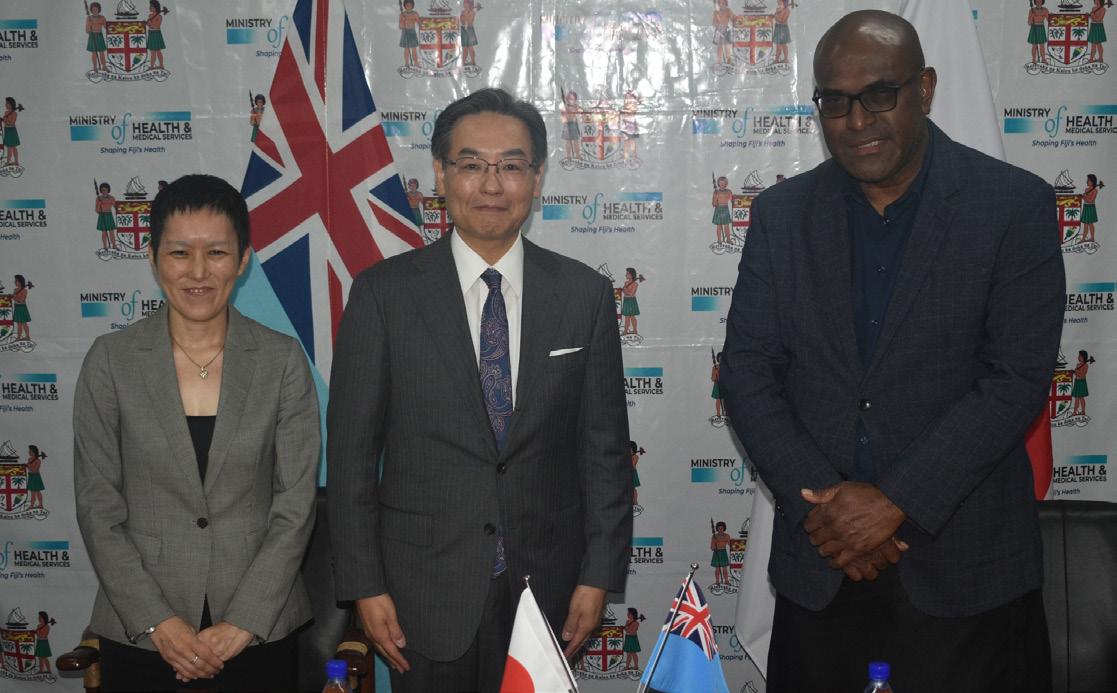
In Vanuatu, efforts to deepen long-term engagement with Hong Kong point to a strategic shift toward institutional partnerships and capital alignment. As Pacific economies seek to diversify funding sources and strengthen financial linkages, such relationships highlight the growing importance of cross-border collaboration in driving investment and economic integration.
Meanwhile, in Papua New Guinea, the arrival of new ATR aircraft underscores continued investment in aviation capacity and reliability. In a region defined by geography, aviation remains a critical enabler of trade, tourism and essential services—making fleet modernisation a key pillar of national and regional connectivity strategies.
Beyond the cover, this issue explores a wide spectrum of developments— from policy reforms and investment frameworks to sector-specific progress across mining, energy, finance and agriculture. Together, these stories highlight a Pacific region that is not standing still, but actively recalibrating— aligning policy with opportunity, strengthening institutions and positioning itself within an evolving global economic landscape.
Thank you for reading.
Photo credit: Pacific Horticultural and Agricultural Market Access Plus (PHAMA Plus) Program
Strategic Global Sourcing
EXPAC delivers structured global procurement and integrated logistics solutions to mining, construction, industrial, government and commercial operations across Papua New Guinea and the Pacific
With offices in Australia, Paua New Guinea, China, Europe and UAE, we provide direct access to international manufacturers and trusted supplier networks worldwide securing critical equipment and materials reliably and at speed
Our Chinese, European and UAE offices strengthens direct access to SE Asia, EU and UAE manufacturers and markets, enhancing global sourcing capability and reducing supply risk across multiple sectors
EXPAC AUSTRALIA
1 Magnesium Street, Narangba, QLD 4504
Tel: +61 7 3868 1591
Email: sales@expac com au
EXPAC PAPUA NEW GUINEA
Expac Port Moresby
PNG CR Compound, Baruni Bypass Road, POM 121
Tel: +675 7302 3422
Email: nenita@expac.com.au
Expac/HX Services Lae
11 Mile, Okuk Highway, Lae
Tel: 675 7915 1194
Email: sales@HXServices co
EXPAC BOUGAINVILLE
Section 350C China Town Road, Buka
Tel: +675 7395 7102
Email: evelyn@expac com au
Global Procurement
OEM & genuine parts sourcing
Aftermarket & alternative strategies
Construction & industrial materials
Capital equipment acquisition
Integrated Logistics
International airfreight
Sea freight
Multi-origin coordination
Structured shipment tracking
Operational Strength
180+ years combined experience
ISO-certified systems
Multi-currency procurement capability
Proven performance in remote environments
Products Sourced - But Not Limited to Mining Equipment & spare parts
Earthmoving Equipment & spare parts
Agricultural Equipment & spare parts
Electrical , plumbing & building supplies
Lubricants, tools, catering & ppe
EXPAC CHINA
Suite 1130, Chuangzhan Tower, 928 Xikang Road, Shanghai
Tel: +61 7 3868 1591
Email: sales@expac com au
EXPAC EUROPE/UAE
6 Floor, Meydan Road, Nad Al Sheba, Dubai th
Email: sales@expac com au
AUSTRALIA | PAPUA NEW GUINEA | CHINA | EUROPE | UAE
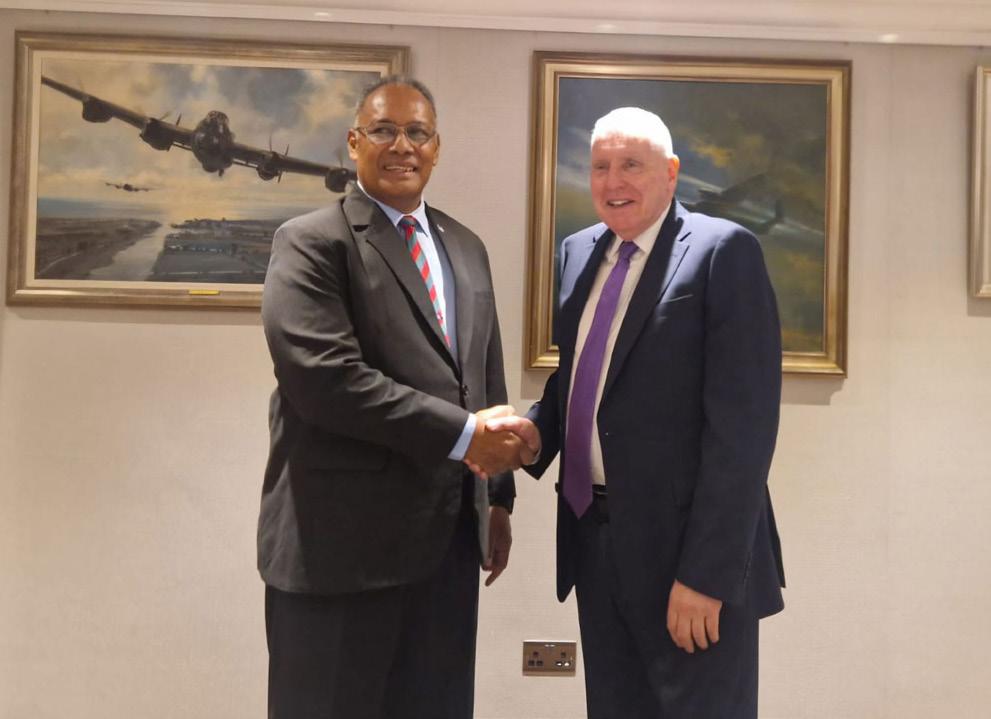
Ditoka pursues UK financing, defence cooperation on Commonwealth meeting sidelines
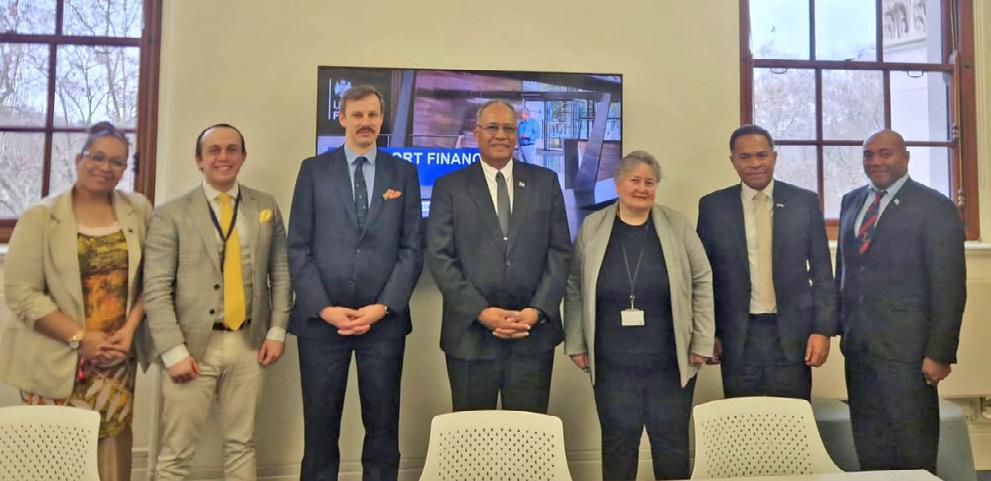
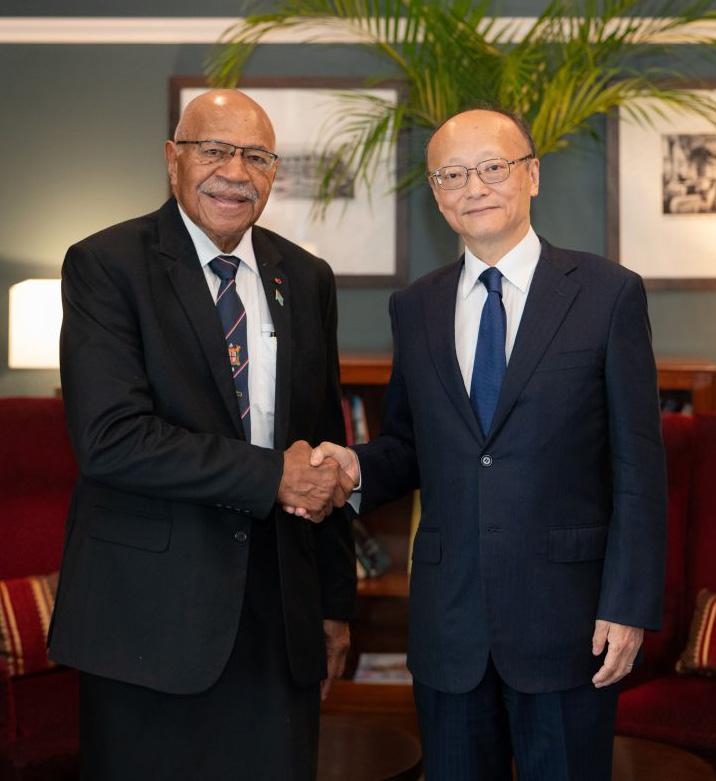
Fiji is seeking to deepen economic and security cooperation with the United Kingdom, with Foreign Affairs and External Trade Minister Sakiasi Ditoka holding a series of meetings in London aimed at advancing infrastructure investment, maritime security and employment opportunities for Fijians.
The discussions took place on the margins of the 26th Commonwealth Foreign Affairs Ministers Meeting on March 8.
Ditoka met representatives of UK Export Finance (UKEF) to explore financing mechanisms that could support high-impact infrastructure projects in Fiji, particularly in transport systems, water infrastructure, agricultural supply chains and strategic road networks.
According to the Ministry of Foreign Affairs, the talks focused on mobilising investment into sectors that can strengthen Fiji’s productive capacity, reduce the cost of doing business and improve connectivity across the country.
UKEF outlined financing structures designed to support large-scale capital projects involving British technical expertise, particularly in transport infrastructure and engineering services.
Such investments could improve logistics efficiency,
strengthen the resilience of critical infrastructure and support growth in sectors including tourism, agriculture and trade.
Ditoka said Fiji’s infrastructure development strategy increasingly prioritises projects that generate long-term national returns through higher productivity, improved service delivery and stronger economic resilience.
As a next step, the government will develop investmentready proposals for UKEF’s consideration through the Cabinet Sub-Committee on Infrastructure Development. The projects will be aligned with national planning frameworks to ensure they are economically viable and capable of attracting external financing.
UKEF representatives noted that successful partnerships require clearly defined project concepts, strong economic justification and integration within national budget frameworks. Financing from the agency also requires identifiable “UK content” in project delivery, reflecting its mandate to support British expertise and services.
Ditoka welcomed the engagement and said Fiji could leverage British financing and technical expertise to advance strategic infrastructure projects.
Fiji’s High Commissioner to the United Kingdom Jovilisi Suveinakama and First Secretary Paulini Cakacaka also attended the meeting.
Jett Lobb Solicitor, Melbourne
Separately, Ditoka held talks with UK Minister of State for Defence Lord Coaker to strengthen defence and security cooperation between the two countries.
One key outcome was the continued operationalisation of the Fiji–UK Ship Rider Agreement, which enables joint
operations to combat illegal, unreported and unregulated fishing across Fiji’s maritime domain.
A Royal Navy vessel is scheduled to visit Fiji in April and May to conduct joint operations, training and maritime surveillance with Fijian authorities.
The discussions also highlighted employment opportunities for Fijians in British defence forces. Fiji offered to support recruitment through structured predeployment orientation programmes drawing on the experience of Fijian veterans who have served abroad.
The two sides also discussed cooperation in sport and
public sector training. The United Kingdom expressed support for Fiji hosting three matches in the upcoming Nations Championship in July, which is expected to boost tourism and international visibility.
Fiji is also developing a training programme for civil servants serving in diplomatic missions overseas, aimed at strengthening the country’s diplomatic representation and operational capacity.
The Fijian government will now work with the United Kingdom to develop a structured action plan to implement the agreed areas of cooperation. PBR
FIJI AND U.S. STRENGTHEN ECONOMIC PARTNERSHIP THROUGH MCC COMPACT DEVELOPMENT
The Government of Fiji and the Millennium Challenge Corporation (MCC) have taken a significant step toward advancing private sector-led growth and strengthening economic ties between Fiji and the United States.
The Compact Development Funding Agreement was signed by U.S. Deputy Secretary of State Christopher Landau and Fiji’s Minister for Finance, Commerce and Business Development, Esrom Immanuel.
The agreement enables joint technical work to design projects aimed at enhancing Fiji’s economy while creating new opportunities for U.S. trade and investment.
“This is more than an agreement — it is a catalyst for prosperity. By working with Fiji, we aim to design a compact that drives investment, opens new markets for American companies and strengthens the foundation for a free and open Indo-Pacific,” Landau said.
“This agreement reflects Fiji’s commitment to good governance, economic freedom and growthoriented investment,” Immanuel said. “Together, we will address key development challenges and deliver lasting benefits for Fijians.”
Fiji was selected by the MCC Board in August 2025 to develop a compact programme, recognising the country’s reform momentum and its role as a regional hub for transport, business, healthcare and workforce development.
MCC compacts are five-year agreements that fund programmes addressing key constraints to economic growth. The new agreement launches a data-driven design process to identify priority sectors and develop projects aligned with Fiji’s long-term development objectives and shared strategic interests in the Pacific.
MCC continues to expand its engagement in the Pacific, with ongoing or developing programmes in Solomon Islands, Kiribati and Tonga.
To date, MCC has committed nearly $115 million to support Pacific Island countries in addressing structural economic challenges and strengthening connections to global markets and U.S. businesses.
The Millennium Challenge Corporation is an independent U.S. government agency focused on promoting sustainable economic growth through results-based foreign assistance. Its grants support large-scale infrastructure, policy reforms and economic modernisation initiatives. PBR
Fiji Removed from EU Tax Blacklist: Finance Minister Hails Milestone for Transparency and Investment Confidence
The Minister for Finance, Esrom Immanuel, has welcomed the European Union’s decision to remove Fiji from its list of noncooperative jurisdictions for tax purposes, calling it a strong endorsement of the Coalition Government’s reform agenda.
The move reflects Fiji’s sustained commitment to transparency, good governance, and full alignment with international tax standards. According to Immanuel, it is “a clear vote of confidence in Fiji’s reform agenda and our resolve to align our financial and regulatory frameworks with global best practice.”
“The removal from the EU blacklist strengthens Fiji’s international reputation as a credible, responsible and trusted financial jurisdiction,” Immanuel said. “It sends a positive signal to investors, development partners and the global business community that Fiji is committed to maintaining a transparent and robust financial and tax system.”
Over the past three years, the Government has collaborated closely with international partners and relevant institutions to address outstanding concerns, strengthen legislative frameworks, and enhance compliance mechanisms. These reforms underpin the broader agenda of safeguarding macroeconomic stability while promoting sustainable and inclusive growth.
For Fiji, this milestone is more than a technical adjustment. It enhances investor confidence, reduces reputational risk, and supports efforts to attract highquality foreign direct investment. At a time of global economic uncertainty, such developments are key in positioning Fiji as a competitive and reliable destination for trade and investment.
Immanuel emphasised that the Government remains committed to continuous improvement of financial and tax governance frameworks, alongside constructive engagement with international partners. He extended his appreciation to the leadership and staff of the Fiji Revenue and Customs Service (FRCS) and the Ministry of Finance for their professionalism, diligence, and dedication in securing Fiji’s removal from the EU blacklist. PBR
Manele launches Solomon Islands infrastructure investment plan worth over SBD$19bn
Solomon Islands Prime Minister Jeremiah Manele has launched the Solomon Islands National Infrastructure Investment Plan (SINIIP) 2026 Dossier, outlining more than SBD$19 billion ($2.2 billion) in proposed infrastructure projects aimed at supporting economic growth and improving public services.
The plan was unveiled in Honiara on March 9 during a launch event attended by government ministers, diplomats, development partners, state-owned enterprises, private sector representatives and civil society organisations. The SINIIP serves as a national planning framework designed to identify and prioritise major infrastructure projects across the country. The 2026 dossier consolidates proposals submitted by government ministries, provincial governments, state-owned enterprises and other stakeholders into a single pipeline of priority projects.
Manele said infrastructure development is central to the government’s development agenda and aligns with the Government of National Unity and Transformation’s policy pillars of economic transformation, infrastructure development, unity and stability, and human capital development.
“Infrastructure is not simply about roads, ports, power systems or buildings. Infrastructure is about opportunity. It is about connecting our islands, empowering our people, strengthening our economy and building resilience for future generations,” he said.
According to the government, the updated investment plan aims to ensure infrastructure projects are properly planned, prioritised and implemented to deliver inclusive and sustainable development outcomes.
The framework also helps coordinate discussions with development partners and investors to mobilise financing for projects aligned with national priorities.
Several major projects have already progressed under the plan, including the Tina River Hydropower Project, solar and electricity grid expansion in Malaita, and the near completion of the National Broadband Programme, which has installed 98 telecommunications towers to expand connectivity across the country.
The government has also reported progress in social infrastructure, including 22 health projects valued at approximately SBD$3.7 billion and 37 education initiatives, including upgrades to secondary schools and facilities at Solomon Islands National University.
Key priority sectors identified under the 2026 infrastructure dossier include transport connectivity, renewable energy and information and communication technology, water supply and sanitation, health and education infrastructure, as well as facilities supporting fisheries, agriculture and commerce.
Manele acknowledged the role of development partners supporting infrastructure development in Solomon Islands, including the Pacific Region Infrastructure Facility and institutions such as the Asian Development Bank, World Bank Group and Japan International Cooperation Agency.
“As we look forward to celebrating our 50th Independence anniversary in 2028, the Government is committed to a clear and coordinated infrastructure investment pathway that aligns with our national development priorities and reflects our shared ambition for inclusive and sustainable economic growth,” he said.
He added that strong partnerships between government, development partners, the private sector and communities would be essential to ensure successful implementation of the plan. PBR
Prime Minister Manele Meets
U.S. Deputy Secretary of State
Christopher Landau at Pacific Agenda Summit
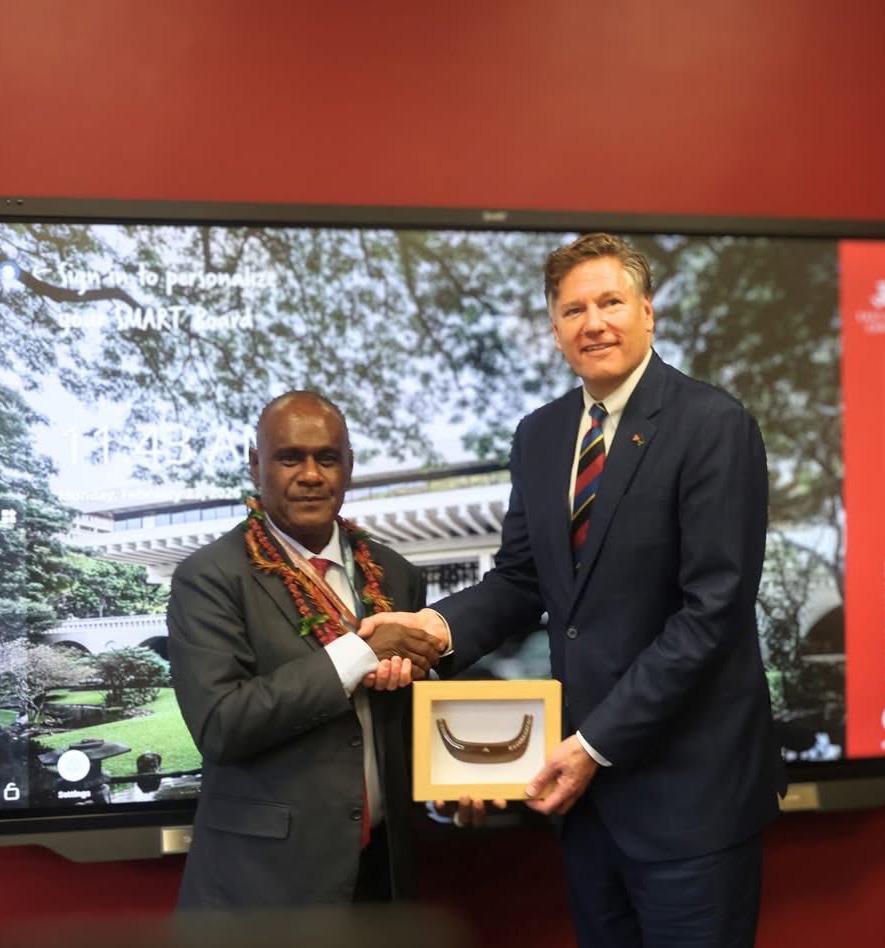
Prime Minister Jeremiah Manele met with United States Deputy Secretary of State Christopher Landau on the margins of The Pacific Agenda: Investment, Security, and Shared Prosperity Summit to advance bilateral cooperation and shared regional priorities.
Prime Minister Manele expressed appreciation to the Government of the United States for convening the summit and reaffirmed Solomon Islands’ strong commitment to its longstanding partnership with the United States. He noted that engagements such as the summit provide valuable opportunities to deepen cooperation on economic development, security and regional prosperity.
Reflecting on the enduring relationship between the two countries, the prime minister highlighted the historical bonds forged through shared sacrifice during the Battle of Guadalcanal and acknowledged continued United States support for Solomon Islands’ national development priorities.
Building on this shared history, Manele conveyed the Government’s appreciation for United States assistance in addressing unexploded ordnance (UXO) through ongoing clearance efforts supported by The HALO Trust programme.
He emphasised that more than 80 years after the Second World War, UXO contamination continues to pose serious safety risks, claim lives and remain a significant impediment to development across Solomon Islands. Deputy Secretary Landau acknowledged the ongoing challenges posed by UXO and indicated he would follow up with relevant officials to strengthen cooperation in clearance efforts.
Discussions also focused on expanding economic cooperation and investment opportunities. Manele expressed Solomon Islands’ interest in engaging with the U.S. International Development Finance Corporation (DFC), noting the Government’s commitment to creating an enabling environment for private sector growth. He acknowledged that high energy costs remain a major constraint to investment, identifying affordable and reliable energy as a key national priority.
The prime minister also outlined strategic development initiatives, including the Bina Harbour Tuna Processing Plant Project, and highlighted fisheries as one of Solomon Islands’ most valuable economic resources with strong potential for partnership and sustainable growth.
The meeting further reviewed ongoing collaboration under the Millennium Challenge Corporation (MCC) Threshold Program. Manele reaffirmed Solomon Islands’ commitment to working closely with the United States towards a future full Compact arrangement aimed at supporting economic reform, sustainable growth and poverty reduction.
Beyond economic cooperation, both sides acknowledged the importance of strengthening people-to-people ties. Manele emphasised education diplomacy and highlighted public health challenges facing Solomon Islands, particularly malaria and dengue, noting that disease eradication remains an ongoing national challenge requiring sustained partnership.
Regional and maritime security cooperation also featured in discussions, including collaboration through the proposed Shiprider Agreement to address transnational crime and illegal activities within Solomon Islands’ maritime domain.
Manele confirmed that the agreement would be revisited by Cabinet through the Ministry of Foreign Affairs, alongside progress towards ratification of relevant transnational crime conventions.
Deputy Secretary Landau welcomed Manele’s participation at the summit and described the bilateral relationship as entering a renewed phase of engagement, reaffirming the United States’ readiness to pursue a fresh start in cooperation with Solomon Islands. Manele, in turn, reaffirmed Solomon Islands’ commitment to constructive re-engagement and a strengthened partnership with the United States.
He assured Landau that Solomon Islands would review relevant modalities with the United States regarding potential future cooperation. Manele also acknowledged ongoing engagement towards renewing the Memorandum of Understanding on Cooperation in the Recovery and Repatriation of World War II Personnel Remains between Solomon Islands and the United States.
The prime minister also informed Landau of Solomon Islands’ upcoming 50th Independence Anniversary celebrations in 2028 and outlined plans to invite development partners to join Solomon Islanders in commemorating this important national milestone. PBR
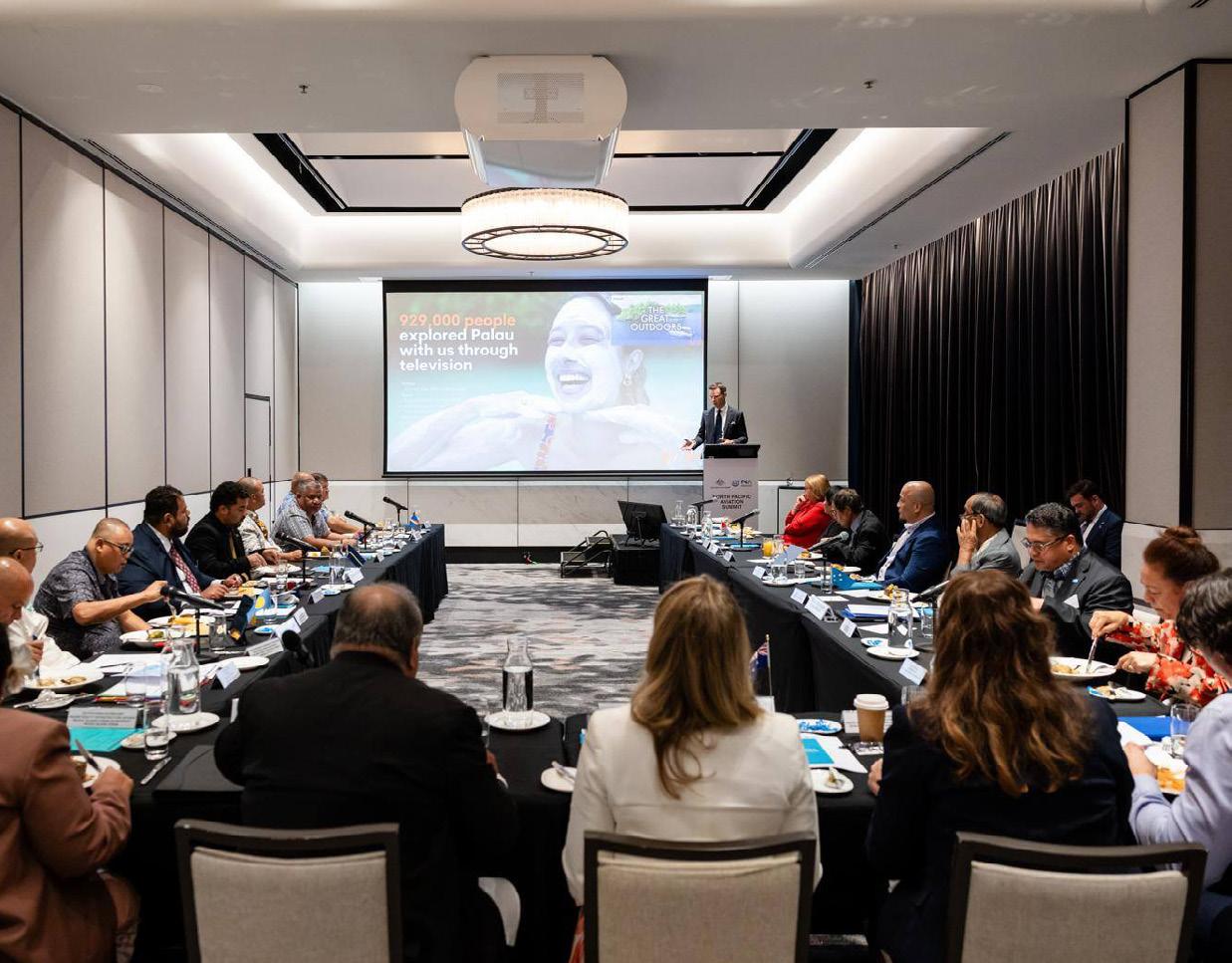
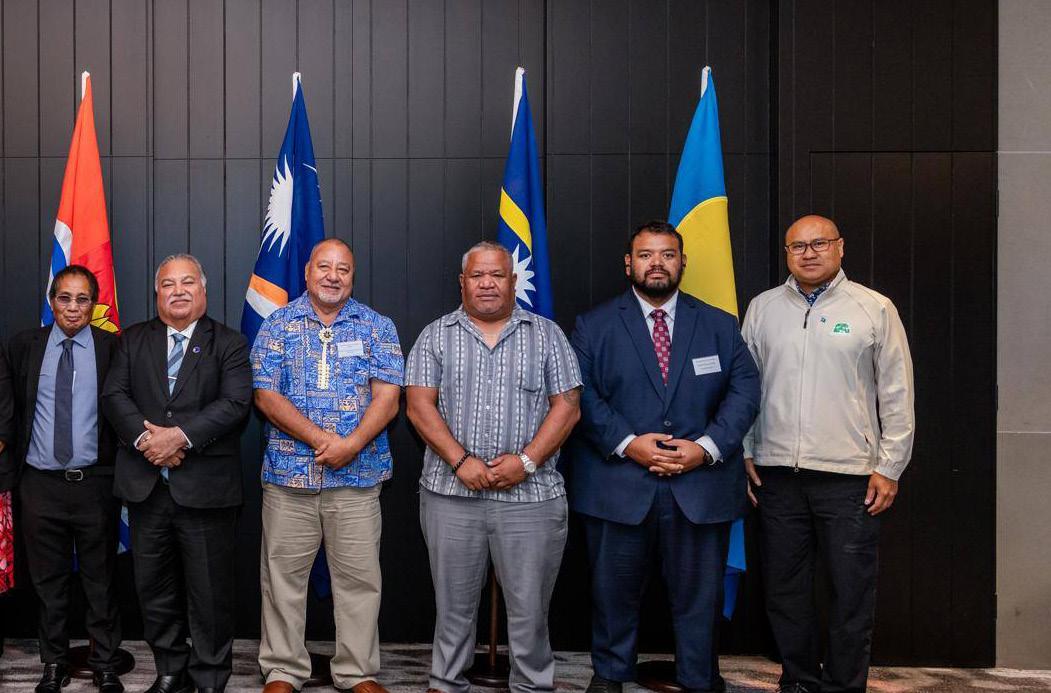
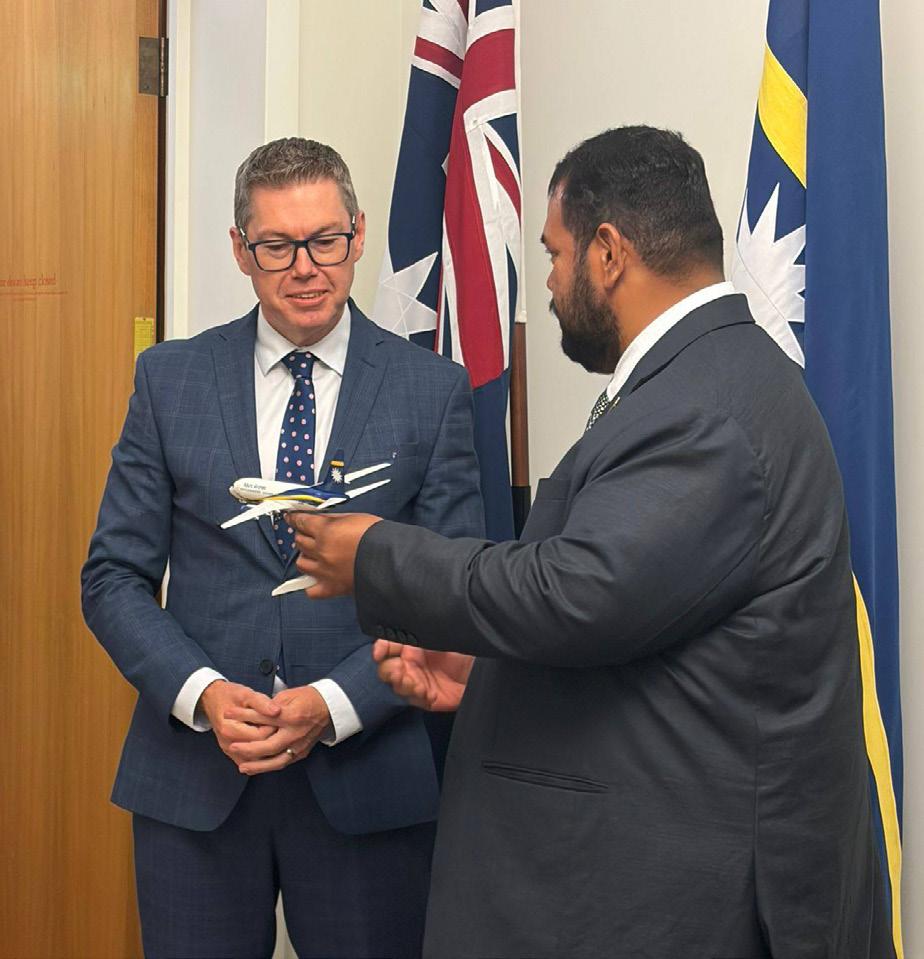
Nauru backs North Pacific aviation summit outcomes, pushes NPC sustainability
The government of Nauru has welcomed the outcomes of the inaugural North Pacific Aviation Summit in Canberra, agreeing on practical steps to strengthen vital air links across the North Pacific.
The summit underscored Nauru’s role in operating the North Pacific Connector (NPC) service, a regional air corridor linking Australia with several North Pacific states, and highlighted strong backing from regional partners and Australia to secure its long-term commercial sustainability.
Operated by Nauru Airlines, the NPC connects Brisbane with destinations across Micronesia, including Nauru, Kiribati, the Marshall Islands and the Federated States of Micronesia. The service was established to address longstanding connectivity gaps in a region characterised by small, dispersed populations and commercially challenging aviation routes.
The NPC has carried more than 55,000 passengers and 800 tonnes of freight, supporting essential travel, cargo movement and access to services, while strengthening social, cultural and economic ties between Australia and the North Pacific.
Partner governments committed to a range of measures to improve the route’s viability, including fee waivers, expanded access to night-time landings, increased use of the NPC by government officials and closer alignment of aviation and tourism policies to support demand.
These measures reflect a broader recognition that aviation in the North Pacific operates under structural constraints, including high operating costs, limited infrastructure and thin passenger volumes, requiring coordinated government support to remain viable.
Minister for Transport Maverick Eoe Appi has described the NPC as a “lifeline” for communities and economies, highlighting its role in enabling medical travel, government services, trade and regional mobility. He also expressed pride in Nauru’s role in
operating the service on behalf of the region.
Australia’s role as a key partner was also highlighted, with the summit reflecting wider regional cooperation efforts to strengthen connectivity, economic integration and resilience across Pacific island countries.
Next steps include written commitments from participating governments by 6 May and a virtual
follow-up meeting by mid-May, with joint work on a long-term sustainability framework for the NPC to continue over the next two years.
The summit signals a shift toward a more coordinated, multi-government approach to supporting regional aviation, positioning the NPC as a critical transport link rather than a purely commercial service. PBR
Pacific leaders call for stronger global investment in ocean sustainability
Pacific leaders are calling for stronger global investment in ocean sustainability. More than 150 government, finance and philanthropic leaders gathered in Suva this week for Pacific Ocean Finance Week, an event aimed at advancing funding and coordination for sustainable ocean management.
The gathering was convened by the Office of the Pacific Ocean Commissioner in partnership with Conservation International, Rare and the Bezos Earth Fund, with support from the UK Foreign, Commonwealth and Development Office.
It marks one of the region’s largest coordinated efforts to align international financing with Pacific-led ocean priorities.
Pacific Ocean Commissioner Dr Filimon Manoni said: “For the Pacific, the ocean is our home, our livelihoods, our supermarket, our futures fund and endowment fund. For many of us in the region, that is all we have. The ocean serves as the only and exclusive source of life, of vitality and of economic development, fuelling our very nationbuilding aspirations. Pacific nations are world leaders in solutions, innovation and commitment to safeguarding the ocean. Global partners must now match this with meaningful investment. The course is charted; this is the moment to act for our ocean and our future.”
During the week, Dr Manoni advanced the establishment of the Pacific Ocean Finance Group, a new regional mechanism to coordinate funding and guide investment toward priority ocean action.
Dr Manoni emphasised that greater transparency and sharing of ocean finance intelligence and data across the Pacific will help identify gaps, strengthen partnerships, support long-term planning and speed up delivery.
“The Office of the Pacific Ocean Commissioner will support Pacific leaders in coordinating their commitments to the ocean, including through capacity building that will help countries access and secure finance,” said Dr Manoni.
The event brought together governments, regional organisations, investors and ocean experts to exchange
practical solutions and financing pathways tailored to Pacific needs.
Mere Lakeba, interim vice president of Conservation International’s Pacific Program, said: “The Pacific is a global leader in ocean management, but we need funding to match this ambition. We also need to strengthen our systems behind ocean finance so that our institutional capacity and resource coordination can feed into our growing pipeline of ready-to-fund projects. This is vital to close the SDG 14 funding gap and deliver on existing commitments that bring lasting benefits for people and nature across the region.
“Pacific Ocean Finance Week is helping make that happen — building partnerships that channel resources to communities, support marine protection and turn regional commitments such as the 2050 Strategy for the Blue Pacific Continent into real results.”
During the week, the Office of the Pacific Ocean Commissioner, the Government of the United Kingdom and the Bezos Earth Fund convened high-level dialogues and technical sessions to advance country-led ocean finance solutions. Through its First Wave grants under the Unlocking Blue Pacific Prosperity Initiative, the Bezos Earth Fund is supporting Pacific governments to establish and sustainably finance large-scale marine protection aligned with the 2050 Strategy for the Blue Pacific Continent.
The sessions showcased practical pathways to mobilise new resources, strengthen livelihoods and align philanthropic, bilateral and multilateral partners behind
durable, Pacific-designed ocean protection frameworks befitting the region’s role as steward of the world’s largest “blue lung”.
“Pacific leaders have charted an ambitious course for ocean protection. Our role as the funding community is to support that vision with the kind of long-term, reliable financing that turns commitments into lasting results,” said Nicola Thomson of the Bezos Earth Fund. “We welcome opportunities like Pacific Ocean Finance Week to collaborate with Pacific regional organisations, governments and other funders to align philanthropic and public finance behind Pacific-designed solutions that protect the world’s largest blue lung while strengthening resilience and livelihoods across the region.”
The event follows the signing of a memorandum of understanding between the British High Commission in Fiji, Conservation International and the Office of the Pacific Ocean Commissioner to deliver the Sustainable Blue Pacific Initiative, a partnership designed to strengthen marine governance, community-led monitoring and sustainable financing across the region. Supported through the UK government’s Climate Action for a Resilient Asia programme, the initiative will help Pacific countries advance national ocean priorities and build long-term regional readiness for high seas protection.
PBR
PM RABUKA LAUNCHES AMA INSURANCE COMPANY LIMITED
Prime Minister Sitiveni Rabuka tonight (24 February 2026) officially launched AMA Insurance Company Limited, marking a new chapter for Fiji’s insurance sector.
AMA Insurance Company Limited, a subsidiary of Apia Insurance Company Limited of Samoa, will initially employ 10 to 12 Fijian professionals, with plans to expand its workforce to 15 to 20 within the next 18 months, creating new opportunities and strengthening local expertise in the industry.
Speaking at the launch, the Prime Minister said the entry of a new institution into Fiji’s insurance sector signals confidence in the economy and in the nation’s long-term prospects.
“Insurance is not merely a financial service; it is a cornerstone of resilience,” Rabuka said.
“It enables families to recover from hardship, allows businesses to manage risk responsibly and strengthens national economic stability in an increasingly uncertain world.”
Rabuka described the establishment of the company as a timely and welcome addition to Fiji’s evolving financial landscape.
“It brings with it the promise of broader coverage, improved service standards and renewed innovation in designing products that promote greater consumer trust while supporting sustainable economic advancement across the country.”
to Page 20
Reflecting on its economic impact the Prime Minister said AMA Insurance will expand choice within Fiji’s insurance market, encourage healthy competition, improve service standards and broaden product innovation tailored to the needs of households, small enterprises and communities.
“AMA’s establishment also contributes to employment and professional development within the financial services sector. It helps cultivate the technical expertise that is essential to a modern insurance industry.
“Importantly, this investment reflects regional confidence in Fiji’s regulatory and business environment, workforce capability and economic trajectory. It reinforces Fiji’s reputation and standing in the region as a credible destination for responsible investment.”
Chairman of AMA Insurance Company Limited Tuiaopo Andrew Ah Liki said the company is entering the Fijian market to expand access, improve affordability and strengthen resilience for communities across Fiji and the wider Pacific.
“In Samoa, our reputation is built on honouring claims. We stand with our customers in their moments of need. When disaster strikes, they are not looking for fine print; they are looking for support. That same commitment will guide AMA Insurance in Fiji,” he said.
“Insurance is not about collecting premiums; it is about keeping promises.
“Tonight, we do more than launch a company; we launch a promise — a promise to protect lives, build futures and strengthen the resilience of every Pacific community.”
He added that the company is committed to hiring locally, training locally and building expertise in underwriting, claims, risk assessment and governance.
The Prime Minister further reaffirmed the Coalition Government’s commitment to creating an environment that attracts credible, long-term investment into Fiji’s insurance sector, in line with the National Development Plan’s emphasis on policy stability, regulatory certainty and a strong investment climate. PBR
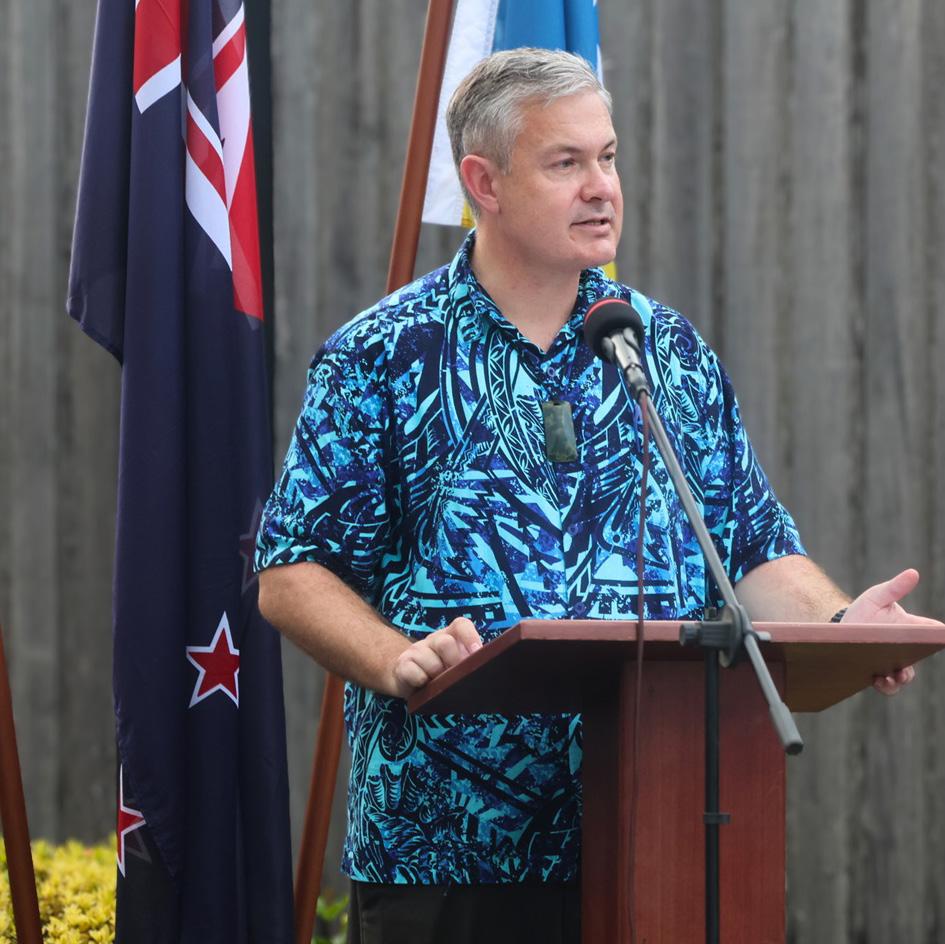
Prime Minister Reaffirms Strong Solomon Islands–New Zealand Partnership at Waitangi Day Reception
Solomon Islands Prime Minister Jeremiah Manele has reaffirmed the strong and enduring partnership between Solomon Islands and New Zealand while delivering remarks at the Waitangi Day Reception hosted by the New Zealand High Commission on 5 February.
Addressing distinguished guests, members of the diplomatic corps, senior government officials and members of Parliament, Prime Minister Manele congratulated the government and people of New Zealand on the celebration of Waitangi Day, acknowledging its deep national significance and the principles it represents.
“Waitangi Day commemorates the Treaty of Waitangi — a foundational agreement built on partnership, mutual respect and enduring relationships. These principles resonate strongly with us in Solomon Islands, where respect for culture, dialogue and unity are central to our national identity,” the Prime Minister said.
Highlighting the long-standing friendship between the two nations, Prime Minister Manele noted that the relationship dates back to early missionary linkages in the 1800s and continues to be strengthened through strong people-to-people and government-to-government connections.
He acknowledged New Zealand as a trusted and consistent development partner, providing valuable support across key national and regional priorities, including education, labour mobility, climate resilience and community development.
The Prime Minister expressed appreciation for New Zealand’s continued investment in Solomon Islands, citing the SBD 45 million grant funding for Phase 4 of the Mekem Strong Solomon Islands Fisheries Programme, signed last year, and the 10-year Solomon Islands–New Zealand Education Partnership (2025–2035) valued at SBD 300 million, launched on the margins of the 54th Pacific Islands Forum Leaders Meeting.
“These initiatives reflect the strength of our partnership — one that is practical, responsive and focused on improving the lives of our people,” Manele said.
He also acknowledged New Zealand’s support during Solomon Islands’ successful hosting of the 54th Pacific Islands Forum Leaders Meeting in Honiara last year, during which he served as chair.
“As Pacific Island nations, we share common challenges, particularly climate change, economic vulnerability and the responsibility to protect our oceans and natural resources. Addressing these challenges requires partnerships built on trust, understanding and respect,” the Prime Minister added.
Prime Minister Manele reaffirmed Solomon Islands’ commitment to working closely with New Zealand at the
bilateral, regional and multilateral levels to advance shared Pacific priorities.
On behalf of the government and people of Solomon Islands, he extended warm congratulations to the government and people of New Zealand, expressing confidence that the bilateral relationship will continue to grow in the spirit of friendship and mutual respect.
“Together, we will continue working towards a peaceful, resilient and prosperous Pacific,” he said. PBR
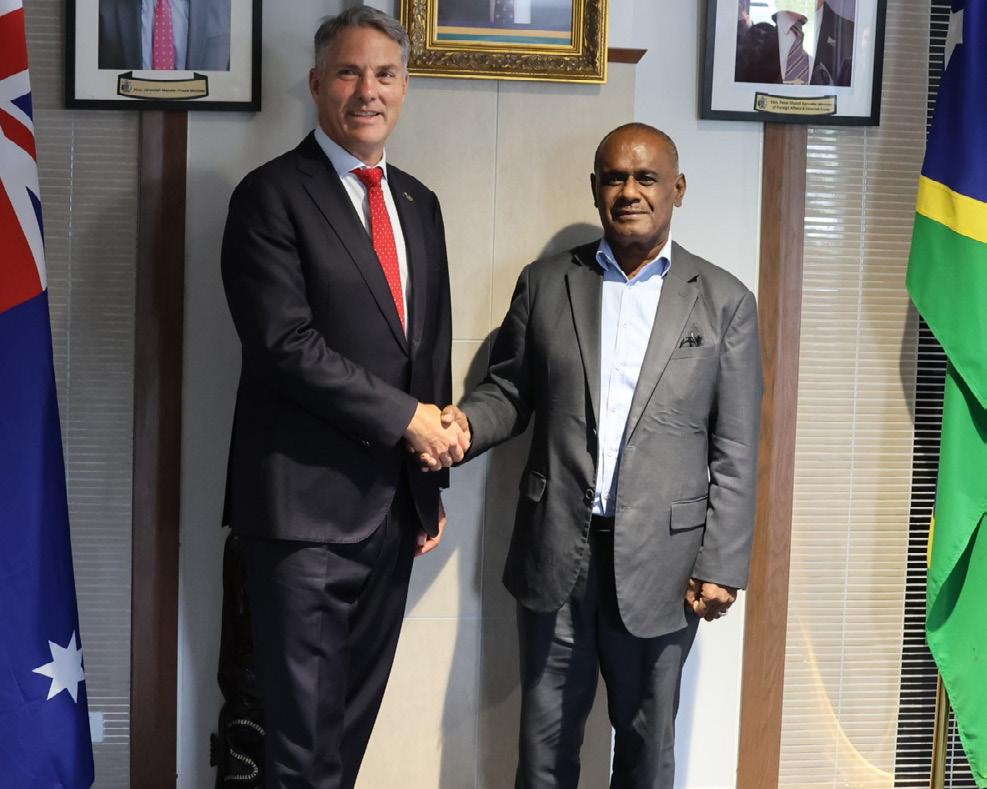
Solomon Islands, Australia
Reaffirm Strategic Partnership Anchored in Shared Values
Prime Minister Sitiveni Rabuka tonight (24 February 2026) officially launched AMA Insurance Company Limited, marking a new chapter for Fiji’s insurance sector.
AMA Insurance Company Limited, a subsidiary of Apia Insurance Company Limited of Samoa, will initially employ 10 to 12 Fijian professionals, with plans to expand its workforce to 15 to 20 within the next 18 months, creating new opportunities and strengthening local expertise in the industry.
Speaking at the launch, the Prime Minister said the entry of a new institution into Fiji’s insurance sector signals confidence in the economy and in the nation’s long-term prospects.
“Insurance is not merely a financial service; it is a cornerstone of resilience,” Rabuka said.
“It enables families to recover from hardship, allows businesses to manage risk responsibly and strengthens national economic stability in an increasingly uncertain world.”
Rabuka described the establishment of the company as a timely and welcome addition to Fiji’s evolving financial landscape.
“It brings with it the promise of broader coverage, improved service standards and renewed innovation in designing products that promote greater consumer trust while supporting sustainable economic advancement across the country.”
Reflecting on its economic impact, the Prime Minister said AMA Insurance will expand choice within Fiji’s insurance market, encourage healthy competition, improve service standards and broaden product innovation tailored to the needs of households, small enterprises and communities.
“AMA’s establishment also contributes to employment and professional development within the financial services sector. It helps cultivate the technical expertise that is essential to a modern insurance industry.
“Importantly, this investment reflects regional confidence in Fiji’s regulatory and business environment, workforce capability and economic trajectory. It reinforces Fiji’s reputation and standing in the region as a credible destination for responsible investment.”
Chairman of AMA Insurance Company Limited Tuiaopo Andrew Ah Liki said the company is entering the Fijian market to expand access, improve affordability and strengthen resilience for communities across Fiji and the wider Pacific.
“In Samoa, our reputation is built on honouring claims. We stand with our customers in their moments of need. When disaster strikes, they are not looking for fine print; they are looking for support. That same commitment will guide AMA Insurance in Fiji,” he said.
“Insurance is not about collecting premiums; it is about keeping promises.
“Tonight, we do more than launch a company; we launch a promise — a promise to protect lives, build futures and strengthen the resilience of every Pacific community.”
He added that the company is committed to hiring locally, training locally and building expertise in underwriting, claims, risk assessment and governance.
The Prime Minister further reaffirmed the Coalition Government’s commitment to creating an environment that attracts credible, long-term investment into Fiji’s insurance sector, in line with the National Development Plan’s emphasis on policy stability, regulatory certainty and a strong investment climate. PBR
Vanuatu seeks deeper, long-term partnership with Hong Kong
Vanuatu is seeking to elevate its relationship with Hong Kong into a long-term, institutional partnership, following a high-level visit by Prime Minister Jotham Napat Nauka and a senior government delegation.
During the visit, the prime minister convened a conference titled Future and Development of Vanuatu–Hong Kong Relationship for 2026 and Beyond, at which he outlined Vanuatu’s vision for the next phase of engagement with Hong Kong. The visit marked what Vanuatu described as a transition into a new stage of relations characterised by stronger political trust, deeper institutional engagement, enhanced financial cooperation and broader connectivity with capital markets.
The prime minister held meetings with leaders and senior officials of the Hong Kong Special Administrative Region government, including Chief Executive John Lee Ka-chiu, to discuss issues of mutual interest. The discussions took place against the backdrop of continued growth in bilateral trade and expanding prospects for cooperation between the two economies.
Both sides acknowledged that ongoing adjustments in the international environment and deepening regional cooperation have created significant strategic opportunities for closer Vanuatu–Hong Kong relations. There was agreement on the need to raise the level of cooperation, broaden its scope and improve cooperation mechanisms, moving beyond projectbased collaboration towards more structured, long-term and institutional arrangements.
Key areas identified for closer coordination included regional affairs, development agendas, participation in international organisations, economic governance, financial regulation
and institutional development. Both sides supported the establishment of more stable and regularised frameworks to strengthen communication, coordination and policy dialogue.
Financial cooperation featured prominently in the discussions. The two sides agreed to advance principles of financial parity and mutual recognition of relevant licences, with the aim of developing a medium- to longterm framework covering both traditional financial services and emerging areas such as digital finance. They also expressed support for stronger alignment within regional financial systems and for enhanced intergovernmental communication to provide a more transparent and predictable environment for cross-border business and investment.
Hong Kong’s role as an international financial centre, with established governance frameworks, regulatory experience and capital market expertise aligned with international standards, was highlighted as a key advantage. Vanuatu, in turn, presented itself as a strategically located South Pacific island nation with institutional flexibility and strong regional connectivity potential.
Discussions also covered trade, investment and peopleto-people exchanges. Both sides reviewed opportunities to improve trade and investment facilitation, industrial cooperation, tourism development, business exchanges and talent development, with the aim of increasing both the scale and quality of bilateral economic engagement.
There was strong support for Hong Kong and international enterprises to use Hong Kong as a platform to engage with Vanuatu in priority sectors, including infrastructure, renewable energy, the digital economy, financial services, shipping and logistics, the marine economy, modern agriculture and sustainable tourism.
Looking ahead, both sides agreed on the importance of continued consultations and implementation efforts. The focus will be on progressing from traditional projectbased cooperation towards collaboration across industrial chains, capital alignment and institutional co-development. Measures to improve mobility for business, investment and professional services personnel, as well as enhanced exchanges among universities, research institutions and professional organisations, were also identified as priorities to strengthen the social and economic foundations of the relationship. PBR
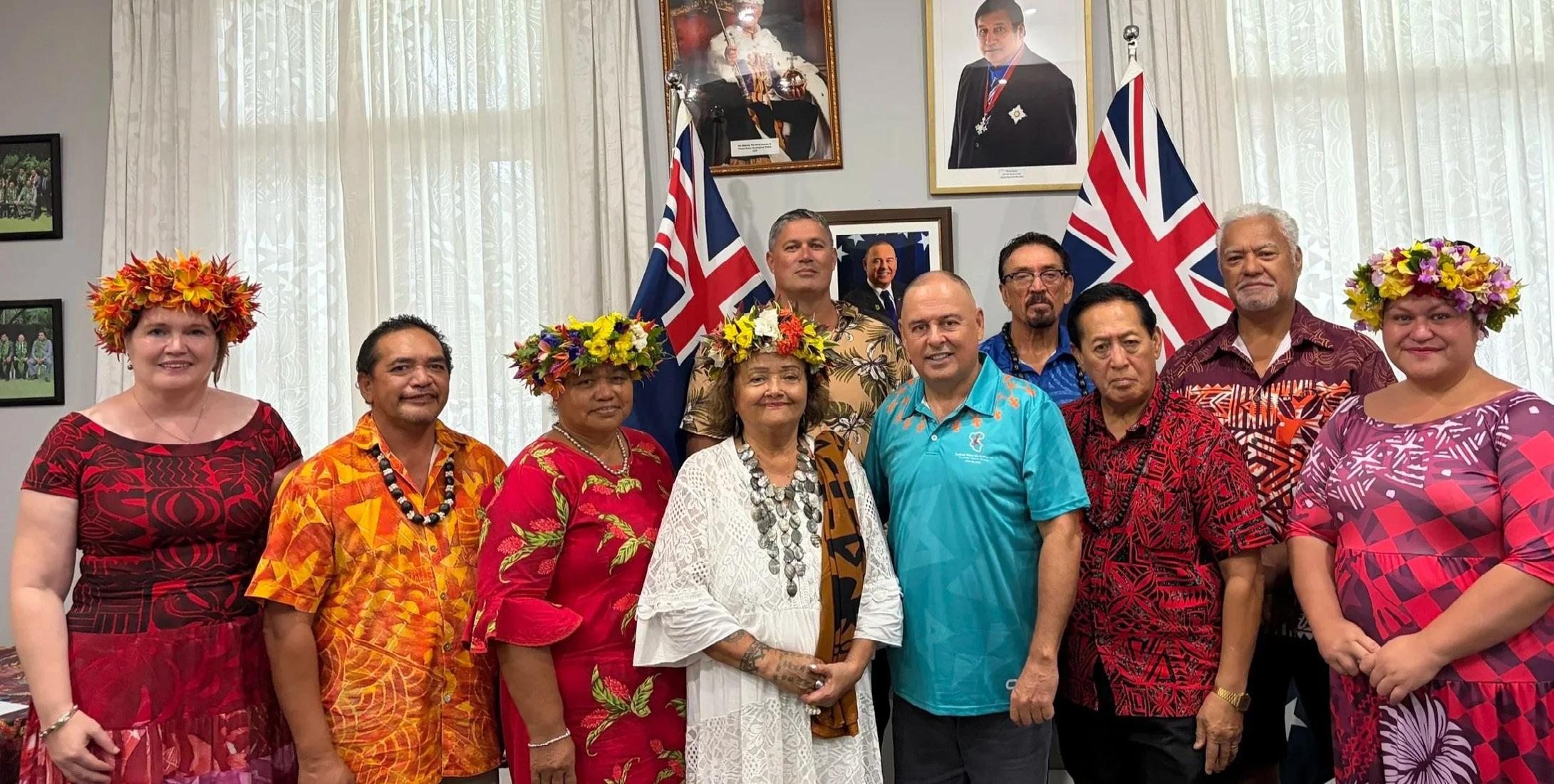
Cook Islands appoints seabed minerals advisory panel to bolster community input
The Seabed Minerals Authority has formally appointed members of its Seabed Minerals Advisory Committee, in a move aimed at strengthening community representation in the development of the sector.
Prime Minister Mark Brown, who also holds the seabed minerals portfolio, said the committee will play a key role in ensuring that policy discussions reflect community perspectives and national priorities.
“The advisory committee helps ensure that policy considerations remain inclusive and grounded in our national values,” he said during the appointment ceremony held at the Office of the Prime Minister.
Advisory, not decision-making role
Seabed Minerals Commissioner Beverly Ataera said the committee serves as a facilitative body between government and the public, rather than a decision-making authority.
Its mandate includes providing recommendations, supporting public awareness, and fostering informed dialogue on seabed minerals policy, in line with its terms of reference.
Leadership retained, new members added
Tutai Pere was reappointed as chairman of the committee, while George Williamson was named vice chairman.
Continuing members include Maru Mariri-Tepou and Tamuera Peyroux-Napa, while new appointees are Phillip Vakatini Ariki, Ngara Katuke and Ngavaevae Papatuac.
Pere said the committee would work to represent diverse community views as the sector evolves, emphasising collaboration and integrity in its work.
Broad representation across society
The advisory committee comprises representatives from across Cook Islands society, including church, cultural, business and youth groups. Members are appointed for two-year terms and are expected to participate in consultations, meetings and training.
The body reports to the Seabed Minerals Authority and provides input on policy and sector developments.
Focus on governance and engagement
The appointments underscore the government’s push to strengthen transparency, accountability and community engagement in the seabed minerals sector, as interest in ocean-based resource development grows.
The authority said it will work closely with the committee to support informed decision-making and responsible stewardship of marine resources. PBR
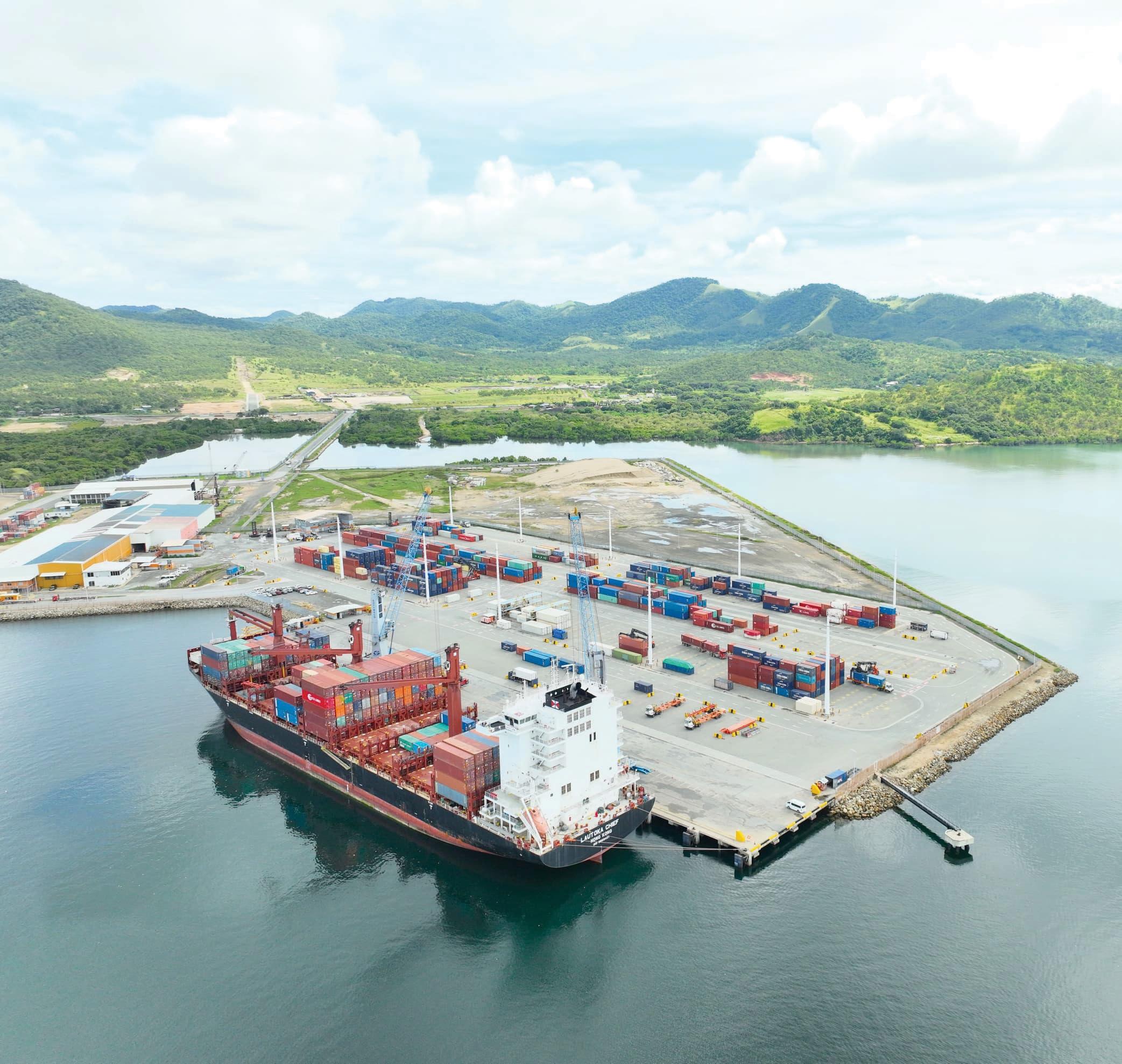
PAPUA NEW GUINEA’S GATEWAY TO GROWTH AND PROSPERITY
PNG Ports owns and manages a network of 15 ports scattered throughout Papua New Guinea
Our port network includes the largest and most economically significant ports of Lae and Port Moresby – the nation’s two efficient and expertly operated international trade gateways.
Also part of our network, are many smaller and far-flung ports central to the livelihoods, development and connectedness of remote communities.
Commercial & Industrial Property: Hundreds of hectares of prime waterfront land, buildings & port infrastructure
Lion One advances Tuvatu operations with processing upgrades and environmental solution
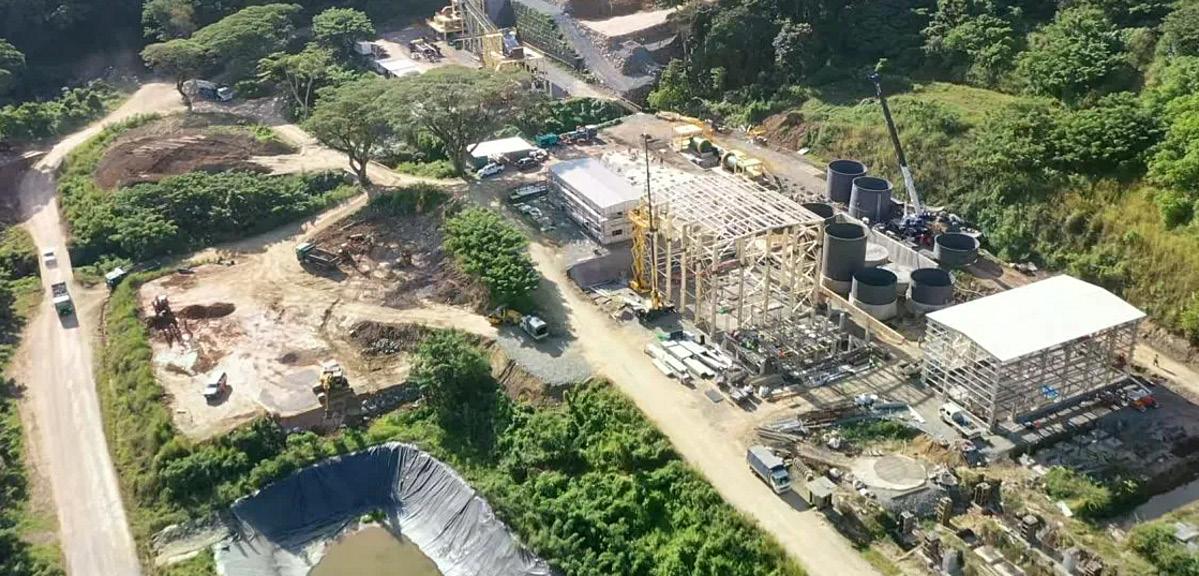
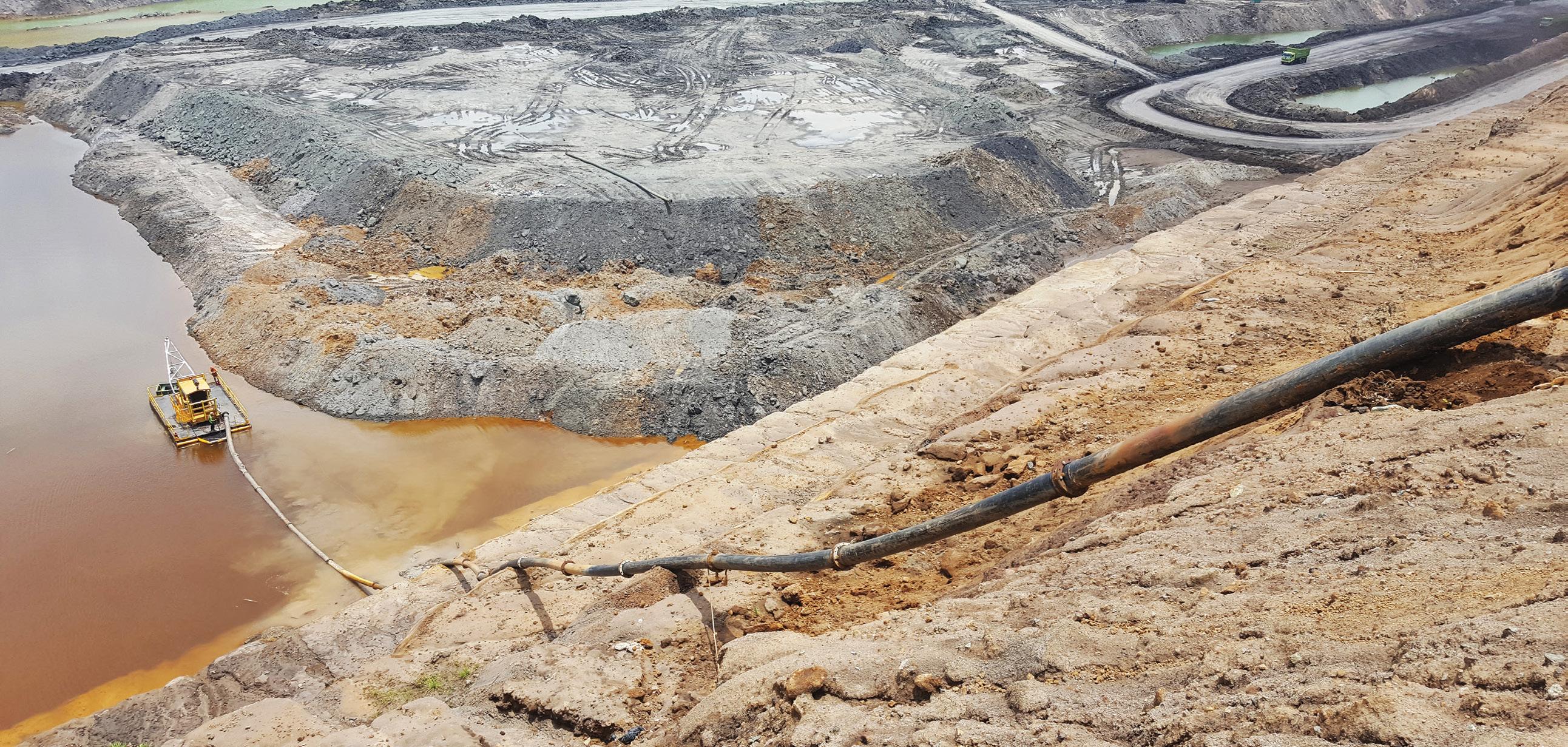
Lion One Metals has reported a series of operational and technical developments at its Tuvatu gold mine in Fiji, signalling a transition toward improved processing capability and longer-term operational stability as the project moves through its ramp-up phase.
The Canadian-listed company, which owns and operates the Tuvatu Alkaline Gold Project on Viti Levu, recently confirmed the commissioning of a new flotation plant, regulatory approval for a key water management system, and clarified its mining approach amid market speculation.
The updates collectively underscore a shift from initial production challenges toward optimisation of throughput, recovery rates and environmental compliance.
Processing ramp-up under way
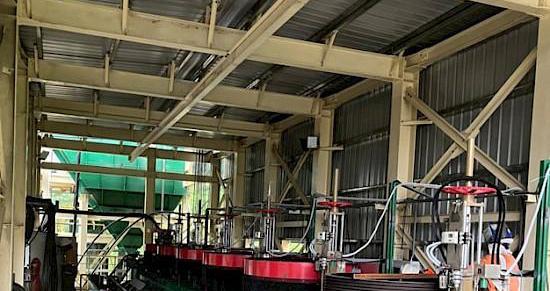
Lion One said it has successfully commissioned a new flotation plant — a critical upgrade designed to enhance gold recovery from sulphide ores at Tuvatu. The commissioning marks a milestone in the mine’s development, although the company cautioned that the plant is still in its early operational phase.
Chief executive Campbell Olsen described the commissioning as an important step forward, while acknowledging that performance improvements will take time as operators build experience with the flotation circuit.
The company said the focus has now shifted to ramping up throughput and improving recovery rates, with early-stage variability expected as part of the learning curve. Key priorities include refining reagent chemistry, strengthening operator capability and progressively increasing production toward design capacity.
Lion One emphasised that the ramp-up will be gradual rather than linear, reflecting a strategy centred on sustainable operational performance rather than short-term output gains.
The flotation plant introduces a new processing dimension at Tuvatu, enabling the treatment of ore types that were previously more challenging under conventional gravitybased systems. This is expected to support improved overall recovery rates as the operation matures.
Evaporator system addresses water management constraints
In parallel with processing upgrades, the company has approved the installation of an evaporator system to manage excess process water at the mine’s tailings storage facility (TSF).
The system is designed to address a longstanding operational constraint: the accumulation of treated water that cannot be discharged due to regulatory and environmental limits. While the existing treatment plant can reduce copper levels, other parameters — including total dissolved solids — remain above thresholds required for river discharge.
The evaporator will provide a controlled mechanism to remove excess water through enhanced evaporation, replacing reliance on natural evaporation and temporary storage solutions.
Lion One said the approach eliminates the need to discharge process water into the Sabeto River, reducing environmental risk and regulatory uncertainty. The system is expected to improve operational resilience, particularly during periods of heavy rainfall when water volumes increase.
Beyond immediate operational benefits, the company positioned the evaporator as a long-term infrastructure investment that strengthens its environmental, social and governance (ESG) profile and supports its social licence to operate.
Clarification on mining methods
Lion One also moved to clarify its mining strategy following market commentary, stating that it has not abandoned shrinkage stoping — a method previously associated with the Tuvatu deposit.
Instead, the company said it is adopting a flexible, multimethod approach, selecting mining techniques based on the geological characteristics of specific zones within the orebody.
This approach is intended to optimise ore extraction while maintaining operational efficiency and safety, reflecting the complex nature of the high-grade alkaline gold deposit.
The clarification aims to address investor concerns and reinforce confidence in the company’s technical strategy as it continues to develop the underground mine.
Operational context and outlook
The Tuvatu project represents one of the few alkaline gold deposits under active development globally, with Lion One positioning it as a long-life, high-grade asset. The operation includes an underground mine, processing plant, tailings storage facility and associated infrastructure.
Since commencing operations in late 2023, the project has faced a combination of technical, operational and organisational challenges typical of early-stage mining developments. The recent updates suggest a coordinated effort to address these constraints through targeted capital investment and process optimisation.
The commissioning of the flotation plant is expected to play a central role in improving gold recoveries, while the evaporator system resolves a critical bottleneck in water management — a key issue for many tropical mining operations.
At the same time, the company’s clarification on mining methods highlights an adaptive approach to ore extraction, which may be necessary to fully unlock the deposit’s potential.
Looking ahead, Lion One indicated that the ramp-up phase will extend over several months, with incremental improvements anticipated as systems are optimised and operational expertise deepens.
The company also signalled a commitment to transparent reporting during this period, noting that early production results should be interpreted in the context of a developing operation rather than a steady-state mine.
Regional implications
While located in Fiji, the developments at Tuvatu are being closely watched across the Pacific mining sector, where governments and investors are increasingly focused on balancing resource development with environmental safeguards and community expectations.
The adoption of closed-loop water management systems, in particular, reflects a broader industry trend toward minimising environmental impact and reducing reliance on discharge permits.
Similarly, the integration of advanced processing technologies such as flotation aligns with efforts to maximise resource efficiency and improve project economics in a competitive global gold market.
For Lion One, the coming months will be critical in demonstrating that these investments translate into stable production and improved financial performance.
If successful, the Tuvatu mine could emerge as a benchmark for modern gold mining operations in the Pacific — combining technical innovation, environmental management and adaptive mining practices within a single integrated project. PBR
Lion One upgrades drilling, advances ‘Phase 2’ strategy at Tuvatu
LION One Metals Ltd. has begun upgrading drilling operations at its Tuvatu gold mine in Fiji, as part of a broader push to stabilise production and strengthen long-term performance.
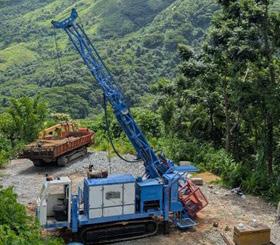
The company said it has commenced a significant overhaul of its drill fleet, replacing ageing underground rigs that had exceeded their operational lifespan and constrained drilling output since mid-2025. The existing fleet will be replaced with three new highperformance underground drill rigs and an additional surface rig.
Initial improvements have already been recorded, with underground drilling metres per shift doubling following enhanced maintenance support and technical oversight. A track-mounted surface drill rig began operations on March 14 to support in-mine and near-mine drilling during the wet season, with plans to shift to wider exploration during the dry season.
Lion One said it is also in advanced negotiations to acquire four new underground drill rigs, targeting drilling rates of at least 25 metres per shift, compared with less than 10 metres earlier this year and 12 to 18 metres currently.
The company said improved drilling capacity would provide the geological data needed to support mine design, grade control and production scheduling, as well as enable multiple mining areas to be developed simultaneously.
The drilling upgrade forms part of what the company described as “Phase 2” of Tuvatu’s development, following the transition from initial production to building a more resilient and predictable mining operation.
In a separate update, Lion One reported February gold production of 813 ounces, bringing year-to-date output to 9,180 ounces.
The processing plant milled 10,267 tonnes of ore at an average grade of 3.49 grammes per tonne, with a recovery rate of 77.3 percent. The company said recovery rates are expected to improve with the near-completion of a flotation plant.
Underground development totalled 120 metres during the month, below the 188-metre target, with performance affected by equipment availability and compressed air constraints. The company said these issues are being addressed through the commissioning of new equipment, improved maintenance planning and ventilation upgrades.
Lion One said safety performance remained strong, with no lost-time injuries recorded in February and enhancements made to on-site medical facilities, including the addition of a full-time nurse.
Exploration drilling totalled 2,369 metres across four rigs during the month, with results including an intercept of 5.15 metres at 9.18 grammes per tonne gold.
The company said its current focus is on improving operational reliability, increasing development rates and enhancing plant performance, while maintaining safety and advancing infrastructure and environmental management initiatives.
Lion One operates the Tuvatu alkaline gold project within the Navilawa caldera and is seeking to expand both production and resource confidence as it progresses its next phase of development. PBR
Ministry of Mines pushes forward with reforms to boost mining sector
The Ministry of Mines, Energy and Rural Electrification is accelerating a wide-ranging reform agenda to modernise mining laws and improve fiscal, environmental and social oversight as the sector expands.
Permanent Secretary Chris Vehe said the reforms aim to position mining as a key economic pillar, while addressing longstanding regulatory gaps.
“The mining industry is now an emerging economic lifeline of our country,” he said.
At the core of the reforms is the Mineral Resources Bill 2025, described by policymakers as a landmark law to replace the outdated Mines and Minerals Act 1990 and establish a clearer regulatory regime for exploration and extraction.
The bill is intended to balance resource development with environmental protection, clarify rights and obligations among stakeholders, and ensure fair economic returns for present and future generations.
It also aligns with the country’s Minerals Policy 2017, which emphasises inclusive governance, local participation
and stronger benefit-sharing arrangements with communities.
Alongside the bill, the ministry is finalising supporting regulations covering occupational health and safety, community development agreements and broader sector governance. Additional initiatives include a Strategic Environmental and Social Assessment (SESA), fiscal and revenue reforms, and frameworks on mine safety, gender inclusion and mineral pricing.
Most outputs are in advanced stages of drafting or consultation, with several expected to be submitted to cabinet between April and May. The reform push comes amid ongoing debate over landowner rights and consultation processes.
Civil society groups and international observers have raised concerns about ensuring free, prior and informed consent, equitable benefit-sharing and stronger environmental safeguards under the proposed framework.
Analysts note that mining governance in Solomon Islands has historically faced challenges linked to limited oversight, environmental risks and uneven distribution of benefits.
Government and development partners see significant upside if reforms unlock new mining projects, particularly in gold and nickel. Estimates suggest mining could add several percentage points to GDP and generate new fiscal revenues through royalties, export duties and profit-based taxes if projects reach full capacity.
The ministry said the reforms are designed to ensure that expansion is matched by stronger governance, transparency and accountability mechanisms. The overhaul reflects a broader transition in the Solomon Islands economy, where declining logging activity is shifting attention toward mining as a future growth driver.
Officials said the success of the reforms will depend on balancing investor certainty with community protection and environmental sustainability. PBR
PAPUA NEW GUINEA ANNOUNCES MAJOR OVERHAUL OF MINING LAWS TO DRIVE GLOBAL INVESTMENT
On the sidelines of the 2026 Prospectors & Developers Association of Canada (PDAC) Investment Convention in Toronto, Canada, Papua New Guinea’s Minister for Mining Solen Loifa, MP, announced a sweeping suite of regulatory and institutional reforms designed to transform PNG into the Asia-Pacific region’s most conducive destination for mining investment.
Under the government’s “Reset@50” agenda, Minister Loifa committed to a six- to nine-month implementation window to finalize a new regulatory framework.
This “New Deal” for the sector prioritizes the removal of bureaucratic bottlenecks and the modernization of laws that have remained largely unchanged since 1992.
Key Pillars of the Reform Agenda
1. Establishment of a “One-Stop Shop”
The government is realigning policy and institutions to create a streamlined, integrated service center for investors. This reform will centralize licensing, permitting and compliance, ensuring that explorers and miners no longer face fragmented departmental processes.
2. Modernizing Exploration Rights
To support the high-risk pioneer stage of mining, the government will extend the tenure of exploration licenses (EL) from two years to five years. This provides the long-term stability required for modern, technologydriven exploration programs.
3. Introduction of Retention Licenses
For the first time, a formal retention license category will be introduced, allowing companies to hold and protect discovered deposits during periods of unfavorable market conditions or technical feasibility studies.
4. Bypassing the First-in-Time Requirement for Projects of Significance
The government is moving toward a more merit-based and strategic allocation of tenements to ensure genuine operators are prioritized for areas identified as highly prospective. This will not affect existing license areas or applicants seeking to conduct exploration in areas not reserved for the intended purpose. The government will use both first-in-time and merit-based approaches on a case-by-case basis.
5. Removing Red Tape
The minister specifically targeted the “lengthy and cumbersome” process through increased staff capacity and a drive toward an electronically automated system. New regulations will mandate strict timelines for renewals to ensure that projects do not stall due to administrative delays.
6. Inclusive Workforce
Reforms to mining safety laws will formally enable and encourage women to work in all aspects of mining, ensuring the industry reflects the talent and diversity of the entire population. This will enable women to work underground, unlike the current restriction in 1977 legislation.
Realignment of Policy and Regulatory Framework Under a Single Entity — Reforming the Mineral Resources Authority (MRA)
The Mineral Resources Authority (MRA) is the government agency responsible for regulating the mining industry in Papua New Guinea. It is currently undergoing a strategic realignment to serve as the primary gateway for the “OneStop Shop” investment initiative.
Minister Loifa emphasized that these changes were not merely proposals but were a core mandate of his leadership.
“Our message to the global mining community is clear. We have heard your concerns regarding regulatory uncertainty and administrative delays,” said Minister Loifa.
“We are removing the hurdles that have historically slowed discovery, while ensuring that the people of Papua New Guinea benefit equitably from our resource wealth.”
The PDAC is the world’s premier mineral exploration and mining convention, which kicked off March 1 (Canada time) and will go on until March 4. This is an annual event that brings together more than 27,000 attendees from over 125 countries for educational programming, networking events and business opportunities.
Since it began in 1932, the convention has grown in size, stature and influence. The award-winning event is a gathering where familiar faces reunite, new connections are forged and the future of mineral exploration takes shape one conversation at a time. It is the event of choice for the industry, hosting more than 1,300 exhibitors and 700 presenters. PBR
SBMA Launches 2025 National Bathymetry Grid to Advance Marine Mapping in Cook Islands
The Seabed Minerals Authority (SBMA) has released the 2025 Cook Islands National Bathymetry Grid, marking a significant step forward in the country’s marine data capability and ocean management framework.
Now available through SBMA’s Seabed Data Repository, the new national grid integrates historic and recent survey data to deliver the most comprehensive picture to date of the Cook Islands’ seafloor. Bathymetry — the measurement and mapping of the depth and shape of the ocean floor — plays a critical role in marine planning, navigation, scientific research and resource management.
SBMA said the 2025 grid represents the first release of a new national product that will be updated and published annually as additional data becomes available, strengthening long-term ocean governance and evidence-based decision-making.
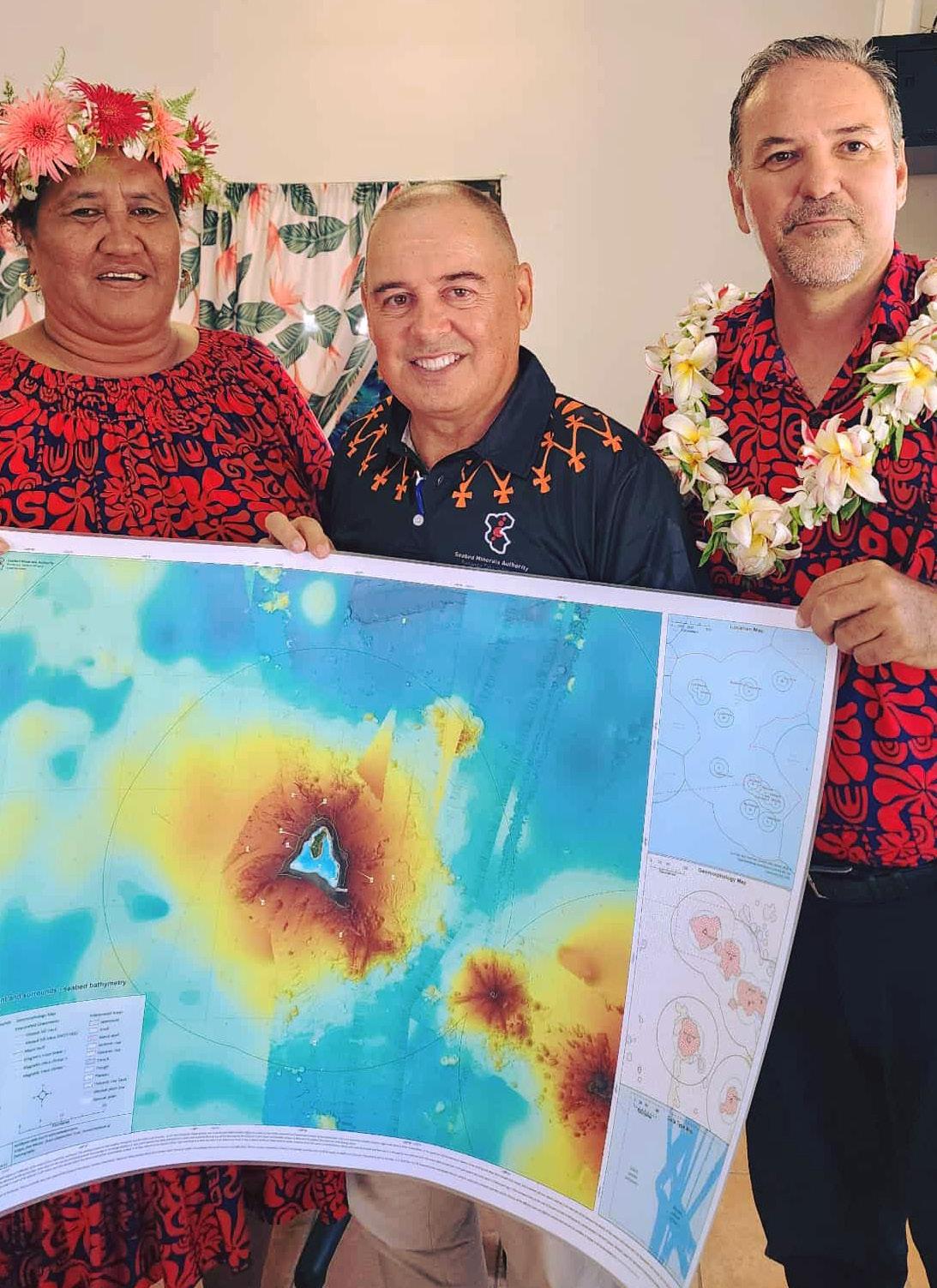
In parallel with the national grid, SBMA is also developing island-level bathymetry grids and maps to support local communities and marine users. During a recent visit to Aitutaki, the SBMA team presented residents with a detailed bathymetry map of their island, aimed at improving local understanding of surrounding marine features and supporting community-based marine management. Future island grids will be similarly updated as new data is collected.
The release aligns with SBMA’s Research Priority 1, which focuses on improving the understanding of the Cook Islands’ marine environment through
high-quality baseline data, seabed mapping and scientific research. The priority underscores the importance of building a robust geospatial and environmental knowledge base to inform marine spatial planning, environmental stewardship, sustainable economic development and responsible seabed mineral activities.
By consolidating fragmented datasets into a unified national grid, SBMA is advancing its commitment to transparency, scientific integrity and open data access. The bathymetry grid is expected to support government agencies, researchers, maritime operators and coastal communities in making informed decisions about ocean use and conservation.
The Cook Islands, which oversees one of the largest exclusive economic zones in the Pacific, continues to invest in ocean science and data infrastructure as part of its broader strategy to balance environmental protection with sustainable marine development.
The 2025 Cook Islands National Bathymetry Grid can be accessed via SBMA’s official website. PBR
St Barbara posts profit turnaround as Simberi resources climb to 7.9Moz
Australian gold producer St Barbara Limited has returned to underlying profitability in the first half of FY2026, while expanding mineral resources at its Simberi Operations in Papua New Guinea and advancing a fully funded pathway for the New Simberi Gold Project.
For the six months to 31 December 2025, the group reported an underlying net profit after tax of A$1.336 million, a marked reversal from an underlying loss of A$48.058 million in the corresponding period a year earlier. Statutory loss after tax narrowed to A$249,000, compared with A$48.526 million previously.
Revenue from ordinary activities rose 32 per cent to A$128.83 million, underpinned by improved operating performance at Simberi and a stronger gold price environment.
Simberi drives operational recovery
Simberi generated a pre-tax segment operating profit of A$20.639 million in the half year, contributing A$23.382 million in operating cash before sustaining capital.
Gold production at Simberi totalled 20,215 ounces, compared with 22,495 ounces in the prior corresponding period. The average gold price received was A$5,822 per ounce, up from A$3,916 per ounce a year earlier. Cash cost for the period was A$5,170 per ounce, with all-in sustaining cost at A$5,397 per ounce.
Mine operating costs declined to A$95.82 million from A$116.164 million, reflecting lower maintenance costs following fleet upgrades and plant improvements.
Total growth capital expenditure at Simberi reached A$36.111 million, largely associated with advancing the New Simberi Gold Project, including mobile fleet additions, camp upgrades, ball mill procurement and water treatment infrastructure.
Resources expand; silver reported for first time
Alongside its half-year results, St Barbara updated its Mineral Resources and Ore Reserves Statement as at 31 December 2025.
Group Mineral Resources for gold increased to 7.9 million ounces, up 1.0 million ounces from 6.9 million ounces a year earlier. Group Ore Reserves for gold stood at 3.8 million ounces, compared with 4.0 million ounces at 31 December 2024.
At Simberi alone, gold Mineral Resources rose by 0.9 million ounces (17 per cent) to 5.8 million ounces (net of depletion), while Ore Reserves decreased by 0.2 million ounces to 2.5 million ounces.
Total Simberi gold Mineral Resources are estimated at 136.5 million tonnes at 1.3 g/t for 5.8 million ounces of contained gold.
Simberi gold Ore Reserves stand at 42.9 million tonnes at 1.8 g/t for 2.5 million ounces.
Significantly for PNG, silver Mineral Resources and Ore Reserves were reported for the first time at Simberi. Silver Mineral Resources total 15.3 million ounces and Ore Reserves total 4.5 million ounces of contained silver.
The increases in Mineral Resources were largely driven by updated feasibility and pre-feasibility studies and revised economic assumptions, including reporting at a higher gold price of US$2,500 per ounce.
Fully funded pathway to expansion
St Barbara’s strategic focus remains the development of the New Simberi Gold Project. During the half year, the company reached agreements with Lingbao Gold International Company Limited and Kumul Mineral Holdings Ltd that are expected to fully fund St Barbara’s share of development costs.
Lingbao will acquire 50 per cent of St Barbara Mining Pty Ltd, delivering A$370 million in cash to St Barbara upon completion, targeted by the end of Q3 FY2026. In parallel, Kumul’s subsidiary will acquire a 20 per cent interest in the Simberi Operation for A$100 million.
Recent study outcomes reinforce the project’s scale. The New Simberi Gold Project Feasibility Study outlined annual production of over 200,000 ounces per annum at an all-in sustaining cost of between US$1,100 and US$1,400 per ounce over a mine life extending to 13 years.
The study reported a post-tax net present value of US$1.023 billion, assuming a gold price of US$3,000 per ounce.
Balance sheet and liquidity
As at 31 December 2025, St Barbara held cash and cash equivalents of A$74.784 million, in addition to restricted cash of A$87.288 million lodged as security for reclamation bonds at its Atlantic Operations.
Net assets stood at A$434.597 million. The board said it remains confident the group can meet its obligations as they fall due for at least 12 months, though the independent auditor included an emphasis of matter regarding material uncertainty relating to going concern.
For Papua New Guinea, the half-year results signal both improved financial resilience and a material uplift in longterm resource confidence at Simberi. With silver now formally recognised and expansion funding arrangements nearing completion, Simberi is positioning itself as a longlife, multi-metal operation central to St Barbara’s growth strategy. PBR
President Toroama outlines mining sector legislative reforms in Parliament
ABG President and Minister for Mining Ishmael Toroama outlined key legislative reforms to strengthen governance of the mining sector during his address to Parliament.
The reforms form part of the ABG’s broader efforts to ensure that resource development in Bougainville is undertaken in a safe, responsible and internationally compliant manner, while supporting long-term economic development and independence aspirations.
In this context, the Bougainville Parliament recently passed the Bougainville Mining (Gold Production Levy Amendment) Act 2025, formalising the taxation of gold production and strengthening revenue mobilisation.
“The Government continues to strengthen the legislative framework governing the mining sector,” he said.
“Key developments include the passage of the Bougainville Mining (Gold Production Levy Amendment) Act 2025, which formalises taxation of gold production and strengthens revenue mobilisation.”
President Toroama said relevant agencies — including the Department of Mining and Petroleum, the Department of Law and Justice, the Bougainville Tax Office, and the Department of Commerce, Trade and Economic Development — are now working collaboratively to develop an implementation
framework. This will enable the initial collection of the gold levy within the year.
In parallel, the President informed the House that a comprehensive review of the Bougainville Mining Act 2015 is under way to strengthen regulatory control and address implementation gaps.
“There is also an ongoing comprehensive review of the Bougainville Mining Act 2015, covering approximately 70 sections, including new provisions to address implementation gaps and strengthen regulatory control. Drafting instructions have been completed and endorsed by BEC for region-wide stakeholder consultations, expected in the third quarter of 2026 prior to finalisation of amendments.”
Further legislative work is progressing under the Panguna redevelopment framework to support the sector.
“In addition, under the Panguna redevelopment framework, work is progressing on priority legislation to support the sector, including mining safety and occupational health frameworks, environmental protection laws, and land and regulatory reforms.”
“These reforms will ensure that mining in Bougainville is undertaken in a safe, responsible and internationally compliant manner, consistent with our national development and independence objectives.” PBR
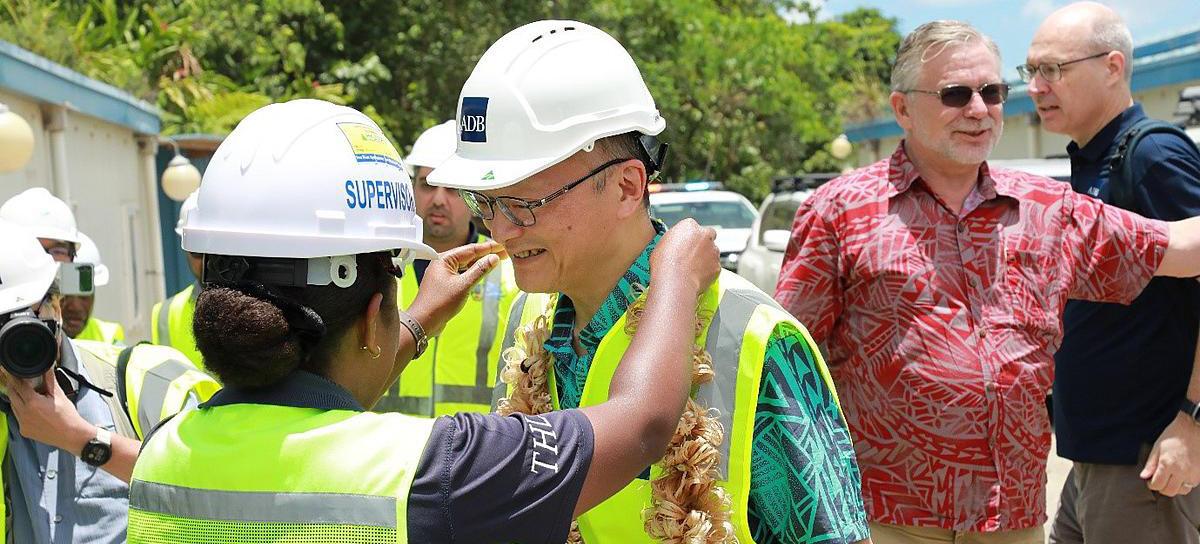
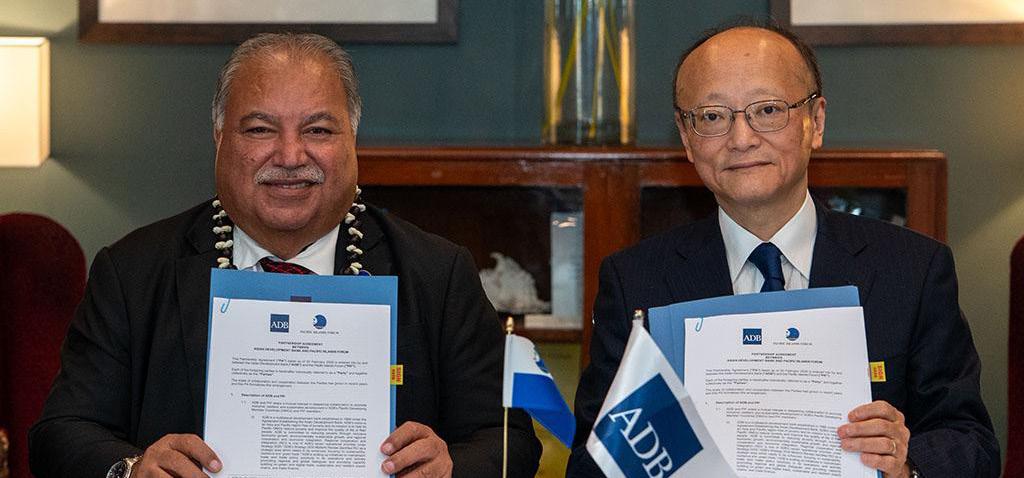
ADB President Reaffirms Commitment to Tina River Hydropower Project During Site Visit
President of the Asian Development Bank (ADB), Masato Kanda, has described the Tina River Hydropower Project as a transformational initiative following his visit to the site on 16 February 2026.
Speaking during the visit, President Kanda said the project, once completed, will provide clean and reliable electricity to Honiara, supplying more than two-thirds of the city’s power needs.
“This 15-megawatt plant will mark a major milestone in shifting the Solomon Islands towards clean energy,” President Kanda said. “This transition will reduce electricity costs, helping businesses and communities thrive while ensuring long-term sustainability.”
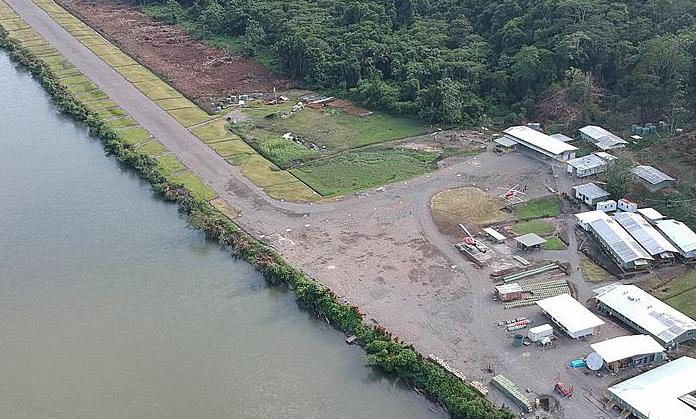
During his tour, President Kanda observed construction progress from a vantage point above the riverbed, noting significant advancements. He highlighted that tunnelling works are expected to commence soon, followed by construction of the dam wall, which will rise 72 metres and span approximately 234 metres.
ADB is supporting the project with an USD 18 million concessional loan and a USD 12 million grant from its Asian Development Fund. President Kanda emphasised that across the Pacific, ADB continues to expand access to electricity and strengthen energy security through similar initiatives.
He further underscored the importance of partnerships in delivering major infrastructure projects, stating that the Tina River Hydropower Project reflects ADB’s commitment to quality infrastructure and effective collaboration.
ADB is working closely with the Government of Solomon Islands, the World Bank Group, Australia, the Green Climate Fund, the Abu Dhabi Fund for Development, and the Export–Import Bank of Korea to ensure the project’s success.
“Together, we are turning this project into reality to benefit the people of the Solomon Islands for generations to come,” President Kanda said. PBR
Frieda River Limited Reaffirms Commitment to Protecting the Sepik
The Sepik Development Project (SDP) is a nation-building initiative in Papua New Guinea, delivering transformative infrastructure, renewable power, and essential services to remote communities while responsibly developing one of the world’s largest gold and copper deposits.
“Utilising world-leading engineering and renewable-powered design, the project is committed to protecting the Sepik River ecosystem and ensuring the safety of its communities,” said a Frieda River Limited spokesperson.
Designed as one of the lowest-emission mining projects globally, the SDP supports Papua New Guinea’s commitment to energy transition and sustainable resource development. The mine will be powered by a hydroelectric dam, producing a surplus of 270 MW of electricity. This power will connect to the national grid, supplying industries and communities in the northern border frontier with clean, reliable energy, while contributing to the reduction of PNG’s long-term carbon emissions.
The dam design, which continues to be strengthened and refined, incorporates world-class tailings and waste management technology to effectively mitigate risks to the Sepik River and surrounding ecosystem. It has been engineered to withstand high rainfall and seismic activity, with an embankment and spillway designed to safely accommodate extreme water flows and potential earthquake events.
Water quality will be managed through advanced waste and water-management techniques, including underwater tailings storage and active treatment of open-pit water. The project’s design is informed by one of PNG’s most extensive environmental data programmes, supported by a decade of baseline studies and biodiversity surveys.
Scientific modelling indicates that impacts on downstream water quality and marine life are expected to be minimal, with significant safeguards in place to protect surrounding and downstream communities. The facility is designed to store water and permanently contain process tailings and mine waste rock. Ongoing water quality monitoring will be conducted at two checkpoints during wastewater discharge activities to ensure the Sepik River and surrounding environment remain protected.
“The safety of the Sepik and its communities is a key priority for the project, guided by four principles: technically appropriate, environmentally safe, socially responsible, and financially profitable,” the spokesperson added.
“The Sepik Development Project is committed to genuine, inclusive engagement with communities, ensuring local voices shape how the project is planned and delivered. We believe this nation-building initiative should deliver substantial economic and social benefits to Sepik communities and PNG more broadly. We are actively listening to and working with our stakeholders to ensure this outcome.”
The spokesperson also noted, “We will continue to engage fully and openly with stakeholders through our annual community engagement programmes within the project’s infrastructure and riverine footprint corridor. We welcome questions, feedback, and guidance from communities as we work to deliver a project that brings tangible benefits to landowners, local communities, and PNG as a whole.”
Frieda River Limited is a significant subsidiary of the PanAust Limited Group. In addition to its pre-development opportunities in Papua New Guinea, PanAust Limited owns Phu Bia Mining — an award-winning dual operation in Laos — and has development projects in Chile.
An Australian-incorporated company, PanAust is owned by Guangdong Rising H.K. (Holding) Limited, a wholly owned subsidiary of Guangdong Rising Holding Group Co., Ltd. (GDRH), a Chinese state-owned company regulated under the State-owned Assets Supervision and Administration Commission of the People’s Government of Guangdong Province. PBR
New Caledonia seeks inclusion in France’s electricity cost equalisation scheme
The Government of New Caledonia has adopted a draft resolution calling on the French State to extend its electricity cost equalisation mechanism to the territory, in a move aimed at easing energy costs and supporting economic recovery.
The decision was approved during the Government’s weekly meeting on 25 March, with authorities seeking to include New Caledonia in the reimbursement system that compensates excess electricity production costs in overseas areas not connected to mainland France’s grid.
Under France’s existing framework, tariff equalisation ensures that electricity prices remain broadly comparable across the country by offsetting higher production costs in noninterconnected zones such as Guadeloupe, Guyana, Martinique, Réunion, Mayotte and Wallis-et-Futuna. The mechanism is designed to uphold national solidarity and provide households and businesses in overseas territories with access to energy under conditions similar to those in metropolitan France.
At present, New Caledonia and French Polynesia are the only French territories not covered by the scheme.
Government spokesperson Christopher Gygès said extending the mechanism would address growing concerns over purchasing power, particularly as global pressures, including the conflict in the Middle East, risk further increasing energy costs.
In New Caledonia, electricity prices are structurally higher due to factors such as geographic isolation, limited market size and reliance on imported energy inputs. These costs place additional pressure on households while also affecting the competitiveness of businesses and the wider economy.
Electricity plays a central role in the territory’s economic structure, particularly in industrial and metallurgical activities, as well as in the operation of public services and critical infrastructure. As a result, energy pricing is regarded as a key determinant of both economic stability and growth.
The Government said that, in the current challenging economic environment, reducing electricity costs could serve as an important lever to support business activity, protect purchasing power and aid the territory’s economic recovery.
By seeking inclusion in the equalisation scheme, New Caledonia aims to align itself with the broader principle of national solidarity applied across other overseas territories. The proposal also extends to French Polynesia, which faces similar structural constraints.
The draft resolution will now be submitted to the French State for consideration, with authorities emphasising that the extension of the mechanism would promote equity while supporting the sustainable economic development of France’s overseas regions. PBR
Renewable hybrid pilot project approved for Vatulele
The Fijian government has approved the implementation of a Renewable Hybrid Project (RHP) at Bouwaqa Village in Vatulele, marking a step forward in rural electrification and clean energy deployment.
The RHP is a grant-funded pilot initiative supported by the United Kingdom government and implemented by AEON Energy Group. It aims to test the integration of solar, wind and wave energy technologies within a hybrid mini-grid system designed for remote island communities.
The project will begin with the installation of a 50-kilowatt solar photovoltaic system with battery storage, forming the initial phase of a broader hybrid energy platform. Subsequent phases are expected to incorporate wind and wave energy technologies to enhance reliability and enable more continuous power generation.
AEON Energy Group’s model focuses on combining multiple renewable energy sources into a single decentralised grid, reducing reliance on diesel and improving energy security in isolated areas. The approach aligns with emerging efforts across the Pacific to deploy
hybrid mini-grids capable of delivering stable, roundthe-clock electricity in geographically dispersed island settings.
The project is linked to United Kingdom-backed clean energy innovation programmes, including initiatives that support the development of smart green grids and pilot technologies for Small Island Developing States. These programmes aim to demonstrate the technical and commercial viability of hybrid renewable systems in challenging environments.
Hybrid systems are increasingly being prioritised in Fiji’s energy strategy due to their ability to improve reliability, lower fuel import costs and strengthen resilience against climate-related disruptions. The integration of wave energy, in particular, represents a relatively new approach in the Pacific and positions the Vatulele project as a test case for next-generation renewable energy solutions.
The government said the project would contribute to expanding energy access in rural communities while supporting broader national goals on climate action and sustainable development. PBR
LAE CHAMBER OF COMMERCE INC
Solar project powers remote Solomon Islands college
A new solar energy system is now powering Sir Dudley Tuti College in Isabel Province, improving access to reliable electricity for one of the Solomon Islands’ largest and most remote secondary schools.
The installation marks the first Solomon Islands project under the REnew Pacific programme, delivered by local renewable energy provider Superfly. The system supplies clean and dependable power to around 820 students — including about 600 boarders — as well as staff housing and nearby community facilities.
Previously reliant on costly and unreliable diesel generation, the college is expected to benefit from round-the-clock electricity while significantly reducing fuel consumption and operating costs.
The project was officially launched by Member of Parliament for Gao/Bugotu Trevor Hedley Mahaga, alongside representatives from the Australian High Commission and the school community led by principal Dudley Uata.
Australia’s High Commissioner to Solomon Islands, Jeff Roach, said the initiative reflects Canberra’s commitment to expanding access to renewable energy in remote areas.
“The solar hybrid system installation at Sir Dudley Tuti College demonstrates Australia’s commitment to supporting expanded access to renewable sources of energy in remote and rural areas,” Roach said.
Mahaga said the investment would have lasting benefits for education and community wellbeing in Isabel Province.
“Reliable solar power will enable brighter classrooms, safer dormitories and dependable services across the campus, giving students and teachers more
opportunities to learn, teach and live well after dark,” he said.
Sir Dudley Tuti College is one of three sites supported under the REnew Pacific programme, which aims to deliver off-grid renewable energy solutions to more than 81,000 people across Isabel, Western and Malaita provinces.
Other projects include a hybrid solar system at Atoifi Adventist Hospital in Eastern Malaita to support emergency and maternity services, as well as installations at Goldie College in Western Province to benefit students and surrounding communities.
Superfly director Gavin Pereira said the company was pleased to work with local stakeholders to deliver the project.
REnew Pacific is part of Australia’s A$75 million investment in off-grid renewable energy across the Pacific and Timor-Leste. The initiative falls under the Pacific Climate Infrastructure Financing Partnership, a A$350 million programme delivered through the Australian Infrastructure Financing Facility for the Pacific and implemented by Palladium. PBR
Fiji’s kava exports surge as reforms and market access drive sector transformation
Fiji’s kava industry has transformed into the country’s top agricultural export over the past 15 years, with export earnings exceeding FJD53 million and supporting more than 14,500 farming households.
The shift from subsistence production to a commercialised export sector has been driven by rising demand in key markets including Australia, New Zealand and the United States, alongside improvements in quality standards and supply chains.
Export growth underpinned by policy and market reforms
The expansion reflects sustained support from the Pacific Horticultural and Agricultural Market Access Plus Program, which has worked with the Government of Fiji and industry stakeholders to strengthen biosecurity, plant health and export readiness.
Interventions have included the development of national quality standards, certification systems and support for market access initiatives, particularly Australia’s commercial kava import framework introduced in 2019.
The programme has enabled more than 5,500 farming households to access international markets, contributing to higher rural incomes and increased export volumes.
Industry scaling with new production models
The sector’s current growth phase, which began around 2021, is characterised by product diversification, improved quality assurance and entry into mainstream retail channels.
Green kava processing has emerged as a key innovation, reducing processing time and increasing income across supply chains. One model has delivered income gains of about 26% among participating households, alongside broader productivity improvements.
Fijian kava products are now stocked in major retail outlets in Australia, marking a shift from informal trade to formal commercial distribution. Economic role expands beyond exports
The broader kava economy is estimated to exceed FJD190 million when domestic consumption and informal trade
to Page 42
are included, reinforcing its role as a key rural livelihood across major growing regions such as Kadavu, Bua and Cakaudrove.
The sector has also demonstrated resilience despite past shocks, including export bans, climate impacts and cyclone damage, with recovery driven by stronger systems and rising global demand.
Sustainability risks remain
Despite rapid growth, stakeholders warn of structural risks that could affect long-term stability.
These include plant health threats such as dieback disease and nematodes, the need for stronger regulatory frameworks, and limited industry coordination.
Gender disparities also persist, with women underrepresented in commercial production and trade.
The report calls for continued reforms in regulation, plant health management and industry organisation to sustain growth and avoid future boom-bust cycles. PBR
The Pacific Islands Forum Fisheries Agency (FFA) has released a new report examining global tuna markets and trade trends in the Western and Central Pacific Ocean (WCPO), highlighting major shifts in the international tuna industry and their implications for Pacific Island countries and territories.
Pacific at centre of changing global tuna trade,
Titled Tuna Markets and Trade Dynamics: Western and Central Pacific Ocean, the report finds that global tuna markets are undergoing significant change, driven by shifting consumer demand, supply chain disruptions, inflation, geopolitical uncertainty and increasing sustainability requirements.
Funded by the Japan Promotion Fund, the report provides up-todate market and industry analysis to help FFA members better understand current conditions and emerging trends in the global tuna sector. It underscores the Pacific region’s importance as the source of more than half of the world’s tuna supply, while noting that much of the processing, trading and retail activity continues
to take place outside the region, limiting value capture by coastal states.
Covering the period from 2022 to 2025, the report analyses global tuna industry and trade dynamics from the perspective of Pacific Island countries, which supply more than half of the world’s tuna and play a leading role in sustainable fisheries management. It finds that global tuna markets are becoming increasingly competitive and volatile, shaped by shifting consumer demand, rising sustainability and traceability expectations, and external pressures such as climate impacts, fuel and logistics costs, and geopolitical uncertainty.
While large multinational firms continue to dominate processing, branding and retail markets, Pacific Island countries remain the cornerstone of the global tuna industry through their stewardship of WCPO tuna resources and regional management frameworks such as the Vessel Day Scheme.
The report also examines recent industry and trade developments in the WCPO tuna fishery, including the role of major global firms, emerging Asian players, Pacific-led initiatives, and evolving environmental, social and governance (ESG) and trade trends. It notes that Chinese and Philippine companies continue to expand their influence across fishing, processing and trading through vertical integration and strategic investment.
The analysis highlights that Pacific Island countries hold their greatest leverage at the point of resource ownership and access, where regional cooperation has successfully secured value from the fishery with relatively low risk. It cautions that expanding into harvesting and onshore processing can expose
countries to high commercial and financial risks in a highly competitive global value chain, particularly where scale, market access and branding power are limited.
Instead, the report points to Pacific-led pathways that build on existing strengths, including sustainability leadership, traceability and strategic market engagement, as more effective approaches to increasing economic returns, strengthening bargaining power and supporting long-term development outcomes for Pacific peoples.
FFA Director-General Noan David Pakop said the report underscores the importance of evidence-based decision-making.
“These insights help our members understand how global developments are shaping the Pacific tuna industry,” Pakop said. “They support better planning to manage risks, identify opportunities and secure longterm economic benefits from sustainably managed tuna resources.”
The report provides valuable context for policymakers, fisheries managers and industry stakeholders as the region responds to a rapidly changing global seafood market while safeguarding tuna stock sustainability. It builds on earlier FFA market studies and supports regional initiatives such as the East New Britain Initiative.
The publication forms part of FFA’s ongoing work to provide members with timely market intelligence and practical analysis to strengthen the region’s collective position in global tuna trade. PBR
Agriculture and livestock initiatives gain momentum in Solomon Islands
The Ministry of Agriculture and Livestock Development is advancing a series of initiatives aimed at transforming the agriculture sector and supporting economic growth in the Solomon Islands.
Permanent Secretary Samson Viulu said during a quarterly ministerial update this week that the ministry is implementing key projects and reforms to strengthen agricultural productivity and market access.
Among the flagship programmes is the Agriculture Investment for Markets and Nutrition (AIM-N) Project, a six-year, $20 million initiative currently benefiting more than 18,000 people in Western and Choiseul provinces, with planned expansion to Isabel Province. The project is designed to improve food security, nutrition and rural incomes.
In parallel, the Solomon Islands Agriculture and Rural Transformation (SIART) Project is progressing across Guadalcanal, Malaita and Makira/Ulawa, with a focus on
boosting agricultural production and improving market linkages.
The ministry is also supporting small and medium-sized agribusinesses through the Commercial Agriculture Development Project Support Fund. Recent beneficiaries include Kokonut Pacific, Varivao Holding Limited and Malo Kitchen.
Additional initiatives include the Coconut Cocoa Revolving Fund, the establishment of a national cattle breeding centre, and the National Poultry Industry Development Initiative.
“These efforts are reinforcing the role of agriculture as a key pillar of economic development in the Solomon Islands,” Viulu said.
Overall, the ministry said the projects are progressing as planned and are expected to contribute to the continued transformation of the agriculture sector while supporting broader economic growth. PBR
Solomon Islands delegation explores cocoa trade opportunities in New Zealand
Solomon Islands ministers and officials visited the Wellington Chocolate Factory this week as part of a broader trip to New Zealand aimed at strengthening agricultural partnerships and expanding market opportunities for Pacific farmers.
Minister for Agriculture and Livestock Development Franklyn Derek Wasi and Minister for Health and Medical Services Paul Bosawai led the Solomon Islands delegation, which met with Grow Asia Pacific (GAP) to discuss initiatives supporting farmers in the Solomon Islands.
During the visit, Grow Asia Pacific outlined its work with Solomon Islands farmers to improve production and promote sustainable and climate-smart agricultural practices.
The organisation also showcased Rautini, a social enterprise trading company established in 2022 to connect Pacific farmers and processors with markets in New Zealand.
Cocoa beans remain Rautini’s flagship export product, with the Wellington Chocolate Factory among its clients using beans sourced from Solomon Islands growers in its chocolate products.
The visit provided the delegation with an opportunity to see how Solomon Islands cocoa is processed and used by one of New Zealand’s leading craft chocolate producers.
Chocolatiers at the Wellington Chocolate Factory guided the delegation through the process of making
farmers in Guadalcanal.
Officials said the visit highlights the growing links between Solomon Islands agriculture and international markets, particularly in value-added products such as specialty chocolate.
The delegation also thanked the Wellington Chocolate Factory for hosting the visit and Grow Asia Pacific for providing insights into opportunities to strengthen agricultural value chains and trade partnerships. PBR
chocolate bars using cocoa beans sourced directly from
ADB President, Fiji Prime Minister Open Expanded Office to Strengthen Partnership and Scale Up Impact
Asian Development Bank (ADB) President Masato Kanda and Fiji Prime Minister Sitiveni Rabuka on 20 February officially opened ADB’s expanded Pacific Subregional Office in Suva. The inauguration followed talks earlier in the day between the two leaders on advancing ADB’s support for Fiji’s inclusive economic growth and reinforcing Fiji’s role as a regional hub for Pacific cooperation.
“These new premises are a clear signal of our ambition,” said Mr. Kanda. “We are moving faster and thinking bigger. With our upgraded presence in Suva, the geographic heart of the Pacific, we will help advance regional cooperation and integration to tackle shared challenges and build a resilient and prosperous Pacific.”
Reflecting ADB’s commitment to localised support, the newly expanded office accommodates a team that has grown significantly over the past five years, more than doubling to around 70 personnel. This expansion allows ADB to provide
deeper technical expertise on the ground and stronger support for its operations across the seven Pacific countries served by the Suva hub: the Cook Islands, Fiji, Kiribati, Niue, Samoa, Tonga, and Tuvalu.
During their bilateral meeting, Mr. Kanda and Mr. Rabuka highlighted the rapid increase in ADB’s development financing for Fiji. ADB has committed $1.3 billion to the country since 1972, with $675 million of that total committed since 2020. This accelerated funding reflects Fiji’s greater access to concessional loans and grants, supporting key reforms for private sector development alongside significant investments in critical infrastructure such as transport, water, and urban services. The leaders also discussed Fiji’s central role in convening dialogue and promoting collective action among Pacific island countries.
Further reinforcing the focus on economic resilience, Mr. Kanda met with the Minister for Finance, Commerce and Business Development and ADB Governor, Esrom Immanuel. They reaffirmed ADB’s commitment to bolstering private sector development and advancing public–private partnerships in priority areas. Their discussions touched on ongoing collaboration to develop a national digital ID system, a cornerstone of Fiji’s digital transformation that will improve access to essential services and banking.
Following these high-level meetings, Mr. Kanda attended a showcase by Kahuto Pacific, a local aerial mapping firm supported by the ADB Frontier program. The company is building the Moana Data Service, the region’s first locally led geospatial data platform, which will provide Pacific island countries with direct access to high-resolution aerial imagery to support climate resilience, infrastructure planning, and disaster risk reduction.
ADB is a leading multilateral development bank supporting inclusive, resilient, and sustainable growth across Asia and the Pacific. Working with its members and partners to solve complex challenges together, ADB harnesses innovative financial tools and strategic partnerships to transform lives, build quality infrastructure, and safeguard our planet. Founded in 1966, ADB is owned by 69 members—50 from the region. PBR
ADB, Pacific Islands Forum sign partnership pact to deepen regional cooperation
The Asian Development Bank and the Pacific Islands Forum have signed a partnership agreement aimed at strengthening regional cooperation and accelerating climate and development initiatives across the Pacific.
ADB President Masato Kanda and Pacific Islands Forum Secretary-General Baron Waqa formalised the agreement on Thursday, setting out a framework to align the institutions’ resources and expertise in support of what they described as a more resilient, sustainable and prosperous Pacific region.
“The remote and geographically dispersed nations of the Pacific stand to benefit immensely from regional cooperation and integration,” Kanda said. “The strength of the Pacific lies in its unity. By standing together, we can achieve common objectives — from protecting shared ocean resources to building economic resilience — far more effectively than any country could alone. This agreement is our foundation to think bigger and move faster.”
Waqa said the partnership reinforces Pacific-led approaches to development and climate action.
“This partnership strengthens our collective efforts to deliver Pacific-led solutions that build resilience, expand
opportunity, and mobilise climate and development finance in line with the 2050 Strategy for the Blue Pacific,” he said.
Both organisations have more than 50 years of engagement with Pacific island countries. The new agreement builds on three decades of cooperation and formalises collaboration on economic competitiveness, community resilience, disaster preparedness and the blue economy.
Under the pact, ADB and the Forum will coordinate on high-priority initiatives, including the Regional Programmatic Approach for Climate Action, the Pacific Fiscal Resilience Initiative and a proposed multi-donor trust fund for disaster risk financing.
The initiatives are intended to help Pacific nations address shared challenges through pooled resources, harmonised policies and collective action.
ADB, founded in 1966, is owned by 69 members, including 50 from the Asia-Pacific region. The multilateral development bank supports inclusive, resilient and sustainable growth across Asia and the Pacific through financing, technical assistance and strategic partnerships.
PBR
Japan Provides FJ$4.6 Million Grant to Strengthen Fiji’s Health Services
Japan has formalized a new grant of 313 million yen (approximately FJ$4.6 million) to Fiji through the Ministry of Health and Medical Services, aimed at procuring medical equipment under Japan’s Economic Social Development Program (ESDP).
The announcement was made during the Exchange of Notes and Grant Agreement ceremony, which highlighted the ongoing Lomavata–Kizuna Partnership signed by Prime Minister Sitiveni Rabuka and Japan’s Prime Minister Takaichi in November 2025.
Japan’s Ambassador to Fiji, Hiroshi Tajima, noted that the grant reinforces the bilateral partnership and that the Japan International Cooperation Agency (JICA) would provide technical support for the initiative.
As part of ongoing health projects, Japan and Project HEAVEN Trust signed a grant contract on 23 January for a four-wheel-drive Mobile Audiovisual Examination vehicle, equipped with soundproofing and specialised instruments to bring hearing and vision screening services directly to Fijians.
Additionally, on 3 March, Japan and UNICEF will sign a USD$5.48 million, four-year initiative aimed at preventing drug use among children and youths in Fiji, addressing the country’s national drug emergency.
Fiji’s Minister for Health and Medical Services, Ratu Atonio Lalabalavu, described the grant as an investment in the health workforce of tomorrow and in improving access to care across the country. The funding will support the procurement of essential
medical equipment, including teaching aids for nursing students at the Fiji National University, a mobile clinic, and a mobile dental truck.
The grant marks a continuation of Japan’s commitment to enhancing health infrastructure, capacity building, and educational support in Fiji, reflecting the broader objectives of the Lomavata–Kizuna Partnership. PBR
SOLOMON ISLANDS AND ADB ALIGN
PRIORITIES TO DELIVER GNUT’S
2027–2028 MILESTONES
The Government for National Unity and Transformation (GNUT) has reaffirmed its national development priorities during a bilateral meeting with the Asian Development Bank (ADB) on the margins of the Pacific Agenda Summit in Honolulu.
Minister of Finance and Treasury Rexson Ramofafia and Minister for National Planning and Aid Coordination Trevor Manemahaga met with ADB Vice-President for East and Southeast Asia and the Pacific Scott Morris and Director General of the Pacific Department Emma Veve.
ADB said the purpose of the meeting was to better understand the Solomon Islands Government’s immediate and mediumterm priorities and how the Bank can effectively align its support.
On behalf of the Government and people of Solomon Islands, Ramofafia thanked ADB for its continued partnership and acknowledged the recent opening of the Bank’s country mission in Honiara, describing it as a significant step towards strengthening coordination and improving project delivery.
Ramofafia outlined GNUT’s priority goals over the next two years, including Solomon Islands’ graduation from Least Developed Country (LDC) status in 2027 and the celebration of the nation’s 50th Independence Anniversary on 7 July 2028.
He emphasised that a key milestone for the Government is the timely completion of major infrastructure projects ahead of the 50th anniversary celebrations.
Drawing on lessons from the Land and Maritime Connectivity Project (LMCP), particularly the phasing out of Phase II and preparations for Phase III, the minister highlighted areas requiring improvement. He requested that administrative
and procurement processes be fast-tracked to avoid delays experienced in previous phases, noting that efficient implementation will be critical to achieving GNUT’s 2028 targets.
ADB acknowledged that procurement and administrative processes have contributed to delays in some projects and expressed its commitment to working more closely with the Government to address these issues.
Ramofafia also raised the importance of progressing discussions on a Sovereign Wealth Fund, highlighting its relevance to long-term fiscal sustainability and intergenerational equity. ADB indicated that further engagement with Solomon Islands would be required to advance discussions in this area.
Planning Minister Manemahaga reiterated the finance minister’s concerns and stressed the importance of prioritising high-return projects that generate sustainable economic growth. While infrastructure remains critical, he emphasised the need to support Solomon Islanders in the private sector, strengthen livelihoods and invest in the social sectors to ensure inclusive and broad-based development.
During the meeting, Manemahaga formally handed over the Solomon Islands National Infrastructure Investment Plan (SINIP) to ADB to provide a clear understanding of the Government’s infrastructure priorities and long-term development plans.
Both parties described the discussions as constructive and meaningful, reaffirming their shared commitment to strengthening cooperation and ensuring Solomon Islands remains on track to achieve its national development milestones. PBR
Fiji Airports, Nadi International Airport win honours at PATWA Travel Awards
Fiji Airports and its chief executive Mesake Nawari have received international recognition at the Pacific Area Travel Writers Association (PATWA) International Travel Awards 2026 held in Berlin, Germany, with Nadi International Airport named Best Airport – South Pacific Islands.
Nawari also received the PATWA Gold Award – Excellence in Leadership – Airports (South Pacific Islands) during the PATWA World Tourism Leaders’ Summit held alongside ITB Berlin on March 4.
The awards recognise governments, organisations, brands and individuals for outstanding contributions to tourism promotion and leadership across the global travel and aviation industry.
Recipients span airlines, airports, hotels, travel agencies, tour operators, destinations, tourism ministries and service providers from across the travel sector. The awards were presented by PATWA Secretary-General Yatan Ahluwalia.
Nawari said the recognition reflects the collective effort of Fiji’s aviation and tourism stakeholders.
“This is a proud and humbling moment for Fiji Airports and for Fiji, of course, as a popular tourism destination,” Nawari said.
“These awards reflect the dedication, professionalism and passion of our staff and airport stakeholders, who work tirelessly
to ensure our airports operate safely, efficiently, and with the warmth that Fiji is known for. I am honoured to accept this recognition on behalf of all our board, our staff and stakeholders,” he said.
The recognition of Nadi International Airport highlights Fiji Airports’ continued investment in infrastructure, safety, service excellence and passenger experience.
As Fiji’s main gateway, the airport plays a key role in supporting the country’s tourism sector, trade flows and broader economic growth.
Nawari said the aviation industry will increasingly be shaped by sustainability, technology and evolving traveller expectations.
“Over the next decade, sustainability, technology and customer experience will define the future of travel,” he said.
“At Fiji Airports, we are focused on balancing these priorities, reducing our environmental footprint, embracing smart technologies, and delivering seamless, inclusive and authentic travel experiences,” he added.
Fiji Airports said it remains committed to strengthening partnerships with airline partners, government agencies, tourism stakeholders and travellers as it works toward its vision of becoming “the world-class aviation hub for the Blue Pacific.” PBR
Gavoka says tourism and aviation key to Fiji’s future growth
Fiji’s tourism and aviation sectors will remain central to the country’s economic development strategy, Deputy Prime Minister and Minister for Tourism and Civil Aviation Viliame Gavoka said in Parliament, as the government also advances plans for a new tourism law to strengthen governance of the industry.
Responding during a ministerial statement, Gavoka said the government is prioritising policies and infrastructure to reinforce tourism and aviation as key drivers of national growth and employment.
He said the ministry’s development strategy is guided by the “Five A’s” of tourism growth — access, accommodation, attractions, amenities and actors — aimed at ensuring infrastructure, investment and community participation work together to expand the sector.
A major initiative highlighted by Gavoka is the World Bank-supported Na Vualiku Tourism Development Programme, which seeks to unlock tourism potential in Vanua Levu through airport upgrades, improved infrastructure and expanded opportunities for local businesses.
Runway upgrades at Labasa Airport are expected to improve connectivity and boost investor confidence in Fiji’s northern region, while tourism development is also being expanded in maritime and rural areas, including the Lau group.
Alongside infrastructure development, Fiji is preparing a new legislative framework to support the long-term growth of its tourism industry.
According to the latest Cabinet update, the government has introduced the Fiji Tourism Policy 2025–2035 and the Fiji Tourism Standards Framework
Guidance Note, which will guide the creation of the country’s first dedicated Tourism Law.
Officials said the two documents will serve as key pillars in shaping the legislation, which aims to formalise governance of one of Fiji’s most important economic sectors.
The Tourism Policy sets the overall direction for the proposed law, while the Guidance Note outlines the structure for a national Tourism Standards Framework that will define expectations around quality, sustainability, safety and service across the industry.
The new standards are expected to boost consumer confidence, strengthen Fiji’s reputation as a world-class destination and encourage responsible business practices that ensure growth remains sustainable and inclusive.
Fiji currently does not have a dedicated tourism law, but Cabinet earlier approved the drafting process for what officials described as a “historic step” toward comprehensive tourism legislation. A joint working group has been established to oversee the development of the framework.
The proposed law is expected to streamline tourismrelated licensing, create consistency across regulations and clarify the roles of the Tourism Department and Tourism Fiji.
It will also embed sustainability principles into the sector, providing an integrated framework to guide the development, management and promotion of tourism while addressing regulatory gaps.
Tourism remains one of Fiji’s key economic pillars, contributing significantly to employment, foreign exchange earnings and rural development. Gavoka said the government remains committed to ensuring tourism growth is inclusive, structured and sustainable while protecting Fiji’s natural and cultural heritage. PBR
Tourism minister opens Rua Kokomu Island Resort in Gela
Culture and Tourism Minister Choylin Douglas has officially opened the Rua Kokomu Island Resort, also known as Double Island Resort, in Gela, underscoring the Solomon Islands government’s push to expand the tourism sector.
The luxury resort, owned and operated by the Leong family, was formally opened on March 6 following significant private investment in the project.
Douglas said the development supports the government’s plan to position the Tulagi hub as a key tourism growth area, highlighting the region’s cultural heritage, colonial history and natural attractions.
The government provided an SBD3 million grant to support the project, reflecting its strategy of partnering with private investors to accelerate tourism development.
“This achievement is a result of commitment, careful planning, hard work, and a strong partnership between the government and the private sector,” Douglas said.
He said the Leong family’s investment demonstrated confidence in the country and in the long-term potential of the tourism industry.
Douglas noted that developments such as Double Island Resort would help increase the number of “market-ready rooms” capable of competing at the international level.
The project is expected to generate employment and stimulate economic activity in Central Islands Province, with the government encouraging the local community to support the investment.
“The beauty of our islands will attract visitors — but it is the warmth and professionalism of our people that will bring them back,” Douglas said.
The Leong family, which also owns the Pacific Crown Hotel, has continued to expand its presence in the Solomon Islands tourism sector through the new resort.
Officials said the opening marks another milestone in the country’s efforts to grow tourism capacity and attract more international visitors. PBR
Rabuka honours winners at 2025 ANZ Fiji Excellence in Tourism Awards
Fiji Prime Minister Sitiveni Rabuka honoured industry leaders and businesses at the ANZ Fiji Excellence in Tourism Awards 2025, highlighting tourism’s continued role as a key driver of the country’s economy.
Speaking at the awards ceremony held in Nadi on 28 February, Rabuka said Fiji’s tourism industry continues to demonstrate resilience and adaptability despite global uncertainties.
“Our ‘Bula’ spirit and the genuine warmth of our people remain our greatest competitive advantage. This essence of true Fijian hospitality is what truly differentiates us in a crowded global market,” Rabuka said.
He described tourism as a cornerstone of Fiji’s economic framework, noting the sector’s strong performance in 2025.
“Tourism remains a cornerstone of Fiji’s economic architecture. Despite global uncertainty and evolving travel patterns, our industry has demonstrated remarkable adaptability and resilience,” Rabuka said.
Citing the Fiji Bureau of Statistics September 2025 Quarterly Report, Rabuka said about $918.4 million was generated from holiday arrivals, making a significant contribution to national output and supporting thousands of Fijian households.
He added that earnings in September 2025 were 23.4 percent higher than in June 2025, reflecting sustained global demand for Fiji’s tourism offerings.
“With room occupancy rates increasing to 62.2 percent and average daily rates reaching new heights, this demonstrates that Fiji’s tourism industry is not only recovering from pre-COVID levels but is thriving,” he said.
“These are not merely positive indicators — they are signals of renewed confidence in Fiji as a premier South Pacific destination. They reflect the trust that international travellers place in the quality, safety and consistency of our tourism offering.”
Rabuka said the awards recognise the dedication and innovation of workers and businesses across the tourism value chain.
“The achievements we celebrate tonight are the result of a coordinated ecosystem — from frontline airport personnel and tour operators to hotel managers, transport providers, restaurateurs, marketers and policymakers. Each plays an indispensable role in delivering a seamless and memorable visitor experience.
“Equally important are our strategic partners and sponsors. Your continued investment and collaboration have strengthened the foundations of this industry and ensured that the benefits of tourism are widely shared across communities.”
Rabuka emphasised that sustained success in tourism will depend on partnerships, innovation and high service standards.
“As we look toward the future, let us remind ourselves of the spirit within us that has turned every challenge into a milestone. It is our unwavering spirit, our unified voice and our passion for excellence that will continue to uplift and inspire our people, ensuring that Fiji remains a premier global destination.”
Among the major awardees were Mark and Janice Hinton, who received the Visionary Award, and Narend Kumar, who was honoured with the Lifetime Achievement Award.
Other key winners included Kolora Mason as Dixon Seeto Tourism Leader, Sawani Hoyt of Tropica Island Resort for Employee Excellence in Service, and Akshay Avin Chand as Rising Star.
Industry recognitions also went to Nanuka Island Resort for Community CSR, Kaibu Fiji Private Island
for Environmental Sustainability, Nanuku Resort Fiji for Excellence in Food Tourism, and Rosie Holidays as Inbound and Transport Operators winner.
In the accommodation category, Likuri Island Resort won Accommodation Budget, DoubleTree Resort by Hilton received the Accommodation Superior Award, Malolo Island Resort was named Accommodation Deluxe (less than 50 rooms), Sofitel Fiji Resort and Spa won Accommodation Deluxe (50 rooms and above), and Kaibu Fiji Private Island was recognised under Accommodation Luxury Hotels and Resorts.
The awards recognise excellence across Fiji’s tourism industry, celebrating operators, hospitality professionals and service providers that contribute to the country’s global reputation as a leading travel destination. PBR
Solomon Islands tourism sector sees growth and investment in first quarter of 2026
The Government for National Unity and Transformation is reporting renewed momentum in the tourism sector, with four new hotels and accommodation facilities opening in the first quarter of 2026, signalling increased investor confidence and sectoral growth.
Province; Double Island Resort and Raiders Hotel in Tulagi, Central Islands Province; and Paringiju Inland Mountain Lodge on Guadalcanal.
Authorities said the projects reflect strengthened collaboration between the Ministry of Culture and Tourism and local investors, aimed at expanding tourism
infrastructure and enhancing the country’s appeal as a destination.
Permanent Secretary Bunyan Sivoro said in a quarterly update last week that the government has intensified its support for the sector, with tangible results now emerging.
“We have stepped up and elevated our support and commitment to this important sector, and we are now seeing real and encouraging results,” Sivoro said.
The new investments have introduced higher-end, internationally competitive accommodation options, improving visitor experience and positioning the Solomon Islands more strongly in the global tourism market.
In parallel, flagship tourism projects such as the Bloody Ridge National Historical Park and the Haus No. 1 Museum in Tulagi are progressing, further strengthening the country’s cultural and historical tourism offerings.
The destination has also been rebranded as “Hapi Isles”, a campaign designed to capture the warmth and spirit of the Solomon Islands and its people.
“The Ministry of Culture and Tourism remains fully committed to developing tourism as a key driver of economic growth, job creation and national development,” Sivoro said. PBR
OFC Tech Solutions and AlcatelLucent Enterprise Partner to Modernise Papua New Guinea’s Digital Infrastructure
OFC Tech Solutions, a Remington Group company, announces a strategic partnership with AlcatelLucent Enterprise, a leading provider of secure networking and communication solutions that enable organisations and industries to accelerate their operational efficiencies and competitiveness. This collaboration is set to modernise enterprise-grade networking and cloud-based communication systems across Papua New Guinea.
The partnership arrives at a critical juncture for the local market. As legacy hardware providers begin to phase out traditional PABX systems, many organisations face the risk of aging infrastructure and limited support. Through this collaboration, OFC Tech Solutions and ALE provide a seamless, secure, and scalable migration path to modern IP-based and hybrid-cloud platforms.
“We are thrilled to welcome OFC Tech Solutions to our partner ecosystem. Their deep local knowledge and the Remington Group’s legacy of service excellence make them the ideal partner to drive digital transformation in Papua New Guinea,” said Dinesh Divakar, Country Leader, ANZ, Alcatel-Lucent Enterprise.
“Together, we are ensuring that PNG businesses don’t just ‘replace’ their systems but ‘evolve’ them with secure, resilient, and future-ready communications solutions. This enables customers to modernise their communications infrastructure with confidence while ensuring long-term support and scalability.”
OFC Tech Solutions is a leading ICT services provider in Papua New Guinea and a key business unit of the Remington Group. The company delivers enterprise technology solutions, including IT infrastructure, networking, communications systems, and managed services, supporting government, corporate, and institutional clients across the country.
Commenting on the partnership, Asanka Dias, General Manager of OFC Tech Solutions, said the decision was driven by a focus on practical value for customers.
“This is an exciting time for OFC Tech Solutions as we continue to support and bring added value to our customers through technology. Partnering with Alcatel-Lucent Enterprise allows us to offer a reliable, globally proven solution that helps organisations upgrade their systems, improve efficiency, and plan confidently for the future.”
The introduction of the Alcatel-Lucent OmniPCX® Enterprise Communication Server further strengthens OFC Tech Solutions’ enterprise communications portfolio and reinforces the Remington Group’s commitment to delivering world-class technology solutions supported by strong local expertise.
Alcatel-Lucent Enterprise provides secure networking and communication solutions that enable organizations and industries to accelerate their operational efficiencies and competitiveness — in the Cloud, On Premises, or Hybrid.
All solutions have built-in security, a limited environmental impact, and full compliance with data protection requirements for organizations and individuals at both the national sovereignty and international industry levels.
Alcatel-Lucent Enterprise focuses on three pillars: Environmental Sustainability, Social Responsibility, and Corporate Governance, providing technology solutions for the good of the environment, people, and business.
Over 100 years of innovation have made the company a trusted advisor to more than a million customers worldwide. With headquarters in France and 3,400 business partners globally, Alcatel-Lucent Enterprise achieves effective global reach with a local focus. PBR
PNG Air Strengthens Fleet and Reliability with Arrival of New ATR Aircraft
PNG Air continues to strengthen its operations and network with the arrival of its fourth ATR aircraft in six months, part of the airline’s ongoing fleet renewal programme, increasing capacity to meet growing demand across the country.
The new aircraft will maximise the expanded schedule and enhance operational reliability as PNG Air continues to serve and better connect communities, businesses, and essential services throughout Papua New Guinea.
Investment in the fleet has already contributed to measurable improvements in operational performance. In January 2026, PNG Air achieved an on-time performance of 87.12%, considered an exceptionally strong result by global industry standards. Leading airlines worldwide typically operate within an on-time range of 75% to 85%.
The airline also reduced cancellations to just 1.52% in January, reflecting improved aircraft availability and operational excellence.
These results mean fewer disruptions and more dependable travel for passengers — a critical factor in a country where air transport plays a central role in daily life and economic activity.
“Every investment we make in our fleet is about reliability,” PNG Air said. “Our goal is to operate consistently and get our customers where they need to be, when they need to be there — because in Papua New Guinea, air travel is essential.”
The expanded fleet supports PNG Air’s revised network schedule introduced in December 2025, now operating across 22 destinations using a fleet of ATR and Dash 8 aircraft.
Additional aircraft have enabled:
Reinstated services to Vanimo and Kavieng New direct routes to Madang and Hoskins Overnight aircraft positioning to improve early morning departures and network reliability
• Capacity has also increased significantly since December 2025, representing a 269% increase year on year.
Investing for the Long Term
The latest aircraft arrival forms part of PNG Air’s broader strategy to modernise its fleet and build a stronger operation to support Papua New Guinea’s national development.
“Reliable air service is more than convenience — it is critical infrastructure. Strengthening our fleet allows us to improve performance today while building the foundation for longterm growth,” the airline said.
About PNG Air
For nearly four decades, PNG Air has connected the people of Papua New Guinea with safe, reliable, and affordable air services. Listed on the Port Moresby Stock Exchange since 2008, the airline is majority-owned by Papua New Guinean institutions, including the MRDC Group and NasFund, and supported by approximately 2,900 local shareholders.
PNG Air currently operates more than 460 flights each week across 22 destinations, providing essential passenger and cargo services that support economic development, community connectivity, and national unity. In 2024, the airline carried over 150,000 passengers, underscoring its pivotal role as a national connector. PBR
Steamships launches dual community grants programmes to mark global engagement day
Steamships has launched two community grants programmes to coincide with Global Community Engagement Day, reinforcing its focus on volunteerism and community-led development across Papua New Guinea.
The company introduced the Steamies LEAD Grants Programme, an internal initiative aimed at enabling employees to design and lead their own community projects. Managing Director Chris Daniells said the programme recognises the contribution staff already make through volunteering and community involvement and is intended to support them to expand that work.
Daniells also confirmed that applications are now open for the 2026 Community Grants Programme, Steamships’ flagship external funding initiative. The programme supports registered organisations delivering positive and sustainable outcomes in communities across PNG. Application details and forms are available on the Steamships website.
The announcements were made during Steamships’ first internal Lunch with Legends session for 2026. The event, themed The Community Special, brought together community partners working in areas ranging from sport and leadership to youth
development, women’s advancement and community health.
Panellists included Dika Toua, founder of the LDT W8lifting Club; Esther Lavu, president of Vewala’va Association Inc.; Nelson Stone, founder of NEST Foundation; Cathy Alex, executive director of Advancing PNG Women Leaders Network; and Shirley Kaupa, programme coordinator at Magna Carta PNG Inc.
Speakers shared perspectives on the challenges and opportunities shaping their work and highlighted the role of partnerships in delivering long-term community impact. The discussion encouraged Steamships employees to continue active participation in community development initiatives throughout the year.
Steamships Trading Company, commonly known as Steamships, is a diversified group operating across logistics, hospitality, property and joint-venture businesses in Papua New Guinea. Established in 1918, the company has played a long-standing role in the country’s economic and social development.
The group says it remains committed to its people, the sustainability of its operations and longterm investment in PNG, positioning community engagement as a core part of its approach to business and national development. PBR
TE PNG Secures First NICTA Approval for OneWeb Fixed Land Trial in Papua New Guinea
Technology and communications specialist TE (PNG) Limited has achieved a national first, receiving Papua New Guinea’s inaugural approval from the National Information and Communications Technology Authority (NICTA) to trial a fixed land OneWeb Low Earth Orbit (LEO) satellite service in Port Moresby. Live testing has now commenced, marking a significant milestone in the evolution of enterprise-grade connectivity across the country.
The approval enables TE PNG to conduct the first fully compliant, in-country OneWeb trial, positioning the company at the forefront of next-generation satellite
communications in PNG. The trial is being delivered in partnership with Sat.One, with whom TE PNG has been working since 2022 to introduce OneWeb capabilities to the local market.
Built for Enterprise, Not “Best Effort”
OneWeb operates a global low-Earth-orbit satellite constellation engineered specifically for enterprise and government applications. Unlike consumerfocused LEO services, OneWeb delivers a managed, commercial-grade platform with defined performance profiles, traffic management, and the ability to design resilient, end-to-end enterprise architectures.
to Page 64
Compared to traditional geostationary (GEO) satellite services, OneWeb offers dramatically lower latency and higher responsiveness. More importantly for missioncritical operations, it provides predictability, control, and long-term supportability—attributes essential for sectors such as mining, maritime, aviation, utilities, government, and critical infrastructure, where connectivity reliability is non-negotiable.
Expanding Connectivity Options Across PNG
With NICTA approval now in place, TE PNG is able to design, deploy, and support a broad range of OneWeb solutions nationwide, including:
Fixed land OneWeb services for offices, sites, and facilities across Papua New Guinea
Mobile land solutions for vehicles and remote operations
Maritime OneWeb services for vessels operating within PNG waters
All services will be installed, monitored, and maintained locally by TE PNG as a licensed PNG provider, ensuring compliance, technical accountability, and on-the-ground support.
Industry Collaboration Years in the Making
TE PNG Managing Director Robbie Huxley described the milestone as the culmination of several years of groundwork and collaboration.
“I’ve been working with Sat.One to bring OneWeb services to Papua New Guinea since 2022. It’s incredibly rewarding to now be conducting the first fully fledged, fully approved OneWeb test in-country with the OneWeb team,” Huxley said.
He acknowledged the early foundations laid through previous satellite deployments, including the country’s first use of Kymeta flat-panel antennas for maritime and land-mobile applications using GEO connectivity.
“Daniel Fairbairn and I first met in 2022 to discuss what this could become. That early work laid much of the foundation for what we are doing today,” he said.
More Tools for Better Solutions
Huxley emphasised that OneWeb is not positioned as a replacement for existing services, but as another critical tool in a rapidly diversifying connectivity landscape.
“No single service is a one-size-fits-all answer. OneWeb, like Starlink, Amazon LEO, Intelsat, Digicel, Vodafone, and countless other technologies, simply gives us more
options. More options mean we can design the right solution for each customer, rather than forcing every problem into the same box.”
A Step Forward for PNG’s Digital Resilience
The OneWeb trial represents a major step forward for resilient, high-performance connectivity in Papua New Guinea, particularly for organisations operating in remote, mobile, or high-risk environments.
“This is just the beginning,” Huxley said. “The satellite and connectivity landscape is changing rapidly, and we are proud to be part of that change—bringing new technologies and capabilities to PNG so our customers can operate, grow, and connect with confidence.”
As testing progresses in Port Moresby, the trial is expected to inform broader enterprise deployments, reinforcing PNG’s readiness to adopt advanced satellite technologies that support economic growth, national infrastructure, and digital transformation. PBR