Pre-Sixth Form Reading for prospective medical applicants
Welcome to your summer exploration of medicine!
This guide is designed for Year 11 students considering a medicine pathway at A-level and beyond. The activities in this booklet are designed to deepen your understanding of how the human body works at a molecular level, explore the ethical decisions doctors face every day, and develop skills in reading and evaluating scientific research. Most importantly, it will help you better reflect on whether medicine is the right pathway for you.
This guide builds naturally from your IGCSE knowledge into A-level knowledge, introducing new concepts gently and showing you why they matter in real medicine. You don't need to rush through it - take your time, explore the ideas that interest you most, and enjoy the process of discovery!
Section 1: Biomolecules & Cellular Function Deep Dive
Why This Matters for Medicine
Medicine is fundamentally the science of understanding how our bodies work and fixing them when they go wrong. Everything starts with molecules. The proteins that fight infections, the enzymes that digest food, the DNA that makes you unique - all of these are biomolecules. By understanding how these molecules are structured and how they function, you'll understand the basis of health and disease. This is the foundation of medical knowledge.
Proteins: From Amino Acids to 3D Shapes
What you already know: At IGCSE, you learned that proteins are made from amino acids joined by peptide bonds, forming a primary structure (a chain). This is absolutely correct and remains the foundation.
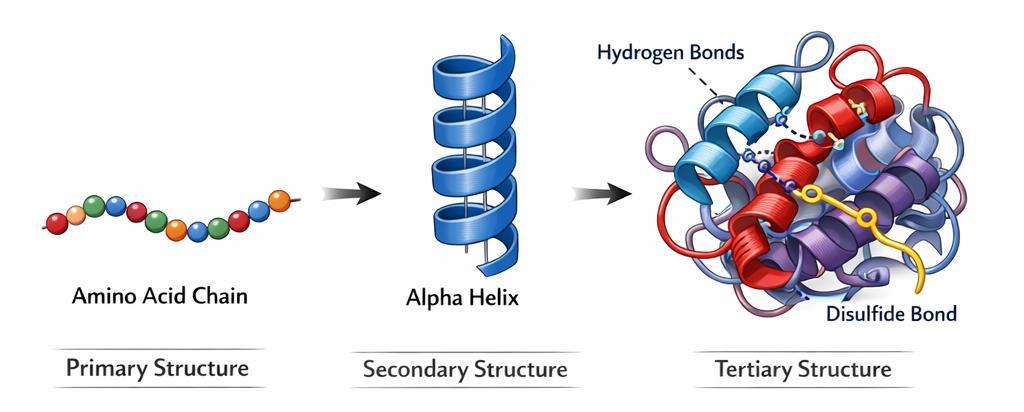
What's new at A-level: But here's where it gets interesting - that chain doesn't stay straight. It folds up into a specific 3D shape, and this shape is important for how a protein functions in the human body.
Think of a protein like a piece of origami – click here for excellent animations explaining of the protein folding processes The sequence of amino acids determines what the final 3D shape will be. This shape is maintained by different types of bonds:
• Hydrogen bonds between amino acids hold the shape stable (these are weaker than peptide bonds but there are many of them)
• Disulfide bonds between cysteine amino acids lock certain parts in place (these are quite strong)
• Ionic interactions between charged amino acids help stabilise the structure
Why does this matter? A protein only works if it has the right shape. Imagine an enzyme like a lock and substrate like a key. If the enzyme’s active site changes shape, the substrate won't fit, and the reaction won't happen. This is why some genetic diseases can have serious consequences: a minor alteration in the DNA sequence can change one amino acid, which changes the protein's shape, which stops it functioning.
Real medicine example: Cystic fibrosis is caused by a mutation that produces a nonfunctional protein. This protein normally helps transport salt across cell membranes in the lungs. The protein changes shape as a result of the mutation, and creates thick, sticky mucus that builds up in respiratory airways. Understanding the protein's 3D structure has actually helped researchers develop new drugs that can partially fix the misshapen protein.
Enzyme Action: Why Shape Matters
What you already know: Enzymes are biological catalysts that speed up chemical reactions. They work by lowering activation energy.
What's new: Now you can understand why they do this, and it's all about that 3D shape we just discussed.
Here's the basic process:
1. Enzyme + Substrate → They collide and the substrate fits into the enzyme's active site (the specific 3D shape)
2. Enzyme-Substrate complex → The substrate is held in exactly the right position and orientation
3. Reaction occurs → Chemical bonds break and reform more easily because the substrate is positioned perfectly
4. Enzyme + Product → The product is released and the enzyme is free to work again
This is written as: E + S ⇌ ES → E + P
The enzyme's 3D shape creates a perfect "fit" for the substrate, like a lock and key. This is why:
• Enzymes are specific (each enzyme usually works on one substrate)
• Enzymes are reusable (they don't get used up)
• Enzymes are efficient (they speed up reactions dramatically)
A-level introduction - Enzyme Kinetics Basics: At A-level, you'll learn that enzyme speed depends on:
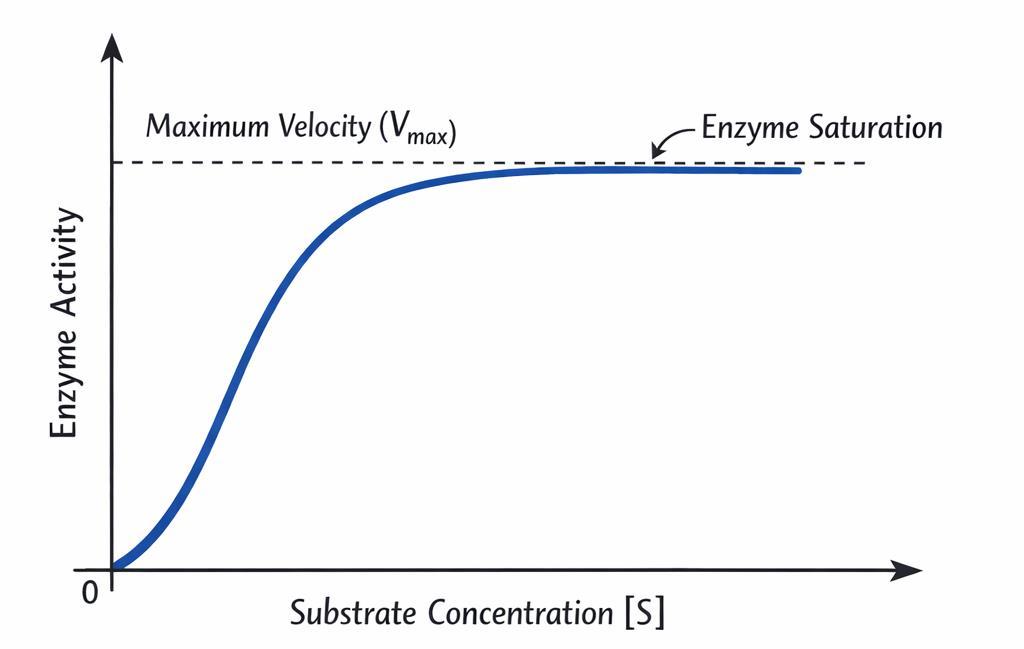
• Substrate concentration: More substrate = faster reaction (up to a point, when the enzyme active sites become saturated)
• Temperature: Higher temperature usually means a faster reaction, due to higher kinetic energy of molecules (until the enzyme denatures, as a result of the active site losing its shape)
• pH: Each enzyme has an optimal pH where it works best (changing pH can denature the enzyme)
In medicine, this is crucial. For example, the enzyme pepsin in your stomach works best at pH 2 (very acidic), but if acid reflux brings stomach acid into your oesophagus (which is neutral), pepsin denatures and stops working - which is actually one reason your oesophagus gets damaged.
Carbohydrates & Energy: Fuelling the Body
What you already know: Carbohydrates include simple sugars (glucose, fructose) and complex carbohydrates (starch, glycogen). They're broken down to provide energy
Why it matters for medicine: Understanding how your body uses carbohydrates is essential because energy metabolism goes wrong in diseases like diabetes.
The glucose story: When you eat a carbohydrate, it's broken down to glucose. Your cells then use glucose in a process called cellular respiration to make ATP (adenosine triphosphate), which is the universal energy currency of cells.
Think of ATP like money in your cells. Glucose is like food you can trade in for cash. The more ATP your cells have, the more work they can do - contracting muscles, building proteins, fighting infections, thinking! - everything requires ATP.
In the context of diabetes, this system breaks down. Type 1 diabetes occurs when the pancreas doesn't produce enough insulin (a hormone that helps cells take up glucose). Type 2 diabetes occurs when cells become resistant to insulin. In both cases, glucose builds up in the blood instead of entering cells to be used for energy. Understanding this at a molecular level helps explain why diabetic patients need careful management and why researchers are developing new insulin-mimicking drugs.
A-level introduction Thermodynamics basics: At A-level, you'll hear about energy changes in reactions. Some reactions release energy (exothermic) and some require energy (endothermic). Cellular respiration is exothermic as it releases energy that's captured in ATP. This is how you maintain a stable core body temperature and why your metabolic rate increases in cold weather (you burn more glucose to stay warm).
Lipids & Cell Membranes: Barriers & Communication
What you already know: Lipids are hydrophobic (water-repelling) molecules made of glycerol and fatty acids. They're important for energy storage and cell membranes.
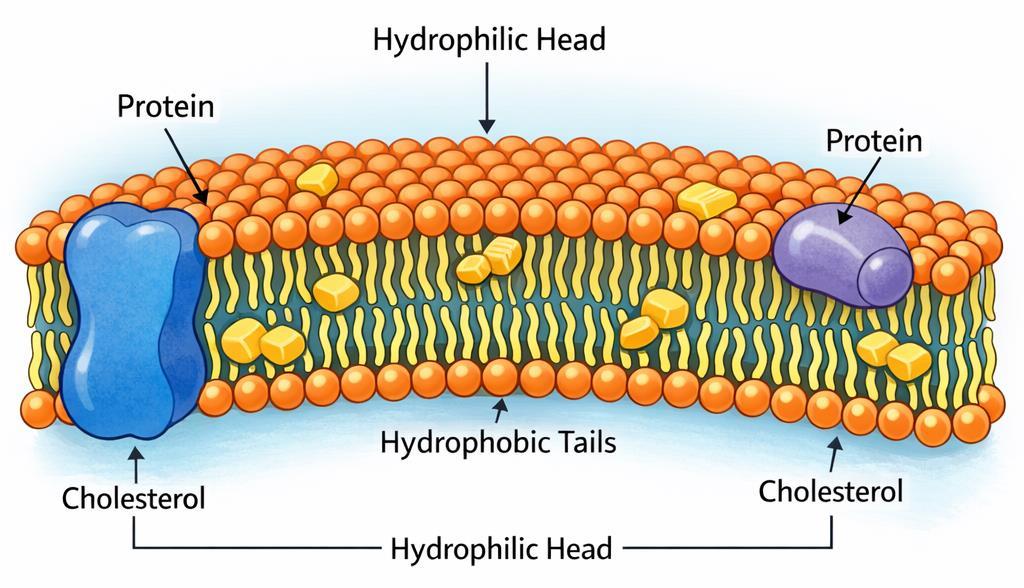
The fluid mosaic model: At A-level, you'll learn that cell membranes aren't just a simple barrier - they're dynamic structures made of:
• Phospholipids: Molecules with a hydrophilic (water-loving) head and hydrophobic tails. They naturally arrange into a double layer with heads facing outward and tails facing inward. This creates a barrier that water is unable to cross.
• Proteins: Embedded in the membrane, they transport hydrophilic or large, polar substances across. They can also perform other functions such as act as receptors and help intercellular communication (communication between cells).
• Cholesterol: Wedged between phospholipids, which regulate the fluidity of the membrane i.e. more cholesterol = less fluid, less cholesterol = more fluid.
Why this matters for medicine: Many drugs work by crossing cell membranes or binding to membrane proteins. Understanding the membrane's structure helps explain why some drugs work and others don't. For example, antibiotics must cross bacterial cell membranes to reach their targets inside the cell. Some bacteria develop resistance by changing their membrane structure, making it harder for antibiotics to enter.
Also, the cholesterol in membranes is important - but too much cholesterol in the blood can lead to atherosclerosis (narrowing of arteries), a major risk factor for heart disease. Understanding lipid chemistry helps explain why doctors monitor cholesterol levels.
DNA & Protein Synthesis:
What you already know: DNA is the genetic material. It has a double helix structure made of nucleotides (containing deoxyribose sugar, phosphate, and a base). DNA (double stranded) is transcribed to mRNA (single stranded), which is translated into protein.
Click here for an excellent animation explaining the protein synthesis process
What's new - Gene Regulation: Here's something fascinating: you have about 20,000 genes, but you don't express all of them, all the time. A skin cell doesn't make insulin (that's a pancreas’ job), and a pancreas cell doesn't make keratin (that's the skin’s job). This is controlled by gene regulation - turning genes on and off.
The process of ‘differentiation’ describes the process of cells becoming specialised, by certain genes being expressed and others not being expressed, causing specialised cell structures to be created. E.g. nerve cells, muscle cells, retinal cells
Gene regulation happens at multiple levels:
• Transcriptional control: Deciding whether to transcribe a gene into mRNA
• Post-transcriptional control: Modifying mRNA after it's made
• Translational control: Deciding whether to translate mRNA into protein
• Post-translational control: Modifying the protein after it's made
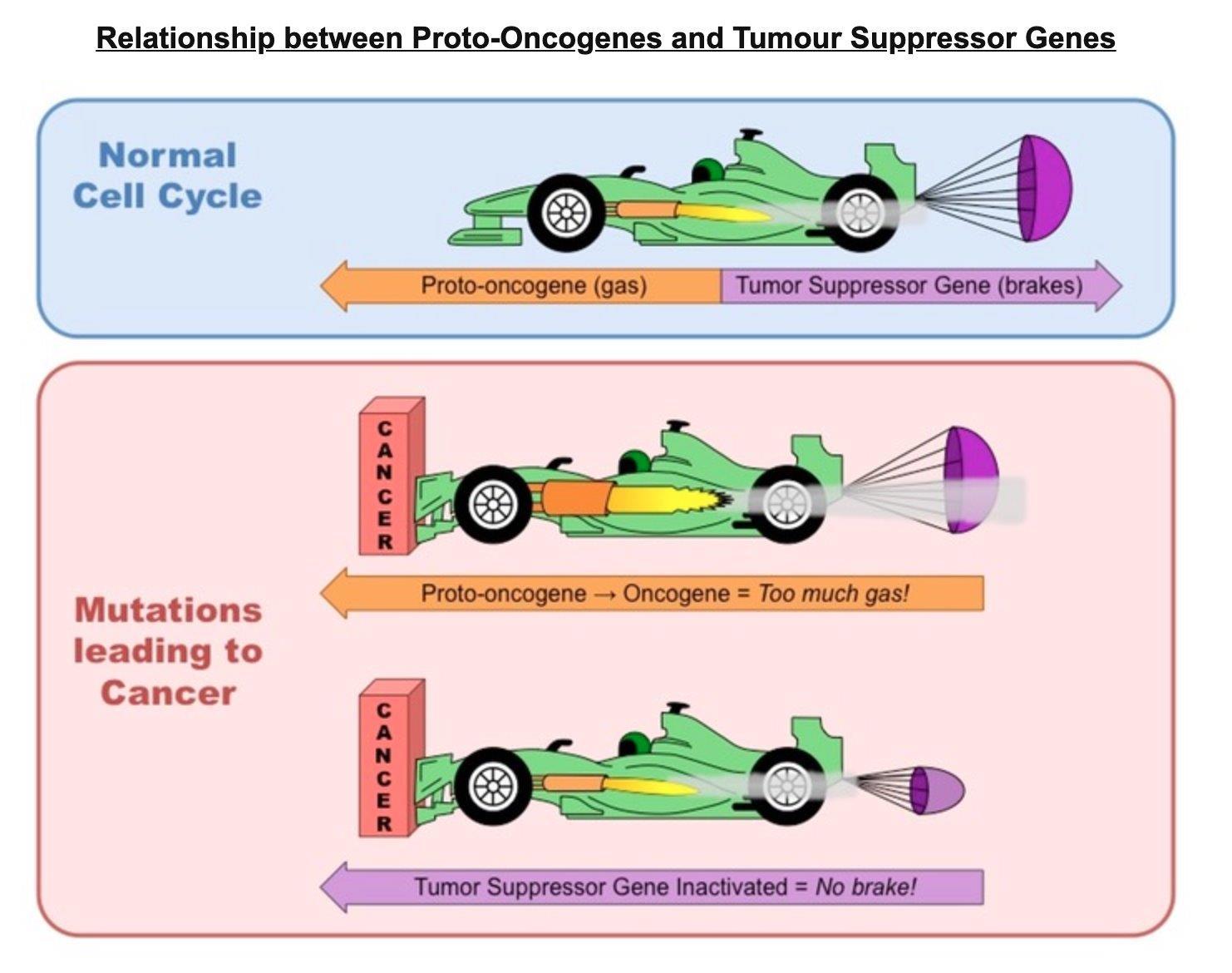
Why this matters: Cancer often involves problems with gene regulation. Oncogenes are genes that promote cell growth. Tumour suppressor genes slow growth or trigger cell death. In cancer, oncogenes get turned on too much or tumour suppressors get turned off. Understanding gene regulation is helping researchers develop new cancer treatments that target these regulatory problems.
A-level introduction—Mutations: At A-level, you'll learn about different types of mutations (substitution, insertion, deletion) and how they affect proteins. A single nucleotide substitution might change one amino acid, which might have no effect, a small effect, or a devastating effect depending on where it occurs and what the new amino acid does. This is why genetic screening (identifying people who carry disease-causing mutations) is becoming increasingly important in medicine.
Case Study 2: Antibiotic Resistance - Individual Choice vs.
Public Health
The Scenario: Ethan has had a sore throat and chesty cough for two days. He feels very tired and wants to feel better quickly. He books an appointment to see you, and you examine him:
You say "Ethan, this looks like a viral infection. Antibiotics won't help in this case, as viruses aren't affected by antibiotics. I recommend some rest, fluids, and pain relief. You should start to feel better in a few days."
Ethan then says, “I have a GCSE Spanish Oral exam in four days, I’m really stressed about it. Can you please just prescribe me antibiotics anyway, just incase?”
You explain that unnecessary antibiotics contribute to antibiotic resistance - bacteria evolve to survive antibiotics, making these drugs less effective for everyone. You recommend giving Ethan’s body more time to fight the infection, but if he doesn’t feel any better in a few day’s time, then he should come and see you once again for a check-up.
Questions to Consider:
• What's the doctor's responsibility here? - to Ethan as an individual patient, or to society as a whole?
• Is it fair that Ethan’s personal needs (feeling better quickly) are being limited by a larger public health concern?
• If antibiotics are available, why shouldn't he be allowed to take them?
• In some countries, antibiotics are available without a prescription. Is this a good idea?
• How would you convince a friend or a family member not to take unnecessary antibiotics?
Real Medical Context: Antibiotic resistance is one of the biggest threats to modern medicine. When bacteria are exposed to antibiotics, some survive and reproduce, passing on resistance genes. Over time, bacteria become resistant to multiple antibiotics. This is explained by our understanding of natural selection.
Already, some infections are becoming untreatable. The WHO estimates that antibiotic resistance could cause 10 million deaths per year by 2050 if we don't change our behaviour This is a case where individual choices have collective consequences.
Outline your response to Case Study 2 here:
Case
Study 3: Organ Donation - Gift or Obligation?
The Scenario: A 17-year-old has a severe car accident and is declared brain dead. Their parents are devastated but are approached by the organ transplant team in the hospital Their child's heart, lungs, liver, and kidneys could save four other people's lives.
The family faces several dilemmas:
• They never discussed organ donation with their child. Did they make the right choice?
• One family member says "We should donate, it's what our child would want." Another says "We can't let them take our child's organs." How do they decide?
• The transplant team says there are three people waiting for hearts, but only one heart available. How is it decided who gets it?
Questions to Consider:
• Should organ donation be opt-in (you choose to donate) or opt-out (you're assumed to want to donate unless you say no)?
• If opt-out systems save more lives, is it ethical to use them?
• Should families be able to override a person's stated wish to donate?
• How should organs be allocated when there are more people needing them than organs available?
• Should wealthy people be able to pay for organs? (This is illegal in most countries, but some argue it could increase donation rates.)
• Have you registered as an organ donor? Why or why not?
Real Medical Context: Different countries have different systems. Spain uses opt-out (high donation rates), while the US uses opt-in (lower rates). There's genuine disagreement among ethicists about which is more ethical. Organ allocation is guided by principles like urgency, likelihood of success, and fairness, but these principles sometimes conflict. Some families donate organs against their child's wishes (thinking it's what they would want), while others refuse donation despite their child's wishes (finding it too painful).
Outline your response to Case Study 3 here:
Section 3: Critical Evaluation of a Medical Research Paper
Why Read Research Papers?
Medicine advances through research. Scientists conduct experiments, publish their findings, and other scientists build on that work. As a future medical professional, you'll need to understand research papers - both to keep up with new developments and to evaluate whether new treatments actually work. This section introduces you to how research papers are structured and how to read them critically.
Anatomy of a Research Paper
Most medical research papers follow this structure:
Section What It Contains
Title & Abstract
A summary of the entire study in 200-300 words
What to Look For
Does it clearly state the research question? What was the main finding?
Introduction Background information and the research question What problem are they trying to solve? Why does it matter?
Methods Exactly how the study was done How many participants? How long did it last? What was measured?
Results What they found, usually with data and statistics What were the main findings? How confident are they in the results?
Discussion What the results mean and how they fit with other research
Do the results make sense? What are the limitations? What's next?
References All the papers they cited Is it based on solid previous research?
Sample Paper: Simplified Analysis
Imagine this hypothetical study: "The Effect of Vitamin D Supplementation on Immune Function in Adolescents"
Title & Abstract: "This study investigated whether vitamin D supplements improve immune function in teenagers. Fifty healthy 15-16 year olds were randomly assigned to receive either vitamin D supplements or a placebo (fake pill) for 12 weeks. Immune function was measured by counting white blood cells and testing how well they responded to a vaccine. The vitamin D group showed a 15% improvement in immune response compared to placebo."
Critical Questions to Ask:
• Is the research question clear? Yes - does vitamin D improve teenage immune function?
• Is the sample size reasonable? 50 participants is small but acceptable for a preliminary study
• Is it a fair comparison? Random assignment to vitamin D or placebo is good - it reduces bias
• Was it double-blinded? Ideally, neither participants nor researchers know who gets vitamin D vs. placebo (reduces bias)
• How was immune function measured? White blood cell count and vaccine response are objective measures - good
• Is 15% improvement meaningful? This depends on whether it's statistically significant (unlikely to be due to chance) and whether it's clinically significant (does it actually matter for health?)
• What about limitations? A good paper acknowledges weaknesses: Maybe the effect only lasts 12 weeks. Maybe it only works in this age group. Maybe it only works for people deficient in vitamin D.
Red Flags in Research Papers
When reading research, watch out for:
• Tiny sample sizes (hard to draw conclusions)
• No control group (how do you know the treatment actually works?)
• Conflicts of interest (if a vitamin company funds a vitamin study, be sceptical)
• Exaggerated claims (the abstract says "cures depression" but the paper only shows "slight mood improvement")
• Missing data (what happened to participants who dropped out?)
• Cherry-picked results (they tested 20 things and only reported the 3 that worked)
• No discussion of limitations (every study has limitations if they don't mention any, be suspicious)
Practice: Reading a Real Paper
For your summer reading, try to find and read at least one accessible medical research paper. Good sources include:
• PubMed Central (pubmedcentral.nih.gov) - free access to many full papers
• Your school library - they may have access to journal databases
• ScienceDaily (sciencedaily.com) - summaries of recent research
• The Conversation (theconversation.com) - scientists explain their research in plain language
Suggested topics for your first paper: Look for recent research on something that interests you - teenage mental health, exercise and brain function, sleep and academic performance, nutrition and athletic performance. Choose something you care about; you'll read it more carefully.
As you read, make notes on:
• What was the research question?
• How many people participated and for how long?
• What was the main finding?
• What were the limitations?
• Would you trust this research enough to change your behaviour based on it? Why or why not?
Outline your evaluation of a scientific paper below:
Section 4: Self-Reflection & Consolidation
What Have You Learned?
Take time to reflect on your learning this summer. These questions will help you consolidate what you've discovered and think about whether medicine is the right pathway for you.
Reflecting on Biomolecules & Cellular Function
• Can you explain to a friend why a protein's 3D shape matters? Try it - if you can explain it clearly, you've understood it.
• Which biomolecule do you find most interesting - proteins, carbohydrates, lipids, or DNA? Why?
• Think of a disease you know about. Can you explain it in terms of biomolecules going wrong? (For example: diabetes involves glucose not being taken up by cells; Alzheimer's involves misfolded proteins accumulating in the brain)
• What surprised you most about how the body works at a molecular level?
• What would you like to learn more about? (This could guide your A-level studies)
Reflecting on Bioethics
• Which case study made you think most carefully? Why?
• Did your views change as you thought about the case studies? How?
• Have you encountered ethical dilemmas in your own life? How did you resolve them?
• Do you think you'd be comfortable making difficult decisions about other people's health and lives? (This is a key part of being a doctor.)
• What ethical issues in medicine do you want to learn more about?
Reflecting on Research & Critical Thinking
• Did you read a research paper? What did you learn from it?
• Do you feel more confident evaluating whether a scientific claim is trustworthy?
• Can you think of a health claim you've seen in the media? How would you evaluate whether it's based on solid research?
• What questions would you ask a doctor if they recommended a new treatment?
Reflecting
on Medicine as a Pathway
• Does medicine still appeal to you after this summer's exploration?
• What aspects of medicine interest you most? (For example: research, patient care, surgery, public health, rare diseases)
• What skills do you think you need to develop? (For example: communication, resilience, scientific thinking, empathy)
• What would you like to do next to prepare for A-level and beyond?
Include your self reflection here:
Suggested Summer Reading List
Popular Science Books
• "The Selfish Gene" by Richard Dawkins (Challenging but fascinating - explores how genes influence behaviour)
• "Atomic Habits" by James Clear (Not strictly medical, but explains how small changes compound - relevant to health behaviour)
• "The Body: A Guide for Occupants" by Bill Bryson (Entertaining exploration of human biology)
• "Educated" by Tara Westover (Memoir about education and critical thinking - not medical, but thought-provoking)
• "When Breath Becomes Air" by Paul Kalanithi (A neurosurgeon reflects on life, death, and medicine - moving and profound)
Accessible Journal Articles & Resources
• TED Talks: Search for talks on genetics, medicine, ethics, or neuroscience. Most are 10-20 minutes and brilliantly explained.
• Nature News: (nature.com/news) Summaries of recent research written for general audiences
• The Conversation: (theconversation.com) Academics explain their research in accessible language
• Khan Academy: Free videos on biology, chemistry, and medicine - excellent for reviewing IGCSE concepts and learning A-level material
Reading time estimate: You don't need to read everything. Choose 1-2 books and explore 23 articles. Quality over quantity. Aim for 5-10 hours of reading spread across the summer.
Enjoy your summer exploration. I’m excited to discuss this work with you in August.
Good luck!
Chris Metcalfe MRSB Teacher of Biology and Head of Scholars