





g , e specialise in supporting autistic children and children with a learning disability, particularly those who have experienced multiple placement breakdowns and are often considered “harder to place”.
We believe every child we support has the potential to thrive when the right environment, relationships, and support are in place.
Our approach combines specialist expertise, therapeutic input, and real world experience to create environments where children feel understood, safe, and able to thrive. We focus on building confidence, emotional wellbeing, and independence, supporting each child to develop the skills they need for the future.
The impact of our work is reflected not only in feedback from families and professionals, but in the stability, growth, and wellbeing of the children we support every day.
Don’t just take our word for it Listen to the thoughts and feedback from families of the people who live and learn with us!



Delivering outstanding children’s care requires more than meeting basic standards. We embed specialist input, therapeutic approaches, and high expectations into everyday care.
These are not additional services, they are part of how we work.

Our integrated approach ensures that every child receives timely, consistent, and high quality support from the very beginning.
Our in-house Specialist Support Team, led by a Behaviour Analyst and supported by a Learning Disability Nurse and Social Worker, works alongside our children’s care and education teams to deliver a holistic, trauma informed and child centred approach.
We work in close partnership with:
Speech and Language Therapists
Occupational Therapists
Community Learning Disability Teams
This ensures that support is fully integrated into everyday life, reducing anxiety, promoting independence, and improving long term outcomes.
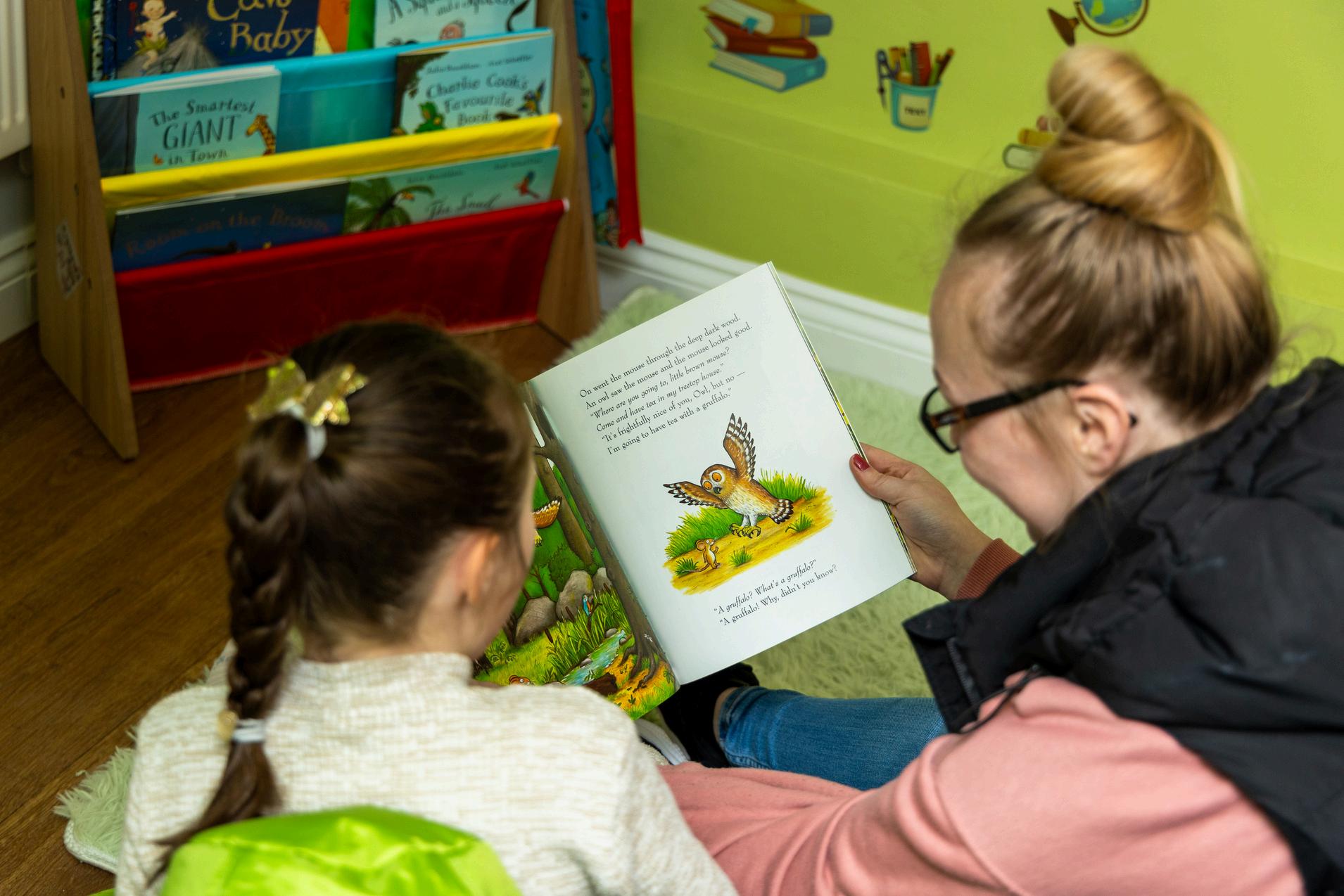

A key part of ou work alongside our teams to ensure that therapeutic approaches are consistently translated into high quality care.
They provide:
Hands-on coaching
Modelling of best practice
Ongoing quality assurance.
This creates confident teams, capable environments, and consistent support
Our Approach in Practice:
No waiting times for specialist input
Robust referral and assessment from the outset
Tiered Positive Behaviour Support (PBS) embedded into daily practice
Strong on-the-ground practice leadership
Continuous workforce development.
Support is not delivered in sessions — it is embedded into every interaction.
We use a tiered Positive Behaviour Support (PBS) model to create a really person-centred approach. Support can be adapted when individuals needs change


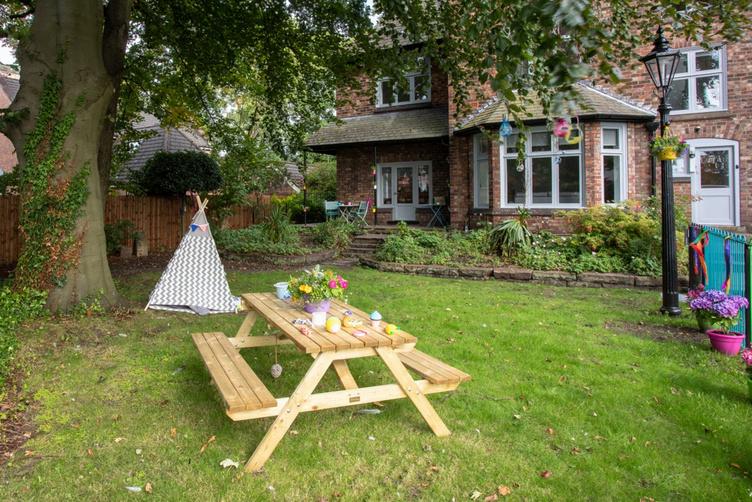
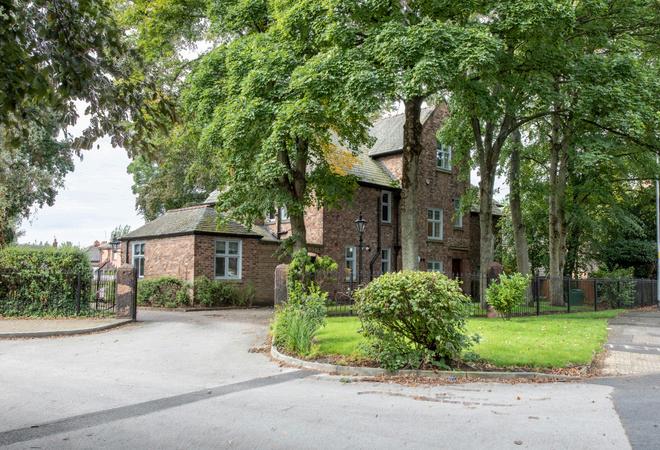
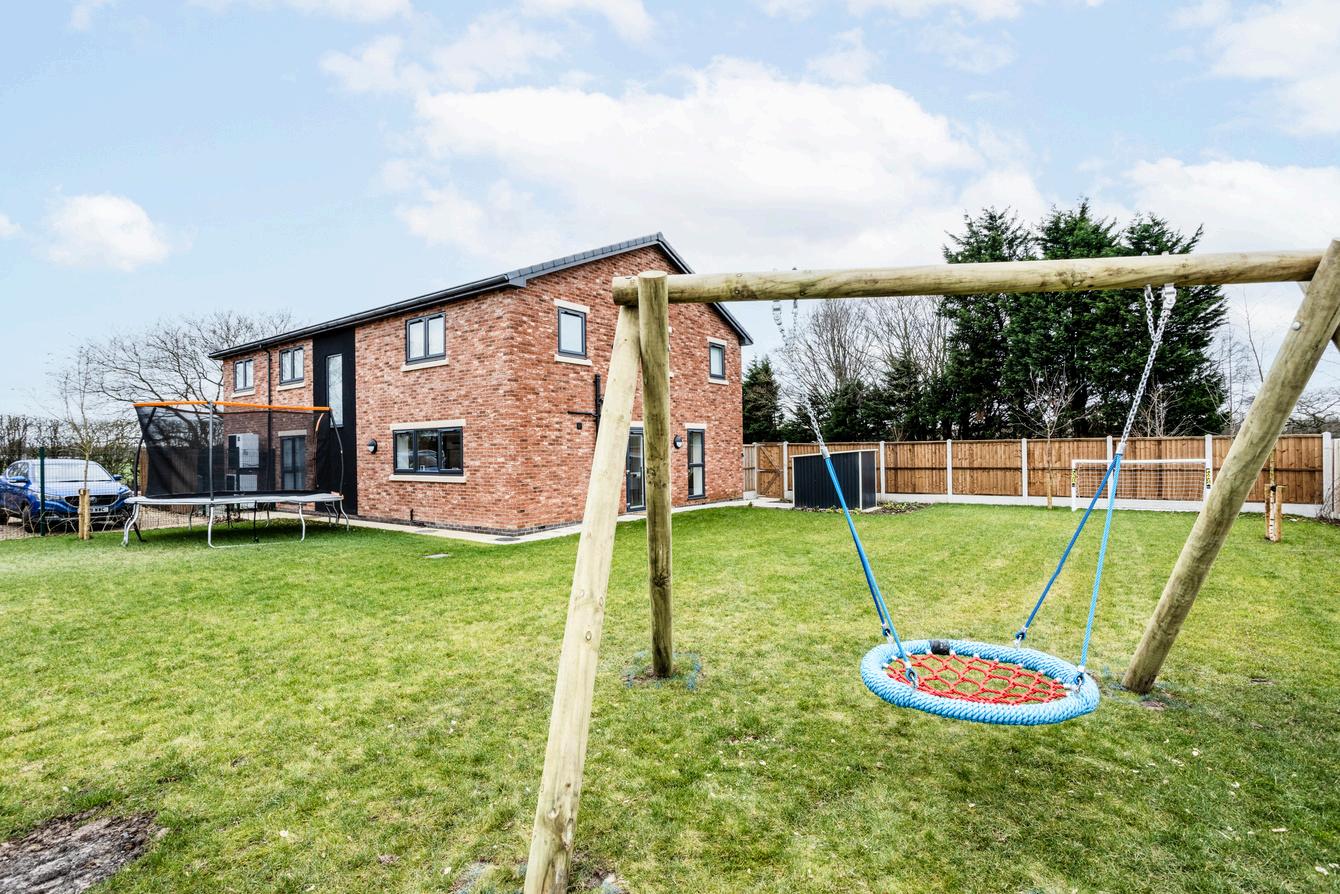
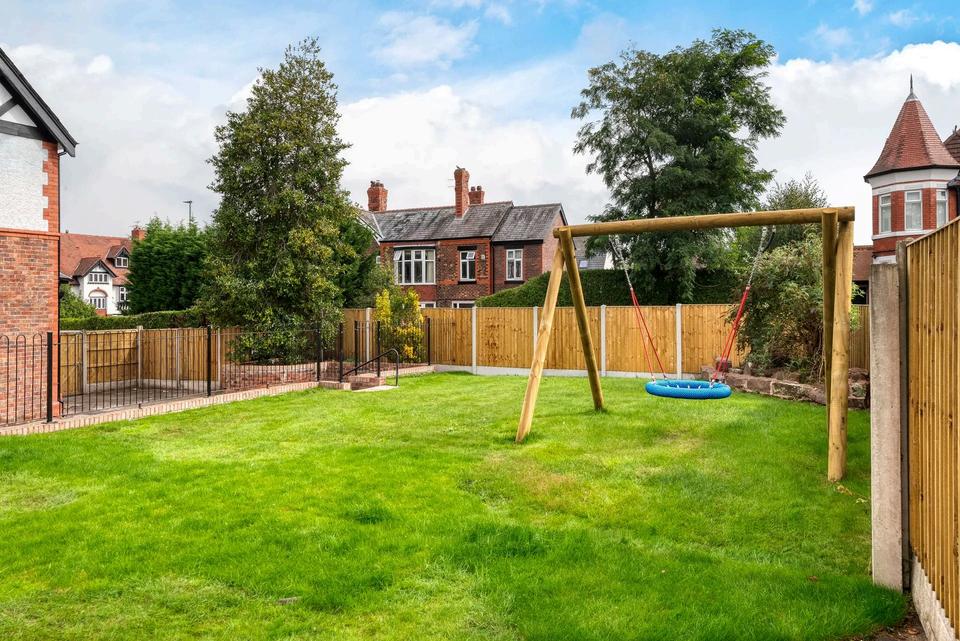
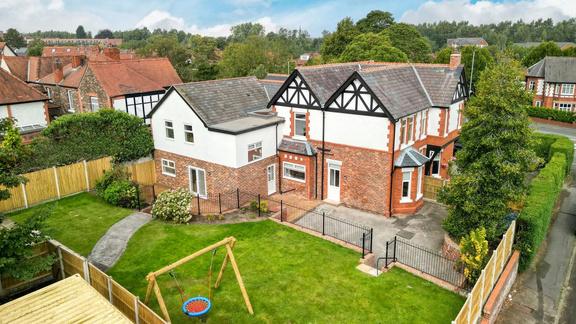
At Bright Futures, our children’s homes are more than places to livethey are safe, nurturing environments where autistic children and children with a learning disability can reb ild f l d begin to thrive.
We recognise that many of the children experienced instability, multiple placem challenges in previous environments. Cr therefore critical.

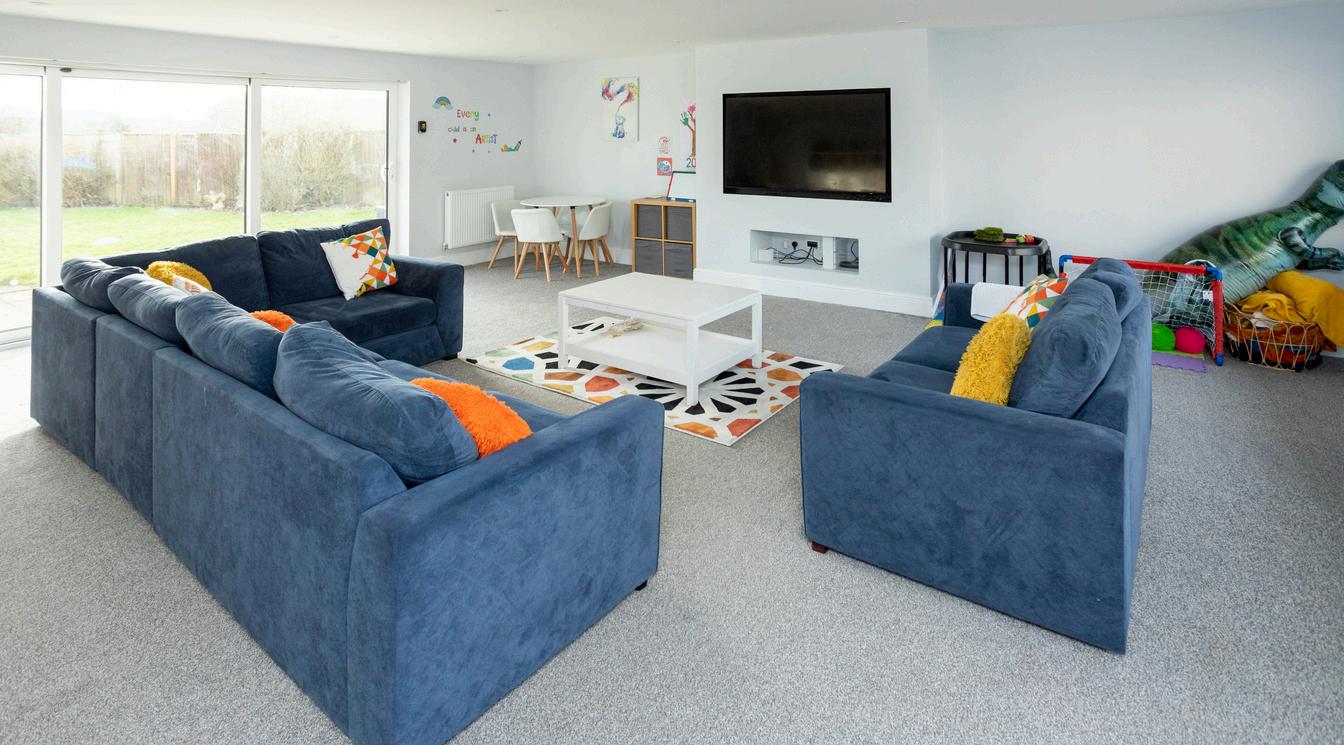
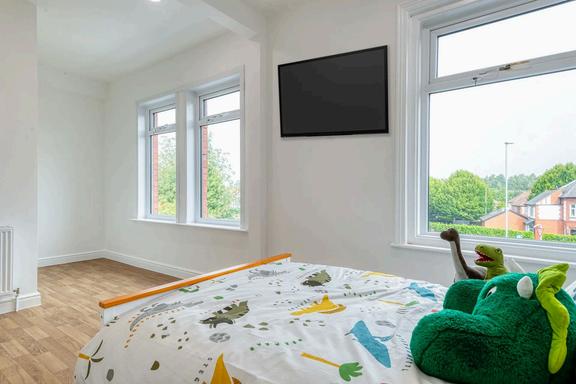

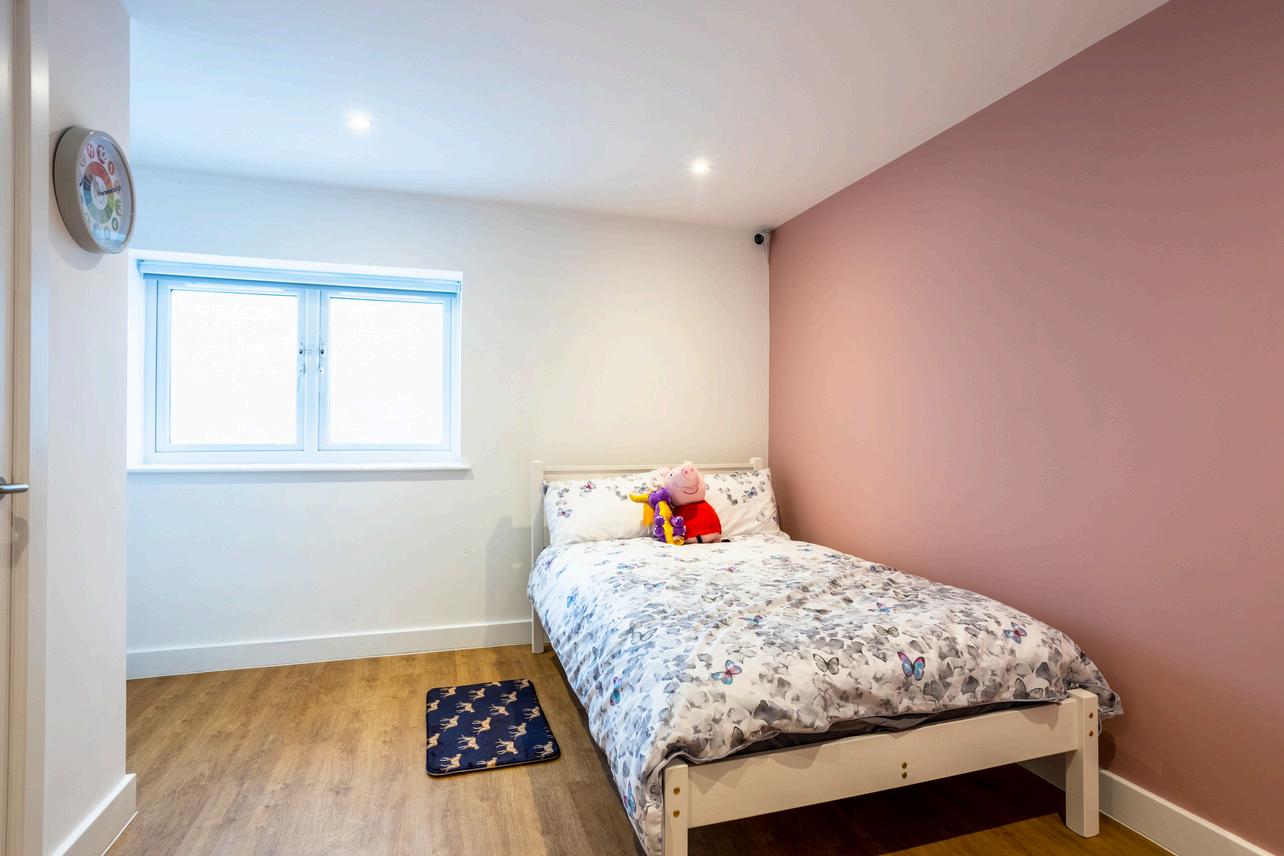

Our homes accommodate between 4 and 6 children, providing a balance of:
Individualised support
Positive peer relationships
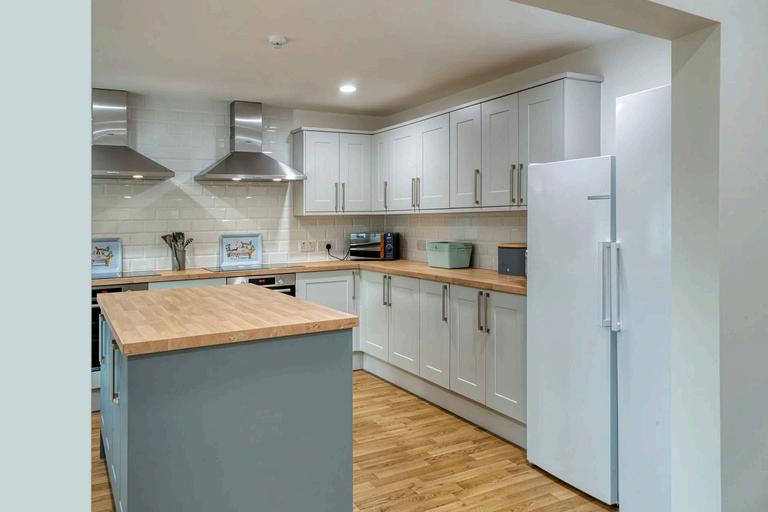
A structured, predictable environment.
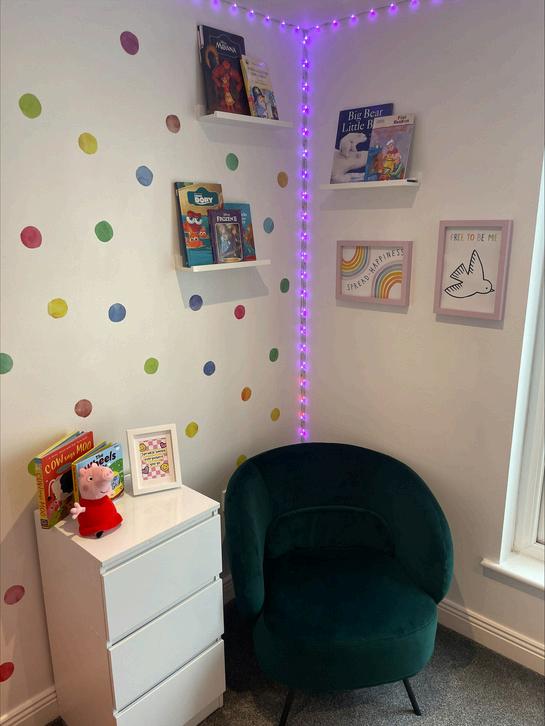
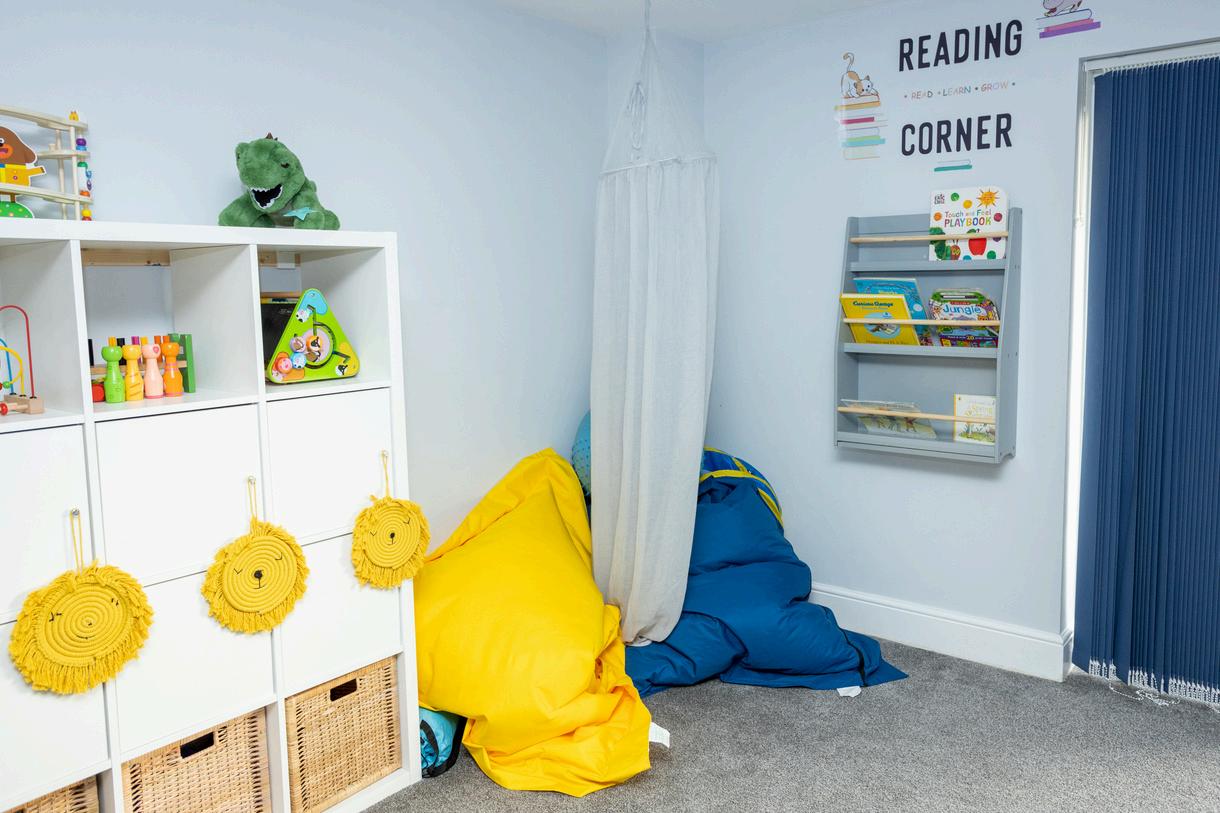
Each home is carefully designed to:
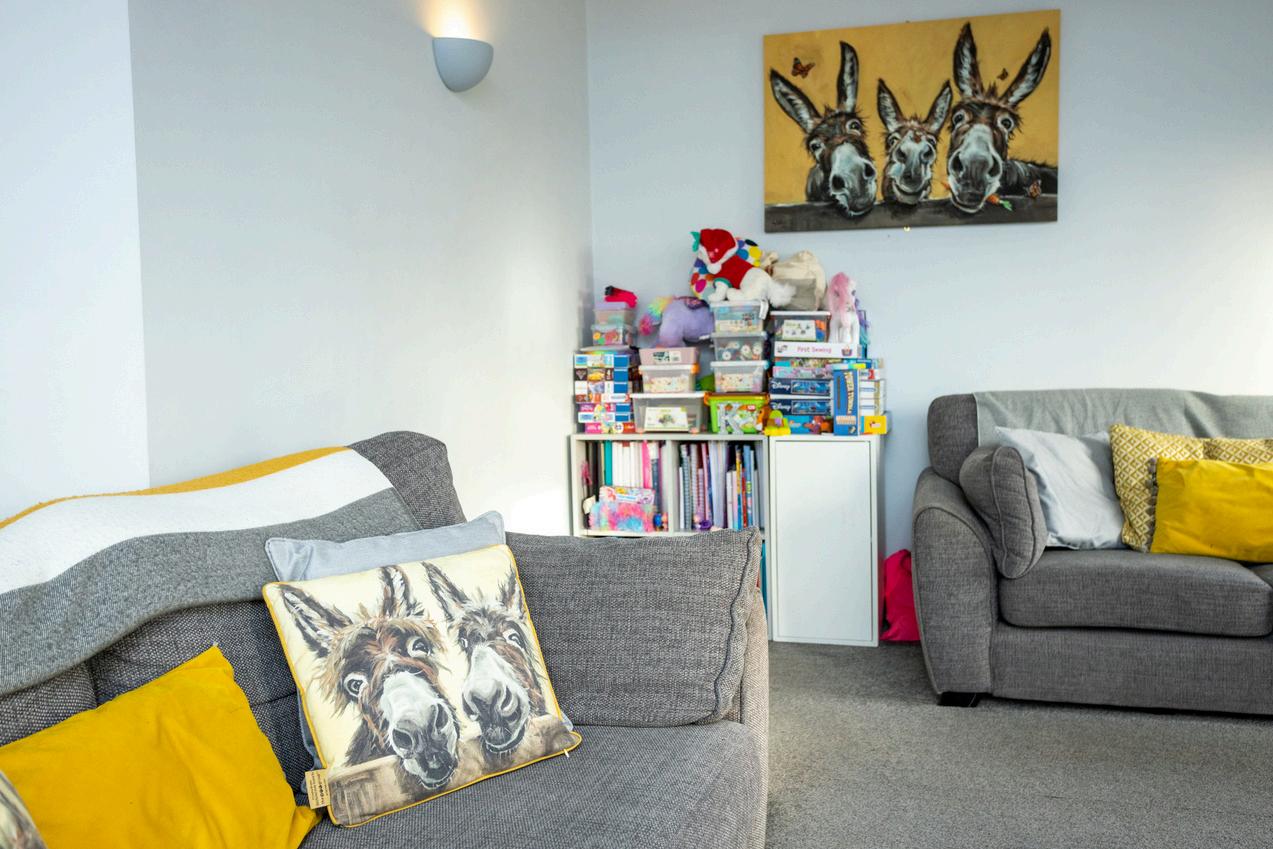
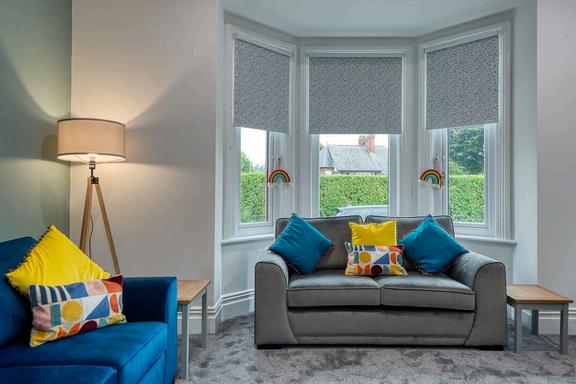
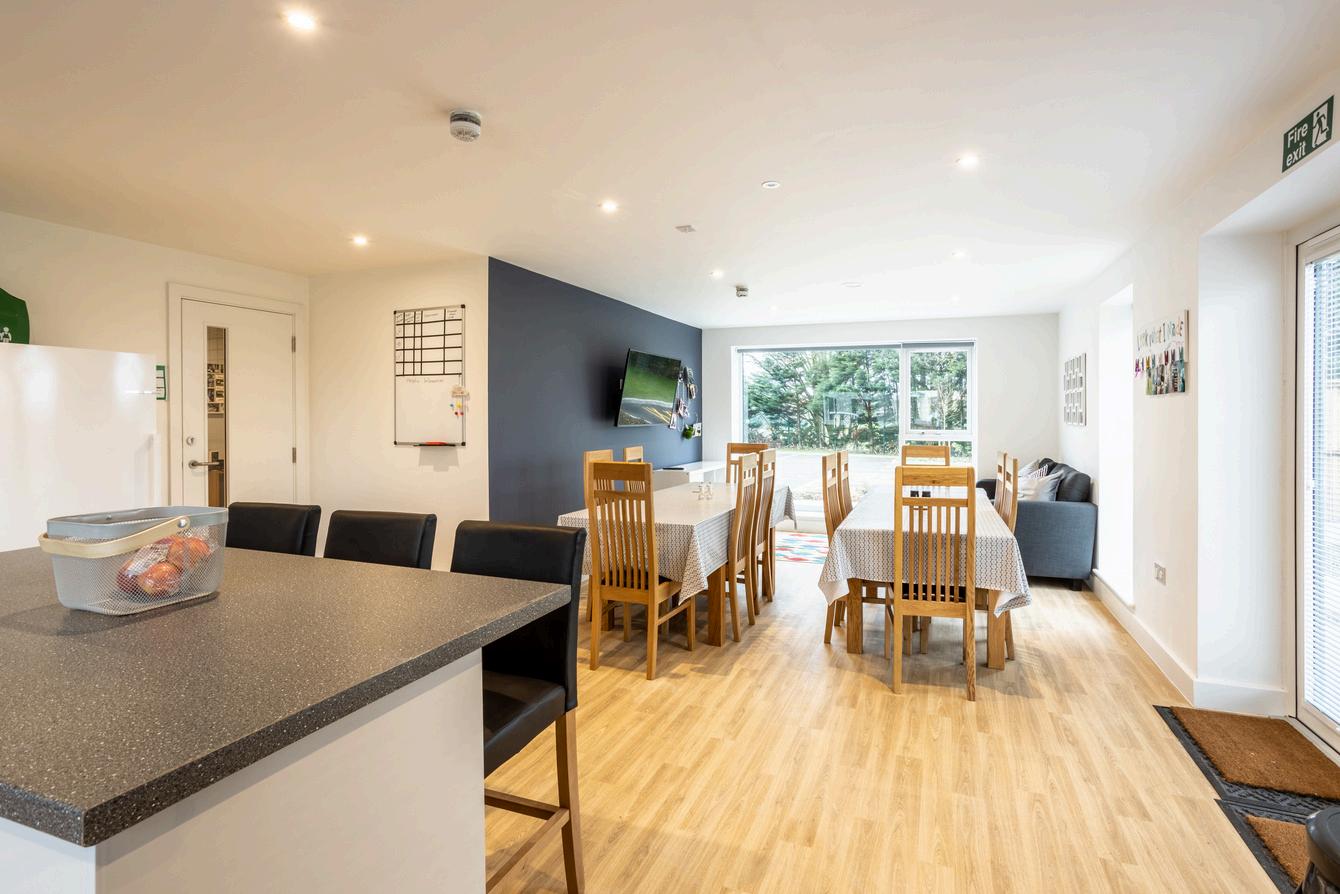
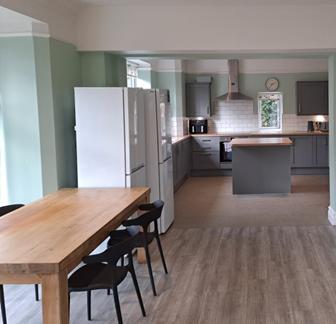
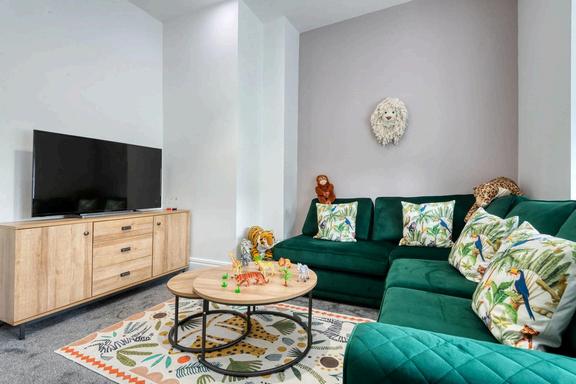
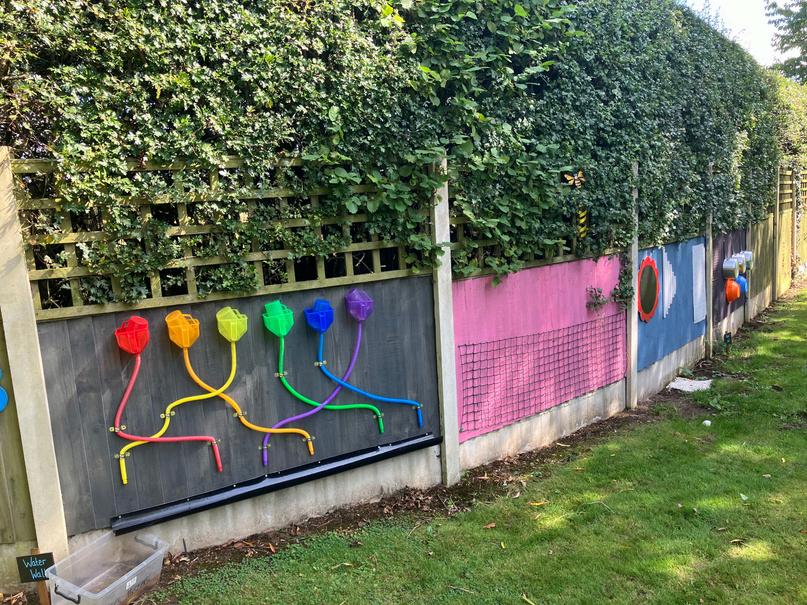
Feel calm, safe, and welcoming
Reduce anxiety and sensory overwhelm
Support emotional regulation and wellbeing.
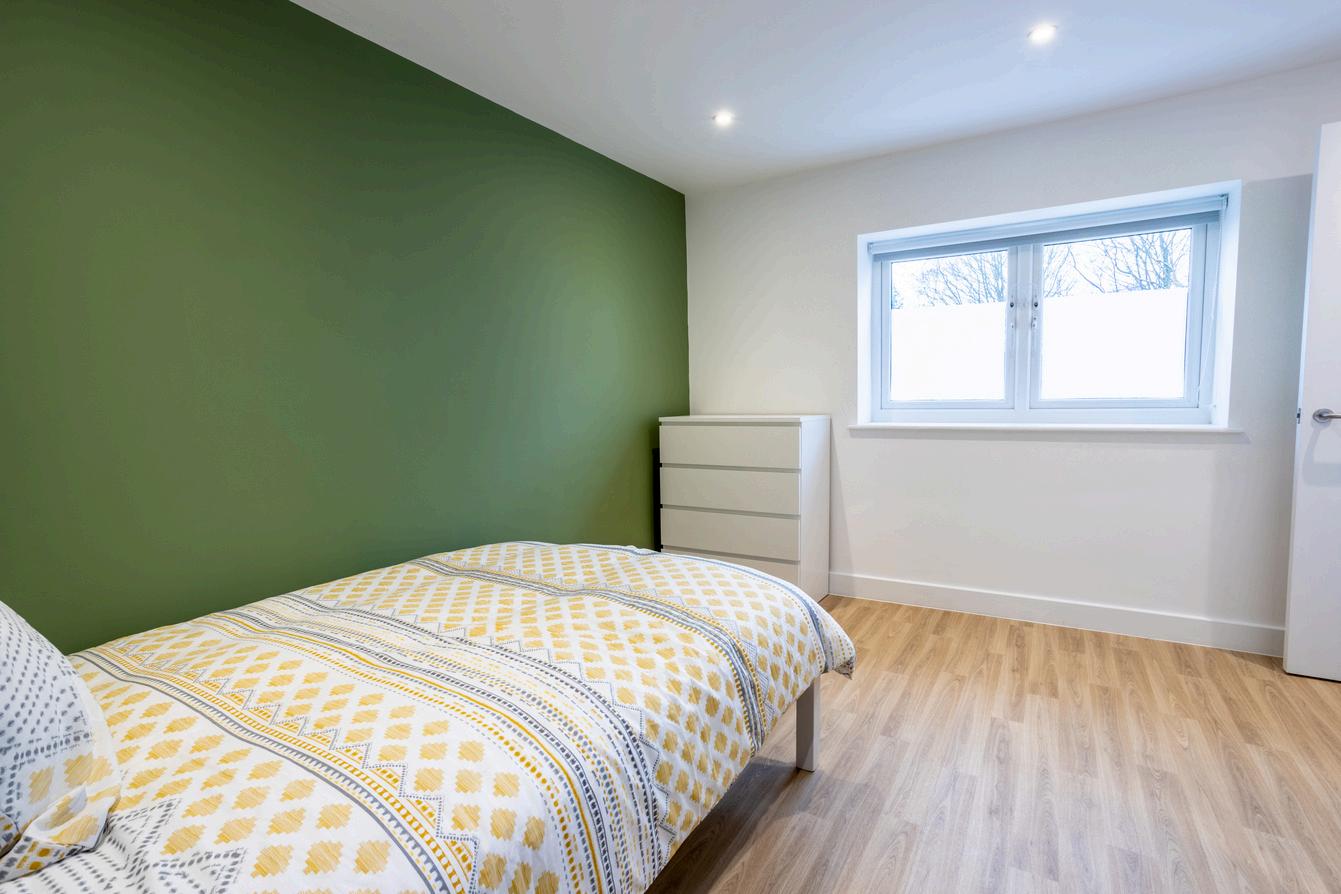
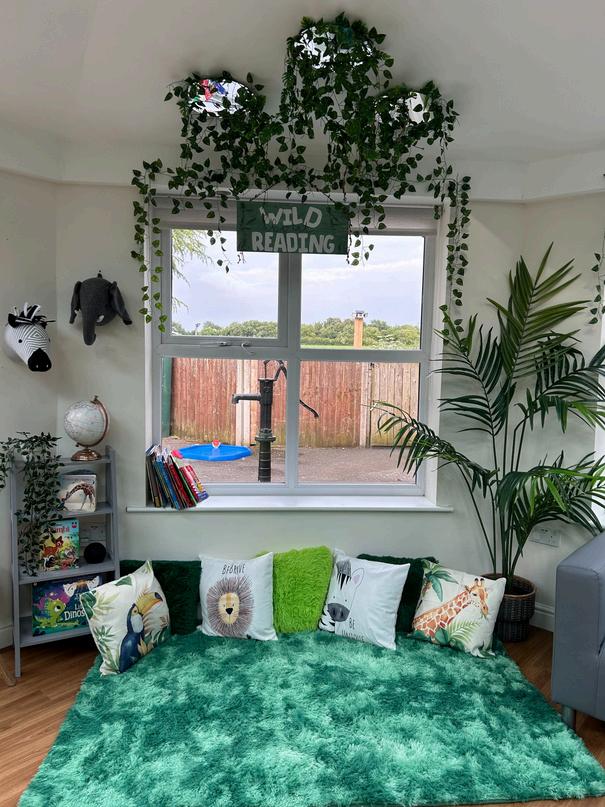
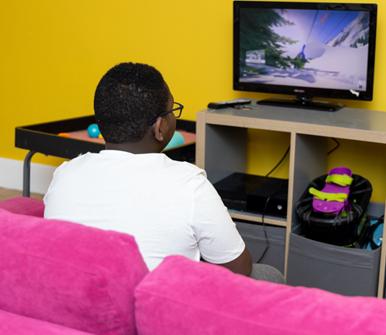
Children are actively involved in shaping their environment, with personalised bedrooms and spaces that reflect their interests preferences, and identity.


Our homes are built around:
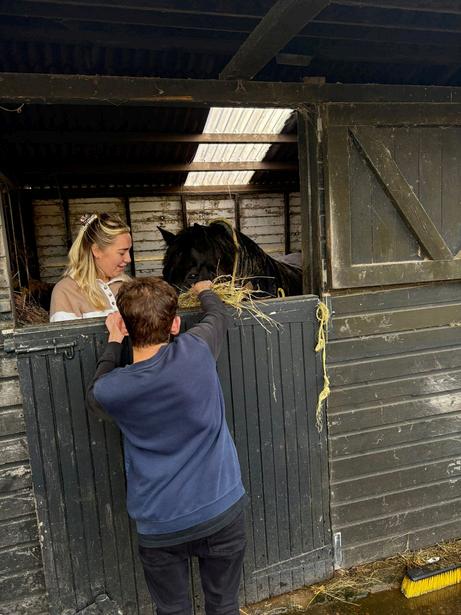
Consistent staffing teams
Strong, trusting relationships
Clear and predictable routines
tion of progress.
This provides children with: A sense of safety
Emotional security
The confidence to engage and develop.

ted in welcoming communities across Warrington, Lymm and St Helens.
This allows children to:
Access education and local services
Develop independence and life skills
Build connections within their community
We carefully balance access to opportunity with the need for calm, structured environments
Our children’s homes are designed not just for today, but for the future.

They provide the stability and support children need to:
Re-engage with education
Develop independence
Build confidence and resilience
Prepare for adulthood.
For many children, this is the first time they have experienced a stable, supportive home environment; this is where meaningful, lasting progress begins.

We recognise that fami erever possible.
Our approach focuses on:
Maintaining and strengthening family relationships
Supporting time at home and family visits
Enabling children to take part in important family experiences.
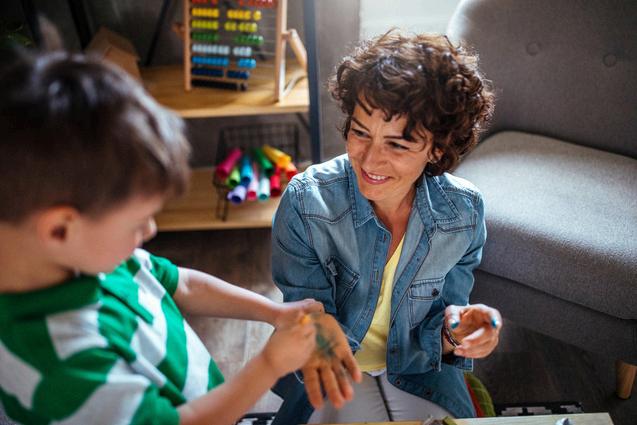
We work in partnership with families to ensure they remain involved, informed, and supported throughout their child’s journey.

We can provide education through our Bright Futures Specialist Schools, ensuring a consistent and integrated approach between care and education. We also support children to attend other local schools.
Our provision supports children and young people aged 5 to 25, providing continuity and stability throughout their development.
Scan here to find out more.



ned transitions, g g g p y lenging.
This includes:
Transitions into our services
Transitions between homes or education settings
Preparation for adulthood.
We understand that transitions can be complex and require careful planning. Our approach is:
Person-centred
Structured and well-paced
Focused on long-term stability
We work closely with families and professionals to ensure that every transition is safe, consistent, and leads to positive outcomes.
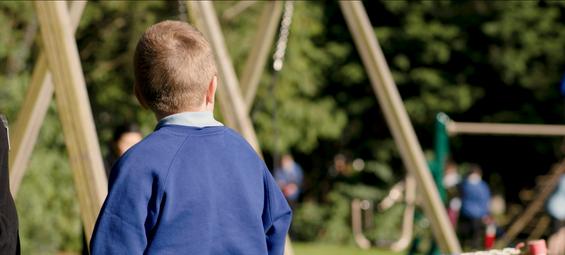
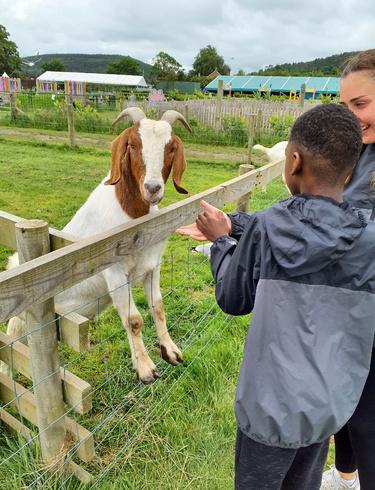

We understand that moving from children’s to adult services is not simply a matter of age.
Our model supports continuity through this important stage by:
Offering 16+ registered homes where appropriate
Ensuring consistency in relationships and support
Providing gradual, well-planned transitions into adulthood
We focus on:
Building independence skills
Supporting emotional readiness
Maintaining stability during change
Ensuring continuity of therapeutic support.
This enables young people to move into adulthood with confidence, reducing the risk of disruption or regression.




Our approach supports children to:
Build emotional regulation and resilience
Develop communication and social skills
Improve confidence and wellbeing
measurable, and
Access education and community opportunities
Develop independence skills appropriate to their age.
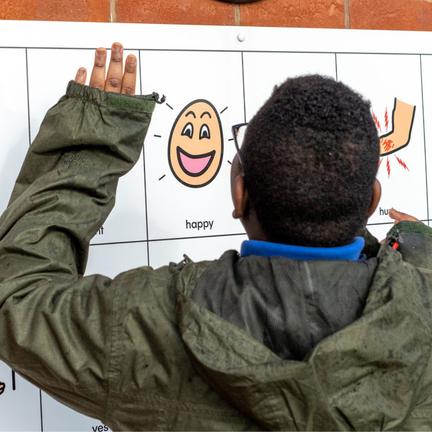
, and celebrate achievements, move forward positively.
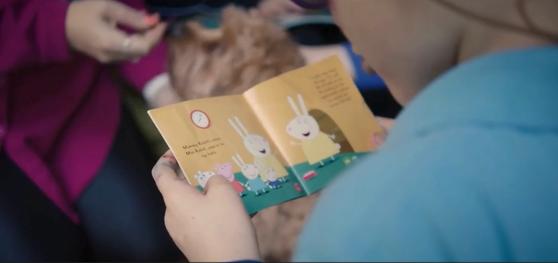
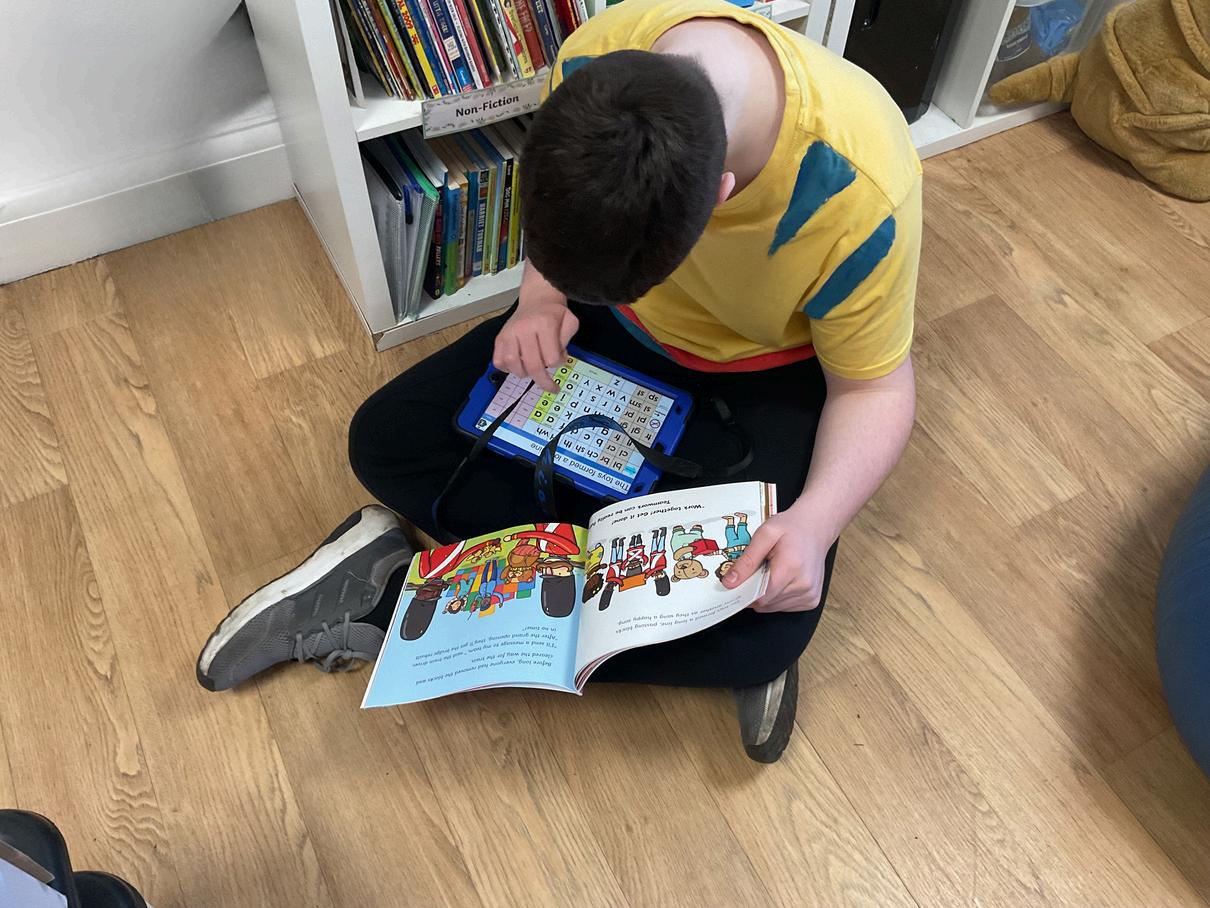

Finn joined Bright Futu g 4-month hospital admission, with significant mental health needs, low confidence, and high levels of support required.
Through a carefully planned transition and a consistent, personcentred approach, Finn has made meaningful progress: A gradual move, working closely with clinical teams, helped Finn build strong, trusting relationships with his new support team. Finn was supported to design his own space, creating a calm, sensory-friendly home tailored to his needs. With support from Speech and Language Therapy, Finn is now more confident expressing his needs and making choices.
There has been a notable reduction in behaviours of concern and a dramatic improvement in emotional wellbeing, reducing the need for external CAMHS support. Finn is increasingly able to regulate himself and engage positively with those around him.

Physical and social development: He now stands confidently, enjoys social interaction, and regularly initiates gestures such as high fives and handshakes.
Finn is now thriving in a supportive, less restrictive environment where he feels safe, empowered, and in control. He is building confidence, developing independence, and engaging positively with the world around him.
A person-centred approach for Finn.

Share the details of the person you would like to refer, and our team will begin the conversation.
We place the person at the heart of our assessment Working closely with families and professionals, we build a full picture of their needs, strengths and aspirations. This may include input from family members, friends, teachers, advocates, social workers, therapists and support teams — because the best outcomes happen when we work together.
Once everyone is confident the move is right, our experienced team carefully plans the moving in phase at a pace that suits the individual and their families Every step is thoughtfully tailored to ensure they feel safe, supported and ready to thrive.