CONTRIBUTORS
Editor-in-Chief
Brie “Amana” Parker
Writers
Brie “Amana” Parker
Art Direction
Brie “Amana” Parker
Photographers
Alejandro Tuzon
Nick Gutierrez
Tariq Stone
Cara Mia
Nicole Wilson
Stylists
Brie Parker
Bela Cole
Talent
Lex Ecker
Charleston Pierce
Jayden Bell
Basu Yarbrough
“Bootleg”
Rafael Coyotl
Creative/Art directors
Brie “Amana” Parker
Hannah Yewon Kim
Retouchers/Editors
TJ Stone
Brie “Amana” Parker
Designers
Hannah Yewon
Makeup Artists Hair stylists
Brie “Amana” Parker
Brie “Amana” Parker
Taylor Michelle
Brands Mentioned
Golf Wang
Amazon
Adidas X Ivy Park
Adidas
Savage X Fenty
Doc Martens
IN THIS ISSUE
Editor’s Letter
The summary outlines the founder's vision for the magazine
Throughout all brands and seasons, neutrals have become a prominent part in designers’ creations and consumers’ wardrobe The
Appropriation of Native
American cultures in hippie & bohemian
styles An entire youth
subculture was designed around the influence of Native
Peace and Love Twisted Tailoring Trend Report A Neutral Standstill Her Next Steps
American culture, and its appropriation is not largely discussed
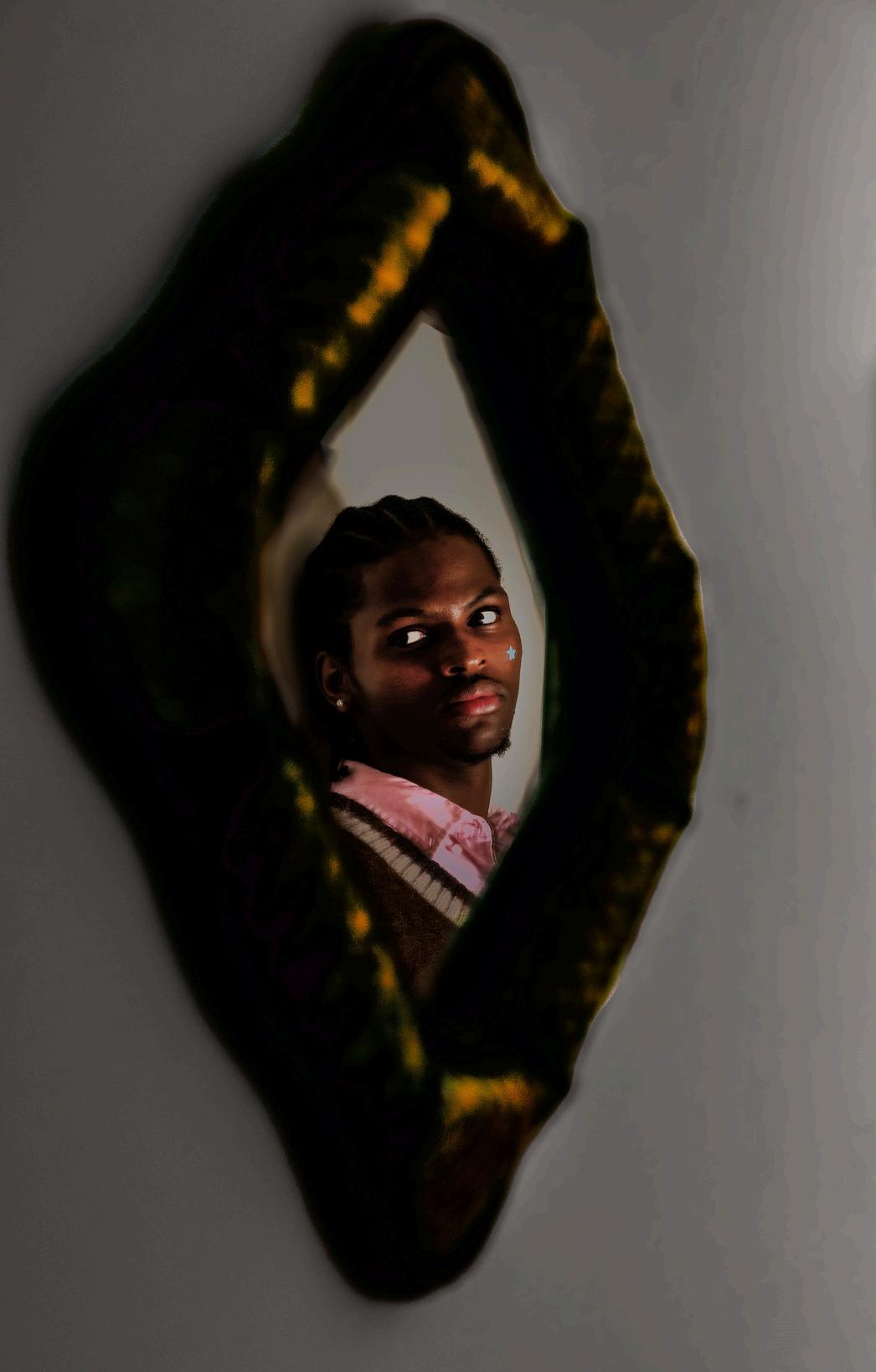
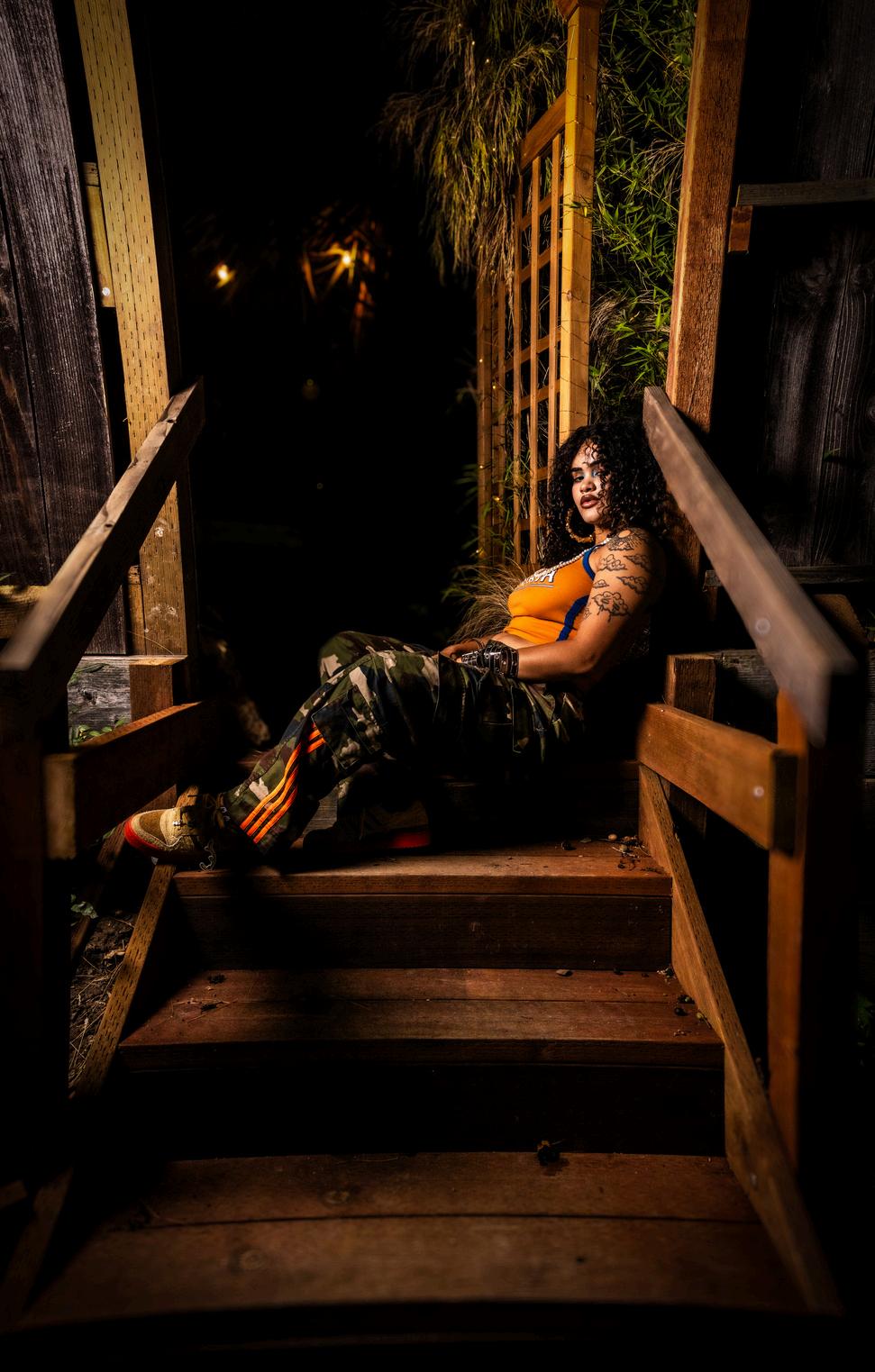
misrepresents Black lives, there's a push to highlight their joy through art “The Kickback” reflects this positivity, featuring candid shots of four models in an editorial and colorful style for my upcoming projects. 0 4 0 7 1 3 0 6 1 0 1 0
Hannah Yewon Kim, a Korean vintage Americana fashion designer, recently showcased a capsule collection at the
editor takes a deeper dive into how certain tones and values make us feel and how they influence our purchases
AAU Spring show and is working on a video shoot for her garments After her successful collection, she is open to discuss her future inspirations and upcoming projects
A new trend in the S/S 2026
season showcases sophisticated deconstructed tailoring While color and pattern trends are common, manipulation and silhouette
trends are rarer. With the rise of reworked shirts and abstract pleated designs, a trend report can be created
to analyze these developments
While media often
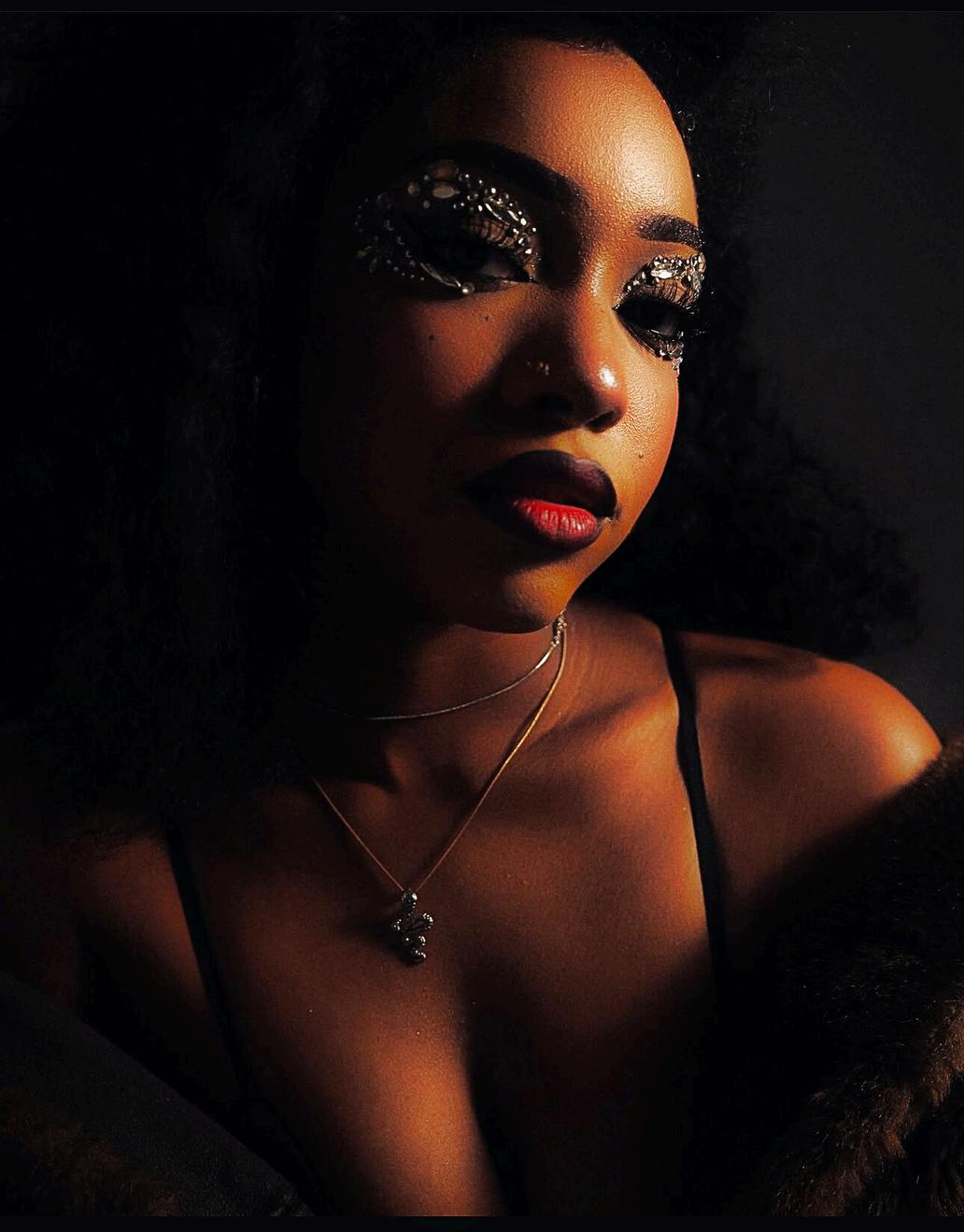
Photographed by Julian Gigola
EDITOR’S LETTER
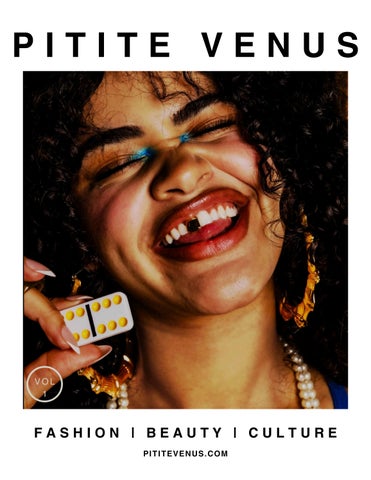
This magazine emerged from an unconditional love for beauty and fashion
Contrastingly, it provides a call to arms for “larger than life” discussions. All the things we now second-guess mentioning in public cultural, political, and socio-economical topics all the things that play a significant role in our lives, also play a role in our art.
Petite Venus wills the desire to merge style and substance to showcase beauty and fashion not just as art forms, but as mirrors of society and catalysts for change. Realizing hard truths and sifting through fueled opinions is what keeps one connected to the world; shearing through the well-known bubble some call western civilization with an open mind to discover more, to express more.
A series of shoots, written pieces, and interviews encourages that fact at Mag The desire to tell deeper stories and uplift every voice lives here enjoy.
Warmly,
Founder & Editor-in-Chief
The vision surrounding Petite Venus
Magazine will not just be about aesthetics it will focus on the vision behind style: how beauty, fashion, and storytelling come together to shape identity. Branching under an established publication like Condé Nast is a milestone; however, creating our own footprint allows complete creative autonomy and enables us to hold our own narrative. As a stylist and makeup artist, I’ve already been shaping visual stories for clients and shoots. The magazine is a natural extension of my platform to tell stories on a bigger scale, not just through looks but through words, images, and concepts
A NEUTRAL STANDSTILL
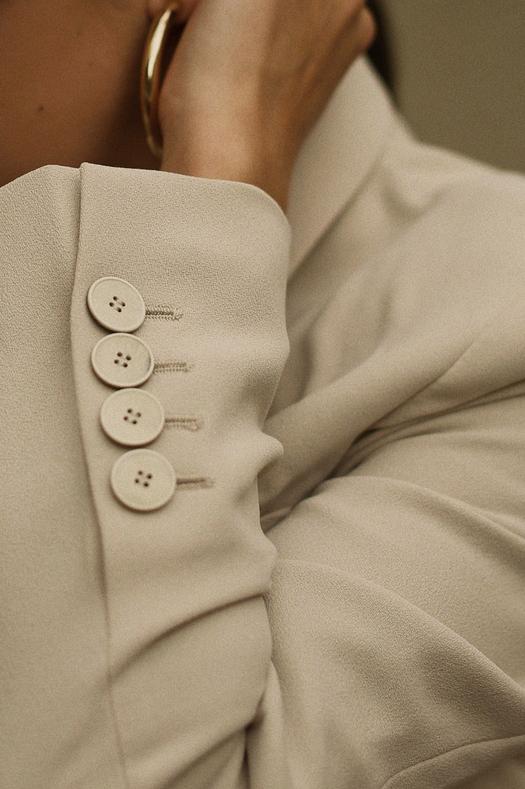
Take a quick look in your closet, your drawers too. Does it scream ‘eccentric’ or ‘loud’? For most of us, the answer is no We have a certain connection to nature when we lay its God-given colors on our body Timeless neutrals provide comfort and grounding to their consumers while also emulating a kind of quiet luxury; understated elegance, if you will. It also happens to match everything else in our wardrobe, so evidently we are drawn to it. Due to the current complications in our economy and society, having a desire for these tones makes logical sense as a show of calm and consistency. Yet, that leads to a psychological presence as well
Neutral tones serve in a number of ways: they allow flexible mood management for unpredictable social interactions, show a lack of urgency or threat, can create a sensible work environment, and add to an overall feeling of normalcy or grasp of your circumstances. Andrew J Elliot from the National Institutes of Health (NIH) writes “color has three basic properties: hue, lightness, and chroma (Fairchild, 2013)
Variation in any or all of these properties could influence downstream affect, cognition, or behavior ” In simpler terms, when you decide on that brown sweater this morning, you’ll be less stimulated throughout the day Like fashion, other forms of art such as painting practically express emotion through color. Vincent Van Gogh, a PostImpressionist, employed color to influence the viewer's emotional reaction. His interest in the psychological effects of color was probably influenced by his own experiences with psychology after experiencing periods of anxiety and depression Regarding his piece The Night Café, Van Gogh puts it best: "I have tried to express with red and green the terrible passions of human nature " Opposite to painters, we fashion innovators not only want to express our art, we have an equal obligation to satisfy the public as well. Looking into the forecasts of what consumers will gravitate toward for years to come is a big benefit to the job, and it largely shows how long and impactful neutrals will be for all upcoming seasons
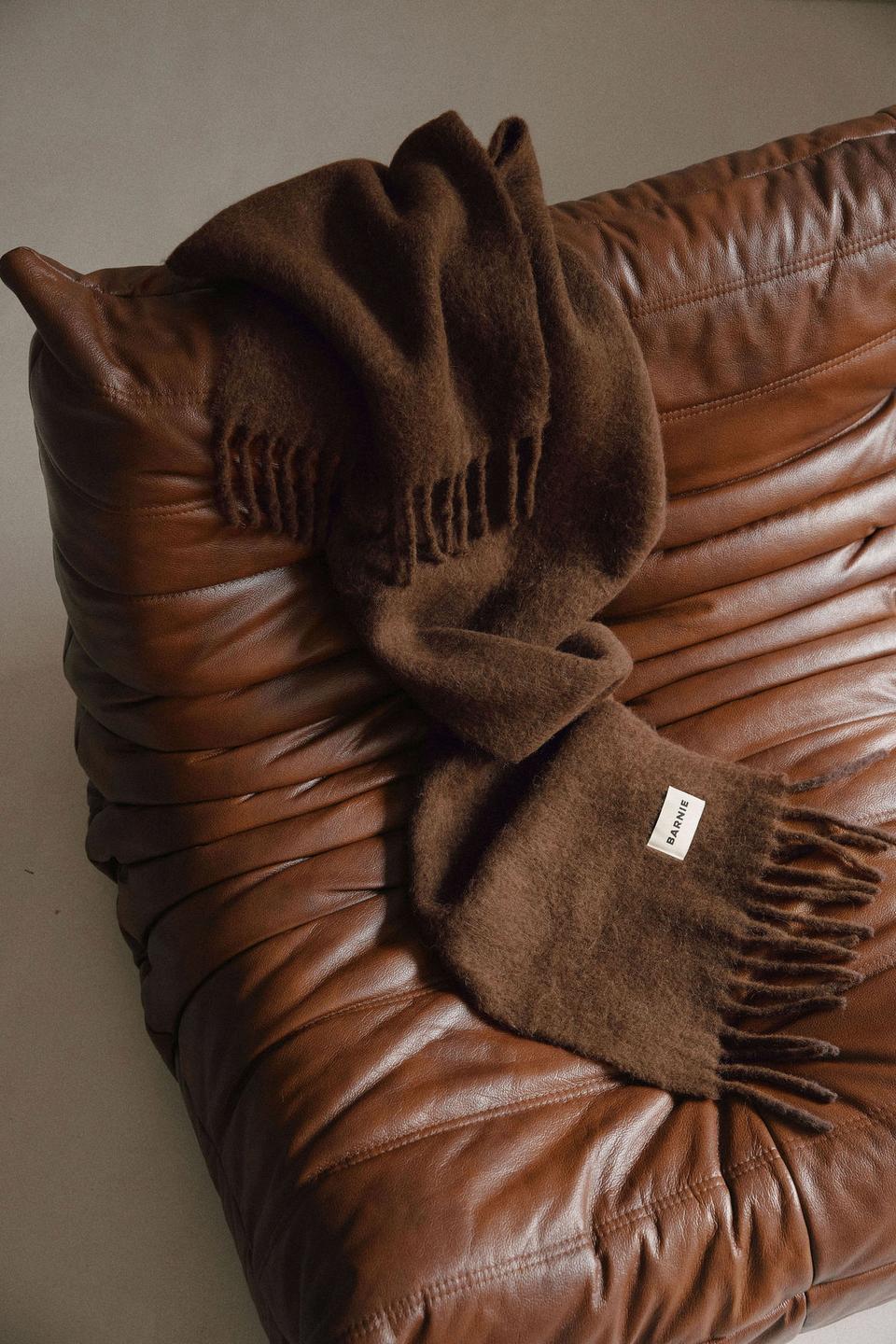
Trend forecasters predict that cocoa hues will make a comebackfor A/W 26/27; imagine a red-toned brown that offers a sense of nostalgia to the wearer This color promotes a yearning for the past and tangible reality in our era of artificial intelligence They advise designers to embrace it as a new dark hue with “transseasonal” appeal. Suitablefor footwear and accessories in menswear and womenswear, this shade’s versatility is endless. Brands may play into its need for hard materials, using metallicfinishesfor tech, interiors and sports.
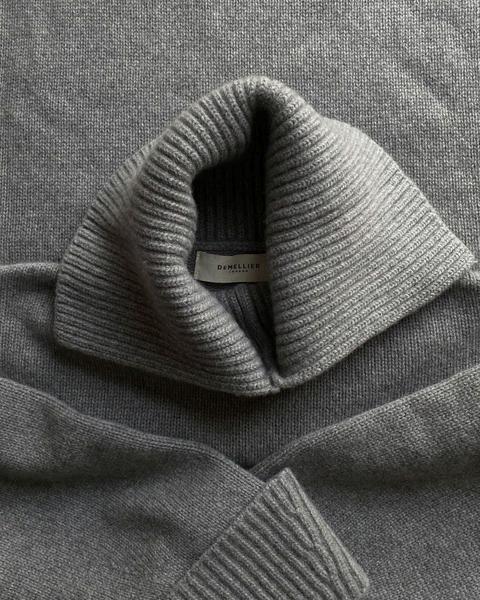
And of course a classic shade with some long-term appeal: the color grey (direct your attention to the sweater on the top left) has and always will reflect practicality and dependability It feels grounding and foundational with a utilitarian edge, and speaks to promoting balance and slowing down. It also affirms the importance of neutrals and more sustainable color choices, which–bonus– celebrates recyclability.
Tan, an evident and infamous neutral, has a serene and peaceful quality. Through sustainable and traditional color processes, this color is intended to heal and foster a connection with nature The plus side for the industry lies in allowing it to appeal to all age demographics as well as contributing to the minimalistic subculture large audiences gravitate toward (WGSN Insider).
Color is more than just a visual experience; it is a psychological phenomenon that affects our feelings, thoughts, and actions. Understanding its effects allows us to make more educated decisions in both our personal and professional lives, from establishing a peaceful home environment to even developing engaging marketing strategies Remember that there is always a reasoning in trends; a how and a why So, next time you open your closet and take a gander at your garments, ask them why they’re there. One way or another, they’ll speak back to you.
Editor, Brie Amana
PEACE & LOVE

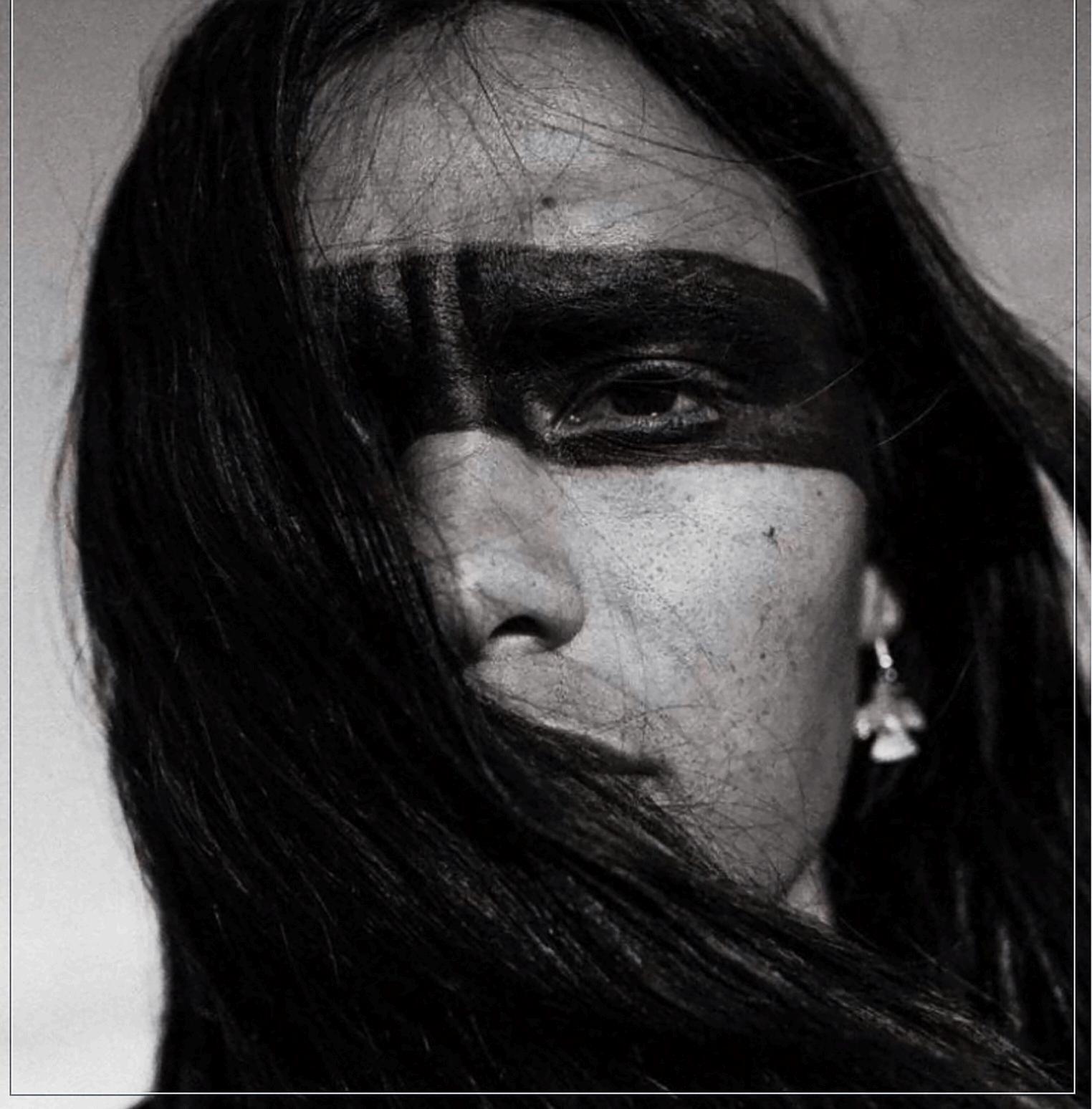
Fringed leather, turquoise jewelry, and feathered accessories became staples of ‘free-spirited’ hippie fashion yet their origins were far from carefree What the 1960s counterculture celebrated as symbols of rebellion were, in many cases, sacred expressions of Native identity, stripped of meaning and sold as style.
Hippie style emulated and stole elements of Native American culture, particularly through apparel and a romanticized and often stereotypical view of Indigenous spirituality and rituals. Borrowing without knowing the cultural background or historical oppression is frequently viewed as a type of cultural colonization. When asking fashion student Owen Burness his opinion, this was his response:
AMANA: “What are the first things you think of when hippie style or the peace movement is mentioned to you, especially in terms offashion?”
BURNESS: “It’s that mix of effortless and intentional, where fashion became a form of protest as much as self-expression The style kind of represented a break away from conformity and tried to embrace individuality and inclusivity in an ironic way.”
The hippie movement in the 1960s was more than just peace banners and protest songs; it was a cultural rebellion Frustrated by war, materialism, and inflexible societal conventions, a new generation turned to art, music, and fashion to express their freedom and uniqueness. Flowing textiles, handmade jewelry, and "natural" styles came to represent authenticity and resistance to the mainstream. However, the cause's hunt for meaning frequently turned into cultural stealing Hippie fashion drew significantly on Indigenous and non-Western cultures I called up a friend of mine with Navajo roots to ask her what she thought:
AMANA: “To see if it's general knowledge, if you could guess, what pieces do you think are directly derived from certain indigenoustribes?”
INTERVIEWEE: “I think a lot of mainstream fashion unknowingly borrows from Indigenous design elements things like fringe, beadwork, moccasinstyle footwear, and woven patterns that resemble traditional textiles Ponchos, blanket coats, and certain geometric prints are also often inspired by tribes like the Navajo or Pueblo without proper acknowledgment.”
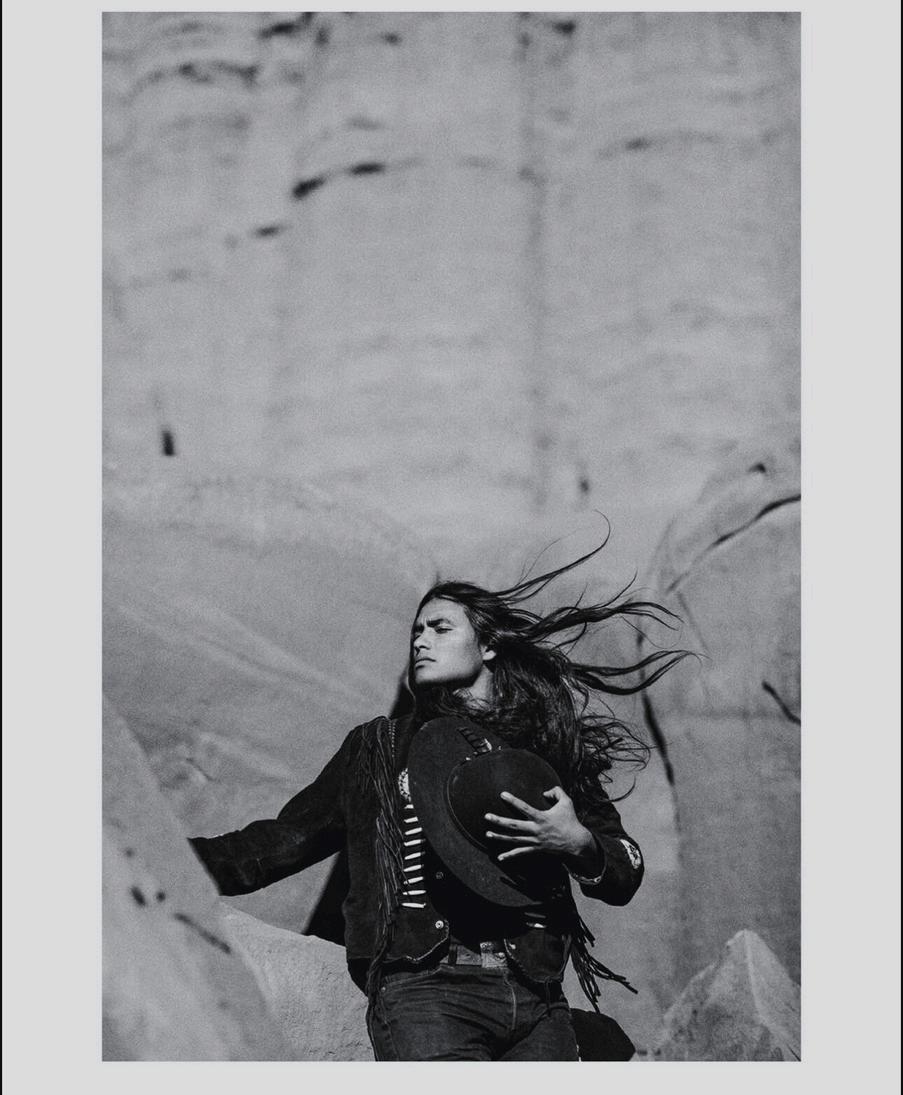
Much of what became known as "hippie chic" may be traced back to the Lakota and other Plains nations' artistic traditions. Fringed buckskin jackets, long braids, and beaded accessories,
Photography by Cara Mia
Modeled by Rafael Coyotl
Photography by Cara Mia
Modeled by Rafael Coyotl
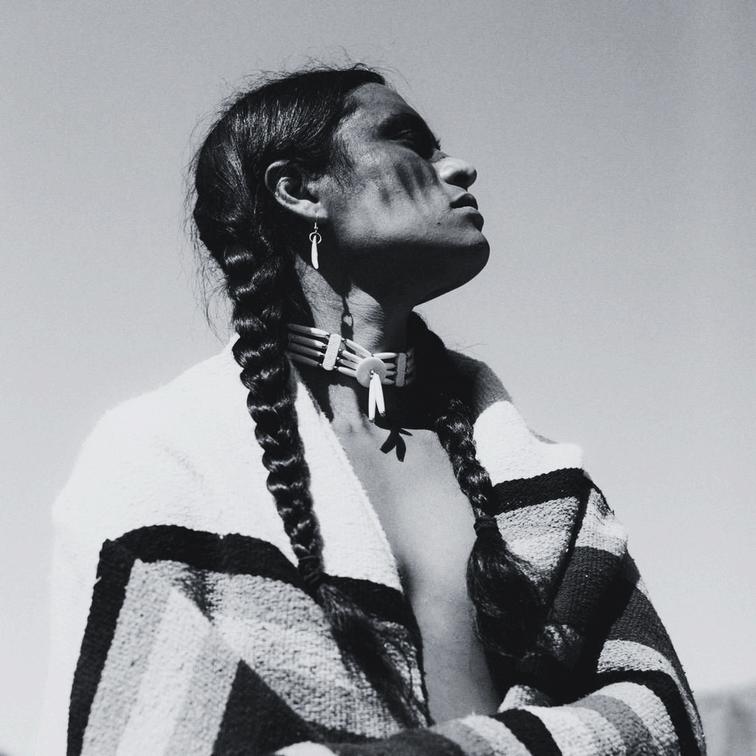
all 1960s bohemian fashion classics, had cultural and spiritual significance at the time. Fringe was not a fashion statement for the Lakota; it had a practical purpose, dispersing rain and expressing the wearer's connection to nature Feathers had ceremonial significance, denoting honor and relationship with the spirit world. However, in the control of the counterculture, these sacred elements were decontextualized and remade as symbols of rebellion and freedom, separated from the Indigenous realities from which they originated
Now, let’s talk about the Navajo: The hippie movement’s love for turquoise stones, silver jewelry, and woven textiles drew heavily and often unconsciously from the Navajo Nation’s centuries-old artistry For the Diné, turquoise represents life, protection, and a sacred connection to the earth; silverwork and weaving are cultural legacies passed down through generations, carrying both spiritual and communal meaning. Yet in the late ’60s and ’70s, these elements became detached from their origins, rebranded as hallmarks of “bohemian freedom ”
Hippie style has evolved into something more gentle, a carefully managed blend of retro elegance and festival sophistication. What originated as a countercultural disdain of conventional clothing now continues on through "boho"fashions, thrifted maxi dresses, crochet tops, and desert-toned fringe coats offered at luxury rates So the history of where it began is not on everyone’s mind when they walk into an Urban Outfitters or Anthropologie; it's certainly not thefirst thing to cross mine when I see a concho belt that I like.
Ignorance is bliss, so providing information to spread awareness and accountability is a big highlight of having a voice in thefashion industry Speaking of, buyers weren’t the only ones advancing the spread of appropriation; brands were
Throughout the history of almost every designer brand, theyface accusations of being insensitive to a certain group. Gucci, Dior, and Chanel have all received the wrath of both the media and publicfor certain texts, graphics, or materials considered blatantly offensive
In 2019, Dior's "Sauvage"fragrance ad campaign used Native American images and a Native dancer; the term "Sauvage" ("wild" or "savage") elicited strong criticism. According toTime Magazine critics, this type of branding appropriates symbols and language without regard for context. Gucci, in the same year, released a $890 black balaclava sweater with a roll-up neck and a red outline around the lips, which drew direct analogies to blackface imagery
Photography by Cara Mia
Modeled by Rafael Coyotl
Throughout the history of almost every designer brand, theyface accusations of being insensitive to a certain group Gucci, Dior, and Chanel have all received the wrath of both the media and publicfor certain texts, graphics, or materials considered blatantly offensive.
In 2019, Dior's "Sauvage" fragrance ad campaign used Native American images and a Native dancer; the term "Sauvage" ("wild" or "savage") elicited strong criticism. According to Time Magazine critics, this type of branding appropriates symbols and language without regard for context Gucci, in the same year, released a $890 black balaclava sweater with a roll-up neck and a red outline around the lips, which drew direct analogies to blackface imagery. Native American communities heavily condemned Chanel's 2013 show including feathered headdresses. (Le Monde) Brands repackage the image all carefree hair, layered jewels, and flowing clothes but rarely acknowledge the deeper histories it draws from Hippie style has evolved into a nostalgic ideal: partly escapism, half cultural mix, and part cautionary story about how authenticity can be remade for profit. Going back to Burness:
AMANA: “Think of a brand that you hesitate to buy from because of some type of cultural backlash it received…is there any way that brand can or has redeemed itself?
BURNESS: “One brand that comes to mind is Gucci especially after the whole thing with the balaclava sweater that basically resembled blackface imagery I think they’ve made some progress, but it’s still something that takes time to rebuild trust.”
Though Ralph Lauren has had a rocky, rocky past, it steps in a forward-thinking direction in recently collaborating with people of color by creating a capsule collection inspired by Navajo culture and collaborated with Navajo weavers (such as Naiomi Glasses) to create home furniture and textiles that directly benefit Indigenous craftsmen
In a positive light, Indigenous designers which aren’t examples of appropriation but of authentic cultural expression like Penny Singer, Orlando Dugi, and Carrie Wood deserve recognition as well They use traditional design, patterns, and motifs from their own traditions in contextappropriate ways, frequently execute the job themselves, and directly serve their communities.
WRAP
The history of hippie fashion is as complex as the era from which it sprang. What started as a protest against conformance evolved into a commercial aesthetic, borrowing widely from civilizations it barely understood Hippie style lives on not only as a fashion statement, but also as a reminder that freedom with no awareness can quickly devolve into another form of exploitation.
Editor, Brie Amana
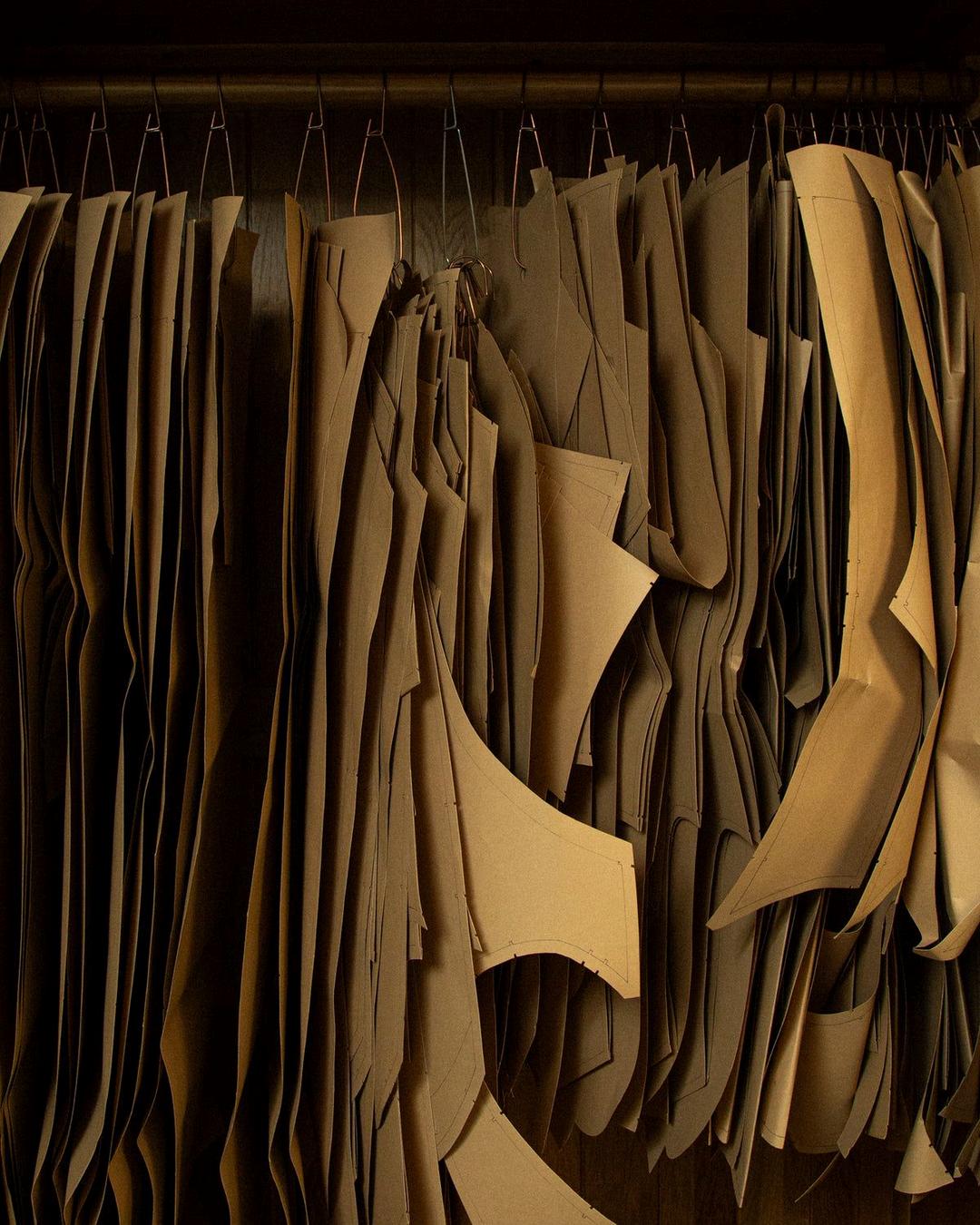
TWISTED TAILORING
EMBRACING THE AVANT-GARDE
term abnormal tailoring, often referred to as avant-garde or deconstructed tailoring, pushes the limits oftraditional design by exploring innovative shapes, proportions, and construction methods Rather than focusing on polished garments, designers employ unconventional techniques to transform classic silhouettes into artful pieces that redefine the essence offormal wear. Let’s talk about a few categories:
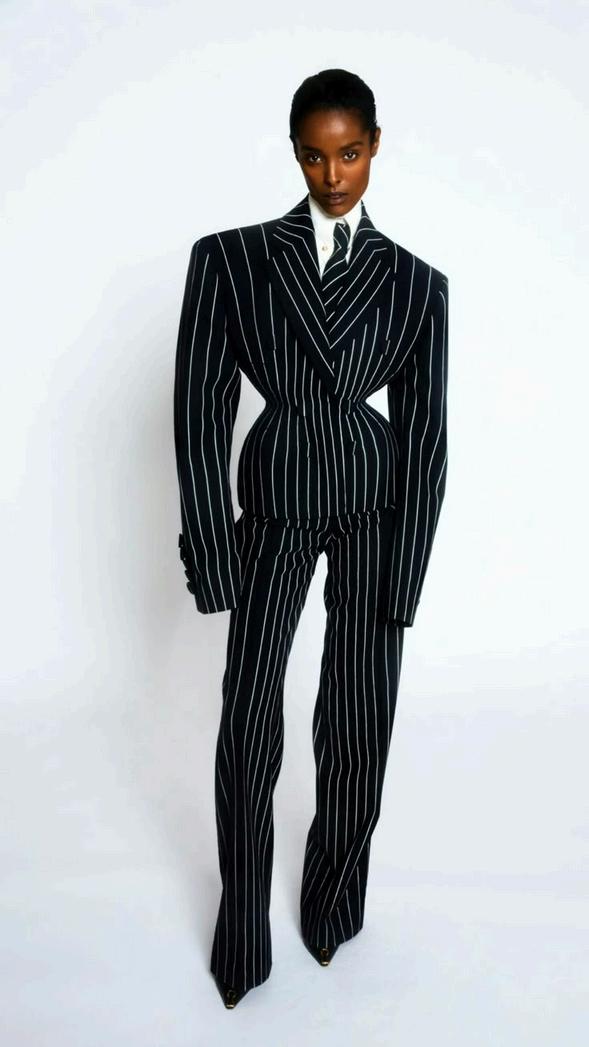
Exaggerated Silhouettes:
These garments often feature bold, exaggerated shapes that challenge conventional norms Designers play with proportions, creating oversized jackets with extended shoulders or dramatically flared trousers that defy traditional tailoring rules. The result is a striking visual impact that captures attention and sparks conversation.
Asymmetrical Designs:
Asymmetry is a hallmark of deconstructed tailoring. By incorporating uneven hems, mismatched lapels, or irregular button placements, designers introduce an element of surprise and intrigue This deliberate imbalance invites the wearer to viewfashion from a fresh perspective, embracing imperfections as a form of beauty.
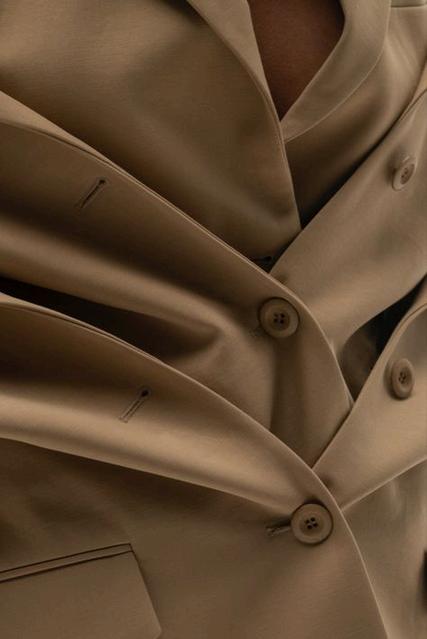
Victor Emmanuel
Unfinished Details:
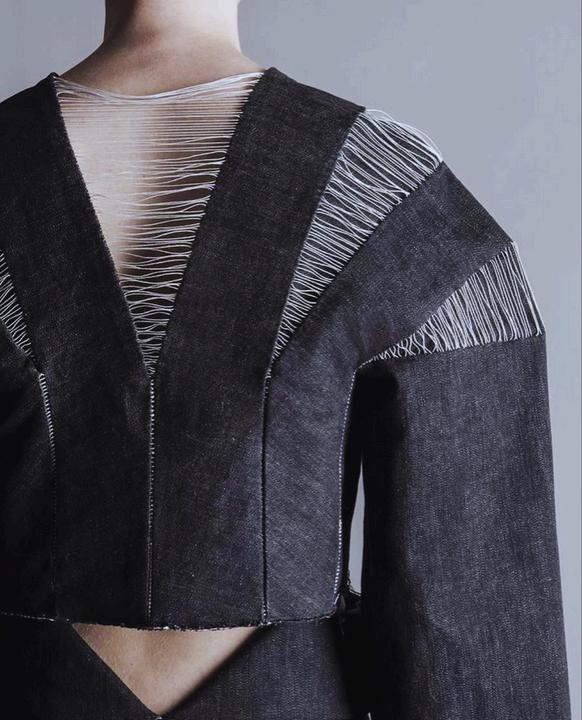
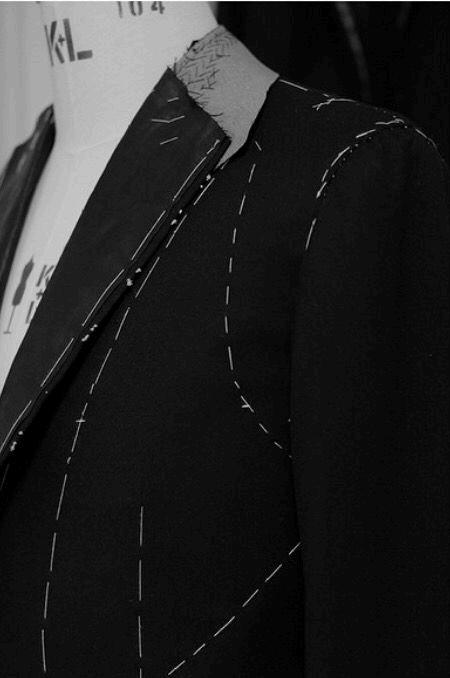
Raw edges and exposed seams are common in this style, offering a peek into the construction process These elements highlight the craftsmanship behind each piece, celebrating the artistry of garmentmaking in its rawest form. The unfinished look challenges the perception of perfection, inviting wearers to appreciate the journey of creation
Fabrics:
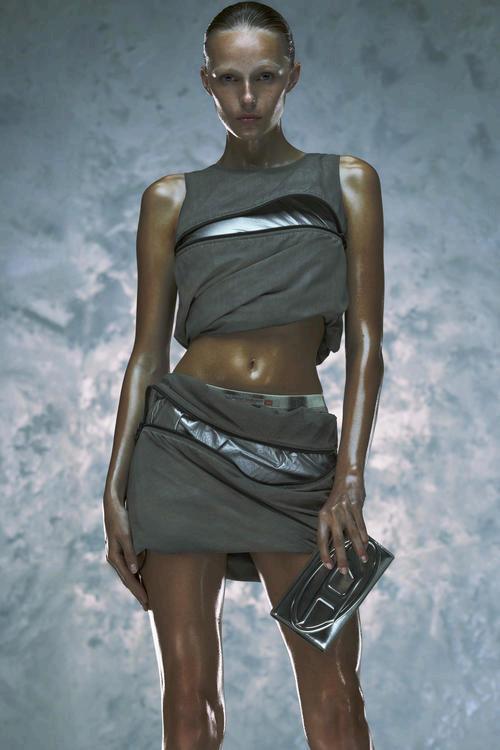
Fun and evidently distinctive design additions involves the use of unconventional materials. From metallic textiles to sheer overlays, designers push the boundaries of fabric choice to create textures and effects that are unexpected and innovative This exploration adds depth and dimension to each piece, making every garment a unique work of art. Designers may opt for materials that change appearance with movement or light, adding a dynamic quality to the wearer’s experience This choice not only challenges the tactile expectations offashion but also encourages a deeper engagement with the clothing, as each piece tells its own story through texture and form.
Victor Emmanuel
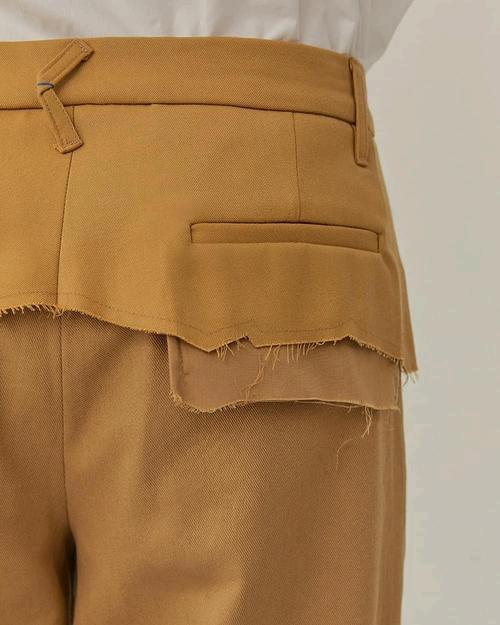
Suit tailoring is currently gaining popularity as it aligns with today's desire for comfort, versatility, and personal expression in fashion. While it may seem like a fresh concept, this trend actually revives ideas first introduced by avant-garde designers such as Martin Margiela and Rei Kawakubo in the late 1980s It pushes back against the strict formality of traditional suiting by removing or modifying the internal structure, leading to a more relaxed silhouette
This counter-culture inspiration goes hand-in-hand with the current 80s trend that raved through New York Fashion Week this year. Sergio Hudson, Ralph Lauren, and Tory Burch can attest to that. By embracing these avant-garde elements, abnormal tailoring not only redefines fashion but also encourages individuals to express their identity through bold and daring choices It’s a celebration of creativity and individuality, where the rules are rewritten, and the possibilities are endless
Editor, Brie Amana
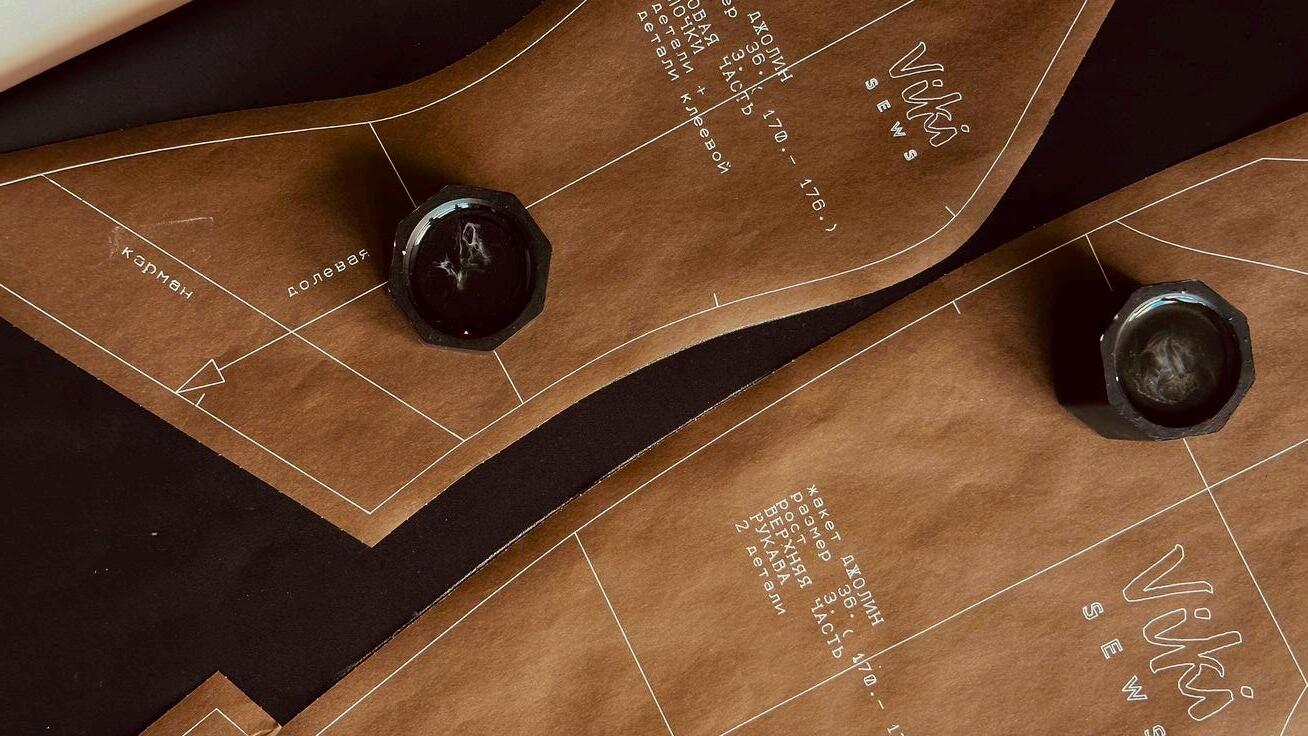
ADER Error S/S 2021
HER NEXT STEPS
AND THE COURAGE TO DREAM
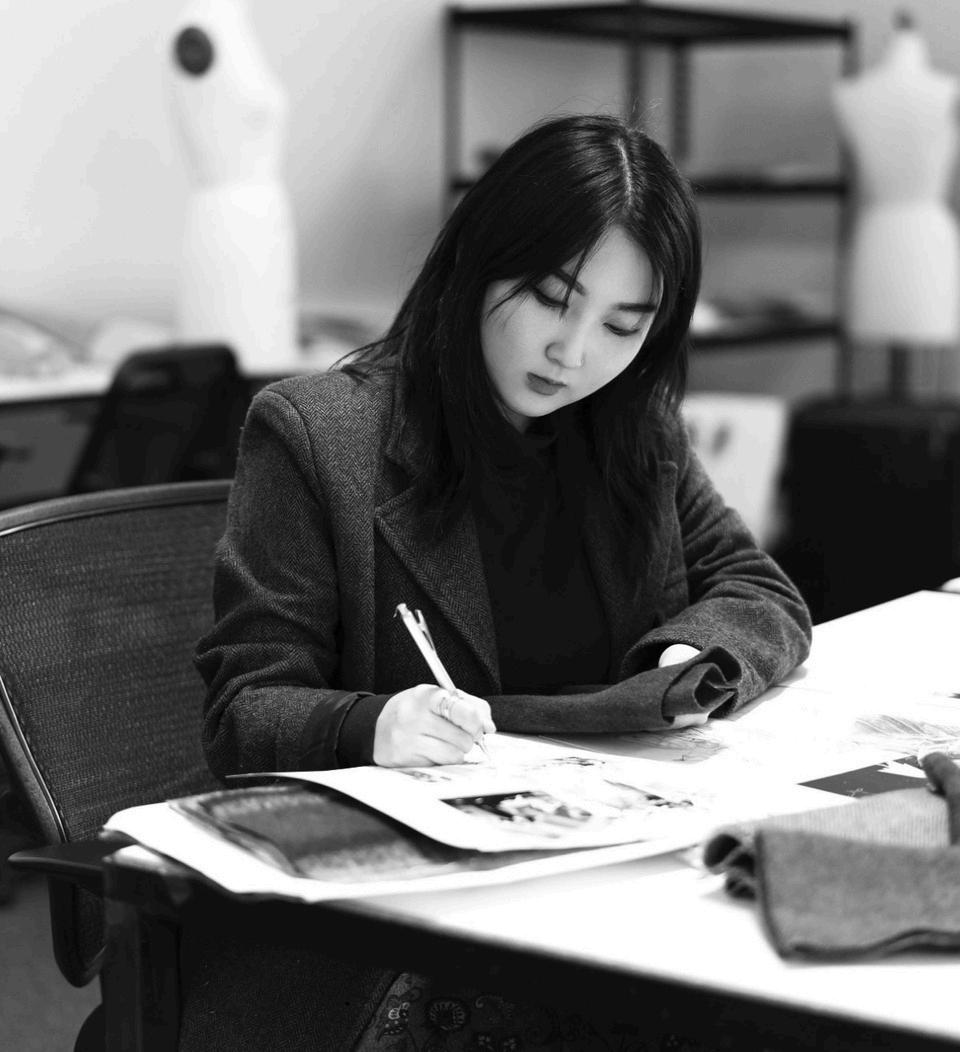
Fashion Designer, trend forecaster, and Academy of Art Alumni Hanna Yewon Kim takes a deep dive into her scholar and career journey She expresses her influences, values, and impacts from the past and present Graduating in Spring of this year after her release of California Dreamin', her latest collection, she is now jumping into the rapid waters of the industry
Amana: “Coming from South Korea to the U.S. to pursue your career, what made you decide on San Francisco rather than big fashion hubs like Los Angeles or New York?”
Kim: “At first, I was thinking about how I should go to LA or New York, but this was during the pandemic, and the Academy of Art in San Francisco reached out to me with a scholarship opportunity…I wanted to build my voice somewhere that felt a little more unexpected; a place where art, tech, and culture overlap in interesting ways. That balance helped me develop a more experimental and personal design identity.”
Amana:“There isso much complexity inthe textilesyou choose and its manipulation…Going from concepttodressform, elaborateon what that process is like ”
Kim:“When I make mydesigns, I make a little doodlewhile I'm sketching Sometimes,that doodle becomes my print design ideas. I make a sample and distressthe materials by handtosee howthey react and oncesomething catches my eye, Itranslatethat intothe morestructuredform: draping onthedressform, adjustingthe proportions, andfinding balance between roughness and refinement Then, I just keep editing, editing, editing, and eventuallythe finished product comes about ”
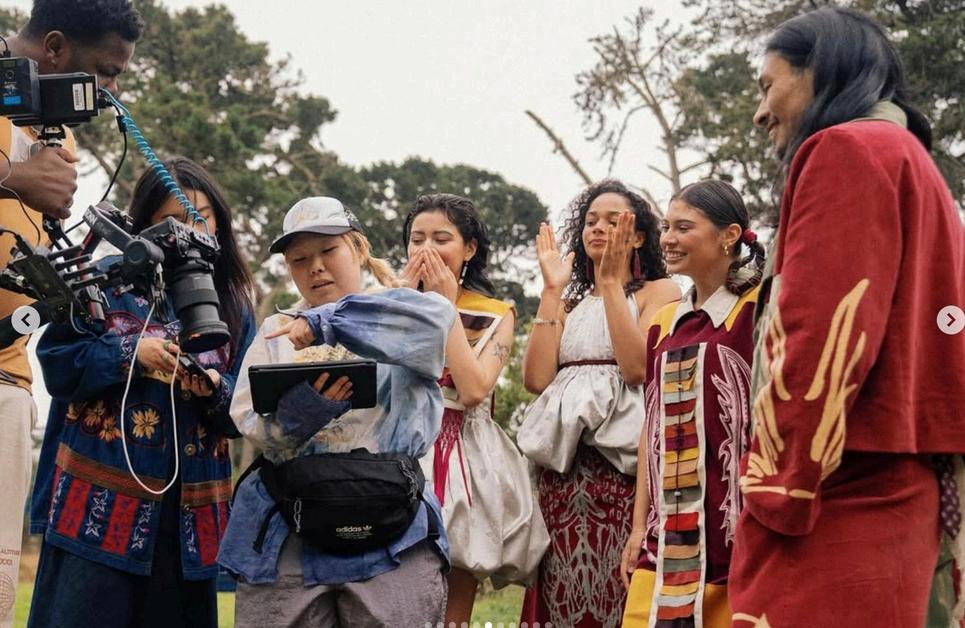
Kim:“Thankyou! Working at Ruti isdefinitely helping me bridge myconceptual workwith real-worldfunctionality; understanding howdesign meets lifestyle, howdesign can translateto a real product And ontheside, I'm working as a trendforecasterslash writer at Denim Dudes, atrend forecasting and design consultant company
Amana:“wheredoyou currentlywork, ifyou're comfortablesaying?And howdoesthat impact yourdesign world?”
Kim:“I'm working onthedesignteam as a design and product development assistant at Ruti. It's a women'swear brand based in San Francisco and I actually just startedtwo months ago ”
Amana:"Congratulations!"
Amana:“I seeon your Instagram biothat you describeyour design aesthetic as‘Korean VintageAmericana.’Howdid that come about and howdoesyour recent project California Dreamin’fit intothat?”
Kim:“I'mfrom Korea but I've been deeply influenced by American vintage likesubcultures 'Korean Vintage Americana'is mywayof mergingthoseworlds My most recent project,'California Dreamin’,fits perfectly intothat It reimagines Korean knotmotifs, orthe Bokjeomani,the Koreantraditional pouch, intosomethingthatfeels modern and also has a California-likecolor palette.”
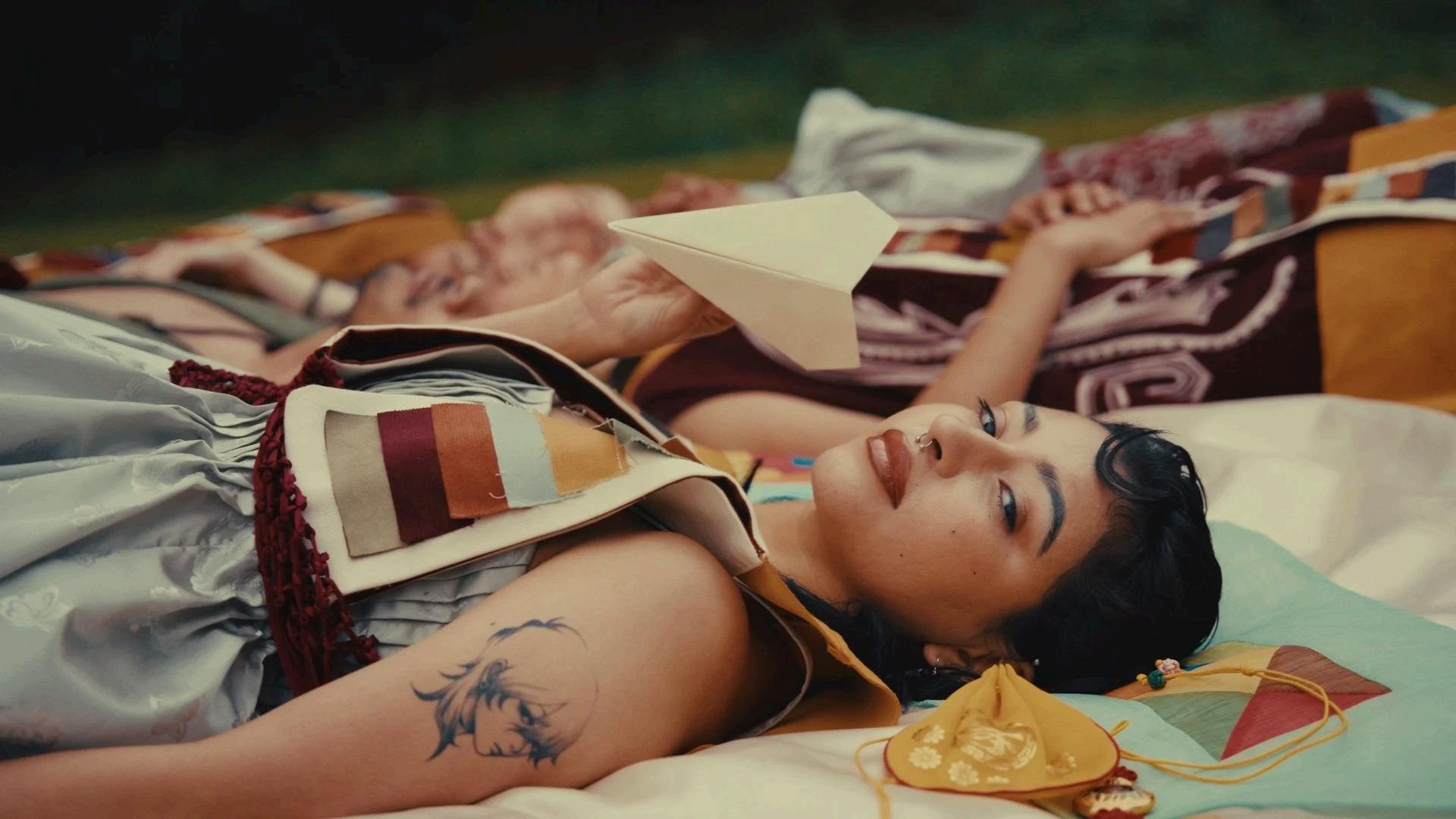
“California Dreamin’” Video Shoot still shot
Amana: “Do you have any other collections in mind that are coming next when you do get somefree time?”
Kim: “Working in thefashion industry is cool, but I'm still working under someone; I don't havefull freedom. I was thinking about a possible concept today on my way back [homefrom work] Earlier I mentioned my appreciation for vintage clothes and my lovefor denim-- I want to do repurposed denim and Korean inspired motifs, keeping inspirations like Chopova Loena and Hanna Creek in mind.”
Amana: “What is your favorite or most impactful project or collection to date and why?”
Kim: “‘California dreamin’’ is definitely the most personal, and also it really represents thefull circle moment of my journey here I would also include Christian Eustach and the design team when I interned for her two years agofor the Super Bowl Seeing something I helped create being worn by celebrities showed me how storytelling and branding are really important in fashion.”
Amana: “Most interviewers are supposed to ask what’s next for you or what the end goal is but I would like to know what the end goal project isfor you? What's that one thing you want to do in the industry that’ll make you say ‘I made it’?
Kim: “My 'I made it' moment would be creating my own label and that bridges Korean craftsmanship with an American reworked aesthetic, collaborating with heritage brands to reinterpret their classics through that lens I also want to share whatI've learned and support others in finding their voice in the industry by mentoring.”
Interviewee: Hannah Yewon Kim
Interviewer: Brie “Amana” Parker
Transcript Length- 00:40:16
The personal memories from my mom and grandma really inspired me to do that project.
One of the big things I value the most is that I want to create something meaningful...I wanted to celebrate the everyday woman.

“California Dreamin’” accessory
“California Dreamin’” accessory
Monthly Issue R
Release Calendar
C O M I N G U P
Yesha Short Film Screening
Solice Photoshoot Release
Petite Venus Issue #2 Release
Color Key Issue Release (Web & Print)
Video Shoot
Social Release
Photoshoot Release
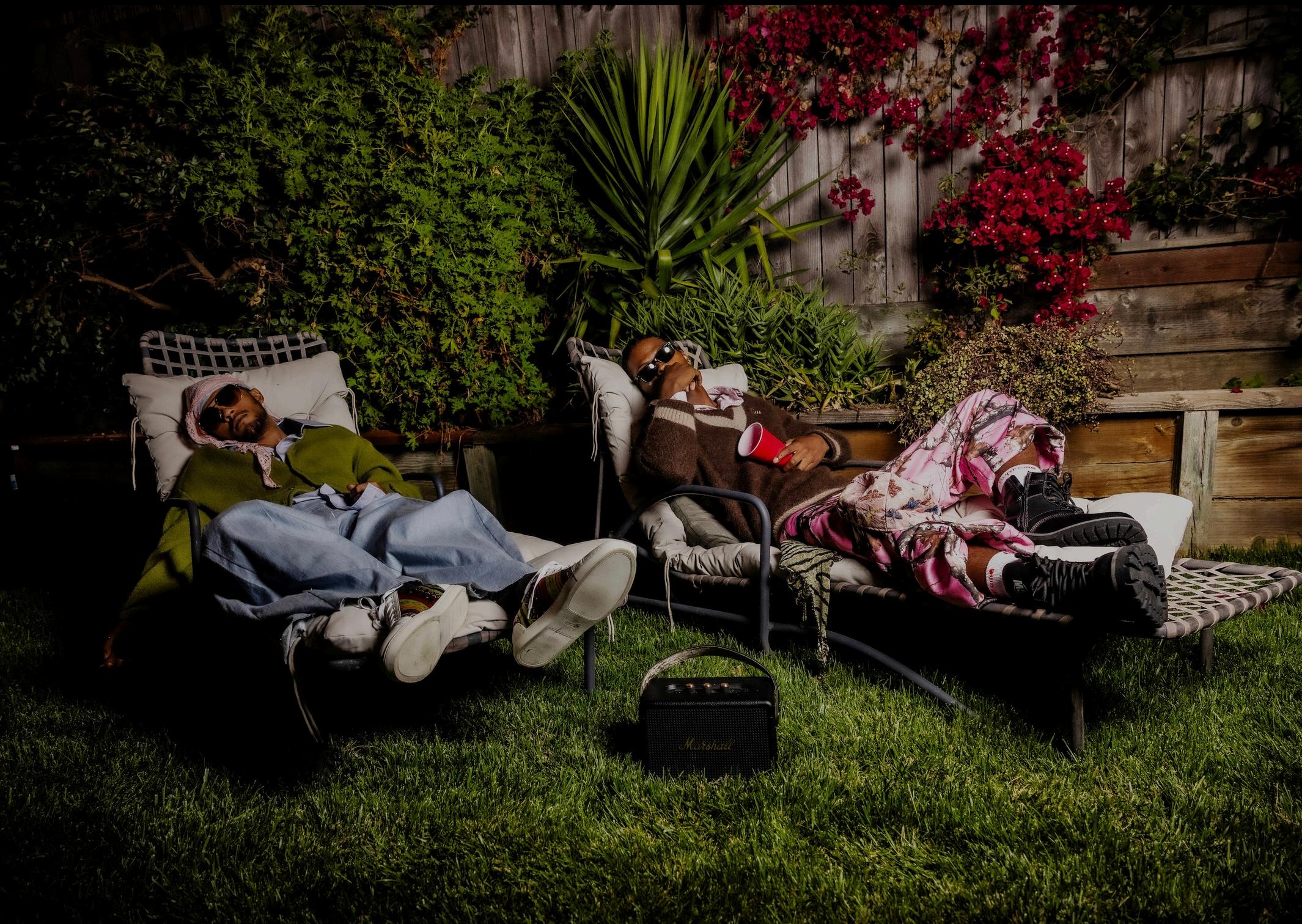
Creative Direction by Brie Parker
Styling by Brie Parker
Hair & Makeup by
Assistant Styling by Bela
by
Photography Assistance by Bela
BTS Photography by Taylor Michelle
Brie Parker
Cole
Photography
Alejandro Tuzon
Cole
K B A C K
Model 1: Lex Ecker
Model 2: Basu Yarbrough
Model 3: Charleston Pierce
Model 4: Jayden Bell

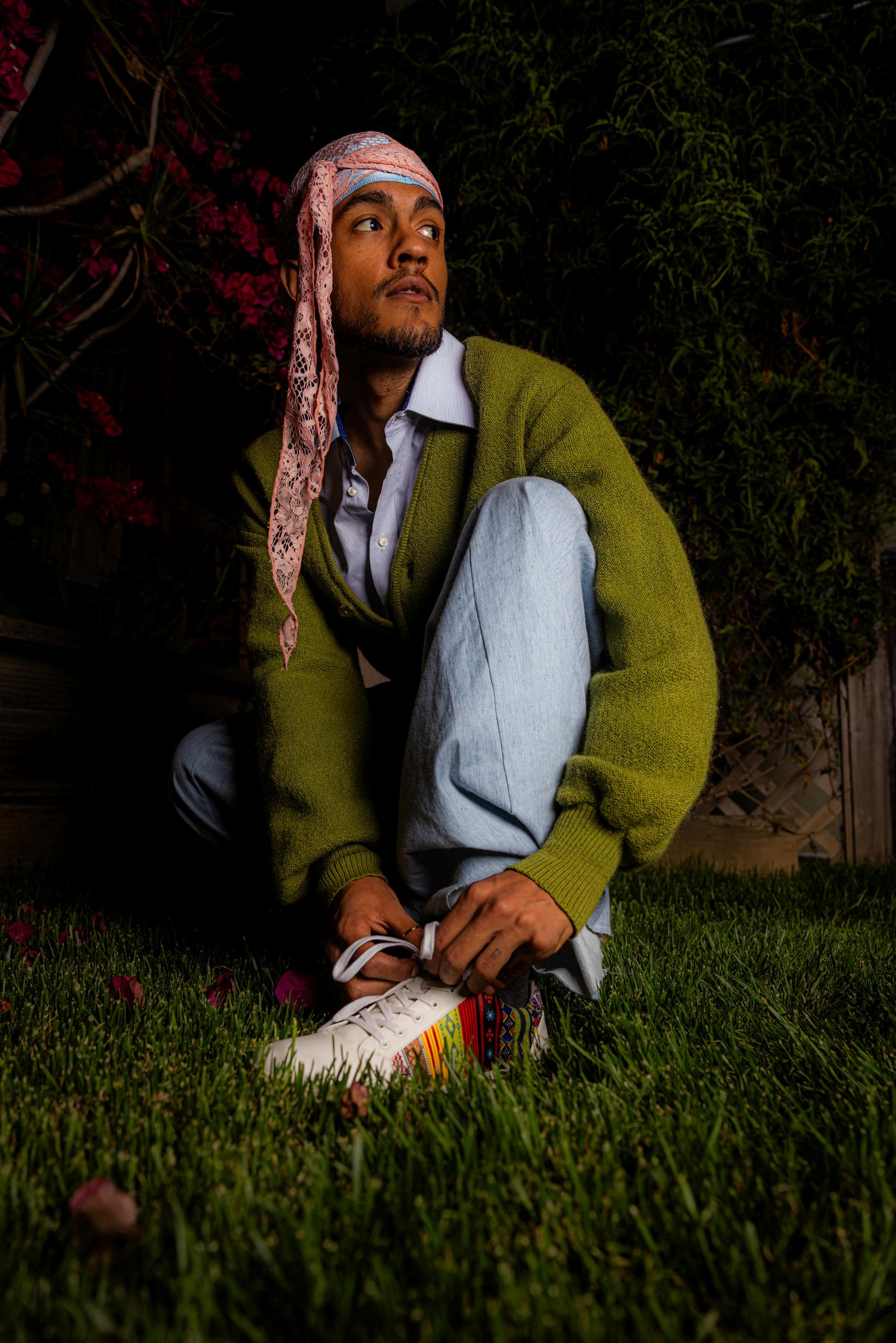
Button-up: stylist owned
Cardigan: stylist owned
Bottoms: stylist owned
Accessories: stylist owned
Shoes: stylist owned
Jewelry: stlyist owned
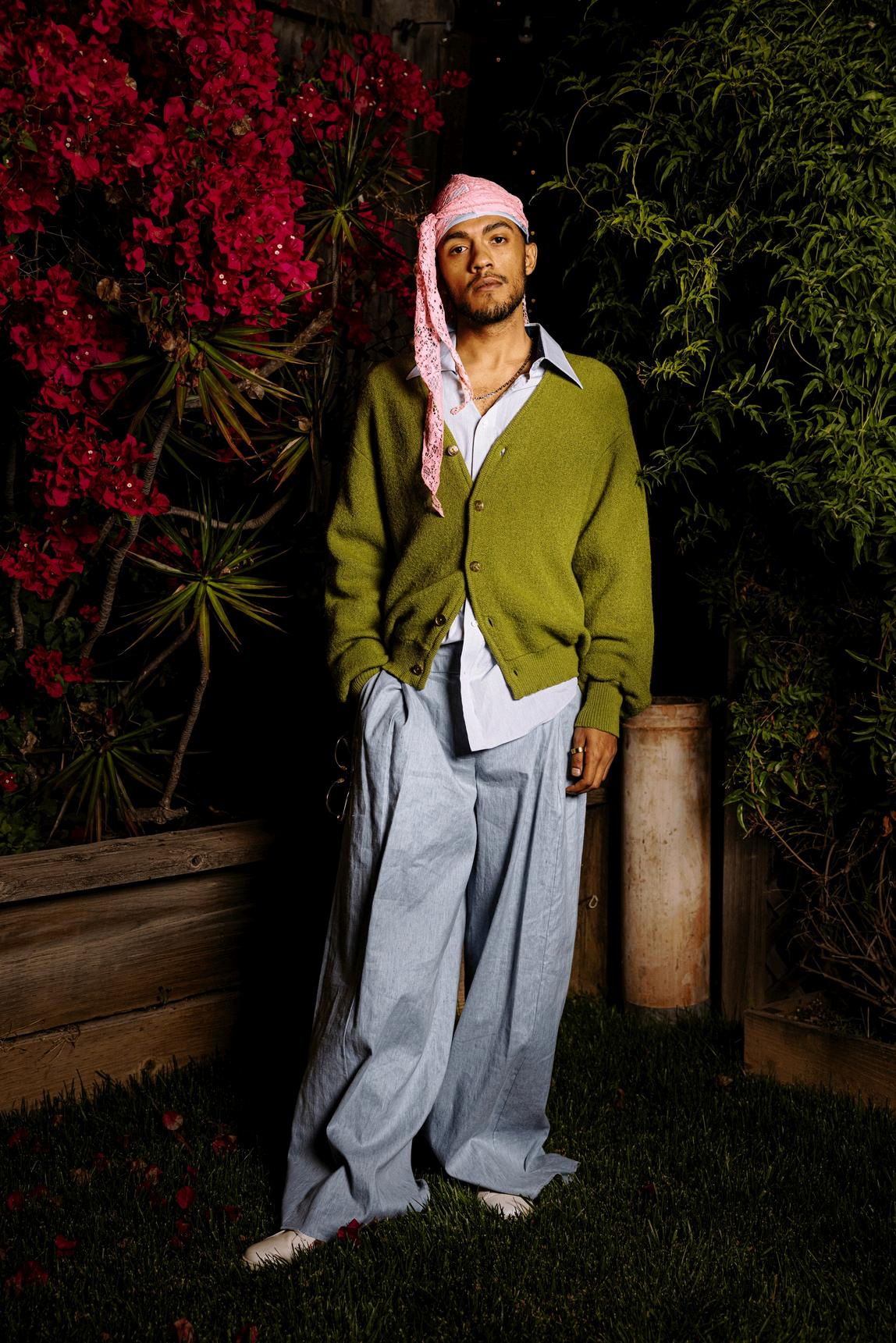
Button-up: stylist owned
Cardigan: stylist owned
Bottoms: stylist owned
Accessories: stylist owned
Shoes: stylist owned
Jewelry: stlyist owned
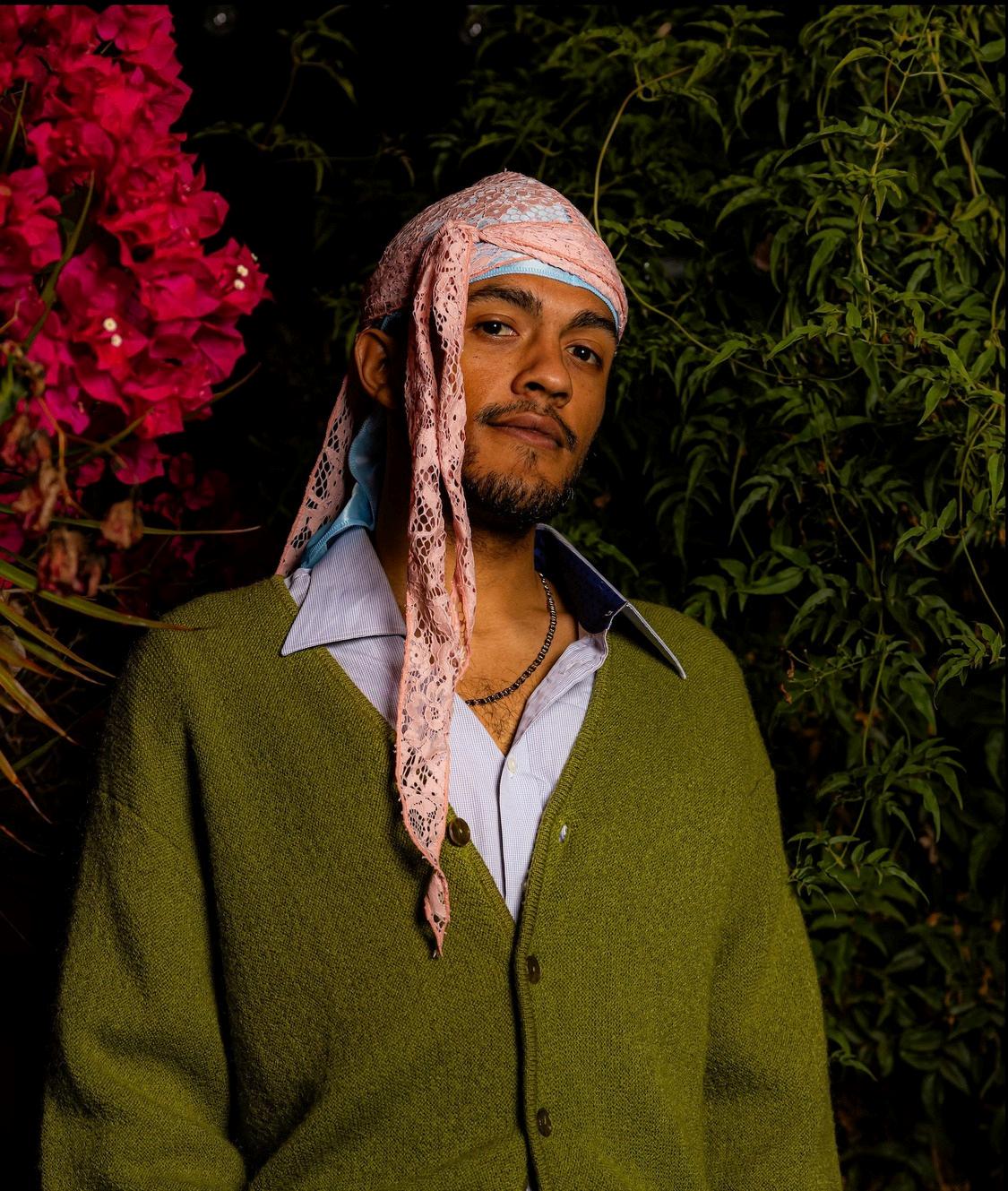
Button-up: stylist owned
Cardigan: stylist owned
Accessories: stylist owned
Jewelry: stlyist owned
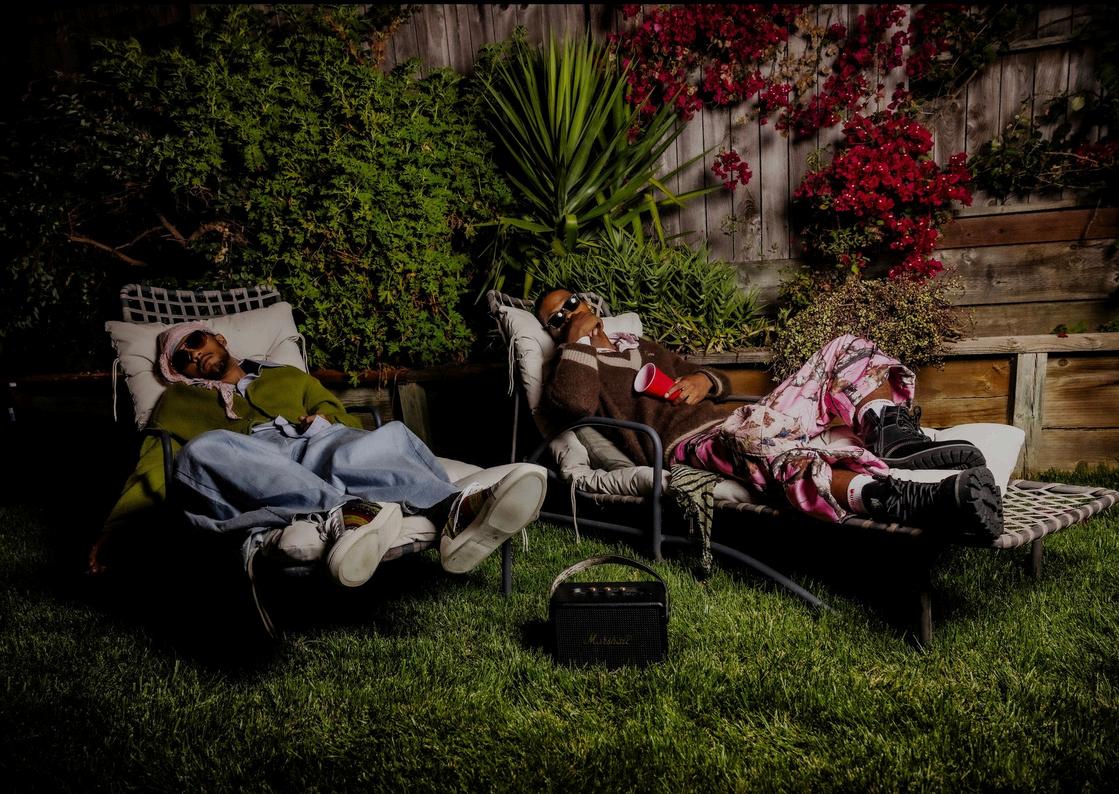
Button-ups: stylist owned Cardigan (left): stylist owned Sweater (right): Golf Wang Bottoms (right): Amazon (left): stylist owned Accessories: stylist owned Shoes (left): stylist owned (right): Doc Martens
Jewelry: stylist owned
Props: stylist owned
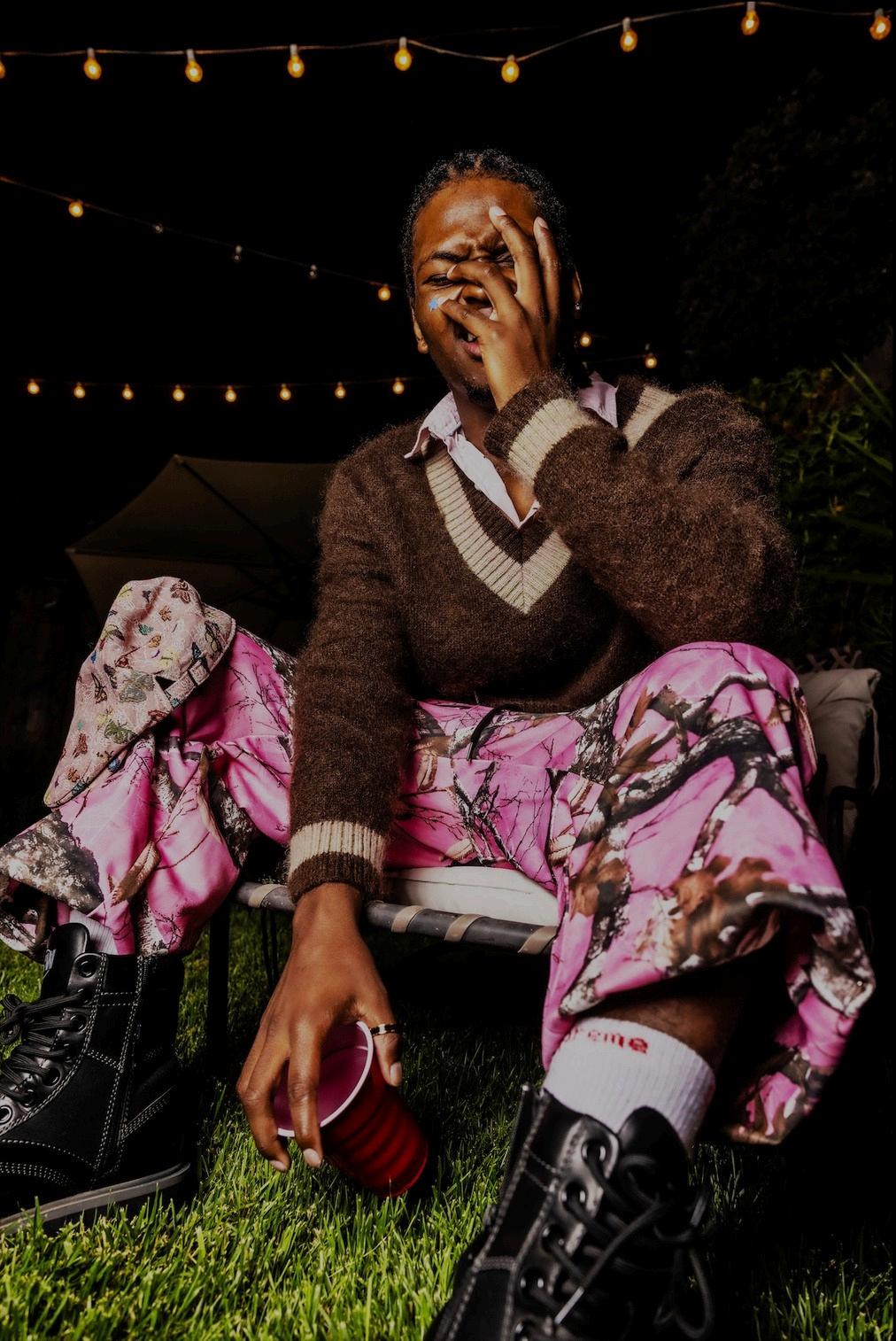
Button-up: styling closet
Sweater: Golf Wang
Bottoms: Amazon Accessories: stylist owned
Shoes: Doc Martens Jewelry: stylist owned Props: stylist owned
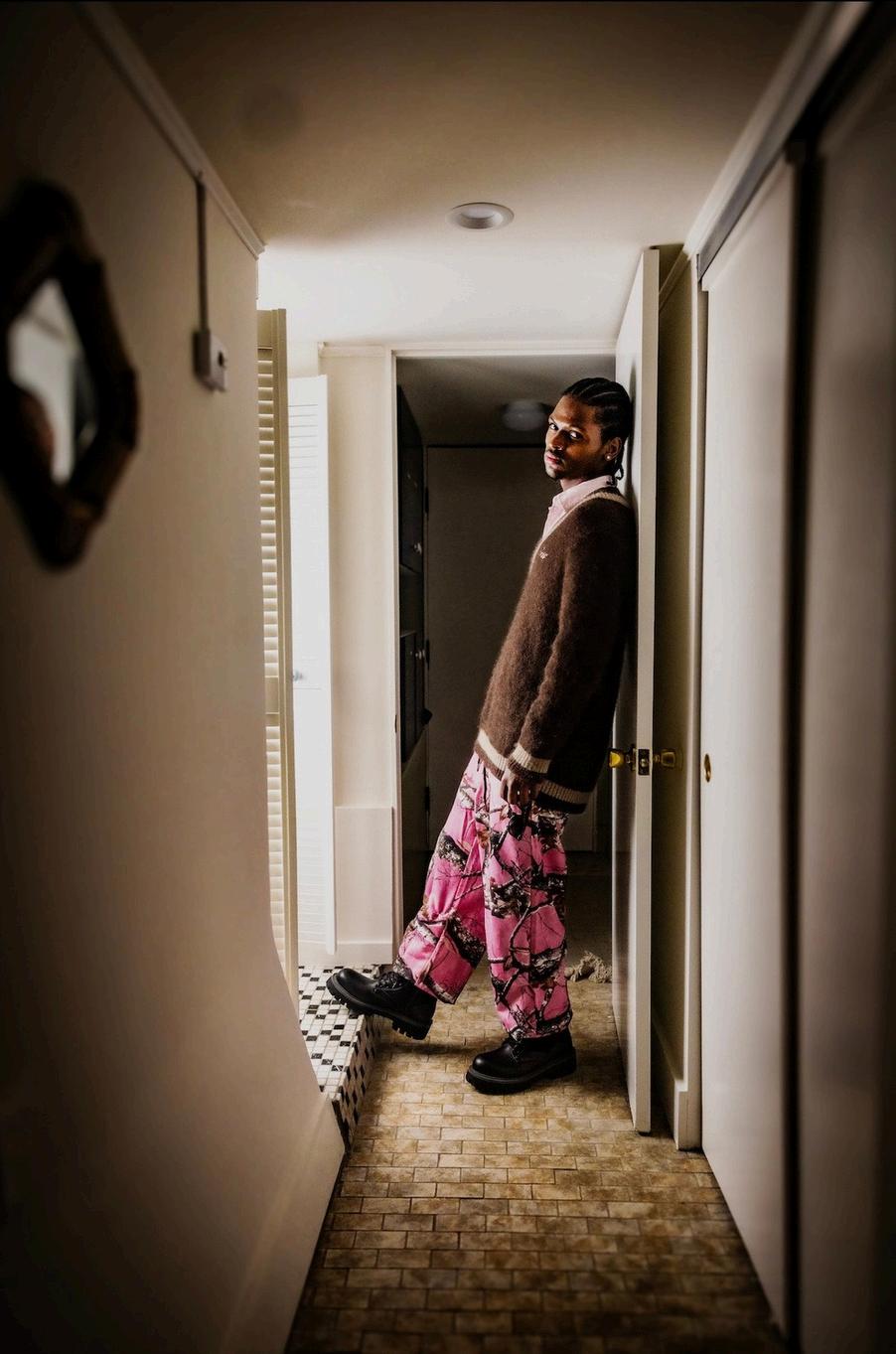
Button-up: stylist owned
Sweater: Golf Wang
Bottoms: Amazon
Accessories: stylist owned
Shoes: Doc Martens
Jewelry: stylist owned
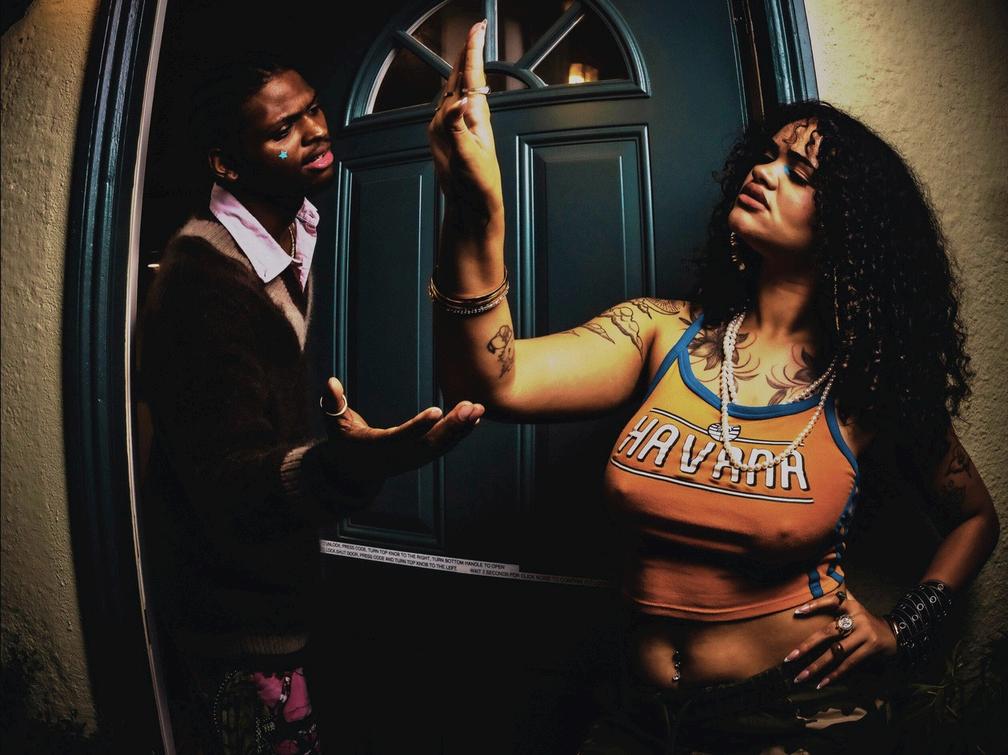
Button-up (left): stylist owned Sweater (left): Golf Wang
Top (right): stylist owned Jewelry: stylist owned
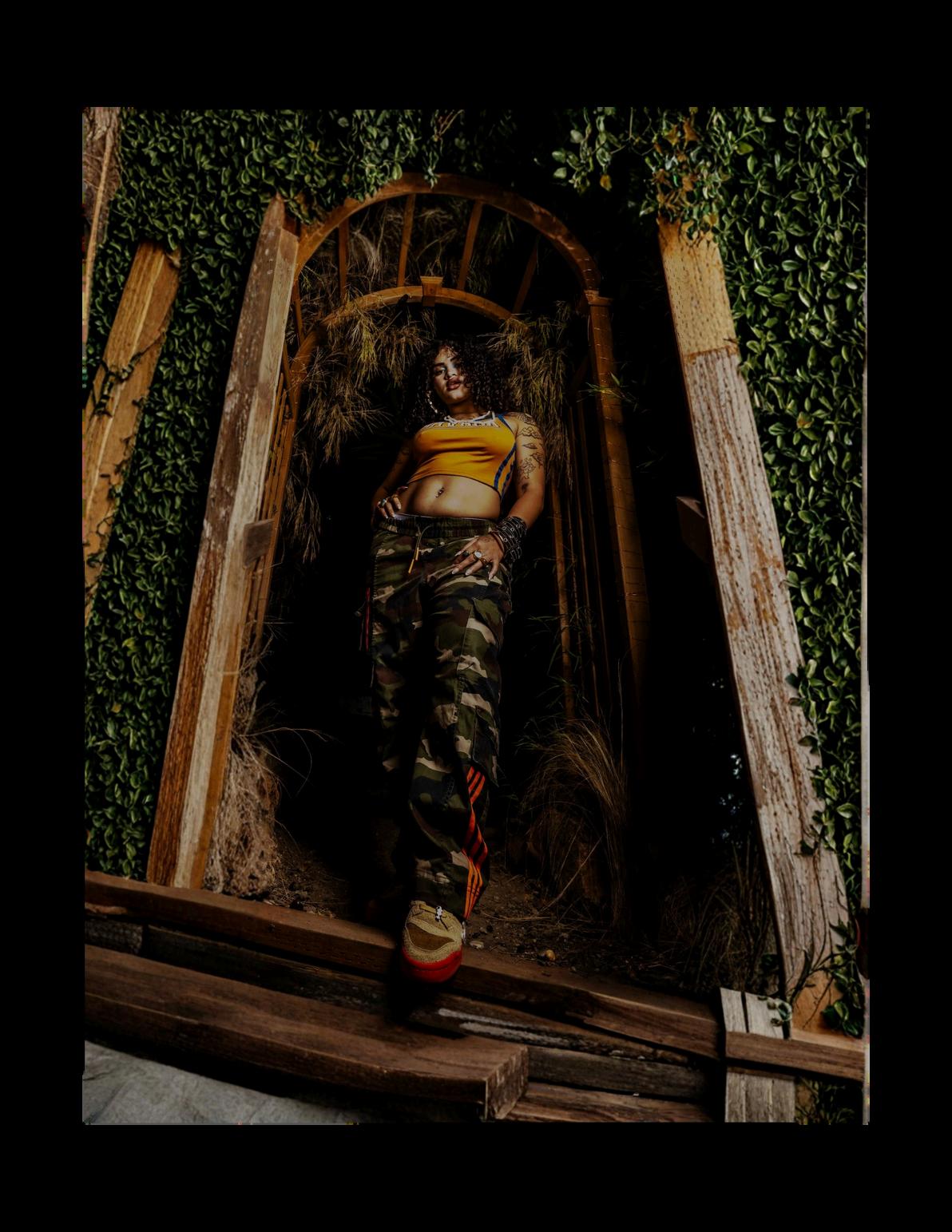
Top: stylist owned
Bottom: Adidas Ivy Park Accessories: stylist owned
Shoes: Adidas
Jewelry: stylist owned
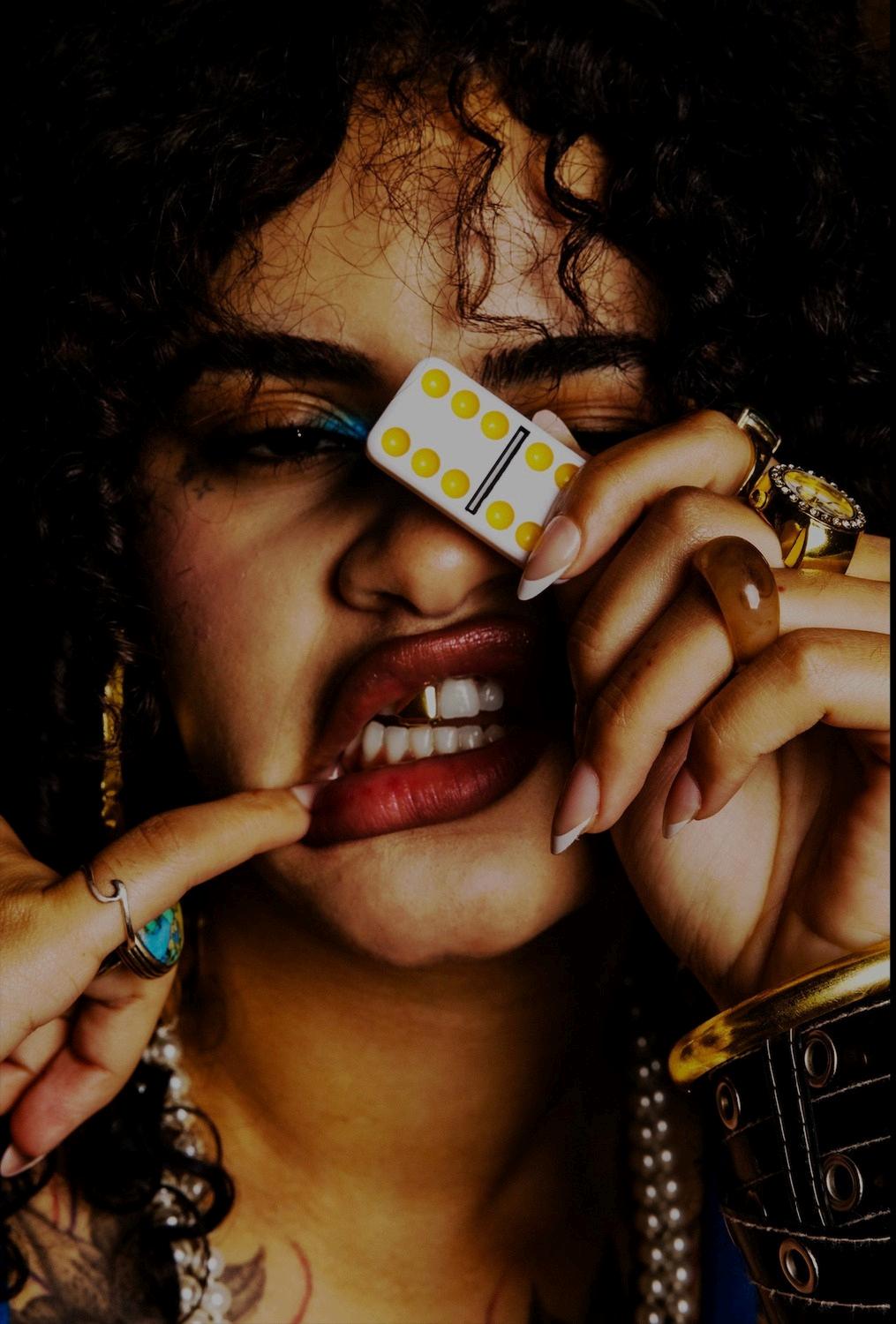
Props:

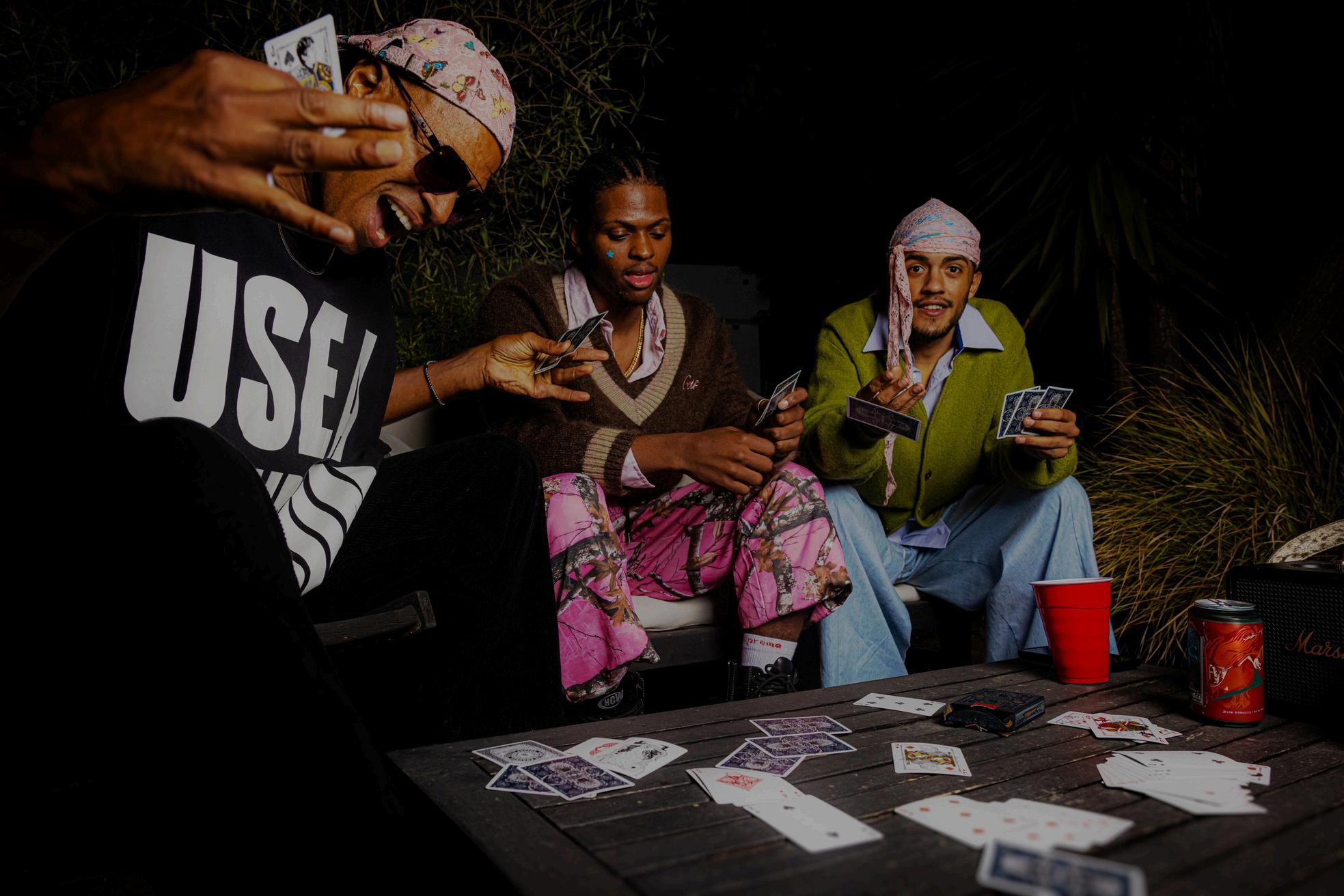
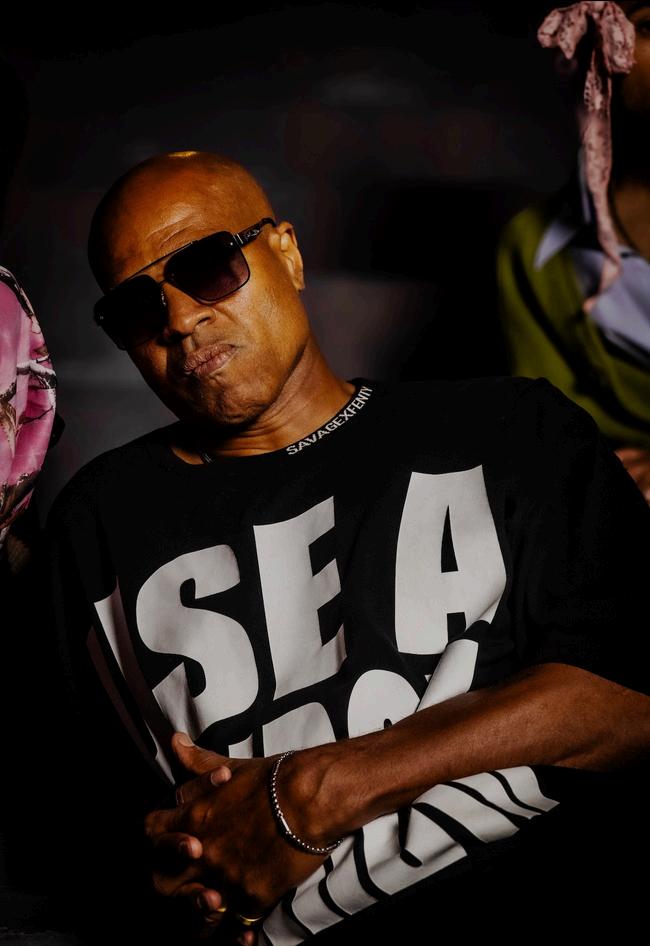
Top: Savage X Fenty
Bottoms (left & right): stylist owned Bottoms: (middle): Amazon
Accessories: stylist owned
Jewelry: stylist owned
Sweater (middle): Golf Wang
Cardigan: stylist owned Button-ups : stylist owned
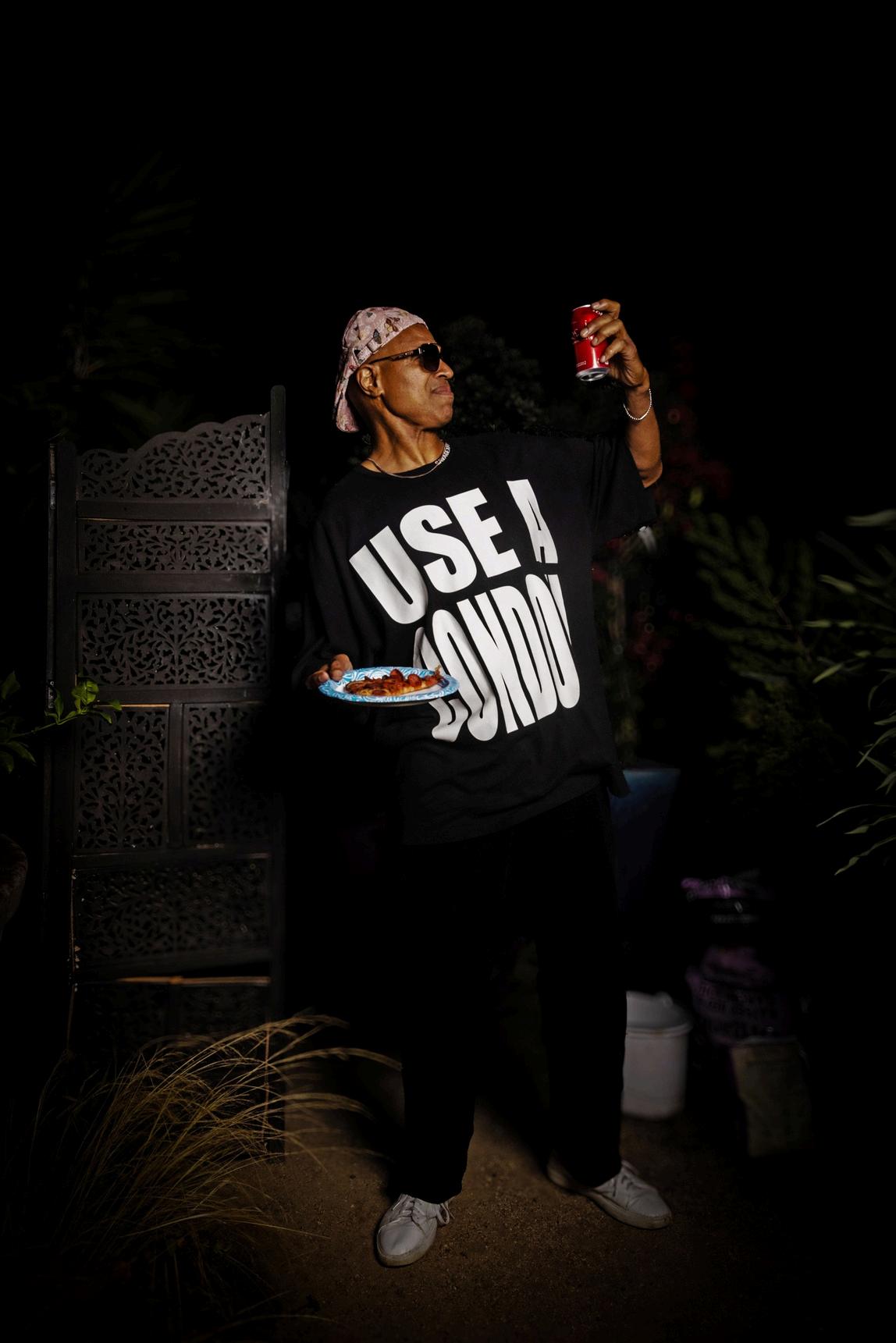
Top: Savage X Fenty
Bottoms: stylist owned
Accessories: stylist owned
Shoes: model owned
Jewelry: stlyist owned
Props: stylist owned
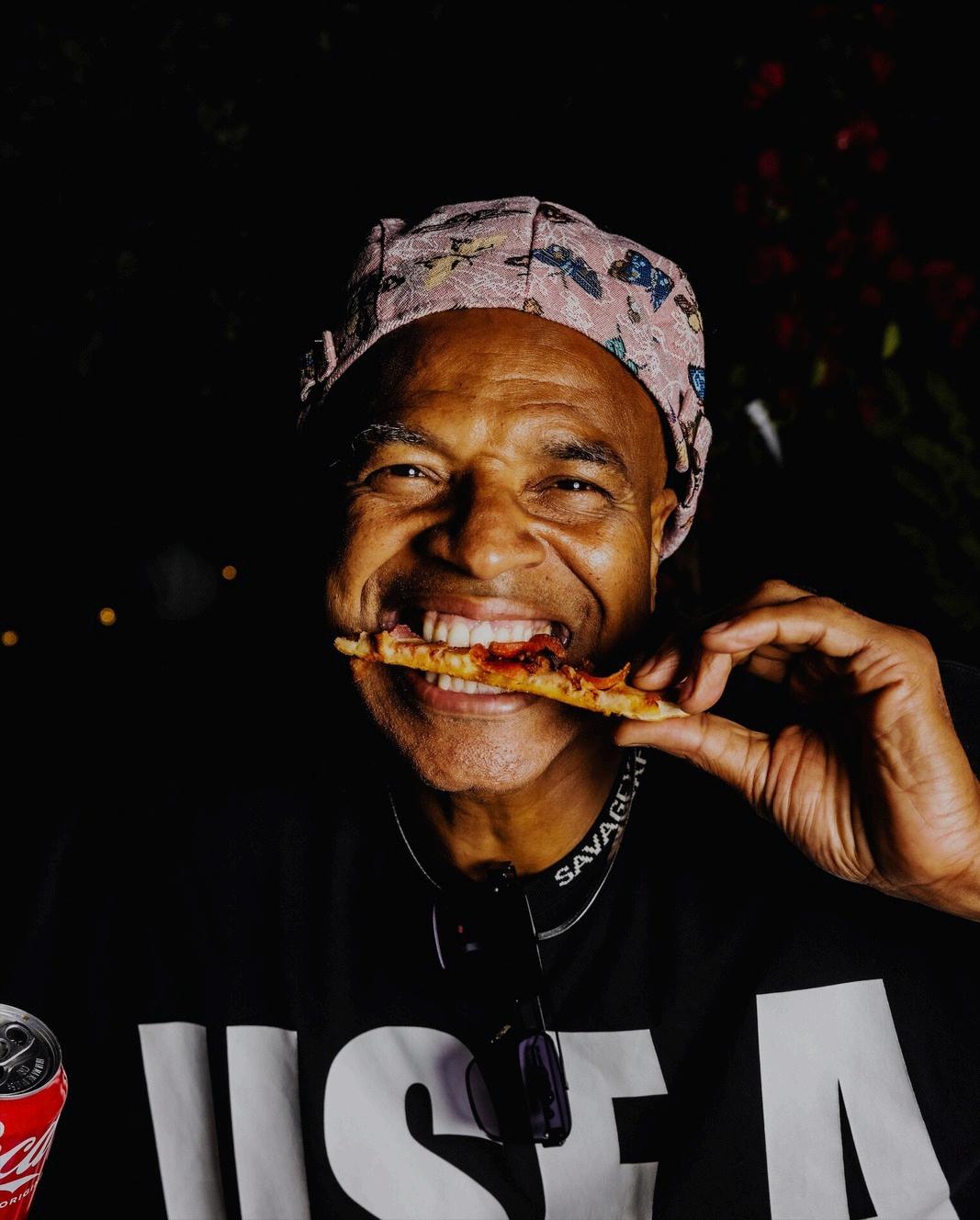
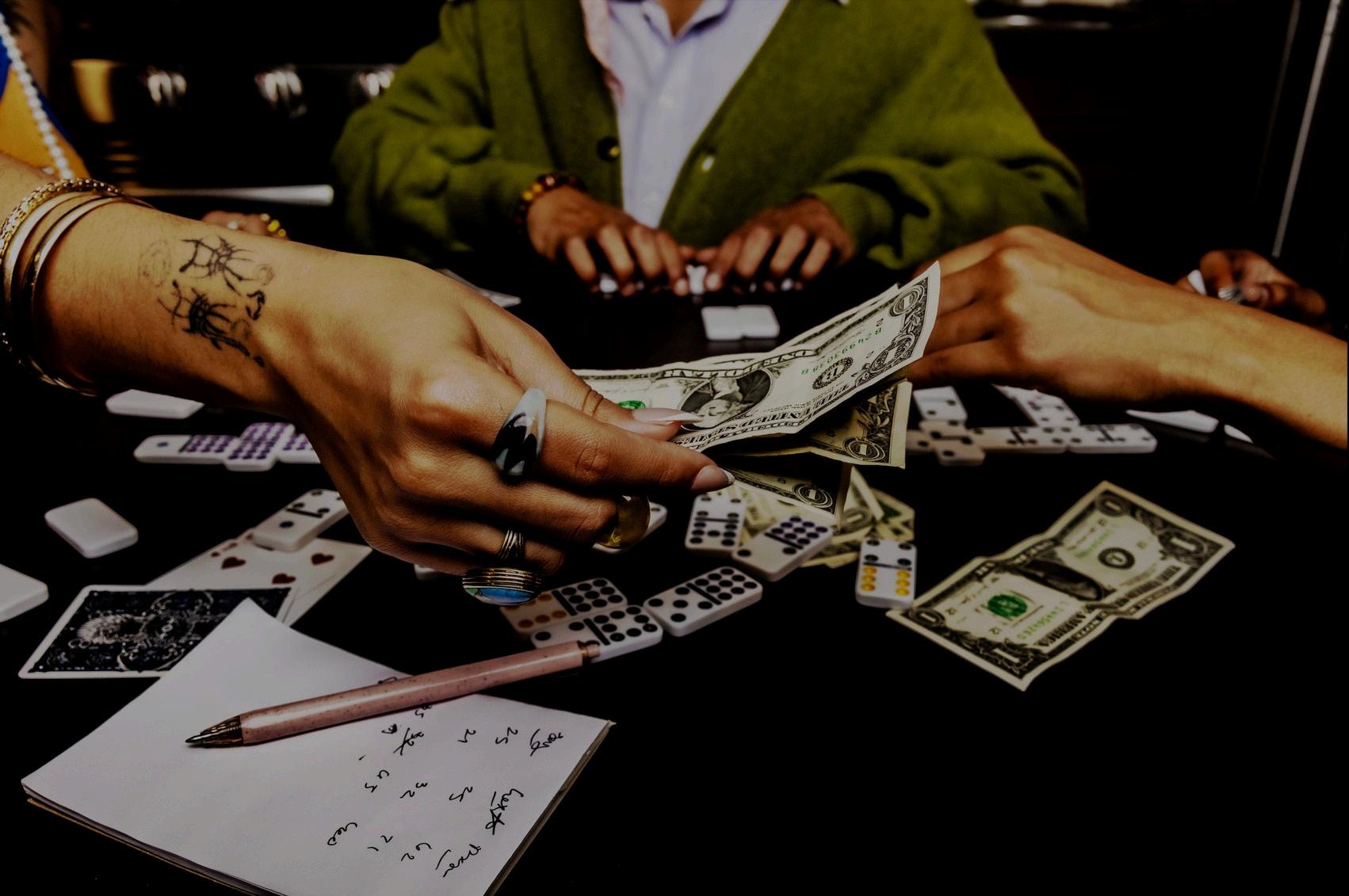
Tops: stylist owned
Jewelry: stylist & model owned
Props: stylist owned
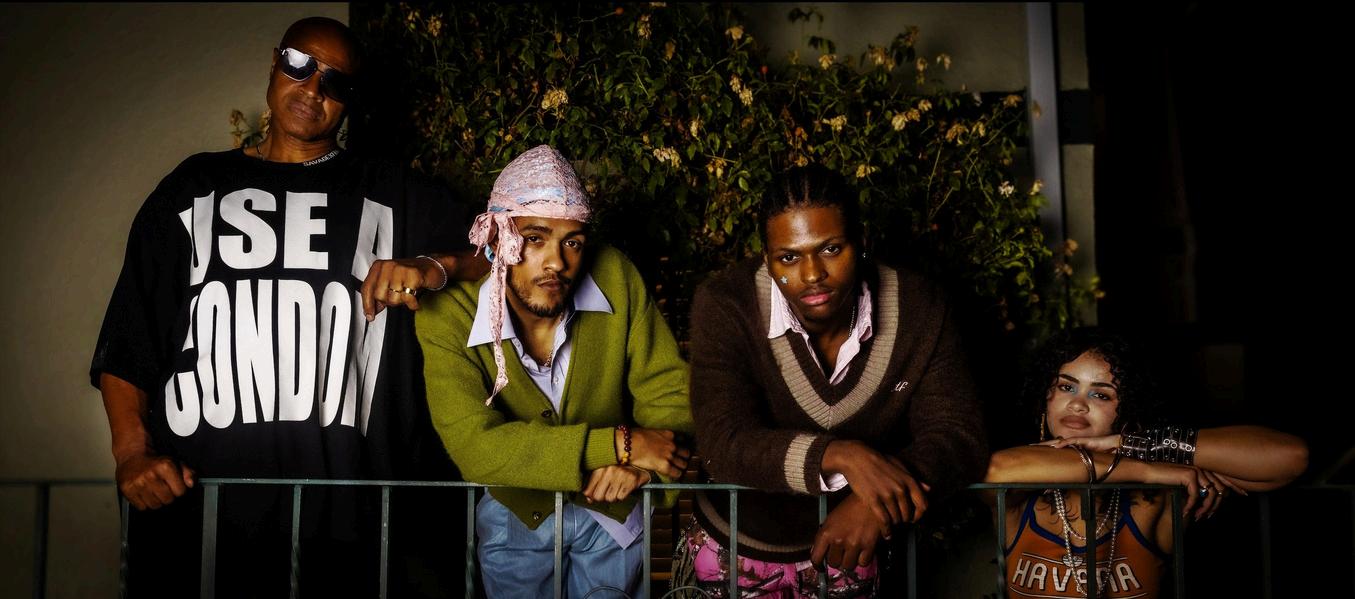
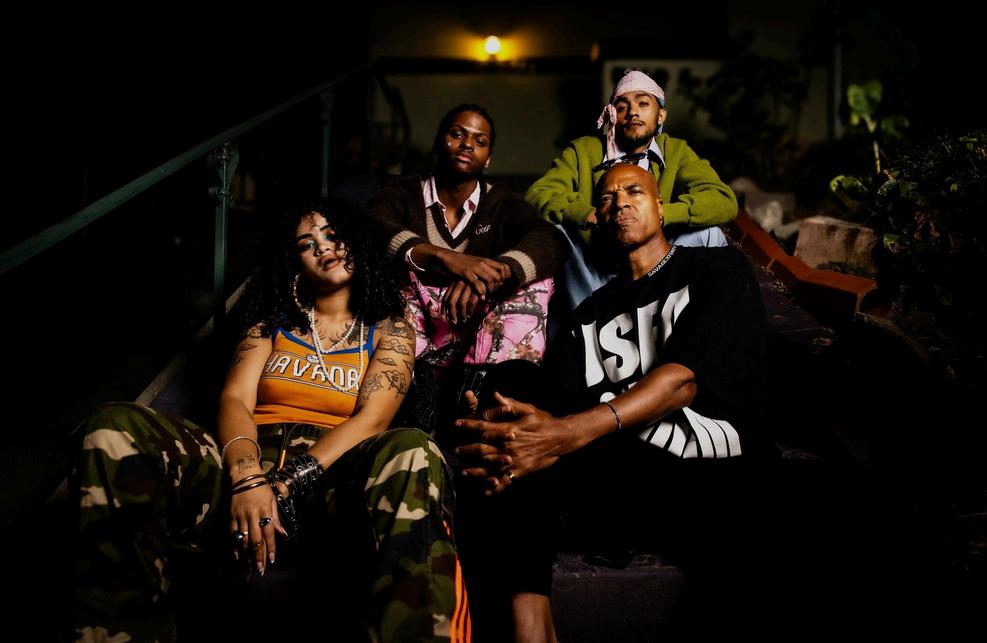
Tops (model 1 & 2): stylist owned
Tops (model 3 & 4): Savage X Fenty, Golf Wang
Bottoms (model 1 & 3): Adidas Ivy Park, Amazon
Bottoms (model 2 & 4): stylist owned
Accessories: stylist owned
Jewelry: stylist & model owned
C R E D I T S
A Neutral Standstill
nsider, WGSN. “Global Colour Forecast A/W 26/27.” WGSN, 7 Oct. 2024, www.wgsn.com/en/blogs/keycolours-aw-2627 Accessed 21 Sept 2025
Afriyie, Avalon, and Humaa Hussain. “I’ve Studied It Closely-These Six Colours Pair Beautifully with Brown ” Who What Wear, Who What Wear, 15 Nov 2024, wwwwhowhatwearcom/colours-that-gowith-brown. Accessed 21 Sept 2025.
Insightspsychology “The Science of Color: How Hues Influence Feelings ” Insights Psychology, 31 Jan. 2025, insightspsychology.org/psychology-ofcolor-emotional-impact/. Accessed 21 Sept 2025.
Elliot, Andrew J “Color and Psychological Functioning: A Review ofTheoretical and Empirical Work.” Frontiers in Psychology, U.S. National Library of Medicine, 2 Apr 2015, pmc ncbi nlm nih gov/articles/PMC4383146/ Accessed 21 Sept 2025.
Twisted Tailoring
“Tailoring History.” MasterTailor, www mastertailorcom/tailoring-history/ Accessed 21 Oct 2025 MasterTailor
“Clothing Construction, Alteration, and Tailoring.” LibGuides, Fashion Institute ofTechnology, fitnyc libguides com/clothing construction/tailoring Accessed 21 Oct 2025 FIT Library Guides+1 “My WGSN – Feed: #twistedtailoring.” WGSN, www.wgsn.com/mywgsn/feed?
filters=%7B%2522hashtags%2522:%5B%2522twistedtai
Peace and Love
“Designers like Gucci arefailing to learn from their mistakes and keep selling clothes that spark accusations of cultural insensitivity ” Business Insider, 16 May 2019, www businessinsidercom/designers-look-gucci-facingcultural-appropriation-accusations-2019-5. Accessed 17 October.
Boan, Daniel. “Designers like Gucci arefailing to learn from their mistakes and keep selling clothes that spark accusations of cultural insensitivity.” Business Insider, 16 May 2019, www businessinsidercom/designers-likegucci-keep-facing-cultural-appropriation-accusations2019-5 Accessed 17 October
“Dior Criticized for Appropriating Native American Culture With ‘Sauvage’ Fragrance Ad ”Time, 30 Aug 2019, time.com/5665533/dior-sauvage-fragrance/. Accessed 17 October.
Hilliard, Siobhan. “Naiomi Glasses and Ralph Lauren Honor Navajo Heritage in New Collaboration.” Cowgirl Magazine, 26 Aug. 2024, www cowgirlmagazine com/naiomi-glasses-andralph-lauren-honor-navajo-heritage-in-newcollaboration/ Accessed 17 October