Reworking Technology
Brian
Gibson
— Images & Words
Gibson
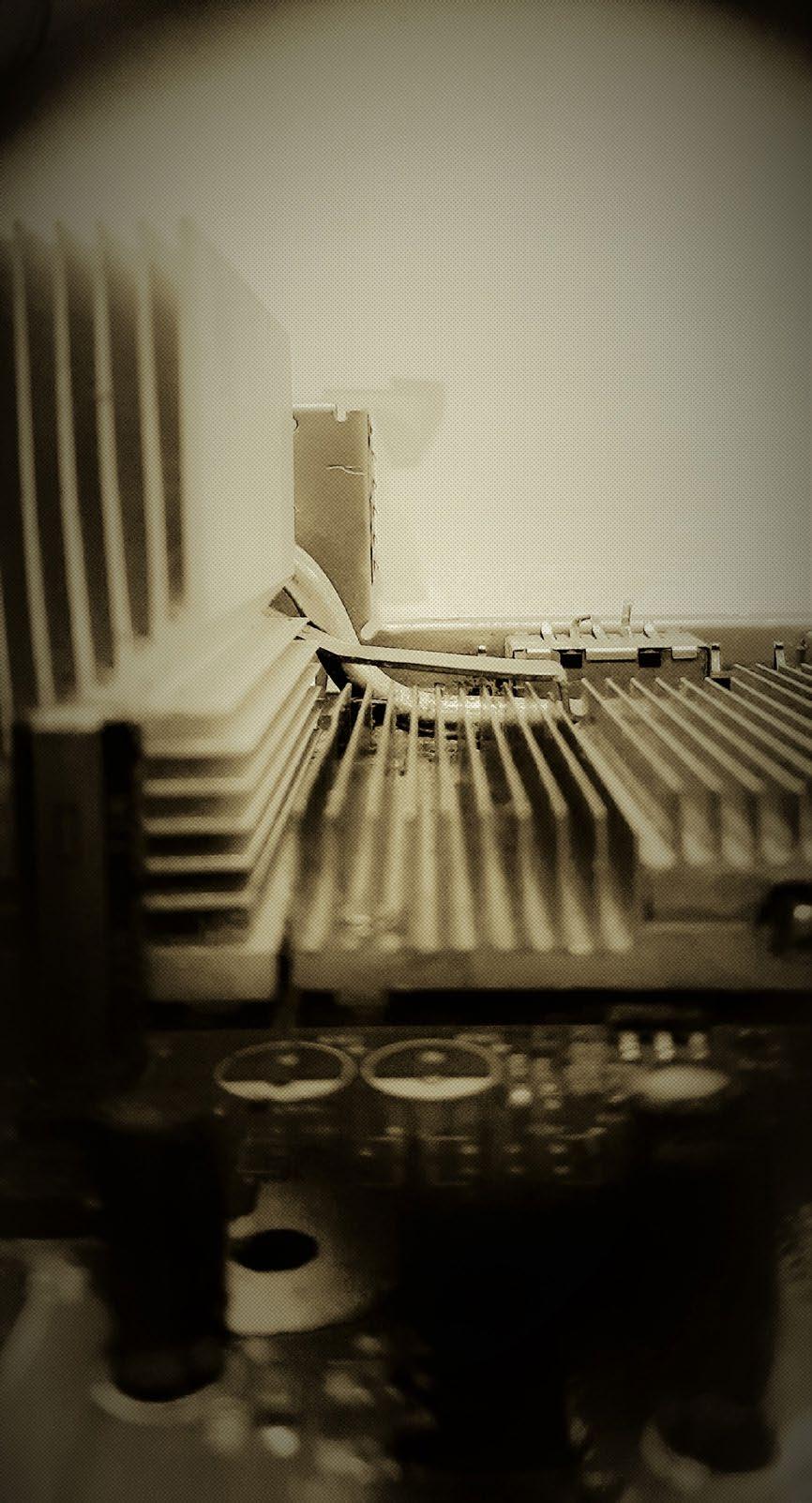
Another time — 2021. The shops are closed, the streets are quiet, there’s a pandemic going on: it’s no lightweight matter. Still, at home looking out to a world through a screen, there’s some contentment to be found in being creative. I recall something once read or heard that, “everything that you ever need to photograph is in and around where you live”, or words to that effect.
It makes sense to me. I’m working with what’s at hand, the standard art materials of pen and paper, the ubiquitous phone camera, and the lingering, no longer
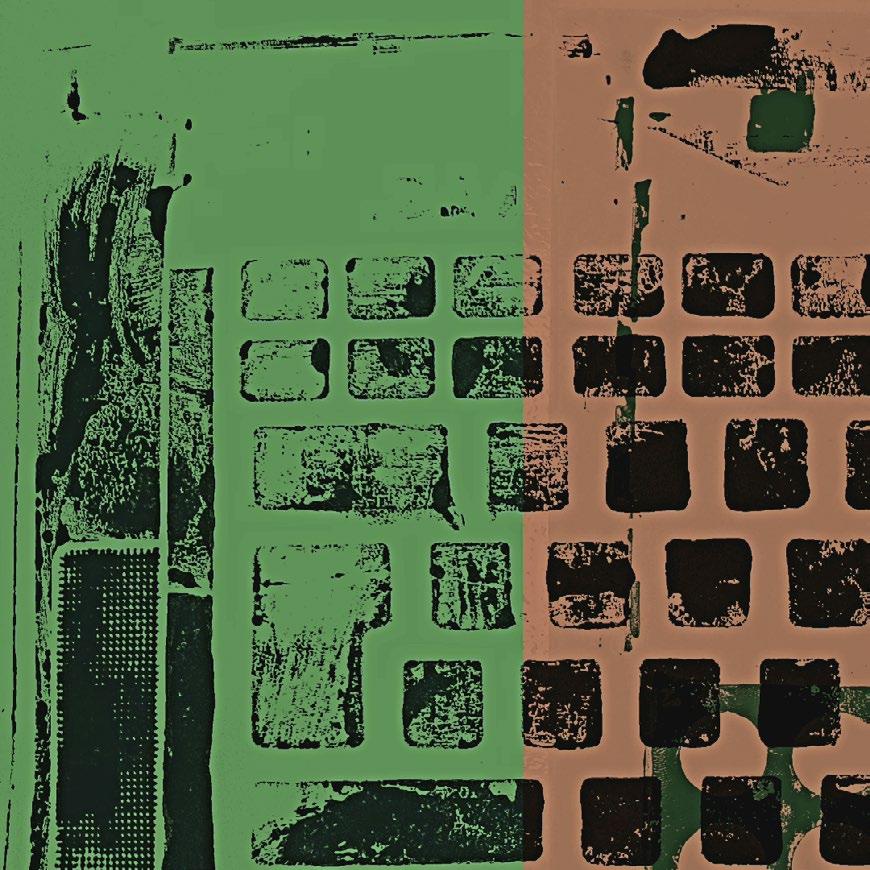
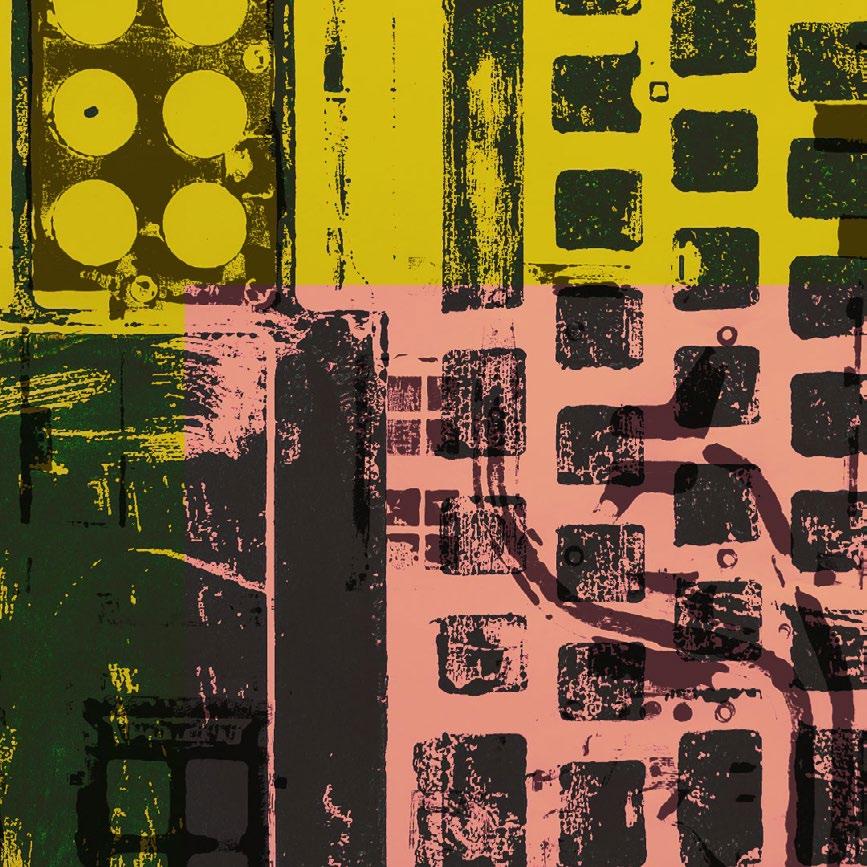
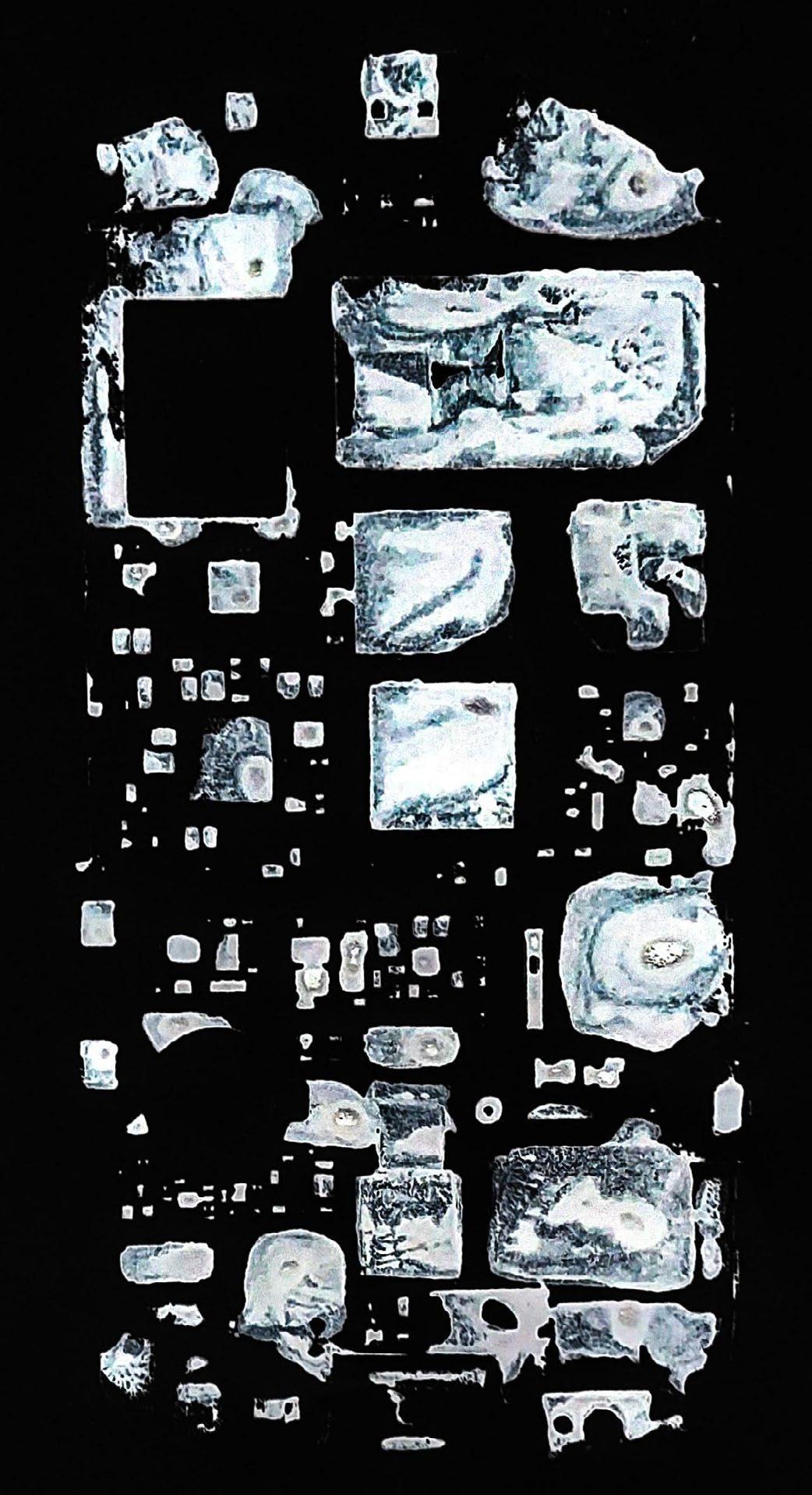
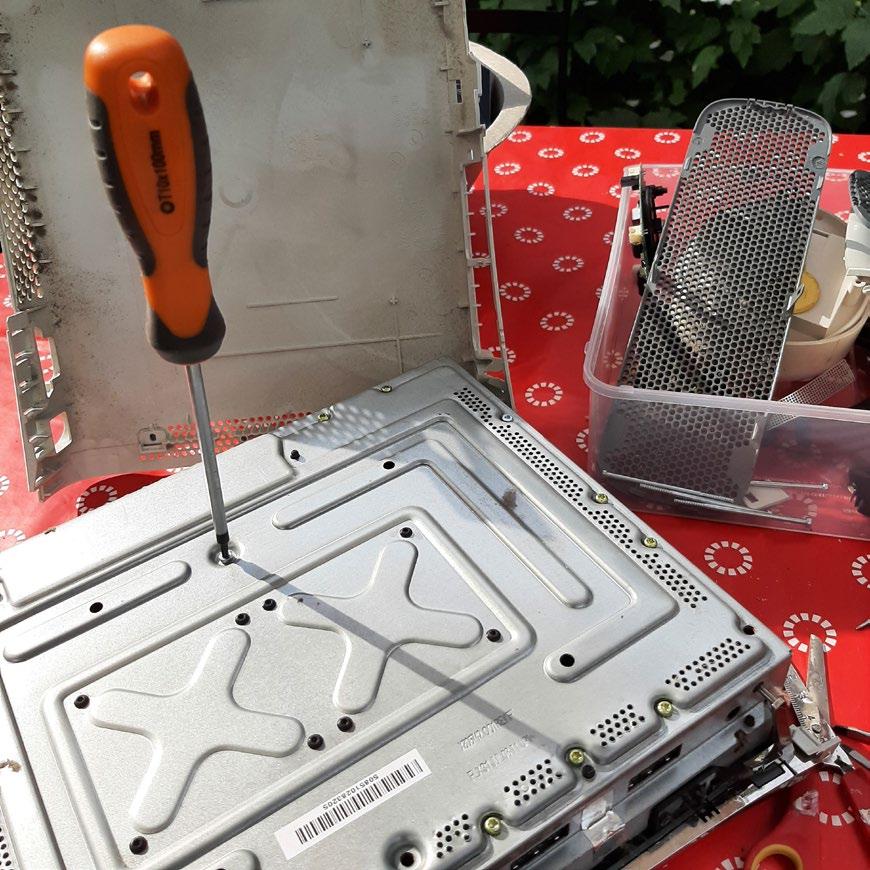
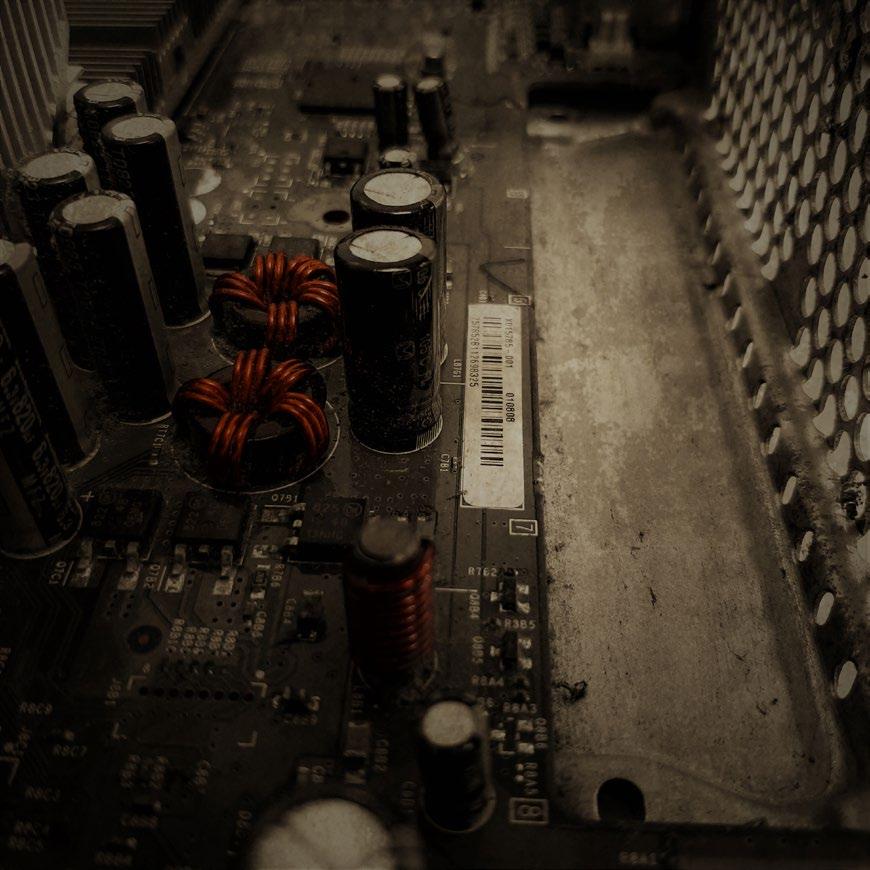
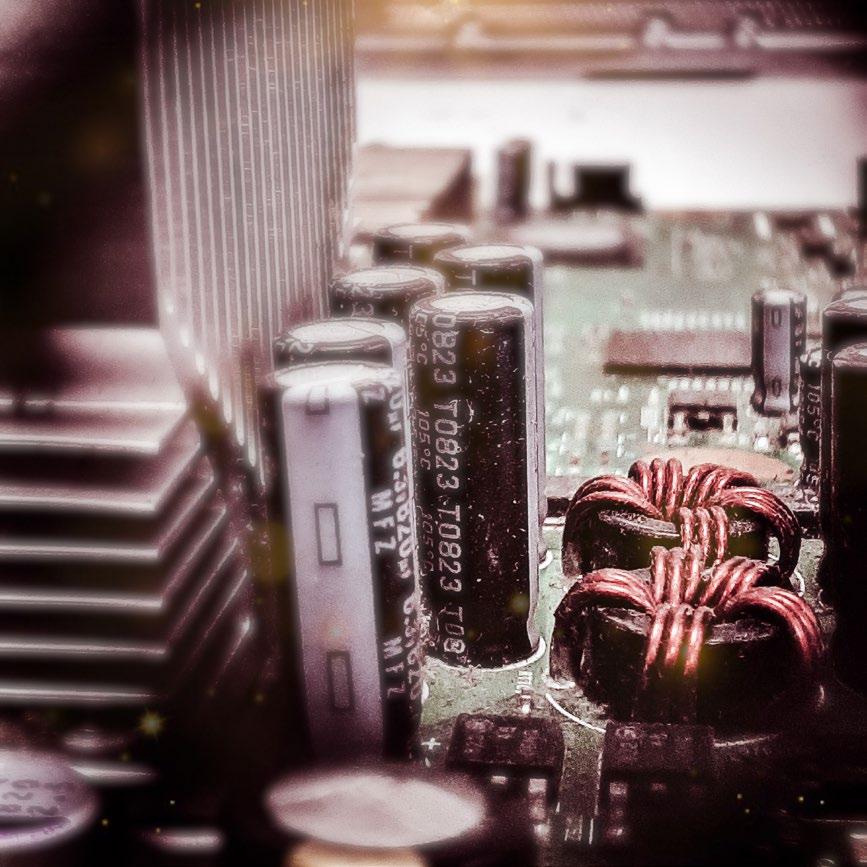
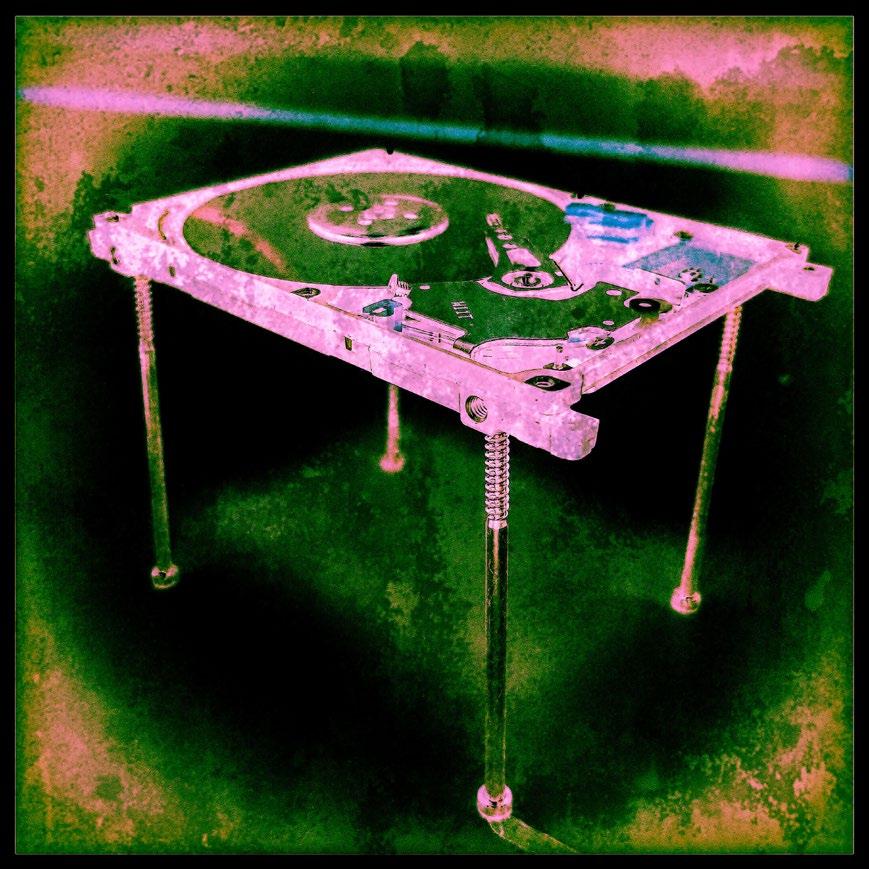
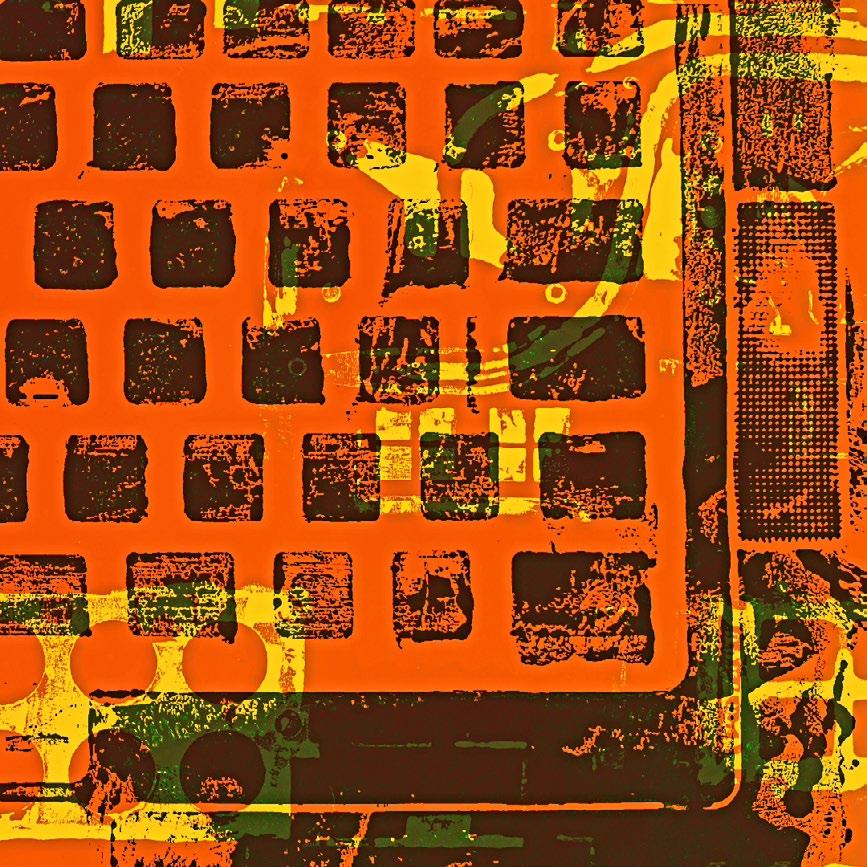
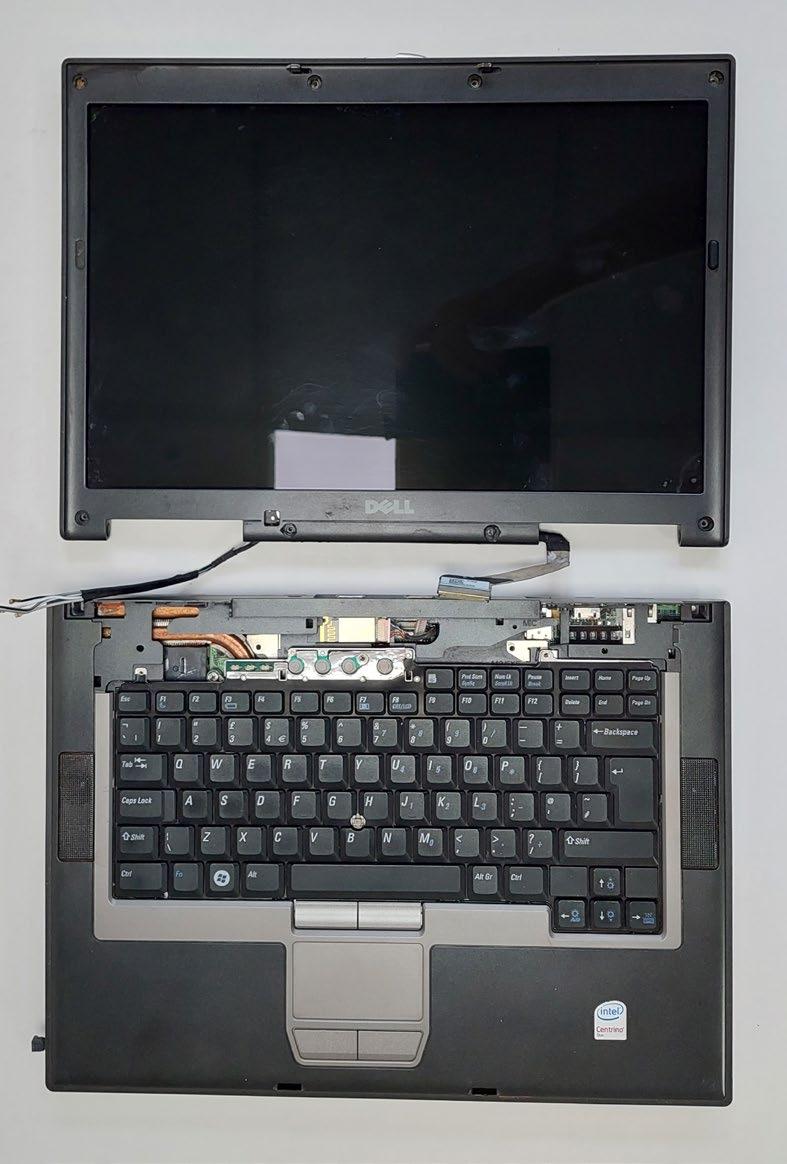
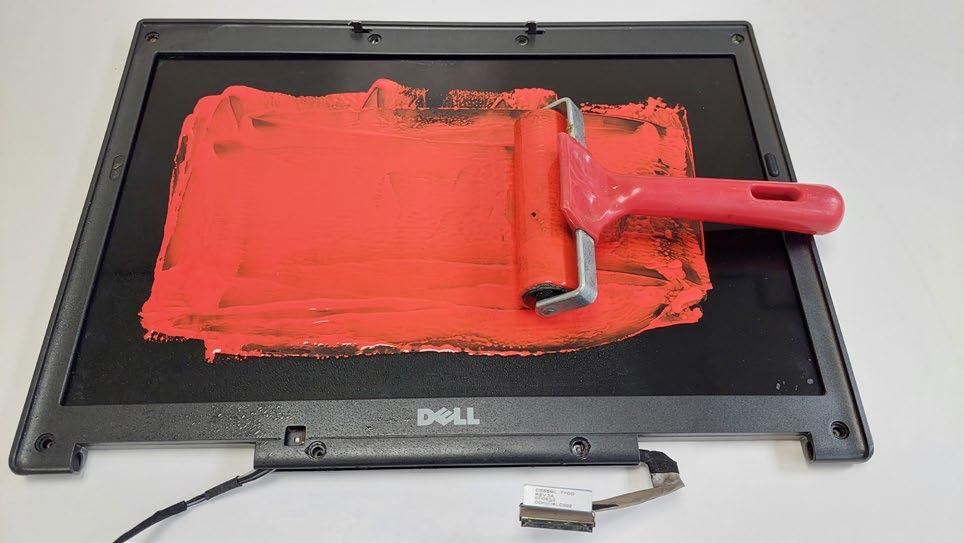
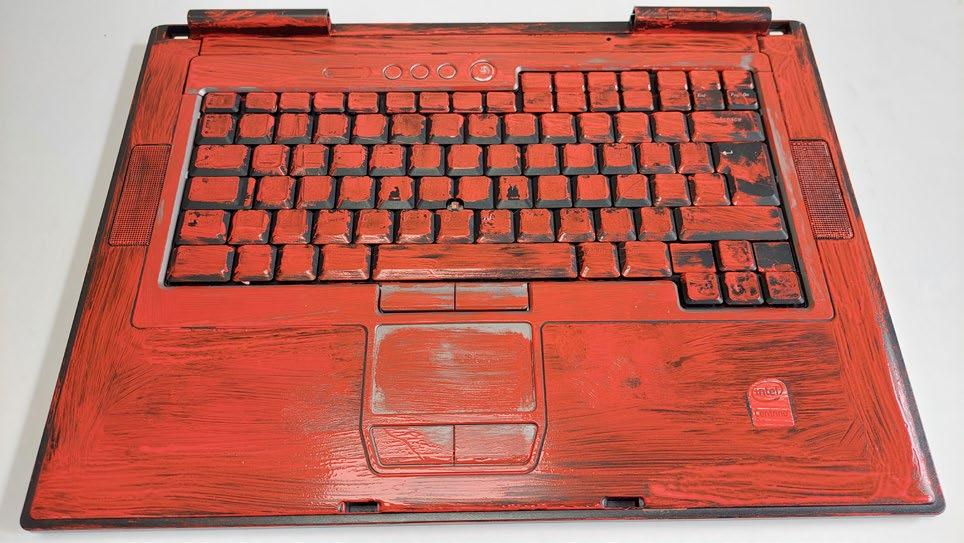
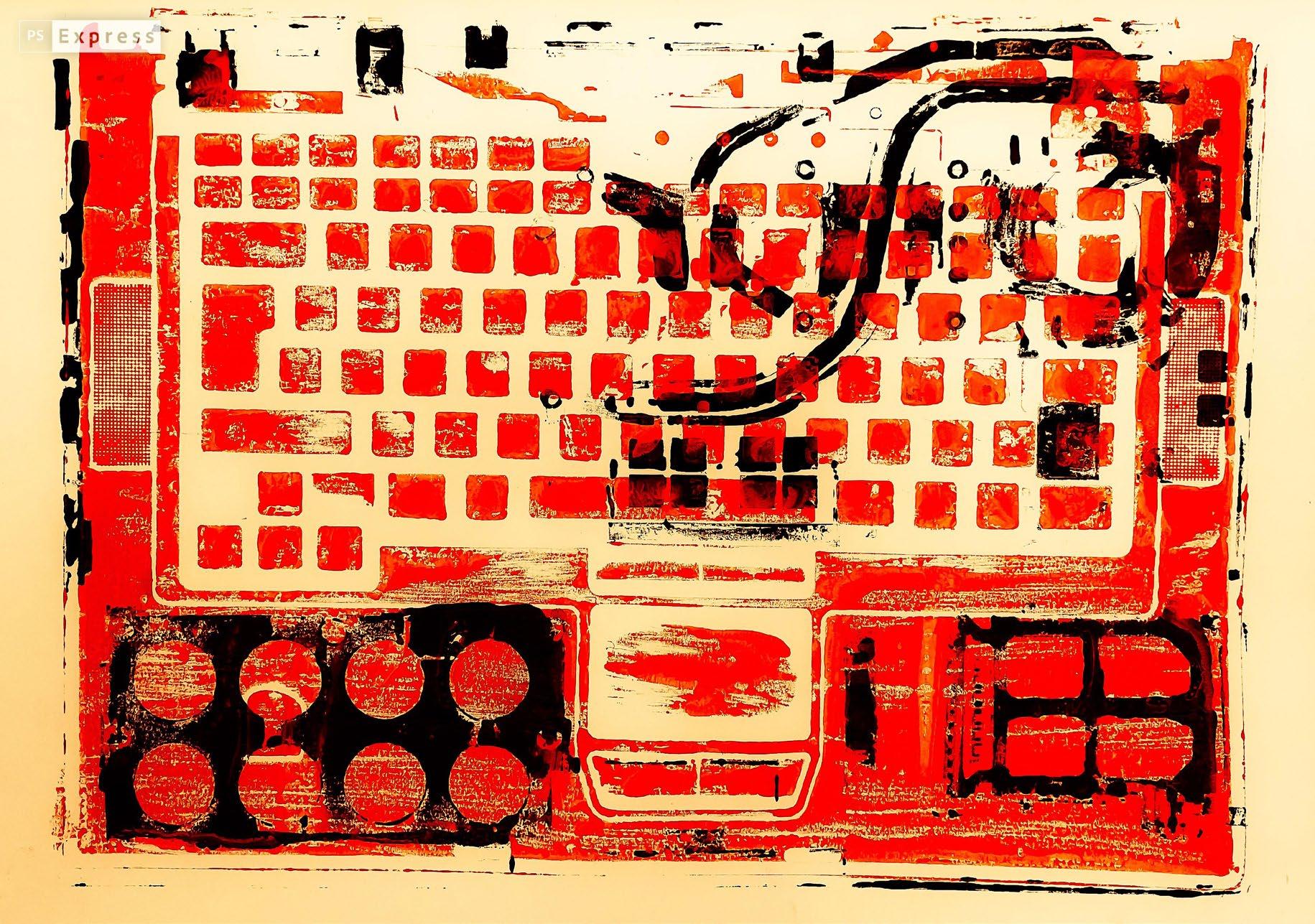
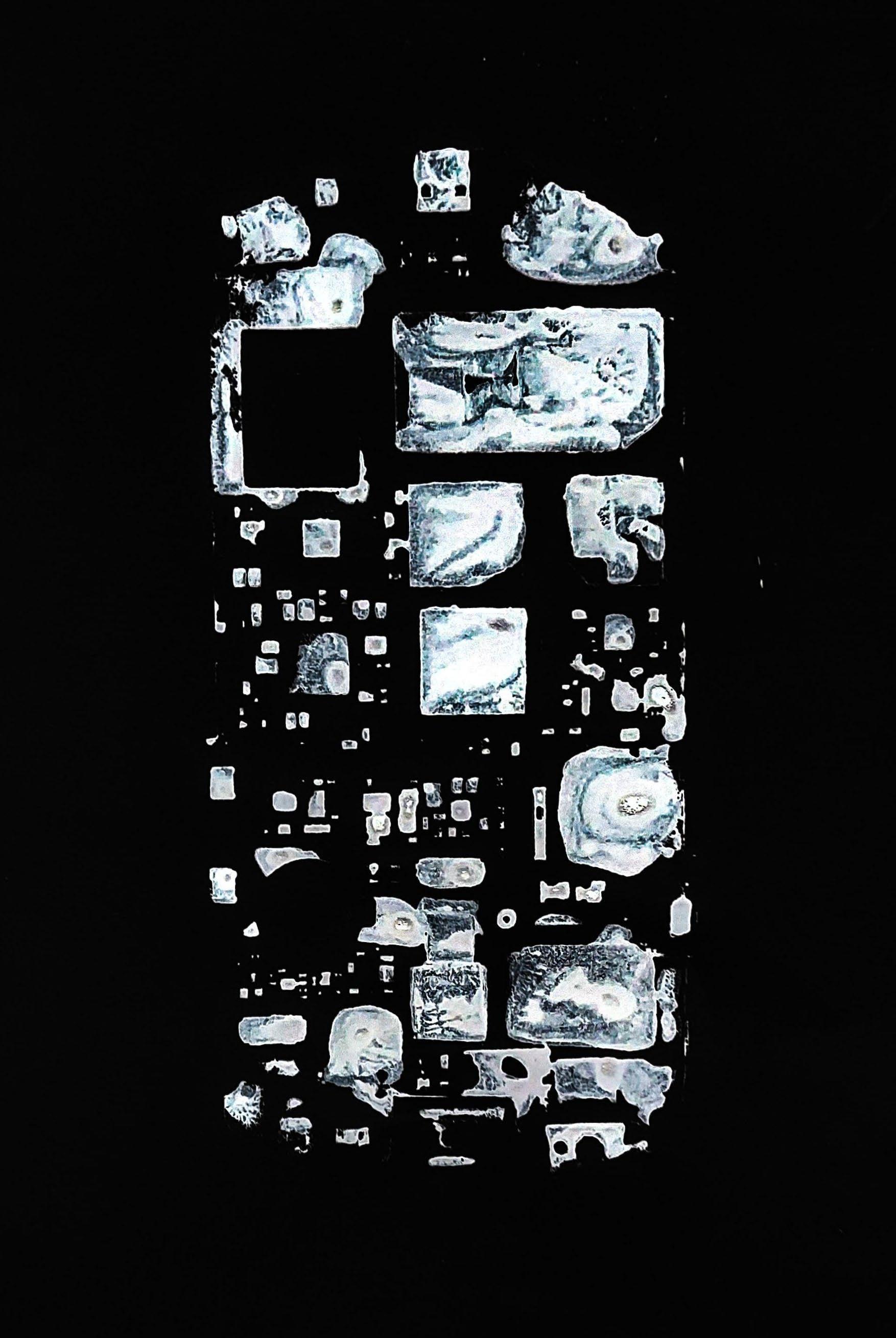
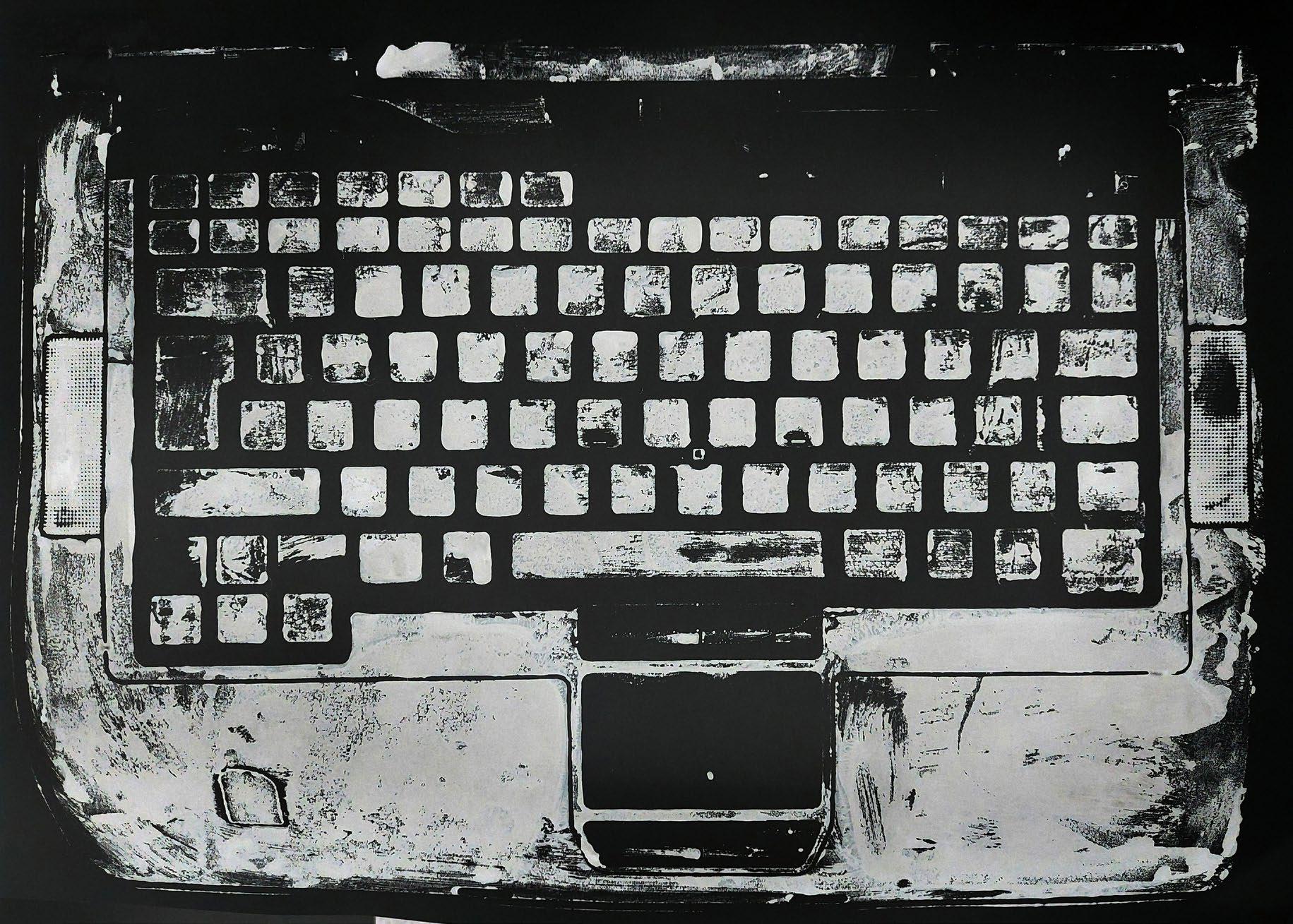
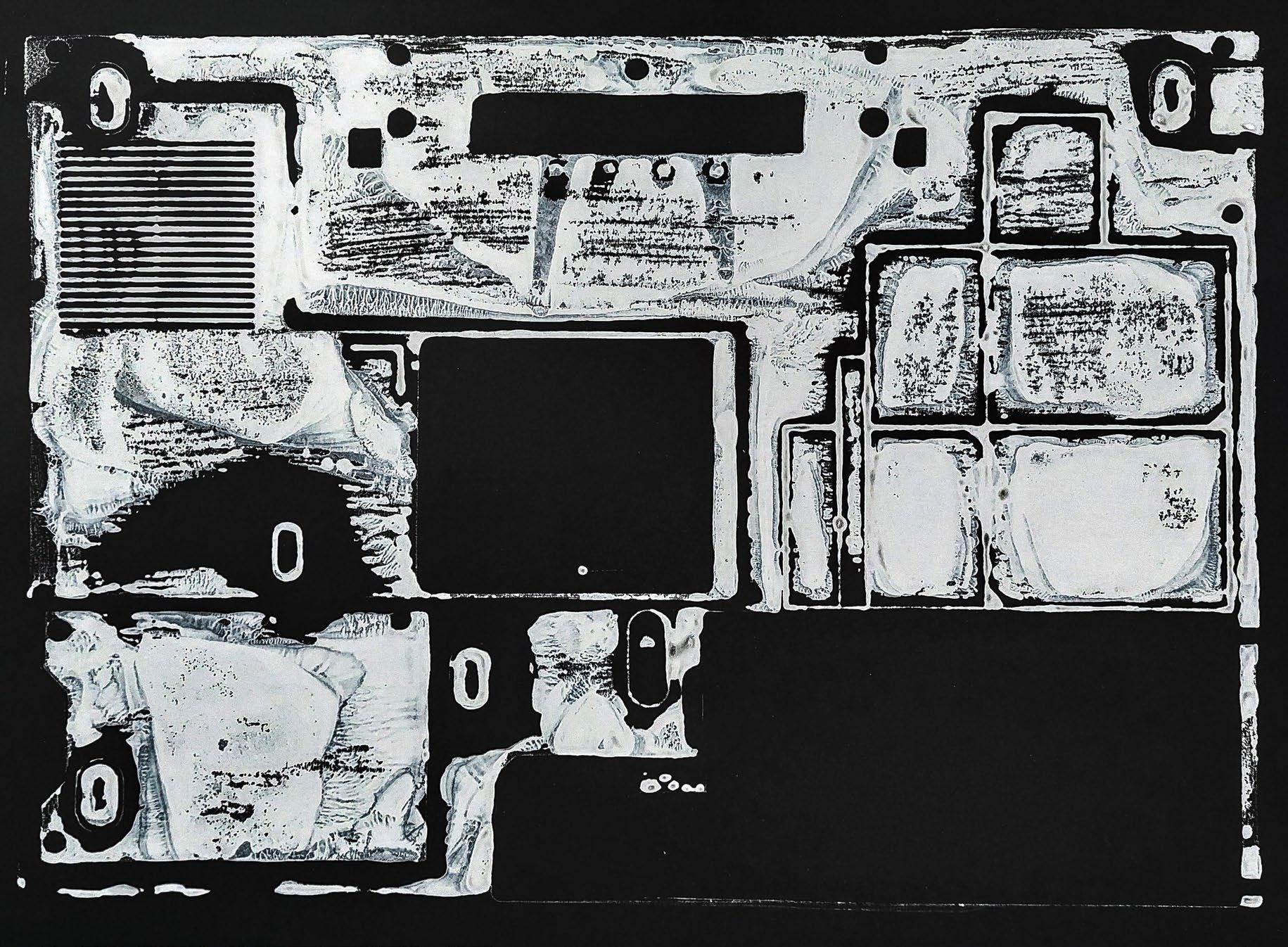
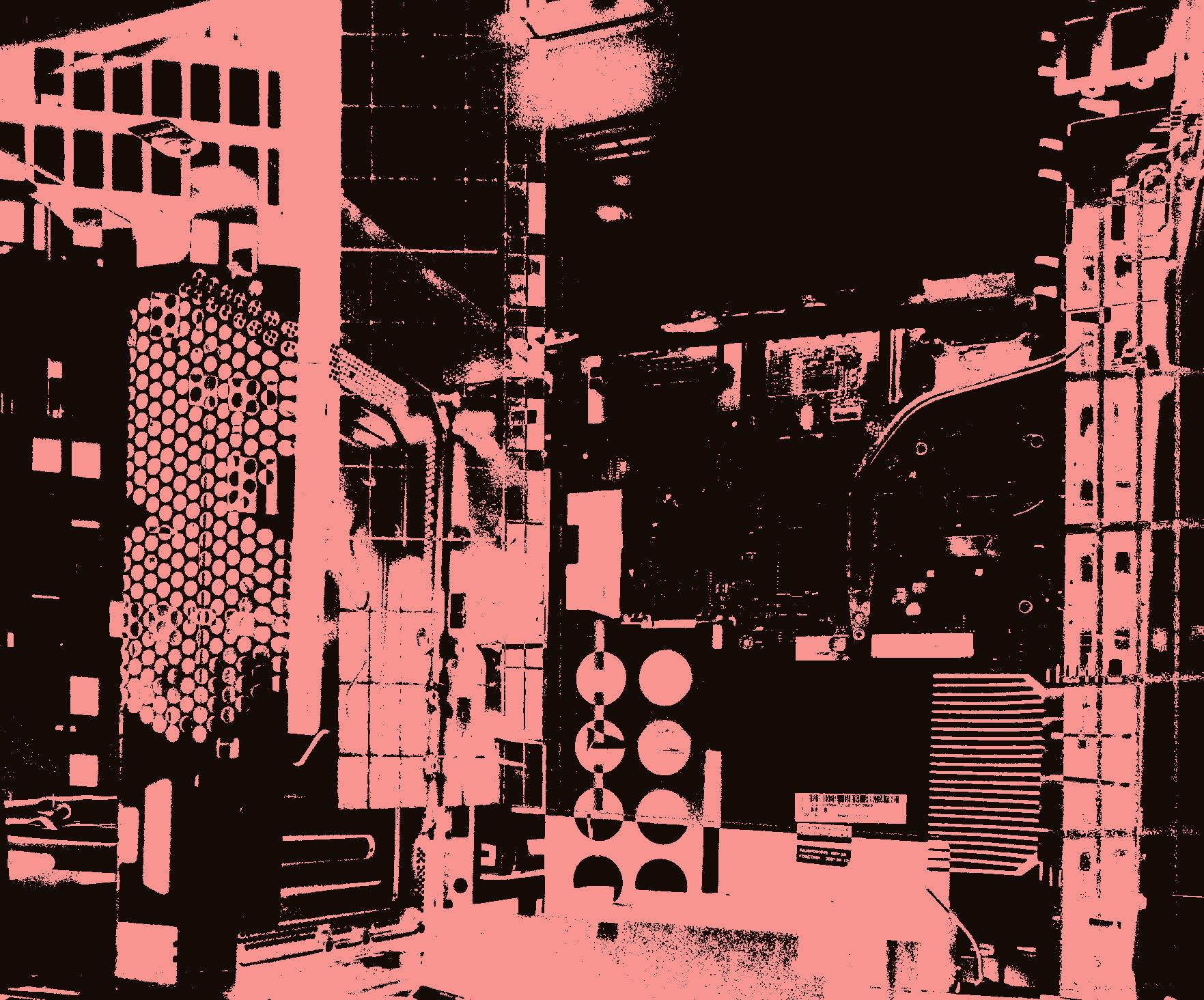
functioning devices of domestic tech — mobiles, laptops and games consoles. Keeping it together by taking things apart. Reconstructing — to create something new, all gates are open. The only proviso I’ve set myself is that whatever I create will remain as a piece of tech that no longer works as tech. The notion of the reconstructed object has been an important part my work for some time, working with what’s familiar — close at hand — developing new narratives, reworking old family photographs, using software to cut and paste folk from the past, putting them into new surroundings — new interpretations to sit with the old.

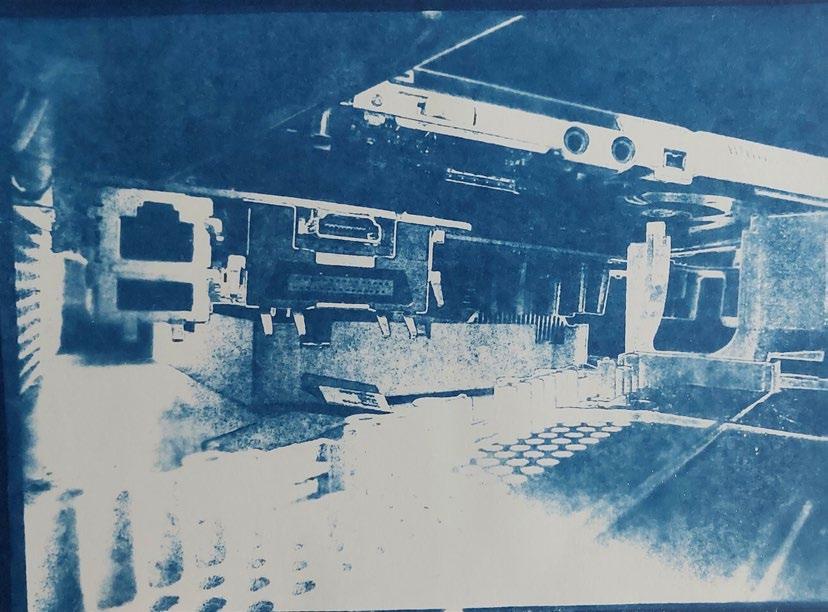
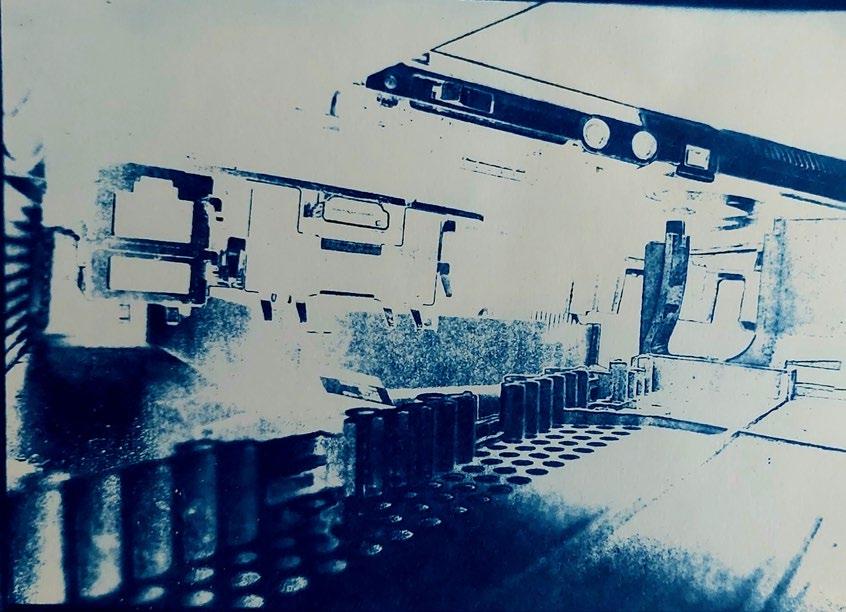
I’ve been working remotely with the arts charity Outside In, exploring and interpreting the Art Extraordinary collection now held by Glasgow Museums. This body of work was gathered by Scotland’s first art therapist, Joyce Laing, during the 1970s at the onset of closures to large-scale mental health institutions across the region. A wealth of creativity (not valued as art) was in danger of being lost along with any records of their makers’ histories. Patient artwork, working with what was at hand, marginalised, extraordinary art given a voice.
Where do I fit in within the creative industries? I identify as an artist but for a long time the thought of being an artist felt very alien to me. It was, after all, another culture. Artists were confident, sophisticated, well-educated people and users of ‘art speak’. That was not how I saw myself.
So how do I engage with developing technologies in ways that are meaningful and enjoyable to me? Is it possible to break down the exclusivity of ‘tech talk’, to get beyond the buzz words and jargon and the endless acquisition of more user-friendly apps? How can one express oneself, as the artist Kin describes, shifting from a position of “speaking and not being heard”, to one of agency and being heard?
What does it mean? I’m dyslexic, listening to an audio book where someone is talking about the need for other people to develop their digital literacy skills. It’s daunting, a trickledown culture, handouts from the Metaverse. It’s over my head and I’m losing sense of where am I in these digital realms. Where do I belong? Digital and creative technologies are part of my daily life, certainly at hand. When did I last leave the house without my phone…on purpose? I’ve been using digital image-editing software for a long time but lately I’ve felt an increasing sense of a disconnect. Code doesn’t thrill me at all, and the joys of social media have turned to concerns about data protection and the misuse of personal information. Does social media need me more than I need it?
My own way of engaging with digital technology has been through my own creativity. It’s a process of demystification, opening up the outer casings, looking at the architecture inside, taking it apart, without any concern for its former function. It’s deeply satisfying.
https://outsidein.org.uk/patient-artwork-projects/collections/glasgow-museums/ https://cell-less.com/
Brian Gibson is a practising artist and workshop facilitator who is dyslexic and has experienced childhood trauma. He has been involved with the arts charity Outside In for over a decade. They provide a platform for artists who face significant barriers in the art world. In 2018, he founded an independent art and music magazine Deviation Street which evolved during the height of the pandemic into a digital zine. Based in Bath he is currently a resident at The Studio (Bath Spa University).
Container is an online magazine about creative technology. It is a home for stories beyond the mainstream, focussing on the human side of technology. For years, technology in the media has been largely limited to “techno-heroic” stories of the successful individual, big technology and corporate gain. Container seeks to redress the balance and raise up a messy multiplicity of voices - ones that question, dissent and explore.
The Container Residency is an open commission for artists, creators, and makers to creatively respond to an aspect of creative technology. The Residency has an open brief and is an experimental space that supports artists to explore an idea or theme they are interested in without expectations or boundaries.