
Building Tomorrow: The Quiet Revolution in Smarter, Greener Cities
by Brian Platt
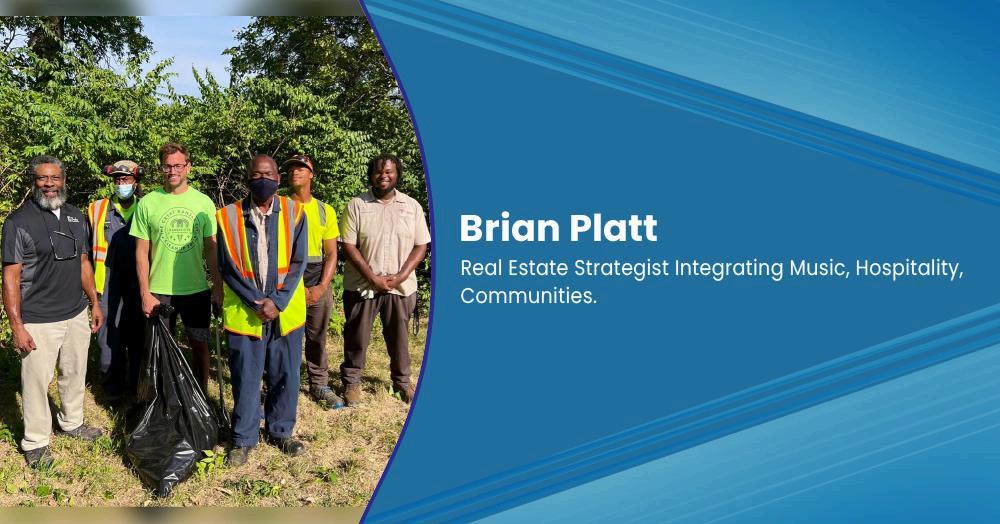
Cities around the world are changing in ways that would have seemed impossible just a decade ago Urban leaders are no longer focused only on expanding roads or adding taller buildings Instead, many are redesigning entire systems to make cities cleaner, healthier, and more connected to the people who live in them. From energy-efficient housing to public parks that help reduce flooding, the future of city living is being shaped by sustainability and long-term thinking, as noted by Brian Platt.
Modern urban planning now places people at the center of design decisions Many cities are investing in walkable neighborhoods, protected bike lanes, and public transportation systems that reduce traffic and air pollution These changes are helping residents spend less time commuting while improving the overall quality of life Green spaces are also becoming a priority because they provide cleaner air, lower temperatures during hot seasons, and spaces where communities can gather and relax
Technology is also playing an important role in this transformation. Smart lighting systems reduce unnecessary energy use, while digital traffic management tools help cut congestion and fuel waste. Some cities are even using sensors to monitor water usage and improve waste collection These innovations are not only helping the environment but also saving cities money that can be reinvested into schools, healthcare, and public services The result is a more
balanced urban environment that supports both economic growth and environmental responsibility.
Housing is another area where forward-thinking cities are making major changes. New developments are increasingly designed with renewable materials, rooftop gardens, and solar energy systems Older buildings are being updated to become more energy-efficient rather than being demolished. This approach reduces waste and helps preserve the character of neighborhoods while preparing them for the future Many city governments are also encouraging mixed-use communities where people can live, work, and shop in the same area, reducing the need for long car trips.
Climate resilience has become one of the biggest drivers of urban innovation Coastal cities are building flood-resistant infrastructure, while drought-prone regions are investing in water-conservation projects Urban farming and community gardens are also becoming more common as cities search for local food solutions that reduce transportation emissions and improve food security These projects show how environmental concerns are now influencing every level of city planning
The cities leading this movement understand that sustainability is not just about protecting nature It is about creating healthier communities, stronger economies, and better everyday experiences for residents. By rethinking transportation, housing, energy, and public spaces, these cities are proving that smart growth and environmental responsibility can work together The future of urban living is no longer a general idea It is already taking shape in cities that are choosing to build with purpose, creativity, and care.