ESTATE GUIDE REAL
TO BUY OR NOT TO BUY?
The differences between a buyers’ and sellers’ market
FAQS ABOUT DIY
Remodel on your own or call in the pros?

TO BUY OR NOT TO BUY?
The differences between a buyers’ and sellers’ market
FAQS ABOUT DIY
Remodel on your own or call in the pros?
hopping for a new home is an exciting experience. As prospective buyers shop around and attend open houses, they are likely to fine-tune their list of what they need and what they want in their next home.
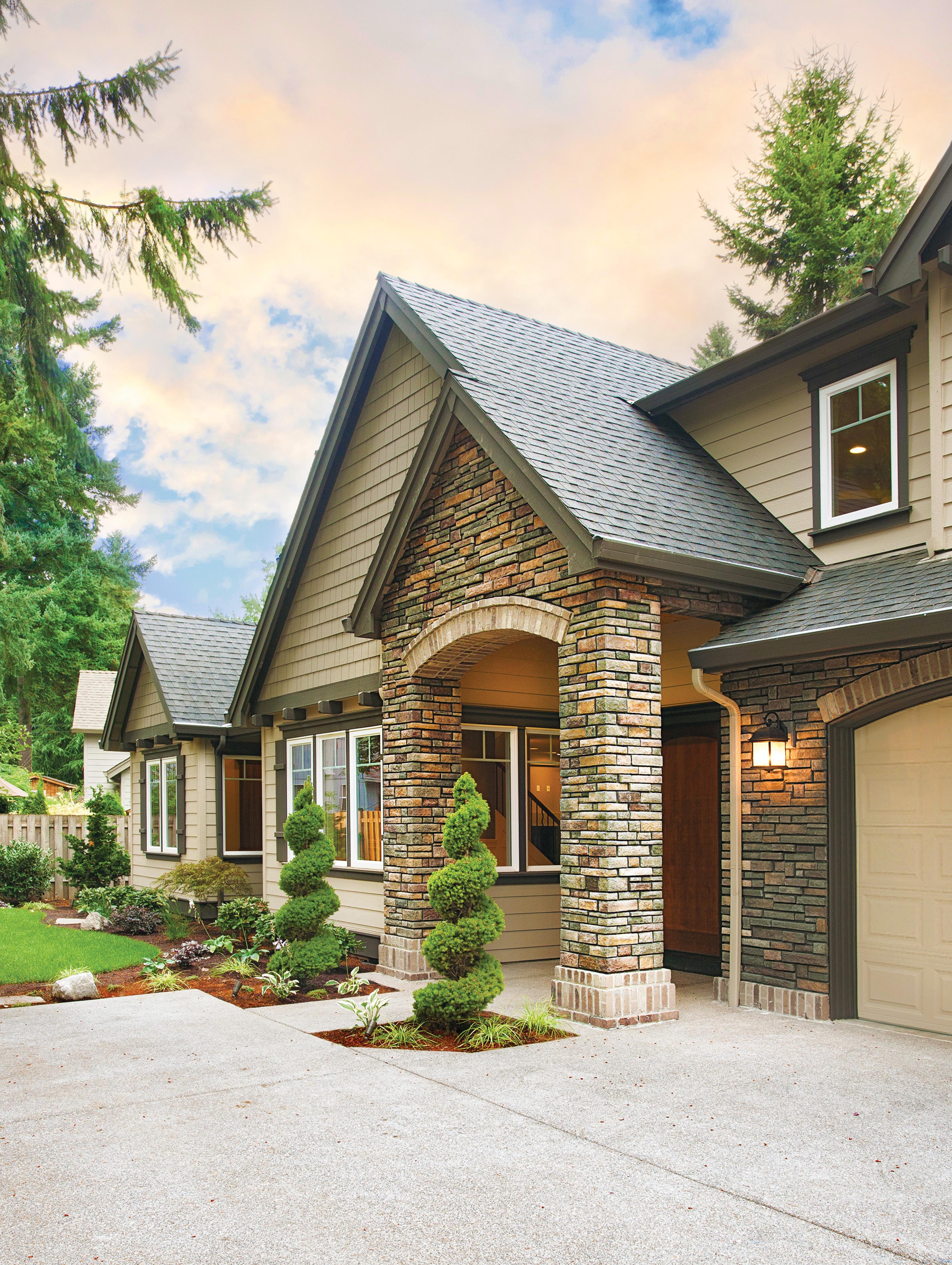
One choice buyers will be faced with is how much home to buy. Determining how much square footage an ideal home should have can be difficult. While many home buyers can envision themselves enjoying a palatial estate, square footage is a significant variable in regard to home prices. When trying to determine how much home to buy, prospective home buyers can ask themselves a range of questions to help make that decision.
How much can I afford?
Home buyers’ budgetary considerations should extend beyond the asking price of a home and into what they will be able to afford should they purchase a particular property. Projected monthly mortgage payments can be easy to determine, but utilities can fluctuate considerably from home to home. Energy prices are fluid, but the more square footage a home has, the higher utility bills are likely to be. When determining how much home you should buy, you first need to identify what you can afford, and that mock budget should include estimates regarding monthly utilities. In addition, upgrading and renovating a larger property is likely to cost more, so that’s another budget-related variable to consider when determining how much home to buy.
How much home can I take care of?
Seasoned homeowners know that the work required to own a home never ceases. First-time buyers must keep that in mind when shopping for a home. A home with lots of square footage will require more daily and long-term maintenance than a smaller home. If you don’t have the time, the means or the will to keep up with maintaining a property, then perhaps a home with a small footprint in terms of square footage is for you. If taking care of the home is not a concern, then extra square footage may not be a deterrent.

How significant a variable is ZIP code when selling a home?
Another variable to consider when determining square footage is the ZIP code of a home. Selling might not be foremost on the minds of prospective buyers, but a large home in a town with a poor school district and safety concerns is unlikely to generate as great a return on investment as a smaller home in a town with a reputation for great schools and little crime. However, the real estate market is forever in flux, so prospec-
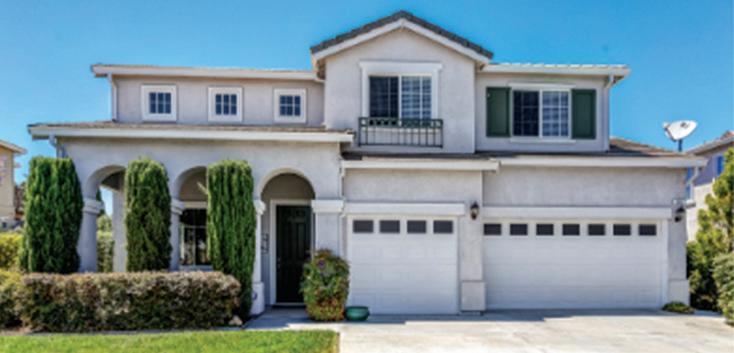




tive buyers who prefer a larger home but don’t want to break the bank to purchase one are urged to work with a real estate professional to identify areas that might be up-and-coming and offer the best of both worlds. That’s no small task, but local real estate agents and realtors can be invaluable assets in such pursuits.
How much home do I need?
Of course, how much home a buyer needs is a unique and important variable. But this also is a difficult question to answer.
Buyers who plan to grow their families will need enough space to accommodate everyone who eventually lives under their roof. Couples buying a home together who discuss how big a family they want to have can use that discussion to inform how large a home to buy. Buyers who like to get out and about can ask how much time they’re likely to spend at home and use that to determine how much square footage they need at home.






The pros and cons of each process
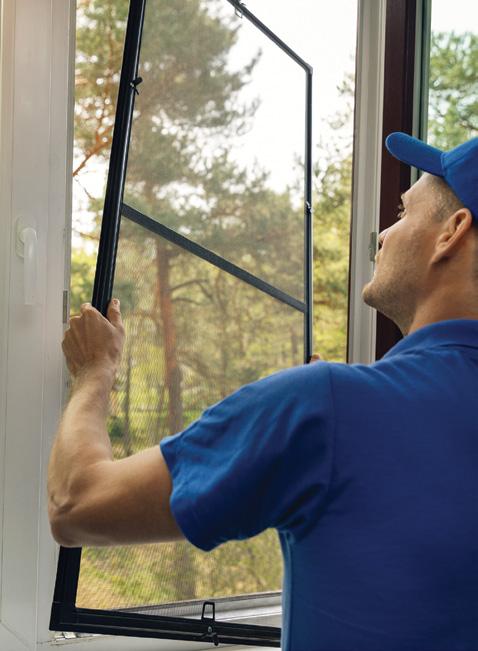
Some home remodels can be done yourself, while other projects may need professional help. Experts in the East Bay give their take on why knowledge, preparedness, safety, and time are important aspects to have and consider when deciding whether to remodel yourself or hire a professional.
James Carey, president at Carey Bros. Remodeling in Antioch, said doing a remodel yourself depends on how adaptable you are. “If you’re a very mechanical person, and you’re willing to read and look at charts and and photos, you can do almost anything and do it effectively, and in many instances, do it better than a contractor. I would say that in priority order, it would be knowledge. Do you have the knowledge necessary to perform the specific task?”

“You can do a DIY remodel, you can hire a contractor, or you can do a blend and do a little bit of both with a hybrid remodel,” said James Carey (left), president at Carey Bros. Remodeling.
James said knowledge and preparedness come first in a DIY remodel, then being safe so you can do the job professionally or as professional as what meets yours needs, and third is having the time to complete the remodel. “Is it something that will end up improving your home, or will it, because you don’t have the skill set, detract from its beauty and thus,
maybe end up diminishing the value of your home,” he added. “You shouldn’t attempt to do anything that could potentially put you in harm’s way. So,if you’re going to attempt something, you have to be mindful of safety, and that relates to working with electricity, working with plumbing because you could flood your house. If you’re using power tools, you could seriously injure yourself if you aren’t familiar with how to utilize those tools and utilize them safely.”
James noted the importance of setting realistic expectations. “If you have expectations of having something done for vacation, for a wedding, for house guests, for a holiday, determine whether you can get it done or not in time, and how much is your time worth? If you’re a school teacher, and you’re off for the summer, and you have nothing else to do, have at it.”
Kevin Bates, store manager at Brentwood Ace Hardware, said “DIY can be very self-satisfying for someone to learn about a project and complete it themselves. Not always does DIY come out the way you want it to on some projects and that would be the con right is that sometimes you know without proper research it can be pretty extensive so.”
Morris Carey, senior draftsperson at Carey Bros. Remodeling, said that “if
you’re an ambitious person, and you have some physical strengths, and you’re willing to reach out and learn how to do it, more power to you.”
Morris said there are always contractors available for a DIY project.
With all the information available today, James Carey is not opposed to suggesting a DIY project if the time and energy is there. “Information is in every corner of the earth that wasn’t available when my brother [Morris] and I first started in business decades ago. There’s so much information available to help you learn and to help you go through the process.”
James said that as he gets older, he finds there is less benefit to consumers in their business or in other urban areas due to demands and travel. ”If you’re in Arkansas, this may be a little different. You don’t spend 14 hours in traffic a week,” James added. “Consumers often think that there’s going to be significant savings or tremendous benefits associated with taking on a project themselves, and I think they find that they may have bit off more than they can chew. Our program for 35 years on radio, on our newspaper column, and our books have been directed at helping consumers accomplish DIY projects, and how to buy right when
see Remodel page 5B
Your agent will help you structure a competitive offer including price, contingencies, and terms.
Finding an agent you trust is just as important as finding the right home. As the guide notes:
“Choosing a real estate agent whom you trust and feel comfortable with can be as challenging as finding your dream home.”
A knowledgeable agent will guide you through the process, protect your interests, and help you secure the best deal.
Down payment: Most buyers put down 10%–20% of the purchase price.
“The down payment is the initial amount of money paid to secure the purchase.”
Improve your credit score, pay down debt, avoid late payments, and keep balances low to qualify for better mortgage rates.
Research neighborhoods (schools, safety, amenities, commute).
Create a list of must-haves vs. nice-to-haves. Attend open houses and take notes/photos to compare homes.



Be prepared for counteroffers — flexibility is key.
Home Inspection: A professional inspector evaluates the home’s structure, systems, and potential issues.
“The inspector will evaluate electrical, plumbing, HVAC… roof, foundation, and structural integrity.”
Appraisal determines the home’s fair market value. Buyers often include an appraisal contingency to protect themselves.
Before closing, you will review the closing disclosure, conduct a final walk-through, sign loan and title documents, and pay closing costs. Once complete — you’re officially a homeowner.
Plan ahead: hire movers, transfer utilities, change your address, and settle into your new neighborhood.
1. Choose a skilled listing agent
A strong agent helps you price correctly, market effectively, and negotiate confidently.
“Our agents possess industry knowledge… to determine the ideal selling price and timing.”


2. Price your home strategically
Pricing too high can scare off buyers; pricing too low leaves money on the table. Your agent will analyze market trends and comparable sales to determine the right number.
3. Stage your home for maximum appeal
Staged homes sell more quickly and for more money.
Key tips:
♦ Declutter and depersonalize
♦ Deep clean and repair visible issues
♦ Use neutral colors
♦ Let in natural light
♦ Add simple finishing touches (fresh flowers, throw pillows)
4. Market your home effectively
A strong listing highlights your home’s best features and uses professional photography. Your description should paint a picture of what it feels like to live there.
5. Prepare for showings
♦ Keep the home clean and tidy
♦ Create a welcoming first impression
♦ Remove pets during showings
♦ Be flexible with scheduling
6. Review offers and negotiate
Evaluate each offer carefully — price, financing, contingencies, and closing timeline all matter.
Your agent will help you negotiate the strongest terms.
7. Inspections and under contract
Once under contract, the buyer completes inspections and secures financing. You may need to address repairs or negotiate credits.
You’ll complete paperwork, resolve final details, and sign documents transferring ownership. Once the buyer delivers the money, the sale is complete.
- Deborah Maisterrena. Advertorial - See ad on 6B

working with the pro. What we do is very complex, and there are a lot of moving parts, and it’s a lot of risk. And the older I get, the more I know about what we do, and how it’s done today.”
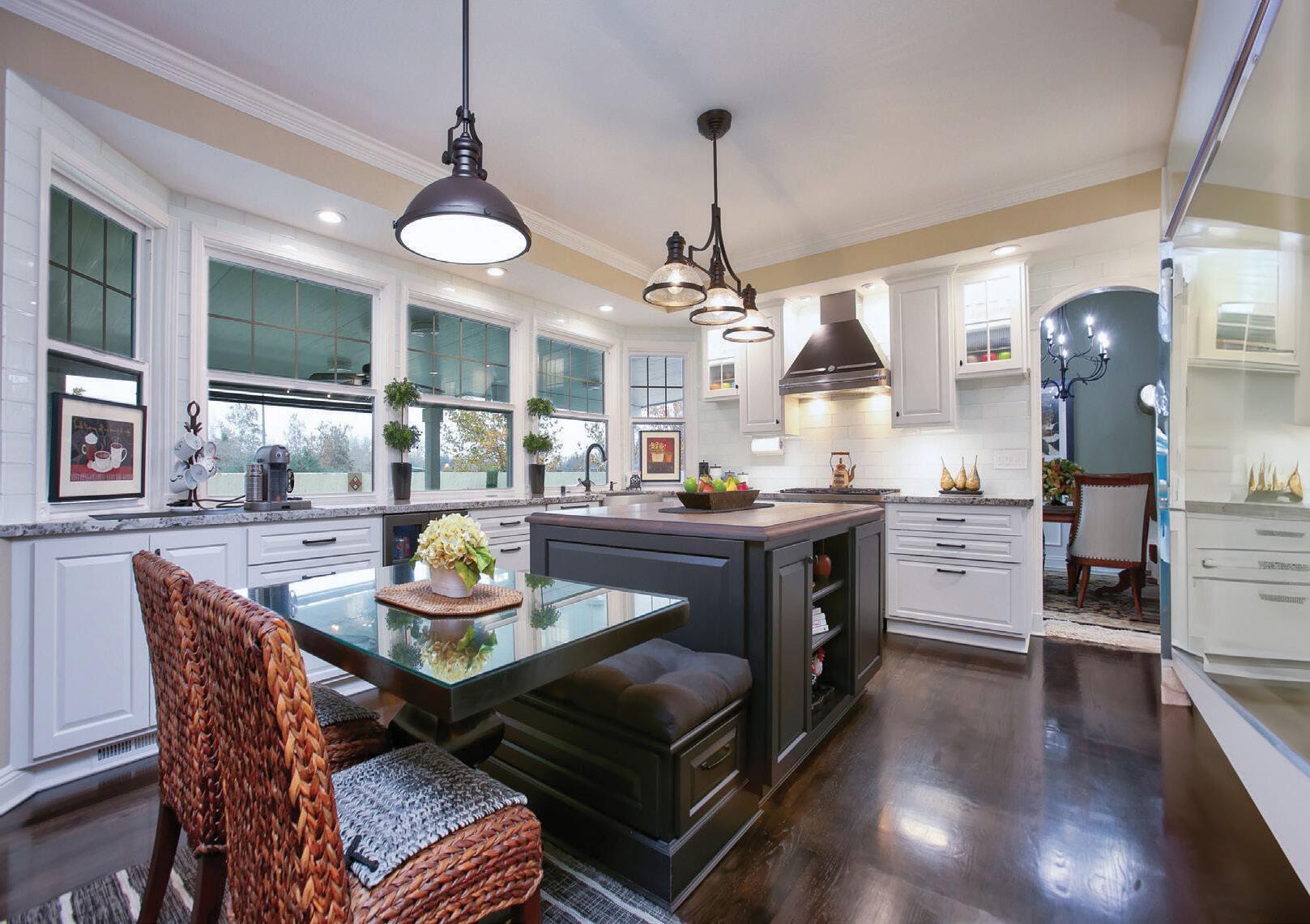
James said that you have to really want to do the remodel to get it done. “I’m not talking about painting cabinets, changing a faucet, and changing a light fixture, I’m talking about a full-blown kitchen remodel or a bathroom remodel or a room edition.”
The Carey brothers said one of the reasons to hire someone who knows what they’re doing is to shift the risk.
“One of the things you do when you write a contract or a check is you transfer the risk off your shoulders onto their shoulders,” Morris said. “That’s why it’s so important to find someone that’s dependable so that they will be there down the road if something goes wrong. A whole house remodel or a kitchen remodel, a full kitchen remodel, a full bathroom is very complex and usually requires a remodeling contractor to hire, and 10 or 12 different subcontractors to do the various things such as flooring, tile, plumbing, electrical heating, countertops. These are all different categories of work that you have to hire from various contractors.”
James added that with remodeling, comes a required interface among trades, and that requires management on the part of the person who’s hiring them, whether it’s a contractor or a consumer.
“The contractor pretty much knows what those unique instances are where the consumer might not,” James said. “Even if the consumer understands how to change the faucet and do some wiring, they may not know when they’re hiring people, who does what. So, knowledge is a very valuable asset when it comes to doing anything.”
Bates said that with a professional remodel, time is money. “Professionals can be very expensive to do things. And if you’re able to have the confidence level and do the research, DIY can be a way that you can definitely save money and add it to your budget in some other place.”
James said a way to remodel without putting someone at significant risk is part-
nering with a contractor to do the work. This will also help save money.
“Some contractors don’t want you to get between them and their profit and their job schedule,” he said. “We have a tolerance for homeowner involvement, for reasons that we understand, which is their personal satisfaction, their availability, and their budget constraints. So, you can kind of understand where someone is coming from, not compromise your business attitude, or put them at undue risk, but do a hybrid model.”
James said a hybrid remodel is where both the owner of the home and the contractor work together. “The homeowner does things that they’re capable of — for example painting, demolition, or yard clearing,” James added. “These are
things that the consumer can do to offset costs in cooperation with a contractor.”
The Carey brothers suggest checking with your local building official or building department to see where a permit is required before starting any kind of work.
“It is for your protection, for the protection of your family, your neighborhood, your community,” Morris emphasized.
“Get a building permit, and do it right.”
For more information, contact: Carey Bros. Remodeling 2624 Verne Roberts Circle, Antioch careybros com (877) 734-6404
Brentwood Ace Hardware 8900 Brentwood Blvd. acebrentwood com (925) 634-3201
















Is today a better time to look for a place to live in East County, or to look for someone to purchase your current home?
Three Realtors – Tracy Nelson, Lori Abreu, and Pat McCarran – gave three different answers. Abreu said it’s a buyer’s market due to an increase in the number of available houses. McCarran says it’s a seller’s market, but also that buyers are “being very particular about what they buy.” Nelson says that the market is “right in the middle,” but can vary depending on the neighborhood.
According to McCarran, whether the market is a buyers’ or sellers’ market is determined by how many months of housing inventory there are on the market. This, in turn, is determined by a simple formula: the number of houses listed for sale divided by how many homes have been sold in the past month. For example, if there are 200 homes on the market and 20 were sold last month, there are currently 10 months of inventory.
Also a determining factor is the supply and demand of and for housing. If supply is high and demand is low, prices go down, and the market is better for buyers. If demand is high and supply is low, prices go

up, and it’s better for sellers.
Interest rate hikes can also cause a slowdown in the housing market. Nelson said that in a buyers’ market, buyers have more ability to ask for credits, price reductions, and repairs, while in a sellers’ market, sellers have more ability to sell their homes as is and demand higher prices.
McCarran says that, based on inventory and demand, the market is better for sellers, but buyers are being particular. He gave two examples.
“There was one [house] in Antioch that was a [house] flip, and they priced it low to get multiple offers. Then they had 18 offers, and the buyers bidded up like 25

percent over the asking price. They started at 425 [thousand] and ended at 500 [thousand],” McCarran explained. “Then there was another house that sits and sits for two months, and finally gets one [offer] under the asking price.”
There are fewer than three months of inventory on the market, McCarran said, making it a sellers’ market. Three to five months of inventory would make it balanced, while six months or more would be a buyers’ market.
Abreu said that the market is better for buyers, as demand has begun to decline after three to four years of remaining steady in the aftermath of the COVID19 pandemic.
“The highest we got was 700 homes on the market, when the market was going crazy [after the pandemic],” she recalled.
The buyer-friendly nature of the market is in spite of factors such as the variable state of the economy, the war in Iran, and the current 3.8 percent federal interest rate, with buyers having an advantage mainly because “there’s a lot to choose from.”
Nelson said the market is neither a buyers’ nor a sellers’ market on the whole, but individual neighborhoods can vary greatly.
“I’ve sold homes at asking price and just over asking price,” she said. “Not a lot has changed in the last year. We’re seeing that houses priced a little lower than recent sales are getting the attention that sellers want. People are being very strate-
Whether the market is a buyers’ or sellers’ market is determined by how many months of housing inventory is on the market.
gic about list prices. If it’s priced too high, that makes a big difference. If you start a little lower, you’ll get a lot more buyers to compete for your home, and you’ll get a lot more out of it.”
Interest rate dips can make for successful weeks or weekends. But on the whole, Nelson says, the market is “stagnant,” with demand driven mainly by three things: deaths, divorces, and job relocations.
None of the Realtors could say if there will be a major change in the status quo soon. They “have no crystal ball[s],” Abreu said. They did lean toward things not changing, primarily due to what McCarran called the “turmoil” of the current day: war, economic fluctuation, and interest rate changes.
“Once we get economic stability, interest rates will stabilize,” McCarran said. “Once that happens, we’ll see an influx of buyers, which will change the market.”
Until then, Nelson advised people to find a Realtor who is “well-educated in the market and knows what buyers and sellers want,” who pays attention to the market every day. McCarran said that, as long as a house is ready to be moved into and clean, it will have a better chance of selling.
Contact Nelson at https://soldbytracynelson com and (925) 872-0400. Contact Abreu at https://bit.ly/4ywi6Ot and (925) 216-6317. Contact McCarran at https://bit.ly/3Tc9E75 and (925) 899-5536.