The early spring months of March and April bring warmer weather, and more outdoor activities, including spring cleaning and gardening. That also means more pests, whether they are outside in the garden, or even inside homes.
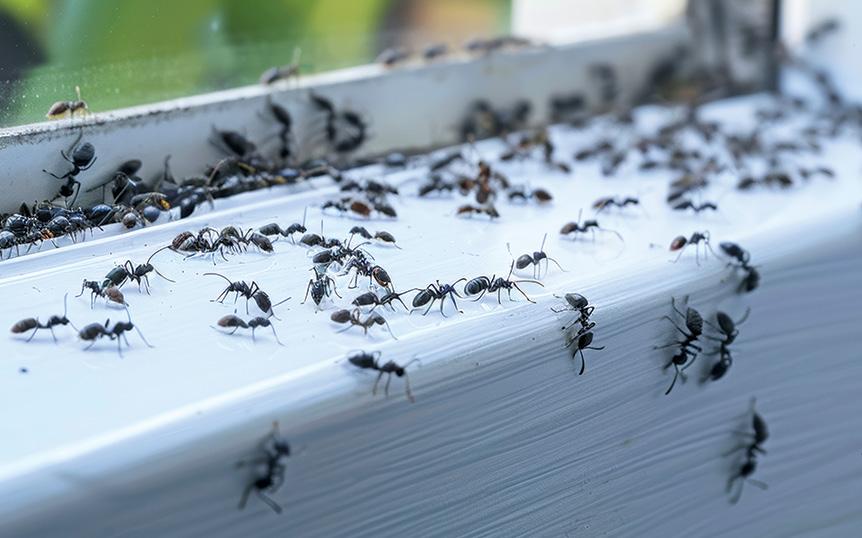
In East County, the most common pests seen are ants, spiders, rodents, cockroaches, and wasps, while in garden settings, households tend to deal with snails and slugs, local experts say. Although according to Robert Ayres, Founder of Liberty Pest Services, snails and slugs are considered more agricultural pests, and as a result, are not typically treated by general pest control companies.
“The best humane approach is prevention and exclusion first,” Ayres said. “Pests are usually coming in for food, water, or shelter, so when those are reduced, the problem often never starts.”
Ayres said that simple steps, such as sealing entry points, keeping food stored properly,
loving pests such as earwigs can also become a problem.
“Snails and slugs are also worth paying attention to because they can attract rodents since they serve as a food source,” Ayres said. “If you have a heavy snail population, it can indirectly increase rodent activity around the home.”
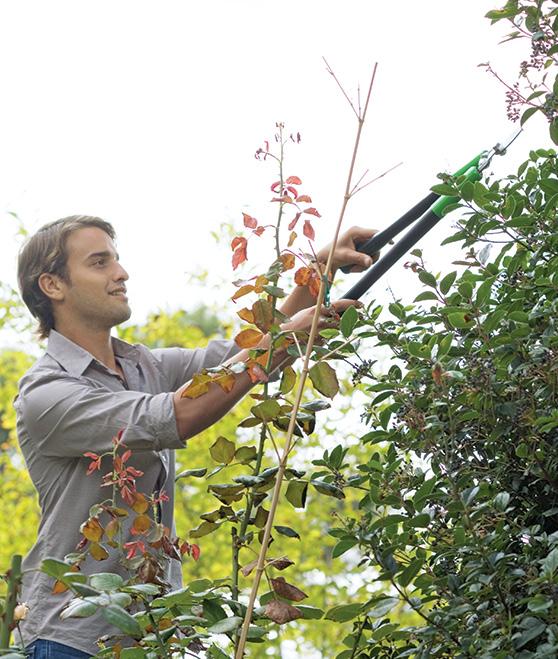
“We call it IPM (“Integrated pest management”), Ayres said. “It reduces the use of chemical and the chemical exposure to the environment. By trimming trees bushes and maintaining a well-kept yard, it will reduce the chances or having insects and rodents in or around your house. Overall, humane pest control comes down to prevention, habitat modification, and exclusion. When you take away food, water, and shelter, most pests will move on naturally without the need for aggressive measures.”
fixing moisture issues, and maintaining a clean environment can go a long way toward pest prevention. For rodents, such as mice and rats, sealing up access points is the most effective and humane solution. For insects, routine service and monitoring can help keep activity
low without allowing it to turn into an infestation. Additionally, Ayres advised to watch out for spiders, especially around the exterior of homes, along with cockroaches in warm or moisture-prone areas, and wasps during the spring and summer. In garden areas, moisture-
According to Humaneworld.org, lethal methods of pest control do not offer a viable long-term solution. Prevention is better than eliminating a single mouse, rat, or an entire colony. Rodents have been found to avoid the smell of peppermint, spearmint or eucalyptus. Soaking cotton wool balls in one of these oils
see Garden pests page 5B
SEAN TONGSON
Photo by Adobe Stock
“Pests are usually coming in for food, water, or shelter, so when those are reduced, the problem often never starts,” Robert Ayres, founder of Liberty Pest Services, says.
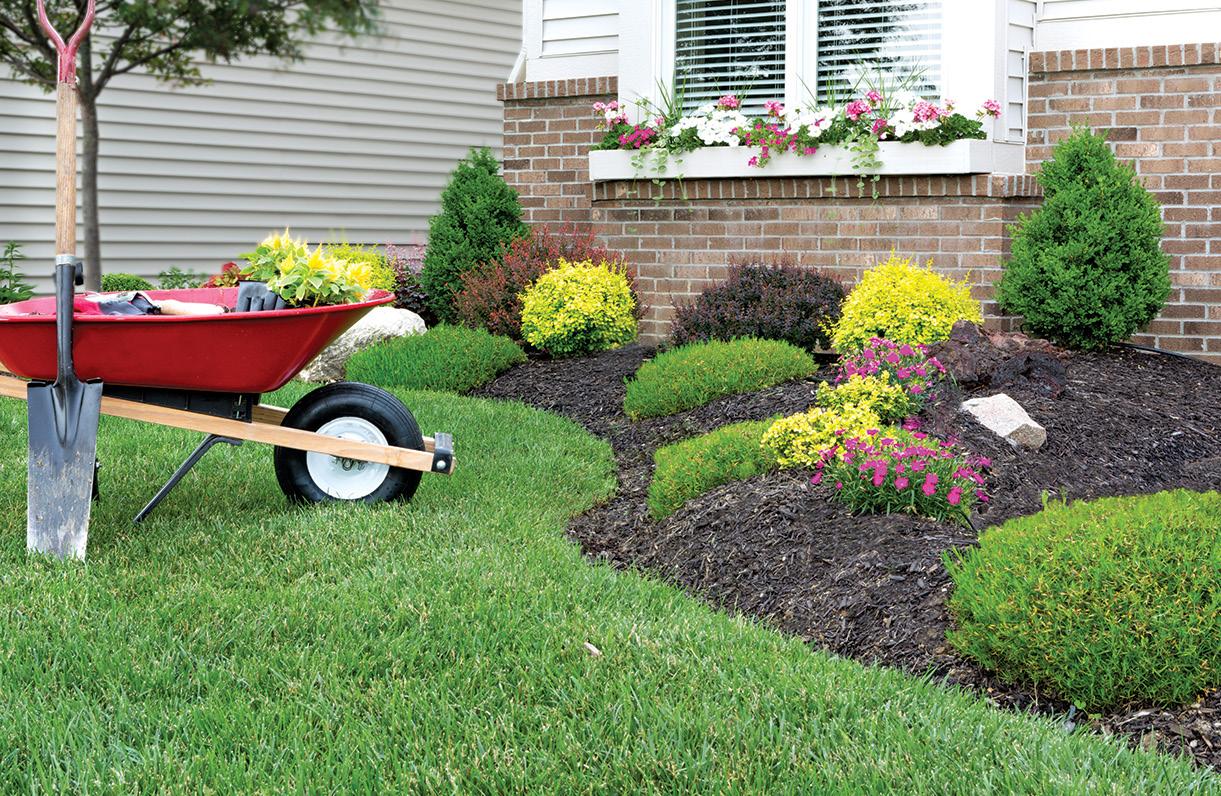
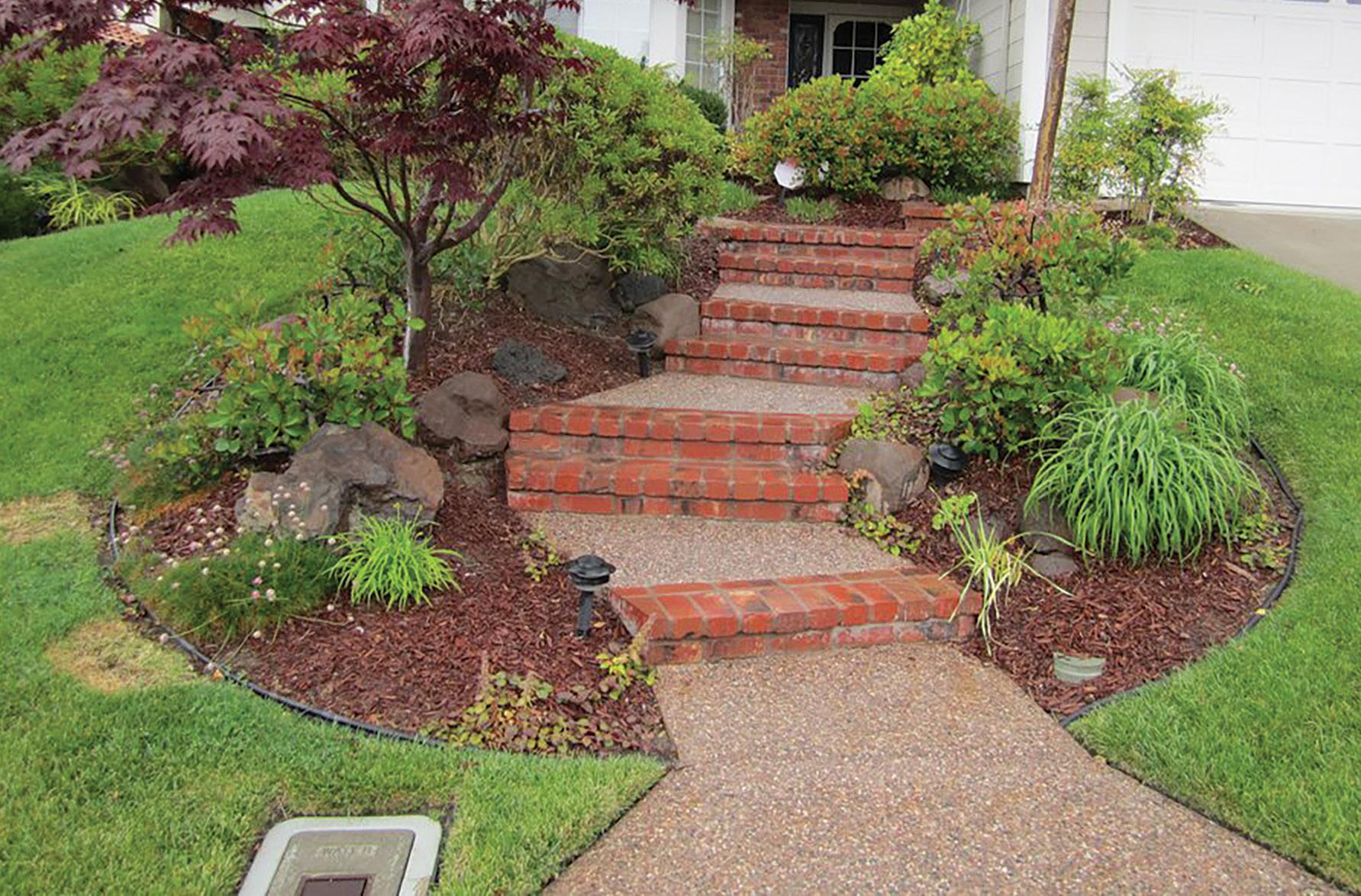
Garden mulch is excellent for protecting the soil of your yard from numerous threats, according to the Skagit Soils composting facility. It keeps soil cool during the summer, preventing water evaporation and keeping the soil moist and free of salt buildup. In addition, mulch can shield soil from weed seeds, preventing weed growth altogether. The protective layer provided by mulch also prevents wind from eroding soil. Mulch made from organic materials can decompose over time, enriching the soil of your yard and creating more layers of soil in which plants can grow.
CONNOR ROBLES
Photo courtesy of Adobe Stock
Garden pests from page 3B
ensuring they smell strong and leaving them along work surfaces, underneath units and anywhere that could be an entry point can be a detterent. In addition, blocking all potential access holes with wire wool, ’mouse mesh’, or a strong sealant that will harden quickly. For lofts, basements and sheds, rags soaked in a non-toxic repellent liquid (which can be found at hardware, stores can be left in the corners. And peppermint, spearmint or eucalyptus oil can be rubbed along beams and other areas where rodents travel.
Ayres said to reduce snails naturally, people are advised to focus on removing the conditions in which they thrive. Additionally, people should avoid overwatering, especially during evening hours, since this is when snails are most active in moist conditions overnight. As a result, Ayres advised watering earlier in the day, which allows the soil to dry out by nightfall. Furthermore, clearing out dense ground cover, debris, and anything that holds moisture like boards, pots, or leaf piles helps to eliminate hiding spots for snails, as simple barriers like crushed eggshells or copper-based materials around garden beds can help deter them. Hand removal in the early morning or evening can also keep populations down without chemicals.
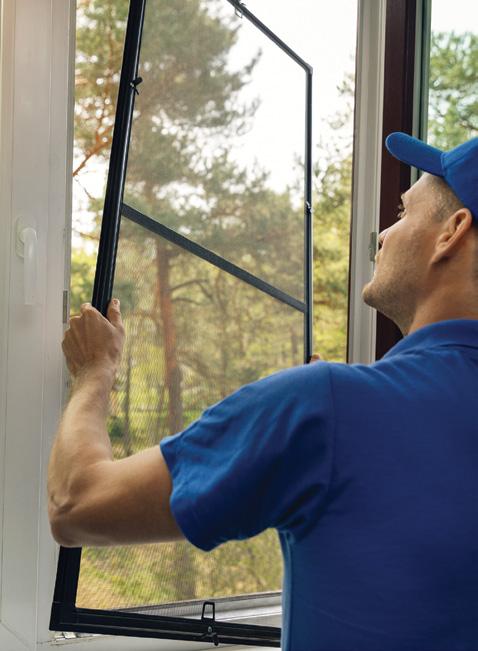
“When it comes to overall prevention, sealing the home is one of the biggest steps,” Ayres said. “Small gaps around doors, windows, vents, and the foundation are easy entry points. A good rule is if you can see daylight under a door, pests can get in.”
One such pest is spiders. They are typi-
When you take away access, food, and shelter, most pest issues can be avoided before they start.
– Robert Ayres
cally controlled through maintenance rather than direct treatment, Ayres said. Regularly knocking down webs around eaves, lights, and entryways helps discourage them from settling in. Keeping outdoor lighting to a minimum or switching to warm-colored bulbs can reduce the insects that attract spiders in the first place.
Ayres also emphasized that preventing moisture is just as important. Fixing leaks, improving drainage, and avoiding overwatering near the home helps reduce attraction for ants, cockroaches, and other insects. Outside, keep vegetation trimmed back a few feet from structures, which reduces clutter, and store items off the ground to help eliminate hiding and nesting areas.
“At the end of the day, prevention is always easier than reaction,” Ayres said. “When you take away access, food, and shelter, most pest issues can be avoided before they start.”
For details, call Robert at 925-628-3030 or visit www.libertypestservices.com.
5 patio project ideas to enhance outdoor living in your own backyard
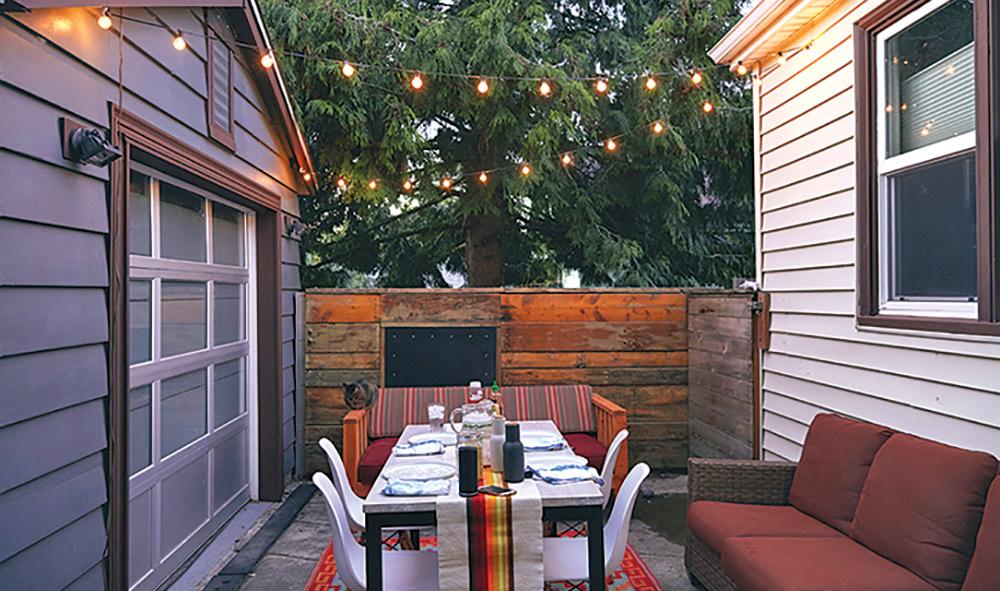
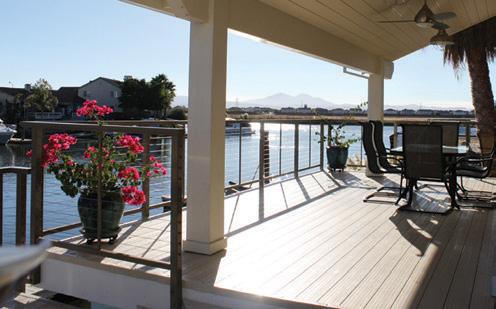
Warm weather paves the way to more opportunities to enjoy fresh air. For homeowners who have the luxury of outdoor spaces, including private patios, now is the time to start thinking about projects to enhance these gathering spots.
A patio can be considered a transitional area that links the outdoors to the inside of a home. According to the home and lifestyle resource The Spruce, a patio is often an oasis for lounging and entertaining. And depending on homeowners’ budgets and preferences, a patio can be just as comfortable and stylish as interior spaces. The following are five patio projects that can transform these valuable spaces.
1. Pretty pergola
A pergola is an open-air (traditionally wood) structure that adds a measure of shade and privacy without completely blocking views of Mother Nature. Installing a pergola over the patio helps define the seating area. Hanging plants can add to the
The options for transforming patios into stylish gathering spots is limited only by your imagination.
ambiance and string lights can make this a great spot to gather when the sun sets.
2. Patio fire pit
Build a fire pit right into the design with the same materials used to create the patio. For example, if the patio is brick or flagstone, build up to create an eye-catching fire pit. Fire pits not only look good, they also expand the time frame that the patio can be
enjoyed, offering cozy spots to sit even when the weather chills.
3. Frame it in
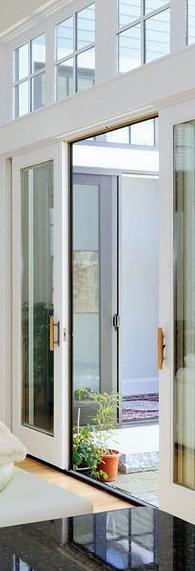
Make the patio a true extension of the inside by putting up walls around three sides of the patio if it connects to the home. Leave the last open to the yard, or consider installing screens to mimic the look of popular lanais. The walls will offer more
weather protection, meaning you can invest in high-quality patio furniture to make this a fully functioning outdoor living room. Hang a television that is rated for outdoor use for movie-watching under the sun or stars.
4. Ooh la la
Vintage bistro tables and chairs can turn a drab patio into one that calls to mind a Parisian courtyard. Whimsical lighting and accents that you would normally think to see indoors, like a gilded mirror, can add extra appeal. Soften wrought iron and other metals on the furniture by including plenty of flowers and greenery. Don’t forget the candles and a place to stash a bottle of chilling wine.
5. Farmhouse chic
Transform a patio into an entertaining space that caters to guests. A large farmhouse-style table flanked by benches and some upholstered chairs sets the scene for a dinner amid the fresh air. Watering cans filled with wildflowers and mismatched flatware establish a casual feel for gatherings in the space. For those who plan to cook and serve outside a lot, invest in outdoor appliances so you’ll never have to miss a beat with guests. – Courtesy of Metro Creative
Photo by Metro Creative
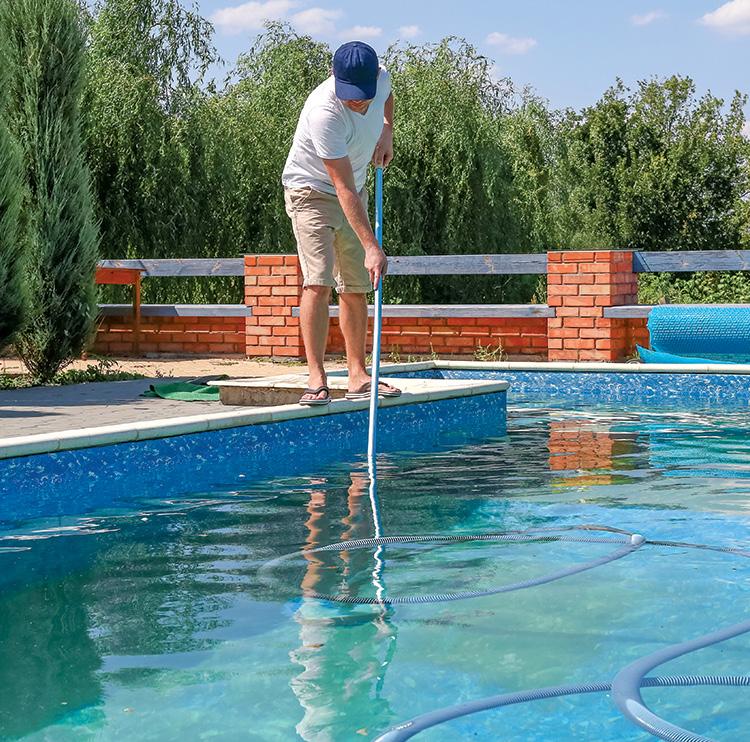
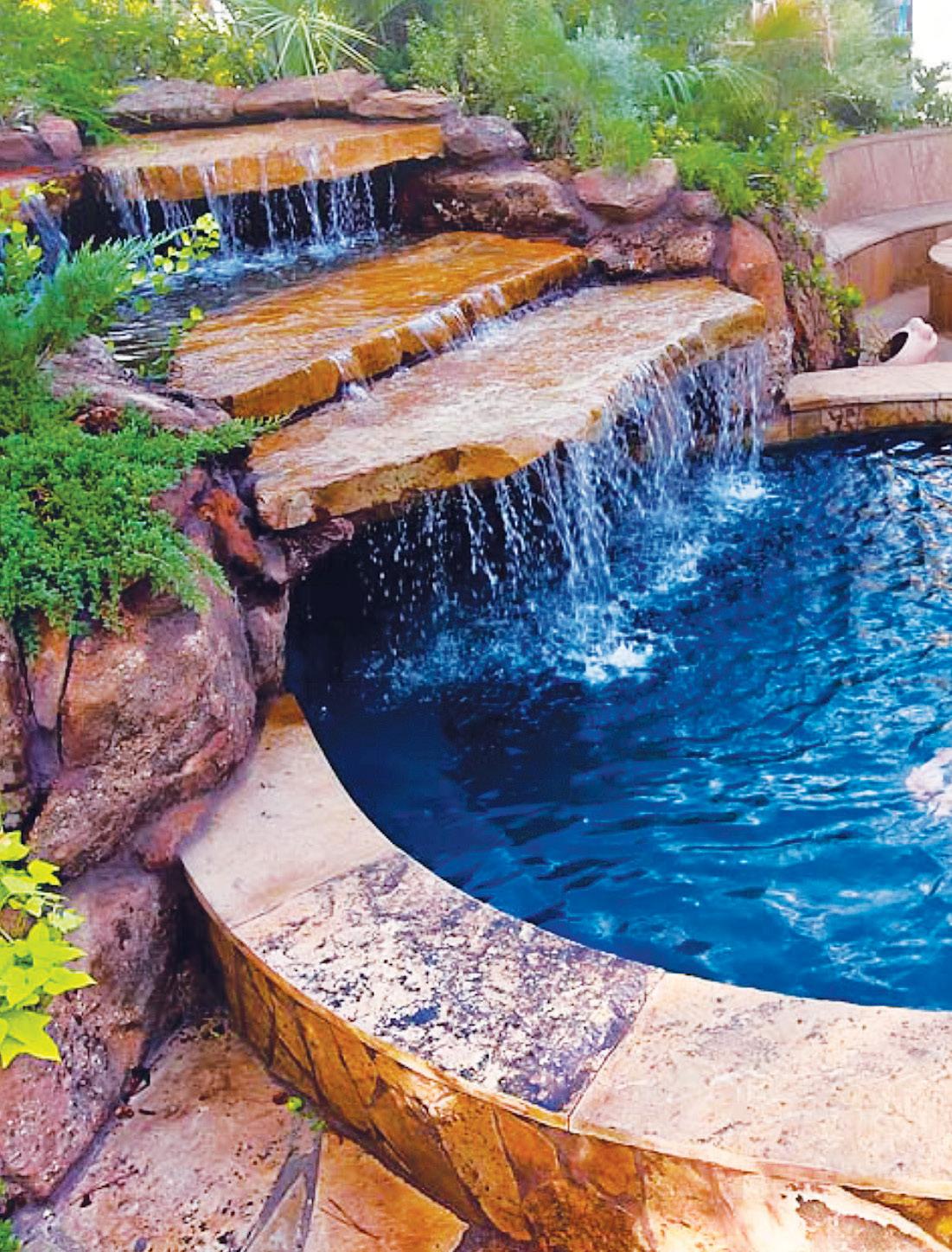
Swimming is an ever-popular summer activity. But if you want a good experience, your pool must be well-maintained and prepared for frequent use. Jermain Garcia of Brentwood’s At Your Door Pool Service laid out how to wake your swimming pool from its winter hibernation and keep it clean and sanitary on sweltering summer days.
The first thing to do is to ensure that the chemistry of the pool’s water is optimal, with a pH balance of around 7.4 to 7.6 regardless of whether you have a chlorine or saltwater pool.
“You want to make sure your pool is balanced, and free of algae in the pool,” Garcia said. “It will require more than chlorine. There’s a whole balance of water chemistry.”
Numerous factors help keep pool water balanced.
“There’s pH and alkalinity, which isn’t for sanitation, but to keep the buildup of the [calcium] line lower. It’s going to
happen either way, but if you ignore it, it can progress faster than you want,” Garcia explained. The sanitation side is chlorine and conditioner levels. The conditioner acts as protection against UV rays and holds chlorine in the pool. If the conditioner level isn’t balanced, you can go through a ton of chlorine, and it’s not doing its job.”
Conditioner, available at pool stores
an imbalance that can require draining the pool and replacing the water, Garcia said.
Water flow is also a crucial component in keeping a pool free of algae and pests such as mosquitoes. Garcia recommended that the filtration system of an average, 17,000 to 20,000-gallon residential pool be run for eight hours per day during the summer to ensure that the water does not become stagnant. Running the system during the day, at a low wattage, can prevent stagnancy in the heat, while also keeping your PG&E bill down thanks to lower power usage. To be effective, the filtration system must also be cleaned, ideally three times per year if possible.
such as At Your Door Pool Service and Supply store, is primarily made up of cyanuric acid, a compound that shields chlorine from the sun’s ultraviolet rays.
Removing any pool cover during the hot summer months can also help the water chemistry, especially if you use chlorine tablets to sanitize it. If the cover is not removed, there is a risk of creating
Brushing down the sides and bottom of your pool at least once a week with a large pool brush and skimming it for debris such as leaves, seed pods, and dead insects is another essential maintenance activity, especially if the pool has steps that can accumulate filth and debris, Garcia said. This debris, along with sunscreen from swimmers’ skin and other factors, can cause phosphates to build up in the water. These phosphates not only react with the chlorine in the water, keeping it from doing its job, they also act as a nutrient source for algae that can build up in the pool, he said.
For more information, visit www atyourdoorpoolservice com or call 925-584-1928.
CONNOR ROBLES
Photo by Adobe Stock
According to LawnStarter, organic mulch can cost from $30 to $110 per cubic meter, with the average being between $77 and $94. Each cubic meter of mulch can cover 162 square feet at 2 inches deep and 108 square feet at 3 inches deep. The average costs for river rocks are $60 to $170 per ton of rocks. Rock landscaping projects range from $365 to $1,500, with the average at $655, according to LawnStarter.
Types of landscaping material
Bark mulch, typically made from cedar and pine wood, according to Home Depot, is good for sloped gardens and those that are frequently watered, since its interlocking nature prevents it from washing away. Coarse bark lasts longer, according to Roedell’s Landscaping, but may not be as aesthetically pleasing and can float away when watered. Finer bark, however, can be compact and stay in place, but this can also prevent water from reaching the soil.
Bark nuggets are better for flat gardens, as the nuggets do not interlock the same way as regular bark mulch does. Their “chunky” consistency, as Home Depot describes it, keeps them from breaking down quickly, which means that they can be reapplied less frequently, saving you time and money. They must be applied in a thicker layer than regular bark, are harder to walk on, and can be washed away more easily, however.
Gorilla hair mulch is made from shredded redwood, and is “light [and] fibrous” according to Bee Green Recycling and Supply. It more easily creates mats on the soil, which
is beneficial in sloped areas, where it will stay in place. Like fine bark, this trait can prevent water from reaching the soil, but may help retain existing water.
A more exotic choice of mulch is made from the hulls of cocoa fruits, the beans inside that are used to make chocolate. Roedell’s Landscaping says that it decomposes slowly, reducing the need for replacement, and adds a “light chocolate fragrance” to the yard. Cocoa hulls are more difficult to keep properly watered. But with too much, they will grow mold, too little and they will blow away in the wind. In addition, they are poisonous to pets such as dogs and cats.
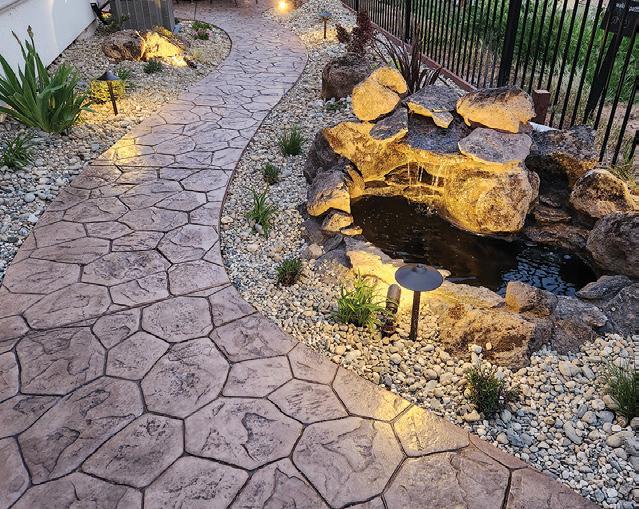
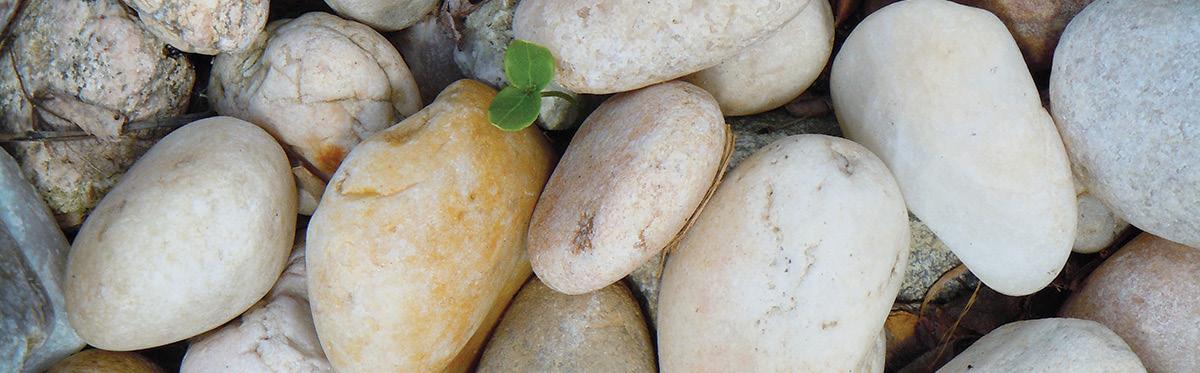
River rocks and gravel can also be used as mulch, though they will not add any nutrients to the soil due to their inorganic nature. They are good for stabilizing planted areas, according to Roedell’s Landscaping. Beneath the rock layer should be a layer of fabric, which helps protect against weeds and can help if you want to move or change the rocks. In hotter months, however, rocks can heat up and scorch shallow-rooted plants.
For more local information, contact:
– Bearscapes Nursery and Landscape, 1555 Eden Plains Road in Brentwood, (925) 240-6311, bearscapes27@yahoo.com)
– Brentwood Decorative Rock, 6745 Brentwood Blvd., (925) 634-0131, brentwooddecorock@att.net)
– A & B Landscape Design and Maintenance, Inc., 1820 Eden Plains Road, Brentwood (925) 513-1899, info@ablandscapeinc.com)
Memorial Day from page 8B
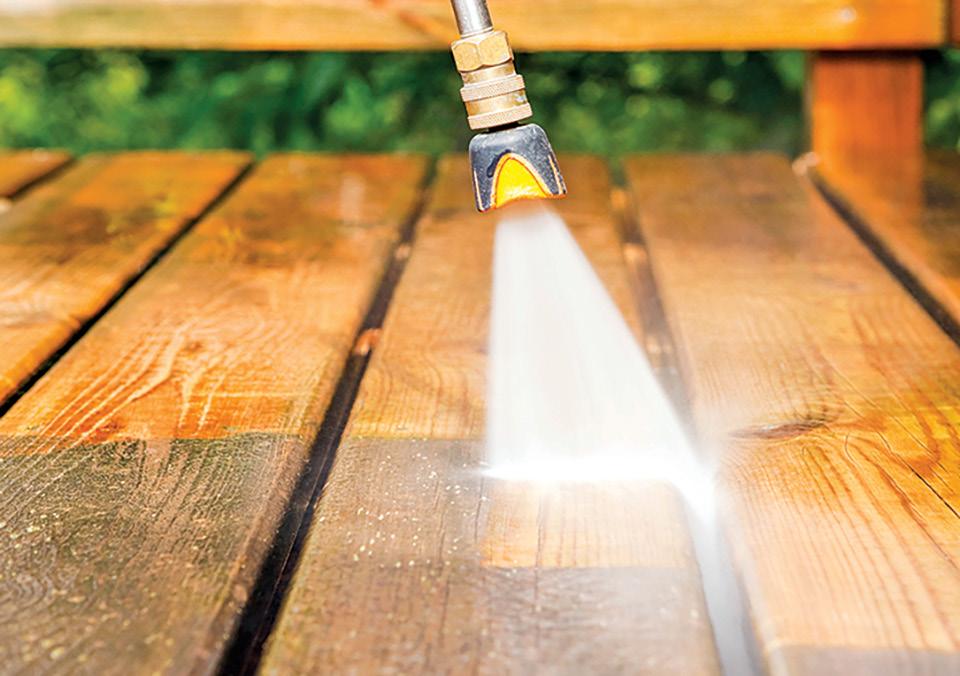
quickly, which can decrease the chances that mold and mildew will grow on surfaces like siding. A freshly power washed home also makes for a welcoming entertaining space. A power washer also can be used on outdoor entertaining spaces to remove dirt and debris that built up over the winter. Just make sure to read manufacturer instructions before using a power washer to clean paving stones, decks and outdoor furniture.
Inspect outdoor furniture
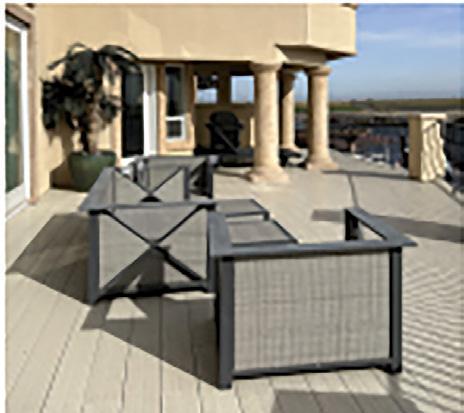
Now is a good time to do that if the task was not performed in late fall or early winter before items were moved into the garage or placed in storage. Check to make sure furnishings are still safe to use, addressing any issues before guests come over for a Memorial Day weekend gathering. Wash cushions for outdoor furniture and replace any that might be showing their age.
Clean the grill
A thorough cleaning of the grill also is in order prior to summer entertaining season. Many homeowners do little or no grilling during winter, so now is the time to give grilling surfaces and the interior of the grill a deep cleaning. Check for leaks if using a gas grill, and scrub the interior of any grease that accumulated last season. Many grilling experts advise lighting a grill and letting it burn for roughly 20 minutes prior to putting any foods on the grates
for the first time. Such a strategy allows residual fluids like soap, vinegar and de-greasing products used when cleaning the grill to burn off before food is placed on the grates.
Inspect the landscaping, too
It’s not just seating areas like patios and decks that need some investigation prior to outdoor entertaining season. Take a walk around the landscape and make sure there’s no potentially dangerous spots where people could be injured when playing backyard games. Fill in any holes with soil and fresh grass seed, and inspect trees to see if any branches need to be pruned. – Courtesy of Metro Creative
Photo courtesy of Metro Creative
A home remodeling project is a big commitment of time and money. Budgeting correctly ensures that there are few, if any, surprises along the way.
How to establish a home renovation budget
Homeowners know that the next home renovation project is always right around the corner. And that means finding ways to finance such undertakings.
When planning for renovations, the average homeowner underestimates their
project cost by approximately 22 percent, according to the 2026 Remodeling Impact Report. Establishing a pre-project budget can help avoid such surprises.
Don’t over-improve
A common mistake homeowners make is over-improving a home beyond
see Renovations page 14B
Tap Into Healthier Water for Your Entire Family
•
•
•
•
•
•
•
Bathroom and kitchen remodel? We can handle it from start to finish!
Faucet, sink, toilet or drain problems? No problem!
Need additional outlets, ceiling fans, sconces or recessed lighting? We do that, too!
Interior,
Gutter
Photo by Metro Creative
How to make a spring garden flourish
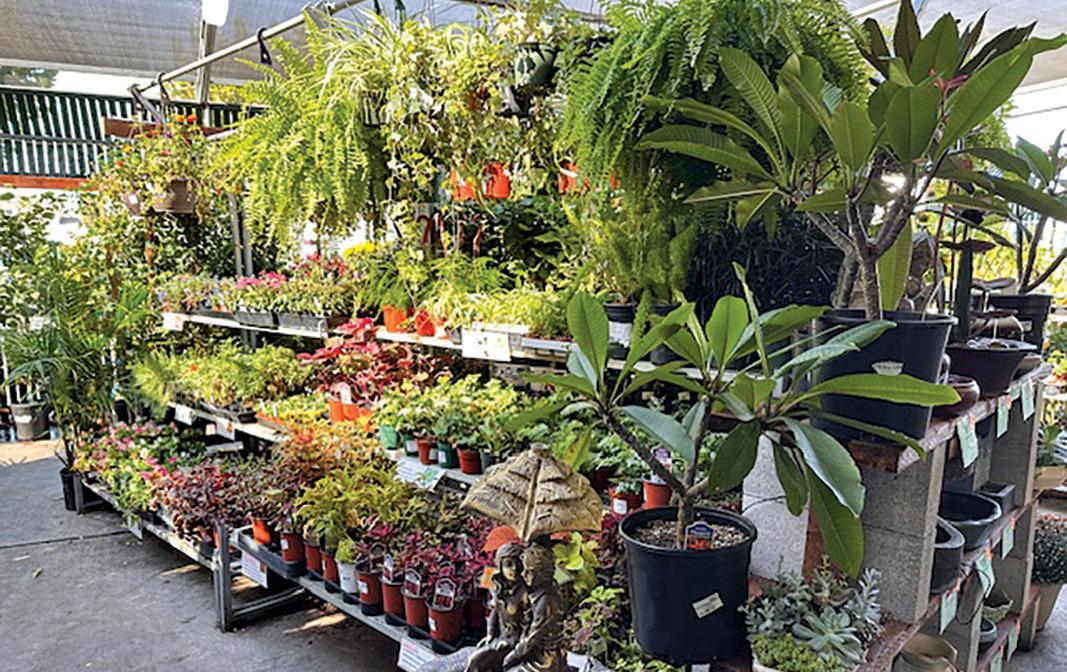
Experts say the key to a successful spring garden in Brentwood is choosing climate-appropriate plants and setting a foundation for a beautiful, thriving landscape through the warmer months.
Irma Perez, owner of Perez Nursery and Landscaping in Brentwood, said spring is one of the best times to start a flower garden in Brentwood. “My top recommendation is to begin with healthy soil and choose plants suited to our climate -- hot and dry,” Perez said.
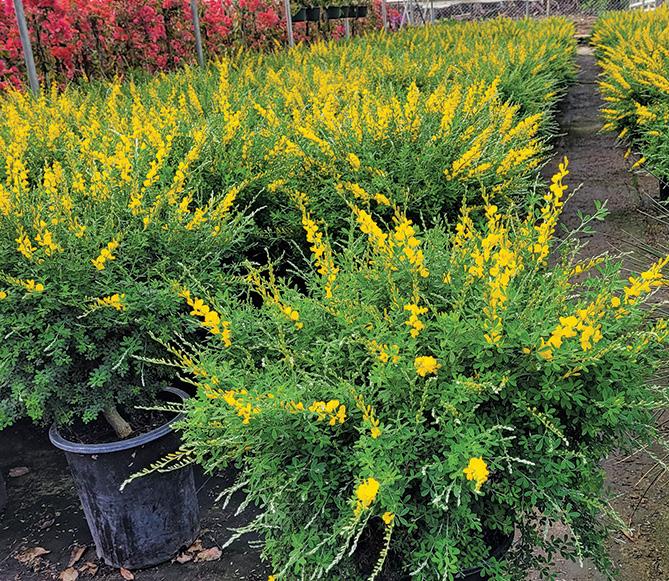
These plants include drought-tolerant and heat-loving varieties such as lavender, salvia, ceanothus, and ornamental grasses, all of which do “especially well in the Brentwood and East Bay area,” she said. “Seasonal color can be achieved with perennials and annuals like geraniums, petunias, and marigolds.”
Use quality planting mix and prepare
My top recommendation is to begin with healthy soil and choose plants suited to our climate -- hot and dry.
– Irma Perez
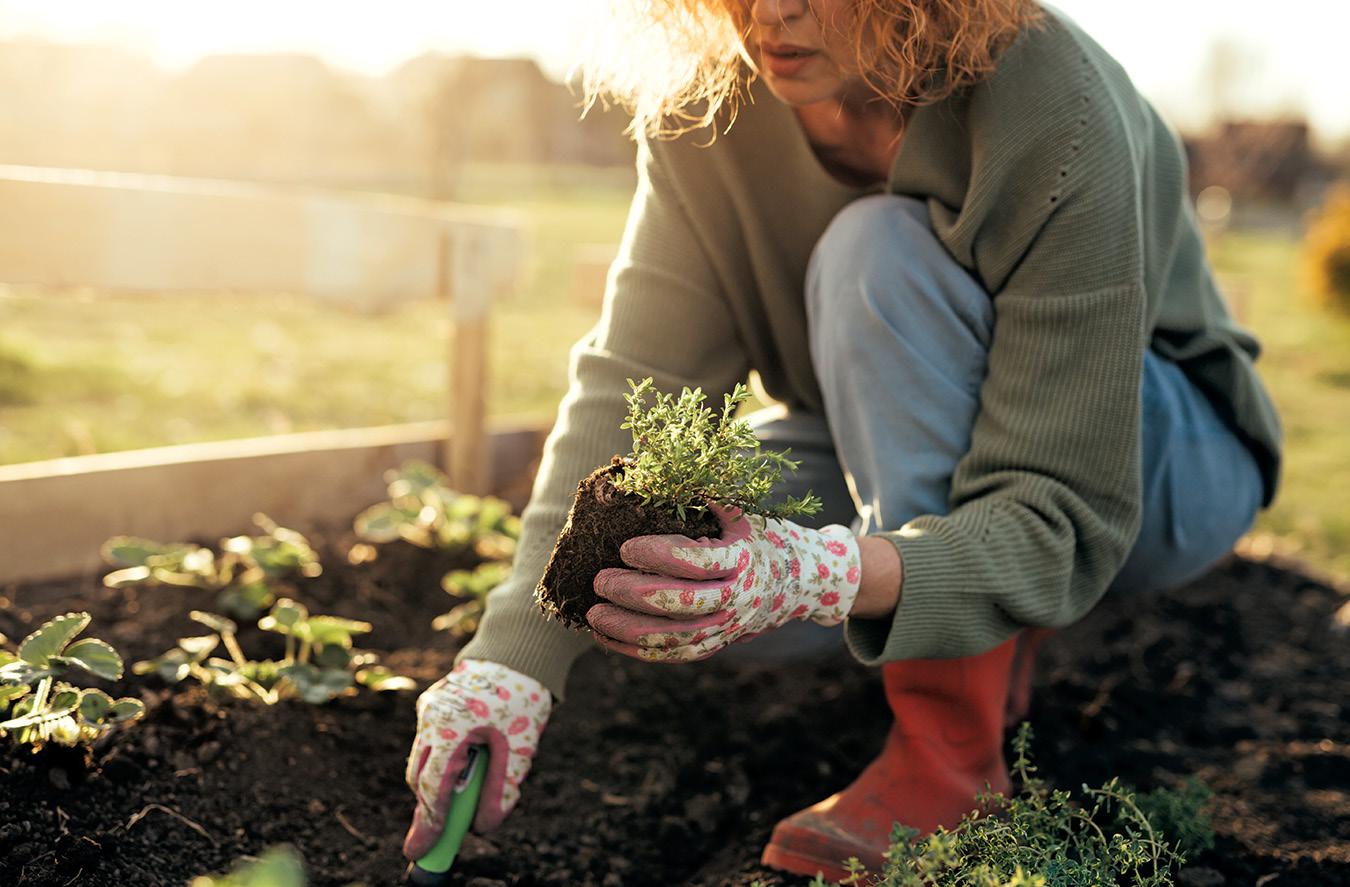
your soil properly by “loosening existing soil and mixing in a quality planting mix to improve drainage and root growth,” she said, adding that mulch helps retain moisture and protect plants. This will set the foundation for long-term success. “I encourage homeowners to plan their layout ahead of time, considering sun exposure and spacing so plants have room to grow and thrive,” Perez said. “We are also seeing increased interest in pollinator-friendly plants that attract bees and butterflies such as ceanothus, also known as California lilac, California poppy, western redbud, manzanita, yarrow, fescue, erysium, and lupine.”
see Garden tips page 13B
Landscaping in 2026 is all about smart choices: native plants, year-round color, eco-friendly hardscaping, and spaces that bring family together. As your local experts, Perez Nursery offers top-quality plants, fresh arrivals, and practical know-how to make your yard shine in every season. Come see us in Brentwood and turn today’s trends into your backyard reality!
TAYLOR SHEPHERD
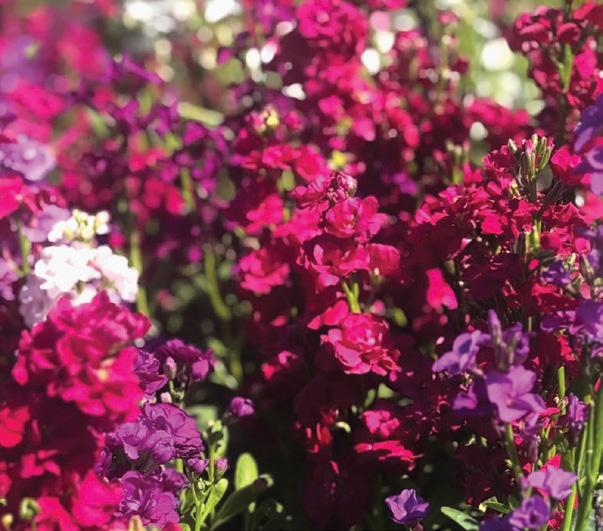
Drought-tolerant and heat-loving plant varieties such as lavender, salvia, ceanothus, and ornamental grasses (drought-tolerant, low-maintenance landscaping grasses) do especially well in Brentwood and East County.
Garden tips from page 12B
Perez emphasized that early spring as being ideal for planting trees, shrubs, and perennials, “allowing them to establish before the summer heat. Annual flowers can be planted once the risk of frost has passed, and vegetables such as tomatoes and peppers typically do best when planted mid- to late spring.”
An important step to a plant’s health is how to water them. The best time is early in the morning, which allows moisture to reach the roots before the heat of the day, she said.
Perez noted that “deep, less frequent watering is more beneficial than shallow daily watering, as it encourages stronger root systems. It’s also important to adjust watering schedules as temperatures rise.”
The biggest mistake homeowners make is planting without considering sun exposure, soil, and plant size”, she said. Choosing the right plant for the right place is key in Brentwood’s climate,” Perez said.
For more information, visit pereznursery.com, or call (925) 516-1052.
• Fire Extinguisher Inspections
• Fire Extinguisher Disposal
• Fire Extinguisher Rentals
• Reconditioned Fire Extinguishers
• Exit & Emergency Lighting
• Hands-On Fire Extinguisher Training
Rose & Sons Glass
Courtesy of Adobe Stock
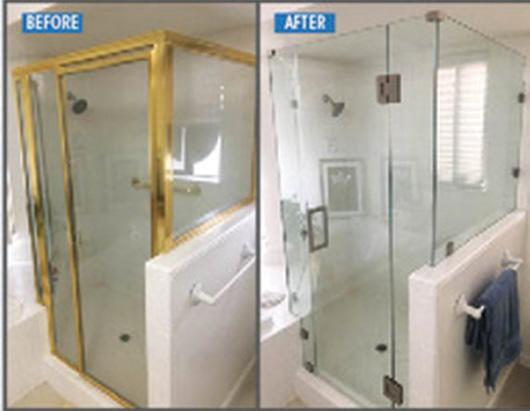
BROKEN GLASS FIXED FAST!
the neighborhood value. A good rule of thumb is to employ the average percentage-of-home-value approach in an effort to stay within range of what’s acceptable. Budget a kitchen renovation or finished basement at 10 to 15 percent of the home value. A master bedroom will come in at 5 to 10 percent of home value, while a small bedroom or office falls between 1 and 3 percent of home value. These benchmarks are supported by the National Association of the Remodeling Industry and the National Association of Realtors. Historically, a functional, modern kitchen is the top driver of home value, says Remodeling Magazine.
Learn the breakdown
Homeowners should understand that materials, fixtures, appliances, and flooring will eat up 50 to 60 percent of their renovation budgets. Labor, permits and design fees will comprise the next largest chunk, typically 25 to 35 percent. Homeowners also should factor about 15 to 20 percent of a budget to a safety net to cover unforeseen expenses, like mold remediation or structural issues.
Get three quotes
It’s important for homeowners to get several estimates before establishing a budget. Experts advise working with contractors that offer fixed-price contracts rather than those that list time and materials; otherwise, there may be a mid-project
BRING YOUR
price hike that comes out of the blue. A person also can ask contractors for a line-item bid so it’s possible to see where money can be trimmed through different material choices. With a list of desired items in hand, and acceptable substitutions if the cost comes in too high, homeowners can create a budget that works.
Saving versus splurging
Homeowners should be realistic about their renovations. They can splurge on items that are seen or touched every day, like door handles, cabinet pulls and faucets. Other items, like lighting fixtures or backsplashes, can be replaced down the road. It may be better to direct funds to structural elements or those “invisible renovations” like upgrading insulation or smart systems that save on energy costs and improve efficiency.
Keep a 20 percent cushion
Homeowners can determine the affordability if a proposed project ends up costing 20 percent more or takes a few months longer. If the answer is ‘no’, homeowners should scale back the project budget until they have that financial safety net. Alliant Credit Union says experts strongly recommend adding a 20 percent contingency cushion to a remodeling budget.
– Courtesy of Metro Creative
Get to the root of a dry lawn
Weather can be unpredictable, even during the warmest months of the year. Summer days may feature strong thunderstorms and downpours, followed by stretches of extremely hot and dry conditions. Weather extremes can take a toll on lawns, especially when drought is part of the equation. The results can be anything from dry patches to a scorched landscape, leaving homeowners wondering what they can do to repair the damage.
According to The Spruce, dry grass can happen in as little as a week without adequate care and water. Sometimes dry grass can be the result of disease, pets, or pests. A healthy lawn will be lush and green; a dry lawn quite the opposite. It’s crunchy, uncomfortable and muted in color. Here’s how to address a dry lawn to restore it to it’s natural beauty.
Pet urine
Animal urine often is the culprit behind dry patches in a lawn. Lawns need nitrogen to grow, which is why it is included in many fertilizers. But the nitrogen in dog urine is concentrated and directed in one area, so much so that it chemically burns the lawn. This concentrated nitrogen causes the grass to dry out, turn yellow and eventually go brown and die.
Rinsing areas where dogs urinate on the lawn or creating a separate potty area in the yard can help alleviate brown spots.
Lawn height
Sometimes a lawn mower might be to blame for a brown lawn. According to Scotts, the higher a person mows, the deeper the lawn’s roots will grow. That can help the lawn thrive under restricted water conditions and insulate the lawn from some of the effects of hot, dry weather. Never remove more than one-third of the total height in a single mowing, as that can stress the lawn.
Trial and error may be necessary to figure out why a lawn is brown and what’s needed to revive it.
Diseases
Leaf blight, brown patches and powdery mildew are just some of the diseases that can affect a lawn. Fungal bacteria can spread on a lawn and contribute to these conditions, which makes it important to aerate and dethatch the lawn in cooler seasons to help prevent disease.
Improper pH
A lawn requires a certain pH to grow well. According to Weed Man Lawn Care Services, the ideal pH range for lawn soil is between 6.0 and 7.0. Anything outside of this range may result in poor, brown grass. A soil pH test will indicate if the soil is acidic, alkaline or optimal. Amend an acidic soil with lime and an alkaline soil with sulphur in small amounts until a balance is reached.
Pest infestation
People are not the only creatures that like a lawn. Many pests feed on blades of grass or the roots. The result can be patchy, dry grass. Figuring out what is causing any damage is essential. Homeowners can then take steps to remove the pests and return the lawn to its former glory.
Dehydration
Deep watering can help restore a lawn that has widespread wilting and browning. Popular Mechanics advises homeowners begin watering more in spring. Water infrequently but for longer periods of time to encourage roots to deepen. The ideal time to water is between 5 a.m. and 9 a.m. to limit evaporation.
– Courtesy of Metro Creative
3 Contra Costa County Locations
Our Garden, Walnut Creek (corner of N. Wiget and Shadelands)
• April 11 and 12 (Sat-Sun), from 10 a.m. to 3 p.m.
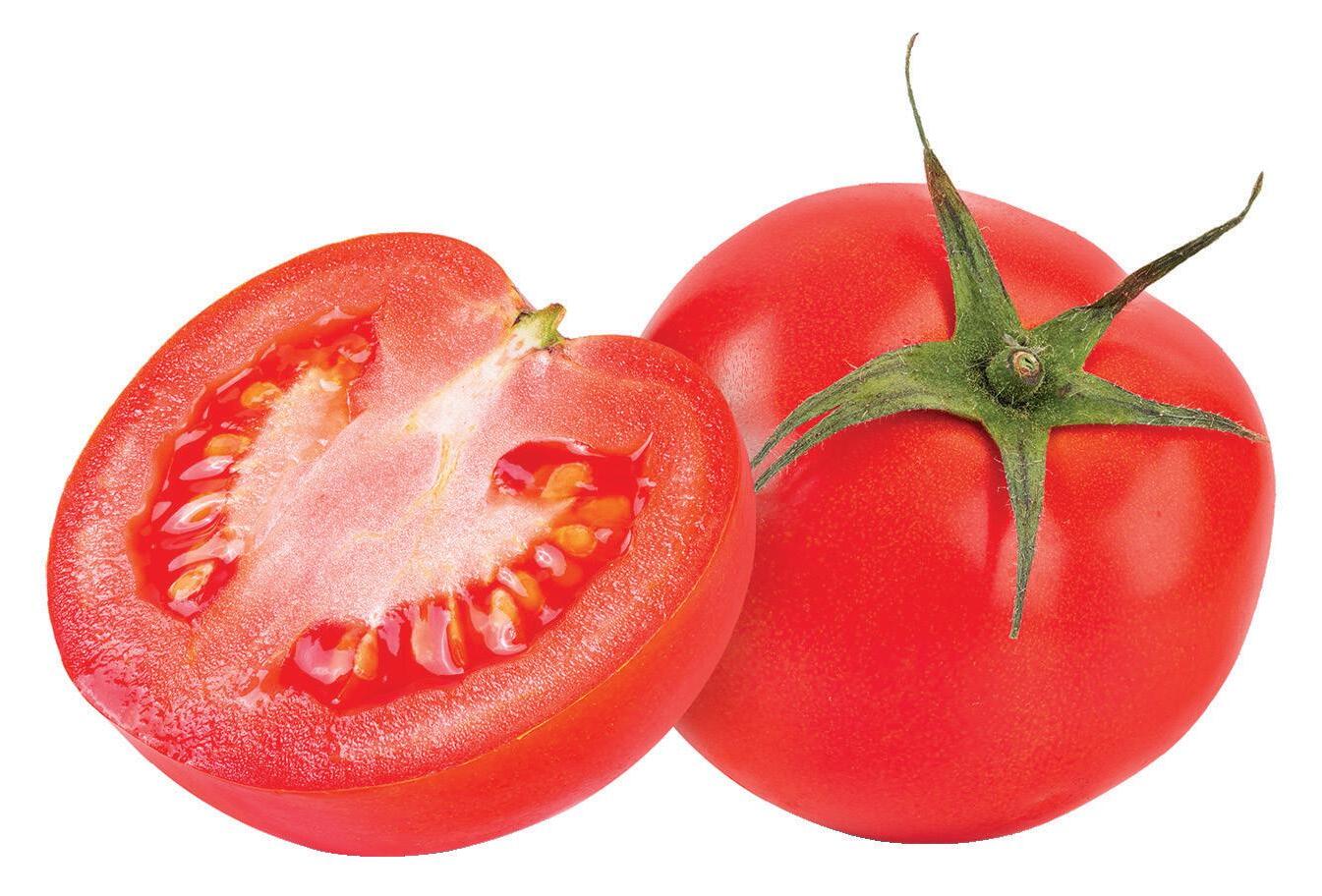
Great Tomato Plant Sale
Rivertown Demo Garden, Antioch (Contra Costa Event
• April 18 (Sat), from 10 a.m. to 3 p.m.
New Location! Richmond Art Center, Richmond, • May 2 (Sat), from 10 a.m. to 3 p.m.
Our Garden, Walnut Creek (corner of N. Wiget and Shadelands)
• April 11 and 12 (Sat-Sun), from 10 a.m. to 3 p.m
Rivertown Demo Garden, Antioch (Conta Costa Event Park, 1201 W 10th St)
Tomatoes Peppers Eggplants Squash
• April 18 (Sat), from 10 a.m. to 3 p.m..
New Location! Richmond Art Center, Richmond, (2540 Barrett Avenue)
• May 2 (Sat), from 10 a.m. to 3 p.m.
Visa, Mastercard, Cash or Check Accepted
For more info visit us: ccmg.ucanr.edu
For safety reasons, pets are not allowed inside the sale area.
For more info visit us: ccmg.ucanr.edu
Please remember to bring a box or container!
For safety reasons, pets are not allowed insid All plants $4 Visa, Mastercard, Cash or Check