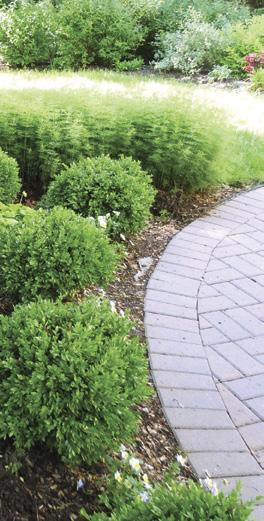
The term “wellness” comes up frequently during healthrelated discussions. Wellness is an umbrella term that refers to the many ways individuals can care for their minds and bodies. Recognition of various facets that fall under the wellness umbrella can help people striving to live healthier identify the ways and means to achieving that goal.
Social wellness
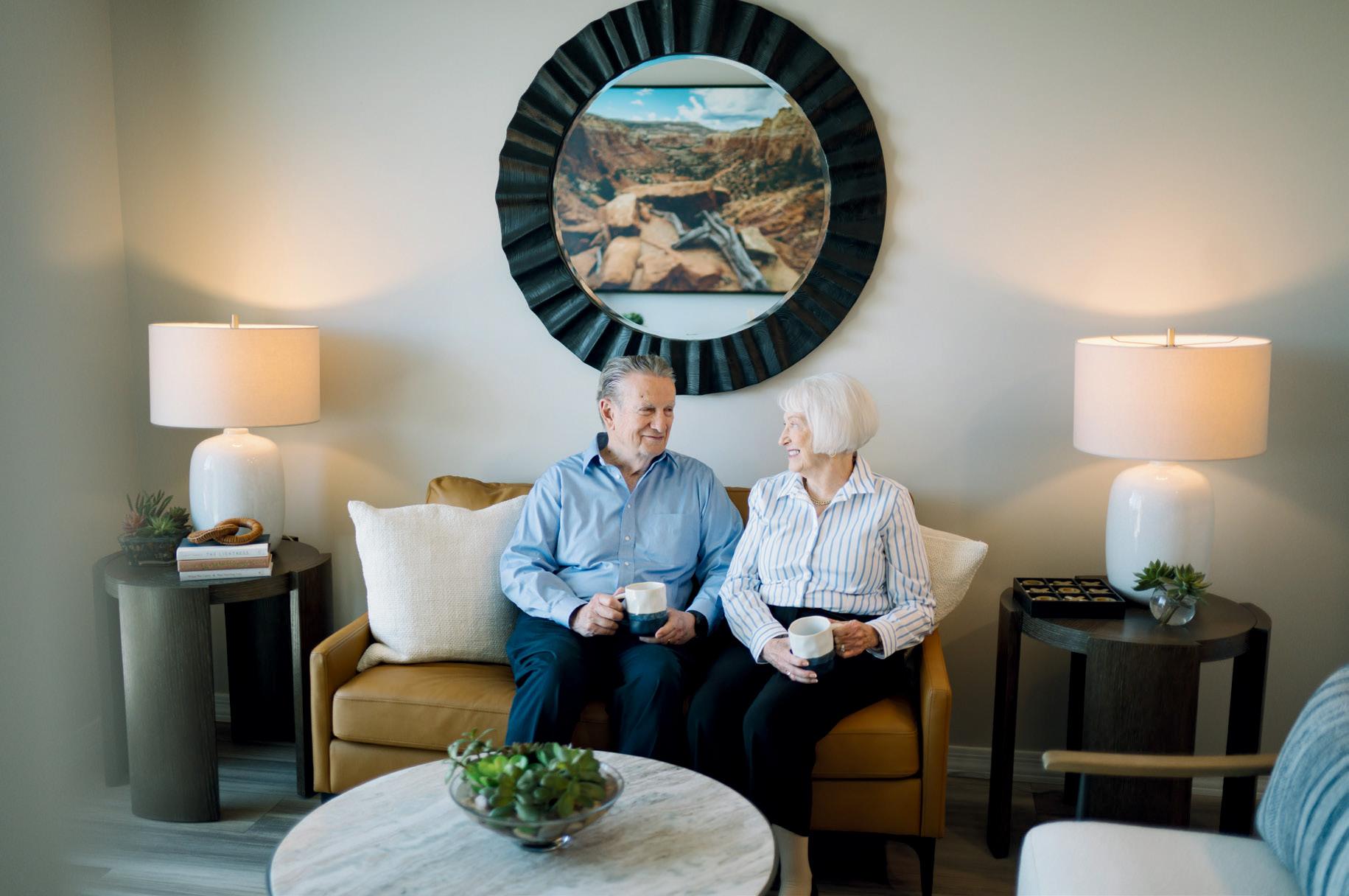
According to the insurance experts at AmeriHealth, the term “social wellness” refers to the ability to create and maintain healthy, supportive and mutually respectful relationships. Social wellness aspires to build a strong sense of connection and belonging, which AmeriHealth notes can help to increase self-esteem; reduce anxiety and depression; facilitate effective means to handle stress; foster a greater sense of safety and security; and improve physical well-being, among other benefits.
Emotional wellness
Emotional wellness is intended to help people develop an awareness of their feelings and how they respond to daily interactions. VeryWell Mind notes
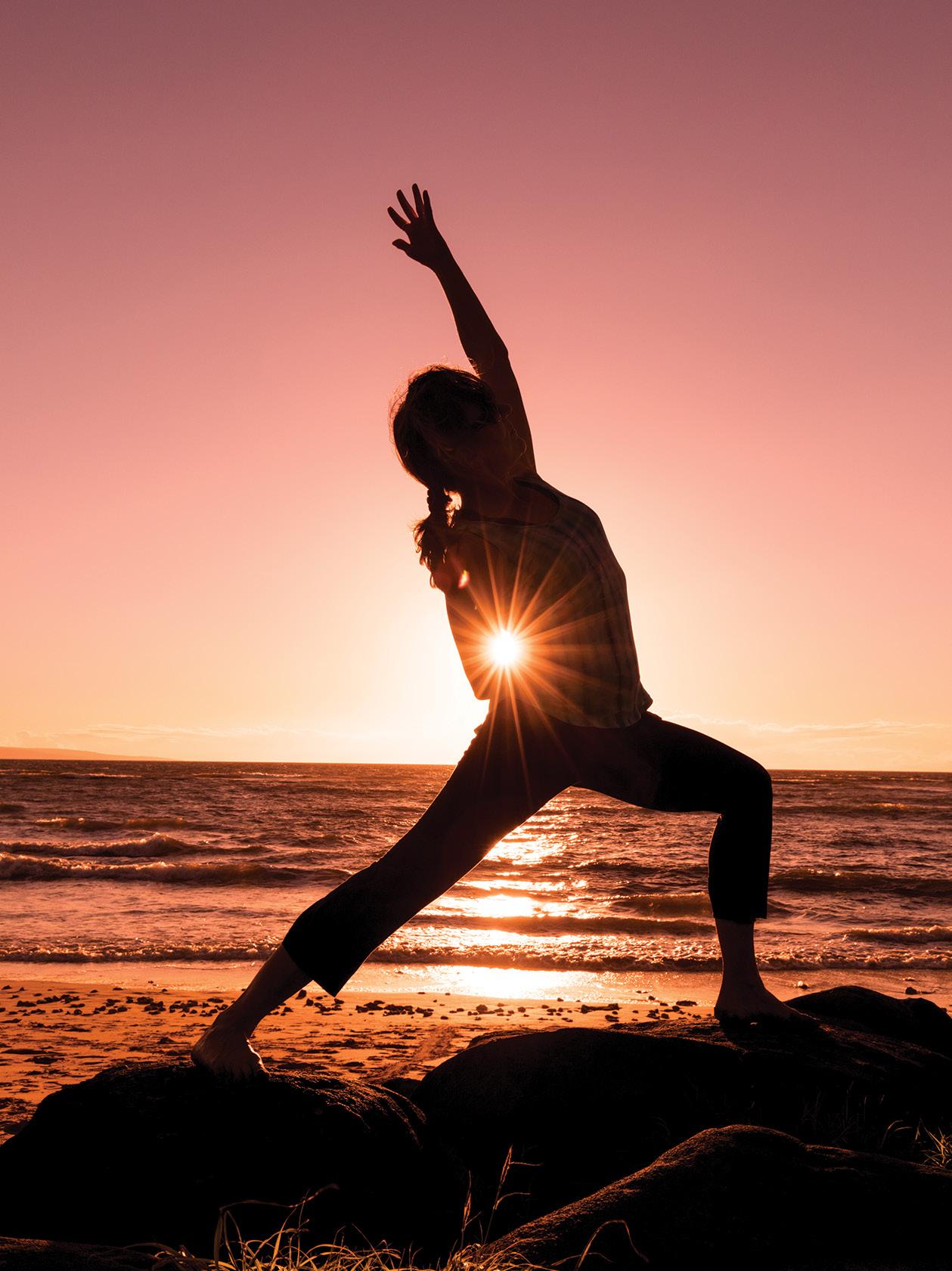
Wellness is a wide-ranging term that encourages people to embrace strategies affecting all areas of their lives with a goal toward improving their overall well-being in the short- and long-term.
that emotional wellness can affect relationships by helping people to identify their own perspectives and express those views with others in a calm and appropriate manner. Recognition of how you feel also can help students and professionals as they confront situations that might affect their success. That same sense of recognition also can foster stronger responses to mental health issues that can arise each day.
Occupational wellness
Work is a big part of many people’s lives, and the University of New
Hampshire notes that the term “occupational wellness” refers to the pursuit of a career path that aligns with each person’s goals, professional growth and success. Occupational wellness emphasizes the importance of finding work that satisfies and enriches a person’s life. The UC Davis Student Health and Counseling Services notes that some means to fostering occupational wellness include routine reflections on where you find joy and making a commitment to keeping an open mind, which can help uncover new and unique career or volunteering opportunities.
Financial wellness
Finances are a common source of stress. The discipline of financial wellness emphasizes practices that encourage people to effectively manage their own finances in ways that can lead to long-term financial well-being. Financial wellness strategies may start small, such as identifying ways to save money each day and uncovering resources and understanding how to use them. Financial wellness also encourages people to set long-term financial goals.
– Metro Creative
Photo by Adobe Stock
CONNOR ROBLES
n even summer tan is a sure sign of fun in the sun – but how do you tan safely?
Dr. Robert Beer of Balfour Dermatology in Brentwood and the City of Hope Cancer Center have tips on how to keep yourself from absorbing too much of the sun’s harmful rays while maximizing your tan.
Ultraviolet light and its effects on skin
According to City of Hope, tanning is caused by ultraviolet light from the sun stimulating cells in your skin called melanocytes. When stimulated, these melanocytes produce a pigment called melanin, which darkens your skin. A higher level of melanin can help protect your skin, but only to a small degree – darker-skinned people are still almost as vulnerable to skin cancer from sun exposure as people with lighter skin.
Besides giving you a nice tan, UV light can, over time, cause more serious health
effects, City of Hope says. Everything from premature skin aging and wrinkles at the low end to deadly cancers like carcinoma and melanoma at the high end. These effects are due to the UV light damaging the DNA in your cells, making it more difficult for them to repair your skin and disrupting their cellular replication.
Is there a safe way to tan?
“Absolutely, there are safe ways to tan,” Beer says. “Even when you’re wearing sunscreen, you will still get some more color. And you can do it safely by reapplying your sunscreen every two hours. You should choose a sunscreen of SPF [sun protection factor] 30 or above. If you can avoid the peak hours around noon, that’s even safer.”
Beer added that you should also take a break in the shade at least once per hour of tanning, keep hydrated, and if you’re tanning long-term, take supplements such as fern leaf extract and vitamin D to prevent genetic damage. Exercise caution, however, since some side effects are unavoidable.
“Please keep in mind that no matter how safe you get, it does cause skin aging,
see Safety Tan page 5B
How to stay hydrated in hot weather
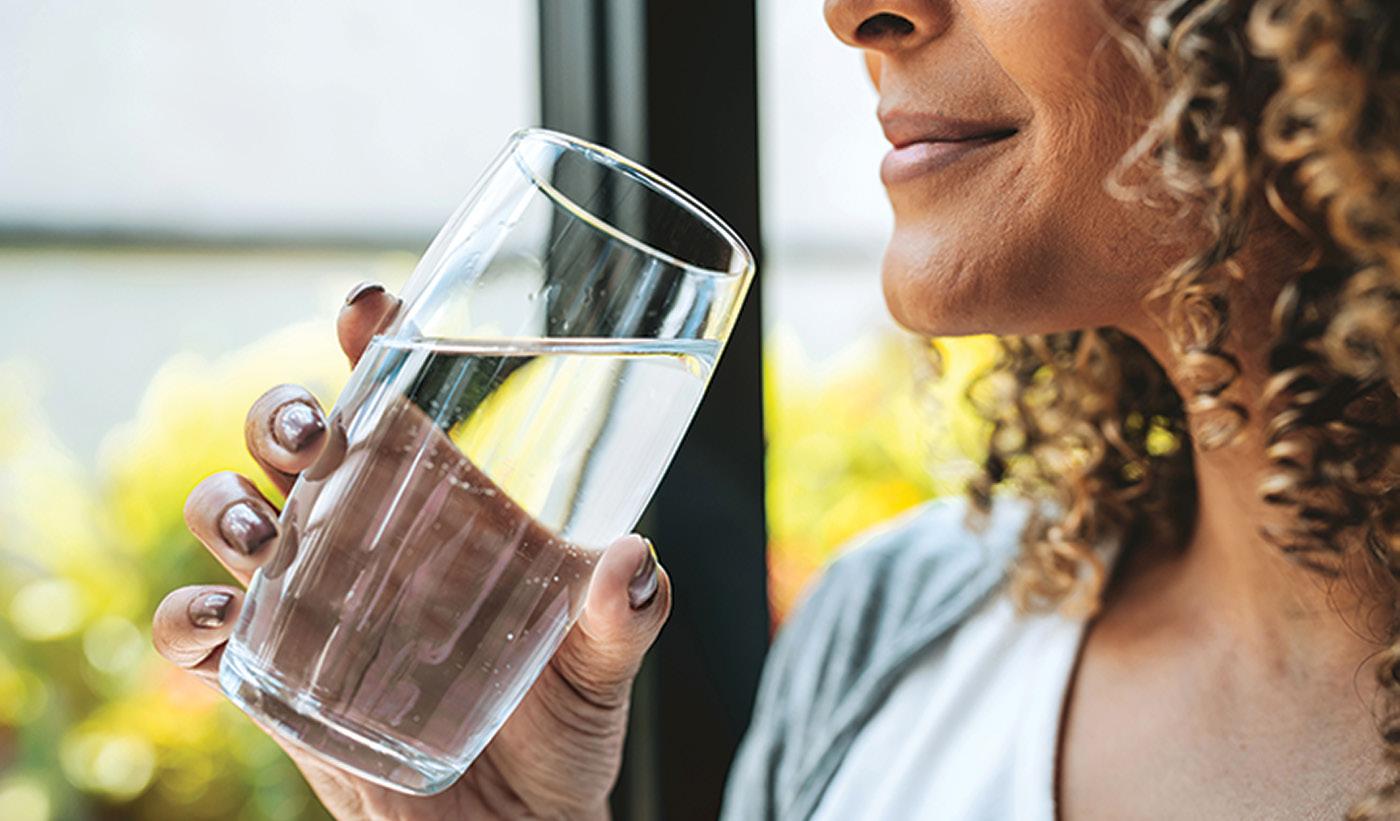
Summer is a season to spend outdoors soaking up some sun. But all that time outdoors can pose some health risks if people are not careful. The dangers of overexposure to the sun are well-documented. Sunburn is one such threat that can not only lead to discomfort, but also increase a person’s risk for skin cancer. But sunburn is easily prevented with the use of sunscreen, and that’s not the only summertime threat that’s easily avoided.
Dehydration occurs when the body loses more fluids than it takes in. Come the dog days of summer, it’s easy to lose fluids when spending time outdoors. Sweating is one way to lose fluid on a hot day, but there are myriad ways to avoid dehydration once the hot weather kicks in.
♦ Don’t wait until you’re thirsty to drink water. According to NHS Inform, the national health information service of Scotland, thirst is typically the brain’s way of warning individuals that they are dehydrated. So it’s unwise to wait until you’re
thirsty to drink water. A proactive approach can help to prevent dehydration, especially when spending time outdoors on hot days.
♦ Take breaks for water. A midmorning coffee break or a mid-afternoon snack break are part of many people’s daily routines. You also can incorporate drinking water into your daily routine. When pouring your morning coffee or tea, pour yourself a glass of water as well. When reaching for a mid-afternoon snack, pour yourself another glass of water.
♦ Keep a water journal. Documenting your daily water intake is one way to overcome forgetfulness in relation to remaining hydrated. Smartphone apps like Water Reminder and Plant Nanny can help people remember to drink water throughout the day. For those who prefer a more traditional approach to journaling, keep a small notebook near your desk or in your pocket when going outdoors so you can always know when your most recent water break occurred.
It’s imperative that people make a concerted effort to hydrate and do not wait until they’re thirsty to enjoy a glass of water on a hot summer day.
♦ Look to foods to stay hydrated. Drinking water isn’t the only way to ensure you stay hydrated. Various foods are loaded with water. Henry Ford Health® notes that watermelon, berries, bell peppers, and grapes are water-rich foods that can help you stay hydrated.
Dehydration can creep up on hot summer days and put people in serious jeopardy. That’s why it is imperative that people stay hydrated and do noit wait until they are thirsty to drink water.
Photo by Adobe Stock
pigmentation, and wrinkles,” Beer warns. “While there are lots of treatments for skin damage, wrinkles, and pigmentation these days, the best beauty treatment is prevention. I guess there is always a trade-off: The less sun that you get means the less wrinkles, sun damage, and pigmentation issues you’ll have over a lifetime.”
“Please try and be moderate in the sun,” Beer said. “And if I see you out and about this summer, I will be the one with the sunscreen and wide-brimmed hat on.”
Other methods of tanning: sprays, lotions, and tanning beds
If you don’t want to risk the side effects, self-tanning sprays and lotions are always an option, City of Hope website says. Tanning beds, however, are a no-go for safe tanning--according to the World Health Organization. They’re classified as “carcinogenic for humans,” on the same level as cigarettes, and the American Academy of Dermatology says that regularly using tanning beds before the age of 20 can increase your chances of developing melanoma by 47 percent. These effects are because tanning beds emit 10 to 15 times more UV radiation than the sun at its peak, according to a 2016 paper by Marie Z. Le Clair and Myles G. Cockburn of the National Institutes of Health.
Photo by Adobe Stock
Even when wearing sunscreen, you will still get some more color. And you can do it safely by reapplying your sunscreen every two hours.
Ensure
•
•
•
•
•
•
•
•
•
Tap Into Healthier Water for Your Entire Family
The dynamic between the gut and brain is complex and can affect both physical and mental health.
Mood and well-being are not governed exclusively by the brain. Some may be surprised to learn that the gut plays an integral role in how one feels both mentally and physically. According to the National Institutes of Health, the close connection between the central nervous system and the gut explains why emotional stress can cause stomach pains, and why an imbalance in gut health can directly affect mood and cognition.
What is the gut-brain axis?
The Cleveland Clinic notes the gutbrain axis is a two-way biochemical and neural communication network linking the gastrointestinal tract and the central nervous system. Signals pass both ways between the digestive system and the CNS, and health or disease in one can affect the other. Anyone who has experienced butterflies in the stomach when nervous is experiencing this connection. More information passes between the brain and gut than any other systems in the body, and there are more nerve cells in the gut than anywhere in the body outside of the brain. Scientists call these nerves the “little brain” or the enteric nervous system (ENS). The main link between the big brain and little brain is the vagus nerve.
What does the gut’s brain control?
The main role of the ENS is to control
digestion. However, the ENS also may trigger big emotional shifts, according to Johns Hopkins Medicine. People with irritable bowel syndrome (IBS) and functional bowel problems like constipation can experience all sorts of emotional issues. For decades, researchers and doctors thought that anxiety and depression contributed to these problems. Now, studies show that it actually may be the other way around. Signals sent to the brain from the gut can trigger mood changes that make a person feel anxious or contribute to low mood. In fact, a vast majority of the body’s serotonin, a neurotransmitter responsible for feelings of happiness and well-being, is produced in the gut.
New treatments
Understanding that many historically classified mental health conditions actually may have origins in the stomach opens up new treatment options. Doctors may work together to help soothe the gut and the mind in concert. It’s not unheard of for gastroenterologists to prescribe treatments like antidepressants and cognitive behavioral therapy in addition to acid-blocking medications and specialized diets.
Supporting the axis
People can take steps to ensure their gut is healthy and promote general wellbeing. Focusing on whole foods, fruits, vegetables, and whole grains is essential. Foods like yogurt, sauerkraut and kimchi can help populate the gut with beneficial bacteria. In addition, practices like yoga, therapy and mindfulness can calm the ENS and reduce GI distress.
Photo by Adobe Stock.
How to prevent hair damage in the sun, water
In the summer months, it’s easy to enjoy the sunny and hot days without remembering that caution needs to be taken before spending the day basking in it.
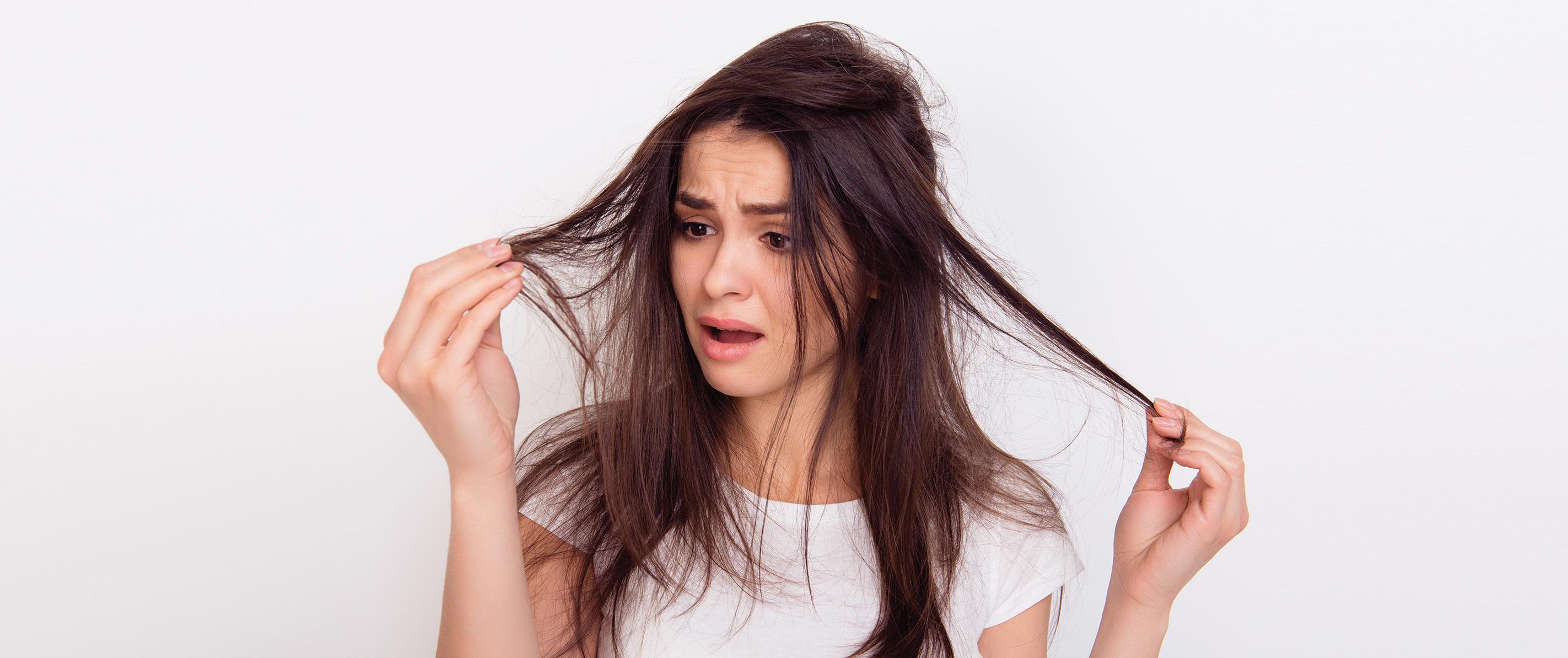
Sunscreen for the skin is an obvious step for most, but protecting your hair from the sun and for many, chlorine, is just as important, health experts say.
UVB (Ultraviolet B) is a type of invisible, high-energy radiation from the sun (Think of ‘b’ standing for burn) and UVA (Ultraviolet A, think of the A meaning aging) rays from the sun work in different ways to damage your hair in the heat, experts say. UVB rays affect the keratin proteins in your hair, resulting in hair follicles becoming more frail to the touch. UVA rays have a different effect, damaging the color of your hair with prolonged sun exposure.
But, those are the consequences when you’re in the sun without the enjoyment of cooling off in a pool. When chlorine is added to the mix, you can add a few extra
Unlock your best self with exercise
DAWNMARIE FEHR fits of exercise. “For general health, the evidence-based guideline is about 150 minutes per week of moderate activity, like brisk walking, plus strength training at least twice per week,” he said.
One of the best ways to look and feel your best every day is consis -
tent exercise, according to the Centers for Disease Control and Prevention (CDC).
Just one session of physical exercise can provide immediate benefits, while consistent exercise over time provides even more, including the prevention of many chronic diseases and decreasing the need for prescription medications.
From improving sleep, reducing anxiety and blood pressure, to boosting brain and heart health and lowering the risk of cancer, exercise seems to be a simple cure-all for those who commit to doing some every day.
Dr. Harmeet Malhi of Brentwood’s Sutter East Bay Medical Group said exercise isn’t a cure-all, but it is essential.
“Exercise is one of the most powerful tools we have to prevent and manage disease,” Malhi said. “It has been shown to reduce the risk of cardiovascular disease, diabetes, depression, certain cancers, and cognitive decline.”
He added that exercise is not a replacement for medical care, but a “requirement for the body to function properly.”
Malhi noted consistency over time is key when it comes to reaping the bene-
Malhi often recommends “simple and sustainable” exercise, with a goal of 30 minutes, every other day. He said consistency matters more than perfection or intensity.
“Strength training is especially important as we age,” he said. “It helps maintain muscle mass, protects against osteoporosis, reduces fall risk, improves metabolism.”
Malhi said when it comes to creating a routine and forming the habit of exercising consistently, keep things short and realistic. A 30-minute routine is easier to stick with than a 90-minute one. He also suggested choosing activities you enjoy, whether that’s walking, yoga or pickleball. Also, make your exercise plan “life proof,” meaning it fits with your schedule and abilities, and place that time high on your list of priorities.
“Studies have shown that one can live up to five to seven years longer if they maintain exercise throughout their life,” he said. “We are not saving time by skipping exercise.”
For more information on Malhi, visit www.sutterhealth.org/find-provider/ dr-harmeet-s-malhi-1046247805.
For more information on the benefits of exercise according to the CDC, visit www.cdc.gov/physical-activity-basics/health-benefits/adults.html.
steps to ensure your hair is taken care of, local experts say.
Gayle Sobolick, hair dresser at Revive Brentwood at 8900 Brentwood Blvd., emphasized the importance of moisture in the dry heat of Contra Costa County.
“A lot of people color their hair, so wear a hat as much as possible,” Sobolick said. “In the summer time more than the winter, you want to use as much moisture as possible.”
She noted that people who color their hair are more prone to seeing more fading and drying, so for them, extra protection is
key to prevent long-term damage. While chlorine-damaged hair does not last forever, the frizzy, dry and weakened feeling in your hair is preventable, to an extent. In a 2024 article in Vogue, Olympic women swimmers talked about ‘swimmers hair’ and the lengths they go to protect it. Their advice: The most commonly suggested method is to pre-soak your hair before entering chlorine water as it will help your hair absorb less of the chlorine from the pool. But the most effective barrier cited is wearing a swim cap to block the water from touching your hair.
It’s Time to get ready for a new school year!
As students and parents gear up for a new school year, make sure your business is on their back-to-school shopping lists. With informative features, this popular special edition ensures your ad is in the right place at the right time.
Reserve your ad today!
Publication Date: July 17
Deadline for space reservation: July 7
MASON TOVANI
Photo courtesy Adobe Stock
We specialize in converting your analog content into digital files.
Zehnder Enterprises has been in the conversion business for over 20 years.
We would love to hear from you. Call or email and tell us what you want to convert. We will be glad to give you a quote to convert your precious memories from analog into lasting digital media. We are located in Discovery Bay, CA. zehnderenterprises@gmail.com www.audiovideoconversions.com