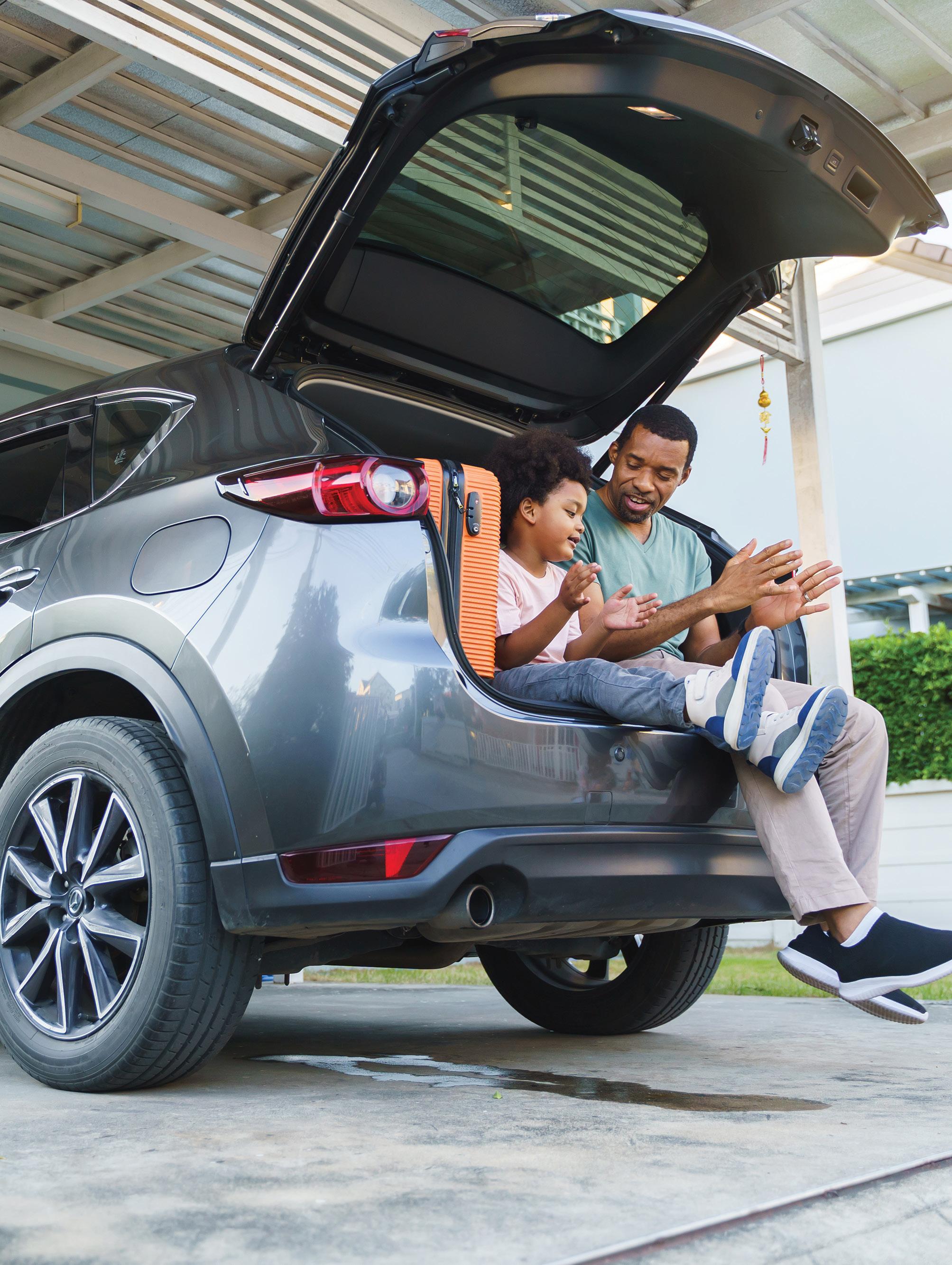

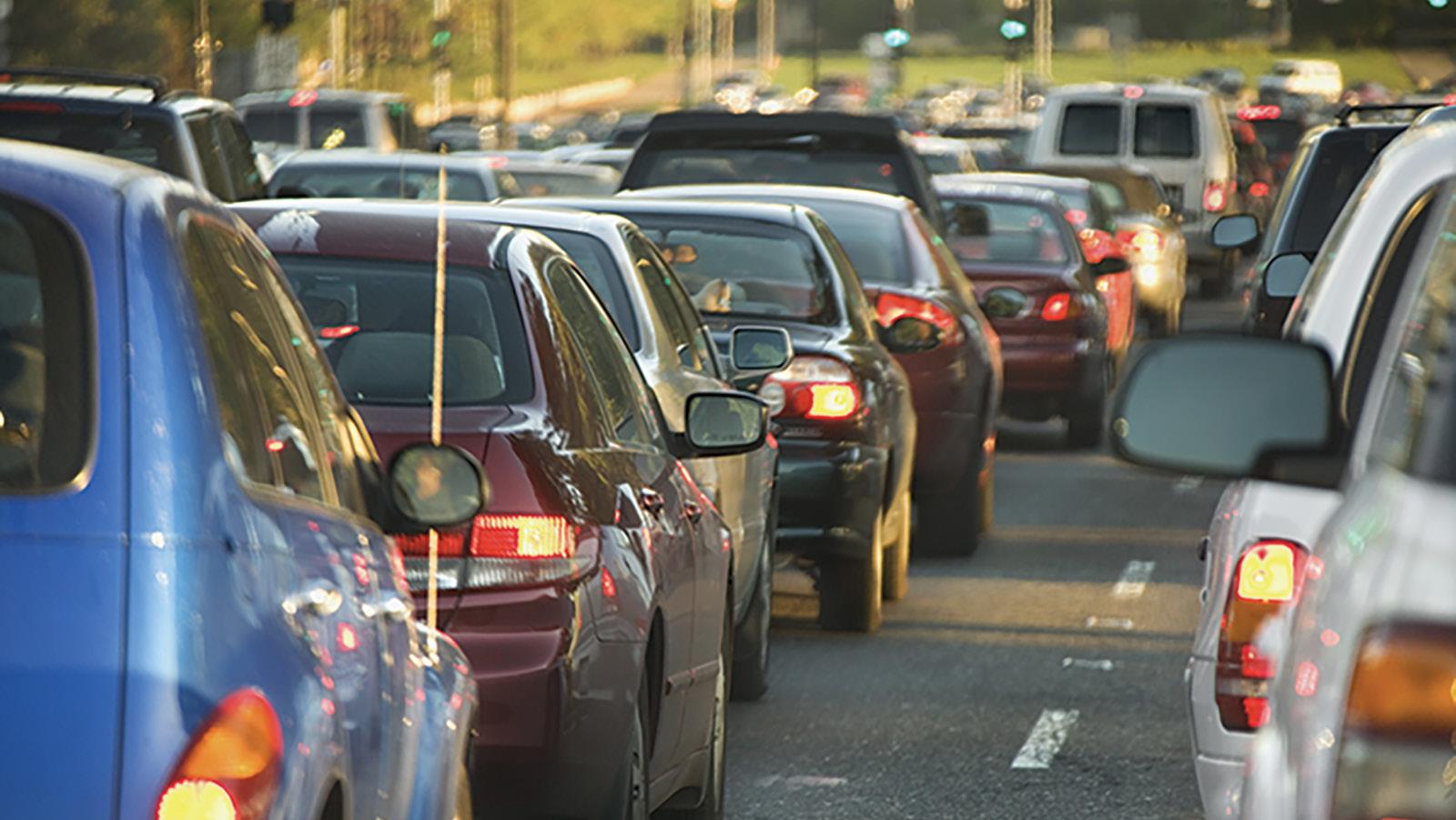
emote work was the standard during the global pandemic, and that greatly reduced the time employees spent traveling to their places of employment. But now that many workers have been called back to business offices, professionals are once again facing the prospect of much longer commutes.
According to the United States Census Bureau, the average one-way commute is 25.4 minutes. The National Association of Home Builders reports a time of 26.8 minutes. However, ask many employees and they’ll suggest that their commute times feel longer, particularly when increased traffic on the nation’s roadways continues to be a concern.
There are ways to make daily trips to the office more manageable.
♦ Try public transportation. Leaving the driving to someone else can make commuting a bit less taxing. If buses, trains or trollies are available where you live, consider taking them to work rather than driving alone in your car. This will free you up for other activities during the trip, such as reading or organizing tasks for the week.
♦ Listen to audiobooks. Many people lament they don’t have as much time to read as they want. Audiobooks provide a great way to enjoy a best-seller while on the way to work and solve the problem of having too little time to read.
♦ Use a commute to relax. While it may seem counterintuitive, commutes can be transformed into relaxing moments when you practice mindfulness or meditation. Try deep breathing exercises to calm your mind.
♦ Vary your route. Take a different way to work a few times each week instead of the
same roads over and over. A new route varies the view along the way and you’ll learn alternatives if there is a traffic jam or detour.
♦ Embrace outdoor time. If possible, incorporate some outdoor time into your commute. For example, biking or walking a portion of the commute can make it more enjoyable. Getting fresh air and exercise can tame stress and improve mood.
♦ Maximize physical comfort. Making a vehicle as comfortable as possible can improve a commute. When selecting a vehicle, opt for one with supportive seats with com-
Commuting may not be on par with a relaxing evening out with friends, but there are ways to make trips to and from the office more tolerable and even enjoyable.
fort features like lumbar support and heated seats. Set up the interior so that your coffee or tea is within reach, and stock sunglasses or other necessities in storage areas so the car does not feel cluttered.
♦ Compile a commuting playlist. Figure out the mood you want to set during your commute and then curate a playlist that reflects that desired vibe. Do you want mellow, relaxing songs, or do you prefer upbeat, uplifting tunes? This way you’re not beholden to the offerings on the radio or satellite services.
– Metro Creative


When should you take your car in for routine maintenance?
The answer is complicated.
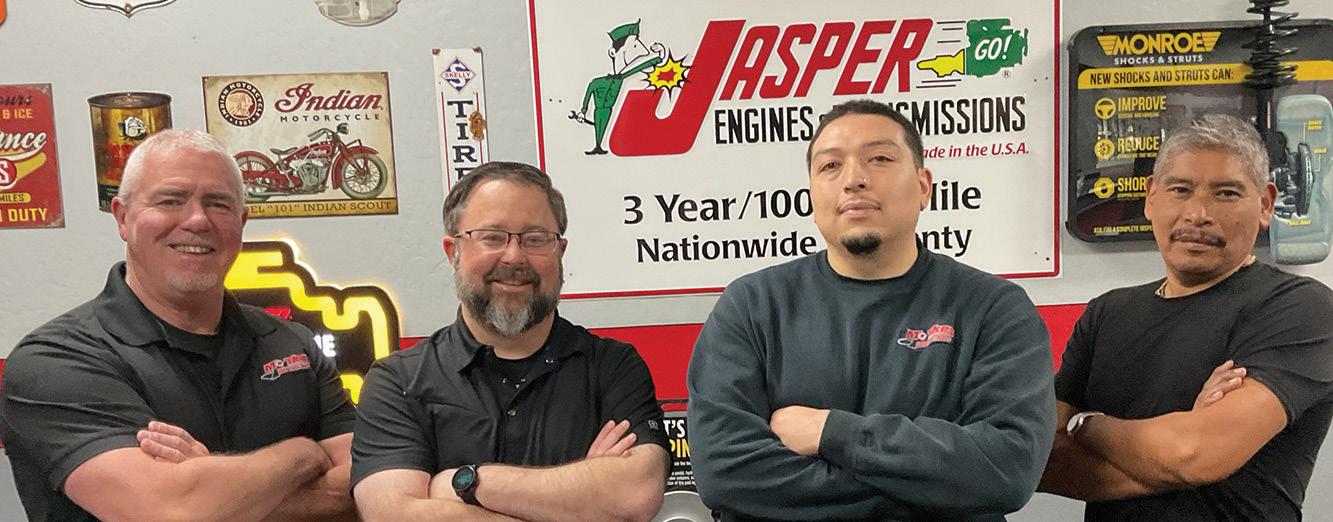
Two different mechanics, Ted Curran of Monkey Wrenches Inc., and Brian Cornelius of Bill Brandt Ford in Brentwood, gave two different answers. Curran said that car maintenance depends primarily on what the car’s manufacturer recommends, in addition to the mileage, while Cornelius said that most maintenance is standardized across manufacturers and should be done based primarily on mileage driven.
In Curran’s view, maintenance has become more specialized as cars and their components have become more technologically advanced. Instead of a general tune-up, as older cars may have needed, mileage recommended services come from the manufacturer.
For example, a Subaru would need
major servicing, such as replacing tires, transmission fluid, and spark plugs, after 60,000 miles, while a GM would need major servicing after 90,000 to 100,000 miles.
If a car has specialized parts, such as a direct fuel injection system, it requires “unique” maintenance, as the fuel injection system can suffer from carbon buildup that increases premature wear and tear. Even minor maintenance, such as oil changes, needs to be tailored for the car based on the manufacturer--if you use the wrong oil for the car, it can break down and cause more wear and tear on the engine, mechanics said.
“Preventative maintenance is what the customer needs to do,” Curran said. “If you do maintenance on time as recommended by the manufacturer, and do things like oil changes, that will help. They did a study on preventative maintenance versus repair, and found that preventative maintenance
Maintenance page 4B



can save up to $8 for every dollar spent on repair. Preventative maintenance is one of the biggest investments a customer makes, besides a mortgage or their kid’s college, so it’s very important to have a car shop that follows the recommendations of the manufacturer.”
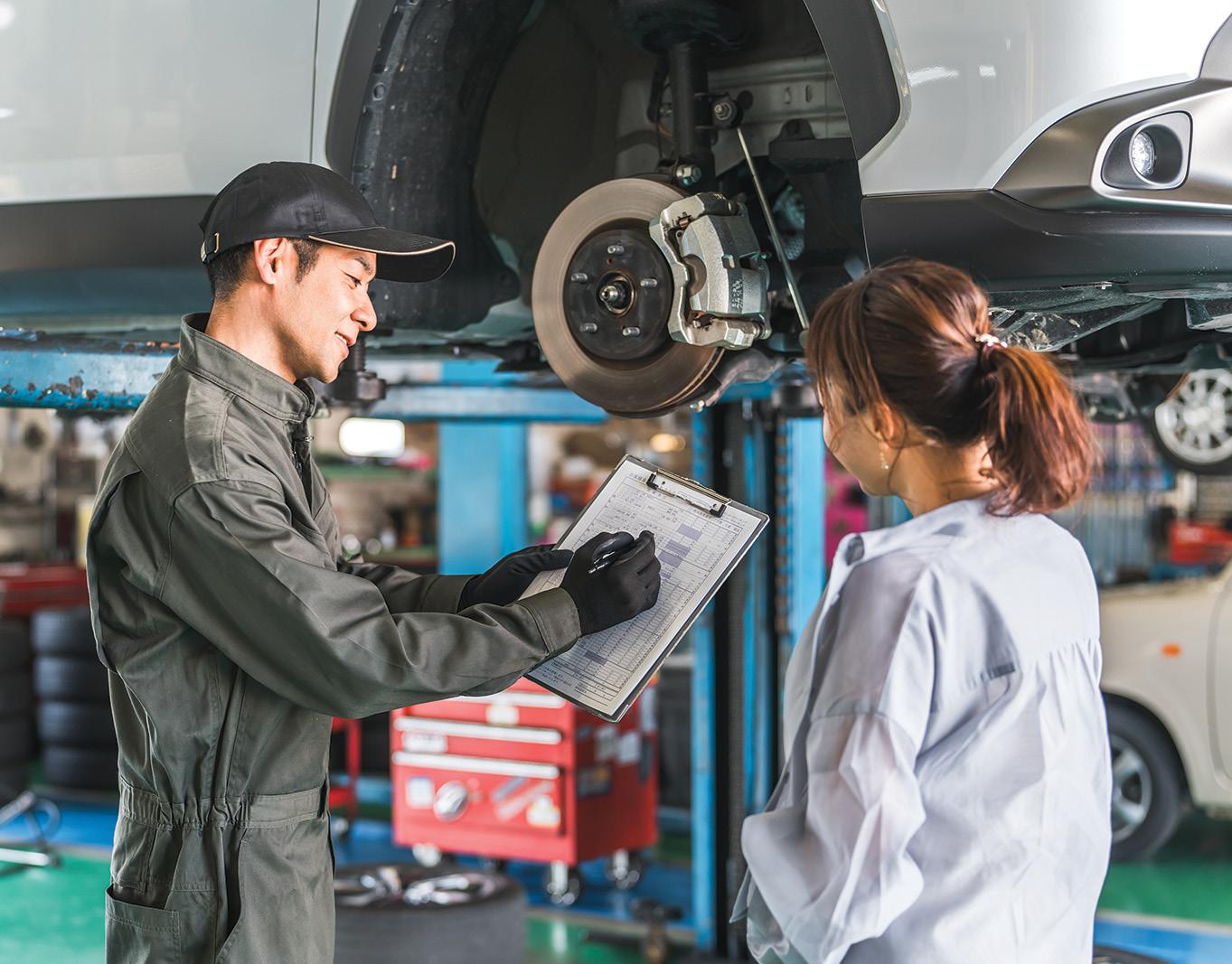
Curran recommended that drivers bring their car into the shop four times per year, a frequency that would enable a qualified technician to give a “good, fair assessment” of factors such as brake, tire, and suspension condition and tire pressure.
At Monkey Wrenches Inc. at 8130 Brentwood Blvd. in Brentwood, Curran also performs complimentary “peace of mind inspections,” a digital checkup on the customer’s car that allows them to see which parts need repairing and understand why it needs a repair. This way, “customers tend to feel like they’re being treated properly, and not ripped off,” he said.
Prices for maintenance can range from $500 to $3,000 depending on the type of car, the types of parts (such as belts and chains) it has, the number of certain parts
such as spark plugs, and the accessibility of the components. Curran said some cars have spark plugs that take two to three hours to replace.
Cornelius at Bill Brandt Ford at 8100 Brentwood Blvd. gave an opposing view of maintenance.



If
“The majority of maintenance is standard across the board between manufacturers,” he said. “Any gas or diesel motor has to have the oil changed, almost all vehicles have cabin air filters that need to be replaced, gas and diesel engines have engine air filters. It’s really the type of engine that matters. If there’s no gas or diesel engine, like in an electric car, you’d have to rotate the tires. There’s also fluid in most of them that is a coolant running through the battery inverter that needs to be changed periodically.”
While Cornelius agreed that minor maintenance such as oil changes and tire rotations should be done every 5,000 to
They did a study... Preventative maintenance can save up to $8 for every dollar spent on repair.
–
Ted Curran, Monkey Wrenches
10,000 miles, about every six months for many drivers, he recommended that major maintenance be done based mainly on mileage. No matter the manufacturer of their car, drivers should come in at 20,000 miles driven to change the cabin air filter, 30,000 miles to replace the engine air filter, and 60,000 to 100,000 miles driven to change things such as transmission fluid, though it is possible to wait until 150,000 miles driven for the latter, Cornelius said.
In Cornelius’s view, prices depend primarily on mileage driven and the type of maintenance being done. At Bill Brandt Ford, an oil change, inspection, and tire rotation is $109.95, while cabin air filters cost $69.95 and engine air filters cost $35 to $50.
For more information, call Bill Brandt Ford at 925) 634-3551. Call Monkey Wrenches Inc. at 925- 634-4145.

As a locally owned, family-run shop, Aguilar said they are able to offer a more personal, one-on-one experience.
Oakley Collision, previously known as Oakley Collision Center, was purchased Feb. 2 by Mario and Jennifer Aguilar. The business’s location remains at 5289 Neroly Road in Oakley.
Aguilar said purchasing the business “truly felt like the right time.”
“The previous owner was ready to pass the torch, and owning a shop had always been a dream of mine,” she said. “Opportunities like this don’t always come around, and we felt called to step forward when the door opened. We saw this as a chance not just to take over a business, but to build something meaningful together, something rooted in family, integrity, and genuine service to our community.”
Aguilar said their biggest focus is their mission -- “letting our community know that we are a locally owned, family-run shop that treats every vehicle as if it were our own.”
“We also believe it’s important for customers to know they have the right to choose who repairs their vehicle. Our goal is for every customer to feel confident, informed, and genuinely cared for, because building trust is the foundation of everything we do,” he added.”
“Our goals are simple but powerful: deliver quality repairs, operate with honesty and transparency, support our team, and earn long-term trust within our community,” he said. “We’re truly putting care back in collision repair through clear communication, full transparency throughout the repair process, and treating customers like family, not just a job number.”
Aguilar said his journey in the automotive industry began over 20 years agostarting at the ground level and learning the importance of hard work, patience, and attention to detail.
“I attended the Contra Costa College Collision Repair Program under Mr. Lock’s guidance and built my career as a collision repair technician, gaining experience in areas such as structural repairs, wiring, and vehicle calibrations,” he said. “For nearly seven years, I have owned and operated an automotive air conditioning business, strengthening my technical knowledge and hands-on experience. Along the way, I

learned that collision repair is not just about fixing vehicles, but about earning trust during some of the most stressful moments for customers.”
The journey for Aguilar is shared alongside his wife who brings 20 years of customer service experience, “with a deep understanding that how people are treated matters just as much as the work itself.”
“Her warmth, professionalism, and commitment to clear communication help ensure every customer feels heard, respected, and cared for from the moment they walk through our doors. Together, we combine technical expertise with genuine,
people-first service—a shared commitment that ultimately led us here,” Aguilar said.
Aguilar emphasized the “exciting changes” that are already underway.
“We’ve begun remodeling the lobby and office areas to create a more welcoming, comfortable space for our customers,” he noted. “Behind the scenes, we’re integrating modern technology to bring the shop fully up-to-date with today’s vehicles and repair standards.”
For more information and a list of services, visit www.oakleycollision.com, call (925) 522-8100 or email oakleycollision925@gmail.com.


















lthough there are many drivers who understand what goes on under the hood of a vehicle and the inner workings of car mechanics, there are plenty of others who might not know a spark plug from a dipstick. For the latter group, random noises when driving can be a cause for immediate alarm.
Certain noises can be innocuous and easily fixed, while others may be indicative of something more complex. Pinpointing where a noise is coming from can help vehicle owners identify the problem. Here’s a list of some common sounds and what the causes might be, courtesy of Firestone, Geico and Nationwide.
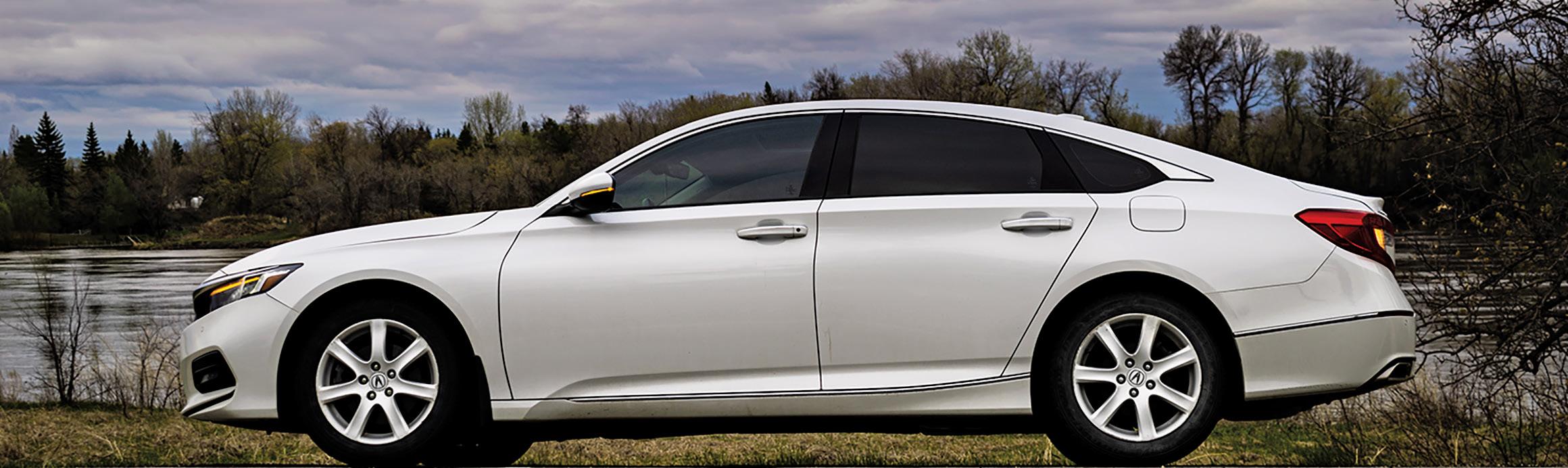
Screeching or squealing coming from the tires when stepping on the brakes likely means that brake pads are wearing down and the indicator is rubbing against the rotor. Although this is not an emergency situation, it does mean that brakes will need to be replaced sooner than later.
If you hear rattling inside of a wheel at low speeds that stops as you drive faster, it could mean there is a loose lug nut inside of the hub cap. That wheel wasn’t tightened properly the last time it was removed and replaced. Bring the car to a mechanic as soon as possible.
not holding a charge, a new one is needed.
Squeaking and scraping means the windshield wipers are wearing down or the windshield is dirty. Clean the windshield and inspect the wiper blades to make sure they are in working order. A bad wiper and dirty windshield can reduce visibility and make driving dangerous.
Clunking sounds may indicate a few different problems. A clunking sound might indicate worn out shock absorbers, which absorb vibrations from the wheels. Damaged struts also can cause clunking. Worn out leaf spring shackles that help in off-roading conditions also can cause clunking when they bend or break.
These strange noises might have different origins. Check if the differential needs to be lubricated. A wheel bearing also could be worn out and produce a noise. In more severe cases, the transmission could be failing. The best course of action is to get a professional opinion from a mechanic.
A broken belt typically is the culprit when a vehicle makes a flapping or slapping noise. Something also may be interfering with the fan. Driving with a broken belt may cause severe engine damage, so it’s important to address the issue.






If you try to start the car and only hear a clicking sound instead of the car turning over, a dead battery is likely the cause. Such a noise also may indicate corroded battery terminals that are preventing the current from flowing. Terminals need to be cleaned. The battery should be checked and jumped, if necessary. If a battery is
Squealing can indicate worn or loose accessory belts. In newer cars it might be the serpentine belt. Belts are relatively inexpensive and easy fixes.

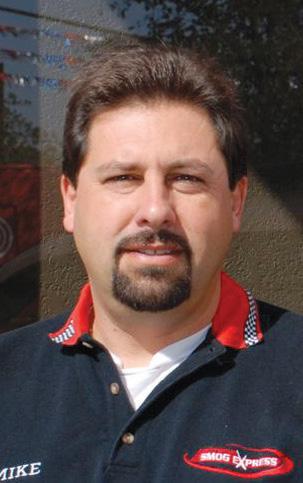
ike and Korrin Lucca, owners of Brentwood Smog Express, located at 8040 Brentwood Blvd. in Brentwood, head into their 20th anniversary with
“When we first started, we were smog only, and then we progressed into test and
repair,” Korrin said. “Now we are a fullservice repair, maintenance, diagnostic, as well as smog.”
Korrin said the company has been able to flourish partly because of so many customers who keep coming back. “We have been very blessed over the years. We have grown our customer base, giving us repeat business over the years that has allowed us to stay so long in the community and expand.”
Mike added that he has always been in the auto repair business. “I worked for the GM Dealership for about 14 years before we purchased the business in 2005. I have





kept all of my ASE (Automotive Service Excellence) certifications, master technician status, and we have built a crew around that.”
ASE is the industry-standard certification for car mechanics.
Mike noted that the company has already expanded into the shop next door, doubling their size.
“This has given us more square footage, more technician mechanics, and we are able to handle more work and repairs in a more timely fashion for our customers,” Korrin said, adding and that the business still has the same crew.
Korrin said customers can expect service sooner and quicker with a better turnaround time.
Services include smog inspection, auto repair and DMV registration.
Mike noted that they do everything but body work and windshields. “We do smog check, smog failure repairs, oil changes, basic maintenance, service repairs, diagnostics, brake jobs, tires, and all general automotive repair and maintenance.”
For more information and services, visit www.brentwoodsmogexpress.com.
To schedule an appointment, call (925) 516-6488.










For second-generation framer Chris Ramos, it’s all in the family. CR Framing serves local artists and residents at wholesale prices, with excellent quality and quick turnaround. They offer an array of services, including custom framing, shipping, shrink wrapping, matting, and framing. The business is located at 700 Harvest Park Drive, Unit I, in Brentwood, and hours are 10 a.m. to 6 p.m., Monday through Friday, and 10 a.m. to 3 p.m. on Saturdays. For more information, call 925-634-7742 email crframing@aol.com or visit crframing.webs.com.