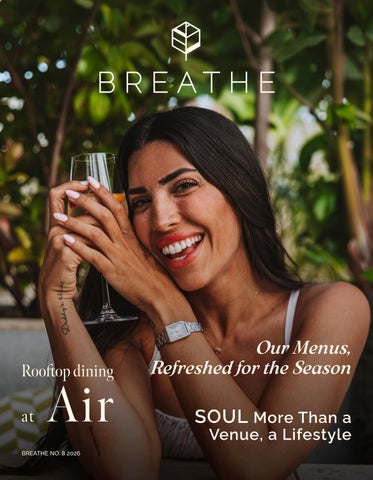
Rooftop dining at Air SOUL More Than a Venue, a Lifestyle Our Menus, Refreshed for the Season
Fresh vibes
Spring is in the air and with it the promise of sun, sea and fresh breezes. In other words, let’s start enjoying it.
Spring blows a fresh breeze into our lives, a door that opens the way to what many consider to be the best part of the year – warm enough to enjoy the great outdoor life that Marbella offers but also fresh enough to be active.
Warm summer vibes
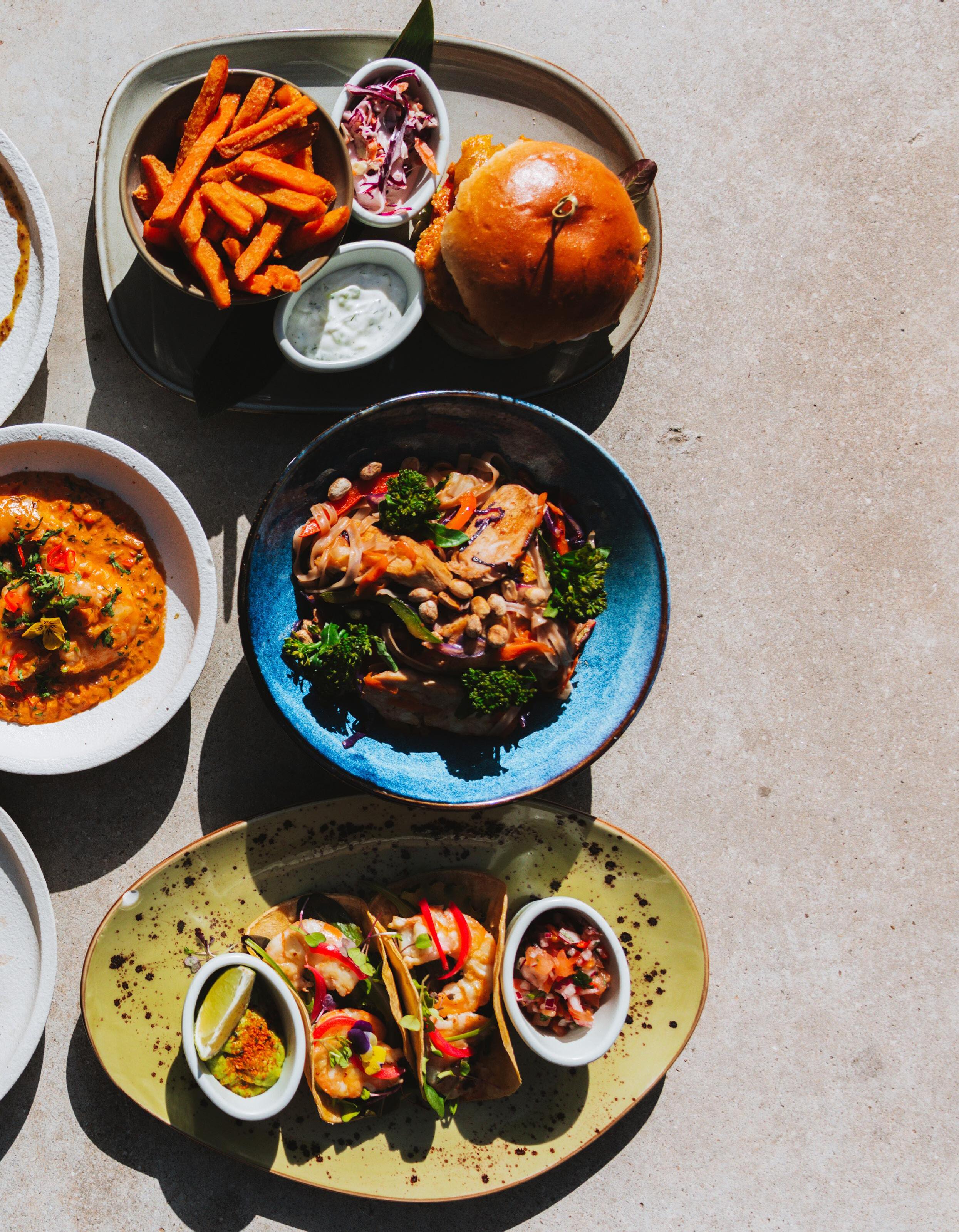
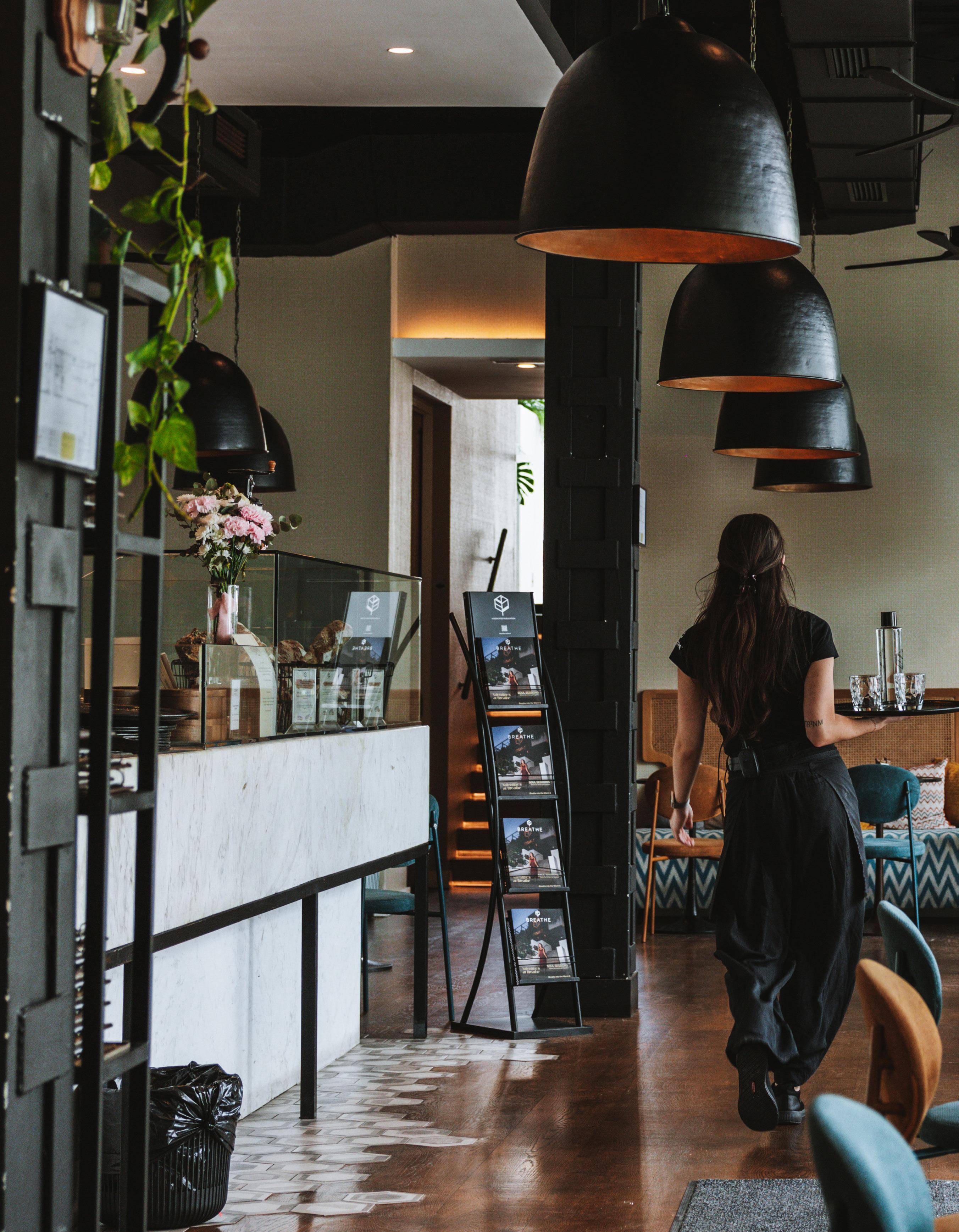
At Breathe, we pride ourselves on offering something new every season and this year it’s no different. What have we got in stall for you? Great summer vibes in our fun, stylish venues where you can enjoy a whole new offering of healthy food and beverage options after gym, a game of paddle, work or just simply socialising under sunny skies.
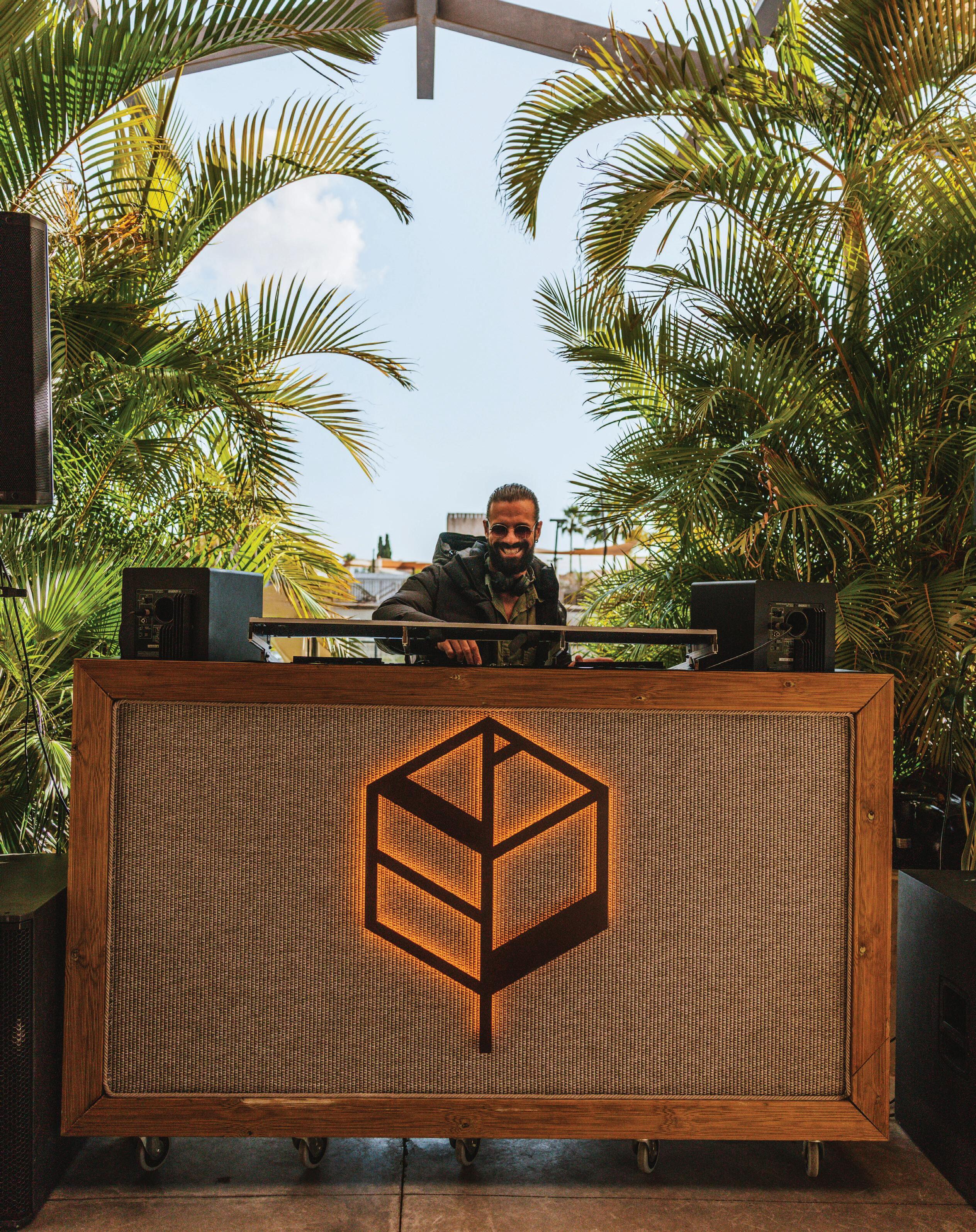
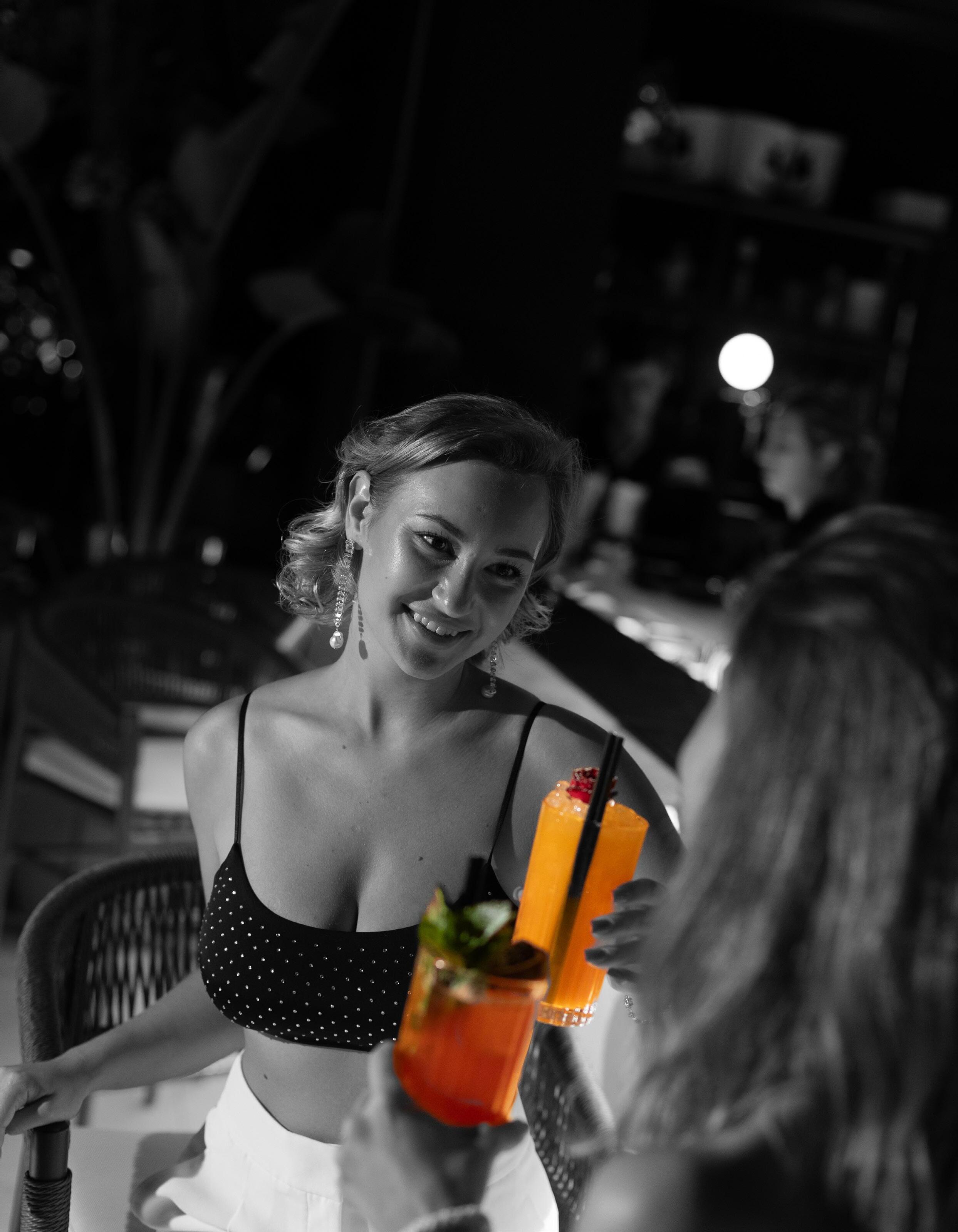
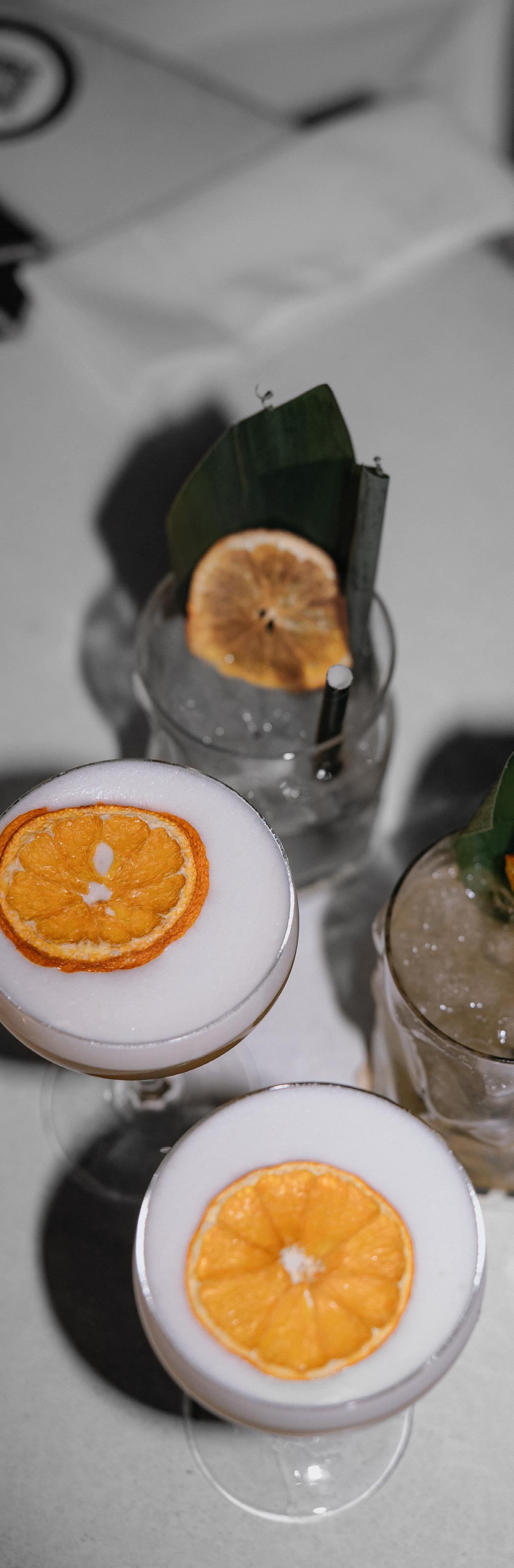
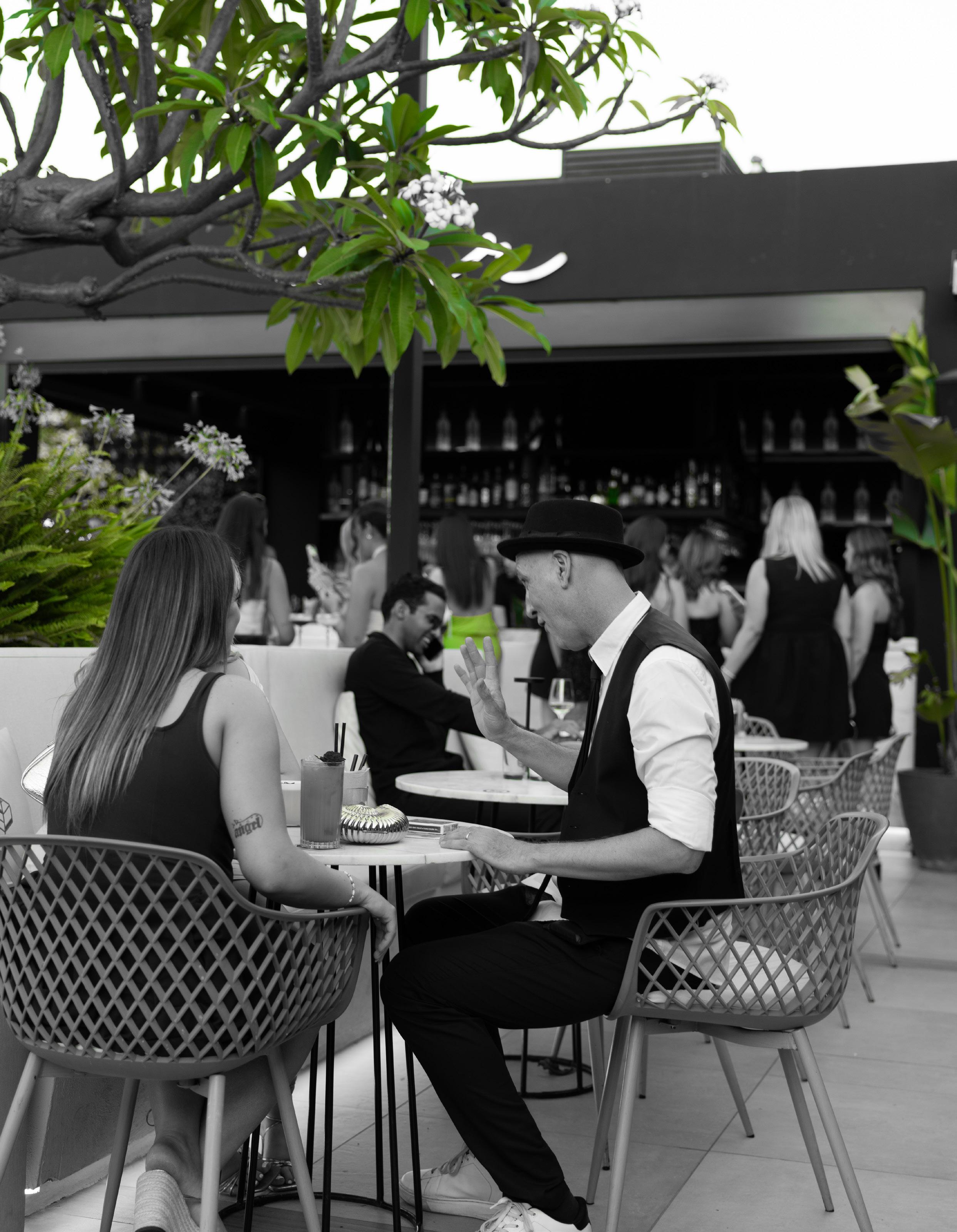
Start the day fresh and end it on a high with live DJ sessions at Soul, or sample the new dishes and exciting cocktail creations including many non-alcoholic options at Breathe. You’ll love the bright, colourful tones this season, a celebration of a time of year when the whole world opens up. So, let’s enjoy it to the full with al fresco dining at Air, where the good times are kicked off by our grand opening party on 16th May and carry on throughout the summer in Marbella’s stylish open nightclub.
Our spring edition is a mirror of this zest for life and in this issue we champion an appreciation for the good things in life while also caring for nature and those around us. For this, we look for inspiration to modern day heroes such as Sebastiâo Salgado, review fresh Barbate tuna from near our shores and follow the latest trends in design. Life is for living and this spring we feel it more than ever. Enjoy!
Aguilene Benicio
Theamount.right
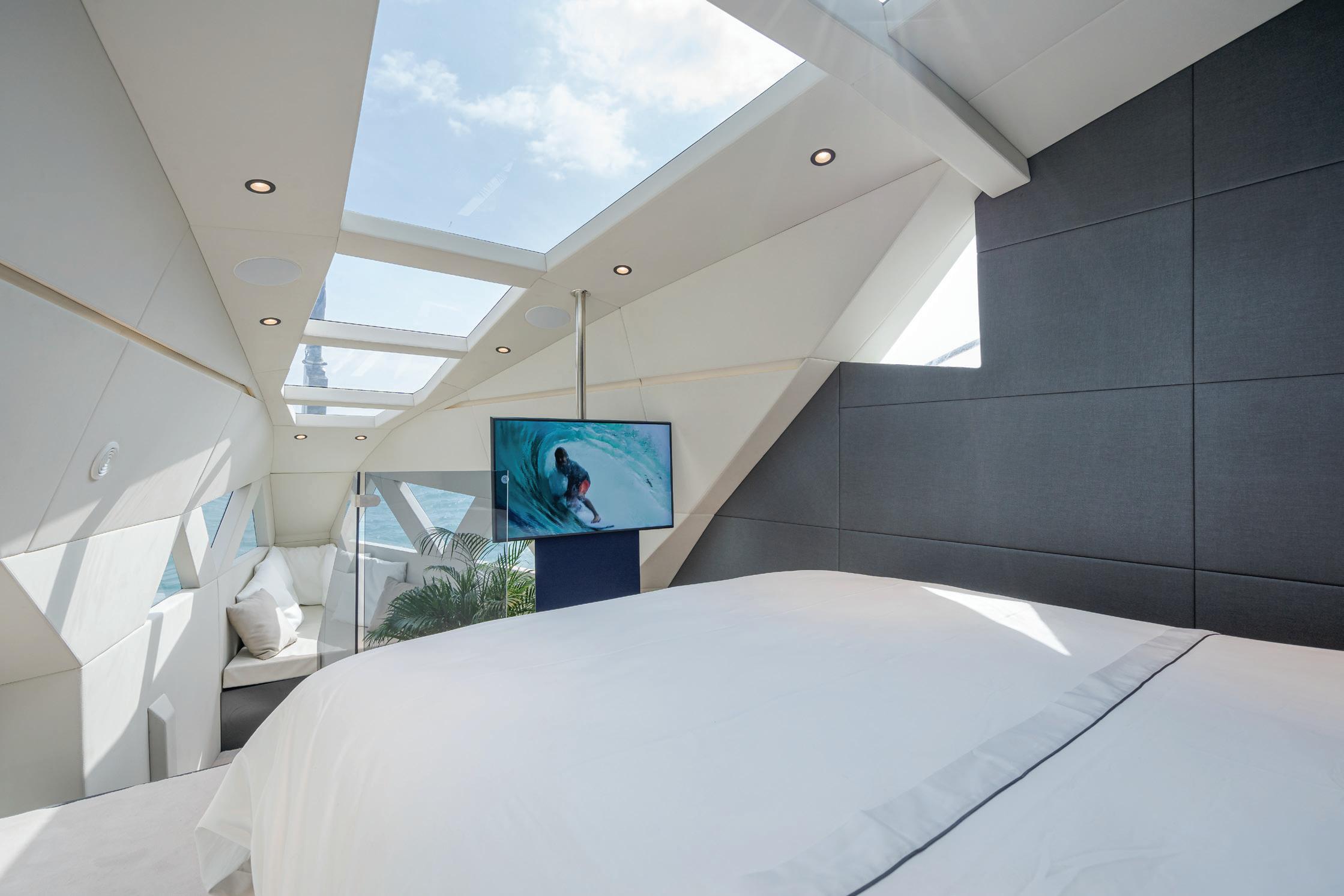
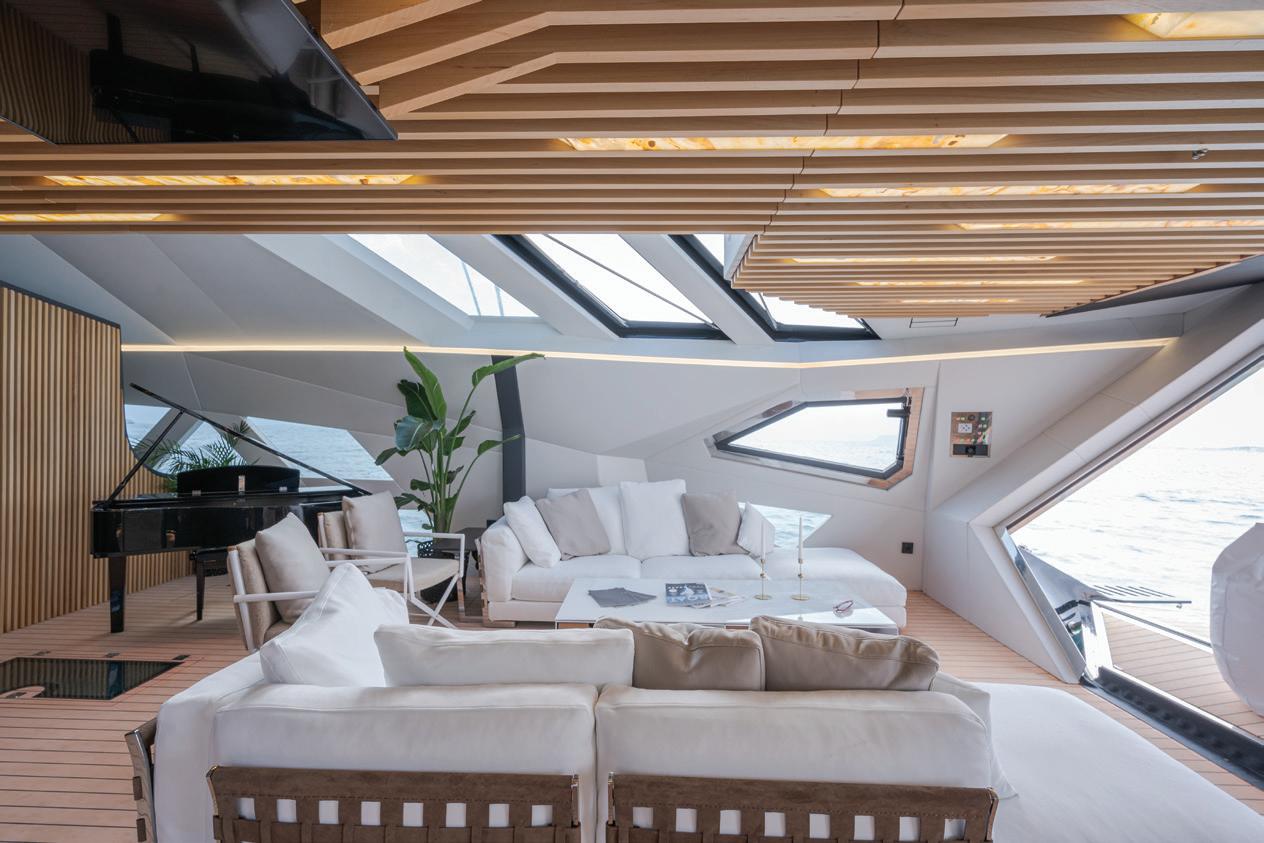
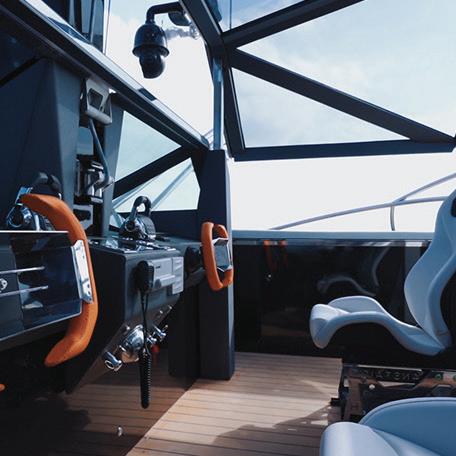
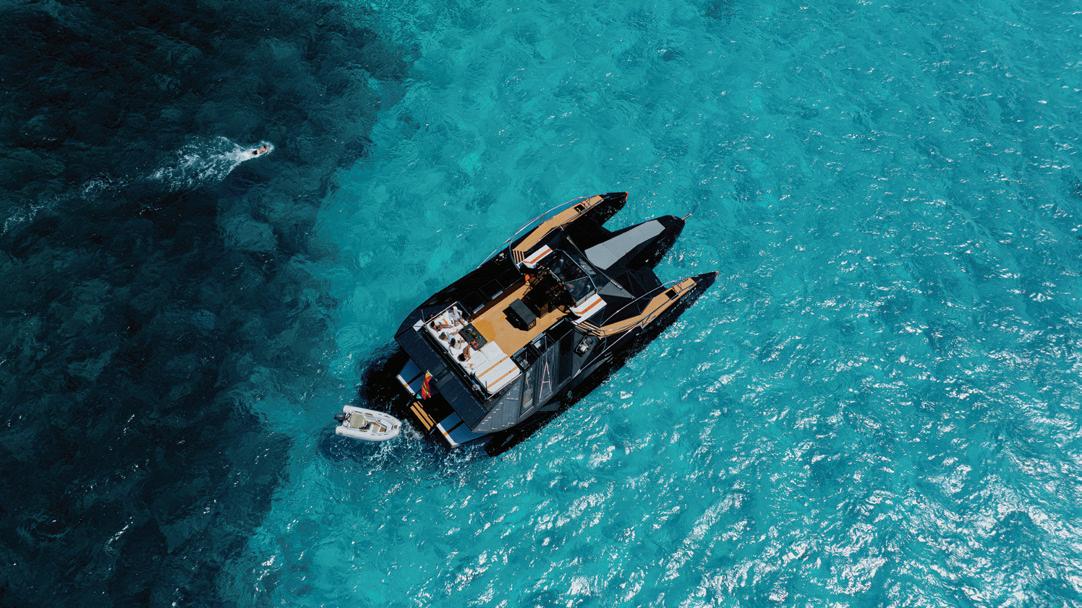
Power, ego, freedom, beauty, pleasure. The X1 has the right amount of each. And apologizes for none of them.
10.000€ /day
SOUL
Tequila
Outdoor vibes
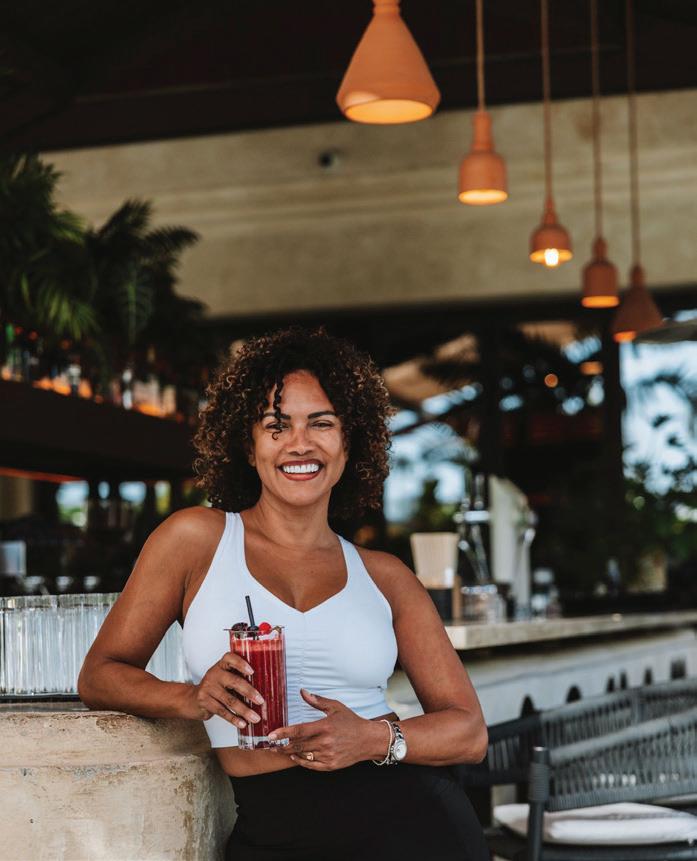
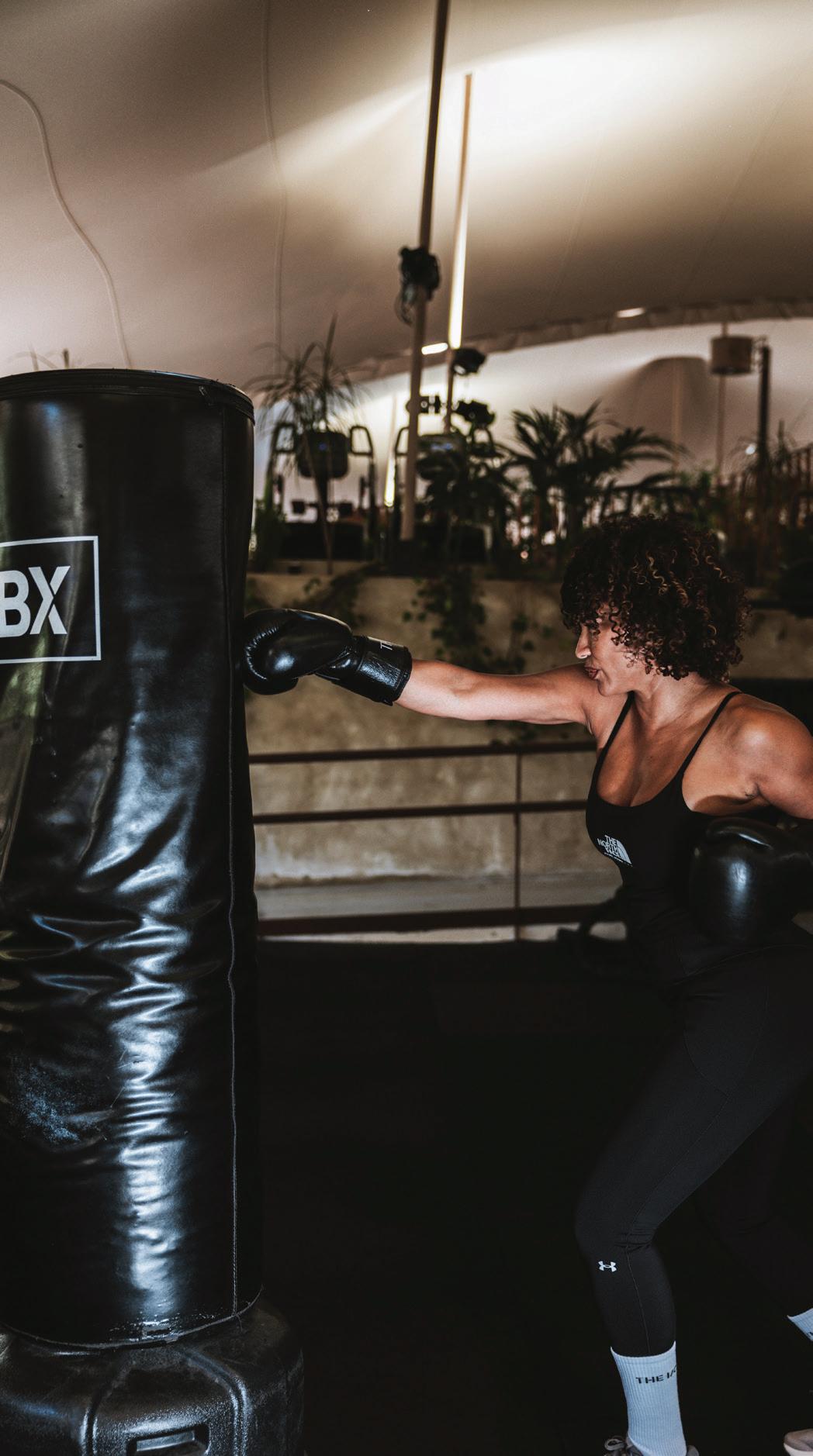
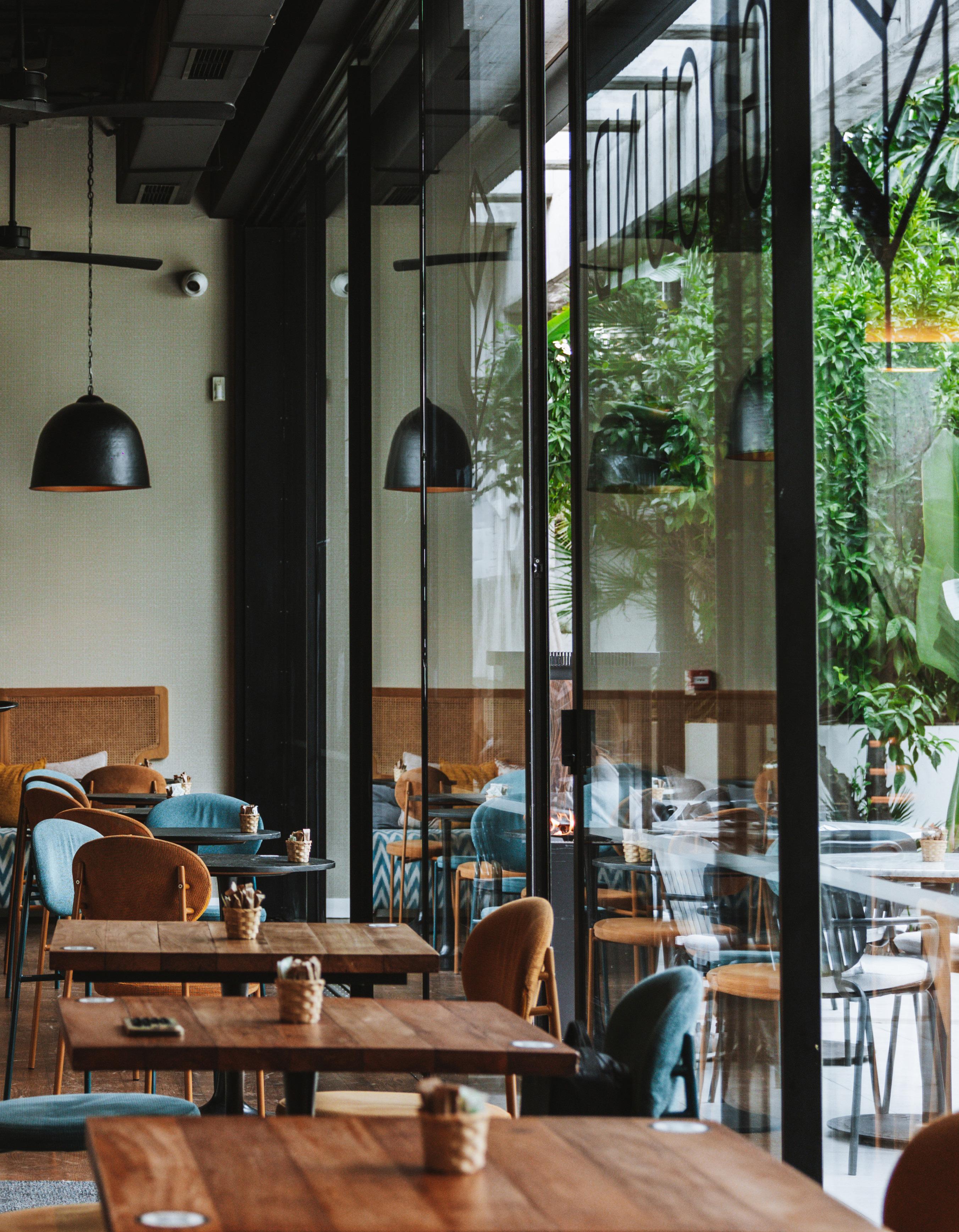
Soul continues to become more and more of a Marbella landmark. It’s the preferred gathering point for a whole generation of residents who come here after gym, a paddle game, to work, meet or just to relax and socialise. All these different activities blend seamlessly in the warm sunny air as people mingle happily to form what has become a chilled community of likeminded people.
You’ll see a beautiful, fit and happy crowd snack on healthy treats as they meet up after exercise, to work in a pleasant environment or enjoy good company in the open air. Soul is a perfect indoor and outdoor venue just made for the Marbella climate, open from breakfast to dinner and offering its own version of the delicious healthy dishes that Breathe is known for, including high protein bowls for a great start to the day, light al fresco lunches, after work drinks, live music and dinner evenings that warm up with the weather.
It has become the ultimate place to get together, have a meeting in a great ambience or spend part of the day working. Sports fans also come to watch tennis, Formula One, football and other major competitions here but whatever they do the vibe is cool and friendly, with easy-going style and good humour. That’s what Soul is all about, building up to a lively, fun atmosphere as the day turns to evening and setting the tone for the kind of days that have made it an unmissable part of the Marbella way of life.
Life the Marbella way
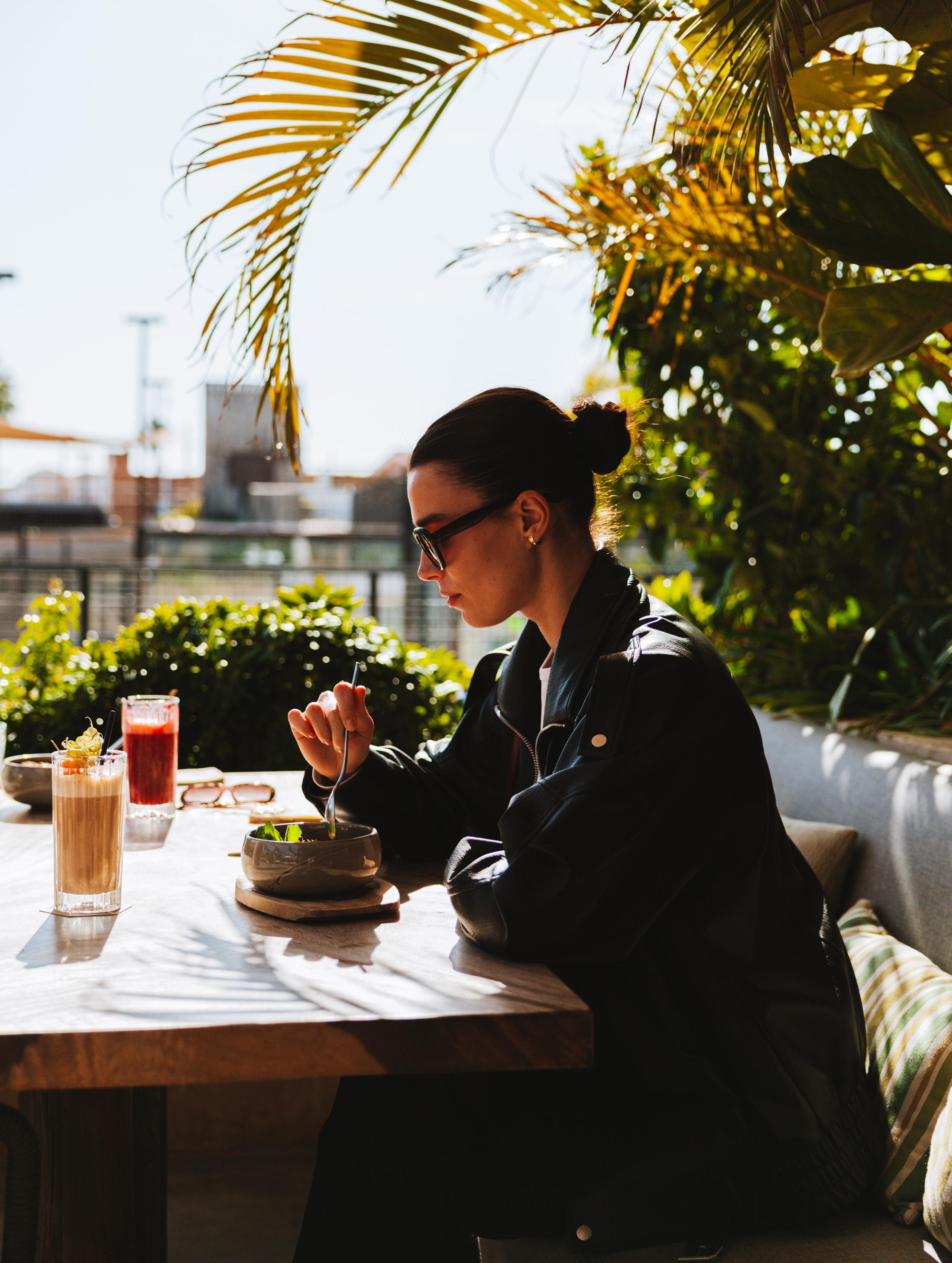
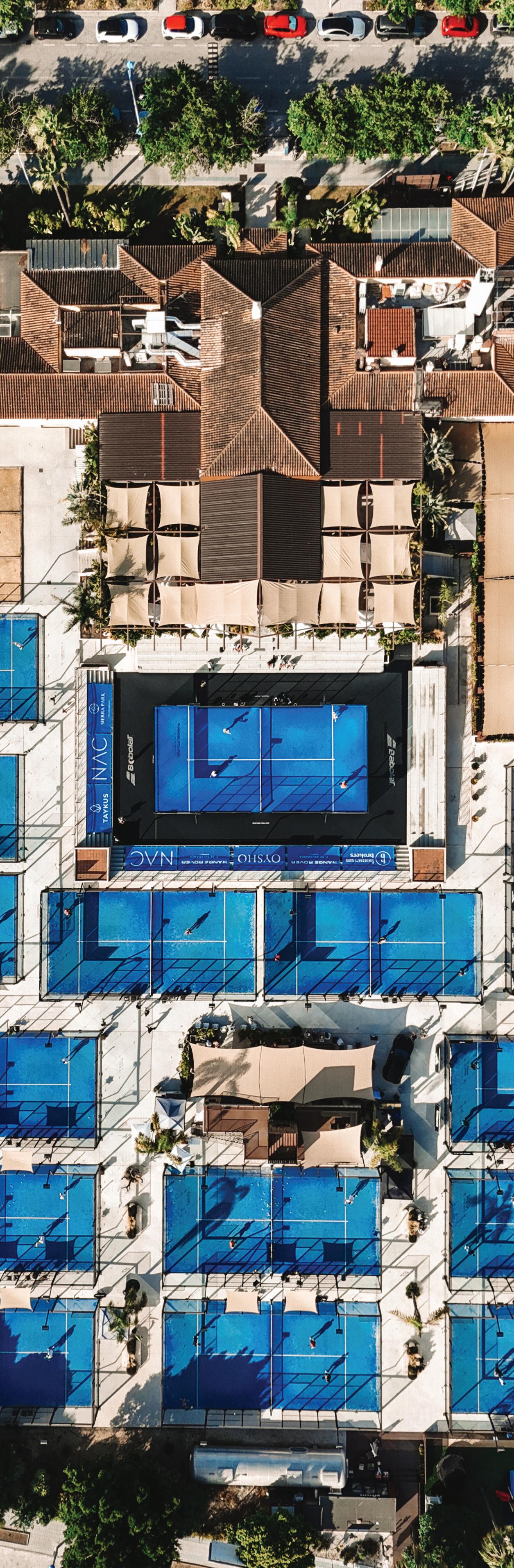
On a typical day you arrive at 8:00hr, head to the I/O gym for a good workout, shower and feeling fresh find a partly shaded spot on the sunny terrace of Soul overlooking the state-of-the-art NAC padel courts. You order a smoothie and protein bowl to keep the healthy vibes going, open up your laptop and start working a little to the sound of people playing in the background.
The afternoon comes with a brief lunch meeting and then you’re off home, only to return later in the day for a game of paddle tennis. This is a favourite part of the week’s routine, one of the highlights of which is meeting up with friends and colleagues after work on Fridays. Then we let our hair down and indulge in a glass of wine or a cocktail as we ease into the weekend with the live DJ. Yes, let the fun begin.
SOUL SESSIONS
Live DJ from 4pm - 7pm
Every Thursday & Friday
Happy Hour on Selected Cocktails and Spirits from 4pm - 6pm
What’s new in interior design and furniture for 2026? Every year, people in the industry flock to events such as the Salone del Mobile Milano for inspiration, and the creativity is such that each and every year there is something new to admire.
In recent years we have gone from white minimalism to the warmer, earthier colour palettes and natural wood and stone materials of Scandinavian design. This is added to by an occasional splash of colour, often in the form of art or decorative items, and 2026 marks a further evolution of this trend, albeit with an added mission that has been growing within design over the past years.
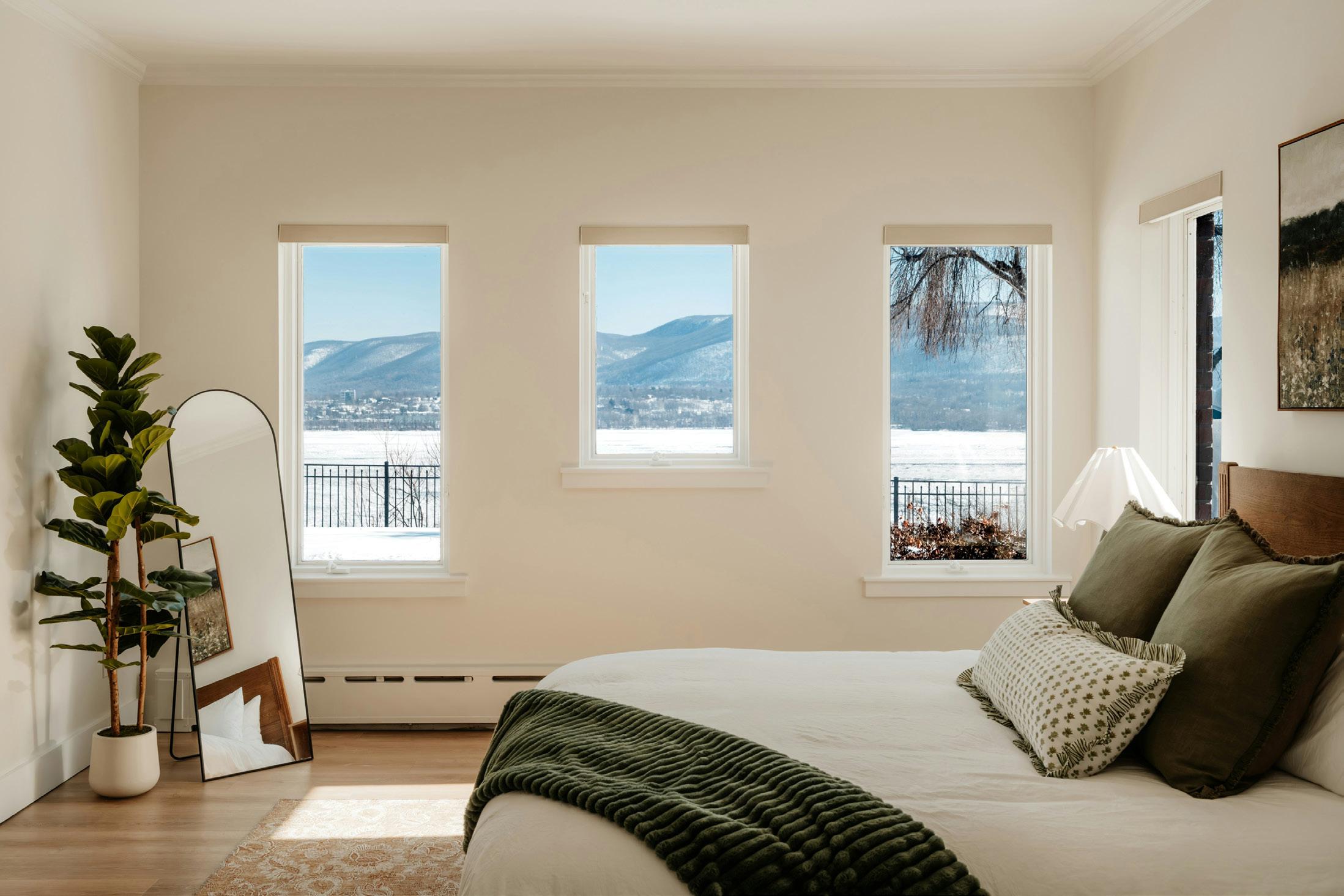
This year, we’re seeing a further evolution and refinement of the Scandi and Japandi style movements that have come to dominate the scene in recent times. This involves the well-established creamy whites, stone grey and beige/sand colours, increasingly also infused with terracotta and rich chocolate tones. A new addition is olive and sage greens, which complete the natural theme along with the continued evolution of micro cement.
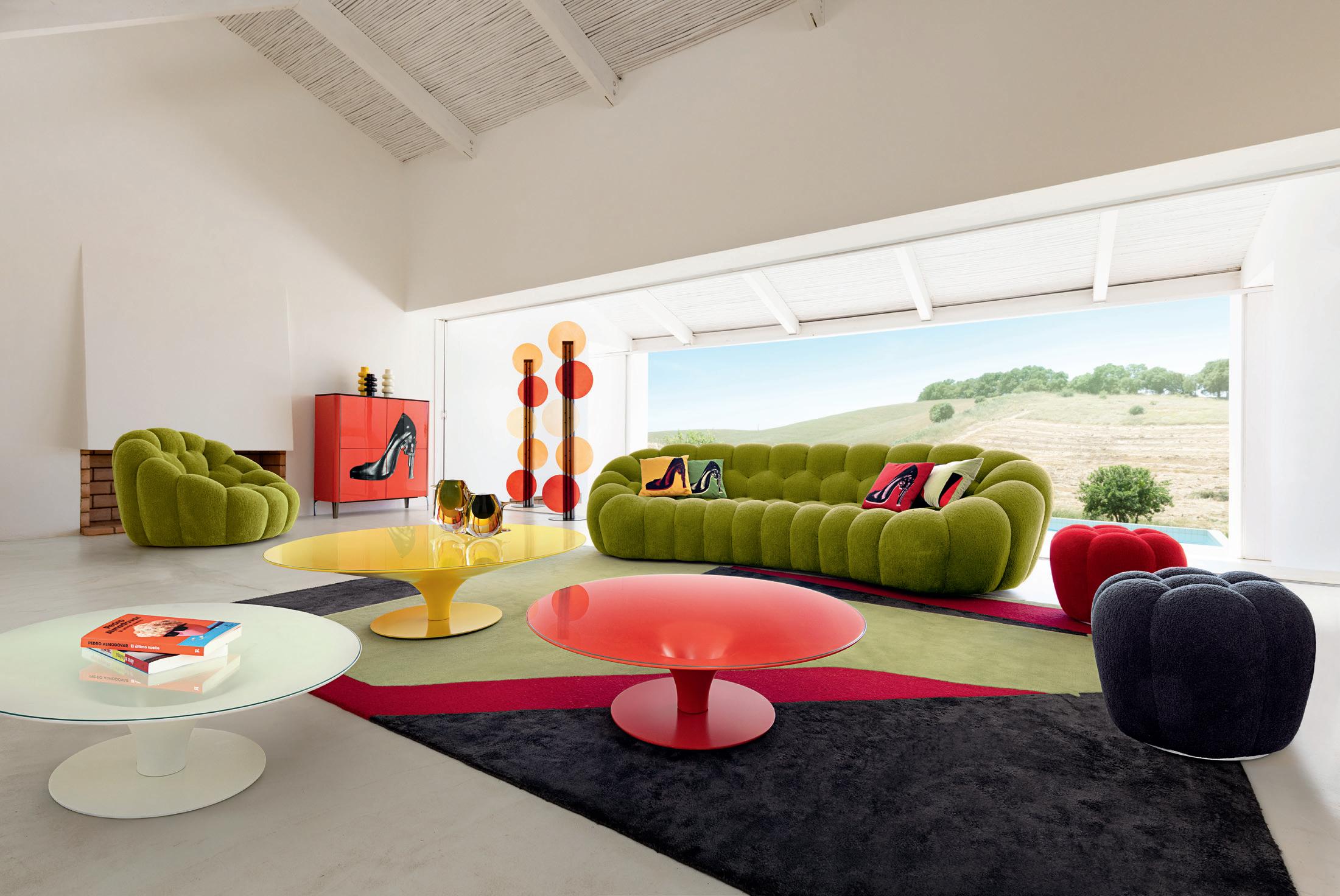
The sterility of a decade ago has been well and truly replaced with designs that feel more in harmony with nature and indeed inspired by it. This is also visible in less rigid, more organic designs with soft lines and curves. We’re heading out of angular styles to more rounded ones, with softer materials that aim for comfort and a textural/sensorial experience. Expect to see curved, rounded beds and sofas, bevelled tables and the return of those fun bubble chairs that broke the mould in the 1960s. Yes, there’s a retro modern element adding panache to today’s stylish new interiors.
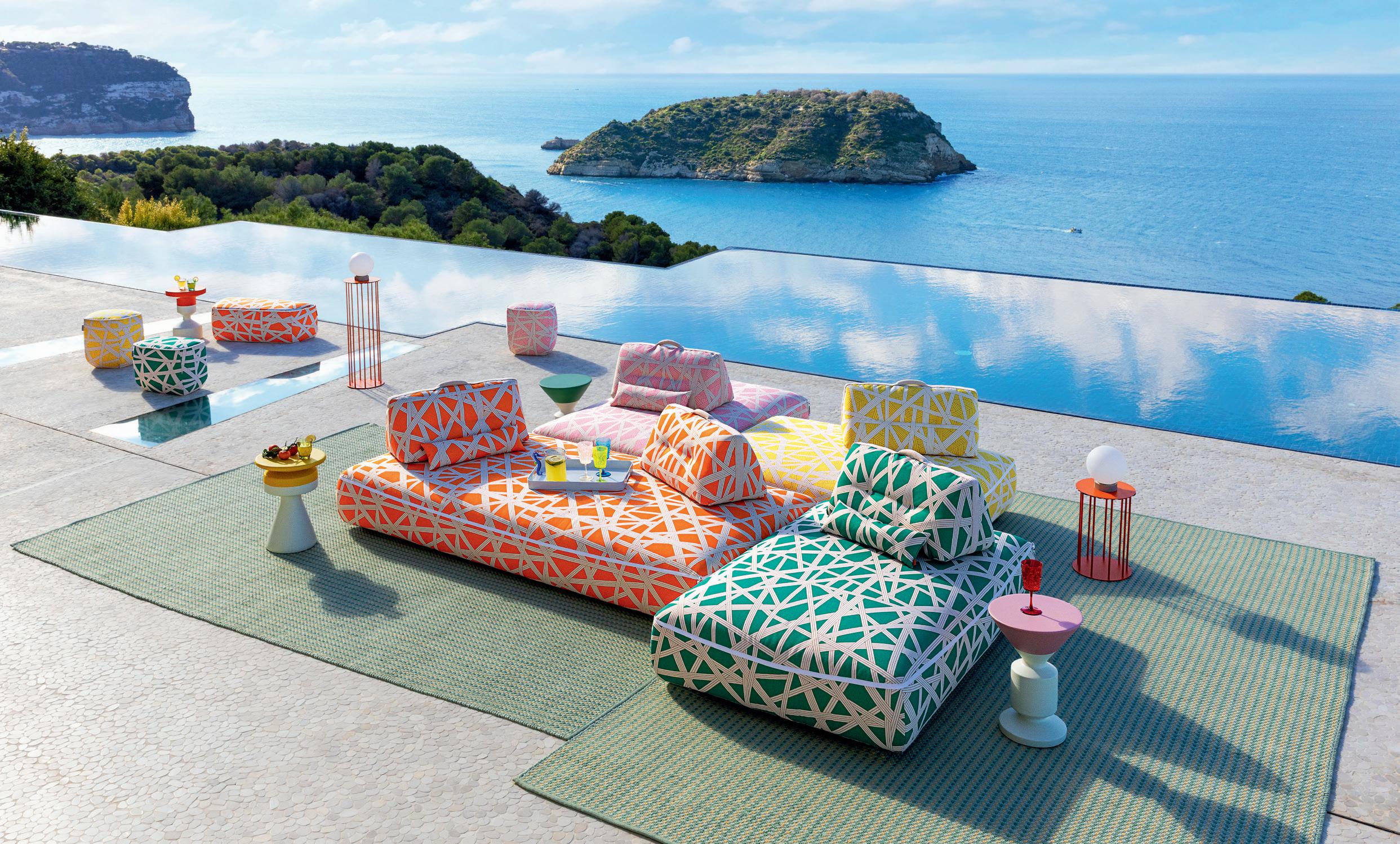
Credit: Roche Bobois
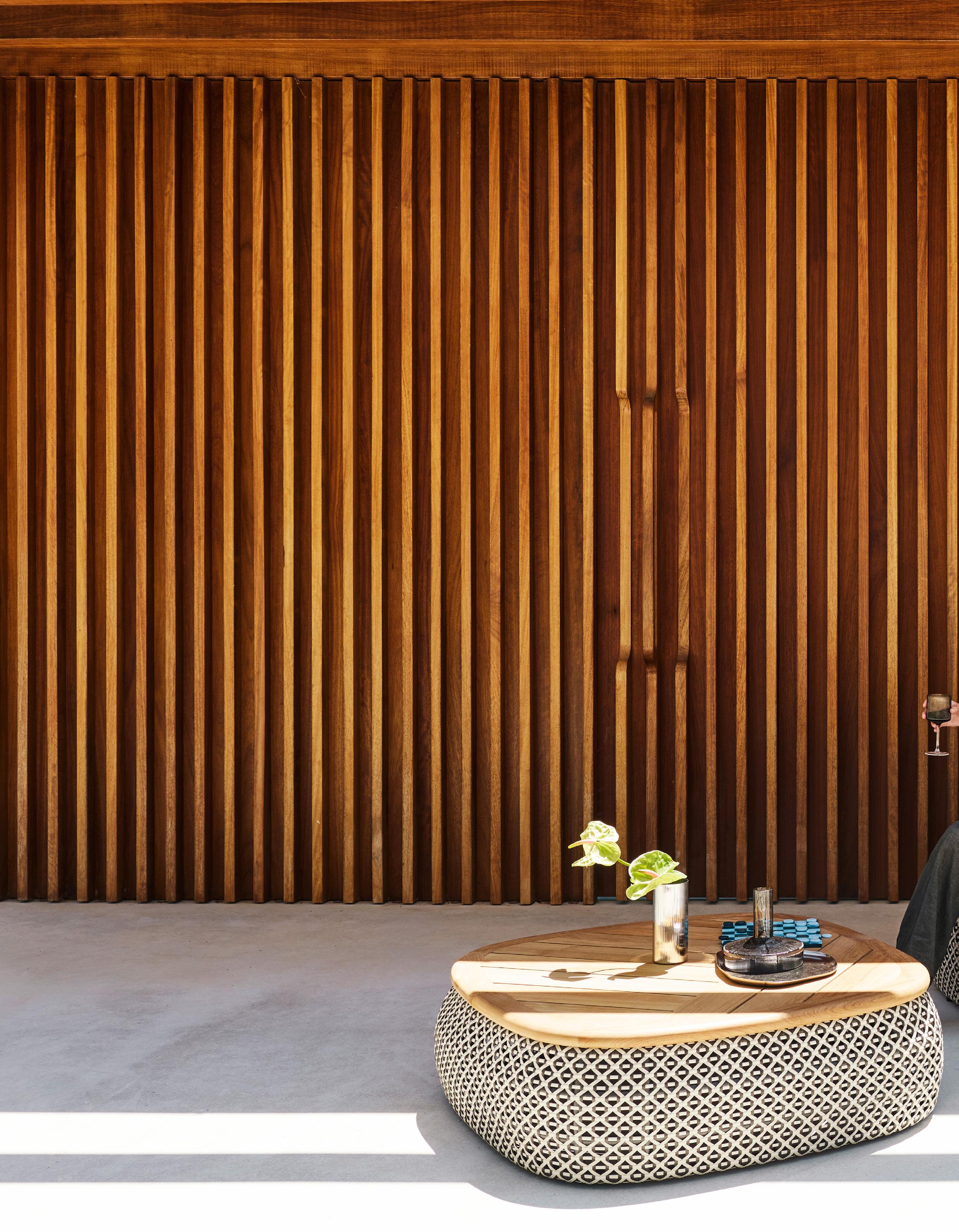
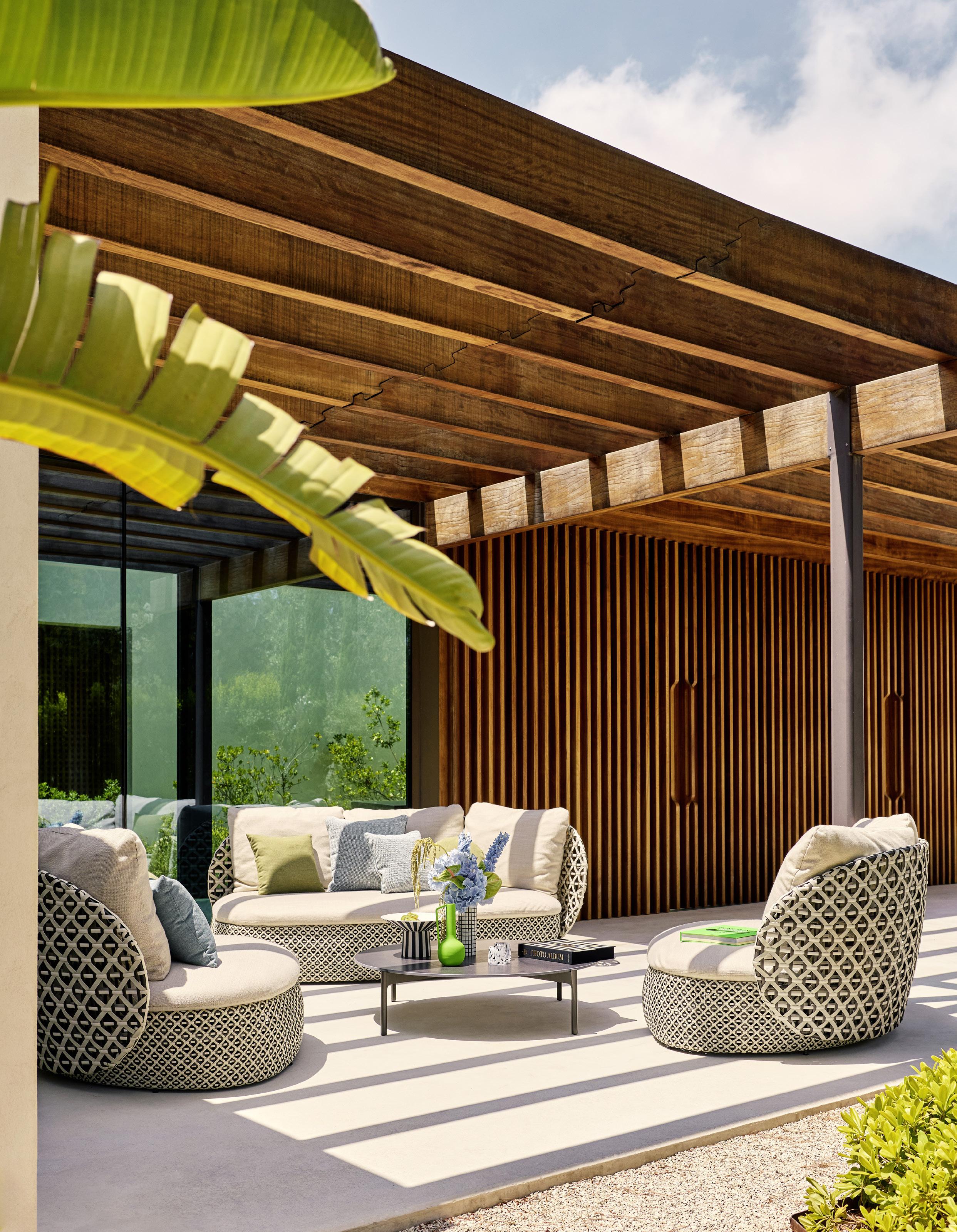
Credit: Dedon
Credit: Dedon
Going natural
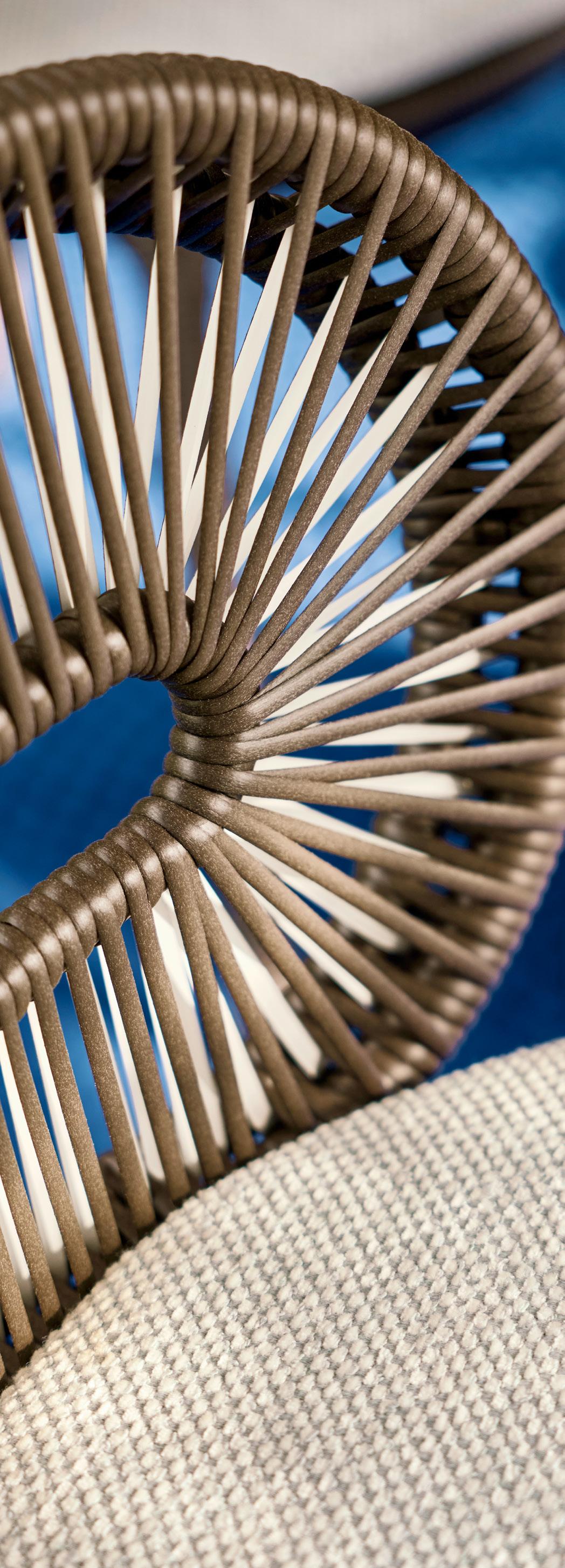
The focus is also on using natural materials, so they tend to have a soft matt feel to them, be it in the form of wood (oak, walnut, ash), stone and marble (complemented by ceramic equivalents), handmade pottery and also richly fibred rattan, wool and linen. Designers are now focusing on materials that are comfortable, durable and also environmentally responsible, so nature is present both in outdoor furniture and inside the home. That said, furniture continues to go upmarket in quality and style, with an emphasis on neutral colours but rich textures.
The desired effect is now not so much ostentatious opulence but rather understated elegance, complete with darker toned furniture pieces and design elements with a retro feel. Clutter is still to be avoided in favour of clean, open spaces that allow rooms to breathe and actually accentuate the decorative pieces. There is also a sense of timelessness in today’s interior styling, devoid of the heavy ‘fashion trend’ that occasionally overtakes the industry, creating much excitement but never lasting for more than a few years before it becomes a bit dated and falls out of favour. Photo credits: Gloster
Designed to make you feel good
Wellbeing is also a driving force in interior design just as it is in architecture, so stylists and furniture makers are putting people first and factoring their emotional and practical needs into their creations. This is the true driver behind more gentle tones, richly textured materials and the desire to create homes and outdoor spaces that, while stylish and refined, offer a sense of relaxation, beauty and wellbeing. When combined with architectural design and integrated into a home it produces inspiring results.
Roche Bobois is a brand that has been embracing this philosophy for many years, with soft, sensorial fabrics and rounded forms that add a sense of fun to an exclusive home. This is also true of the sixties-inspired creative abandon of some of its feature sofas, outdoor pieces and designer chairs, all of which inject a sense of joy into a room. Knowing how to balance the various elements to perfection requires a certain touch that is usually provided by interior designers, including those of the Roche Bobois team itself.
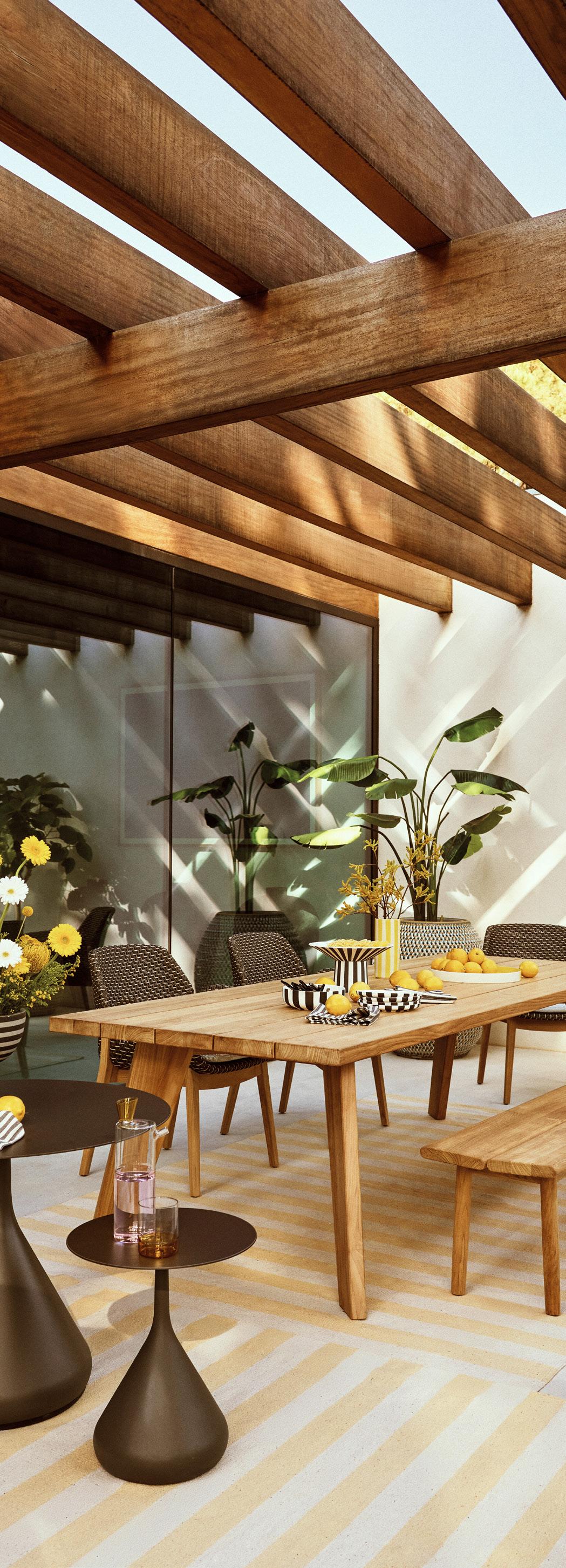
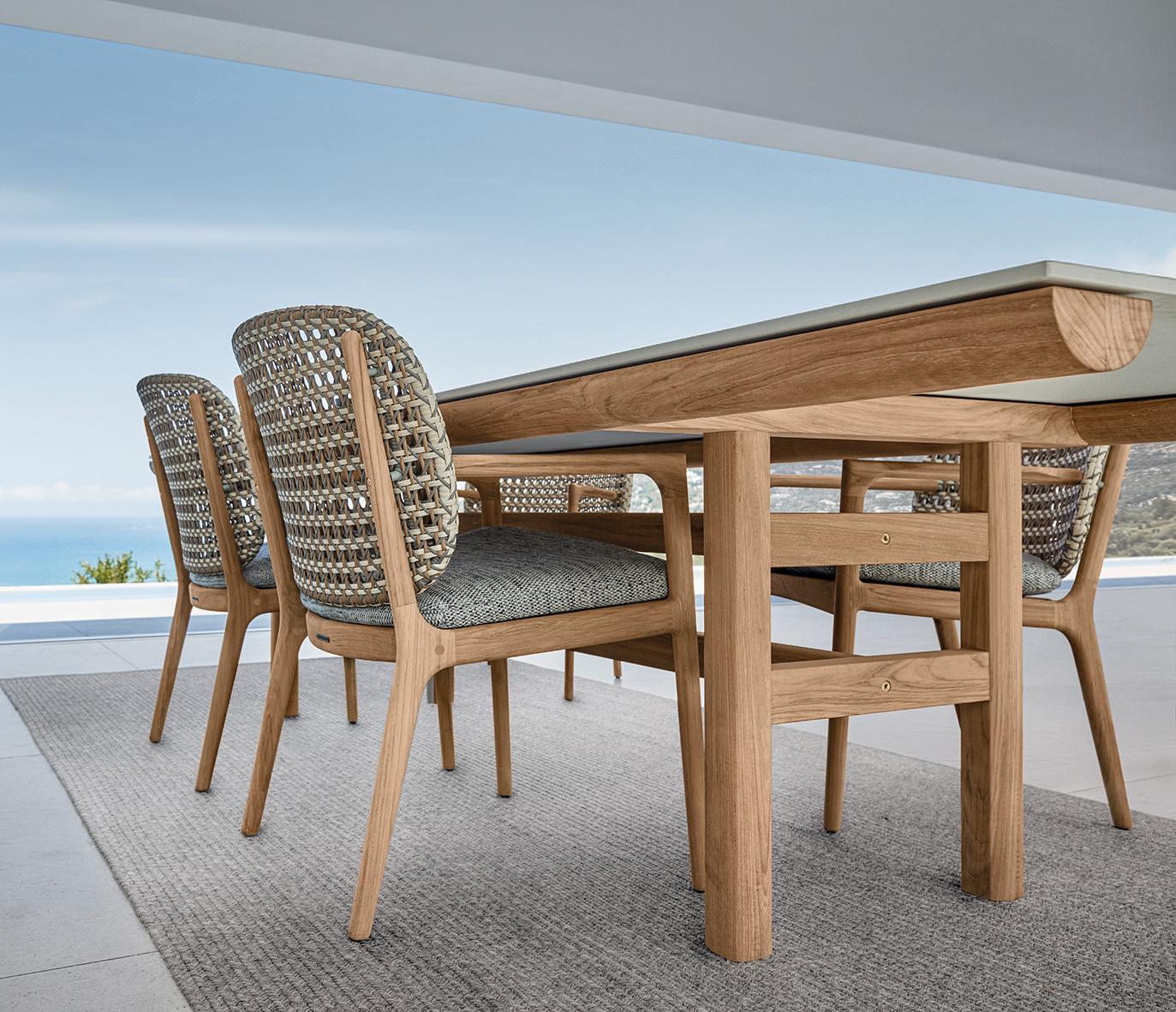
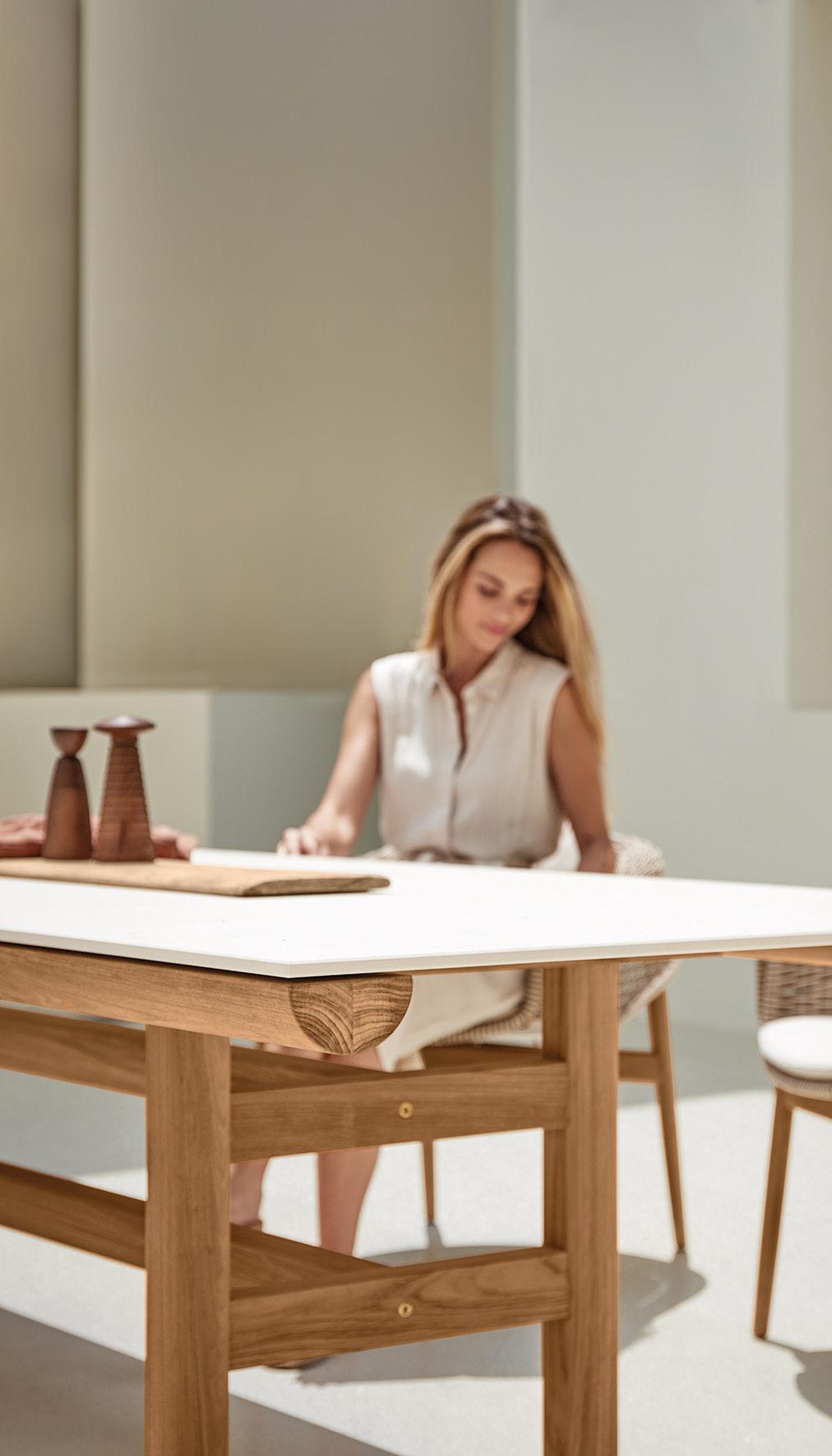
Gloster is another brand that embodies the spirit of the times, creating handcrafted outdoor pieces made from fine quality wood and richly textural fabrics. The colour tones are soft, practical and natural yet also durable and comfortable – capable of withstanding the elements. The design is similarly a well-balanced blend of natural, refined and practical, with an on-trend look enhanced by the sheer quality of furnishings that are meant for terraces and patios but are tempting to place indoors as well.
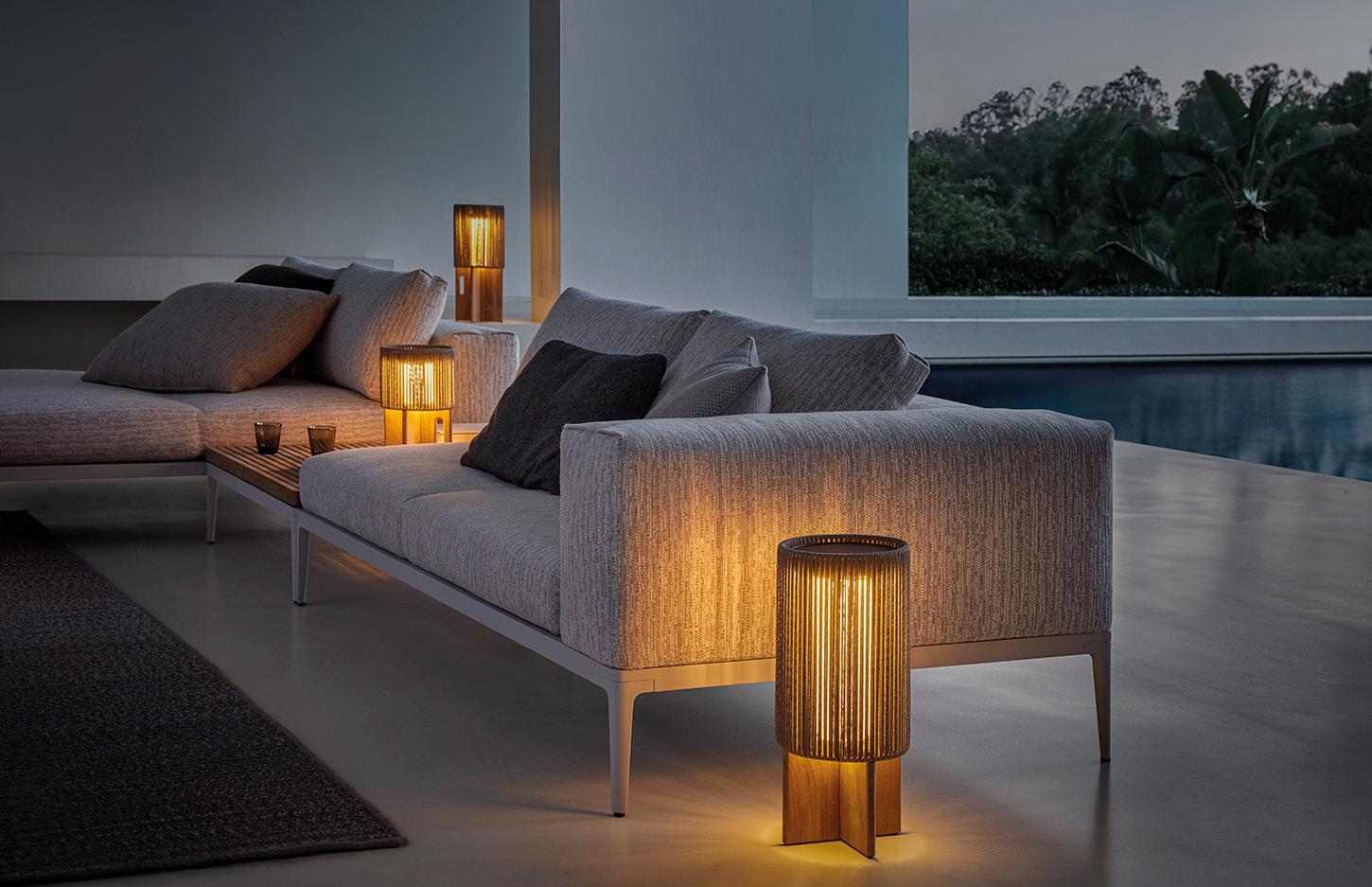
Dedon offers a selection of indoor and outdoor décor options that are similarly built around craftsmanship and the use of fine quality natural wood, rattan and fabrics. The colour tones gently integrate into your home setting, occasionally with a dash of exuberance should you wish to liven things up a little, but the entire range seems designed especially for Marbella homes and lifestyles – and creating the perfect spots from which to absorb those views and make the most of our climate. Like Roche Bobois and Gloster, Dedon works with the best suppliers and the most talented designers to offer collections that continue to inspire year in year out.
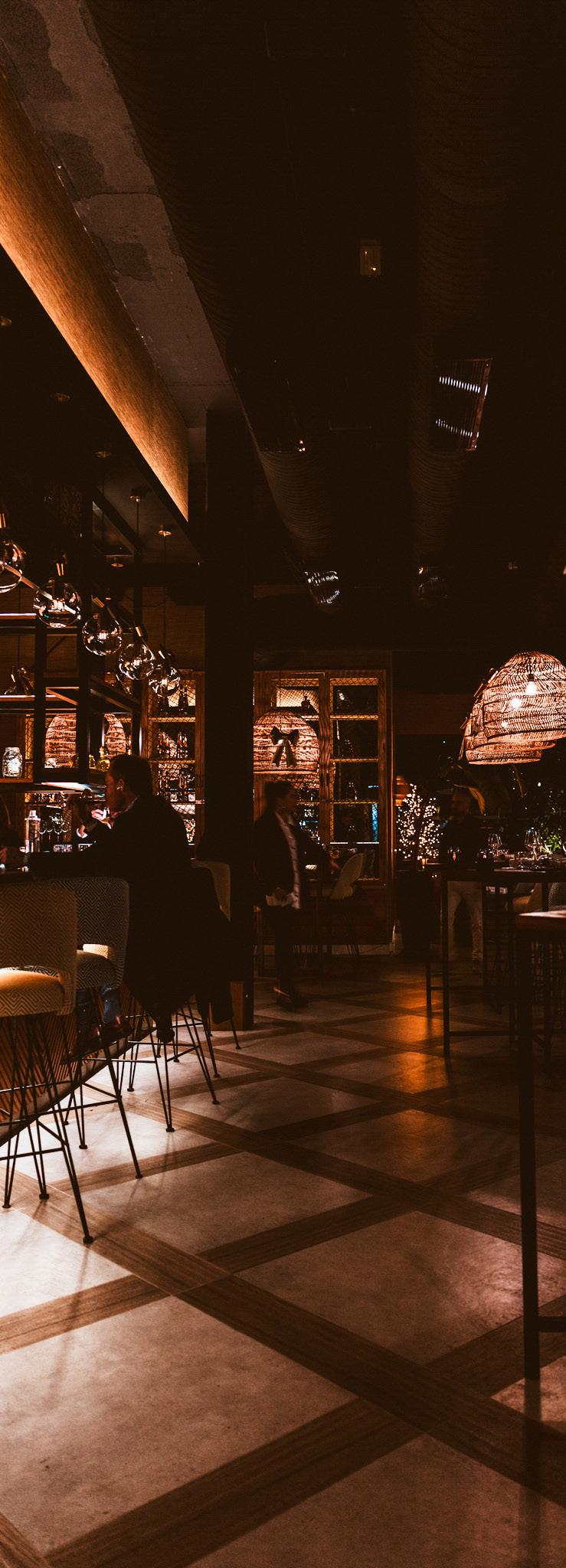
Every season brings something new to Breathe’s venues, updating the experiences you love with a fresh and exciting touch to create something that is familiar and unexpected at the same time. We keep things interesting this way, for ourselves and our customers alike, adding the fun of change to the consistency of popular evenings spent under the stars at Marbella’s most elegant rooftop venue: Air.
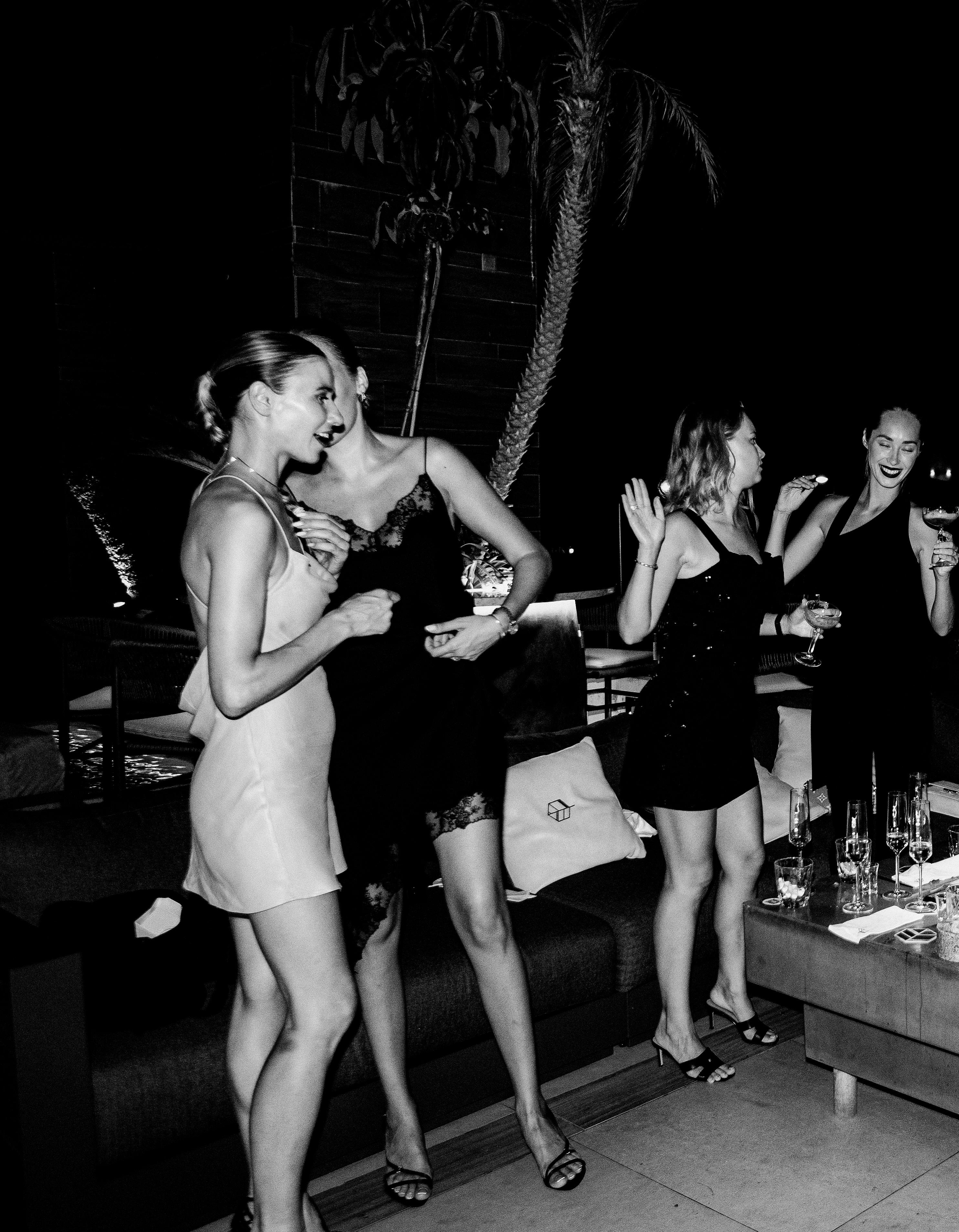
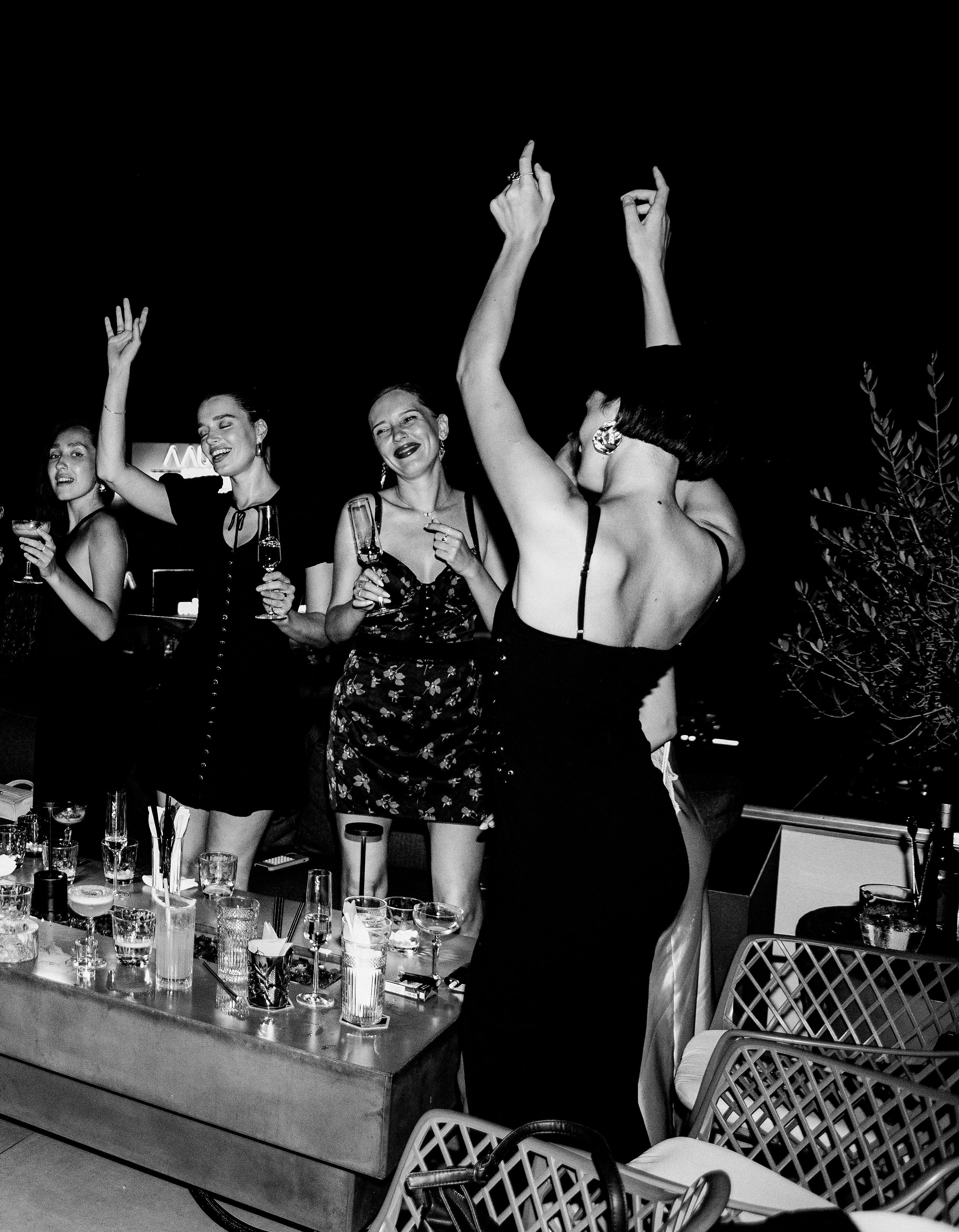
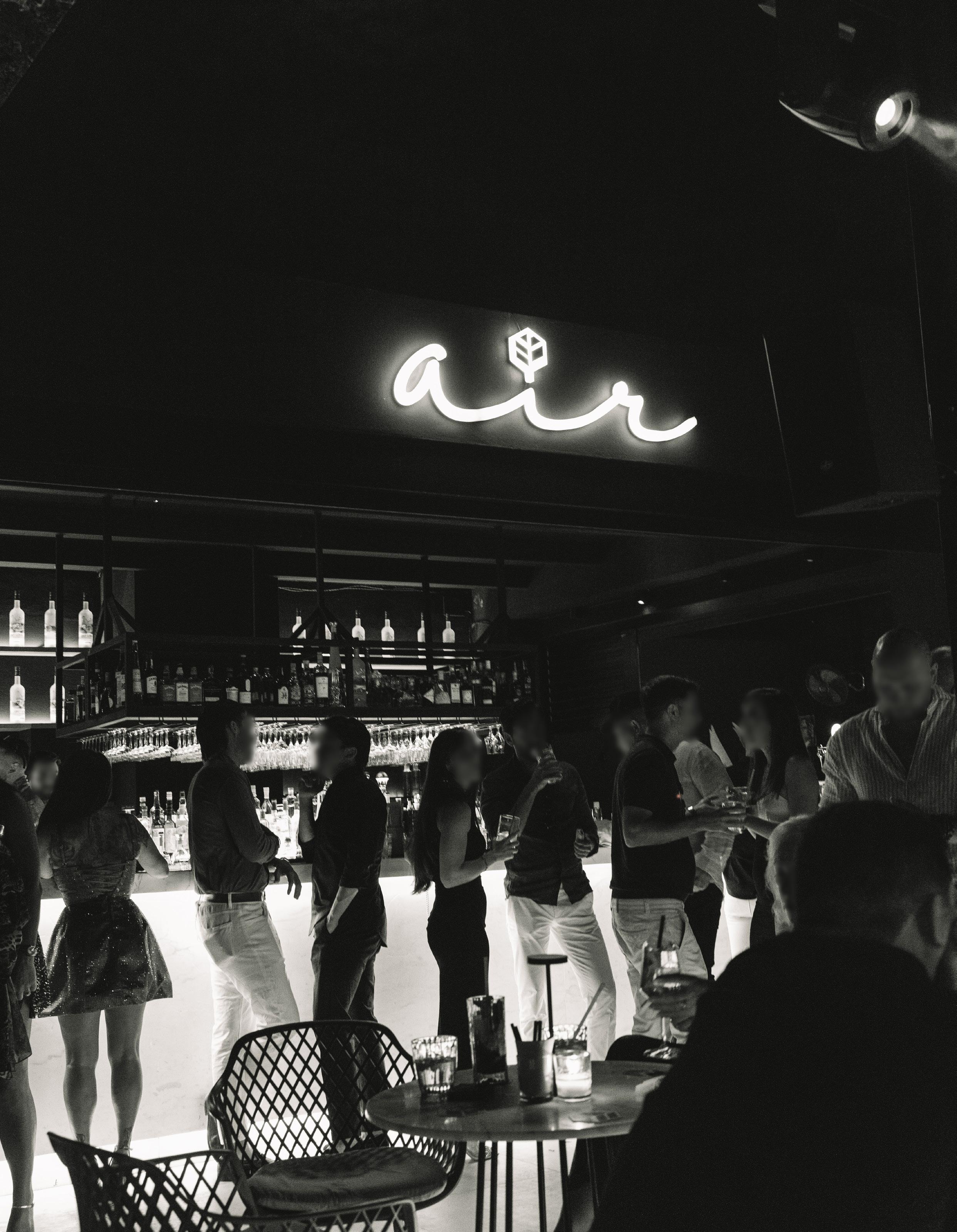
Air opens for the 2026 season with a soft opening party on Thursday 16 April, easing into a new-look experience before the official GRAND OPENING UNDER THE STARS on Saturday 16 May. Book ahead if you want to be there, as this is one of the classic nights on Marbella’s social calendar – a night of dining, cocktails, dancing, socialising and live entertainment in the open air overlooking the town.
What to expect
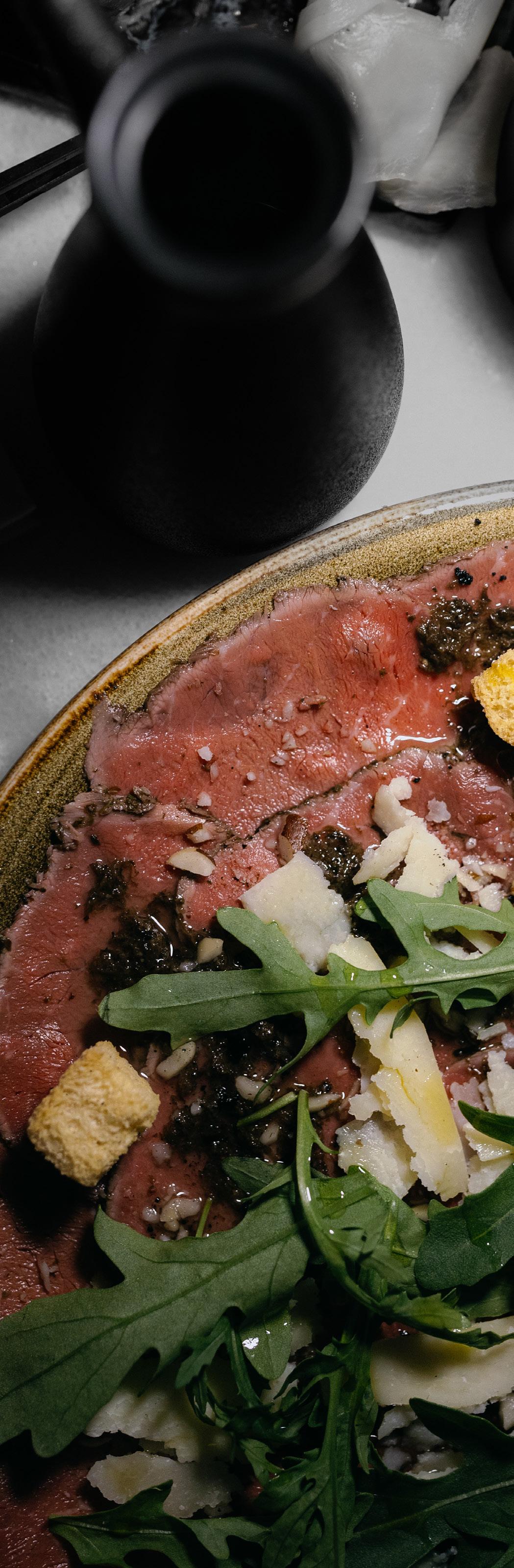
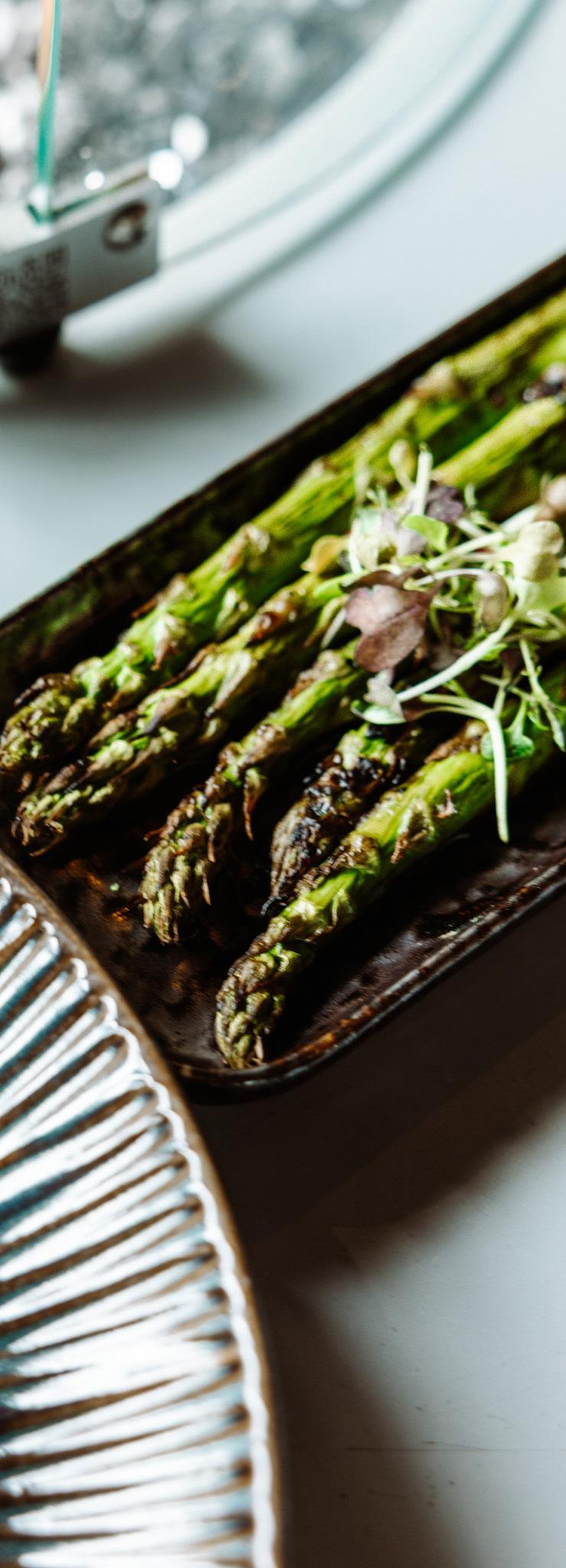
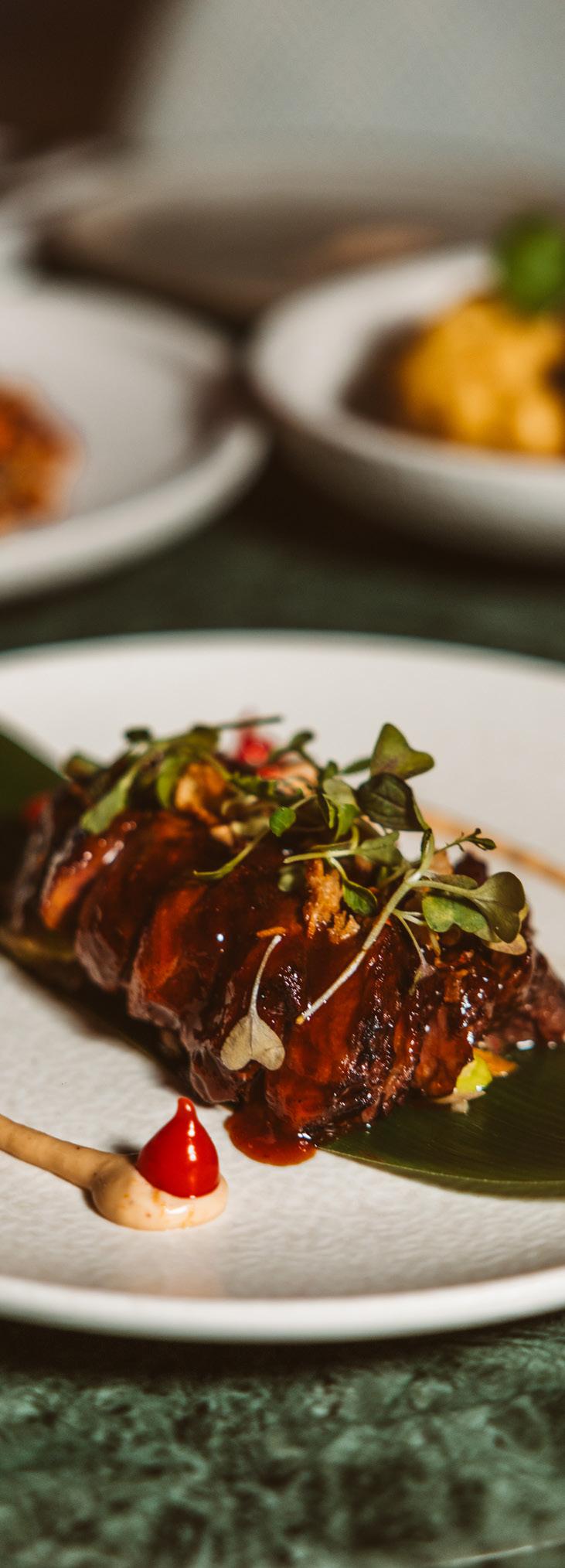
This year, Air offers an update to its signature al fresco refinement; still the beautiful nightclub in the sky and place to be for a stylish night out with top DJs, dancing, a fantastic, atmospheric bar and the best live entertainment in town, but in 2026 we’ve expanded the menu offering to also make this the most sophisticated outdoor dining experience you can enjoy in Marbella.
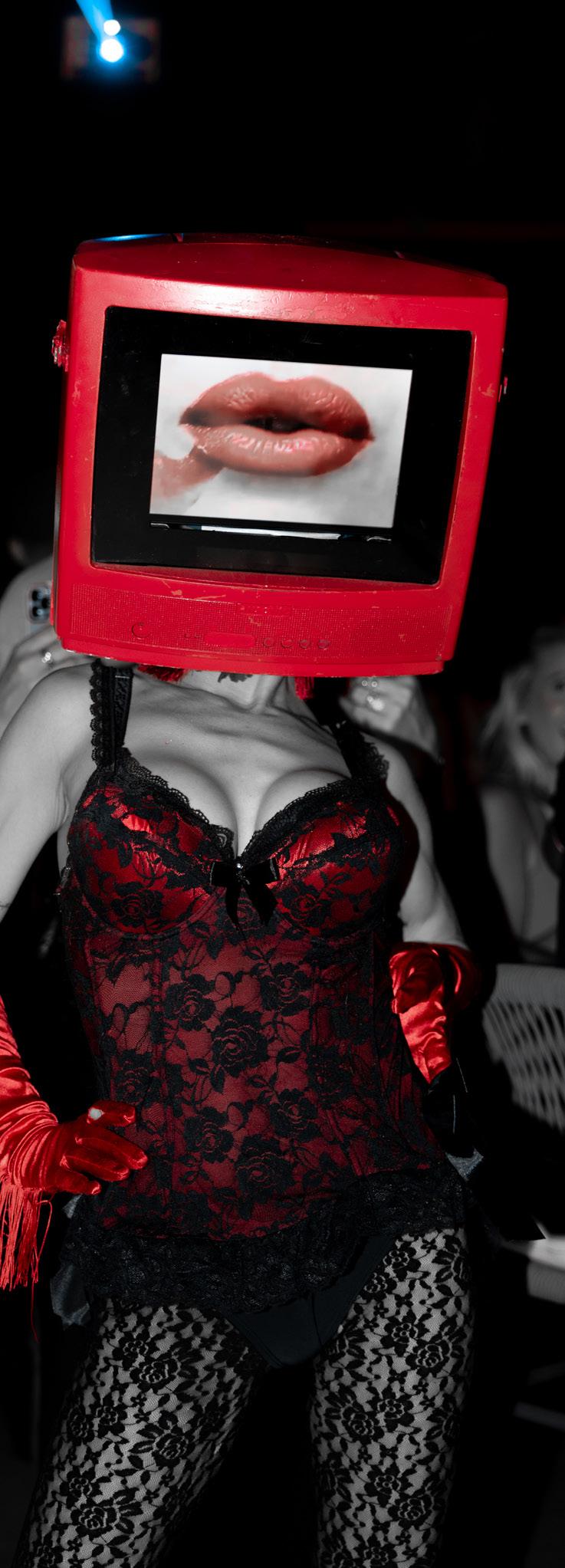
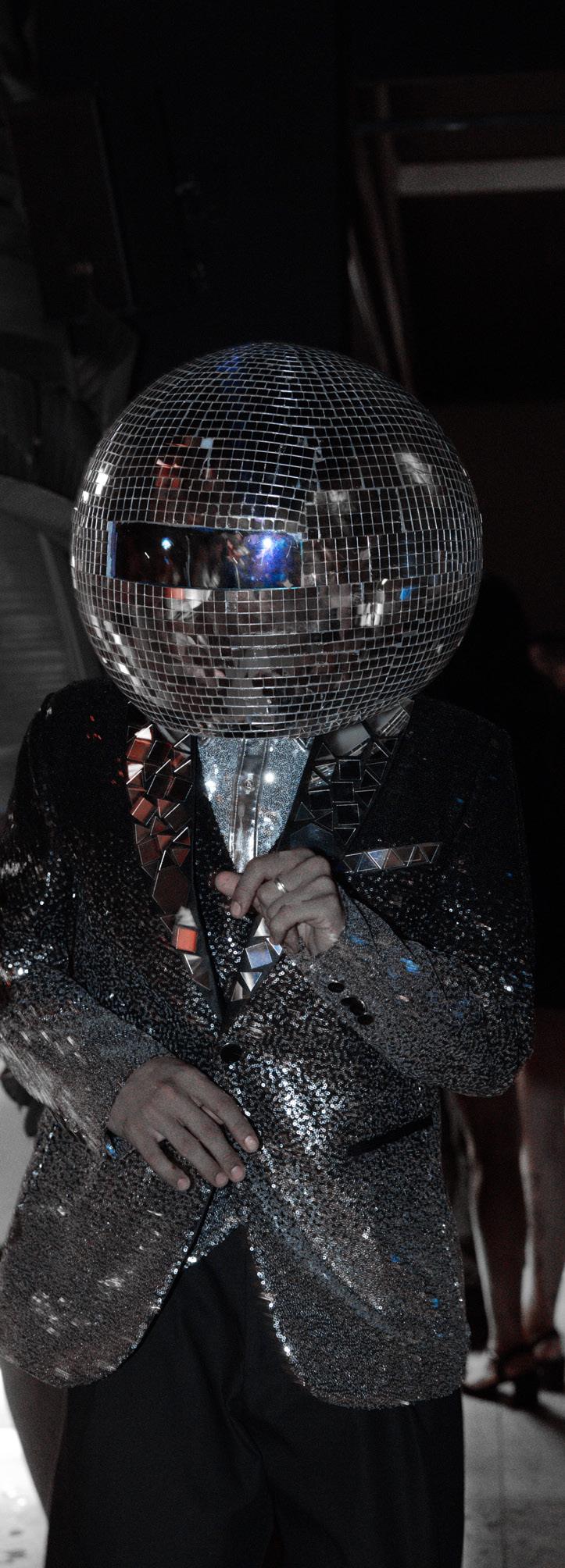
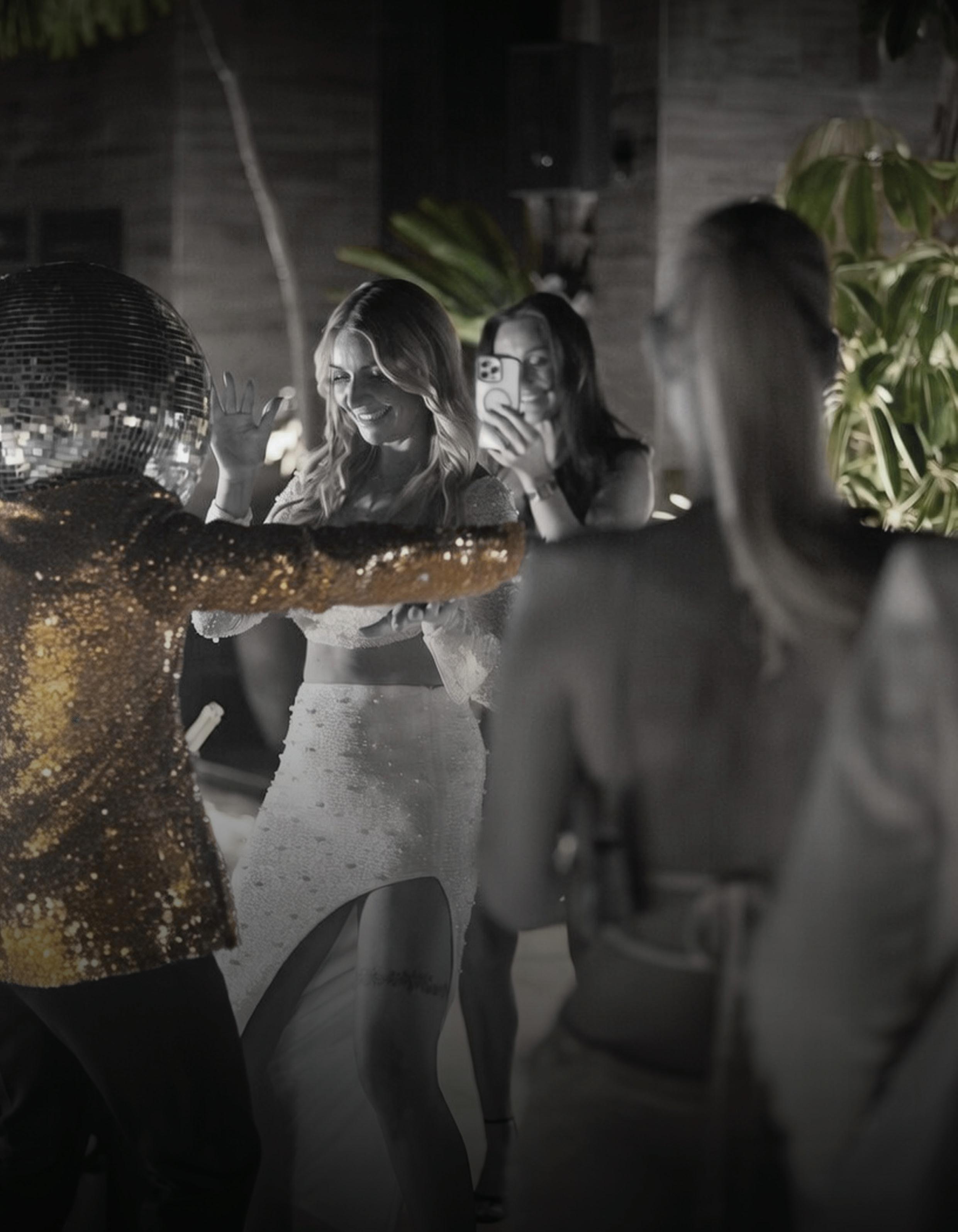
This summer, Air becomes the most exciting dining venue in town, with a spectacular cocktail bar and gorgeous meals enjoyed against a stunning backdrop. It’s a rich blend of elements – live music, dancing, fine food, a vibrant bar and a beautiful venue above Marbella. Shine Bright Like a Diamond on Saturday 20 June is a glamorous summer disco night in the well-established Air tradition.
A tailored experience
Apart from organising such iconic events full of lively entertainment and running smooth sultry summer night outdoor dining, bar and nightclub experiences, the Air team can also create tailored experiences ranging from private celebrations and corporate parties to weddings and more, much more. They will design it all around your needs and desires, from the menu and decoration to the entertainment and theme within the unforgettable venue that is Air – simply Marbella at its best!
Cook what you produce
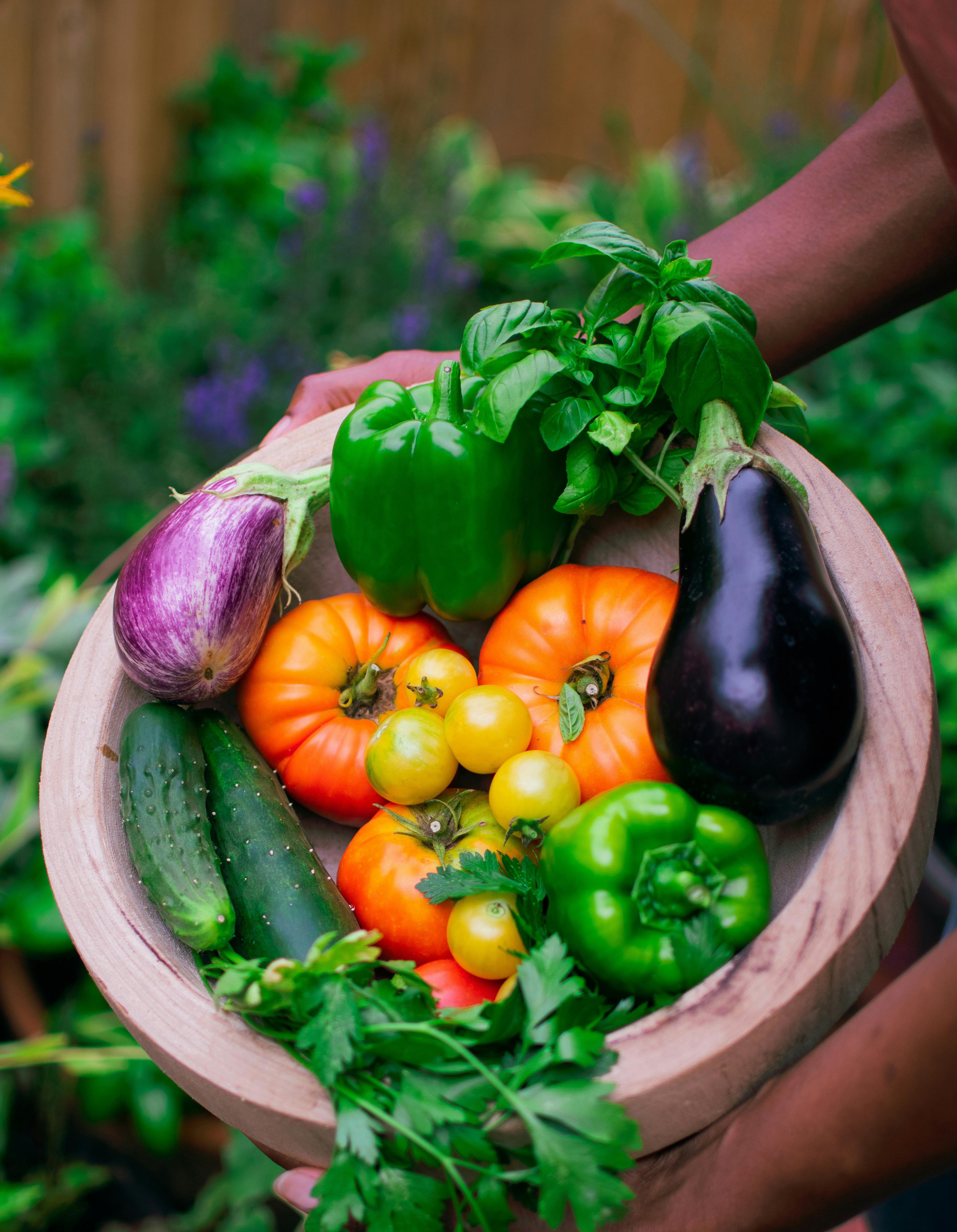
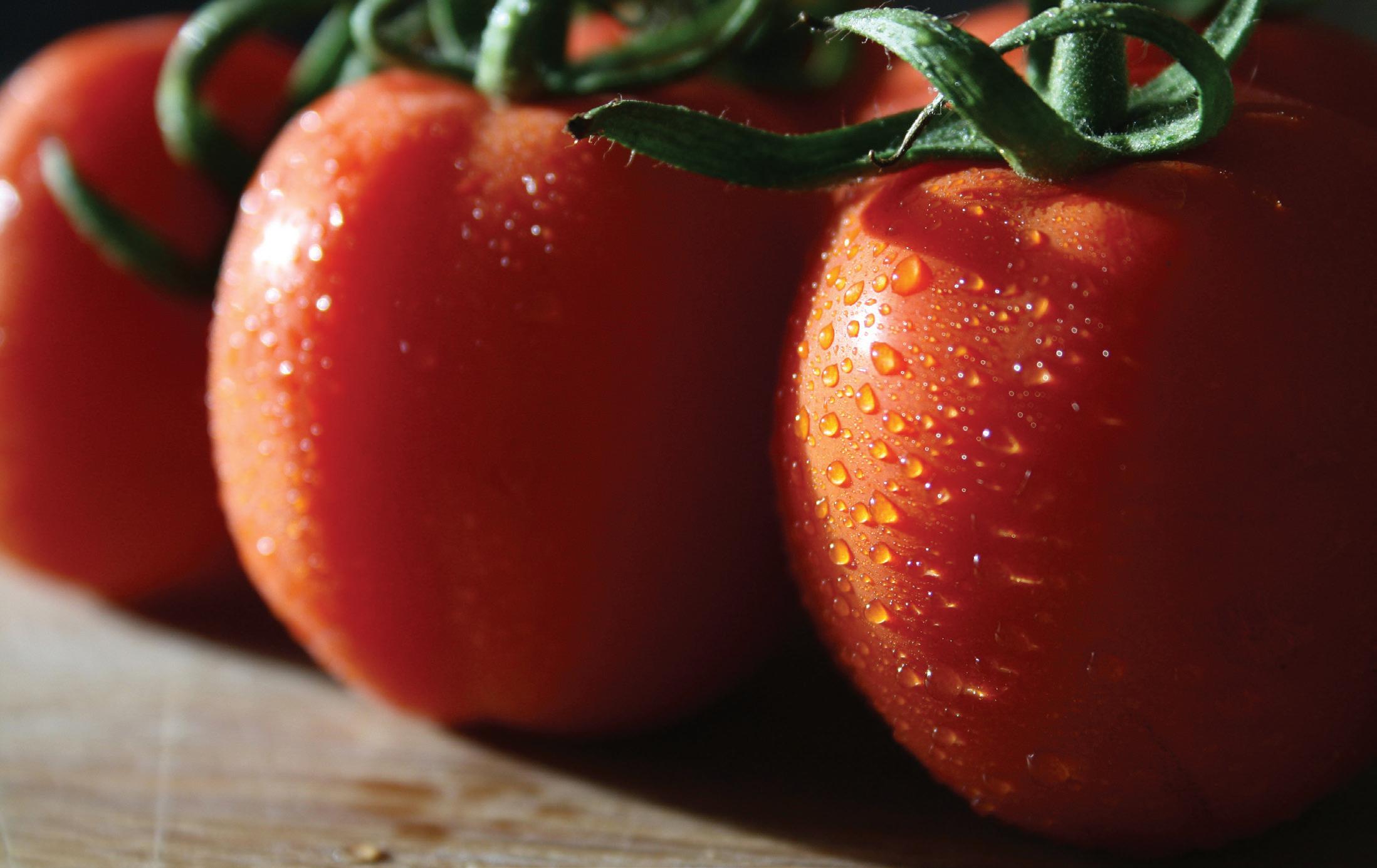
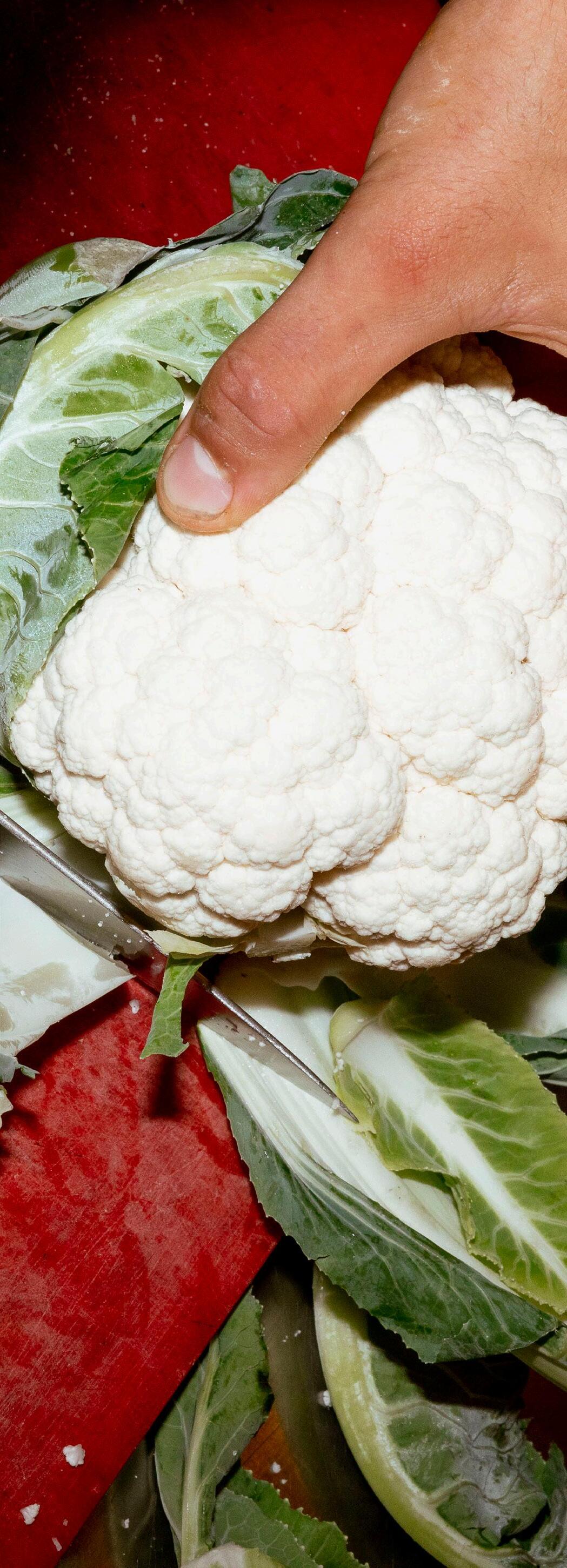
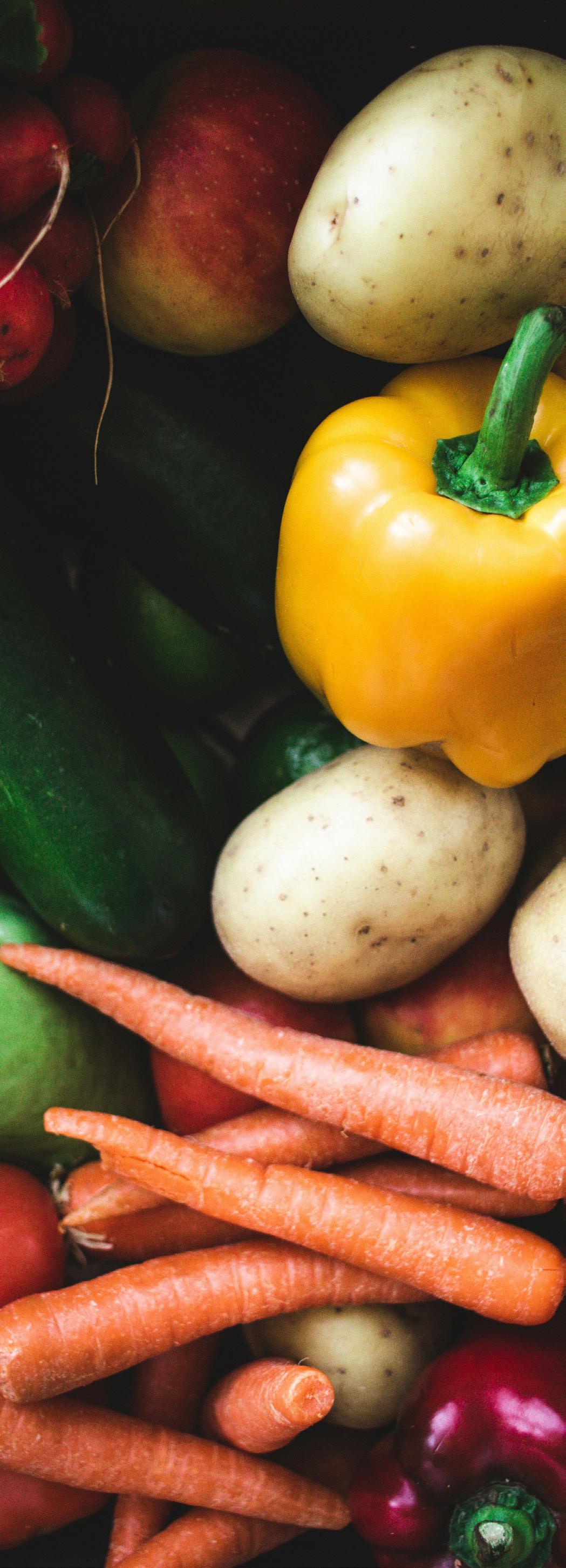
There is a lot of focus on healthy lifestyles, with food as a central part of it, involving quality over quantity ideally in the form of locally grown organic produce. Those who take it one step further actually cook what they produce, and where possible that is exactly what we do.
The Breathe approach to good food and fine dining involves a dedication to quality that is matched by our commitment to the environment. You see, health and nature are closely connected, so promoting the one goes hand in hand with championing the other. When it comes to food this means sourcing very selectively to blend quality ingredients with those that are sustainably produced and not transported over large distances. This combines the philosophies of organic production with those of kilometre-zero food, and the meals you enjoy at all of the Breathe venues follow these principles.
Nick Fewings @Unsplash
Bas Peperzak @Unsplash
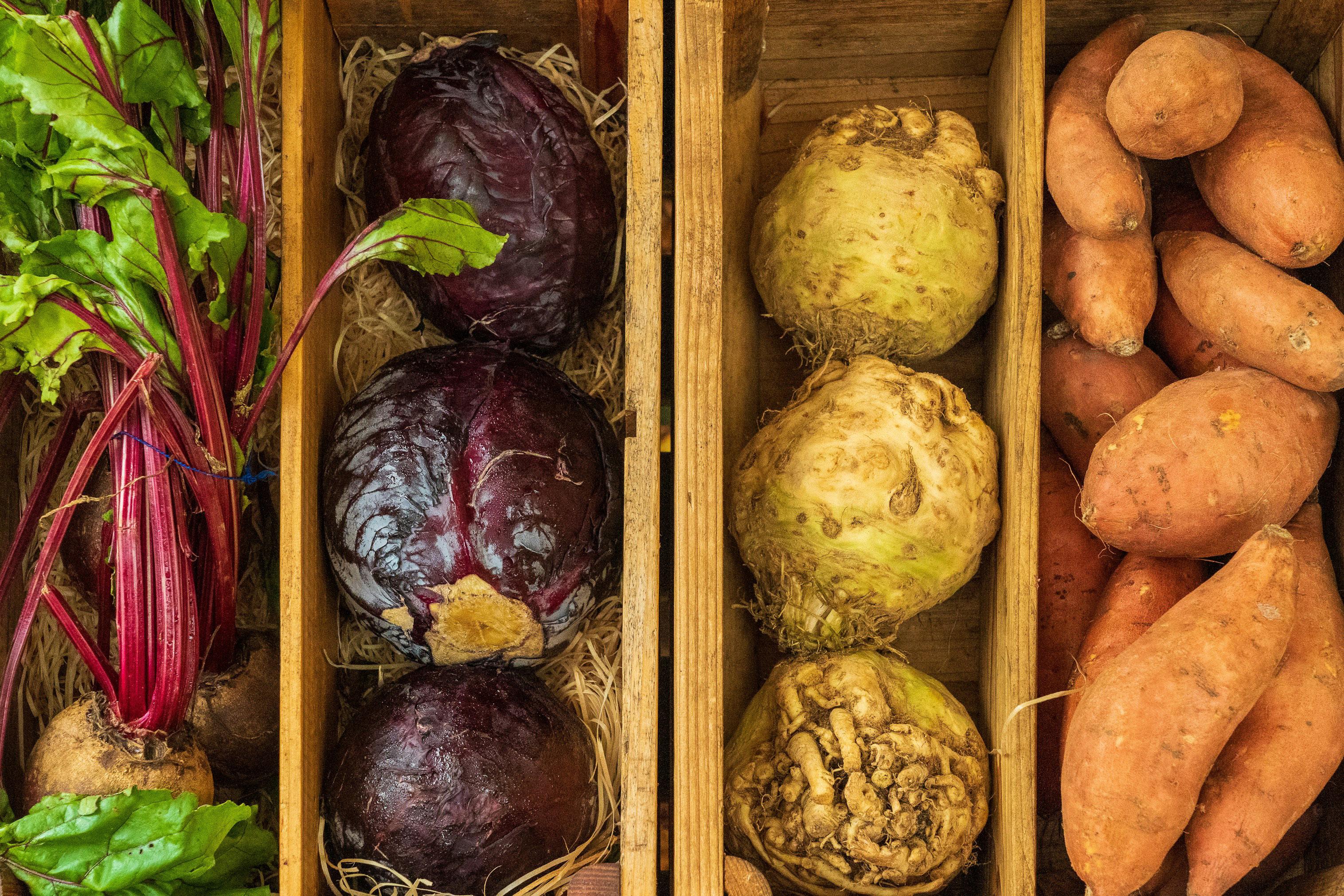
We may not grow it ourselves but the ingredients we use to create our dishes are carefully and also lovingly selected from those who provide fine quality produce – ideally organic and local. We will go out of our way to achieve this, always looking for those suppliers who share our love of fine food produced in a socially and environmentally sensitive way. Health plays an important role in this, along with the taste sensations that fresh ingredients bring to the table. Our chefs love working with such fine ‘raw materials’ and adapt their menus to what is at its best when ‘in season’, so we follow the natural stages of the year.
This approach gives each part of the year a flavour and character of its own, along with something to look forward to when we celebrate a seasonal delicacy such as truffles or different types of fruit.
Life is just so much sweeter when you work with nature and allow its bounty to be your greatest source of inspiration.
Diego Arenas de Rodrigo @Unsplash
Emma Miller @Unsplash
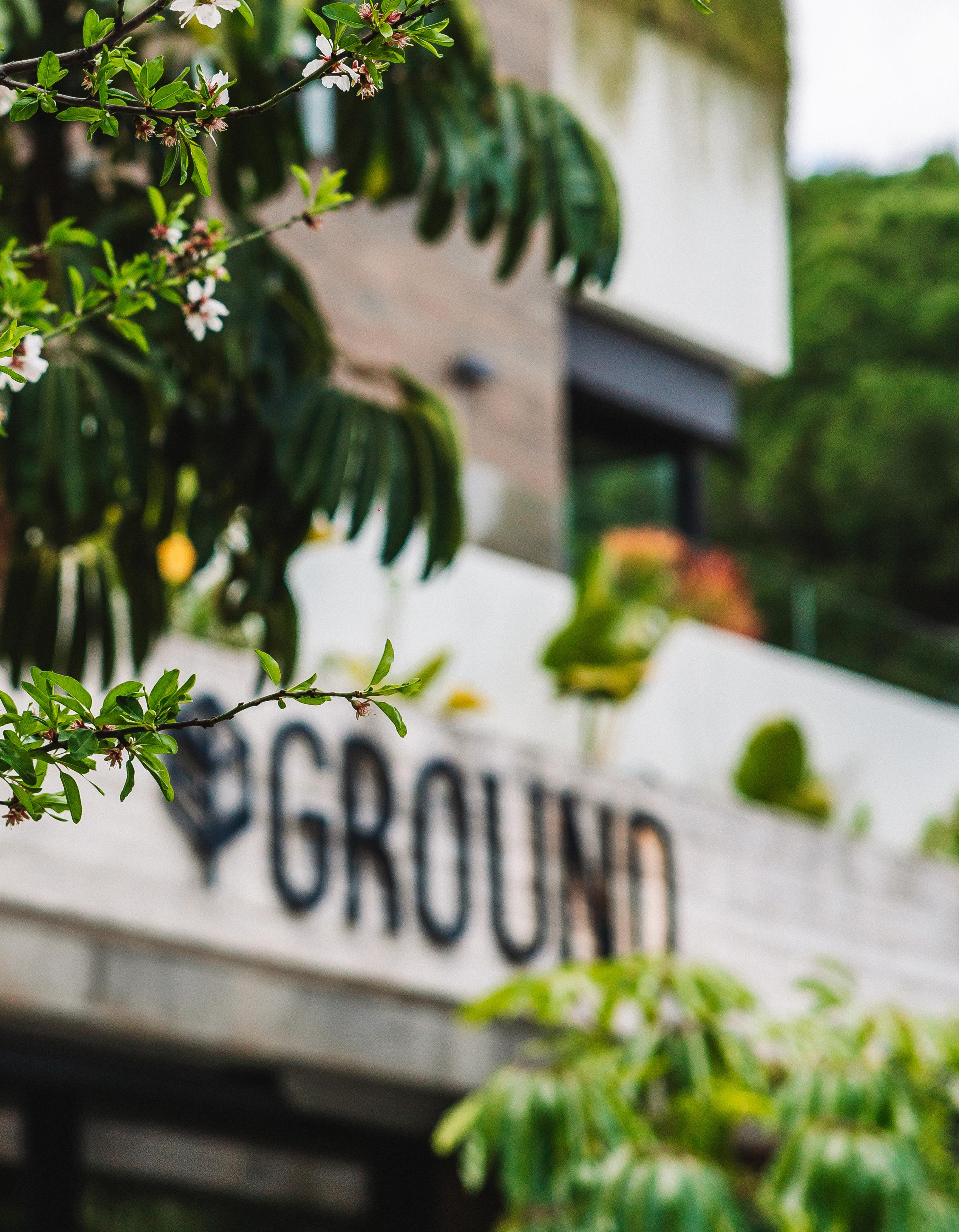
GROUND
A Marbella tradition
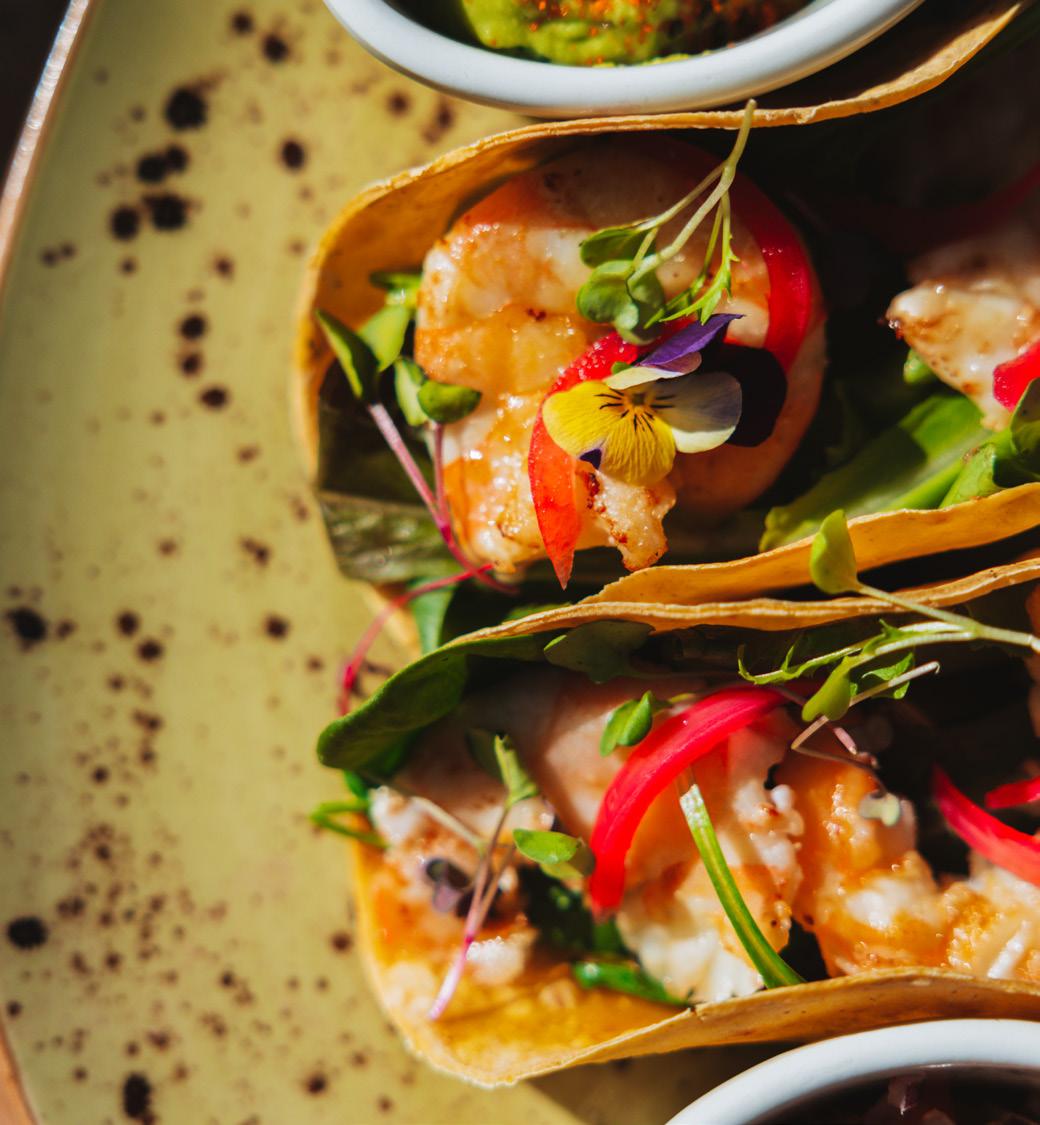
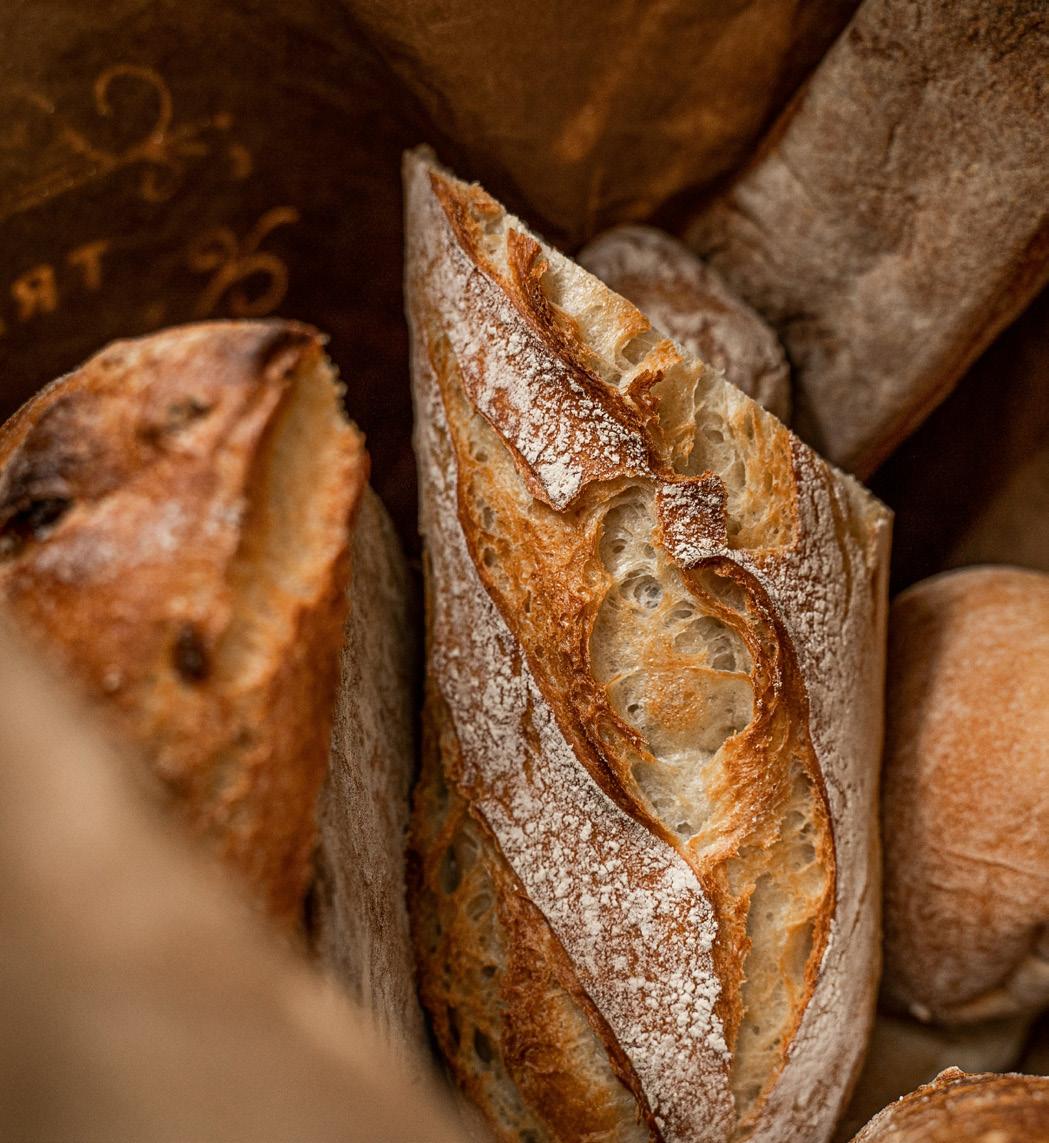
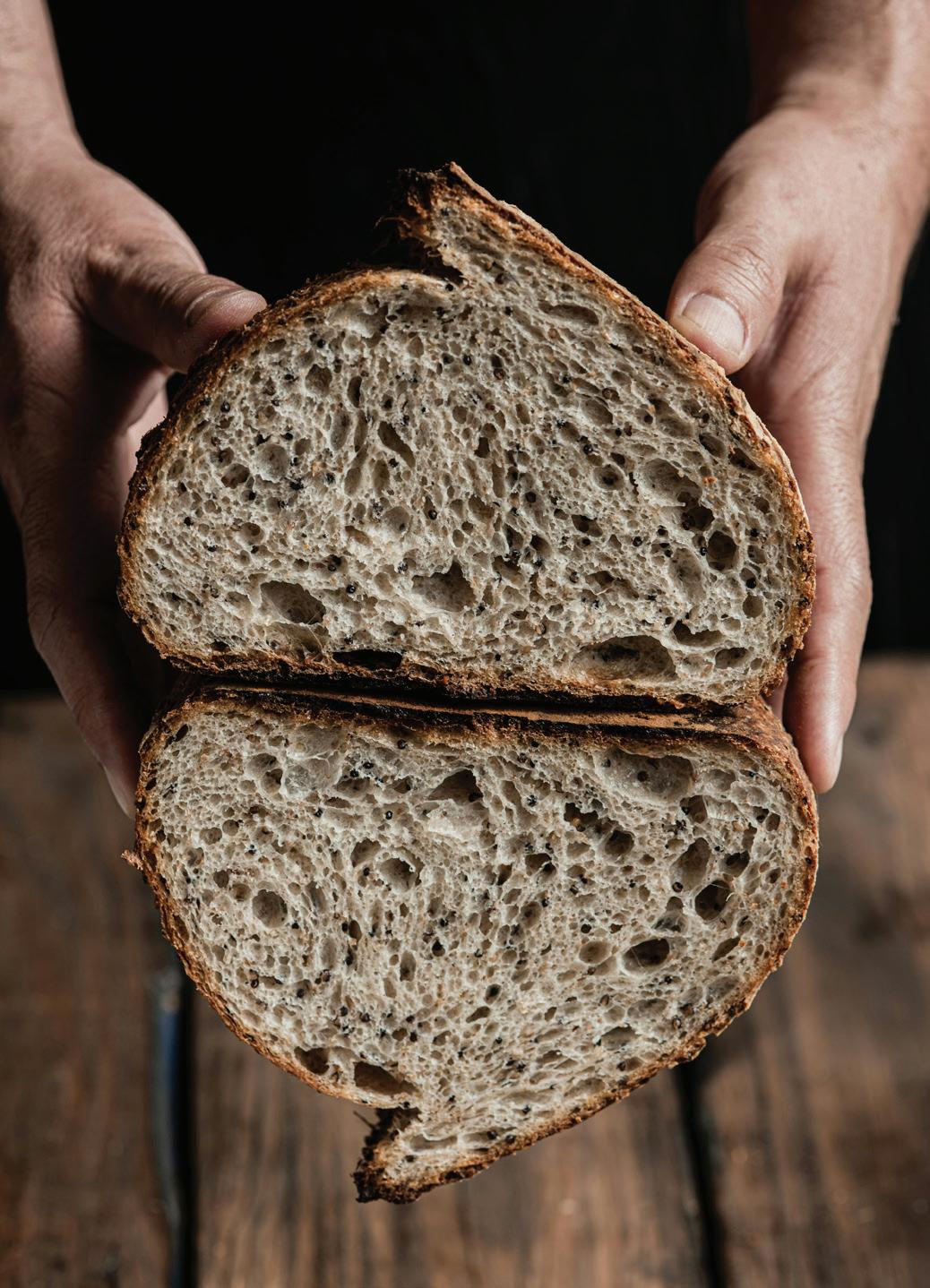
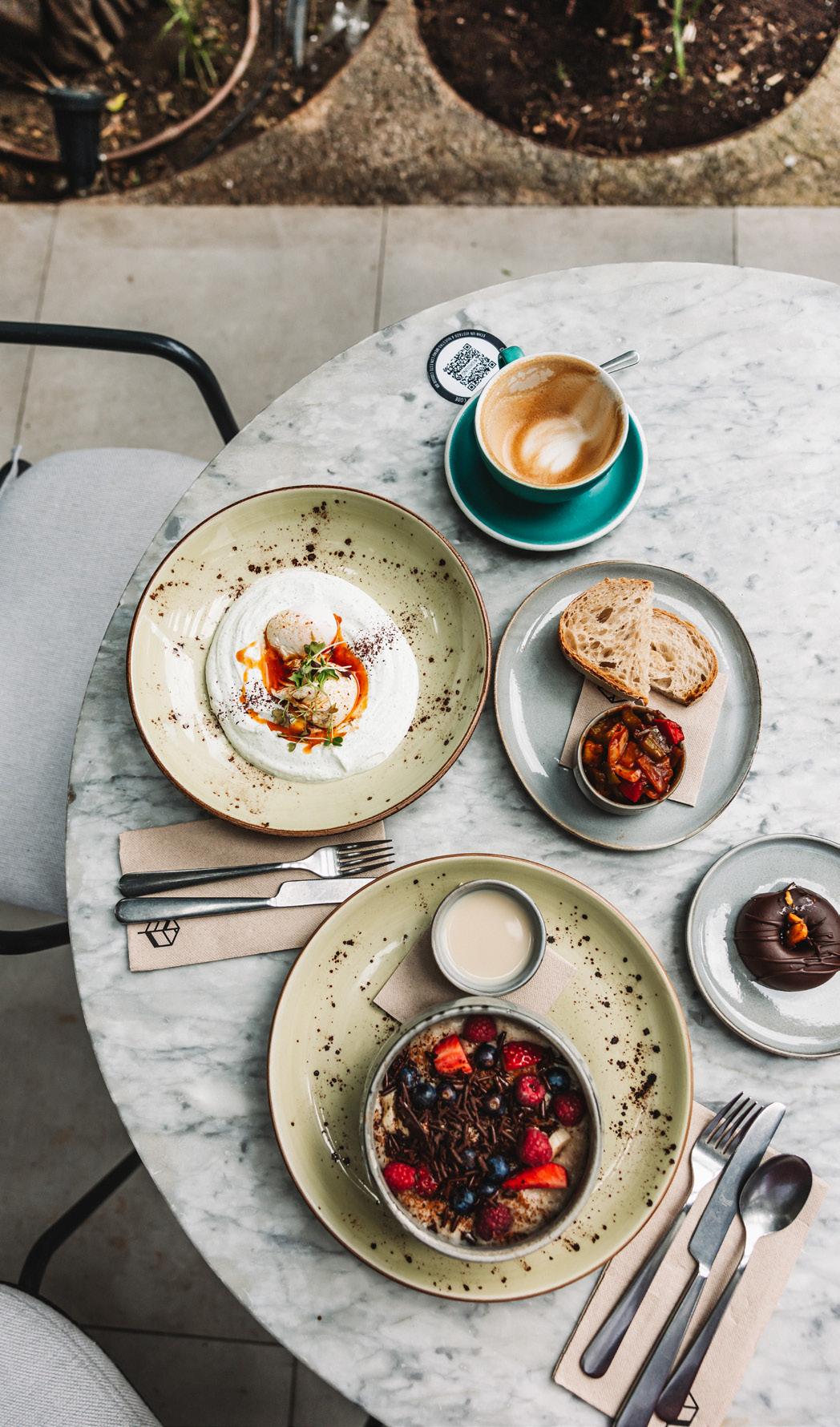
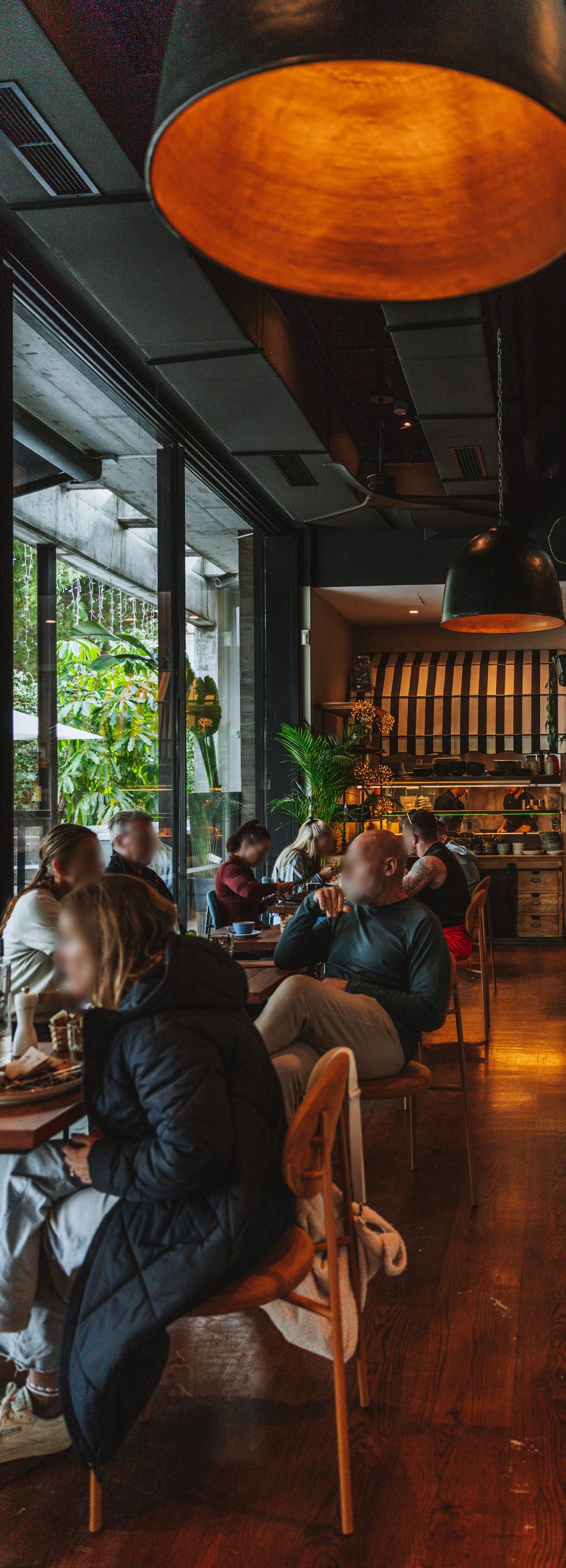
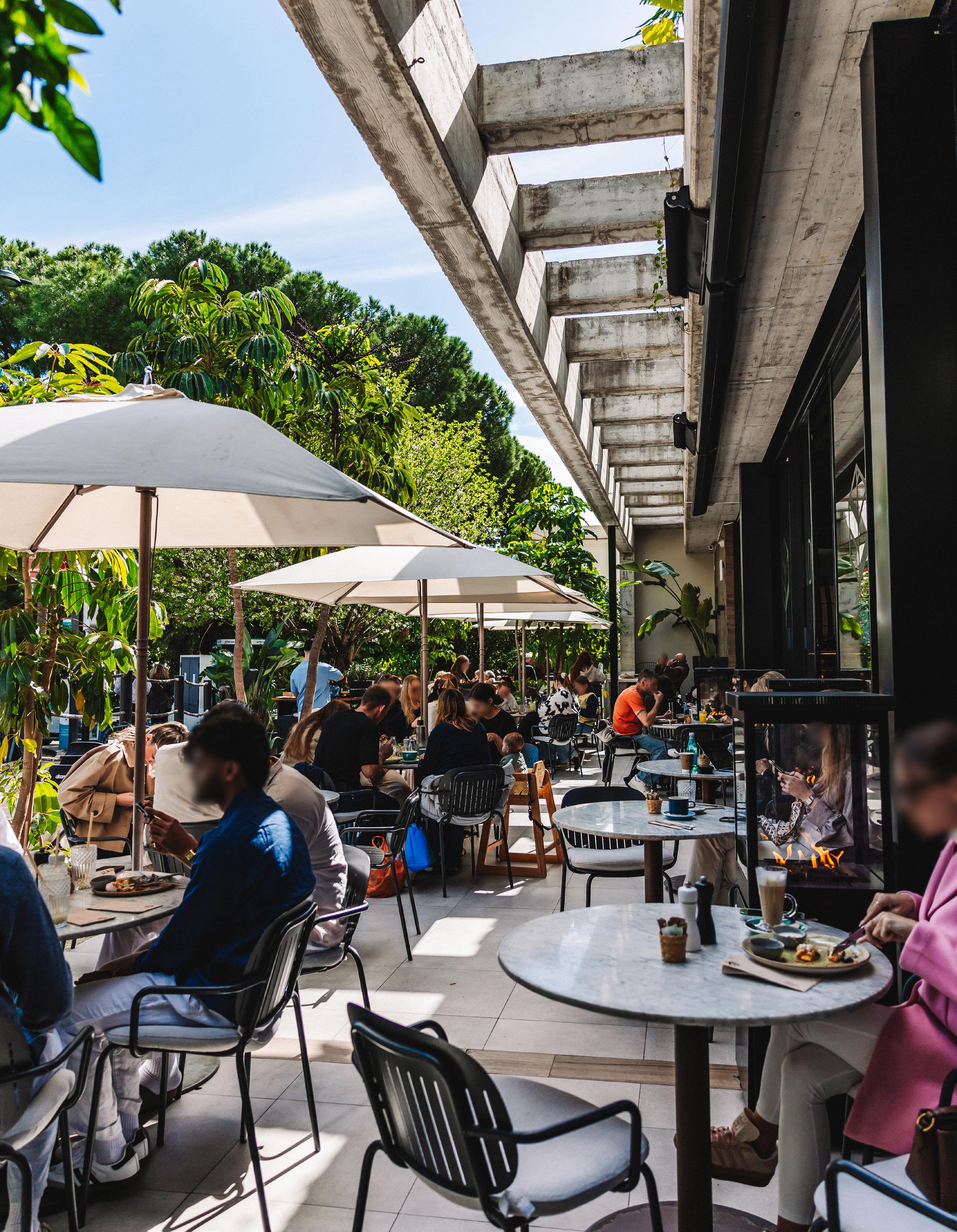
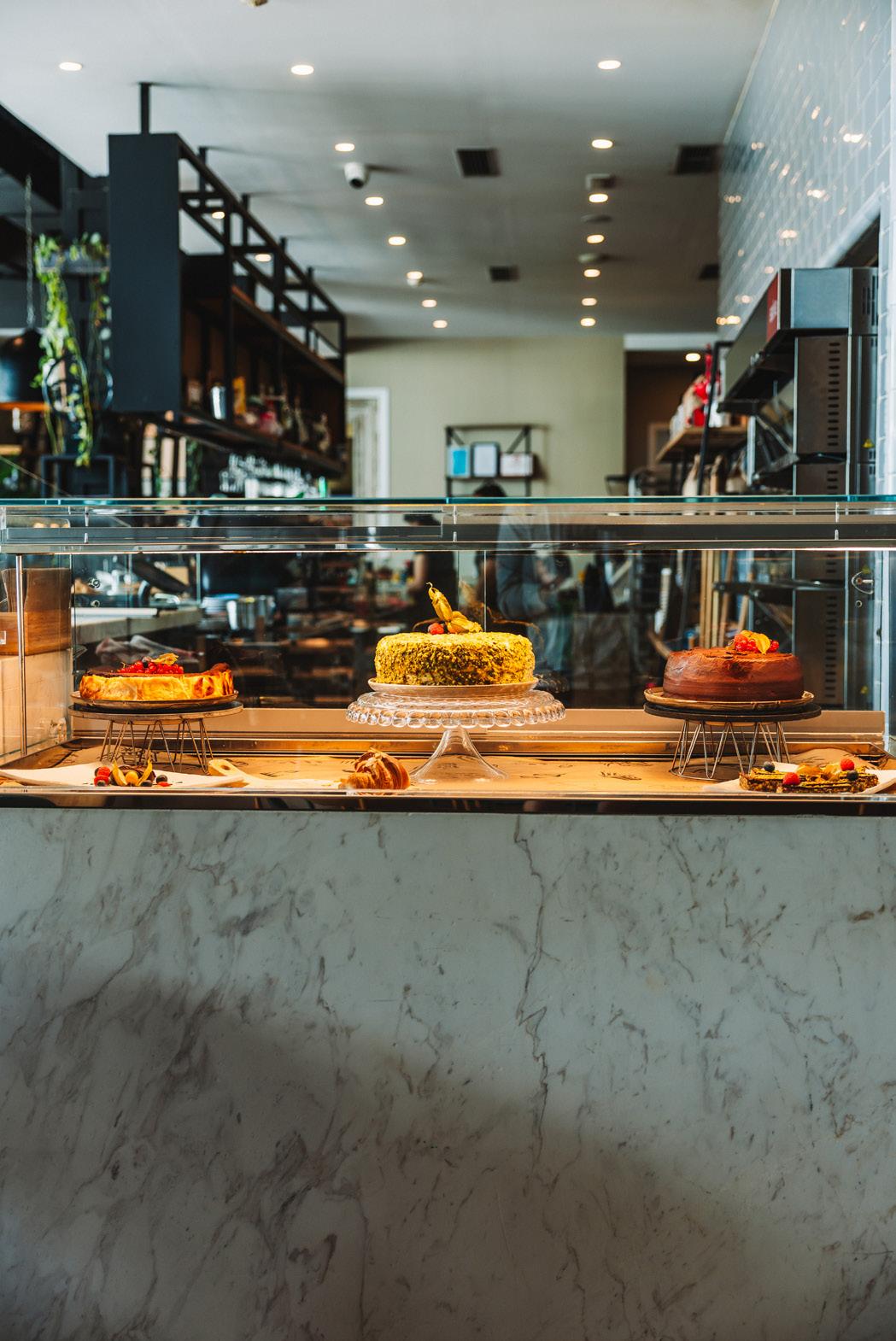
Ground is an evergreen favourite whose popularity continues to grow thanks to a winning formula that kicks off with freshly baked bread and delicious coffee served up first thing in the morning. Starting the day off this way has become a much-loved Marbella tradition for many, accompanied by delicious pastries or a growing range of healthy dishes that are as beautifully presented as they are tasty.
Added is a fantastic offering of smoothies, juices and energy shots, all made with the same fresh ingredients that are the hallmark of the Breathe venues. Our mission is to make gorgeous food that is also good for you and we think we’ve become pretty skilled at it.
High protein treats
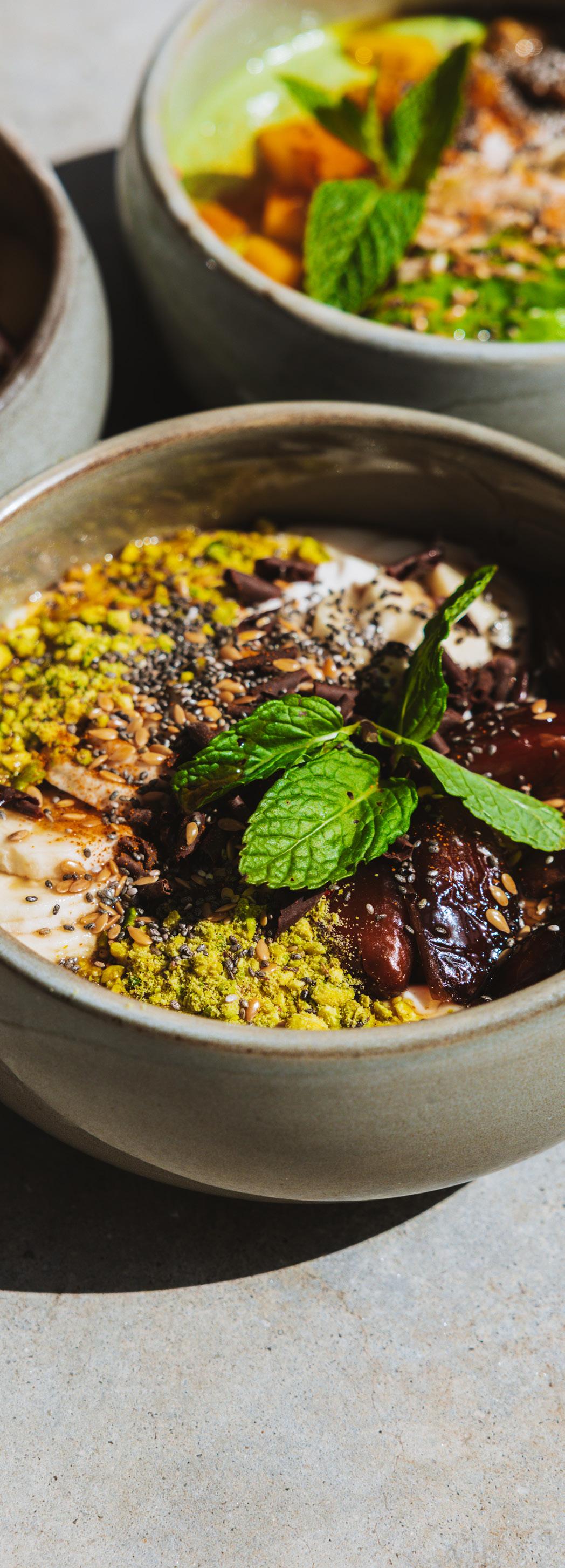
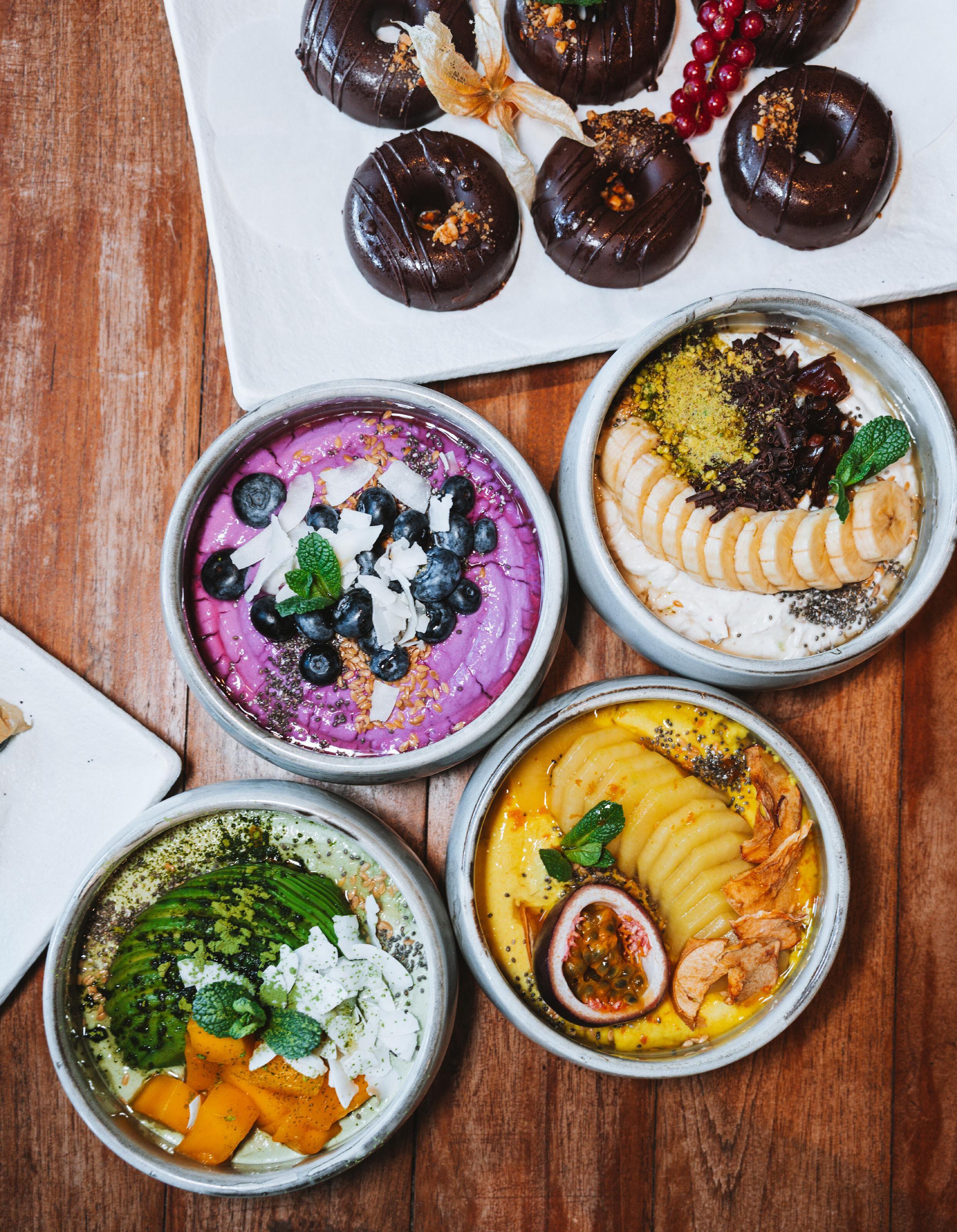
We recently added a dash of Middle Eastern flavour inspirations to the Ground menu, but also continue to expand the healthy options with new high protein bowls that are proving to be a hit with our customers. So much so that we’re doing the same with many of our other breakfast dishes, adding nutritional power to them without losing any of the taste. Besides being designed for a new generation of healthy customers, the high protein treats, which also include special desserts and bonbons that are more nutritional than ever, are inspired by the wide diversity of nations and cultures that come to Ground.
We reflect this with Nordic, British, Spanish, Middle Eastern, Mexican and other influences in a menu that continues to evolve and improve in what is an exciting journey that makes Ground so unique an experience. The choice of Banana Fuel, Matcha & Spirulina, Turmeric Power, Blueberry Bless, Protein Bonbon is proving so popular that everyone seems to have found their own favourite healthy treat – a taste sensation in keeping with a new nourishing food trend that fits right in with the Breathe philosophy of wholesome flavour sensations
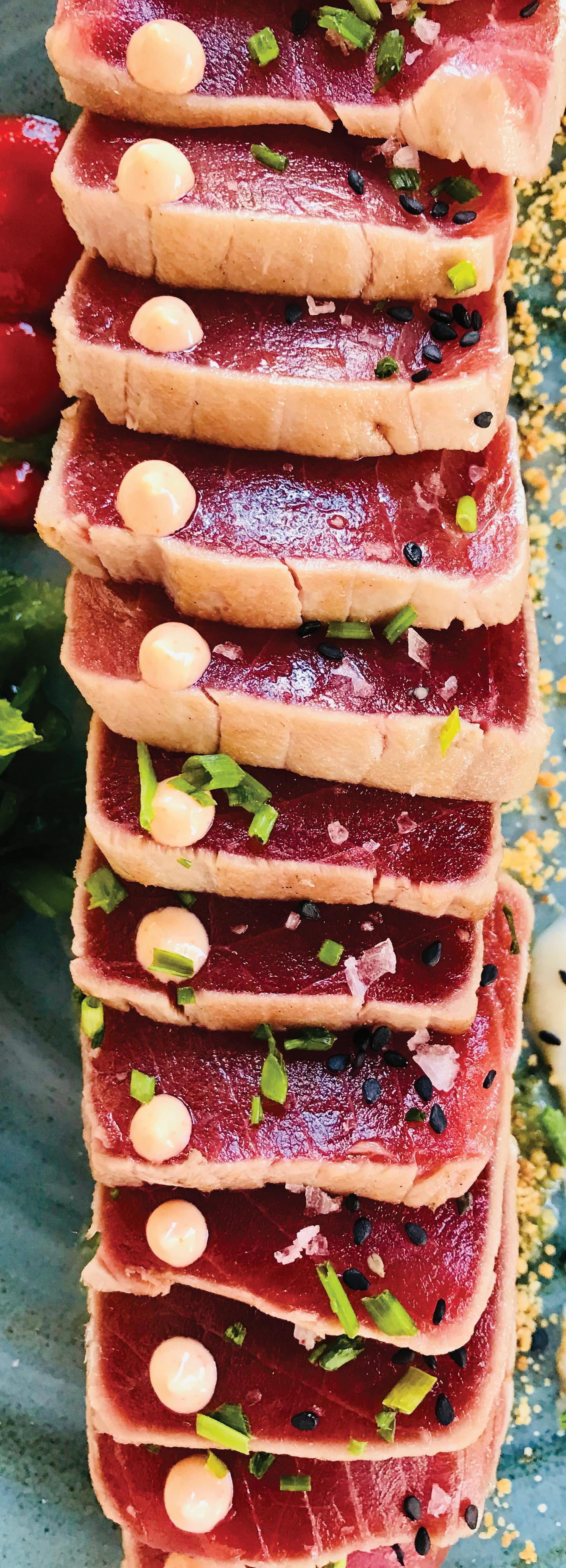
Tuna of these shores
Look at a modern menu, especially in these parts, and you’ll notice that tuna is a highly prized ingredient. It’s a favourite of modern cuisine, but one with a history thousands of years old.
Tuna represents such a long tradition on these Mediterranean shores that it is entwined with the land, its people and a culture that was made in the crossroads of East and West, North and South. The ancient Iberians could not help but notice the important resource swimming off their coastline, but it was with the arrival of the Phoenicians (ancestors of today’s Lebanese) about 3000 years ago that the longstanding tuna tradition of Andalucía truly took shape.
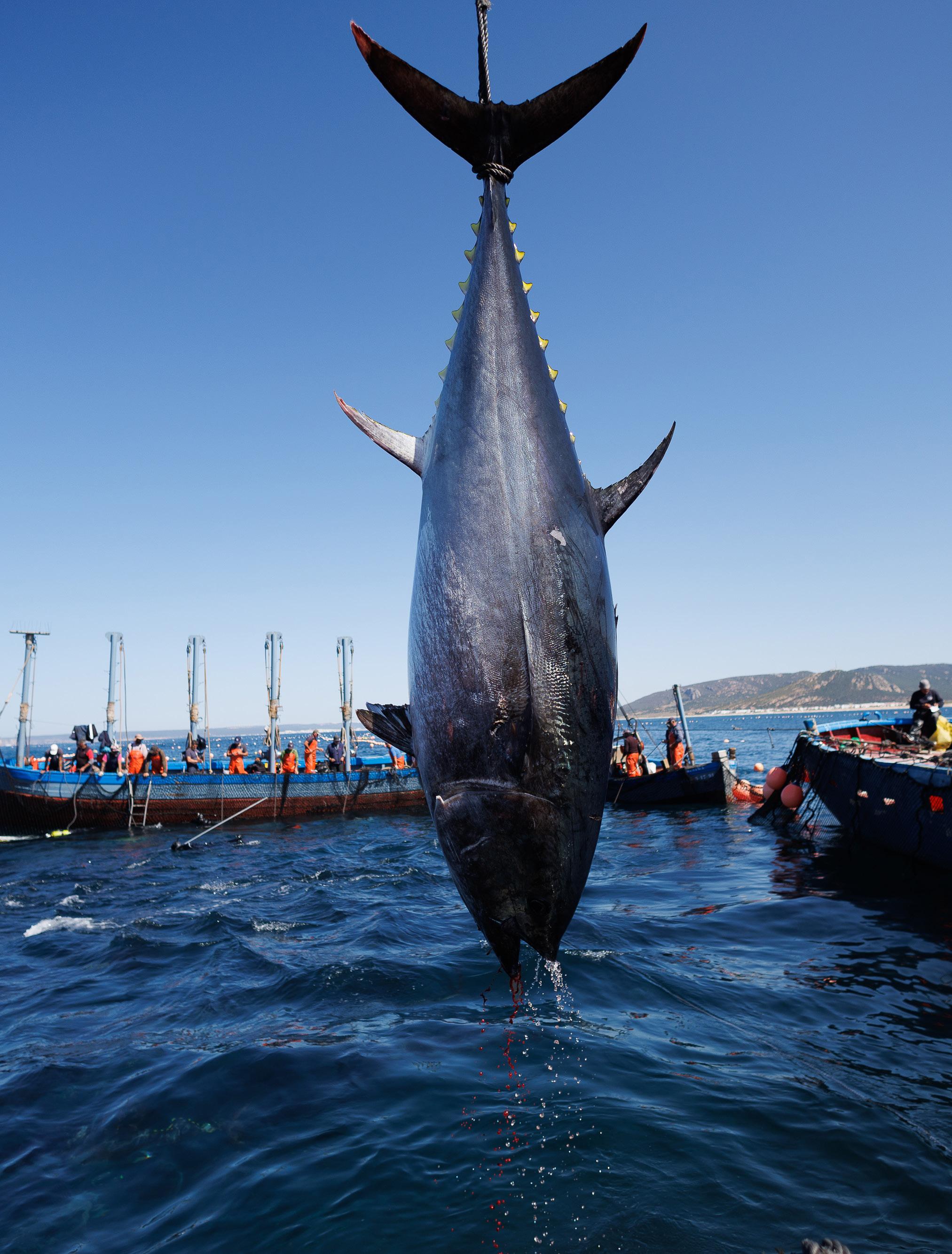
Quite apart from founding port cities such Málaga, Gibraltar, Cádiz and Lisbon, the Phoenician traders are also credited with introducing the Almadraba, a complex system of nets in which the Atlantic Bluefin Tuna that passes through these waters on its way back into the ocean are caught and hoisted aboard waiting fishing boats. In essence it is a trap system that is considered to be sustainable as it catches only a proportion of the fish passing through.
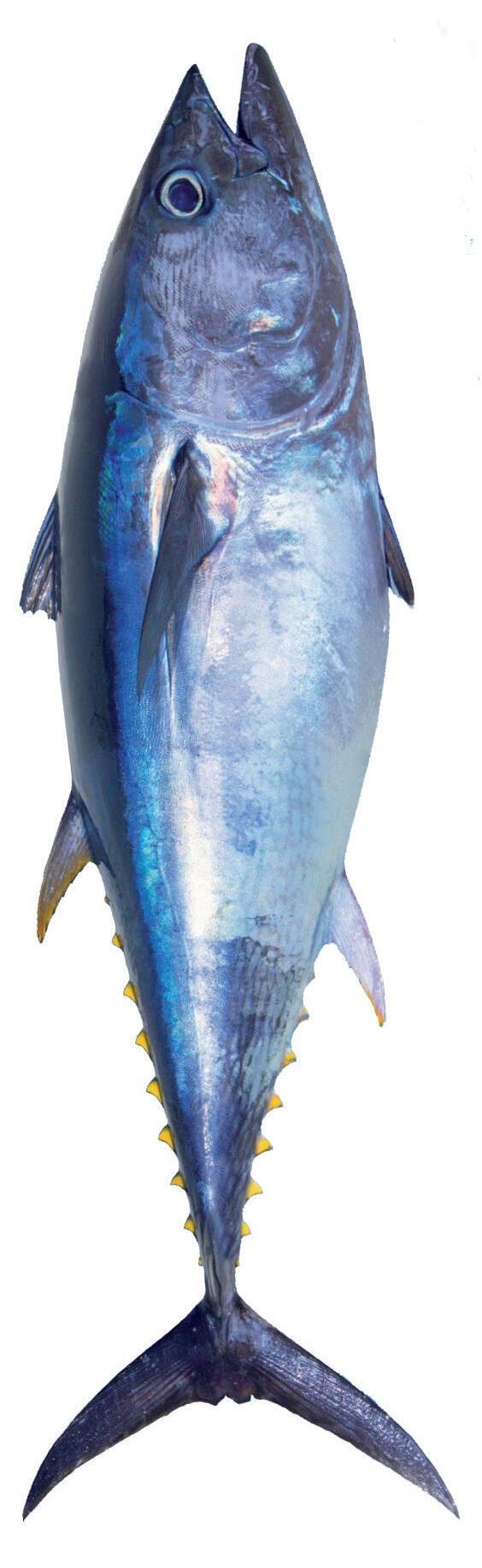
The bluefin is the most prized tuna of all, and the sea off Zahara de los Atunes and Barbate on the Costa de la Luz is one of the top spots in the world for fishing it. Not surprisingly, the noble tuna forms part of the culture and traditions of this section of Andalucía’s Atlantic coast, with a great many delicacies being provided by the Ronqueo process by which the different cuts are expertly produced. What was once a local specialisation has now become an international phenomenon that draws professionals and visitors from around the world.
The finest cuts
Such is the quality of the tuna caught off Barbate that the finest Japanese chefs send teams down to its auction house with the purpose of bringing the best specimen back to what is arguably the only country that is even more passionate about this noble fish than Spain itself. They have their own way of catching and despatching tuna, which is beginning to make inroads into this coast’s ancient practices but on the quality of the catch and the local chefs’ ability to create wonderful dishes there is no debate.
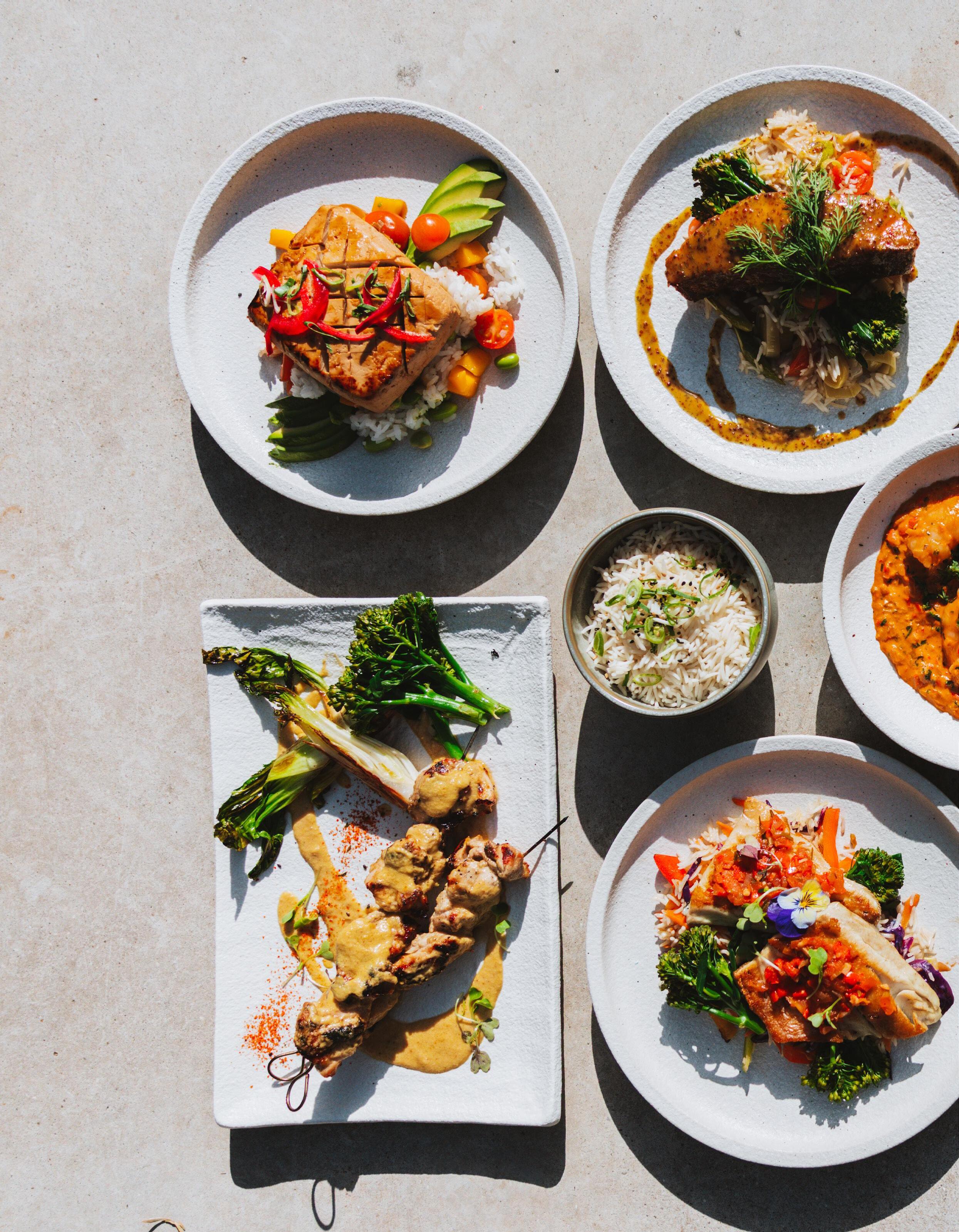
So much so that the rugged fishing village of Barbate is becoming an unlikely destination for food connoisseurs from around the world. Those of us who live close by don’t have to travel halfway across the globe for the privilege of enjoying this fine delicacy freshly prepared to healthy perfection. In fact, it is one of Breathe’s signature dishes...
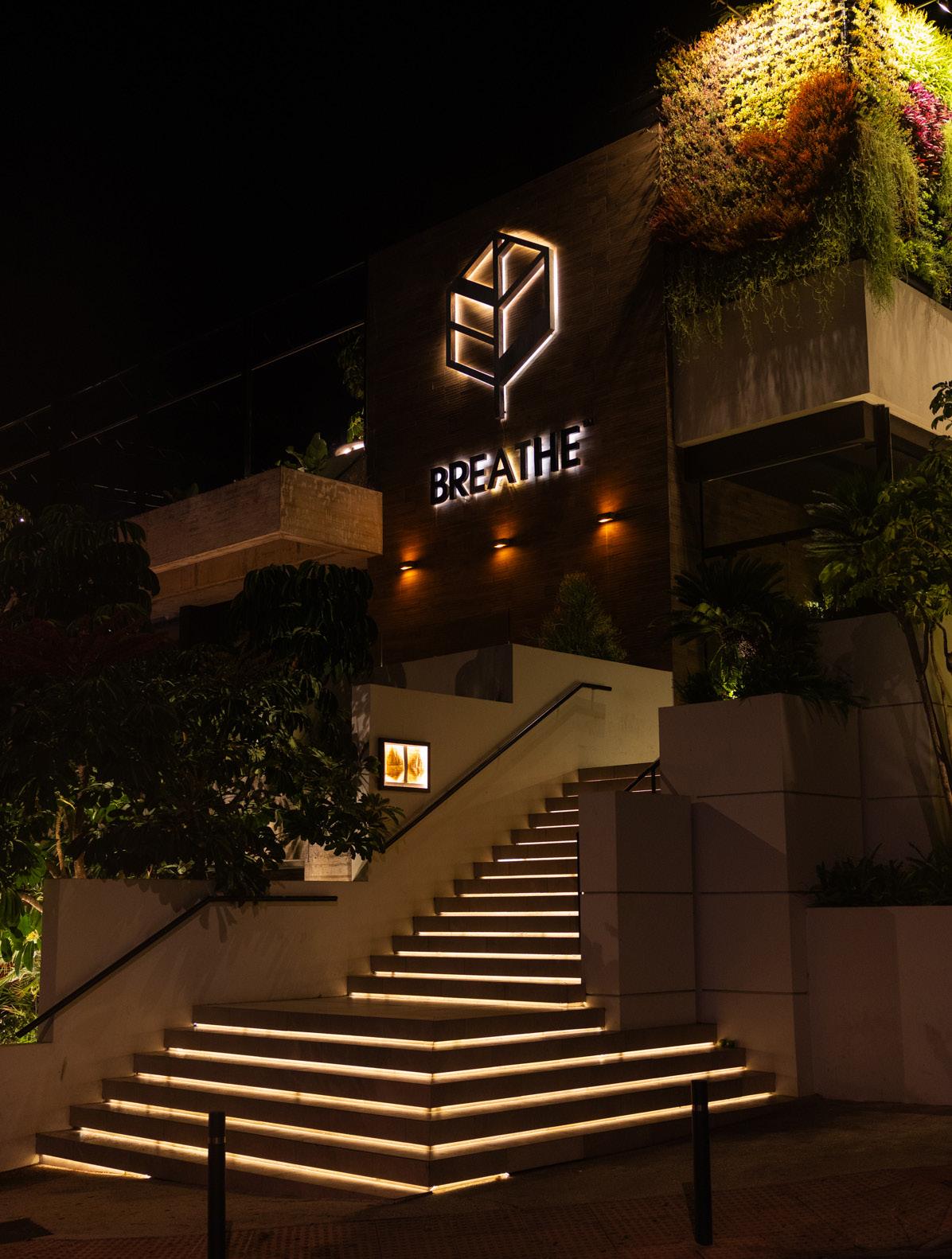
BREATHE
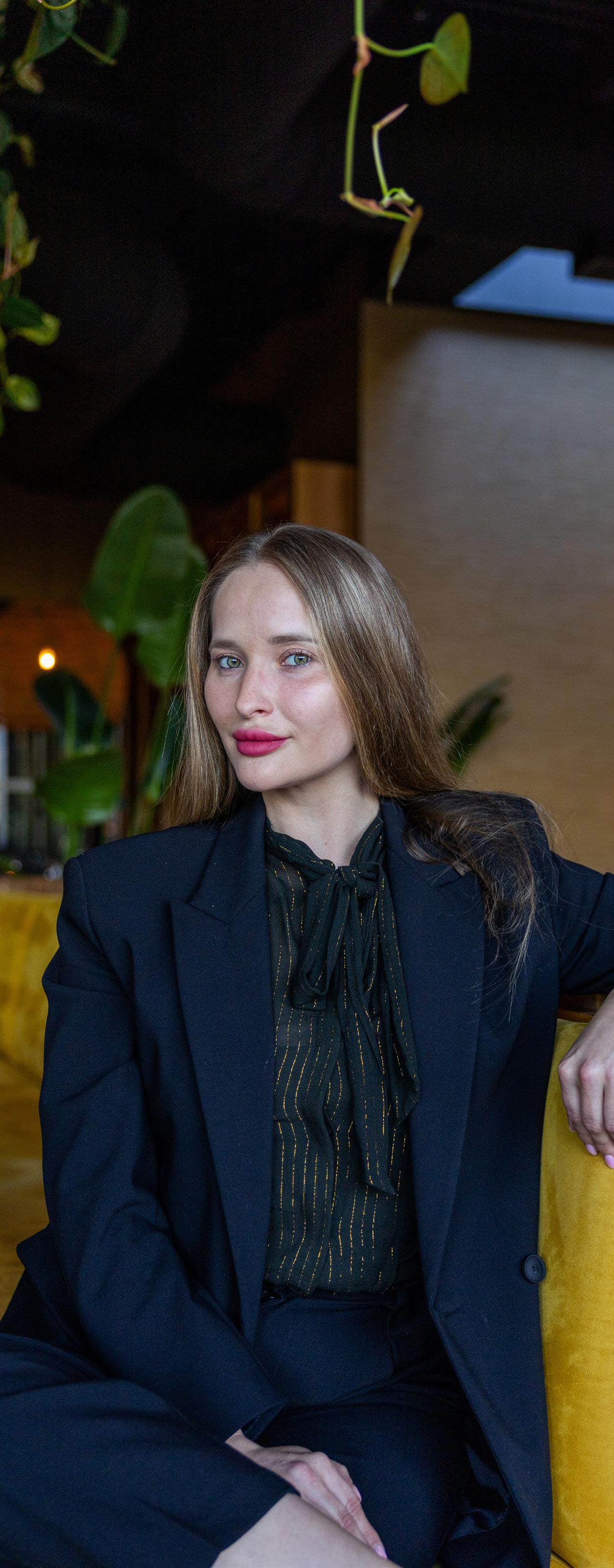
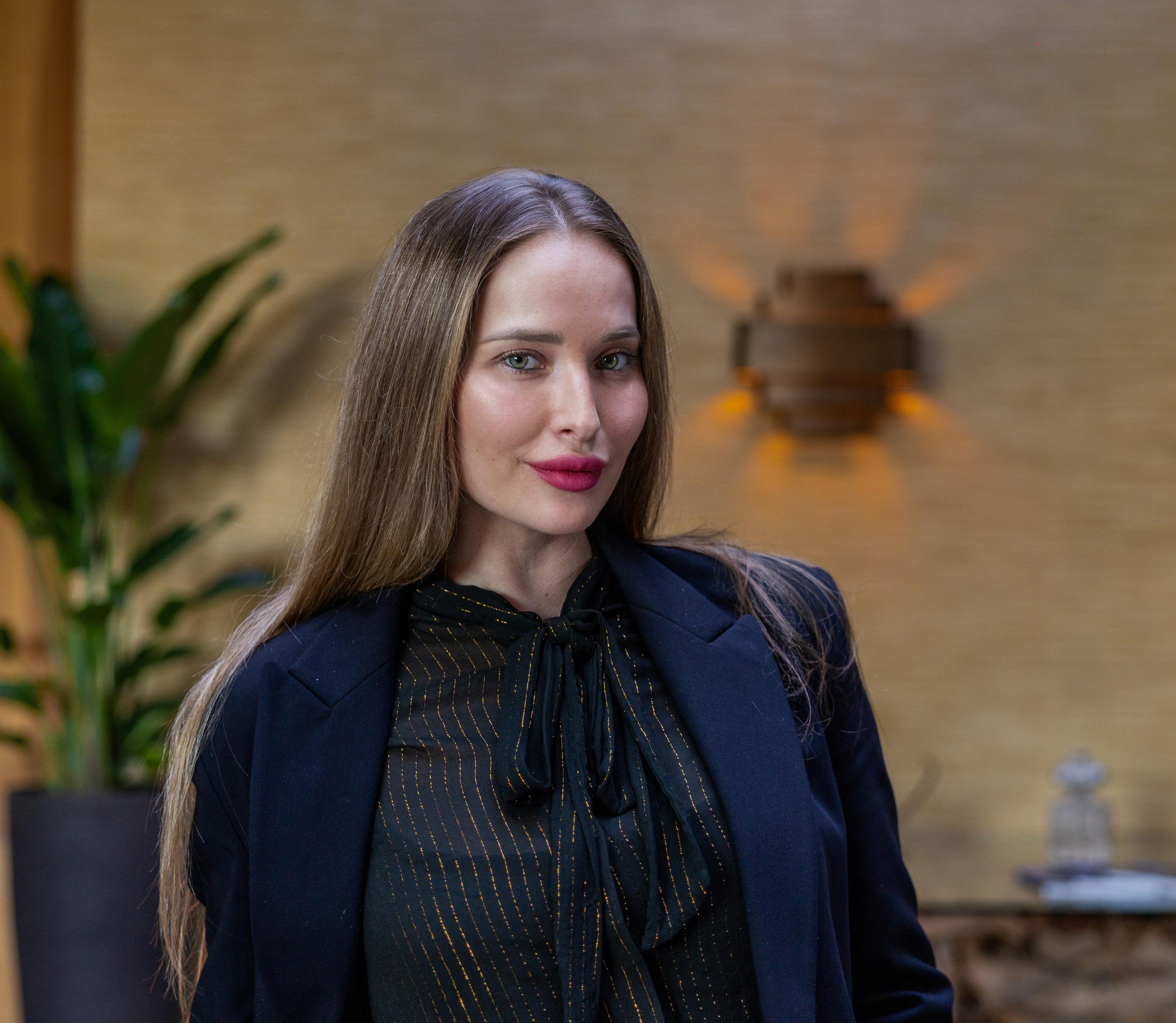
Sofija Starodubceva at the helm of Breathe
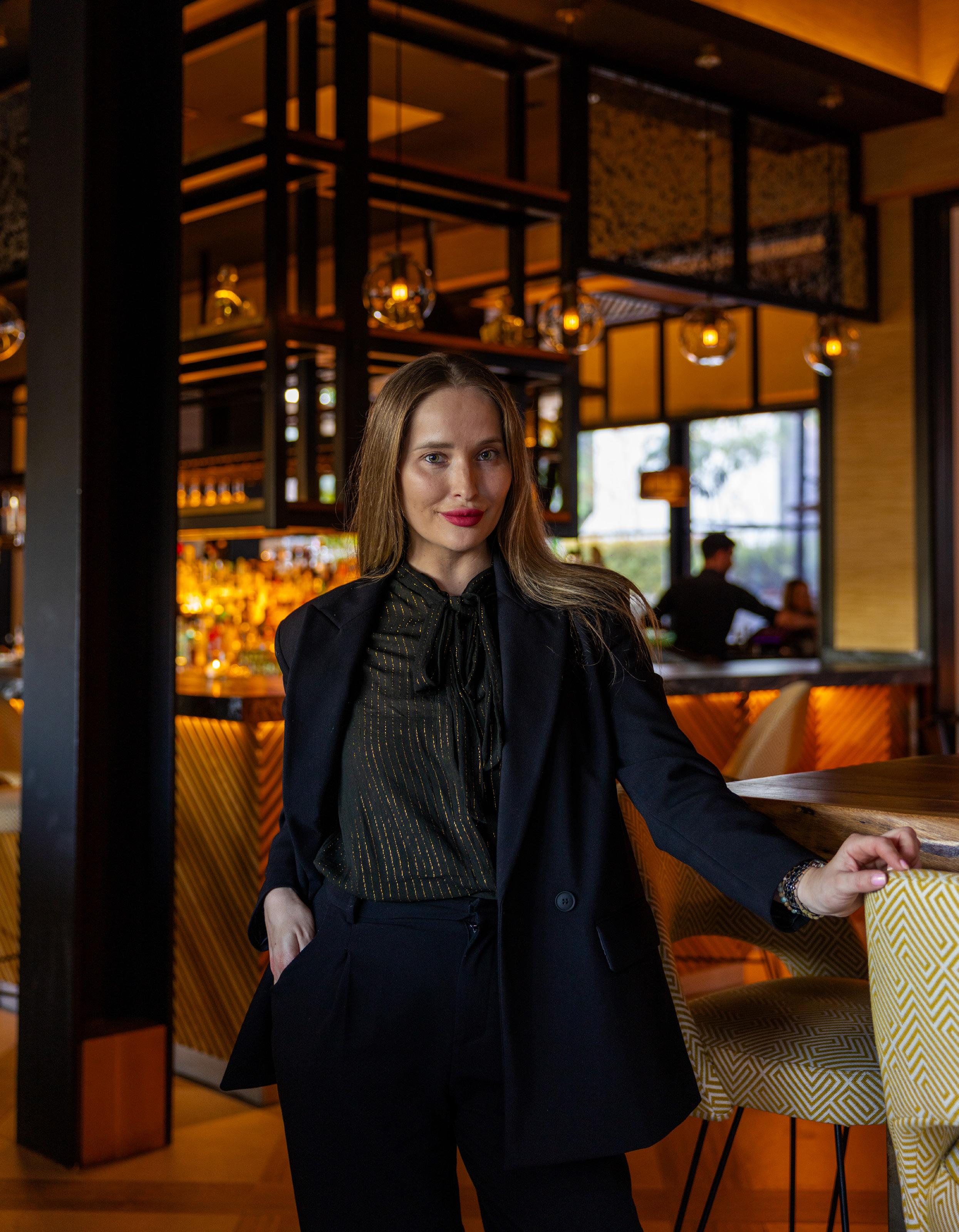
Breathe is in safe hands with a dedicated professional who has worked her way up in the hospitality business to become one of the youngest managers in the group.
Born in the Latvian capital of Riga, Sofija has always had a passion for the demanding but rewarding hospitality industry. She had already begun to work in the sector when she traded the colder climes of the Baltic region for the year round sun of the Canary Islands, settling first in Tenerife before moving on to Fuerteventura, where she worked in resort hotels while learning and rising up in the ranks.
“I started as a waitress and at first focused above all on improving my skills both in hospitality and my fluency in English and Spanish,” says the young lady whose down to earth charm is exactly what has earned her the position of manager at the young age of 32. “I was very young when I set out into the world of tourism and hotels but I kept my head down and worked hard, eager to learn and keep improving, and I guess it has led me to where I am now.”
The path to Breathe
You wouldn’t say it but Sofija already has fifteen years in the hospitality industry under her belt, gained within a combination of hotels and restaurant venues that eventually led her from the Canary Islands to the Costa del Sol, where she settled down in the Marbella area and joined the Breathe team some seven years ago. “I liked the islands but especially Fuerteventura, though beautiful, was a little small for a young person, so I decided to visit Marbella and it certainly met my hopes and expectations.”
She has since settled into the area she is now happy to call home, feeling at home with the Andalusian culture but also loving the cosmopolitan energy of this coast. “Meeting people from so many different parts of the world makes working and living here super interesting, plus the level of the hospitality industry in Marbella is also among the highest in Europe, so it’s a great place to develop your career and also enjoy an amazing climate and good quality of life.”
A
lively job
Sofija likes life in Marbella and even has a local boyfriend but when at Breathe she enjoys the fact that no two days are the same. “You draw on your experience to deal with highly variable situations and sometimes even little emergencies such as a power cut or someone tucking into something they didn’t realise they were allergic to, so having to be a flexible problem solver keeps you on your toes and ensures you continue learning all the time. This is part of the challenge of managing a restaurant such as Breathe but also what makes it so rewarding on a professional level.”
She oversees the restaurant, bar and terrace area, focusing on maintaining a high level of service and efficiency while also coordinating with the kitchen and the entertainment team. “We ask our customers for their feedback and use this to continue to improve and finetune our service as well as to advise the chefs on what people think of the dishes and which they enjoy the most. This way all the different departments stay connected to our client base and keep adjusting and tweaking things to make the Breathe experience as special as it can be. This is because we don’t just offer good food but an overall experience where elegant décor, personal service and a great ambience come together. That is what we’re always working hard to make better each time you visit.”
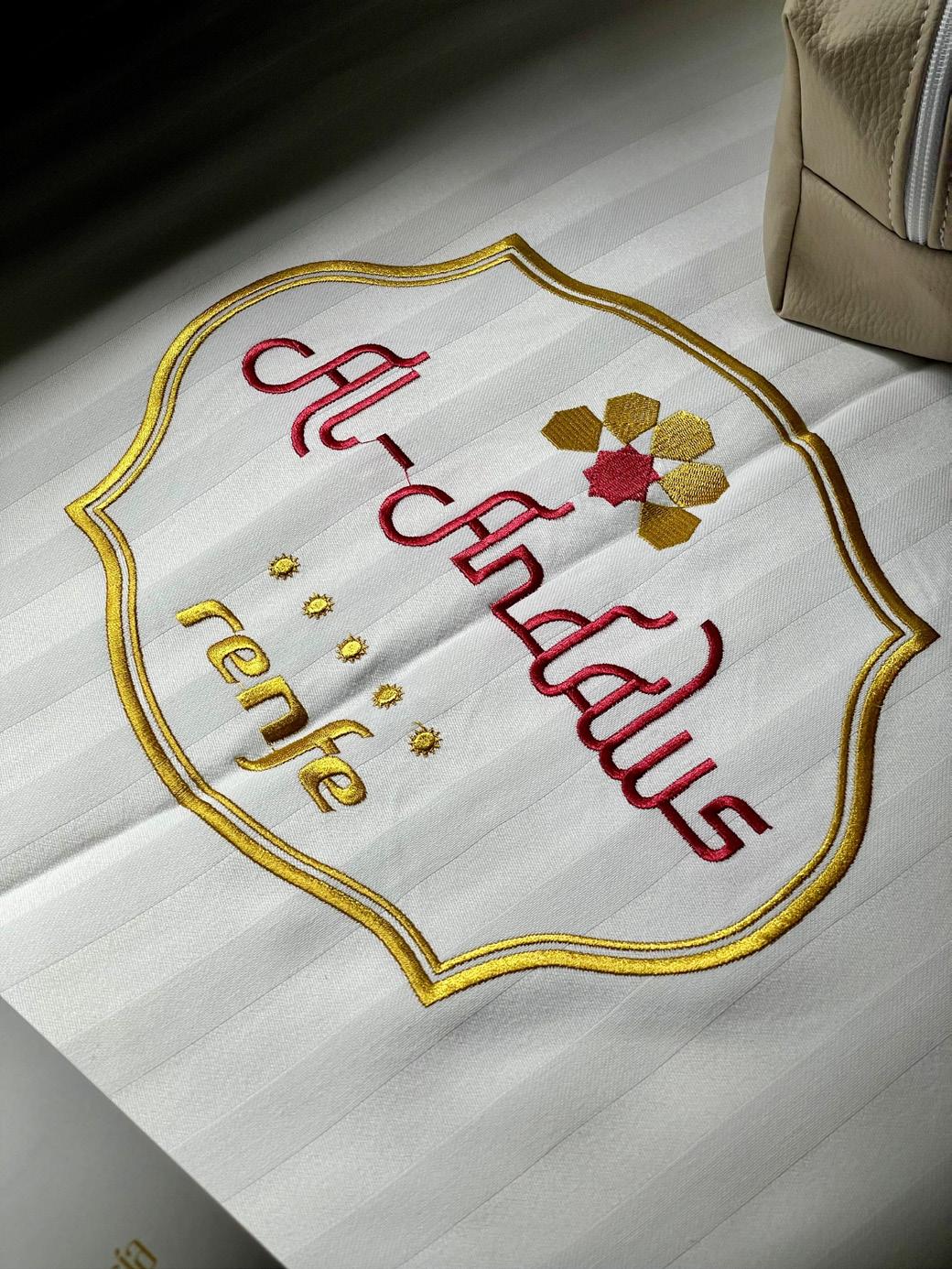
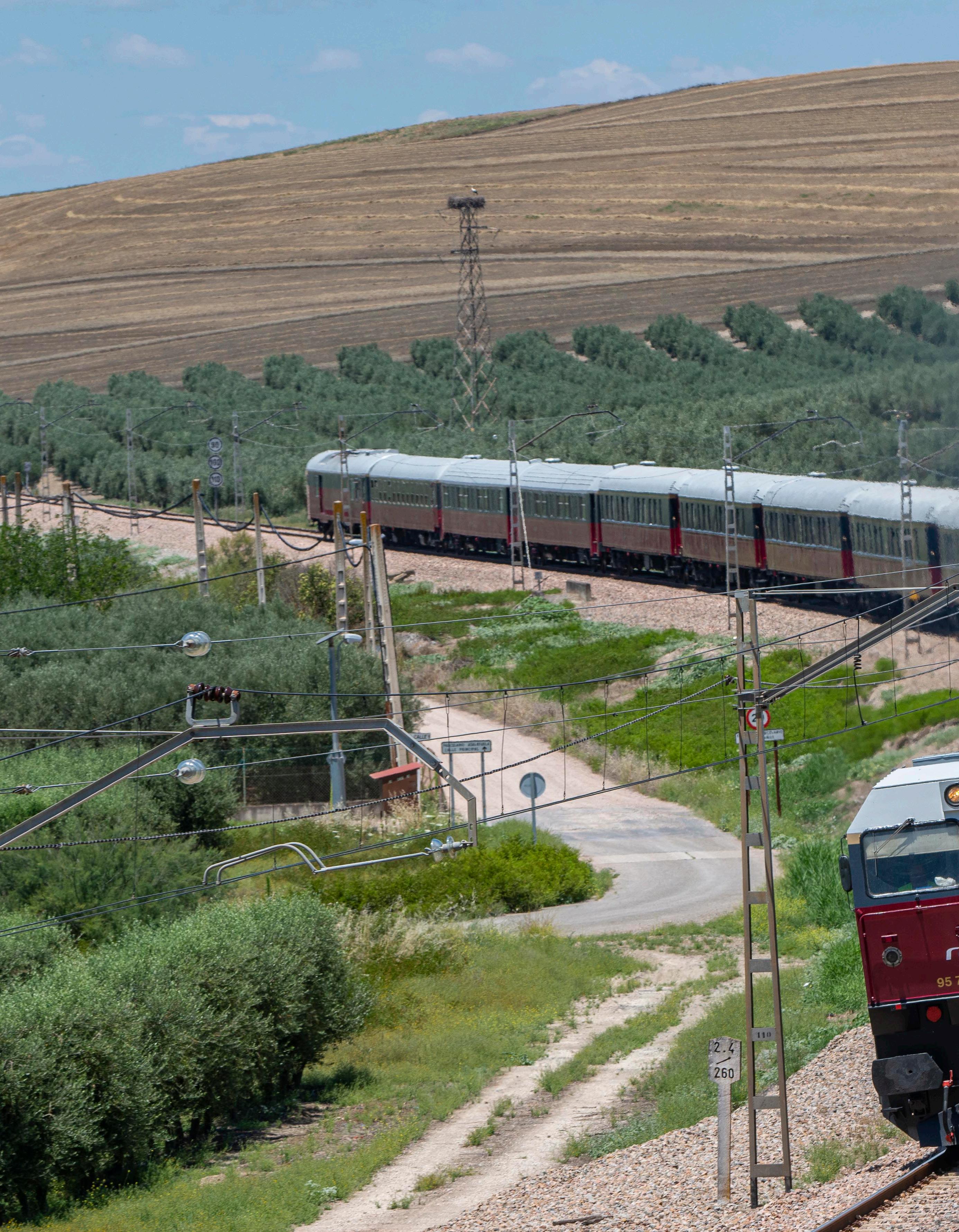
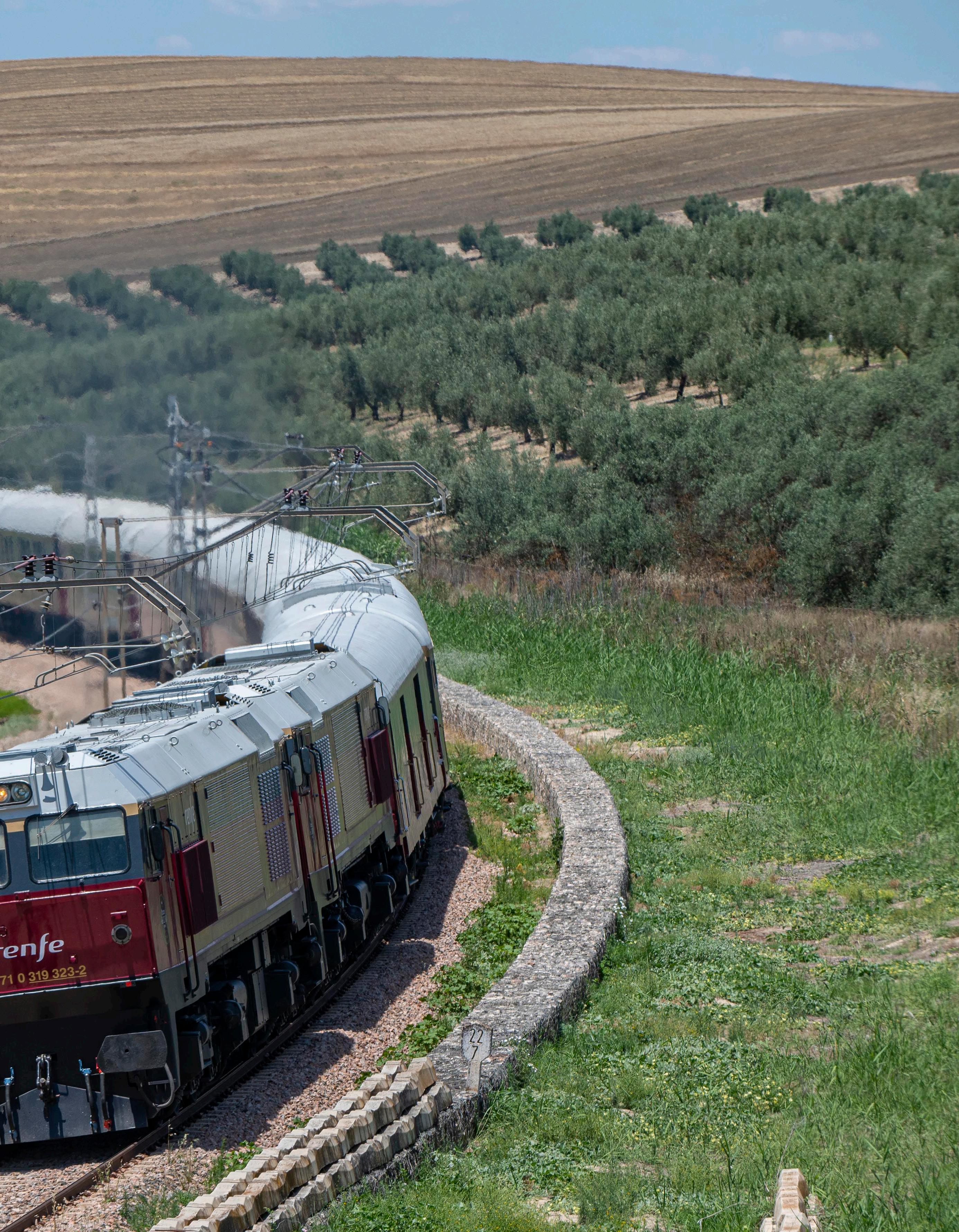
El Andalus see Andalucía in style
Most people explore southern Spain by flying to beach destinations and driving into the countryside but there is another, more personal way of seeing the beauty and variety of this region – and it comes with five-star service.
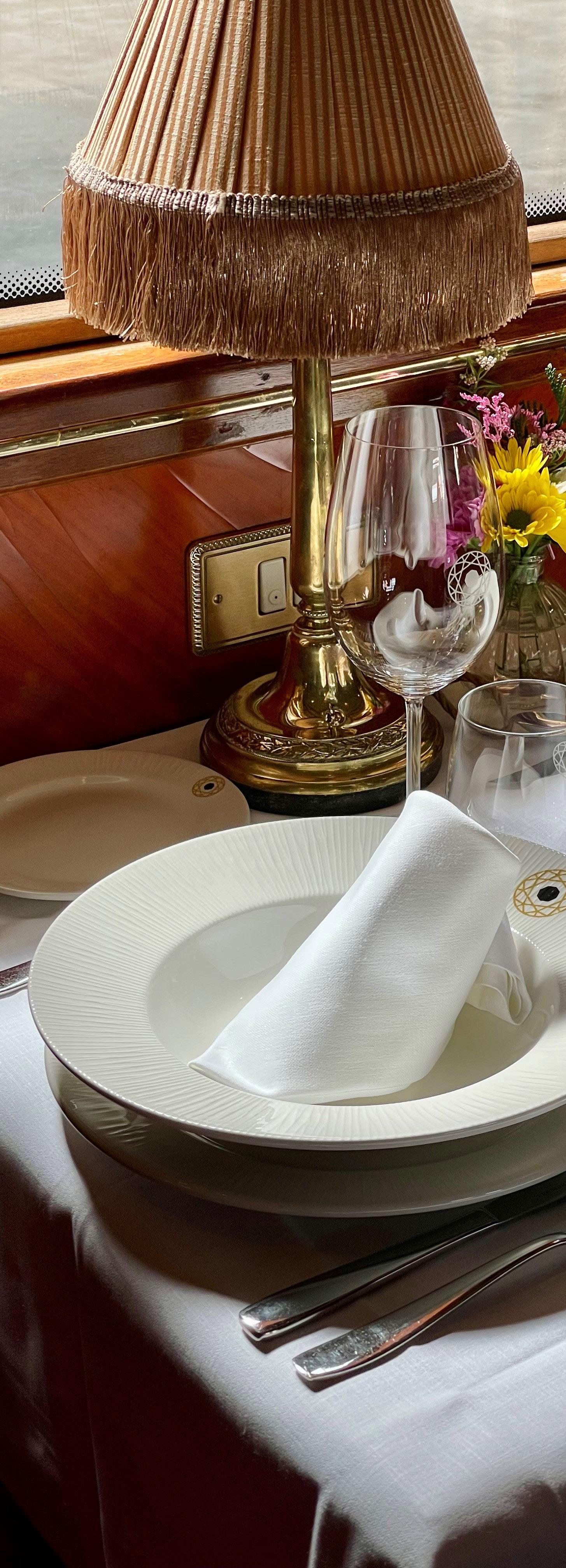
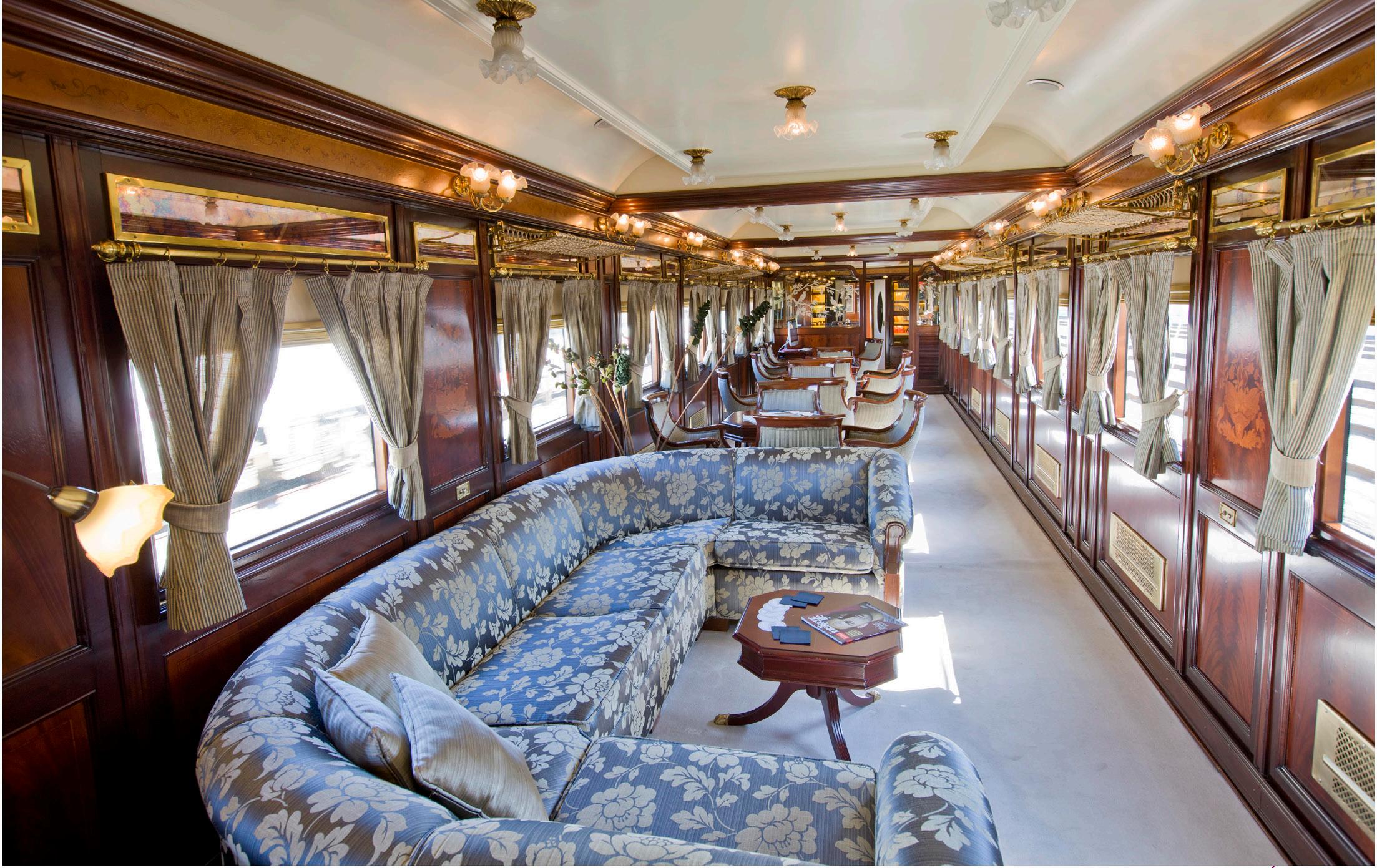
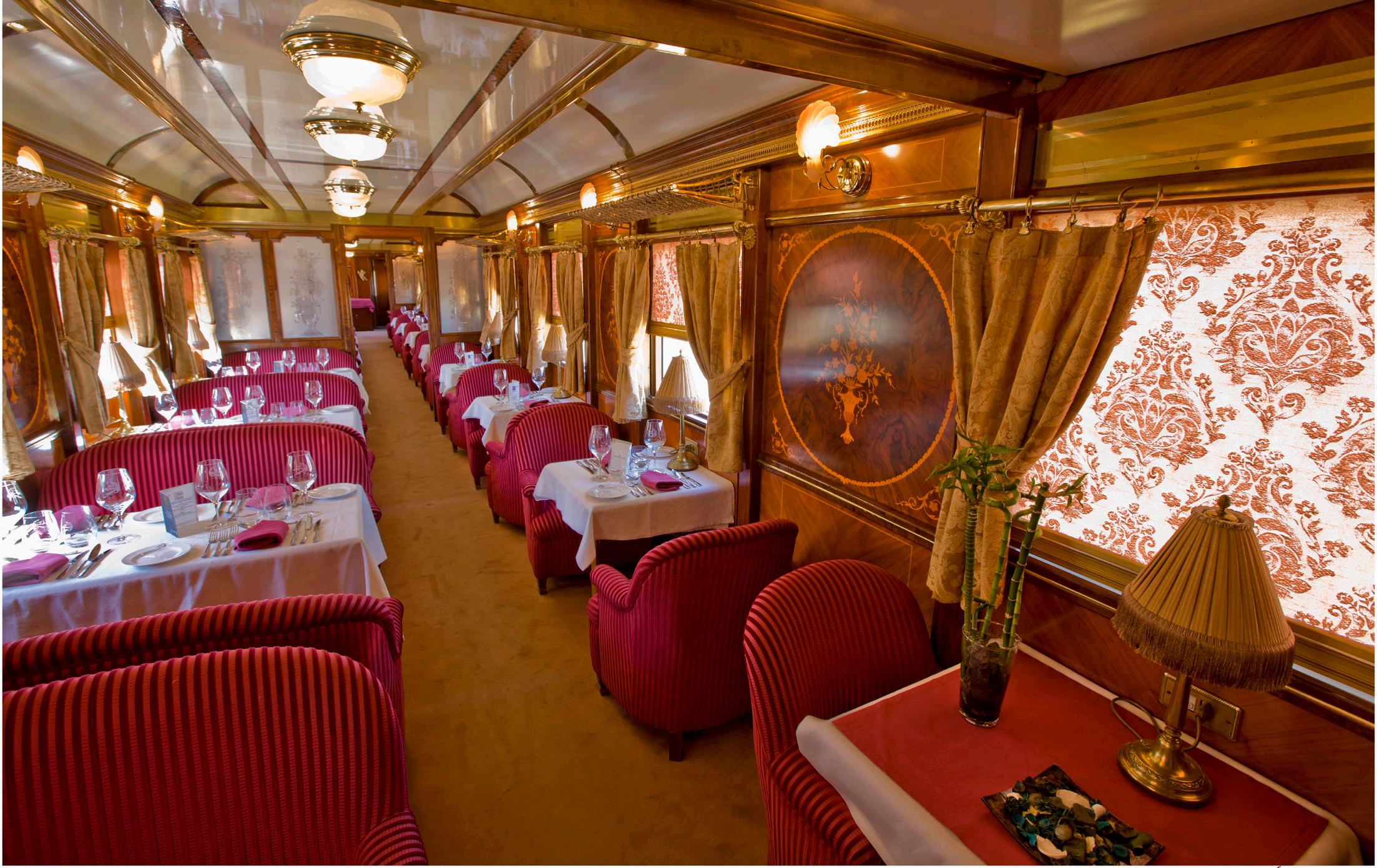
Images courtesy of RENFE/El Tren Al Andalus
Busy airports and crowded roads and highways have taken some of the glamour out of travel and replaced it with stress, but for those who dare to look a little further there are other options available that keep travel fun, exciting, stylish and comfortable. For those whose intention is not so much getting from A to B but about what can be seen and enjoyed along the route, there can be no better way to explore a country or region than luxury train travel. Add the charm and refinement of a classic Pullman train combined with the comfortable convenience of a luxurious sleeper cabin and you have created the finest possible conditions for a voyage.
Al Andalus
Totalling 14 classic carriages that span a length of 450 metres, the Al Andalus is a voyage that takes you through the landscapes and beauty spots of Spain’s southern Andalucía up close. This luxurious train with its gracious design is the same one that was used by the British Royal Family in travels across France during the 1920s, and now it serves as one of the flagships of Spain’s RENFE railway, a company renowned for its efficiency and timekeeping.
If travelling with RENFE’s modern highspeed trains is a pleasure then imagine what an experience it is to watch the Spanish countryside glide past as you wake up in your suite and make your way to breakfast in the luxurious dining car. The service is old-school excellent, so by the time you return to your quarters the steward will have made the bed and got your cabin looking perfect again. Guests alternate between the peaceful surroundings their own lounge offers and those within the train, which include the panoramic Medina Azahara lounge, Alhambra playroom and the Giralda lounge and bar area – the perfect spot in which to socialise as you see Andalucía from the best possible perspective, free of having to concentrate on driving.
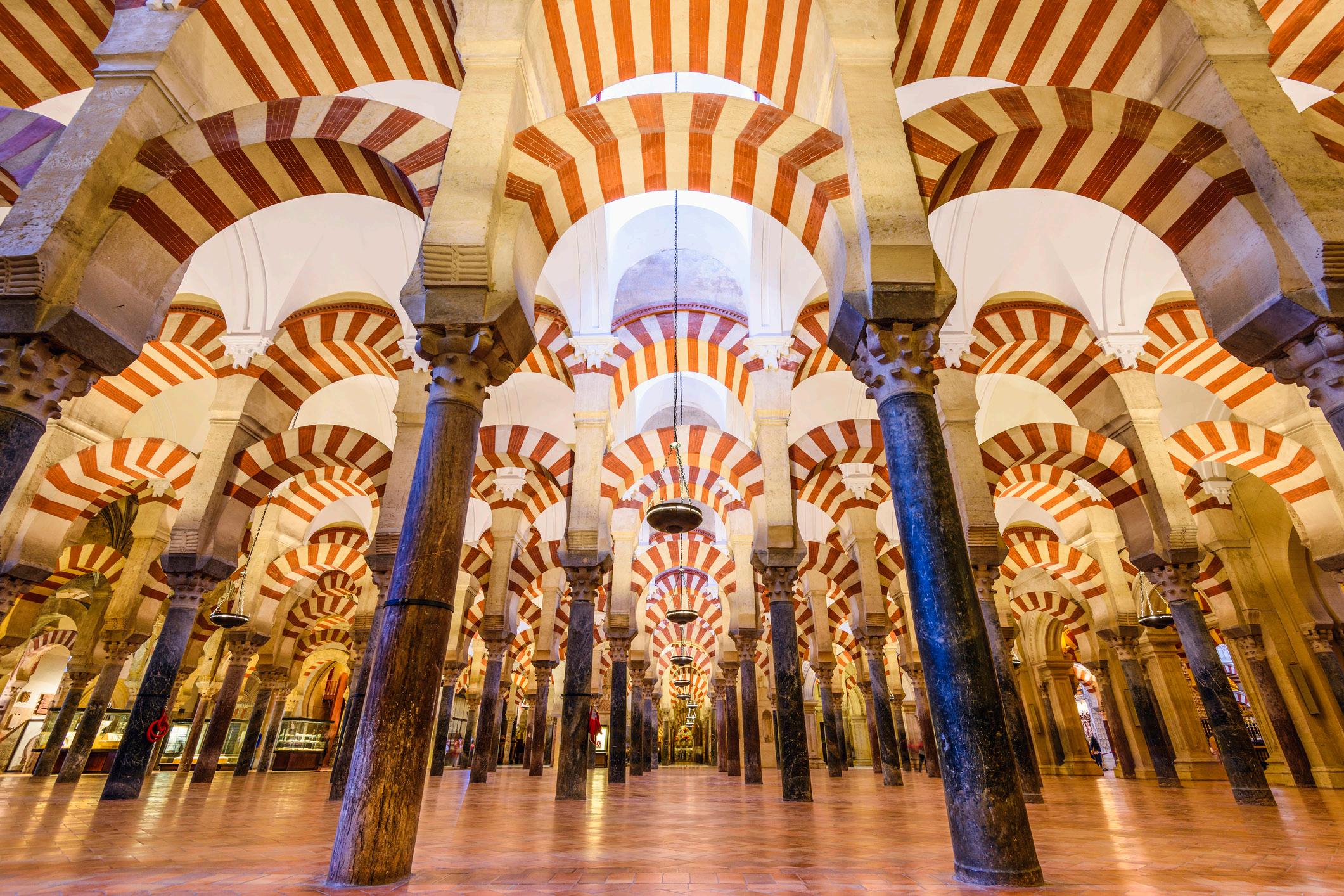
A total of 64 passengers embark on itineraries that lead from Madrid via the historic Castilian towns of Aranjuez, Alcázar de San Juan and Toledo, into the western part of the country at Cáceres and Zafra and on to the Andalusian heartland. There it visits the southern jewels: Seville, Jerez de la Frontera, Cádiz, Córdoba and Granada, enabling you to stop off and absorb the sights and ambience before continuing through Spain’s most iconic region. Departures take place on Sundays and run from April-June and September-October, departing two or four times per month and alternatively following a six-night, sevenday route from Madrid to Granada or the reverse.
Travelling in this manner offers the best way to explore a region and be able to really take it in while relaxing, socialising, enjoying the cuisine at fine dining standards and also stopping to visit the sights. It is a chance to unwind, discover a new type of luxury travel and be active all at once, offering privacy in your Grand Class Room or Deluxe Suite as well as a sociable environment. There is, quite frankly, no better way to visit Spain than the Al Andalus – unless you take the Transcantabrico up north.
Accommodation, food and beverages are included in the offering, as well as free train rides to and from either the departure destinations Madrid or Granada, along with access to RENFE’s Club Lounges –a true commitment to quality and service from one of the best-run companies in all of Spain, not to mention one of the finest travel experiences that money can buy.
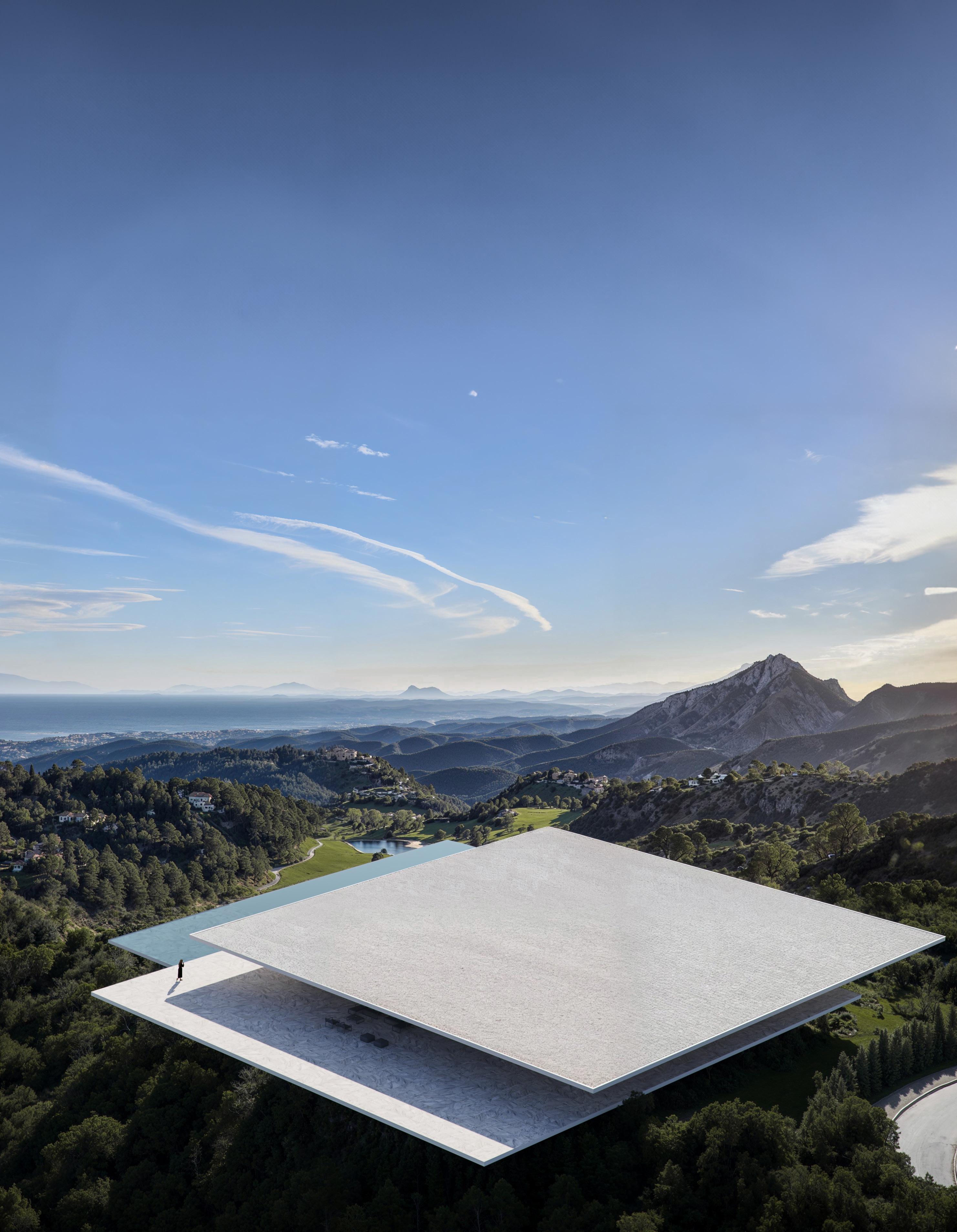
Villa Strato La Zagaleta
Istán – true Andalucía on the edge of Marbella
Marbella and the Costa del Sol are sometimes called the ‘California of Europe’ – an exciting, cosmopolitan place where you can get by in English and sometimes even forget you’re in Spain. Most people think that the real authentic Andalucía lies on the other side of steep mountain ranges, far from this coast. Little do they know that it begins on the very edge of Marbella.
One minute you’re on the beach, the Golden Mile, Puerto Banús or downtown Marbella and the next you can be in the middle of authentic Andalucía, surrounded by the peace of an endless nature reserve. Yes, it takes little more than five minutes to get to the Istán road, at the point where Nueva Andalucía and Nagüeles join and Marbella begins to give way to the countryside.
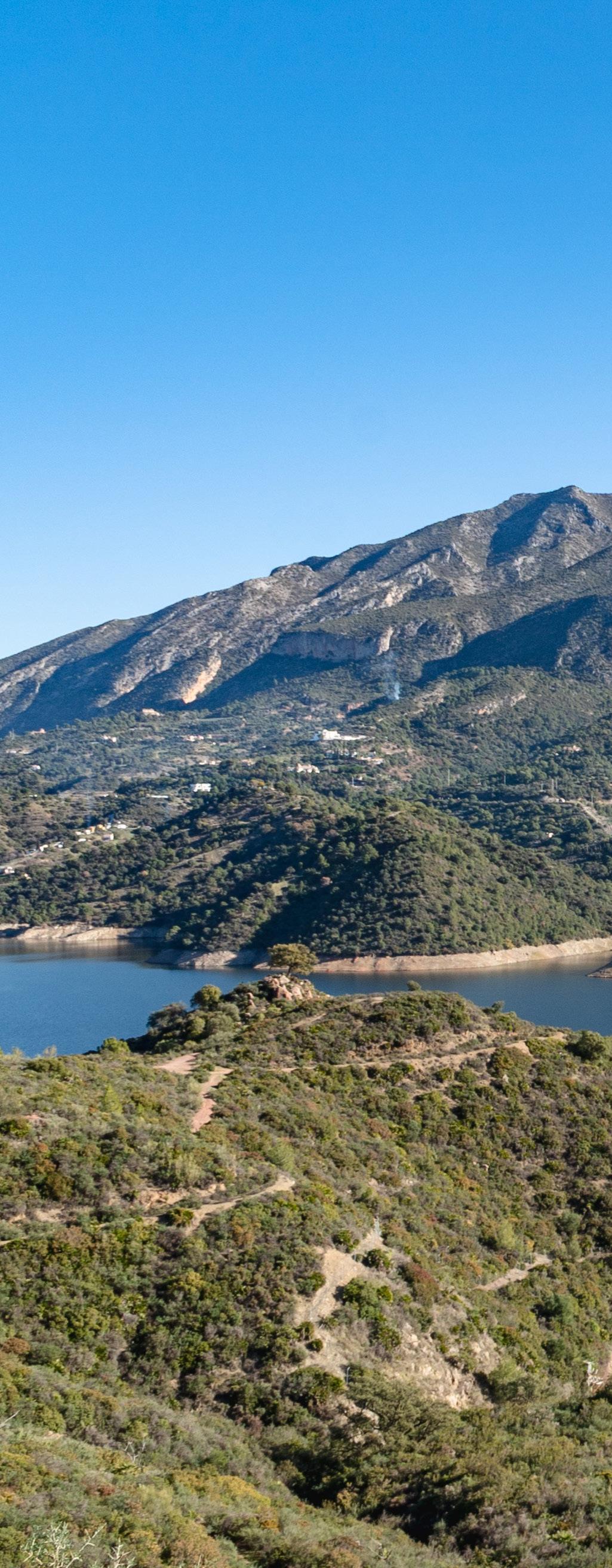
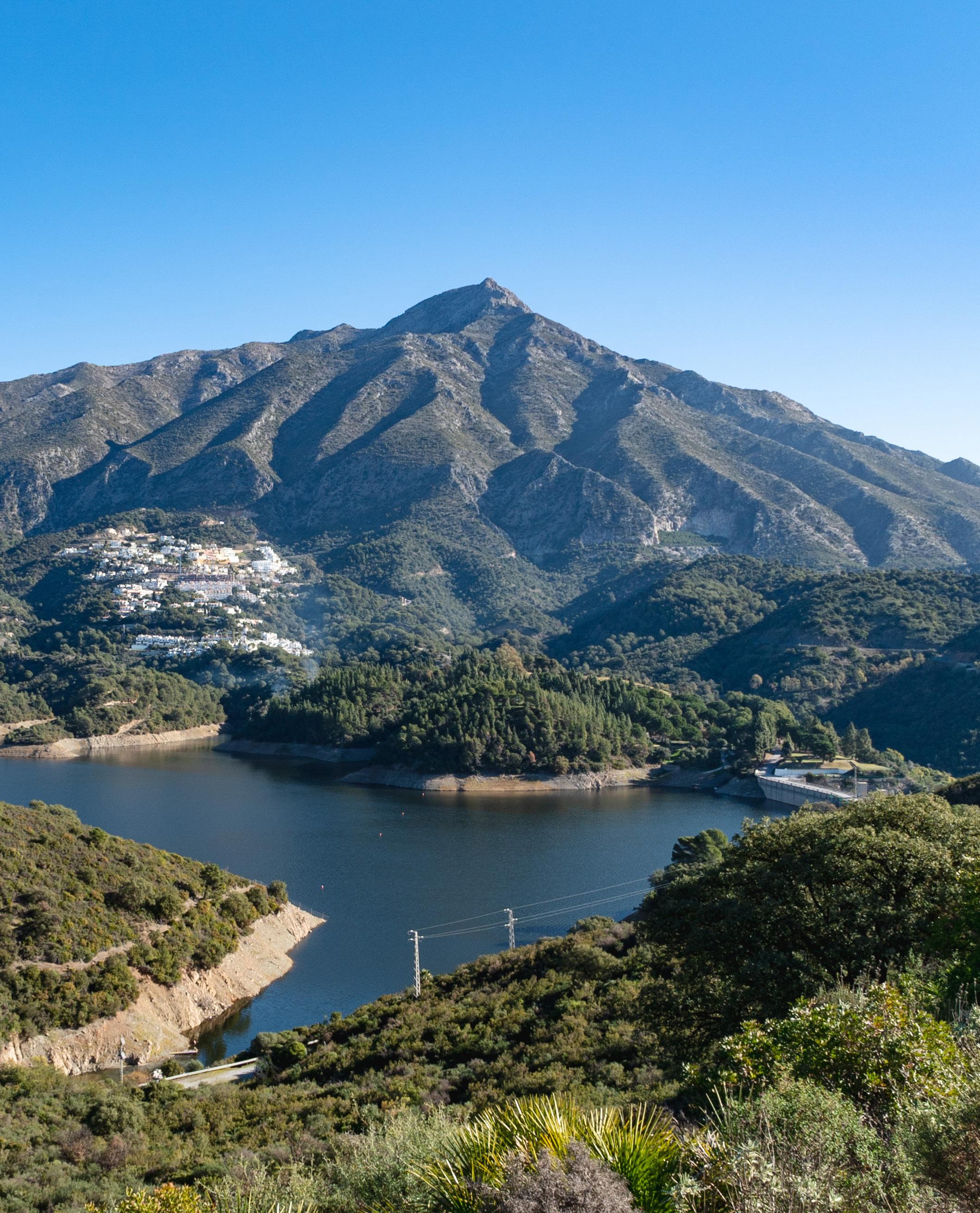
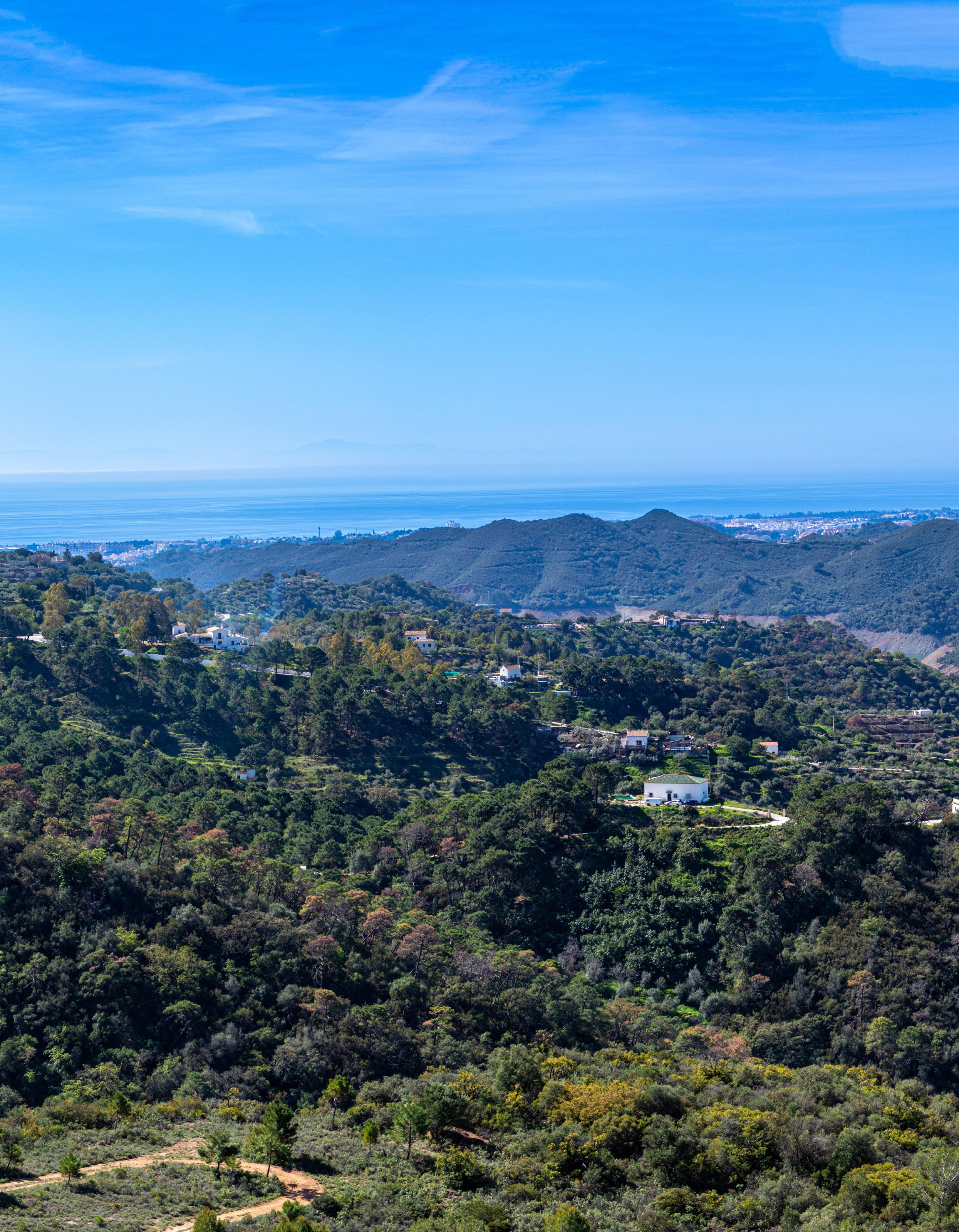
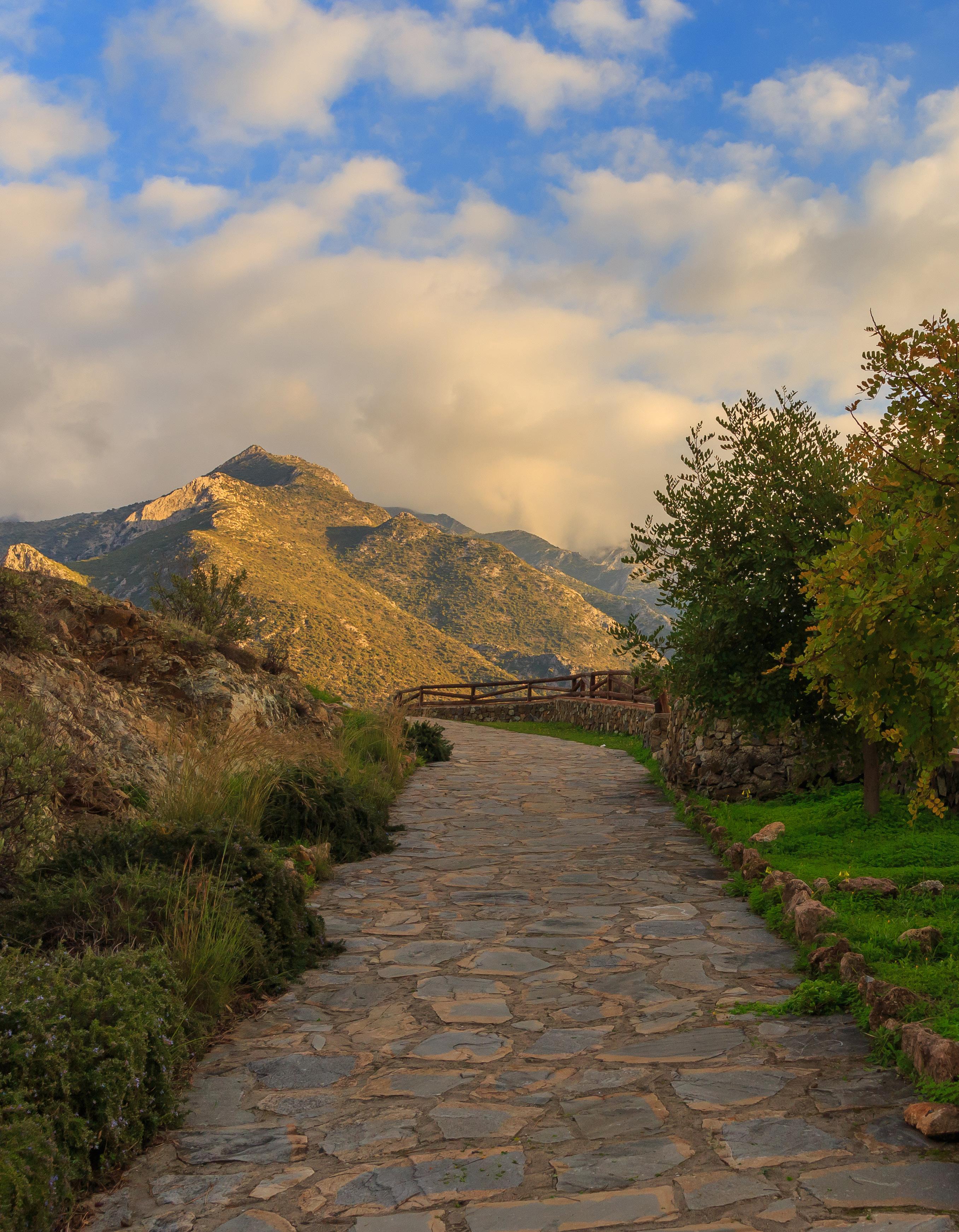
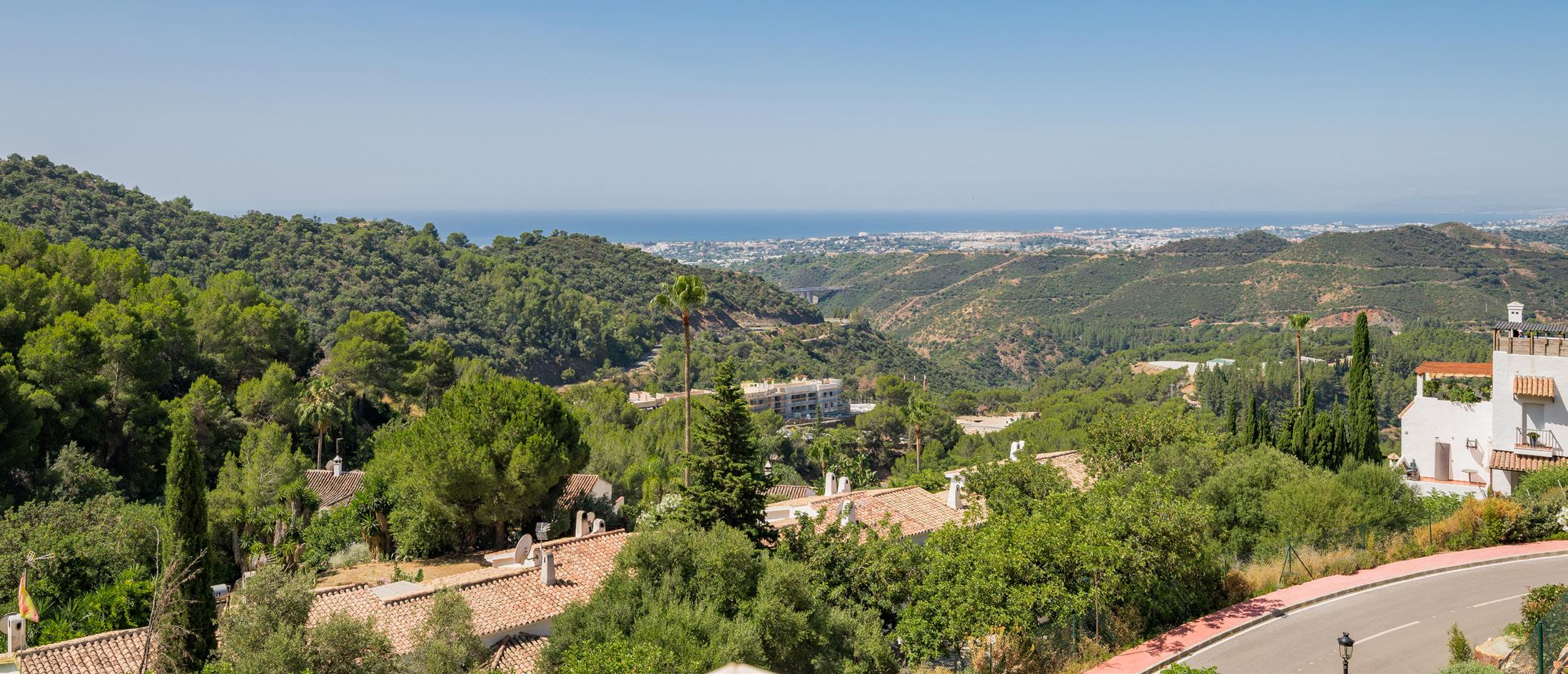
As you enter the road the western flank of La Concha Mountain follows you inland, dotted with luxurious villas and low-rise apartment complexes that share stunning views back across Marbella and the sea all the way to Gibraltar and North Africa. Another scenic feature seldom seen from other parts of town is the beautiful Istán Lake, which becomes visible from the road as the terrain rises gently.
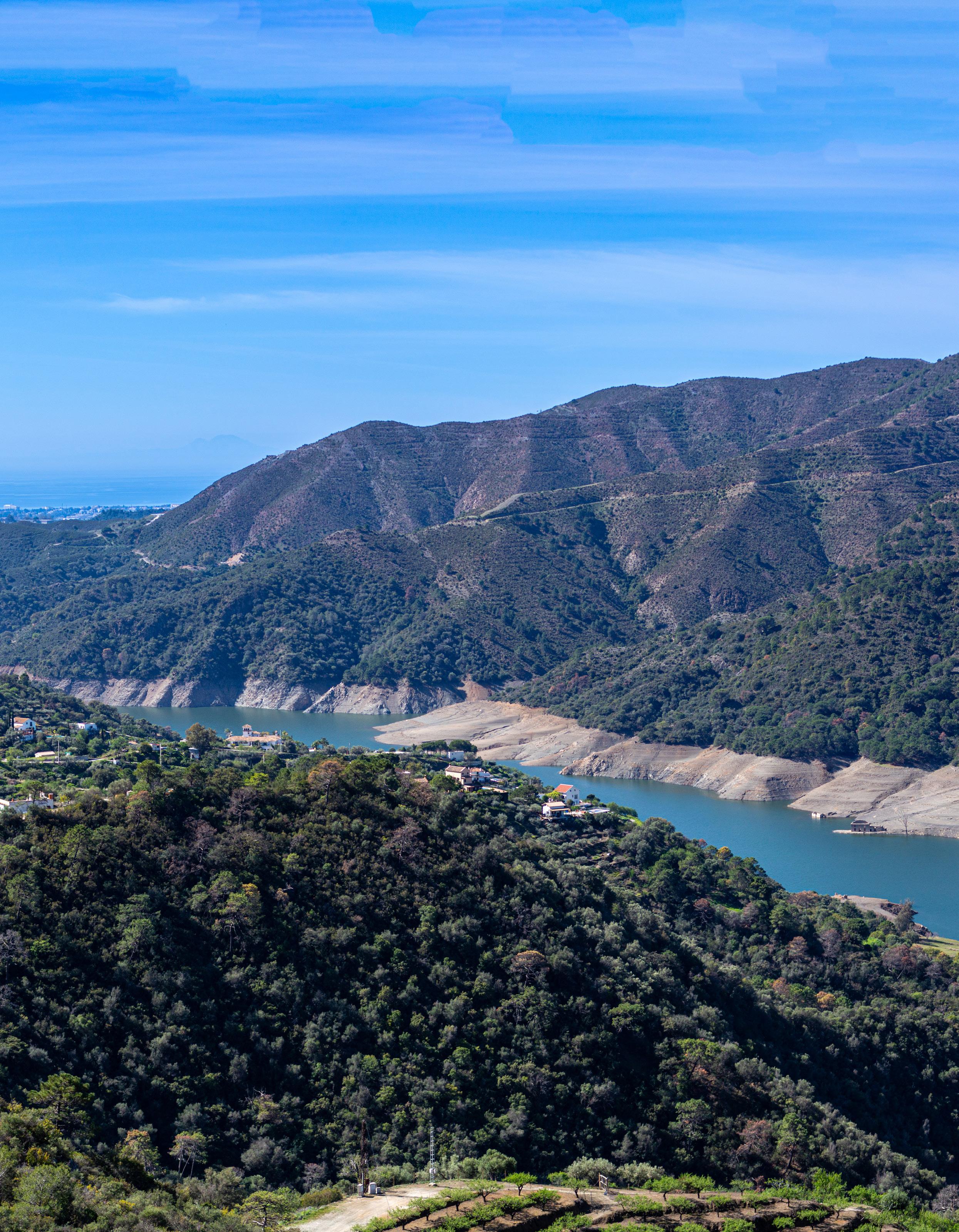
This large lake formed by the La Concepción reservoir is a visual delight and certainly a feature of life in what is one of Marbella’s prettiest residential areas, set a few minutes from the Golden Mile yet already on the edge of nature. Here eagles track your progress past the impressive Finca La Concepción, a large country estate that is a popular venue for major events ranging from elaborate weddings to company parties and even intimate concert performances.
15 minutes into nature
The properties and urbanisations grow scarcer as you continue inland, until you see the pretty little white village of Istán glistening amid the greenery in the summer sun. With little more than 1500 inhabitants it is a small but surprisingly authentic village, thanks in part to the fact that relatively few visitors make the 15-minute drive from Marbella to disturb its chilled rhythm of life.
All around this typically Spanish village is nature, ranging from green valleys and waterfalls to the mountainous ridges of the Sierra Blanca and the sea in the distance. The village also sits at the beginning of the Sierra de las Nieves, an extensive mountain range that spreads further inland from here and whose tall peaks are covered in winter snow. It is such an ecosystem treasure that it has been declared a UNESCO Biosphere Reserve and a protected wilderness full of wildlife.
You may even see mountain goats and chamois on the mountains as you follow some of the amazing hiking trails that set out in various directions from the village. They skirt the dam, head into the Pinsapo fir groves, down deep valleys, upland or even into the mountains themselves, linking up to a network of hiking trails that crisscross the various ranges of the Costa del Sol – and after a good day’s walking through nature there are few greater pleasures than to stroll through the picturesque cobbled streets of this charming village in search of a refreshing drink and meal.
Istán is a world away from the coast – a place of peace, natural beauty and a gentle rhythm that exists on the very edge of Marbella.
Life with a view
Marbella is known for its views but few take in mountain scenery, eagles soaring in the clear blue skies, green valleys, the Mediterranean Sea glistening in the distance and a spectacular lake stretching out before you. Yes, there is a large lake in Marbella.
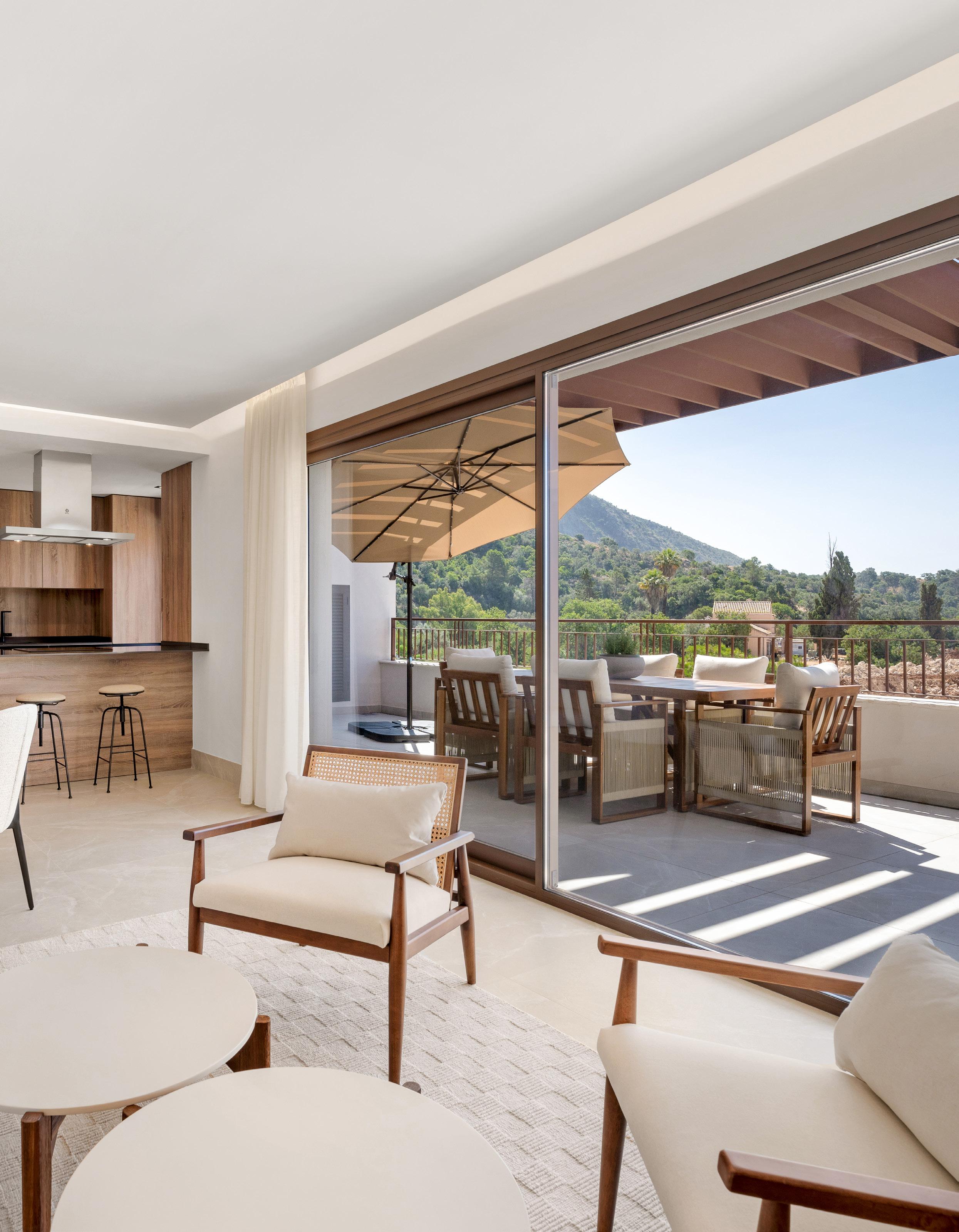
Standing on the terrace of the property that takes all of this in you feel like you’re in the countryside, surrounded by nature and stunning views, but in reality the home is located little more than five minutes from Marbella’s Golden Mile. Its peaceful, private setting within one of the greatest beauty spots in the region belies the central location from which you’re in Marbella, Puerto Banús and the golf courses of Nueva Andalucía within a question of minutes.
3 bedrooms
The exclusive hillside enclave overlooking the Istán Lake is a well-kept secret – a garden suburb that blends Marbella luxury with a gorgeous natural environment on the edge of the UNESCO nature reserve of the Sierra de las Nieves. Another well-kept treasure is the pretty village of Istán. Located just a few minutes away, it is the perfect spot for hiking, lunch or to stroll through its pretty cobbled streets.
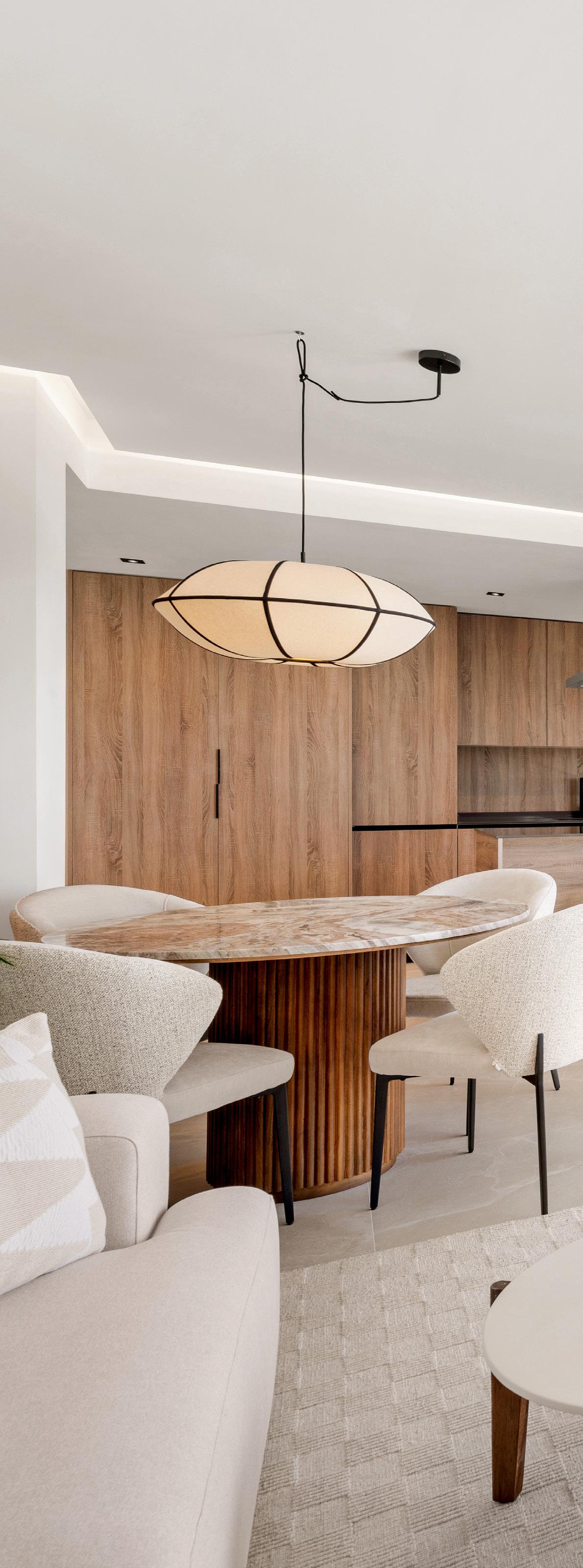
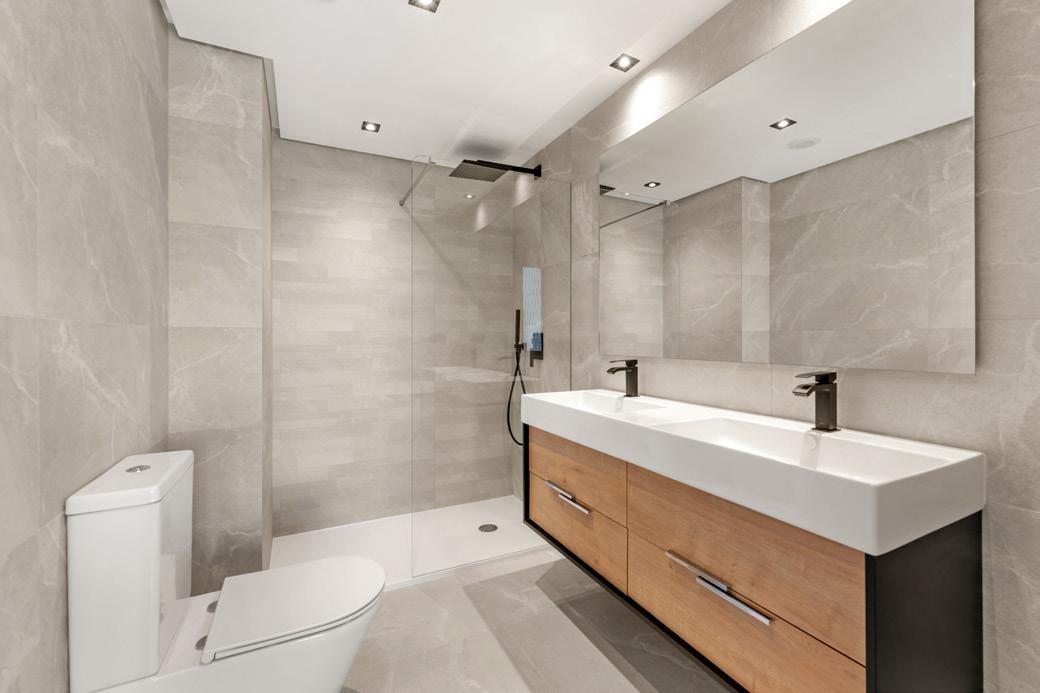
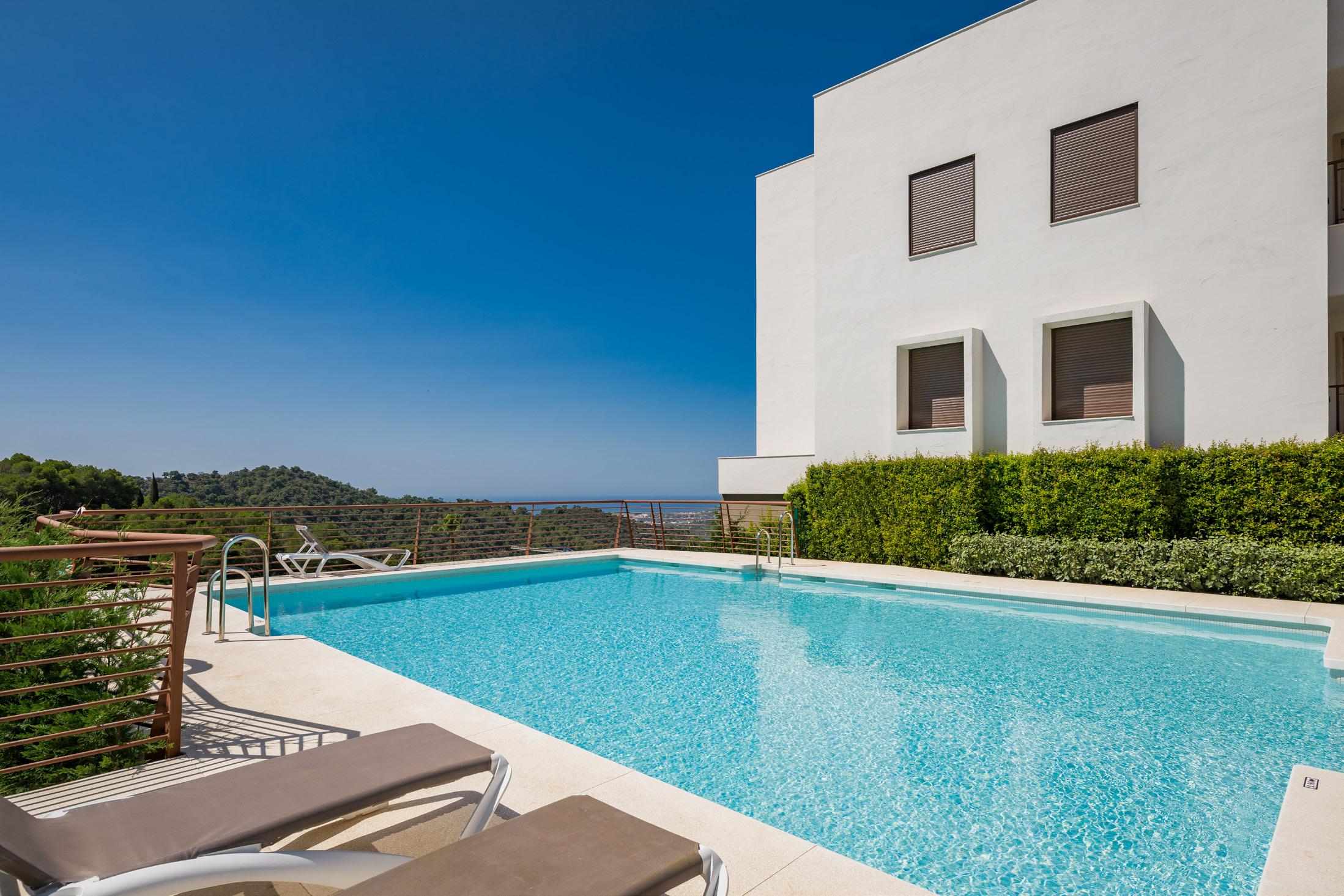
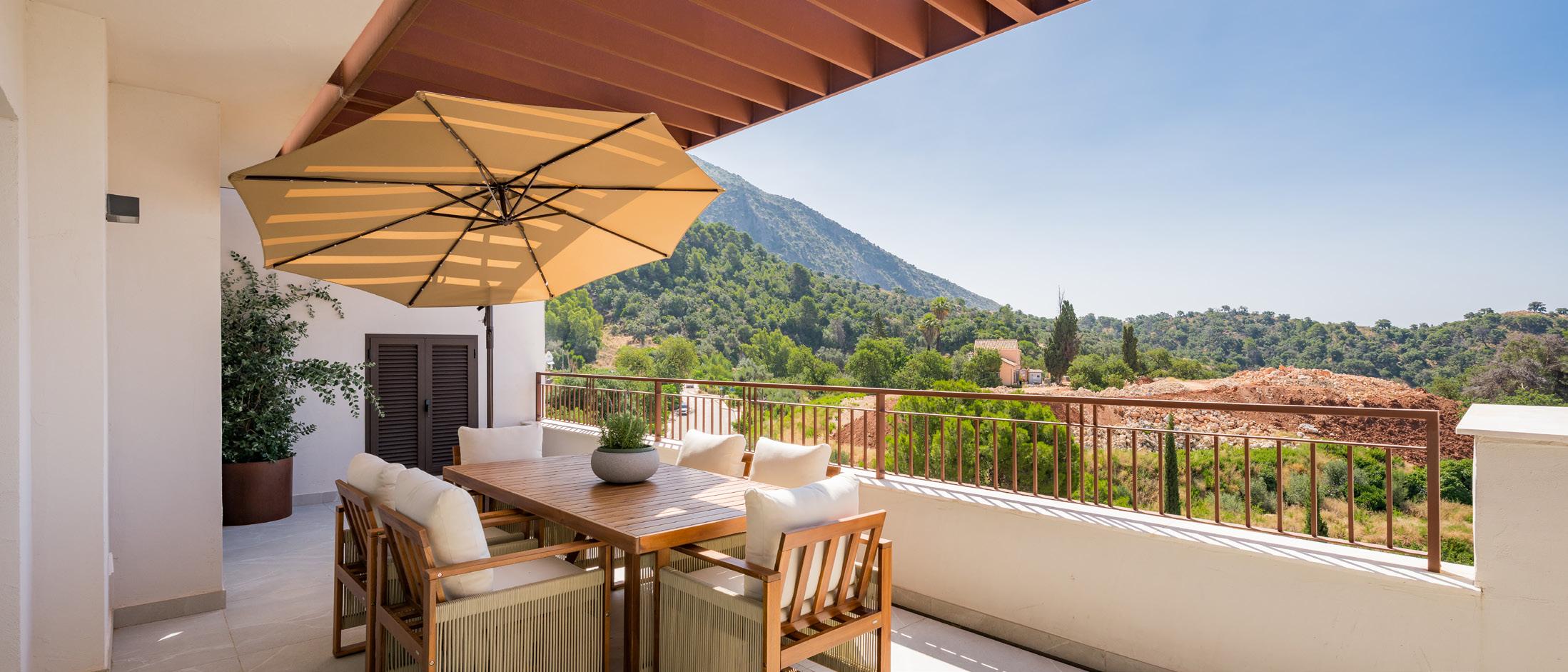
The three-bedroom duplex penthouse beautifully styled by Breathe interior designer Marta del Ganso is situated in the midst of this wonderful lifestyle setting that blends the best of Marbella with the Andalusian hinterland to produce a rare quality of life. The spacious contemporary home has tasteful, timeless décor with a natural feel thanks to quality materials.
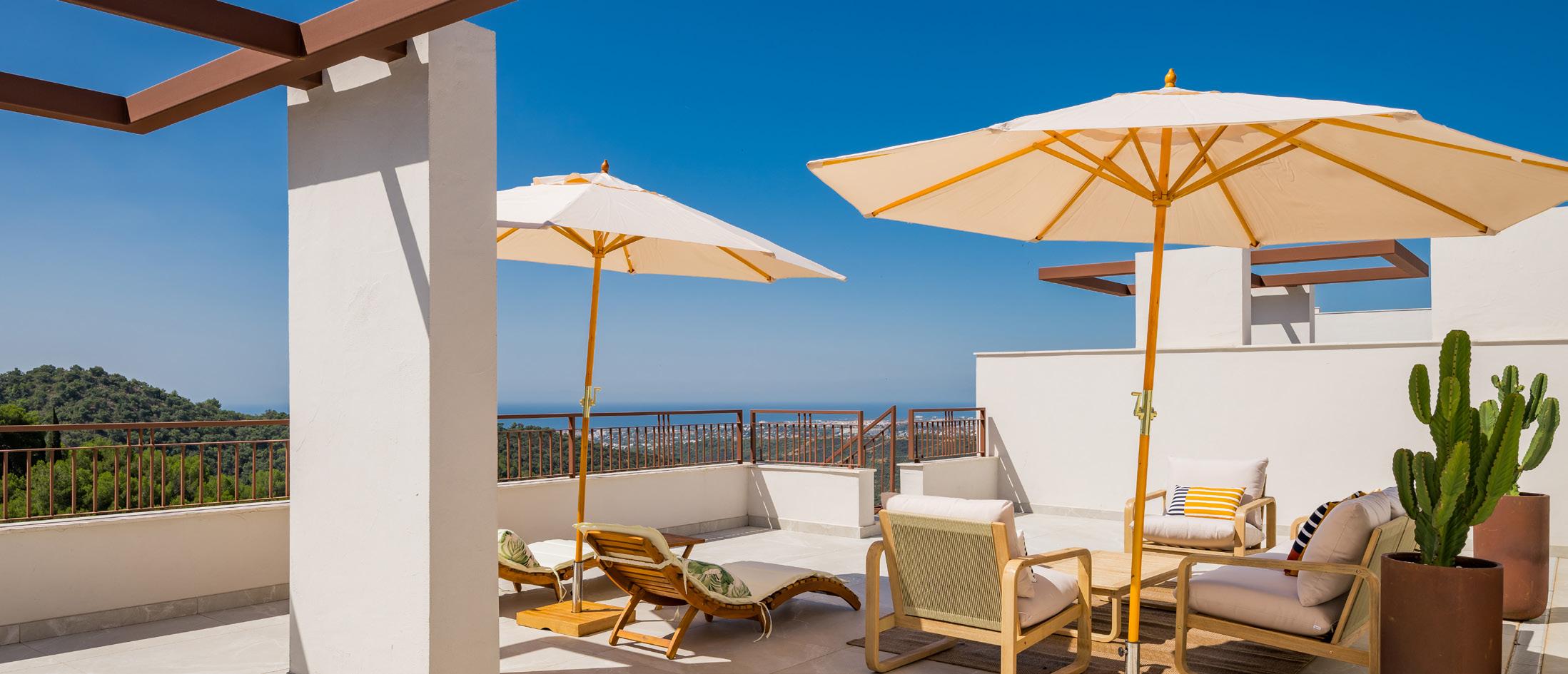
From its panoramic terrace some of the most inspiring views available in Marbella open up before you in a setting of tranquillity and peace within minutes of beaches and the downtown area. It’s the best of all worlds on the edge of the Golden Mile.
Architecture for a New Era
Architecture was born out of the need to create dwellings and a host of other buildings. Then it became about producing works of art that were beautiful, imposing or mostly just functional. Ranging from palaces to factories, architecture has now evolved to become more in touch with environmental realities and human needs. This is the architecture for a new era.
Aesthetic movements come and go in design, but sometimes they find form around a higher purpose, and that is where architecture is headed now. The latest big trend in the world of design is therefore not so much the design philosophy nor even the technology that continues to revolutionise construction but in reality it is the application of all that know-how – human and technological – to create homes, buildings and cities that are actually designed to make us healthier, happier, sociable and also in greater harmony with the natural world.
Caroline Badran
Spaces that heal
The modern science of wellbeing architecture functions both on the macro and the micro scale, ranging from homes, interiors and gardens that make you feel good to complexes, workspaces, public areas and entire suburbs and towns that promote safety, social contact and wellbeing. In other words, designs that enhance a sense of society while also making each home a private haven of peace and pleasure. For those who believe this is a little bit soft just think how much our homes, workspaces, towns and even the places where we exercise, relax, shop and travel through affect our everyday state of mind. Now imagine how much better we could make it.
Living surrounded by space, beauty and greenery obviously has a positive impact on how you feel and ultimately even on your health. Light – both natural and ambient – as well as views and the layout of a building all have a role to play in this. Attractive colours, tones and textures add to the sense of wellbeing created, in which people tend to sleep, rest and relax better while also being more active, creative and productive. For this reason, Architecture for Wellbeing dedicates itself to creating spaces for living, working and leisure that are aligned with human biological and psychological needs. A reference point in this is the International WELL Building Institute and its WELL Building Standard – a methodology that measures the standard of factors such as light, air, water and comfort in an architectural design
William Reis @Unsplash
Tricks of the trade
A building that flows with the changing light of the day and night will create just the right mood. Large windows play a role in this process, which affects both your waking/working hours and improves good sleep, reducing fatigue and stress. Another important element is air quality, which depends on proper ventilation, access to fresh outdoor breezes and not becoming dependent on too much air conditioning and heating. Modern buildings should of course also avoid any toxic materials or emissions and provide proper insulation, including also acoustic comfort through the use of sound absorbing materials. This is especially important in workspaces and bedrooms.
The materials, colours and distribution of spaces used in a building should be uplifting, as they greatly affect one’s state of mind. Pleasant smells can add to this sensory experience, but perhaps the most inspiring of all is access to nature, be it in the form of views, gardens, patios, water features or even just
flowers. They are proven to reduce stress and anxiety levels, lower blood pressure and improve a sense of wellness, harmony, positivity and yes, productivity and creativity, in everything we do, whether it is relaxing, socialising or working. This results in improved learning at schools and colleges, better recuperation at hospitals and clinics, happier offices and homes, as well as more people-friendly corporate and public buildings.
As technology adds more tools and a better understanding of what affects us and how, Wellbeing Architecture will continue to refine itself and grow in importance until it becomes one of the central tenets of design, engineering and construction – all built around enhancing the human experience and its harmonious interaction with nature. That certainly is something to look forward to – perhaps the most important architectural trend of all time.
Clay Banks @Unsplash
Lefteris Kallergis @Unsplash
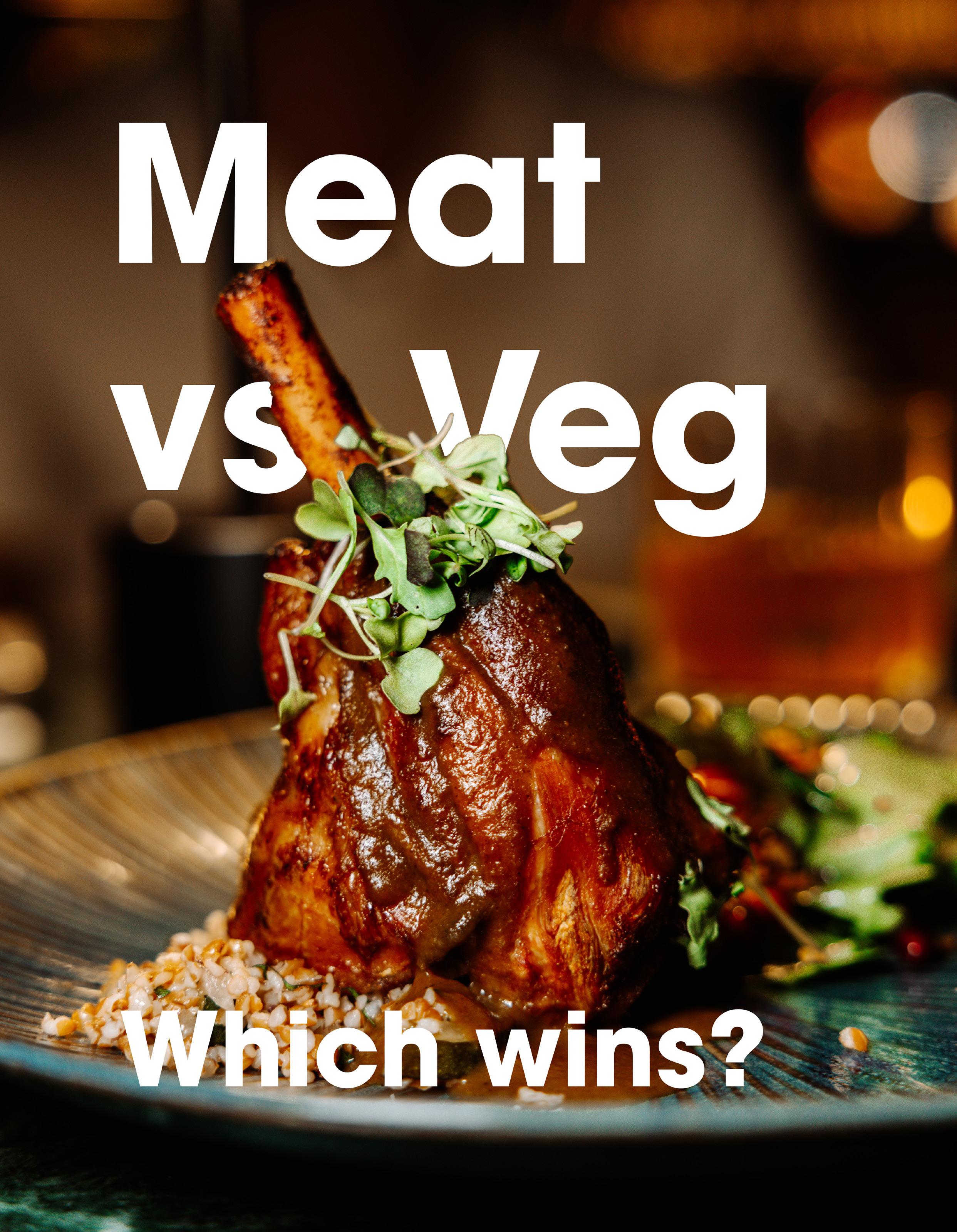
Like Marmite, the debate between vegetarians and meat lovers is one that seldom produces consensus, but which one is actually healthier and which more environmentally sensible?
Whatever the actual facts and figures behind the longstanding debate between meat and veg turn out to be, they are unlikely to resolve the matter for once and all. Why? Because the two camps are so passionate about their respective positions that they won’t be swayed by factual arguments, and that’s alright as this ultimately is still all about a personal preference and lifestyle choice.
Some perspective
To really understand the background of this issue it helps to have some historical perspective. You see, we come from a long tradition of happy carnivores. There may be some variations in different parts of the world – with the likes of Argentina and the USA erring on the meat-heavy side and Asian countries such as India veering more towards vegetables – but on the whole humans have always been real omnivores (consumers of both meat and veg).
Modern day vegetarian activists will try to convince you that it’s all a fallacy. That we’re not built to digest meat, and while it is true that especially red meats such as beef can be hard on your gut the reality is that we’ve been consuming meat since the beginning. Remember that our prehistoric ancestors both collected fruit and berries as well as hunted game, and that didn’t change when people started farming. By then, animals had been domesticated in a way that has largely continued to the present day.
A new wave
Even in recent times, people were big time consumers of meat even though the vegetarian movement had been around for quite a while. In fact, not too long ago food brands and restaurants were still applying the bulk concept of encouraging us to consume large quantities of everything, including meat. This was no doubt done to increase their revenue further but the narrative has begun to change over the past decade or so, as the authorities began to tie meat consumption to environmental damage and climate change.
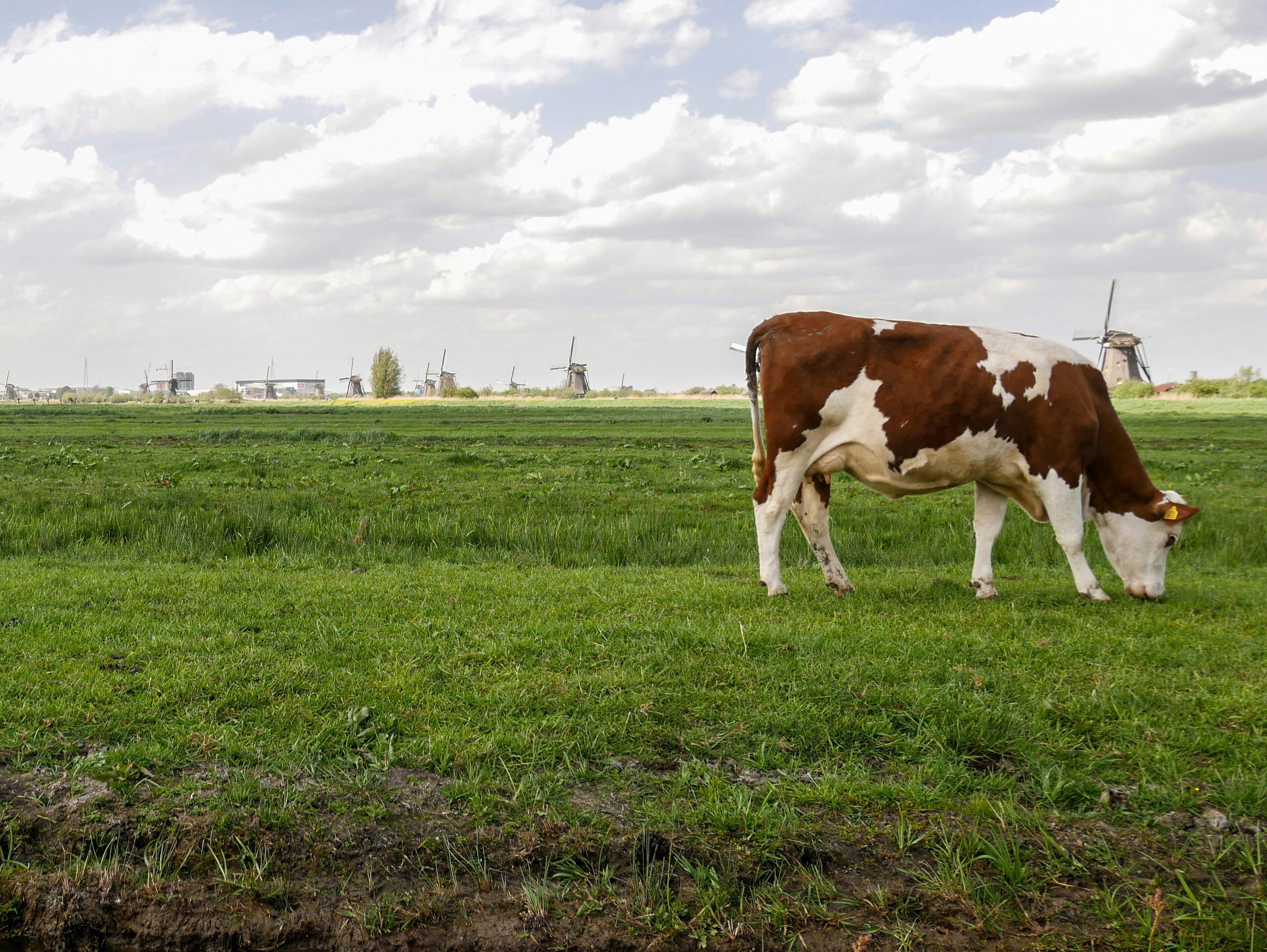
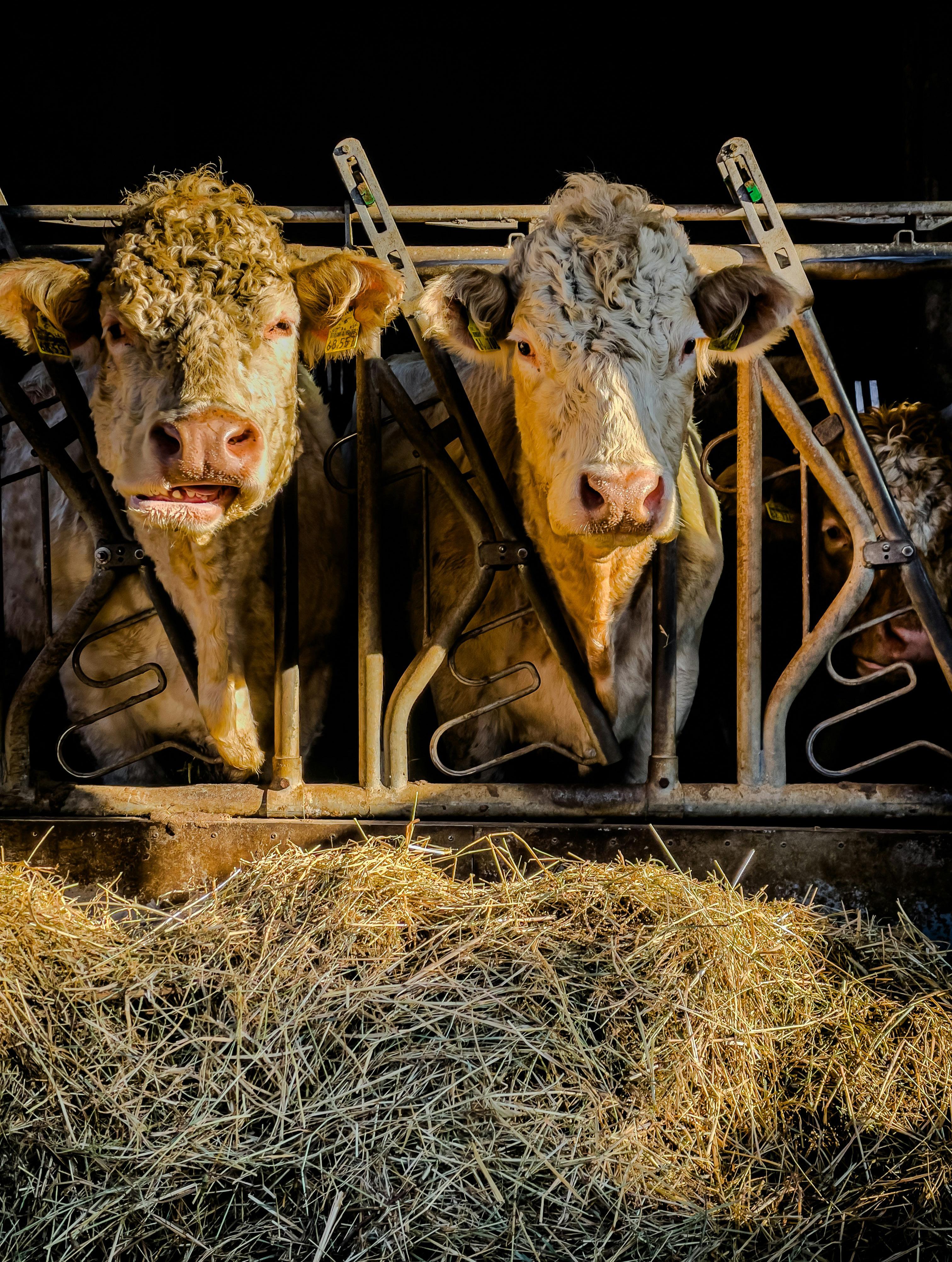
Suddenly cows in particular were among the main culprits of climate change, right up there with cars and aeroplanes. Forget about the fact that the world’s population has been growing by around 80 million a year for decades on end, now our belching, farting, grazing friends were almost singlehandedly responsible for the earth’s environmental decline. Of course it is true that meat consumption had got out of hand and that entire forests were cleared to satisfy this demand, but maybe the solution lies in moderation, not abolition.
Marisol Benitez @Unsplash
The facts
Comparing the environmental impact of meat production versus that of arable farming it is undeniable that especially beef comes at a cost when produced on a large scale. Quite apart from the belching and farting, cows require a large amount of land on which to graze, and this has led to massive deforestation. The process that leads from the grazing via the factory to your plate also consumes more water and energy, so the carbon footprint of even lighter meats such as pork and poultry is higher than that of cereals, vegetables and fruit.
Arable farming can be more concentrated, meaning less land and fewer resources are needed and the carbon footprint – i.e. contribution to global warming – is less pronounced. One kilogram of beef therefore produces more than ten times as much carbon dioxide than one kilo of beans, but it’s not all cut and dried either, as not all vegetarian foods are really that sustainable either. Examples are fruits and other produce transported around the world, such as outof-season ones flown in to satisfy demand.
Which is healthier?
So, if vegetarian food puts less strain on the earth’s resources than meat, which is the better option in terms of health? Again, vegetables tend to be the better option yet the picture is not black and white. Meat – especially beef – is hard to digest and can cause health problems if consumed in large quantities, but this doesn’t mean to say that a purely vegetarian or vegan diet is naturally the best option for everyone. Some people need meat to keep up their strength while others are intolerant to large quantities of greens or cereals.
The exact answer differs for each person and at different times of their lives, but generally we can draw the conclusion that both for health and the environment you 1) shouldn’t eat too much meat, but 2) don’t have to become fully vegetarian to make a difference and create the kind of eating habits that will boost your wellbeing and health. What’s good for the planet tends to be good for us, so let’s apply some wisdom and allow each individual to steer a middle path of their own.
Daniela Paola @Unsplash
Bernd Dittrich @Unsplash
Water gives life, so we use it well
This winter brought the greatest rainfall this region has seen in a generation. The countryside is green, the gardens happy and the dams full, but not so long ago it was a different story.
It is easy to forget, after the wettest winter in decades, that just over a year ago we were suffering from the driest spell in years, with barely a drop falling over a period of 18 months. It may be hard to imagine right now, but for much of 2024 the entire region was parched, with water so scarce that its supply was cut off between midnight and 6hrs, which meant no late night or early morning showers, cooking or even coffees if the kettle happened to be empty.
The drought was so intense that, not knowing when rain was finally going to fall again, people began to despair. Humans can take a lot, but not knowing gnaws, and so people began looking into the future and ways of securing our water supply even during periods without rainfall. Until that is put into motion we will have to be efficient in our use of precious water – even at a time like this when we seem to be basking in it. Memories are notoriously short, and there is no way of knowing when the next drought will come around, so it is best to be prepared.
Pritindra Das @Unsplash
Nathalie Spehner @Unsplash
A commitment to nature
Breathe has always had this philosophy, so we’ve been putting our lofty ideals into practice right from the start, or even before, when the building and its infrastructure were still being planned. We wanted Breathe to be as sustainable as possible, so we created a venue that is energy efficient, full of natural greenery and also worked hard to ensure the operational side of the business is as environment and people-friendly as possible.
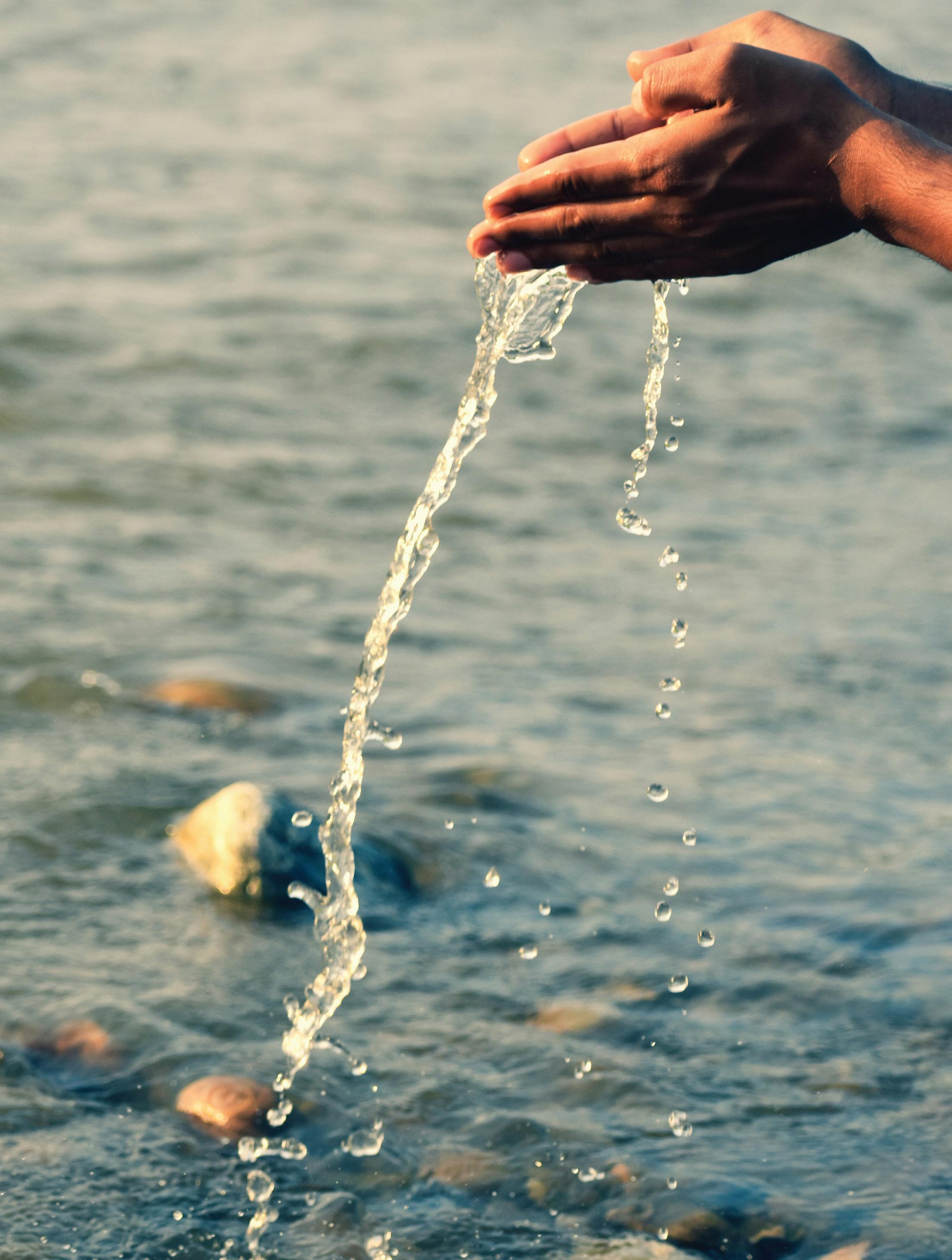
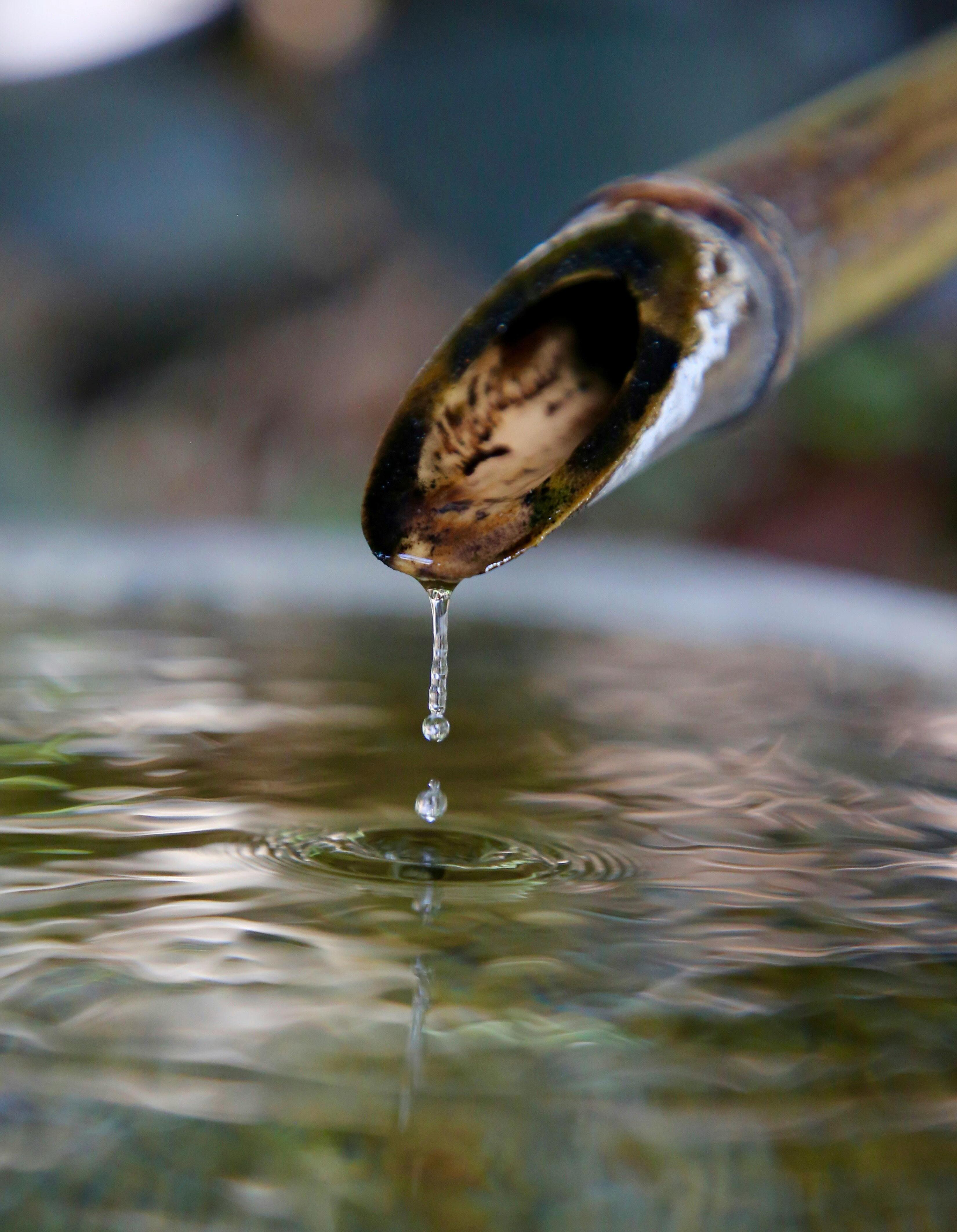
One of the key elements of this is the use of water. Normally our terrace containing 8000 plants would consume thousands of litres of water per year but as we catch rainwater that would otherwise just be lost there is virtually no impact on the overall water supply in the area. Breathe collects rainfall water and channels it into reservoirs where it is used to irrigate our terrace garden and keep it looking fresh and beautiful.
The system also uses an advanced process of storage that keeps the water from going brackish, enabling us to provide in excess of 100.000 litres a year without drawing on external sources. It is just one of the ways we try to remain in balance with our natural environment and contribute to the efficient use of vital resources.
Aribah Nuur @Unsplash
Sebastiâo Salgado
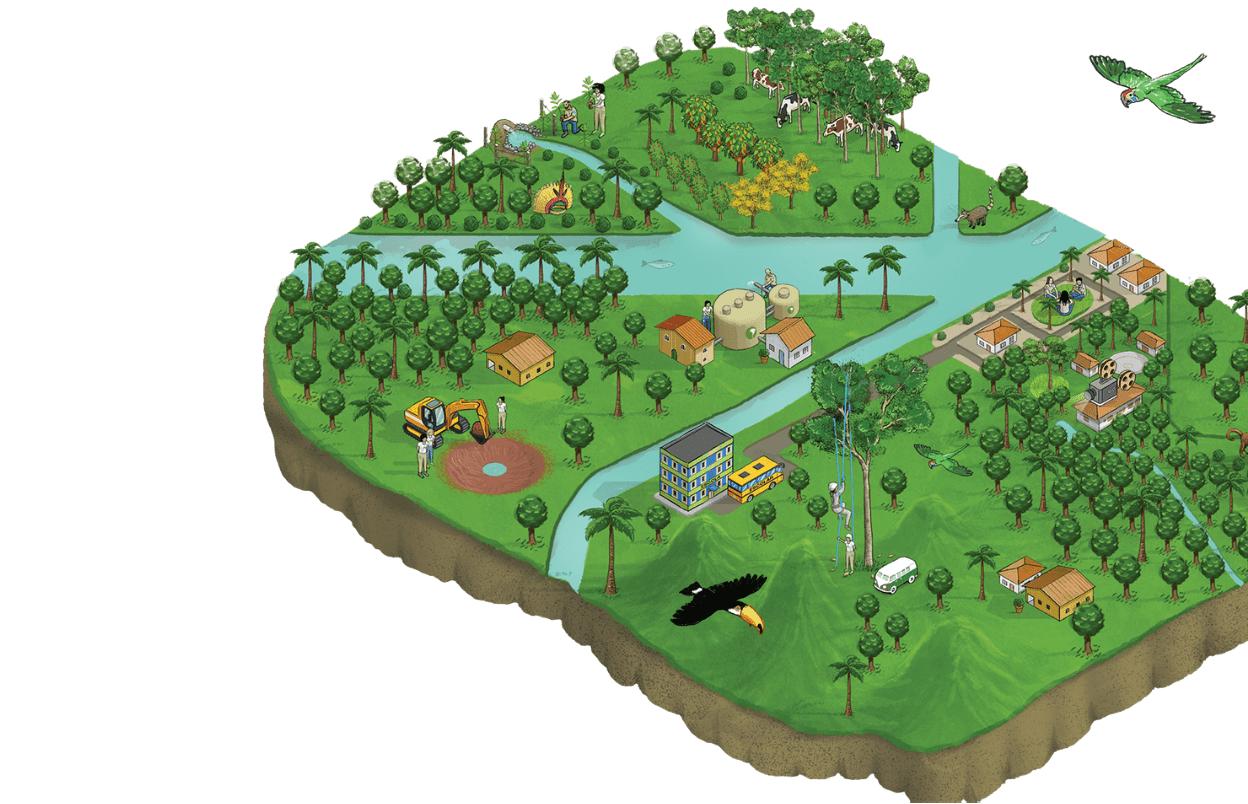
Creating a Forest
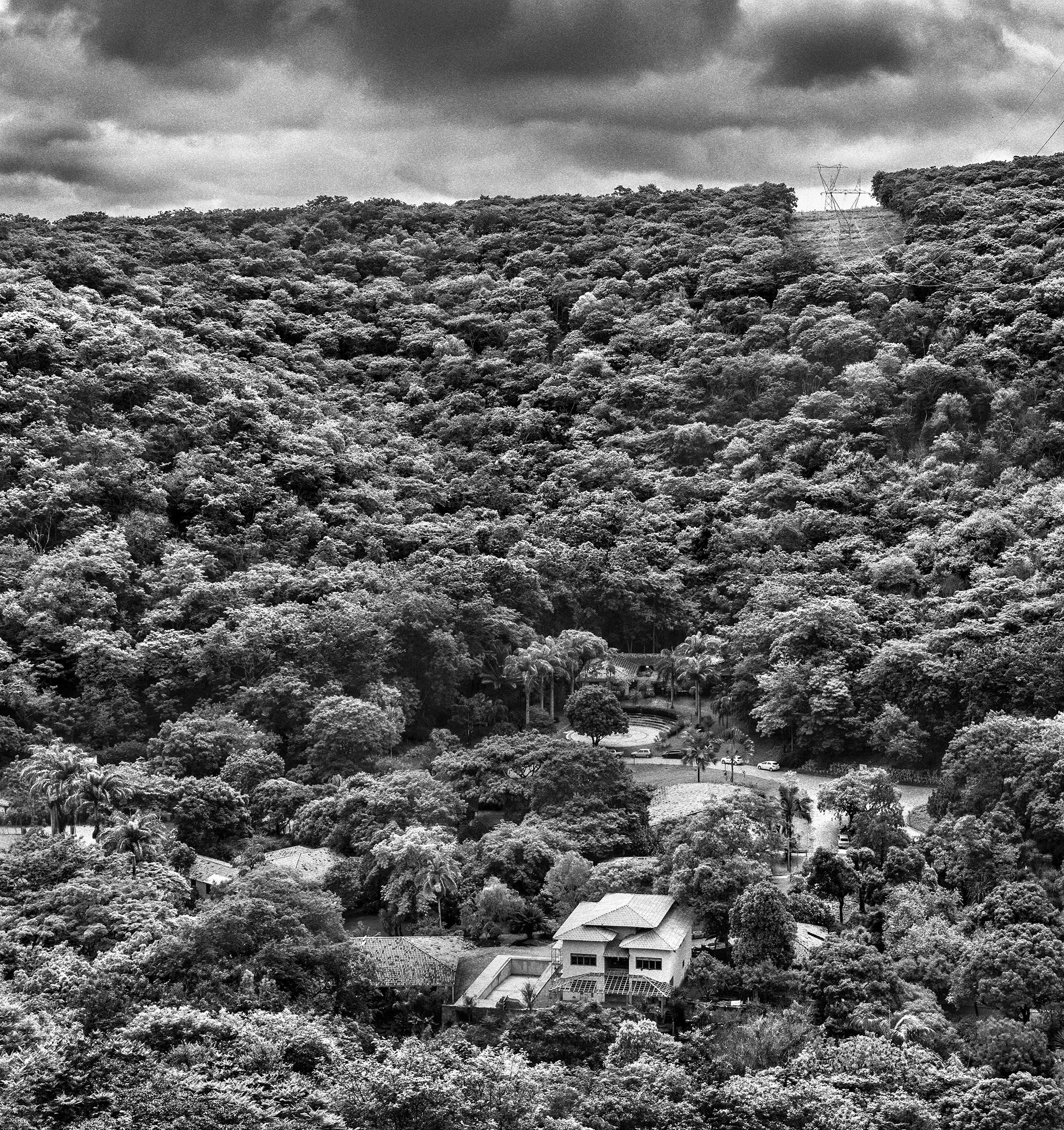
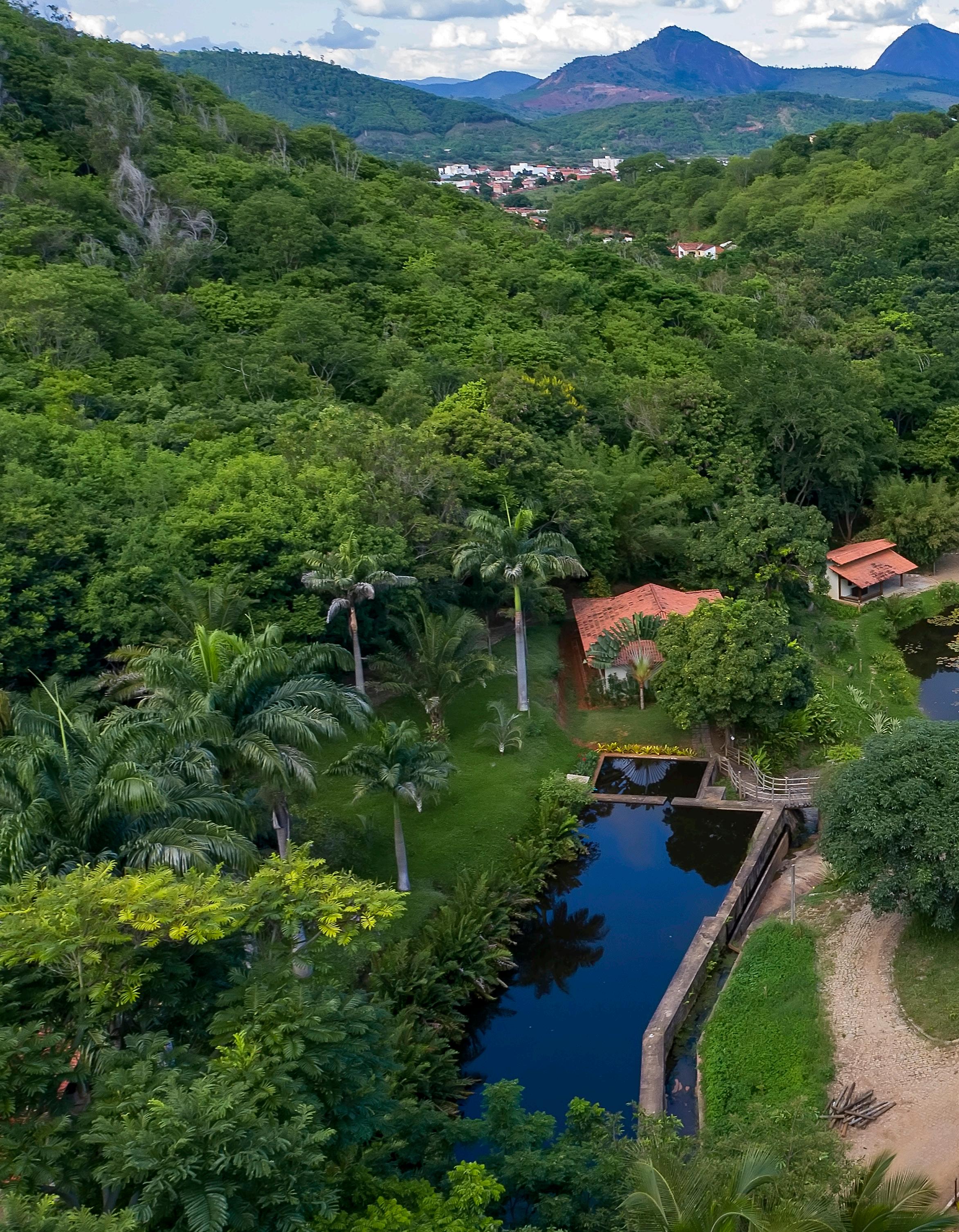
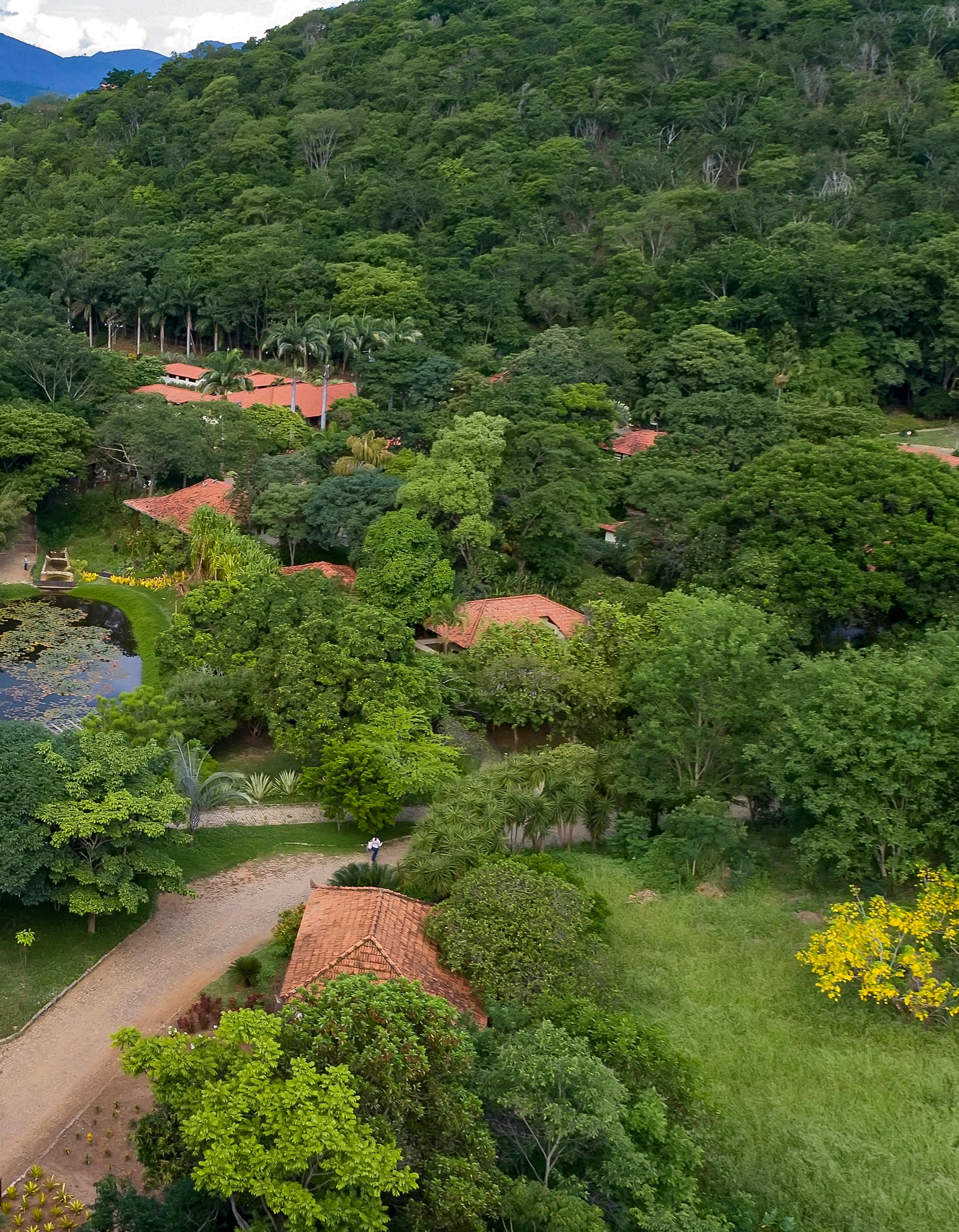
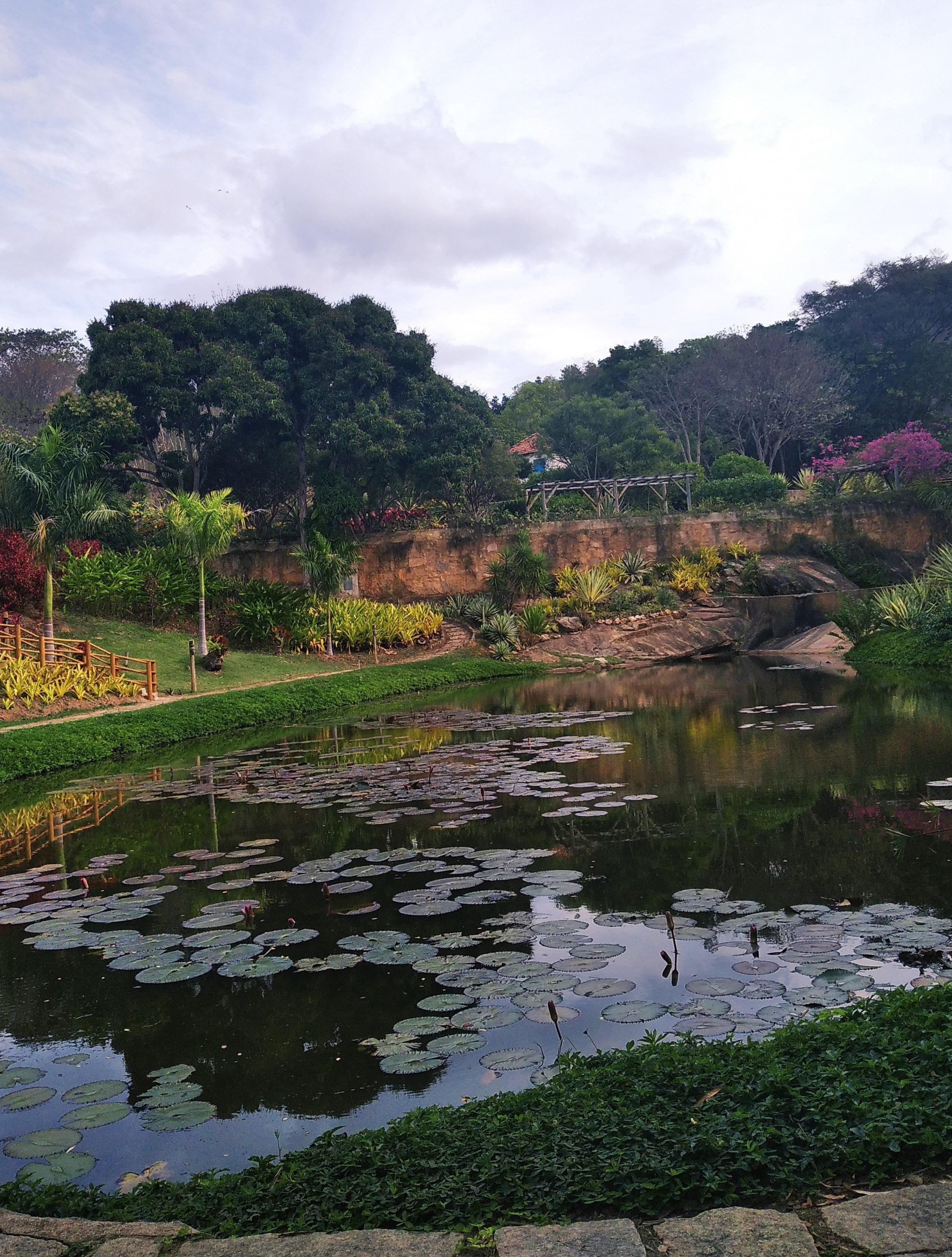
There are some among us who are inspired not just to lament situations but actually roll up their sleeves and create solutions themselves. This is how individuals can make a big change in the world, and awardwinning Brazilian photographer and conservationist Sebastiâo Ribeiro Salgado Júnior and his wife Lélia Deluiz Wanick Salgado are fine examples.
Born in the midst of the Brazilian countryside in 1944, Sebastiâo Salgado grew up surrounded by the deep green of the Brazilian fields and forests. He graduated in economics and as a young man worked for the International Coffee Organization, where the first of his many travels around the world began, including many missions to Africa on behalf of the World Bank. It was during these visits that he began to explore his interest in photography, discovering a talent and a passion that would see him switch careers and become a fulltime professional photojournalist and social documentary photographer before he turned 30.
Instituto Terra @Wikimedia Commons
Back in the early seventies, when he entered the field, environmentalism was sacrificed on the altar of economic growth and conservationism was limited to a handful of brave individuals trying to save animal species from extinction. Sebastiâo witnessed and documented the destruction of living environments across the 120 countries he visited over the decades, creating a haunting mirror of man’s ‘war on the natural world’. The world was impressed, and humbled, and the passionate chronicler would receive many an award and accolade from prestigious international organisations, including becoming a UNICEF Goodwill Ambassador, but he knew that raising awareness alone was not enough to make a true difference.
Sebastiâo Salgado’s work, which encompassed people as well as nature, has appeared in books, museums and exhibitions around the globe, but he returned his attention to his own homeland to embark upon what was to be the most ambitious project of his career, and the lasting legacy by which he is remembered. Together with his wife Lélia Wanick Salgado and later his son Juliano Ribeiro Salgado, he founded the photo agency Amazonas Images after having photographed large tracts of the world, including the forest, animals and people of the Amazon. In 2014 he was the subject of a documentary film directed by renowned film maker Wim Wenders, but it is for his conservation work that the famous photographer will above all be remembered.
Instituto Terra @Wikimedia Commons
Bringing life back to nature
Salgado was inspired by the destruction he witnessed over so many years to take direct action and together with his wife begin the reforestation of a large tract of land in Brazil named Fazenda Bulcâo, whose almost 7000 hectares they took from almost treeless in the 1990s to covered in the rare Atlantic Forest that forms such a precious natural resource of Brazil. The initiative, which has brought an entire section of countryside back to life and greatly revived the ecosystem of the region, brought him many more awards and accolades, and it is this achievement which he bequeathed to his motherland that will be the lasting legacy of a family dedicated to bringing our natural world back to health.
www.institutoterra.org
Instituto Terra @Wikimedia Commons
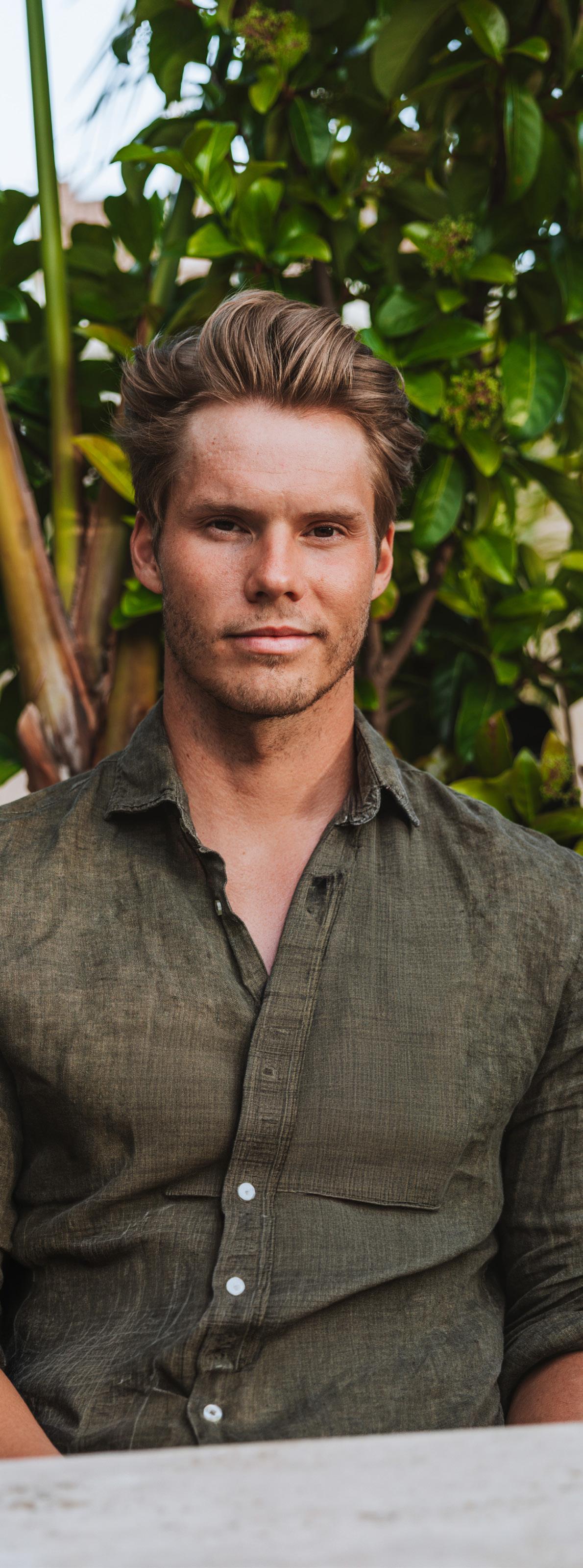
Jonathan Johansson it’s all about balance
We featured Jonathan in the second edition of the magazine, not long after he came to Marbella. In this issue, we catch up with the young entrepreneur who has since become a prominent member of the Breathe community.
Jonathan Johansson is a fine example of what our Breathe community is all about: a young entrepreneur who balances career ambition with quality of life, health and wanting to do something that gives him a sense of purpose and satisfaction. During our first interview, he had recently come to Marbella for its climate, lifestyle facilities and lively social vibe. “I loved the fact that people come here from so many different parts of the world but share an ambition to enjoy life to the full.”
Since then, Jonathan has come to love this region, developing his business further while consciously focusing on health and lifestyle. “One of the things I appreciate most about Marbella is that I genuinely enjoy my everyday life here. I think I’ve really found a rhythm over the past few years, and it typically revolves around a combination of work, training, good food and time with friends. The environment makes it easy to build a routine that feels both productive and energizing, and that’s really the best gift Marbella has to offer.”
He refers not only to the weather and the great variety of gyms, sports facilities and leisure opportunities in the area but also the amazing nature. “When you live between the sea and mountains, with the sun shining most of the time, life can be very simple, and good. Compared to the Nordic countries, where I also spend time, you simply get more out of each day here. The climate allows you to be out more, train, meet people and do so almost the whole year round.”
Energy and mindset
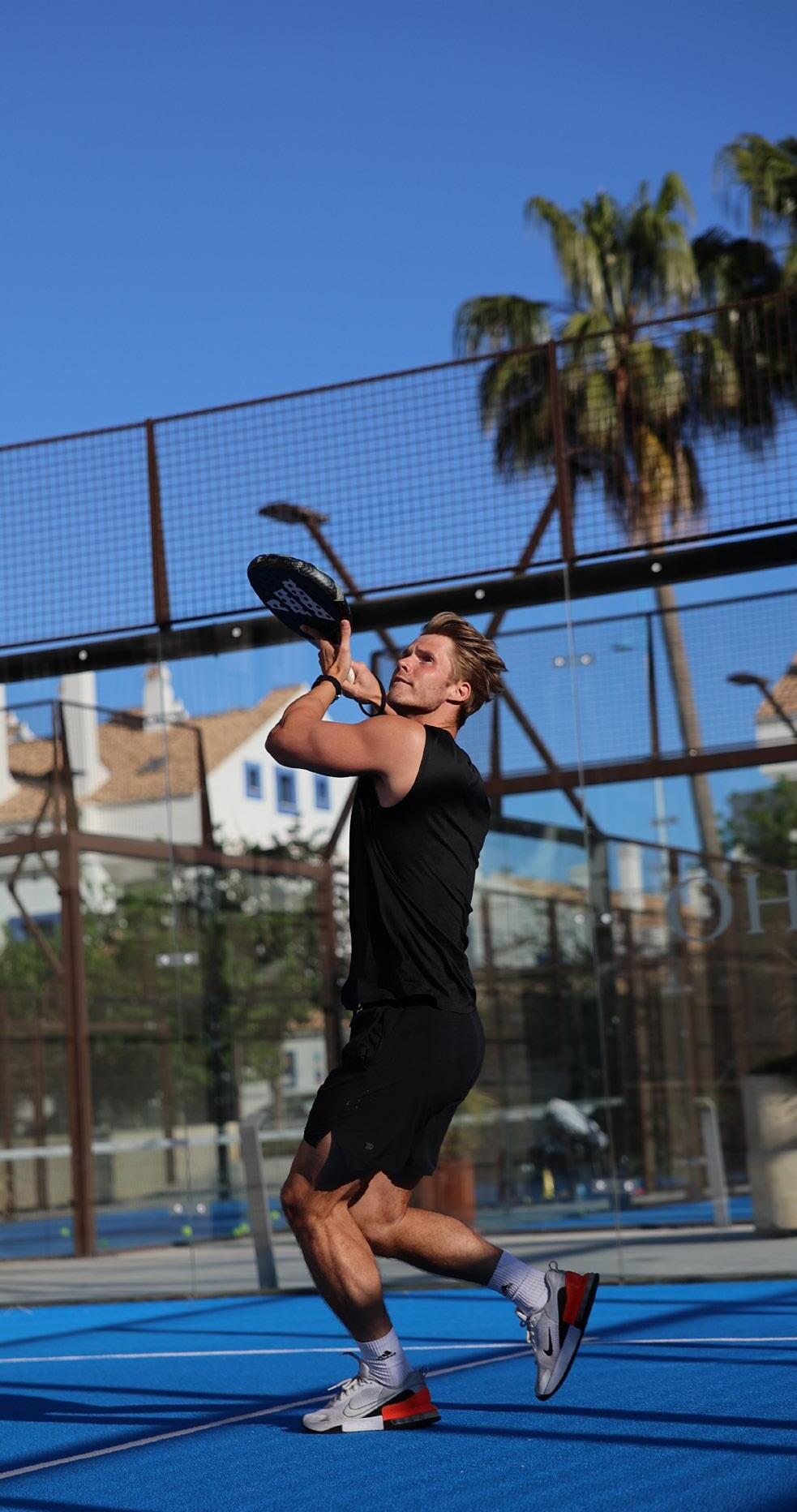
Like many who have settled here, Jonathan finds this part of the world energising and fantastic from a mindset perspective. “Health is a big part of my routine here. I train, play sport and also eat in a healthy way, it’s all become part of my everyday life. I’ve recently started working with a private coach in something called the DeRose Method, which concentrates on breathing techniques, meditation, physical postures and behavioural philosophy. Through padel I combine exercise and socialising, and it’s also an excellent way to develop your concentration. Intermittent fasting keeps me very focused and productive in the morning and in general I apply the 80/20 rule of healthy habits and indulging in a little of what you enjoy.”
Another part of life here that he has come to love is the international community of likeminded people he belongs to. “It’s very interesting. There are people from different parts of the world, athletes, entrepreneurs, creatives, investors and people who build online businesses like I do. The flow of interaction here is very easy and natural because this is such an interactive, social place. Málaga is becoming more of a tech hub with young talent and I think eventually the economy will diversify into something of a ‘Costa del Tech’, which can only be a good thing.”
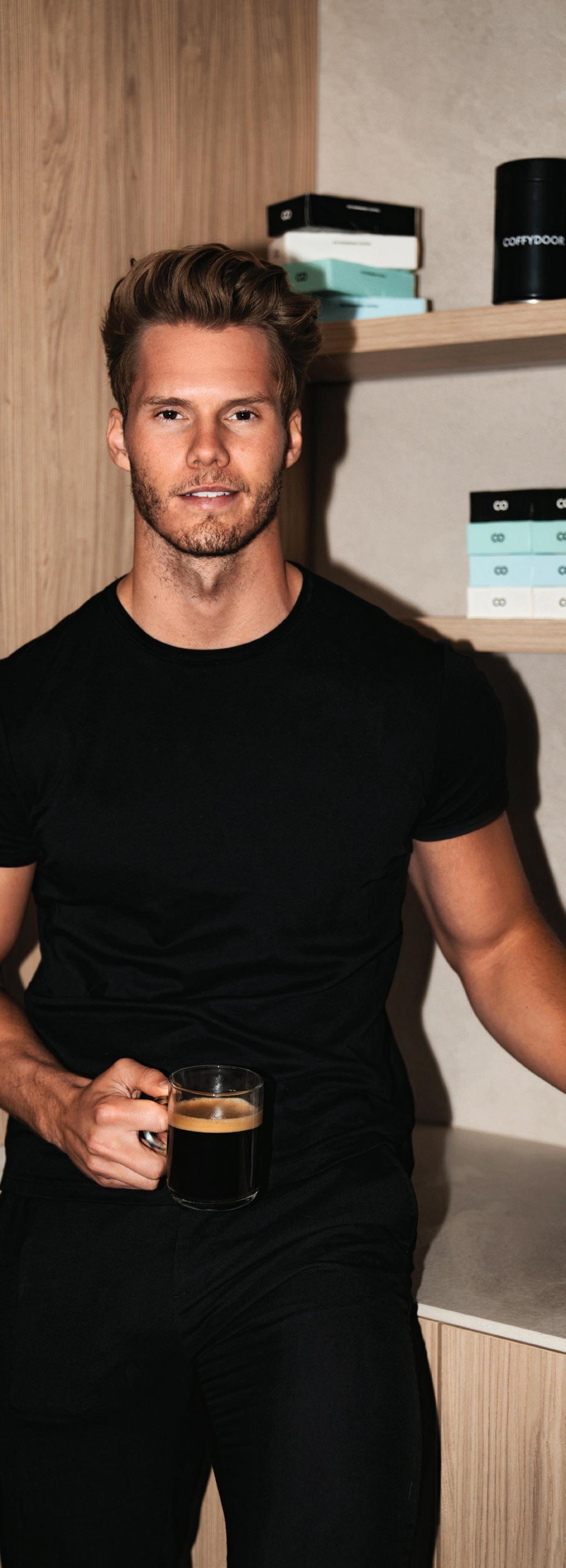
The Scandinavian coffee brand that Jonathan has lovingly created has grown considerably since we first featured him. It is now the most highly rated coffee capsule brand in Sweden on Trustpilot with thousands of reviews and is expanding across Europe, with a loyal following in Marbella and a new boost in the British market. “The idea behind Coffydoor is simple: I wanted to create a product that helps people start their day with energy and the momentum to feel they can take on anything. We work closely with our roastery to achieve this while also optimising the health perspective, and I think this is one of the key factors for our success.”
When it comes to both business and living, Jonathan is a good example to be inspired by, but what would his advice to others be? “I’ve learned over the years that long-term routines built up gradually are better than overambitious drives of the ‘New Years resolution’ type. Instead of trying to change everything overnight, focus on building up a steady rhythm that you can maintain and develop further over time. Another trick is to build anchors in your life, by tying habits to things that you enjoy, like having a great lunch after a Friday workout. Finally, environment is very important too. Not just the scenery but the people you surround yourself with. Protect your energy and spend time with people who inspire you and make you feel alive. For me personally, Marbella facilitates all of this and I feel incredibly grateful to spend so much time here –especially after those long Nordic winters.