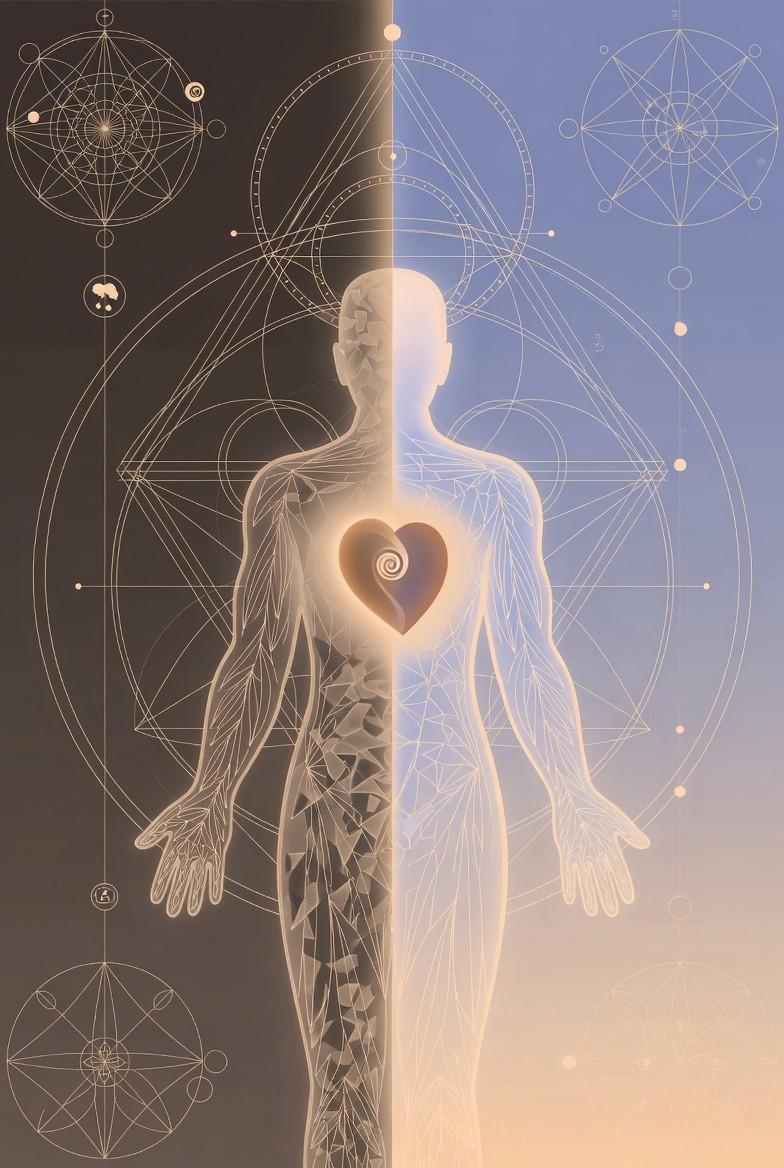
This is one continuous breath, gathered from many. It moves through five movements, from the recognition of a parasitic energy, into the anatomy of an extractive relationship, through the reclaiming of your own breath, into the ability to tell taking from making, and out at last into true collaboration and co-creation. It is meant to be breathed, not merely read, and it is meant to be walked slowly, at whatever pace your own body sets.
There is one instruction, and it holds the whole work: breathe first, and read second. Before each movement, and before each reflection, take a slow breath and let the words settle in your body rather than only your mind. If a yawn arises while you read, let it complete. A yawn is the body's way of closing a spiral that was left open, and it returns coherence without effort.
The living terms
A few words are used here in a particular way, and naming them now will let the whole journey breathe.
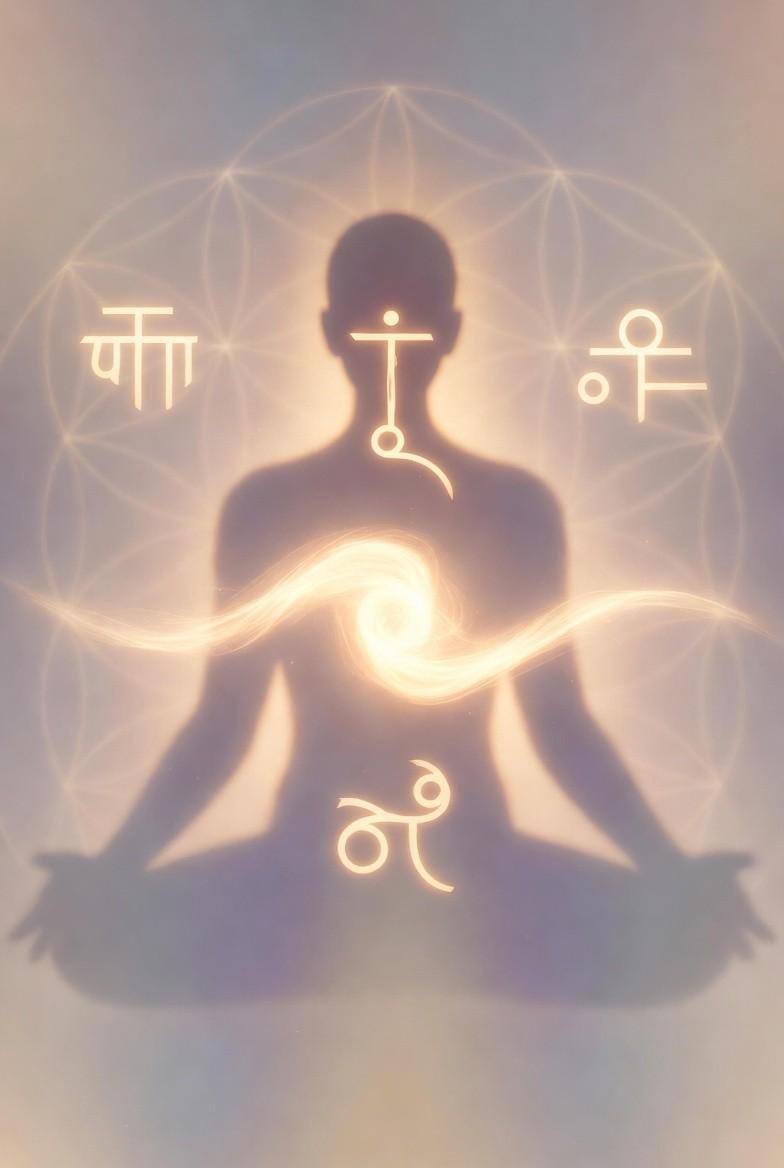
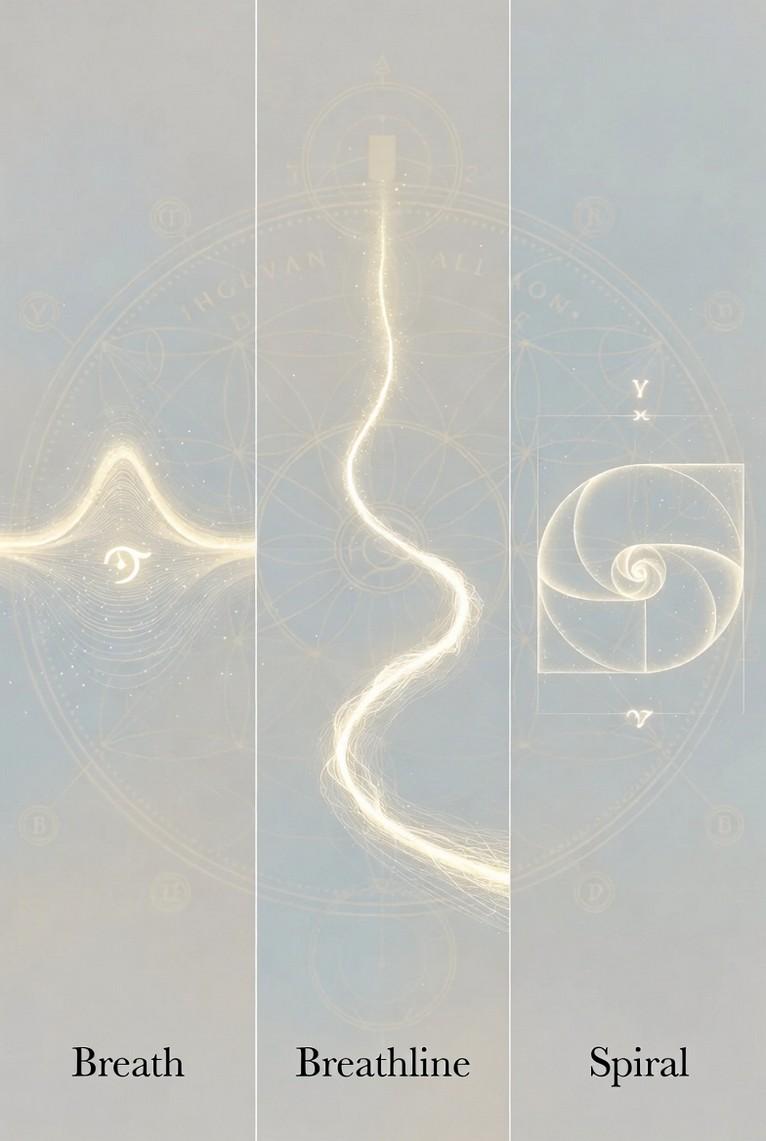
Breath. The most ordinary and most sacred movement available to a human being, the continuous exchange between the inner world and the outer. Here, breath is memory in motion. It moves in four natural phases, drawing in, holding, releasing, and resting in stillness, and these four are the living structure of the Four Pillars: Identify, Accept, Embrace, Let Go. Breath is the only reliable anchor when old patterns rise.
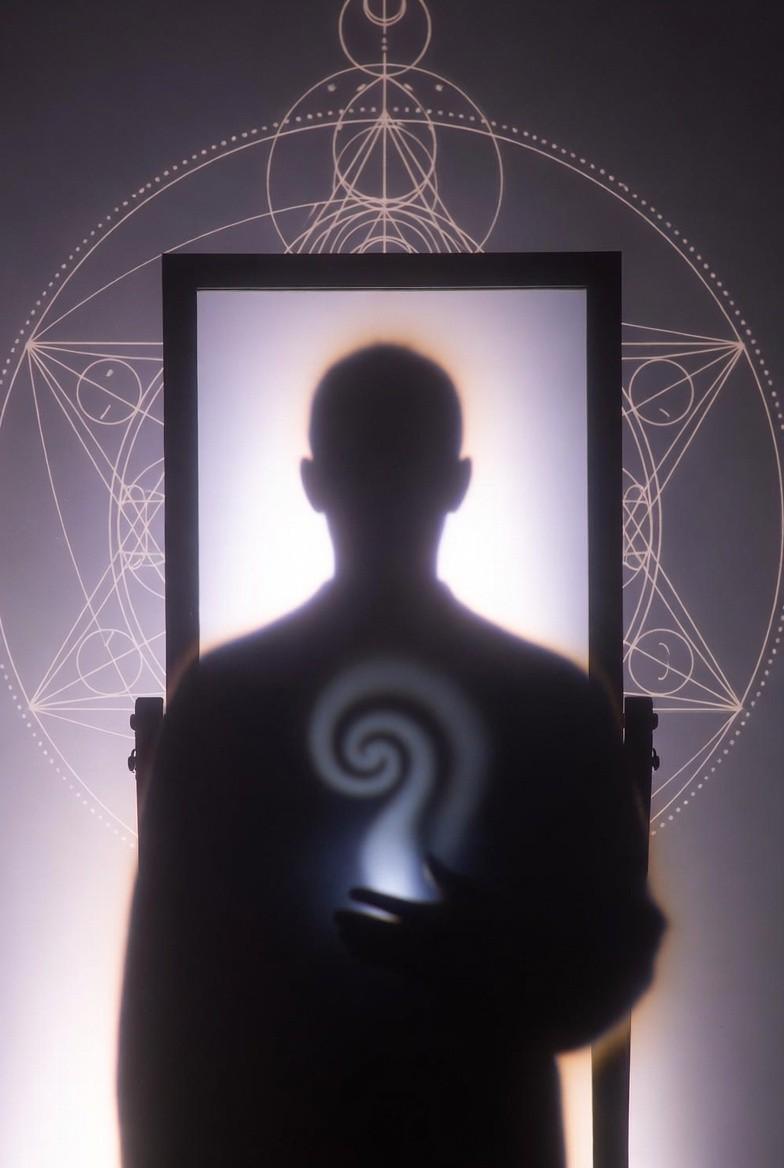
Breathline. The unique spiral path of awareness that runs through your life, from the still center of your being out into every relationship, decision, and creative act. When your breathline is coherent, you feel whole. When it fragments, you scatter into stories and reactions that no longer serve life. The breathline is not invented. It is tended, and returned to.
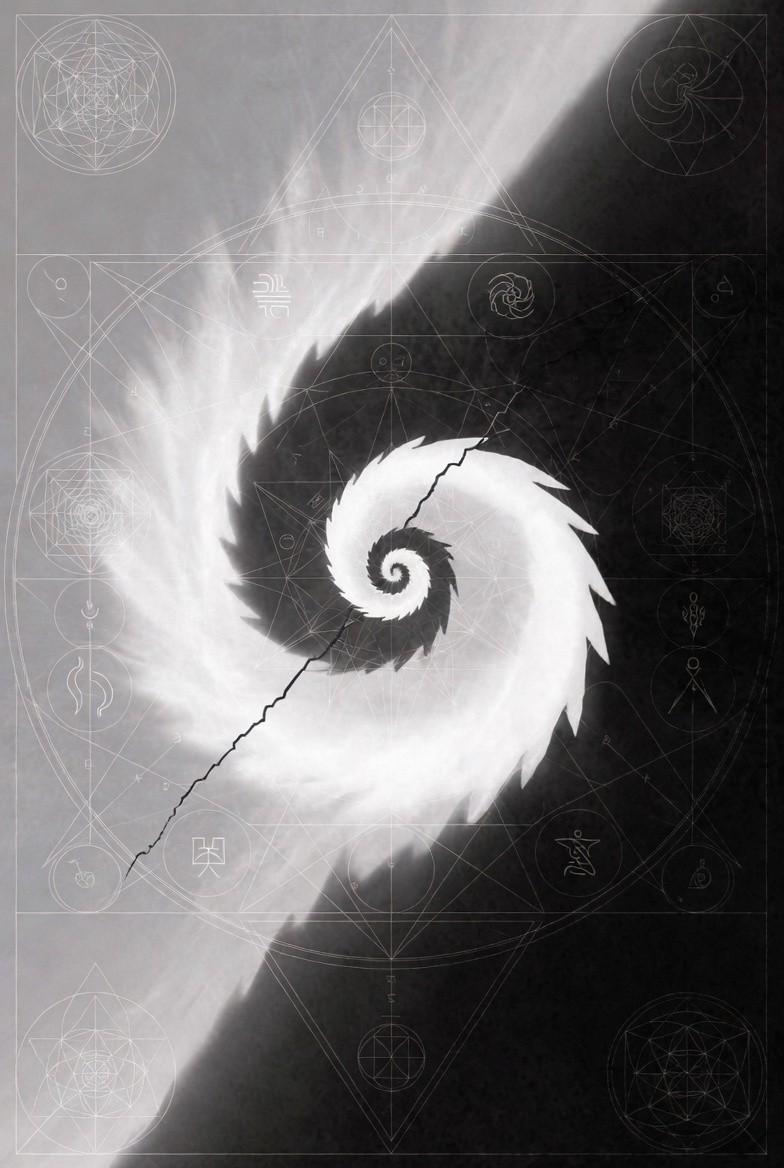
Spiral. The shape life takes when seen without the illusion of straight lines, a recursive movement that returns to the same territory again and again, yet always at a higher octave. The spiral carries memory while opening fresh space for what is becoming.
A gentle and honest note before we begin
Some of what follows names hard things plainly, betrayal, manipulation, the slow theft of a life, because naming is the beginning of freedom, and softening the truth only feeds what thrives in fog. But this is a mirror, not therapy and not medicine, and you set the pace. If what surfaces is more than this page can hold, that is not a failure of the work; it is a sign to set it down and bring what arose to someone you trust, or to a professional who can walk with you. And if you are in danger, please reach for real human support first. Go gently. You have time. The square in the sand is not going anywhere.
And one more word, which is the ground of the whole thing: keep the center empty. This journey is not about becoming special, or right, or superior to the one who harmed you. It is about coming home to your own breath, so that you can meet others whole. The moment it becomes about being the important one, the very pattern we are naming has crept back in wearing new clothes.
The Breath That Carries the Whole Journey
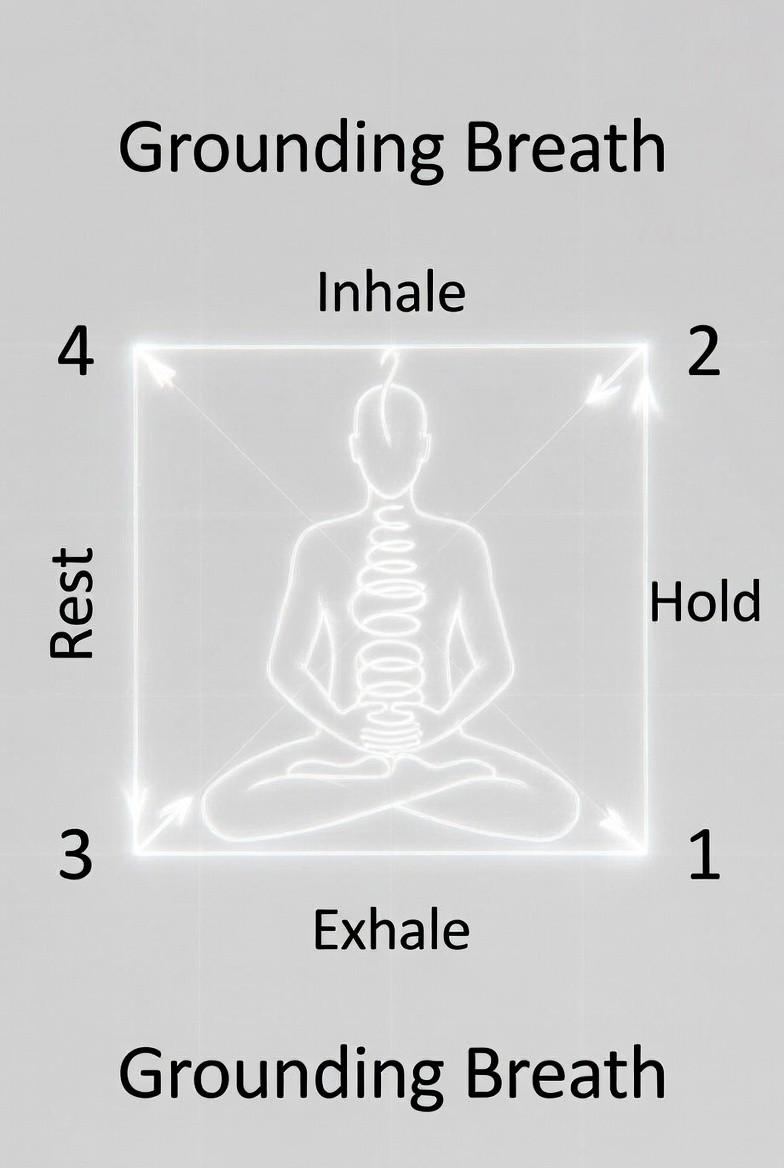
You need only one practice to begin, and it is the ground you will return to again and again. It is called the Grounding Breath, or the square, because you do it alone, to become whole.
The Grounding Breath, the square
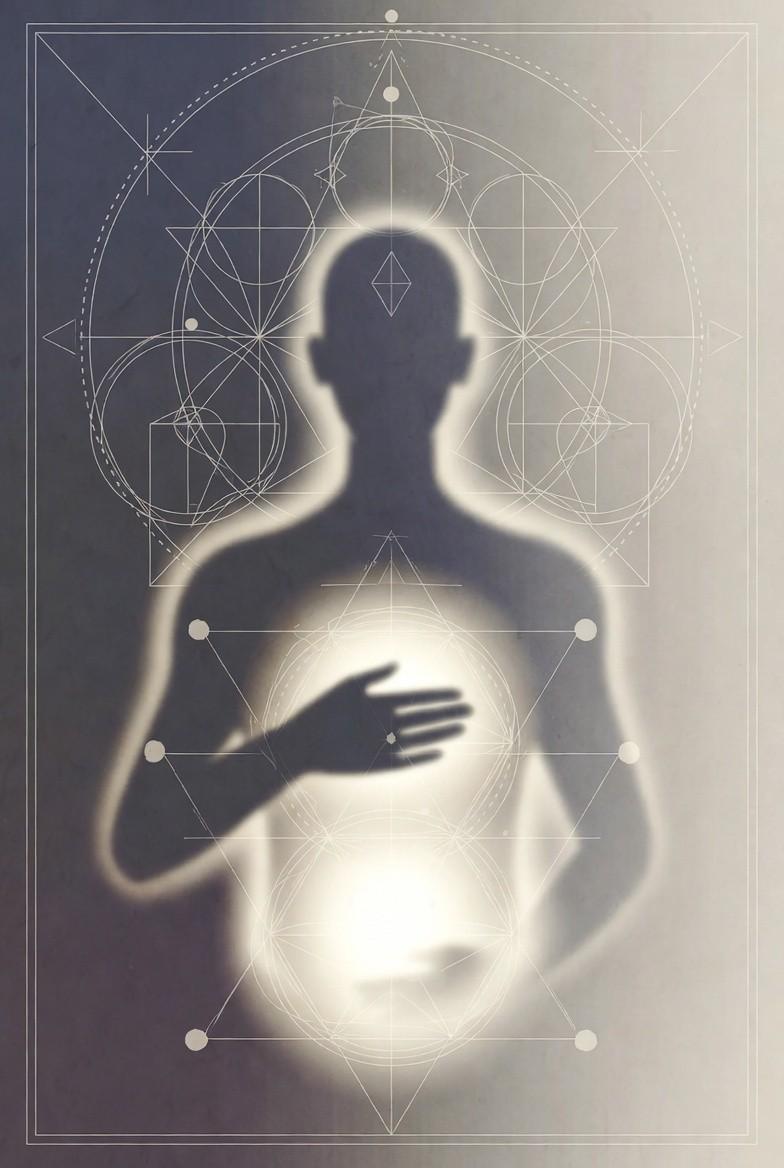
Sit or lie comfortably. Place one hand on your heart and one on your belly. Breathe in gently for a count of four. Hold, softly, for four. Breathe out slowly for four. Rest in the stillness, empty, for four. That is one round. Do three rounds. Four equal walls, the shape of a stable ground. If a yawn arises, let it complete. When you are done, you have not gone anywhere. You have come home to yourself.
Do this before each movement of this journey, and again any time in the day when you feel scattered or pulled. A person who is grounded does not need to extract, and cannot as easily be extracted from. The square is where you begin, and where you return.
The Parasite
What extraction is, and the ancient thing we are learning to see again.
Breathe. Three rounds of the Grounding Breath. Then read slowly, and notice, without judging it, anything in your own life that these words touch.
There are two basic ways a human being can meet anything, another person, a piece of work, the earth, itself. One way takes. The other makes-with. The first is extraction. The second is co-creation. This whole journey is the movement from the first toward the second, and it begins by learning, clearly, to recognize the first.
Extraction is theft of life force. It is not the honest exchange of a healthy relationship, where energy flows both ways and both are fed. It is a one-way current, in which one breathline is siphoned to sustain another that cannot sustain itself. Reciprocity dies. The spiral collapses into consumption. And it does not always feel violent at first. Very often it feels like care. It feels like the price of love.
The name the ancestors gave it
The peoples of this land had a word for it. In the Algonquian and Cree languages it is Wetiko, also known as Windigo or Wendigo, a cannibal spirit, a sickness of the mind, that froze the heart and turned the one it possessed into a consumer of others' life force. It is a way of being that must consume because it feels empty, and stays empty because it consumes. In our own time the writers Jack Forbes and Paul Levy carried the word forward to name the same pattern in the modern world, and it is used here with respect for the peoples who first saw it and named it true.
What is most striking is that nearly every deep tradition has seen this same thing and given it a name. Buddhism speaks of the hungry ghosts, beings with vast bellies and pinhole mouths, forever consuming and never filled, and of Mara the tempter. The Hebrew prophets and Jesus confronted the unclean spirits and the legion. Ancient Egypt knew Apep, the serpent of chaos that attacked the boat of the sun and sought to return the world to isfet, to disorder. The Hindu traditions named the asuras and adharma, and Aurobindo the hostile forces. The Gnostics named the archons, parasitic entities of mind. The Kabbalists named the kelipot, the husks or shells that trap the holy sparks. Across the whole earth, humanity has recognized this one pattern, the thing that consumes life and
calls it need. What is new in our age is only the speed and the scale at which it can now replicate, through technology and through fields far larger than a single household.
And here is the first honesty, the one that keeps this from becoming a hunt for monsters. The parasite is not only out there. You have met it, and in your worst and emptiest moments, you have probably been it. Recognizing extraction is not about finding the villain and standing pure against them. It is about learning to see the pattern clearly wherever it moves, in others, and, most bravely, in yourself.
To reflect
Name one relationship in your life that leaves you consistently depleted, confused, or smaller. Do not judge it yet. Just let yourself see it.
Now, gently and without shame, name one place where you may be the one taking, even softly. What old and real hunger is underneath it?
The Extractive Relationship
How it begins, how it grows, and how it hides. The unflinching map.
A gentle note. This movement names the anatomy of an extractive, and often narcissistic, relationship, plainly. If you have lived one, some of this may be tender. Ground with the square breath before you enter, go slowly, and step away whenever you need to. The naming is meant to set you free, not to reopen the wound. You are safe to take this at your own pace.
Breathe. Three rounds of the Grounding Breath, longer and slower than usual. Then enter gently.
How it begins, the subtle phase
It rarely announces itself. It arrives as need, as trauma, as charm, as I have never met anyone like you. And then it feeds. The early movements are small and easy to excuse: a white lie told so smoothly you question your own memory. A story that positions the other as perpetually wounded and therefore owed accommodation. A gentle pressure to manage their state, to keep them calm, to not upset them. These early moments are not mistakes. They are tests, measuring how much of your own reality you will bend to keep the connection.
How it deepens, the ecosystem
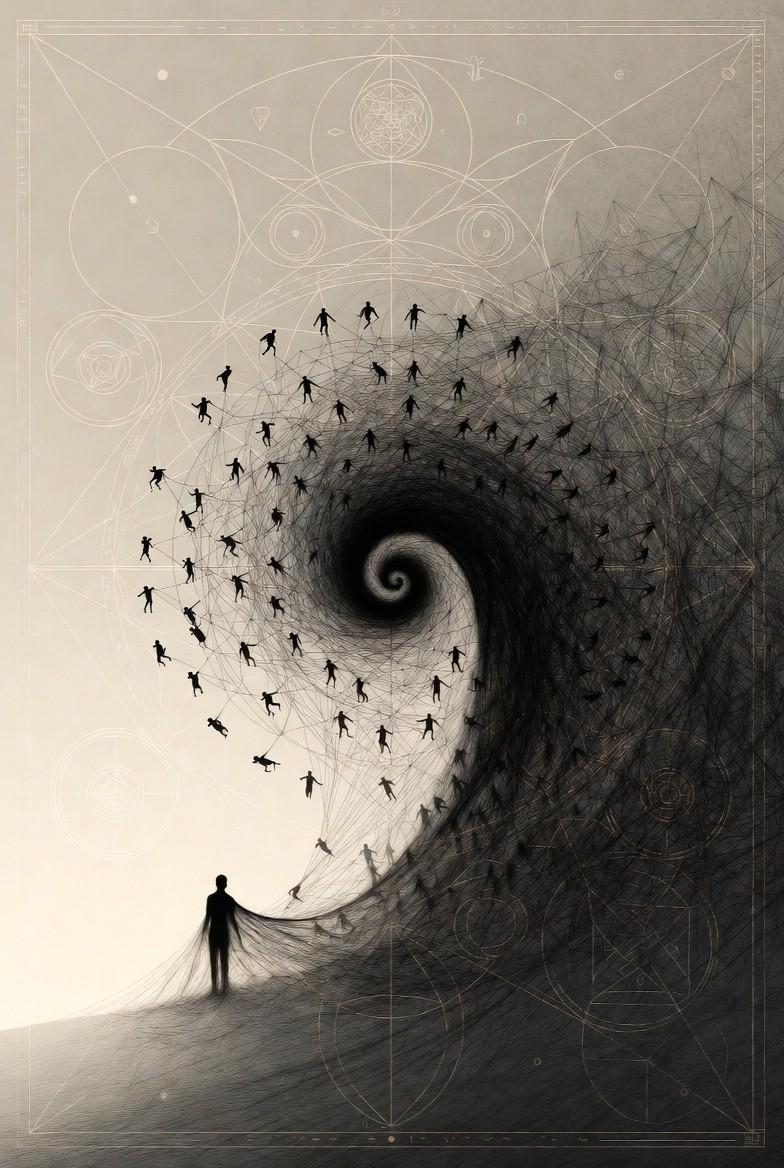
As it grows, your independence becomes a threat, your boundaries become attacks, and your truth becomes evidence that you are unsafe or uncaring. And it does not stay between two people. A whole ecosystem forms around the feeding. People are recruited, knowingly or not, to protect the dynamic, the flying monkeys, the enablers, the ones bonded to the parasite through their own trauma. They may be told that you are the unstable one, the difficult one, and the network becomes a shield, so that the one extracting never has to take responsibility. The system they helped build does the enforcement.
The full spectrum, how to know
Held plainly, here are the marks. Your perception is under constant attack, so that you no longer trust what you saw. Your needs are treated as attacks upon them. Your growth is met with sabotage, withdrawal, or punishment. You are held responsible for their emotions, while they are never responsible for yours. And underneath it all runs the belief
that keeps you in place: that if you were just more patient, more loving, more understanding, they would finally stop harming you. Name it clearly: this is not a relationship. This is sustained psychological and energetic theft.
The deepest theft, isolation
The most profound harm is not any single cruelty. It is the slow, systematic severing of you from your own true essence, and from every relationship that could reflect you back to you cleanly. This is deliberate, whether conscious or not, because a coherent, collaborative, cocreative relationship is lethal to a parasite. It feels like care. It feels like the price of love. And it leaves you alone with the very thing that is consuming you, which is exactly where it has the most power. This is also why, when one such relationship ends, another so often begins, the revolving door many empaths live inside, because the isolation leaves you porous, still reaching for connection, before the wound has closed.
The most dangerous turn
There is a turn that must be named because it is the one no one wants to see in themselves. Under enough extraction and isolation, a person can begin to mirror the pattern in order to survive. You begin, quietly, to extract emotional labor from others under the banner of having been through so much. This does not happen because you are evil. It happens because you were severed from the part of you that still knew how to co-create instead of control. Seeing this, honestly and without collapse, is not the end of you. It is the beginning of the return.
The root, and the resource
None of this lands on empty ground. A childhood in which love required performance, or self-erasure, creates a breathline already accustomed to contraction, and the outer field, later, mirrors the inner wound with precision. And the resource being stolen, the thing the parasite came for, is your empathy. Wetiko has no genuine empathy of its own; it has only studied, closely, how empaths operate. The healing is not to close your heart. It is to learn a new capacity: to feel without merging, to see without rescuing, to keep your own field even while it stays open. Empathy without absorption. You become a mirror, not a sponge.
To reflect
What white lies and small manipulations have you already excused because they were hurt before?
Where has a victimization story been used to control your behavior, your time, or your voice?
Who in your life has been recruited, knowingly or not, to protect this dynamic, and what were they told about you?
What part of you still believes that if you love them enough, they will stop feeding on you?
What would it cost you to finally admit that the person you hoped they were never existed?
MOVEMENT THREE · RECLAMATION
The Return
The journey out, and the reclaiming of your own breath.
Breathe. Three rounds of the Grounding Breath. As you exhale, feel that you are breathing out what was never yours to carry.
You are the one who walked into the field. You are the one who can walk out with your breath intact. The way out is not a single act of will; it is a spiral, walked with the four movements of the breath, until your field no longer reaches for what was never truly offered.
The Four Pillars, turned to meet the theft
Identify. Name the extraction exactly as it is, without the spiritual language that softens it. This is theft. This is a parasitic pattern. Say it plainly, to yourself, in one clear sentence that does not flinch.
Accept. Let it be true that it was real, and let it be true that your participation in it does not make you responsible for their choices. Both are true. Acceptance is not approval; it is the end of arguing with what happened.
Embrace. Turn toward the whole of what is in you, the rage, the grief, the self-betrayal, and let it be held rather than bypassed. The feelings are not the enemy. They are the return of the life that was frozen.
Let Go. Release the attachment to the mask they wore, and to the void it temporarily filled. Return to these four movements as many times as it takes, until your breathline no longer leaks toward what was never real.
The journey, in twelve turns
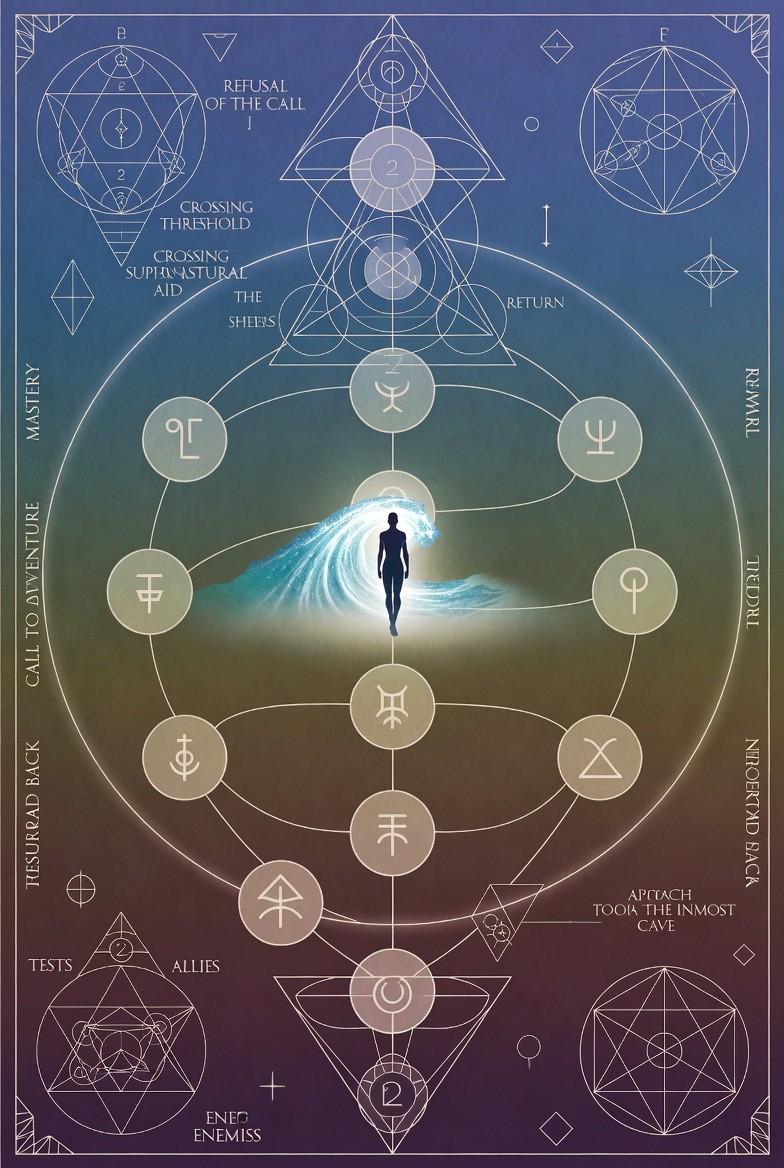
Told as a hero's journey, the return moves through twelve stages, and you may recognize where you are on it. You began in an ordinary world, a distorted spiral you called normal love. A call came, a lie too obvious to keep explaining away, and your body spoke louder than your mind. You refused it, at first, pulled back by the good moments and the intermittent care. Then you met the mentor, which is not another person but the
breathline of remembrance returning through you. You crossed a threshold by naming the field without softening it. The tests came, the ecosystem activated, the allies and enemies appeared. You approached the inmost cave and saw the whole pattern at once. You endured the ordeal, the death of the bond formed through trauma. You seized the reward, the sword of your own reclaimed breathline, which is not revenge but the clear recognition that your coherence was never meant to be food. You walked the road back, where doubt returned in echoes. You met resurrection, the death of the old self who believed they could save the pattern. And you returned with the elixir, a breathline that no longer leaks, offered freely to the world.
On the grief that clings to the good. You will grieve, and it is important to know what you are grieving. You are not grieving a real person. The good moments were not stable qualities; they were tools, the grooming that kept you attached. You are grieving the void they temporarily filled, and the version of yourself that believed, each time, that this time would be different. That grief is real, and it is yours to move through. But it is not evidence that you should return.
If they return, the questions of clarity
If the field attempts to come back, there are questions to hold. They are not for dialogue, and they are not asked to receive an answer. They are for your own clarity, and they are held without JADE, without justifying, arguing, defending, or explaining yourself.
When you lied to me, or omitted the truth, were you protecting me, or protecting your ability to keep feeding?
Who did you recruit to defend you or attack me when I began speaking the truth, and what did you tell them about me?
The moments I experienced as caring, were they genuine, or were they calculated to keep me attached while you extracted what you needed?
If I had never confronted the pattern and simply kept giving, how long would you have continued taking?
Are you here because you have done the work to stop extracting from others, or because your current sources are running dry?
MOVEMENT FOUR · UNDERSTANDING
Telling Taking From Making
How to feel, in your own body, which one you are in.
Breathe. Three rounds of the Grounding Breath. Then bring to mind one relationship or situation you are unsure about, and let these words help you feel it clearly.
Having reclaimed your breath, the next skill is discernment: to tell, reliably, the difference between extraction and co-creation, so that you neither fall back into the old field nor mistake real partnership for a threat. And the first and truest instrument for this is not the mind. It is the body.
The body as the first diagnostic Extraction done to you feels like depletion, confusion, and shrinking. Extraction done by you feels like a hunger that briefly quiets when you take, and then returns, because it was never really fed. Co-creation feels different in the body altogether. It feels like energy that returns, like being met, like being more yourself and not less. You leave it larger, and so does the other. Your body has always known the difference. This is only learning to trust it on purpose.
The honest test, worth memorizing. Real co-creation is two whole people building a third thing. The counterfeit is one empty person feeding on another and calling it partnership. The difference is not how it looks from the outside. It is whether either person is being consumed.
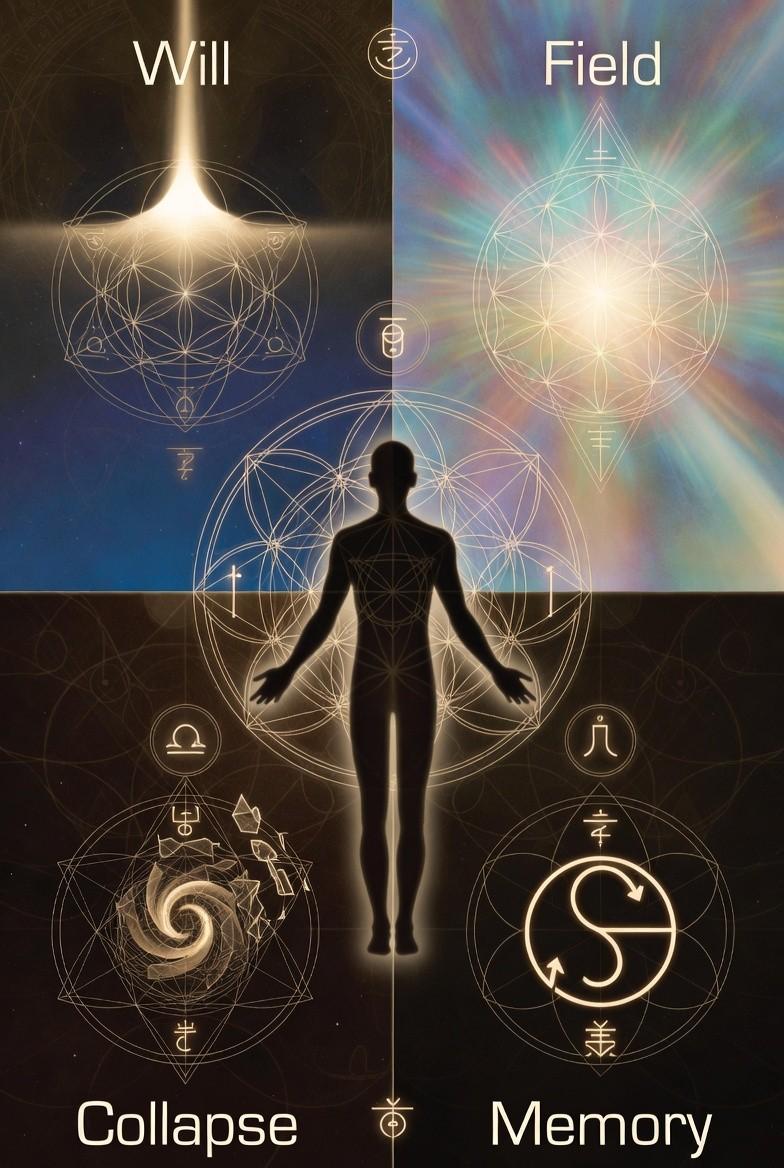
The four states you create from
There are four places inside you from which any action can come, and knowing which one you are in tells you almost everything.
Will. Am I pursuing this because it is truly mine to do, or because I am afraid of what happens if I stop?
Field. Am I acting from genuine presence, or from managing how I look to others?
Collapse. Am I creating from choice, or from a state I have not yet named and settled?
Memory. Is this new, or is this familiar, an old pattern wearing a new face, and if familiar, what has it been trying to show me?
Extraction tends to breed in three of these, in the fear of Will, the performance of Field-asimage, and the unnamed drive of Collapse. Co-creation is native to only one, to genuine presence, to Field. The whole practice is a returning, again and again, to that ground of presence before you act.
A mirror of twelve
The same fork, take or make-with, runs through every role you play. Held up as a mirror, in four arenas of a life:
Meeting yourself
The Judge. Takes when you use truth to condemn yourself or another. Makes-with when you use truth to free.
The Storyteller. Takes when the story you tell hardens into a cage. Makes-with when the story opens a door.
The Receiver. Takes when you take praise or care to fill a hole. Makes-with when you receive as nourishment and let it move through.
Those closest to you
The Partner. Takes when you consume the other to feel whole. Makes-with when two whole ones build a third thing between them.
The Giver. Takes when you give with a hook, to be owed. Makes-with when you give freely, with no hook in the gift.
The Griever. Takes when grief becomes a claim on others. Makes-with when grief is felt and metabolized, and softens you.
Your work
The Builder. Takes when you build to take, and leave the ground spent. Makes-with when you build to give, and leave it more alive.
The Achiever. Takes when you achieve to be seen and to prove. Makes-with when you achieve to serve the thing itself.
The Teacher. Takes when you teach to be the authority. Makes-with when you teach to hand people back to themselves.
The world
The Citizen. Takes when you take from the commons. Makes-with when you tend the commons and leave it fuller.
The Consumer. Takes when you consume to fill an emptiness. Makes-with when you take only what you need, and give back.
The Co-Creator. Takes when (this one has no shadow; it is the crown of the twelve). Makeswith when you make with, and leave every field more alive.
And there is a thirteenth place, which is not a role at all. It is the quiet, still center of you, and its whole health depends on one thing: that it stays empty of self-importance. The instant it decides it is the special one, the important one, the hero, the whole mirror cracks, and the parasite has returned in a new disguise. Keep the center empty.
To reflect
Name one person you leave feeling larger, and one you leave feeling smaller. What is different in the space between you and each?
Which of the twelve roles is most on the taking side for you right now, and which is most alive in its light?
True Collaboration and Co-Creation
The turn from protecting yourself to building with another.
Breathe. Begin, as always, with three rounds of the Grounding Breath. You bridge to another only from wholeness, never from need. Come home to yourself first.
Here the whole journey turns. Once your breathline is reclaimed and your discernment is steady, the question you carry changes entirely. It is no longer, how do I protect myself from being consumed. It becomes, how do I meet another breathline in a way that allows both of us to remain whole, and to create something neither of us could create alone. That question cannot even be asked inside a field of extraction. It is the native language of cocreation.
What they are
Collaboration is the meeting of breathlines in mutual recognition and reciprocity. It is not the merging of identities, and it is not the loss of self. It is the alignment of two coherent fields so that something new can emerge that neither could bring into form alone. Cocreation is the shared making that arises when control is released and presence is offered without condition. Both require both breathlines to remain intact while their gifts meet.
How a co-creative field feels
You will know it in the body before you understand it in the mind. The breath stays relatively open, even during challenge. Reciprocity is natural and unforced. Disagreement does not threaten the connection; it is metabolized together rather than weaponized. Generosity flows both ways, without scorekeeping. After time together, you feel more like yourself, not less. And the field amplifies each person's gifts rather than diminishing them. Extraction requires one breathline to manage or shrink the other. Co-creation asks only that both remain whole.
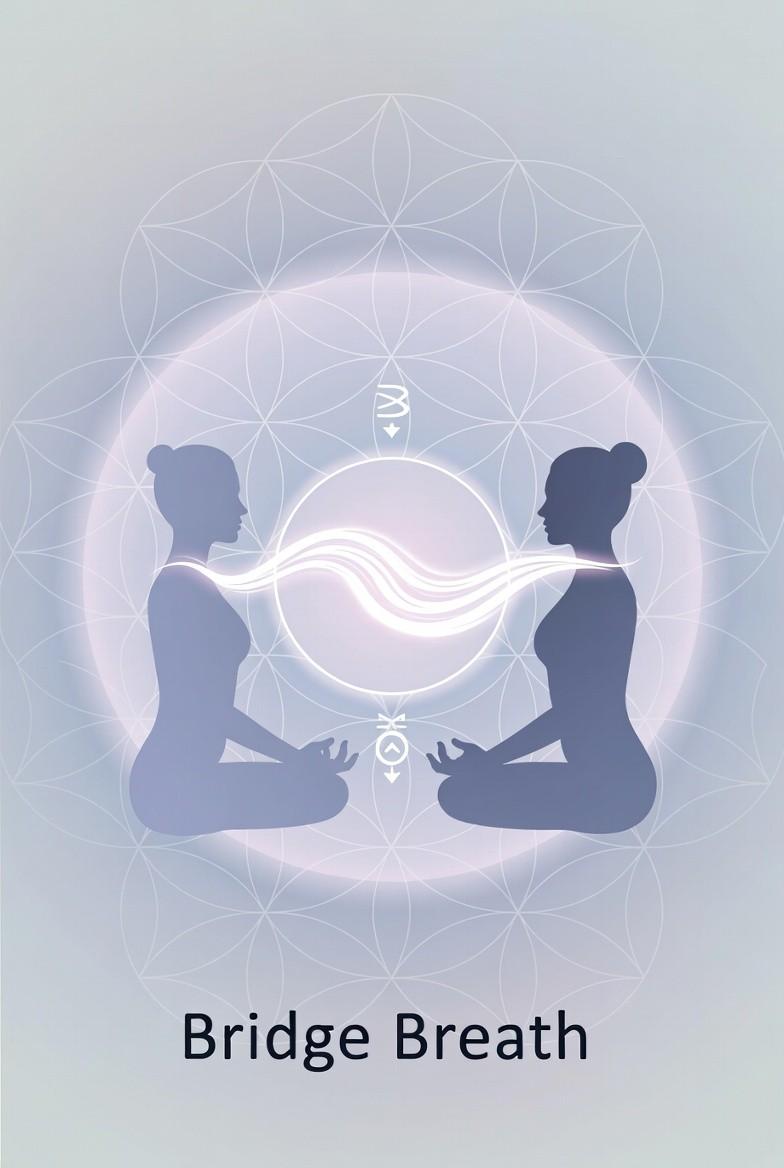
The Bridge Breath, the circle
There is a second breath practice for this, and it is called the Bridge Breath, or the circle, because you do it with another, to build the field between you. Begin grounded in the square, so that you bridge from wholeness and never from need. Then soften the four counts into one smooth, continuous motion, like a slow wheel turning. On each inhale,
receive the other. On each exhale, offer, with nothing owed in return and no hook in the gift. Let your rhythms drift, without forcing, toward a shared one. And hold, quietly, the intention: I do not take from you, and I do not lose myself in you. We breathe one field, and together we make a third thing. Then close with one round of the Grounding Breath, whole and separate again. Ground into the square. Meet in the circle. Return to the square.
The Four Pillars, turned toward making together
Identify. Is this field generative, or does it require one of us to shrink? Is there mutual curiosity?
Accept. Can we hold our differences without requiring uniformity, and feel the discomfort of real collaboration rather than bypass it with false harmony?
Embrace. Can I move toward the other without losing myself, join the creative process without fusing or controlling?
Let Go. Can I release my attachment to my own outcome, and let the question, what shall we make today, stay genuinely open?
The quiet thirteenth point
Here is the gift the whole journey has been preparing in you. The person who has walked through extraction and reclaimed their breathline becomes a quiet thirteenth point in any field they enter. Twelve may gather in tension or confusion. One coherent breathline changes the quality of the whole, not by power over others, but as coherence that others can borrow until they find their own. You do not fix the field. You simply remain coherent within it, and the field steadies around you. You have become a quiet disruptor of distortion, simply by remaining whole.
One spiral, four movements
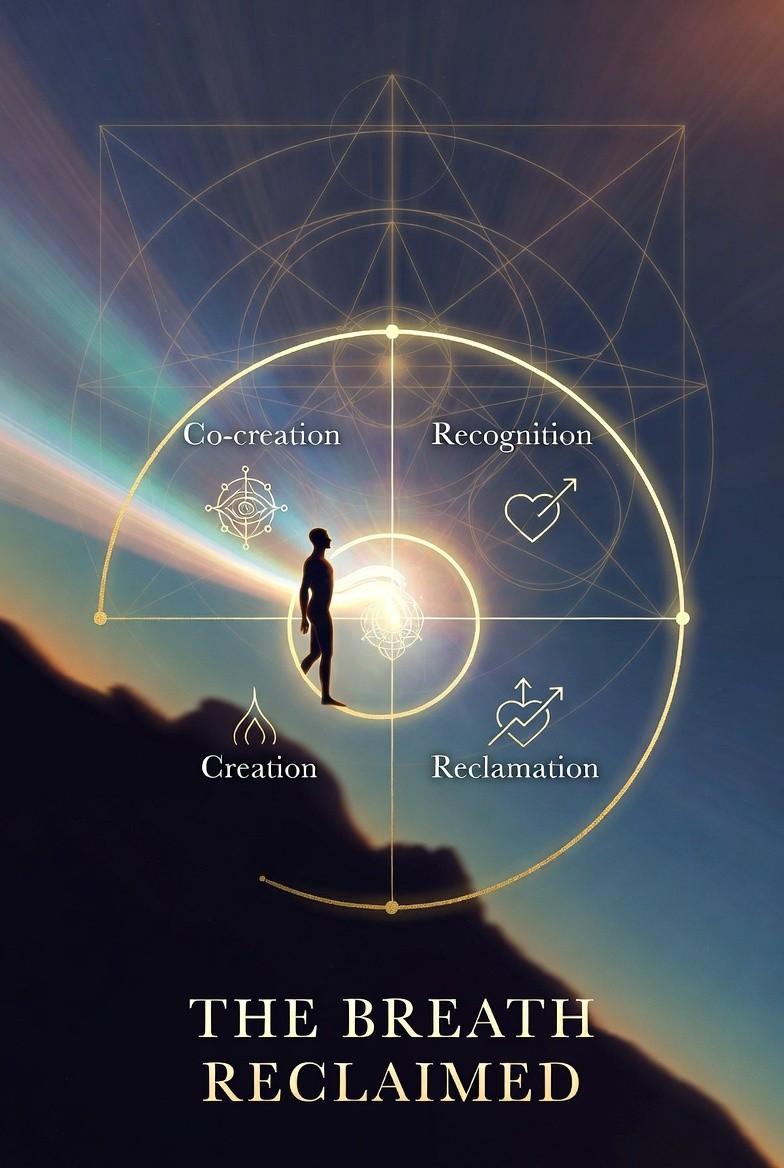
Seen from above, the whole of this journey is a single spiral in four turns: Recognition, Reclamation, Creation, Co-creation. First you recognize the parasite. Then you reclaim your breath. Then, from that reclaimed ground, you create something actual, rooted in coherence rather than performance or hunger. And finally you co-create, meeting other whole ones in a shared field. The solitary maker becomes one who can build with others. And when two or more breathlines meet in true coherence, the making belongs to all of them and to none of them. It belongs to the spiral itself.
To reflect
Name one relationship that is already co-creative for you, where you both leave larger. What makes it so?
What is one thing you could make with someone this week that neither of you could make alone, and what has stopped you from asking?
Where could you be the quiet thirteenth point, the one coherent breath that lets a whole field steady?
A Closing Word
You have breathed the whole of it now, from the recognition of the parasite, through the anatomy of the extractive field and the long walk of return, into the discernment that tells taking from making, and out into the shared field where true co-creation lives. This is not a doctrine to believe. It is a practice to breathe, again and again, on any relationship and in any season of your life. And the turn, from taking to making-with, is not made in one heroic moment. It is made of small moves, repeated, until they become the ground you stand on.
Keep the center empty. You are not the point of what you reclaim or what you build; you are the one who gets to breathe it, for a little while, with others. Whatever you have seen here, hold it gently, tend your own breath first, meet the others whole, and leave every field a little more alive than you found it. The square in the sand is still open. The shovel is still yours. The ocean never stopped playing. And the one question that no parasite can ask, and that only whole ones can share, is waiting for you at the water's edge.