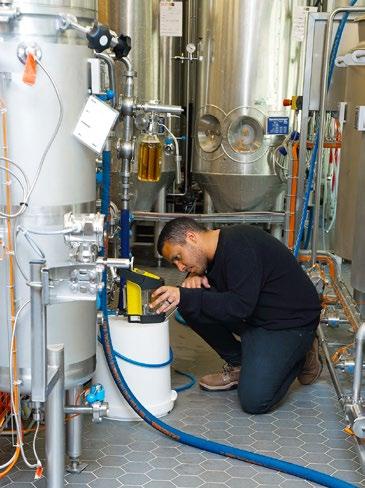
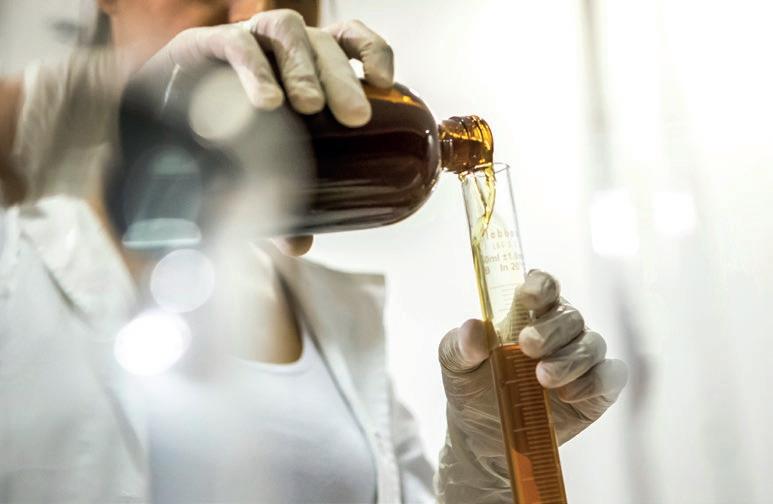
5-day training course on practical microbiology for the brewing and beverage industry
November 2-6, 2026, Berlin
+ Elearning: “Brewing in a Nutshell – Online”
A 100 % online course providing detailed basic knowledge of beer brewing. It covers the general principles of the brewing and malting processes, the raw materials and filling as well as packaging in theory
Start whenever it is suitable for you!
VLB Berlin – Seestraße 13, 13353 Berlin brewmaster@vlb-berlin.org
+ Workshop: “Beverage Technology for Brewers”
10-day full-time course that provides up-to-date knowledge of soft drink, alcohol-free beverage and other mixed beverage production
November 16-27, 2026, Berlin
+ Certified Brewmaster Course 2027
6-month comprehensive training course for prospective brewing professionals
January 6 – June 25, 2027, Berlin
www.vlb-berlin.org/en/training
RESEARCH & DEVELOPMENT
VLB Berlin and TU Berlin have launched a strategic process to further develop their long-standing collaboration in the field of brewing science
As part of the VLB October Convention 2025, the institutes presented their latest research findings from publicly funded projects at the 7th VLB Research Colloquium
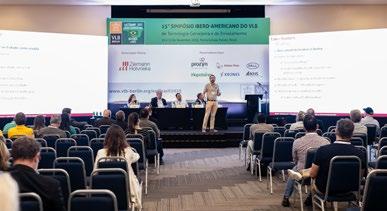
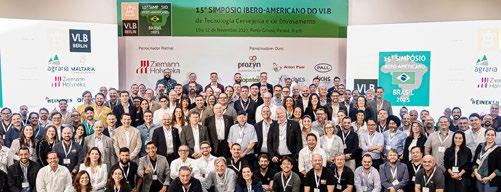
The 15th Ibero-American VLB Symposium took place in Ponta Grossa, Brazil, in November 2025. More than 200 technical leaders from the Latin American brewing industry were part of this outstanding event
VLB welcomes new member companies
In recent months, VLB Berlin has once again welcomed several companies from Germany and Europe into its network. These new members will now support VLB through their membership dues, while also benefiting from the many advantages that VLB membership offers.
Schreiner Group GmbH & Co. KG
The Schreiner Group is an internationally active high-tech company with customers in the healthcare, mobility, general industry, and government security sectors. Its core business is innovative high-tech labels. The company is now in its third generation of family owner-
ship and is currently led by Roland Schreiner. 1,300 employees produce 7 million high-tech labels per day and generate annual revenue of €220 million. Schreiner Group products are used worldwide, primarily in Europe, North America, and Asia. In addition to its headquarters in Oberschleißheim near Munich, the company has production sites in Dorfen, Blauvelt (USA), and, since 2016, in Shanghai.
www.schreiner-group.com
VLB Berlin – a members association
The Versuchs- und Lehranstalt für Brauerei in Berlin (VLB) e.V. – founded in 1883 – is a registered, non-profit organization. Its purpose is to promote science and vocational training in the fields of brewing, the beverage industry and biotechnology.
Who can become a member?
Voting membership is open to all breweries/groups of breweries, beverage producers and commercial maltsters. Membership without voting rights ("supporting membership") is open to all natural and legal persons, as well as economic, governmental and scientific bodies.
What are the benefits of VLB membership?
As a member company, you become part of the VLB Berlin network in the national and international brewing and beverage industry. You can participate in our technical-scientific committee, receive regular advice and analyses for the optimization and setup of processes and products. You also support the VLB in maintaining and operating a modern infrastructure for training and research for the benefit of the brewing industry.
Interested in becoming a VLB member?
Contact: Dr. Josef Fontaine, Brand Ambassador VLB, fontaine@vlb-berlin.org or Managing Director Dr. Björn Ch. Klotzbücher b.klotzbuecher@vlb-berlin.org
a.p.f.
Aqua System AG
Unrestricted access to clean water is considered a fundamental prerequisite for a dignified life – this is the guiding principle of a.p.f Aqua System AG. Based in Wuppertal, the company develops water treatment solutions with a focus on disinfection using chlorine dioxide. They advise on all aspects of process water treatment and optimize process hygiene. All activities can be expertly supported by instrumentation and control technology. Customers are hotels, industrial facilities, municipalities, and research projects.
www.apf-aquasystem.de
Bamberger Mälzerei
Bamberger Mälzerei has expanded its VLB membership to include Bamberger Mälzerei Beteiligungs GmbH in order to actively participate in the TSC’s Subcommittee on Raw Materials, Malting, and Hop Processing. The family-owned company, with production sites in Bamberg, Mülheim an der Ruhr, Worms, and Neuburg an der Donau, has a production capacity of
approximately 220,000 tons of malt, making it one of Germany’s leading maltings.
www.bamberger-maelzerei.de
CLR - Chemisches Laboratorium Dr. Kurt Richter Chemisches Laboratorium Dr. Kurt Richter GmbH (CLR), based in Berlin, is an internationally active, innovationdriven company specializing in biotechnological active ingredients for the cosmetics industry. The use of specialized microbial processes to produce functional ingredients—whether at the physiological or sensory level—offers potential for innovations in both beverages and cosmetic active ingredients. CLR intends to develop these areas of overlap and the resulting synergies in collaboration with VLB in the future.
www.clr-berlin.com
Ullrich Anlagenbau GmbH & Co. KG
Ullrich Anlagenbau, headquartered in Herdecke in the southeastern Ruhr region, has more than 30 years of experience in plant and piping construction. The company maintains a loyal customer base that includes leading companies in the national and international brewing, beverage, and food industries. The company specializes in plant construction, from concept development through
to complete installation and commissioning. The customized designs are implemented promptly using state-ofthe-art technologies under the supervision of project engineers and professional installation crews. Maintenance, partial refurbishment, or the replacement of components are just as much a part of the Westphalian company’s portfolio as the modernization of existing plants. Thanks to long-standing partnerships with local freight forwarders, Ullrich Anlagenbau is able to deliver preassembled plants both domestically and internationally without any issues.
www.ullrich-anlagenbau.de
The Greenhouse GmbH (a Barthhaas company)
The Greenhouse GmbH & Co. KG is a subsidiary of Barthhaas based in Nuremberg. It focuses on research, development, and innovation in the field of natural substances, particularly hops. With approximately 600 employees, The Greenhouse GmbH is not a traditional manufacturing company, but rather a groupwide innovation and development platform. Its goal is to accelerate the development of new products and technologies for the beverage and brewing industries.
www.barthhaas.com
Halong Beer & Beverage JSC joins VLB Berlin
VLB Berlin has welcomed Halong Beer & Beverage JSC, based in Ha Long City in Vietnam’s Quang Ninh Province, as a new member of its international network as of 1 January 2026. With this step, the Vietnamese brewery has joined one of the world’s leading centers for brewing science, technical consultancy and professional education.
(oh) Halong Beer & Beverage JSC is a public joint-stock company with a diversified shareholder base that also includes foreign investors. The company operates two brewing sites in Vietnam and reported a combined production volume of approximately 810,000 hL in 2025. In the coming years, Halong Beer plans to increase its production capacity to 1,000,000 hL per year. In parallel, the company aims to expand its market presence and to strengthen distribution in both existing and new markets. Located in northern Vietnam, close to the coastal region of Ha Long Bay, Halong Beer is part of a national brewing market that has developed over recent decades and continues to be shaped by rising quality expectations, modern production standards and competition. Against this background, the company’s
membership in VLB Berlin marks a further step in its international orientation and its commitment to technical development.
Long-term development
The decision to join VLB Berlin reflects Halong Beer’s strategic focus on technical development, quality assurance and international exchange: “Through our VLB membership, our company intends to deepen its brewing know-how, gain access to professional expertise within the VLB network and connect more closely with international brewing experts, research institutions and industry partners”, says Doãn Tr ườ ng Giang, General Director of Halong Beer. “Our membership is also intended to support innovation in brewing and contribute to the long-term development of both Halong Beer and the Viet-
namese brewing sector.” VLB Managing Director Dr. Björn Klotzbücher says: “It is a special honor for us to welcome Halong Beer & Beverage from Vietnam to our international VLB network.” The company has a very ambitious and highly professional approach to brewing and innovation. “Thus, we are proud to support Halong Beer in its further development and look forward to a fruitful cooperation.”
The VLB membership certificate was handed over to the Halong Beer team by VLB Senior Consultant Philipp Zeuschner during his working visit to Vietnam in March 2026. For VLB Berlin, the new membership strengthens its links with the dynamic brewing industry in Southeast Asia and underlines the organization’s role as an international platform for knowledge transfer and professional training.
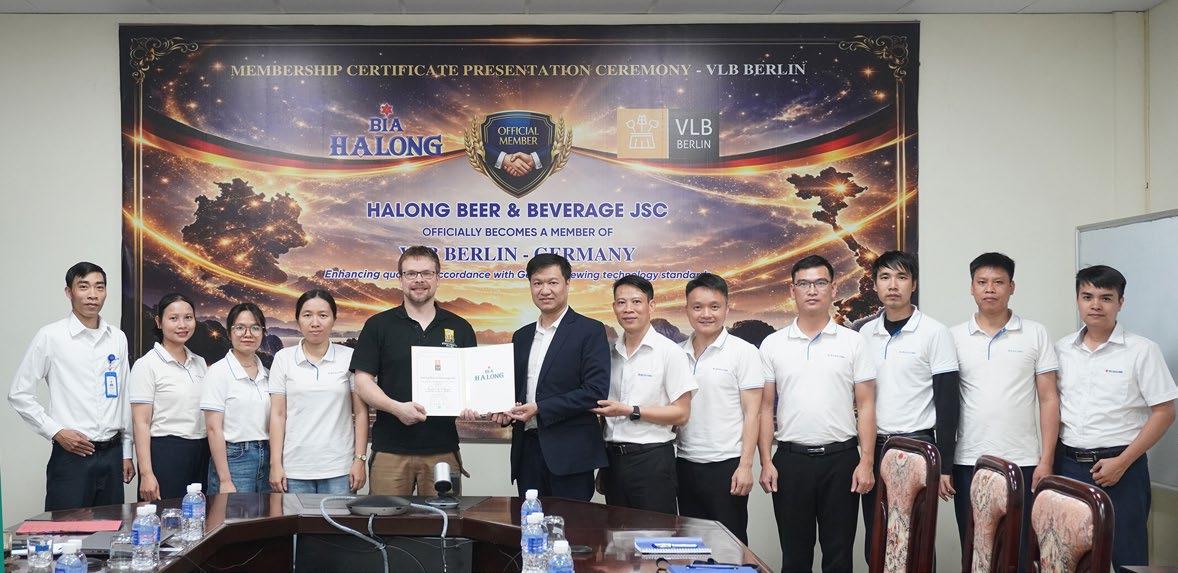
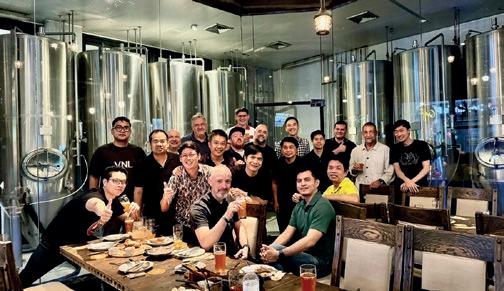
Certificate of membership handover in Vietnam: Doãn Trường Giang (centre), General Director of Halong Beer, with his team and VLB Senior Consultant Philipp Zeuschner (centre)
Photo: Halong Beer
VLB General Meeting 2025: Positive financial results for fiscal year 2024
The regular General Meeting of VLB Berlin e. V. took place on October 6, 2025, as part of the VLB October Convention. The meeting was chaired by VLB President Ulrich Rust. VLB Managing Directors presented a positive financial statement for the 2024 fiscal year. Michael Seip was elected to the Administrative Board as the successor to Uwe Ebbighausen, who had stepped down. At the end of the meeting, the outgoing Managing Director, Dr. Josef Fontaine, was bid farewell.
(oh) The two VLB Managing Directors, Dr. Josef Fontaine and Gerhard Andreas Schreiber, explained the report presented on the 2024 fiscal year. Key points were:
Revenue for 2024 increased by a total of 16 % compared to 2023.
A slight decline in research funding was offset by increases in membership dues, donations, grants, and other income.
VLB closed the 2024 fiscal year with a significantly positive aftertax result, which will be allocated to existing reserves.
VLB President Ulrich Rust thanked the Managing Directors and all VLB employees for their excellent and dedicated work. “This positive annual result reflects a positive trend and should serve as an incentive for further development. We have succeeded in making VLB more resilient. Nevertheless, caution and vigilance remain essential,” said Rust.
The 2024 annual financial statements were audited and approved.
The General Meeting unanimously discharged the Administrative Board and the Managing Directors.
Change in the Endowed Professorship at TU Berlin
The new Managing Director, Dr. Björn Christof Klotzbücher, announced that Prof. Dr. Brian Gibson, holder of the VLB Endowed Chair in Brewing and Beverage Technology at TU Berlin, will be leaving the university in December 2025 at his own request. He thanked Prof. Gibson for his work. The VLB Administrative Board and Managing Directors will meet with the university administration and Faculty III in the near future to ensure the continued existence of the brewing science at TU Berlin, both in the short and long term. Initial steps have already been taken in this regard.
New Appointment to the Administrative Board
The previous treasurer, Uwe Ebbighausen, resigned from his position as a member of the Administrative Board at his own request. Michael Seip, Managing Director at Flensburger Brauerei, was elected as his successor. Subsequently, the Administrative Board elected Jan Steffes, Gerolsteiner Brunnen, as the new treasurer of the VLB.
As of October 6, 2025, the Administrative Board of VLB Berlin has the following composition:
Chairman:
Ulrich Rust (Gerolsteiner Brunnen)
Vice Chairman: Dr. Stefan Kreisz (Privatbrauerei Erdinger Weißbräu
Michael Jakob (Carlsberg Supply Chain Company AG, Ziegelbrücke, Switzerland)
Wolfgang Janssen (Radeberger Gruppe KG, Frankfurt am Main)
Dr. Stefan Lustig (Lustig Beverage Consulting, Munich)
Michael Seip (Flensburger Brauerei Emil Petersen)
Farewell to VLB Managing Director Dr.
Josef Fontaine
As previously announced in May 2025, Dr. Josef Fontaine’s official term of office came to an end at this General Meeting after 22 years.
The role of Managing Director was handed over to his successor, Dr. Björn Klotzbücher. VLB President
Rust paid tribute to Fontaine’s achievements, in particular:
The successful internationalization of VLB activities,
the sustained stabilization of our membership base,
his unique ability to continually attract new members
and, last but not least, the successful implementation of the new building project on Seestraße, a visible sign of the VLB’s future viability.
Fontaine stepped down from his position as Managing Director at his own request, but will remain with the VLB for another two years as a brand ambassador. Rust emphasized that a competent successor, Dr. Björn Ch. Klotzbücher, was secured early on and has already been familiarizing himself with his new role since July 2025. He will continue the VLB’s successful development together with Gerhard Andreas Schreiber, according to Rust.
The next General Meeting of VLB Berlin takes place on 12 October, 2026 in Berlin.
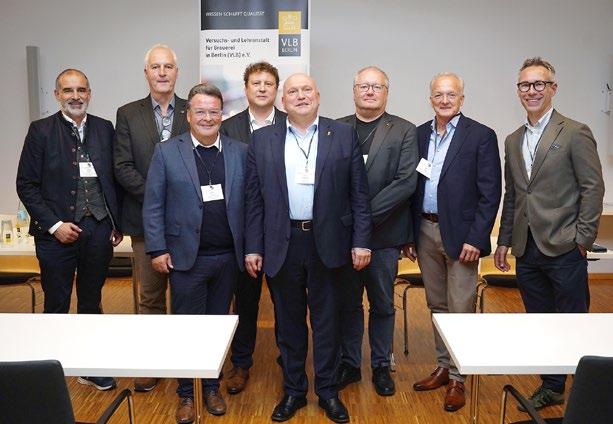
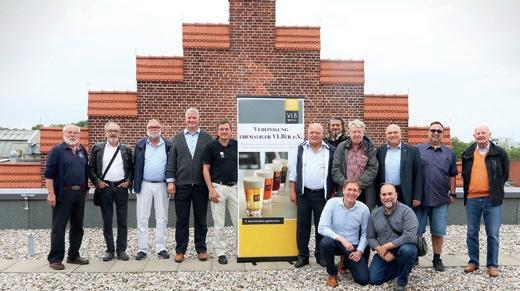
Members of the VLB Administrative Board with the Managing Directors at the General Meeting on October 6, 2025, in Berlin; from left: Dr. Stefan Kreisz, Michael Seip, Dr. Stefan Lustig, Dr. Björn Klotzbücher, Dr. Josef Fontaine, Gerhard Andreas Schreiber, Ulrich Rust, Jan Steffes
Photo: ew
New momentum for cooperation between VLB and TU Berlin
VLB Berlin and the Technical University of Berlin (TU Berlin) have launched a strategic process to further develop their long-standing collaboration in the field of brewing science. The goal is to develop a shared vision for Berlin as a center of scientific excellence and to ensure that their cooperation remains sustainable and forward-looking beyond 2028.
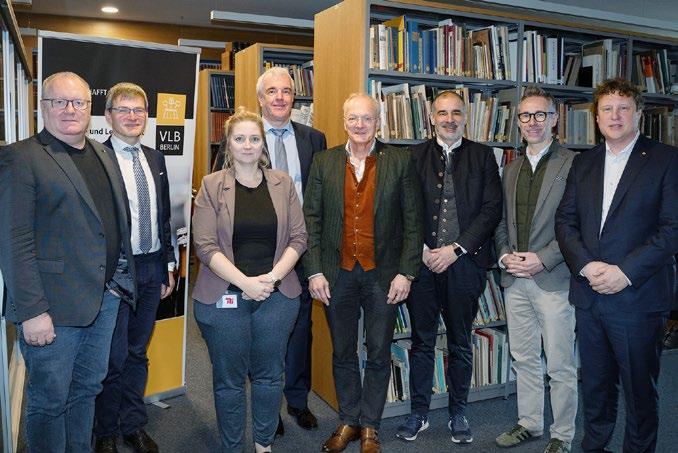
From left: VLB CFO Gerhard A. Schreiber, Prof. Dr. Stephan Völker (TUB Vice President for Research and Appointments), Prof. Dr. Katharina Herkendell (TUB, Head of the Department of Energy Process Engineering and Conversion Technologies for Renewable Energies and Scientific Director of VLB-FINEK), Lars Oeverdieck (Chancellor of TUB), Ulrich Rust (VLB President), Dr. Stefan Kreisz (VLB Vice President), Jan Steffes (VLB Treasurer), and VLB Managing Director Dr. Björn Ch. Klotzbücher
The existing cooperation agreement between the two institutions remains in effect until 2028. It forms the basis for the close integration of university teaching and industry-oriented research in the brewing science programs at TU Berlin. Another key component is the joint funding of the endowed professorship for brewing and beverage technology, which was filled in December 2025 with the appointment of Prof. Dr. Philip Wietstock as visiting professor. Against the backdrop of technological, economic, and societal changes in the brewing and beverage industry, both partners aim to strategi -
cally advance their collaboration and open up new avenues for research, teaching, and knowledge transfer. A particular focus is on the question of how Berlin can continue to position itself as an internationally visible and competitive hub in the field of brewing sciences. The joint strategic process kicked off with a meeting in December 2025 at the VLB, where the VLB’s Executive Board and Managing Director met with the university leadership of TU Berlin. Participants included the Chancellor of TU Berlin, Lars Oeverdieck; the Vice President for Research, Prof. Dr.-Ing. Stephan Völker; and the Vice Dean of Faculty
III, Prof. Dr.-Ing. Katharina Herkendell. Building on this exchange, another working meeting took place on February 12, 2026, between the university leadership, the faculty, and the VLB. The focus was on strategic guidelines for the future direction of brewing sciences in Berlin. Common objectives include the further development of attractive and internationally compatible degree programs, the improvement of study conditions, the strengthening of excellent research, and more intensive networking with related scientific disciplines and industry. Particular emphasis is placed on the transfer of scientific findings into practice as well as on the training of specialists and managers for a dynamically changing industry. The combination of basic university research, applied research, and continuing education is considered a key factor in the location’s success.
As part of the initiated process, key areas of action have been defined in which concrete objectives are to be developed by the end of the year and the foundations for a future cooperation agreement are to be established. These include, among other things, the further development of the range of courses, the strengthening of joint research initiatives, and the intensification of cooperation with national and international partners from academia and industry. For the VLB, the promotion of brewing science education and research at TU Berlin is a central element of its non-profit activities.
Photo: ew
New Head of the Department of Brewing and Beverage Technology at TU Berlin
Staff change in the Department of Brewing and Beverage Technology at the Technical University of Berlin: The former chair, Prof. Dr. Brian Gibson, left TU Berlin in December 2025 at his own request. Dr.-Ing. Philip Wietstock has taken over the academic leadership of the department.
(oh) Philip Wietstock (44) earned his degree in biotechnology engineering with a specialization in brewing from the Technical University of Berlin in 2009. He subsequently worked there as a research assistant in both research and teaching and earned his doctorate with honors for his work on the oxidative flavor
stability of beer. To take on his new responsibilities as head of the chair, Dr.-Ing. Wietstock was appointed visiting professor by TU Berlin in December.
The Chair of Brewing and Beverage Technology at TU Berlin is an endowed chair funded by TU Berlin and co-financed by VLB Berlin.
Philip Wietstock is to head this endowed professorship until the end of its regular term in 2028. At the same time, VLB and TU Berlin are currently working together on a strategy to secure the endowed professorship beyond 2028, thereby ensuring the long-term integration of brewing and beverage technology into research and teaching at TU Berlin.
VLB Managing Director Dr. Björn Klotzbücher emphasizes: “I would like to express my sincere thanks to Faculty III – Process Sciences – at the Technical University of Berlin, as well as to Prof. Dr.-Ing. Philip Wietstock, for their swift and constructive response in filling this position. This has made it possible to seamlessly ensure the continuity of our endowed professorship and the stability of the brewing and beverage technology degree programs at TU Berlin. In addition, we would also like to express our sincere thanks to Prof. Dr. Brian Gibson for his dedicated work over the past five years and wish him all the best for his professional and personal future.”
The Department of Brewing and Beverage Technology at TU Berlin and VLB Berlin work closely together in academic formation and applied research. With the swift appointment of a new chair for the department, this collaboration is secured for the coming years as well.
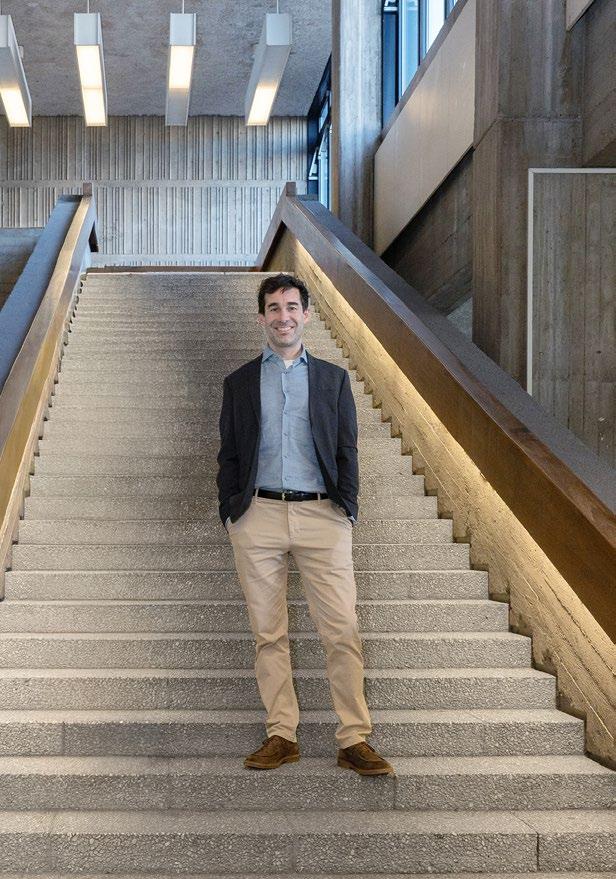
In the TU Headquarter: Prof. Philip Wietstock, Ph.D., will succeed Prof. Brian Gibson, Ph.D., as Chair of Brewing and Beverage Technology at the Technical University of Berlin
Photo: ew
Farewell to Hans-Jürgen Manger
On January 18, 2026, Dr. sc. techn. Hans-Jürgen Manger passed away in Frankfurt (Oder) at the age of 85. With his passing, the field of brewing science has lost a leading figure who was closely associated with the VLB Berlin for many decades and who had a lasting influence on the development of brewing technology in the GDR and in reunified Germany.
(oh) Dr. Manger, born on May 2, 1940, in Pößneck, Thuringia, began his professional career in 1958 with an apprenticeship as a brewer and maltster at the Rosenbrauerei Pößneck in Thuringia. After studying fermentation technology at Humboldt University in Berlin, he devoted himself early on to scientific questions in brewing technology. His doctoral dissertation and subsequent habilitation at Humboldt University in East Berlin focused on key topics in process and equipment design, as well as the rationalization and increased efficiency of beer production—issues that remain highly relevant to this day. Between 1970 and 1990, Dr. Manger was active in research and teaching at Humboldt University. During this time, he served not only as a scientist but also as a disseminator of knowledge. Particularly noteworthy is his commitment to the so-called “Lehrbriefe” (educational letters), which later formed an essential foundation for a series of technical books published by VLB Berlin. In doing so, he made an important contribution to the systematic compilation and dissemination of brewing technology knowledge. Following German reunification, Dr. Manger took over as director of the Oderland Brewery in Frankfurt (Oder) from 1990 to 1995. Even after taking early retirement in 1996, he remained closely connected to the industry. As a freelance lecturer at the Technical University of Berlin and at the VLB Berlin, he shared
his extensive experience with students and professional colleagues. A particular focus of his work was on technical writing. Since 1999, Dr. Manger published nine comprehensive technical books at the VLB as sole author, as well as ten additional works with co-authors, including Prof. Dr. Gerolf Annemüller. These publications reached a total print run of approximately 15,000 copies. Several of these textbooks were translated into other languages and also gained international recognition. In addition, for over 25 years he served as editor-in-chief and publisher of the Yearbook of the Society for
the History of Brewing (GGB) e. V., as well as a member of the editorial advisory board of the Brauerei Forum. Until the very end, he kept abreast of technical innovations in the brewing and beverage industry at trade fairs, conferences, and as a member of the Technical Scientific Committee (TSC) of the VLB Berlin. His work was always characterized by a high degree of technical precision, systematic approach, and practical relevance. Furthermore, he was distinguished by great personal integrity, which was reflected in his helpfulness, his calm demeanor, and his genuine interest in the concerns of his colleagues – all underpinned by his unwavering devotion to beer as a product. In 2015, Dr. Manger was awarded the VLB golden badge of honor for his many years of service. He was also an honorary member of the Berlin-Brandenburg regional chapter of the German Association of Brewmasters and Maltsters (DBMB).
The VLB Berlin owes Dr. Hans-J. Manger a debt of gratitude. His work has enriched education and training in the brewing and beverage industry in a special way and set standards that will endure beyond his active career. Our deepest sympathies go out to his family, especially his wife Rita and his son Andreas.
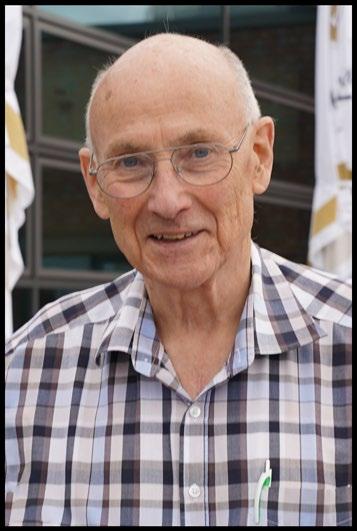
Dr. Hans-J. Manger † (2.5.1940 – 18.1.2026) This picture was taken in July 2024
Photo: ew
Florian Heukäufer head of VLB Testing Laboratory for Packaging
VLB's Testing Laboratory for Packaging has been under new leadership since July 2025. Florian Heukäufer, selfproclaimed king of packaging, succeeded Susan Dobrick, who left VLB at her own request.
(oh) Florian Heukäufer (34), a graduate of the Brewing and Beverage Technology program at the Technical University of Berlin, completed his master’s degree in 2020. He then joined the VLB’s Packaging Testing Laboratory as a research assistant, where he worked in quality management, research, and project work. Most recently, he held the position of deputy head of Testing Laboratory taking over the head position in July 2025.
With his extensive experience in packaging testing and his comprehensive knowledge of filling and packaging processes in the brewing and beverage industry, the Berlin native is ideally qualified to lead this specialized laboratory. A particular focus of his work is on root cause analysis for non-conformities in bev-
The 1st Draft Beer Filling Conference in Bergamo will explore the suitability of keg filling for a wide range of beer styles, including non-alcoholic options.
The conference will be held in English at the Starhotels Cristallo Palace in Bergamo, which also offers convenient on-site accommodation for participants.
+ Keg plants should receive the priority they deserve, as the consumer’s draft beer experience may directly influence the purchase of beer for offtrade consumption.
erage containers. To further optimize work processes, Heukäufer plans to continue driving digitalization at the Packaging Testing Center. Additionally, a central contact address has been established to improve customer communication. All inquiries and test results can be handled efficiently and transparently via packaging@vlb-berlin. org.
Florian Heukäufer succeeds Susan Dobrick, who has led the VLB Packaging Testing Center since 2016. The VLB Managing Director expressly thanks Susan Dobrick for her many years of successful collaboration and wishes her all the best for the future. The VLB Packaging Testing Laboratory has been operating since 1972 as a specialized laboratory for the brewing and beverage industry as well as the food industry. Its range of services includes testing of glass and PET bottles, plastic crates, crown corks, labels, screw closures, cans, and outer packaging, as well as the production of fill volume templates.
+ If on-trade occasions for drinking draft beer - for various reasons - are dropping the KEG format is at risk of losing its relevance entirely and as a result breweries may lose profitable volume.
+ To support draft beer Quality, this conference aims to highlight latest developments and best practices during the filling process, accompanied by highlighting critical process control points.
The conference program includes a welcome get-together and a technical visit to COMAC on Monday, 31 August, followed by a technical visit to Heineken Comun Nuovo on Tuesday, 1 September.
With support of:
www.vlb-berlin.org/en/draftbeer2026
Florian Heukäufer
Photo: ew
7th VLB Research Colloquium: Research is the driving force behind innovation
Dr. Maja Schuster, VLB Research Coordination
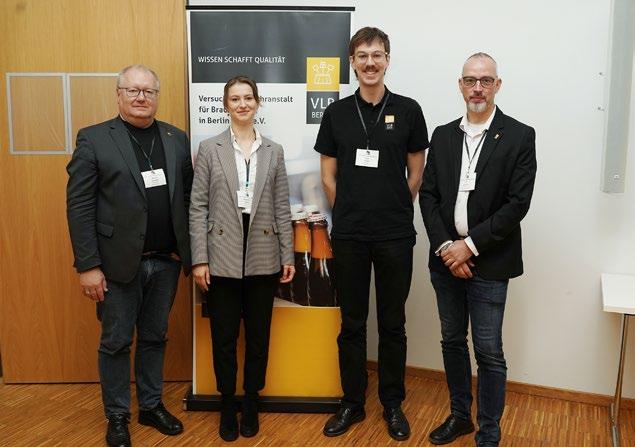
As part of the VLB October Convention, the institutes presented their latest research findings from publicly funded projects at the 7th VLB Research Colloquium. In addition to the overarching theme of “Current Developments in German Research Funding,” new developments were also presented. The large audience once again underscored the interest in the topics presented and the importance of the VLB’s independent research.
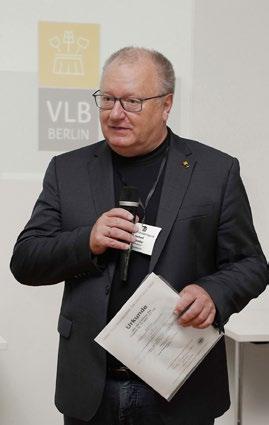
Gerhard Andreas Schreiber, VLB’s Managing Director and Research Coordinator, led the proceedings for this year’s VLB Research Colloquium. In his opening remarks, he provided an overview of the current state of the German funding landscape for applied research. The availability of public funding remains high, but is showing a downward trend. For example, funding for the Federal Ministry for Economic Affairs and Energy’s (BMWE) major “Central Innovation Program for SMEs (ZIM)” was cut by approximately €109 million for the year 2025. Funding for independent industrial research, however, remained at its previous level.
The establishment of the German Agency for Transfer and Innovation (DATI) remains uncertain, although around 300 projects were already launched in 2024 as part of the preceding DATI pilot program.
Despite declining public funding, an overall upward trend in investment in research and development (R&D) is emerging. Expenditures in this area now amount to over 3% of gross domestic product. This places Germany above the average for OECD countries; the largest share of this is accounted for by private R&D spending by companies.
In the course of the formation of the new government, discussions arose between the Ministry of Economics and the Min -
istry of Research regarding future responsibility for research funding programs. These discussions were not concluded until early October 2025 – with the result that industrial research programs will remain under the purview of the BMWE. Schreiber presented the research tax credit (FZul) and the related changes introduced by the Growth Opportunities Act as an easily accessible funding instrument for innovative companies. Companies of all sizes can claim their R&D expenses for tax purposes, with the funding rate reaching up to 25% and up to 35% for small and medium-sized enterprises (SMEs). Retroactive refunds of up to €1 million per year are possible for the period from 2020 to 2023, and since 2023, up to €2.5 million or €3.5 million for SMEs. With an approval rate of over 80%, the FZul has “high potential for success.”
Schreiber illustrated the simple and efficient application process using the example of the VLB’s internal “MessQuick” project. The goal of the three-year project was to develop a system for the automated integration of laboratory measurement data into the laboratory information system. Since the project had initially begun without public funding, the FZul was a particularly good fit, as it also supports ongoing projects. Only six months had passed from the application to the Research Allowance Certification Office (BSFZ) to the tax assessment. In conclusion, Schreiber invited all participants to contact the VLB with research ideas and practice-rele -
vant questions in order to jointly develop innovative projects and further advance technology transfer in the industry.
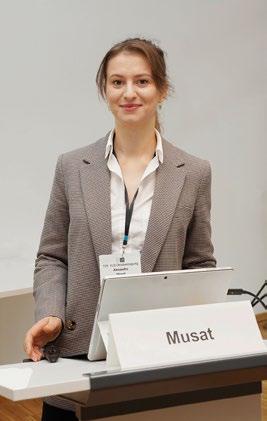
The next presentation was given by Alexandra Mușat from the Research Institute for Biotechnology and Water (FIBW). Mușat presented a new potential method for analyzing Premature Yeast Flocculation (PYF) potential, which was developed as part of the Project Innovative Characterization of Premature Yeast Flocculation (INNO-KOM 49VF240013). Premature Yeast Flocculation (PYF) is an important parameter in the brewing process. PYF leads to incomplete fermentation and thus to higher costs for the brewery. To date, the potential has been determined using the Asahi
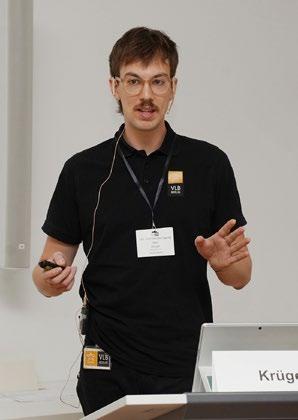
Max Krüger
Photos: ew
Gerhard A. Schreiber
Alexandra Mușat
test. However, this method is laborintensive and time-consuming. With the method tested for the first time, which utilizes STEP technology using a LUMiSizer device, the potential should be easier and faster to determine. As the project progresses, the standard Asahi method is to be further optimized so that less material is required. Ultrafiltration will be used to determine the molecular size of the PYF factors.
The presentation by Max Krüger, a researcher in the Sensory Science department at the Research Institute for Raw Materials and Beverage Analysis (FIRGA), focused on the optimal concentration of glycerin in alcohol-free beers as part of the project Sensory and Colloidal Stability of Alcohol-Free Beers (INNO-KOM 49VF210007). Krüger investigated glycerin as a substitute for ethanol, which influences both the mouthfeel and the volatility of flavor substances in beer. An attempt was made to optimize the glycerin content in various alcohol-free beers in such a way that both the mouthfeel is improved and the often characteristic malty taste is reduced. Alcohol-free beers enriched with just 1.5 to 2% glycerin were rated more positively by the panelists than the unmodified base beers. The panel noted an enhanced mouthfeel, increased sweetness, and reduced bitterness. However, this impression was not confirmed for biologically produced alcohol-free beers. In these cases, the addition of glycerin merely in -
creased the sweetness parameter. The malty flavor and other characteristics were not affected.
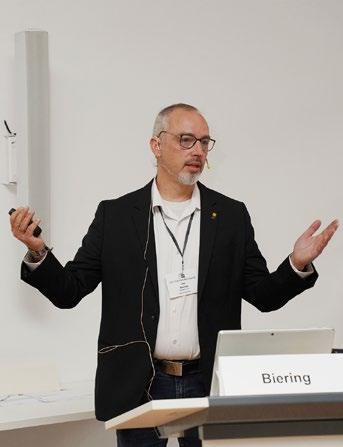
At the conclusion of the colloquium, Jan Biering , Director of the Research Institute for Beer and Beverage Production (FIBGP), presented the results of the project Development of a combined mid-infrared/UVVIS-FL measurement system for real-time monitoring of beer fermentation and determination of beer maturity using characteristic aromas (ZIM KK5335205BA1). Using the diacetyl value as an example, the goal was to develop, in cooperation with two companies and Coburg University, a portable system to replace the expensive and time-consuming determination of diacetyl during fermentation. The consortium was able to develop AI models based on the determined MIR and UV spectra, which showed a good correlation with the measured values for diacetyl and other fermentation parameters. The system is not yet small and portable. However, Biering held out the prospect of the consortium continuing for further developments.
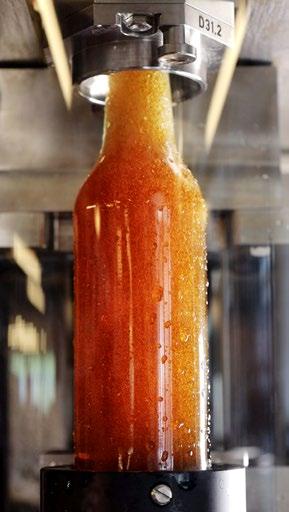
In September, a new generation of bottle fillers – the KRONES Dynafill – was put into operation at the VLB’s Wilfried Rinke Brewing Training Center. The pilot-scale system has been tested and has already proven itself in practical use at the VLB’s German Brewmaster Course and at the Carlsberg ISC Brewmaster Academy.
(BF) The KRONES Dynafill is a completely redesigned filling and capping system that offers a number of advantages over conventional systems. This becomes clear sim -
ply by observing the filling and capping process in the pilot plant. A Dynafill valve fills and caps a container in less than five seconds. At the same time, the microbiological risk is reduced. The process operates at ambient temperature. “The actual filling takes only about half a second. If you blink at the wrong moment, you’ve already missed the process,” says Paul Böck, master brewer at the VLB Brewery Technical Center. “It’s fun to demonstrate the Dynafill because everyone who sees it is thrilled by the technology.”
Kurt Marshall, Head of the Brewing Technology Center, adds: “Once again, Krones has provided outstanding support to our pilot brewery. The new bottle filler has already been used in a number of formation, industrial, and research projects. It’s fantastic for us that we now also have the latest filling and capping
Reusable plastic layer pads (PLPs) and durable plastic pallets are increasingly becoming essential in modern beverage logistics, offering clear advantages and long-term cost efficiency. Especially in demanding environments such as breweries, they help reduce breakage, improve handling, and ensure consistent palletization. Against this backdrop, the VLB Pilot Brewery recently enhanced its operations with new support materials provided by the CARTONPLAST Group, the market leader for reusable transport packaging in the food & beverage industry. The brewery required durable, easily identifiable pallets as well as lightweight, robust layer pads for can storage solutions that Cartonplast was able to supply immediately. “Even though we are a pilot brewery we’re often confronted with the same challenges as a large brewery. We were fortunate that we contacted the perfect company which could supply just what we needed.” said VLB Brewmaster Paul Böck. Cartonplast donated 100 reusable layer pads along with 8 durable plastic pallets to support the facility and enhance its day-to-day operations. Kurt Marshall, Head of the VLB Pilot Facility, added: „Our pilot facility obviously isn’t a production brewery and as such we often rely on the good will of partners in the industry to help. We are very grateful to the people at Cartonplast for donating these materials to us.“ Kurt Marshall
technology at our disposal. We are very much looking forward to using this technology in our upcoming training programs, such as the Carlsberg ISC Brewmaster Academy, the German Master Brewer Course, and the international VLB Certified Brewmaster Course, as well as with the students at TU Berlin. We would like to extend a special thank you to Franz Obermeier, Head of the Filling Product Line at Krones, who played a key role in this sponsorship. We also thank Christian Bockisch, CRD Project Management, who was always there to support us during the commissioning process.” Philipp Zeuschner, Deputy Director of the VLB Research Institute for Beer and Beverage Production (FIBGP) and lecturer in Energy and Supply, is also impressed: “On a larger scale, the Dynafill system offers enormous energy-saving potential and opens up possibilities for entirely new plant concepts. Filling carbonated beverages at temperatures up to 30 °C at this speed is truly something new. The lower heat recovery compared to filling at low temperatures, as well as the trend toward warmer cold block areas, give a sense of just how much energy-saving potential this technology holds.” Apart from that, foaming over the bottles is almost completely prevented. This means hardly any product ends up on the equipment, which significantly reduces the resulting microbiological challenges.
Jan Biering, Head of the FIBGP, adds: “Our KRONES Dynafill pilot plant is another great addition to our brewery training center. It’s wonderful to have partners in the industry we can rely on. Not only when it comes to state-of-the-art equipment, but also in terms of a continuous, reliable partnership. This support for the formation and continuing education of future brewmasters also underscores KRONES’ commitment to the future of our industry.”
Photos: Krones/VLB Berlin
New Beverage Training Program at VLB
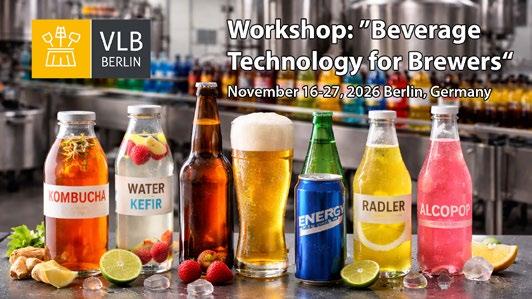
The beverage industry is changing – and breweries are facing new opportunities. With its new English-language intensive course “Beverage Technology for Brewers” VLB expands its training portfolio with a forwardlooking program designed for brewing professionals from around the world. The first course will take place 16 to 27 November 2026, in Berlin.
After years of strong growth, the craft beer segment has recently entered a phase of consolidation. At the same time, non-alcoholic and fermented beverages beyond traditional soft drinks are gaining significant market acceptance. This is where the new VLB course comes in: it helps breweries broaden their technological expertise and develop innovative, market-ready beverages – using existing brewing and packaging equipment while opening up new creative possibilities.
This ten-day, full-time course provides up-to-date knowledge in the professional production of soft drinks, alcoholfree and low-alcohol beverages, and mixed drinks. Covered products include soft drinks, alcopops, flavored beers, hard seltzers, shandies, and non-alcoholic fermented beverages such as kombucha and water kefir. Experienced industry experts deliver lectures that combine theory and practice, addressing key topics such as raw materials (water, sugars,
flavors, and microorganisms), special fermentation processes, dosing and blending, filtration and filling, microbiological and hygiene management, sensory evaluation, and the fundamentals and challenges of quality control.
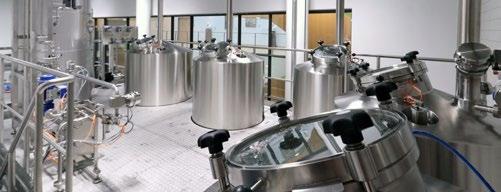
A key strength of the program is its hands-on focus. Participants work directly with modern production equipment in the VLB pilot brewery and laboratories, gaining practical experience in dosing, mixing, filling, and microbiological sampling. The course is taught in English and is designed as an intensive, highly interactive learning experience. To ensure maximum individual benefit, the number of participants is strictly limited.
Who should attend?
The course is aimed at experienced brewers and especially brewmasters who are involved in product development and production and want to expand their expertise in alternative beverage production. A solid background in beer brewing is required, as the traditional brewing process itself is not covered.
With “Beverage Technology for Brewers” VLB Berlin once again demonstrates its commitment to high-level, practice-oriented, and internationally focused professional education – supporting breweries worldwide as they explore new beverage categories and future markets. www.vlb-berlin.org/en/beveragetechnology-course
1ST VLB NORTH AMERICAN BREWING CONFERENCE
14 to 16 September 2026, Toronto/Canada
VLB Berlin, in collaboration with other scientists, is looking forward to presenting the latest results from initiatives and research for the malting and brewing industry at the Holiday Inn Airport Hotel in Toronto.
Furthermore, as big CAPEX investments are less attractive in the current economic situation, there is an opportunity to utilize time to review available installations and processes in detail, scouting for smart upgrades, retrofits, or process optimizations that improve profitability throughout the brewing and packaging process. Solutions presented by sponsors – with hands-on experience and return on investment examples – shall shine a light on opportunities from various angles.
In addition, there will be an optional Sensory Workshop on Thursday, 17 September.
www.vlb-berlin.org/en/toronto2026
Ibero-American VLB Symposium “Brewing & Filling Technology 2025” in Brazil draws a large audience
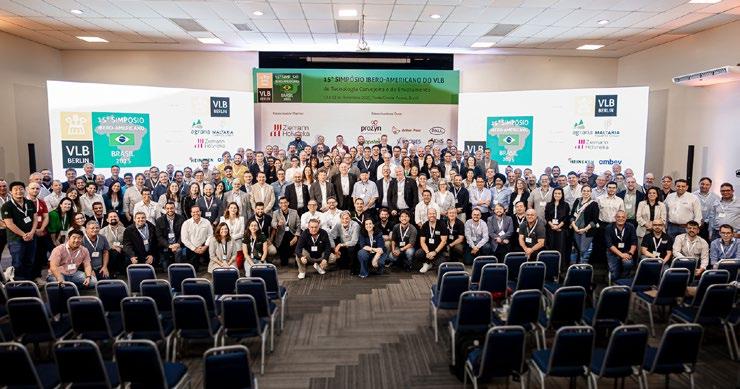
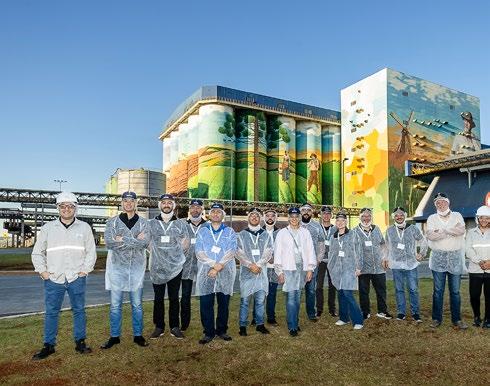
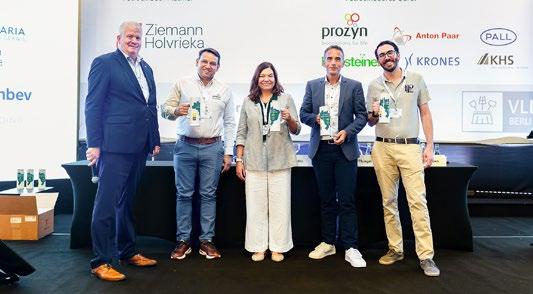
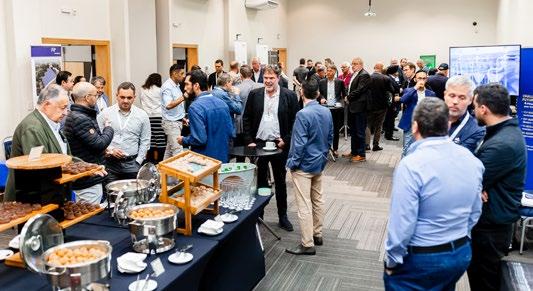
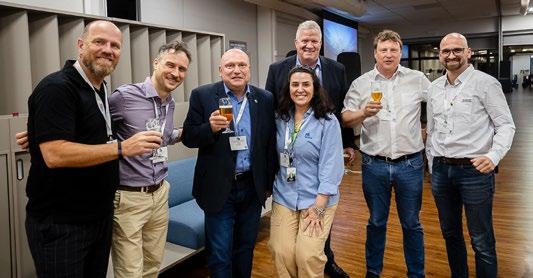
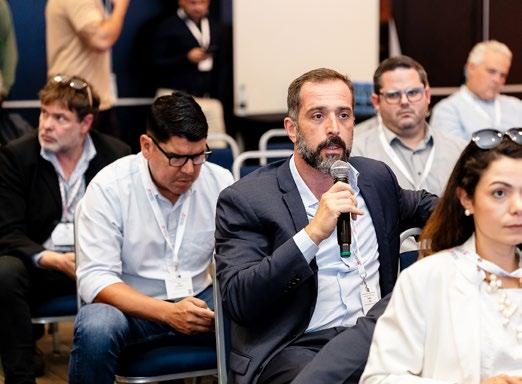
The 15th Ibero-American VLB Symposium took place from November 10 to 12, 2025, in Ponta Grossa, Brazil. With approximately 200 participants from 20 countries, the event once again demonstrated its status as one of the most important platforms for communication and knowledge exchange among technical leaders in the Latin American brewing industry.
(BF) Since 2008, the Ibero-American VLB Symposium has firmly established itself in the Latin Americanspeaking world as a premier professional event for technical executives in the brewing and beverage industry. This year marked the fifth time since 2012 that this renowned technology forum has been held in Brazil. With a population of around 212 million and an annual beer production of an impressive 147 million hectoliters, Brazil is the world’s third-largest beer-producing nation after China and the U.S.
The city of Ponta Grossa is located in southern Brazil, a region characterized by intensive agricultural activity. Two major brewing groups, Heineken and AmBev, are represented there.
In addition, the agricultural cooperative Agrária has operated Brazil’s largest maltings there since 2024, with an annual malting
capacity of 240,000 tons. This impressive facility was toured on the first day of the event as part of the symposium, followed by an evening reception hosted by Agrária. The lecture program on the second and third days of the event comprised six sessions on current issues and innovations in the areas of brewing, raw materials, brewhouse technology, fermentation, yeast management, and beer filtration.
As usual, the symposium was conducted bilingually in English and Portuguese with simultaneous interpretation.
The program concluded on Thursday with a sensory analysis workshop. There, the VLB sensory analysis team conducted a practical training session on optimizing internal beer tastings.
Other highlights of the conference included tours of the Heineken Brewery and the AmBev Adriática Brewery, both located near Ponta Grossa. An atmospheric welcome evening hosted by platinum sponsor Ziemann Holvrieka rounded out the
symposium. Participant feedback collected via the event app showed an extremely positive response and provided numerous suggestions for the next Ibero-American VLB Symposium.
Martin Dubrowsky, the new organizer of the Ibero-American VLB Symposium, was also very satisfied: “On behalf of the VLB and all participants, we would like to thank all the speakers and, in particular, Cooperativa Agrária, Heineken Brasil, and AmBev for their fantastic support here in Ponta Grossa. In addition, our thanks go to Platinum Sponsor Ziemann Holvrieka and the other sponsors who made such a high-caliber conference possible in the first place.” The 16th Ibero-American VLB Symposium will take place from November 23 to 25, 2026, in Panama.
Photos:
1) Safety first: Tour of Cooperativa Agrária’s new malting plant
2) Group photo in the auditorium
3) The new malting plant of Cooperativa Agrária
15° SIMPÓSIO IBERO-AMERICANO BRASIL
Photos: Rogerio Altair da Silva Junior, Fotografia
16TH
VLB
IBERO-AMERICAN
SYMPOSIUM BREWING & FILLING TECHNOLOGY
23 to 25 November 2026, Panama City/Panama
The 16th Ibero-American Symposium will take place from November 23 to 25, 2026 in Panama. The event will take place at The Westin Hotel – Playa Bonita, Panama.
VLB Berlin is looking forward to presenting results and initiatives around water in breweries and brewing water at the 16th Ibero-American Symposium. Water matters.
It is not only relevant to breweries and beverage companies in the Caribbean. Water availability – in quality and quantity – is key. The highly efficient use, re-use, re-circulation, preparation and desalination technology and its limits in brewing and packaging processes shall be the subject of this upcoming 16th Ibero-American Symposium.
VLB Berlin is looking forward to welcoming teams from breweries and suppliers at this iconic annual conference for The Americas.
In addition, there will be an optional Sensory Workshop on Thursday, 26 November.
Check your brewing expertise!
How solid is your expert knowledge when it comes to beer brewing? Whether craftsmanship or extensive expertise in the field of microbiology and food chemistry, a brewer needs the knowledge and overview of the entire manufacturing process. In this issue, we have collected some questions that are part of the basic knowledge of a professional brewer.
1. How does the extract concentration of the first wort change during lautering in the lauter tun?
a) It is significantly higher at the beginning of the first wort run than at the end.
b) It is significantly lower at the start of the first wort run than at the end.
c) It hardly changes.
d) It is highest in the middle of the first wort run.
e) It is lowest in the middle of the first wort run.
2. Numerous processes take place in the wort kettle during boiling that are important for the brewing process. What does NOT happen during this process?
e) The hop oils are permanently bound in the wort.
3. The pH of the wort drops slightly during the boiling process. This is due to various chemical processes. Which two statements are CORRECT?
a) The pH of the wort decreases when zinc is added.
b) The pH value in the wort decreases due to the formation of melanoidins.
c) The pH value in the wort decreases due to the absorption of oxygen.
d) The pH value in the wort decreases due to the inactivation of enzymes.
e) The pH value in the wort decreases due to the addition of hops.
4. Hops are usually added during wort boiling. However, they can also be added later in the brewing process. In that case, we refer to…
a) Green-Hopping b) Wet hopping
c) Dry hopping
d) Late hopping
5. Before freshly harvested hops can be stored and processed, they must be dried. How much residual moisture should the hops still have after this drying process?
a) 6–8% b) 8–12%
c) 14–17% d) 18–23%
e) over 30%
6. Carbohydrates, as the main component of brewing malt, are very important in the production of wort and beer. However, one carbohydrate in brewing malt is indigestible to the human body. Which one is it?
a) Glucose
b) Maltose
c) Amylose
d) Amylopectin
e) Cellulose
7. To ensure that fermentation begins quickly, the pitching wort should contain sufficient fermentable sugars. Which of the following sugars is a fermentable sugar?
a) Glucose
b) Maltose
c) Maltotriose
d) Raffinose
e) Amylose
8. During alcoholic fermentation, the yeast converts maltose into alcohol and carbon dioxide while generating heat. Which alcohol is primarily produced in this process?
a) CH₃OH
b) CH₃– CH₂OH
c) CH₃– CH₂– CH₂OH
d) CH₃– CH₂– CH₂ – CH₂OH
e) (CH₃)2– CH – CH₂OH
9. Fermentation also produces numerous byproducts in low concentrations. Which of the following substances is not a fermentation byproduct of beer production?
a) Diacetyl
b) Higher alcohols
c) Esters
d) Nitrosamines
e) Aldehydes
f) Sulfur compounds
Answers
1. c) The first wort is the liquid that contains the dissolved extract substances after mashing. It is separated from the undissolved substances (the spent grains) during the lautering process. The first wort should generally have an extract content that is 4–6% higher than that of the beer being produced. This means that for a lager beer with a 12% extract content, a first wort concentration of 16–20% is required. No additional water is added when the first wort is drawn off. Therefore, the concentration of the first wort remains approximately constant throughout the lautering process. Once the first wort has been drawn off, the remaining extract is dissolved from the spent grain by sparging with hot brewing water (lautering), and the extract content of the drawn-off wort decreases.
2. e) The wort obtained during lautering is boiled for about 60 minutes, depending on the process. Wort boiling has various effects. First, the extract concentration required for fermentation is adjusted by evaporation of a specific amount of water. Furthermore, hops are typically added at this stage. During this process, the bitter substances in the hops are converted (isomerized) and dissolved. Since boiling generally takes place at 100 °C or higher, the entire wort is also largely sterilized, ensuring that no beer-spoiling bacteria or yeasts remain in the wort. This is an important prerequisite for clean fermentation with pure yeast. During boiling, compounds formed from polyphenols and proteins precipitate as hot break and can be removed after boiling. Hop oils, which are found particularly in aroma hops, are, in contrast, volatile compounds that undergo evaporation during boiling and can no longer contribute to the beer’s aroma. For this reason, aroma hops are often added only at the end of the wort boiling or afterward (e.g., in the whirlpool or in the storage tank, dry hopping).
3 b) and 3 e) When exposed to temperatures above 90 °C for an extended period, amino acids react with reducing sugars to form so-called melanoidins (Maillard reaction). This group of substances is dark in color and has an intense aroma. Melanoidins are responsible for roasted flavors and are produced, for example, during frying, baking, and also during the kilning of malt. Melanoidins are generally acidic, so they slightly lower the pH of the wort. The alpha and beta acids added with the hops during wort boiling also have a pH-lowering effect.
4. c) Hop oils are highly aromatic but highly volatile compounds that are typically evaporated during the wort boiling process and are thus lost. To impart specific hop aromas to the beer, aroma hops are therefore added only toward the end of the boil or in the whirlpool. Another option is to add aroma hops to the already fermented beer in the storage tank. During this extended contact time, the hop oils are released, resulting in beers with a strong hop aroma. This traditional technique is called “dry hopping” or cold hopping. For practical reasons, hops are often dosed in pellet form. However, it’s important to note
that fermentable carbohydrates and enzymes can also enter the beer along with the hops, which can stimulate alcohol production upon contact with the yeast. This effect is called the “hop creep effect.” It is particularly undesirable in alcohol-free beers.
5. b) Freshly picked hops have a moisture content of 75–80% and cannot be stored in this form. They must therefore be dried immediately. This drying takes place on belt dryers or in hop kilns in batch operation. During this process, the hop cones are carefully dried to a moisture content of 8–12%. The temperature should not be too high, as otherwise the highly volatile hop oils will be lost. The dried hops are then pressed into ballots (approx. 65 kg each) or vacuum-packed. To achieve an even longer shelf life and a more compact volume, these hops are then typically further processed into pellets or hop extract.
6. e) Cellulose is a major component of plant cell walls. It is a linear polysaccharide (complex sugar) consisting of very long chains of glucose molecules. Barley dry matter contains approximately 5–6% cellulose, which is removed along with the spent grain from the brewing process. Cellulose is indigestible for humans and most animals, but it is necessary as a valuable dietary fiber for digestion.
7. a) If various sugars (carbohydrates) are available to the yeast, glucose is metabolized first. This simple sugar can be directly converted into energy, which is needed for rapid cell multiplication. This process requires oxygen, which is supplied via the wort aeration system. Once this is depleted, the yeast begins to break down disaccharides -preferably maltose. In this process, maltose is split into two glucose molecules. These are broken down into pyruvate, which is then converted into alcoholic fermentation in the absence of oxygen.
8. b) The main product of alcoholic fermentation is ethanol (ethyl alcohol, C₂H₅OH). According to GayLussac’s law, 1 mole of glucose (180 g) produces 92 g of ethanol and 88 g of CO2 Additionally, 260 kJ of energy per mole is released in the form of heat. Although other alcohols are also produced as fermentation by-products, they occur in significantly lower concentrations.
9. d) Fermentation by-products generally have a significant influence on the flavor, flavor stability, and quality of beer. While diacetyl, higher alcohols, esters, aldehydes, and sulfur compounds are important fermentation by-products that must be kept within their respective optimal limits during the brewing process, nitrosamines are not among them. Nitrosamines (NDMA) are carcinogenic and can form from amino acids and nitrogen oxides at higher temperatures. In the past, when heating gases were passed directly through the malt, nitrosamines could be formed during kilning. Today, kilns operate with heat exchangers, and nitrosamines do not pose a problem in beer.
VLB International Activities
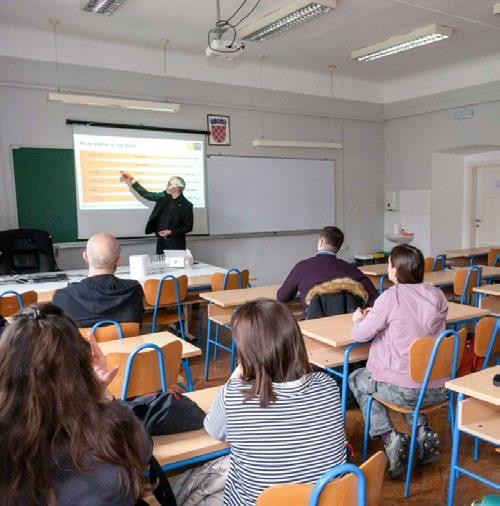
Jan Biering ran a workshop at the 4th International Professional Conference, 'With Brewers, for Brewers', held at the University of Applied Sciences in Karlovac, Croatia, from 26 to 28 March 2026
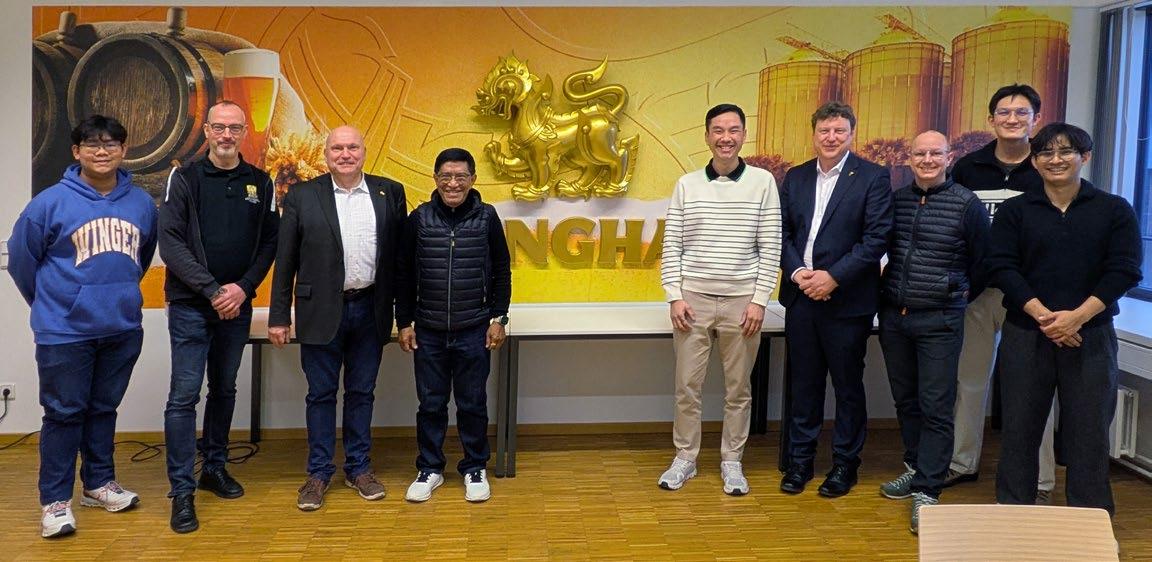
On Friday, 16 January 2026, Khun
presented our latest projects and gave them an update on our laboratories and pilot brewery. They were also pleased to see that the three
on
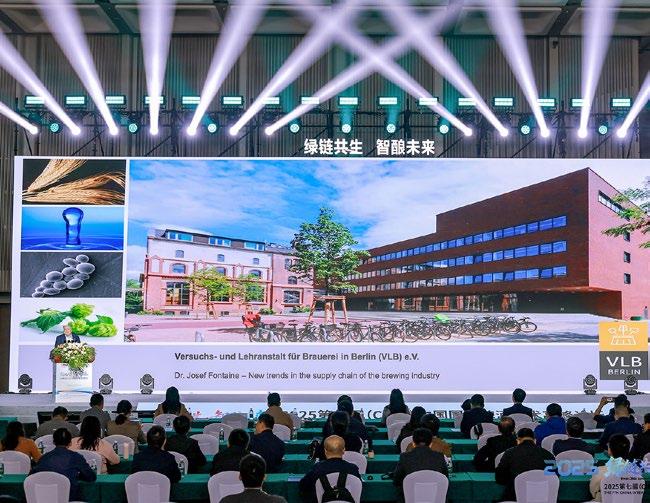
VLB Brand Ambassador Dr. Josef Fontaine at the 7th China International Beer Technology Summit (CIBC) in Shenzhen, China, on 11 & 12 December 2025
Isara Khaola-iead, Senior Vice President of Boon Rawd Brewery Co., Ltd, and Sarunyoo Songkram, Master Brewer at Boon Rawd, paid us a spontaneous visit. We
Boon Rawd trainees who started our Certified Brewmaster Course 2026
7 January have settled in well in Berlin
Photos: VLB Berlin
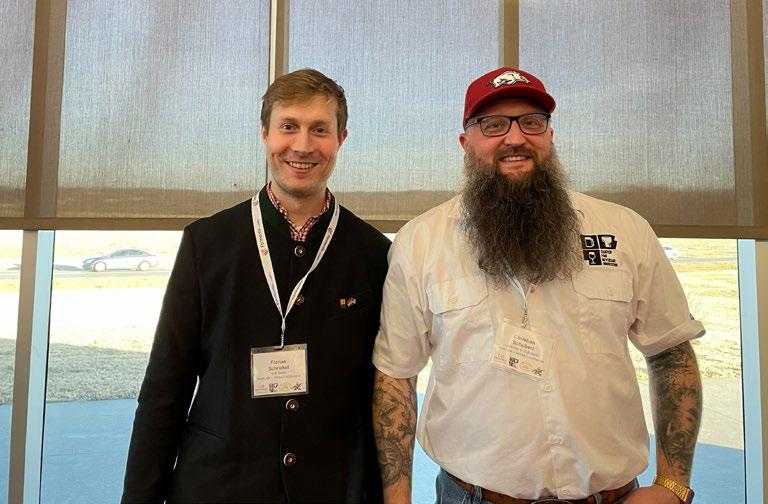
Florian Schrickel (l.) and Dr. Christian Schubert presented research results at the University of Arkansas's NonAlcoholic Beer (NAB) Research & Innovation Meeting from 5 to 7 February 2026 in Fayetteville, Arkansas, USA
UofA Non-Alcoholic Beer (NAB) Research & Innovation Meeting 2026
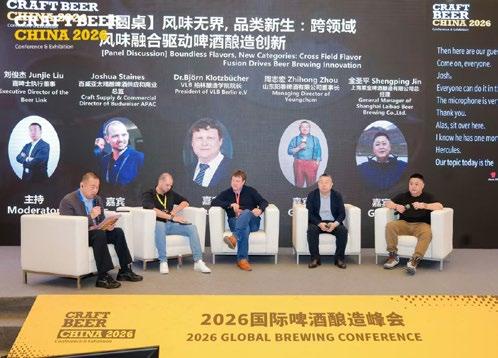
left image: VLB Managing Director Dr. Björn Klotzbücher joined a panel discussion on the Craft Beer China Conference in Shanghai, China, from 7 to 9 April 2026
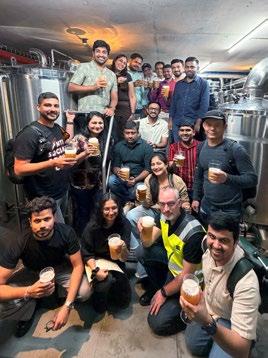
right image: Jan Biering and Gayatri Mehta conducting a workshop “VLB Craft Brewing Course for India 2026” in Bangalore, India, in February 2026
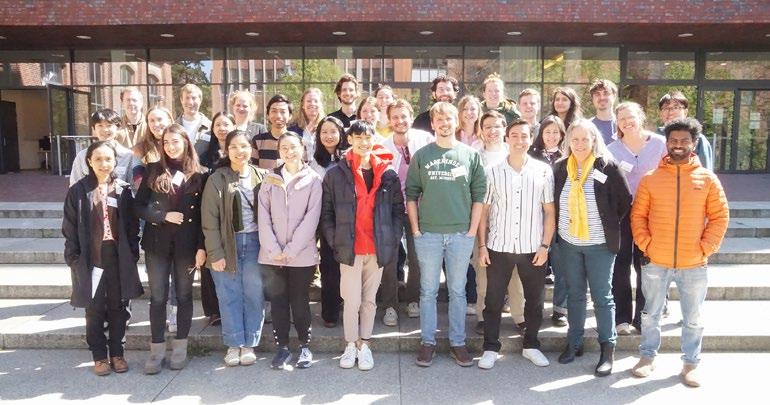
On 23 April about 25 PhD candidates from Wageningen University, a research group for Food Process Engineering, visited VLB Berlin. During the event, PhD-candidates from Wageningen University, VLB Berlin and TU Berlin presented their research topics. The event was rounded up by showing VLB laboratories and facilities
Carlsberg-Brewmaster Academy continues cooperation with VLB Berlin
Two years ago, the Carlsberg Group reorganized its internal brewmaster training program in cooperation with VLB Berlin. Following the successful completion of the first class in March 2026, the second cohort has already started its training.
(oh) The initiative reflects a longstanding commitment expressed by Carlsberg founder J.C. Jacobsen: “The constant purpose of the operations at Carlsberg shall be to develop the art of brewing to the highest possible degree of perfection.”
Based on this principle, Carlsberg continues to invest in people as a key element of its growth culture. The new Carlsberg-ISC-Brewmaster Academy was developed to strengthen brewing expertise across the group and to pass knowledge on to the next generation of brewing professionals. The program combines theoretical classroom instruction with practical laboratory work and process-related exercises. Training takes place at VLB Berlin and at Holsten Brewery in Hamburg, which is part of the Carlsberg Group. Core brewing technology is taught by VLB lecturers and complemented by experts from Carlsberg as well as project and technology partners from the supply industry. The program is conducted alongside regular work and concludes with a final examination.
Successful participants receive the title “Brewmaster – Certified by VLB Berlin.”
The first course began with a kickoff meeting in Hamburg on March 24, 2025. One week later, the first training module started at VLB Berlin with 13 participants from Carlsberg sites in Europe and Asia. Over the course of the program, the participants completed 13 theoretical exams as well as oral and practical onfloor assessments. The combination of theory and handson training was designed to ensure that brewing excellence remains at the
center of Carlsberg’s operations. The first course was successfully completed on March 18, 2026. The official certificate ceremony took place on March 27, 2026, at Carlsberg’s headquarters in Copenhagen. VLB Managing Director Dr. Björn Ch. Klotzbücher attended the ceremony together with Torsten Steenholt, Executive Vice President Integrated Supply Chain at Carlsberg, Burc Yavuzdogan, Brewing Capabilities Director Integrated Supply Chain at Carlsberg, Michael Jakob VP Carlsberg New Technologies and Larysa Rybak VP Carlsberg B&P-Quality.
Following the positive experience with the first cohort, Carlsberg has already launched the next course of the Carlsberg-ISC-Brewmaster Academy. In March 2026, 14 new participants began the one-year advanced training program in Hamburg and have since also completed training activities at VLB Berlin.
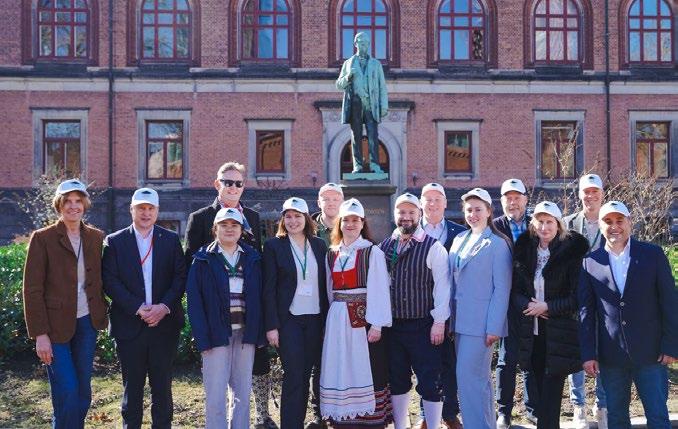
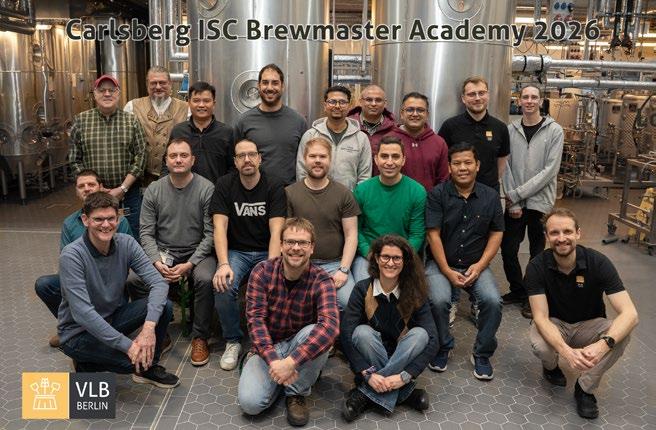
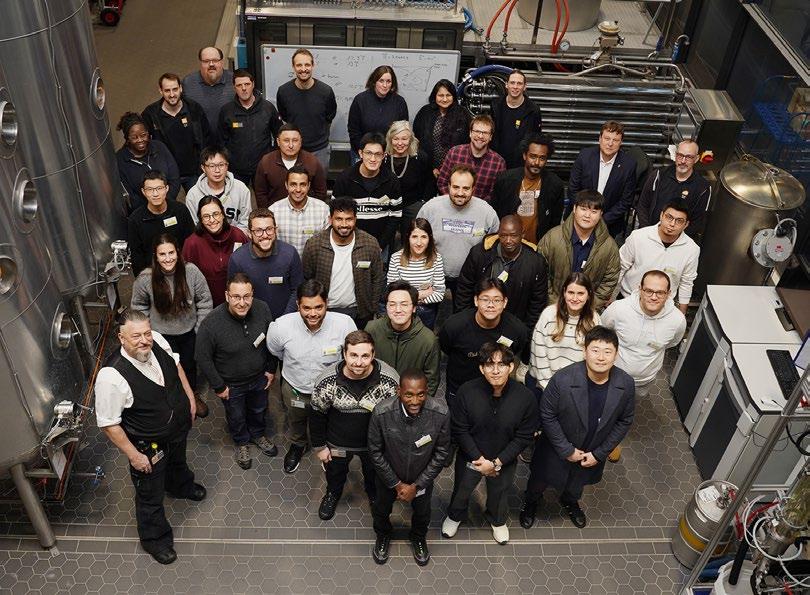
Successful graduates of the Carlsberg Brewmaster Academy 2025/2026 in front of the statue of Carlsberg founder J. C. Jacobsen
The second cohort of the Carlsberg Brewmaster Academy on their first day at VLB Berlin in March 2026
Photos: ew & Carlsberg
20TH VLB CERTIFIED BREWMASTER COURSE
27 participants, 14 countries, and 1 anniversary
This year marks the 20 th anniversary of the VLB Certified Brewmaster Course. Since 2006, 670 graduates from 78 countries have received their well-deserved certificates. As of Wednesday, January 7, 2026, 27 more participants have joined the VLB and are working hard so that they, too, can celebrate their graduation this summer.
(ew) A diverse group of 27 participants from 14 countries took their seats in the Singha Room at the VLB Training and Continuing Education Center on the morning of January 7, 2026. After a brief organizational introduction, course instructor Burghard Meyer welcomed everyone and urged the participants to work hard, noting that the course could not be completed without their dedication. “The VLB Certified Brewmaster course is demanding – you will be pushed to your limits,” Meyer predicted. In the afternoon,
the new VLB Managing Director, Dr. Björn Ch. Klotzbücher, welcomed the cheerful class. In his first appearance in this role, Klotzbücher welcomed all participants in their native languages and introduced each individual. “Together with the German-language Brewmaster course, the Certified Brewmaster is the VLB’s flagship training program. You can expect an extremely interesting and varied, but also very demanding and intensive schedule,” explained the new VLB Managing Director. “I wish you a wonderful time here at the VLB and say:
‘Cheers and good luck!’” After three weeks of theory, the first practical modules took place in early February. As usual, both internal and external instructors teach their students with great dedication and expertise in the in-house laboratories and the pilot brewery at the Wilfried Rinke Technical Center. Following the final exams in mid-June, there will be an excursion again this year. And on Friday, June 26, 2026, the coveted certificates will be awarded for the 20 th time – in the hope that the number of successful graduates will then rise to 697.
Photo. ew
VLB Berlin warmly welcomed 27 new Certified Brewmasters
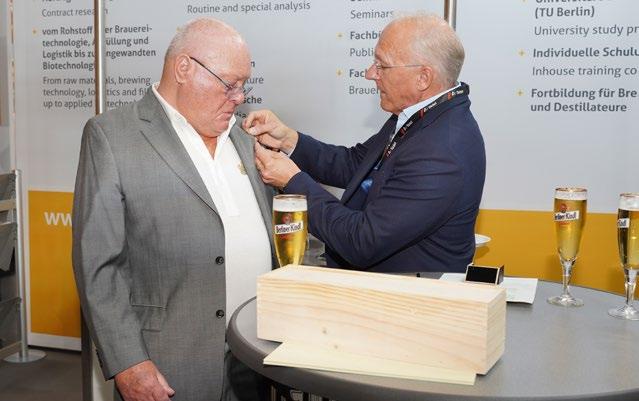
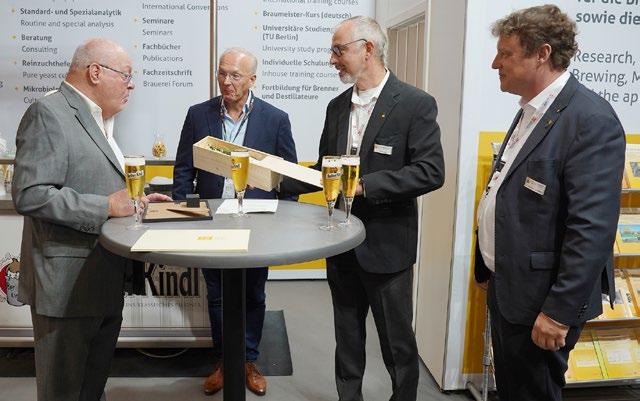
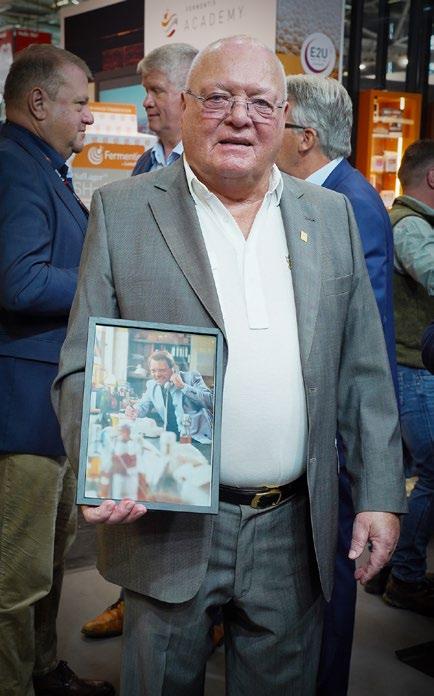
Drinktec 2025 in Munich: VLB president Ulrich Rust (r.) presents Klaus Niemsch with the VLB's Gold Pin of Honor (1); Ulrich Rust, Jan Biering (m.) and VLB CEO Dr. Björn Ch. Klotzbücher (r.) present a gift to Klaus Niemsch (l./2); Klaus Niemsch with a picture of himself working in his VLB office decades ago (3)
Klaus Niemsch was declared as Honorary Member of the VLB Alumni Association, and awarded VLB Gold Pin of Honor
The Association of Former VLB Members – Brewers of Berlin paid special tribute to Klaus Niemsch, its first chairman who stepped down in July. On September 16, 2025, during the drinktec trade fair in Munich, he was awarded honorary membership in the Berlin Alumni Association. At the same time, he was presented with the VLB Gold Pin of Honor by VLB President Ulrich Rust.
(oh) Klaus Niemsch stepped down in July 2025 at his own request after serving as the first chair of the former VLBer – The Brewers of Berlin for 31 years. Over more than three decades, he played a pivotal role in shaping the Berlin alumni association. Among the projects made possible by his dedication were the renovation of lecture hall
seating at the VLB/TUB, the equipping of training laboratories on Seestraße, the roof renovation of the guild house, and regular support for the VLB summer festival. Niemsch also maintained close ties with the VLB for some 50 years. Consequently, the VLB simultaneously honored his outstanding volunteer work by awarding him the Golden VLB Pin of Honor. This award, introduced in 2014, has
been presented eleven times to date. Klaus Niemsch accepted both honors with visible emotion: “I am absolutely delighted by this honor. For 50 years, I have felt a close connection to my alma mater and wish it continued success in the future.” For decades, Niemsch was a defining figure in the VLB network—valued for his professional expertise as well as his humorous Berlin charm. With this double honor, the former VLB members and the VLB are recognizing his extraordinary dedication.
Photos: ew
Vereinigung ehemaliger VLBer e.V. / Brewers of Berlin
Brewing Education in Berlin
Professional brewing education in Berlin has a history spanning 140 years. The first „VLB Summer Course“ was launched in 1888, followed in 1903 by a „Brewing Engineer“ course in cooperation with the Royal Agricultural University of Berlin. In 1925, the first of nearly 100 brewmaster courses was held at the VLB Brewing School. This educational tradition has continued seamlessly to the present day, interrupted only by the war years.
Today, with the active support of the VLB, the Technical University of Berlin offers both a Bachelor/Master of Science in Brewing and Beverage Technology and a Bachelor of Engineering. In addition, the VLB provides numerous continuing education programs for the brewing, spirits and beverage industries – both nationally and internationally. In total, it is estimated that more than 6,000 brewers have completed the various training courses in Berlin over the past 140 years, and a large number of other professionals have attended our training seminars.
The „ehem. VLBer“ (VLB Alumni Association)
From the very beginning, there were numerous initiatives to bring together both current and former students of the VLB. These culminated in 1951 with the founding of the Vereinigung ehem. VLBer e.V. (VLB alumni association) as an association of former students established under the umbrella of the Institut für Gärungsgewerbe und Biotechnologie zu Berlin (IfGB) in Berlin. Initially based in Dortmund, the association has been located at the VLB in Berlin since 1975.
In order to better address our international graduates, the name of the association was updated to „Vereinigung ehem. VLBer / Brewers of Berlin“ in 2023.
Objective: To promote our community
The purpose of the association is to promote the closer union of all VLB alumni and all other graduates of the brewing and biotechnology-oriented programs in Berlin. In our statutes, these goals are defined:
1. maintaining the relations with the Institute
2. exchanging experiences and fostering fellowship and social networking
3. professional networking
4. supporting young academics and promoting science
How do we achieve these goals?
Our members maintain regular contact with each other. District groups organize brewery visits and lectures. For our international alumni, we organize meetings at international brewing conventions or trade shows worldwide. As an annual meeting place for all our members, we support the VLB Summer Party, which attracts hundreds of guests to Seestraße 13 every year in July. This is also where our annual General Assembly is usually held.
Since the summer of 2023, our District Group/Chapter Berlin, which emerged from the former Berlin Brewers Guild, has also been in charge of the Guild House on the VLB campus, a popular meeting place for students, friends, and alumni of the VLB in recent years.
As we do not publish a separate newsletter, international members receive two free copies of the English edition of our journal „Brauerei Forum“.
Last but not least, the association also supports its alma mater by purchasing equipment and modernizing of laboratories or lecture halls. In this way, we make an active and continuous contribution to improving the educational conditions at Seestraße 13.
Support us and become a member!
Membership is very affordable for the individual – but in the aggregate it has a great impact! Our organization is very lean and our board serves on a voluntary basis.
This means that almoust all membership fees are directly available for the goals of our association.
Therefore, we ask for your support – become a member!
You will find an application form on the back of this flyer or at www.vlb-berlin.org/ehemvlber.
We look forward to receiving your application!
Either by filling in the form on the back or online: https://www.vlb-berlin.org/en/ehemvlber/membership
The Chairmen of the Board Burghard Meyer and Jan Biering
Brewing expertise on tap: VLB course offerings 2026/2027
All our training courses take place in our pilot brewery and highly specialized laboratories
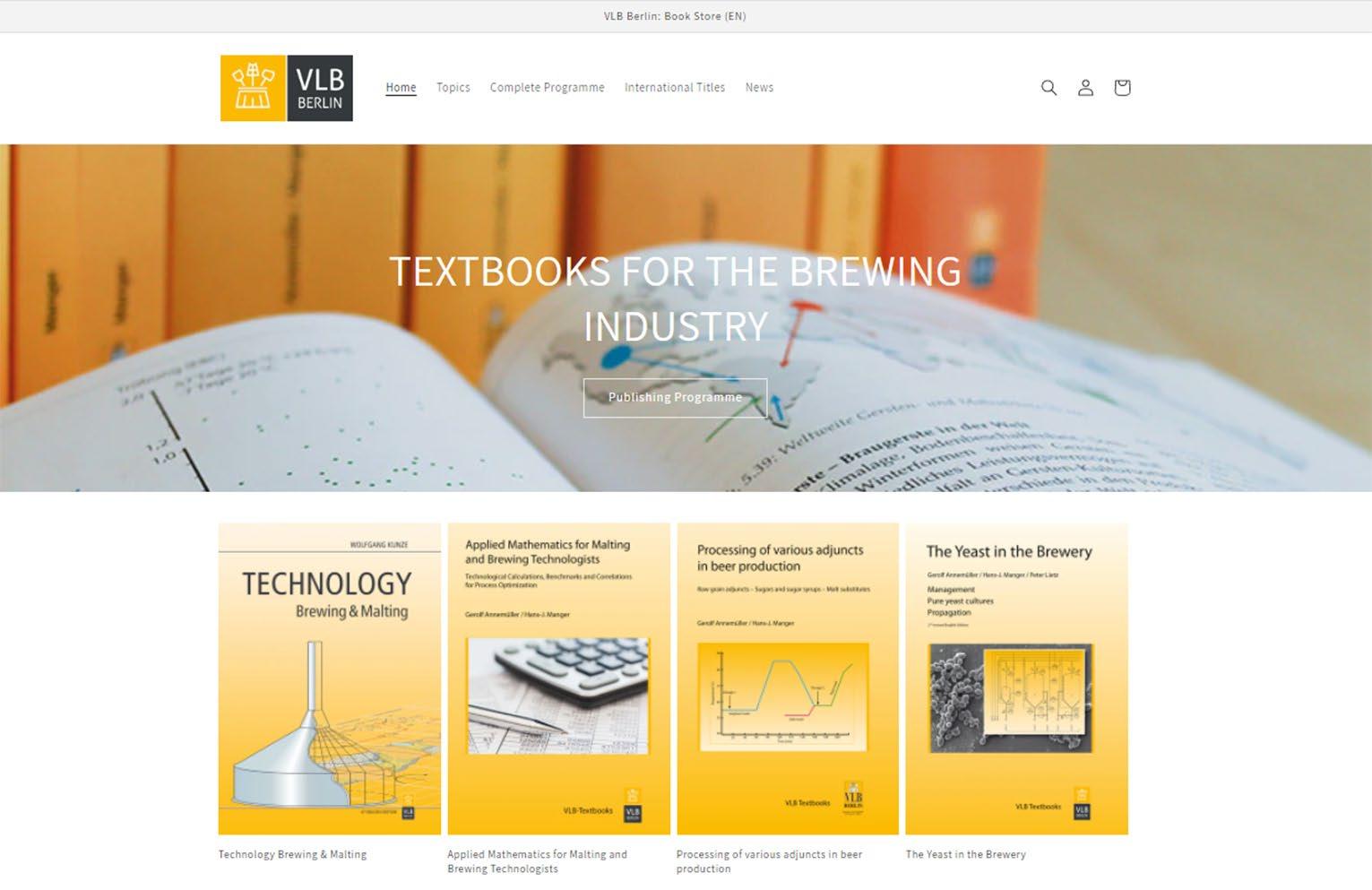
Since its foundation in 1883, VLB has also been a brewing school. VLB supports the regular study programs for brewers at Technische Universität Berlin. Furthermore, it provides continuous training in the field of beer brewing and beverage technology – in German and English. In addition, ‘Brewing in a Nutshell’ is offered as an on-demand online course.
l Certified Brewmaster Course
The VLB’s flagship training course for prospective brewers is a sixmonth full-time program that provides in-depth understanding of brewing technology covering related major fields such as engineering, filling and packaging, and quality control. The Certified Brewmaster Course 2027 will be held as a complete classroom event. This means that the theoretical and practical work will alternate over the six months of the training. The Berlin brewmaster education is focused on a comprehensive, practice-oriented knowledge transfer, knowledge transfer, open dialog with the lecturers, and networking on an international basis.
To receive the VLB Brewmaster Certificate, the graduates have to successfully complete the course and all exams. In addition, they have to prove a minimum of three months of practical work in a brewery before coming to the VLB. A reasonable group size for practical work guarantees an intensive and individual teaching.
Location: Berlin, Germany
Next date: 6 January – 25 June 2027
More information: www.vlb-berlin.org/en/cbc2027
l Applied Microbiology
Applied Microbiology is a oneweek full-time training course
providing up-to-date knowledge in the field of practical microbiology relevant for the brewing and beverage industry. It covers the basics of microbiology, laboratory techniques as well as microbial sampling in theory and practice. The course is conducted in the VLB’s microbiological training laboratory and in the VLB pilot brewery.
Location: Berlin, Germany
Next date: 2 – 6 November 2026
More information: www.vlb-berlin.org/en/ microbiology2026
l Beverage Technology for Brewers
New in 2026: “Beverage Technology for Brewers” is a ten-day full-time course that provides up-to-date knowledge of soft drink, alcoholfree beverage and other mixed beverage production. Covered products include soft drinks, alcopops, flavored beers, hard seltzers, shandies, and non-alcoholic fermented beverages such as kombucha and water kefir.
The course is taught in English. A key strength of the program is its strong hands-on focus. Participants work directly with modern production equipment in the VLB pilot brewery and laboratories.
Location: Berlin, Germany
Next date:
16 – 27 November 2026
More information: www.vlb-berlin.org/en/ beverage2026
l Brewing in a Nutshell Online
This on-demand online course covers the basics of beer brewing. It approaches the general principles of the brewing and malting processes, the raw materials as well as filling and packaging in theory. Participants receive a Certificate of Attendance.
Location: Online on-demand
Next date:
Anytime throughout the year
More information: www.vlb-berlin.org/en/bianso
Photo: ew
Imprint
Brauerei Forum
Technical periodical for breweries, malthouses, the beverage industry and their partners
Information service of VLB Berlin www.brauerei-forum.de ISSN 0179–2466
Publisher
Versuchs- und Lehranstalt für Brauerei in Berlin (VLB) e.V.
Olaf Hendel, Editor-in-Chief (oh) hendel@vlb-berlin.org
Eva Wiesgrill (ew) e.wiesgrill@vlb-berlin.org
Julia Bork (jb), j.bork@vlb-berlin.org
Brauerei Forum Advisory Board
Dr.-Ing. Josef Fontaine
Advertising Sales
VLB PR and Publishing Department
Phone +49 (30) 450 80-255 media@brauerei-forum.de
Publication Dates
Appears with 8 editions a year, in German plus 2 issues in English.
Subscriptions
Domestic 95 € incl. VAT
Abroad 95 € (+ shipping)
Cancellation of the subscription in each case at the end of the year
Westkreuz Verlag, Berlin
Phone +49 (30) 7 45 20 47
Fax +49 (30) 745 30 66 abo@brauerei-forum.de
Print and Distribution
Westkreuz Verlag GmbH
Töpchiner Weg 198/200 12309 Berlin, Germany
All rights reserved. No part of this publication may be reproduced in any form without the prior written permission of VLB Berlin. We do not accept any liability of unsolicited sended manuscripts. The editors do not assume any responsibility for contributions marked with a name or signature.
Our next German edition will be released on 26 June 2026
The next international edition will be released in November 2026
editor@brauerei-forum.de
www.brauerei-forum.de
VLB SCHEDULE 2026/2027
Bangkok Brewing Conference 8 to 10 June 2026, Bangkok, Thailand
VLB Summer Party 2026 3 July 2026, Berlin
1st Draft Beer Filling Conference –Cleaning, Filling & HACCP 31 August to 2 September 2026, Bergamo, Italy
1st North American VLB Brewing & Packaging Conference 2026 14 to 16 September 2026, Toronto, Canada
110 th VLB October Convention 2026 12/13 October 2026, Berlin
General Assembly VLB Berlin 12 October 2026, Berlin
Training Applied Microbiology 2026 2 to 6 November 2026, Berlin
Workshop “Beverage Technology for Brewers” 16 to 27 November 2026, Berlin
16th Ibero-American VLB Symposium 23 to 25 November 2026, Panama City, Panama
VLB Certified Brewmaster Course 2027 6 January to 25 June 2027, Berlin
111th Brewing and Engineering Conference 2027 9 to 11 March 2027, Meschede, Germany
VLB will be exhibiting at upcoming international conventions and trade shows in 2026:
40 th EBC Congress 6 to 9 September 2026, Rotterdam, The Netherlands
Brau Beviale 2026 10 to 12 November 2026, Nuremberg, Germany