The official magazine of the College of Arts and Sciences
AIM FOR THE STARS OSU PHYSICISTS DEVELOPING TECHNOLOGY TO TEST RADIATION IN ATMOSPHERE ON FUTURE FLIGHT

AIM FOR THE STARS OSU PHYSICISTS DEVELOPING TECHNOLOGY TO TEST RADIATION IN ATMOSPHERE ON FUTURE FLIGHT
College of Arts and Sciences cas.okstate.edu
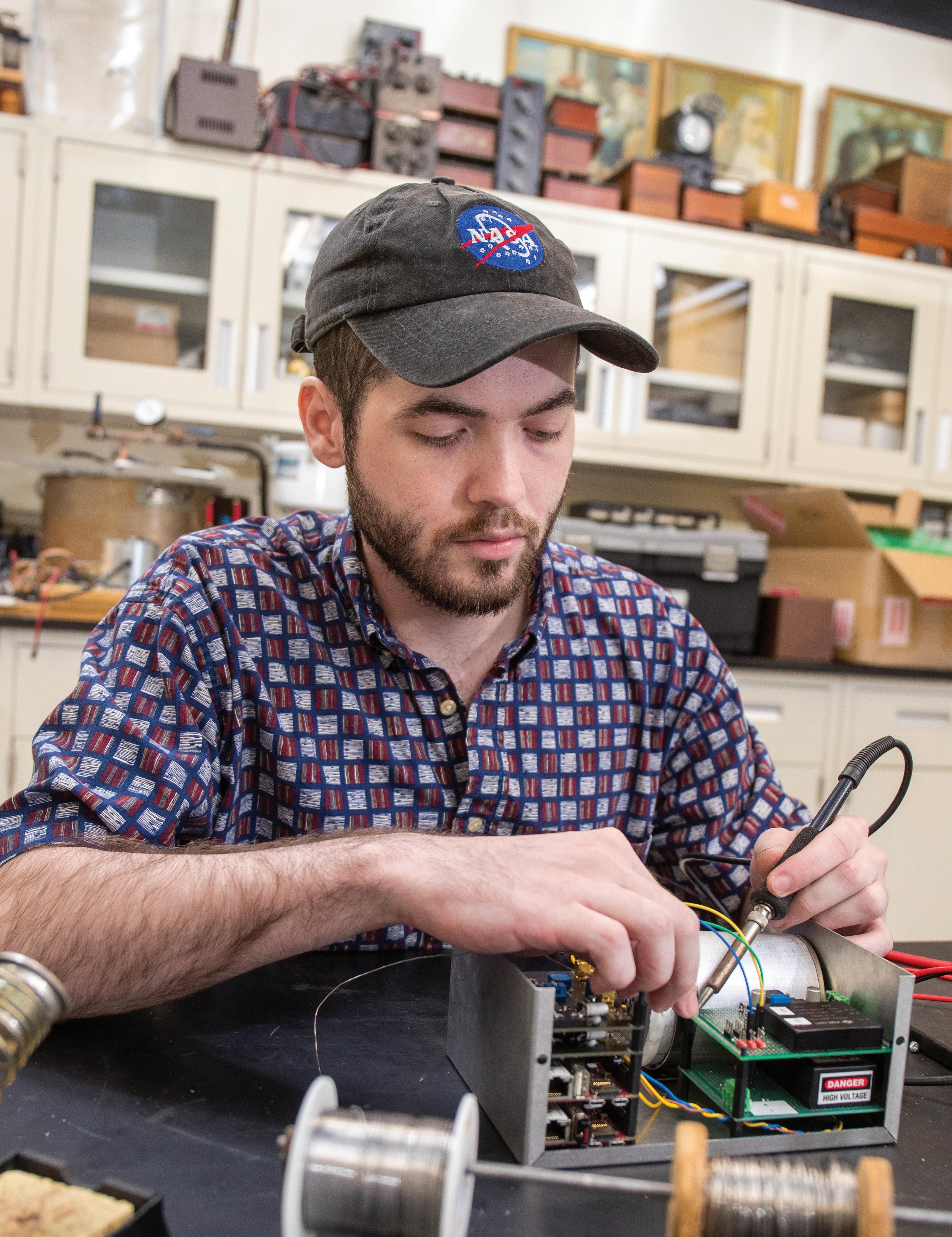
Team of researchers focusing on effects of radiation in the atmosphere to help with future commercial space flights (cover photo by Phil Shockley)
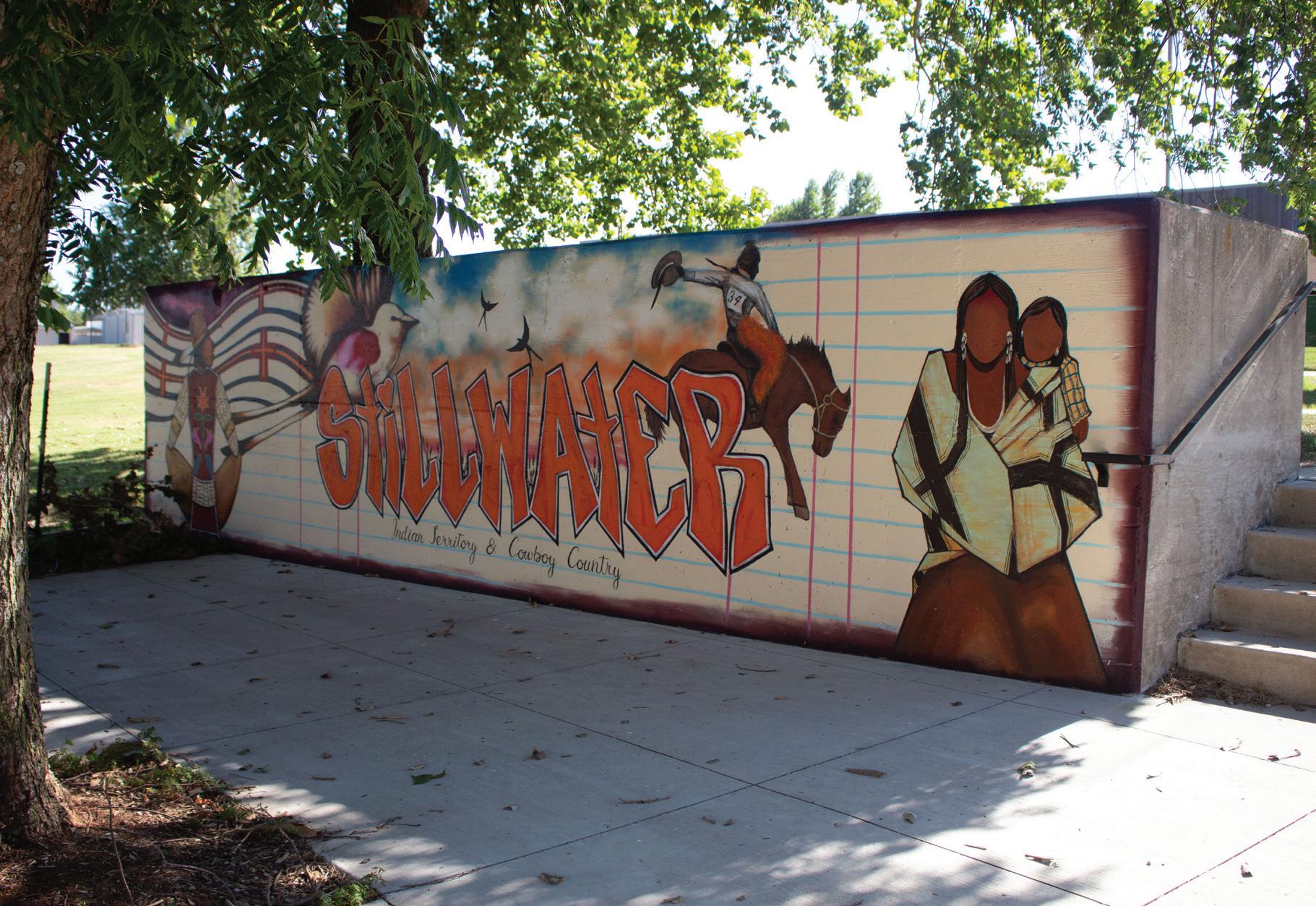
Interim theatre head works with Stillwater residents on art murals to portray their history and heritage
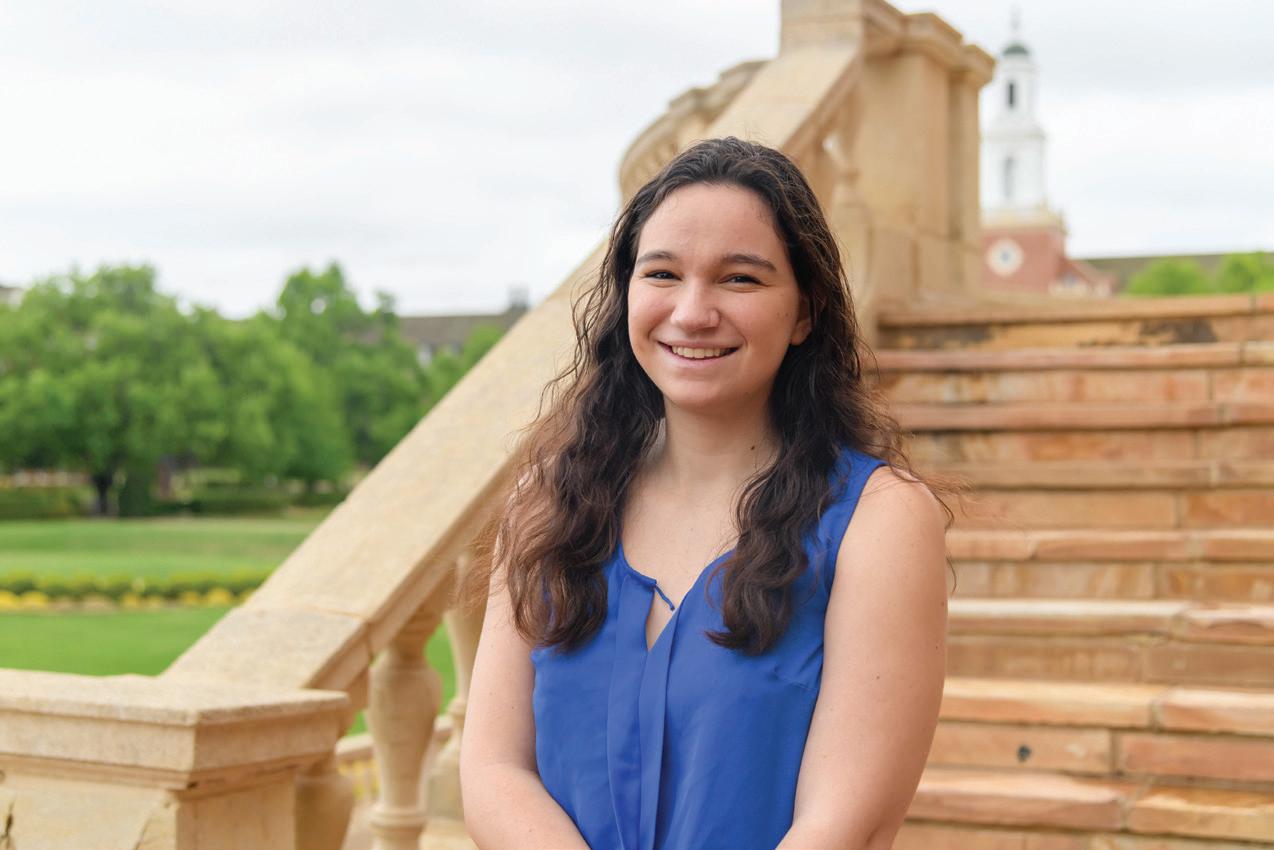
OSU senior is a triple major whose work ethic garnered a prestigious Barry M. Goldwater Scholarship
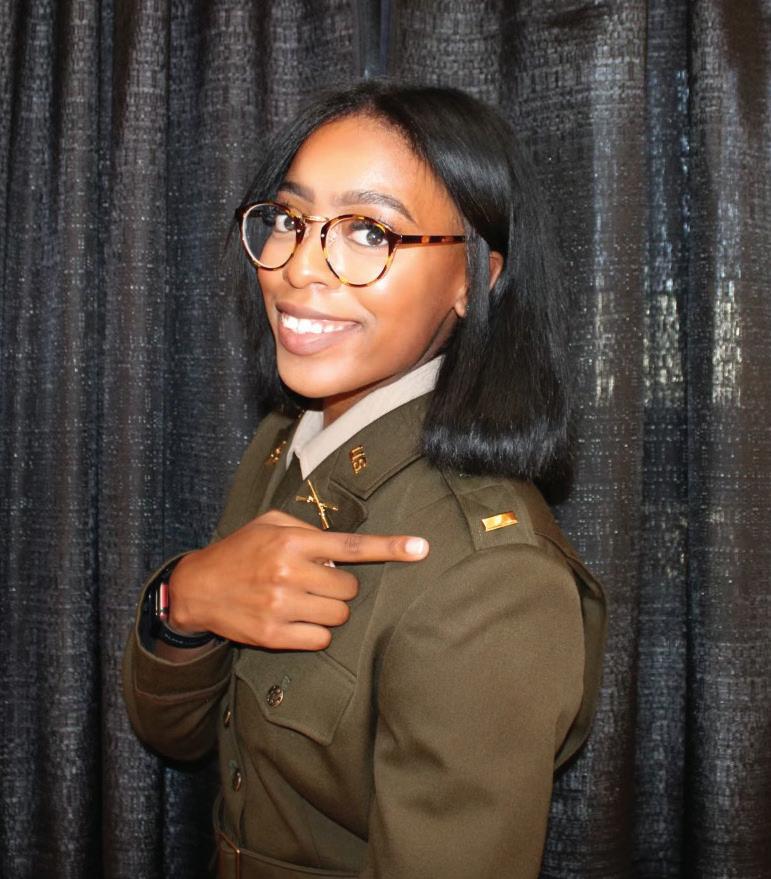
Two cadets from the College of Arts and Sciences made history this spring as the first female OSU students to be selected as infantry officers
CAS inducts two new members into its hallowed hall: Lou Watkins and Joe Carroll
EDITOR
Jordan Bishop ’16
ART DIRECTOR
Dave Malec
LEAD DESIGN
Valerie Kisling
CONTRIBUTING DESIGN
Paul V. Fleming ’90, ’00
PHOTOGRAPHERS
Gary Lawson ’83, Phil Shockley, Jason Wallace ’03
WRITERS
Jordan Bishop, Rachael Eaton, Harrison Hill, Kim Howerton, Ellie Melero ’21, ’22, Allie Putman, Grant Ramirez ’21, Kalynn Schwandt
COLLEGE OF ARTS AND SCIENCES INTERIM DEAN
Keith Garbutt
ASSOCIATE DEAN /OUTREACH
Bobbi Kay Lewis ’93, ’03
SENIOR DIRECTOR OF DEVELOPMENT
Laura Ketchum
YEARS INDICATE OSU CAS GRADUATES
other federal and state laws and regulations, does not discrimi-nate on the basis of race, color, national origin, genetic information, sex, age, sexual orientation, gender identity, religion, disability, or status as a veteran, in any of its policies, practices or procedures. This provision includes, but is not limited to admissions, employment, financial aid, and educational services. The Director of Equal Opportunity, 408 Whitehurst, OSU, Stillwater, OK 74078-1035; Phone 405-744-5371; email: eeo@okstate.edu has been designated to handle inquiries regarding non-discrimination policies. Any person (student, faculty, or staff) who believes that discriminatory practices have been engaged in based on gender may discuss his or her concerns and file informal or formal complaints of possible violations of Title IX with OSU’s Title IX Coordinator 405-744-9154. This publication, issued by Oklahoma State University as authorized by the College of Arts and Sciences, was printed by Modern Litho, at a cost of $5,440/5M/August 2022/#9396.

As some of you may know, I have recently been appointed as the interim dean of the College of Arts and Sciences, so I thought it might be appropriate to give you a little bit of background on myself.
I received my undergraduate and graduate degrees in the U.K. I came to Oklahoma State University in 2014 as the inaugural dean of the Honors College, having previously been both the Honors Dean and, prior to that, the chair of the biology department at West Virginia University. My background is in botany and my home department here at OSU is Plant Biology, Ecology, and Evolution. I have spent most of my career, since obtaining my Ph.D., at land-grant institutions in colleges of arts and sciences. So being asked to lead the college here at OSU, as the search is conducted for a permanent dean, is both an honor and an exciting opportunity.
This is an exciting time here at OSU as the administration of President Kayse Shrum develops new strategic initiatives. We have the opportunity to review, reflect and act on what it means to be a college of arts and sciences in a great land-grant institution in the 21st century. It is, I think, not an understatement to say that arts and sciences is the heart of the institution; students in every discipline take courses in arts and sciences designed ultimately to develop them into well-educated, critically thinking, civically engaged citizens. However, the most important aspect of an arts and sciences education is summed up in this quote from our alumnus, Philip Erdoes, “They teach you how to learn not teach you how to think.”
Since I am new to this office, I have been in the office less than a week as I write this, I find it difficult to choose any individual in our department
to highlight in this letter. There is so much to celebrate. I would, however, like to bring to your attention six remarkable women who were selected as part of this year’s class of outstanding seniors.
These women are: Shamara Arias, Tulsa –economics and Spanish; Ashlea Cole, Yukon, Oklahoma – communications sciences and disorders; Abigail Ferrell, Edmond, Oklahoma – psychology, philosophy and political science; Leslie Garza, Muskogee, Oklahoma – psychology; Elizabeth Toles, Stilwell, Kansas – music education and music performance; Leigh Welch, Mannford, Oklahoma – political science and multidisciplinary studies. They exemplify the qualities that we hope all our graduates strive to possess as they are academically talented and they care passionately about others and the world. I look forward to following their successes as they move on to the next chapters of their lives.
I want to thank you for your support to the College of Arts and Sciences, its students, faculty and staff. Over the next year, this support will help the college as it develops into the model of 21st century arts and sciences education at a great landgrant institution.
GO POKES
Sincerely,

Keith Garbutt, Ph.D. Interim Dean, College of Arts and Sciences
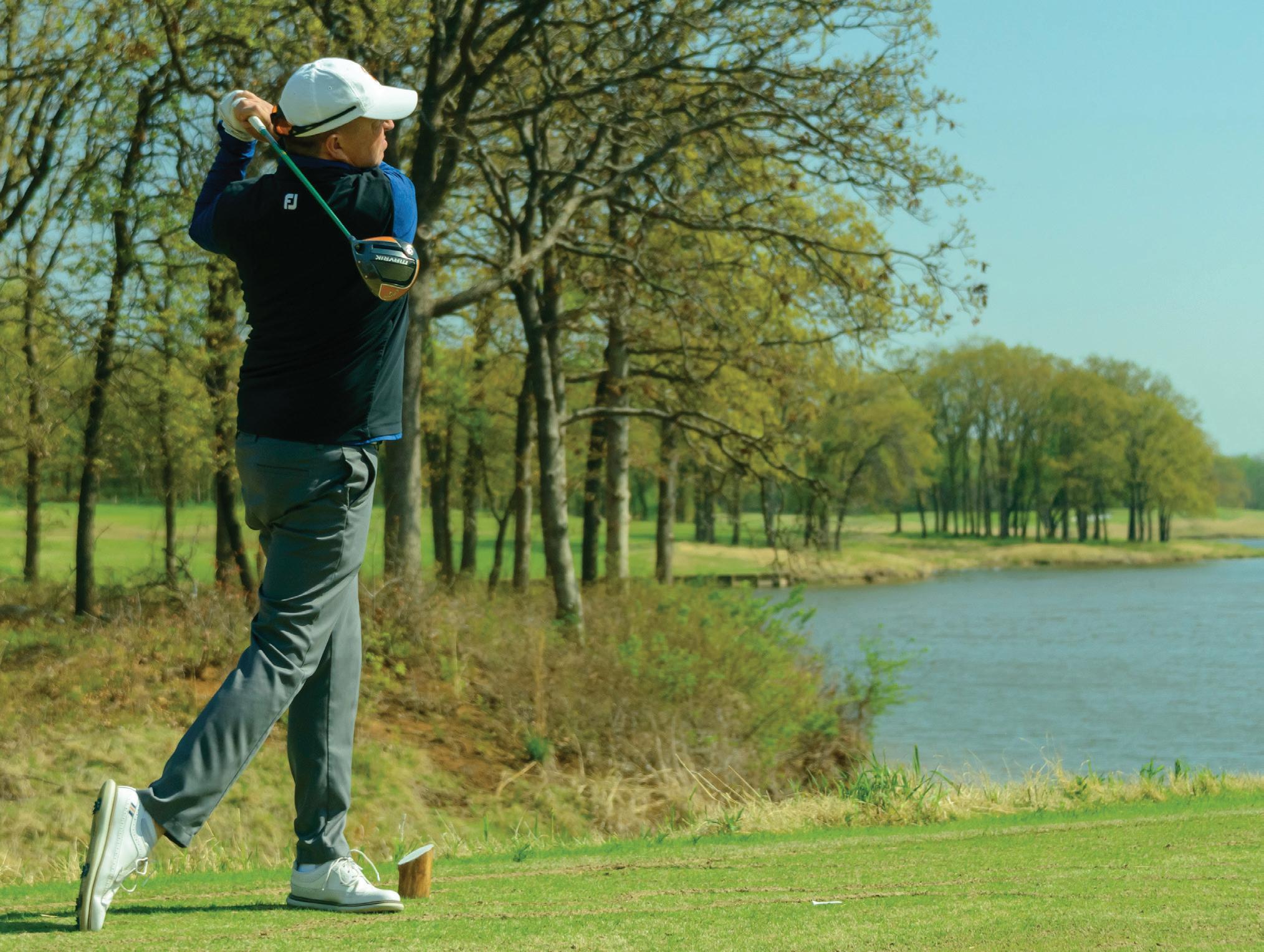
TDr. Thad Leffingwell, head of OSU’s Department of Psychology, tees off at Karsten Creek Golf Club.
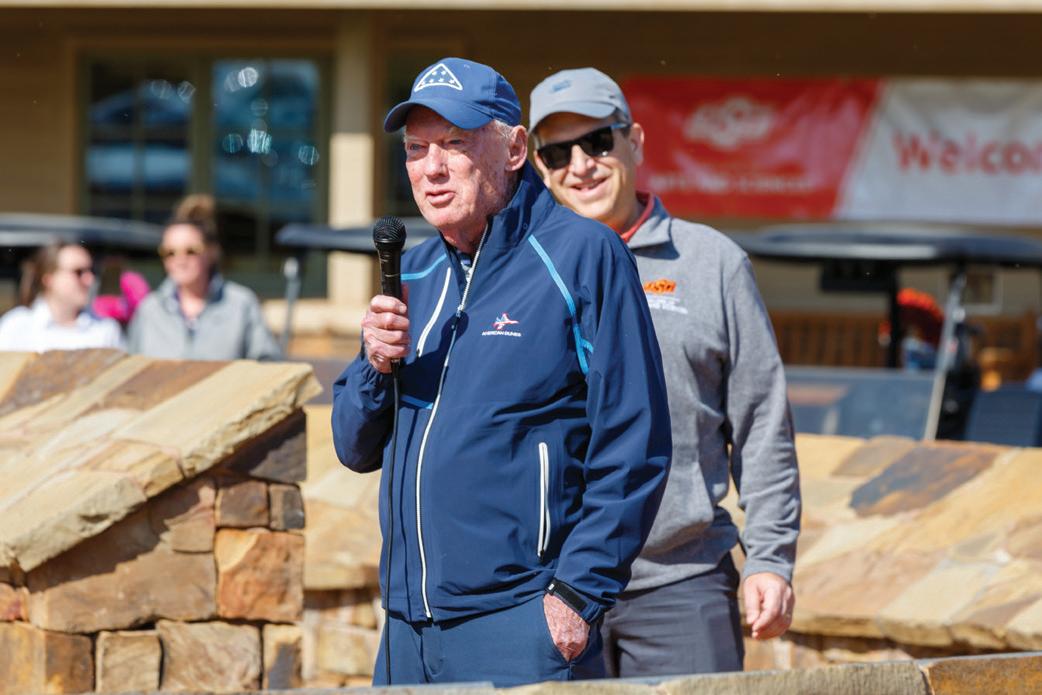
Below: Dr. John Rooney, a Board of Directors member for Folds of Honor, speaks at the golf scramble. Behind him is former College of Arts and Sciences dean Glen Krutz.
he spring of 2022 had Oklahoma State University alumni and friends swinging at the inaugural College of Arts and Sciences Golf Scramble hosted by CAS at the scenic Karsten Creek Golf Club just outside of Stillwater.
The event raised funds for the Dean’s Excellence Fund, which helps to provide student scholarships.
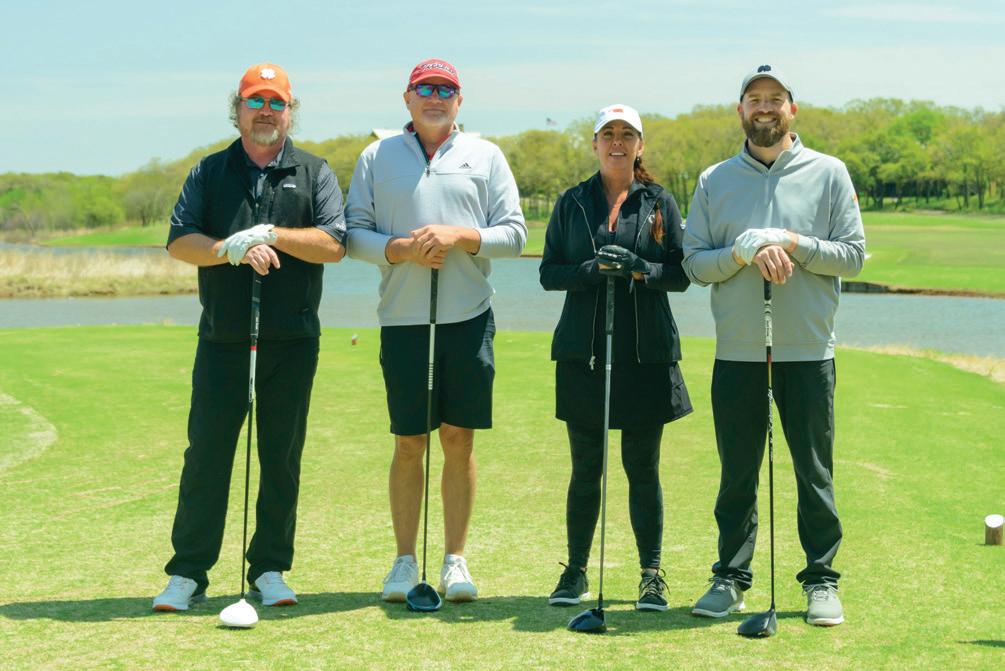
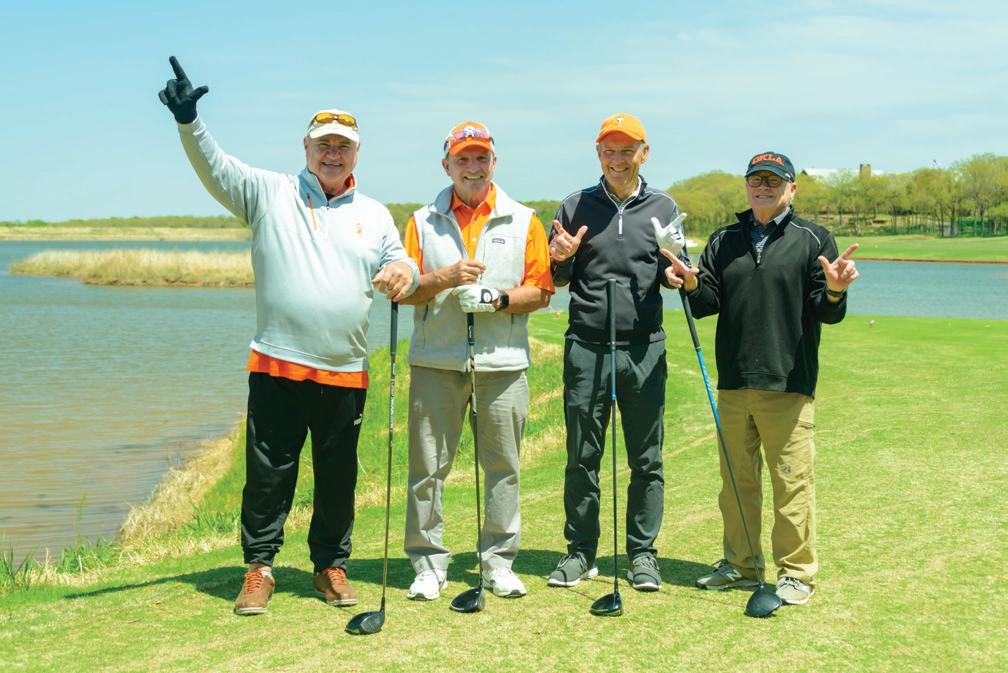
Twenty-two teams teed off for a 10 a.m. shotgun start on April 25. Lt. Col. Dan Rooney, founder of
nonprofit Folds of Honor, was scheduled to be part of the event, but unfortunately could not attend due to a family emergency.
Instead, his father, Dr. John Rooney, Board of Directors member for Folds of Honor, and Ben Leslie, executive vice president of development for Folds of Honor, both spoke during the welcome along with former CAS dean Glen Krutz.
Leslie shared how critical scholarships were for his ability to earn a college degree and ultimately
to his successful career. His personal message was inspiring to attendees, reinforcing that their participation and donations would make a tremendous impact.
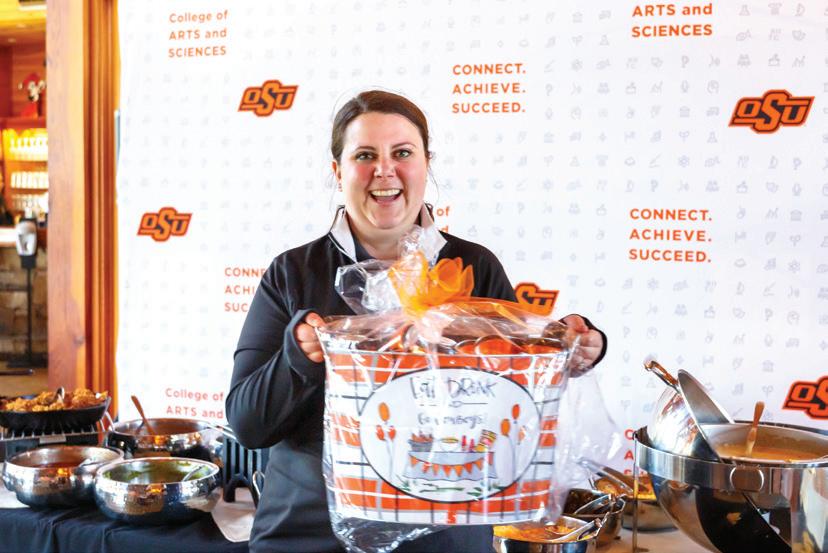
Registration included a challenging round of golf at Karsten Creek, a box lunch, as well as an awards reception and nacho bar at the clubhouse following 18 holes of taxing, scenic golf.
The CAS Golf Scramble was made possible thanks to the contributions of sponsors including Morrow, Lai and Kitterman Pediatric Dentistry; Ramsey System Services; and the OSU Center for Health Sciences in Tulsa — all of which were Silver Sponsors.
The Social Zeroes Intramural Legends team — consisting of Gary Shutt, Ron Woodburn, Rex Horning, and James F. “Jim” Yeats — were also Silver Sponsors and funded a beverage cart for the event. Alumnus Mark Miller (geography, ’72) was unable to attend, but made his contribution with a hole sponsorship.
Production Manufacturing won first place for the scramble with team members Franki Keeler, Kaleb Grimm, Daniel Comer and Eric Keeler.
The second place team consisted of Blaine Booher, Casey Noonan, Bryan Bagby and John Sheets.
Third place winners were Ramsey System Services LLC with team members Randy Ramsey, Trevor Morris, Pete Upton and Mike Blakemore. Haley Kasper won the Longest Drive contest.
Karsten Creek is limiting itself to five scrambles a year, making this event even more exclusive for CAS alumni and friends. Participants were asked for their feedback following the event and the No. 1 comment was to make sure the event was continued.
So golfers, mark your calendars for April 24, 2023, to join us for the 2nd Annual CAS Golf Scramble.

Dr. Jacek Tyminski was all alone. In 1979, he was a world away from home, having traveled more than 5,000 miles from Elblag, Poland, to Stillwater.
Tyminski was a refugee.
He had to find somewhere new to pursue his Ph.D. because of deteriorating conditions in his home country. Arriving at Oklahoma State University, he felt completely disoriented, with no connections and no direction.
But thanks to the kindness of a physics professor, Tyminski soon found a family.
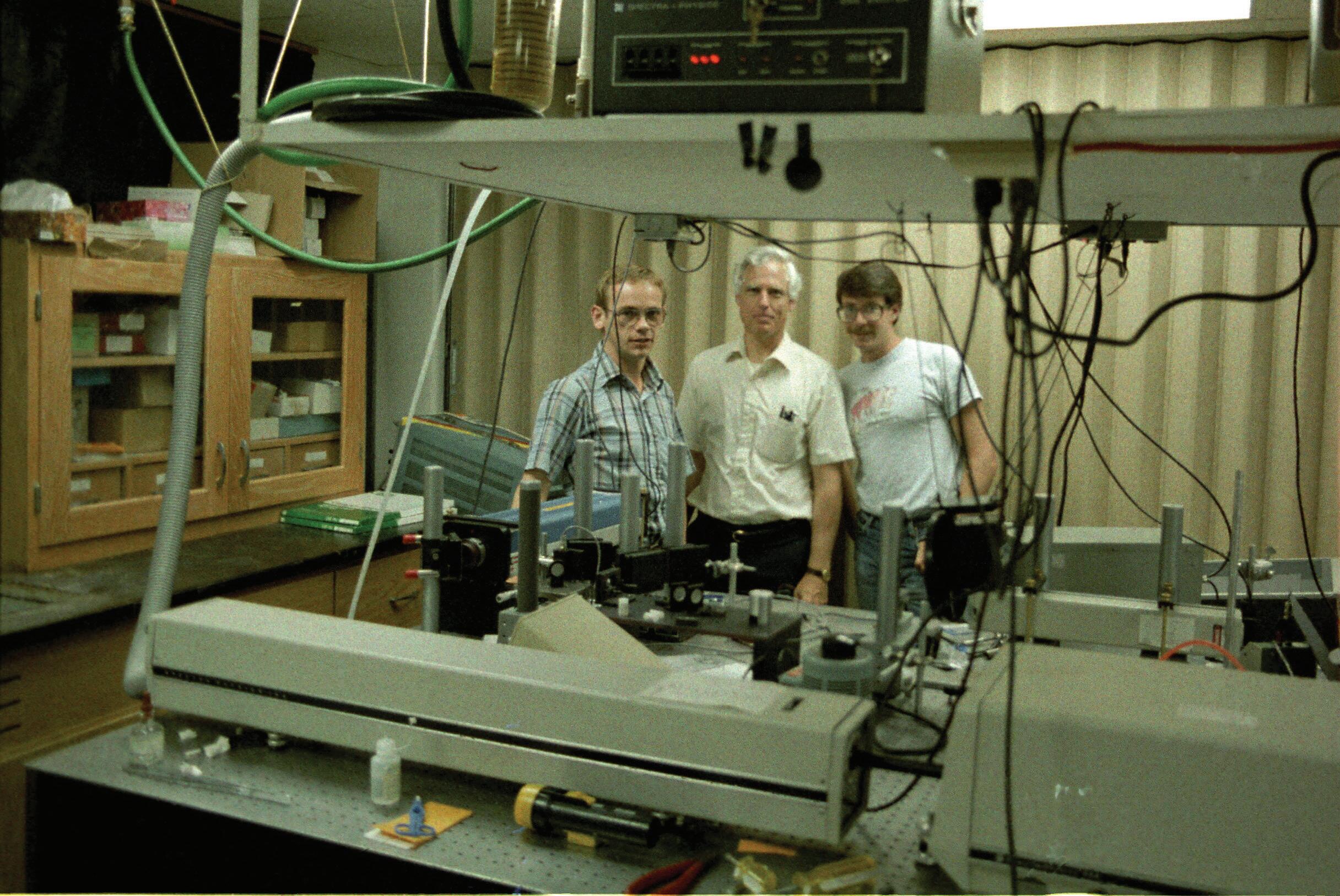
Dr. Richard Powell was a complete stranger to Tyminski. The two had never met or even spoken,
but Powell was the reason Tyminski decided to apply for an assistantship at OSU.
“While working on my master’s degree, I was doing some research and got familiar with Powell’s work,” Tyminski said. “My motivation was to join a researcher and a scientist whose work I knew and admired.”
Shortly into the fall semester, Tyminski went into Powell’s office to introduce himself. After a brief chat, Powell offered Tyminski a research assistantship in his lab.
What Tyminski didn’t know was that becoming part of Powell’s lab also meant becoming part of his family.
During his tenure at OSU, Powell mentored 28 doctoral students in his lab. He developed a close personal relationship with all of them, introducing them to his wife and children as well as inviting them into his home for holidays.
“My kids grew up saying that Thanksgiving was a day that nobody spoke English,” Powell said. “The Oklahoma students generally went home for Thanksgiving break, but the foreign students didn’t, so we would have them over to our house for an enormous dinner.”
Those Thanksgiving celebrations were some of Tyminski’s fondest memories during his time at OSU. For someone who was away from his own family, those experiences meant a lot.
After graduating with his doctorate in physics in 1983, Tyminski found himself in an unfavorable job market. Once again, Powell lent a helping hand, offering Tyminski a postdoctoral position which he held for two years.
To Tyminksi, Powell’s impact on his life was twofold.
“First of all, he was a strong supporter of my goals and provided me the opportunity to pursue my professional career,” Tyminski said. “But he and his wife, Gwen, also provided me with a warm, welcoming environment that enriched my life at OSU.”
Tyminski’s career took him from Oklahoma to Texas to California, including working as a principal scientist at the Nikon Research Corporation of America. He’s not sure he would have been so successful without Powell’s guidance.
After returning to Poland to take care of his mother in 2021, Tyminski wanted to do something special to honor his hero. He decided to create a lasting legacy at OSU in the shape of a graduate fellowship.
The Professor Richard C. Powell Graduate Fellowship will be used to support graduate students researching the areas of renewable energy, climate change and environmental protection.
“I wanted to contribute to the effort of addressing global issues that all of society faces,” Tyminski said. “One of the concerns that I have is the degradation of the environment. So even though I am a physicist, I wanted the fellowship to address these issues.”
Tyminski wanted to cast a wide net for the fund, making it available to all eligible students in the College of Arts and Sciences. The research areas for the fellowship cross many disciplines and departments within the college, ranging from the humanities to the sciences.
The fellowship even has the potential to lead to additional collaboration across departments, associate dean Kristen Baum said. She believes the
fellowship will make a significant impact in the college.
“Fellowships provide graduate students with the financial resources to focus intensively on their research without other work-related commitments,” Baum said. “It is very exciting to have the opportunity to award a graduate fellowship that can provide support over a longer period.”
Even after all these years, Tyminski still considers Powell one of his best friends. The two communicate across the Atlantic Ocean via email when they can.
Tyminski likes to recall a simple memory of his old professor — Powell arriving at the lab carrying his old briefcase, which had broken latches and was held together by a rubber band.
“That was a symbol of the unpretentious attitude Powell represented,” Tyminski said. “With the fellowship, I wanted to acknowledge Powell’s personality and what he has done to his students.
“He’s a great person. Even though midwesterners are open and friendly in general, Powell stands out among them.”
LEARN MORE about starting an endowed fund by contacting Laura Ketchum at lketchum@ osugiving.com or 405.385.0701.

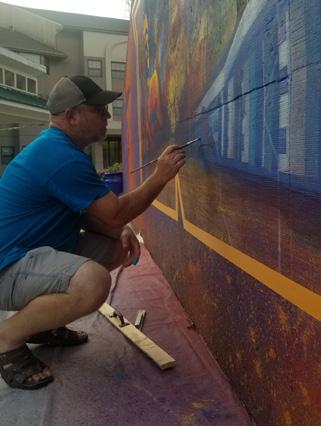
On July 1, Lee Brasuell assumed the position as new interim head of theatre at Oklahoma State University and looks forward to improving different areas of the arts — and inspiring the people who work in them — in Oklahoma.
As associate professor of design, head of design and technology, and the Mary Lou Lemon Endowed Professor for Underrepresented Voices, Brasuell’s passion did not begin when he was granted the position.
Brasuell has long loved the arts and has been given the opportunity to work on many productions because of his technical and design skills locally
and across the U.S. For instance, he created aerial and circus rigs in the Chicago productions of Lookinglass Alice, Peter Pan and several other productions. This is just one example of his many artistic accomplishments.
He has had a successful career in set design and technical production, and does his best to help inspire his students and teach them about all aspects of the industry. But in Brasuell’s new position of authority, he plans to promote the arts across all platforms — not just in theatre.
He is currently working to help bring more artwork into the Stillwater community. He has already demonstrated his capabilities by starting a
back-to-back project to create murals for the Roxie Weber Plaza Housing Authority in collaboration with the Prairie Arts Center. The Oklahoma Arts Council, the Vaughn Vennerberg II Endowed Chair in Art and the Mary Lou Lemon Endowed Professorship for Underrepresented Voices have all contributed funding to see this project through.
But Brasuell was not originally the person who was going to create art for this space. The project itself was initiated by a resident at the Roxie Weber complex, and funding was granted before COVID19. So, with collaborative efforts from the Prairie Arts Center, the residents and a different artist, they were going to create artwork for the space. But due to the pandemic, the collaborators lost contact with the original artist. That is when Brasuell came into the picture.
Well known for his work on set designs, theatrical scene paintings and technical design, it is no surprise why the director of the Prairie Arts Center approached him and asked him to create something for this space.
In addition to his talent, Brasuell is a proponent of community art.
“I wanted to bring in different artists with different perspectives, different backgrounds, with a diverse array to paint these murals,” Brasuell said.
He has made it his mission to bring in local artists and community members to help with this project, in hopes that it will be continuous. Using a graffiti style of art, Brasuell and other prospective artists will help fill the walls of a concrete ramp to highlight and honor important parts of the Stillwater community in several phases.
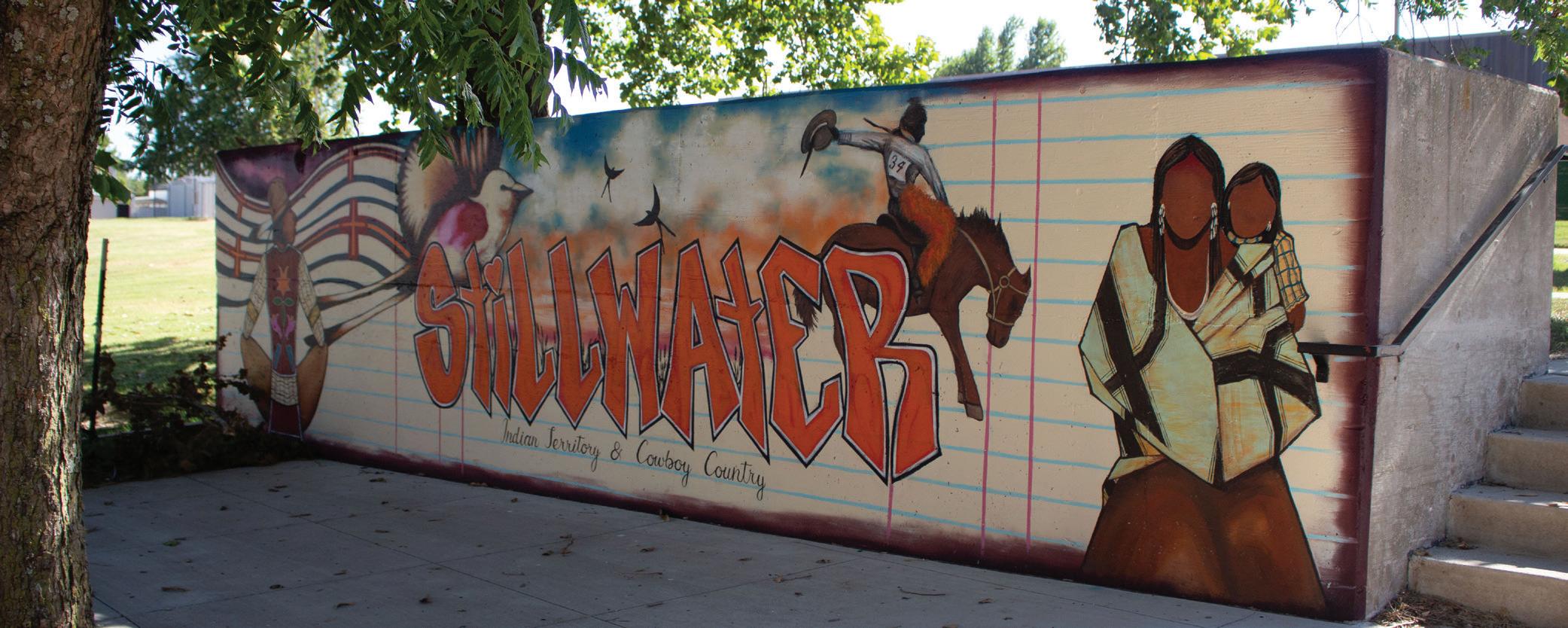
The first mural was phase one of this project and was created by Brasuell alone. The idea behind the mural is to help redefine the traditional
meaning of “pioneer.” The mural highlights individuals and ideas that have helped define Stillwater and Oklahoma in history. Encapsulated in the word “Pioneers,” the mural features Standing Bear, Nancy Randolph Davis, Angie Debo, Bob Childers, T. Boone Pickens, Pioneer women, Barry Sanders, the concept of unity “Song for the People,” Frank Boardman “Pistol Pete” Eaton and the Roxie Weber Plaza Housing Authority. It also uses bold colors to represent Oklahoma’s sunset, OSU and the city of Stillwater.
In the second mural, or phase two, Brasuell — along with his son — actually assisted artist and head of the Chickasaw Art Program, Brent Greenwood. They made Greenwood’s mural a collaborative effort by creating a doodle grid, where community members of Roxie Weber were able to spray paint whatever they wanted on the wall. Then, Greenwood used this as a guide to create his mural which represents Native and Western heritages. While the first mural uses colors to represent the summer, this one will use colors to represent autumn and the Oklahoma flag.
“I want to showcase the arts in Oklahoma,” Brasuell said. “My wife and I made the decision that we wanted to give back to the art community in Oklahoma. For me that’s always been important. This is one of the ways I get to do that — one way I can give back.”
Since the two anchor pieces are completed, they will eventually go into phase three, which will focus on Oklahoma’s heritage. He has already recruited more artists who will come in and fill in the rest of the walls. Once this ramp has been completed, Brasuell hopes to continue filling the housing complex, and even all of Stillwater with art, if allowed the opportunity.
Third Year
Sacramento, California
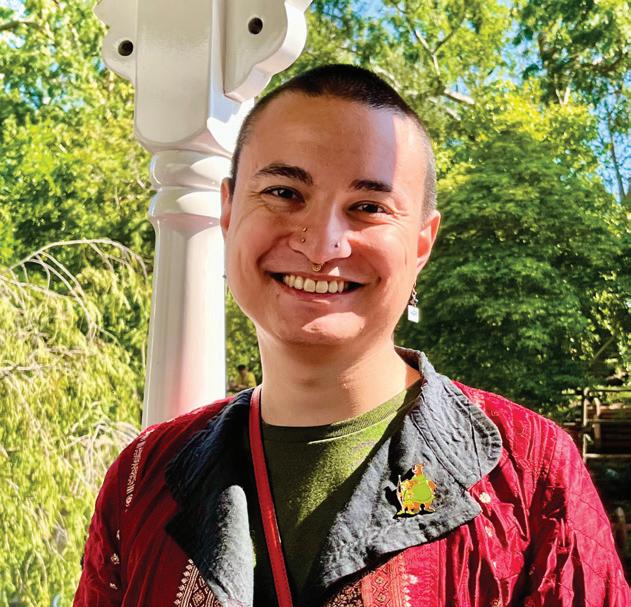
How did you start researching?
As a creative writer in my early 20s, I thought that the Master of Fine Arts was the terminal degree, that there weren’t any research-oriented educational programs afterward. However, during my master’s program, my thesis committee told me about creative writing doctorates like the one at OSU. With the support of my MFA professors, I decided to jump headfirst into the Ph.D. program here, and I haven’t looked back since.
Research Impacts
Because my research regarding Filipinx American poetics and Southeast Asian art history ultimately relates to individual identity and agency, I’d say the biggest impact of my work is others seeing themselves in what I do. Individuals who share some or all of my marginalized identities deserve to both lead research initiatives and have their cultural contributions be researched on the opposite end.
Recent Research Activities
A recent research-focused activity I’m proud of is presenting my paper “Sino-Filipino Artistic Collaboration: Agency via Ivory Sculpture Production in Seventeenth-Century Colonial Manila” at the Art History Graduate Symposium hosted by Florida State University this past April. I received excellent feedback from the professors there, and my paper is slated for publication in FSU’s art history graduate research journal, Athanor.
Future Plans
I’m compelled by private-sector or nonprofit work environments, where my skills can help advance a number of causes, but I also appreciate academia and can see myself becoming a professor, most likely at a community college or smaller regional institution.
Ph.D. | Integrative Biology
Second Year
Gordon, Nebraska
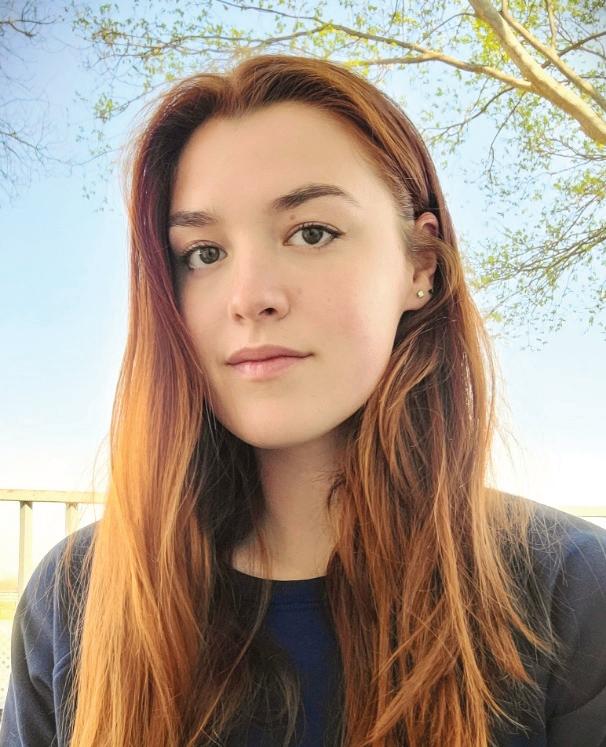
How did you start researching?
I’ve been interested in research since freshman year of undergrad, but my school/region had little to no traditional research opportunities. I pursued nonacademic laboratory, pharmacological and veterinary experience, which led to acceptance at the OSU Integrative Biology Graduate Department three years after earning my bachelor’s degree. Much of this journey is thanks to the people who encouraged me to keep pursuing my research aspirations — including my fiancé, many coworkers and my current advisor/ principal investigator, Dr. Liz McCullagh.
Research Impacts
My research focuses on the intersection of neuroscience and reproductive biology. Using prairie voles as a model organism, I investigate the effects that pair bonding has on the male reproductive system. I use females to study the development and potential prevention of postpartum depression and the epigenetic effects of postpartum depression on offspring.
Recent Research Activities
My undergraduate mentees — Shay Nguyen, Emmy Fowler and Casey Sergott — have presented our findings at the Freshman Research Scholars, Undergraduate Research and Karen Smith Symposiums. We are on track to have our first paper submitted for publication this year.
Future Plans
I’m open to a future career in either academia or industry research. I’m hopeful that my current position as a G-RISE Scholar through the National Institutes of Health will open the door to a future NIHbased career path.
Major | Theatre
Class of 2023
Bristow, Oklahoma
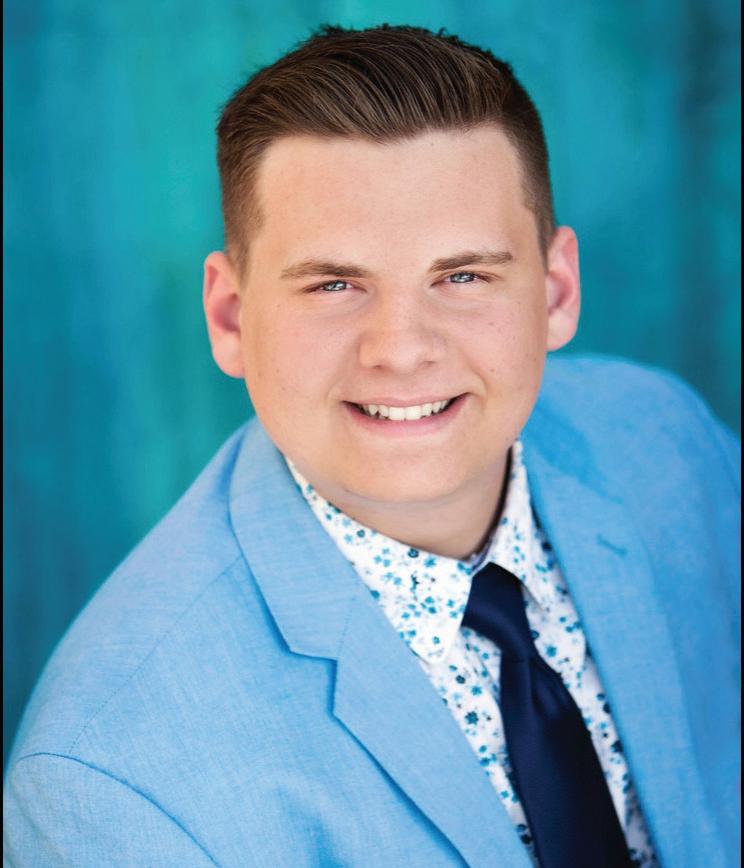
How did you start researching?
For me, as a designer, I find it important to connect with the people, place and history of the topic the show may provide. Taking the first step is based on the idea of putting pen to paper. Don’t think because you draw something or write something that it has to be that way. Research in theatre is the exploration of ideas and the experimentation on how they should exist together.
Research Impacts
Research matters because it is the backbone of storytelling. To just create art that is meaningless and without context leaves you with a rather confused audience. With research, your project gains merit, value and most importantly: integrity.
Recent Research Activities
Recently, I had presented an entire presentation on the importance of research within a scenic designer’s process at the Oklahoma State Research Symposium. The video presentation takes the viewer through my scenic design process on the 2021 production of The Crucible by Arthur Miller.
Future Plans
With my degree in theatre directing and design, I hope to break the status quo of traditional American theatre and use art to create a society that is more kind, more generous as well as safer for today and future generations.
Major | Psychology: Pre-med
Minor | Spanish, Women’s Studies
Class of 2023
Edmond, Oklahoma

How did you start researching?
When I transferred to OSU my sophomore year, I wanted to get as involved as possible. My advisor mentioned the psychology department had numerous labs, and I quickly found my fit in two of those amazing labs!
Research Impacts
My research with Dr. Sarah Kucker examines how children learn novel words and react to unfamiliar stimuli. One medical specialty I am interested in is pediatrics, so this newfound knowledge of children’s learning and verbal pathways will help me connect with patients on higher, deeper levels.
Recent Research Activities
I was named a 2022-2023 Wentz Scholar for my work with Dr. Jaimie Krems; my project explores racial stereotyping and indirect aggression amongst women and the negative consequences of such behaviors. I also recently presented my independent project from Dr. Kucker’s lab at the 2022 Cognitive Development Society National Conference in Madison, Wisconsin. My project looked at how gender stereotypes and income influence young children’s toy and book preferences.
Future Plans
I plan to enter a M.D. or D.O. program in fall 2023. I want to specialize as either an OB-GYN or pediatrician and serve underprivileged Hispanic communities by providing excellent health care.




Around 100 kilometers above the Earth, outer space starts. And right on that edge — called the Kármán line — is where a growing interest in space tourism and a need for new research is beginning.
On that edge is also where a team of researchers at Oklahoma State University is focusing to understand how radiation works in the atmosphere and its impact on technology and people.
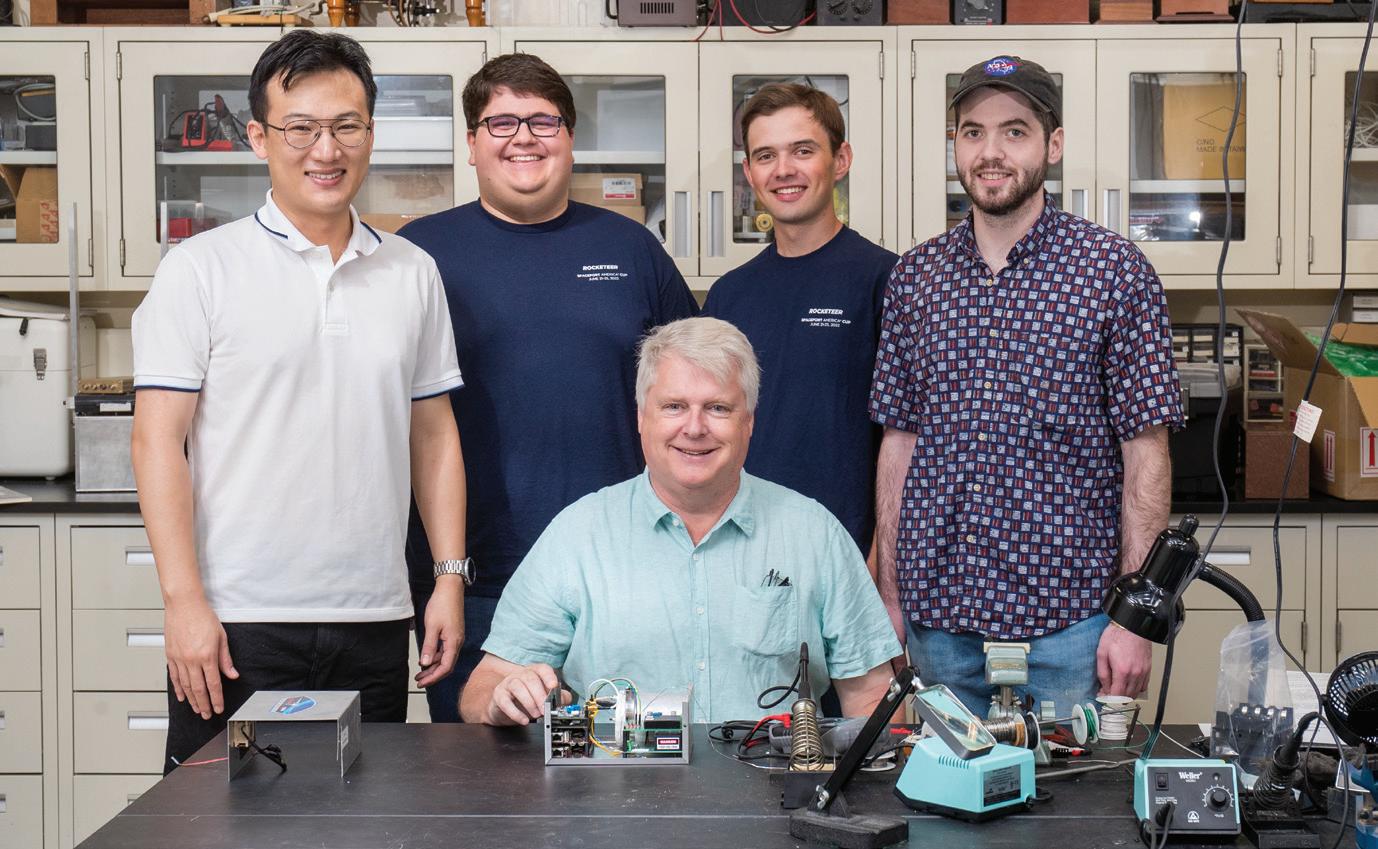
Dr. Eric Benton, a radiation physicist at OSU’s College of Arts and Sciences, is leading the research with his team at OSU and has a radiation detector set to fly on a Blue Origin rocket in 2023.
The flight will be suborbital — flying up between 100 to 120 kilometers (around 60-75 miles), Benton said. It’s a very short flight, only about 11 minutes, he added.
But while the flights are short, the radiation is considerably more intense than what a person will get on the ground, or while flying in a commercial jetliner. The duration of the flight means there isn’t much danger, but there is still a need to monitor radiation, Benton said.
“It is prudent and ethical to pay attention to it and to measure it,” he said. “If something very strange happens physiologically with somebody, then you can probably rule out radiation as being the culprit because you would have independent measurements saying that the radiation level was really low or well within expected limits.”
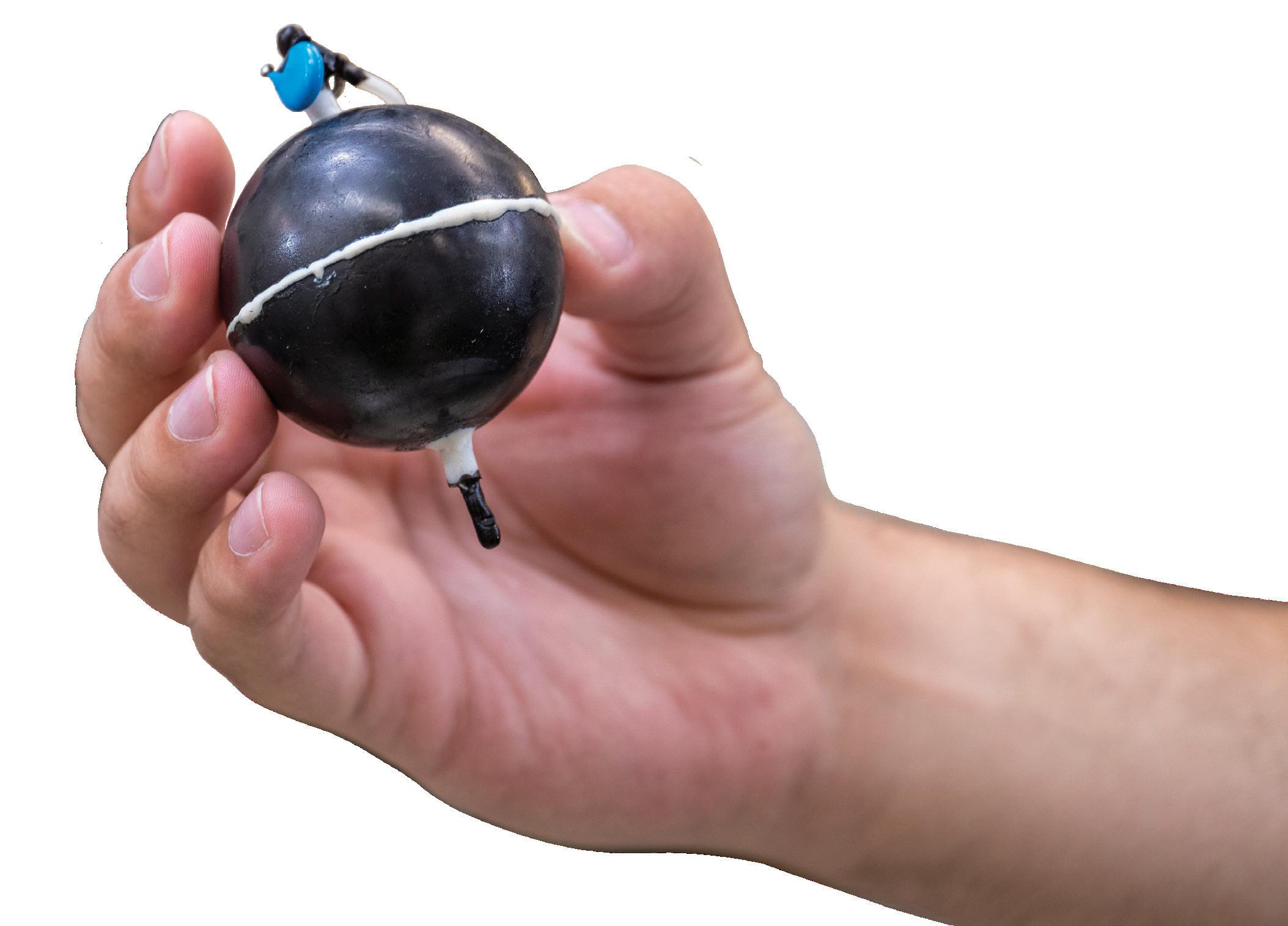
A main part of the radiation detector is the tissue equivalent proportional counter, which measures radiation with the same sensitivity as human tissue.
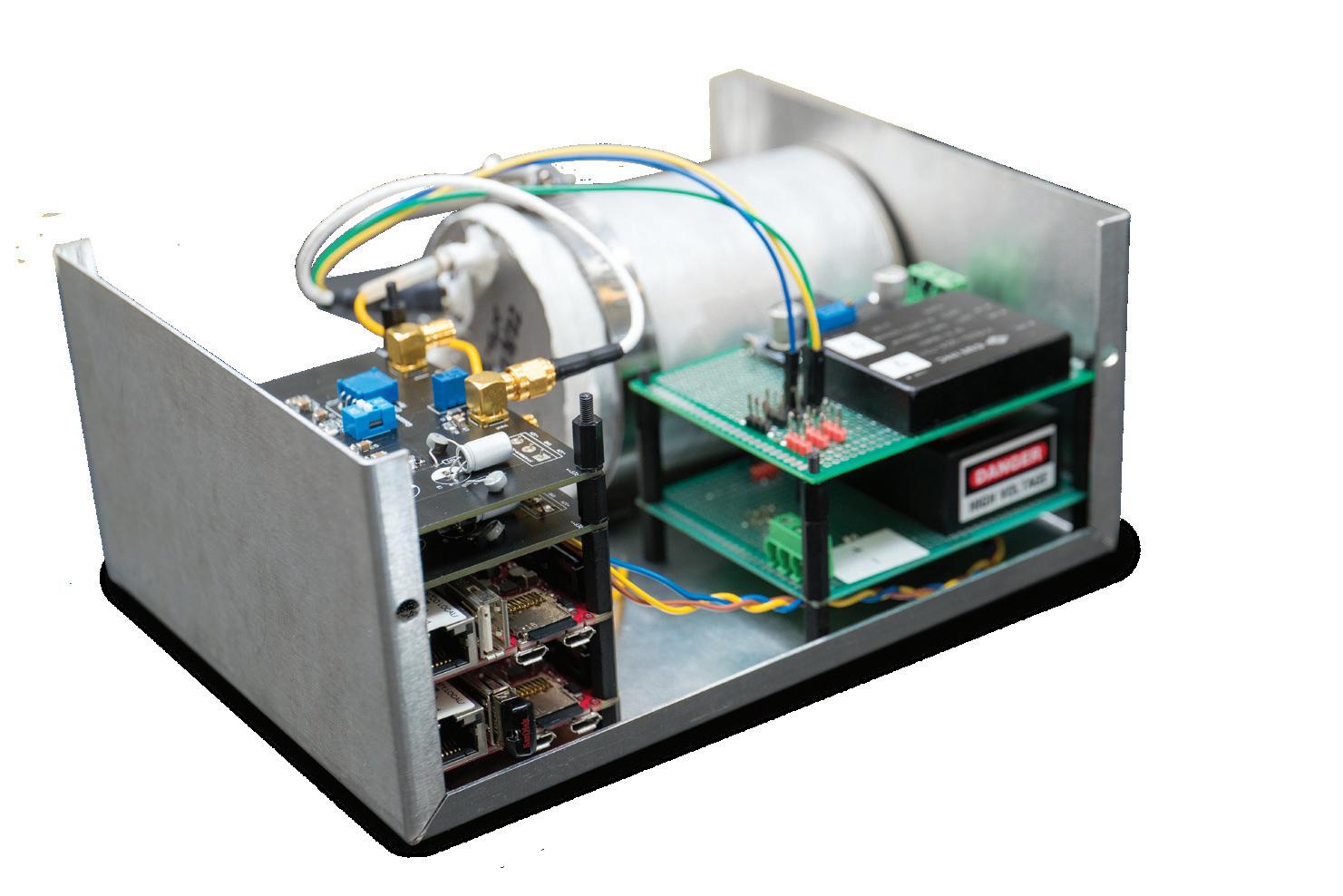
Outside of health and safety, radiation also plays a key role in the ever-advancing technology age.
“A lot of electronics are quite sensitive to radiation,” Benton said. “And they are getting more sensitive because they’re shrinking the size of these electronics down. So they’ve got to pay attention to that.”
This detector was developed as part of a program called the AIRE Institute, which Benton started at OSU with a couple of colleagues.
“AIRE stands for atmospheric ionizing radiation environment,” he said. “And so, as the name says, we’re really interested in the radiation environment that’s found in the atmosphere, especially at higher altitudes.”
The institute is something that’s evolved out of work that all got started because of NASA EPSCoR, Benton said.
“NASA EPSCoR in Oklahoma and nationwide, but in Oklahoma especially for me, has been really generous in supporting our work,” Benton said. “In 2008, when we got our first NASA EPSCoR grant for this radiation detector technology — that really started this.”
Benton had been doing space research before using other kinds of detectors called passive detectors that act like film. But as technology improved, there was a demand to be able to see the time radiation occurred as well, Benton said.
“That meant abandoning these passive radiation detectors and going for what is called active radiation
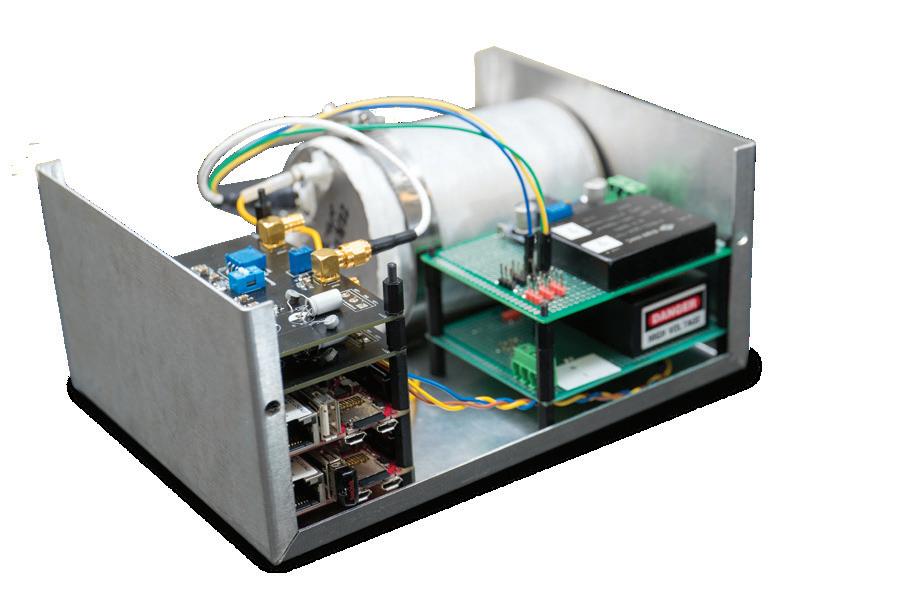
This radiation detector, or dosimeter, was developed at the AIRE Institute at Oklahoma State University.
detectors: electronic devices that store the data on a computer,” he said. “So it was really clear, this is where I had to go.”
It turns out that one of the people who developed this active technology had retired to Stillwater and was working with a researcher named Stephen McKeever, who was in the physics department at OSU and later served as vice president of research from 2003-2013.
“And I realized that I need to learn how to do this. I need to learn this new technology, this is where my future is,” Benton said. “So, we started from scratch. I mean, similar detectors had been flown before, but they were very expensive. And it was pretty much proprietary technology. We had to reinvent the whole thing from scratch for ourselves. And the real major emphasis we put on it was to make it a lot cheaper.”
Since then, most of what the team has worked on in the past has been space oriented, which would be at an altitude of around 400 kilometers. But now they are looking more toward the sky, and not past it.
“With Blue Origin and Virgin Galactic, they’re starting this whole idea of space tourism,” Benton said. “And we hope to be the radiation dosimetry providers for space tourism, and this is sort of our first shot at that.”
From a scientific point of view, very few measurements have ever been taken on these suborbital flights, Benton said.
“There’s lots of data from space and from aboard the space station, and before that from space shuttles and spacecraft like that, but up at these higher altitudes in the atmosphere, there’s practically none,” he said. “We’re very interested in filling in that gap in our knowledge.”
The detector itself consists of several parts, but the main piece is called a tissue equivalent proportional counter.
“This is a spherical detector that is filled with low-pressure gas. And the tricky thing is that it’s a rather large sphere, maybe about two inches in diameter, but the gas is under very low pressure,” Benton said. “And the walls of the chamber are made of plastic, which is essentially the same as tissue — it’s carbon, oxygen and hydrogen — so the density is very similar to human tissue.”
This means the response of the detector to radiation, which is monitored on a computer, is very similar to that of what human tissue would be to that same radiation, which simplifies how the radiation is going to affect passengers and pilots quite a bit, Benton said.
And everything fits into a small container a little smaller than the size of a shoe box.
For the Blue Origin flight, the team has been assigned one of 36 lockers aboard the ship where they will not only mount their detector, but also plan to include more detectors from other organizations to compare data with.
“With Blue Origin and Virgin Galactic, they’re starting this whole idea of space tourism. And we hope to be the radiation dosimetry providers for space tourism, and this is sort of our first shot at that.”
Dr. Eric Benton
The other detectors Benton and his team intend to include will be from a company called HERADO, based in Athens, Greece; the Solar and Terrestrial Physics Institute of Bulgaria; and the Nuclear Physics Institute of the Czech Academy of Sciences in the Czech Republic.
“This all ties into something that’s called space weather,” Benton said. “There has been a growing appreciation amongst industry that things that are happening on the sun can have really adverse effects on our technology, or on health.”
The team is hoping to fill in this niche in the study of space weather that is just now getting new attention, Benton said.
Outside of their suborbital tests, Benton’s team is also preparing a detector to fly on a SpaceX rocket to be deployed on the International Space Station in 2023 and is working on detectors for lower-level balloon flights with OSU’s Unmanned Systems Research Institute.
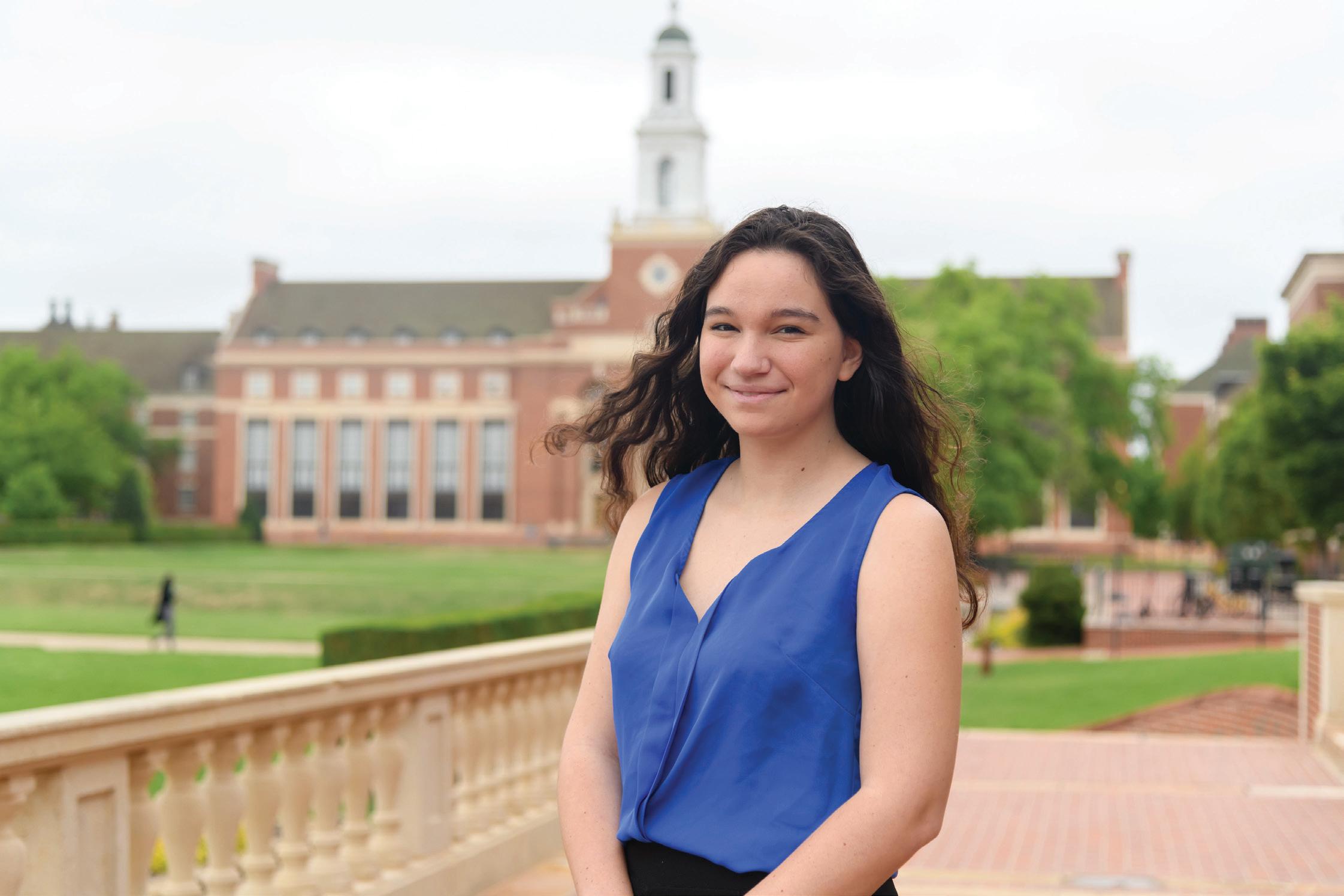
It is not every day that you meet a student like Alexandra Bias.
Bias, who goes by “Alex,” is a senior at Oklahoma State University and is triple majoring in chemical engineering, mathematics and political science.
Whether it be research, student government, Greek life or service, Bias exhibited her motivation to become involved as an undergraduate student. She holds the prestigious titles of Goldwater Scholar, Niblack Research Scholar and W.W. Allen Scholar.
Bias was raised in Orlando, Florida, and though she’s from over 1,200 miles away, she was no stranger to Stillwater. Her parents both attended the university and Bias grew up as a member of the Cowboy family. She ultimately decided to follow in the footsteps of her parents.
“This always felt like a home away from home, but I did look at a lot of different options across the country and really I don’t know how anyone can come visit OSU without falling in love,” Bias said. “It’s such a home and OSU does a really good job at creating that environment.”
The people in Stillwater made an impression on Bias when she would visit. As a high school senior, an interaction with an Eskimo Joe’s employee stuck out to her.
“The cashier spoke to me and was like, ‘Hey, how are you doing?’ and that doesn’t happen in other places,” Bias said. “People here really care about who you are and they want to know how you are doing.”
Bias began as a chemical engineering major and a mathematics minor. Her love for math attracted her to the minor, yet she quickly realized that with only five additional classes, she could major in the subject. Political science came into the equation for Bias after going home in the spring of 2020 during the COVID-19 quarantine period.
She was able to pair prerequisites completed back in high school with course credits she obtained while attending nearby Florida Atlantic University in the summer of 2020 to make a noticeable stride toward a degree in political science.
Bias was quick to get involved as a freshman. She was a part of the President’s Leadership Council, Junior Greek Life and Freshman
Representative Council. She also pledged as a member of Delta Delta Delta sorority. Bias remains active in Tri Delta and has held leadership positions such as diversity chair, engineering homecoming director and director of financial operations. Her leadership experiences helped her earn election as 2021-2022 student body vice president.
In her time at OSU, Bias has also been involved in Alpha Phi Omega. This national service fraternity was rechartered at OSU by Bias’ parents in 1995. Her parents met as members of the organization at the University of Central Florida. After marriage, the two moved to Stillwater as Bias’ mother finished her bachelor’s degree and her father obtained his master’s degree.
The couple soon realized that there used to be an APO chapter at OSU and decided to bring the chapter back on campus. Bias grew up witnessing the lifelong friendships made between her parents and other members of the organization.
“I was certainly the only Oklahoma State fan I knew in Orlando growing up,” Bias said. “But every time I got to go visit those family friends, I got to see firsthand the Cowboy pride and family that OSU gives you.”
As a member of the organization, Bias has been able to carry on duties that were reignited by her parents. She enjoys completing hands-on service through the organization. Another way that Bias has been able to get that experience is through research.
As a high school junior, she became passionate about research. She has worked in four labs during her time at OSU. Most recently, Bias worked in a lab on computational chemistry alongside Dr. Christopher Fennell, an associate professor in the Department of Chemistry.
Fennell has been at OSU since 2013 and has known Bias since the fall of 2020. She went to Fennell as an undergraduate student in search of research opportunities. Fennell noted the significance of Bias’ willingness and drive to get involved in research early on in her college career. Fennell described Bias as intelligent, adaptable and ambitious.
“Computational chemistry is usually something students may get involved with in a class later on,”
Fennell said. “She was able to pick this up right away.”
Bias’ research within the College of Arts and Sciences assisted her in being named OSU’s 30th Goldwater Scholar. The Barry M. Goldwater Scholarship and Excellence in Education Foundation is a prestigious award that was established by Congress in 1986 to further assist future generations of researchers. Out of 1,242 applicants and 433 institutions, Bias was selected as a recipient. The Goldwater Scholarship opens many doors to Bias as a researcher.
She first applied at the institutional level. Bias was then selected to attend a retreat in Taos, New Mexico, funded by OSU. Bias and her fellow OSU students who were selected to apply at the national level spent a few days working on applications. She was able to receive help and feedback from previous Goldwater Scholars or other members of OSU staff.
“I don’t think I would have been competitive for the scholarship if I would not have had that,”
Bias said. “I think that is why Oklahoma State historically has such a good record of Goldwater Scholars.”
After graduation in the spring of 2023, Bias plans to attend the University of Cambridge on behalf of her W.W. Allen Scholarship. Bias will spend one year at Cambridge and become a Master of Philosophy. She plans to let her time abroad determine what the next steps in her career will be.
To utilize her three majors, Bias said that she would like to look at the way foreign policy is made through a lens with math and science. The idea of law school was mentioned, but Bias said she may just do research forever because of her love for it.
Most of Bias’ research has been completed through CAS. She said that the college has paired her with amazing faculty members to assist in her academics and research.
“They are so supportive, which is typical of the Cowboy family,” Bias said. “The professors are there for me as a human first and as a student second.”
OSU has world-leading center for the study of human nature
Throughout human history, social interaction has made the world go around, whether it was for advancement through invention or tragedy through war.
The current global landscape is more interconnected but also more divided than ever. A team of Oklahoma State University researchers is using evolutionary psychological science to look to the past for answers that could help us understand each other today.
The Oklahoma Center for Evolutionary ANalysis (OCEAN) is one of the top institutions in the world in this rapidly growing area. It is the brainchild of Dr. Jennifer Byrd-Craven, an OSU psychology professor, who founded the center in 2019 with Dr. Jaimie Arona Krems, an assistant psychology professor.
Since then, OCEAN has attracted faculty and graduate students from near and far, each with a distinct specialty at the intersection of psychology and evolutionary theory.
Byrd-Craven’s research deals with stressresponse systems and relationships, particularly in women.
“Some have suggested having friendships is the next best thing for your health besides quitting smoking,” Byrd-Craven said. “That might be particularly true for women.”
For men, having a romantic partner is often a key buffer from psychosocial stress, but for women, friends often fill this role. Byrd-Craven is at the cutting-edge of exploring the psychobiological pathways that lead from friendship to health.
“We don’t yet know, for example, in what way friendships might be biologically beneficial — and in what ways might they actually be costly,” she said. “Our research helps us understand the beneficial aspects of friendship, which can translate into added years of life and better offspring health.”
Satisfying long-term romantic relationships are central to psychological and physical wellbeing. OCEAN member Dr. Juliana French, an assistant psychology professor, hopes to glean insights from neurobiology and evolutionary social science to better understand how people form and maintain satisfying long-term relationships such as marriage.
“My goal is to advance theory and knowledge about relationships, and also to help people practically understand why maintaining satisfying relationships can be so difficult, especially in our modern world,” French said. “How we approach our relationships might have been shaped over the history of our species, but the world looks very different today from our ancestral past. Understanding how modern aspects of our society might alter our evolved relationship psychology is really important.”
As one example, French’s neuroendocrine work has demonstrated ways that women’s use of hormonal birth control can influence relationship functioning, from their sexual satisfaction to their partners’ jealousy behaviors.
Dr. Daniel Sznycer, an assistant psychology professor and OCEAN member, studies how the mind generates values and emotions.
“When we hear the word ‘values’ we often think about big-sounding abstractions: ethical values and political values, for example,” he said. “But our brains appear to attach value to pretty much everything: water, oranges, brown recluse spiders, smartphones, friends and so on. When we value, our brains implicitly estimate the degree to which things, actions, ideas, events or organisms are good — or bad — for us valuers.”
Sznycer thinks there are deep historical regularities in how the mind values things. In recent research, he found that people with no training in law intuitively evaluate criminal offenses such as robbery, battery and homicide in ways that echo the legal thinking of both contemporary U.S. lawmakers and ancient Mesopotamian and Chinese lawmakers.
“In OCEAN, we integrate approaches from the humanities and the natural and social sciences to get a fuller picture of human nature,” Sznycer said.
Krems’ work in social psychology leverages evolutionary approaches to uncover how our social minds can help us reap the benefits — and avoid the costs — of living in large, interconnected groups. For example, her work on stereotyping and stigma casts these phenomena not only as products of our social brains, but also as hurdles that our psychologies can help us navigate and overcome.
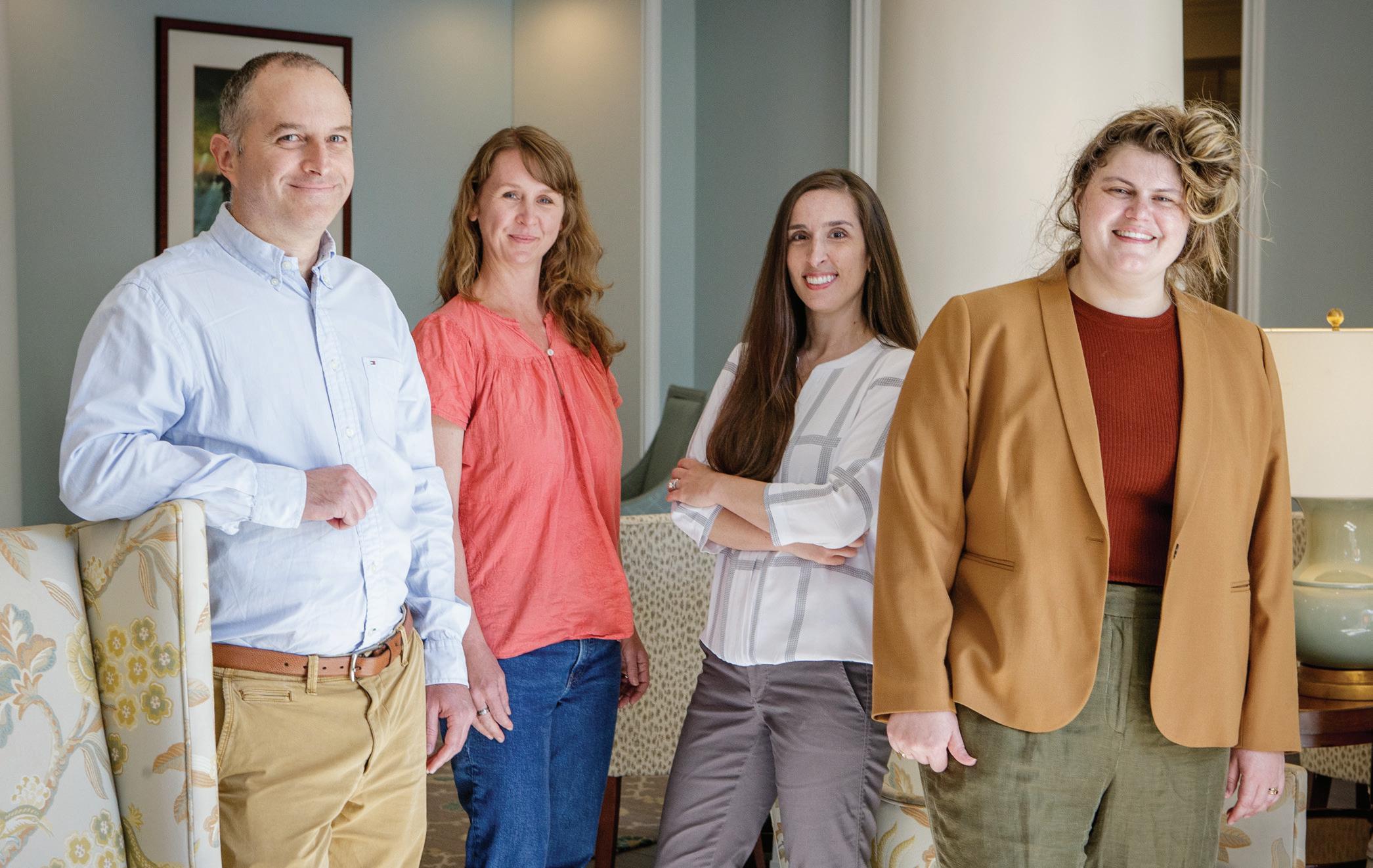
A relatively new center, OCEAN is already attracting top student talent from around the nation and the world. A core mission of OCEAN is to advance knowledge about human nature at the highest level of research and share that research with the public. OCEAN faculty have had their research featured in The New York Times, Rolling Stone, and at OSU’s own Research on Tap series.
OCEAN has launched the highly successful regional conference FOSSIL (FlyOver State Scientists Integrating evoLution), which welcomed over 80 people, mostly graduate and undergraduate students, from around the nation in its inaugural year. And each semester OSU students are invited
to an OCEAN Speaker Series event, where a leading evolutionary social scientist presents cutting-edge research.
“There are a lot of questions about who academia is for,” Krems said. “But one of the things that I think you immediately see and can’t help but see when you look at our center and our grad students, they are 85% underrepresented minorities. They were also just the best candidates, and we could attract them because of the exciting work our team is doing.
“OCEAN is changing the face of psychology and evolutionary social science in ways that just show that science is for everyone.”
Empathy, as most people use the term, is understanding somebody else’s perspective — trying to put yourself in their shoes, trying to feel what they feel — and it is often described as a good thing.
But is it really a good thing?
Dr. Shannon Spaulding, associate professor and graduate coordinator in the Oklahoma State University Department of Philosophy, is focusing her research on just that question.
“Many people think that empathy is a really positive thing. Americans today are so divided and people struggle to understand what the world feels like to somebody else with a different perspective,” Spaulding said. “So, intuitively, it seems like empathy is a really good tool for cutting through partisanship and division because if you can see the world from somebody else’s perspective, it motivates a different kind of response to their behavior.”
You may not agree with their perspective, but you can understand it and respond with compassion, she said.
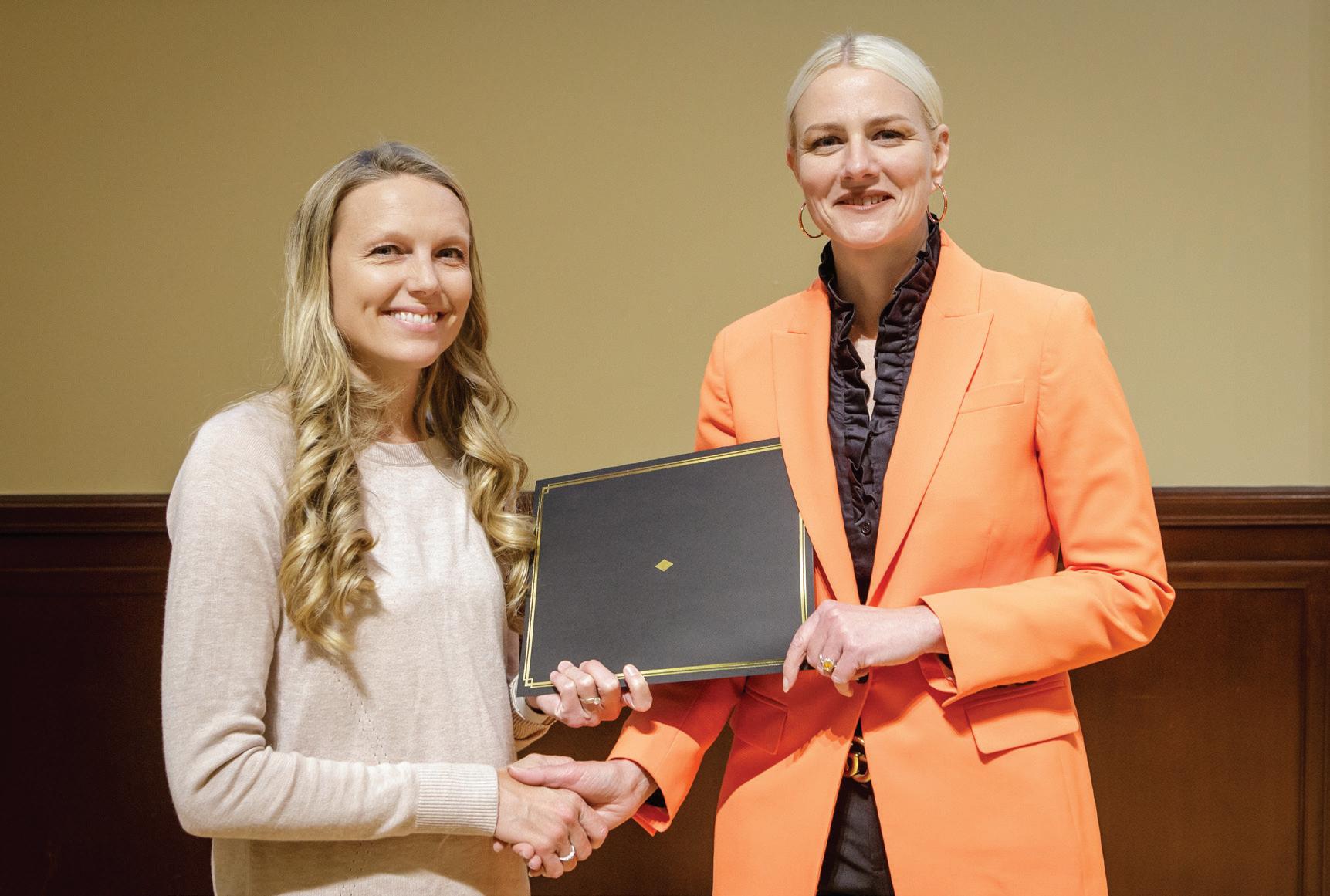
Dr. Shannon Spaulding (left) is recognized at the 2022 Researchers Reception by OSU President Kayse Shrum.
However, it’s not a perfect tool, she added.
“Some philosophers and psychologists have argued that empathy actually just makes things worse,” she said. “Their idea is, ‘Look at how we use empathy.’ We use it to empathize with our in-group. We don’t actually empathize with the people we disagree with. When we empathize exclusively with people we like and people in our in-group, we make conflict even more intractable.”
Empathy burnout is also a major problem, Spaulding said.
“It can be exhausting to empathize, especially when there’s no easy off-ramp,” Spaulding said. “Medical professionals during COVID are a good example. There’s an unending wave of suffering and you are called to empathize over and over again, and it just wears on you. It’s difficult to do that day in and day out and live your normal life.”
Spaulding decided to examine the intersection of praise and criticism of empathy.
“My project is theoretical — understanding how these processes work. But there is a real practical payoff to the project. If you understand
how the processes work, you can construct better interventions,” Spaulding said.
First, we need to understand what is actually driving empathetic responses, she said. Usually that is our own personal motivations — what we care about, the resources or competition we stand to lose by empathizing, how this impacts our in-group — and then you can find ways to push on those motivations, she said. You can build better interventions to improve the way we use empathy by targeting the motivations that drive people’s behavior.
“The challenging thing about interdisciplinary theoretical research is that everybody has different ways of using concepts. So, if you do a first reading, it will seem like they’re talking about the same thing and they’re saying very similar things,” Spaulding said. “But when you kind of drill down you realize that, ‘Oh, there’s a neuroscientist who is using this concept in a totally different way and actually meant something really different from what the psychologists are meaning.’”
That means a lot of Spaulding’s research is mapping out what is known in neutral terms, she said. The other piece of her research is engagement and collaboration with experts across many fields.
Historically, there was no real difference between philosophers and psychologists, Spaulding said. Philosophers have always been interested in how the mind works, and the earliest psychologists were enmeshed in these philosophical discussions. Many early psychologists were considered philosophers, in fact. Psychology and philosophy back then were relatively continuous, she added.
“I see my own research in that way,” Spaulding said. “So, what psychologists are really good at — because they’re trained on it — is constructing experiments and measuring the thing that they want to measure. They’re really good at experimental design.”
What philosophers are trained to do and what they excel at is conceptual analysis, she said. They synthesize information and analyze and evaluate the conceptual assumptions of a problem. Experimental design and conceptual analysis need to go hand-in-hand.
“It is kind of a theoretical puzzle,” Spaulding said. “Trying to figure out what the pieces actually are and how they fit together. I say, ‘OK, so there’s this piece here. That piece actually belongs there.’
At least in my research, that’s how I imagine the philosopher’s role — really trying to synthesize and analyze the concepts and the theory and the background assumptions.”
This is vital for further experiments and interventions.
“You have to get the analysis part right. If you don’t get it right, then your experiments and interventions are not going to be well-grounded,” Spaulding said. “You might not find anything, or you may find something and then it doesn’t replicate later. It is because the foundations aren’t solid.
“I really think that this theoretical work is not an extra frill or academic flourish. I think it’s really important to understand the phenomenon so that you can construct better experiments and better interventions.”
However, her research is not just borrowing from others; it is evaluating and piecing together ideas and concepts from various disciplines.
“It’s having this dialogue where the psychologists are saying, ‘OK, so this is what we think is going on.’ And the philosophers are saying, ‘OK, this is what we think is going on,’” Spaulding said.
The philosopher’s role in this kind of research is to challenge assumptions and find the coherent reflective equilibrium in these various ideas.
Spaulding was recently awarded a 2022 President’s Fellows Faculty award for her work on empathy research. In the future, Spaulding hopes to continue her work in empathy and other ways people connect, like trust.
“One of the things I want to think about is the relationship between empathy and trust,” Spaulding said. “Most of the time, you don’t consciously decide to trust somebody or go through this rigorous process of examining whether somebody is trustworthy, but most of us are kind of instinctual when it comes to who we trust.”
There is an interesting reciprocal relationship with empathy and trust, Spaulding said. If you trust someone, you’re much more likely to empathize with them. And if we want to improve empathy, we also need to think about how we come to trust others because we often don’t trust those who differ from us.
“I’m not saying that more empathy is always better. I think we can improve empathy. But improving empathy is not the same thing as increasing empathy,” Spaulding said. “I think what we need to do sometimes is empathize less with the people who are like us.”
If you want to use empathy in a better way, find a way to understand a subject from a third-party perspective instead of habitually empathizing with the side you already agree with.
“It is a smarter use of empathy, rather than just more empathy.” she said.
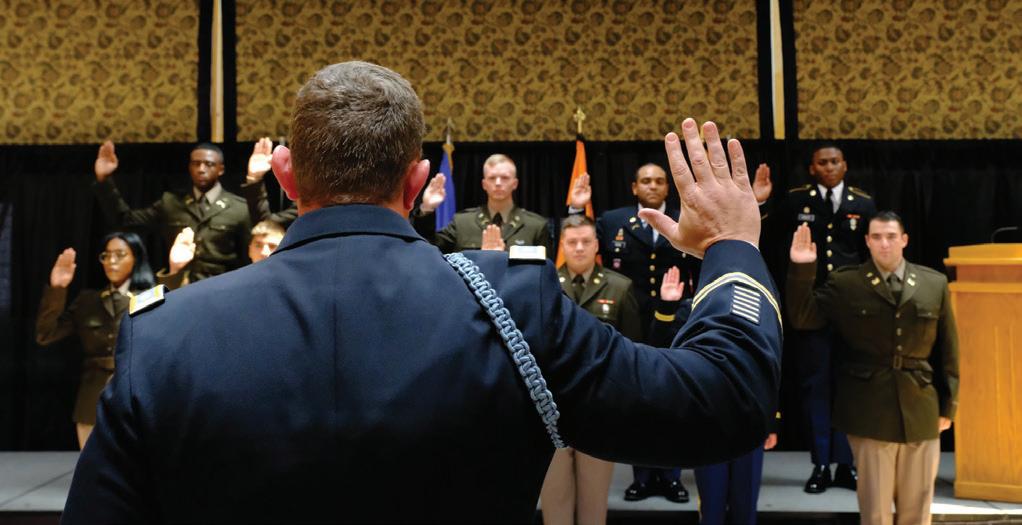
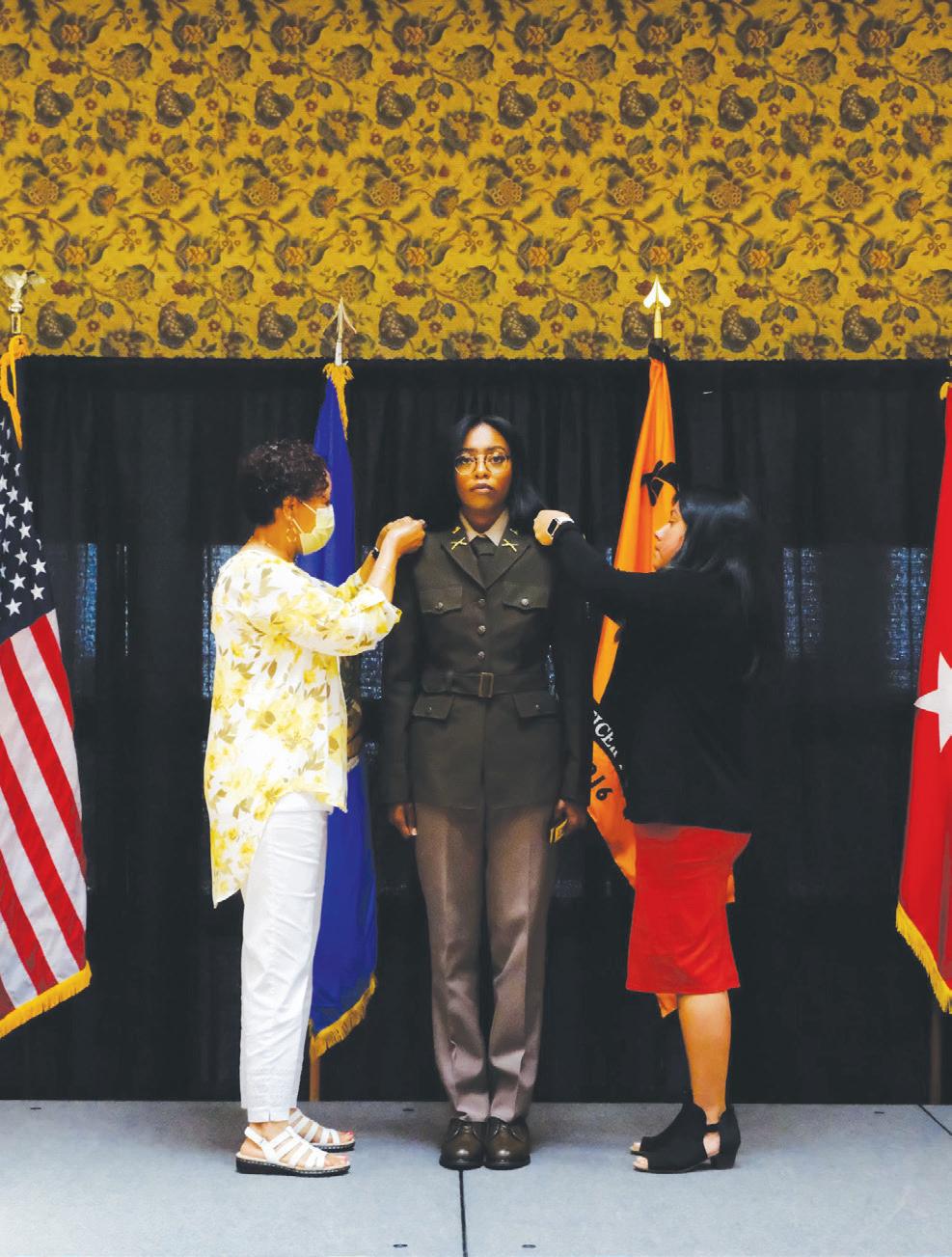
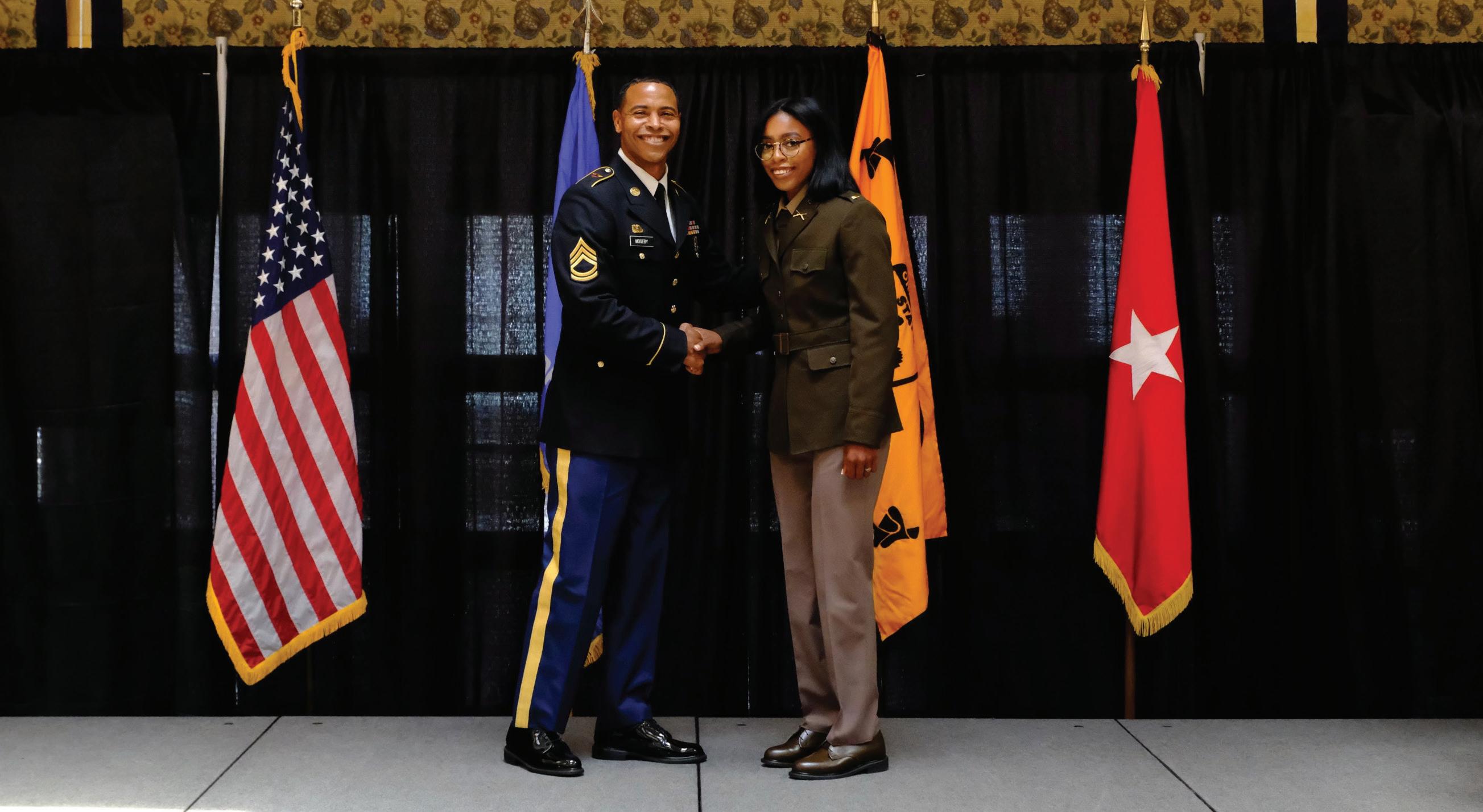
Two Army ROTC graduates made history this spring as the first female cadets from the Oklahoma State University Cowboy Battalion to be selected as infantry officers upon their graduation from OSU.
Keona Tidwell and Madeline Sloniker graduated in May, and are now heading to Fort Benning, Georgia, to attend the Infantry Basic Officer Leader Course (IBOLC). Once they graduate IBOLC, they will officially be the first female infantry officers to come from OSU’s Army ROTC program.
“It really means a lot to me because we just set the standard for what’s to come,” Tidwell said. “And it’s not just setting the standard, it’s letting any new females joining the program know that they’re able to get into that branch. It’s not impossible.”
It’s not impossible, but for a long time, it was.
OSU has had a Reserve Officers’ Training Corps program since 1916, when the university was still Oklahoma Agricultural and Mechanical College. Numerous former cadets have gone on to serve the Army in the infantry, but women were not allowed to join the combat arms branches of the Army until 2017. Now, Tidwell and Sloniker will represent the Cowboy Battalion as they help prove that women are just as capable of leading in the infantry as men.
This accomplishment has been four years in the making. Tidwell graduated with her degree in applied exercise science pre-med, and Sloniker
graduated with a double major in recreational therapy and human development family sciences. In addition to focusing on their academics, both women spent their time at OSU preparing for their futures by participating in training camps and exercises along with developing their leadership abilities. Tidwell even founded a multicultural sorority on campus — Alpha Tau Theta Nu Xi.
Their hard work has paid off because infantry is one of the most competitive branches of the Army, according to Lt. Col. Bo Reynolds, the head of the OSU Army ROTC department. It’s a sought-after assignment, but is also physically demanding, requiring people who can think critically and be problem solvers.
“Both Cadet Tidwell and Cadet Sloniker are very good,” Reynolds said. “They have demonstrated their abilities to do these things well and to lead the sons and daughters of our country. I’m very proud of those two and their ability to persevere through the four years it takes to go through ROTC and normal academic studies to achieve this goal and to achieve a commission.”
Tidwell and Sloniker accomplished a lot in their time at OSU, and they are poised to accomplish even more in the Army. They are two of seven graduates from the Cowboy Battalion this year who received an assignment for infantry, and they both expressed a desire to go to Ranger School after IBOLC.
Sloniker, who said she intends to stay in the infantry for her entire Army career, wants to do well at IBOLC and beyond not just for herself, but for women everywhere. She wants to encourage women to join male-dominated fields, not just within the military. She said she is honored to be given an opportunity to prove that women are just as strong and mentally tough as men.
“Women belong in combat arms and should be provided the same opportunities as men,” Sloniker said. “My goals are to complete IBOLC with high regards and complete Army Ranger school. These are very hard goals, but with the tools I have learned at Oklahoma State, I know they will come true.”
Oklahoma State University’s College of Arts and Sciences honors some of our outstanding alumni whose accomplishments and service are tangible evidence of their distinction. The annual celebration recognizing these alumni will be held on Sept. 16.
The College of Arts and Sciences honors and celebrates alumni who embody the qualities that make Oklahoma State University an extraordinary place to learn and grow. The inductees are CAS alumni who are recognized by their department as Distinguished Alumni for demonstrating excellence and leadership in their careers and making significant contributions through distinguished service.
The College of Arts and Sciences recognizes alumni who bring distinction to OSU through extraordinary achievements in their fields of discipline and have demonstrated records of distinguished service. These individuals are chosen annually by representatives from each CAS department to receive this prominent award.
The College of Arts and Sciences recognizes alumni who have graduated in the past 10 years (undergraduate or graduate degree) and have already reached major career milestones, shown exemplary service to the community, and/or demonstrated a proven commitment to volunteerism. On the following pages are information and photos recognizing the 23 Distinguished Alumni, two Rising Stars and two new Hall of Fame inductees. For more information, visit cas.okstate.edu/honors/alumni/2022_ceremony.

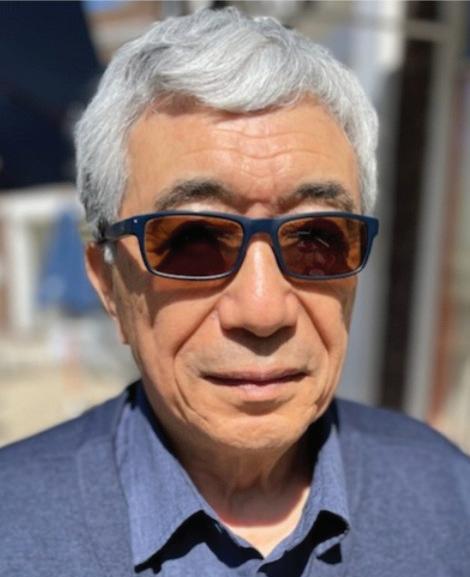
Hatta Tadaaki
Art, Graphic Design and Art History
1966 BFA, Art
Distinguished Alum
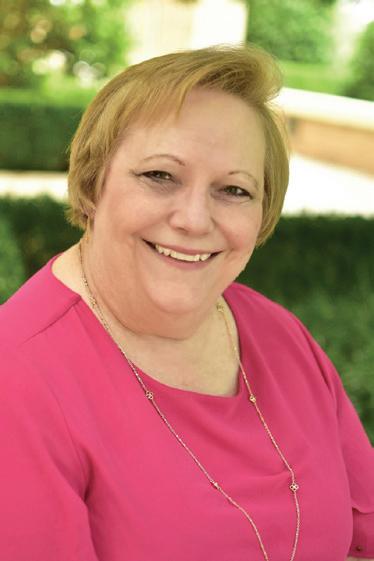
Mona Ryan
Communication Sciences and Disorders
1982 BS, Speech-Communication Sciences and Disorders
Distinguished Alum
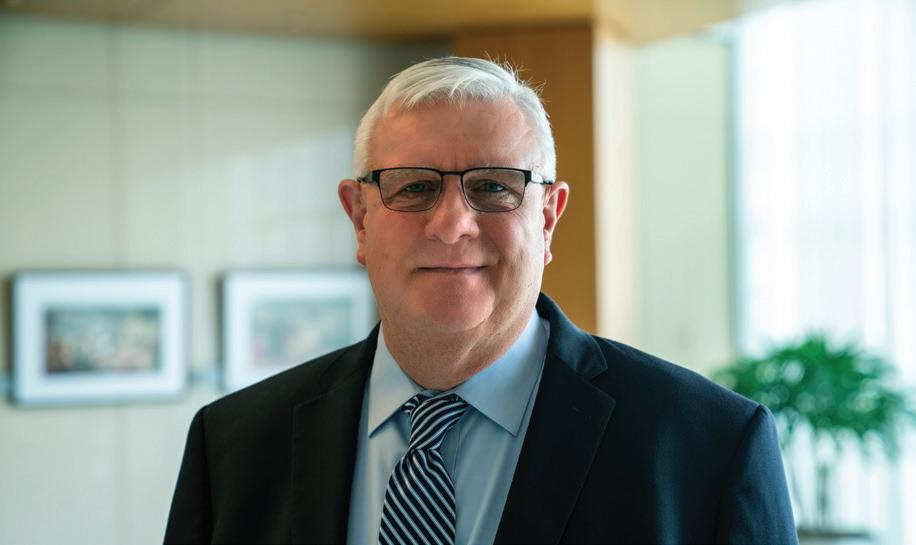
Computer Science
1986 BS, Computer Science
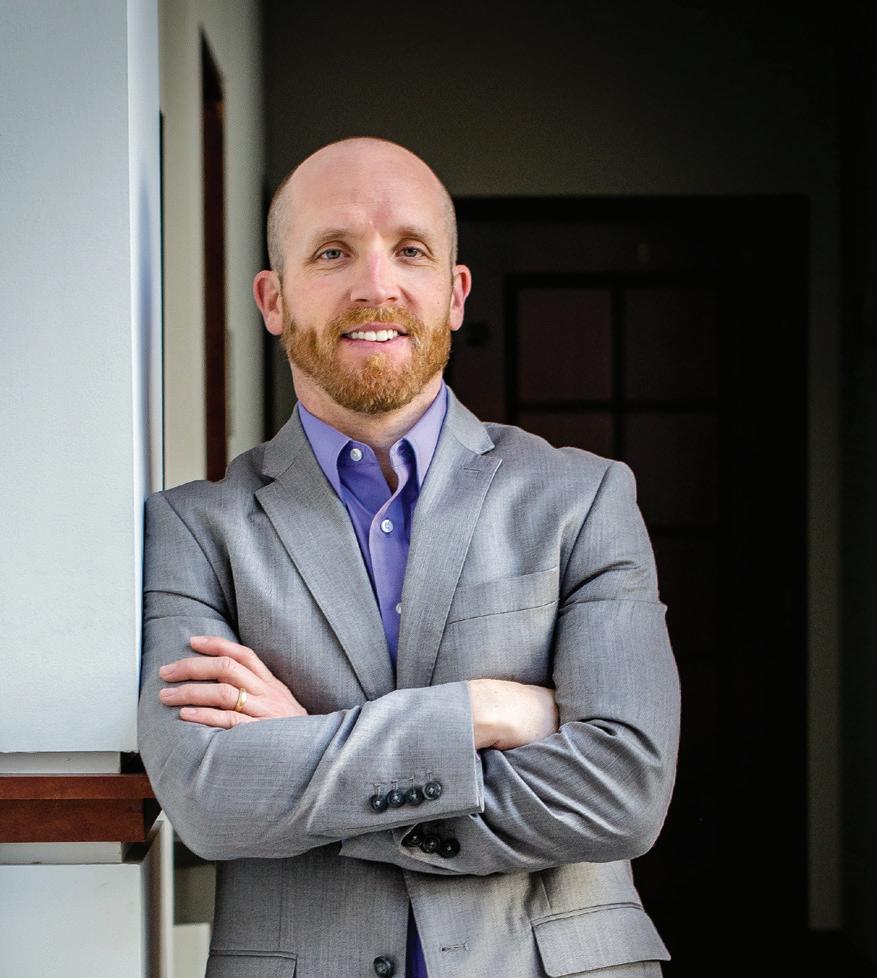
2000 BS, Computer Science
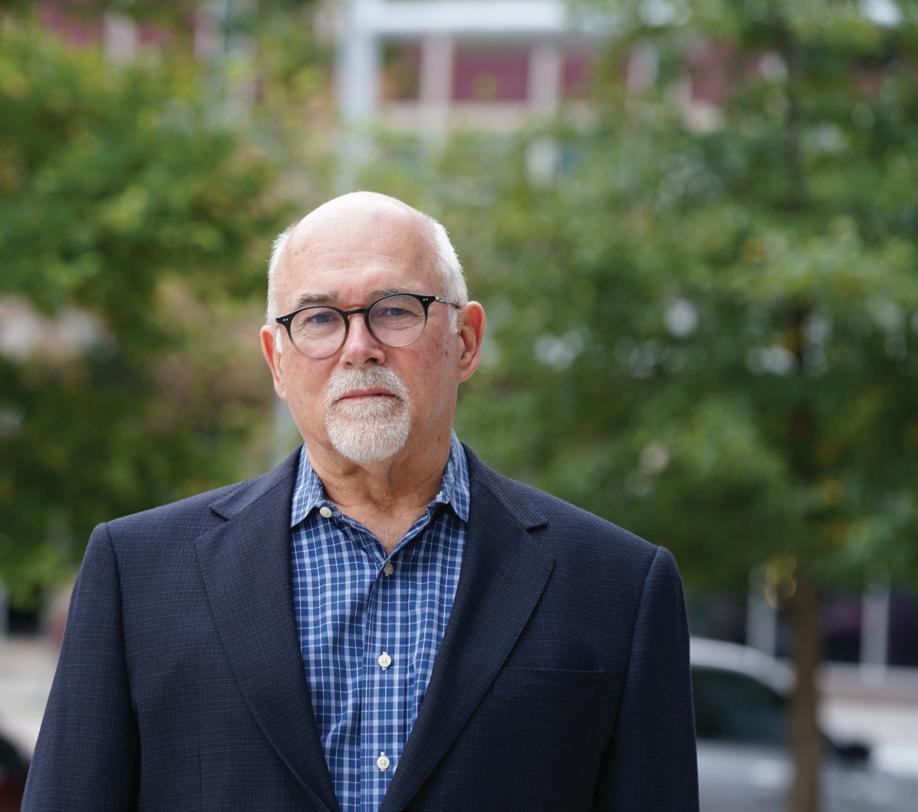
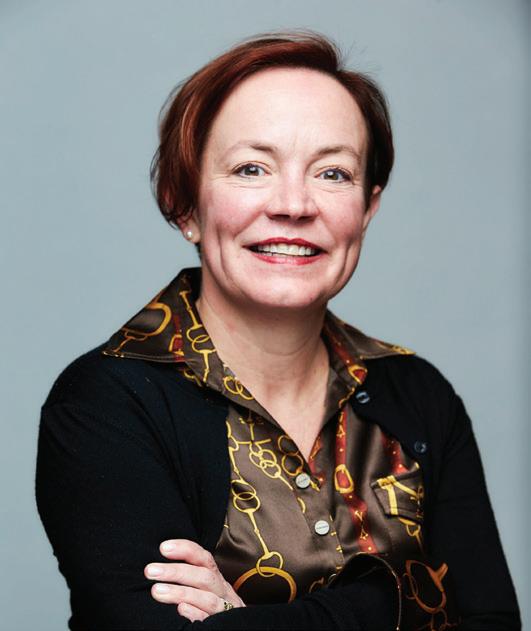
Rebecca Wetteman
Languages and Literature
1995 BA, French
1995 BA, Political Science
Distinguished Alum
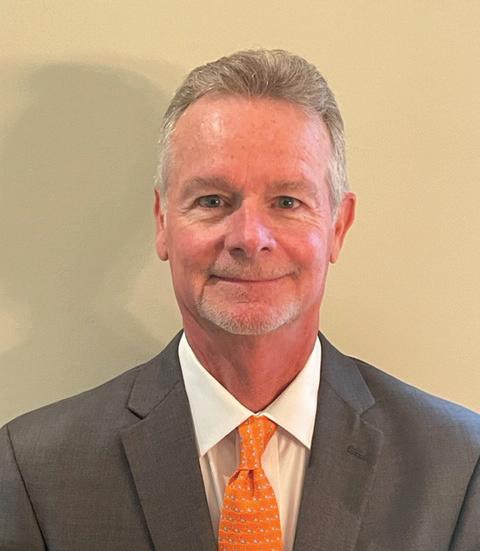
Mickey Coats
Mathematics
1976 BS, Mathematics
Distinguished Alum
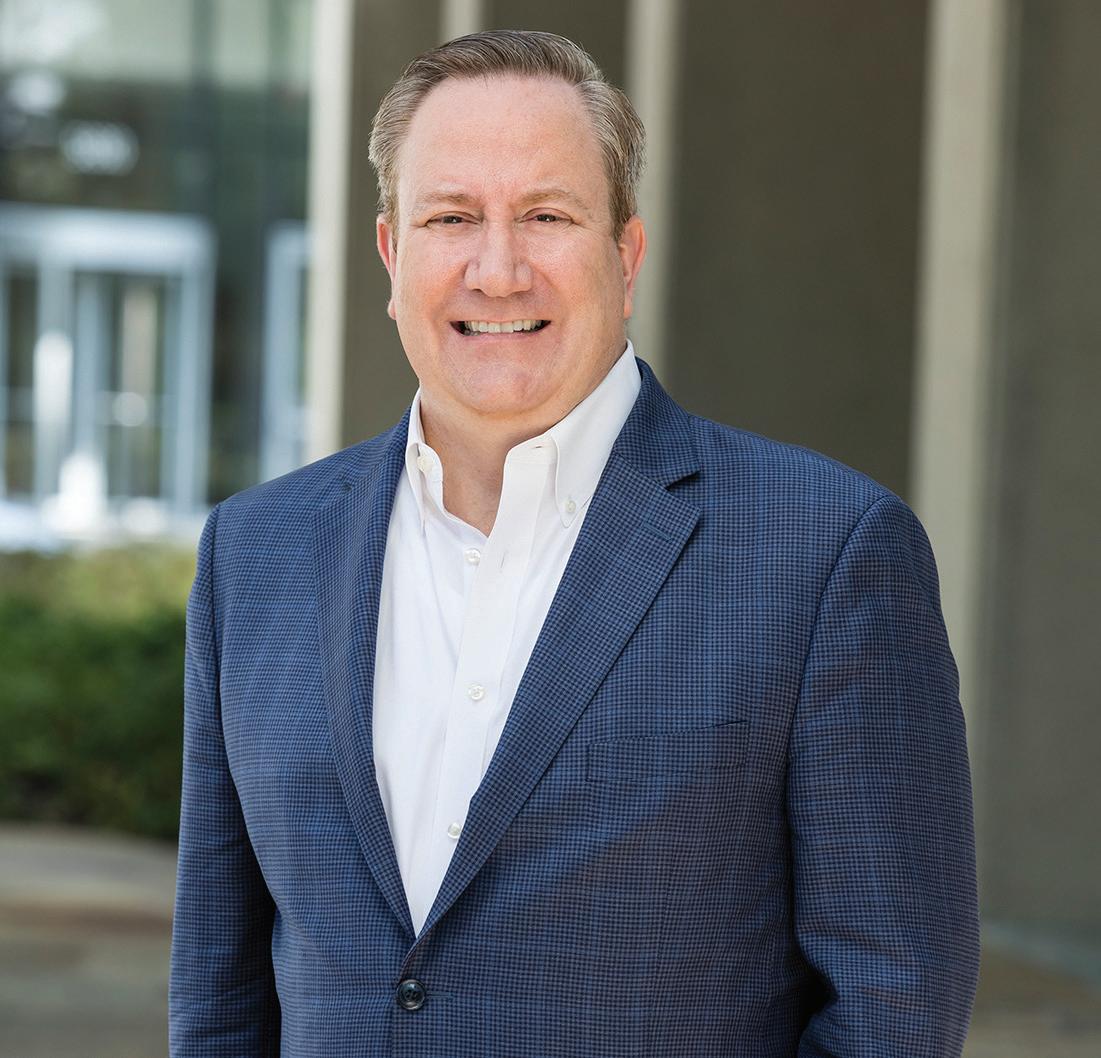
Gregory Everett
1987 BA, English
Distinguished Alum
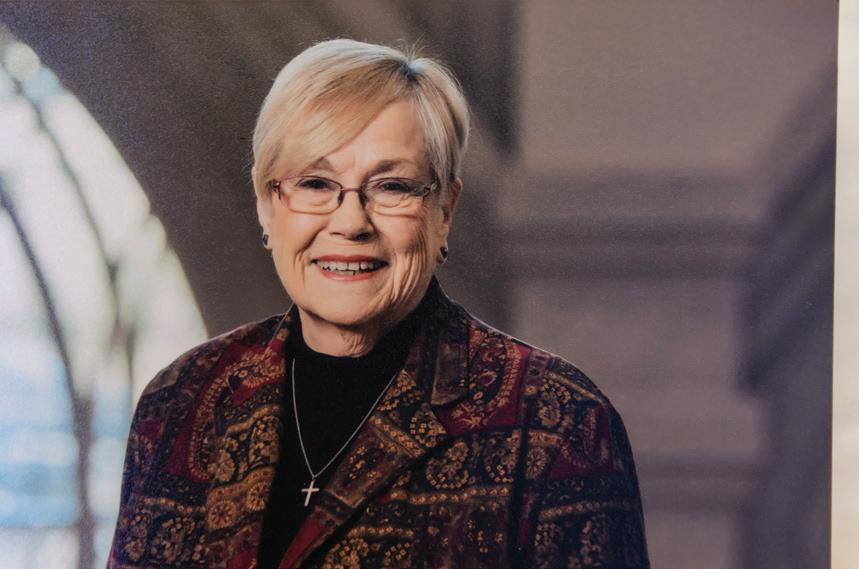
Karen Morgan
1985 BS, Geography
1988 MS, Geography
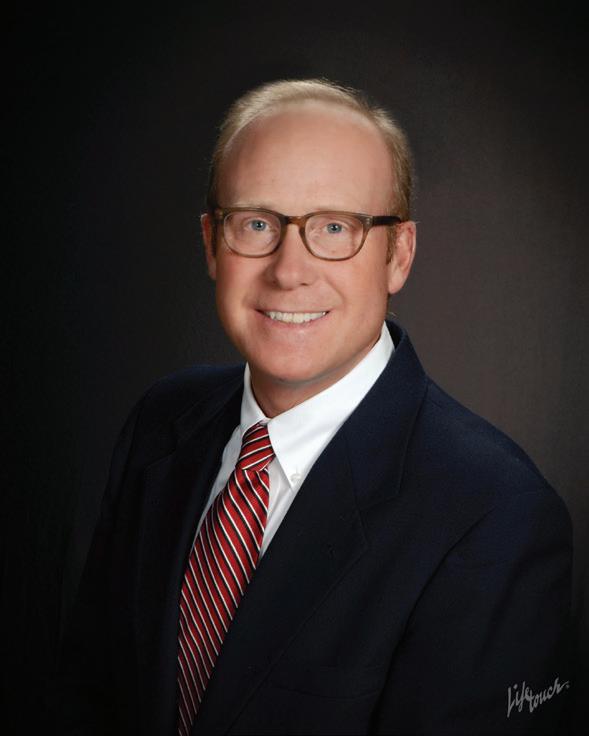
John Brett
Boone Pickens School of Geology
1984 BS, Geology
Distinguished Alum
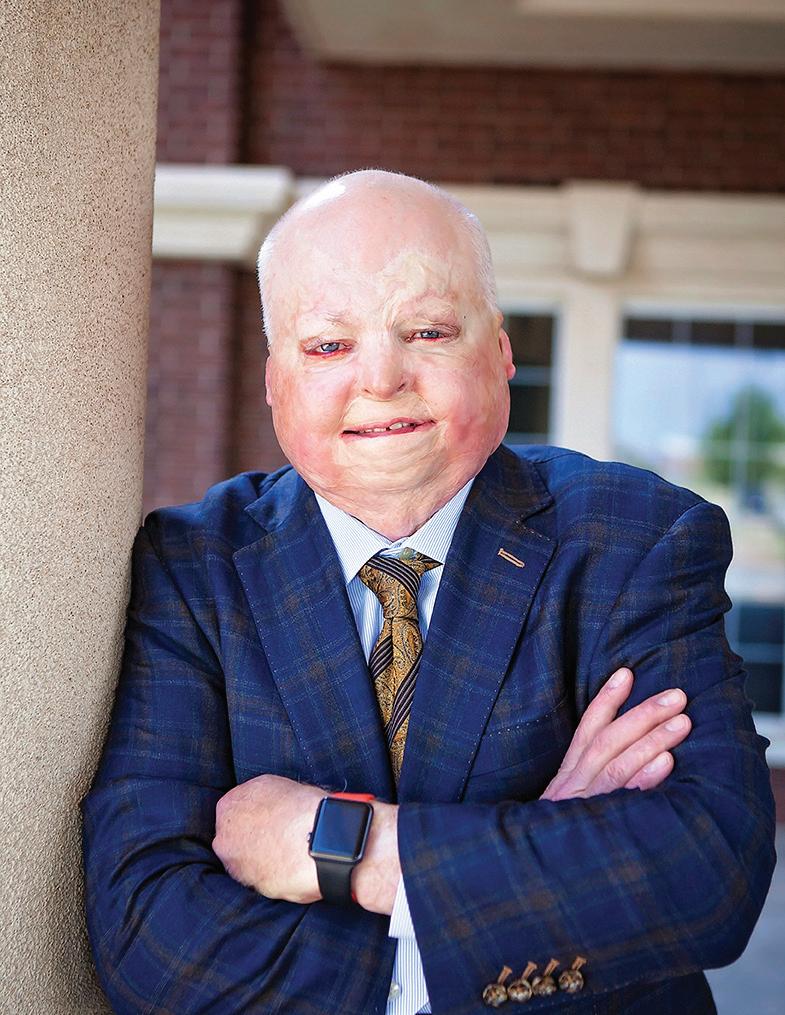
Greg Walton
Integrative Biology
1989 BS, Premedical Science
Distinguished Alum
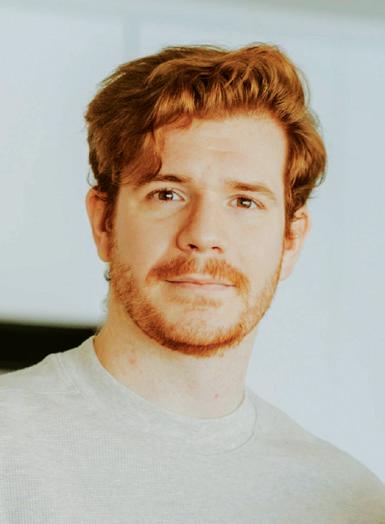
Todd Edmonds
Mathematics/Physics
2016 BS, Mathematics
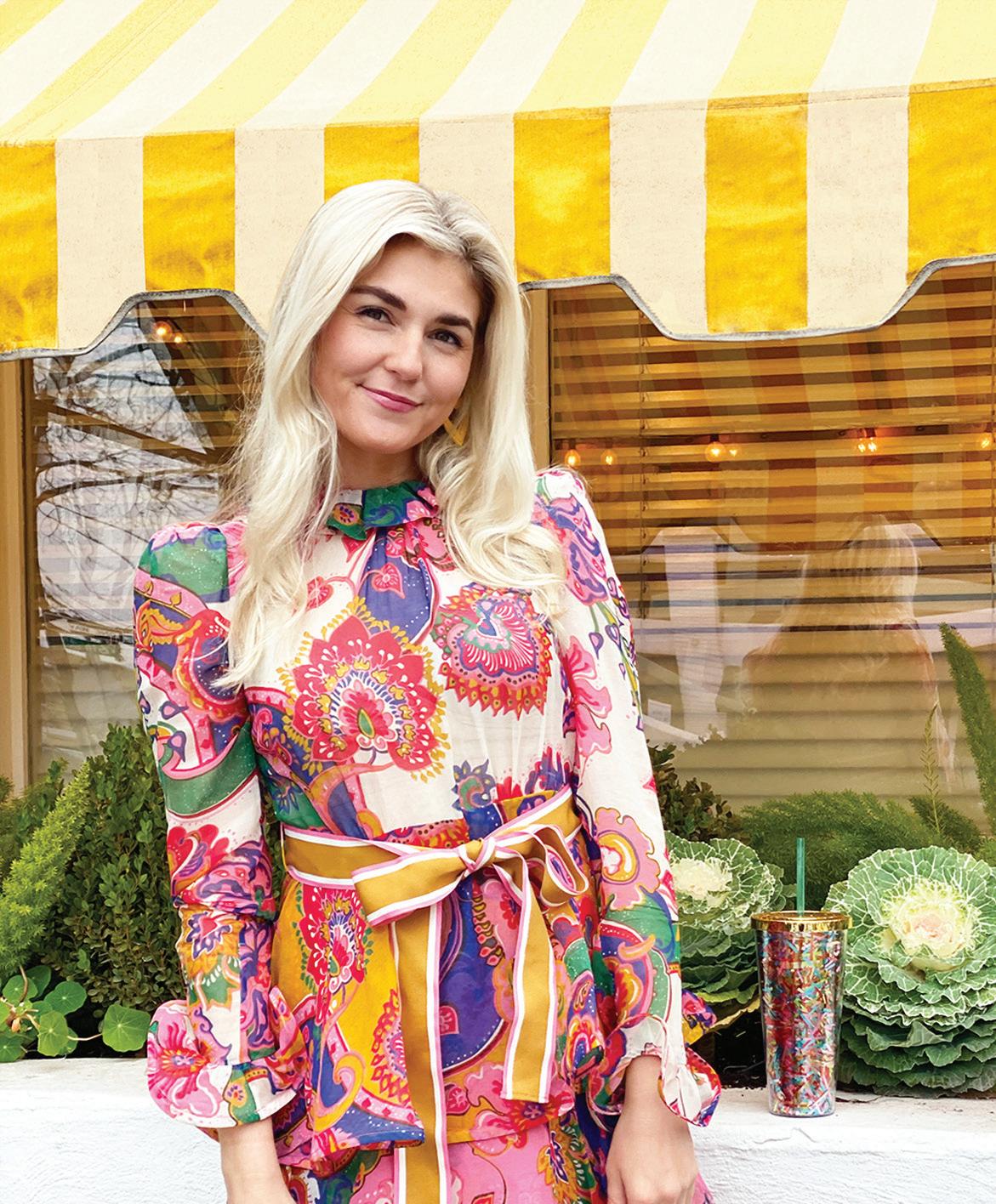
School of Media and Strategic
2012 BS, Journalism and Broadcasting
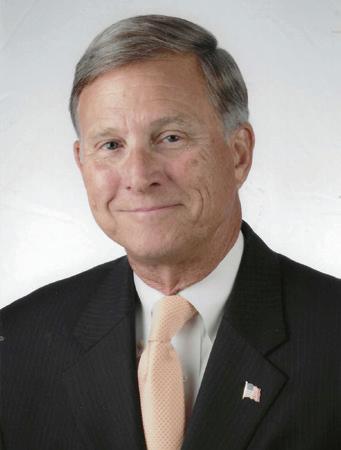
Gregory J. Slavonic
School of Media and Strategic
Communications
1971 BS, Journalism and Broadcasting
Distinguished Alum
Patti Drennan
Greenwood School of Music
1974 BS, Music
Distinguished Alum
Dennis Heinzig
Philosophy
1987 MA, Philosophy and Religious Studies
Distinguished Alum
Patricia Reiff
Physics
1971 BS, Physics
Distinguished Alum
J. Phil Gibson
Plant Biology, Ecology and Evolution
1988 BS, Botany
Distinguished Alum
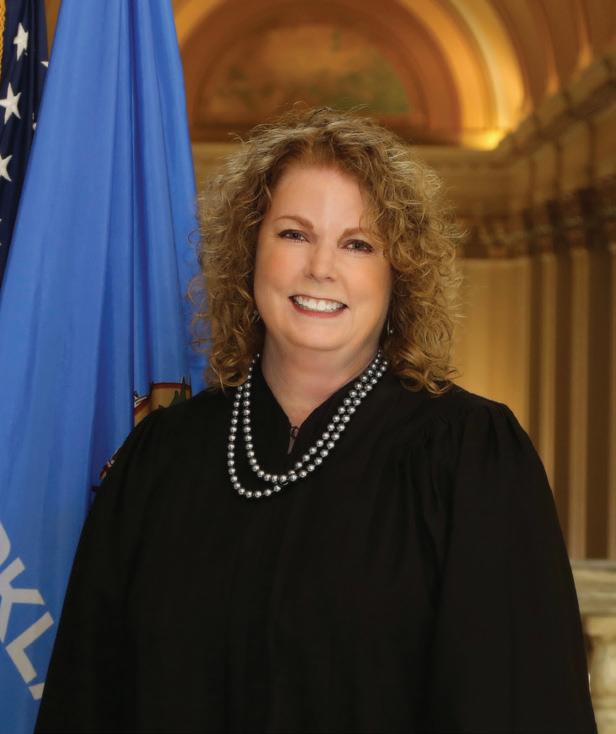
Barbara Swinton
Political Science
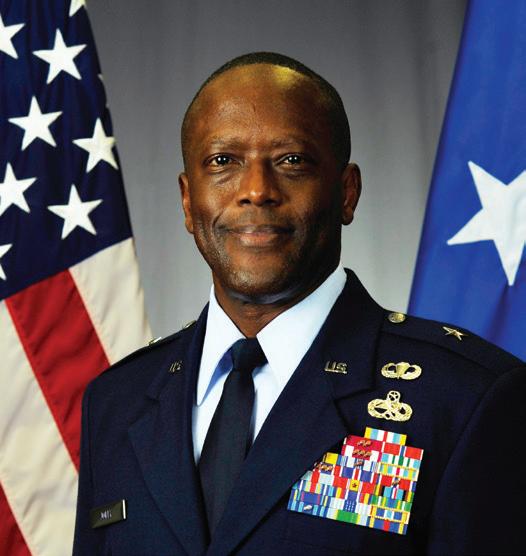
Brig. Gen. Ronald E. Jolly Sr.
ROTC, Aerospace Studies (Air Force)
1990 BS, Industrial Engineering and Management
Distinguished Alum
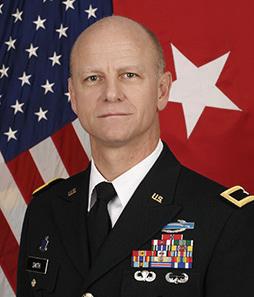
Brig. Gen. Hopper Smith
ROTC, Military Science (Army)
1986 BS, Geology
1982 BS, Political Science
Distinguished Alum
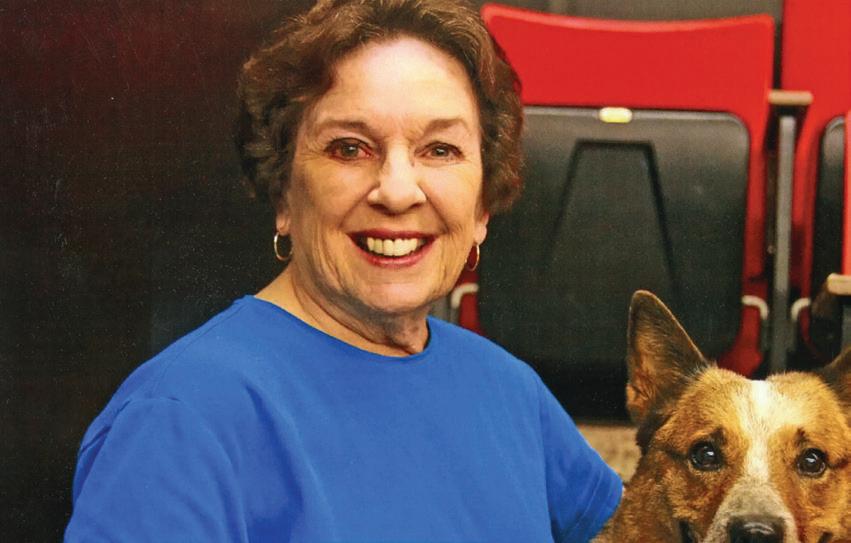
Joann Muchmore
Patricia Cobb
Sociology
1974 BS, Sociology
Distinguished Alum
Distinguished Alum — Posthumous
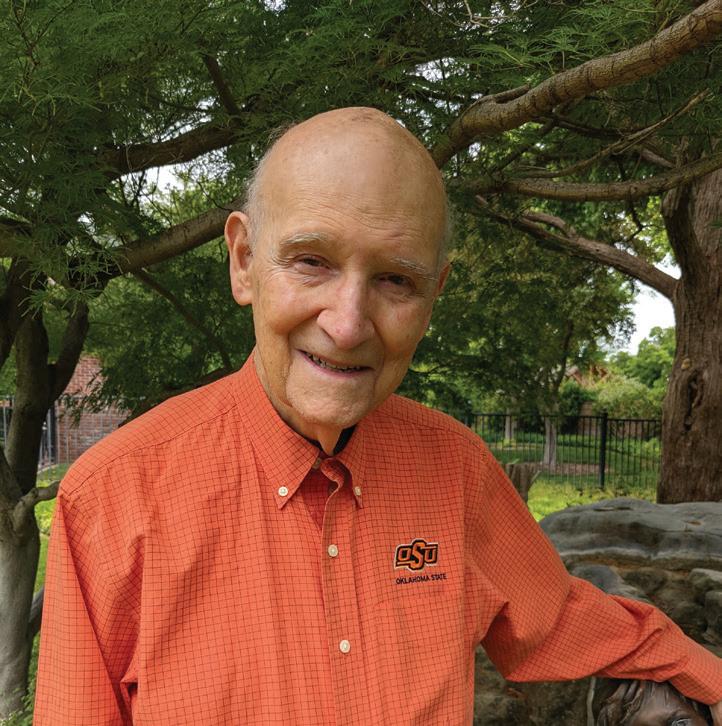
Ron McAfee
1959 MS, Psychology
Distinguished Alum
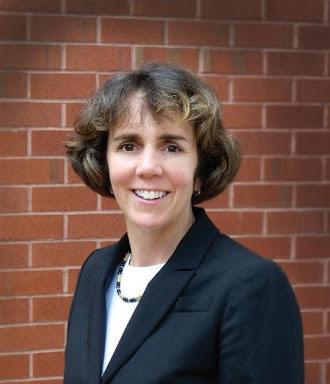
Laura Price Coombs
Statistics
1999 Ph.D., Statistics
Anthony Hill
Theatre
2010 Theatre
Distinguished Alum

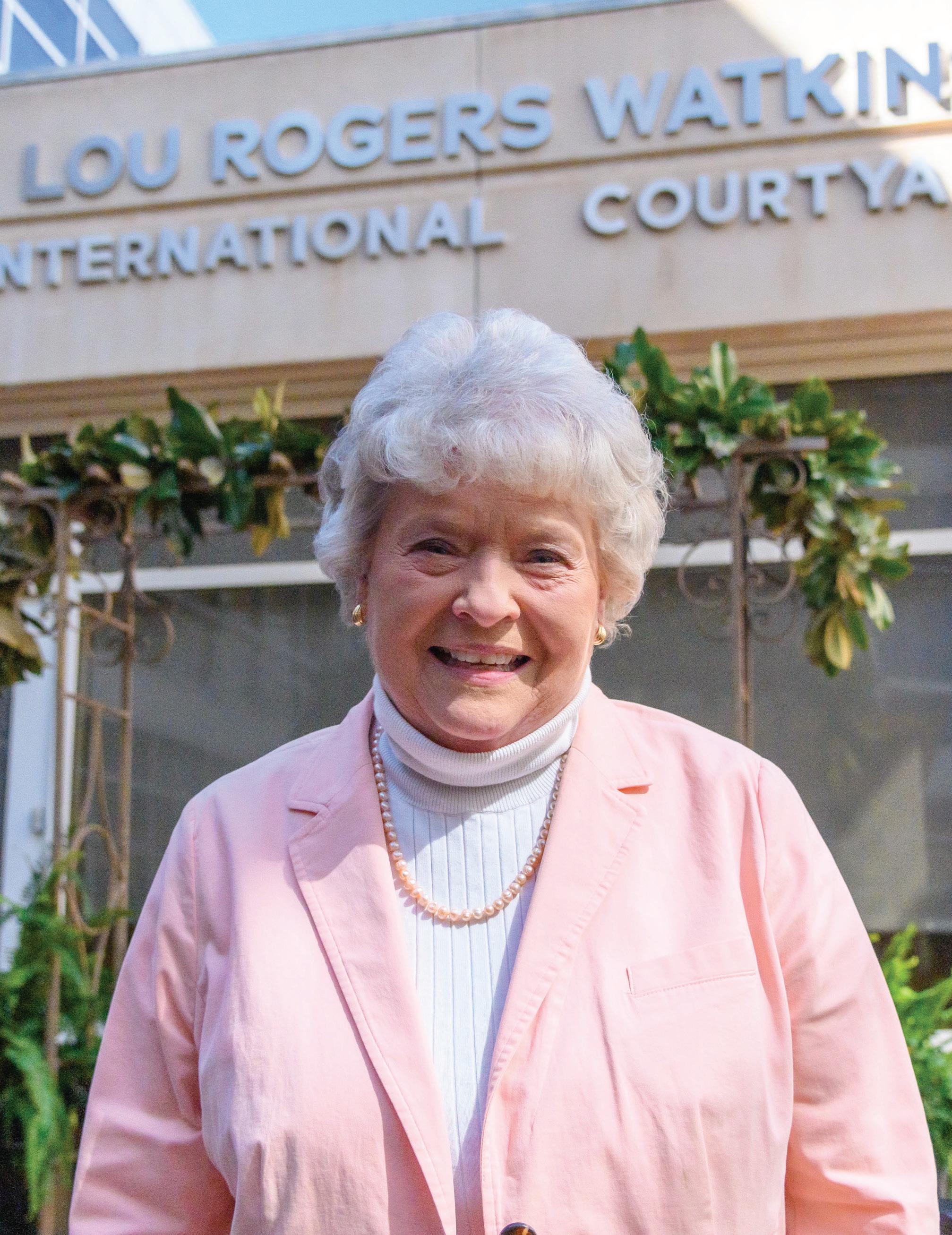
Lou Watkins has spent her entire life in academia.
Watkins grew up in Cushing, Oklahoma, and attended Missouri’s Park University and The American University in Washington, D.C.
She then married Wes Watkins and transferred back to Oklahoma State University for her senior year, graduating in political science in 1964. She taught American Federal Government at OSU as she completed her master’s in secondary teaching, and then taught two years at Wilburton High School in southeast Oklahoma.
After Wes was elected to the United States Congress in 1976, Lou taught political science classes for 14 years at East Central University in Ada, Oklahoma, chairing the department in her final five years at ECU. Always one to promote experiential learning and leadership development, she coordinated and sponsored many student organizations, taught uniquely designed leadership classes, and raised the funds and developed a research/seminar curriculum for numerous classes that included 10 days in Washington, D.C., and/or New York City, which even today the participants refer to as “life-changing.”
While raising daughter Martha, son Wade and daughter Sally (who was adopted through Oklahoma’s foster care program), Lou became a lifelong advocate for foster care, youth and family shelters, developmental day care, public education, honest civic leadership and the land-grant mission of service.
Lou was a 23-year member of the Board of Regents for the OSU system and the A&M colleges in Oklahoma, chairing the board three times. She was inducted into her hometown Hall of Fame; named Distinguished Political Scientist
of Oklahoma; was selected ECU’s “Distinguished Former Faculty” for 2019; and was the 2021 inductee for OSU’s College of Education and Human Sciences Hall of Fame.
She was on the founding boards for both Leadership Oklahoma and the Oklahoma Academy of State Goals, taking both from urban-based programs to state wide/rural participation. She is a life member of the OSU Alumni Association. Lou and Wes have permanently endowed 16 academic and service scholarships and funded a chair in international studies. She served on many state and regional boards and two national boards for her church, as well as her political party. She successfully chaired capital fund campaigns for Dwight Mission and has chaired fundraising drives for many other good causes, candidates and office holders.
Even after celebrating her 80th birthday last May, she serves on eight volunteer boards, including her 10th year as chair of the Board of Trustees of Fairlawn Cemetery (Stillwater’s oldest historical landmark); her fifth year locally chairing Wreaths Across America; serving as an officer on the Residents’ Council for Stillwater’s new Legacy Village; and serving on the Church Council for Stillwater’s First United Methodist Church, and numerous others.
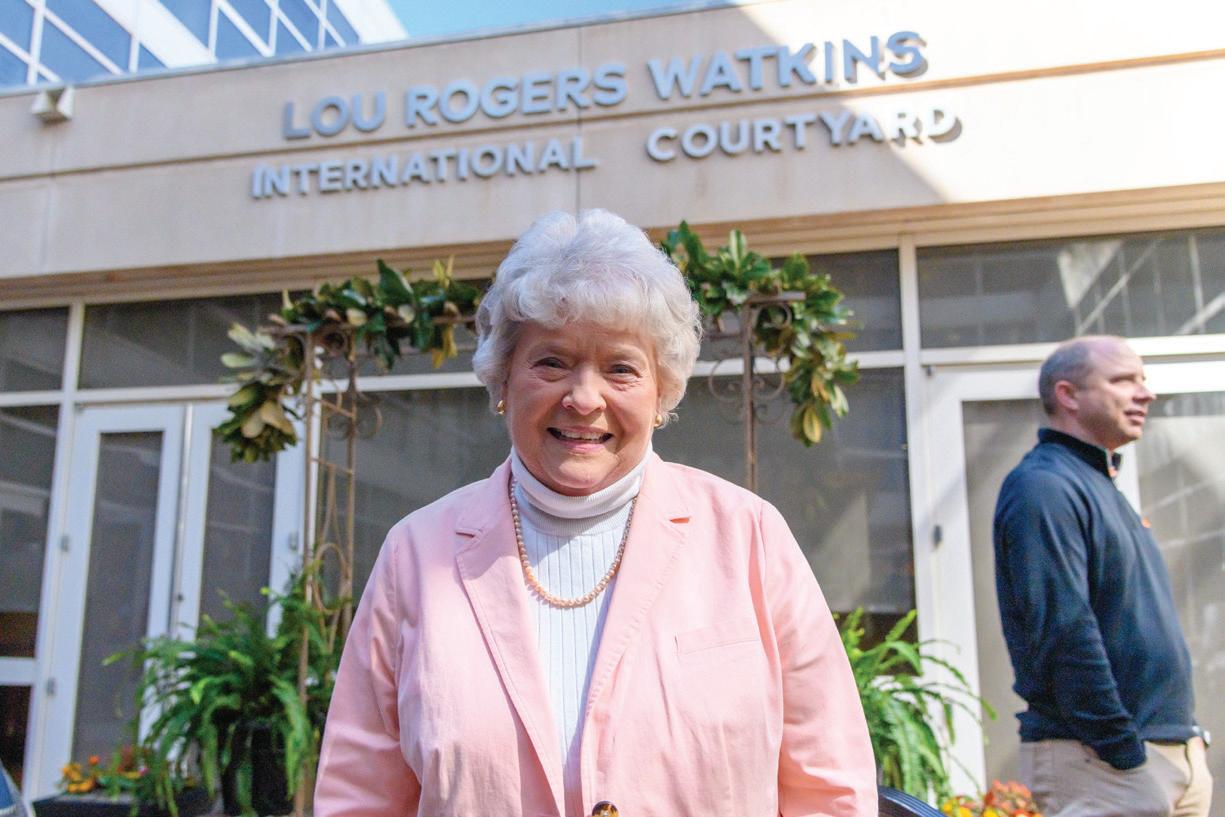
In the spring of 2022, the atrium at the Wes Watkins Center was named in her honor as the Lou Rogers Watkins International Courtyard. She and Wes are honorary chairs this year for Stillwater’s United Way Campaign.
Most of all, she rejoices in every opportunity to share time, holidays and everyday meals with Wes, their family and extended family (including their cat, Muffin), especially their “perfect” grandchildren. Lou is deeply grateful for the values exhibited in the lives of her children and grandchildren.
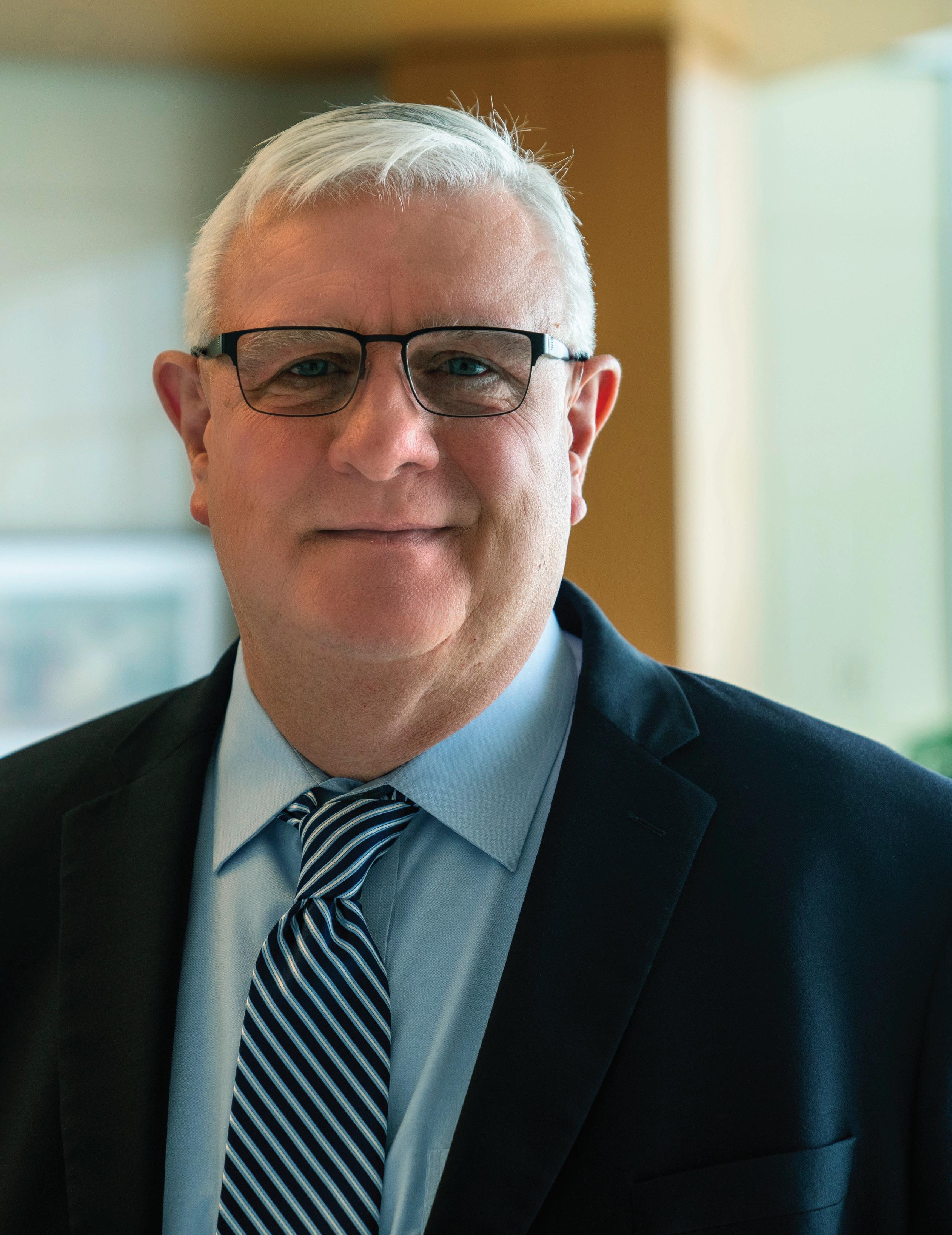
Joe Carroll recognized the future of the digital age back in 1981 as a freshman starting at Oklahoma State University.
He went on to graduate with a Bachelor of Science in Computer Science in 1986, but his studies didn’t stop with the books. During his time as a student at OSU, Carroll served as the secretary of the OSU chapter of Association of Computing Machinery (ACM) and was also employed at OSU Computer Services Department during his senior year.
After finishing at OSU, Carroll started his career at Ditch Witch in Perry, Oklahoma, and later moved to Tulsa to take a job with MAPCO in 1988. While in Tulsa, Carroll joined CITGO Petroleum Corporation as a Systems Engineer in 1994. During his 28 years with CITGO, he held several IT managerial positions before being named general manager of IT and Information Security in 2019, overseeing the application and technical systems of the CITGO enterprise.
This includes the Enterprise Resource Planning (ERP) system, which supports all business units, including Hydrocarbon Supply Chain (Trading and Scheduling), Refinery Plant Maintenance, Lubricants, Finance, Procurement and HR systems as well as the specialized operational technology systems and the pipeline control system.
In addition, he is responsible for all aspects of the CITGO Cybersecurity program. In 2022, Carroll was named CITGO chief information officer, a position he currently holds.
Throughout his career, Carroll was very active within the industry, presenting at IBM, ORACLE and SAP conferences on several technical topics. He was also invited to participate in early reviews
of future IBM storage product offerings, served on SAP’s Oil & Gas Global Advisory Council, and served as the Chair of the America’s SAP Oil & Gas Special Interest Group.
Along the way, he also earned an MBA from the University of Houston in addition to several professional certifications. He currently serves as a member of the Society of Information Management. For the last two years, Carroll was selected as a finalist for the Houston CIO of the Year ORBIE Awards, the premier technology executive recognition program in the United States.
Carroll’s OSU roots run deep. In 2018, he was honored as an OSU Distinguished Alumni and in 2019, he was given a Distinguished Service Award for Chairing the OSU Computer Science 50th Anniversary Celebration. He currently serves on the OSU Computer Science Industry Advisory Board and on the board of the University of Houston’s Gutierrez Energy Management Institute.
Giving back to OSU and to those students who may follow his same path, Carroll established an endowed scholarship in 2018 — The Joseph B. Carroll Endowed Scholarship. The first award will be given in 2023.
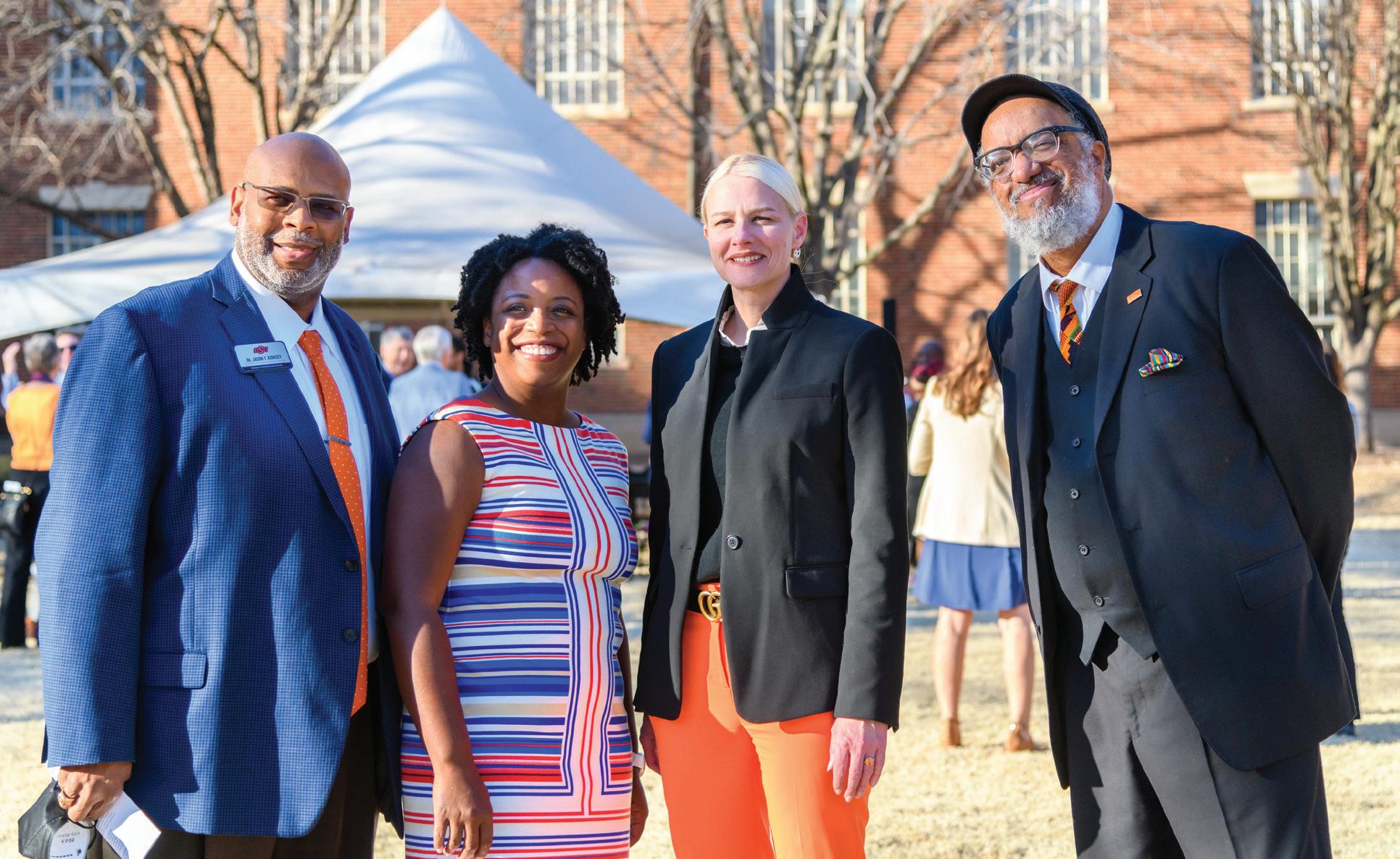
1,350+
CAS continues to be the largest and most diverse college at OSU. And with more than 1,350 incoming freshmen this fall, CAS and OSU has their largest freshman class in school history.
CAS serves the entire OSU student body through our core subjects and general education courses. About 48% of all student credit hours for the 2021-22 academic year were generated in the College of Arts and Sciences.
With more than 80 student organizations in CAS, our students are able to find community, strengthen their college experience, turn interests into passions and positively impact the world around them.
Each year, $4,500 one-year Wentz Research Grants are given to approximately 40 undergrads to conduct independent research. In the 2021-22 academic year, 24 out of the 40 Wentz Research Scholars were CAS students.
The College of Arts and Sciences had 24 of the 40 Wentz Research Scholars for the 2021-22 academic year. Students from all three pillars — arts and humanities, social sciences and math sciences — joined this community of intellectual explorers breaking new pathways of discovery in fields of study from art history to zoology.
CAS launched the first cohort of OSU Center for the Humanities Research Group Fellows This new flagship program incentivizes a crossdisciplinary team model, united under a shared research focus with a goal of envisioning new collaborative opportunities. Nine fellows will embark on development of research in three topic areas: medical/health humanities, environmental humanities and digital humanities. The groups will also consider how their projects align with the public humanities, social justice and anti-racism work.
OSU’s Center for Africana Studies celebrated its grand expansion in March. Thanks to support from the College of Arts and Sciences, the center is now open daily in Life Sciences East, room 112. It offers a variety of programming for OSU students, faculty and staff, and serves as a place of rejuvenation and fellowship for Black students and the student body at large.
It’s a rare honor to be published in the journal, Science Dr. Tyrrell Conway, regents professor of microbiology, coauthored a Science research article, titled “Noninvasive assessment of gut function using transcriptional recording sentinel cells.” The reported findings, made possible by a breakthrough CRISPRbased technology called Record-Seq, proved E. coli switches to sugar acid metabolism when mice are fed nearstarvation diets.
Boone Pickens School of Geology professors Dr. Tracy Quan and Dr. Natascha Riedinger hosted a three-month long outreach event in collaboration with the Stillwater Public Library titled, “In Search of
the Earth’s Secrets.” The interactive, hands-on exhibit includes a 40-foot long inflatable replica of the science research ship JOIDES Resolution, six learning stations and the opportunity to explore the hidden discoveries of the earth that scientists are uncovering through ocean floor core drilling. The ship and exhibit were also part of OSU’s Grandparent’s University and Summer on the Plaza.
Dr. Kelley Sittner in the Department of Sociology received funding from the National Institute on Drug Abuse to continue an ongoing longitudinal study of Indigenous young adults. “Indigenous Pathways of Substance Use Risk & Resilience across Three Generations” will include a survey on substance use, mental health risk and resilience with the young adults, but now also will include interviews with their children. This will be the 12th wave of data collected as part of the Healing Pathways Project, which originally included eight years of survey and diagnostic data collected from the youth and their caregivers starting in 2001-2002, when the target participants were 10-12. Expanding the study to include the participants’ children will result in an unparalleled multigenerational study of substance use and mental health risk and resilience.
Hamed Gholizadeh, assistant professor in the Department of Geography, received a NASA New Investigator Program in Earth Science Award. This program supports outstanding scientific research and career development of scientists and engineers at the early stage of their professional careers. Gholizadeh’s research, “Leveraging Multiscale Airborne and Spaceborne Imaging Spectroscopy to Monitor Grassland Plant Diversity Under Different Management Practices,” will contribute to the development of a large-scale biodiversity monitoring system for grasslands.
Communication Sciences and Disorders assistant professor Dr. Roha Kaipa received the American Speech-Language-Hearing Association’s Pathway Award. This award is given out to promising earlycareer clinical scientists and assists them to be mentored by seasoned academicians to develop strong foundations for independent research careers.
Political Science assistant professor Cole Harvey published, “Can Courts in Nondemocracies Deter Election Fraud? De Jure Judicial Independence, Political Competition, and Election Integrity,” in the prestigious American Political Science Review — the preeminent journal of the discipline. Harvey describes how independent courts in nondemocracies can be used by opposition camps to hold ruling parties accountable and reduce the prevalence of election fraud.
Prominent Native American artists and scholars will be invited to campus more regularly beginning in Fall 2022. Donors to the Department of Art, Graphic Design and Art History recently established the new Cultural Heritage Visiting Artists Series Fund. This fund provides financial support for expenses associated with a visiting artist series celebrating Native American artists and/or scholars of Native American Art. The department is planning for a residency in October of 2022, with prominent printmaking artist, John Hitchcock, who will give open lectures and portfolio reviews for BFA students.
Faculty in the Department of Mathematics attracted more than three-quarters of a million dollars in new research funding from the National Science Foundation, the Simons Foundation and other sources. These grants will play a critical role in supporting the department’s research in pure and applied mathematics and in mathematics education.
Oklahoma State University
Become a member today and support the College of Arts and Sciences at ORANGECONNECTION.org/joincas.