Our priorities for Scotland
1. Acknowledge and prioritise brain tumours as a cancer of unmet need
Brain tumours must be formally recognised by the Scottish Government as a priority area, given the disease’s high mortality rates and the historically low level of dedicated research funding3
Action
Commit to increased funding
Recommendation
Formally declare brain tumours as a research priority area and create a specific budget category to commit to increased funding for research, including supporting the Brain Tumour Research Centre of Excellence at the Universities of Edinburgh and Glasgow.
Policy Implication
While the Cancer Strategy for Scotland 2023–2033 identifies less-survivable cancers as a priority, failure to provide ring-fenced funding for brain tumour research perpetuates historic underinvestment and prevents Scotland from delivering on the strategy’s survival improvement goals.
Address inequity in access to treatment
Establish an innovation-led plan to address geographical inequity for patients in Scotland to access new medicines and treatments being rolled out.
Without this commitment to 100% inclusion, brain tumour patients in Scotland will continue to be denied access to cutting-edge trials and treatments, such as certain immunotherapy approaches. By mandating access to Whole Genome Sequencing (WGS), it will bring Scotland in line with England.
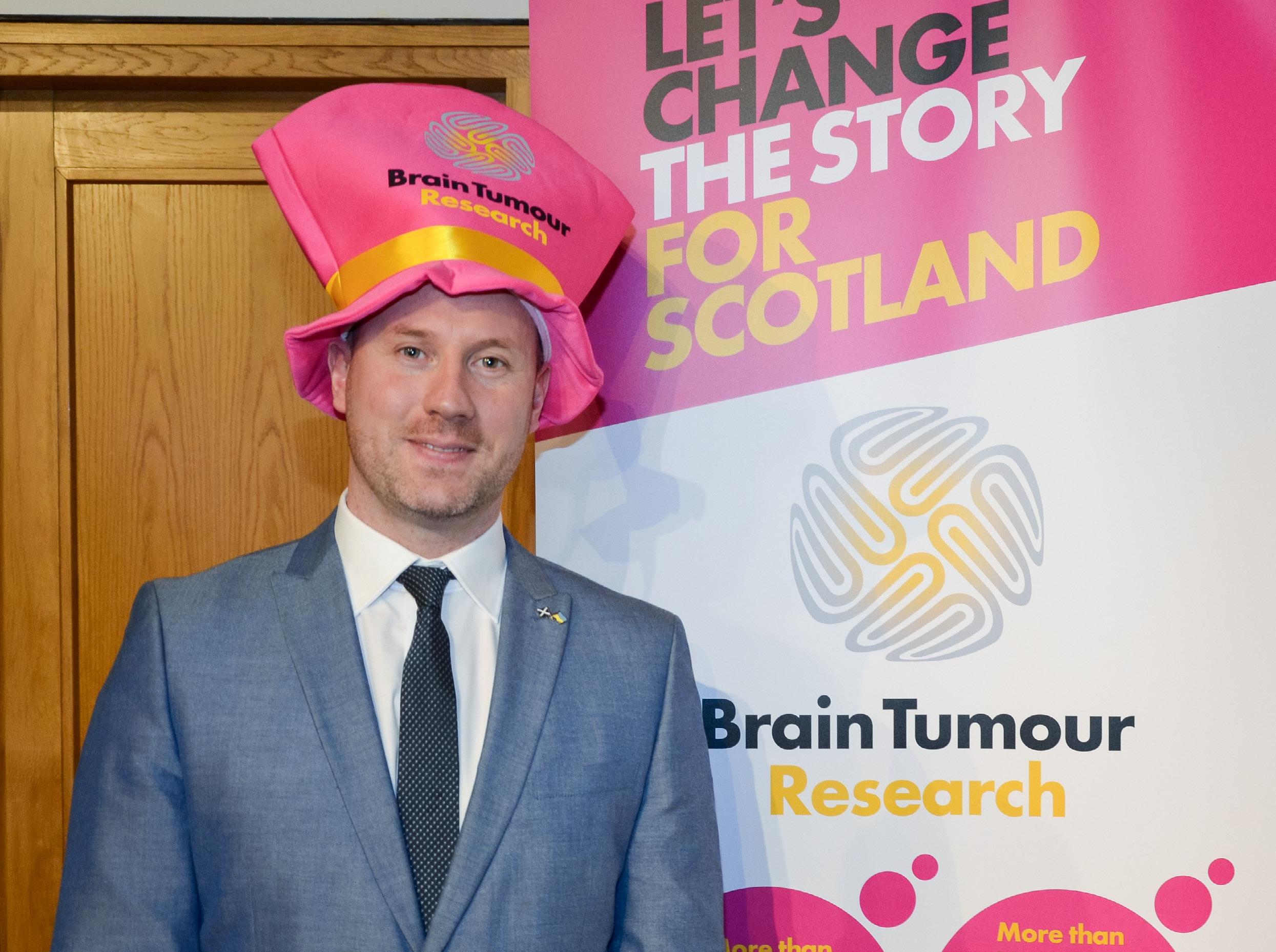
Cabinet Secretary for Health and Social Care, Neil Gray MSP, at a Brain Tumour Awareness Month event in Holyrood, March 2024, hosted by Brain Tumour Research.
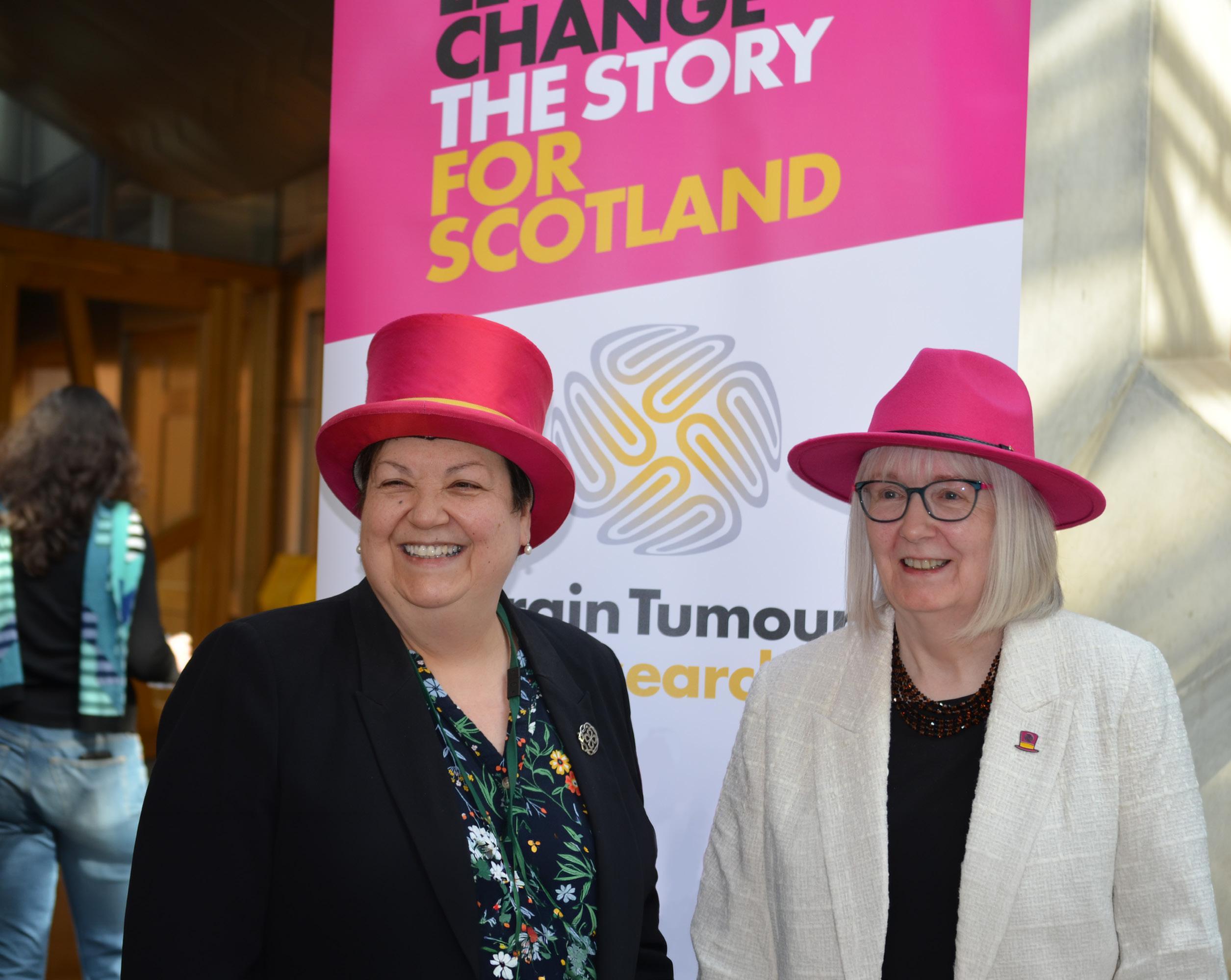
Deputy Leader of the Scottish Labour Party, Jackie Baillie MSP (left) and Convener of the Scottish Cross-Party Group (CPG) on Brain Tumours Beatrice Wishart MSP (right) at a Brain Tumour Awareness Event in Holyrood, March 2025, hosted by Brain Tumour Research.
2. Mandate and fund genome sequencing for all brain tumour patients
Since 2019, there has been a commitment to offer Whole Genome Sequencing (WGS) as routine for all adults and children with a brain tumour in England8. However, WGS is not routinely offered through the NHS in Scotland for brain tumour patients9, limiting access to not only current but future personalised treatment options and clinical trials. This has a direct impact on patient access to care. Together with our mission partners, we have been campaigning to keep up the pressure on the Scottish Government to deliver on this, and we will continue to do so.
Brain Tumour Research Patron Theo Burrell, 38, from Edinburgh, who is living with glioblastoma, said: “Being diagnosed with a brain tumour is devastating enough, without finding out that patients in Scotland are being left behind in the hunt for new treatments. Options are running low for me, but I will keep fighting so that brain tumour patients now, and in the future, do not face injustice. The technology to make a difference is there–let’s use it.”
Theo Burrell
Researcher at the University of Edinburgh, part of our Scottish Centre of Excellence
Jenni Minto MSP visiting our Glasgow labs in the Scottish Brain Tumour Research Centre of Excellence in 2025
2. Mandate and fund genome sequencing for all brain tumour patients
Action
Ensure universal access to WGS
Recommendation
Mandate and fund so that 100% of brain tumour patients in Scotland are routinely offered WGS to provide crucial biological data. Recent evidence suggests that more than 90% of patients with a brain tumour may present with genomic alterations9
Policy implication
Failure to commission WGS in Scotland denies patients, particularly children and young people for whom deaths from brain tumours exceed those of adults3, access to life-saving clinical trials based on tumour biology.
Resource and deliver timely results
Address known limitations in the genomic medicine service, including workforce shortages of scientists and clinical geneticists, long waiting lists, and slow turnaround times (TATs) for results9, 10, 11, 12 .
The Genomic Medicine Strategy 2024–202910 aims to deliver a robust service. Inadequate resourcing or failure to address staffing shortages will render the strategy’s goals unattainable for brain tumour patients, who require rapid results to inform urgent and personalised treatment pathways13
Address gaps in testing infrastructure
Ensure the required infrastructure is in place to address “significant gaps” in the Cancer Test Directory9 and prevent the need for Scottish samples to be sent outside Scotland for sequencing.
Relying on external services creates bottlenecks, increases TATs, and adds avoidable cost and risk, directly contravening the goal of an equitable and person-centred national service.
Brain Tumour Research Campaigning Officer
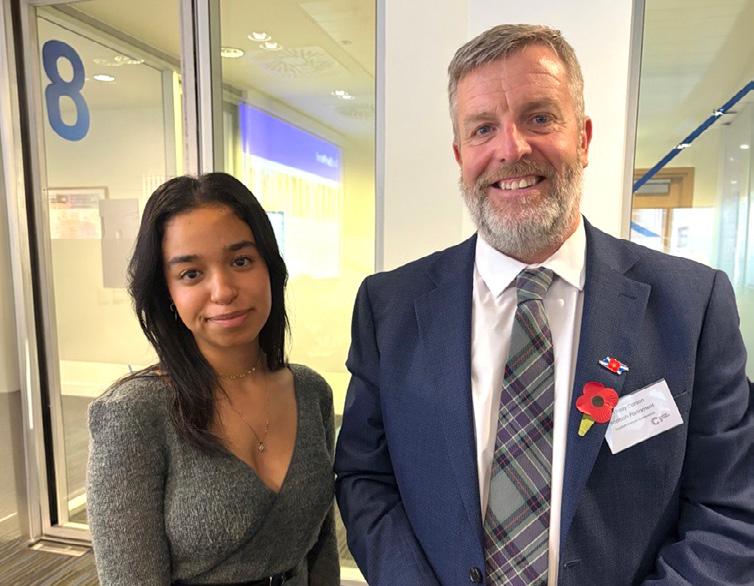
Jana Abdal Rahman, alongside Finlay Carson MSP
3. Working together for systemic change
A new and collaborative stakeholder working relationship between the Scottish Government and Brain Tumour Research is required to implement a coherent, all-systems approach to tackle health inequalities across research and treatment. We consider this partnership essential to drive the consistent implementation of new guidance and close this gap7.
Archie Goodburn, 24, from Edinburgh, was diagnosed with three incurable oligodendrogliomas in 2024. The champion British swimmer said: “When I was told I had a brain tumour; the last thing I expected was that I would also have to fight to access treatment. Low grade gliomas are still cancerous and deadly. They are progressive, life-changing and incurable, yet they are too often minimised or deprioritised because they don’t fit the public perception of what cancer looks like.
“Living with a brain tumour means living with constant uncertainty, repeated scans, and the knowledge that intervention is often delayed until irreversible damage has already occurred. Patients should not be left to navigate research gaps and clinical trial access on their own at the most frightening point of their lives.
“This country needs greater investment in research into brain tumours and fairer access
Archie Goodburn
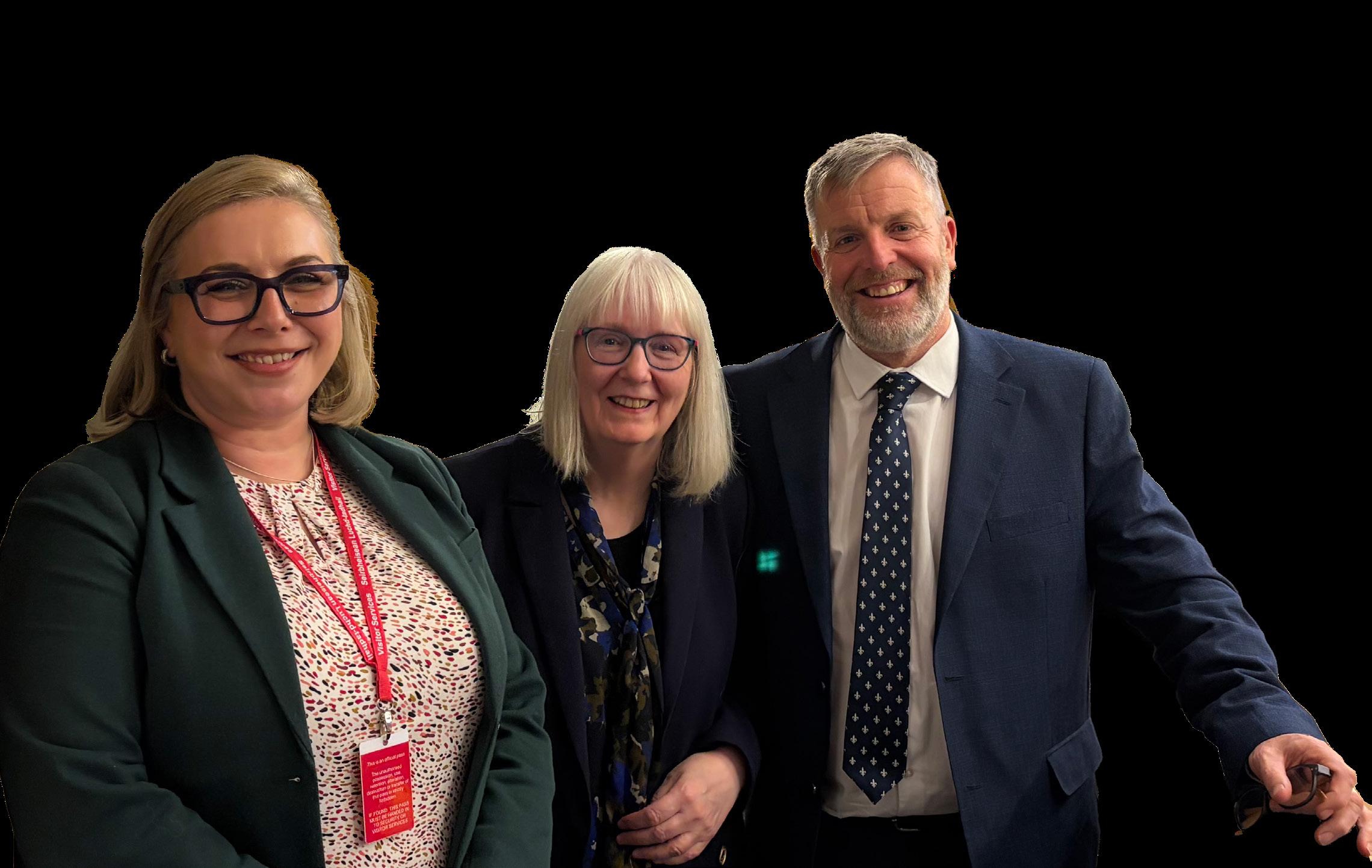
Left to Right: Katherine Dew, Public Affairs and Policy Manager at Brain Tumour Research, with Beatrice Wishart MSP and Finlay Carson MSP, taken at the Cross-Party Group meeting in November 2025
3. Working together for systemic change
Action
Establish a working partnership
Recommendation
Establish a formal working stakeholder relationship with Brain Tumour Research to ensure a coherent, all-systems approach to tackling health inequalities.
Policy Implication
The exceptionally high rate of emergency diagnosis (exceeding 70%)7 is praxis of how the current system is too late for many of our community. Sadly, for many of these patients, treatment options are limited, and do not offer hope of extending lives.
Our researchers’ understanding of how glioblastoma (the most aggressive type of primary brain tumour in adults) will recur after surgery, means targeted treatment, providing more options for our patients.
The Scottish Centre is focused on ensuring that promising new scientific discoveries progress efficiently into trials, bringing improvements for patients now and in the future.
Encourage NHS innovation adoption
Strengthen research support
Encourage consistent NHS adoption of innovation by reviewing funding flows, leadership, and culture. Ensure the effective integration of new medicines and clinical trials.
Provide greater financial support to practically translate research at critical stages where barriers have existed, making venture capital funding difficult to secure14
Unequitable implementation of new evidence-based practices will exacerbate geographical health inequalities.
To capitalise on the investment in the Scottish Centre of Excellence, a funding model must be developed that de-risks early-stage research to ensure vital Scottish scientific breakthroughs reach the clinic and benefit patients, rather than being halted due to financial barriers.
We know from our community that there is ambition for discoveries at the bench to translate to patient benefit in new innovative treatments accessible to all.
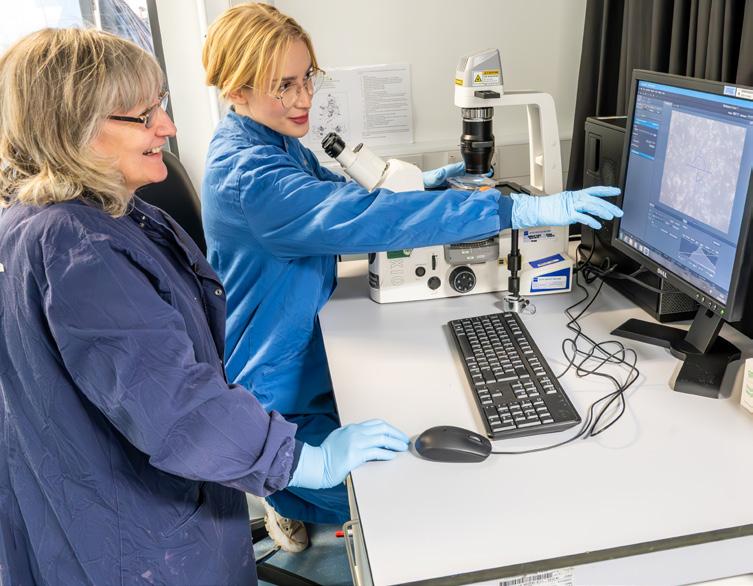
Researchers at the University of Glasgow, part of our Scottish Centre of Excellence
Brain Tumour Research in Scotland
In January 2025, we launched our Scottish Centre of Excellence – a world-leading facility that further strengthens our ability to advance research and improve outcomes for patients in Scotland and around the globe.
Focus: Advancing the development of new treatments for glioblastoma, aiming to rapidly progress these treatments into clinical trials
Location and Leadership: Based at the Universities of Edinburgh and Glasgow and led by Professor Steven Pollard and Professor Anthony Chalmers
Funding: A collaborative funding partnership between Brain Tumour Research and Scotland-based Beatson Cancer Charity
We also serve as the official Secretariat of the Cross-Party Group on Brain Tumours in Scotland, successfully bringing together MSPs from all major parties to raise awareness, call for earlier diagnosis, better access to treatment and trials, and increased investment in research.
We look forward to working with the new Scottish Government to address this cancer of unmet need.
Dawn Kennedy’s son Jay died aged 20 of an astrocytoma in 2021. Dawn said: “When our fit and healthy son Jay was diagnosed with an incurable brain tumour at just 18, we naively assumed something would be available to help save him. As we now know, and as so many families across Scotland quickly realise, treatment options are either non-existent or limited, and prognosis has remained largely unchanged for decades.
“Jay faced his diagnosis with such bravery and acceptance, but courage can only take you so far, and, devastatingly, he died 18 months later.
“Greater investment and support for research into brain tumours is vital, and opportunities for clinical trials and new drugs must be equally available here in the UK. We have the technology here in Scotland, we must use it, so that in the future other families do not have to live with the heartbreak we now must.”
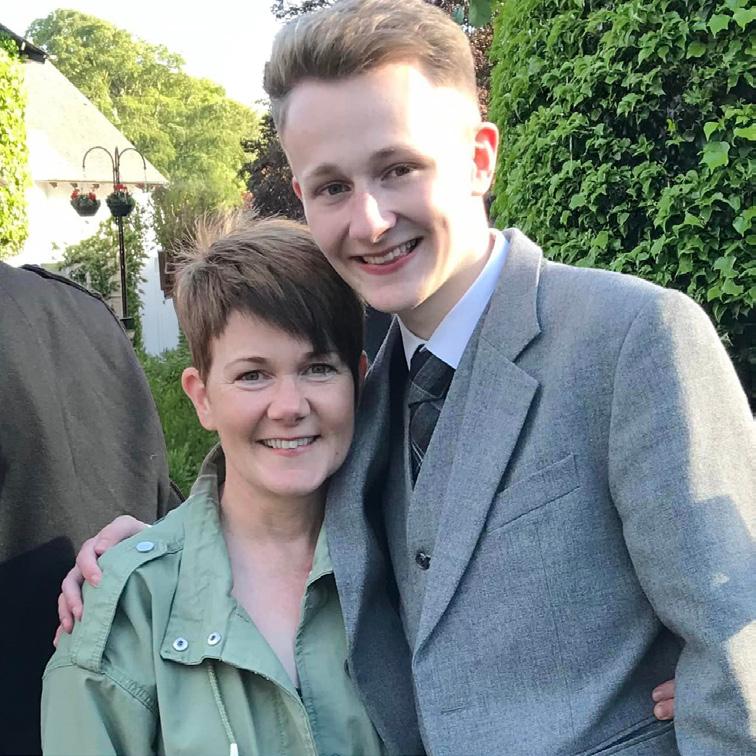
Jay Kennedy and mum Dawn
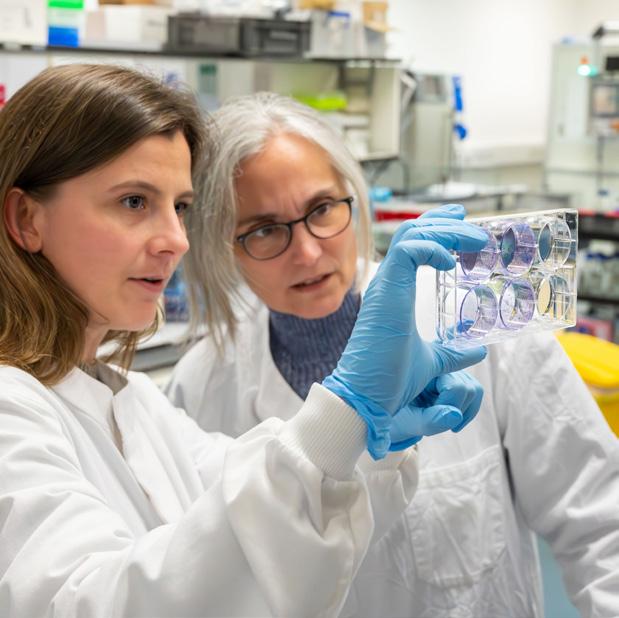
Dr Kamila Rosiak-Stec [right] and Dr Conchita Vens [left] examining colony assays in the Glasgow lab at our Scottish Centre
Dr Joanna Birch, Senior Research Fellow and Principal Investigator at the University of Glasgow, part of our Scottish Centre of Excellence partnership, explains the value of her research and getting support from the CPG on Brain Tumours: “I currently lead a research group exploring novel therapeutics for brain cancers at the University of Glasgow and I have been privileged to represent Scottish brain cancer researchers on the CPG since its launch. I have been continually impressed by the energy and commitment of the CPG members to make a real difference to the care of brain tumour patients in Scotland and have found inspiration from the patients and their family members to stay focused on our goal of finding new effective treatments for brain cancers.”
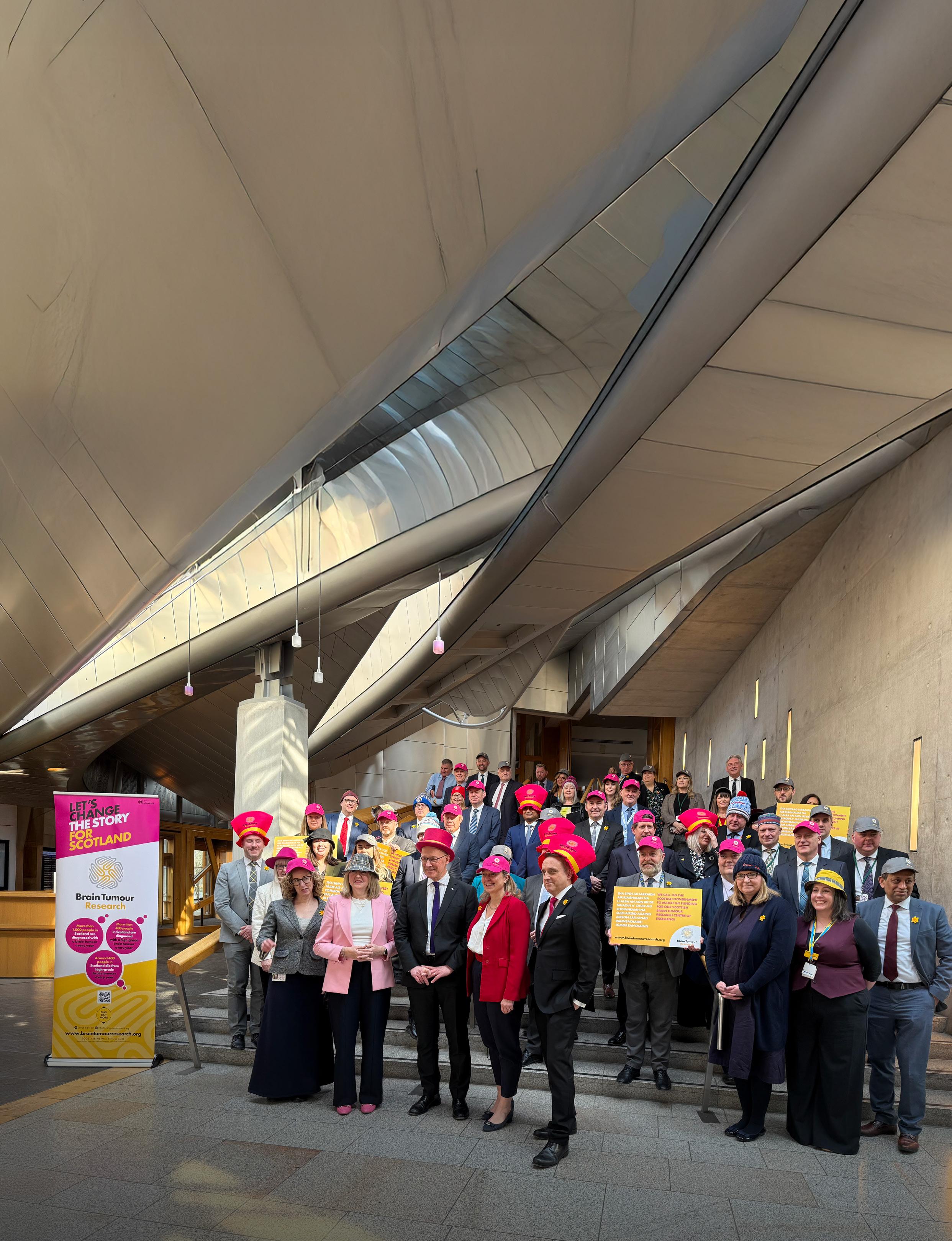
In March 2024, a well-attended event at the Scottish Parliament brought together more than 50 brain tumour patients, campaigners and leading researchers during Brain Tumour Awareness Month. Meeting with MSPs, attendees called for greater investment in research and better treatments for the brain tumour community.