three people in the
three people in the
This disease is indiscriminate; it can affect anyone at any age. What’s more, brain tumours continue to kill more children and adults under the age of 40 than any other cancer yet, to date, just 1% of the national spend on cancer research has been allocated to this devastating disease since records began in 2002. Brain Tumour Research is determined to change this.
A powerful campaigning organisation, Brain Tumour Research is the leading voice of the brain tumour community. Unique and much needed, we are the only national charity focused on finding a cure for all types of brain tumours. We are campaigning to increase the national investment in research into brain tumours to £35 million per year, while fundraising to create a network of seven sustainable Brain Tumour Research Centres of Excellence across the UK. Help us fund the fight.
Welcome to the Spring 2026 issue of Believe. What a
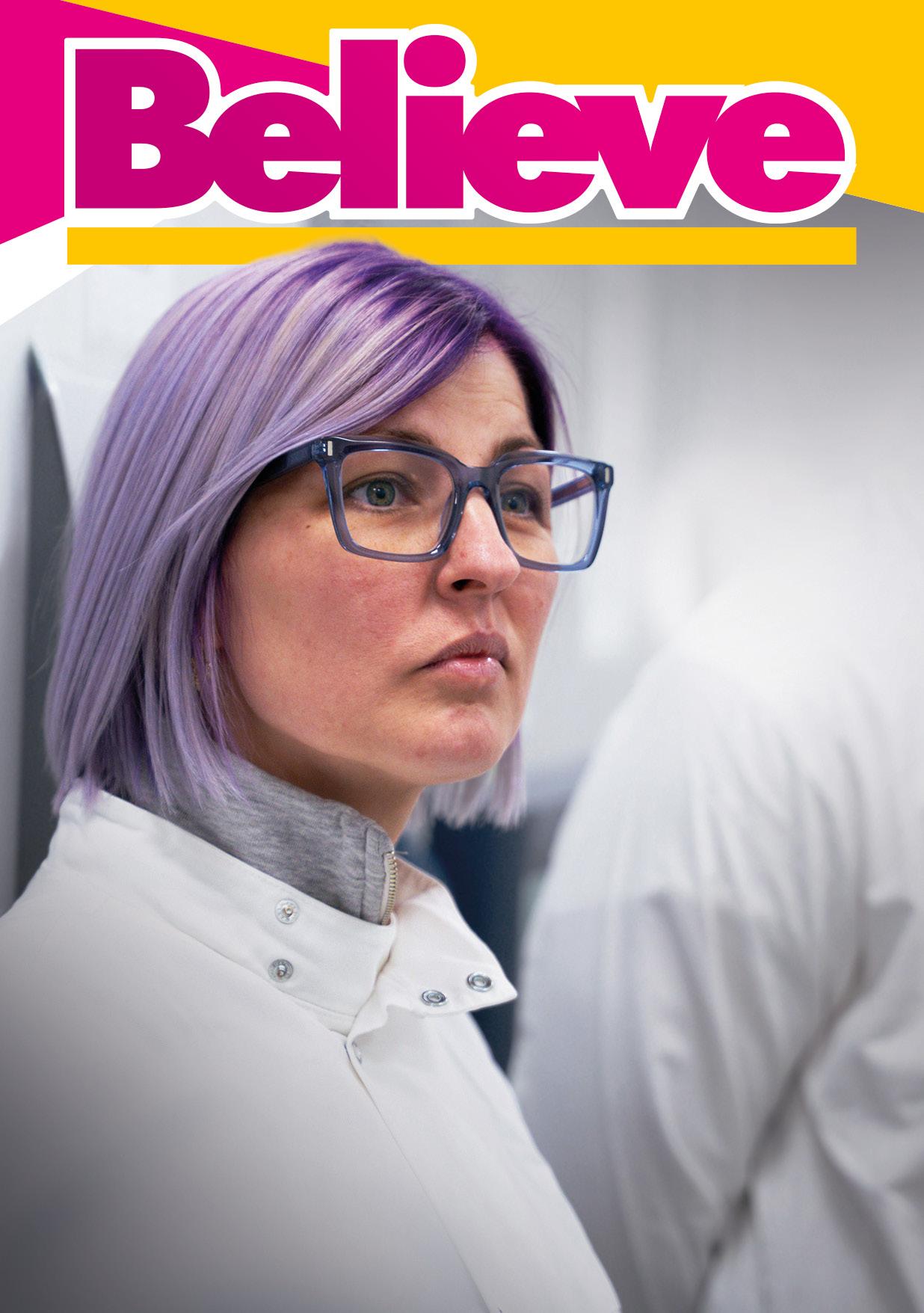
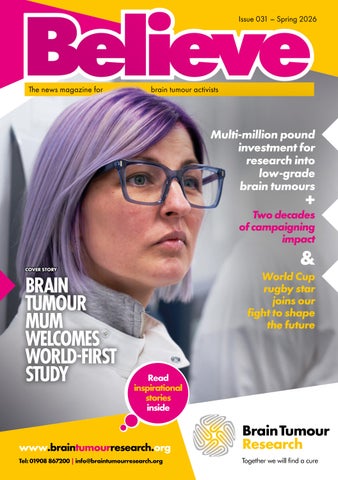
The launch of our new Centre of Excellence at the University of Nottingham is a significant milestone, made possible thanks to your support. The study taking place at our sixth Centre is a world first and has the potential to transform treatments for glioblastoma. Discover the research and find out what it means to patients such as Verity – whose photo is on the front cover of this magazine –from page six.
One in three people knows someone affected by a brain tumour
to continue to fund long-term, life-saving research HELP US

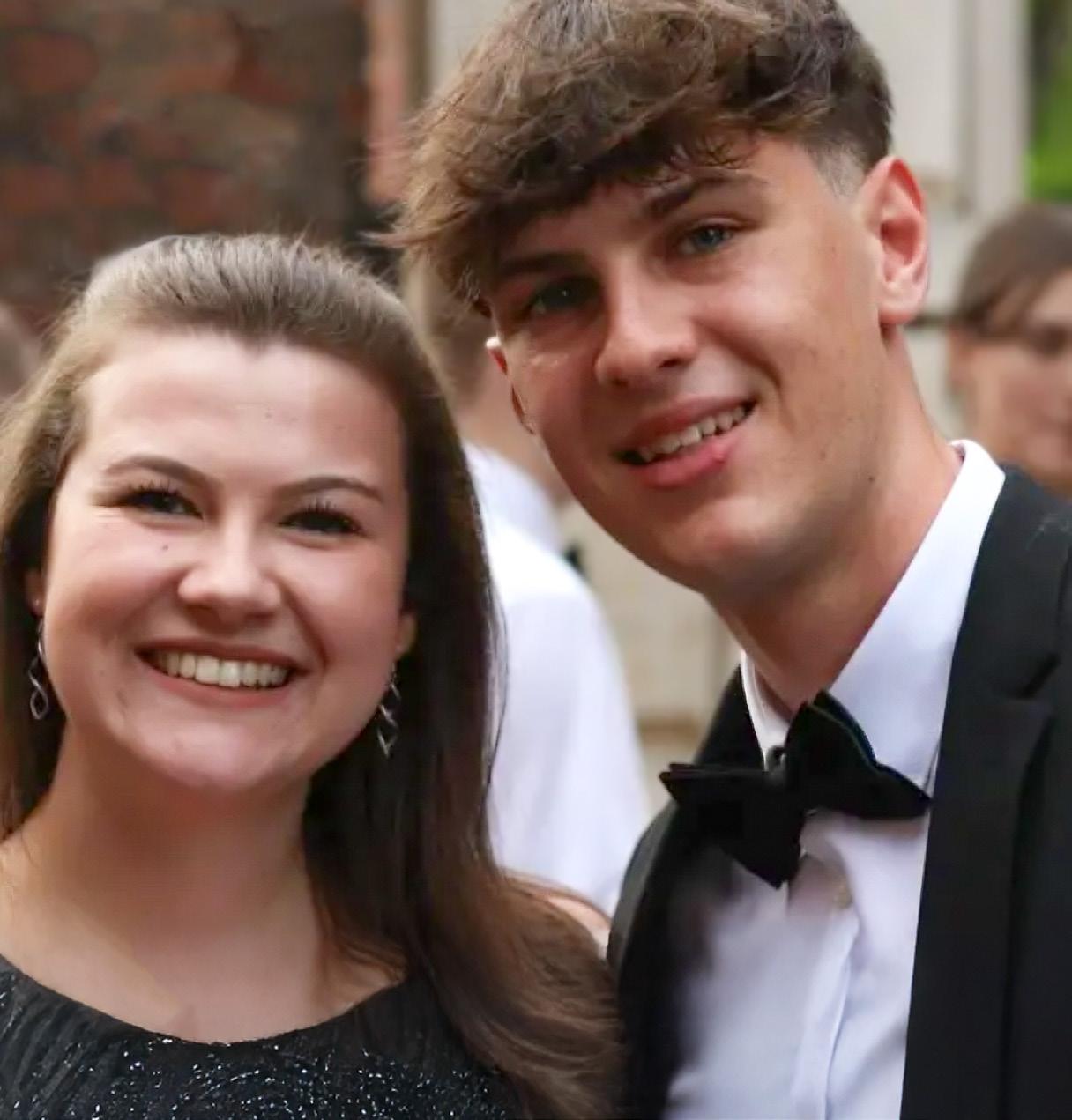
Launching our Centre in Nottingham was not only a remarkably proud moment, but also equally poignant as we remembered those who could not join us. Isaac Wilton worked closely with the Charity to share his story in support of our appeal in its early stages. We were looking forward to working with Isaac on a film about the Nottingham Centre, but sadly he became too unwell to take part.
Isaac passed away in October 2025, aged 22.
As the film played at the Centre launch event, Isaac’s absence was dearly felt. He remains forever in our hearts as we fight to find a cure for this devastating disease.
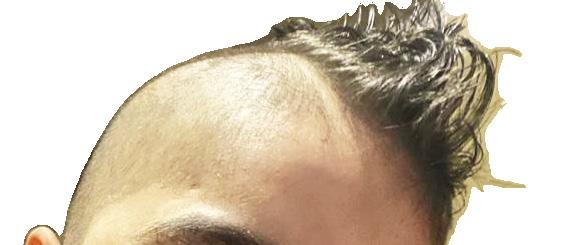
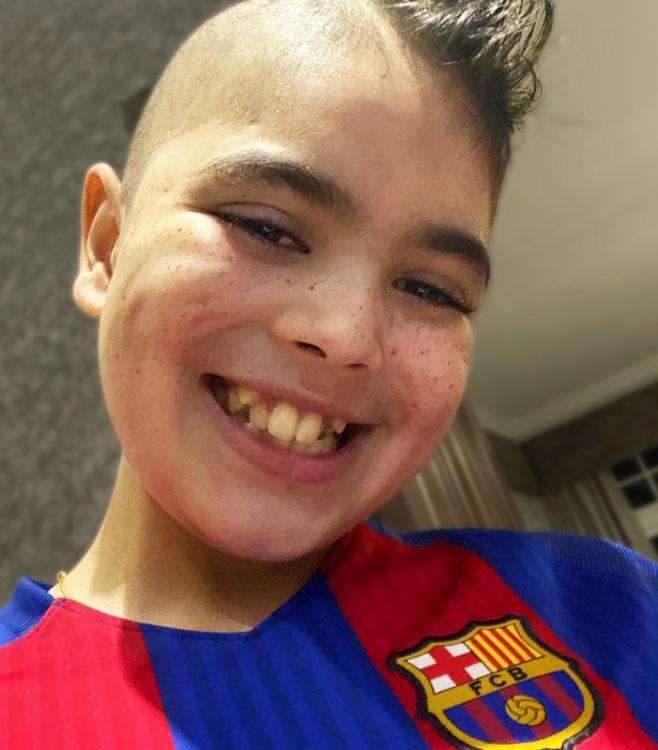
I would also like to remember another young life lost to this cruel disease far too soon. Shay Patel was just 13 when he died of a glioblastoma.
To mark what should have been Shay’s 19th birthday, Shay’s Smiles – a Member Charity set up by his family – generously donated £221,111 to fund paediatric research at our Centre of Excellence at the Institute of Cancer Research. The money will support scientists using advanced techniques to observe how cancer cells respond to the loss of specific genes or proteins, in order to identify and validate new drugs to target paediatric-type diffuse high-grade gliomas – the deadliest of all childhood cancers.
Stories such as Shay’s and Isaac’s remind us why new treatments and cures for brain tumours are so desperately needed. They remind us why the breakthroughs our scientists are making are so important (read more on pages 16-17 and 26-27). And they drive us to continue our campaigning to influence political change – find out more about important developments on pages
I hope you will find inspiration in the pages of Believe and be motivated to help fund the fight and change the story for brain tumour patients everywhere. From donating to taking on fundraising challenges, campaigning with us and sharing your story, every contribution makes a difference.
Together we will find a cure
Dan Knowles CEO
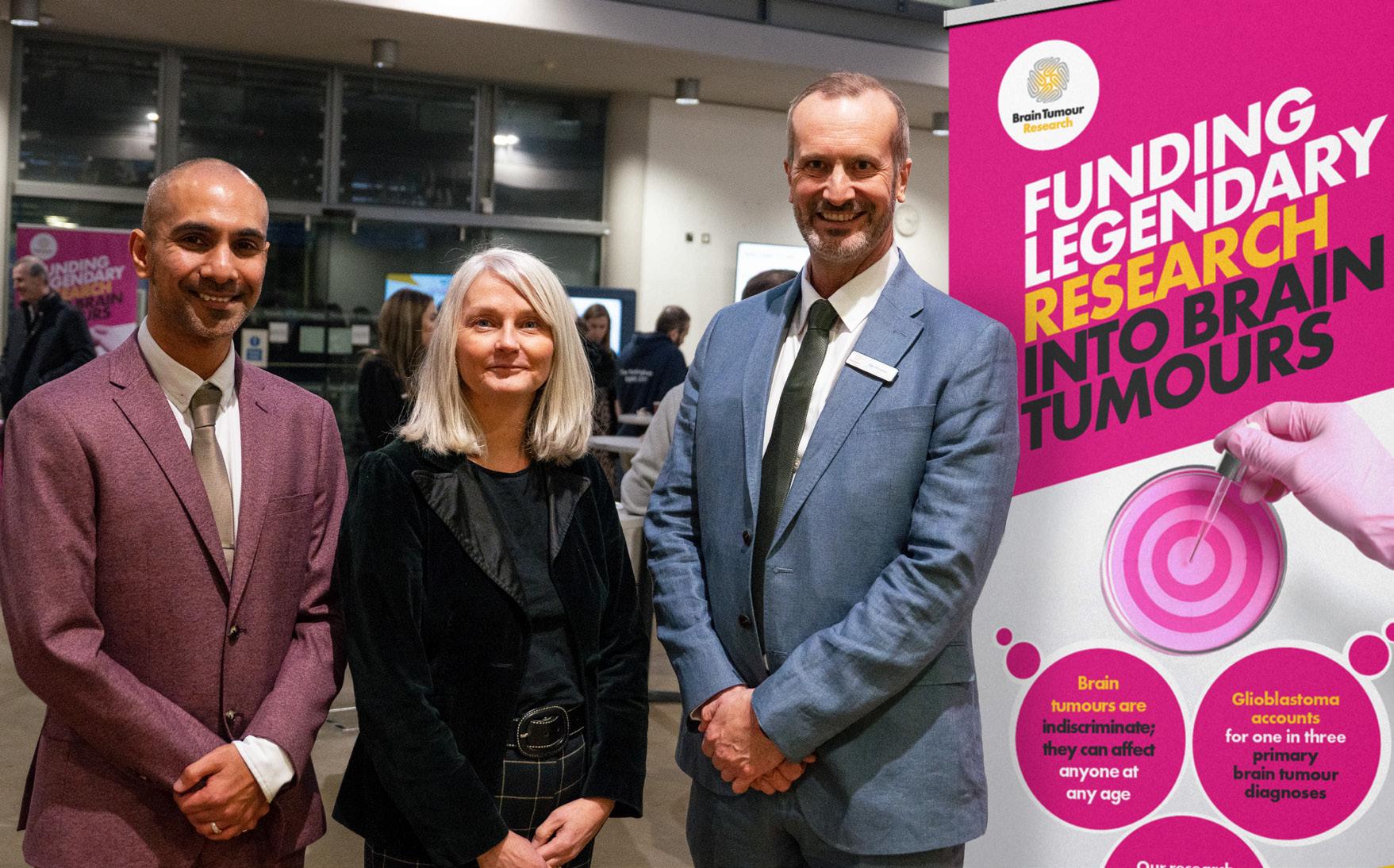
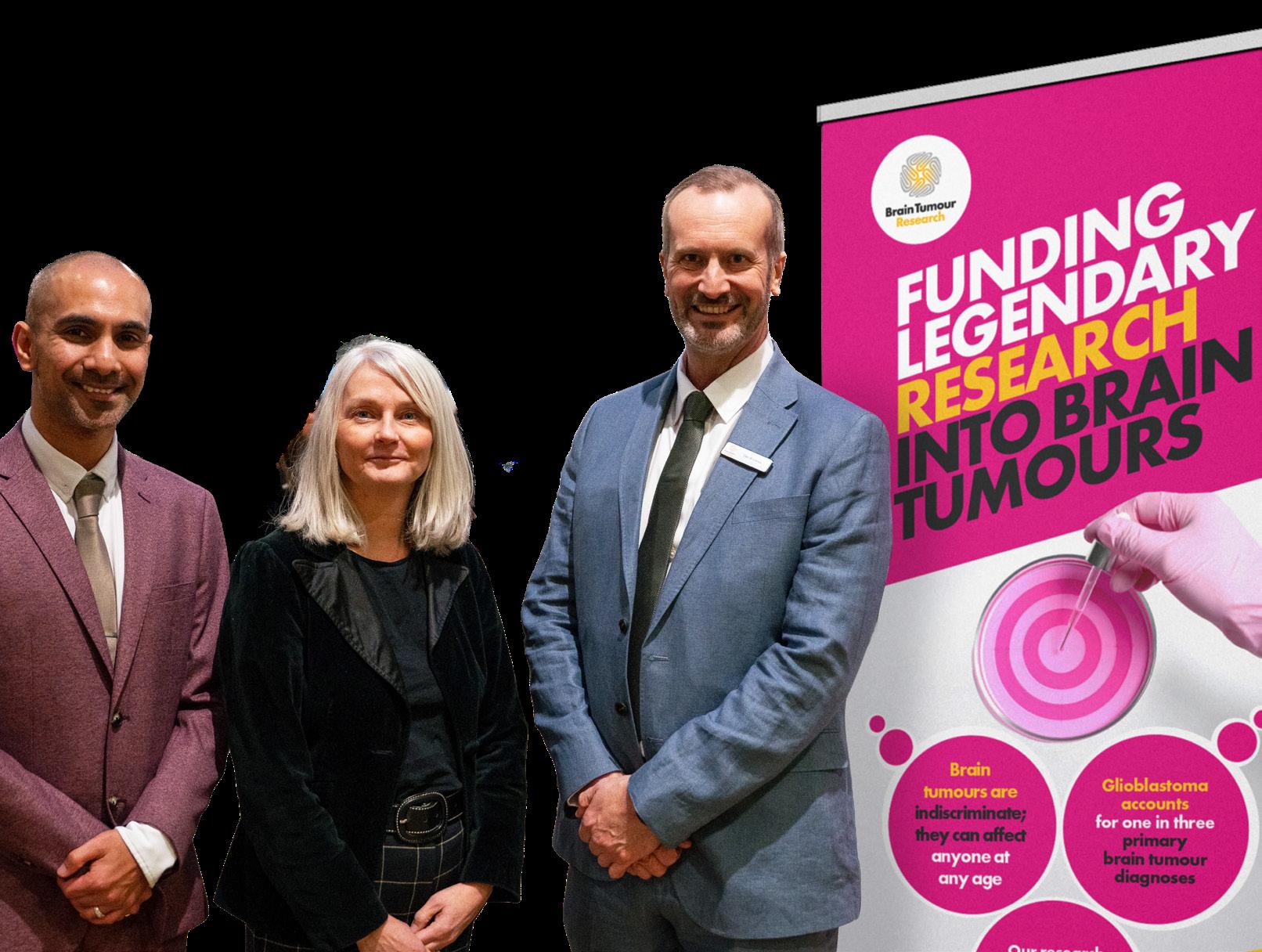
Brain Tumour Research is investing £2.6 million to launch a new Centre of Excellence at the University of Nottingham, heralding an exciting step forward in the fight against glioblastoma.
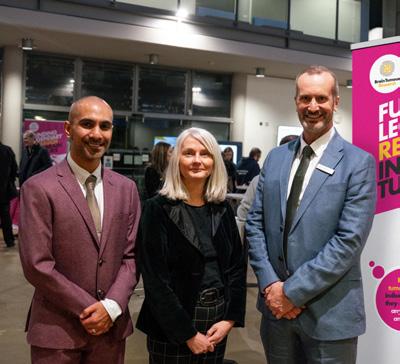
In January, brain tumour patients and their loved ones joined scientists and politicians for a milestone launch event at our sixth Research Centre, where a world-first study will aim to tackle the uniquely complex challenges posed by glioblastoma.
The most commonly diagnosed high-grade brain tumour in adults, glioblastoma affects around 3,200 people in the UK each year. This devastating tumour type is currently incurable and the average survival is just 12-18 months.
Why is it so challenging?
The first treatment for glioblastoma is surgery, where doctors will remove as much of the tumour as possible. But glioblastoma tumours are diffuse, meaning they spread into nearby healthy areas of the brain.
to continue to fund life-saving research HELP US
No matter how much is successfully taken out, some cancer cells are always left behind. Those cells continue to grow and cause the tumour to return.
To complicate matters further, when glioblastoma returns, it is formed of cells that are often very different to those which made up the original tumour. The recurrent tumour will often not respond to the same treatments, leaving patients with limited options.
How will our Nottingham Centre combat this challenge?
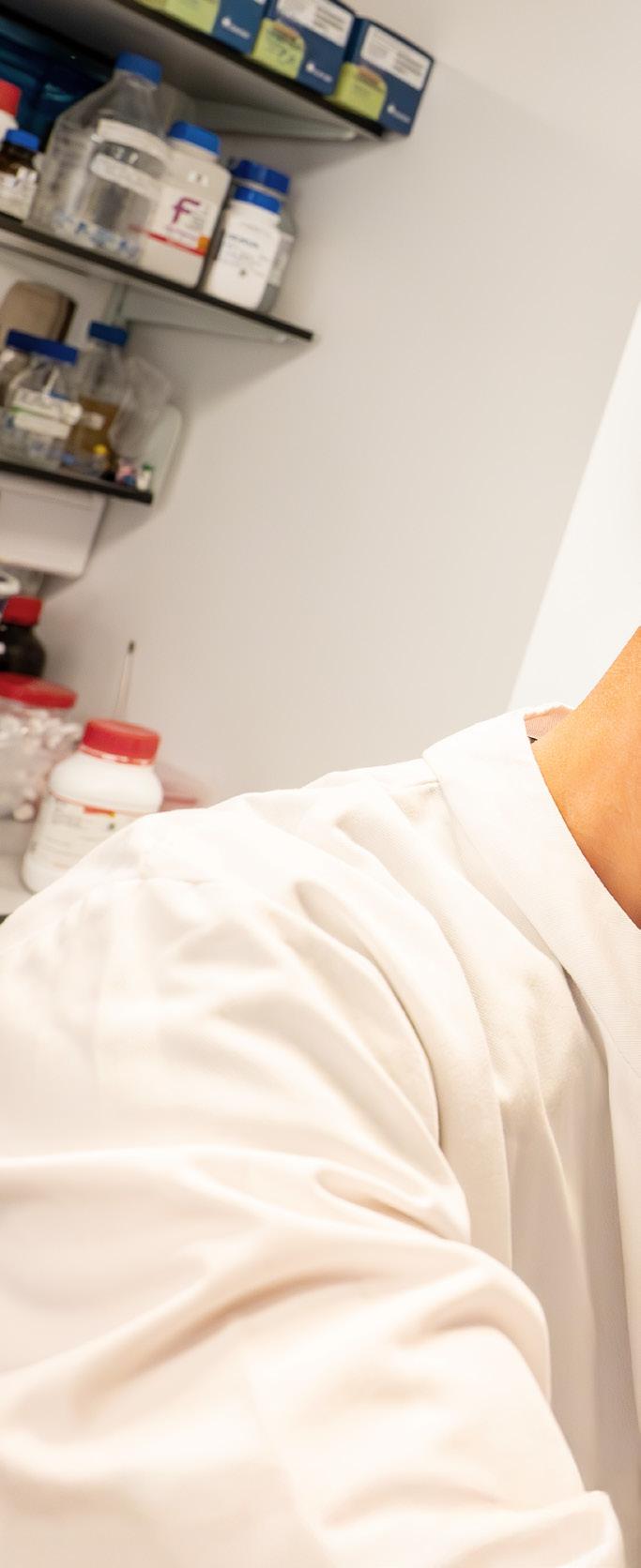
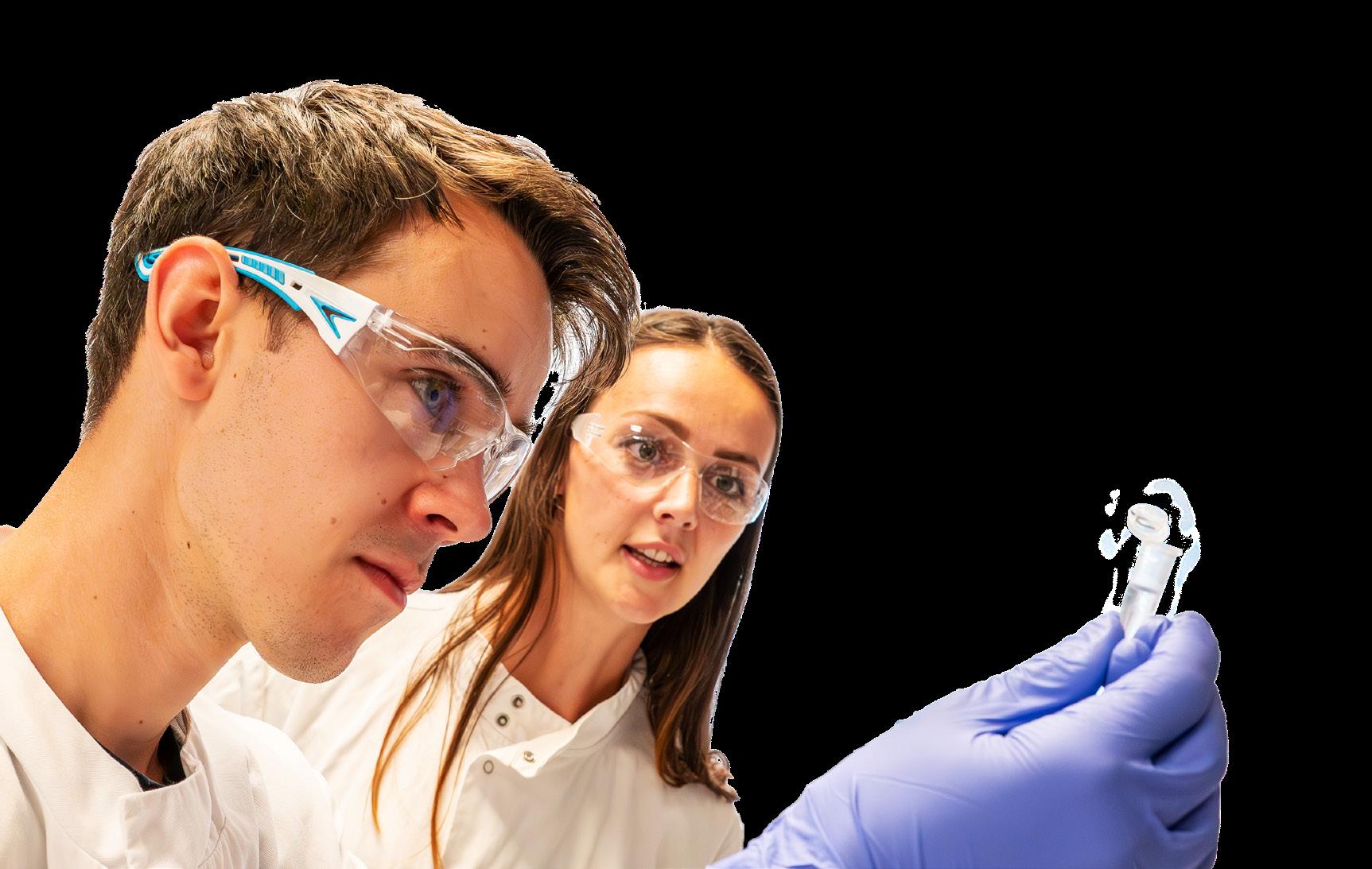
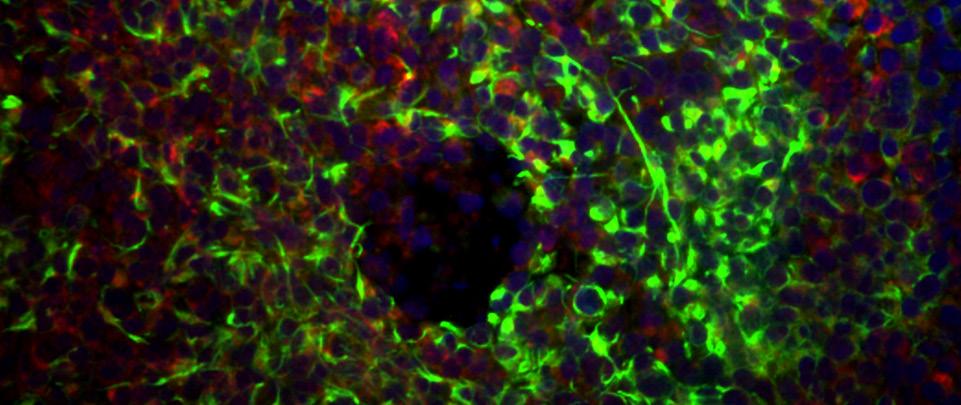
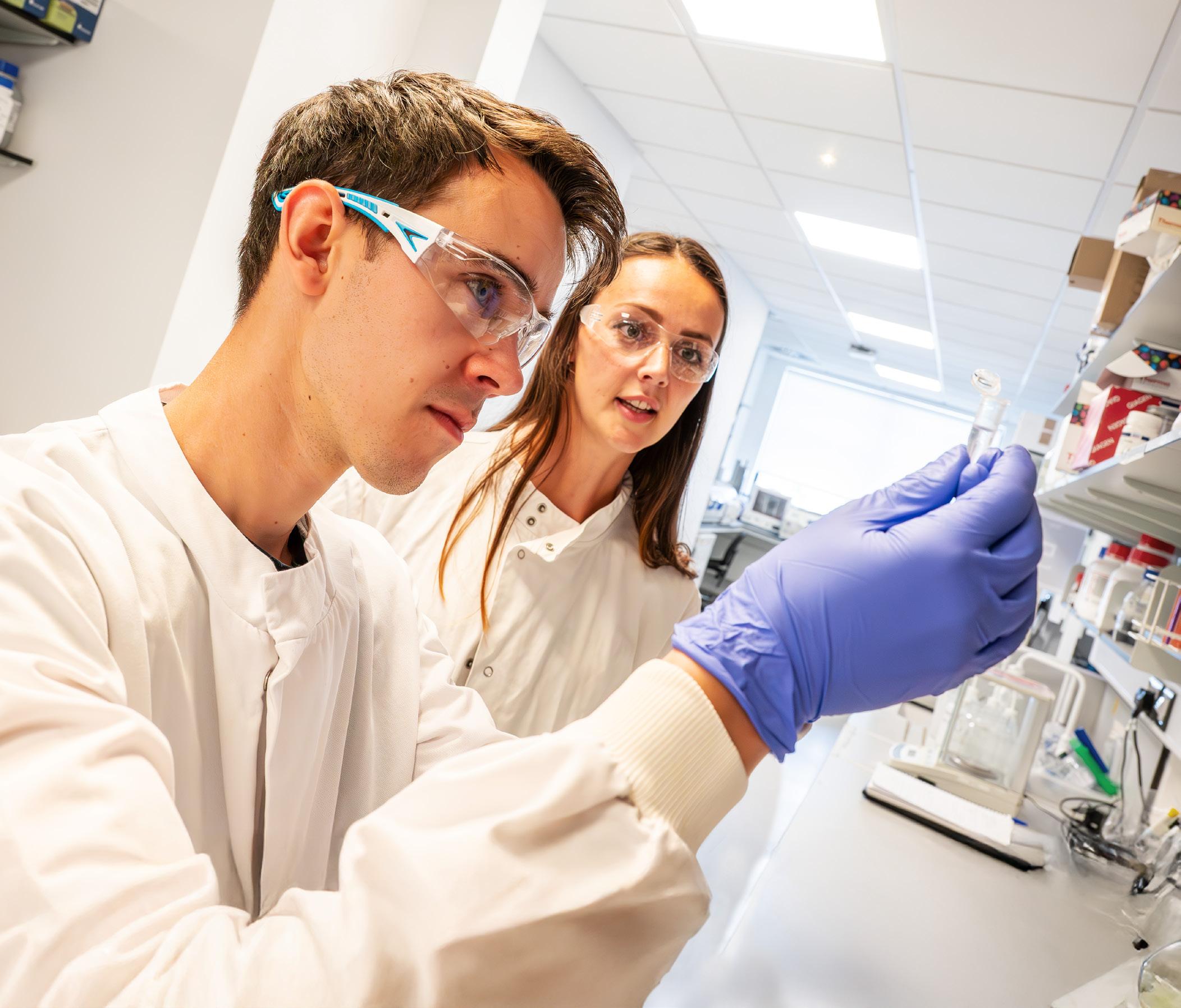
We are funding a world-class team to push the boundaries of medical technology to improve our understanding of recurrent glioblastoma. Scientists will investigate the cells at the edge of the tumours which cause the cancer to return. By understanding how these cells differ from those in the tumour’s centre, including how they appear on advanced MRI scans, researchers hope to find new treatments to prevent the tumour coming back.
The goal is to create a future where powerful tools including genome sequencing, brain scans and artificial intelligence work together to detect the earliest signs that glioblastoma tumours are returning
following treatment. And, based on scans alone, predict the most effective treatment for the recurrent tumour.
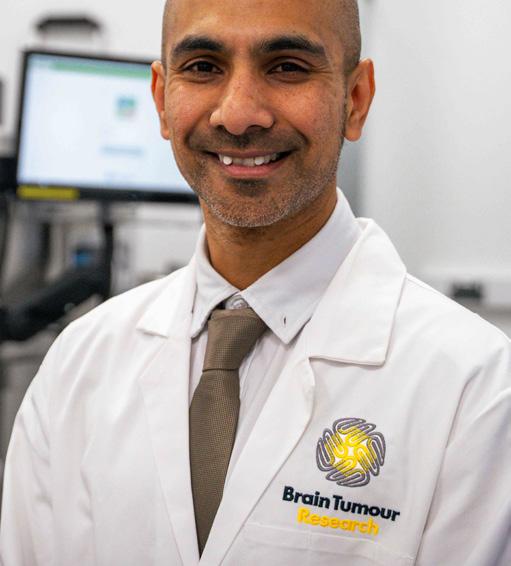
Professor Ruman Rahman, Principal Investigator at our Nottingham Centre, said: “We envision a future where, ultimately, brain imaging alone will identify drugs tailored to each individual patient, to block glioblastoma recurrence.”
Harry Porter and
The launch of our new Centre was only possible thanks to the unwavering generosity of our supporters – thank you to everyone who has donated to support this vital work. If you would like to support our appeal and bring much-needed hope to those affected by glioblastoma, please donate via: www.braintumourresearch.org/ Nottingham-Appeal
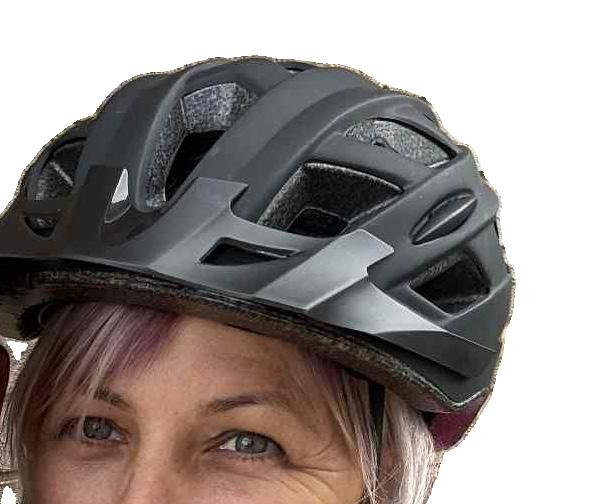
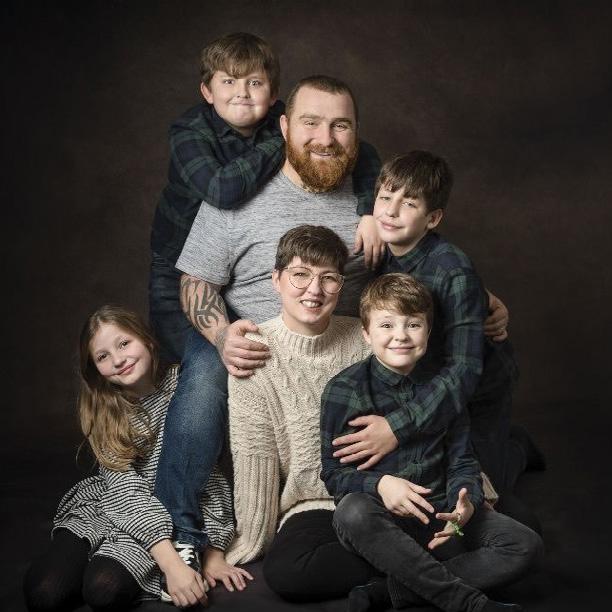
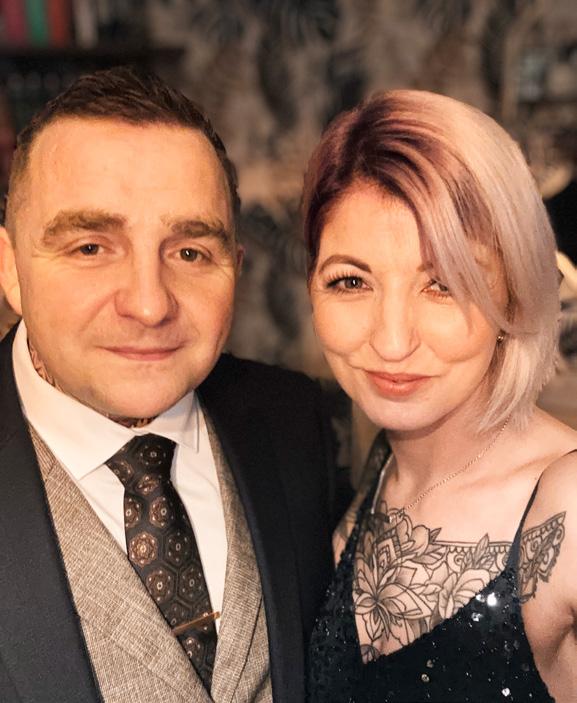
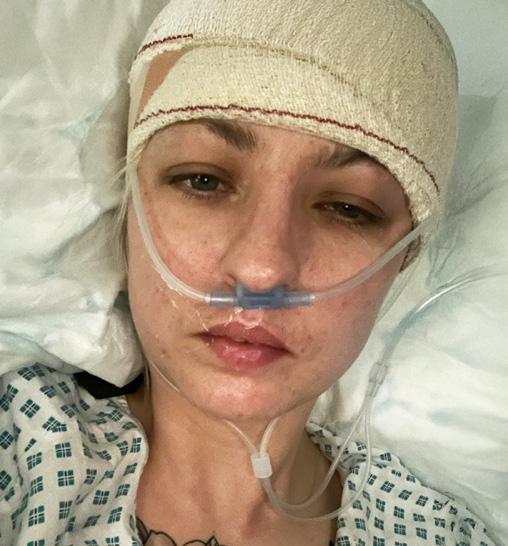
Verity Phillips shares her story and what research means to people like her.
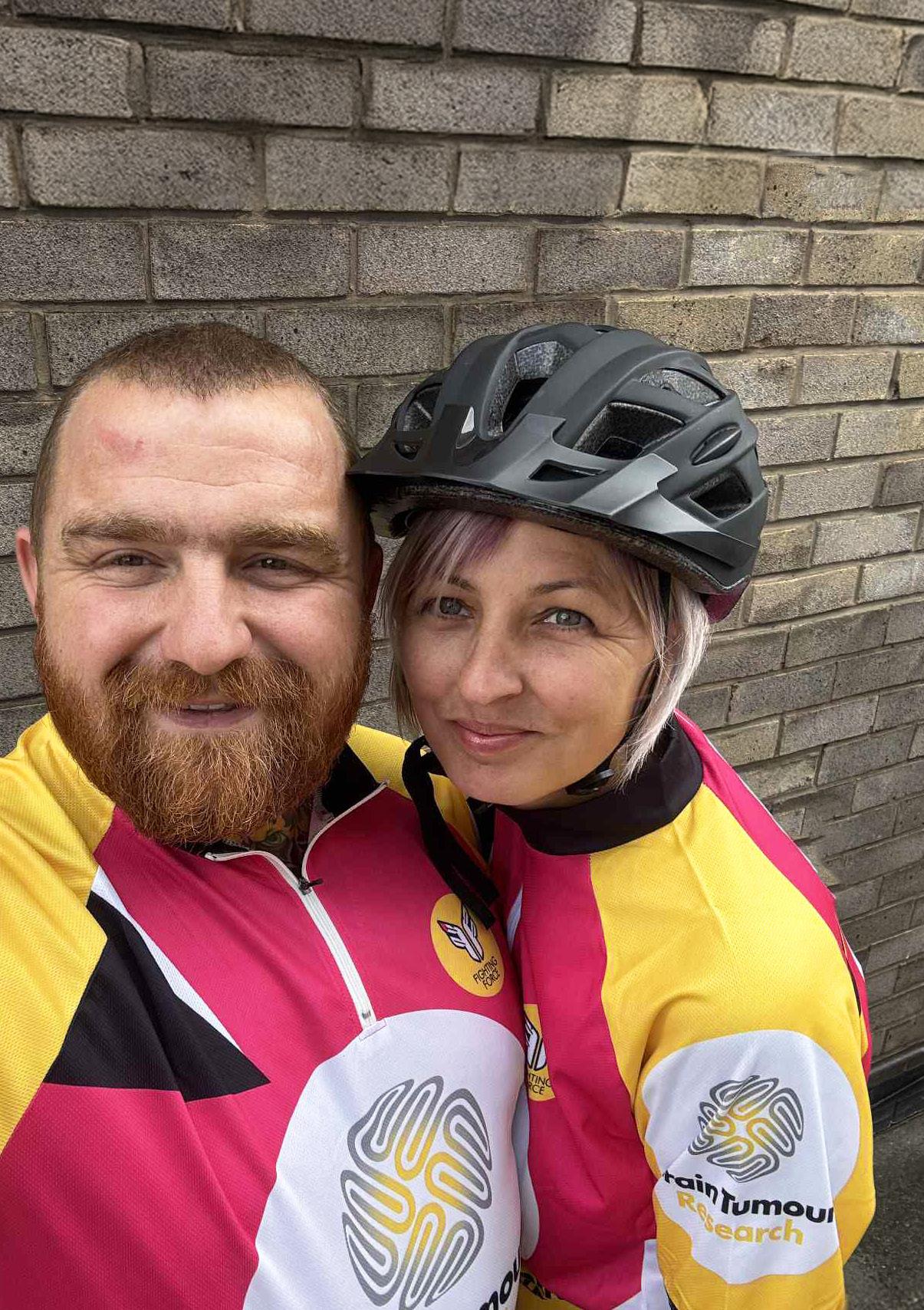

I first suspected something was wrong at the end of 2021. I was getting headaches and nausea, which I blamed on medication I was taking for fibromyalgia – a chronic condition that causes pain all over the body. But when I stopped taking it, my symptoms got even worse. The headaches became constant and my speech started to slur – I could see the words I wanted to say, but I couldn’t get them out.
My husband Daniel and sister-in-law Sarah took me to hospital. Everything after that is a blur.
Doctors thought I was having a stroke, but a scan showed a mass on my brain. Within days I needed a biopsy. I could barely sign the consent forms before I was taken into theatre.
Waking up from surgery was terrifying. I was alone, confused and in more pain than I’d ever felt – and I’ve given birth to four children!
A few weeks later, we were delivered the news no family should ever have to hear: the tumour was a glioblastoma.
Everything was a whirlwind. There was no time to process what was happening. Doctors laid out their plan of attack and we had to somehow wrap our heads around it, while figuring out how to tell our four children.
We took them on holiday and explained that: ‘Mummy has a poorly brain’. They were so young, but they’ve amazed us with their strength. We’ve always involved them and I’m incredibly proud of how they’re coping.
Soon after, I had a second operation and surgeons managed to remove around 90% of the tumour – more than expected. Radiotherapy and chemo followed. My only symptom was fatigue, and I’m grateful because I know others endure so much more.
I have scans every three months. The worst part is the anxiety, which starts the moment the appointment letter arrives. It’s only when I hear the word: ‘stable’ that I relax. Then the countdown to the next scan begins.
I didn’t know what glioblastoma was when I was diagnosed. When I found out, I grieved for my old life. I asked: ‘Why me?’ but I couldn’t stay in that place forever. This is the hand I’ve been dealt and I choose to be grateful for every day.

Glioblastoma is brutal.
Treatments haven’t changed in 20 years. That’s just not right.
When I learned about the new Brain Tumour Research Centre of Excellence at the University of Nottingham, I jumped up and down with joy. It gives me hope that future families might get a different ending to their stories.
Research won’t change my prognosis, but it will change someone else’s. My tumour isn’t going away, but as long as I’m here, I’ll continue to raise awareness and support research until a cure is found.
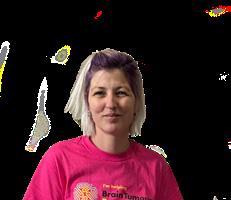
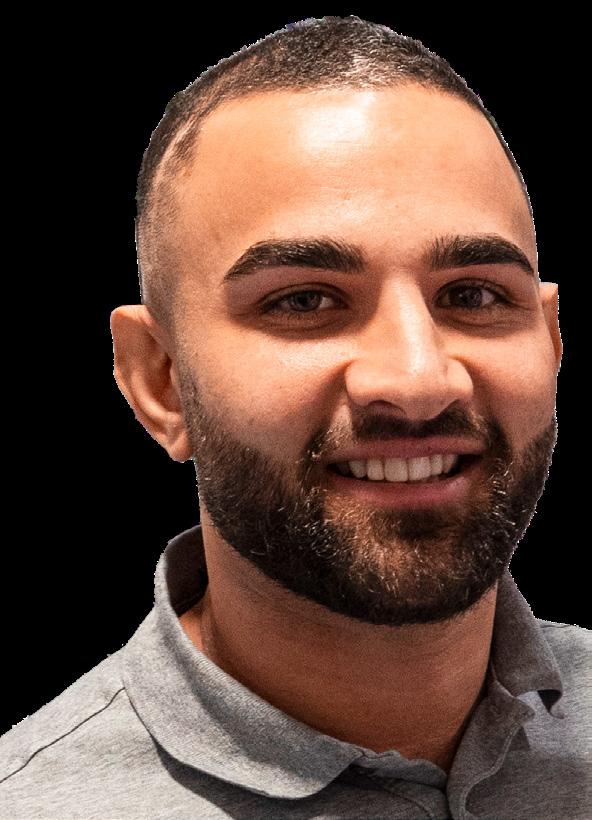
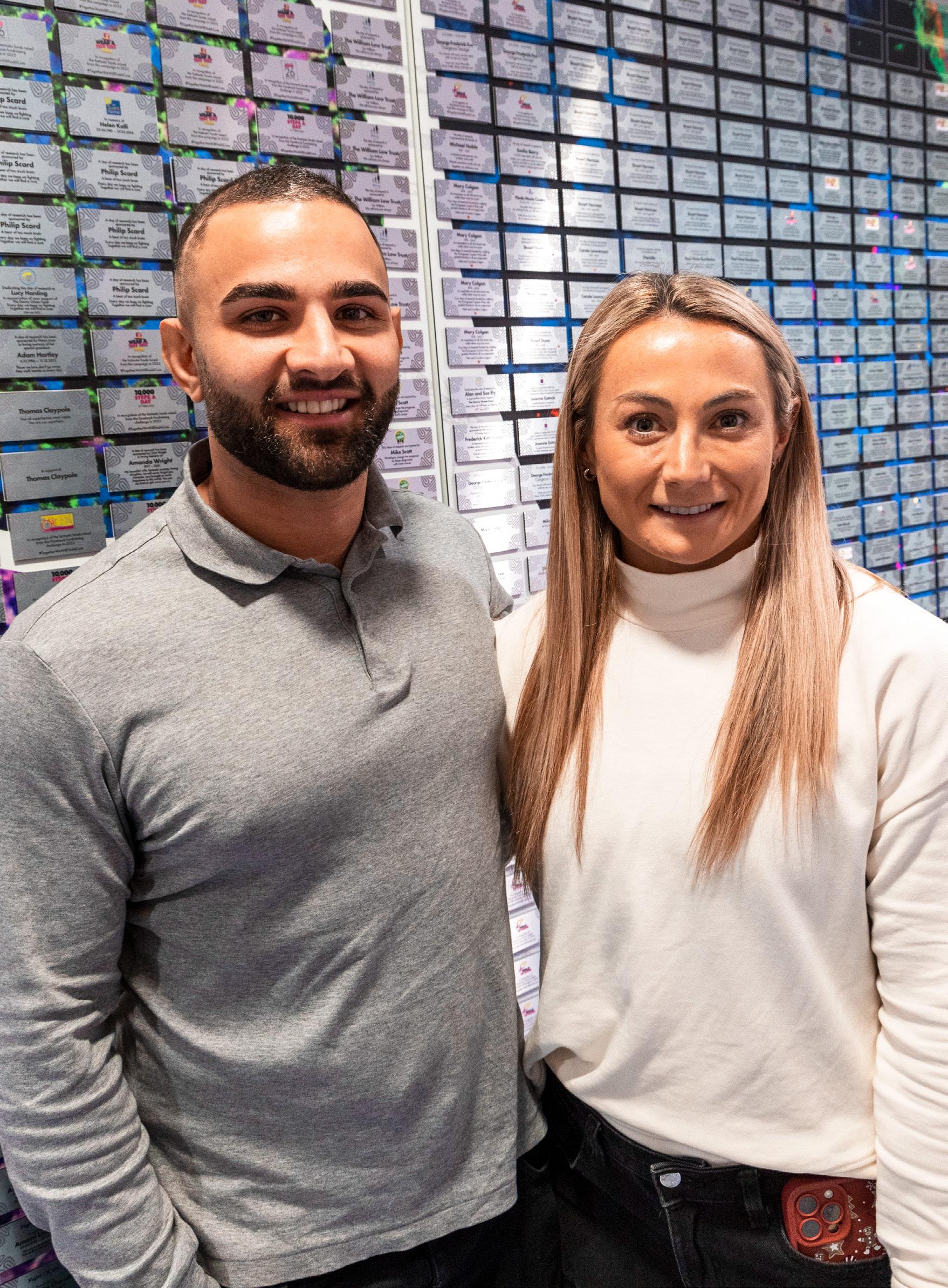
A powerhouse couple from the rugby pitch and a record-breaking para athlete have joined our family of Ambassadors calling for greater investment for research into brain tumours.
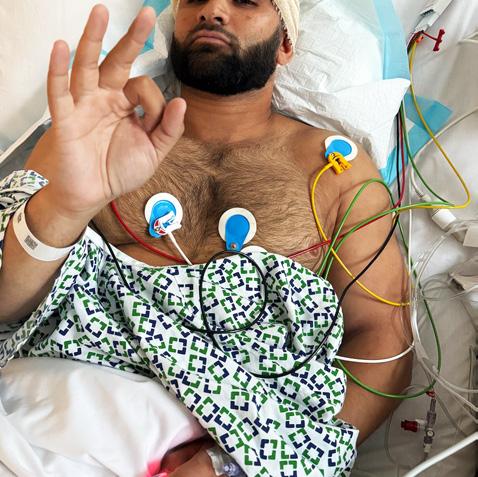
Ex-professional rugby player Tom Chapman was in peak physical fitness and had just returned from his dream honeymoon with World Cup-winning Vicky Fleetwood when he found out he had a grade 4 astrocytoma.
“My prognosis is five years, which, when you’re 31, fit and healthy and newly married, isn’t what you expect to hear,” said Tom, who has had surgery, followed by radiotherapy and chemotherapy treatment.
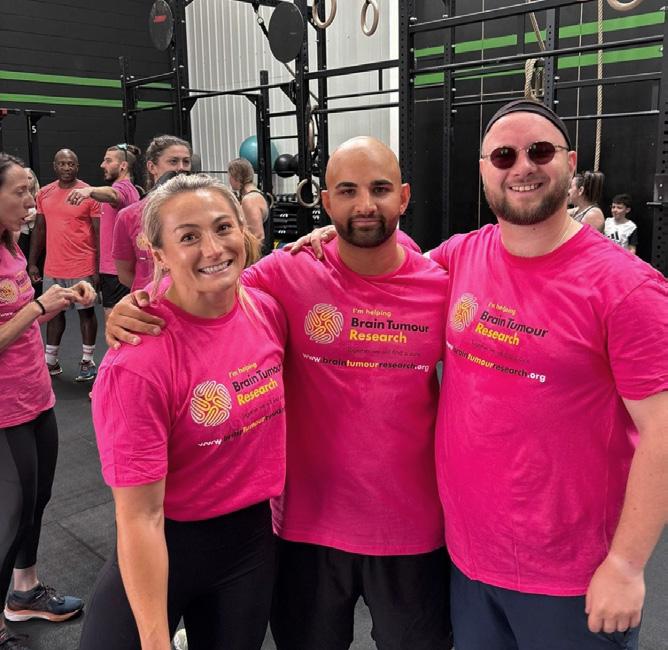
Having already taken on an epic 24-hour Crossfit challenge which united the worlds of rugby and fitness to raise £20,000, the Chapmans are now converting their fierce determination on the pitch into positive action and will be running the iconic TCS London Marathon for Brain Tumour Research.

“Through Tom’s diagnosis we’ve learnt the shocking statistics around this disease and how just 1% of the national investment in cancer research has been allocated to brain tumours since records began in 2002. That is unacceptable and unfair. As Ambassadors, we’re proud to support the Charity’s fight to find new treatments and, ultimately, a cure for all types of brain tumours,” Vicky said.
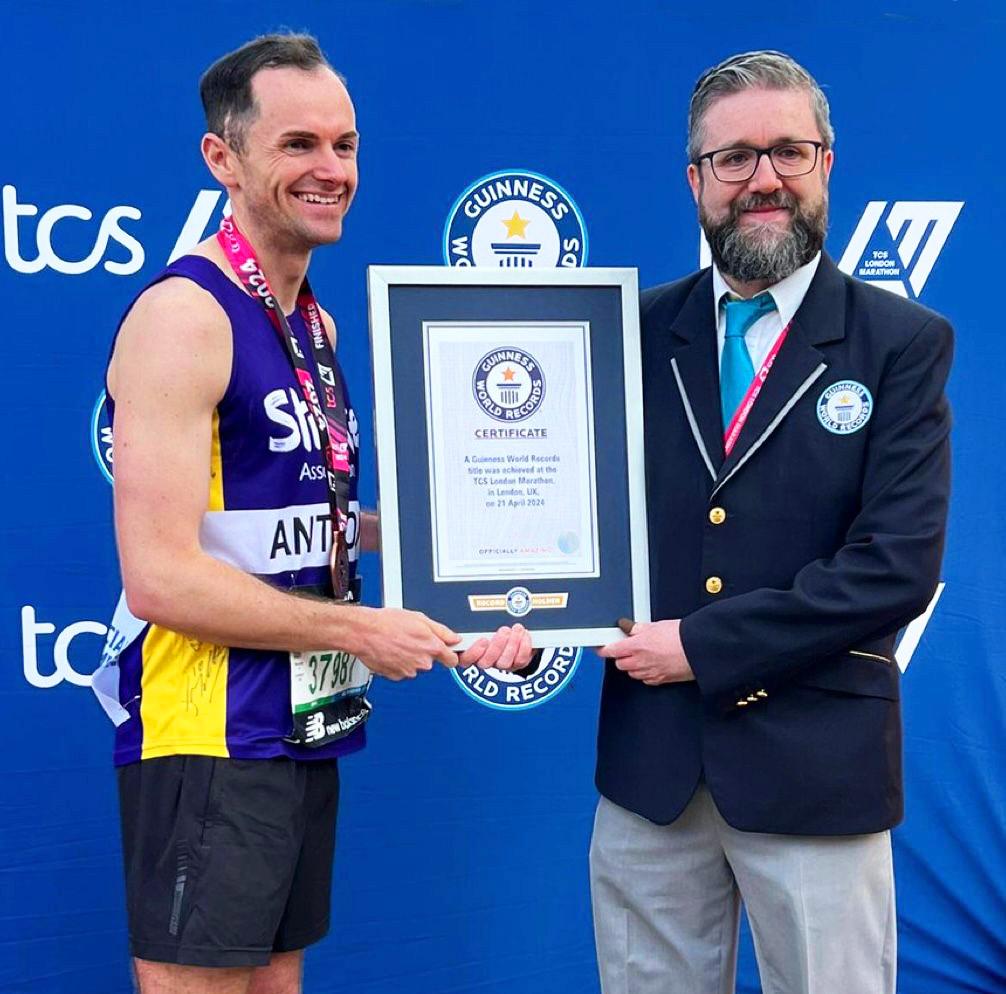
Anthony receiving World Record
Also flying the flag for the Charity is para athlete Anthony Bryan.
Anthony was just six years old when he suffered a stroke during surgery to remove a low-grade astrocytoma. He lives with hemiplegia (one-sided paralysis) and no peripheral vision on his left side.
Having started running as a teenager, including winning gold medals at the Disability Sport Nationals in 2006, Anthony now holds two Guinness World Records for being the fastest marathon and half marathon runner with hemiplegia.
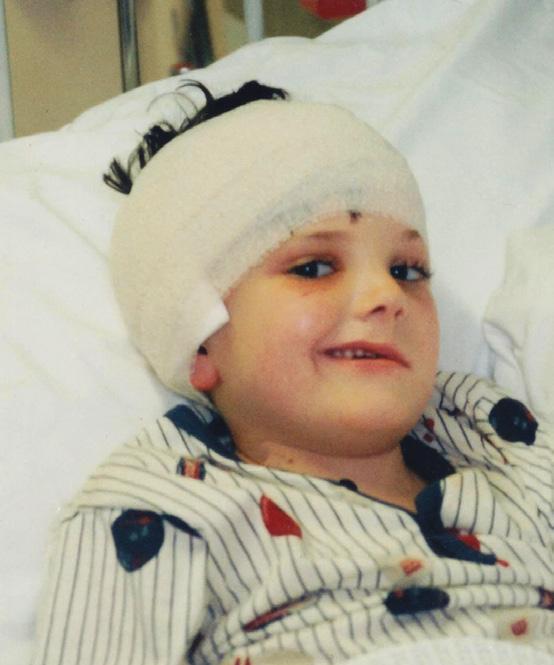
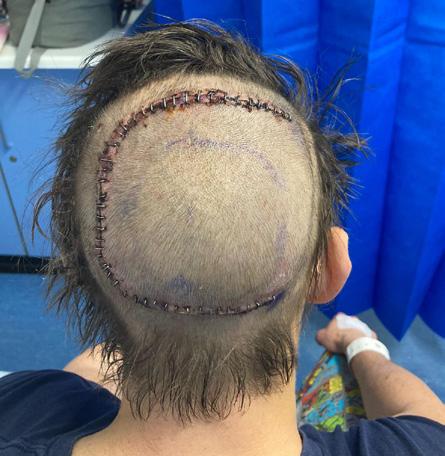
Anthony aged six after surgery
Help us sponsor days of research
Brain tumours are indiscriminate; they can affect anyone at any age
As Ambassador for Brain Tumour Research, Anthony is campaigning with us for greater investment. He said: “I’ve survived a brain tumour diagnosis but been left with the impact of treatment.
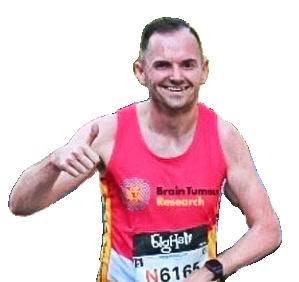
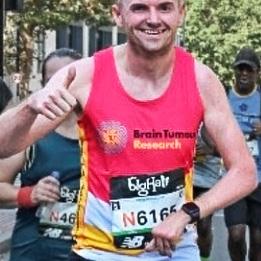
“Alongside campaigning for disability awareness, I recognise treatment for brain tumours hasn’t changed in more than two decades. There must be more investment in research into the disease to help discover innovative and less invasive treatments.”
Find out more about how our Patrons and Ambassadors support the Charity: www.braintumourresearch.org/ patrons
This March, we’re inviting you to join us to raise vital awareness of the urgent need for greater investment in research into brain tumours – we need your help to change the story for brain tumour patients and their families now and in the future.
Every month, more than 1,000 people in the UK will hear the life-changing words that they have a brain tumour. Despite this, research into brain tumours continues to receive a fraction of the funding given to other cancers.
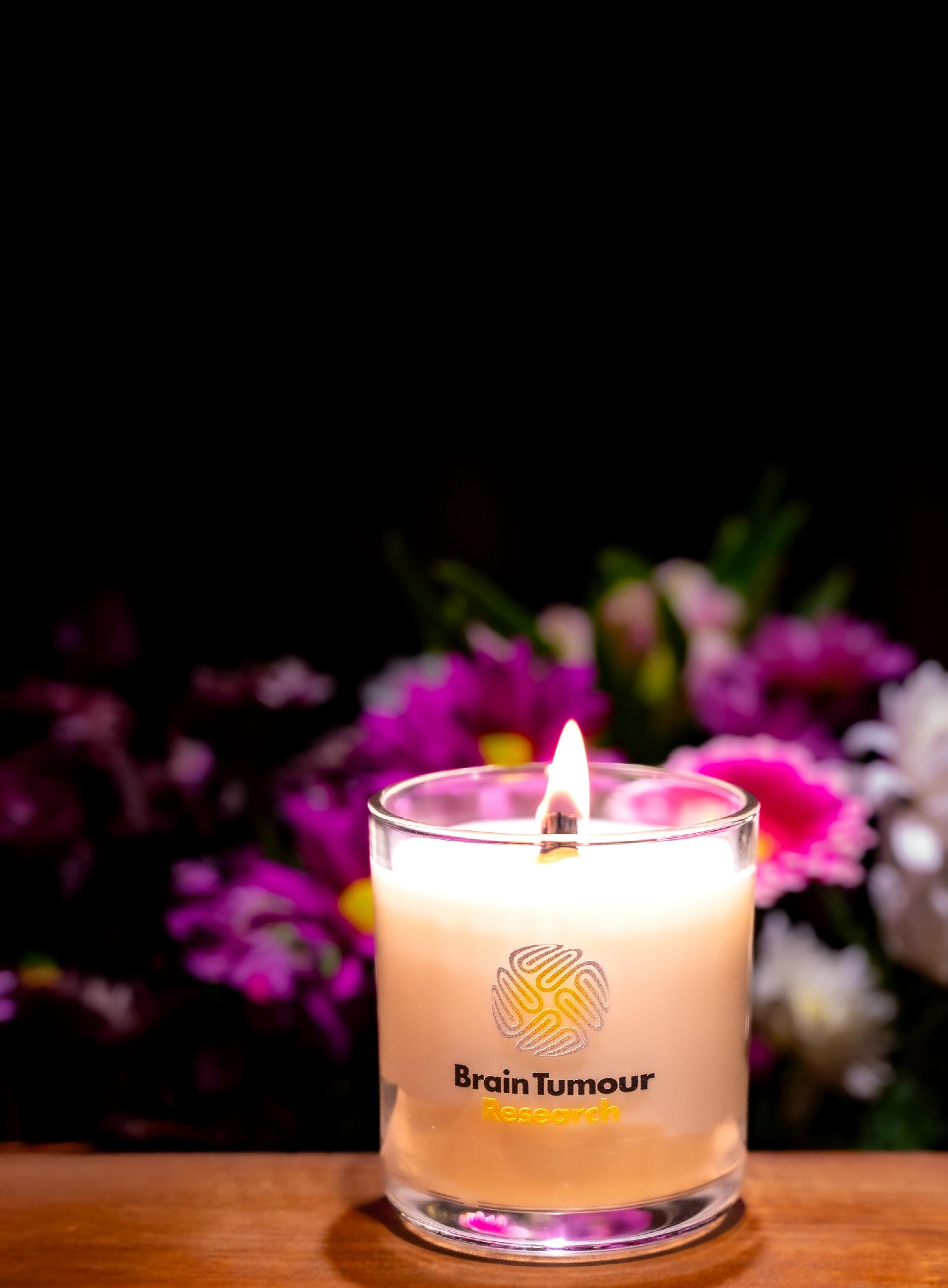
At the start of the month, hundreds of supporters, including celebrities, patrons and ambassadors, helped us shine a light on the issue by lighting a candle for our #ShineALight campaign. Social media was filled with moving tributes and powerful messages, highlighting the shocking reality that brain tumours kill more children and adults under the age of 40 than any other cancer.
Together we will find a cure

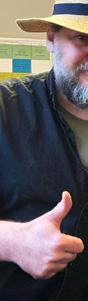
One in three people knows someone affected by a brain tumour
to continue to fund long-term, life-saving research
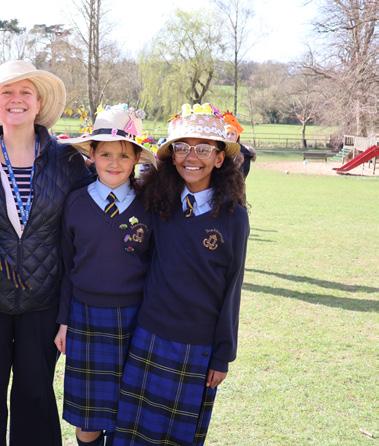
Beachborough School
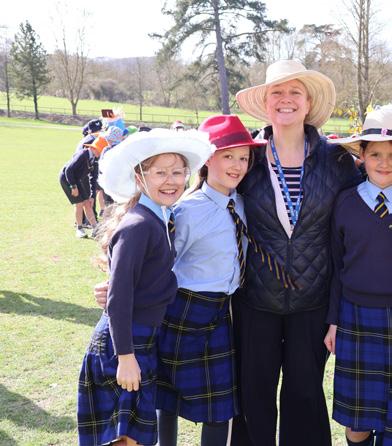
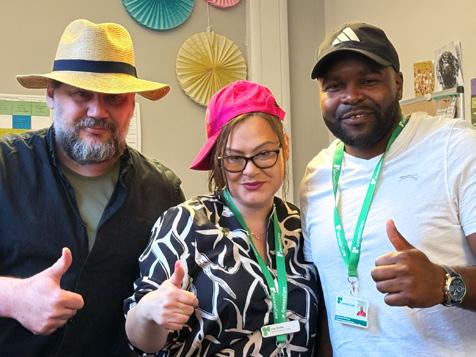
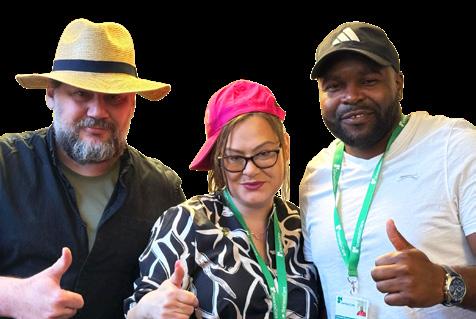
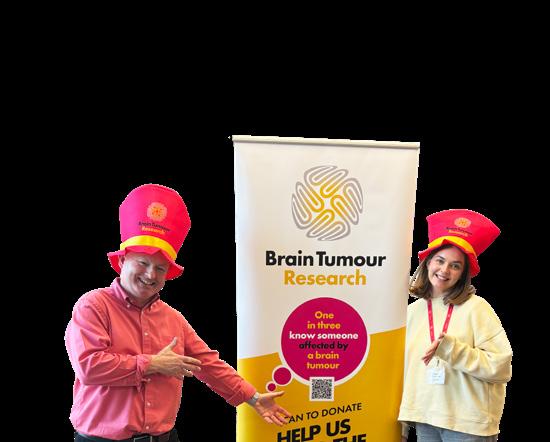
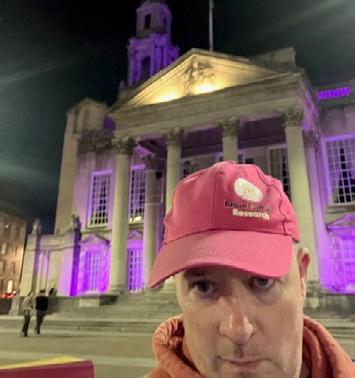
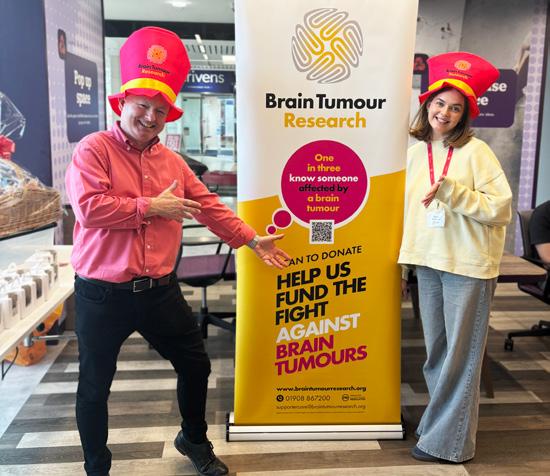
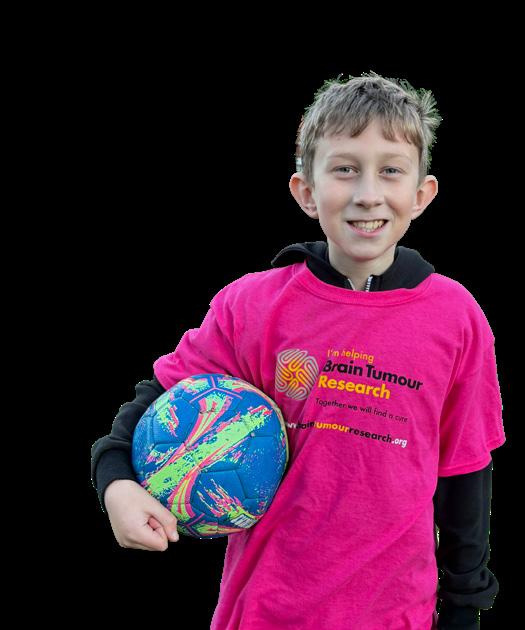
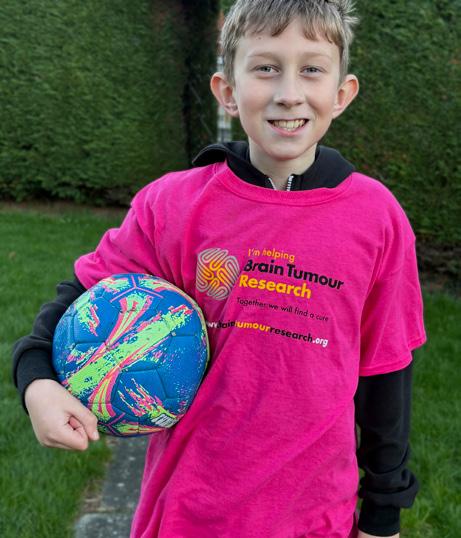
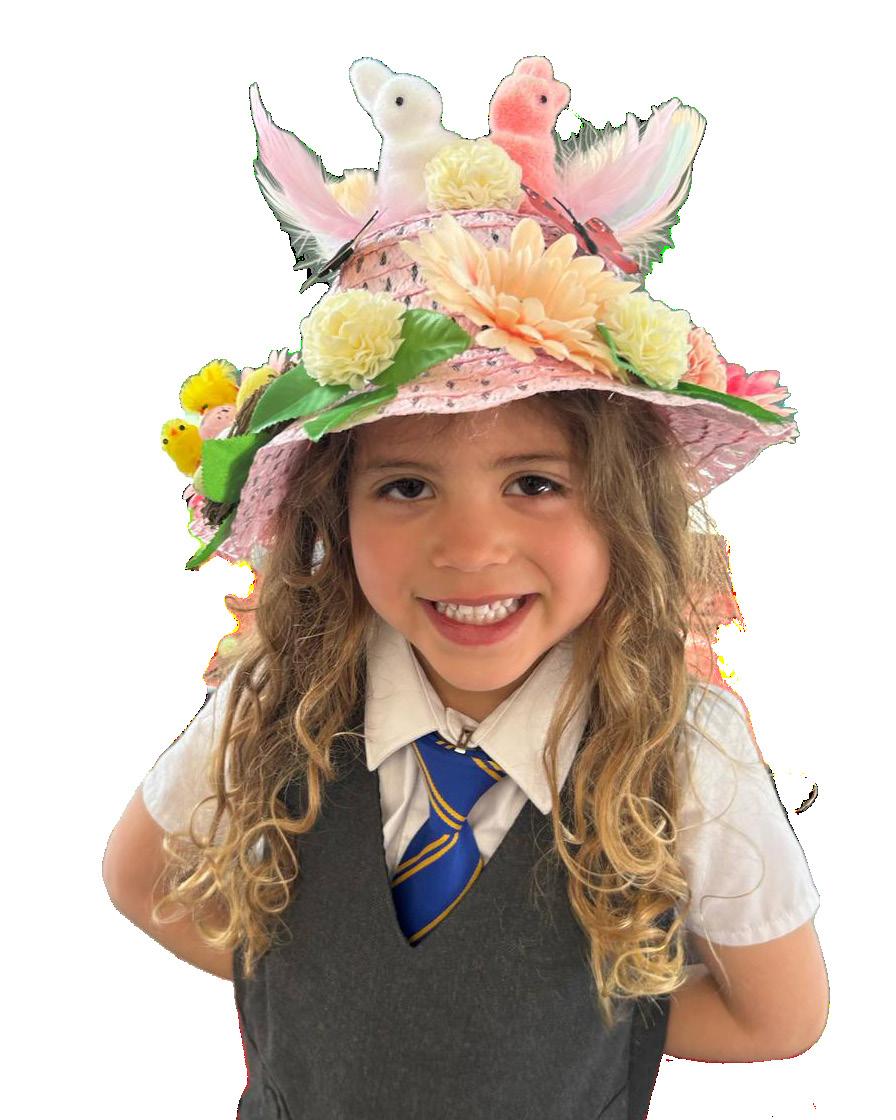
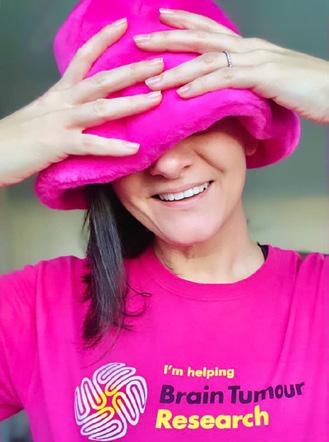
A much-loved date in our community calendar, Wear A Hat Day raises both awareness and funding to help find a cure – it’s estimated that 100,000 people in the UK are living with a brain tumour or its long-term effects.
If your family, friends or colleagues have been affected, we’d love you to show your support by taking part. It’s easy to get involved – host a bake sale at work, organise a coffee morning at home, or simply gather your colleagues, don your favourite hat and donate to the cause.
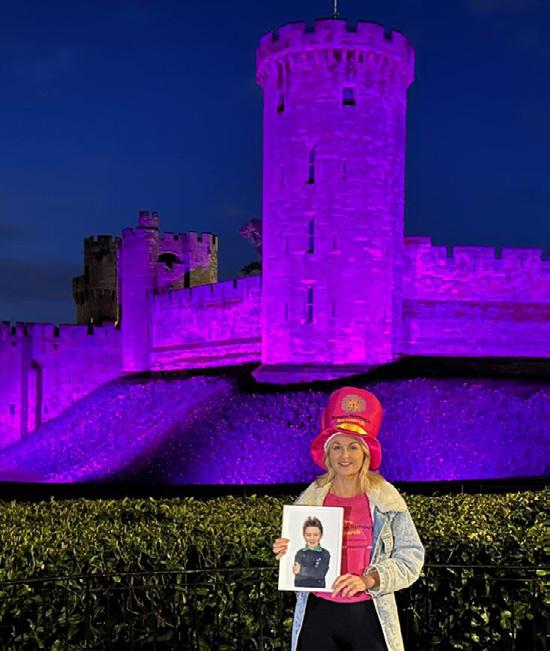
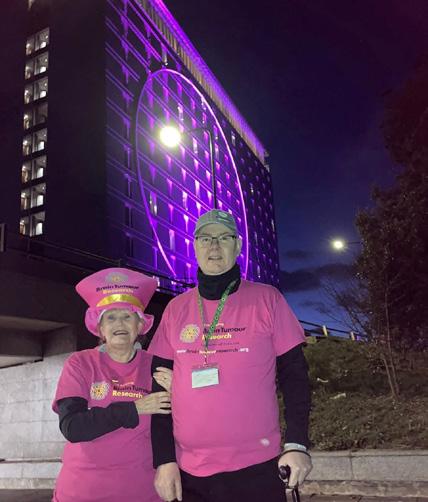
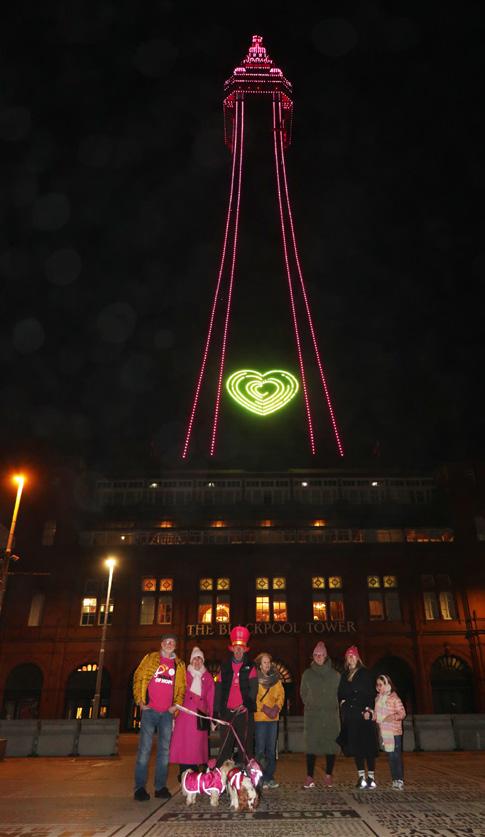
Throughout Brain Tumour Awareness Month, we’re also encouraging supporters to participate in our Light Up the UK campaign. We’re asking you to contact local landmarks and buildings that illuminate for charitable causes and request they shine in our signature pink and/or yellow. Find out more at: www.braintumourresearch.org/ brain-tumour-awareness-month
Over the years, many famous landmarks have lit up, including Blackpool Tower, Warwick Castle and transport hubs such as London King’s Cross, Liverpool Lime Street and Leeds Railway Station. These illuminations honoured loved ones lost and those living with the impact of a brain tumour.
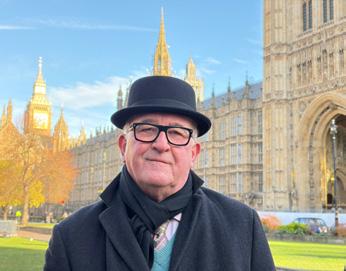
A decade of campaigning by Brain Tumour Research and our community has culminated in a multi-million pound Government investment in research into brain tumours.
More than £13 million has been committed to establish a new National Institute of Health and Care Research (NIHR) Brain Tumour Research Consortium, in a coordinated UK-wide effort to transform outcomes for people living with brain tumours. Brain Tumour Research is proud to be a partner of the Consortium, which will address challenges contributing to the current lack of new and effective therapies. It will help doctors and researchers understand the disease better, test new innovative treatments earlier and make trials available to more adults and children closer to home.
The Government has also announced a new approach which will see patients in England able to take part in life-changing clinical trials through the
to continue to fund long-term, life-saving research HELP US
NHS App, giving them the chance to benefit from innovative approaches and technology to help fight their diseases.
What’s more, top cancer experts will be recruited to help speed trial referrals, including a new national lead for rare cancers and the NIHR will create a new Speciality Lead for Rare Cancers. They will oversee a programme to make it easier for clinical trials to take place in England, by ensuring rare cancer patients can be contacted automatically about research and then sign up to those suitable, reducing reliance on chance referrals.
Ten years ago, alongside the Realf family as they marked the first anniversary of the death of their son Stephen, we launched a petition to call for increased research funding for brain tumours. It was a significant step forward when in 2018 the Government announced that £40 million was being made available via the NIHR. However, as we and the All-Party Parliamentary Group on Brain Tumours (APPGBT) were to later unravel, money being ‘available for allocation’ and money actually being deployed to researchers were very different things.
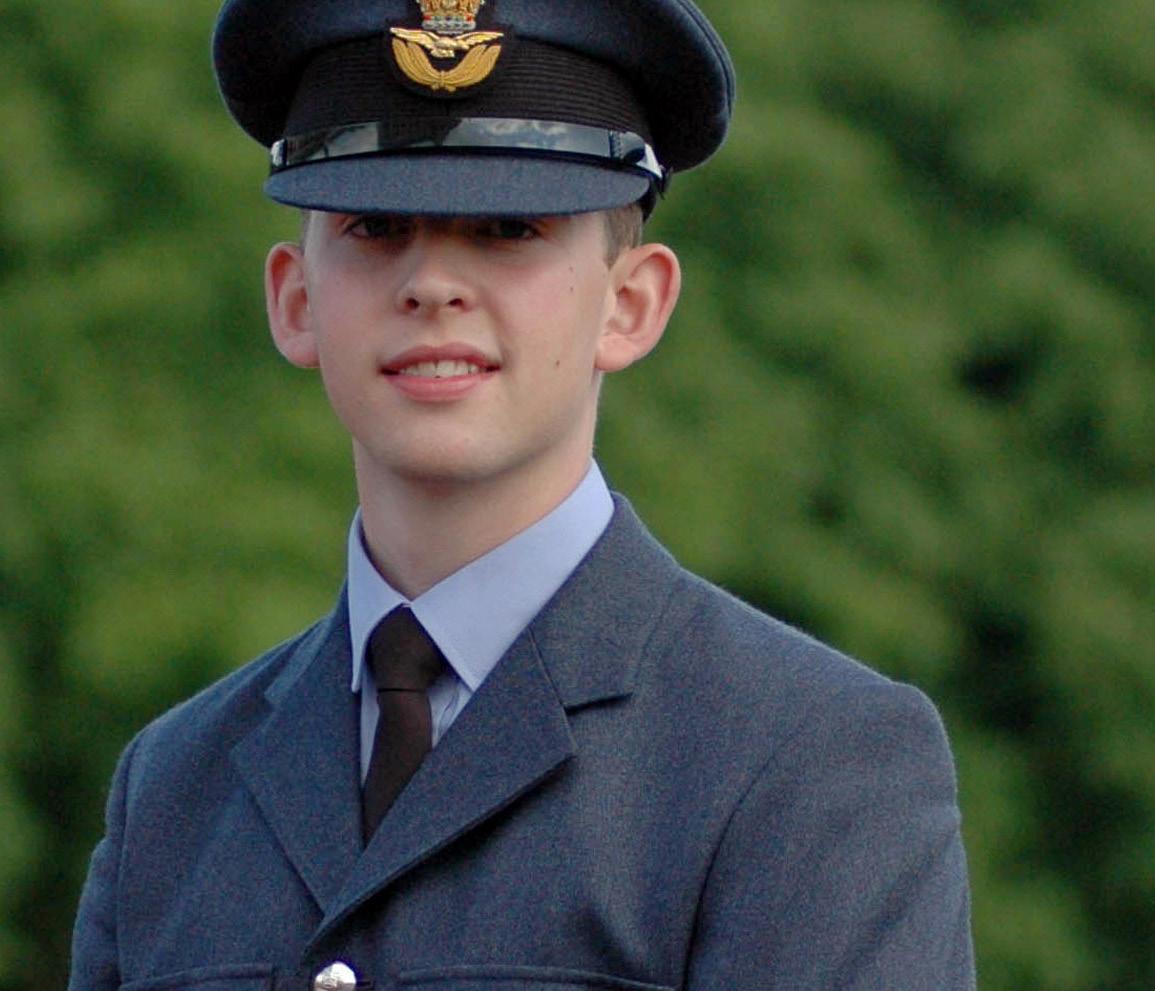
Stephen Realf
Influencing UK Governments and larger cancer charities to invest more in brain tumour research
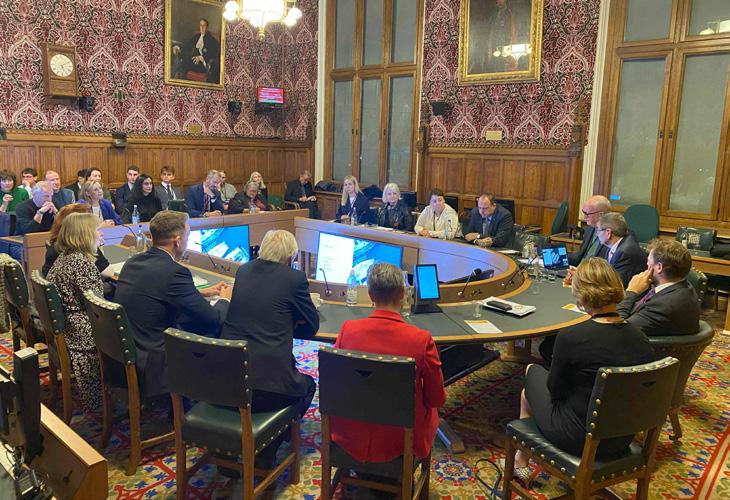
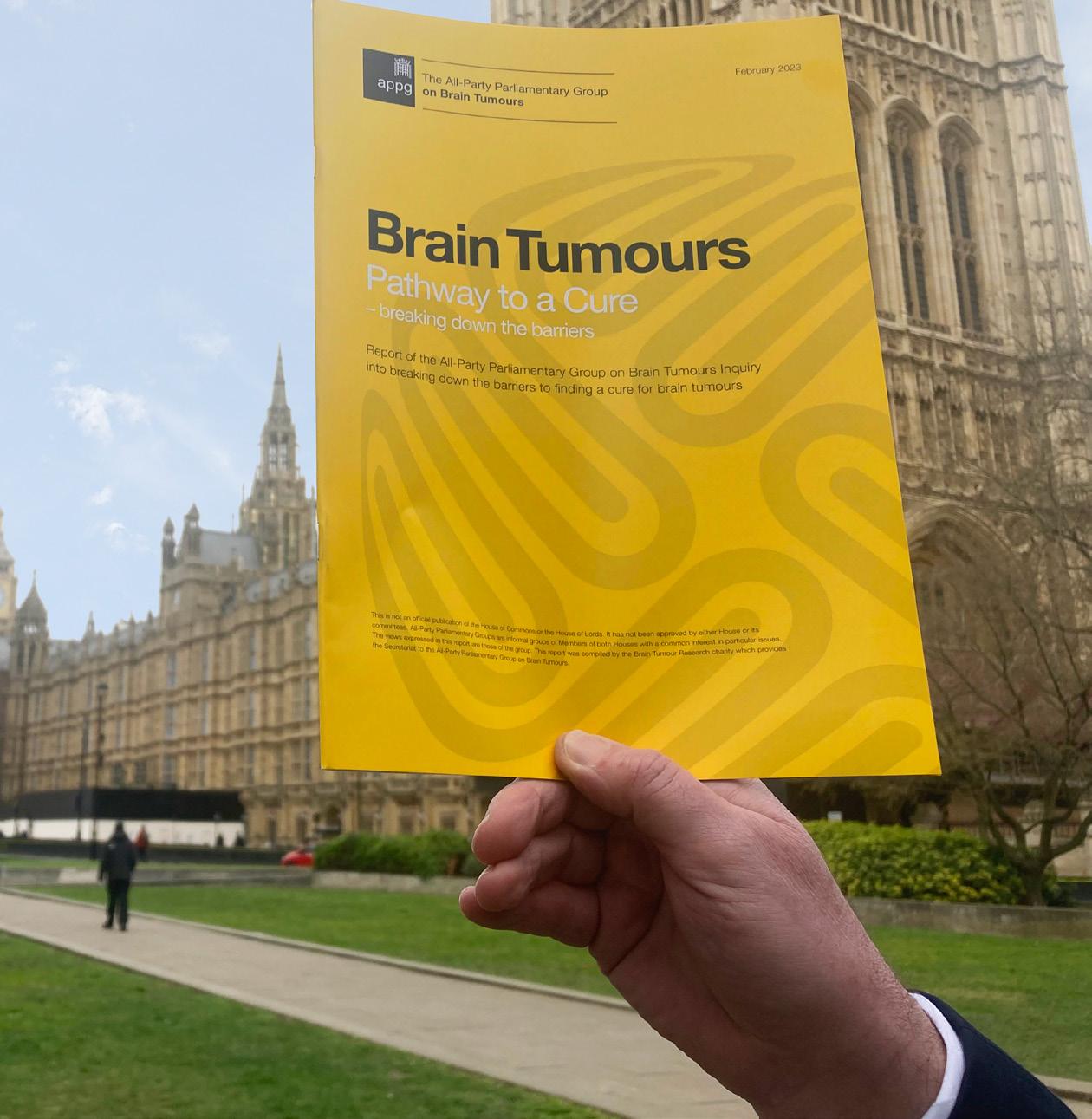
Our 2023 landmark report via the APPGBT, Pathway to a Cure – breaking down the barriers, laid bare the fact that research into brain tumours continued to be neglected by Government. Through our secretariat role for the APPGBT we brought NIHR to the table to unpick why the money hadn’t been fully deployed. We have relentlessly pursued this question in our engagement with Parliamentarians, Ministers and the Civil Service in the years since.
Dan Knowles, our CEO, said: “Brain tumours are the biggest cancer killer of children and adults under the age of 40 and greater investment in research and wider access to clinical trials is the only way to change this. We are hopeful that these Government commitments will mean that when people are given the life-changing news that they have a brain tumour, they are presented with options, something that is lacking for many right now. Our work doesn’t stop here though. We are campaigning to increase the national investment in research into brain tumours to £35 million per year – and Government needs to play a big role in that.”
Together we will find a cure
You can help us catalyse change for the brain tumour community by campaigning with us: www.braintumourresearch.org/ campaign-with-us or use the QR Code above.
Brain Tumour Research has announced a transformative funding boost to its Centre of Excellence at the University of Plymouth, where researchers are accelerating new treatments for low-grade brain tumours.
Just 1% of the national spend on cancer research has been allocated to this devastating disease
Creating a network of seven sustainable Centres of Excellence across the UK to find a cure
Currently there are limited treatments for these tumours beyond surgery and radiotherapy, which can have significant side effects.
Building on a partnership between the Charity and the University which began in 2014, the five-year investment will enable scientists to deepen their understanding of how low-grade brain tumours, including glioma, meningioma and schwannoma, develop and to translate that knowledge into life-changing therapies. After the first three years, the Centre will undergo an expert review to track progress and strengthen its impact.
The research team is exploring innovative pathways to improve treatments. These include understanding the role of the immune system in tumour growth, finding new drugs to make radiotherapy more effective and testing existing drugs for other medical conditions to see if they can make an impact in brain tumours.
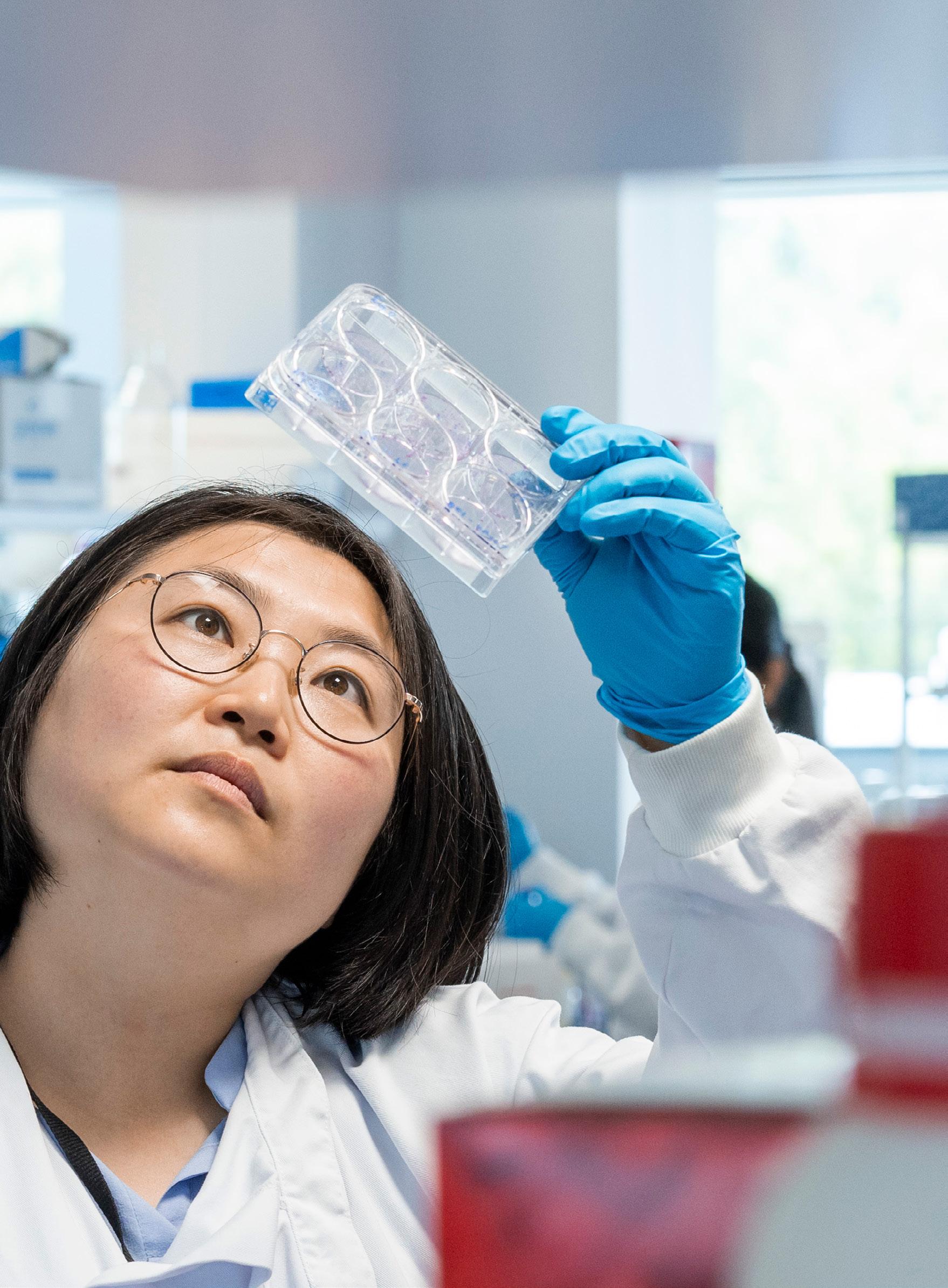
For the first time, the team will also be investigating high-grade astrocytoma. They are working to understand how these tumours evade the immune system and how we could block the signals that drive their growth and survival.
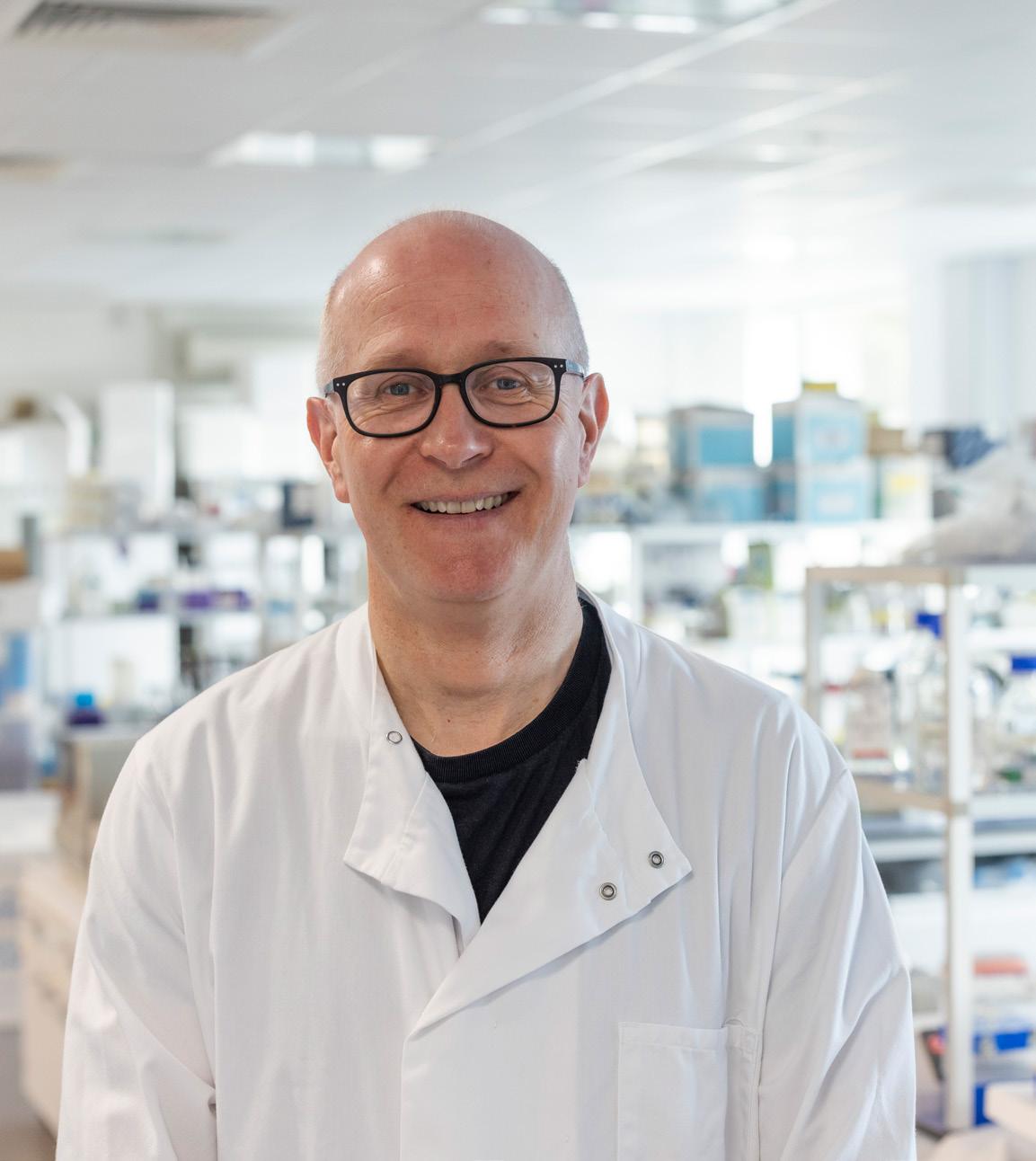
David Parkinson, Professor of Neuroscience and newly appointed Director of our Plymouth Centre, said: “This investment from Brain Tumour Research will allow us to build on the world-class foundation established here over the last 10 years and accelerate progress towards muchneeded treatments for low-grade brain tumours. By working across disciplines and focusing on translating discoveries from the lab to the clinic, we aim to make a real difference to patients and their families.”
This investment heralds a vital step forward toward better treatments for
Among those welcoming the news is our Ambassador, Craig Russell. The actor and producer underwent surgery at Derriford Hospital in Plymouth for a low-grade meningioma in 2023.
“Low-grade tumours aren’t low impact. With limited treatment options, these tumours have lifelong consequences for patients and their families. I am incredibly pleased that Brain

towards clinical trials and new treatments for brain tumour patients.
Centre Director, Prof Parkinson
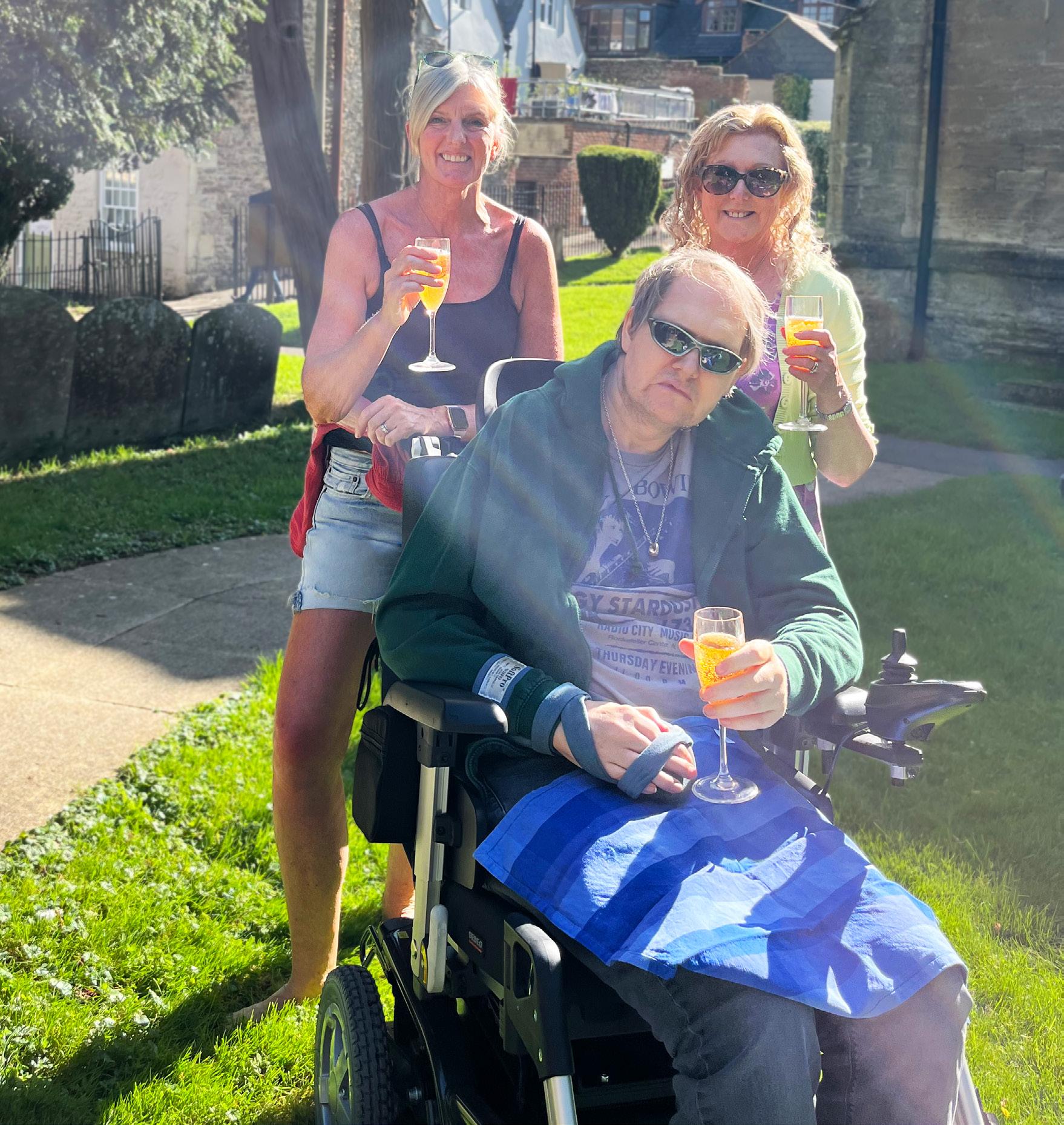
Andrew Crowe shares his story of living for the last 25 years with a grade 2 astrocytoma. He says:
“enjoys a
I was a happy and healthy young man, who loved travelling whenever work allowed. I explored fascinating countries like the Philippines, China and Brazil. I’d frame those photos so I could savour the experiences for years to come.
Then, at 33, everything changed. I began suffering with excruciating headaches – so severe that lifting my head off the pillow was unbearable. I visited the GP three times and was diagnosed with either migraines or depression, but deep down I knew something else was wrong.
One day, I called a friend in panic...
He found me on the floor and rang for an ambulance. I’d had a seizure, which led to the diagnosis: a grade 2 astrocytoma.
Surgery followed to remove the tumour, but that was only the beginning. I’ve since endured further surgeries to remove cysts, had a ventricular shunt fitted and undergone radiotherapy when the tumour started growing again.
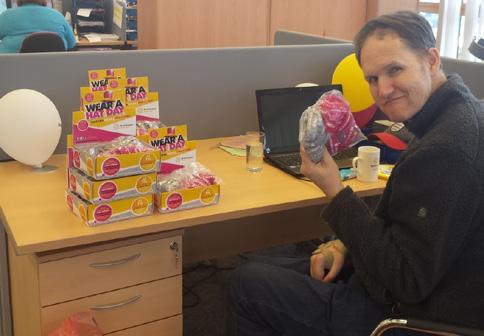
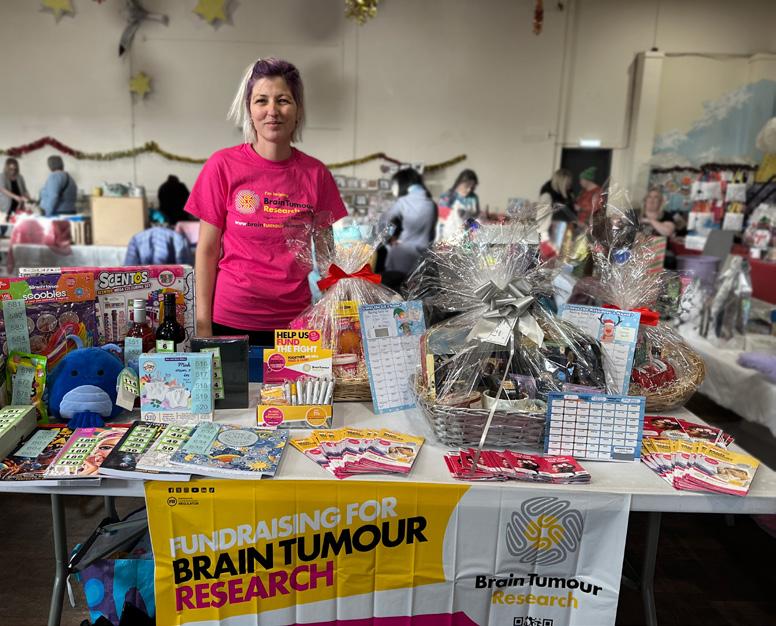
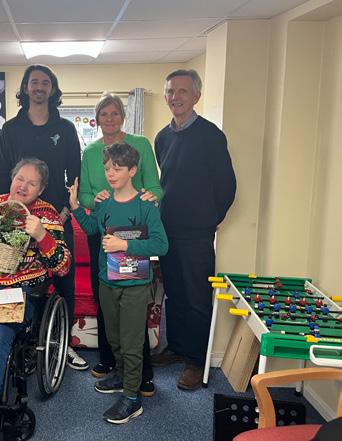
Packing merchandise for Wear A Hat Day
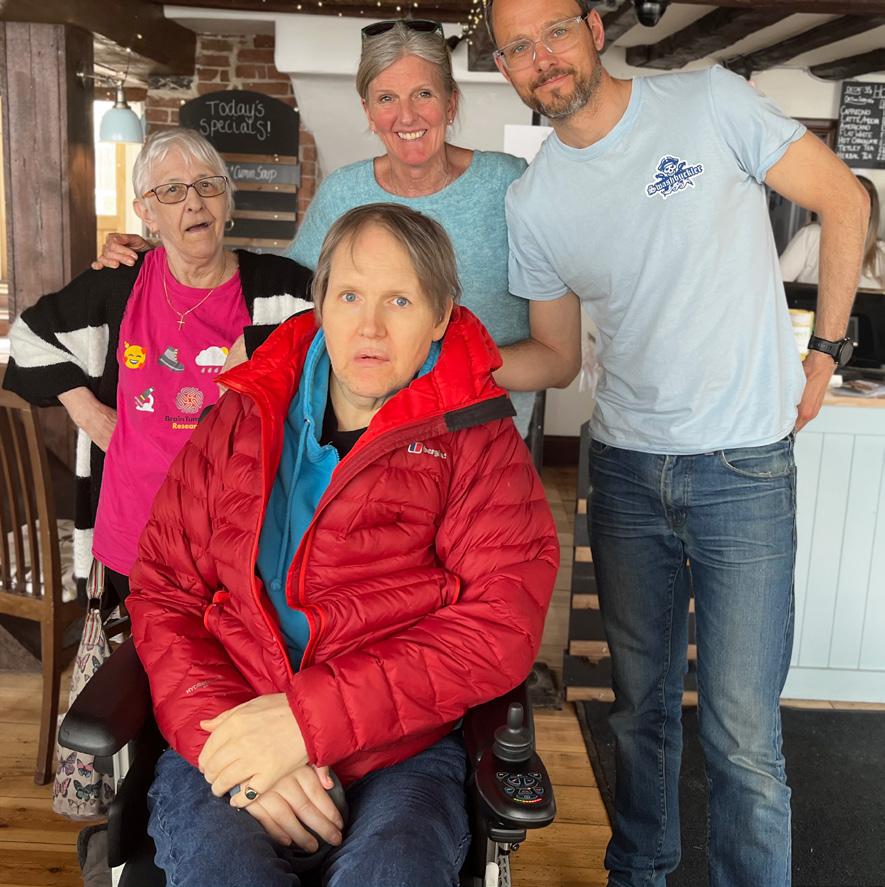
Although the astrocytoma has remained low-grade, the long-term effects of my treatment have been life-changing. I can no longer use a laptop or a mobile phone – beyond basic calls. Communication is difficult, my mobility is severely limited, and I rely on a wheelchair. I’ve lost the use of my right hand and arm and need carers four times a day for personal care.
Christmas withthefamily
I am indebted to my friend Helen, who helps with everything – cooking, shopping, medical appointments –and to my four siblings, who are always there for me.

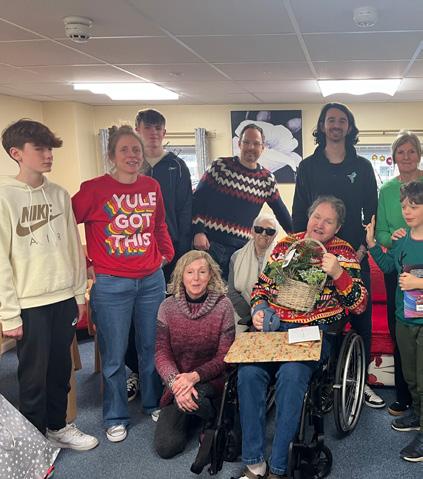
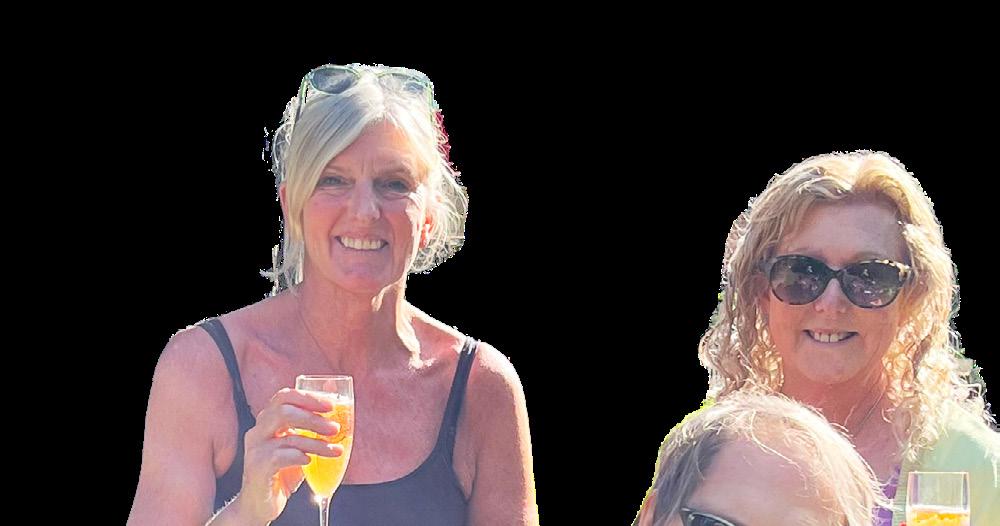
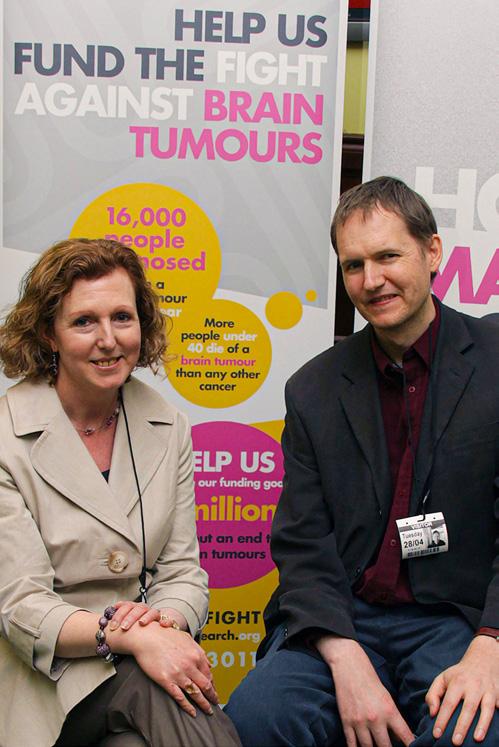
Andrew’s sister, Liz Fussey, has been part of the Brain Tumour Research team since the Charity’s beginnings. A steadfast supporter, undertaking challenges, donating and fundraising herself, she says:
“Watching the decline of my once vibrant younger brother has been heartbreaking, yet his resilience is nothing short of inspirational. Despite his limitations, Andrew still delights in teasing and frequently shows his wonderful sense of humour. He has never once said: ‘Why me?’
“I was fortunate to meet Sue Farrington Smith before she co-founded Brain Tumour Research and have worked in PR and Communications for the Charity since before its official launch. Sharing the stories of our supporters is deeply personal – it’s about amplifying their voices to raise awareness of how little governments invest in research into this devastating disease and their support for funding research.
“I’ve taken part in many fundraising campaigns and signed up as a regular donor. Whether a brain tumour is high-grade or low-grade, its location can have catastrophic consequences, changing lives beyond recognition.”
By setting up a regular donation, you will help us provide long-term sustainable funding for our pioneering scientists working to find kinder treatments and ultimately a cure. www.braintumourresearch.org/donate or scan the QR Code above to donate now.
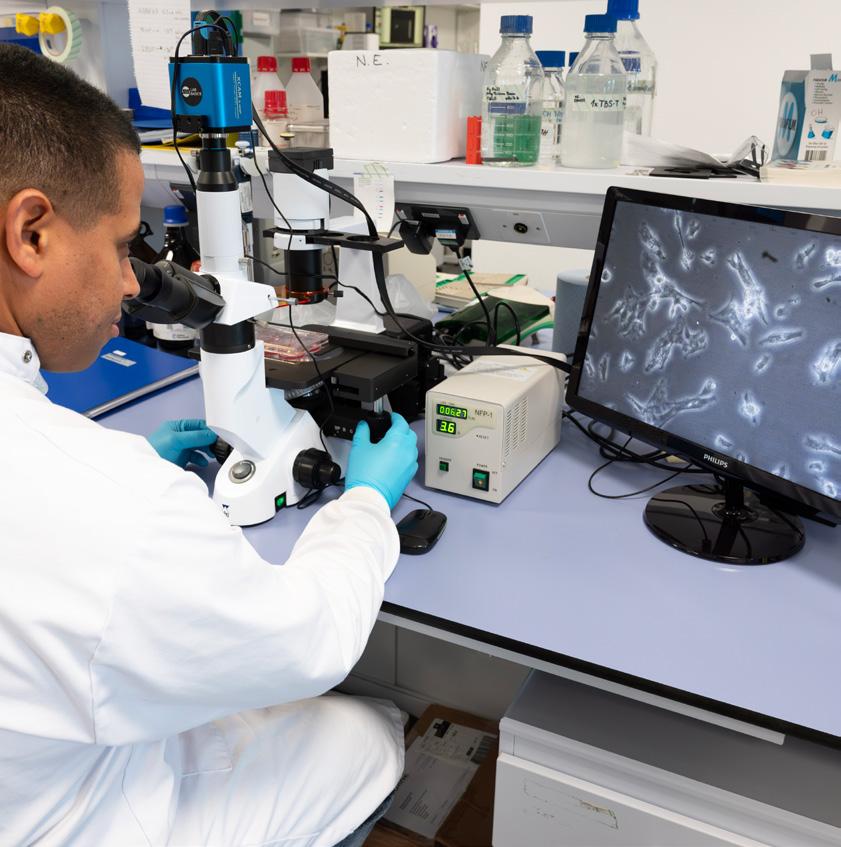
Every day, our researchers are working tirelessly to unlock the answers that could save lives.
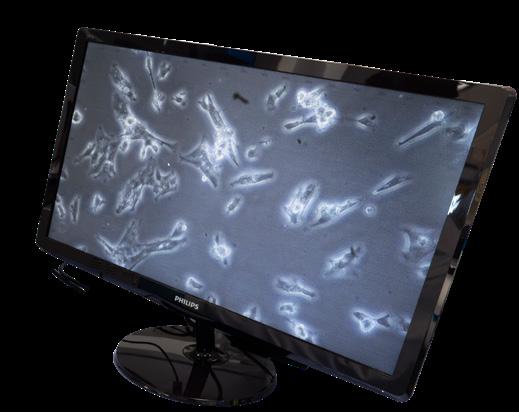
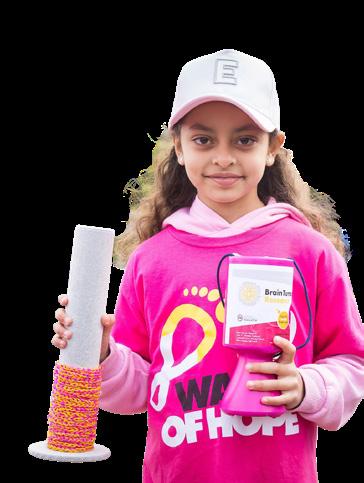
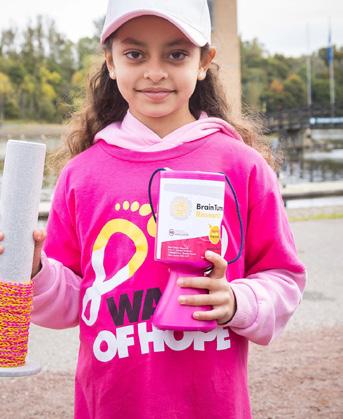
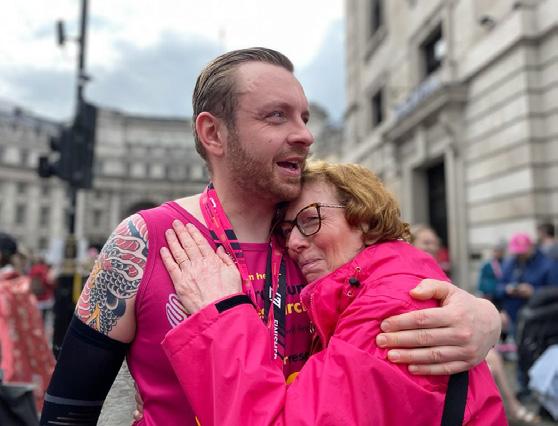
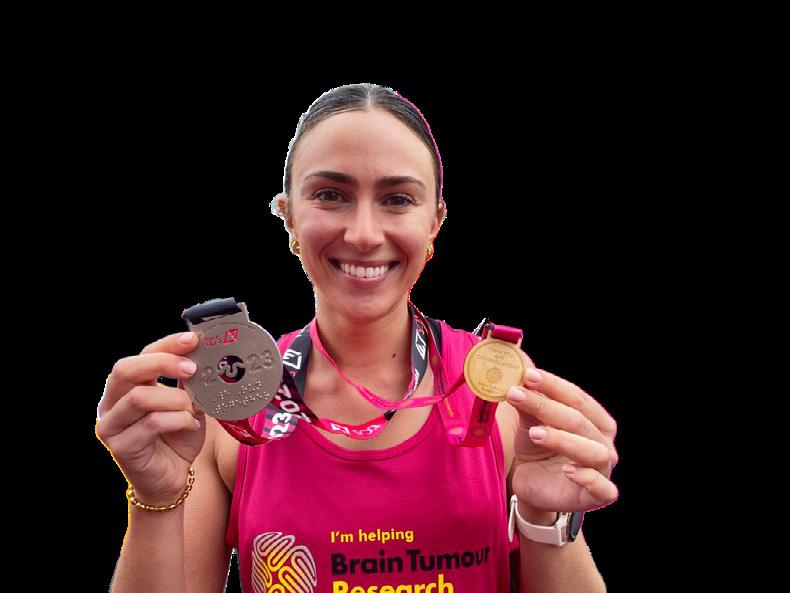
By sponsoring a day of research, you’re not just donating – you’re creating hope for families affected by brain tumours. By raising £2,740, you could fund the equivalent of a full day of groundbreaking research and leave a lasting legacy. Hit the target and
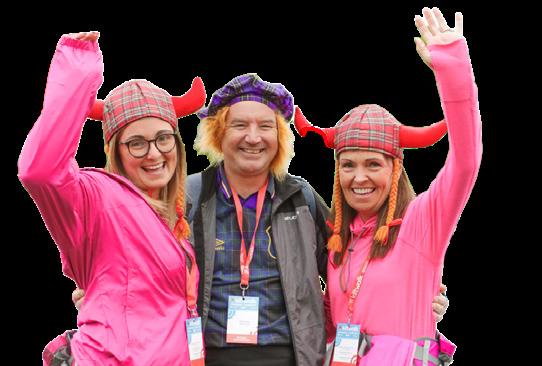
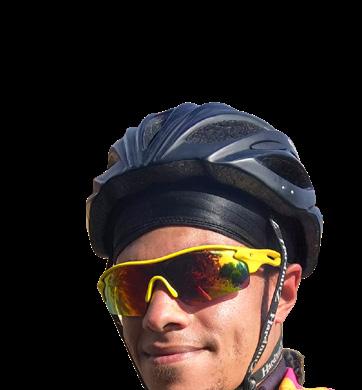




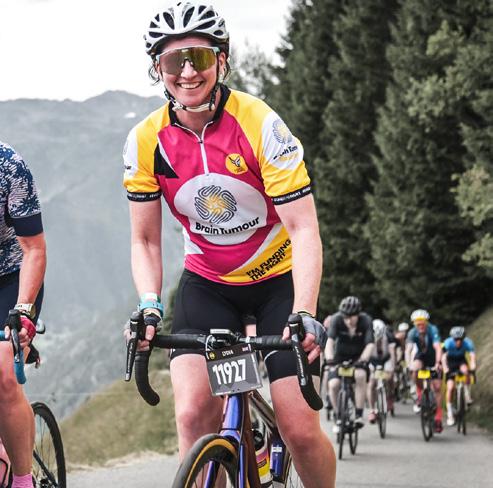
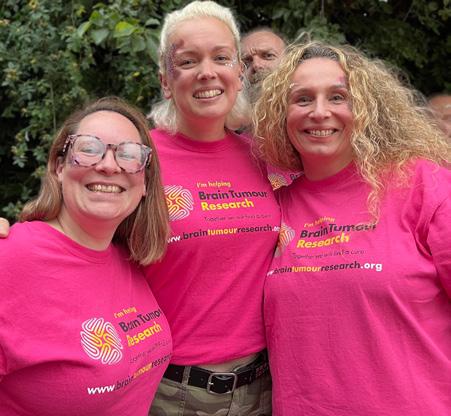
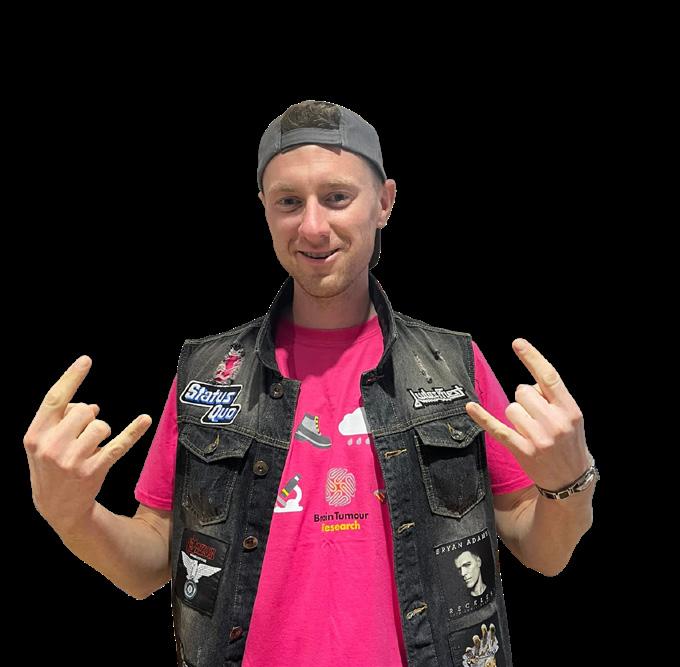
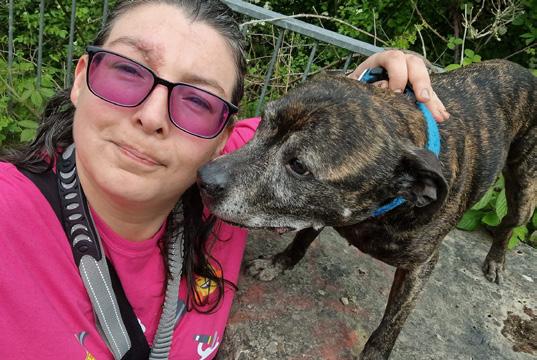
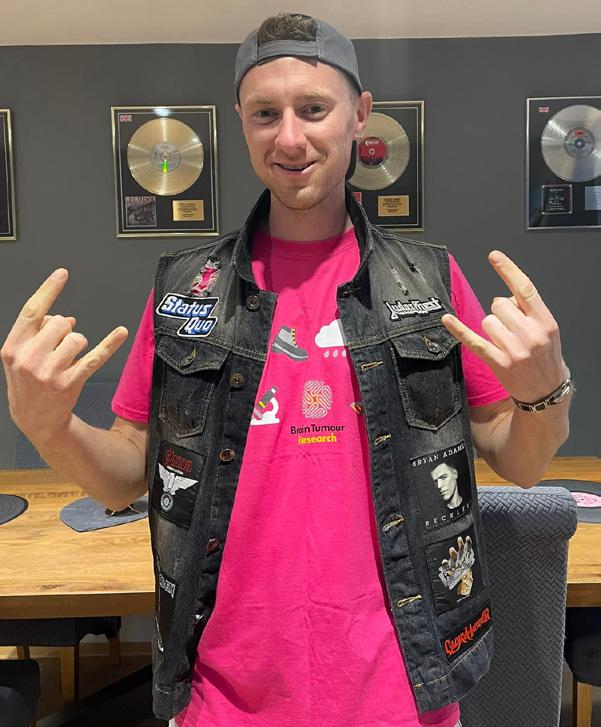
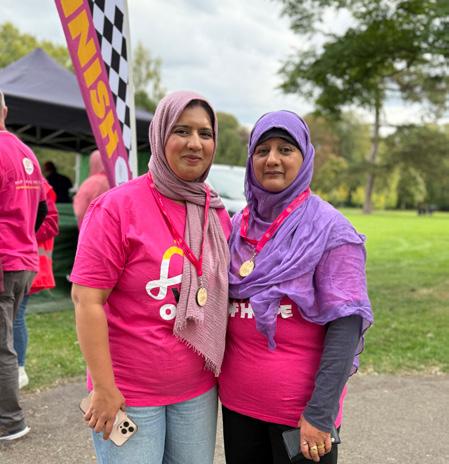


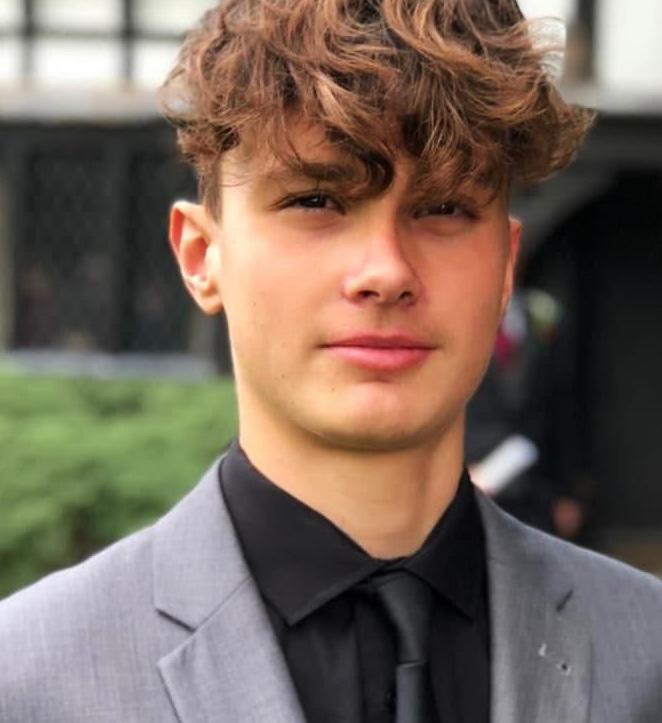
The family of Ethan Treharne has raised nearly £100,000 to support vital research in his memory. Ethan’s mum, Nikki, shares what it means to honour her beloved son in this way.
When Ethan was diagnosed, aged 15, with a glioblastoma, we were devastated to learn how few treatment options existed. When standard treatment failed, we raised tens of thousands of pounds so he could access clinical trials in Germany and London in the hope of keeping him alive. But the tumour was too aggressive, and our precious Ethan tragically passed away in 2021, aged just 17.
Our heartbreak galvanised us. As a family, we launched the Fundraising Group, A New Hope for Ethan, and – thanks to the incredible support of friends, family and the wider community, we are now close to raising £100,000. That’s enough to sponsor 36 days of research and we know
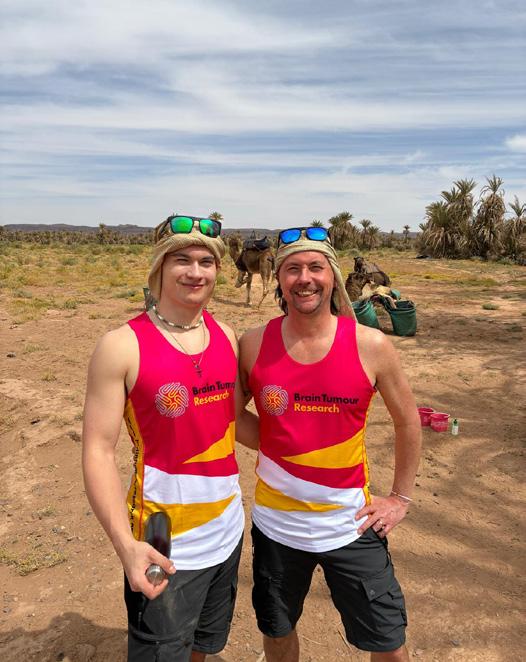
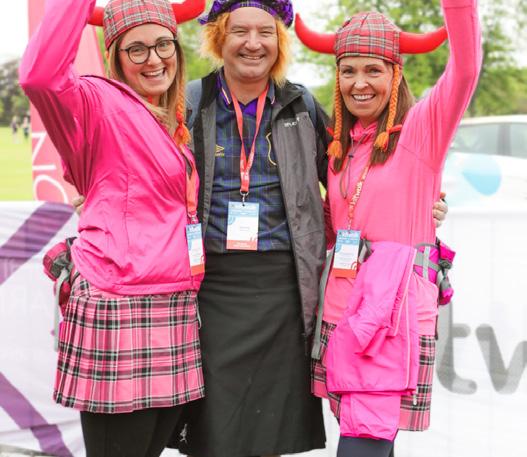
brother Finlay and dad Justin took on Trek Sahara

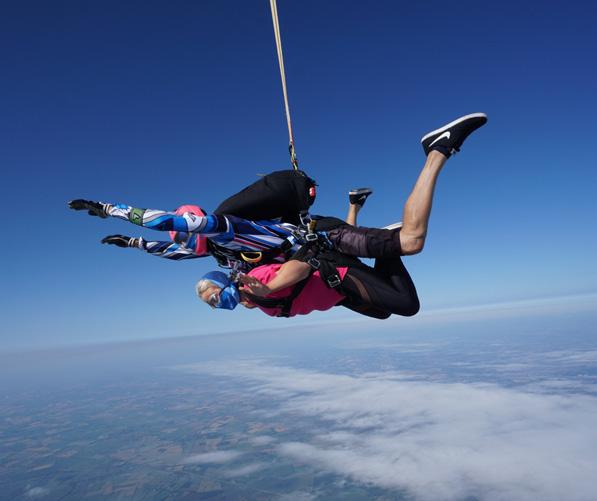
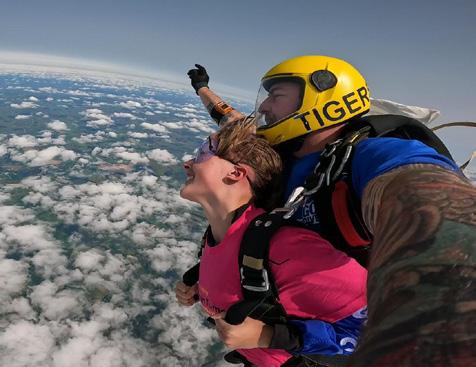
From celebrity soccer matches held to mark his birthday, to loved ones taking on Trek Sahara, skydives and organising quiz nights and tombolas – every event has been a tribute to Ethan’s spirit.
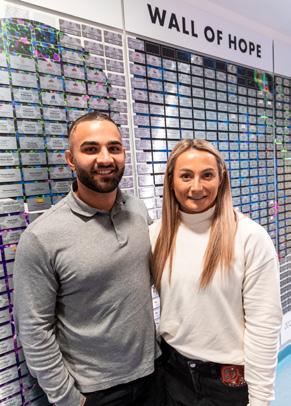
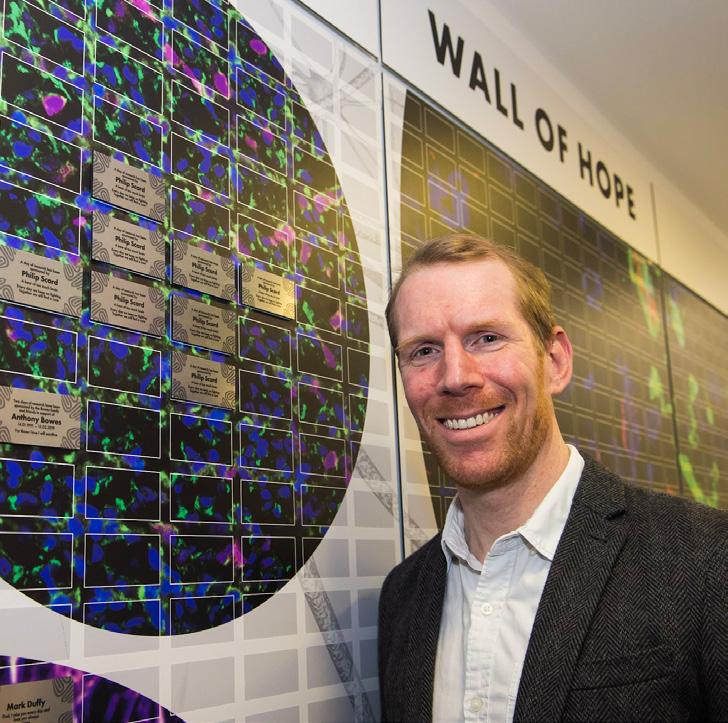
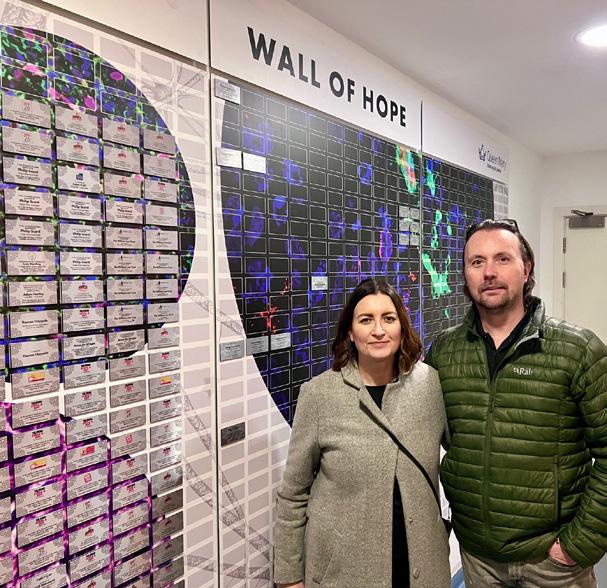
Seeing his name on the tiles of the Wall of Hope brings us comfort that Ethan’s death hasn’t been in vain. His legacy is helping to fund scientists working tirelessly to develop the new treatments so badly needed for children and young people with brain tumours, bringing hope to families in the future.

and Justin

When Jess Walklin lost his mum Caroline to an oligodendroglioma in 2024, he channelled his love and determination into fundraising.
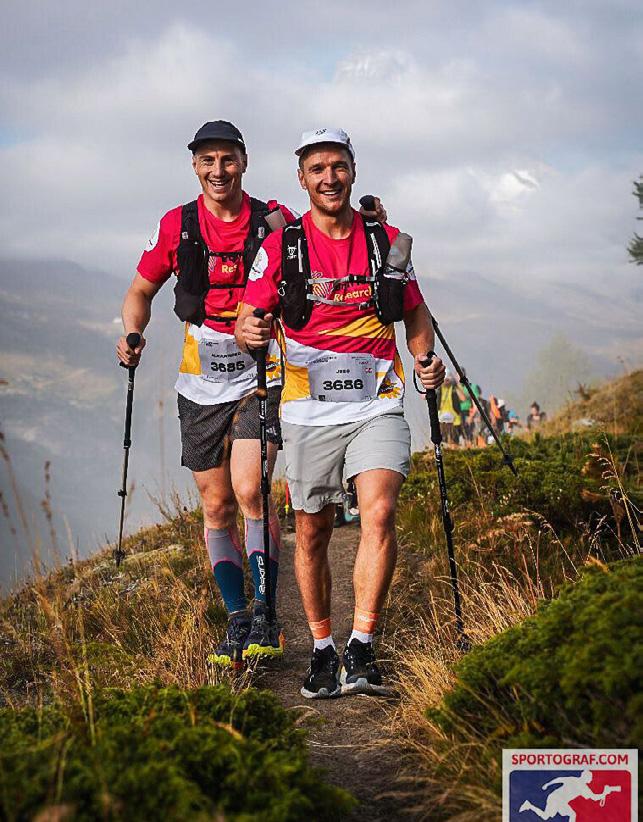
From running the TCS London Marathon in a giant pink brain costume to tackling the Polar Night Half Marathon in Norway and the 49km Matterhorn Sky Ultra, Jess has raised more than £42,000 so far.
Alex and Jess completing the Matterhorn Sky
Our Fundraising Groups are at the heart of our mission to find a cure for brain tumours. Each group is inspired by a brain tumour diagnosis or in memory of someone who has lost their life, building a legacy of hope.

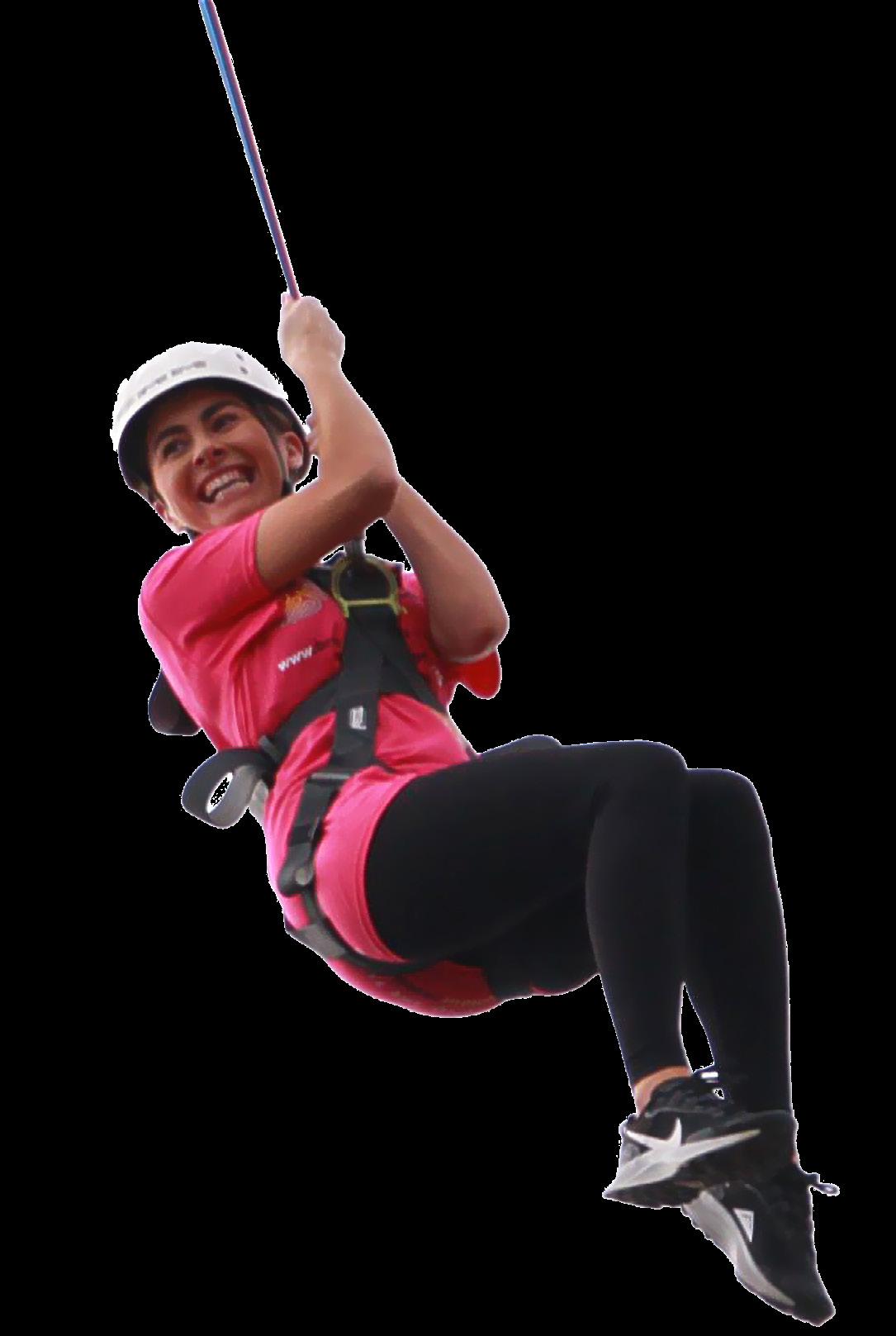
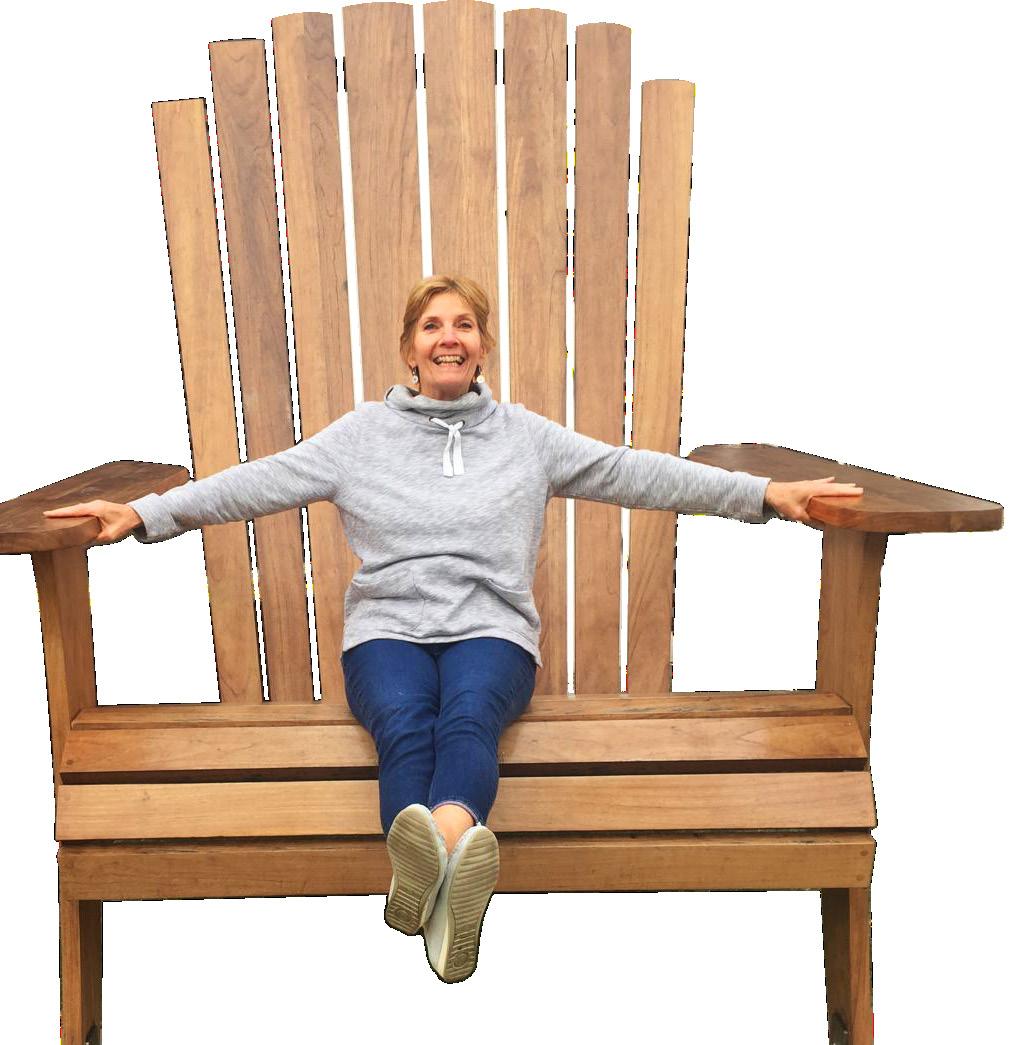
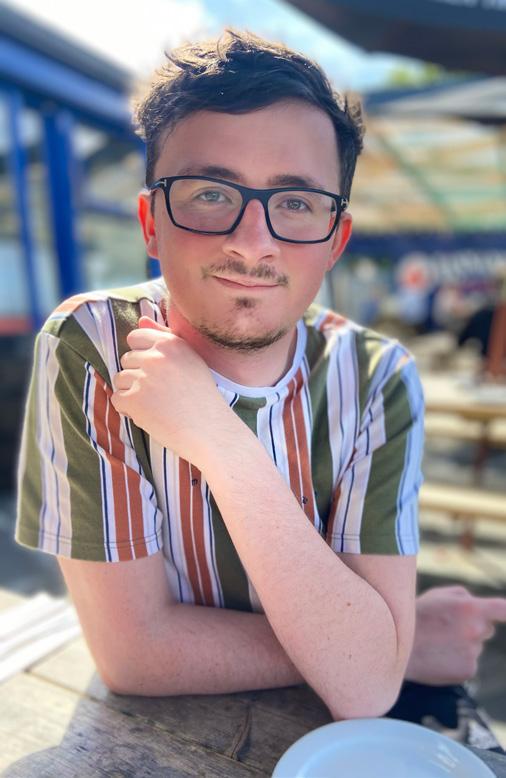
Set up your own Fundraising Group and help us drive vital research forward. Email: communityfundraising@braintumourresearch.org to find out how we can work together to get closer to a cure.
Our mission is to increase the UK investment in brain tumour research
HELP US campaign for a CURE

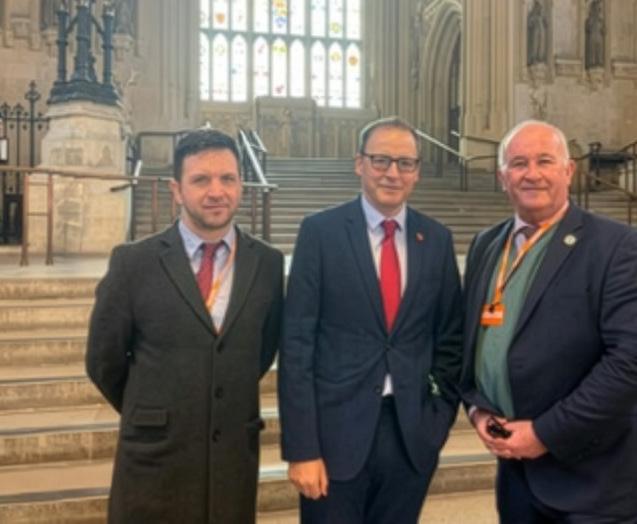
The Minister for Public Health and Prevention, Ashley Dalton, has pledged to “make 2026 the year that we shift the dial for patients with brain cancer”. This welcome commitment was made during a Westminster Hall debate on tissue storage –a critical challenge for the brain tumour community.
How tumour tissue is stored after surgery can determine whether vital genetic information is preserved or lost. This information underpins personalised medicine and many emerging therapies. Without it, patients may be unable to access clinical trials or innovative treatments.
Public
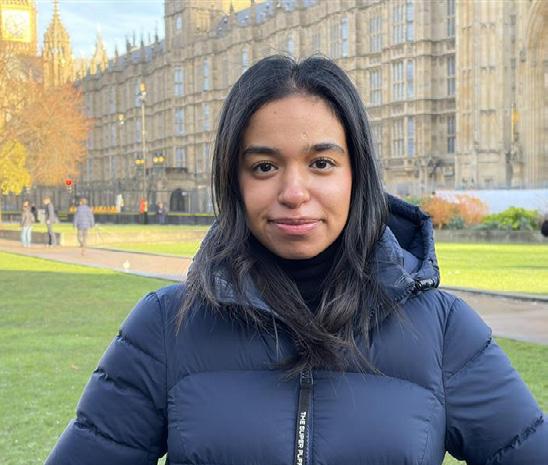
Ahead of the debate, Brain Tumour Research worked closely with the Shadow Ministerial Health Team to provide briefings on key policy issues. As a result, Shadow Health Minister Caroline Johnson MP asked the Minister to consider our recommendation guaranteeing all brain tumour patients 100% access to whole genome sequencing and timely reporting of results, as well as asking what steps are being taken to improve tissue collection.
The Minister’s response was encouraging. She committed to “further exploring the current arrangements for freezing tissues and the options for change, particularly for brain tumour tissues” and acknowledged the need to “ensure that all patients with brain cancer have access to cuttingedge clinical trials, innovation and lifesaving treatments”.
EMAIL UPDATES!
These comments are particularly encouraging with reference to the Minister’s previous indications that brain tumours will be included in the National Cancer Plan, which is forthcoming at the time of writing. Our response and analysis of the National Cancer Plan can be read online: www.braintumourresearch.org/blogs/ research-campaigning-news
Brain Tumour Research has also been deeply involved in the Rare Cancers Bill since its inception, working alongside Scott Arthur MP. The Bill includes proposals to appoint a Rare Cancers Champion who can challenge decision-making and systemic barriers that leave rare cancer patients behind.
At the time of writing, the Bill has passed its second reading in the House of Lords. It now progresses to a third reading. If approved, the Bill will pass back to the House of Commons for Royal Assent, at which point it will become law.
To be among the first to hear when this happens, subscribe to receive our weekly email updates:s: www.braintumourresearch.org/subscribe
Every day, 35 people in the UK are diagnosed with a brain tumour. More effective and kinder treatments are desperately needed and the research we are funding will help us get closer to realising this.
Brain Tumour Research now supports 217 research personnel across our Centres of Excellence and Funded Initiatives. Investing in scientists at every stage of their careers is a key part of the Charity’s ongoing commitment to building research capacity and accelerating progress towards better treatments.
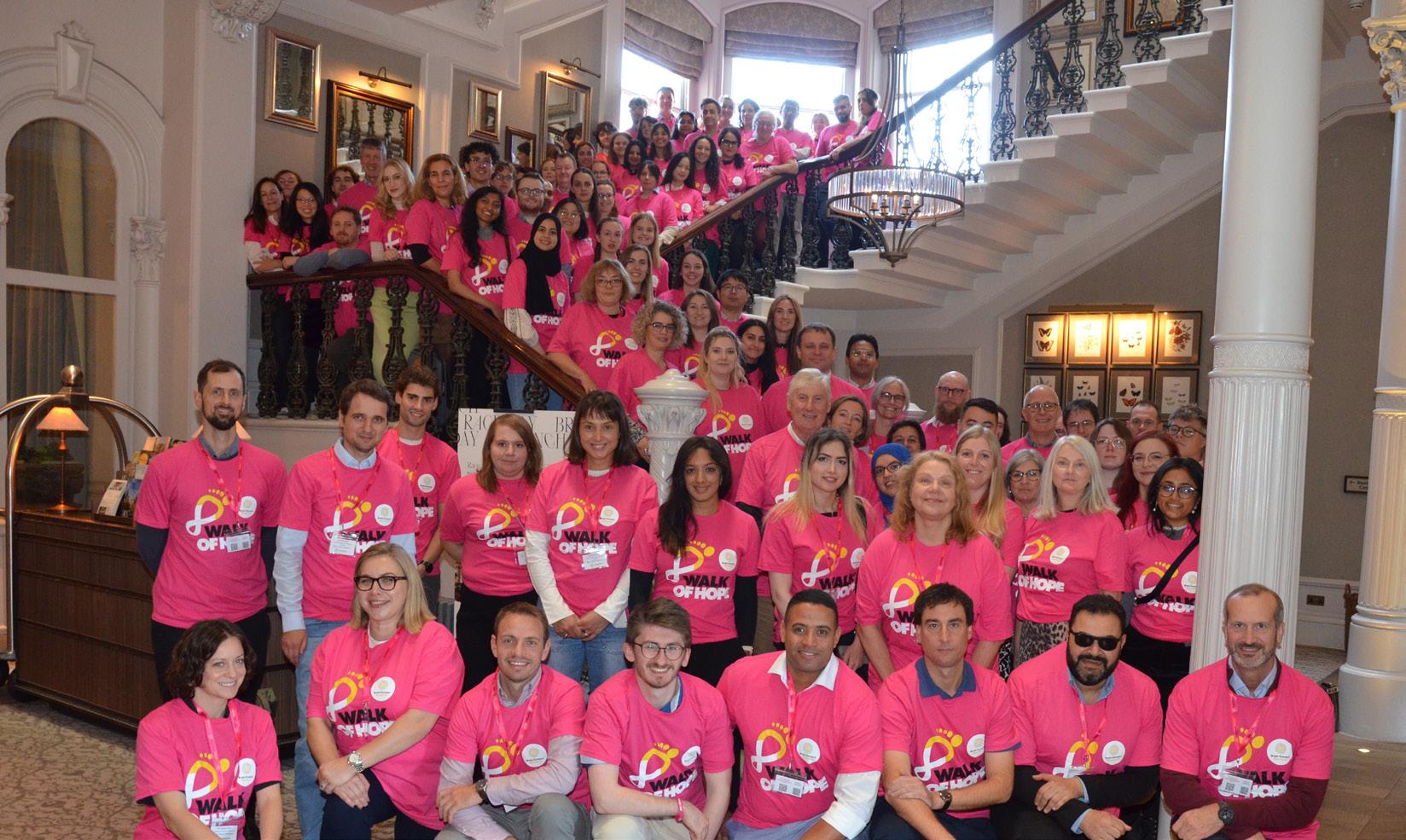
Our Researcher Workshop brought together more than 100 scientists for two inspiring days of collaboration. This included updates on progress at our Research Centres, an enlightening panel discussion on molecular diagnosis and genomic sequencing, and a series of presentations from PhD students and early-career researchers funded by the Charity.
We are building a network of experts in sustainable research at UK Centres of Excellence
to continue to fund long-term, life-saving research
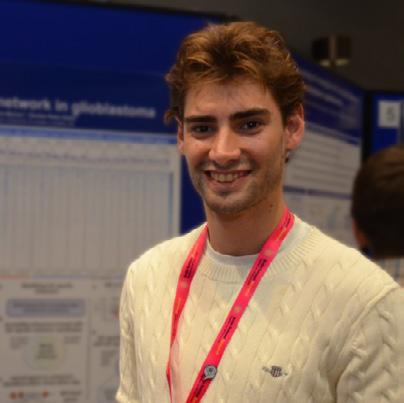
Funded by Brain Tumour Research, Archie Simpson is completing his PhD at our Centre of Excellence at Queen Mary University of London, where he is using AI to investigate gene activity in glioblastoma. Focusing on parts of DNA that act like switches, turning genes on or off at the right time, Archie will use AI to predict how these function in glioblastoma. He aims to identify which genes are driving the disease and could be targeted with new treatments.
The Brain Tumour Research Novel Therapeutics
Accelerator (BTR-NTA) provides scientific review and expert guidance to researchers with potential new treatment approaches, to help increase the chances of them progressing into the clinic. The fifth meeting of the BTR-NTA saw four potential therapies undergo this robust review process.
The support provided by the BTR-NTA is invaluable. One of the therapies previously reviewed by the programme, TGX-007 – a viral immunotherapy technology to treat glioblastoma from Trogenix Ltd (an Edinburgh-based company co-founded by Professor Steve Pollard, Director of the Scottish Brain Tumour Research Centre of Excellence) – has secured a £70 million investment from corporate and venture capital investors with the aim of opening a clinical trial in 2026.
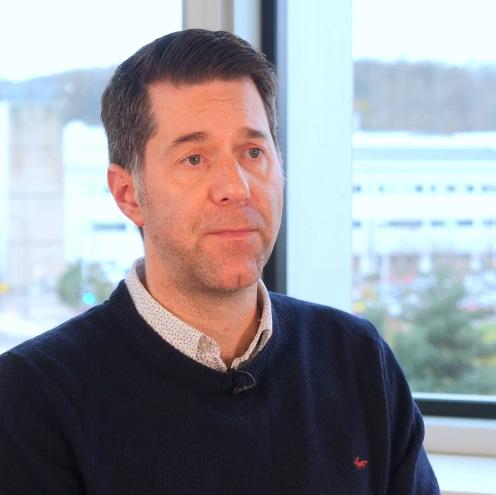
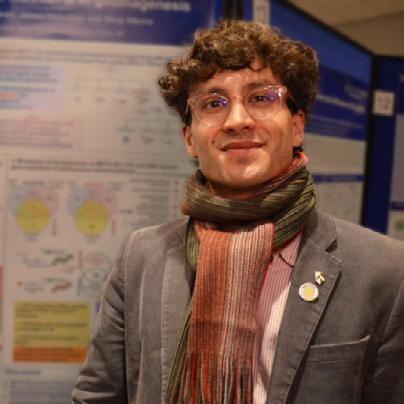
Rizwan Hameed
Rizwan Hameed is taking time out of his medical training to complete a PhD funded by Brain Tumour Research. Upon completing his PhD project, where he is investigating glioblastoma at our Queen Mary Centre, Rizwan will return to clinical training.
Clinician researchers like Rizwan are becoming increasingly rare in the UK, but are a vital and valuable component of the research community. Bridging patient care and scientific discovery, they help to ensure research tackles real-world challenges, accelerate the development of innovative treatments and help to drive progress that delivers equitable access to cutting-edge care for those affected by brain tumours. That is why we are calling for greater investment for research training of clinicians and the adoption of a strong research culture in hospitals.
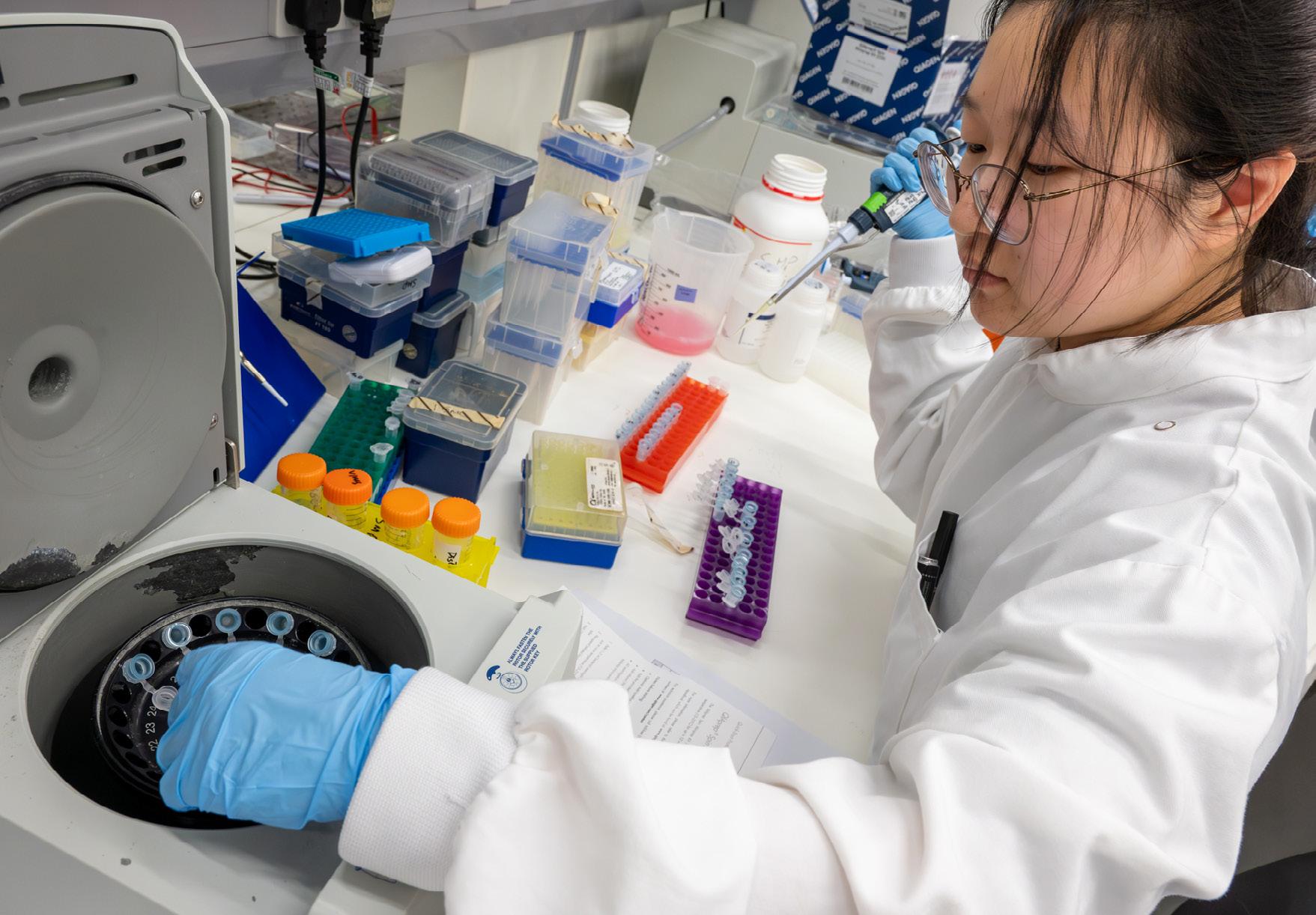
Your support enables us to fund this game-changing work.
Visit our website to set up a regular donation or give a one-off amount: www.braintumourresearch.org/donate
Alfie Boe OBE
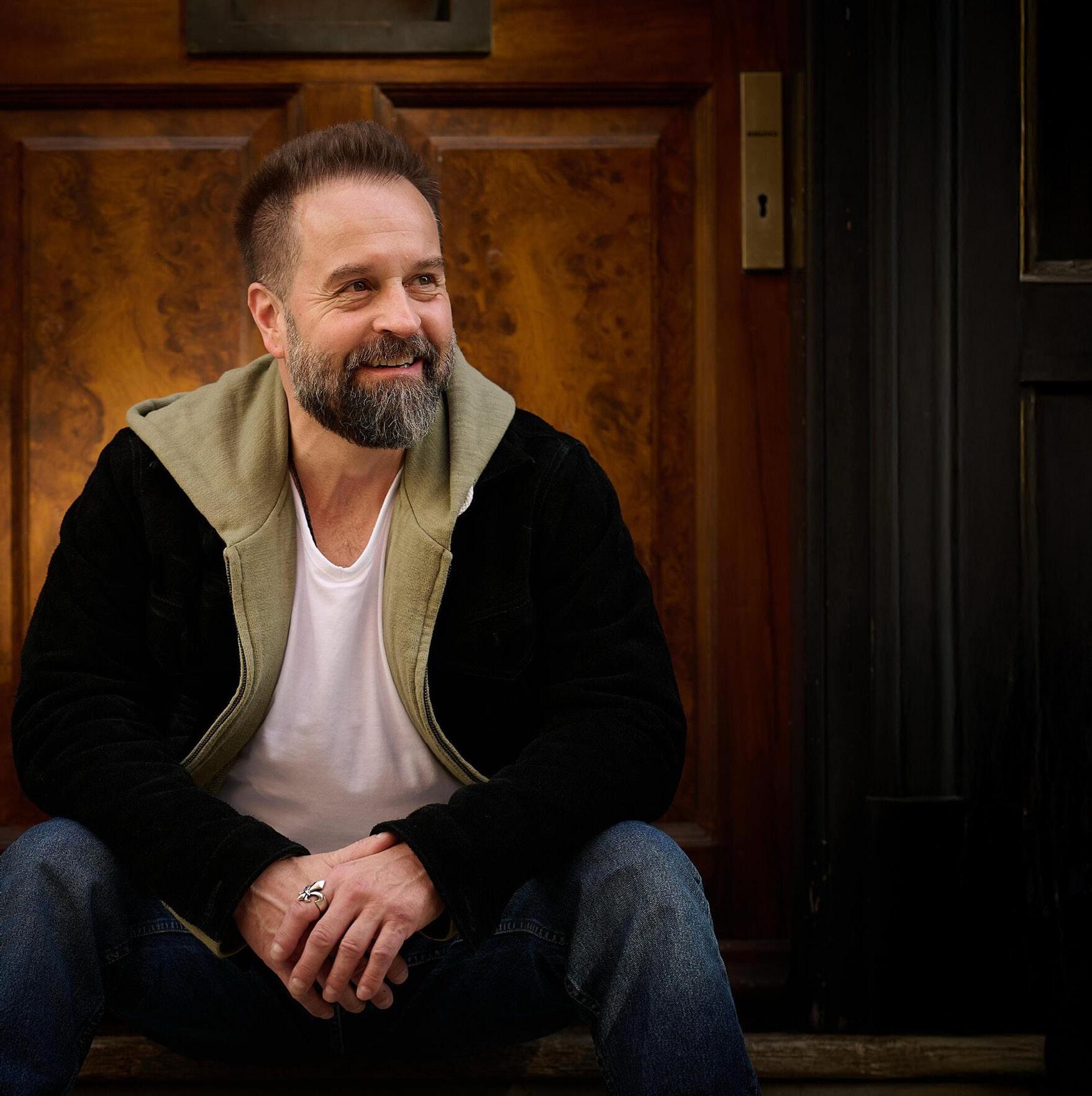
Alfie and the one-of-a-kind prize
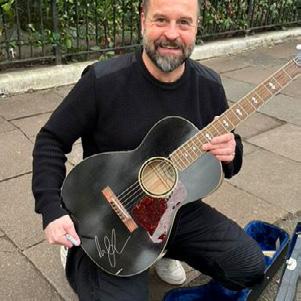
Our Patron Alfie Boe OBE – whose support is inspired by the loss of his father Alfred – asked his army of fans to help him mark his birthday by donating to Brain Tumour Research. As a thank you to his loyal supporters, the nation’s favourite tenor donated a signed guitar from his personal collection, as well as other signed goodies, to a prize draw organised by his official fan group.
The money-can’t-buy memorabilia inspired nearly 600 donations totalling more than £15,000, taking the total raised by Team Alfie to more than £100,000 so far!
We’re looking forward to Alfie’s upcoming Facing Myself tour where he’ll once again be supporting the Charity.
Our high-profile supporters continue to wield their influence to raise money and awareness to help find a cure for brain tumours.
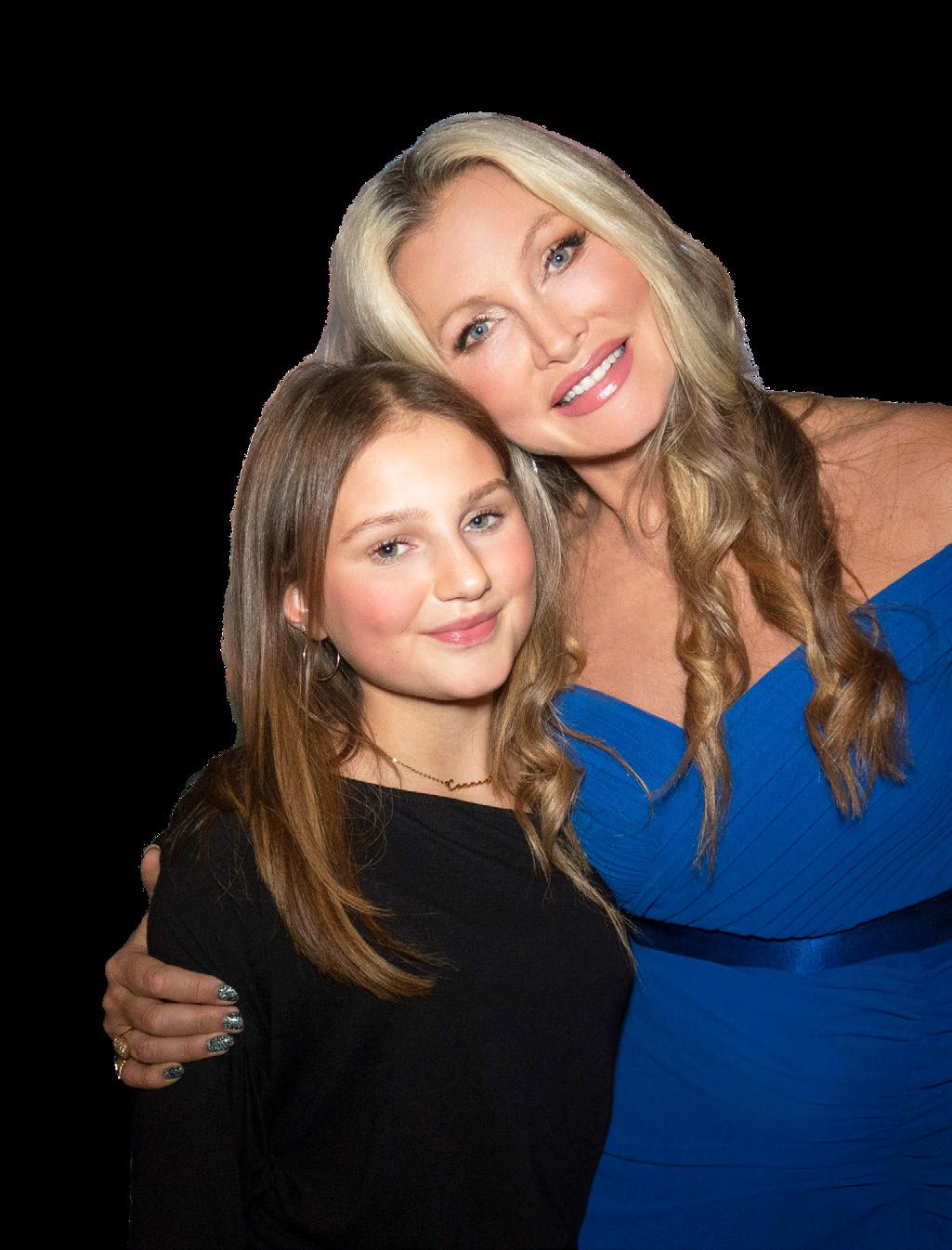
Former supermodel turned filmmaker Caprice Bourret has been Patron of the Charity for six years, following her own shock meningioma diagnosis in 2017. At a glitzy event to premiere her new festive film, Caprice joined families in calling for support of our Christmas Appeal. Among her guests was 15-year-old Connie Campbell, who was diagnosed with a high-grade medulloblastoma in 2022.
“I’m proud to stand with Connie to raise funds for game-changing research and campaign for greater investment into clinical trials. That is

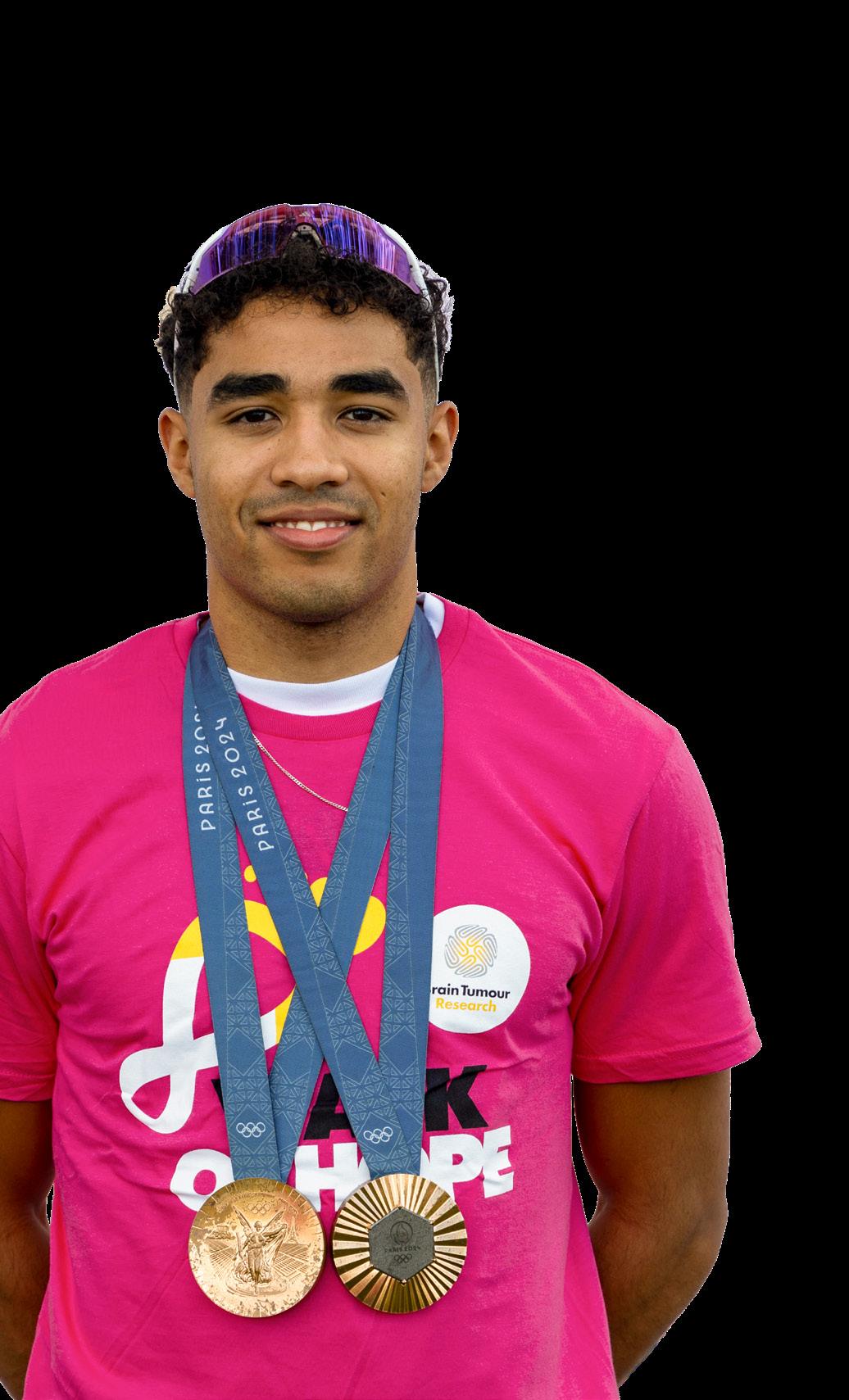
Fresh from the World Athletics Championships in Tokyo, our Ambassador Sam Reardon joined supporters at our London Walk of Hope. The double Olympic medallist roused walkers with an emotive speech before they set off.
“I lost my mum to a glioblastoma when I was only 15. To be an Ambassador for this amazing charity that does so much to find a cure is really important for me and my family. I want to do as
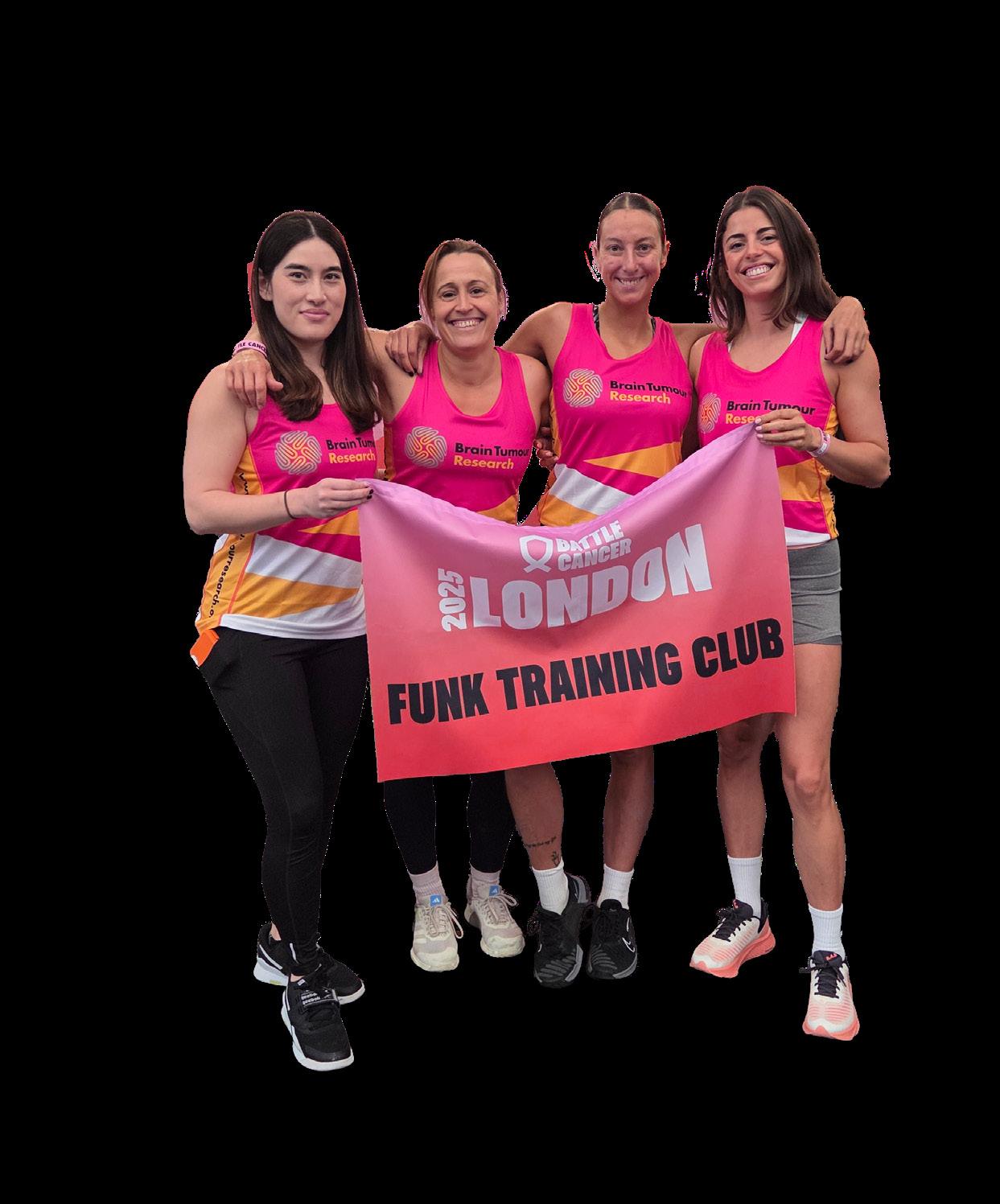
Never one to shy away from a challenge, our Ambassador Abi Feltham completed an epic feat of endurance to fundraise for Brain Tumour Research. The influencer, who is living with an incurable oligodendroglioma, teamed up with three friends and conquered the gruelling Battle Cancer challenge.
Abi said: “I’m so proud that we’ve raised £1,354 for Brain Tumour Research, a cause that means the world to me. Every pound brings

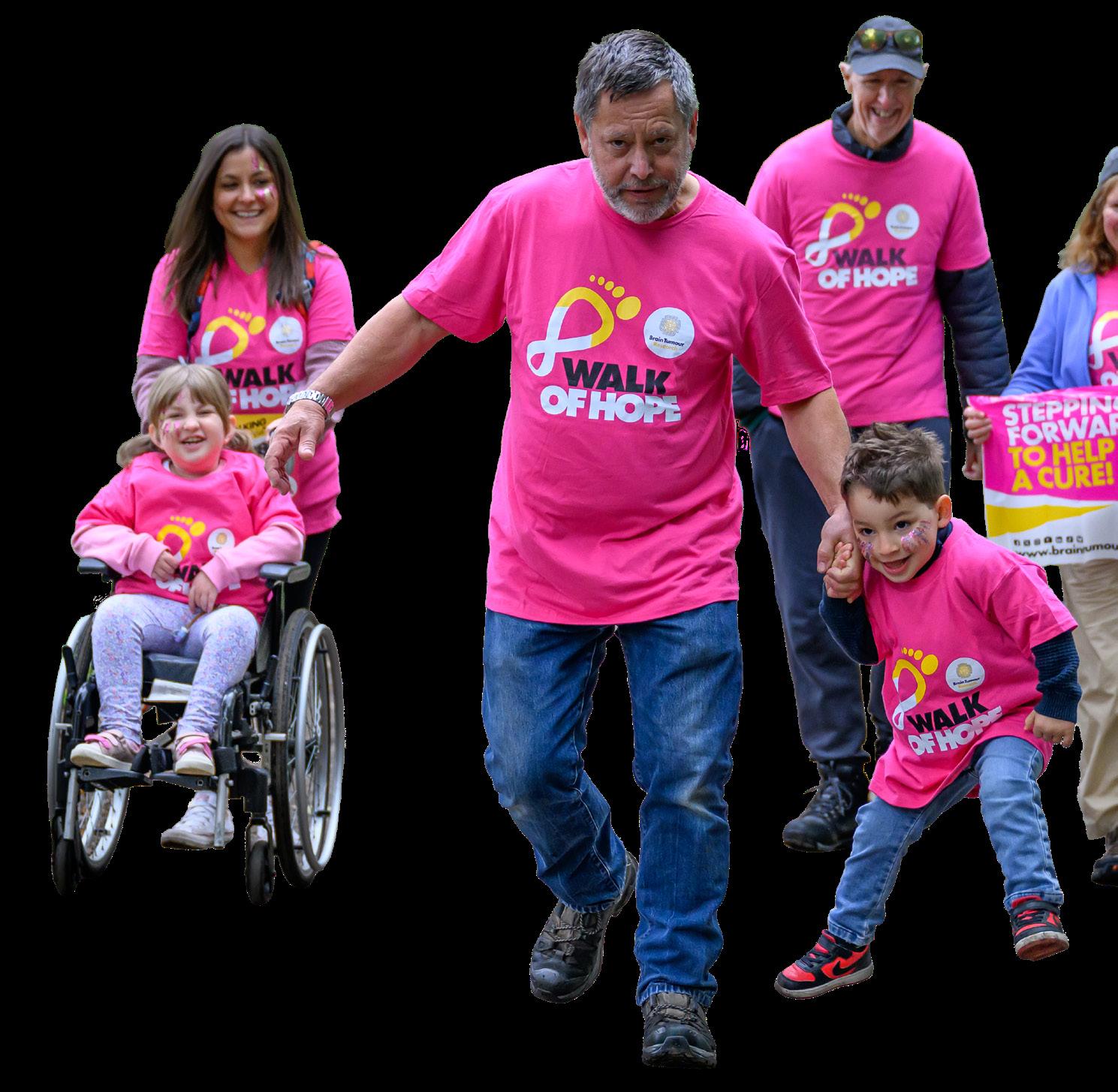
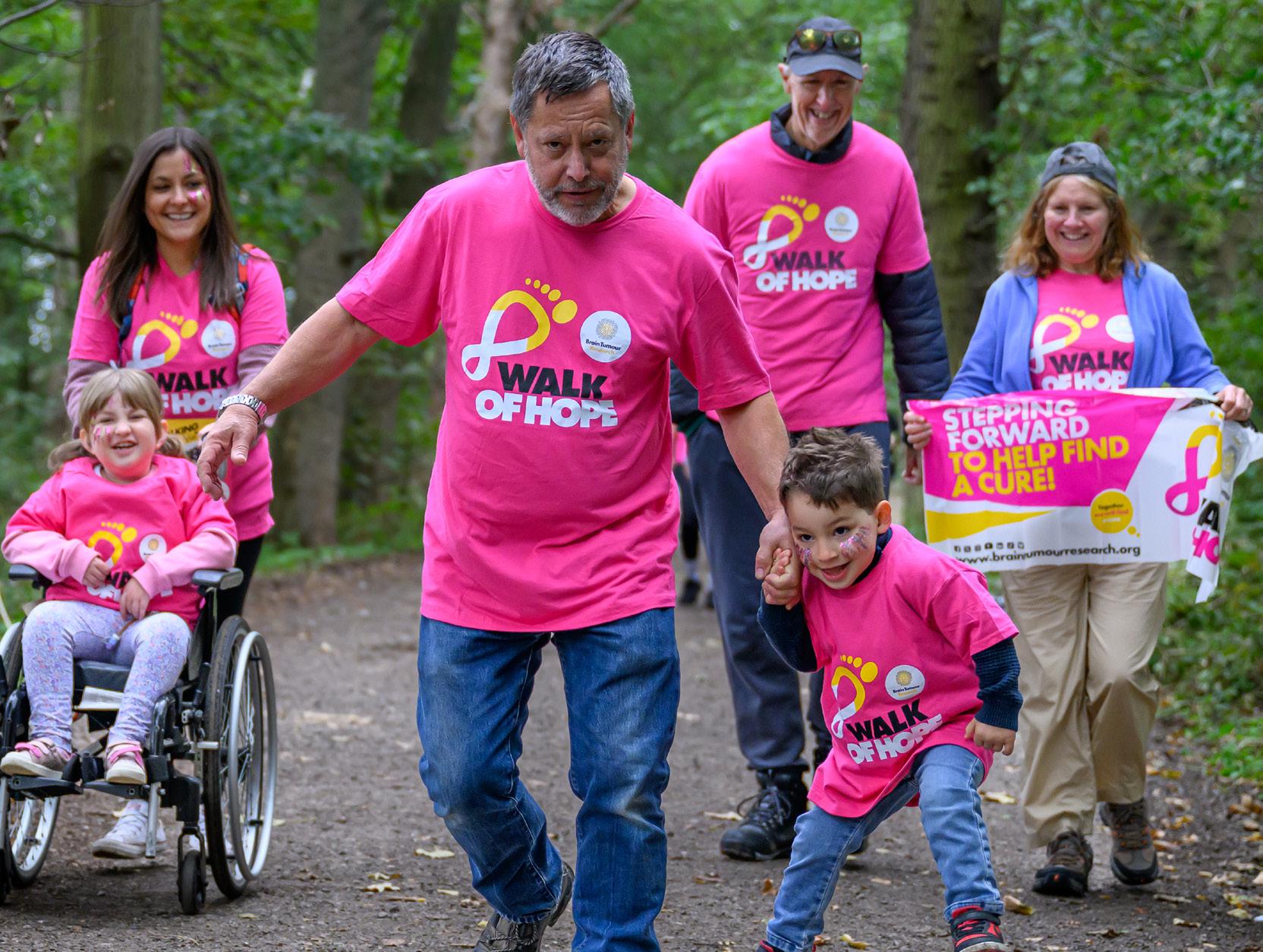
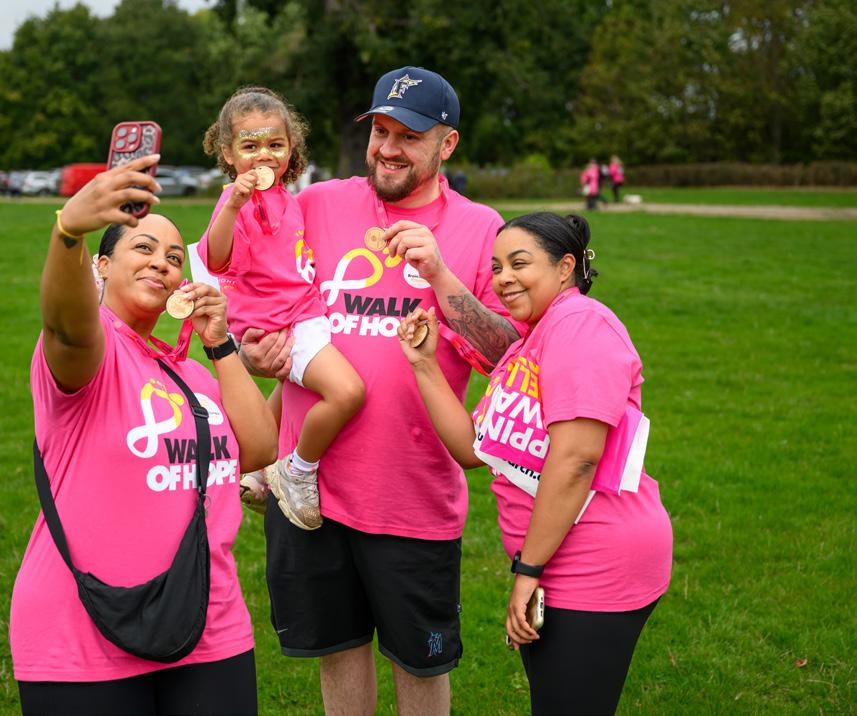
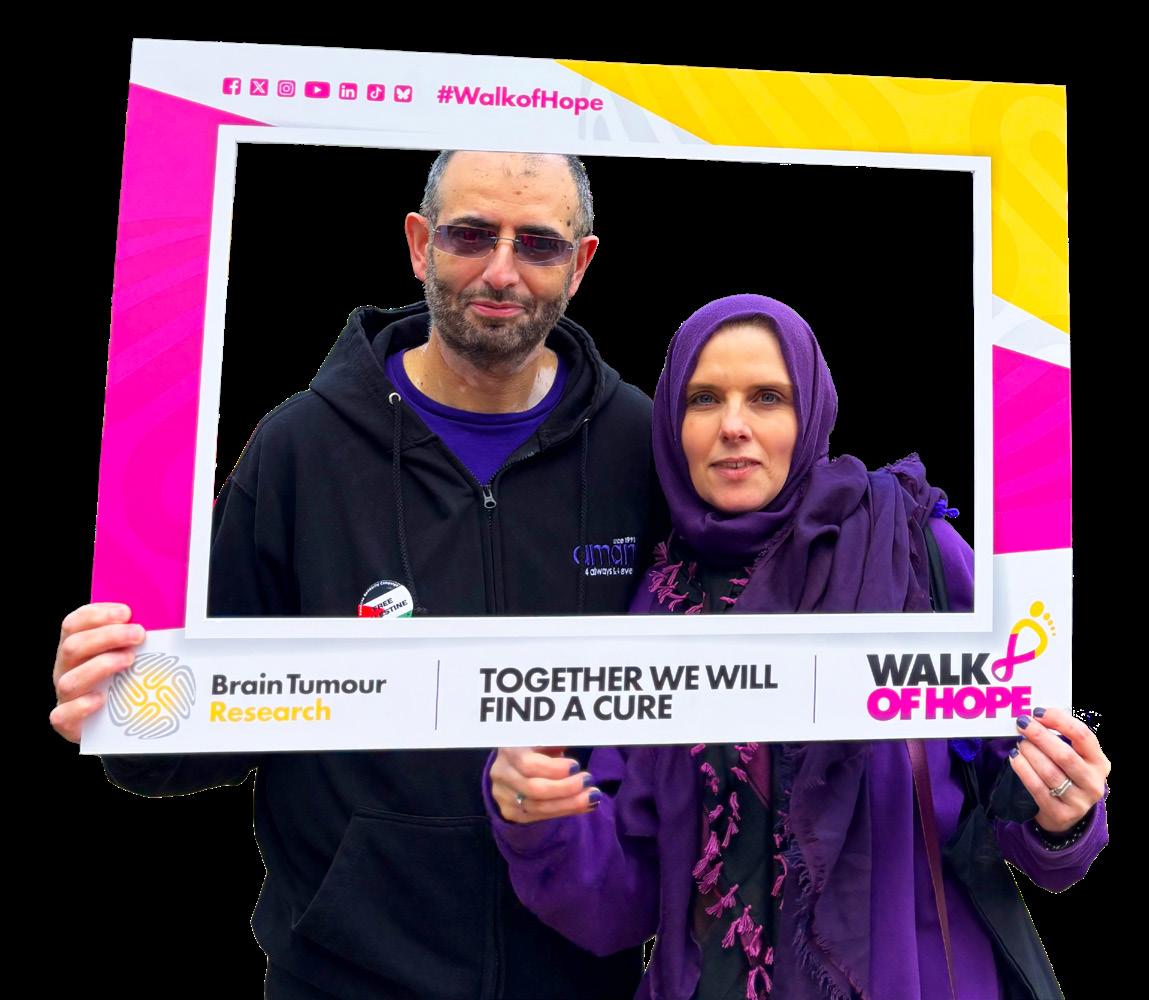
At the end of September last year, supporters across the UK came together for our annual Walk of Hope, incredibly raising more than £180,000 to help us achieve our vision of finding a cure for all types of brain tumours. Flagship events took place in London, Luton, Torpoint, the New Forest, Elvaston Castle in Derbyshire and Motherwell, alongside dozens of walks organised by passionate fundraisers in their own communities.
In Scotland, more than 150 people gathered at Strathclyde Country Park for the Motherwell event to support our Centres of Excellence, including the Scottish Brain Tumour Research Centre at the Universities of Edinburgh and Glasgow. Supporters of Fundraising Group, Zara’s Appeal for a Cure, were among those stepping out at Elvaston Castle, while Fundraising Groups, Albie and Beyond, M & M Adventures and Power of David rallied their supporters for walks in their communities – spreading hope far and wide. And Paula Masters organised her fifth consecutive Walk of Hope, inspired by her brother Lee’s diagnosis, bringing her overall total to almost £15,000.
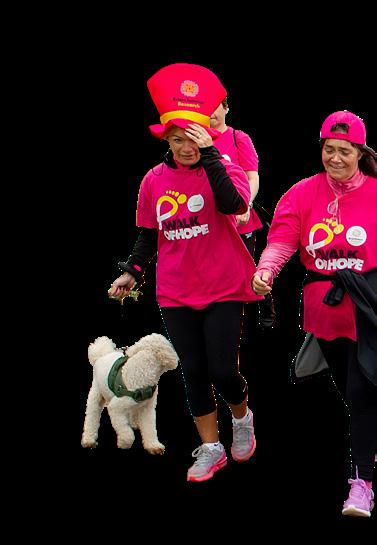
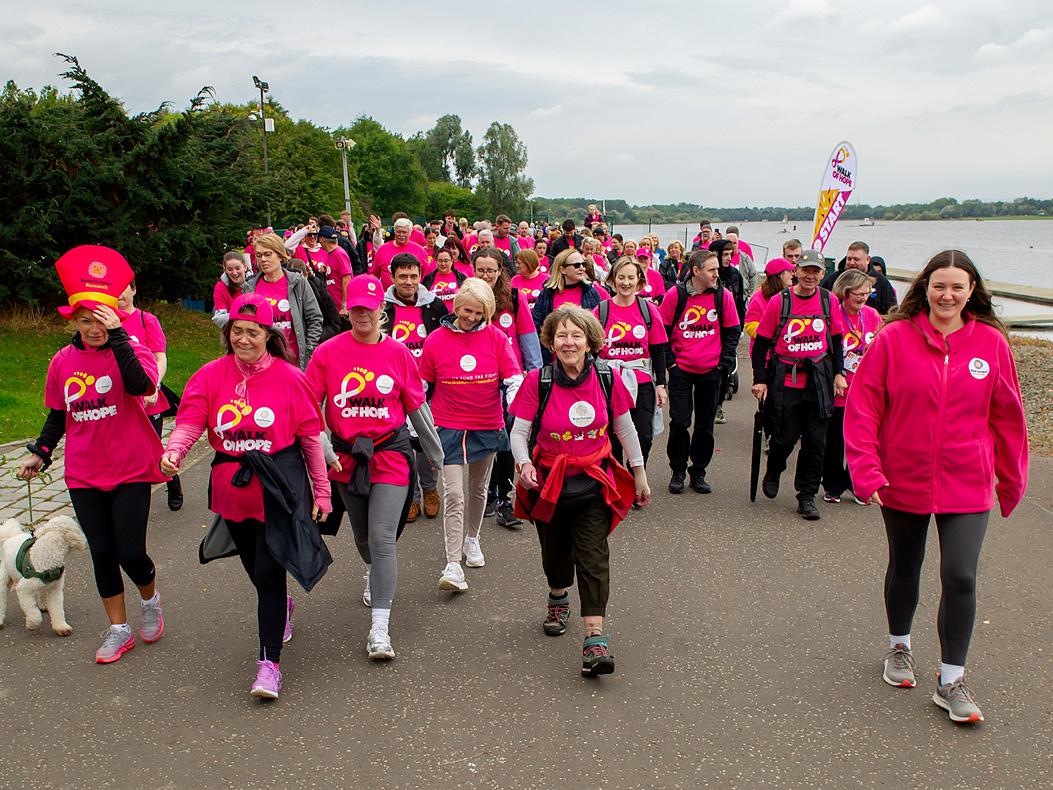
Every step taken during Walk of Hope helps raise awareness and funds for the breakthroughs we urgently need. Together, we’re keeping hope alive for everyone affected by brain tumours.
Meanwhile, more than 100 scientists and patient advocates donned pink t-shirts for a Walk of Hope through York’s historic streets during our 2025 Researcher Workshop, and researchers at our Queen Mary University of London Centre of Excellence also took to the capital with family and friends.
Ready to join us?
Register your early-bird interest for Walk of Hope 2026: www.walk-of-hope.org
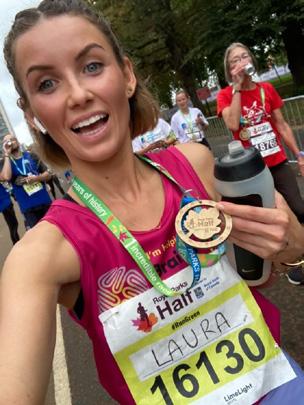
Select your favourites and join in the fun!
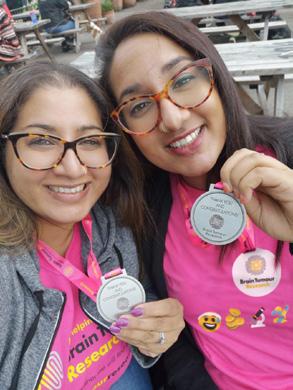
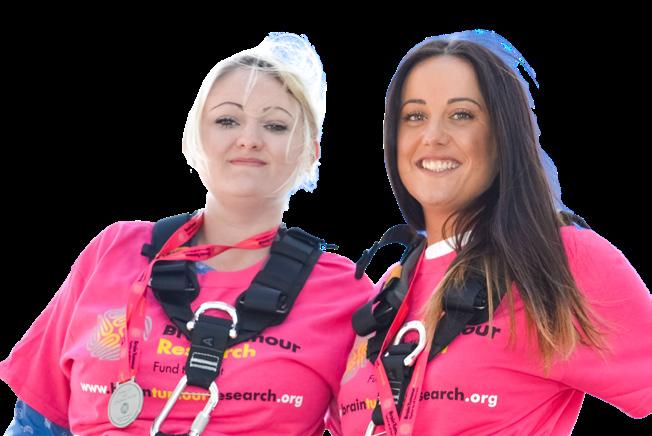
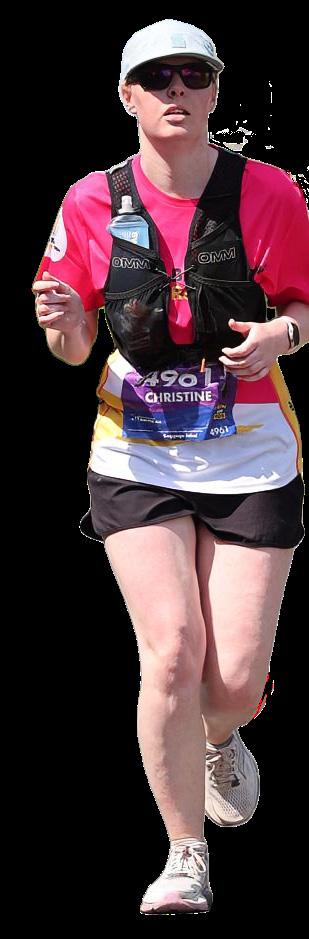
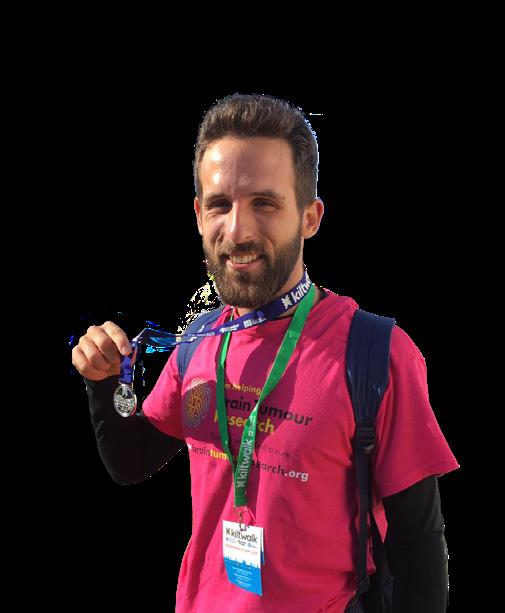
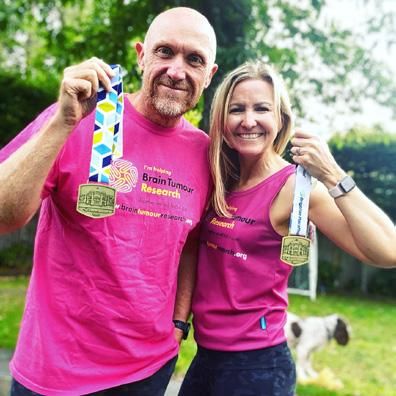
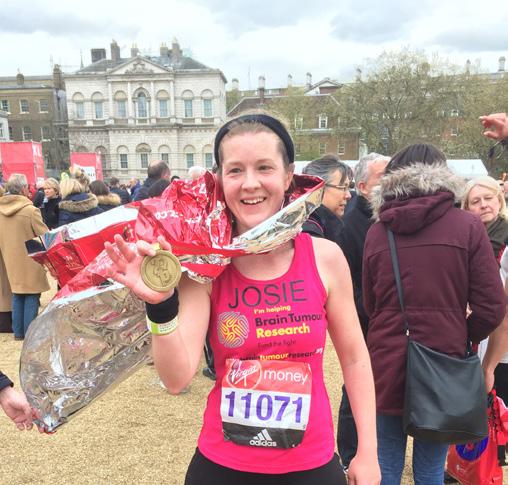
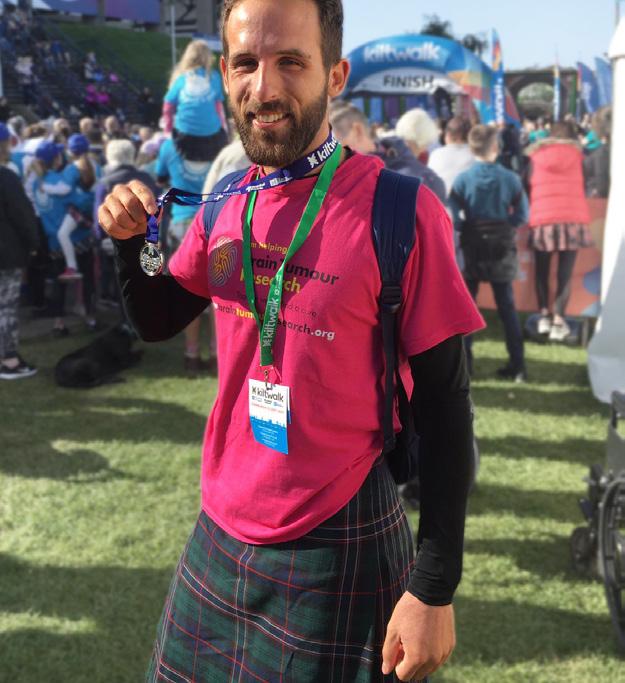
in the race to find a cure turns every challenge into powerful motivation. Our packed events calendar has an inspiring selection for you to choose from, including:
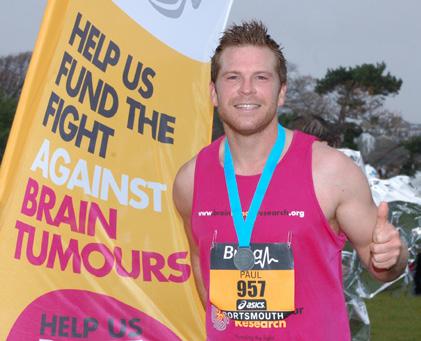
Robin Hood Half Marathon 27th September
We are proud to be the 2026 headline charity partner for this legendary event. Join our merry band of runners, race 13.1 miles through the streets of Nottingham and aim to smash your ambitious fundraising target.
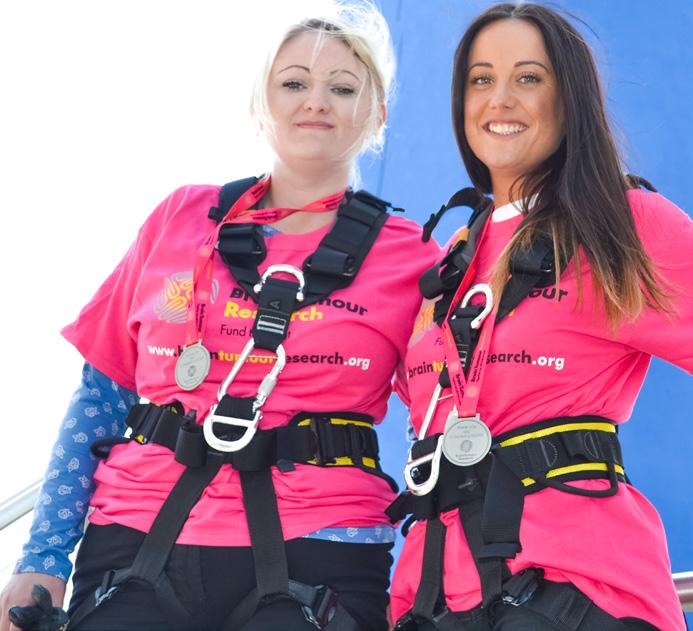
Spinnaker Tower Abseil 25th April
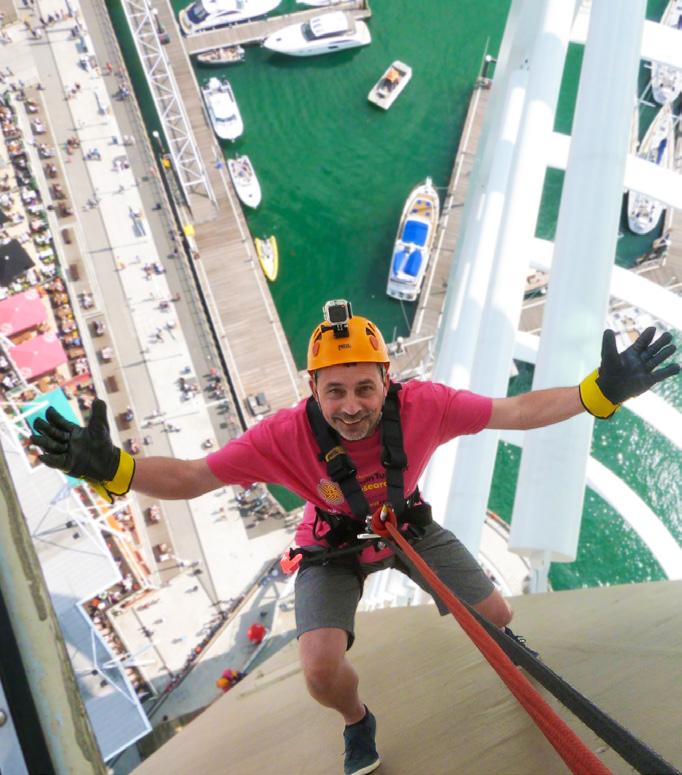
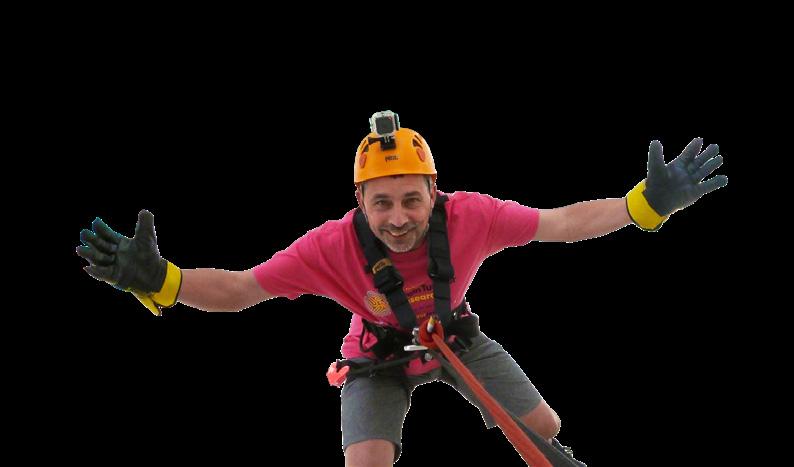
Test your nerve and descend 100m down this famous Portsmouth landmark. This adrenaline adventure offers spectacular views and a real sense of accomplishment.
Yorkshire Three Peaks Challenge 9th May
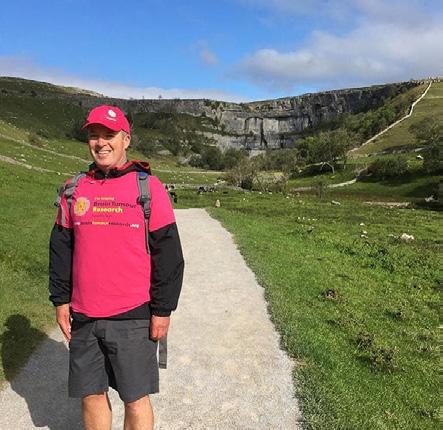
Your challenge is to conquer three iconic peaks in the Yorkshire Dales National Park, summiting all three along the 24.5-mile route in under 12 hours. Are you up for it?
Hampton Court 10K 10th May
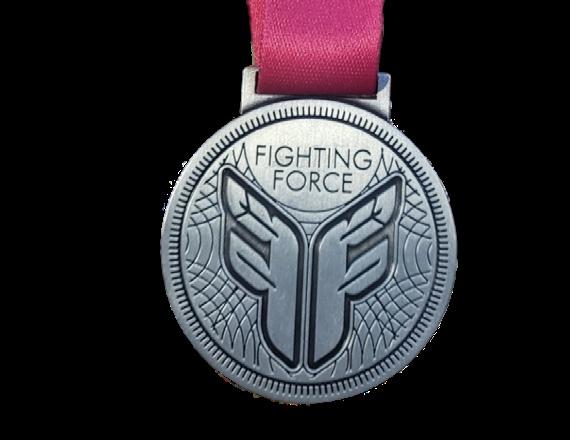
Run your way into the history books on a course which starts inside the gates of Henry VIII’s Hampton Court Palace. A regal medal awaits at the finish line.
Port of Leith Distillery Abseil 10th May
Admire Edinburgh’s stunning skyline and the historic Royal Yacht Britannia while scaling 100ft down the UK’s first vertical distillery at this once-in-a-lifetime experience.



Britain’s Ocean City Running Festival
17th May
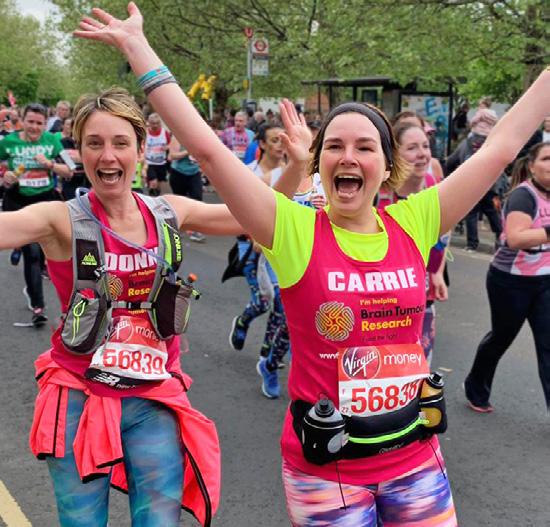
Feeling inspired?
This vibrant event includes the half marathon and 10km distances, both taking in the stunning waterfront and surrounding countryside, and finishing on Plymouth Hoe.
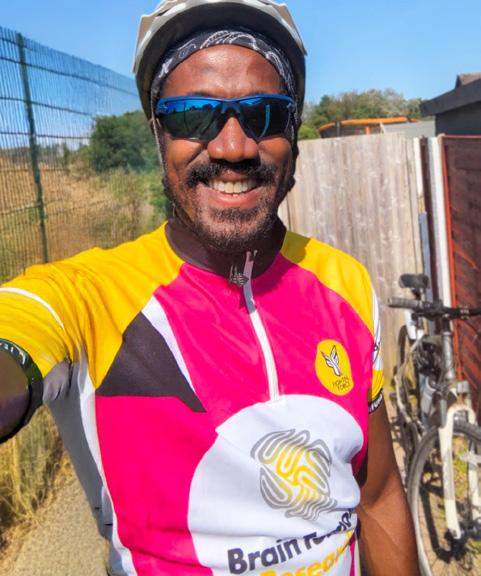
London to Brighton Cycle Ride
13th September
Pedal from the capital to the coast and complete this epic 55-mile challenge, enjoying amazing views along the way.
Oysho Cardiff Half Marathon
4th October
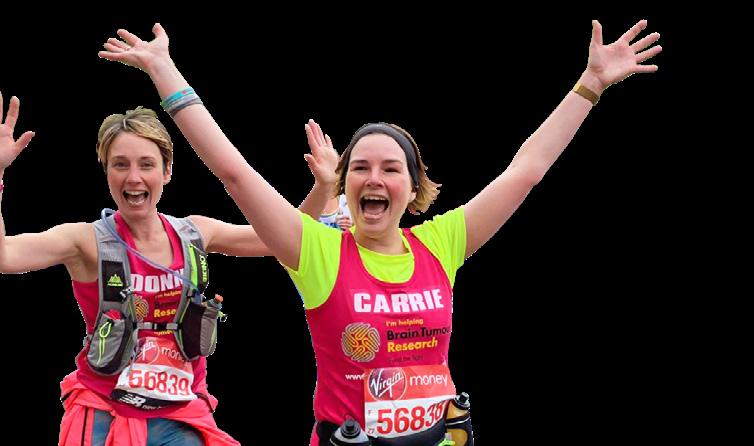

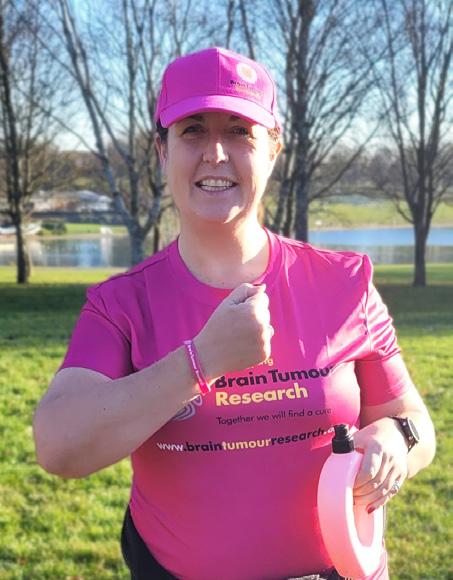
Join us at the UK’s second largest half marathon and enjoy close-ups of the Welsh capital’s most iconic landmarks with beautiful scenery and historic buildings.
Royal Parks Half Marathon
11th October
Four of London’s eight Royal Parks host this popular race. Cross the finish line, collect your well-earned medal and enjoy memories to last a lifetime.
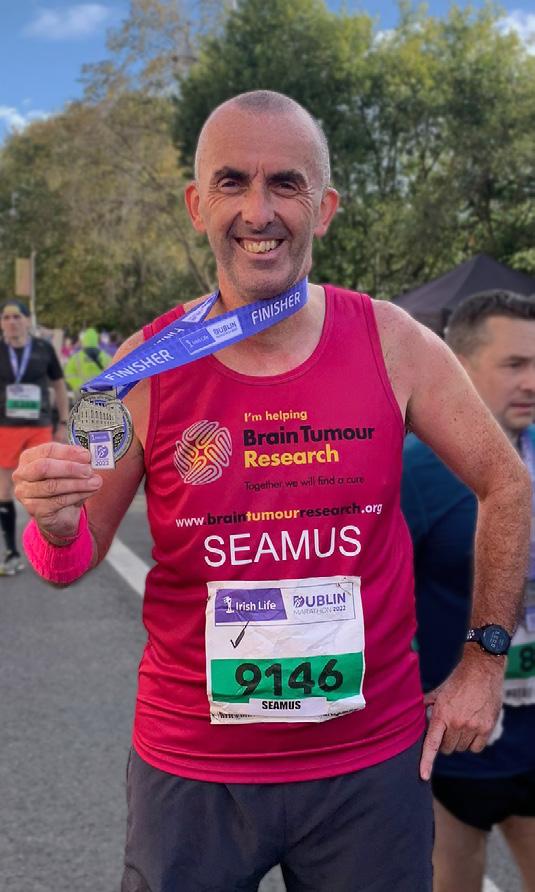
Irish Life Dublin Marathon
25th October
Experience the buzz of the Irish capital, with amazing crowd support and entertainment along your 26.2-mile route.
Browse our full event calendar at: www.braintumourresearch.org/ collections/events or scan the QR code
Why not sign up for one today?
Don’t forget to keep an eye out, as new challenges are added regularly.
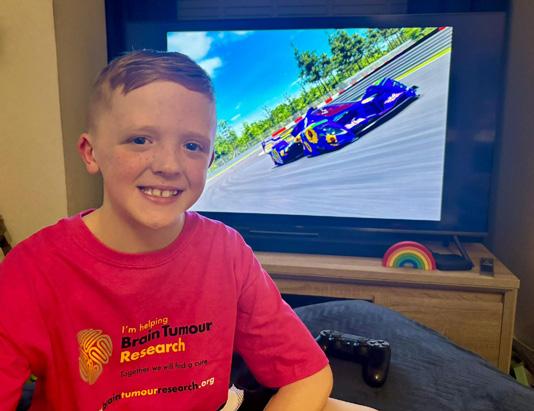
Scott Fielding, a popular gamer known online as Rokemoke, died from a glioblastoma, aged 42 in 2016. His best friend, Jason Carter, and dad, Nigel, created the Rokemoke Memorial Trophy Series –an online Grand Prix tournament. Now an annual event, the 2025 tournament raised more than £600 for Brain Tumour Research – a fitting tribute to Scott’s love of gaming.
You never cease to amaze us with your passion, creativity and determination to raise funds and awareness. Every effort makes a difference and here we celebrate just a few
To mark what should have been Aaron Wharton’s 10
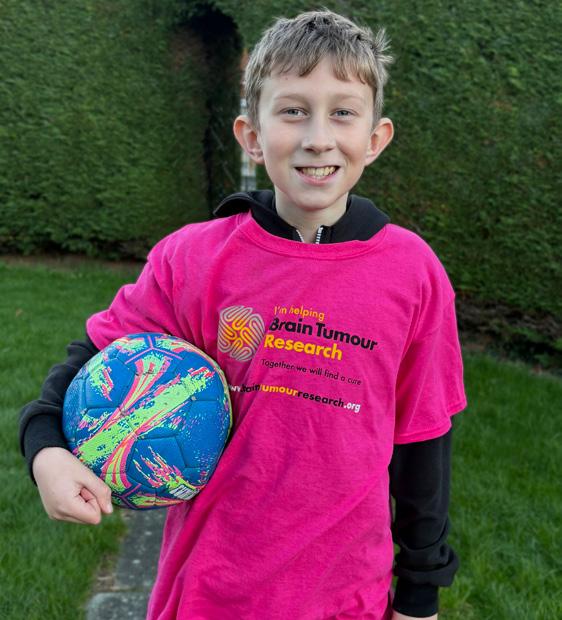
Aaron’s Army Fundraising Group set up in his memory held a 10 for 10 fundraiser. Aaron’s schoolmates took part to remember their friend who died from a brain tumour in 2023. Caiden Price-Moore raised £245 by completing daily keepy uppies, hitting 10 in a row on his best day. Whilst Max Wedley’s Gran Turismo video game challenge raised a further £130 and saw Max complete 10 laps a day while trying to beat his best time.
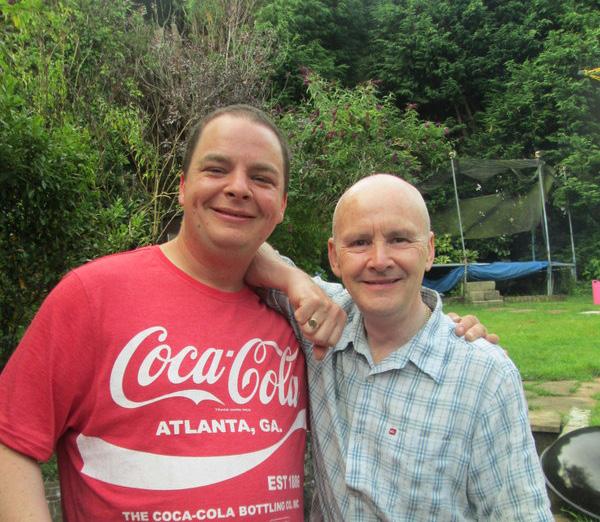
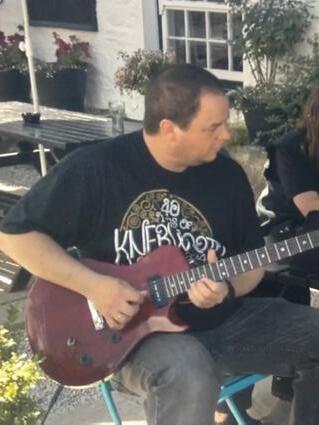
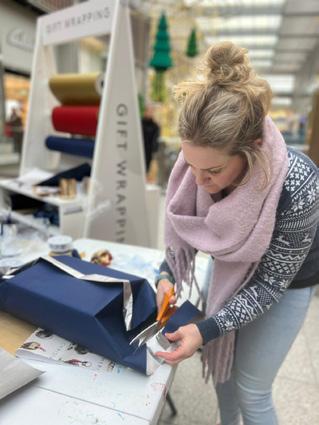
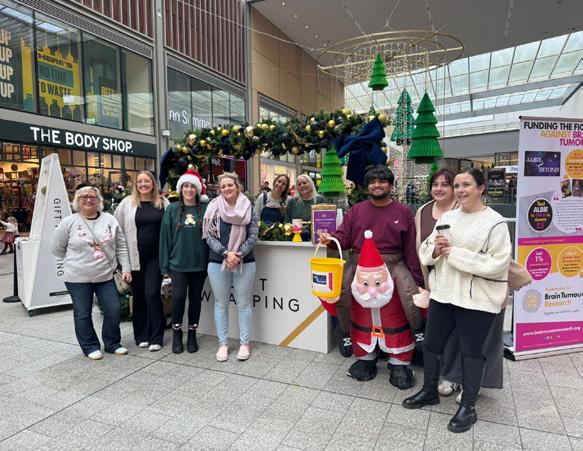
Supporters of our Fundraising Group, Albie and Beyond, set up in memory of Albie Bayliss-Watts, lost, aged two, to a rare brain tumour in 2021, hosted a Christmas gift wrapping service, raising £410 over one December weekend.
His mum Lauren reflected: “It was a bittersweet experience: lovely to help others and support vital research at Christmas, but heartbreaking knowing that Albie only ever got to experience two Christmases.”

Top right: Albie’s mum, Lauren gift wrapping
Bottom right: Supporters raised £410 for Albie and Beyond
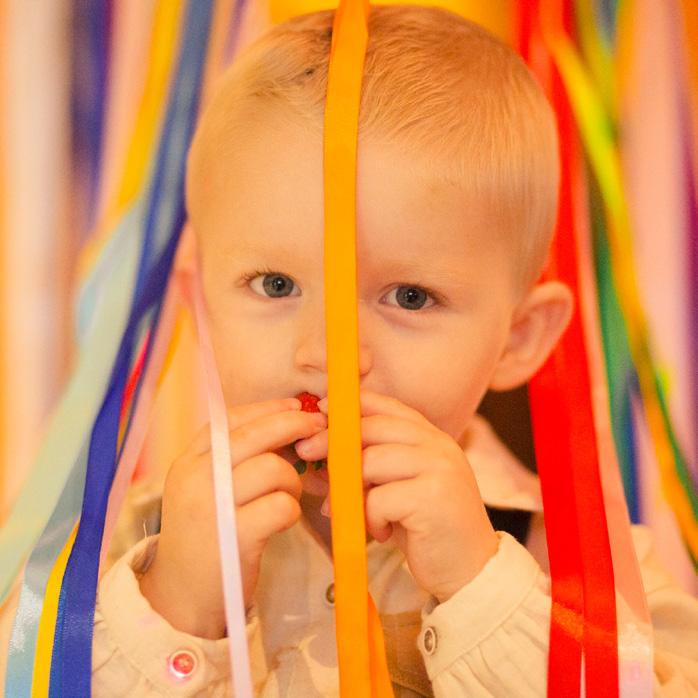
Albie was just two when he died
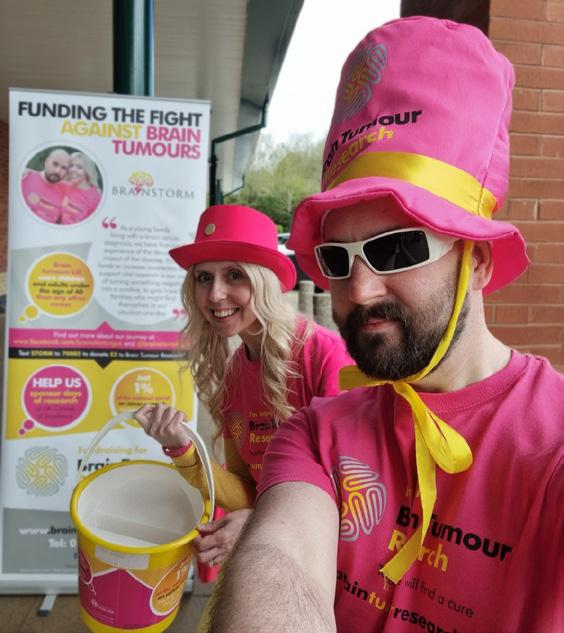
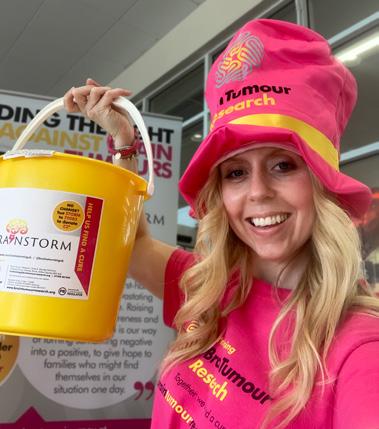
We’d also like to salute super supporter, brain tumour patient Katie Smith, who heads up our Fundraising Group, Brainstorm, raising close to £74,000 to date. Katie was awarded a British Empire Medal in the King’s New Year’s Honours List.
Katie ready for Wear A Hat Day
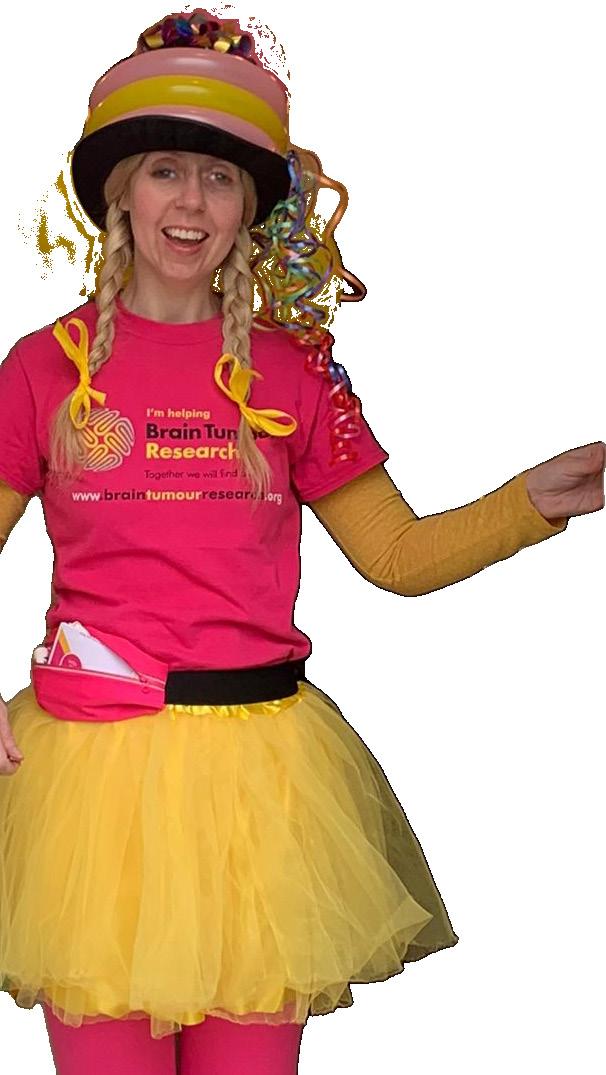

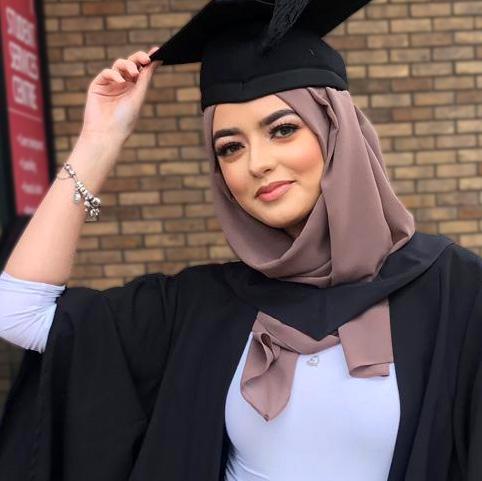
Amani was a FirstClass Honours Law graduate
Katie – ever the fundraiser
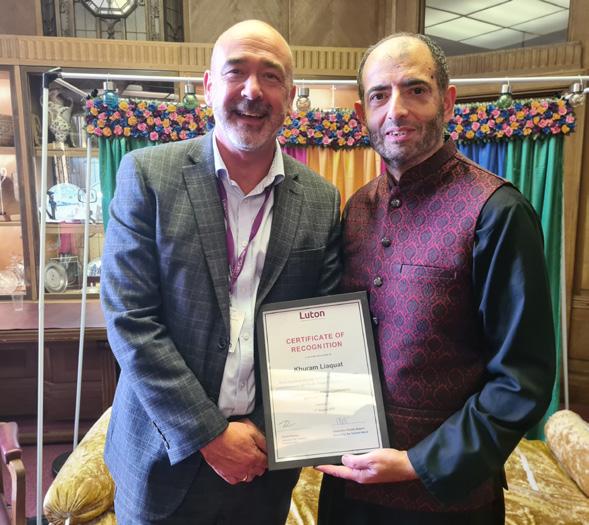
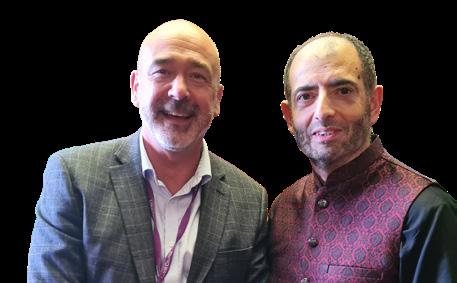
Our congratulations also go to Khuram Liaquat, who received an Unsung South Asian Hero award from Luton Borough Council in recognition of his work raising awareness and funds. Khuram is dedicated to continuing the legacy of his daughter Amani, who set up Fight4Hope in support of Brain Tumour Research before her death from a glioblastoma. Congratulations Katie and Khuram on your well-deserved recognition.
Every fundraiser brings us closer to better outcomes for those affected by brain tumours. Are you ready to make a difference?: www.braintumourresearch.org/fundraise
Khuram receiving his Unsung Hero award from Luton Borough Council

A game-changing partnership that has already raised more than £50,000 to help find a cure for brain tumours is being extended for a second year.
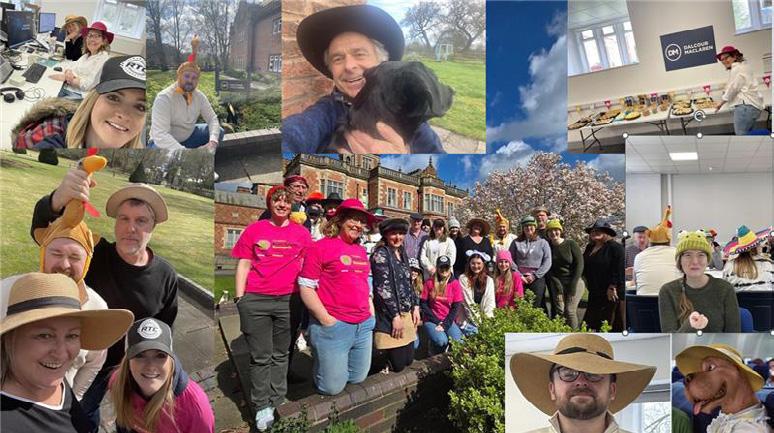
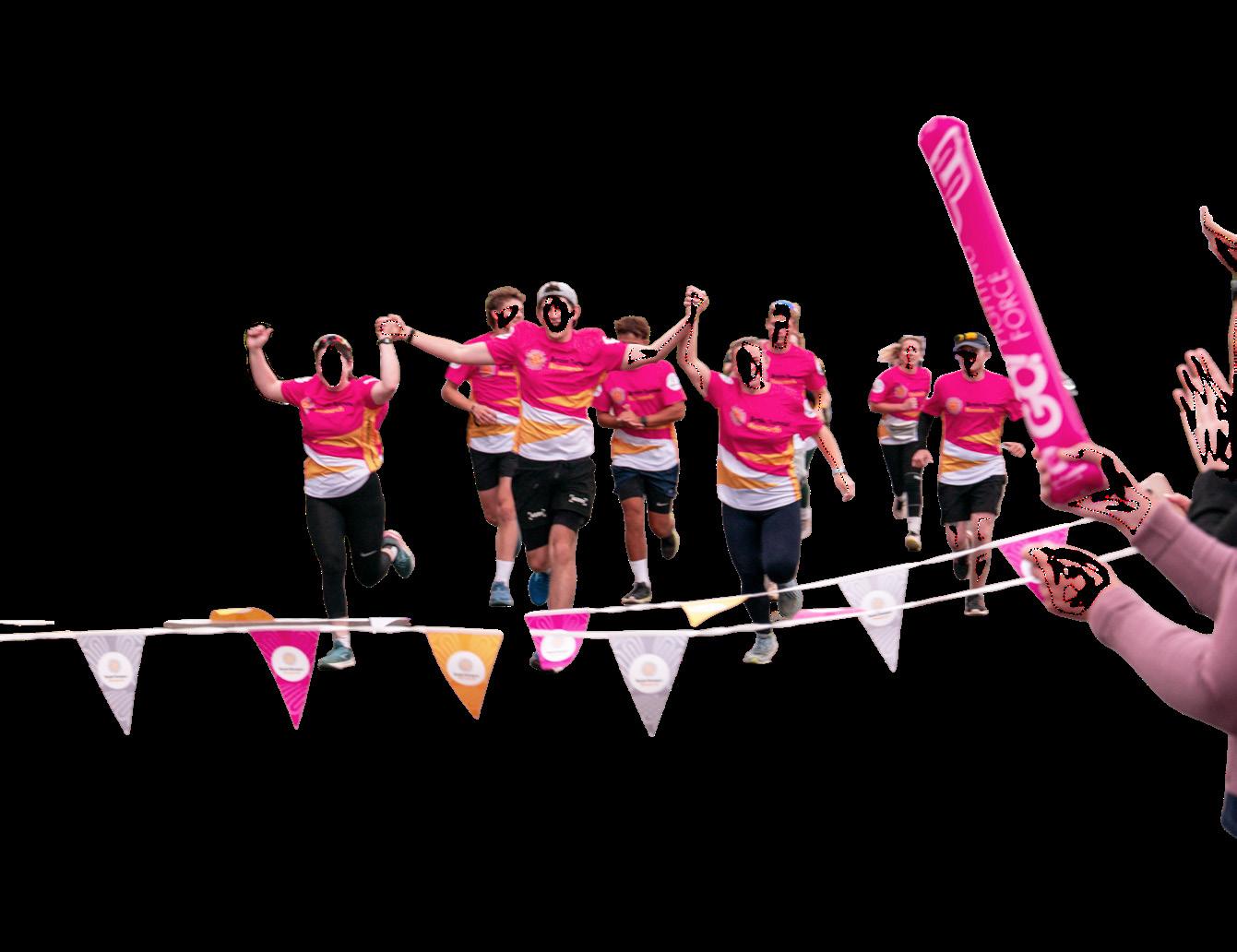
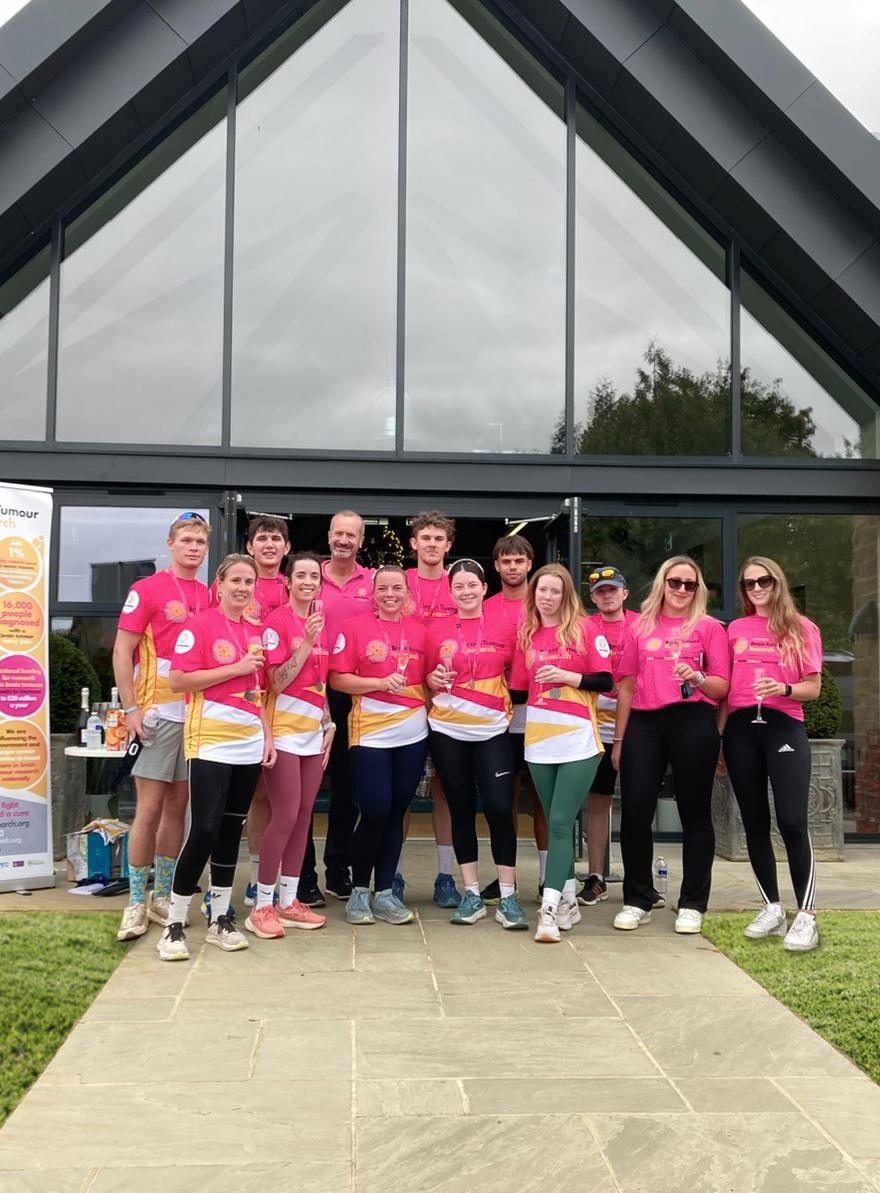
Dalcour Maclaren – a utility and property infrastructure land consultancy – has united more than 500 employees across 19 offices nationally through a series of fundraising events. Those activities have included running, walking, cycling and even paddleboarding challenges, baking competitions, vintage auctions, 10,000 Steps a Day challenges, and even an epic 40-mile ultramarathon.
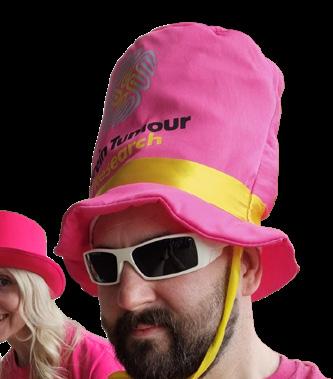
Buoyed by the success of our partnership so far, Dalcour Maclaren has committed to another year of raising money and awareness. Colleagues will don their hats for our flagship fundraiser, Wear A Hat Day, on Friday 27th March, before an adrenaline-fuelled abseil will get hearts racing and there are plans afoot for a walking challenge later this year.
Their support is inspired by colleagues affected by brain tumours. Sam Dench, Senior Business Support Coordinator, lost her mum, Sue, to a glioblastoma in 2020. Associate Surveyor Vicki Court underwent treatment for an acoustic neuroma in 2019.

James Neil, CEO of Dalcour Maclaren, said: “Partnering with Brain Tumour Research has been fantastic. Like many, I have lost friends to brain tumours and the work the Charity is doing to fund research to find new treatments is so important. Fundraising gives our people a cause to rally around, fostering a deeper connection and sustained support. We will continue to do our utmost to raise as much as we can in this second year of our partnership.”
Our thanks go to all at Dalcour Maclaren for their efforts so far.
challenge
Corporate partnerships like this are crucial for us, supporting groundbreaking research efforts, raising critical awareness and helping to accelerate the discovery of better treatments and, ultimately, a cure.
From all of us at Brain Tumour Research, our love and thoughts are with all those who inspire us and with everyone who continues to support us in memory of their loved ones and colleagues, year after year.
Ranald Thomas Absalom
Anthony William Allsop
Ann Arthur
Mary Baseley
Doris Beckinsale
Derek Bennett
Joseph Benson
David Bilton
Philip Bird
Jacqueline Blowers
Conor J B Boyd
Charles Brien
Gordon Carter
Audrey Carver
Richard Chapman
Ian Clark
Janette Audrey Clarke
Janie Clydesdale
Taylor Connors
Terry Cooper
Jason Crabb
Ian Crawford
Jill Cumming
Rob Davies
Marc Davis
Sandra Dickson
Adam Dilley
Edward Donald
Arthur Edwards
Bill Fenton
Dionne Ferguson
Matthew Finch
Kenneth Fisher
Jean Foulkes
Trevor French
Rodney Gander
Angus Grandfield
Barry Vernon Green
Elizabeth Janet Green
Christopher Griffiths
Cornelia Griggs
Douglas Halcrow
Norma Harfitt
Freda Harrison
Doris Hillyard
Margaret Howes
Arabella Hudd
Andrew Iles
Lorraine Jeffrey
Pauline Johnson
Carole Jukes
Alan Kirby
Simon Kirby
Denis Kirk
William Kirkpatrick
Brian Lacey
Janet Letts
Steven Lloyd
Julian Lyons
Keith Male
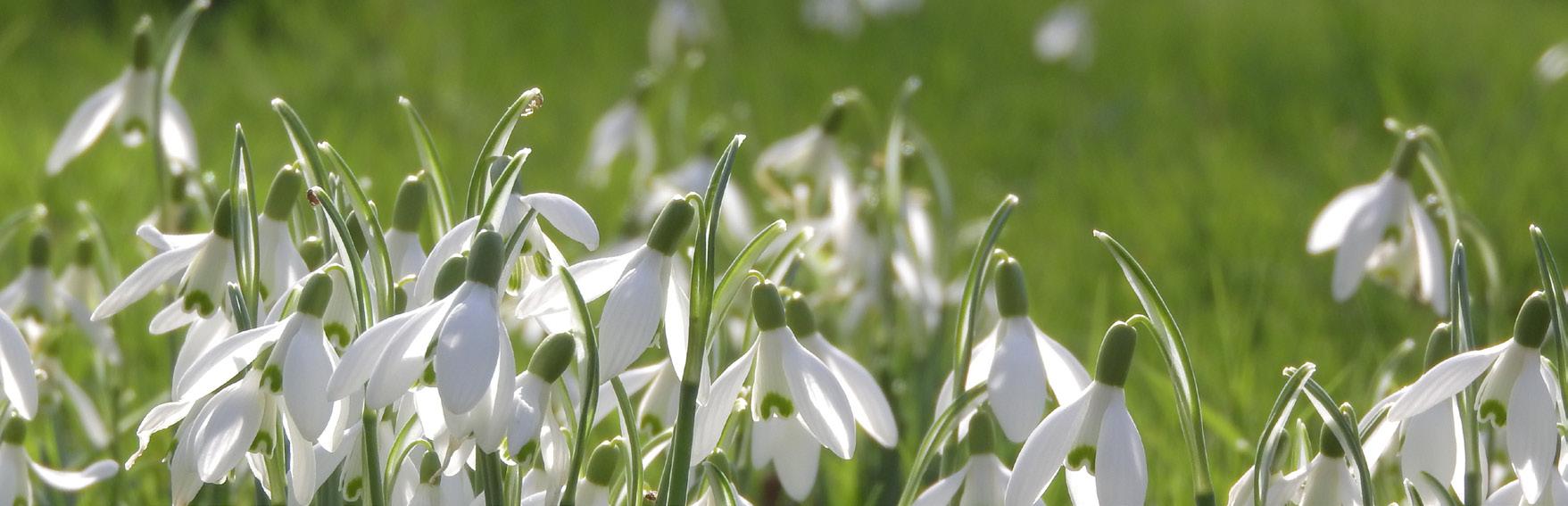
We thought of you with love today, but that is nothing new. We thought about you yesterday, and days before that too. You are forever in our hearts.
Martin Marks
Louise Marshall
Stephen Maskell
Joan McAndrew
Colin McCall
Patrick McNally
John James Mooney
William Morgan
Robert Morris
Alison Morrison
John Morrison
Angela Naylor
Cath Owen
Catherine Palmer
Patricia Pennicott
Philip Petts
Paul Phillips
Lynne Porter
Richard Preston
Tim Ralphs
Arthur Edward Rhodes
Stephen Robb
Janina Roberts
Denise Robinson
Barbara Shadbolt
Muriel Shapley
Eamonn Sheridan
James Simpson
Janet Irene Skilton
Karen Slack
Antony Soanes
Patrick Stevenson
Antony Strudwick
Pearl Sutherland
Edward David
Howell Thomas
Teresa Thomas
Andrew Tomlinson
Douglas Treacher
Max Vardy
Alison Wakeham
Janet Walters
Catherine Wilcockson
Marcus Wilesmith
Carol Wilkins
Paul Willard
Anne Woods
Sian Worrall
Michael Wright
Jonathan Zawada
Loved ones here include those lost to a brain tumour for whom we received funeral donations between July and December 2025.