Message from the academic lead for the PIER partnership
This report focuses on BU PIER activity and impact from September 2024 to August 2025, a year which will be remembered both as a period of change and uncertainty alongside a period that led to significant growth for the BU PIER partnership as we entered our 20th year.
Like many universities across the UK, BU announced a programme of restructuring which led to around 200 voluntary redundancies. BU PIER staffing and activity was protected, but it was and remains an unsettling period for all. The uncertainty went beyond the university walls. I remember one community partner saying, in health and social care we are used to restructuring and reorganisation, the difference now, is that every organisation and system from NHS England, Healthwatch, Integrated Care Boards, Research Design Services, Universities and Councils are all going through significant change at the same time. It frequently felt that there was no solid rock to hold on to. But of course, what happens in times of uncertainty is that people pull together. I remember writing something similar for our annual reports during and following the covid pandemic. At a time of uncertainty, we can rely on the strength of our community. We take heart from the support we received both within and outside of BU for the work we do.
For this year’s annual report we choose to acknowledge these difficult times but to focus on our strengths, what we achieved, and how our activity, relationships, influence and impact has grown. We start with a timeline of significant events over our 20-year history and the headline figures that reflect our year in numbers which show just how far we have come.
Through examples, we will share how we continue to develop innovative educational activities to embed lived experience expertise throughout the student journey for all our health and social work students. We will share examples of our influence on government and local policy, inclusive research practises, community and regional networks, through the sharing of our co-designed inclusive ‘flipping the power’ approaches to involvement and
collaboration in education, practice and research. You will read about my and Peter’s visits to parliament, Angela’s work with Age Friendly Communities, Kate’s work to collaborate with voluntary and community sector partners to strengthen their capacity to engage in and influence health and social care research across the region. These are just some highlights of many from 2024-25.
Mostly, you will read reflections and examples from our ever-growing PIER community including PIER members, community partners, PIER research champions and PIER research assistants. Such is the growth of demand for PIER in supporting inclusive involvement in BU and external research activity, providing external training and mentoring, developing inclusive research networks, and designing and conducting community led impact evaluations for our community partners, we have had to grow our team. You will be able to read about examples of work undertaken and who we have involved.
The focus for our annual report is, as always, on personal testimonies and reflections on impact – so what difference does all this activity make? We have invited PIER members, community partners, students, academics, research assistants and research champions to share their thoughts and examples and to show how collaborating with people with communities and people with lived experience has such a significant impact on education, research and practice and on the personal and professional lives of those involved. As ever, we are grateful for being part of such a vibrant, diverse and influential community. Long may it continue!
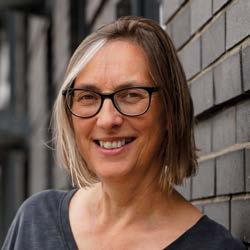
Professor
Mel Hughes
Professor of Social Work
Academic Lead for the PIER Partnership
About us: Our goal, values and approach
The PIER partnership is a collaboration between people with lived experience, community partners, academics and students at Bournemouth University. As experts by experience, we bring unique perspectives, knowledge and insight to health and social science education, research and practice, leading to improved outcomes for all involved.
Our goal
For those who are most affected by health and social inequalities to lead the way in shaping responses and improving outcomes.
Our shared values
The BU PIER partnership is underpinned by our shared values and goals of humanised and relationship based models of collaboration. Our work is based on respect and meaningful engagement where everyone involved feels valued and respected.
Our approach
To involve people with lived experience as consultants; reviewers; researchers; facilitators and assessors due to the expertise they have and the perspectives they can share.
To develop inclusive models of collaboration in education, research and practice which are based on parity of involvement; giving people a voice; and enabling a wide range of people to participate in ways which work best for them.
To broaden the range of voices collaborating in research, education and practice; in particular, marginalised and seldom heard groups.
A word from our PIER officers

Angela Paget PIER officer (developing involvement in Nursing and Midwifery Council (NMC) programmes)
2025 is a special year for PIER as it marks our 20th anniversary. It has been a real privilege for me to have been there from the start and to see, from very small beginnings, the growth and development of our work and the impact it has had, both within BU and in the wider community.
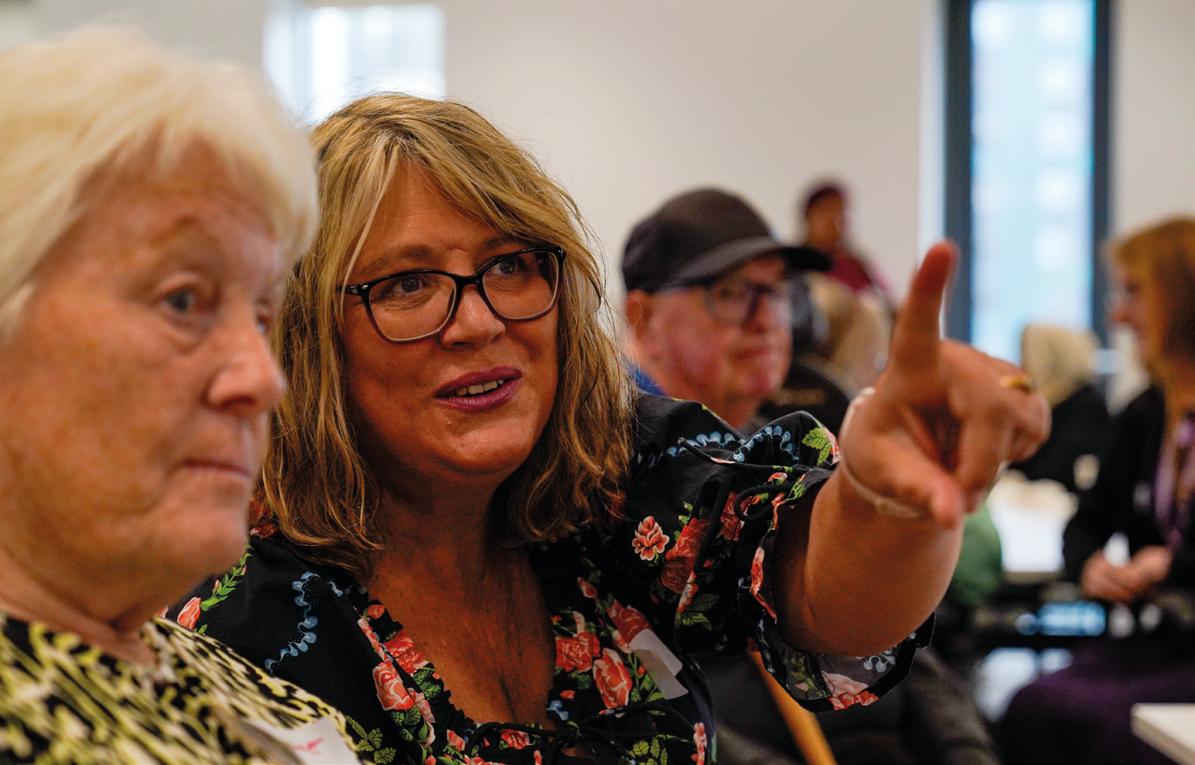
As the PIER Officer who looks after the membership, I love opportunities for us to join together for our bi-annual ‘BIG’ PIER meetings. A real highlight this year was our June 2025 meeting which saw academics and students sharing what they value about PIER. Dr Katey Collins (Senior lecturer in Physiotherapy) said that she learns something new every time a PIER member comes in and regarding a particular activity she said, “Every student talked about this for weeks after.” Dr Abier, Hamidi highlighted the value of PIER members bridging the gap between academics and the public in research, teaching them to communicate in a way everyone can understand. PIER members appreciated hearing directly from students about how they value PIER involvement and how it really does inform their practice, alongside helping build their confidence and encourage their own self-reflection.
This year also saw PIER hosting three days for members of Comensus (Community Engagement and Service User Support), University of Lancashire and PIER to talk about what we do, share examples of good practice and look to future collaborations.
Our visitors enjoyed meeting PIER members; being like-minded and having the same passion for involvement, in no time we were chatting like old friends! Meeting community researchers, having a tour of BGB, hearing about a particular social work activity and enjoying a drive along the coast all made for a varied and engaging three days. Those from Comensus said:
“We are so inspired by our visit and hope to take forward lots of your ideas and suggestions for developing an inclusive research strategy at our own university in Lancashire”

Pete Atkins PIER Officer (developing involvement in Health and Care Professions Council (HCPC) & Social Work England programmes)
2024-2025 for me has been both a rewarding and challenging year, yet again the number of Academics and individual PIER members we have worked with in Education has increased.
Some of the highlights of the year for me were:
• Reflecting on 20 years of PIER and seeing how far we have come since 2005
• Our team’s flexibility and adaptions to the challenges facing Universities nationally with financial constraints in 2025.
• Working creatively with academics from Western Norway University of Applied Science and Bournemouth University Social Work team developing Understanding social work through global conversations. A joint education activity is being planned for November 2025
• Developing an initial link with possible Equality, Diversity and Inclusion training source for PIER members in the coming year
• Occupational Therapy (OT) Validation
• Social Work England inspection SW Apprenticeship programme
• Being invited to attend Carers UK 60 years celebration event at the House of Lords in London.

Kate Jupp PIER Officer (developing involvement in research) PIER’s strong foundations and resilience this year has meant that whilst turbulent changes have swirled around us, PIER’s place in supporting the involvement of people and communities in research has continued to go from strength to strength. We have embraced the challenges by continuing to develop novel ways of working that bring people together (often those who would not usually feel comfortable or safe to share a space), to co-design solutions to address health and wellbeing inequalities.
In September 2024, I had the privilege to co-facilitate an event with community researcher colleagues and partner organisation Beyond Reflections, to celebrate the Trans Aware Cancer Care (TACC) Project Led by the community researchers, we created a space that brought the trans+ community and health care professionals together to share trans+ people’s experiences of accessing health care, the challenges faced by service providers and ignite the process of co-designing solutions.
In April 2025, I had the honour of co-facilitating a ‘Learning Lunch’ alongside colleagues from The Lantern Trust and Dorset Council Rough Sleeping Initiative. Staff from Dorset Housing and people using the services shared some of the challenges they each faced starting a journey of working together to co-design a workable service that meets the needs of the local homeless community.
For both events, time and attention was given to provide a space where everyone attending felt safe and confident to share what they wanted to say; to really listen to things that might be hard to hear; and to have space to respond. As one attendee shared “sensitive to the complexity of the subject, thought provoking and action orientated.”
My work this year has brought to life a phrase used by Poverty Truth Network, I have supported the cocreation of places where we can “build relationships of trust so that difficult conversations might happen.”
20 years… and counting
2005
Bournemouth University piloted the getting involved skills for Care course, led by Teresa Kippax (BCP) and Angela Paget, to prepare people with lived experience for involvement in the social work degree. From this course came the first eight PIER members; one of whom is still with us! (Pam Henderson).
All PIER involvement at this time was in undergraduate and post qualifying social work.
2006
Twitter and Facebook are launched to the public.
2007
Opportunities for involvement, designed and delivered by Gill Thomas and Angela Paget, expanded accessibility and added five new PIER members, with Gill Thomas overseeing involvement.
BU PIER awarded the Health Education England Wessex Award for ‘Hearing the patient voice in education and training.’ First Dorste Mela event - celebrating culture, music and community 2017
Daily Echo Proud to Care Awards
- special recognition award for the work done with older male carers CSUP (Carer & Service User Partnership) changed name to BU PIER (Public Involvement in Education & Research Partnership. Chief Cook and Bottle washer older carers film and research features on BBC South Today.
Won an award at the Health Education Wessex Shine Awards Ceremony
2008
Angela presented at the Liberal Democrat and Conservative party conferences. Rosie Read becomes Academic Lead.
Mel’s second child is born!
2009
2010
Presentation at SWEP conference ‘Developing service user & carer participation’.
2011
PIER membership reaches 15.
iPad and Instagram launched.
Two posts were created to facilitate involvement across the Faculty. (Angela and Peter given permanent contracts).
First publication: They’ve got it! Social work students’ understanding of service user and career perspectives. The Journal of Practice and Learning
becomes Academic Lead.
BU PIER awarded the Health Education England Wessex award for ‘Hearing the patient voice in Education and training.’
Pete becomes a grandfather!
2018
Book chapter published on using simulation for assessment and workplace preparation (Hughes & Warren).
Paper with three PIER member co-authors ‘Service user engagement in healthcare education as a mechanism for valuesbased recruitment.’
Public involvement in health and social sciences research: A concept analysis published (Hughes & Duffy).
Visit by Professor Tadakazu Kumagi and Dr Tim Cleminson from Kawasaki University, Japan.
Our concept analysis of public involvement in research published in Health Expectation PIER members reach 100!
2019
Collaboration with VOICE global begins.
BCP Council is formed.
2020
Public Involvement in Education and Research Strategy 2020-2025
Covid-19 lockdown in UK.
2021
Vice-Chancellor’s Staff Awards
2021 Winners in two categories: Excellence Award (Social Work) and Inclusivity Award (PIER Partnership).
Bournemouth Gateway Building opened.
2022
Dr Kate Jupp joins the team and job title changes from Coordinators to PIER Officers.
1st cohor t of 20 credit Master’s Unit - Public Involvement in Research.
PIER members co-author chapters in Social Work Practice with Adults: Voices of service users, carers, practitioners and educators Angela gets married!
2024
Presented at the ‘Authenticity to Action’ conference in Preston
Learning from the lived experience unit introduced into BA (Hons) Social Work. 2012
2025
First ‘Having a Voice’ in research course co-designed and delivered by PIER members for PIER members.
PIER members contribute to book chapter in Social Work Practice with Adults: Voices of service users, carers, practitioners and educators
Mel presents at the All-Party Parliamentary Group for Health roundtable on shifting care into communities at the House of Commons.
Comensus (Community Engagement and Service User Support) group visits from the University of Central Lancashire.
Current PIER Membership – 76!
Louise Worswick
Collaborating with community partners
Central to our focus on inclusion is our understanding that those most affected by health, social and economic inequalities are often the least likely to be involved in shaping research, education and health and social care practice. To change this, we are working to understand and address the root causes of why and by collaborating with communities to design inclusive ways to be involved. Every year we collaborate with community partners who are established in their communities, who have these trusted relationships and who can affect change. The number of active collaborations between PIER and our community partners grows every year from 40 in 2022-23, 50 in 2023-24 to 66 in 2024-2025.
Community partners PIER collaborated with in 2024-25
1. Applied Research Collaboration (ARC) Wessex
2. Arts Development Company
3. BCP Access to Food Partnership
4. BCP Age Friendly Communities
5. BCP Care Experienced Group
6. BCP Council
7. BCP Poverty Truth Commission
8. Beyond Reflections
9. Beyond Sight Loss
10. Body Positive Dorset
11. The Bourne Academy
12. Bournemouth and Poole Bipolar Self-Help Group
13. Bournemouth Gateway Club
14. Bournemouth HealthBus Trust
15. Bournemouth Walk for Freedom
16. CAN Community Action Network
17. Carers UK
18. Christchurch Community Partnership
19. Clinical Research Network Wessex
20. Colour Works
21. Communi–T
22. Community Accessible Transport
23. Developing Lives Services
24. Dorset Blind Association
25. Dorset Clinical Trials Unit
26. Dorset Healthcare University NHS Foundation Trust
27. Dorset Integrated Care Board (ICB) and Partnership (ICP)
28. Dorset Mind
29. Dorset Nightstop/Action for Children
30. Escapeline
31. The Friendly Food Club
32. Gladys Court (BCP Housing)
33. The Green TLC
34. Grounded Community
35. Health Innovation Wessex
36. Help & Care
37. Homewards
38. International Care Network (ICN)
39. Island Community Action
40. Lantern Trust
41. Lewis Manning Hospice
42. Luxury Care
43. Macmillan Cancer Support
44. Minstead Trust
45. MS Centre Dorset
46. My Time Young Carers
47. Parks Foundation
48. Prama
49. Poverty Truth Commission
50. Royal Foundation: Homewards
51. Shelter
52. Social Work England
53. Somerford Youth and Community Centre
54. Space Youth
55. St Deny’s Activity Group
56. STEPS Club for Young People
57. Thomas Pocklington Trust
58. United Players Football Programme
59. University Hospital Southampton
60. Untapped
61. Voice Global
62. Waste Not Want Not
63. We Are With You
64. Wessex Cancer Alliance
65. West Howe Community Enterprise
66. Weymouth and Portland Community Research Network
Onwards and upwards for PIER members
Individual PIER members generously give of their time and expertise to both education and research at BU which is of great benefit to student learning and the quality and impact of research. In turn, PIER members tell us of the benefits to them of being involved including: feeling a sense of purpose, gaining confidence, having a sense of achievement when involved in something outside their usual comfort zone; feeling empowered by having a voice, seeing the impact it has on shaping services, raising awareness of important issues and influencing ongoing work that will benefit people in the future.
Many PIER members take what they have gained from being involved in PIER into other aspects of their lives. Tom, Anna, Katya and Jane reflect here on what PIER means to them and what involvement has led to for them personally.

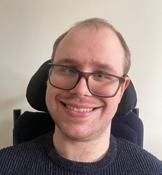
I joined BU PIER as I was leaving my degree, looking for a way to stay connected to learning and to use my lived experience of physical disability to make a difference. The partnership welcomed me as a valued voice, helping me turn my personal perspective into meaningful contribution. As the partnership began expanding its focus from education into research, I became one of the first public contributors to take on the role of co-applicant. This early involvement gave me the confidence to see myself not just as a contributor, but as an equal partner in shaping research that matters. I went on to help develop the “Having a Voice in Research” course, designed to empower others to share their experiences and influence the direction of health and social care projects. Through the partnership, I found both purpose and confidence. It gave me the skills to work collaboratively, to speak up, and to lead. Today, I apply those same principles in my part-time role within local government—championing inclusion, accessibility, and lived experience in decision-making. Most recently, I’ve been proud to represent the partnership internationally, sharing our story at a virtual conference in Brazil.

Considering the apparent shoe-horned characteristics of the ‘presentation’ given by a PIER Officer at an online Dorset Race Equality Council meeting it’s a wonder you’re reading this…
Having said that I have to concede the past 2.5 years seem to have flown by giving me the opportunity to work on my self-confidence, ongoing fine tuning of my comedic delivery style, meet fellow PIER members, BU staff and 100s of students, some returning to further their education and others starting their careers amidst what feels like for my part, ever increasing physical health challenges. Being a PIER Member from 2023 has proved to be educational not only when participating in the fantastic research projects, Social Work, Nursing, OT & Physiotherapy courses to name but a few. It’s also given me the opportunity to meet and volunteer alongside other PIER members some of whom I would never normally meet and some I actually quite like and have become friends with!
PIER membership has perhaps most importantly enabled me to work on my preconceived notions, misconceptions and ‘ist’ tendencies relating to various health conditions, personal preferences and life choices, it’s also helping me appreciate my neighbours who are mostly students who can frequently be delightful, thought-provoking, funny, kind and caring individuals and not all noisy, selfish, inconsiderate, dirty, dope smoking, drunken fools!

Diagnosed with Bipolar in 2016, I was forced to retire; working with PIER gives me the social connection I need in a safe and supportive environment.
It is always a joy and a privilege to be able to join the PIER team for meetings, re-connecting with friends I have made during my relatively short time as a member, and making new ones! I sometimes wake up with my ‘grumpy head’ on, not wanting to climb out from under my duvet, but I know that everyone will understand, and if I’m not feeling great, I can just sit in the corner and ‘nurse’ a mug of tea or coffee. Invariably that doesn’t happen. PIER is such a friendly space, that within a couple of minutes my mood lifts and stabilizes, and I am able to participate in and enjoy the event.
One of the projects I have helped with is reviewing potential social worker presentations. I was apprehensive at first, wondering what I could possibly contribute by way of constructive criticism. All unique, it was easy to point out the students’ strengths and offer encouragement where their skills and talents could be developed.
Jane Thorp
My journey with PIER began in 2017, when I attended my first research event, hosted by PIER. I met the late Tricia Moate, she inspired me to join.
During the pandemic, PIER introduced members to Voice, a platform showcasing UK research opportunities. Voice led to my joining the University of Edinburgh’s Advanced Care Research Centre’s Advisory Board.
In 2024, I completed PIER’s ‘Having a Voice’ course, which advised participants to proactively connect with researchers. This approach led to an invitation to join a scientific advisory panel running until 2027. PIER’s Research Officer also facilitated a collaborative meeting with myself and a public participation manager to review issues with research opportunities.
This year’s opportunities include being appointed as a community researcher with Southampton University, an opportunity promoted by PIER. I completed a training programme and am now undertaking my own mini research project — thanks to the incredible support of fellow members who volunteered for interviews. I will be presenting the findings to policymakers and researchers in November 2025. I am also looking forward to joining this year’s PIER ‘Having a Voice’ course, as a facilitator - another first.
A huge thank-you both to PIER for giving me a voice and to my amazing fellow members.
Tom Easterbrook
Anna Spice
Katya Werenowska
Spotlight on collaborations with other universities
In June 2025, we hosted a three-day visit from lived experience volunteers and staff (Sue, Raj and Janet) from Comensus, the PIER equivalent at University of Central Lancashire (UCLan) since renamed as University of Lancashire who approached us asking to visit and learn from our work.
Over the week, the Comensus team were able to engage in conversations with the PIER team, BU academics and meet with PIER members, sharing insights and experiences and ideas for involvement in both education and research. Their visit included a tour of the BGB skills suite, and we even managed to fit in a drive along the coast and some sea views from the Beach Hut Cafe. We have known colleagues from Comensus for many years and this was a great opportunity to spend time together in person
and strengthen this relationship. We have already shared resources and have plans for ongoing collaborations around community and inclusive research. Thank you to Janet, Raj and Sue for being such excellent and inspiring guests!

Understanding Social Work through global conversations
Growing the PIER team
Throughout the year we saw a huge spike in demand for PIER involvement in research due to our expertise in harnessing lived experience expertise, collaborating with community groups and organisations, and for our trusted relationships with people and communities who do not typically engage in research activity. To meet this demand, we reached out to our trusted network.
PIER Research champions
At the start of the year, we identified three PIER research champions: academics at BU who were already doing great work with communities and understood the PIER inclusive and community-led ways of working. This led to Linda, Chloe and Aisling joining the PIER team as PIER Research Champions.

Dr Chloe Casey
Throughout 2024-25, Peter set up and supported a collaboration between BU PIER, and the social work teaching teams from both BU and the Western Norway University of Applied Sciences, to bring together people with lived experience and academics from both institutions to share ideas and best practice. The collaboration has focused on co-designing an event for next year and has created a fantastic partnership between both organisations.
The event in November 2025 will focus on bringing students, academics, and people who have lived experience who contribute to social work programmes in Norway and the UK together to learn from each other about social work. It will enable students to explore how social work contributes to society across Norway and the UK and will offer the opportunity for students to explore their reasons for studying towards a social work qualification and what it means to be on a professional course. Participants will be able to talk with each other, share experiences and ideas, and learn more about social work from an international perspective.
“Our collaborative event is a valuable opportunity students from both Norwegian and aUK universities to meet, share experiences and understand how social work and welfare systems work from an international perspective. Involving PIER members enables them to reflect on experiences, practice communication skills and centre living experience as a core underpinning value to their practice skills. We are looking forward to this collaboration.”
Ros Dray
Senior Lecturer in Social Work / Practice Lead in Social Work Practice Learning


Mariann Iren Vigdal
Associate Professor, Department of welfare and participation, HVL

Dr Linda Agyemang
Dr Linda Agyemang is a senior lecturer in adult nursing and programme lead for MSc Adult Nursing with experience in teaching, practice and research. As an early career researcher who undertook her PhD fieldwork (2015 -2020) within an international context exploring the social and cultural influences on breast cancer treatment decision making amongst Ghanaian women, Linda has expertise in field research, and qualitative research methods https://staffprofiles.bournemouth.ac.uk/display/lagyemang
I am Chloe Casey, a Lecturer in Nutrition and Behaviour within the Faculty of Health, Environment and Medical Sciences. My research explores the role of good nutrition in reducing harms from alcohol and supporting alcohol recovery. I am particularly focused on women’s experiences, recognising both their underrepresentation in research and the unique sociocultural barriers they face when seeking support for alcohol-related challenges.
My recent project, Nourish the New You, explored how nutrition education could be introduced into alcohol recovery pathways. We trialled a series of cooking and nutrition education workshops, alongside creative sessions including food photography, portraiture, and embroidery, to inspire people to engage with nutrition education as part of recovery. From this work, we produced several non-traditional outputs, including a collaborative piece of art and a short film, showcasing how nutrition could play a therapeutic role in alcohol recovery: Nourish The New You - YouTube
Marie Bukholm
Assistant Professor, Department of welfare and participation, HVL
Geir Haugarvoll
Assistant Professor, Department of welfare and participation, HVL
We believe that the collaboration with members of the public, staff and students from BU and HVL can help our students build confidence in communication when faced with different life experiences and cultural differences. Students will reflect on these cultural differences and understand how they affect inadividuals and society. Additionally, it presents an opportunity to learn more about various systems of welfare and support and more specifically, the differences and similarities in the UK and Norway.
Linda is a BU PIER research champion, who plays an active role in public engagement activities particularly with individuals from Global majority within their communities and churches. These public engagement activities are helpful in promoting partnerships both with community groups and industry partners. For example, through this public engagement work, Linda has engaged with Wessex Cancer Alliance to facilitate cancer outreach activities and engage in workshop discussions on how to reduce inequalities in access to cancer clinical trials. Linda also engaged with NHS Dorset, as one of the academic leads for the Women’s Health Hub minoritised group and mobile van project, bringing her expertise on engaging with Global majority groups to improve access to women’s health service. Overall, the PIER Research Champion role aligns with BU vision of promoting a culture for inclusive involvement for education, research and practice across BU.
I wanted to become a PIER Research Champion because I am passionate about including people with lived experience in research as equal partners. This is especially important in areas where there is shame and stigma as we must challenge power imbalances and create spaces built on empathy, compassion, and collaboration. Through my PIER role, I strive to support other researchers to embed these values in their work, ensuring lived experience is at the heart of every decision and step in the research cycle.

Dr Aisling Flynn
My name is Dr Aisling Flynn; I am a Lecturer in Occupational Therapy at BU and a dementia researcher with a keen interest in participatory research. As an early career researcher, I am proud to be a BU PIER Research Champion.
As an inaugural PIER Research Champion, I have enriched my knowledge of PPI (public and patient involvement) through completing the ‘Public Involvement in Research’ unit, strengthening my capacity to make a real difference in how PPI is perceived and conducted at BU. I can use my participatory research expertise to ensure research colleagues understand the importance of meaningful PPI, moving beyond tick-box exercises and tokenism.
This role has enabled me to learn from and collaborate with the exceptional PIER team. I have contributed to NIHR-funded research, guiding and coordinating PPI strategies. This has enabled me to become familiar with VOICE, PIRIT and also gain an insight into the practical aspects of PPI. I now understand the importance of making space and time for PPI, something that is often overlooked in research where timelines and deadlines take precedence. I have also shared real-world examples of PPI’s value with BU PIER members, demonstrating its impact and encouraging wider participation across research communities.
PIER Research assistant role
As we were commissioned to undertake more research and community network building projects over the year, we also developed the role of PIER Research Assistant (RA). It takes a very particular set of skills to collaborate on PIER research activity: academic rigour, but also the people and creative skills to engage with and support communities. We were fortunate enough to strengthen our relationship with Stevie, a permanent research assistant at BU, and to spread the net wider by involving other research assistants (RAs) and post-doctoral research assistants (PDRAs) in a range of funded projects.

Stevie Corbin-Clarke
I joined Bournemouth University in 2017, promptly moving into a permanent Research Assistant role across Social Sciences and Social Work, in 2018. I was very quickly drawn to PIER’s values-led approach and commitment to coproduction. Working alongside people with lived experience has been both inspiring and personally rewarding, encouraging me to see research as a collaborative process built on trust, empathy, and shared purpose.
I have an interest in qualitative research methods, with extensive experience in carrying out semi-structured interviews and focus groups, including with seldom heard and marginalised groups and regarding sensitive issues.
I am also passionate about exploring innovative and inclusive approaches to dissemination (sharing of research findings), as well as to teaching and learning in social work education, and community involvement in research - all of which I have been able to explore during my time working alongside PIER. I’ve also had many opportunities to support in the development of project materials, evaluation tools, and in the delivery of training and dissemination activities.
I am grateful to have contributed to a range of PIER projects that centre lived experience in research. My recent work has included supporting the development of a ‘Community Research Network Hub’, and a ‘Trans Aware Cancer Care project. I have also taken the learning from my work with PIER into other projects, such as the development of the ‘mentalcapacitytookit.co.uk’. Each of these has sought to amplify the voices of those with lived experience, through deepened understanding and strengthened networks to improve collaboration.

Dr Anna Kopec Massey
Experienced lecturer and researcher in the field of social entrepreneurship, health and social sciences, Anna is passionate about well-being, empathy and social justice.
It was a very positive experience working with the PIER team. I had the pleasure of meeting creative, motivated and caring people passionate about social justice. As a RA, I evaluated the Community Researcher model in three PIER projects (Hidden Hunger, I am more than and TACC). I was involved throughout the project which included gaining ethical approval, conducting literature reviews, collecting data, qualitative data analysis and dissemination to include a report, an academic paper and infographics. Throughout the project, I was moved by people’s stories and lived experiences, I felt privileged that they were willing to share them. As a result, it was vital to me that their voices remained central and valued throughout the project. The resulting paper has been submitted to a journal and we are waiting to hear if it will be published.

Misha Naran
Misha’s research interests are Artificial Intelligence (AI), Human Computer Interaction (HCI), Trust mechanisms, Decision-making, Digital Communication, Digital Wellbeing, Cyberpsychology, Social Injustice.
As part of my role as a Research Assistant with the National Centre for Cross Disciplinary Social Work, I had the opportunity to collaborate with the PIER partnership on a range of community-engaged research projects. This experience allowed me to combine my interests in inclusive communication, digital storytelling, and social research.
Working with PIER gave me hands-on experience in community-led research, from collaborating with Bournemouth, Christchurch and Poole Council on a publicfacing video and report, to supporting projects that amplify the voices of people’s lived experience. My work involved liaising with stakeholders and helping translate findings from reports into accessible and creative outputs.
Being able to work alongside the PIER team has shown me how research can be deeply collaborative and rooted in
real community impact, rather than confined to academia. The experience has strengthened my research skills and reinforced my commitment to working on projects that bring people together to share stories, build understanding, and create meaningful change.
My time working on PIER projects has provided invaluable experience that I am proud to include on my CV, but more importantly, it has allowed me to connect with people from all walks of life, each with unique stories and insights. PIER offers a space to grow, learn, and think critically. The work they do truly makes a difference.

Cathy Beresford
I am a registered nurse and PhD student at Bournemouth University. My research explores people’s experiences of care in advanced liver disease, focusing on empowerment, communication, and navigating healthcare services (https:// doi.org/10.1111/hex.13893 and https://doi.org/10.1111/ hex.14097). Alongside my PhD, I work as a Nurse Lecturer and recently started a role at the University of Sunderland in London, where I promote inclusive and person-centred approaches to education, nursing, and research.
As a Research Assistant with the PIER team, I supported the I Am More Than project, which explored how people experiencing homelessness can be involved in research on their own terms. My role included co-writing two peerreviewed journal papers, contributing to a project report and participatory workshops.
I was drawn to this role because of my commitment to inclusive and co-produced research, and my immense respect for the PIER team and their leadership in this area. I knew that working alongside them would be an invaluable opportunity to learn from people who model best practice in public involvement and inclusive research. The experience exceeded my expectations. Collaborating with colleagues and people with lived experience from a range of backgrounds was truly rewarding. A highlight was supporting an individual with lived experience of homelessness to co-author academic papers, showing what meaningful inclusion can achieve. This experience strengthened my skills in collaboration and facilitation and will continue to influence my work as a nurse lecturer and researcher.
As we move toward 2025-2026, we are expanding our pool of PIER research assistants, who will bring a whole host of creative, communication and academic skills to the team and who understand the inclusive PIER way of collaborating with people and communities. This will enable us to respond quickly to requests for research involvement and to create further opportunities for our PIER members and community partners to have an active voice in research.
Embracing digital futures
In PIER’s work involving people and communities in education and research we strive to co-create opportunities that are both accessible and inclusive. One of the many ways we are doing this is through exploring and utilising the power and potential of digital innovations. Keeping pace with the constantly changing digital landscape means we can offer more choice in how people and communities can have a voice, including those currently seldom heard.
In this section our partners share their experiences of bringing together digital technology and lived experiences to enhance research, service design and health and social care education.
One way we are embracing digital technologies is through supporting research and innovation focussed on creating and using digital media and technologies to address health and wellbeing inequalities.
Dr Abier Hamidi
The Cancer Research UK (CRUK) skin cancer study focused on co-designing and developing digital illustrated videos aimed at promoting skin cancer self-examination among older men, mixed groups, and people of colour. The project placed strong emphasis on inclusivity by enabling participation through various digital and virtual platforms. For example, one of the lived experience collaborators, Mr Sead Masic, along with several academics, contributed virtually from different locations, including Newcastle, Birmingham, and Glasgow. A key objective of the study was to ensure that the videos could be hosted online and easily shared, allowing for greater reach, improved accessibility, and increased awareness of both the importance of early skin cancer detection and how to self-examine.

Sead Masic (Voice member)
I have been involved with Bournemouth University’s Early detection of skin cancer project for 18 months and truly enjoyed working with Steven Ersser, Kate Jupp and Abier Hamidi. As one of the Public Involvement participants I have had a chance to share my views with the University’s team and volunteers who attended several workshops and who wanted to contribute to sharing awareness of early detection of skin cancer.
I found out about this opportunity through Voice Global and applied to become a public participant especially because of being in a position to experience skin cancer scare 15 years ago. It was found that my condition was benign but since then I was more aware of how important it was to regularly check for any changes on my skin and share that with family and friends.
Being based in Newcastle upon Tyne all the arranged meetings I have attended remotely, through Microsoft Teams, which worked perfectly fine and didn’t hinder my
participation, views and contribution I wanted to make. Even attending workshops for older men and mixed group based at the University, through Teams, proved to be working just fine as I was able to communicate with attendees and facilitators, write notes in the chat section and provide feedback about ideas which would become a part of a video which would tackle early detection of skin cancer. The sessions were well attended and inclusive giving all an opportunity to share their views and produce as good resource as possible.

Eilidh Grant
Post Doctoral Research
Assistant, Faculty of Media Science & Technology
The Fostering Effective Emotional Life Skills for Eating Disorders (FEEL-ED) project concerns the development, and assessment of acceptability of delivering an online emotion-focused intervention to those awaiting treatment for eating disorders characterised by patterns of binging and/or purging behaviours. The intervention consists of seven psycho-educational videos aimed at helping individuals better understand and regulate their emotions using more helpful coping strategies. These videos are supplemented with written summaries and practise exercises to help consolidate learning.
PIER involvement in this project has been highly influential throughout many stages of the project: from the early stages to help with the grant writing and rationale, to pre-testing the intervention and actioning feedback based on the experiences and opinions of those with lived experience. This enhanced the useability of the intervention, and a member of the PIER group is currently analysing feedback collected from other PIER members about the potential risks and benefits of the intervention.

Dr. Catalin Brylla
Principal Lecturer in Film and Television at BU
The Blindness and Media Engagement for Wellbeing project explored how digital media creation can support confidence, creativity and social connection among blind and visually impaired (BVI) people. Through hands-on workshops in London and Dorset, participants learned video, audio and AI-assisted storytelling skills, producing their own short films and digital content to share experiences and advocate for change. The project partnered
up with Dorset Blind Association, Thomas Pocklington Trust and Beyond Sight Loss.
A key strength of the project was its ability-diverse research team, which included sighted, blind and partially sighted team members, tutors and collaborators. Their lived experience shaped every aspect of design and delivery, ensuring accessibility and sustainability.
BVI participants and community partners were involved at every stage, from co-designing training materials and evaluating progress, to developing a transferable model of media engagement for wellbeing that other organisations can adopt.
PIER’s involvement ensured inclusive research practice and helped support and disseminate the project through our tutor-trainees Geoff Cumming’s FB page and TikTok videos and Golsheen Crona’s project account disseminated through Thomas Pocklington Trust’s internal networks.
The short project video, and final report will be published soon - follow updates via our website and the Facebook page
Another priority for PIER this year has been expanding the ways we share research, innovation and service development findings and opportunities; using digital storytelling and online communications that support and inspire more people to get involved and to contribute to outputs that reach and engage a wider audience.
Hidden Hunger Film
A short film created by BU PIER, in collaboration with BCP Access to Food Par tnership and Christchurch Community Partnership shines a light on ‘hidden hunger’ among older people in Dorset. It shows the everyday challenges older people face, like low income, mobility issues, and isolation but also how sharing a meal together can bring comfort and social connection. The film is voiced by older people involved in the research - bringing the stories to life in an easy to share and digestible way. Audiences can see and feel the difference community makes.
CREN Hub:
A pilot Community Research Engagement Network (CREN) Hub has been developed as a shared digital space on Microsoft Teams to shape community-led research, via connection, sharing stories and tools, and building
Google funded AI Research Project: co-designing a ‘human-centred, community-oriented
Jay Littleboy
Workshop co-designer and student participant from Somerford Youth and Community Centre
What did you first think when Kate and Jae asked you to be involved with the AI project?
I felt happy that I was being asked my perspective and to be part of a group. It also raised some emotions within me as, at the time, I felt quite reserved by AI and how it seems to have a big hold and control over everything. It would be fair to say that at this point I was not a fan of AI.
How did you design the workshops?
Ironically, we designed the workshops through AI. The structure that we wanted was to make the session fun, and to get a perspective of AI from young people. We also wanted to make the session informative so that we can create greater awareness around the fact AI doesn’t always get it right. We also wanted to highlight how widely AI is used in today’s society.
How did you find taking part in the workshops? Did anything surprise you?
I was surprised at how many people use AI and the different ways they use it. For example, a number of participants mentioned how much they use it in their school lessons. My own feeling of AI was also reflected in others where some people loved it and some hated it –the Marmite effect.
Has your view of being involved in research changed as a result of being part of this project?
Before doing this project, my understanding of research was that it was something done by academics through a lot of reading and writing and questioning, probably University staff. However, it has surprised me and opened my eyes to different ways that research is carried out. Although we are told we have a voice that counts, it is often hard to believe this when no one asks or cares about what you think or your opinion. I feel very proud that I was able to be part of this process and that my input may have some impact somewhere. Researchers are normal people and research can actually be quite fun.
stronger systems. The founding group brought together voluntary and community organisations alongside BU PIER. This Hub was developed in response to the REN funded Research Engagement with People who have Experienced Homelessness project; building on the I Am More Than… initiative, which highlighted the importance of inclusive, community-led research shaped by lived experience. Together, we have built an inclusive digital space that will grow and strengthen through collective insight, lived experience, and collaboration. To learn more or to be added to the Teams group, please contact Paul Norton from Community Action Network (CAN), at: paul.nor ton@can100.org.
REFRESH
PIER are leading on involving people and communities on REFRESH – a study that will test how best to treat malnutrition in older adults living in care homes. One part of the involvement strategy was to use the national online public involvement platform Voice to complement our regional and in person approach in care homes. Using Voice has meant that we have 11 people from across the country that are currently or have recently cared for someone living
Digital inclusion
in a care home as members of the public advisory group, project management group and project steering committee. Meeting on-line and offering flexibility has supported a diverse group of carers to shape, inform and manage the project alongside their caring responsibilities.
Embracing digital futures in education – Helen’s story
Helen Ross was a PIER member who lived with Cerebral palsy and complex communication needs. Her wish was to share her experiences to enhance students’ understanding of and empathy towards people with cerebral palsy and their complex communication needs. In collaboration with Helen and the PIER partnership, Dr Sue Baron developed an e-learning package: The empathic care of a person with Cerebral Palsy, which is a reconstruction of a real-life event based on Helen’s hospitalisation experience. This e-learning can be undertaken as a self-managed activity, or within the classroom setting to provoke group discussion. Helen sadly passed away but this resource is her legacy and has since been adopted for use in allied health professional programmes and is included with the resources in the Virtual Empath Museum, a site developed by the University of Technology, Sydney, Australia, alongside being an excellent resource for our students at BU.
In PIER we are always mindful of involving people on their terms; how, where and when they choose. A key component in offering a range of ways to be involved includes the flexibility and familiarity that digital media can offer many people. The following examples highlight the role digital technologies can play in supporting the inclusion of people who might otherwise be excluded and shines a light on the rewards.
Mala
“When I was first invited to an online workshop earlier this year, I was unable to attend live but was offered the option to contribute in writing instead. Having this choice made a real difference. It meant that I could take part in a way that suited my health, energy levels and thinking style, while still sharing meaningful input. The flexibility of being able to write rather than join a live session removed a barrier that would otherwise have excluded me.
That initial written contribution led to further involvement on another project and opened a genuine relationship with the PIER team and I have felt that my time, perspective and lived experience have been recognised and valued. Being involved on my own terms and at my own pace has allowed me to give thoughtful, in-depth feedback rather than having to fit into a rigid format.
This approach has strengthened my confidence to stay involved in research and to see my experiences as a source of expertise, PIER’s openness and flexibility have created a partnership that feels inclusive, respectful, and sustainable.
Thank you again for inviting me to contribute and for the opportunity to reflect on what inclusive practice really feels like in action.”
Will Lindsay PIER member
“Since my stroke in 2011 I have used digital media to help my stroke recovery, Facebook is important for many people with a stroke, especially those of us who are isolated. It meant that for me I was able to ‘talk’ to friends, even though I couldn’t talk. Being involved in PIER has been number one for me, it has given me purpose, and I feel like part of a team. This study (that is looking at the feasibility of using surface neuromuscular stimulation for leg weakness early after stroke) is in my heart. When I couldn’t walk after my stroke it was really hard. One of the ways I have been involved this year is to help make the films for sharing what the study is about with patients and their carers (a digital audio-visual patient information sheet), and to teach the researchers how to do all the research tests. Having me in the films means they are realistic and relevant. Without having someone with a stroke feature in the films would mean they were like adverts and they wouldn’t have the same clout and feel. I was filmed by people I know, in a place I feel comfortable, and it was great for me. I feel so excited that I am helping in a project that aims to improve walking for people who have had a stroke. I was so pleased to do my bit without a question; I know that in a few years people with stroke will be walking a lot better because of what we have done- that is the best.”
Building capacity: Having a Voice in research course
Mel, Angela and two PIER members; Julie and Tom, sat down together and designed a course for PIER members to explore their thoughts around research; to learn about the research cycle, hear about current research projects, engage in discussions and grow in confidence and think about how they would like to be involved. Often members of the public can view research as the remit of the academic and something in which they have little or no involvement.
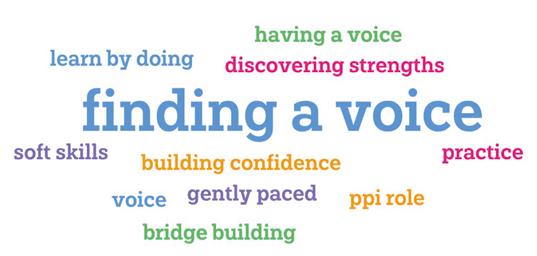
From the outset, we developed a ‘course ethos’ which is illustrated in this word cloud.
PIER member Julie writes
“As a member of PIER, I was approached to co-design and co-facilitate a course called Having a Voice which I accepted gladly. This course is based around PIER members when they participate in research projects and using their voice, the hope was to encourage people in participating more fully and having more confidence in using their voice, especially as every PIER member has a unique perspective in their own lived experience. The aim when co-designing the course was to bridge the perceived gap between academics, medical professionals and the public when participating in the research. The first course was a huge success and is continuing to this day. I am really proud to have been part of this course from its inception and hope it continues enabling more members of PIER to literally use their voice.”
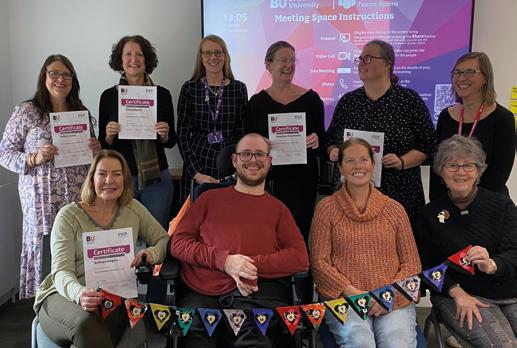
The course content is varied, involving lively discussion, lots of post-it notes and flip chart paper, exploring online involvement in research, alongside the valuable contributions from academics sharing their studies. The final week sees the learners addressing the question ‘Who am I?’ presenting what is important to them, their reflections on the course and how they might like to be involved in research in the future. Learners are invited to present in any way they wish; be it poetry, written words, craft, sharing pictures. Complemented by tea, cake and the presentation of certificates, this last day is a real celebration of all that has been learned and achieved, not least that sense of confidence in knowing that there is a place for each person to have a voice in research.
Following the success of the co-design and co-facilitation of the course, we adopted the model ‘attend one, teach one’; inviting two participants from the first course to cofacilitate the next one. We saw how well this worked when we ran the second course. When asked to evaluate the course, learners described it as:
“It’s a fantastic interactive course, and it really does give everyone a voice and a good understanding of what Research entails.”
(PIER member)
People’s differences
Building capacity: Public involvement in research CPD
(Continuing
Professional Development) unit
In 2024-25 we successfully delivered our 6th and 7th Public involvement in research course to researchers and public involvement leads from universities, health trusts and local authorities from across England. The course is delivered online one day a week for 5 weeks, twice a year, and is now so popular, we have had to increase our numbers as we had a waiting list!
Since PIER members Rachel Jury, Tom Easterbrook and Tim Worner came together to co-design the unit with Mel and Angela in 2022, the unit has been successfully delivered 7 times to 69 learners with more than 30 learners signed up for 2025-26. PIER members continue to co-design and deliver the unit with Mel and Kate, with Rachel Jury, Tom Easterbrook, Julie Cherry, Mandy Bond, Heidi Osborne and Debbie James, all having taken on the co-facilitator role (some multiple times!) since its inception. Other PIER members have contributed to the week 3 activity on developing and practising skills which is consistently rated as one of the highlights of the course by learners.
“This course truly brought to life the principle of ‘Nothing about us, without us.’ I learned that meaningful public involvement isn’t just a tick-box exercise; it transforms the quality, relevance, and impact of research.”
Dr Hina Tariq Project Manager, Bournemouth University
“The course showed me the gold standard way of undertaking engagement and involvement work with the public. Having members of the public who choose to undertake and feedback into this type of work lead sessions about how they, and the organisations they engage with benefit, gave me a completely different perspective. The course has changed my practice to be more inclusive, considerate and think about stakeholders in broader terms”.
Susara Blunden
Women’s Health Research Midwife, University Hospitals Dorset/ Bournemouth University.
“The PIER CPD course brought so much food for thought into my research. Completing the unit has significantly strengthened my understanding of meaningful and ethical engagement with individuals who have lived experience relevant to my research. I gained valuable insight into how to collaborate with stakeholders in a way that is respectful, empowering and grounded in genuine partnership. These skills will be essential as I conduct my PhD exploring the experiences of prison officers supporting people in prison at the end of life. All while ensuring that voices from practice and lived experience are integrated sensitively and responsibly throughout the research process.
All of the PIER team were a delight to work with, communicating their lived experiences so eloquently and with such bravery, felt a real privilege to be part of.”
Grace Lawrence PhD Student
Innovations in education
All of our education activity in PIER is co-designed and delivered with PIER members and community partners. This has led to many exciting, innovative, novel and hugely impactful activities for our students and future health and social care workforce. Here we shine a light on three examples, from across our Social Work England, HCPC and NMC regulated programmes.
Innovation in education – social work: Redesigning children’s social care
PIER were asked to facilitate a two-day workshop on co-production for the MA/PGDip Social Work (children and families) programme – and what better way to teach co-production, than doing co-production. Over the two days we brought together five PIER members with lived experience of children’s social care, three care experienced young people supported by BCP council, three workforce development leads from BCP, Dorset and Wiltshire councils, two programme leads, and social work students from the programme. Together, we explored what children’s social care would look like if we were to re-design it, and we built ‘the ideal social worker’.
Dr Louise Oliver, Senior lecturer in social work
“Over the two days, we worked together to share ideas and dream how we could reshape social care for the better. We then explored practical ways to turn some of these ideas into reality. One of the concepts developed was called ‘Therapy Island’. This idea focuses on supporting practitioners to engage in meaningful self-care, with the understanding that this helps sustain critical reflection. In turn, this improves their practice and enables them to work more effectively with the communities they serve.
When the programme ended, the student group and programme leaders chose to hold a “Therapy Island” afternoon. We did just that, and the group and I found it very rewarding.”
Comments from partners and PIER members:
“Giving young people the opportunity to stand alongside others accessing services, and professionals on equal footing with a shared goal was incredible. Removing all boundaries and actively encouraging free thinking is something that should be employed more often in developing services. Seeing ideas grow and evolve in front of our eyes was so powerful, with everyone feel valued, heard and having their needs considered. I hope there are more opportunities for session like this”
Terry Husher, Children’s Rights and Participation Officer Children’s Services, BCP Council
“Build a Social Worker and design a resource tool was a great opportunity to work alongside students, they were very enthusiastic to hear our ideas on how social work should look in the future.”
Christine, PIER member and participant
Naomi Waters, Regional Coordinator, Step Up to Social Work Programme (South West Regional Partnership
Naomi shares her reflections on the impact of the day: “The co production days far exceeded my expectations. I was hoping for a meaningful learning opportunity for students and those with lived experience to start moving from listening to ‘the other perspective’ to relating to one another on deeper and less ‘othering’ human inter-personal level. It more than achieved this with local authority leads/ managers, PIERs, students and care experienced young people all verbalise how they were leaving inspired and to make positive changes, motivated by the connections made in the room. I was struck by some of the individual comments: a PIER member shared that the experience had enabled them to have closure and move forward from the trauma of a difficult working relationship with social workers in the past, another PIER stated that they felt enlightened and hope for the future of social work from the experience, a third stated they felt empowered and optimistic, a care experienced young person stated how they felt heard. From the days came inspiration of how to not only develop our Step Up to Social Work programme, harnessing lived experiences from all perspectives, but also commitments made by leaders and newly qualified employees of BCP, Dorset and Wiltshire, to harness the learning to promote change in their Local Authorities.”
“ Really enjoyed the day. The activities and discussions were engaging, interesting and fun. I loved the Dream section - a great brainstorming exercise. I felt very happy with the group on my table. The mix of students, experienced Social Workers, PIER and others was inspiring.”
Debbie, PIER member and participant
Comments from social work students:
“Brilliant session! Found it really interesting and inspiring.”
“This was really useful to work together, but also the conversations in-between were really rich in taking on board lived experiences to remember when working in practice.”
“Co-production would be useful throughout my career of social work, co-production should be done more often within the workspace.”
Innovation in education: paramedic science – simulation activity
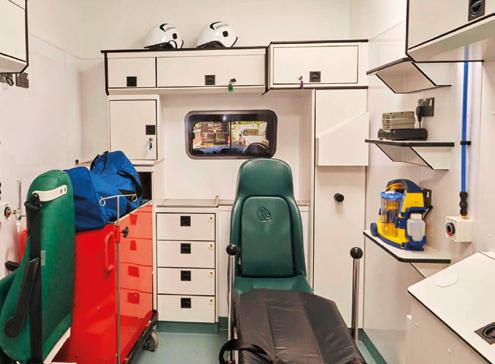
In December 2024, we facilitated an activity as part of the first year (level 4) Fundamentals of Patient Assessment unit in Paramedic Science involving 12 PIER members over two days. The activity gave students the opportunity to take a non-time critical medical history and undertake basic observation of PIER members in a controlled and observed simulation exercise to help develop their communication skills with patients before attending their first placement block in practice. Using Bliss Suite and Ambulance Simulator rooms.

Feedback Stuart Hall, Academic Paramedic Science
“This communication exercise with the PIER members is so important to our Level 4 Paramedic Students as they prepare their communication and questioning skills prior to their first placement block with professional Paramedics. When we combine the realworld experiences, reactions and answers of the PIER members, alongside the realistic settings of our BLISS Immersion suite or our Ambulance Simulation Room this exercise is fantastic, with real value-added experiences for our Level 4 Students. They also have a lot of fun once they get into the day as they can see the benefits of talking to the PIER members and receiving face to face feedback.”
Feedback from student
“Really enjoyed it and thought it was very beneficial.”

Feedback from PIER member Anne Wilson-Croome
“All the students were very impressive and had excellent interpersonal skills, making my part of the work very easy. They had prepared well for the session, showed respect, interest and empathy towards me with a remarkably high level of professionalism.”
Innovations in education: Pharmacology & Medicines management
PIER members contribute to this year 2 unit in Nursing by focusing on the challenges they encounter as people taking multiple medication for one or more chronic conditions they are living with.
Each PIER member records a short video, briefly outlining their medication regime which serves as pre-work for the student to view before meeting them face to face in the classroom setting. Engaging 300+ students in ten groups, PIER members commented:

“I was impressed by the range of questions asked about by medications and the side effects. I’m hoping the students were clear about the need for me to adjust my own medications as an expert in my own condition.”
Debbie Clifton
“The questions asked by the students clearly demonstrated a desire to understand something of a patient perspective on the medication I am prescribed.”
Rosie
Student feedback demonstrates that their learning goes beyond simply knowing about a range of medications but also understanding the importance of seeing the
patient within their context; appreciating that they are the expert in their own condition and that good, honest communication is integral to patient centred care.
One academic said:
“I found the session very useful as a way of teaching the students. Debbie and Martin explained their experiences really well and I’m so pleased they both came.”
Cathy Beresford Nurse Lecturer
Influencing government policy: Visits to Parliament
In 2024-25 year both Peter Atkins (PIER officer) and Professor Mel Hughes (Academic lead for the BU PIER Partnership) were invited to parliament.
All-Party-Health-Group Parliamentary roundtable on shifting care from hospitals to communities
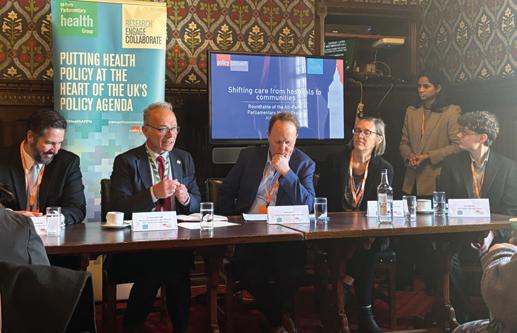
Mel Hughes: I was invited to take part in a panel discussion in parliament on 31st March 2025 alongside experts from the Department of Health & Social Care, Nuffield Health, Healthwatch and the Royal College of Physicians. The panel was chaired by Dr Simon Opher, MP for Stroud who has worked for over 30 years as a GP.
The discussion took place in the Houses of Parliament, in front of an audience, who were then invited to ask questions. It did feel like an honour to be in such a prestigious building, so full of history. Among the attendees were Peter Prinsley MP, Jim Dickson MP and former Health Secretary and member of the House of Lords, Dame Therese Coffey. The event was an All-Party-Health-Group Parliamentary roundtable on shifting care from hospitals to communities; a goal set out in the Government’s ten-year health plan. I was able to speak about the need to involve communities who are most affected by health inequalities in creating solutions, rather than this being imposed, if this is to be successful.
Following the event, the Minister of State for Care, Stephen Kinnock, MP, provided a written response, thanking the Chair for hosting the event and responding to the issues raised including a commitment to “tackling the inequalities that contribute to poor health, particularly for disadvantaged groups.”
Within PIER, we will continue to create opportunities to involve communities in developing and implementing national and local government plans.
Celebrating 60 years of Carers UK with afternoon
tea
at the House
of
Lords
In May 2025, Pete was invited to the House of Lords. Timeline | Carers UK

Peter Atkins - PIER Officer
I was invited as a Carers UK member and University workplace Champion to an afternoon tea reception in the House of Lords on Tuesday 20 May 2025, to celebrate Carers UK’s 60th anniversary.
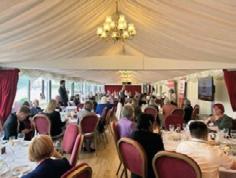
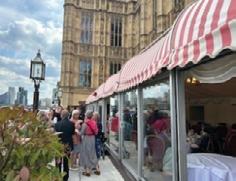
The theme for the 60th anniversary was Equality: today and tomorrow, as such the occasion provided an opportunity to come together to celebrate the achievements made throughout their history, whilst recognising there is still much to be done to achieve equality for carers in all aspects of their lives.
The event took place between 3.30pm and 5pm in the Cholmondeley Room and Terrace, and was kindly hosted by Baroness Jill Pitkeathley, one of their Vice Presidents.
It is important to continue to develop our link with Carers UK as they have become leaders nationally in promoting the key issues that affect Carers nationally with their work on Carers Rights Day | Carers UK, All Party Parliamentary Group on Carers and State of Caring 2025
Influencing academic and professional practice

Preetee Gokhale Lecturer in Occupational Therapy
In January 2025, our paper Instructional Insights: Learnings from a Case Study of Collaborating with an Individual with Lived Experience in Occupational Therapy Education, was published in the Occupational Therapy Healthcare Journal.
The article was a reflection on how co-production approach was used in Occupational Therapy teaching through engagement with an individual with lived experience of Parkinson’s disease and was authored by Preetee, PIER member: Julia Gracey, and Mel. Julia and Preetee reflect in last year’s annual report on the process or writing the paper together. We are delighted to see this published and being read by OT’s cross the UK and beyond. At the time of writing, the paper has had 165 views online.
As Preetee says: “This work reflects true collaboration, amplifying voices that matter and shaping more inclusive, person-centred approaches in Occupational Therapy education at Bournemouth University through BUPIER partnership”.
You can read the paper here

Emil Siwadi
Senior Lecturer
in Operating Department Practice
I have been involved with PIER for several years and had the pleasure of coauthoring a journal article with Professor Mel Hughes, which aimed to open the discussion on service user involvement in Operating Department Practice undergraduate programmes across the UK. In March 2025, the article was published in the Journal of Perioperative Practice, an international, peer-reviewed publication, and represents the first work to specifically address how recent changes to the HCPC Standards of Education and Training set out a clear requirement for involving service users in curriculum design and delivery. It was a privilege to collaborate with Mel and to contribute to PIER, helping to promote their vital work to a wider audience. I look forward to building on this collaboration with PIER, continuing to strengthen service user involvement in Operating Department Practice education and exploring new opportunities for co-produced learning and research.
At the time of writing, the paper has had 264 views and downloads. You can read Emil and Mel’s paper here.
I am more than.… team
People who are homeless and vulnerably housed are one of the most excluded and marginalised in Dorset, and we felt that co-creating inclusive ways of involving them in research could have long lasting impact on the community, on the relevance and impact of our research and could contribute to the development of involving other communities who are under-served by research. The I am more than.. project, funded by NHS England, has gone from strength to strength in 2024-25 where the team including community researchers with lived experience of homelessness, community partners and academic and clinical researchers presented at conferences, and coauthored two papers about this co-designed inclusive approach to involving people in research.
The first is written by Mel, Kate and Cathy from BU PIER, along with Siobhan Lennon-Pearce (project coordinator) of I am more than.., Jim Robertson (community researcher), Tanya Bailey (research inequalities lead) and Mike Graham (CEO) from Lantern Trust, Annabel Wathen (research lead) and Deano Pickering (executive director) from HealthBus Trust, and Helena Posnett (Consultant in Public Health and Trust Lead for Health Inequalities) at Dorset Healthcare University NHS Foundation Trust.
The second paper published in 2025 is from the perspective of our community partners and is written by Jim, Tanya, Mike, Cathy, Kate, Mel, Siobhan, Bels and Helena.
New text book
We are proud of PIER’s work to ensure that lived and community perspectives and expertise are at the heart of influencing academic and professional practice. It is important to us to amplify lived experience voices in academic spaces such as journals and textbooks.
In 2025, we signed a contract with Routledge Publishing to edit the textbook: Poverty in the UK: the lived experience. With the support of the national Poverty Truth Network, BU PIER and social work colleagues, the book is being edited by PIER members: Carrie-Ann Mizen and Debbie James, and PIER academic lead: Mel Hughes. Since January 2025, we have been working with lived experience contributors from across the UK, including PIER members to write chapters from their lived experience perspectives. The expertise and insights emerging are phenomenal. We look forward to completing the manuscript in December 2025 and publishing in 2026.
Influencing best practice for collaborating with people and communities
We increasingly hear about how our involvement is influencing best practice elsewhere. This has led to many opportunities to collaborate with people and organisations across our region who are doing great work to involve and collaborate with communities. We share three examples here from 2024-25.
Age friendly communities
Developed by the World Health Organisation, the Age Friendly Communities framework is built on the evidence of what supports healthy and active ageing in a place. Bournemouth, Christchurch and Poole Council (BCP) was recognised by the World Health Organisation (WHO) as an Age Friendly Community in 2024, taking the lead for identifying areas of improvement to enhance the lives of older adults across BCP.
BU PIER has had representation on the BCP Age Friendly steering group for a number of years: first Mel, then Angela, and now Kate, alongside a range of stakeholders, including voluntary sector organisations, public health and local businesses.
Angela: During the time I attended the Steering group, I co- hosted three Age friendly listening events with BU colleagues, an Age Friendly Community co-ordinator and a local organisation which set out to explore what assets in the local community residents value, what their vision is for an Age Friendly Community; how this may be achieved; and what their priorities were.
The information gathered served to inform the setting of priorities for the future work with the organisations in the Age Friendly Network. I have now handed over the baton to Dr Kate Jupp, PIER officer and PIER research champion Dr Aisling Flynn who will continue to strengthen the relationship and further develop research collaborations between BU and BCP Age Friendly community; harnessing expertise and building the capacity of the community organisations and people with lived experience involved, to be research partners.
Wessex SPIRE
This year Kate was a founding member of Wessex SPIRE (Sharing Practice for Involvement in Research and Engagement).
Kate: Wessex SPIRE is a supportive and confidential space for PPIE (Public and Patient Involvement and Engagement) professionals with membership open to those leading public involvement in health and social care research from across Wessex (Hampshire, Isle of Wight and Dorset) that was founded in September 2024.
The group’s aims are:
• To share learning, best practice and resources for involvement and engagement of people and communities
• To provide knowledge, support and expertise to each other in solving common involvement and engagement problems
• To collaborate and be one voice on topics and projects
• To influence national involvement and engagement activities and the systems and infrastructure that support them
Whilst we are still finding our place (in an environment that is undergoing huge change) our shared desire to collaborate and work together to support and advance involvement of people and communities that is ethical and inclusive remains strong and determined.
Dorset Engagement Leads Network
PIER continue to be part of Dorset Engagement Leads Network hosted by our colleagues at NHS Dorset.
Kate: The focus of our work this year has been to bring together in one place a suite of conversational and listening approaches that can be used capture the voices of people and communities to inform research innovation and service development. With this in place on the Our Dorset website the network has been developing a growing ‘insight bank’ of resources, such as case studies, reports and films to support sharing and collaboration. Our shared commitment is to use insight better to underpin and inform programmes like Communities for All, Thriving Communities, and Neighbourhood Health Implementation Programmes. By working in partnership with people and communities PIER continue to strive to find solutions that will have real and lasting benefit to all people across Dorset and BCP.
These are three of many examples we can draw on from 2024-25 where PIER has had a ‘place at the table’ to be able to influence and enhance public and community involvement across the region. From these and other roles, we have created multiple opportunities for PIER members, community partners, and BU colleagues to be involved in large collaborative projects, all with the goal of ensuring community and lived experience expertise in the development of health and social care research and practice. As we look to 2025-206, our focus will be on supporting more PIER members to undertake these roles.

Our plans for next year

Although challenging, 2024-2025 academic year has been one of growth and renewal for the BU PIER partnership which will continue into the coming year. The stories and reflections shared in this year’s report are just the tip of the iceberg in relation to the breadth and scale of PIER activity and our growing influence on the sector for community engaged, inclusive involvement and collaboration. We will build on this in 2025-26 and as always, we have bold and ambitious plans. BU have recently developed a tenyear plan and vision for the university taking us to 2035. Central to this will be 1) placemaking and partnerships 2) people and culture 3) learning for a digital future and 4) research and innovation. BU PIER are well placed to make this happen. The 2025 strategy outline core BU values of being collaborative and inclusive, innovative and creative, empowering and ambitious, and responsible and impactful. As a PIER partnership, we commit to ensuring that community and lived experience expertise is central to how these are enacted in practice. We will be facilitating activities throughout the coming year with our PIER members and community partners to co-design a new PIER
strategy to identify how we want to do this, drawing on what we already do well, dreaming big on what we can achieve and designing and delivering this in the coming years.
We hope you have enjoyed reading our 2024-25 annual report. Whilst only a snapshot of our year, it reflects the incredible coming together of people and communities and of the influence and impact we can have when we work together to change a culture to one that values and harnesses lived experience expertise and inclusion. We are grateful to every individual and organisation who has collaborated with us for all the energy and expertise you share. We are looking forward to seeing what next year brings.
Professor Mel Hughes, Academic Lead for the PIER partnership
Angela Paget, Pete Atkins and Kate Jupp, PIER officers
Contact us
Professor Mel Hughes mhughes@bournemouth.ac.uk
Angela Paget apaget@bournemouth.ac.uk 01202 962022 07912 785009
Peter Atkins patkins@bournemouth.ac.uk 07806 774858
Dr Kate Jupp kejupp@bournemouth.ac.uk
@serviceuserinvolvement
@bu_pier