Public Involvement in Education and Research Partnership
Annual Report 2023-2024 (September 2023-August 2024)
Public Involvement in Education and Research Partnership
Annual Report 2023-2024 (September 2023-August 2024)
Welcome to the 2023-24 annual report for the BU PIER partnership where we look back at our achievements and impact and share highlights from our year.
When preparing this year’s report, I was mindful that it will be the final report against our PIER 2025 five-year strategy, written with PIER members back in 2019 and 2020. At the time, we set ambitious objectives to enhance the student experience; increase research and knowledge exchange income; harness the knowledge and expertise of PIER members; increase external collaboration and impact; and contribute to the achievement of the UN sustainable goals (SDGs) including Goal 10: reducing inequalities and Goal 17: Partnerships for the goals. We set out a clear vision for these objectives to be underpinned by our shared values of humanised and relationship based models of collaboration and the development of inclusive models of collaboration in education, research and practice where people from marginalised and seldom heard groups are involved as equal partners, and a diverse range of people are enabled to participate in ways which work best for them. I am so proud of how we smashed these targets over the subsequent years. The titles of each year’s PIER annual report during this period tell a compelling story of how our ambitions evolved. In 2020-21, the report was entitled: Harnessing lived experience expertise and documented examples of valuing lived experience expertise alongside that of academic and practice wisdom. In 2021-22 we focussed on the voice and influence of people with lived experience, charting the impact that PIER members and partners were having on education and research at BU and the increasing agency they had to inform the direction of travel. In 2022-23, we shone a light on our flipping the power approach with examples of people and communities with lived experience of the topic being explored, leading on research bids, community-led research, book chapters, a journal special issue, and co-designing and delivering webinars, coaching and mentoring, workshops and multiple education activities. These examples are now embedded
into our everyday practice and are leading to further opportunities. We have built a reputation for inclusive involvement of people who are often marginalised and excluded despite having so much expertise to share. Just this year it has led to PIER collaborating with 50 external organisations; supporting 59 researchers, involving 61 individual PIER members, engaging with 1,881 students in education and collaborating on 12 successful research funding bids generating over £1,223,268 in income to advance health and social care research at BU.
This year’s report shines a light on many of these fantastic collaborations with reflections from those involved on what impact this has had on them. We hope you enjoy reading about them as much as we have enjoyed being involved. I am forever grateful for the PIER members and community partners for giving us the confidence to be ambitious in our goals to push those of us in the system world to think and work differently to be more inclusive and to think deeply about the art of collaboration. Thanks to all of you and keep pushing!
Professor Mel Hughes
Professor of Social Work
Academic Lead for the PIER Partnership
The PIER partnership is a collaboration between people with lived experience, community partners, academics and students at Bournemouth University. As experts by experience, we bring unique perspectives, knowledge and insight to health and social science education, research and practice, leading to improved outcomes for all involved.
For those who are most affected by health and social inequalities to lead the way in shaping responses and improving outcomes.
The BU PIER partnership is underpinned by our shared values and goals of humanised and relationship based models of collaboration. Our work is based on respect and meaningful engagement where everyone involved feels valued and respected.
To involve people with lived experience as consultants; reviewers; researchers; facilitators and assessors due to the expertise they have and the perspectives they can share.
To develop inclusive models of collaboration in education, research and practice which are based on parity of involvement; giving people a voice; and enabling a wide range of people to participate in ways which work best for them.
To broaden the range of voices collaborating in research, education and practice; in particular, marginalised and seldom heard groups.
Angela Paget
PIER officer (developing involvement in Nursing and Midwifery Council (NMC) programmes)
I am someone who loves to be in an educational environment. Having originally trained as a teacher, my passion around providing excellent learning opportunities and seeing evidence of transformative learning still drives and motivates me. When I reflect on the very beginning of PIER with the original 8 members; from that small group grew a community of people with a wide range of lived experience, who do so much more than simply ‘tell their story,’ but who work alongside academics to co-design and deliver sessions with our students; who are involved in the design and delivery of courses and are integral part of research projects, some being co-applicants on bids.
It gives me great joy to see PIER members stepping out of their comfort zones to be involved in something new and seeing the results; be it great student feedback, a sense of personal achievement, growth in confidence and a desire to do more!
One highlight of the past year is the ‘Having a Voice’ course, co-designed and delivered by Mel, Angela and PIER members, for PIER members to develop their knowledge and skills around involvement in research. There have been two cohorts in the last year, and it has been a great encouragement seeing PIER learners from the first cohort go on to co-facilitate the second.
Another activity which provides a rich learning experience is the communication activity for all firstyear nursing students. It is an online activity with up to 170 students and 20 PIER members in small breakout rooms. The value of these sessions is reflected in the feedback:
I found the breakout sessions to be the most informative, beneficial, relevant and positive learning activity/ seminar since the start of our year. Nursing Student
These students have been amazing, it makes me feel very positive about the future of nursing. PIER Member

Pete Atkins
PIER Officer (developing involvement in Health and Care Professions Council (HCPC) & Social Work England programmes)
2023-2024 for me has been about increasing the number of Academics PIER is working with and developing and supporting PIER members in an ever-increasing variety of education activities.
Some of the highlights of the year were:
• Completing the validation process for the Social Work England programmes in May with four PIER members. Special mention was made of the PIER partnership in the inspectors’ feedback on how our passion for lived experience expertise and co-production shone through every meeting they had over the week. The students the inspectors met with told them that PIER involvement was one of the highlights of their course.
• Completing physio validation process for the Chartered Society of Physiotherapy in June with three members. The programme received eight commendations of which two were related to PIER. The first was the student and staff interactions with our stakeholders for education such as the PIER Partnership, and the second was the opportunities for students and staff to work with PIER members on publications (our three publications co-authored with physio academics (Vikram, Katey and Louise), members (Rachael, Tom and Sophie) and Mel.
• Completing the ODP (Operating Department Practice) internal validation of Academic Standards and Education Committee in January with two members. The panel had three commendations one of which was the involvement of PIER members in the programme.
• Successfully completing the Paramedic Science validation in March involving two members.
• Attending the Patient and Carer Education Partnership Conference at Queen’s University in Belfast in April and meeting with the team to advise on involvement in education.
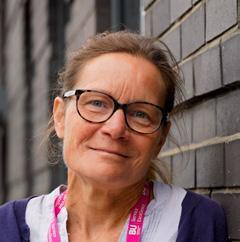
Kate Jupp
PIER Officer (developing involvement in research)
Wow, what a year for PIER! Much of the focus of my work has been on continuing to develop inclusive, flexible and creative approaches that support the involvement of people most marginalised and excluded in research. Meeting people where they are, either individually or in a group, getting to know them and building trust is at the heart of this way of working. This has meant many more people, including people who have never considered being involved, or felt welcome before, have influenced research design and delivery and the development of some high-tech health innovations.
Looking back on my year, it is apparent how ‘contrast’ has featured large - certainly every day has been different! Here are a few examples of the range of involvement in research opportunities I have supported, and account for why I have my wellies, raincoat, suncream and thermos flask always to hand!
People have been able to have a voice in research through conversations with me while sitting on the pavement outside a drug and alcohol support centre and over a game of table tennis at a youth club. I have co-facilitated workshops in fields, in the university, on Ryde promenade at Isle-of-Wight Pride, above a milking parlor on a dairy farm, and at The Sea City Museum to name just a few.
Witnessing the genuine excitement of people in feeling they have a voice and that it is valued, as they contribute what is most important for them, highlights the responsibility and privilege I have, to ensure what has been shared contributes to making a difference.
I have learnt so much this year. Much of this has come from working in partnership with my community-led research colleagues – through valuing the uniqueness of our individual expertise, eliciting our individual and collective potential and doing this important work together.
Central to our commitment to engaging seldom heard voices and creating opportunities for people most affected by health, economic and social inequalities to inform education, research and practice, are our ongoing collaborations with community and external partners. As well as individual PIER members, PIER collaborates with a wide range of partners every year. In 2023-24, this included active collaborations with the following 50 community and external partners, some of whom are featured throughout the pages of this year’s report. This is an increase from 40 in 2022-23.
Community and external partners PIER collaborated with:
1. Adams Court Residential Care Home
2. BCP Access to Food Partnership
3. BCP Age Friendly Communities
4. BCP Poverty Truth Commission
5. Beautiful Wisdom
6. Beyond Reflections
7. Body Positive Dorset
8. Bournemouth HealthBus Trust
9. Bournemouth Heart Club
10. Bournemouth YMCA
11. CAN Community Action Network
12. Carers UK
13. Christchurch Community Partnership
14. Classic Care Homes Devon Ltd
15. Clinical Research Network South West Peninsula
16. Clinical Research Network Wessex
17. Clinical Research Network West of England
18. Communi–T Trans group
19. Documental Theatre
20. Dorset Healthcare University NHS Foundation Trust
21. Dorset Integrated Care Board (ICB) and Partnership (ICP)
22. Dorchester Hospital
23. Dorset Blind Association
24. Dorset Clinical Trials Unit
25. Dorset Farming Lookouts
26. Escapeline
27. Ground Community
28. Health Innovation Wessex
29. Healthwatch Dorset
30. Help & Care
31. International Care Network (ICN)
32. Island Community Action
33. Lantern Trust
34. Macmillian Cancer Support
35. MS Centre Dorset
36. Muscliff Nursing Home
37. My Time Young Carers
38. Parks Foundation
39. Portland Global Friendship Group
40. Social Work England
41. Space Youth
42. Steps Youth Club
43. SWAD (Sex with a difference)
44. University Hospital Southampton
45. Vita Nova
46. Voice Global
47. We Are With You
48. Wessex Cancer Alliance
49. West Howe Community Enterprise
50. Weymouth and Portland Community Research Network
At any one time we have around 90 Indvidual members of the PIER partnership, with a whole range of lived experience expertise. Some have been members since the very first group of eight met in 2005 with new members joining along the way, mostly through word of mouth and through our community partners. Here we invite Debbie, Anne, Iain and Paul, to reflect on their involvement in PIER and what it means to them.
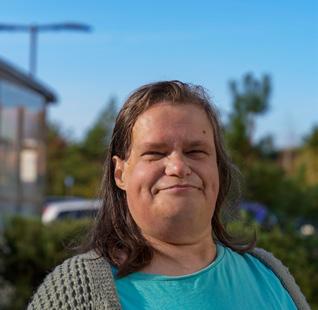
“I am a writer and Mother of two. I have lived experience of Social Services involvement in my life, Mental Illness, Addiction and Poverty. I joined PIER two years ago through my involvement with The Poverty Truth Commission, as a Community Commissioner. I have shared my story mainly with Social Work Students, through conversations and workshops.
As a writer, the ‘In Your Shoes’ workshop gave me a unique opportunity to use my writing skills as a powerful educational tool. I could highlight the importance of empathy and understanding in social work in a way that validated my story, alongside the potential to foster progress by enabling students to put themselves in my shoes. I am currently co-editing a social work textbook about Poverty which is something I never imagined I would have the chance to do. I recently completed the Having a Voice Course, which greatly enhanced my insight into the research process. I have progressed from sharing my own story to co-facilitating poverty workshops, and the next Public Involvement in Research CPD Course delivered to researchers. I never believed I had the potential to influence social change or make a difference. It is incredibly empowering to see how my lived experience can transform into powerful narratives that educate, inspire, and encourage. PIER has given me hope.”
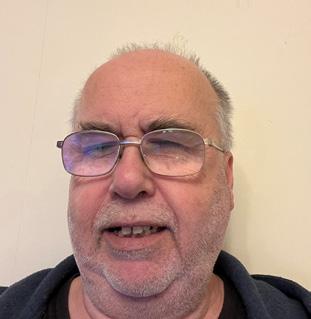
Ian Sutherland - PIER member
‘I first started work in 1980 as an apprentice in an industrial paint shop. A job I held for 27 years across three companies and rose to the height of manager. I was recruited in October 2019 by an officer of the PIER partnership who came along to a meeting of the Dorset Blind Association, of which I am a member. I became a member of PIER because I have a Visual impairment and wanted to help students learn how to communicate, with patients with disabilities. Because of other health issues when COVID-19 hit in March 2020, I had to isolate myself from the outside world to keep myself safe. I was happy to see that a lot of work I did with PIER went online. I found this was a great help to my own mental health. I help with some health and social care courses which include, paramedic science, OT, physiotherapy, nursing and social work courses. As much as I enjoy helping students with their particular courses, I really do enjoy paramedic science, because I’m there as a patient in the room rather than as a visually impaired person.’
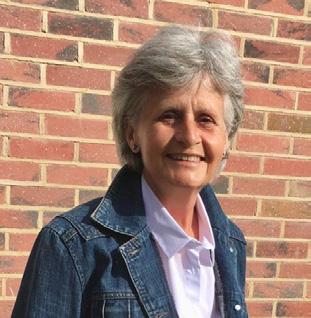
“I needed to leave work due to ill health. My feelings of disappointment, lack of direction and loss were enormous. A friend suggested I join the PIER group so that I could continue, in a small way, my involvement with students. It might sound rather over the top but, being a member of PIER has helped to restore my confidence, challenge me intellectually and I feel that I am giving something back to society by sharing my health experiences with the Health and Social Care students - the next generation of our Health Care professionals. I feel confident working with students over Zoom and Teams but my preference is the in-person, lecture groups, because the interaction seems so interesting and productive, and the students’ involvement always seems so positive. I really enjoy being a part of the PIER team and I’m looking forward to new challenges over the coming academic year.”
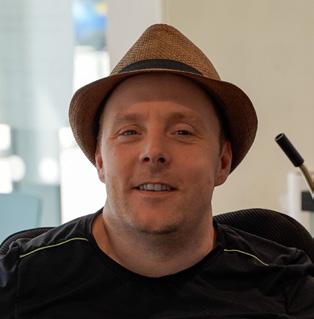
Paul Cutting - PIER member
Life was completely changed at the age of 22 following a road traffic accident swerving for a fox. C4/5 tetraplegic being the vertebra level I broke my neck and incomplete (not severing the spinal cord) the distinction.
Having been inactive for years, wooing a wife and starting a family, I became the tenant rep in the building we live and met Kate Jupp through an NHS research project in Jan 2024 where the offer to join PIER came up. Being fairly confident and articulate, it seemed like a good opportunity to impart some knowledge into students at a crucial time and get paid for it. Since joining PIER I have spoken to groups of nurses, doctors, paramedics, physio and occupational therapy students about living with and managing a longterm health condition. I have conversed with first year nursing students specifically about communication in their role, written a snippet for the PIER handbook and am part of the interviewing panel of the candidates for the nursing degree. I will be talking to paramedic science students in December and co-facilitating courses in the new year.
It’s clear to see that the students are very engaged and ask specific very relevant questions. They are listening and taking in the information. The feedback is always very positive and complimentary. It clearly helps to relax some of the candidates on interview when they see someone so highly disabled on the panel. Being a part of PIER has been very enriching. I believe everything happens for a reason, now perhaps there is slightly more purpose to this injury, and I thoroughly look forward to its future.
The PIER partnership would not exist without its members who willingly give their time and expertise to enhance the educational experience of our students and enhance the relevance, quality and impact of BU research. We aim to foster a sense of community where we all feel we belong and are valued for who we are and are recognised for the valuable contribution we make. When asked how taking part in PIER activities makes us feel, PIER members used words such as valued, affirmed, connected, privileged and engaged. Members said they enjoy being with like-minded people, who come from different places but have common goals. Members feel welcomed and comfortable and appreciate the opportunities to have a voice and make a difference. Whilst acknowledging that many PIER members have had to give up their careers, members reported feeling a sense of community and know they are making a difference to the future practice of BU students and are meaningfully involved in shaping and designing research.
Twice a year, we hold Big members’ meetings, which are co-hosted by staff and PIER members and seek to bring everyone together with a varied agenda. These meetings prove valuable in bringing the PIER community together to share ideas, showcase our work and provide a space where people can get to know each other. It is fair to say that the PIER members are supportive of each other, one example being the suggestion of a ‘Buddy system’ for new members to shadow a more established member as they begin their PIER journey.
It is important to us that PIER members are always offered payment for their participation in recognition of their contribution to education and research activities. This last year has seen the development of a new BU public involvement payment policy, approved by UET (University
Executive Team) in November 2023. We have drawn on the expertise of two PIER members, Tom and Pam, to co-produce a ‘Payment Guide’ outlining the payment process for PIER activity and the responsibilities for PIER members in terms of their tax liabilities and potential impact on benefits and the importance of keeping a record of any payments they receive. This was well received at a recent members’ meeting.
PIER members are a huge asset to BU and whilst members come with their individual lived experience, knowledge and skills, we offer training to help everyone further develop their skills and knowledge and feel confident and equipped to be involved. The ‘Having a Voice’ in research course was co-designed and delivered by Mel, Angela and two PIER members. The five-day (certificated but not accredited) course aims for participants to build confidence and gain a broad overview of research and engage and participate in discussions with a view to being involved in research projects in the future.
The course has been positively evaluated by the two cohorts who have completed it so far, participants said: “The course was better than my initial expectations, consistent with all that PIER offers to its members. It gave good insight into the research world process from evolving an idea until it sees the light.”
“It has been very cohesive and inclusive. Even though we were all very different as people, we were all included, and each given our voice. The more informal approach worked very well.”

Many of the courses delivered in the Faculty of Health and Social Science are regulated by professional bodies such as Social Work England, Health and Care Professions Council (HCPC) and Nursing and Midwifery Council (NMC). A number of these were due for re-validation in 2023-24 enabling PIER to play an active role in reviewing and re-designing course content and meeting with inspectors during re-validation visits. We have invited colleagues from social work, physiotherapy, operating department practice and paramedic science to reflect on the impact of PIER involvement in this process.
Sally Lee - Senior Lecturer in Social Work
Stefan Kleipoedszus - Deputy Head of Department of Social Sciences and Social Work
Louise Oliver - Senior Lecturer in Social Work
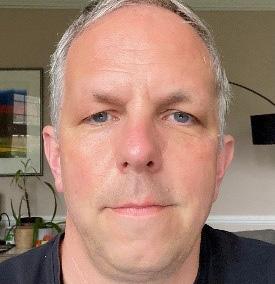
2023/24 was a big year for the three social work programmes at BU as we reviewed and revalidated each programme and underwent our first inspection by the current professional regulator (taking over from HCPC in 2019), Social Work England. We felt highly supported by, and grateful to, PIER members who were involved in the revalidation and inspection process from the outset, starting with a consultation event where PIER members and the teaching team explored together the ethos and goals of the programme and created a shared vision of the knowledge, skills and qualities required of our graduates to inform us as we reviewed the programmes.
We are especially grateful to the team of PIER members (Heidi, Carolyn, Mandy, Christine, Sue, Sophie, Debbie C, Deborah, Anne, Tim, Peter L and Iain) who spent time preparing for and meeting with the revalidation panel in March and the inspection team in May. PIER involvement is an integral and essential part of our programmes, adding social context and depth of understanding to the learning, as well as quality assurance from the perspective of living experience. It was in the role of quality assurers that PIER members excelled during revalidation and inspection, discussing with the respective panels their involvement in the programmes. We received extremely positive feedback from all the panels about the authentic and meaningful inclusion of PIER members in our programmes. Thank you, PIERS, for your amazing support!
Kathryn Collins - Senior Lecturer in Physiotherapy
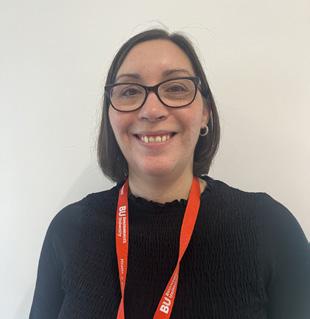
The physiotherapy programme underwent revalidation with the Chartered Society of Physiotherapy. The main stakeholders in the process were our practice partners, students, and PIER Partnership. In addition to events with practice partners and students, the programme team consulted PIER members exploring their experiences of the current curriculum, areas of development, simulated practice learning, and innovative ways to incorporate PIER members in teaching. This led to planned simulated practice learning around hands on assessment of PIER members, demonstration of equipment such as adaptive cars, mobilising in the community, and more conversation practice. We are now undertaking a service evaluation of a previous simulated practice learning experience with PIER members and students to further develop simulated practice learning in the new curriculum.
A group of PIER members took part in our revalidation event with the Chartered Society of Physiotherapy receiving excellent feedback including two PIER related commendations:
“Inclusive conversations with stakeholders reflected in the positive feedback from practice partners, PIER and learners.” and “Opportunities for student-staff & PIER cocreation research projects.”
Emil Siwadi - Senior Lecturer in Operating Department Practice
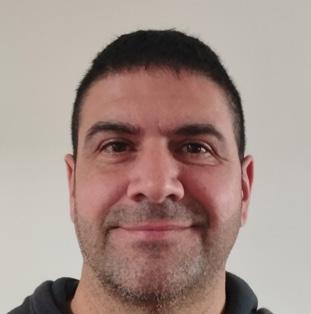
I attended the approval meeting in my role as a Senior Lecturer in Operating Department Practice and link member for the ODP team at BU. I have been actively engaged in PIER activity for around seven years and as the previous Programme Lead for the ODP programme, played a central role in embedding PIER activity into the ODP curriculum during the previous validation process. Peter Atkins has always recorded feedback from both student and PIER member participants in each session. This feedback is shared with the ODP team, and I also seek verbal feedback at the end of each session.
The approval meeting gave the opportunity to highlight the positive impact on student learning directly to the validation panel and express the positive aspects on developing the future healthcare workforce from continuing PIER activity within the new curriculum. A consistent theme that has emerged from student feedback centres on the value of these sessions in helping students apply humanised care to their everyday practice through discussion of service user perspectives and perceptions of what high quality care looks like.
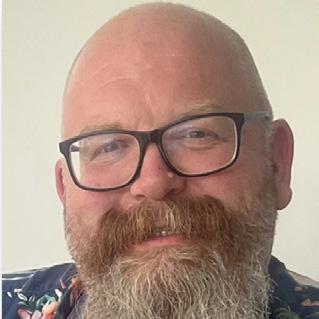
The Paramedic Science team called upon the PIER partnership to facilitate a focus group as a key activity for our Curriculum revalidation event in March 2024. This enabled us to present an independent patient perspective for the event, by demonstrating the wide range of health and social care service experience provided by the PIER partnership. These connections with partners have always positively complemented our student experience and engaged them with unique learning experiences. I understand the succinct presentation from our partners to compliment the revalidation panel went well, and the day concluded positively, with the representation from PIER and its members noted as a key positive aspect in the feedback.
Since its inauguration in 2015, our BSc (Hons) Paramedic Science degree programme has always embraced the opportunities PIER have provided from the very start of face-to-face admission interview activities, throughout the programme allowing interaction and enquiries of specific medical conditions and lived experiences, facilitating the nuanced communication challenges, in a safe simulated environment. These opportunities continue to be the cornerstone of our team’s innovative education practice, and we look forward to continuing our engagement and future endeavours as we evolve our latest curriculum and research with the PIER partnership.
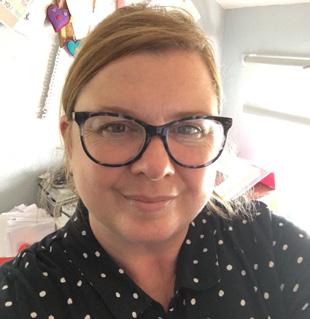
Rosslyn Dray - Senior Lecturer in Social Work and Practice Lead
In 2023-4 we introduced a new activity to support BU social work career development and prepare students for employment. This was a collaborative activity between Ros Dray, practice lead in the social work team, BU PIER and practitioners in BCP, Dorset and Wiltshire Councils.
Students on the social work course at BU receive career development support in their final year. This has been extended to include interview simulation as it offers opportunity to practice and develop confidence at interview. It also helps students experience what it is like to be interviewed for a social work role. For final year students, the transition to qualified practice can feel daunting. Alongside completing studies, it is a competitive process for social work roles, and we want to encourage students to have confidence in being able to convey their strengths and qualities at interview.
Can you tell us about a particular piece of work involving a service user or carer. What did you learn from this? (PIER member interview question)
We ran two practice interview sessions including both MA and BA students in January and May 2024. PIER members were involved in the design of interview questions and each interview panel was comprised of a PIER member and a social work practitioner. A short interview was conducted which concluded with verbal and written feedback for the student. We held a plenary at the end of the session so all interview panellists could pick up themes with the student group and provide general feedback.
We are fortunate to be able to link with BU PIER so interview panels reflect the inclusion of people with lived experience. This is something Local Authorities routinely do in their selection process, so this offered a unique opportunity to replicate a similar experience. Whilst students felt nervous on the day, they said it was extremely useful to have an opportunity to practice and gain feedback on how they present themselves.
Feedback from the PIER members will help us build on the success of these sessions in the coming academic year and we look forward to being able to develop this opportunity for students.
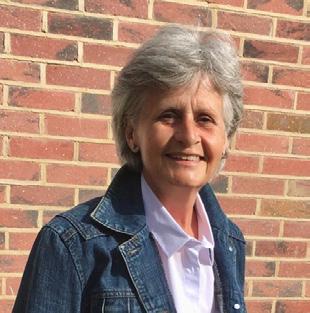
“The students were all well prepared and of a very high standard, both in the way they presented themselves and also in their answers. They were all very positive about their future careers and were able to look maturely at any difficulties they felt might hinder their progress.”
Anne Wilson-Croome – BU PIER
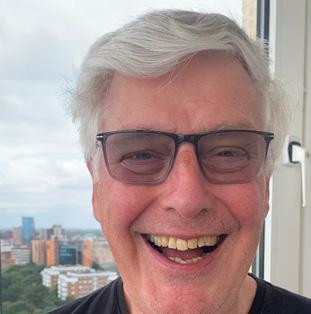
“All the students took the activity seriously….. Overall I think that this is a very useful exercise”
Peter Latchford– BU PIER
PIER members continue to contribute to the ongoing professional development of health and social care professionals after they have qualified through BU’s Continuing Professional Development (CPD) Framework. One example is the 20-credit unit, Care of Clients with Long Term conditions which equips healthcare professionals with the knowledge and skills to recognise, assess and manage clients with a range of long terms conditions.
Tim Worner’s perspective - PIER member
“It works really well splitting a larger class into smaller groups of 4 and then having a conversation with each for 15 minutes. I tend to introduce myself and say a bit about my background, then all the group will ask me questions about my life with MS, which ensures they all contribute and take away things they did not know before from the session.
“I feel if they use just one thing from the session with me to help patients in the future I will have achieved a great deal.”
Kelly Hislop lennie’s perspective - Senior Lecturer
“Having the PIER group involved in the Caring for Clients with Long-Term Conditions unit has provided a unique opportunity for the healthcare professionals attending the course. This allows them to gain a deeper understanding of what it is like for the person living with a long-term condition. The students are always inspired by the life stories of the members, and I believe this has a significant impact upon the way the Healthcare Professionals work alongside their clients in practice.
It is always a highlight of the Unit and is consistently evaluated very well by the students. I also enjoy getting to know the members a little more every time I see them and appreciate having them as part of the Team.”

In addition to contributing to individual sessions and content, PIER were involved this year in a review of the faculty’s CPD offer by participating in a Framework Revalidation Stakeholder workshop facilitated by Tilia Lenz, Senior Lecturer in Social Work and Continuing Professional Development and Mel Hughes, Professor of Social Work and Director of the National Centre for Cross Disciplinary Social Work.
Tiffany Watson’s perspective - PIER member
“I find the sessions extremely rewarding and feel like I’m making a difference to helping both the NHS and people with disabilities. It is so uplifting when we sit in our mini groups and the students are genuinely interested to learn from us. Having a rarer disability allows me to educate people and also gives them an edge if they meet someone with it in their future career. I always leave smiling and proud of myself for helping.
Feedback from students highlighted the importance of good communication. For example, the session reaffirmed the patient’s voice and lived experience far exceeds the textbook or PowerPoint experience.
The BU Continuing Professional Development (CPD) framework offers learning and development opportunities to professionals in health and social care. The session aimed to seek the views of stakeholders from all health and local authorities for the CPD revalidation at an early stage. Managers, senior leaders and budget holders attended to review the CPD curriculum, support available to students and to consider how this was tailored to meet the needs of the profession.
Three PIER members, Mandy, Chrissie, and Peter and PIER officer Peter participated in the workshop and group discussions offering vital input to ensure that the partners considered patient and service user needs as part of their workforce development strategy.
Mel, Peter and Angela had the pleasure of being invited by Queen’s University Belfast PCEP (Patient and Carer Education Partnership) to their forum’s first ever conference, ‘TOGETHER- Showcasing the impact of partnership’ with the invitation to stay on for a 2nd day to meet with the team to discuss the development of their strategy and ongoing involvement in education practice. PIER have supported the group at Queen’s since the beginning of 2022, sharing best practice and ideas on service user and carer involvement, so we were delighted to meet face to face.
Queen’s is the UK’s 9th oldest University, celebrating its 175th anniversary in 2020. The conference was held in the Great Hall of the magnificent Lanyon Building. Attended by over 100 people, there was a good mix of service users, carers, academics, students and external delegates. We heard from the Chief Nursing Officer; Professor Joanne Reid followed by Mary Duffin; Co-chair of the PCEP Forum who shared with us ‘Where it all began,’ over 10 years ago. PCEP now has 38 members which includes service users/carers, staff and students who all share their expertise within the School of Nursing and Midwifery. Throughout the day we heard from PCEP members who shared their stories, including Dr Paul Gallagher who was severely injured in a sectarian gun attack at his family home resulting in life changing injuries. He spoke powerfully about his own journey of recovery, which led him to PCEP and the
importance of psychoeducation for survivors of trauma and those who will become the frontline workers of the future.
There were many opportunities to network and exchange contact details with a view to future collaborations. On the tables it was encouraging to hear from students who clearly value the work of PCEP and the impact it has on their learning. Suffice to say, the conference was excellent and a joy to be in the presence of like-minded people, passionate about service user/carer involvement in education. Peter said it was the best conference of its kind that he has been to.
We spent a second day with the team, giving a presentation about the work of PIER which was intermingled with lively discussion. This was followed by a tour of the impressive KN CHEUNG, SK CHIN Intersim Centre https://www.qub.ac.uk/sites/intersim/Facilities/
Our collaborations with Queen’s will continue. It is hoped that PIER and PCEP members will be able to meet virtually to share ideas and experiences. Conversations were started about holding a symposium sharing good practice in Nursing and Social Work involvement in Education.

Mentoring and supporting researchers – pre-award (when developing a funding bid)
At the heart of PIER’s work is creating and developing a culture of inclusive public involvement in research. Through having a clear purpose, based on a relationship first approach that is creative and flexible and values everyone's expertise equally, we have role modelled what it takes to create the right ‘feel’ when involving people with lived experience in research.
In PIER we engage with many community groups, organisations, activists and campaigners who are conducting some wonderful work to promote inclusion and advance social justice across the region and beyond. To amplify these voices, we have continued to grow the Community Voices webinar series. In 2023/24 we welcomed Christchurch Community Partnership, Space Youth, Grounded Community, Parks Foundation, Dorset Farming Lookouts, SWAD, Age Friendly Communities, and the Portland Global Friendship Group to share their inspirational work. The webinars and the recordings continue to build connections and collaborations between BU researchers and the wider PIER research network, supporting those currently underserved by research to have an opportunity to influence and lead on research projects and priorities https://www.bournemouth.ac.uk/research/centresinstitutes/centre-seldom-heard-voices
The Community Voices webinars can really help in making connections and building bridges and supporting public involvement pre-award. For example:
Dr Fern Baker (She/her), Lecturer in Sustainability, Department of Life and Environmental Sciences highlights that they would not have met George (tenant farmer in the Purbecks) without November’s community voices webinar where we welcomed Dorset Farming Lookouts. As Fern reports following the webinar:
“Dr Kate Jupp as part of the PIER partnership provided guidance on how to design and host an effective involvement workshop with eleven farmers in Dorset, who contributed their perception and experience of voluntary carbon markets. Rural areas and farmers are often not included in the research development process and this workshop was an opportunity to bridge the gap and aid inclusivity. PIER provided essential guidance on effective methods, such as using visioning exercises to learn what farmers perceived the dream scenario to involve, and the steps needed to reach those goals. Co-producing with
the farmers allowed us to gain insight into the areas of importance in a real-life setting. The findings are helping us to shape an application to inform a prospective PhD studentship funding application to the Perry Foundation to improve viable access to the voluntary carbon market system for the farming community. We will continue to work with farmers as a steering group during our application and research.”
We are regularly invited to share our work and approach to inclusive public involvement in research and have co-presented with PIER members and community researchers this year at webinars including to the BU Centre for the Study of Conflict, Emotion and Social Justice in the Faculty of Media and Communication, Department of Nursing Science Research and Scholarship Programme webinar in the Faculty of Health and Social Sciences and externally for Health Innovation Wessex and for Dorset ICB (Integrated Care Board) People, Engagement and Culture Committee. This enables us to share our inclusive approaches for public involvement in research and build our networks and opportunities for collaboration.
Another way PIER support public involvement pre-award is using VOICE global https://voice-global.org/ BU continue to reap the benefits of being collaborators with the national Digital Public Involvement Platform. This year researchers at BU have posted 14 research opportunities from research topics as varied as Digital social support during pregnancy and postnatally to Modelling and Mapping Drowning Risk. One opportunity, (that currently holds the record on the VOICE platform for the number of applications 77) ‘Checking your skin for early detection of skin cancer’ has been subsequently awarded Cancer Research UK funding. The study has two VOICE member public contributor co-applicants and has been selected to feature in the VOICE Impact report 2024.
Dr Timothy Keen consultant gastroenterologist with a particular interest in hepatopancreatobiliary (liver, pancreas, and bile ducts) conditions University Hospital Dorset NHS Foundation Trust and Lecturer in Clinical Imaging at Bournemouth University.
“The online focus group conduction via PIER and the VOICE platform had a significant impact on shaping the direction of my research. Engaging with individuals who have lived experience provided invaluable insights that refined my research questions and objectives. This contribution allowed us to design a study that aligned with the real-world needs and preferences of those with lived experience, enhancing the relevance and potential impact of our research.”
This year we learnt that 12 projects that PIER supported pre-award were successful. PIER are now leading on the public involvement aspects in projects across BU that are in their early stages (we look forward to sharing more in 2024/25 report), for example projects in the Faculty of Media and Communication (Digital Media Engagement and Wellbeing for Blind People), Faculty of Science and Technology (A brief online emotion-based intervention to provide early support for adult patients with binge eating disorders awaiting NHS treatment) and Faculty of Health and Social Sciences (REFRESH study: nutRition intervEntions For malnouRished oldEr adultS in careHomes - A parallel, superiority, assessor blinded, three-arm cluster randomised controlled trial) AND (Using surface neuromuscular electrical stimulation for lower limb weakness early after stroke: A randomised controlled feasibility study). PIER members are public contributor co-applicants on three of these projects.
https://www.bournemouth.ac.uk/news/2024-11-11/278mstudy-explore-nutrition-older-care-home-residents
Providing training to researchers to develop more inclusive involvement in research
The co-designed and co-delivered M level, 20 credit CPD unit: Public involvement in research, delivered in collaboration with the BU PIER Partnership continues to go from strength to strength. In 2024, we delivered the course for the 5th cohort of learners. https://www.bournemouth.ac.uk/study/courses/publicinvolvement-research
Testimonials from cohort 5, highlighting the reach and impact of the course
Sharon Court, Patient and Public Involvement Facilitator, Research & Innovation Department, Portsmouth Hospital
“Although I’ve been working in PPI in the NHS for five years, I learnt new things on the course and had the opportunity to really reflect on my practice and the things I might want to change. I would definitely recommend this course to anyone and everyone involved in research, whether they’re just starting out or have been doing PPI or research for many years.”
Agata Pacho, Research Fellow at London School of Hygiene and Tropical Medicine
“The fact that the Public Involvement in Research was co-produced and co-led by members of the public added a valuable perspective. The unit integrated important theories and offered a diverse array of activities, avoiding reliance on a single learning style. This variety ensured accessibility for all participants. Moreover, the unit fostered a supportive environment, providing space for us to address and navigate the unique challenges we face as researchers committed to public involvement.”
Donna Austin - Advanced Critical Care Practitioner/ Research Fellow, UHS
“This is without doubt one of the most influential courses that I have ever had the pleasure to attend. It has transformed my research and clinical practice. I cannot recommend it enough!
Many of the learners remain in close contact with PIER, including one from 2022/23 cohort whose words showcase the power of working collaboratively and as part of a wider network - building capacity and supporting best practice in public involvement in research.
Sonia Newman, Senior Public Involvement Advisor, NIHR Research Support Service
“Participating in the BU CPD module was transformative for my role. It provided a solid theoretical foundation and a safe space for me to define my work as a connector and translator, committed to making research accessible, understandable, and meaningful for communities that are often underserved by research. Following the unit, I created a framework for Public Involvement & Engagement, a guide for researchers in ways to involve people, both traditional and novel. I truly believe that there should be ‘no research about me without me’ as people are, and should always be, at the heart of what we do.
In my current advisory role, I draw on both my learned knowledge and personal experience to support researchers as they incorporate PPIE into their funding applications. My partnership with the BU PIER remains invaluable. Their recent feedback on one of our processes allowed us to make relevant changes”.
Throughout 2023/34 PIER have partnered with community organisations, to support a number of community-led research projects. We have continued to develop a way of working that is inclusive and flexible in supporting people who are seldom involved in research to have a voice and influence. We have achieved this by investing time in building trusted relationships with our community partners, respecting their capacity and offering more fluid opportunities for community members to be involved as the realities of their lives allow.
One approach we developed further this year is the BU PIER Community Researcher model where people with lived experience of the topic being explored are supported and mentored to undertake research within their own communities. The following examples shine a light on some of the challenges and complexities involved and what is possible.
The I am more than.. project started as part of The Research Engagement Network Programme Cohort 2 (REN2), an initiative by NHS England who provided funding to Integrated Care Boards (ICBs) across the country to bring the voice of people and communities into health and care research. In Dorset, we developed a collaboration between the PIER Partnership, Our Dorset, Lantern Trust and HealthBus Trust with a focus on connecting with people with experience of being homeless and vulnerably housed to co-create inclusive ways of involving them in research.
Following the success of phase one, phase two of the project was funded by the Clinical Research Network (CRN) Wessex (now the South Central Regional Research Delivery Network) enabling us to further develop and embed the co-designed and inclusive approach.

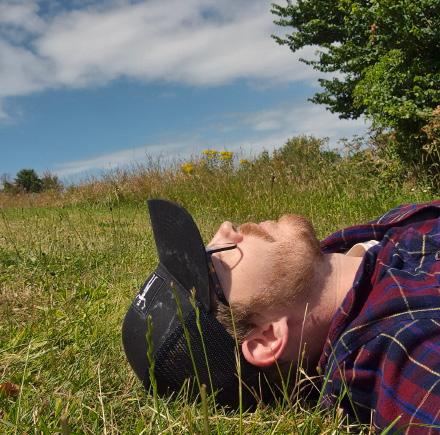
Tim Davies, Community Researcher
“Having lived my own bumpy journey through life for a while, being involved with this project has been a real challenge for me, however going into it, I felt really strong & confident but unfortunately the more I delved into the lives of others, probing for their truths, for their experiences, the more my spirit was weakened and the more I struggled.
As those willing continued to engage and contribute, the deeper the trust grew and the real hardships began being discussed and it wasn’t long before I learnt of the true state of the basic care systems, most of which, failing the people they stand for.
There needs to be a change, a reform, a shift in the waves, for the better and for the long term. As people, as a society, as a country, we are failing ourselves. We need to do and we need to be better.”
Dr Siobhan Lennon-Patience, project coordinator
“All too often, those most impacted by inequalities are less likely to be involved in setting research priorities or designing research. The I Am More Than … project has enabled the time and space to build trust and relationships, a space where lived experience is valued and recognised as integral to developing a model to involve others underrepresented in research.”
Tanya Bailey - Education, Training and Employment coordinator, The Lantern Trust
“It has been an interesting journey without structure and fixed outcomes and possibly why I now feel like ‘Mr Messy’, although perhaps I started off as a tightly wound ball and unravelled to something looser! In all seriousness, although it’s been challenging at times, particularly as I am someone (who I now know) works quite well with structure and planning, the Aquarian in me does appreciate the value in experiencing unique authentic connections, that focus on the human.”
Dr Helena Posnett, Consultant in Public Health – Trust Lead for Health Inequalities Medical Leadership Team, Dorset Healthcare University NHS Foundation Trust
“We need to ensure our health and care services and research portfolios are accessible for and meet the needs of our diverse population in Dorset and can support our ambitions to tackle health inequalities. Through the ‘I am More than…’ project and collaboration with trusted community partners as bridge builders, researchers and engagement leads will have a new approach to involving communities - to enable them to have a voice to drive service improvement and be able to participate in research.”
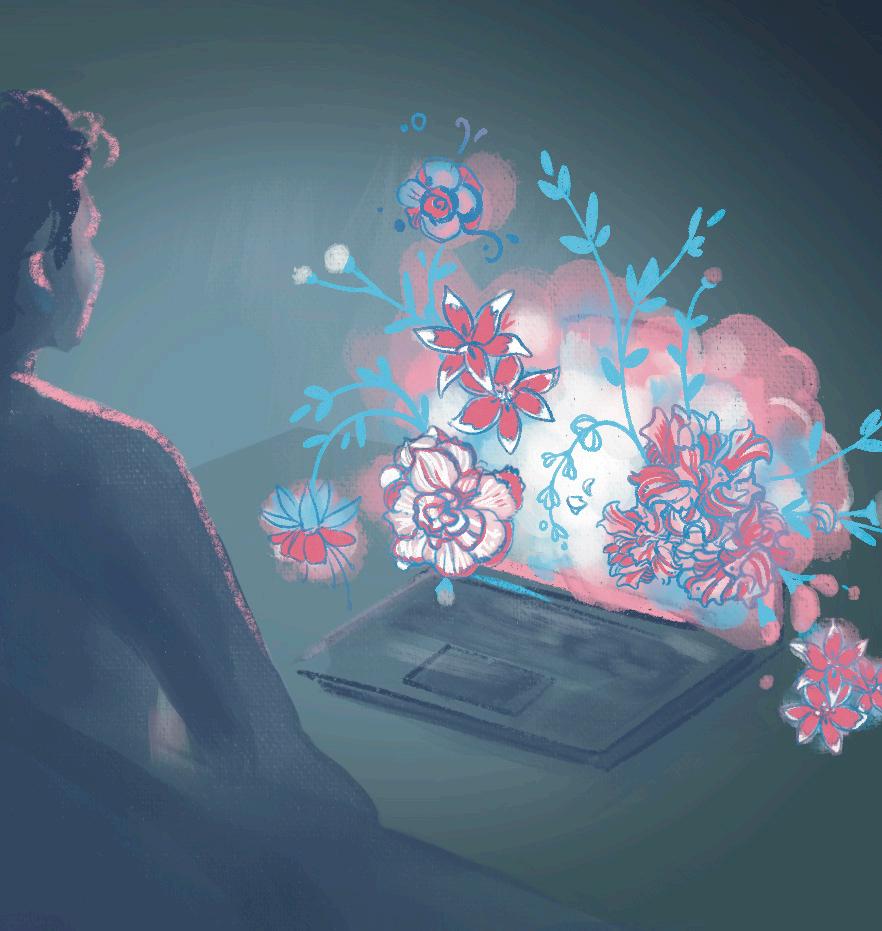
Trans Aware Cancer Care is a project seeking to better understand the trans+ experience of cancer and wider health services and to bring together trans+ people and professionals involved in delivering cancer services to co-produce solutions.
Drago (he/him), Community Researcher on the TACC project
“The project was very much like a garden, in my mind. The more time passed, the more flowers I saw blooming from my skin, in all shapes and sizes, in more colours than my eyes could register. There was good, and bad, and everything in between. The project felt like a living, breathing person, with beauty and with flaws, and I fell in love with every single part of it. It reminded me that we are at the centre of our future, not someone who knows nothing about us. Together, we will build a world that fits us. And if we can offer other trans+ people even a speck of the feeling this project brought into me, then it will all be worth it.”

Abigail Parkes (she/they) projects coordinator
“Learning from the pilot project challenged me to think about where our community was. Beyond Reflections has our members, but most of our existing spaces are not suitable to simply run a workshop in and there was low uptake to our tries to run them separately. We work mostly online so when do we see people in person? Where do we meet our members, wider community, and allies? What spaces do they feel comfortable in, and empowered to share their stories?
The TACC project went on to run workshops at five Prides across Wessex.
(she/her)
“Wessex Cancer Alliance is committed to reducing inequalities in access, outcomes and experience in cancer care. While we can use a range of data to help us understand what inequalities exist, there can be a dearth of insight for specific groups of people as to why differences might be happening, including the complex, intersectional drivers that can have an impact. Working with community researchers shines a light on some of the causes of inequalities, as well as forcing us to confront our own misconceptions and biases. The approach recognises that distrust and power dynamics can limit our effectiveness in recognising often long-standing, complicated issues from the perspective of people who experience poorer care, building our understanding as well as adding a richness to perspectives which would otherwise be out of our reach. Looking forward, we want to continue working with community researchers on insight projects but are keen to move to co-producing solutions to some of the issues that have been highlighted. We hope this will help us create better and fairer cancer services for everyone in our communities.”

Our main goal as we headed into 2023-24 was to build on the success of our relationships, partnerships and collaborations to continue to inform and support the development of inclusive practises and methods where everyone in society has the opportunity to shape and inform research, education and professional practice that most affects them. The overarching goal has been to harness lived experience expertise to address health, social and economic inequalities which improve outcomes for all. Whilst these have been long standing ambitions, there was so much evidence of this taking place this year. The various community led research projects such as ‘Trans Aware Cancer Care’, ‘I am more than...’ ‘What I want to say’; ‘Disability, sex and intimacy’; ‘Active citizenship for people with MS’; and ‘Hidden Hunger’, are just a few examples of PIER supporting people to come together to undertake research in their own communities, with the support of community partners. All these findings, and the communities involved, have gone on to inform health and social care practice across the region and in health and social work education at BU. This work is enabling us to re-think inclusive methods for involving people who do not typically engage in education and research. A significant
focus for the coming year will be to share our learning nationally through co-authored book chapters, research papers, films and social media content; and through collaboration at a regional and national level to inform the inclusive research agenda. We will continue to build on our collaborations with the voluntary and community sector and to build research capacity within marginalised communities to drive this change. In August this year, we welcomed the new Vice Chancellor and Chief Executive Officer Professor Alison Honour to Bournemouth University. As Alison leads on the development of the new 10-year vision and strategy for BU, we will re-state our commitment to ensuring that lived experience expertise and the art of collaboration is central to research, education and professional practice at BU. To all of our members, community partners and supporters, we look forward to co-designing our next PIER strategy with you to support this vision.
Angela Paget, Pete Atkins, Kate Jupp, PIER officers
Contact us
Professor Mel Hughes mhughes@bournemouth.ac.uk
Angela Paget apaget@bournemouth.ac.uk 01202 962022/07912 785009
Peter Atkins patkins@bournemouth.ac.uk 07806 774858
Dr Kate Jupp kejupp@bournemouth.ac.uk
@serviceuserinvolvement
@bu_pier