In Memory
Addison Verot
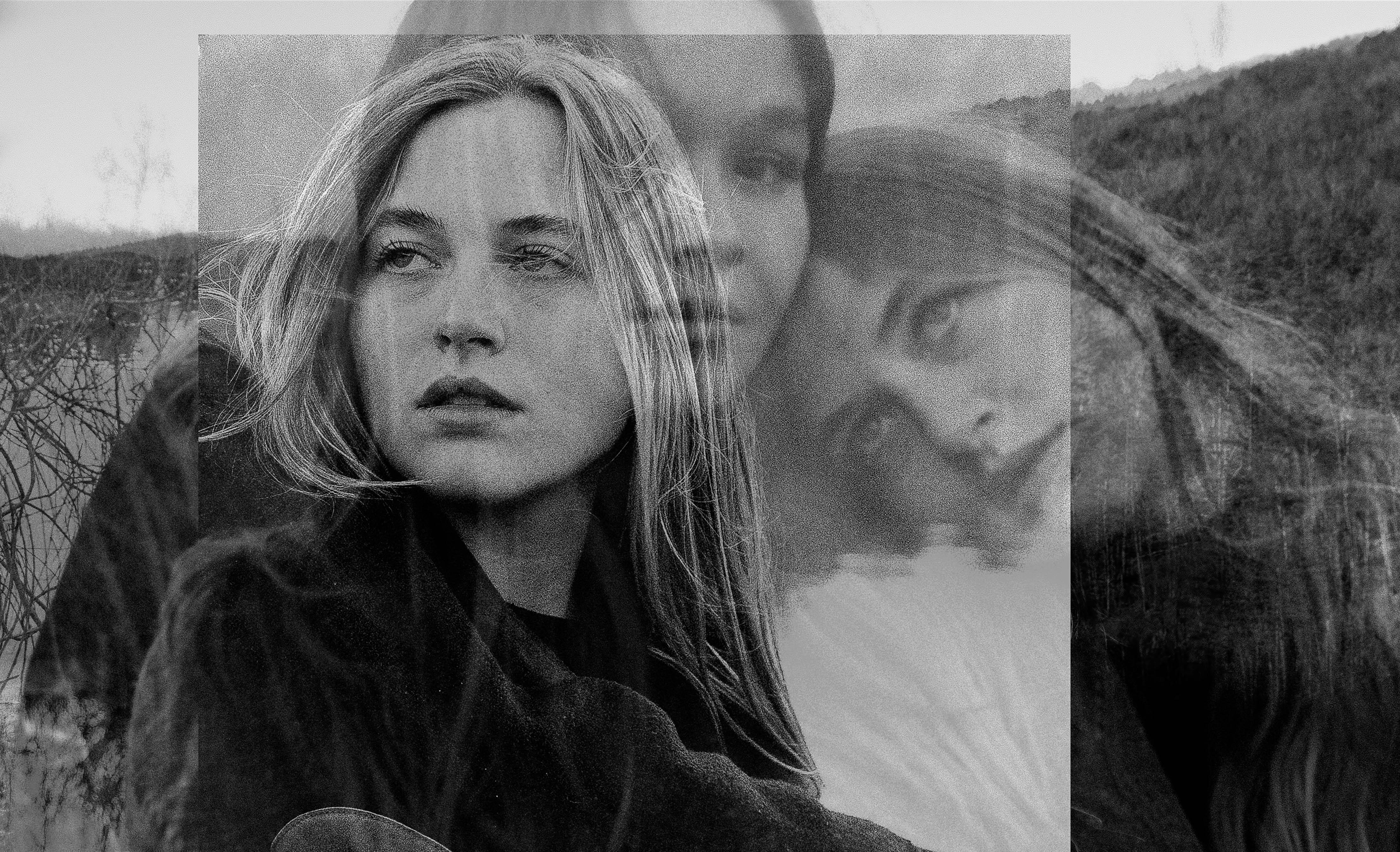
Memory offers itself as a craftsman, etching itself into the contours of a room, the grain of old wood. It carves into the spaces we overlook, as though intention alone could anchor it to the folds of time. There are moments when I feel that memory is less an act of recall than a conspiracy of places and things—an indelible trace embedded in the marrow of existence, holding everything we've left behind in suspended communion.
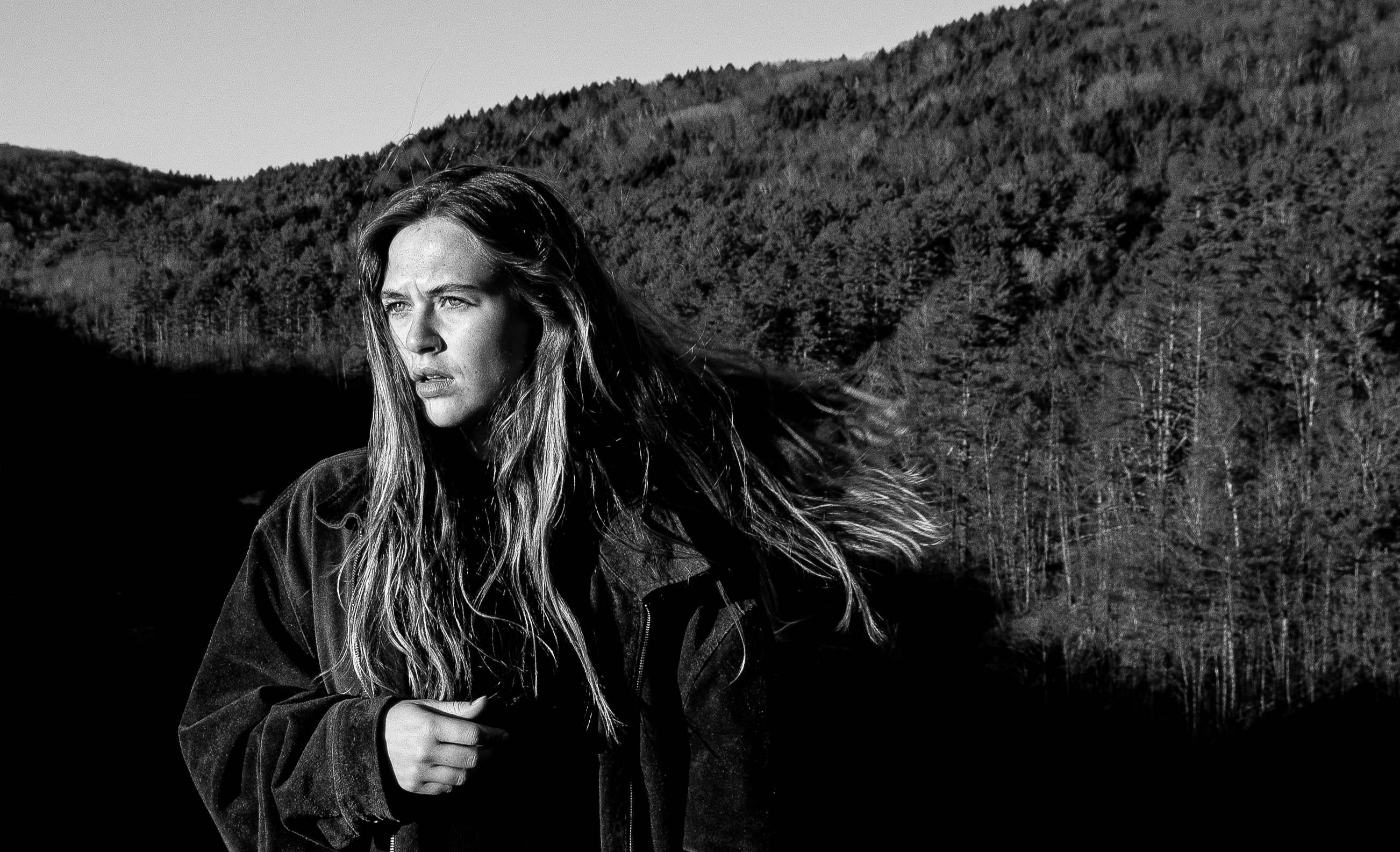
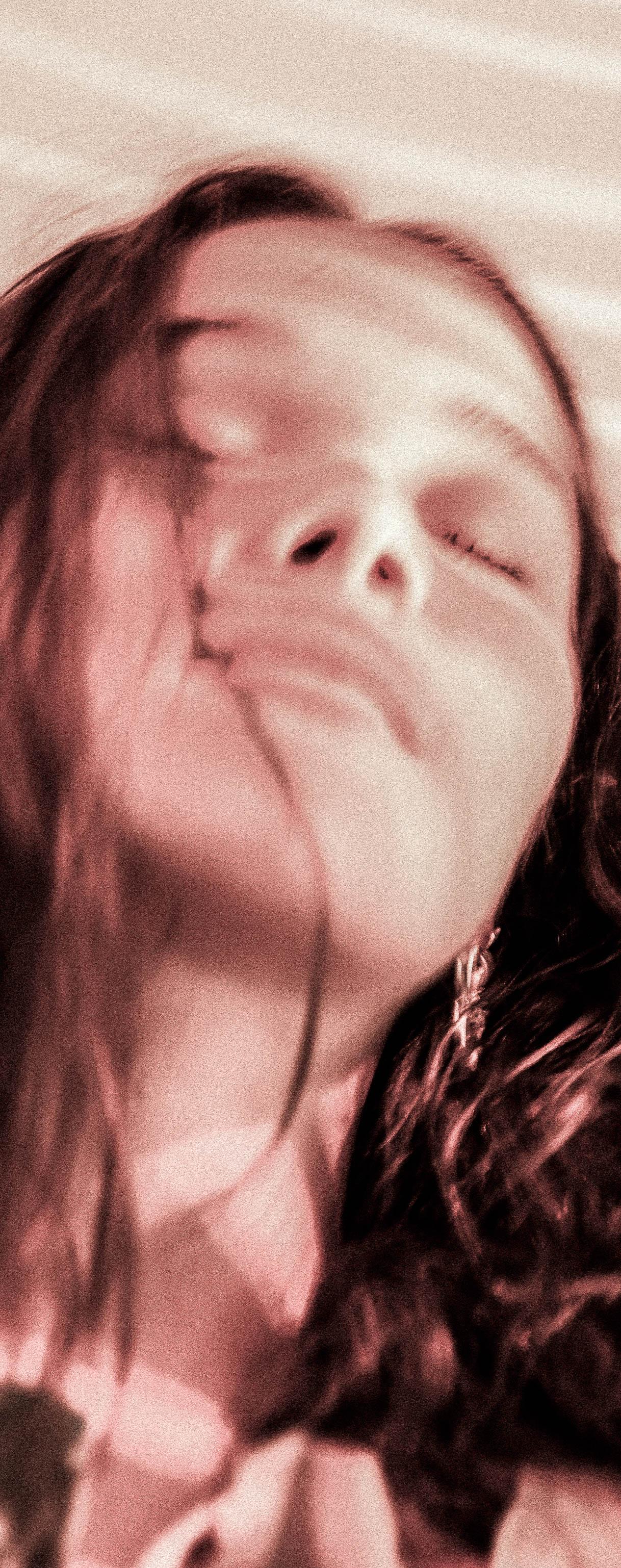
I think of this when I see her there, standing in the slant of afternoon sun, caught between one breath and the next. She moves, and the light fractures over her shoulders, spilling like prayer, like the relic of a thousand women folded into that single line on her back. She turns, and the air gasps, contracting into something fragile, momentary.
She is every woman I have ever loved, layered like old lace, the space between seams shot through with light. She is the mother drawing me back into the dusk, her fingers brushing my cheekbone as though to sketch me back into herself. She is the lover in the dark, her hand pressed against my shoulder to ground, to remember the shape of us before the world ends. She is each of them and none of them—suspended in light she cannot hold, a trickster thing that breaks and rebuilds with every glance. The image buckles, and she is herself again, mortal.
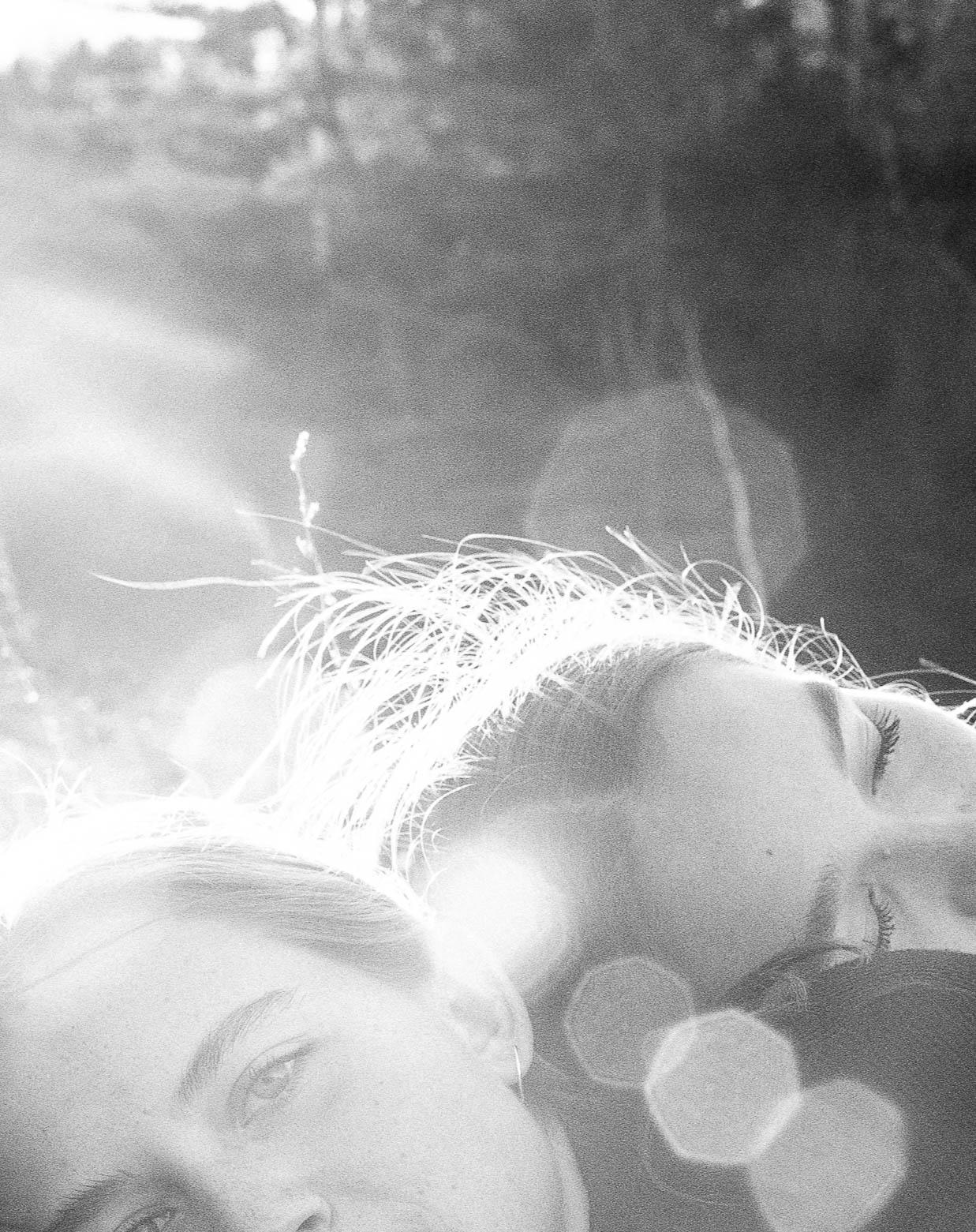
The light follows her heels, always curious, always reaching, until the moment she is swallowed whole. It lingers in the space she vacates, unwilling to surrender, but she’s already elsewhere—tangled in another thread of time, another pulse of the world. The light stutters, then retreats. It does not find her. It cannot.
We cannot reach her, neither the light nor I. We witness, always, from the periphery. Her image passes through us, perpetually reshaped by the angles from which we regard it, by the stories we tell ourselves to make sense of her. We do not know her, nor will we. We are not meant to. The truths we hold—those fragile, half-formed certainties—are soaked through with the lives that preceded ours. We are witnesses, not to the facts of things, but to their becoming—watching as they shift and and fragment in the landscape of perception.
We do not know her, nor will we. We are not meant to. In watching her, we are watching ourselves: a collection of desires devouring one another, until there is no distinction left.
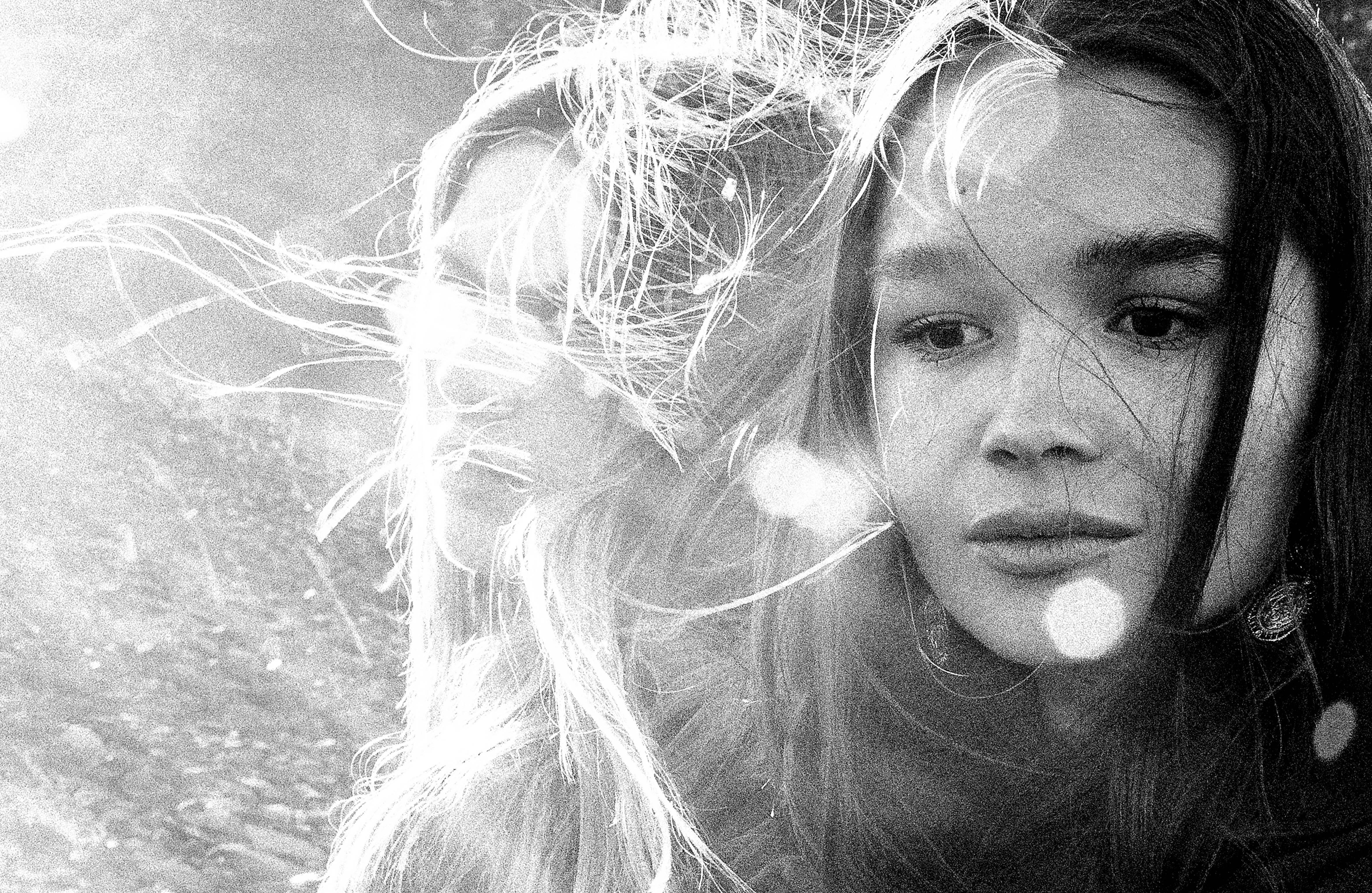
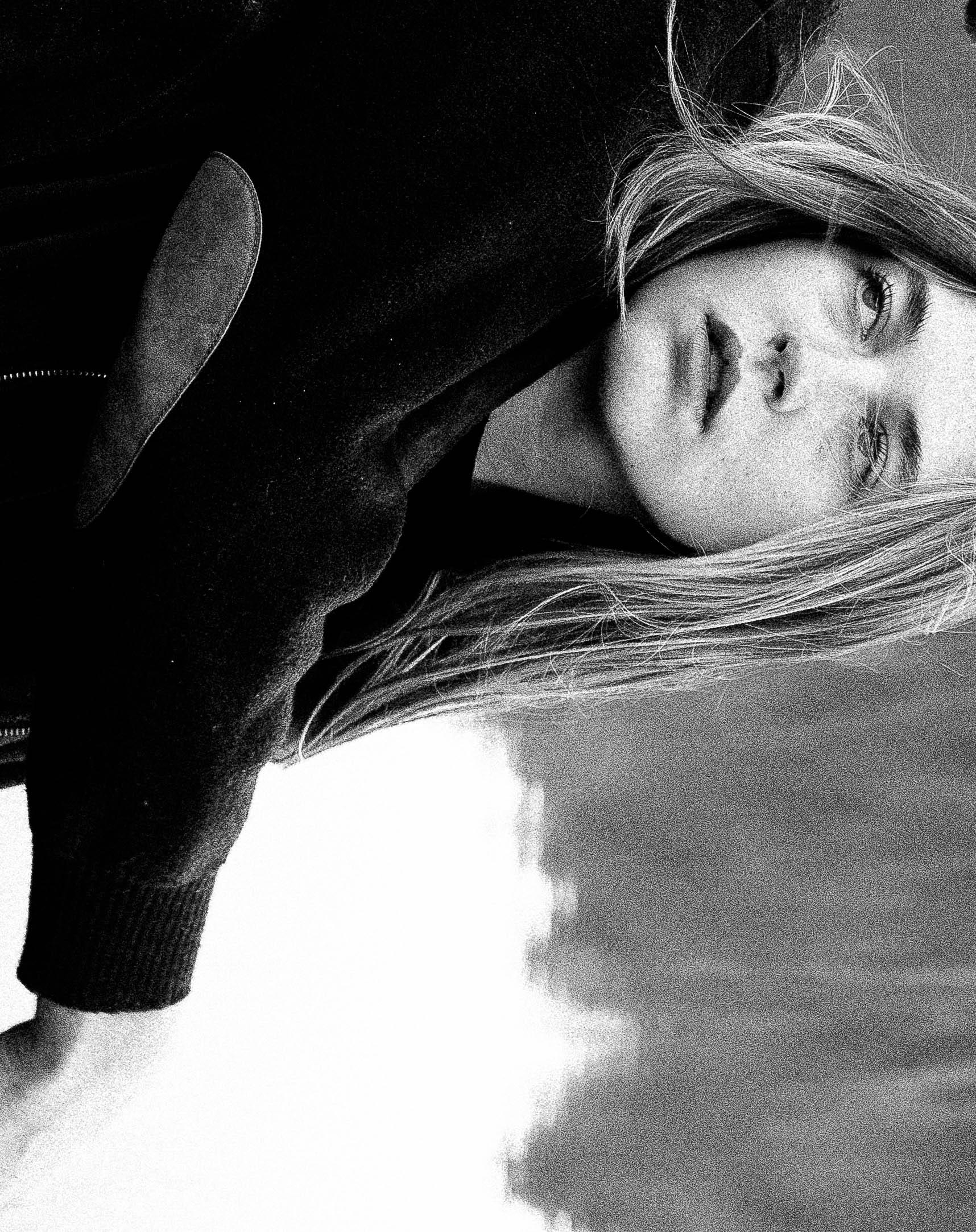
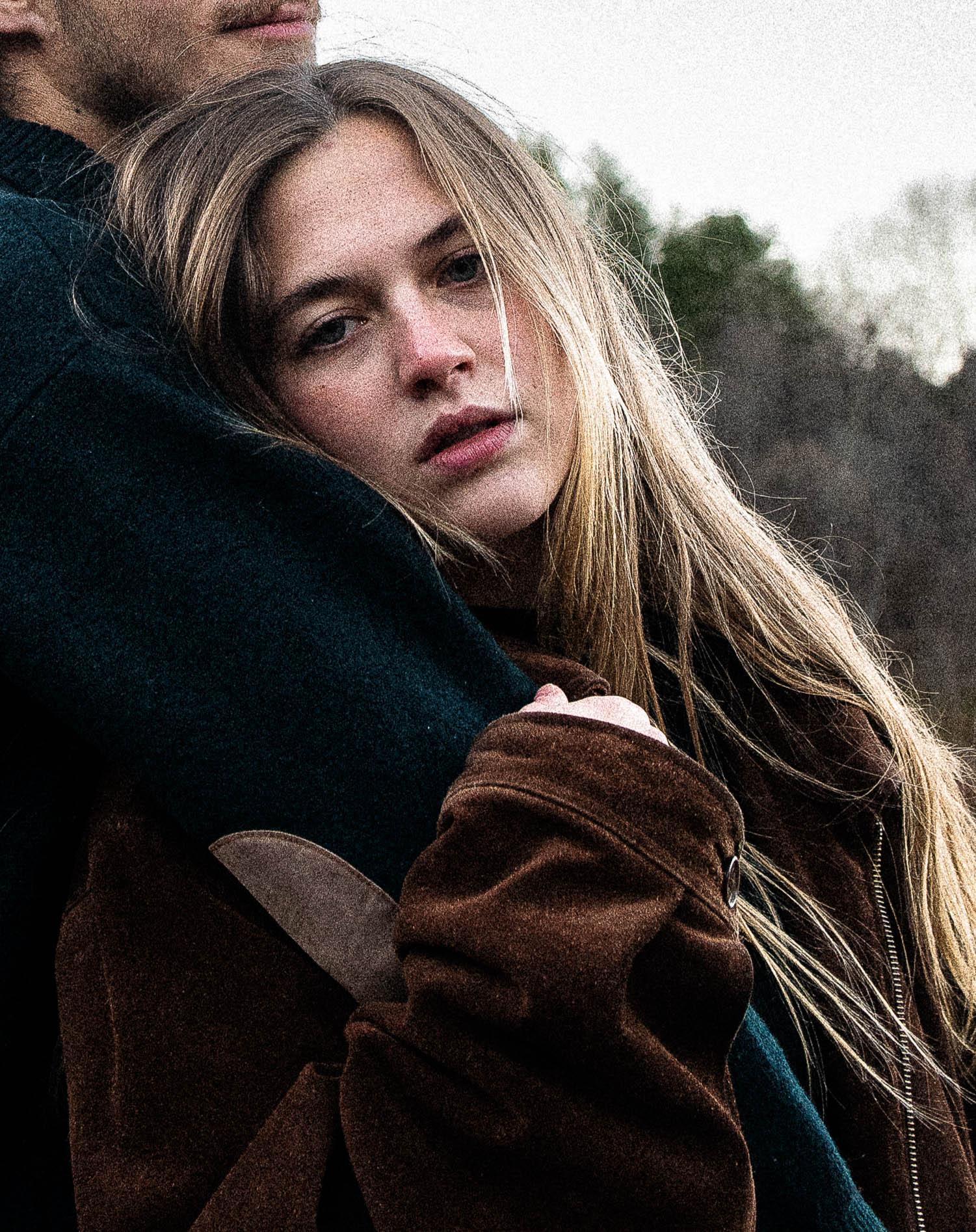
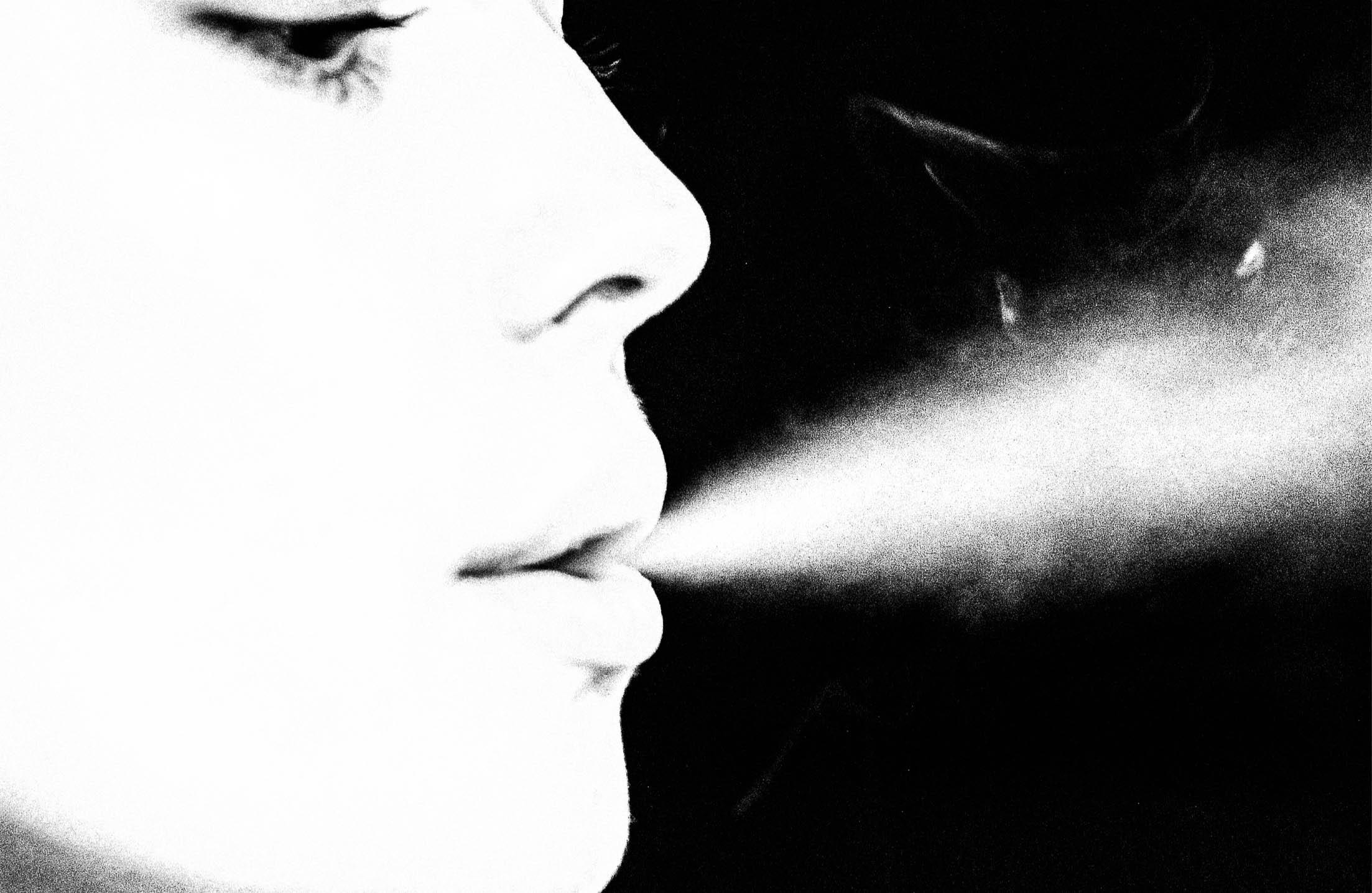
He woke with them already there—tiny, wet bodies withering behind his teeth. I’d come to, choking on their decay, and as one reaches for coffee in the morning, part his slackened jaw, slip past his gums, and drag them out—sick with saliva, tails curling around my wrist like a child pleading to play.
“I don’t feel them,” he’d whisper, eyes fogged, voice rough as though he had swallowed the night. But I felt them. I felt their fur matted with fever, their infinitesimal ribcages collapsing between my fingers, their tiny deaths sticking to us long after we disposed of them.
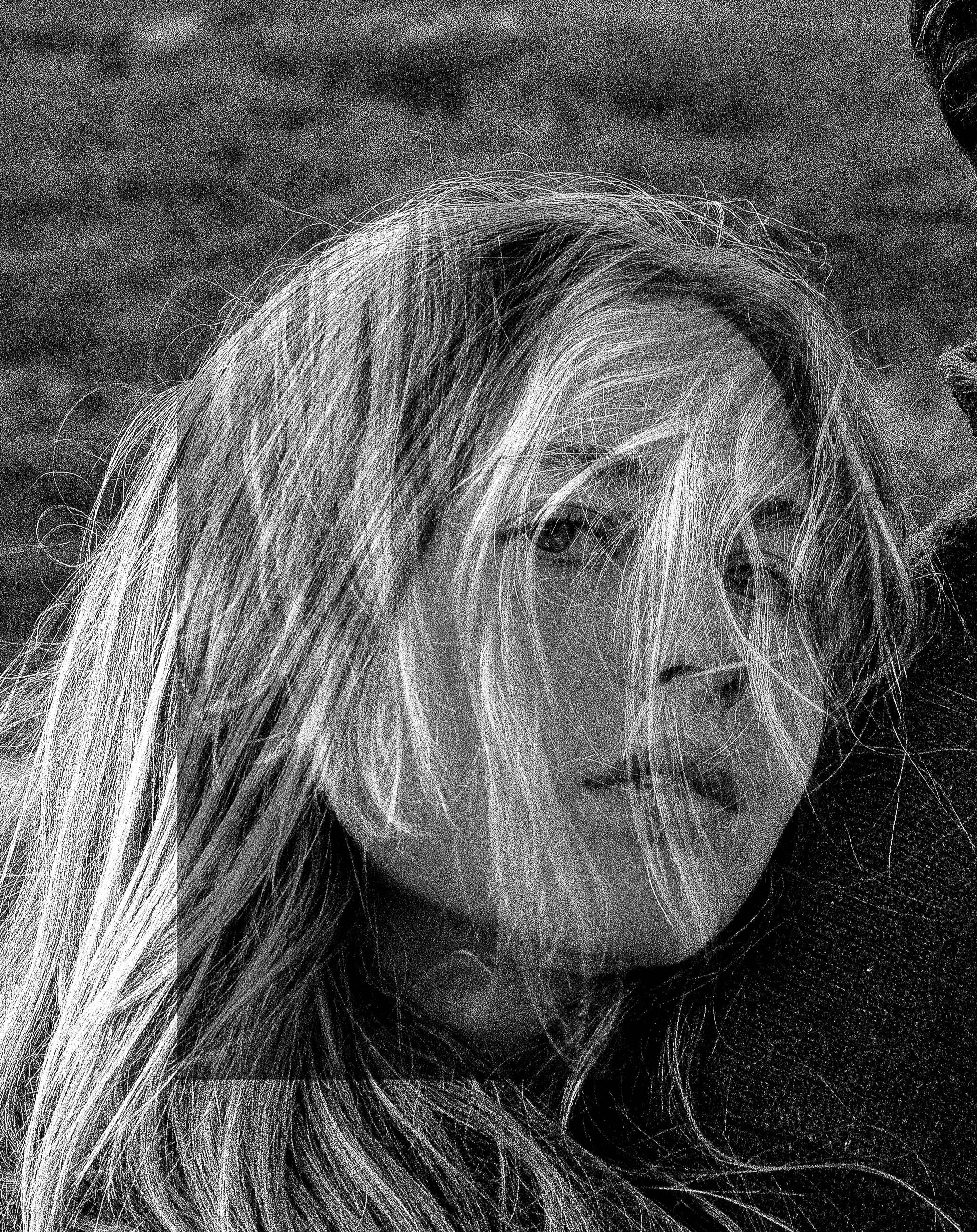
It became a ritual, as sacred as it was profane. Nights pressing against the walls, their skeletons multiplying, his breath sour, the warm weight of their dormant hearts fogging the windows. A plague growing louder and louder—a secret too heavy to contain. I thought, at times, they might be prayers—some unspoken offering the night slipped into his mouth, the kind you can’t take back without consequence.
“I don’t know how they get there,” he said once, apologetic, as if the mice were a confession I had demanded. As if he owed me that. I didn’t respond. What could I say? That I thought they were pieces of him? That the night poured into his mouth and took root, growing teeth, tails, and blame?
Then one morning, nothing. No mice. No him—the sun crawling indifferently across sheets I hadn’t touched. I became the bed, dust settling in the shapes of our fingerprints across my forgotten cellar. What do I do with them now, these hands trained to pull death out of him, to cup it like water, to hold it close? I itch for their return, the hit of something alive and dying. I dream of waking with them between my own teeth, dragging their soft, wet bodies down my throat. Little ghosts of his chaos, kissing what’s left of me.
The air sits too still now, empty of everything—their horrors and of him, the sick meaning we’d constructed out of it all.
I’ve arrived
before my words.