To opt out of receiving Boston Children’s Hospital Magazine, contact publications@chtrust.org.
BOSTONCHILDRENS.ORG/GIVING 617-355-6890
Less Is More
New Treatments Take Off
Finding Answers When Nothing Adds Up
Dr. Jonathan Lipton
Questions 16 What do teens need to become healthy adults?
How can parents protect young athletes from injuries?
“Their
tremendous generosity will turbocharge research and prevention.”
IT’S NOT OFTEN THAT one announces a single record-breaking moment. It’s extraordinary to have the privilege of announcing two.
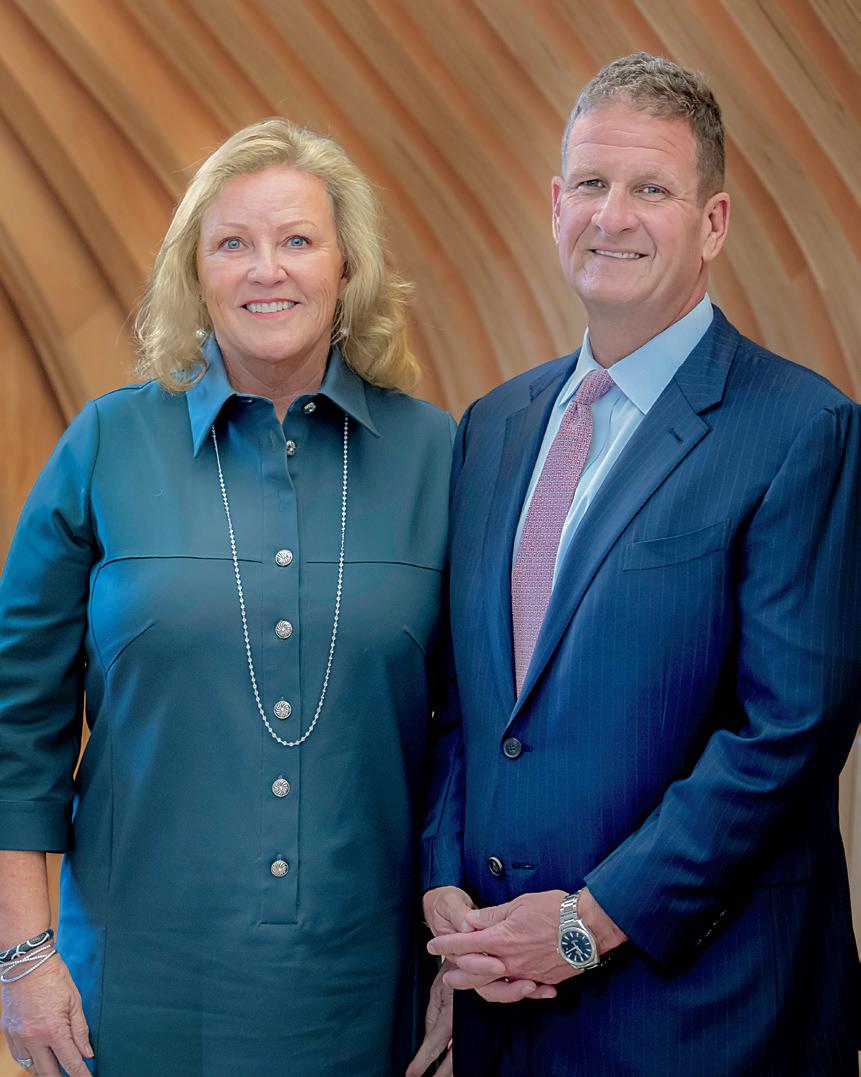
Late last year, philanthropists Rob and Karen Hale astounded us with a record-breaking $100 million gift. Long devoted to Boston Children’s, this remarkable couple shares our belief that every child deserves mental wellness, and they are determined to help make that happen. Their tremendous generosity will turbo-charge research and prevention. It will drive new treatments and community support models. It will transform mental and behavioral health care for children and families in Boston and far beyond. I couldn’t be more grateful. In the next issue of Boston Children’s Hospital Magazine, we’ll share more about the Hales and the impact of their transformational gift, which will name the signature building on our new campus in Brighton.
The second record-breaking moment occurred when our researchers decoded a human genome in under four hours. It’s part of our initiative to bring highly sophisticated sequencing to the most fragile newborns, so we can identify potential genetic conditions that might otherwise go undetected.
At Boston Children’s, we’re fortunate to be surrounded by the extraordinary. In this issue, you’ll learn about a researcher doubling down on her quest to re-imagine cancer treatment in the wake of her husband’s passing. You’ll meet a neurosurgeon, whose dexterous hands deliver a life-changing gene therapy into a pea-sized area of a child’s brain. You’ll read about a world-renowned geneticist laser-focused on expanding the newborn screening that makes it possible to diagnose some of the most devastating childhood disorders and intervene before tragedy strikes.
You are part of our extraordinary circle, too. Your generosity drives our researchers, inspires our caregivers, and, most importantly, supports our families. I’m grateful for each and every one of you.
Warmest Regards,
KEVIN B. CHURCHWELL, MD CEO
Moments
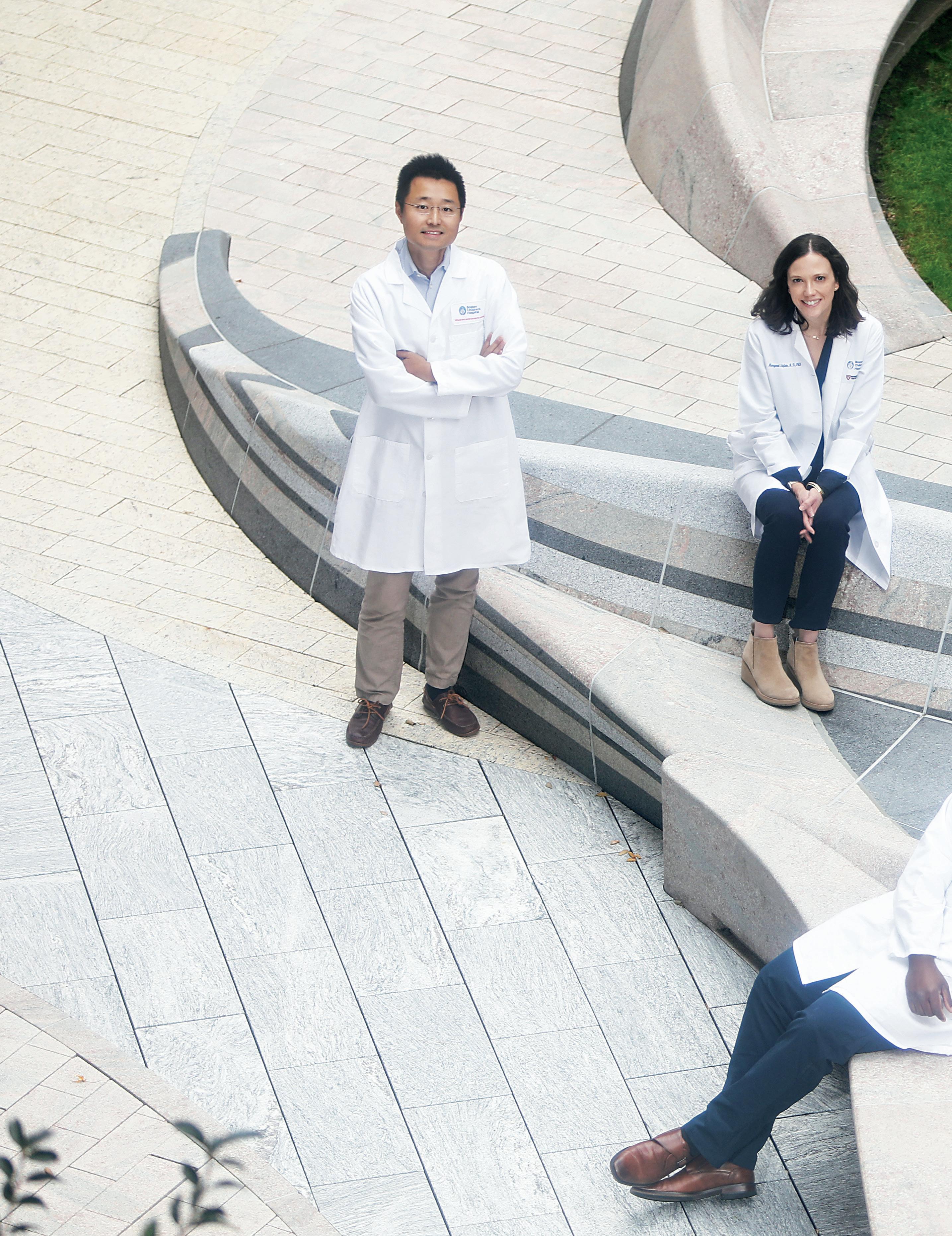
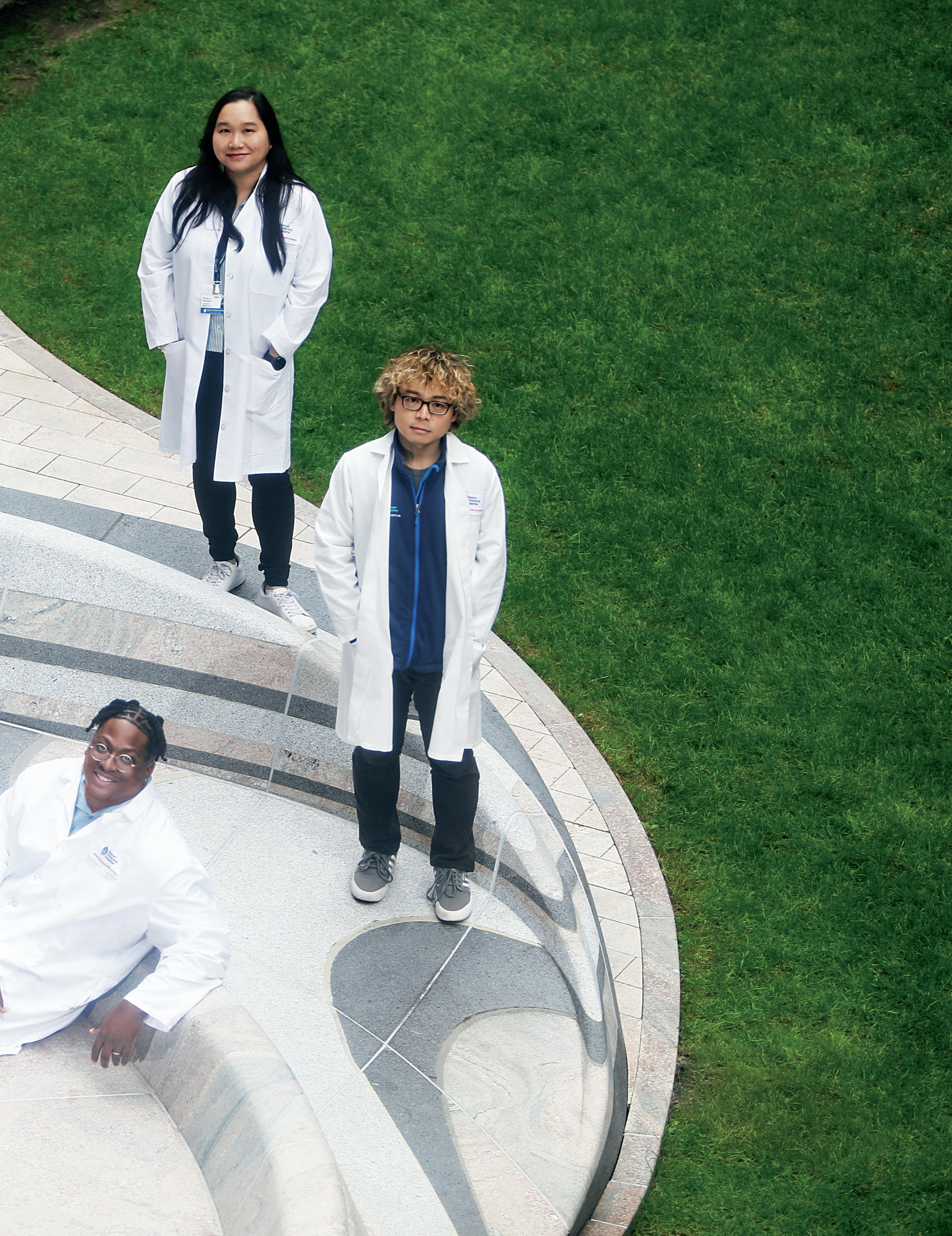
CLOCKWISE FROM TOP LEFT: XIN TANG, PHD (NEUROSURGERY), MARGARET STEFATER-RICHARDS, MD, PHD (ENDOCRINOLOGY), NOVA PISHESHA, PHD (IMMUNOLOGY), YIFENG PENG, PHD (CARDIOLOGY), JHULIAN ALSTON, PHD (CELLULAR AND MOLECULAR MEDICINE)
GOT A MINUTE? MEET THE RESEARCHERS.
scientists“Early‑career stand at the most crossroadspowerful in discovery: They know enoughjust to everythingquestion and care enough to keep searching until the answers change the world.”
NANCY ANDREWS, MD, PHD, EXECUTIVE VICE PRESIDENT AND CHIEF SCIENTIFIC OFFICER
Care for Today, Cures for Tomorrow
RARE GENETIC DISORDERS AFFECT 200 MILLION CHILDREN. LED BY DR. WENDY CHUNG, TEAMS OF EXPERTS ARE WORKING IN OUR LABS AND CLINICS TO GIVE THEM A HEALTHIER FUTURE.
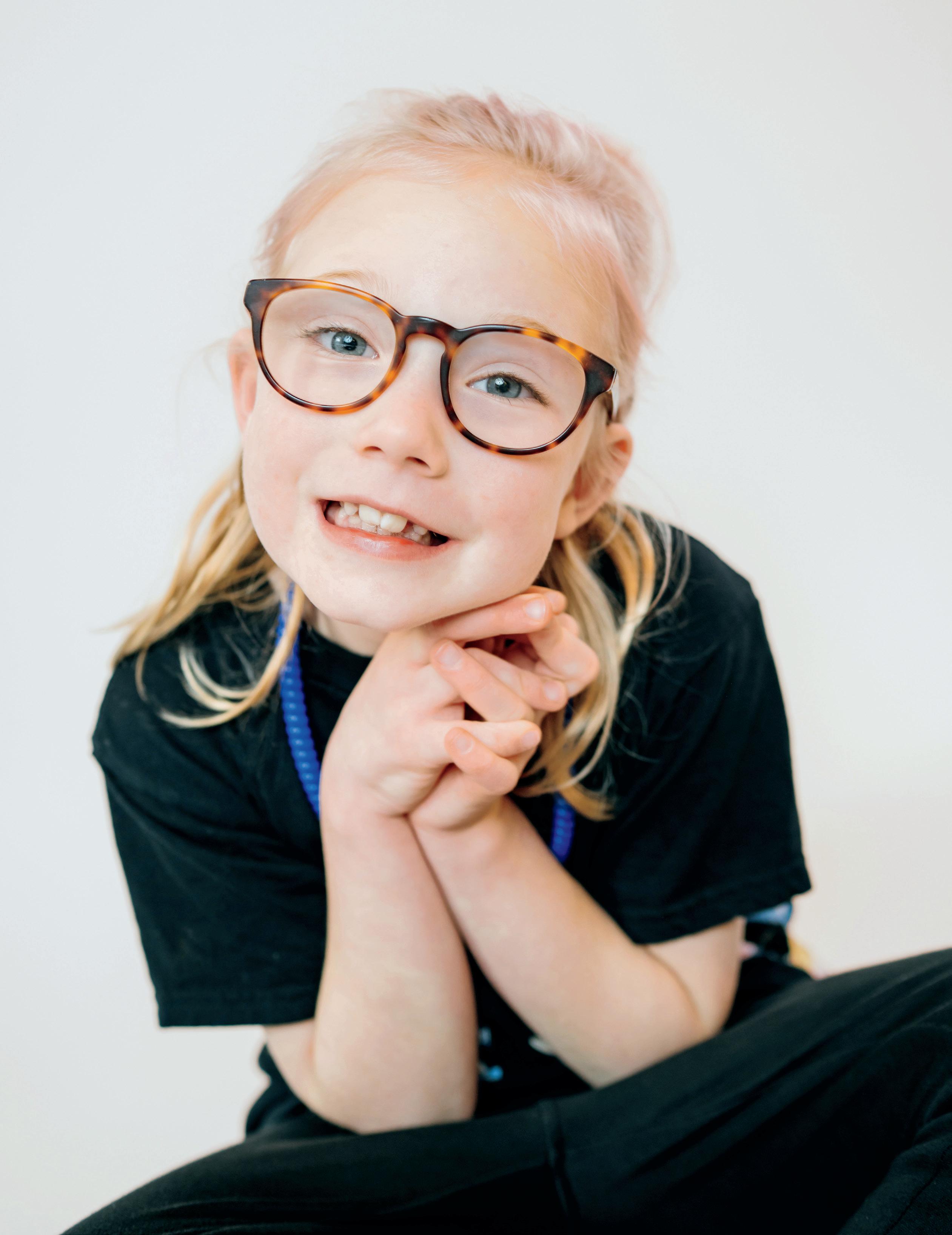
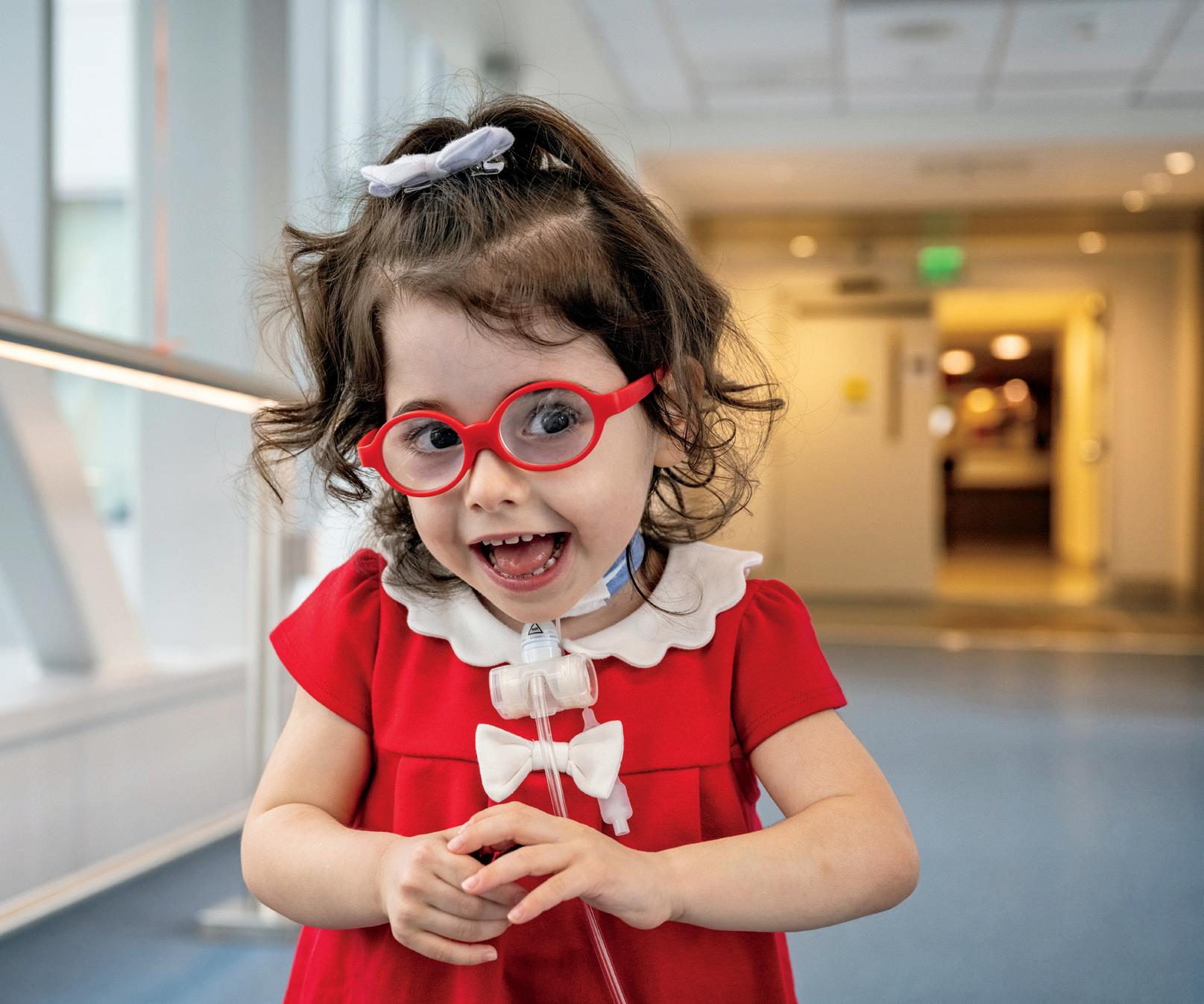
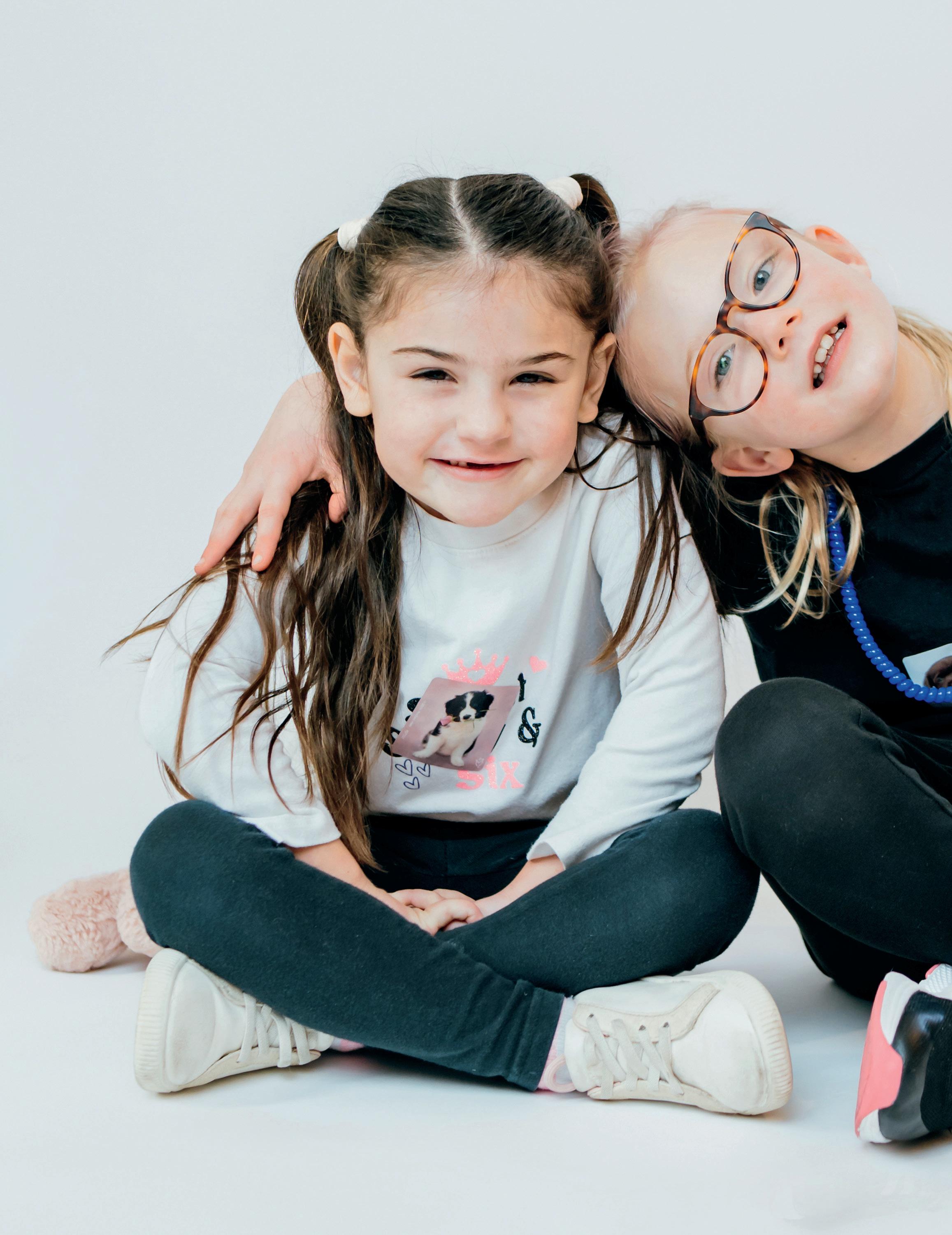
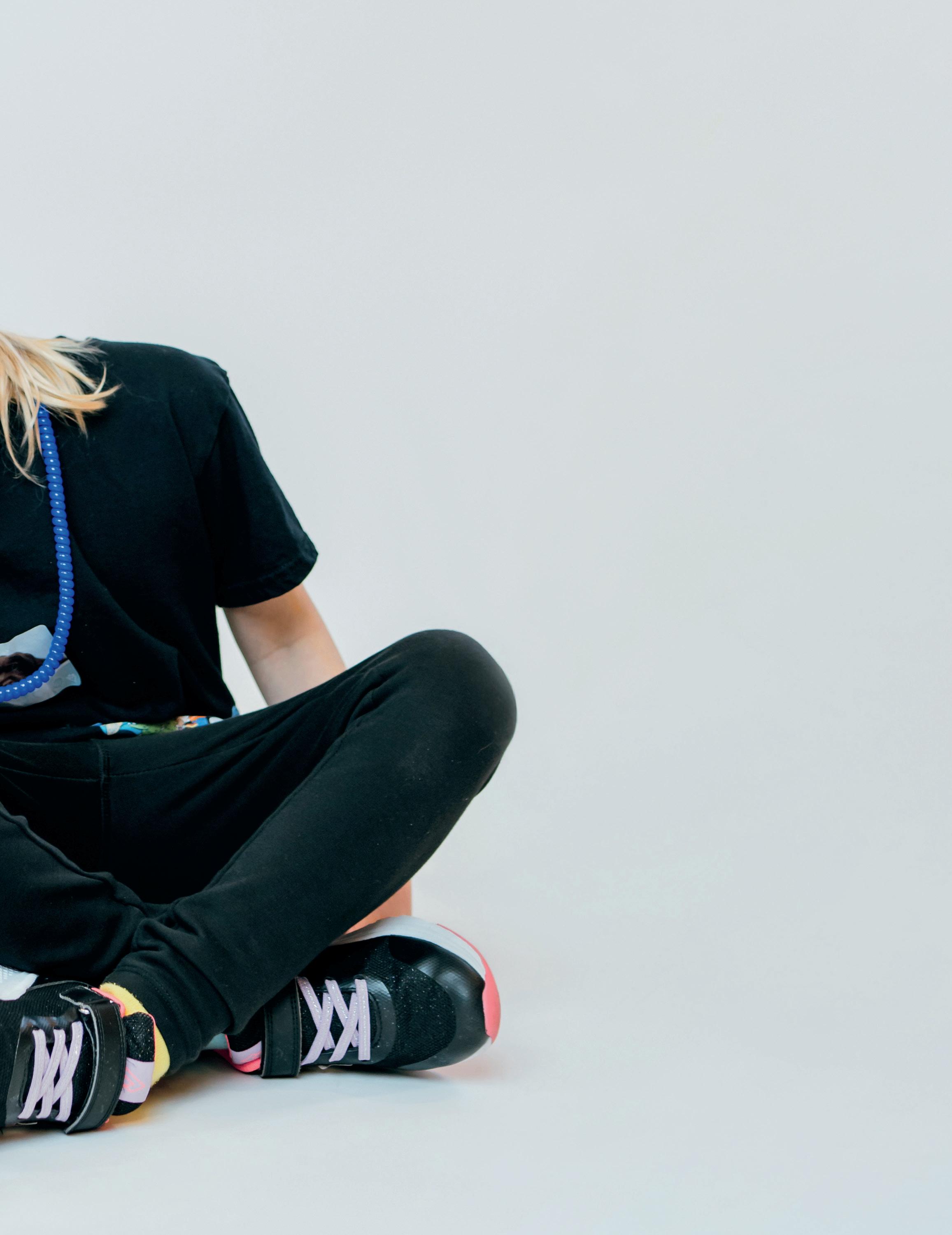
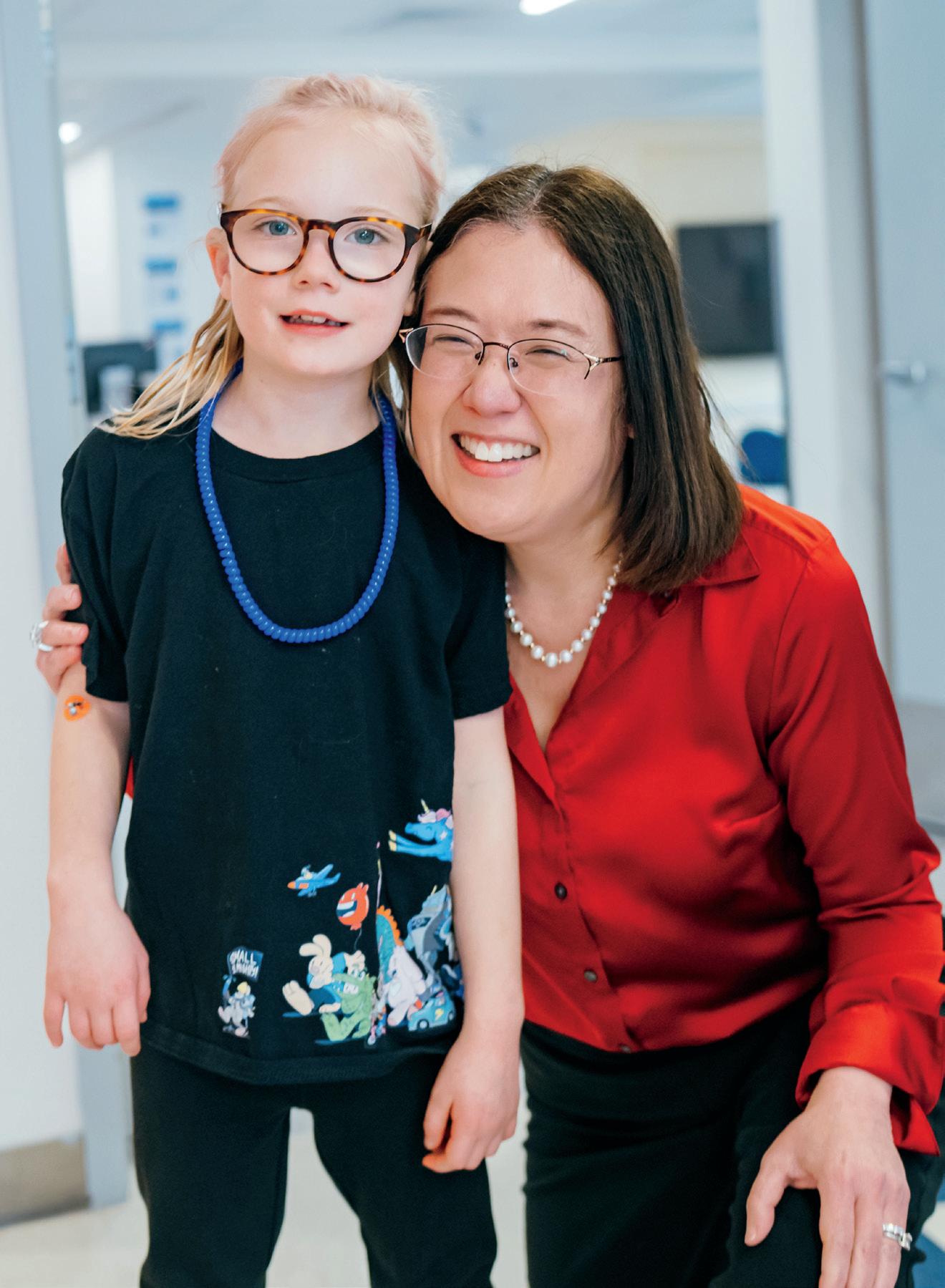
BESTIES BRIELLE AND SCOTTIE HAVE THE SAME RARE CONDITION.
PHOTOGRAPH BY Beth Ann Fricker
THE POWER OF PHILANTHROPY
In March 2025, Boston Children’s received a grant from the Manton Foundation to partner with the Broad Institute of MIT and Harvard on a new Tools-to-Therapies (T3) initiative. Bringing together the expertise of two top research institutions, T3 aims to accelerate development of treatments for rare pediatric diseases by building a technology platform focused entirely on catalyzing therapies faster and more efficiently than ever thought possible.
Last summer, Rachel and Paul Liberman made a gift to establish the Liberman Family Rare Disease Research Fellowship under the direction of Dr. Chung.
“As a scientist myself, I know how uncertain funding for junior researchers can be,” says Rachel. “We couldn’t think of a better way to amplify Dr. Chung’s impact than to help her train a future leader.”
And in late 2025, Liz and Dan Lynch established the Liz and Dan Lynch Fund for GUARDIAN to support the expansion of newborn genomic screening to Massachusetts.
“Thanks to the GUARDIAN study, babies born with serious health conditions will receive early interventions that allow them to grow and thrive,” says Liz. “Dan and I are proud to partner with Dr. Chung on this transformative initiative that can change the course of a child’s life.”
“WE SEE THE CHILDREN IN FRONT OF US TODAY AND ENVISION THEIR LIVES 20 YEARS FROM NOW. IT’S THAT VISION WE ARE WORKING TOWARD.”
WHEN A CHILD IS VERY SICK and doctors don’t know why, they often look for clues in a battery of common tests: blood count, urinalysis, chest X-ray, electrocardiogram. At Boston Children’s, that list may now begin with genomic sequencing—cutting-edge technology that can deliver answers within hours.
Since joining Boston Children’s almost three years ago, Chief of Pediatrics Wendy Chung, MD, PhD, has championed rapid genomic sequencing and other initiatives that will improve the diagnosis and treatment of rare diseases. Under her leadership, the hospital is expanding enhanced newborn screening for genetic disorders and advancing research to better understand these complex conditions. She collaborates with physicians and scientists throughout the hospital and partners with patients and families affected by rare diseases.
“At Boston Children’s, we care for kids with rare genetic diseases from all over the globe; we have compassionate providers who excel in delivering that care; and we have brilliant scientists who are uncovering ways to make that care better,” says Dr. Chung. “You can’t get that combination anyplace else.”
Revolutionizing Early Diagnoses
In September 2022, Dr. Chung and colleagues launched the guardian study (Genomic Uniform-screening Against Rare Diseases in All Newborns) in New York City. guardian gives parents the option of using a heel prick to test their babies for 450 genetic conditions not included in standard screening. Initial results show that most parents choose the expanded option when it’s available, and 147 babies, or 3.7% of those checked, screened positive for a condition that would not have been caught in conventional testing.
“Early detection offers the best chance at a
BETH ANN FRICKER (2)
healthier life, but many children with unexplained conditions spend years visiting doctors, waiting for a diagnosis,” says Dr. Chung. “By the time families have answers, it’s often too late for their children to receive any effective treatments. With the genomic technology we have today, it doesn’t have to be this way.”
Now, with generous philanthropic support, Dr. Chung is planning to bring guardian to Massachusetts—with the goal of making genomic screening at birth the standard of care nationwide.
Transforming Rare Disease Research
The earlier children with genetic disorders are diagnosed, the better their chances of benefiting from therapies and interventions. But what about conditions that elude diagnosis—and the thousands of rare diseases that lack treatments?
Dr. Chung and the Boston Children’s team are
addressing those questions, too.
“The top minds in genetics and genomics, disease mechanisms, data sciences, artificial intelligence, and clinical trial preparation—from every department at Boston Children’s—are collaborating to accelerate accurate diagnoses and develop treatments across the spectrum of rare diseases,” says Dr. Chung.
And while these experts solve complex challenges in Boston Children’s labs, their hearts are never far from the families in the clinics. As advocates for their patients, Dr. Chung and her colleagues also are developing systems to protect private health information and ensure the ethical use of data in research, promoting equitable access to therapeutic interventions, and training the next generation of rare disease specialists.
“We see the children in front of us today and envision their lives 20 years from now,” says Dr. Chung. “It’s that vision we are working toward.”
Less Is More
WHEN IT COMES TO
KIDS,
less can be more. Sooner is often better. Our experts are exploring multiple measures to help young patients avoid excess surgeries, harsh medicines, and invasive diagnostics while setting the stage for the healthiest childhood possible.
ULTRARAPID GENOME SEQUENCING
Up to one-third of babies in our Neonatal Intensive Care Unit (NICU) may have a genetic basis for their condition. Previously, diagnoses could take weeks or months. Not anymore. Now, families in our NICU receive results within two days, minimizing time to diagnosis and treatment. Soon it may be quicker. Monica Hsiung Wojcik, MD, MPH, and team set a world record examining a baby’s entire DNA sequence in under four hours.
FRACTURE, HEAL THYSELF
Benton Heyworth, MD, wants to spare kids with broken collarbones from unnecessary interventions to fix the fracture. He led a multicenter study demonstrating that allowing the bone to heal on its own is as effective as sur gery. Now, kids with this com mon injury no longer need a trip to the operating room and can avoid having a metal plate and screws placed in their bone, which may be bother some or require a second sur gery to be removed.
A PARTIAL HEART TRANSPLANT
When a child has a heart condition and requires a new valve, the options have serious drawbacks. Synthetic replacement valves don’t grow like young children do, so kids face multiple surgeries to exchange them. Confident he could devise a better way, Sitaram Emani, MD, developed a procedure to use a healthy donor valve that can grow with the child. Scientists believe the valve will re-populate with the child’s cells over time, which could allow doctors to lower, and ultimately halt, doses of the immunosuppressive drugs that prevent rejection.
A KINDER, GENTLER
SPINA BIFIDA REPAIR
Fetal repair of spina bifida can decrease the severity of the condition, but an open surgical procedure raises the risk of premature birth and makes vaginal delivery next to impossible. In 2024, a team from our Fetal Care and Surgery Center performed one of the first minimally invasive fetal spina bifida repairs. They closed the gap in the baby’s spine through a 2 cm incision and even tinier ports in the mother’s uterus, reducing risks to mother and baby and giving the child the best chance for mobility.
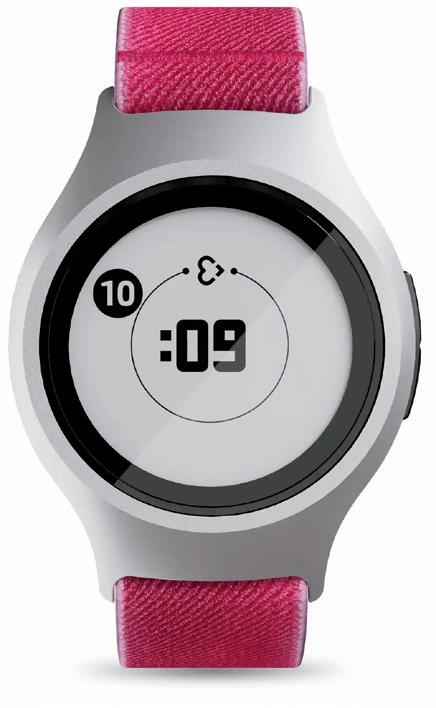
A SMARTWATCH ALERT FOR SEIZURES
LESS PAIN, MORE GAIN
Fear of pain and pain itself can compromise post-surgical healing. Emily Pluhar, PhD; Liana Galtieri, PhD, and the Sports Medicine Behavioral Health team screen young athletes prior to surgery to identify and address psychological factors that may impact pain and recovery. Targeted behavioral health interventions, such as relaxation skills and reframing, can boost wellness and accelerate recovery.
STARVING CANCER CELLS TO PROTECT YOUNG BRAINS
Can chemotherapy eliminate cancer without harming healthy cells? It’s a puzzle that drives Naama Kanarek, PhD, whose research focuses on treating leukemia that has migrated to the brain. She discovered these cancer cells rely heavily on the micronutrient copper and are more sensitive to its deprivation than healthy brain cells. Limiting the amount of copper absorbed through food could allow experts to more effectively target cancer with smaller doses of chemotherapy, sparing children from unnecessary damage.
When a child has epilepsy, a seizure can occur any time. It’s a constant fear for fami lies. and his team are optimizing specialized smartwatches and other wearable devices to detect, predict, and prevent seizures. This means care givers can intervene earlier, and kids could avoid hospital stays and intensive care unit admissions.
NEW TREATMENTS
TREATMENTS TAKE OFF
DELIVERING LIFESAVING THERAPIES TO KIDS IS A TEAM SPORT. SEE HOW BOSTON CHILDREN’S DOES IT.
of new treatments. But delivering those therapies to patients outside the structure of a clinical trial presents a significant challenge for physicians. OEMD answers this need by coordinating multiple departments across the hospital, including pharmacy, financial services, intensive care, and government affairs—ensuring therapies will be available without delay. They also remove obstacles for patient families by working with referring physicians and insurance companies and putting services in place for traveling families or those needing special consideration.
When endocrinologists Christina Astley, MD, ScD, and Belinda Lennerz, MD, PhD, first learned that the U.S. Food and Drug Administration had approved Tzield, they were in separate terminals at Logan Airport, having just returned from a diabetes research conference.
“I landed and my phone blew up with messages about the new drug,” says Dr. Lennerz. Some of those messages came from the team at Boston Children’s Office of Emerging Medical Discoveries (OEMD), who were ready to spring into action.
Boston Children’s participates in dozens of clinical trials each year to test the safety and efficacy
In this case, teplizumab, sold under the name Tzield, is the first treatment approved to delay the progression of type 1 diabetes (T1D). T1D is an autoimmune disorder; Tzield works by weakening the immune system’s attack on the insulin-producing cells in the pancreas. The treatment can delay the need for insulin by two years on average.
The endocrinologists had multiple patients who could benefit from Tzield. But they were concerned about a slow and challenging rollout and a steep learning curve. Like many new therapies, Tzield is highly expensive and more complicated to administer than traditional drugs. “The speedy response from the oemd took us off guard in a good way,” says Dr. Astley.
MACK RUZGAR
TIMOTHY KEEGHAN
“These children don’t just improve. They reach milestones no one thought possible.”
The oemd team worked with the hospital’s pharmacy and infusion program to iron out the treatment protocol and facilitate logistics such as letters of medical necessity, treatment consents, and contract language. As is the case with many therapies that slow disease progression, every day matters to the patients.
Harry, now a high school senior, was among the first to sign on for Tzield. “Everyone thought it would be good to try, so I can enjoy my teenage years without worrying about diabetes.”
The treatment required Harry to spend several hours at the hospital every day for two weeks for intravenous infusion. But Harry isn’t a fan of needles. He also has celiac disease and a healthy appetite. “I was missing dinner at home, so they offered me gluten-free meals, which was nice. And I had a port instead of getting a needle every day.”
With its family-centered approach to complex care, oemd has assisted more than 600 children receiving novel treatments for spinal muscular atrophy, sickle cell disease, Duchenne muscular dystrophy, and acute lymphoblastic leukemia, among other disorders. And now, families are celebrating birthdays, holidays, and milestones they never believed possible.
A GENE THERAPY FIRST TRANSFORMS LIVES
Ten to 15 mm. That’s the size of the putamen, a part of the brain that regulates movement. It’s also the minuscule target of the first gene therapy delivered directly to the brain. Kebilidi treats a rare disorder that prevents the brain from making dopamine and serotonin (T aromatic L-amino acid decarboxylase deficiency or AADC for short). Without these chemicals, children have movement disorders, seizures, learning delays, and shortened lifespans.
“AADC is one of the most severe disorders we treat,” says Phillip Pearl, MD, co-director of Boston Children’s Epilepsy Center
But delivering treatment to the putamen without damaging surrounding tissue requires a specialized procedure. Scellig Stone, MD, PhD, neurosurgical director of the Movement Disorders and Deep Brain Stimulation Program, adapted the surgical approach for pediatric patients.
The results are life-changing. One of Dr. Stone’s first patients couldn’t control her head prior to treatment. Within months of receiving Kebilidi, she took her first steps. Today, she’s on track for a bright future. Since introducing Kebilidi, Dr. Stone and team—supported by the OEMD—have treated three children.
“These children don’t just improve,” says Dr. Pearl. “They reach milestones no one thought possible: head control, sitting up, speaking, even walking.”
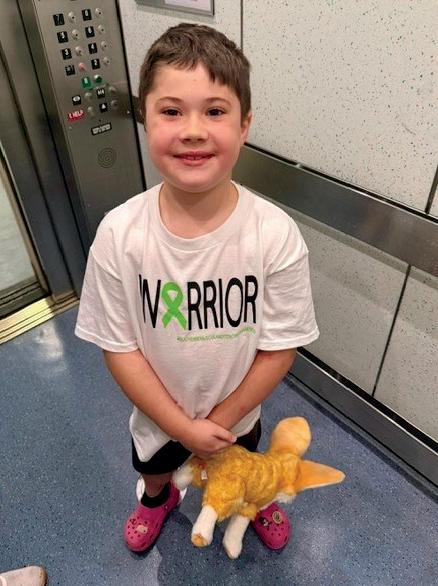
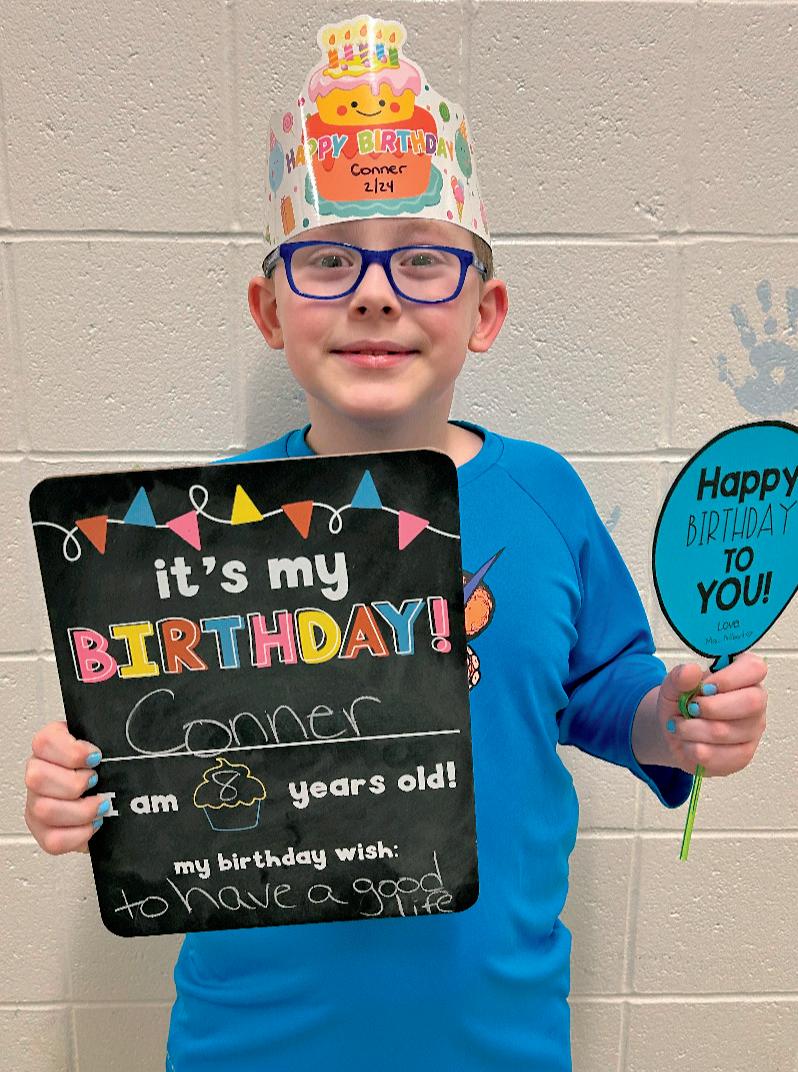
JOHNNY RORY OWEN CONNER
AWARDWINNING HISTORY
Dr. Wu has received numerous honors, including the: Pew Scholars Program (2000)
NIH Pioneer Award (2015) National Academy of Sciences inductee (2015) Royal Swedish Academy of Sciences
Gregori Aminoff Prize (2024) Boston Investment Conference (BIC) honoree (2025)
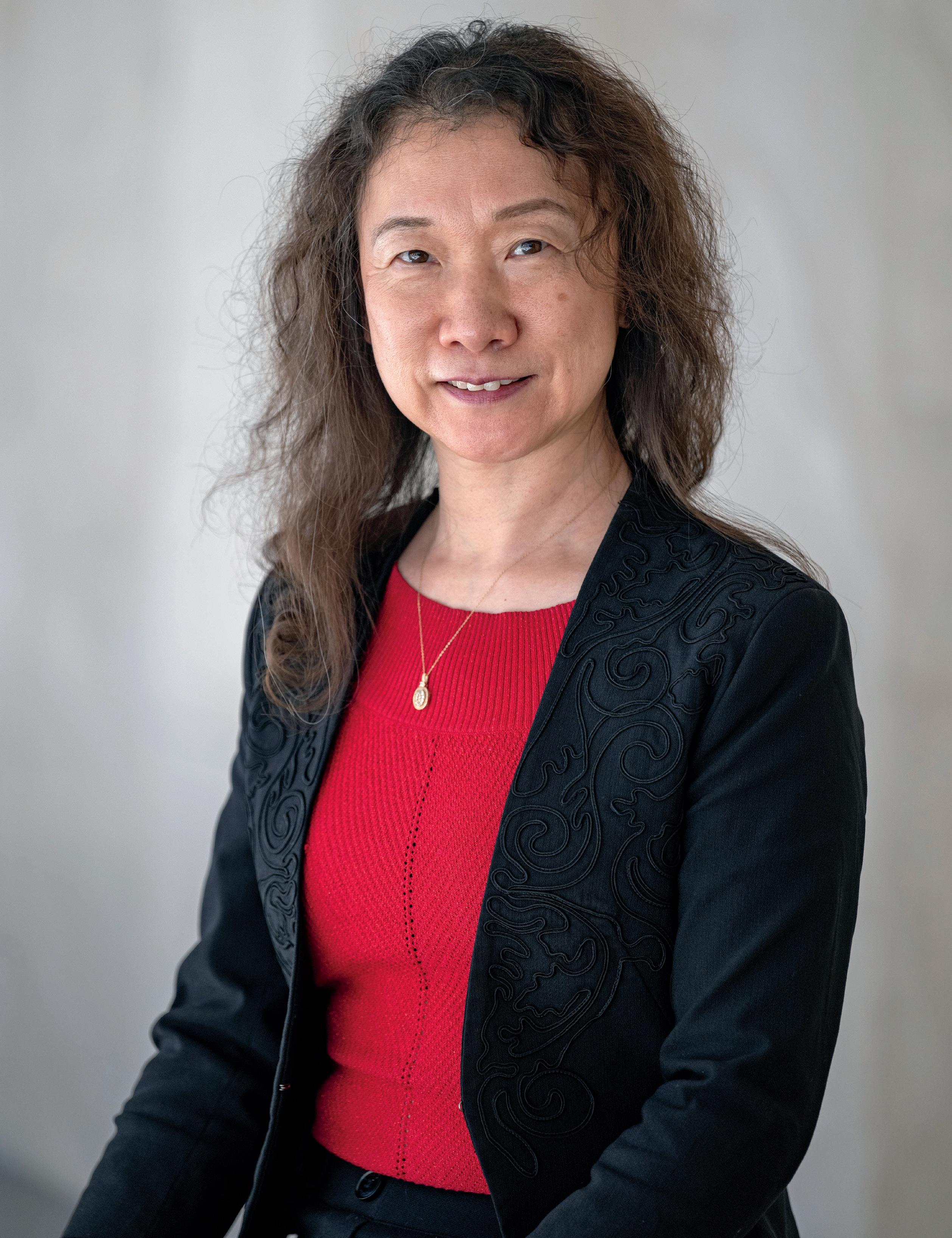
Dr. Hao Wu: A Cancer Master Mechanic Revs the Immune System
THE MACHINERY BY WHICH tumors form and spread in the human body is staggeringly complex. Vast arrays of different proteins, numbering in the thousands, silently grind away to break down human health.
Thankfully, Hao Wu, PhD, is a cancer master mechanic. Known more formally as a structural immunologist, she serves as associate director of the Program in Cellular and Molecular Medicine. During her decades-long career, Dr. Wu has approached the molecular mechanisms of the immune system in a unique way. “Most people think about individual molecules and how they work. She thinks about the molecules as part of a larger machine,” says Nancy Andrews, MD, PhD, executive vice president and chief scientific officer.
Dr. Wu’s research has fundamentally revised how scientists understand the molecular mechanisms that tumors use to trigger the body’s immune system—or to hide from it and insidiously allow cancer to spread. “This is really groundbreaking work. She could be a candidate for a Nobel Prize someday,” says Dr. Andrews.
Recently, after reaching into a toolbox that includes a cryo-electron microscope that can freeze molecules in place for better analysis, Dr. Wu iden-
tified a chemical compound, known in scientific shorthand as DMB, that causes cancer cells to leak signaling molecules that hail the body’s immune system. “With the molecule that we’re studying, we reveal the cancer to the immune system. Then the immune system can see it and tackle the problem,” says Dr. Wu. In the future, she believes DMB can be offered as an oral drug.
The beauty of DMB goes deeper. It’s vastly less toxic to surrounding healthy cells than traditional chemotherapy or radiation. That’s because it initially eliminates only relatively few cancer cells—and healthy cells—before triggering the body’s natural immune system to kill the cancer. Moreover, laboratory mice vaccinated with cancer cells treated with DMB were protected from future tumors.
Such benefits are deeply personal to Dr. Wu. Her husband, Richard Maas, MD, PhD, former chief of Brigham and Women’s Hospital Division of Genetics, died in August 2025 following complications from multiple bouts of cancer, including one that struck more than 40 years ago. The treatment was so toxic it left him with lifelong health complications, including, ultimately, kidney failure.
“It definitely motivates me to provide treatment that is less toxic so patients can really be cured and not suffer in later life,” says Dr. Wu.
MICHAEL GODERRE
Big Questions
WHAT DO TEENS NEED TO BECOME HEALTHY ADULTS?
“ADOLESCENTS AREN’T JUST BIG KIDS OR SMALL ADULTS,” says Amy DiVasta, MD, MMSc., Adolescent/Young Adult Medicine Division Chief. “They need—and deserve— care that’s built around who they are and who they’re becoming.”
This approach guides Dr. DiVasta and the 40 health professionals in the division. They aim to have a lasting impact on patients’ lives through teen-centered care and on the health of youth everywhere through research, education, and leadership.
Interactions with teens provide physicians like Lydia Shrier, MD, MPH, a window into the concerns kids may not reveal elsewhere. “We see many patients who feel different from their peers and the adults in their life. It affects their health in deeply personal ways,” says Dr. Shrier. “We strive to understand that experience and design research and care that reaches them.”
The division’s priorities include destigmatizing treatments for substance use, eating disorders, and weight management, while empowering teens to make healthy choices. Dr. Shrier recalls how, during a study to develop a behavioral intervention to help teens reduce cannabis use, a young man who had been smoking cannabis for years quit within months. This experience underscored for her how treating teens as thoughtful decision makers can lead to healthier choices.
To further boost teens’ health knowledge, the division offers online resources. The Center for Young Women’s Health, which has been supported by the Boston Children’s Hospital League for almost 30 years, and the Young Men’s Health Site address concerns accurately, confidentially, and without cost.
Growing the Field
For over 30 years, the division has trained fellows in medicine, nursing, psychology, social work, and nutrition through the Boston Leadership Education in Adolescent Health Program. The interdisciplinary curriculum prepares participants to shape the field through care, research, and advocacy.
Globally, adolescent medicine programs are limited. Observerships have enabled doctors to train at Boston Children’s and bring newfound knowledge to their home institutions. Rosa Galvez, MD, launched Mexico’s first program after participating in an observership supported through Milagros para Niños.
As the number of experts attuned to this brief but pivotal life stage grows, Dr. DiVasta hopes more teens will feel understood, empowered, and ready for healthy adulthood.
TRAILBLAZERS AT WORK
The division’s experts are transforming the field.
S. Bryn Austin, PhD, leads research focused on eating disorders prevention.
David S. Bickham, PhD, explores effects of media use on mental health, obesity, and social behavior.
Sion Harris, PhD, studies substance use prevention and intervention in primary care.
Areej Hassan, MD, MPH, builds sustainable health services in lower- and middle-income countries.
Tracy Richmond, MD, MPH, focuses on correlations between societal factors and weight disorders.
Roundtable
RARE FOCUS
PHILANTHROPISTS, RESEARCHERS, AND FAMILIES LOOK AHEAD TO THE NEXT BREAKTHROUGHS IN PEDIATRIC BRAIN CONDITIONS.
In 2025, Hansjoerg Wyss, MS, MBA, announced a $35 million transformational gift to Boston Children’s. Made through the Wyss Medical Foundation, the donation builds on advancements fueled by a generous commitment from Wyss’ late wife, Rosamund (Roz) Stone Zander. This new gift will enable the Rosamund Stone Zander and Hansjoerg Wyss Translational Neuroscience Center (Zander Wyss TNC) to study additional pediatric brain disorders, expand the number of clinical trials executed, and advance early-stage research. Here, Wyss, Neurologist-in-Chief Mustafa Sahin, MD, PhD, researcher Maya Chopra, MBBS, and Anthony and Stella Buffalano—parents of a child with a rare neurodevelopmental disorder and supporters of Dr. Chopra through the Buffalano Family Research Fund—discuss how experts in the Zander Wyss TNC translate basic scientific discoveries into improved clinical care.
STELLA
Our son Anthony loves music. Play one note of a song, and he can name that tune. It’s the same with birthdays. Tell him your birthday once, and he’ll remember it forever.
Anthony was born in March 2007, and we immediately noticed that he had issues keeping his milk down, but our doctor said that he’d grow out of it. When we started giving him solid foods, sometimes he’d be okay; other times he’d spit up. We took him to a gastroenterologist, and he was diagnosed with eosinophilic esophagitis (an allergic condition that causes
inflammation to the esophagus). We tried eliminating different foods. Nothing helped, and eating was never a positive experience for him. Soon he developed tics, and we did genetic testing, but nothing came out of it.
For 14 years we thought he was on the autism spectrum, which felt like a catch-all for anything that can’t be explained. Then one of Anthony’s doctors suggested we repeat genetic testing. That’s when we discovered he has CAGS (Chopra-Amiel-Gordon syndrome). Finding Dr. Chopra at Boston Children’s and speaking to her for the first time was a historic moment for us.
DR. CHOPRA
The timing was serendipitous, because my colleagues and I had just recently identified CAGS as a new genetic condition. If Anthony had been tested six months earlier, he still wouldn’t have any answers.
CAGS can cause a range of intellectual and physical differences. The challenge with ultra-rare disorders like this is understanding the spectrum of symptoms when there are so few patients. I’m now leading an international natural history study that includes about 80 patients. The research team is gathering as much data as we can to learn more about what happens to children with CAGS—including emerging features such as Anthony’s eosinophilic esophagitis.
DR. SAHIN
One of the biggest hurdles in developing therapies for rare diseases is not having enough information about how they progress—information that allows us to identify the clinical indicators that prove a treatment is effective. At the Zander Wyss TNC, we’ve been able to develop quantitative natural history studies like the one Dr. Chopra leads that can give us the data we need to advance to clinical trials.
Roz wanted us to build a team that could serve patients with ultra-rare diseases—people often overlooked by commercial therapeutic development companies because their conditions are too uncommon to be financially viable. It was her vision that enabled us to hire experts like Dr. Chopra. Now, Hansjoerg’s generosity is allowing us to expand our work to find safer and more effective therapies for children from all over the world.
“I hope my gift will make researchers feel valued and families affected by rare diseases know they’re not alone— that people are fighting alongside them to accelerate groundbreaking research.”
HANSJOERG WYSS, MS, MBA
Immediately after we met Dr. Chopra, we decided to support her work. We’ve been fortunate in that we’re able to contribute, so why not help something that’s dear to us and will impact other families?
DR. SAHIN
Thanks to philanthropy, we’re on the cusp of clinical trials for children with rare diseases where previously we had nothing to offer except physical or occupational therapy. Now, we’re talking about understanding the mechanisms behind these conditions and possibly correcting the genetic defect—and potentially giving these children the opportunity for more normal development.
HANSJOERG
Roz’s mission was to provide sustainable funding for neuroscience and pediatric clinical trials to change lives for generations to come. I’ve watched the team at Boston Children’s bring together experts, launch cutting-edge studies, and give families hope. What’s impressed me most is the Zander Wyss TNC’s ability to connect labs, clinicians, and patient advocates to focus on real-world outcomes.
Roz hoped her gift would encourage other philanthropists to get involved, too. Her spirit inspired so many, and I’m proud to carry on her vision and ensure that this momentum not only continues but accelerates.
DR. CHOPRA
Without the partnership of people like Roz, Hansjoerg, Anthony, and Stella, I wouldn’t have been able to start and grow the CAGS study so quickly nor open the new CAGS Clinic. Our research is now informing the clinical care of patients, and families are so grateful that we can provide the recommendations and referrals they need to best manage this disorder.
For the first 15 years of Anthony’s life, we felt a lot of hopelessness. We did our best to make him comfortable but with no expectation that things would ever change. Now, the work of Dr. Chopra and her colleagues at the Zander Wyss TNC gives us hope. We’re not looking for miracles, but anything that can make Anthony’s life easier—be able to express himself, enjoy a meal, go a day without anxiety—little things like that would be phenomenal. We’re in an age of potential. We’re hopeful.
ANTHONY
STELLA
Youth Sports
HOW CAN PARENTS PROTECT YOUNG ATHLETES FROM INJURIES?
TEEN BASEBALL PLAYERS WITH PITCHER’S ELBOW. Young soccer stars with anterior cruciate ligament (ACL) injuries. Figure skaters with stress fractures.
Ten years ago, Mininder Kocher, MD, MPH, Sports Medicine Division chief, and his team began noticing a concerning trend: children with injuries previously only seen in professional athletes.
Since then, the problem has skyrocketed, due to the ever-growing pressure on aspiring athletes to focus exclusively on their sport of choice—and to practice at every opportunity. Kids and their parents fear that sitting out will negatively impact their opportunities to play.
Yet a growing body of evidence is raising alarms about the risks of this early sports specialization, without the promised benefits.
“We’re treating more overuse injuries—like stress fractures and knee cartilage problems—as well as acute damage, including ACL and meniscus tears,” says Dr. Kocher. “We also see a greater risk of psychological burnout.”
For Dai Sugimoto, PhD, associate director of clinical research for The Micheli Center for Sports Injury Prevention, the culture promoting earlier sports specialization doesn’t just lead to health problems—it also fails to improve a child’s future chances of success.
“Societal pressure pushes kids and parents to focus on one sport and train extensively to perform at a high level,” says Dr. Sugimoto. “But research shows this is counterproductive in the long run. Some of the most accomplished professional athletes played multiple sports when they were young.”
Drs. Kocher and Sugimoto advise athletes, parents, and coaches to follow several evidence-based strategies to help protect against injury and burnout.
1. Keep sports diverse and entertaining for kids younger than 13. During key pre-adolescent growth, children should play multiple sports to see which ones they like, to socialize, and to have fun.
2. Match the number of hours playing any impact sport to a child’s age. For example, a 12-year-old shouldn’t participate in more than 12 hours of impact sports a week, whether it be a single sport or multiple sports.
3. Take time to rest and cross-train. As hard as it might feel to skip certain events, giving overused muscles a break and strengthening less used ones will reduce injury risk and ensure longevity. When a soccer player goes swimming or takes a hike, for example, it provides an effective counterbalance to their regular routine.
Most important is to check in regularly with your child to make sure their chosen sport still brings them joy, and let them decide for themselves whether they wish to continue pursuing it.
“So much of the current sports culture centers on bulldozing a path forward for children,” says Dr. Sugimoto. “But I tell parents that success goes the other way around. Each child is unique, so let’s help them create their own pathway and train them to thrive in it, however it looks for them.”
A QUEST TO HEAL ENDOMETRIOSIS PAIN SPARKS TWO CAREERS
THE PATIENT:
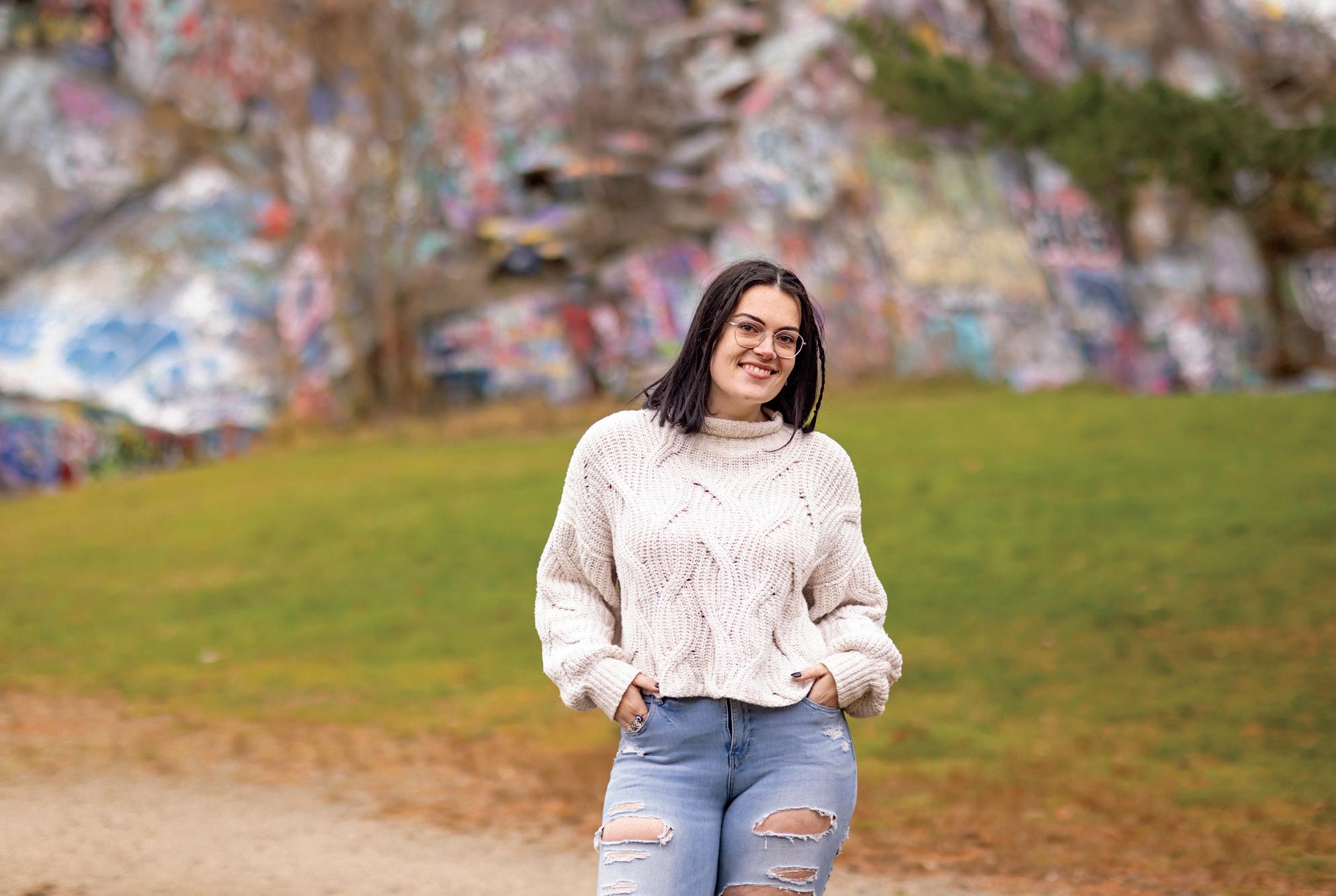
Iva
Today, Iva is a therapist helping people manage chronic pain. But at 14, she was trying to understand her own symptoms— pain so severe that she worried something was deeply wrong. After years of being dismissed, she found answers at Boston Children’s, where Marc Laufer, MD, diagnosed her with endometriosis, a condition in which tissue inside the uterus grows elsewhere in the body. Her experience transformed her life and now guides the way she cares for patients.
What was it like before you came to Boston Children’s?
I started having pain at 11 and saw many doctors who seemed to think I was exaggerating. Then my mom’s co-worker, who had endometriosis and knew Dr. Laufer, suggested we see him. He diagnosed me within 15 minutes.
How did you feel at that moment?
I felt a massive weight off my chest, followed immediately by the realization: “It’s not just in my head. It needs surgery, and it’s not curable.”
How did your care team help you through something so overwhelming at that age?
Surgery terrified me, but my child life specialist and nurses were incredibly kind. My care team also connected me with the Endometriosis Conference run yearly by Boston Children’s Center for Young Women’s Health, where I could meet others facing the same struggles.
How did ongoing care change your day-to-day life?
Before my diagnosis, I thought I was dying, and nobody believed me. Understanding what was happening during pain flare-ups grounded me.
How did your time at Boston Children’s shape your career?
I’ll never forget what happened just after Dr. Laufer diagnosed me. He brought me to a social worker, who validated my feelings. That moment felt true to who I want to be: an ear for patients. It’s why I decided to become a therapist. Later, as I began managing my symptoms, I was invited to speak at the Endometriosis Conference. Being able to reassure others was incredibly healing.
THE RESEARCHER:
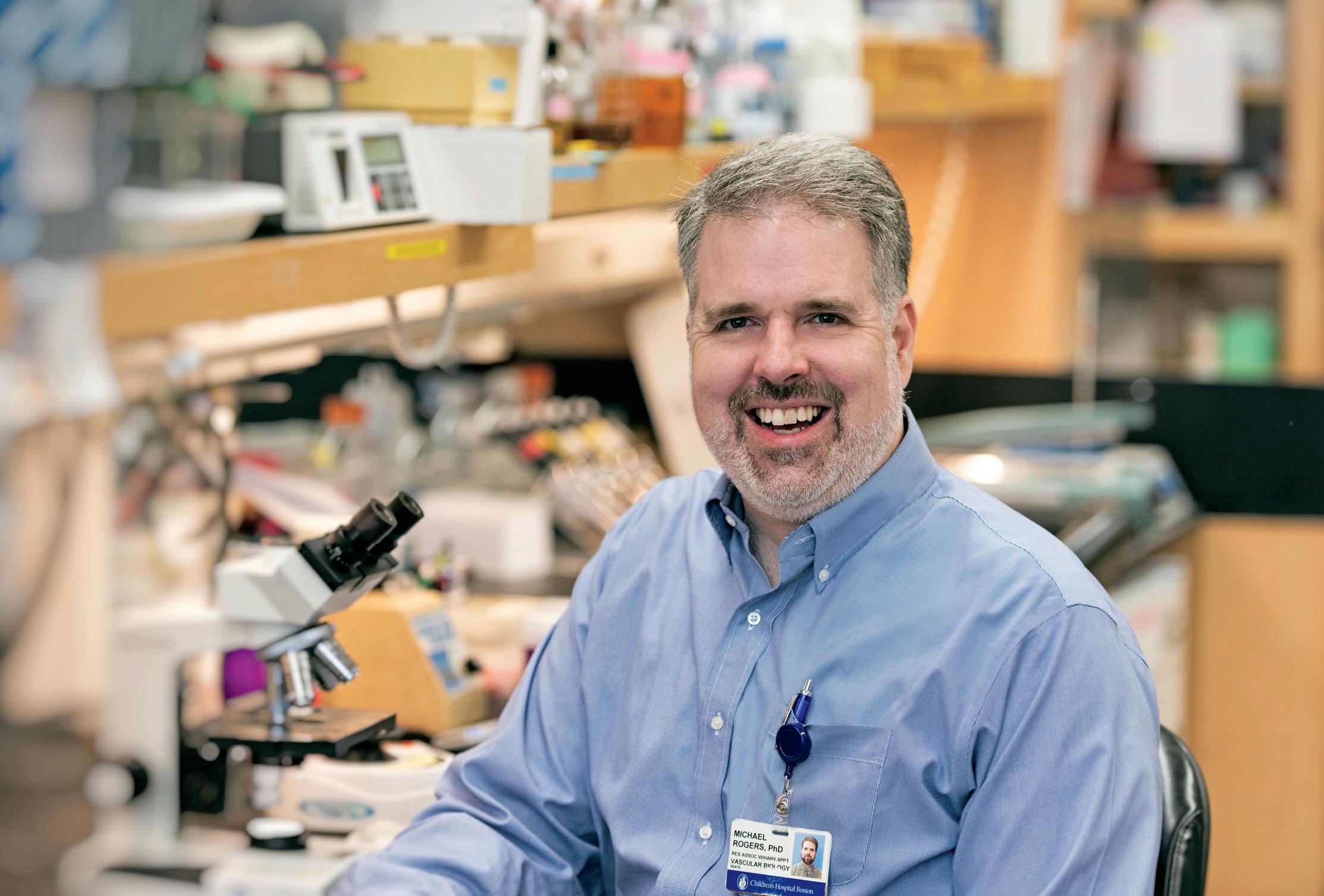
Michael Rogers, PhD
A member of the Vascular Biology Program since 2000, Dr. Michael Rogers has made critical contributions to cancer science. In 2016, he pivoted and began collaborating with colleagues in the Boston Center for Endometriosis (BCE) to search for better medications for endometriosis-associated pain. His lab focuses on finding new mechanisms for drugs approved for other conditions and repurposing them as endometriosis treatments.
How did you decide to turn your attention to endometriosis?
Endometriosis and cancer share a similar pathology. Angiogenesis—the growth of new blood vessels—plays an important role in both. And while endometriosis lesions are benign, they occur from a normal cellular process that goes awry, just like cancerous tumors. My team recently identified around 100 proteins that may inhibit the spread of mutant cells, and we’ve experimented with how they might turn off cell growth. One major discovery was that mutations found in endometriosis cells can affect how these cells use fats, which could offer another tool in controlling cell growth.
What other successes can you share?
We’ve been able to exploit the biological connection between endometriosis and type 2 diabetes. We know that certain gene mutations common in endometriosis lesions are activated by insulin. That knowledge led us to test several diabetes drugs in our mouse model of endometriosis with very exciting results. One of these drugs, metformin, is now the subject of a clinical trial led by Amy DiVasta, MD, MMSc, and Jessica Shim, MD.
How has the field changed since you began?
Endometriosis research didn’t get much attention or funding in the past—research into adolescent endometriosis even less so. Support from the J. Willard and Alice S. Marriott Foundation and the Marriott Daughters Foundation has made a huge difference. Their generosity has allowed my colleagues at the BCE to build one of the largest biorepositories of endometrial tissue in the world. The BCE is looking at endometriosis from every scientific angle and moving new treatments to the clinic. There are many more scientists across the country studying this disease than ever before—we’re making amazing progress.
Primary Care
Finding Answers When Nothing Adds Up
ELLE’S PERPLEXING SYMPTOMS began when she was 7 years old. Flares that included frequent high fevers, headaches, fatigue, joint pain, and abdominal discomfort sent her family on a diagnostic odyssey—starting with multiple specialists across three different hospital systems in their hometown of Miami. Something was clearly wrong, but local physicians were at a loss. “I broke down and started crying during one of Elle’s appointments with her pediatrician,” her mom, Danielle, recalls. Given the complexity of Elle’s case, her pediatrician recommended going to Boston Children’s. He recognized the need for experts to be in the same room, working together. “Boston Children’s, from his perspective, was the only place that could achieve that,” says Danielle.
“We coordinate multidisciplinary evaluations for patients with unclear diagnoses that span specialties,” explains Claire McCarthy, MD, who leads Boston Children’s Pediatric Diagnostic Program (PDP). “Understanding what’s going on with a child—not just one system or symptom but the whole child—is crucial for their life and future.” At the heart of the program is a team of pediatricians, nurses, and behavioral health professionals. They spend time listening to the family, learning about the child, and collaborating with experts across the hospital to piece together each child’s unique story. From there, they develop personalized plans, coordinate with the local physicians, and connect
parents to helpful community resources—all with a goal of ensuring a family feels supported on the path to finding answers.
For Danielle’s family, the PDP’s approach changed everything. “After almost three years of not knowing, it was such a relief to sit with a team that really listened,” she says. “It’s how medicine should be—looking at the whole person, especially when things aren’t straightforward.” At Boston Children’s, Elle’s care team includes Dr. McCarthy, multiple specialists, and a behavioral health provider. At first, Danielle was skeptical when behavioral health was included in Elle’s evaluation given that all of her issues were physical. But it turned out to be one of the most meaningful parts of their care. “It’s helped her stay resilient and mentally strong— ready to handle the hard days.”
Elle does still have difficult days, but the number of flares and their duration have gone down drastically. “Having a diagnosis for her periodic fever syndrome—and a clear plan to manage it—has been incredibly affirming,” says Danielle. And Elle feels strong and optimistic about her future. She wants to be a pediatrician, motivated by the compassion and curiosity she experienced with Dr. McCarthy and her team.
Dr. McCarthy sees the work as an honor. “Families let us into their lives at their most vulnerable moments. It’s a privilege to listen to their stories and do our best to help them.”
THE POWER OF PHILANTHROPY
A generous gift from the Goldberg family supports a research assistant who helps track outcomes and follow patients long term—turning stories of care into data that can improve diagnosis and treatment for other children.
COMPLEX CARE
THE CLINICIANS
Chief,
New Funding
THE MEDICAL QUESTION
How can care teams minimize obstacles for families of children with complex needs?
THE FUNDING
Boston Children’s Rainbow and Kids with Special Abilities (KASA) programs care for more than 1,600 children with complex conditions, like sickle cell disease, cerebral palsy, or Down syndrome. A philanthropic gift from Alnylam Pharmaceuticals is funding dedicated patient navigators and a research assistant to help Rainbow and KASA families struggling to meet their children’s needs.
WHY IT’S IMPORTANT
The health of children with complex conditions hinges on consistent care, but families often face multiple barriers. Many parents lose crucial income while caring for their sick children. They often cope with housing instability and food insecurity. And the difficulty getting to frequent medical appointments is further compounded for children who rely on oxygen, wheelchairs, or other medical devices.
WHAT IT SUPPORTS
Alnylam’s gift has allowed Drs. Conroy and Hotz to expand their team and enhance support for patient families. The navigators connect families to important social and medical resources. They coordinate ambulance transports to medical visits for children who must remain in a reclined position. They help parents with medically complex children avoid eviction. They connect families with affordable healthy food. The research assistant collects critical data to help Drs. Conroy and Hotz understand how children are developing physically, socially, and academically. These expanded services ensure families and physicians can focus on what matters most.
Kathleen Conroy, MD, MS Clinical
Children’s Hospital Primary Care Center
Arda Hotz, MD Medical Director, Children’s Hospital Primary Care Center
MICHAEL GODERRE
ISABELLA, A RAINBOW PROGRAM PATIENT
THE CLINICIAN-SCIENTIST
Stacy Drury, MD, PhD Psychiatrist-in-Chief
THE MEDICAL QUESTION
Can experts prevent mental health struggles before they start?
THE FUNDING
A pioneer in child mental health at Boston Children’s for more than five decades, William Beardslee, MD, advanced understanding of resiliency in at-risk children and developed family-centered interventions locally and globally. He established the Beardslee Family Prevention Fund to fuel preventative mental health support for all children. The gift provides ongoing, flexible funding for Dr. Drury’s work today, while also supporting future initiatives. “It’s a unique way to benefit both the hospital and kids for generations to come,” says Dr. Beardslee.
WHY IT’S IMPORTANT
Children often show symptoms of mental health concerns eight to 10 years before receiving the care they need. The wait can be even longer for those with complex family concerns. Getting help early and promoting support for both the parent and the child can change the trajectory of the entire family.
WHAT IT SUPPORTS
Dr. Drury is leading a variety of efforts to proactively weave family-centered mental wellness into children’s lives in places where they spend their time, such as day care or elementary school. She is focused on growing programs that teach school- and community-based staff about prevention and early intervention. Pilot projects will train teachers to assess a family’s needs and support parents in building strong connections with their children, particularly those facing challenges. She aims to enhance community capacity to raise healthy, thriving children and replicate models around the globe.
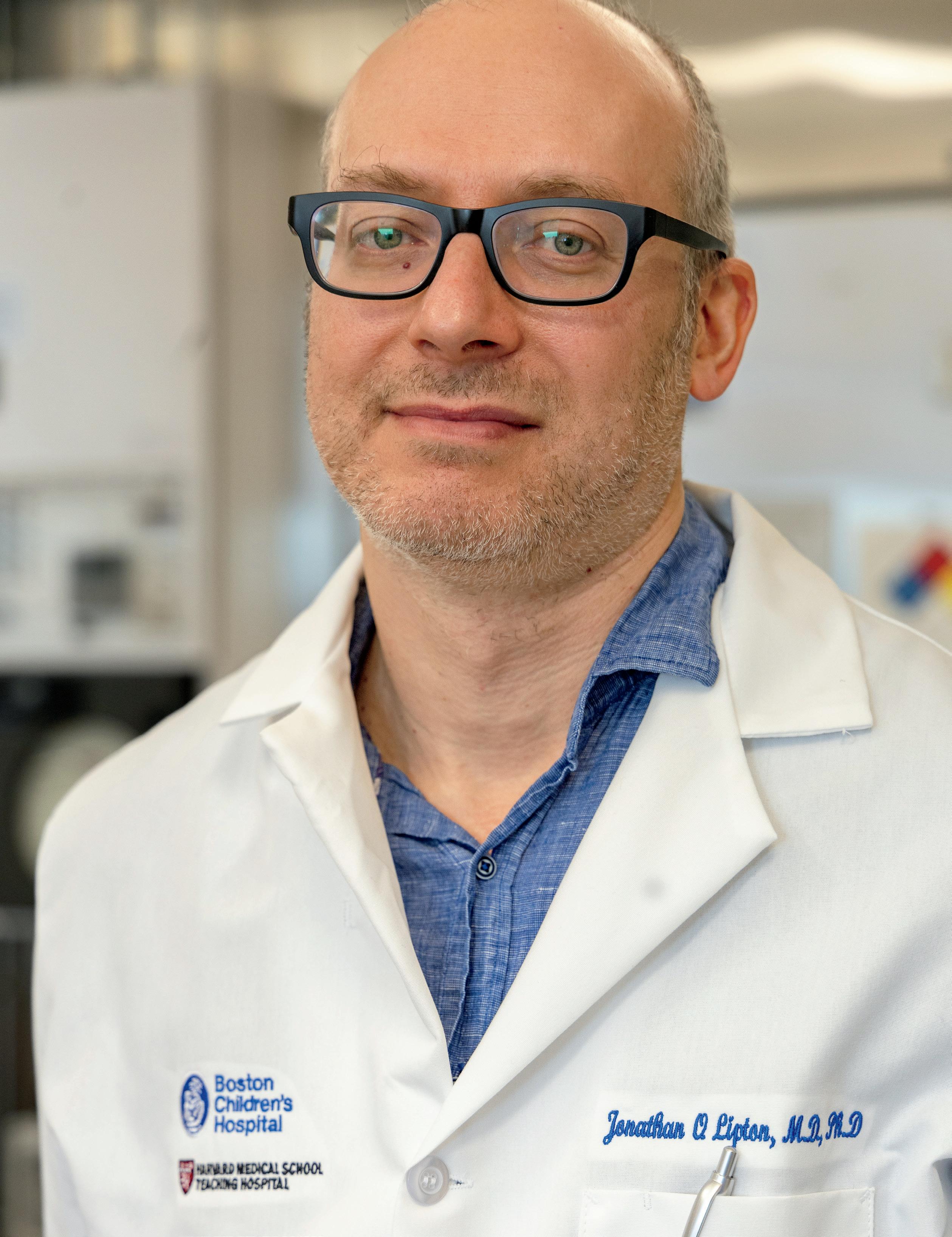
Dr. Jonathan Lipton: At the Dawn of a New Branch of Medicine
WHEN YOUR ALARM CLOCK FAILS, chaos can erupt. The same principles may apply to the body’s internal clock—disrupted circadian rhythms can exacerbate some of the most challenging neurodevelopmental disorders. Could a deep understanding of circadian disruptions lead to new treatments for these conditions? This question drives Jonathan Lipton, MD, PhD.
Since his early academic years, Dr. Lipton has been fascinated by circadian rhythms. Now, he’s at the forefront of research exploring how they influence health and disease. His work focuses on the intricate relationships between the body’s internal clock and neurodevelopmental disorders like Kleefstra syndrome, a rare genetic condition, as well as more common conditions such as Alzheimer’s disease.
Kleefstra syndrome is caused by mutations in the EHMT1 gene, which plays a key role in brain development and sleep cycle regulation. It can result in intellectual disability, autism, and severe sleep disruptions. For some teens with the disorder, a ‘sleep crisis’ of profound insomnia can lead to loss of developmental skills and cognitive functions. It’s difficult to predict which patients are at greatest risk—a source of enormous concern for parents and caregivers.
By studying both patients’ cells and their sleep cycles, Dr. Lipton and his team, including postdoctoral fellow Sarah Ferraro, PhD, and co-investiga-
tors Siddharth Srivastava, MD; Zoe Frazier, MS; and Joe Kossowsky, PhD, MMSc, have shown how cellular stress responses and circadian disruptions contribute to the syndrome’s symptoms.
By mapping the biochemical interactions between EHMT1 and circadian ‘clock’ proteins, the researchers aim to predict patient risk for developmental regression and tailor treatments accordingly. “We hope the approach can serve as a model that we can apply to many different neurodevelopmental disorders,” says Dr. Lipton.
One of those conditions is Alzheimer’s disease. EHMT1 dysfunction has been linked to the progression of the condition, and understanding this dysfunction could pave the way to targeted treatments.
Support from the Boston Investment Conference has fueled Dr. Lipton’s work, strengthening collaborations with other researchers and helping them establish a pipeline for circadian medicine that links cellular insights to treatment strategies.
“We’re at the dawn of this new branch of medicine,” he reflects. “It’s a really cool time.”
We hope the approach can serve as a model that we can apply to many different neurodevelopmental disorders.
Celebrations
COUNT ON BOSTON CHILDREN’S
We’ve tallied the milestones that made us smile, and one thing’s clear: Children and families everywhere have plenty of reasons to celebrate.
0
MISSES FOR NUMBER 0
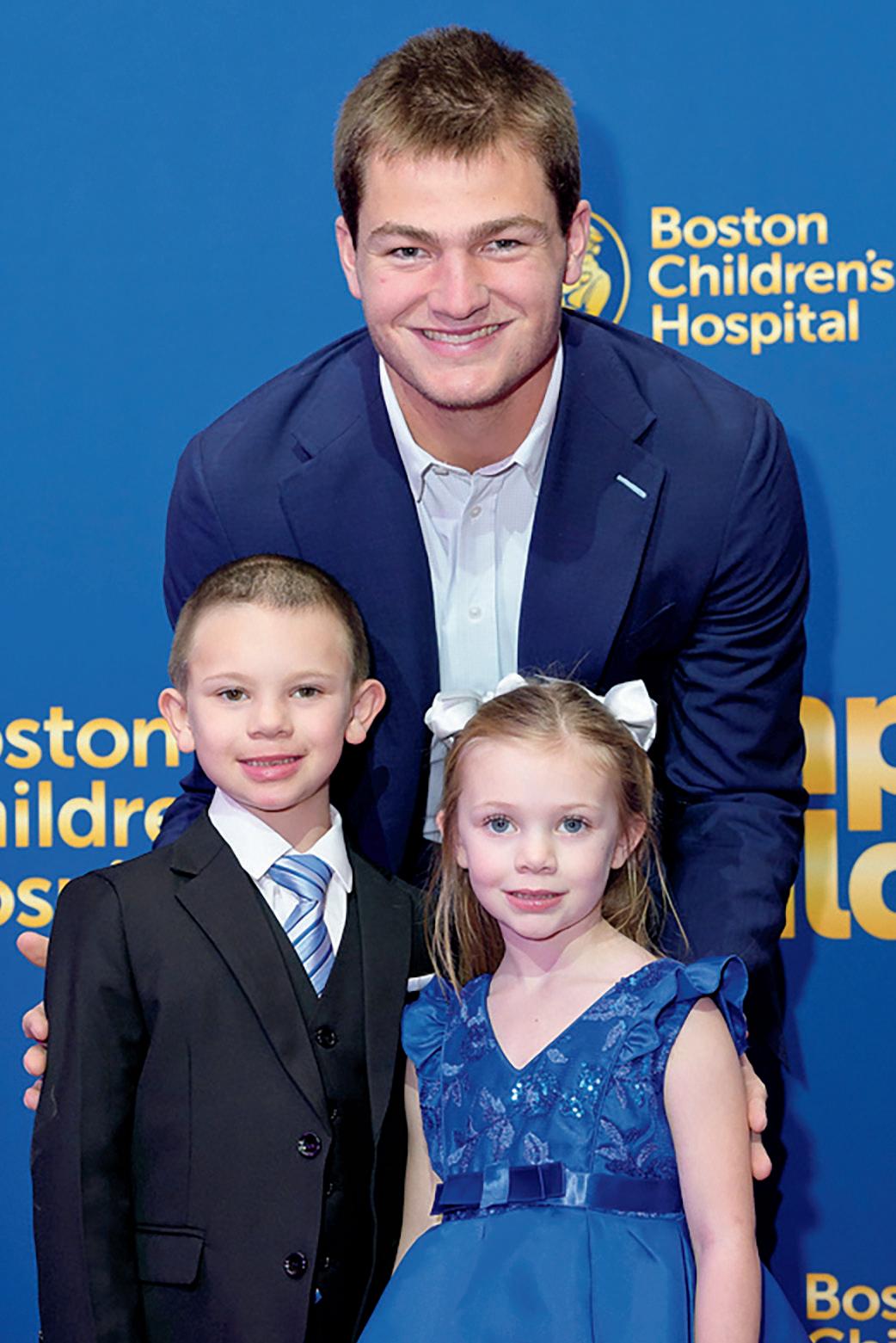
Boston Celtics star Jayson Tatum has perfect stats when it comes to compassion. Since his rookie season, he has never missed a chance to show up for Boston Children’s patients. Honored as the 2025 Champion Award recipient at Champions for Children’s, number 0 continues to prove that the greatest wins happen off the court.
# 1
PEDIATRIC HOSPITAL
Boston Children’s ranked as the top children’s hospital nationwide and among the best in the world.
2
FRIENDS FOR LIFE
3
YEARS OF IMPACT
4
QUARTERS TO SCORE FOR KIDS
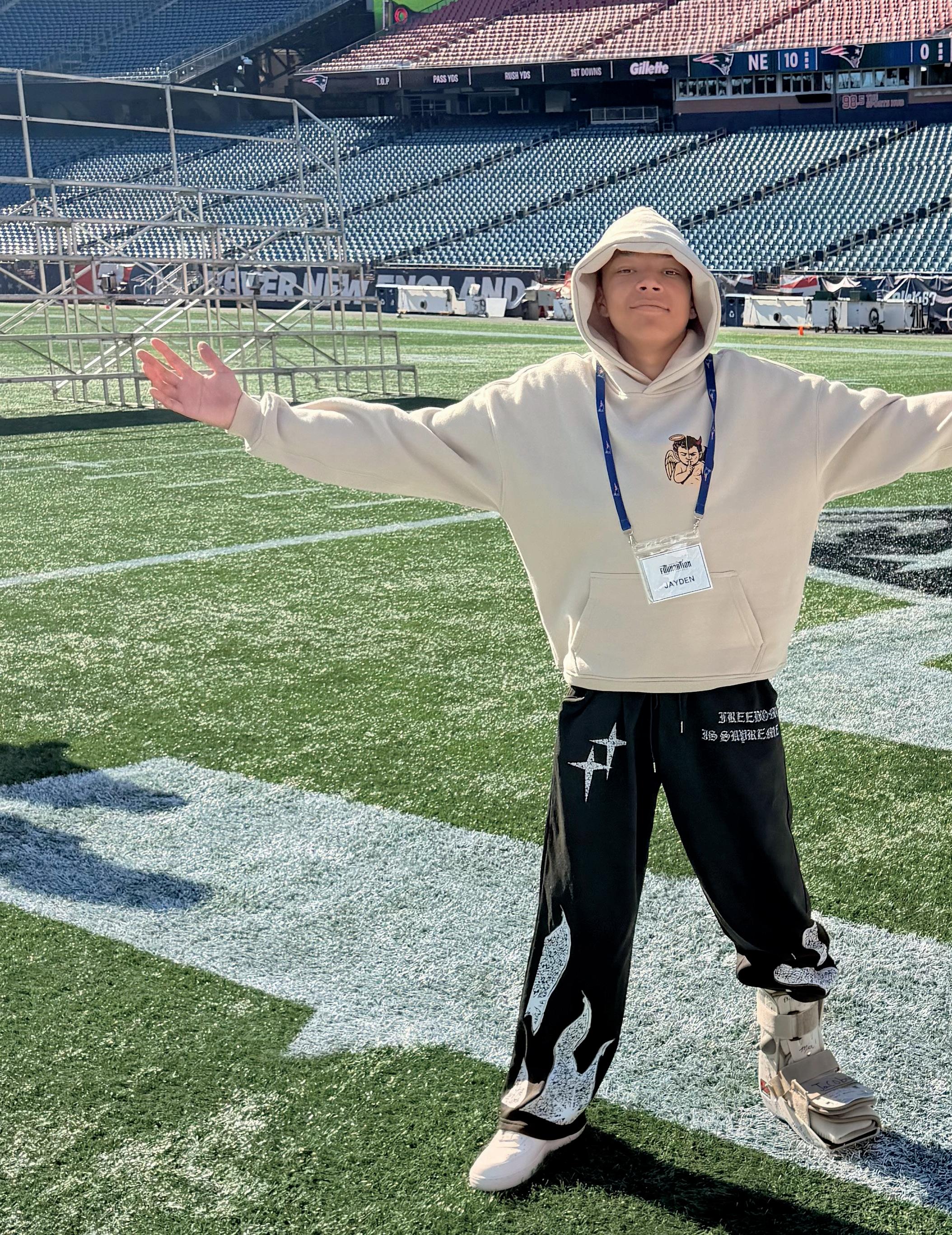
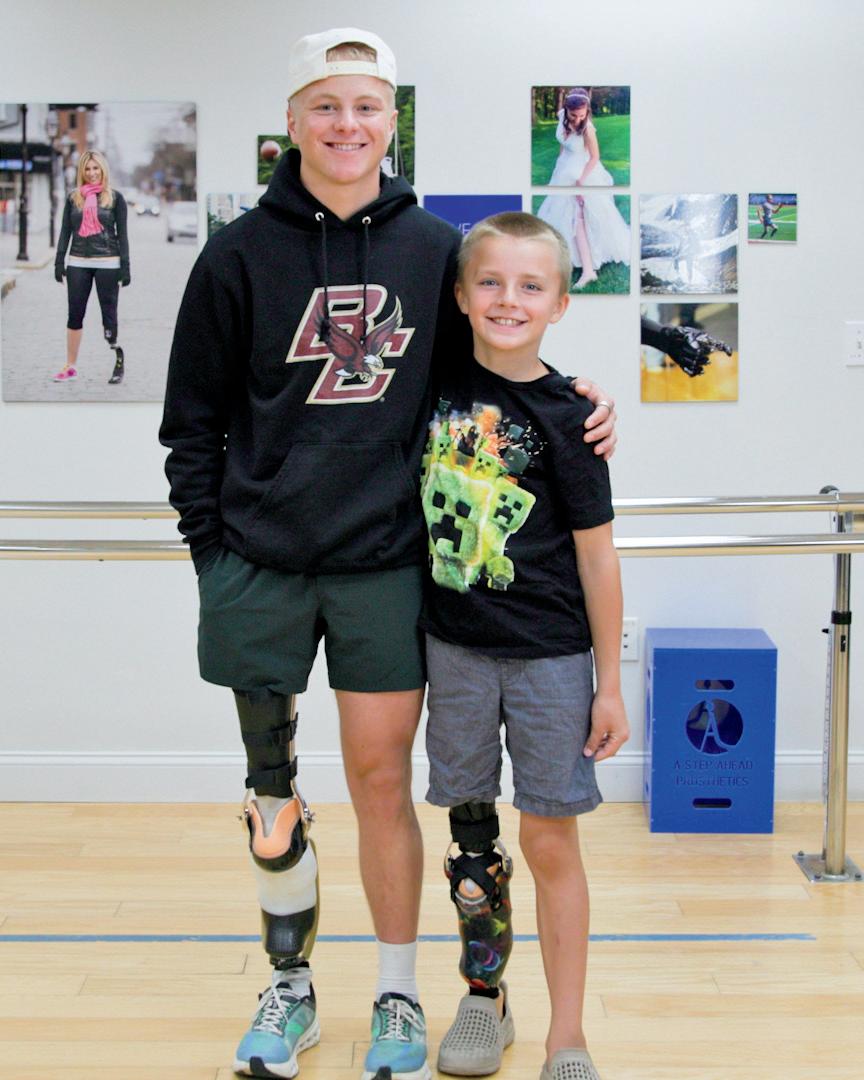
Jack (18) and Jaeger (8) share an unbreakable bond. At age 11, Jack underwent rotationplasty, a surgery that rotates the lower leg 180 degrees to create a new knee joint, during treatment for bone cancer. After Jaeger was injured in an accident that damaged his leg, he had the same procedure. United through their resilience and shared love of sport, this duo reminds everyone that courage and friendship can turn a challenge into a victory lap.
Now entering its third year, the CEO’s Circle of Impact drives bold ideas, lifesaving research, and care that reaches children and families everywhere through unrestricted support.
When Patriots quarterback Drake Maye scores, kids win. During the 2025 season, Betterment donated $250 to the Every Child Fund for every touchdown Maye threw or ran. We cheered as game-day highlights turned into resources for kids and families.
5
WAYS LATINO KIDS BENEFIT
The Una Noche de Milagros para Niños gala isn’t just dancing and dining—it’s about doing good. Proceeds strengthen five areas that help ensure Latino children and families can access care, community, and compassion: Boston Children’s at Martha Eliot, Children’s Hospital Primary Care Center, Margaret C. Ryan Global Health Program, Social Work Program, and Hale Family Center for Families.
6
NEW COMPANIES
The Innovation and Digital Health Accelerator (IDHA) helps turn bright ideas into real-world solutions—six of its projects have grown into thriving companies. From digital tools to game-changing medical technologies, IDHA proves that, when innovation meets opportunity, kids win.
7 WORLD MARATHON MAJORS
Miles for Miracles runners are conquering all seven World Marathon Majors, the most prestigious races in the world. Each stride helps fuel care, discovery, and hope for kids and families.
8 YEARS LATER
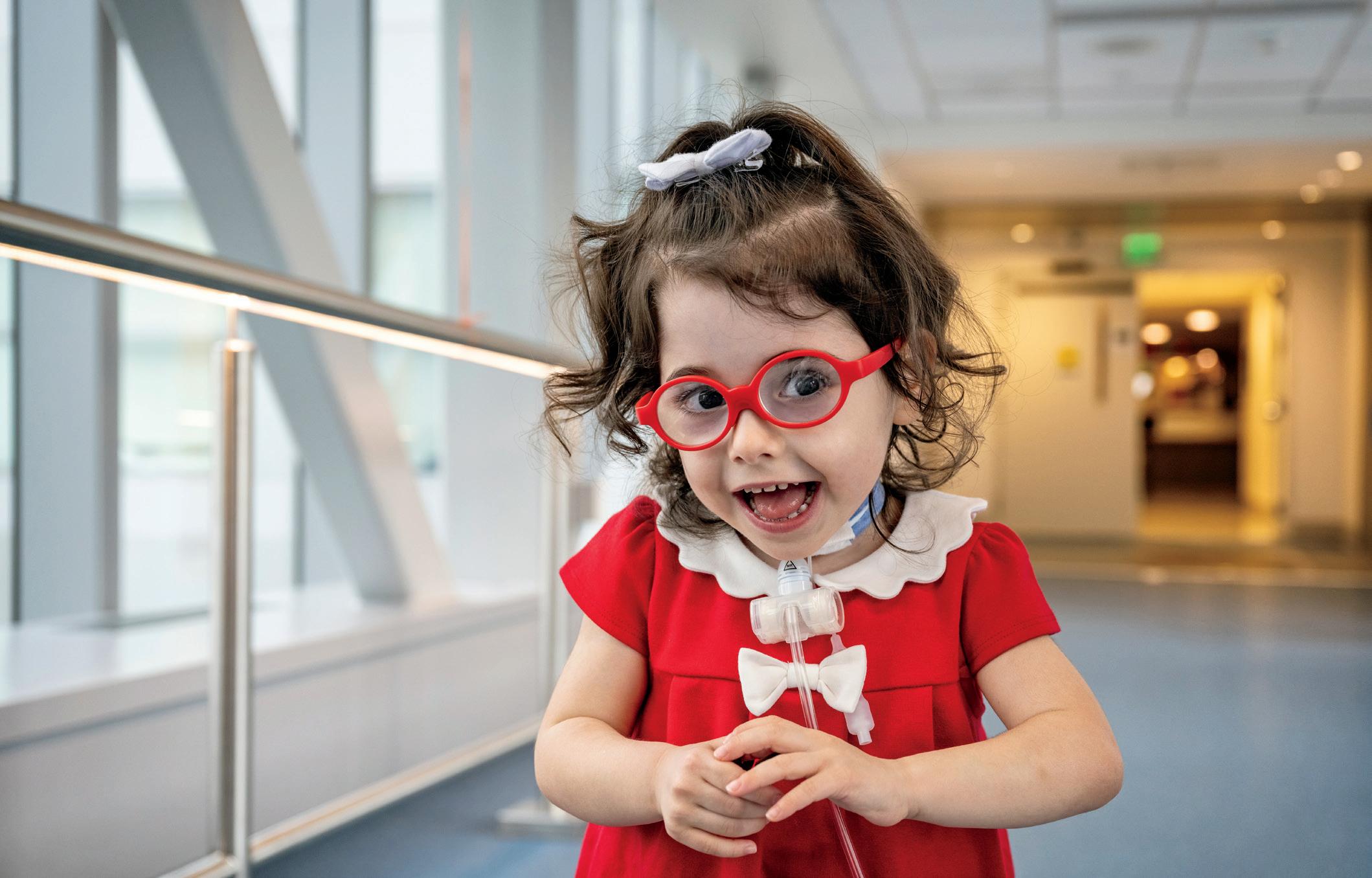
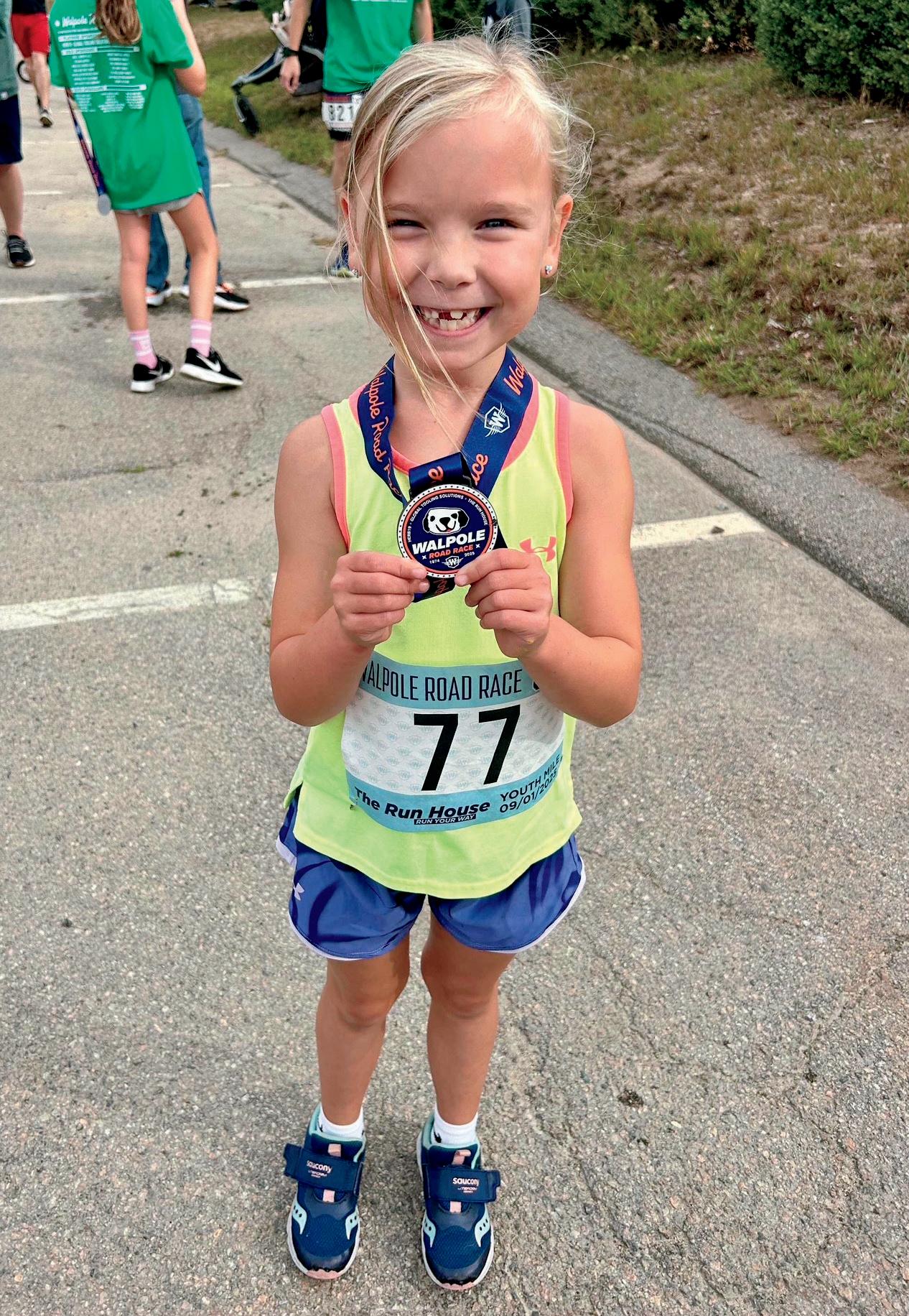
Once a preemie with a trach, Lucy is now a runner with heart! She crushed her first one-mile fun run and proved she’s not just keeping pace; she’s setting it.
9
FAMILIES, ONE GOAL
Fundraise Your Way lets anyone create an event to help a cause close to their heart. Nine families are supporting researchers working to better understand and treat Shwachman-Diamond syndrome—a rare condition that affects the pancreas, bones, and bone marrow, and can increase the risk of leukemia.
$ 10
MILLION
Thank you, Shaw’s and Star Market Foundation for ringing up brighter futures with every transaction. Over the past 11 years, local stores have raised over $10 million for Boston Children’s patients through the Give a Smile register campaign.
401 PARK DRIVE, SUITE 602
BOSTON, MA 02215-3354
DREAM ON
It started with a concert and a cause. Proceeds from t-shirt sales at a 1997 Aerosmith concert launched a fund to fight HIV and its impact on teens. Since then, the Aerosmith Endowment Fund has expanded its focus to broader health risk factors and awarded grants for 139 projects. The fund has kick-started the careers of many adolescent health researchers and led to meaningful improvements in the care of at-risk youth. Learn more about meeting teens’ unique health needs on page 16