To opt out of receiving Boston Children’s Hospital Magazine, contact publications@chtrust.org.
BOSTONCHILDRENS.ORG/GIVING
A Bold Vision Comes to
Philanthropic
The Philanthropy Effect
Five
Donors
“Your generosity means bright, healthier futures for all children.”
WELCOME TO THE LEADERSHIP ISSUE —our first-ever spring issue of Boston Children’s Hospital Magazine
I’ve long believed that leadership manifests in many ways. We certainly see it in the thousands of families who bravely partner with researchers and physicians to pioneer bold new therapies. Their willingness to take the first step—to join a groundbreaking clinical trial—transforms possibilities into promises.
We encounter leadership in the physician-scientists who dare to imagine and then set out to execute some of the most audacious ideas in medicine—like building a human heart.
One common thread between families and researchers is you—the donors whose leadership makes life-changing work possible. Your generosity means bright, healthier futures for all children.
In this issue, you’ll read about some of the creative and impactful ways donors engage with us.
Some are pouring everything they’ve got—and then some—to train for and run a marathon as part of the Miles for Miracles team. Others are immersing themselves in scientific discovery and fueling tomorrow’s cures through the Venture Philanthropy Network. And a growing number of extremely generous transformational donors are sharing their philanthropic gifts and strategic leadership with us.
However you choose to support our work—thank you. Your commitment means the world to us.
warmest regards,
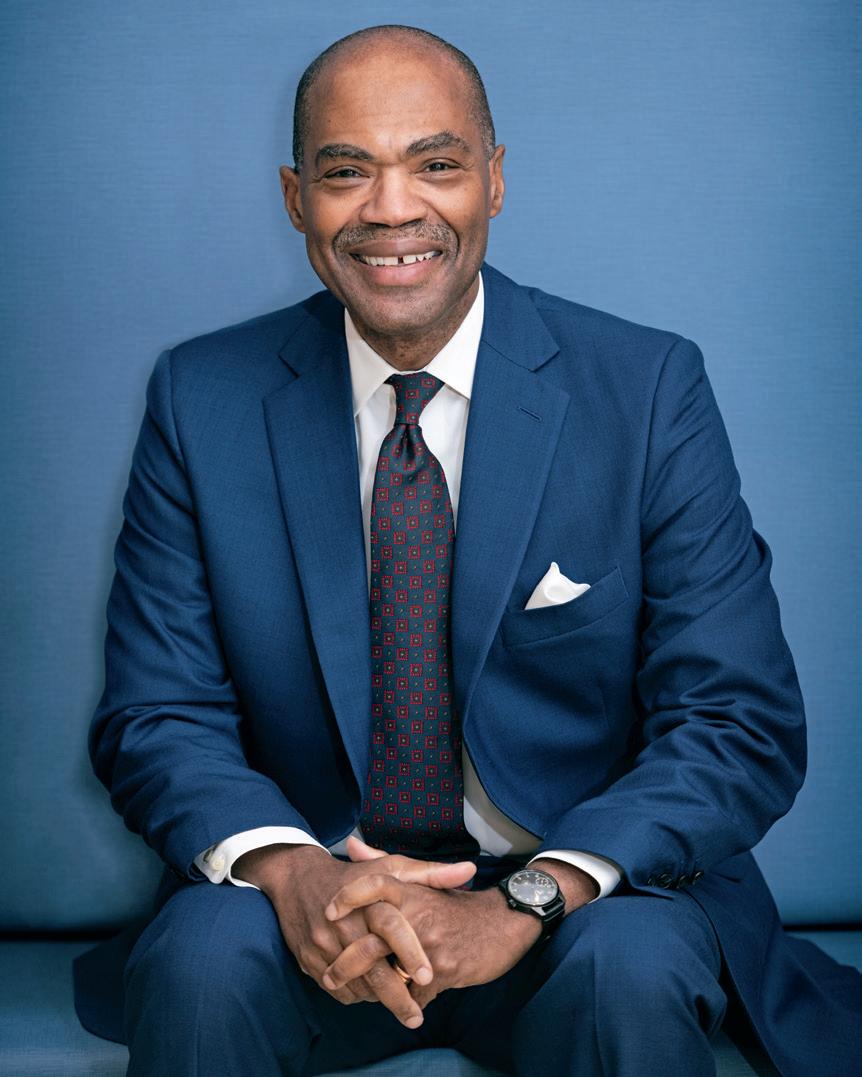
KEVIN B. CHURCHWELL, MD CEO
Moments
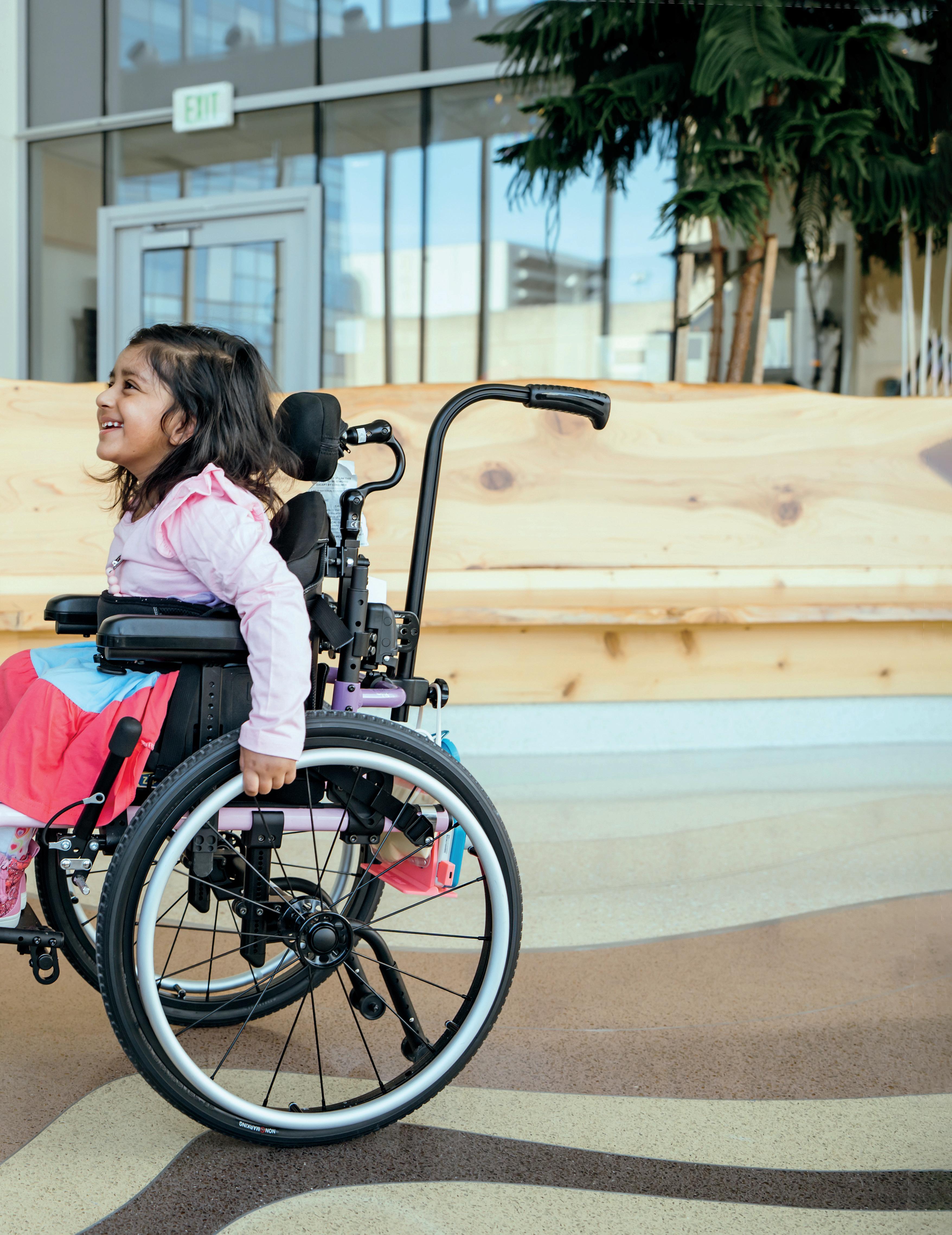
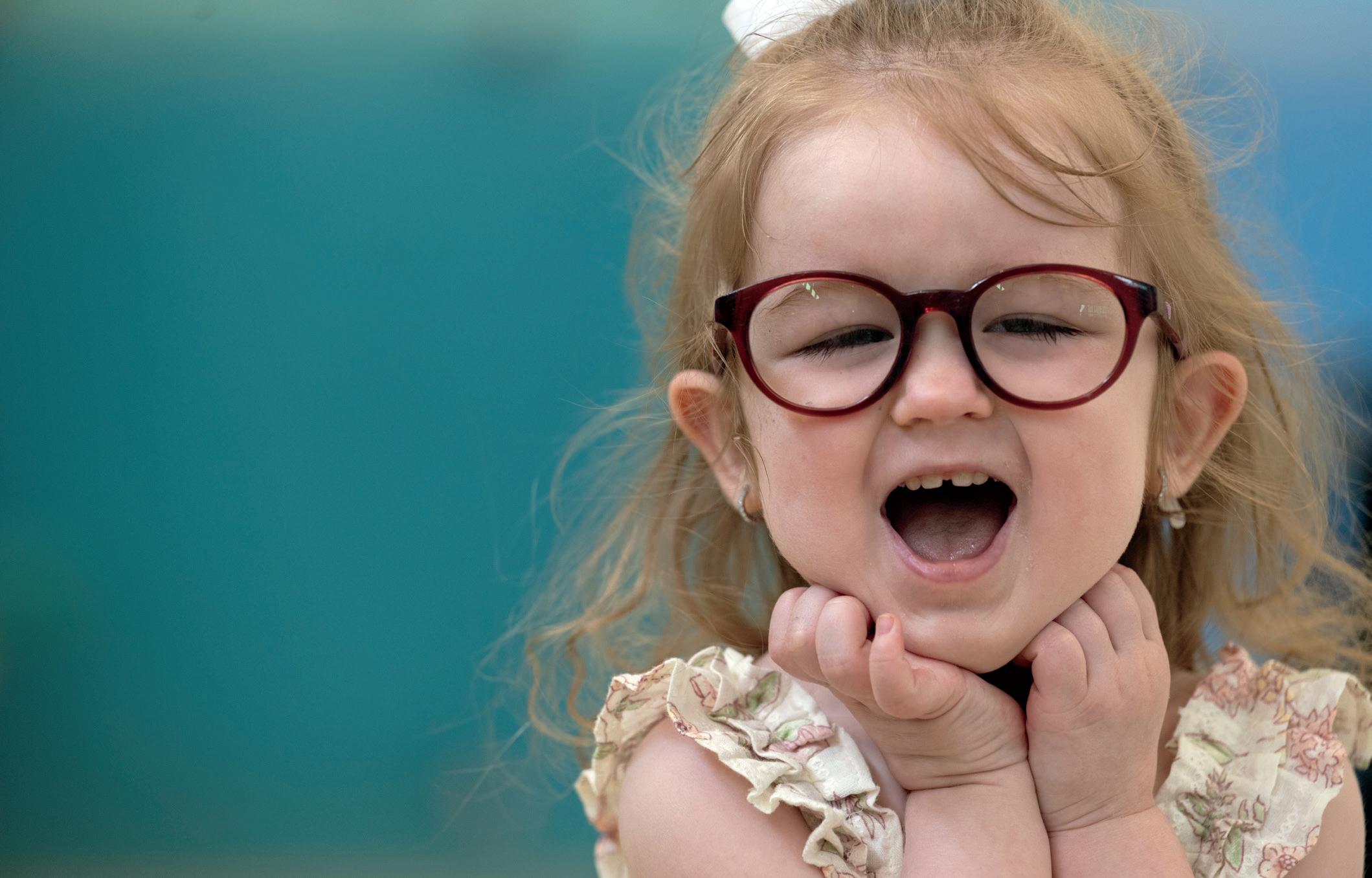
“Zoya’s caregivers have become our second family.”
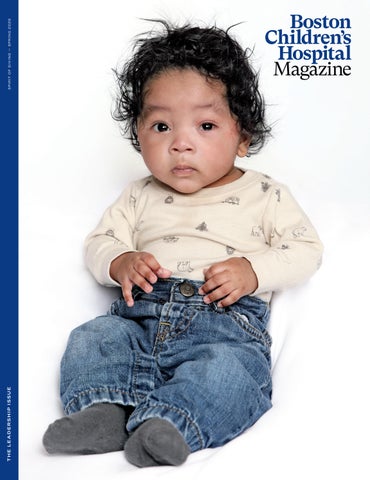
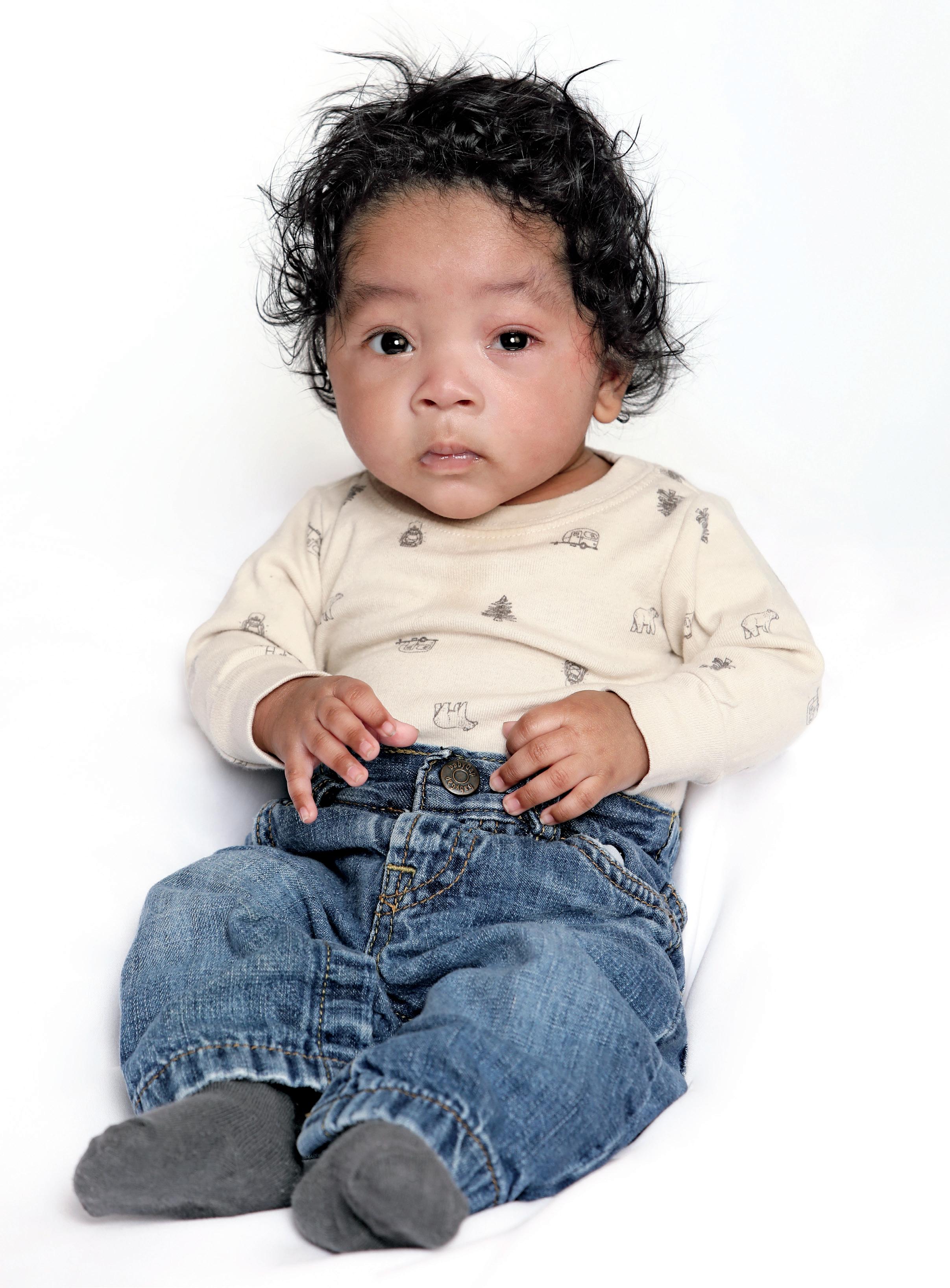
NOW 4, DELIGHTFULLY SASSY AND CURIOUS ZOYA RECEIVED LIFESAVING TREATMENT FOR A LARGE, AGGRESSIVE BRAIN TUMOR. “BOSTON CHILDREN’S EXPERTISE IS SECOND TO NONE,” SAYS HER DAD SIRAJ. PHOTOGRAPH BY BETH ANN FRICKER
WATCH THIS VIDEO TO LEARN MORE ABOUT ZOYA
Like the intrepid pioneers who left home and traveled west in covered wagons, many Boston
Children’s families brave uncharted territory
to give their children a new shot at life. Meet three of them and the physicianscientists launching tomorrow’s cures.
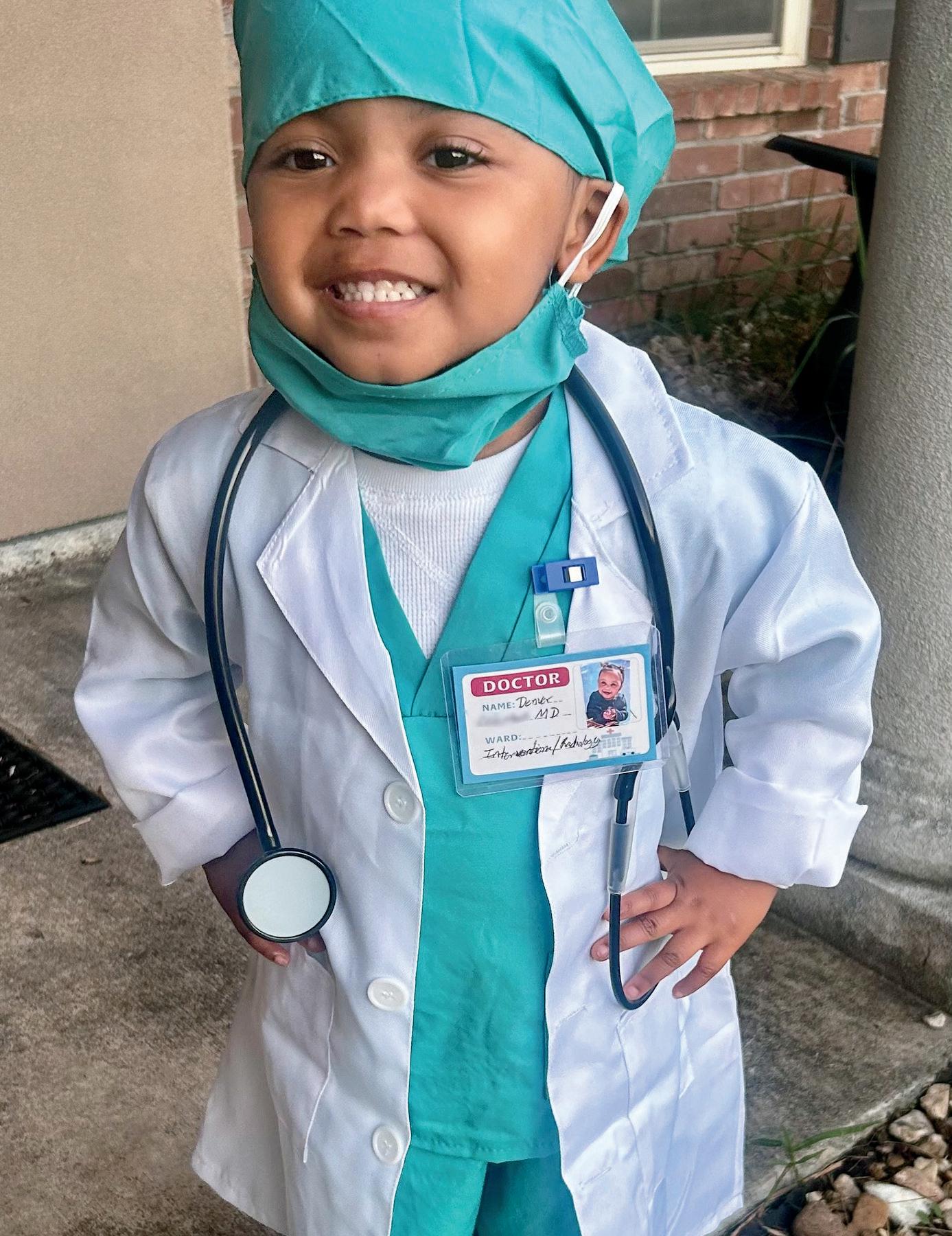
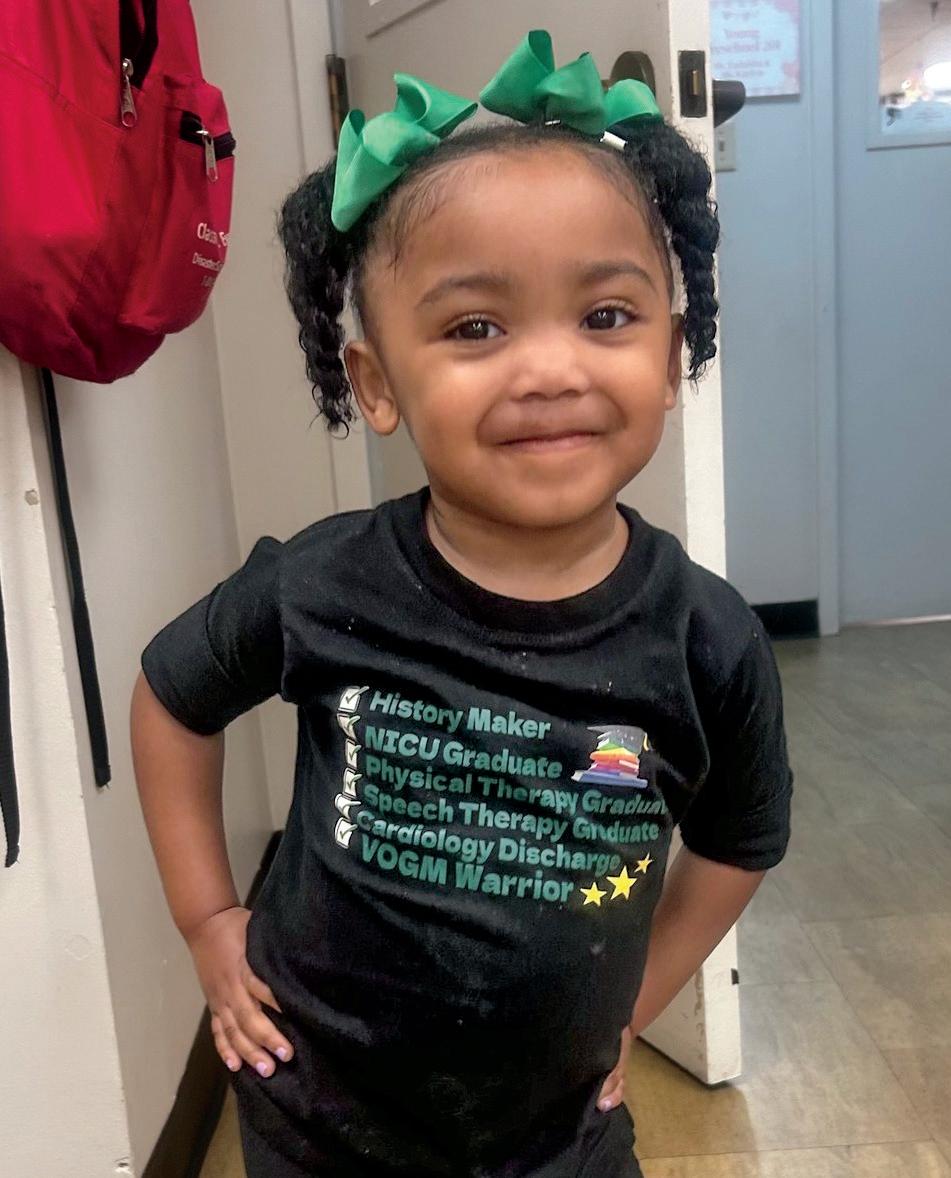
AFTER A REVOLUTIONARY IN UTERO INTERVENTION, DENVER LOOKS AHEAD TO A BRIGHT FUTURE.
Denver: An In Utero Intervention
At Kenyatta’s 30-week pregnancy ultrasound, her obstetrician saw something she’d never seen before: a vein of Galen malformation (VOGM). This extremely rare misconnection of arteries to a central vein in the brain creates an intense increase in blood flow, putting a huge strain on a newborn’s brain, heart, and lungs. In severe cases, such as that of Kenyatta’s unborn baby, the condition causes major brain injuries or is even fatal.
“We were willing to do whatever it took to try to save our baby,” says Kenyatta’s husband Derek. The couple flew from their home in Louisiana to Boston Children’s, where Darren Orbach, MD, PhD, had just secured approval for a clinical trial to correct the VOGM’s blood flow—in the womb. Denver was the first eligible patient to be successfully treated.
During the groundbreaking in utero procedure, Dr. Orbach’s team placed 23 tiny metal coils to slow blood flow through the malformation. Born two days later, Denver needed no further medical interventions in the NICU related to her VOGM. Today, she’s a typical healthy, impish toddler.
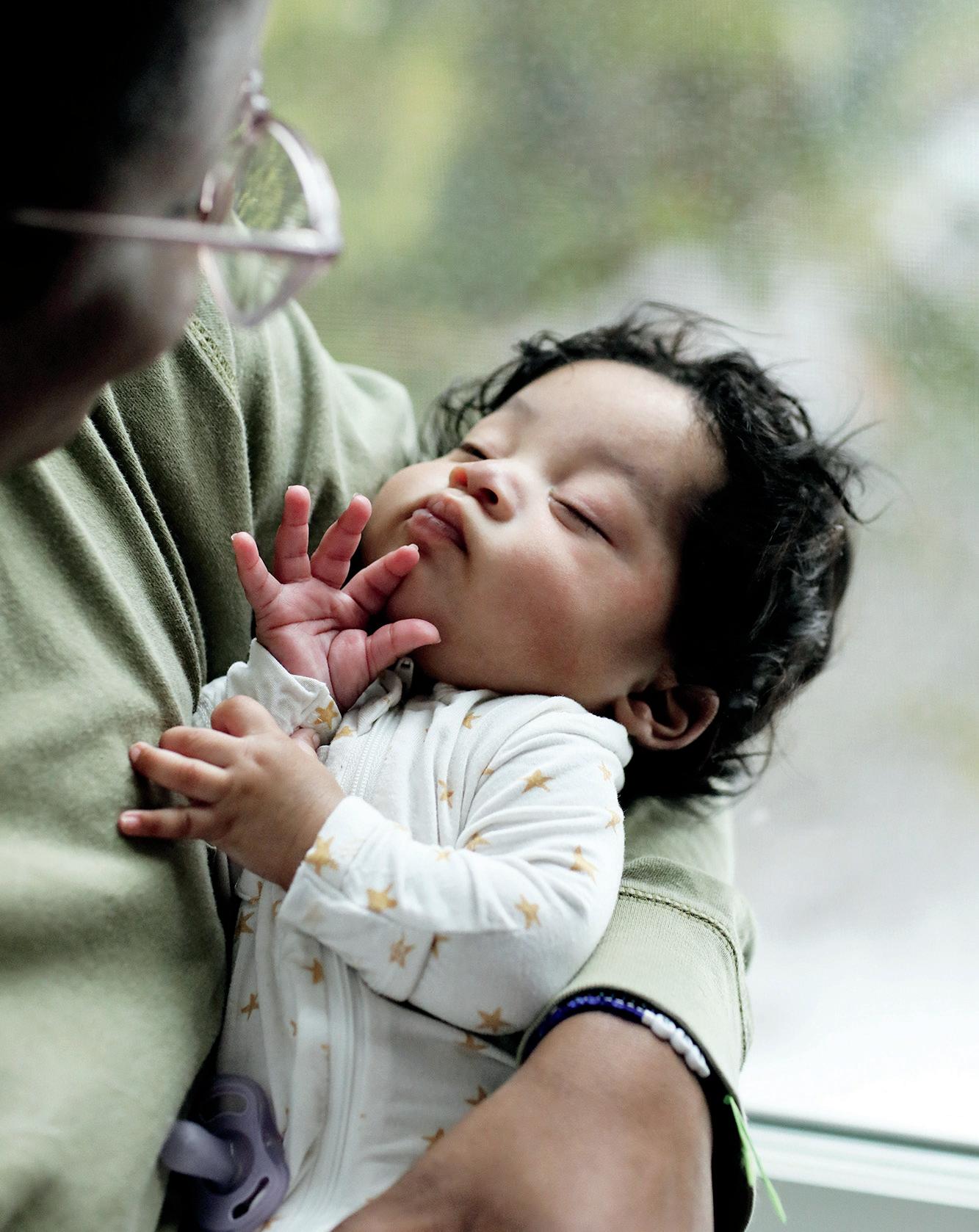
Kai: A High-Speed Answer
After arriving nearly 12 weeks before his due date, Kai seemed to have an eye disorder common in preemies. But his case was so severe that his New York doctors transferred him to Boston Children’s. Monica Wojcik, MD, MPH, had just launched a pilot program offering rapid genome sequencing to every family in the Mayo Family Neonatal Intensive Care Unit (NICU). Kai’s parents Nea and Brian jumped at the chance to participate. “We wanted answers,” says Nea. Two days after the test, the couple learned their son has an extremely rare genetic mutation in the LRP5 gene.
In addition to affecting eye development, the mutation causes severe osteoporosis and other bone density issues. Typically, doctors don’t suspect low bone density until a child sustains three fractures.
Kai’s case is unfolding much differently. Dr. Wojcik immediately referred him to the Boston Children’s Skeletal Health Center, where Executive Director Christina Jacobsen, MD, PhD, studies LRP5 mutations. He’ll start precision treatment early and may benefit from Dr. Jacobsen’s clinical trial of a new therapy.
“Kai’s still a baby, but he’s already a hero,” Nea says. “His experience could change other children’s lives.”
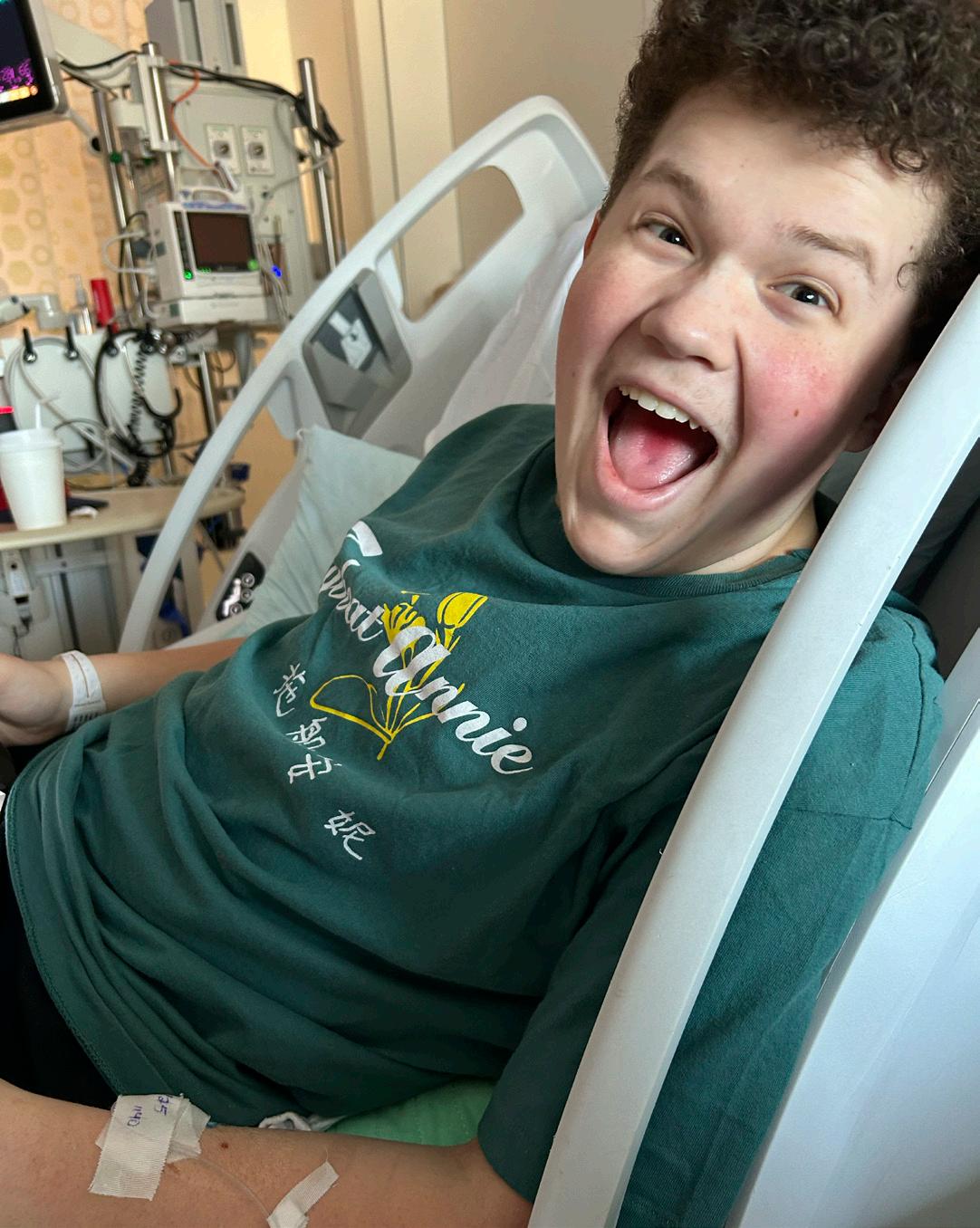
Sam: A Living Solution
Sixteen years ago, Massachusetts couple Heather and Greg learned their newborn son’s aortic valve hadn’t developed properly, leading to a life-threatening restriction of blood flow. Sam’s heart had to work extra hard to keep him alive.
Though two open-heart repairs at Boston Children’s bought him time, Sam’s valve continued to deteriorate. At 15, his heart was enlarged, and his fatigue had worsened.
Standard options—including a mechanical or animal valve— weren’t great. A mechanical valve would require Sam to take a daily blood thinner for the rest of his life. And both mechanical and animal valves deteriorate over time, with either option requiring additional open-heart surgeries in the future.
Sitaram Emani, MD, offered a compelling alternative: He was trialing a partial heart transplant using a human donor valve— while the cells are still alive. Unlike the other options, this living valve can resist clotting and adapt, heal, and grow with Sam.
Heather and Greg left the decision about the surgery to their son. The teen was all in. Sam would be one of the first U.S. patients to undergo the procedure. “I knew it would give me the brightest future, and being at the forefront of medical technology is pretty cool.”
Today, he’s back to enjoying high-school theater and jazz band and feels “like a new man.”
By partnering with leaders as they push the boundaries of medicine, pioneering families help shape the future of child health for generations to come.
“BEING AT THE FOREFRONT OF MEDICAL TECHNOLOGY IS PRETTY COOL.”
TRAILBLAZERS
What does it take to forge a new path in pediatric medicine?
Dr. Emani: “Many factors made Boston Children’s the ideal place to run the partial heart transplant trial. Everything set the stage for success—from the strong research infrastructure to the transplant team, research coordinators, and supportive leadership.”
Dr. Jacobsen: “Boston Children’s runs the world’s largest pediatric research enterprise and currently hosts more than 390 clinical trials. So the odds of Kai’s family finding both an expert in his ultra-rare condition and a clinical trial that may help him here are much greater than you’d think.”
Dr. Orbach: “In utero intervention represents a totally different way to treat VOGM malformations, both conceptually and technically. Boston Children’s leadership and the entire environment they’ve built here provide lots of room for creativity and open-minded thought—and that’s exactly what’s needed to imagine and execute procedures like this.”
Dr. Wojcik: “The hospital has been incredibly supportive of the NICU rapid genome sequencing trial, recognizing that expanding opportunities for early diagnosis needs to be part of the top-level care we provide. The trial will benefit our patients and hopefully newborns countrywide.”
Our New Campus
A Bold Vision Comes to Life
WELCOME TO THE FUTURE OF CARE
With their profoundly generous gift of $100 million, Rob and Karen Hale have launched the philanthropic charge to reimagine pediatric mental health care. Their leadership will fuel Boston Children’s revolutionary plan to drive transformational change for children everywhere. “Boston Children’s has the vision, the people, and the expertise to make a difference,” says Karen Hale. “By galvanizing others to join us, we can change the world.”
Their tremendous generosity already is reverberating throughout Boston Children’s and across the entire field of psychiatry.
“The Hales’ extraordinary partnership proclaims that now is the time to invest in our children’s well-being,” says CEO Kevin B. Churchwell, MD. “This gift will fundamentally reshape the landscape for pediatric behavioral health.”
A Giant Step
Families are facing the challenge of a generation. For decades, pediatric mental illness has lived in the shadows—under-resourced and misunderstood, if not dismissed outright. Services are often understaffed or fragmented across institutions, leading to disrupted and siloed care. As a result, children may wait years for an accurate diagnosis. The consequences can be devastating.
Their symptoms frequently progress, disrupting their lives and becoming harder to treat. Families can feel helpless as they watch their child struggle with depression or other mental health challenges, worried about what the future will hold.
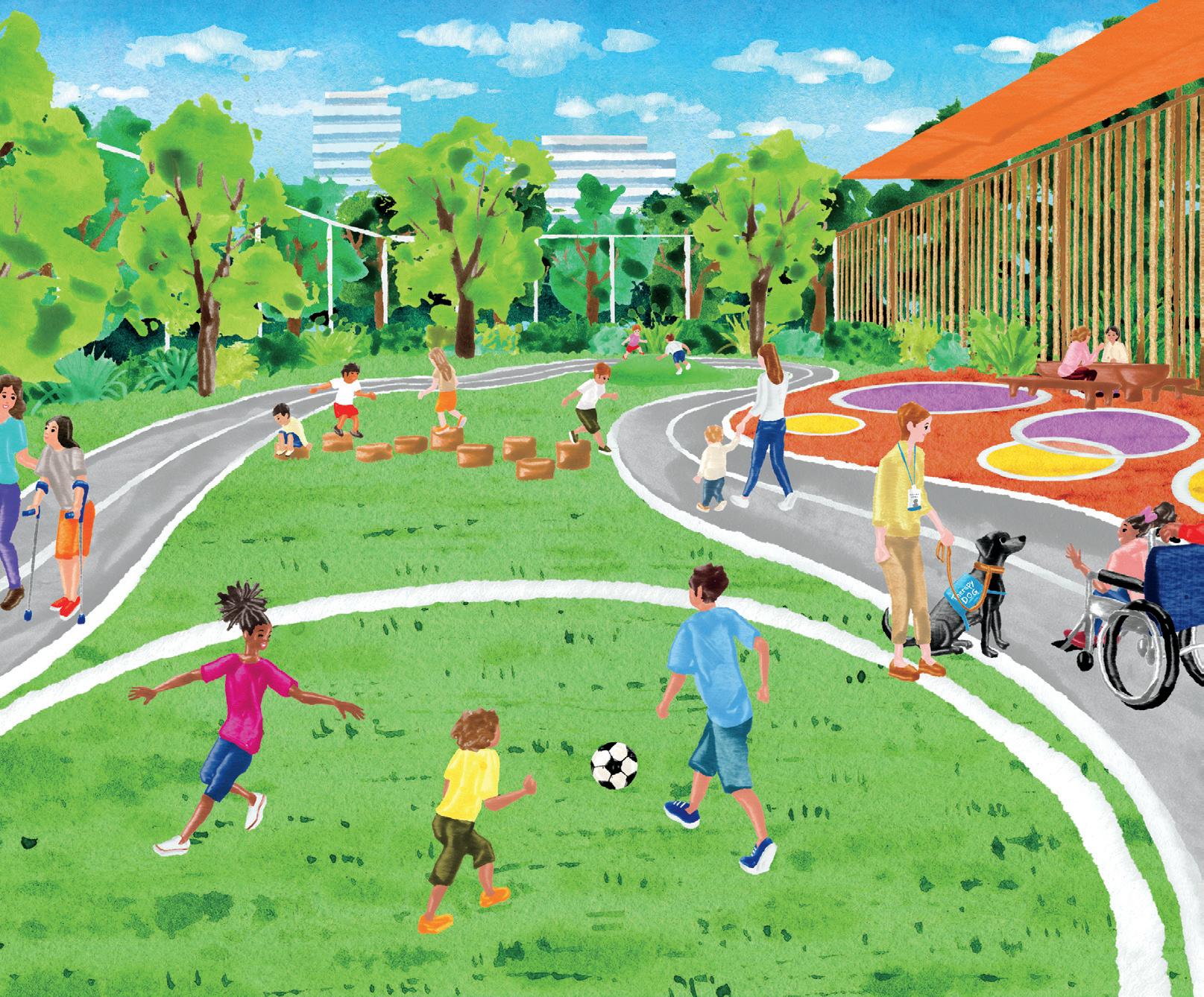
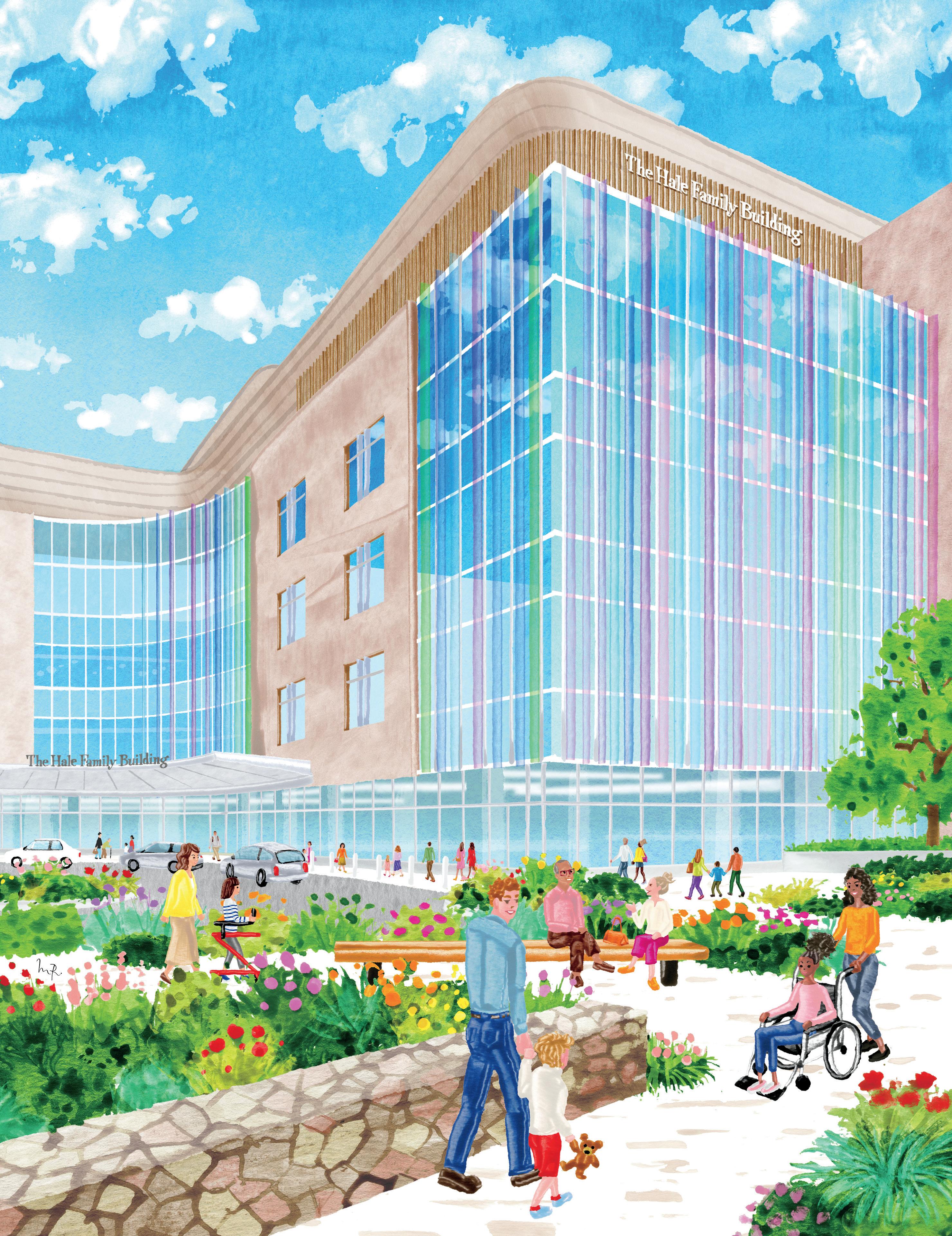
The Hales recognize that we can—and must—do better. Their gift will name the signature building in Brighton on the campus of Franciscan Children’s Hospital, which will house a stigma-shattering pediatric behavioral health and rehabilitation center. Filled with light, nature, and color, the facility signals a new way of caring for children—and demonstrates that children’s mental wellness is priceless.
“Solving the mental health crisis will take every ounce of innovation and excellence we’ve got,” says Psychiatrist-in-Chief Stacy Drury, MD, PhD. “The Hale’s partnership has given this vital work the boost it needs to get off the ground. We are now so well-positioned to create an entirely new model of care, one focused on preventing illness from taking hold, reducing stigma, and accelerating care.”
The new campus will be the foundation that makes this transformation possible. As the region’s first truly child- and family-centered destination for patients with complex behavioral health and medical needs, it will unite world-class medicine, pioneering science, and multidisciplinary collaborations under one roof. Key to this vision is access
“THE HALES’ EXTRAORDINARY PARTNERSHIP PROCLAIMS THAT NOW IS THE TIME TO INVEST IN OUR CHILDREN’S WELL-BEING.”
KEVIN B.
CHURCHWELL,
MD
ON THE HORIZON: BRIGHTER DAYS
to the full continuum of care—from prevention programs to specialty inpatient and outpatient care—for infants and adolescents alike.
Just as importantly, the integration of care and research will turbocharge our understanding of the biological underpinnings of behavioral health. As experts across disciplines collaborate in the clinic and the lab, they will begin to unlock the drivers of mental illness—and propel the field toward prevention and cures rather than symptom management. Additionally, cultivating a diverse workforce of dedicated individuals and educating the next generation of rising stars will ensure this work continues in the future. This comprehensive approach will change the trajectory for countless individuals and demonstrate to the world the benefits of prioritizing children’s mental health.
As the ambitious plans progress for the Brighton campus, the Hales know a change of this magnitude requires a community of pediatric leaders and philanthropists.
“We can’t wait to see who else will join our mission to transform children’s mental wellness,” says Rob Hale.
The landmark campus, slated to open by 2029, features a world-class pediatric behavioral health and rehabilitation center that promises to enhance care for children and families across the region. Here are a few highlights.
Specialized inpatient care
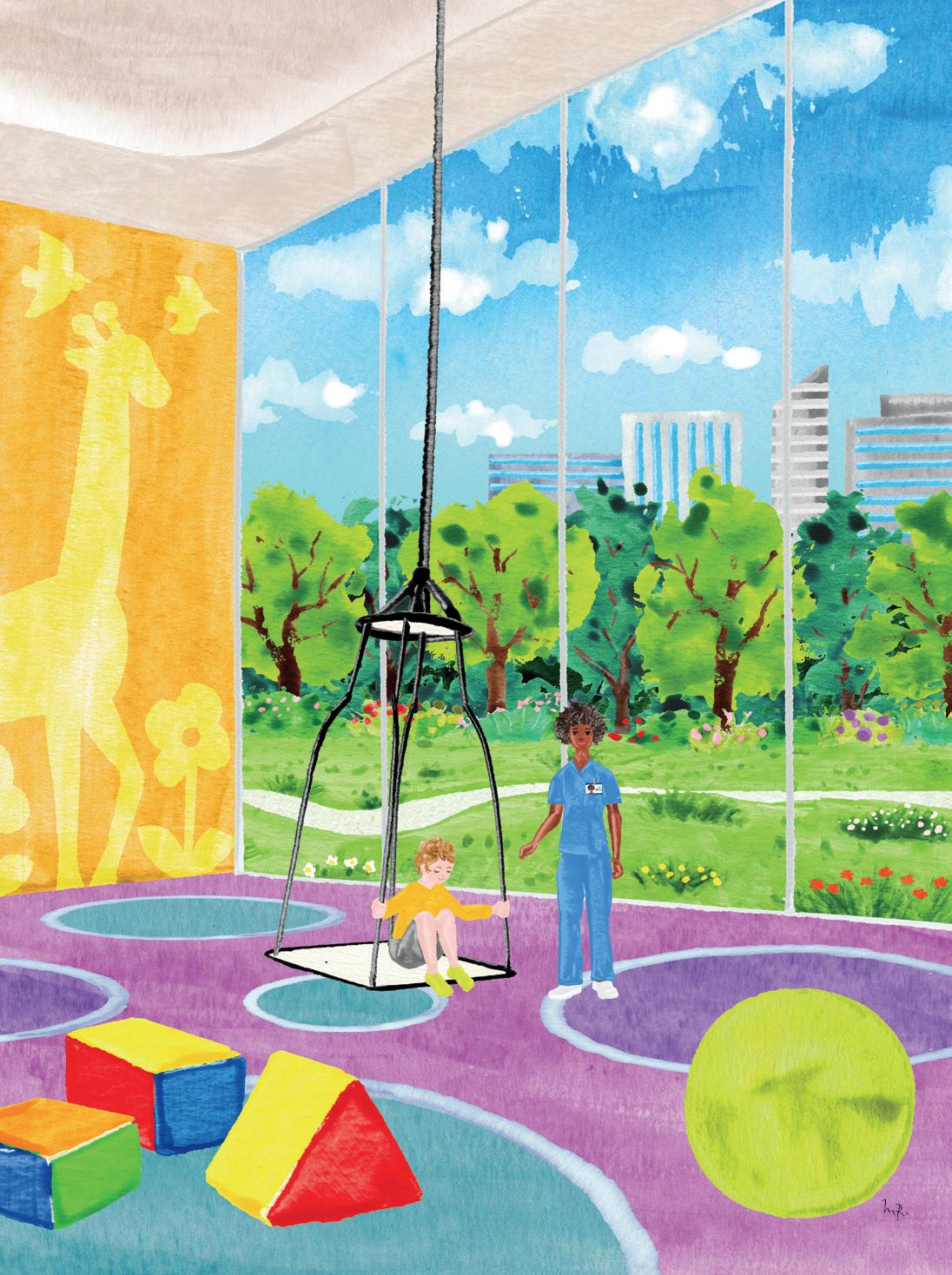
When a child with autism becomes overstimulated, a swing’s predictable rhythm or deep pressure from a squeeze machine can provide comfort and help them regulate their emotions. Our neurodevelopmental disabilities inpatient unit is designed to meet unique sensory, communication, and safety needs and build critical self-management skills.
Freedom to play
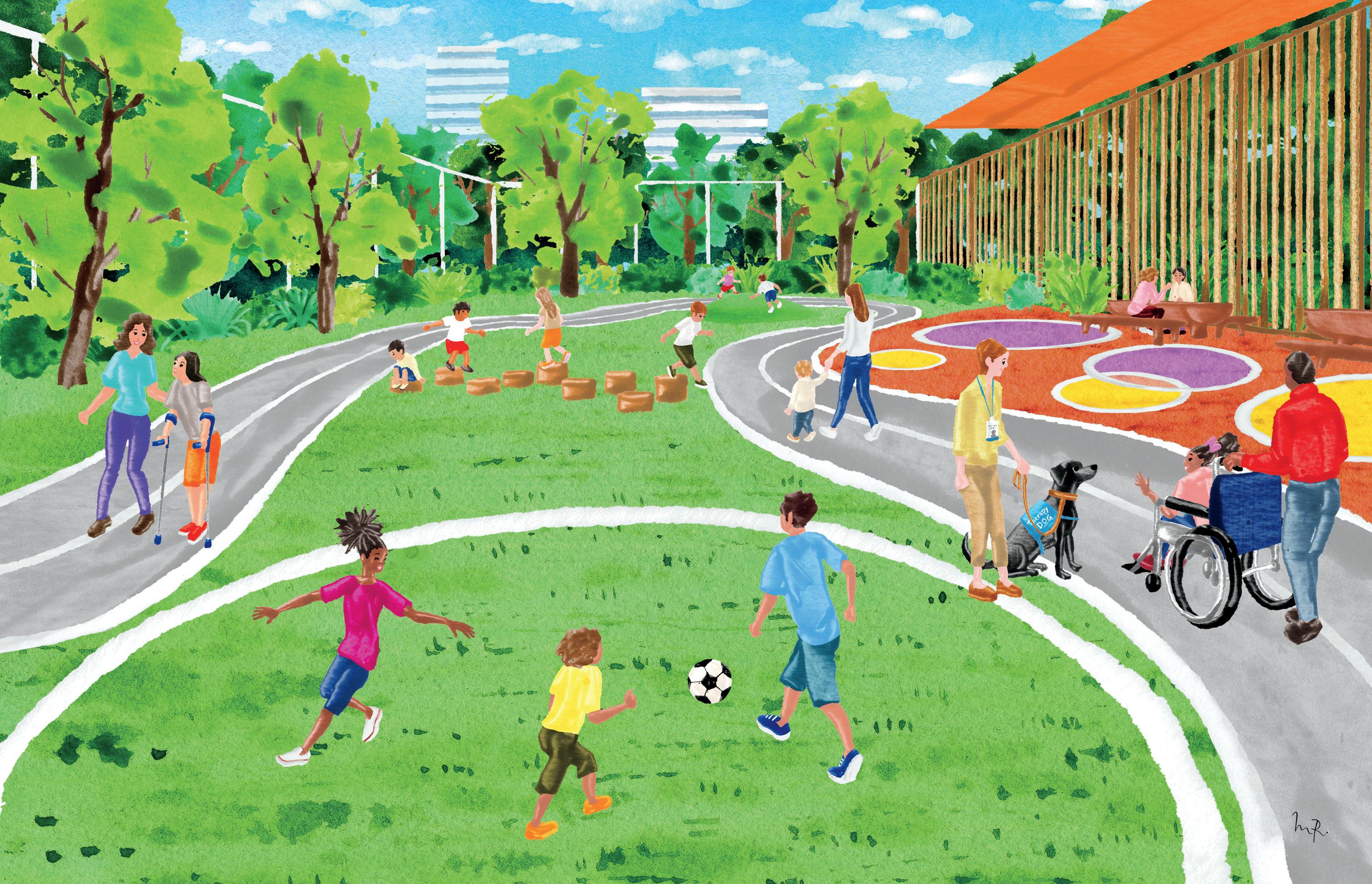
Exercise and spending time outside reduce anxiety and depression, yet both can be limited in a hospital setting. Five outdoor spaces—including a roof garden on the inpatient floor—will channel the healing power of nature and give all patients as much freedom as possible to be kids while they receive care.
Child-focused integrated rehabilitation
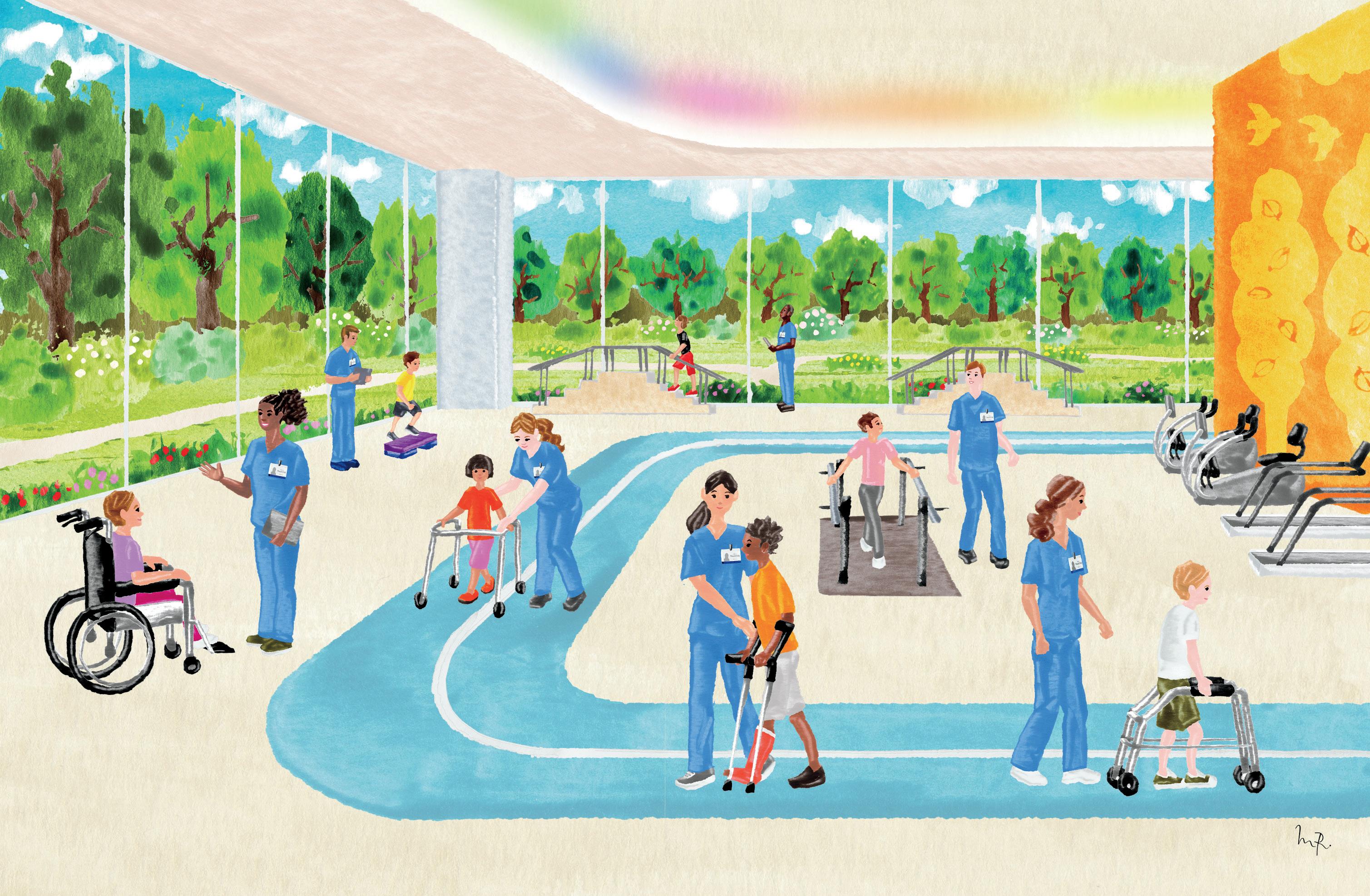
After significant illness or injury, children need a recovery plan designed for their developing brains and bodies. Our rehabilitation center will transform care by bringing together medical providers; physical, occupational, and behavioral health therapists; and other specialists in child-focused settings to help more children reach their full potential.
THE POWER OF PHILANTHROPY OUR SINCERE GRATITUDE TO THE CAPITAL DONORS MAKING OUR NEW CAMPUS POSSIBLE: BANK OF AMERICA, DOUGLAS AND DIANA BERTHIAUME, JULIE AND KEVIN CALLAGHAN, RICHARD AND JANET COHEN, TED AND MAUREEN ENGLISH, THE FIREMAN FAMILY, KAREN AND ROB HALE, AND HAMILTON COMPANY CHARITABLE FOUNDATION
Big Questions
WHAT IF WE COULD BUILD A HUMAN HEART?
Children born with congenital heart defects rarely follow a simple path. Many require multiple surgeries through childhood and adolescence, and a significant number eventually reach a point where transplantation is the only viable option. Yet donor hearts are scarce. And, even when a match is found, transplantation doesn’t end the journey—it extends it, with a lifetime of medications, monitoring, and uncertainty.
Boston Children’s Benderson Family Heart Center has led the way in developing new solutions for children with heart disease, but experts have time and again come face-to-face with the reality that every intervention has risks, and many only buy time. This has led Boston Children’s researchers to their most daring idea yet: What if we could simply swap damaged hearts with new, perfectly functioning replacements?
Now, a team led by Chief of Cardiac Surgery Pedro J. del Nido, MD, and Harvard University professor Kevin “Kit” Parker, PhD, have set out to do just that. REHEART, which stands for Regenerative Heart Engineering for Advanced Repair and Transplantation, is an audacious collaboration of surgeons, bioengineers, and translational scientists focused on a single ambitious aim: to grow functional human heart tissue—and ultimately a heart—in the lab.
The vision is undeniably big. But the strategy is intentionally practical.
Rather than waiting for a future where whole-organ lab-grown hearts are standard care, REHEART is built around a modular, clinically grounded insight: Many children could benefit tremendously from replacing one critical part of their heart—without replacing the entire organ. That means engineering “living heart parts” that can deliver meaningful advances sooner, while steadily building toward a full, functional heart.
What does that look like in practice? It starts with biology at scale. The heart is not made up of one tissue type; it’s a coordinated system of specialized cells that must beat, conduct electrical signals, open and close valves, and support blood flow through complex vessels. Drs. del Nido and Parker have assembled some of the brightest scientific minds at Boston Children’s and beyond, who have been working to generate and expand the diverse cell populations required for these tasks and are developing “hypoimmune” stem cells that can be universally used to build tissues without rejection.
Along the way, the team aims to craft tri-leaflet heart valves, vascular grafts, working ventricles, and cardiac muscle patches, each of which promises lifesaving—and life-changing—care for the children we treat every day. These living cell components are designed to grow and adapt with kids, helping them avoid a lifetime of repeat open-heart surgeries. Equally important, the conduction tissue to carry the electrical signals needed to keep lab-grown hearts beating could also serve as living pacemakers, saving children from a life spent worrying about mechanical implants.
By tackling this endeavor piece by piece—valves, vessels, heart muscle patches, and conduction tissue— the REHEART team is working to build real clinical breakthroughs that can reach patients sooner, while laying the foundation for the day when transplanting a lab-grown whole heart is routine.
THE PHILAN EFFECT
THROPY
HOW GIVING IMPACTS DONORS
THE WORK AT BOSTON CHILDREN’S CHANGES THE LIVES OF THE CHILDREN AND FAMILIES WHO COME FOR CARE. BUT A RELATIONSHIP WITH THE HOSPITAL ALSO LEAVES AN INDELIBLE, SOMETIMES UNEXPECTED IMPRINT ON THE PHILANTHROPISTS WHO MAKE OUR WORK POSSIBLE. FIVE CHAMPIONS OF BOSTON CHILDREN’S SHARE THEIR THOUGHTS ON THE MOMENTS, PEOPLE, AND OPPORTUNITIES THAT DRIVE THEIR PHILANTHROPY.
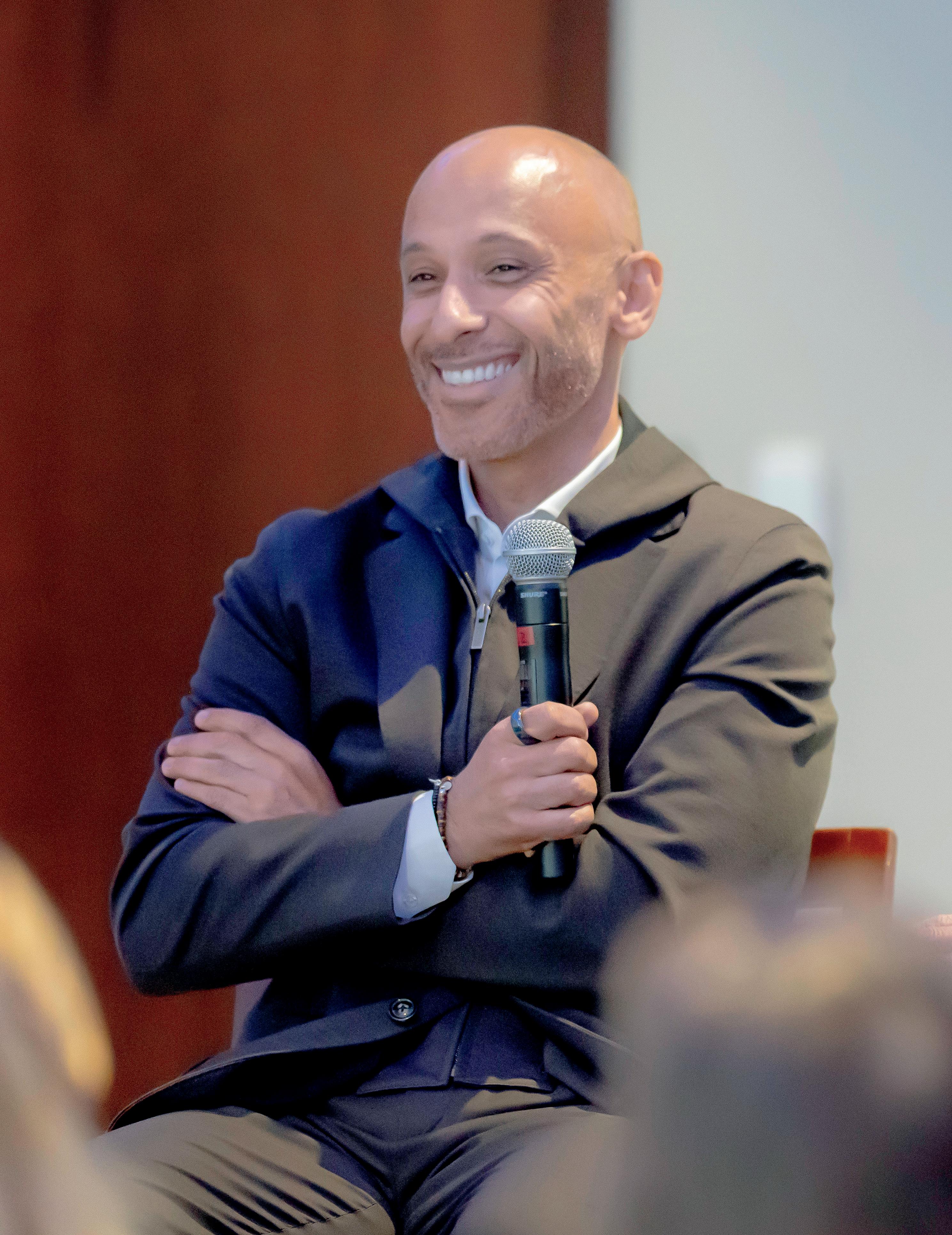
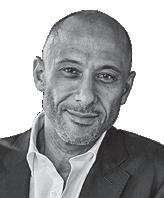
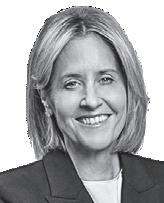
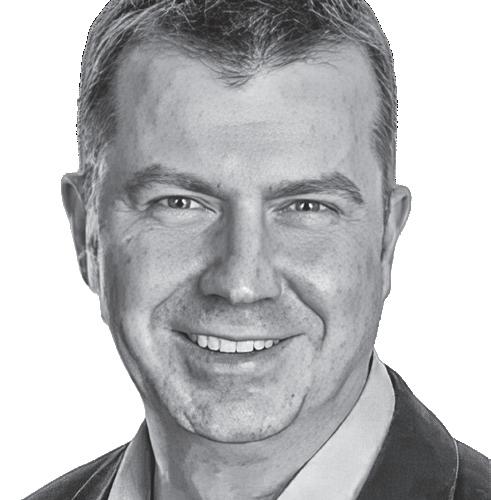
HYTHEM E-NAZER AND HOLLY O’NEILL
How philanthropy has impacted them
HYTHEM EL-NAZER / CO-MANAGING PARTNER, TA ASSOCIATES
Spending time around Boston Children’s, meeting the leaders and clinicians, and understanding what families are going through changes how you see your own life. You’re reminded how fragile things can be and how much strength exists in people facing circumstances they never would have chosen. It’s deepened my sense that giving is less about making a statement and more about standing with people who are doing essential work.
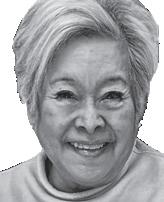
JUDITH TAM PRESIDENT, RICHARD TAM FOUNDATION
The opportunity to support research that could help hundreds of thousands of people has made me realize, as a cancer survivor, that I don’t have to just sit back and let things happen. I can do my best to make a difference in the outcome for other patients like me. It means the world to me.
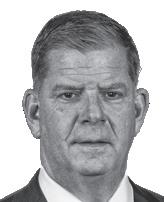
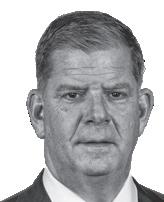
MARTY WALSH
EXECUTIVE DIRECTOR, NATIONAL HOCKEY LEAGUE (NHL) PLAYERS’ ASSOCIATION
For me, it’s gratitude for this full circle moment. I was once a scared 7-year-old being treated at Boston Children’s for leukemia. As mayor of Boston, I witnessed the impact the hospital has on the region from a broader healthcare and economic perspective. As U.S. Labor Secretary, visiting hospitals around the country, I realized the power of Boston Children’s national leadership. From being a patient to working with donors and leaders to change the lives of other families forever—I don’t think there’s anything more compelling than that.
Moments that stuck with them
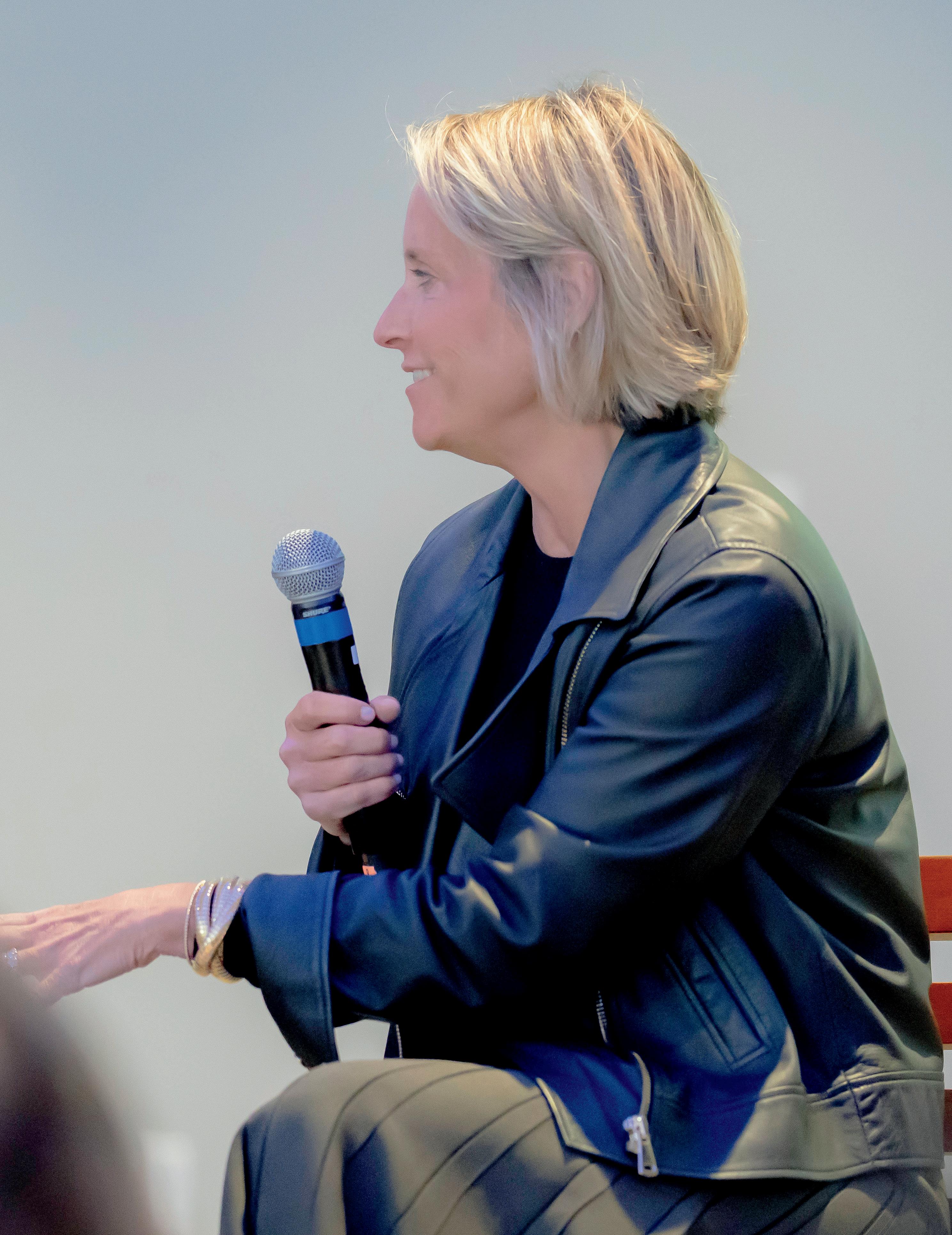
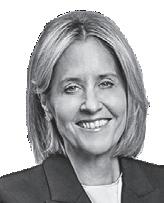
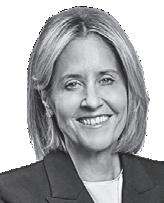
HOLLY O’NEILL / PRESIDENT, BANK OF AMERICA CONSUMER, RETAIL AND PREFERRED
I recently toured the hospital and had the opportunity to speak with a patient and her parents. They described their journey—the uncertainty, the fear, and the hope Boston Children’s gave them as the team supported them every step of the way. I walked away thinking: This is exactly the kind of institution Bank of America needs to support. It’s the healthcare equivalent of our work to help people and communities thrive.
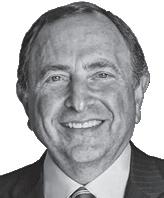
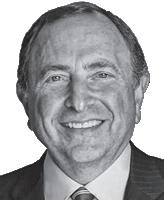
GARY BETTMAN COMMISSIONER, NHL
Our granddaughter was born with a rare genetic condition. To study and treat it, researchers worked with 500 CRISPR mice, or “Maddy mice” as we call them, that have her genome. As she got older—she’s now 8—and wanted to know more about her condition, she asked to see the mice. Unbelievably, the hospital made it happen. It made her treatment more understandable and helped her feel a little more in control. What institution in this complex, bureaucratic world takes the time to do that? Remarkably, this research could mean new therapies for disorders that affect more than 5 million people in the United States. This is what Boston Children’s represents. It’s the complete package.
JUDITH TAM
I had a conversation with Dr. Roberto Chiarle, who was studying my type of ALK+ cancer. I was struck by his enthusiasm, his commitment to his work—and by the fact that he thought a cure was within reach. Wow, really...a CURE???? It would affect so many people and save so many lives. And I thought, if this work is only being held up because it needs funding, well, I can help with that.
People and connections
What excites them most
HYTHEM EL-NAZER
I’m struck by the humility and intensity of the clinicians and researchers. They’re chasing breakthroughs, but they’re also caring for families in incredibly personal ways. Being even a small part of that ecosystem feels meaningful. It’s rewarding not because of visibility but because you know you’re supporting people who are doing extraordinary work on behalf of others.
MARTY WALSH
I’m grateful for the camaraderie with others who share my dedication to this place. For instance, Gary and I were in Milan for the Olympics, having dinner and talking about life, and the hospital came up—the impact it has had in both our lives. Who would have thought that one of the strongest connections for two NHL executives would be Boston Children’s?
HOLLY O’NEILL
Our work at Bank of America comes down to relationships—understanding our clients’ hopes and dreams, not just their financial needs. The more I’ve engaged with Boston Children’s, the more I’ve realized the hospital works the same way. I’ve come away from every interaction with an appreciation for how passionate this team is about the work they do. Clearly, the commitment to providing each patient with top-notch care runs through the entire organization. They have an inspiring way of approaching pediatric medicine, balancing clinical excellence with a deep sense of empathy.
“Working with donors and leaders to change the lives of families forever—I don’t think there’s anything more compelling than that.”
MARTY WALSH
HYTHEM EL-NAZER
Investing in people. Donors are often understandably excited about funding a specific cure or a major new program. Those are inspiring, but behind every cure or historic surgery is a physician, a researcher, or a young fellow who was mentored, supported, and given the resources to grow. That may be less visible than a single headline-grabbing moment, but over time, it’s what makes transformation possible.
HOLLY O’NEILL
I’m really impressed by Boston Children’s work to integrate mental health into broader pediatric care. Physical, developmental, and emotional needs almost always overlap, which is why giving families integrated support can make such a big difference. I’m hoping for a world where parents aren’t navigating crises alone and where there’s no longer a stigma around disability and mental health conditions. I’ve been working closely with Boston Children’s because I know it’s the best place to take this work over the finish line.
JUDITH TAM
When I think of the children who have cancer—children who could be cured to live a normal life. Think of all the others of all ages all around the world, who have the same type of cancer. To prolong their lives or cure them would be such a contribution to mankind. I’m so proud to have helped to make this research possible.
GARY BETTMAN
Simply making a difference. If you’re in a position to make a difference, you should be doing that. It’s our family’s personal philosophy and the same philosophy that guides us at the NHL. We should be doing things that make a difference to the lives and the people in the communities in which we live and play.
RARE DISEASE
THE SCIENTISTS
President and Chief Research Information Officer
New Funding
THE SCIENTIFIC QUESTION:
How can experts fast-track answers for children with rare diseases?
THE FUNDING
The Children’s Rare Disease Collaborative (CRDC), led by Drs. Sliz and Rockowitz, is an initiative involving more than 100 Boston Children’s experts that provides genetic testing and analysis for children with rare conditions. Since its launch in 2018, the CRDC has partnered with nearly 8,000 families seeking answers. With confirmed results, physicians can guide treatment and clinical trial enrollment, if applicable. A philanthropic gift from the Alexion Charitable Foundation will support a pilot program to expand CRDC services to families beyond Boston Children’s, beginning with patients at satellite clinics in Westchester County, New York.
WHY IT’S IMPORTANT
Children with rare conditions often wait years for an accurate diagnosis, delaying the care they need. For some serious and rapidly progressing disorders, this lost time can allow the illness to advance and, in some cases, become life-threatening. Expanding access to advanced genetic testing and expertise can help families get answers sooner, wherever they live. A confirmed diagnosis helps doctors guide care and, when therapies are available, begin treatment as early as possible.
WHAT IT SUPPORTS
Clinicians will be able to collect samples remotely, making it easier for families to participate regardless of location. The CRDC will analyze the data and share the findings with patient families and care teams. Insights from the project will help inform how the program can be expanded across the United States.
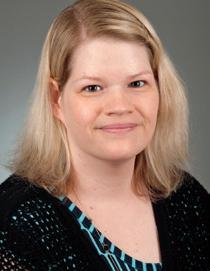
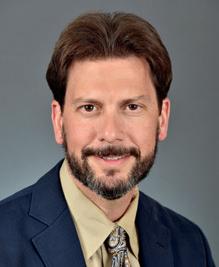
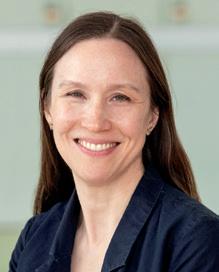
Piotr Sliz, PhD Vice
Shira Rockowitz, PhD Data Science Director
MICHAEL GODERRE (2)
THE SPECIALIST
THE CLINICAL QUESTION
How can a four-legged caregiver help kids heal?
THE FUNDING
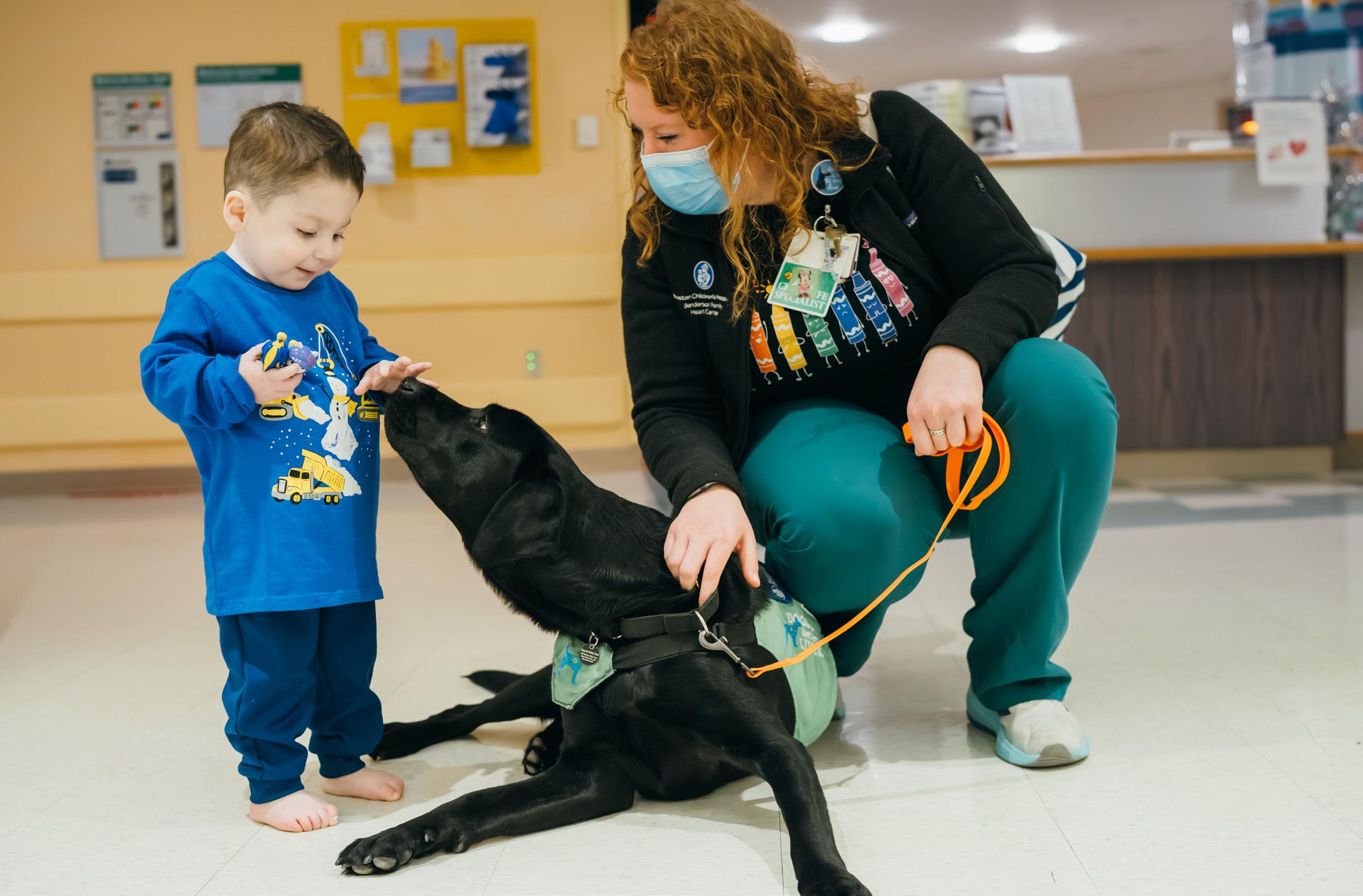
A gift from the Dunkin’ Joy in Childhood Foundation unleashed the opportunity to bring Boston Children’s first facility dog, Teddy, to patients and families. Through its Dogs for Joy program, the foundation identified a growing need for funding animal-assisted therapy in pediatric hospitals—where small moments of joy can have a big impact. A full-time, specially trained clinical partner—distinct from volunteer therapy dogs who provide important comfort visits—Teddy expands an innovative approach to care, integrating play into the healing process.
WHY IT’S IMPORTANT
“There’s so much difficulty in a diagnosis, a hospitalization, a treatment plan,” says Connelly. Teddy makes those moments more manageable—bringing comfort and a sense of normalcy to an unfamiliar environment. A visit with Teddy creates opportunities for play and laughter. And kids can choose how to interact with him, helping patients feel safer, more in control, and more willing to engage in their care. Together, Connelly and Teddy show patients they don’t have to go through it alone—even in the hardest times.
WHAT IT SUPPORTS
Teddy works alongside Connelly as part of the clinical team—nudging kids toward therapeutic and developmental goals. The ways they enhance healing are extensive: motivating kids to walk farther in therapy, turning exercise into a game of fetch, and calming patients during overwhelming moments. When one patient struggled to pull on his socks during an occupational therapy visit, Teddy saved the day with his favorite trick “tug.” By gently tugging the boy’s sock off, Teddy inspired his patient to fix his footwear and meet a goal. The focus shifted from frustration to fun—a specialty of this beloved fourlegged caregiver and his two-legged human.
Erin Connelly, MS Child Life Specialist, Facility Dog Handler
BEYOND THE GIFT: DONORS AS CATALYSTS
At Boston Children’s, philanthropy is most powerful when it leads to a relationship—when donors lean in, learn, and help accelerate what’s possible. For three engaged couples, support means community—around discovery, care, and connection. Through platforms like the Philanthropic Board of Advisors (PBoA) and Venture Philanthropy Network (VPN), these families go beyond giving, serving as partners who help shape what’s next for the hospital.
PHILANTHROPIC COMMUNITIES
Philanthropic Board of Advisors (PBoA): A group of ambassadors who advocate for Boston Children’s in their communities while advising and supporting the hospital’s fundraising priorities.
Venture Philanthropy Network (VPN): A community of donors who pool support to help promising early-stage translational research move toward real-world impact in pediatric care.
Rachel and Paul Liberman were initially introduced to Boston Children’s and its mission during Rachel’s high-risk twin pregnancy. The urgency of what they saw stayed with them. Paul had come to the United States as a child refugee, and when the company he cofounded, DraftKings, began to succeed, the couple felt a responsibility to pay forward the support that once helped him. “We talked about our values and didn’t feel like anything could be more important than the work at Boston Children’s,” says Rachel, a molecular physiologist. Drawn to its ability to jump-start early-stage research, they joined the VPN. The Libermans gravitated to rare disease science—where insights can travel far beyond one diagnosis—and to trainee support, believing great mentors create an exponential “tree” of future innovators.
CATALYST MOVE: Backing early research and training that unlocks the next generation of discovery.
THE LIBERMANS’ SUPPORT FOR BOSTON CHILDREN’S IS ROOTED IN FAMILY—AND IN A SHARED COMMITMENT TO ADVANCE CARE AND DISCOVERY FOR KIDS EVERYWHERE.
DISCOVERY
CARE
Matthew Slater’s first experiences at Boston Children’s came through volunteer visits during his career with the New England Patriots—moments that, he says, reshaped his sense of gratitude and purpose. Dr. Shahrzad Slater, a physician and pathologist, brings her own perspective on healing and advocacy, including running the Boston Marathon with the Miles for Miracles team. Together, they frame their support as an act of community. “We’re meant to be connected—serving one another is a big part of that human experience,” says Matthew. Their leadership now extends to Matthew’s service on the PBoA, where he’s especially energized by the hospital’s commitment to expanding children’s mental health care.
CATALYST MOVE: Showing up for vulnerable populations and elevating whole-child care.
CONNECTION
Casey and Michael Buckley’s ties to Boston Children’s are shaped by legacy and lived experience. Casey’s father, Joe O’Donnell, helped found Boston Children’s Hospital Trust in 1998—grounding her family in the belief that supporting institutions like the hospital is a responsibility. Later, as parents, Casey and Michael’s own experience with pediatric care deepened that commitment. When they set out to make an impact, they were drawn to the VPN—a model that pairs generosity with transparency. “If you’re in a position of privilege to help the people who can implement real change, there’s a responsibility that comes with that,” Casey says. In the VPN, donors can follow the work closely, connect with researchers, and even step into the lab. Casey calls it “disruptive” philanthropy—one that builds a network of likeminded partners and makes it clear exactly what their support is making possible.
CATALYST MOVE: Pairing philanthropic responsibility with revolutionary science.
THE SLATERS’ ENGAGEMENT REFLECTS A FAMILY-CENTERED BELIEF IN COMMUNITY—AND IN STRENGTHENING THE FUTURE FOR THE NEXT GENERATION.
THE BUCKLEYS APPROACH PHILANTHROPY AS A FAMILY VALUE—SUPPORTING WORK AT BOSTON CHILDREN’S AND HELPING THEIR CHILDREN SEE WHAT IT MEANS TO GIVE BACK LOCALLY.
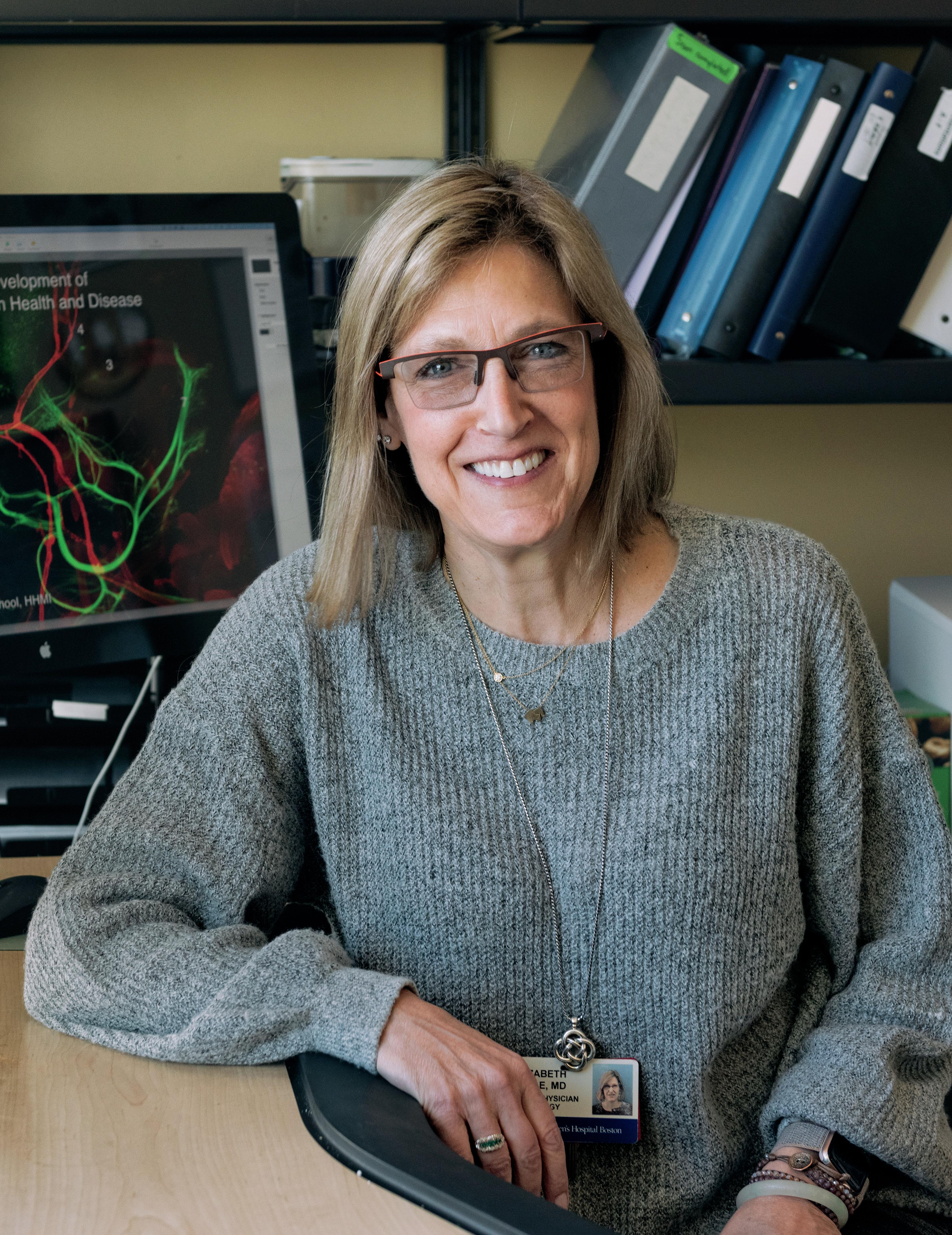
Dr. Elizabeth Engle: The Unanimous Choice
THE FIRST TIME Elizabeth Engle, MD, entered her office in the Center for Life Science, she came in through the window. The building was still under construction, but she had helped design the neurology research laboratories and had grown friendly with the site crew. They offered her a sneak peek of her future space—if she didn’t mind riding to the 14th floor in the construction hoist.
Dr. Engle was never one to shy away from taking the path less traveled. Years earlier, as a senior neurology resident at Boston Children’s, her career took an unexpected turn when she realized that she wanted to be a scientist, too.
“I had no significant training as a researcher, but after meeting a patient with an inherited eye movement disorder, I wanted to learn everything I could about the condition,” Dr. Engle says. “I finished my residency and joined a lab in the Division of Genetics and Genomics.”
With that pivotal decision, Dr. Engle went on to define and pinpoint the genetic bases of congenital cranial dysinnervation disorders (CCDDs)—rare conditions in which motor nerves develop abnormally, limiting patients’ ability to move their eyes and, in some cases, facial muscles. And in studying CCDDs, Dr. Engle became a leading expert not only in genetics but also in neuroscience.
“While much of the brain remains inaccessible, the neurons we study in my lab are easy to observe,” Dr. Engle says. “We can recreate CCDDs in mice and see the decisions the nerves make, uncovering
both disease mechanisms and the rules of normal development.”
Dr. Engle’s career shifted in another unexpected direction in 2025. Twenty years after joining Boston Children’s Neurobiology Program and the F.M. Kirby Neurobiology Center as faculty, she was unanimously nominated by her colleagues to serve as the program’s director. In this new role, she will lead a team of 24 basic scientists also working to understand disease mechanisms, neurodevelopment, changes in the adolescent brain, neurodegeneration, and much more. As a clinician-scientist herself, Dr. Engle intends to foster new collaborations between the scientific and medical communities.
“Boston Children’s is unique in its ability to take questions that arise from our patients with complex conditions to our brilliant scientists in the lab and breakthroughs in our labs back to our patients, sustaining a cycle of discovery,” Dr. Engle says. “Collaborations between researchers and clinicians are essential to translating knowledge very quickly into potential therapeutic interventions.”
Today, as federal support for basic science wavers, Dr. Engle is championing her team by helping them identify and apply for competitive grants.
“My job is to give these researchers the freedom they need to follow the most compelling questions wherever they lead. You never know when an insight that could change science and medical care is just around the corner.”
My job is to give these researchers the freedom they need to follow the most compelling questions wherever they lead.
MORE THAN 26.2
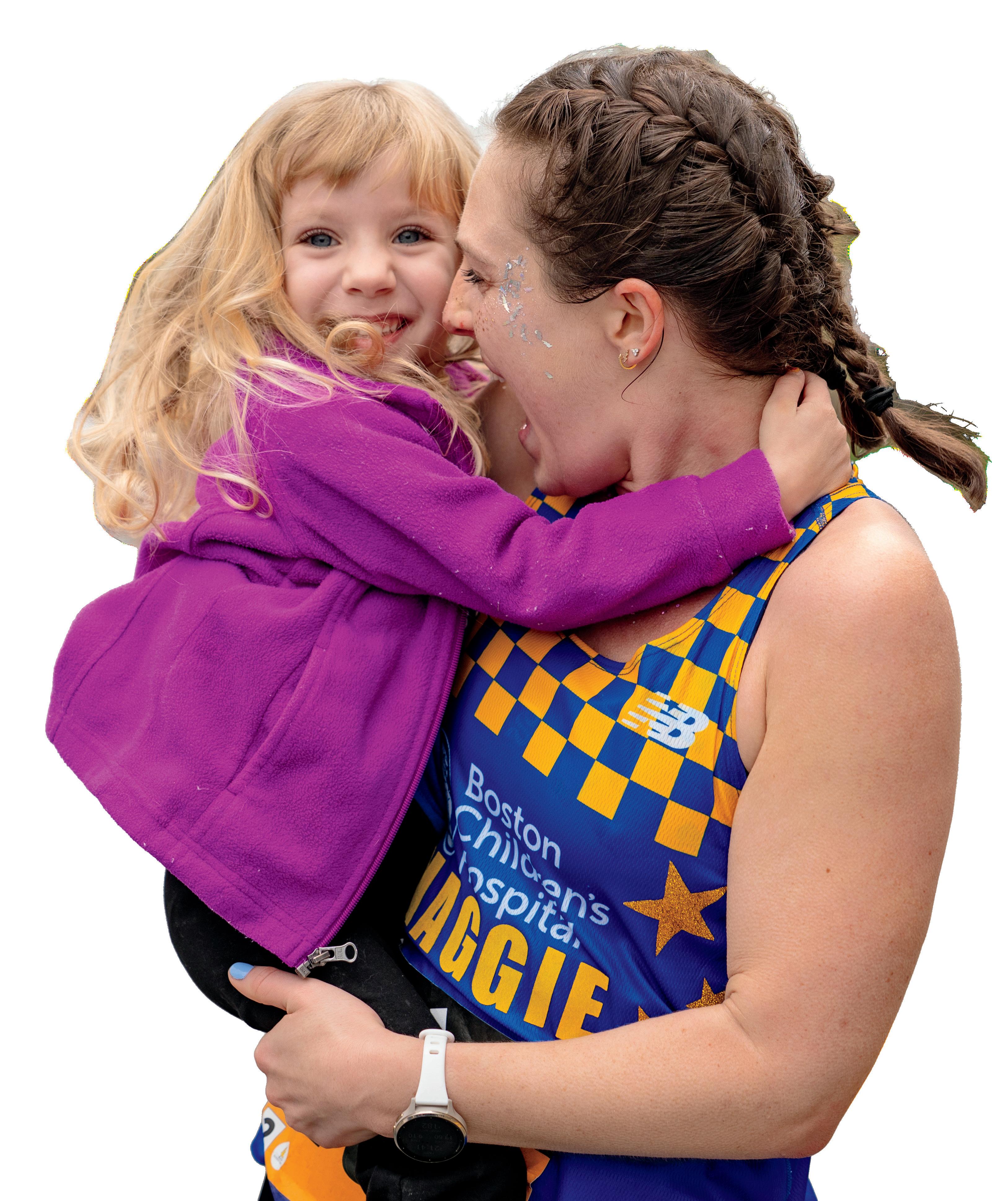
Long before the Boston Marathon, there are early alarms, chilly winter runs, and quiet miles logged in the dark—all powered by a promise to kids and families. Through Miles for Miracles, the hospital’s marathon program, runners raise critical funds and often form meaningful connections with the patient partners who inspire every step. This year, 200 athletes took on the legendary race and raised $4 million and counting. No heartbreaks here—just packed playlists, joyful cheers, and brighter days ahead for families everywhere.
Events
THIS TEAM ROCKS
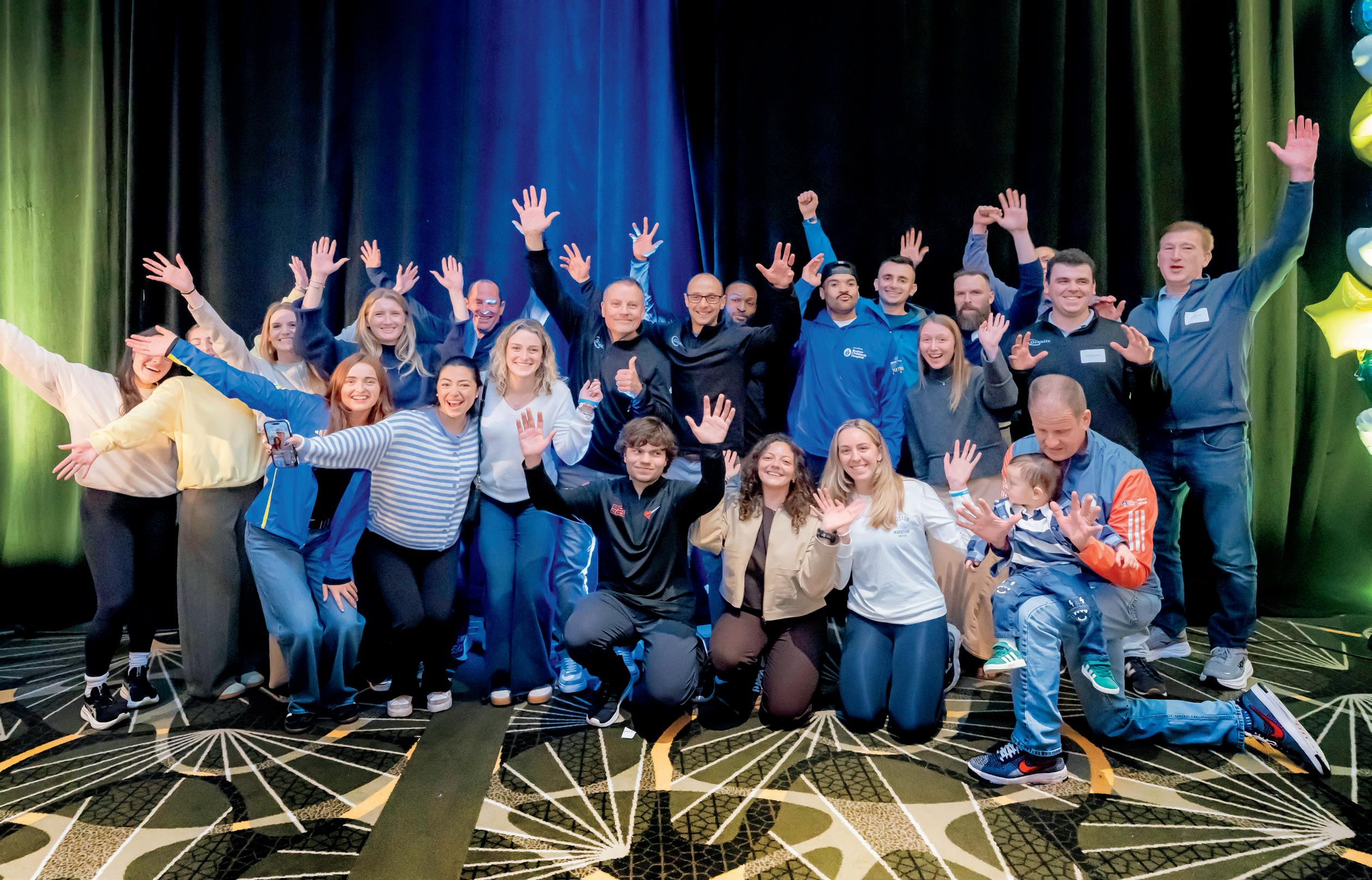
Team Granite goes the extra mile (and then some!) for kids at Boston Children’s. Founded in 2022 as a small running group, Team Granite has grown into a powerful community of employees, friends, and family of Granite Telecommunications. They’re united by a shared commitment to the hospital and the children it serves. This year, 27 Team Granite runners took on the Boston Marathon and seven toed the line for the London Marathon, raising more than $846,000 and counting.
IN KATIE’S FOOTSTEPS
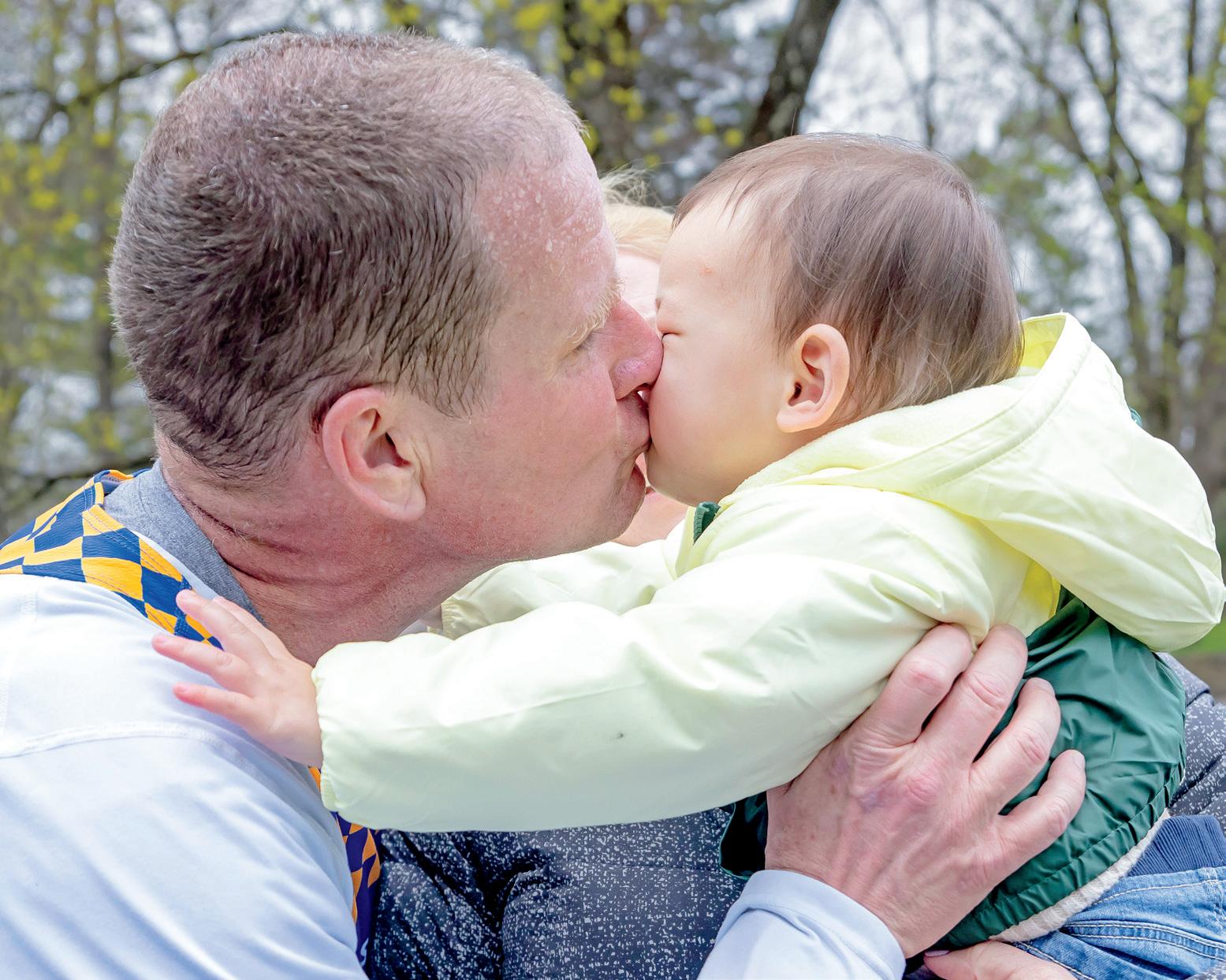
In 2001, Katie Lynch stepped onto the Boston Marathon starting line in purple sneakers and strode 26.2 feet with a walker, raising $20,000 and inspiring a community that continues to carry her spirit forward. The Katie Lynch Award honors that same determination and joy for life. This year, Katie’s legacy lives on in Rob Hale, president and CEO of Granite Telecommunications. Nominated by his teammates for his leadership, humility, and unwavering commitment to families, Hale embodies the award’s highest purpose: motivating others and making a lasting impact across Miles for Miracles. One nomination said it best: “The finish line is only meaningful if you’ve helped others get there too.” For Hale, that’s not just a race-day sentiment. It’s the way he shows up.
401 PARK DRIVE, SUITE 602
BOSTON, MA 02215-3354
A REASON TO SMILE
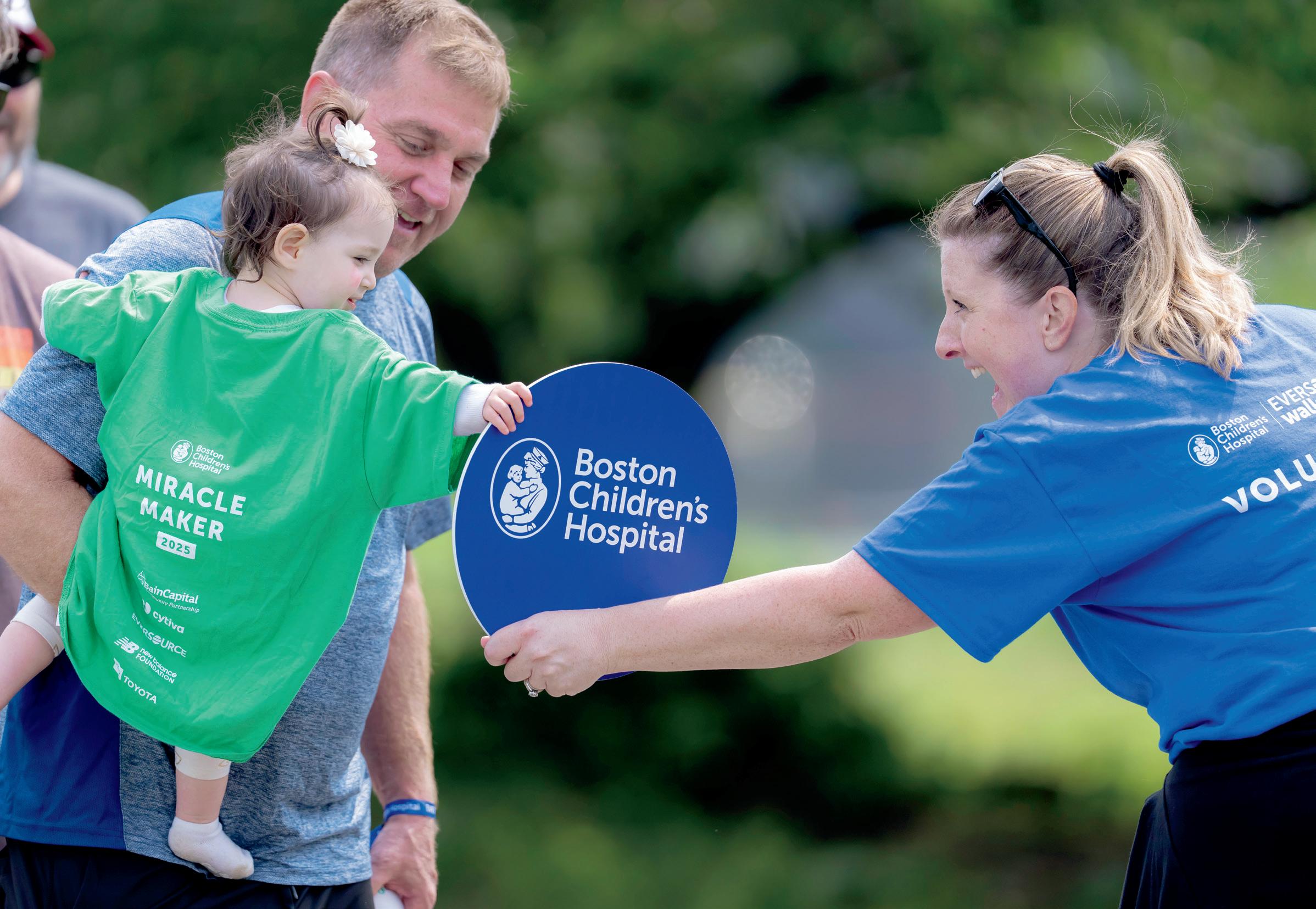
Every June, families—together with thousands of volunteers, employees, and sponsors—come together to support kids at the Eversource Walk for Boston Children’s Hospital.