AC I T Y T A L K S T O I T S E L F
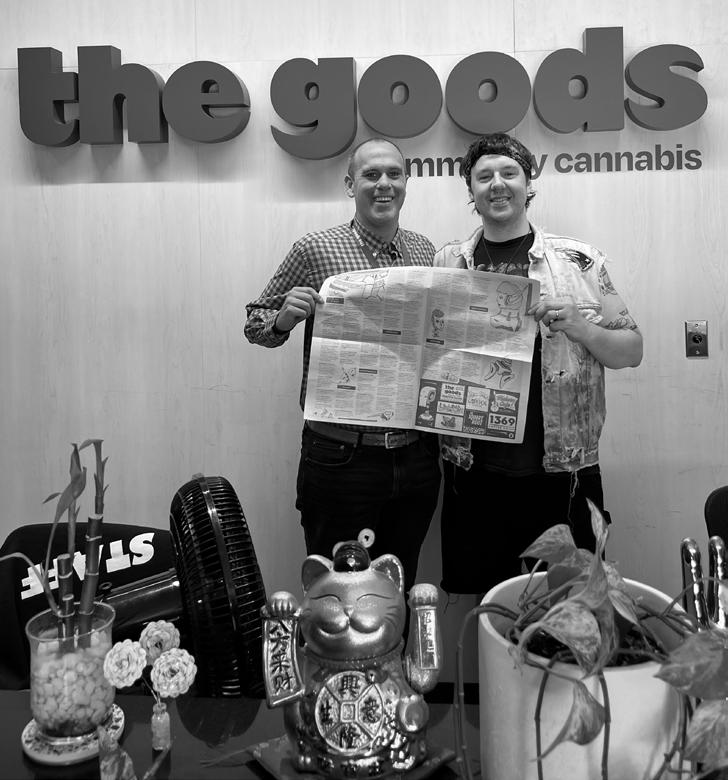
Over the past month, Meg Pallis and Matt Meyers of Night Cap Radio had the opportunity to sit down with a wide range of Somerville based creatives, students, organizers, artists, and entrepreneurs This article includes notable excerpts from each conversation, links to full interviews are available online
While they couldn’t talk to everyone, the conversations began to echo one another Different disciplines Different spaces Different lived experiences But again and again, the same ideas surfaced Taken together, these conversations feel less like interviews and more like a city quietly talking to itself naming what it needs, what it’s missing, and what it’s already building
Across nearly every conversation, interviewees described community as something active, not inherited Rather than relying solely on traditional institutions or long-established venues, people are creating connection through pop-ups, informal gatherings, shared rituals, and experimental formats – beyond the capitalist norm
Authentic community is a verb, something you show up and shape; conscious and participatory act Social media may help people find one another, but the real action is happening offline Leaving home to step into the shared hum of a local cafe, club, studio, or shop is a quiet act of devotion keeping each other alive
This redefinition prioritizes presence over performance and allows people to belong

Nearly everyone acknowledged the labor involved in sustaining community Time, energy, money, emotional bandwidth all of it adds up
“Community isn’t free,” said Zola Coleman, Events & Partnerships Director at Bow Market, describing the financial, physical, and emotional costs of building and nurturing a community (Community is a Gift Conversation, 6:30–6:45)
This work happens at many levels: individual, organizational, and civic Community survives not because it’s easy, but because people choose it
Over and over, interviewees spoke about wanting places that aren’t home and aren’t work spaces that allow for rest, creativity, and joy without constant pressure to consume
“At a nightclub, you are completely a customer there’s a point of sale at every turn,” via Rasaaq Night Cap Radio Conversation with Sojourn on building safe spaces for their community to dance & interact with their art & sound (Sojourn, 5:24–5:36)
In contrast, alternative third spaces are intentionally designed to feel safer, slower, and more relational These spaces often operate slightly outside traditional capitalist routines not because they reject money outright, but because they refuse to let efficiency or profit be the only guiding value These curated spaces act as an equalizer You do not need money to belong
“Everybody in some ways kind of needs a place to see the same people over and over, without it being a place you have to pay and drink, or be paid to work. Those are the two sort of traditional spaces, and people don't so
much go to church or that sort of thing anymore Especially in a place like Somerville, or cities where people are somewhat transient, they kind of come in, they live for a while, they leave This is a way of both helping the people who are going to be transient and maybe getting people to stick around a little more, because you ' re creating something that's sticky,” explained Damon Leher, Founder of the Boston Figure Arts Center an art studio on building a community space for local creatives in Somerville, MA (Cultivating Community through Art, Food, & Music 10:35)
From poetry to podcasts, from feminist film criticism to experimental economics, people repeatedly emphasized the importance of making room for specific, sometimes niche creative practices
“The more odd you are, the better,” said Tran Lee, Viet Citron describing her experience being embraced by the community at Bow Market & their various events and spaces (Holiday Dishes & Traditions w/ Bow Market Chefs 42:15:55)
Rather than chasing mass appeal, many of the projects highlighted here thrive because they honor depth, curiosity, and genuine shared interest When people are allowed to show up as their authentic selves interests and all community becomes more durable
Another consistent theme was how much design matters Lighting, pacing, sound, seating, and hospitality aren’t aesthetic afterthoughts they actively shape how people behave and how welcome they feel.
“I hate overhead lighting,” proclaimed Mikayla Combs of Literary Lounge, describing the vibes she curates at the venue while hosting the independent/parallel play reading
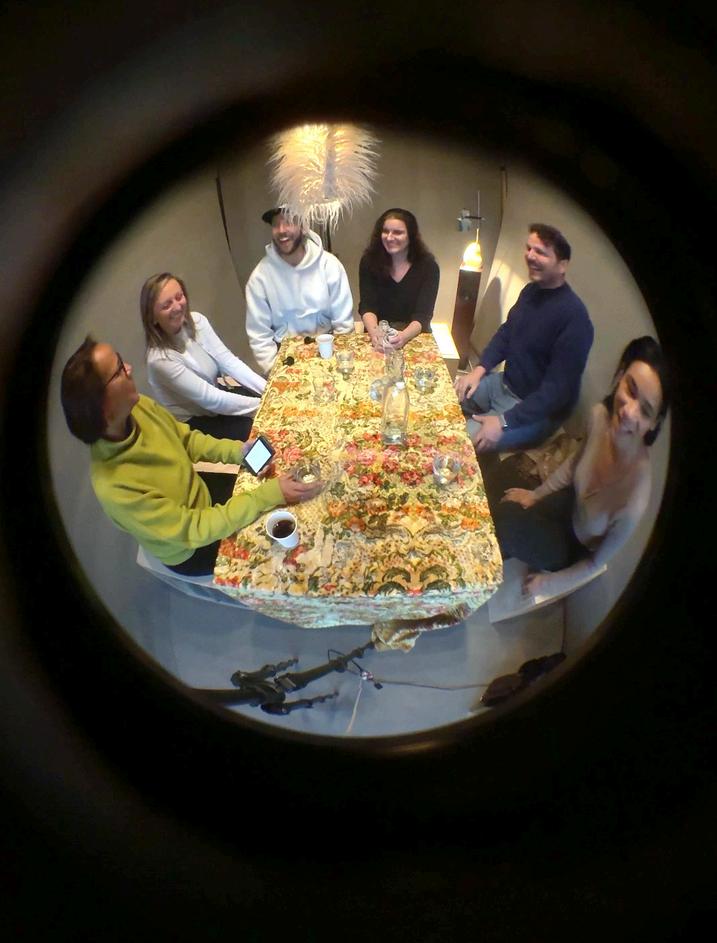

collectively not assumed
Perhaps the most hopeful through line was a quiet resilience: people are organizing, hosting, creating, and experimenting without guarantees “You don’t need to ask permission You just do it,” said Abby Cahill, founder of the Quinobequin Review; a local, print-only literary and art journal dedicated to capturing life in the Greater Boston area and the Charles River Watershed (Quinobequin Review, 22:55–23:04)
Whether through art, publishing, conversation, or caregiving & service work, people are responding to unmet needs by building what they wish existed It is our duty then, to show up for the early stage projects as presence and a shared belief can help something fragile take root
Taken together, these conversations don’t point to a single solution or vision of community Instead, they reveal a shared ethic: pay attention locally, make room for one another, and show up even when it is imperfect

H I P T U N E F E S T I V A L
My name is David Jubinsky and I coorganize Boston Bitdown: an artistdriven four-day chiptune, nerdcore, and VGM music festival What are those things? They are, respectively: Music made with Game Boys, Nintendos, and other old electronics or emulated devices (chiptune), nerd rap and hip-hop (nerdcore) and video game music-inspired rearrangements (VGM)
Between Thursday, March 5th and Sunday, March 8th, the Boston area will host over 50 performing artists across eight venues around eastern Massachusetts Some of our artists are chiptune’s best kept secret, and others have Grammy nominations but you ’ re guaranteed to fall in love with all of them
The Boston Bitdown organizers are part of a greater community dedicated to pushing the limits of chiptune Boston Bitdown is the current iteration of those limits, but there were many chiptune events before us
In 2013, I was working on my BA in music at UMass Boston I had recently become chiptune radicalized from “Scott Pilgrim Vs The World: The Game ” a colorful sidescroller with a dtrack written by
Boston8Bit, posted out front of the venue Surrounding the entrance was a smoking circle of 20-somethings decked out in Nintendo gear By today’s standards, they probably looked cringe, but I swear it was cool at the time I don’t remember if I had alternate plans that night, but if I did, those plans were unfulfilled
I walked upstairs into a packed out room filled with sonic bleep-bloop house music A man in a yellow hockey jersey took the stage His name was RobotSexMusic He plugged in an 1/8” connector to his Game Boy’s audio jack and hit “start ” It was the Folger’s Coffee jingle reimagined as an uptempo sawtooth chiptune dance piece He went on with hits likened to the sex appeal of the “Sonic Spinball” soundtrack The entire room was in a video game
11996, a typewrite
more Please join Bo join our vibrant co
welcome, no one is We are family, for sounds It’s who we
a
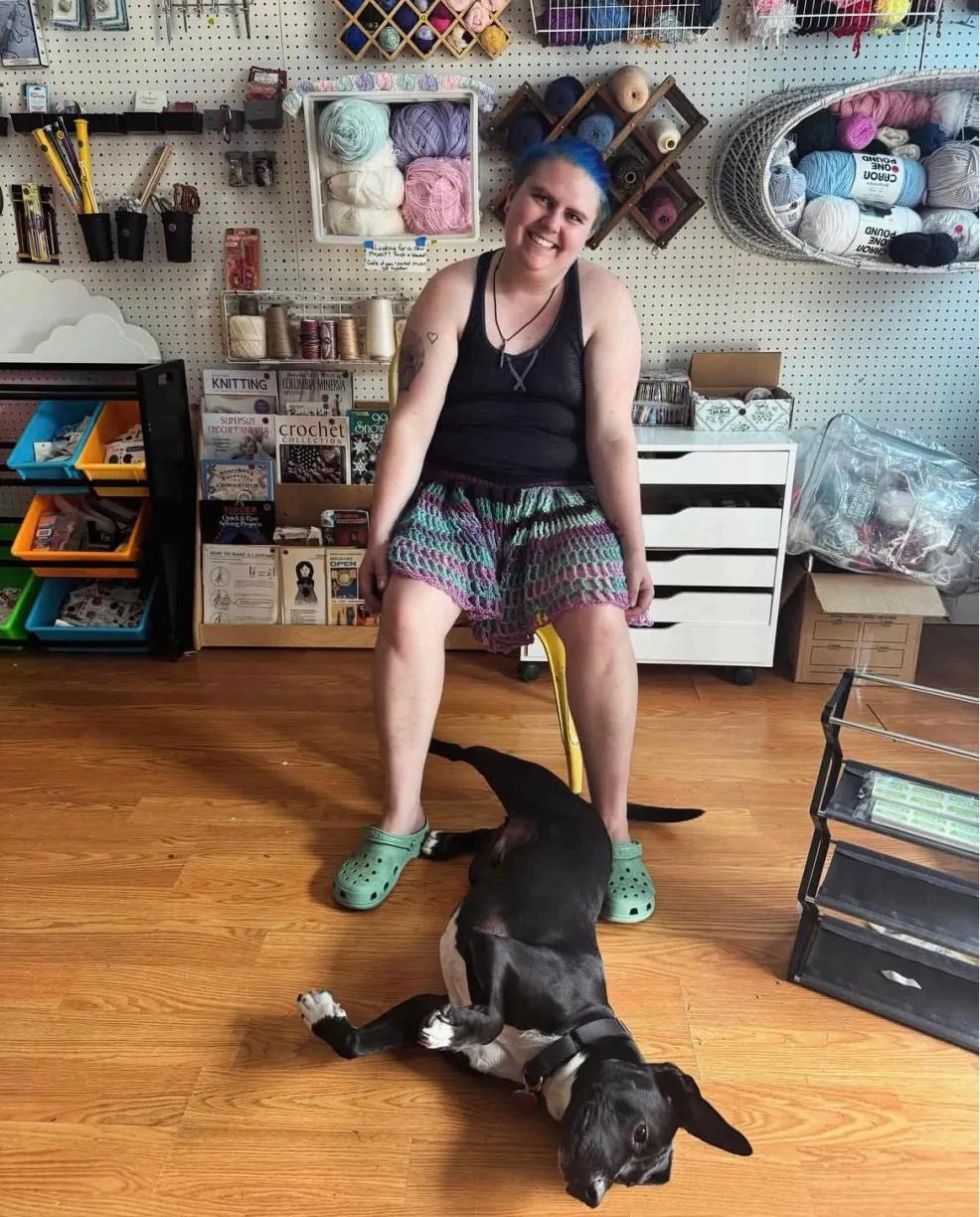
store Located in a tiny, 500 square foot storefront off of Jamaica Plain’s popular Centre Street, The Rainbow Nook is a yarn filled sanctuary for the local fiber arts community
“After leaving the corporate workforce for my health, I knew I wanted to transition to a job I was actually passionate about,” said Rain from the other side of disassembled machinery while a black dog, Pepper, lounged lazily in a nearby armchair “Fiber arts has been an integral part of my life since growing up i ’ i room, and I r of a central fiber in JP I was blown and support my now, almost a ye thriving!”
atten “Stitc energ
“The hang to m says knitti has b years her c
“I’ve ca to ex co f
At the end of his set, RobotSexMusic unplugged the jack and handed it off to the next artist, Glenntai More chiptune quickly ensued: pure sine wave melodies crunchy bass white noise percussion, glitchy arpeggios, and raw squaretooths It was the retro sounds of our childhoods, but we made our own as adults I made everlasting connections at that Boston8Bit show I soon joined the tting chiptune to the ears later, we ’ re still ad some victories, nd Battlemode to Calling, where we estival’s first-ever But hey, most still we ’ re talking about und to be gained to hear our music!
uilt by Boston8Bit ne predecessors, ntures forward This 50 artists, we ’ re e expressions of
NL’s Stefon, “This g, ” Game Boys, live a chiptune rave, ds, the SEGA of ctor from 1989 to
Sitting in the in overflowing with every compositio to argue with R opening in June Nook has been space for fiber a supply store op donated items B stop for local ar the store serve reducing landfill discounted optio locally
After the loss of 2020 The Rainb reignite the knowledge withi realm Communi space with clas fiber artists and where everyone is in space and their sk Friday night, the surrounded by bot aa
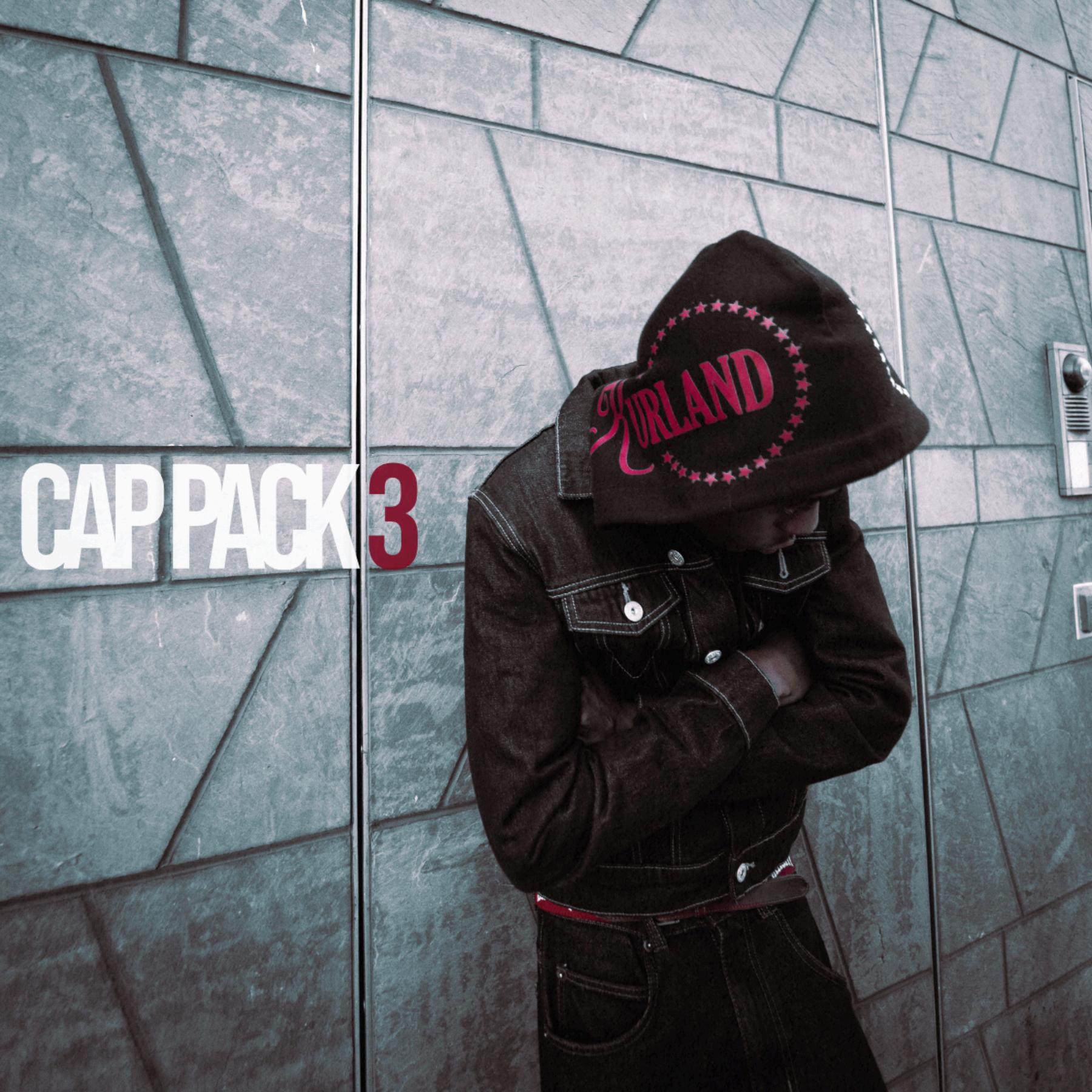
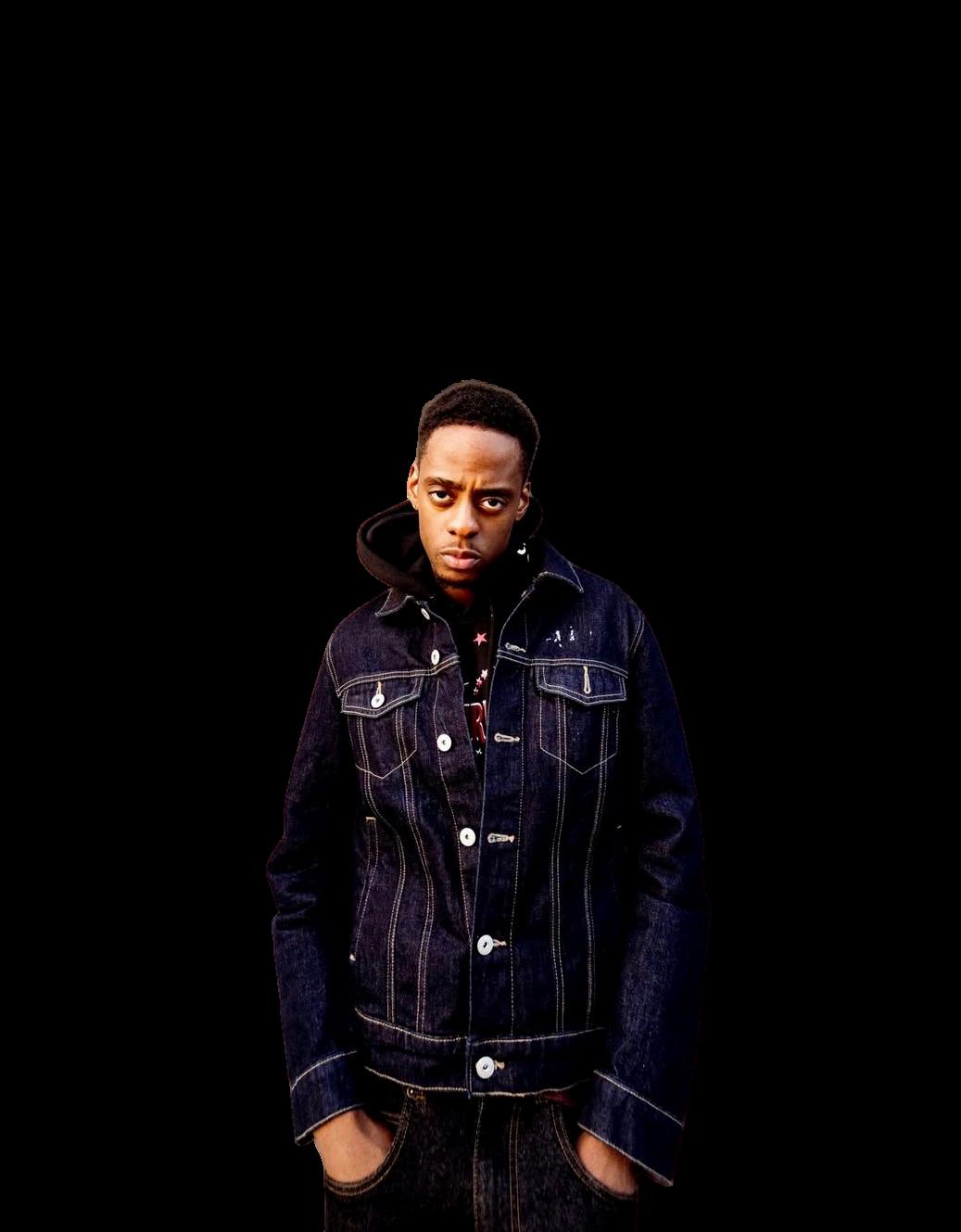
There are a lot of artists coming out of Massachusetts There aren’t a lot who have been nominated for six Grammys But for Clark D, award recognition is just one of the many avenues by which he’s routinely separated himself from the pack His innate musicality, work drive, and infectious demeanor are a few others that have strengthened his stature as an exciting Bay State talent
Clark D is a producer, writer, artist, and engineer Originally from Boston, Clark has bounced up and down the East Coast between Boston and Atlanta in recent years working professionally in music as a recording and mixing engineer for some of the world’s best gospel and hip-hop artists All the while, he’s continued to shape a well-polished discography at a rate that’s somewhat reminiscent of Lil B’s run in the early 2010s (with a lot less meme raps involved) Seemingly every month, listeners receive either a new single EP or full-length project that furthers the rhetoric surrounding Clark D
Songs like “FIVE-SIX FREESTYLE” and “Locked In” offer a braggadocious look into Clark D’s state of mind following a successful few years of making money off his talents Tracks like “12:30AM” and “Top 10” offer a different viewpoint with more melodic raps soundtracking Clark D’s introspective, emotive stanzas about his life and unrelenting drive to be great ‘CAP PACK 3’ is the most recent body of work to bring Clark D’s discography up another notch
His first substantial release up through this point in the new year (and first official mixtape to be released ever) ‘CAP PACK 3’ is a 10 song project that brings fans back to the DatPiff days The entirety of the tape is produced by long-time collaborators Latrell James and ALFii, with the underlying, hard-hitting soundscapes providing Clark with an excellent lane to talk his shit Standouts from the project include “MOMMA RAISED A Z” featuring DeevoDaGenius, “BRACKETS” featuring Latrell James, and “RIVER STREET” Despite these standouts, ‘CAP PACK 3’ is a wellworthy listen from beginning to end, and gives listeners an excellent glimpse of the Boston rapper ’ s talents
Though Clark D’s discography stretches back nearly a decade ‘CAP PACK 3’ and his latest sounds really give the feeling that he’s rounding a corner in his career – and his recent surge in social media popularity certainly backs up this sentiment
Whether it’s your first time listening to Clark D or your first time in a while revisiting his catalog, this mixtape is an excellent moment to familiarize yourself with his latest work
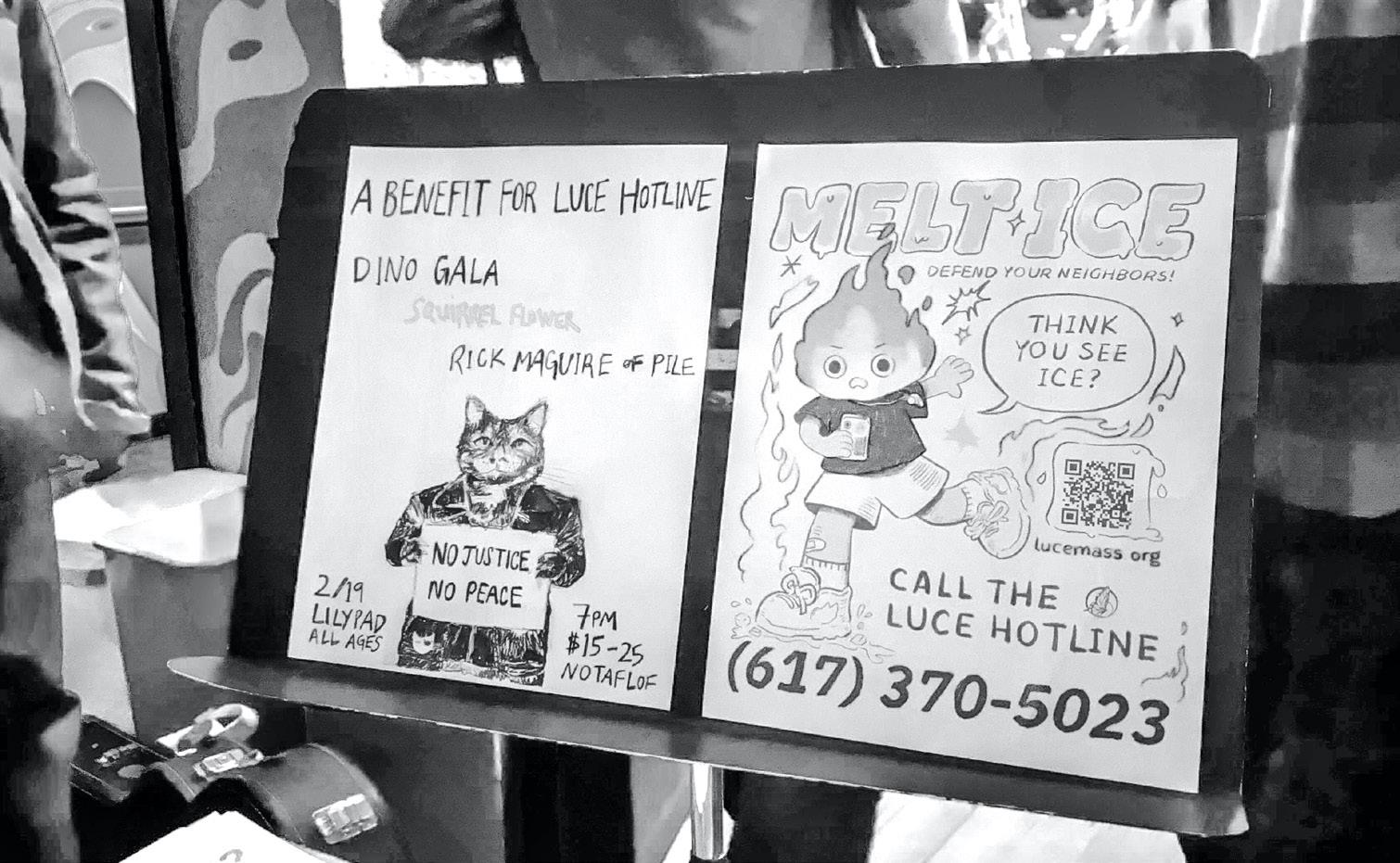
Though the shadow of fascism grows ever longer, the City of Boston has stood firm that our local government will not support ICE operations
On February 5, Mayor Michelle Wu signed “An Executive Order To Protect Bostonians From Unconstitutional and Violent Federal Operations,” condemning ICE’s barbarism in Minnesota and providing direction for city officials on how to protect residents from illegal federal overreach
It affirms that local law will respond to and investigate unlawful acts committed by federal agents, and ICE will be barred from using city property to conduct their operations
Wu was joined by Lynn Mayor Jared Nicholson, Newton Mayor Marc C Laredo, and the City Managers of Chelsea and Cambridge, Fidel Maltez and Yi-An Huang, all of whom signed the same order for their own municipality
“Boston stands in solidarity with communities across the region to protect our residents amid the attacks of a reckless and dangerous federal administration,” the Mayor said “Our City will take every action to deescalate, ensure safety, and protect the people of Boston ”
City Councilor Henry Santana attempted to flag council support for the order, but was blocked by Councilor Ed Flynn, saying that he could not vote without doing his “due diligence” by having a hearing with the department heads mentioned in the resolution about how they might enforce the Mayor’s order
“I would like to know more about it, and I’m respectfully asking [Santana] if he would consider having a hearing so I can be more informed before I vote,” Flynn said
In a statement following the meeting, Santana called the suggestion that further hearings are required to justify protecting our neighbors insulting
“It suggests that the documented violence and systemic misconduct occurring across this country are somehow up for debate,” Santana said We should not have to litigate the right to exist safely, and it is unacceptable to demand that our immigrant communities ‘ prove ’ their need for protection in the shadow of recent murders ”
At least 32 people died while in the custody of Immigration and Customs Enforcement (ICE) in 2025 Renee Nicole Good and Alex Pretti were both executed by ICE agents just weeks apart from one another Linda Davis, a Georgia school teacher, was fatally struck during an ICE ‘ s pursuit of a suspect despite no-chase policies being fairly standard in law enforcement
“This Executive Order is neither an exaggeration nor a reaction without cause While it is only one piece of the puzzle and not our only avenue for change, it is a necessary shield for the people who make Boston whole,” wrote Santana
In a statement Flynn said that he did not intend to block the resolution and that he was in communication with Santana to schedule a hearing through the Committee on Public Safety and Criminal Justice – a date for this hearing has yet to materialize
Regardless of Council support, the Mayor’s order stands and has received praise from the American Civil Liberties Union
“At a time when the White House has wrongly asserted that ICE agents have complete immunity, Mayor Wu makes clear that in Boston, federal agents are not above the law and must follow the same rules as everyone else,” said Executive Director of the ACLU of Massachusetts Carol Rose “The measures outlined in this Executive Order are critically important to provide Boston residents with some measure of protection and to make clear to federal agents that they will be held accountable for reckless and lawless behavior ”
3/1 Concert + Fundraiser For Bijan With live music from the OG Dennis Brennan Band @ Warehouse XI 3pm-6pm All Ages $20
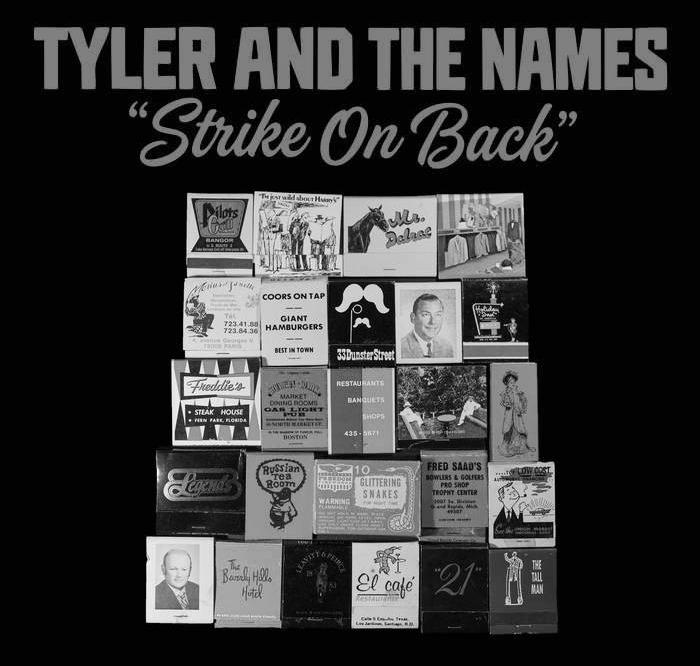
3/1 Both Kinds: Country AND Western w/ DJ Groan Man and Live Country Bands Monterey Mountain and Tyler & The Names @ State Park 8pm 21+ FREE
3/5 Babybaby explores, Salem June, and Bait & Switch @ Tourist Trap 8pm All Ages $10-$15
3/5 Patchwork 023 A night of funky live electronic music in Cambridge featuring local artists Metal Tiger, Totorobyn, Doomsdroid, Noizcode, and Hint of Reason @ Zuzu 10pm2am 21+ FREE
3/6 Sound in Air II
Experimental electronica with dance art and live visuals @ SomArt at the Hive 6:30pm10pm All Ages $20
3/7 Mother Fungus, Moon Goons, Feep @ Deep Cuts Deli 7pm 18+ $11
3/8 Afrobeats Vs Dancehall
High energy DJs and dancing @ The Grand Boston 5pm11pm 21+ $23
3/11 Rozzie Old Time Session @ The Square Root Cafe 7pm-10pm 21+ FREE
3/13 JP Fights Back Fundraiser to support resistance in our community feat music by Kungiz, food, drinks, and speakers @ Spontaneous Celebrations 7pm-11pm All Ages $5-$25
3/15 The Grand UndoingRecord Release Party

3/20 We Black Folk Showcase Spotlight Series celebrating Boston-based Black artistry in folk and roots music @ Arts at the Armory 7pm-9:30pm All Ages $35
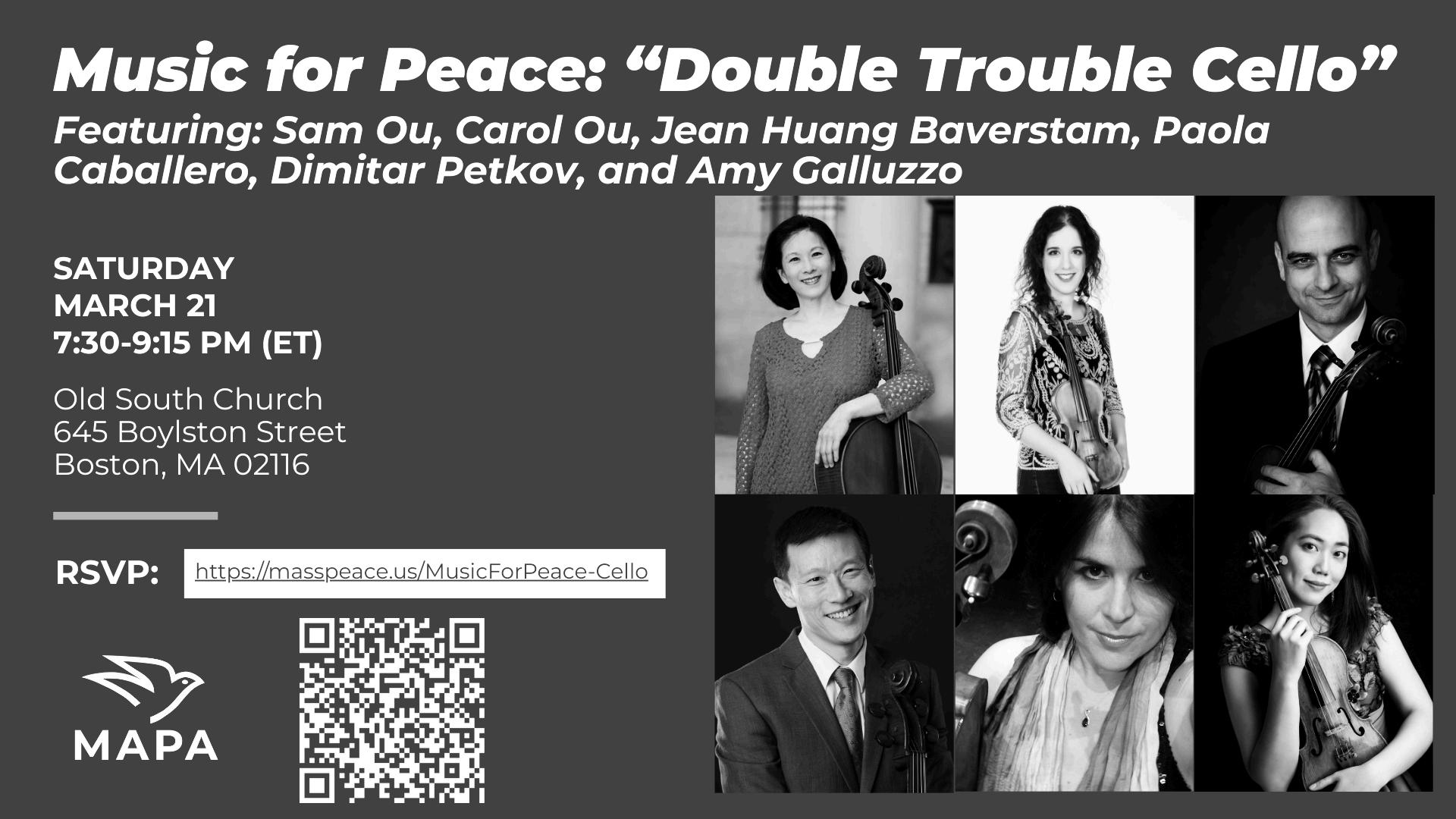
3/21 Music For Peace: Double Trouble Cello
Classical concert featuring pieces by Arensky and Schubert @ Old South Church 7:30pm-9:15pm All Ages FREE
3/22 Bird Week, Alma June & The Persian Cats, Ana Blosset, Boy Blue @ O'Briens Pub 8pm 21+ $12 55
3/28 Evicshen, Cursed Image, and Kelly Bray
Experimental trumpet, art, and sound performances @ Boston City Hall 7:30pm All Ages FREE
3/31 Welcome 2 Da Jungle 2 Artists, rappers, singers, producers, & entertainers compete for a live audience and five guest judges @ The Jungle 6pm-9pm 21+ FREE
film
3/4-4/1 Calling The Shots
Explore women ' s voices in film direction and cinematography all month @ Coolidge Corner Theatre All Ages
3/7 Crossing Lines A retrospective screening Raymond Rea's experimental films + Q&A with Rea & Genevieve Carmel @ AgX Film Collective 7pm-9pm All Ages FREE
3/21 Chinese Brush Painting For Adults: Wildflowers Learn brush painting with Xiaoyong Liu in a hands-on workshop, all supplies provided @ PAO Arts Center 2pm-3:30pm All Ages $30
3/24 The Moth: Boston Storyslam Open-mic storytelling competition on the theme Fumbles and Fouls @ Arts at the Armory 7:30pm9:30pm All Ages $20
3/29 AJ Crowe & Friends Music and Art Sale Pop-Up @ The Square Root Cafe 4pm6pm 21+
3/18-3/22 Boston
Underground Film Festival
Unconventional stories, idiosyncratic voices, fever dreams, nightmarish visions, and all manner of cinematic forms @ Brattle Theatre, Coolidge Corner Theatre All Ages
Featuring songs from "Songs ad wish osef ttat @ $36 ammy p with s $36
3/7, 3/13, 3/20, 3/27 Stitch and Bitch Bring a project from home, pick one from a selection of ready-to-make fiber arts projects, and create in community @ The Rainbow Nook 5pm-6:15pm 18+ $15
3/12, 3/26 Flow State:
Sketchbook Sessions Lowstakes, community sketchbook art sessions hosted by Victoria DelValle (@thirteenvicarchive) @ East Boston Branch of the Boston Public Library (BPL) 5pm-7pm All Ages FREE
3/5 We Created Chávez Reading Group Discuss chapters 3-4 of We Created Chávez No prior reading required @ Lucy Parsons Center 6pm-7:30pm All Ages FREE
3/17 Monthly Manga Book Club @ Mattapan Branch of the Boston Public Library 5pm8pm All Ages FREE
3/17 If Language Is A Home: Author Reading & Conversation Award-winning poets Jasmine Reid, Esther Kondo Heller and Makenzie Berry read and discuss their latest collections @ Just Bookish 6pm-7:30pm All Ages FREE
3/27 Eoghan Walls And Maria Pinto Discuss Field Notes From An Extinction Discussion of Walls's newest book, a scientific and tender thriller @ Belmont Books 7pm8pm All Ages
performance
3/1-3/22 On A View From the Bridge Arthur Miller's 1955 play on undocumented immigrants chasing the American Dream @ Apollinaire Theatre Company All Ages $30 students & under 30, $65 general
3/5-3/8 Dead As A Dodo A musical odyssey about friendship and survival with puppetry @ Emerson Cutler Majestic Theatre All Ages $10
3/6-3/28 You Are Cordially Invited To The End Of The World! A play about family, climate anxiety, and cosmic connection @ Boston Public Library (BPL) All Ages FREE
3/10 On The Rocks Drag Show Monthly drag show with rotating cast, hosted by Miss Jade Rock @ State Park Bar 9pm 21+ FREE
3/20 HOLE SHOW: Oops, All Worms! A queer drag show, dance party, and more hosted by SHERMAN @ Crystal Ballroom 9pm 21+ $35
3/6, 3/16, 3/20, 3/27
Rupaul’s Drag Race Fridays Watch Season 19 of RuPaul’s Drag Race in community, hosted by Mizery @ Club Cafe 8pm-10pm 21+ FREE
3/7 Art @ Night Live music, 20+ vendors, drinks, food, raffle, and art presented by backgarden @ First Street Market 5pm-10pm All Ages FREE
3/9 PUNK ROCKIN' AND PASTIE POPPIN' The Bloodstains host Boston's monthly burlesque punk rock dance party @ Midway Cafe 9pm 21+ $10
3/15 Smoke-n-Scents Golden Hour Pour Luxurious energyfilled social with candle making, fragrance blending, and drinks All materials included + 2 drink tickets @ 2377 Boston 1pm-5pm 21+ $50
3/17 Movie Trivia Assemble your team and test your movie knowledge for prizes @ Crystal Ballroom 7pm All Ages FREE
3/18 Pub Quiz @ The Square Root Cafe 8pm-11pm 21+ FREE
3/19 Roslindale Comedy @ The Square Root Cafe 7pm10pm 21+ FREE
3/21 50th Annual Gardeners’ Gathering Workshops, exhibitors and networking for Boston growers @ Curry Center at Northeastern University 10am-5pm All Ages FREE
3/23 LGBTQIA+ Boar
Speed Dating Discove games and meet fun, s people @ Club Cafe 7p 21+ $30
3/23 Name Change C Co-hosted by MTPC an by AMG, guidance and support with the legal n change process @ The Foundation 4pm-6pm FREE
3/28 Trans Artist Show Artist vendor fair + ope Spontaneous Celebrat 4pm-8pm All Ages FRE
3/11, 3/25
Peacekeeping
101/Protest Safety Learn how to plan for safety, deescalation, and debriefing with Elaine Almquist, organized by Indivisible Somerville @ Virtual 7:30pm-9pm All Ages FREE
3/22 Heading For Extinction Talk Learn about the current climate crisis and join the Extinction Rebellion movement @ Melrose UU Church 2pm3pm All Ages FREE
3/23 Know Your Rights MiniConference Empowerment and resources for trans and gender-expansive community @ The Boston Foundation 3pm-6pm All Ages FREE
3/3 Comics Publishing & Literary Agents Panel discussion with the Boston Comic Arts Foundation and the Women's National Books Association on comics publishing and working with literary agents @ Boston Public Library (BPL) 6pm-7:30pm All Ages FREE
Call For Event Producers Seeking creative public event planners for Somerville Arts Council July 2026 - February 2027 The deadline to apply is 3/9
Medford Open Studios Application Opportunity for artists and performers to be showcased by Arts Collaborative Medford this summer The deadline to apply is 3/15
Call For Artist: New England Aquarium Celebration ental cally ight ale dline for pate in os this om


Tater
Himalayan resident, maybe? 9 Project management system named for a rugby play 14 Powerful engine, for short
Roman poet of the "Metamorphoses"
Broccoli
Ayodhyan avatar of Vishnu 19 "September 1, 1939" poet 20 High or low card
Have dinner 22 Didn't have dinner, maybe
24 Massachusetts city that's west of 36-Across?
27 Video game series about bundling ordinary objects into a massive ball
28 Mathematical holiday celebrated on March 14th
31 In a bag, maybe
32 Cry of anguish made from letters in "anguish"
34 Prolific Hungarian mathematician Paul
36 Massachusetts city that's northeast of 54-Across??
39 Nail polish brand with humorous names
42 Wood joinery cut
43 Balletic leap
44 Massachusetts city that's due south of 24-Across???
48 Org with a PreCheck option
49 Neutral vowel sound
50 Sports official, for short
52 Massachusetts city that's
50 miles away from the others in this puzzle????
60 "Sad to say "
62 Tons
63 " Is For Lovers" - emo anthem by Dayton-based band Hawthorne Heights
64 Chuck
65 Island nation north of Indonesia
66 That's amore!
67 Slick
68 Philatelist's desire
69 Location for a lawnmower